
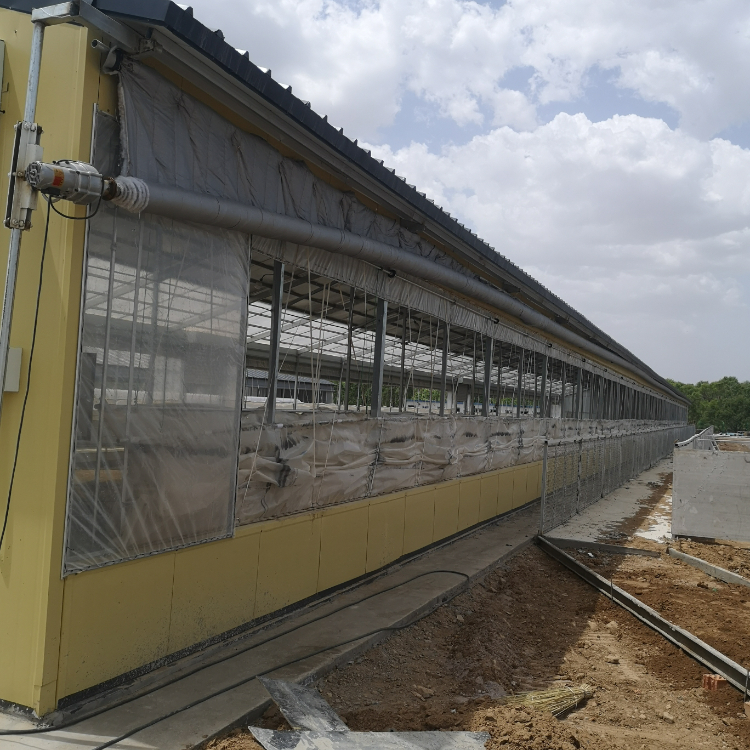
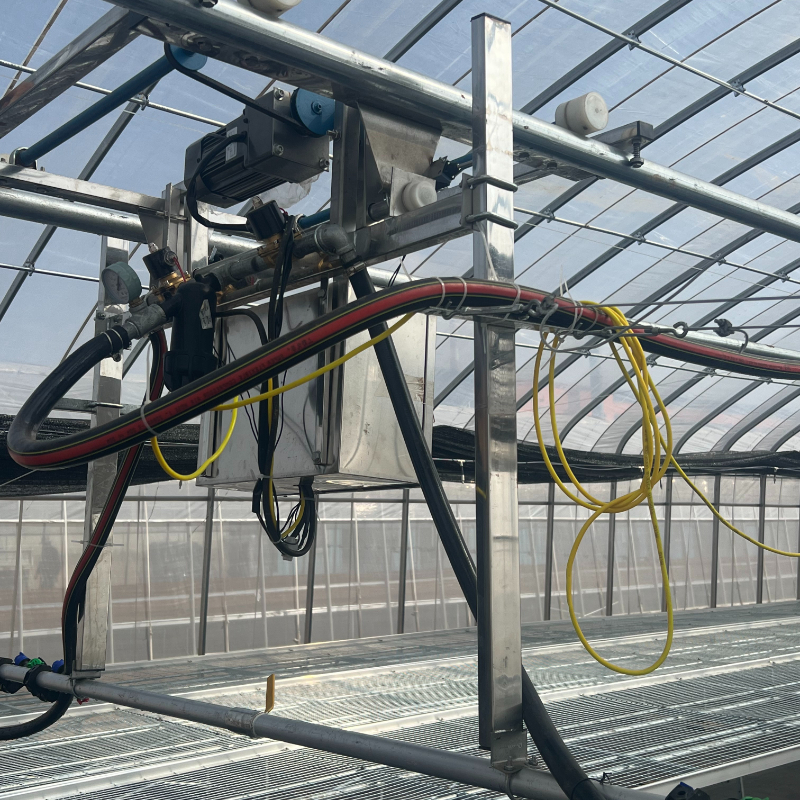
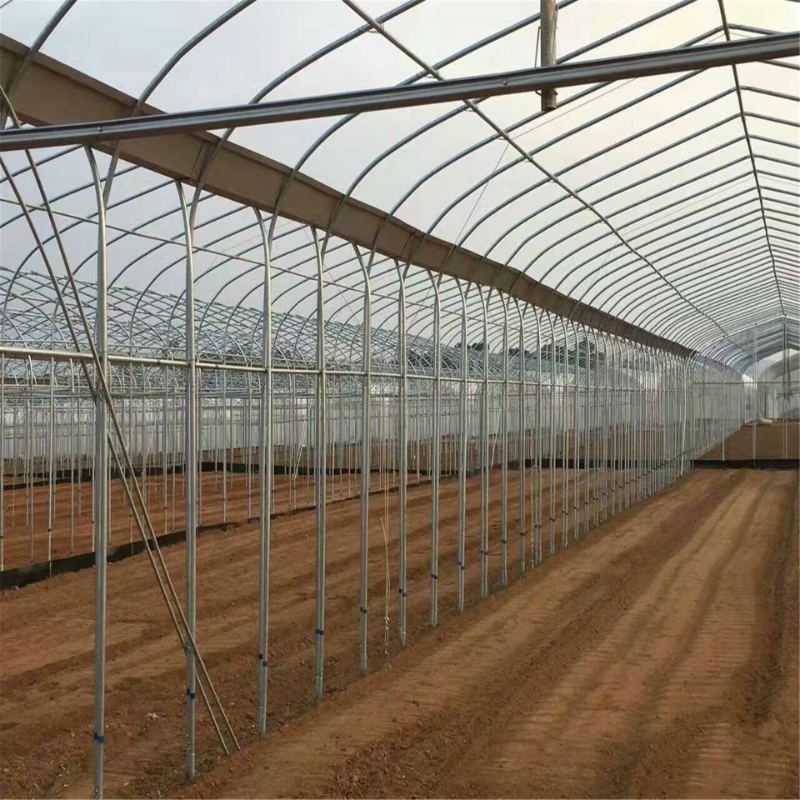
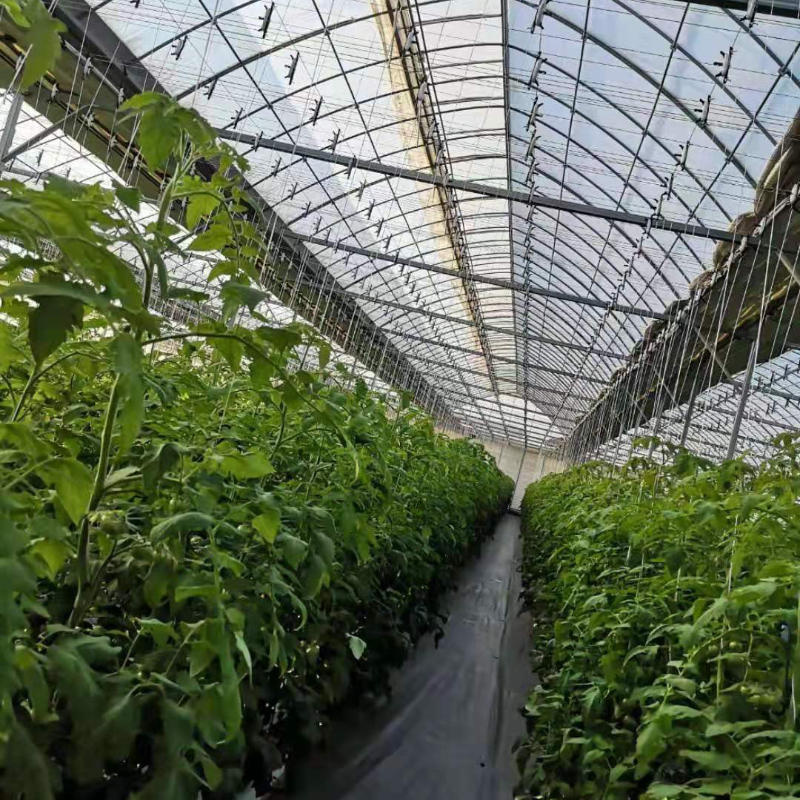
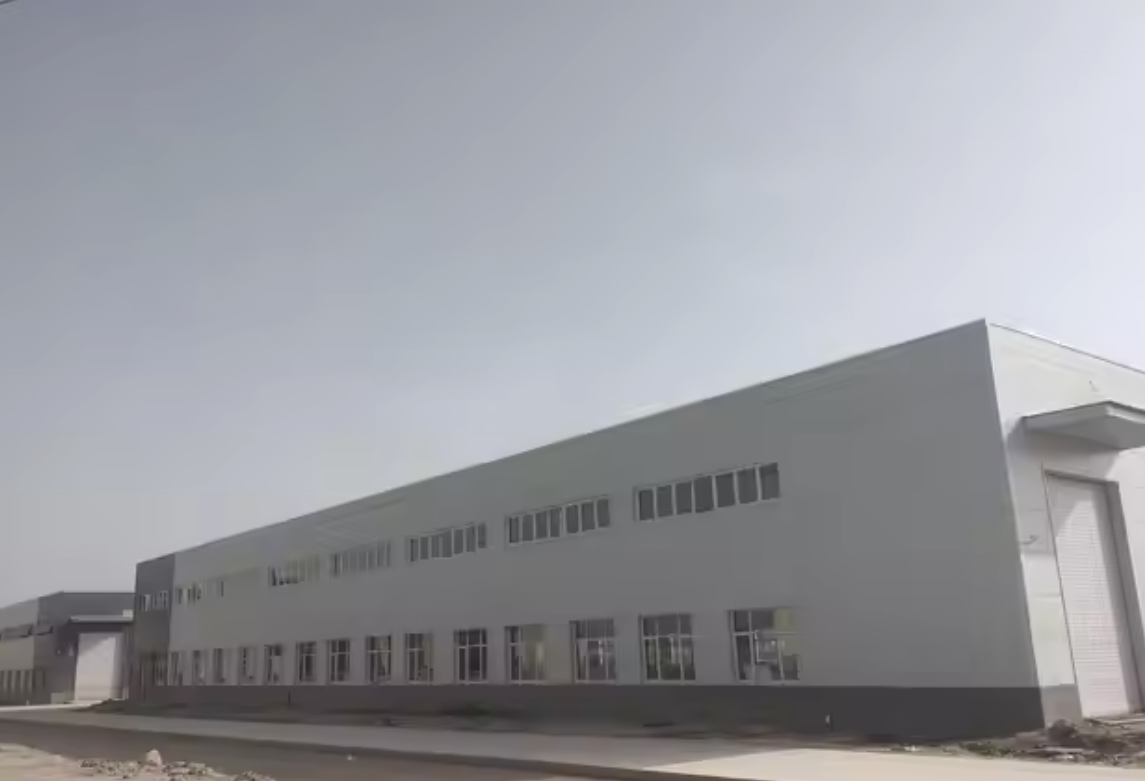
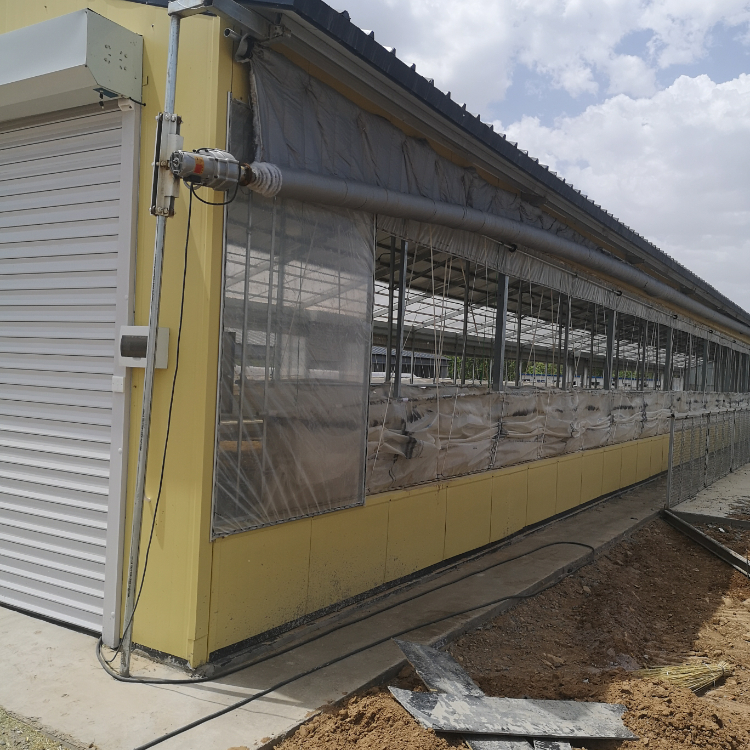
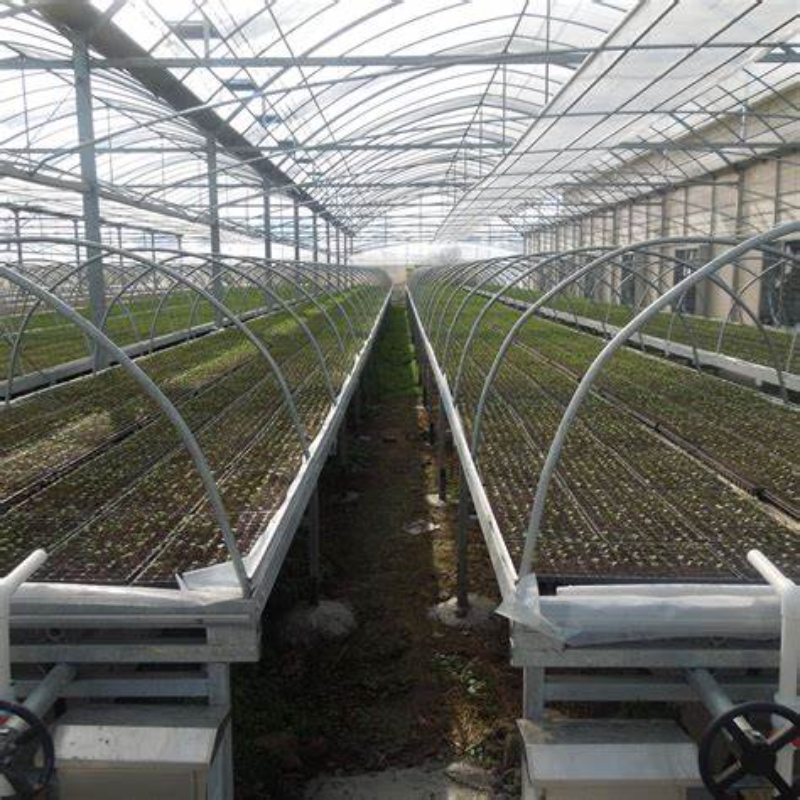
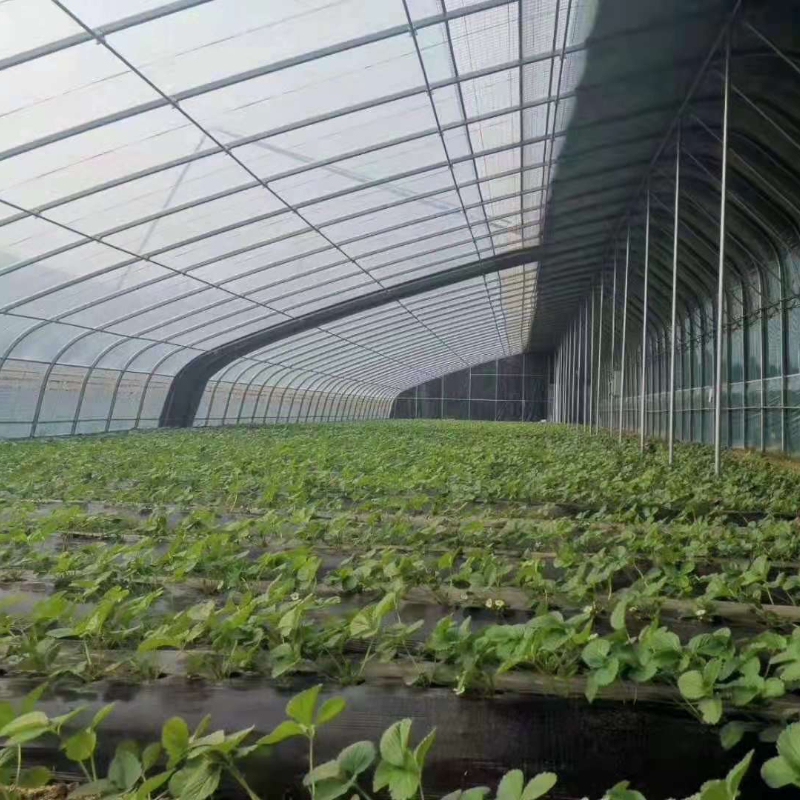
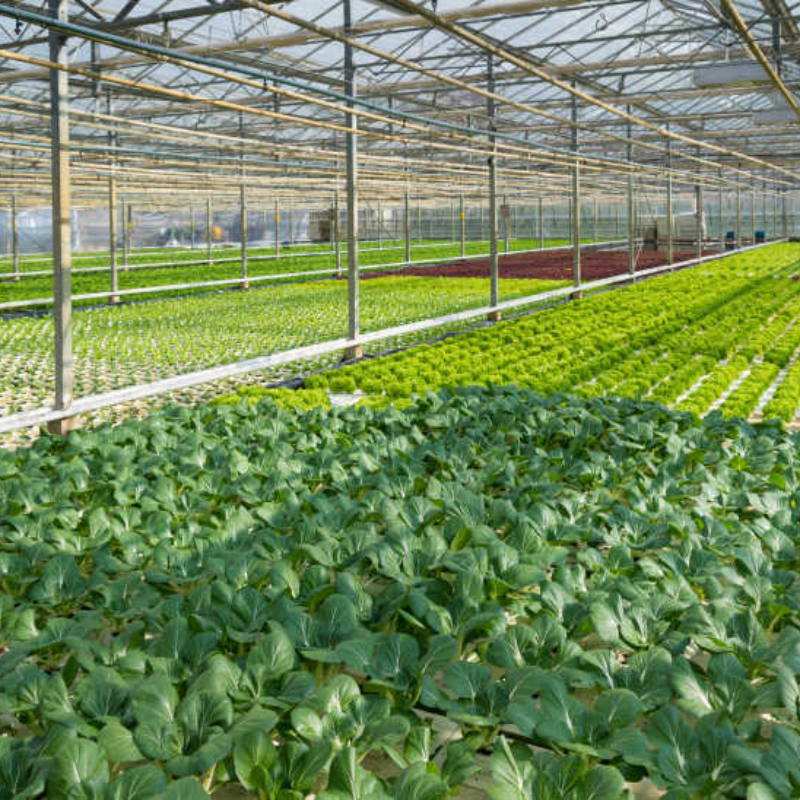
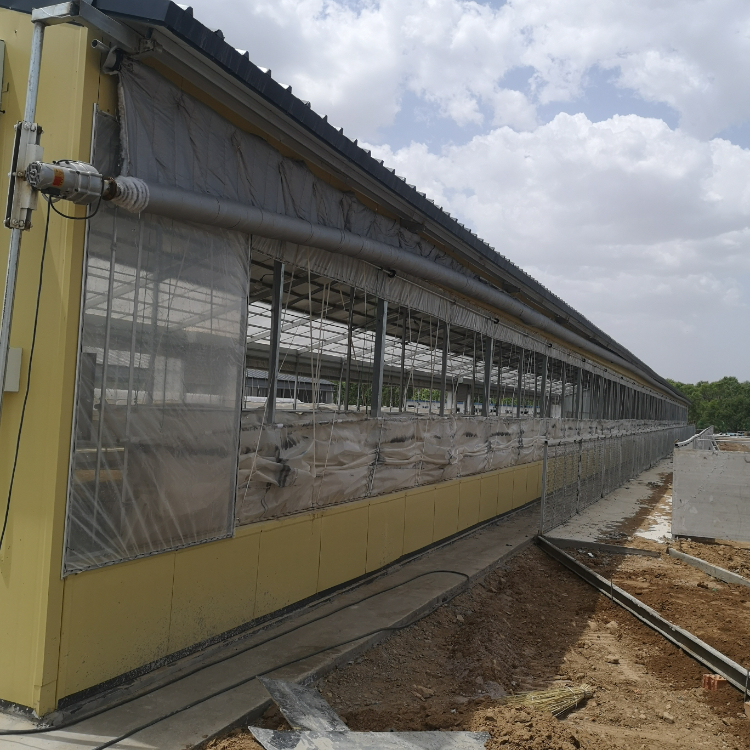
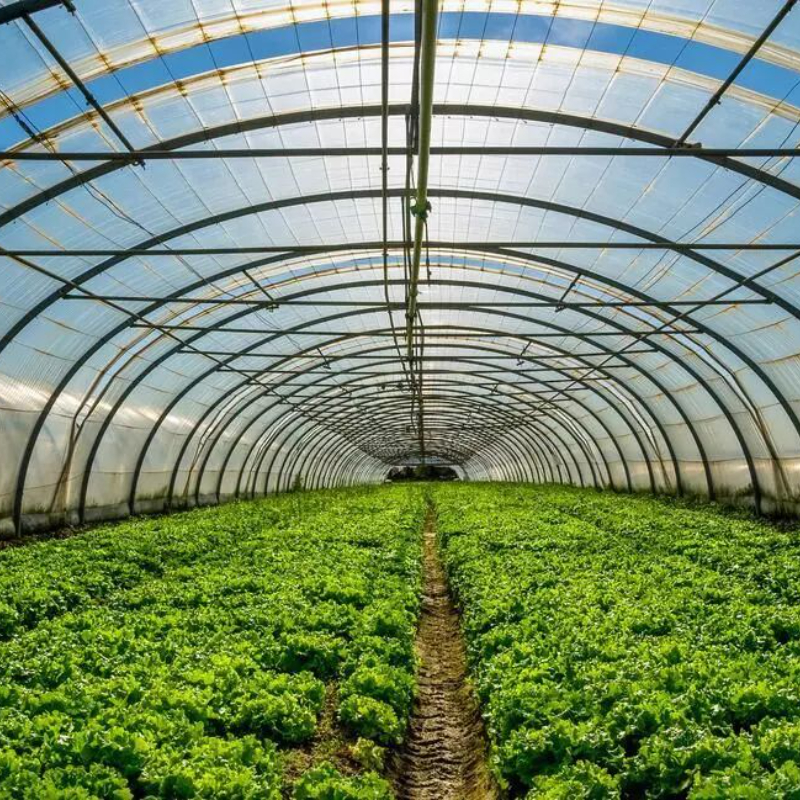
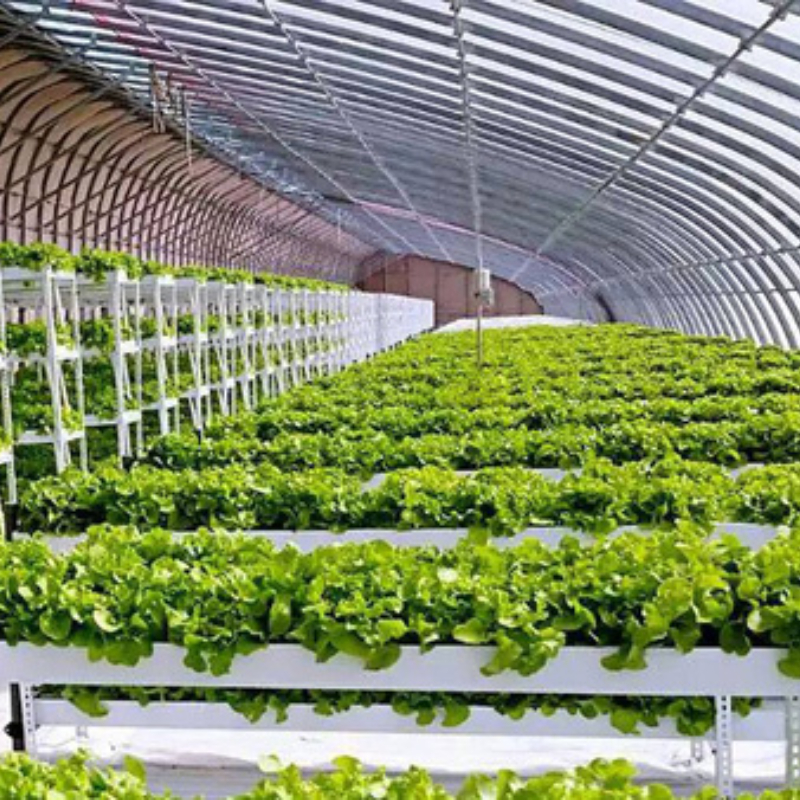
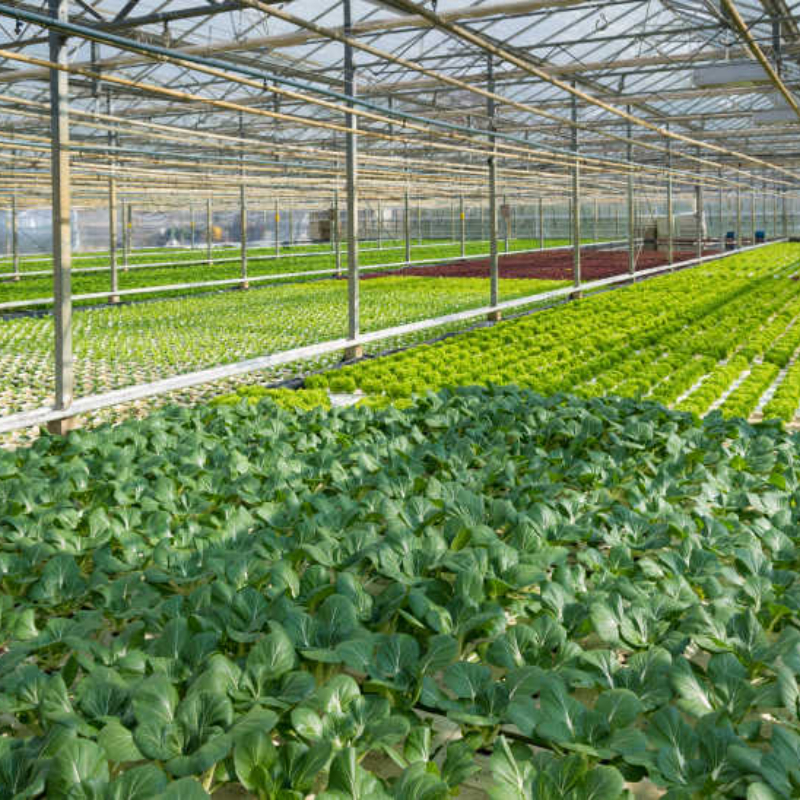
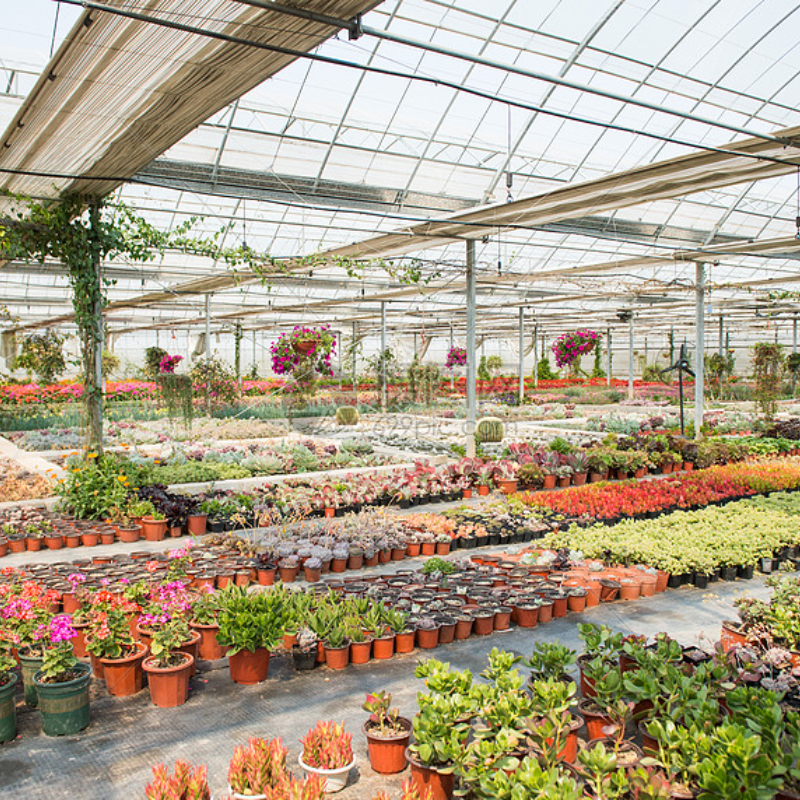
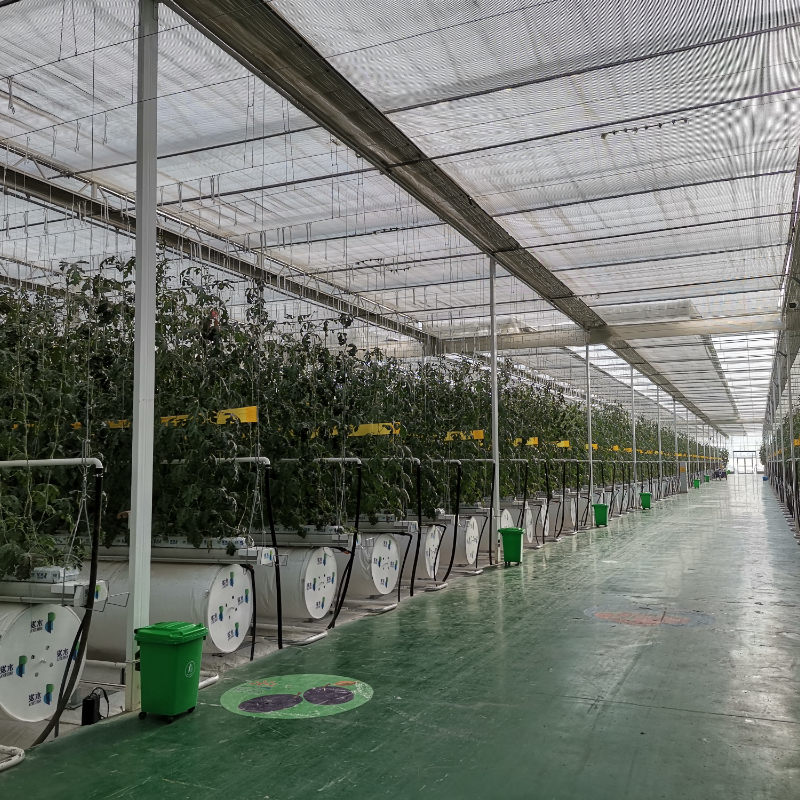
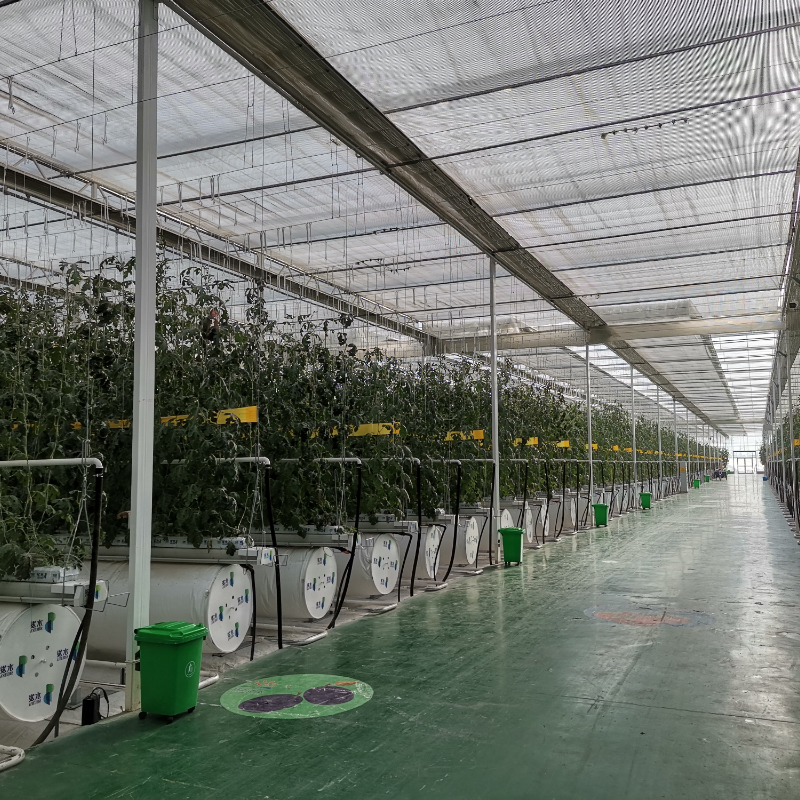
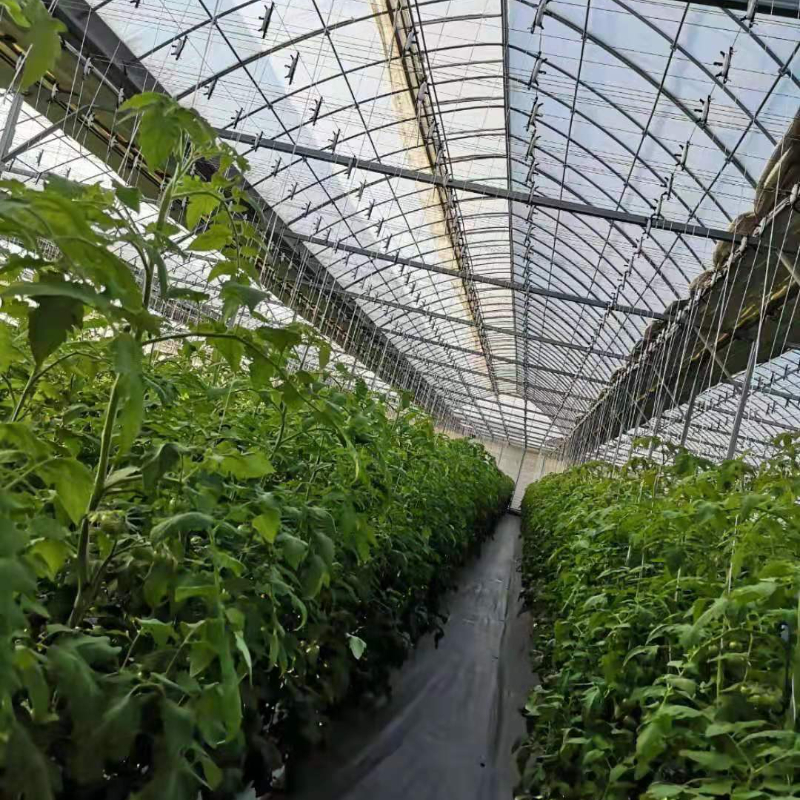
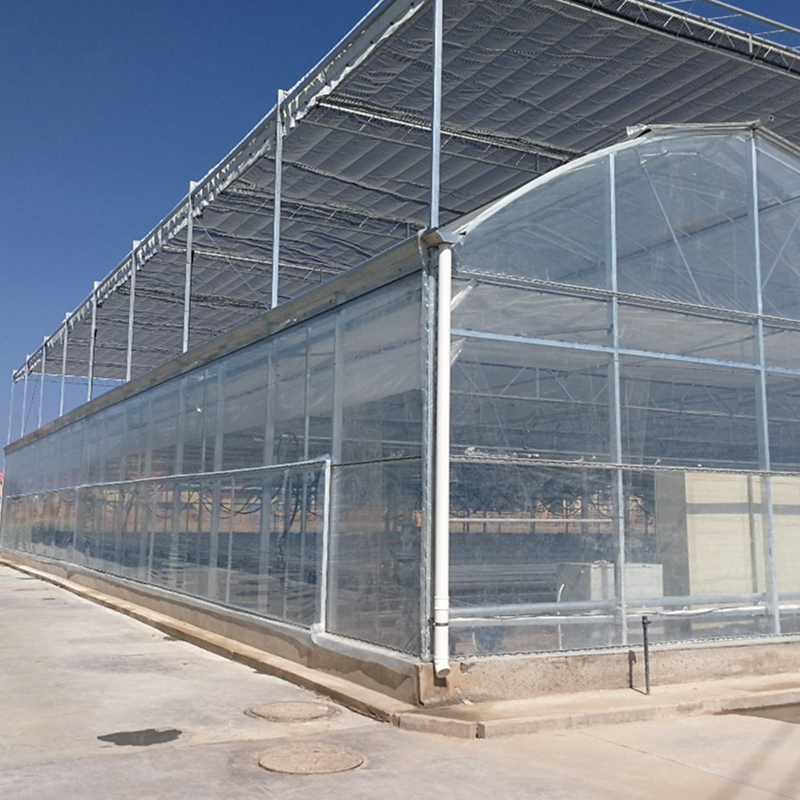
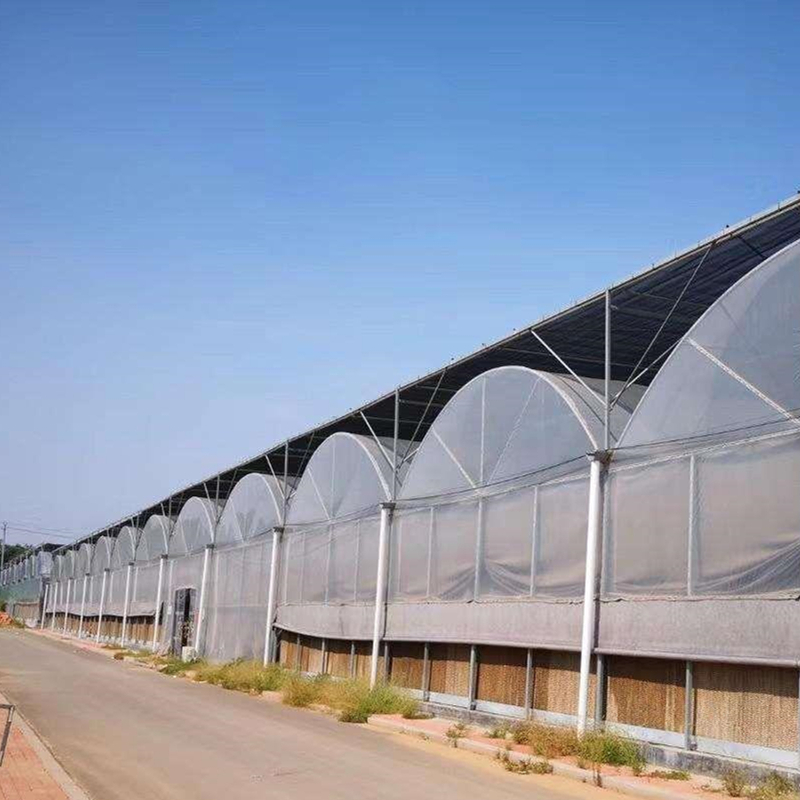
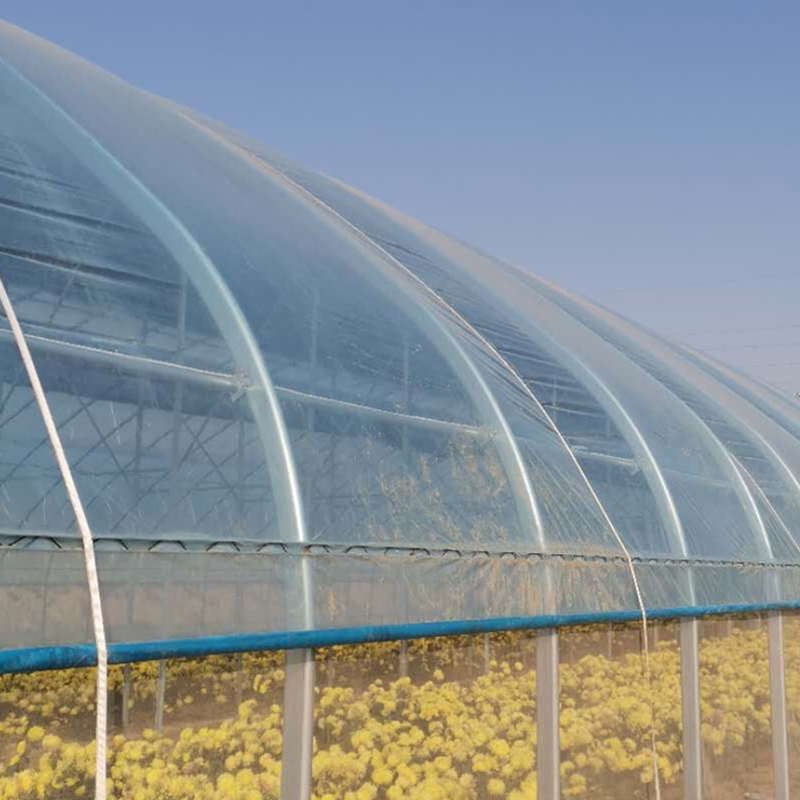
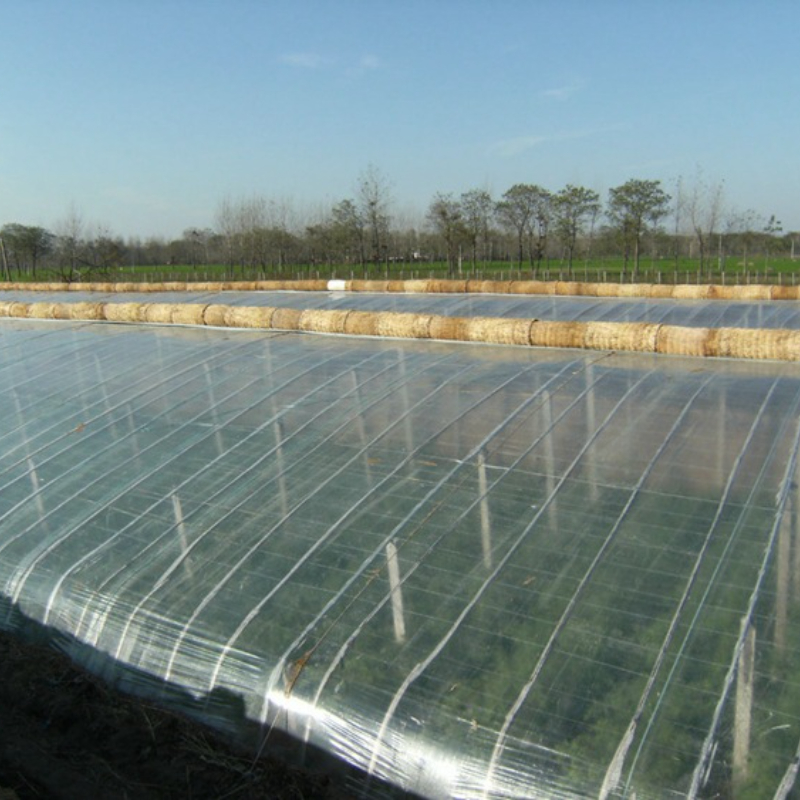
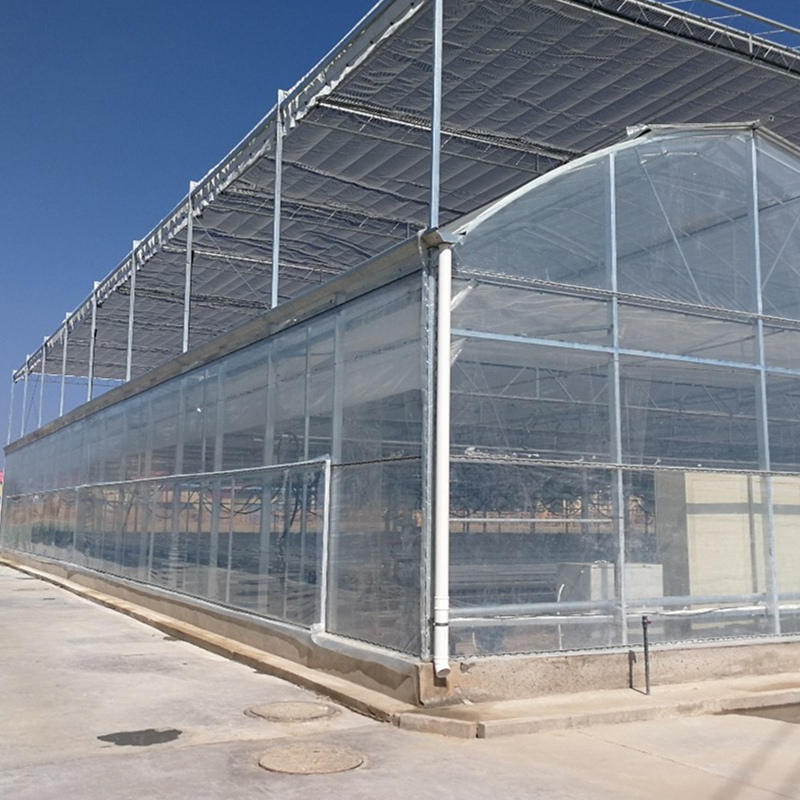
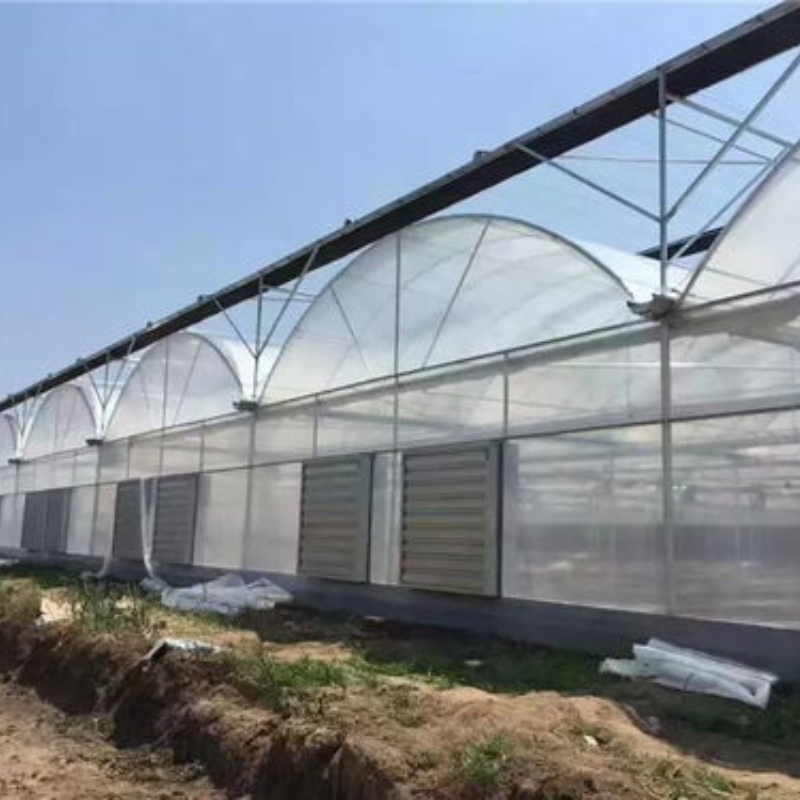
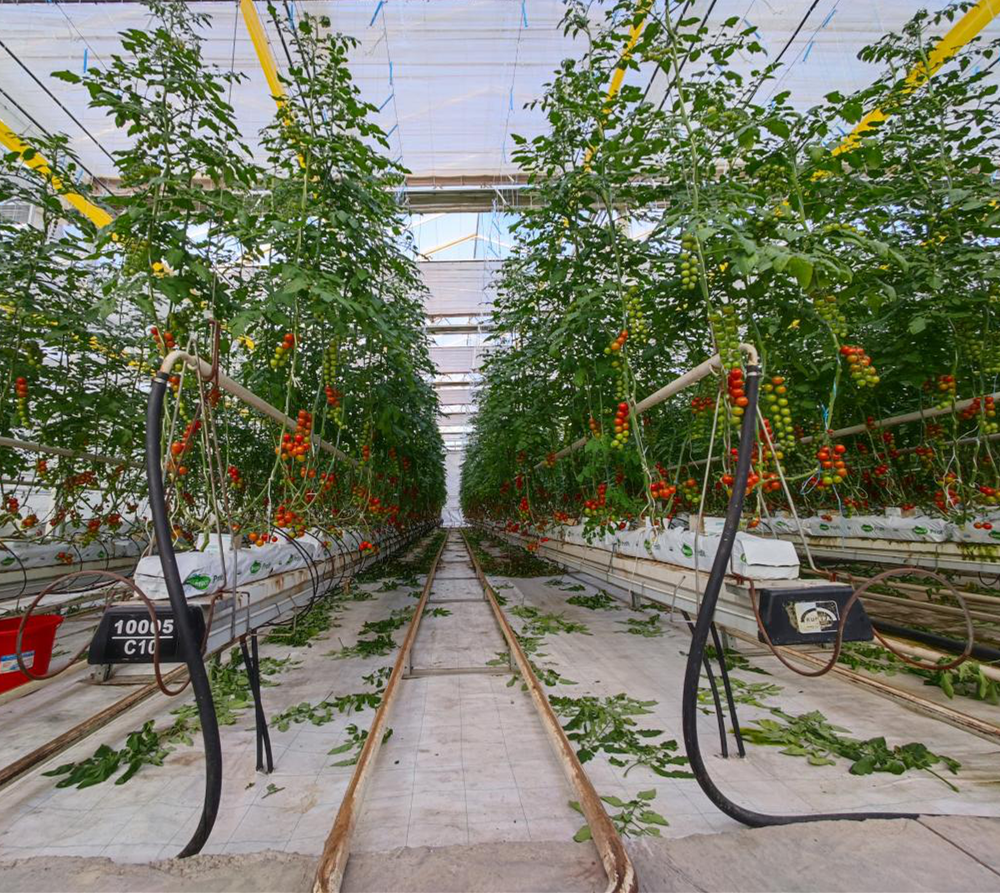
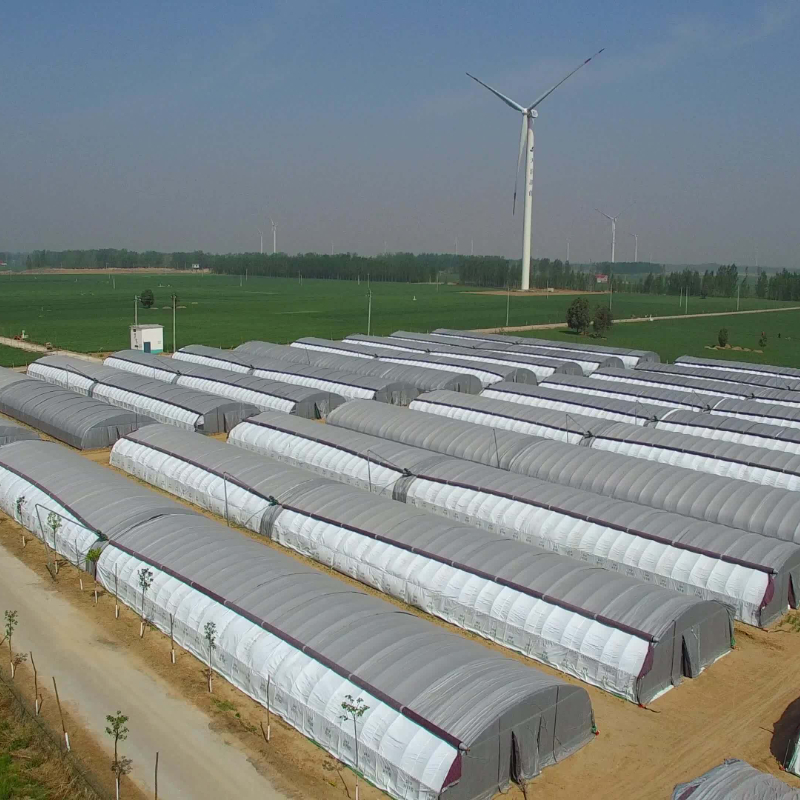
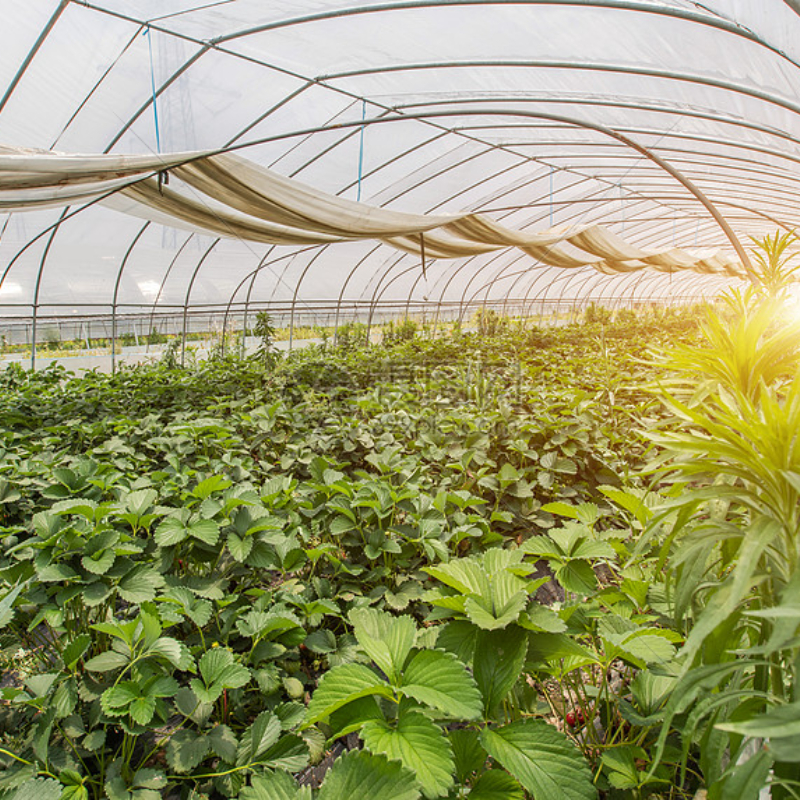
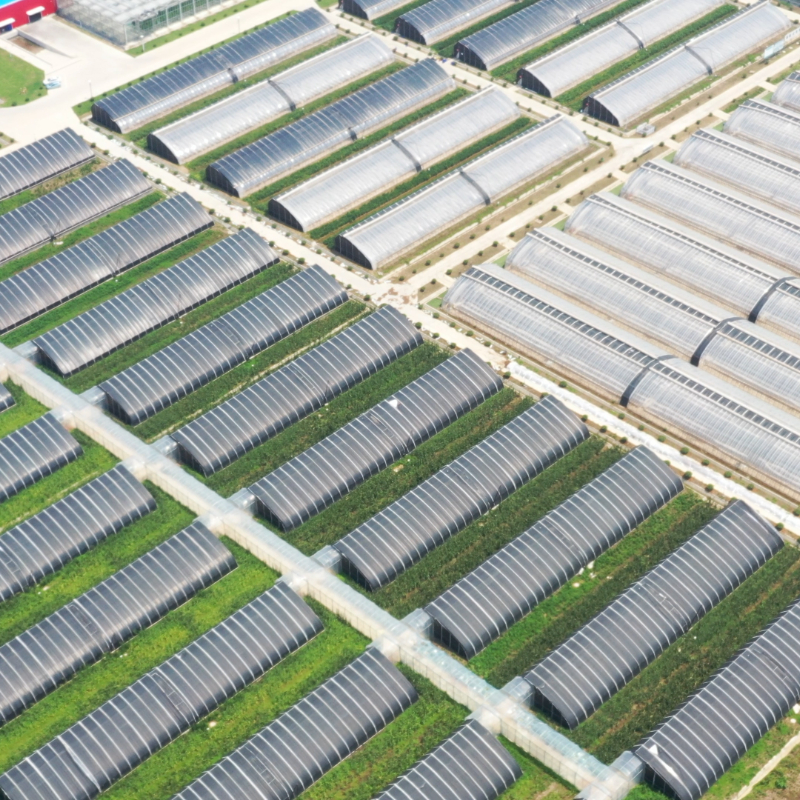
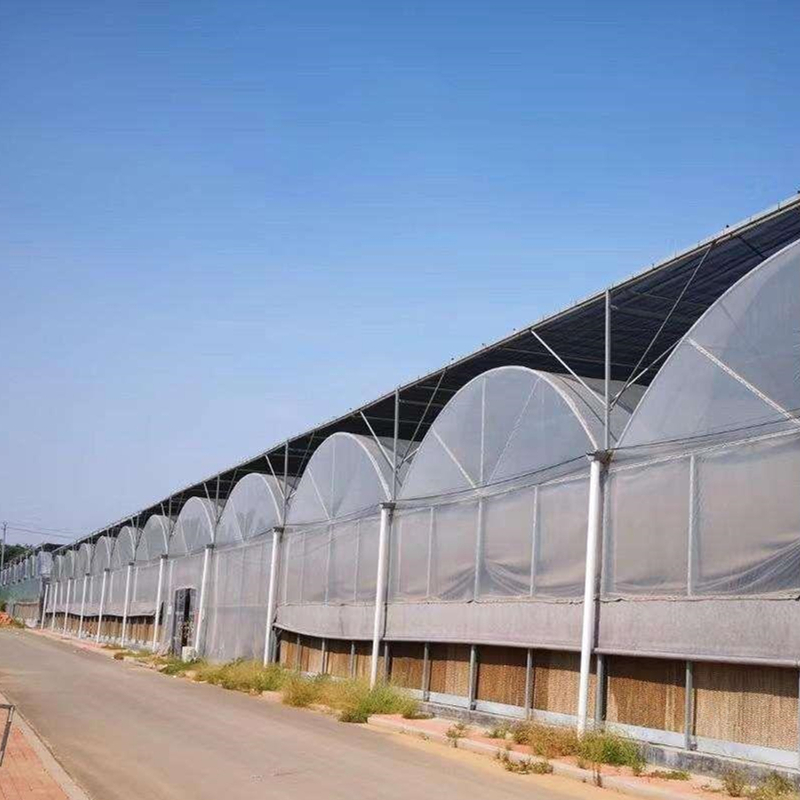
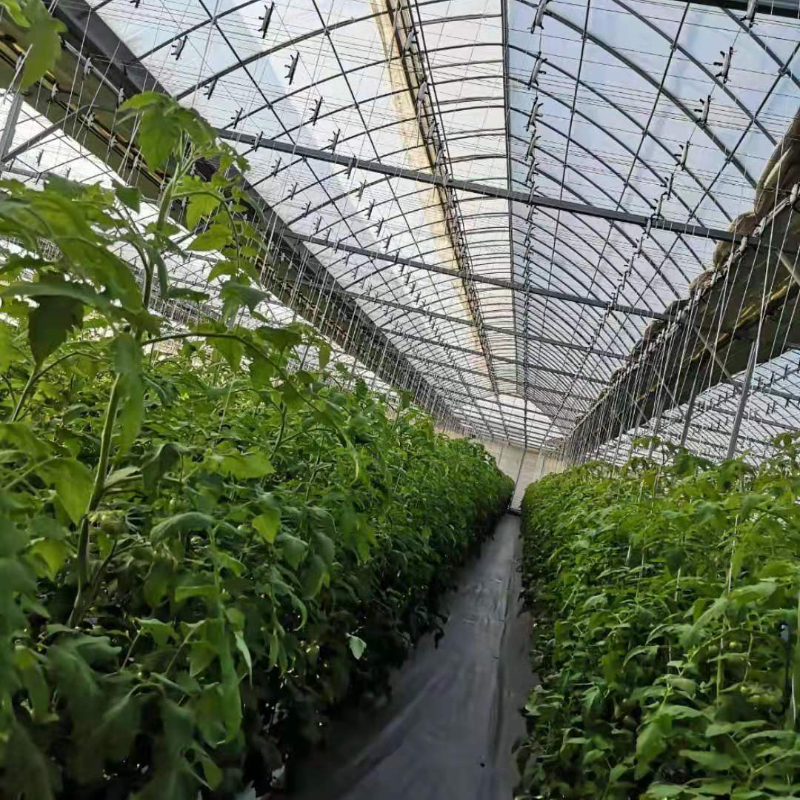
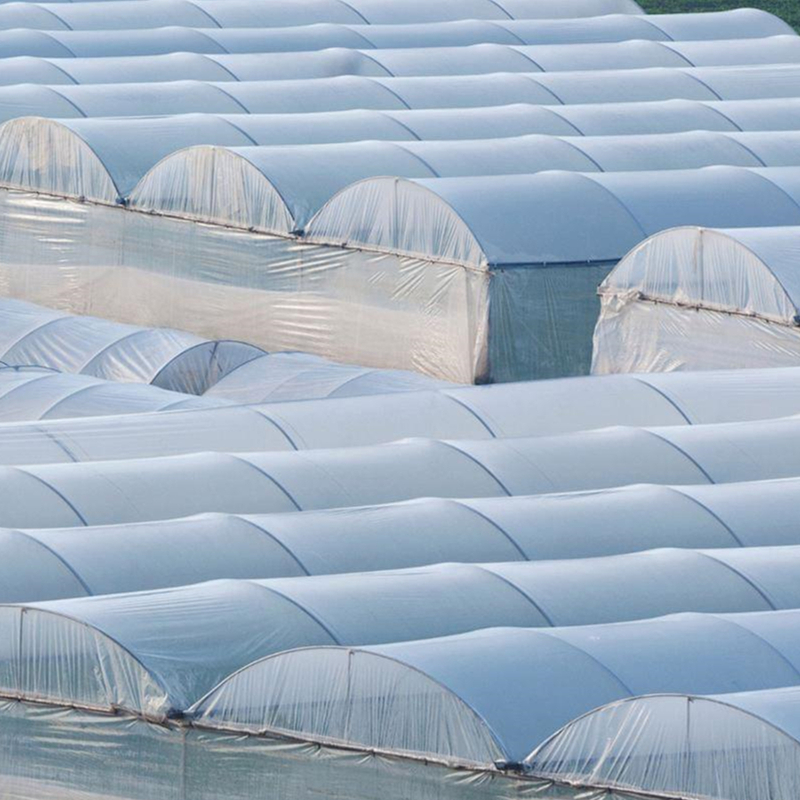
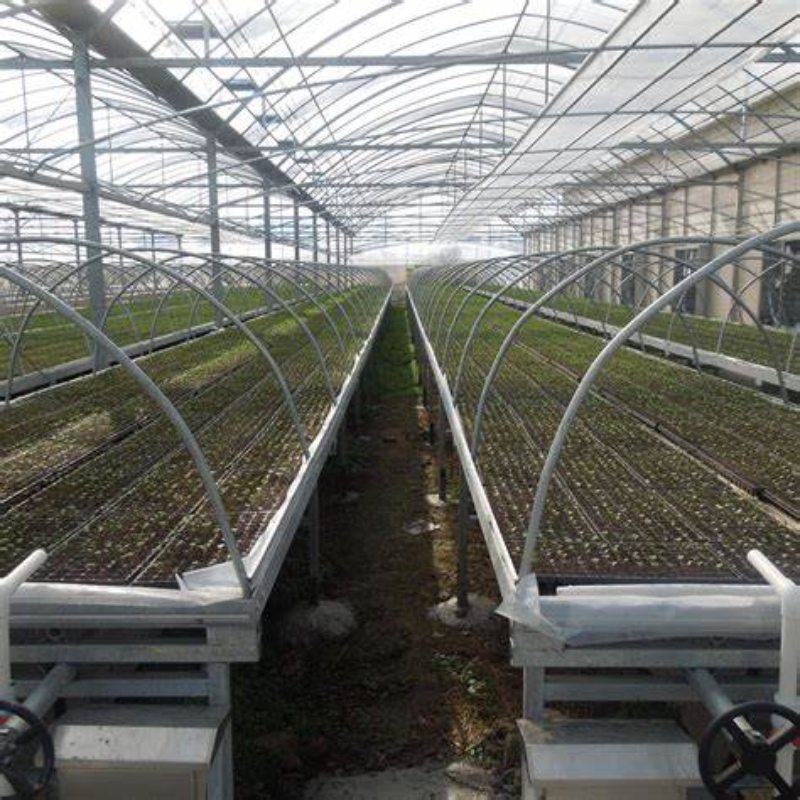
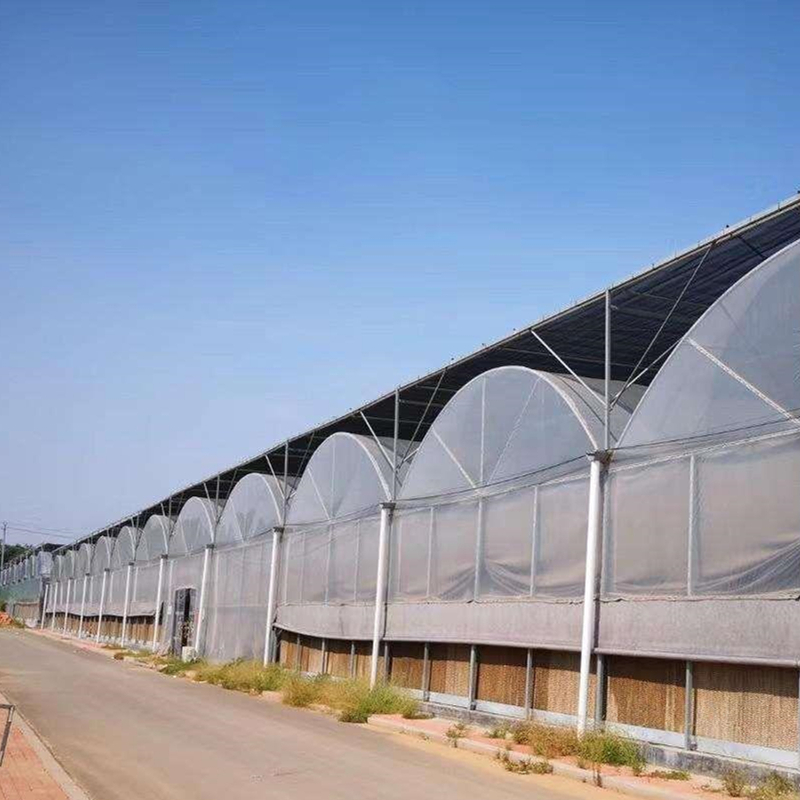
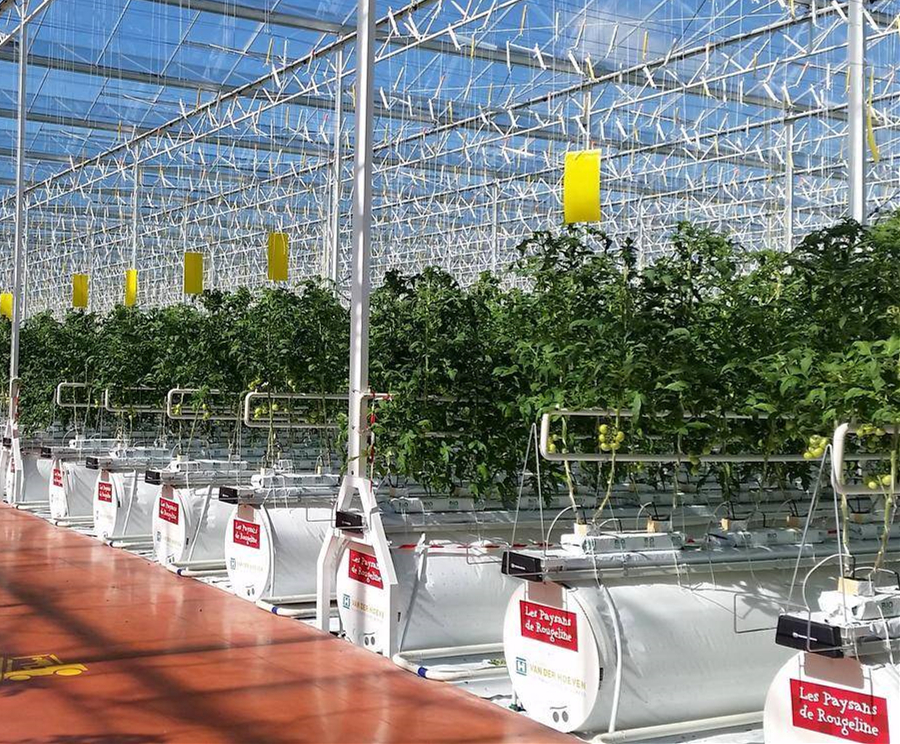
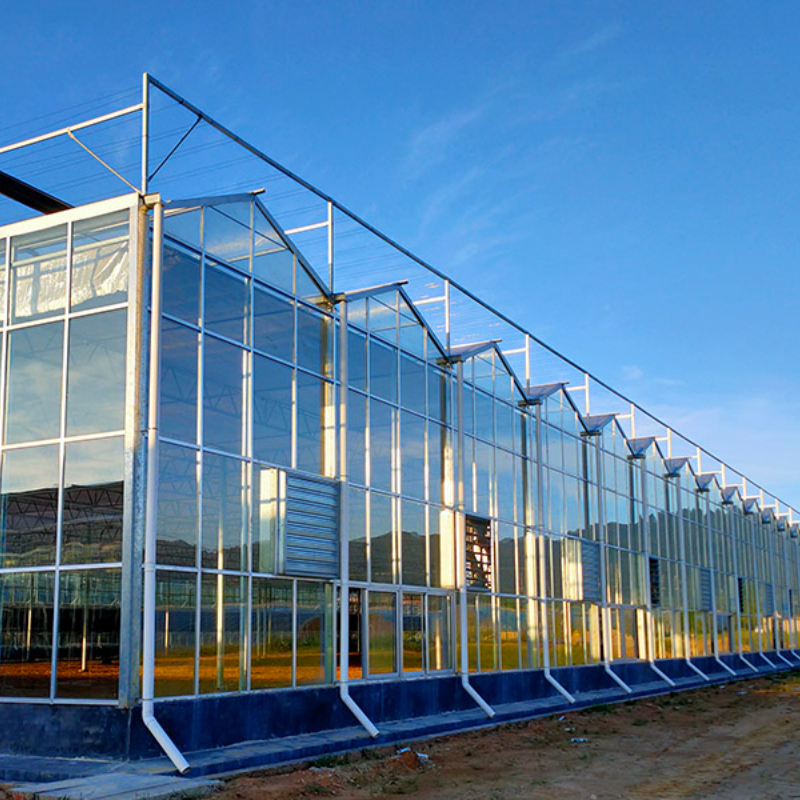
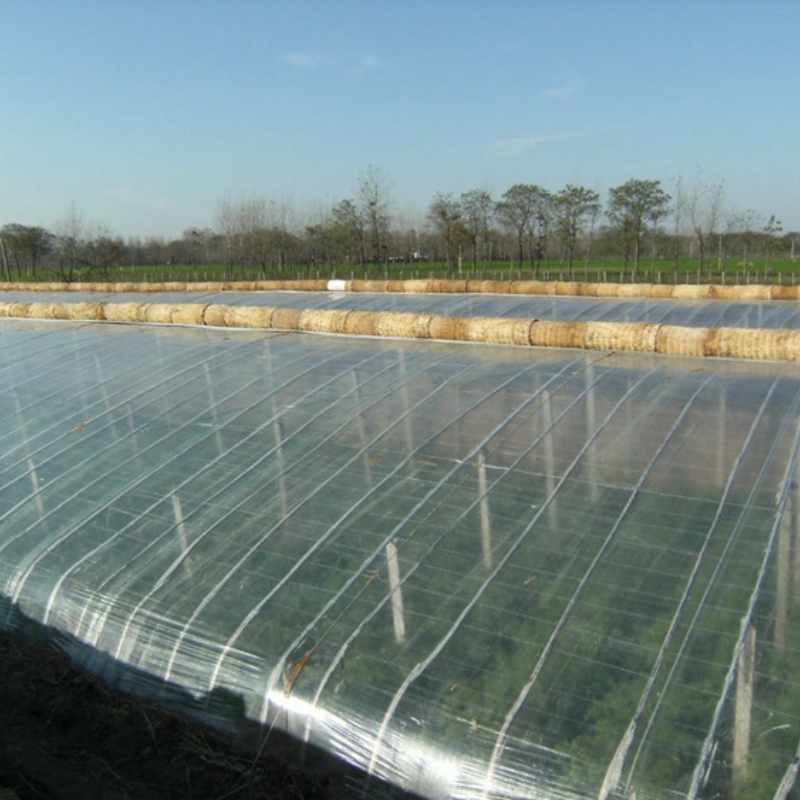
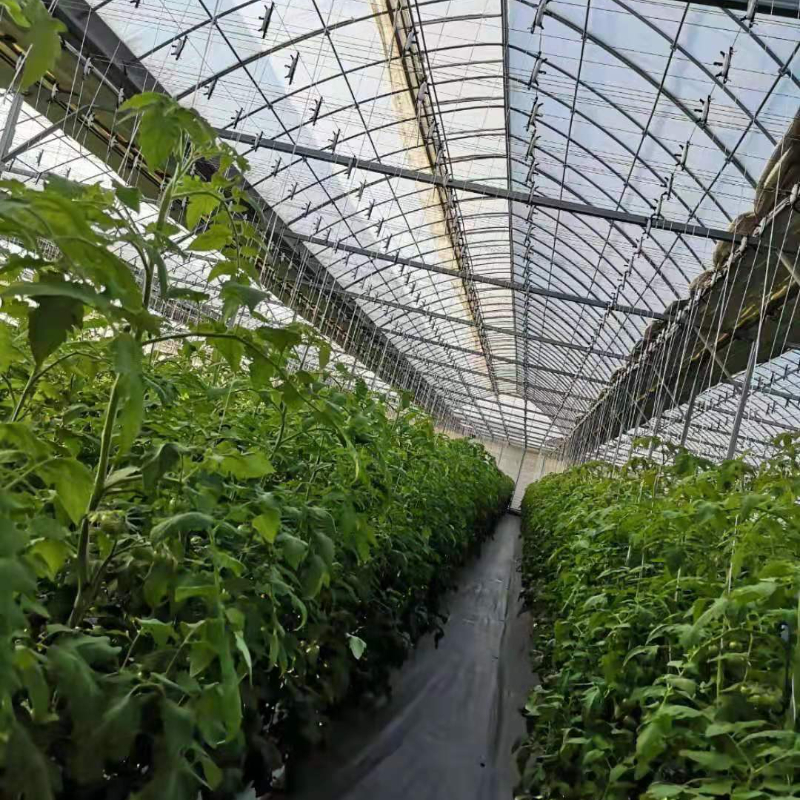
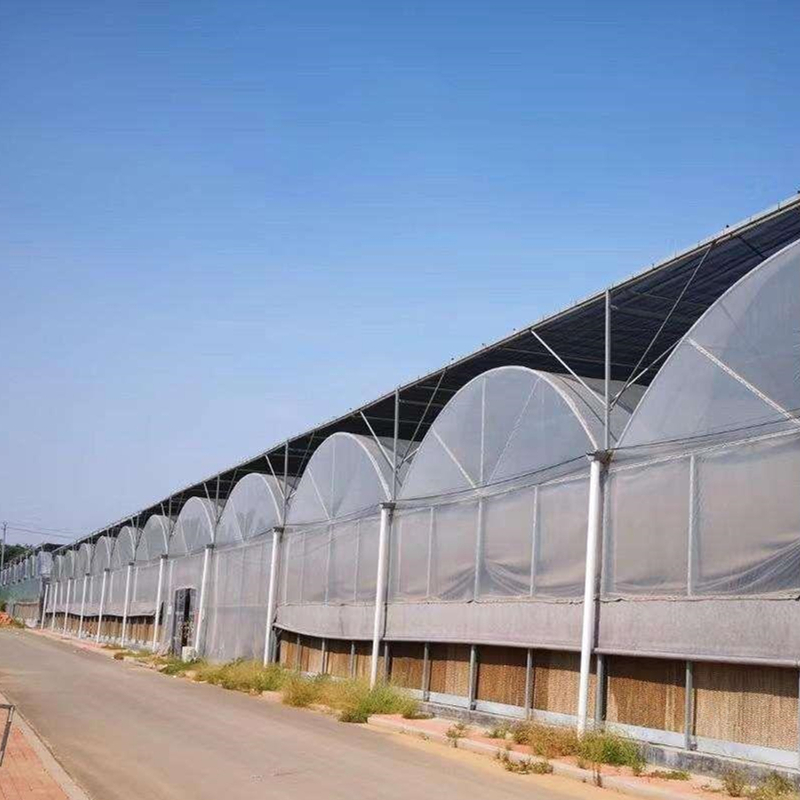
The ultimate goal of agricultural technology innovation is to create economic and ecological benefits. Our team's integrated technology and "dialogue-based" management model not only brings significant economic benefits to growers but also achieves remarkable ecological benefits, realizing a win-win situation of high yield, high quality, and resource conservation.
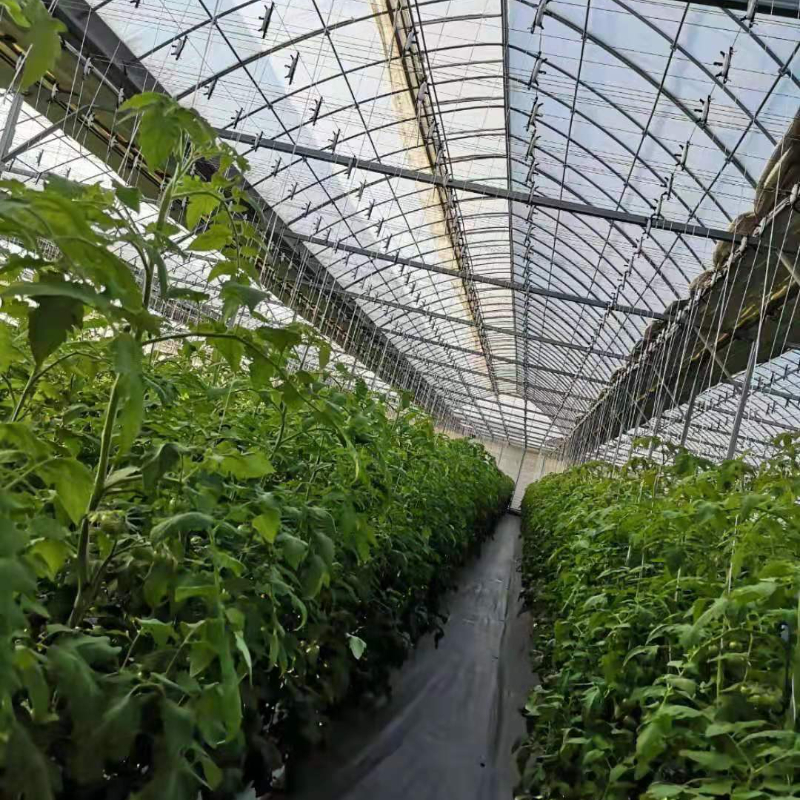
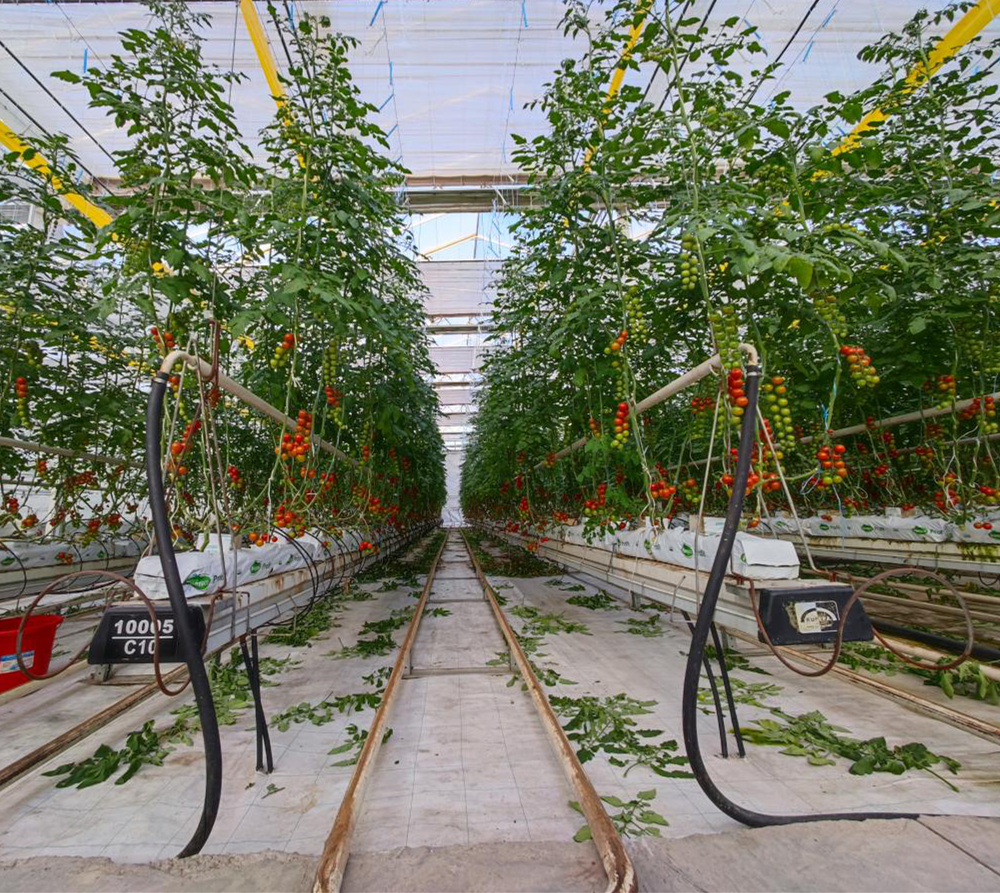
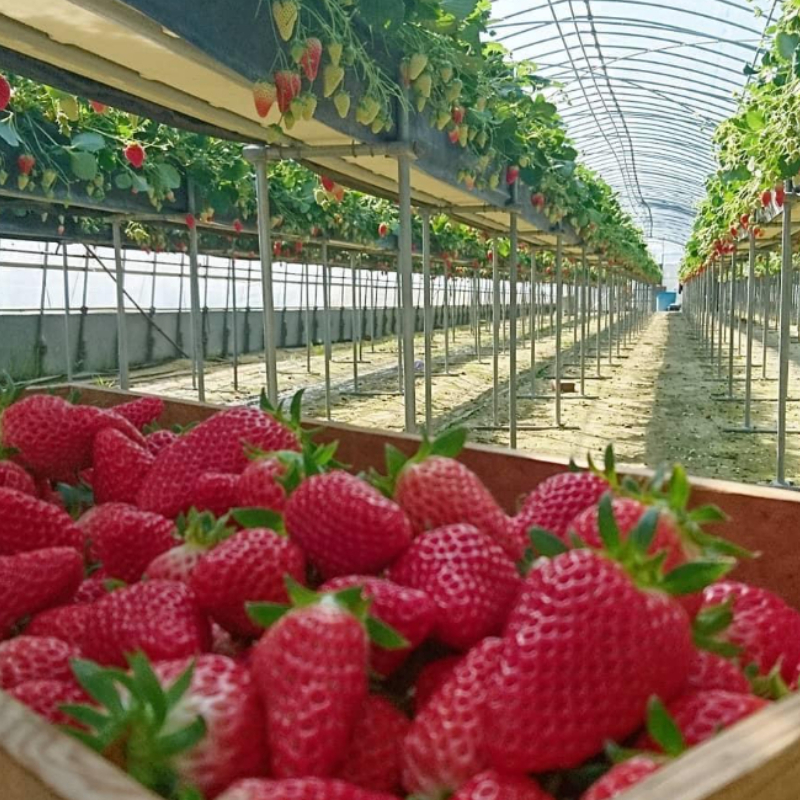
First, in terms of economic benefits, the "dialogue-based" management model significantly improves crop yield and quality, thereby increasing growers' income. As mentioned earlier, the precision regulation of the model ensures that crops are in the optimal growth environment and receive the most appropriate water and fertilizer supply throughout the growth cycle, which effectively promotes the growth and development of crops, reduces the occurrence of diseases and insect pests, and improves the yield. According to statistics from multiple practical application cases, after adopting this model, the yield of various crops (such as tomatoes, cucumbers, strawberries, etc.) has increased by 25%-40% compared with traditional management models. At the same time, the precision regulation also improves the quality of crops. For example, the content of vitamins, sugars, and other nutrients in fruits and vegetables is significantly increased, the appearance is more uniform, and the commodity rate is improved. High-quality crops can obtain higher market prices, further increasing growers' income.
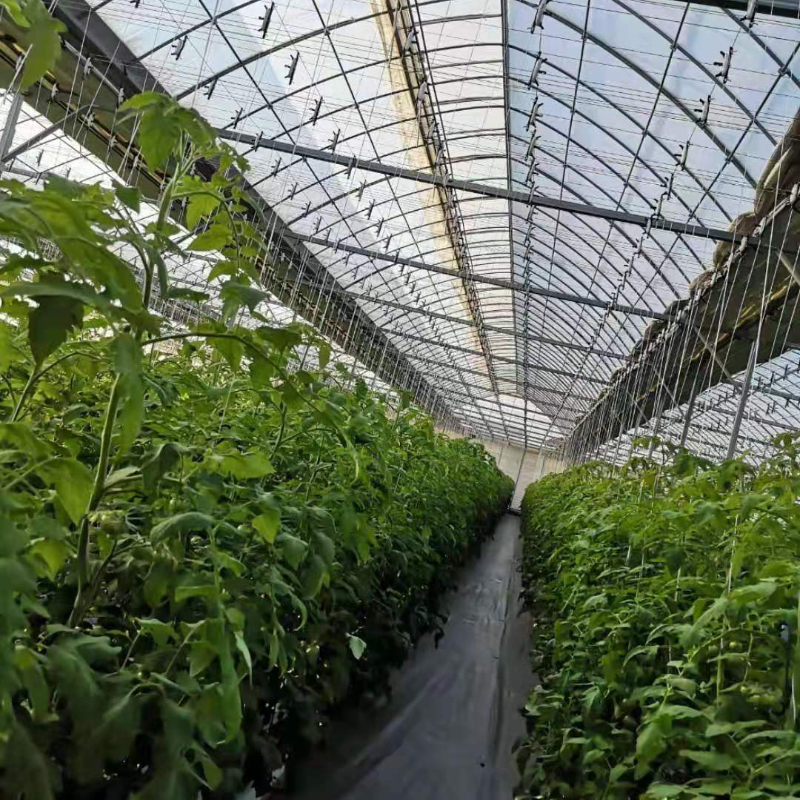
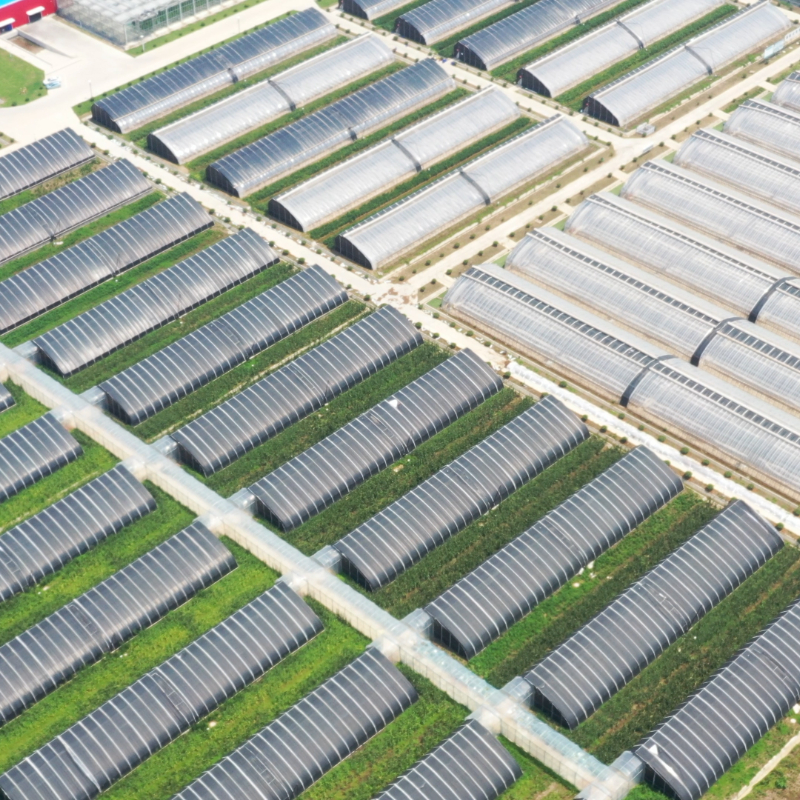
In addition, the model also reduces production costs for growers. On the one hand, the precision water and fertilizer management reduces the waste of water and fertilizer resources. Traditional extensive irrigation and fertilization often lead to 30%-50% of water and fertilizer waste. The "dialogue-based" model adjusts the irrigation and fertilization amount according to the real-time needs of crops, reducing water and fertilizer usage by 30%-40%, thereby reducing the cost of water and fertilizer. On the other hand, the model reduces labor costs. The automation of data collection and the intelligence of decision-making reduce the labor input of growers. For example, the UAV remote sensing replaces manual inspection, which reduces the labor time of inspection by 80%. The intelligent decision-making platform automatically generates management plans, reducing the time for growers to formulate plans and make judgments. According to the calculation of a greenhouse base with 100 mu of land, after adopting this model, the annual labor cost is reduced by about 50,000 yuan, and the water and fertilizer cost is reduced by about 30,000 yuan.
The economic benefits are not only reflected at the grower level but also have a positive impact on the entire agricultural industry chain. High-quality agricultural products can drive the development of downstream processing, storage, and sales industries, creating more employment opportunities and economic value. At the same time, the promotion of this innovative technology can also drive the development of related industries such as UAVs, sensors, and intelligent control systems, forming a new industrial cluster and promoting regional economic development.
In terms of ecological benefits, the "dialogue-based" management model makes an important contribution to resource conservation and environmental protection. Water and fertilizer are important resources in agricultural production. The waste of water and fertilizer not only increases production costs but also causes environmental pollution. For example, excessive fertilization will lead to soil compaction, salinization, and nutrient loss, which will pollute groundwater and surface water; excessive irrigation will cause water resource waste and soil erosion. The precision water and fertilizer management of the "dialogue-based" model reduces water and fertilizer waste, thereby reducing the environmental pollution caused by agricultural production. According to the test data of a demonstration base, after adopting this model, the nitrogen and phosphorus loss in the greenhouse soil is reduced by 40%-50%, and the water consumption is reduced by 30%-40%, which effectively protects the soil and water environment.
In addition, the model also reduces the use of pesticides, further protecting the ecological environment. The real-time monitoring and early warning function of the model can detect the signs of crop diseases and insect pests in time. Through precision environmental regulation and nutrient regulation, the resistance of crops to diseases and insect pests is improved, and the occurrence of diseases and insect pests is reduced. When diseases and insect pests occur, the model can also formulate targeted prevention and control measures, avoiding the extensive use of pesticides. According to statistics, after adopting this model, the use of pesticides in greenhouses is reduced by 50%-60%, which reduces the pollution of pesticides to the environment and the residues of pesticides in agricultural products, ensuring food safety.
