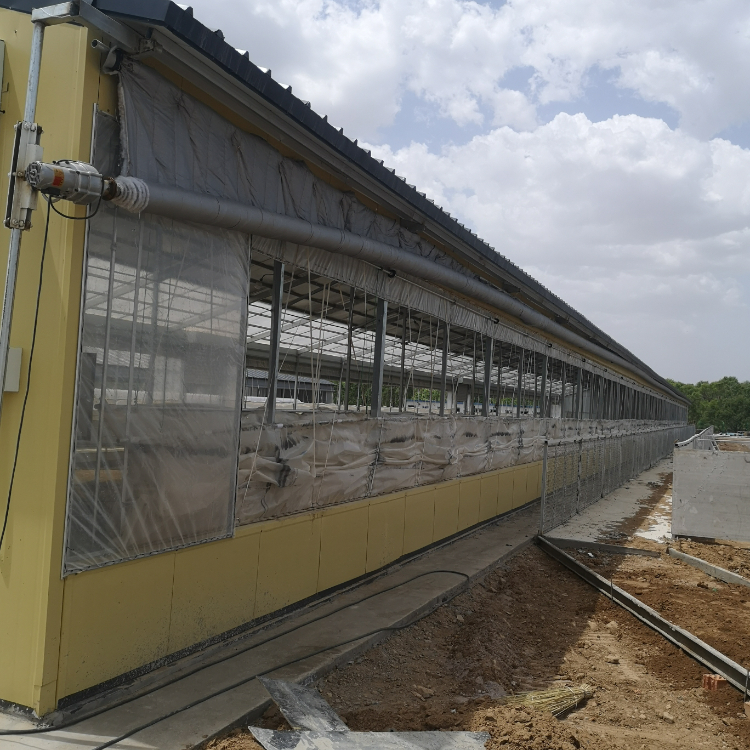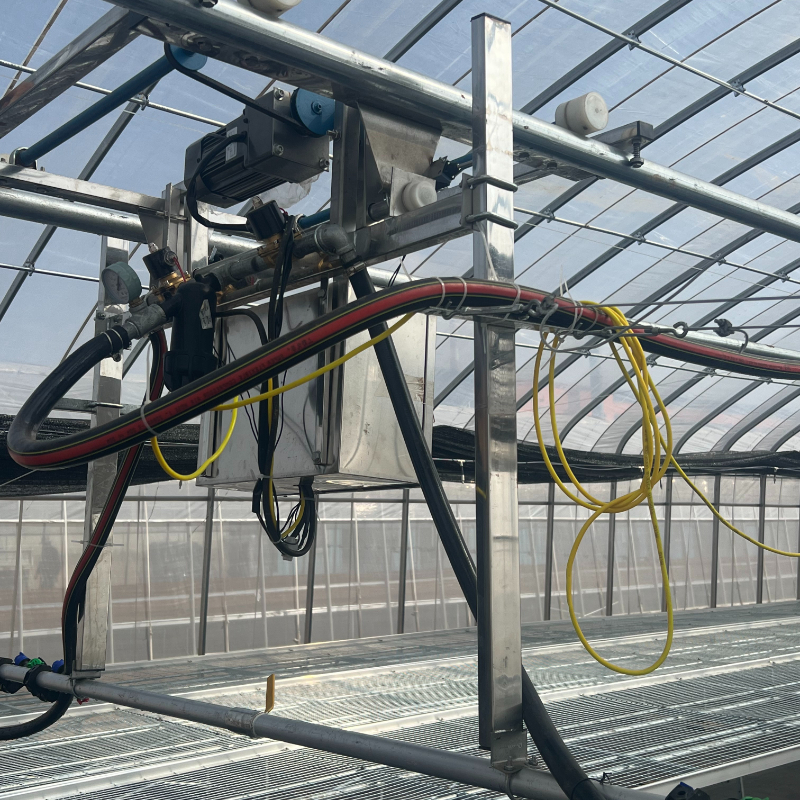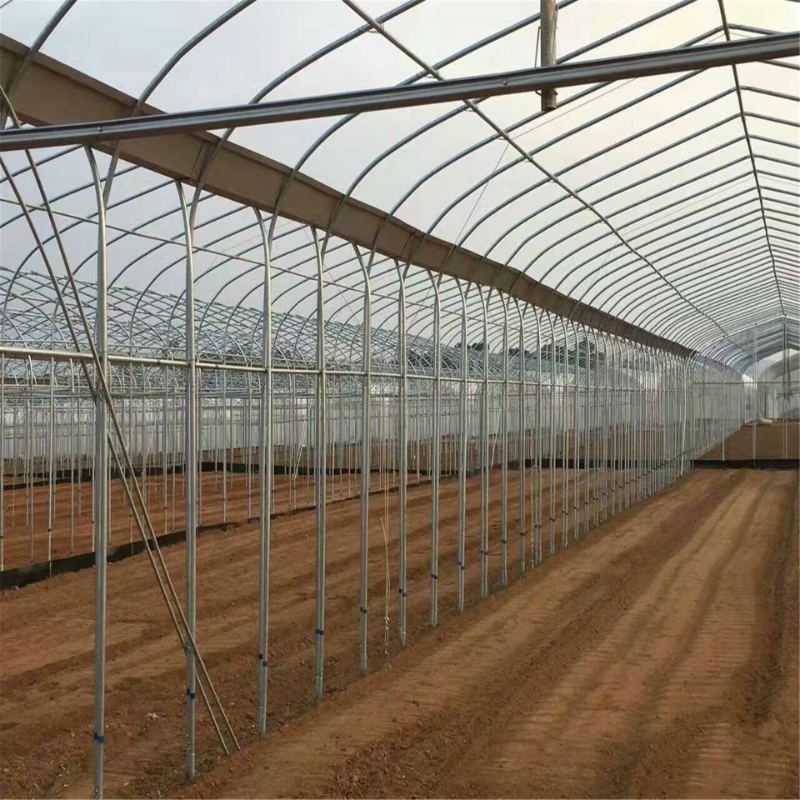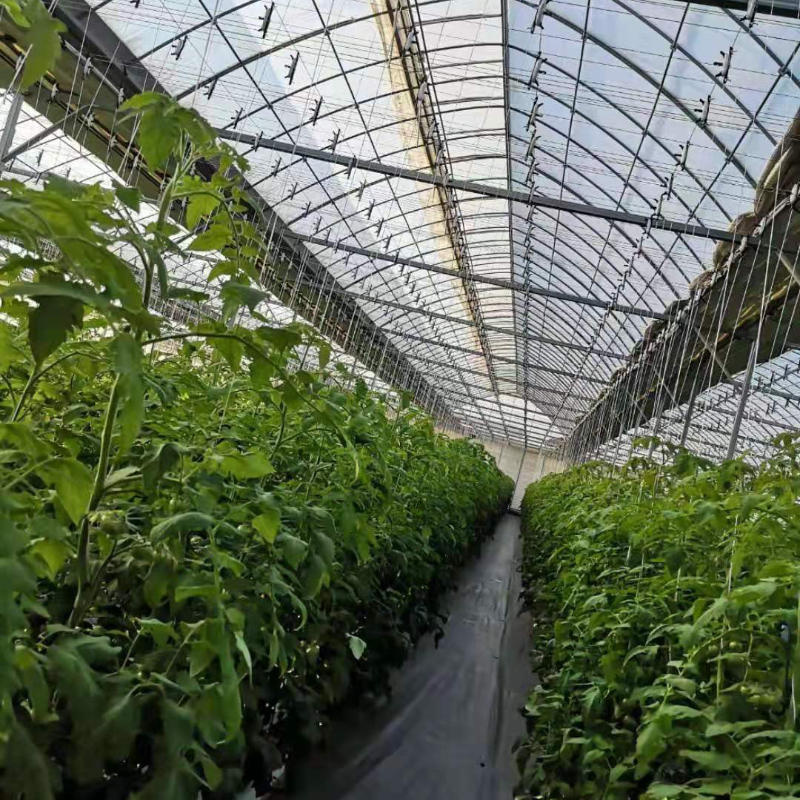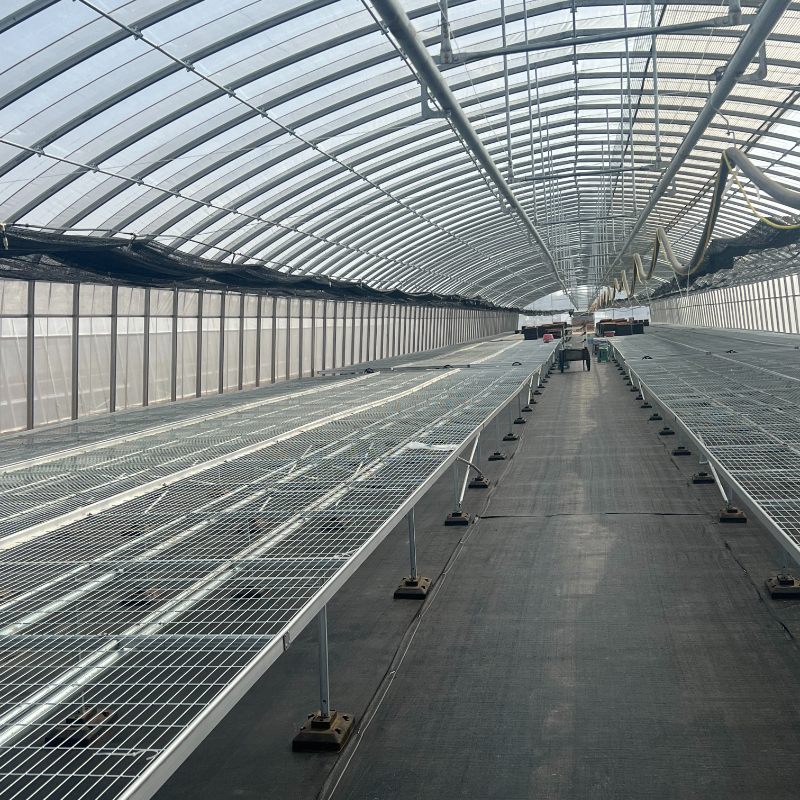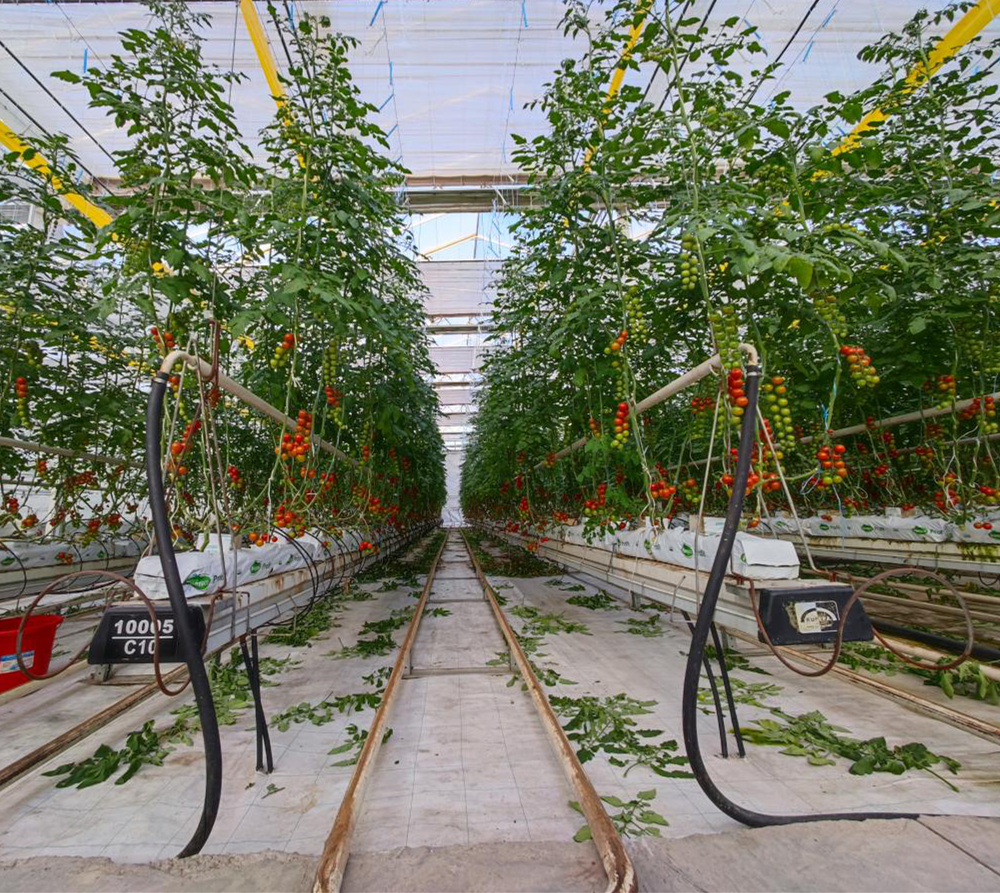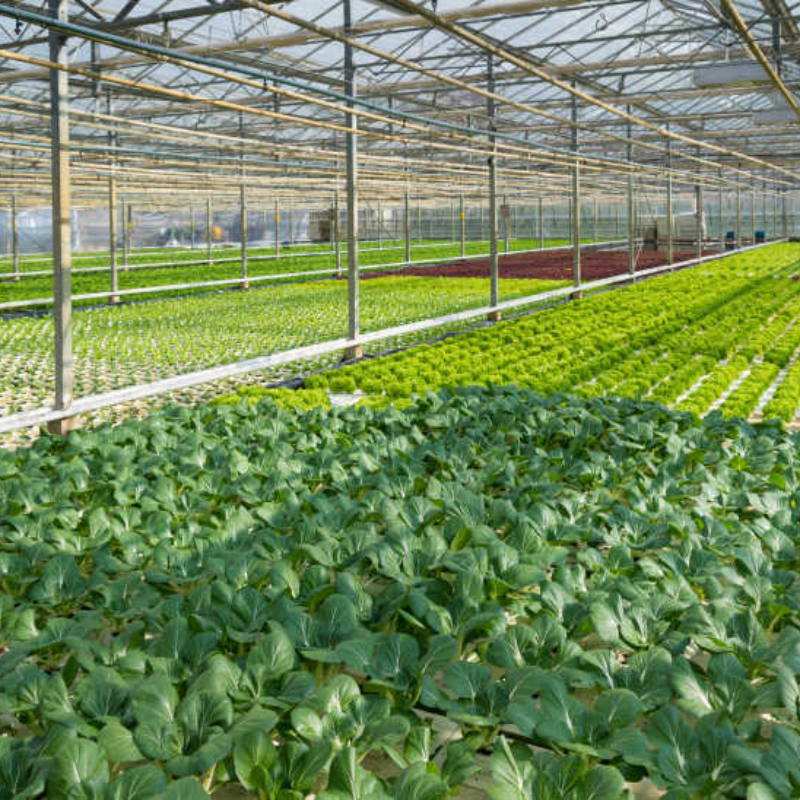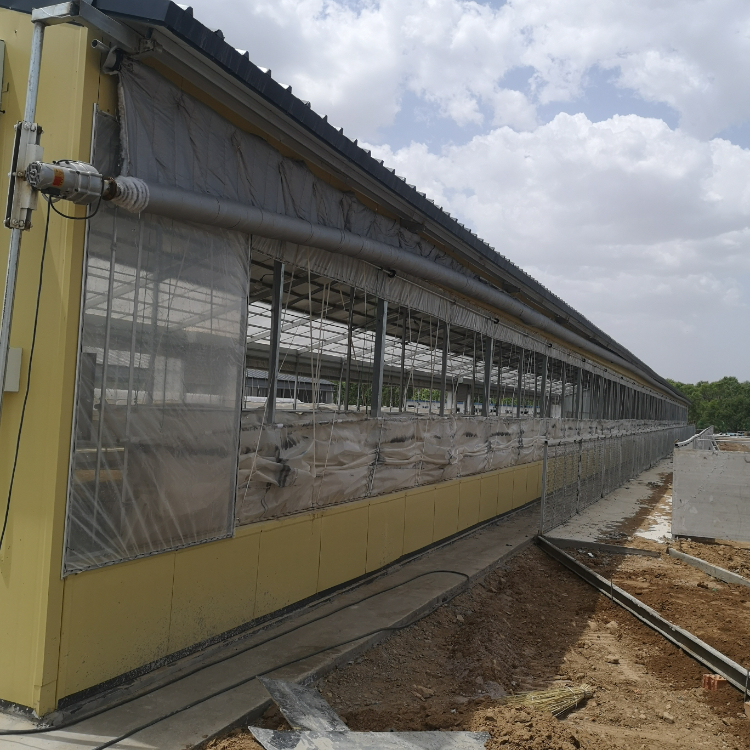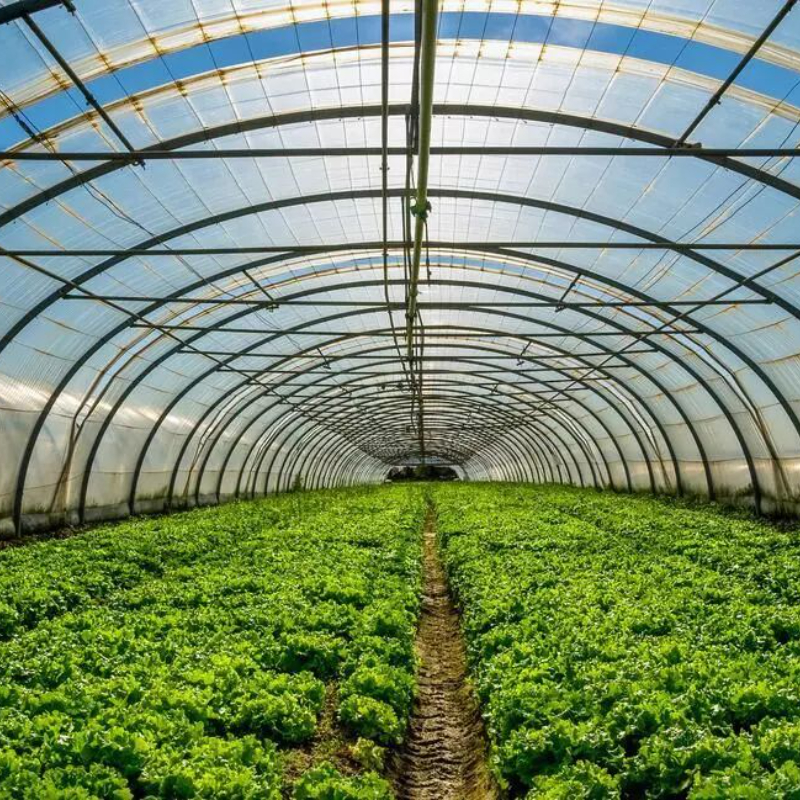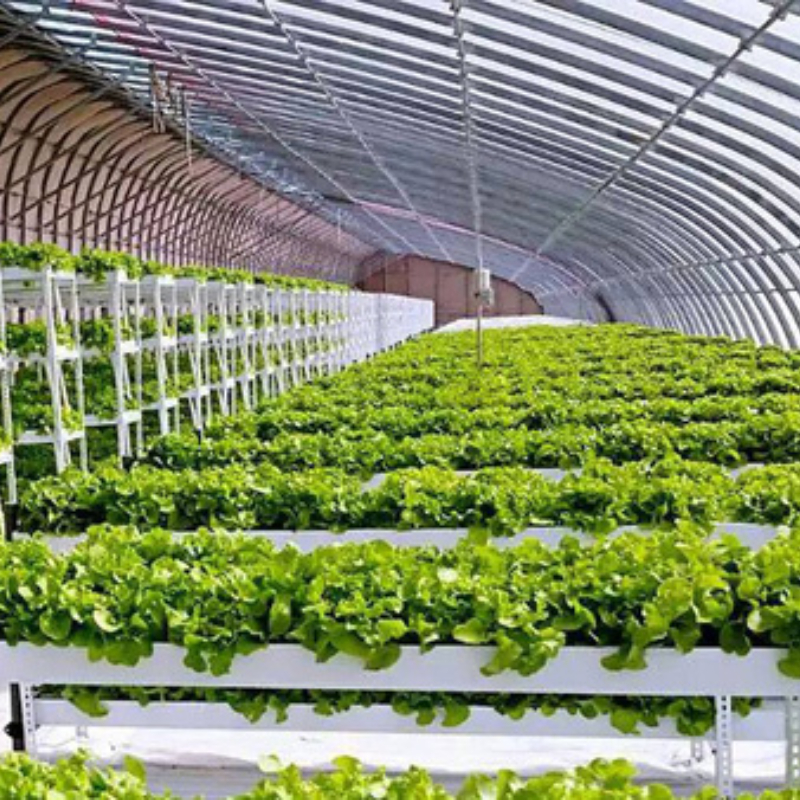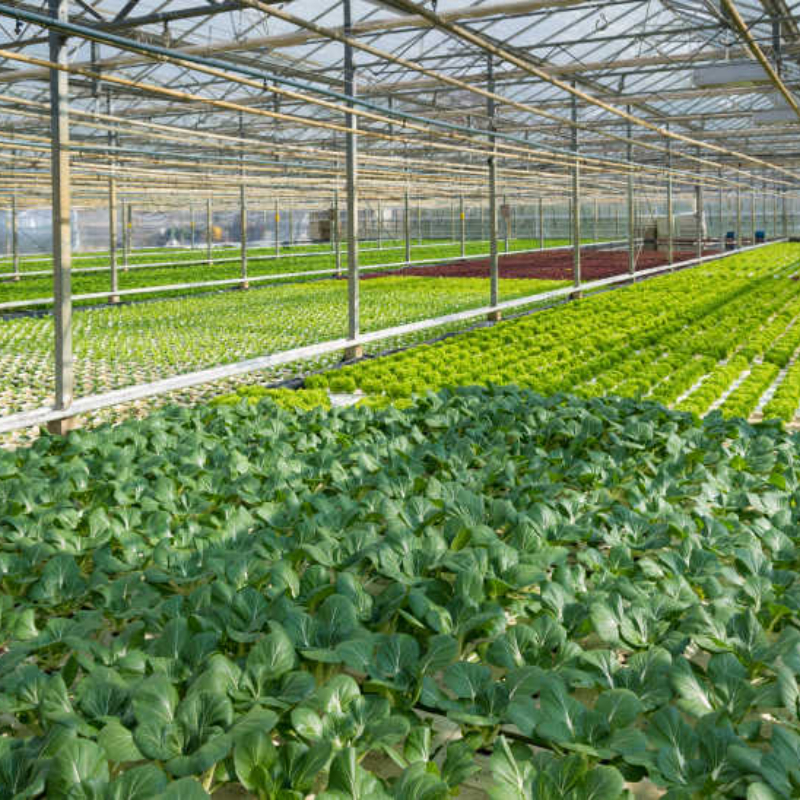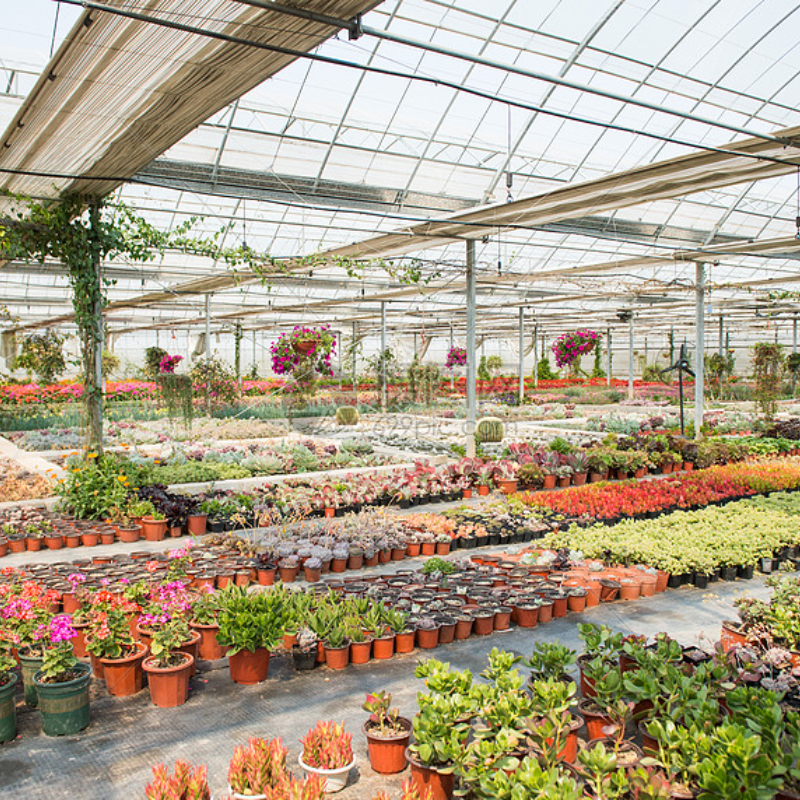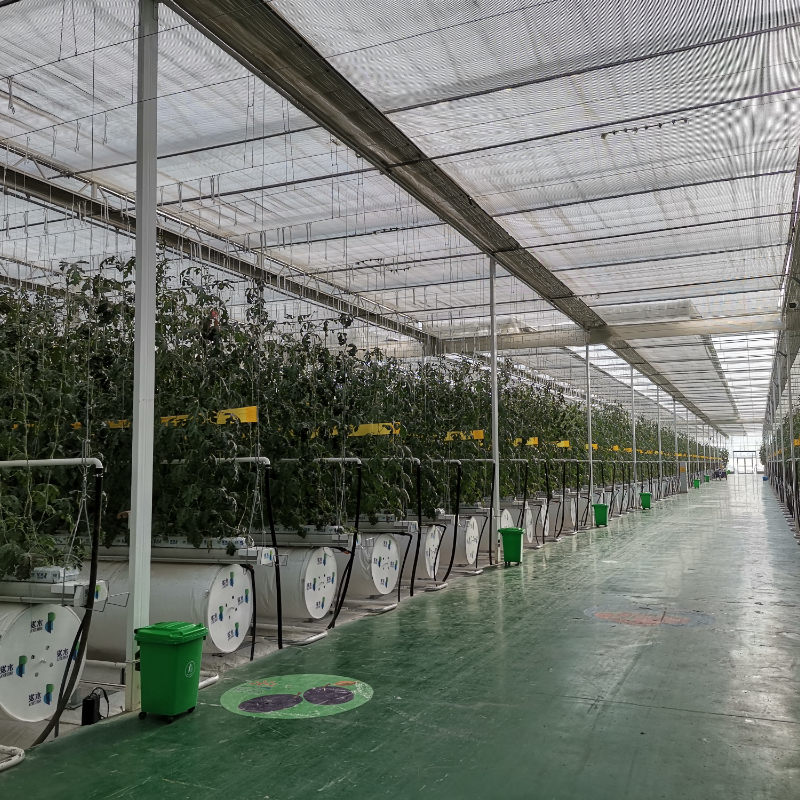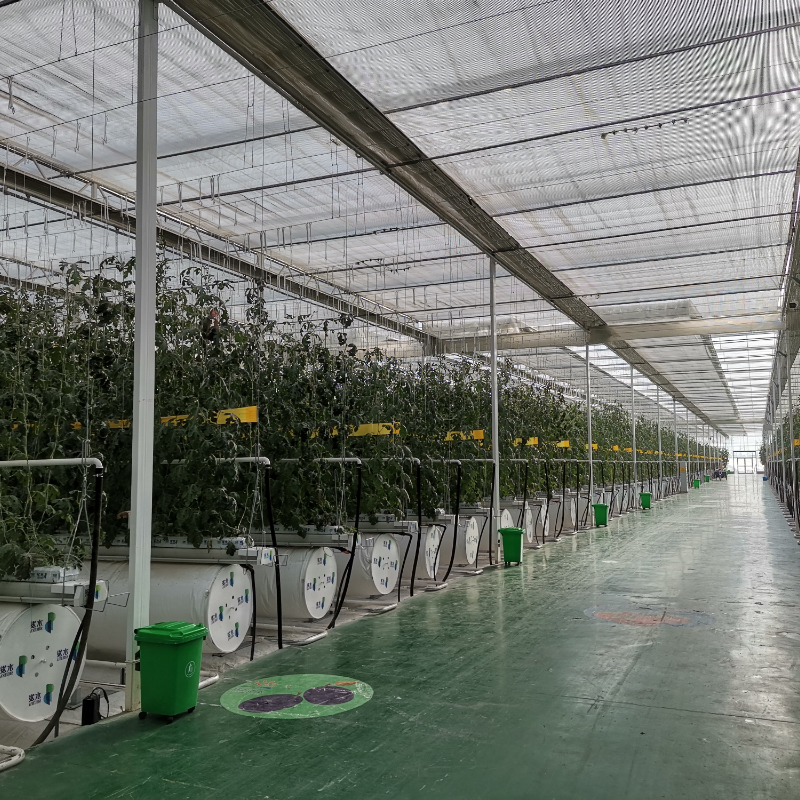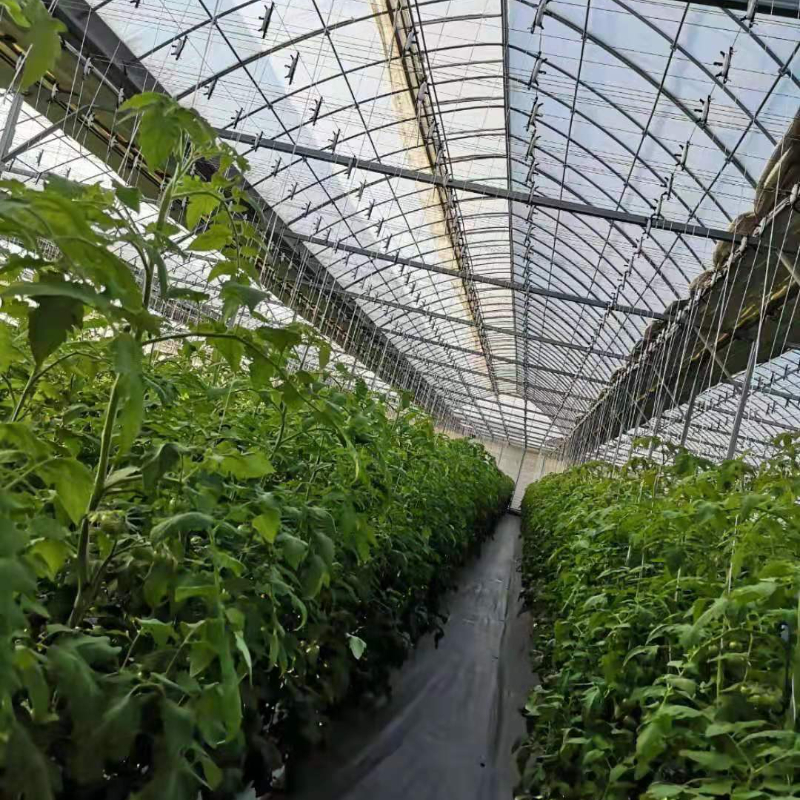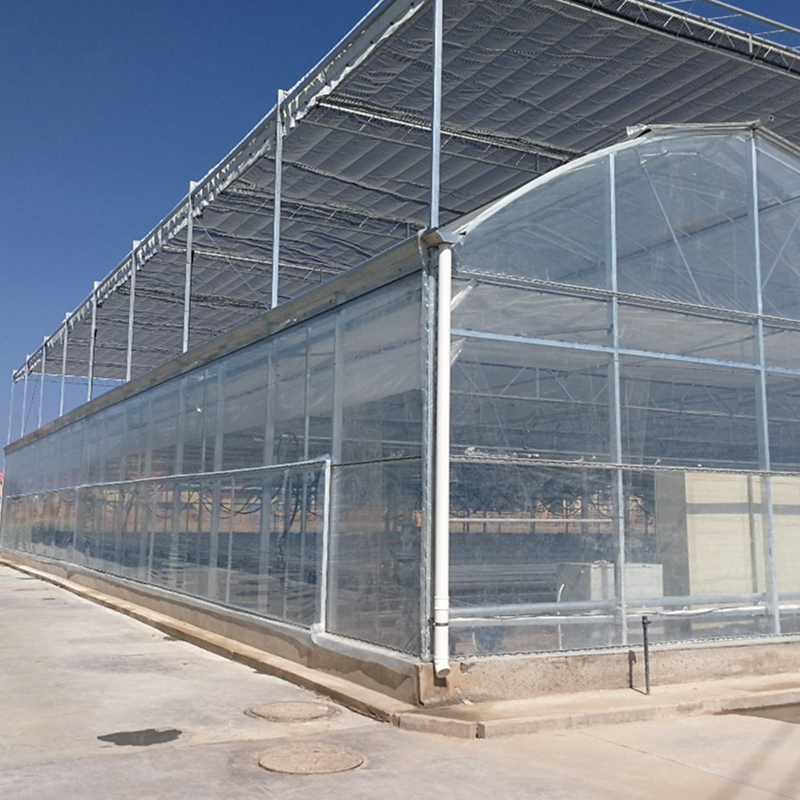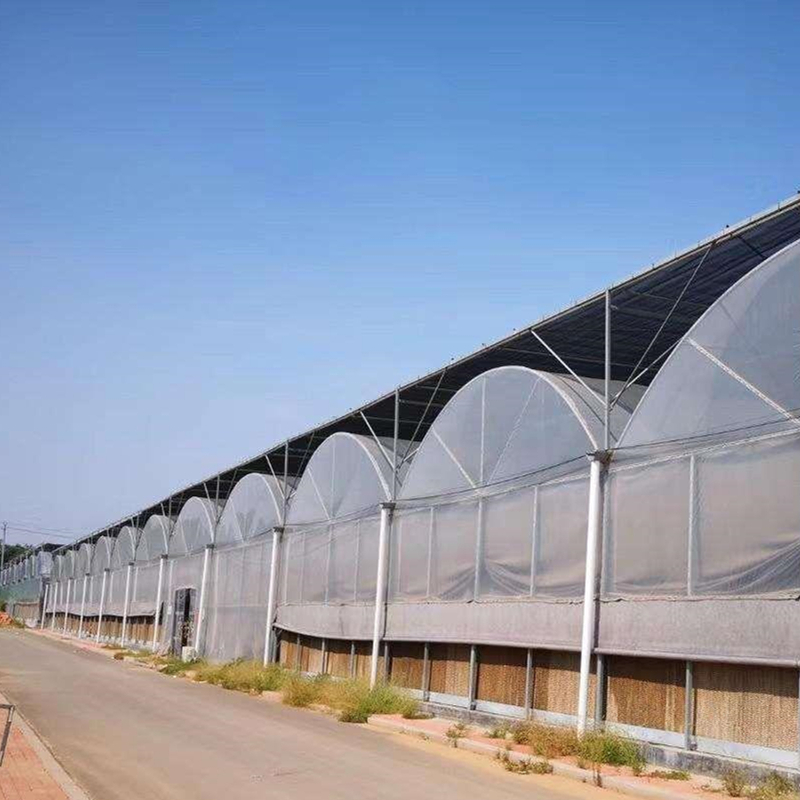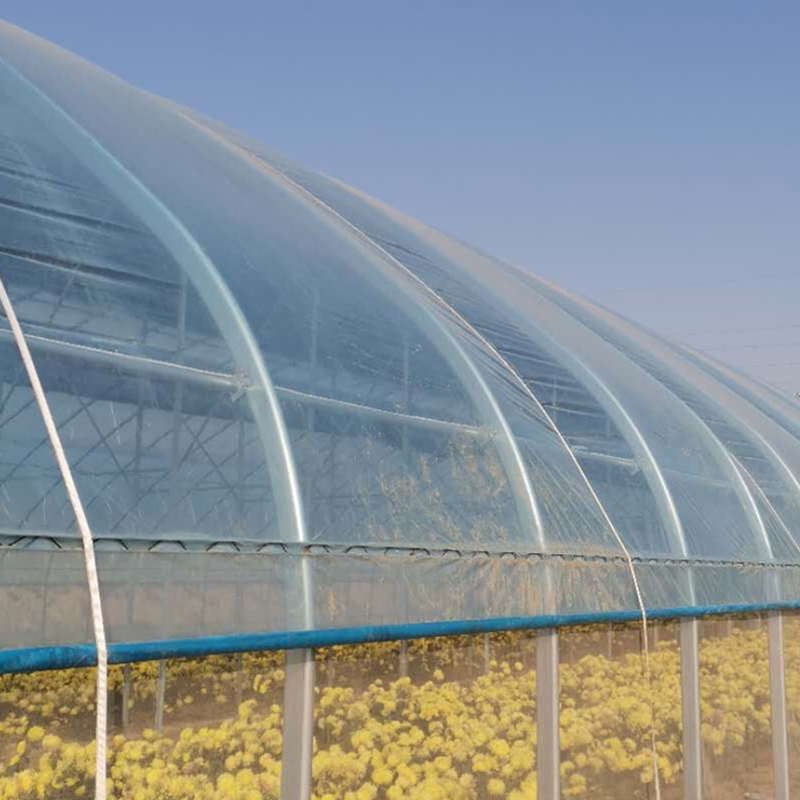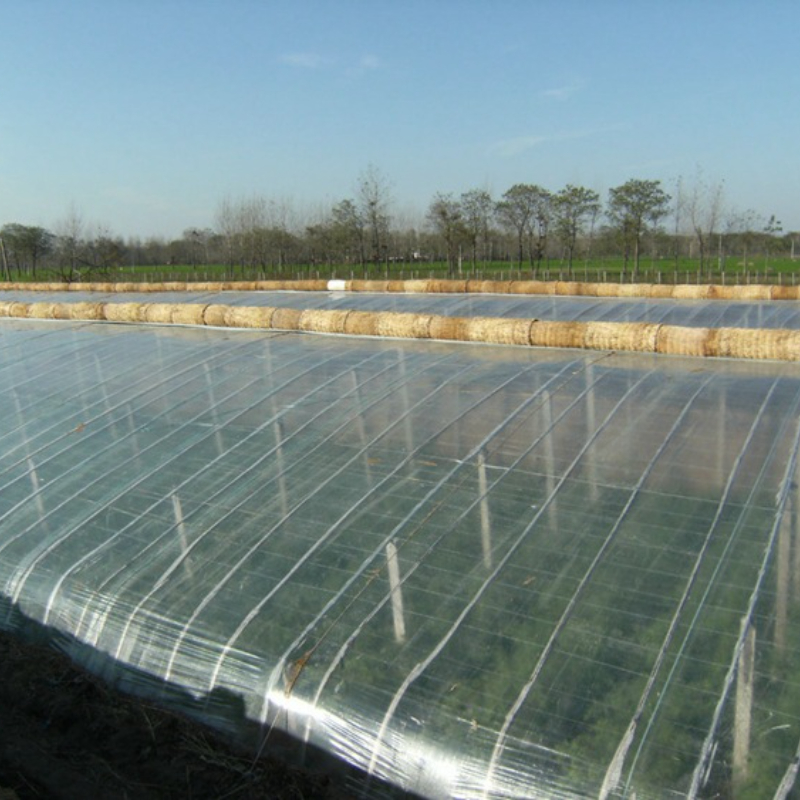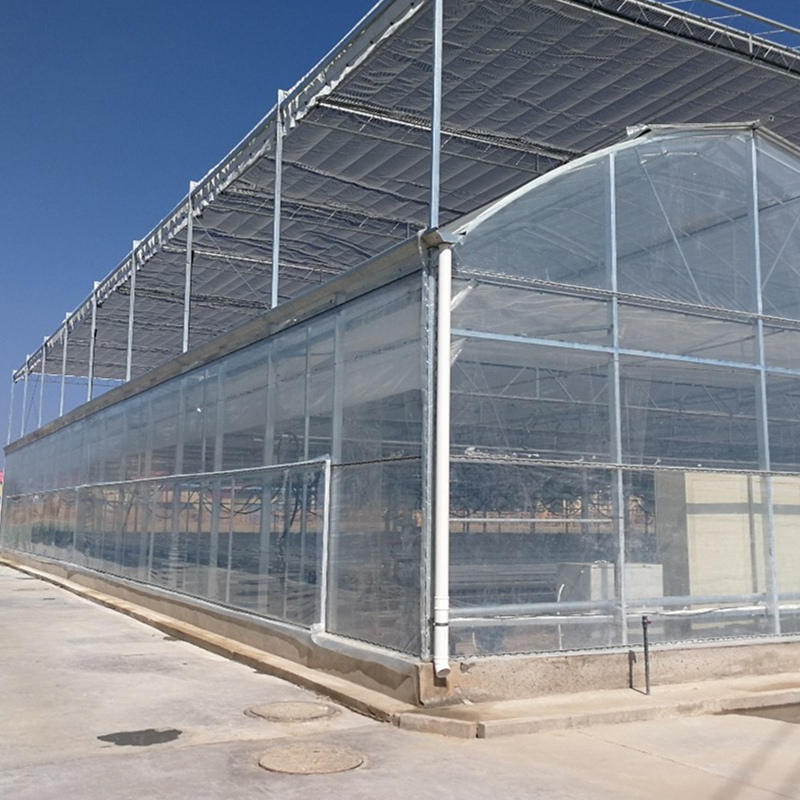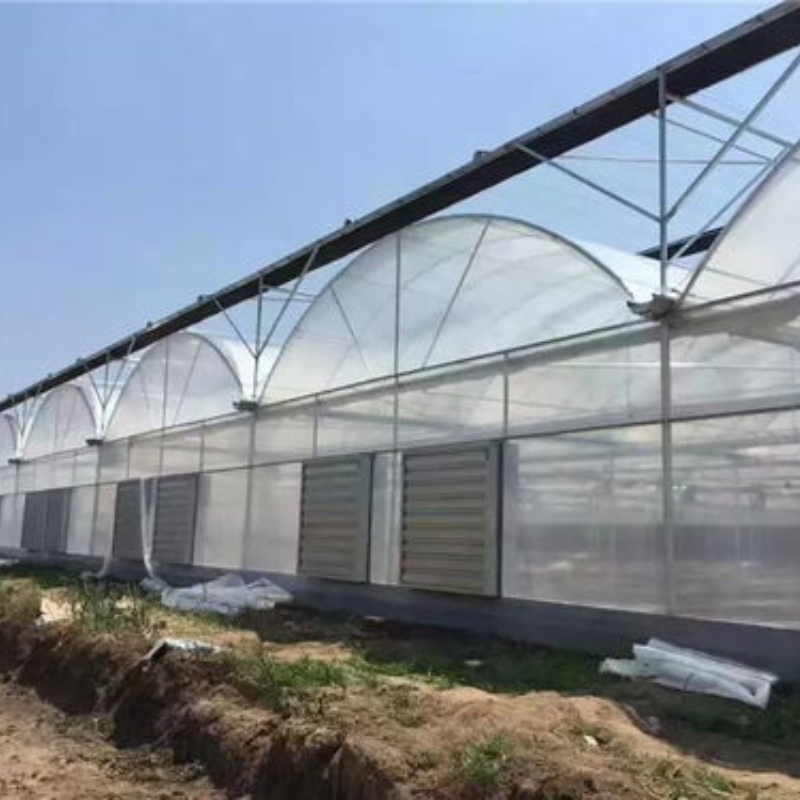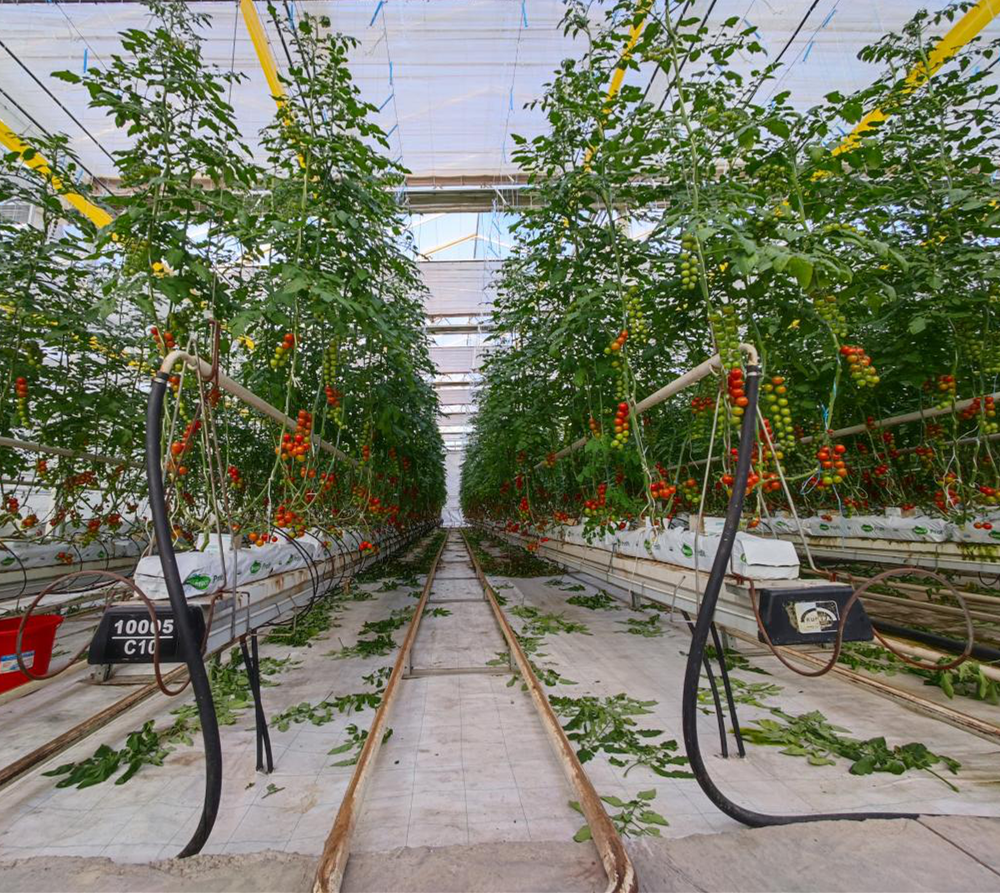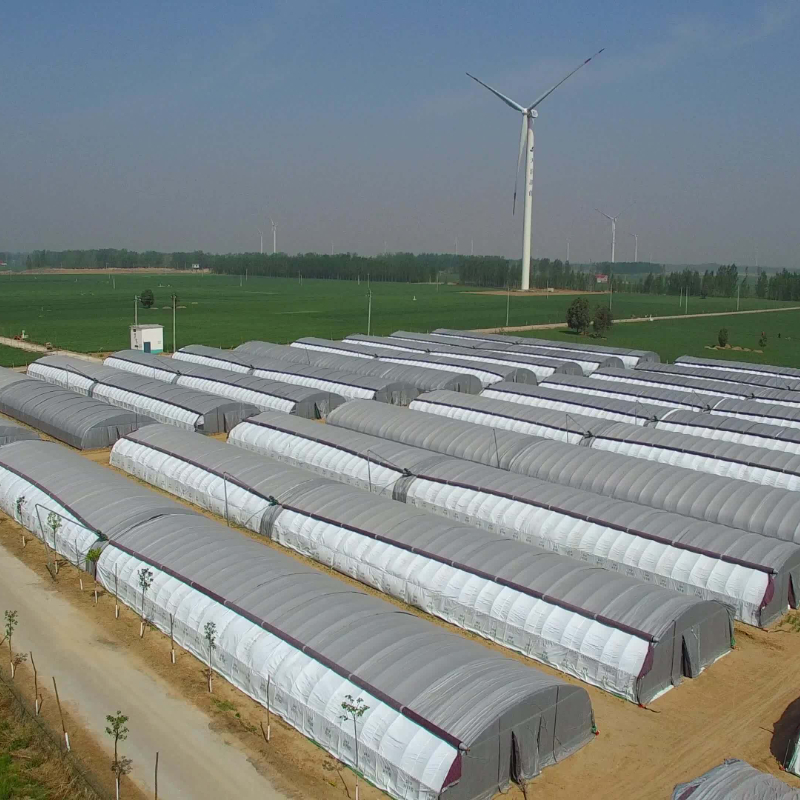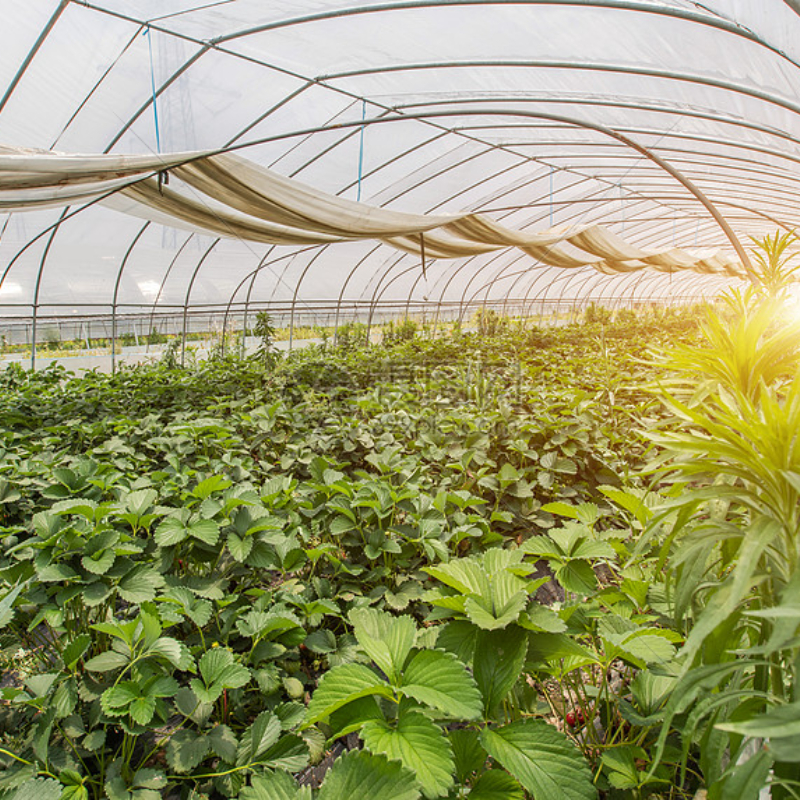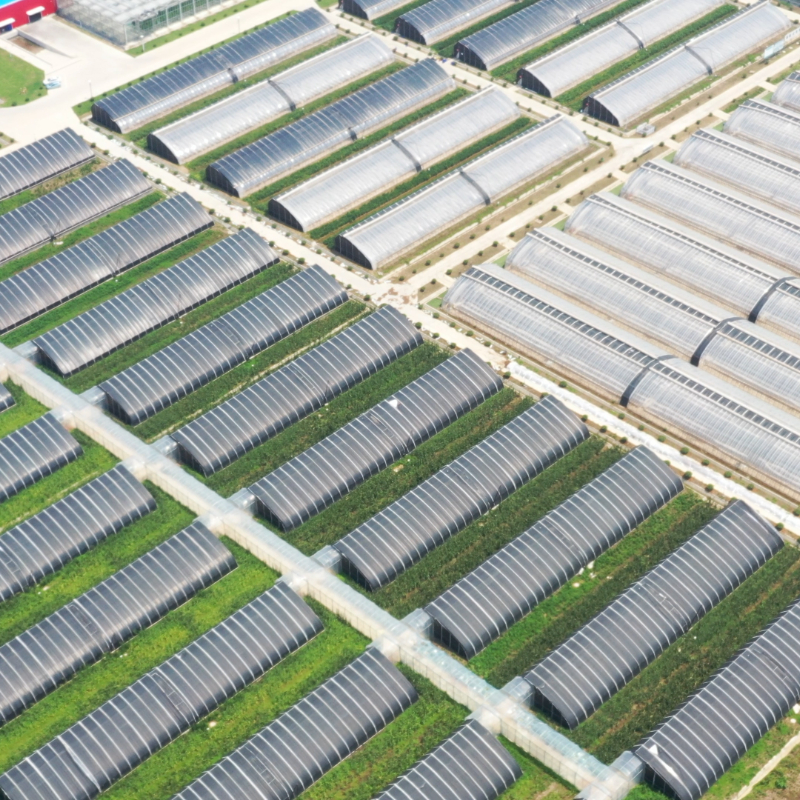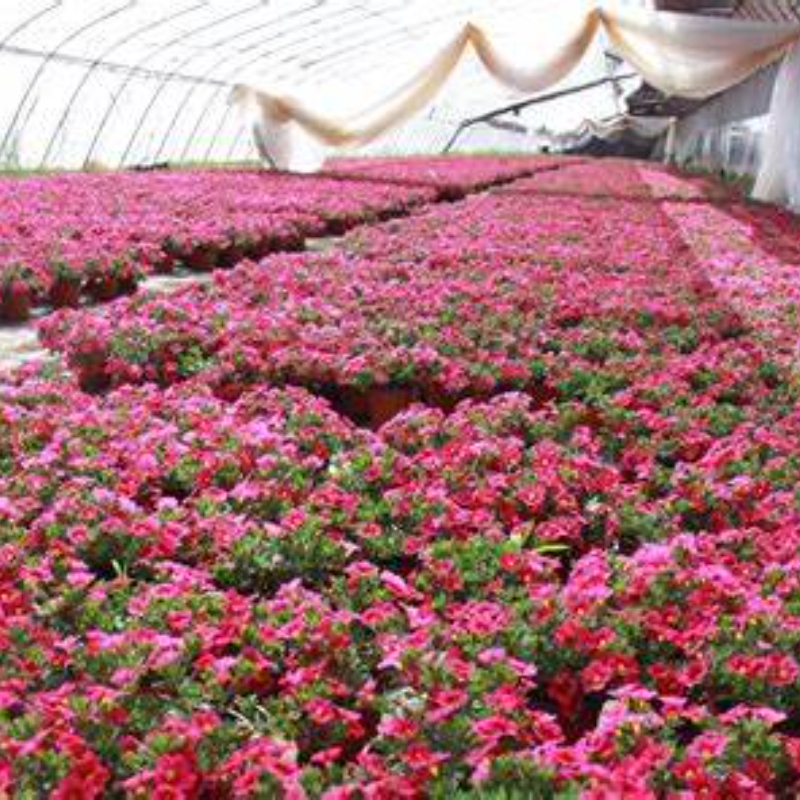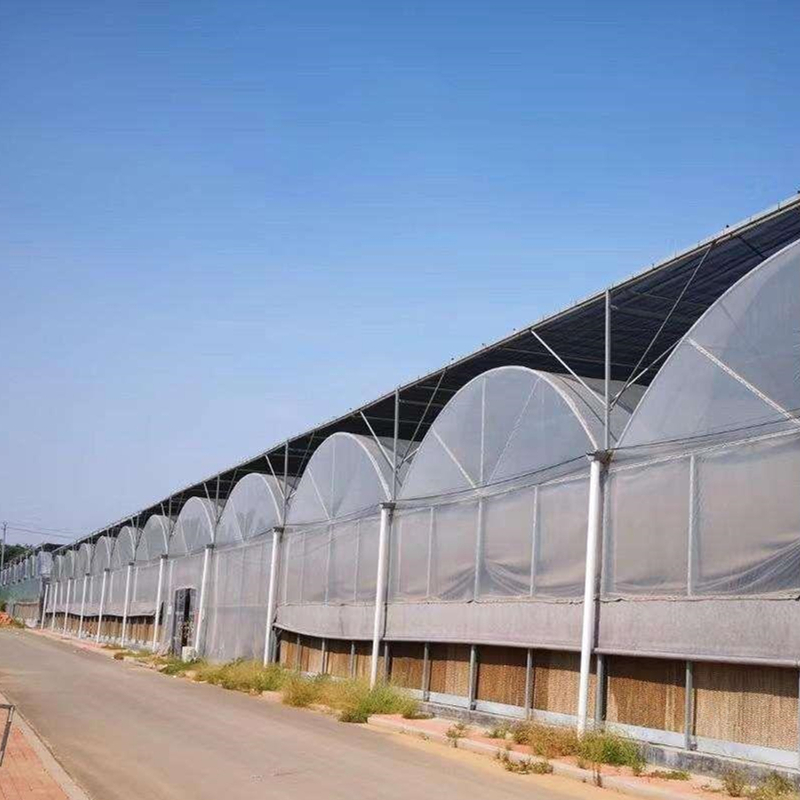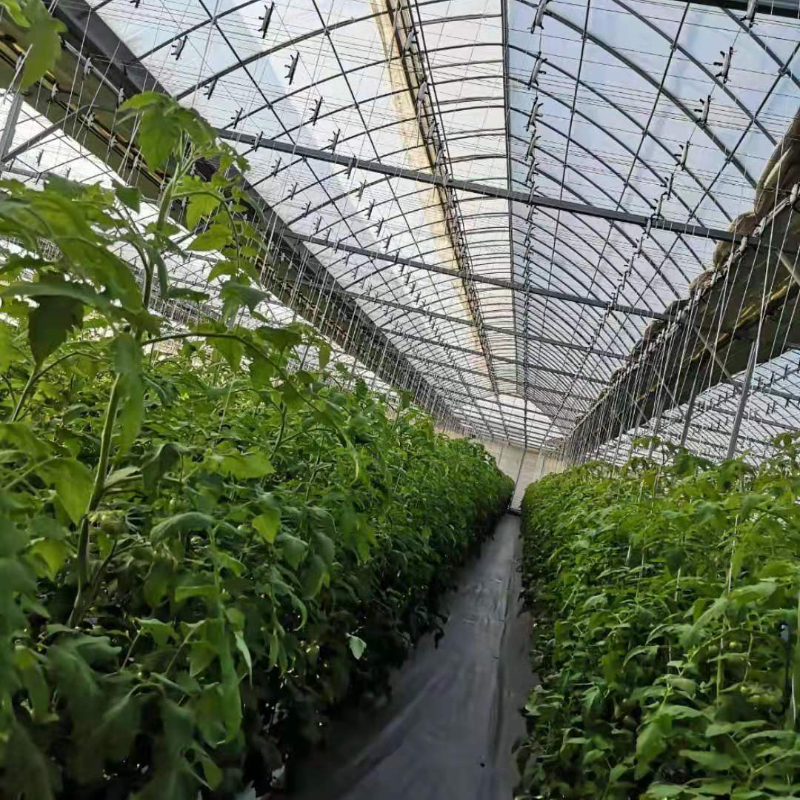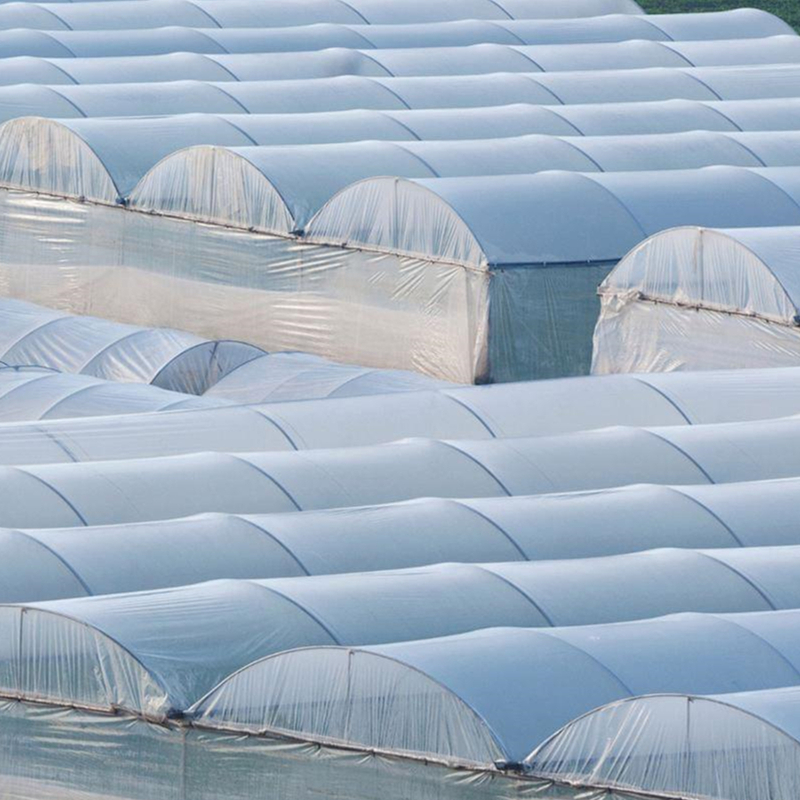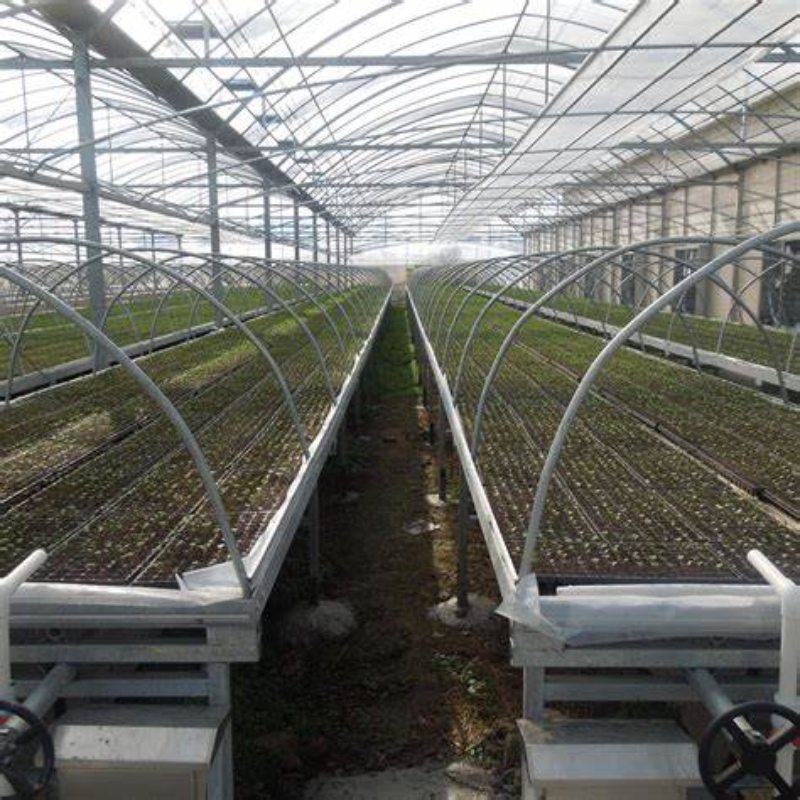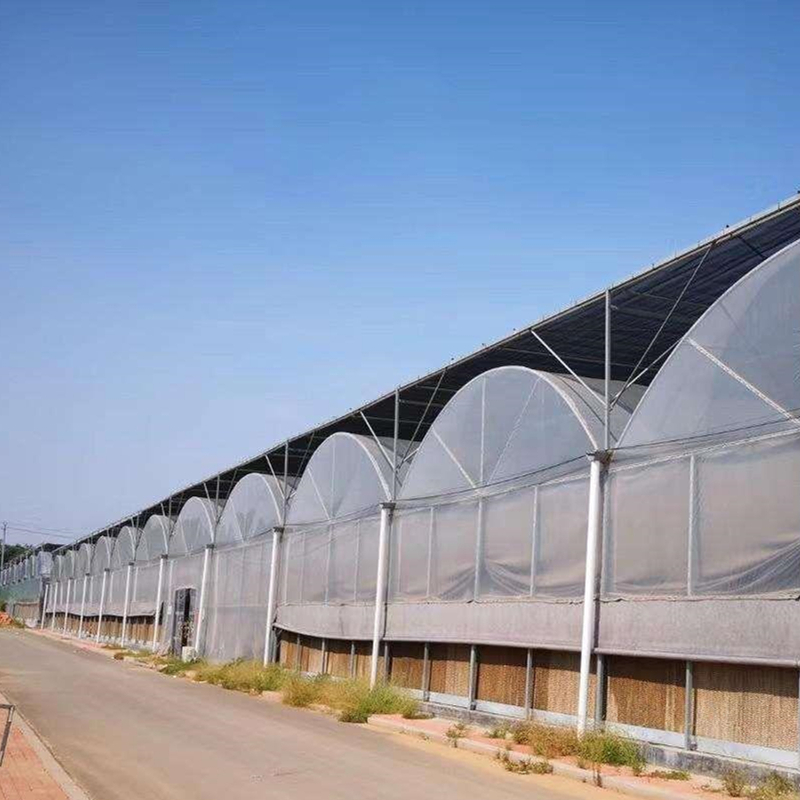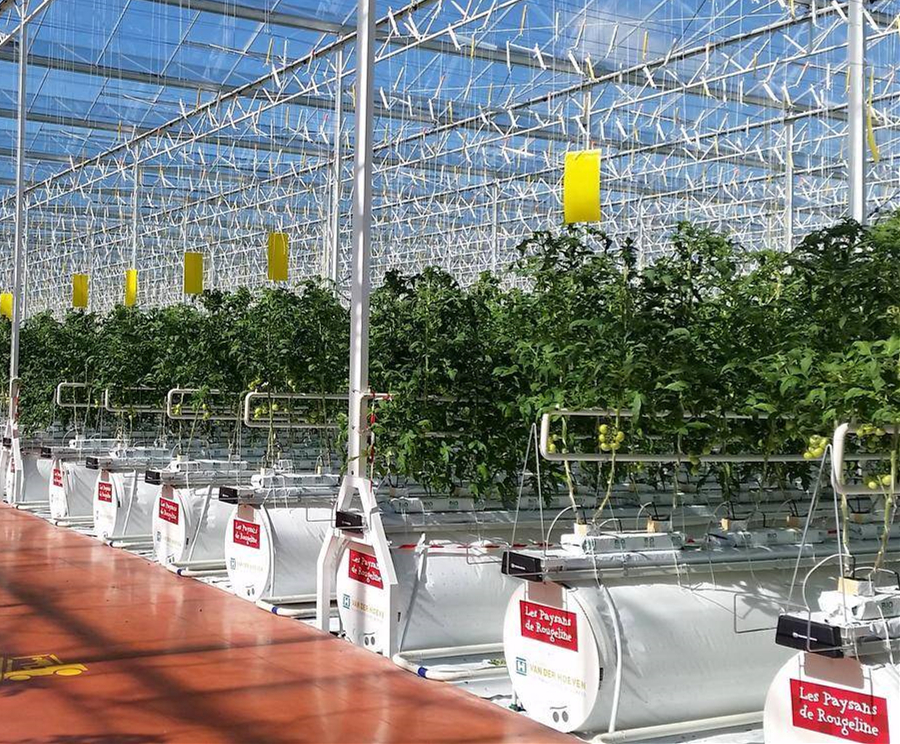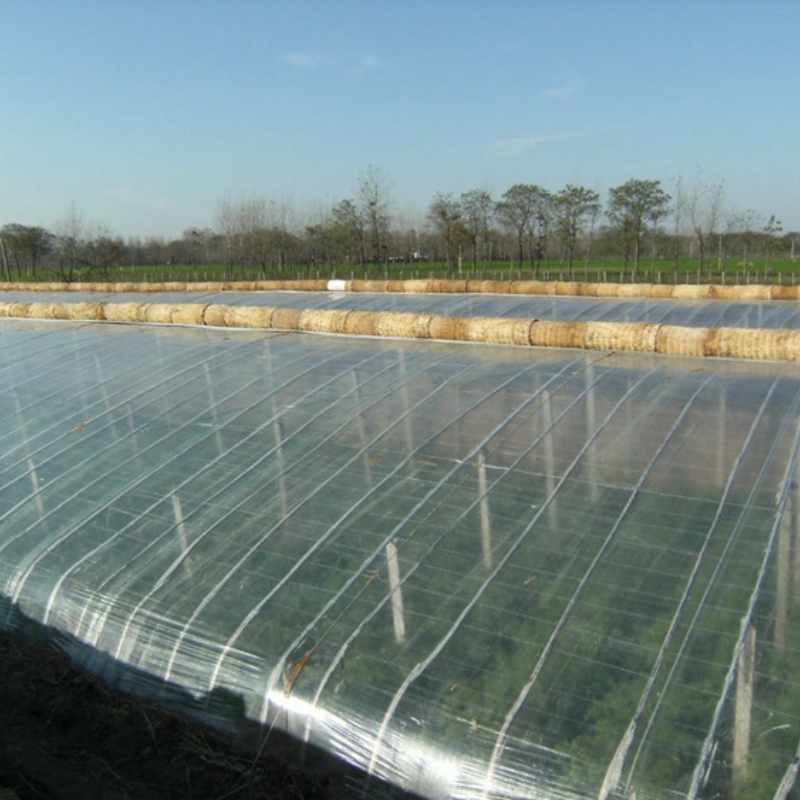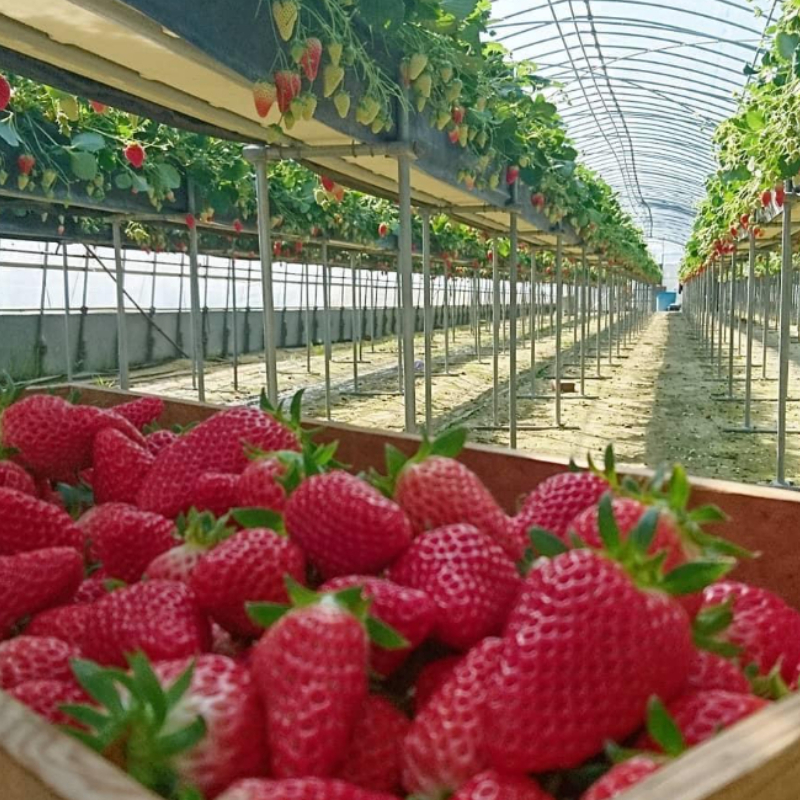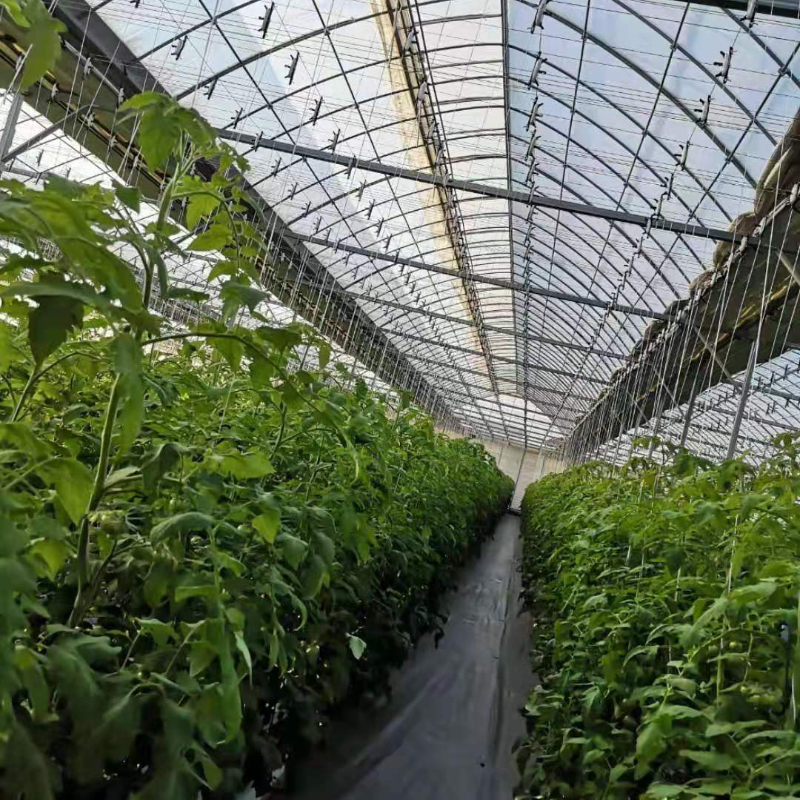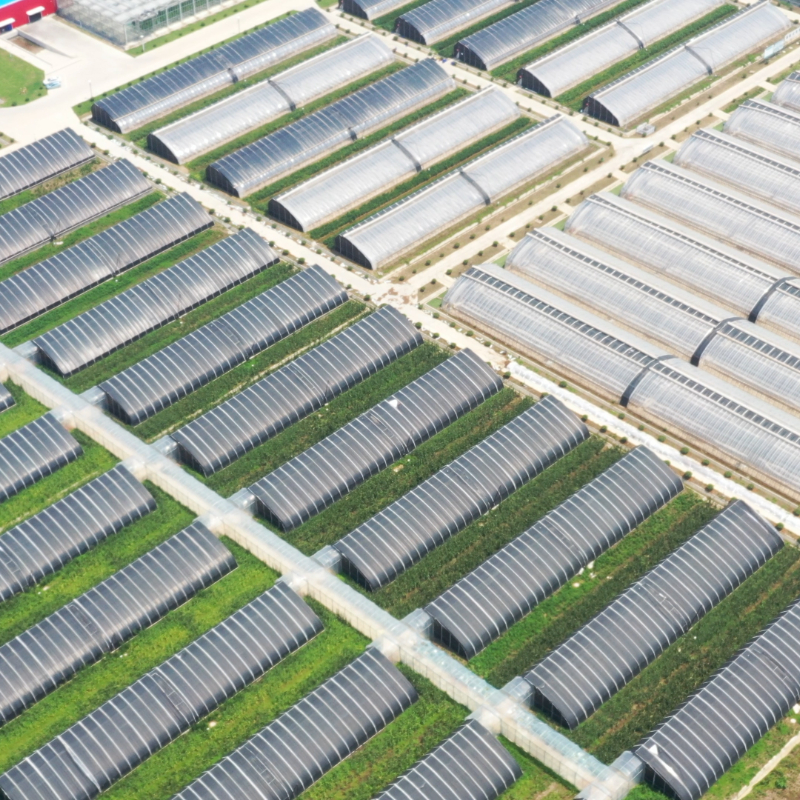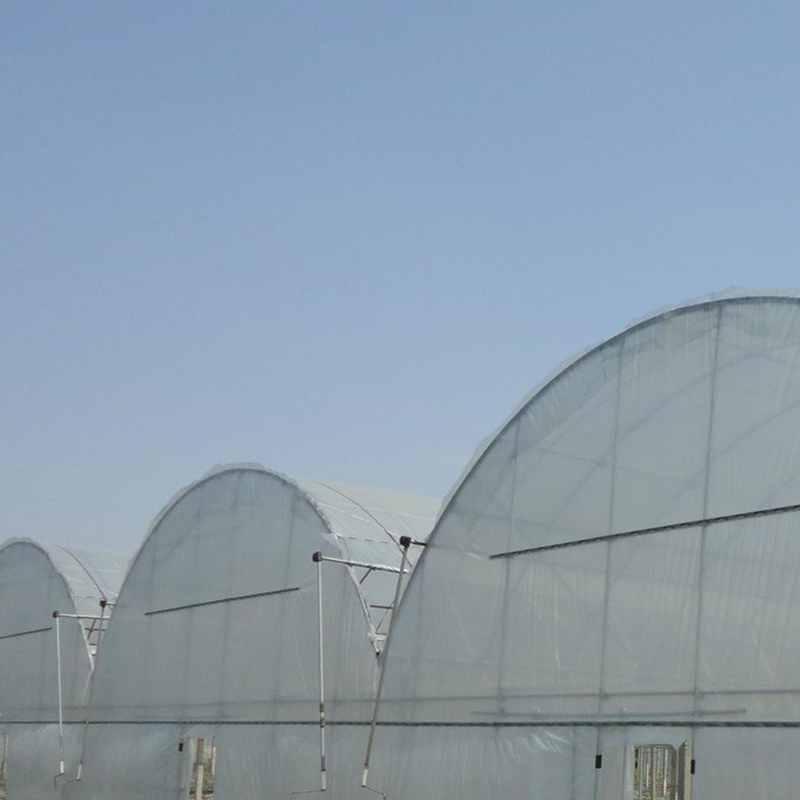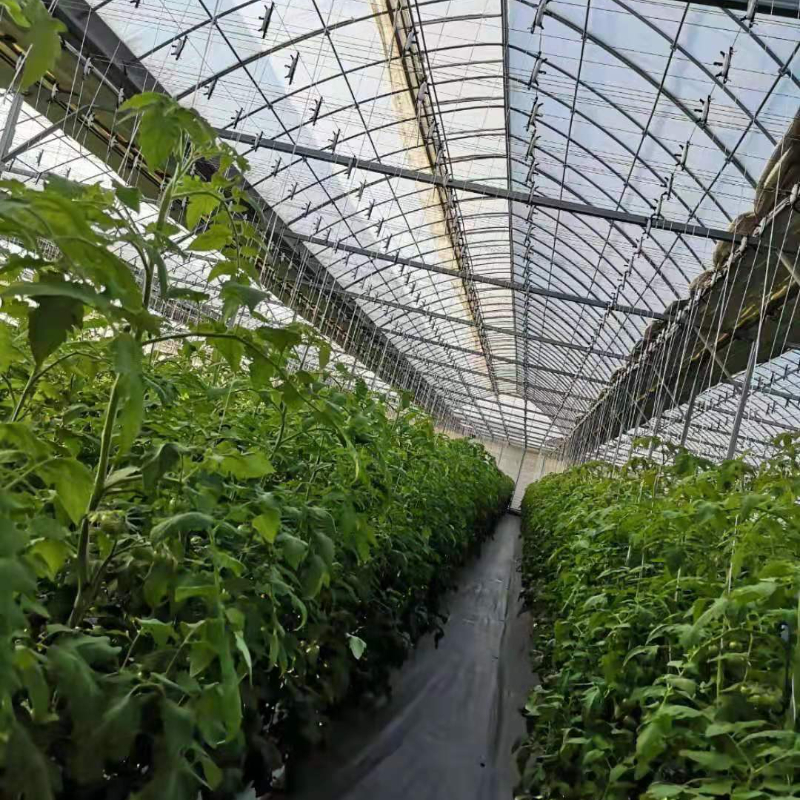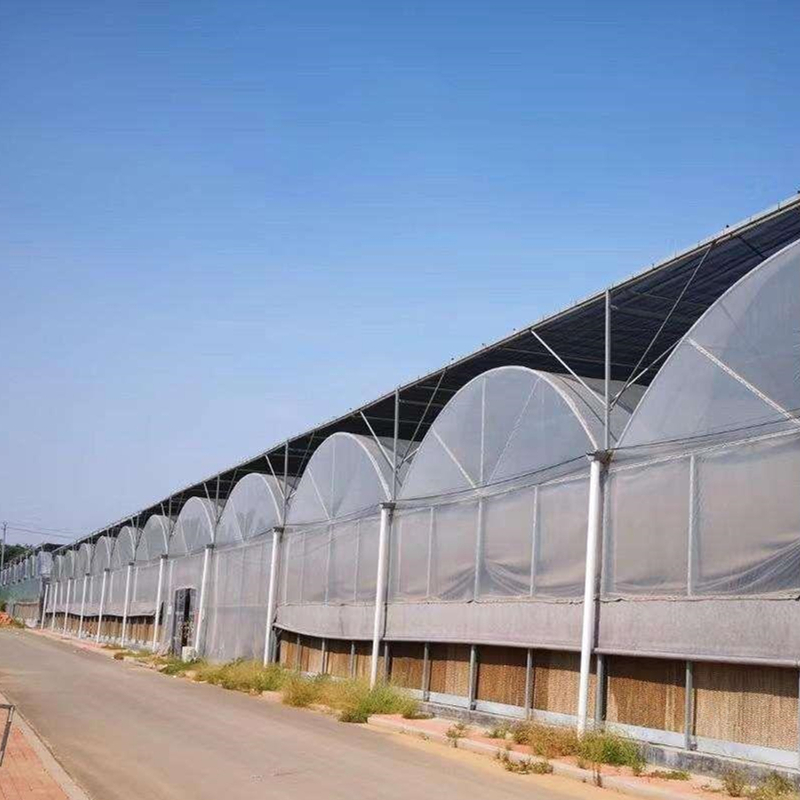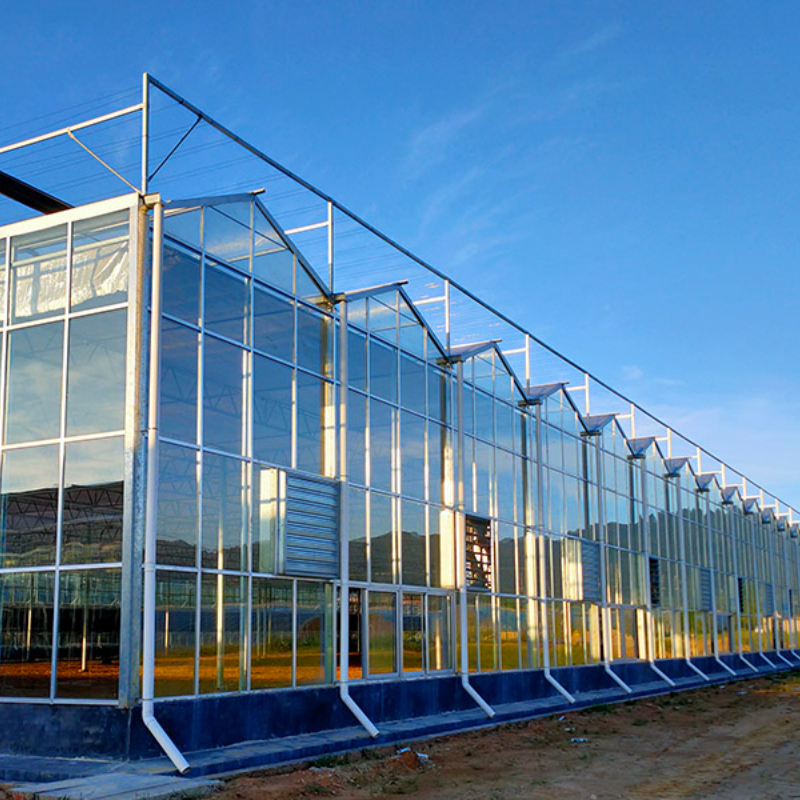
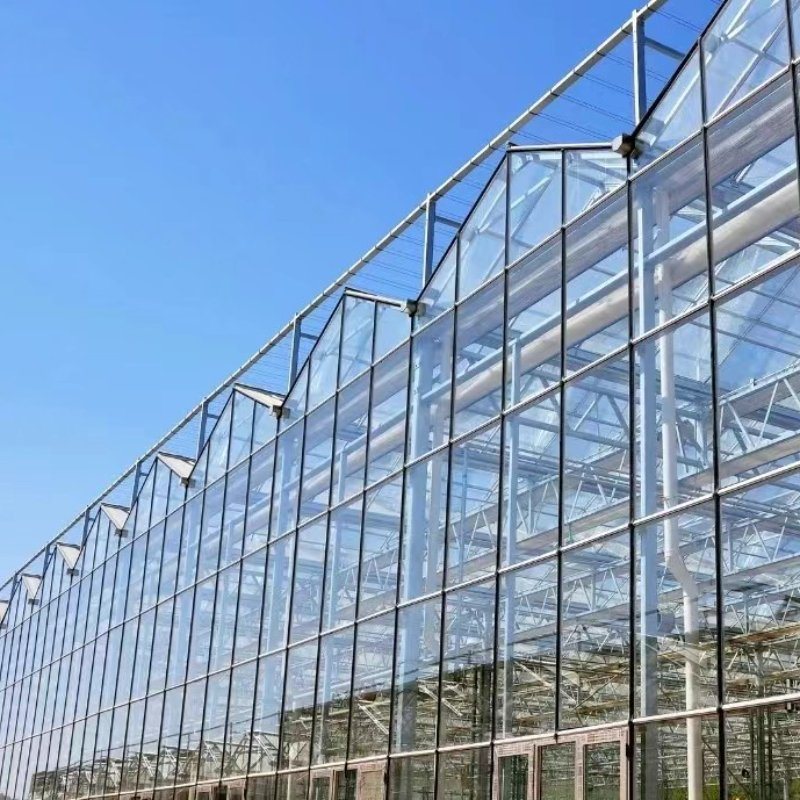
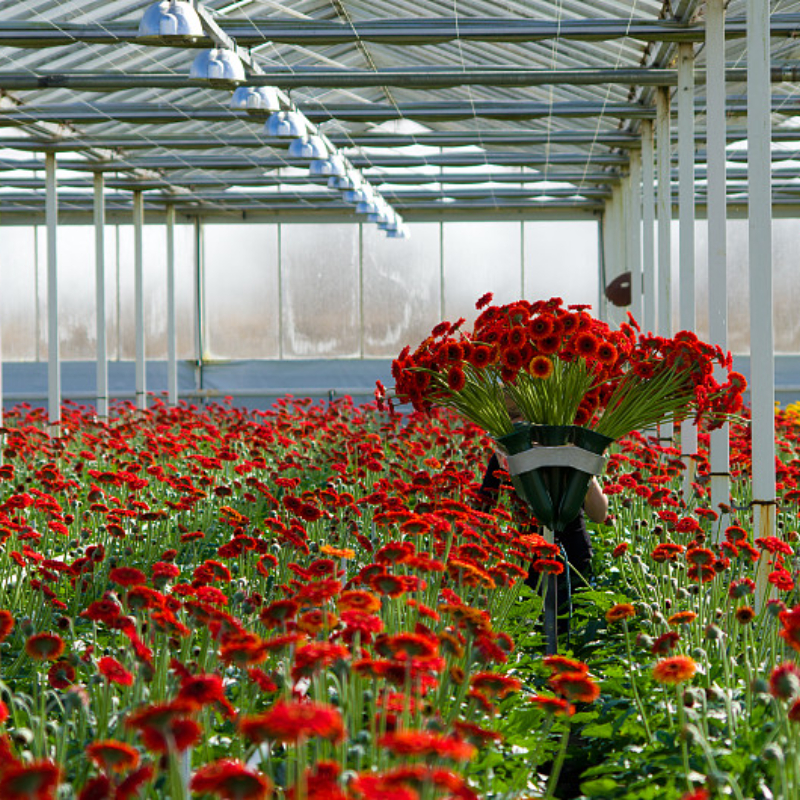
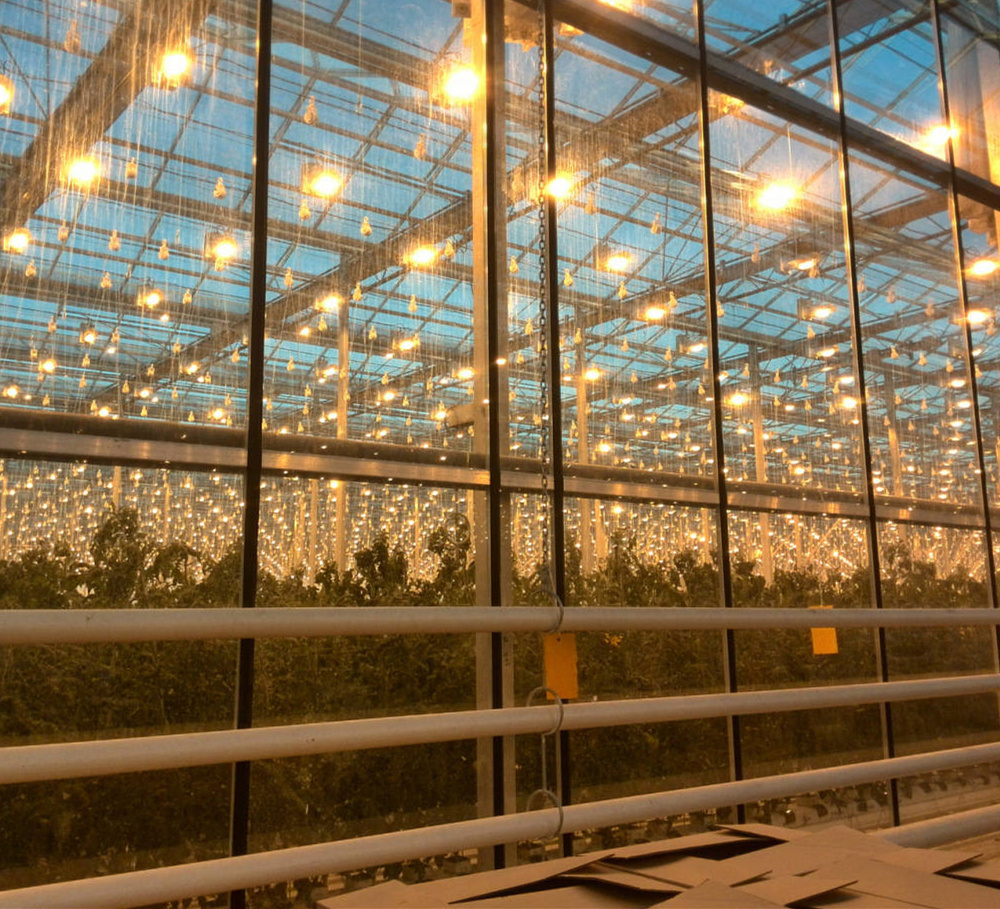
The agricultural glass greenhouse designed for cultivating strawberries and tomatoes represents a significant evolution in agricultural practices. This innovative structure combines the advantages of a traditional glass greenhouse with modern agricultural techniques to create an optimal environment for these popular crops. In this article, we will delve into the features, advantages, and operational aspects of this greenhouse, focusing on greenhouse heating and greenhouse ventilation to ensure ideal growing conditions.
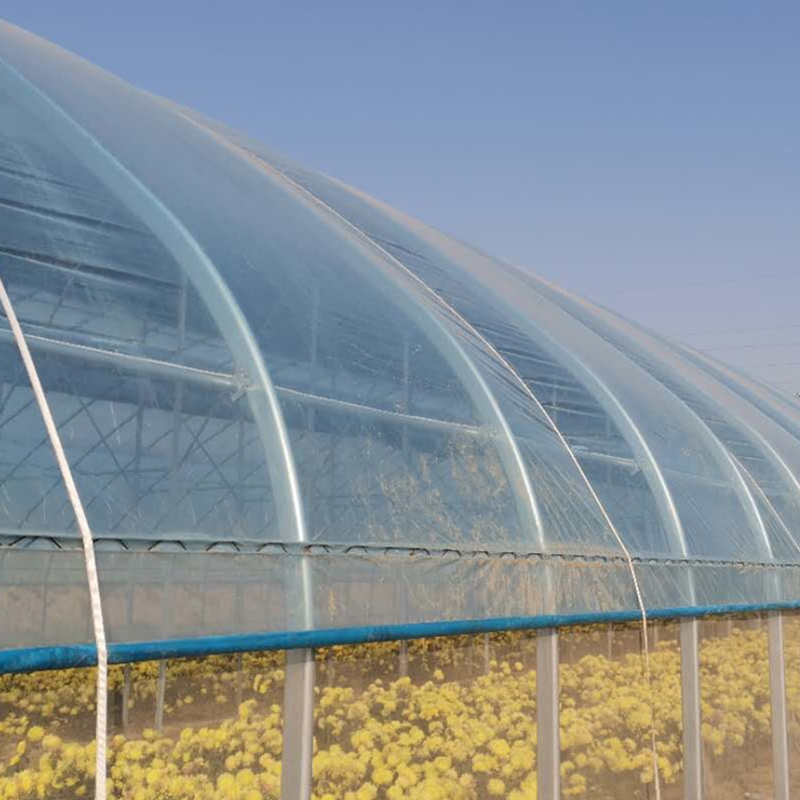
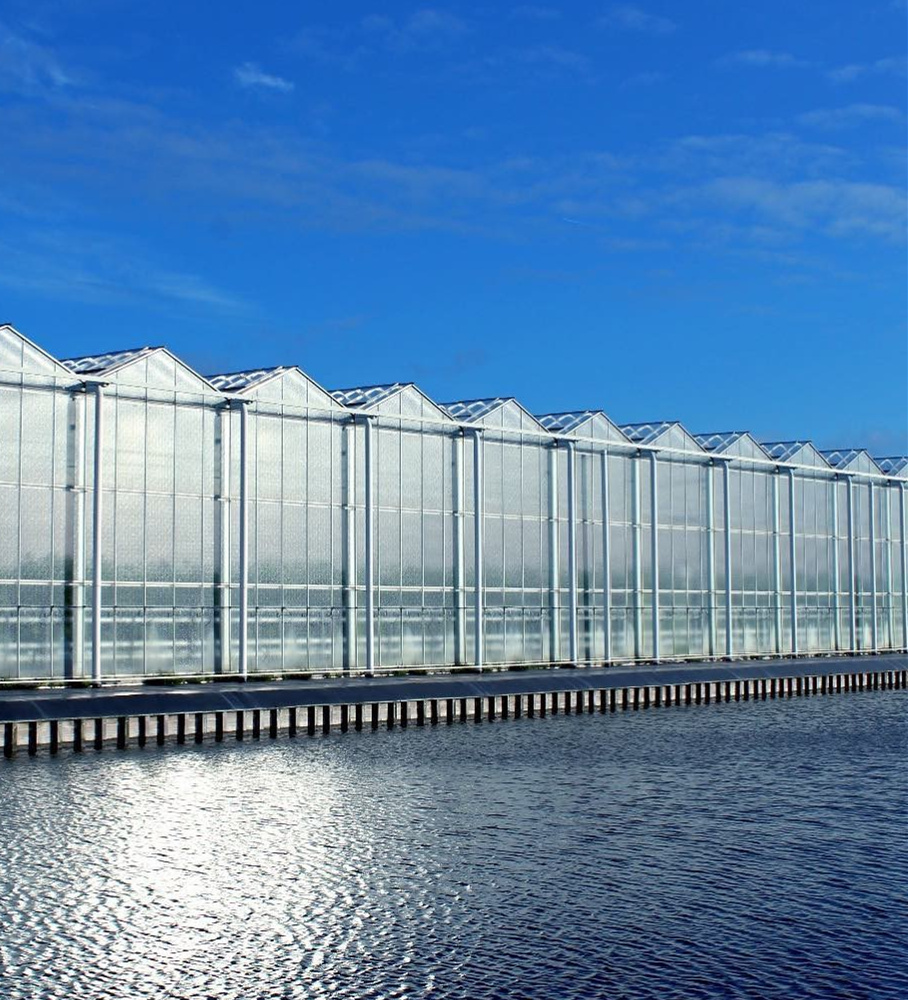
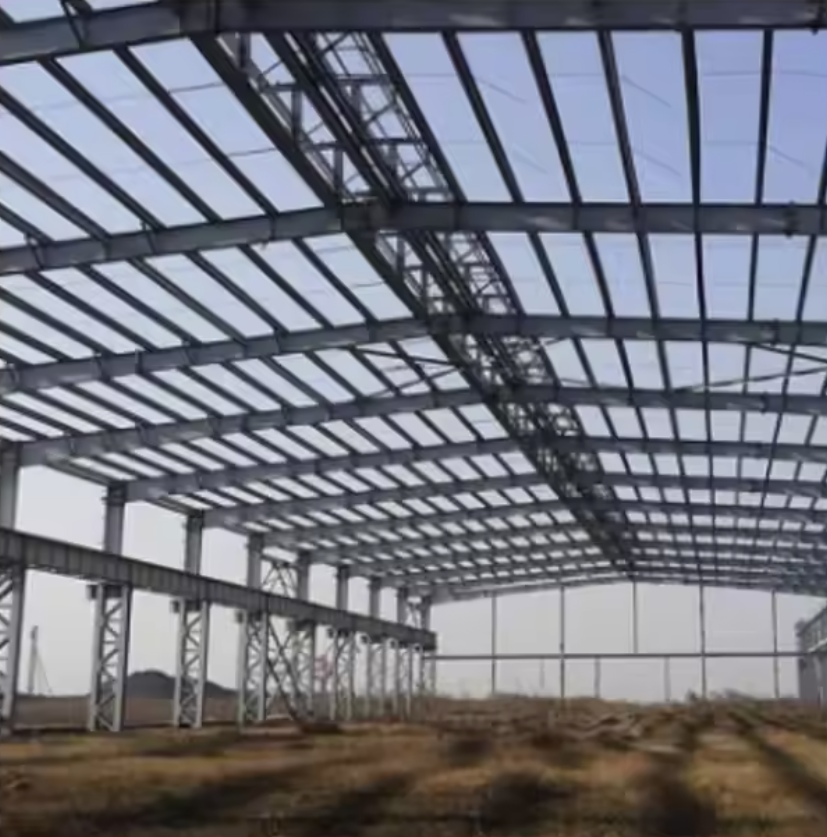
The traditional glass greenhouse has been a cornerstone of horticulture for centuries, providing a controlled environment that enhances plant growth. The primary advantage of a traditional glass greenhouse is its ability to maximize sunlight exposure, which is crucial for photosynthesis. For strawberries and tomatoes, ample sunlight is essential for producing high yields and maintaining fruit quality.
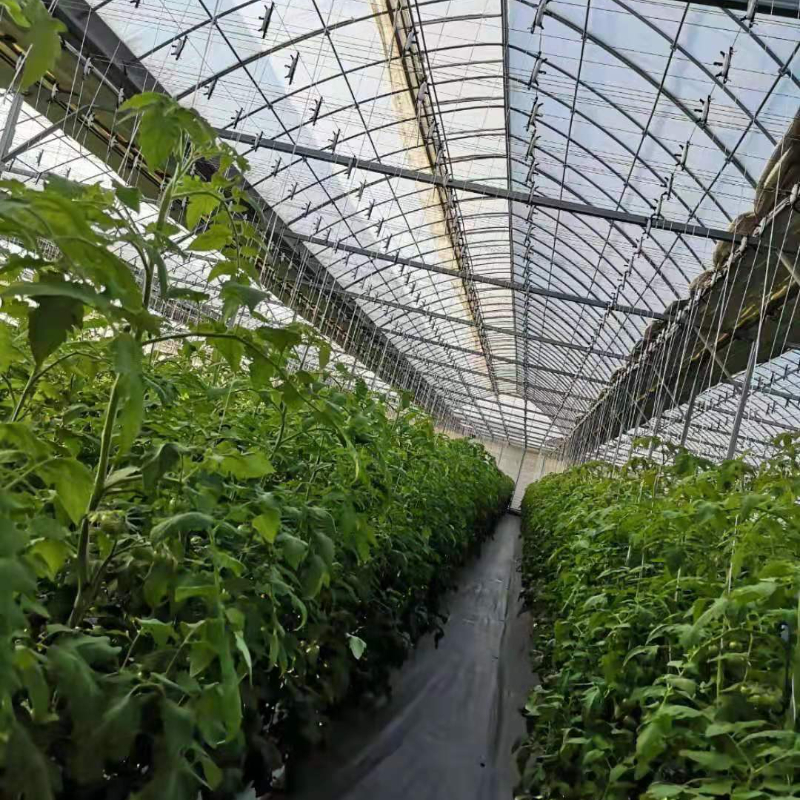
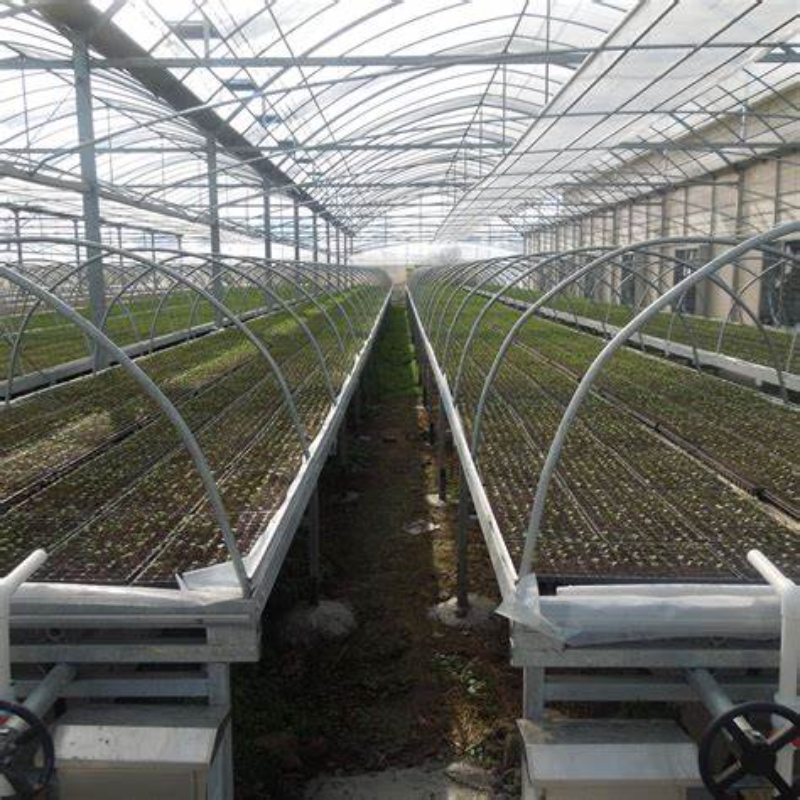
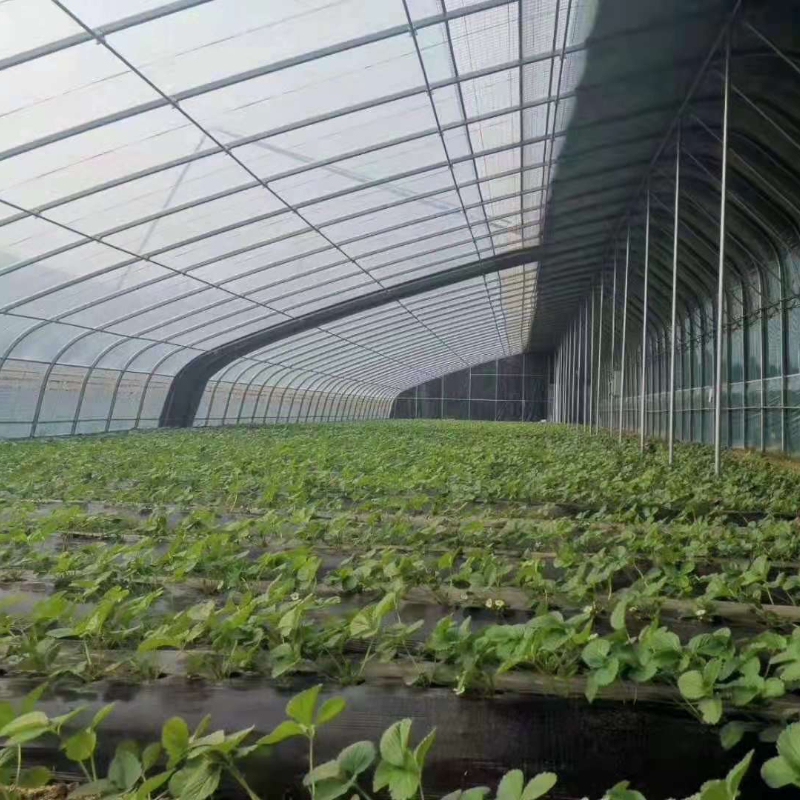
In an agricultural glass greenhouse designed for strawberries and tomatoes, the traditional glass greenhouse design is adapted to meet the specific needs of these crops. The multi-span structure increases the available growing space, allowing for more extensive cultivation areas. This design not only improves air circulation but also facilitates better temperature control, which is critical for the growth of strawberries and tomatoes.
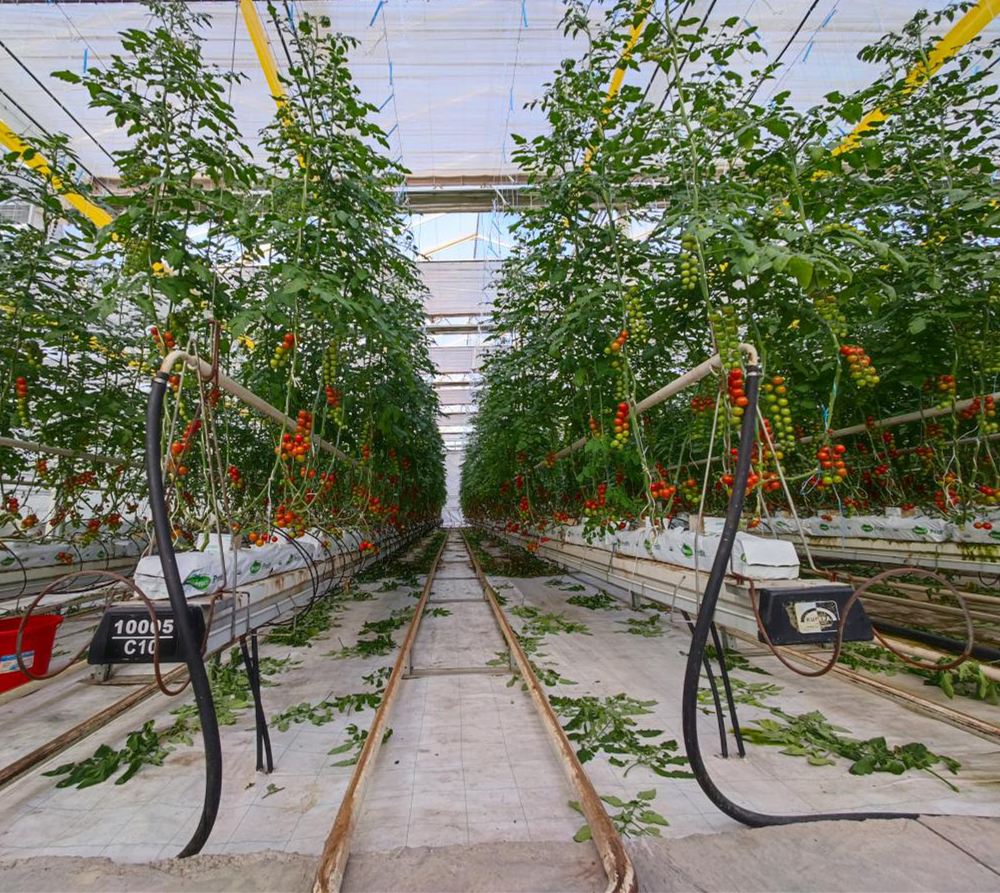
An agricultural glass greenhouse offers numerous benefits compared to conventional farming methods. First and foremost, it provides a controlled environment where temperature, humidity, and light can be regulated. This control is vital for the successful cultivation of strawberries and tomatoes, as both crops are sensitive to environmental changes.
Moreover, the use of an agricultural glass greenhouse significantly reduces the risk of pests and diseases. The enclosed environment limits the entry of harmful insects and pathogens, leading to healthier plants.
A critical component of an agricultural glass greenhouse is greenhouse heating. Maintaining the right temperature is essential for the growth of strawberries and tomatoes, especially during colder months. Various heating systems can be employed, including radiant heaters, hot water systems, and even geothermal heating.
Radiant heaters are commonly used in greenhouse because they provide uniform heat distribution. This type of heating is particularly effective in multi-span structures, where the design allows for efficient heat retention. By ensuring that the temperature remains within the ideal range—typically between 20°C to 25°C (68°F to 77°F) for strawberries and tomatoes—farmers can promote optimal growth rates and fruit development.
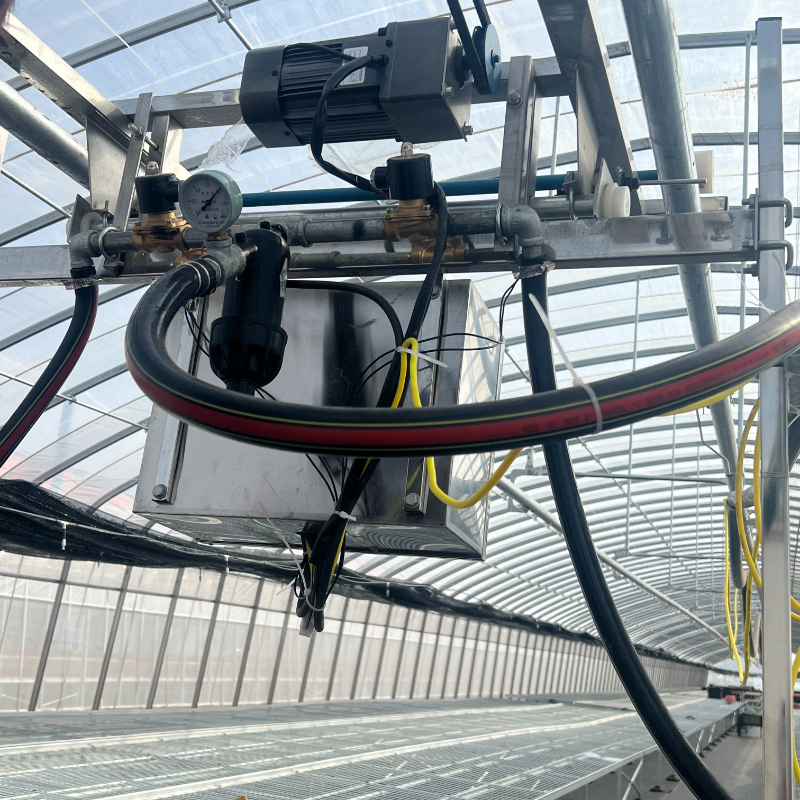
Additionally, greenhouse heating systems can be automated to adjust to changing weather conditions. This automation helps conserve energy and reduce operating costs, making it a sustainable option for farmers. By integrating advanced technology into the greenhouse heating system, growers can achieve greater efficiency and productivity.
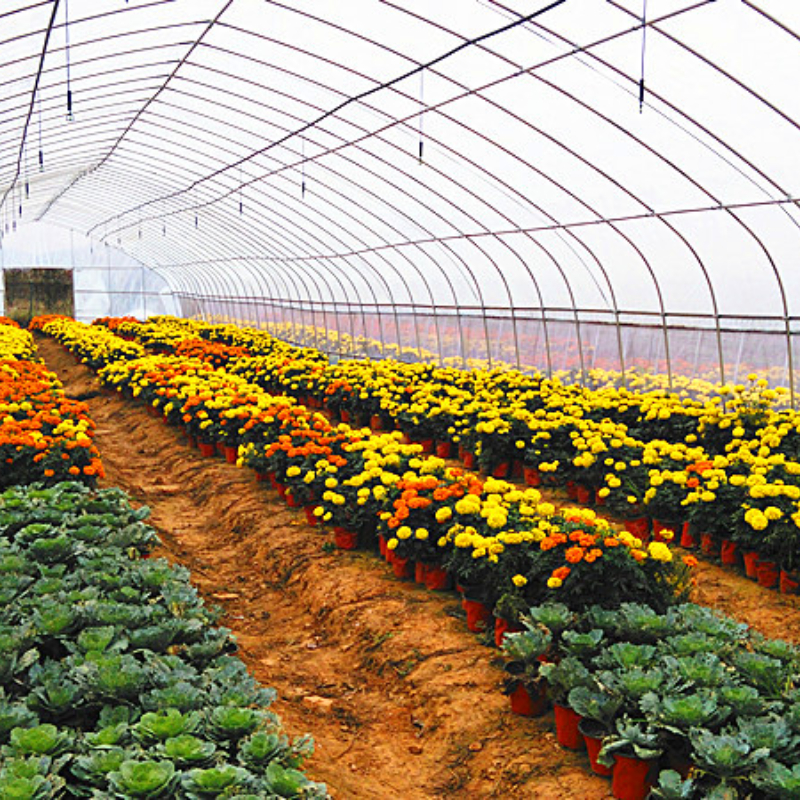
In addition to heating, greenhouse ventilation is another crucial aspect of maintaining a healthy growing environment. Proper greenhouse ventilation is necessary to control humidity levels and prevent the buildup of excessive heat within the greenhouse.
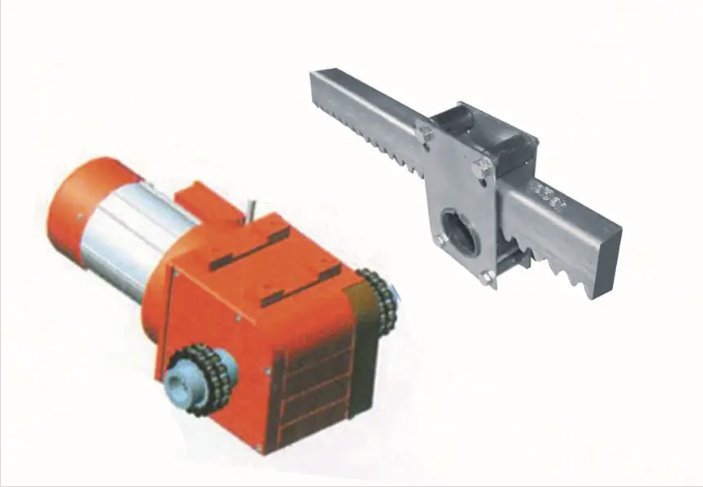
Effective greenhouse ventilation systems can be designed using various methods, such as natural ventilation, mechanical ventilation, or a combination of both.
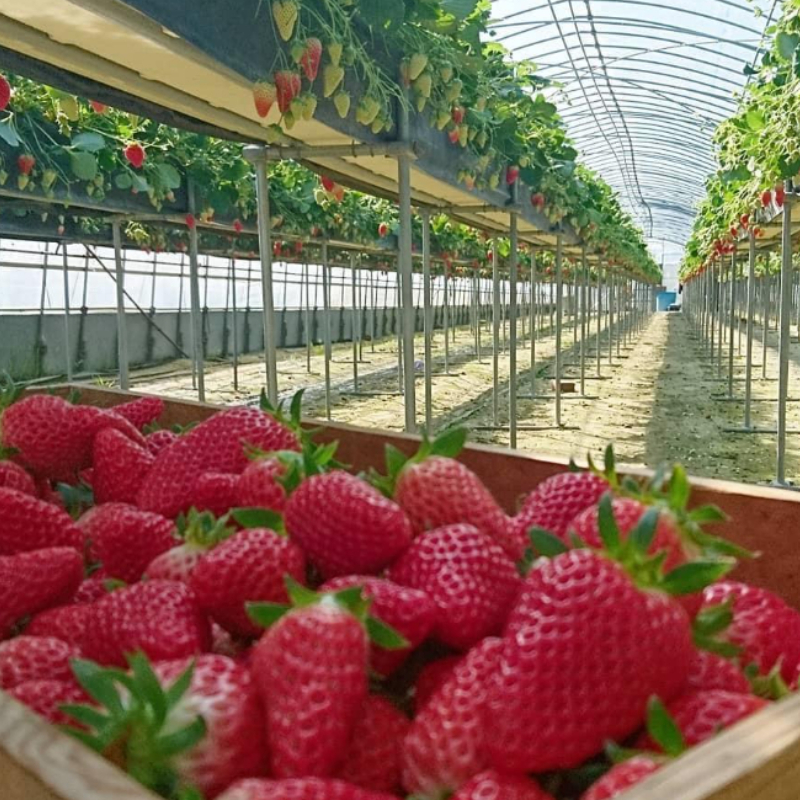
The agricultural glass greenhouse for strawberries and tomatoes represents a significant advancement in modern agriculture. By integrating the principles of traditional glass greenhouse design with advanced technology in greenhouse heating and greenhouse ventilation, farmers can create an ideal environment for cultivating these crops.
Through careful management of greenhouse heating and greenhouse ventilation, farmers can ensure that their strawberries and tomatoes thrive, contributing to a more sustainable food system.
Q1:Are We a trading company or a manufacturer?
A: We are a factory. Our factory can produce all items which are related to the greenhouse, so we provide the best price.
Q2: Do we provide samples? Is it free or extra?
A: Yes, we can provide samples free of charge, but we don't bear the freight.
Q3: How to get a quotation for the greenhouse?
A: Please let us know how many greenhouses you need? What will be grown in the greenhouse? So that we can suggest you the related greenhouses.
Q4: How should you choose a greenhouse system?
A: Please let us know where you will build the greenhouse, we also need the know your local temperature and wind speed.
Q5: How to assemble the greenhouse after you purchase our greenhouses ?
A:We have professional after-sales service engineers who will provide planning drawings and installation manuals. You can communicate with him from time to time. If necessary, we can also send engineers to your country to supervise the installation of the greenhouse. Please send message for specific details.
If you have drawings, welcome to share drawings with us, quoation will be done based your drawings.Our excellent design team will
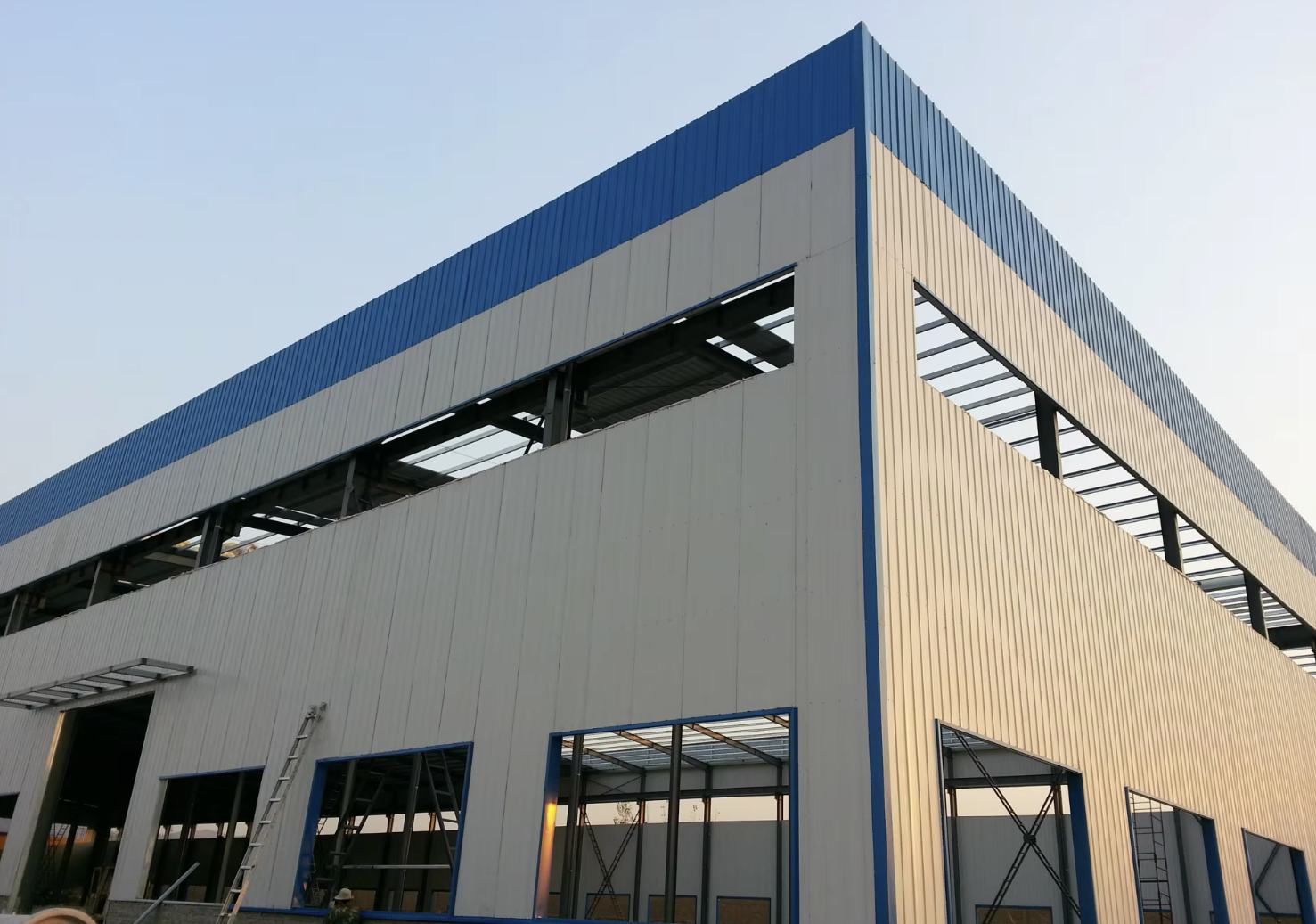
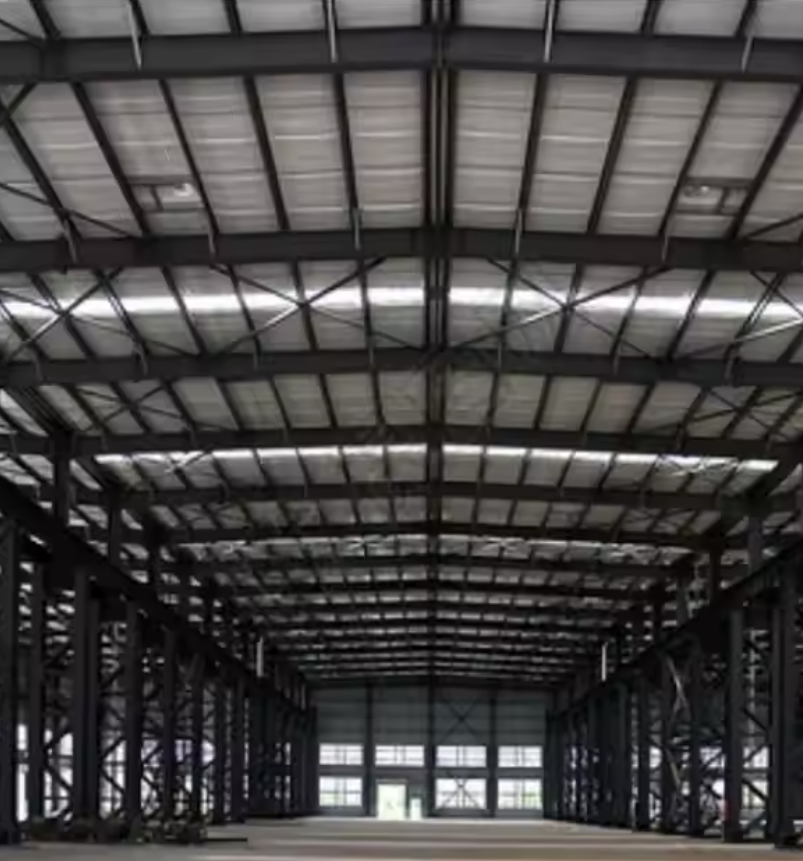
design the steel structure workshop warehouse for you. If you give the following information, we will give you an satisfactory
drawing.
1 Location (where will be built? ) which country? which city?
2 Size: Length*width* Eave height _____mm*_____mm*_____mm
3 wind load (max. Wind speed) _____kn/m2, _____km/h, _____m/s
4 snow load (max. Snow height) _____kn/m2, _____mm, temperature range?
5 anti-earthquake _____level
6 brickwall needed or not If yes, 1.2m high or 1.5m high? or other?
7 thermal insulation If yes, EPS, fiberglass wool, rockwool, PU sandwich panels will be suggested;
If not, the metal steel sheets will be ok. The cost of the latter will be much lower than that of the former.
8 door quantity & size _____units, _____(width)mm*_____(height)mm
9 window quanity & size _____units, _____(width)mm*_____(height)mm
10 crane needed or not If yes, _____units, max. Lifting weight____tons; Max. Lifting height _____m