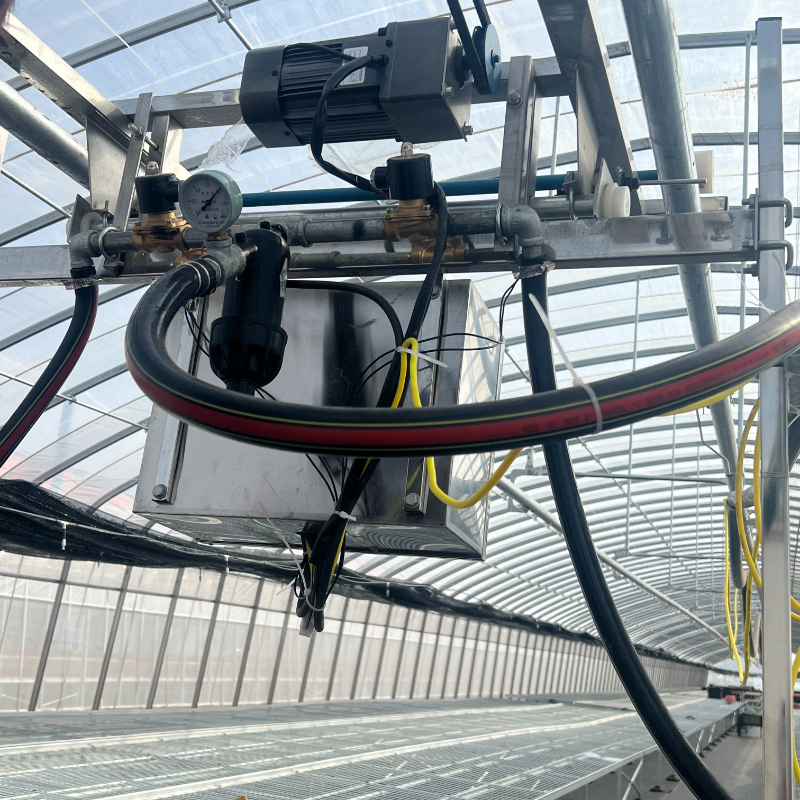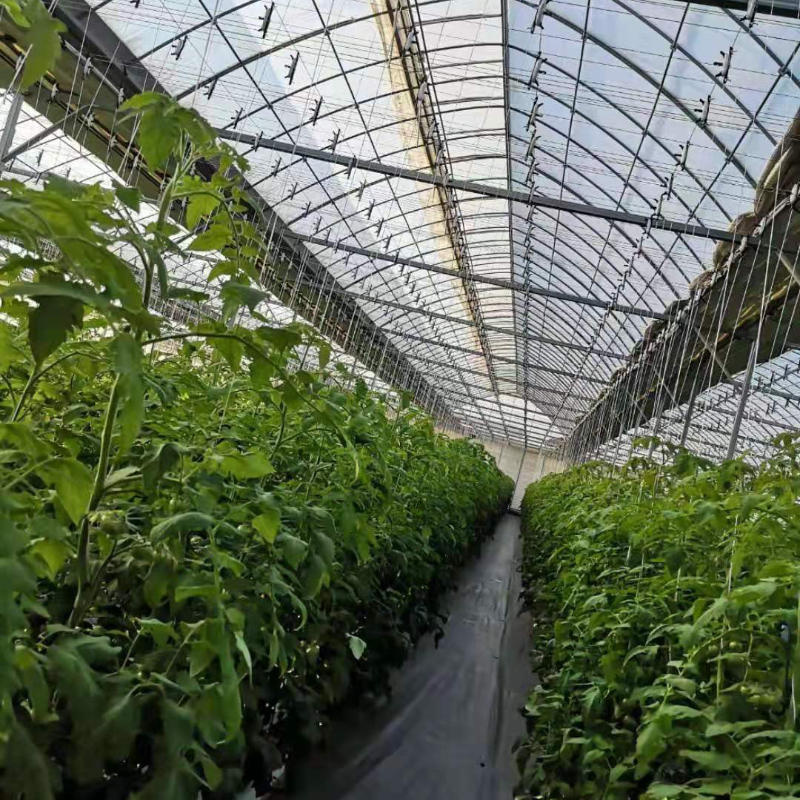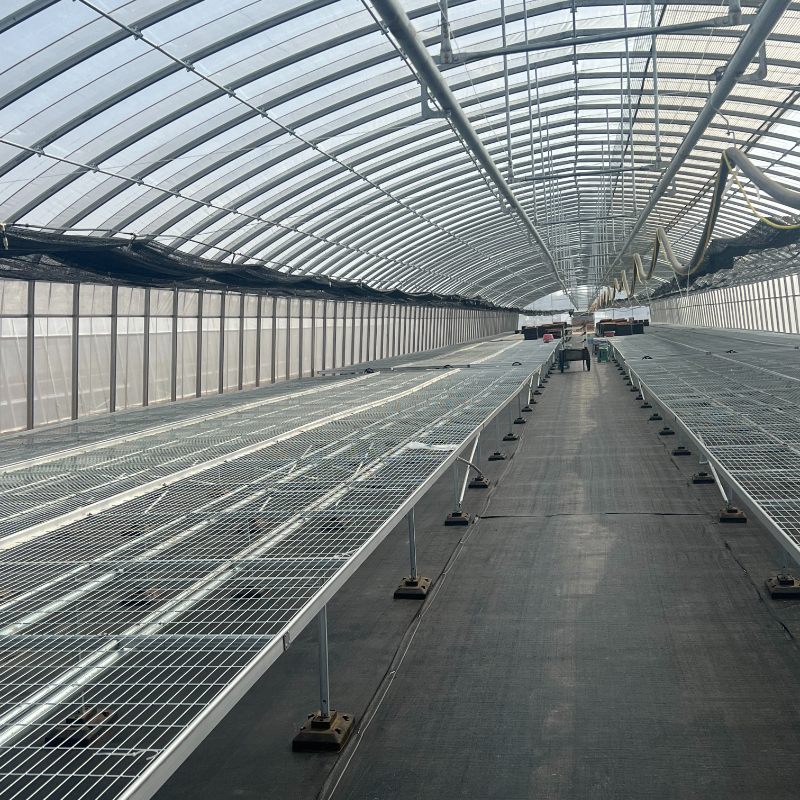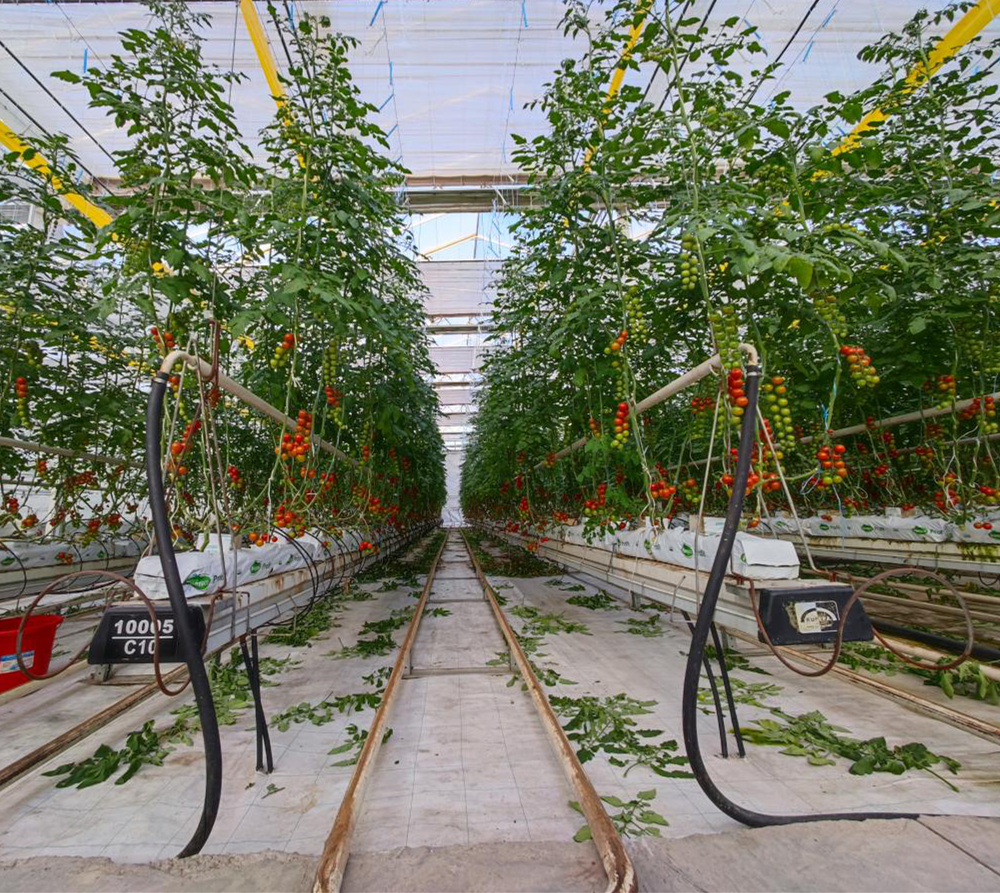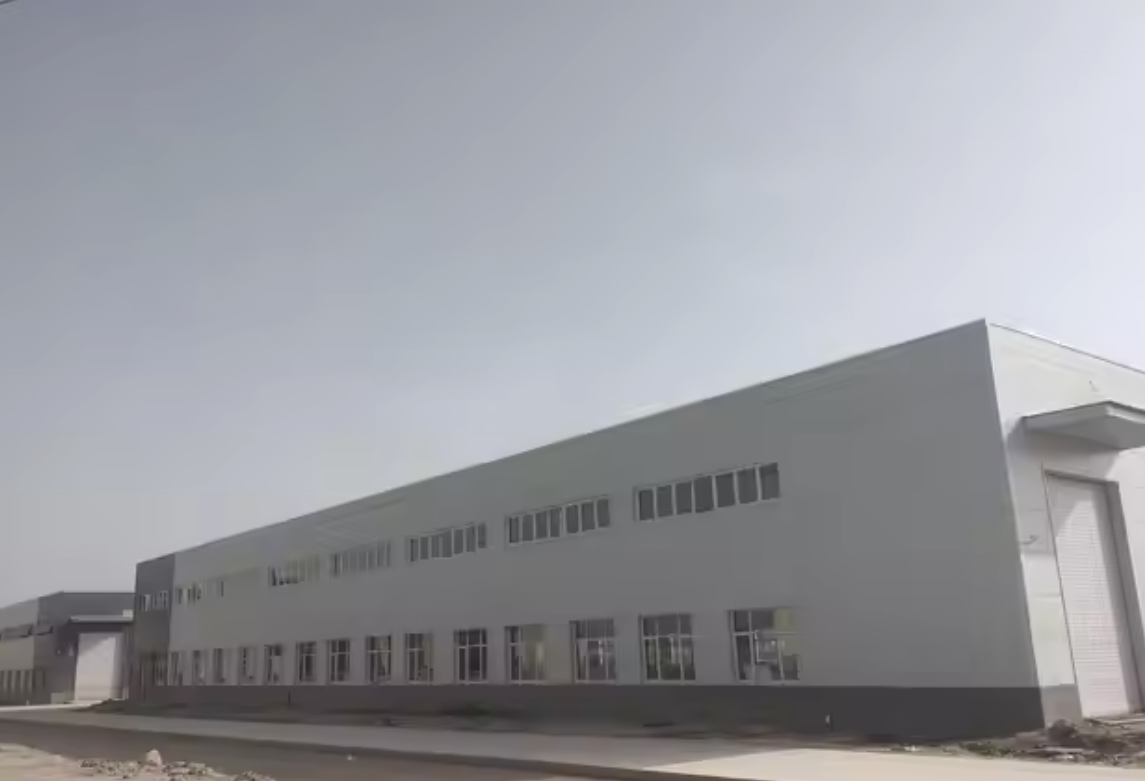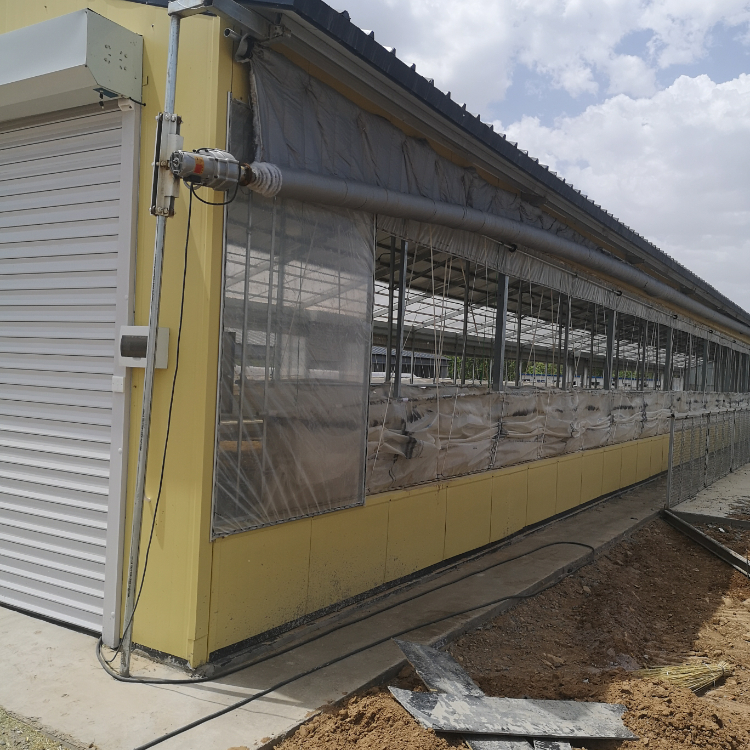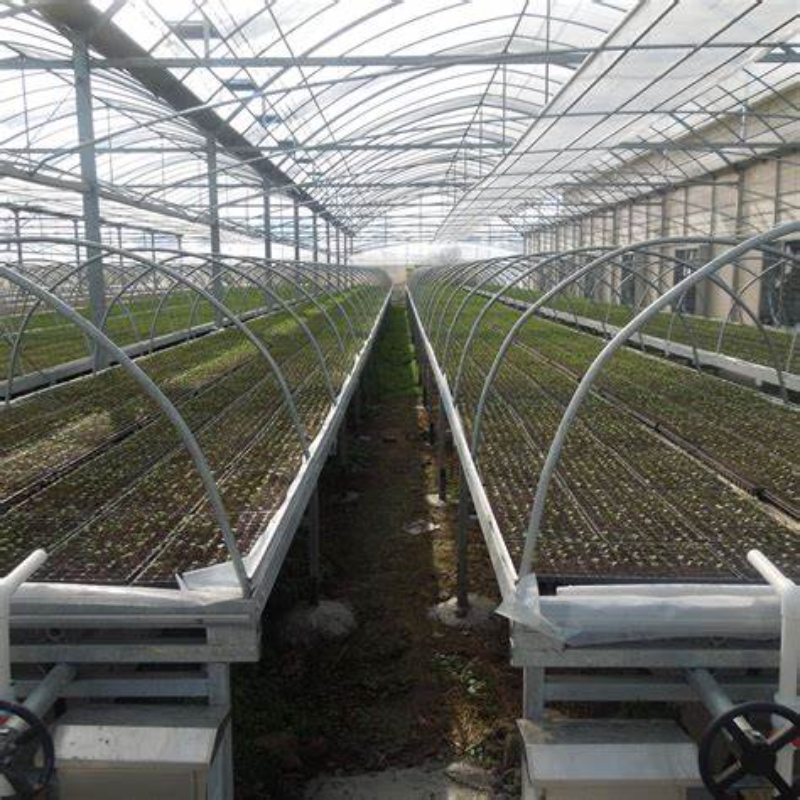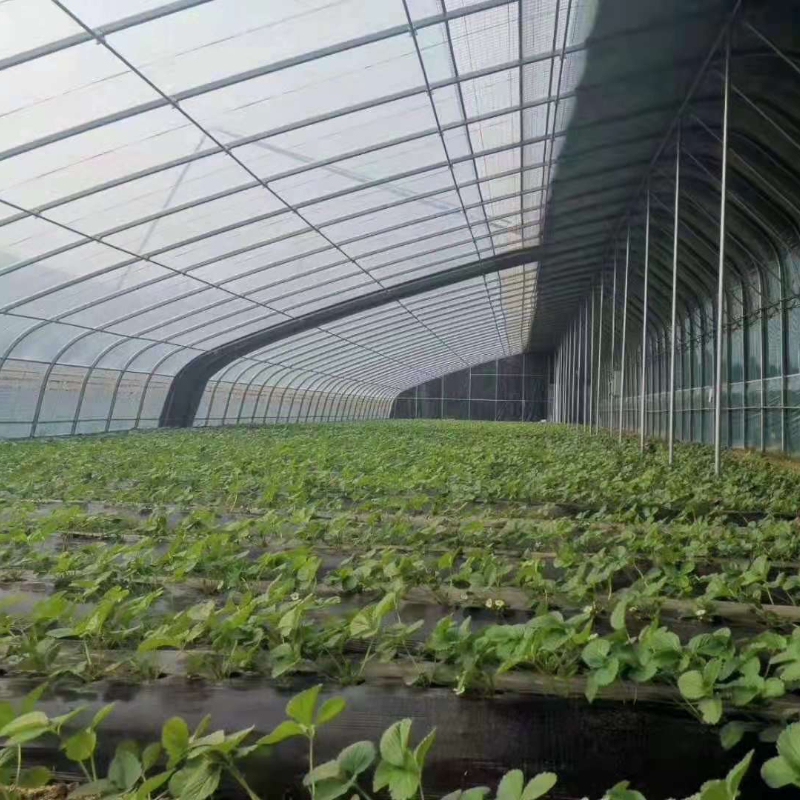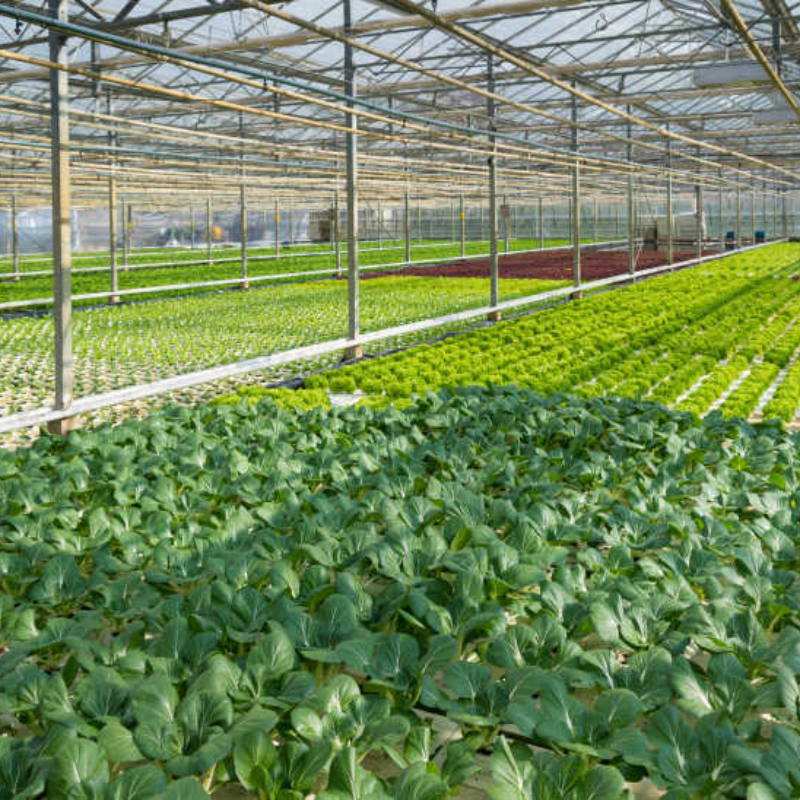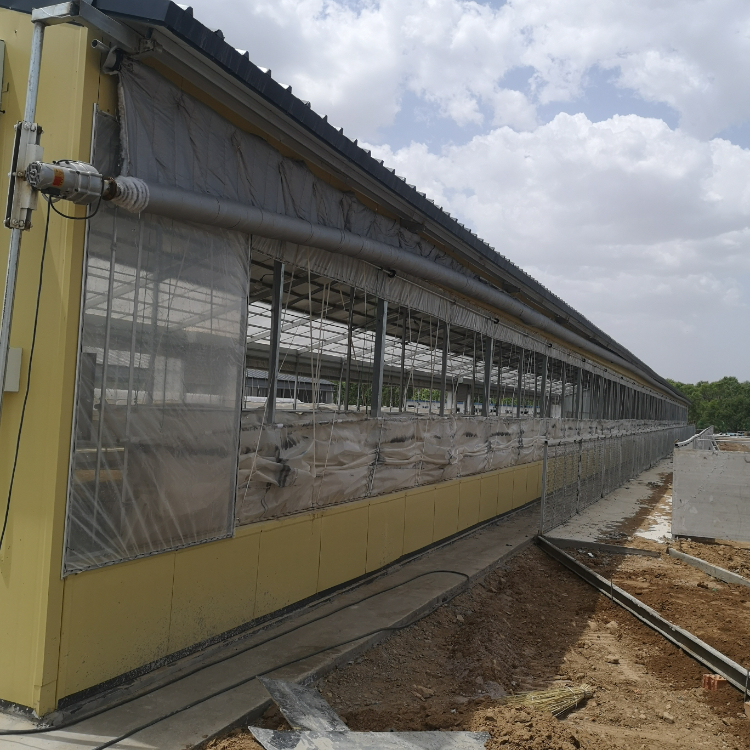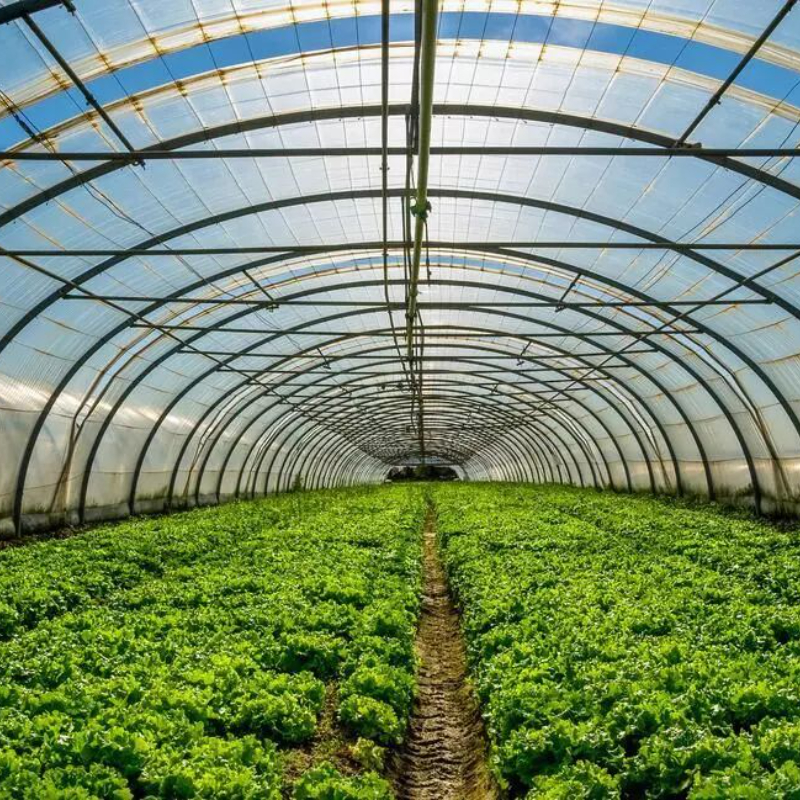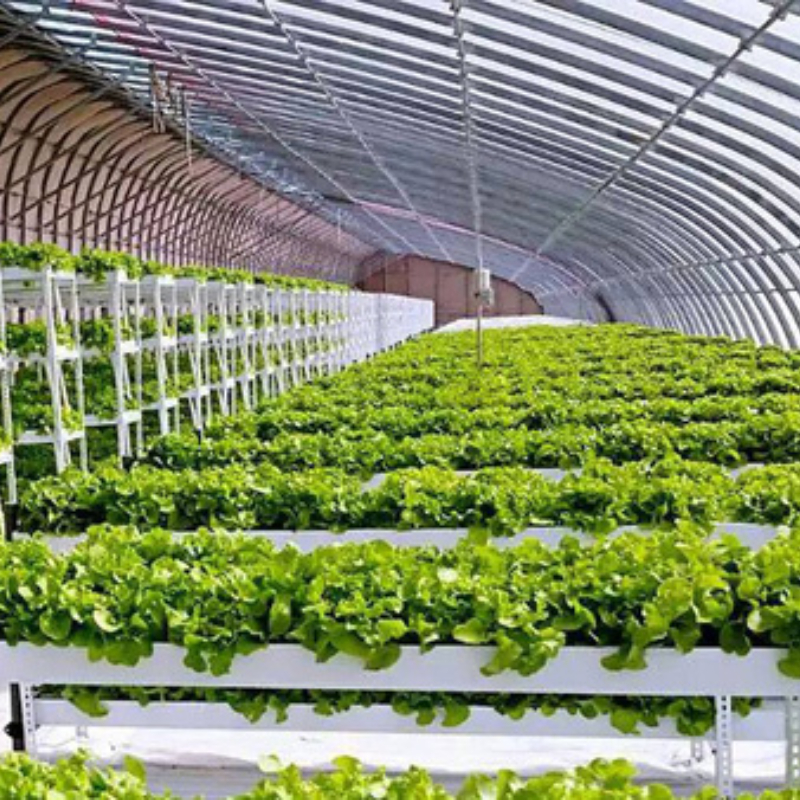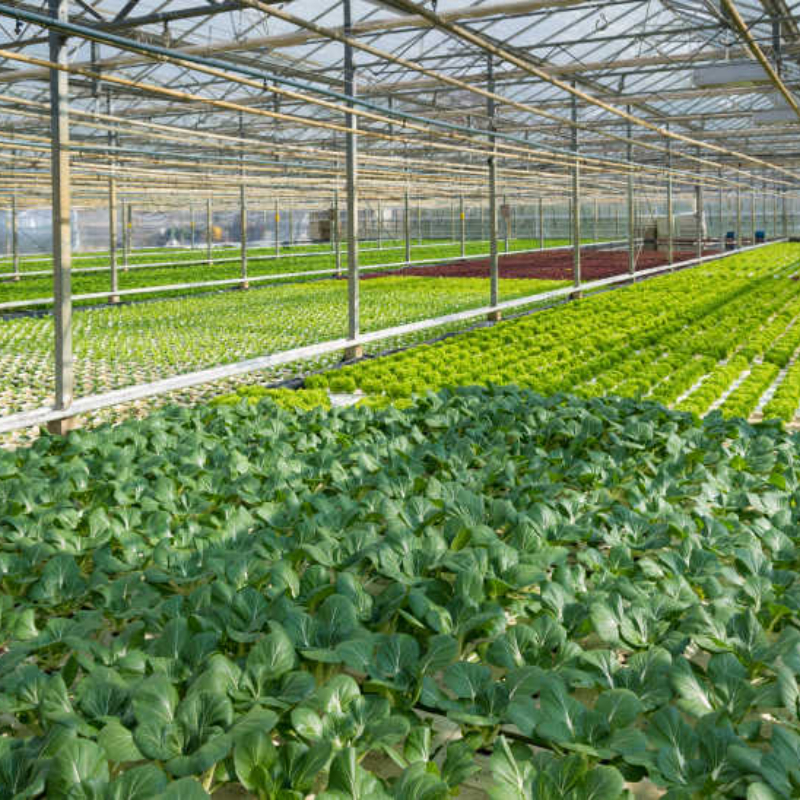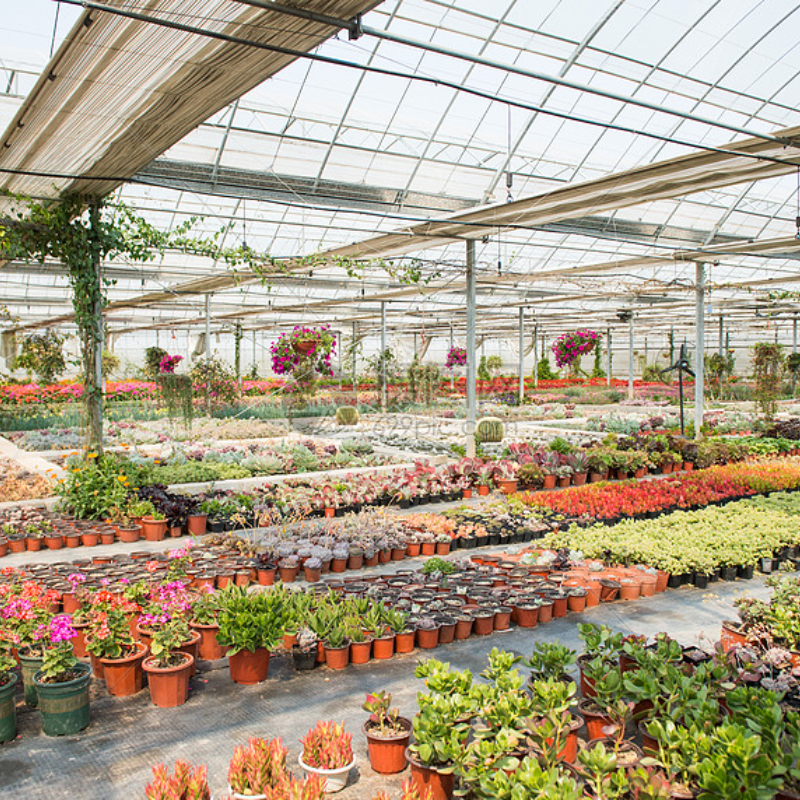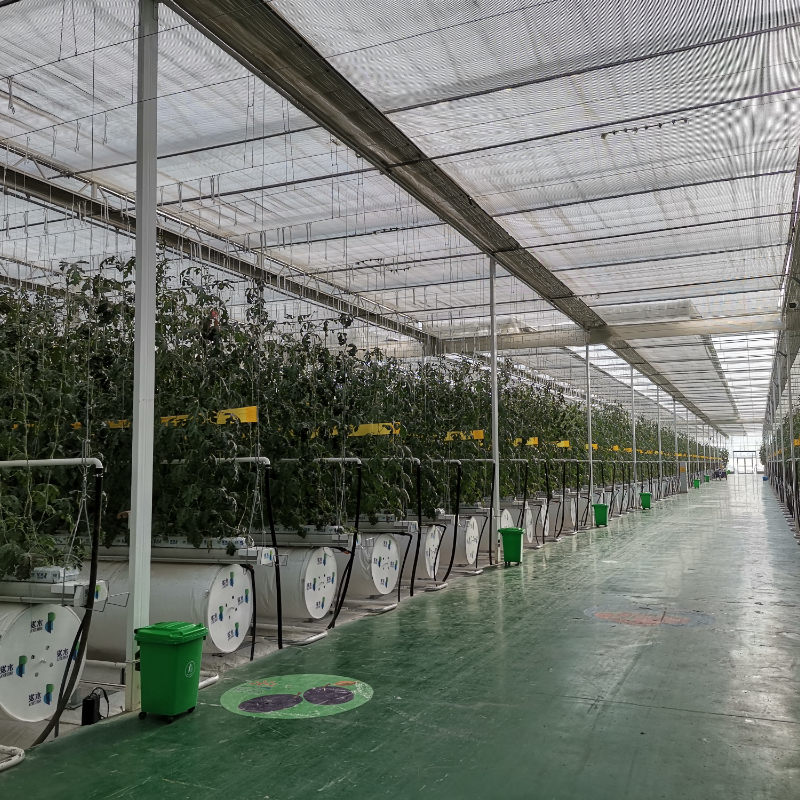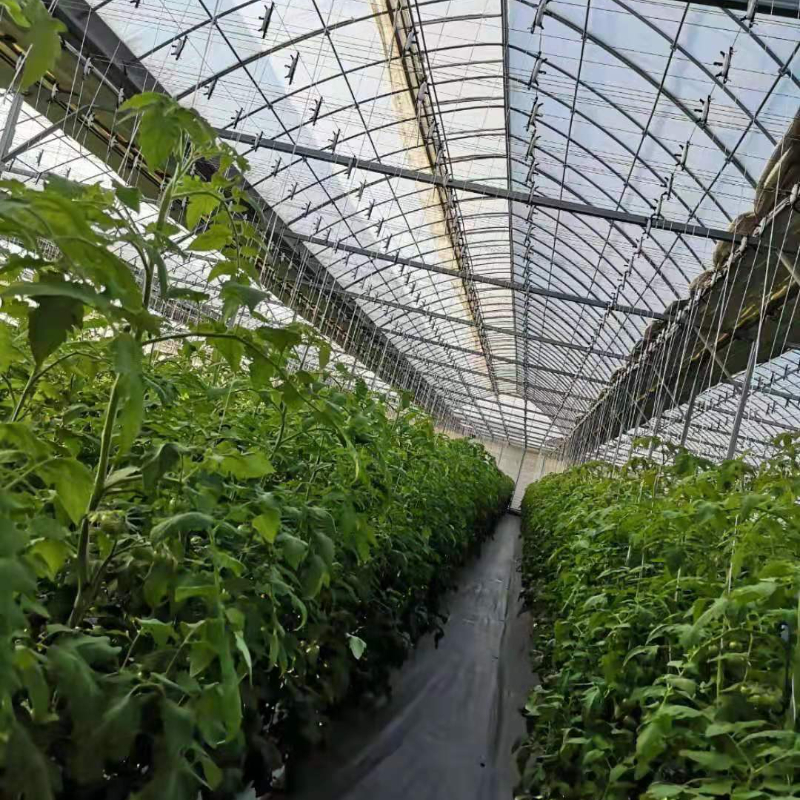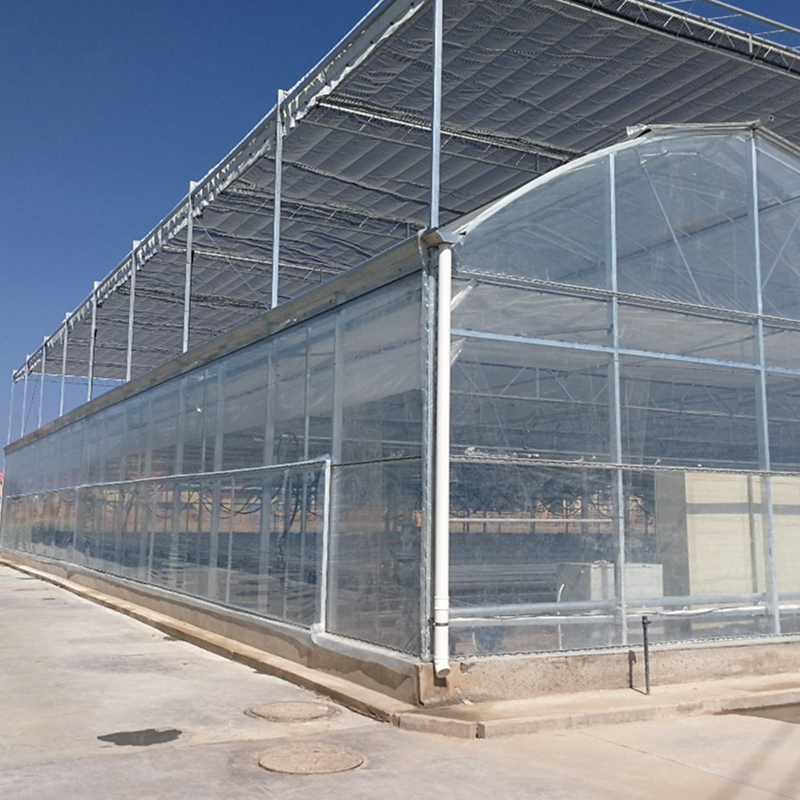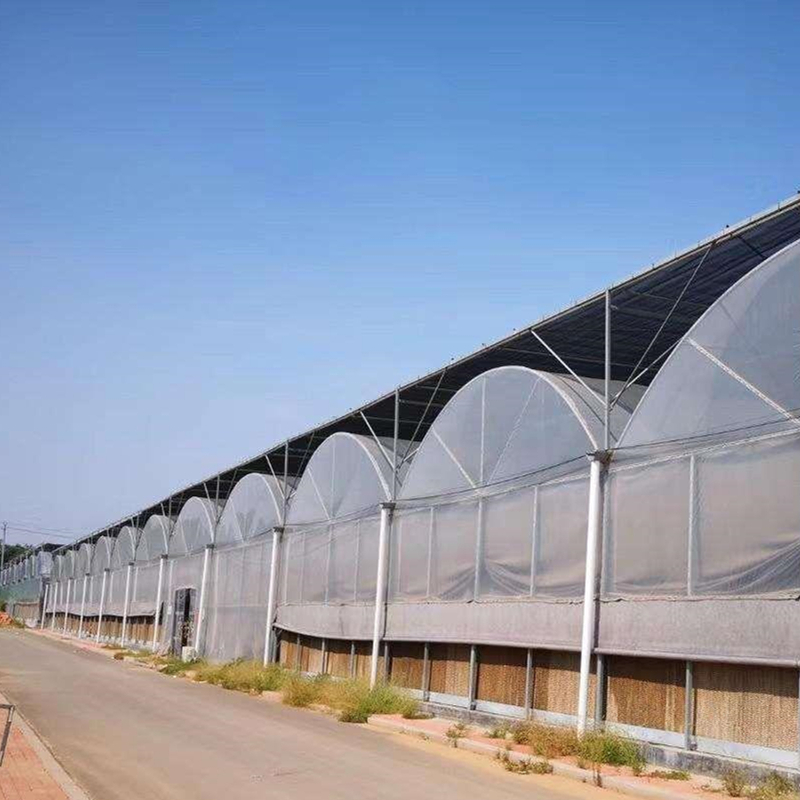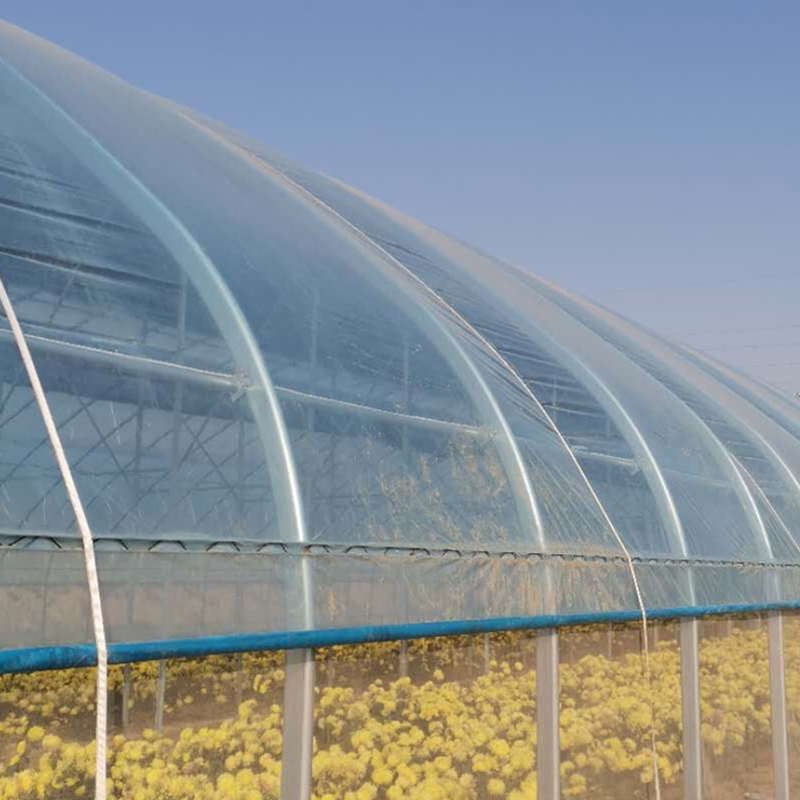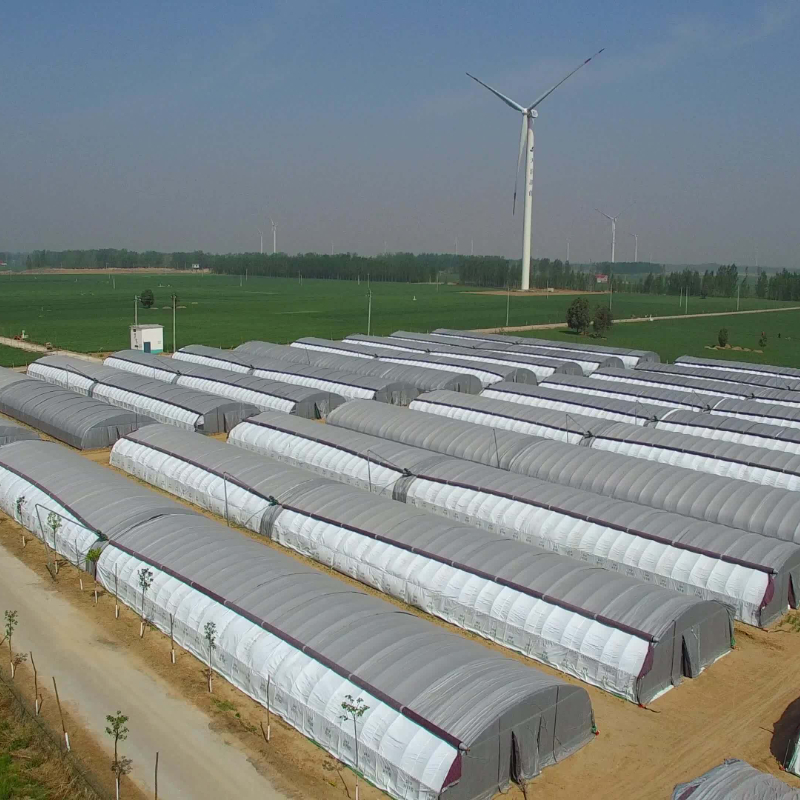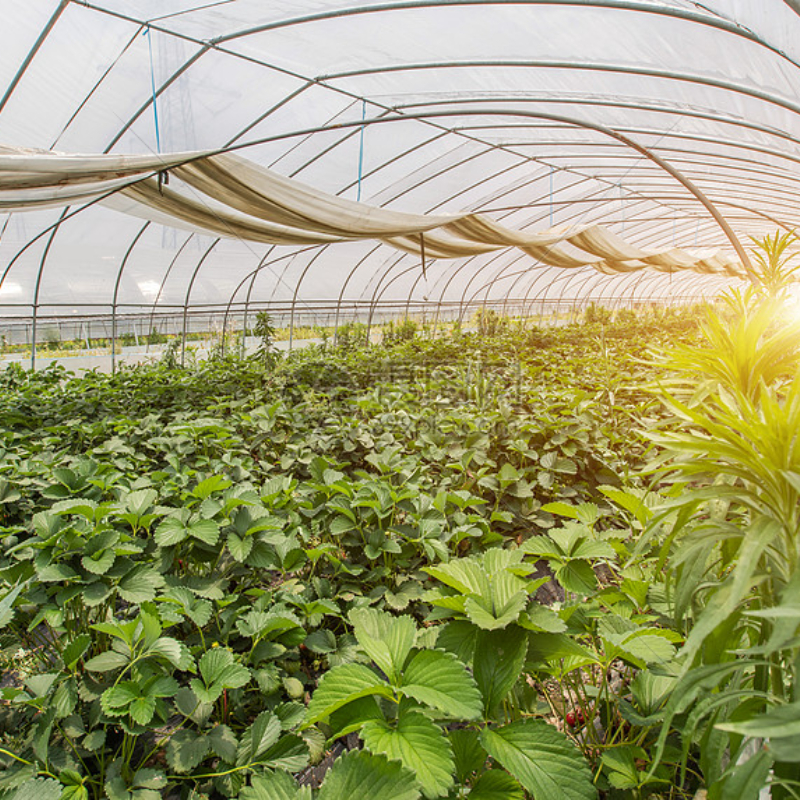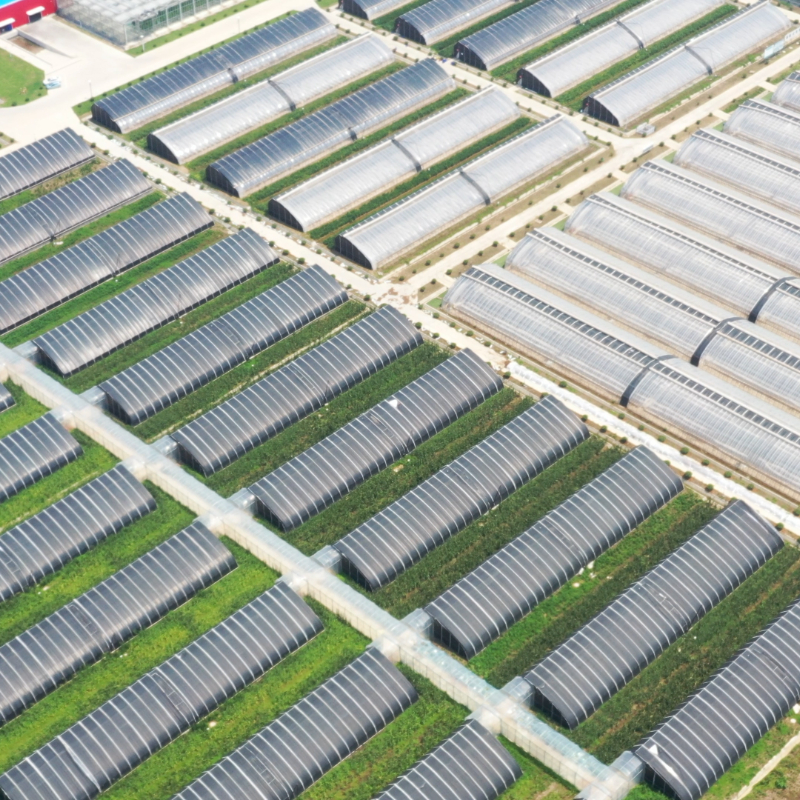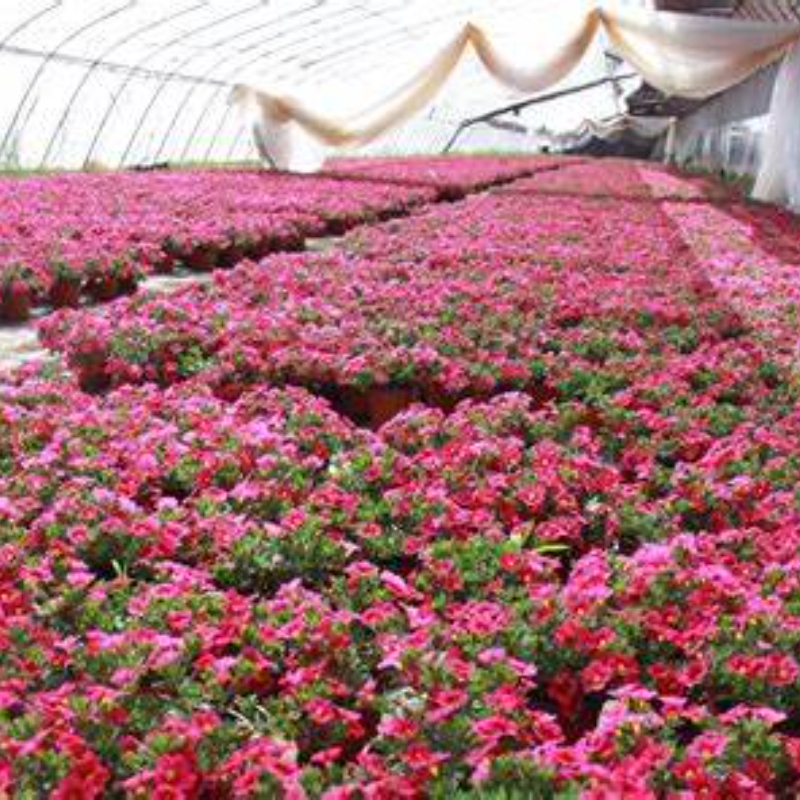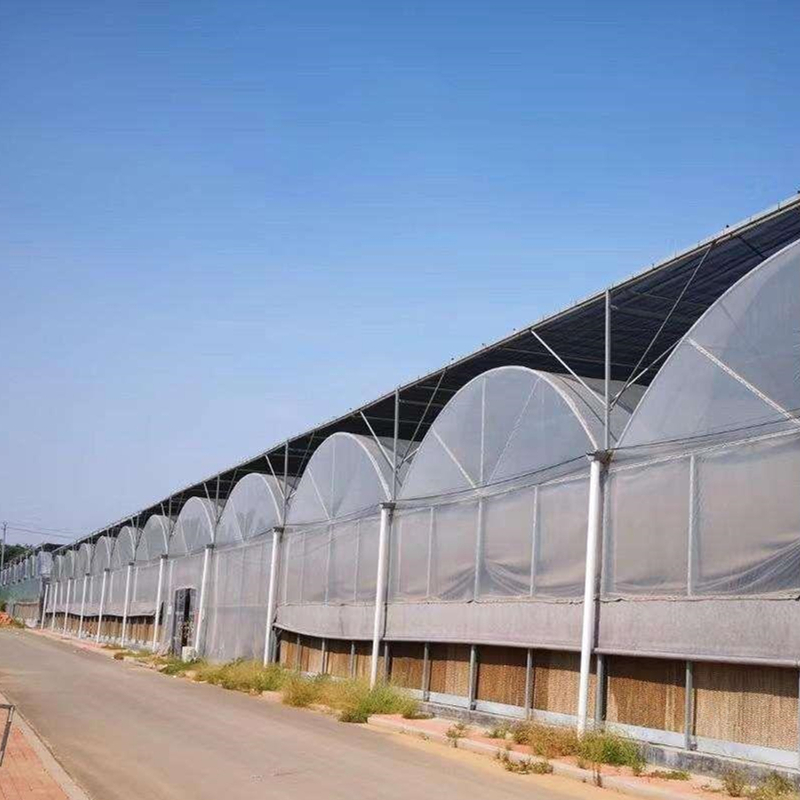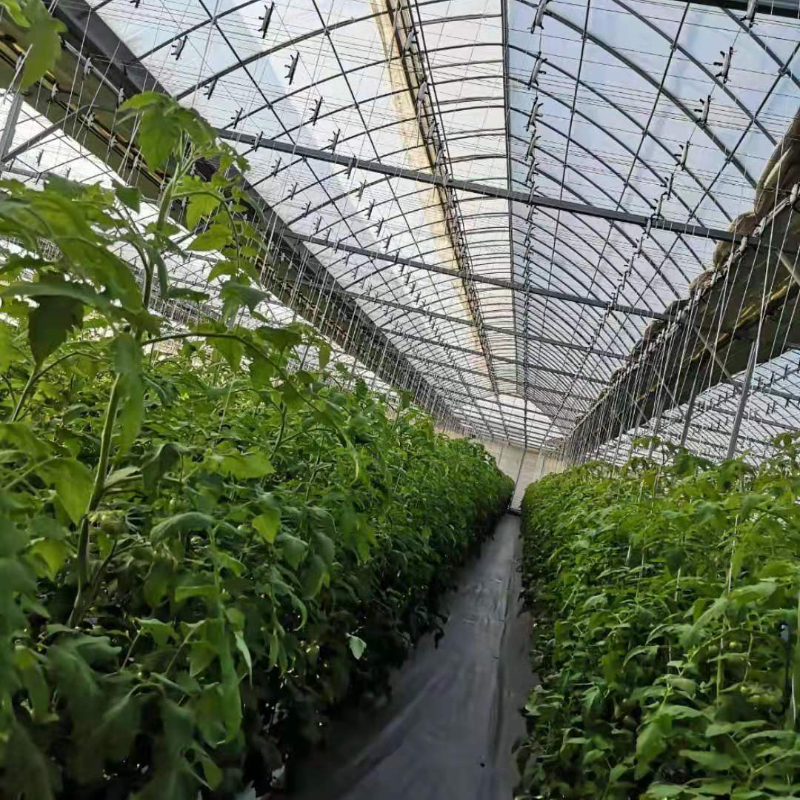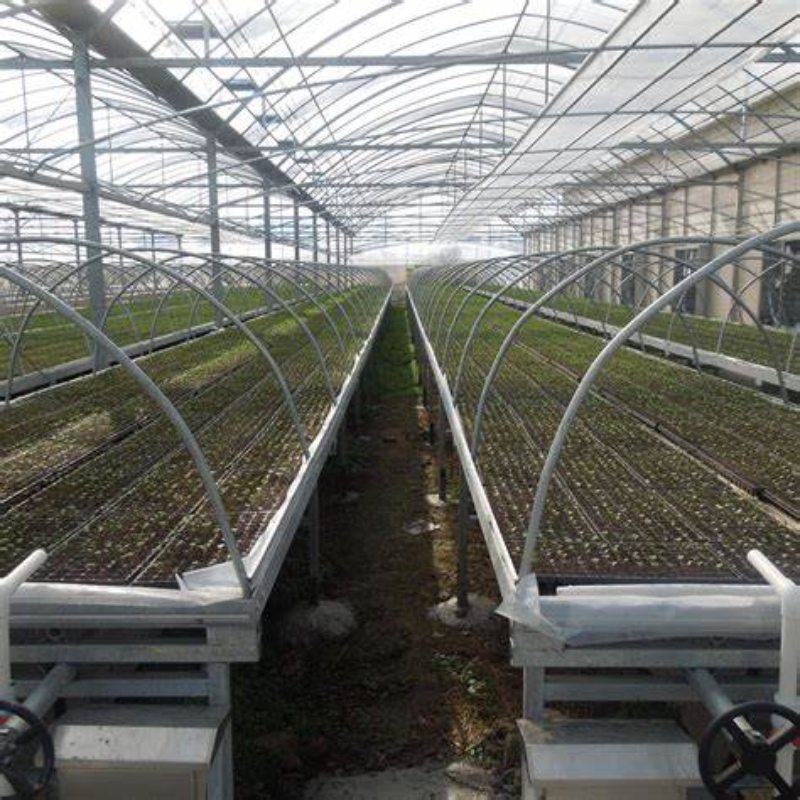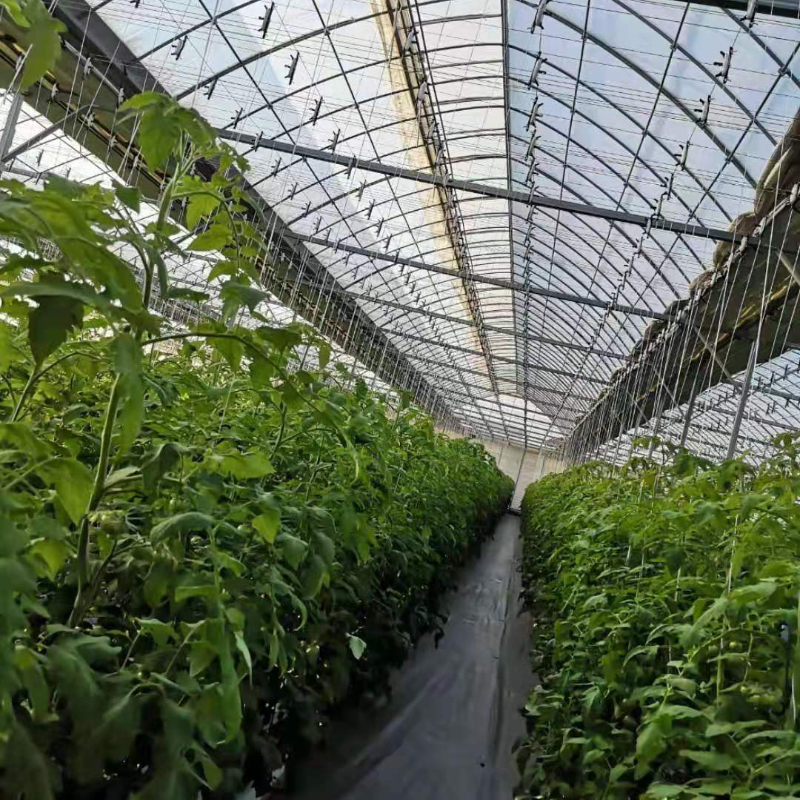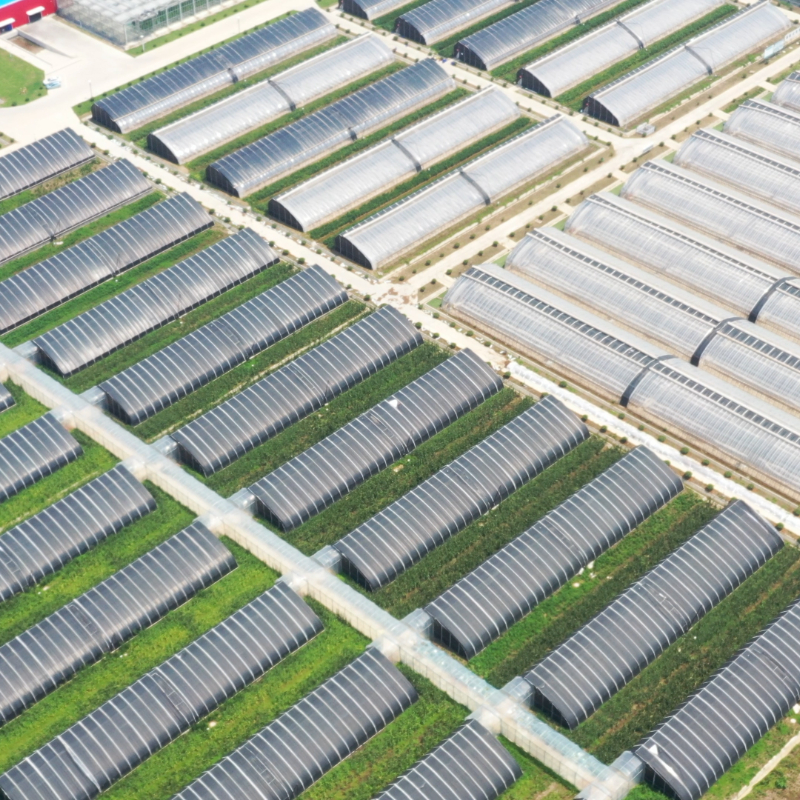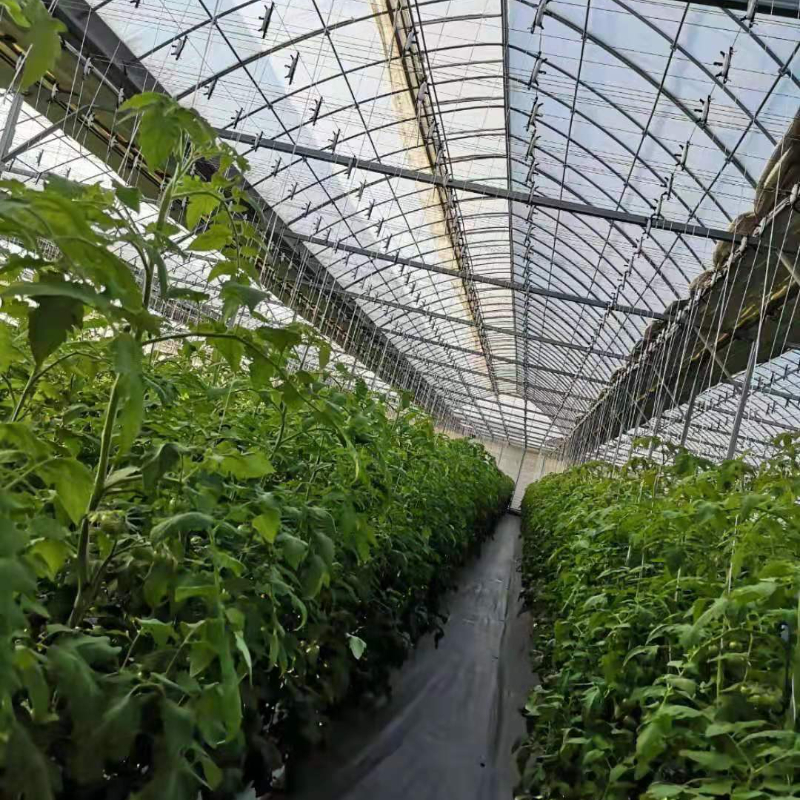
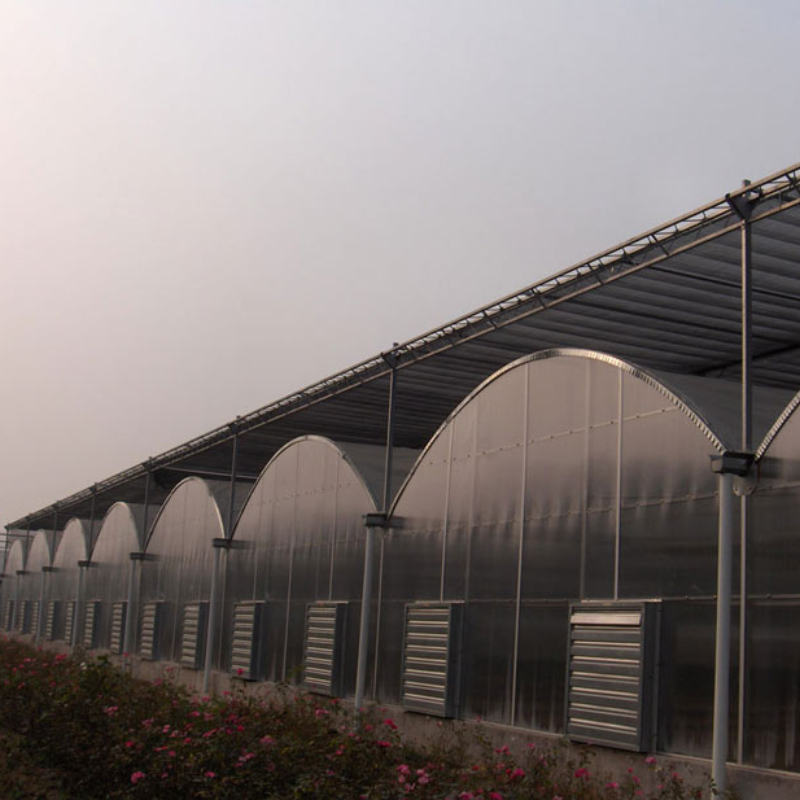
Hydroponic farming is revolutionizing the way we think about agriculture, especially in urban environments where space is limited. A hoop house greenhouse designed for hydroponic farming offers an innovative solution to grow plants efficiently and sustainably. This article delves into the construction of a hydroponic farming greenhouse, emphasizing its benefits, design considerations, and the essential components required for successful operation.
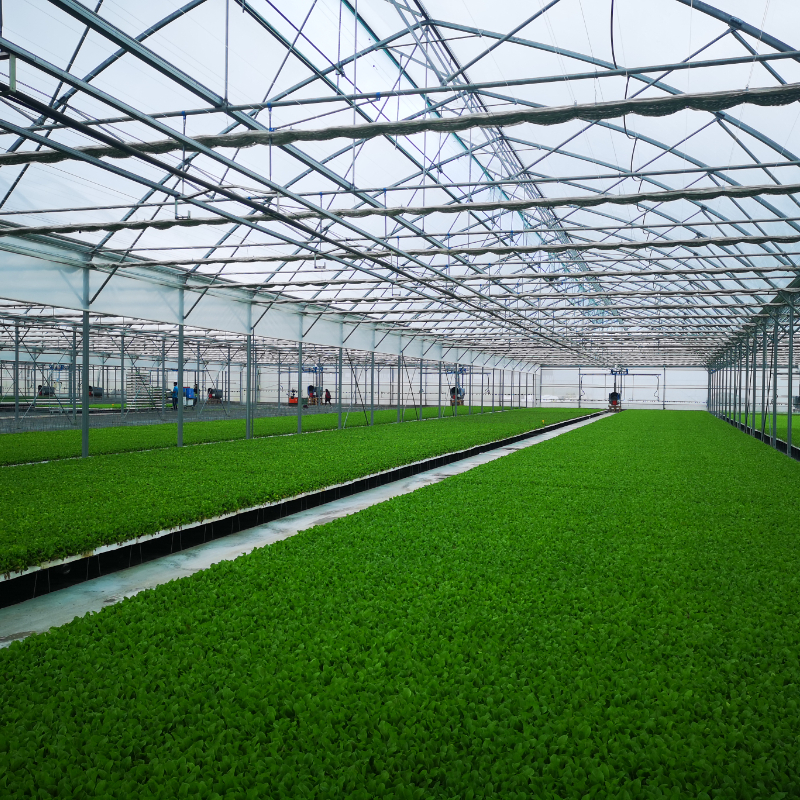
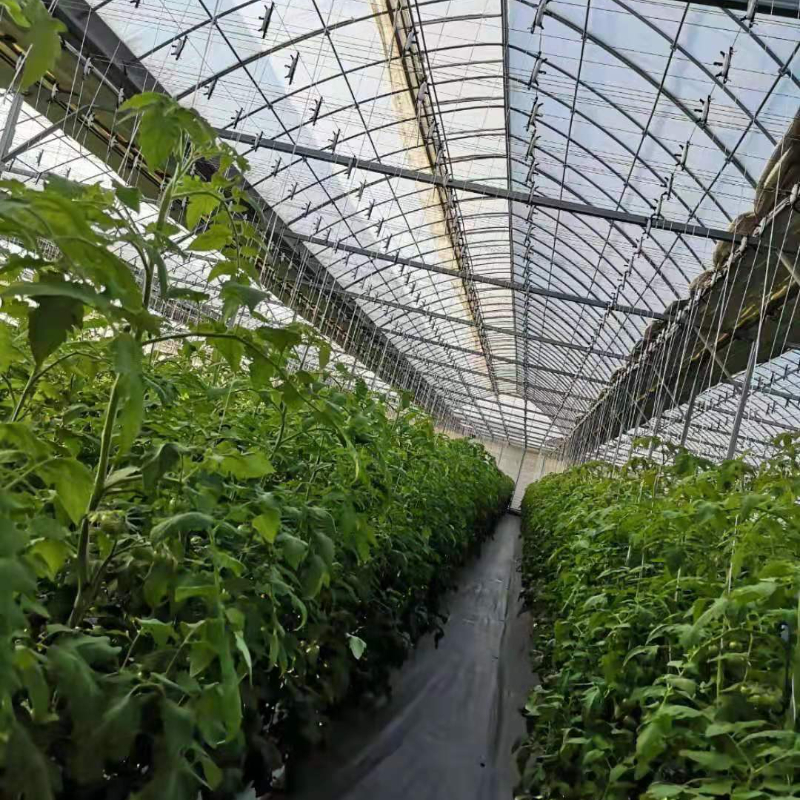
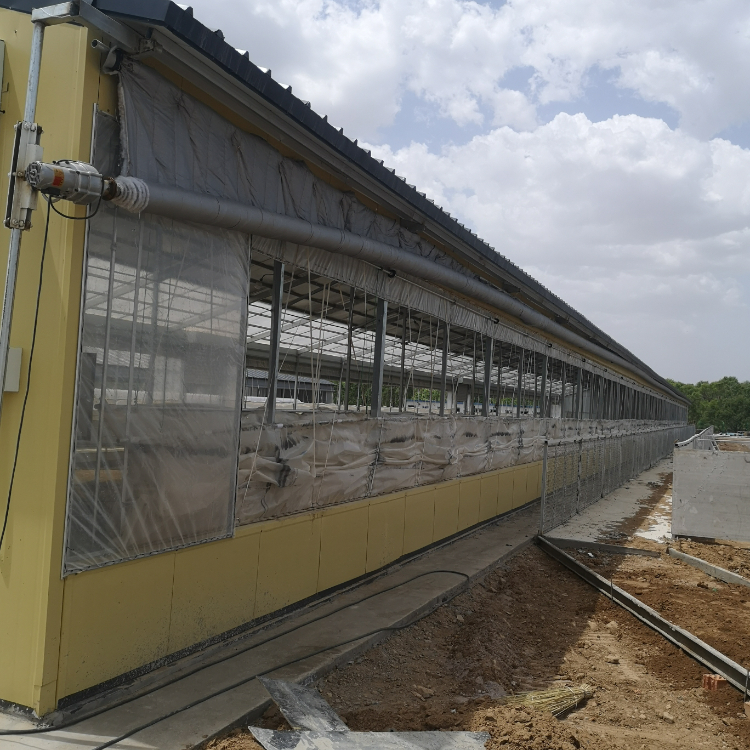
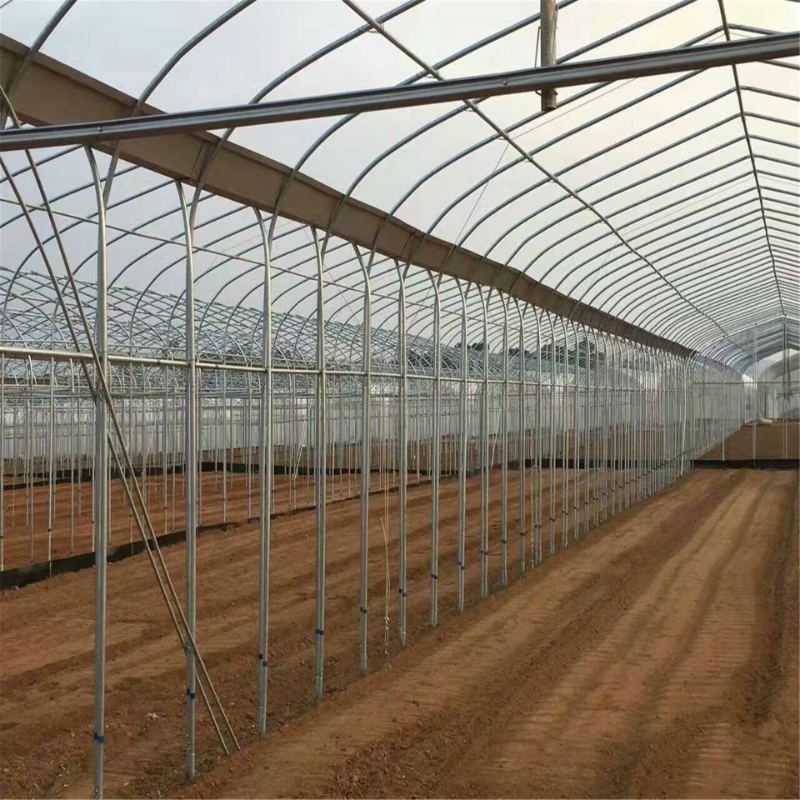
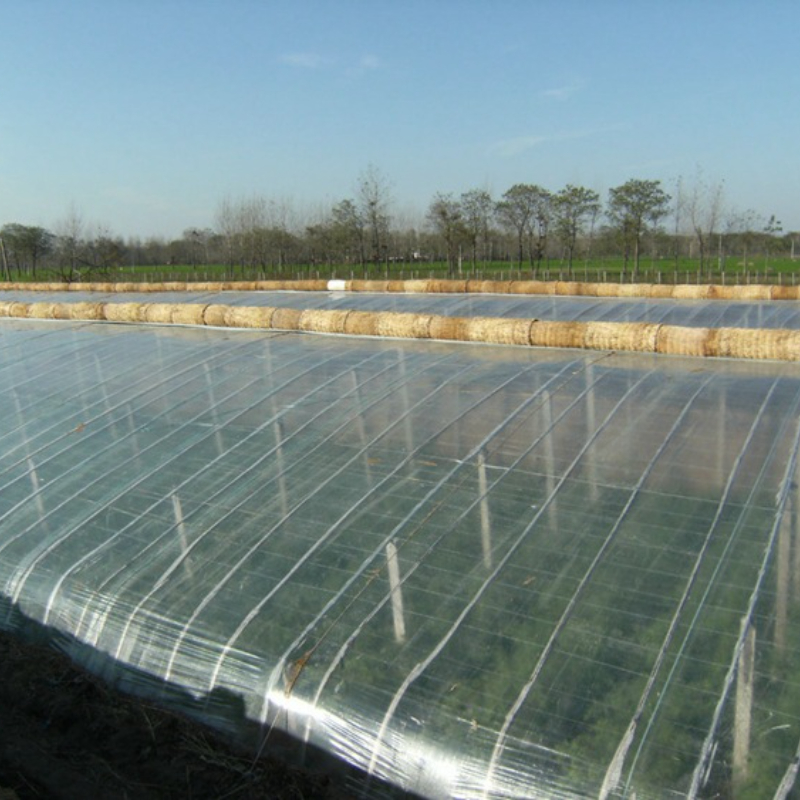
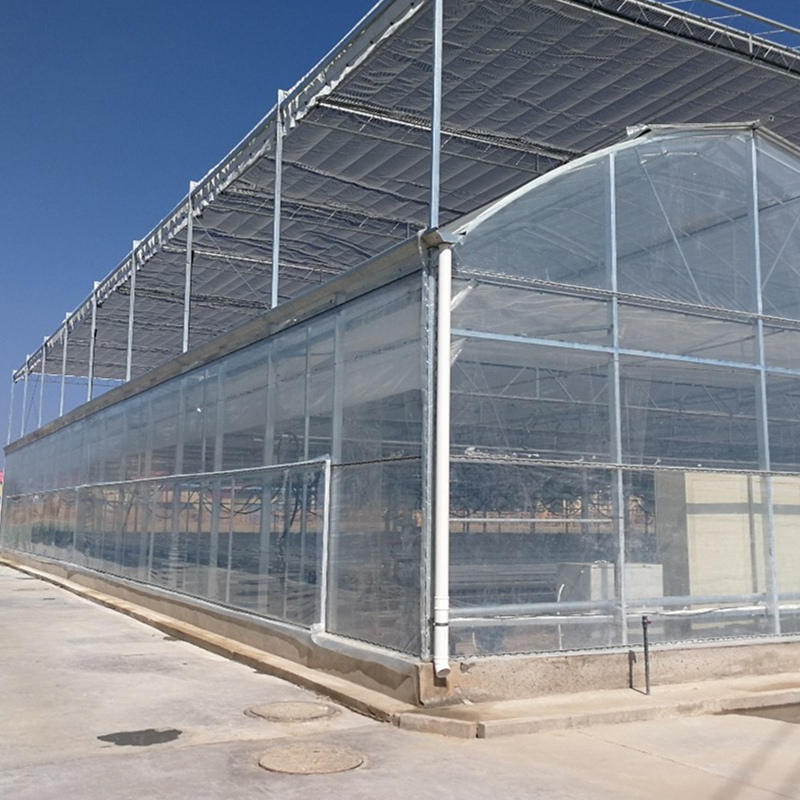
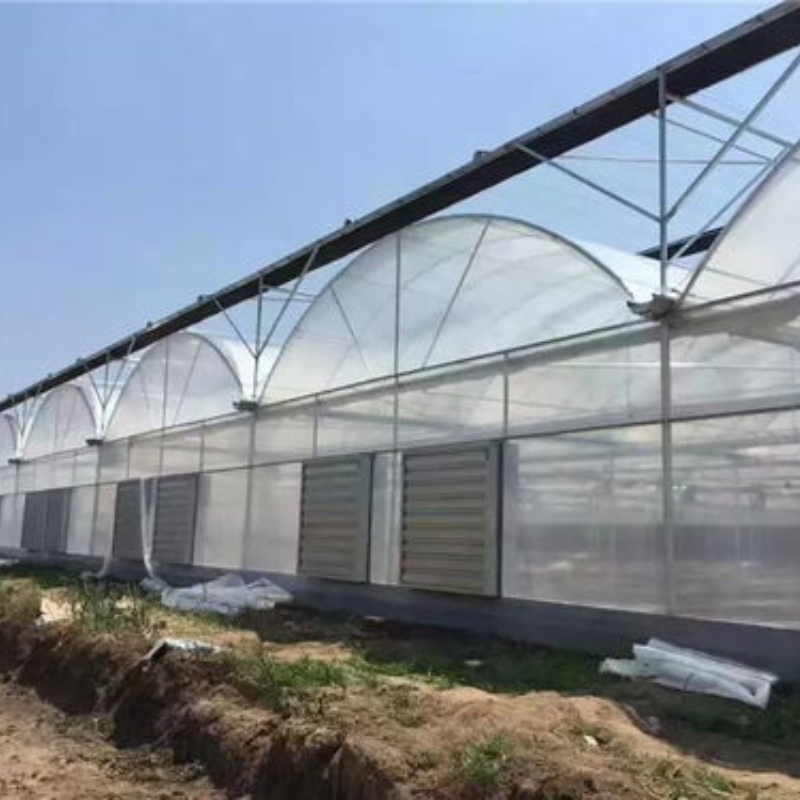
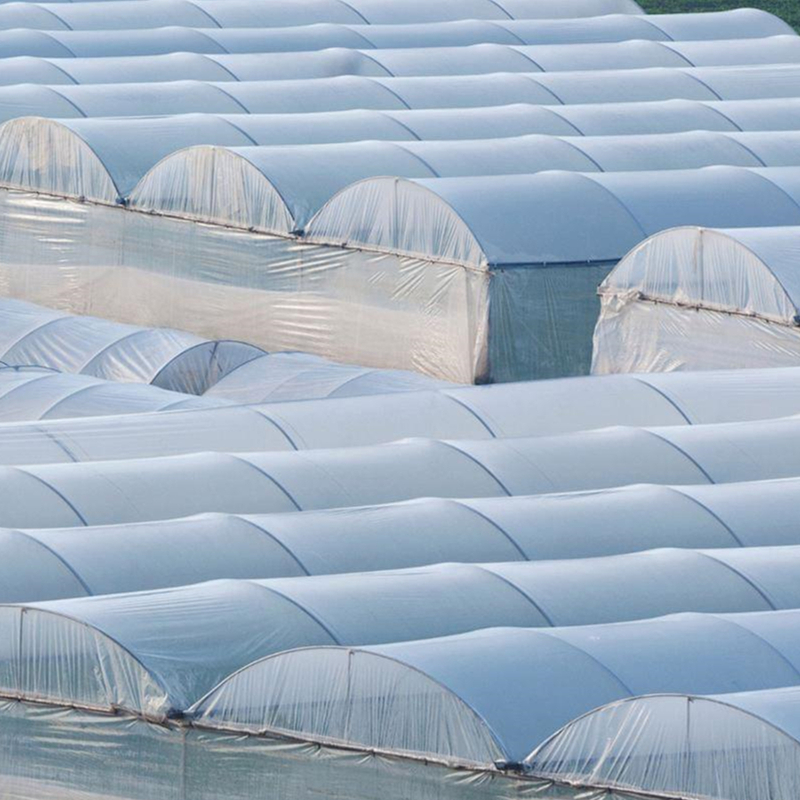
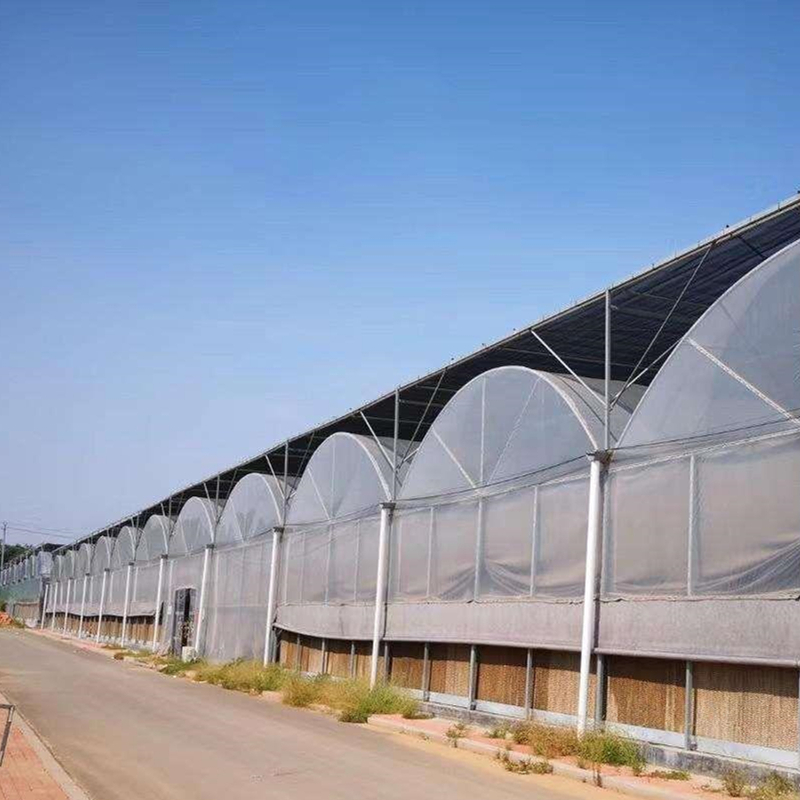
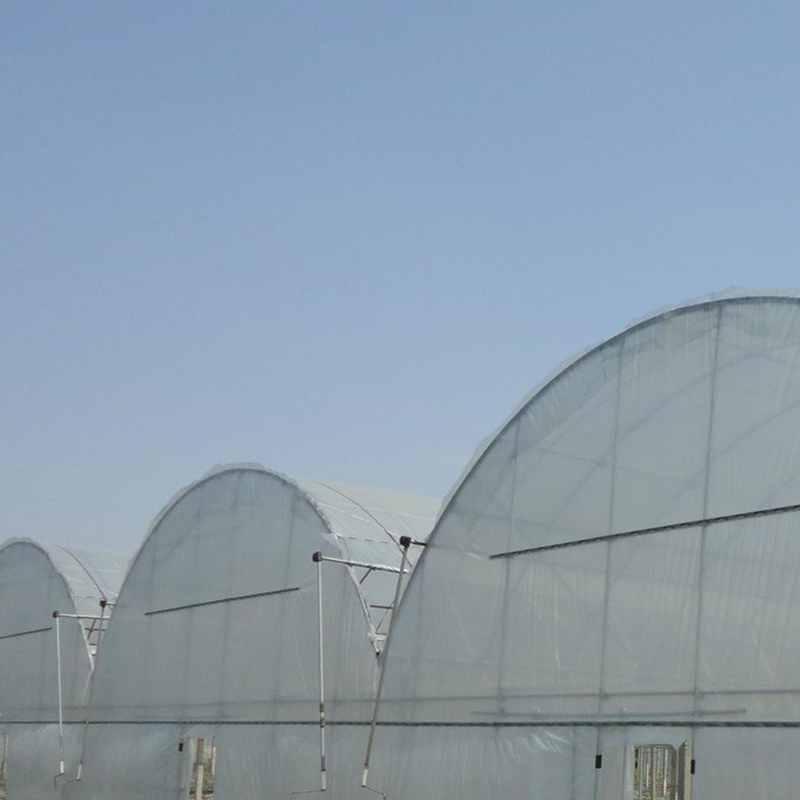
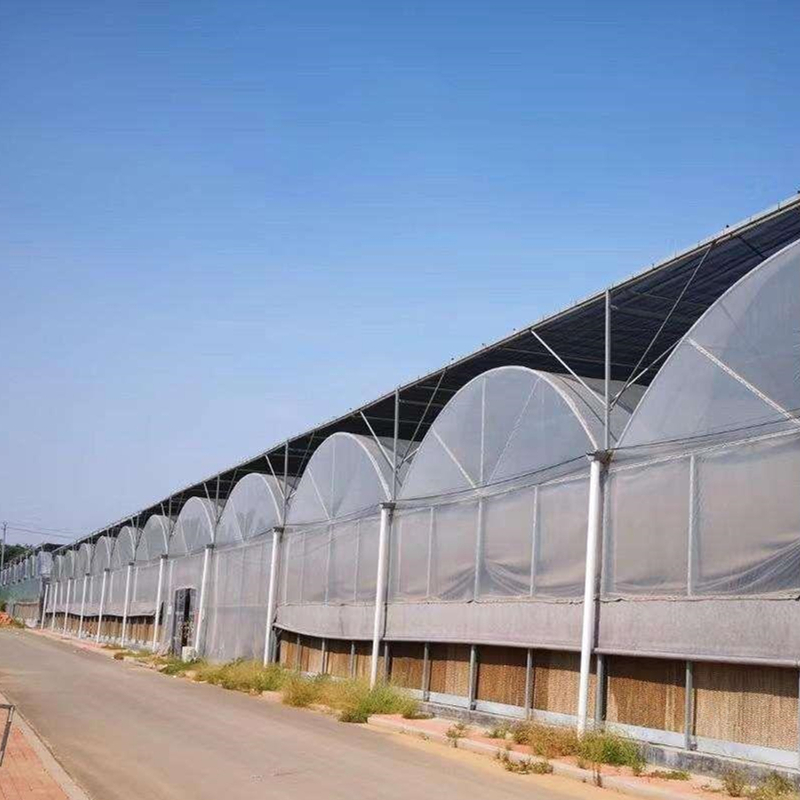
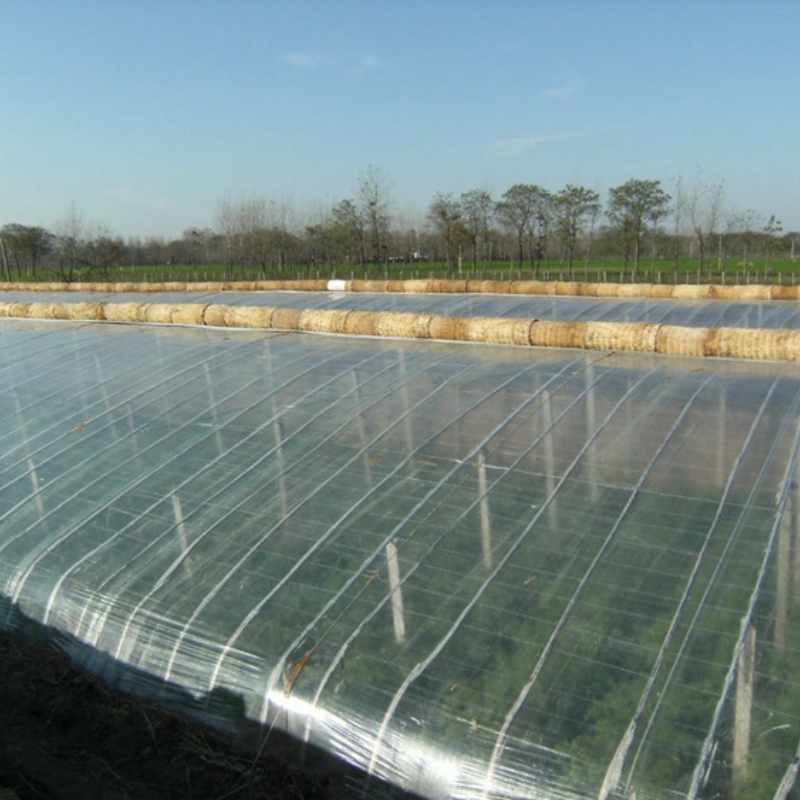
A hoop house greenhouse is a type of structure that utilizes a series of curved frames covered with a transparent material, typically plastic. The hoop house serves as an ideal environment for hydroponic farming, where plants are grown in nutrient-rich water rather than soil.
Space Efficiency: Hydroponic systems can be set up vertically, allowing for more plants to be grown in a smaller footprint.
Water Conservation: Hydroponic systems use significantly less water than traditional farming methods. Water is recirculated, reducing waste and ensuring that plants receive the nutrients they need without excess runoff.
Pest and Disease Management: The controlled environment of a hoop house greenhouse minimizes the risk of pests and diseases, reducing the need for chemical pesticides and fertilizers.
Year-Round Production: With proper heating and cooling systems, a hoop house greenhouse can facilitate year-round production, allowing farmers to grow crops regardless of the external climate.
When constructing a hydroponic farming greenhouse, several factors should be taken into account:
Choosing the right location is crucial for maximizing sunlight exposure. Ideally, the hoop house should be oriented to receive the most sunlight throughout the day. Additionally, consider factors such as wind patterns, drainage, and proximity to water sources.
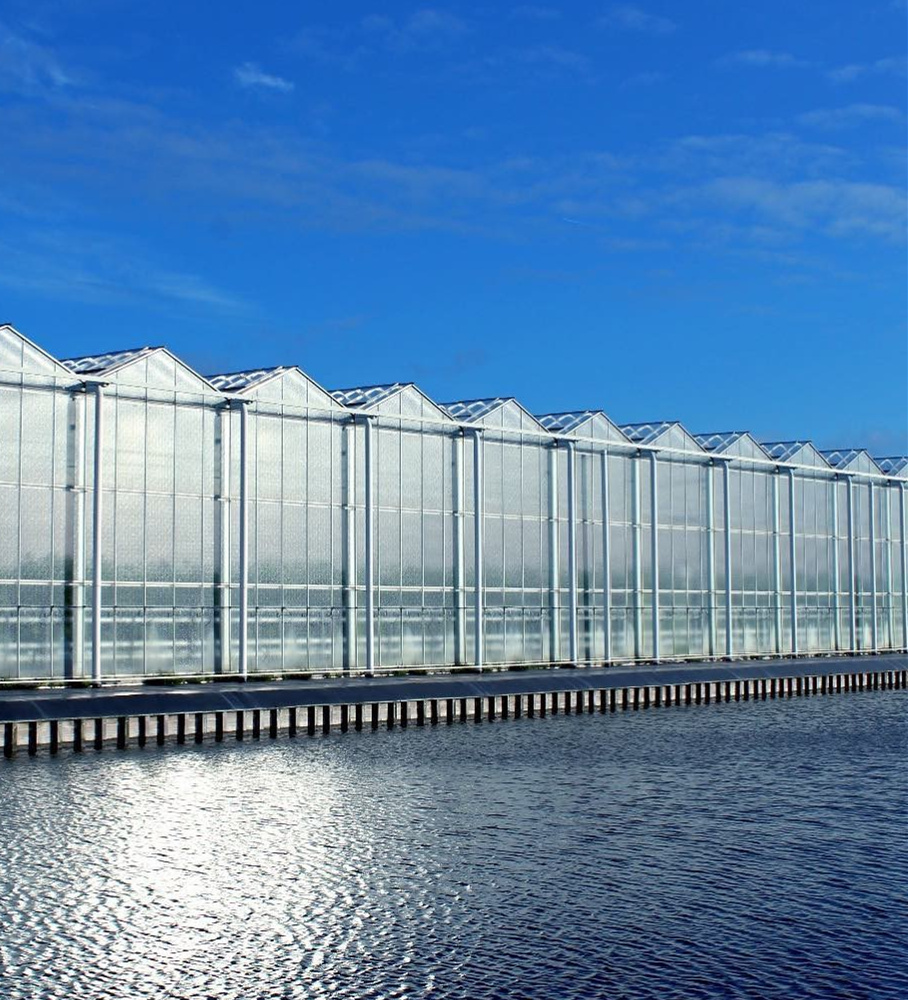
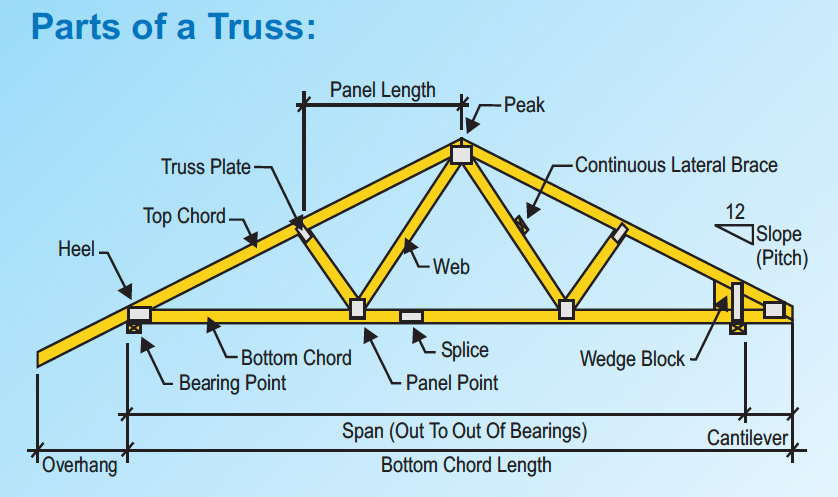
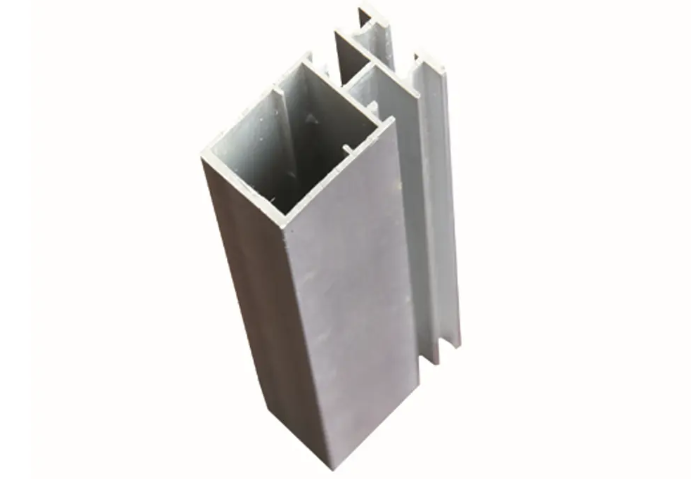
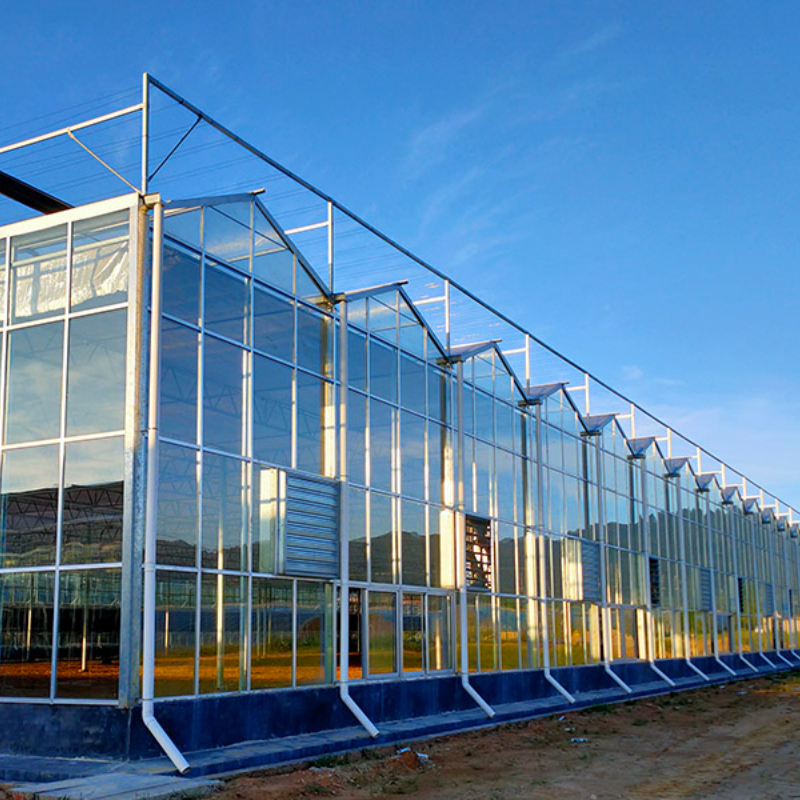
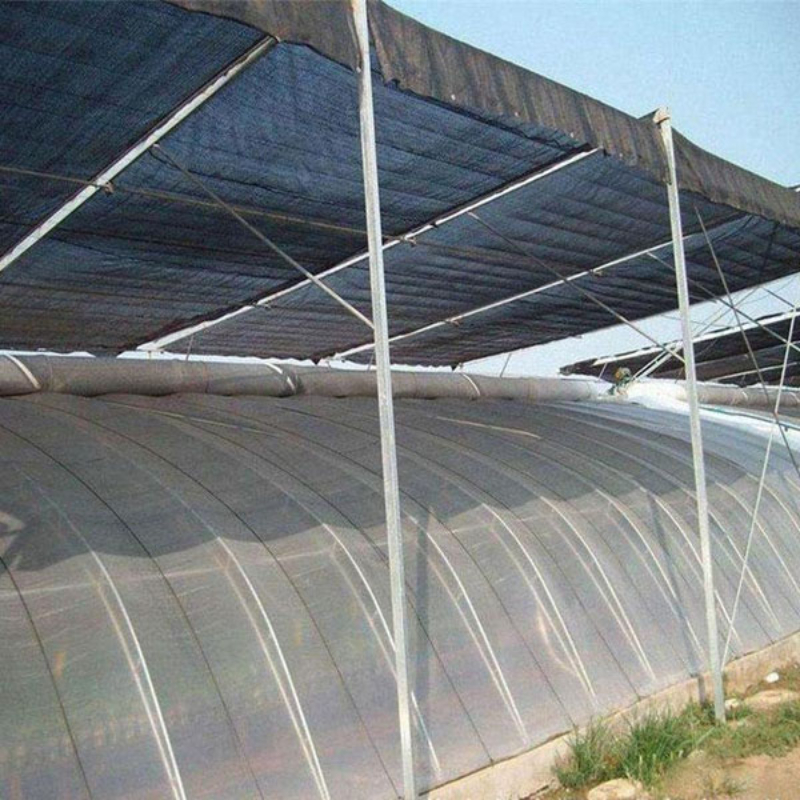
The materials used in constructing the hoop house greenhouse significantly impact its durability and efficiency.
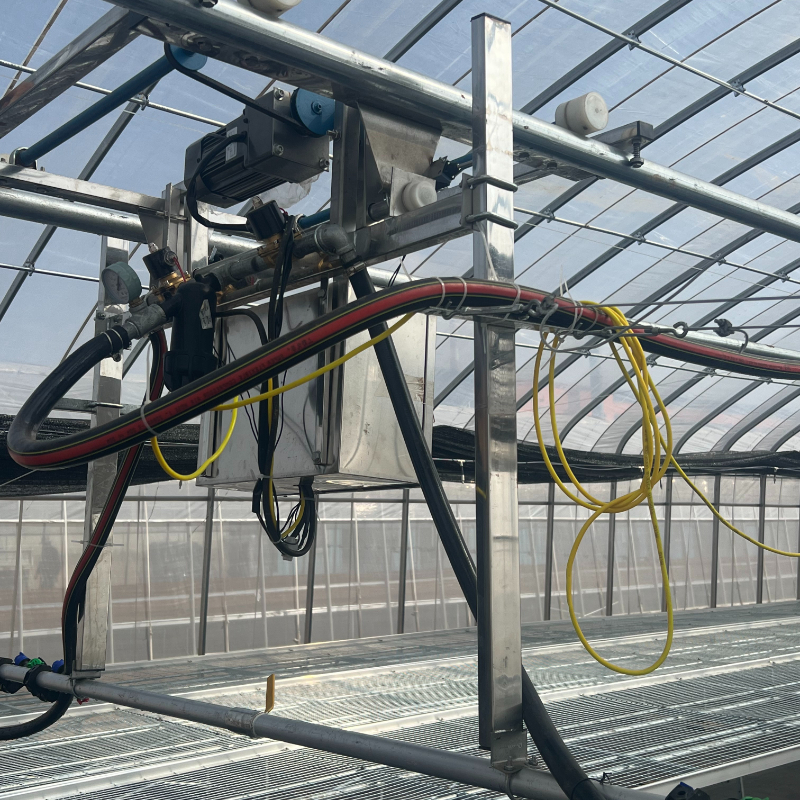
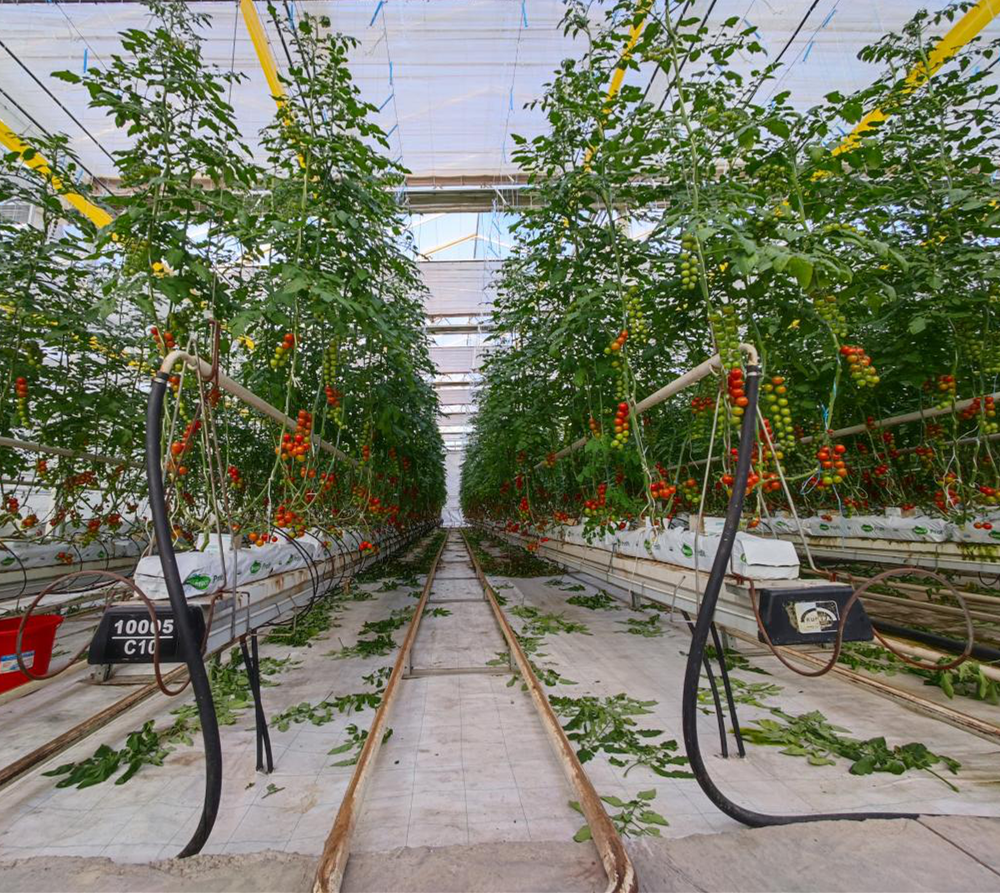
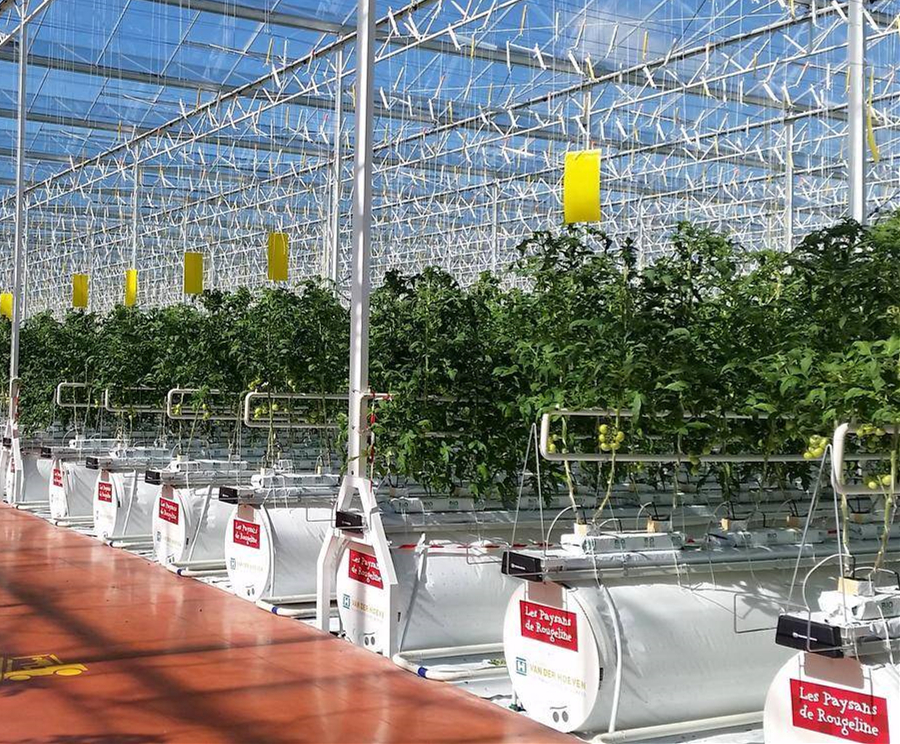
There are several hydroponic systems to choose from, including nutrient film technique (NFT), deep water culture (DWC), and aeroponics. Each system has its advantages and is suited for different types of crops. The choice of system will influence the layout and design of the hoop house greenhouse.
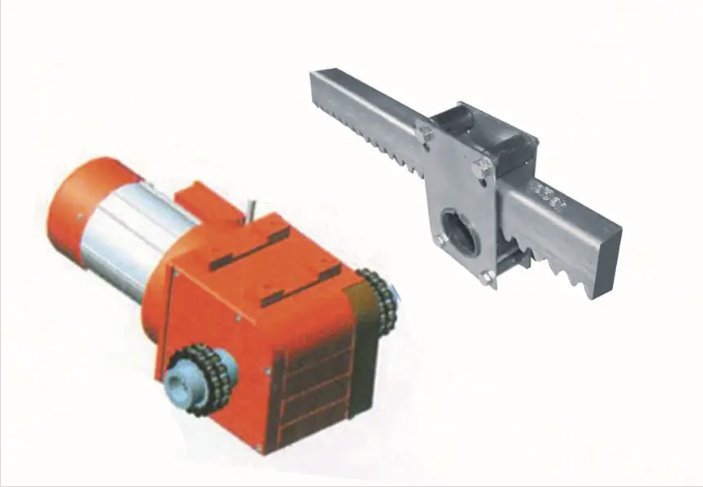
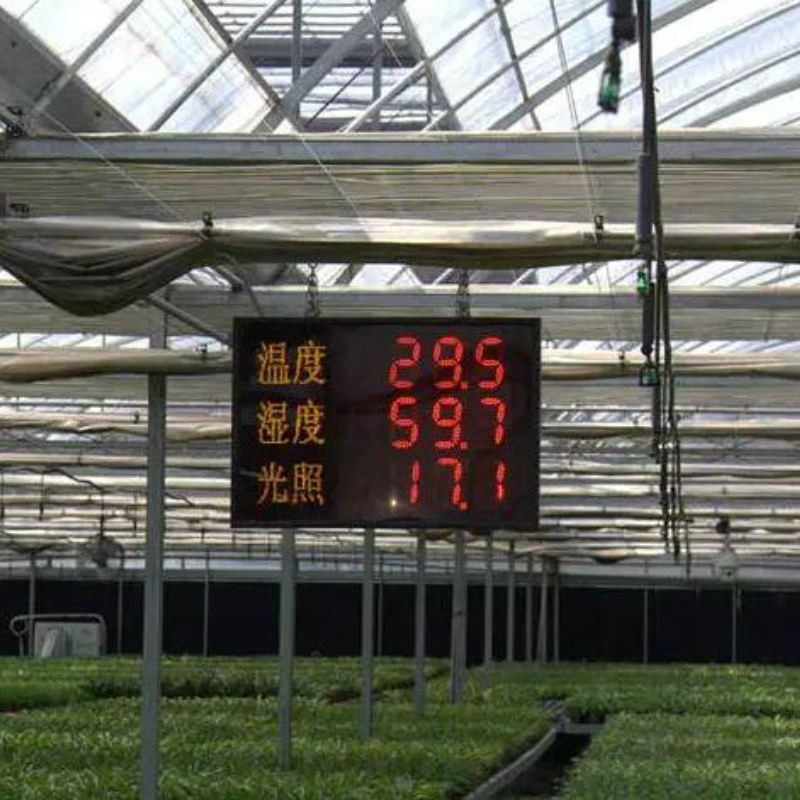
Maintaining optimal growing conditions is vital for successful hydroponic farming.
A reliable water supply and nutrient delivery system are essential for hydroponic farming.
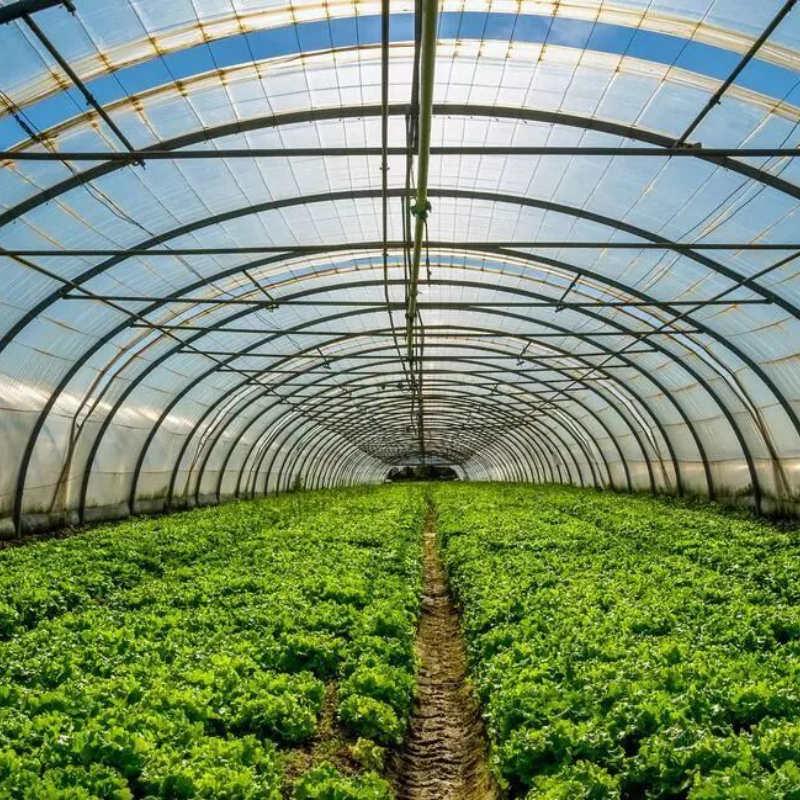
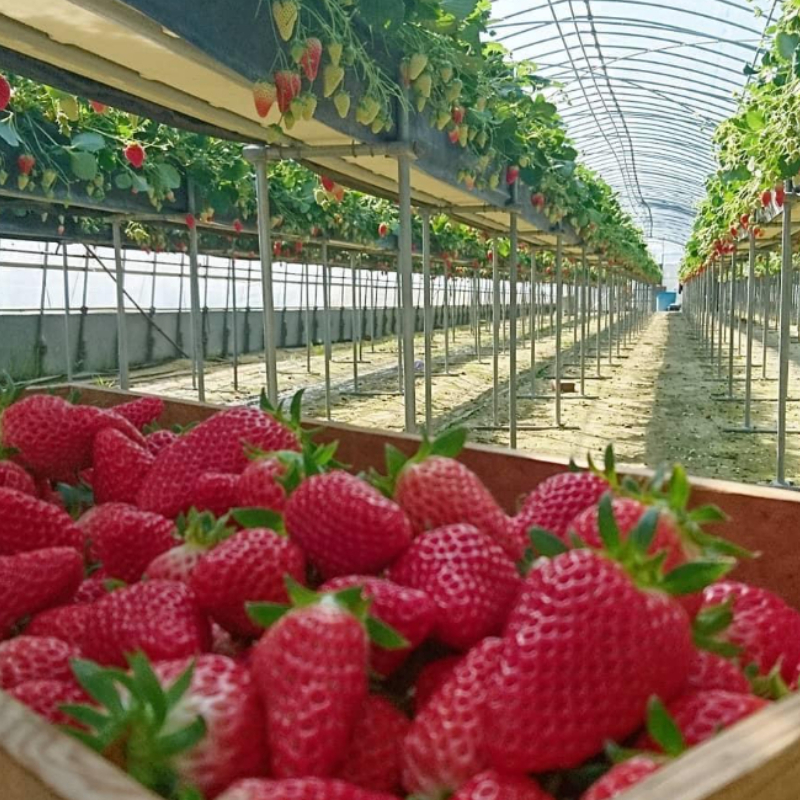
Once the hydroponic system is set up and the environment is stabilized, it’s time to plant. Choose crops that are well-suited for hydroponic systems, such as leafy greens, herbs, and strawberries.
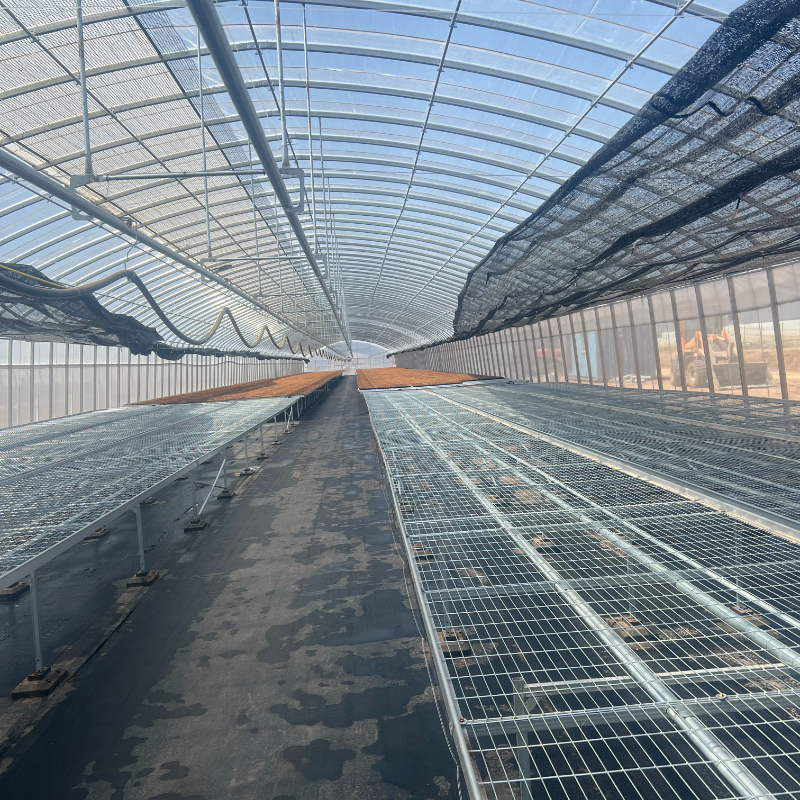
Building a hydroponic farming hoop house greenhouse is an investment in sustainable agriculture that can yield significant benefits. As hydroponic farming continues to gain popularity, hoop house greenhouse will play a crucial role in the future of food production, particularly in urban settings where traditional farming is challenging.
Q1:Are We a trading company or a manufacturer?
A: We are a factory. Our factory can produce all items which are related to the greenhouse, so we provide the best price.
Q2: Do we provide samples? Is it free or extra?
A: Yes, we can provide samples free of charge, but we don't bear the freight.
Q3: How to get a quotation for the greenhouse?
A: Please let us know how many greenhouses you need? What will be grown in the greenhouse? So that we can suggest you the related greenhouses.
Q4: How should you choose a greenhouse system?
A: Please let us know where you will build the greenhouse, we also need the know your local temperature and wind speed.
Q5: How to assemble the greenhouse after you purchase our greenhouses ?
A:We have professional after-sales service engineers who will provide planning drawings and installation manuals. You can communicate with him from time to time. If necessary, we can also send engineers to your country to supervise the installation of the greenhouse. Please send message for specific details.
If you have drawings, welcome to share drawings with us, quoation will be done based your drawings.Our excellent design team will
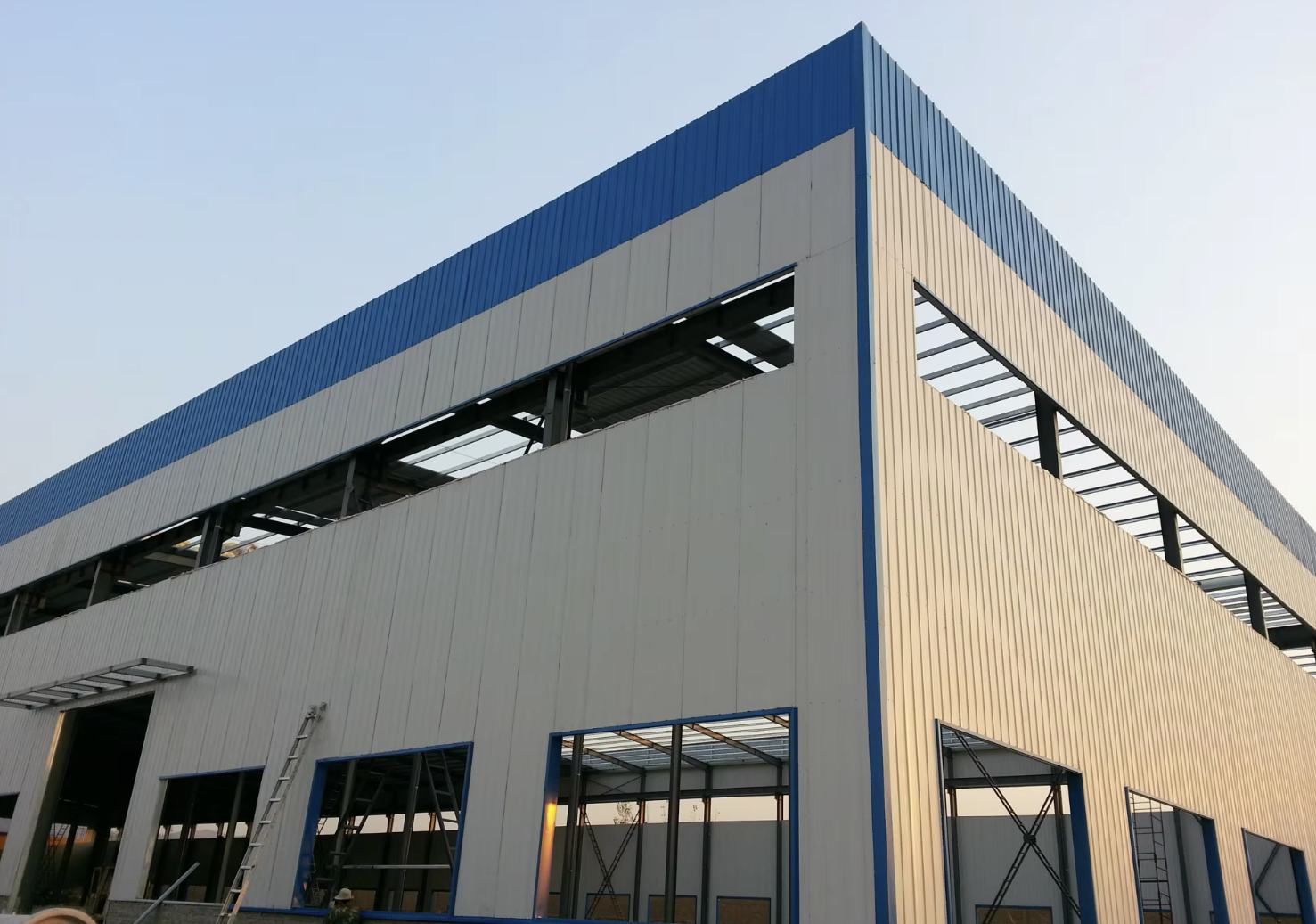
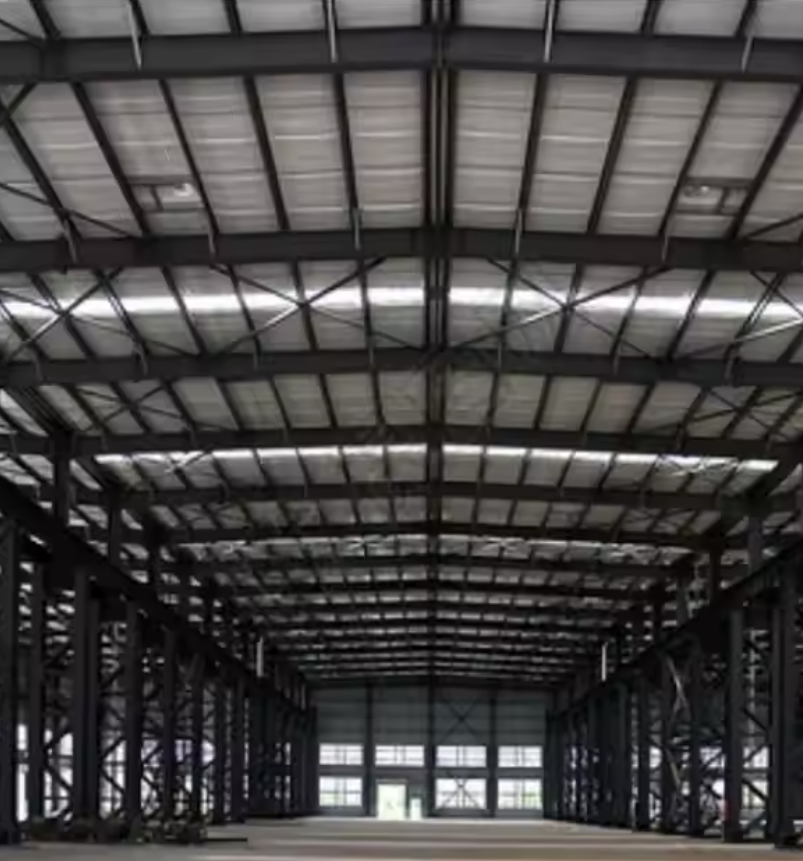
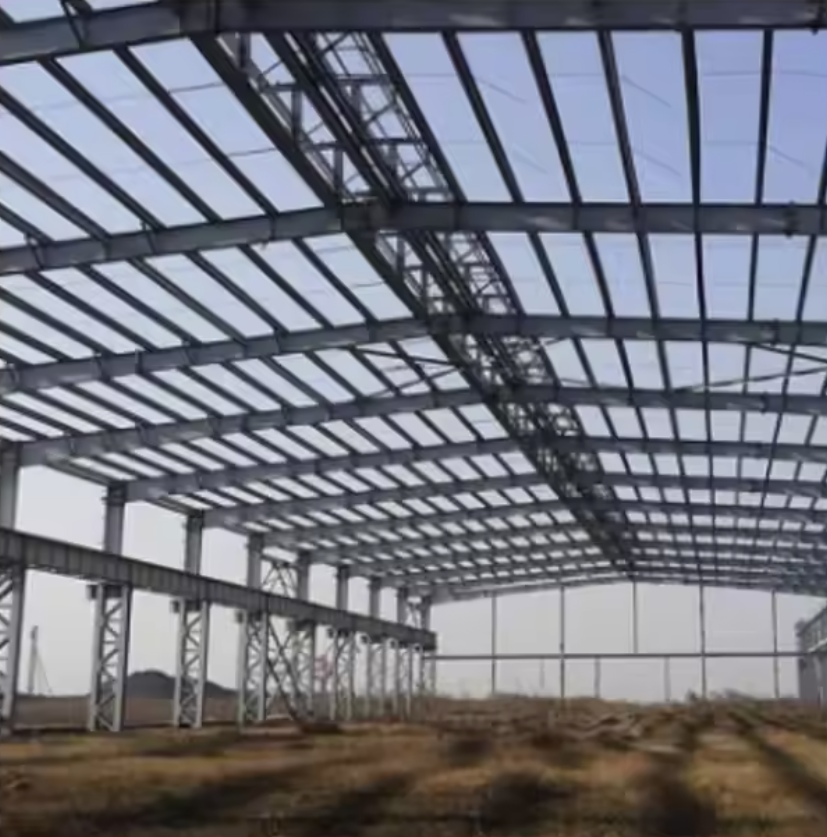
design the steel structure workshop warehouse for you. If you give the following information, we will give you an satisfactory
drawing.
1 Location (where will be built? ) which country? which city?
2 Size: Length*width* Eave height _____mm*_____mm*_____mm
3 wind load (max. Wind speed) _____kn/m2, _____km/h, _____m/s
4 snow load (max. Snow height) _____kn/m2, _____mm, temperature range?
5 anti-earthquake _____level
6 brickwall needed or not If yes, 1.2m high or 1.5m high? or other?
7 thermal insulation If yes, EPS, fiberglass wool, rockwool, PU sandwich panels will be suggested;
If not, the metal steel sheets will be ok. The cost of the latter will be much lower than that of the former.
8 door quantity & size _____units, _____(width)mm*_____(height)mm
9 window quanity & size _____units, _____(width)mm*_____(height)mm
10 crane needed or not If yes, _____units, max. Lifting weight____tons; Max. Lifting height _____m