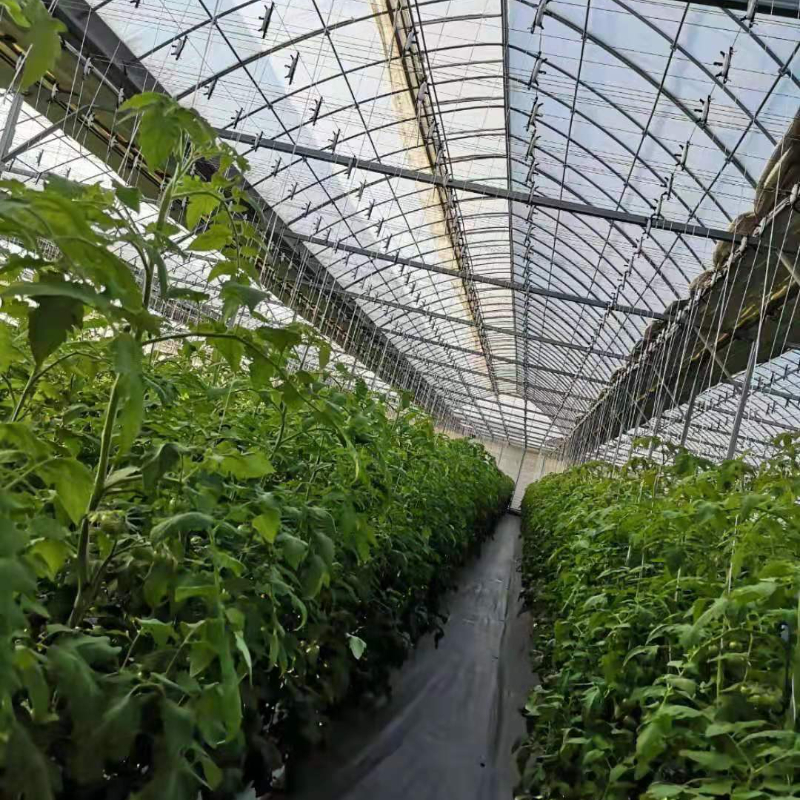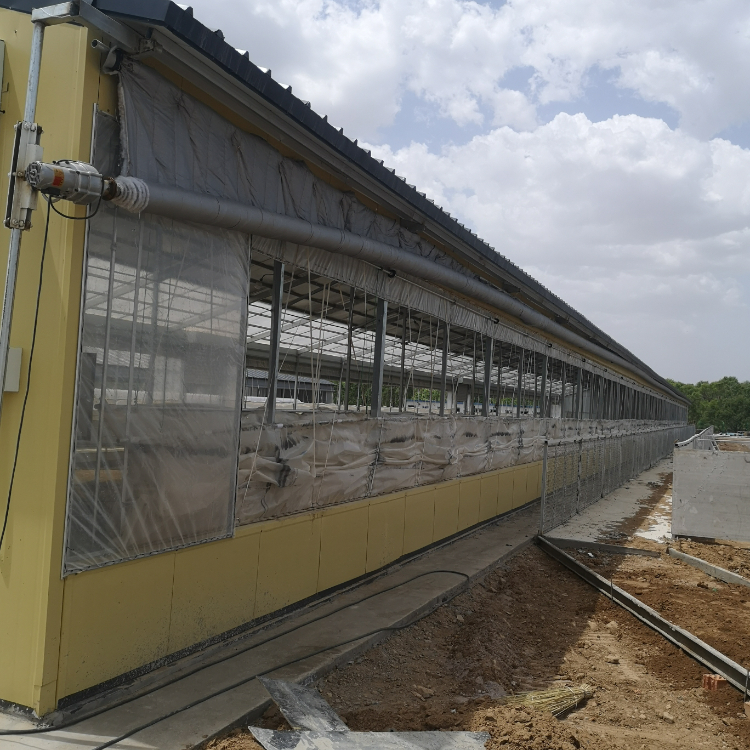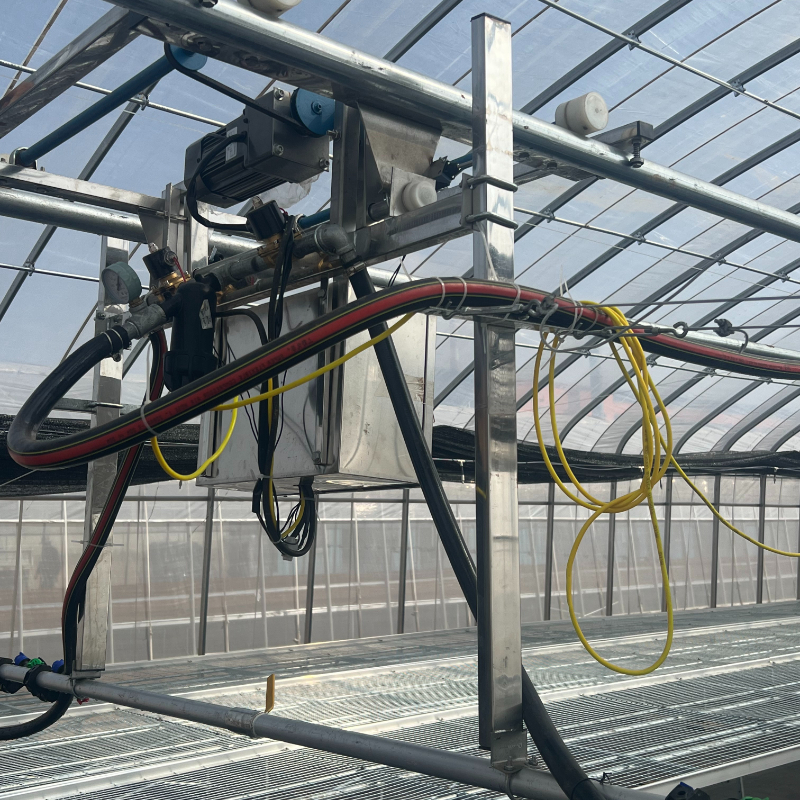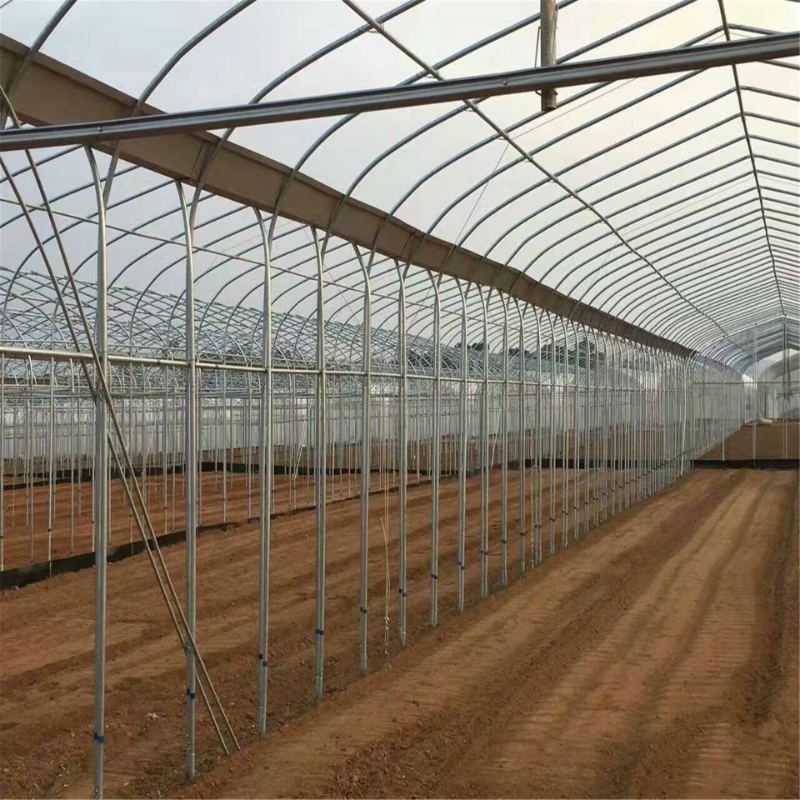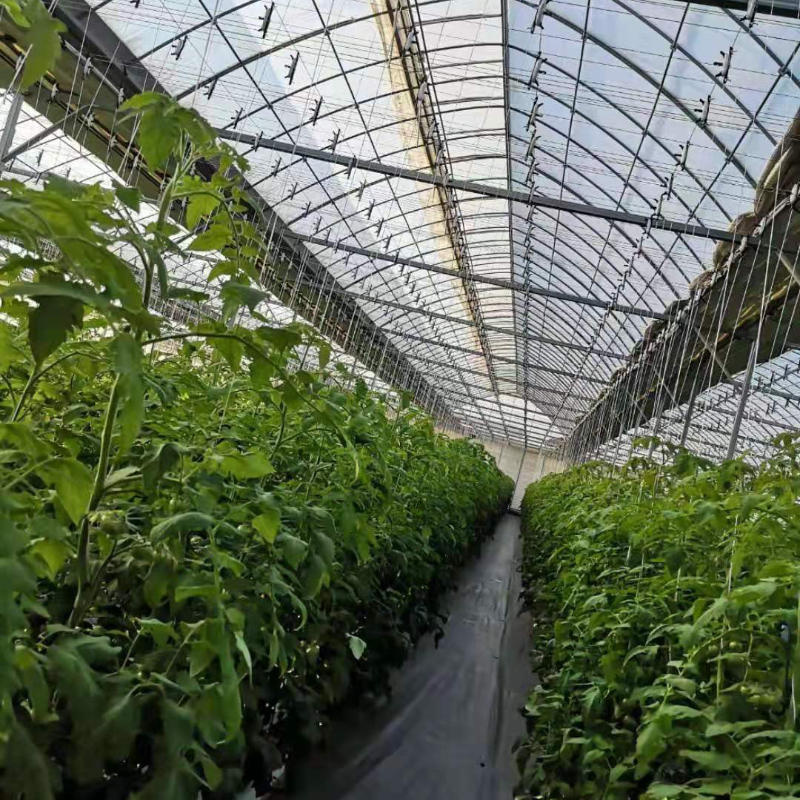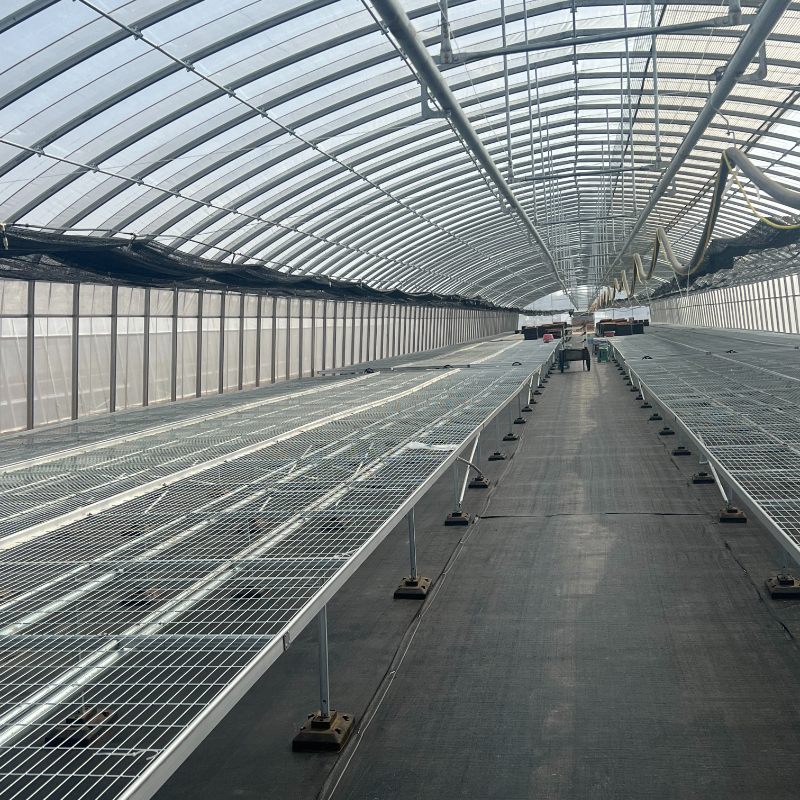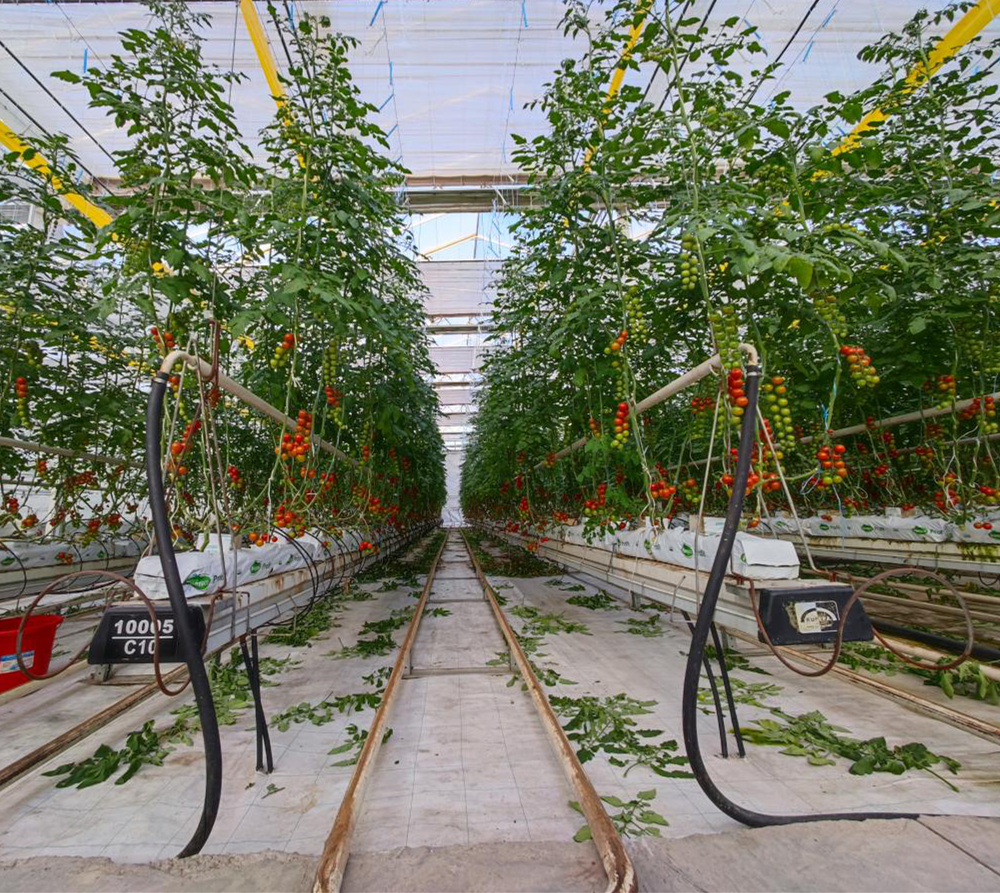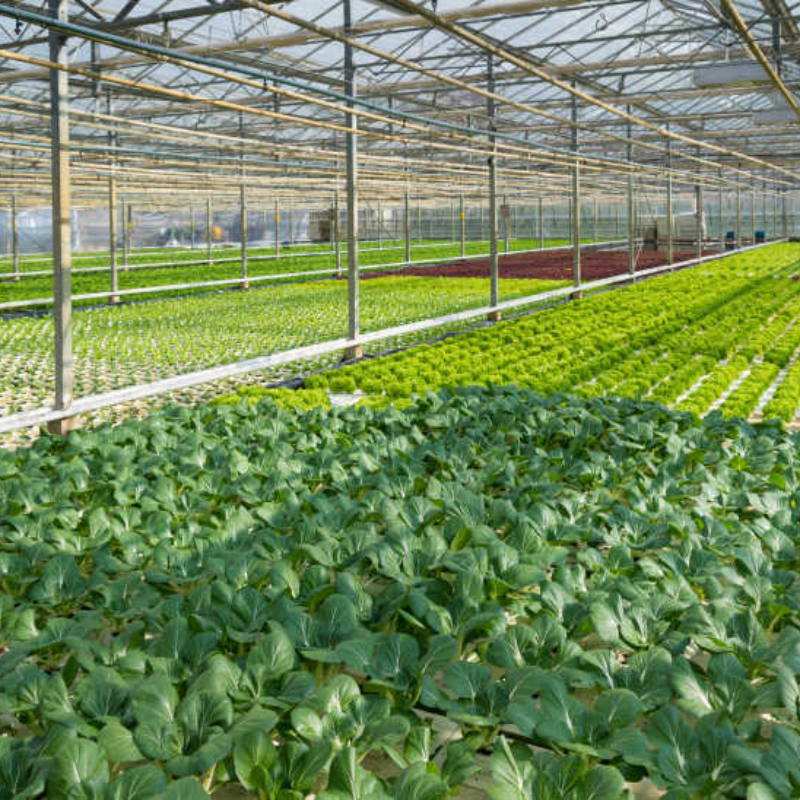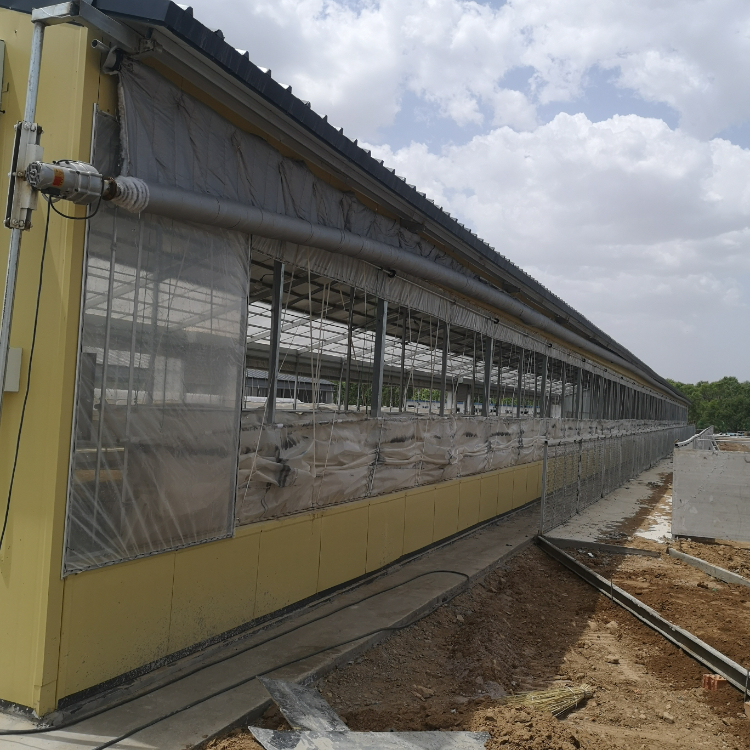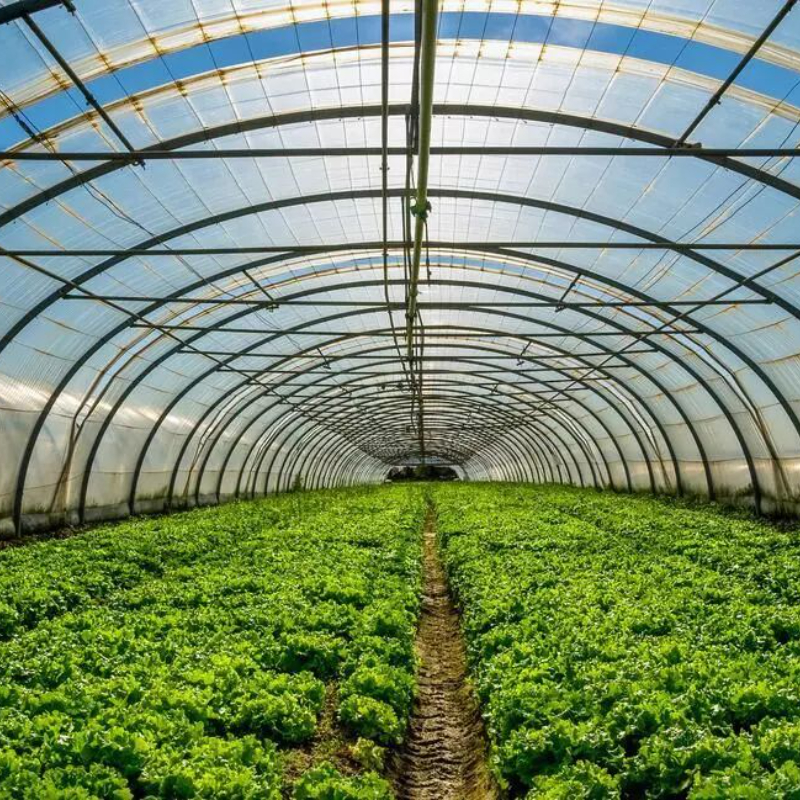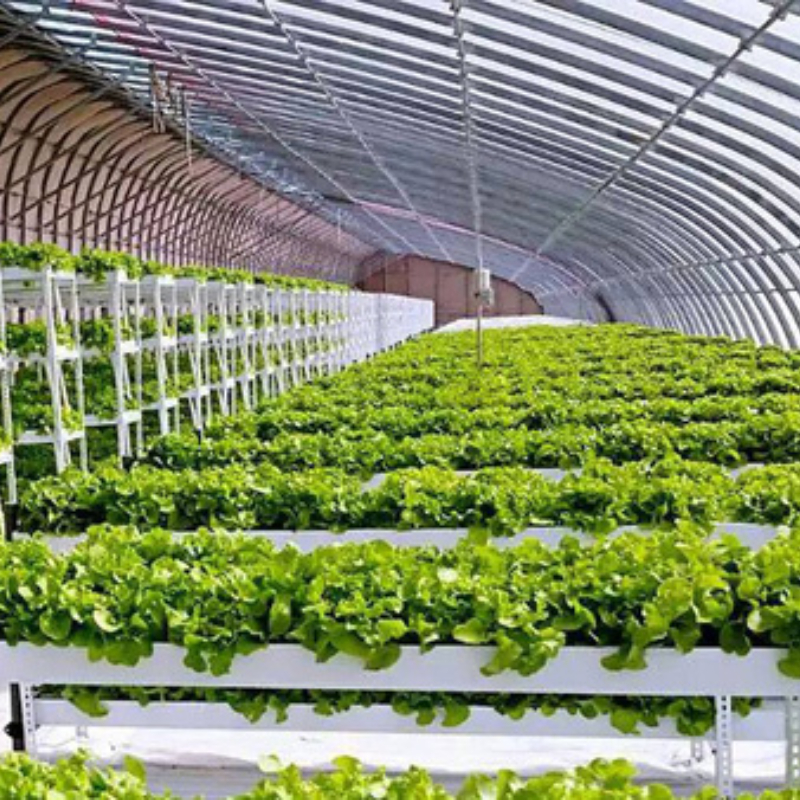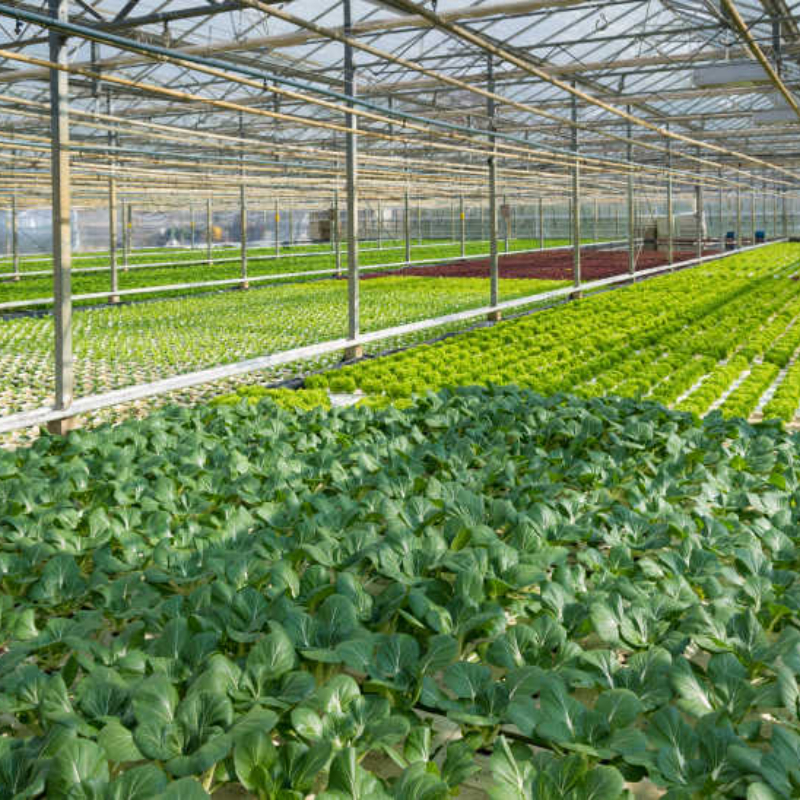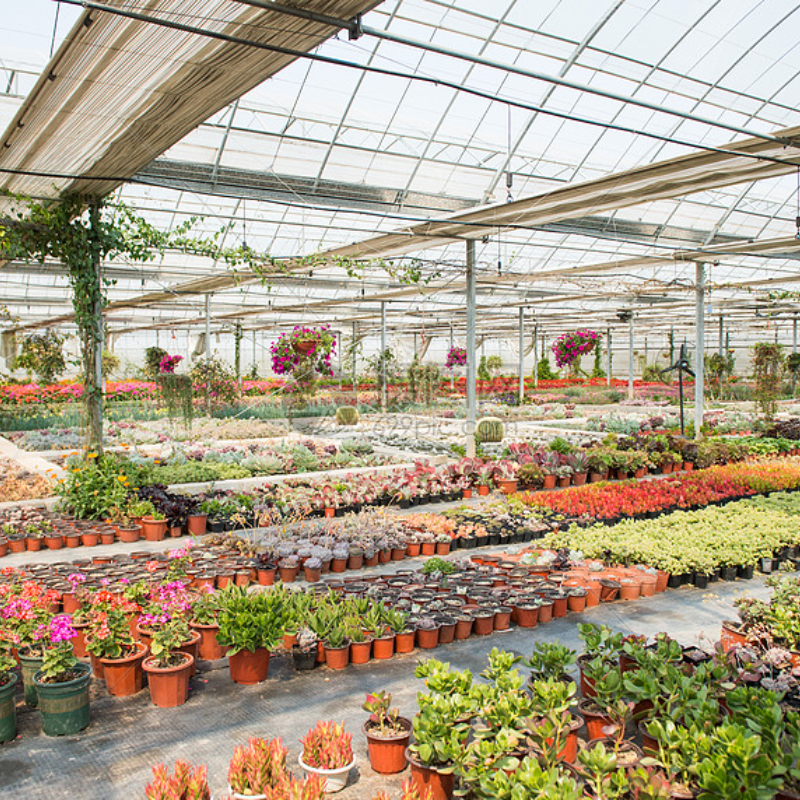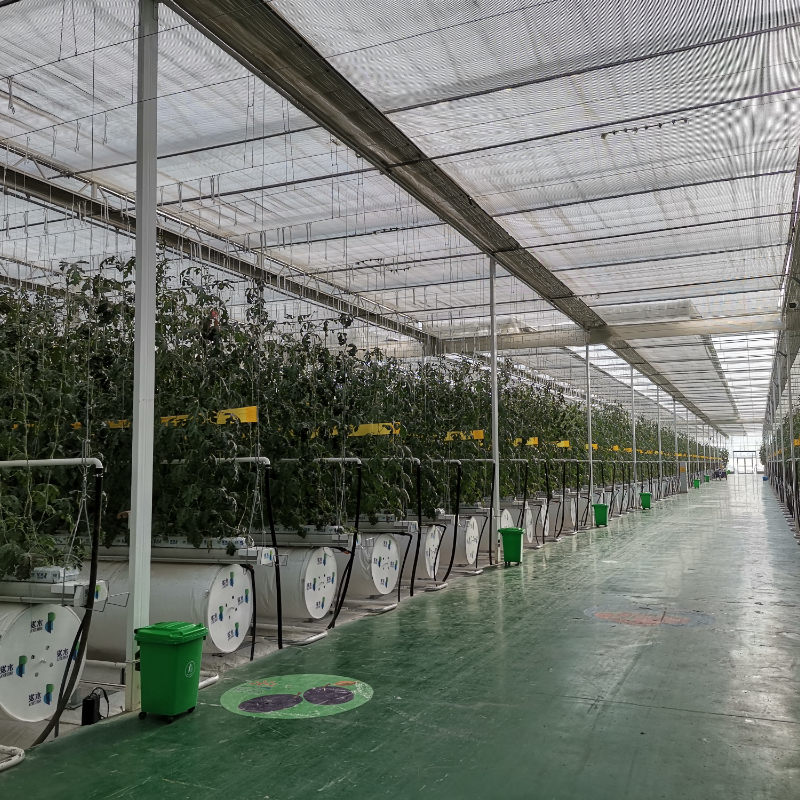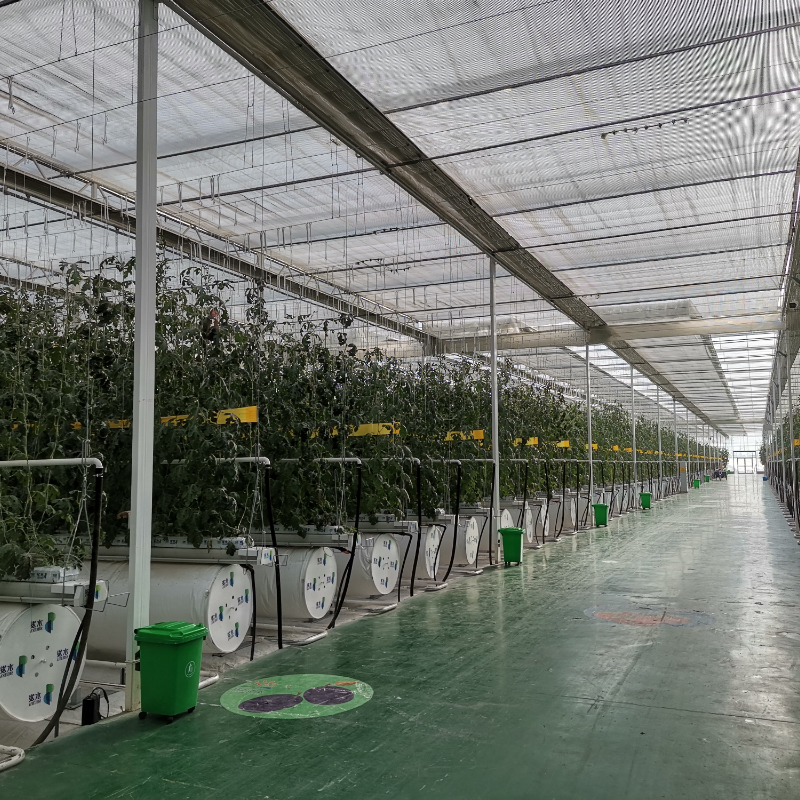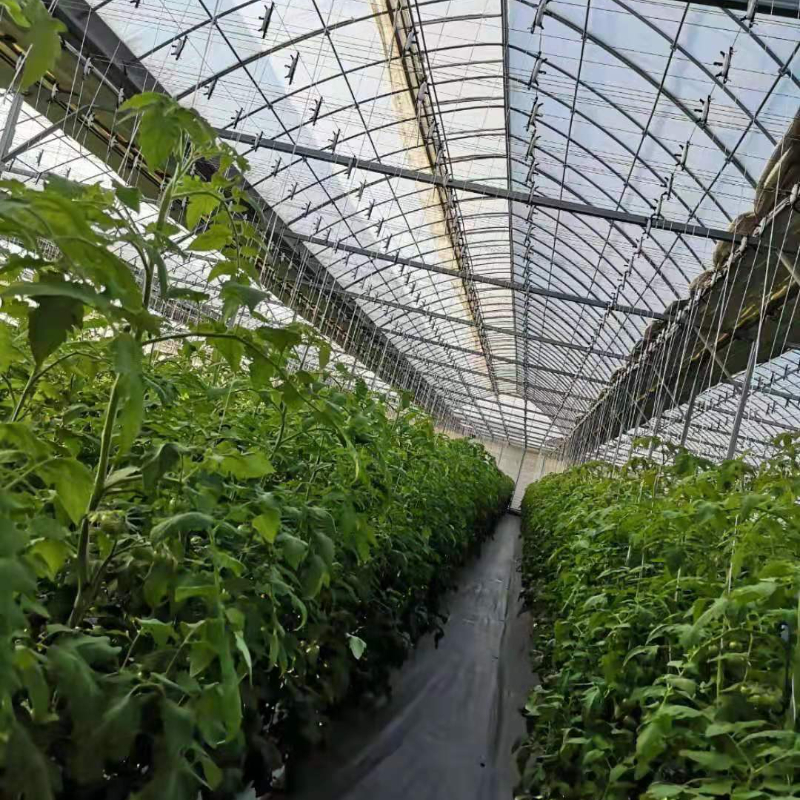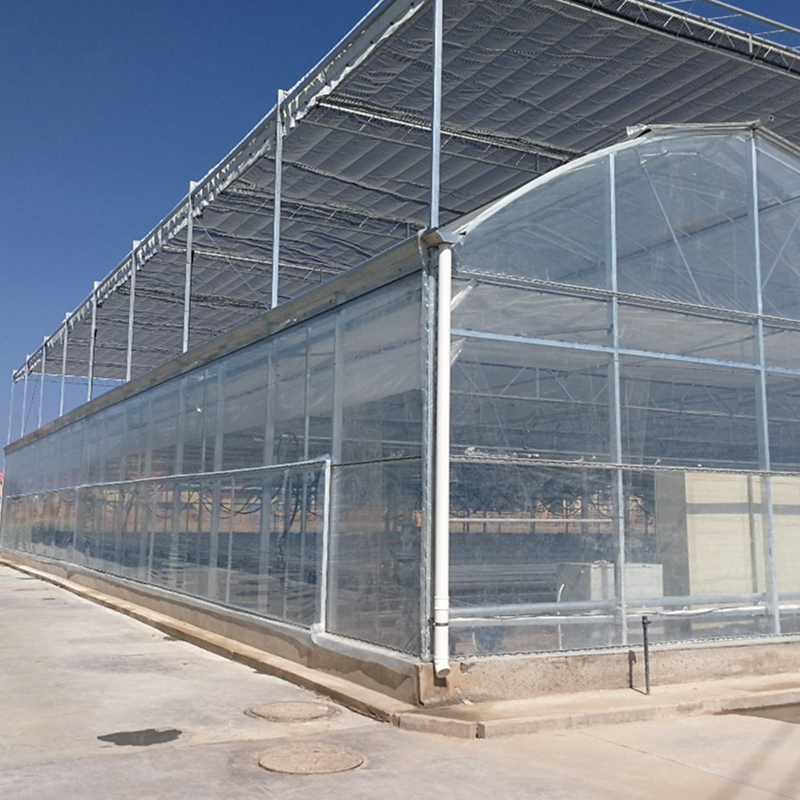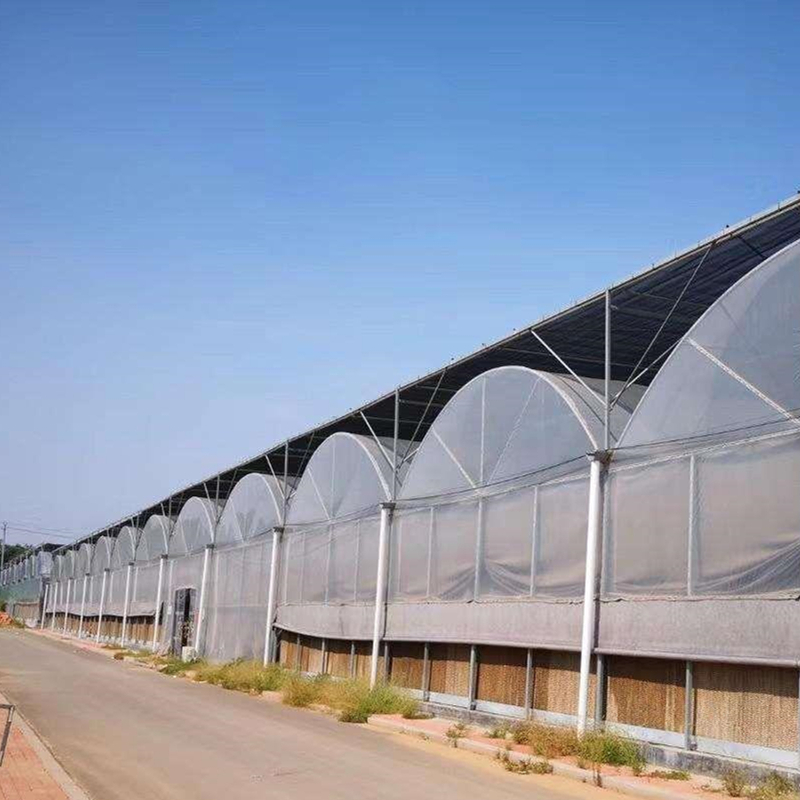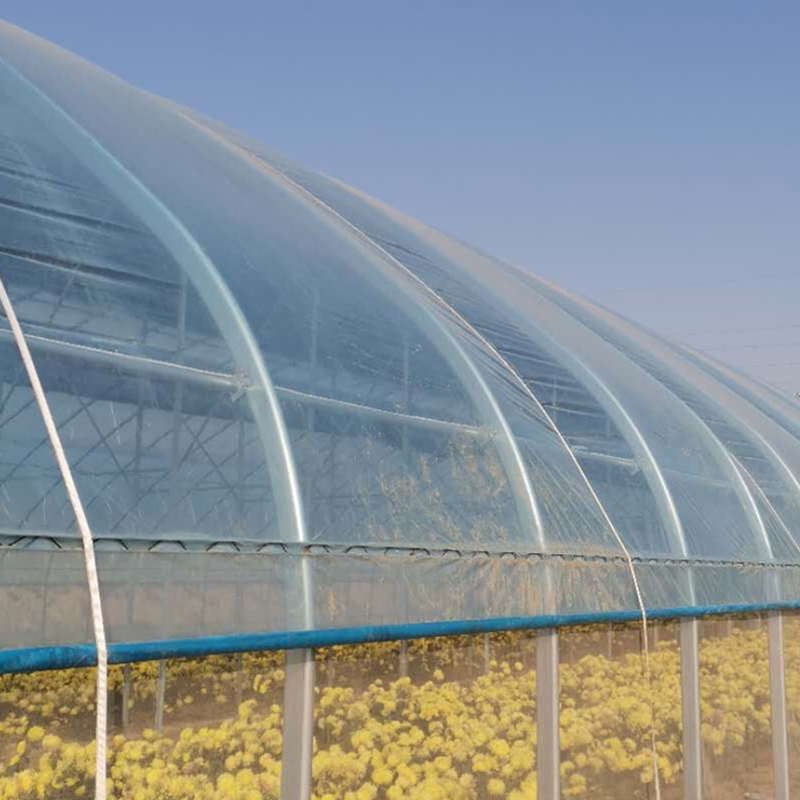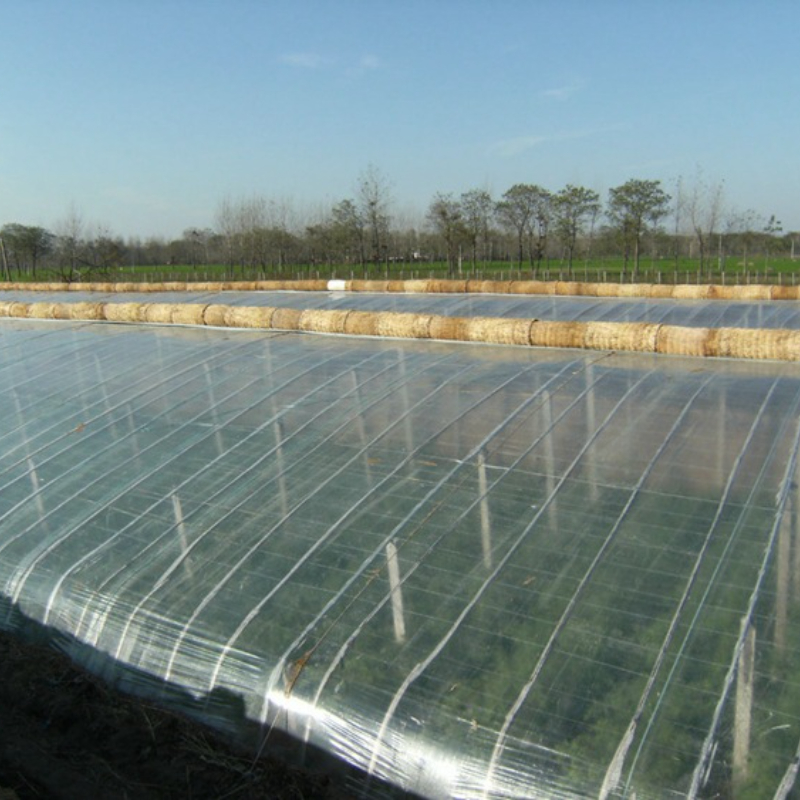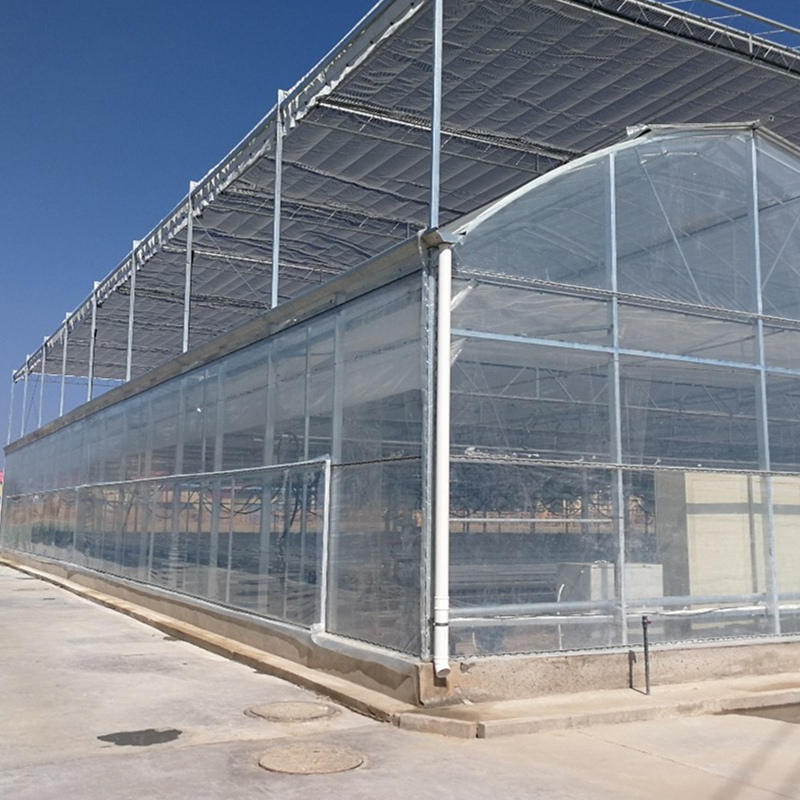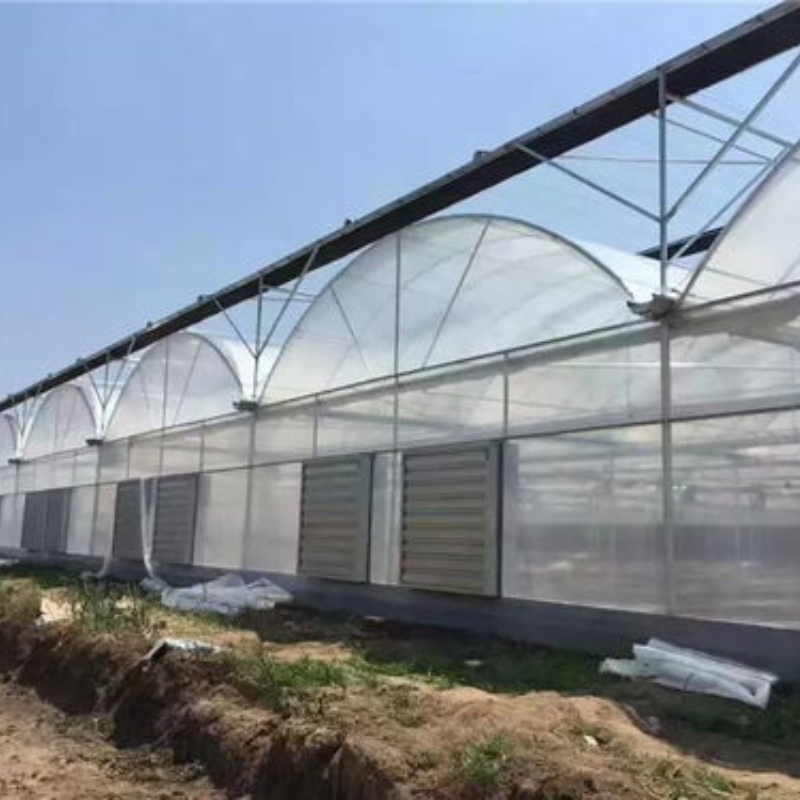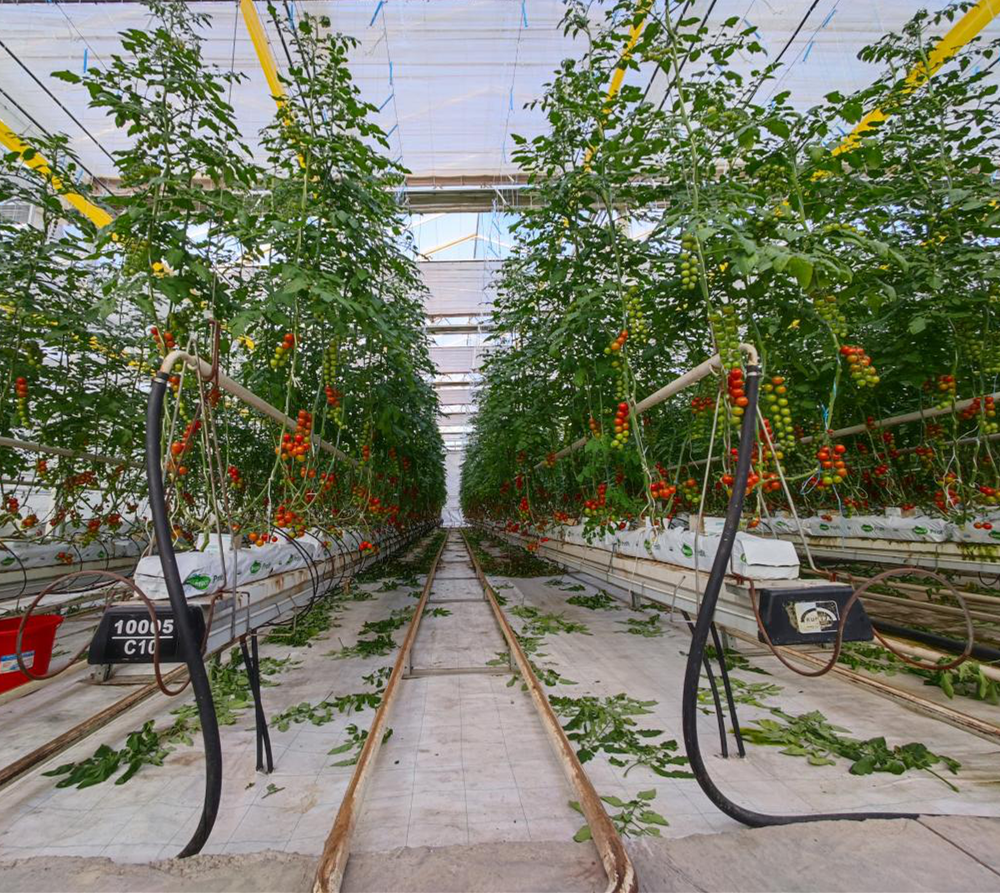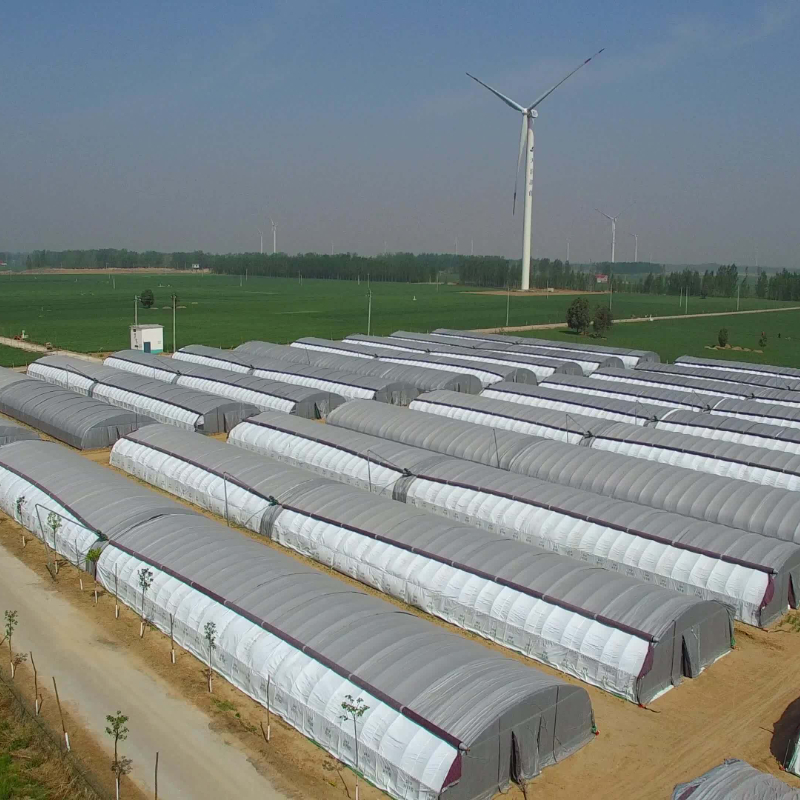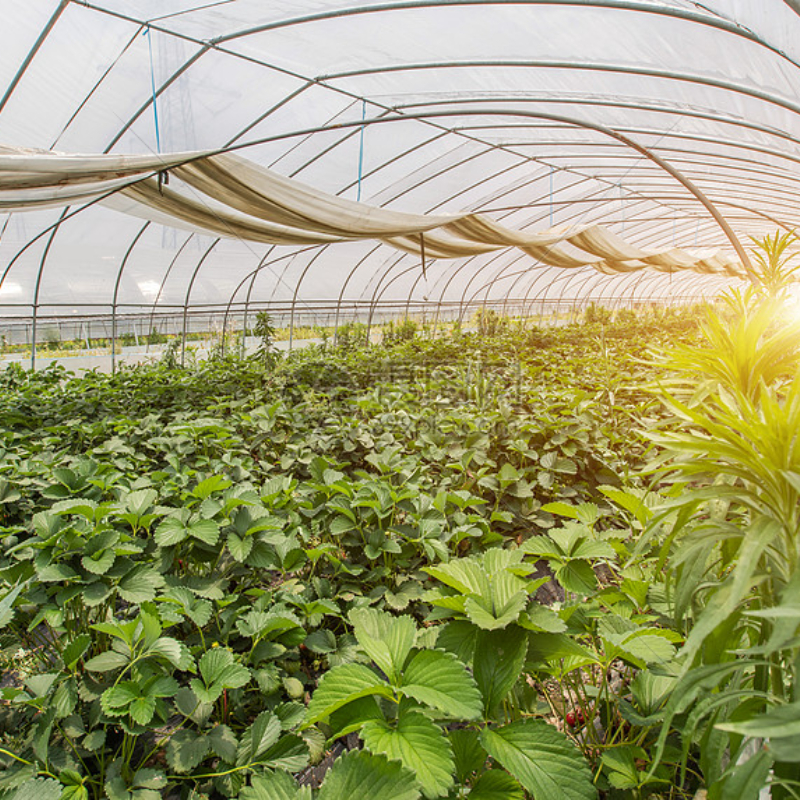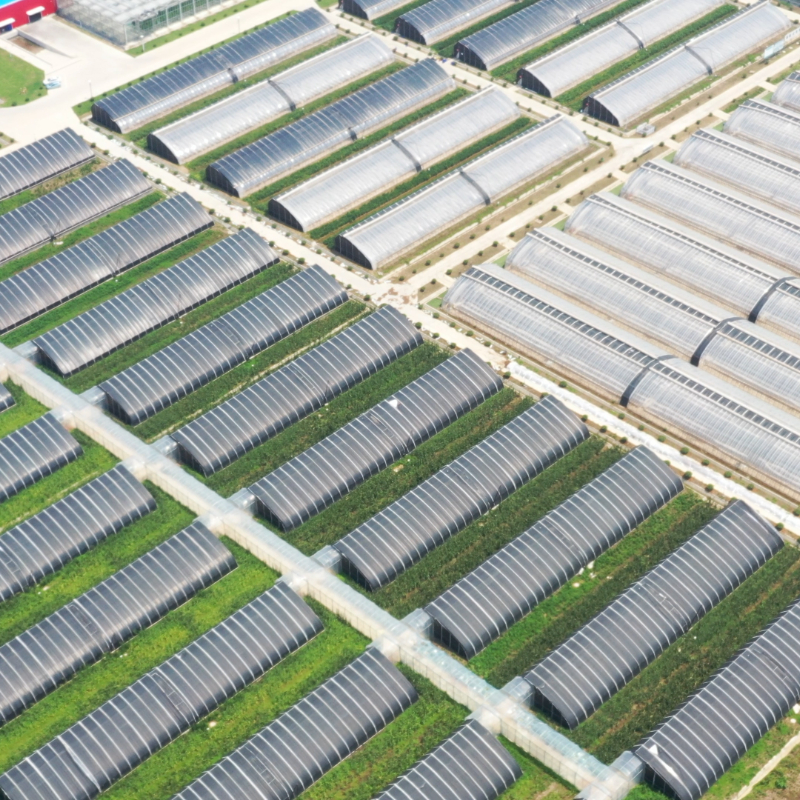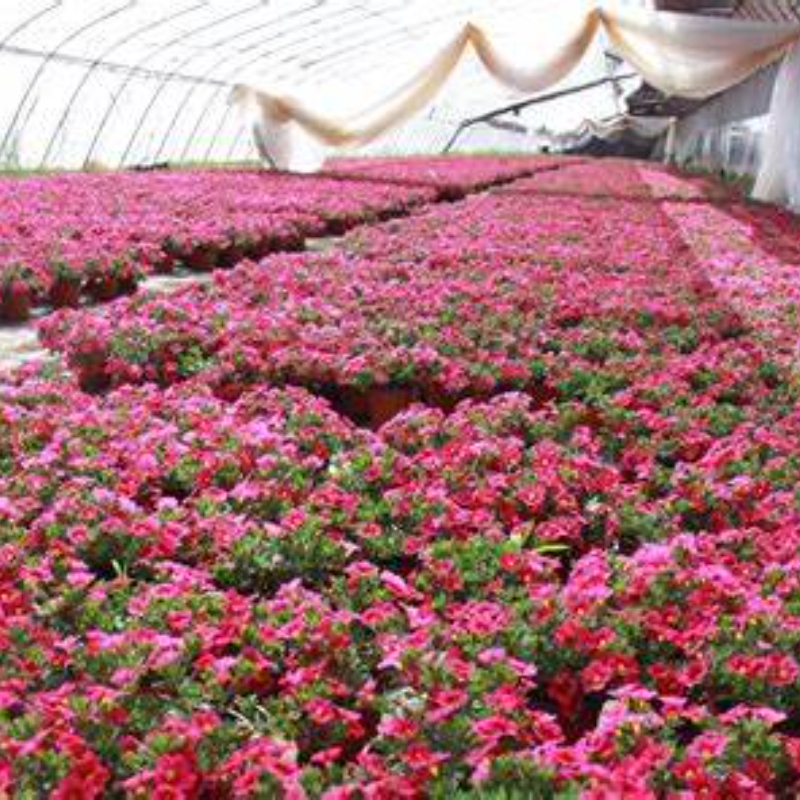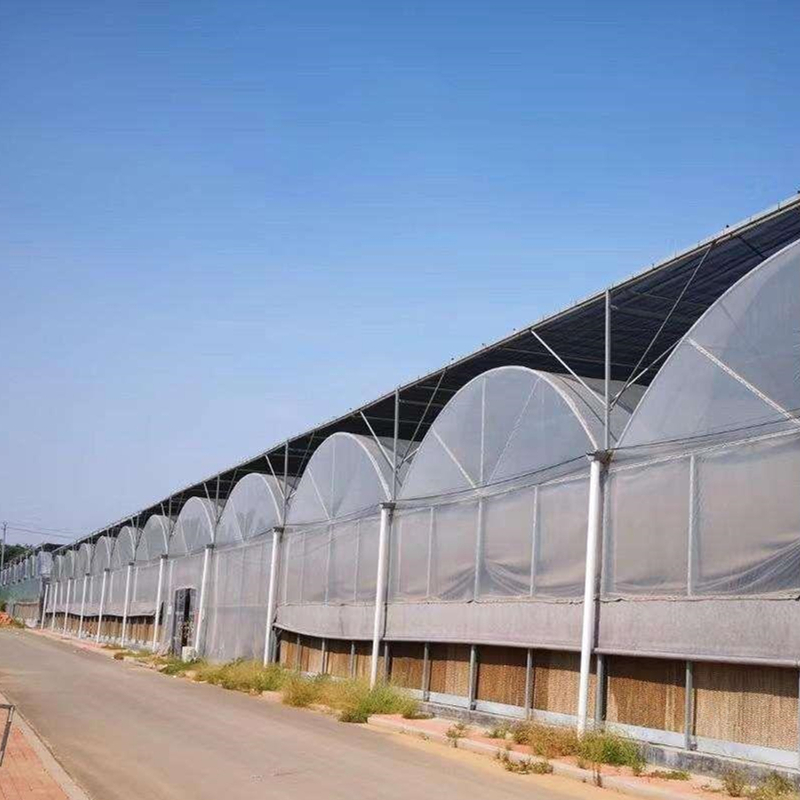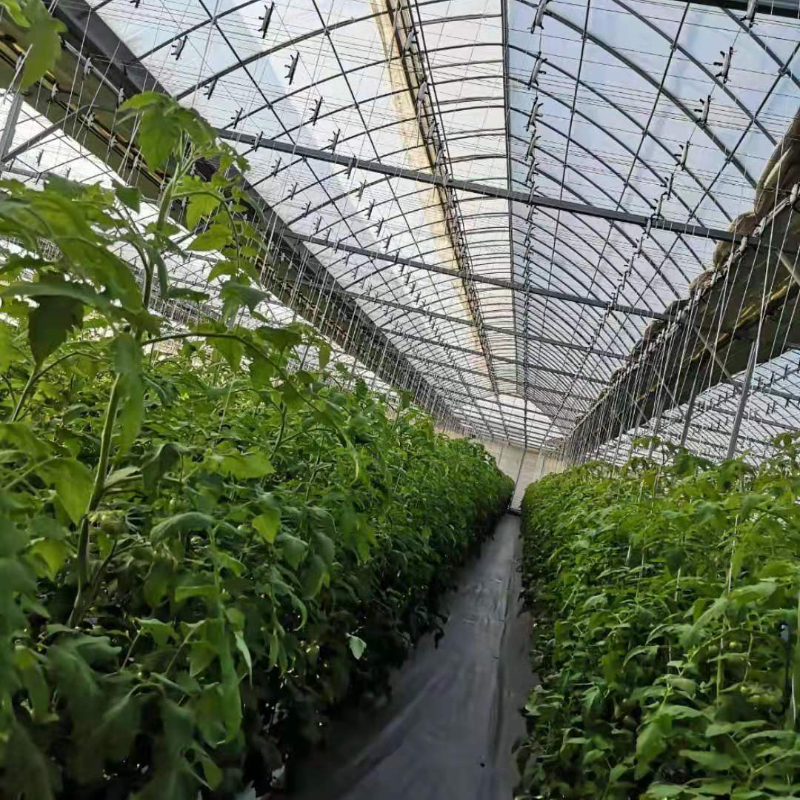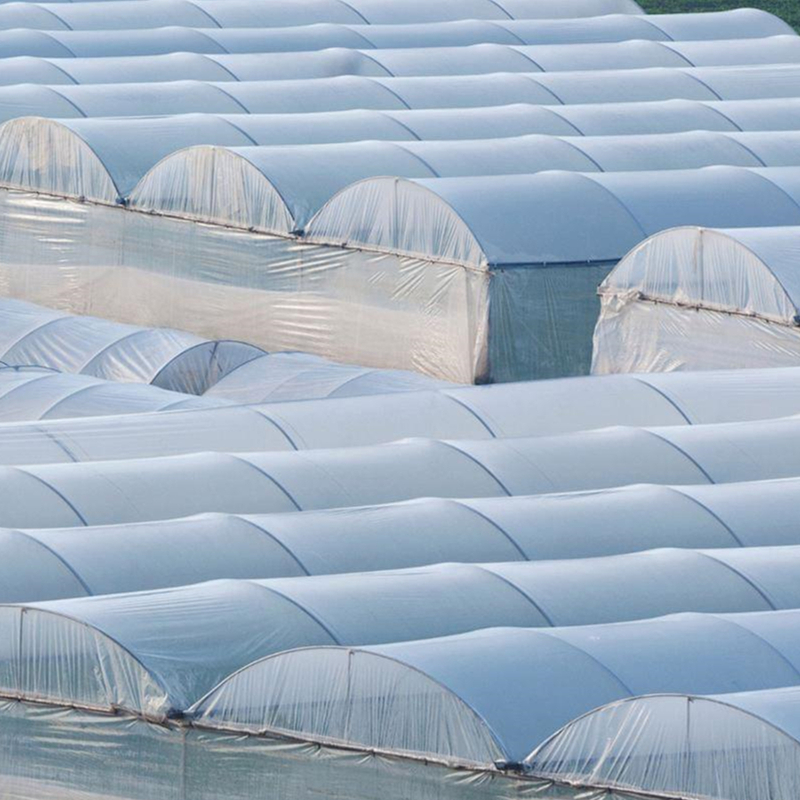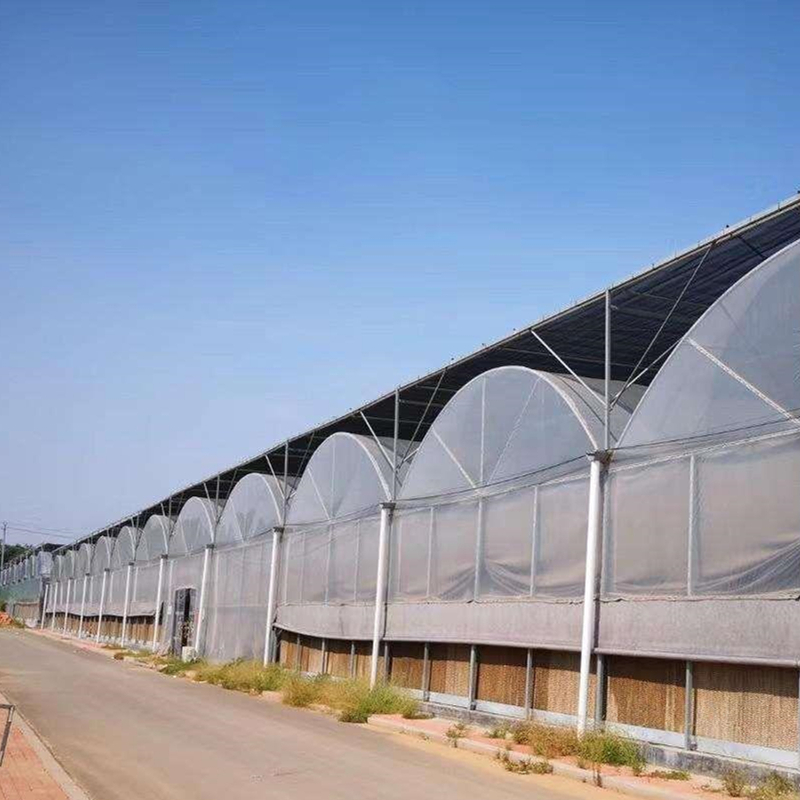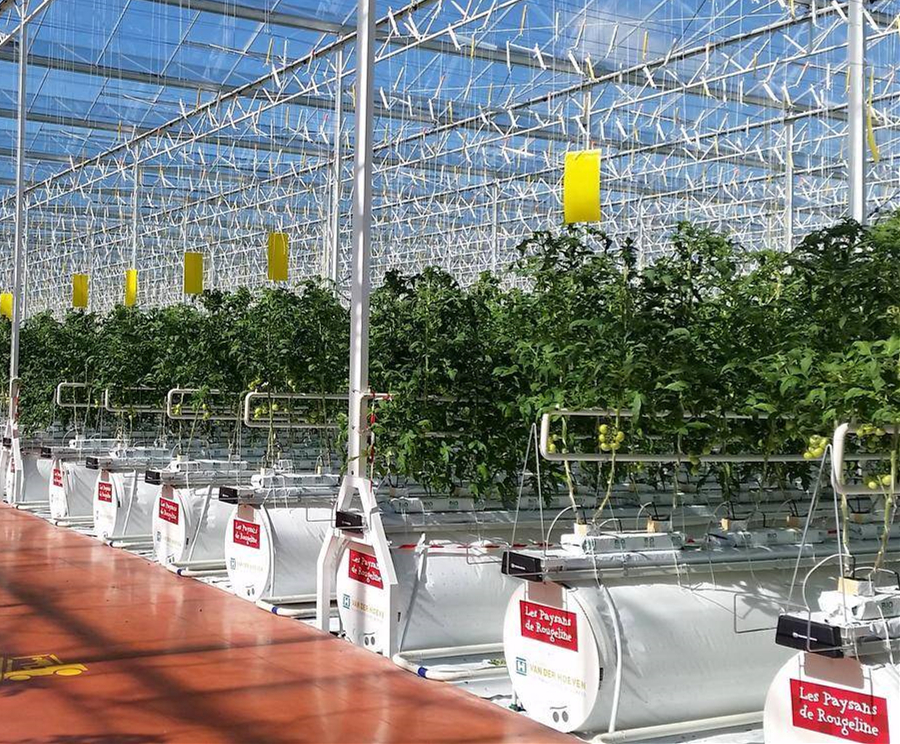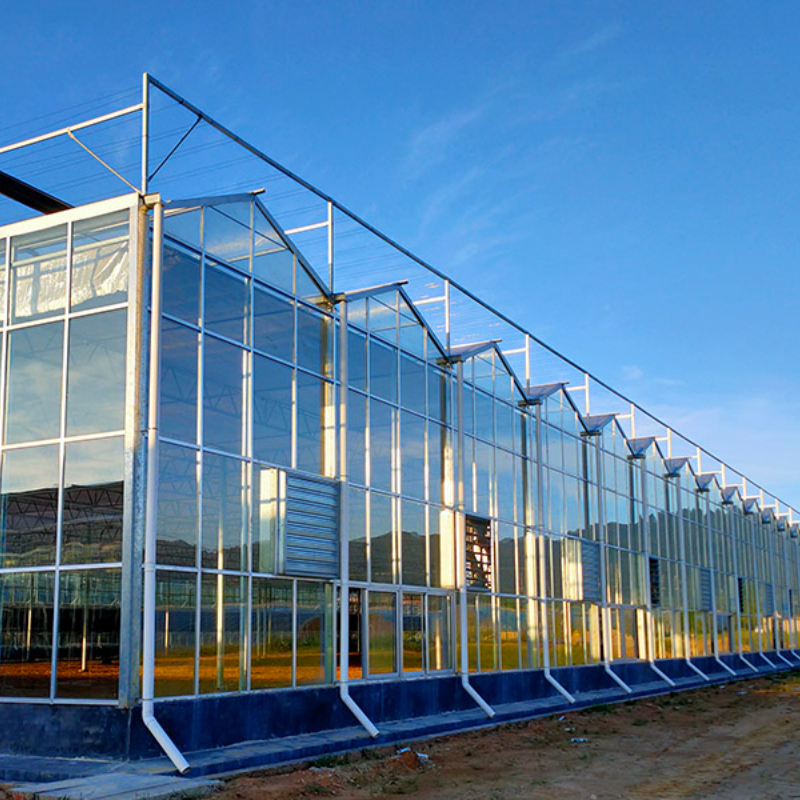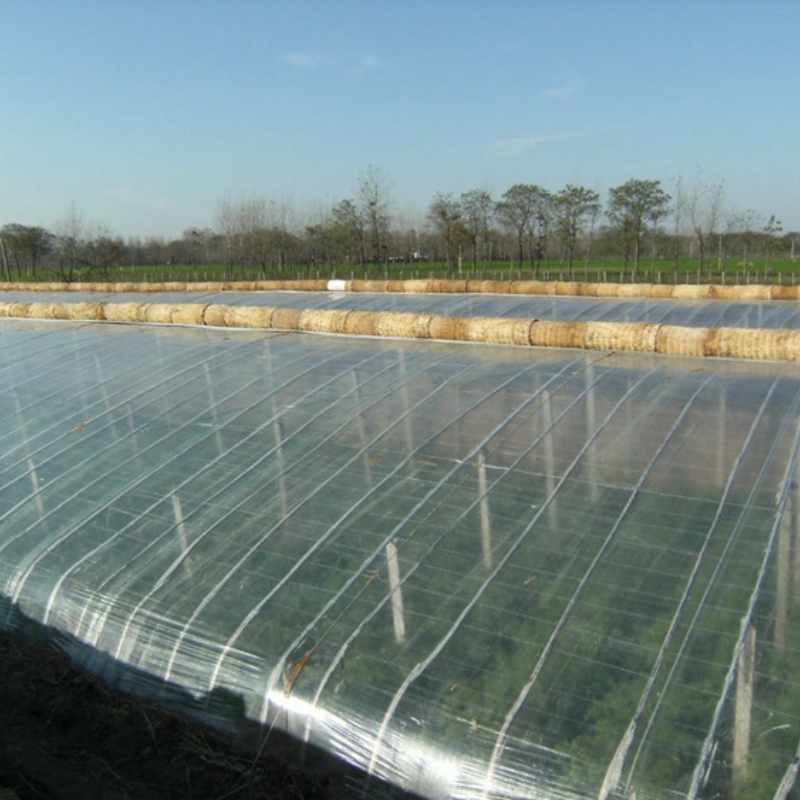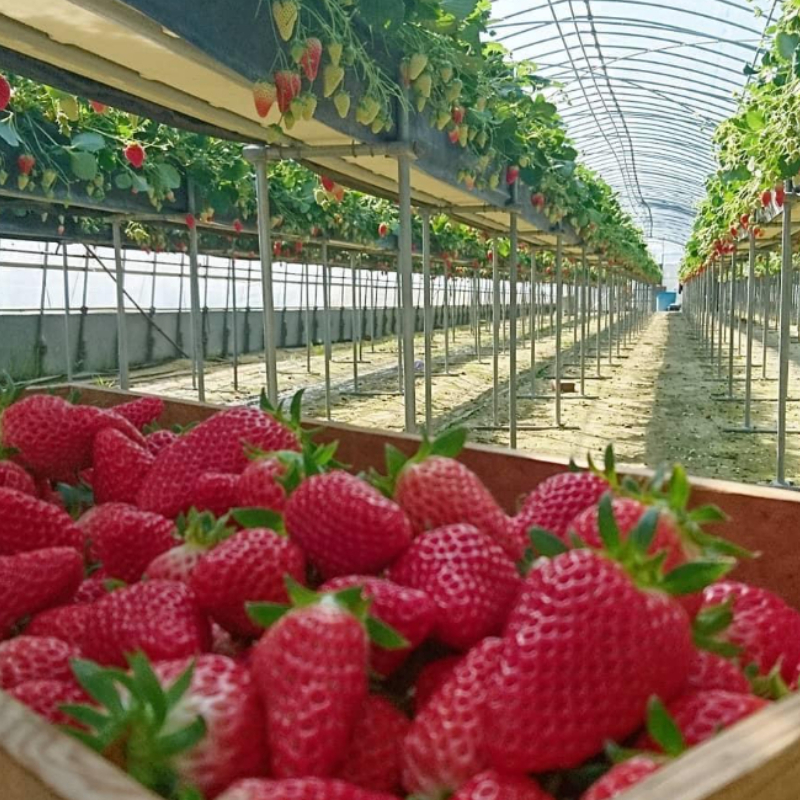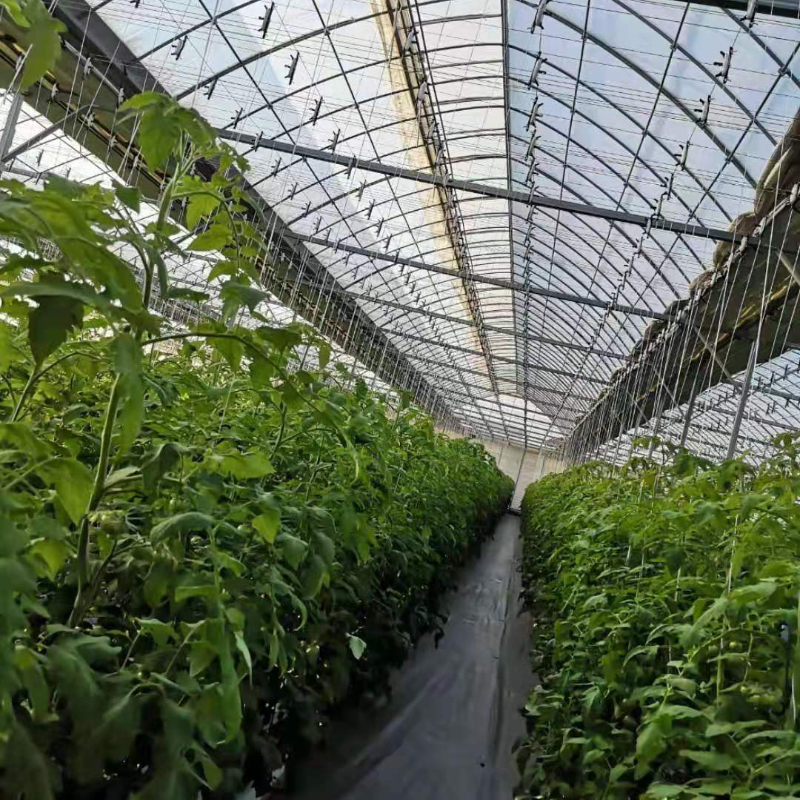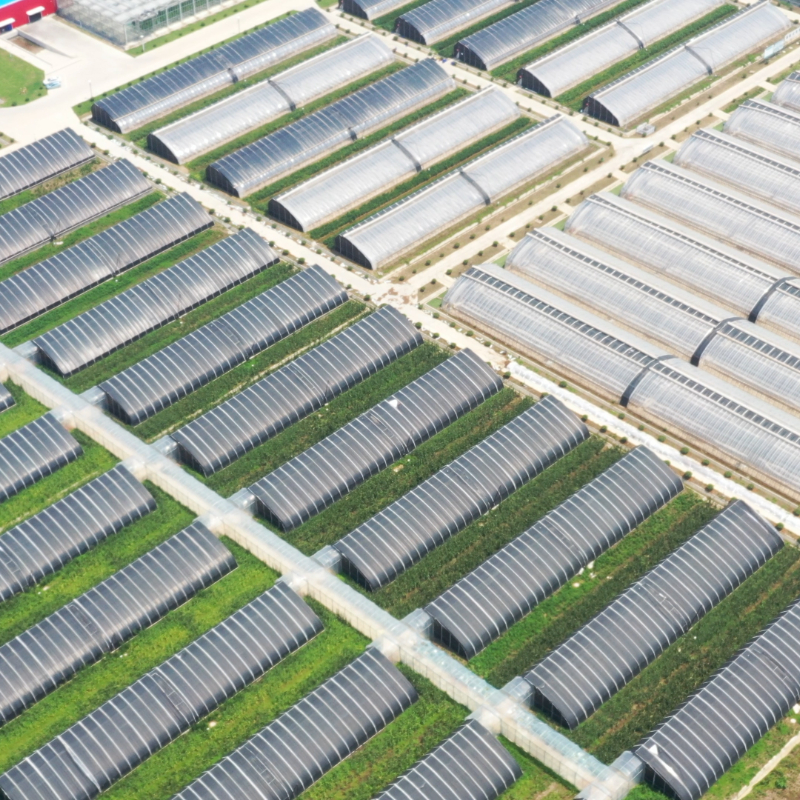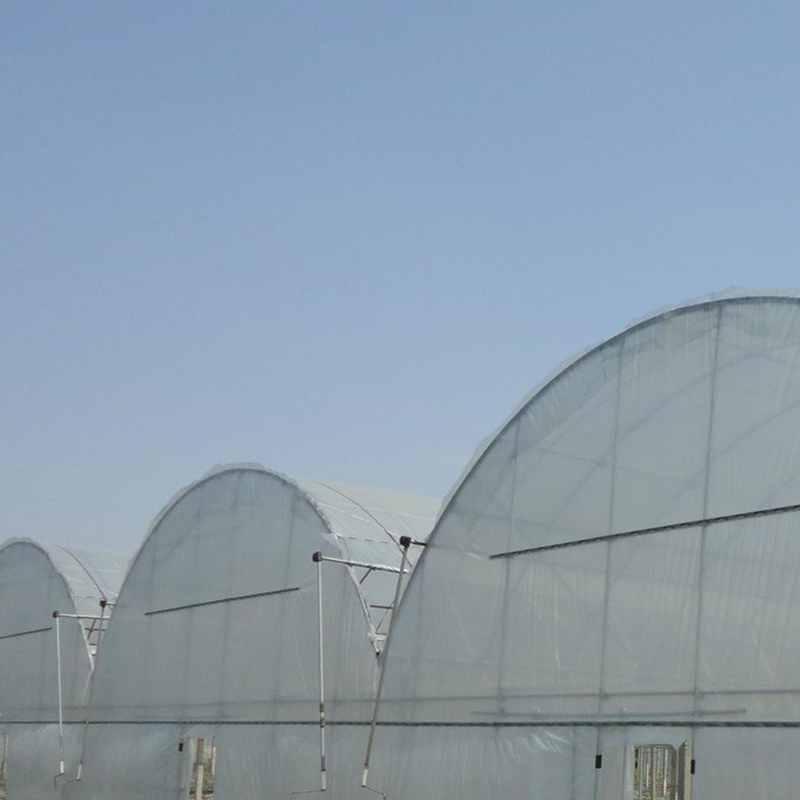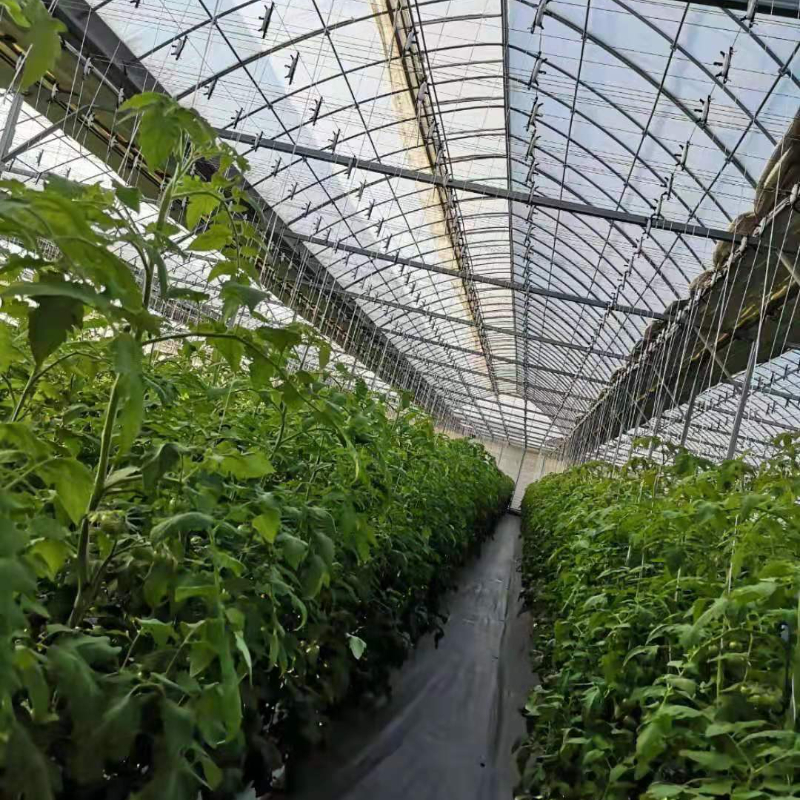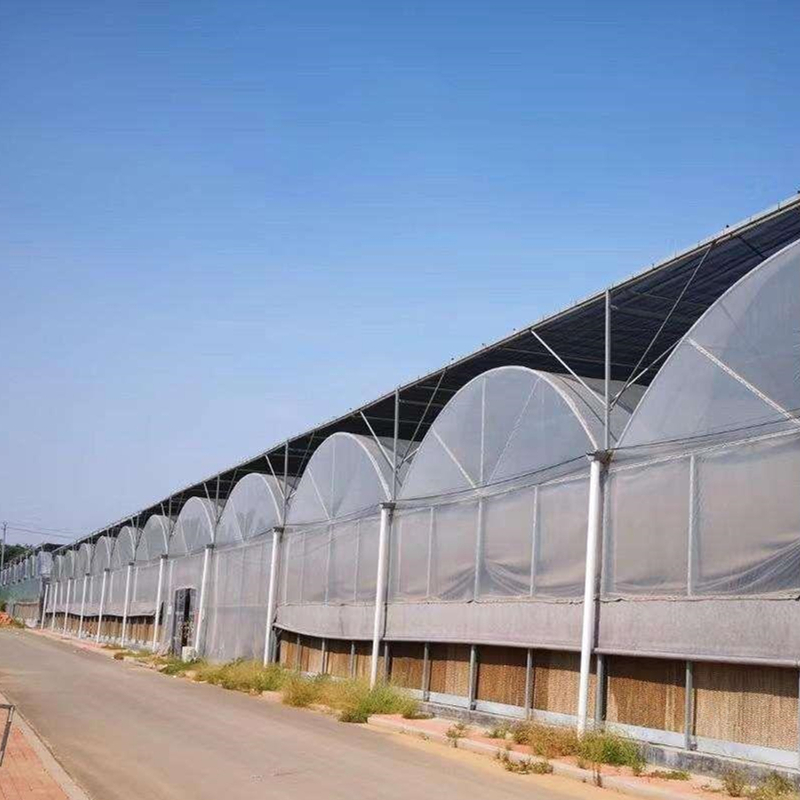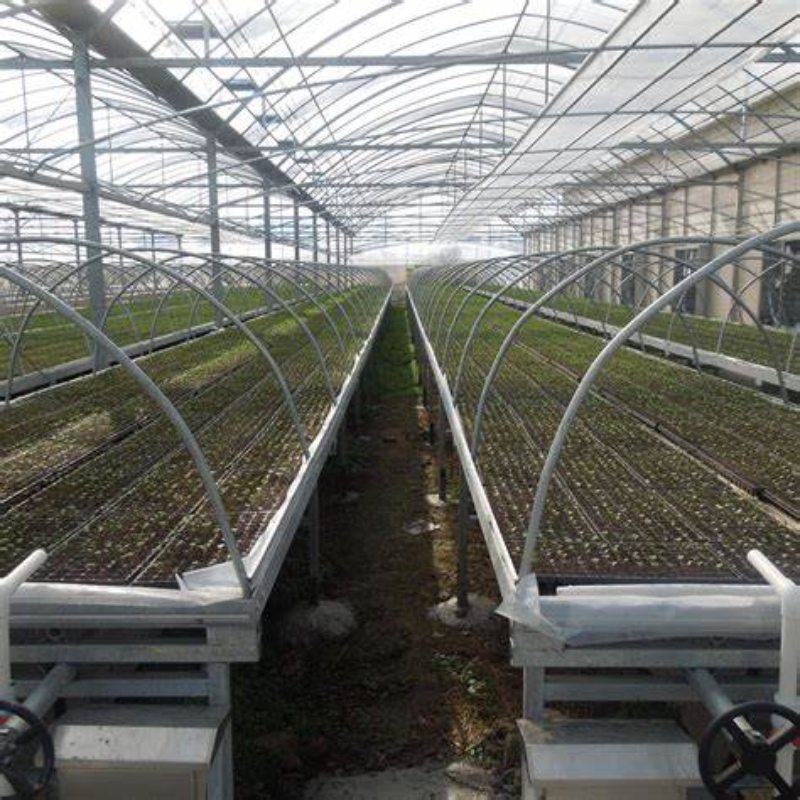
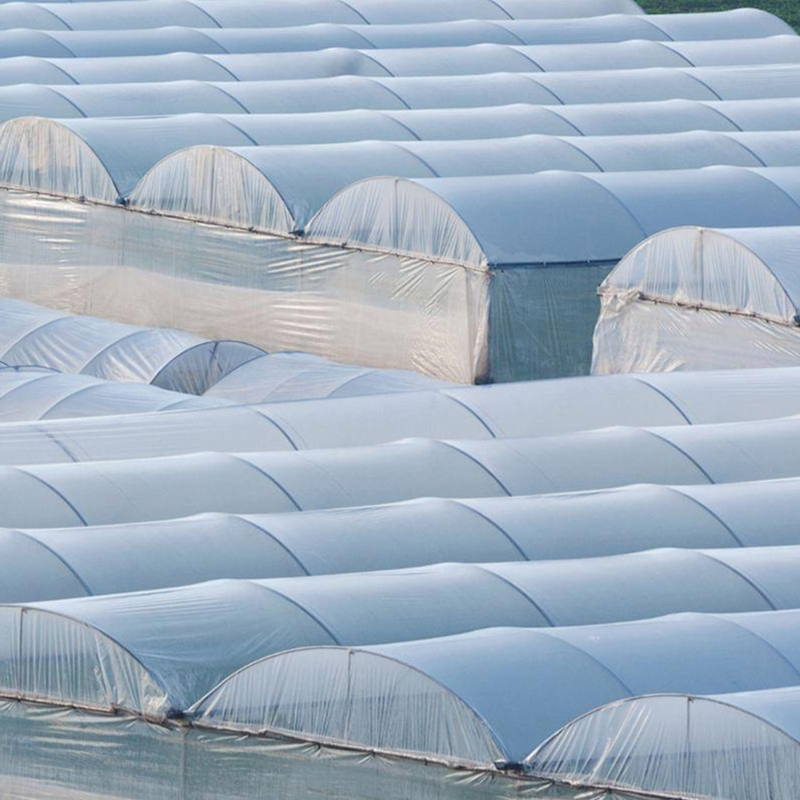
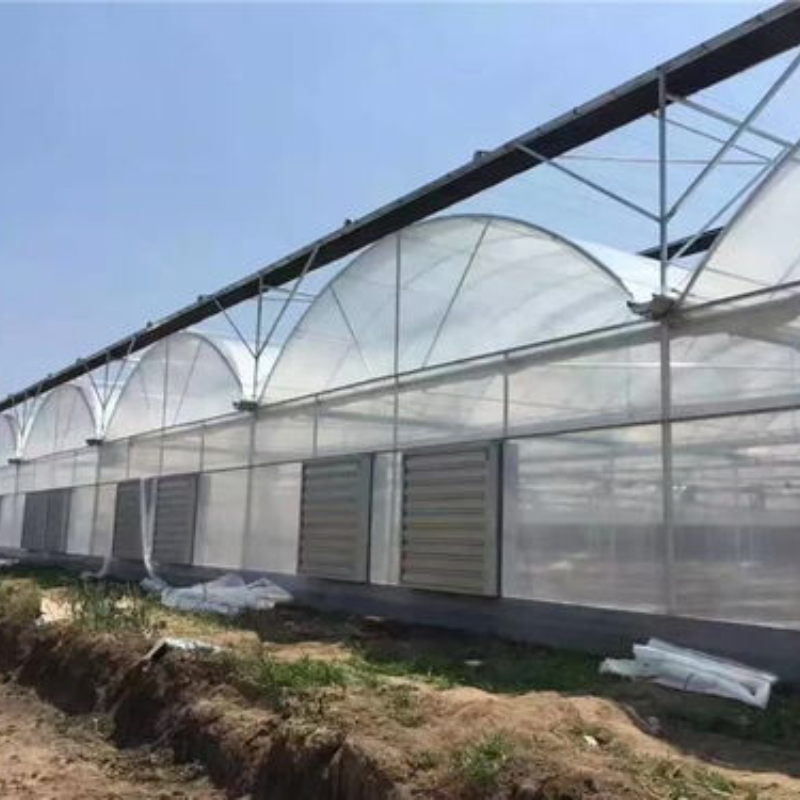
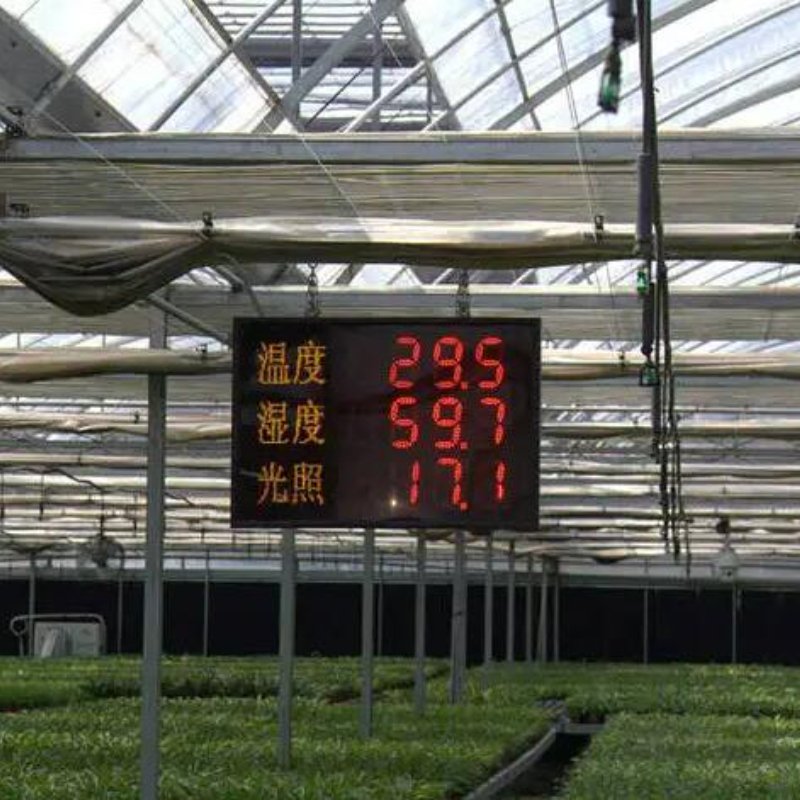
In recent years, the demand for fresh, organic produce has surged, leading to innovative agricultural practices. One such method gaining popularity is the use of heated greenhouses for hydroponic tomato cultivation. This article explores the benefits and features of a heated greenhouse designed specifically for growing tomatoes hydroponically.
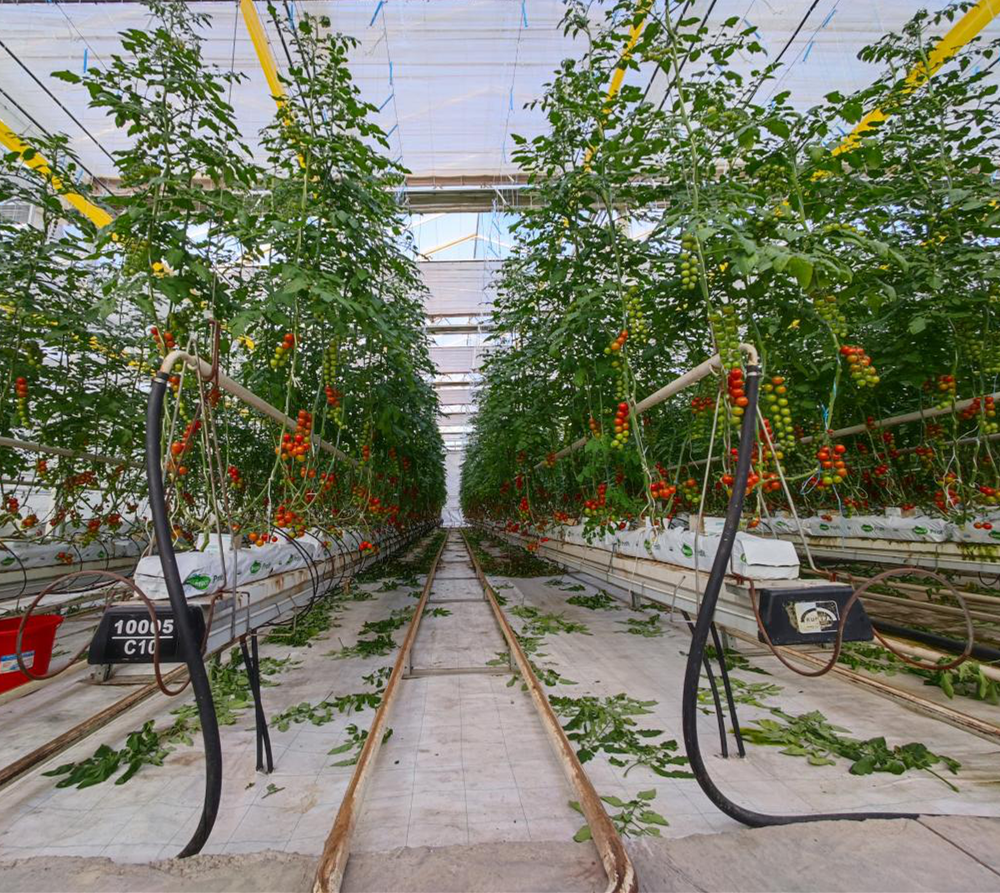
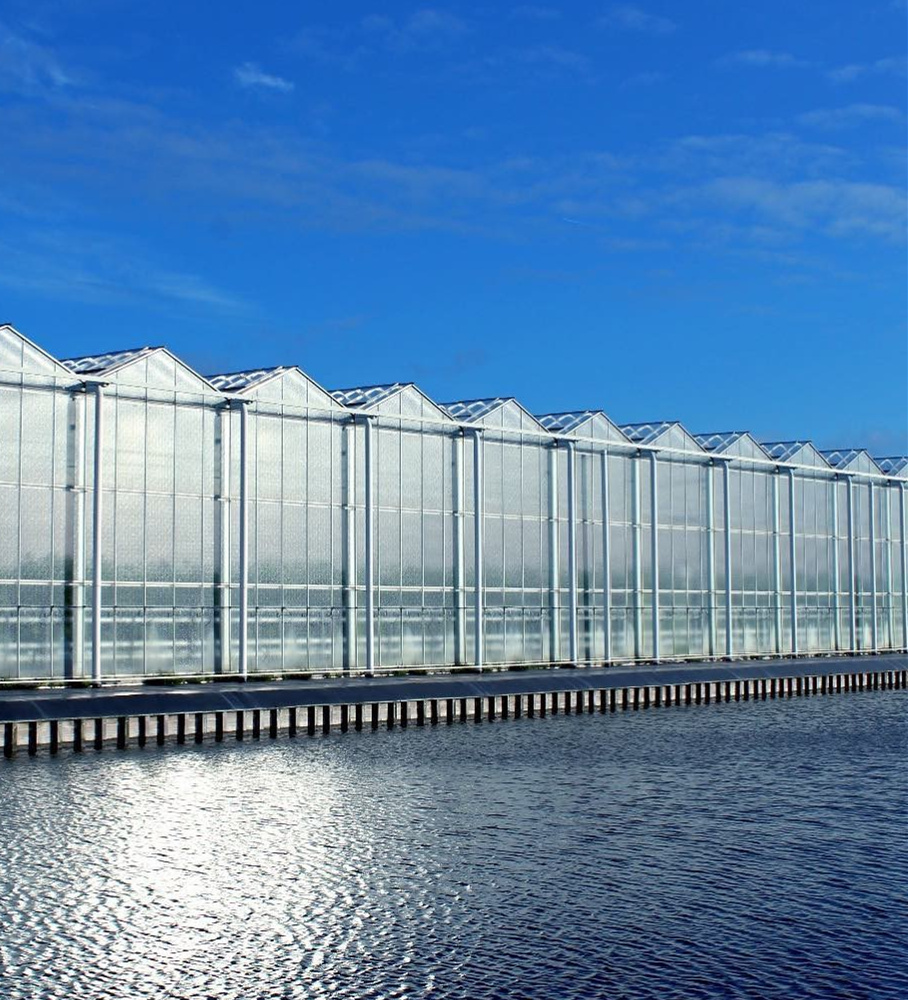
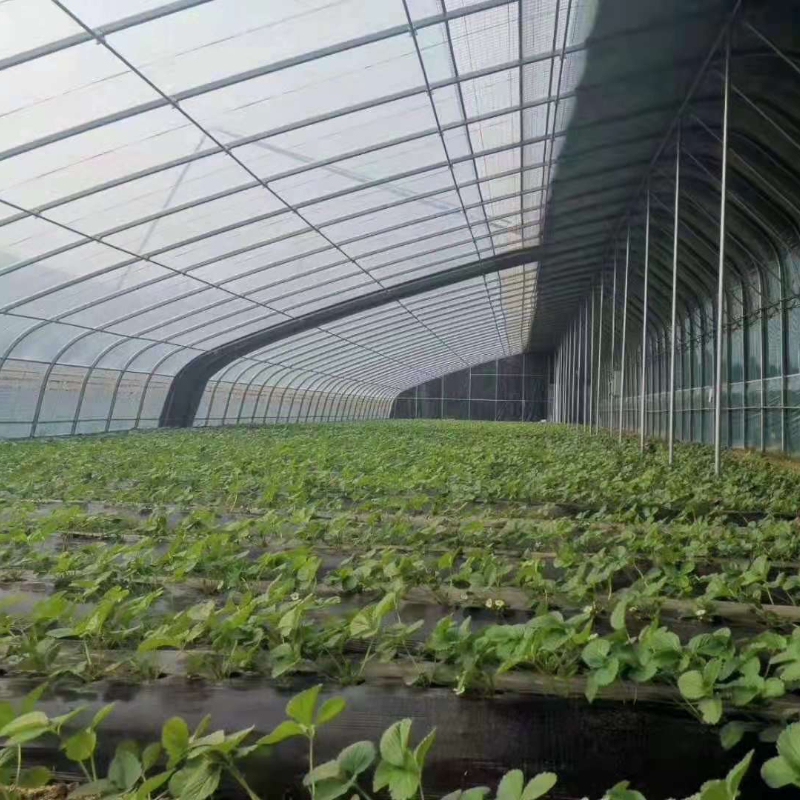
A heated greenhouse is an enclosed structure that maintains optimal temperatures for plant growth, regardless of external weather conditions. By incorporating heating systems, these greenhouses can extend the growing season, allowing for year-round production of crops like tomatoes. The controlled environment ensures that plants receive the ideal levels of light, humidity, and temperature, which are crucial for healthy growth.
Efficient Space Utilization: Hydroponics allows for vertical farming, maximizing space usage. In a heated greenhouse, multiple layers of plants can be grown, significantly increasing yield per square foot.
Water Conservation: Hydroponic systems use less water than traditional soil-based farming. In a heated greenhouse, the water can be recycled, further minimizing waste.
Pest and Disease Management: The controlled environment of a heated greenhouse reduces the risk of pests and diseases, which are common in outdoor farming. This leads to healthier plants and higher-quality tomatoes.
Faster Growth Rates: With optimal conditions provided by the heating system, tomatoes can grow faster than in conventional settings. This results in quicker harvest cycles and increased productivity.
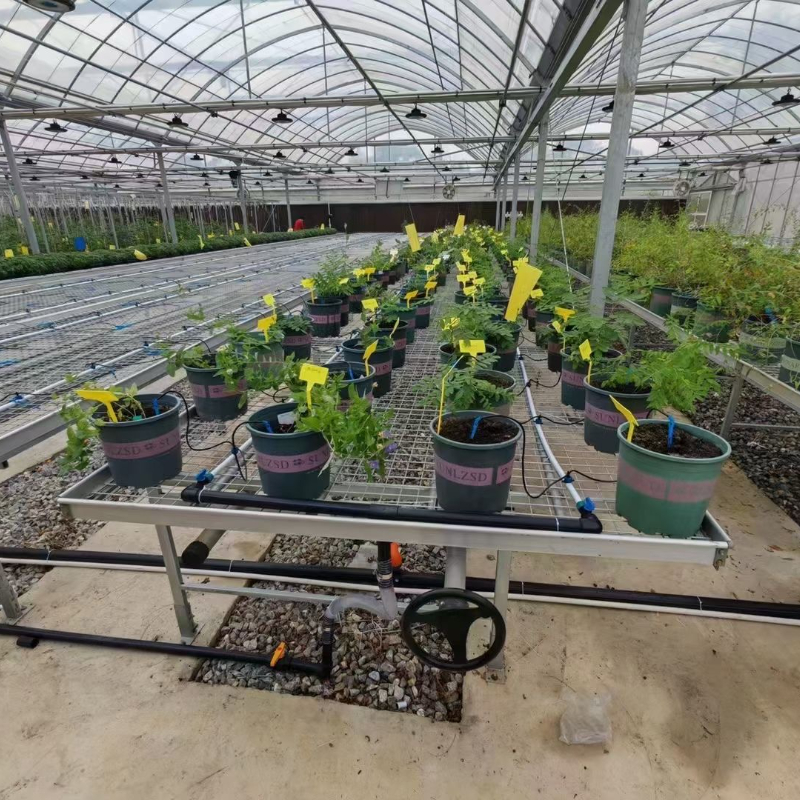
The heating system is the heart of a heated greenhouse. It can include various options such as:
Radiant Heating: This method involves heating surfaces that then radiate warmth to the air. It is efficient and provides consistent temperatures.
Hot Water Systems: These systems circulate heated water through pipes, warming the air in the greenhouse. They are effective and can be powered by renewable energy sources.
Electric Heaters: These are easy to install and provide instant heat but may be more expensive to operate in the long term.
A heated greenhouse must also have proper climate control systems, including:
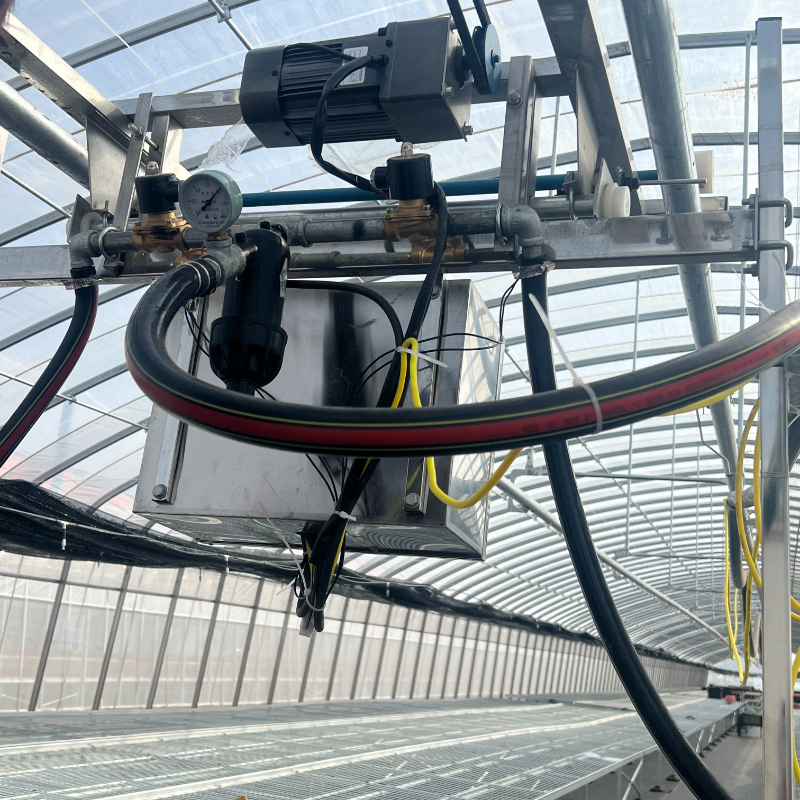
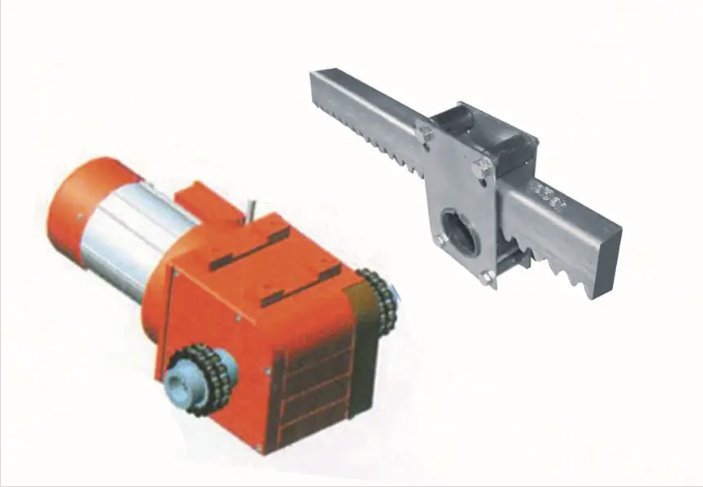
Ventilation: To manage humidity and temperature, ventilation systems allow for the exchange of air. Automated vents can open and close based on temperature readings.
Lighting: Supplemental lighting is often necessary, especially during winter months. LED grow lights can provide the necessary spectrum for photosynthesis while being energy-efficient.
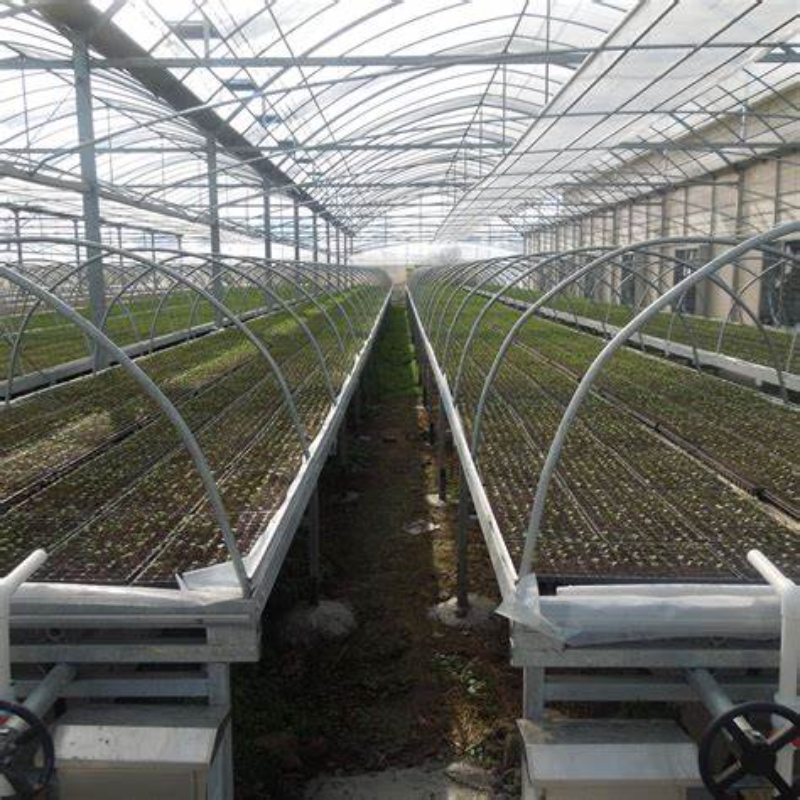
Various hydroponic systems can be employed within a heated greenhouse:
Nutrient Film Technique (NFT): This method involves a thin film of nutrient-rich water flowing over the roots of the plants.
Deep Water Culture (DWC): In this system, plants are suspended in a nutrient solution, allowing their roots to absorb nutrients directly.
Ebb and Flow: This system periodically floods the plant roots with nutrient solution before draining it back into a reservoir.
The integration of a heated greenhouse with hydroponic systems presents a sustainable solution for tomato cultivation. By ensuring optimal growth conditions, these greenhouses can produce high-quality tomatoes year-round, meeting the increasing consumer demand for fresh produce. As technology advances, the efficiency and effectiveness of heated greenhouses will continue to improve, making them an essential component of modern agriculture. With the right setup, growers can enjoy the benefits of hydroponic farming while contributing to a more sustainable food system.
In conclusion, investing in a heated greenhouse for hydroponic tomato cultivation not only enhances productivity but also supports environmental sustainability, making it a worthwhile endeavor for both commercial and home growers.
Q1:Are We a trading company or a manufacturer?
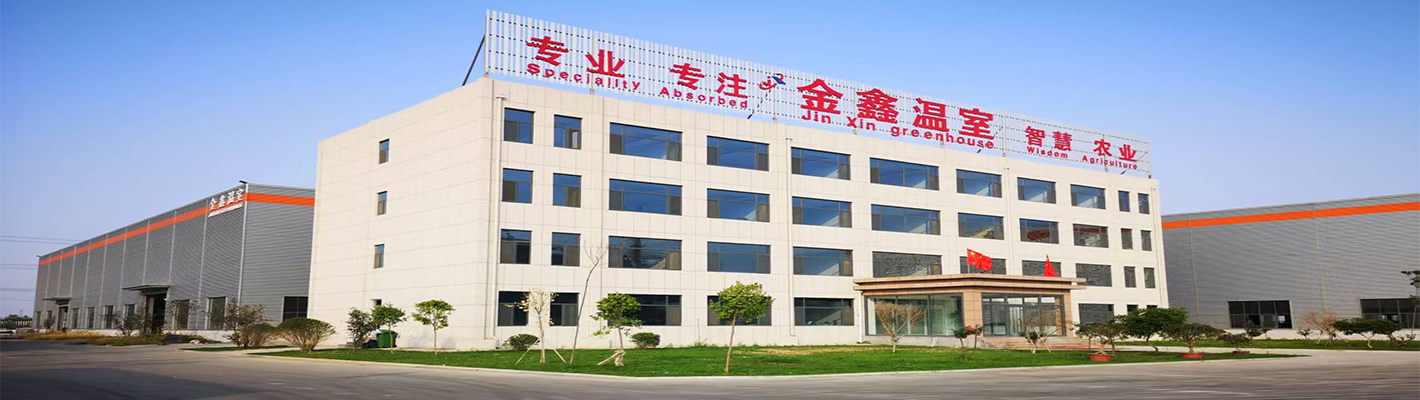
A: We are a factory. Our factory can produce all items which are related to the greenhouse, so we provide the best price.
Q2: Do we provide samples? Is it free or extra?
A: Yes, we can provide samples free of charge, but we don't bear the freight.
Q3: How to get a quotation for the greenhouse?
A: Please let us know how many greenhouses you need? What will be grown in the greenhouse? So that we can suggest you the related greenhouses.
Q4: How should you choose a greenhouse system?
A: Please let us know where you will build the greenhouse, we also need the know your local temperature and wind speed.
Q5: How to assemble the greenhouse after you purchase our greenhouses ?
A:We have professional after-sales service engineers who will provide planning drawings and installation manuals. You can communicate with him from time to time. If necessary, we can also send engineers to your country to supervise the installation of the greenhouse. Please send message for specific details.
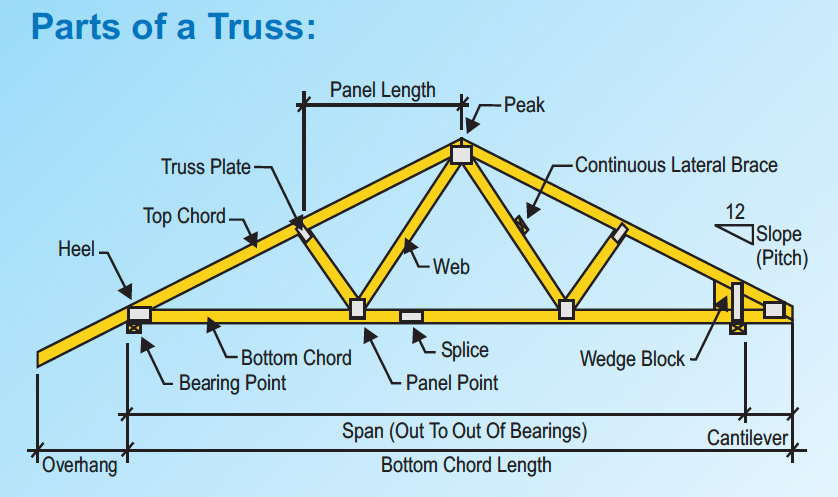
If you have drawings, welcome to share drawings with us, quoation will be done based your drawings.Our excellent design team will
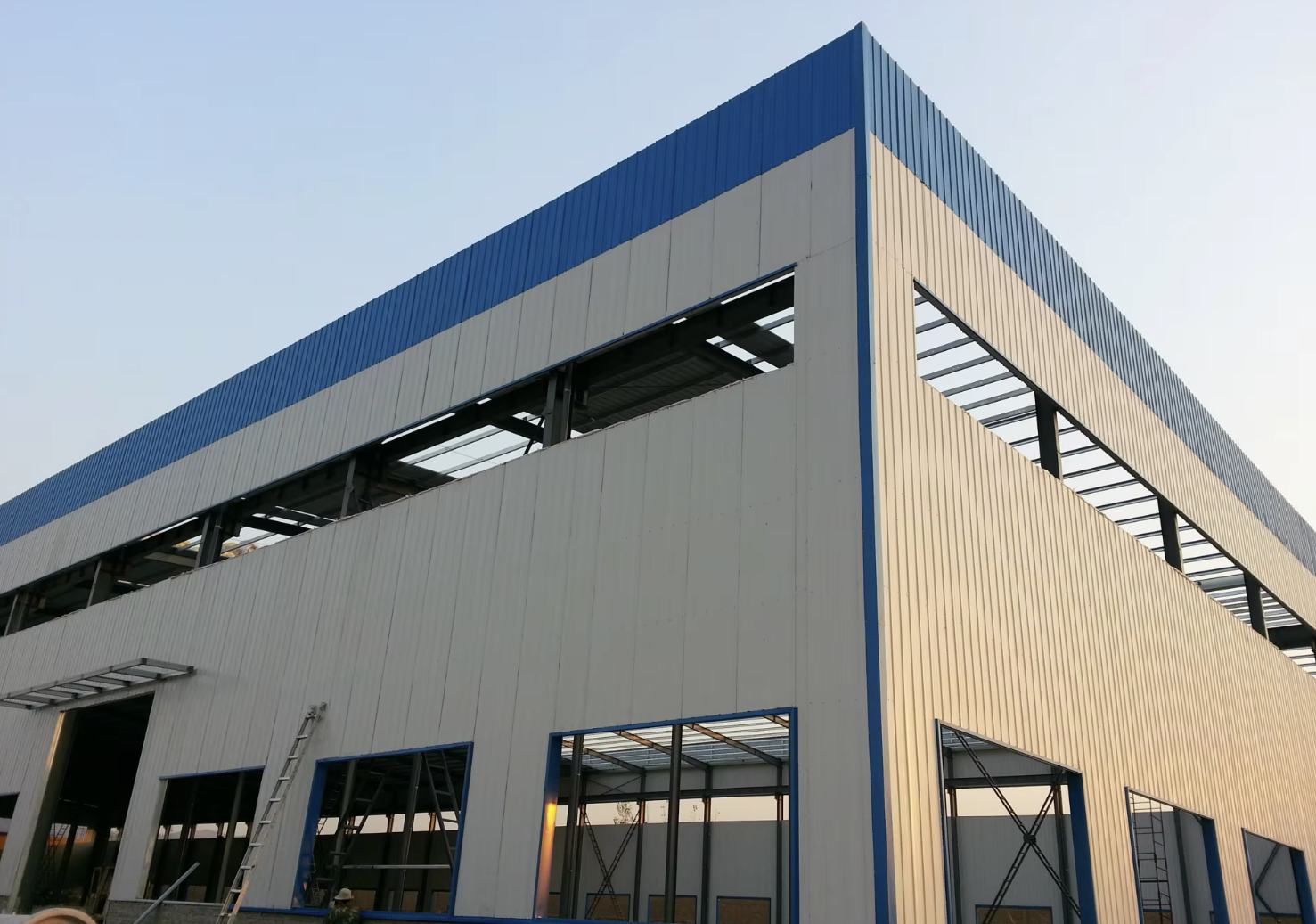
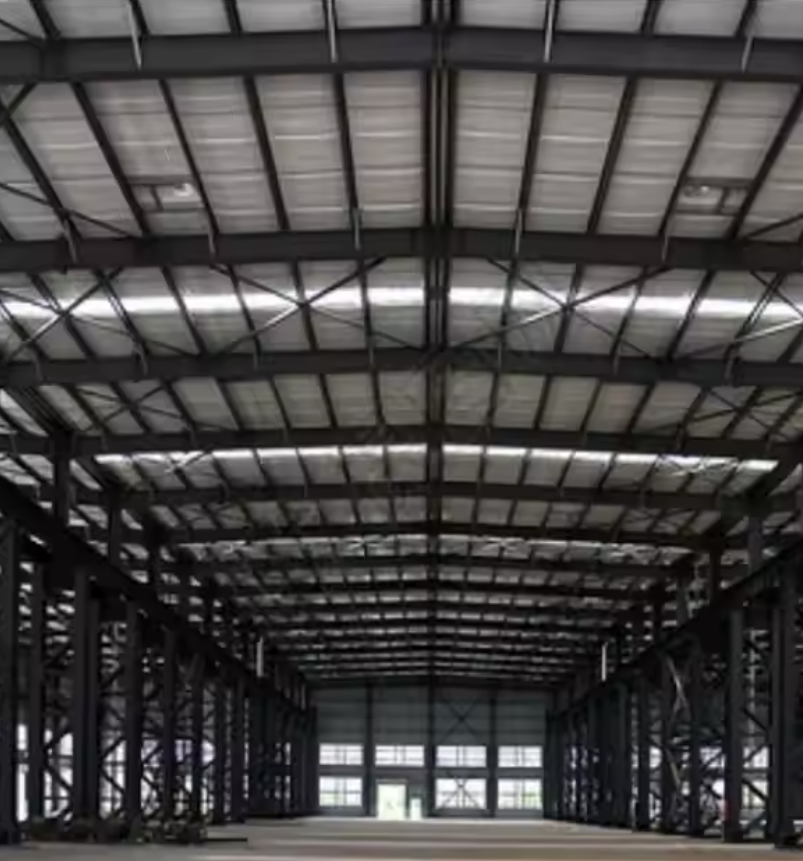
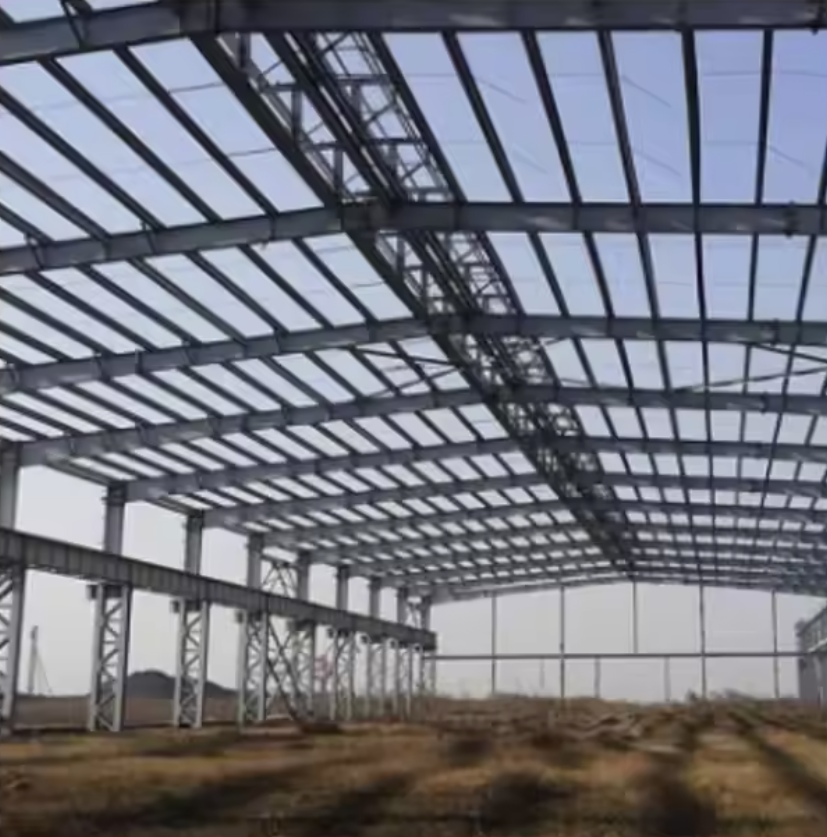
design the steel structure workshop warehouse for you. If you give the following information, we will give you an satisfactory
drawing.
1 Location (where will be built? ) which country? which city?
2 Size: Length*width* Eave height _____mm*_____mm*_____mm
3 wind load (max. Wind speed) _____kn/m2, _____km/h, _____m/s
4 snow load (max. Snow height) _____kn/m2, _____mm, temperature range?
5 anti-earthquake _____level
6 brickwall needed or not If yes, 1.2m high or 1.5m high? or other?
7 thermal insulation If yes, EPS, fiberglass wool, rockwool, PU sandwich panels will be suggested;
If not, the metal steel sheets will be ok. The cost of the latter will be much lower than that of the former.
8 door quantity & size _____units, _____(width)mm*_____(height)mm
9 window quanity & size _____units, _____(width)mm*_____(height)mm
10 crane needed or not If yes, _____units, max. Lifting weight____tons; Max. Lifting height _____m