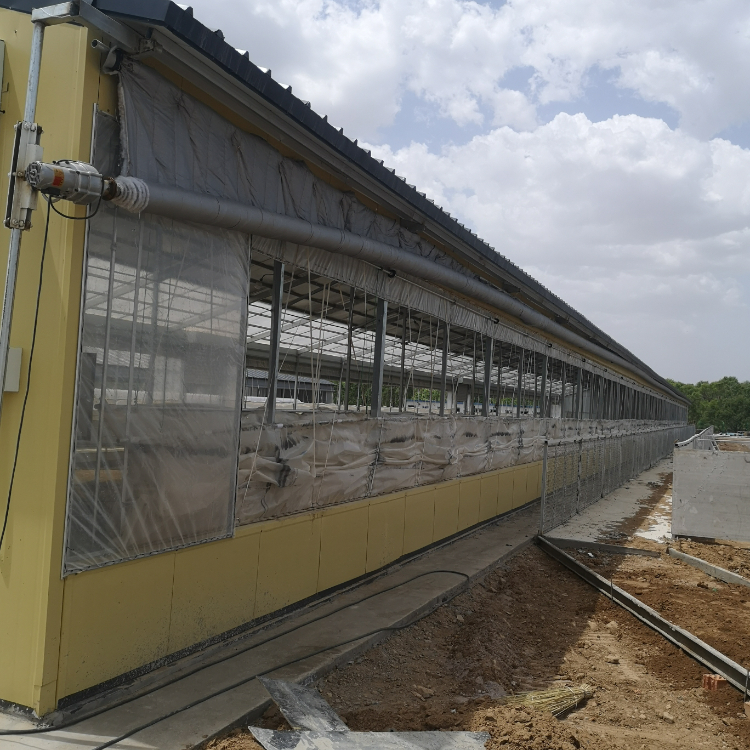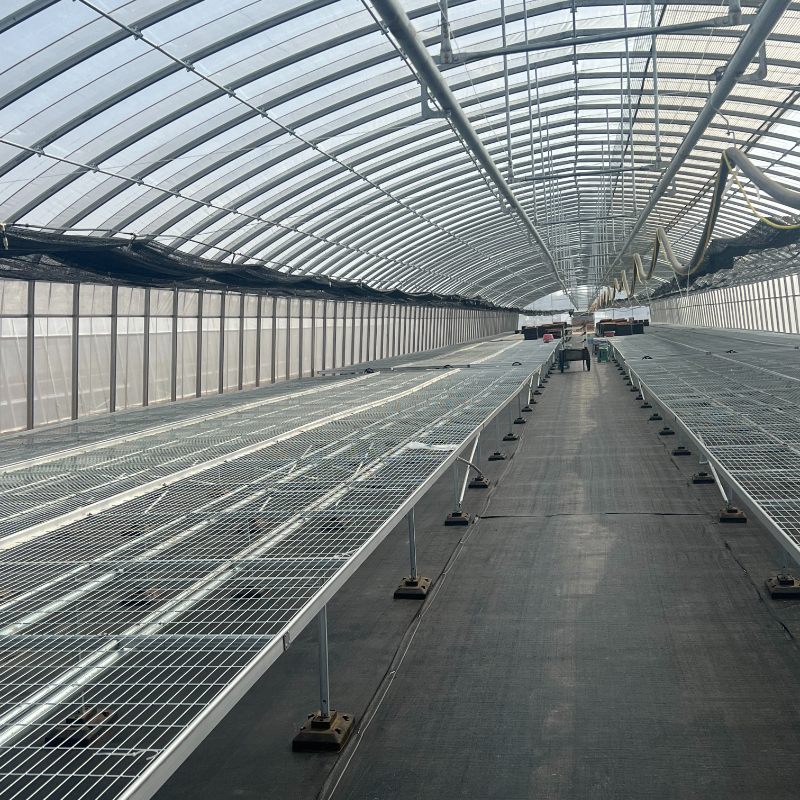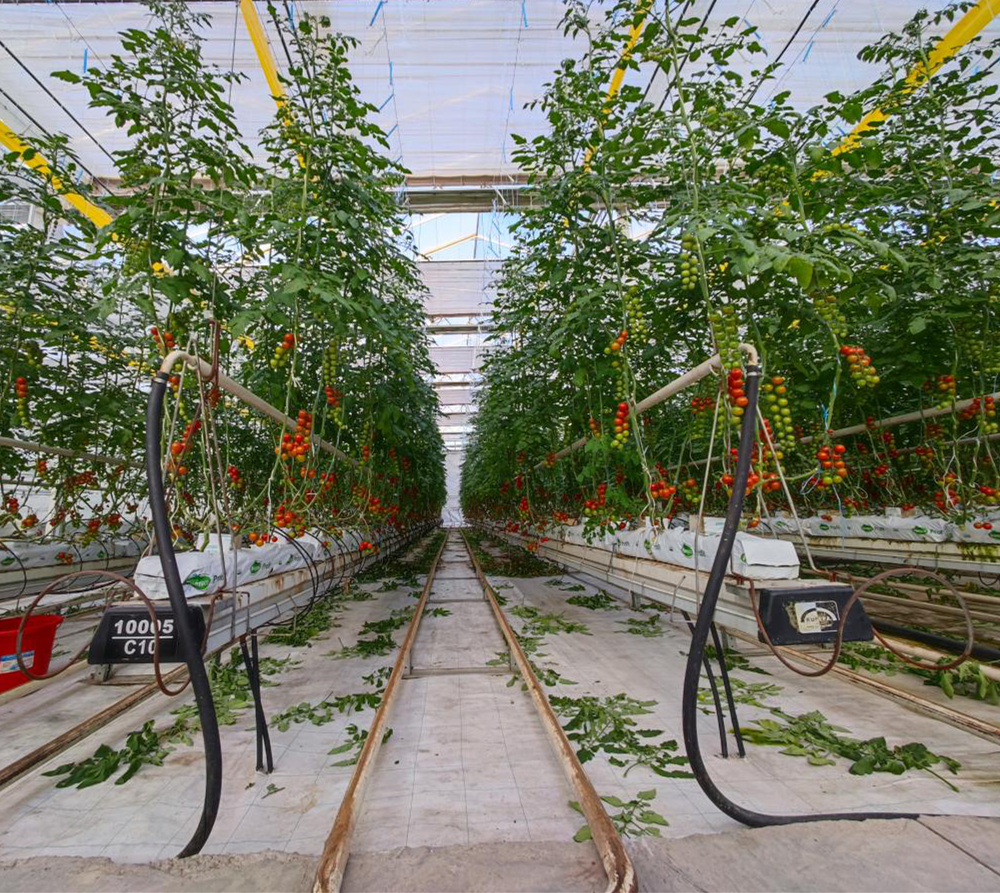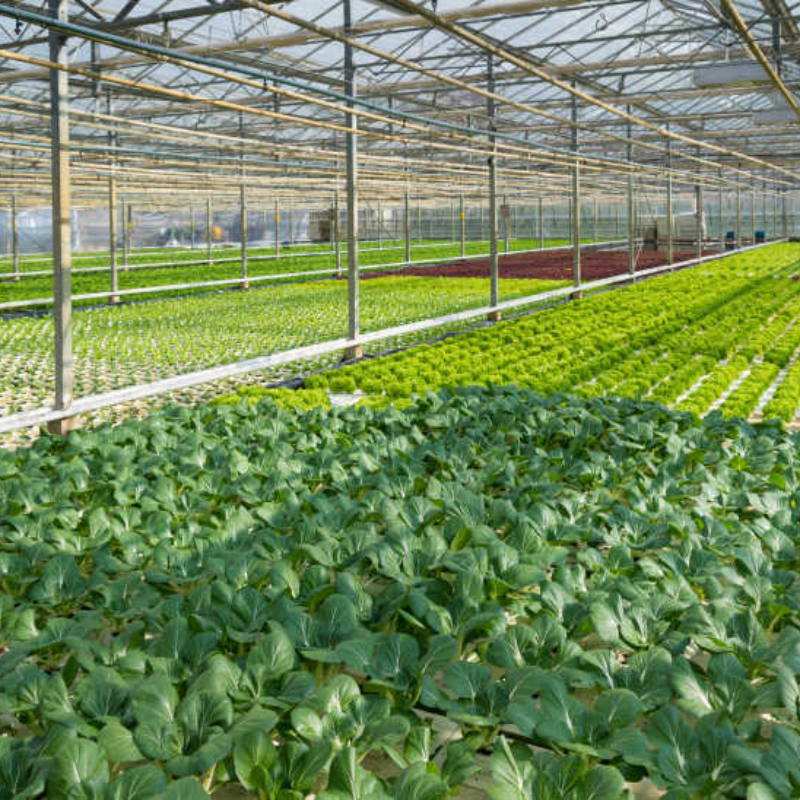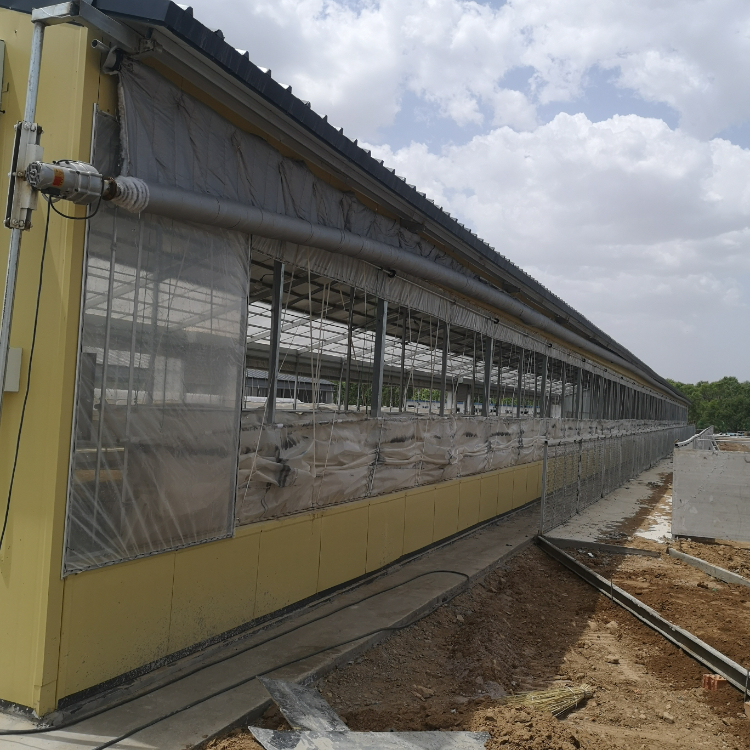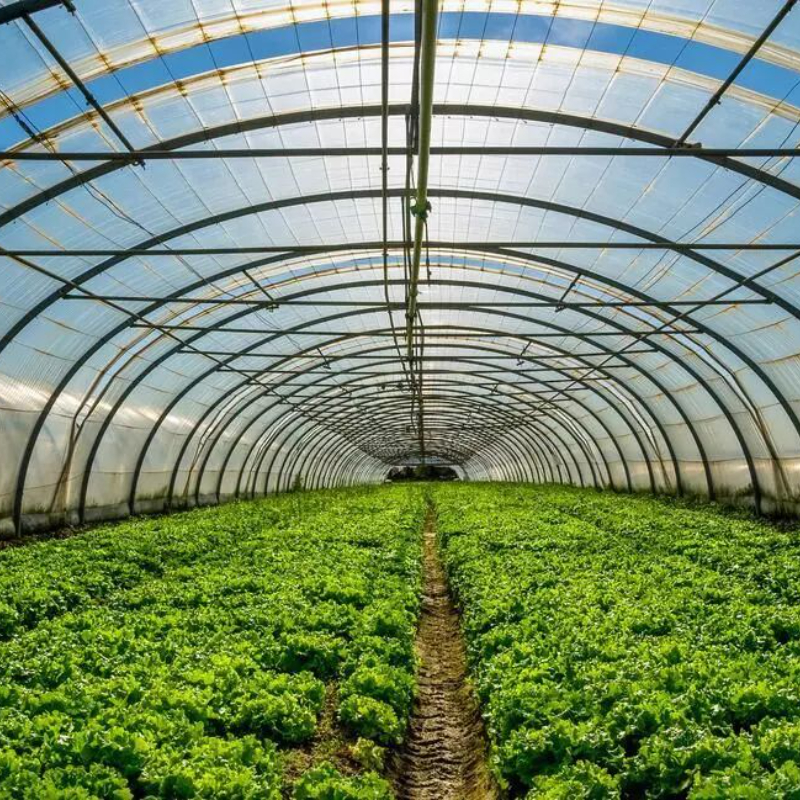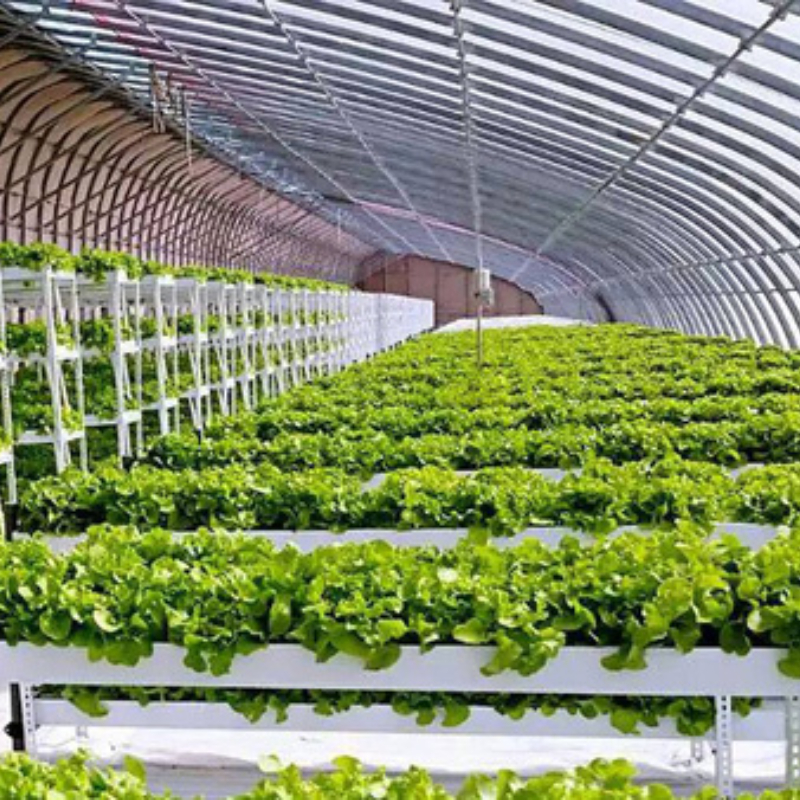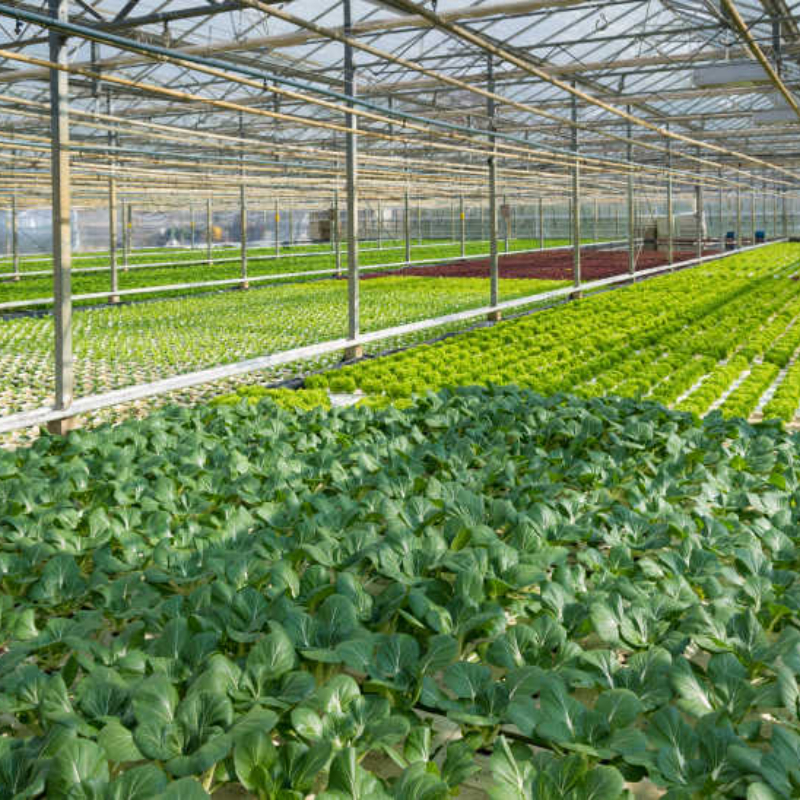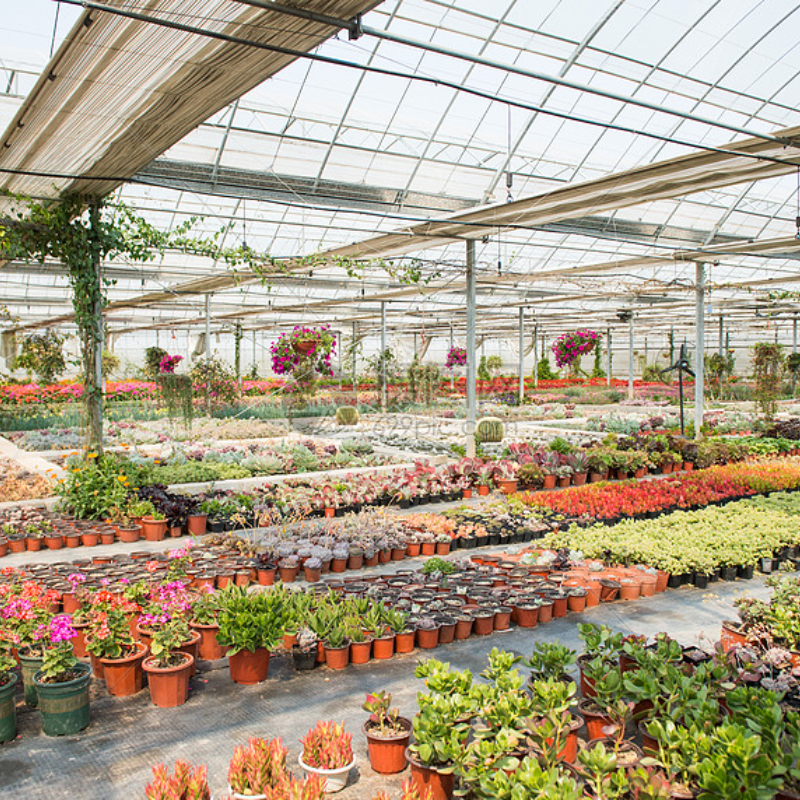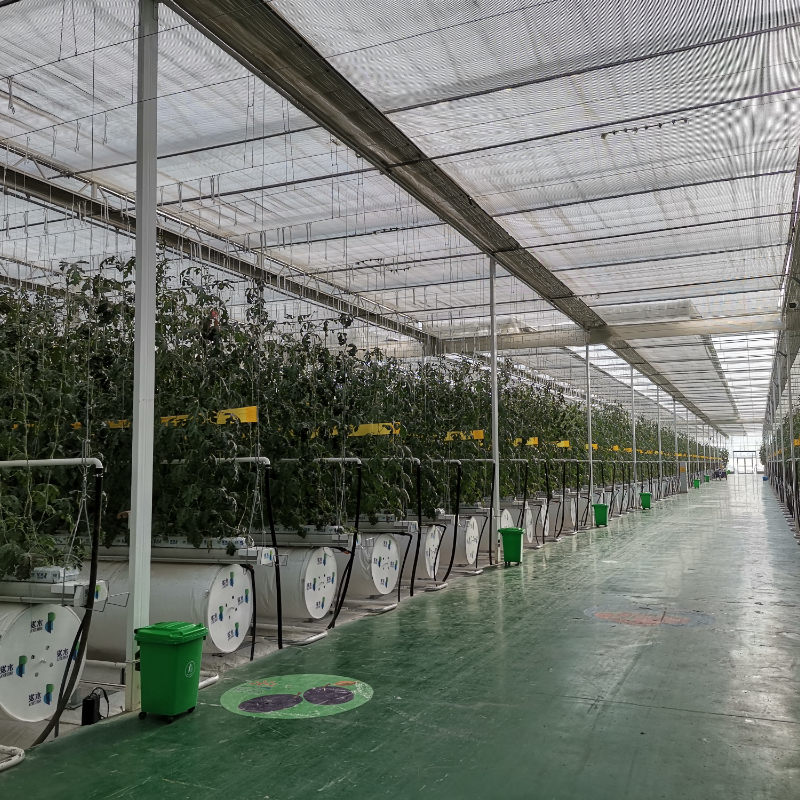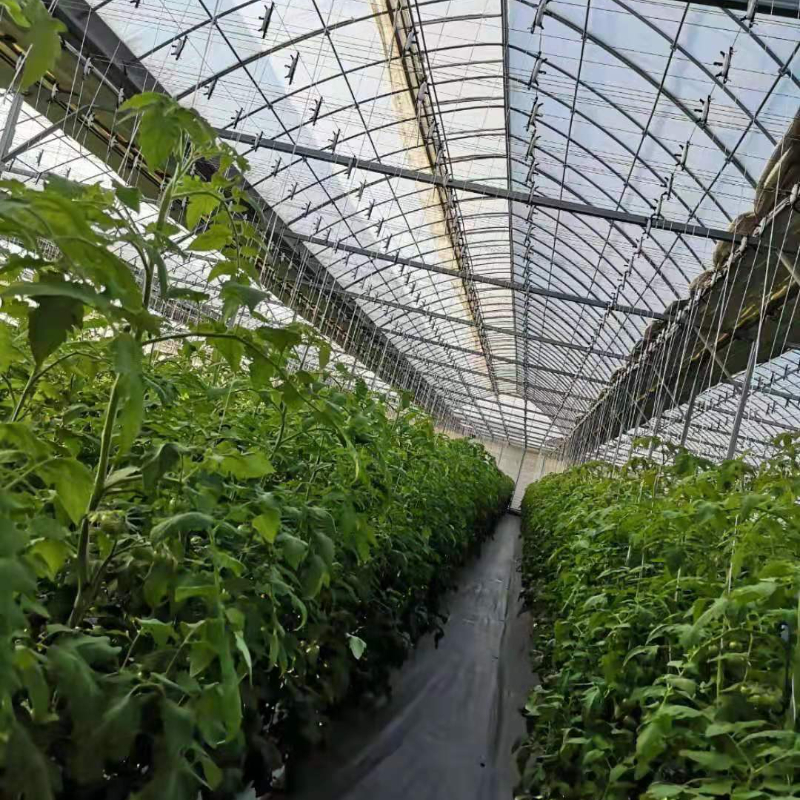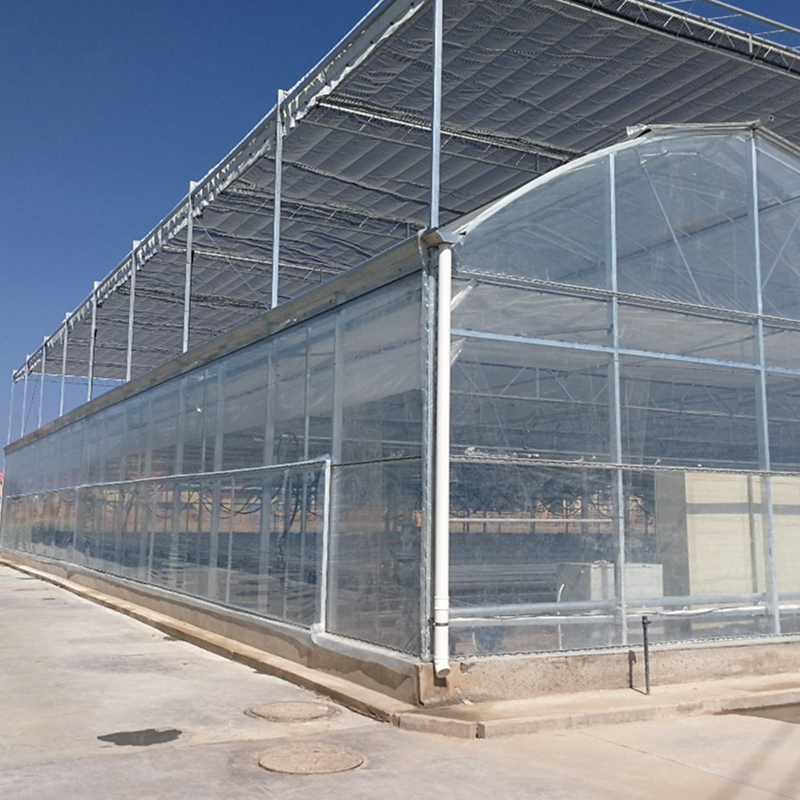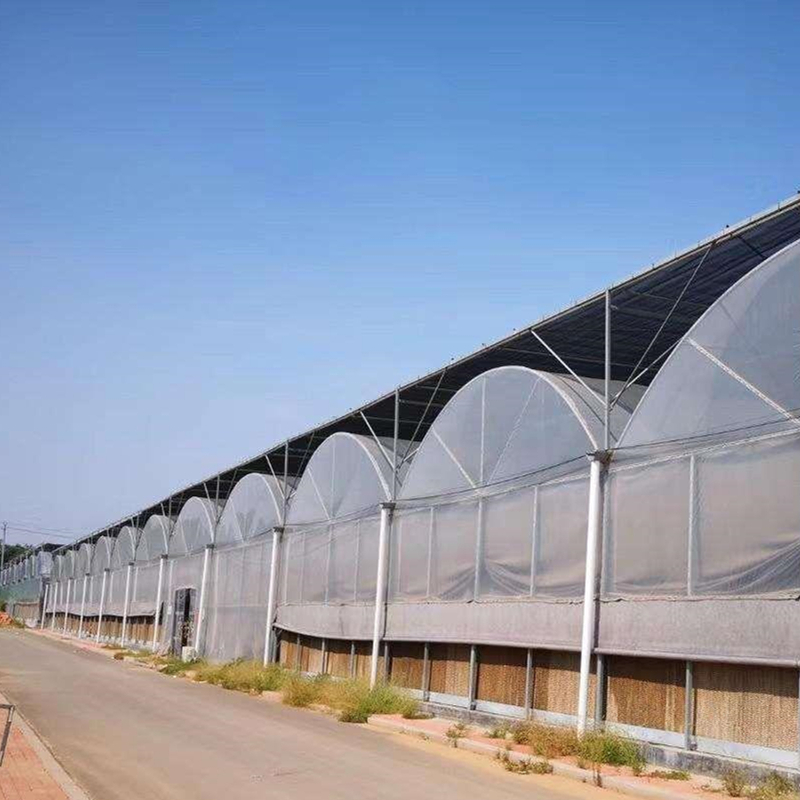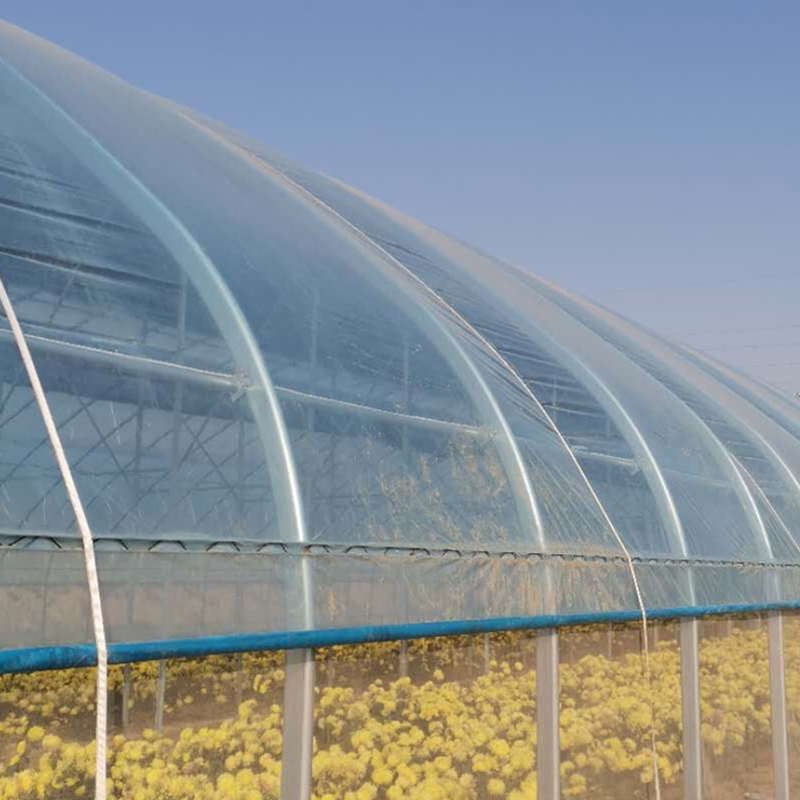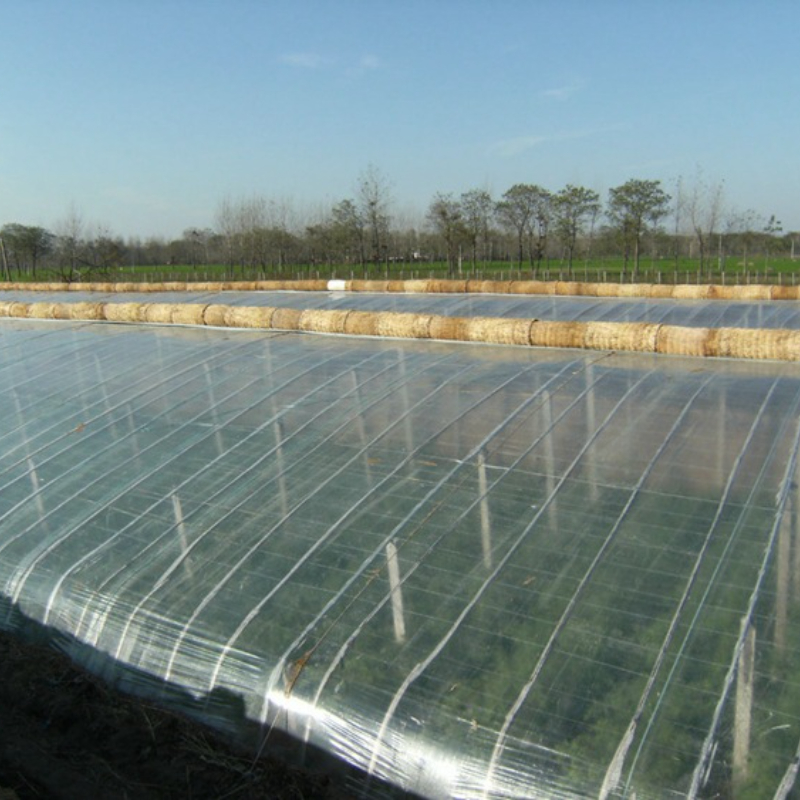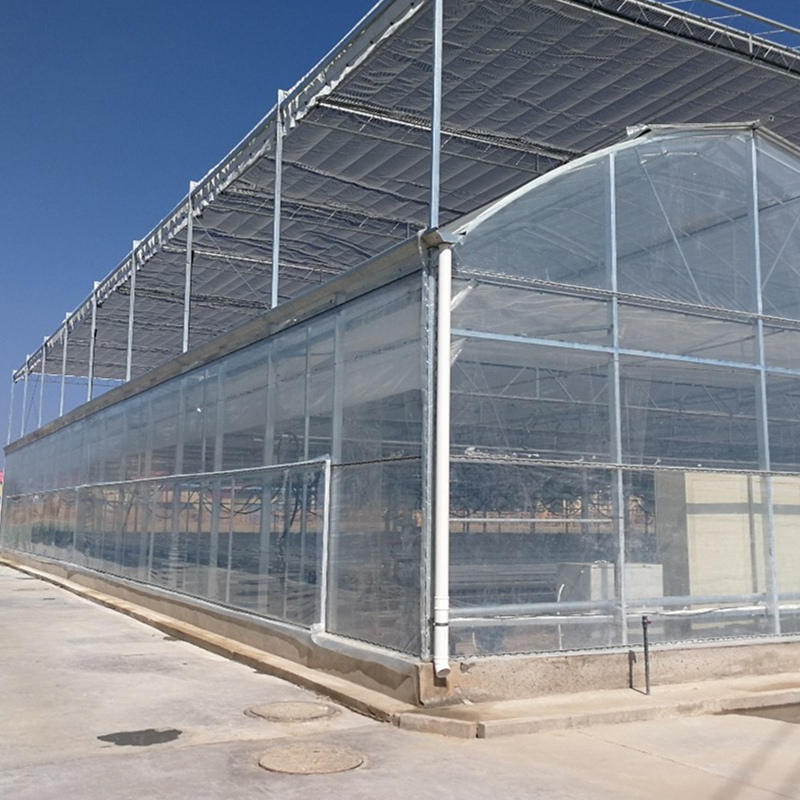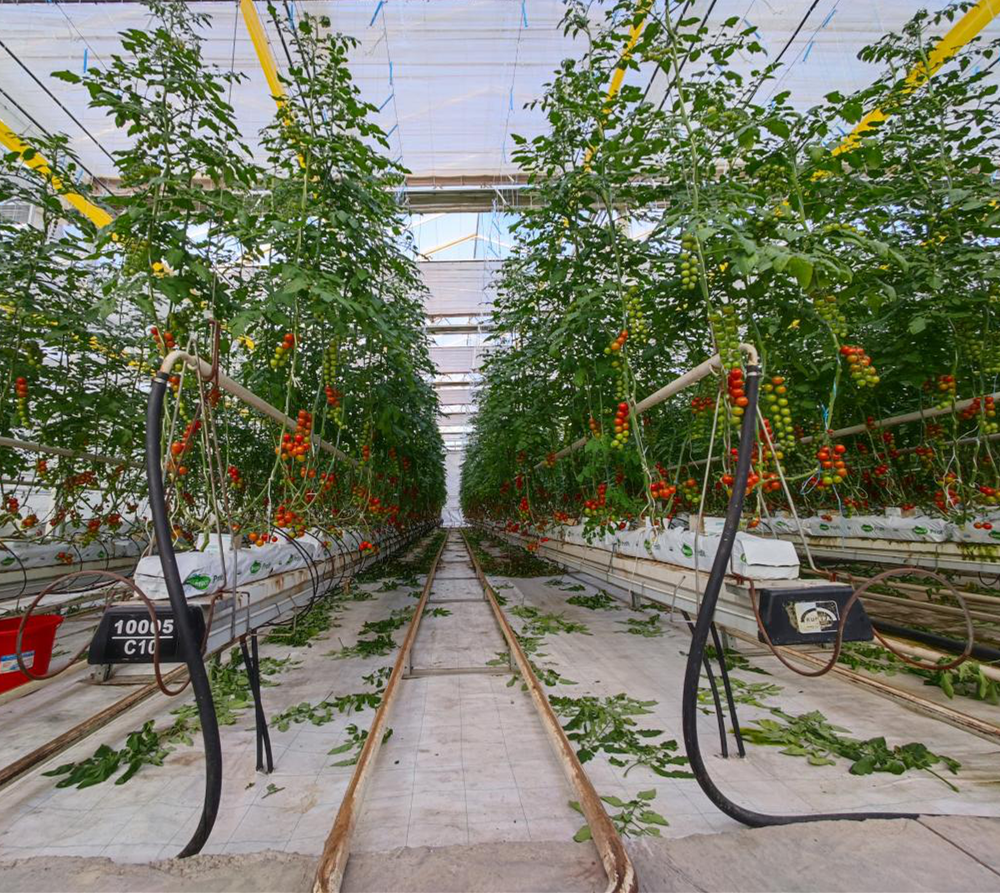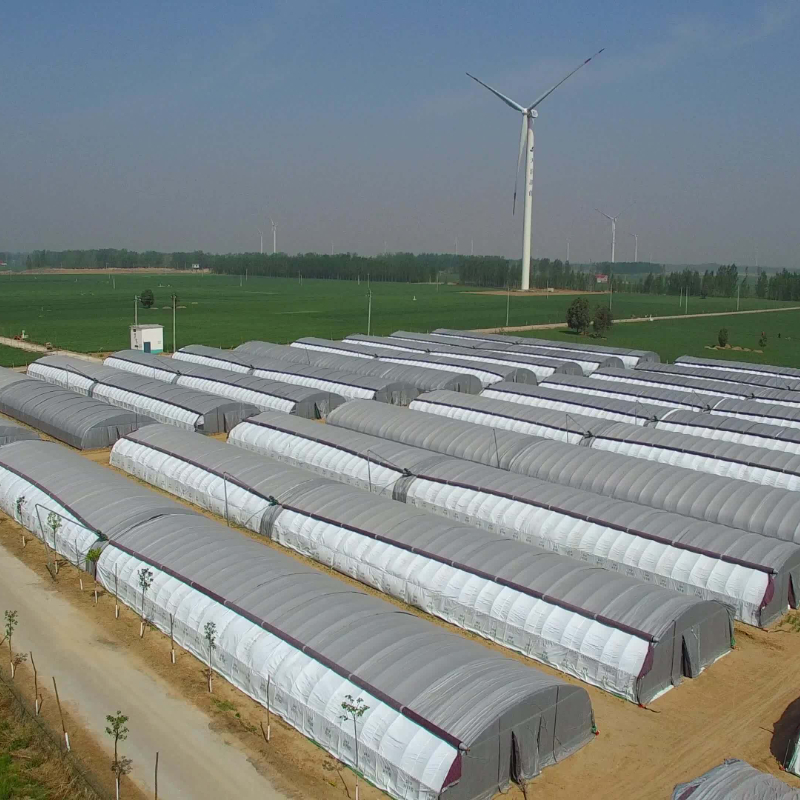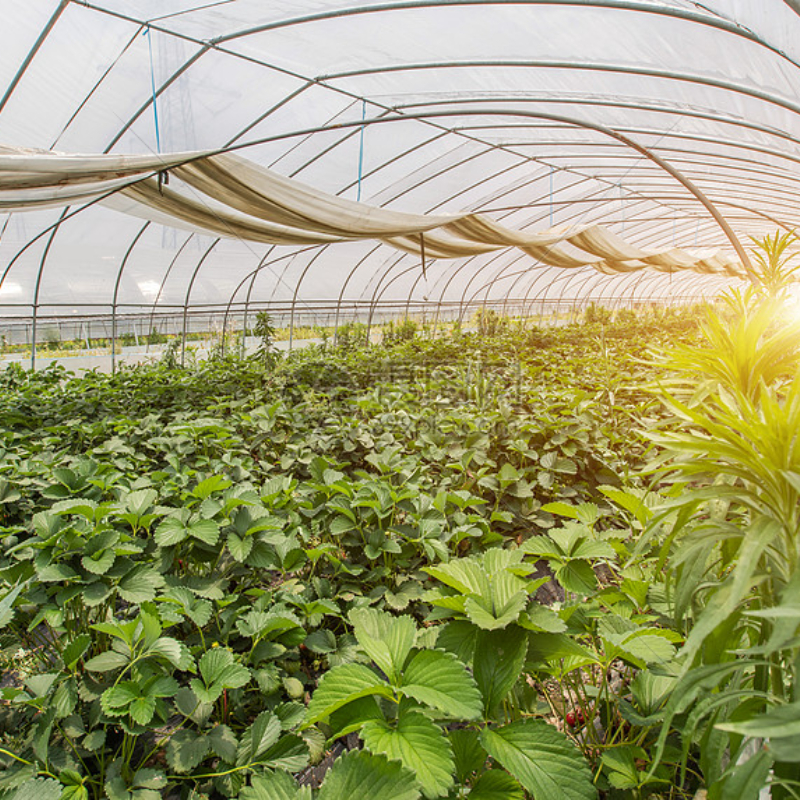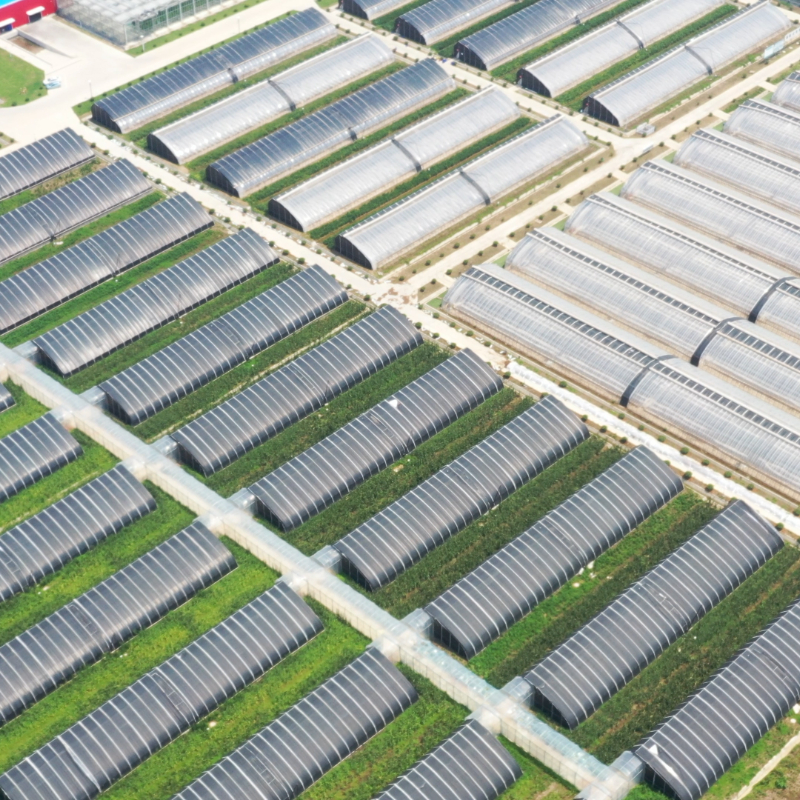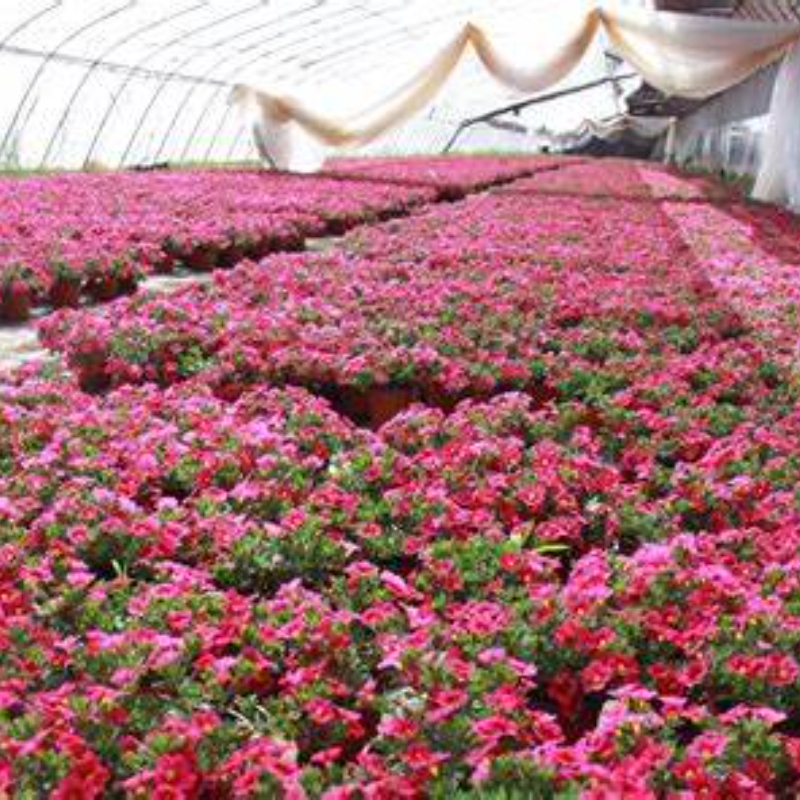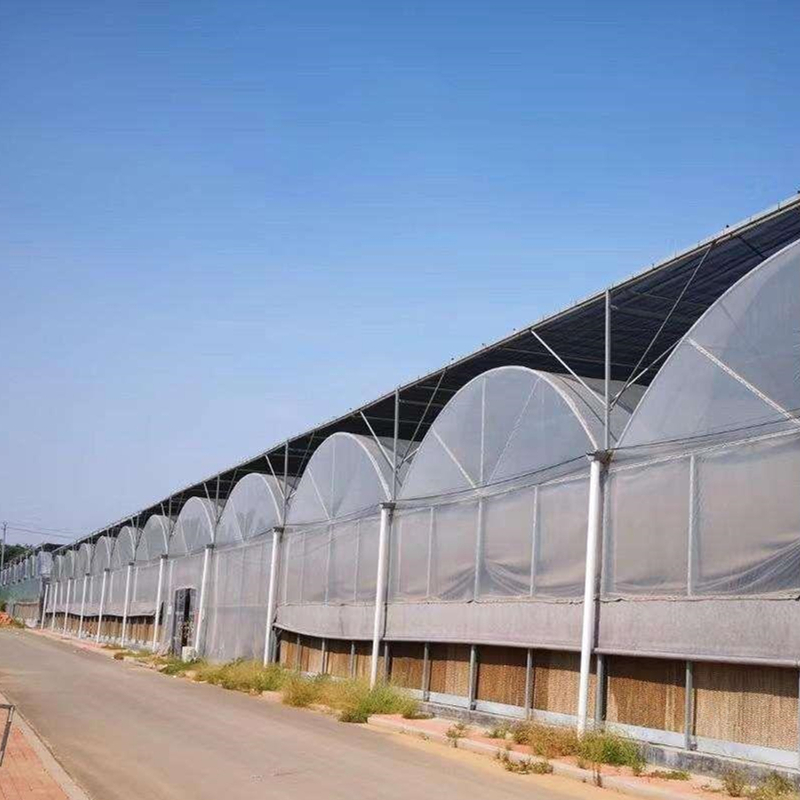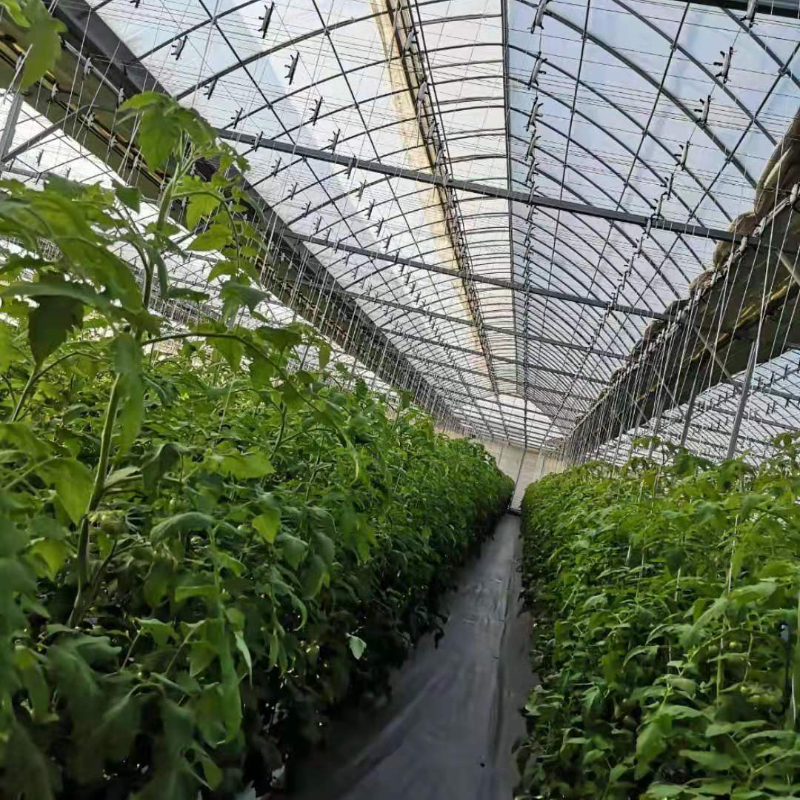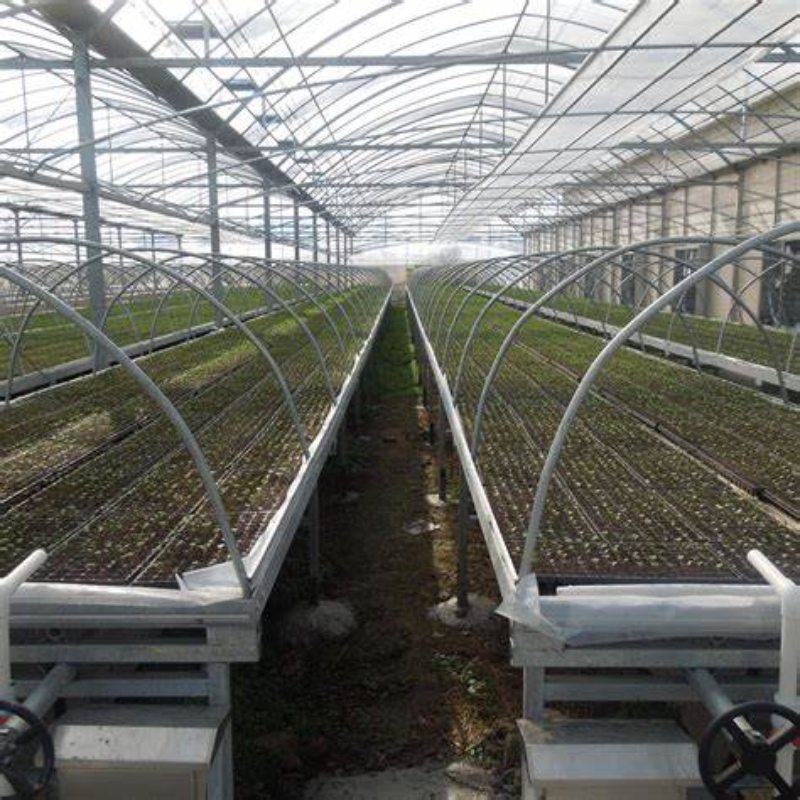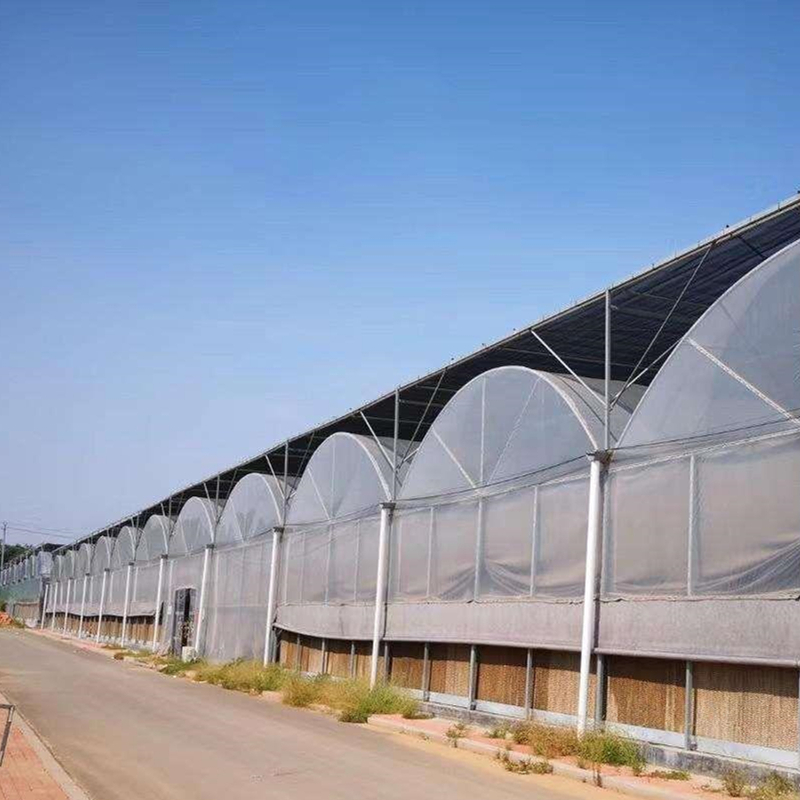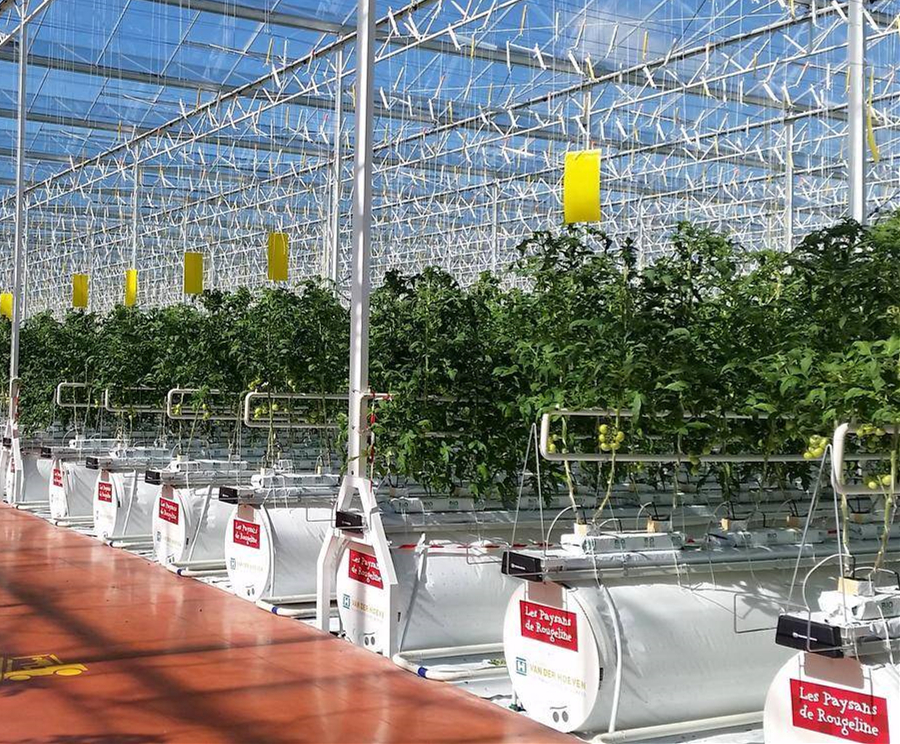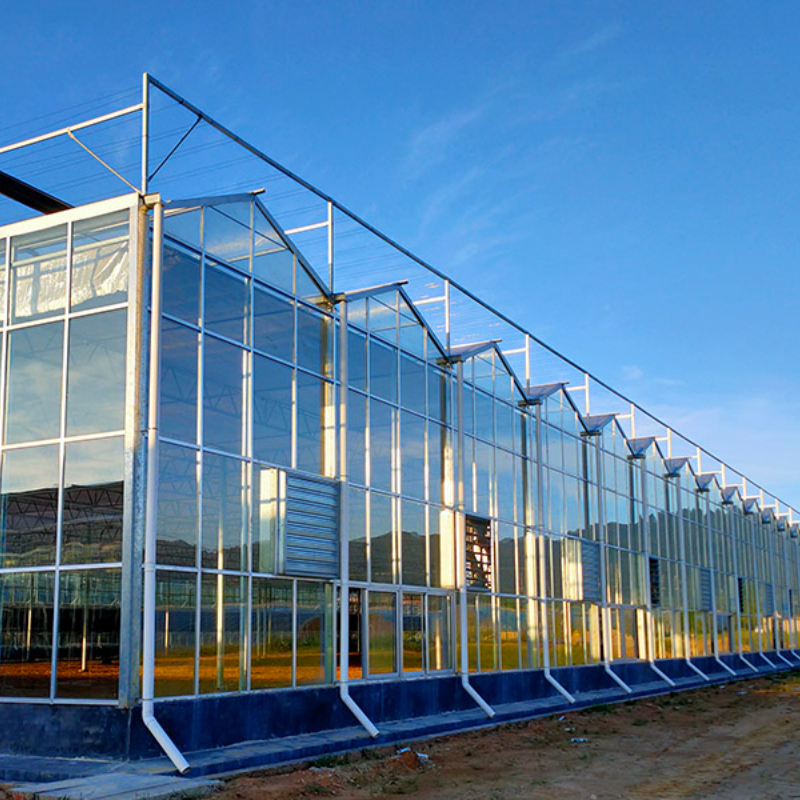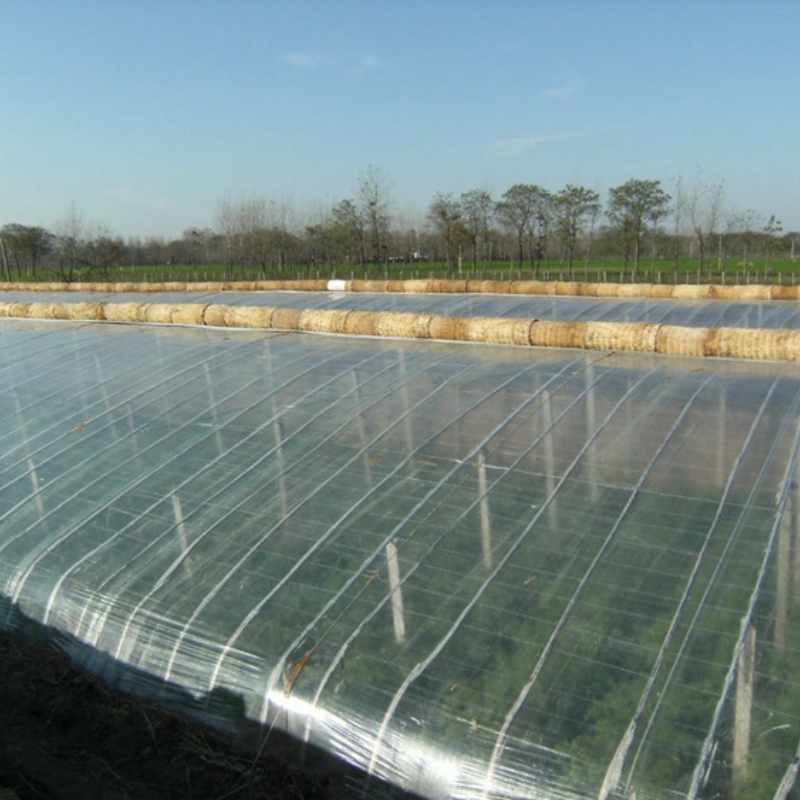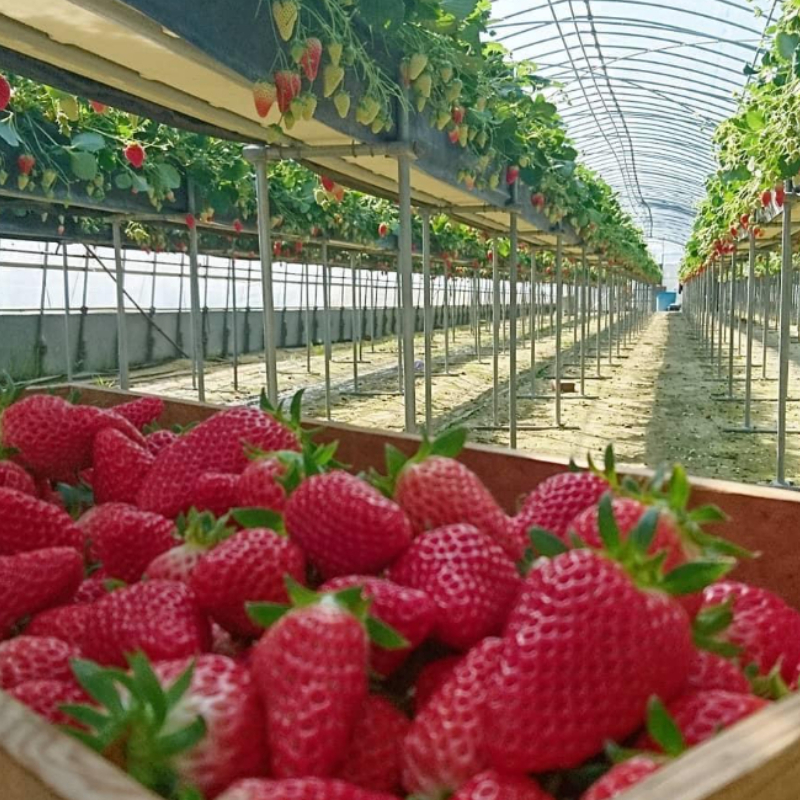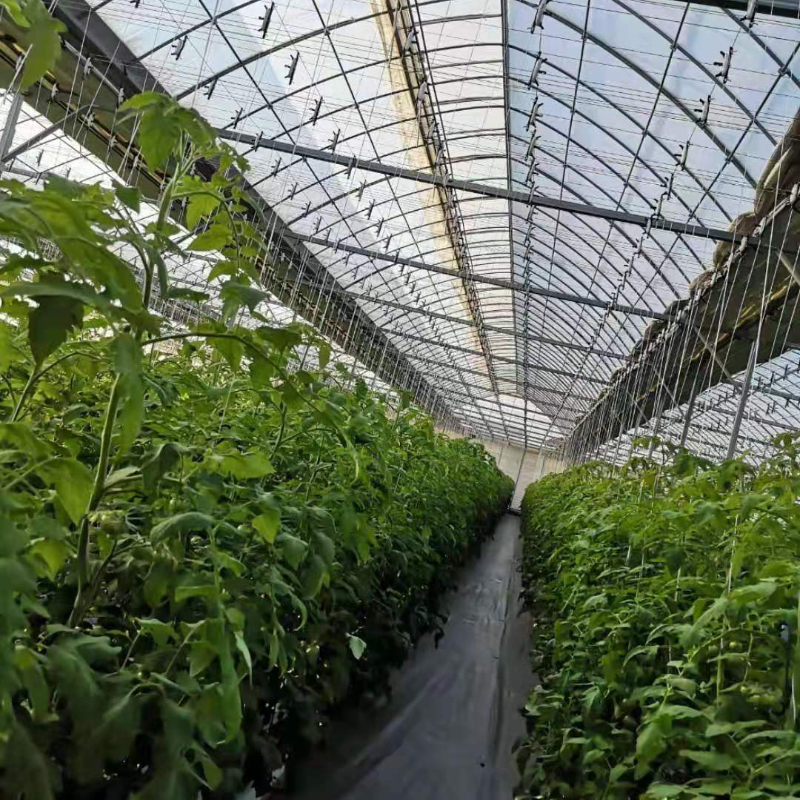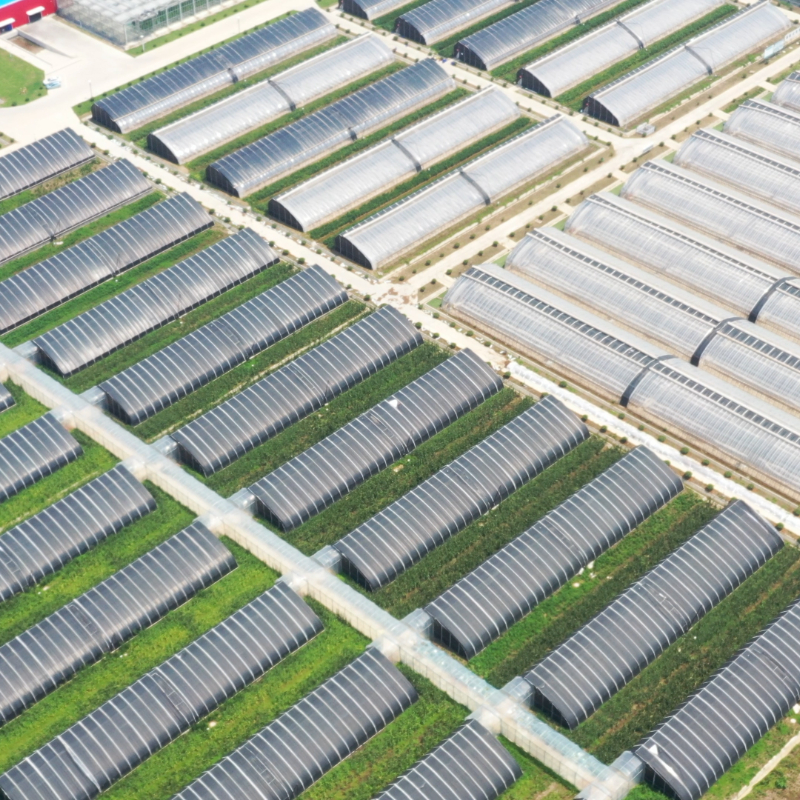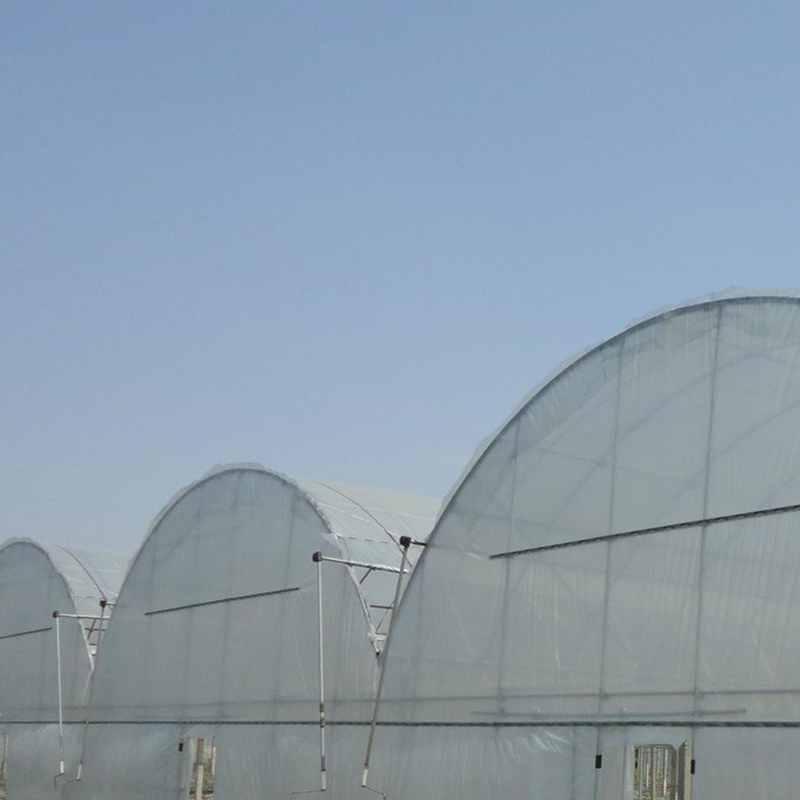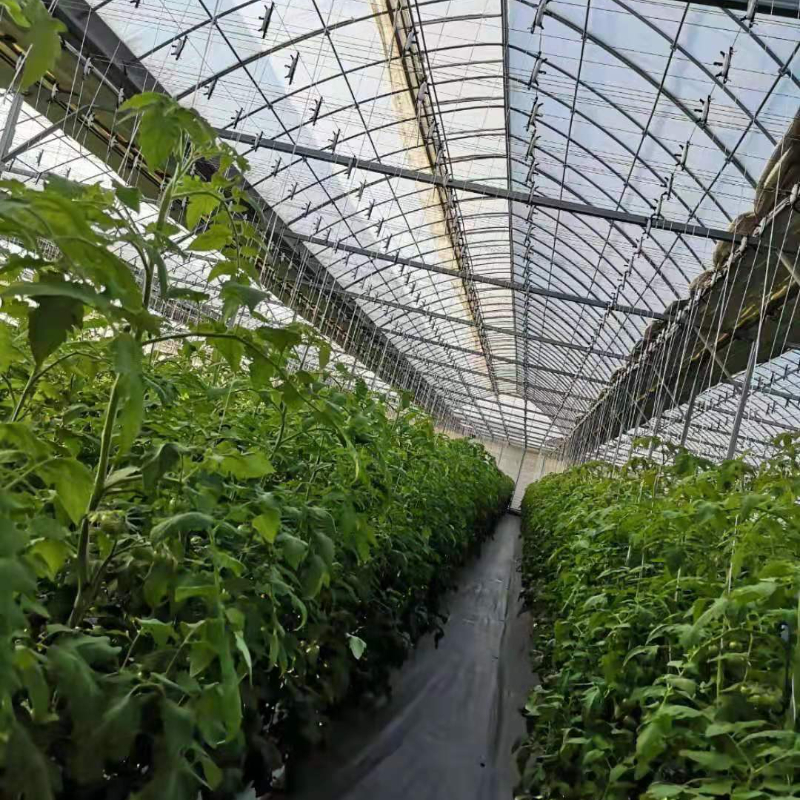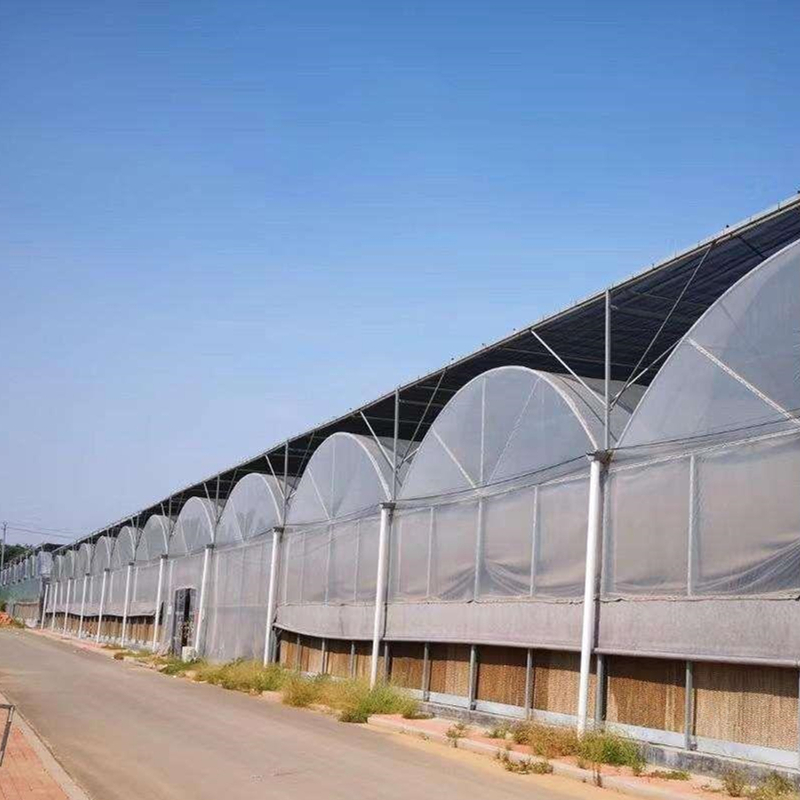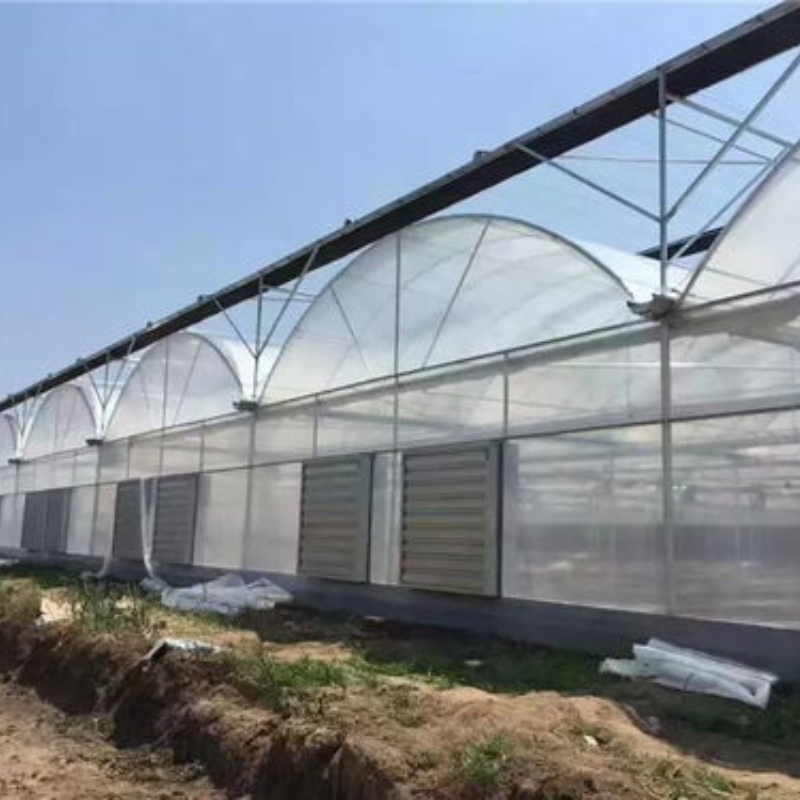
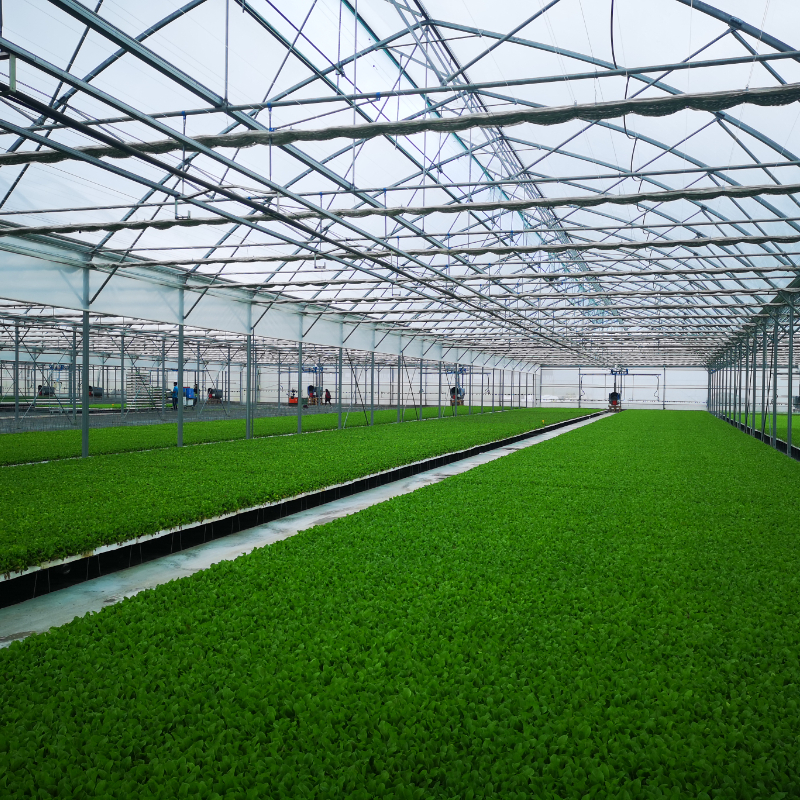
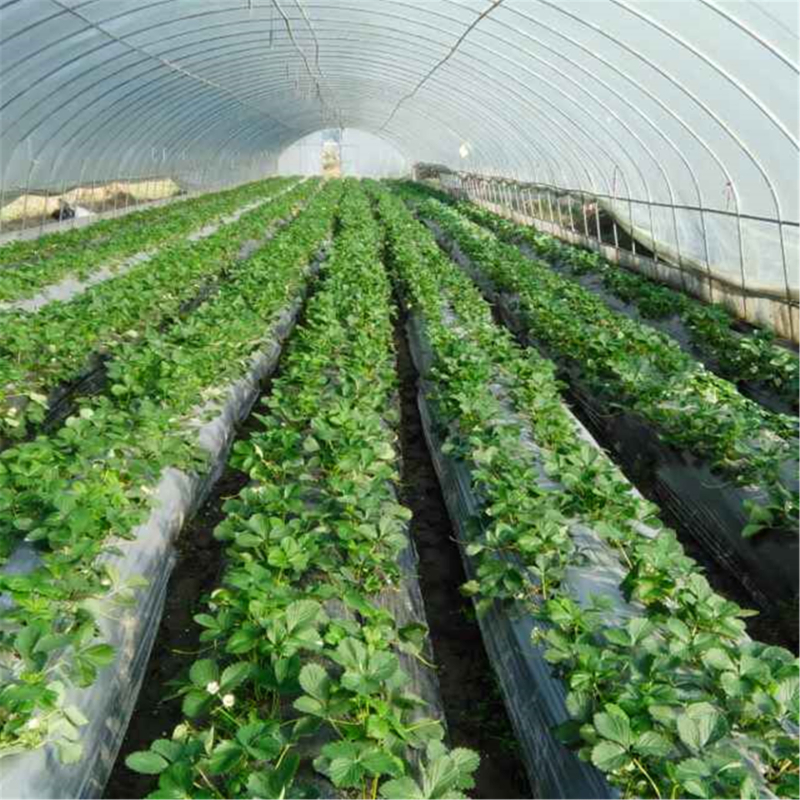
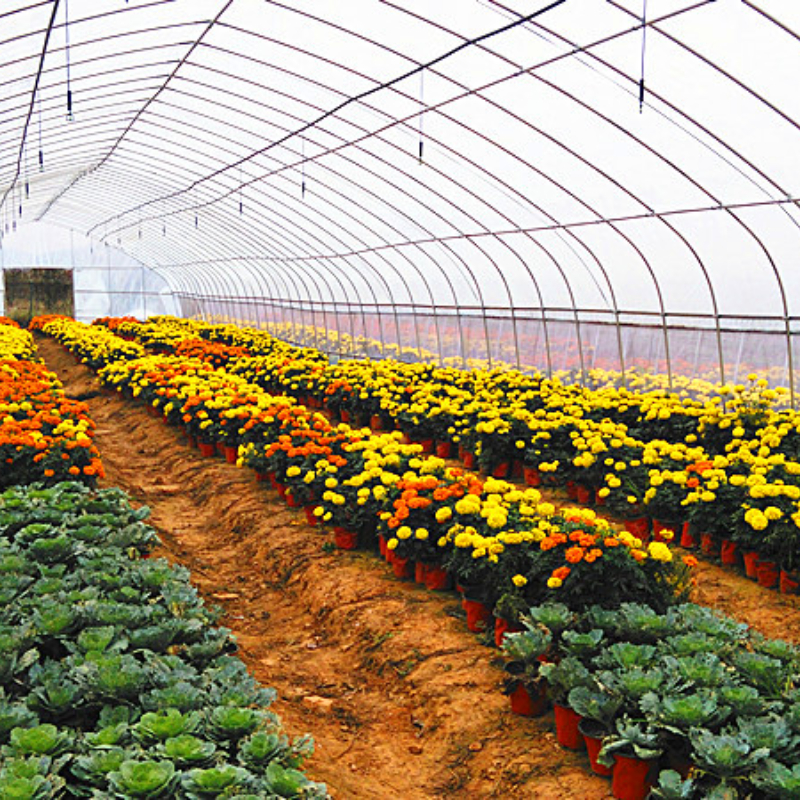
The Automated Film Greenhouse is transforming the landscape of agriculture by integrating advanced technology with traditional greenhouse practices. As farming continues to evolve, the demand for more efficient, sustainable, and productive growing environments has led to the rise of the smart greenhouse concept. This article explores the features, benefits, and operational aspects of the Automated Greenhouse, highlighting its role in enhancing agricultural productivity.
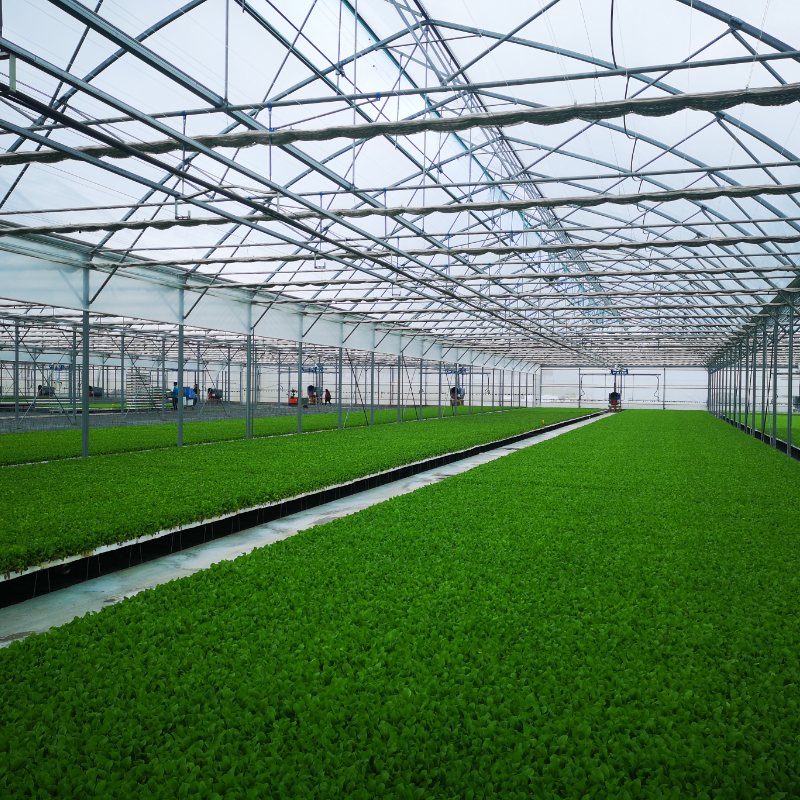
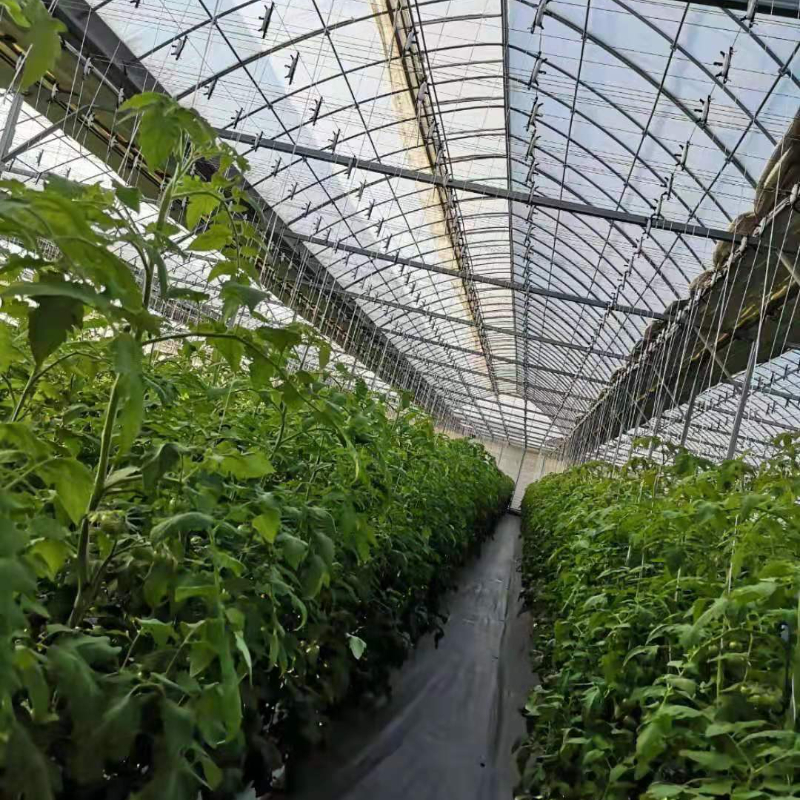
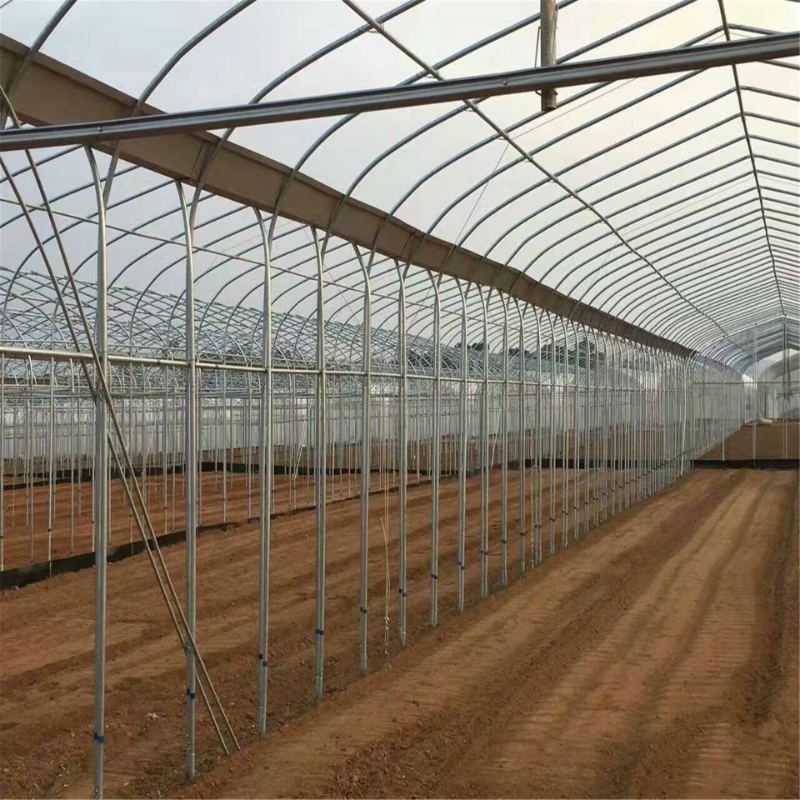
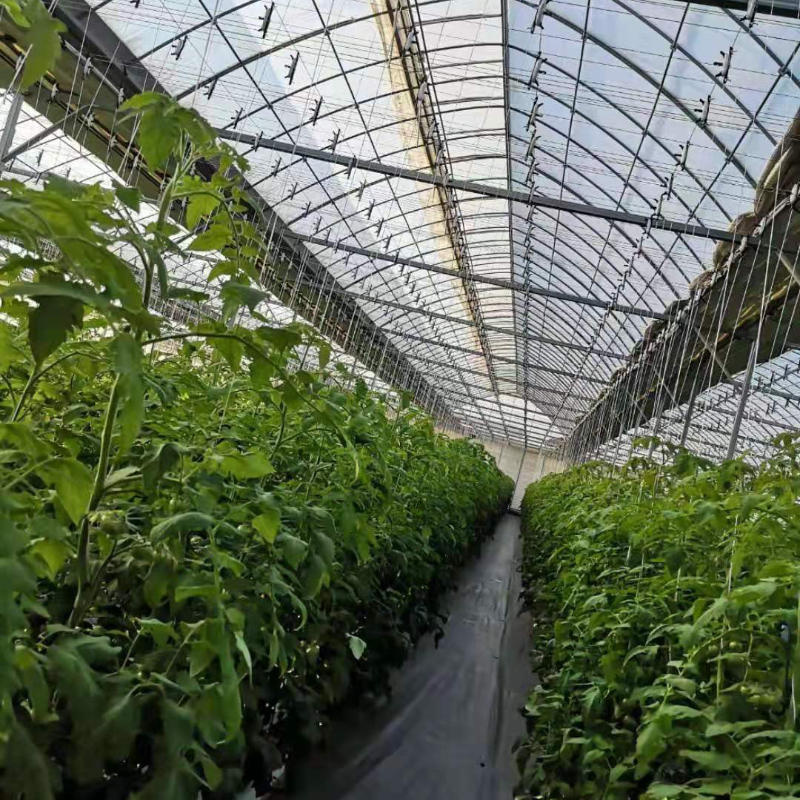
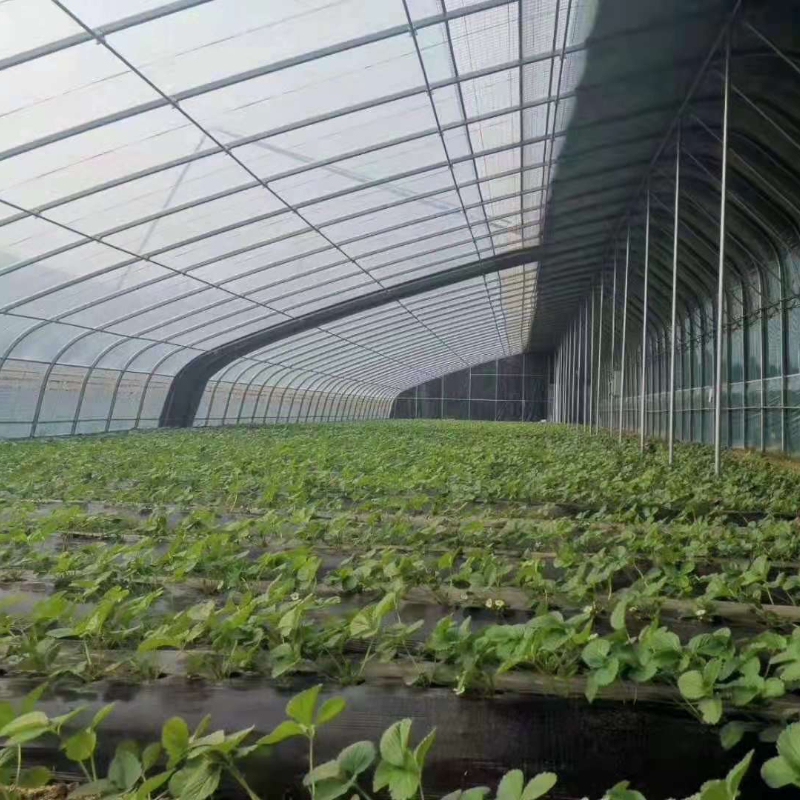
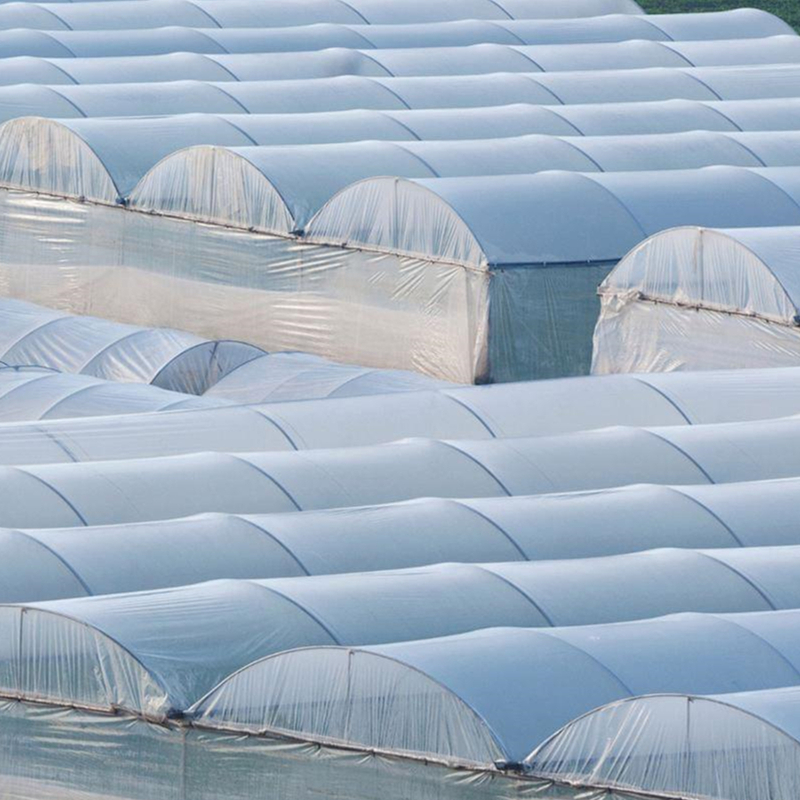
An Automated Film Greenhouse utilizes a framework covered with a layer of plastic film, creating a controlled environment for plant growth. The automation aspect introduces sophisticated systems that manage various environmental factors, including temperature, humidity, and light levels. This integration of technology makes the automated greenhouse a vital tool for modern farmers looking to optimize their operations.
Climate Control Systems: One of the standout features of an automated greenhouse is its ability to maintain ideal growing conditions. Automated sensors monitor temperature and humidity levels, adjusting ventilation and heating as needed. This ensures that plants receive consistent care throughout their growth cycle.
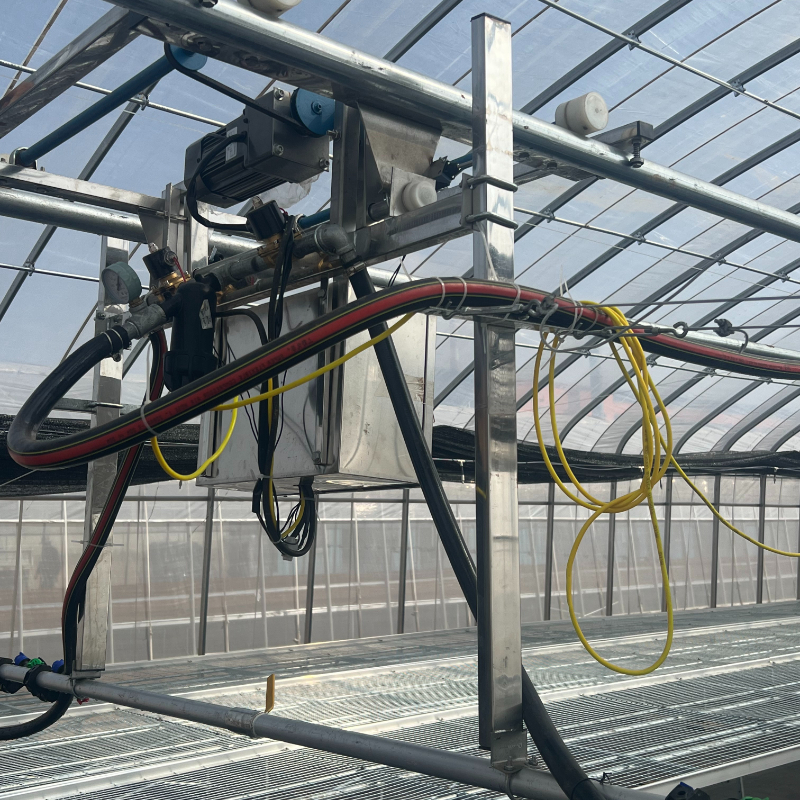
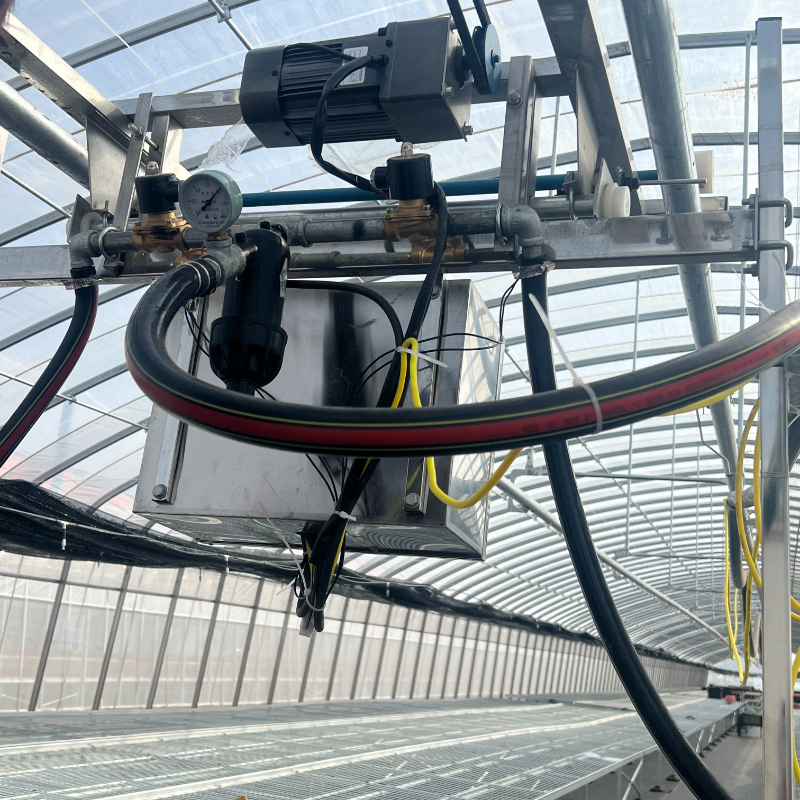
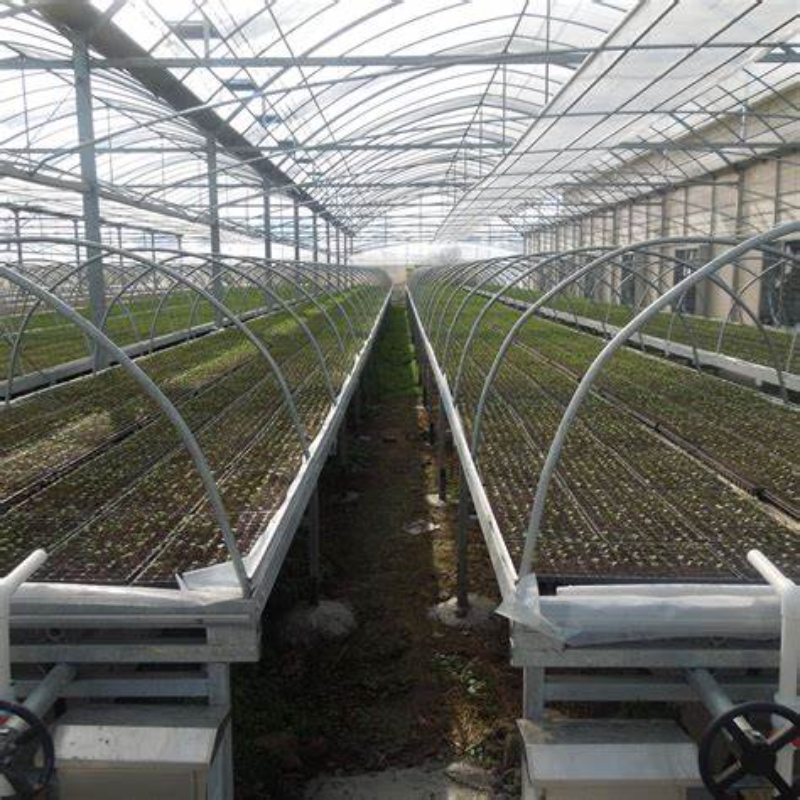
Irrigation Management: The Automated Film Greenhouse often incorporates advanced irrigation systems, such as drip or misting systems. These technologies deliver precise amounts of water directly to the plants, minimizing waste and ensuring optimal moisture levels.
Smart Monitoring Technology: Many smart greenhouses are equipped with IoT devices that provide real-time data on environmental conditions. Growers can access this information remotely, allowing for timely adjustments and informed decision-making.
Energy Efficiency: By optimizing the internal environment, the automated greenhouse reduces the need for additional heating or cooling, leading to significant energy savings. This eco-friendly approach not only lowers operational costs but also minimizes the carbon footprint of agricultural practices.
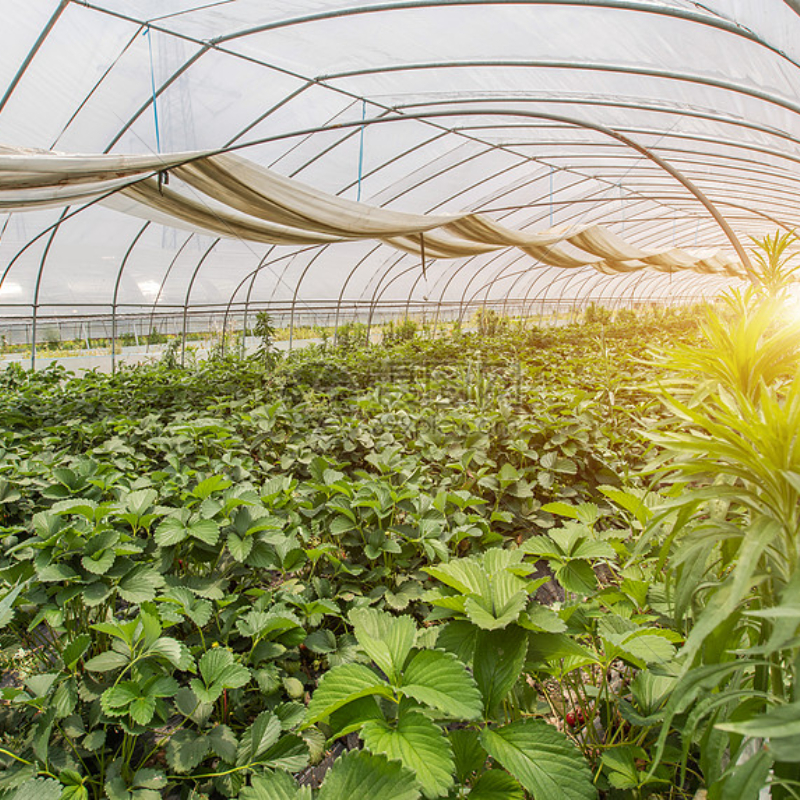
The primary advantage of the Automated Film Greenhouse is its ability to create optimal conditions for plant growth. Consistent temperature and humidity levels lead to healthier plants, which can result in increased yields. When plants thrive in a controlled environment, they are less susceptible to diseases and pests.
Automation significantly reduces the need for manual labor. Tasks such as watering, monitoring, and adjusting environmental conditions can be managed through automated systems. This allows farmers to allocate their workforce more effectively, focusing on critical tasks that require human intervention.
The design of the automated greenhouse allows for scalability. Farmers can start with a smaller structure and expand as their needs grow. Additionally, the technology can be adapted for various crops, making it a versatile option for diverse agricultural practices.
By using resources more efficiently, the smart greenhouse contributes to sustainable farming practices. Reduced water usage, lower energy consumption, and minimized chemical inputs all lead to a more environmentally friendly approach to agriculture.
Choosing the right location is crucial for the success of an Automated Film Greenhouse. The site should have good sunlight exposure, proper drainage, and protection from strong winds to maximize its effectiveness.
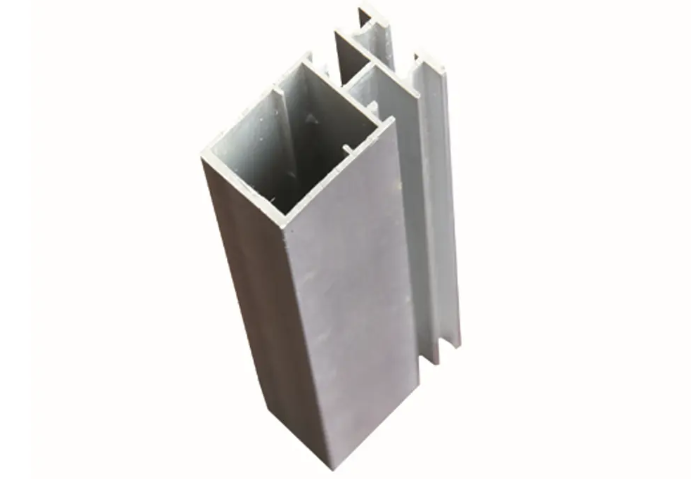
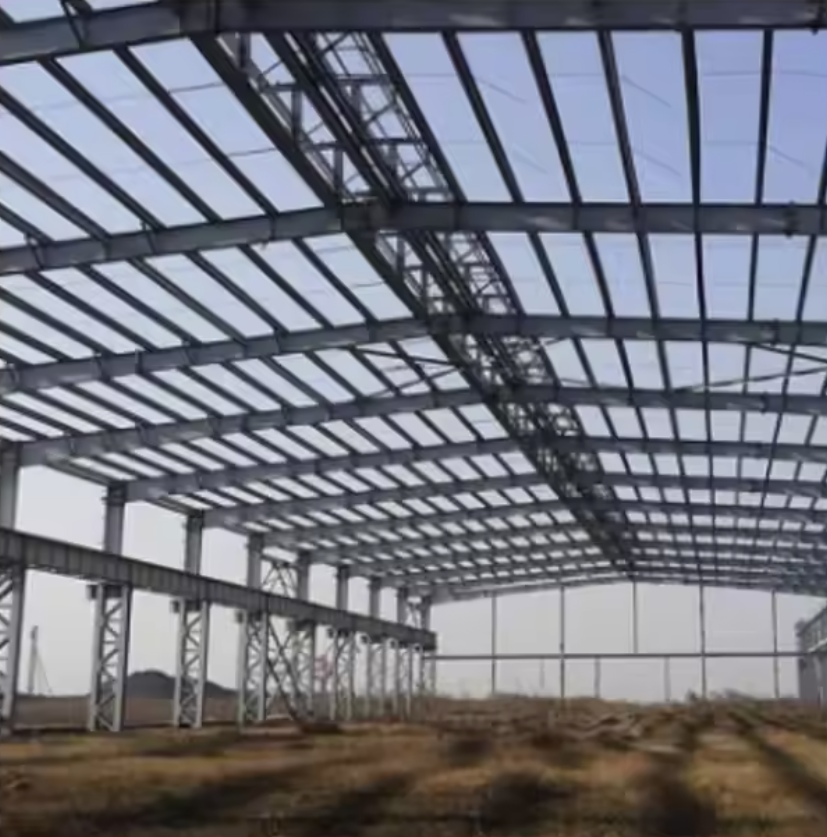
Constructing an automated greenhouse involves selecting durable materials for the frame and covering. Common materials include galvanized steel or aluminum for the frame and UV-resistant polyethylene film for the covering.
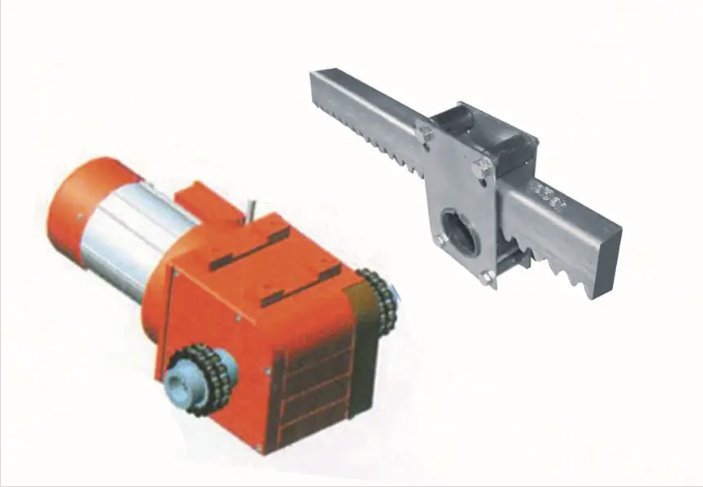
Incorporating automation requires careful planning and installation of various systems, including climate control, irrigation, and monitoring technologies. Ensuring these systems work in harmony is essential for optimal performance.
Before planting, it is vital to test and calibrate all automated systems. This ensures that the Automated Film Greenhouse operates efficiently and provides the best possible environment for crops.
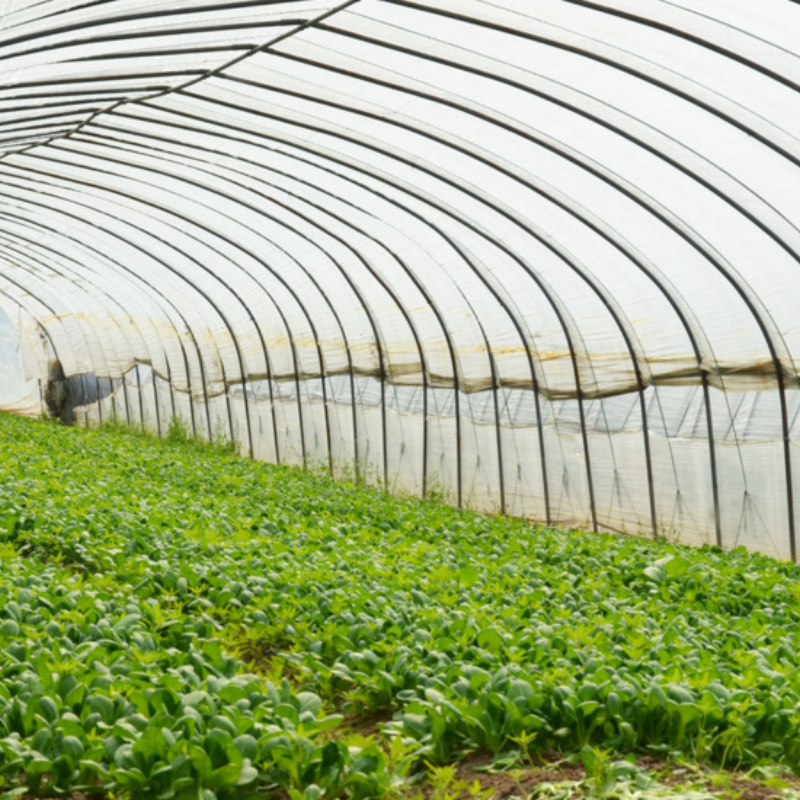
The Automated Film Greenhouse represents a significant advancement in agricultural technology. By combining traditional greenhouse methods with modern automation, it offers a controlled environment that enhances productivity and sustainability. As the agricultural sector continues to face challenges such as climate change and resource scarcity, the smart greenhouse emerges as a critical solution for efficient farming.
Investing in an automated greenhouse not only improves crop yields but also fosters more sustainable agricultural practices. With its ability to create optimal growing conditions, the Automated Film Greenhouse is poised to play a pivotal role in the future of farming, ensuring food security and environmental stewardship for generations to come.
Q1:Are We a trading company or a manufacturer?
A: We are a factory. Our factory can produce all items which are related to the greenhouse, so we provide the best price.
Q2: Do we provide samples? Is it free or extra?
A: Yes, we can provide samples free of charge, but we don't bear the freight.
Q3: How to get a quotation for the greenhouse?
A: Please let us know how many greenhouses you need? What will be grown in the greenhouse? So that we can suggest you the related greenhouses.
Q4: How should you choose a greenhouse system?
A: Please let us know where you will build the greenhouse, we also need the know your local temperature and wind speed.
Q5: How to assemble the greenhouse after you purchase our greenhouses ?
A:We have professional after-sales service engineers who will provide planning drawings and installation manuals. You can communicate with him from time to time. If necessary, we can also send engineers to your country to supervise the installation of the greenhouse. Please send message for specific details.
If you have drawings, welcome to share drawings with us, quoation will be done based your drawings.Our excellent design team will
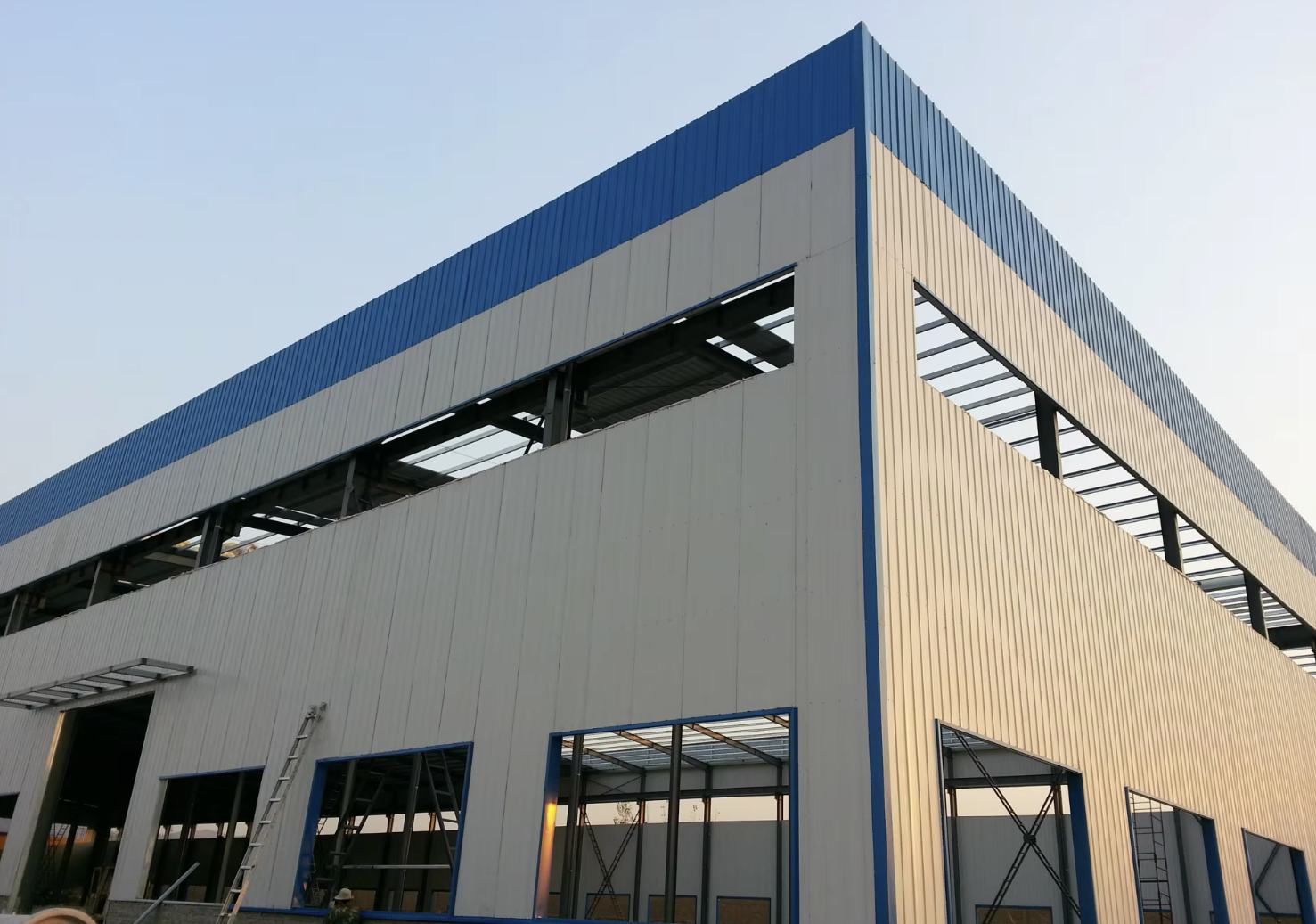
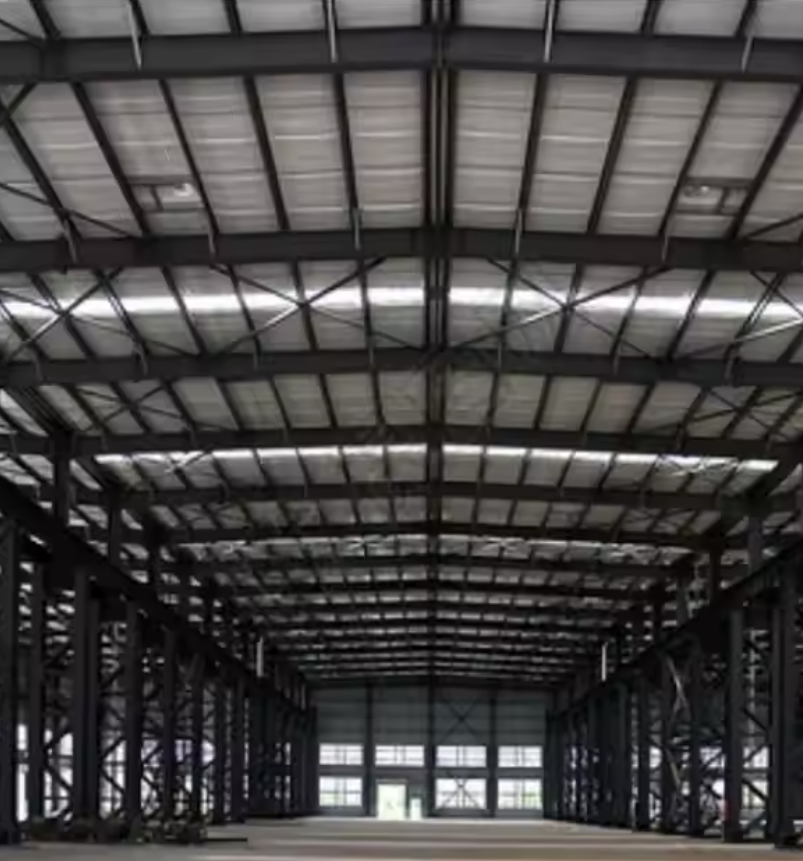
design the steel structure workshop warehouse for you. If you give the following information, we will give you an satisfactory
drawing.
1 Location (where will be built? ) which country? which city?
2 Size: Length*width* Eave height _____mm*_____mm*_____mm
3 wind load (max. Wind speed) _____kn/m2, _____km/h, _____m/s
4 snow load (max. Snow height) _____kn/m2, _____mm, temperature range?
5 anti-earthquake _____level
6 brickwall needed or not If yes, 1.2m high or 1.5m high? or other?
7 thermal insulation If yes, EPS, fiberglass wool, rockwool, PU sandwich panels will be suggested;
If not, the metal steel sheets will be ok. The cost of the latter will be much lower than that of the former.
8 door quantity & size _____units, _____(width)mm*_____(height)mm
9 window quanity & size _____units, _____(width)mm*_____(height)mm
10 crane needed or not If yes, _____units, max. Lifting weight____tons; Max. Lifting height _____m