
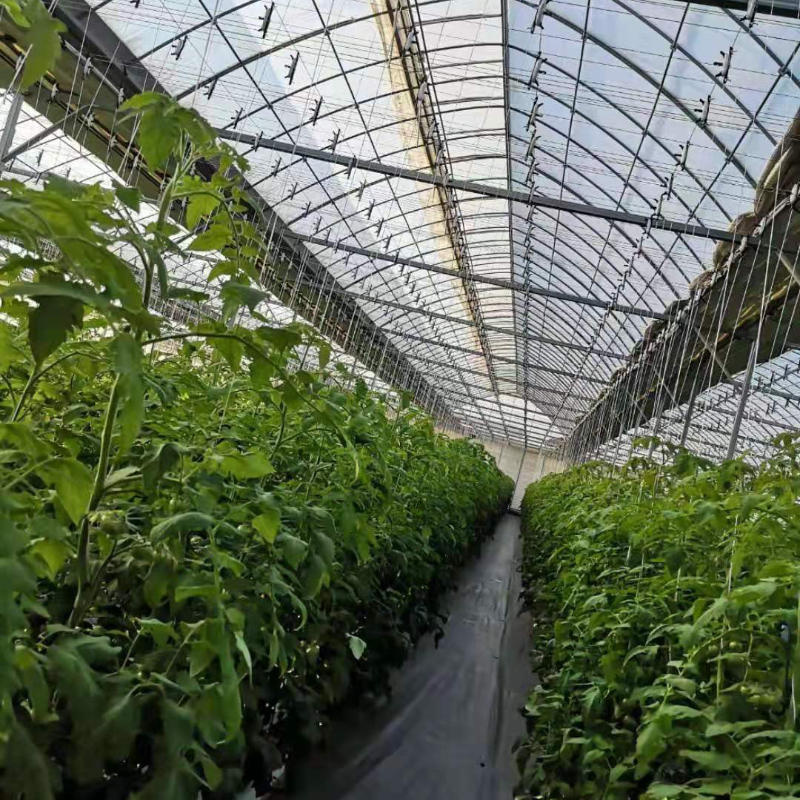
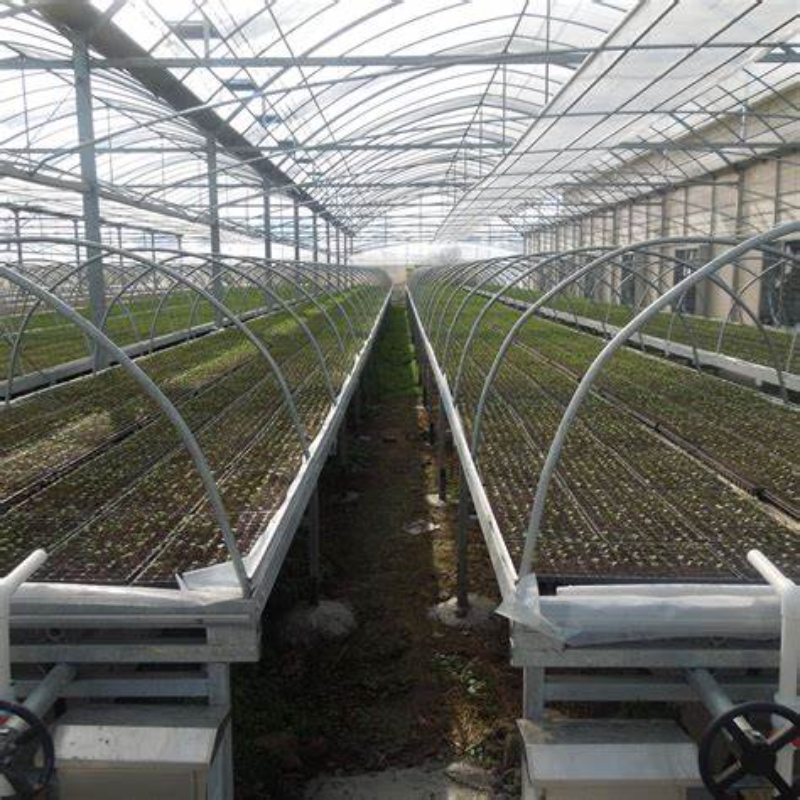
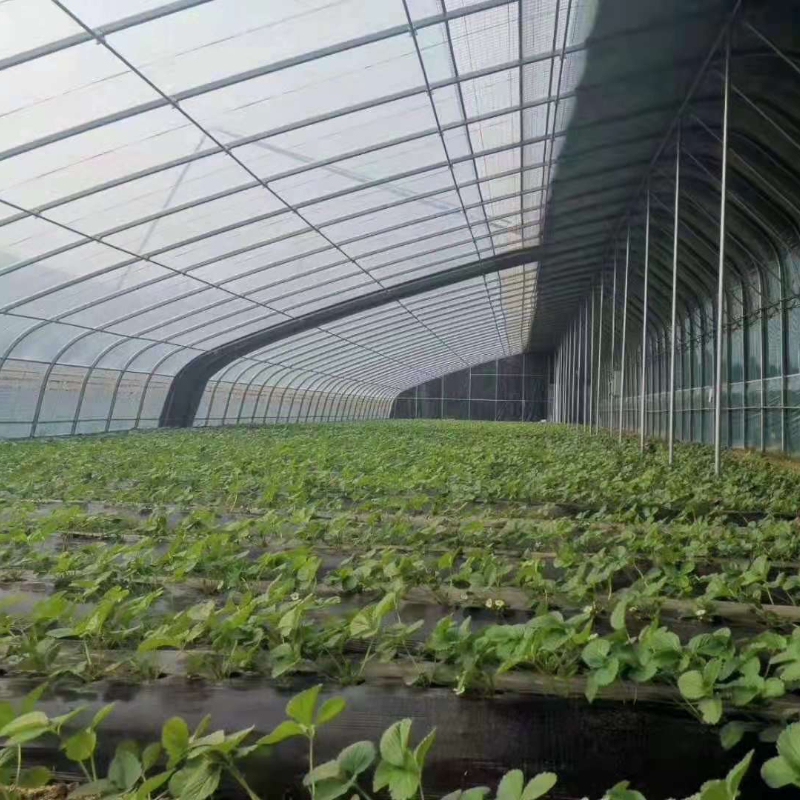
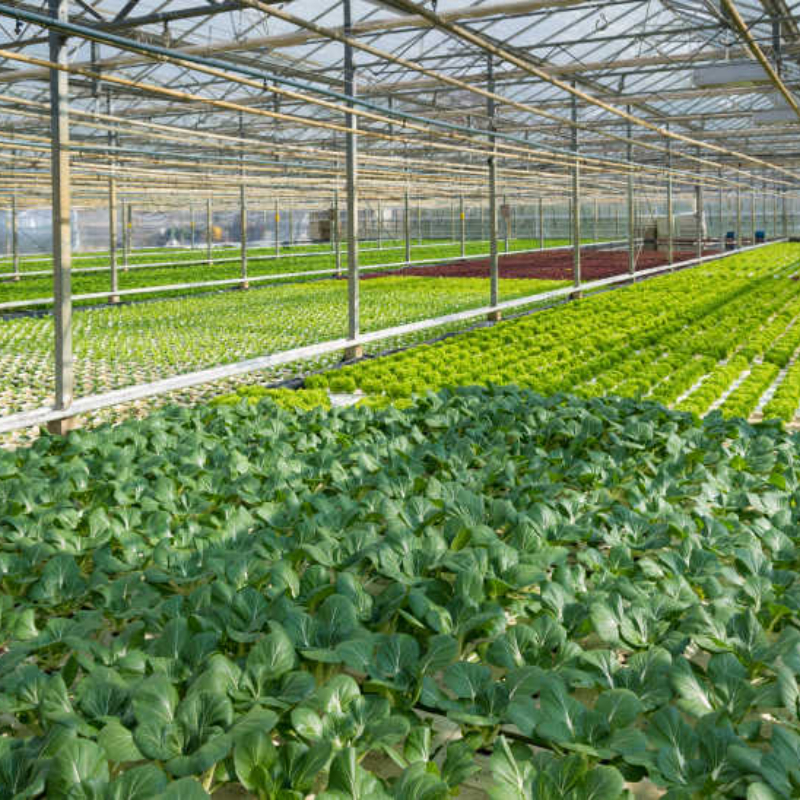
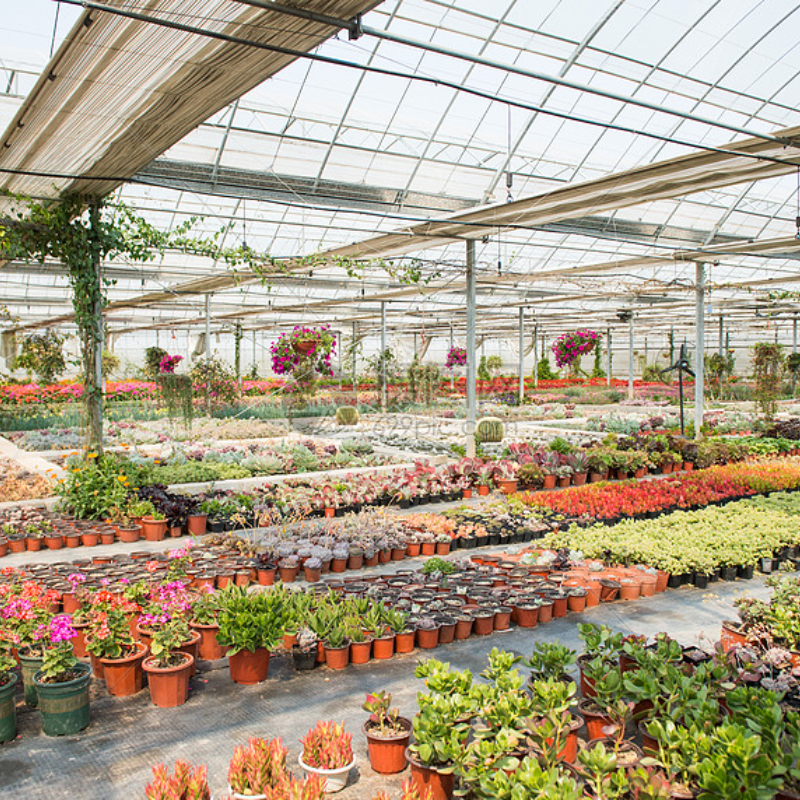
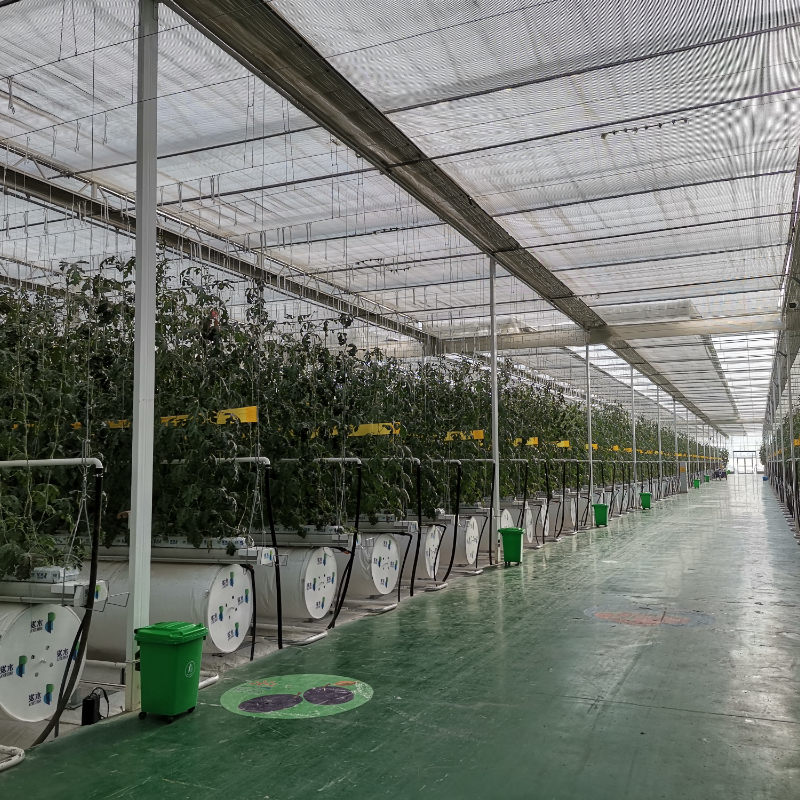
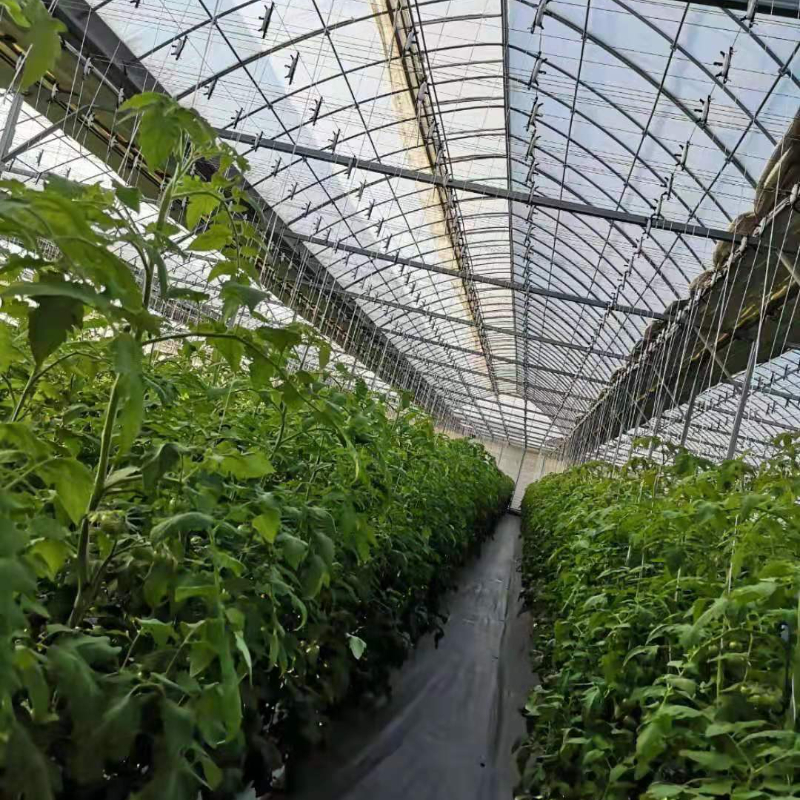
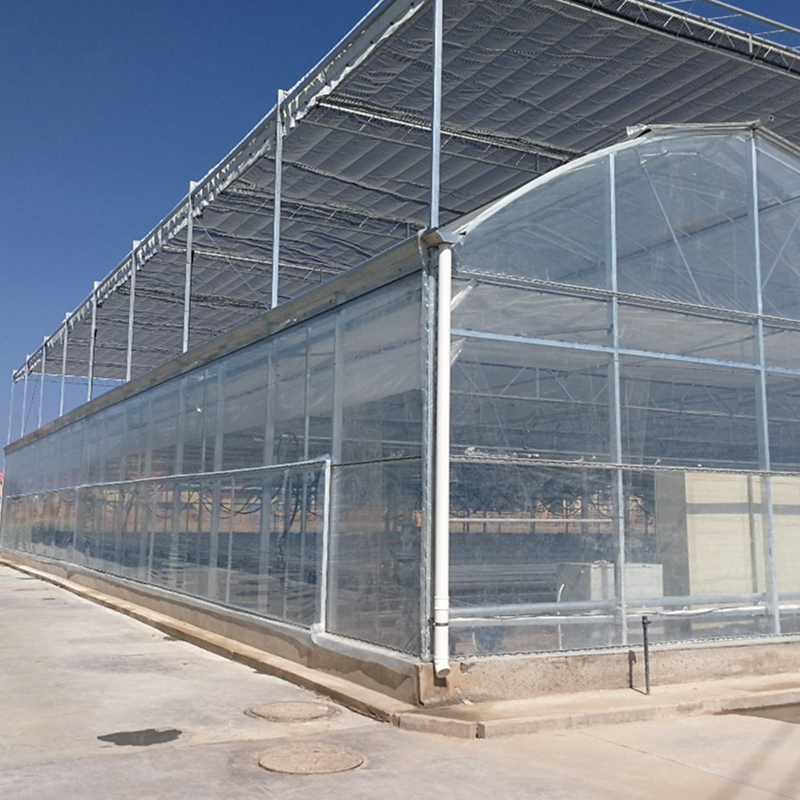
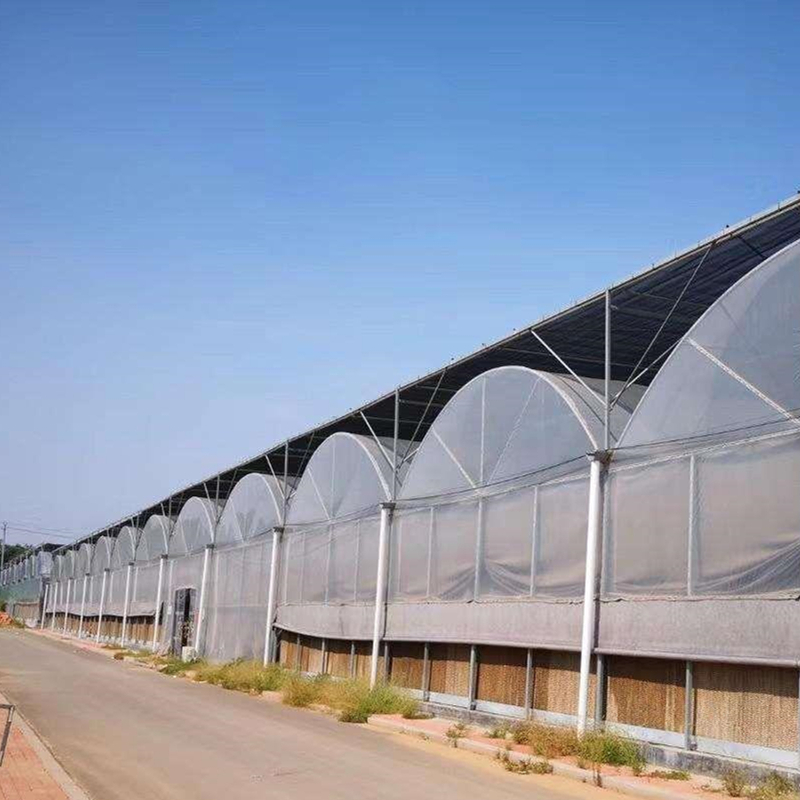
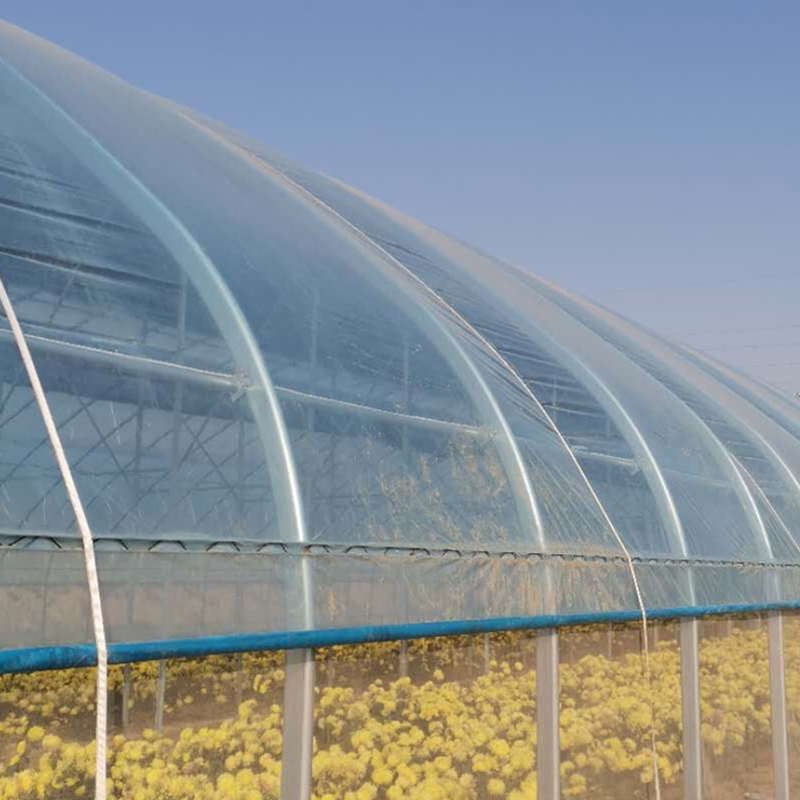
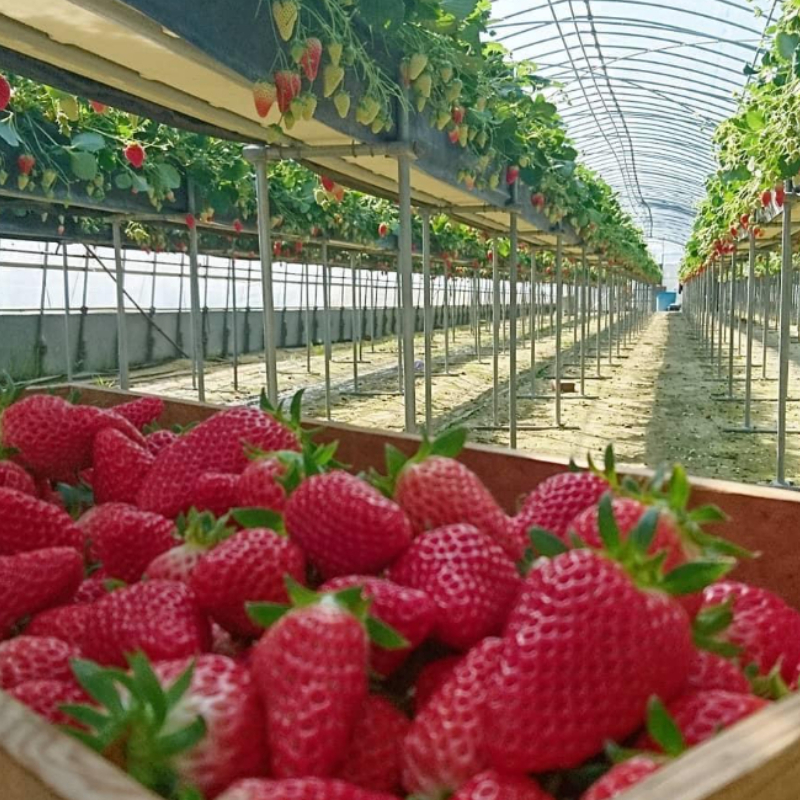
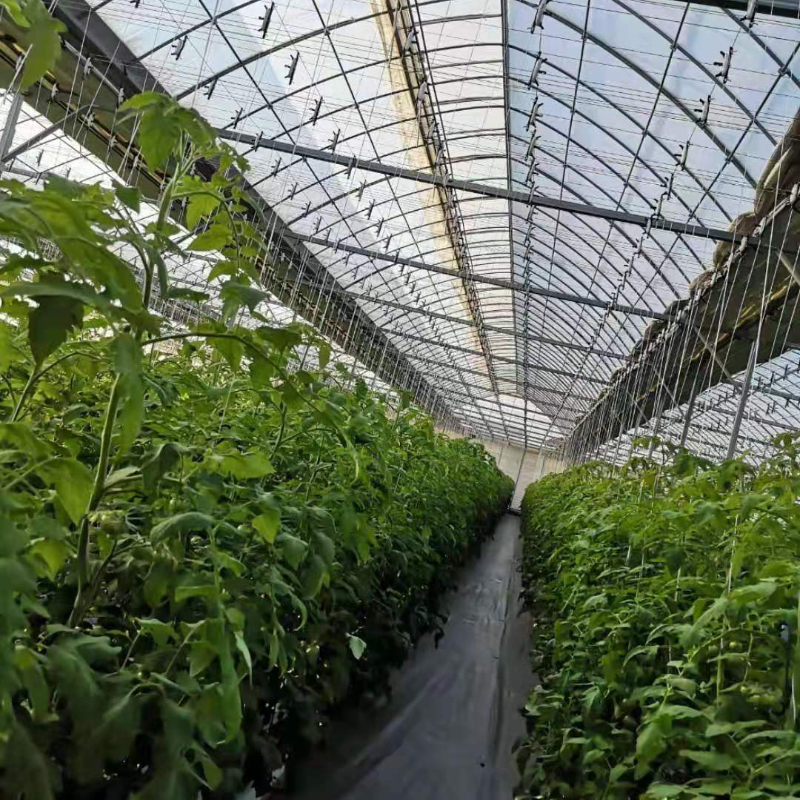
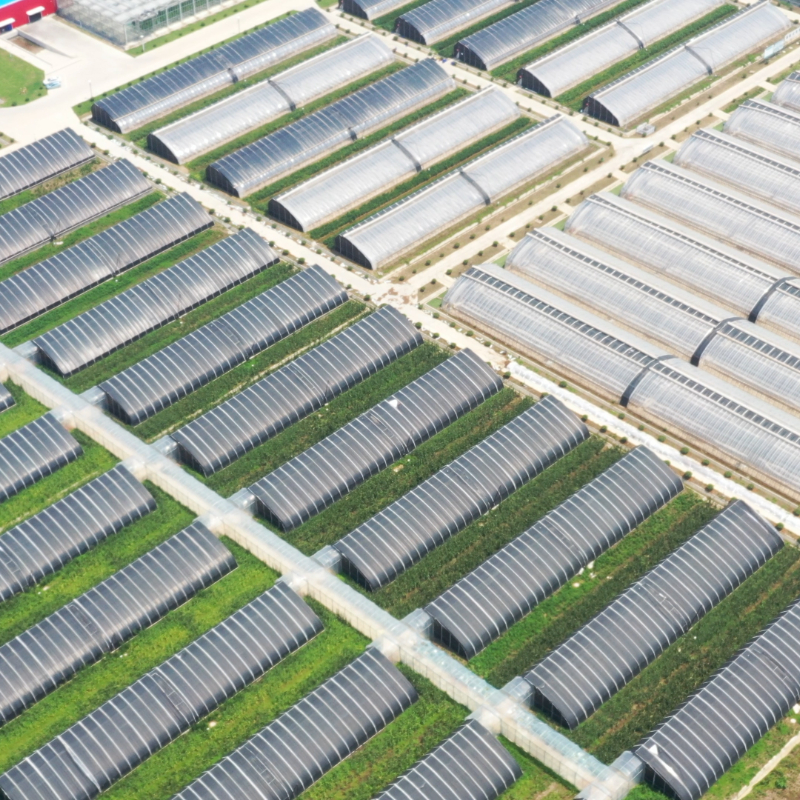
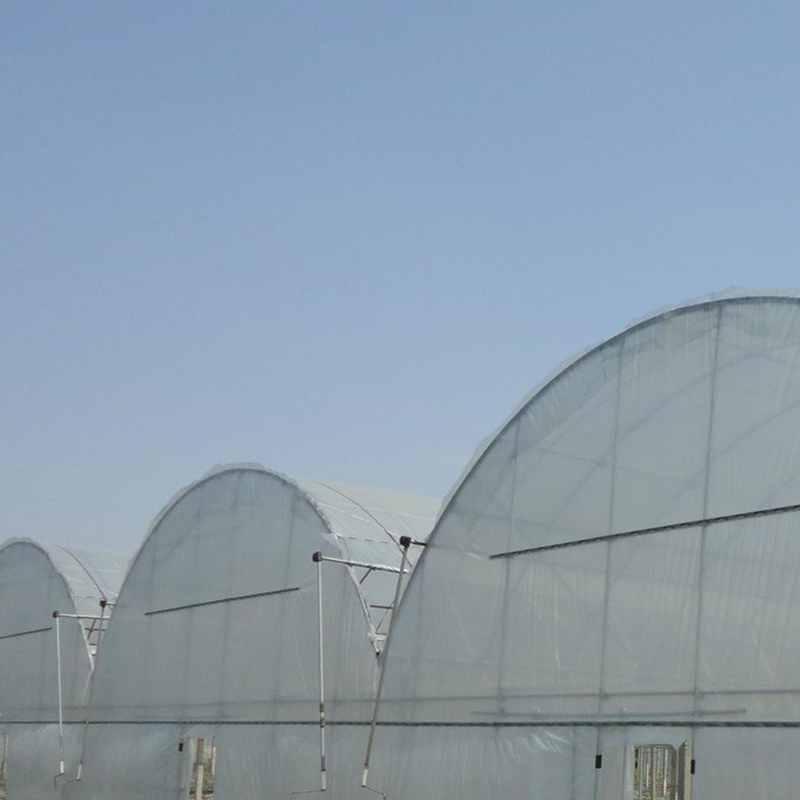
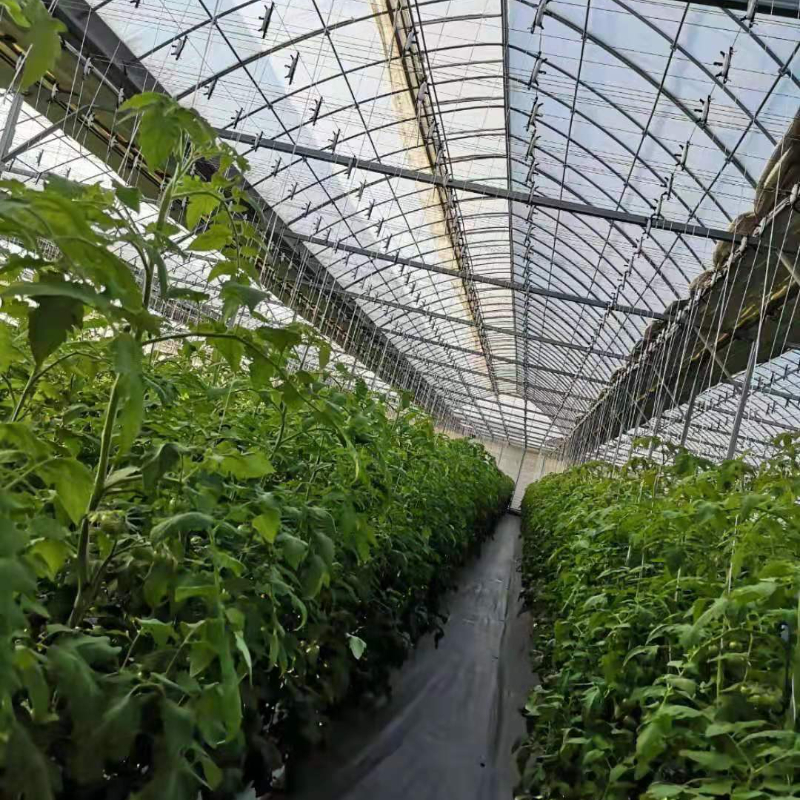
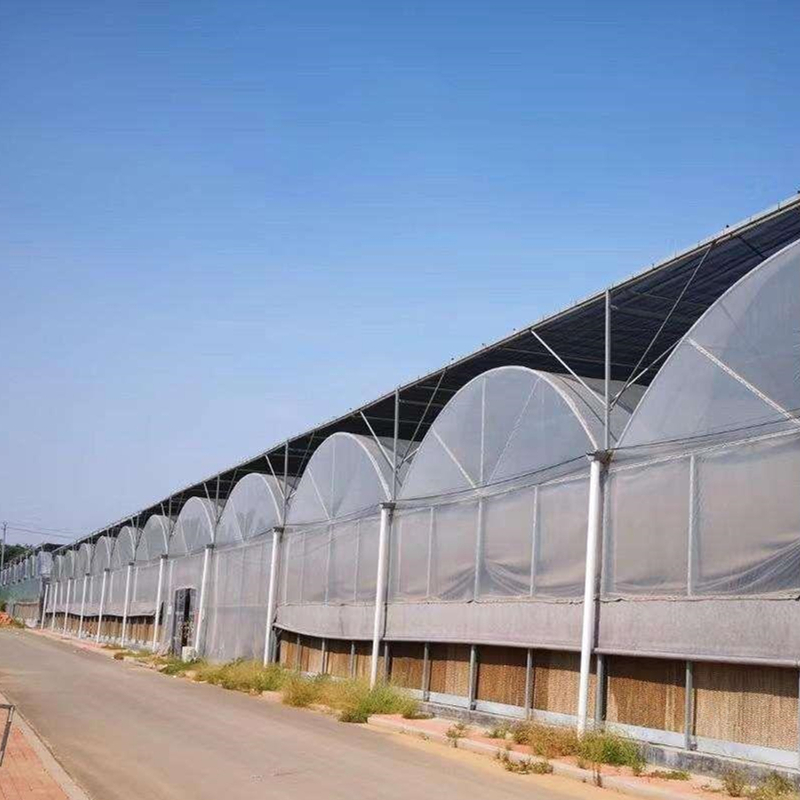
The core value of technological innovation and data collection is to support the transformation of management models. Traditional greenhouse management is a typical experience-dependent model, where growers rely on their own years of planting experience to judge the growth status of crops and formulate management strategies such as irrigation, fertilization, and environmental regulation. This model has great limitations: first, the accuracy of experience judgment is low, and it is easily affected by subjective factors such as the grower's physical condition and emotional state; second, the response is slow, and growers can only find problems after obvious symptoms appear in crops, which often misses the best regulation period; third, the regulation is extensive, and it is difficult to achieve targeted regulation according to the actual needs of different crops and different growth stages. Our team's innovative "dialogue-based" management model, based on the integration of macro and micro detection technology and multi-scale multi-modal data, subverts the traditional experience-dependent model, realizing a fundamental transformation from "managing crops based on experience" to "dialoguing with crops to meet their real-time needs".
What is the "dialogue-based" management model? Simply put, this model realizes the "dialogue" between managers and crops through accurate data collection and analysis. Crops "express" their growth status and needs through various physiological indicators (reflected by micro data) and overall growth trends (reflected by macro data); managers "understand" these needs through data analysis and formulate targeted management strategies to "respond" to the needs of crops. This two-way interaction process is like a dialogue between managers and crops, hence the name "dialogue-based" management model.
The realization of the "dialogue-based" management model relies on a powerful intelligent decision-making system. The multi-scale and multi-modal data collected are transmitted to the background intelligent decision-making platform in real time. The platform integrates big data analysis, artificial intelligence (AI) algorithms, and crop growth models to process and analyze the collected data. First, the platform judges the current growth status of crops (such as whether they are in a healthy state, whether there is nutrient deficiency, water stress, or pest and disease infestation) through data analysis. Then, combined with the crop growth model (which presets the optimal growth parameters of crops in different growth stages), the platform predicts the future growth needs of crops (such as the amount of water and fertilizer needed in the next few days, and the required environmental conditions). Finally, the platform automatically generates targeted management strategies, such as irrigation time and amount, fertilization type and dosage, temperature and humidity regulation range, etc.
The "dialogue-based" management model realizes the precision and personalization of greenhouse management. Different from the traditional extensive management model that adopts the same management strategy for the entire greenhouse, the "dialogue-based" model can formulate personalized management strategies according to the different needs of crop groups in different areas and individual crops. For example, if the data shows that the crops in the eastern area of the greenhouse are deficient in nitrogen, while the crops in the western area are normal, the platform will only arrange nitrogen fertilization in the eastern area, avoiding the waste of fertilizer caused by uniform fertilization. For individual crops with special growth needs (such as weak seedlings), the platform can formulate a separate water and fertilizer management plan to help them recover their growth status.
