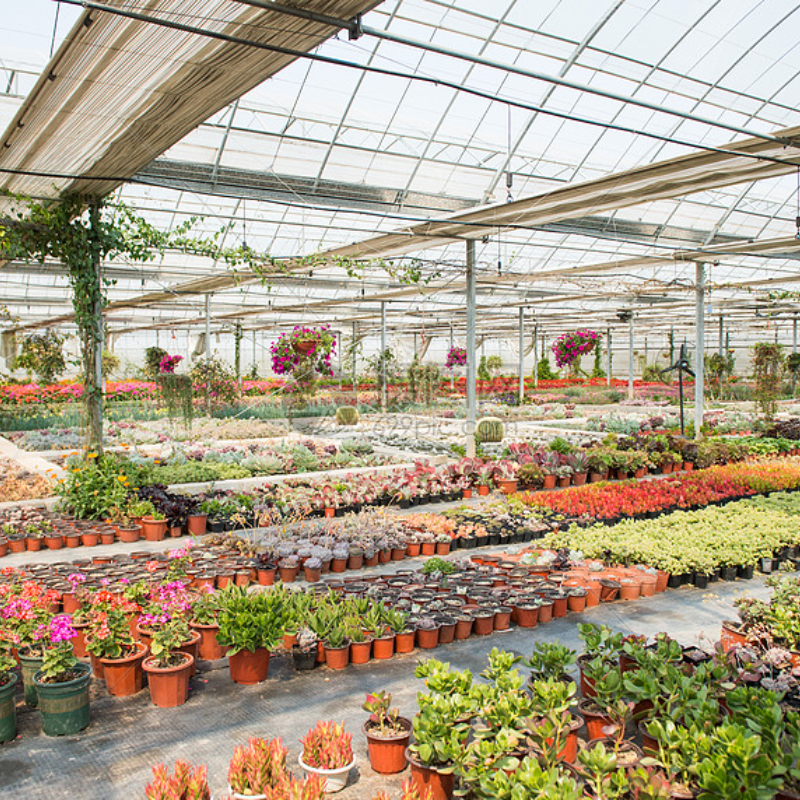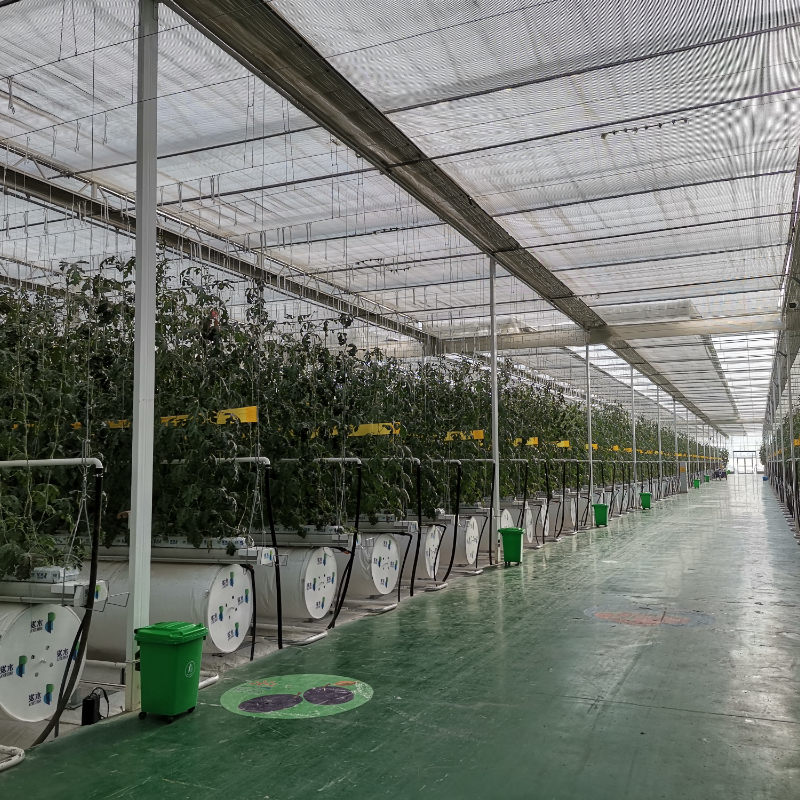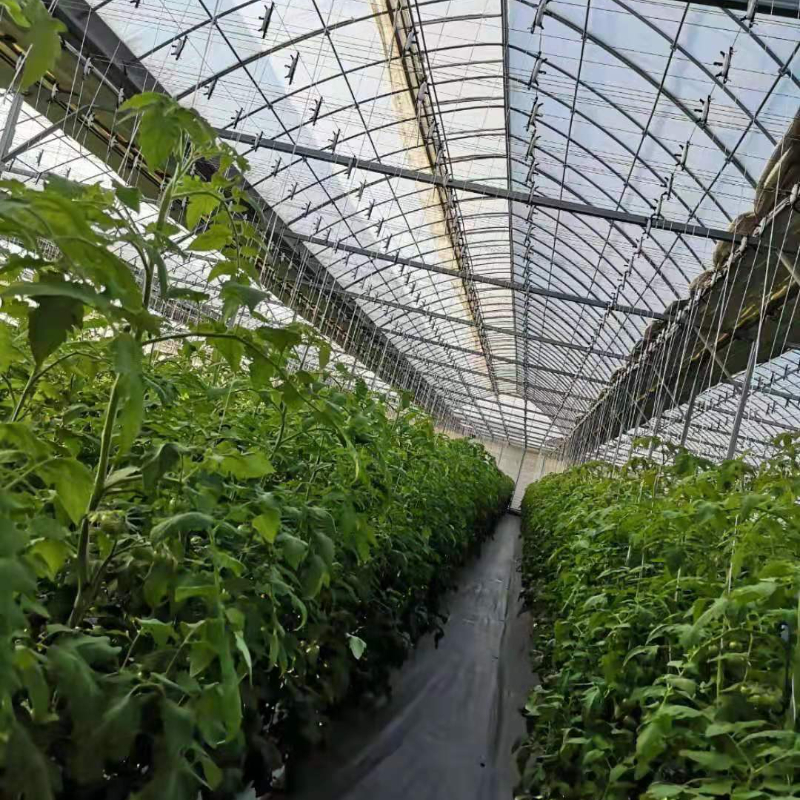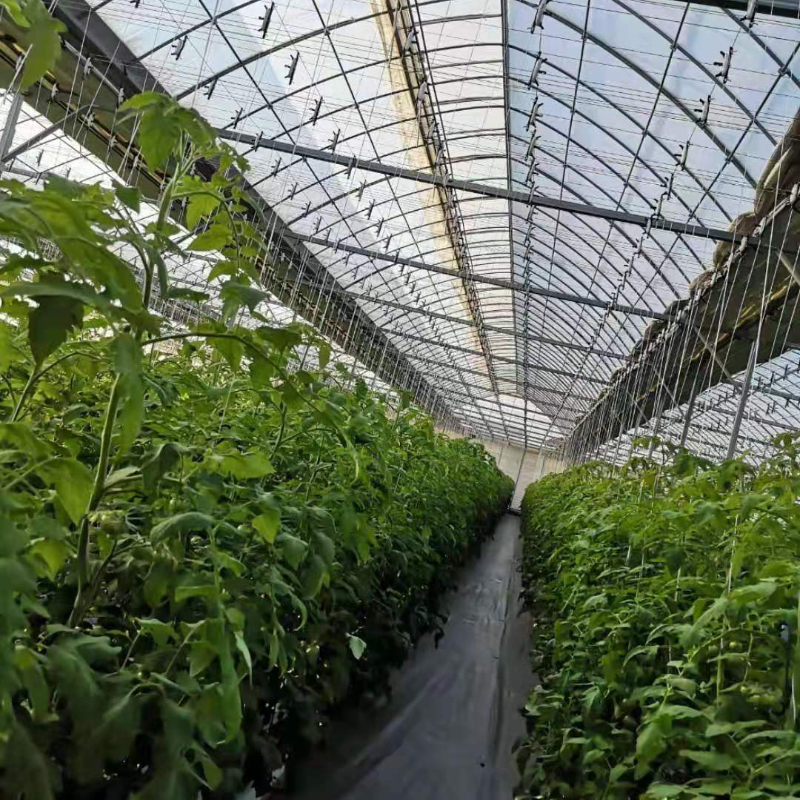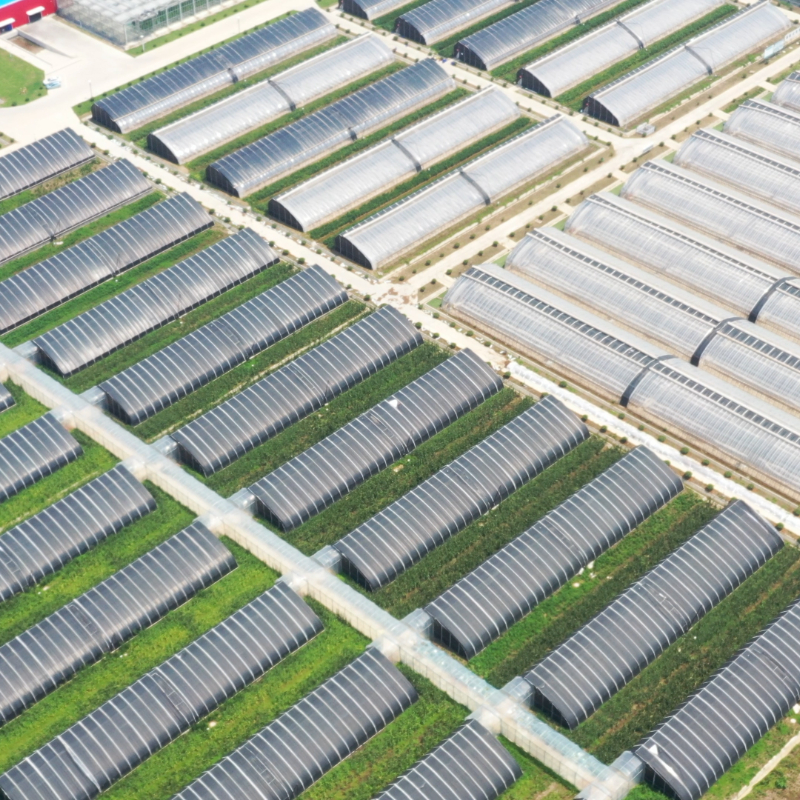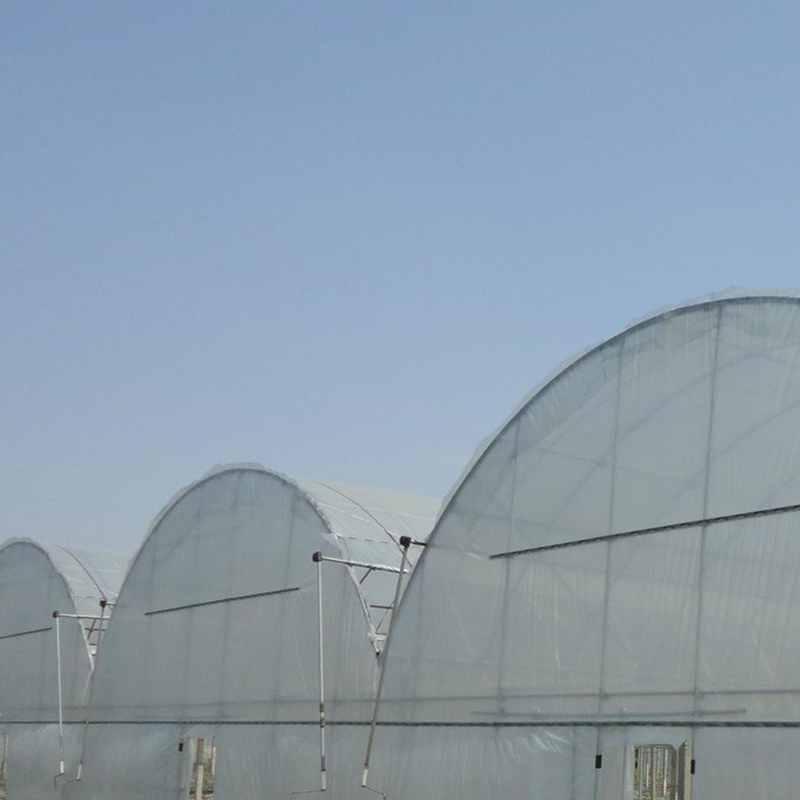
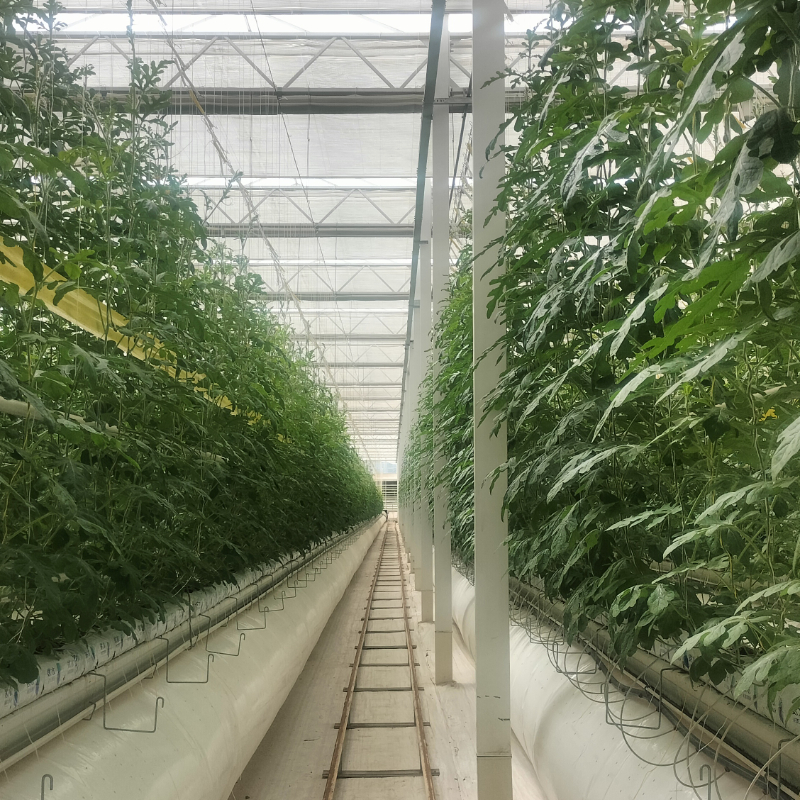
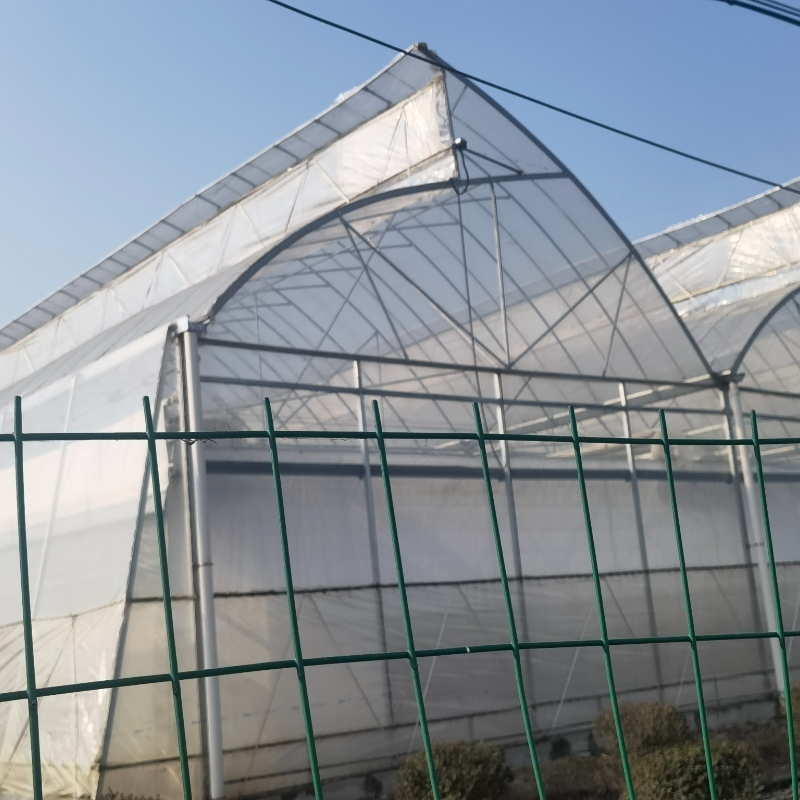
nally, column can help support hanging systems for plants, irrigation systems, and other necessary equipment.
There are various types of column that can be utilized in greenhouse construction, including:
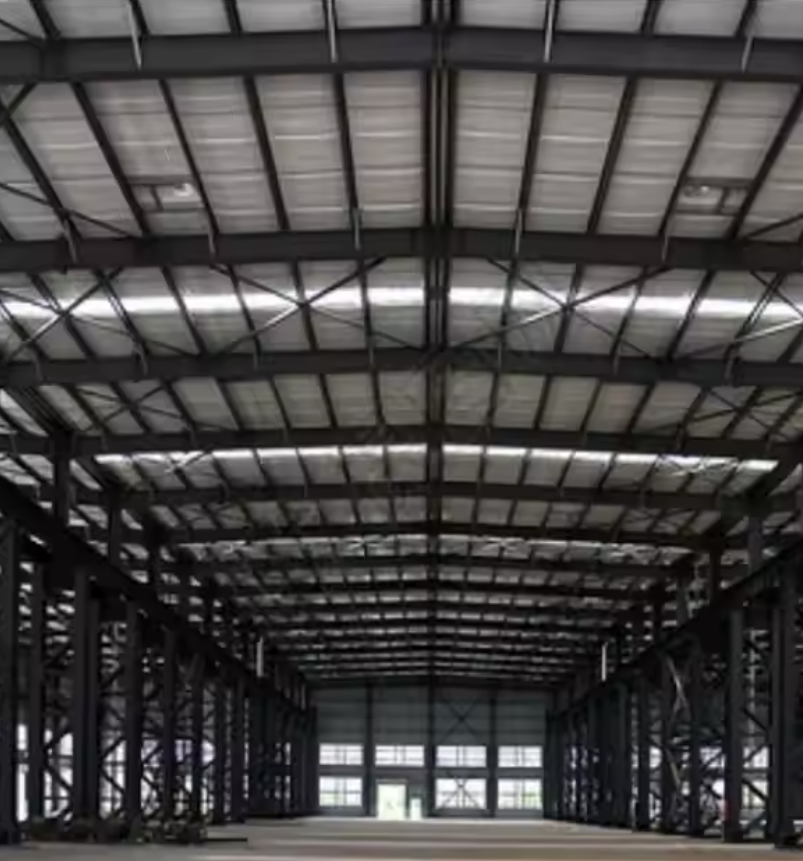
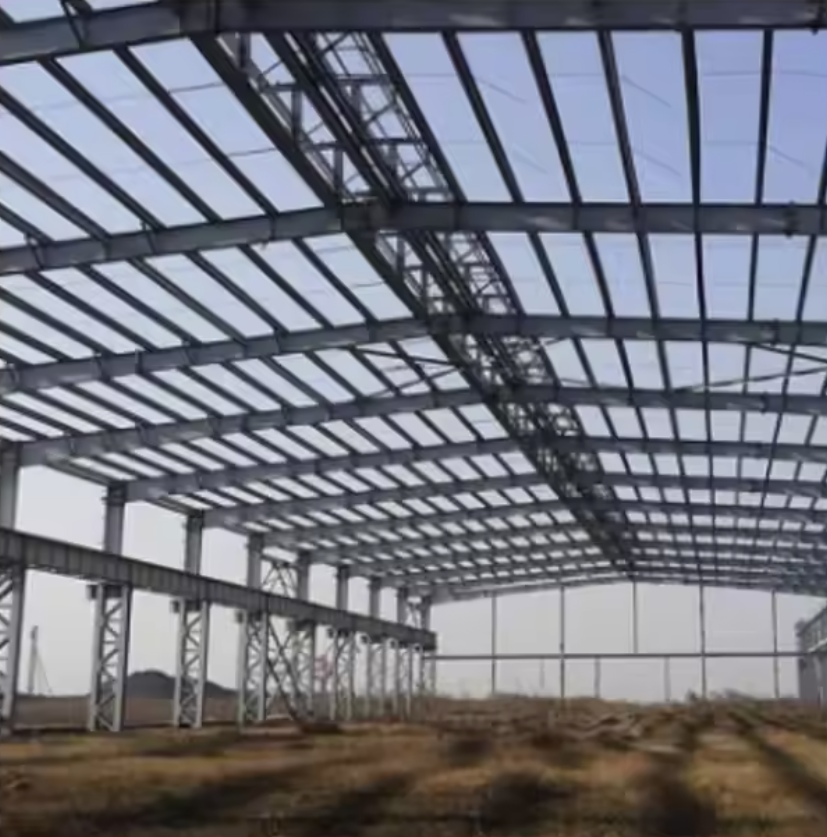
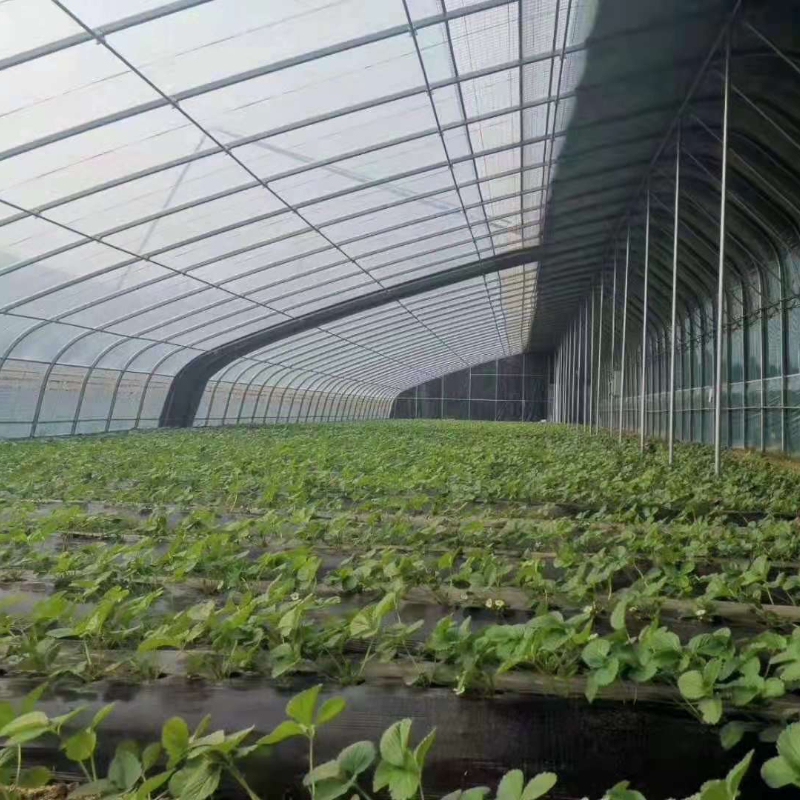
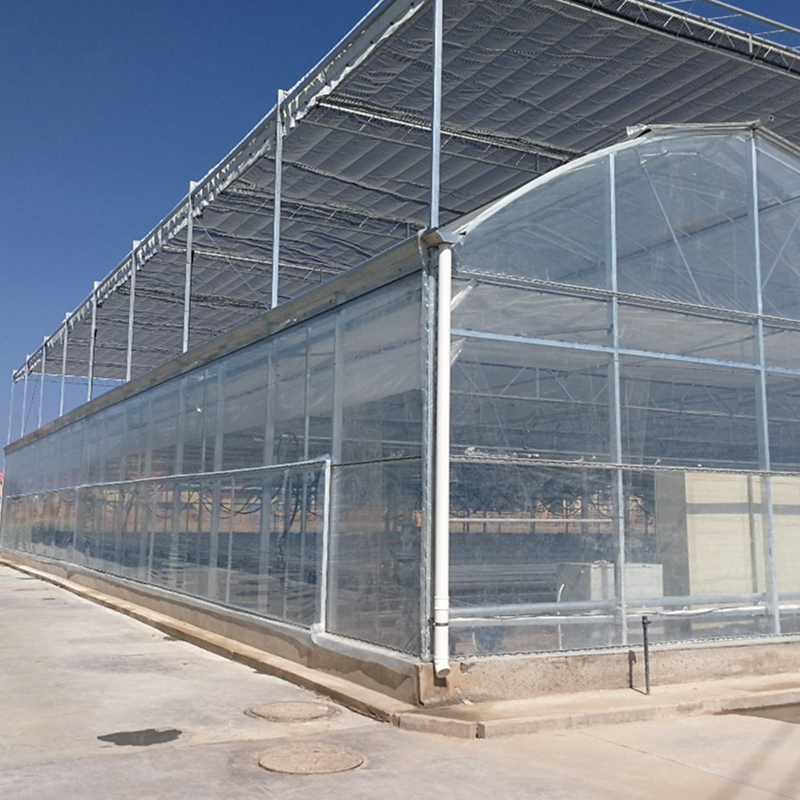
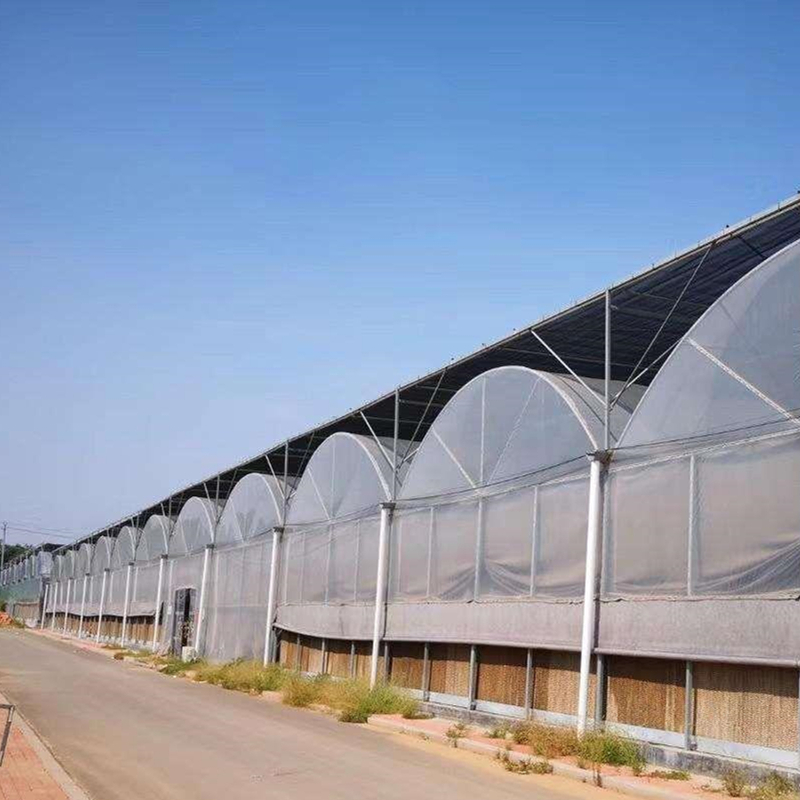
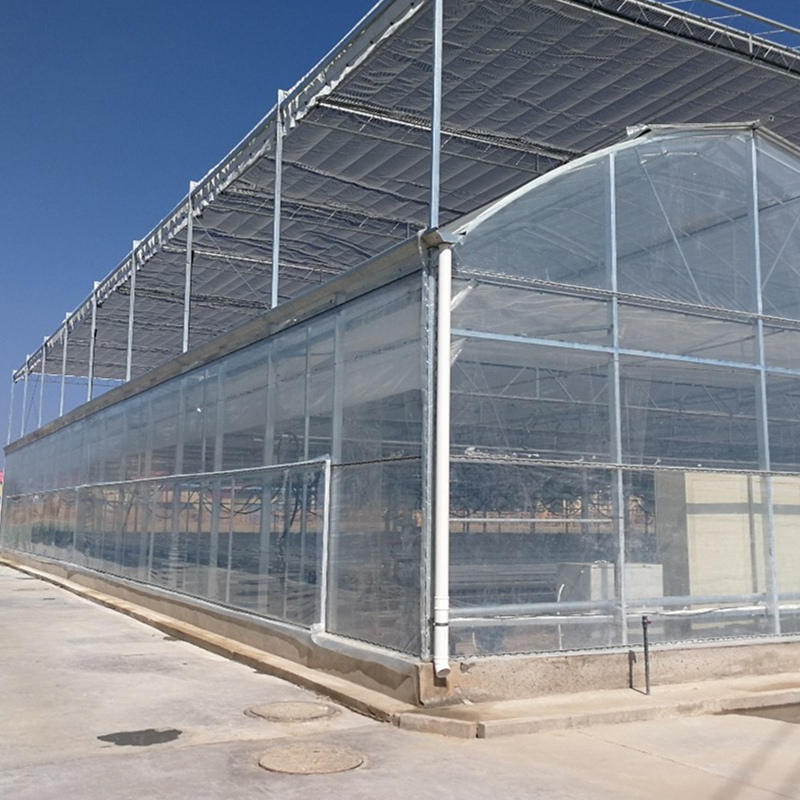
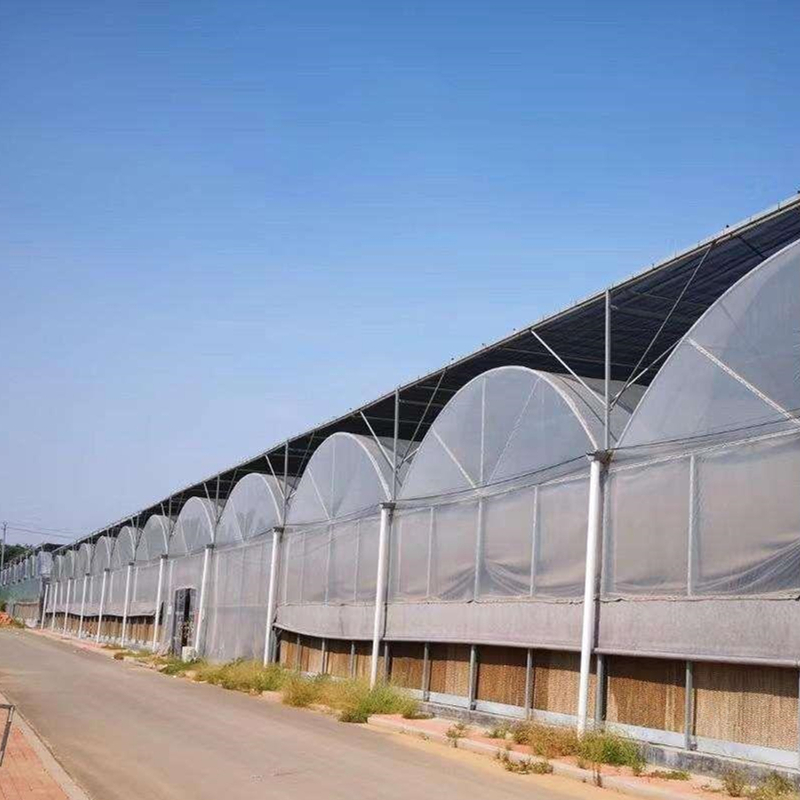
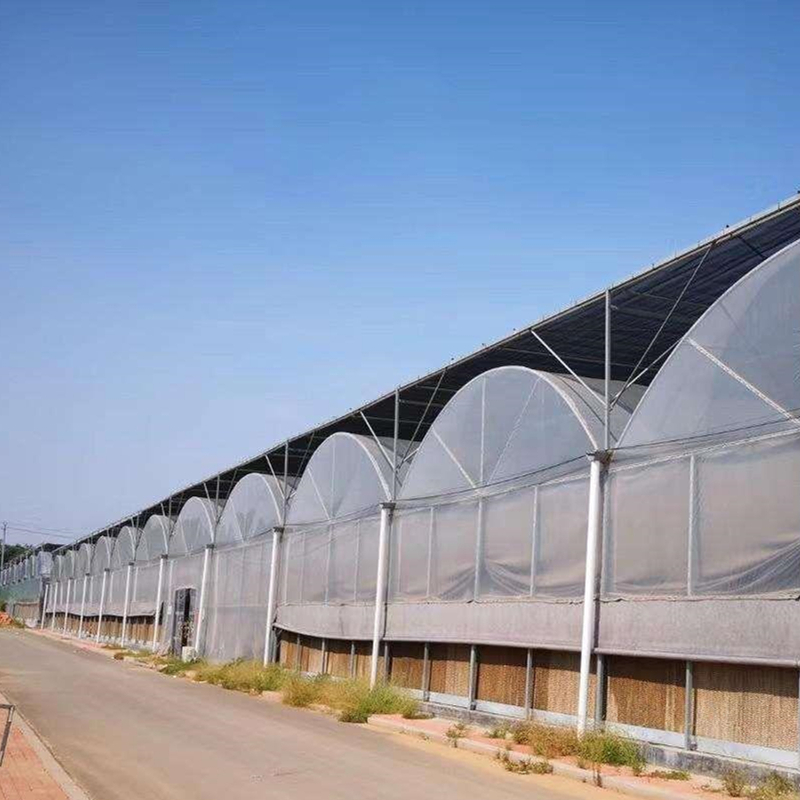
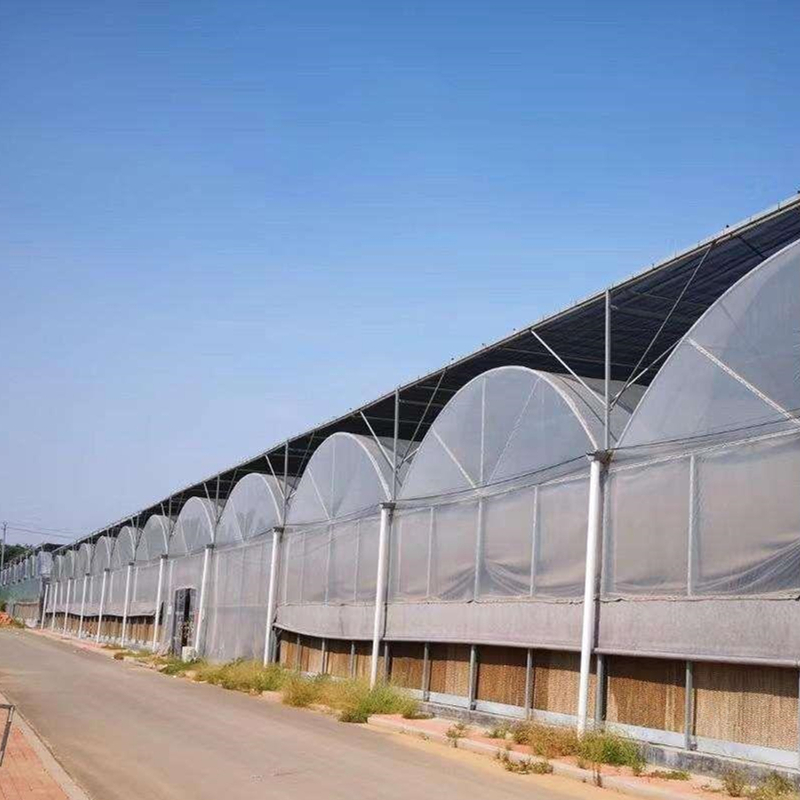
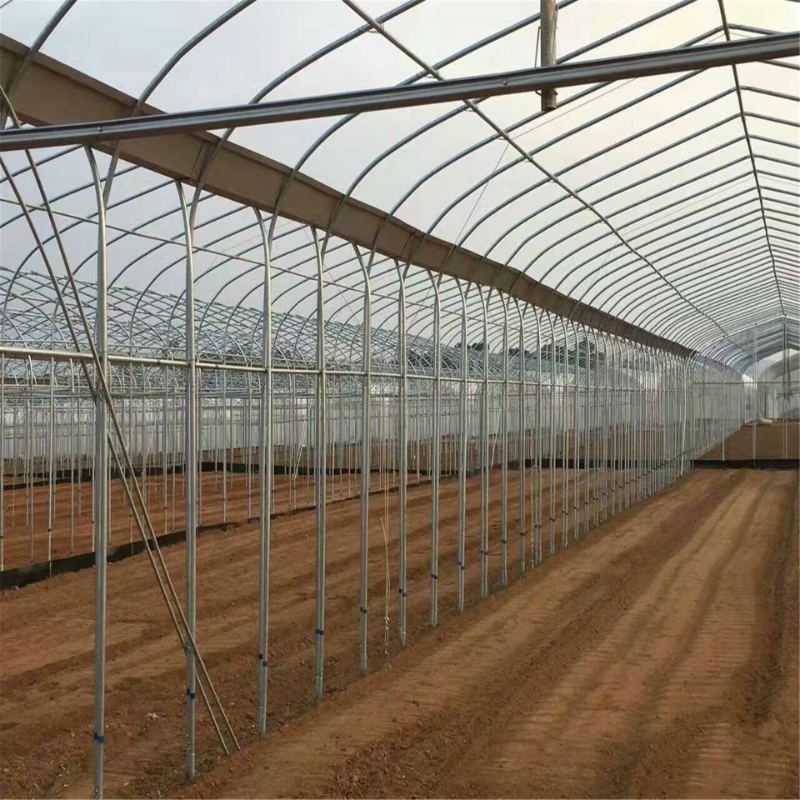
Steel Column: Steel column is popular due to its strength and durability. It can support heavy loads and is resistant to weather conditions, making it ideal for long-term use in greenhouses.
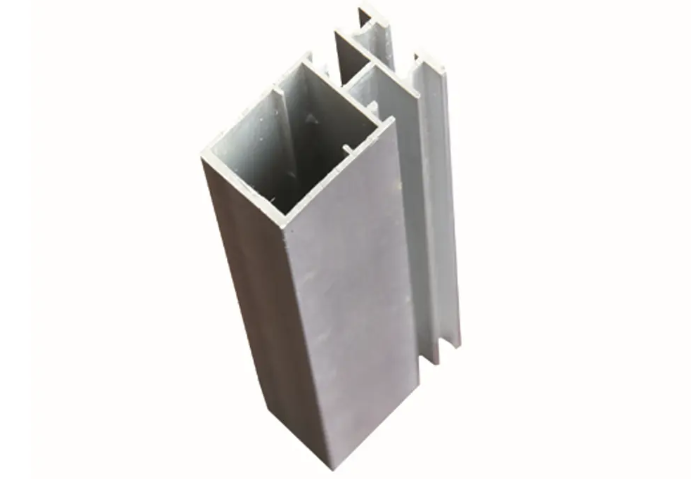
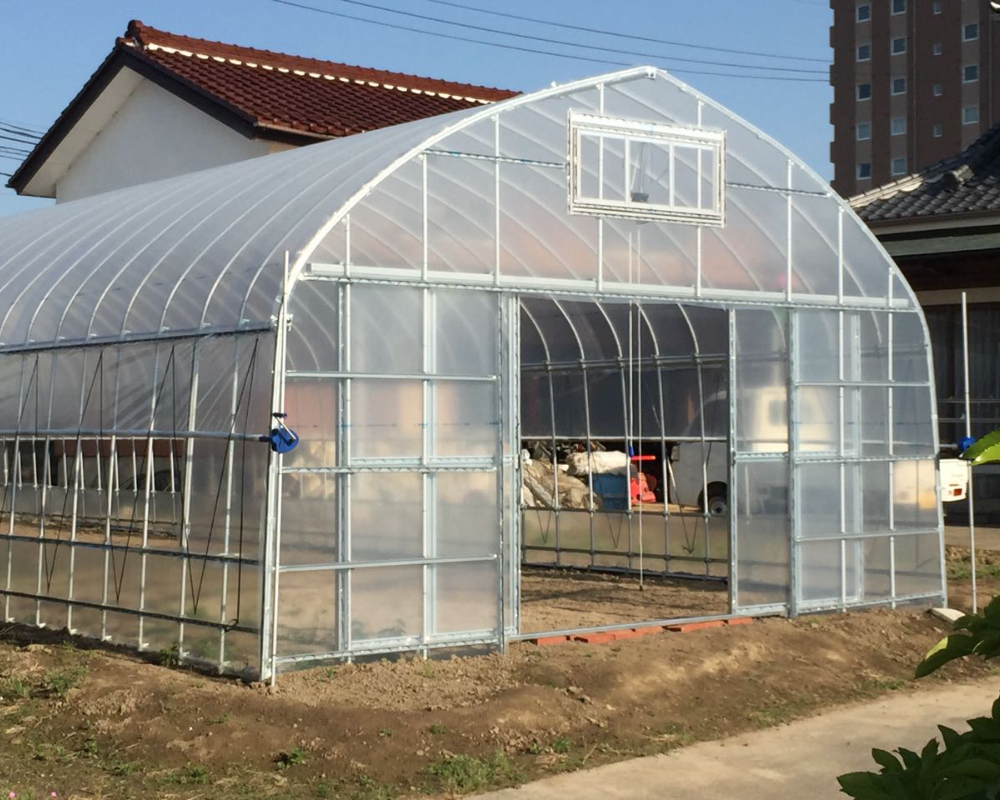
Aluminum Column: Lightweight and corrosion-resistant, aluminum column is often used in smaller greenhouses. It provides adequate support while being easy to handle and install.
Wooden Column: For a more natural aesthetic, wooden column can be used. While it may not support as much weight as steel or aluminum, it can create a warm and inviting atmosphere within the greenhouse.
Concrete Column: In larger greenhouse structures, concrete column can provide significant support and stability. It is often used in combination with other materials to enhance the overall strength of the structure.
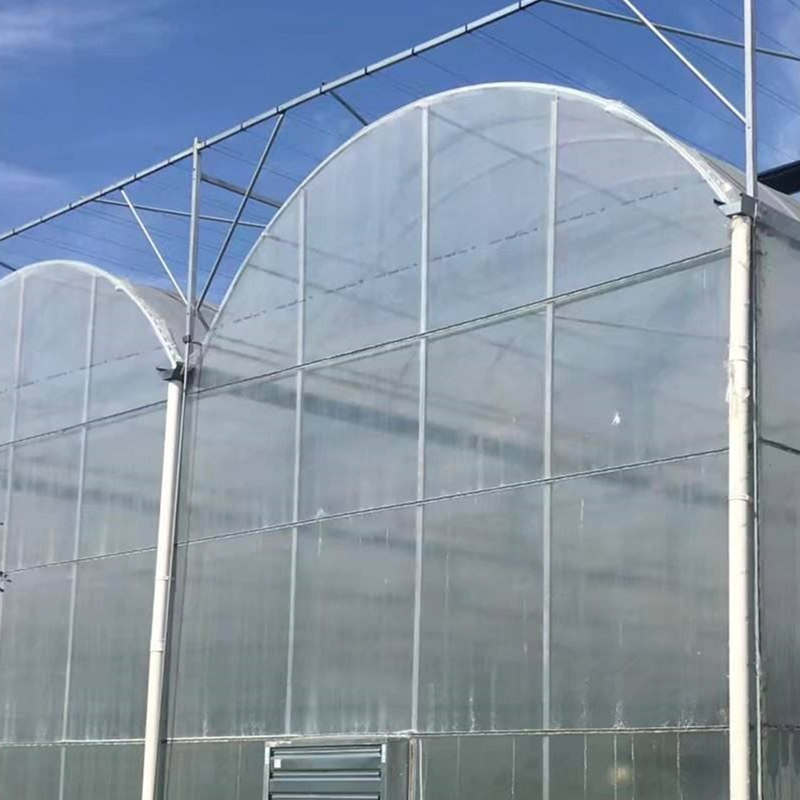
When designing a greenhouse, several factors must be considered regarding column:
Load-Bearing Capacity: Engineers must calculate the load that each column will bear, considering factors such as snow, wind, and the weight of the greenhouse materials themselves.
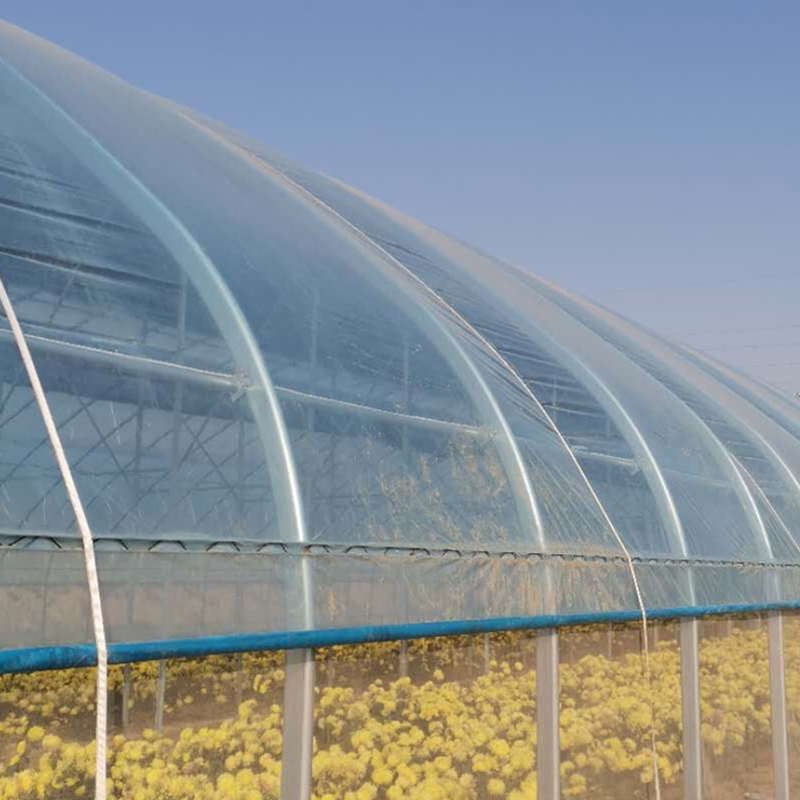
Spacing of Column: The spacing between column is crucial for maximizing light exposure and ensuring that plants receive adequate sunlight. Too many column can obstruct light, while too few may compromise structural integrity.
Aesthetic Integration: The design of column should complement the overall look of the greenhouse. Whether using sleek steel or rustic wood, the column should enhance the visual appeal of the structure.
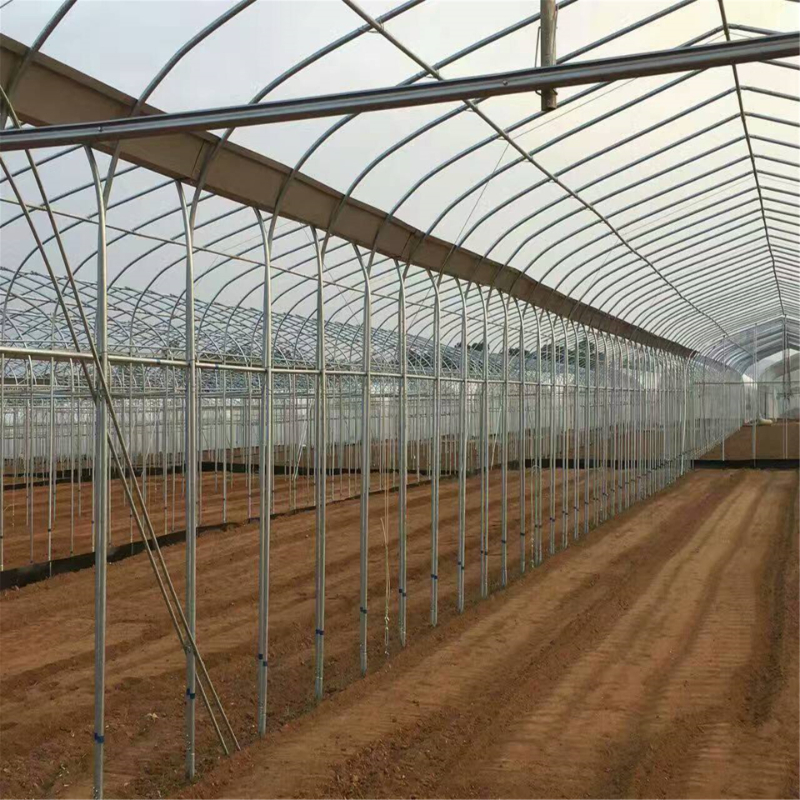
Increased Stability: Column provides essential support that helps maintain the structural integrity of the greenhouse, especially during adverse weather conditions.
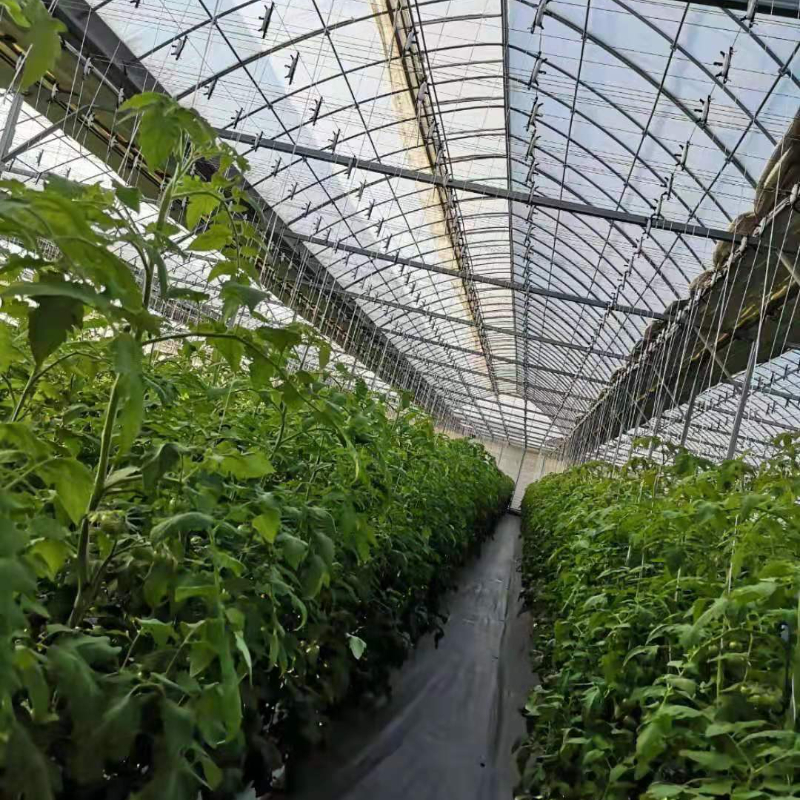
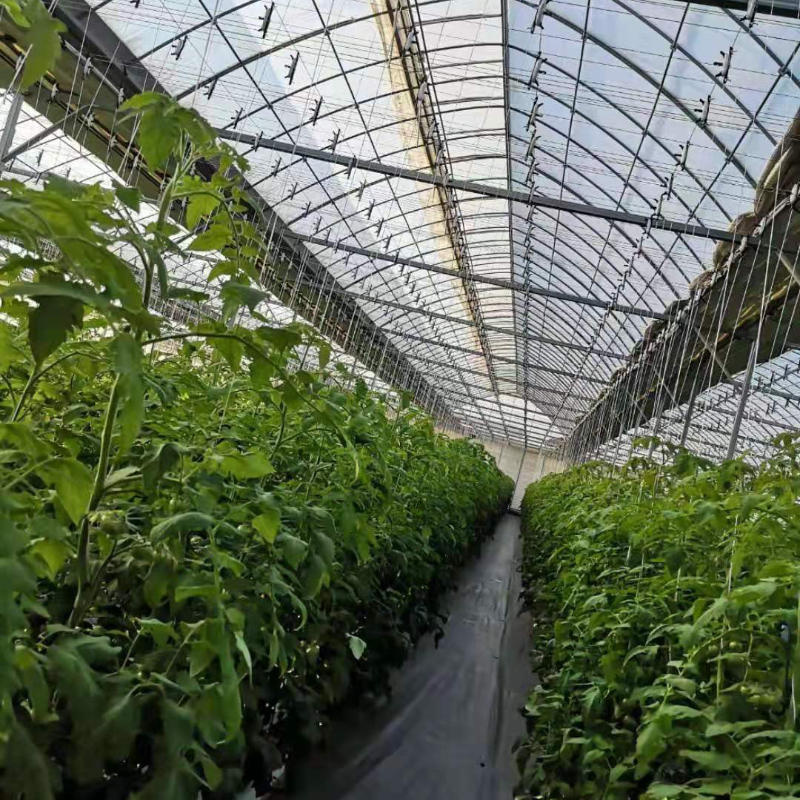
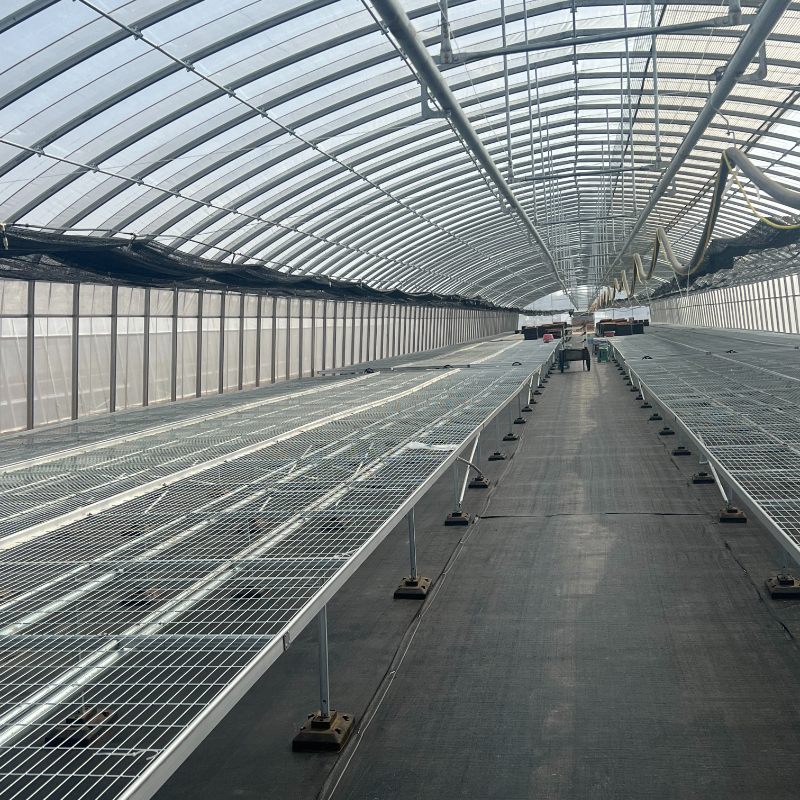
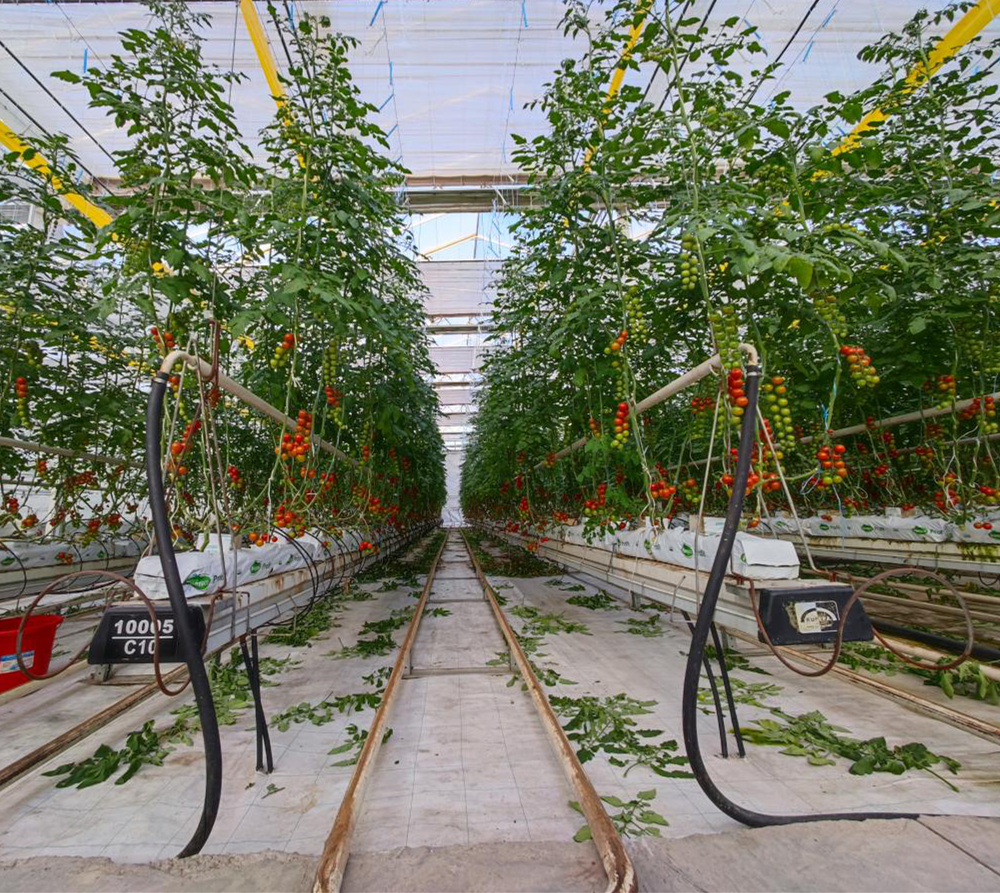
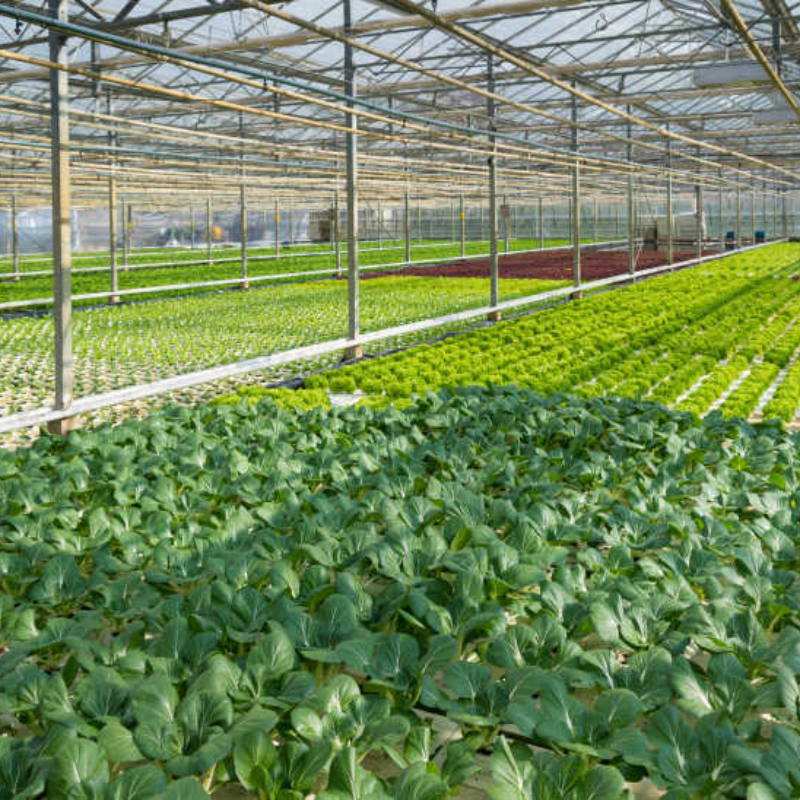
Maximized Space: By using column effectively, greenhouse designers can create open spaces for plants, allowing for better air circulation and light penetration.
Versatile Design Options: The use of different materials for column allows for a range of design possibilities, catering to various aesthetic preferences and functional requirements.
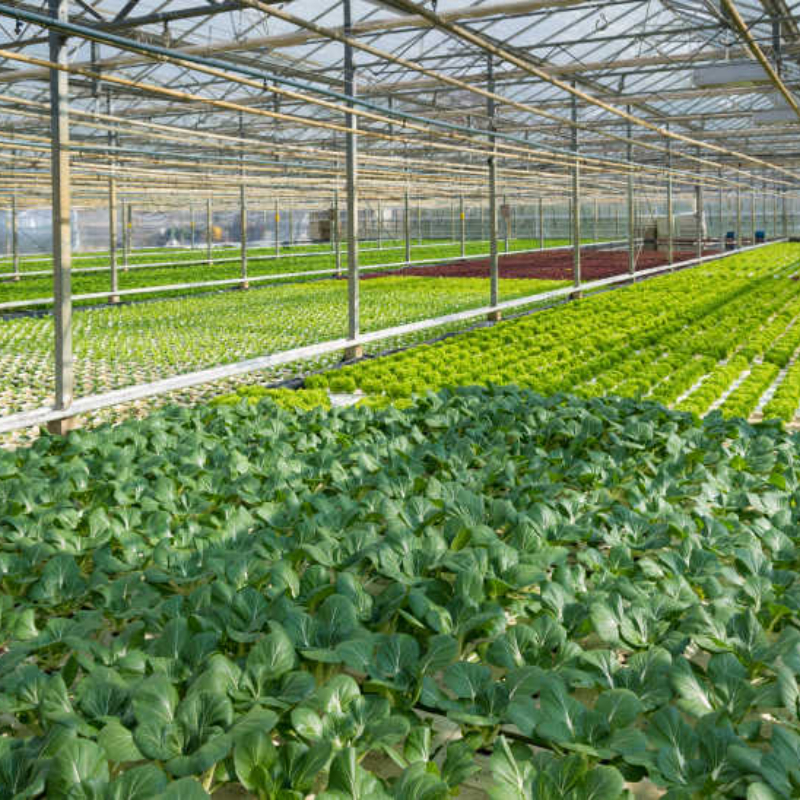
In summary, column is a fundamental component of greenhouse design and construction. It provides the necessary support for the structure while allowing for creative and functional design solutions. Understanding the importance of column in greenhouses is essential for architects, engineers, and horticulturists alike. As greenhouse technology continues to evolve, the role of column will remain crucial in creating efficient, stable, and beautiful environments for plant growth. By focusing on the design and implementation of column, we can ensure that greenhouses remain effective spaces for cultivation and innovation.
Q1:Are We a trading company or a manufacturer?
A: We are a factory. Our factory can produce all items which are related to the greenhouse, so we provide the best price.
Q2: Do we provide samples? Is it free or extra?
A: Yes, we can provide samples free of charge, but we don't bear the freight.
Q3: How to get a quotation for the greenhouse?
A: Please let us know how many greenhouses you need? What will be grown in the greenhouse? So that we can suggest you the related greenhouses.
Q4: How should you choose a greenhouse system?
A: Please let us know where you will build the greenhouse, we also need the know your local temperature and wind speed.
Q5: How to assemble the greenhouse after you purchase our greenhouses ?
A:We have professional after-sales service engineers who will provide planning drawings and installation manuals. You can communicate with him from time to time. If necessary, we can also send engineers to your country to supervise the installation of the greenhouse. Please send message for specific details.
If you have drawings, welcome to share drawings with us, quoation will be done based your drawings.Our excellent design team will
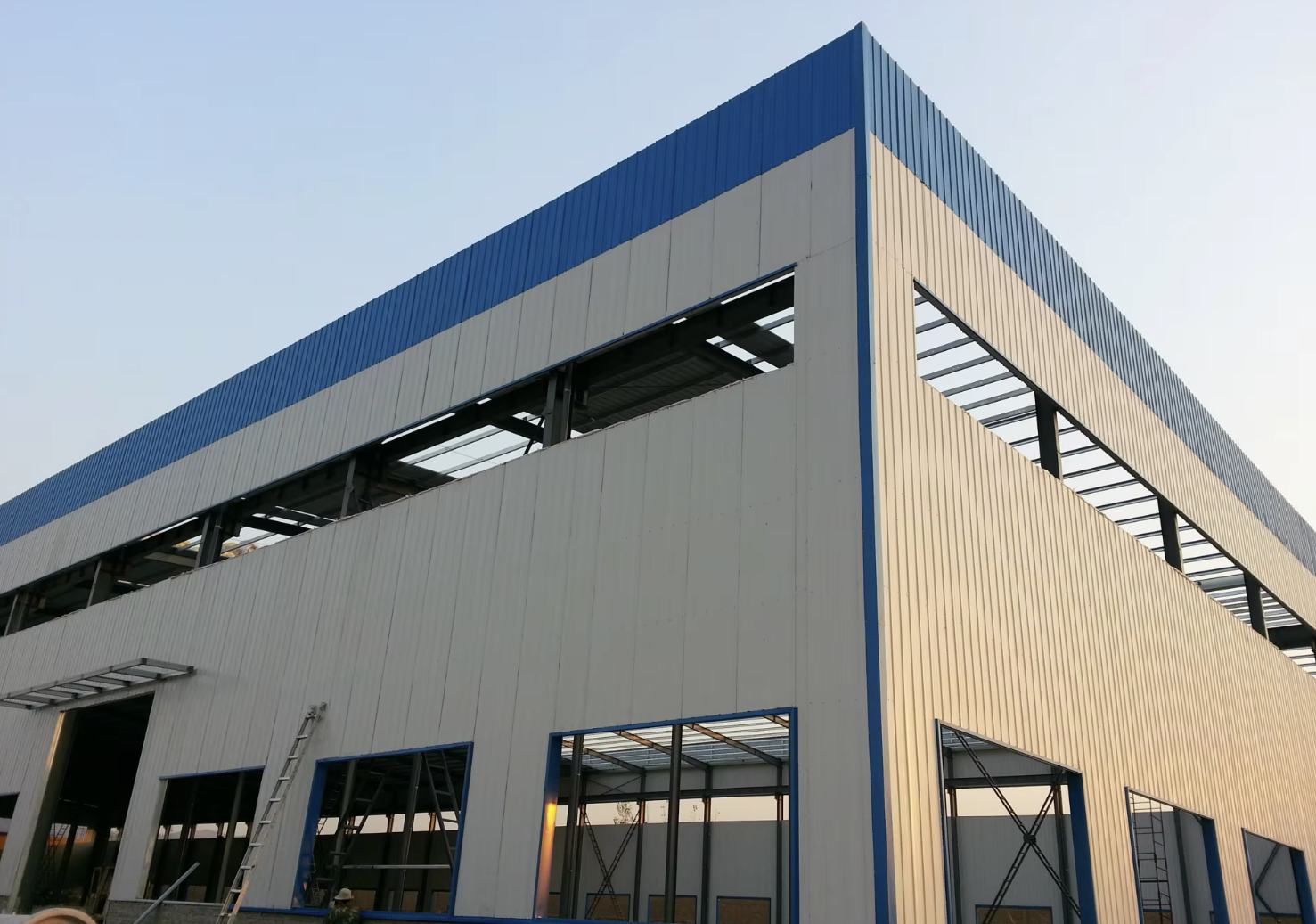
design the steel structure workshop warehouse for you. If you give the following information, we will give you an satisfactory
drawing.
1 Location (where will be built? ) which country? which city?
2 Size: Length*width* Eave height _____mm*_____mm*_____mm
3 wind load (max. Wind speed) _____kn/m2, _____km/h, _____m/s
4 snow load (max. Snow height) _____kn/m2, _____mm, temperature range?
5 anti-earthquake _____level
6 brickwall needed or not If yes, 1.2m high or 1.5m high? or other?
7 thermal insulation If yes, EPS, fiberglass wool, rockwool, PU sandwich panels will be suggested;
If not, the metal steel sheets will be ok. The cost of the latter will be much lower than that of the former.
8 door quantity & size _____units, _____(width)mm*_____(height)mm
9 window quanity & size _____units, _____(width)mm*_____(height)mm
10 crane needed or not If yes, _____units, max. Lifting weight____tons; Max. Lifting height _____m