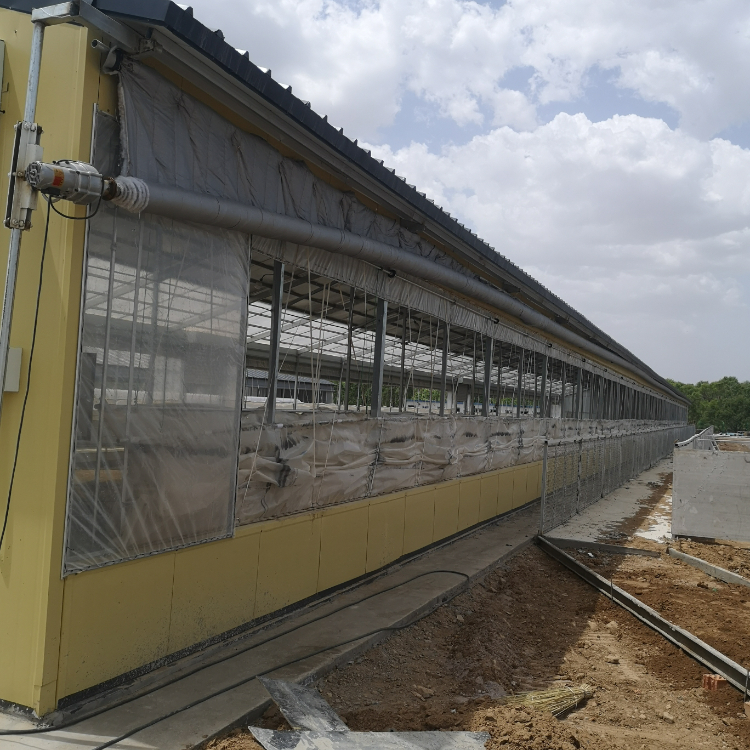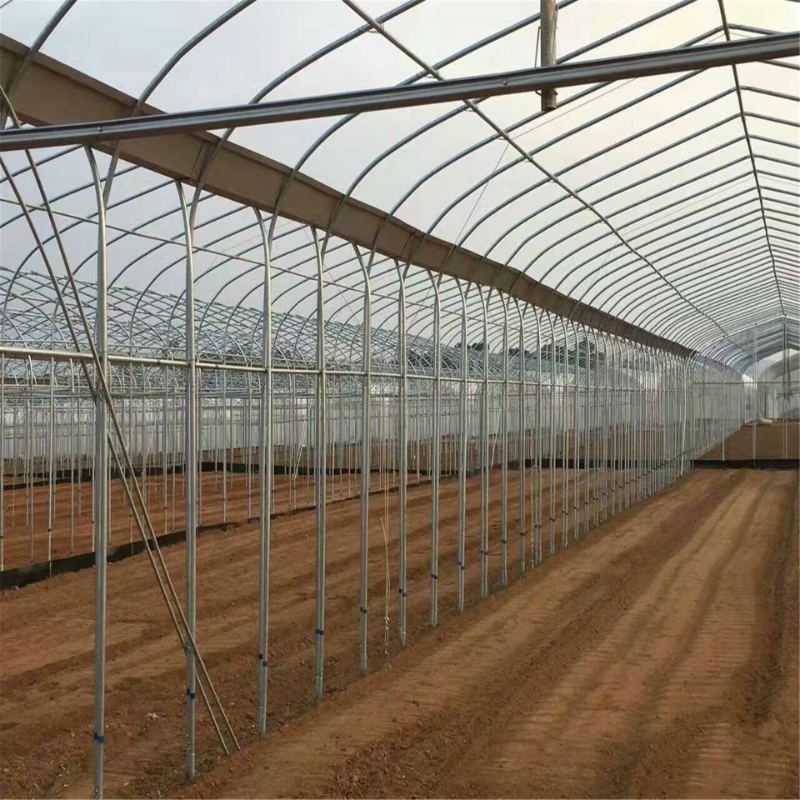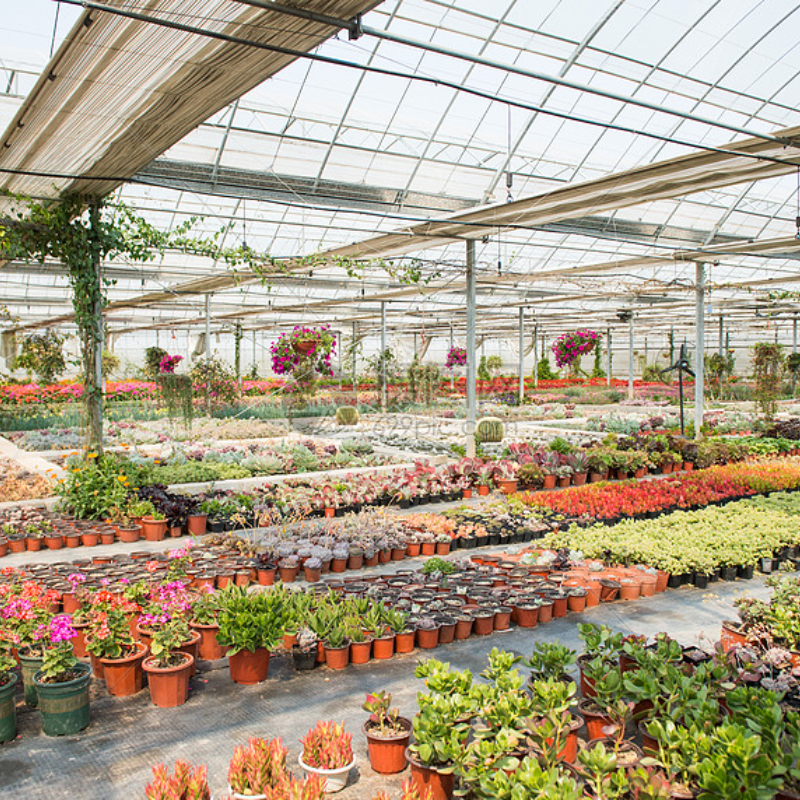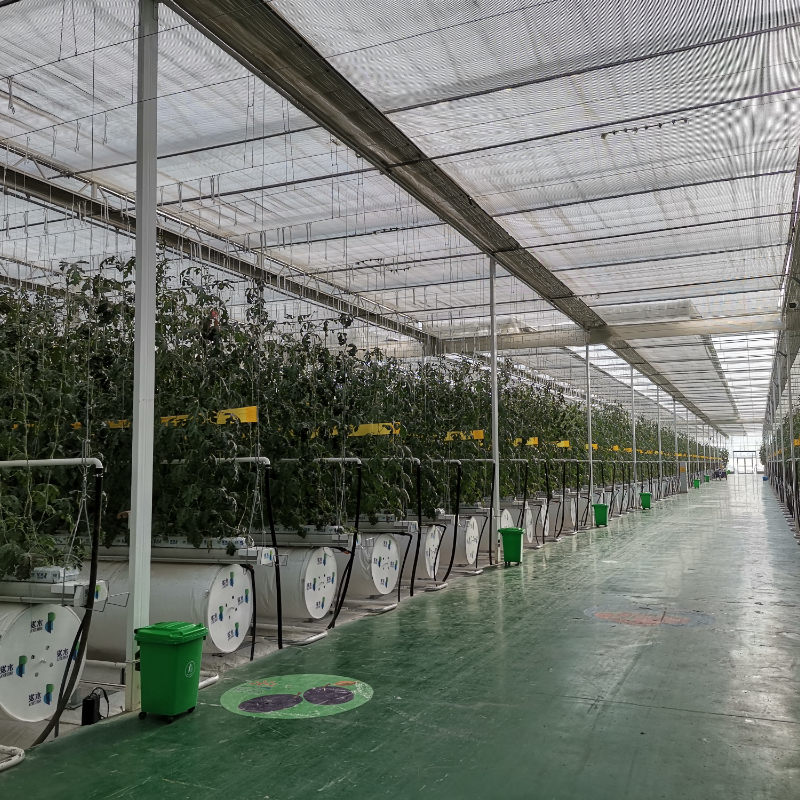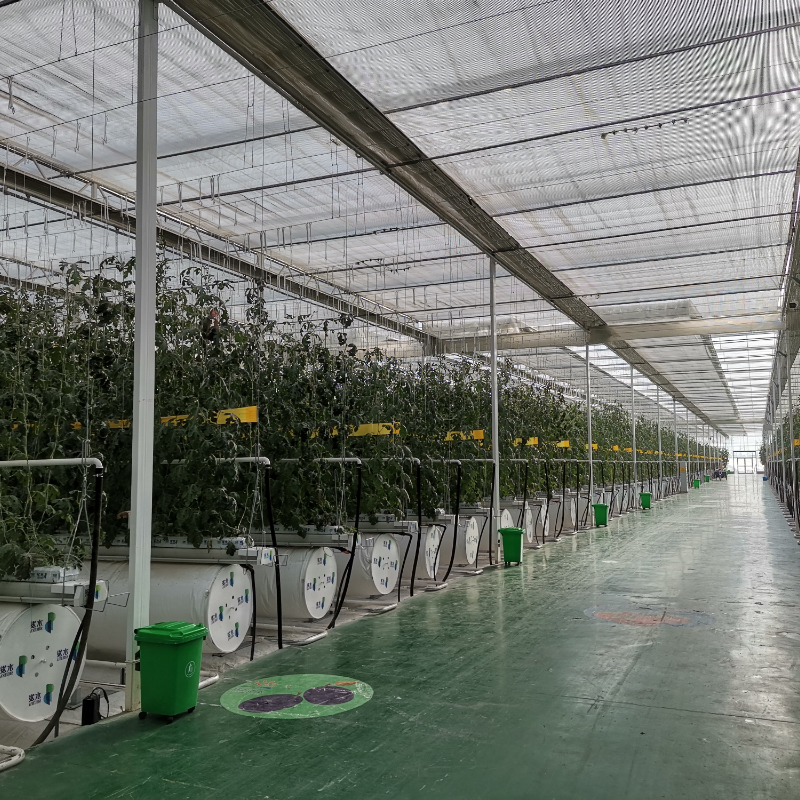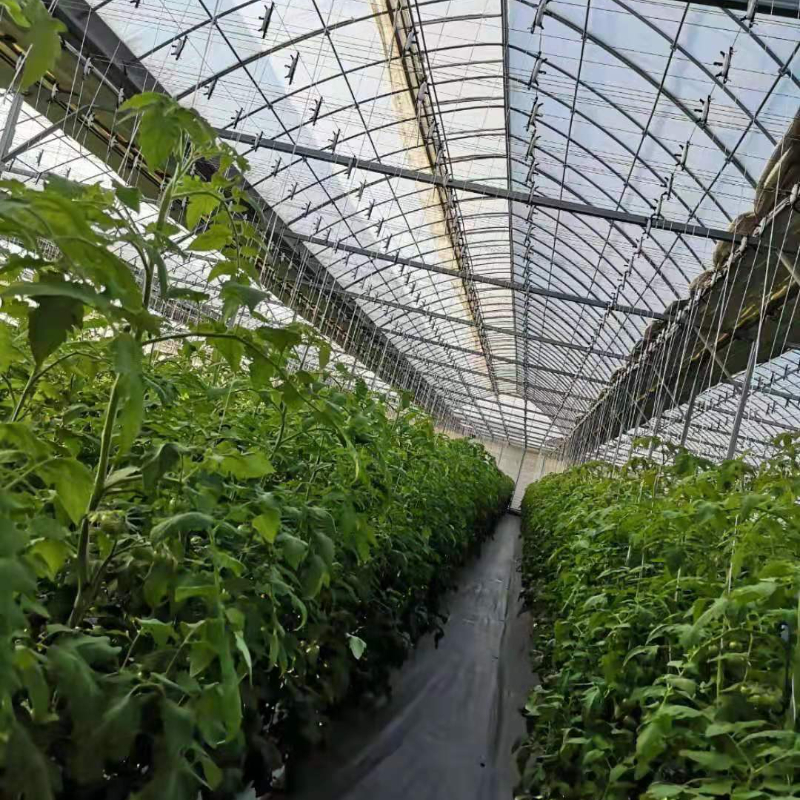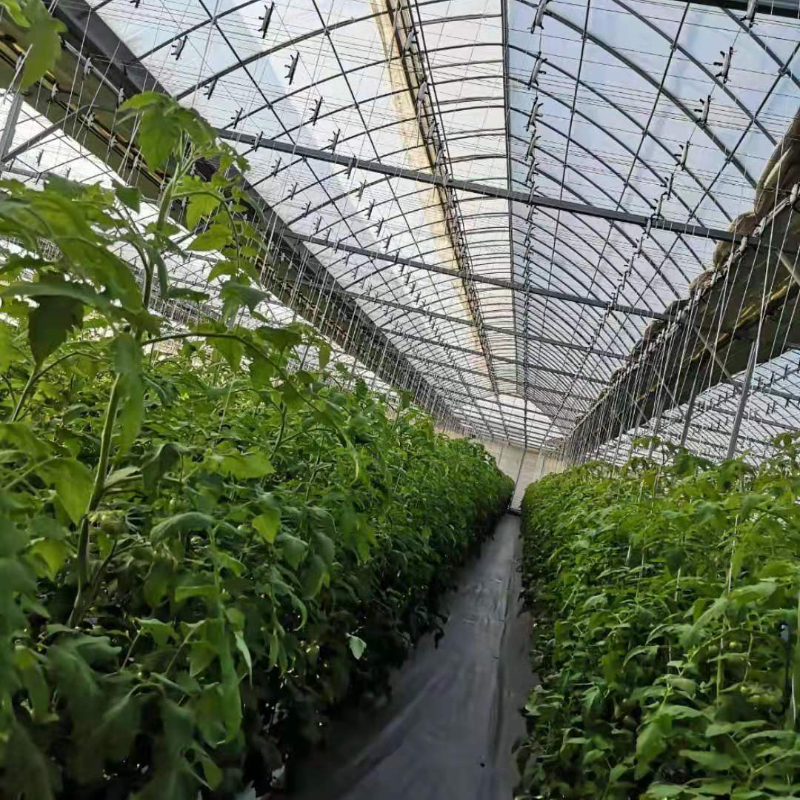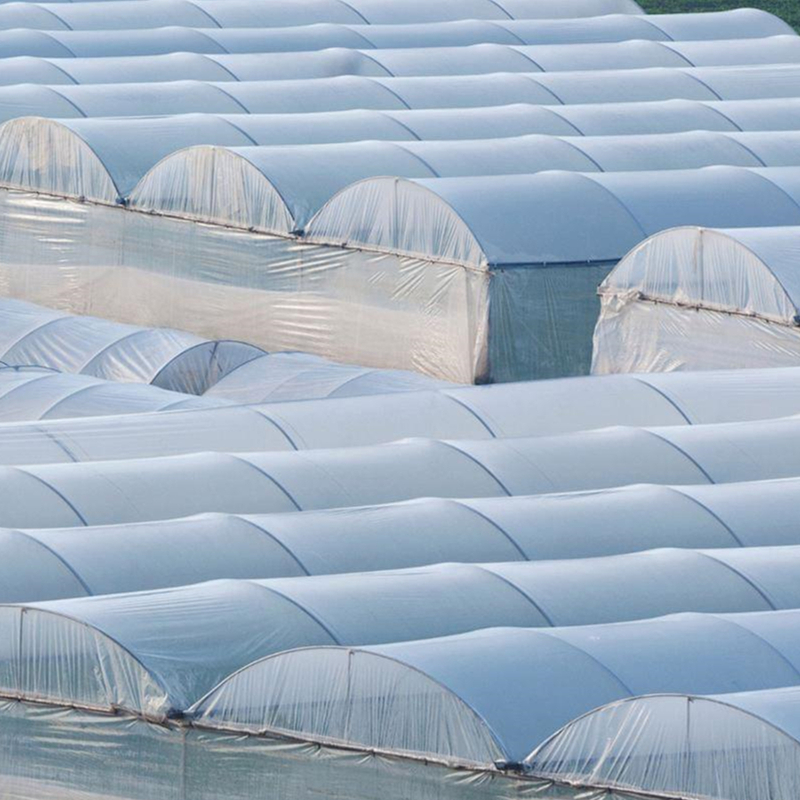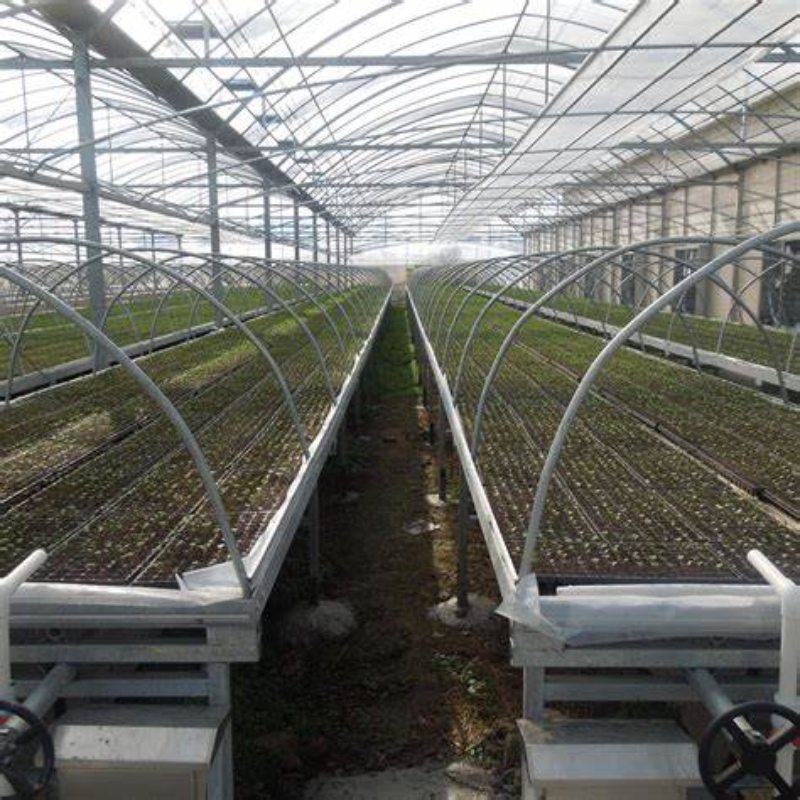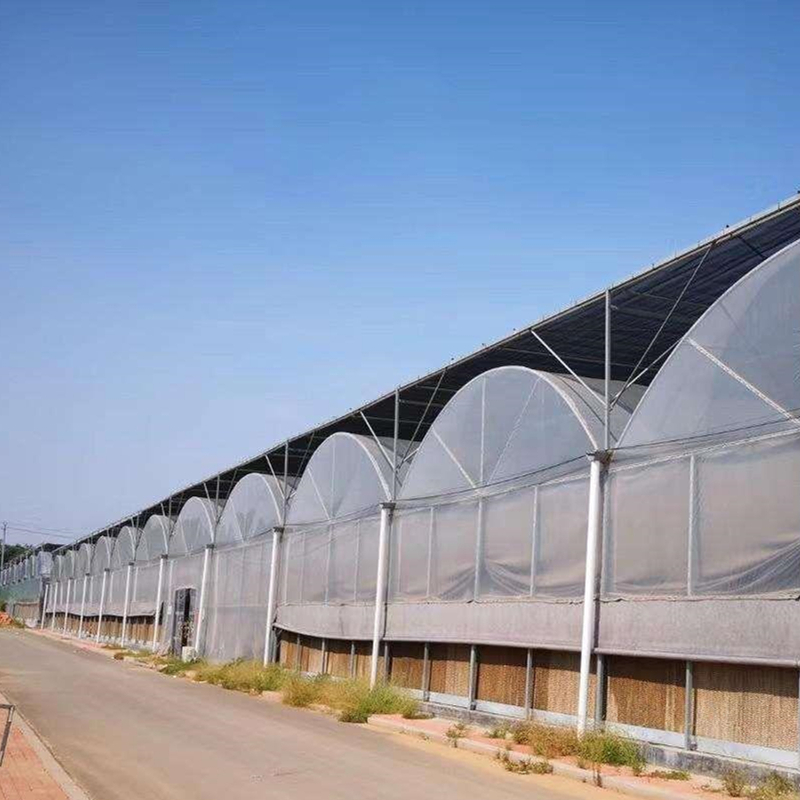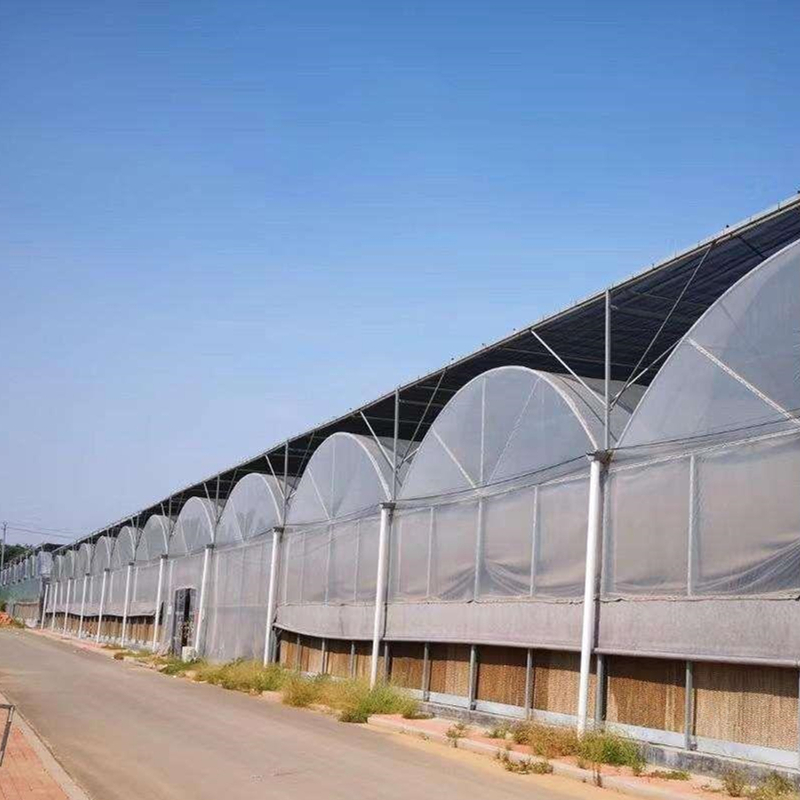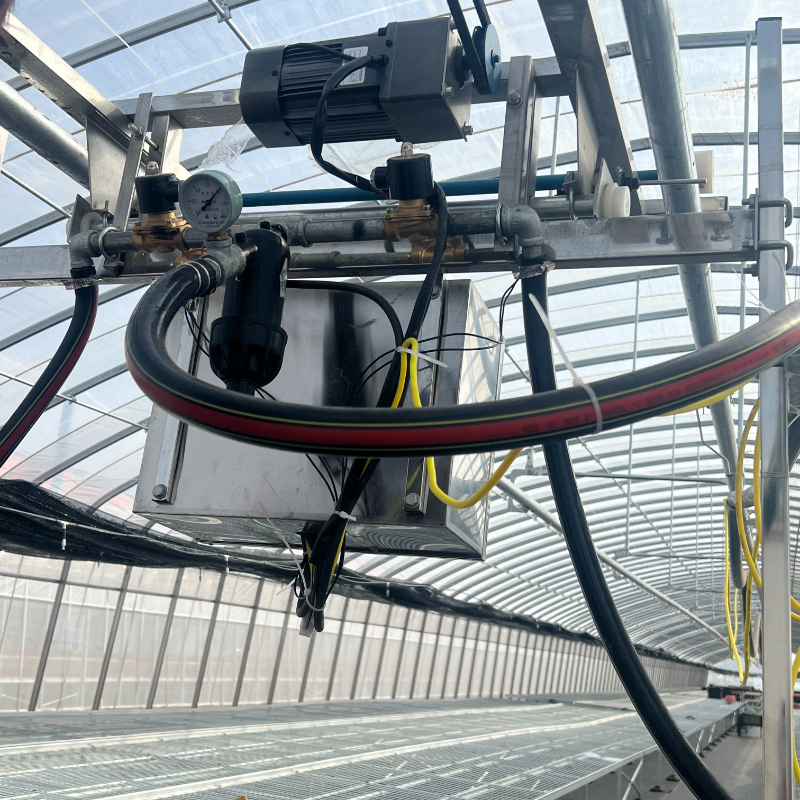
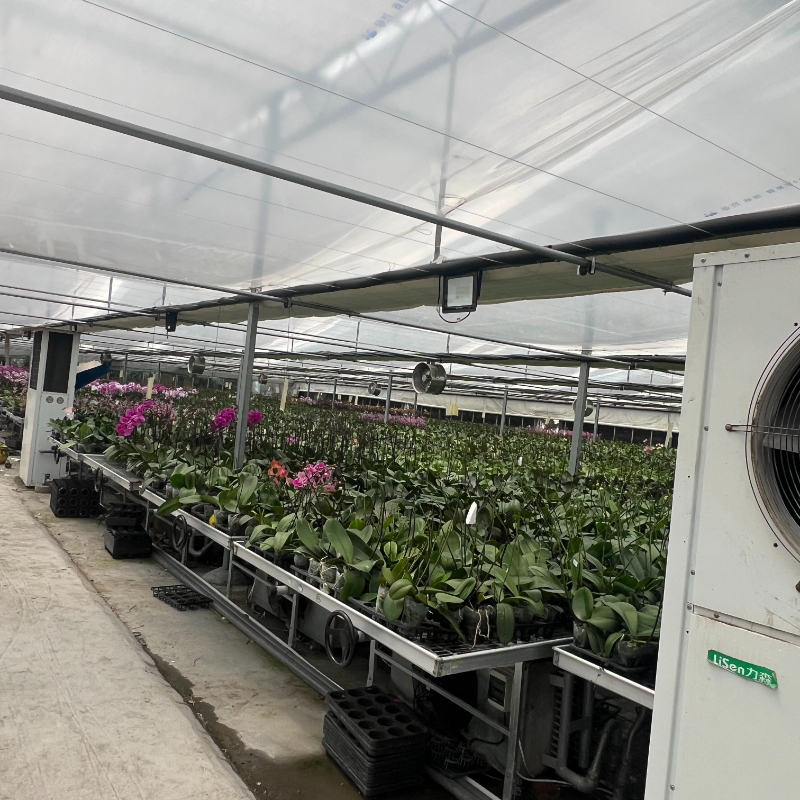
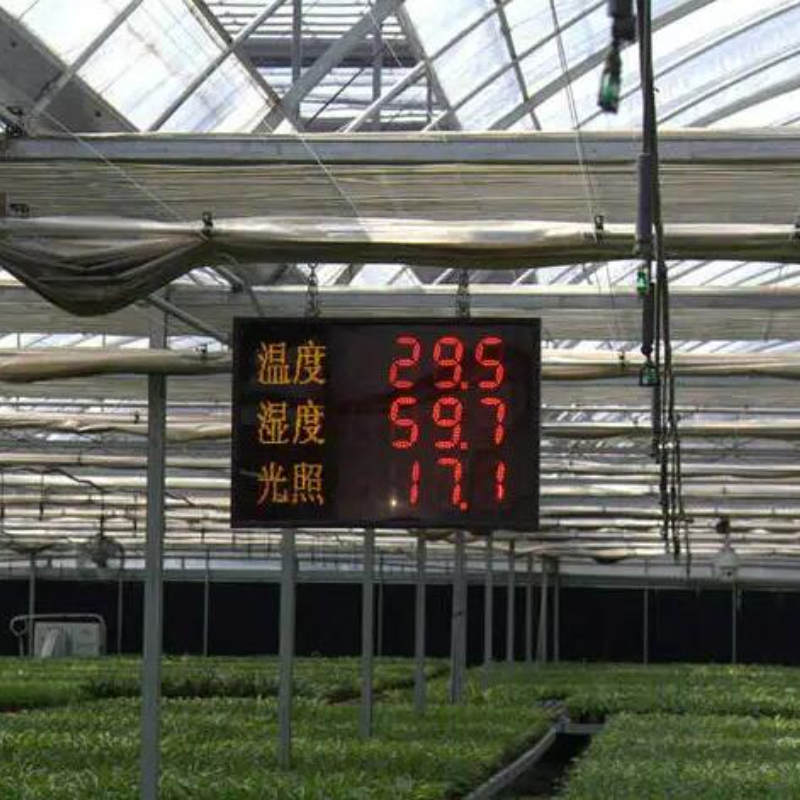
In the realm of modern construction, the Insulation System plays a pivotal role in enhancing energy efficiency and overall comfort within buildings. An effective Insulation System not only helps maintain stable indoor temperatures but also significantly reduces energy consumption, leading to lower utility bills and a decreased environmental impact. This article explores the various aspects of an Insulation System, its benefits, types, and its importance in sustainable building practices.
An Insulation System is designed to resist the flow of heat, ensuring that buildings remain warm in winter and cool in summer. This system can be made from various materials, including fiberglass, foam board, spray foam, and cellulose, each offering unique advantages. The effectiveness of an Insulation System is measured by its R-value, which indicates its thermal resistance. A higher R-value means better insulation performance.
Energy Efficiency: One of the primary benefits of an Insulation System is its ability to reduce energy consumption. By minimizing heat loss in winter and heat gain in summer, buildings require less energy for heating and cooling, resulting in significant cost savings.
Comfort: An effective Insulation System contributes to a more comfortable indoor environment. It helps maintain consistent temperatures throughout the year, reducing drafts and cold spots, which enhances the overall comfort of occupants.
Noise Reduction: Many insulation materials also provide soundproofing benefits. An Insulation System can significantly reduce noise transmission between rooms and from outside, creating a quieter living or working environment.
Environmental Impact: By reducing energy usage, an Insulation System contributes to lower greenhouse gas emissions. This is crucial in the fight against climate change, making buildings more sustainable and environmentally friendly.
Increased Property Value: Homes and buildings equipped with a high-quality Insulation System often have higher resale values due to their energy efficiency and comfort features. Potential buyers are increasingly looking for properties that offer long-term savings and sustainability.
There are several types of Insulation Systems available, each suitable for different applications:
Fiberglass Insulation: Commonly used in residential and commercial buildings, it is made from fine glass fibers and is available in batts, rolls, and loose-fill forms.
Foam Board Insulation: Rigid panels made from polystyrene or polyisocyanurate, foam board insulation is ideal for insulating foundations and exterior walls.
Spray Foam Insulation: This type expands on application, filling gaps and cracks effectively. It provides an excellent air seal and has a high R-value.
Cellulose Insulation: Made from recycled paper products, cellulose is an eco-friendly option that provides good thermal performance and is often used in attics and walls.
In conclusion, an effective Insulation System is essential for any modern building. It not only enhances energy efficiency and indoor comfort but also contributes to environmental sustainability and increased property values. As we continue to prioritize energy conservation and eco-friendly practices, investing in a high-quality Insulation System will become increasingly important. Whether you are building a new home or upgrading an existing structure, consider the long-term benefits of a well-designed Insulation System to ensure a comfortable, efficient, and sustainable living space.
Q1:Are We a trading company or a manufacturer?
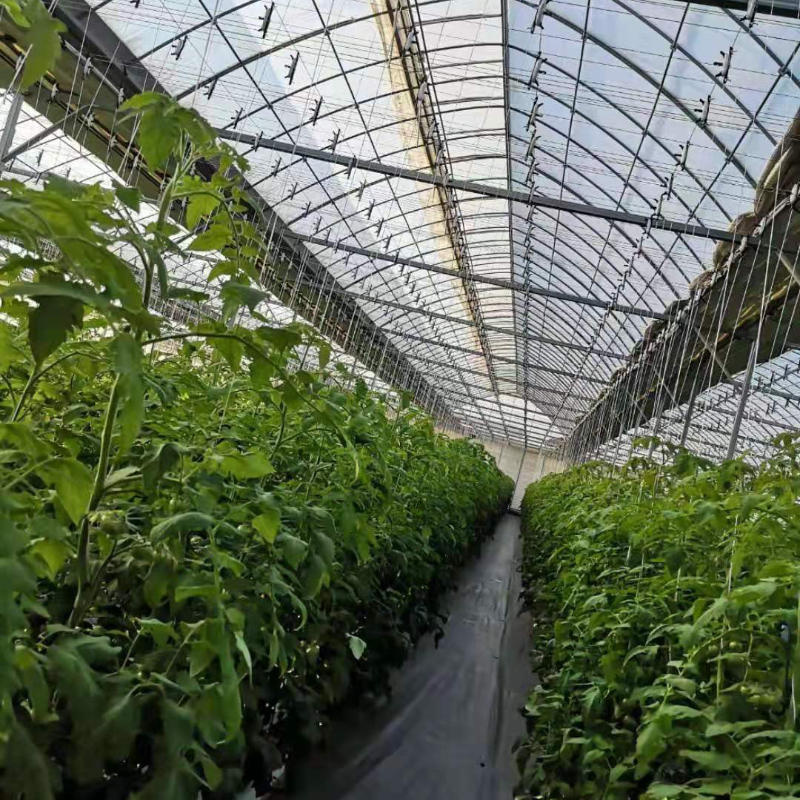
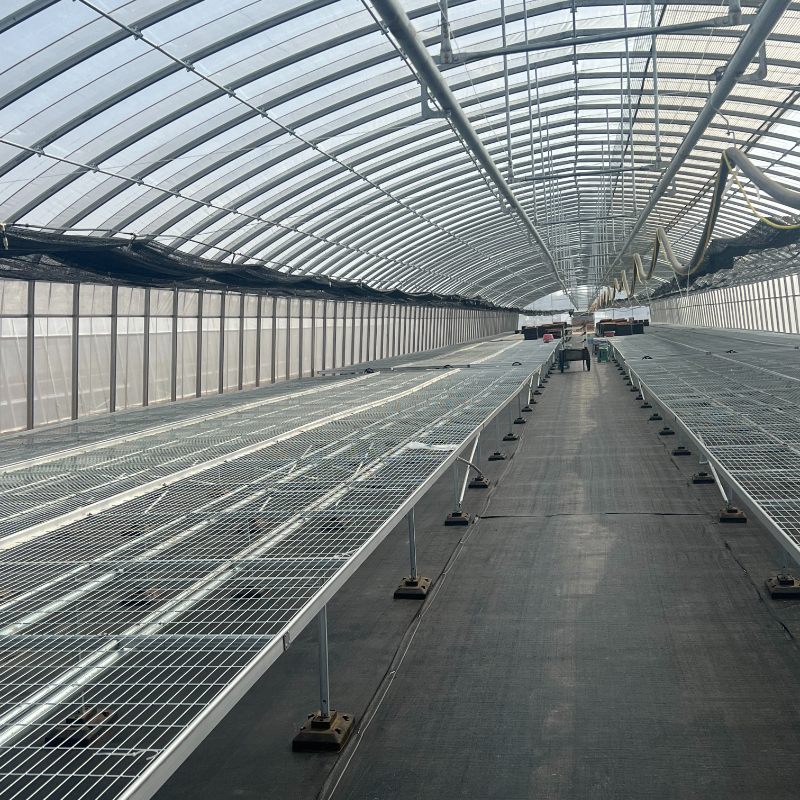
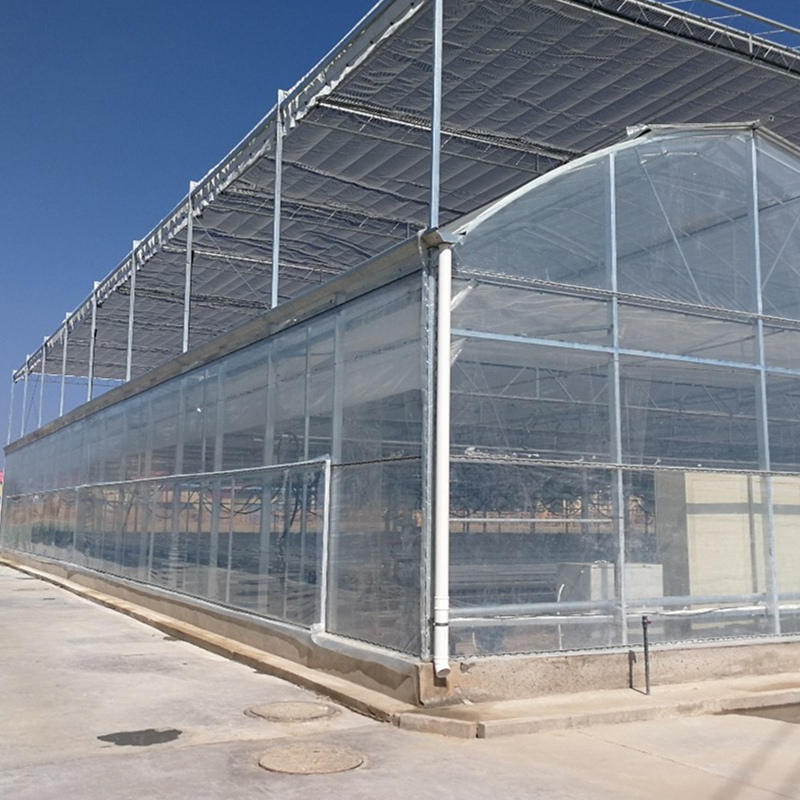
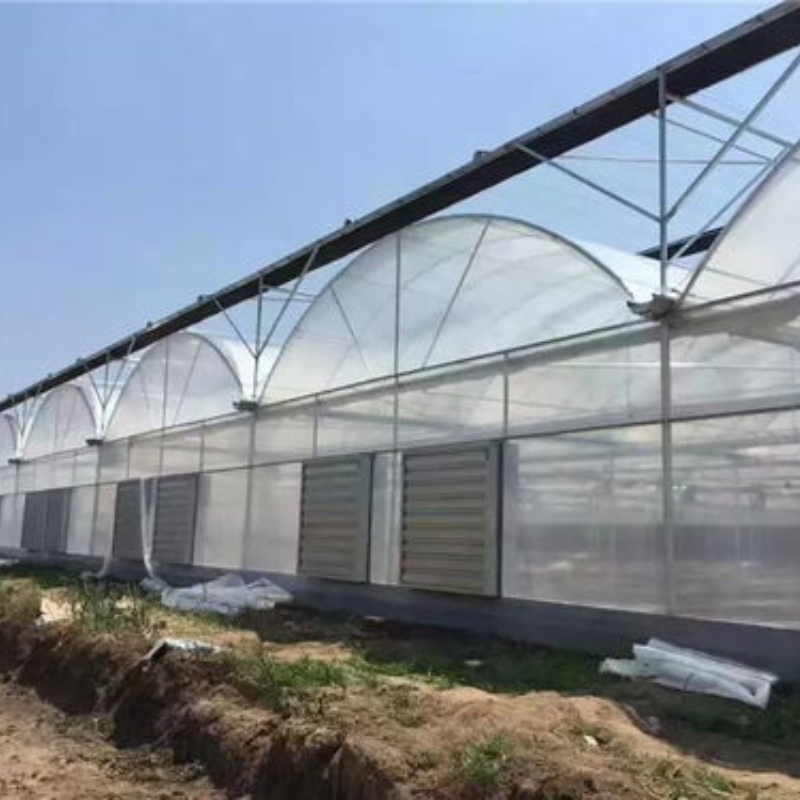
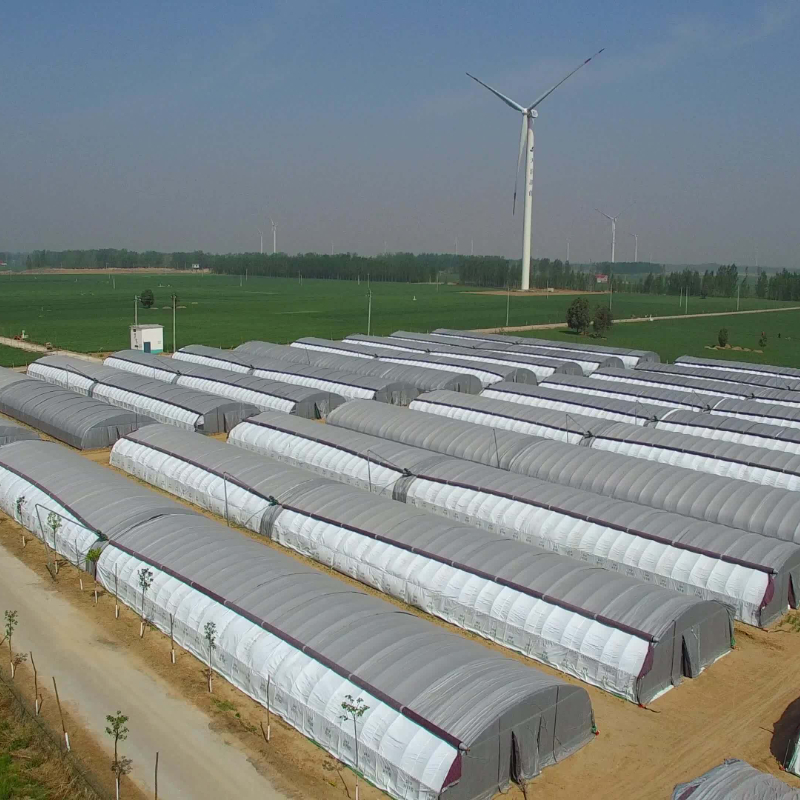
A: We are a factory. Our factory can produce all items which are related to the greenhouse, so we provide the best price.
Q2: Do we provide samples? Is it free or extra?
A: Yes, we can provide samples free of charge, but we don't bear the freight.
Q3: How to get a quotation for the greenhouse?
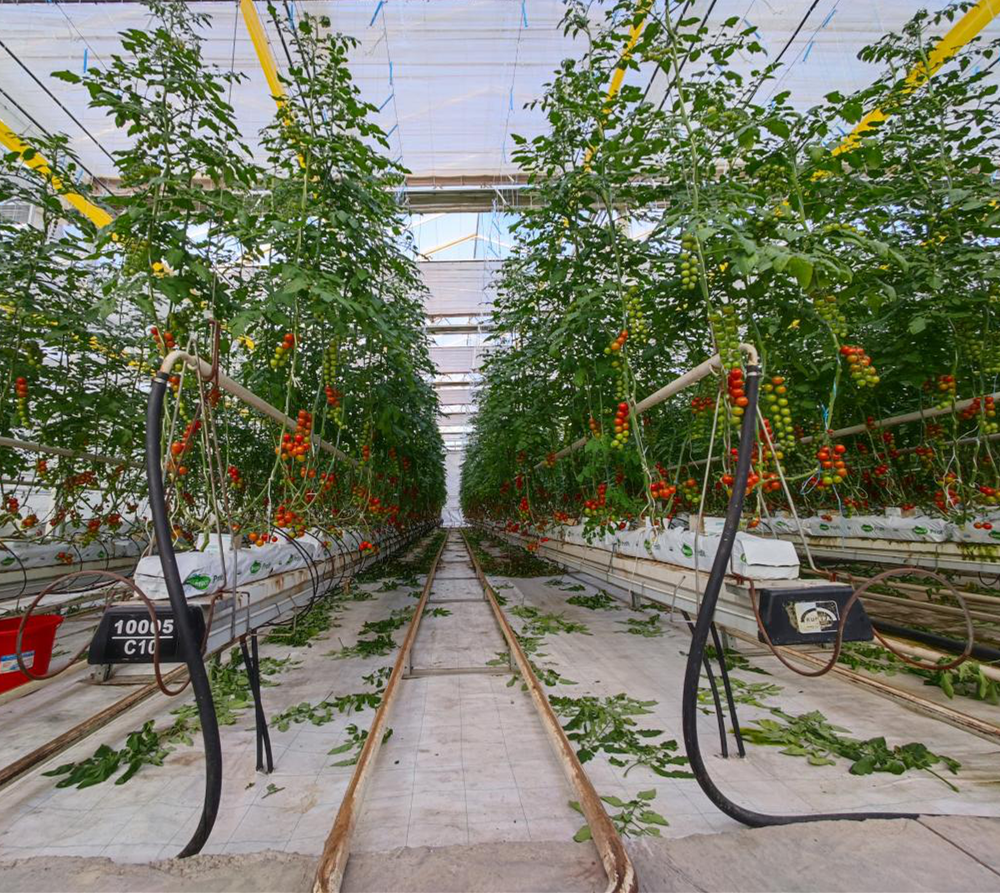
A: Please let us know how many greenhouses you need? What will be grown in the greenhouse? So that we can suggest you the related greenhouses.
Q4: How should you choose a greenhouse system?
A: Please let us know where you will build the greenhouse, we also need the know your local temperature and wind speed.
Q5: How to assemble the greenhouse after you purchase our greenhouses ?
A:We have professional after-sales service engineers who will provide planning drawings and installation manuals. You can communicate with him from time to time. If necessary, we can also send engineers to your country to supervise the installation of the greenhouse. Please send message for specific details.
If you have drawings, welcome to share drawings with us, quoation will be done based your drawings.Our excellent design team will
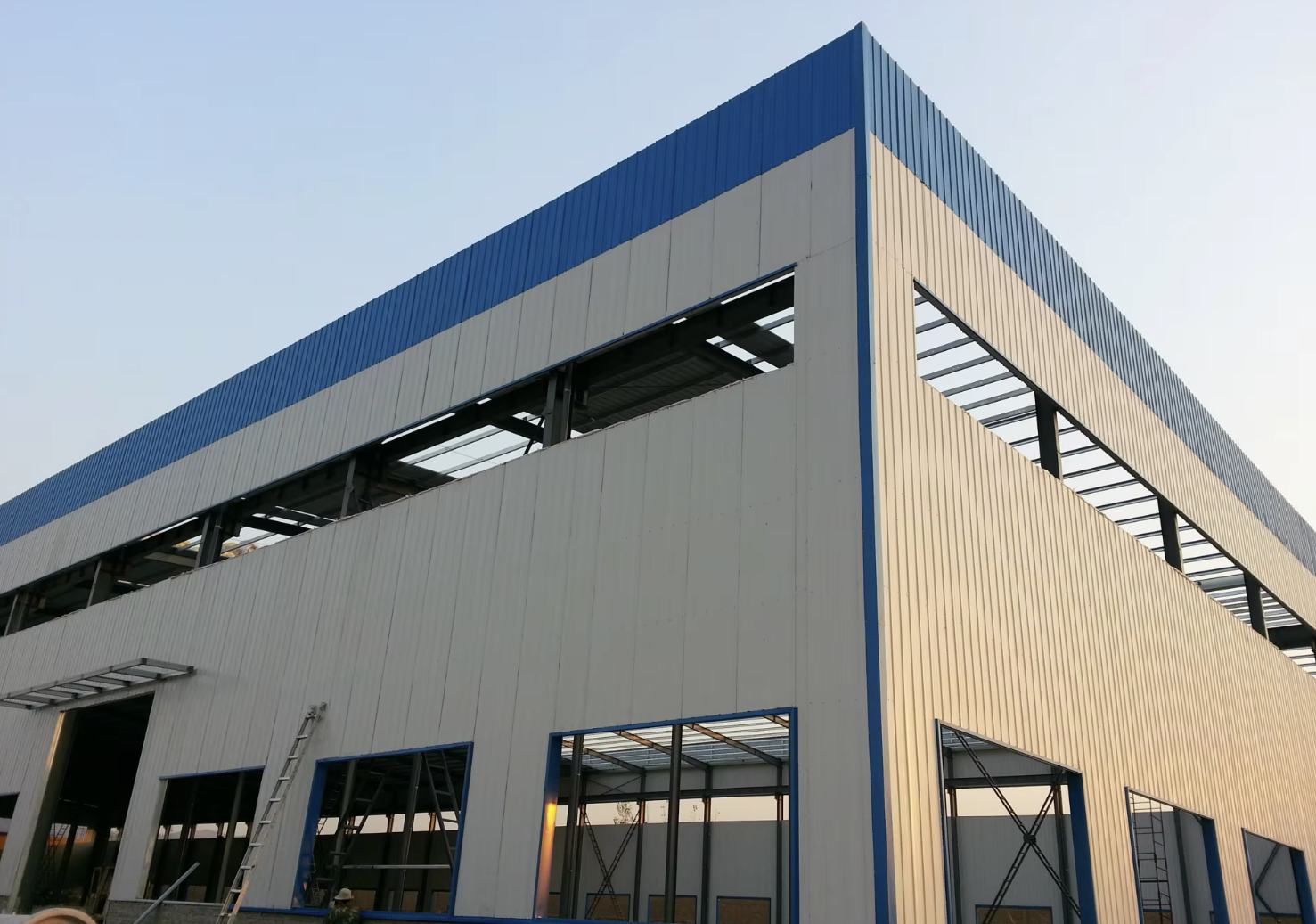
design the steel structure workshop warehouse for you. If you give the following information, we will give you an satisfactory
drawing.
1 Location (where will be built? ) which country? which city?
2 Size: Length*width* Eave height _____mm*_____mm*_____mm
3 wind load (max. Wind speed) _____kn/m2, _____km/h, _____m/s
4 snow load (max. Snow height) _____kn/m2, _____mm, temperature range?
5 anti-earthquake _____level
6 brickwall needed or not If yes, 1.2m high or 1.5m high? or other?
7 thermal insulation If yes, EPS, fiberglass wool, rockwool, PU sandwich panels will be suggested;
If not, the metal steel sheets will be ok. The cost of the latter will be much lower than that of the former.
8 door quantity & size _____units, _____(width)mm*_____(height)mm
9 window quanity & size _____units, _____(width)mm*_____(height)mm
10 crane needed or not If yes, _____units, max. Lifting weight____tons; Max. Lifting height _____m