The Transmission System is a vital component of electrical engineering, responsible for the efficient transfer of electrical energy from generation points to end users. This system plays a crucial role in ensuring that electricity is delivered reliably and efficiently across vast distances. In this article, we will explore the key features, components, and importance of the Transmission System in modern power networks.
A Transmission System refers to the network of high-voltage power lines, substations, and other infrastructure that transports electricity from power plants to distribution networks. The primary purpose of the Transmission System is to move large amounts of electricity over long distances while minimizing energy losses. By using high-voltage transmission, the system reduces the current flowing through the lines, which in turn decreases resistive losses.
Transmission Lines: These are the high-voltage cables that carry electricity over long distances. They can be overhead lines or underground cables, depending on the geographical and environmental considerations.
Substations: Substations are critical points in the Transmission System where voltage levels are transformed. They step up the voltage for long-distance transmission and step it down for distribution to consumers.
Transformers: Transformers are essential devices within substations that change the voltage of electricity. The Transmission System relies on transformers to ensure that electricity can be transmitted efficiently and safely.
Switchgear: This equipment is used to control, protect, and isolate electrical equipment in the Transmission System. Switchgear ensures that the system operates safely and can be maintained without disrupting power supply.
Control Systems: Modern Transmission Systems incorporate advanced control systems for monitoring and managing the flow of electricity. These systems help maintain grid stability and respond to changes in demand.
The Transmission System is crucial for several reasons:
Efficiency: By transmitting electricity at high voltages, the Transmission System minimizes energy losses, making the overall power supply more efficient.
Reliability: A well-designed Transmission System ensures that electricity is delivered consistently and reliably to consumers, reducing the risk of blackouts and outages.
Integration of Renewable Energy: The Transmission System facilitates the integration of renewable energy sources, such as wind and solar, into the grid. This is essential for transitioning to a more sustainable energy future.
Economic Benefits: Efficient transmission reduces operational costs for utilities and can lead to lower electricity prices for consumers. A robust Transmission System supports economic growth by providing reliable power to industries and businesses.
Grid Interconnectivity: The Transmission System allows different regions to connect and share resources, enhancing overall grid stability and resilience. This interconnectivity is vital during peak demand periods or emergencies.
Despite its importance, the Transmission System faces several challenges:
Aging Infrastructure: Many existing transmission lines and substations are aging and require upgrades or replacements to maintain reliability.
Environmental Concerns: The construction of new transmission lines can face opposition due to environmental and land use issues, making it challenging to expand the network.
Cybersecurity Risks: As the Transmission System becomes more digitized, it faces increasing risks from cyberattacks that could disrupt power supply.
Investment Needs: Significant investment is required to modernize and expand the Transmission System, particularly to accommodate the growing demand for electricity and the integration of renewable energy sources.
In conclusion, the Transmission System is a fundamental aspect of electrical engineering and plays a critical role in delivering electricity efficiently and reliably. Understanding its components, importance, and challenges is essential for anyone involved in the energy sector. As we move towards a more sustainable energy future, investing in and improving the Transmission System will be crucial for meeting the demands of consumers and integrating renewable energy sources into the grid. The future of our energy landscape depends on the continued evolution and enhancement of the Transmission System.
Q1:Are We a trading company or a manufacturer?
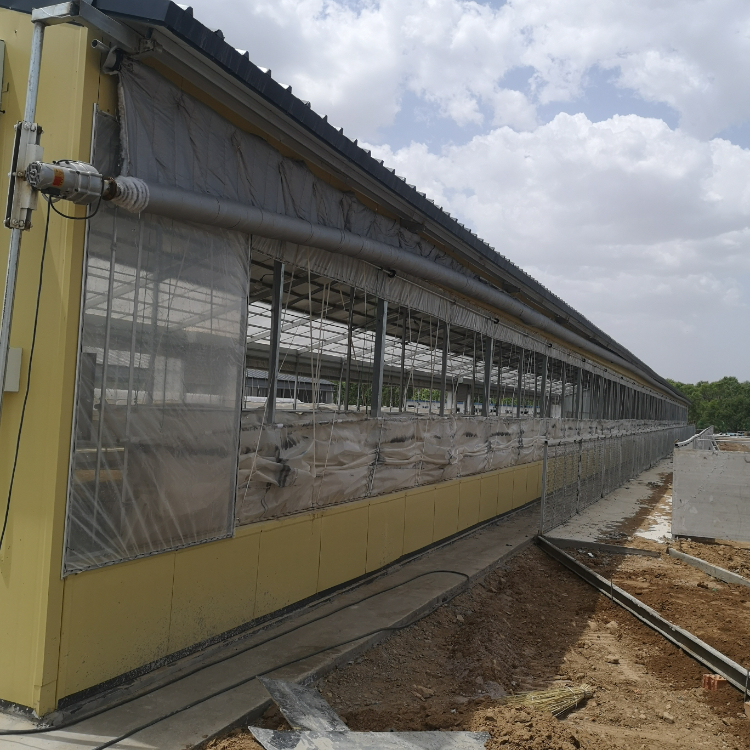
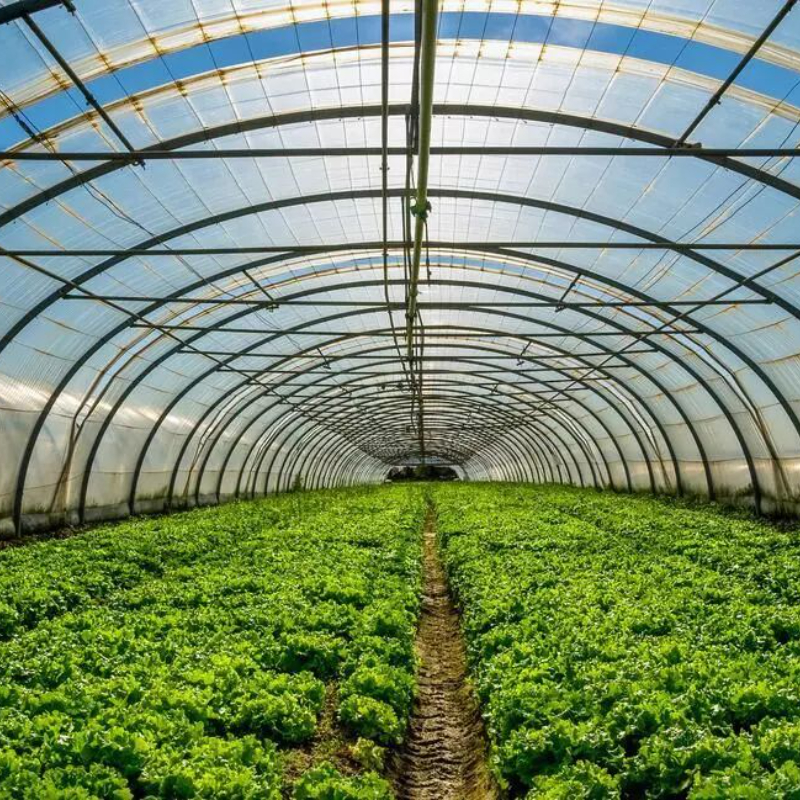
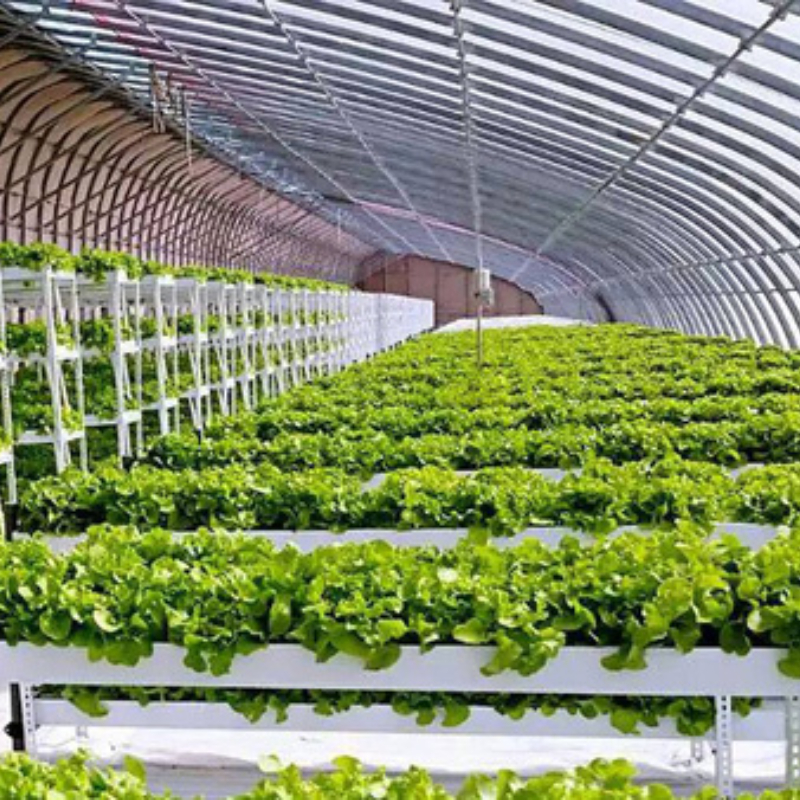
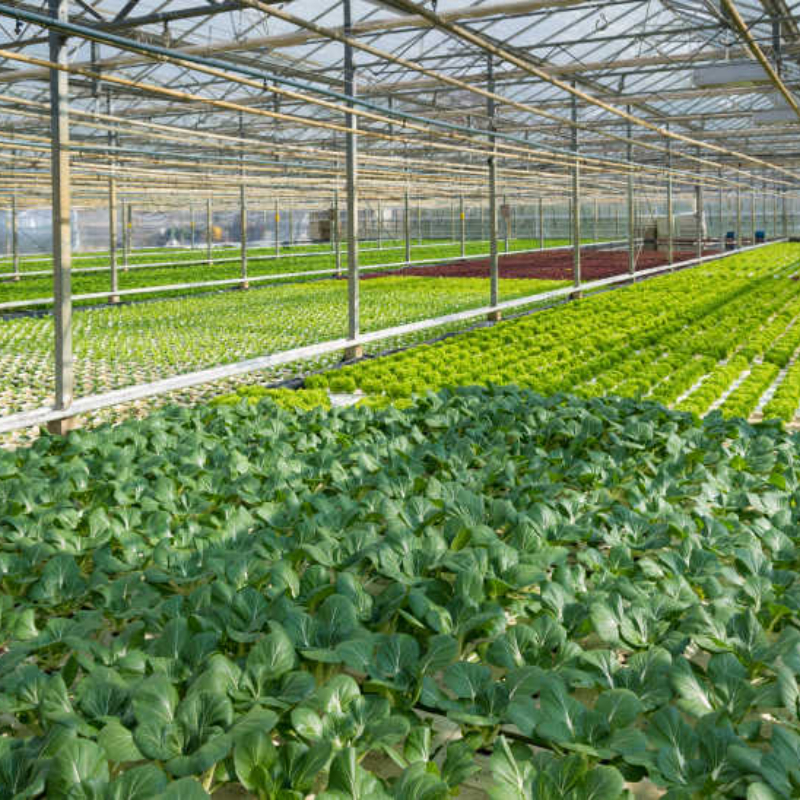
A: We are a factory. Our factory can produce all items which are related to the greenhouse, so we provide the best price.
Q2: Do we provide samples? Is it free or extra?
A: Yes, we can provide samples free of charge, but we don't bear the freight.
Q3: How to get a quotation for the greenhouse?
A: Please let us know how many greenhouses you need? What will be grown in the greenhouse? So that we can suggest you the related greenhouses.
Q4: How should you choose a greenhouse system?
A: Please let us know where you will build the greenhouse, we also need the know your local temperature and wind speed.
Q5: How to assemble the greenhouse after you purchase our greenhouses ?
A:We have professional after-sales service engineers who will provide planning drawings and installation manuals. You can communicate with him from time to time. If necessary, we can also send engineers to your country to supervise the installation of the greenhouse. Please send message for specific details.
If you have drawings, welcome to share drawings with us, quoation will be done based your drawings.Our excellent design team will
design the steel structure workshop warehouse for you. If you give the following information, we will give you an satisfactory
drawing.
1 Location (where will be built? ) which country? which city?
2 Size: Length*width* Eave height _____mm*_____mm*_____mm
3 wind load (max. Wind speed) _____kn/m2, _____km/h, _____m/s
4 snow load (max. Snow height) _____kn/m2, _____mm, temperature range?
5 anti-earthquake _____level
6 brickwall needed or not If yes, 1.2m high or 1.5m high? or other?
7 thermal insulation If yes, EPS, fiberglass wool, rockwool, PU sandwich panels will be suggested;
If not, the metal steel sheets will be ok. The cost of the latter will be much lower than that of the former.
8 door quantity & size _____units, _____(width)mm*_____(height)mm
9 window quanity & size _____units, _____(width)mm*_____(height)mm
10 crane needed or not If yes, _____units, max. Lifting weight____tons; Max. Lifting height _____m