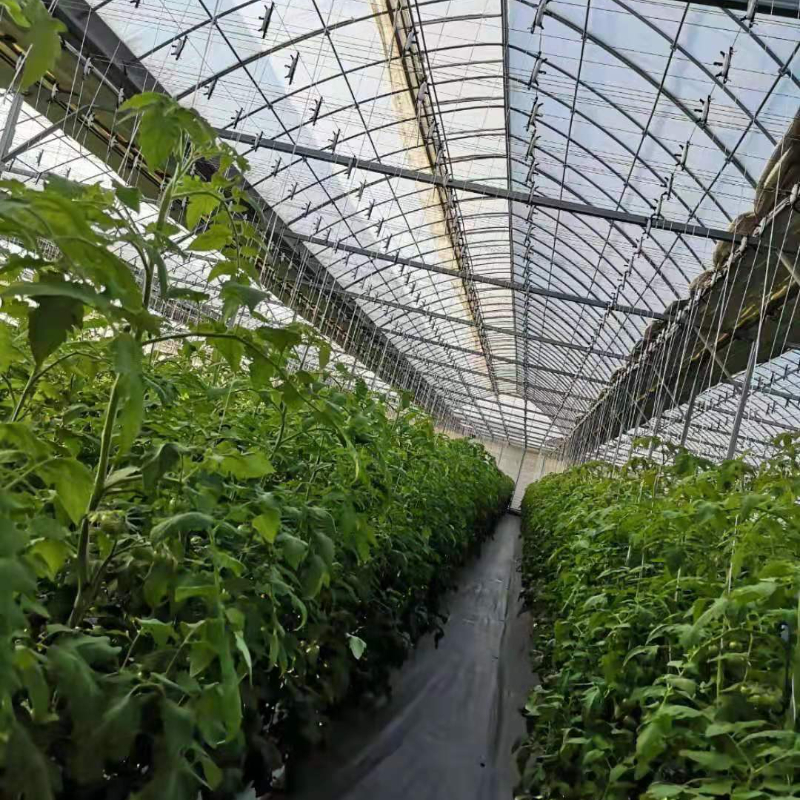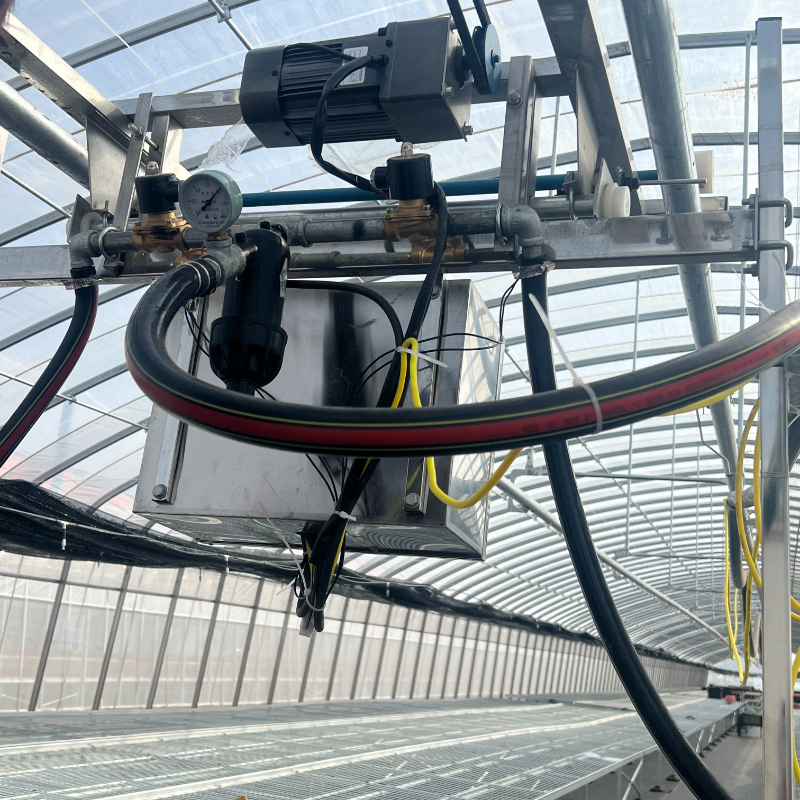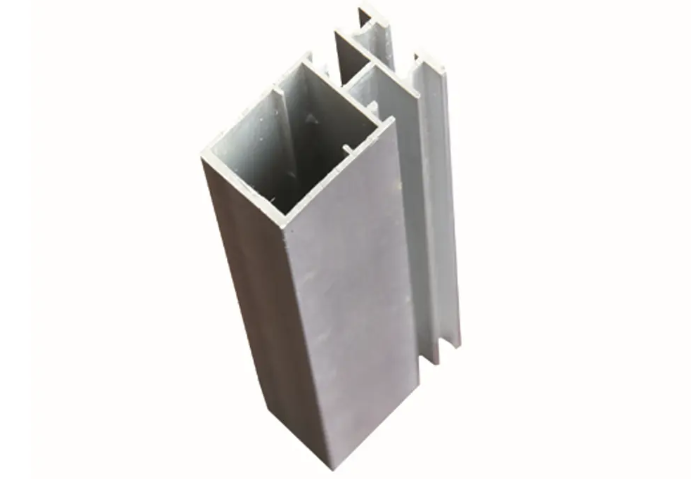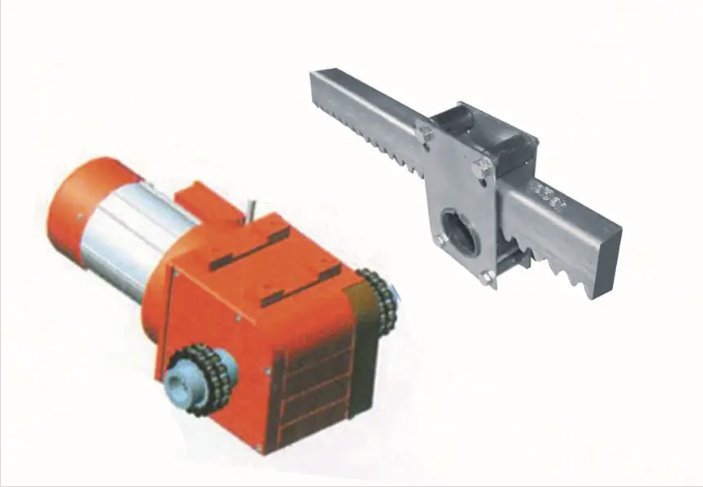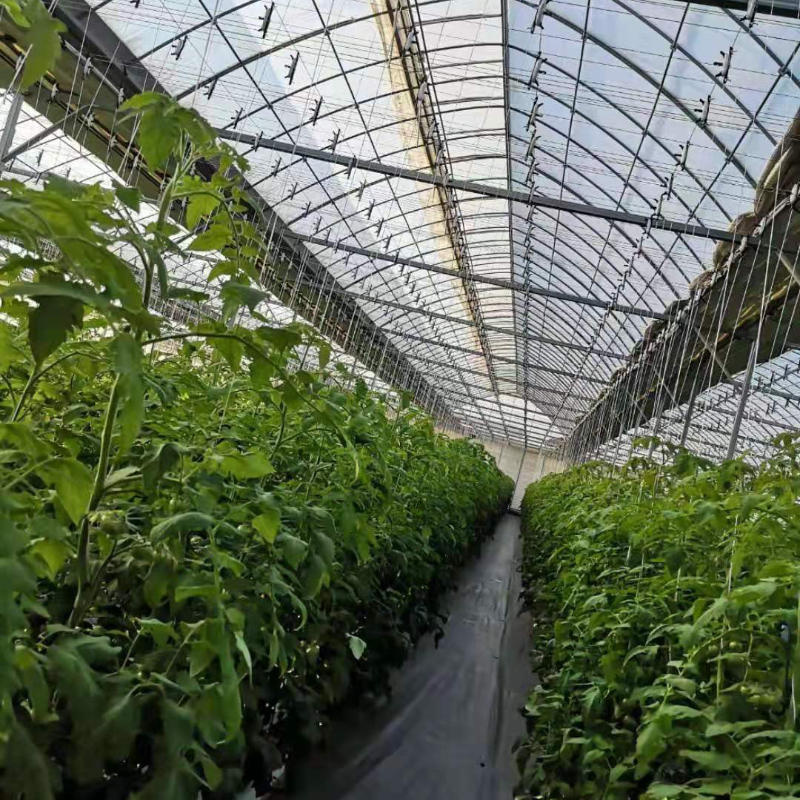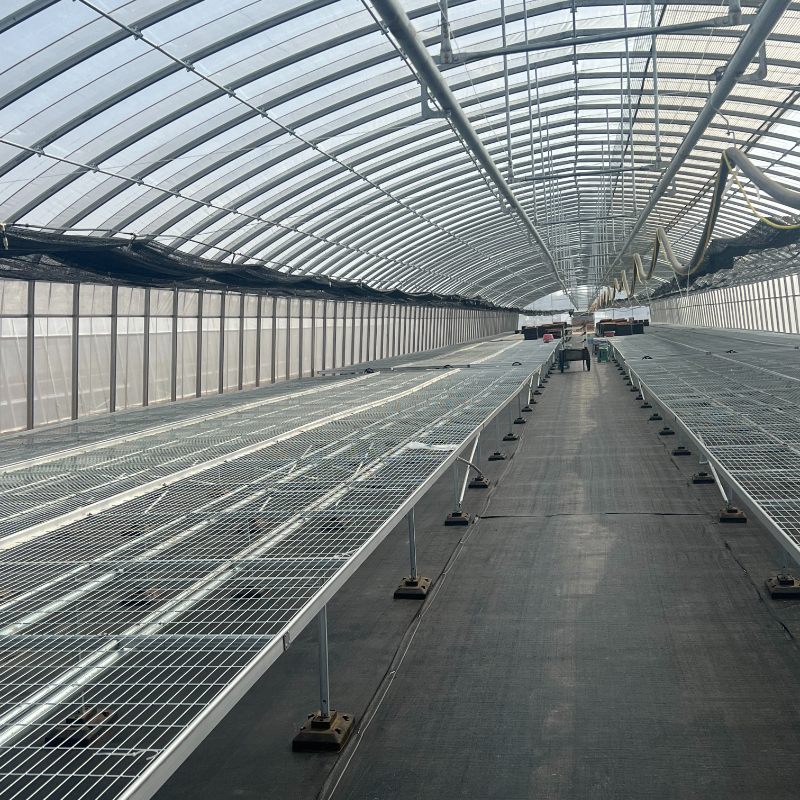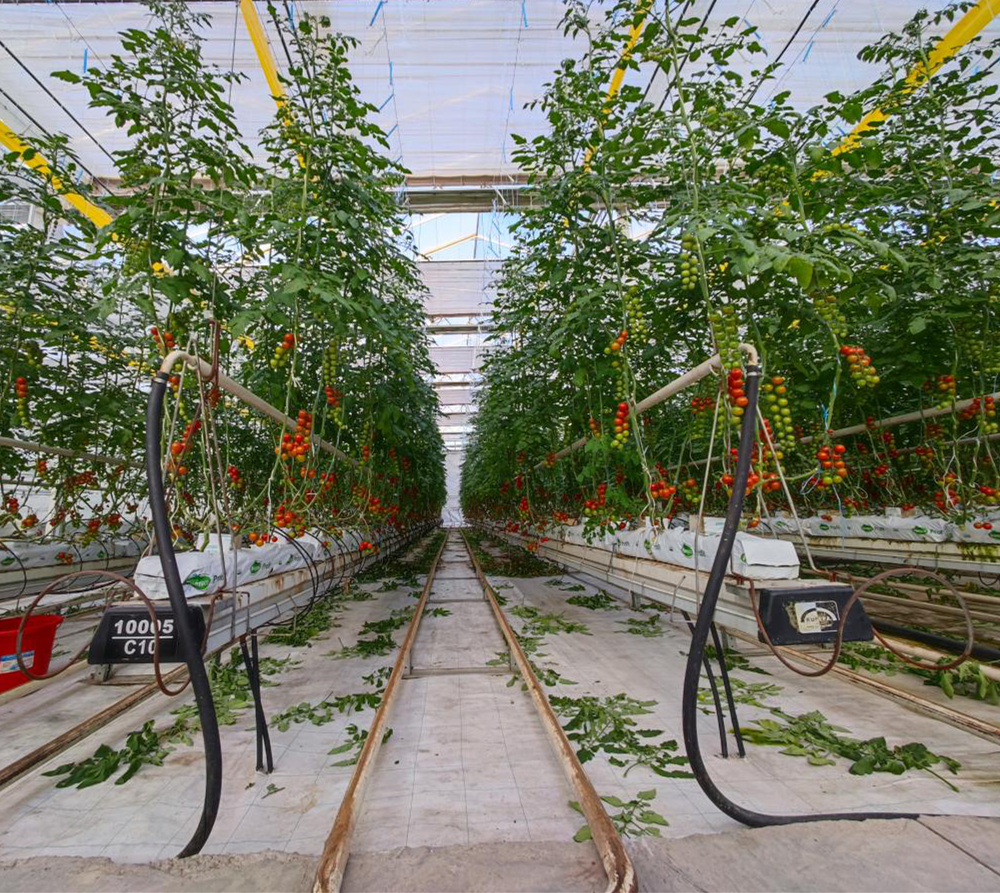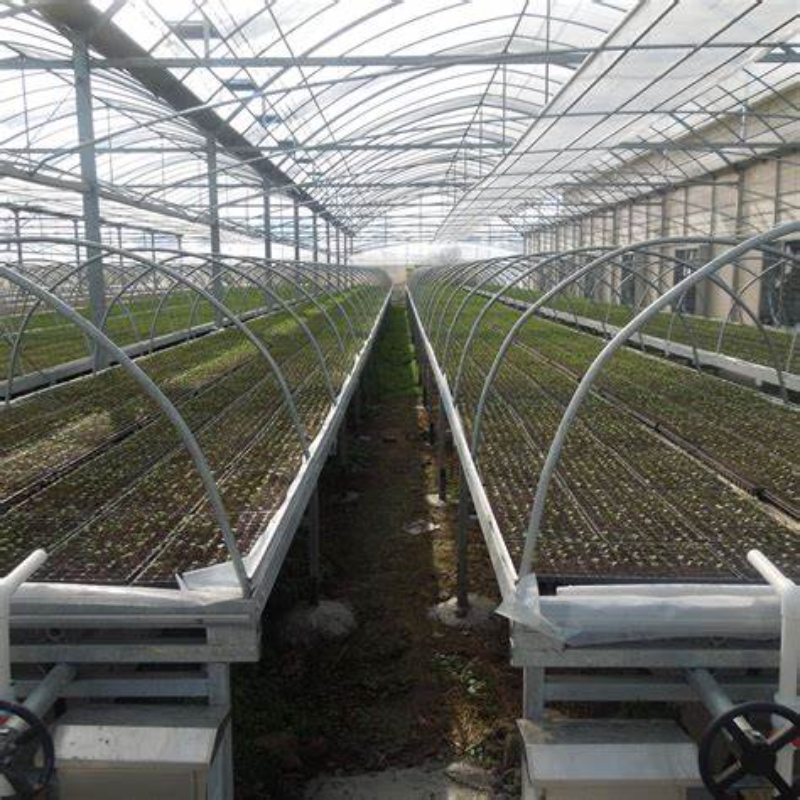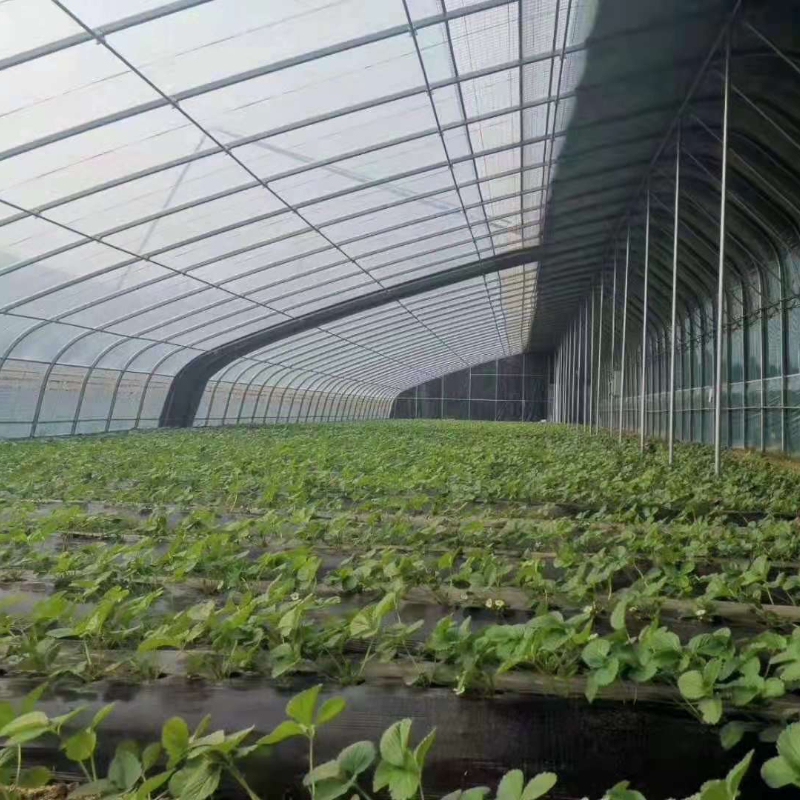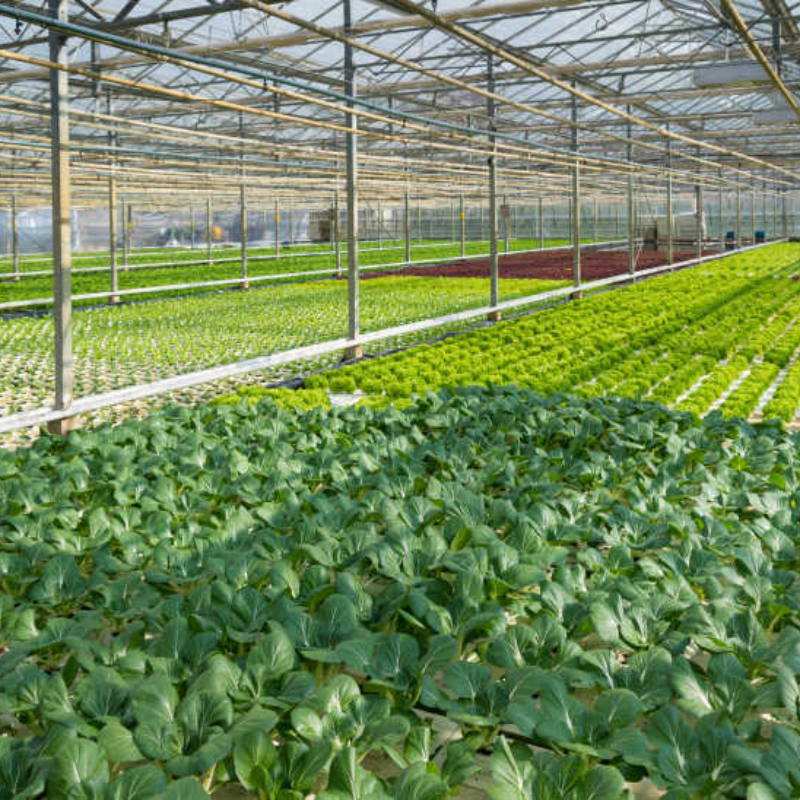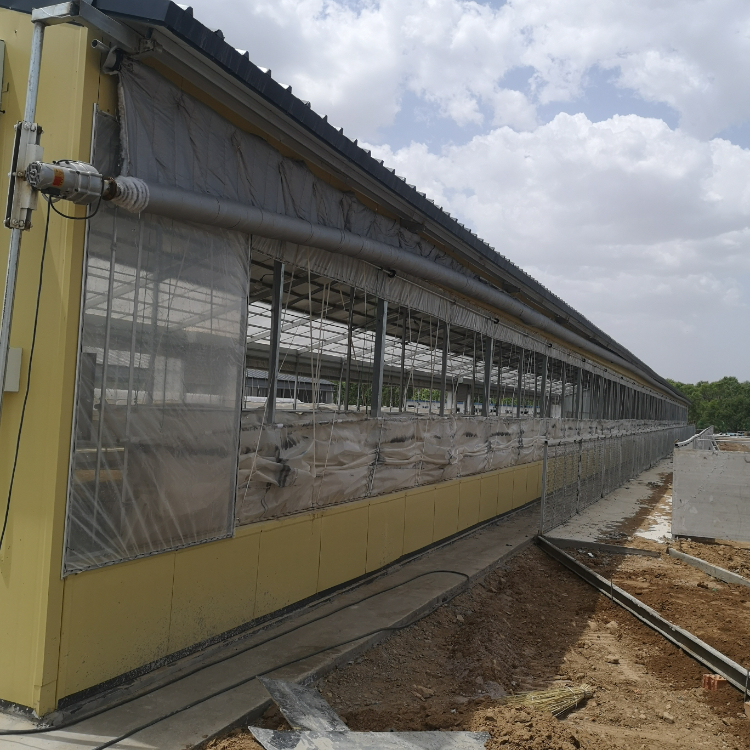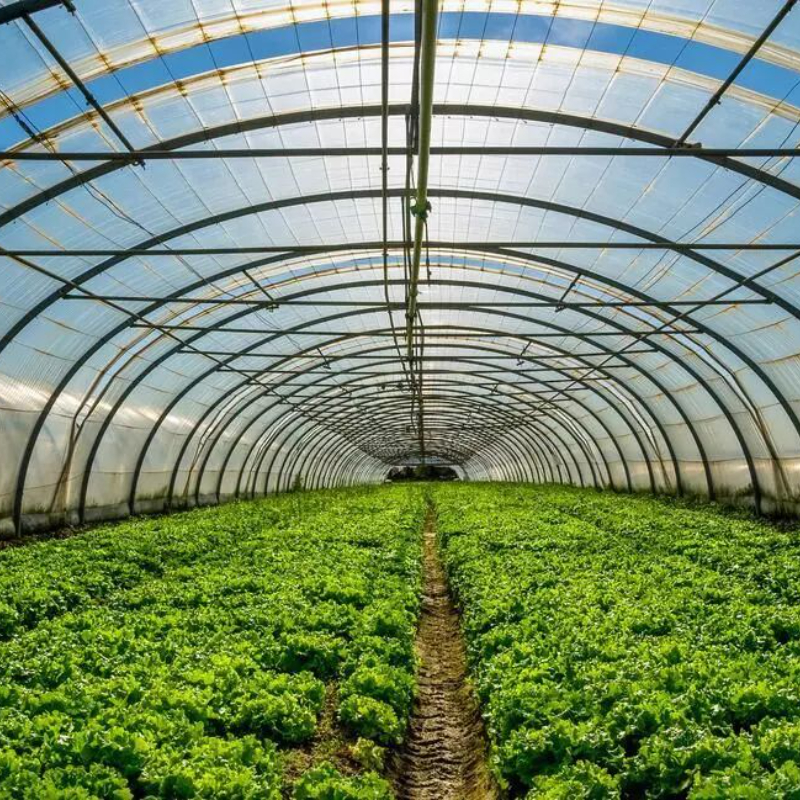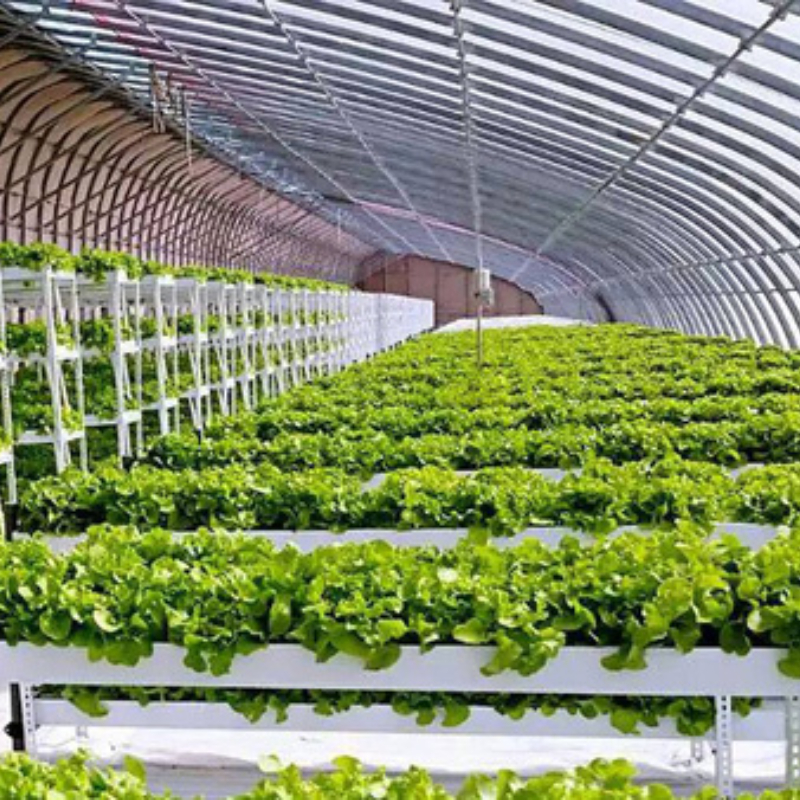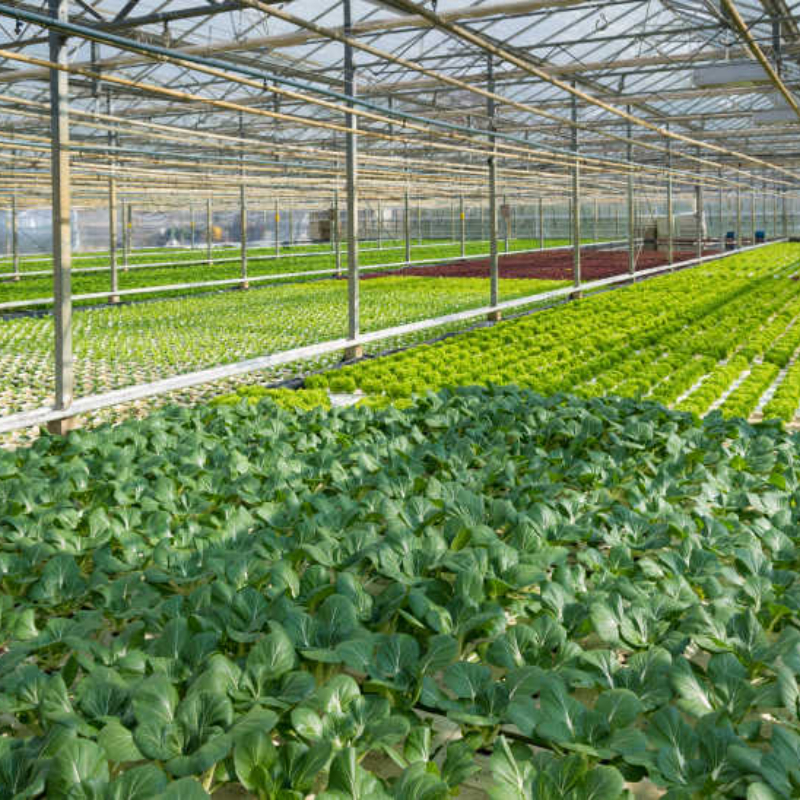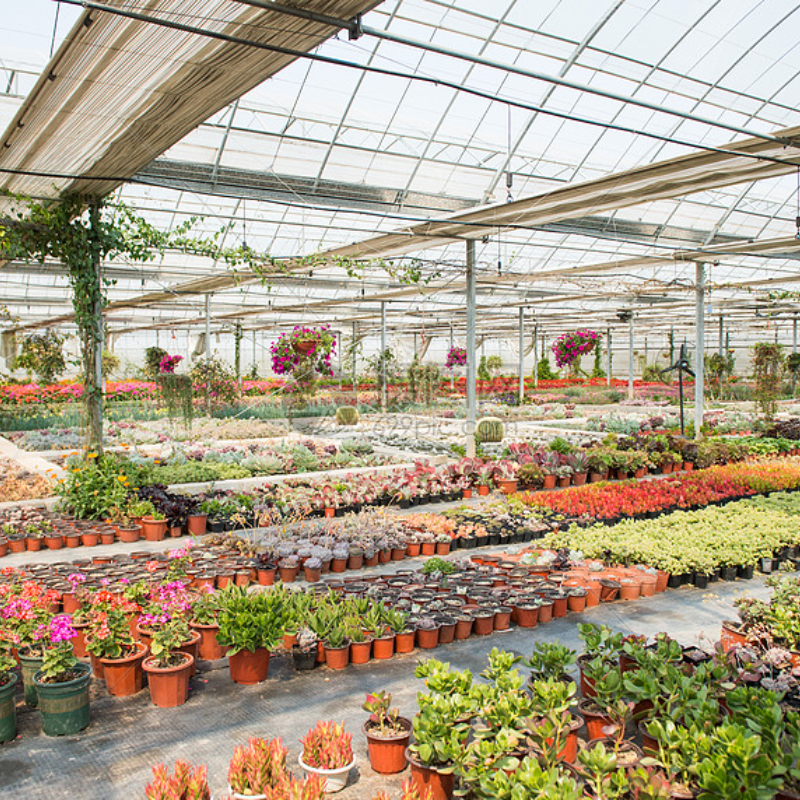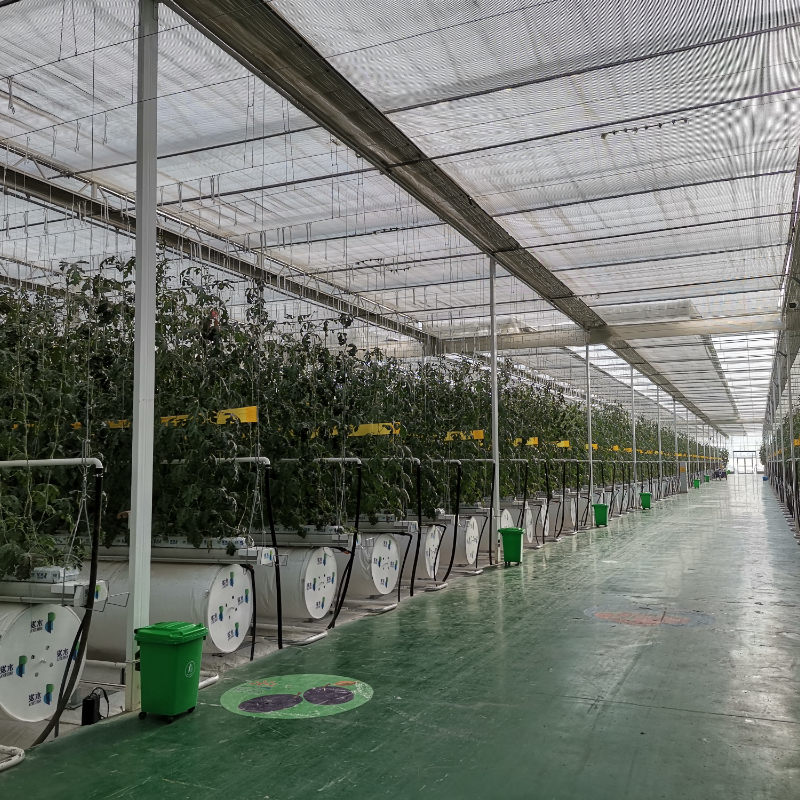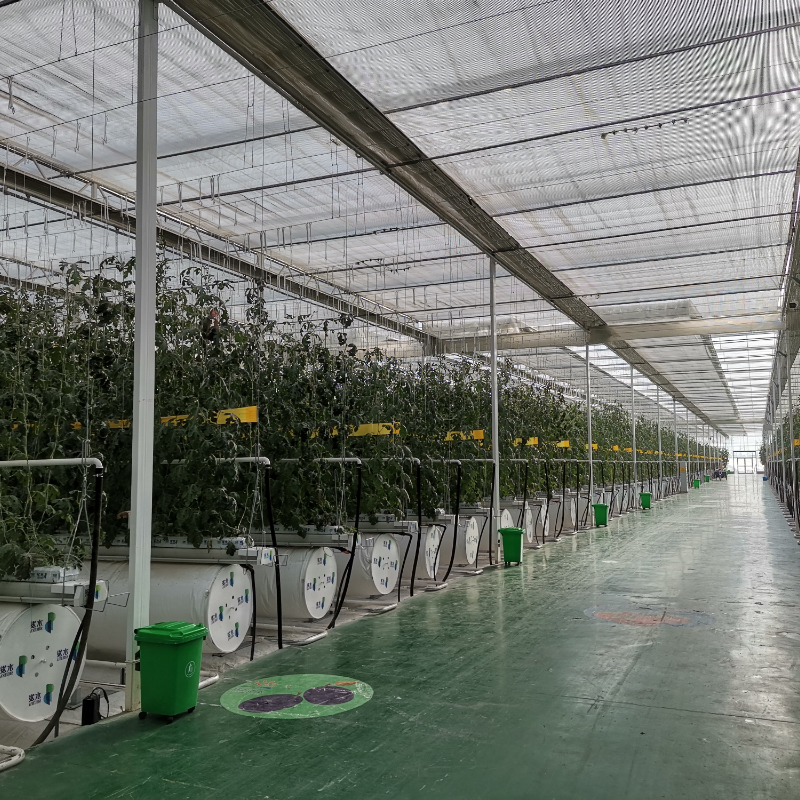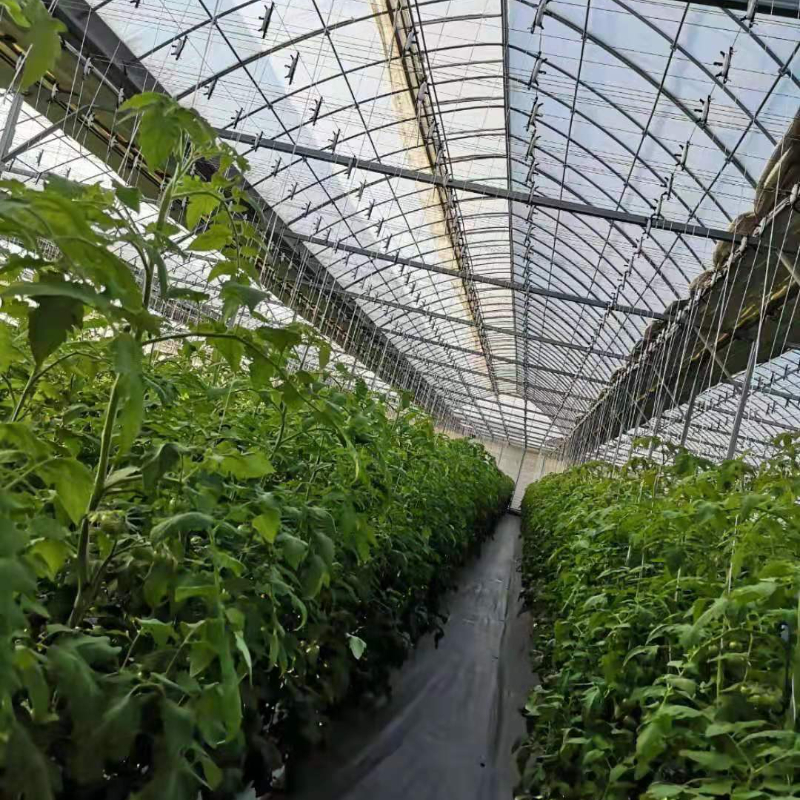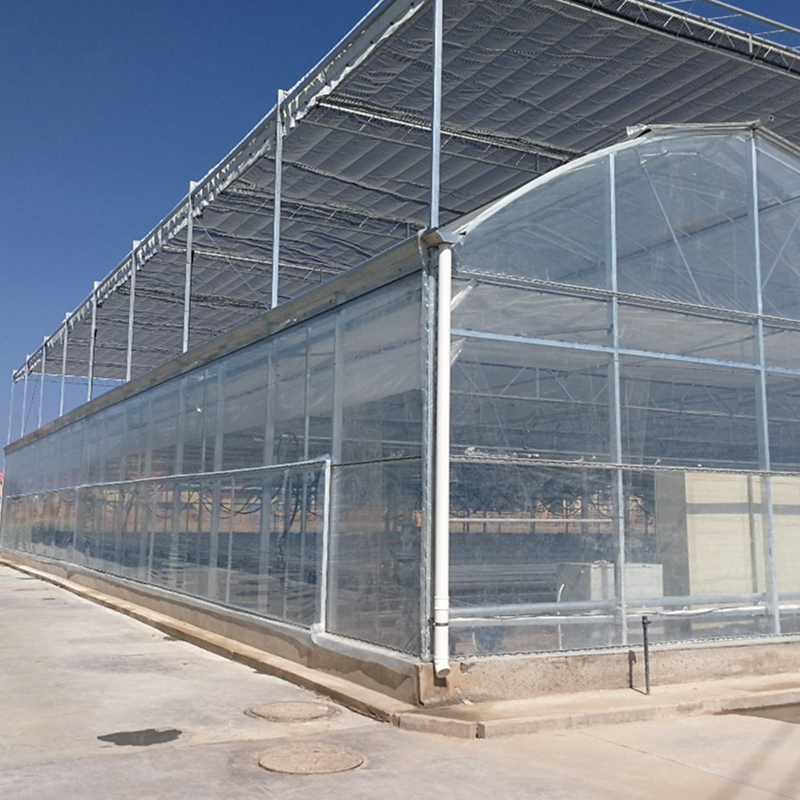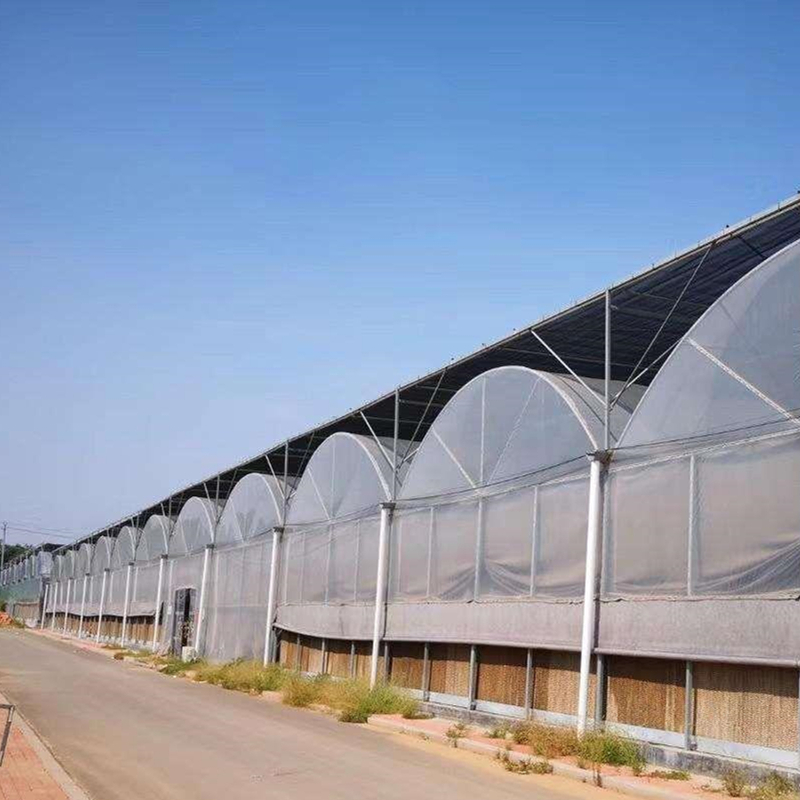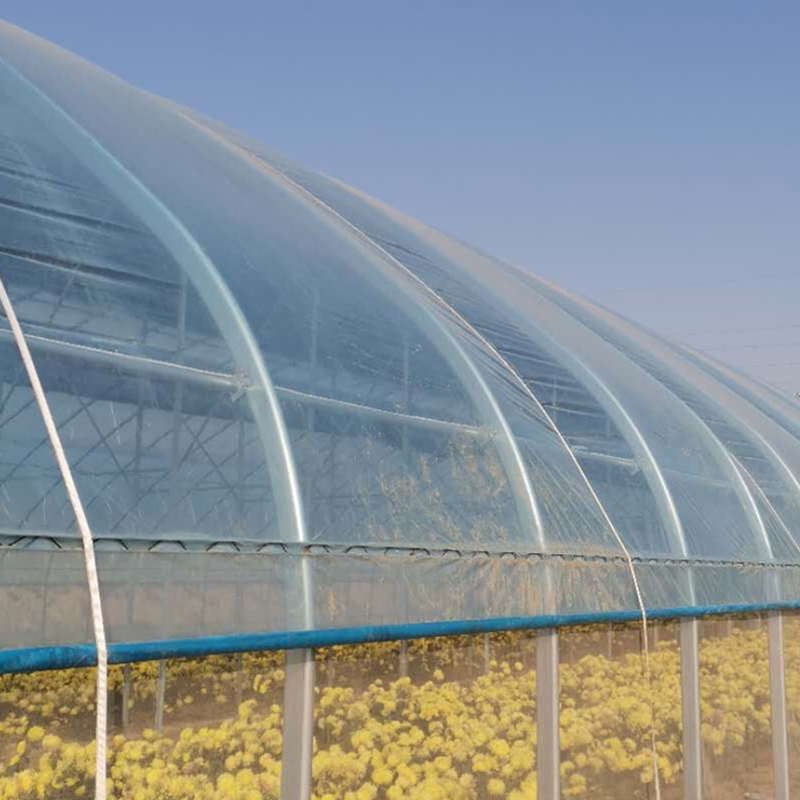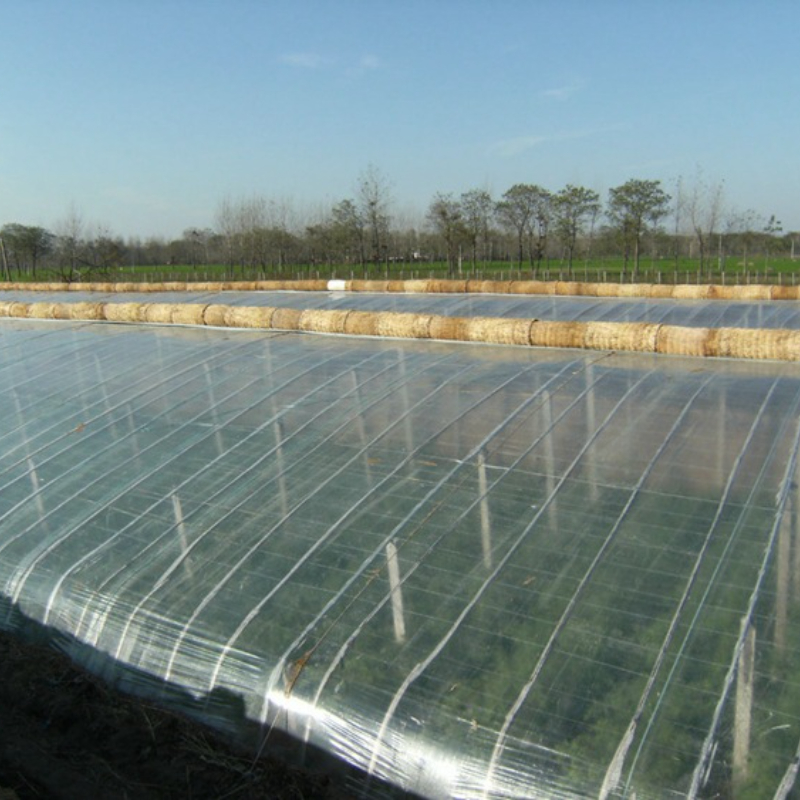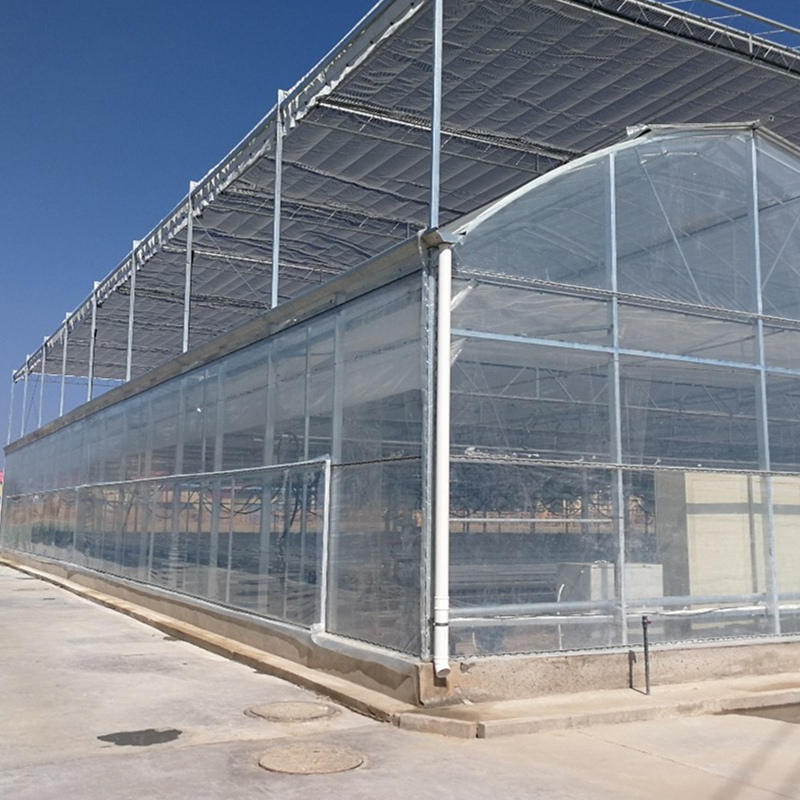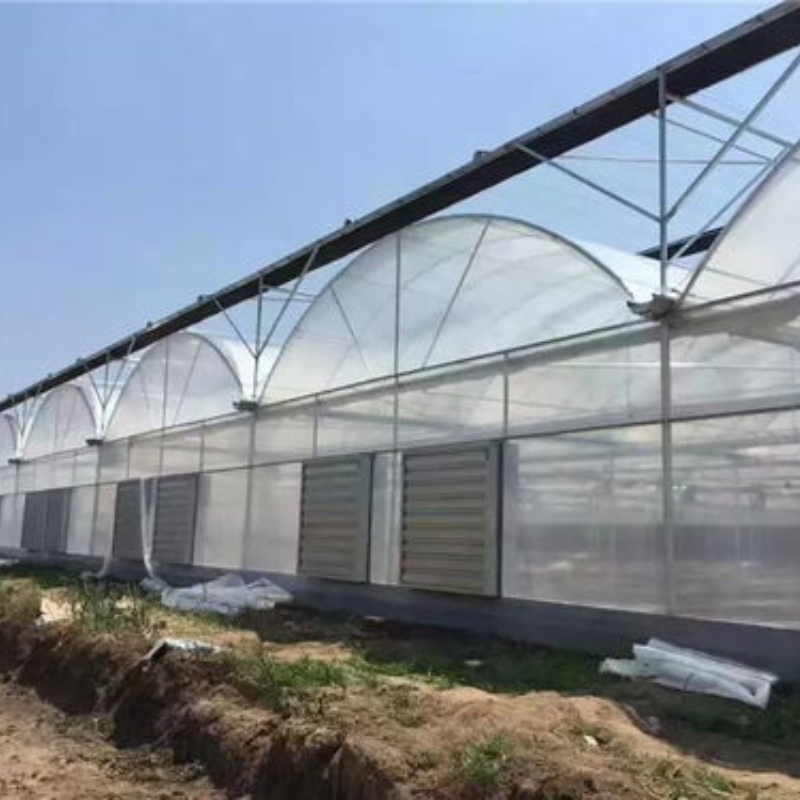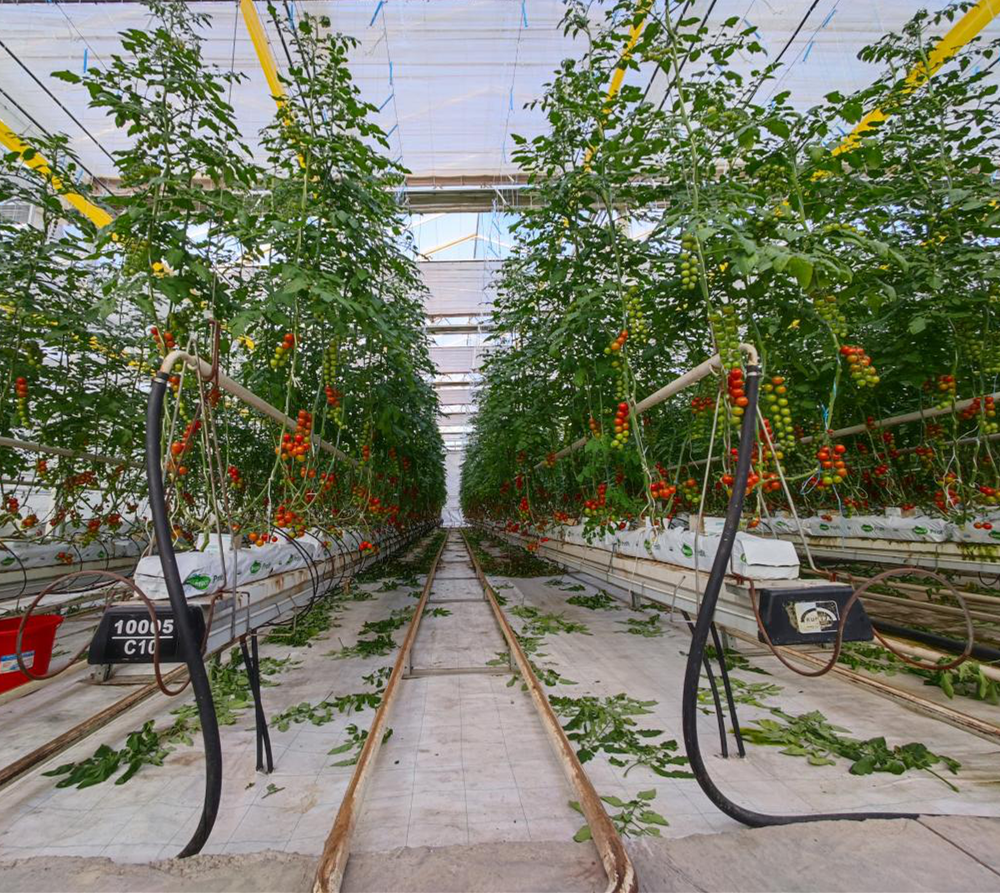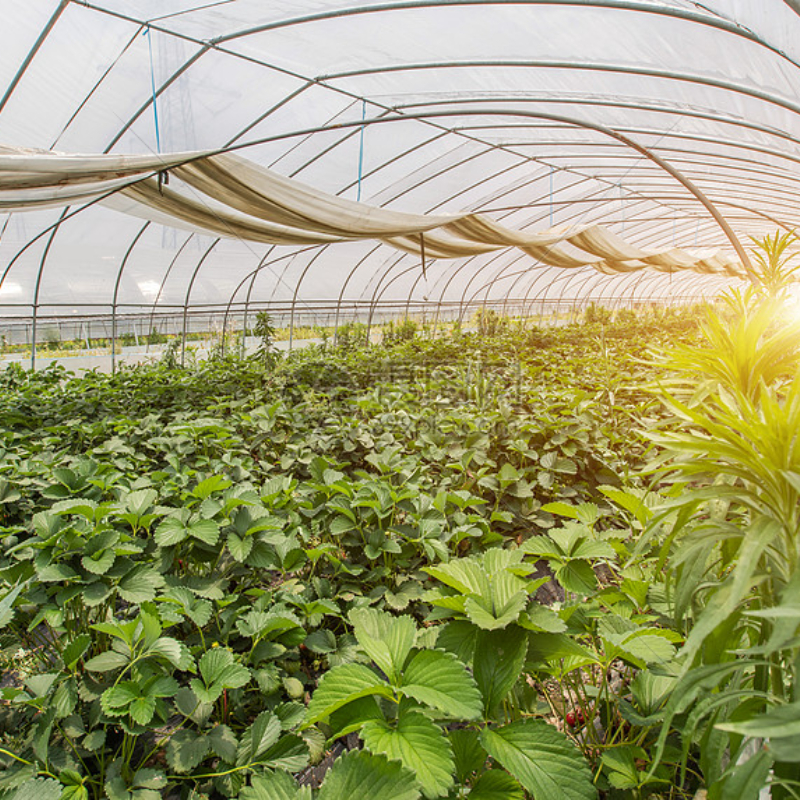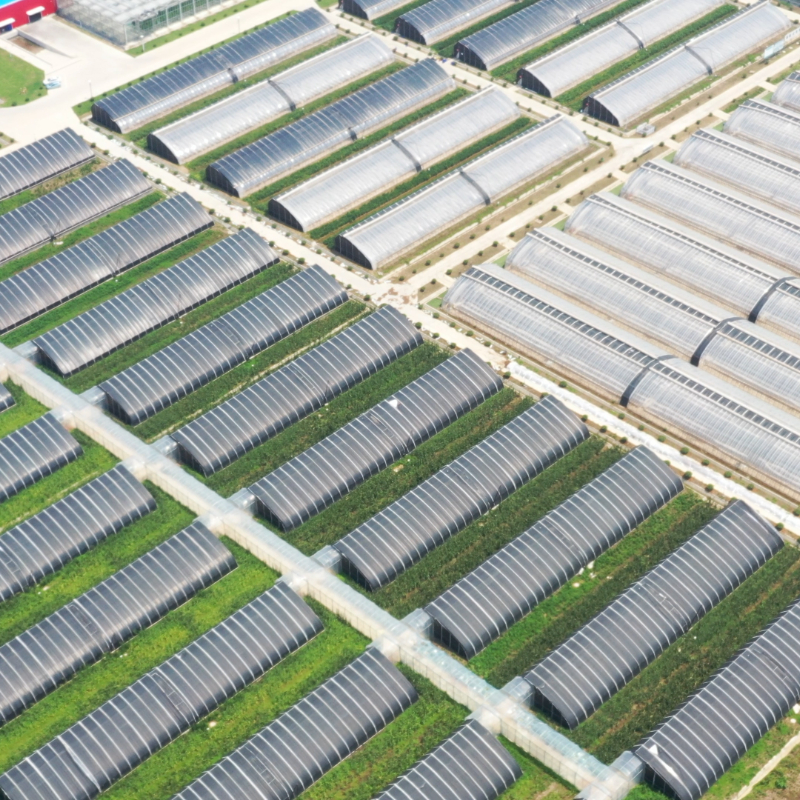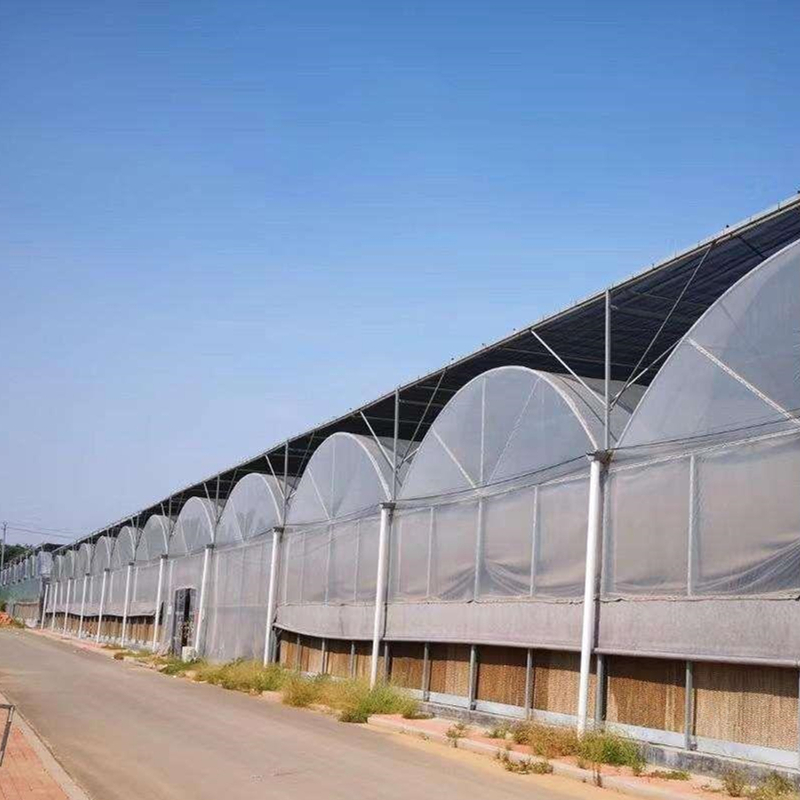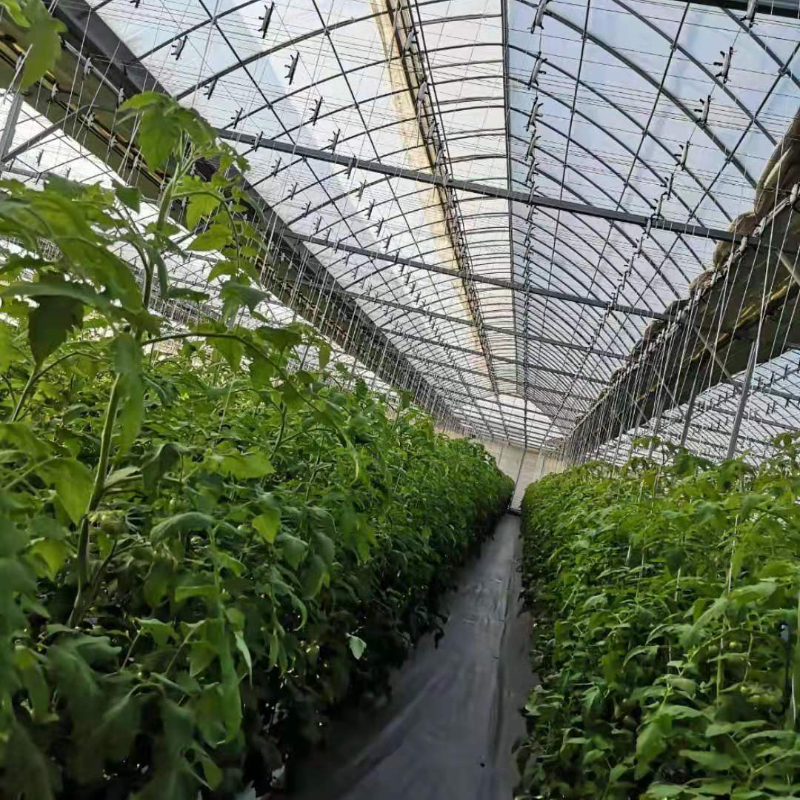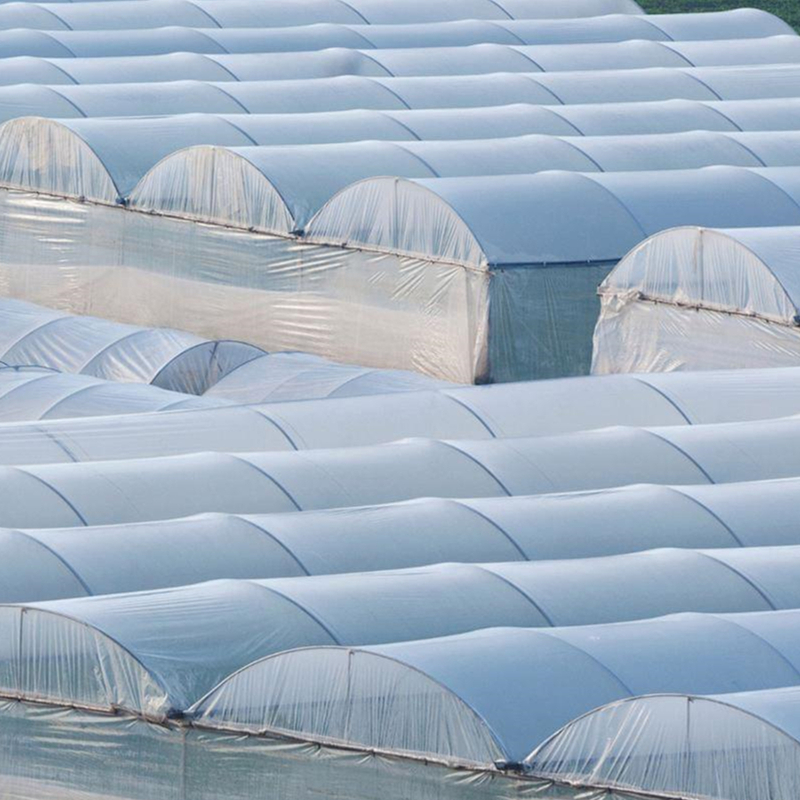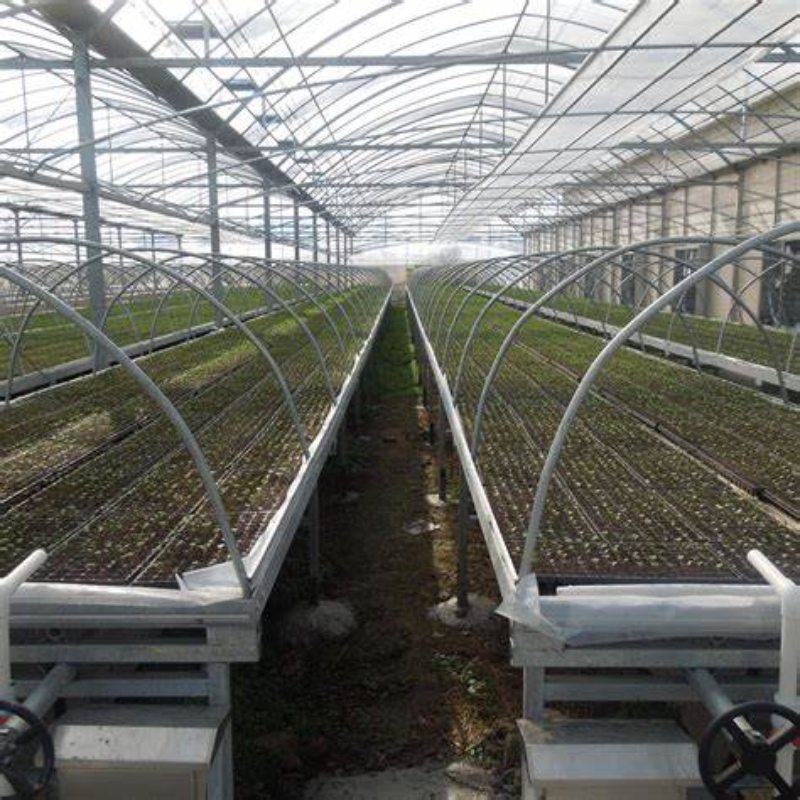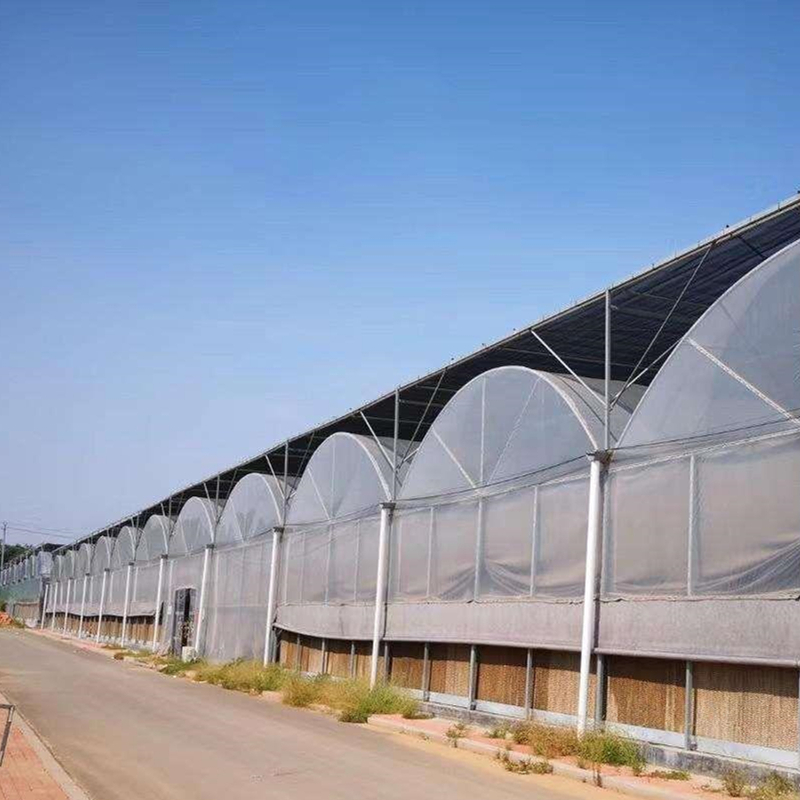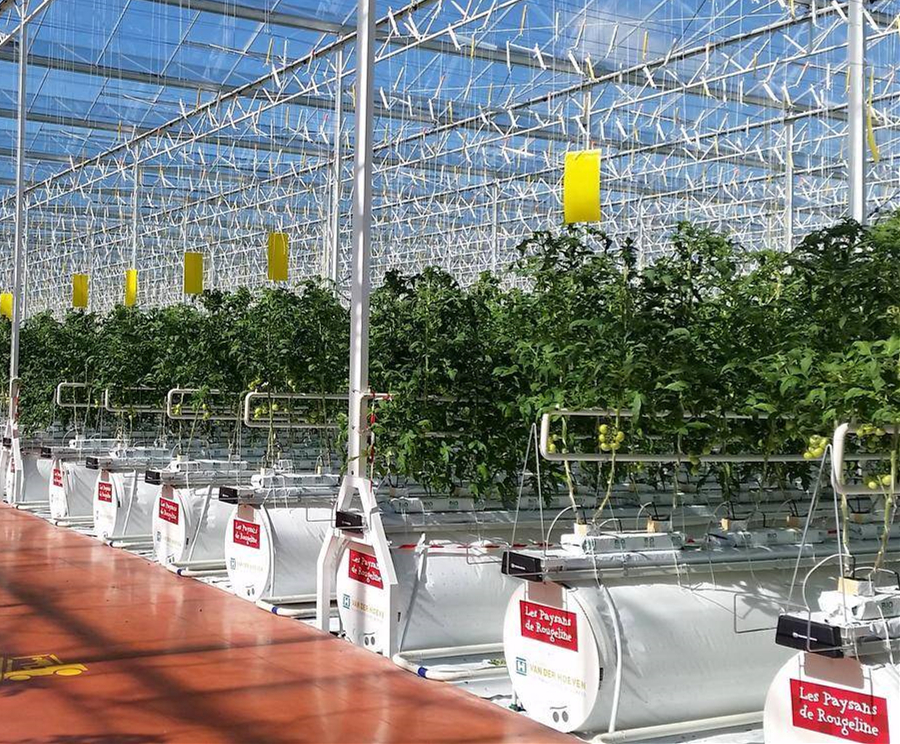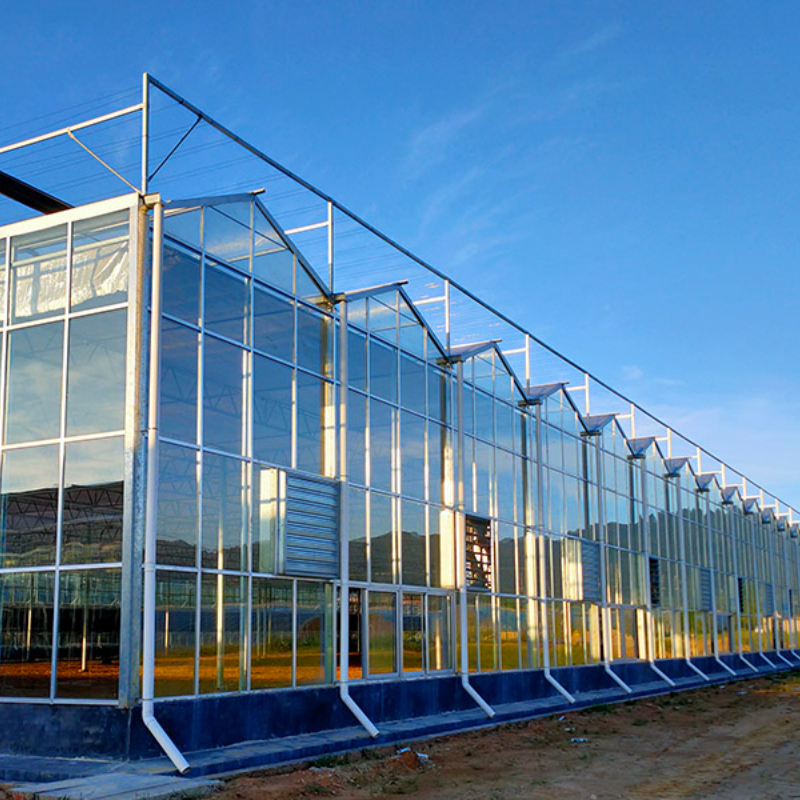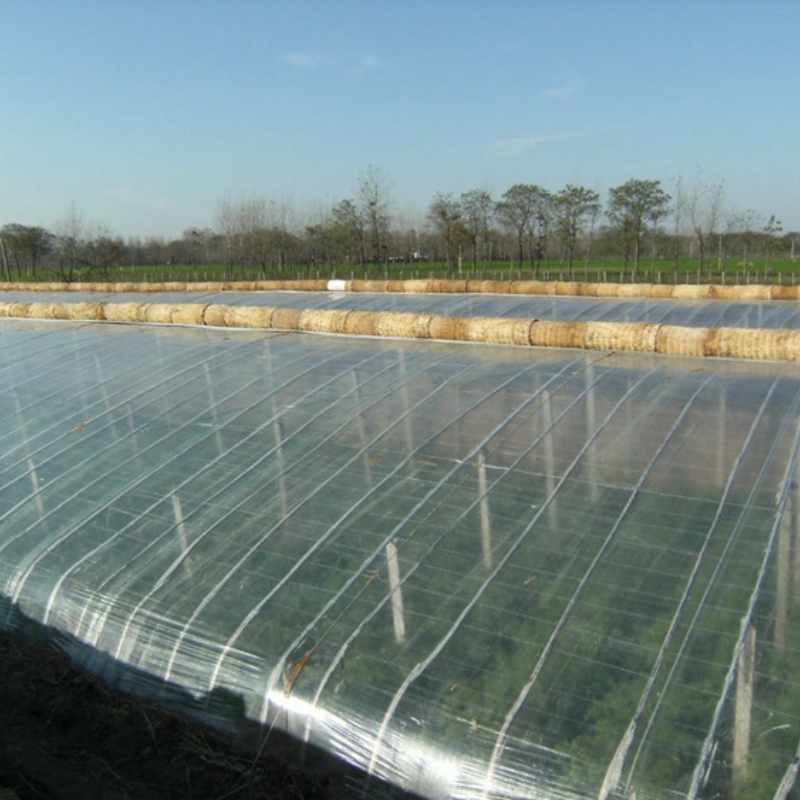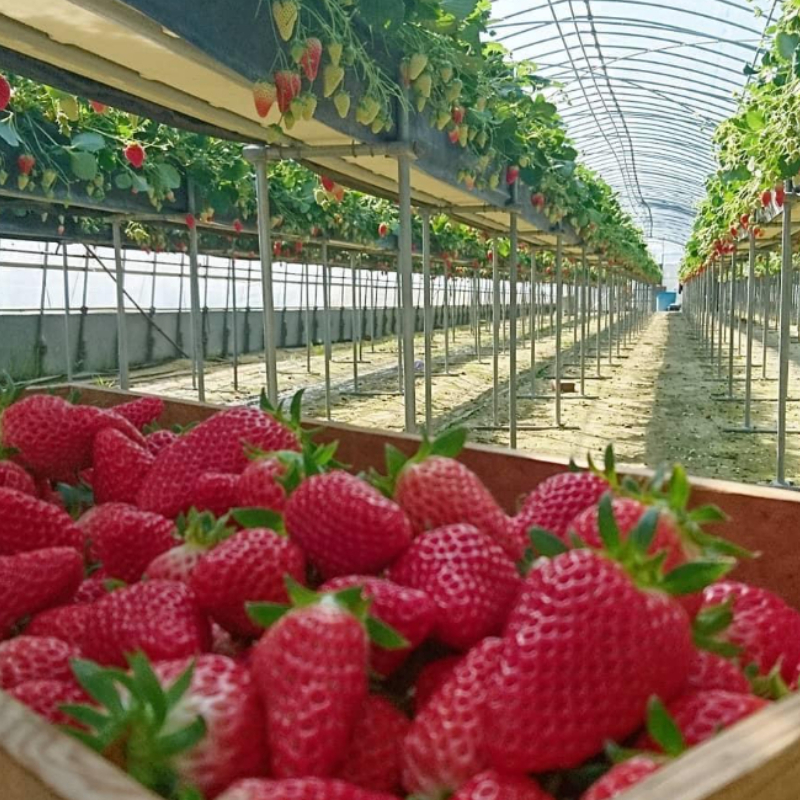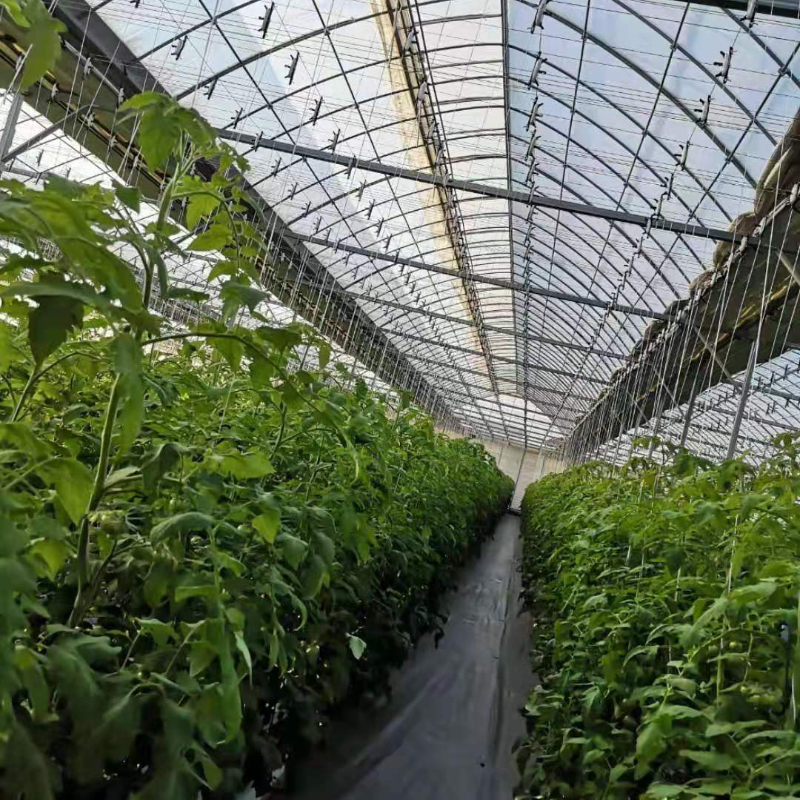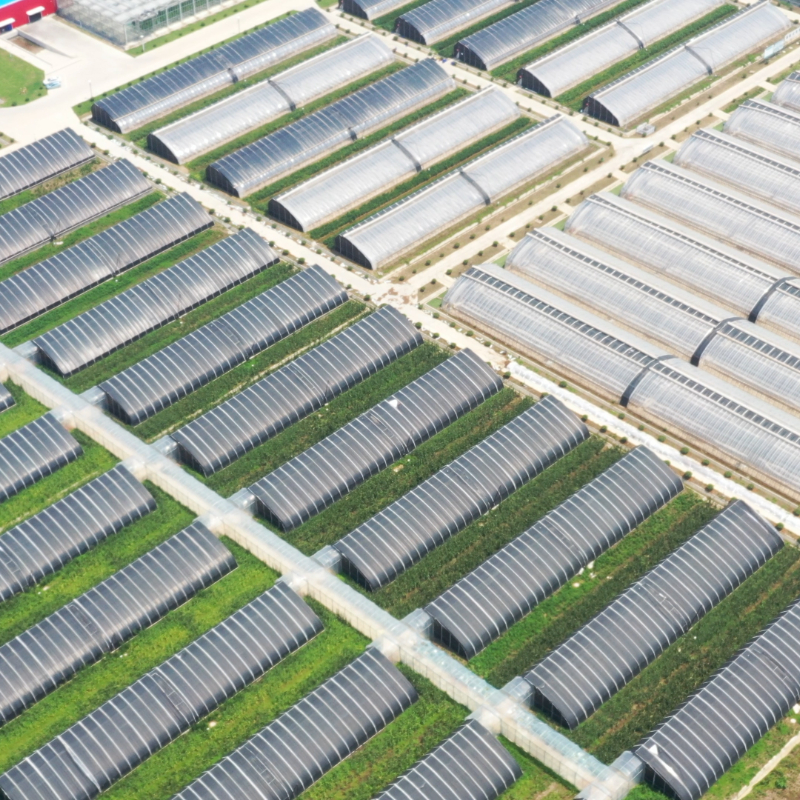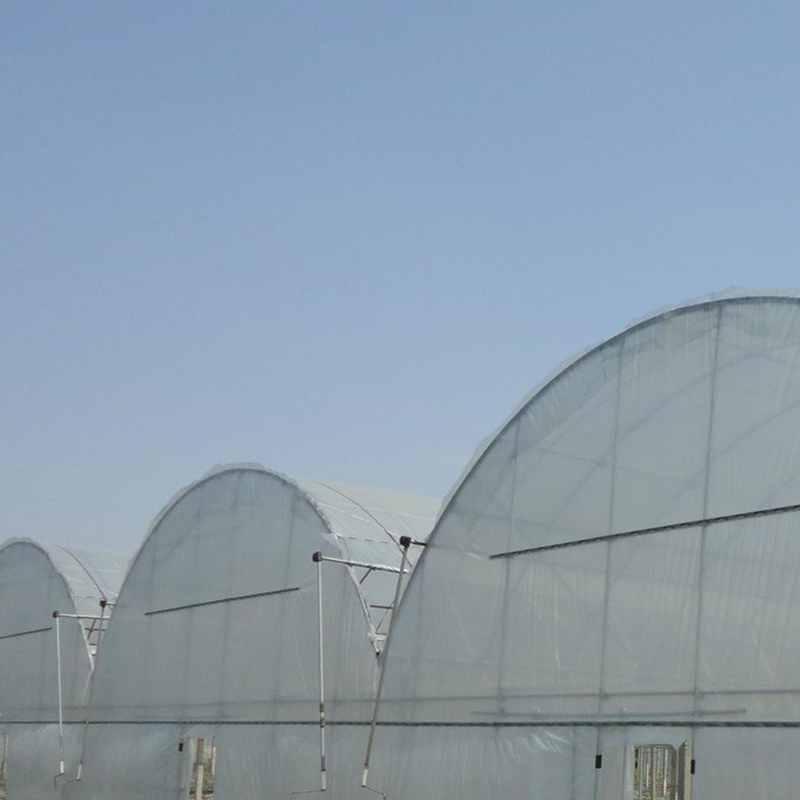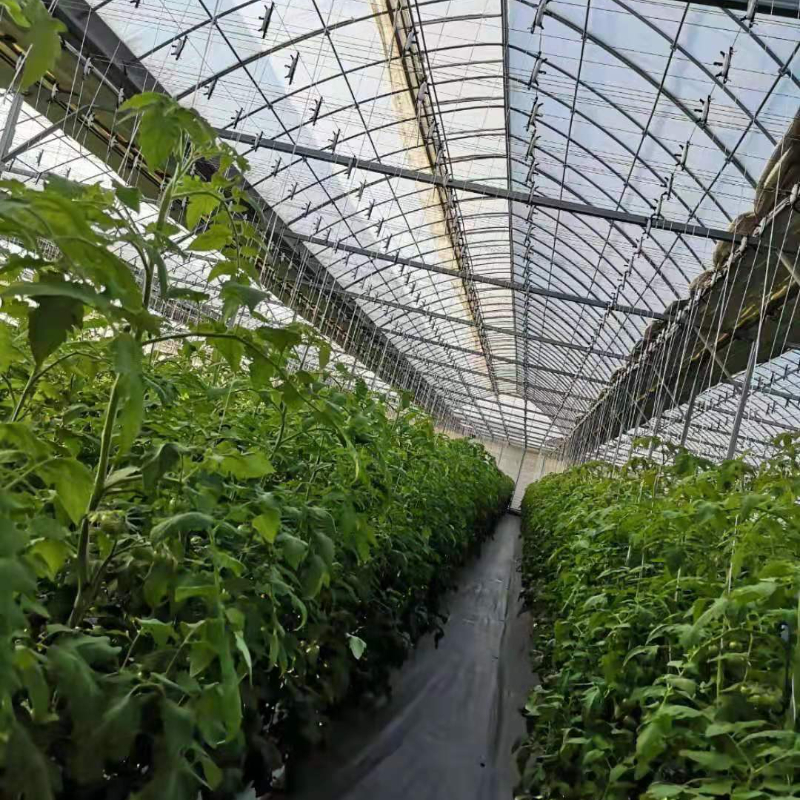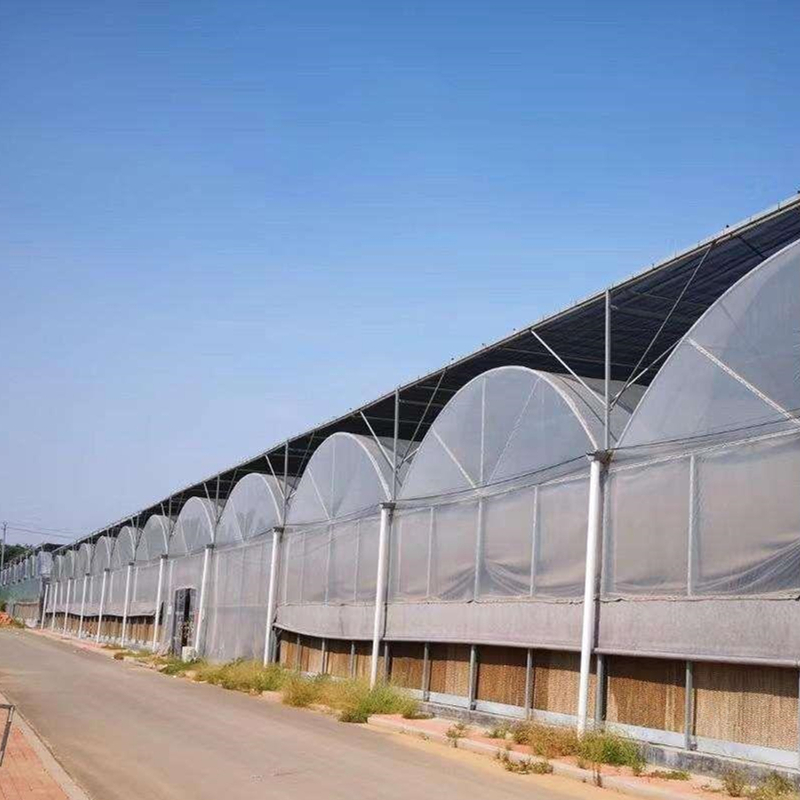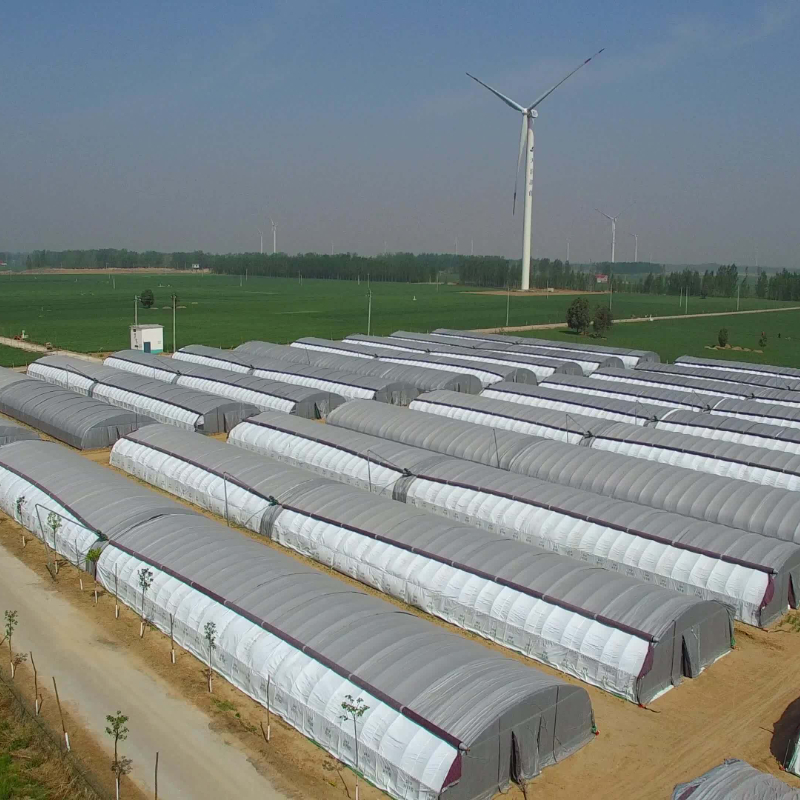
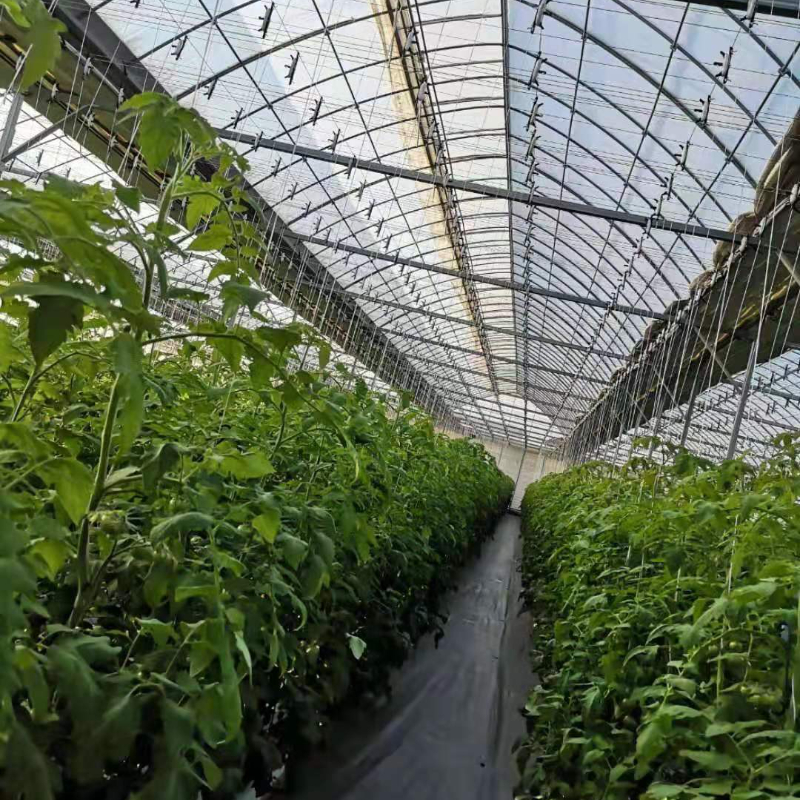
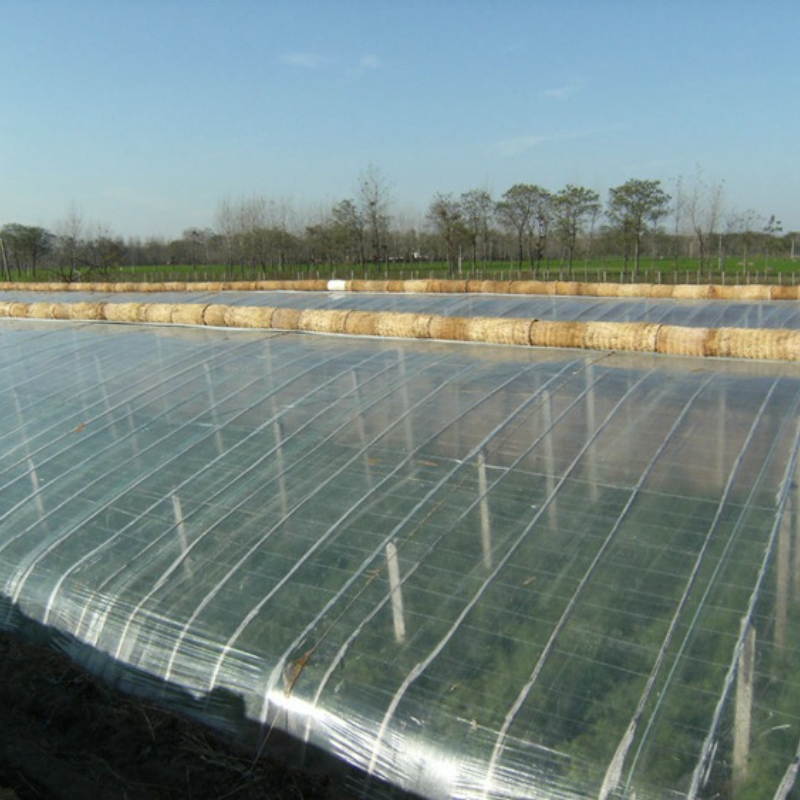
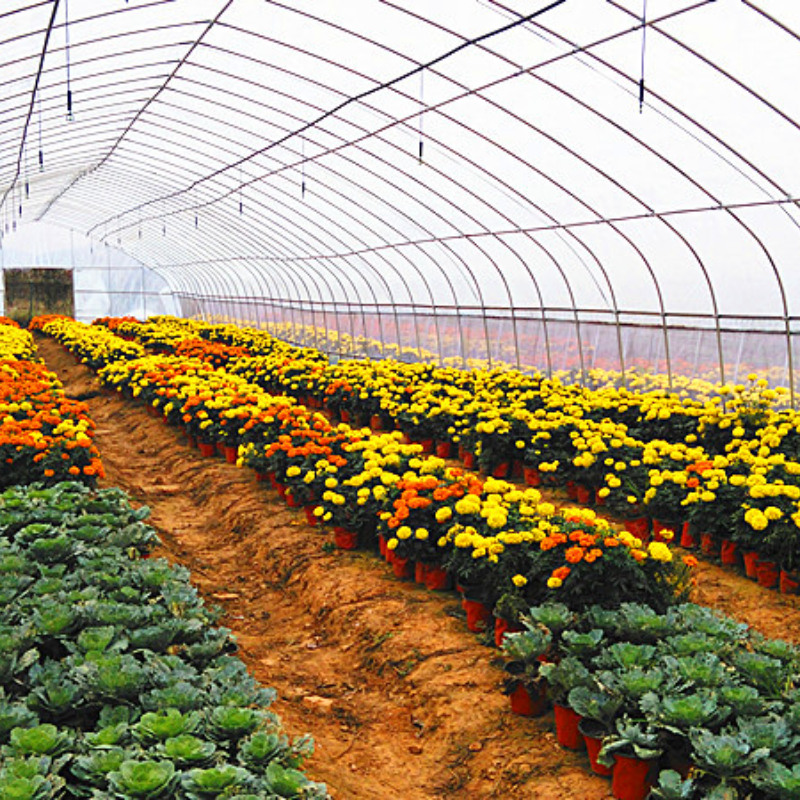
The Hoop Plastic Greenhouse Polytunnel is a popular choice among gardeners and farmers seeking to extend their growing season and enhance crop yields.
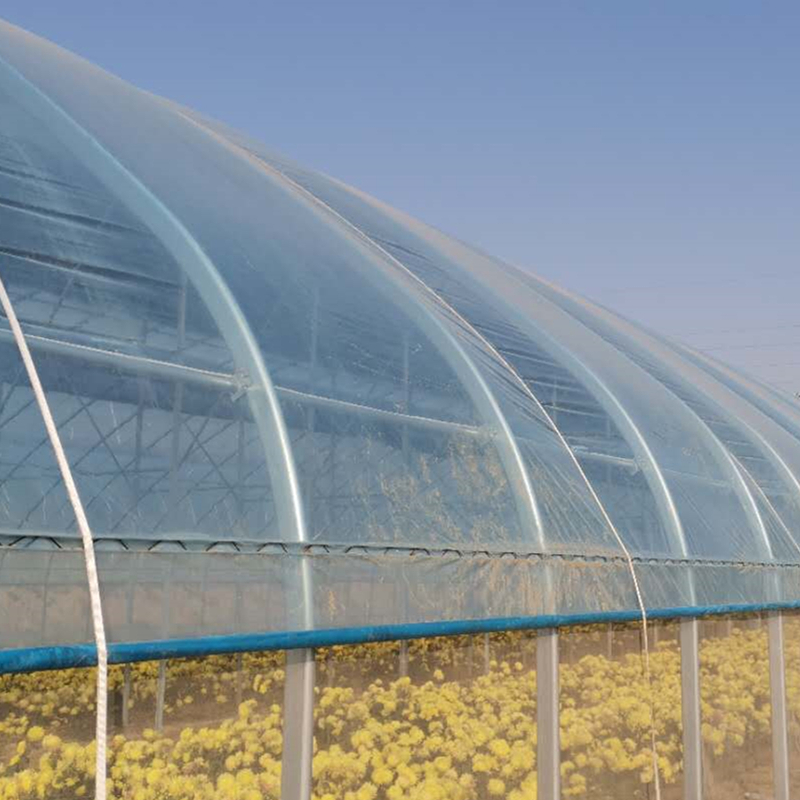
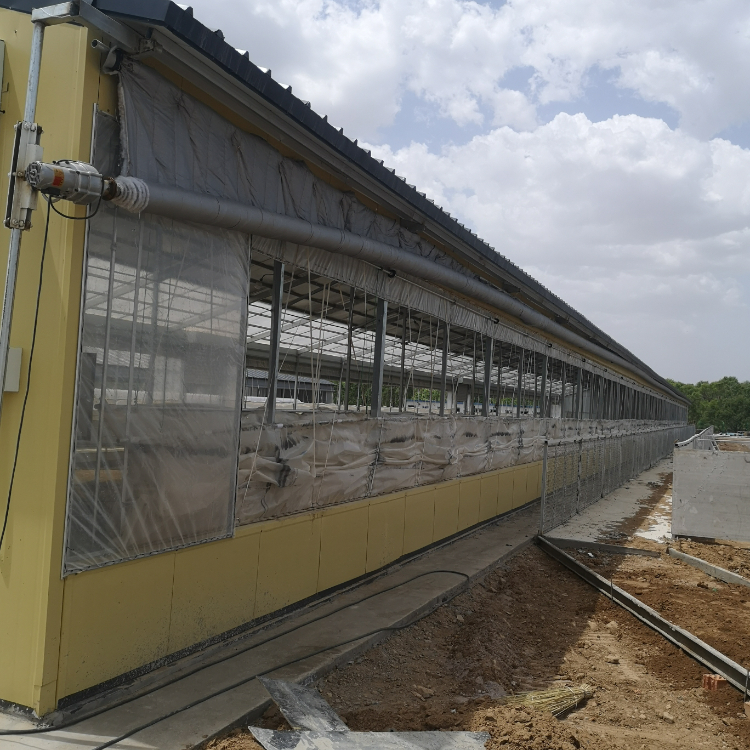
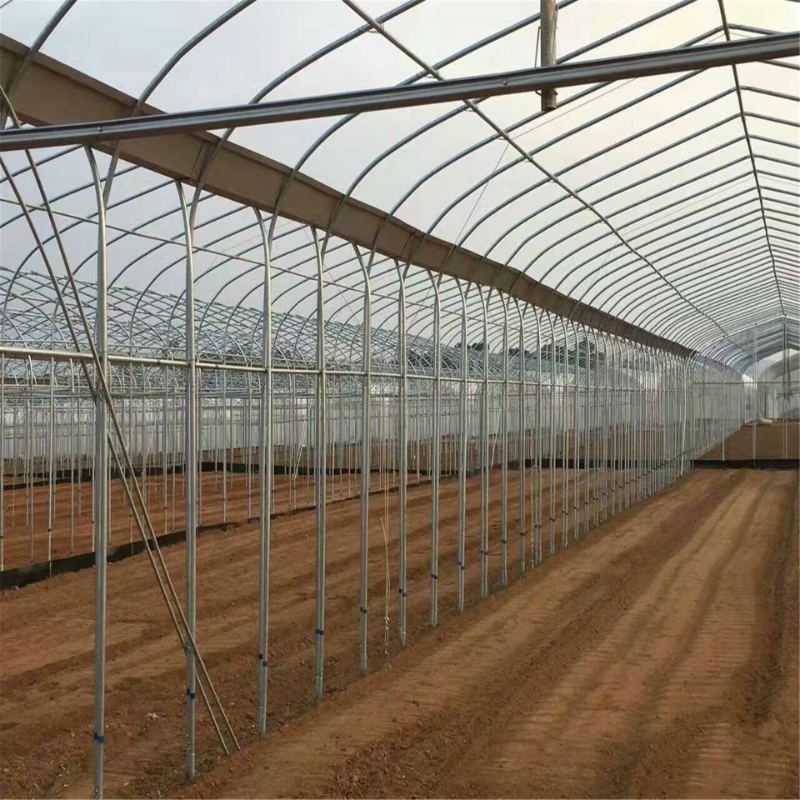
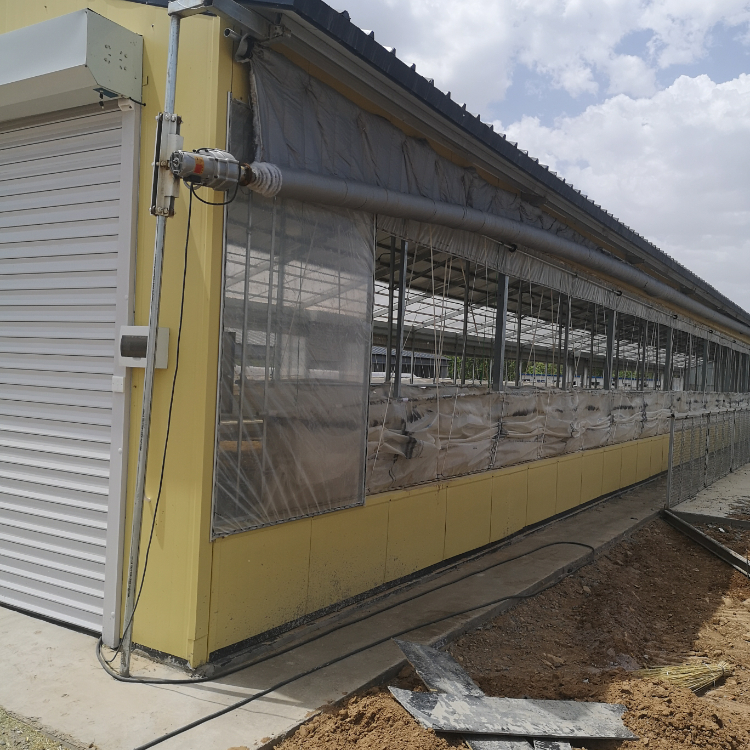
A Hoop Plastic Greenhouse, commonly referred to as a polytunnel, consists of a series of curved frames covered with durable plastic sheeting. The Hoop Greenhouse is especially favored for its simplicity and cost-effectiveness.
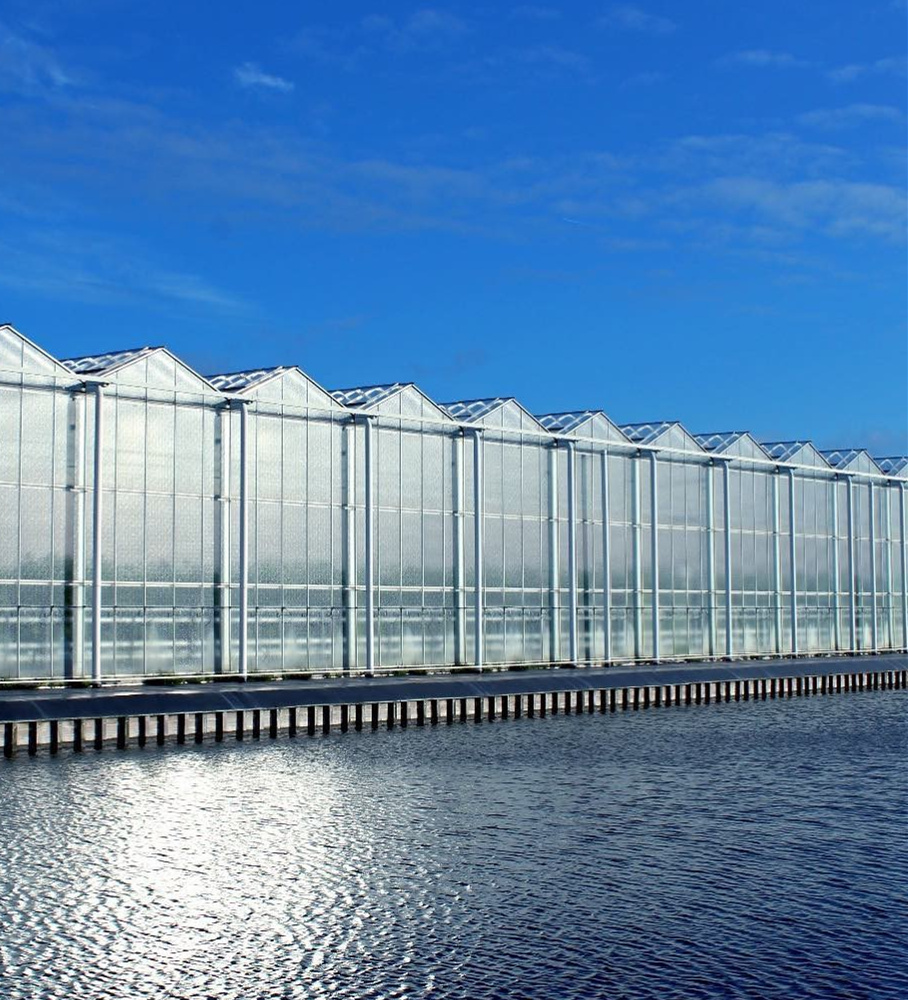
Cost-Effective: Compared to traditional structures like the Dutch Greenhouse, the Hoop Plastic Greenhouse is significantly less expensive to construct, making it accessible for small-scale farmers and hobbyists.
Easy Installation: The lightweight materials used in polytunnel construction allow for quick assembly, often requiring only basic tools and minimal labor.
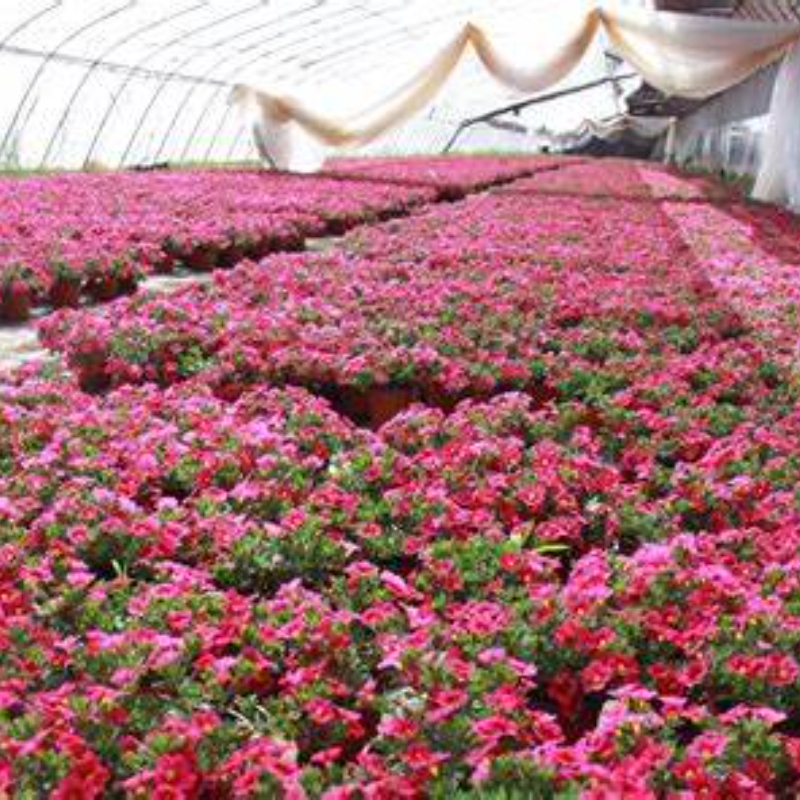
Versatile Usage: The Hoop Greenhouse can accommodate a wide variety of crops, including vegetables, fruits, and flowers.
Extended Growing Season: By providing a warmer microclimate, the Hoop Plastic Greenhouse enables growers to start planting earlier in the spring and extend their harvest into the fall, maximizing productivity.
Improved Pest Control: The enclosed environment of a polytunnel helps reduce pest infestations, allowing for more effective pest management without relying heavily on chemical pesticides.
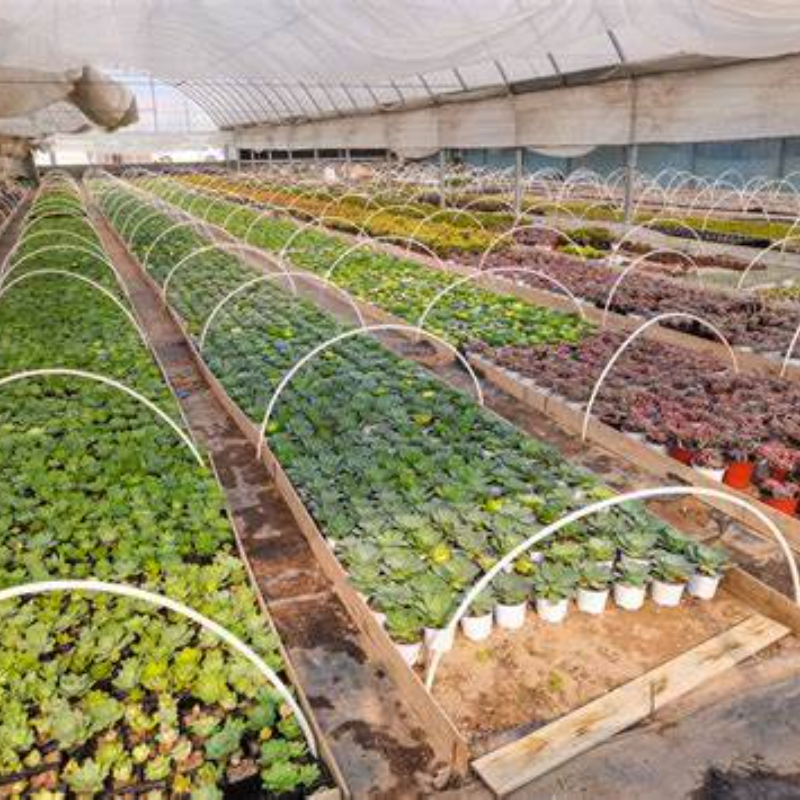
When considering Building A Plastic Greenhouse, several key steps should be followed to ensure a successful construction:
Choose a site that receives ample sunlight and has good drainage. Avoid areas with strong winds or heavy shade, as these can hinder the effectiveness of your polytunnel.
Begin by creating the frame using your chosen materials. Space the hoops evenly apart, typically 4 to 6 feet, depending on the desired width of the polytunnel.
The term polyhouse construction refers to the building of greenhouses using plastic materials, similar to the Hoop Plastic Greenhouse.
Scalability
Sustainability
Adaptability
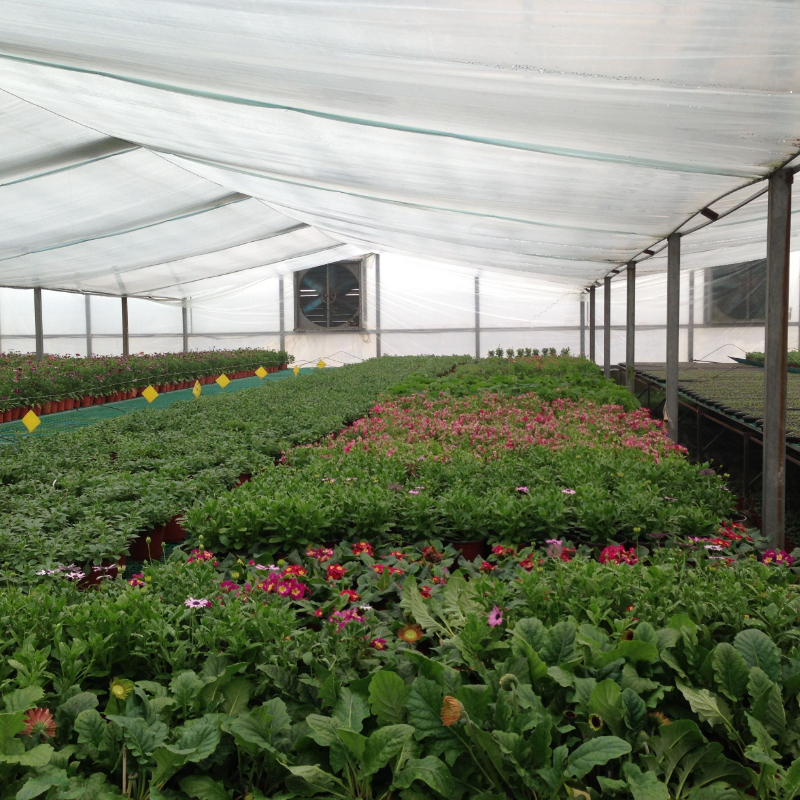
The Hoop Plastic Greenhouse Polytunnel is an invaluable asset for modern agriculture, providing a cost-effective solution for extending the growing season and enhancing crop yields. While it differs from the Dutch Greenhouse in design and materials, both serve critical roles in sustainable farming. Understanding the process of Building A Plastic Greenhouse and the benefits of polyhouse construction can empower farmers to make informed decisions that lead to successful agricultural practices. Embracing the advantages of the Hoop Greenhouse will ultimately contribute to a more productive and sustainable future in farming.
Q1:Are We a trading company or a manufacturer?
A: We are a factory. Our factory can produce all items which are related to the greenhouse, so we provide the best price.
Q2: Do we provide samples? Is it free or extra?
A: Yes, we can provide samples free of charge, but we don't bear the freight.
Q3: How to get a quotation for the greenhouse?
A: Please let us know how many greenhouses you need? What will be grown in the greenhouse? So that we can suggest you the related greenhouses.
Q4: How should you choose a greenhouse system?
A: Please let us know where you will build the greenhouse, we also need the know your local temperature and wind speed.
Q5: How to assemble the greenhouse after you purchase our greenhouses ?
A:We have professional after-sales service engineers who will provide planning drawings and installation manuals. You can communicate with him from time to time. If necessary, we can also send engineers to your country to supervise the installation of the greenhouse. Please send message for specific details.
If you have drawings, welcome to share drawings with us, quoation will be done based your drawings.Our excellent design team will
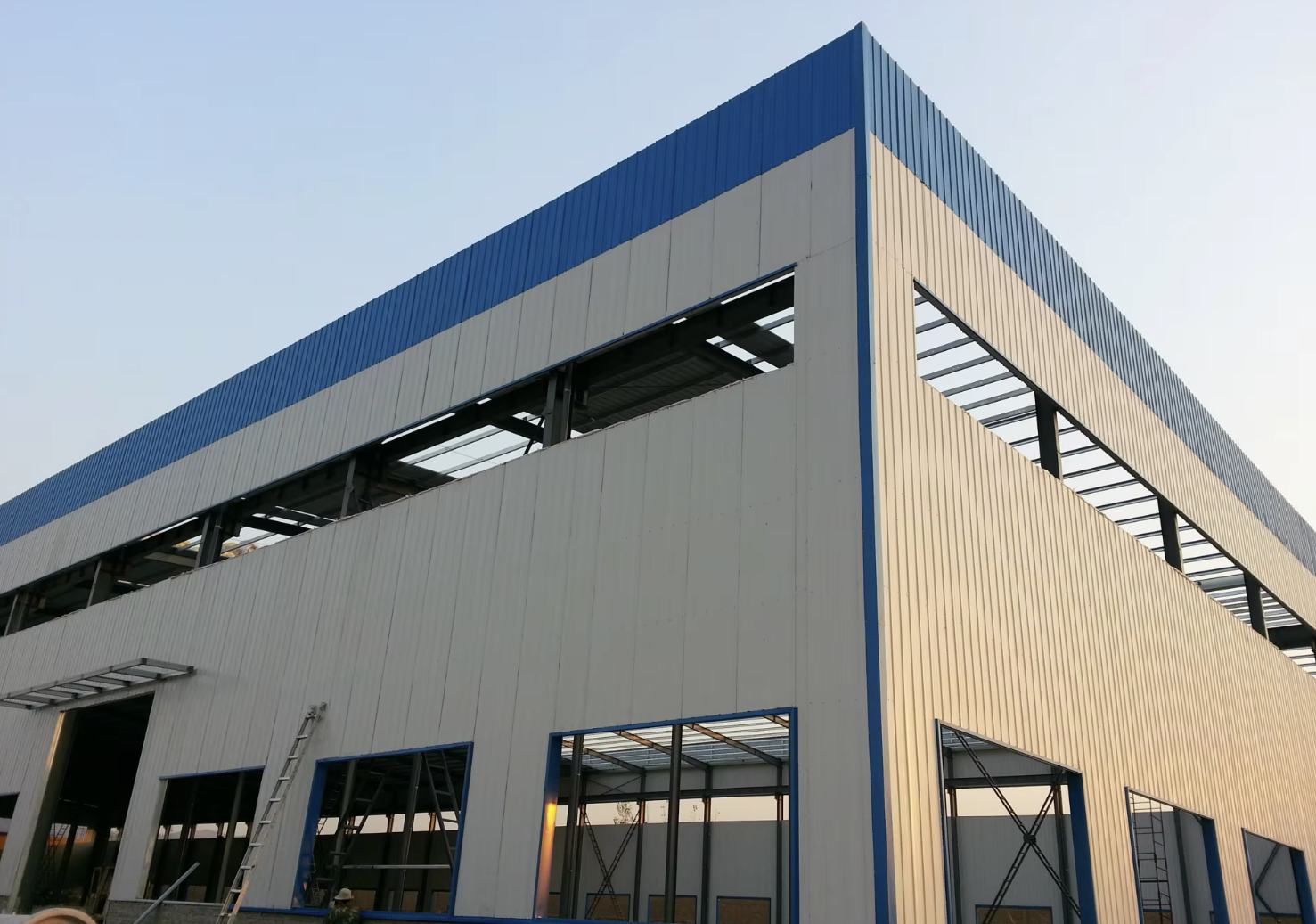
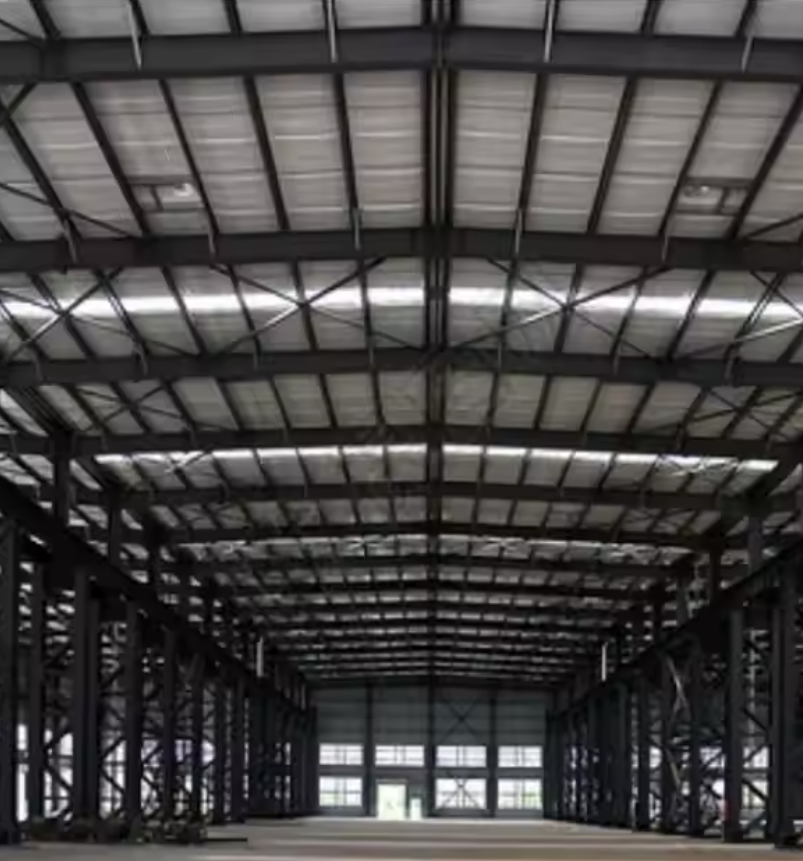
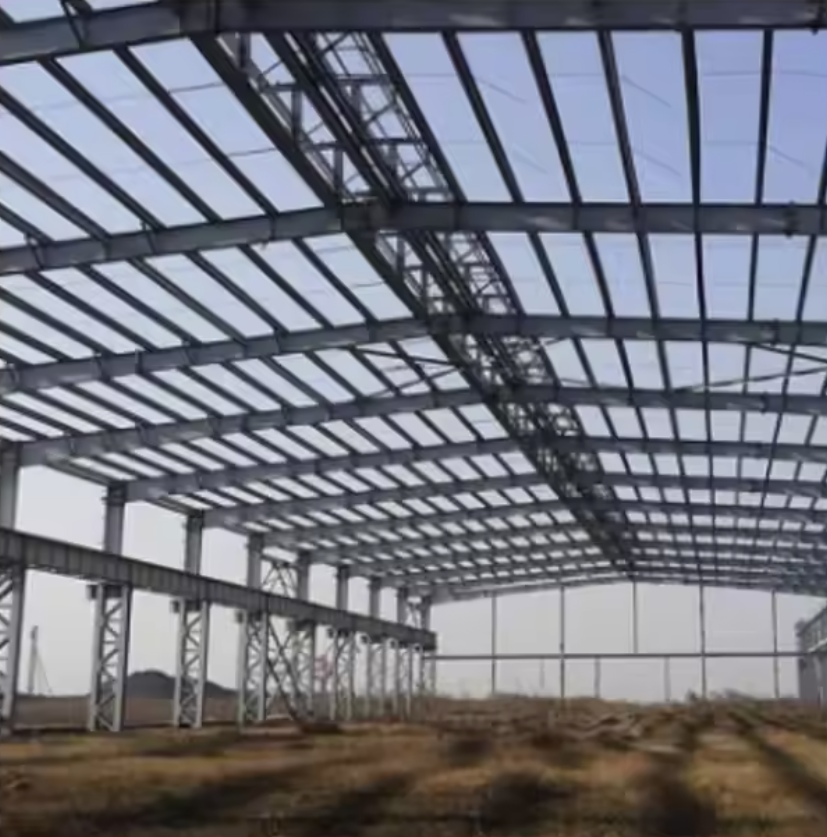
design the steel structure workshop warehouse for you. If you give the following information, we will give you an satisfactory
drawing.
1 Location (where will be built? ) which country? which city?
2 Size: Length*width* Eave height _____mm*_____mm*_____mm
3 wind load (max. Wind speed) _____kn/m2, _____km/h, _____m/s
4 snow load (max. Snow height) _____kn/m2, _____mm, temperature range?
5 anti-earthquake _____level
6 brickwall needed or not If yes, 1.2m high or 1.5m high? or other?
7 thermal insulation If yes, EPS, fiberglass wool, rockwool, PU sandwich panels will be suggested;
If not, the metal steel sheets will be ok. The cost of the latter will be much lower than that of the former.
8 door quantity & size _____units, _____(width)mm*_____(height)mm
9 window quanity & size _____units, _____(width)mm*_____(height)mm
10 crane needed or not If yes, _____units, max. Lifting weight____tons; Max. Lifting height _____m