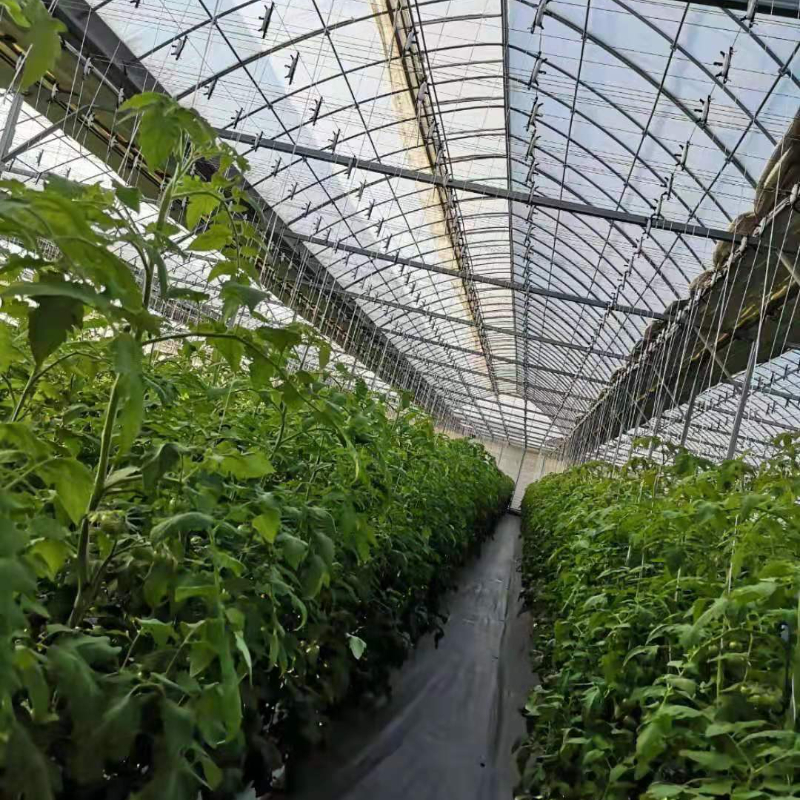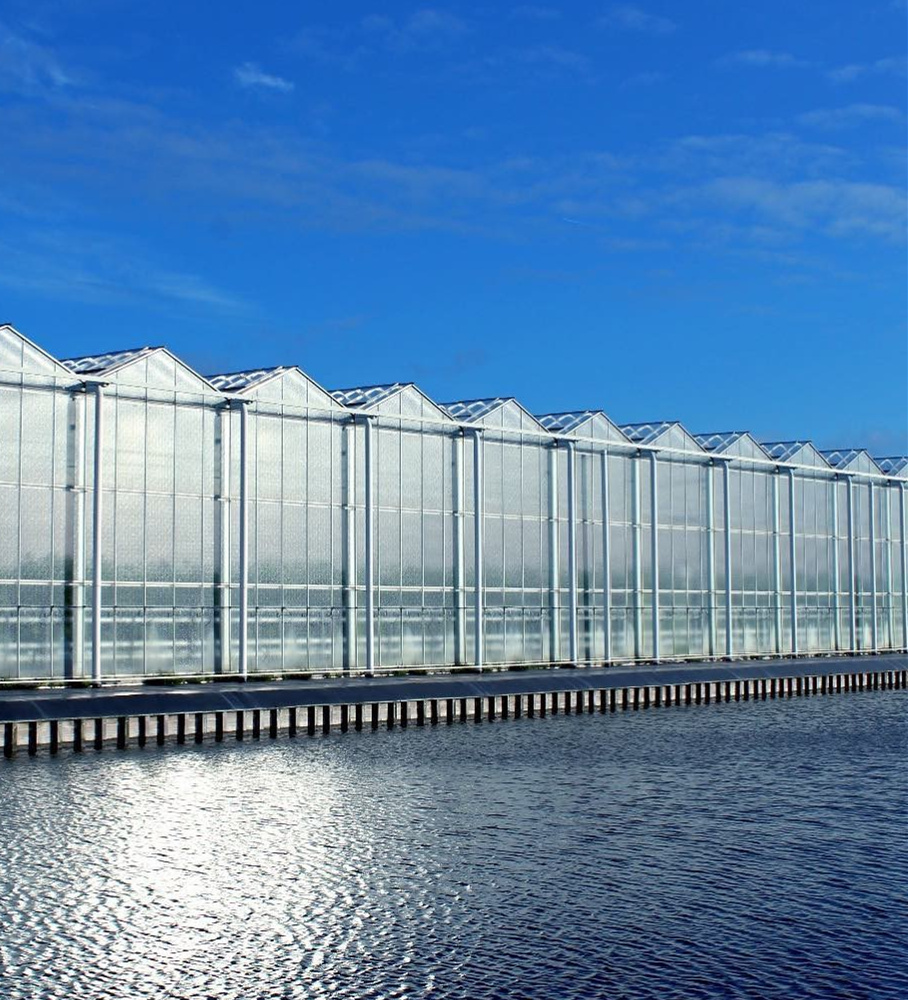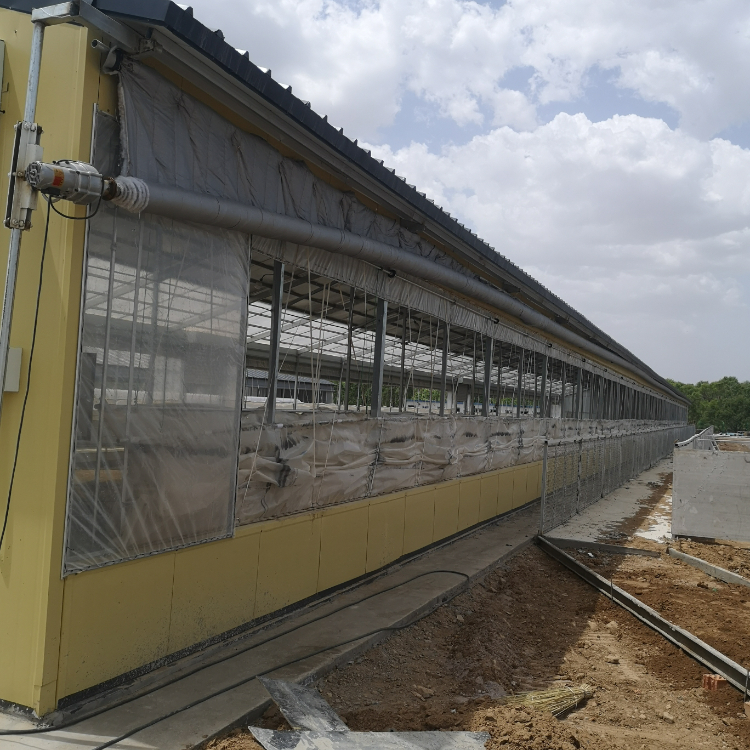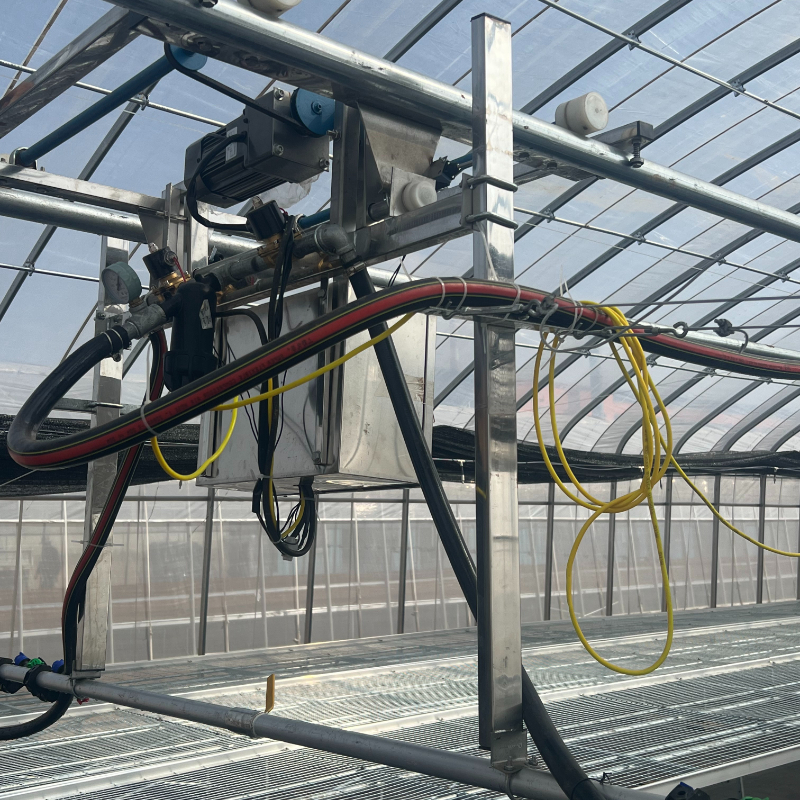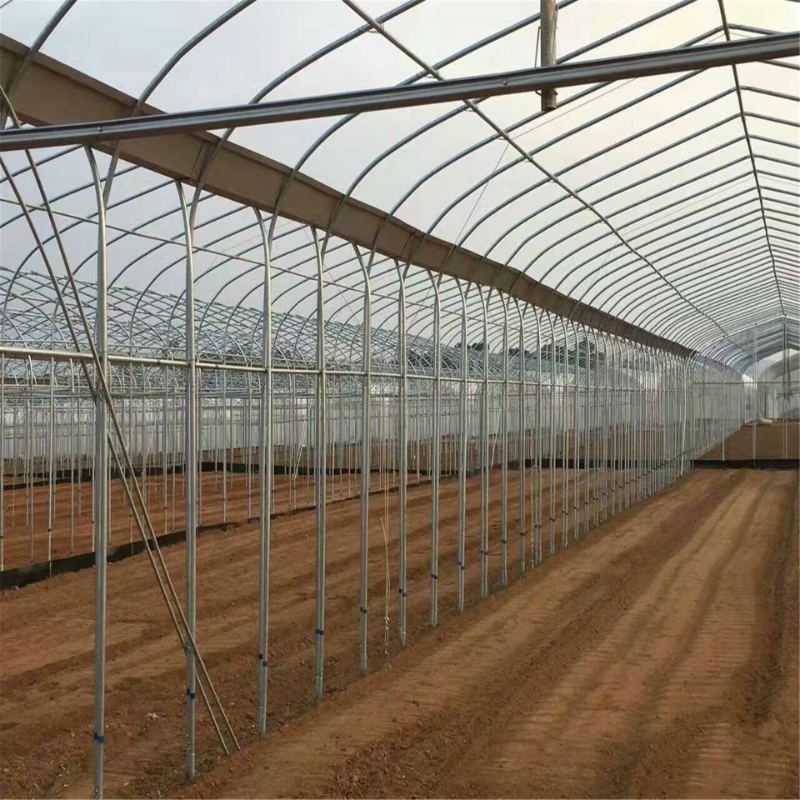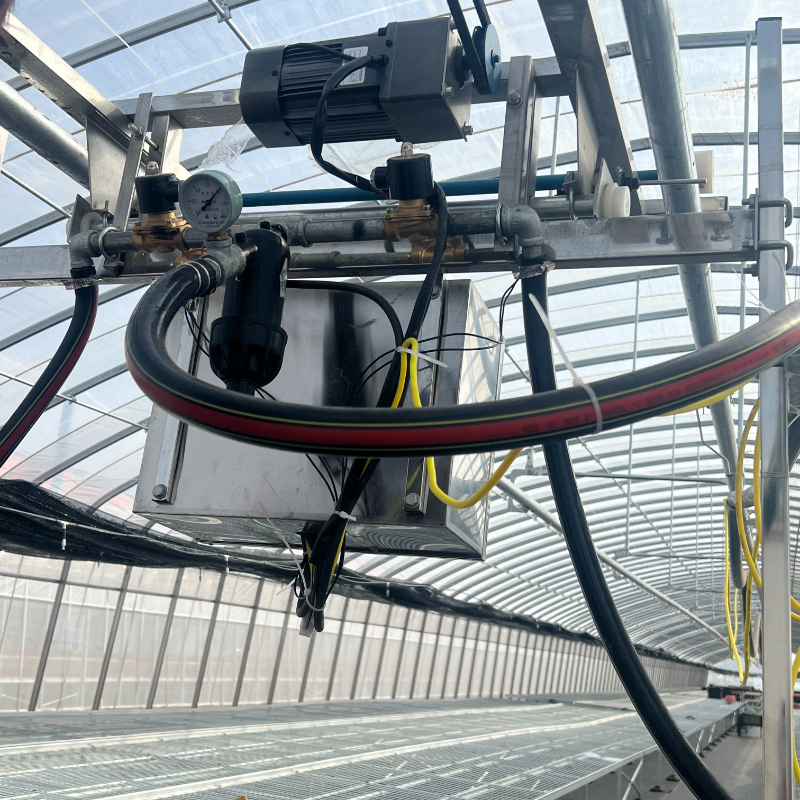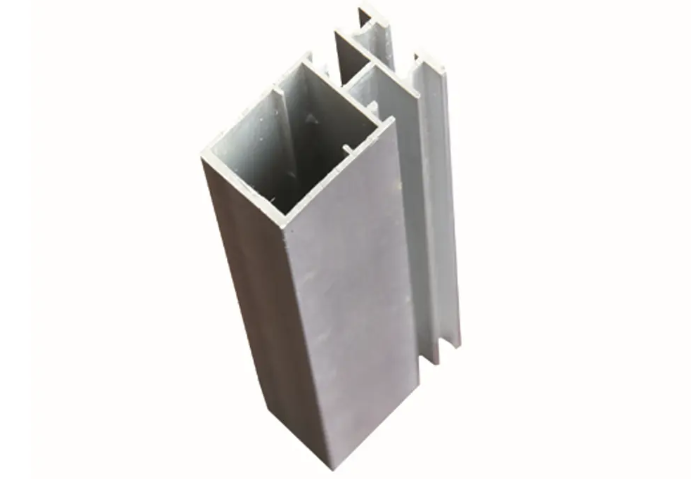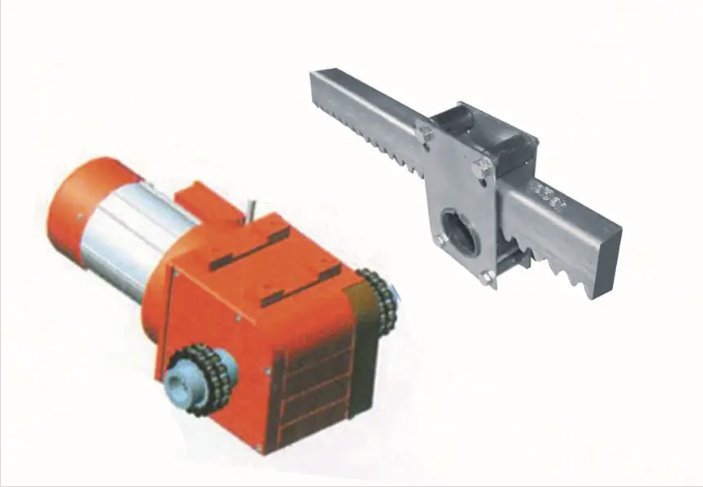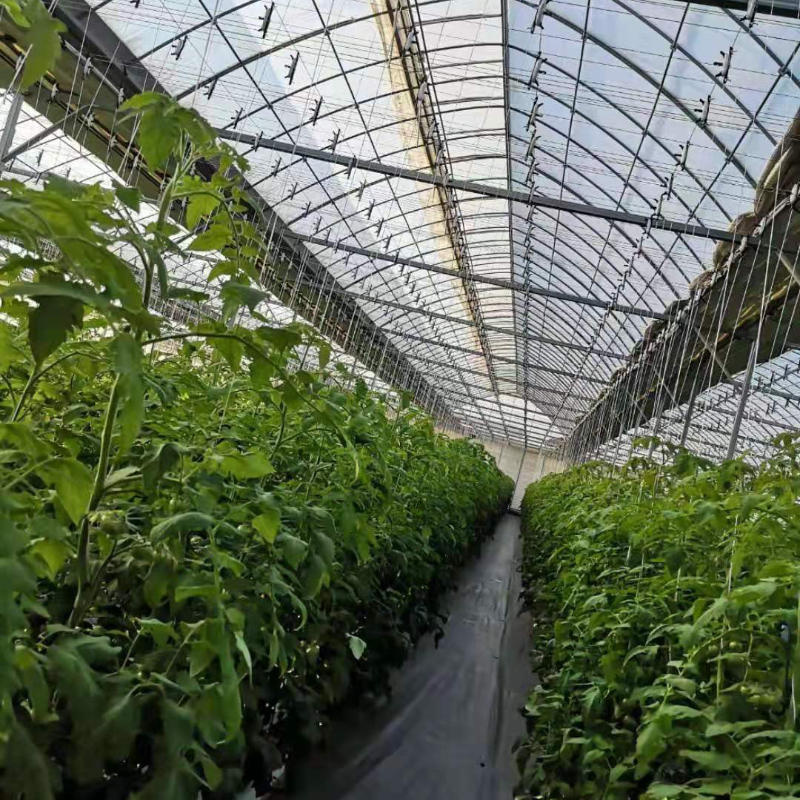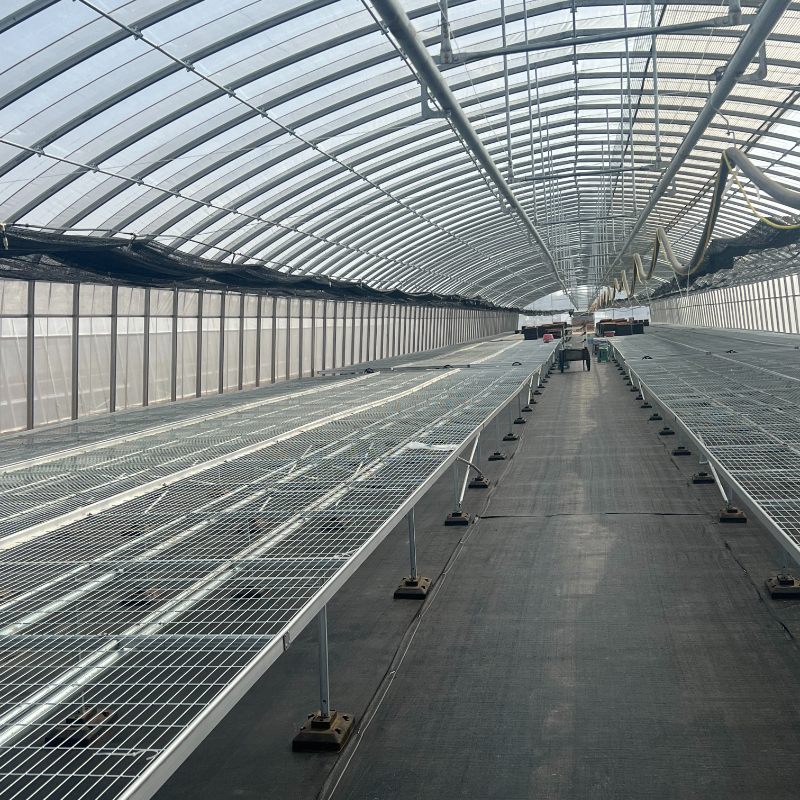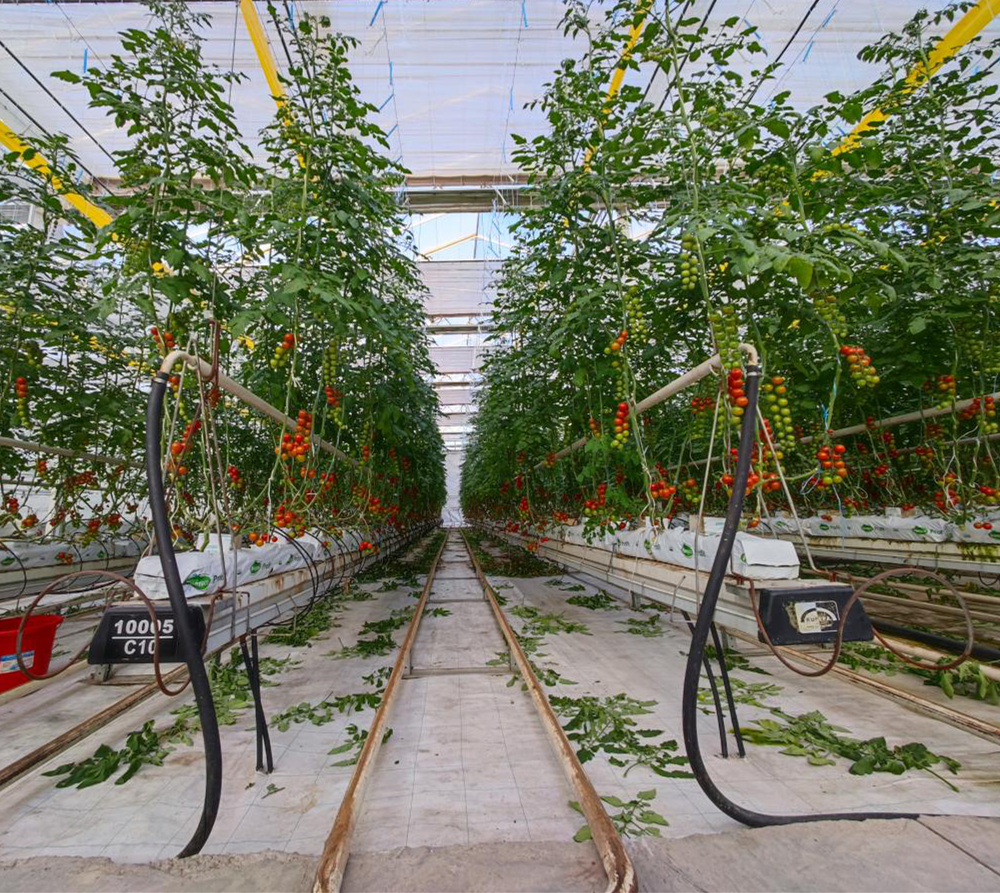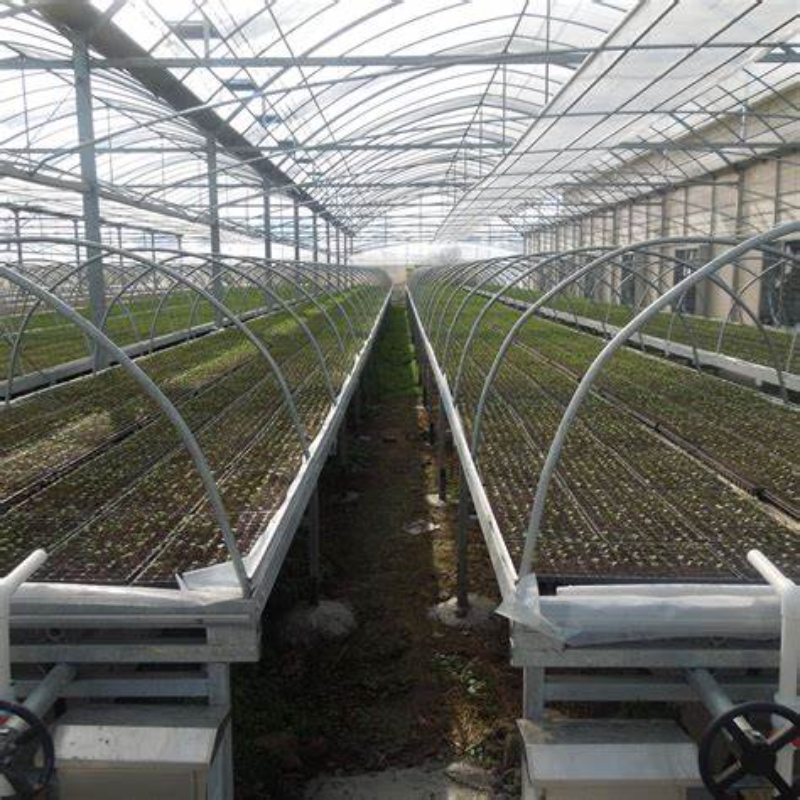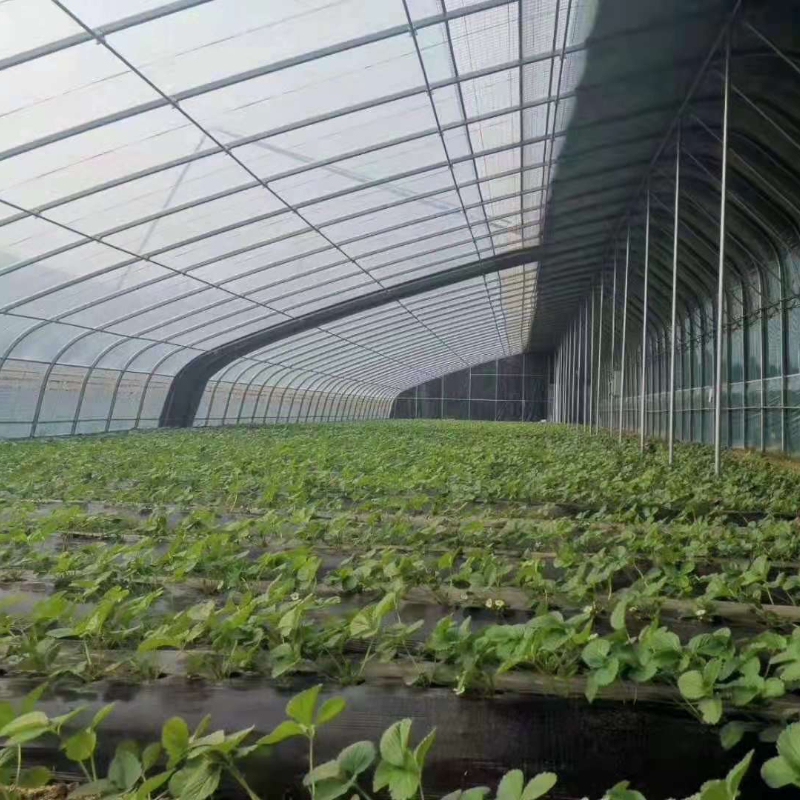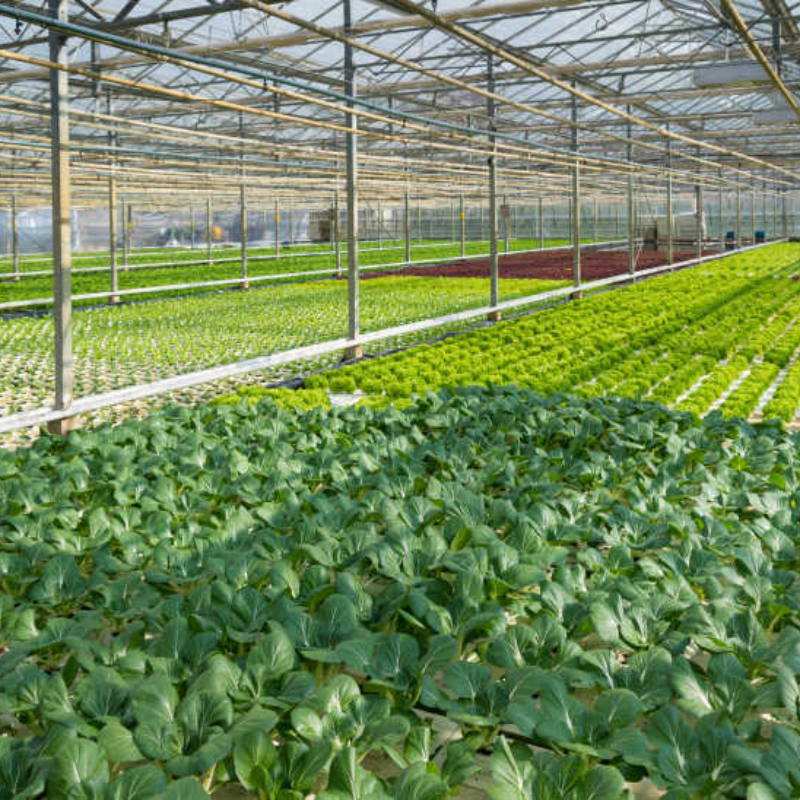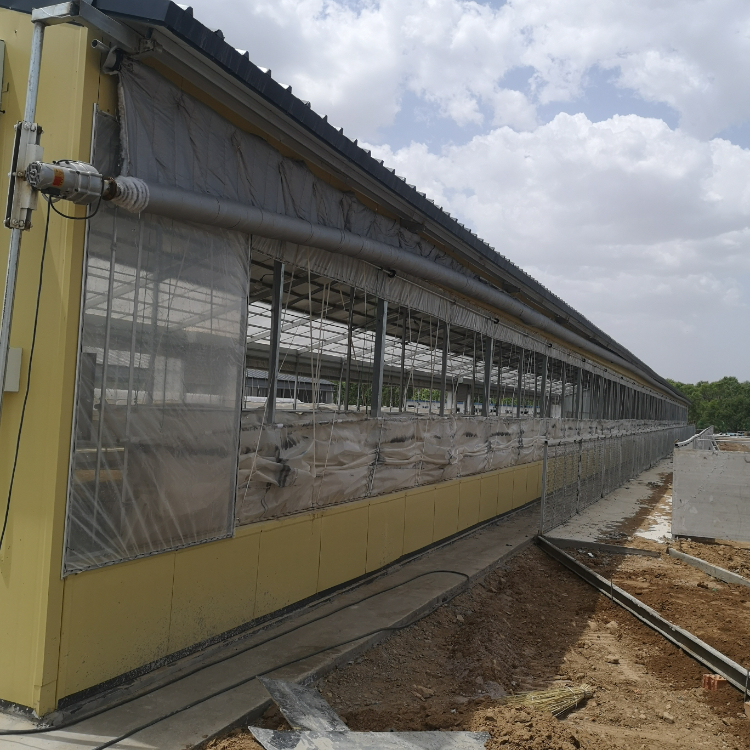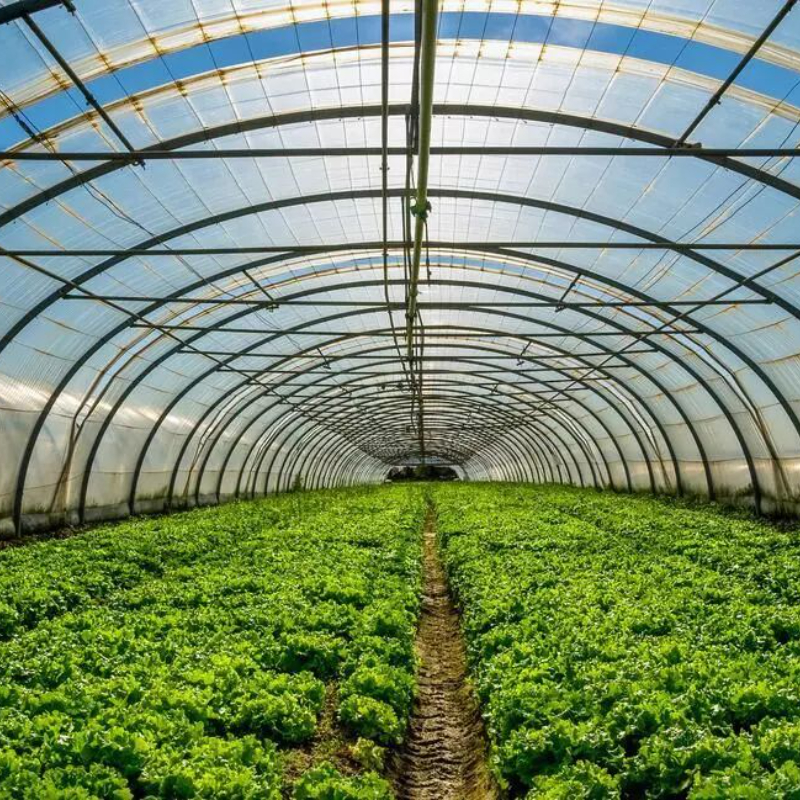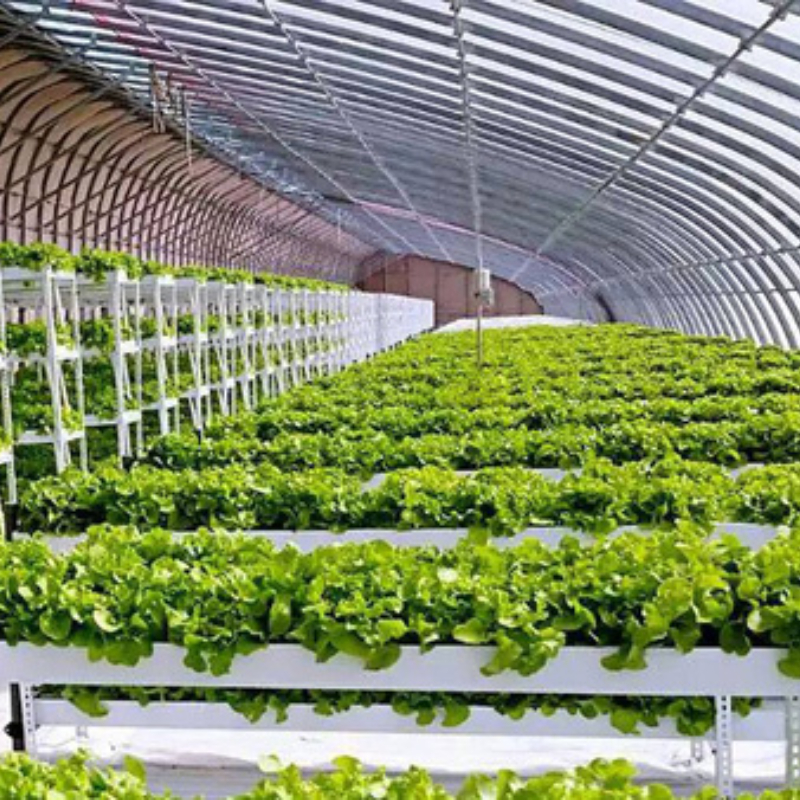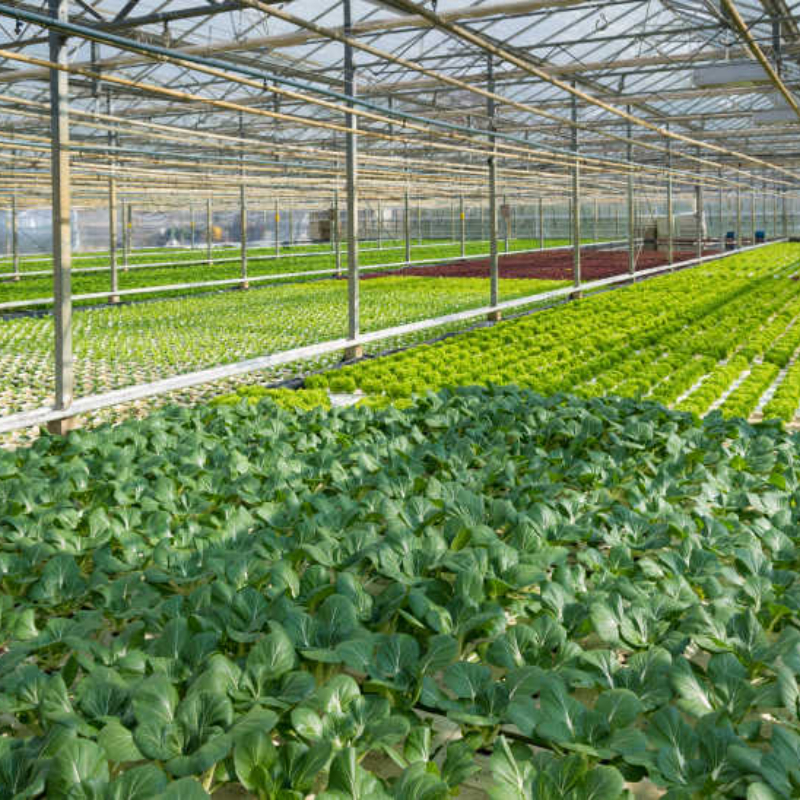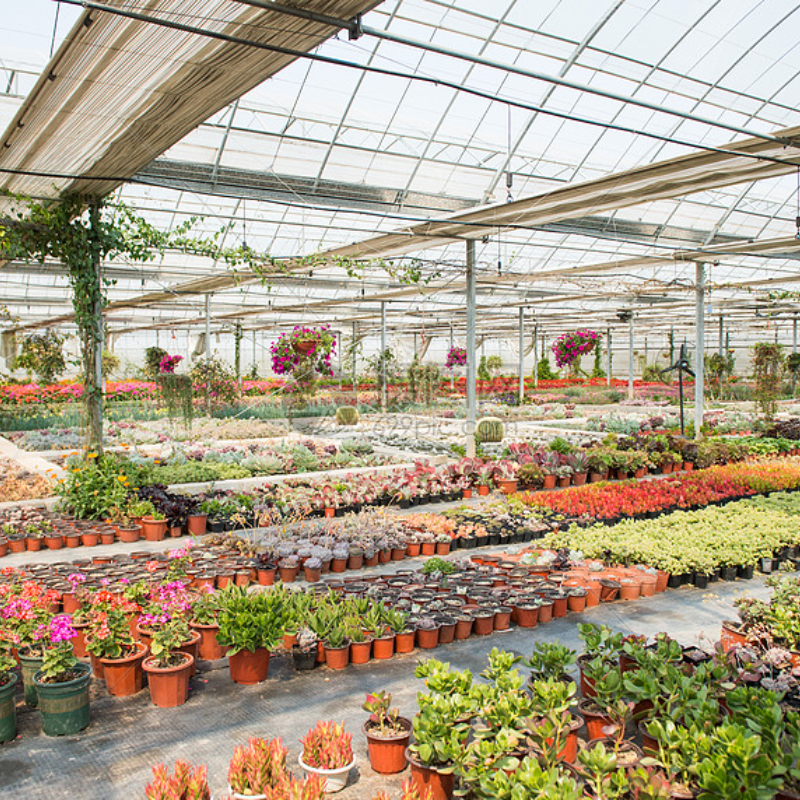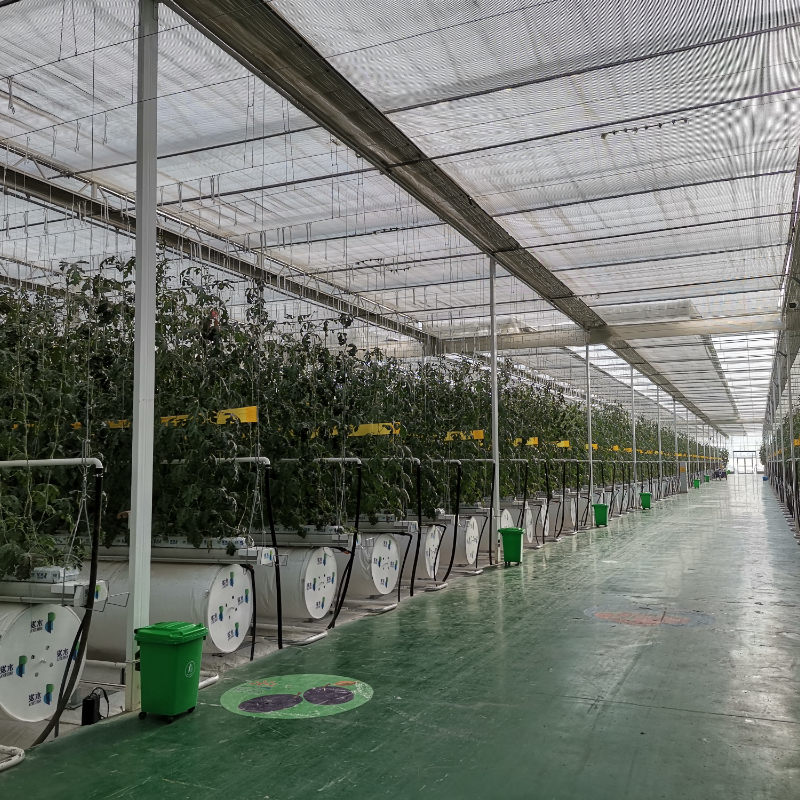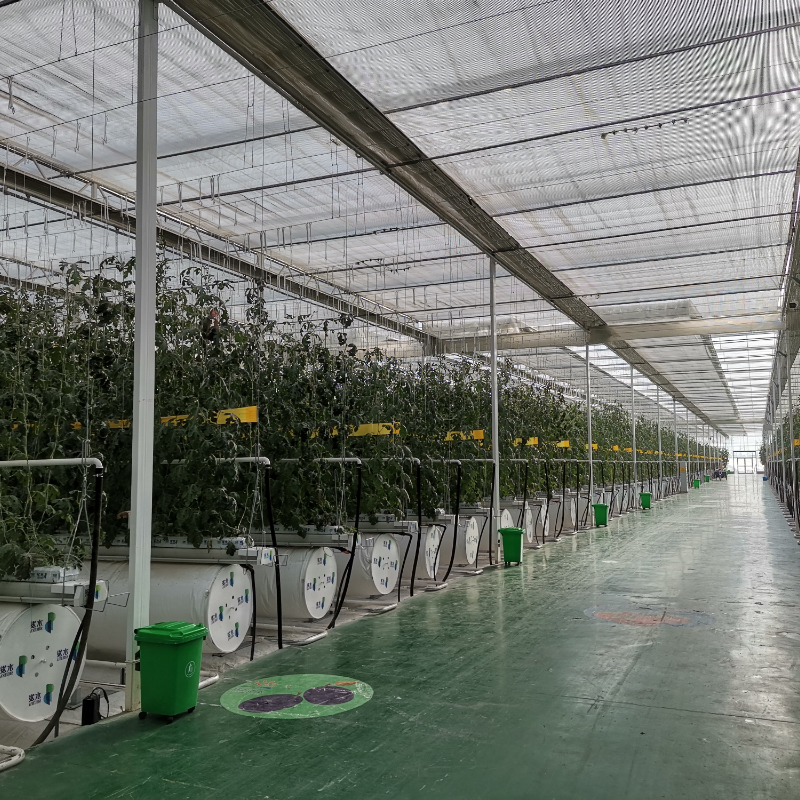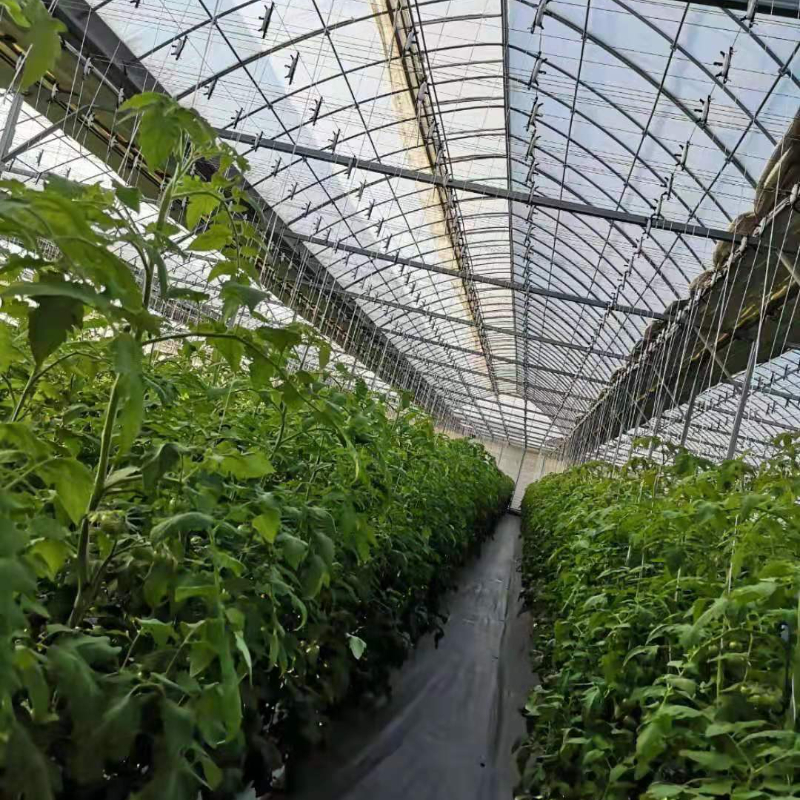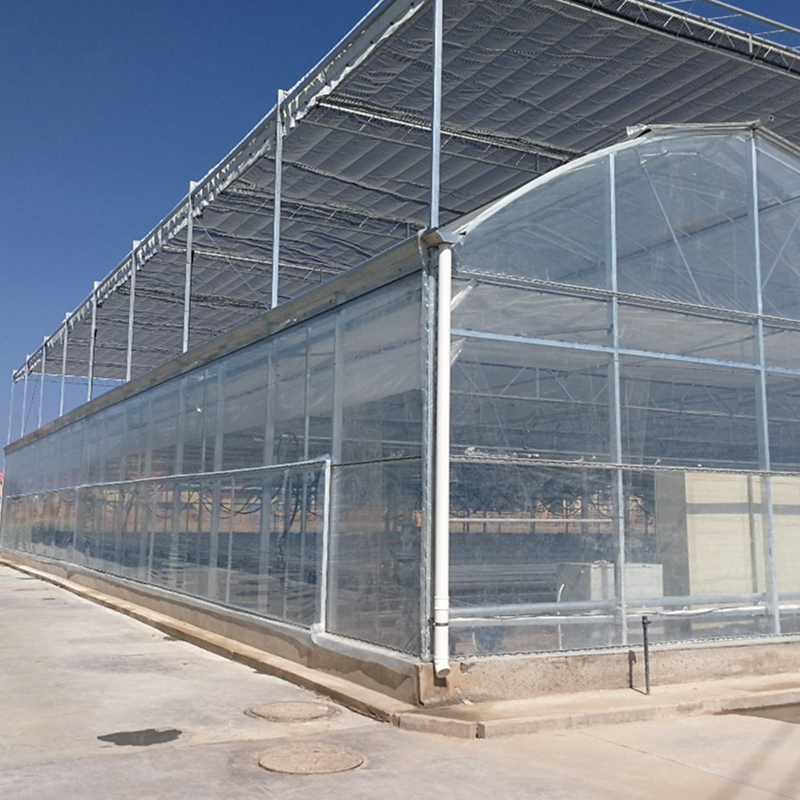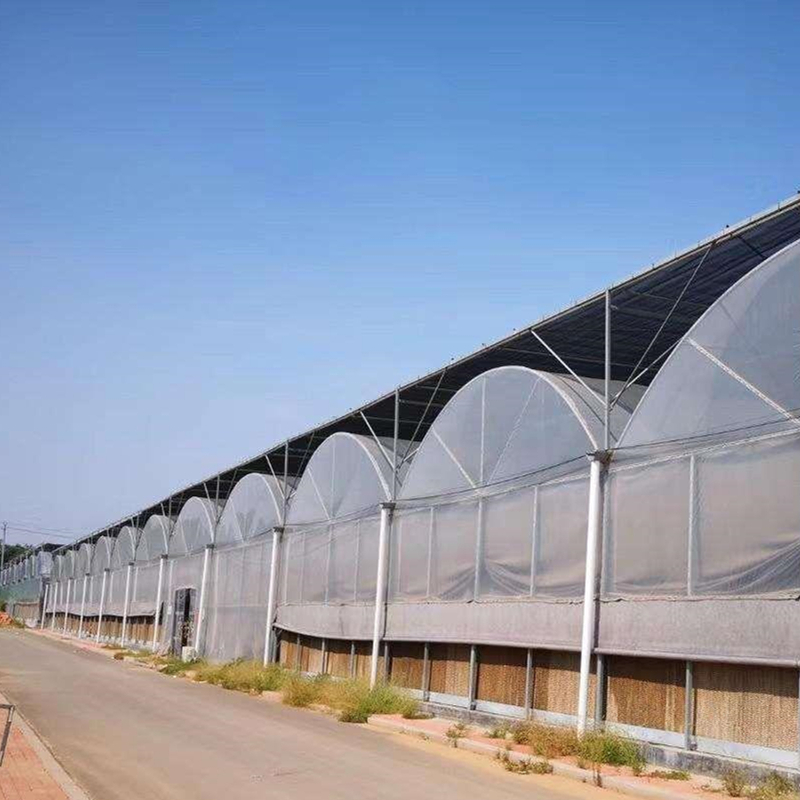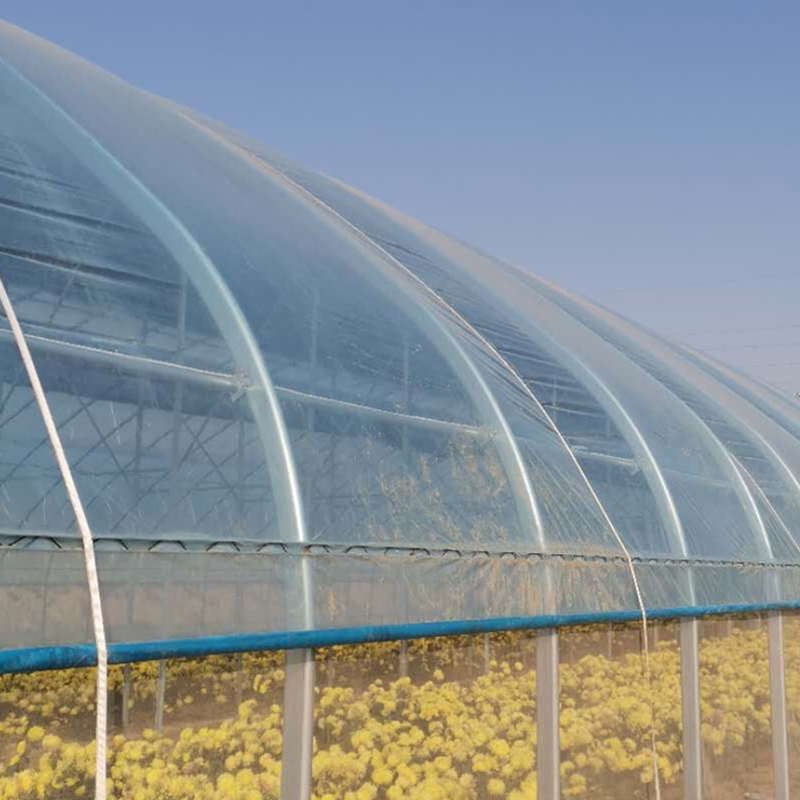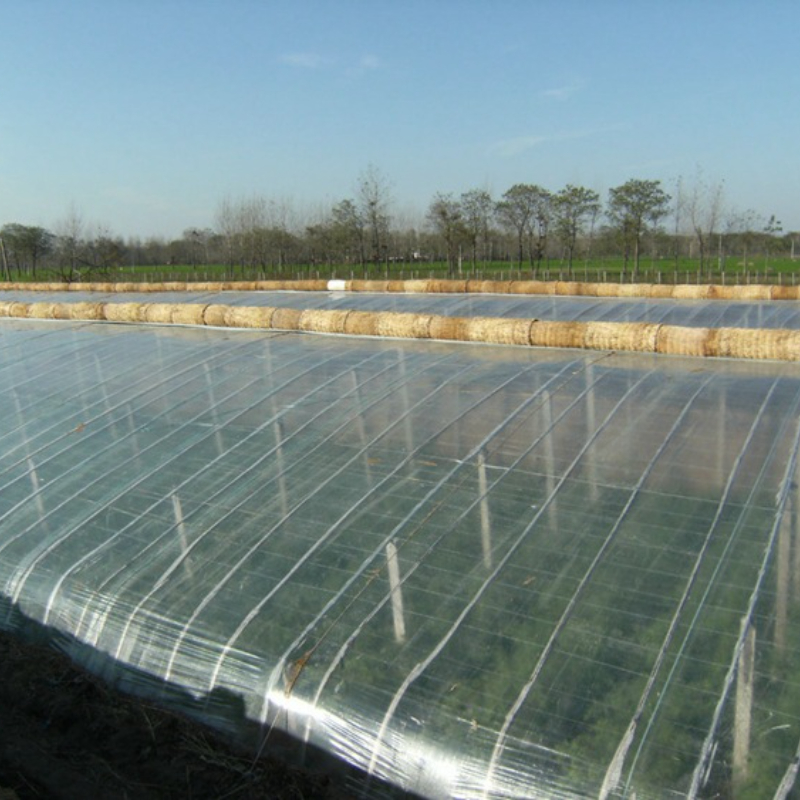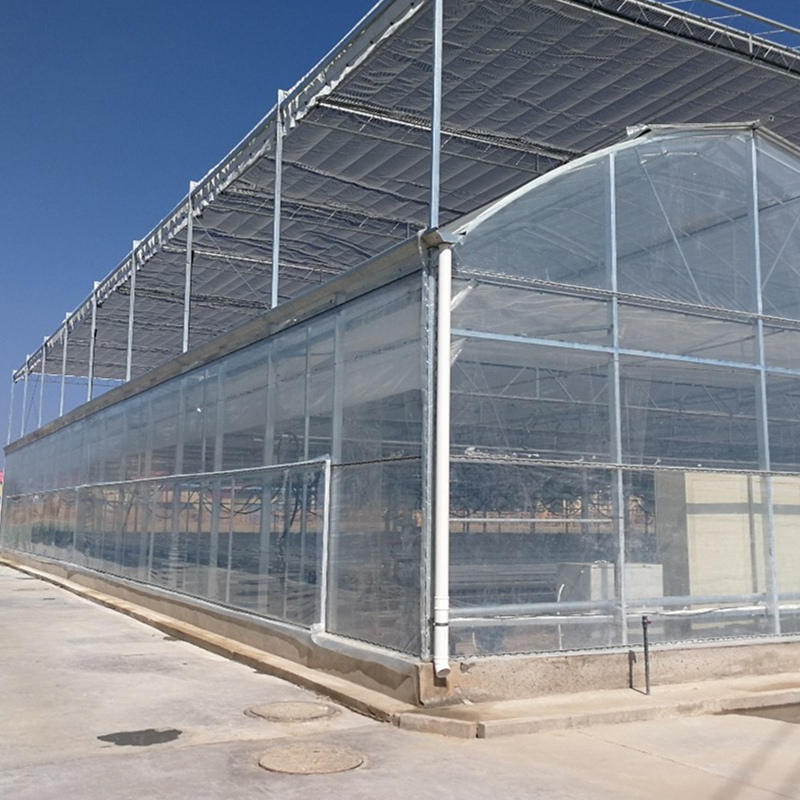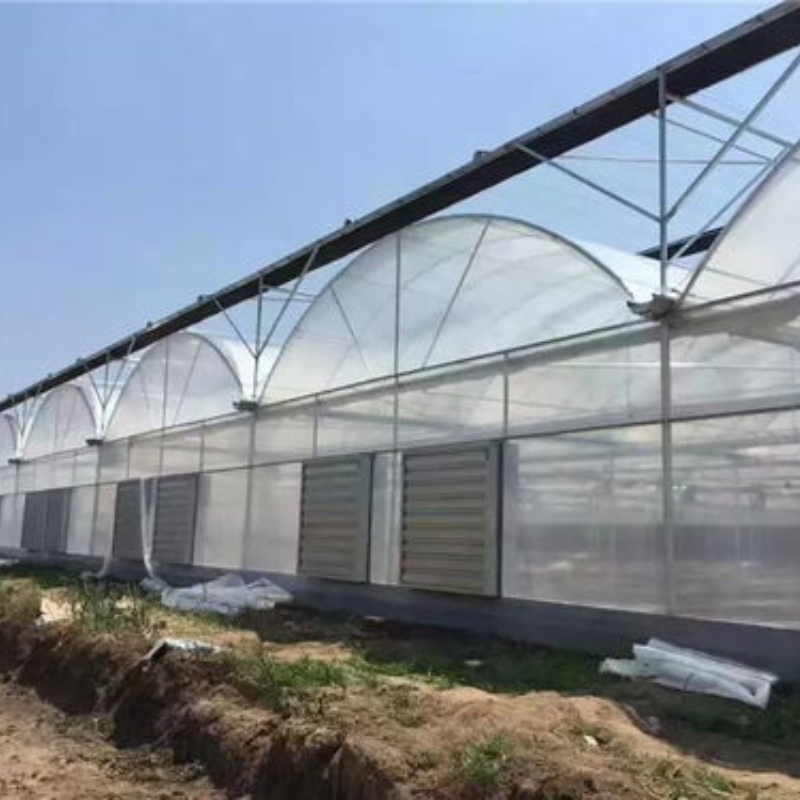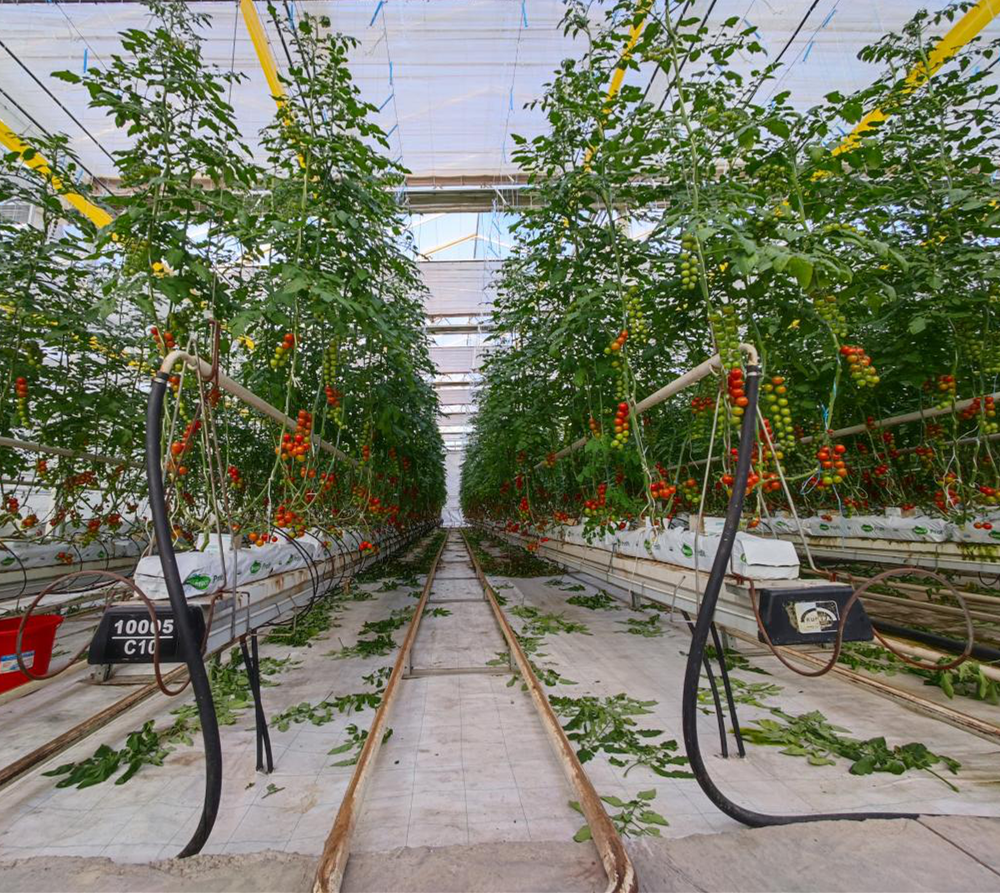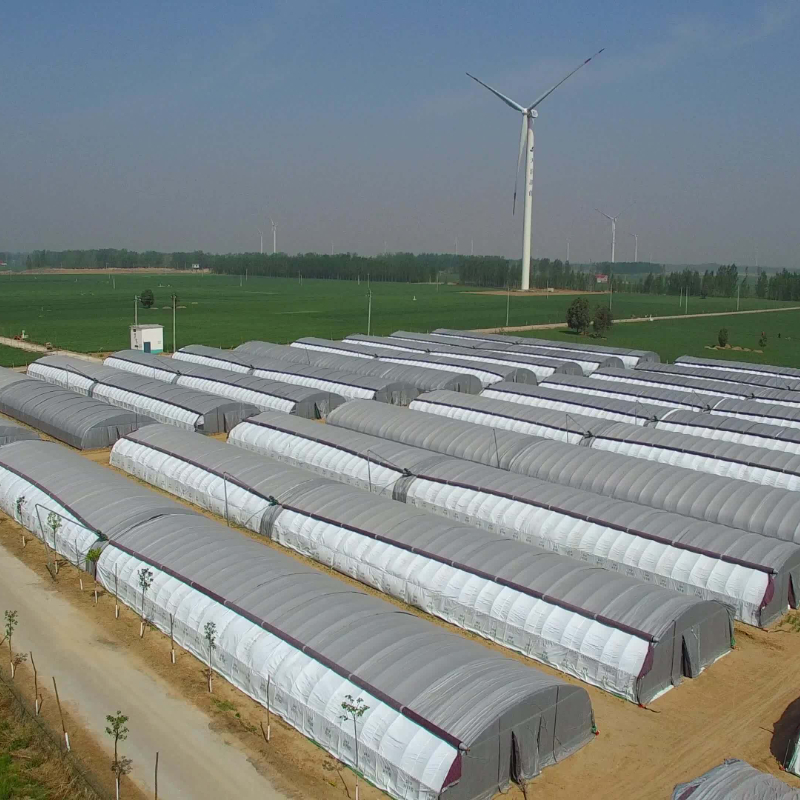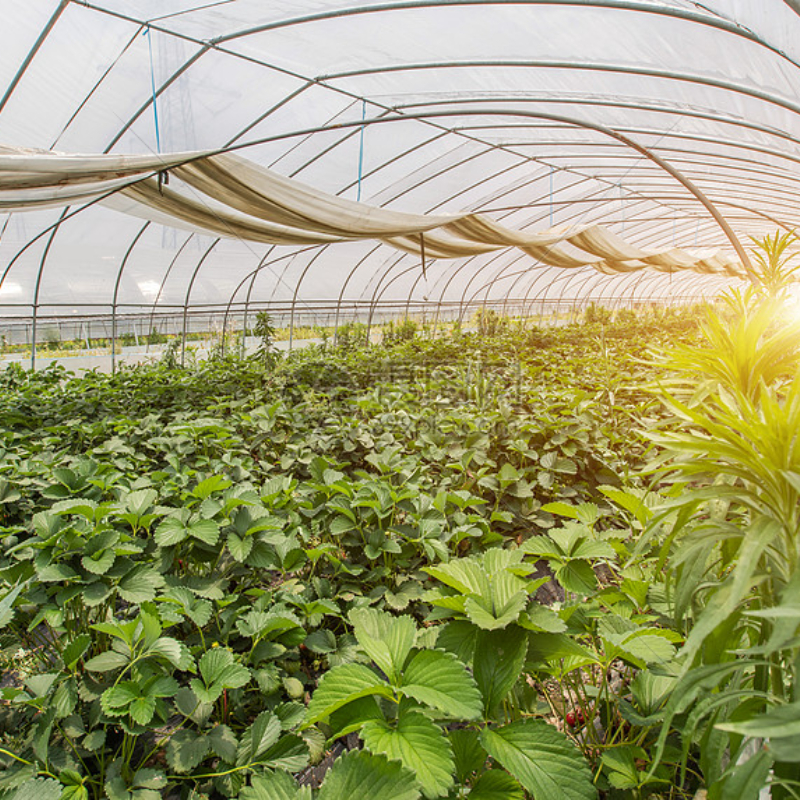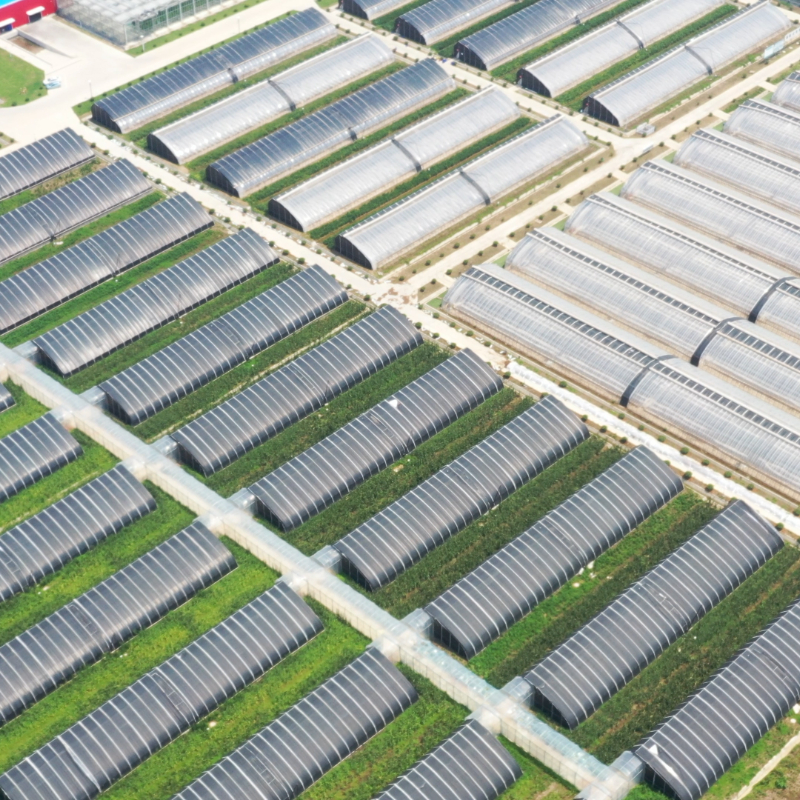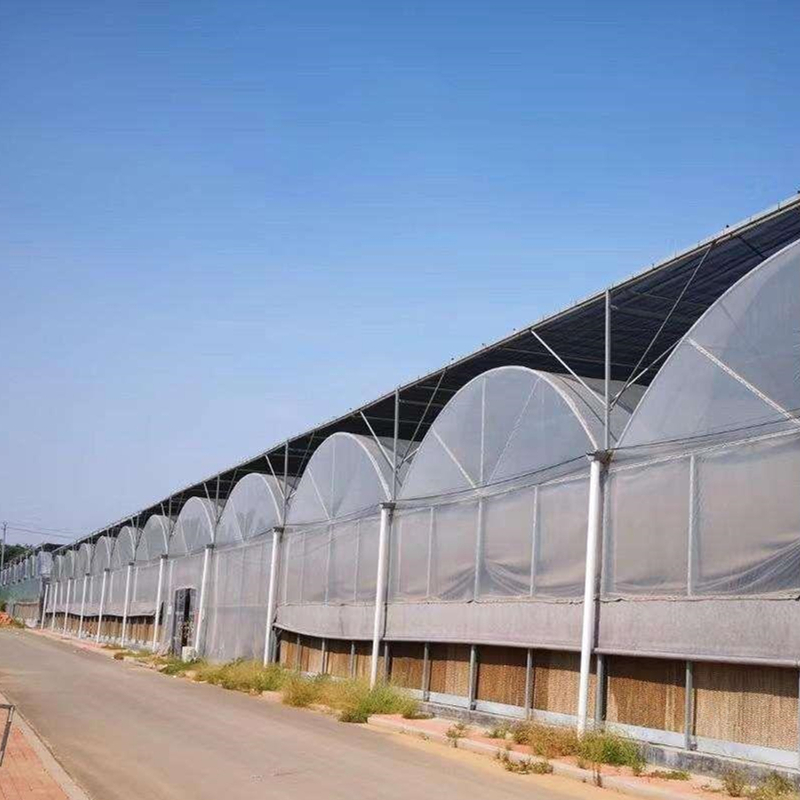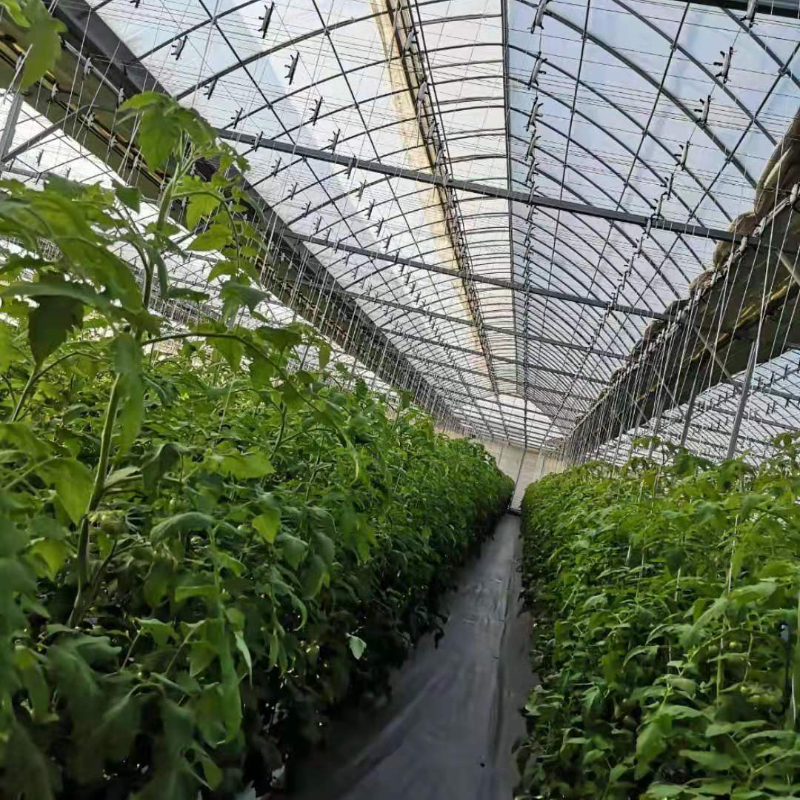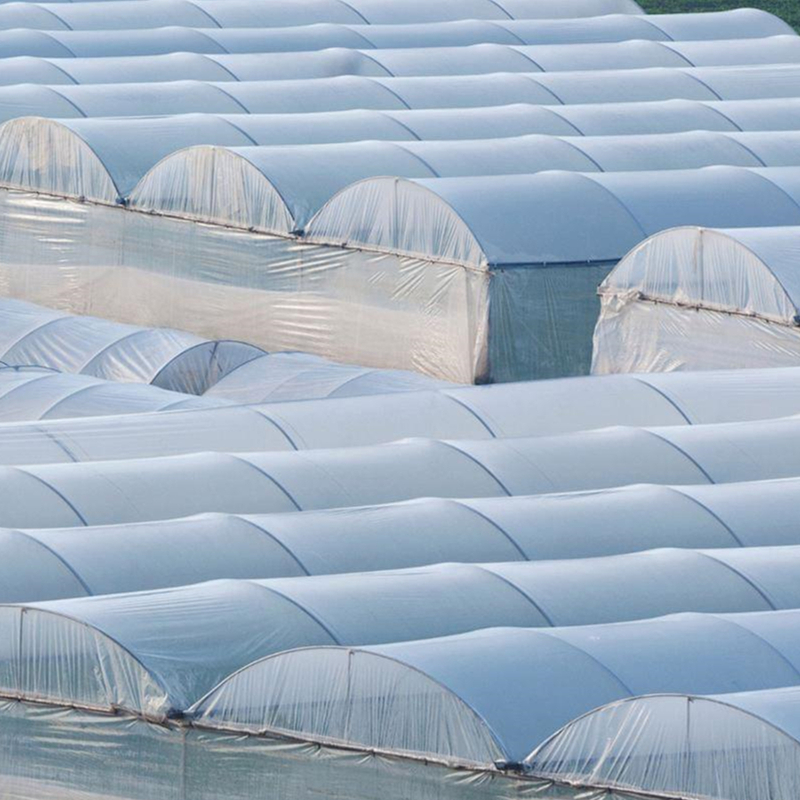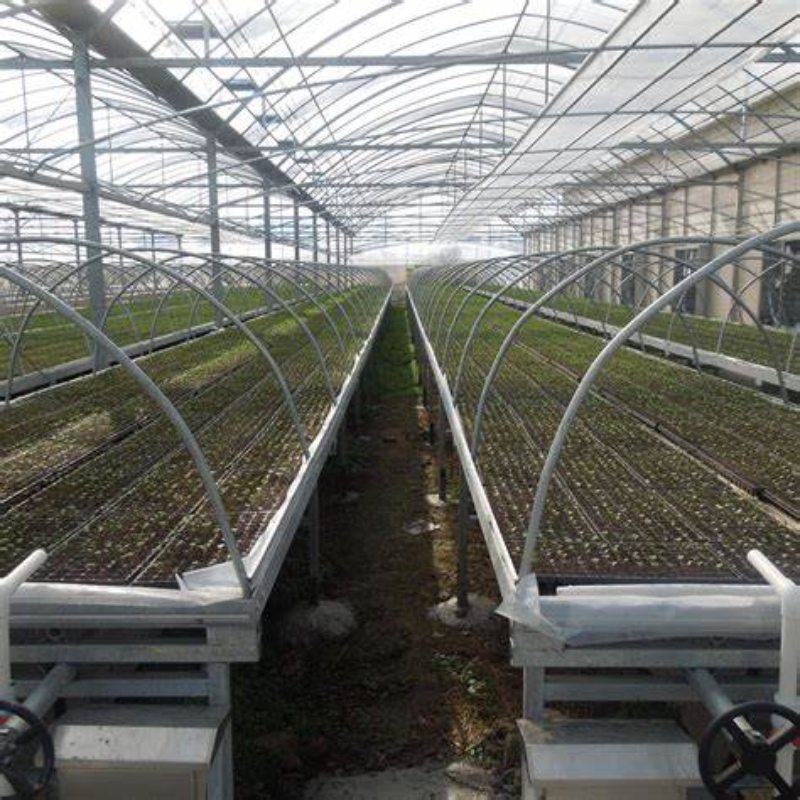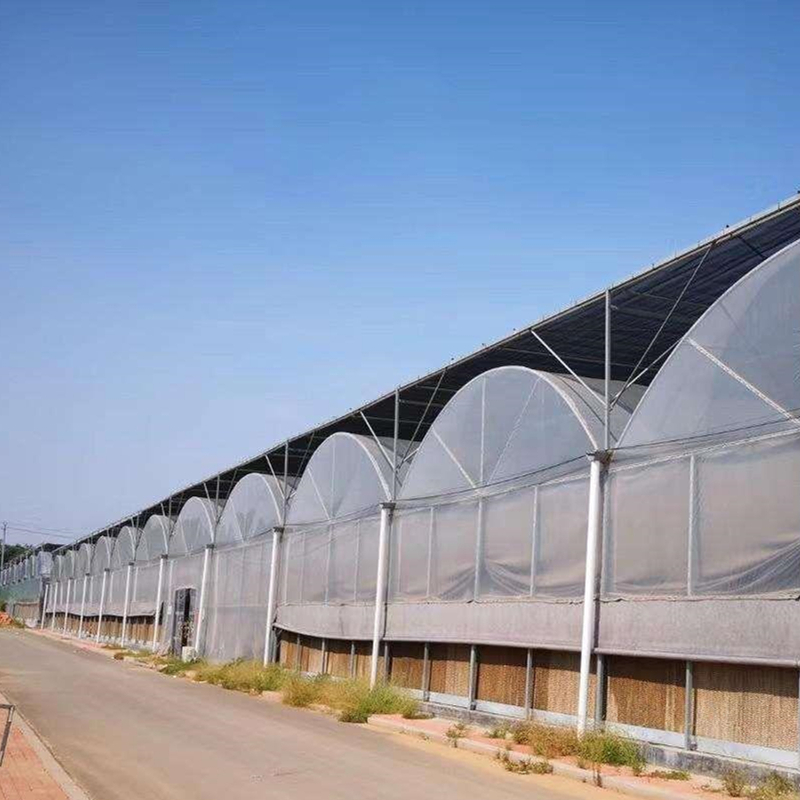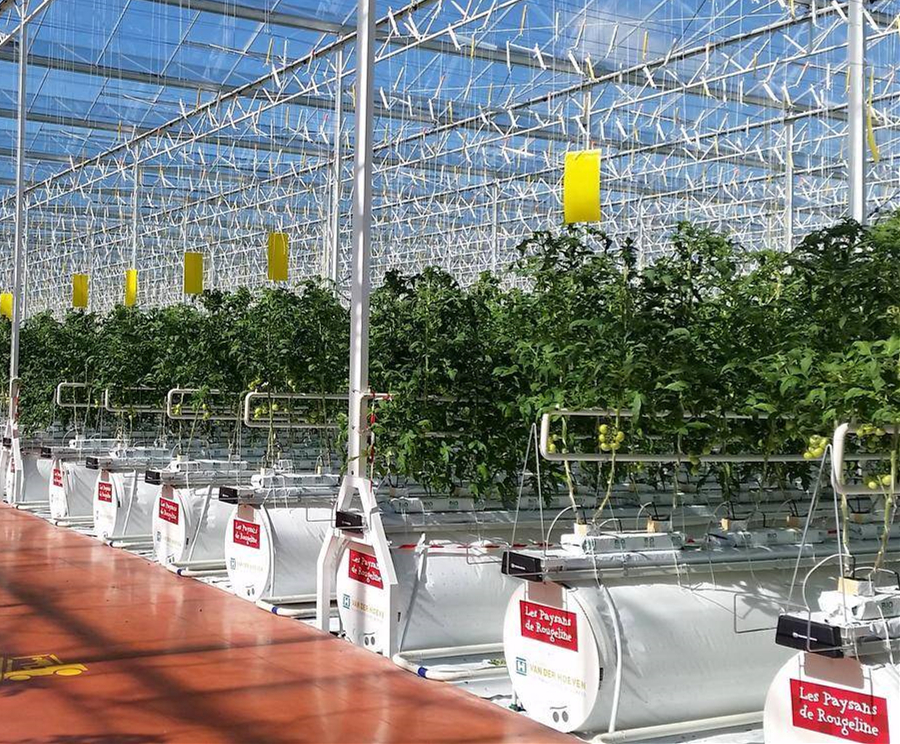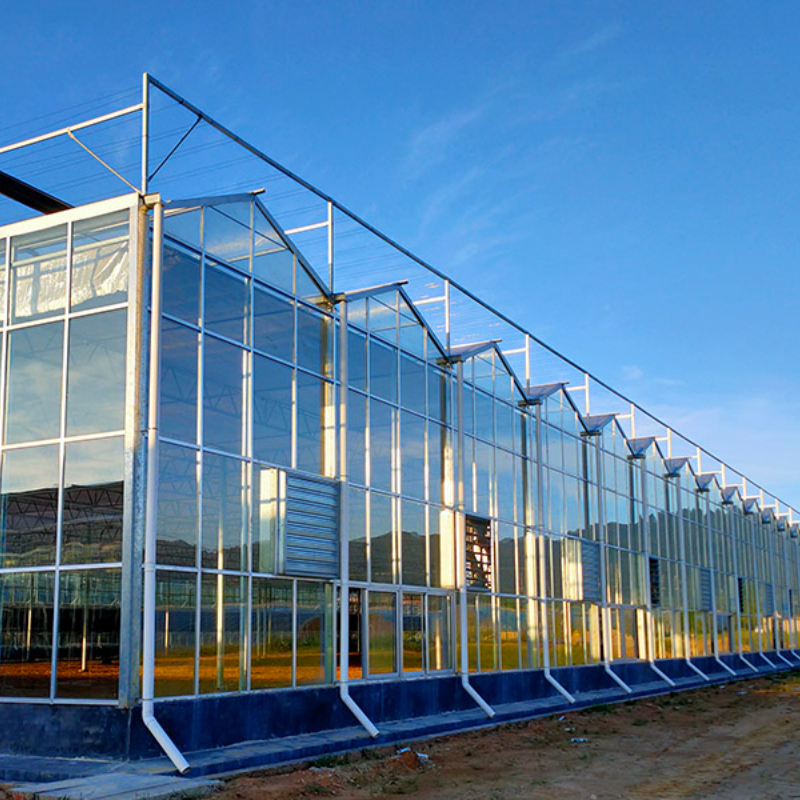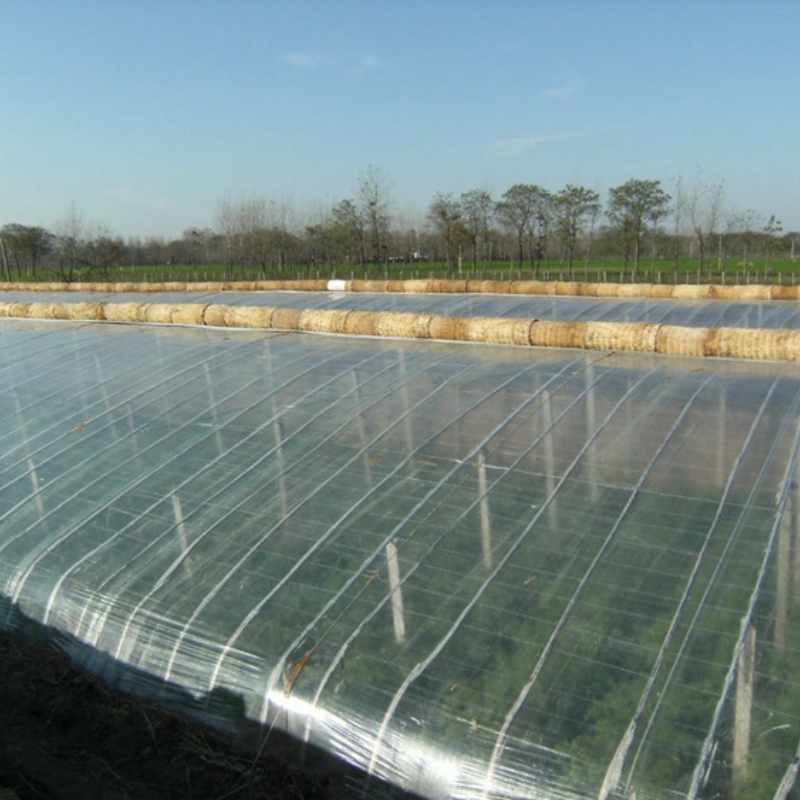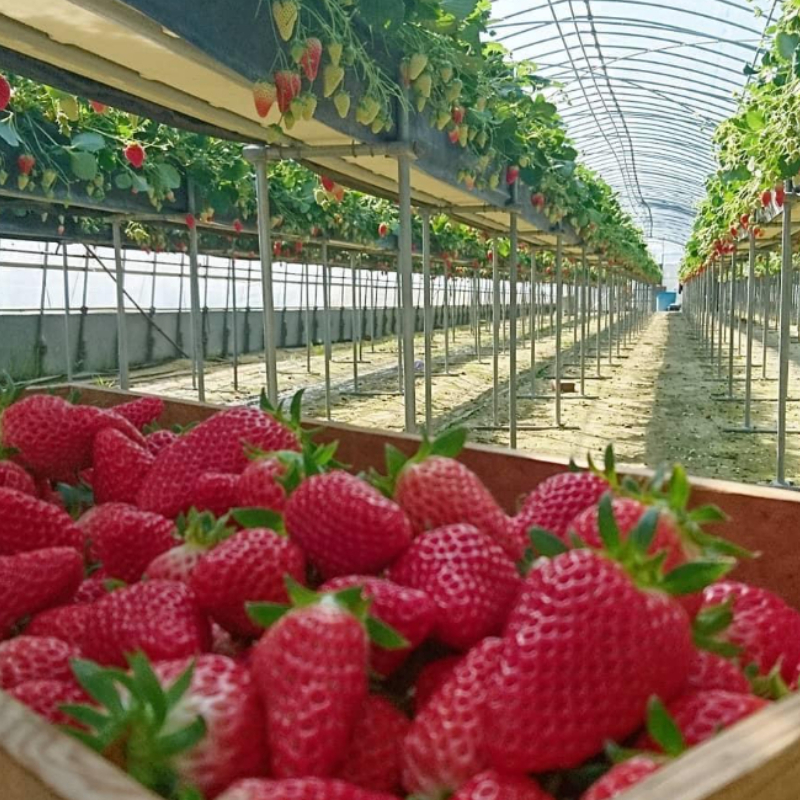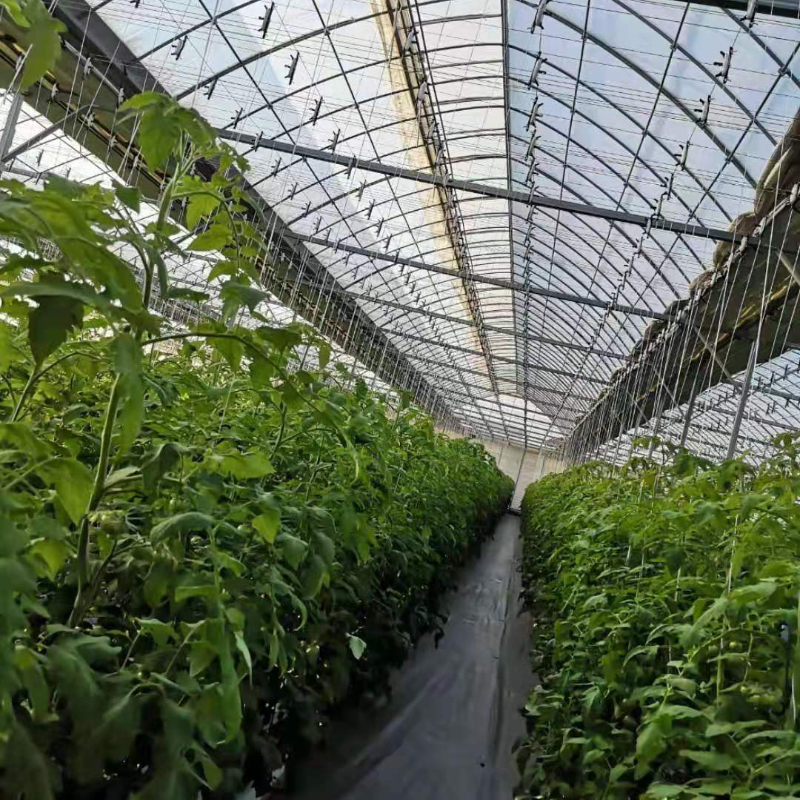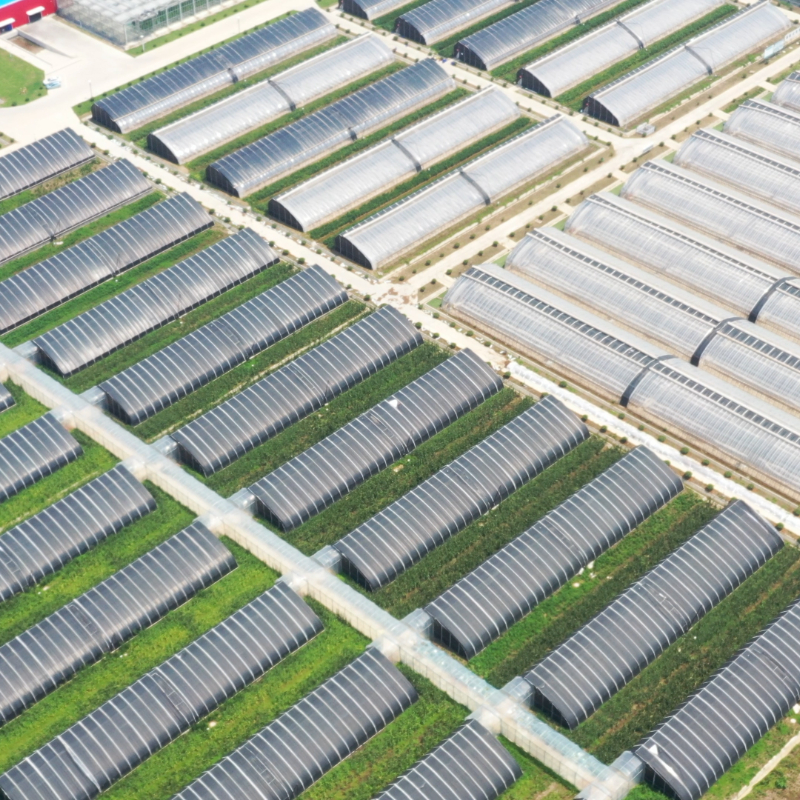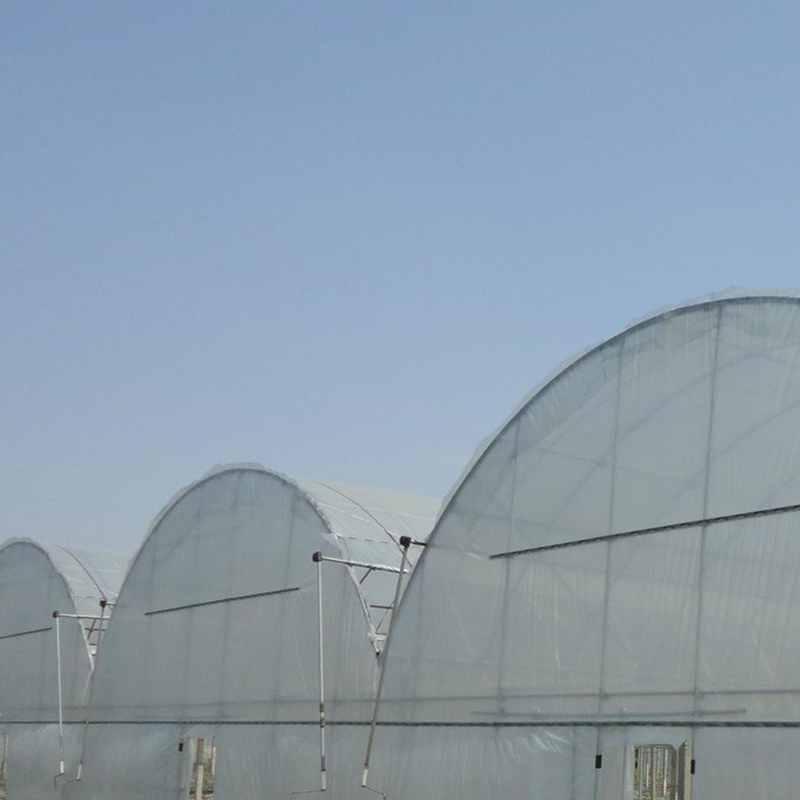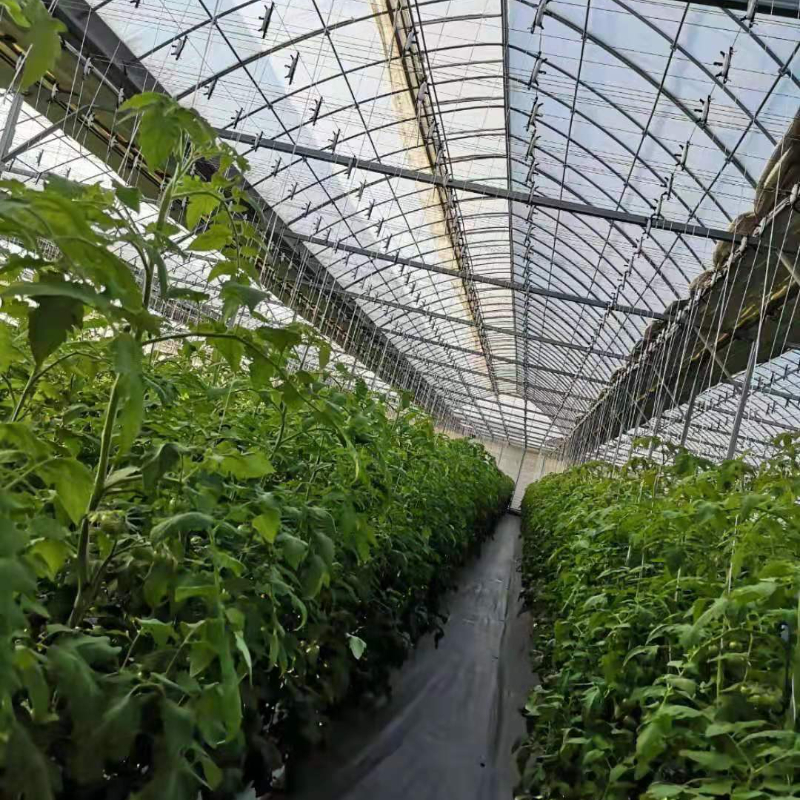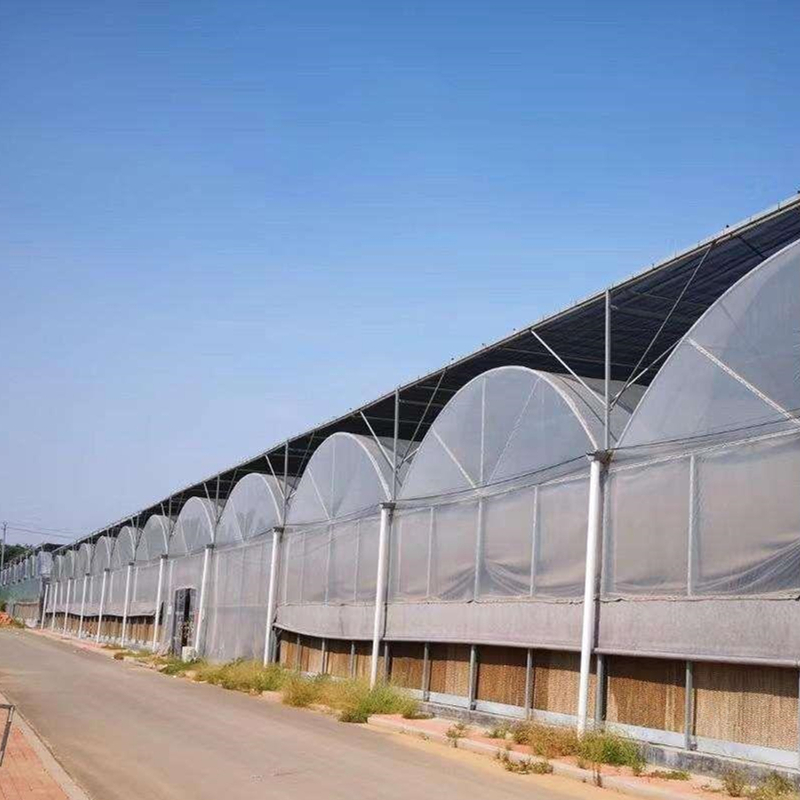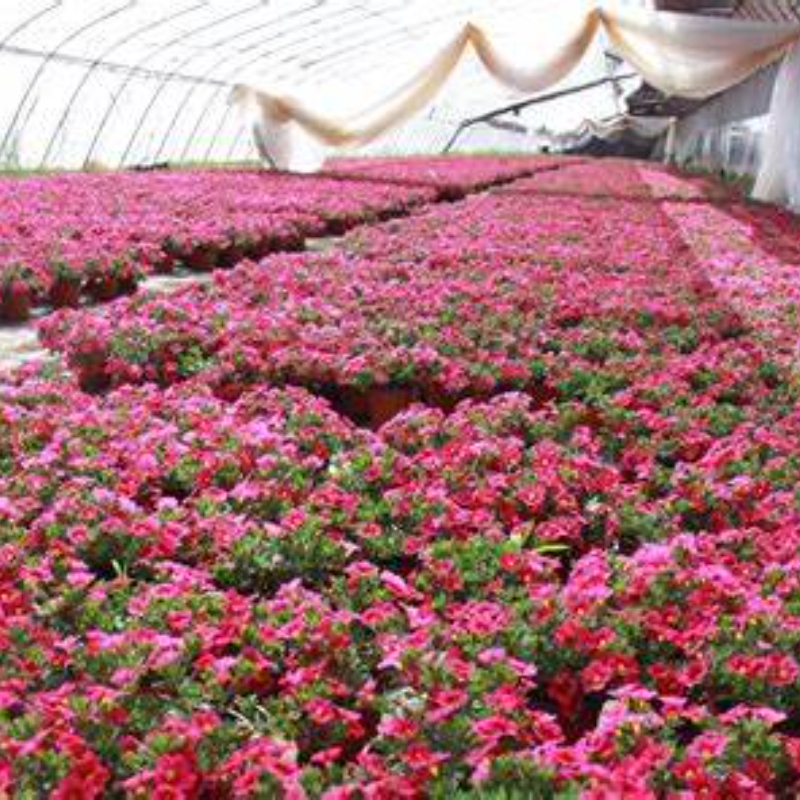
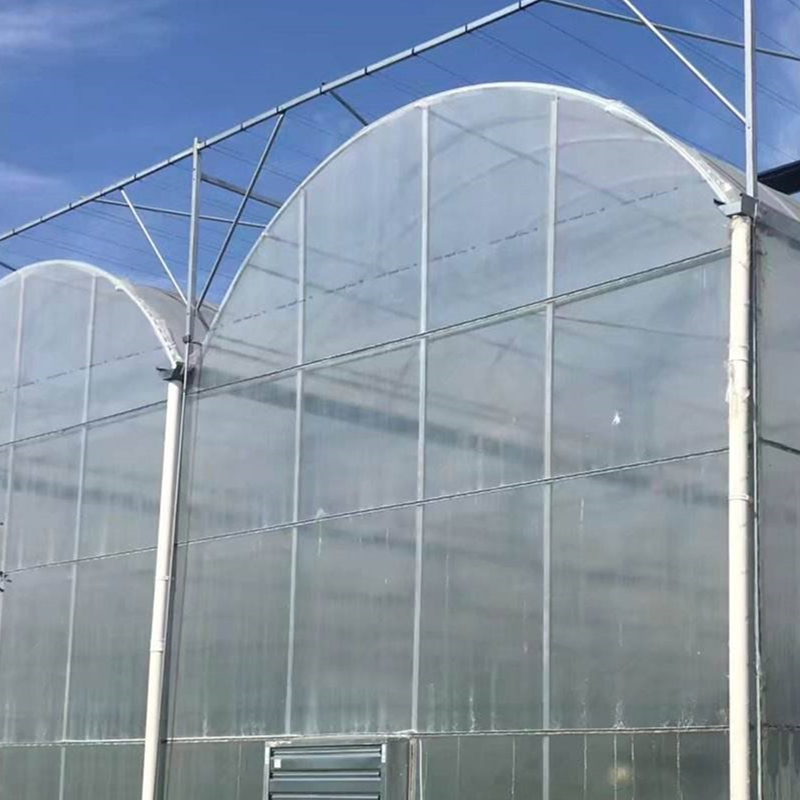
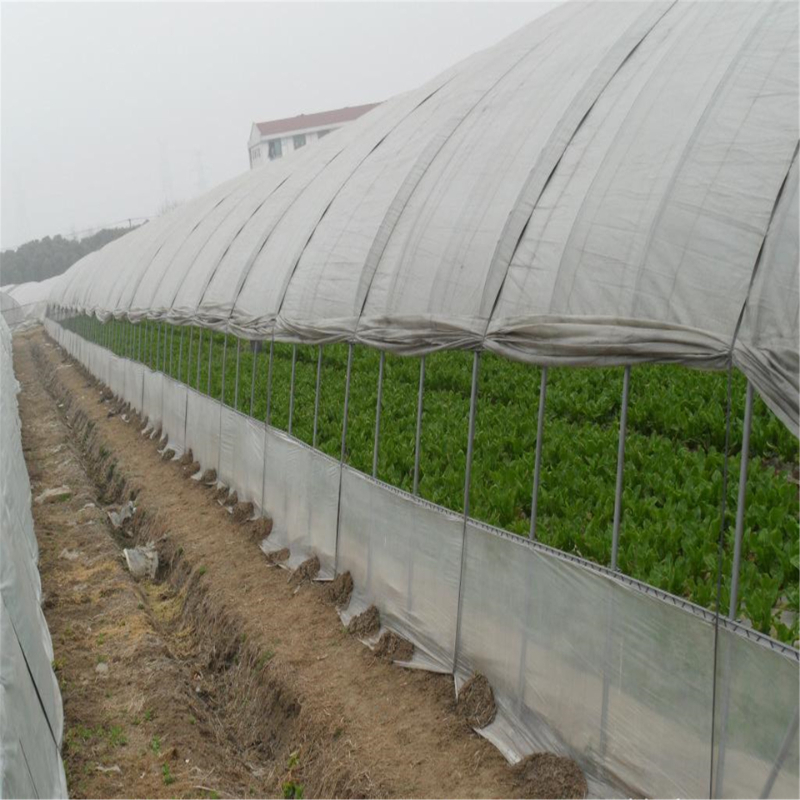
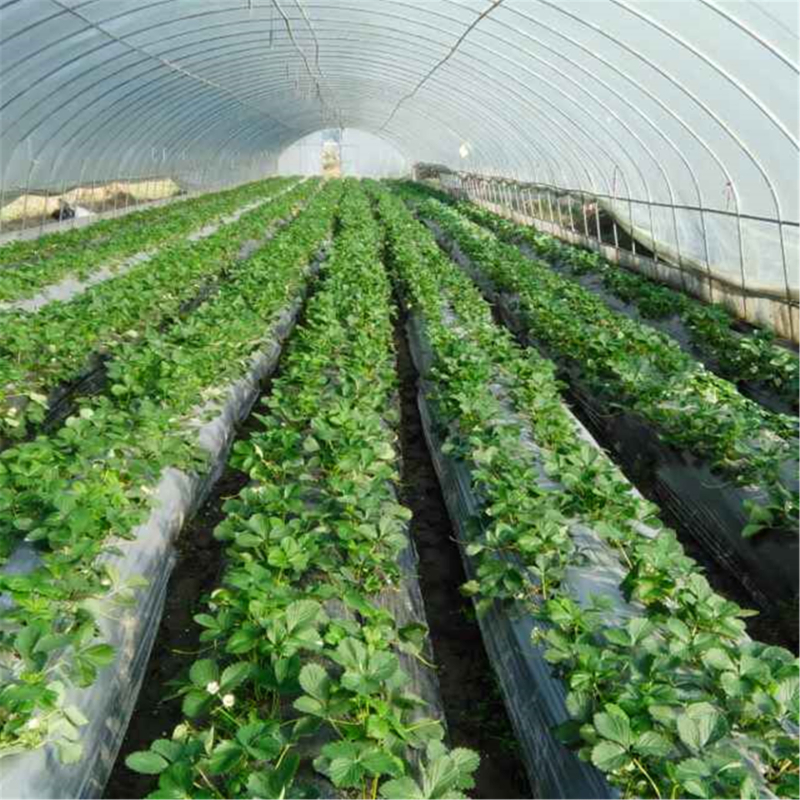
The Indoor Seedling Greenhouse is transforming the way we approach agriculture, particularly in urban settings where space is limited. This innovative method allows for the growth of seedlings in a controlled environment, utilizing hydroponics to deliver nutrients directly to the plants without the need for soil. As the demand for fresh produce continues to rise, the Indoor Hydroponic Greenhouse provides a sustainable and efficient solution for growers.
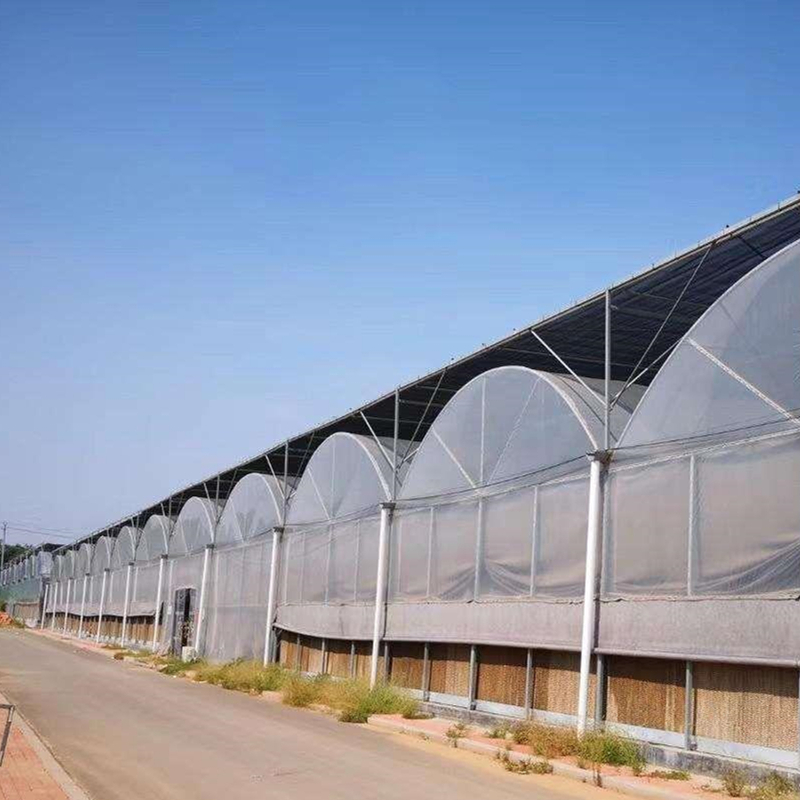
Hydroponics is a method of growing plants in nutrient-rich water instead of soil. This technique promotes faster growth and higher yields, making it particularly effective for seedlings. In an Indoor Seedling Greenhouse, plants receive all the necessary nutrients through a carefully balanced solution, ensuring optimal conditions for growth.
Faster Growth Rates: Seedlings grown in hydroponic systems typically grow faster than those in traditional soil. The direct access to nutrients accelerates development, allowing for quicker harvesting cycles.
Space Efficiency: The Indoor Hydroponic Greenhouse maximizes space utilization. Vertical farming techniques can be employed, allowing multiple layers of plants to grow in a compact area. This is especially beneficial in urban environments where land is at a premium.
Water Conservation: Hydroponic systems use significantly less water than traditional farming methods. The recirculating nature of these systems ensures that water is reused, reducing waste and promoting sustainability.
An Indoor Hydroponic Seedling Greenhouse is designed to create an optimal environment for seedling growth. Key components include:
Maintaining the right temperature and humidity levels is crucial for seedling health. Advanced climate control systems, including heating, cooling, and ventilation, are essential in an Indoor Hydroponic Greenhouse to ensure consistent growing conditions.
Artificial lighting is vital in an indoor setting. LED grow lights are commonly used in Indoor Seedling Greenhouse to provide the necessary light spectrum for photosynthesis. These lights can be adjusted based on the growth stage of the seedlings, ensuring they receive optimal light exposure.
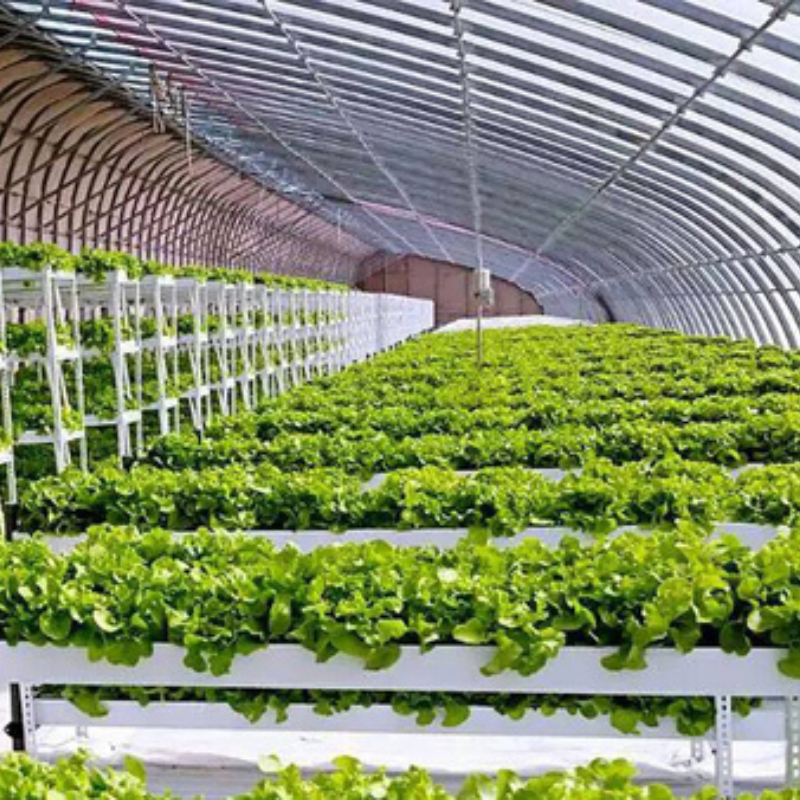
Several hydroponic systems can be utilized in an Indoor Seedling Greenhouse:
Nutrient Film Technique (NFT): In this system, a thin film of nutrient solution flows over the roots of the seedlings, providing them with the nutrients they need while allowing excess water to drain away.
Deep Water Culture (DWC): Seedlings are suspended in a nutrient-rich oxygenated water solution, promoting rapid growth and root development.
Ebb and Flow: This system periodically floods the seedling trays with nutrient solution and then drains it, allowing the roots to absorb nutrients while preventing waterlogging.
The adoption of an Indoor Hydroponic Greenhouse offers numerous advantages for growers:
One of the significant benefits of growing seedlings indoors is the reduced risk of pests and diseases. The controlled environment of an Indoor Seedling Greenhouse minimizes exposure to harmful insects and pathogens, allowing for healthier plants and reducing the need for chemical pesticides.
An Indoor Seedling Greenhouse allows for year-round production, independent of seasonal changes. This consistent availability of seedlings is particularly beneficial for commercial growers and urban farmers who require a steady supply of plants.
Hydroponically grown seedlings often exhibit superior quality and nutritional value compared to those grown in soil. The precise control over nutrient delivery ensures that plants receive exactly what they need for optimal growth, leading to healthier, more robust seedlings.
While the Indoor Hydroponic Seedling Greenhouse offers many benefits, it also presents challenges that growers must address:
The initial investment in equipment and technology for an Indoor Hydroponic Greenhouse can be significant. However, the long-term savings in water, nutrients, and increased yields often outweigh these initial costs.
Growing seedlings hydroponically requires a certain level of technical knowledge. Growers must understand nutrient management, pH levels, and environmental control to ensure successful cultivation. Training and resources are essential for those new to hydroponics.
The use of artificial lighting and climate control systems can lead to high energy consumption in an Indoor Seedling Greenhouse. Implementing energy-efficient technologies, such as LED lights and smart climate control systems, can help mitigate these costs.
The future of Indoor Seedling Greenhouses looks promising as technology continues to advance. Innovations in hydroponic systems, climate control, and lighting will further enhance the efficiency and effectiveness of indoor farming.
As cities grow and populations increase, the demand for fresh, locally grown produce will continue to rise. Indoor Hydroponic Greenhouse provide an ideal solution for urban agriculture, allowing communities to grow their own food in limited spaces.
Ongoing research into hydroponic techniques and plant varieties will further improve the capabilities of Indoor Hydroponic Seedling Greenhouse. Developing new cultivars specifically suited for hydroponic growth can lead to even greater yields and nutritional profiles.
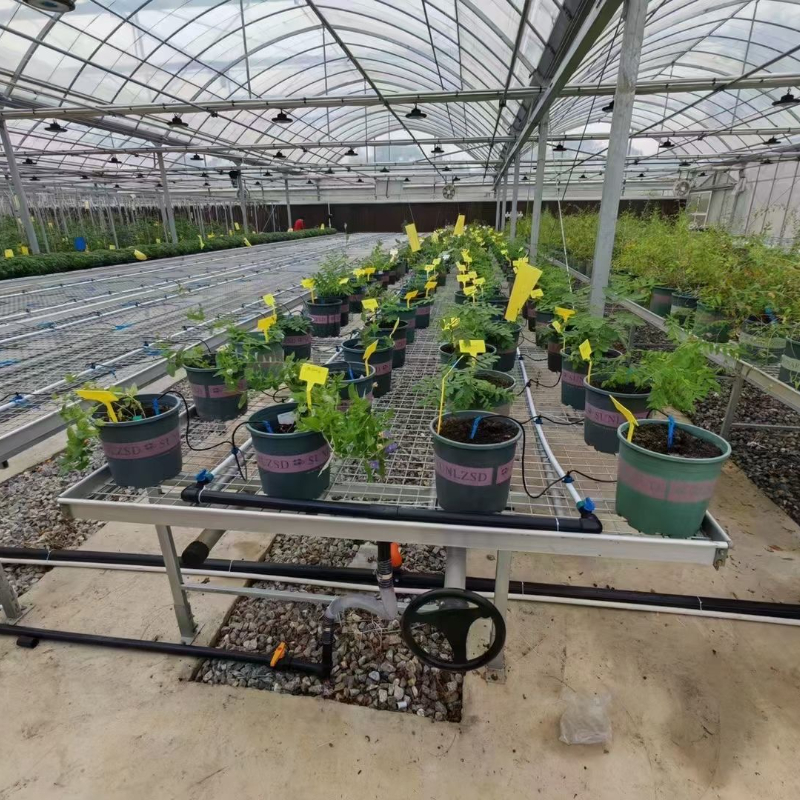
In conclusion, the Indoor Hydroponic Seedling Greenhouse offers a modern and sustainable approach to plant cultivation. By utilizing hydroponic systems, growers can achieve faster growth, conserve water, and produce high-quality seedlings year-round. As urbanization continues to shape our world, the importance of Indoor Hydroponic Greenhouse will only increase, providing innovative solutions for food production in the future. Embracing this technology can lead to a more sustainable and efficient agricultural landscape, ensuring that communities have access to fresh produce regardless of external conditions.
Q1:Are We a trading company or a manufacturer?
A: We are a factory. Our factory can produce all items which are related to the greenhouse, so we provide the best price.
Q2: Do we provide samples? Is it free or extra?
A: Yes, we can provide samples free of charge, but we don't bear the freight.
Q3: How to get a quotation for the greenhouse?
A: Please let us know how many greenhouses you need? What will be grown in the greenhouse? So that we can suggest you the related greenhouses.
Q4: How should you choose a greenhouse system?
A: Please let us know where you will build the greenhouse, we also need the know your local temperature and wind speed.
Q5: How to assemble the greenhouse after you purchase our greenhouses ?
A:We have professional after-sales service engineers who will provide planning drawings and installation manuals. You can communicate with him from time to time. If necessary, we can also send engineers to your country to supervise the installation of the greenhouse. Please send message for specific details.
If you have drawings, welcome to share drawings with us, quoation will be done based your drawings.Our excellent design team will
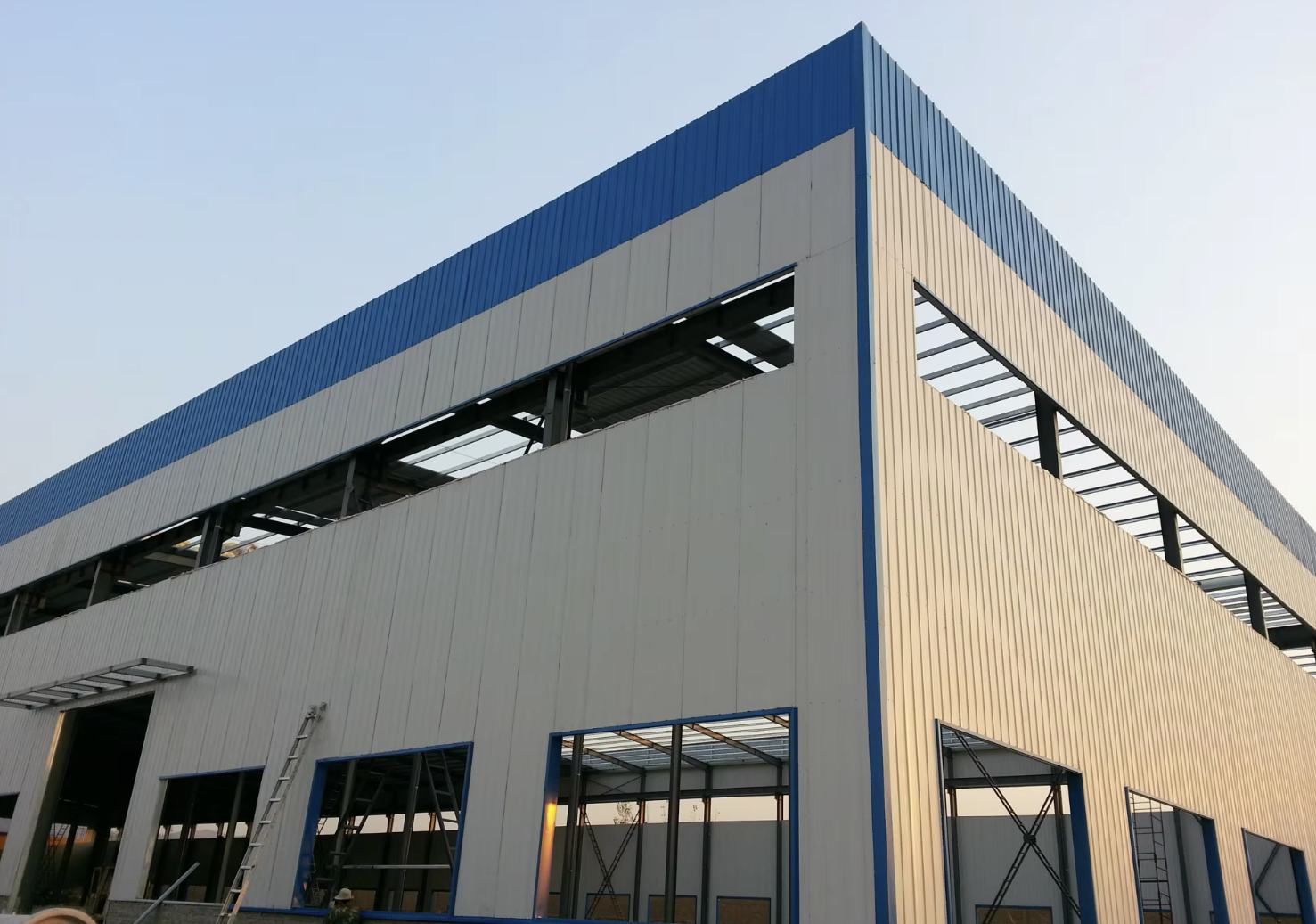
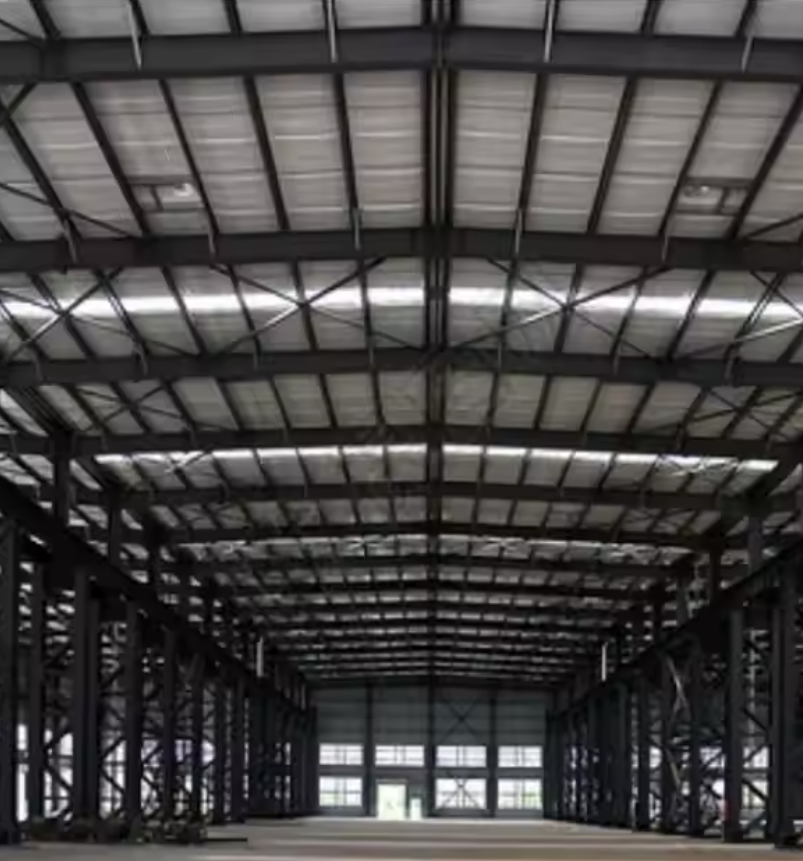
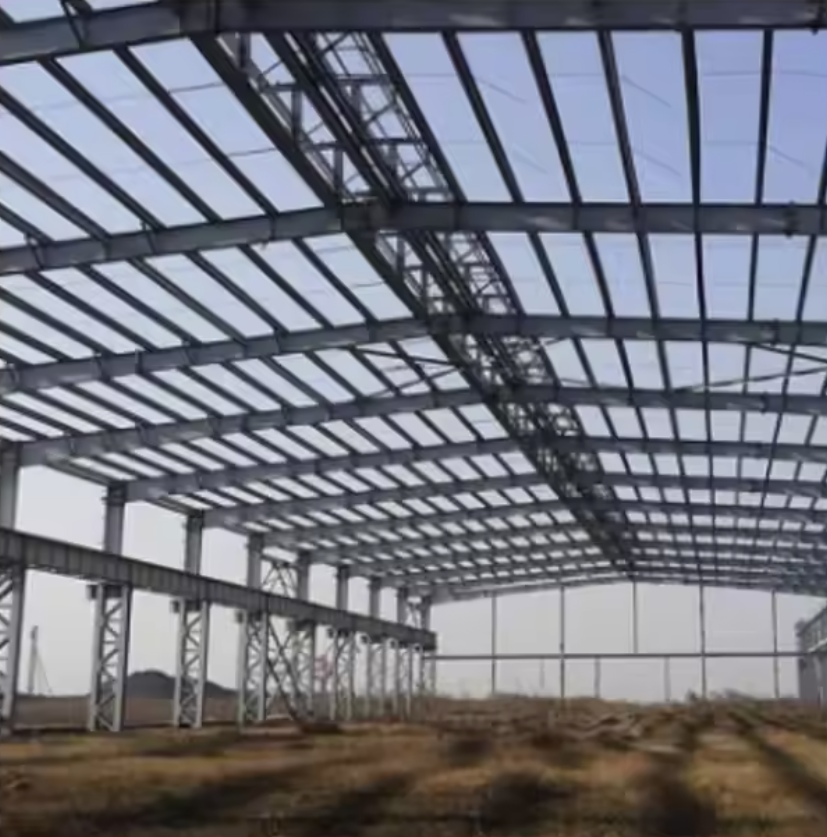
design the steel structure workshop warehouse for you. If you give the following information, we will give you an satisfactory
drawing.
1 Location (where will be built? ) which country? which city?
2 Size: Length*width* Eave height _____mm*_____mm*_____mm
3 wind load (max. Wind speed) _____kn/m2, _____km/h, _____m/s
4 snow load (max. Snow height) _____kn/m2, _____mm, temperature range?
5 anti-earthquake _____level
6 brickwall needed or not If yes, 1.2m high or 1.5m high? or other?
7 thermal insulation If yes, EPS, fiberglass wool, rockwool, PU sandwich panels will be suggested;
If not, the metal steel sheets will be ok. The cost of the latter will be much lower than that of the former.
8 door quantity & size _____units, _____(width)mm*_____(height)mm
9 window quanity & size _____units, _____(width)mm*_____(height)mm
10 crane needed or not If yes, _____units, max. Lifting weight____tons; Max. Lifting height _____m