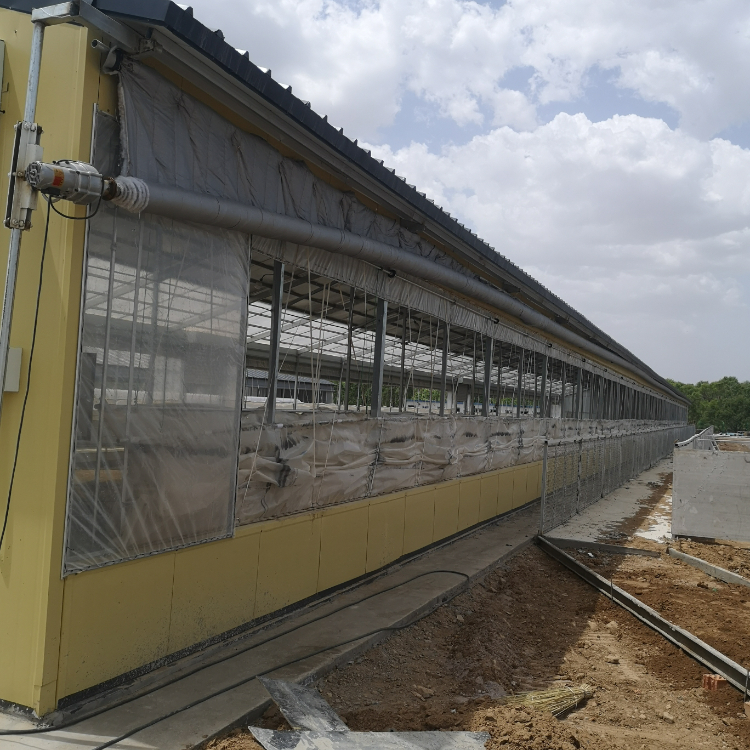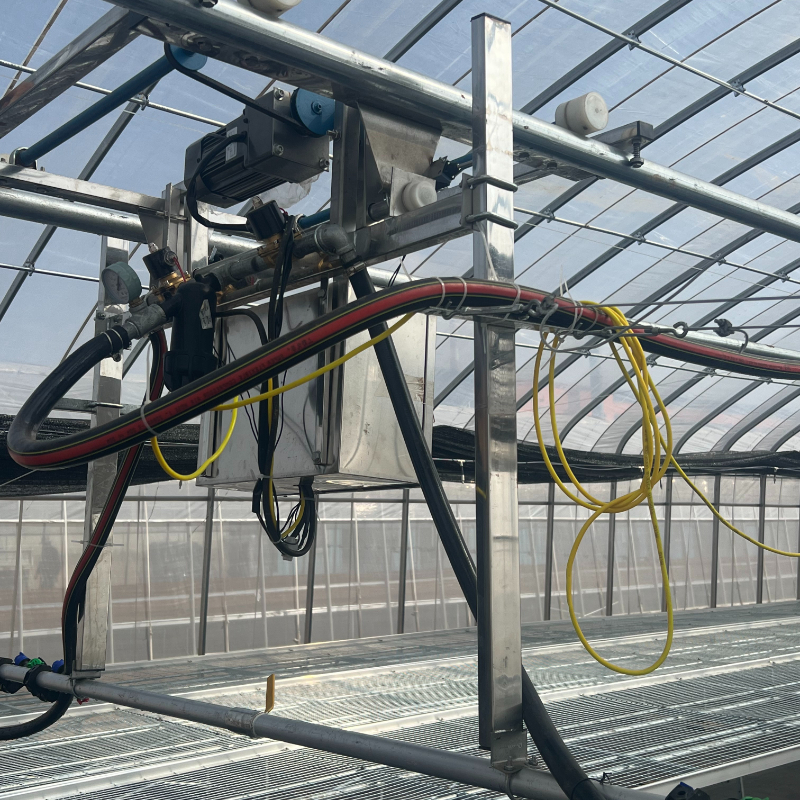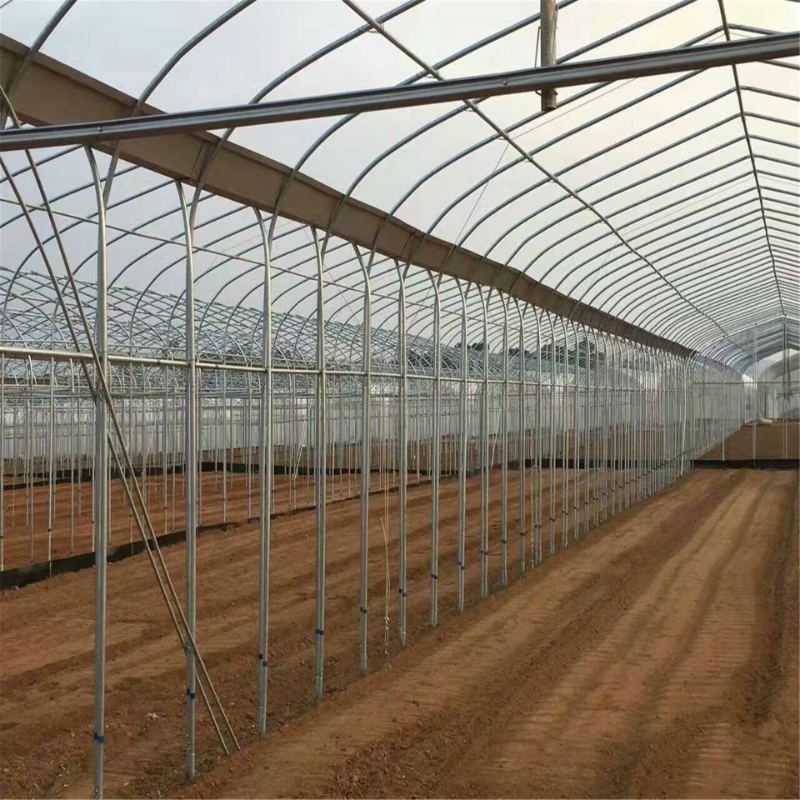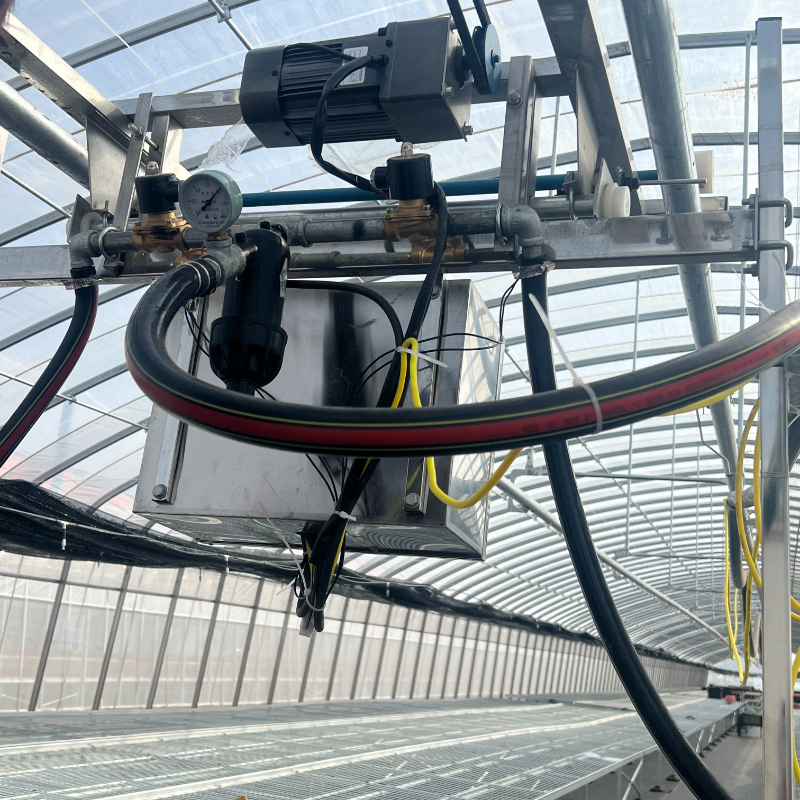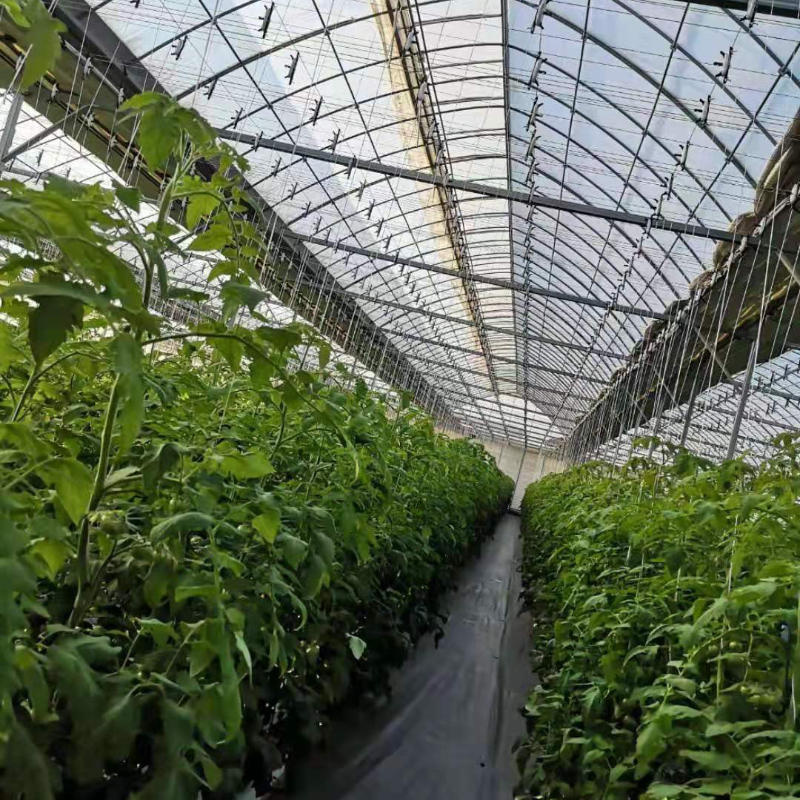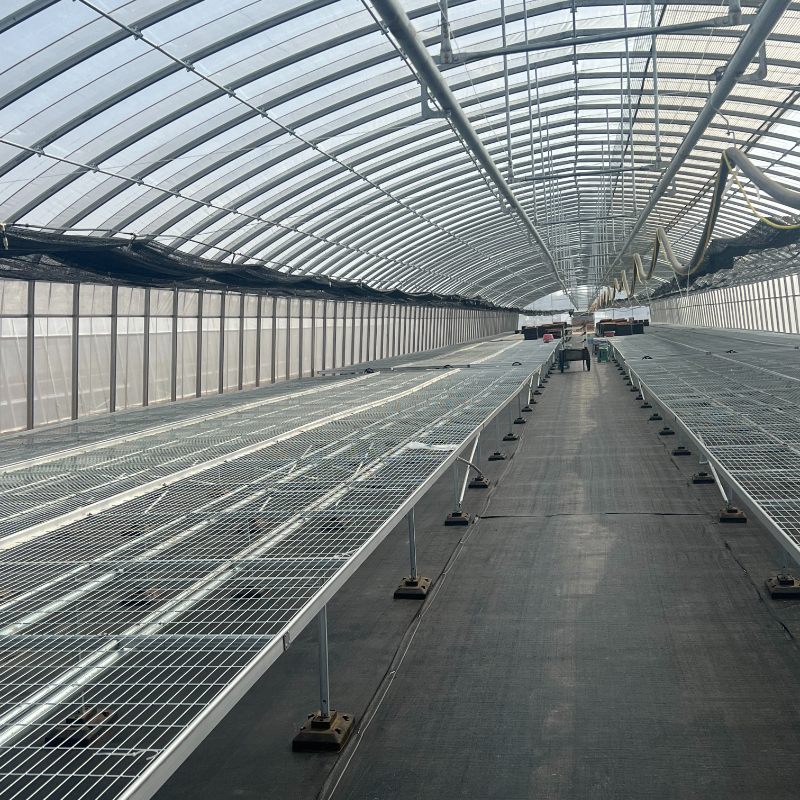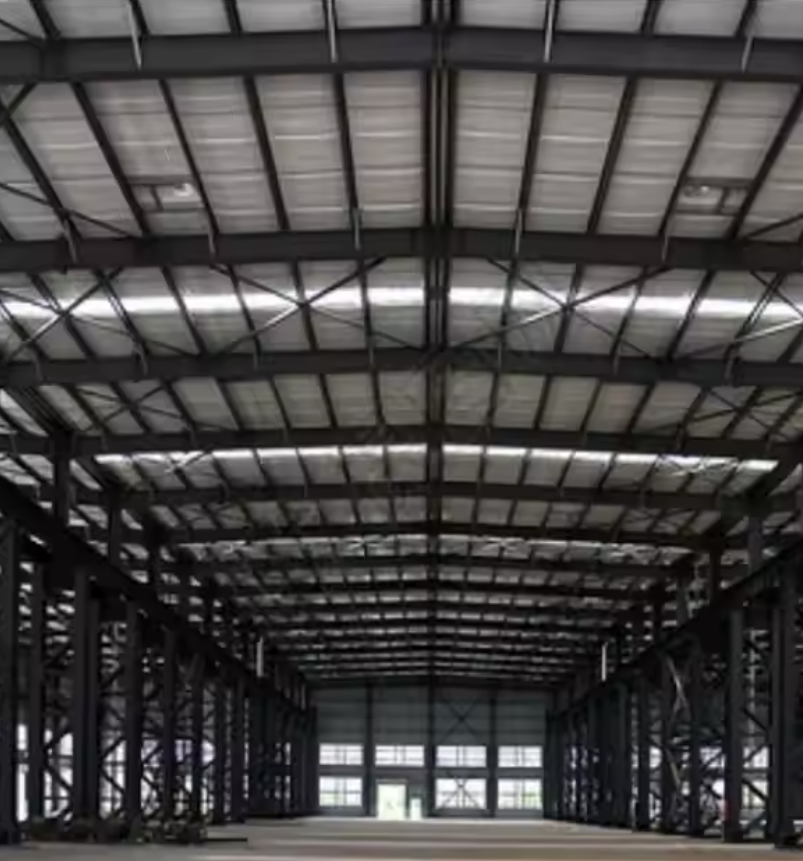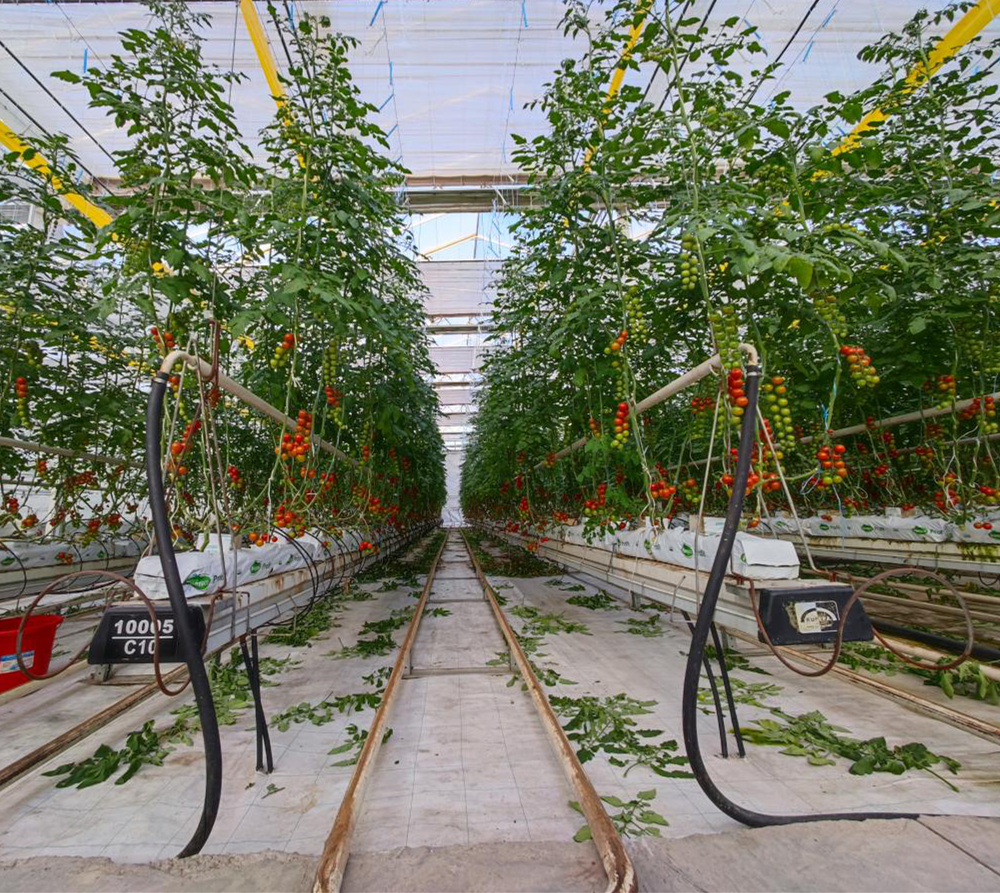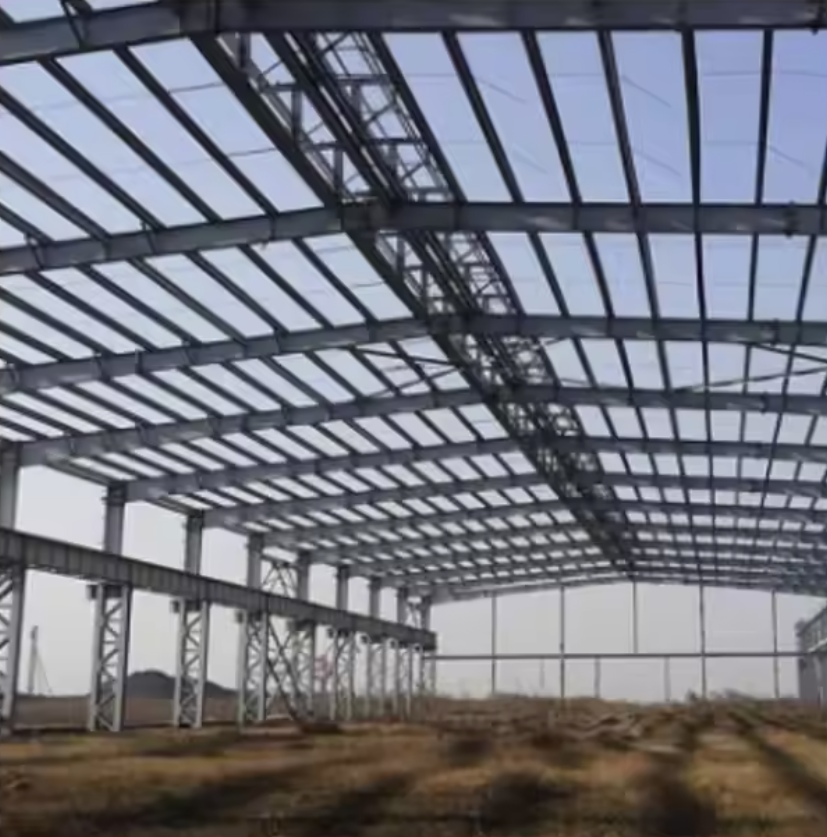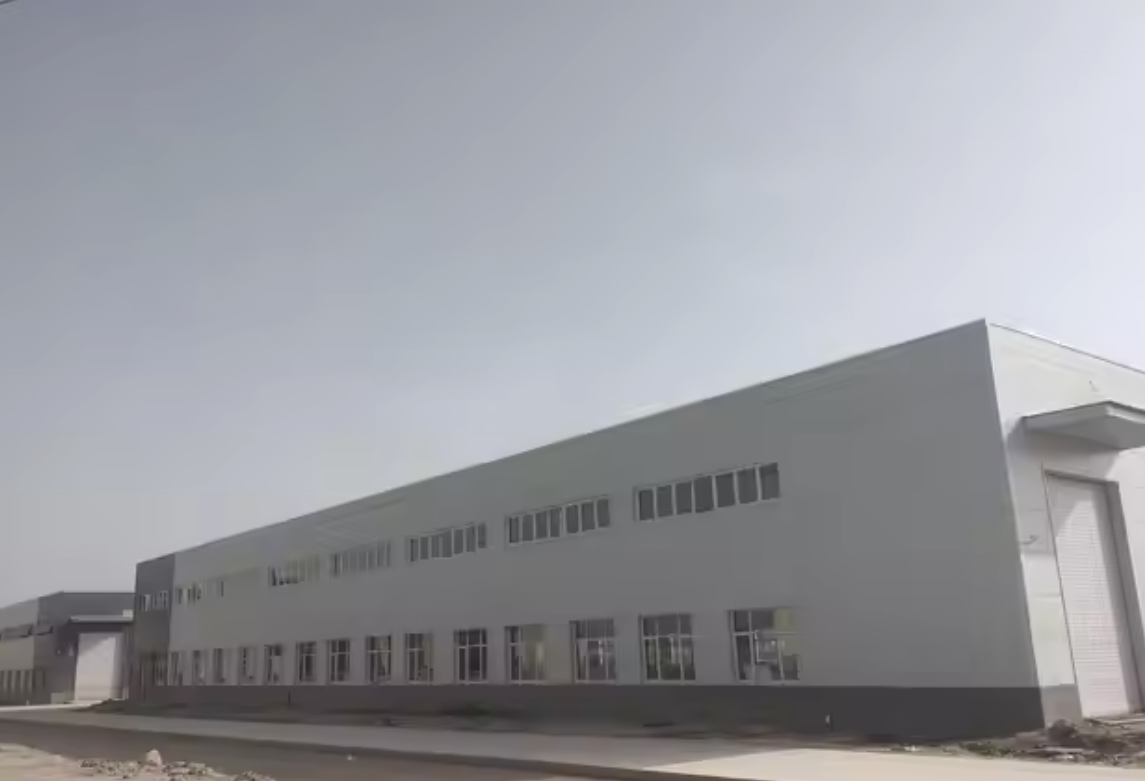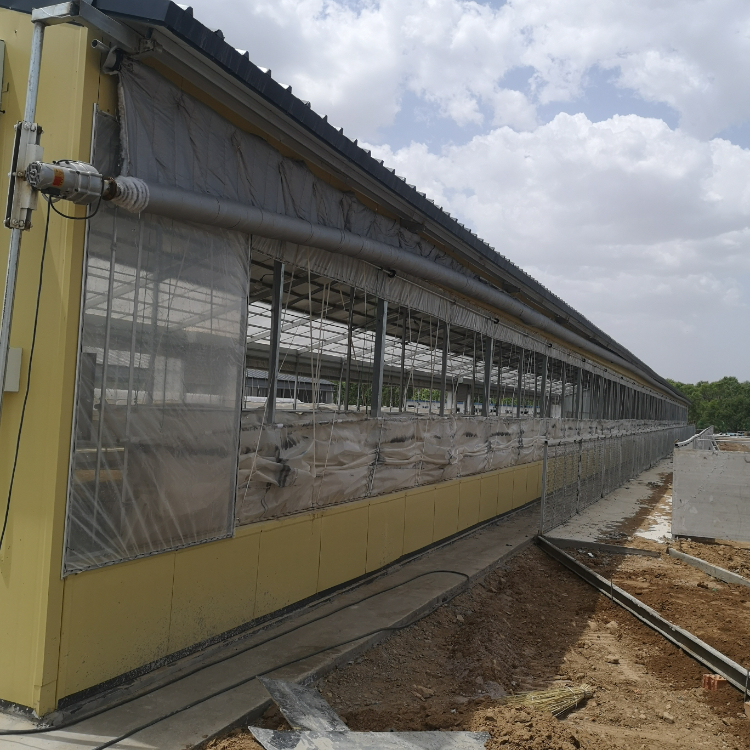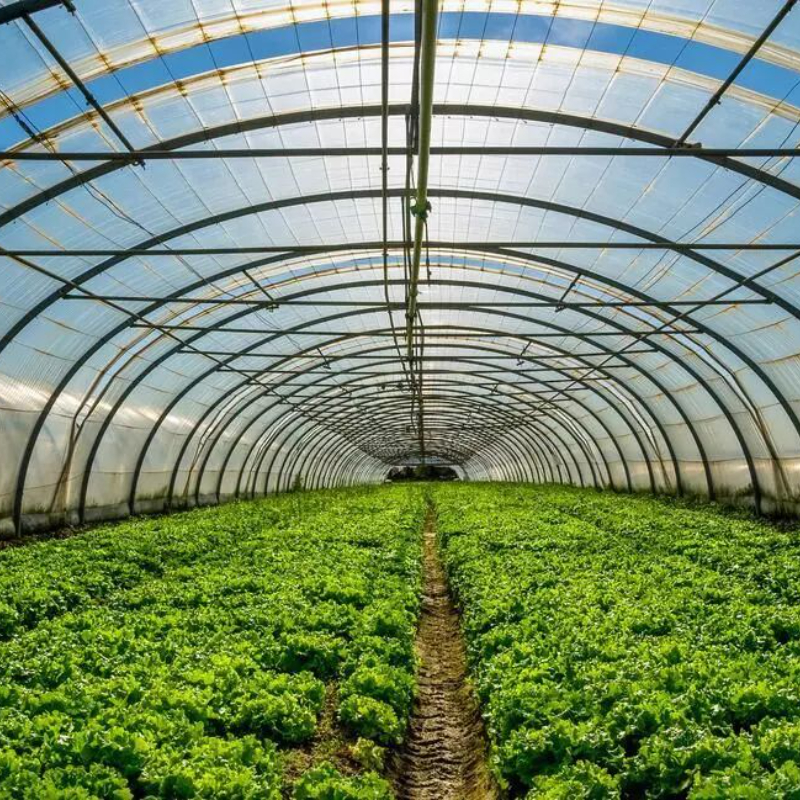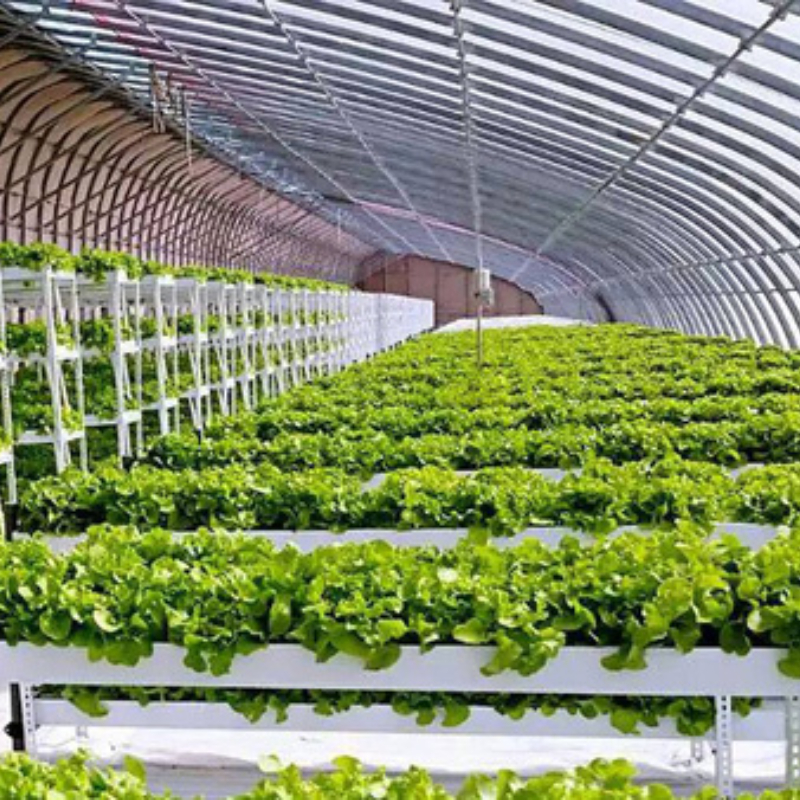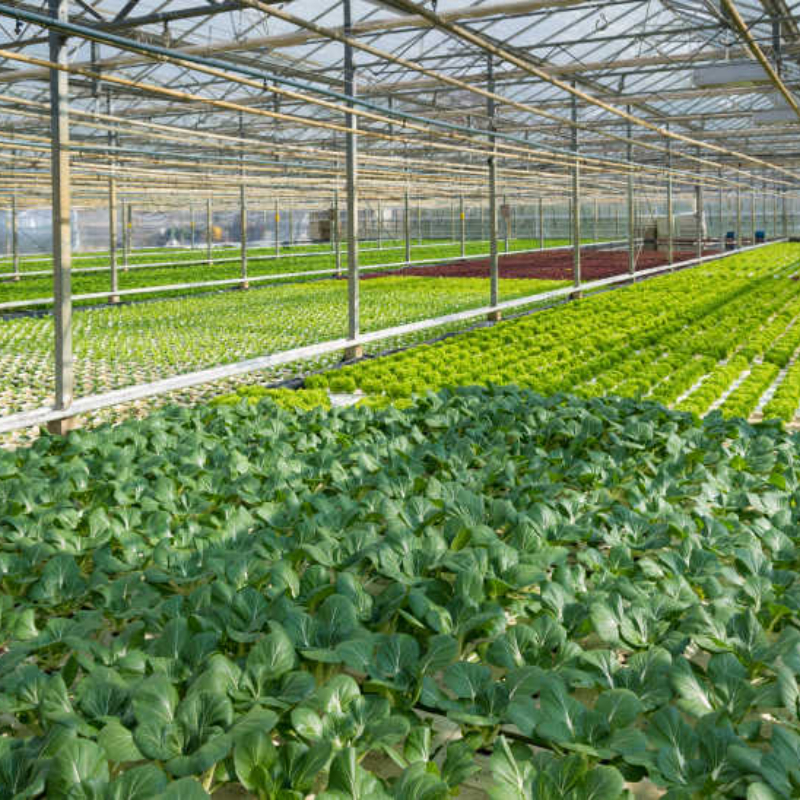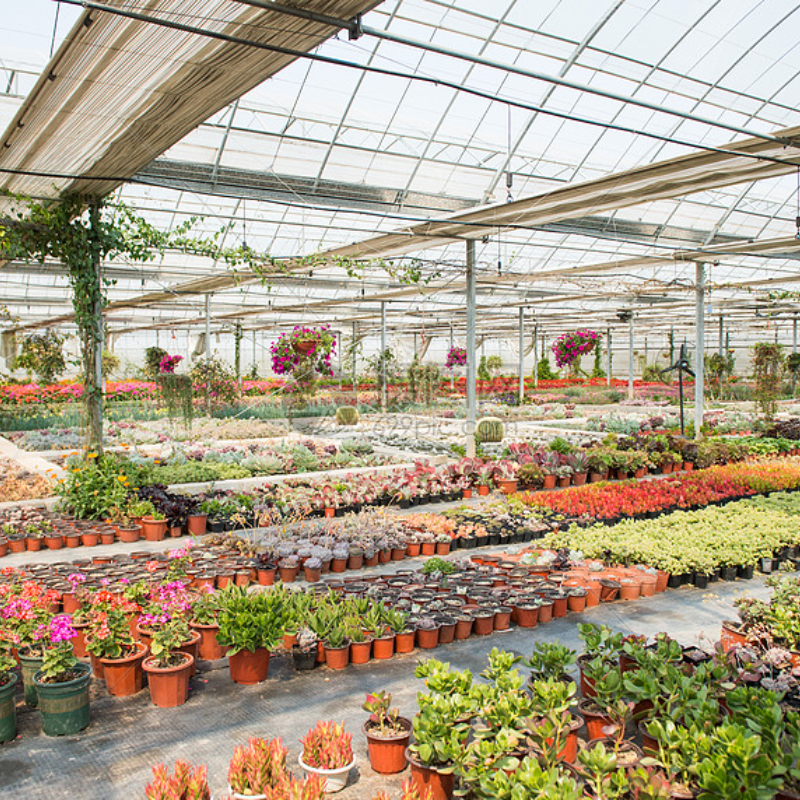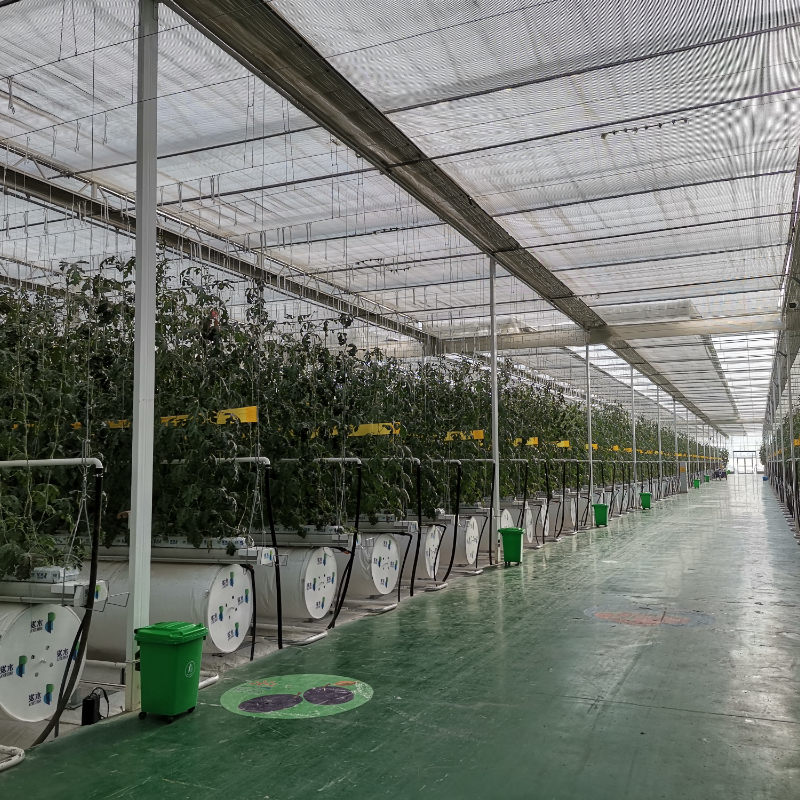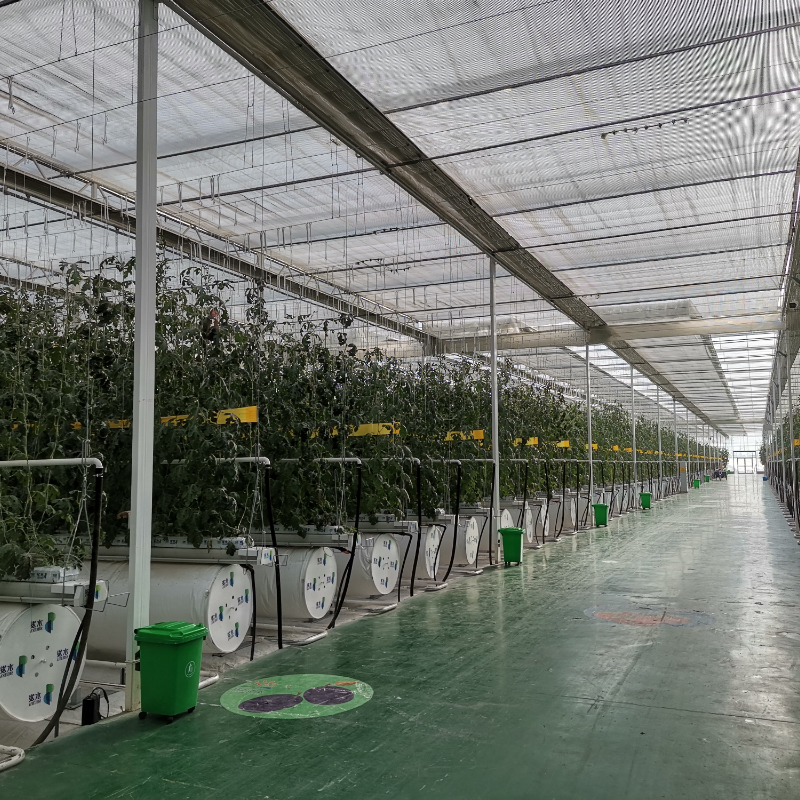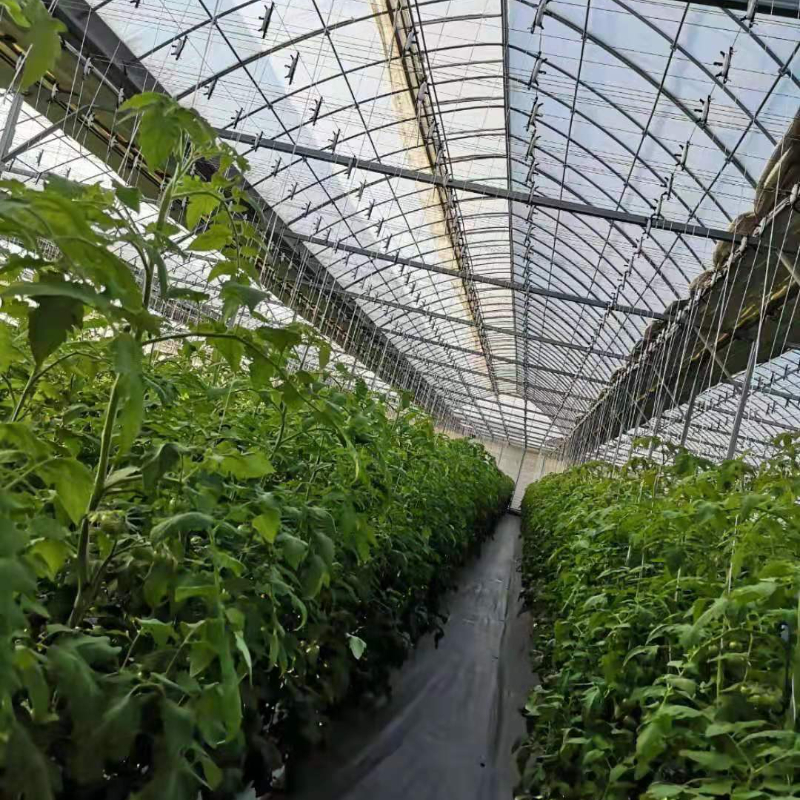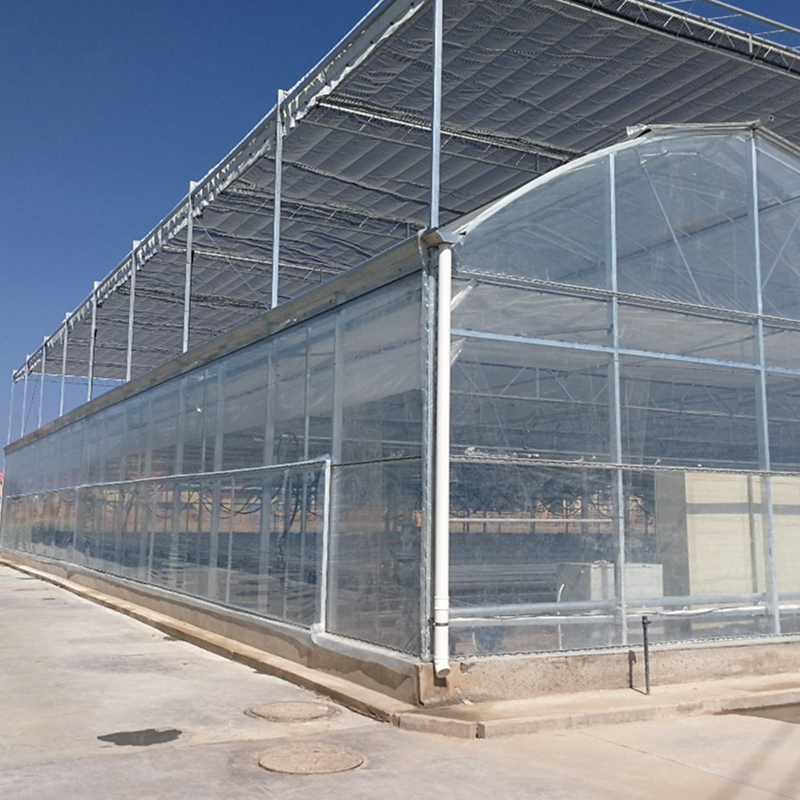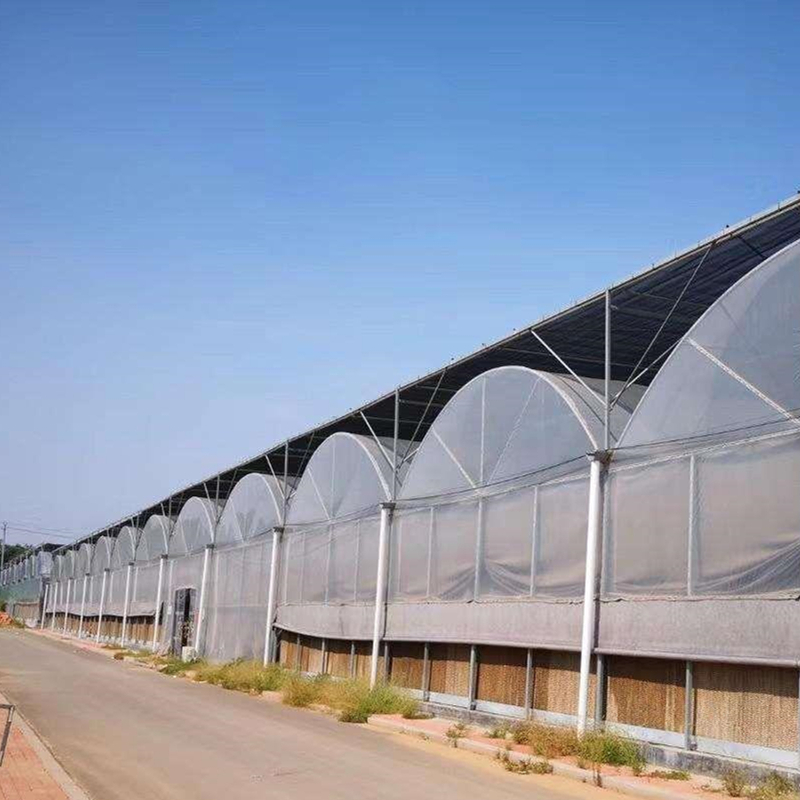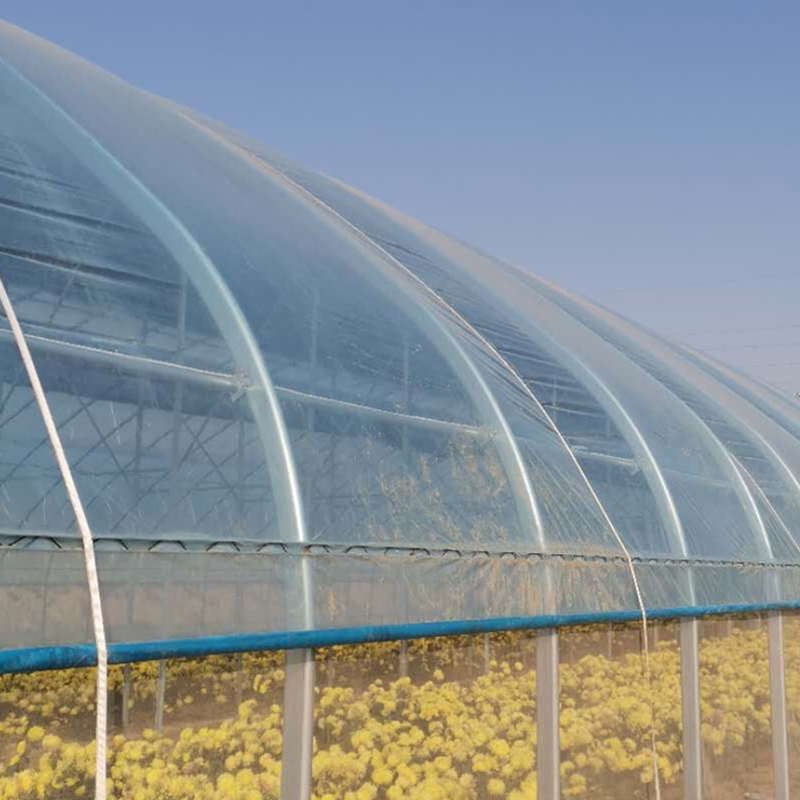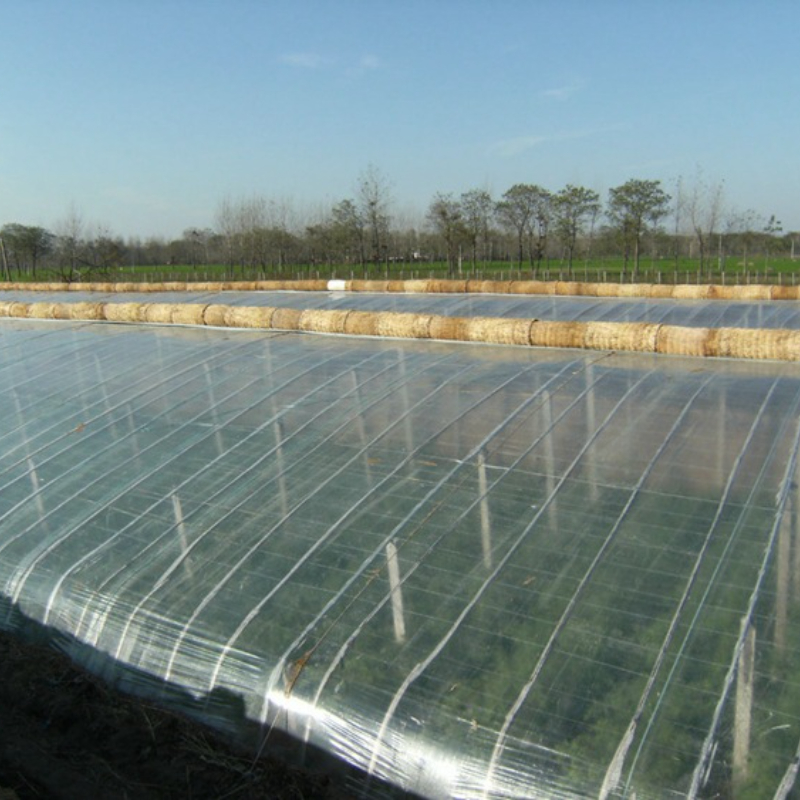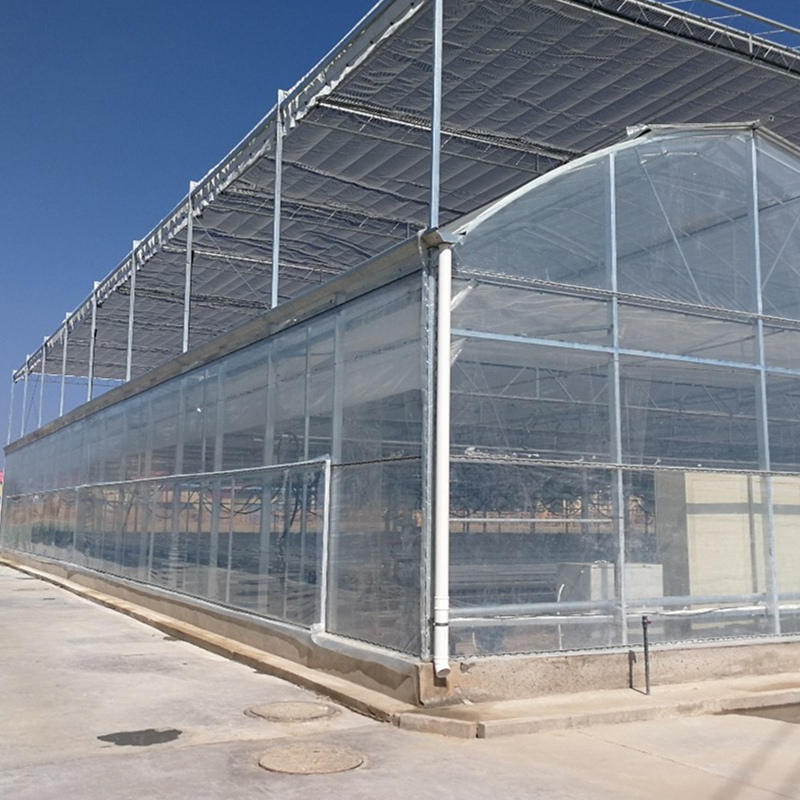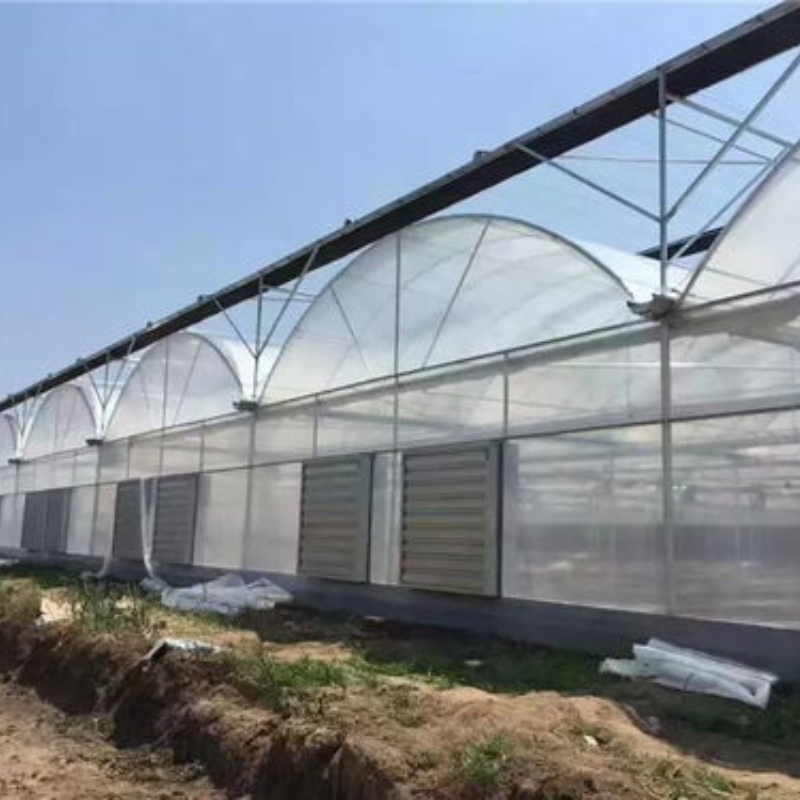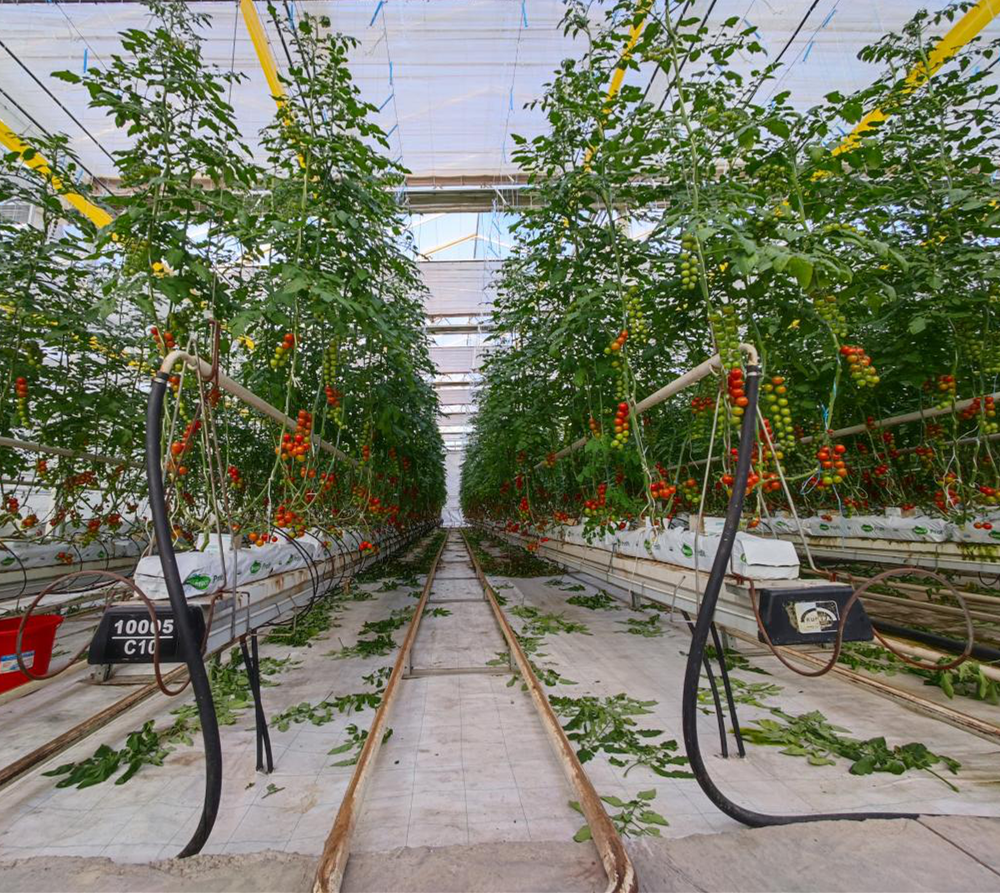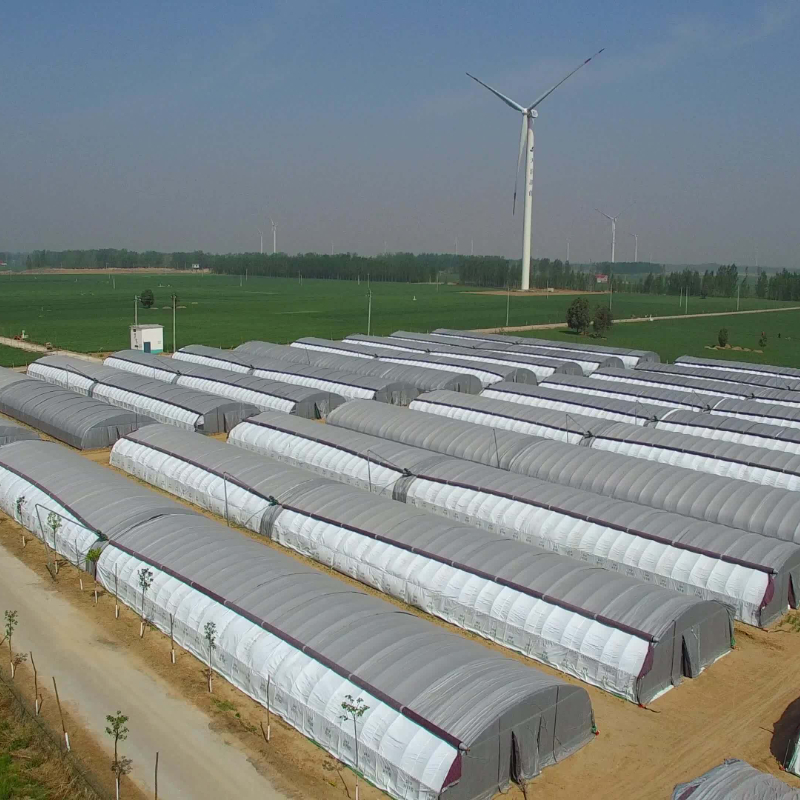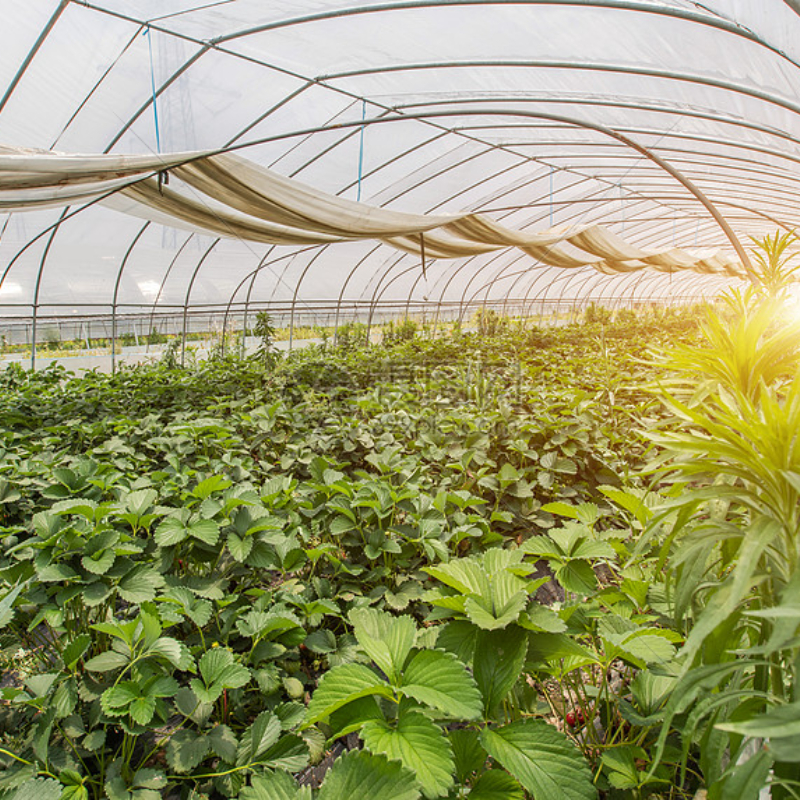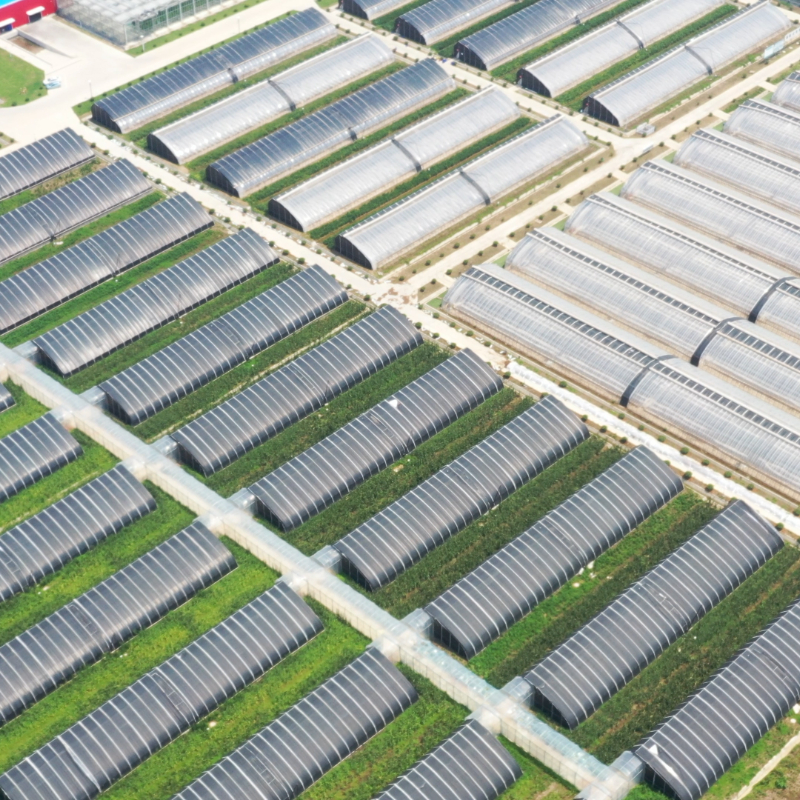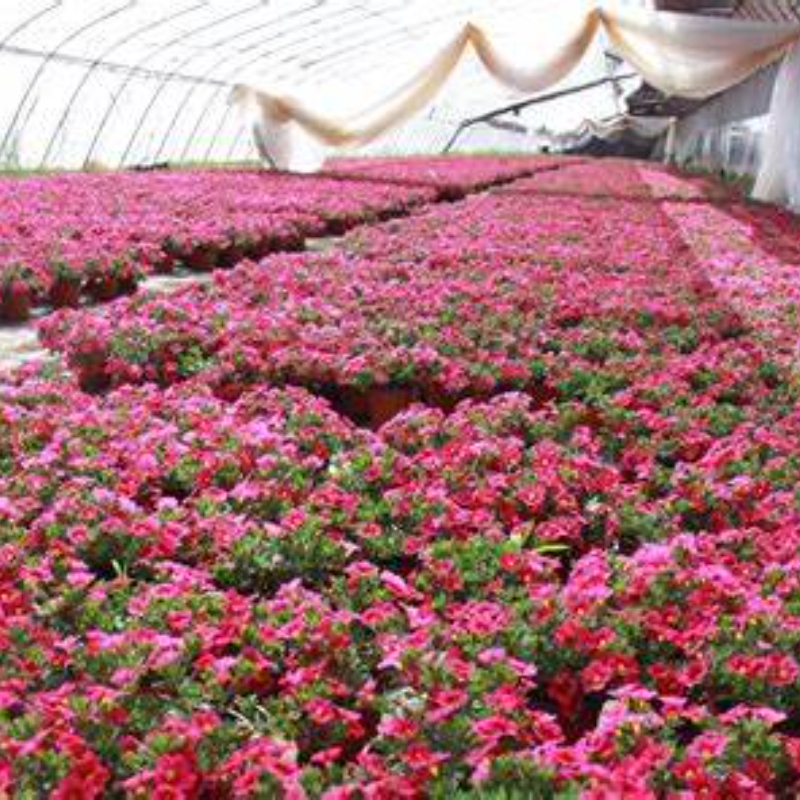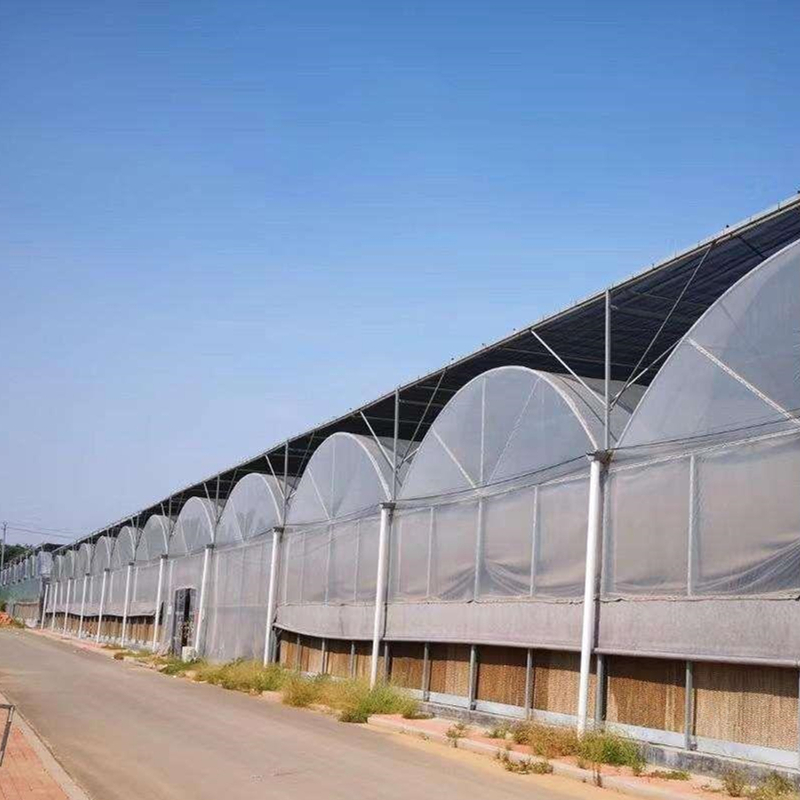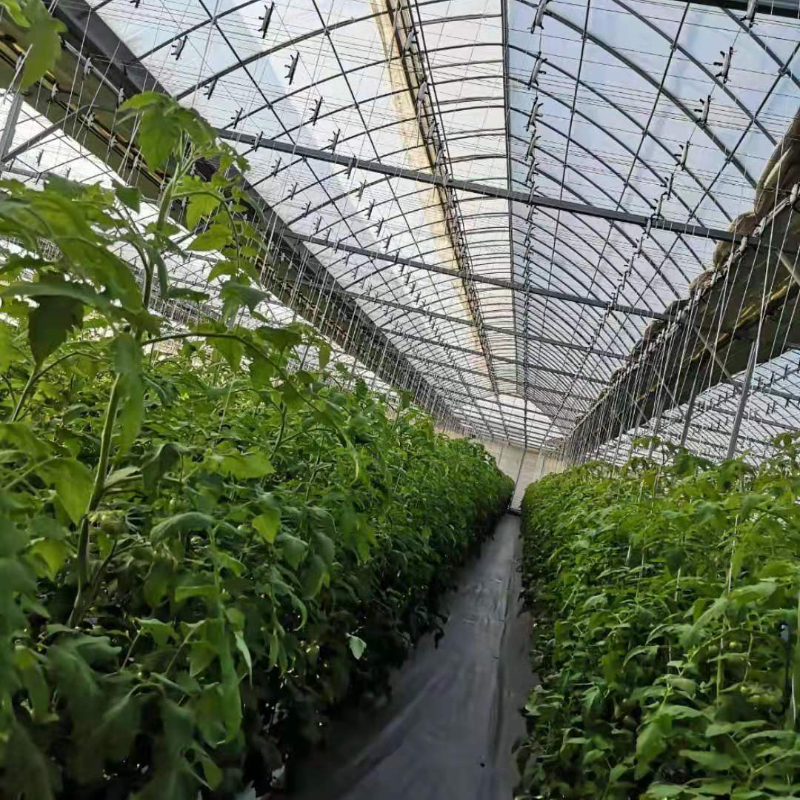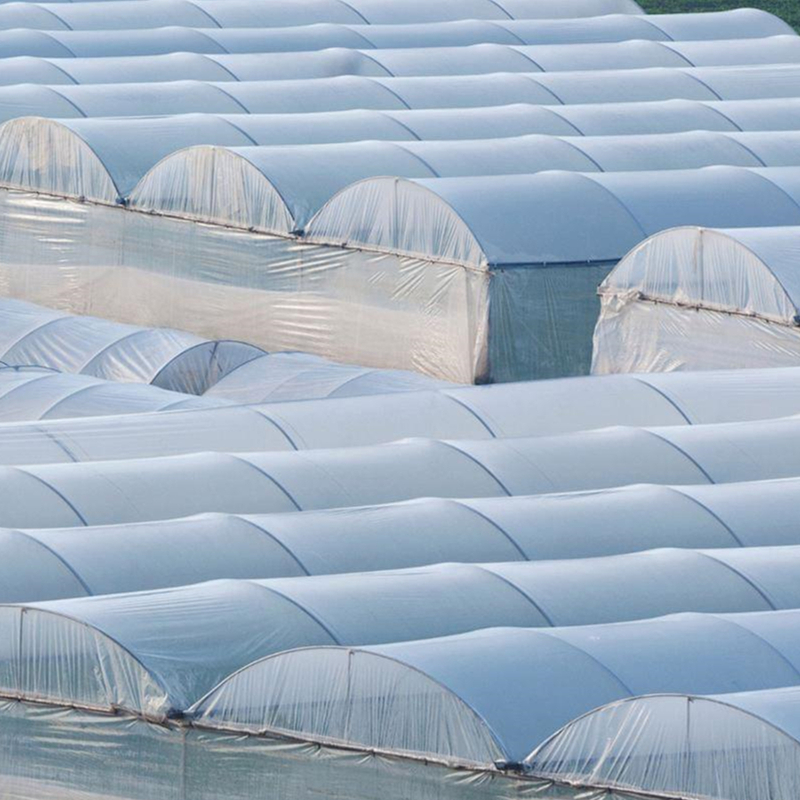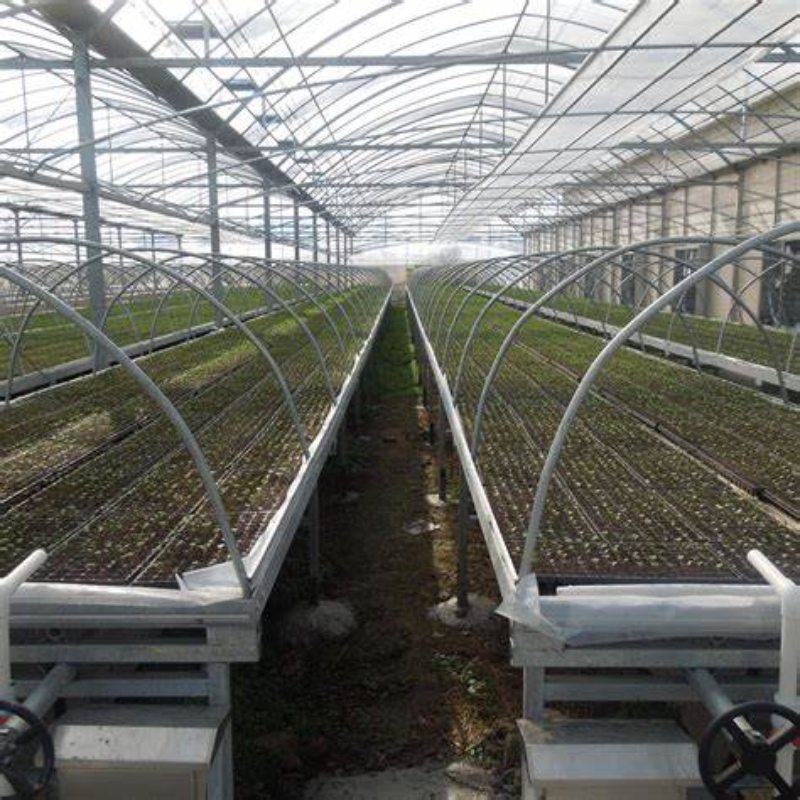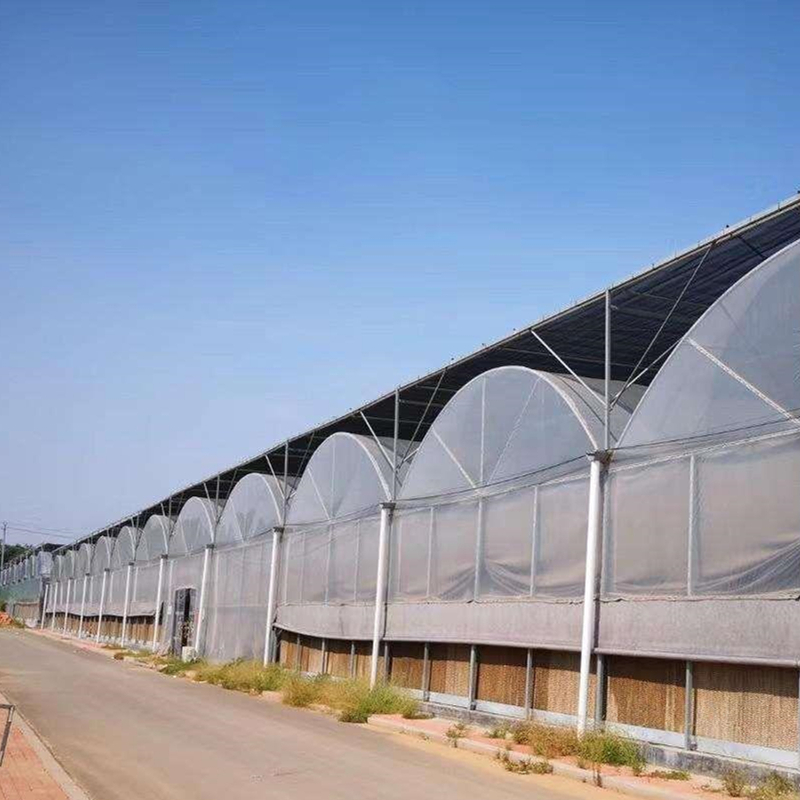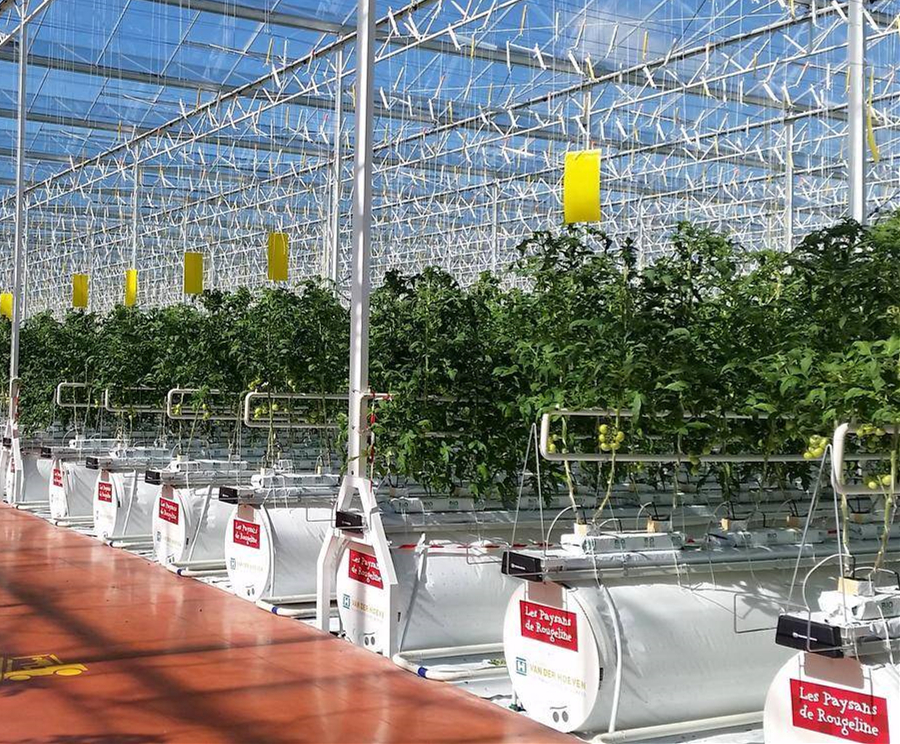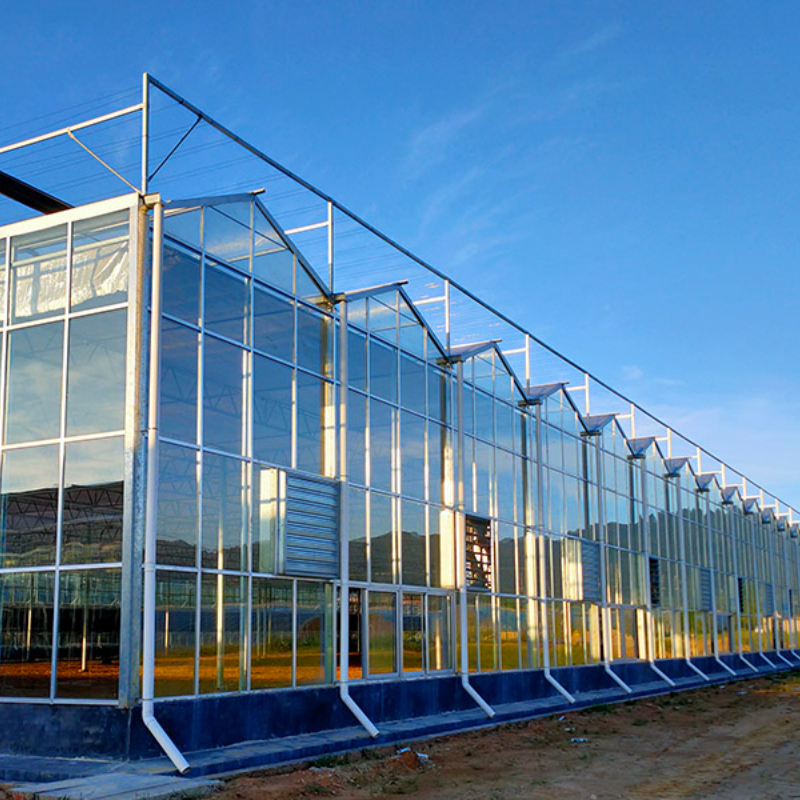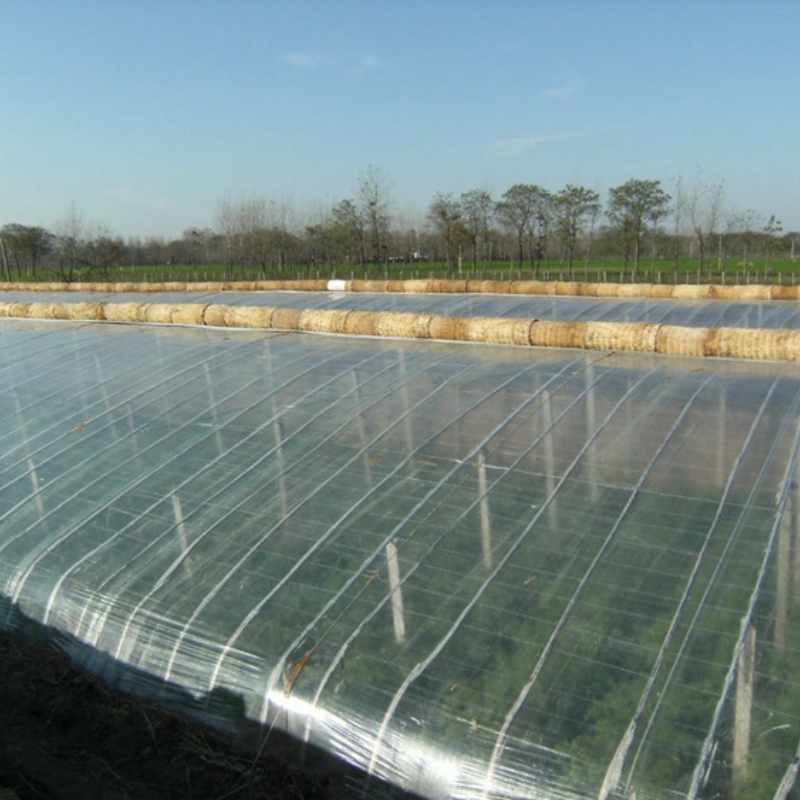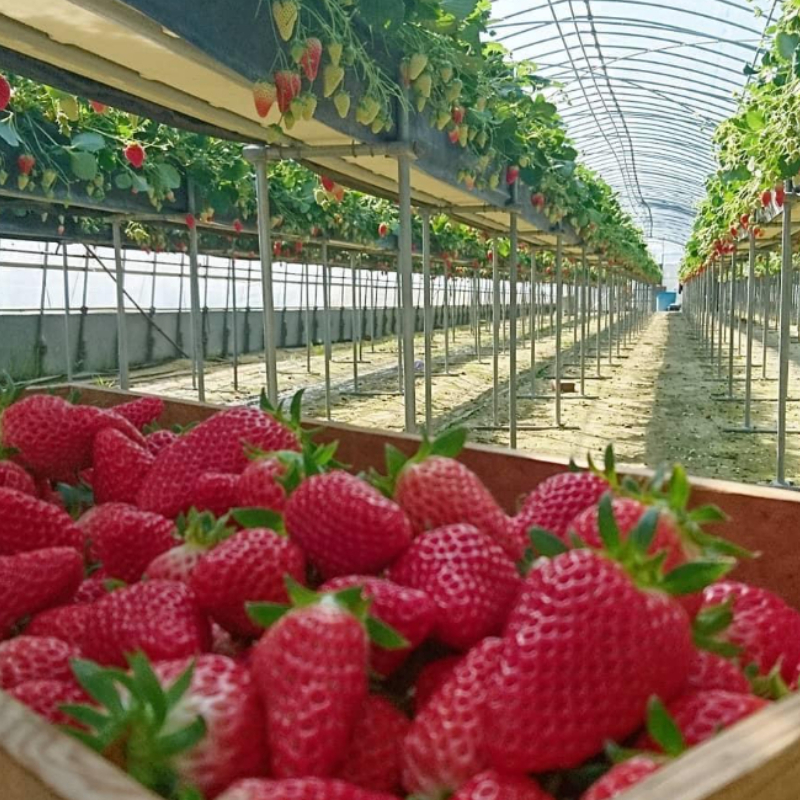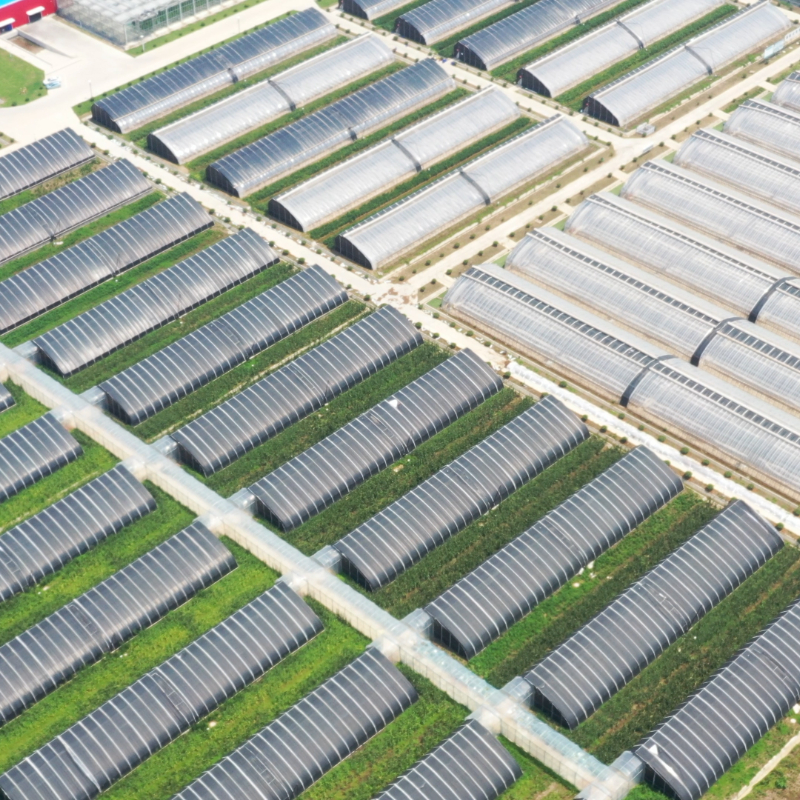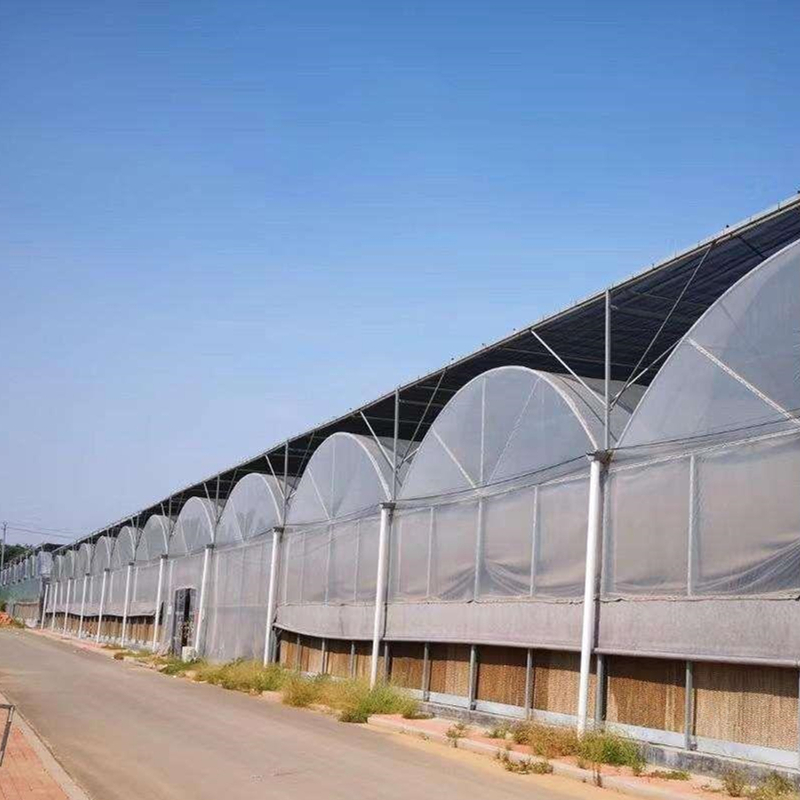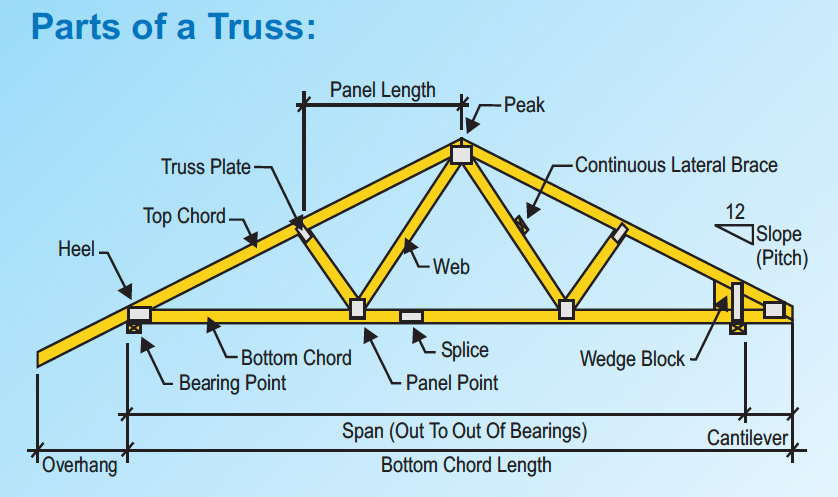
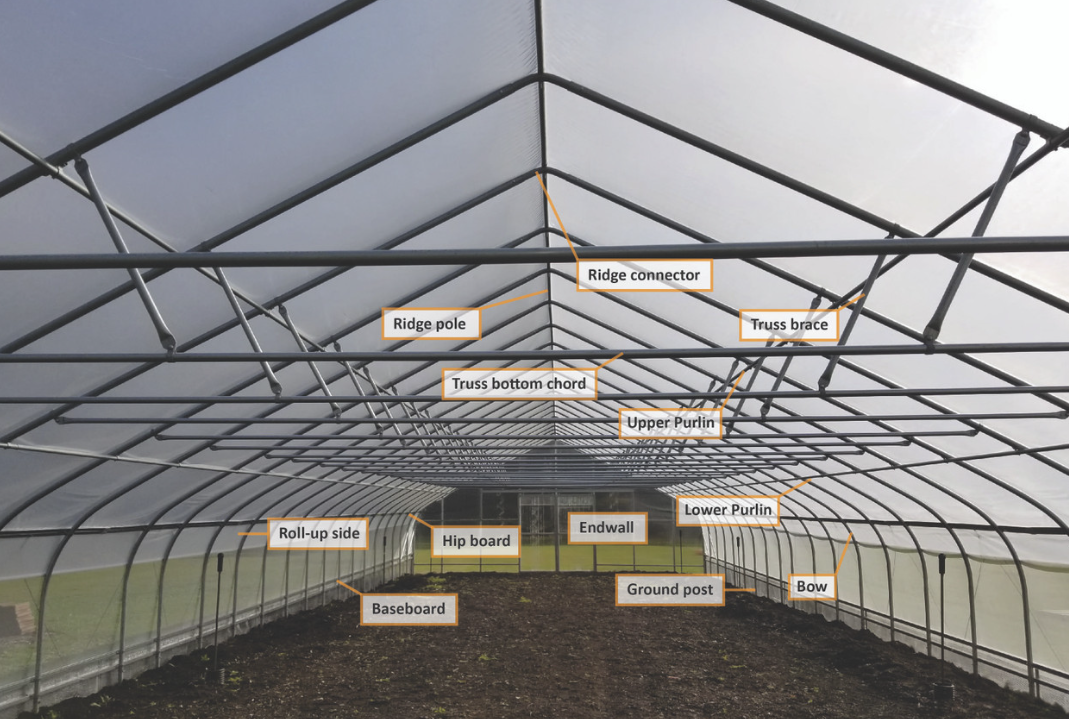
In modern agricultural practices, the design and construction of greenhouses have evolved significantly to enhance productivity and efficiency. One of the key architectural elements that contribute to the stability and functionality of greenhouses is the truss structure. This article explores the importance of truss designs in greenhouses, their benefits, types, and how they influence the overall effectiveness of greenhouse operations.
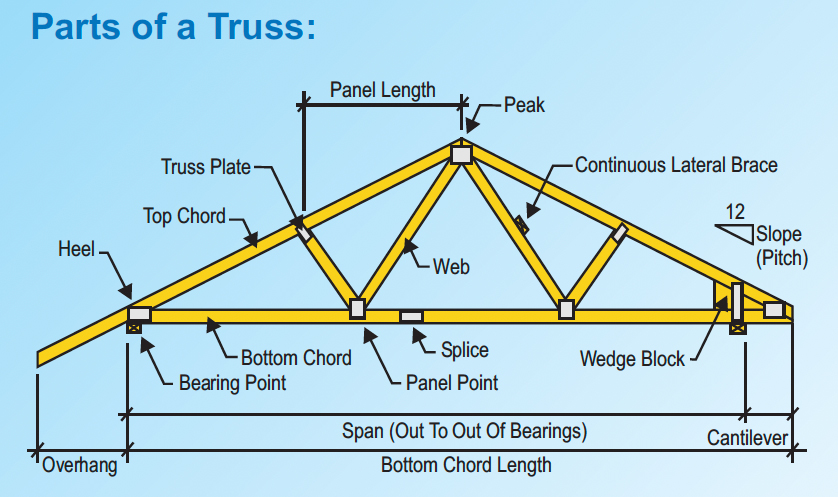
A truss is a structural framework consisting of interconnected elements, typically arranged in triangular units. This design distributes weight and provides stability, making it an ideal choice for various construction applications, including greenhouses. The use of trusses allows for larger spans without the need for internal supports, maximizing the usable space within the greenhouse.
The primary function of a truss in a greenhouse is to provide structural integrity. The triangular configuration of a truss allows it to efficiently distribute loads, whether from the weight of the roof, snow accumulation, or wind forces. This stability is crucial for maintaining the greenhouse's shape and ensuring its longevity.
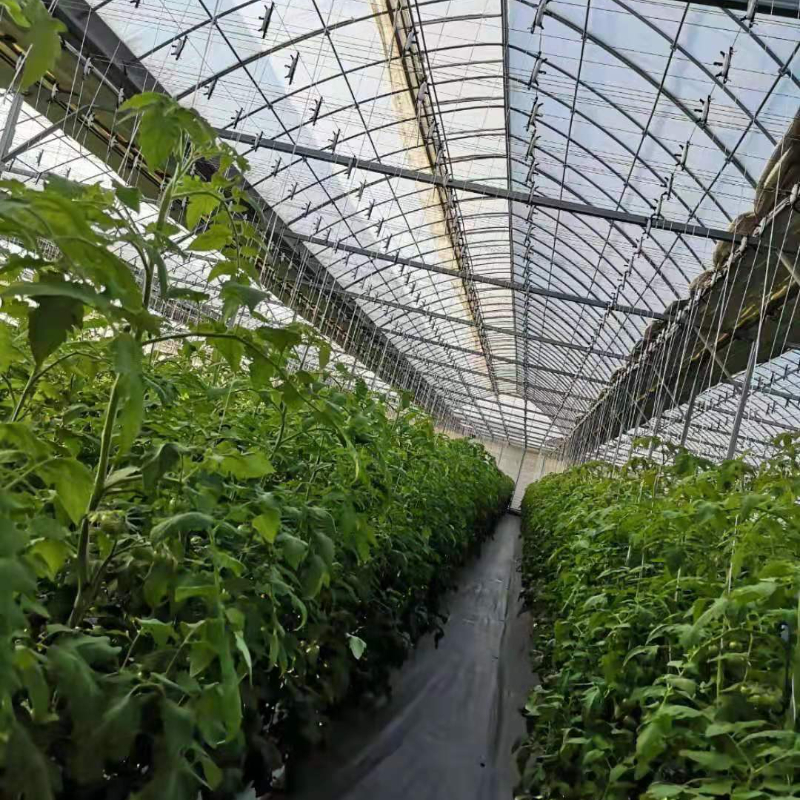
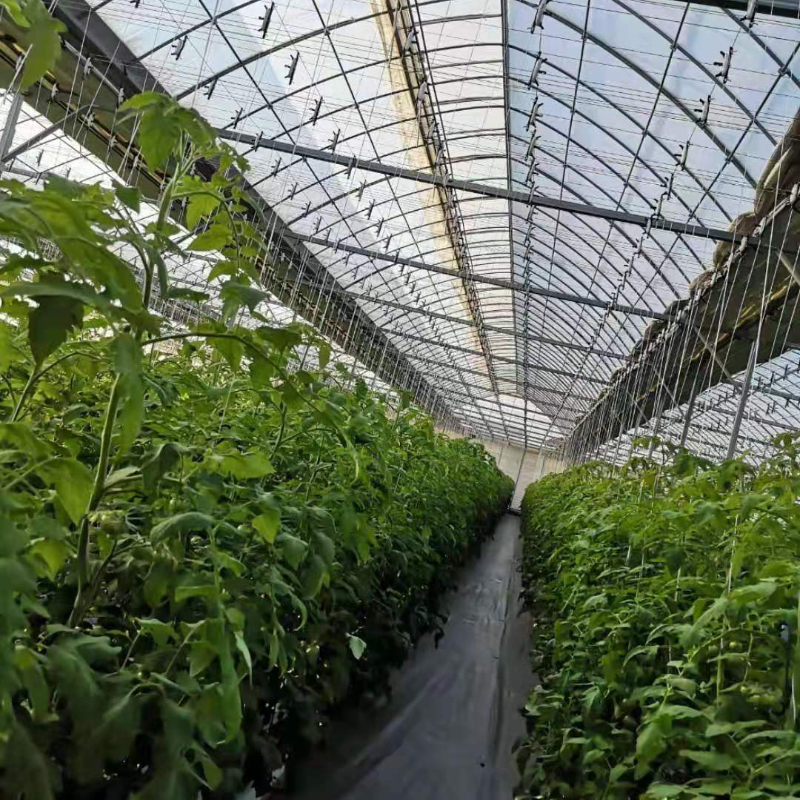
One of the significant advantages of using truss systems in greenhouse design is the ability to create open spaces. Traditional support methods often require columns or walls that can obstruct growth areas. In contrast, trusses can span large distances, allowing for more efficient use of space for planting, equipment, and other necessary operations.
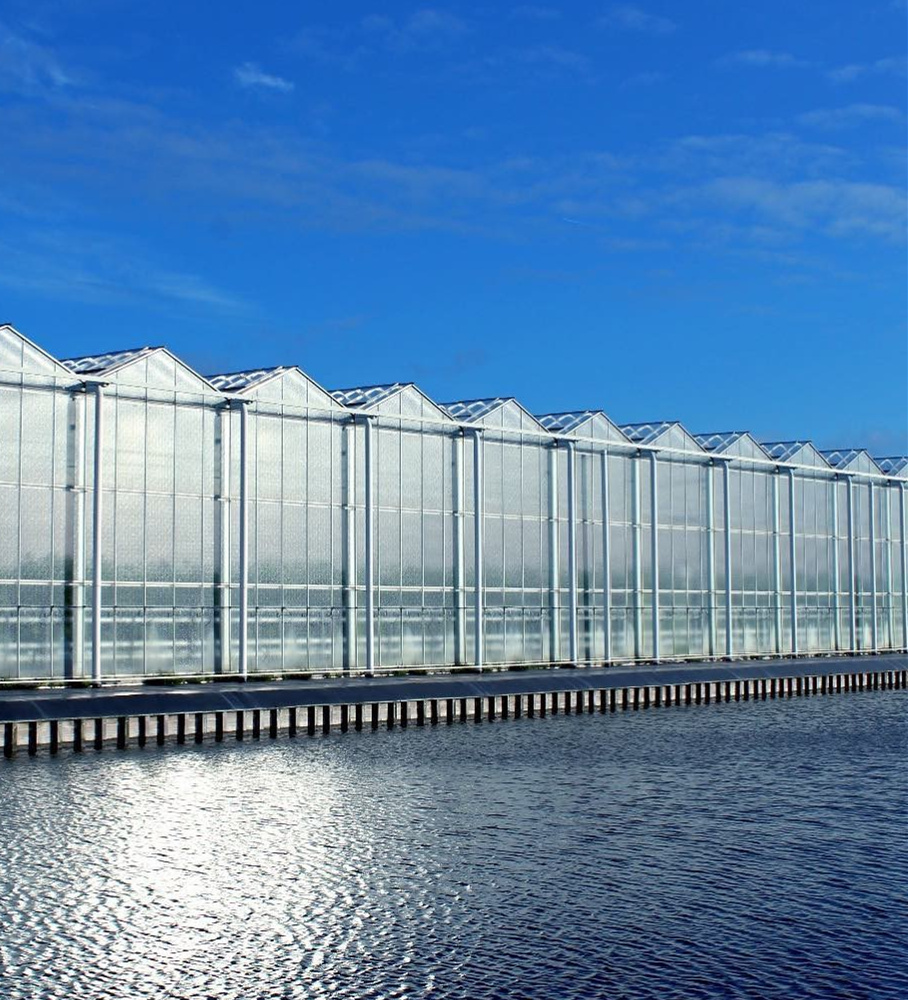
Light is a critical factor in greenhouse productivity. The design of truss structures can be optimized to maximize sunlight penetration. By minimizing obstructions and allowing for larger glass panels or polycarbonate sheets, trusses help ensure that plants receive adequate light, promoting healthy growth.
Utilizing truss designs can lead to cost savings in both materials and labor. The efficiency of trusses allows for lighter materials to be used, reducing overall construction costs. Additionally, the speed of assembly associated with truss systems can lower labor expenses, making them an economically viable option for greenhouse construction.
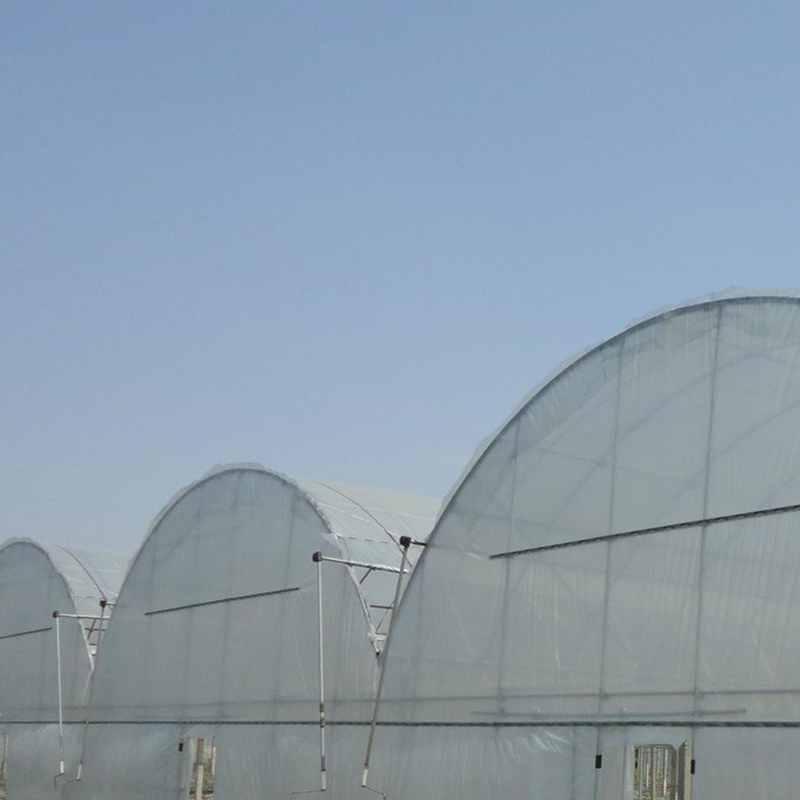
Truss structures offer flexibility in design, allowing for various shapes and sizes of greenhouses. Whether it’s a traditional A-frame, a Gothic arch, or a modern curved design, trusses can be customized to meet specific agricultural needs. This adaptability is essential for farmers looking to optimize their growing environments.
Several types of truss designs are commonly used in greenhouse construction, each with its unique benefits:
The king post truss is one of the simplest forms, featuring a central vertical post that supports the top chord. This design is effective for smaller greenhouses and provides adequate support for light roofing materials.
The queen post truss includes two vertical posts and is suited for longer spans. This design is often used in larger greenhouses where additional support is necessary to accommodate heavier roofing materials.
The Fink truss is characterized by its efficient use of materials and is commonly used in commercial greenhouses. Its design allows for greater spans while minimizing material costs, making it a popular choice for large-scale operations.
The scissor truss features an intersecting design that creates a vaulted ceiling. This style not only adds aesthetic appeal but also increases the interior volume of the greenhouse, allowing for better air circulation and light distribution.
While truss structures offer numerous benefits, there are also challenges to consider:
Material Selection: The choice of materials for trusses is critical. Wood, steel, and aluminum are common options, each with its advantages and disadvantages in terms of cost, durability, and maintenance.
Design Complexity: Designing effective truss systems requires careful planning and engineering expertise. Improper design can lead to structural failures, which can compromise the greenhouse's integrity.
Weather Resistance: Greenhouses are exposed to various environmental conditions. Ensuring that truss designs are resistant to wind, snow, and other weather-related stresses is essential for long-term performance.
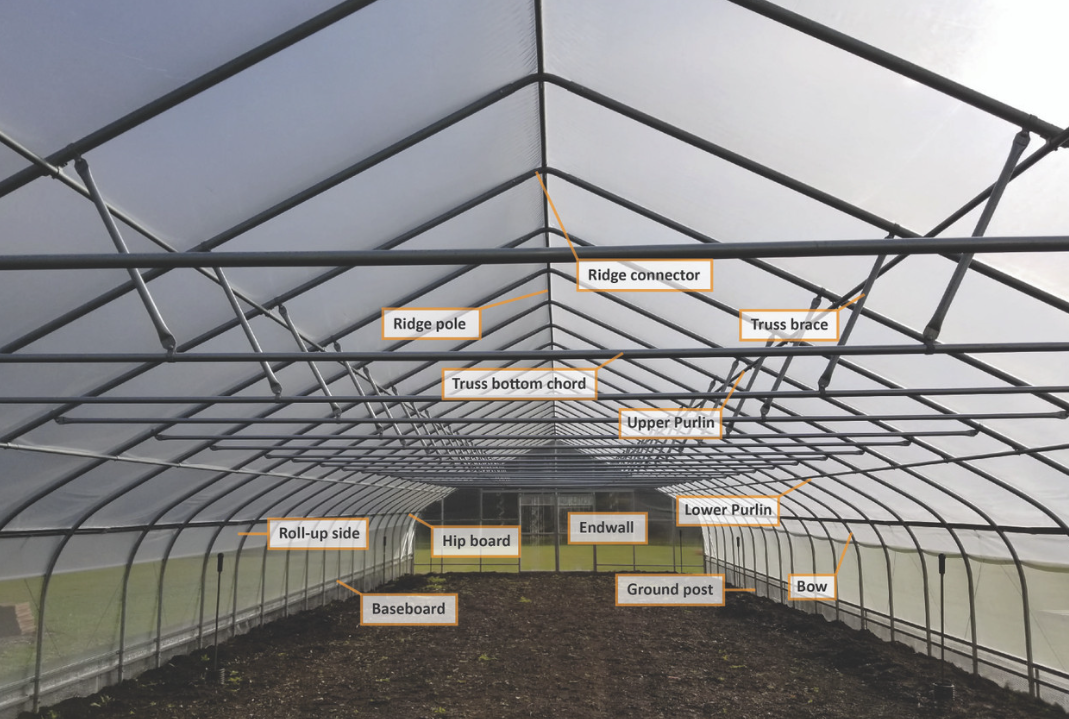
In conclusion, truss structures play a vital role in the design and functionality of greenhouses. Their ability to provide structural integrity, maximize space, enhance light distribution, and offer cost-effectiveness makes them an essential element in modern agricultural practices. As the demand for efficient and productive farming continues to grow, the importance of innovative truss designs will only increase. By understanding the benefits and challenges associated with truss structures, greenhouse builders and operators can create optimal growing environments that support sustainable agriculture and enhance crop yields. The future of greenhouse technology will undoubtedly continue to rely on the advancements and applications of truss systems.
Q1:Are We a trading company or a manufacturer?
A: We are a factory. Our factory can produce all items which are related to the greenhouse, so we provide the best price.
Q2: Do we provide samples? Is it free or extra?
A: Yes, we can provide samples free of charge, but we don't bear the freight.
Q3: How to get a quotation for the greenhouse?
A: Please let us know how many greenhouses you need? What will be grown in the greenhouse? So that we can suggest you the related greenhouses.
Q4: How should you choose a greenhouse system?
A: Please let us know where you will build the greenhouse, we also need the know your local temperature and wind speed.
Q5: How to assemble the greenhouse after you purchase our greenhouses ?
A:We have professional after-sales service engineers who will provide planning drawings and installation manuals. You can communicate with him from time to time. If necessary, we can also send engineers to your country to supervise the installation of the greenhouse. Please send message for specific details.
If you have drawings, welcome to share drawings with us, quoation will be done based your drawings.Our excellent design team will
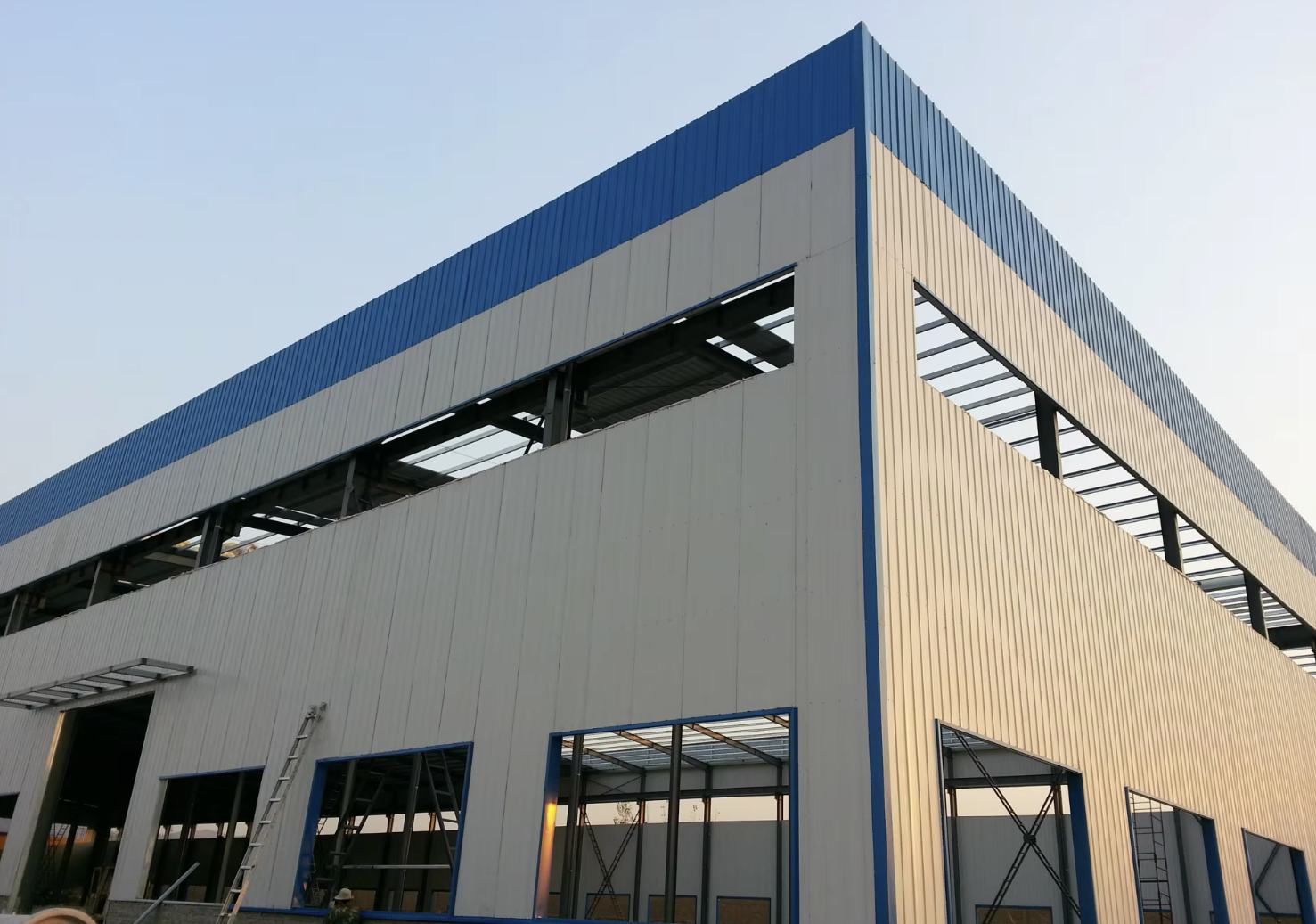
design the steel structure workshop warehouse for you. If you give the following information, we will give you an satisfactory
drawing.
1 Location (where will be built? ) which country? which city?
2 Size: Length*width* Eave height _____mm*_____mm*_____mm
3 wind load (max. Wind speed) _____kn/m2, _____km/h, _____m/s
4 snow load (max. Snow height) _____kn/m2, _____mm, temperature range?
5 anti-earthquake _____level
6 brickwall needed or not If yes, 1.2m high or 1.5m high? or other?
7 thermal insulation If yes, EPS, fiberglass wool, rockwool, PU sandwich panels will be suggested;
If not, the metal steel sheets will be ok. The cost of the latter will be much lower than that of the former.
8 door quantity & size _____units, _____(width)mm*_____(height)mm
9 window quanity & size _____units, _____(width)mm*_____(height)mm
10 crane needed or not If yes, _____units, max. Lifting weight____tons; Max. Lifting height _____m