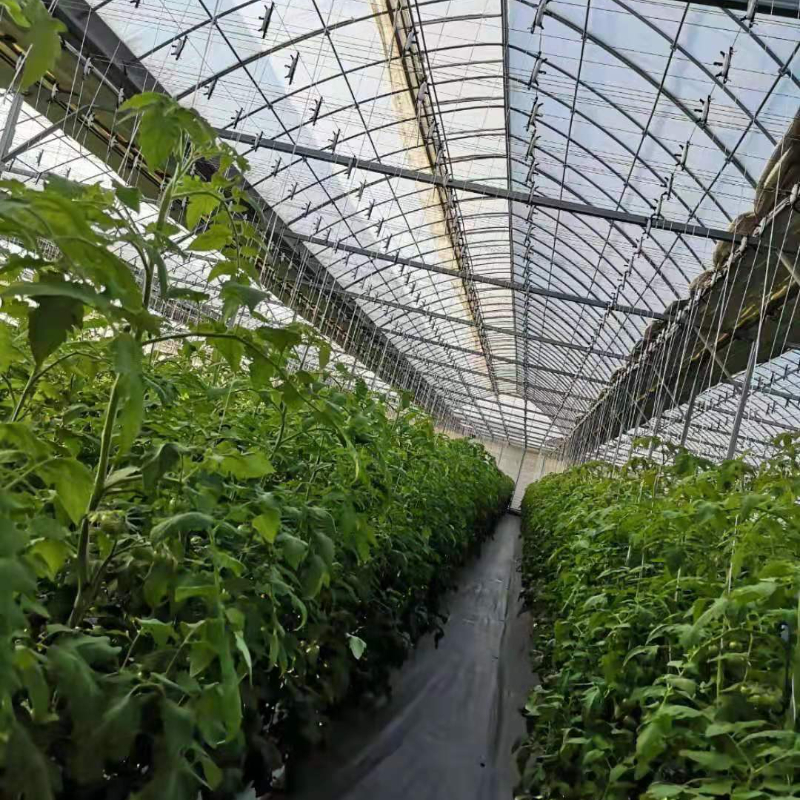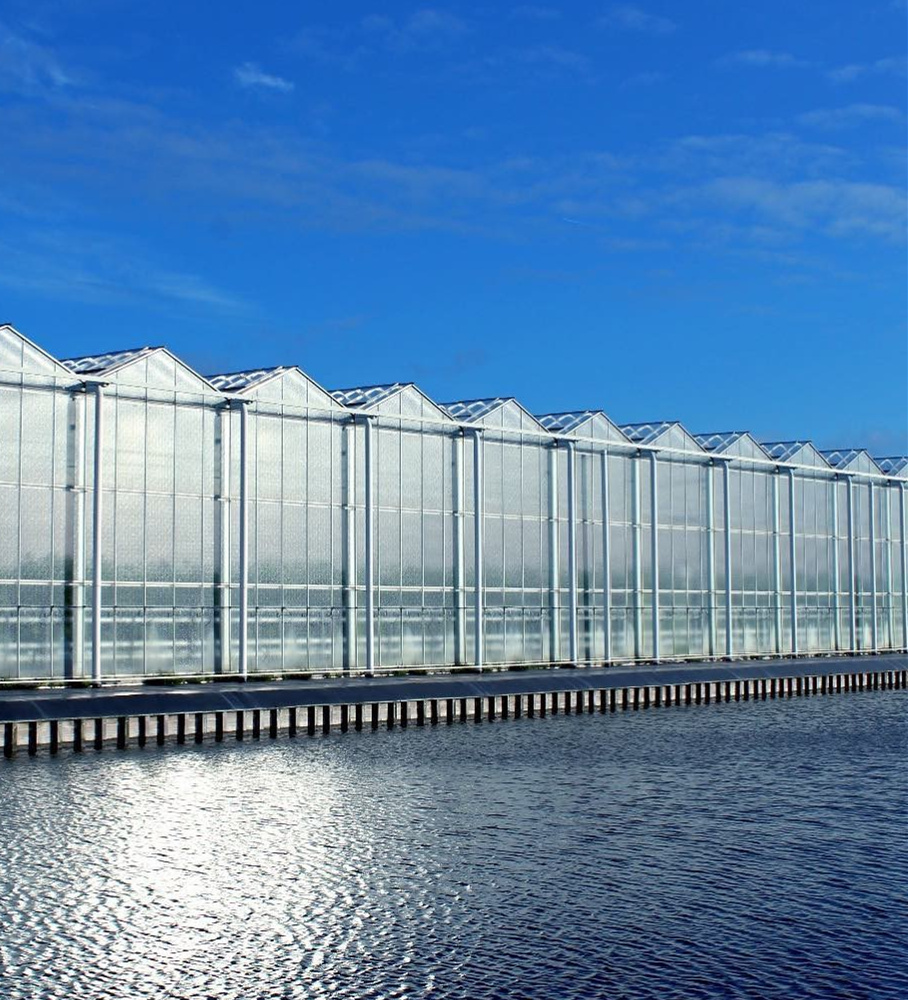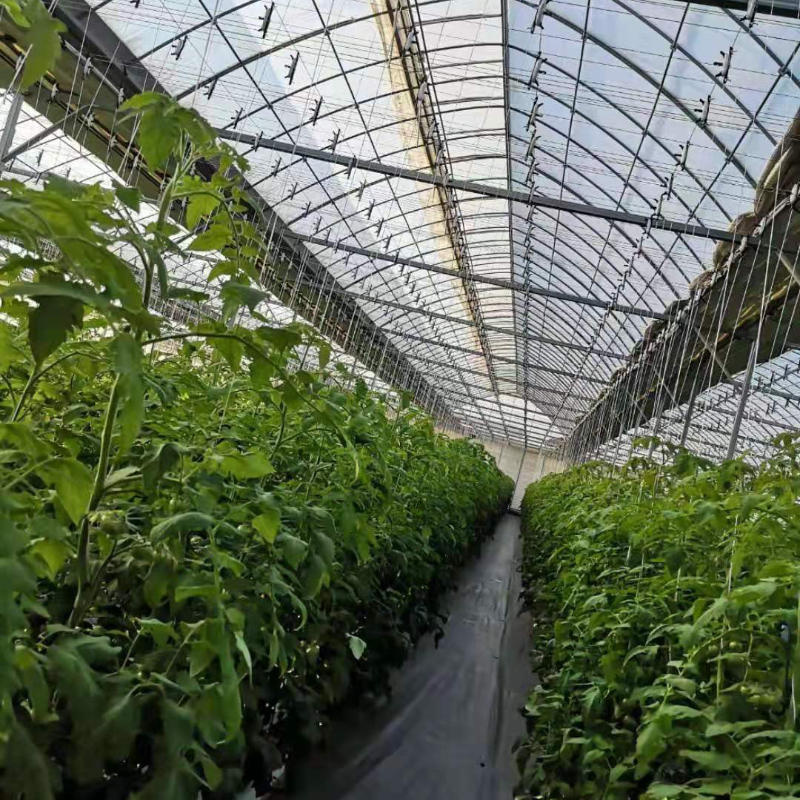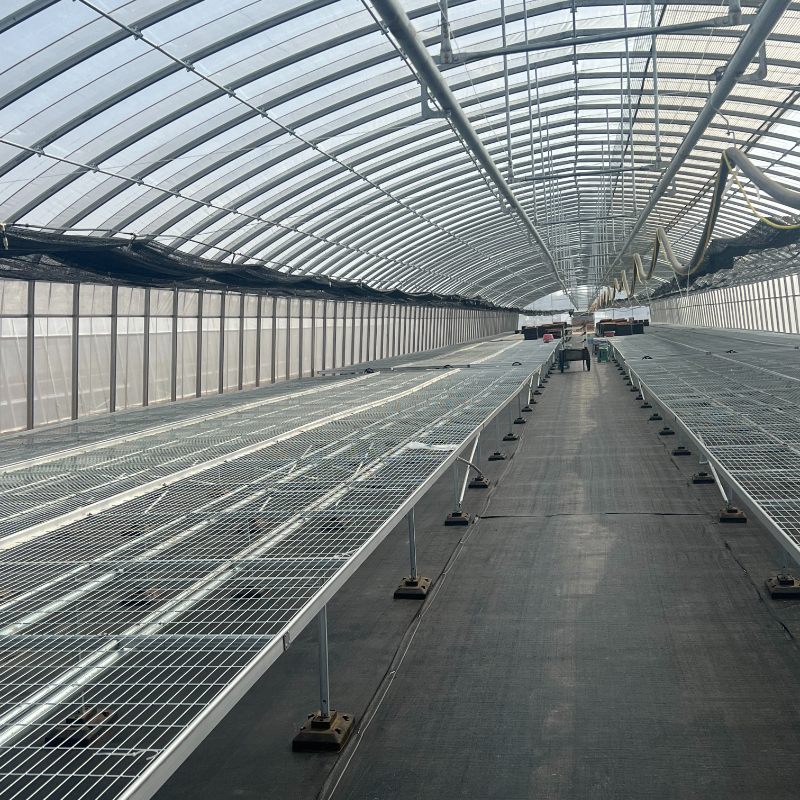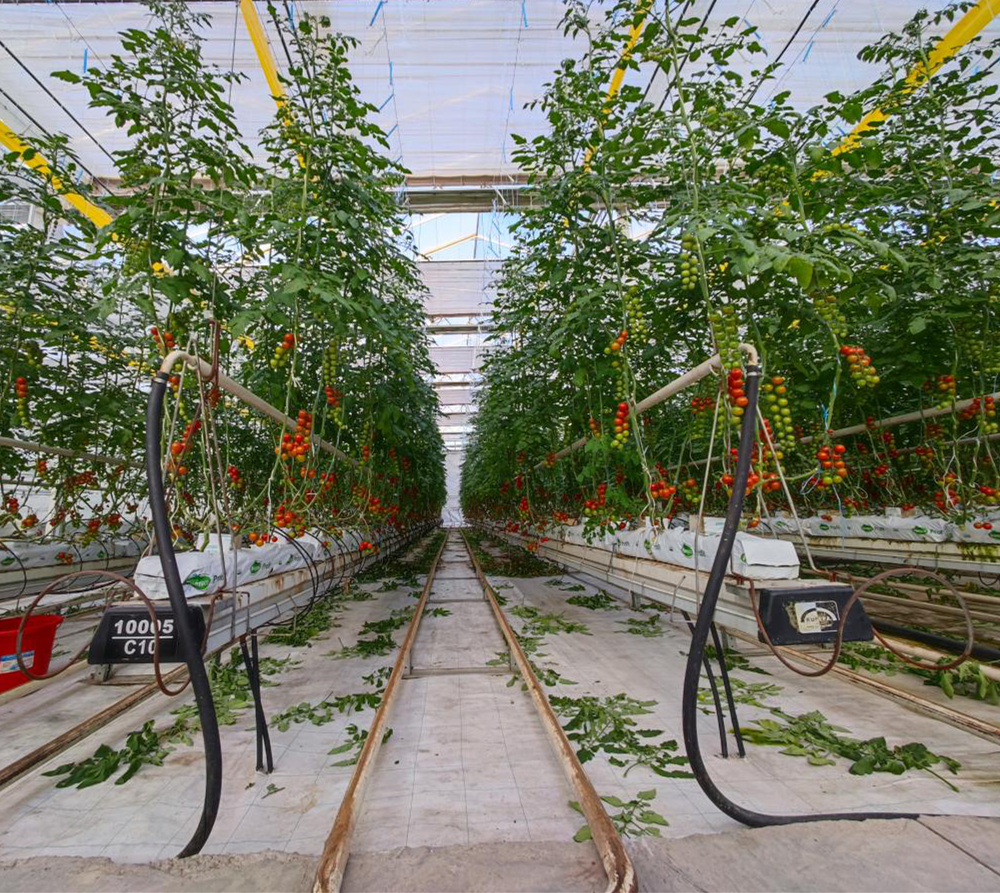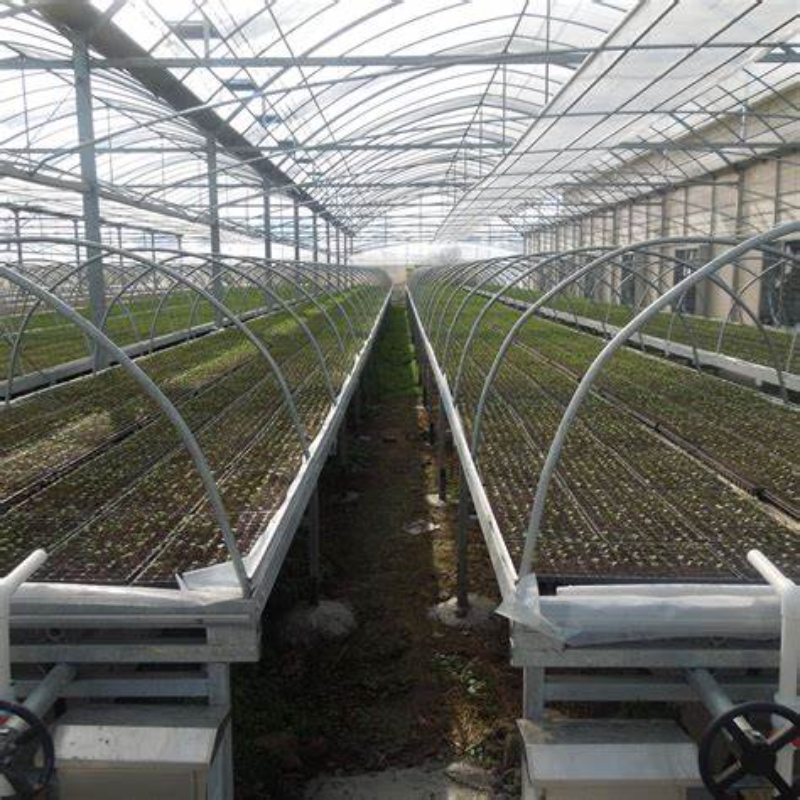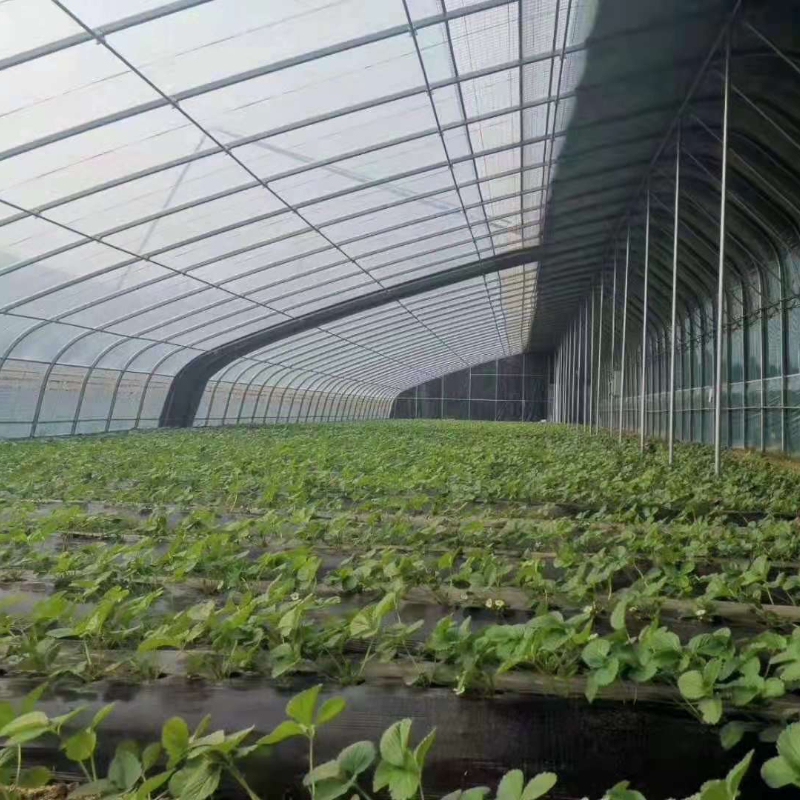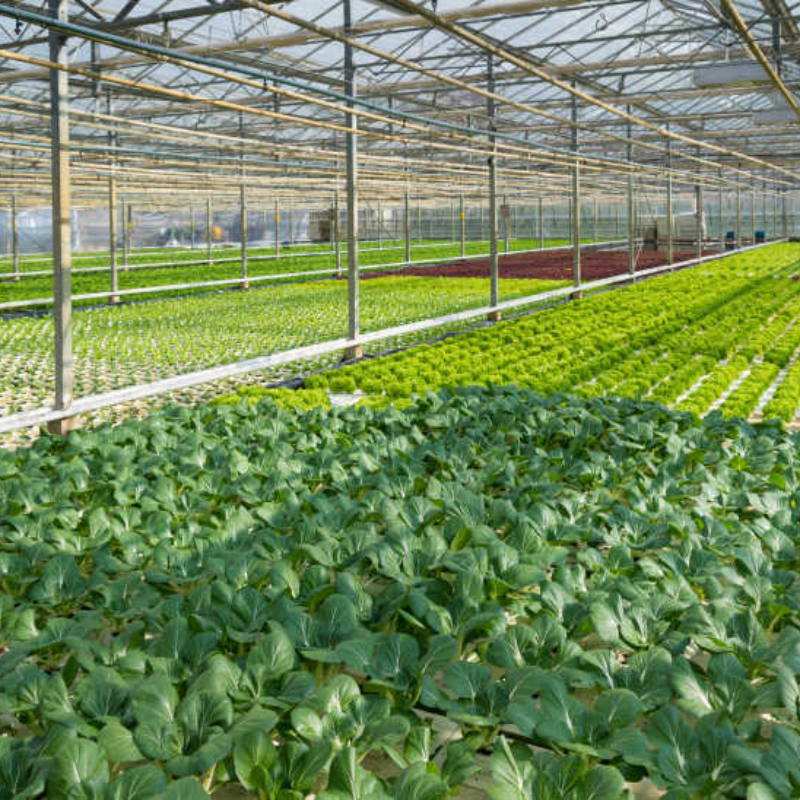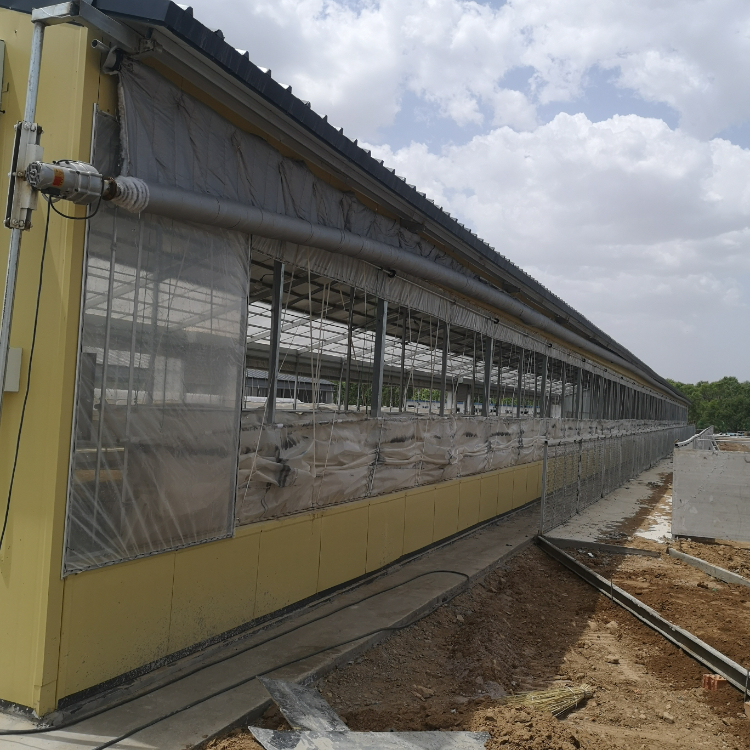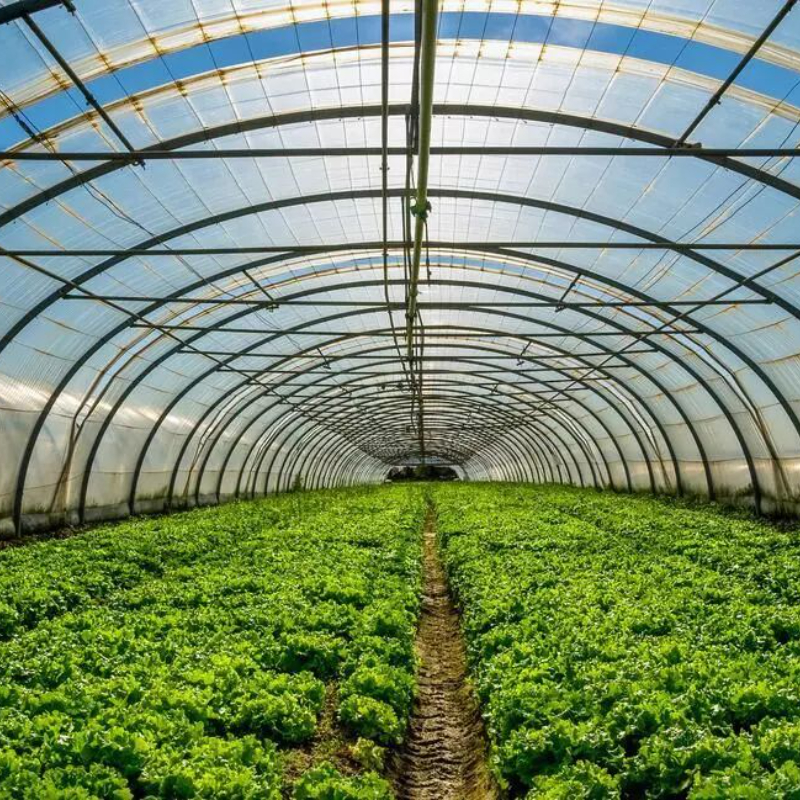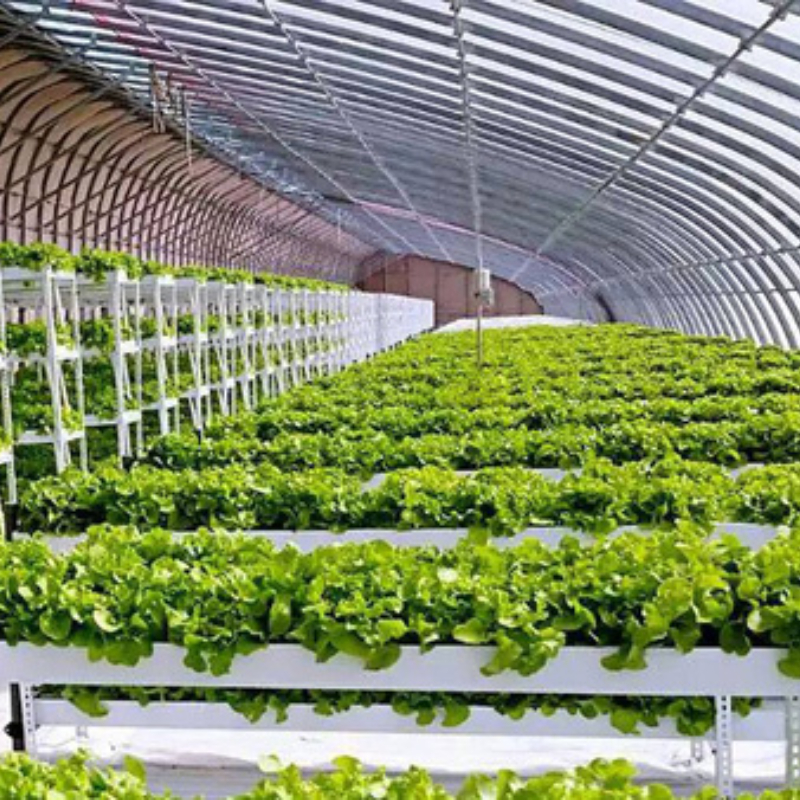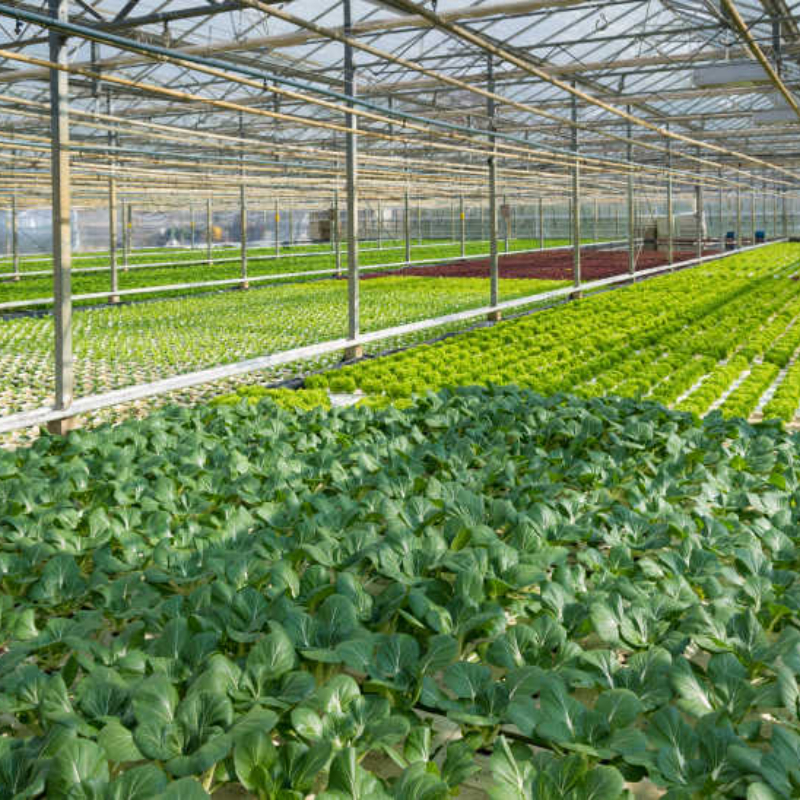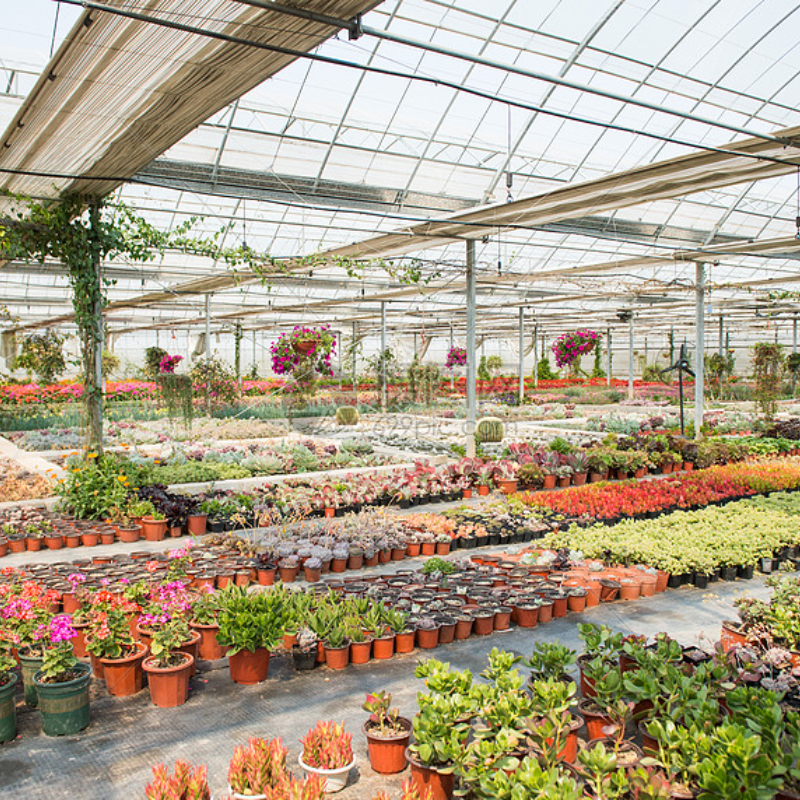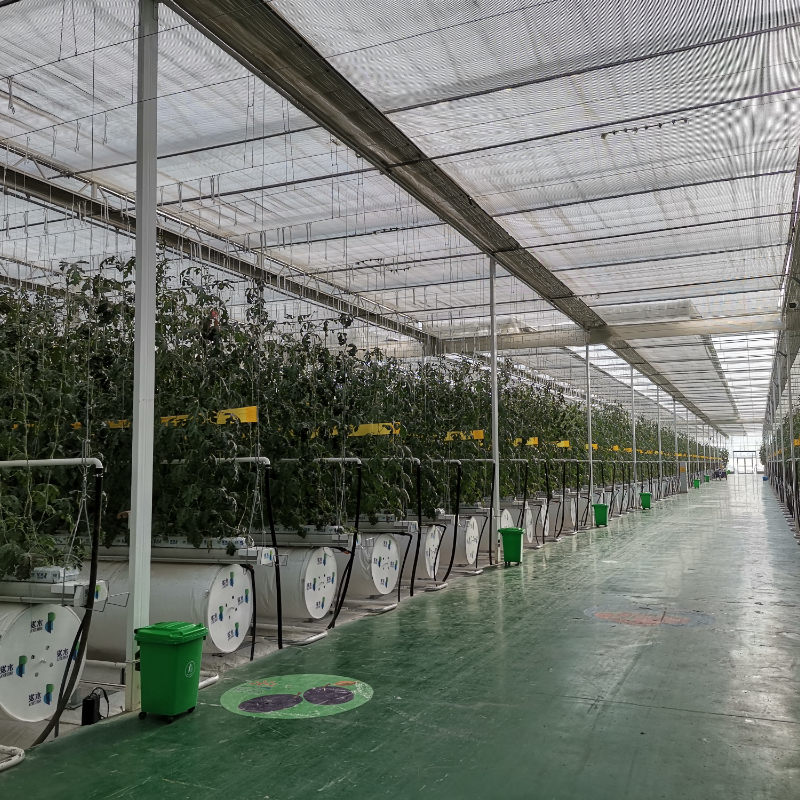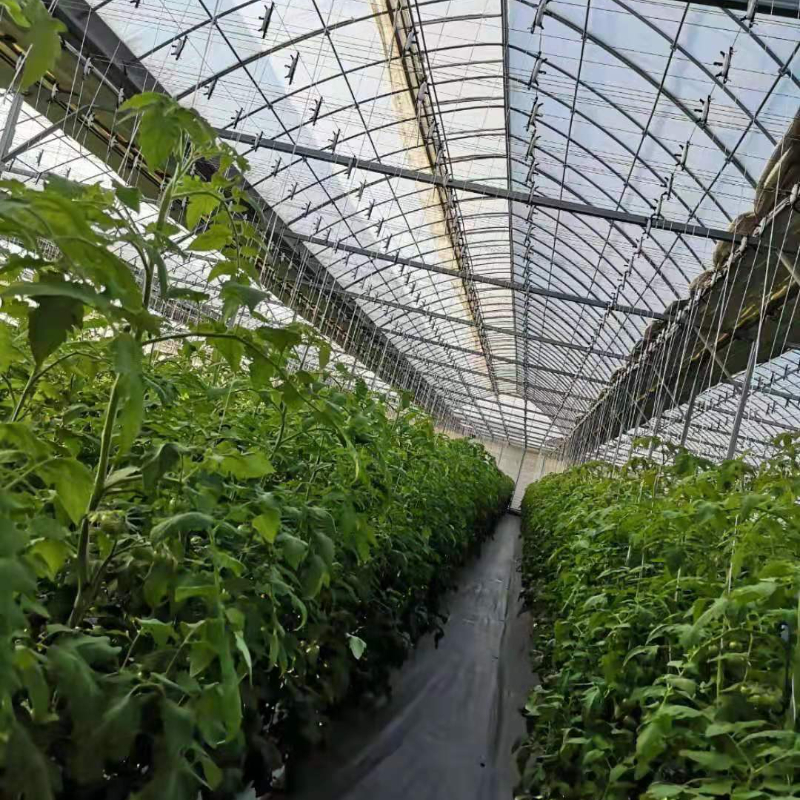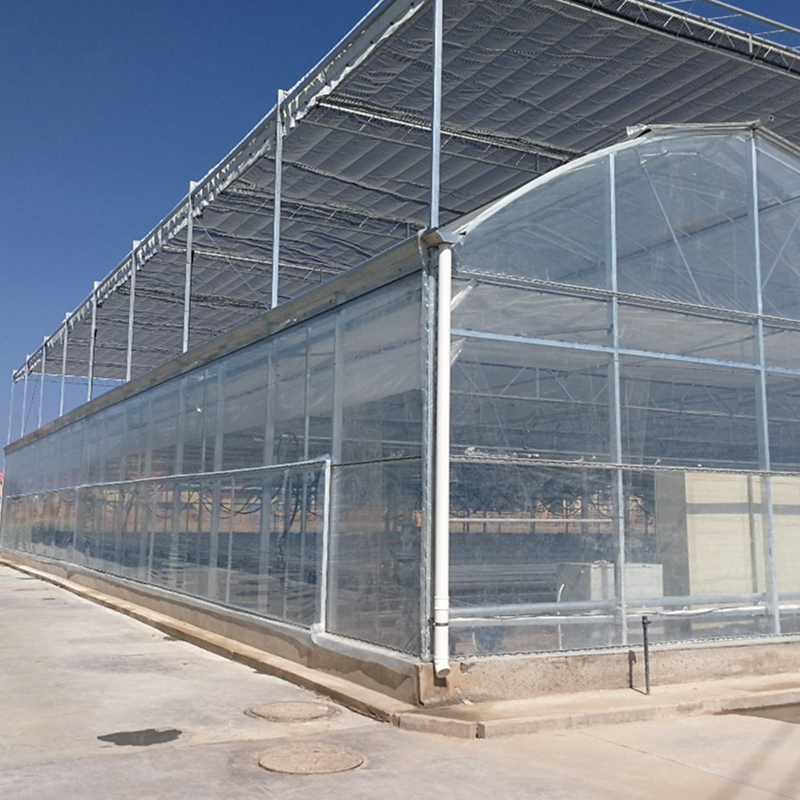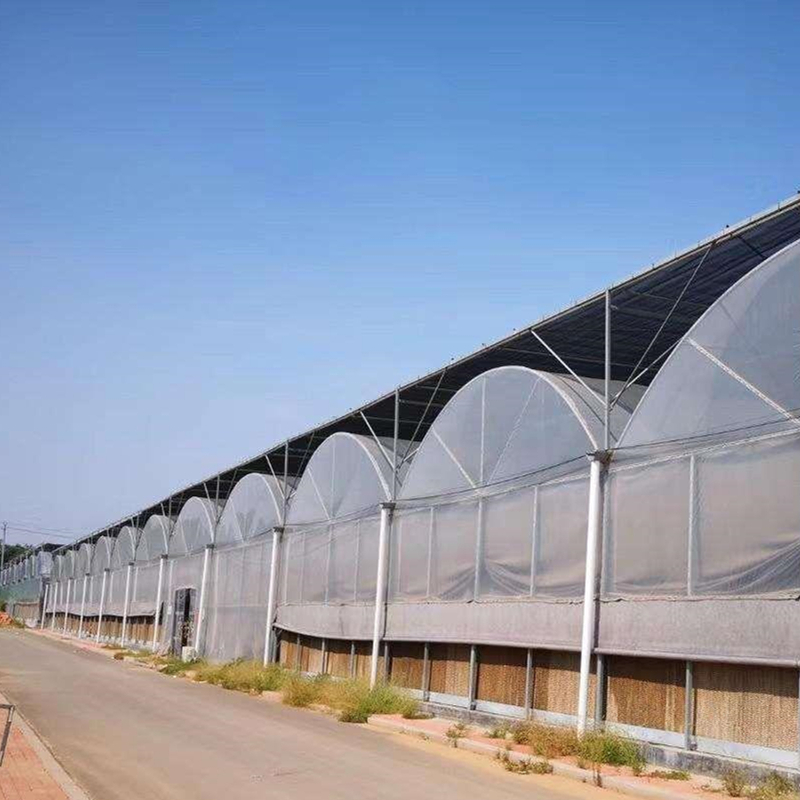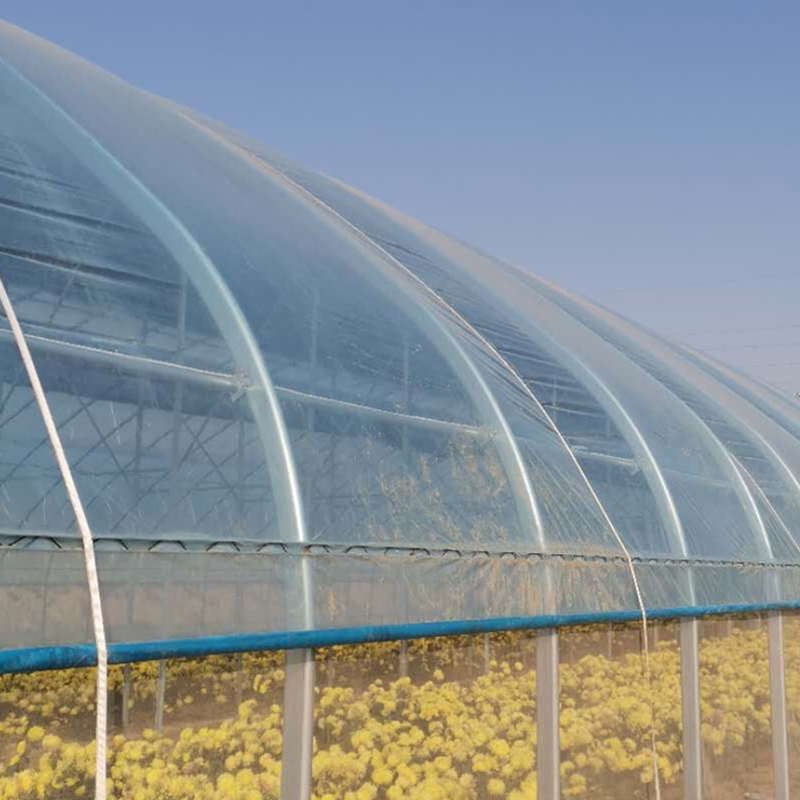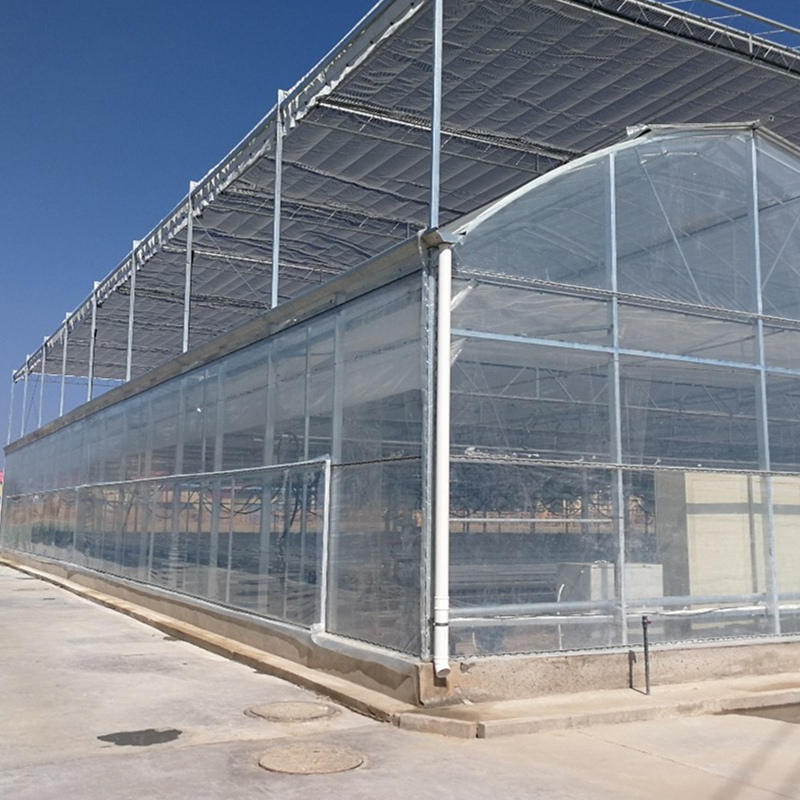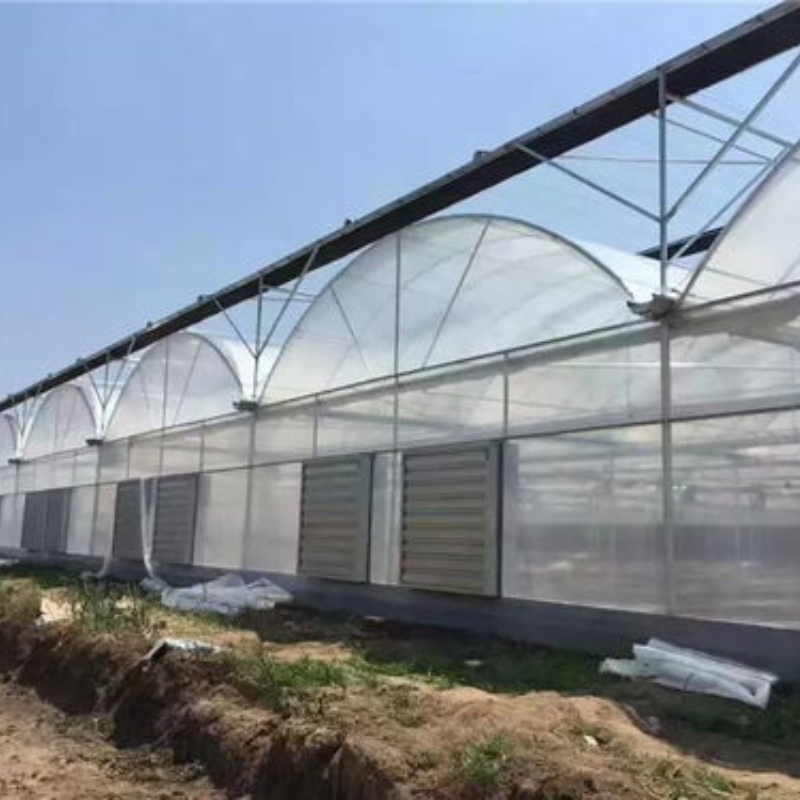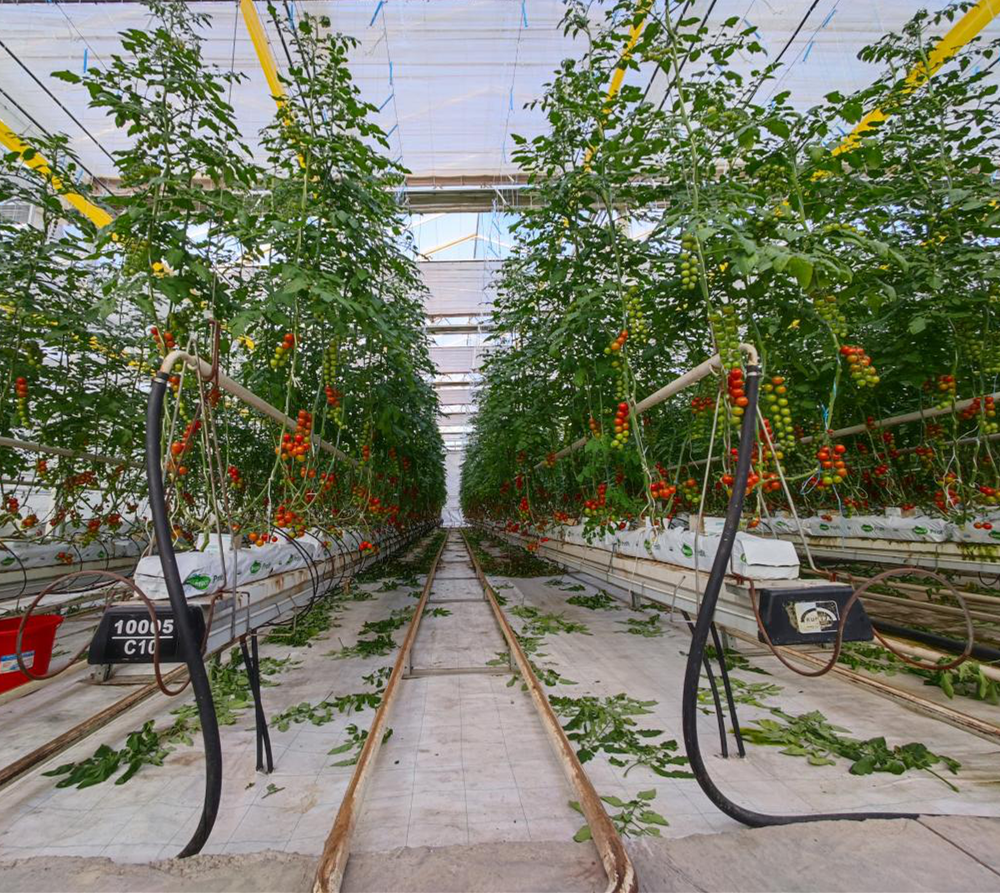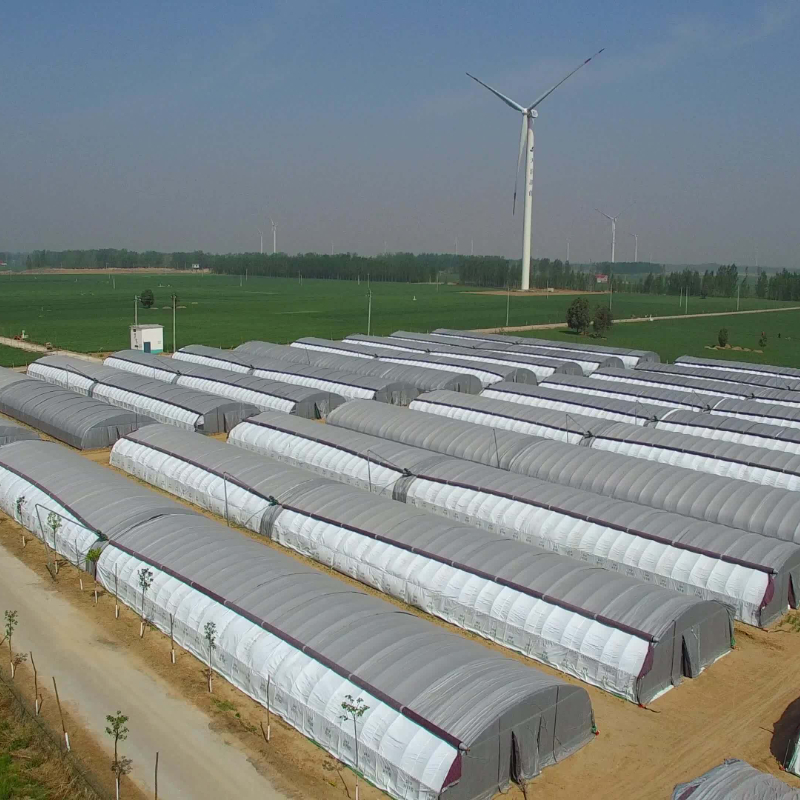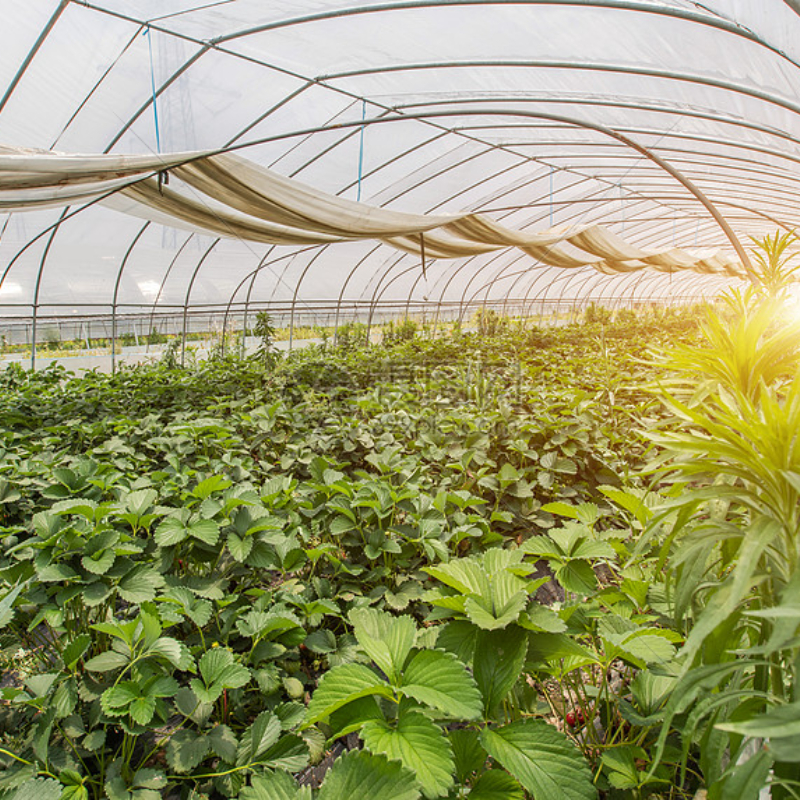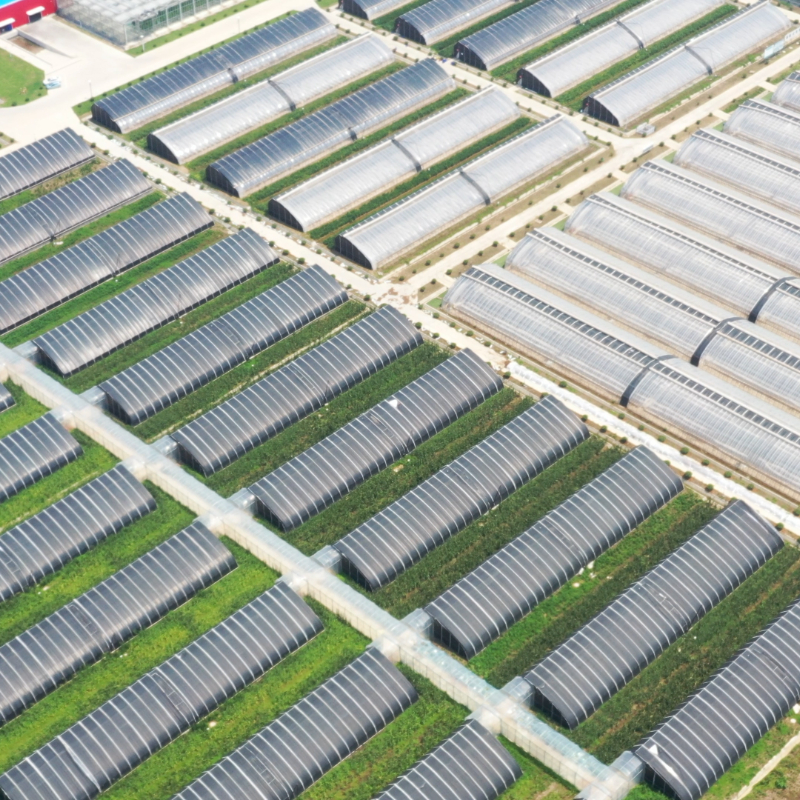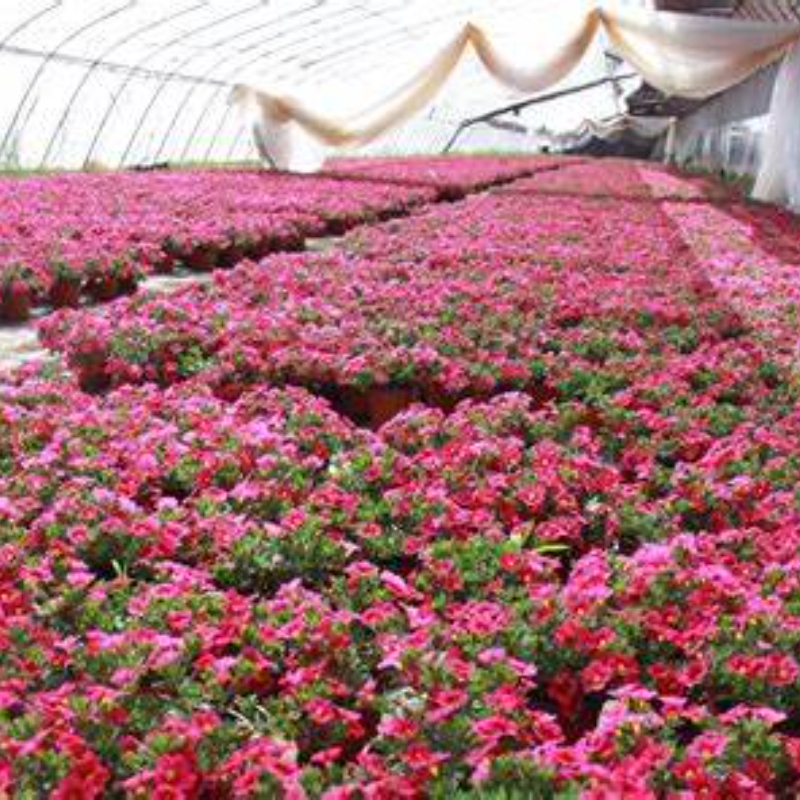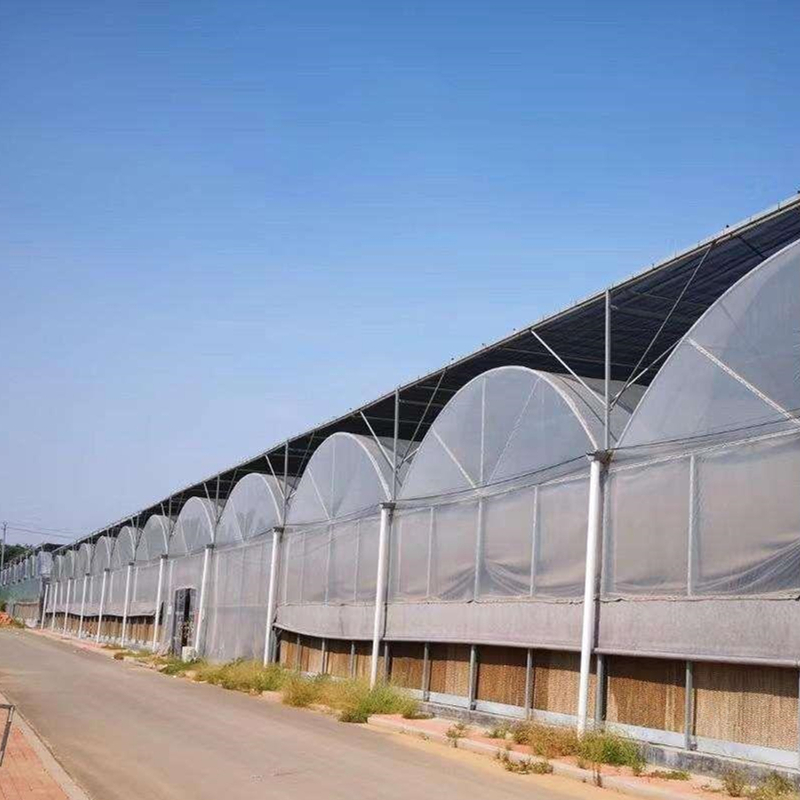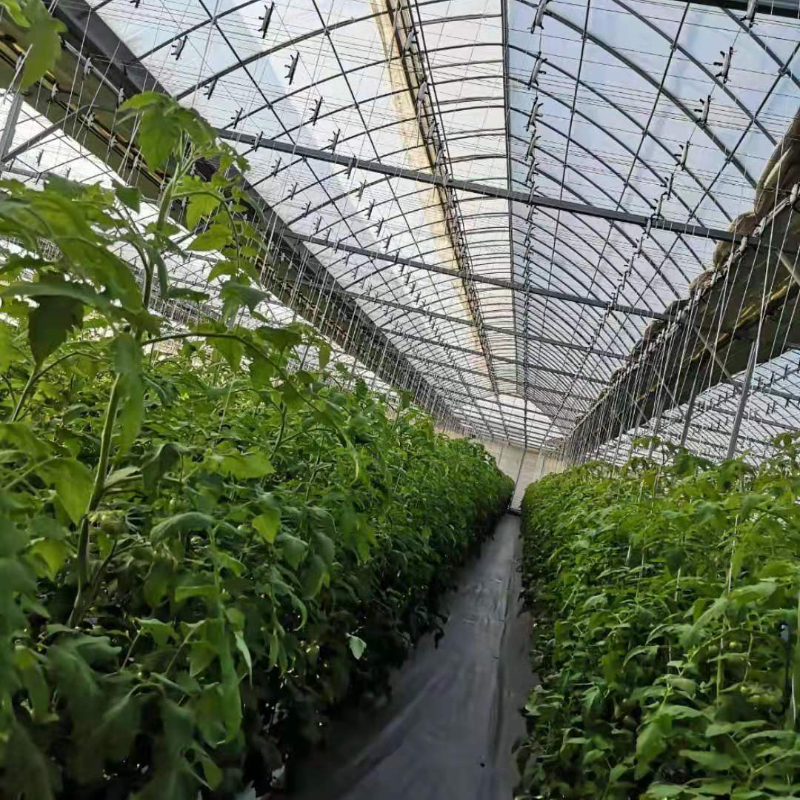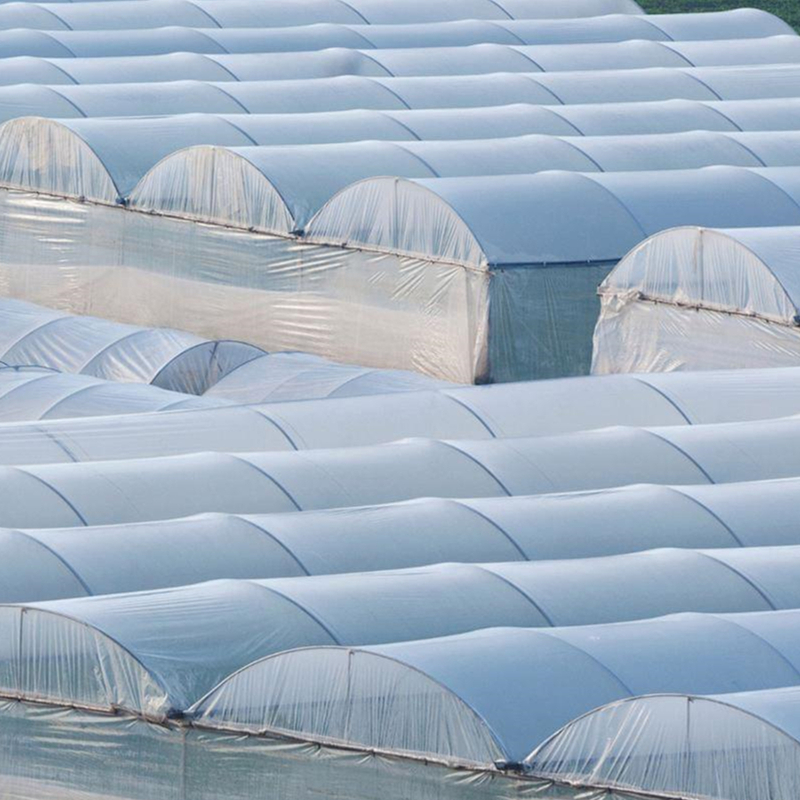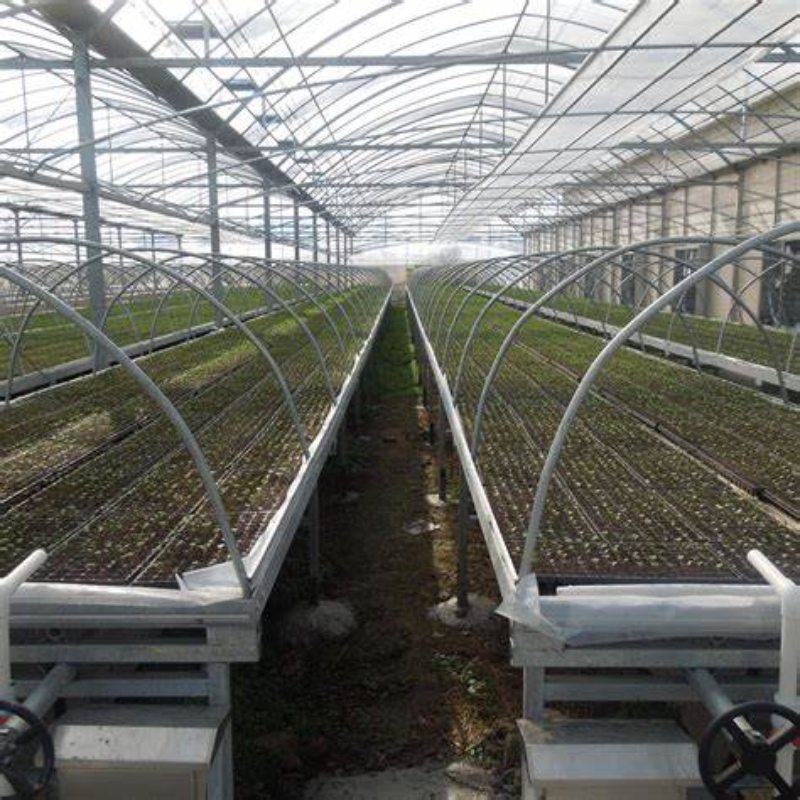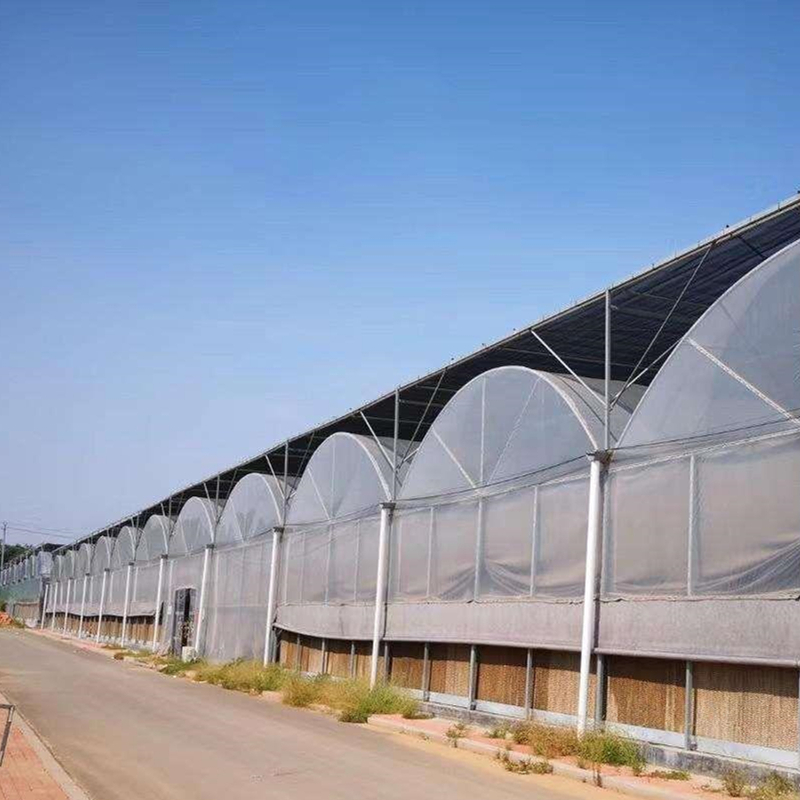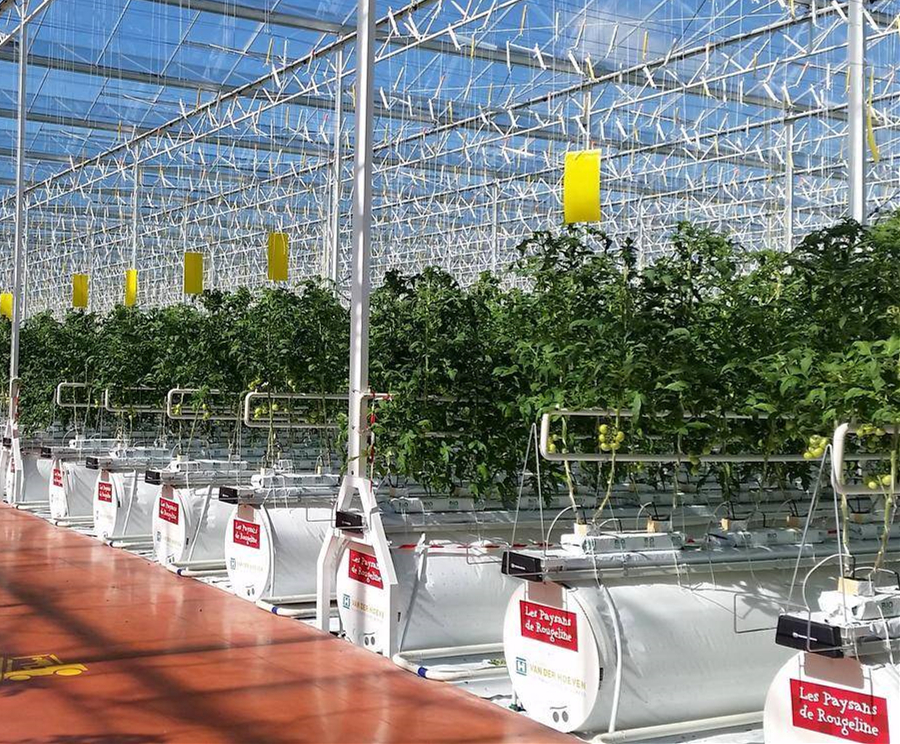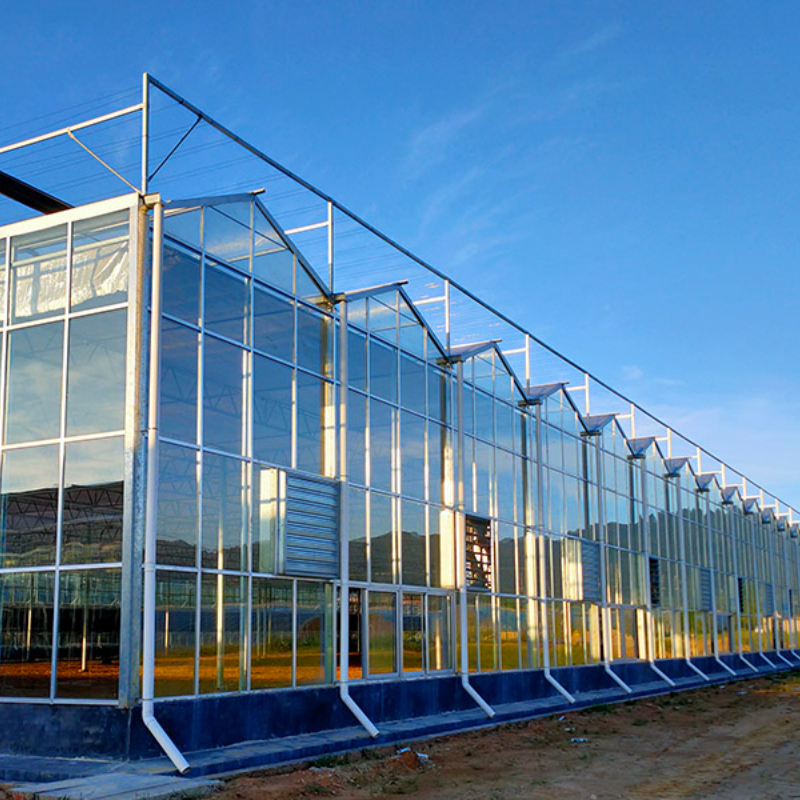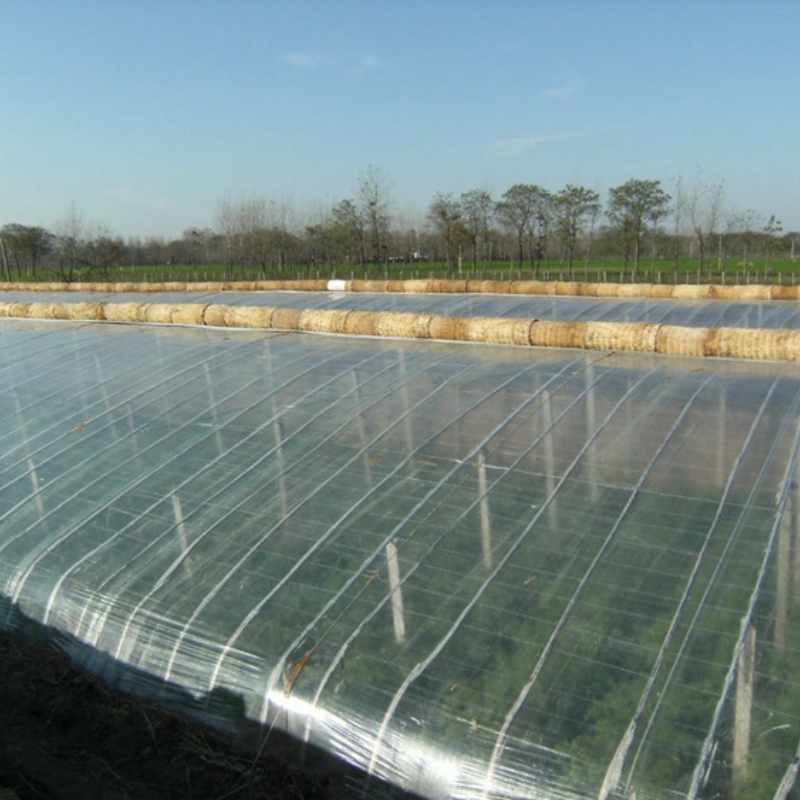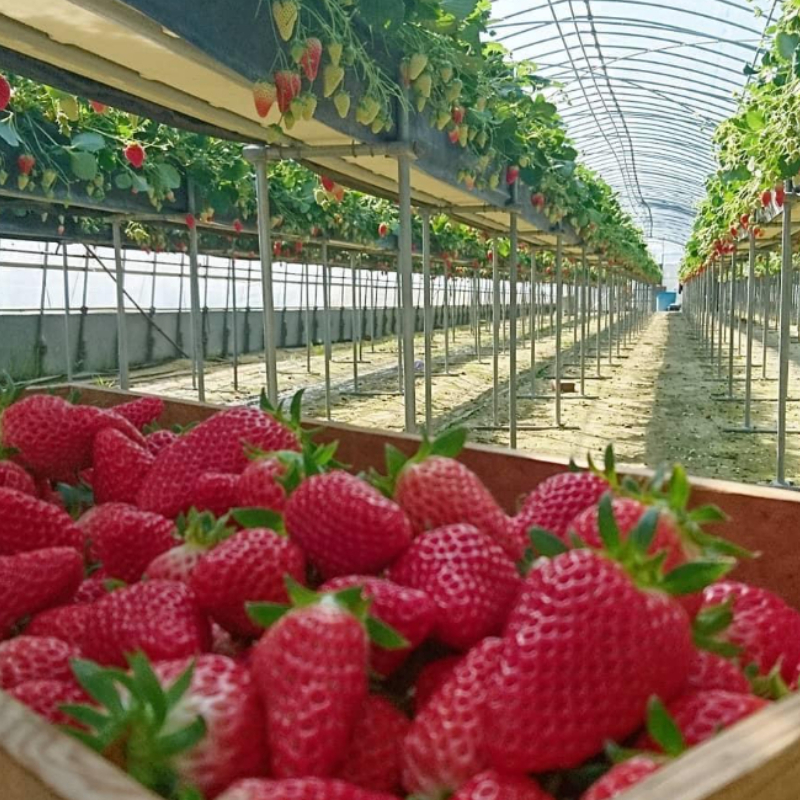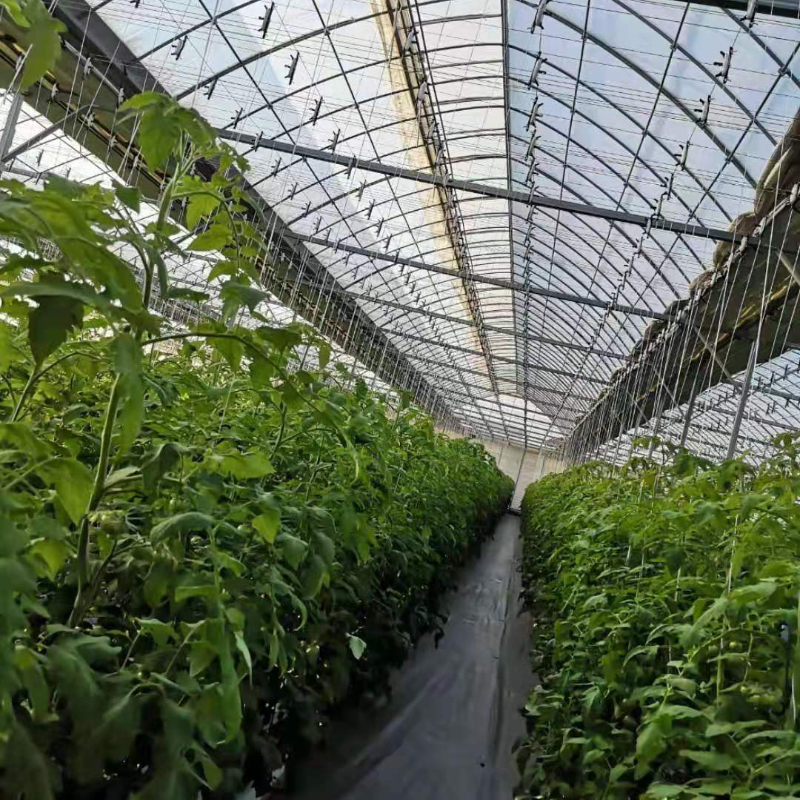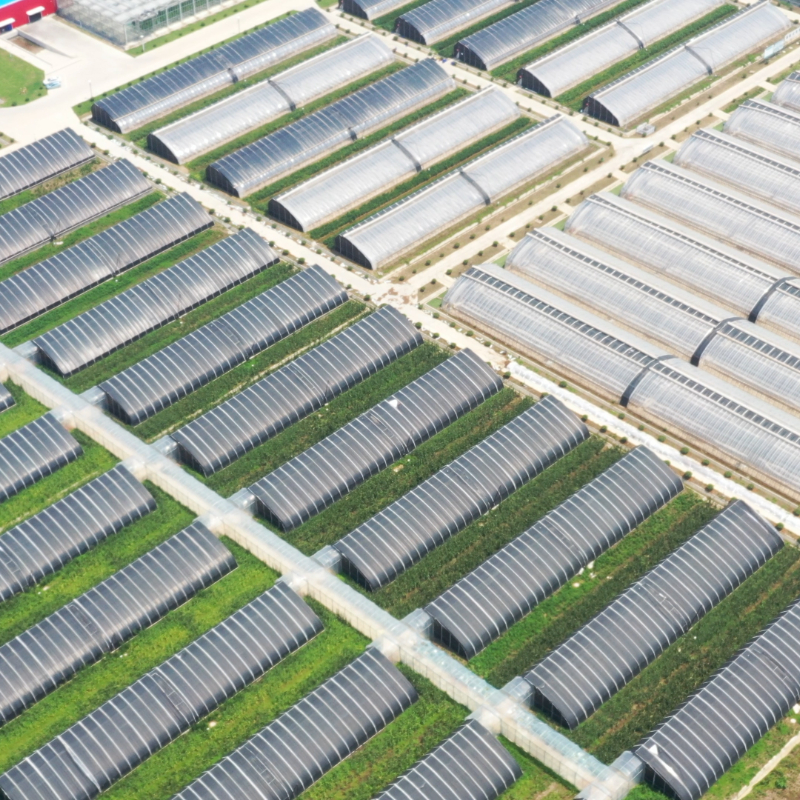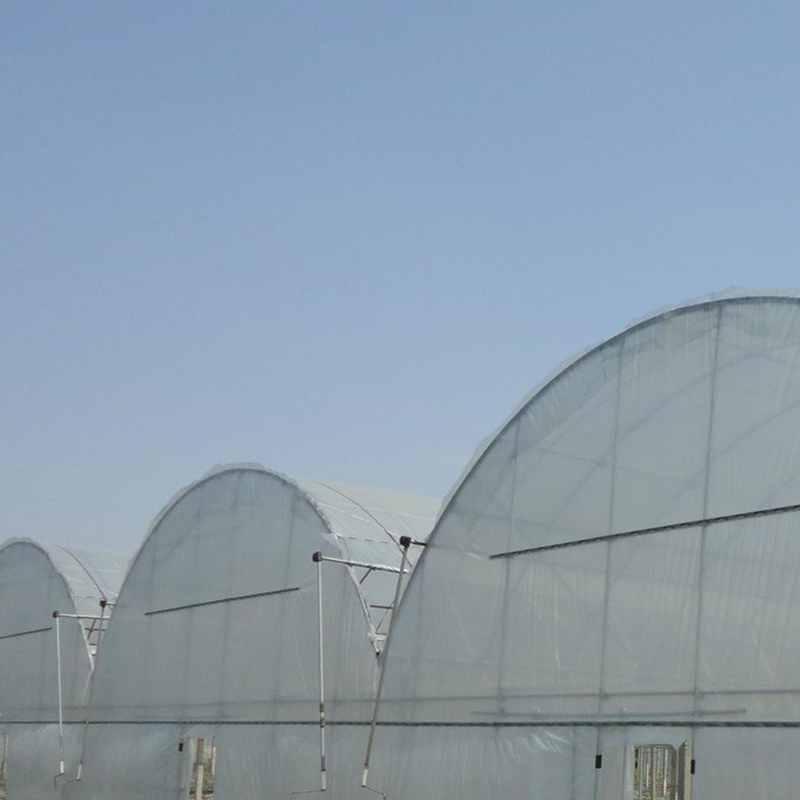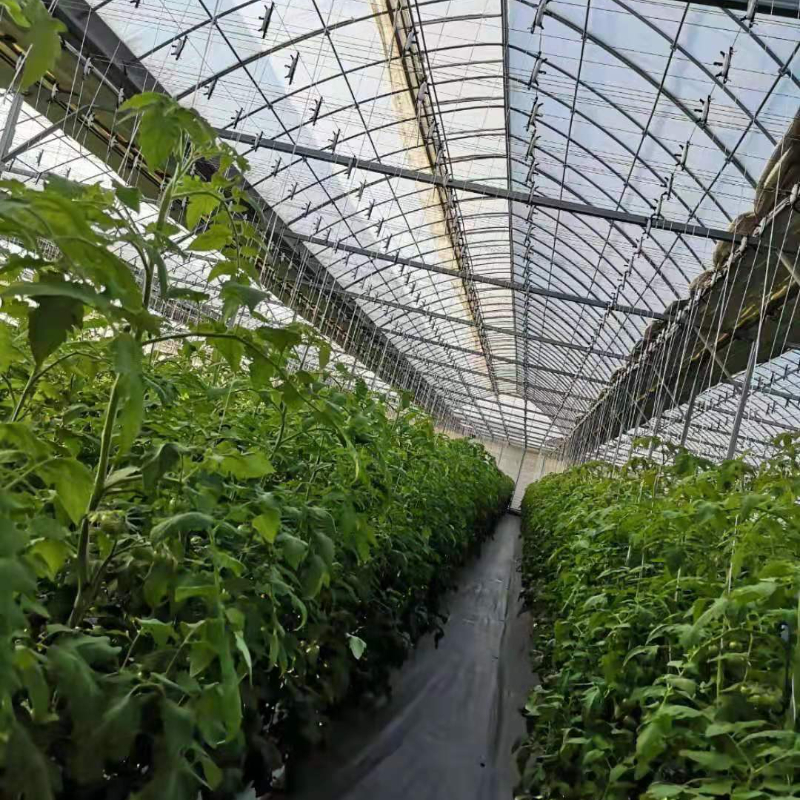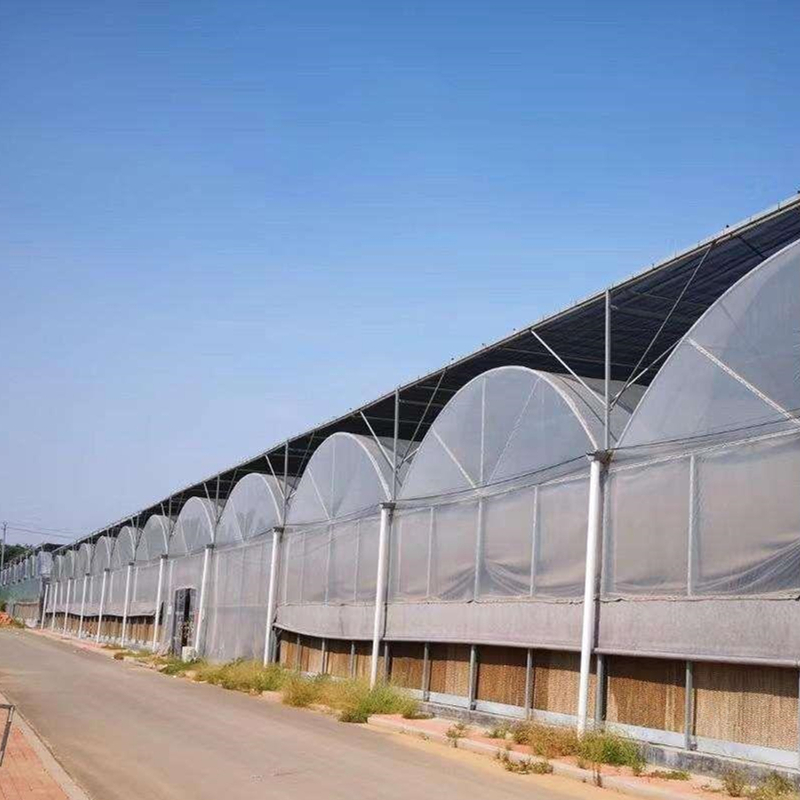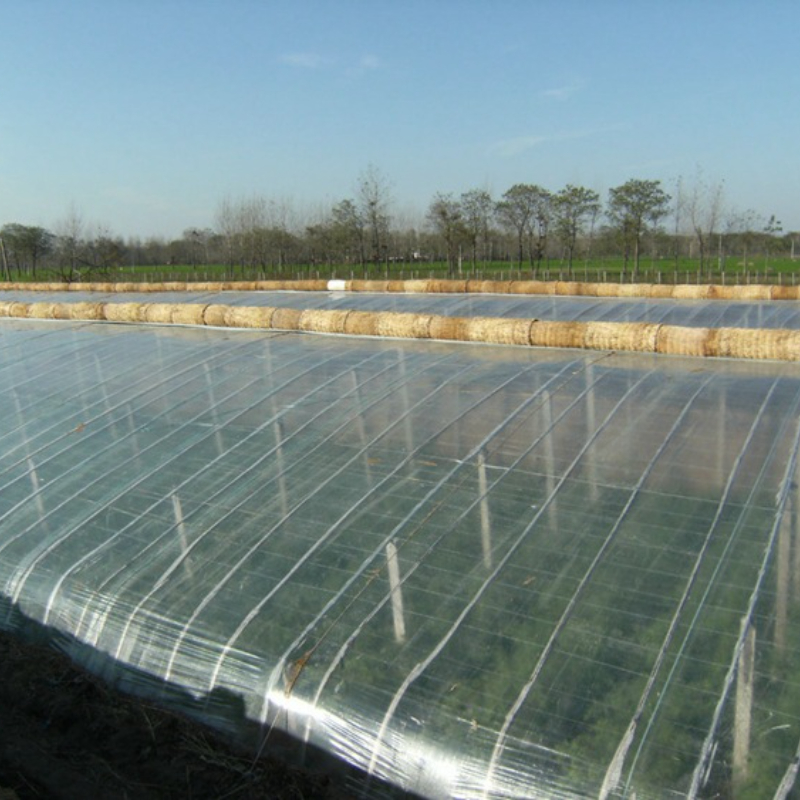
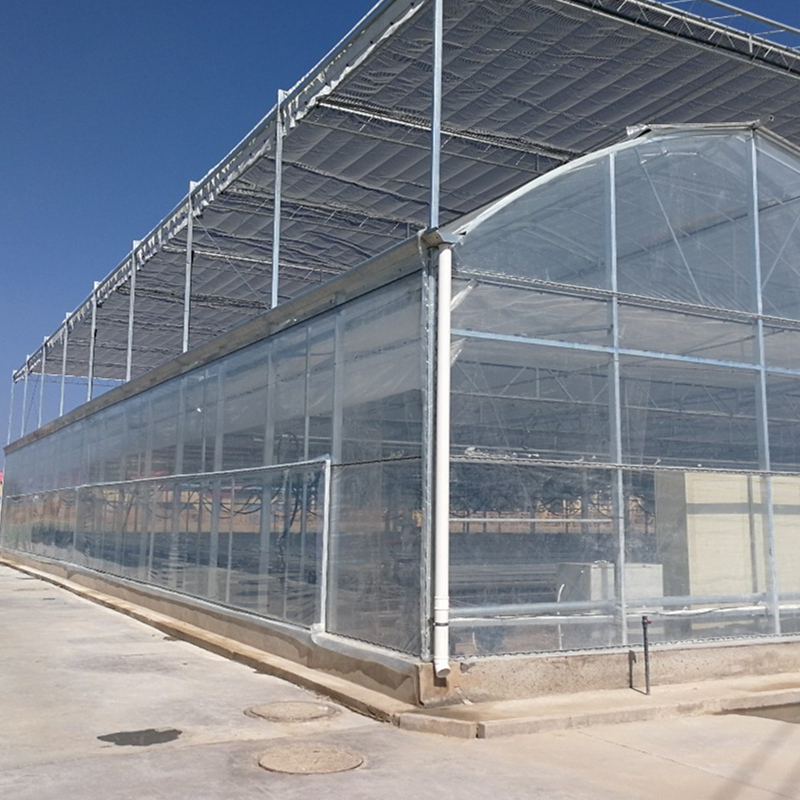
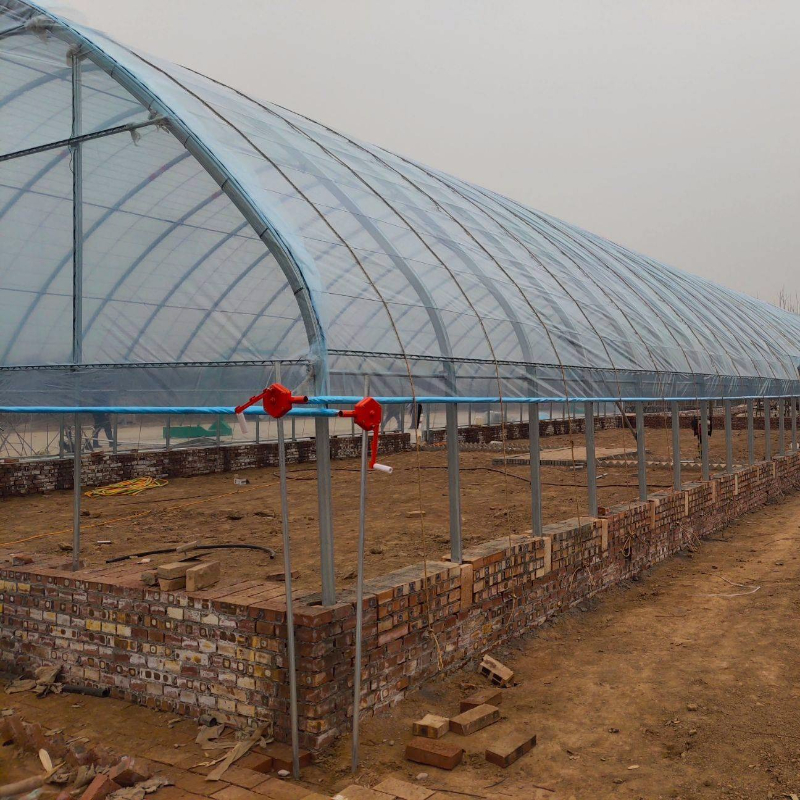
A heated greenhouse equipped with a greenhouse insulation system is becoming increasingly popular among gardeners and commercial growers alike. we will explore the features, benefits, and operational aspects of a greenhouse that incorporates effective insulation and heating solutions.
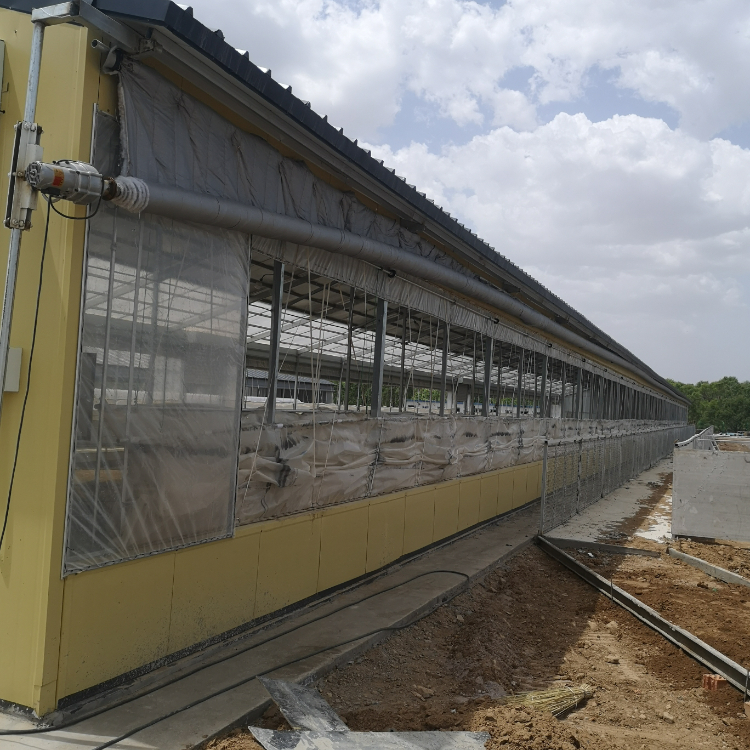
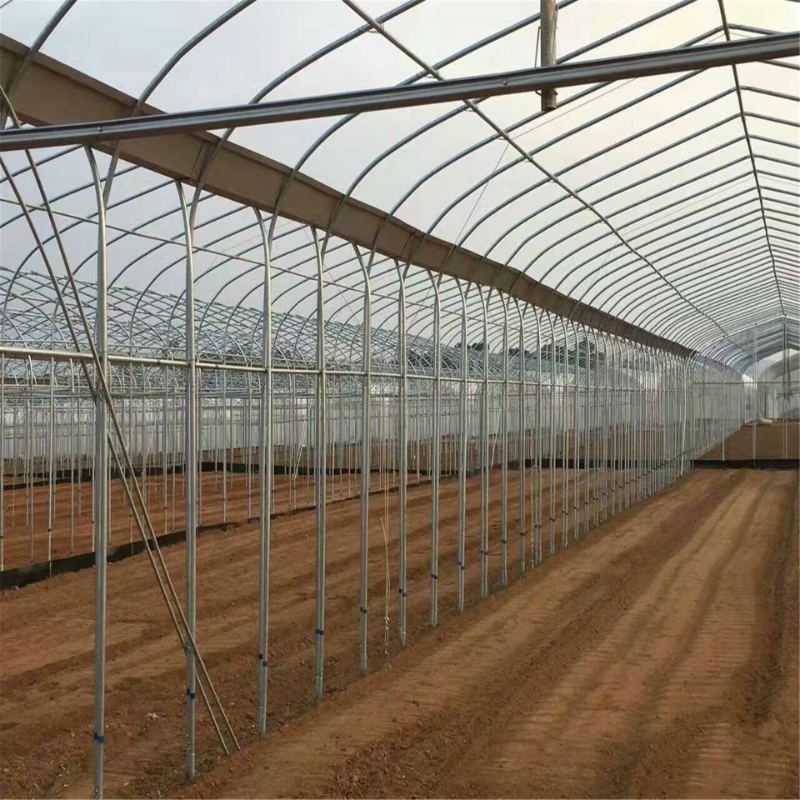
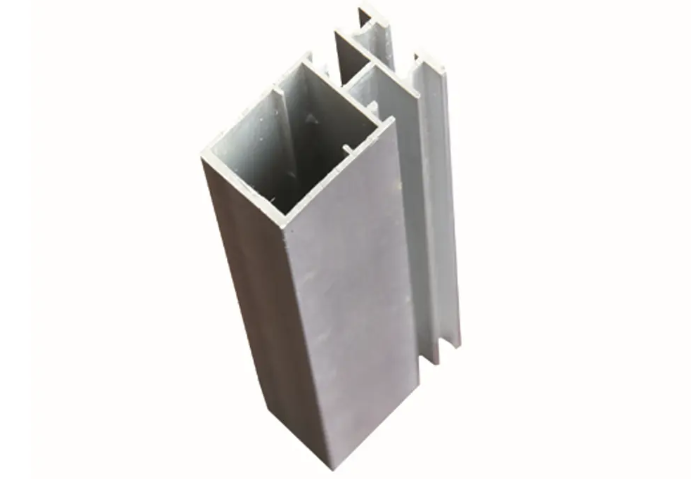
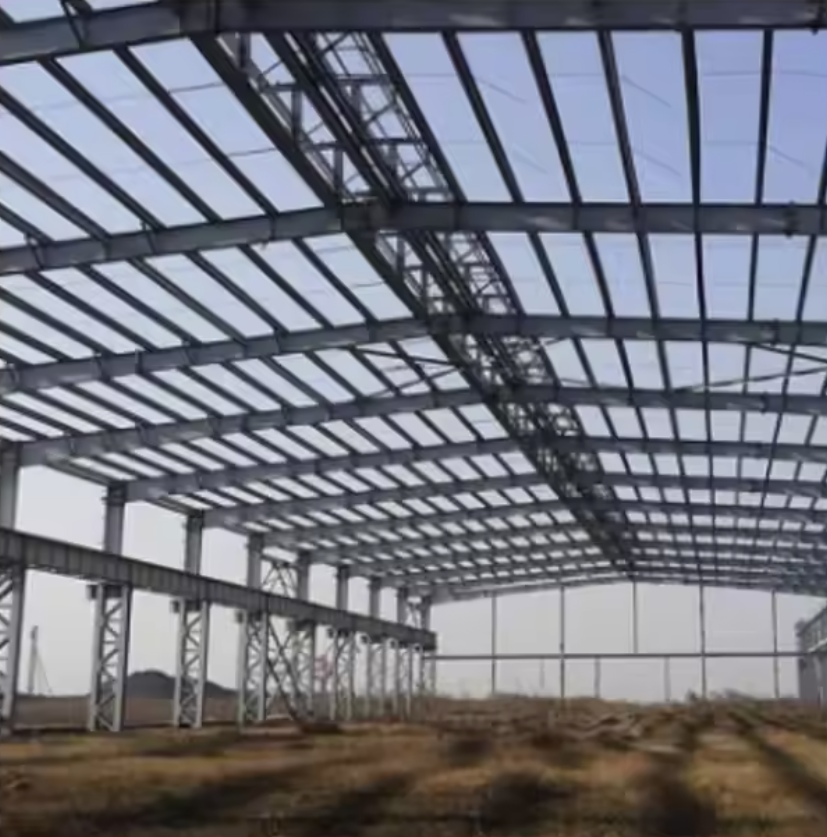
A greenhouse is a structure designed to create a controlled environment for growing plants. The greenhouse frame structure typically consists of durable materials such as aluminum or galvanized steel, providing stability and longevity. When combined with a greenhouse insulation system, this structure can maintain optimal temperatures, ensuring that plants thrive even in colder climates.
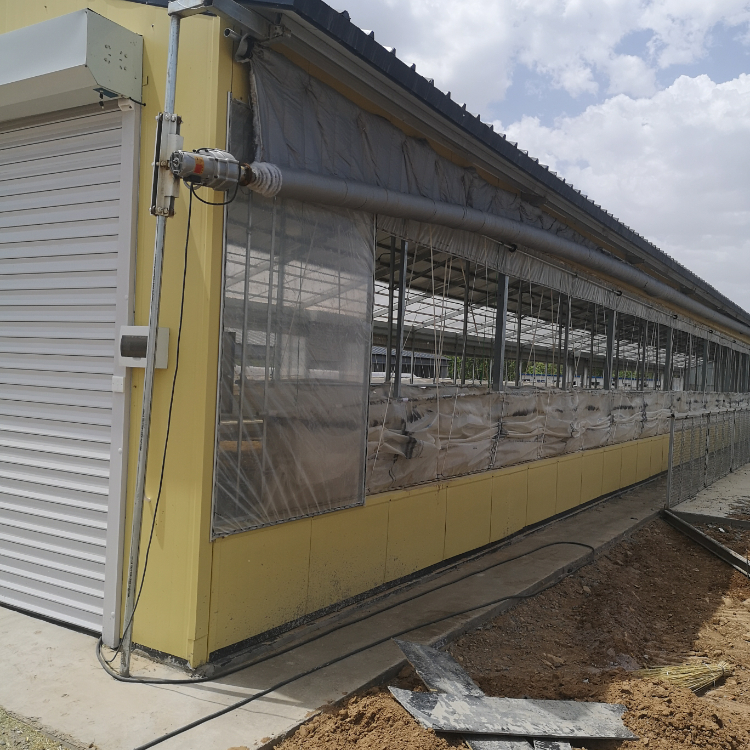
Efficient Insulation: The primary feature of a greenhouse insulation system is its ability to minimize heat loss. Insulating materials such as bubble wrap, foam boards, or specialized thermal screens can be used to enhance the greenhouse's energy efficiency.
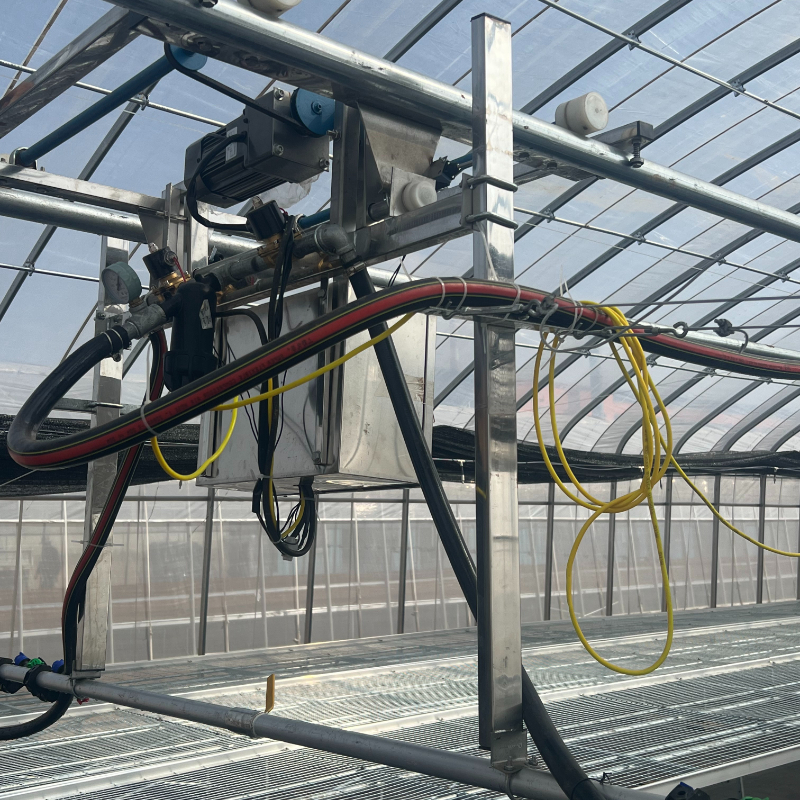
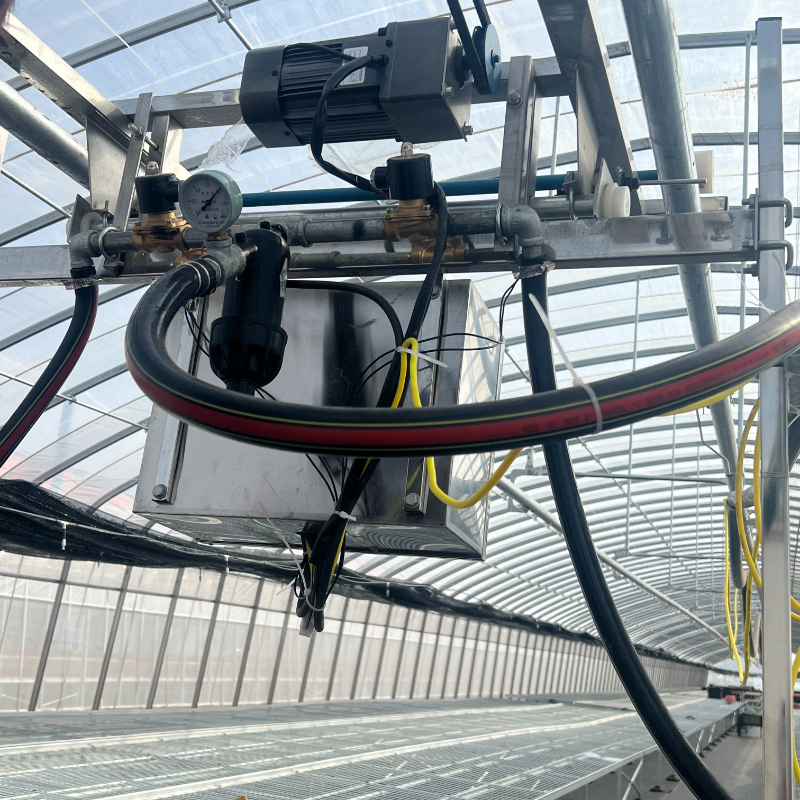
Heating Systems: A heated greenhouse can utilize various heating methods, including electric heaters, gas heaters, or even geothermal heating systems. These systems work in conjunction with the insulation to maintain consistent temperatures, providing a stable environment for plant growth.
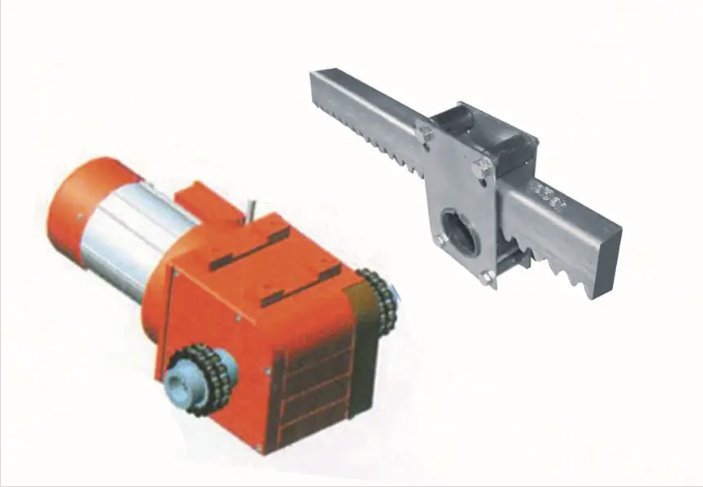
Ventilation Control: Proper ventilation is crucial in a greenhouse to prevent overheating and ensure adequate airflow.
Light Management: The greenhouse frame structure is often designed to maximize light exposure while minimizing heat loss. Polycarbonate panels or double-glazed glass can be used to enhance light transmission, ensuring that plants receive sufficient sunlight for photosynthesis.
One of the most significant advantages of a heated greenhouse is the ability to extend the growing season. With effective insulation and heating, gardeners can start planting earlier in the spring and continue harvesting later into the fall or even winter. This extended season leads to increased productivity and profitability.
The controlled environment within a greenhouse allows for better management of temperature and humidity, which are critical factors for plant health. Insulation helps reduce temperature fluctuations, protecting plants from stress and promoting robust growth.
By incorporating a greenhouse insulation system, growers can significantly reduce energy costs associated with heating. Insulation minimizes heat loss, allowing heating systems to operate more efficiently.
A heated greenhouse allows for the cultivation of a wide variety of plants, including those that may not thrive in the local climate. Growers can experiment with different crops, including tropical plants and off-season vegetables, expanding their offerings and market potential.
Choosing the right location for your greenhouse is crucial. Look for a site that receives ample sunlight and is sheltered from harsh winds. Proper drainage is also essential to prevent water accumulation around the foundation.
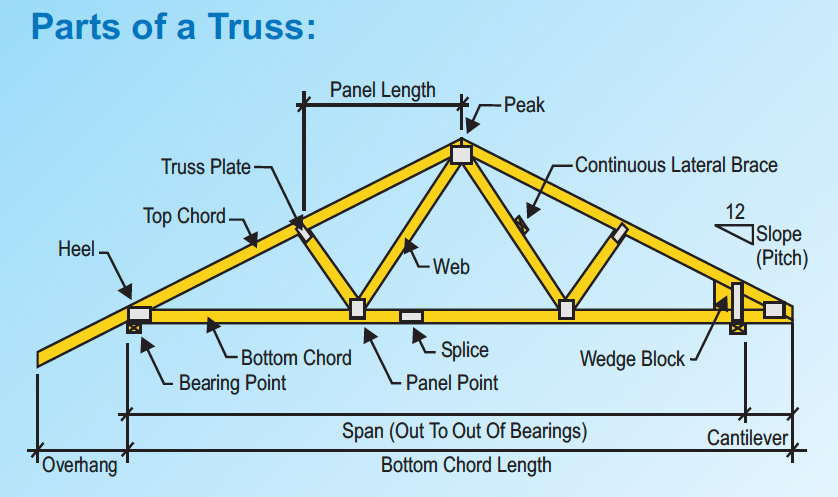
The greenhouse frame structure should be built using durable materials that can withstand environmental stresses. Ensure that the structure is well-anchored and designed to accommodate insulation materials.
When installing a greenhouse insulation system, consider using materials that provide both thermal resistance and moisture control.
Select a heating system that suits your needs and budget. Electric heaters are easy to install and control, while gas heaters may offer more robust heating solutions.
Regularly monitor the internal conditions of your heated greenhouse. Use thermometers and hygrometers to track temperature and humidity levels, making adjustments as needed to maintain optimal growing conditions.
A heated greenhouse with an effective greenhouse insulation system is an invaluable asset for any gardener or commercial grower.
Investing in a greenhouse that combines a robust greenhouse frame structure with advanced insulation and heating solutions can transform your gardening experience. Whether you're cultivating flowers, vegetables, or exotic plants, a heated greenhouse offers the ideal conditions for success. Embrace the benefits of this innovative growing solution and elevate your gardening efforts to new heights!
Q1:Are We a trading company or a manufacturer?
A: We are a factory. Our factory can produce all items which are related to the greenhouse, so we provide the best price.
Q2: Do we provide samples? Is it free or extra?
A: Yes, we can provide samples free of charge, but we don't bear the freight.
Q3: How to get a quotation for the greenhouse?
A: Please let us know how many greenhouses you need? What will be grown in the greenhouse? So that we can suggest you the related greenhouses.
Q4: How should you choose a greenhouse system?
A: Please let us know where you will build the greenhouse, we also need the know your local temperature and wind speed.
Q5: How to assemble the greenhouse after you purchase our greenhouses ?
A:We have professional after-sales service engineers who will provide planning drawings and installation manuals. You can communicate with him from time to time. If necessary, we can also send engineers to your country to supervise the installation of the greenhouse. Please send message for specific details.
If you have drawings, welcome to share drawings with us, quoation will be done based your drawings.Our excellent design team will
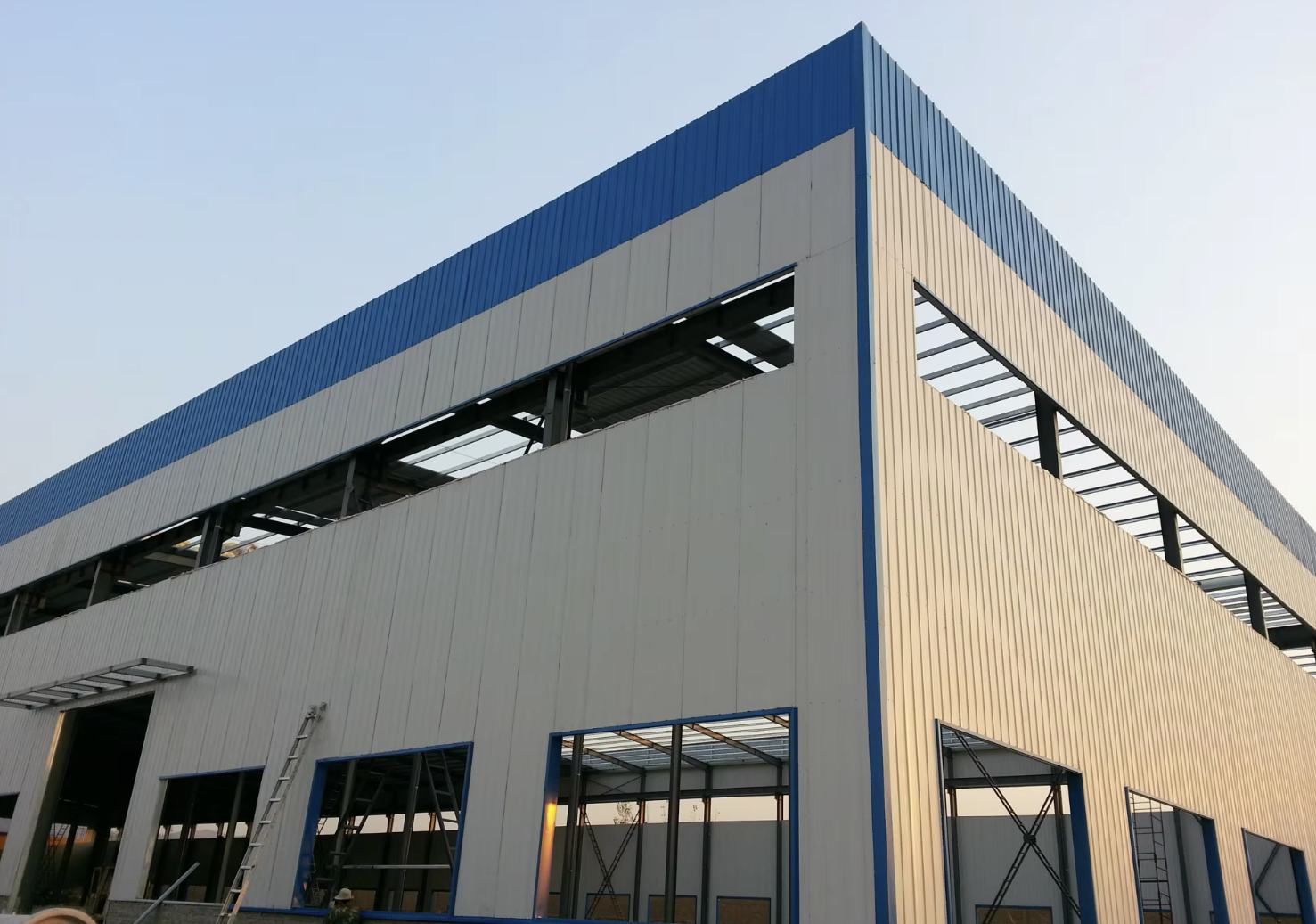
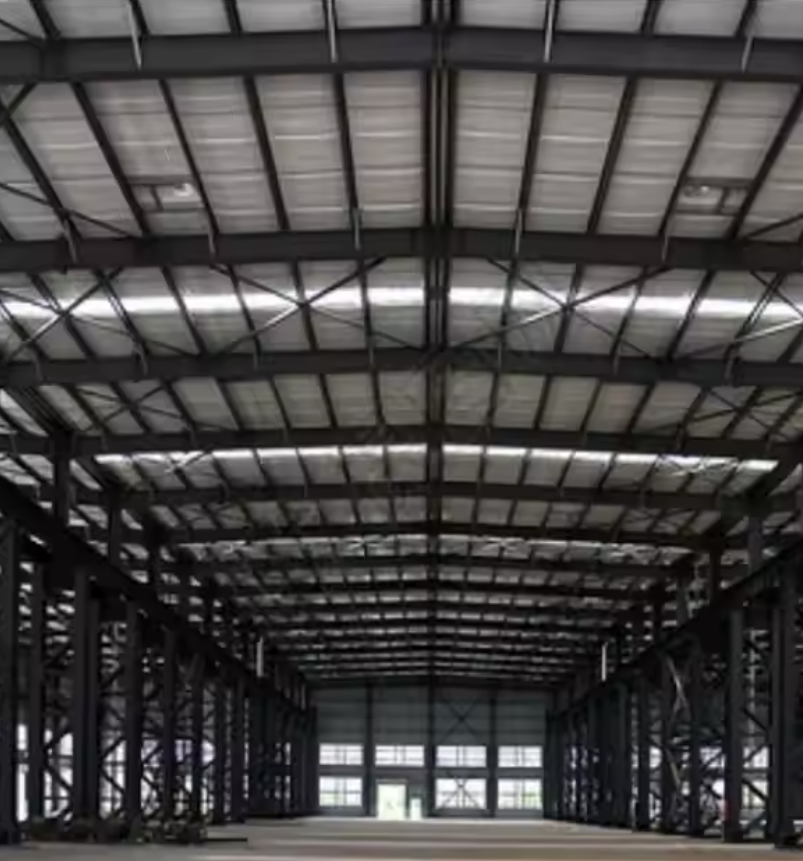
design the steel structure workshop warehouse for you. If you give the following information, we will give you an satisfactory
drawing.
1 Location (where will be built? ) which country? which city?
2 Size: Length*width* Eave height _____mm*_____mm*_____mm
3 wind load (max. Wind speed) _____kn/m2, _____km/h, _____m/s
4 snow load (max. Snow height) _____kn/m2, _____mm, temperature range?
5 anti-earthquake _____level
6 brickwall needed or not If yes, 1.2m high or 1.5m high? or other?
7 thermal insulation If yes, EPS, fiberglass wool, rockwool, PU sandwich panels will be suggested;
If not, the metal steel sheets will be ok. The cost of the latter will be much lower than that of the former.
8 door quantity & size _____units, _____(width)mm*_____(height)mm
9 window quanity & size _____units, _____(width)mm*_____(height)mm
10 crane needed or not If yes, _____units, max. Lifting weight____tons; Max. Lifting height _____m