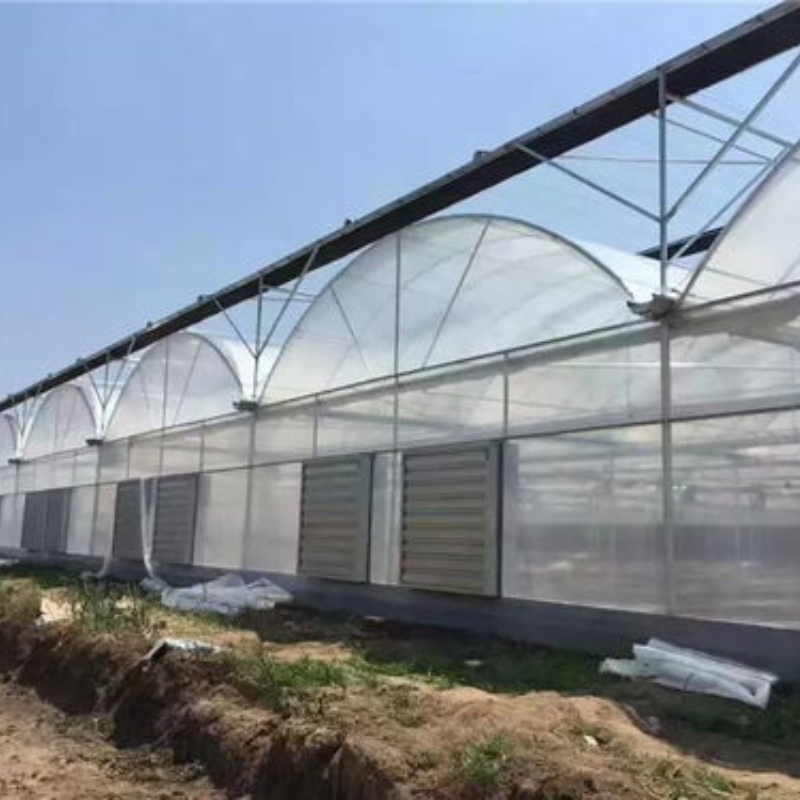
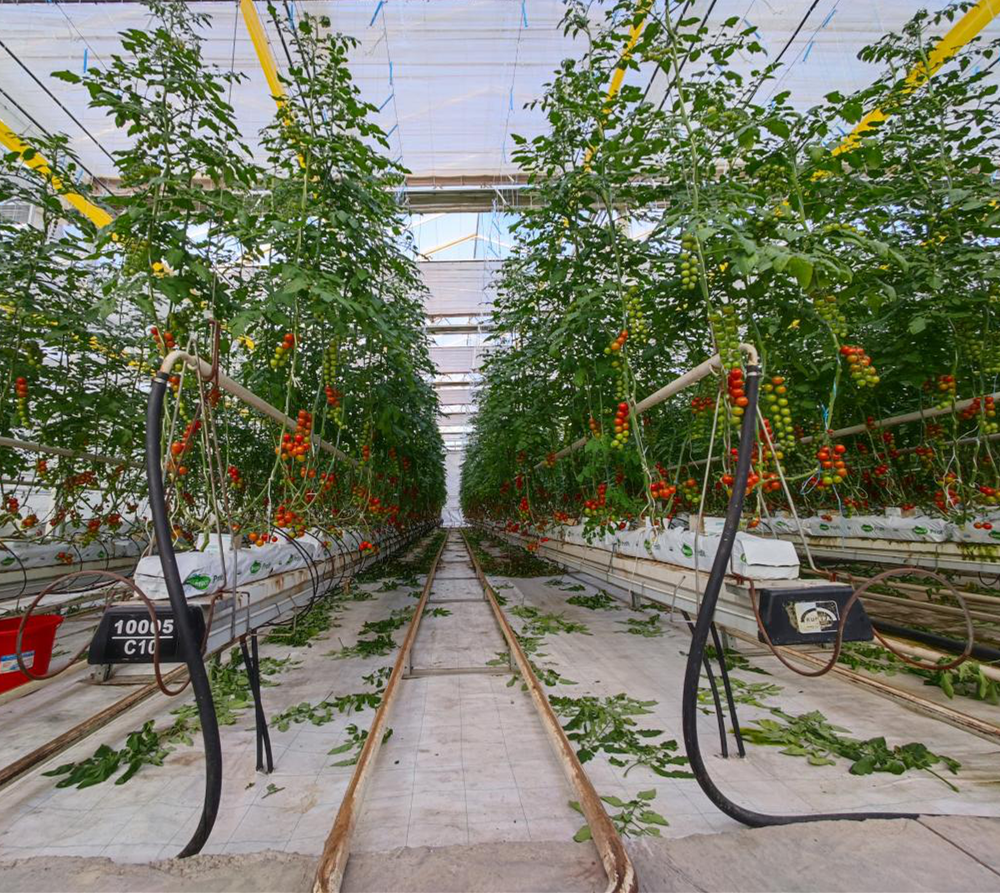
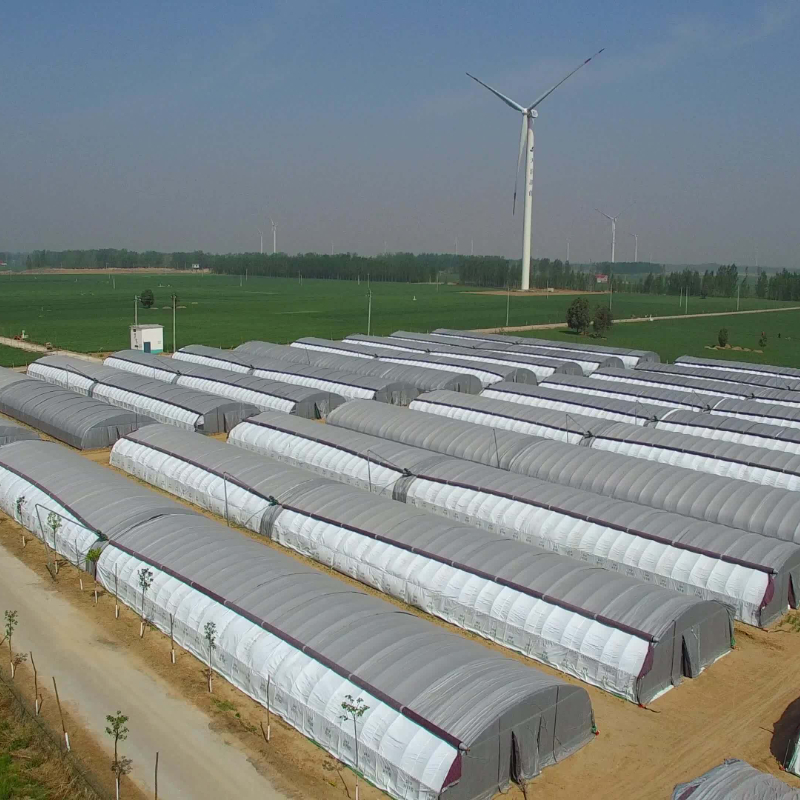
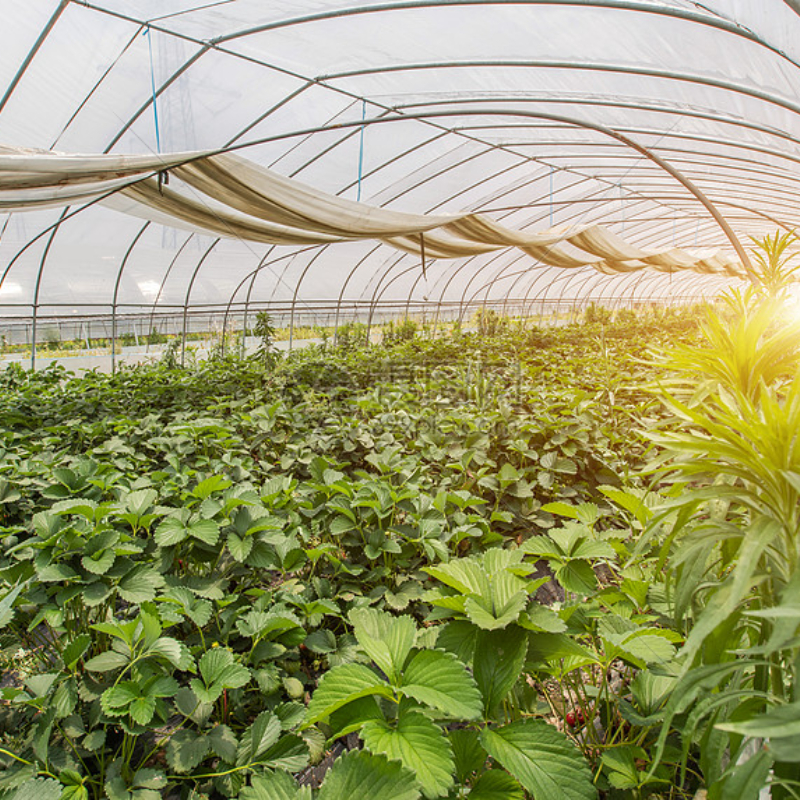
Advantages and Disadvantages of Aluminum Greenhouse Frames
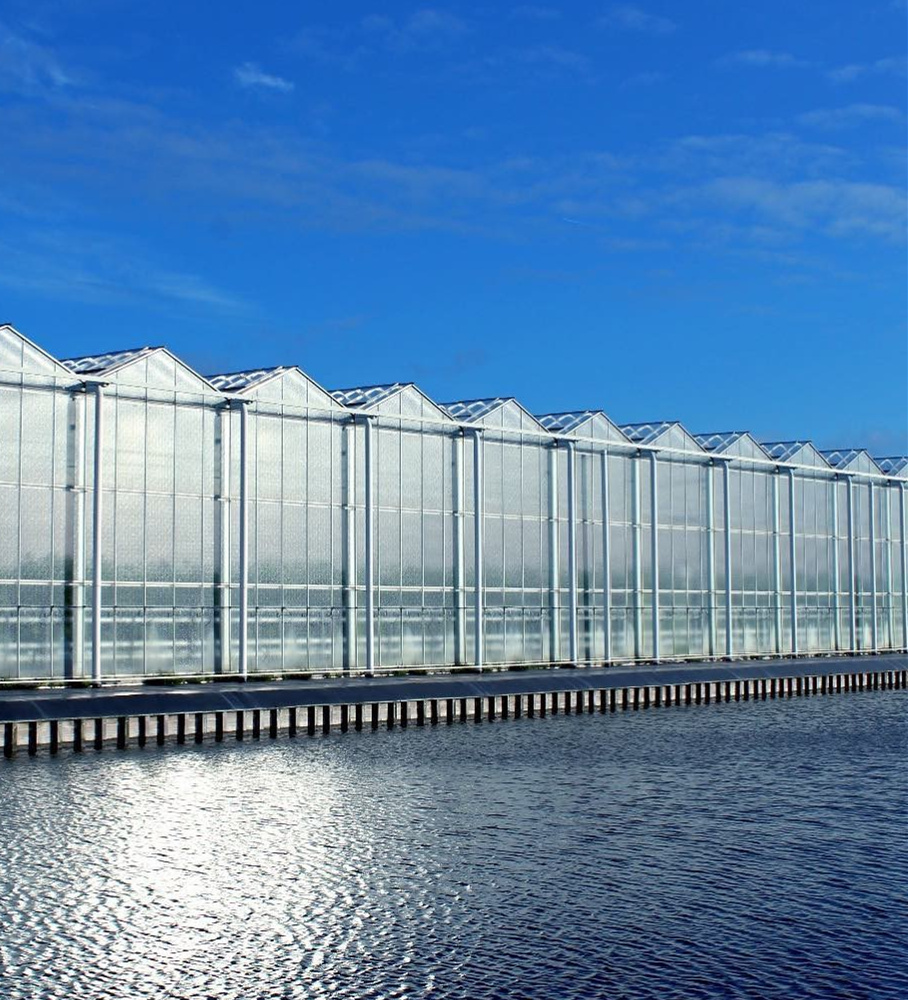
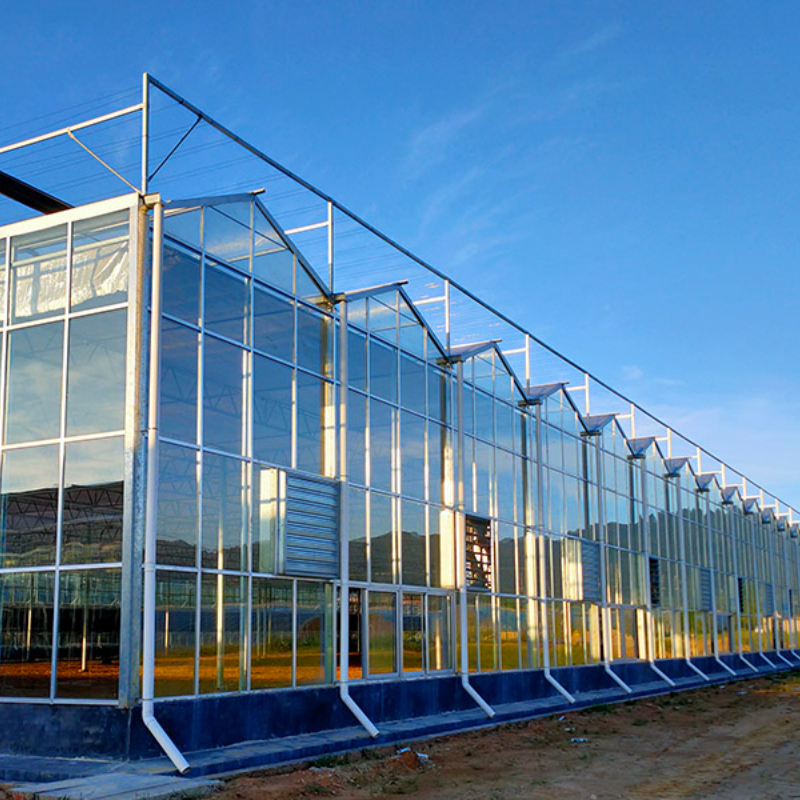
Aluminum is a popular choice for greenhouse framing due to its durability, lightweight nature, and resistance to corrosion. Below is a detailed comparison of its benefits and limitations.
一.Advantages of Aluminum Greenhouse Frames
1.Aluminum greenhouse frame corrosion Resistance
Aluminum naturally resists rust and decay, making it ideal for humid, coastal, or chemically exposed environments. Unlike steel, it doesn’t require protective coatings.
Lightweight & Easy to Install
Weighs about 1/3 the weight of steel, making it easier to transport, handle, and assemble—ideal for modular or DIY greenhouse setups.
2. Aluminum greenhouse frame low Maintenance
Does not rust, warp, or degrade over time, reducing long-term upkeep costs.
3.Long Lifespan
High-quality aluminum frames last 20–30 years, outperforming steel (15–20 years) and plastic/PVC (5–8 years).
4Aesthetic & Customizable
Can be powder-coated or anodized in various colors, offering a sleek, modern look for commercial or decorative greenhouses.
5.Recyclable & Eco-Friendly
100% recyclable, aligning with sustainable farming practices.
6.Compatible with Automation
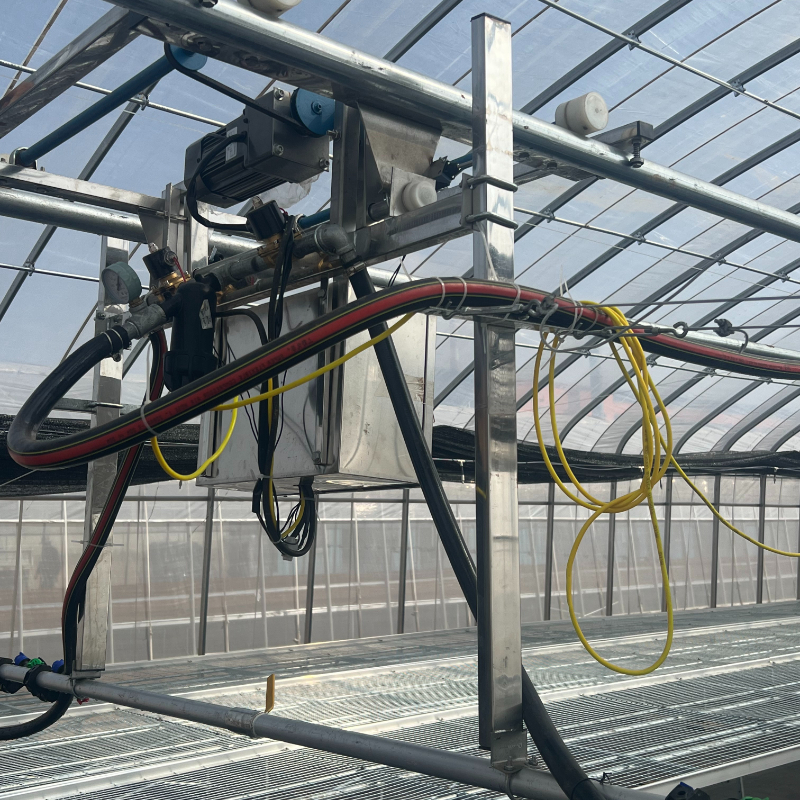
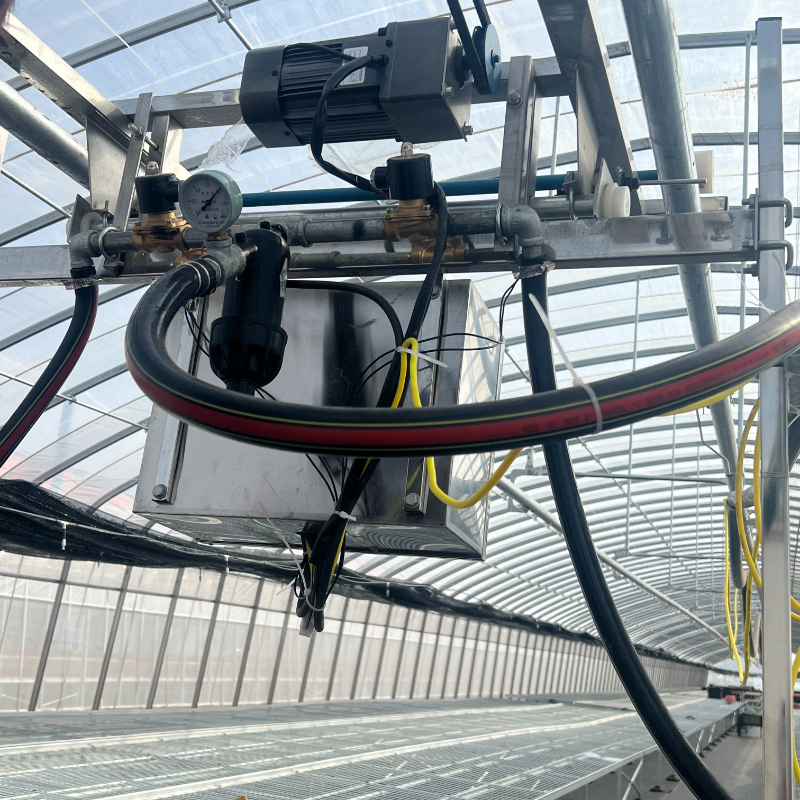
Lightweight yet sturdy enough to support automated systems (ventilation, shading, irrigation).
二.Disadvantages of Aluminum Greenhouse Frames
1.Higher Upfront Cost
More expensive than steel or PVC, though lower maintenance costs can offset this over time.
2.Lower Strength in Extreme Weather
Less rigid than steel; may require additional bracing in high-wind or heavy-snow regions.
3.High Thermal Conductivity
Conducts heat/cold quickly, potentially increasing heating costs in winter unless paired with insulated glazing (e.g., double-pane glass).
4.Vulnerable to Physical Damage
Softer than steel, so accidental impacts (e.g., hail, tools) can dent or bend the frame.
5.Quality Variability
Low-grade aluminum (e.g., thin-walled or recycled) may compromise durability. Opt for 6061-T6 or 6063-T5 alloys for structural integrity.
Recommended Use Cases
Choose aluminum for:
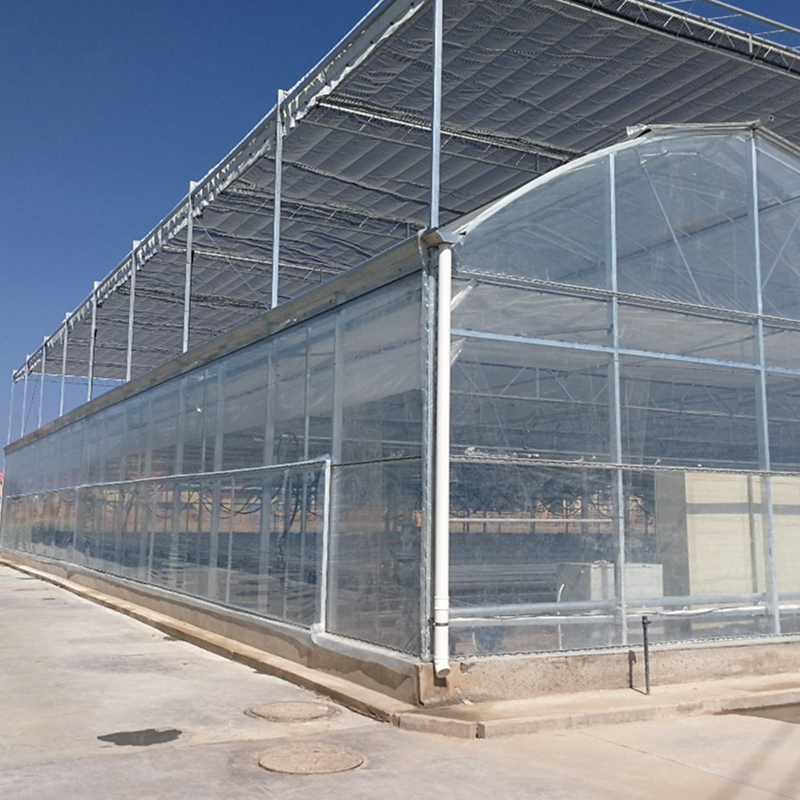
Permanent, commercial-grade greenhouses (glass or polycarbonate).
Coastal or high-humidity climates (no rust).
High-tech farms with automation needs.
Avoid aluminum for:
Budget-limited projects (consider galvanized steel).
Extreme weather zones (unless reinforced).
Tips for Optimal Performance
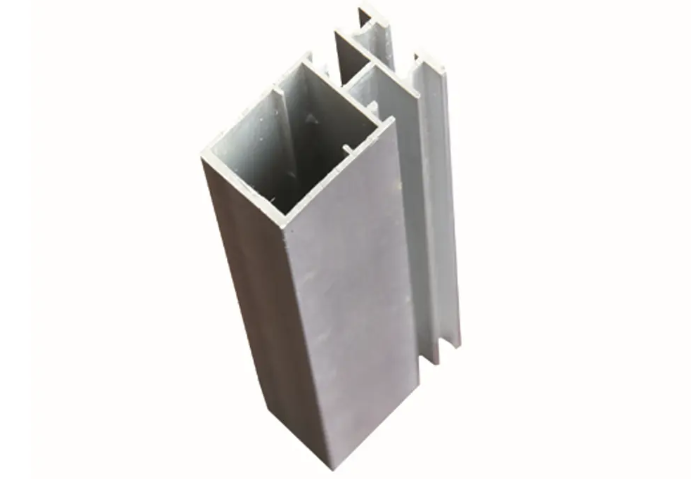
Select thick-walled profiles (≥1.5mm thickness) for load-bearing parts.
Prioritize anodized or powder-coated finishes to enhance weather resistance.
Reinforce the structure in snowy/windy areas (e.g., cross-bracing, deeper foundations).
Aluminum greenhouse frameexcel in durability and low maintenance, making them a cost-effective long-term investment for professional growers.