
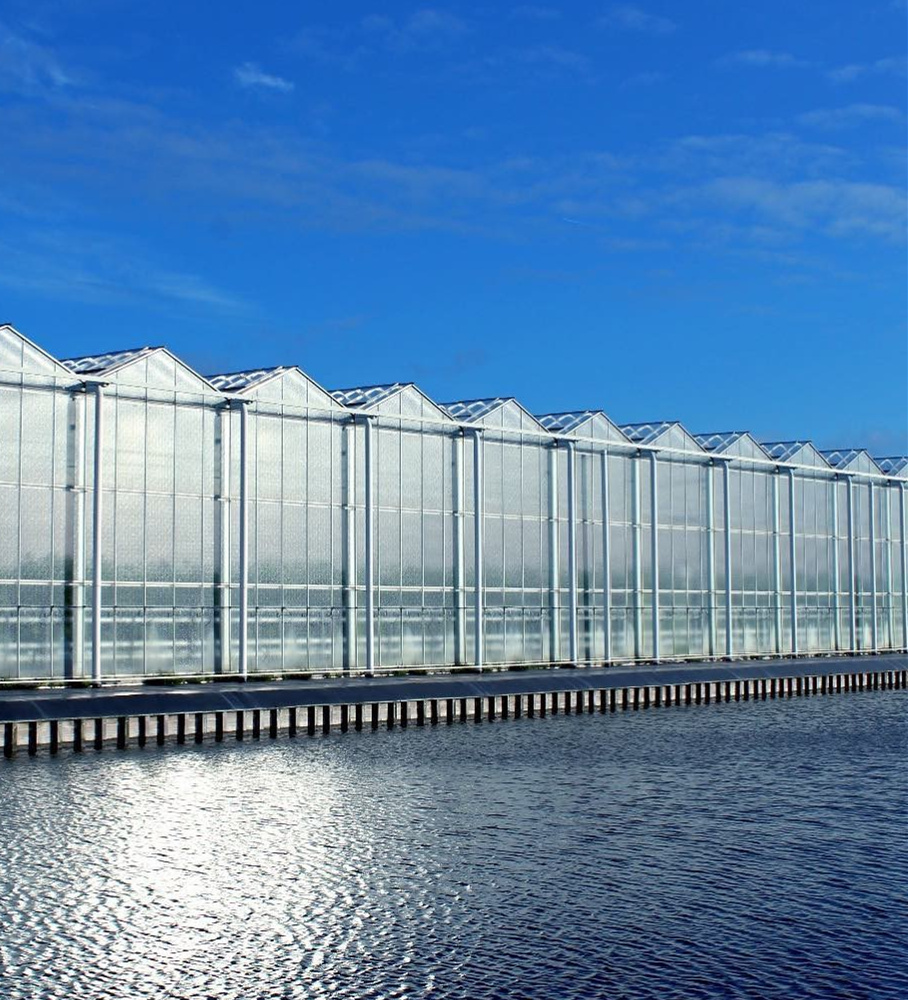
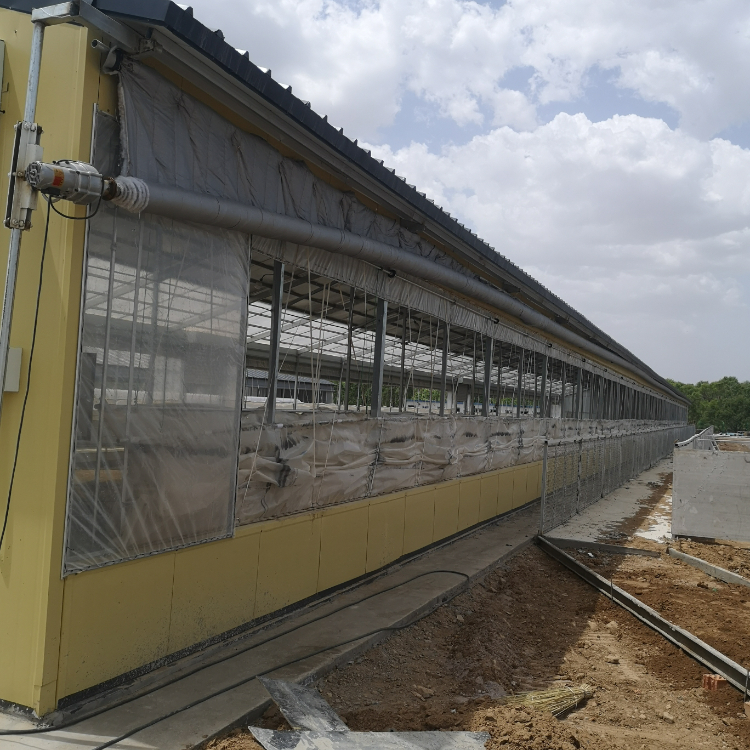
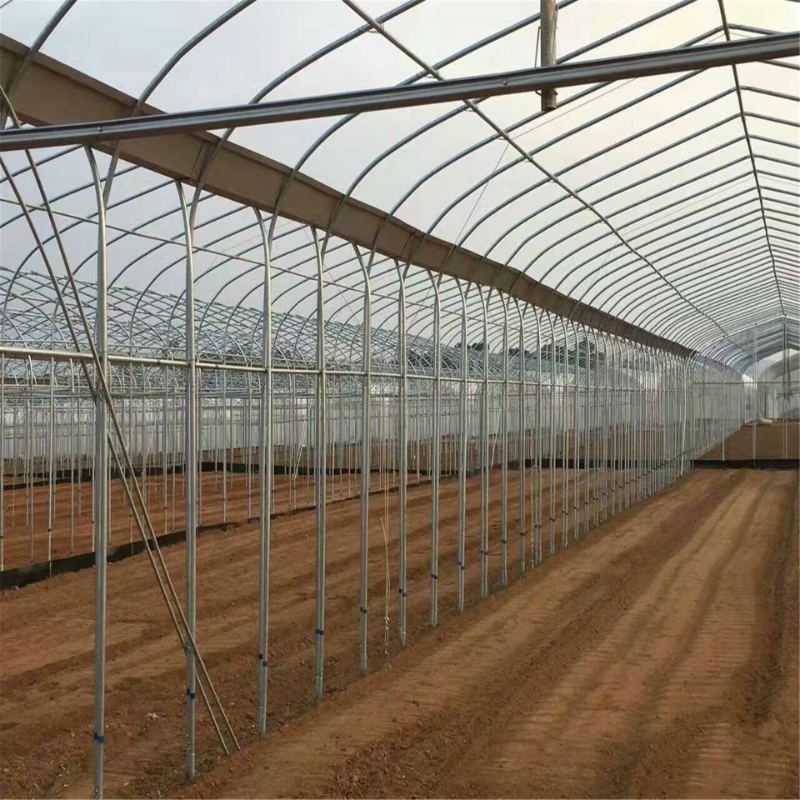
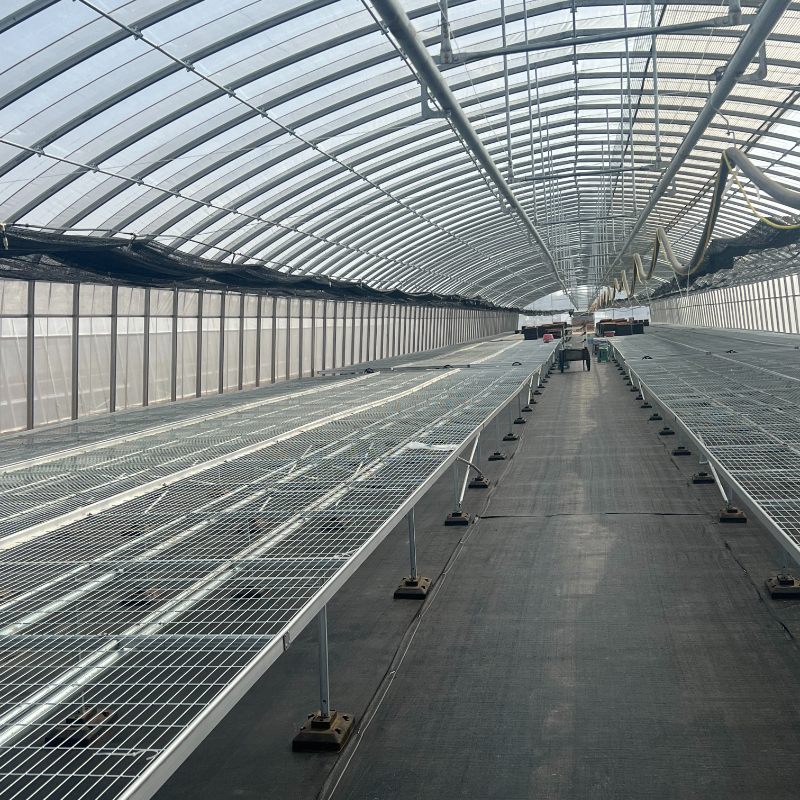
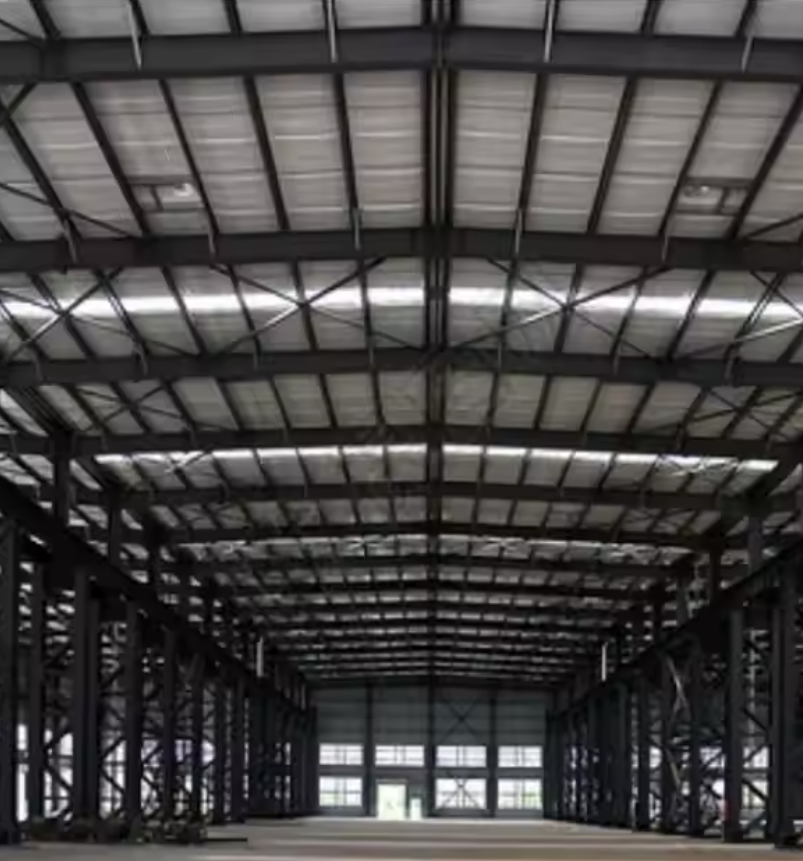
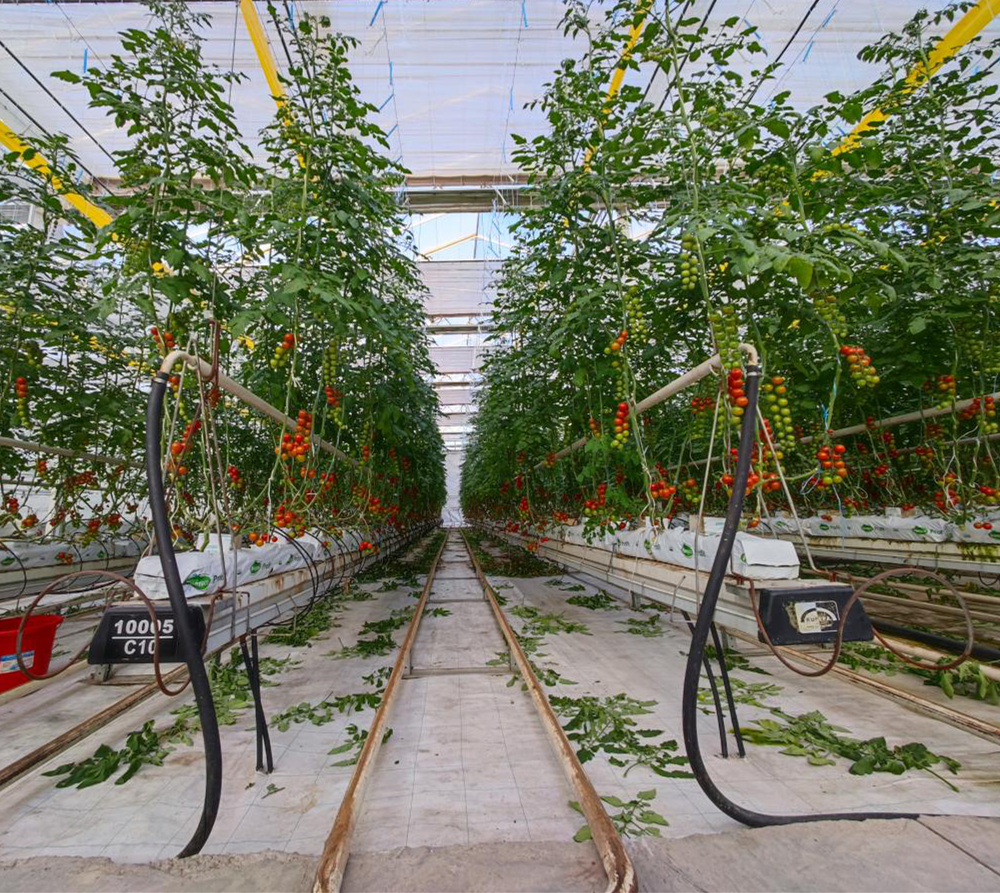
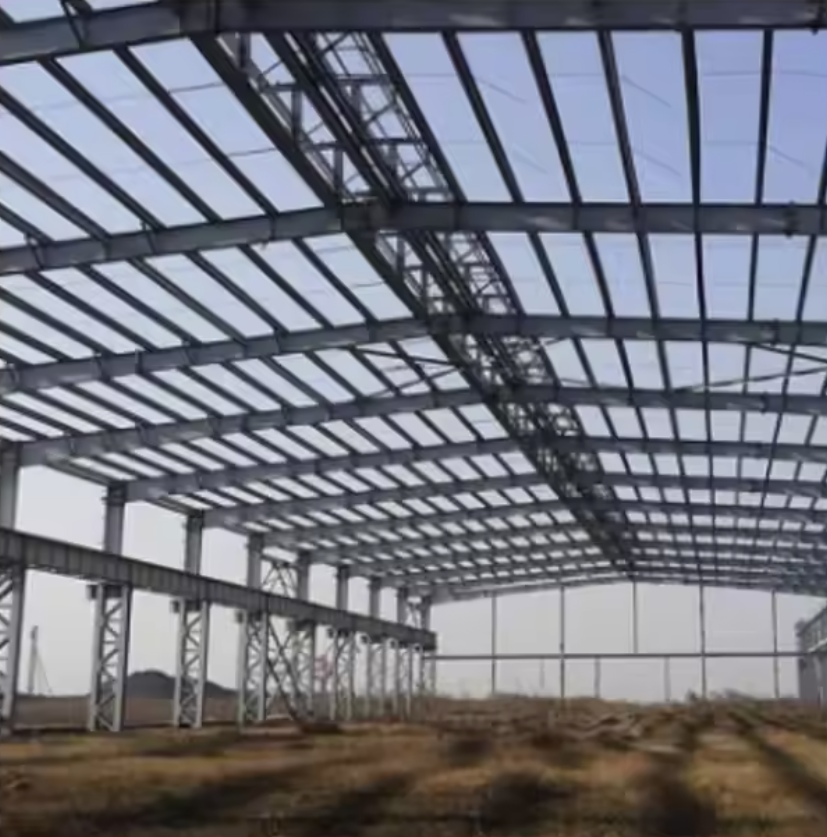
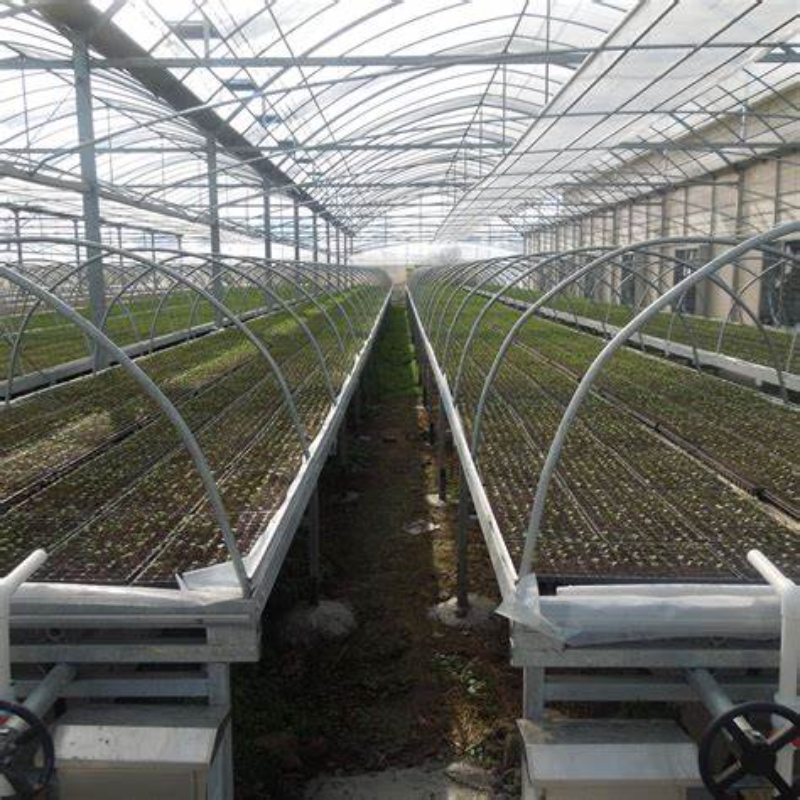
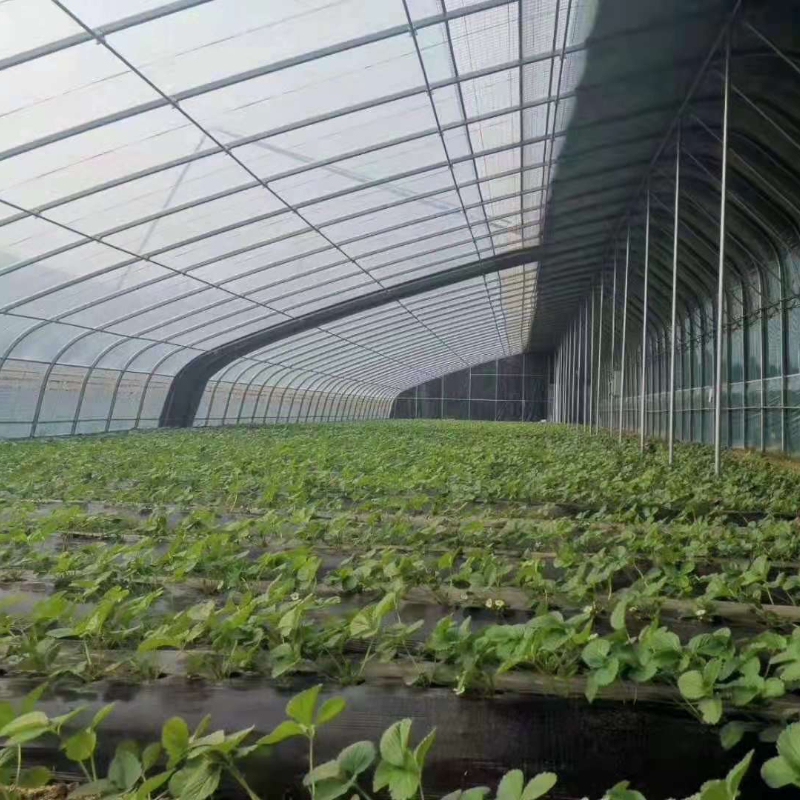
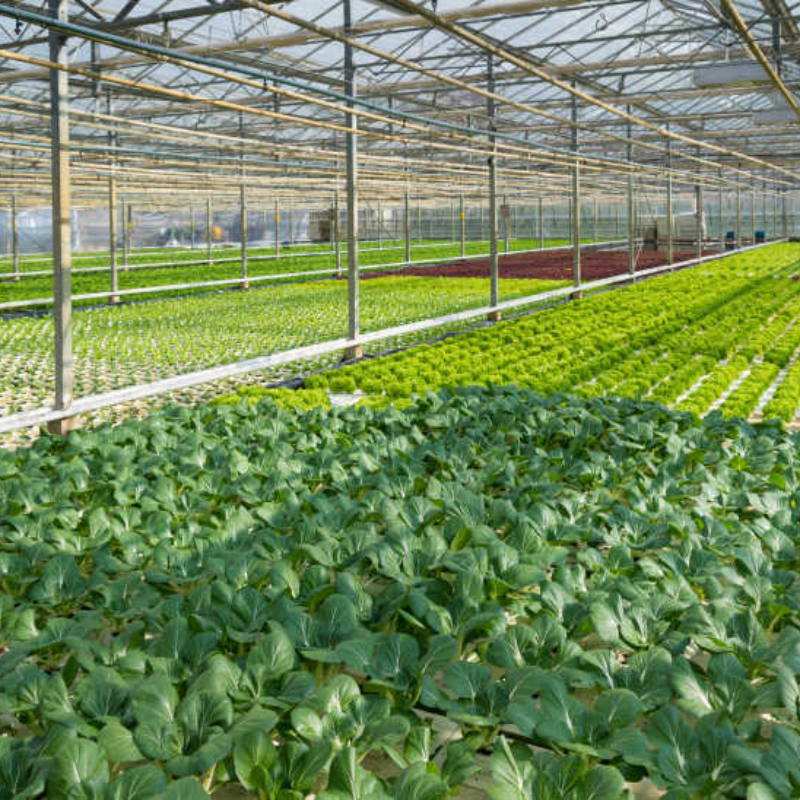
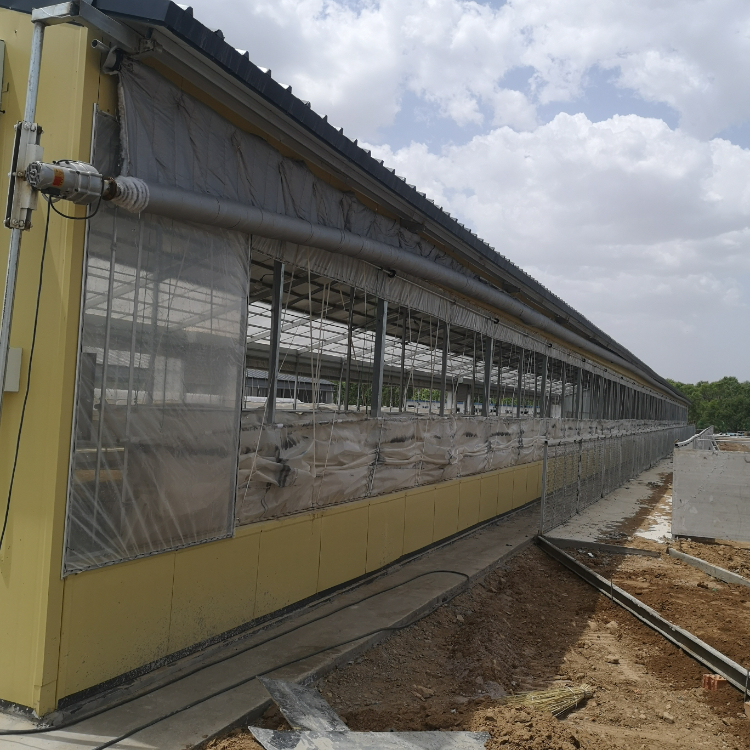
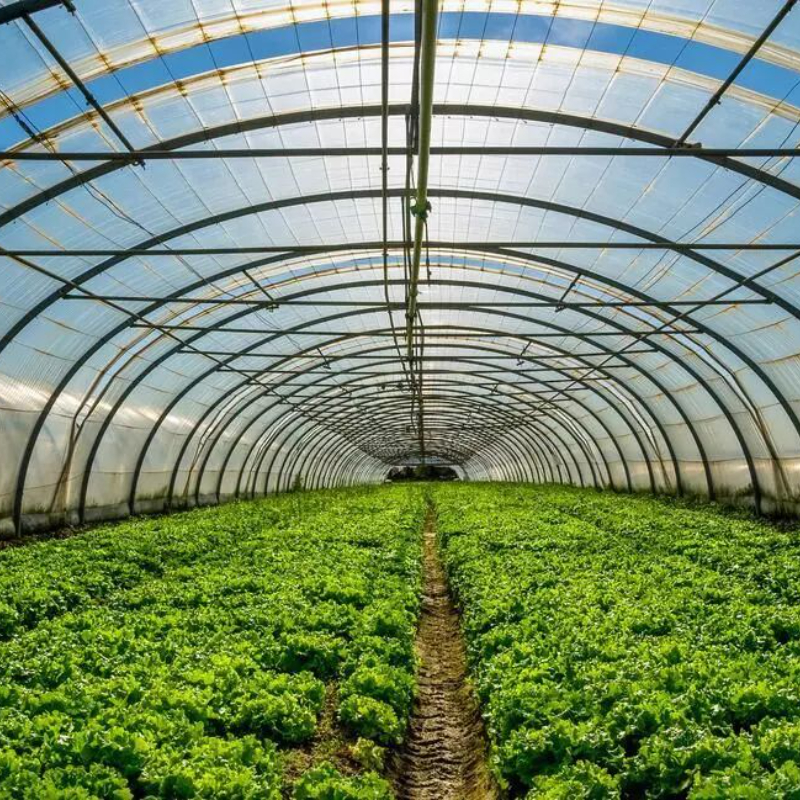
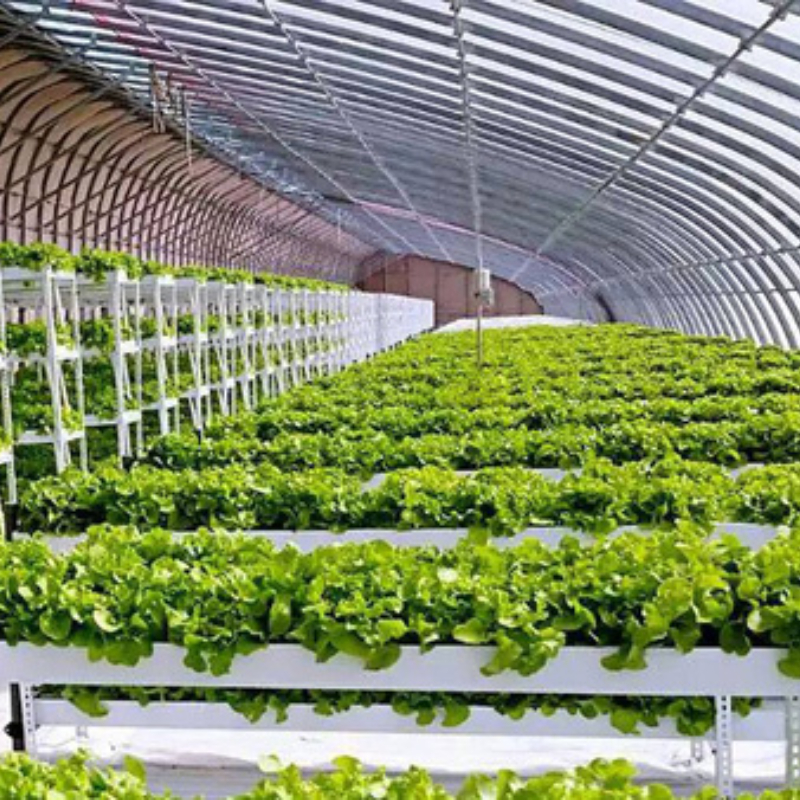
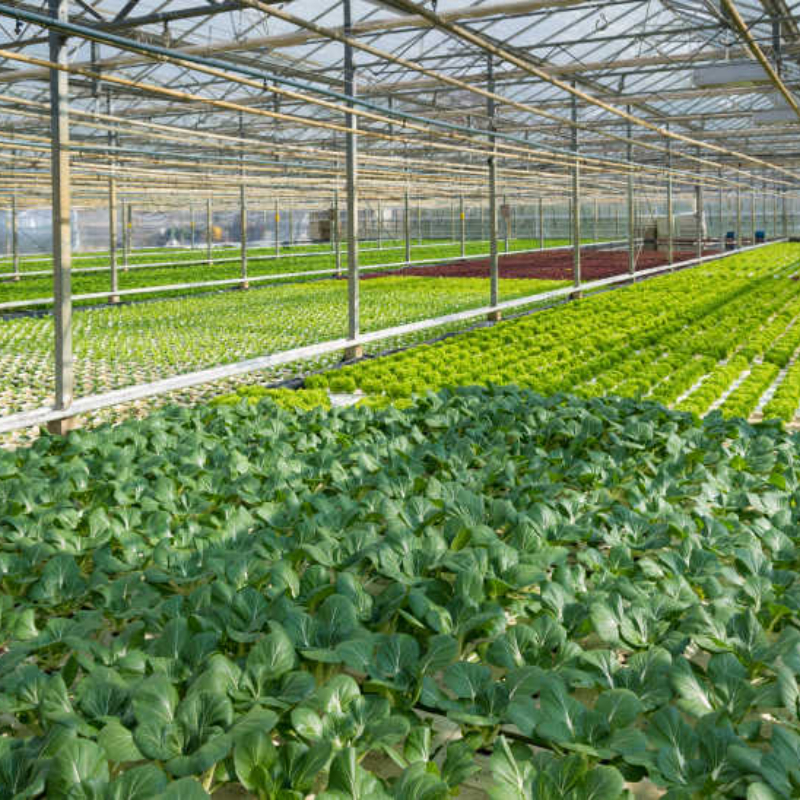
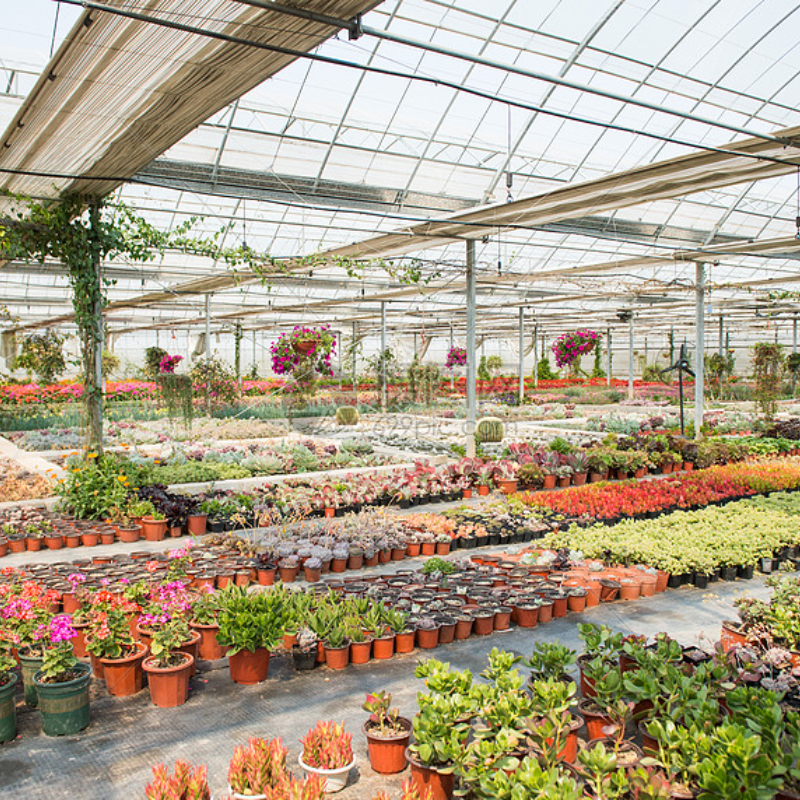
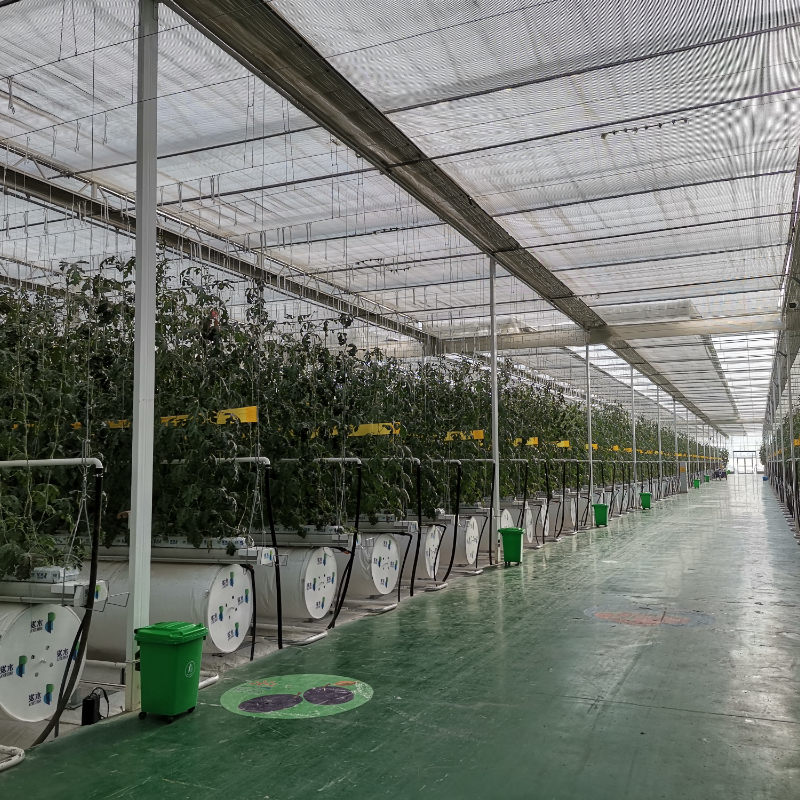
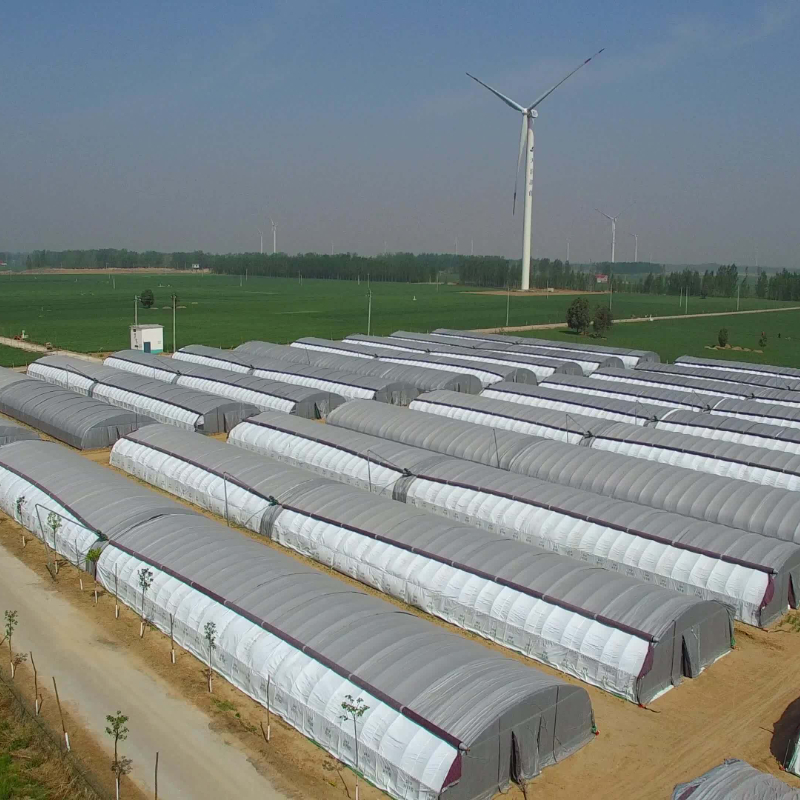
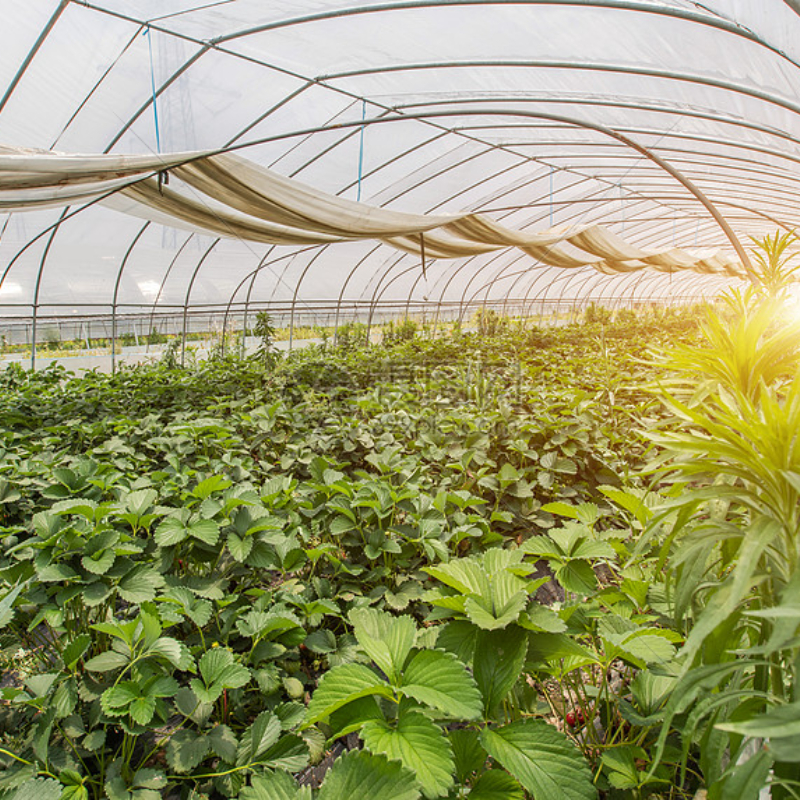
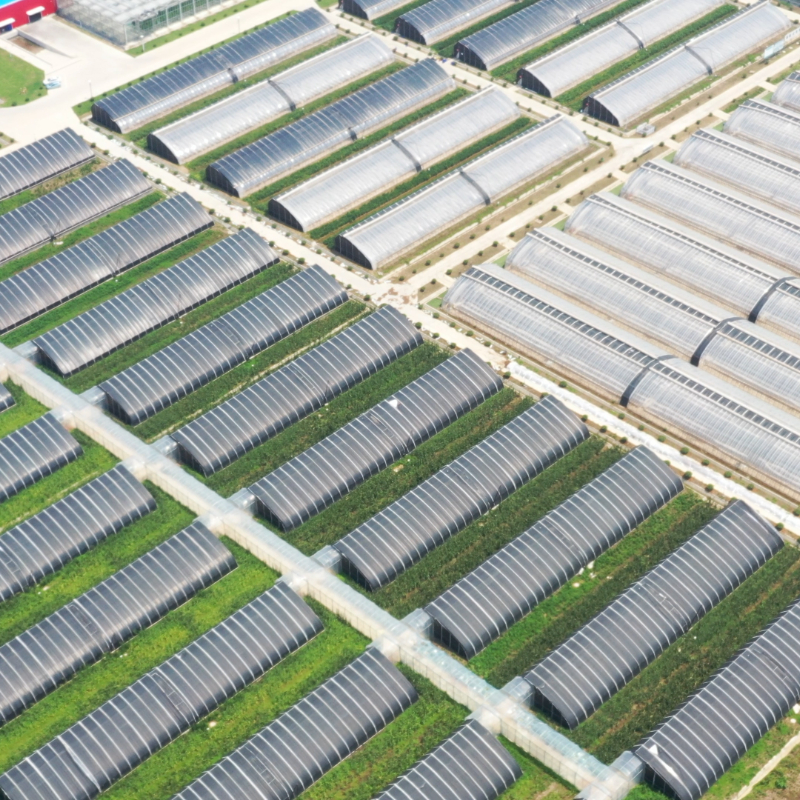
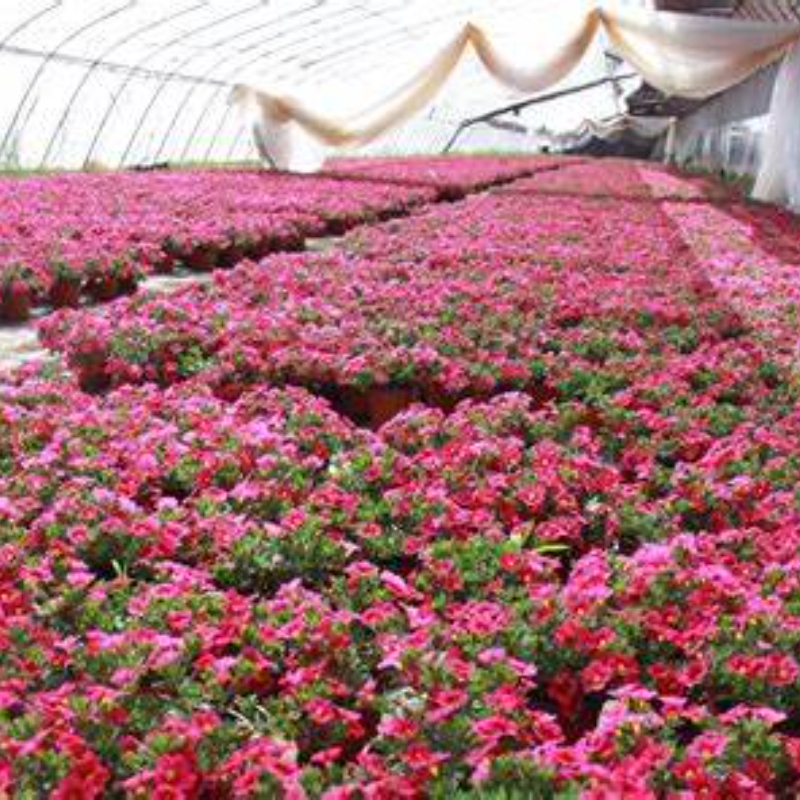
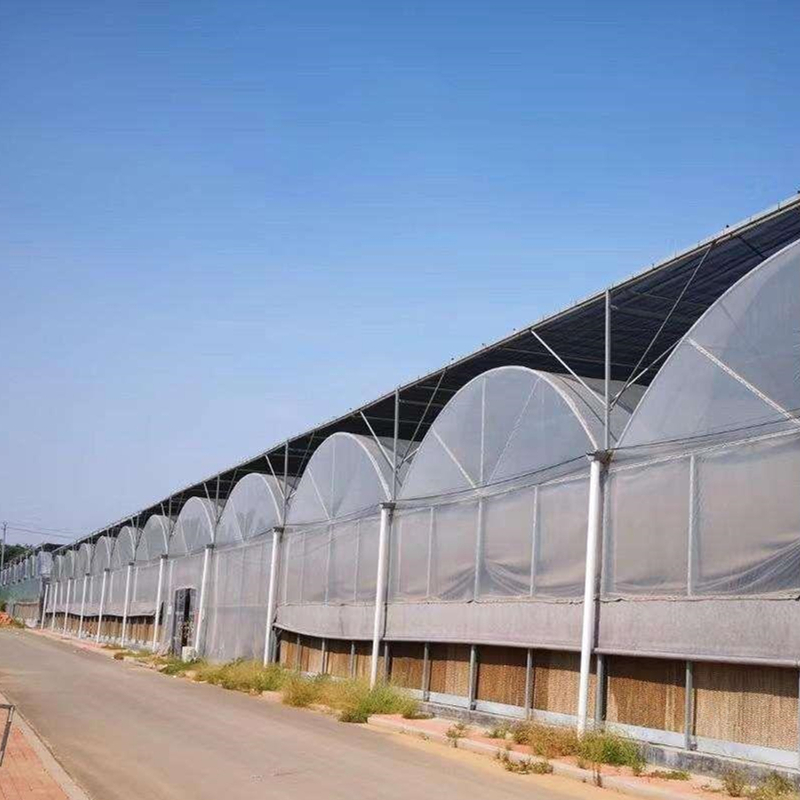
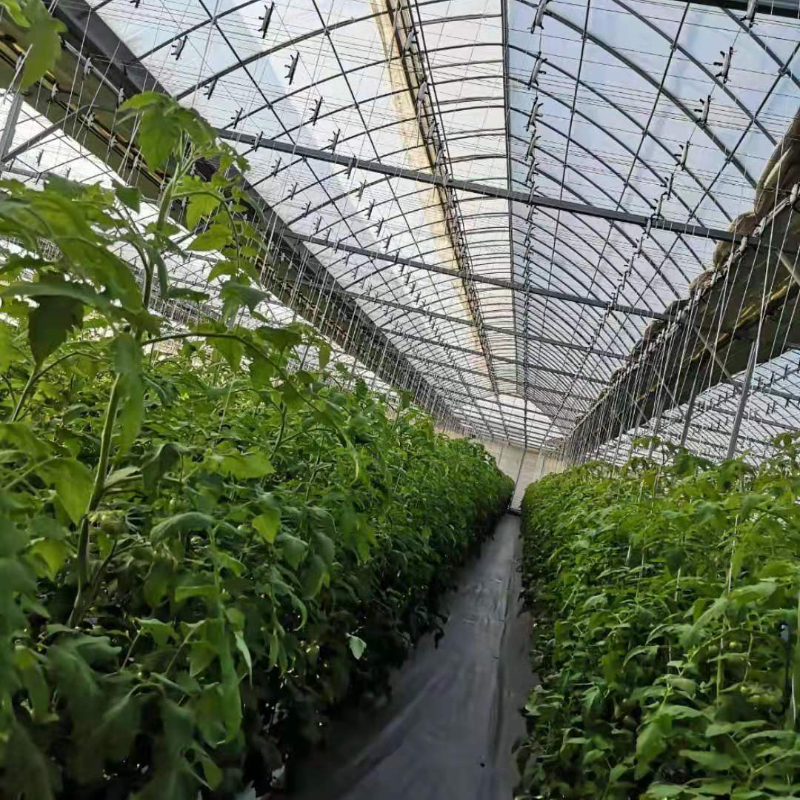
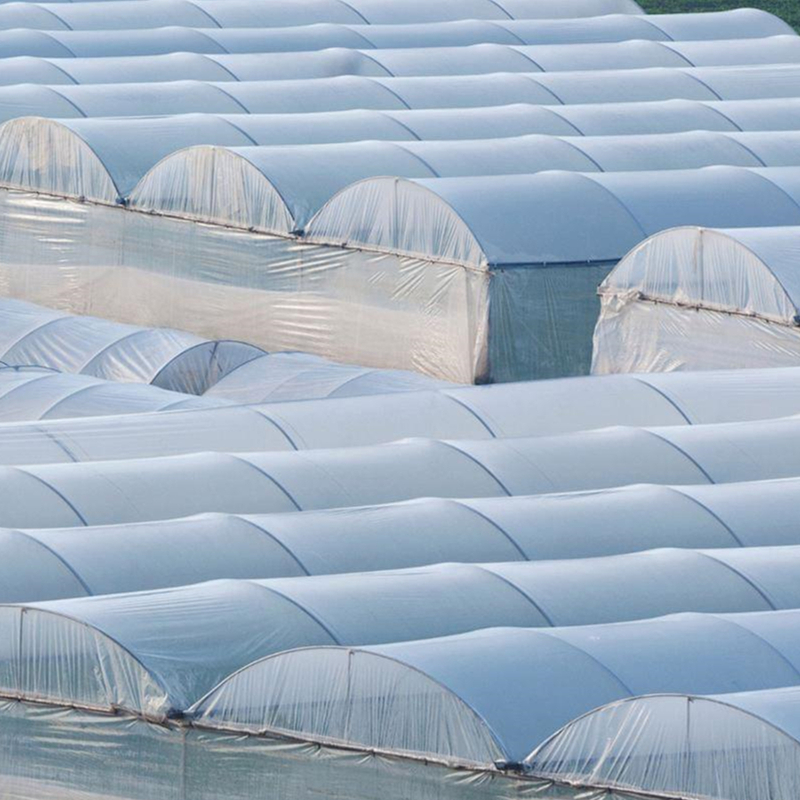
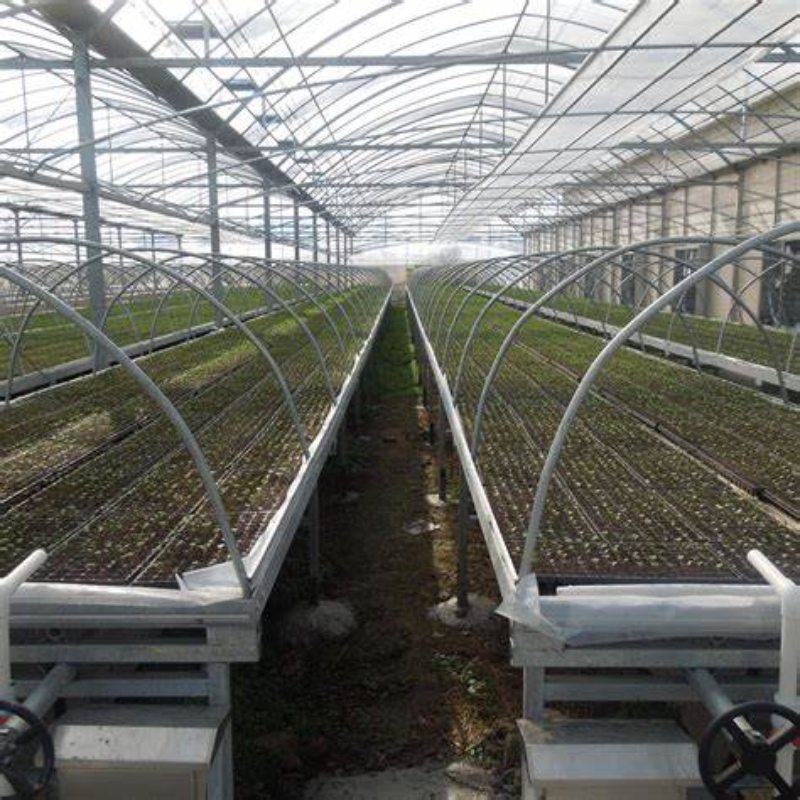
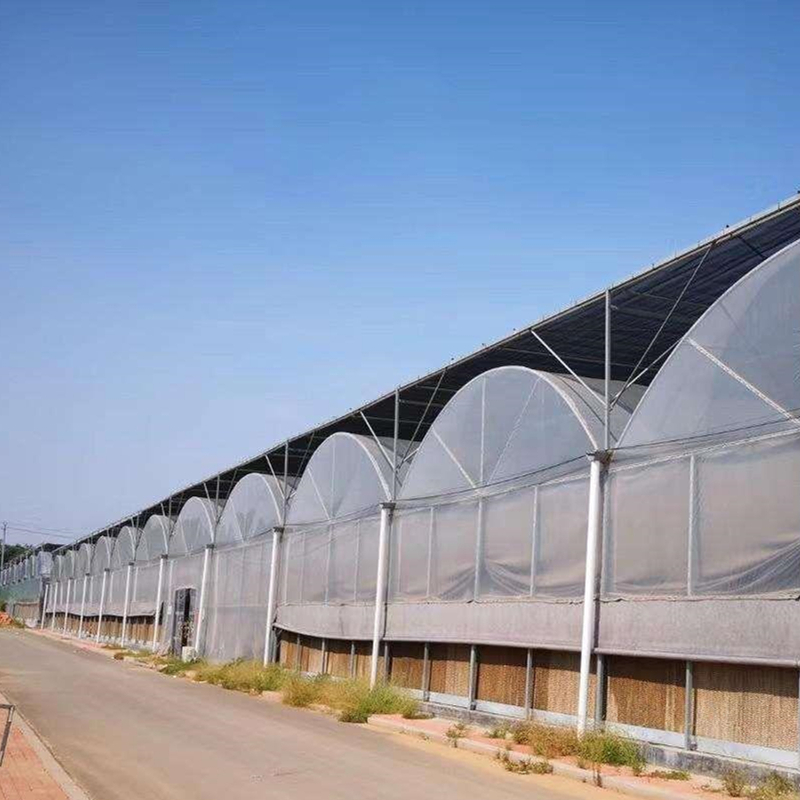
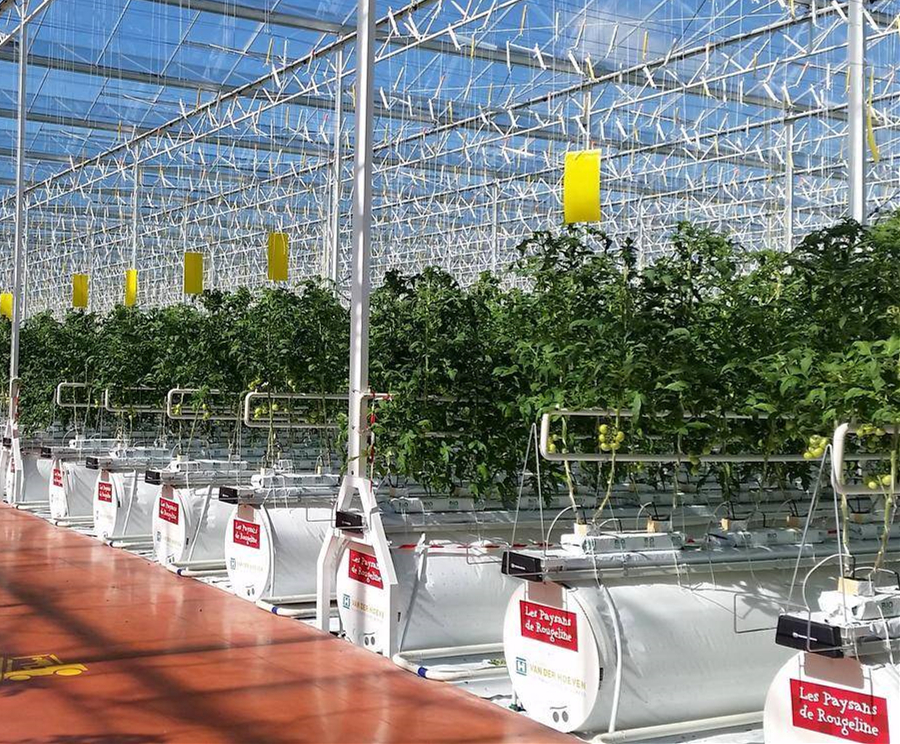
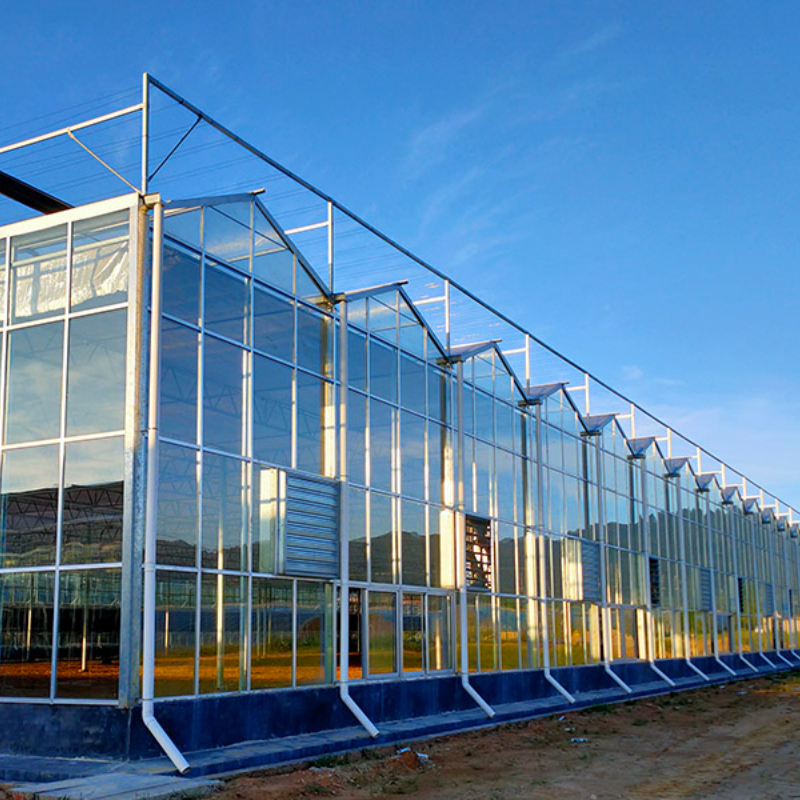
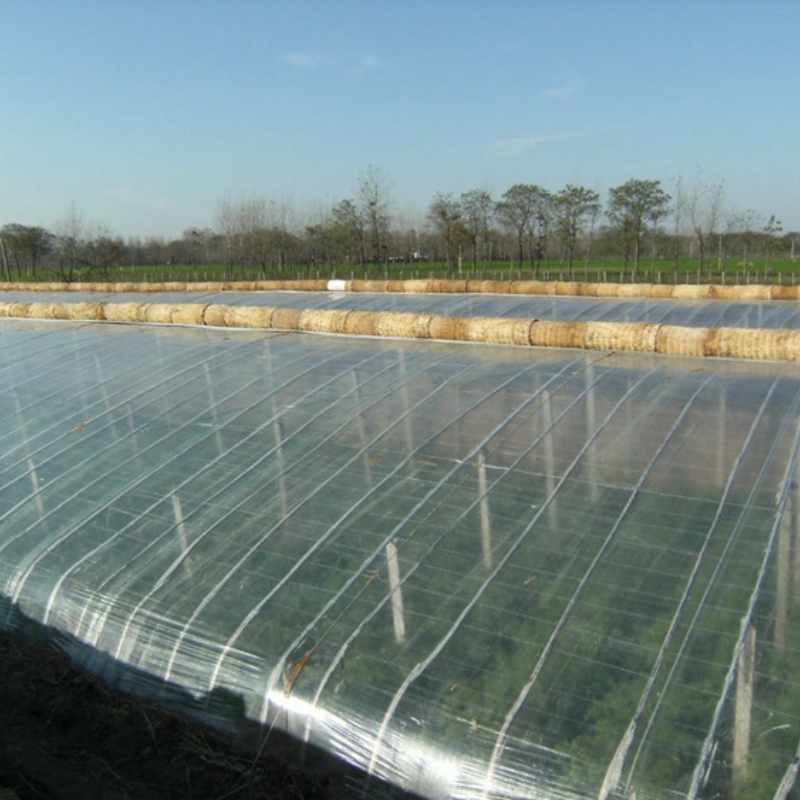
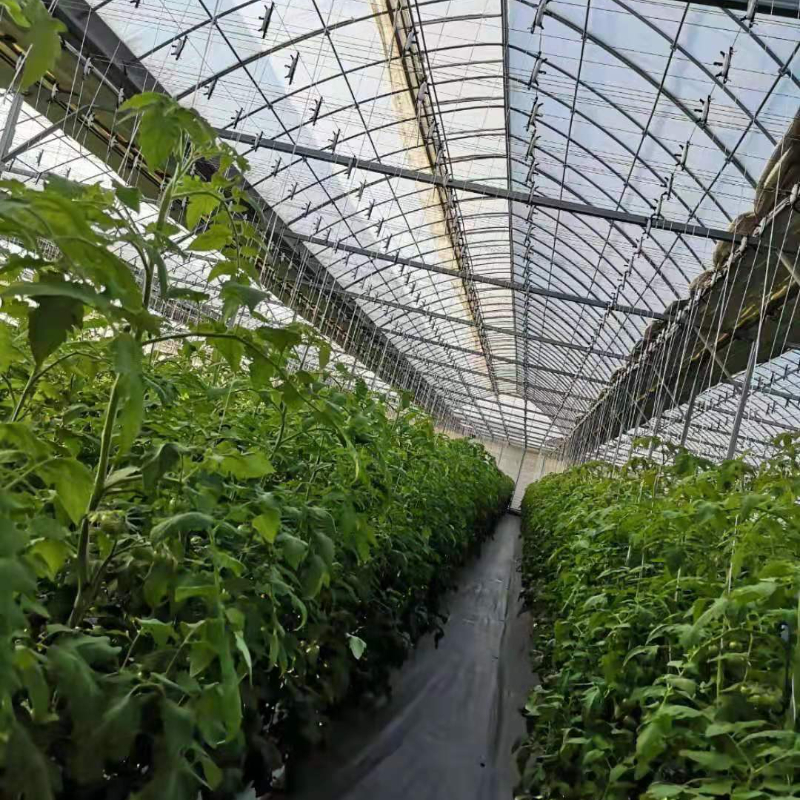
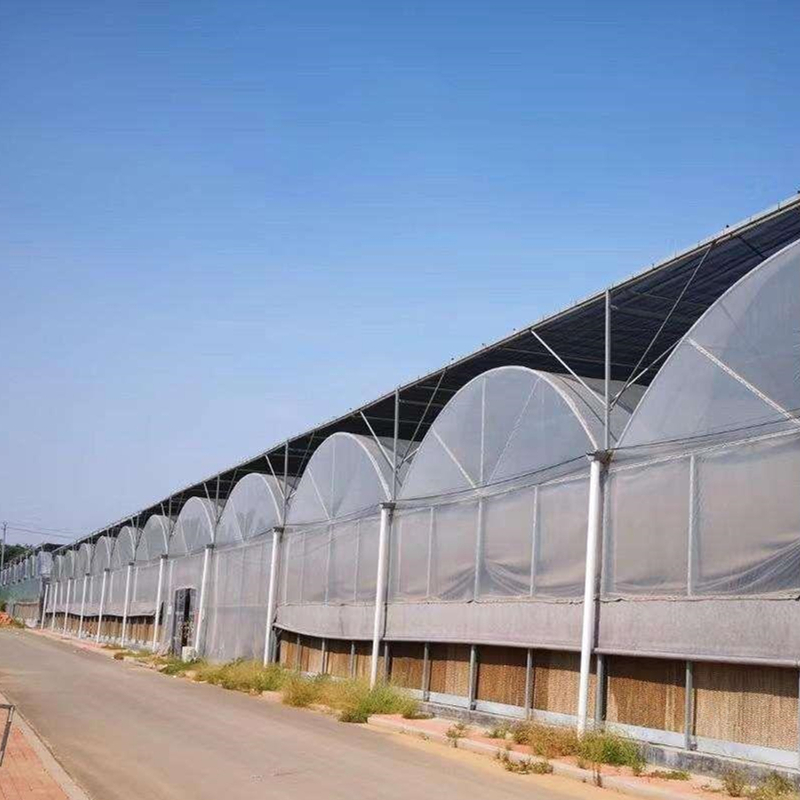
Agricultural glass greenhouses offer numerous advantages for modern cultivation, making them a popular choice for high-efficiency, year-round farming. Here are the key benefits:
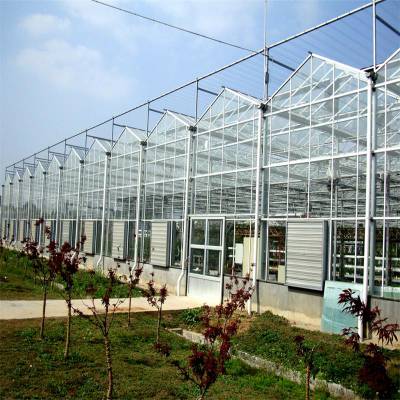
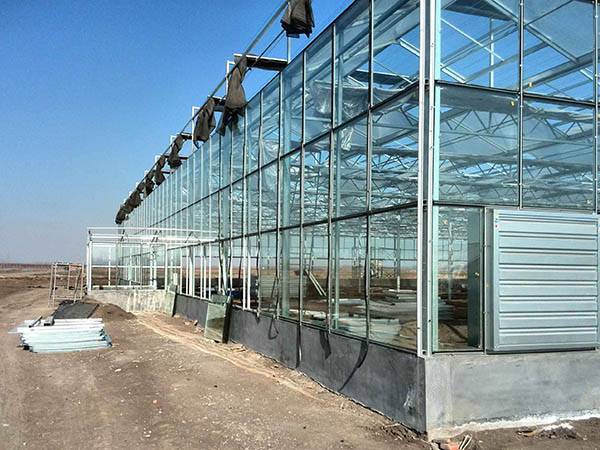
1. Glass greenhouse optimal Light Transmission
Provides excellent light diffusion and transparency, ensuring plants receive ample sunlight for photosynthesis.
High light penetration promotes uniform growth and higher yields compared to plastic or polycarbonate alternatives.
2. Glass greenhouse superior Climate Control
Glass allow precise regulation of temperature, humidity, and ventilation.
Advanced systems (heating, cooling, shading) enable ideal growing conditions regardless of external weather.
3. Glass greenhouse durability & Longevity
Glass is highly resistant to UV degradation, weathering, and chemical damage.
A well-maintained glass greenhouse can last decades, outperforming plastic structures that degrade over time.
4. Glass greenhouse enhanced Pest & Disease Management
The sealed environment reduces exposure to pests, fungi, and soil-borne diseases.
Integrated pest management (IPM) and sterile hydroponic systems further minimize risks.
5. Glass greenhouse year-Round Production
Enables cultivation in all seasons, including winter, by maintaining stable temperatures.
Extends growing cycles and allows for off-season premium pricing of crops.
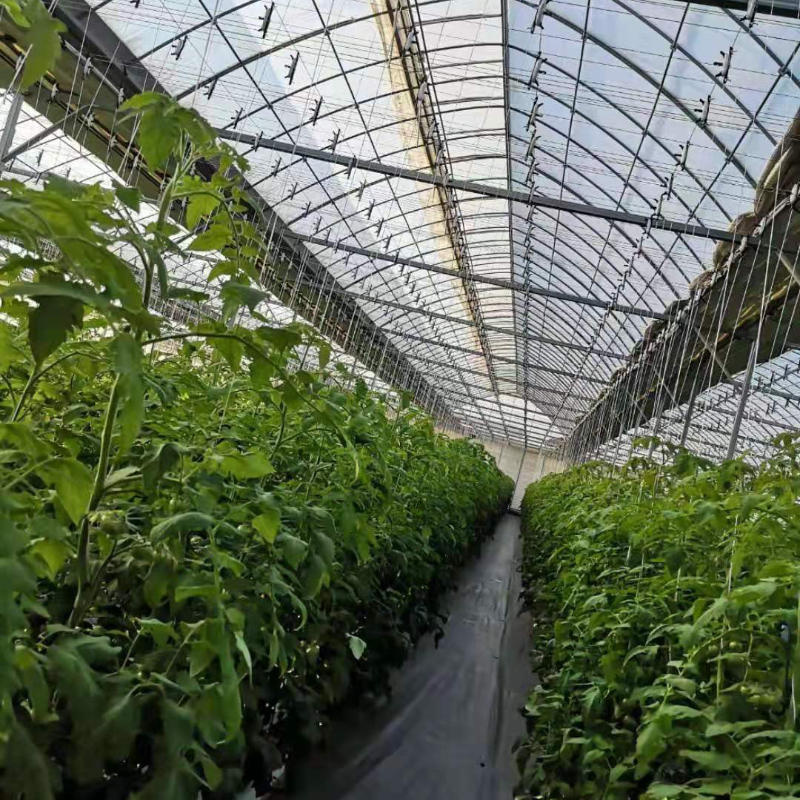
6. Glass greenhouse higher Crop Quality & Yield
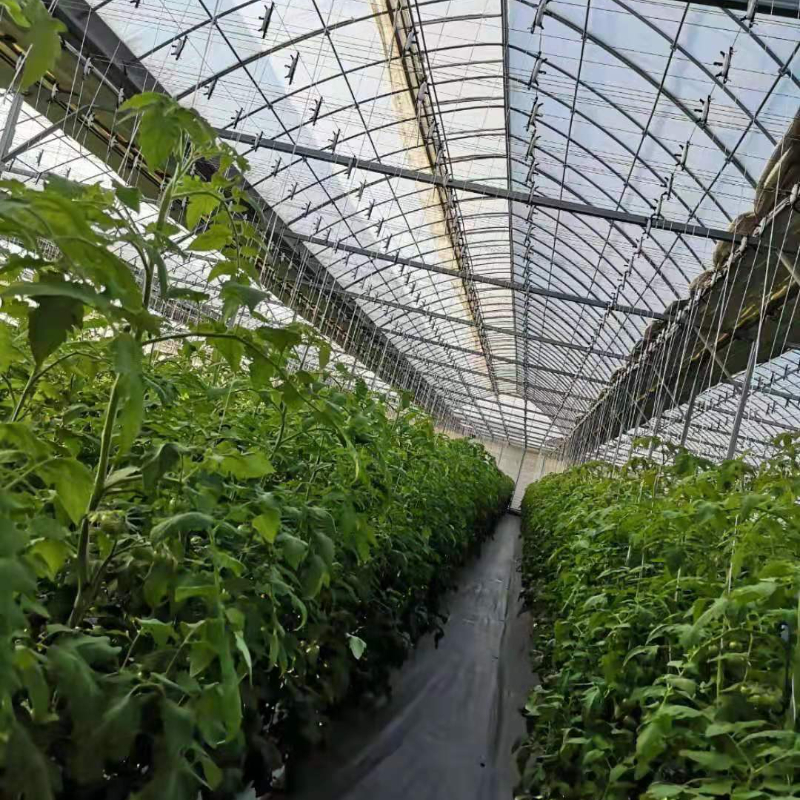
Controlled conditions lead to consistent, high-quality produce with fewer blemishes.
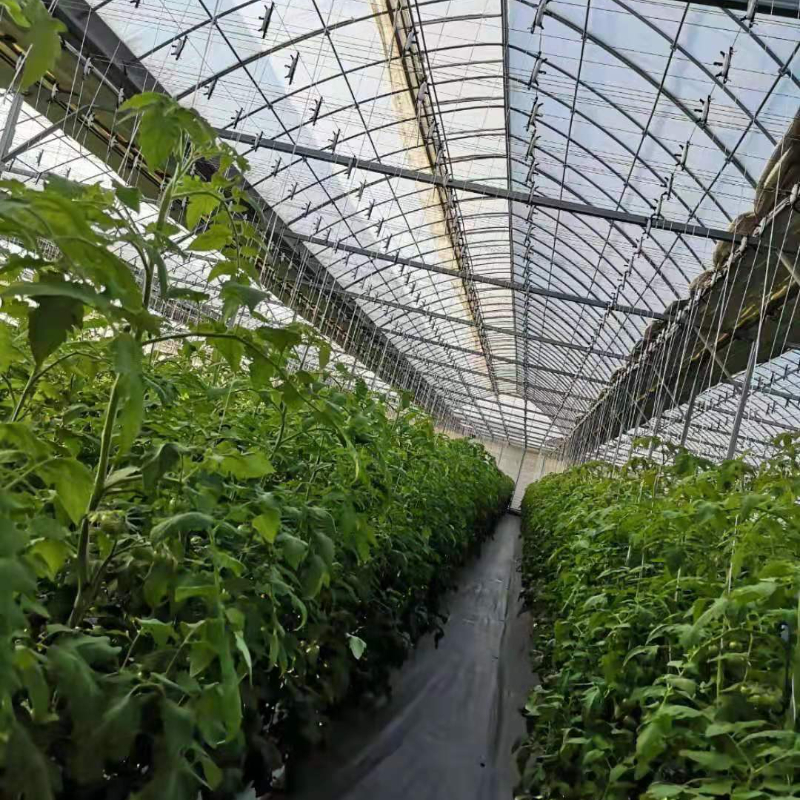
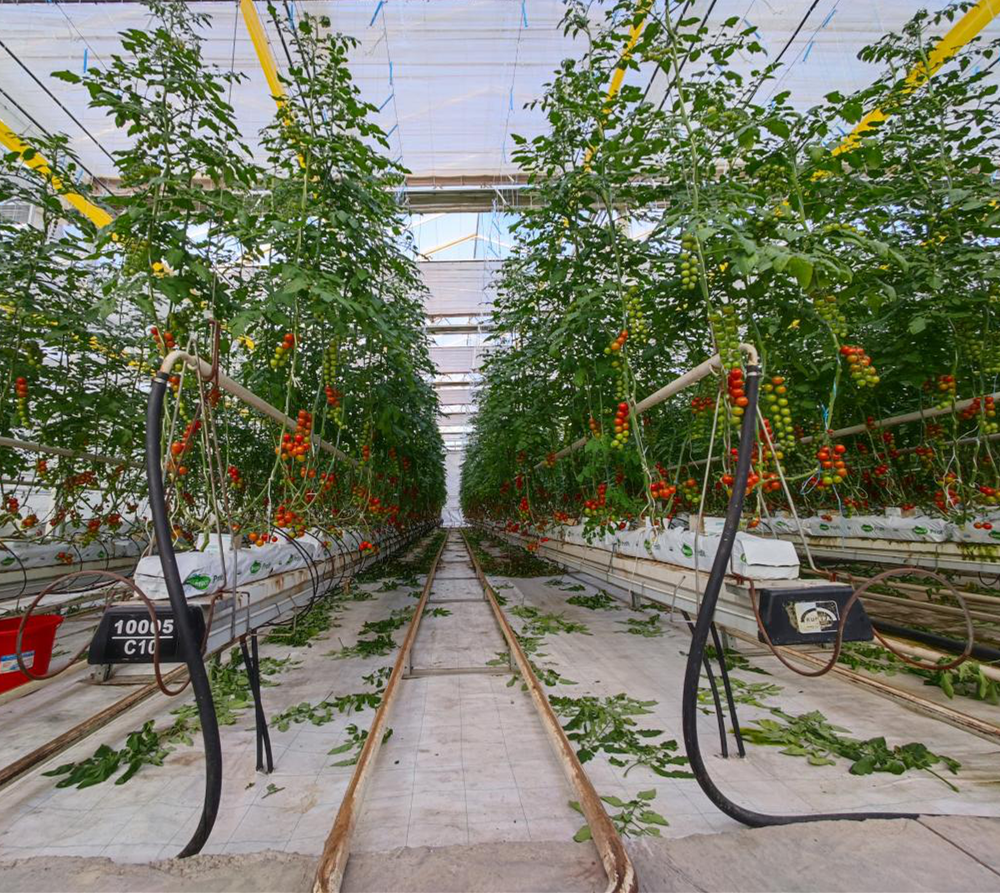
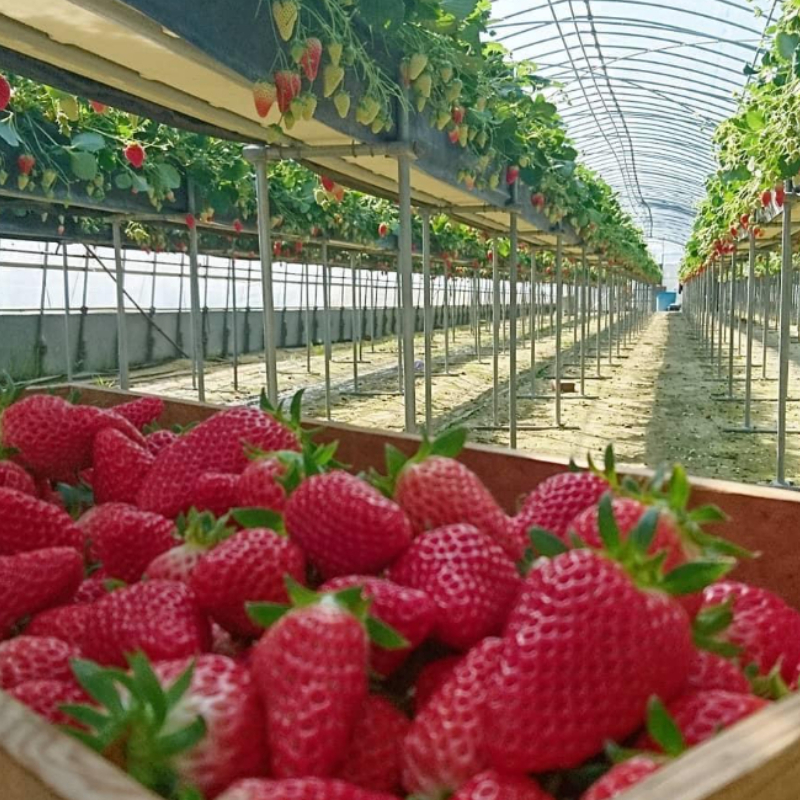
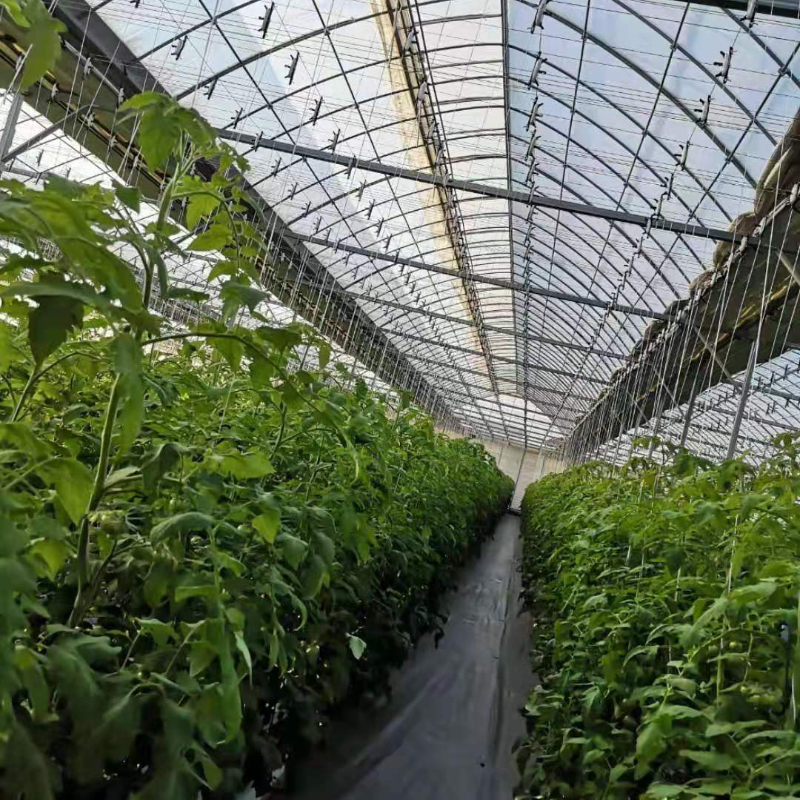
Ideal for high-value crops like tomatoes, cucumbers, berries, and flowers.
7. Glass greenhouse energy Efficiency (When Designed Properly)
Double-glazed or insulated glass reduces heat loss.
Can integrate solar panels, thermal screens, and geothermal systems for sustainability.
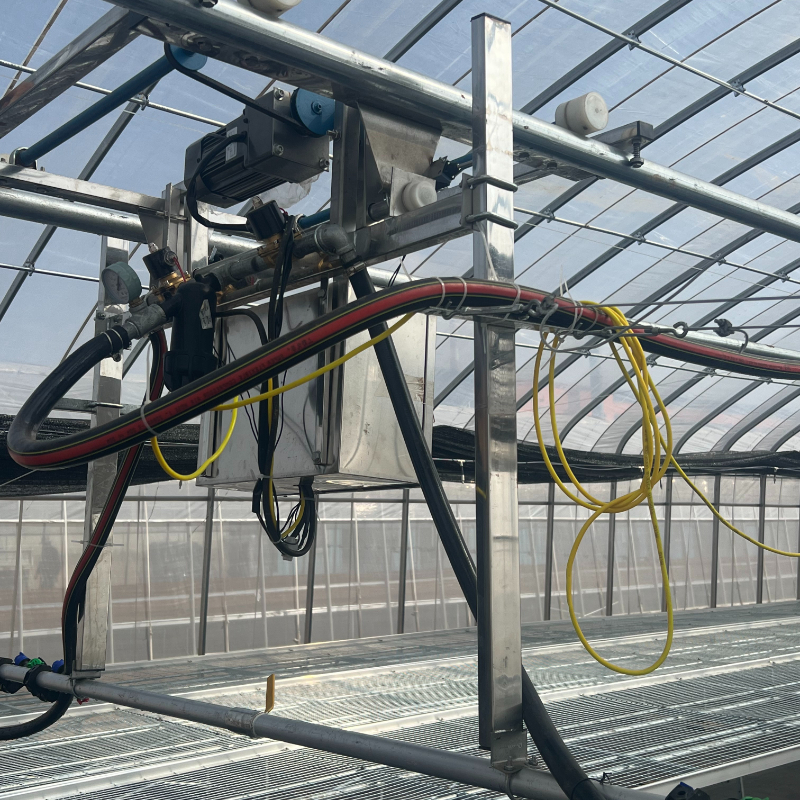
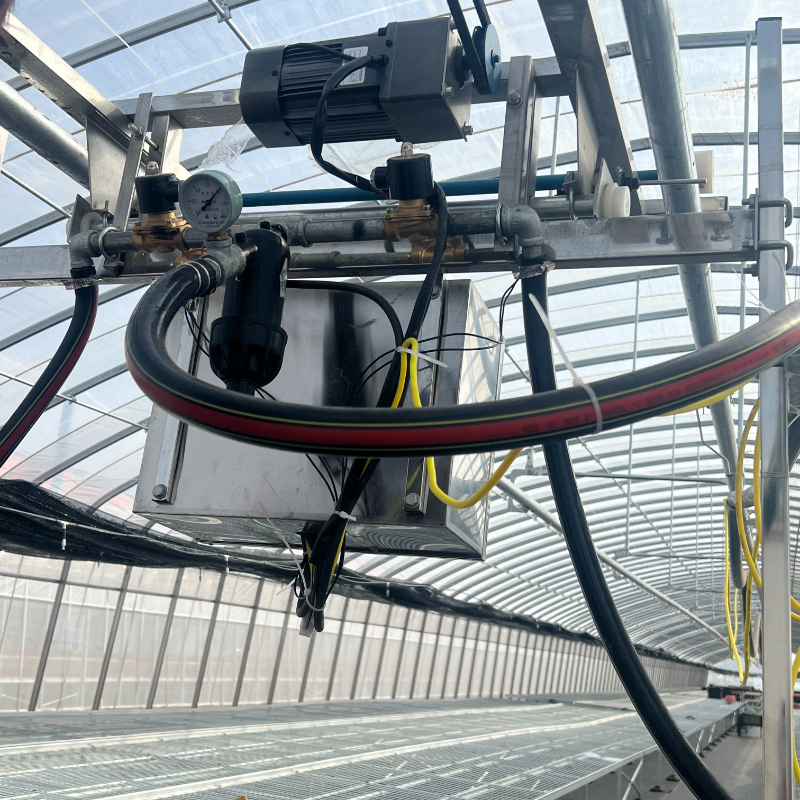
8. Glass greenhouse automation & Technology Integration
Compatible with smart farming tech (IoT sensors, automated irrigation, CO₂ enrichment).
Enables data-driven decisions for optimizing growth conditions.
9. Glass greenhouse aesthetic & Functional Design
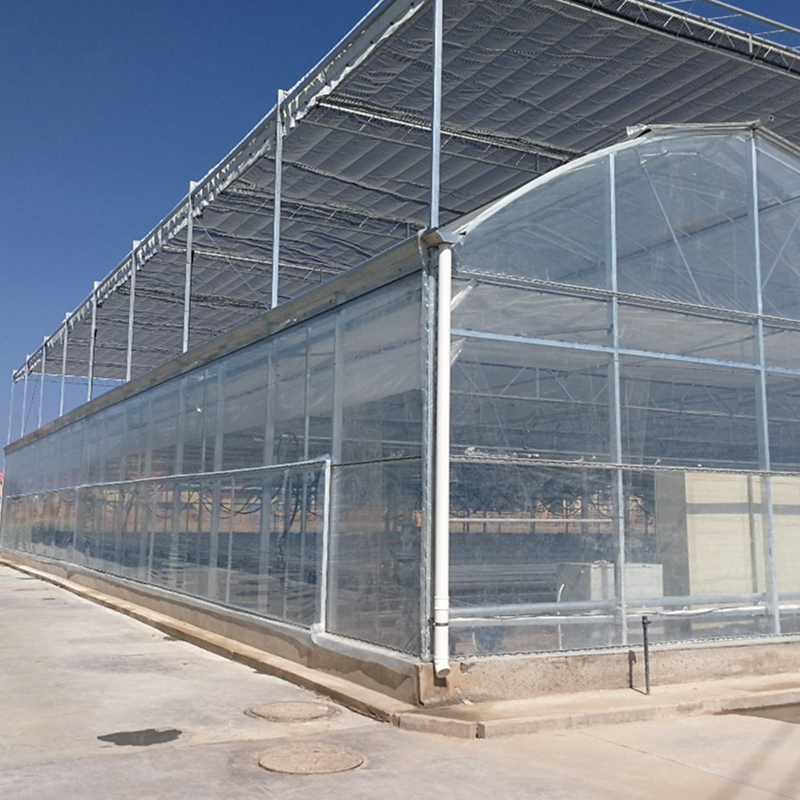
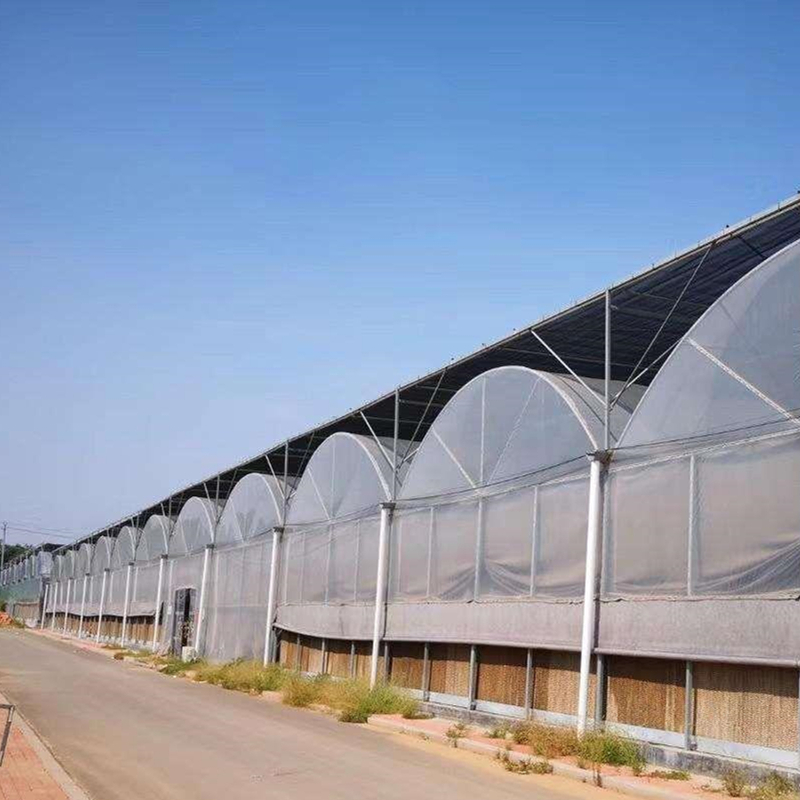
Glass structures are visually appealing and can be tailored for commercial farms, research labs, or urban agriculture.
Allows natural light for worker comfort and plant health.
10. Glass greenhouse higher Resale Value
Glass are considered premium infrastructure, adding long-term value to agricultural property.
Ideal Applications:
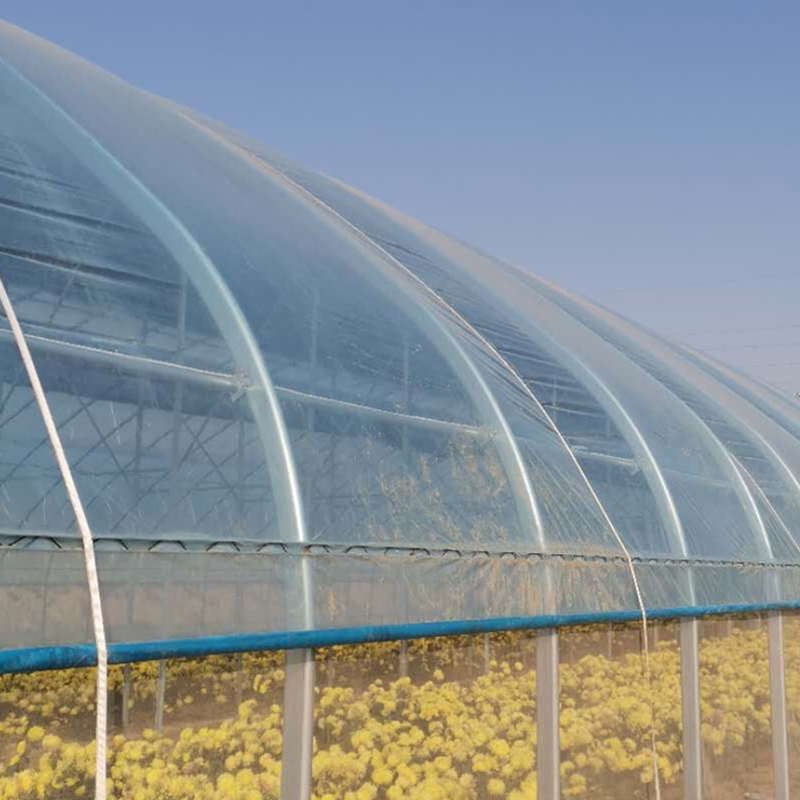
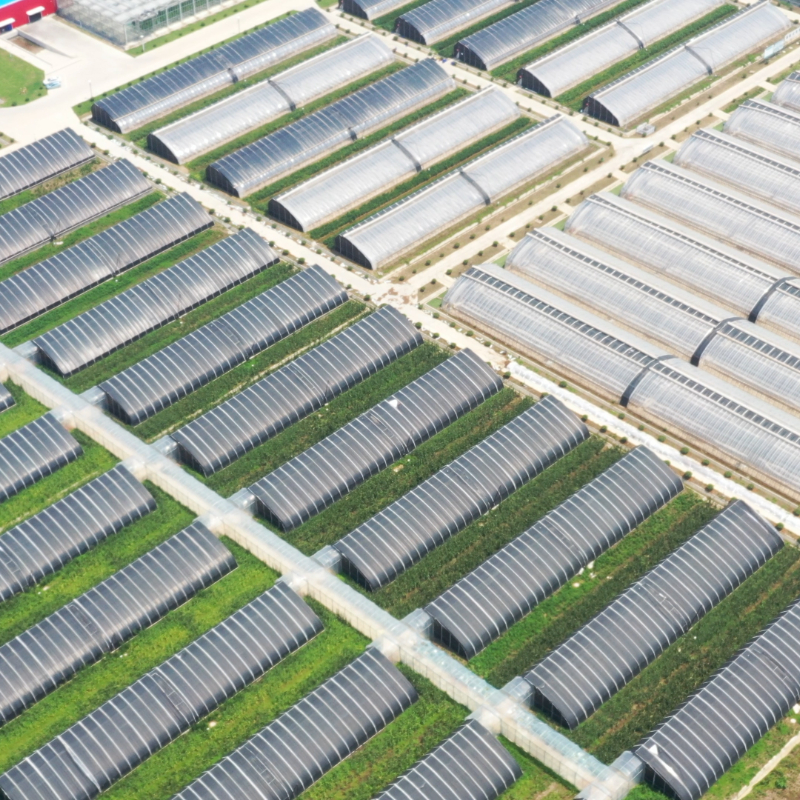
Commercial vegetable/flower production
Research & breeding programs
Urban farming & vertical farming integration
Organic & pesticide-free cultivation
Conclusion:
While glass greenhouses require higher initial investment than plastic tunnels, their durability, efficiency, and productivity make them a profitable long-term solution for modern, high-tech agriculture.
