
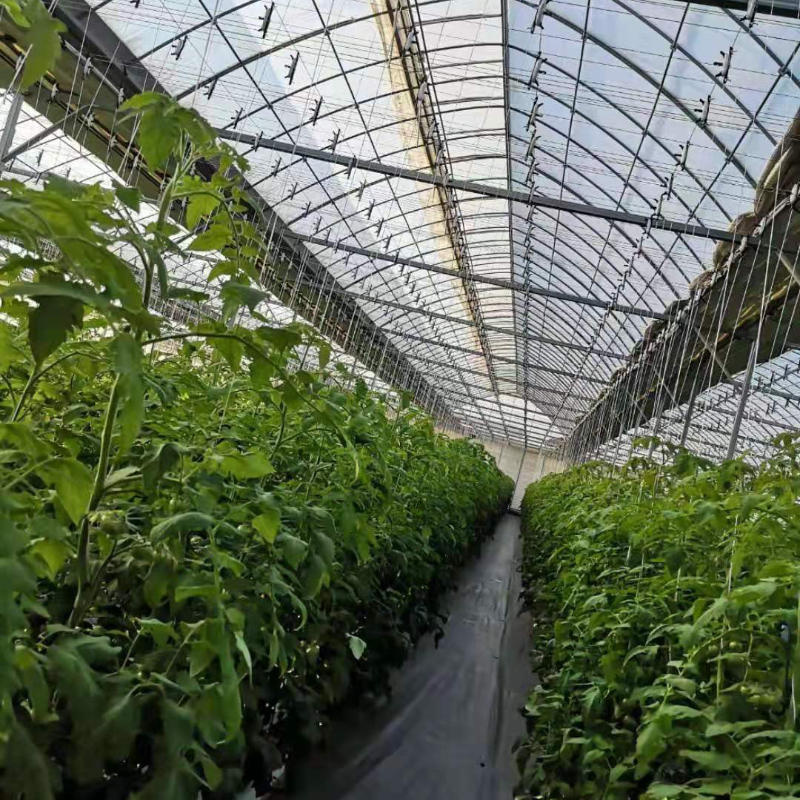
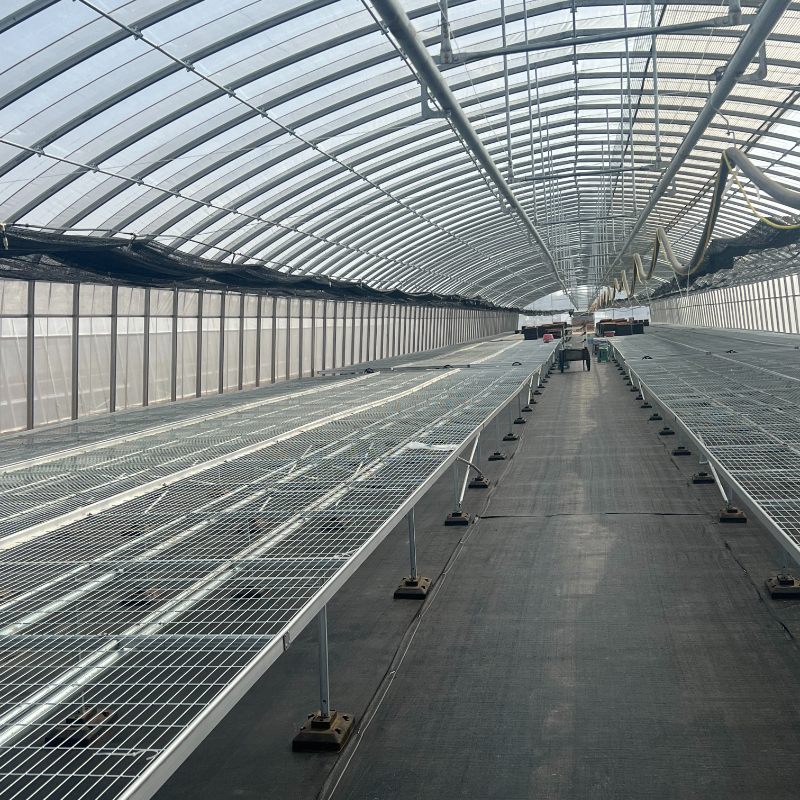
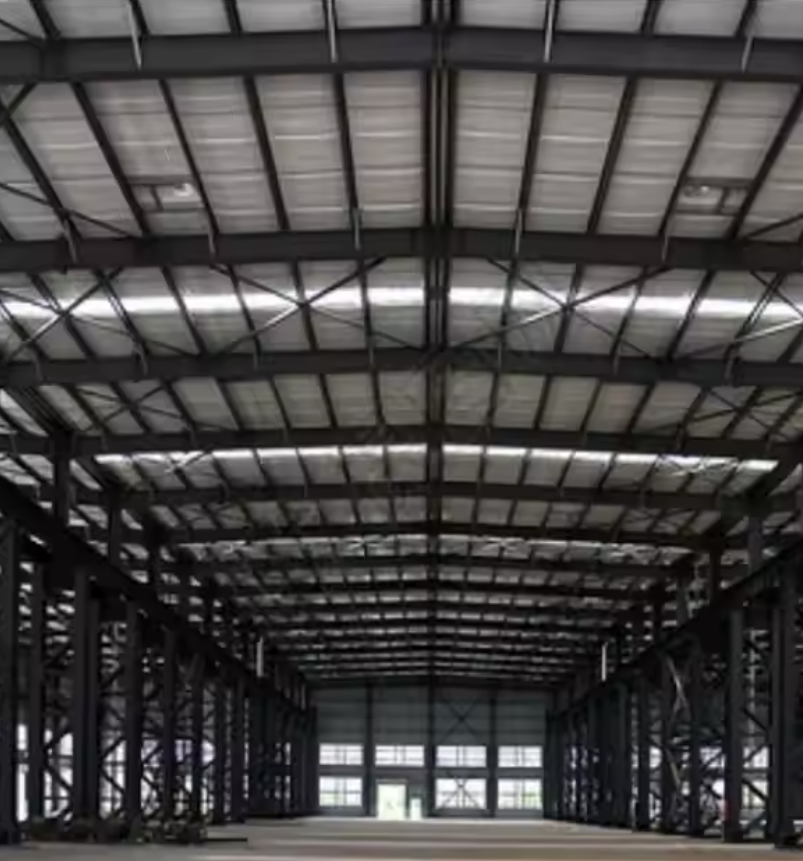
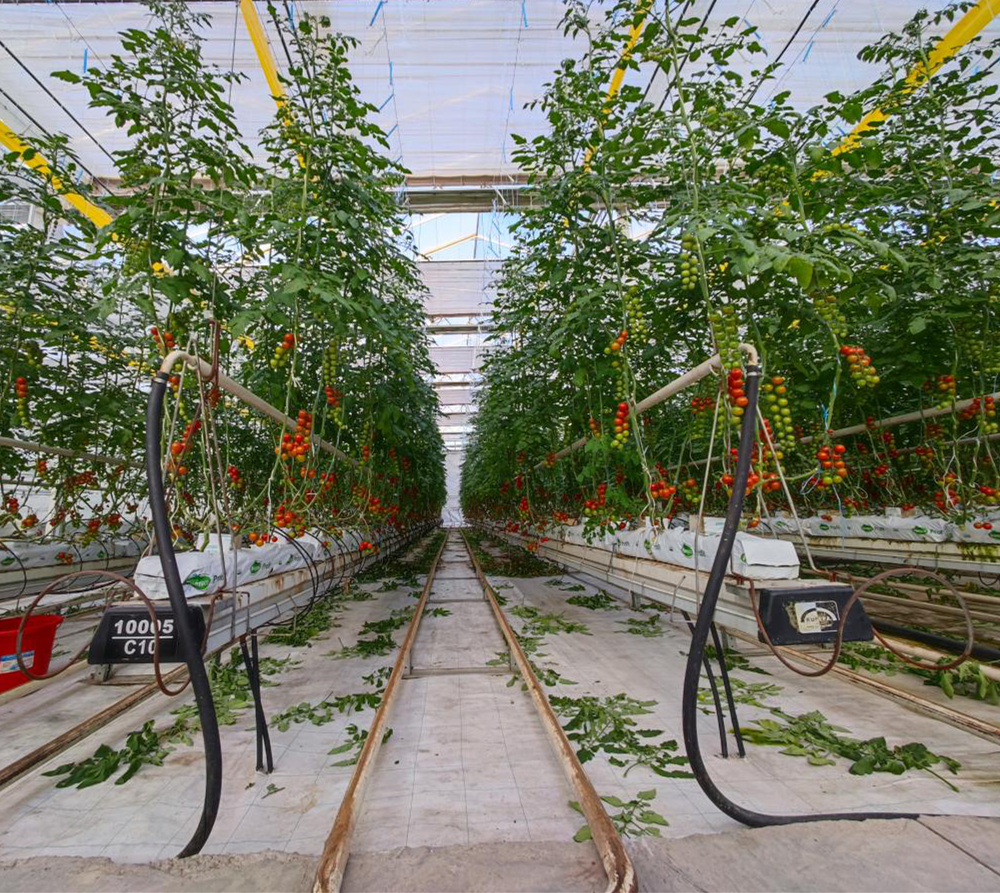
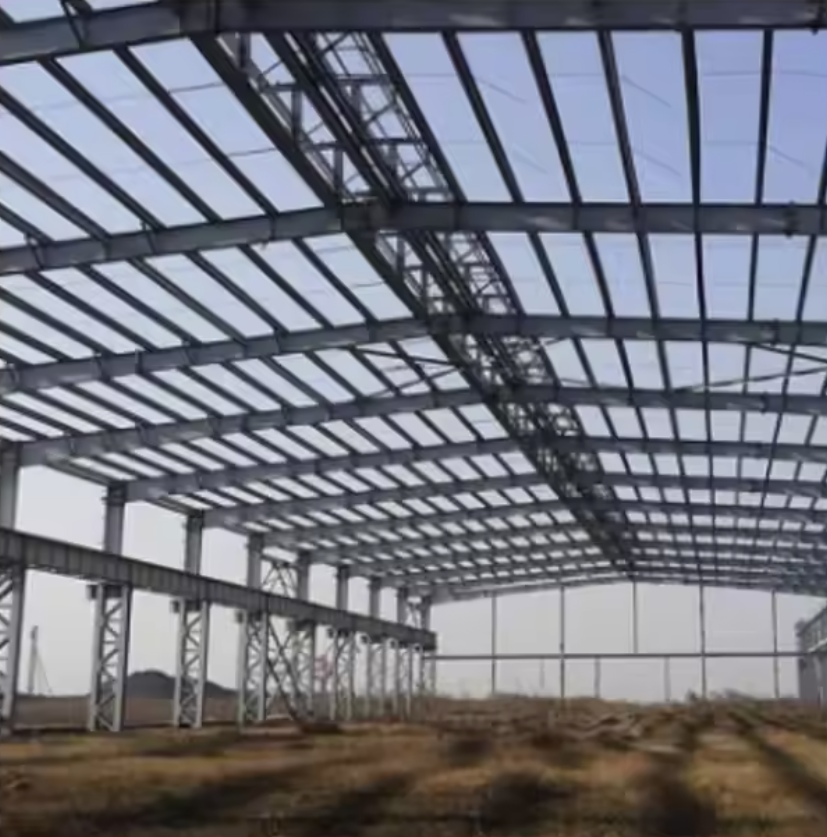
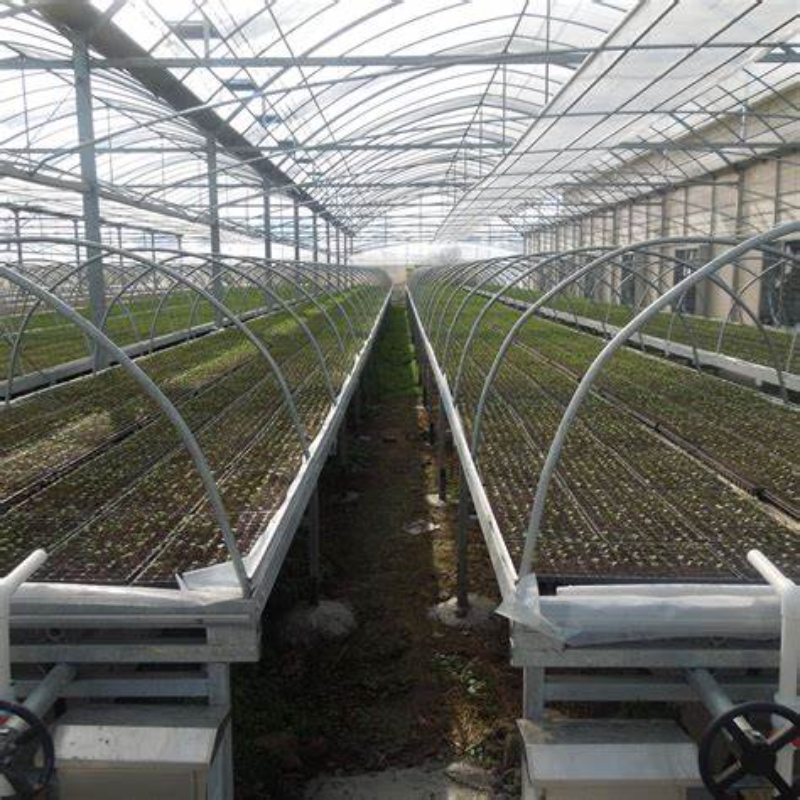
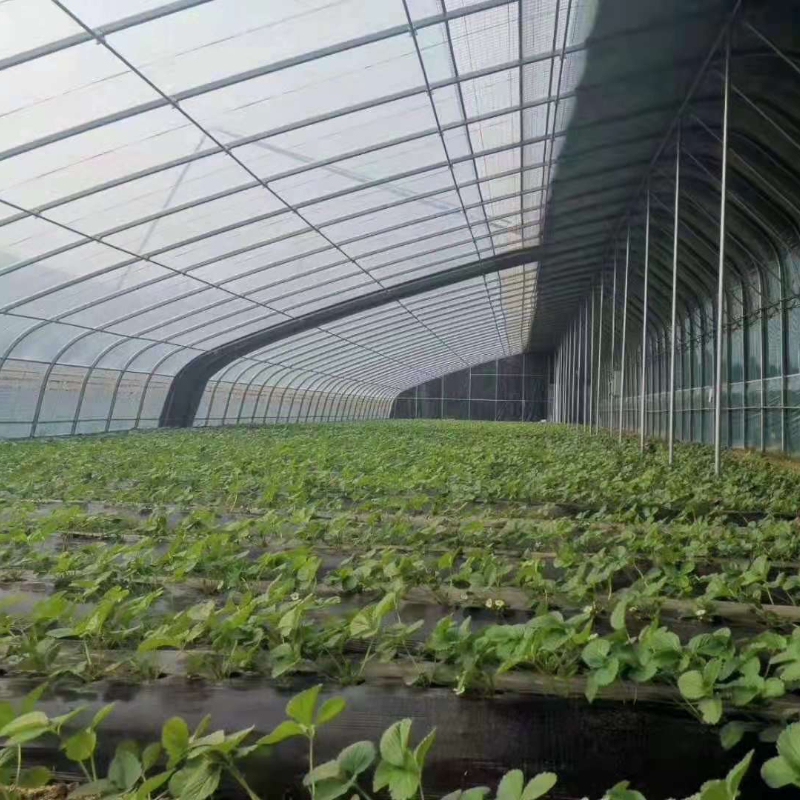
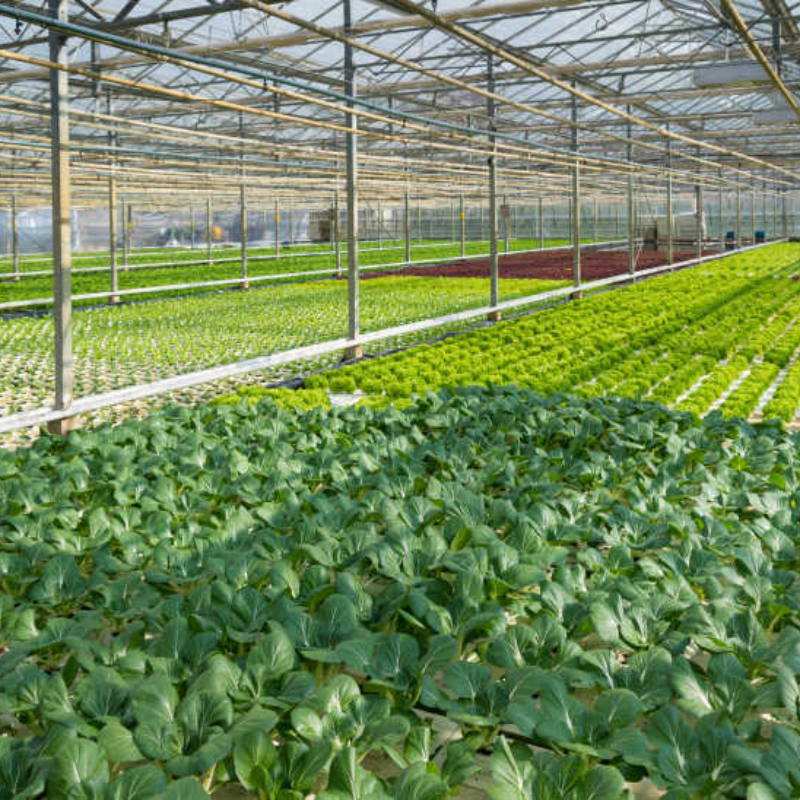
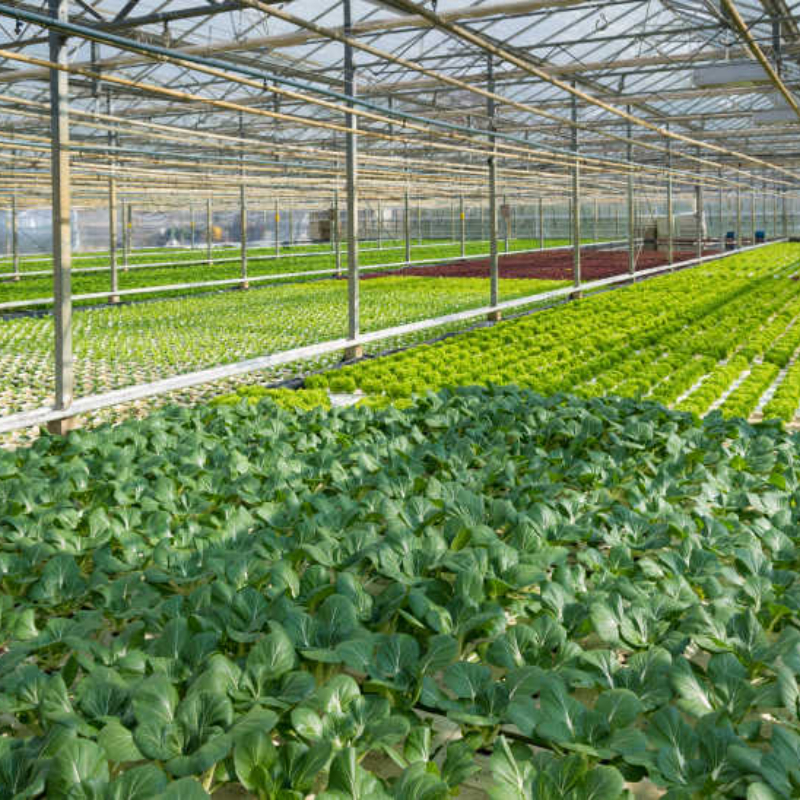
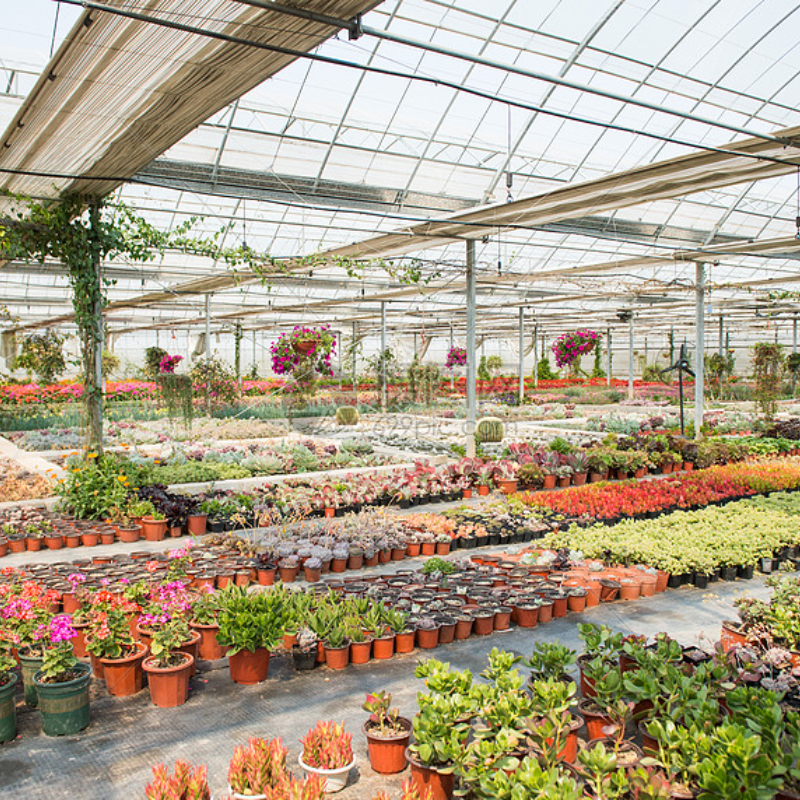
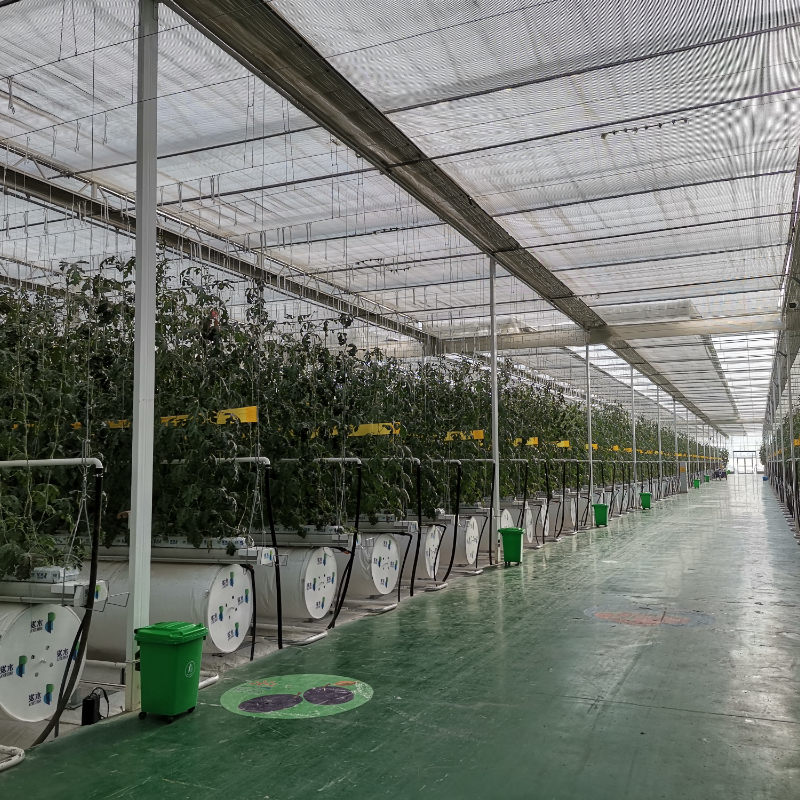
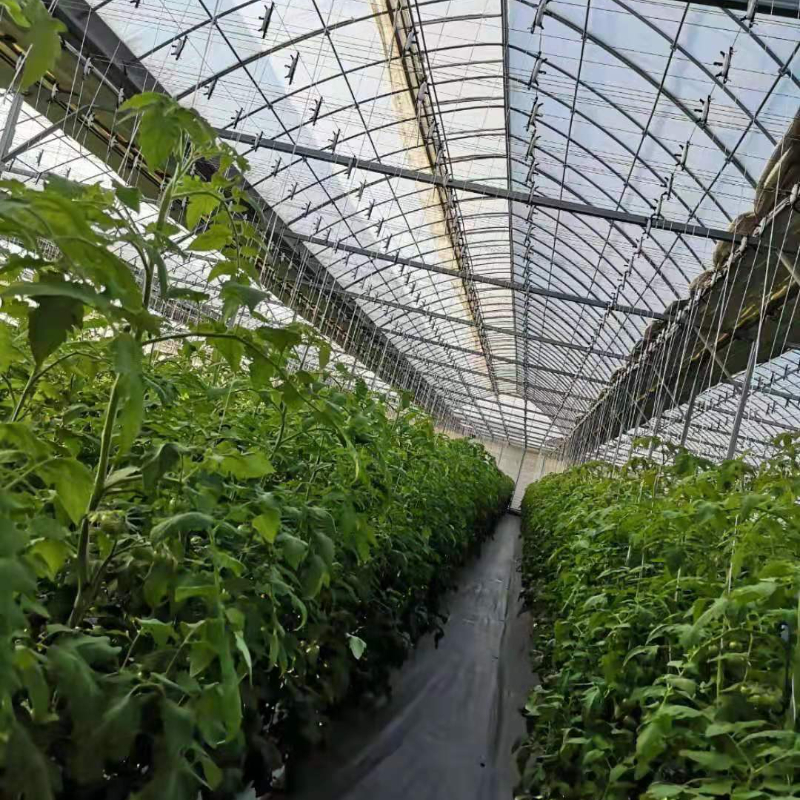
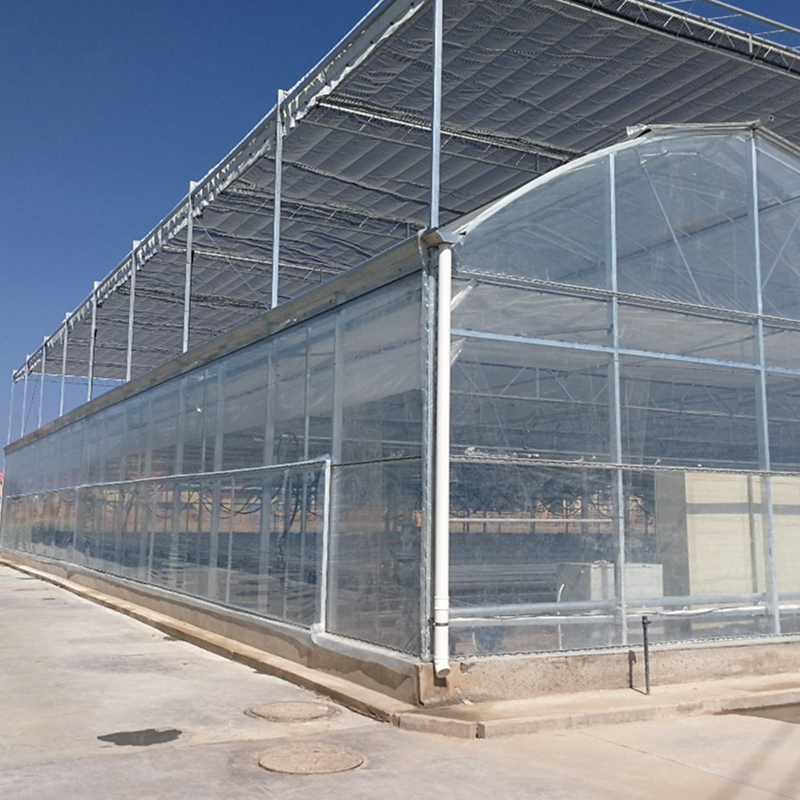
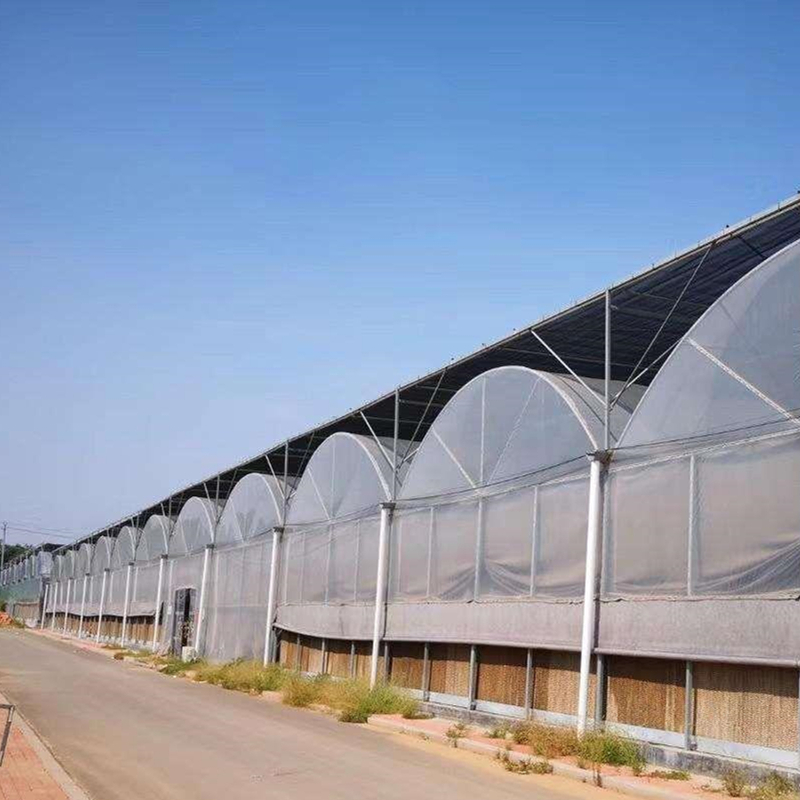
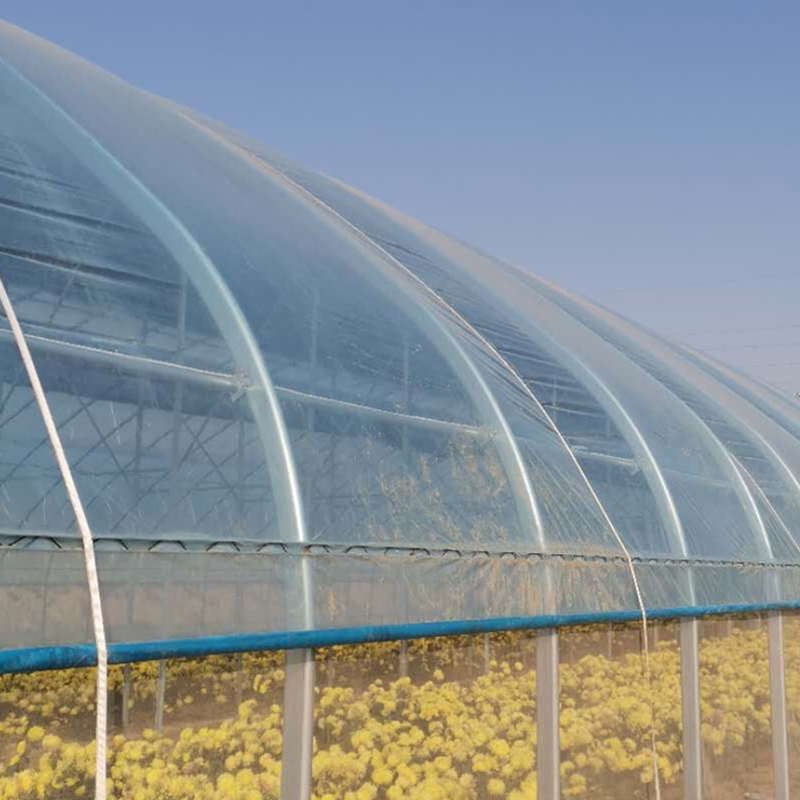
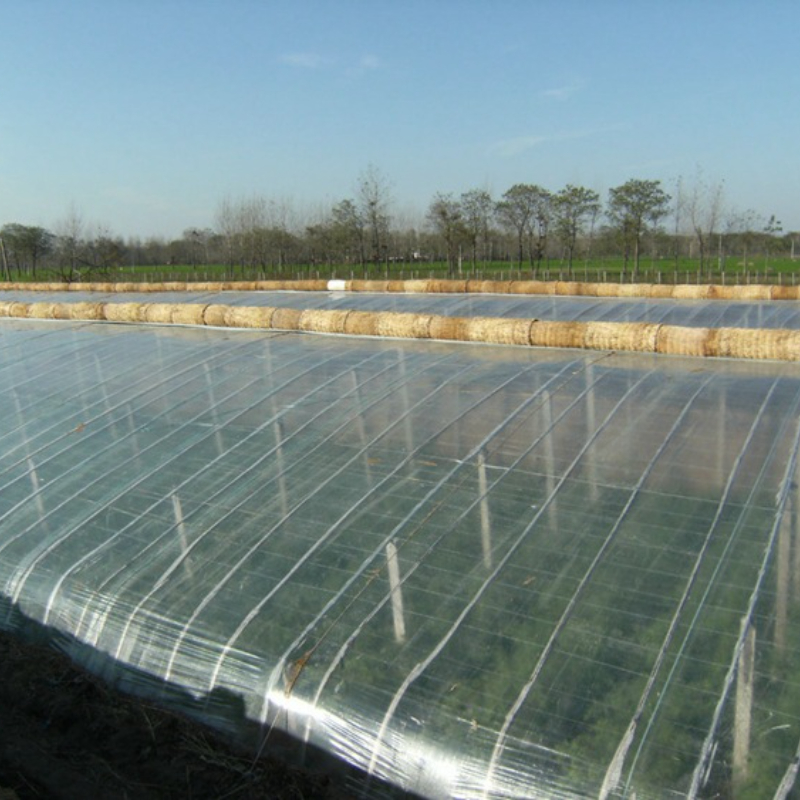
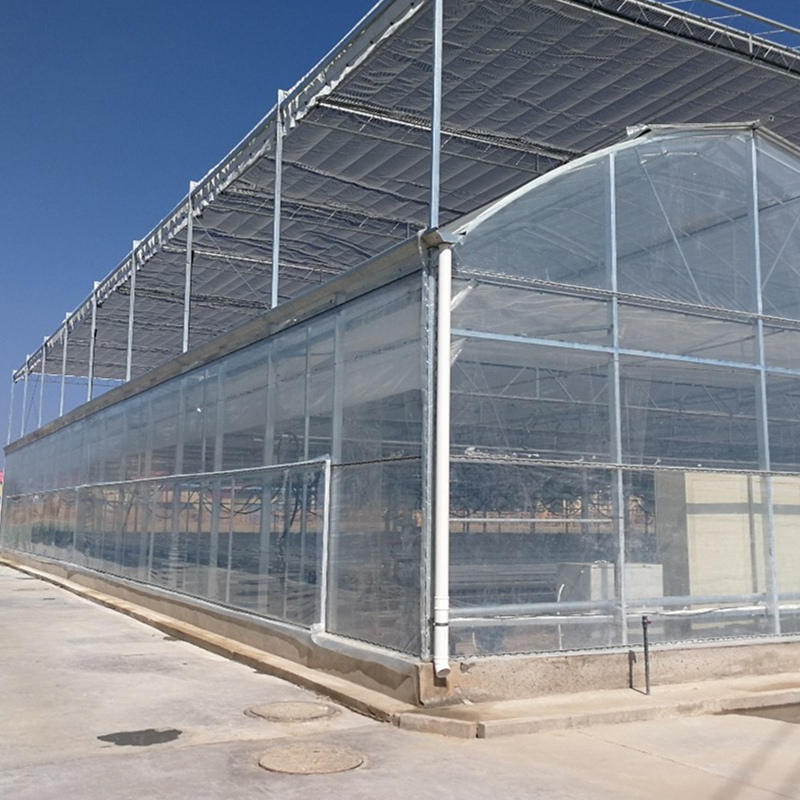
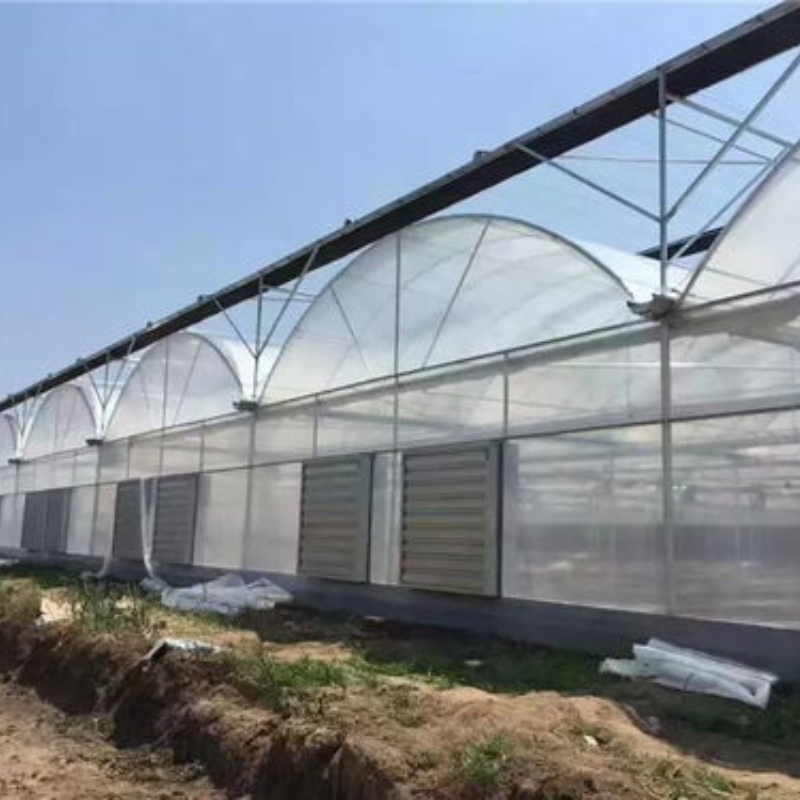
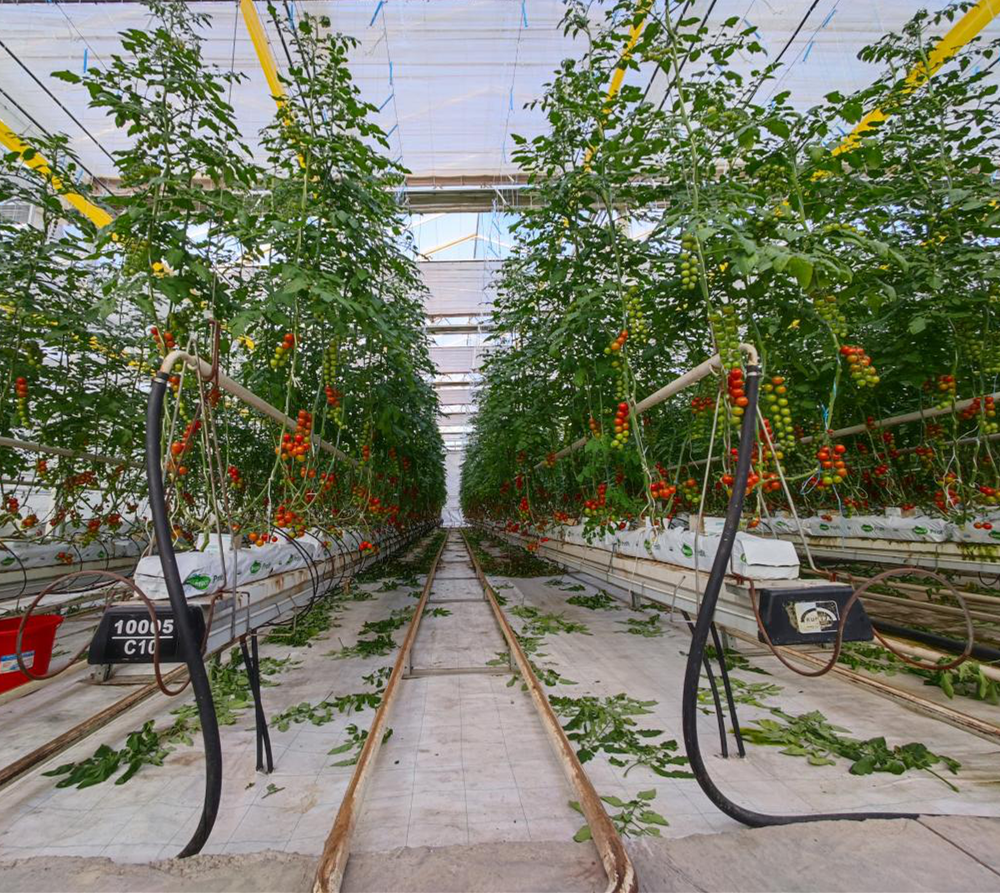
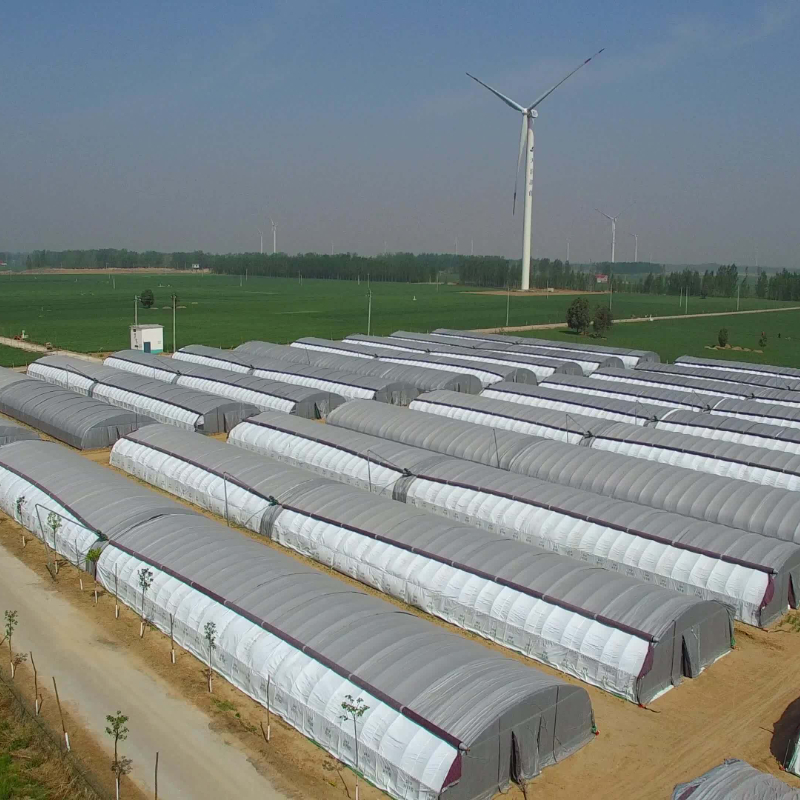
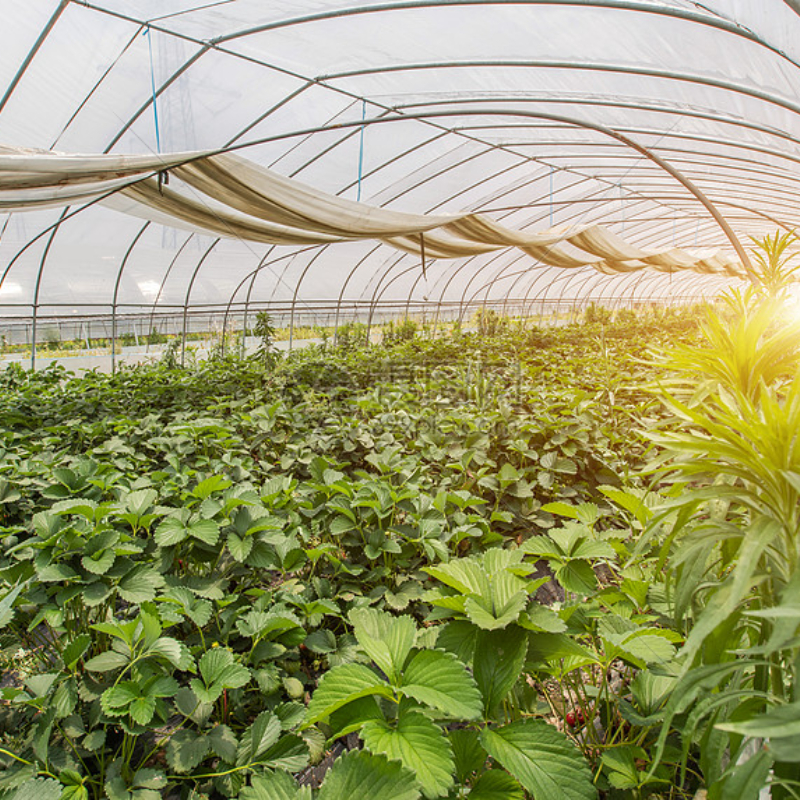
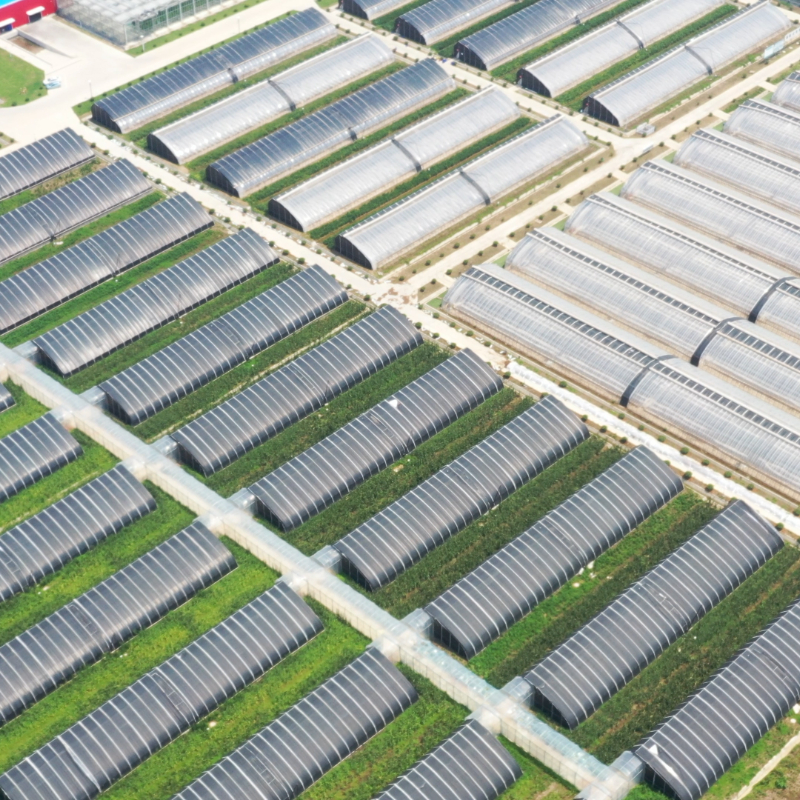
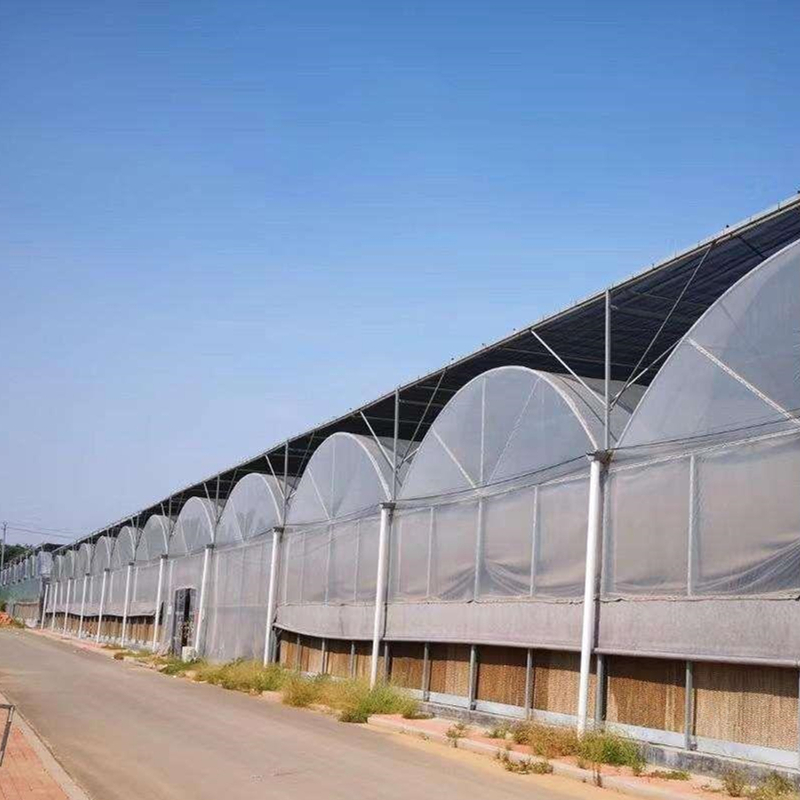
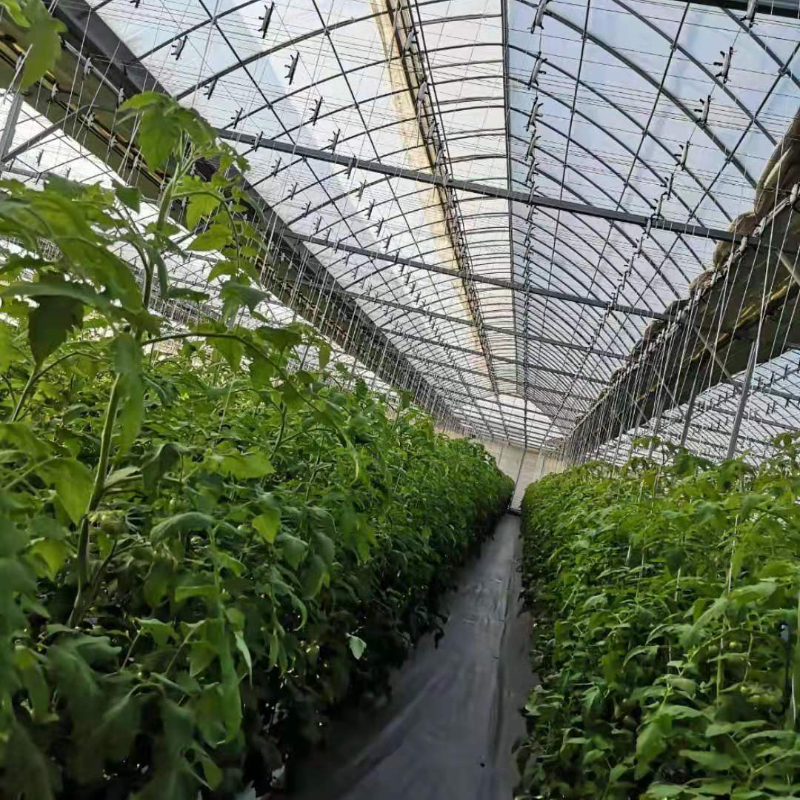
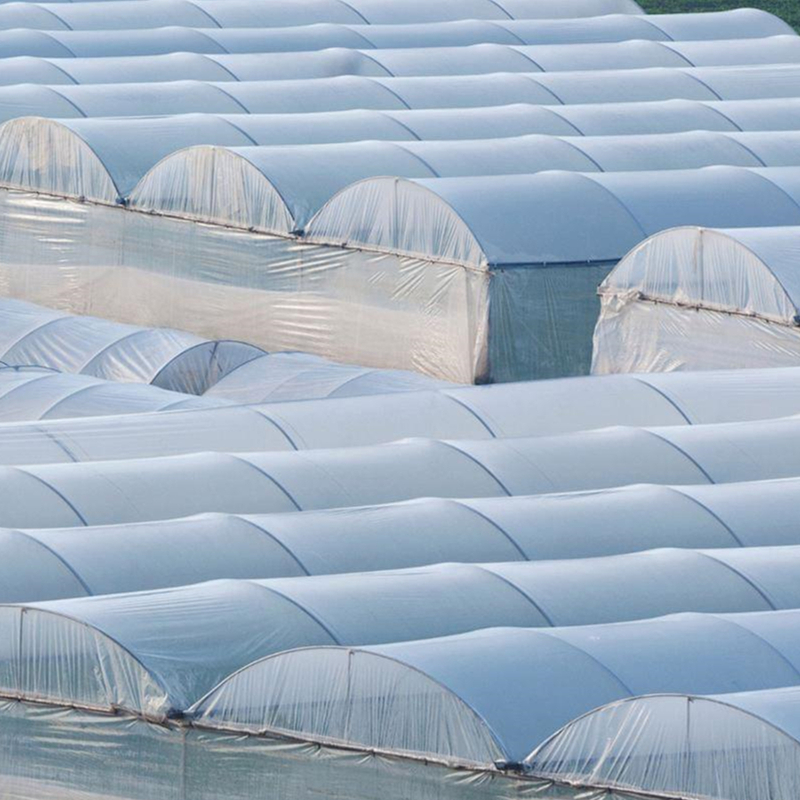
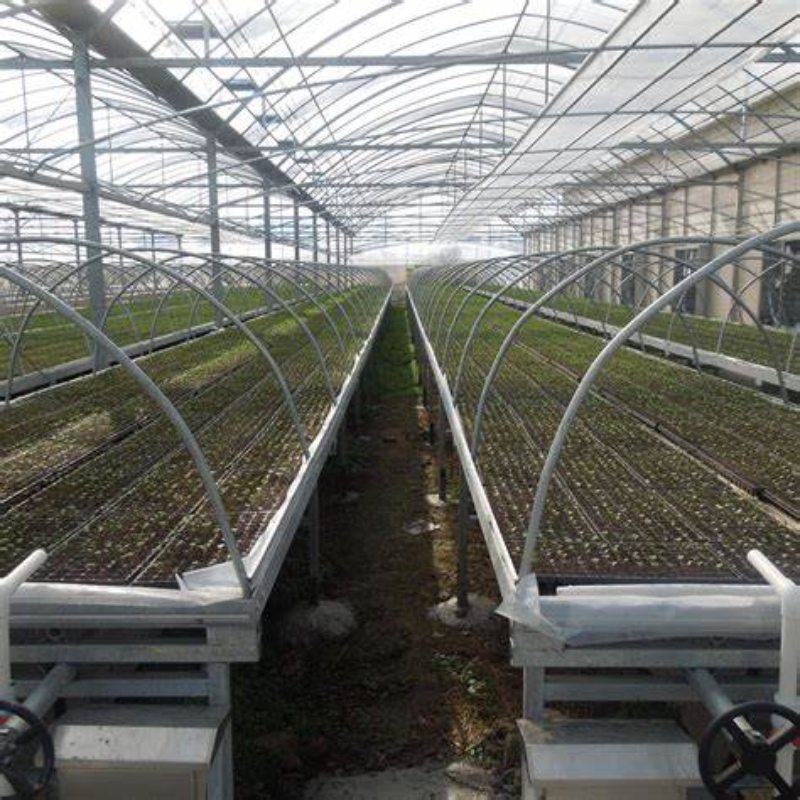
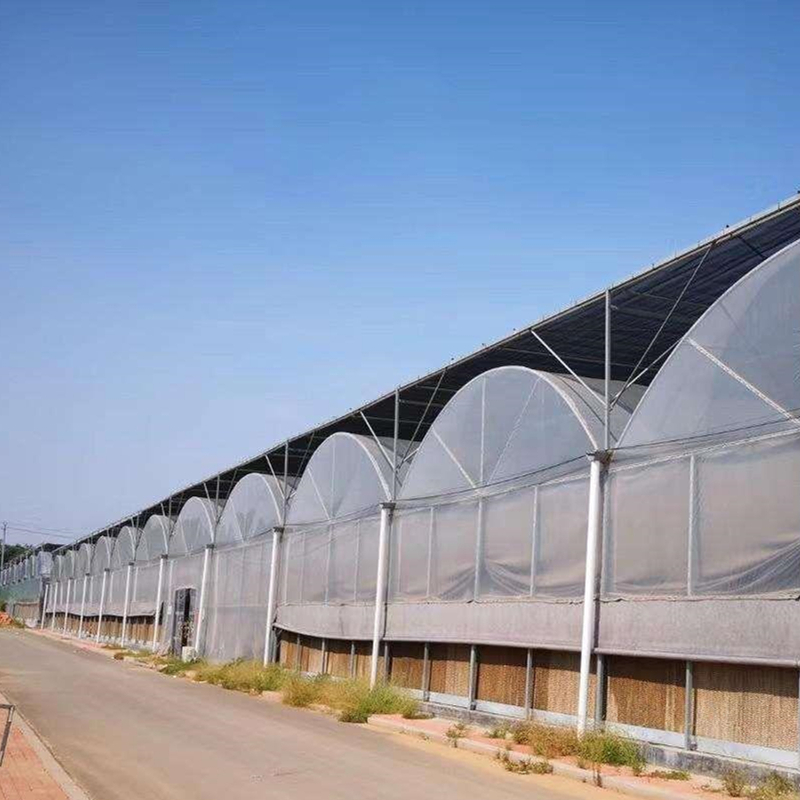
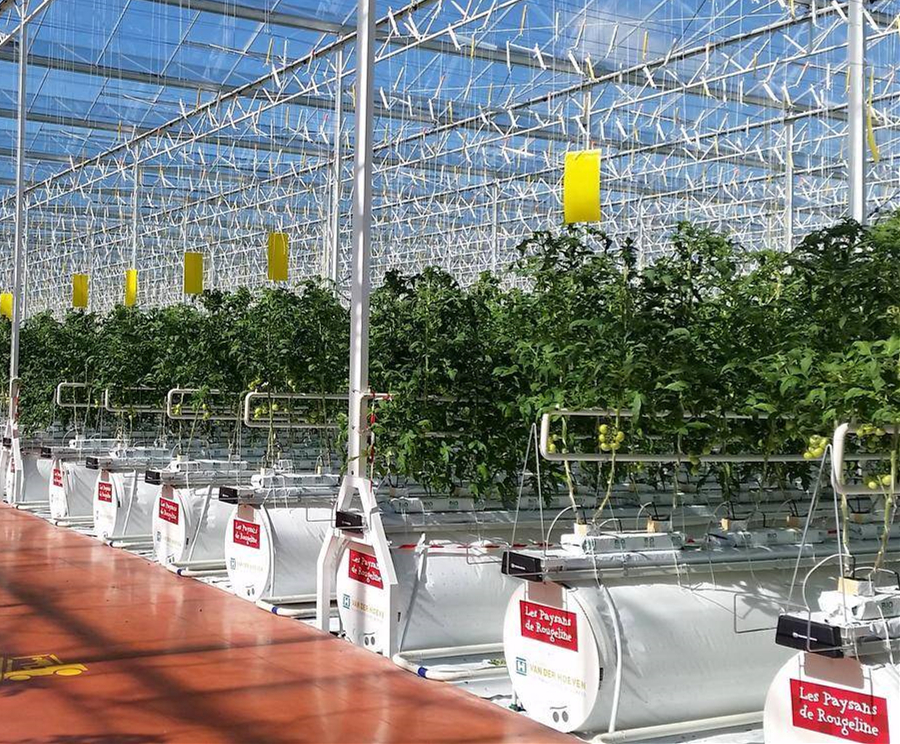
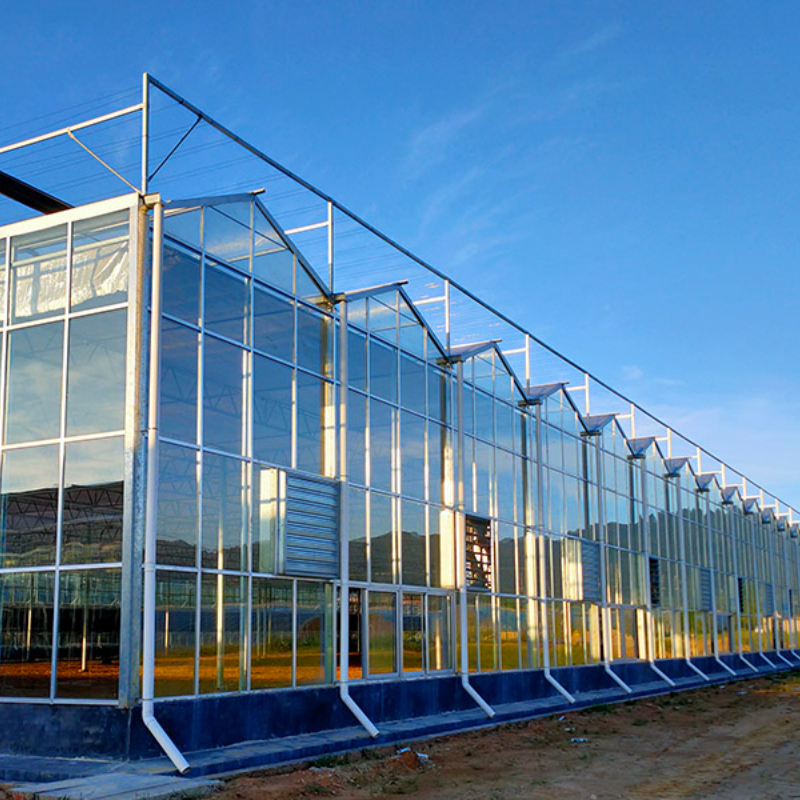
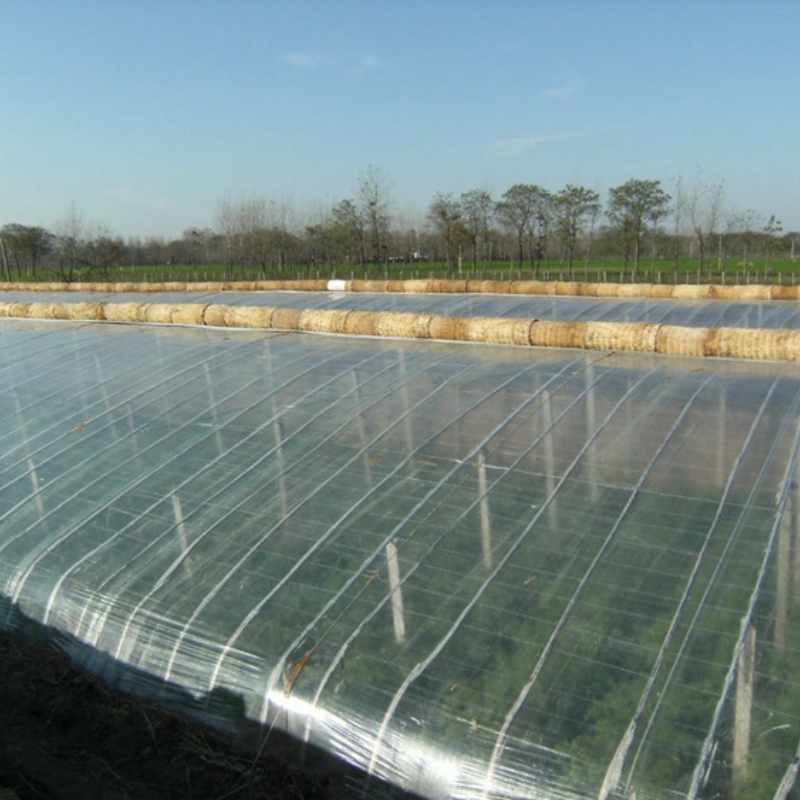
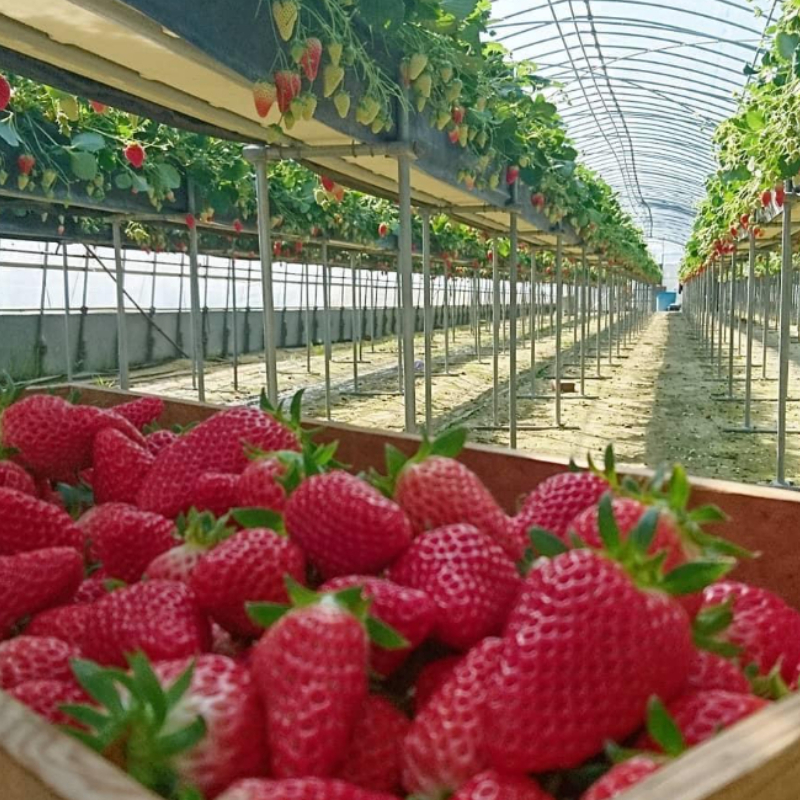
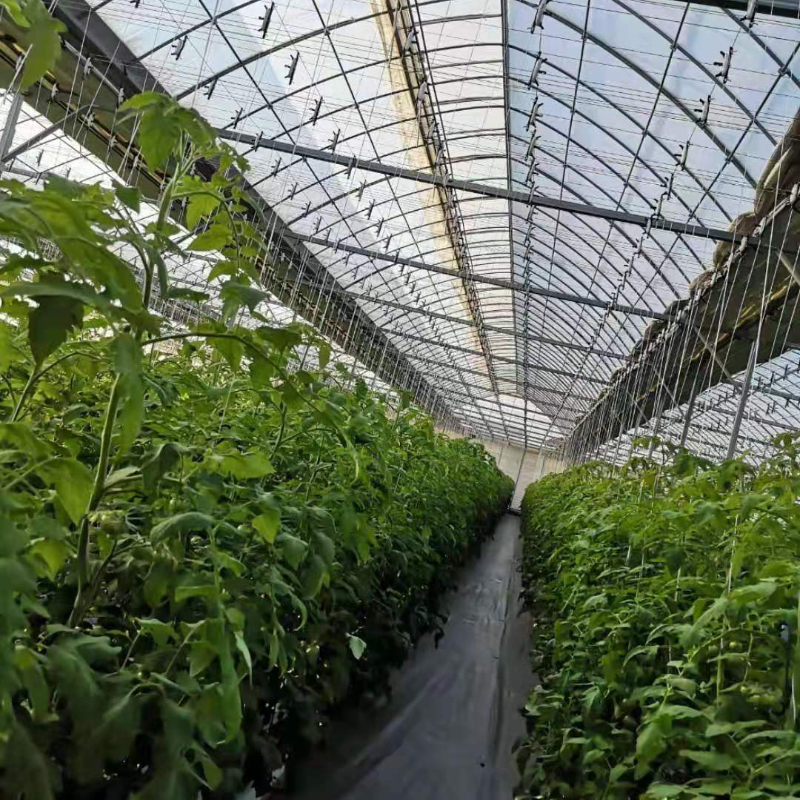
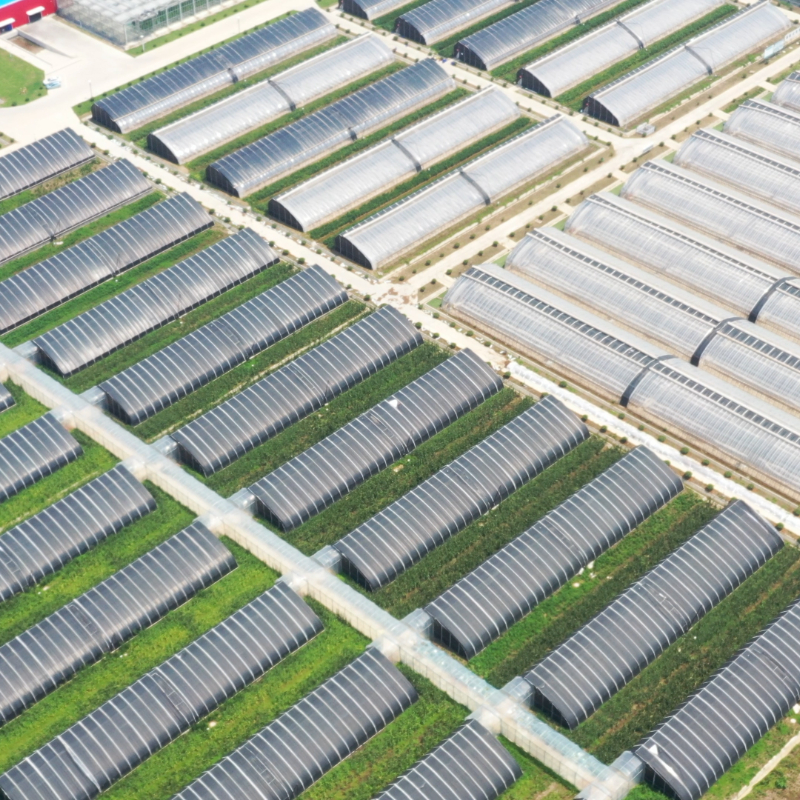
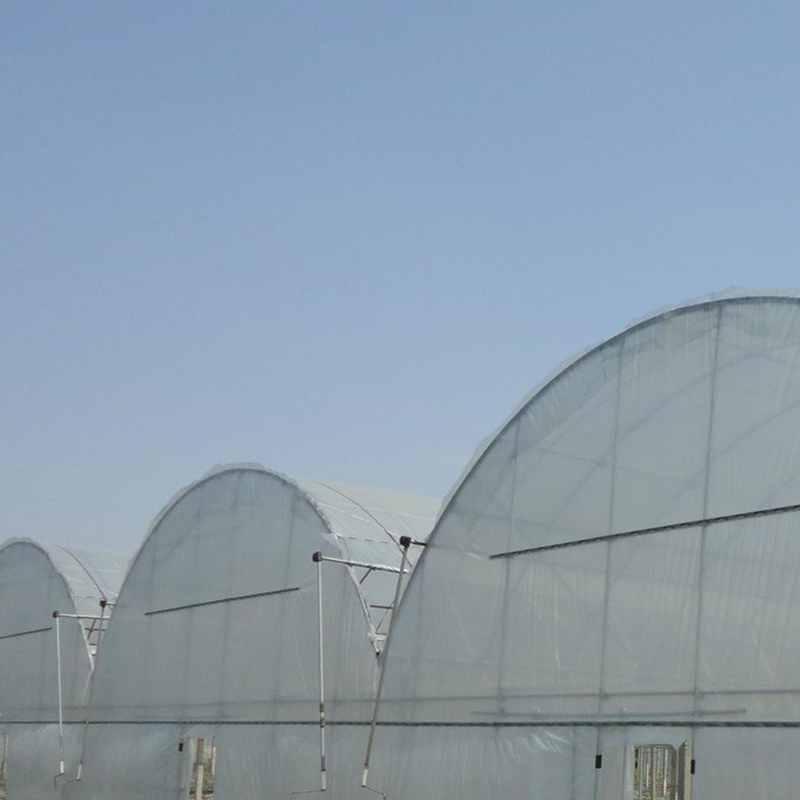
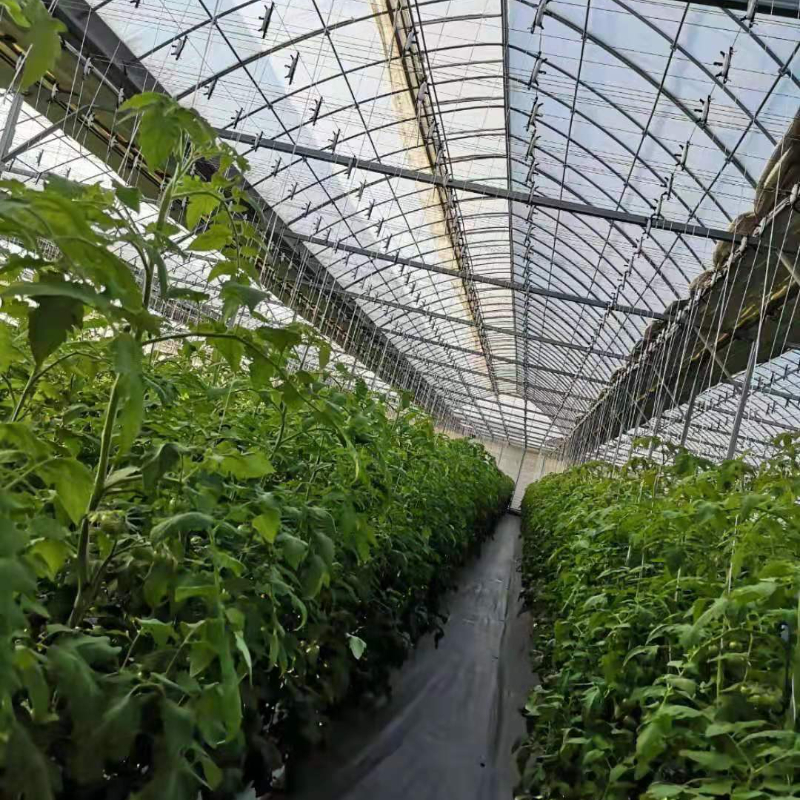
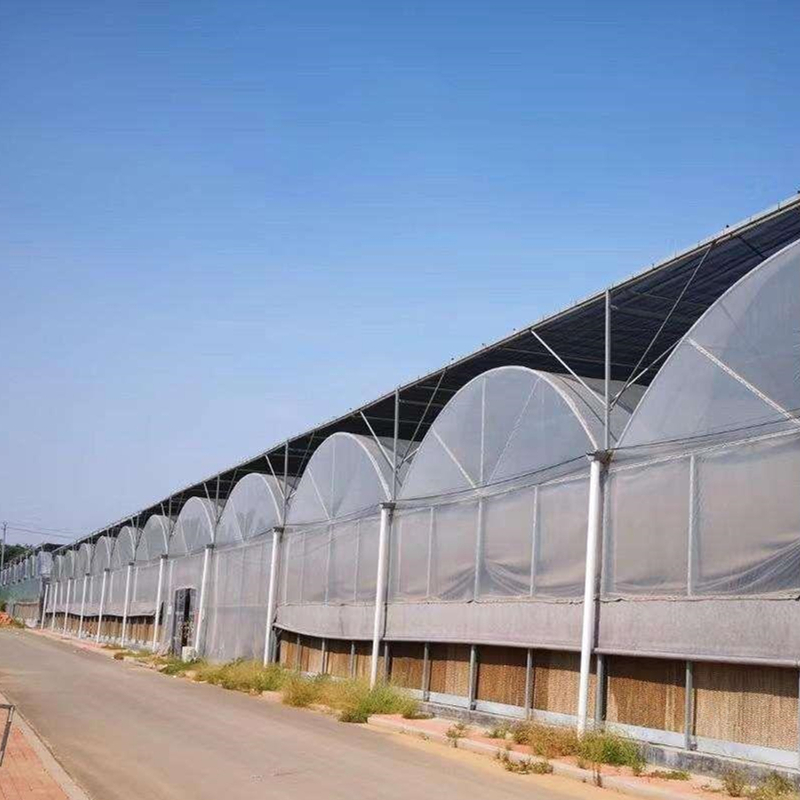
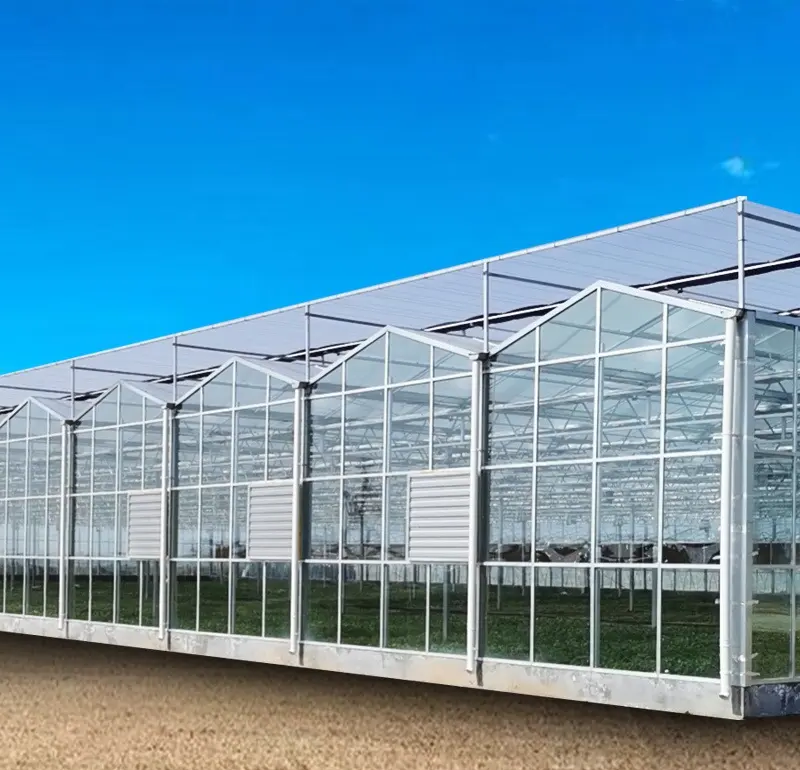
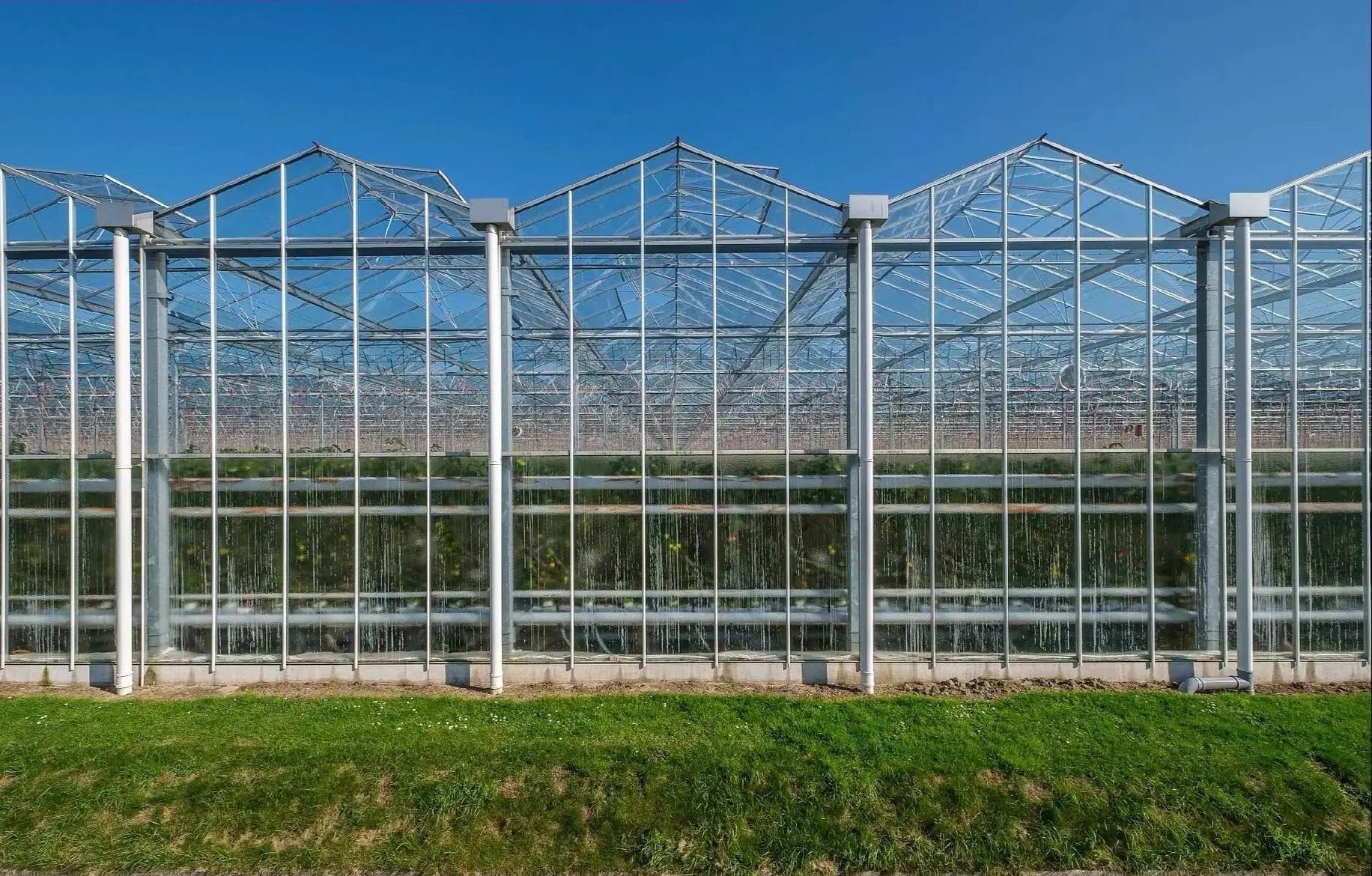
The global agricultural landscape is undergoing a profound transformation, driven by the imperative to produce more food with fewer resources. At the heart of this shift are the evolving trends in greenhouse development. Modern greenhouses are no longer simple glass structures but have become sophisticated, technology-driven ecosystems. The current trends in greenhouse development are primarily focused on sustainability, efficiency, and resilience, reshaping how we approach controlled-environment agriculture.
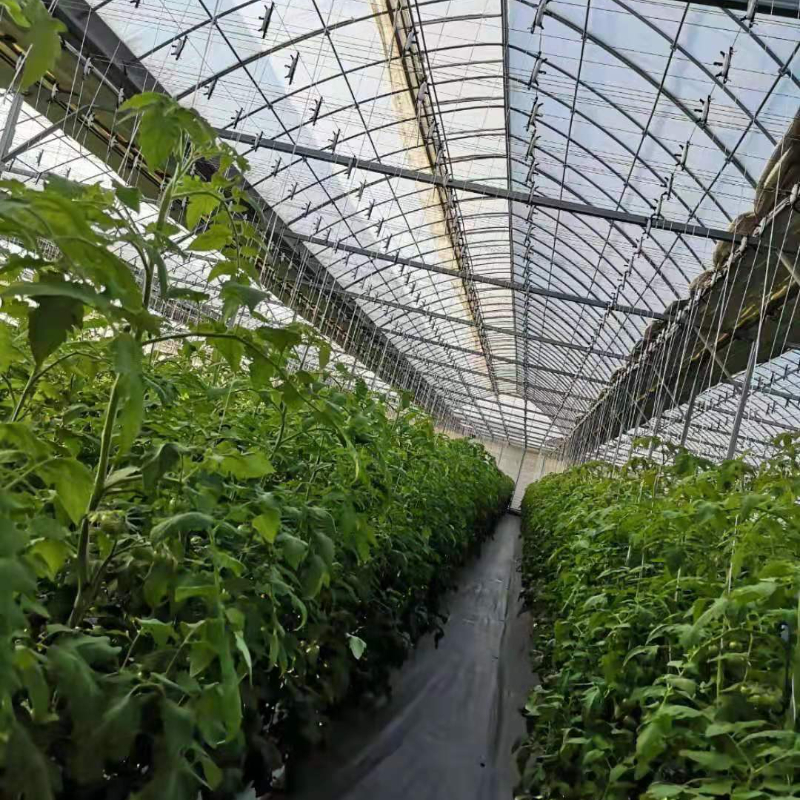
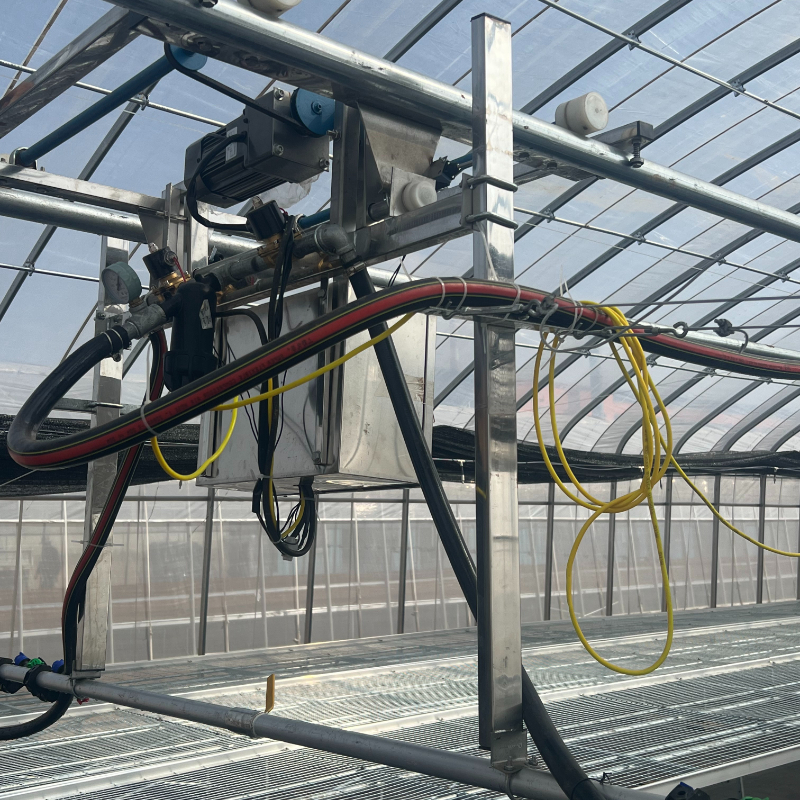
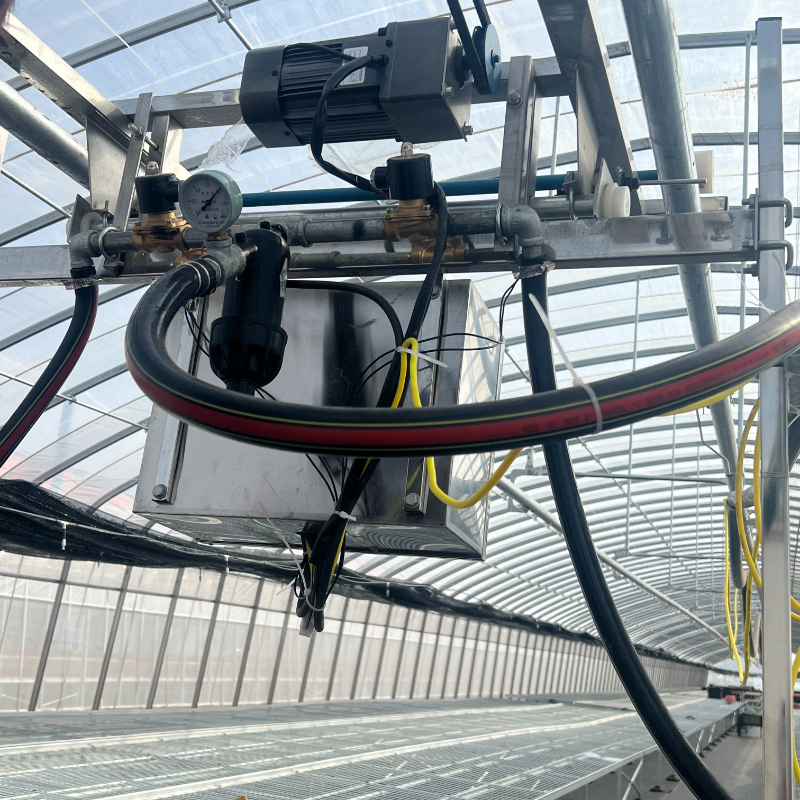
A dominant force behind contemporary trends in greenhouse development is the integration of smart technology. The Internet of Things (IoT), sensors, and artificial intelligence are now standard, allowing for minute-by-minute monitoring and automated control of climate, irrigation, and nutrition. This data-driven approach maximizes yield and quality while minimizing waste, representing a critical trend in greenhouse development that enhances both economic and environmental performance.
Furthermore, the push for energy autonomy and reduced carbon footprint is a defining feature of modern trends in greenhouse development. Innovations include the use of geothermal energy, next-generation solar panels, and thermal storage systems. The co-location of greenhouses with industrial facilities to utilize waste heat and CO2 is another growing practice, turning waste into resource. These sustainable trends in greenhouse development are essential for reducing the sector's reliance on fossil fuels.
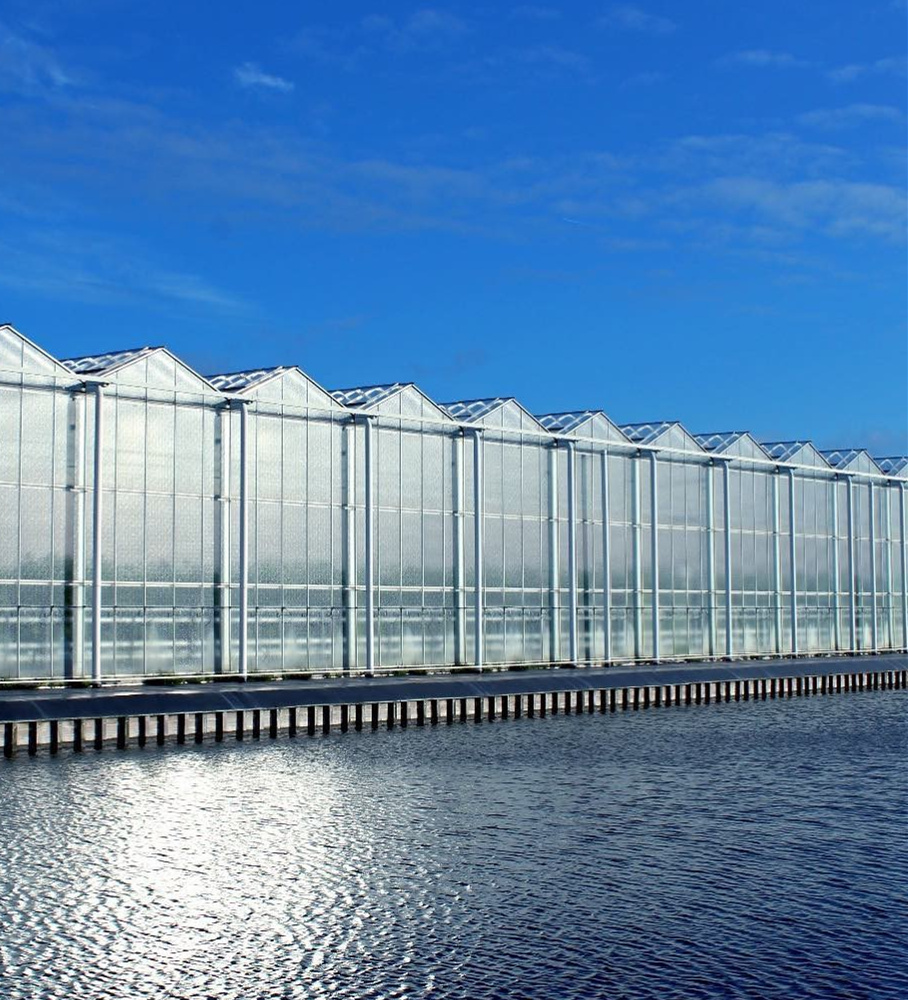
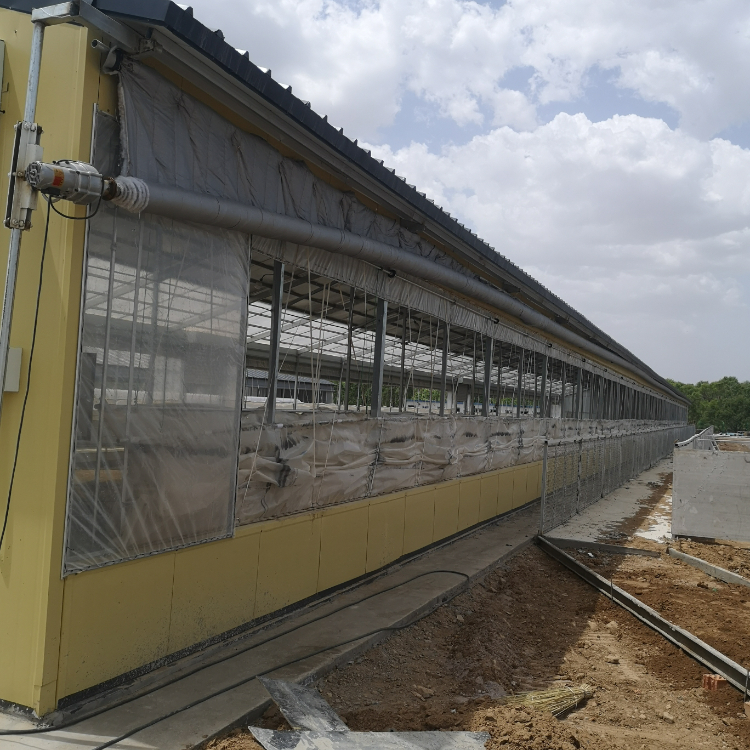
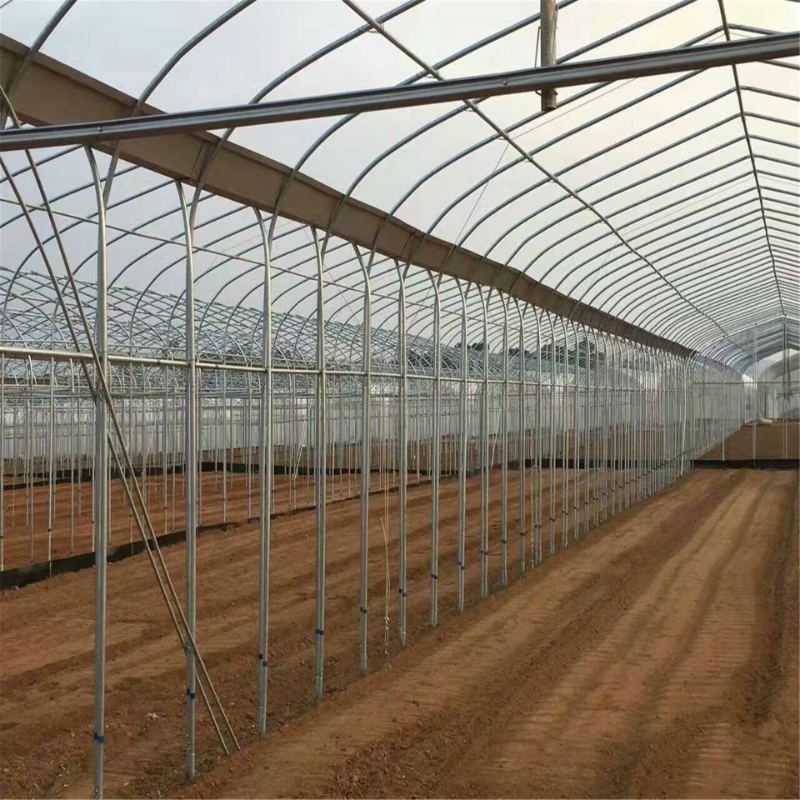
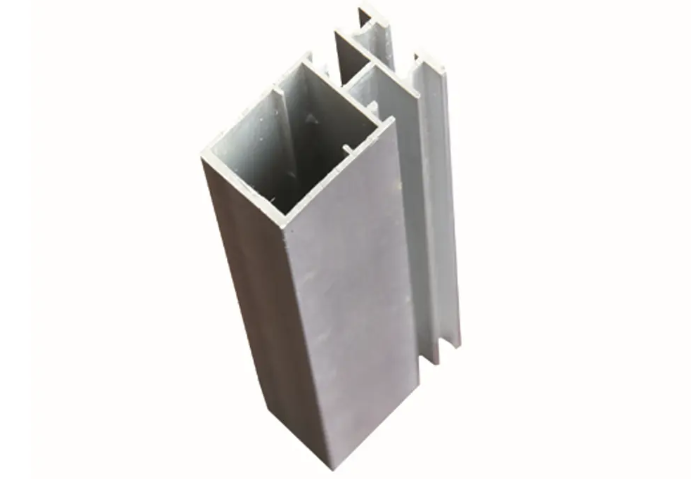
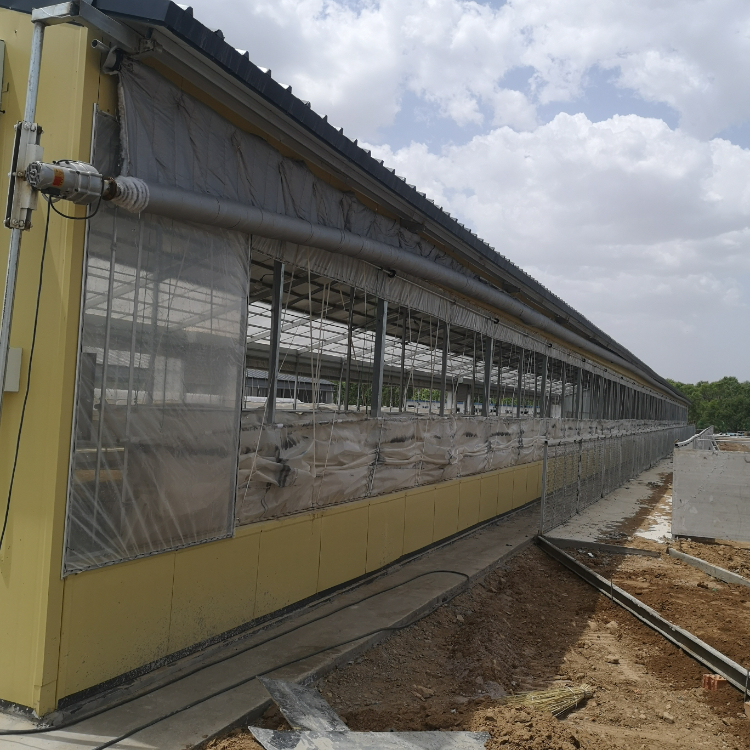
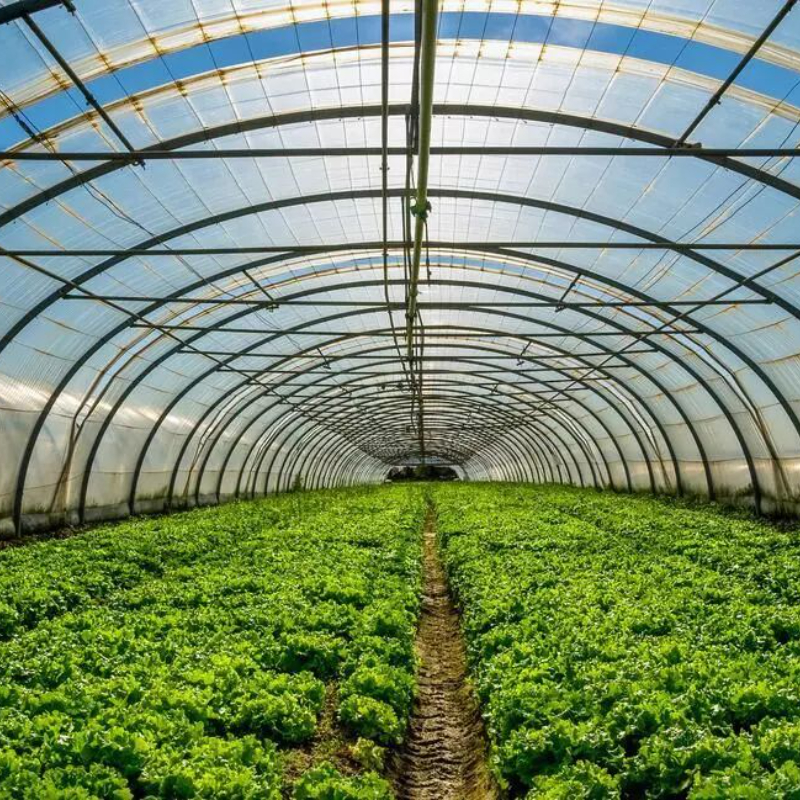
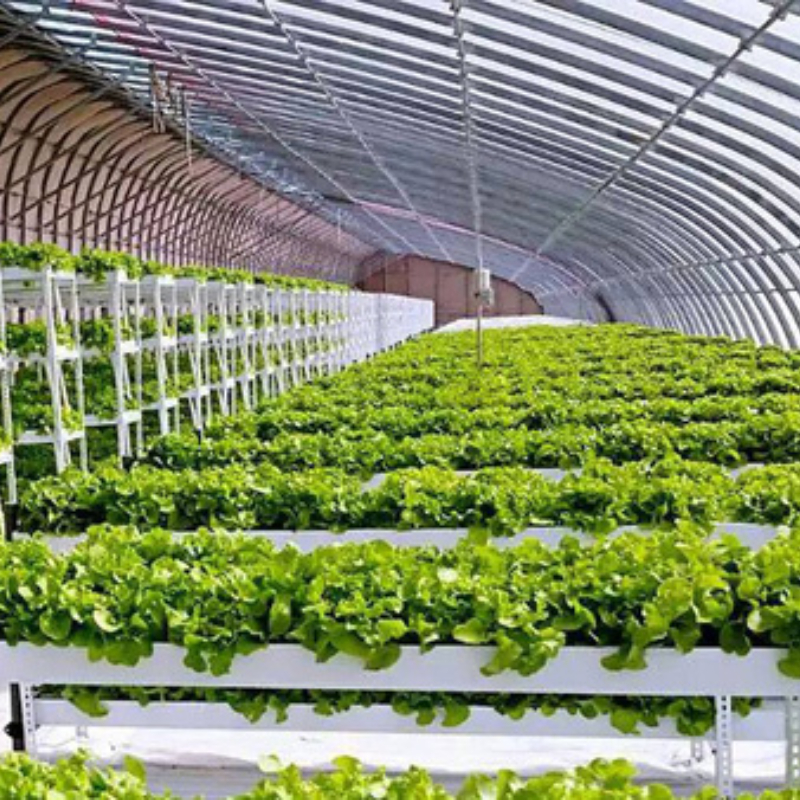
Structural and material innovations also signify important trends in greenhouse development. The adoption of diffuse glass, polycarbonate panels, and double-layered insulating films improves light diffusion and heat retention. Additionally, the rise of vertical farming modules within greenhouse frameworks represents a fusion of two potent agricultural technologies, pushing the spatial efficiency of production to new limits.
However, the path forward is not without challenges. The high capital expenditure for advanced systems remains a significant barrier to adoption. Therefore, a key trend in greenhouse development involves creating scalable and modular solutions that make advanced technology accessible to smaller growers and developing economies.
In conclusion, the prevailing trends in greenhouse development are collectively steering the industry toward a more precise, sustainable, and productive future. By embracing automation, renewable energy, and innovative design, the next generation of greenhouses will play a pivotal role in securing a resilient food system for a growing global population, firmly establishing these trends in greenhouse development as the blueprint for tomorrow's agriculture.
