
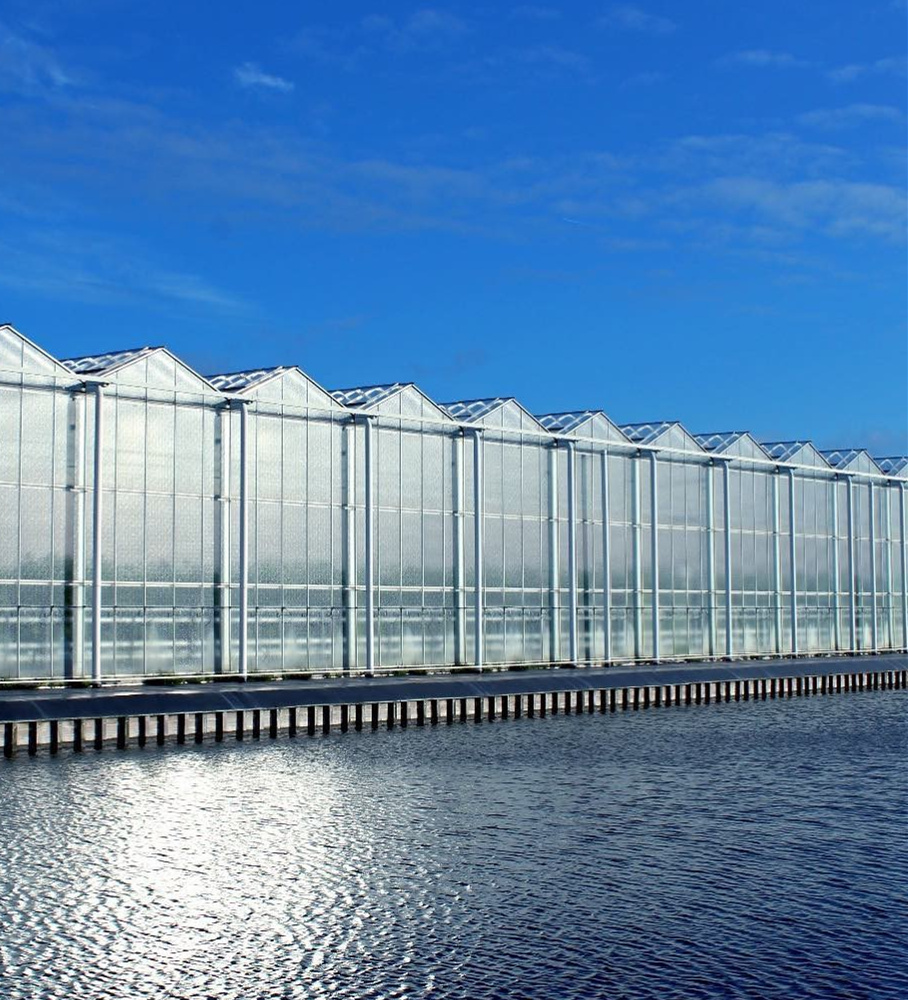
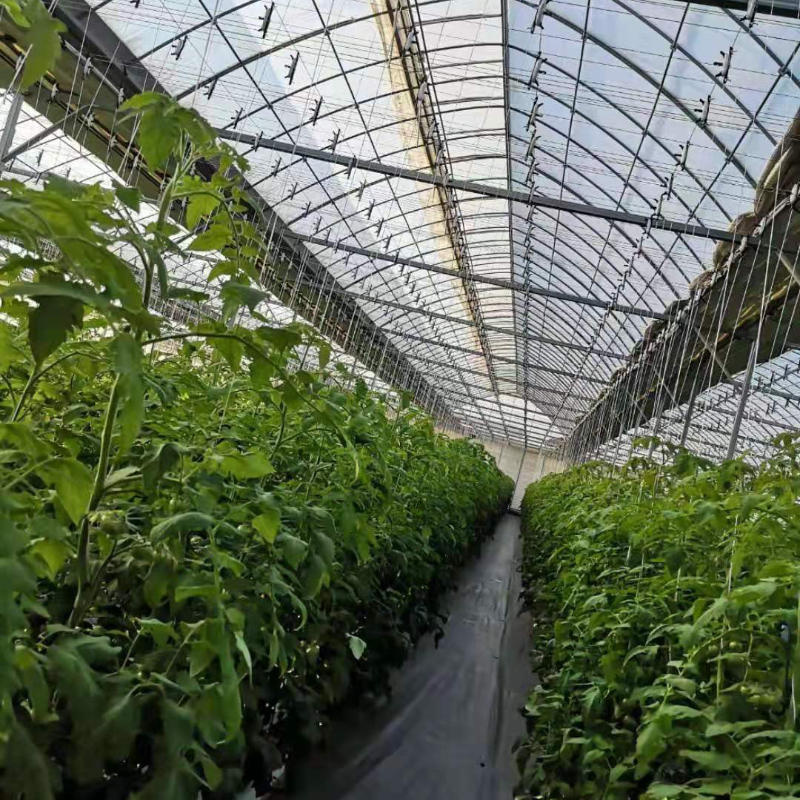
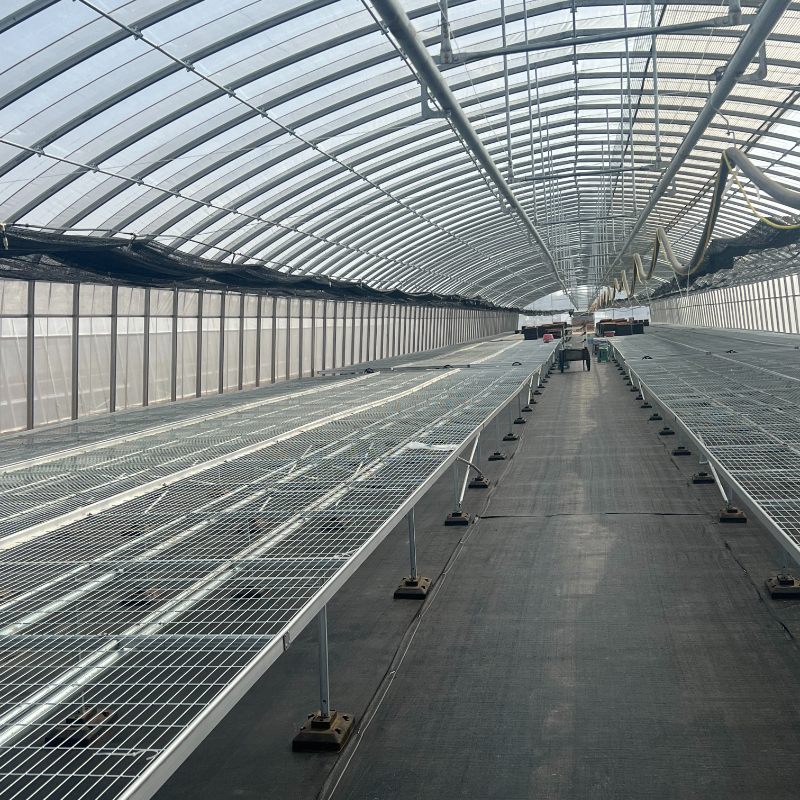
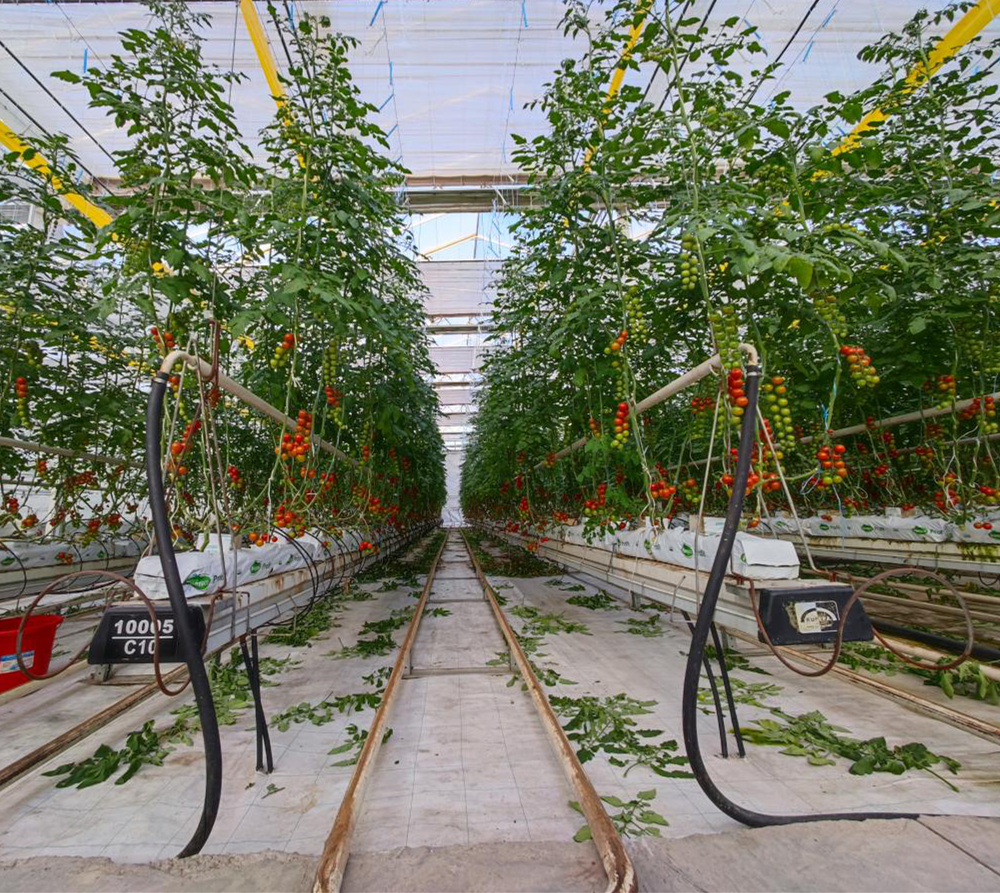
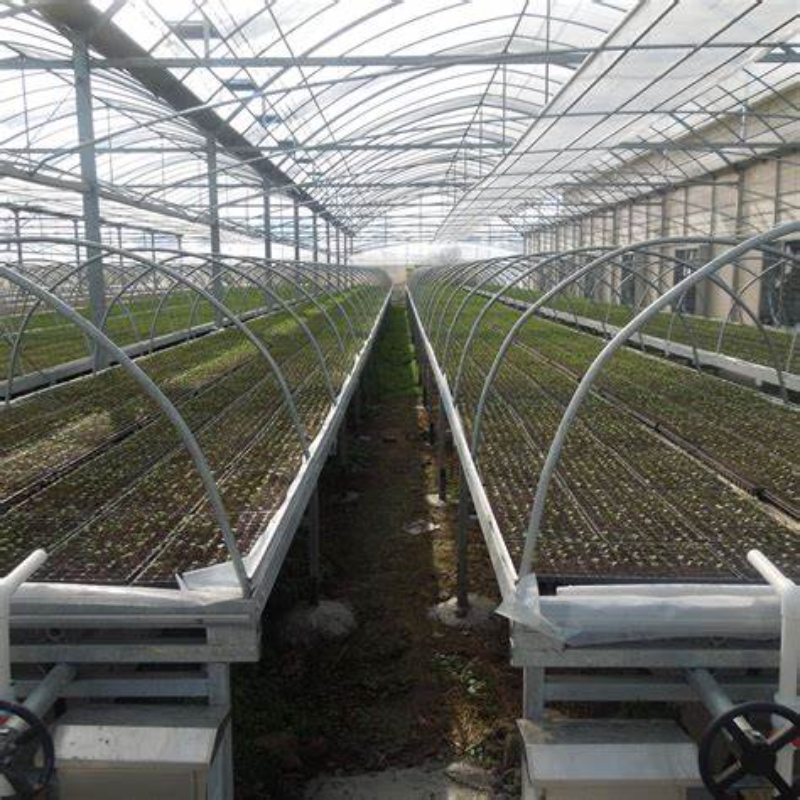
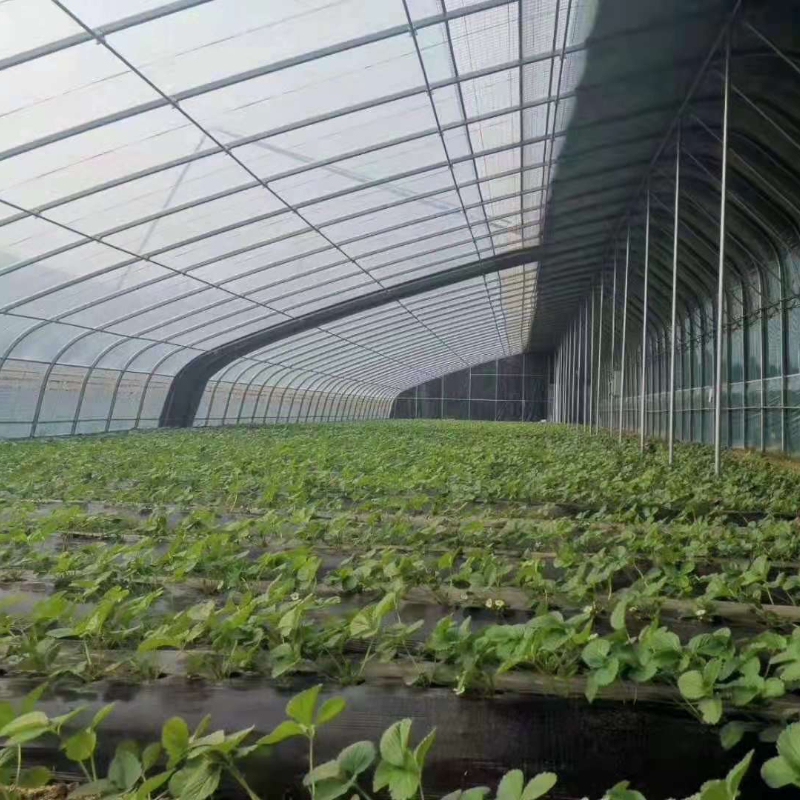
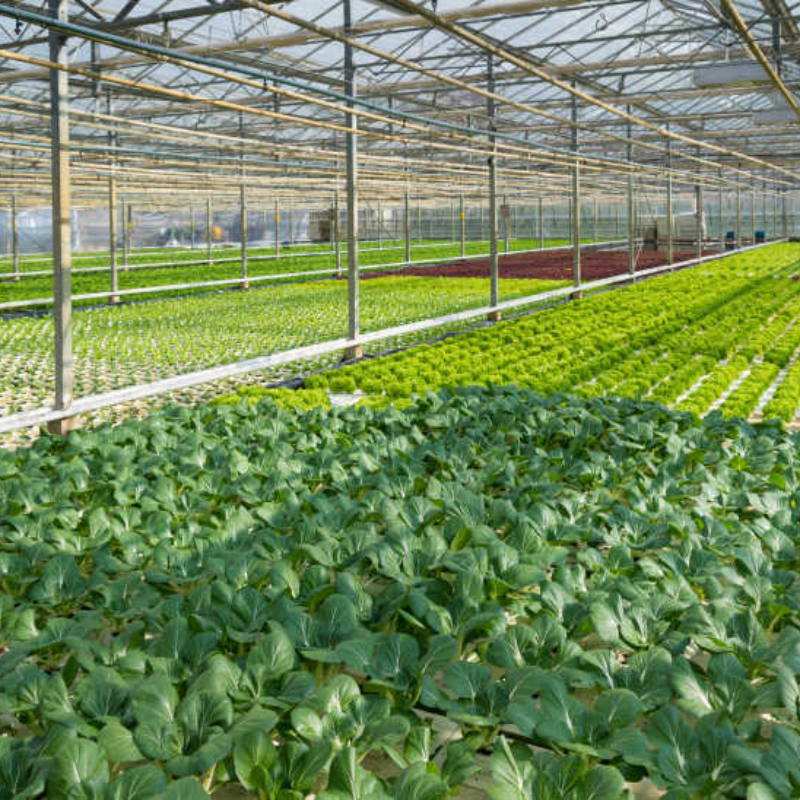
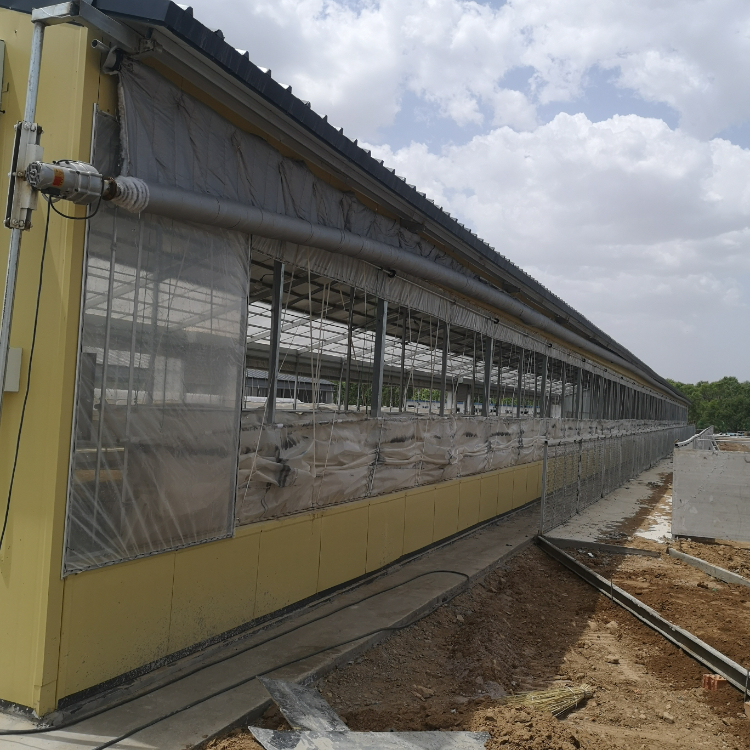
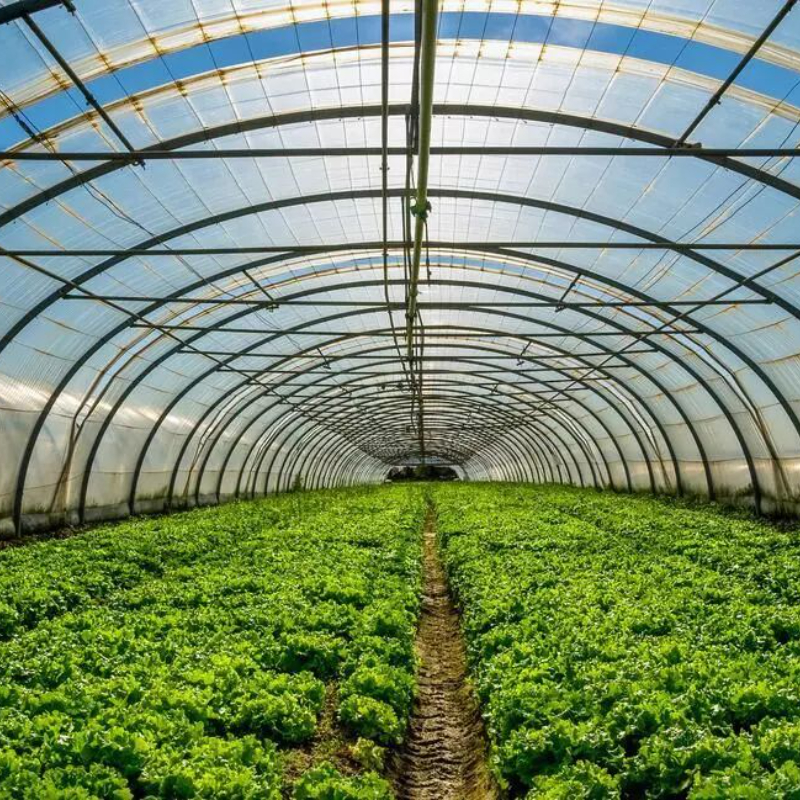
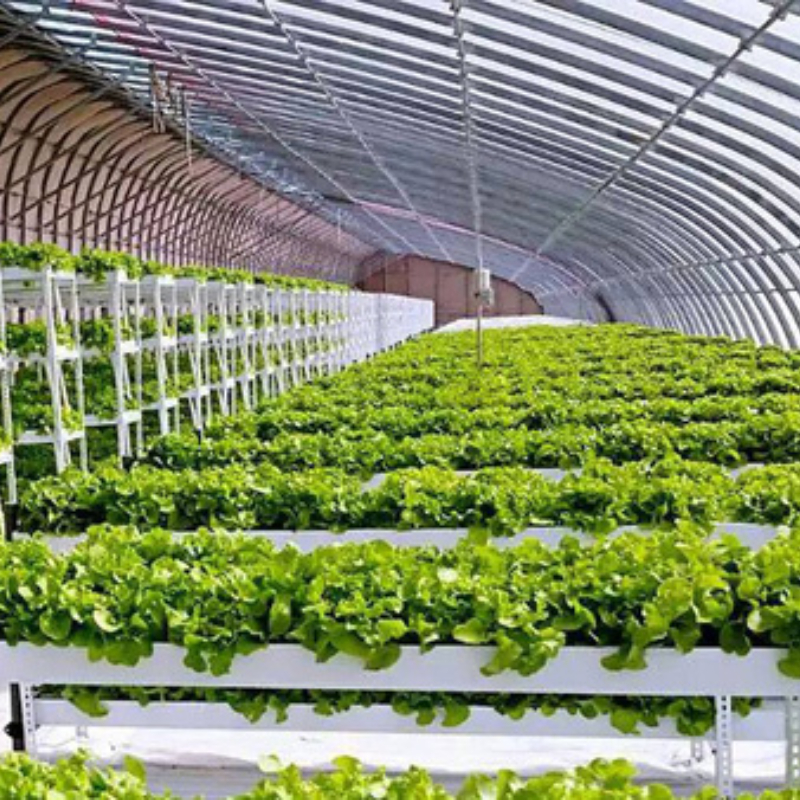
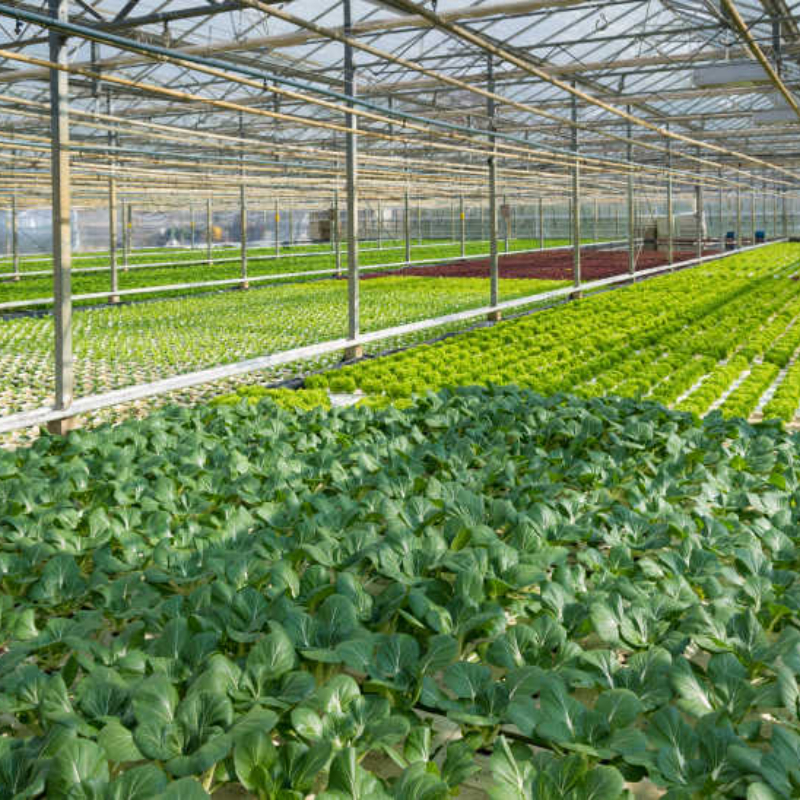
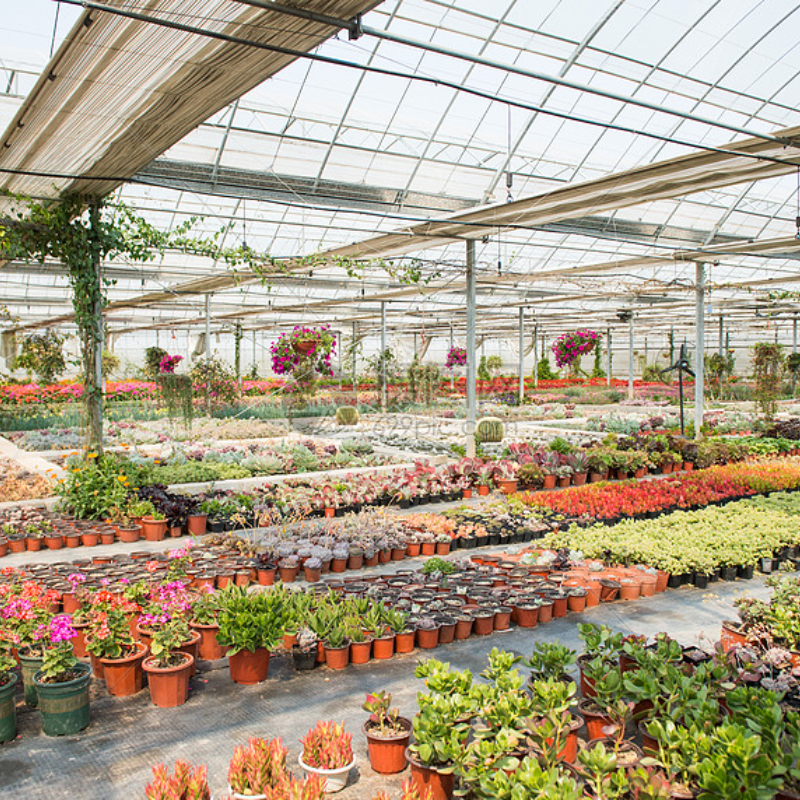
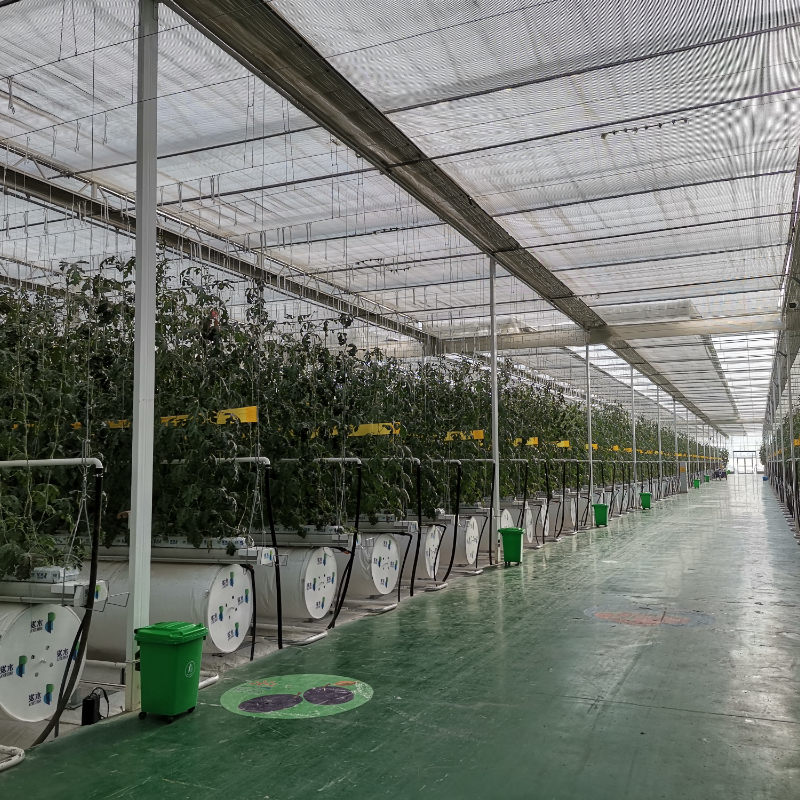
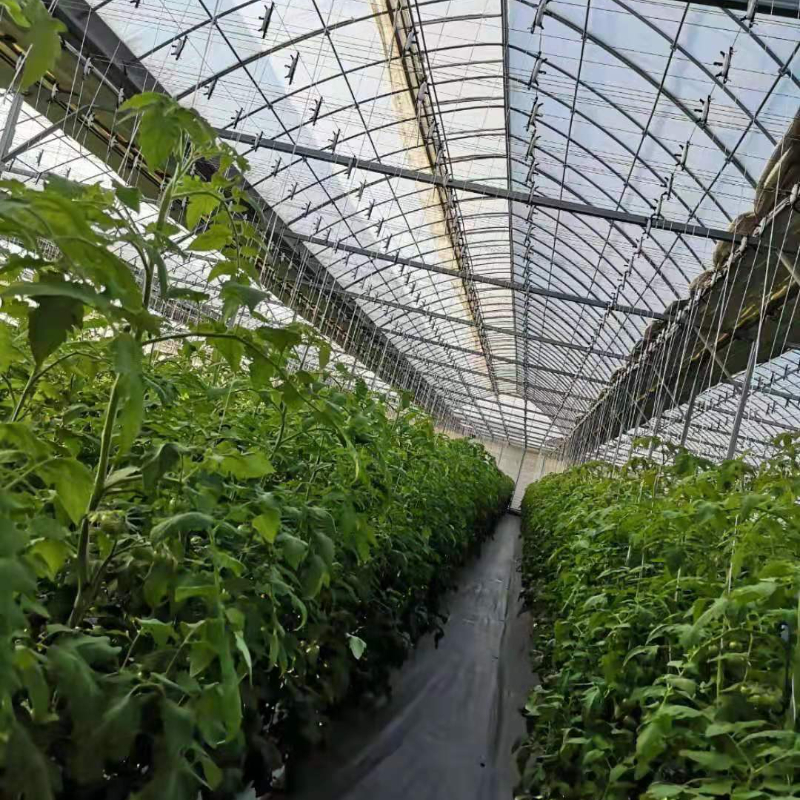
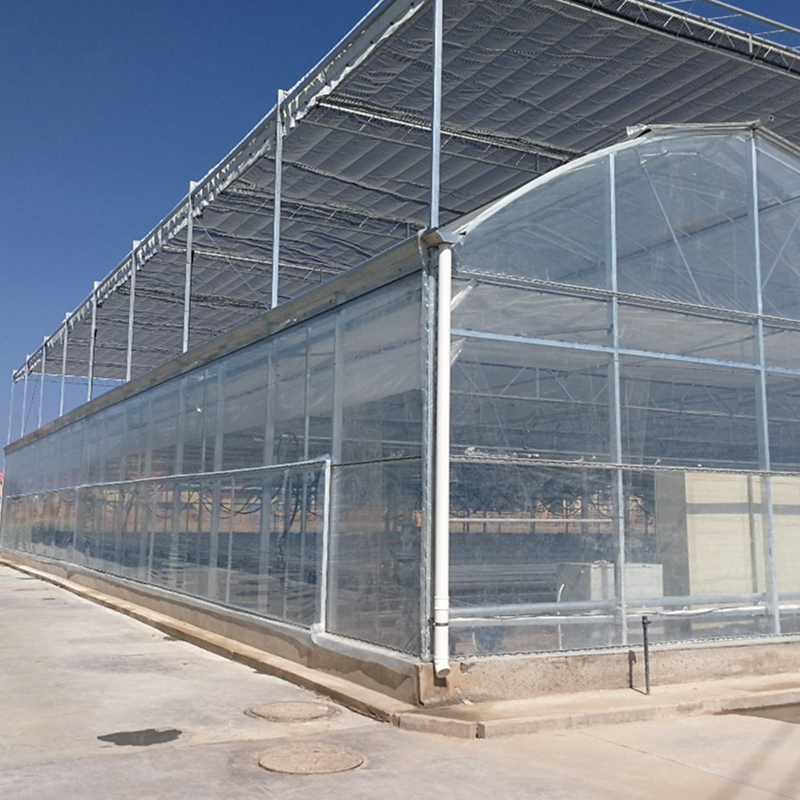
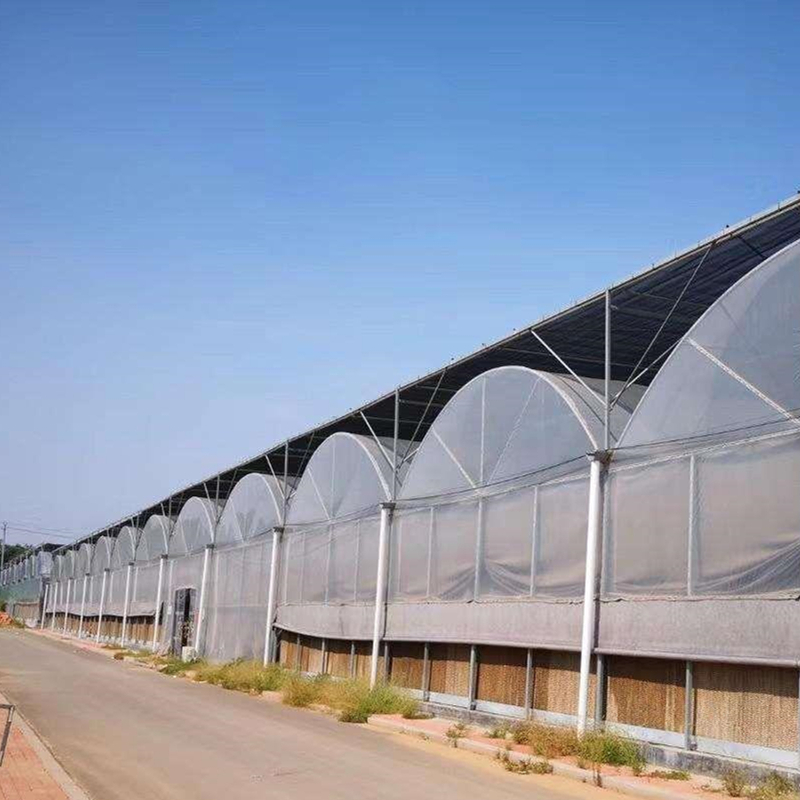
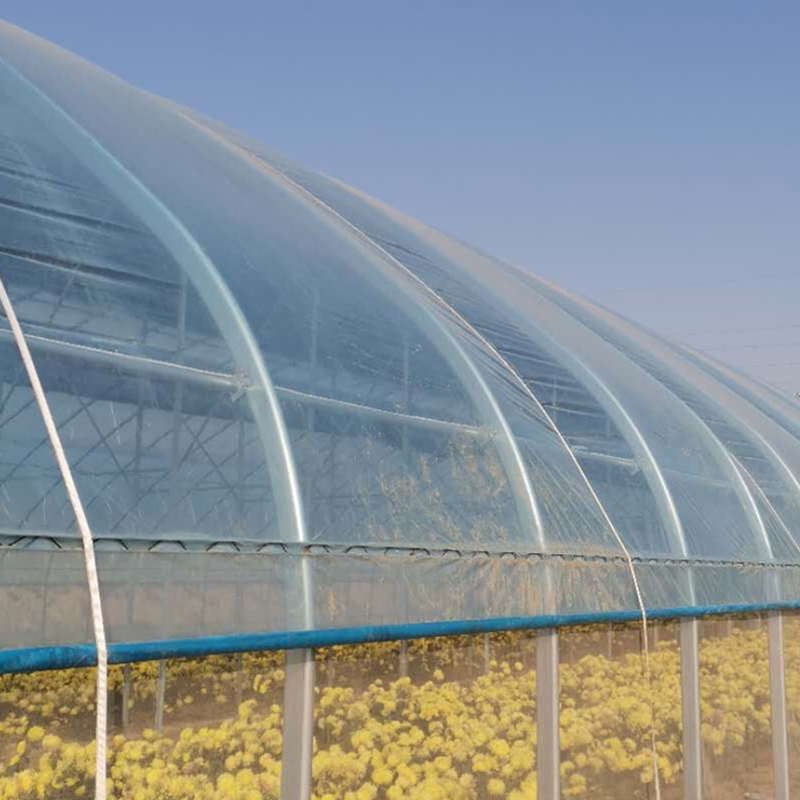
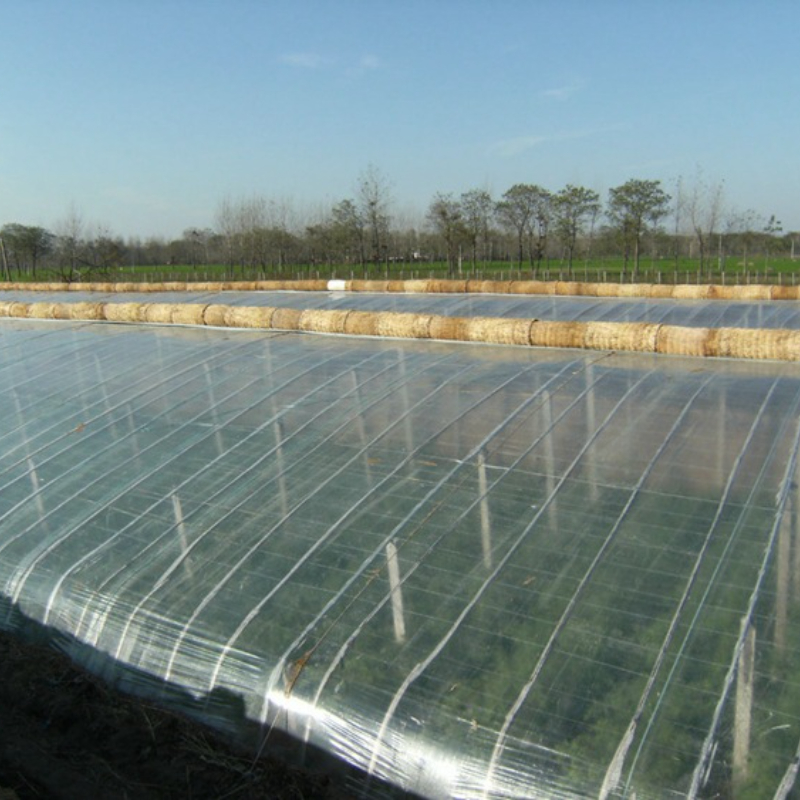
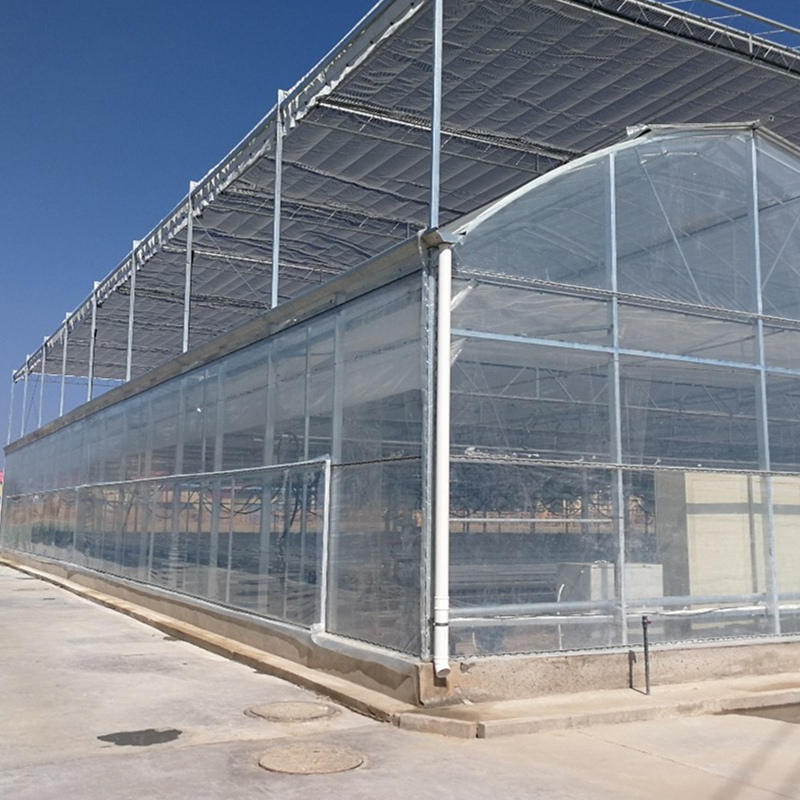
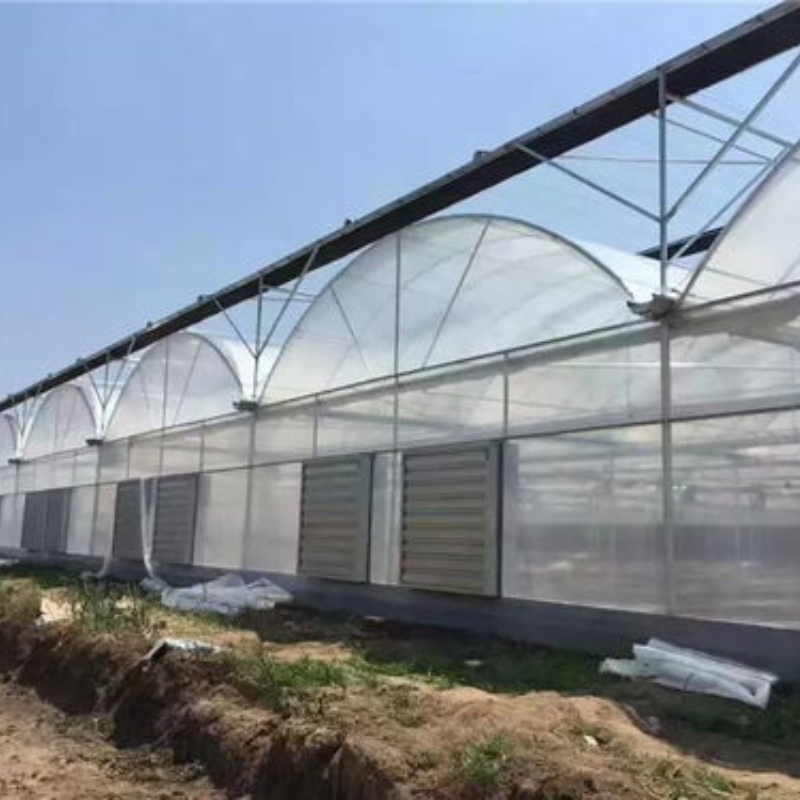
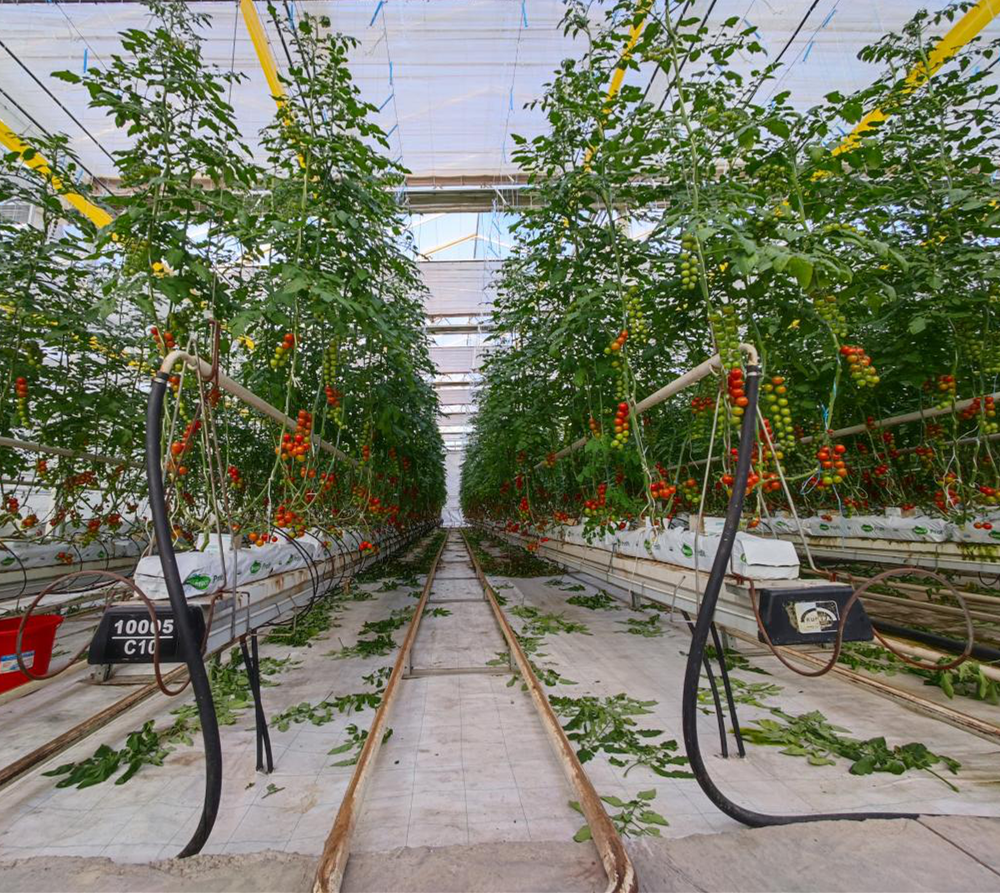
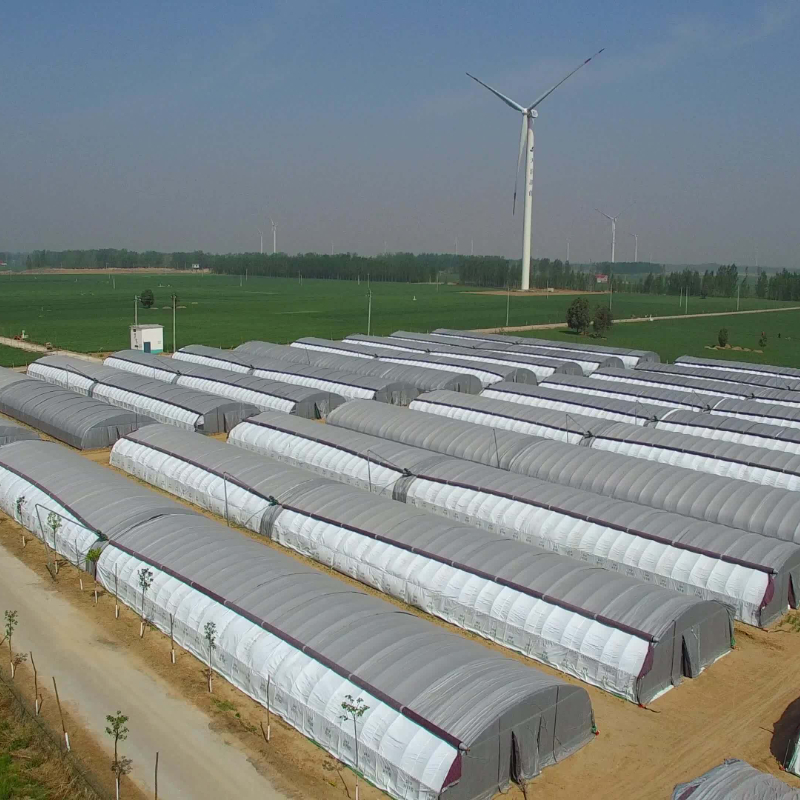
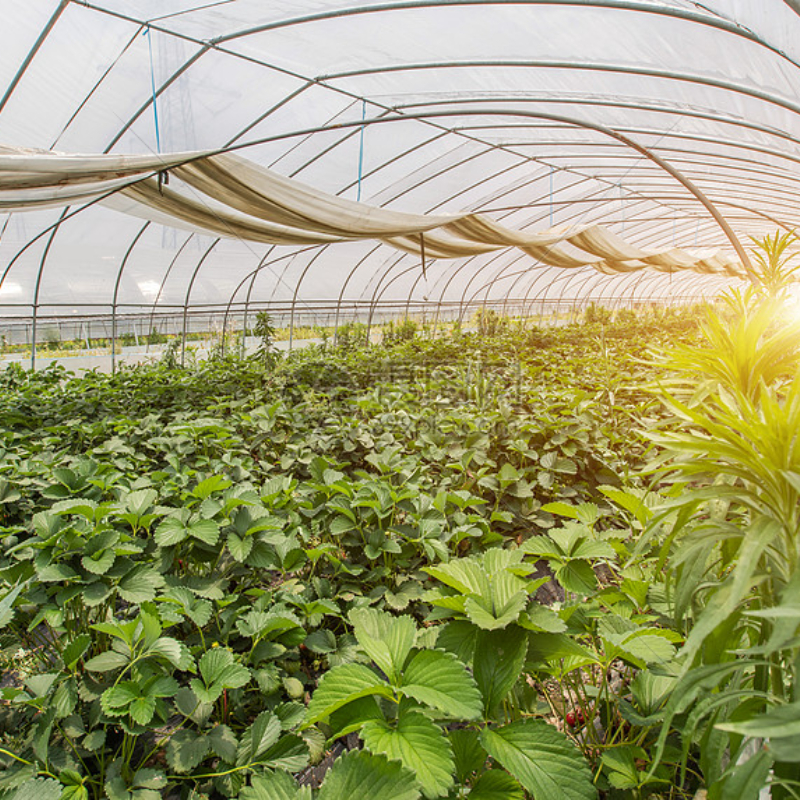
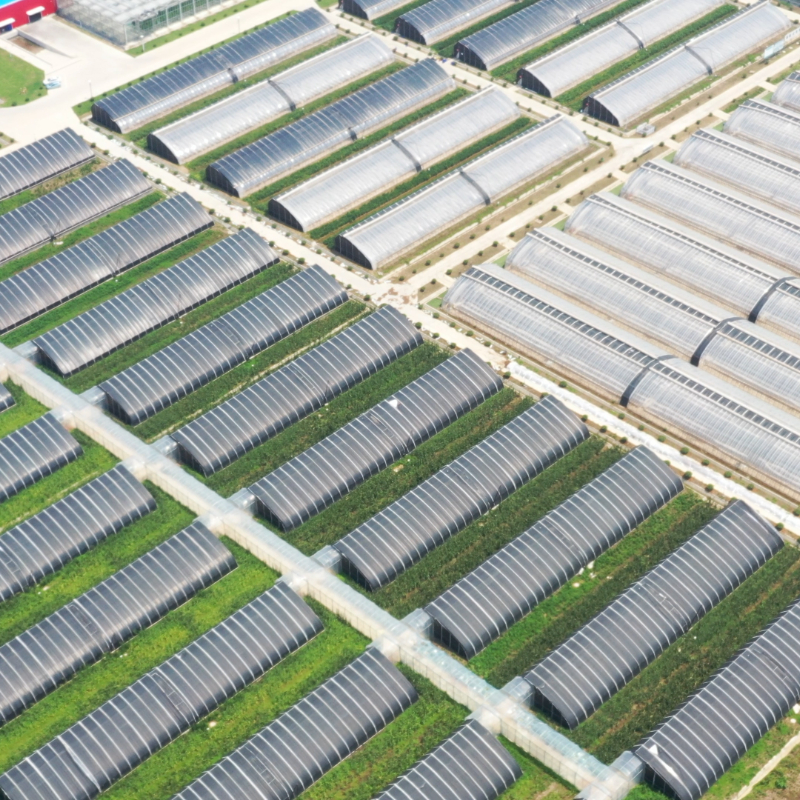
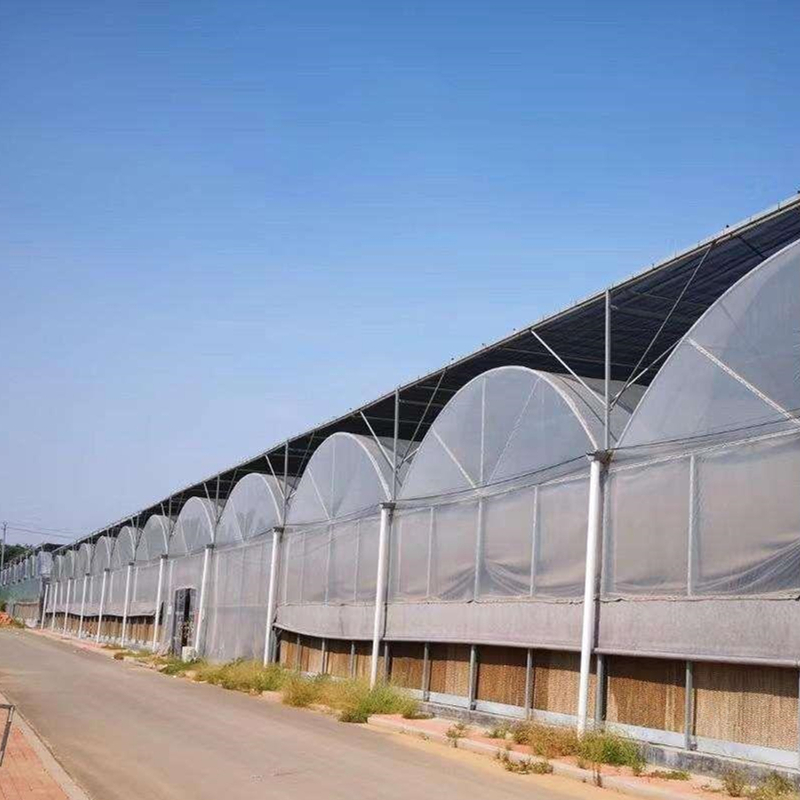
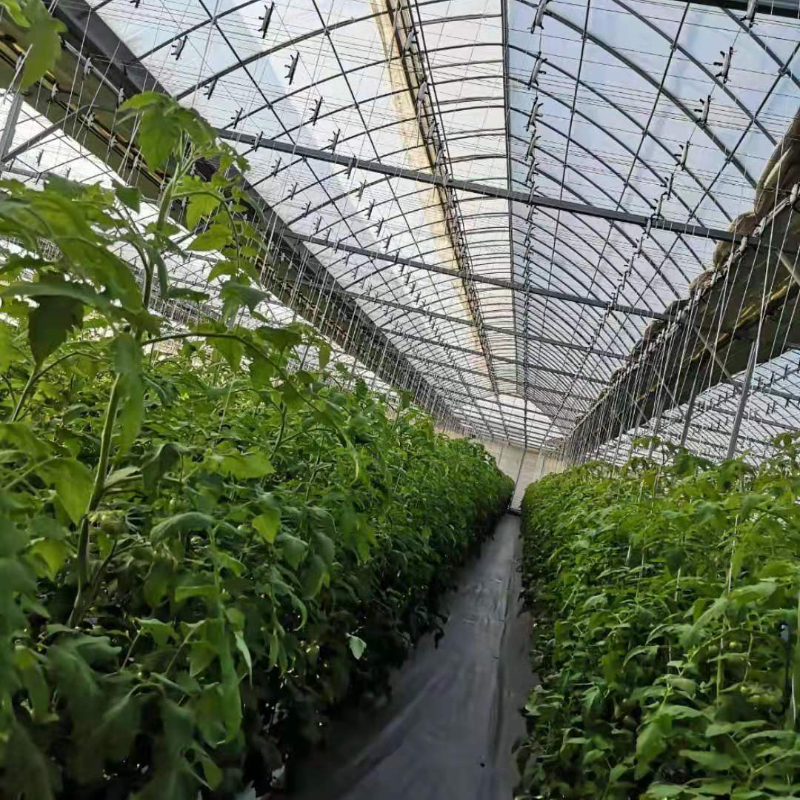
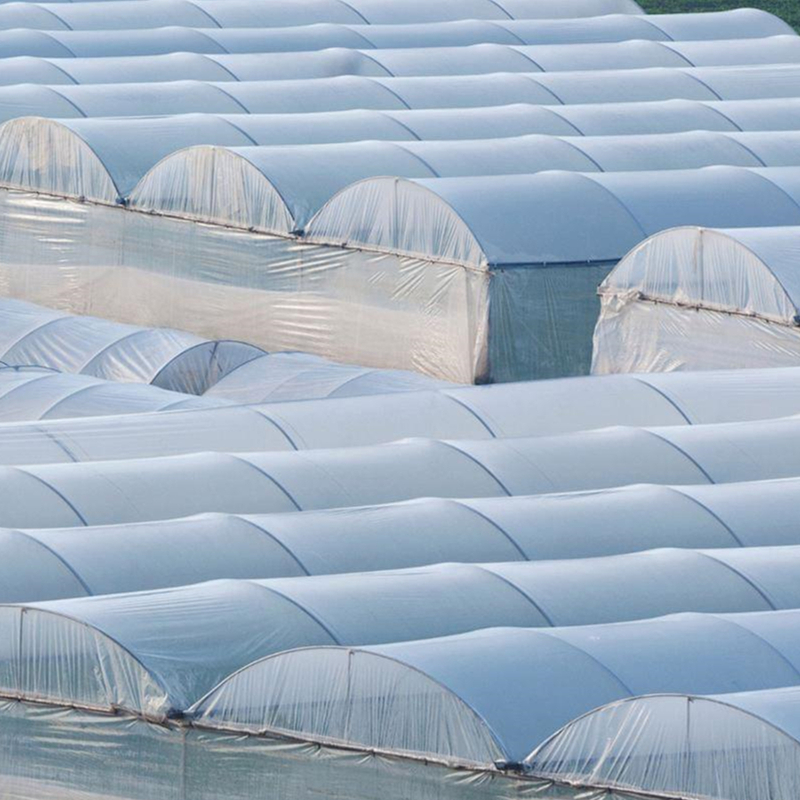
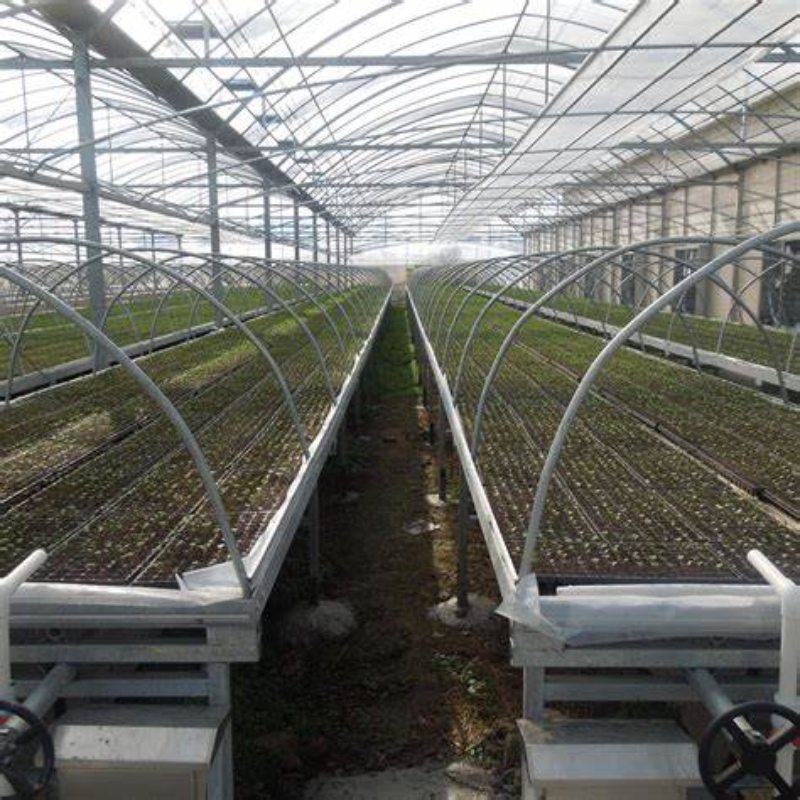
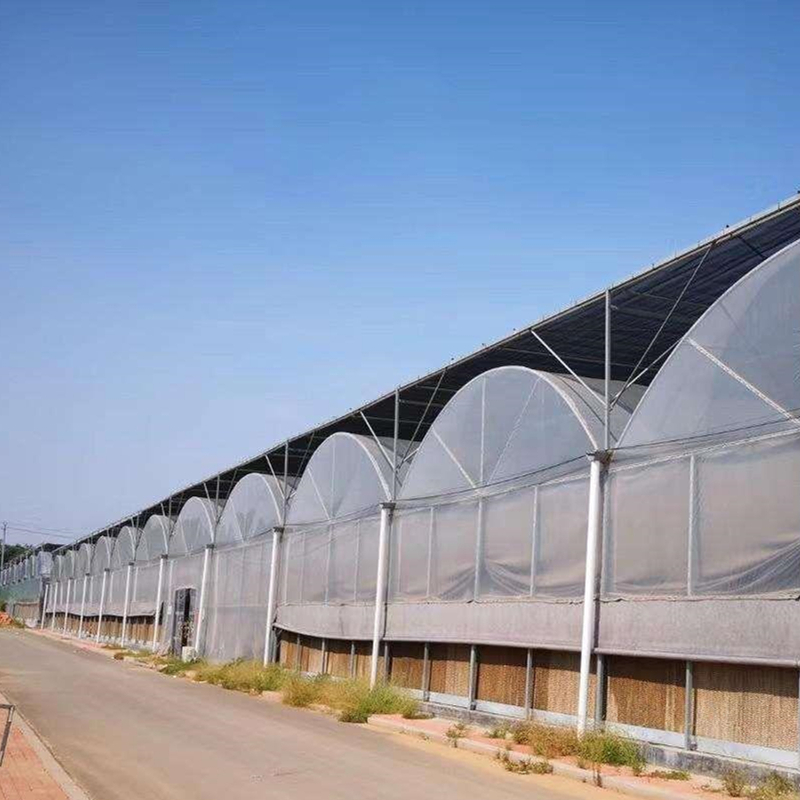
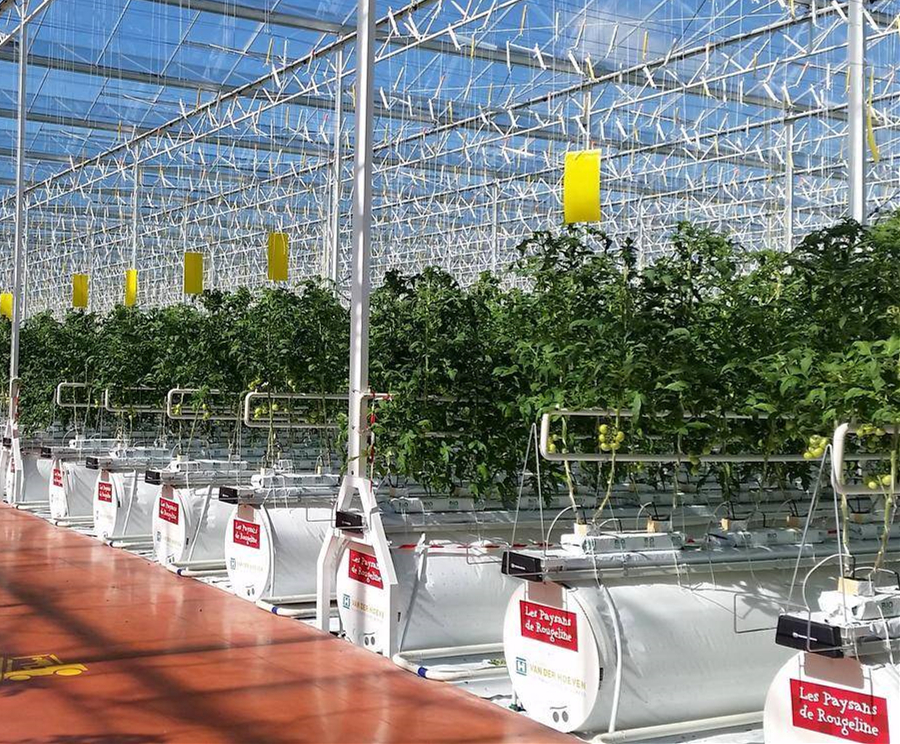
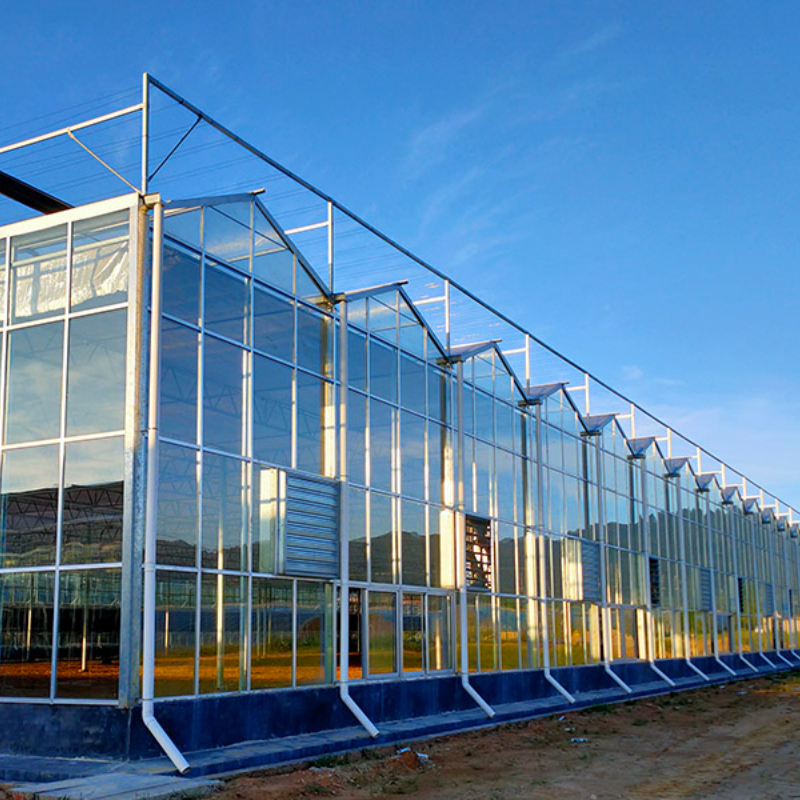
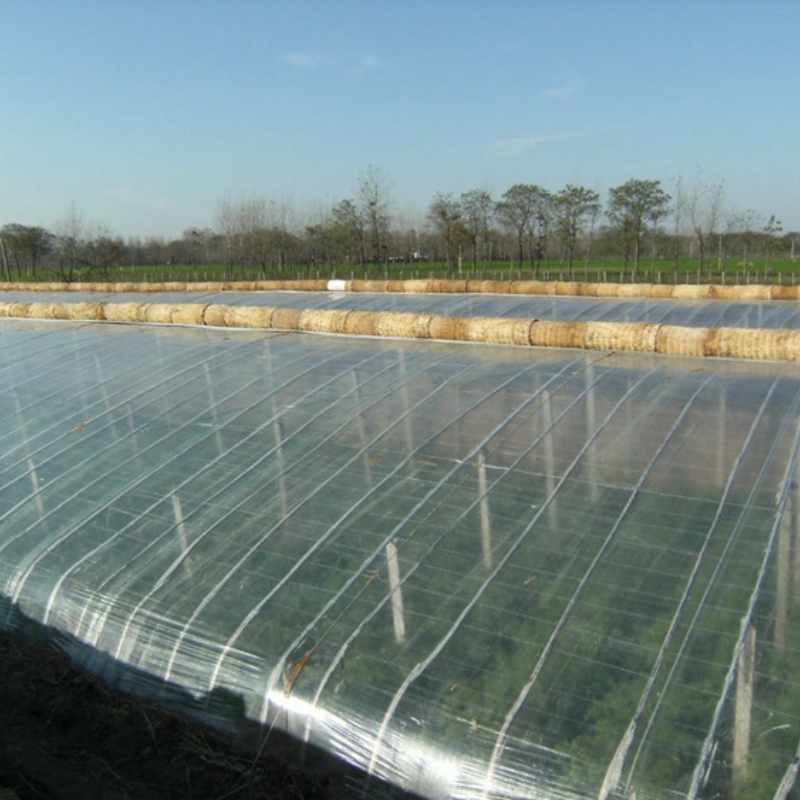
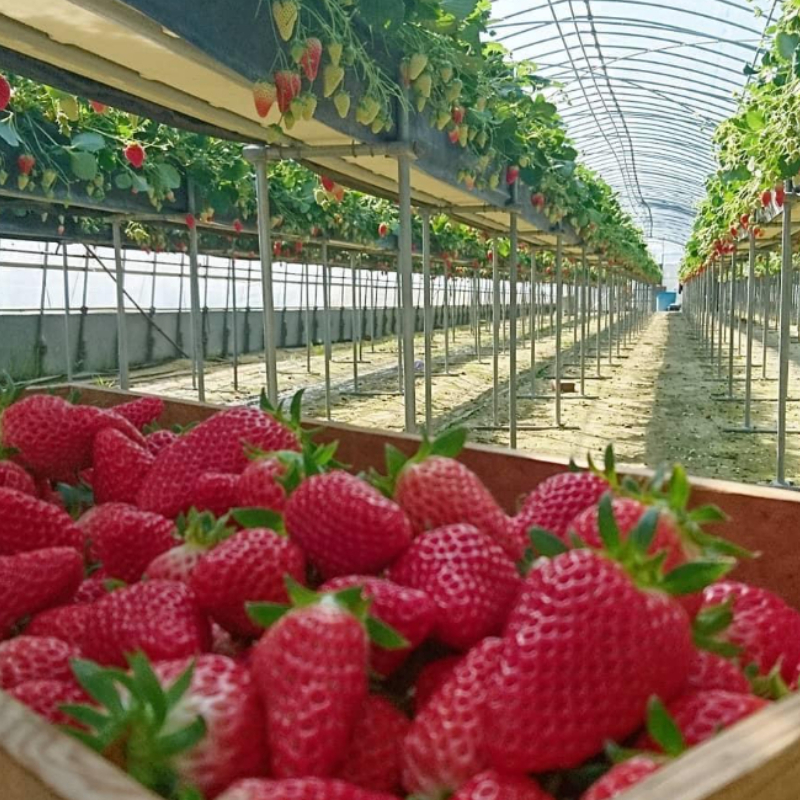
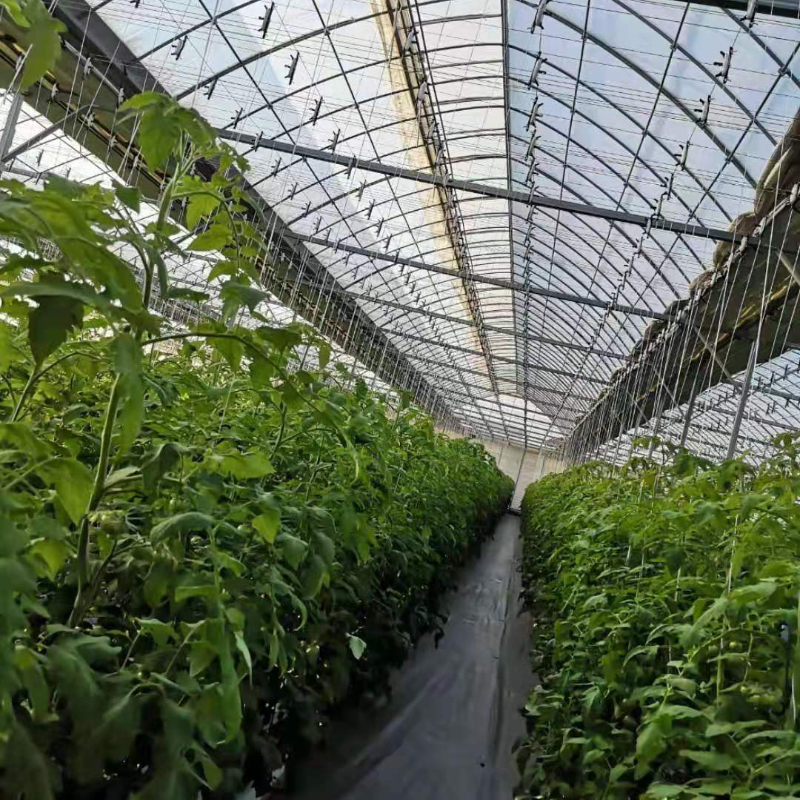
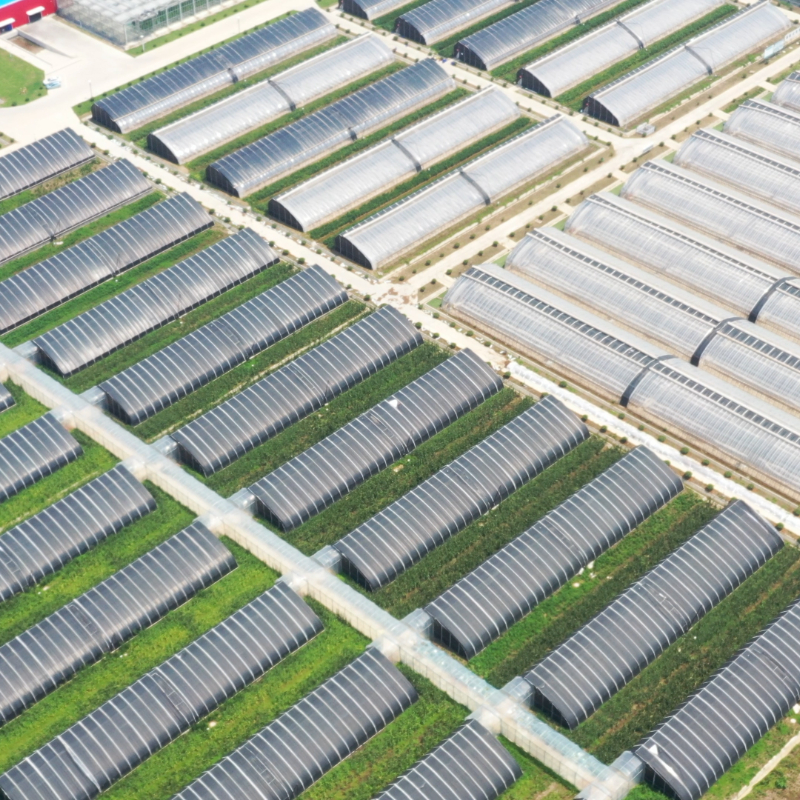
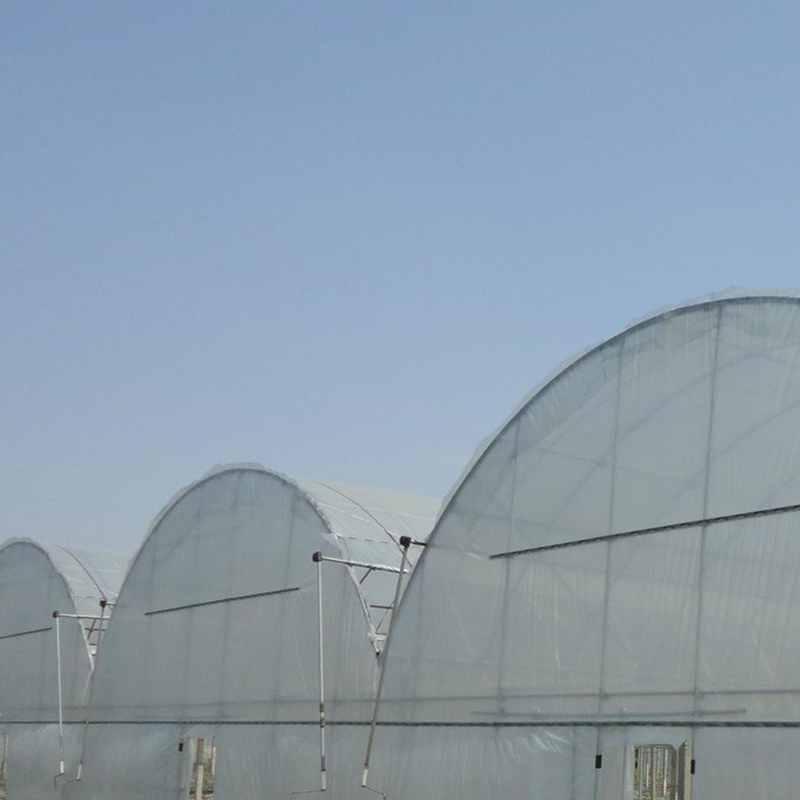
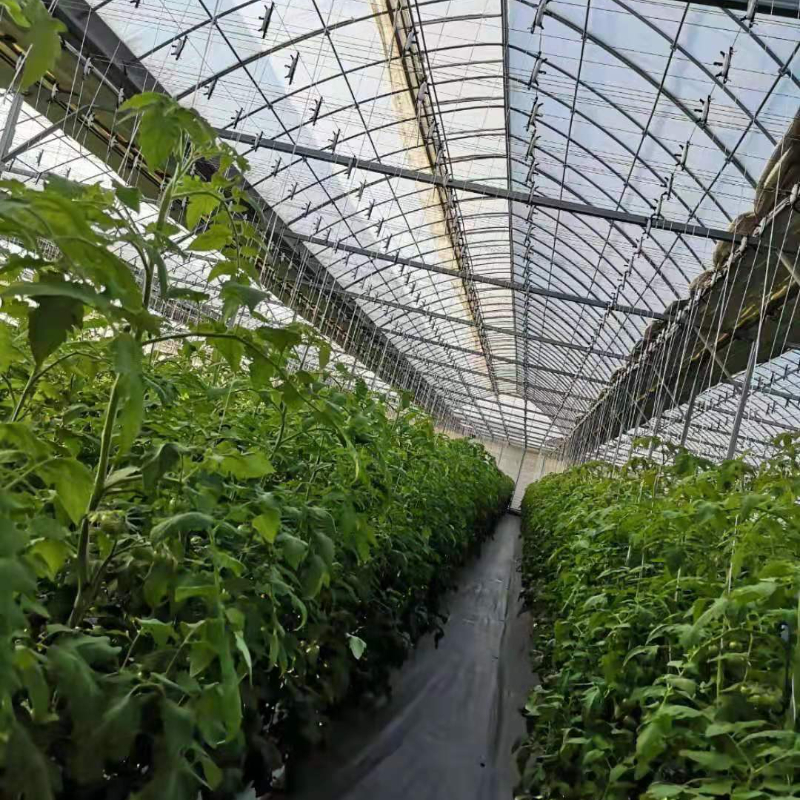
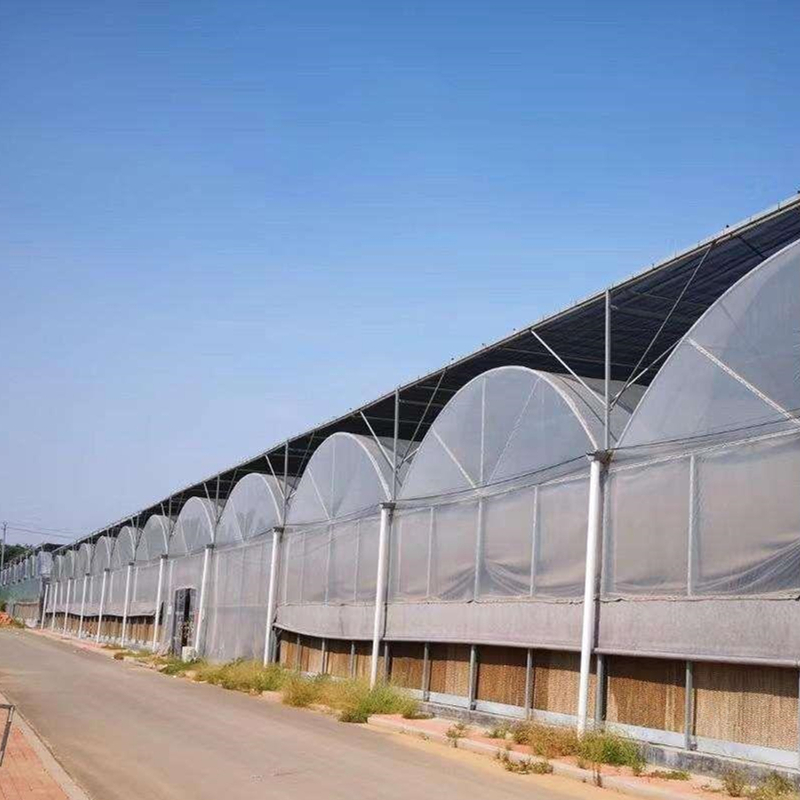
Targeting the pain points of tropical climates, glass greenhouses are hailed as "farming shields": high-strength tempered glass resists typhoons up to Level 12 and heavy rains, while the intelligent temperature control system stabilizes the indoor temperature at 25-30℃, completely freeing crops from heatstroke and flood damage. The fully enclosed design, combined with insect nets and biological control technologies, reduces pesticide use by 70%, easily achieving residue-free cultivation that meets high-end market standards. The drip irrigation system boosts water use efficiency by 60%, storing rainwater in the rainy season for irrigation in the dry season—perfectly solving the problem of unbalanced water distribution.
The glass used in high-end smart glass greenhouses is not ordinary building glass. It needs to meet the dual requirements of agricultural production and intelligent operation: on the one hand, it must ensure sufficient light transmission to meet the photosynthetic needs of crops; on the other hand, it must have excellent thermal insulation, structural stability, and weather resistance to adapt to complex natural environments and reduce energy consumption for environmental control. Moreover, it must be compatible with the operation of the greenhouse's intelligent systems, such as not interfering with the monitoring of sensors and the operation of automated equipment. Based on the different functional requirements of the top and surrounding areas of the greenhouse, the selection of glass types and specifications also varies significantly. Next, we will detailedly introduce the glass selection schemes for different parts of the greenhouse.
I. Glass Selection for the Top of Smart Glass Greenhouses
The top of the smart glass greenhouse is the main channel for light to enter, and it also bears the direct impact of natural factors such as wind, rain, snow, and hail. Therefore, the glass selected for the top must first have excellent light transmission performance to maximize the utilization of natural light, and at the same time, it must have sufficient structural strength and weather resistance to ensure the safety and durability of the greenhouse. After long-term practice and technological verification, two types of glass have become the mainstream choices for the top of high-end smart glass greenhouses: 4mm ultra-white diffuse glass and 5mm tempered glass.
1. 4mm Ultra-White Diffuse Glass: The Optimal Choice for Efficient Light Utilization
As a high-performance glass specially developed for agricultural greenhouses, 4mm ultra-white diffuse glass has become the first choice for the top of most high-end smart glass greenhouses due to its outstanding comprehensive performance. Its core advantages are reflected in the following three aspects:
a. Excellent Light Transmittance and Uniform Light Distribution
The ultra-white substrate of 4mm ultra-white diffuse glass has extremely low impurity content, which effectively reduces the absorption and scattering of light by impurities in the glass, making its light transmittance reach more than 91%. Compared with ordinary glass, this high light transmittance can increase the amount of light entering the greenhouse by 5%-10%, providing more sufficient energy for crop photosynthesis. What's more, combined with advanced diffuse reflection technology, this glass can convert direct strong light into uniform scattered light. In traditional greenhouses using ordinary glass, direct sunlight often causes problems such as leaf burn of crops, especially for delicate crops such as leafy vegetables and flowers. The scattered light emitted by ultra-white diffuse glass can avoid local overheating caused by direct light, reduce the risk of crop leaf burn, and at the same time make the light evenly distributed in every corner of the greenhouse. This uniform light environment is conducive to improving the overall photosynthetic efficiency of crops and laying a solid foundation for high yield and high quality.
b. Stable Physical Properties and Strong Adaptability

The 4mm thickness of ultra-white diffuse glass achieves a perfect balance between lightweight and structural strength. For the top of the greenhouse, lightweight glass can reduce the load on the hot-dip galvanized steel frame, thereby reducing the cost of the frame structure while ensuring structural stability. At the same time, this glass has excellent impact resistance and temperature difference resistance. It can withstand the impact of moderate wind and rain, and can also adapt to the large temperature difference between day and night in different regions without cracking or breaking. In addition, 4mm ultra-white diffuse glass has excellent weather resistance. After special surface treatment, it can resist the erosion of ultraviolet rays, rainwater, and other natural factors. Even after long-term use (usually 10-15 years), its light transmittance attenuation rate is less than 5%, which ensures the long-term stability of the greenhouse's light environment and avoids frequent glass replacement, reducing the operation and maintenance costs of the greenhouse.
c. Facilitating Precise Regulation of Crop Growth Environment
The scattered light generated by ultra-white diffuse glass has strong penetration. It can penetrate the crop canopy and reach the lower leaves, which solves the problem of insufficient light for lower leaves in traditional greenhouses. This not only promotes the uniform growth of the entire plant, avoids the phenomenon of uneven growth of upper and lower leaves, but also improves the utilization rate of light energy of the entire crop population. In addition, the uniform scattered light can also reduce the local sudden temperature rise in the greenhouse caused by direct sunlight. For high-end smart greenhouses equipped with IoT temperature control systems, this helps to reduce the frequency of operation of cooling equipment such as ventilation fans and water curtains, thereby reducing energy consumption and realizing energy-saving and environmentally friendly operation of the greenhouse. At the same time, the stable temperature environment is also conducive to the accurate regulation of the intelligent system, ensuring that crops grow in the optimal temperature range.
2. 5mm Tempered Glass: The Reliable Choice for Areas with Abundant Light Resources and Severe Natural Conditions
In addition to 4mm ultra-white diffuse glass, 5mm tempered glass is also a common choice for the top of smart glass greenhouses in some regions. This choice is mainly based on the local natural conditions and crop planting needs. For areas with abundant light resources, the light transmittance of 5mm tempered glass can fully meet the photosynthetic needs of crops. More importantly, 5mm tempered glass has more outstanding structural strength and impact resistance, making it particularly suitable for areas with frequent hail, strong wind, and other severe weather.
Tempered glass is made by heating ordinary glass to a high temperature and then rapidly cooling it. This special production process makes its impact resistance 3-5 times that of ordinary glass. The 5mm thickness further enhances its ability to resist external impacts. In areas where hail often occurs, 5mm tempered glass can effectively withstand the impact of hail, avoiding glass breakage and damage to crops and internal equipment. At the same time, its high structural strength also makes it more stable in the face of strong winds, reducing the risk of greenhouse collapse. In addition, 5mm tempered glass also has good light transmittance and weather resistance. Although its light transmittance is slightly lower than that of 4mm ultra-white diffuse glass (usually around 88%-90%), it is still higher than ordinary float glass, which can meet the growth needs of most crops. For agricultural projects that focus more on structural safety and are located in areas with abundant light resources, 5mm tempered glass is a cost-effective and reliable choice.
II. Glass Selection for the Surroundings of Smart Glass Greenhouses
Unlike the top of the greenhouse, which focuses on light transmission, the surrounding areas of the smart glass greenhouse need to prioritize thermal insulation performance. This is because the surrounding areas are in direct contact with the external environment, and the heat exchange between the inside and outside of the greenhouse is more frequent. Excellent thermal insulation performance can effectively reduce the loss of heat in the greenhouse in winter and the intrusion of high temperature in summer, thereby reducing the energy consumption of heating and cooling equipment and ensuring the stability of the internal temperature environment. After comprehensive consideration of thermal insulation performance, structural safety, and light transmittance, double-layer insulated glass (hollow tempered glass) has become the standard configuration for the surrounding areas of high-end smart glass greenhouses. The most commonly used specifications are 5+9+5 hollow tempered glass and 5+6+5 hollow tempered glass.
1. Superb Structural Safety
The double-layer 5mm tempered glass used in 5+9+5 and 5+6+5 hollow tempered glass has undergone high-temperature tempering treatment, which has the same excellent impact resistance as the 5mm tempered glass used on the top. Its impact strength is 3-5 times that of ordinary glass, and when broken, it will form small granular fragments without sharp edges, which can effectively avoid injury to people and crops. For the surrounding areas of the greenhouse, which are vulnerable to the impact of strong winds, rain, and even foreign objects, this high structural safety can greatly reduce potential safety risks. In addition, the hollow structure formed by the two layers of glass and the intermediate spacer has good structural stability, which can withstand the pressure of snow and strong winds in winter, ensuring the overall stability of the greenhouse. The hot-dip galvanized steel frame matched with the hollow tempered glass can further enhance the structural bearing capacity, making the greenhouse adaptable to various complex natural environments.
2. Excellent Thermal Insulation Performance
The core advantage of hollow tempered glass lies in its excellent thermal insulation performance, which is mainly achieved by the air layer between the two layers of glass. For 5+9+5 hollow tempered glass, the 9mm air layer forms a natural thermal insulation barrier; while 5+6+5 hollow tempered glass has a 6mm air layer. These air layers are sealed by professional sealants, which can effectively reduce the heat transfer between the inside and outside of the greenhouse. In winter, the thermal insulation barrier can reduce the loss of heat generated by heating equipment (such as heating pipes, heat pumps) in the greenhouse, so that the internal temperature can be maintained at a stable level without excessive energy consumption. In summer, it can block the intrusion of external high temperature, reduce the temperature rise in the greenhouse, and reduce the operation time of cooling equipment such as water curtains and fans. According to relevant data, compared with single-layer glass, the thermal conductivity of 5+9+5 hollow tempered glass is reduced by more than 60%, which can save 30%-50% of energy consumption for temperature control. This is of great significance for high-end smart greenhouses that pursue energy conservation and environmental protection and long-term stable operation.
3. Good Light Transmittance and Weather Resistance
While emphasizing thermal insulation performance, the surrounding glass of the greenhouse also needs to ensure a certain level of light transmittance to supplement the light needed for crop growth. The double-layer tempered glass used in hollow tempered glass has high light transmittance, and the light transmittance of 5+9+5 and 5+6+5 hollow tempered glass can reach more than 85%. This can ensure that sufficient scattered light enters the greenhouse from the surrounding areas, supplementing the light from the top and further improving the uniformity of the light environment. In addition, the surface of the tempered glass is flat and smooth, and after special anti-ultraviolet treatment, it can resist the erosion of ultraviolet rays in the sun. Long-term exposure to ultraviolet rays will not cause yellowing or cracking of the glass, and the light transmittance attenuation rate is very low. This adaptability to long-term outdoor use ensures that the surrounding glass of the greenhouse can maintain stable performance for a long time, avoiding the impact of glass aging on the growth environment of crops.
4. Good Sound Insulation and Moisture Resistance
In addition to thermal insulation and safety performance, hollow tempered glass also has good sound insulation and moisture resistance, which is often ignored but very important for the growth of crops. The hollow structure can effectively weaken the transmission of external noise, such as the noise of farm machinery, traffic, and construction around the greenhouse. A quiet growth environment is conducive to the normal growth and development of crops, especially for some crops that are sensitive to noise (such as flowers and seedlings). At the same time, the sealed air layer can also reduce the phenomenon of condensation on the inner surface of the glass. In greenhouses, due to the large difference between internal and external temperature and high humidity, condensation is likely to occur on the surface of single-layer glass, which will not only affect the light transmittance but also cause the humidity in the greenhouse to be too high, leading to the occurrence of crop diseases and insect pests. The hollow tempered glass can effectively solve this problem. The sealed air layer reduces the temperature difference between the inner and outer surfaces of the glass, thereby reducing condensation. Even if a small amount of condensation occurs, it will not flow into the greenhouse due to the sealing effect, ensuring the stability of the humidity environment in the greenhouse. This is particularly important for high-end smart greenhouses that rely on IoT systems to accurately control humidity.
III. Key Considerations for Glass Selection in High-End Smart Glass Greenhouses
When selecting glass for high-end smart glass greenhouses, in addition to considering the functional requirements of different parts (top and surrounding areas), it is also necessary to comprehensively consider the following factors to ensure that the selected glass is most suitable for the specific needs of the project:
1. Local Climatic Conditions
Climatic conditions are the primary factor determining glass selection. For areas with abundant light resources but frequent hail and strong winds, 5mm tempered glass can be selected for the top to ensure structural safety; for areas with insufficient light or crops that are sensitive to light (such as leafy vegetables, flowers), 4mm ultra-white diffuse glass is preferred to improve light utilization efficiency. For areas with cold winters and large temperature differences between day and night, 5+9+5 hollow tempered glass with a thicker air layer should be selected for the surrounding areas to enhance thermal insulation performance; for areas with mild climates, 5+6+5 hollow tempered glass can be selected to balance cost and performance.
2. Types of Crops Planted
Different crops have different requirements for light, temperature, and humidity, which also affect the selection of glass. For example, high-value crops such as flowers and medicinal materials have high requirements for light uniformity and temperature stability. Therefore, 4mm ultra-white diffuse glass should be selected for the top, and 5+9+5 hollow tempered glass for the surrounding areas to create the optimal growth environment. For relatively robust crops such as tomatoes and cucumbers, which have strong adaptability to light and temperature, 5mm tempered glass can be selected for the top and 5+6+5 hollow tempered glass for the surrounding areas to control costs on the premise of meeting growth needs.
3. Operational Orientation of the Greenhouse
