
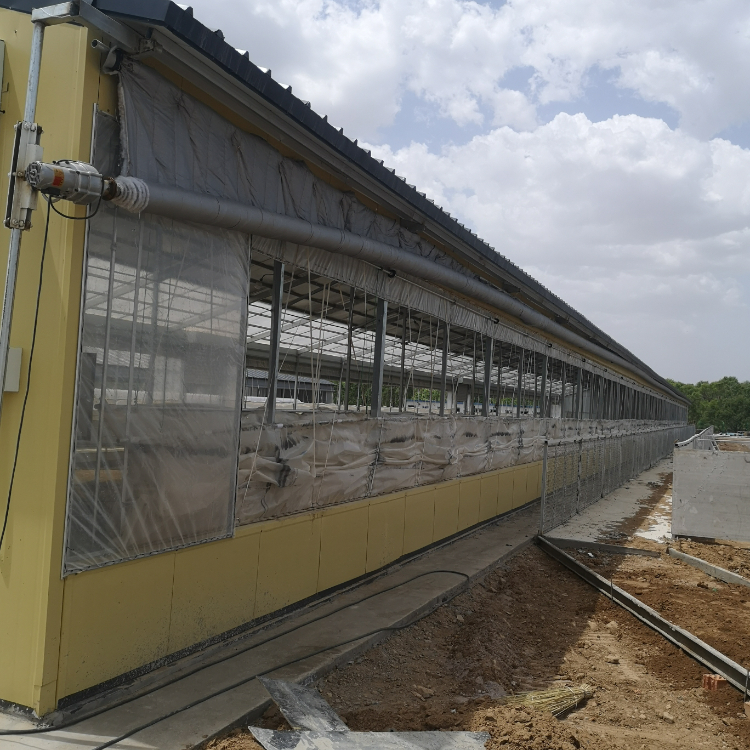
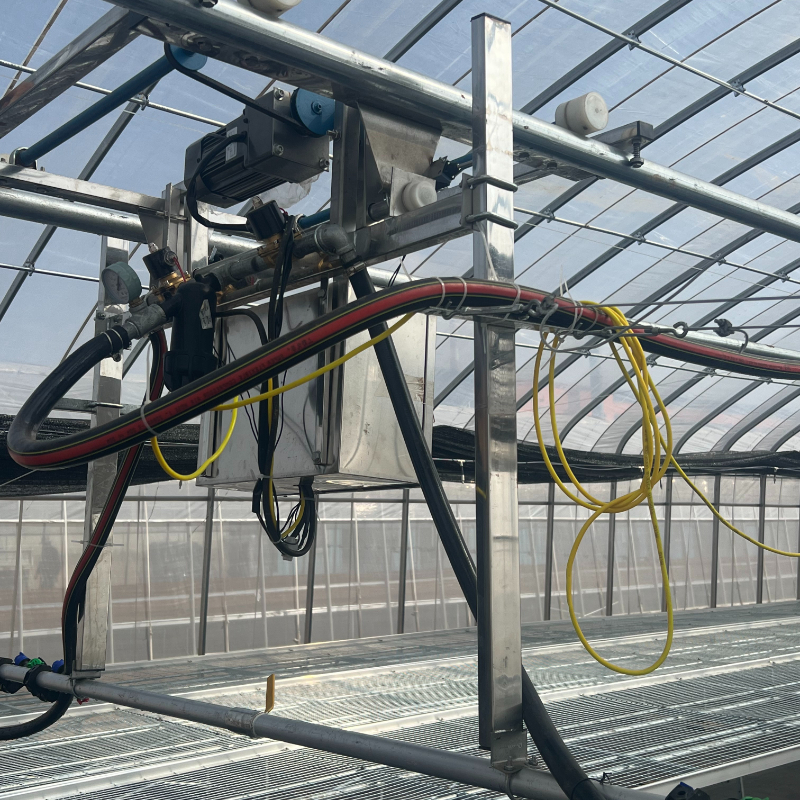
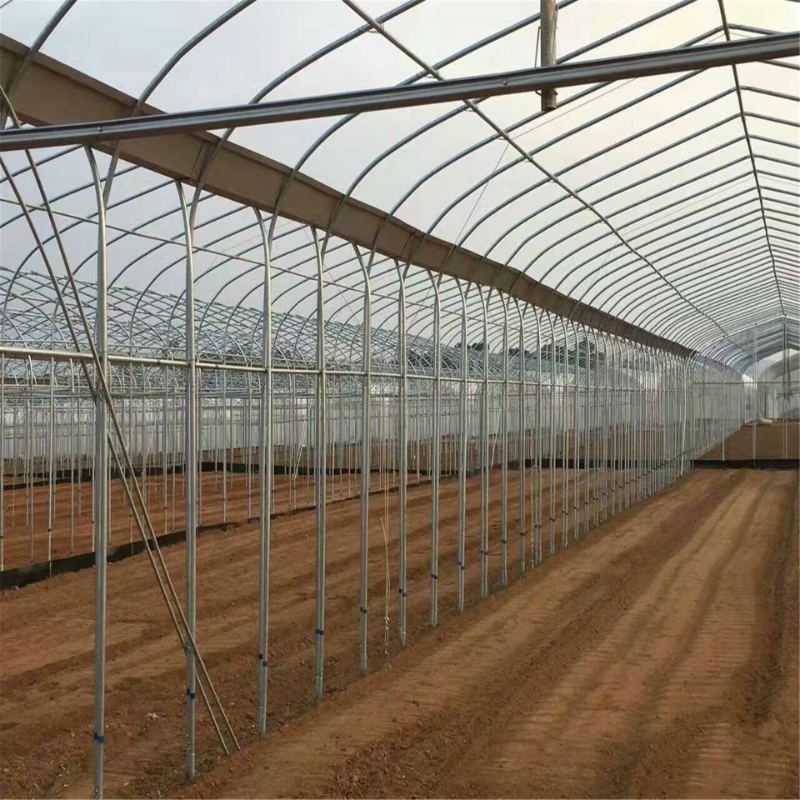
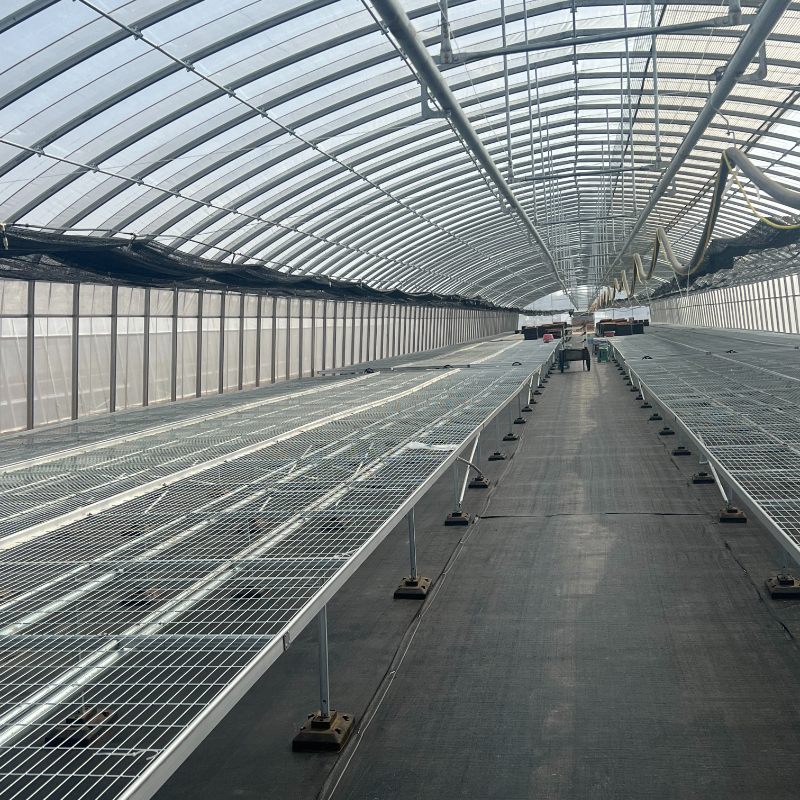
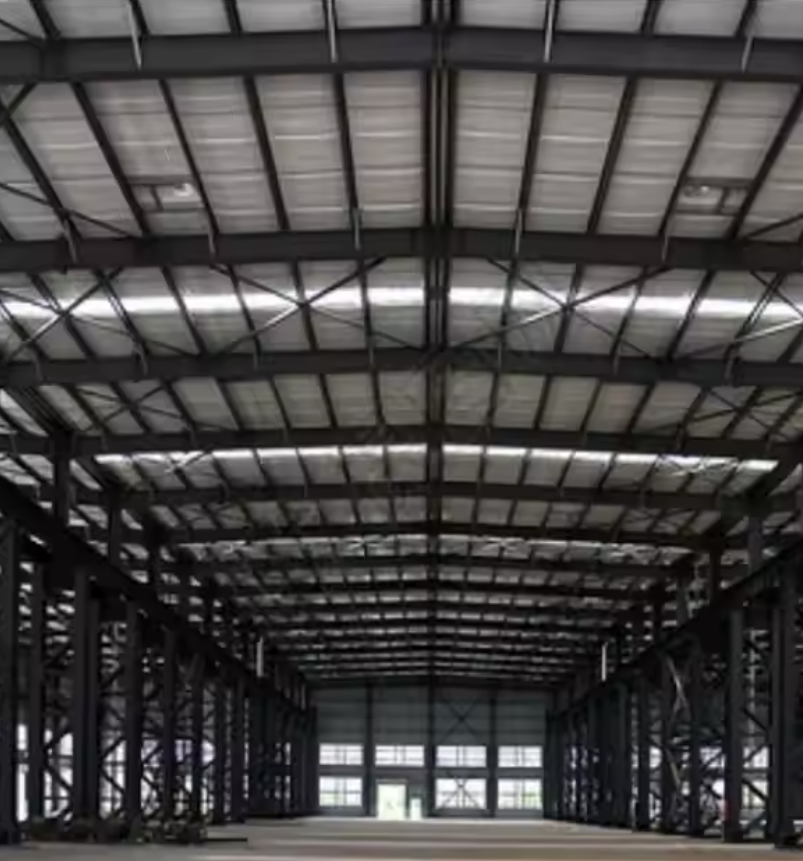
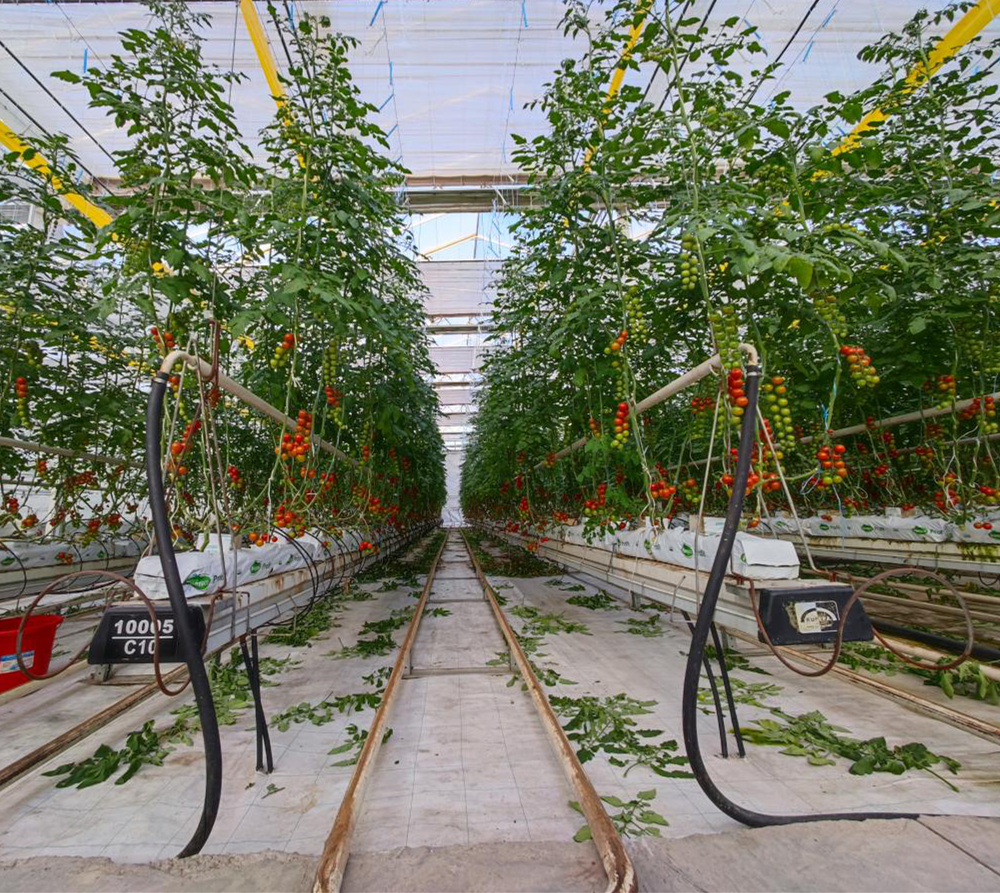
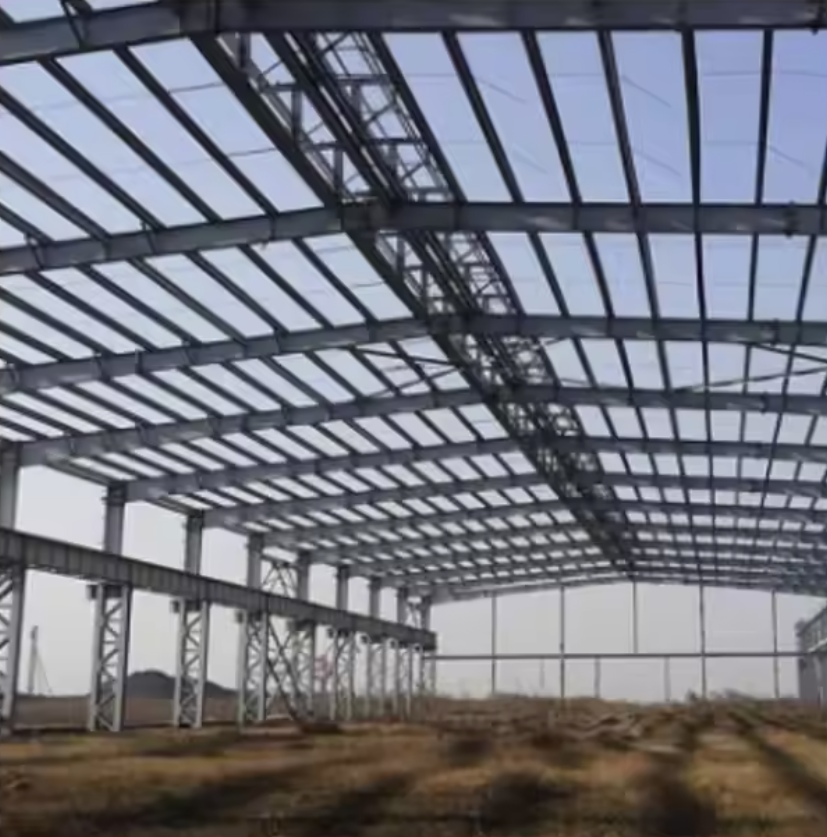
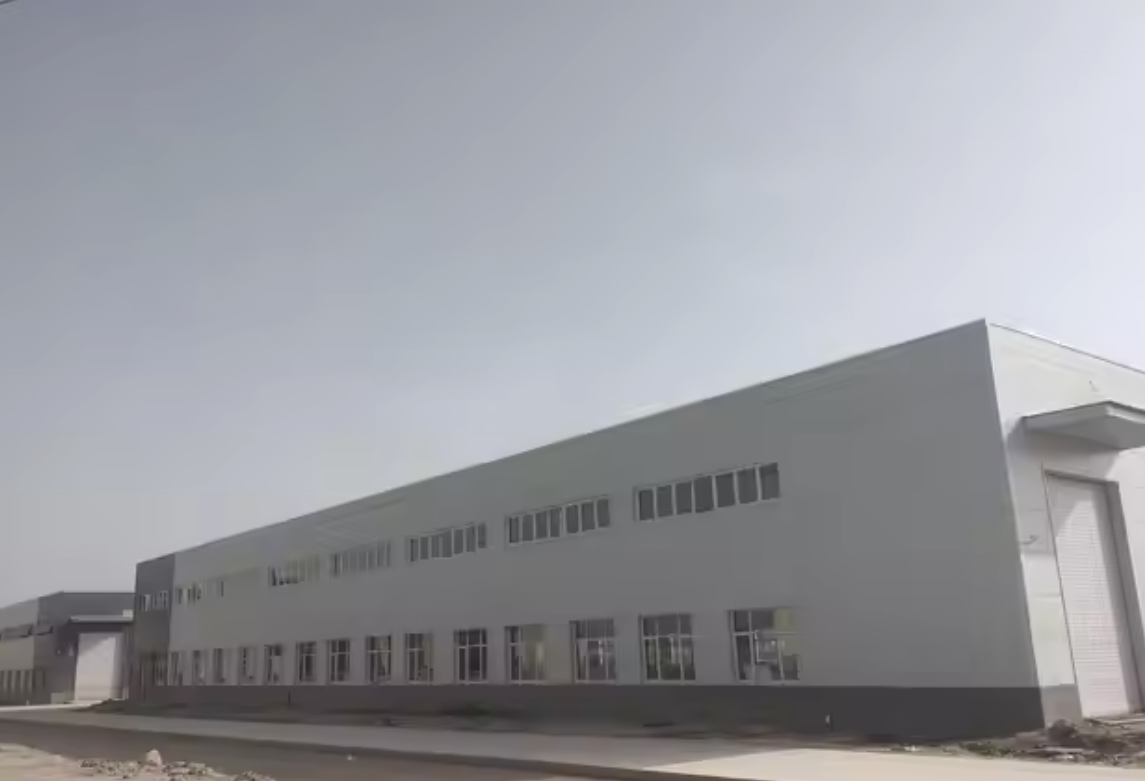
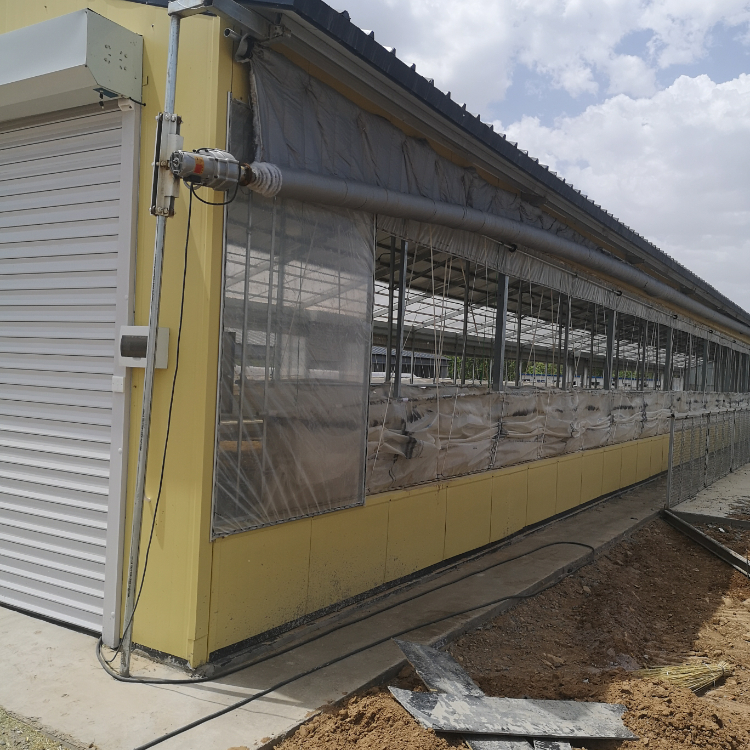
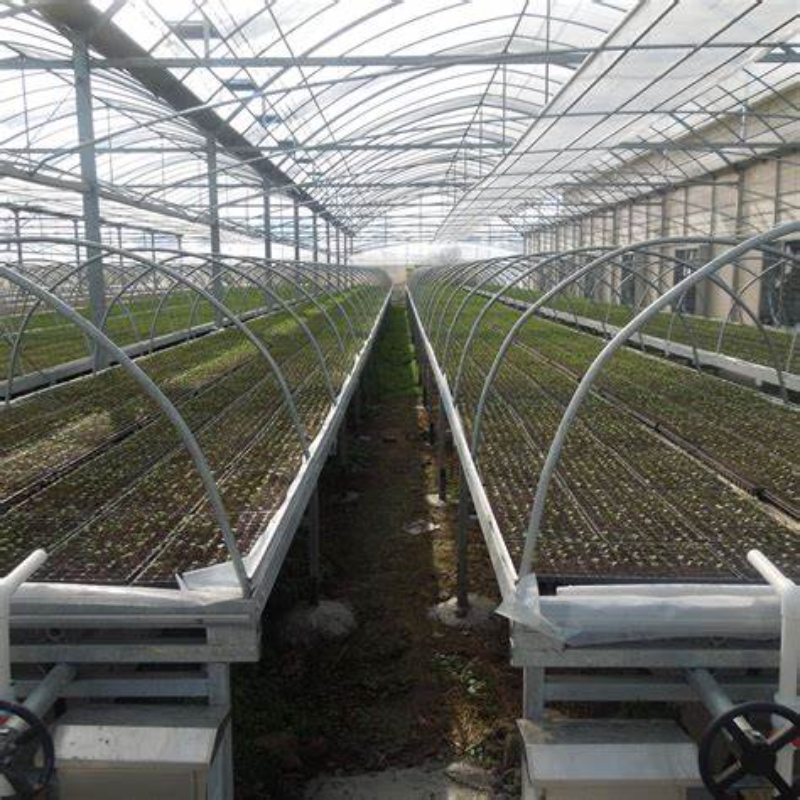
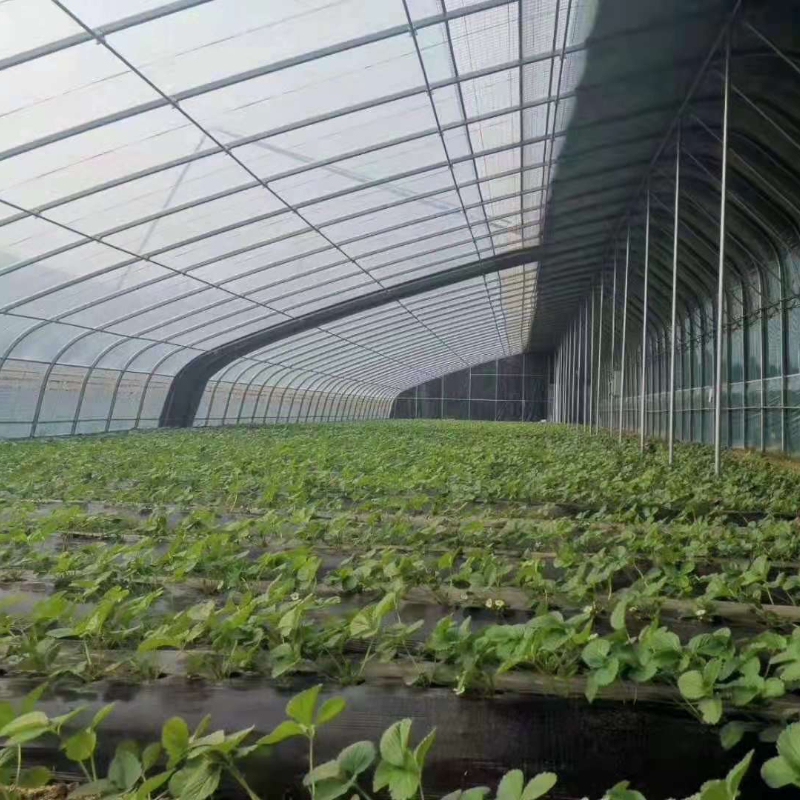
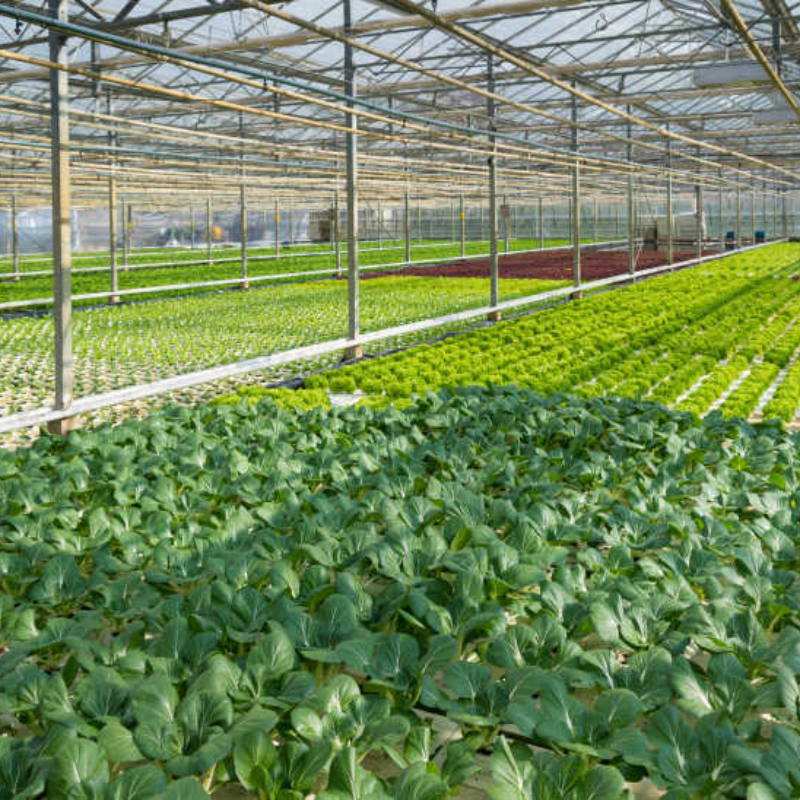
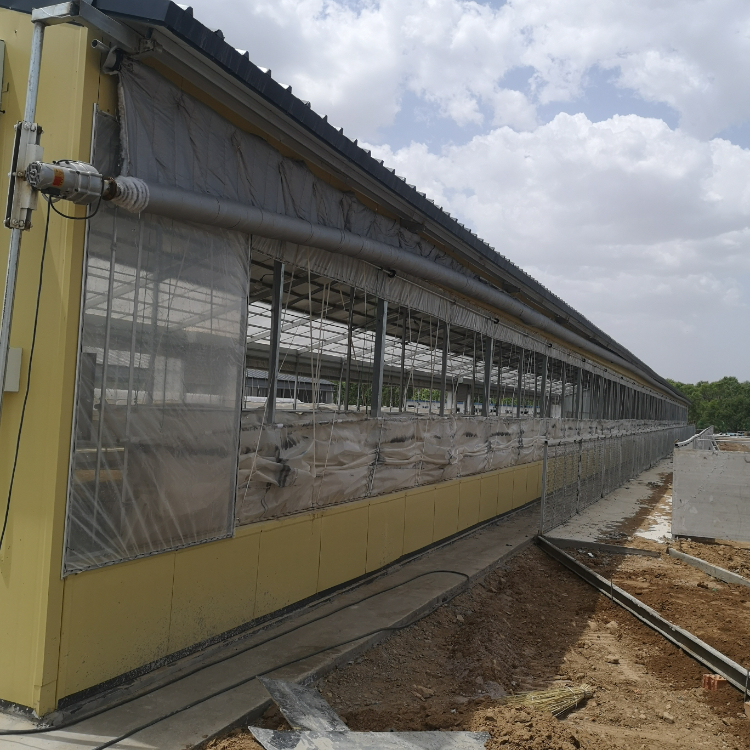
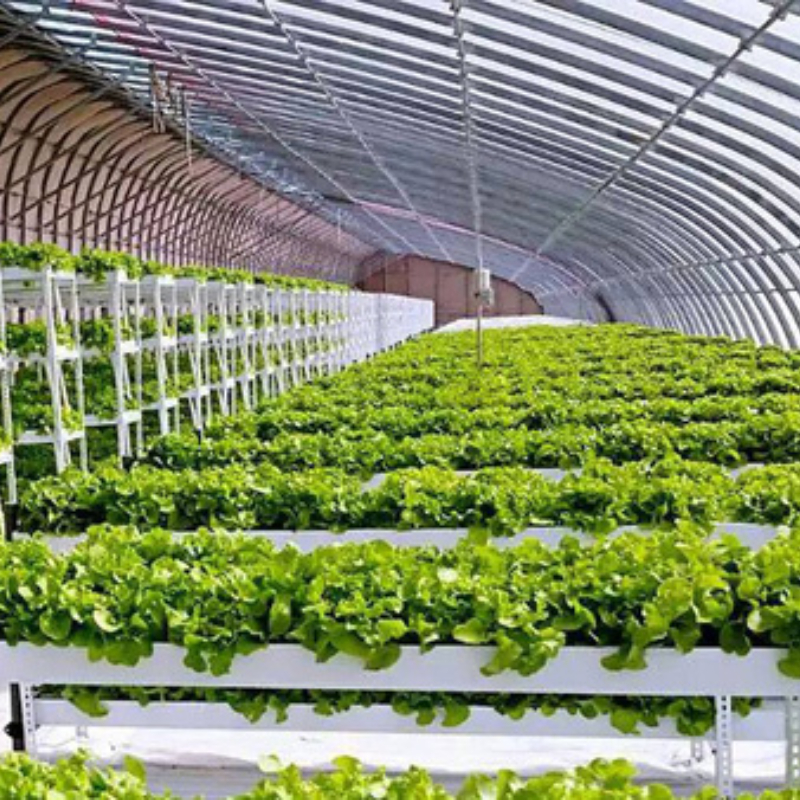
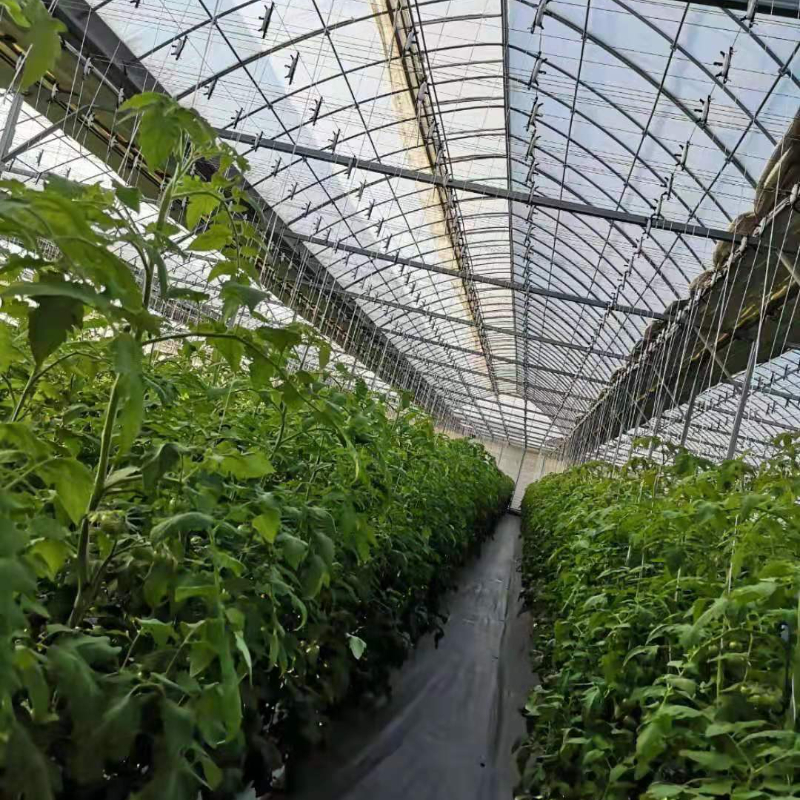
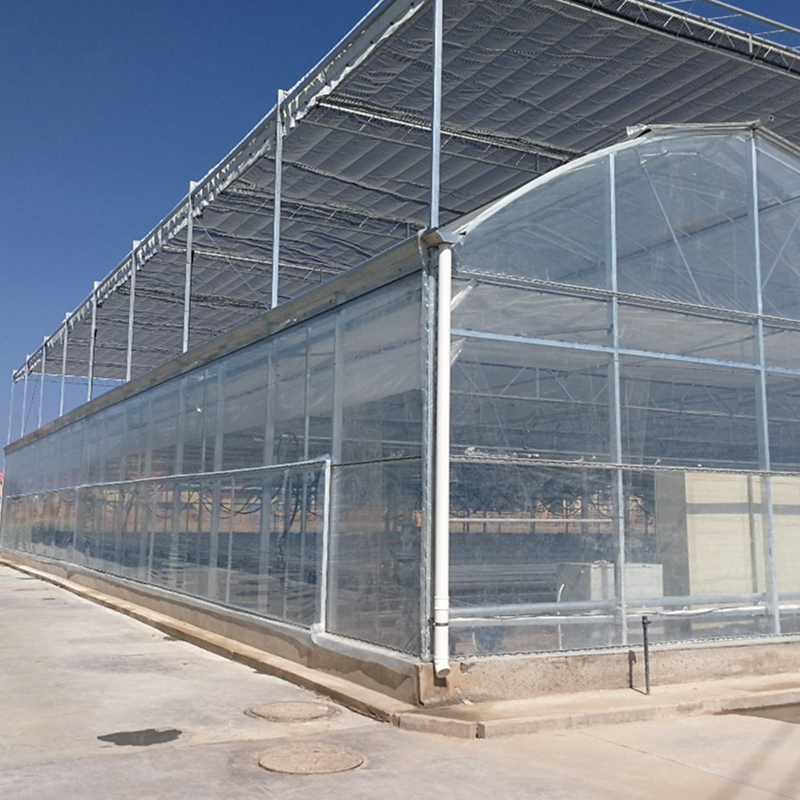
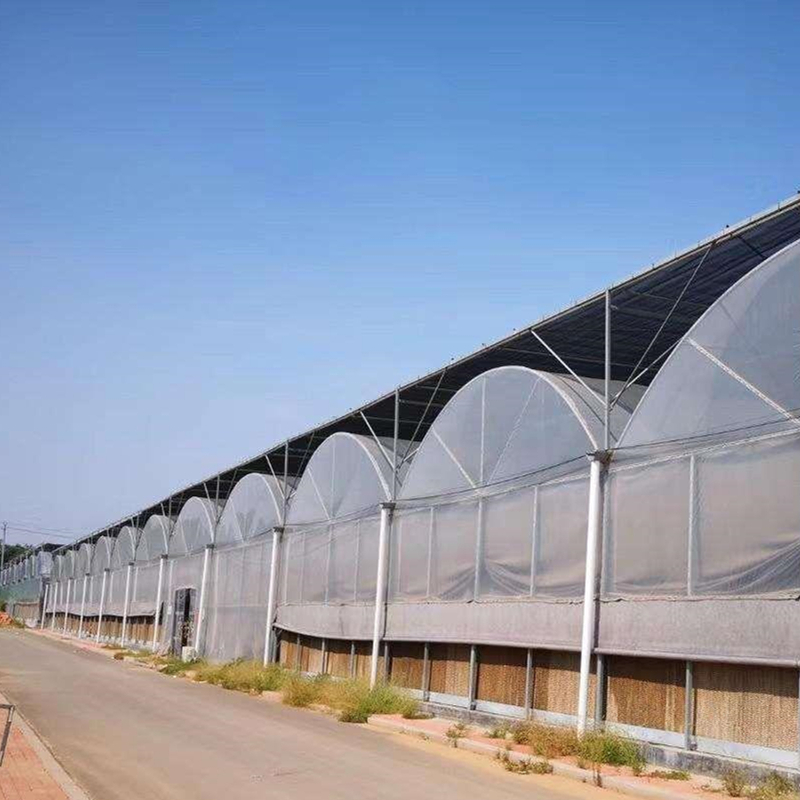
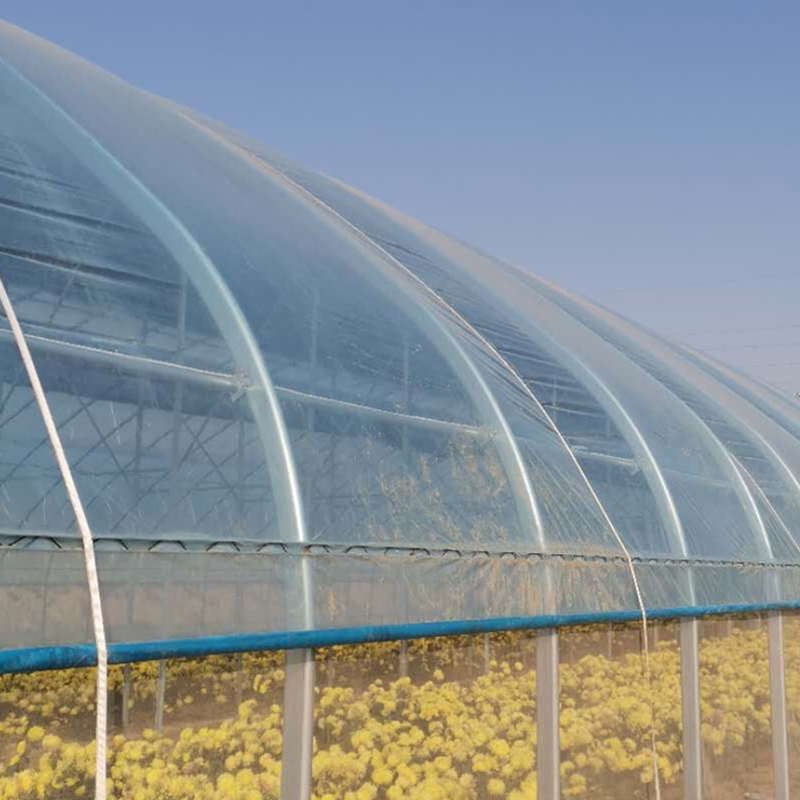
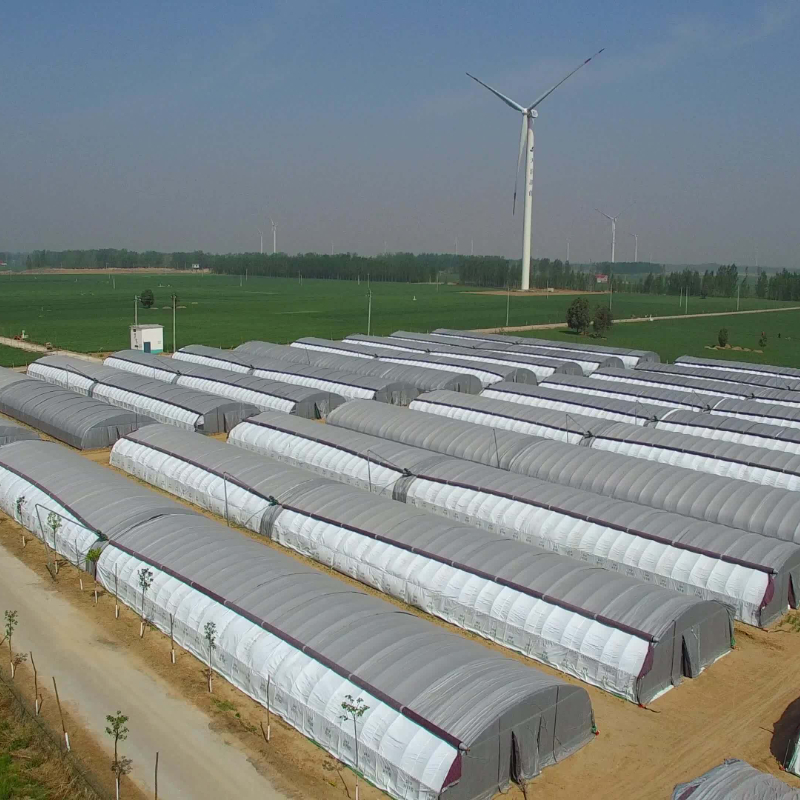
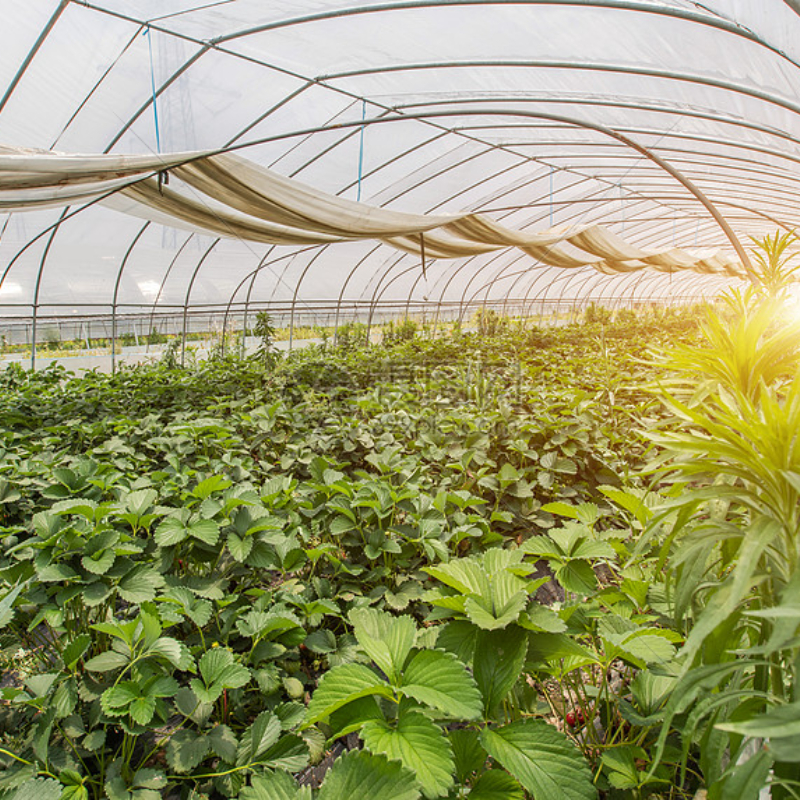
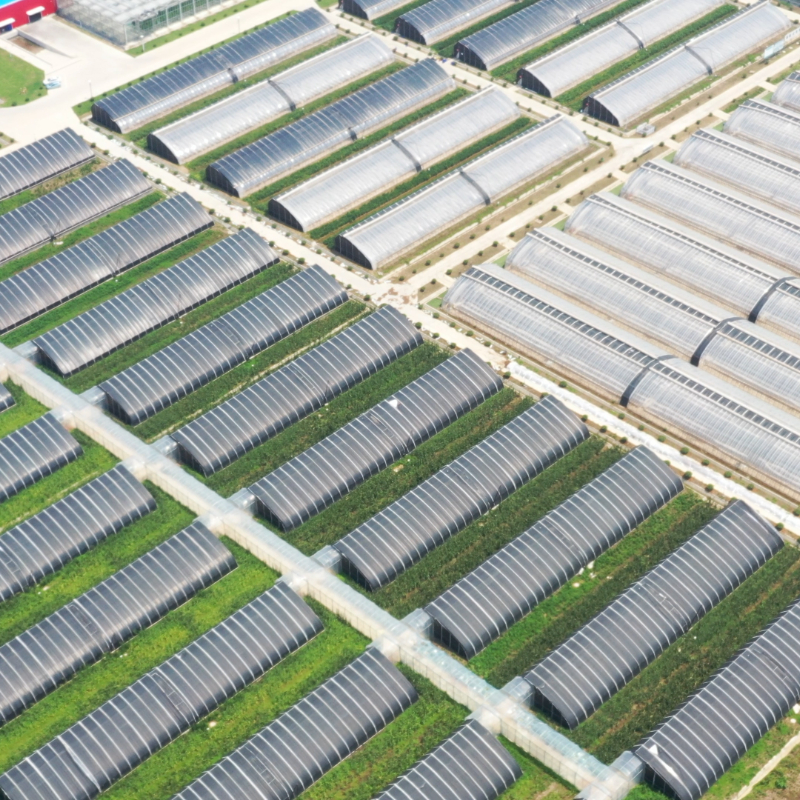
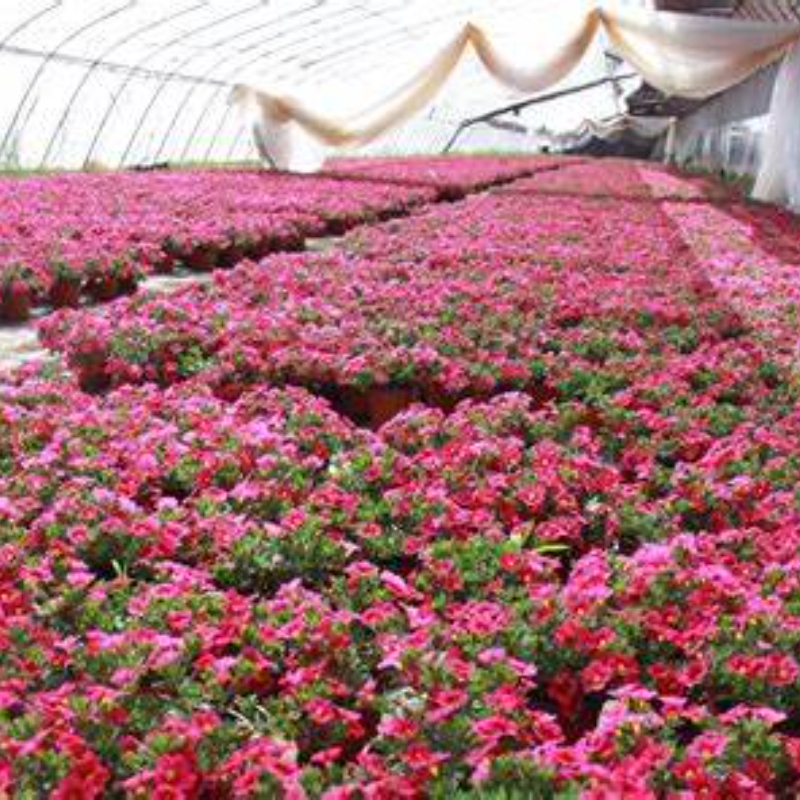
Greenhouse covering materials are fundamental to protected agriculture, directly influencing the internal microclimate, energy efficiency, and ultimately, crop yield and quality. The selection of an appropriate material is a critical decision for modern agricultural operations. This article explores the common types of greenhouse covering materials, their properties, and how companies like Qingzhou Jinxin Greenhouse Materials Company contribute to this vital industry.
1. Common Types and Properties of Covering Materials
The performance of a greenhouse is heavily dependent on its "skin." The primary categories of covering materials include:
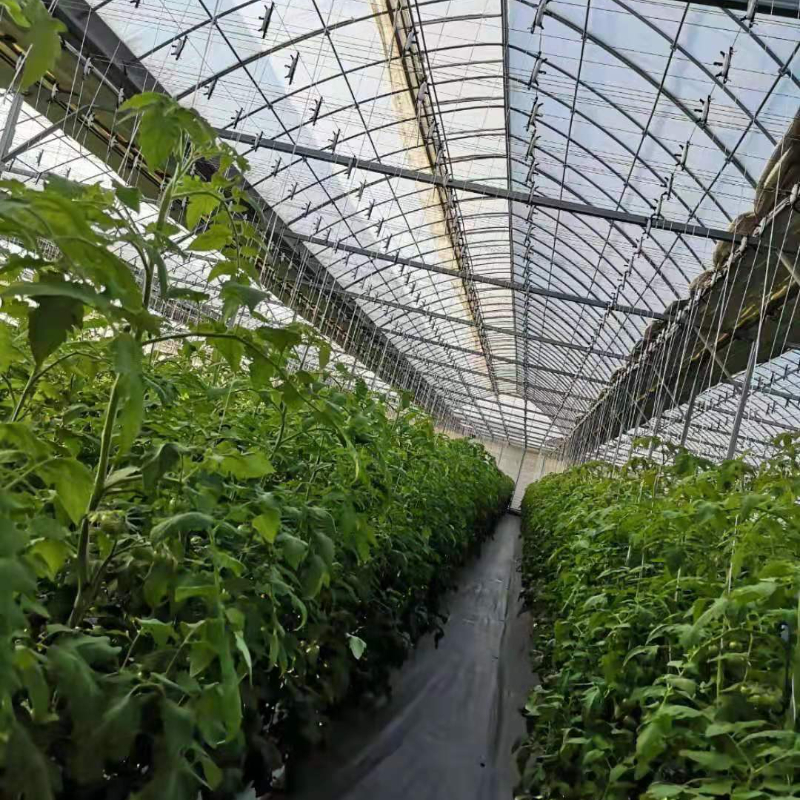
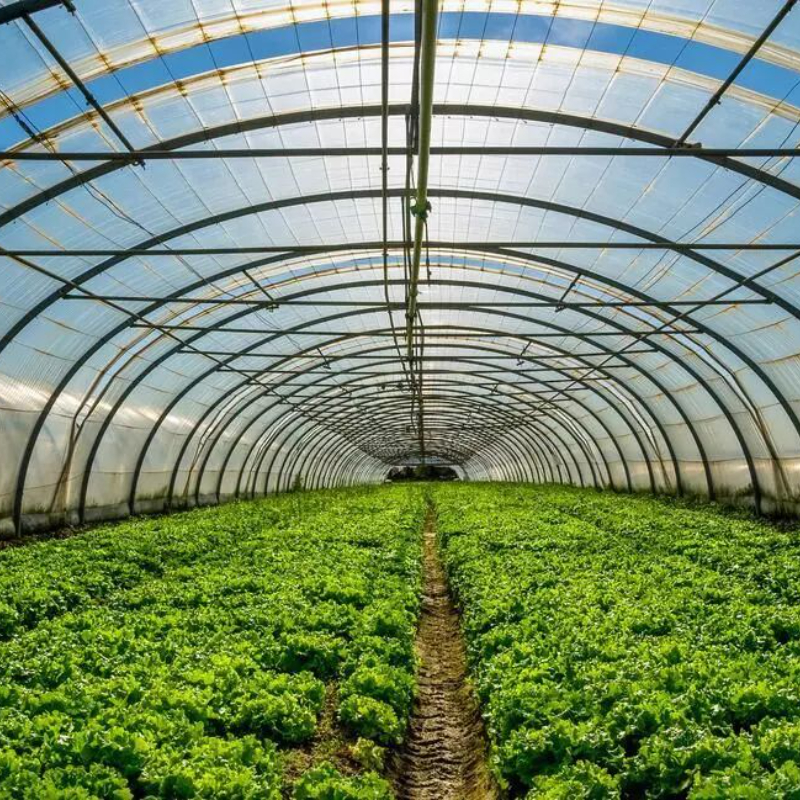
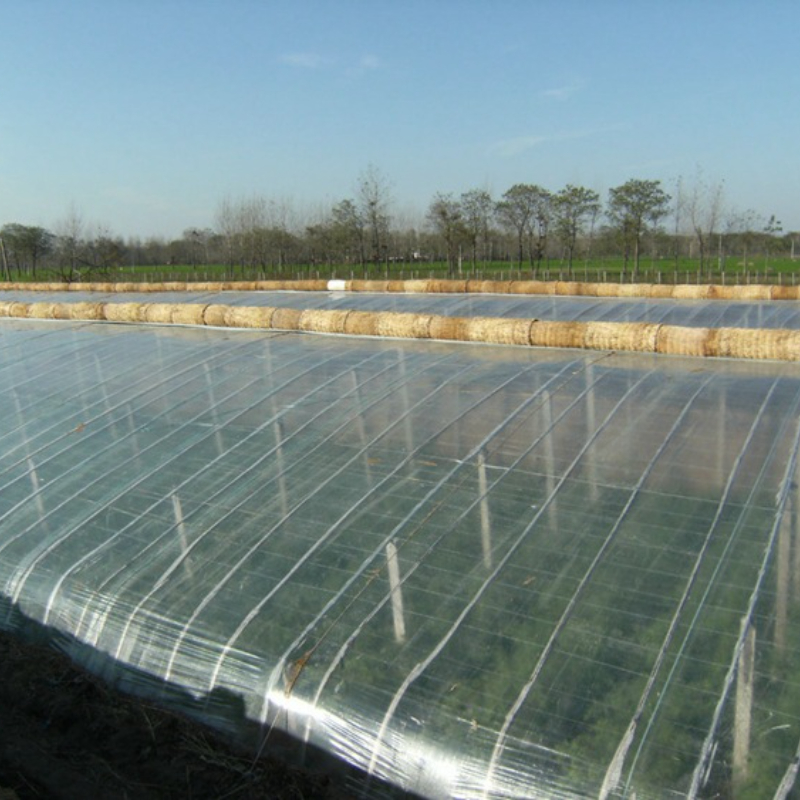
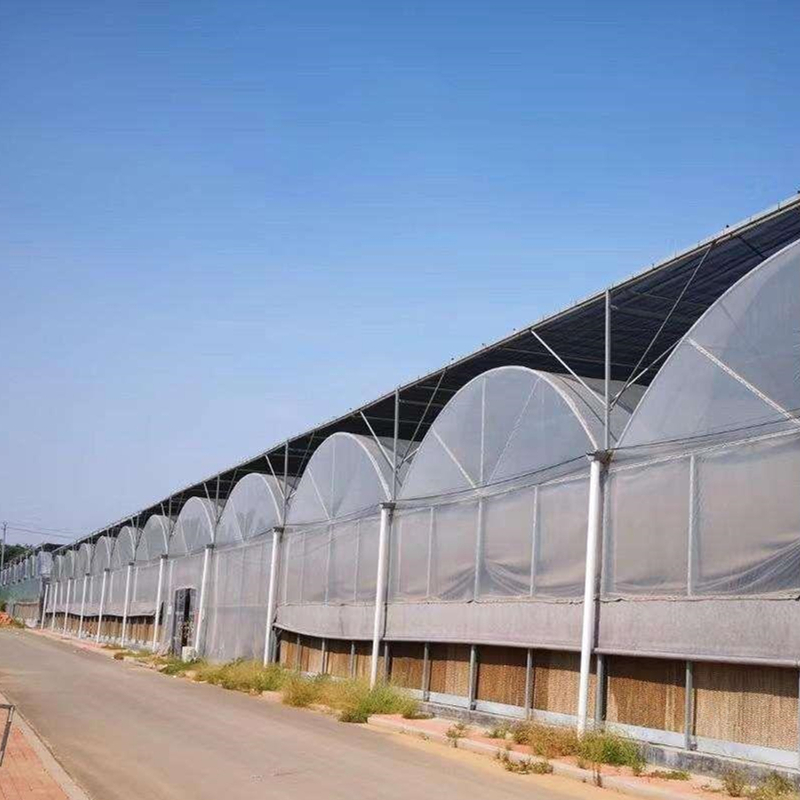
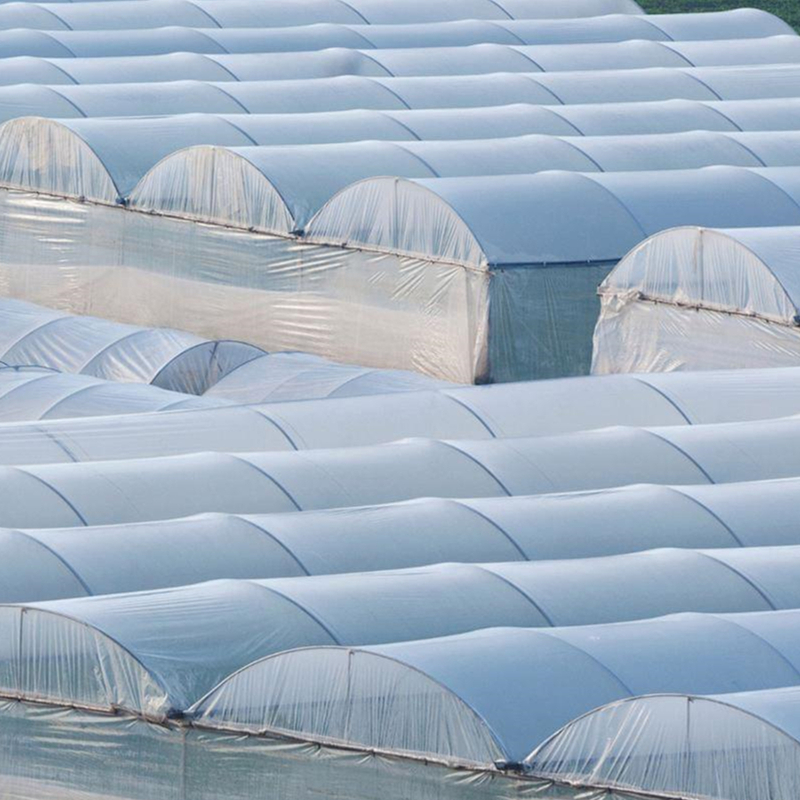
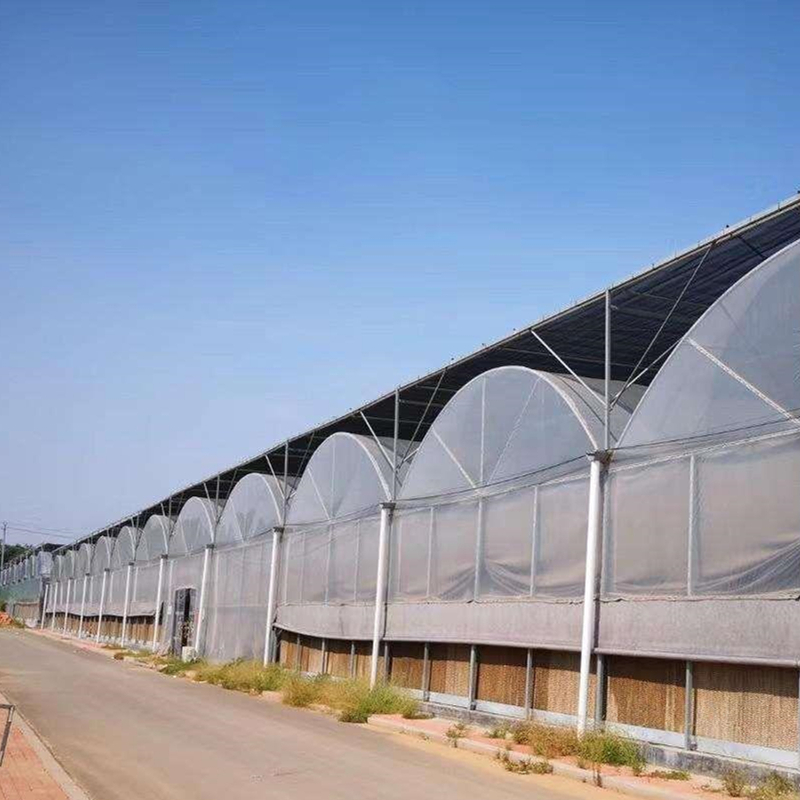
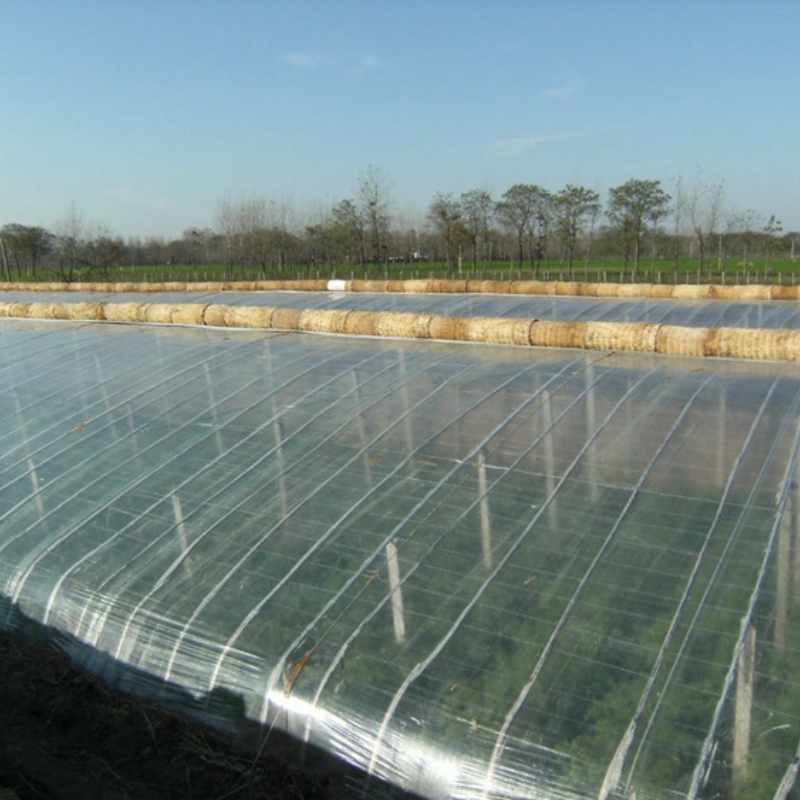
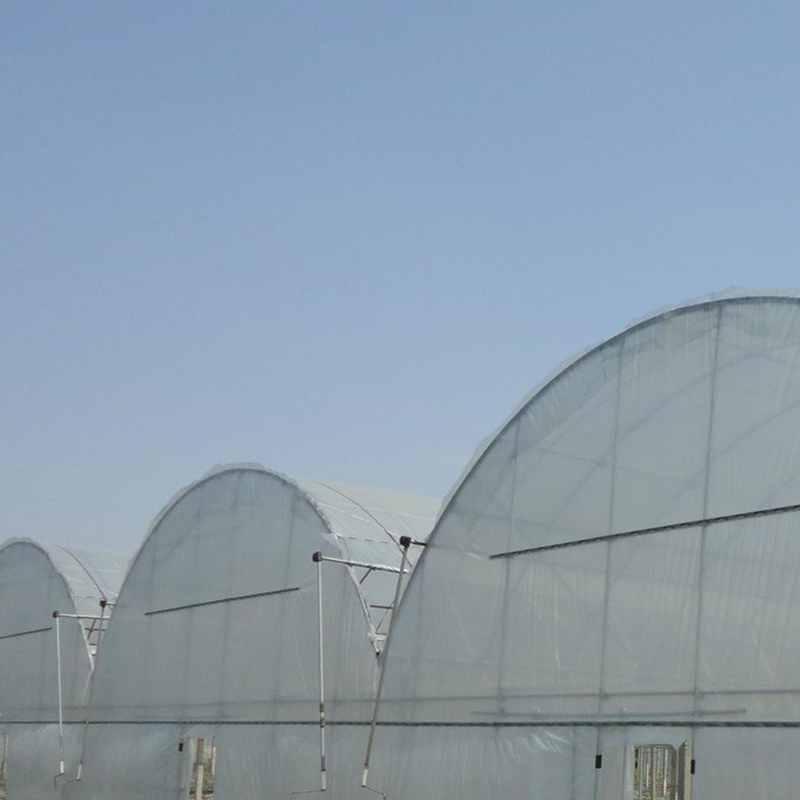
Plastic Films: These are the most widespread greenhouse covering materials, valued for their cost-effectiveness and good light transmission. They are primarily made from Polyethylene (PE), Polyvinyl chloride (PVC), or Ethylene-vinyl acetate (EVA)
PE Film: A common, flexible, and non-toxic option, often improved into "multifunctional longevity film" by adding anti-aging and anti-fog agents, extending its lifespan and improving insulation
PVC Film: Known for good thermal retention and light transmission, though it can soften in high temperatures and is less environmentally friendly when disposed of
EVA Film: A more advanced material with superior light transmittance (over 92%), strong dust resistance, and durability, capable of lasting over two years. It is also easier to recycle
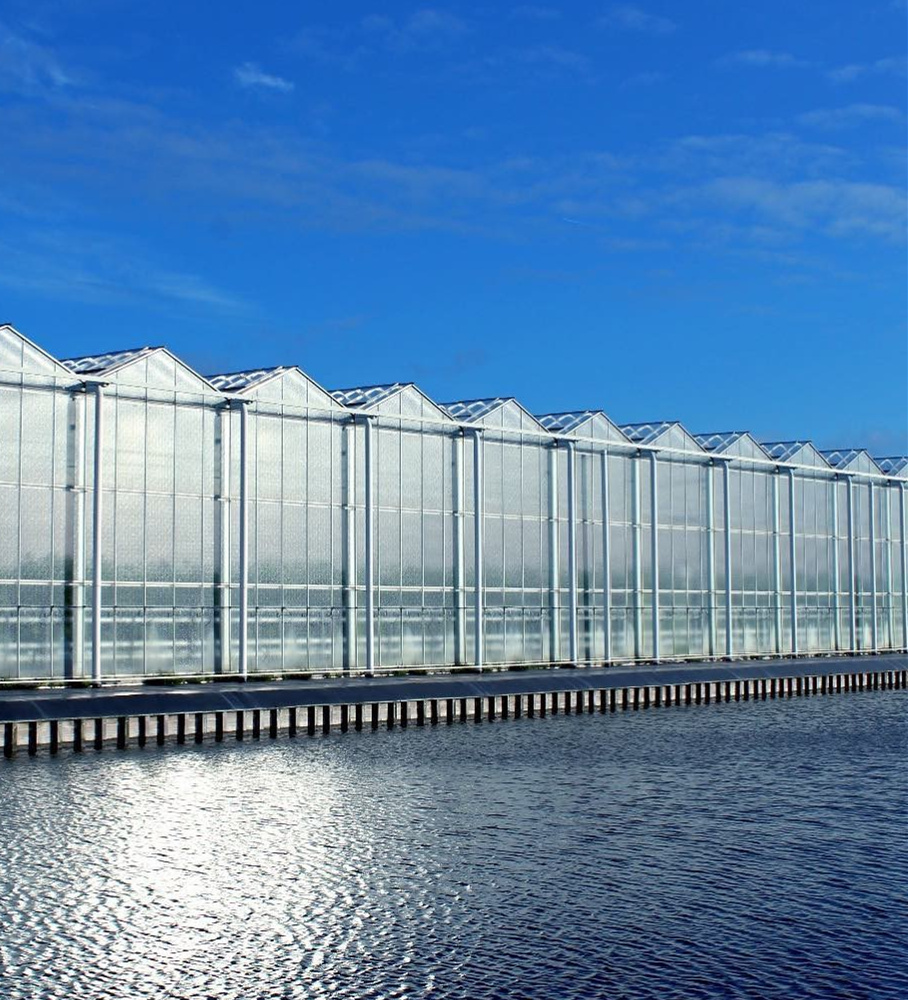
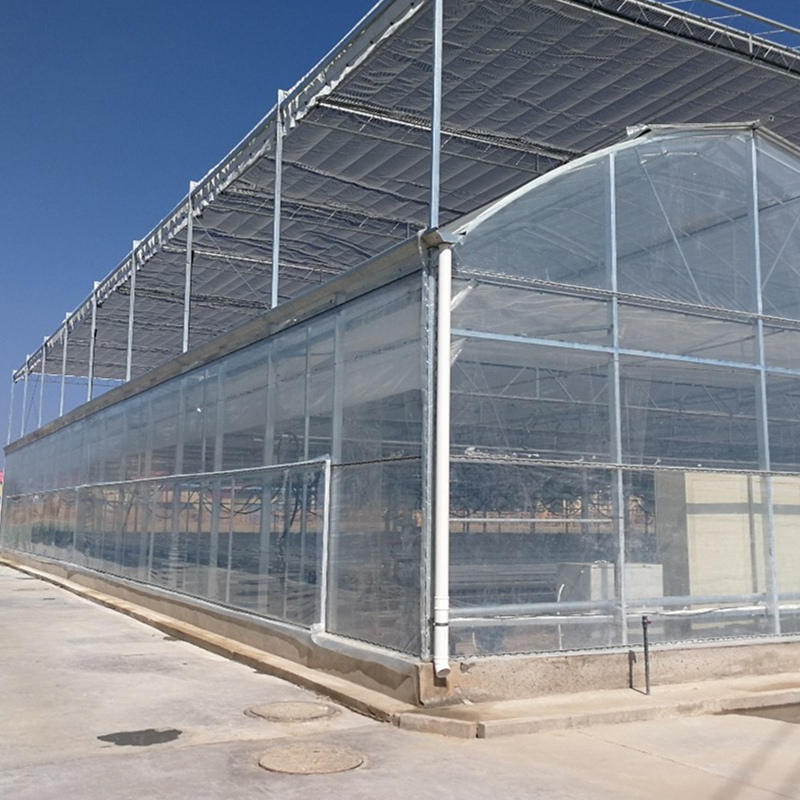
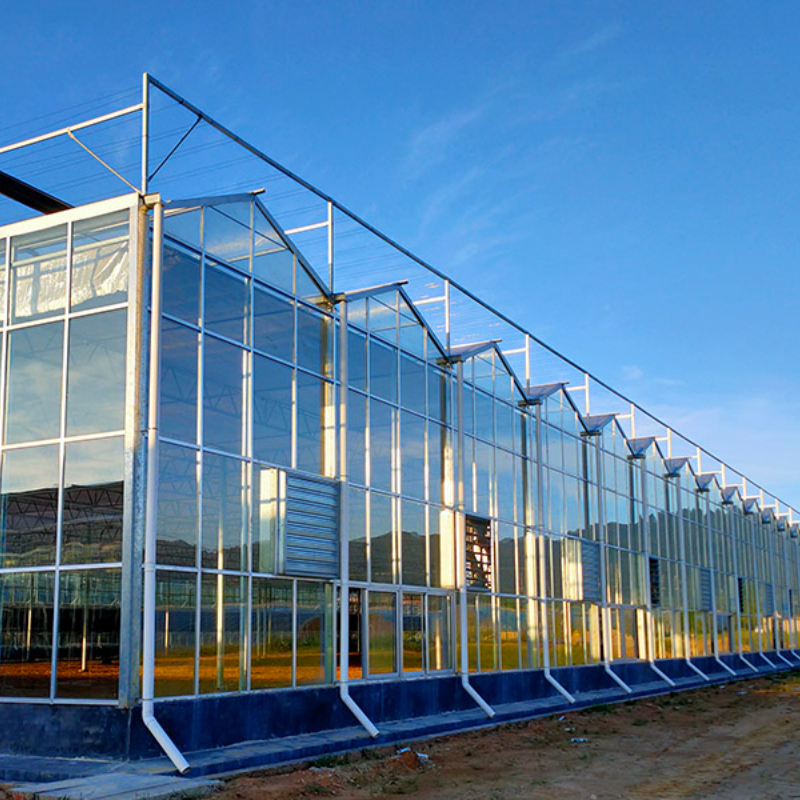
Glass: As a traditional material, glass offers excellent light transmission and a long lifespan. However, its high cost, significant weight, and fragility are notable disadvantages. It is often used in permanent, high-tech greenhouse structures
Rigid Plastics: This category includes materials like polycarbonate (PC) sheets. Polycarbonate is highly impact-resistant, lightweight, and provides good thermal insulation with a light transmittance comparable to glass. Its strength makes it resistant to hail, offering a durable and safer alternative to glass
2. Innovations and Support from Qingzhou Jinxin Greenhouse Materials Co.
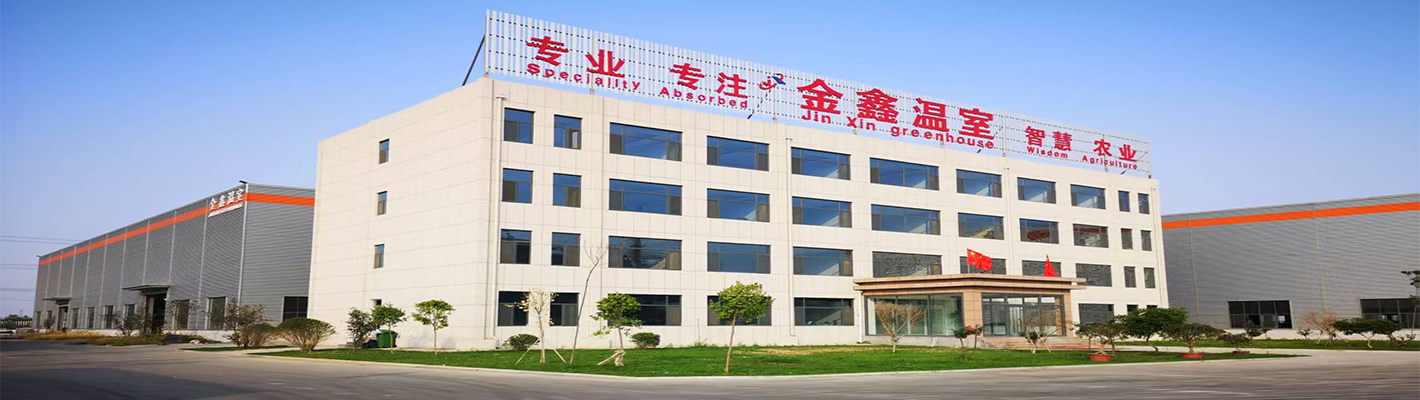
The development of advanced greenhouse covering materials is driven by specialized companies. Qingzhou Jinxin Greenhouse Materials Company, based in Shandong, China, is one such high-tech enterprise dedicated to this field.The company is deeply involved in greenhouse engineering research, steel structure design, production, and installation.
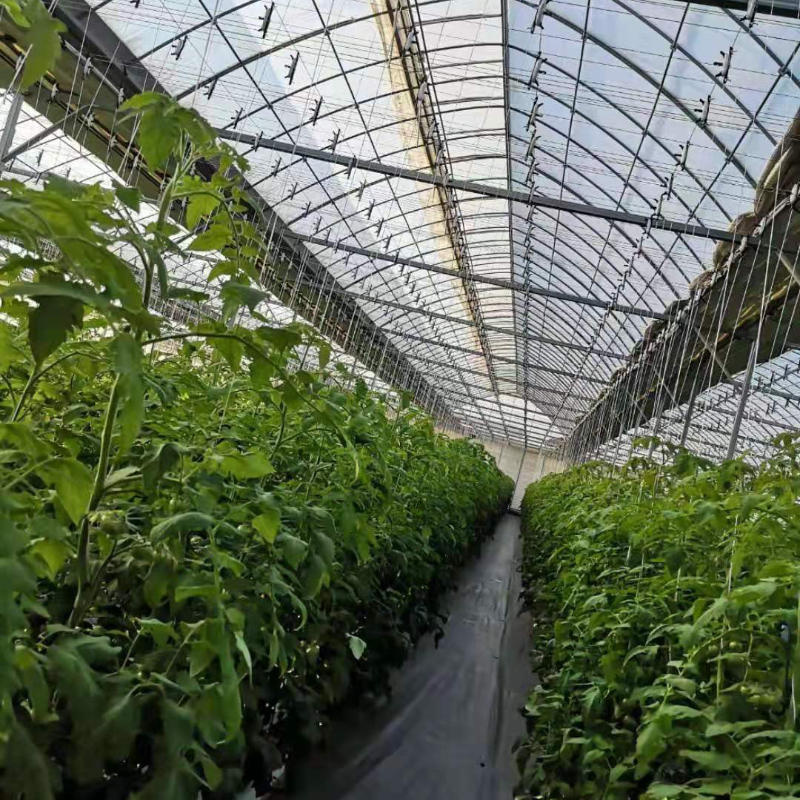
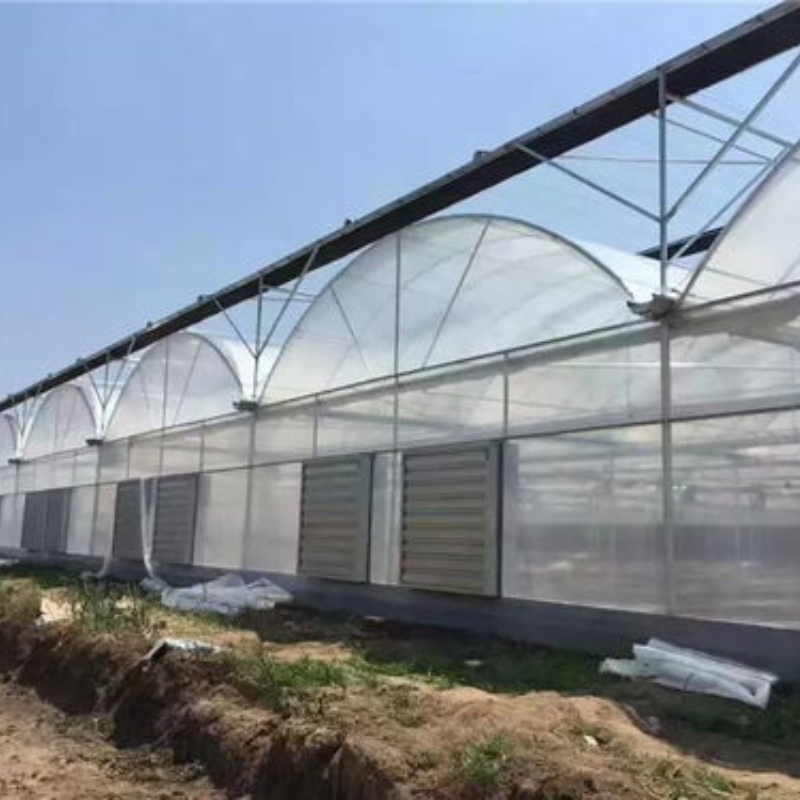
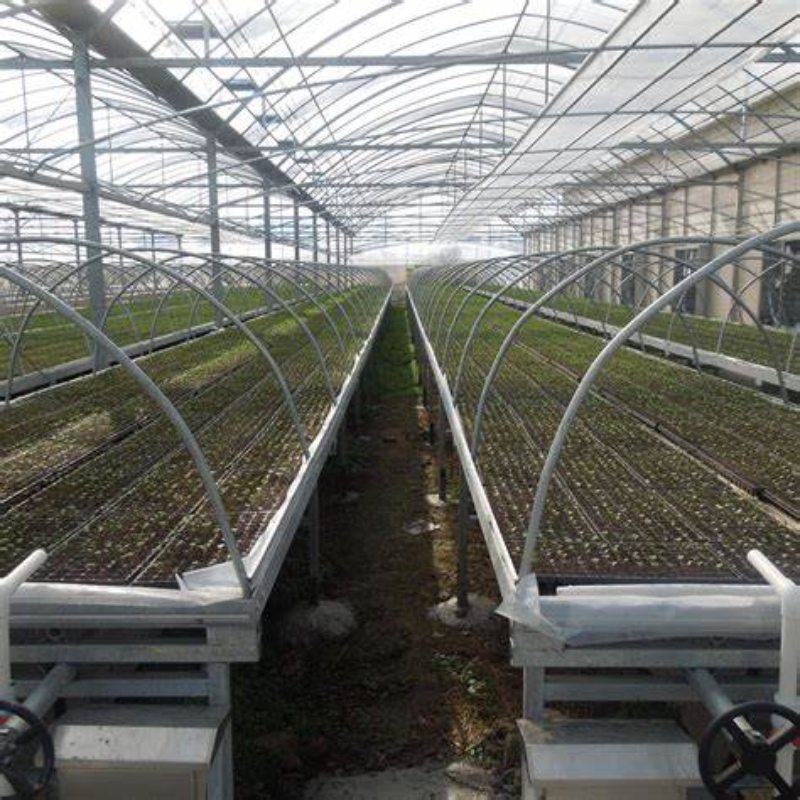
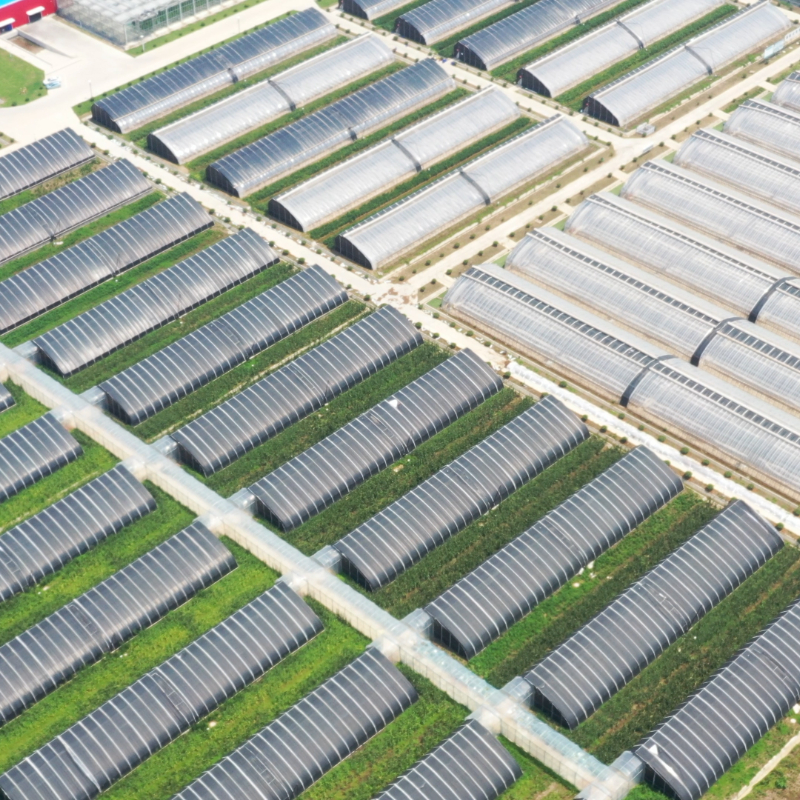
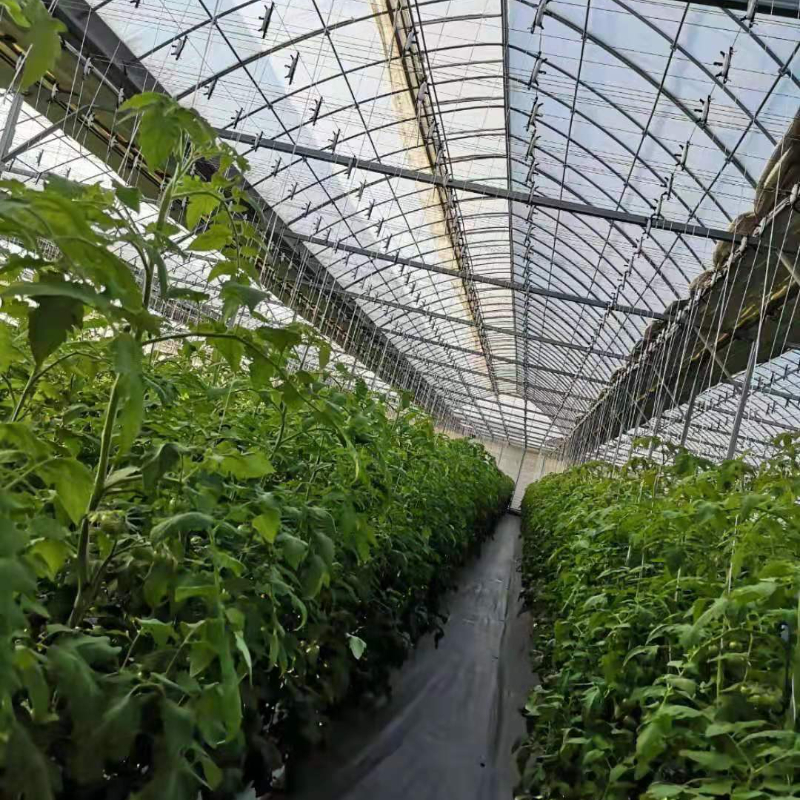
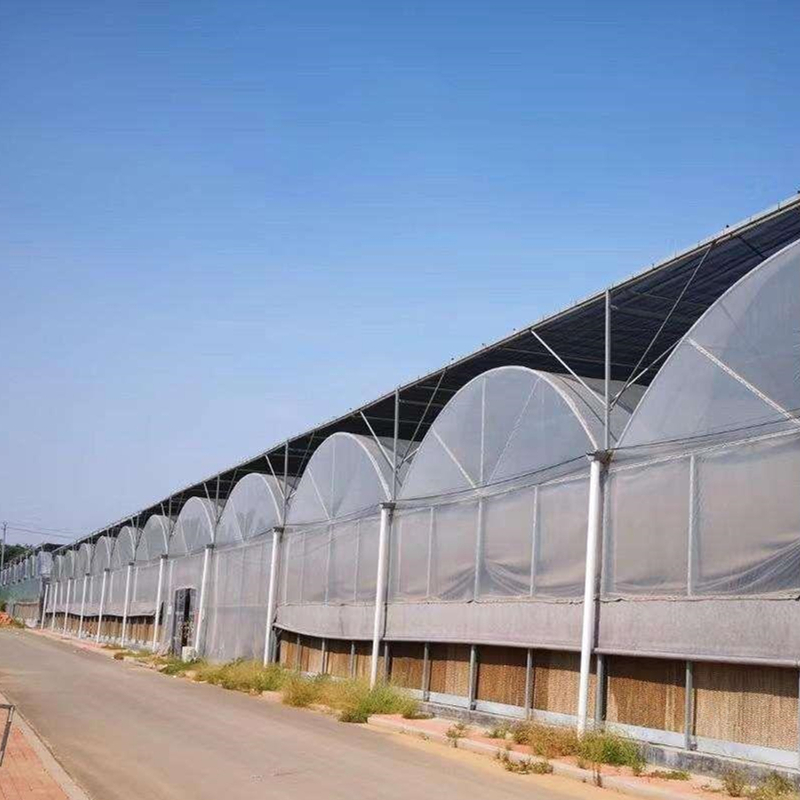
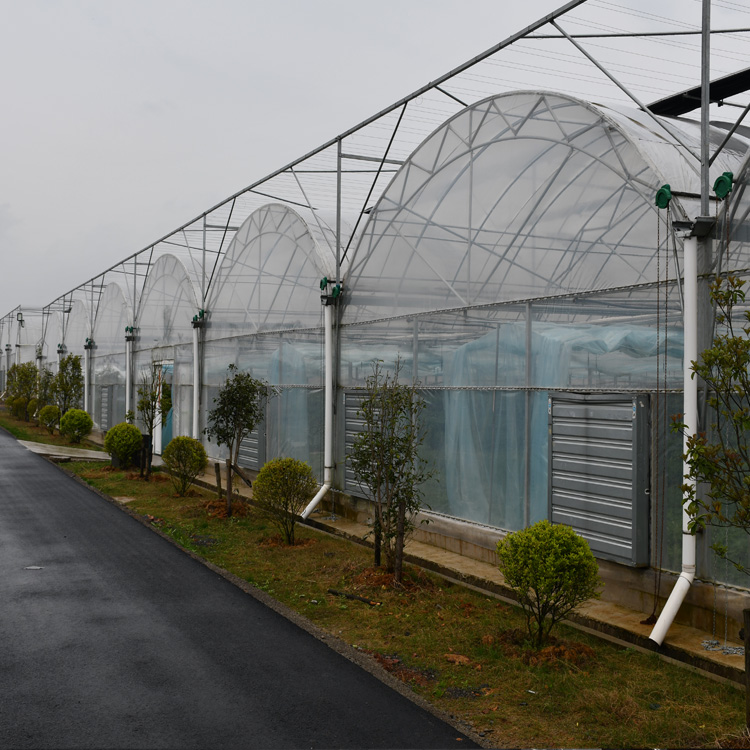
Jinxin provides a comprehensive range of products supporting modern agriculture, including intelligent glass greenhouses, multi-span film greenhouses, and sunlight plate (polycarbonate) greenhouses.By engaging in research and development and holding numerous patents, the company focuses on creating high-quality, durable covering solutions. Their work ensures that growers have access to reliable materials that meet specific climatic and crop requirements, highlighting the practical application and importance of innovative greenhouse covering materials in contemporary farming.
3. Choosing the Right Covering Material
The choice among these greenhouse covering materials depends on a balance of factors. For instance, while a basic PE film might be suitable for a seasonal structure, a long-term investment would benefit from the durability of EVA film or polycarbonate sheets. Key considerations include:
Climate: Balancing thermal insulation with light transmission for the local environment.
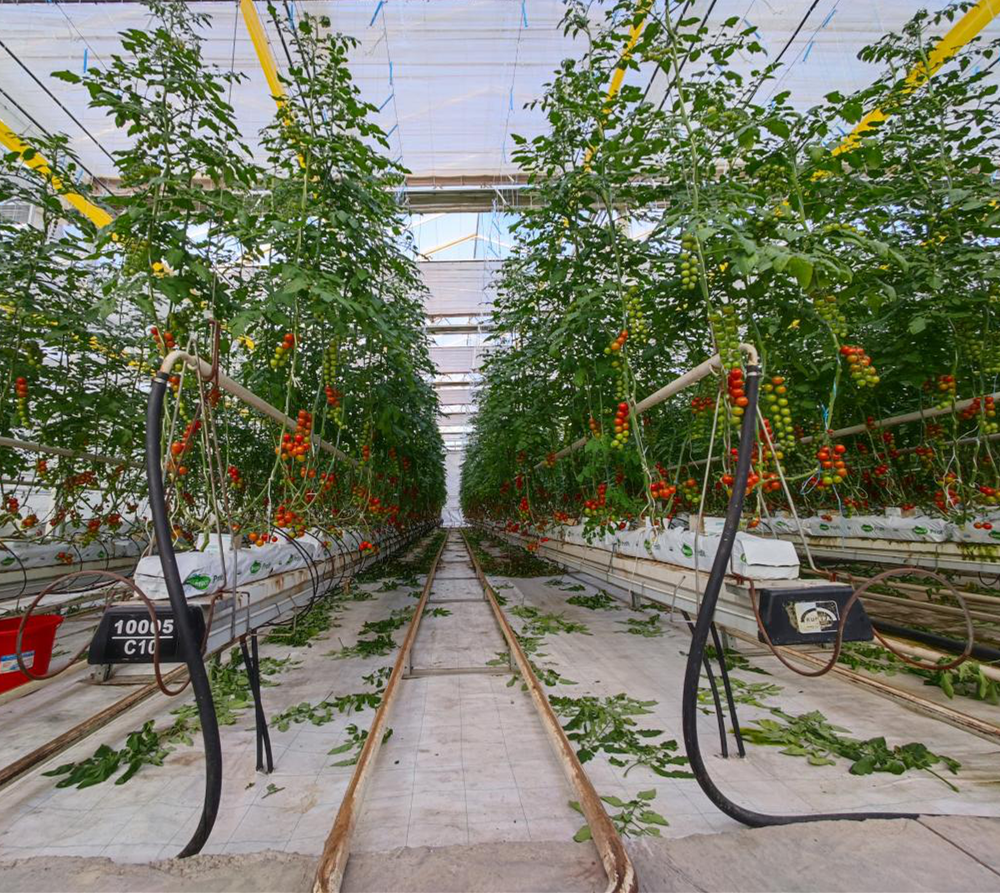
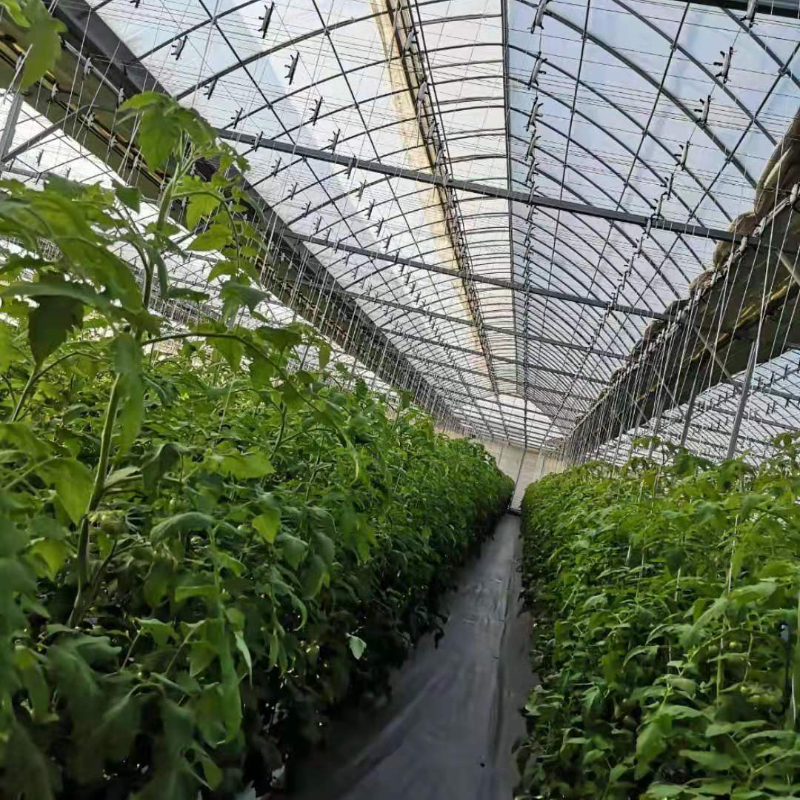
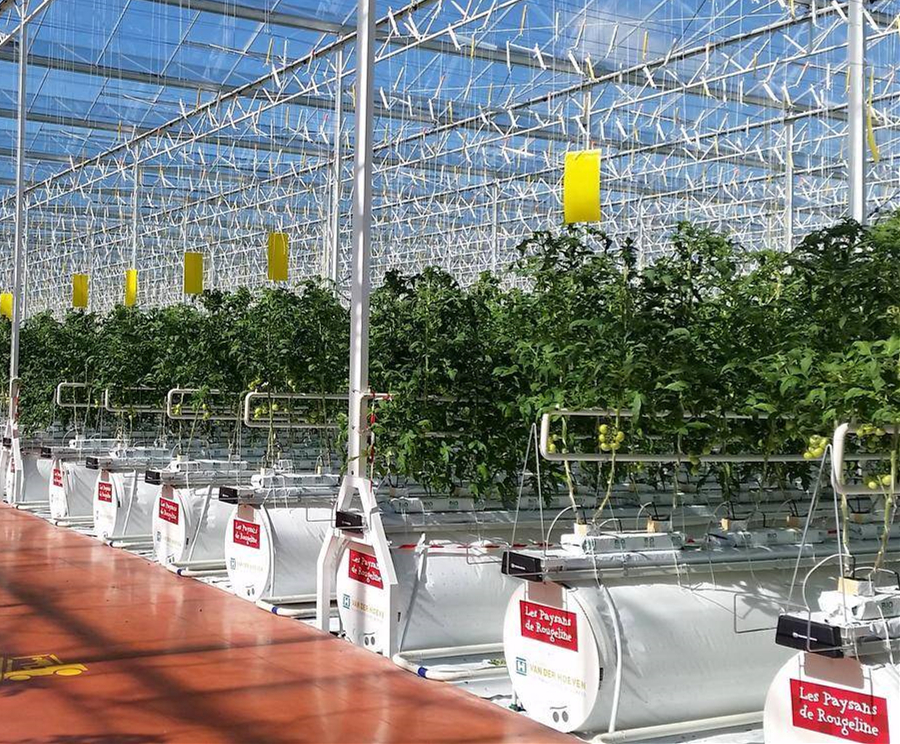
Crop Needs: Understanding the light and temperature requirements of specific plants.
Budget: Evaluating the initial investment against longevity and maintenance costs.
Durability and Safety: Assessing resistance to weather events like hail and strong winds.
The science behind greenhouse covering materials has evolved far beyond simple plastic sheets. Today, a diverse array of materials, from enhanced multilayer films to robust polycarbonate panels, allows for precise environmental control. With the support of industry players like Qingzhou Jinxin Greenhouse Materials Company, growers worldwide can select the most appropriate covering to optimize their production, enhance sustainability, and navigate the challenges of modern agriculture. The continuous innovation in this field promises even more efficient and tailored solutions for the future.
