
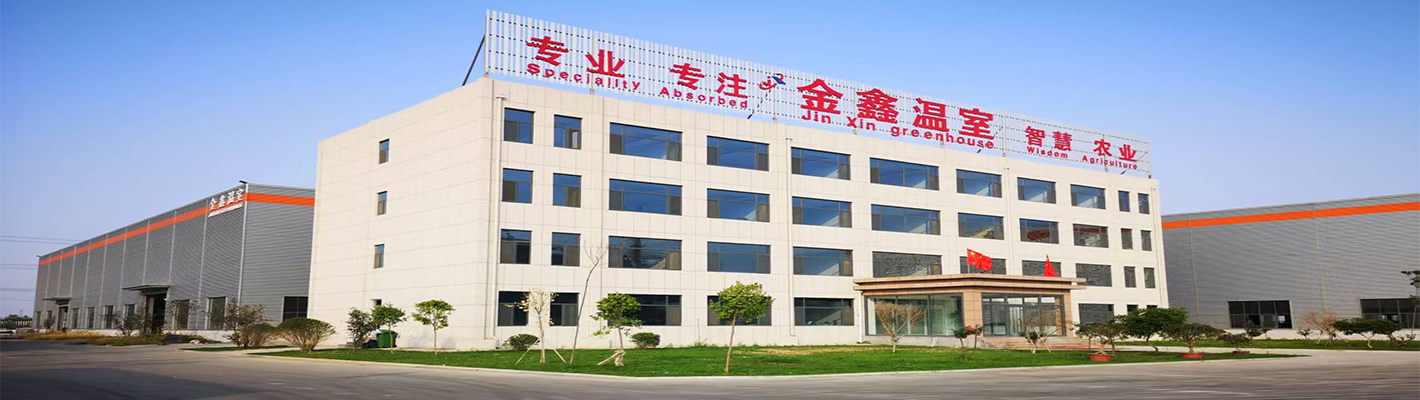
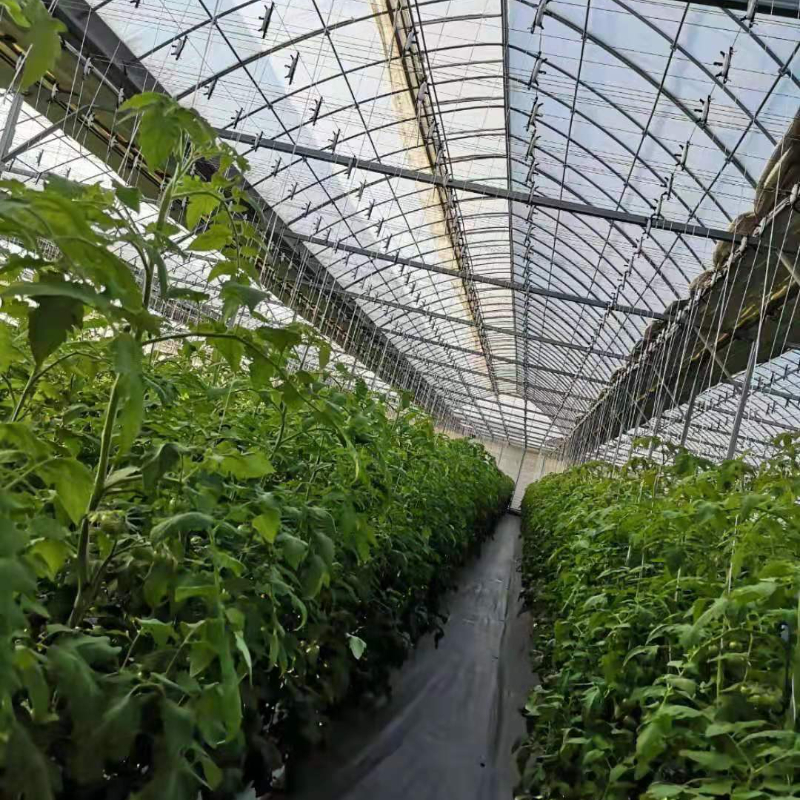
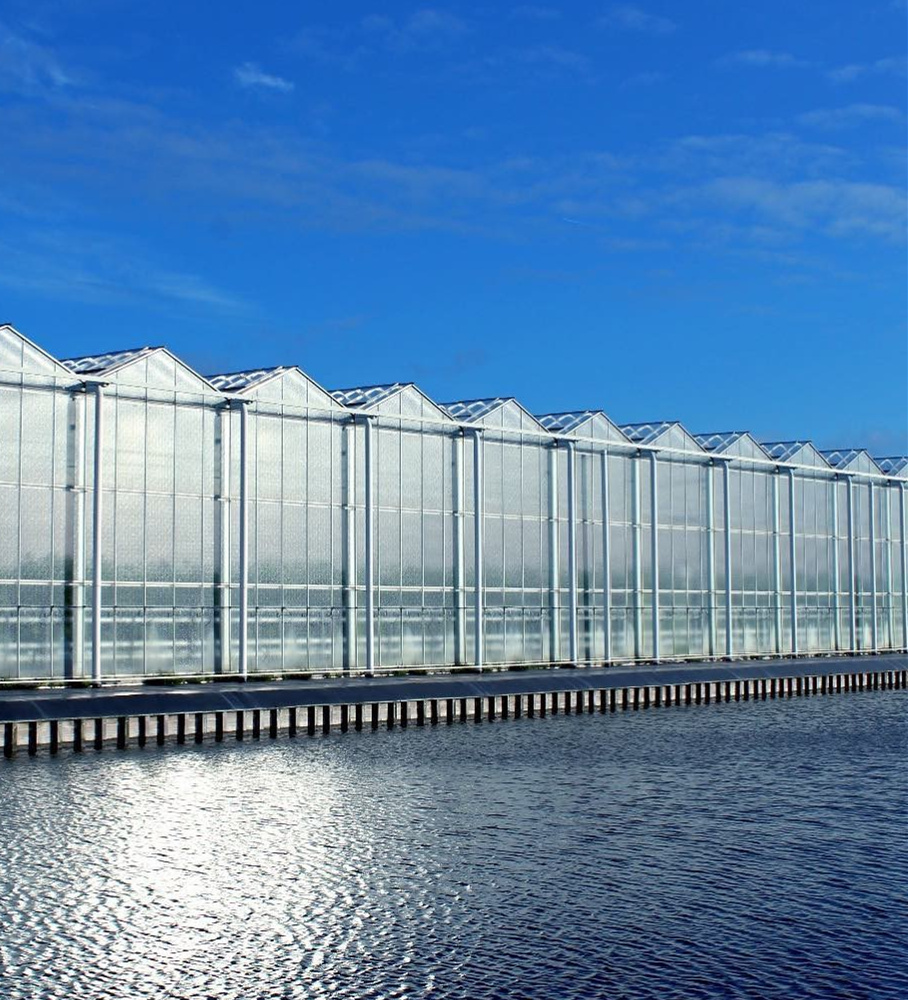
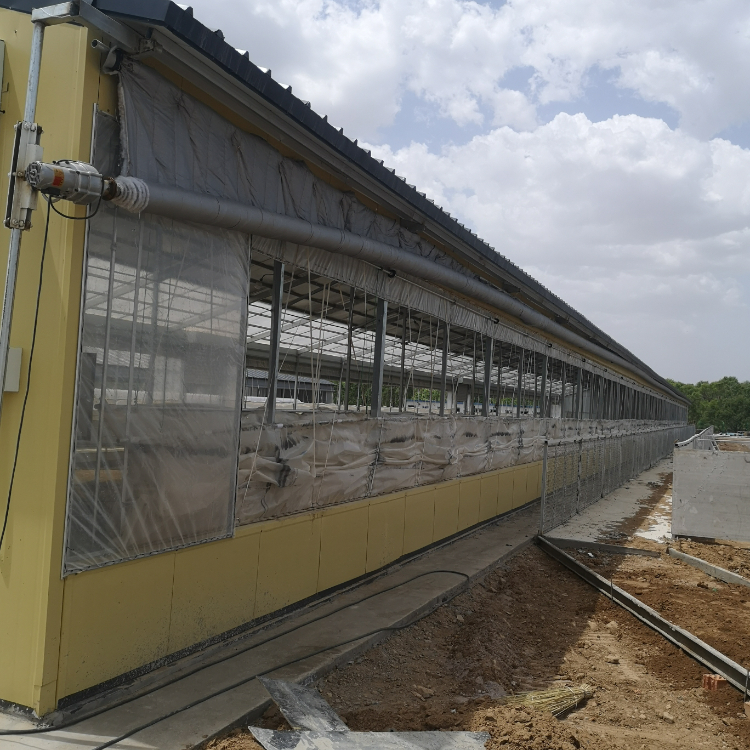
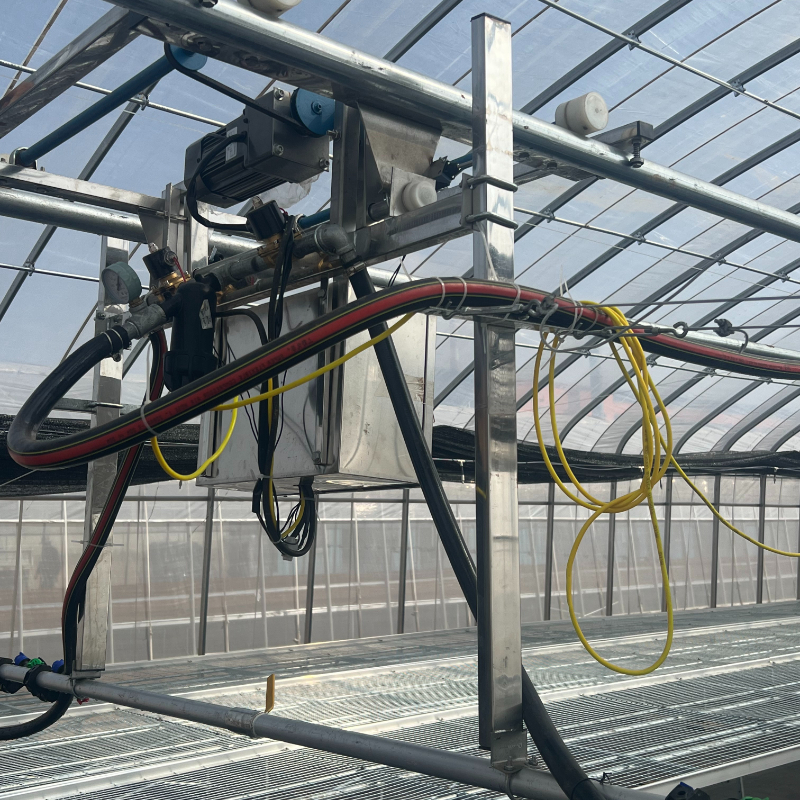
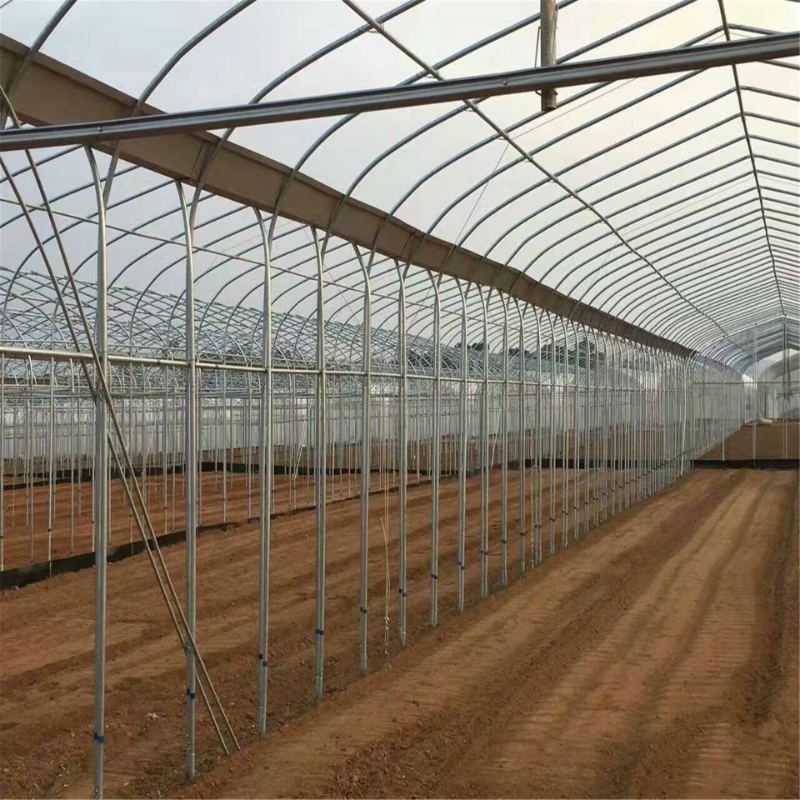
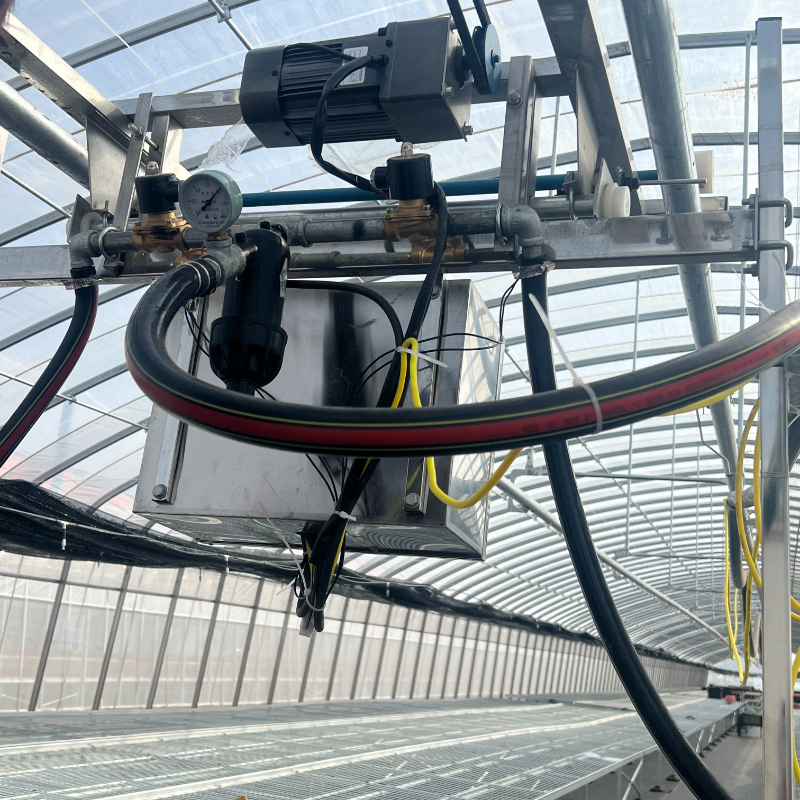
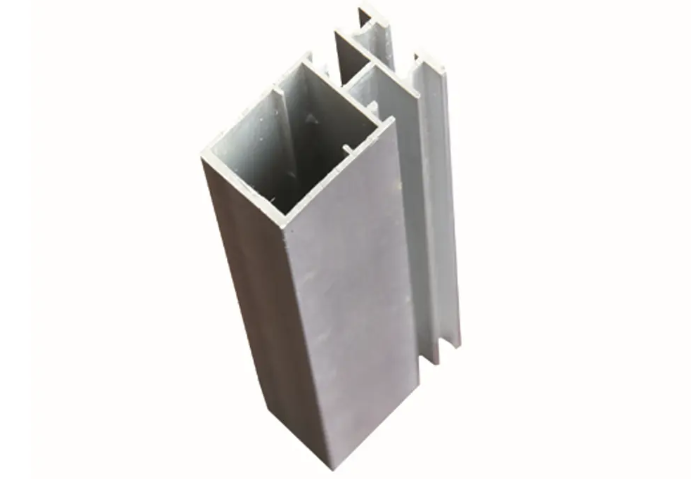
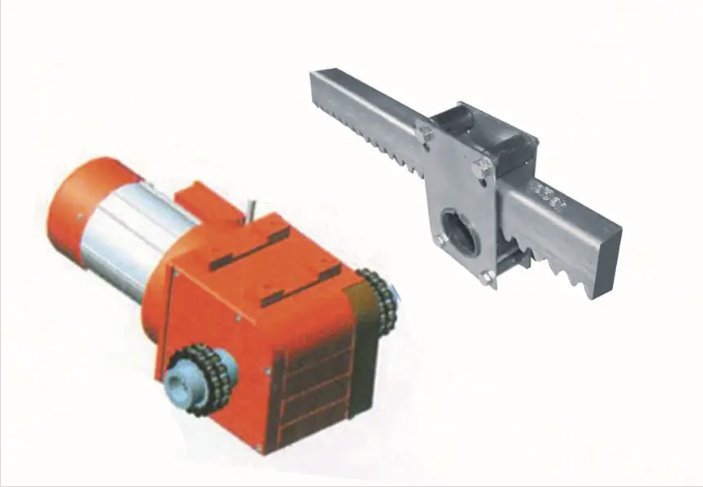
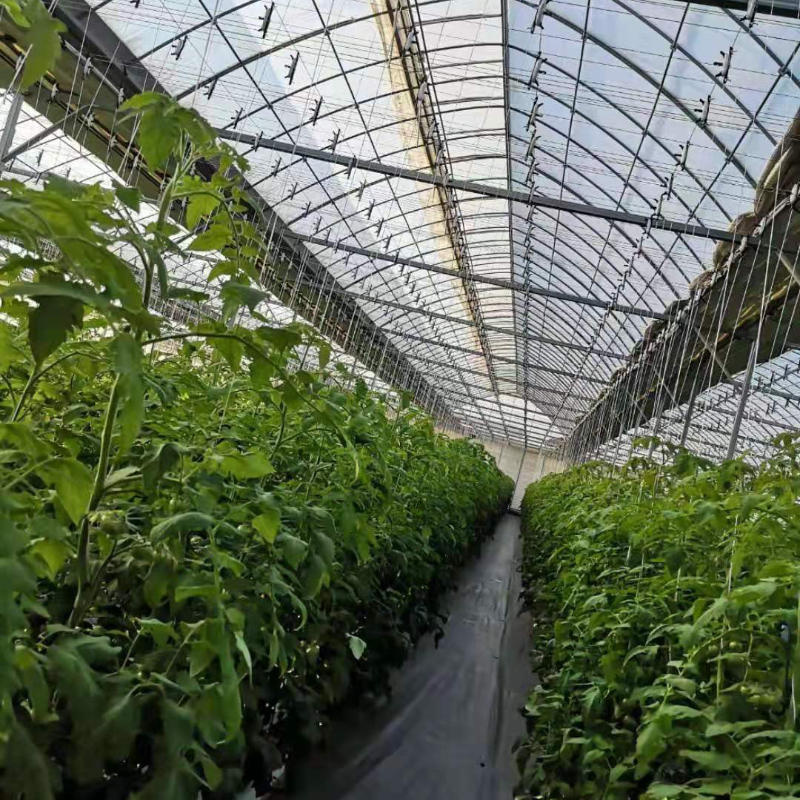
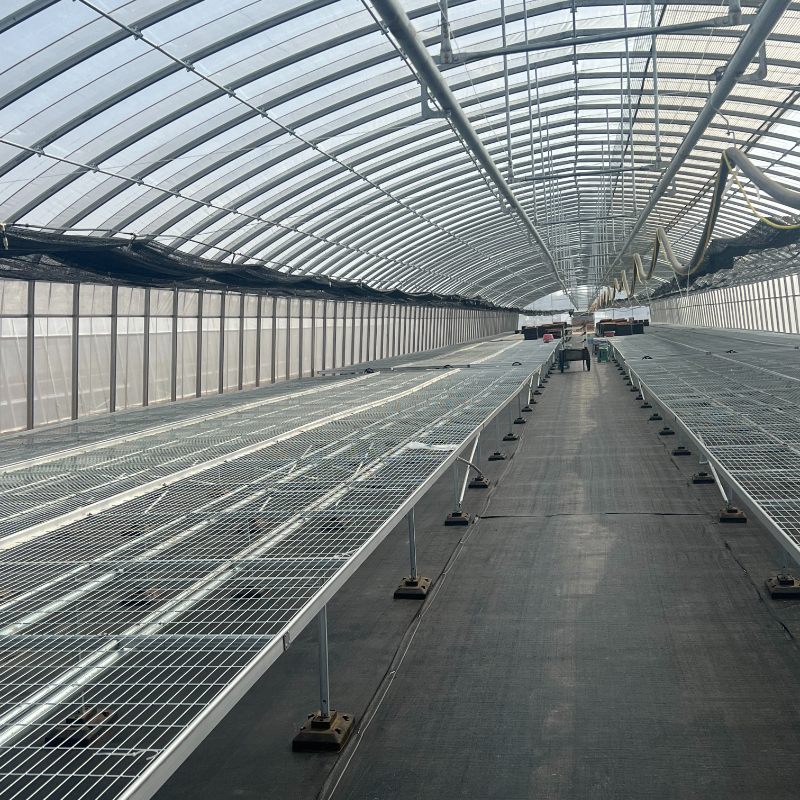
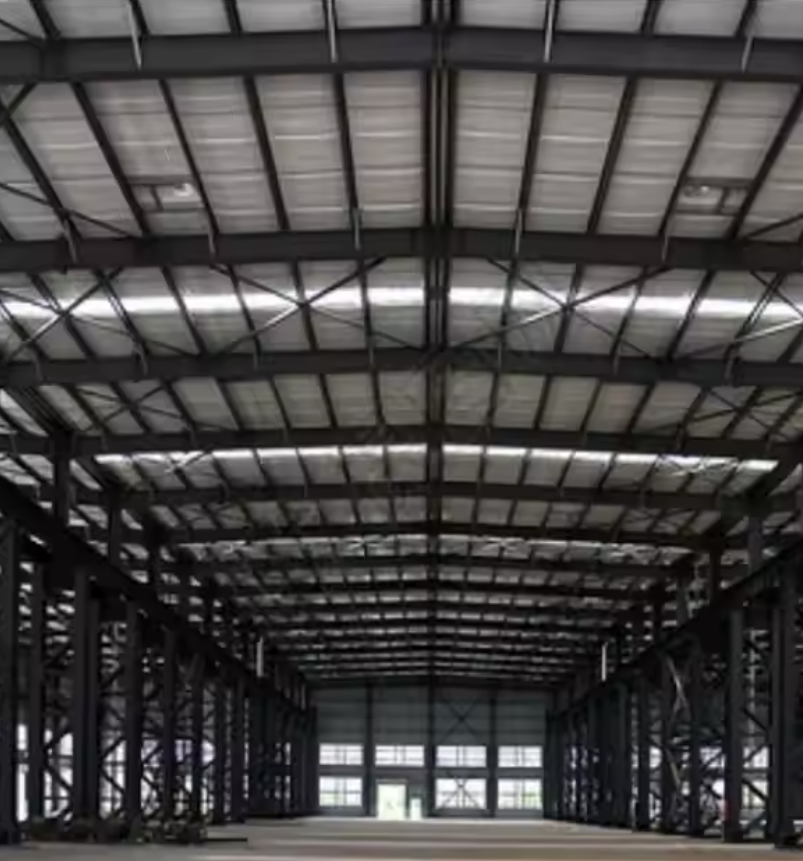
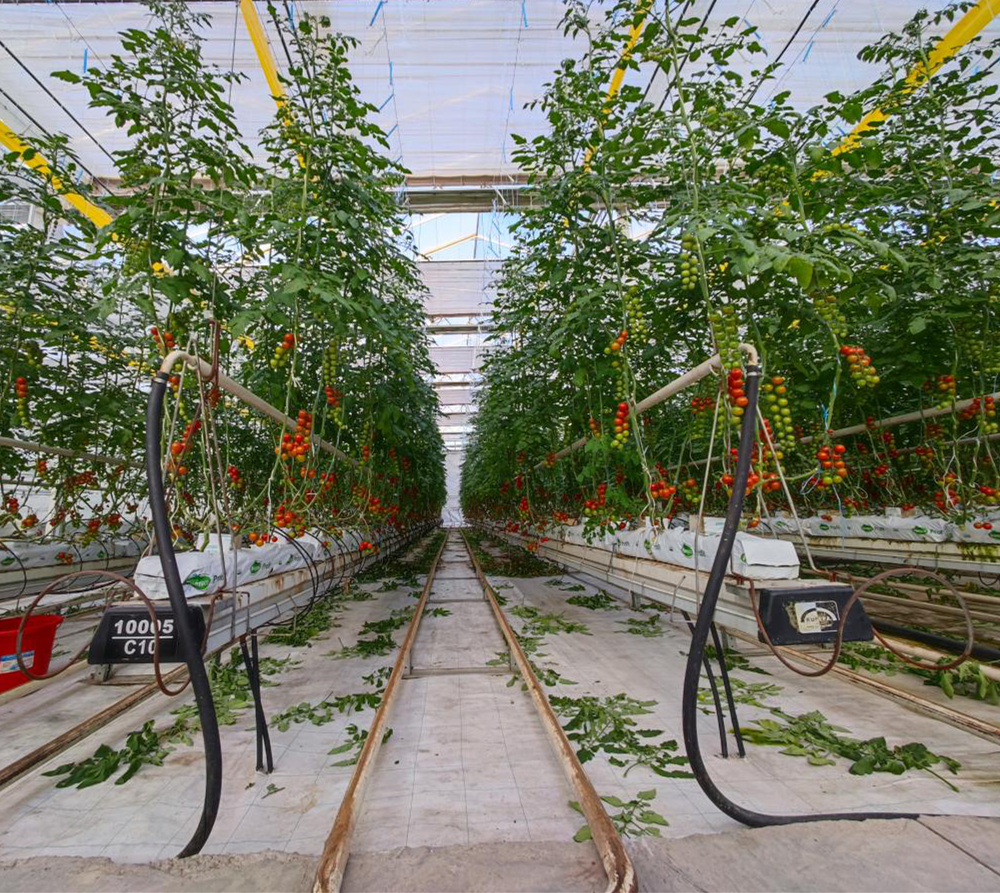
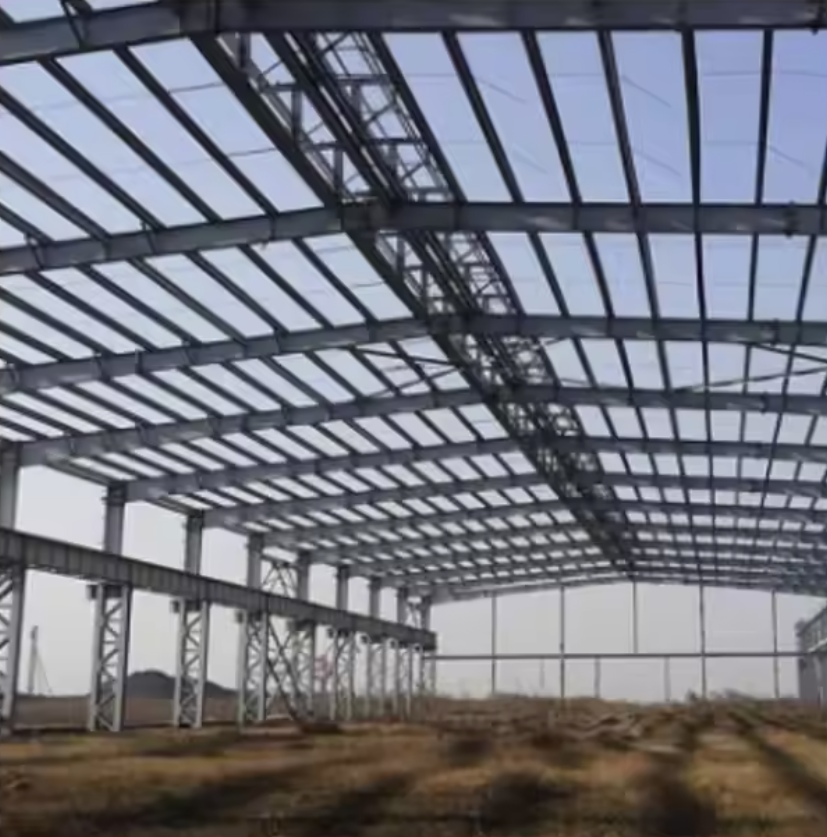
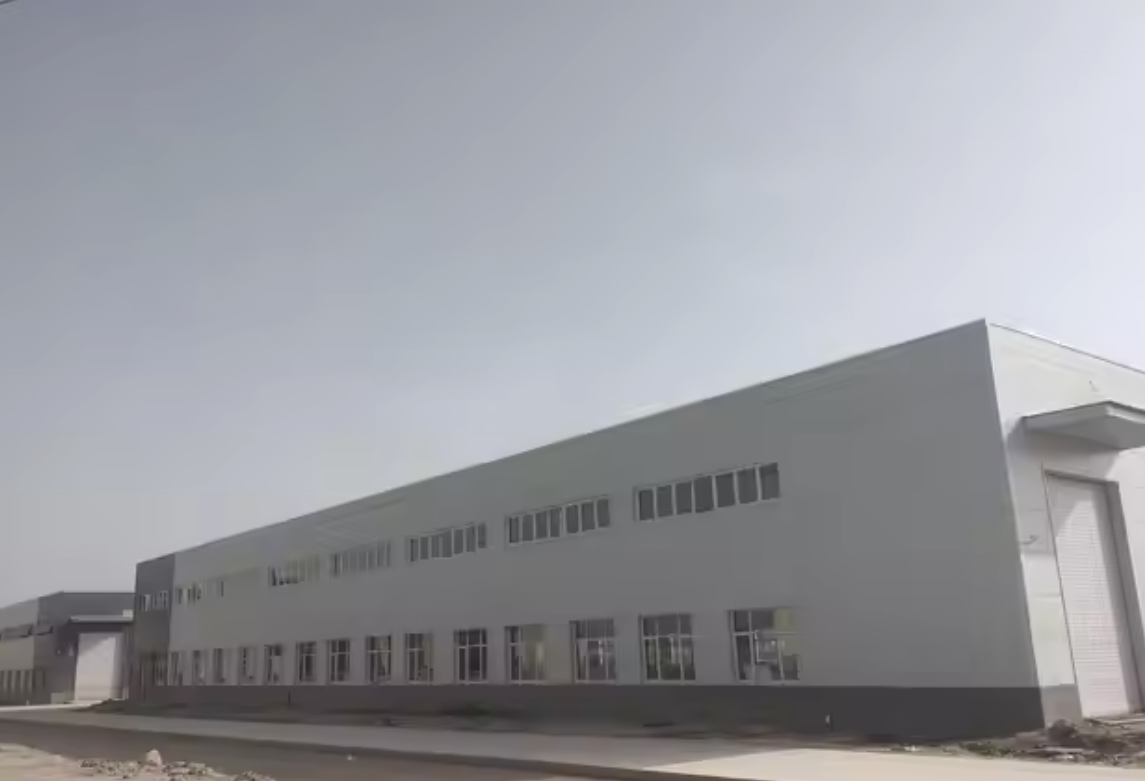
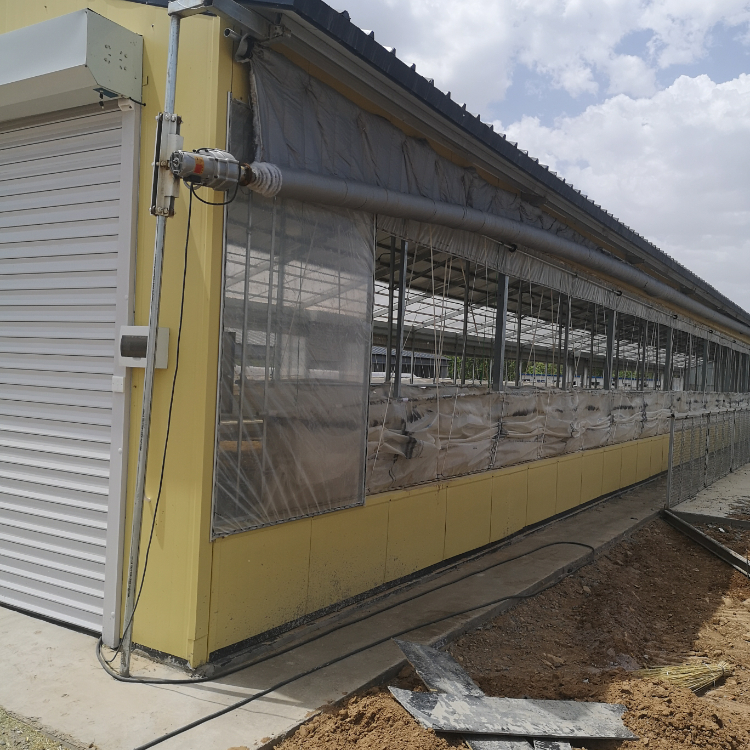
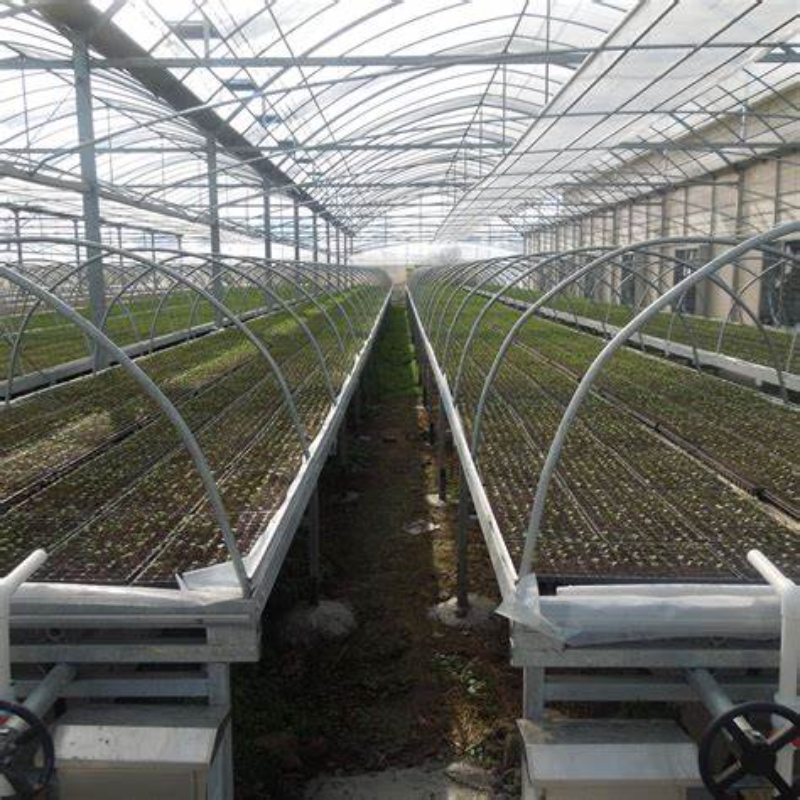
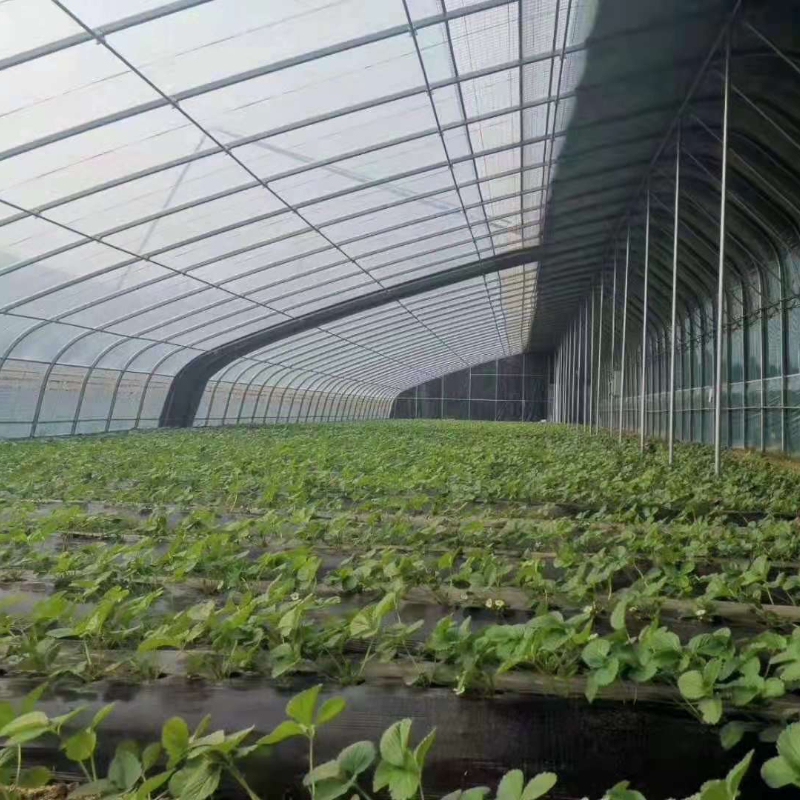
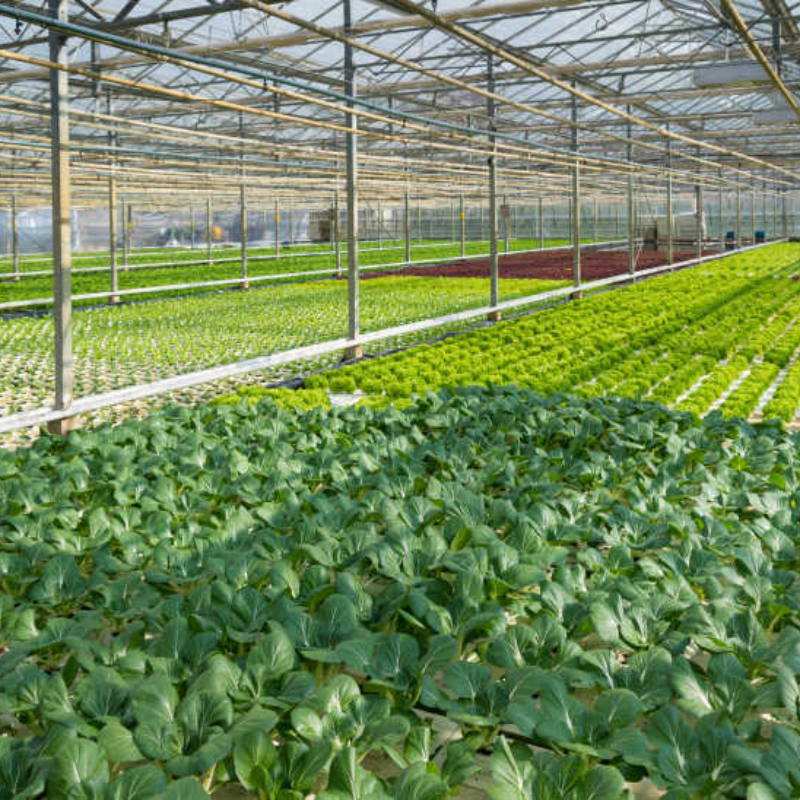
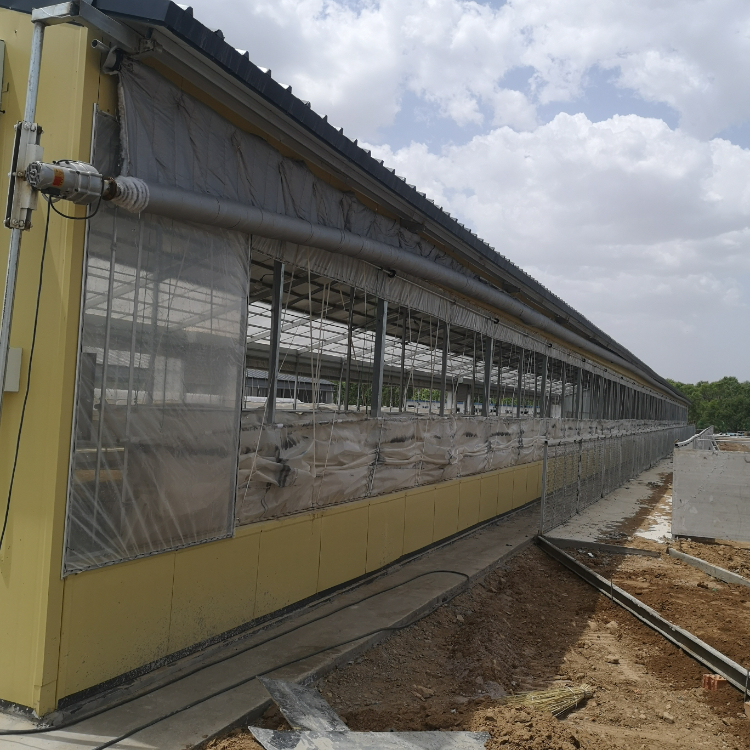
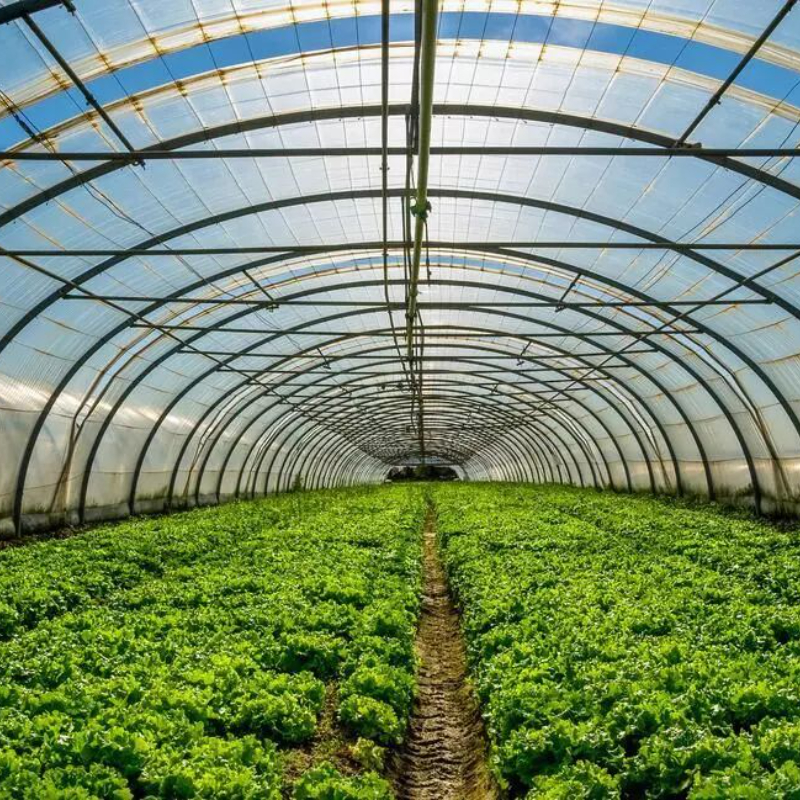
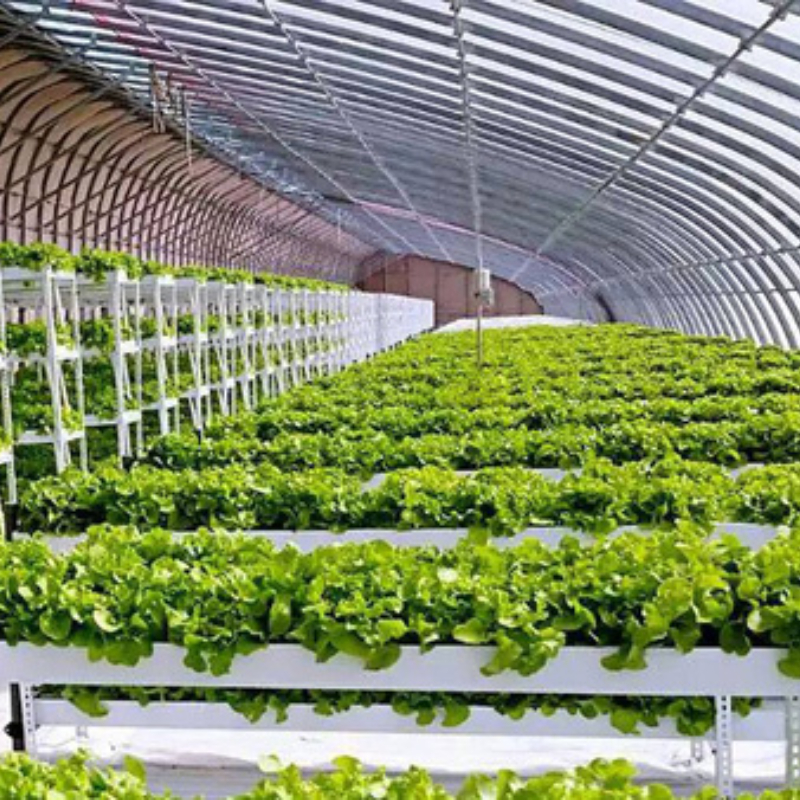
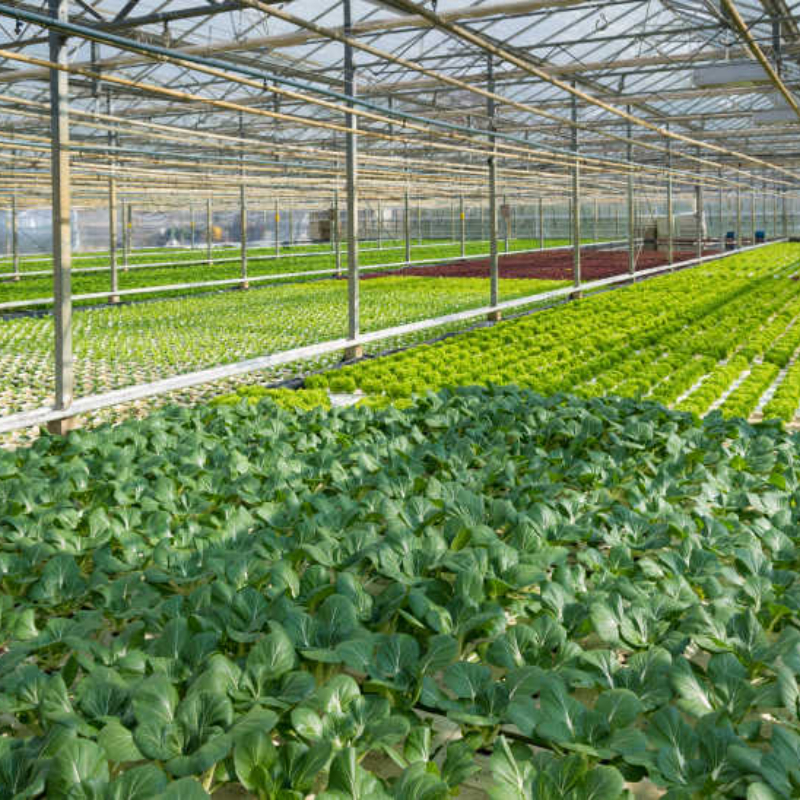
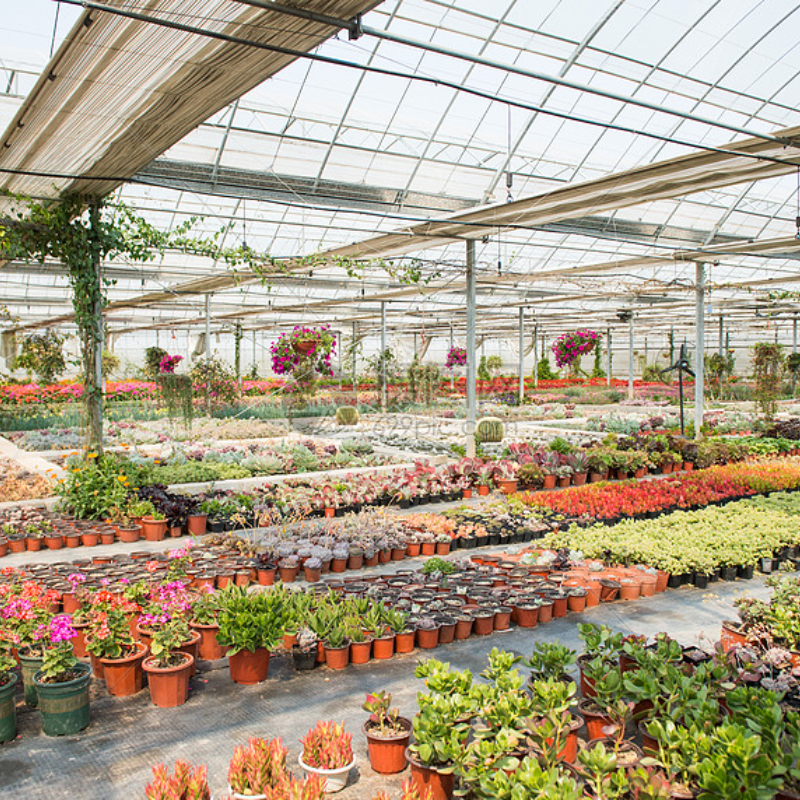
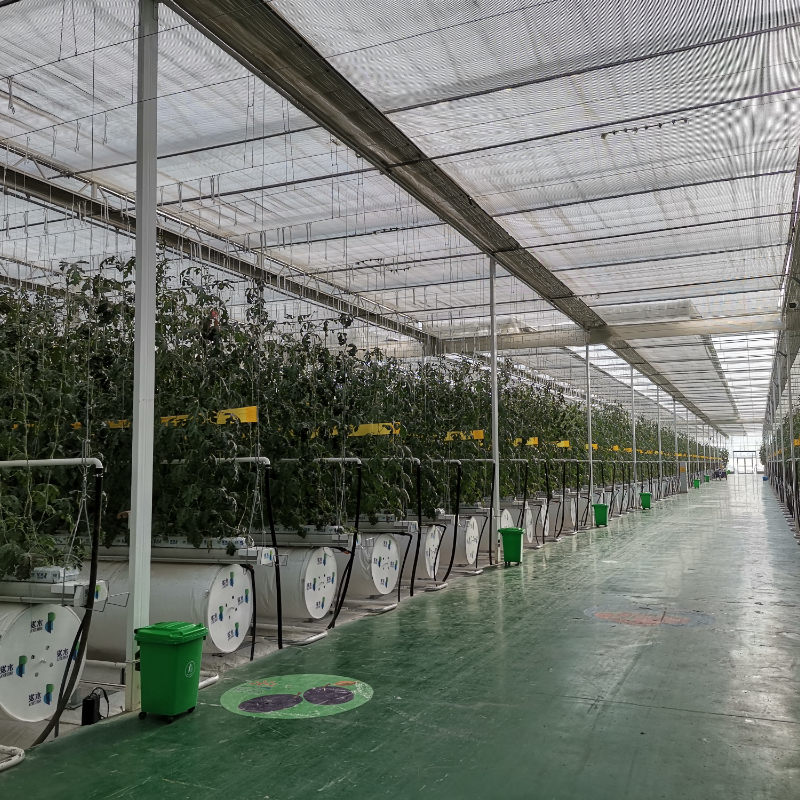
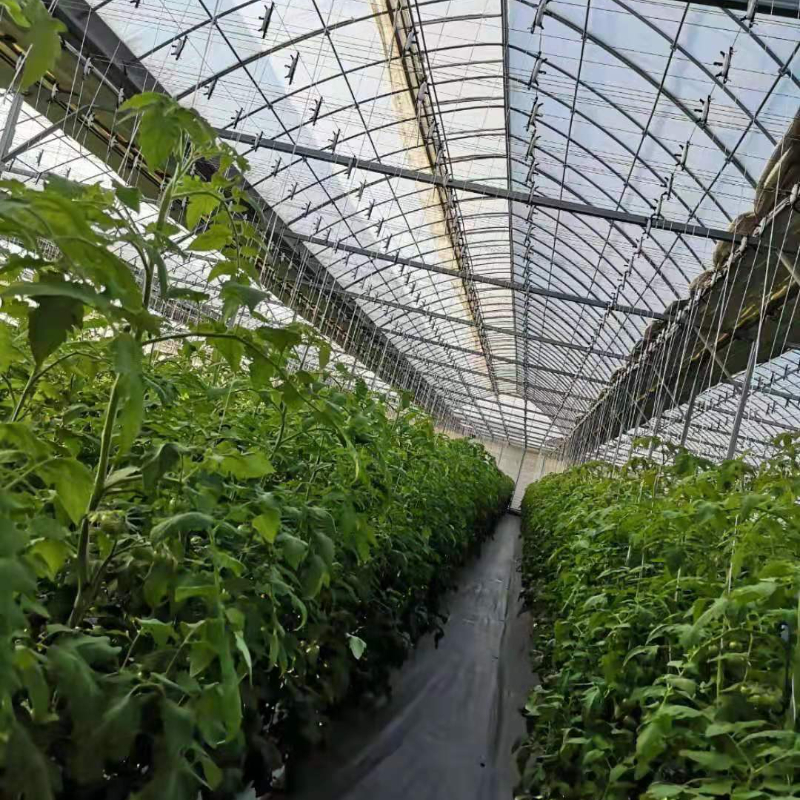
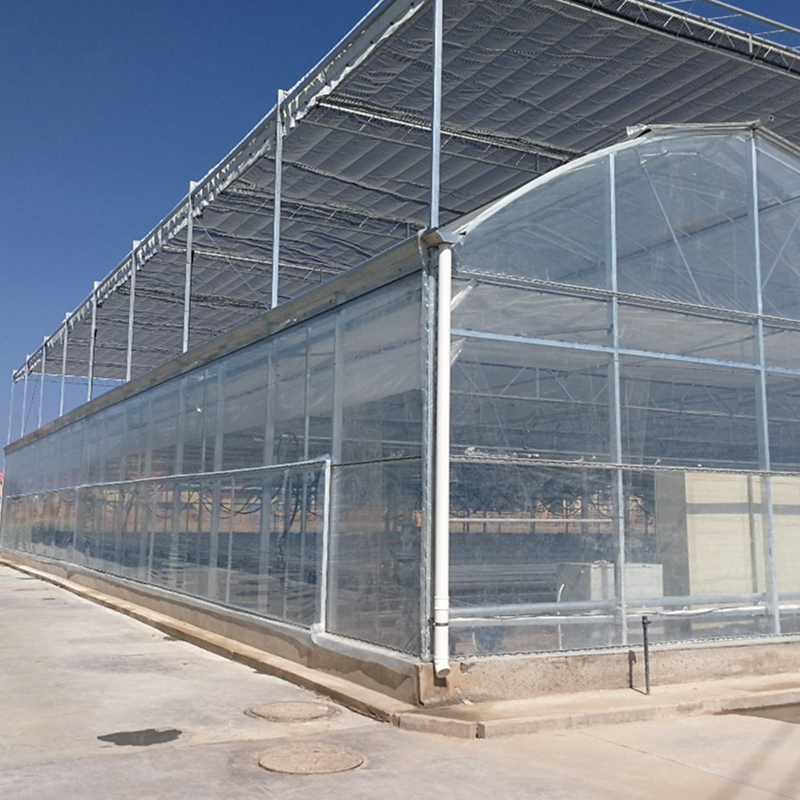
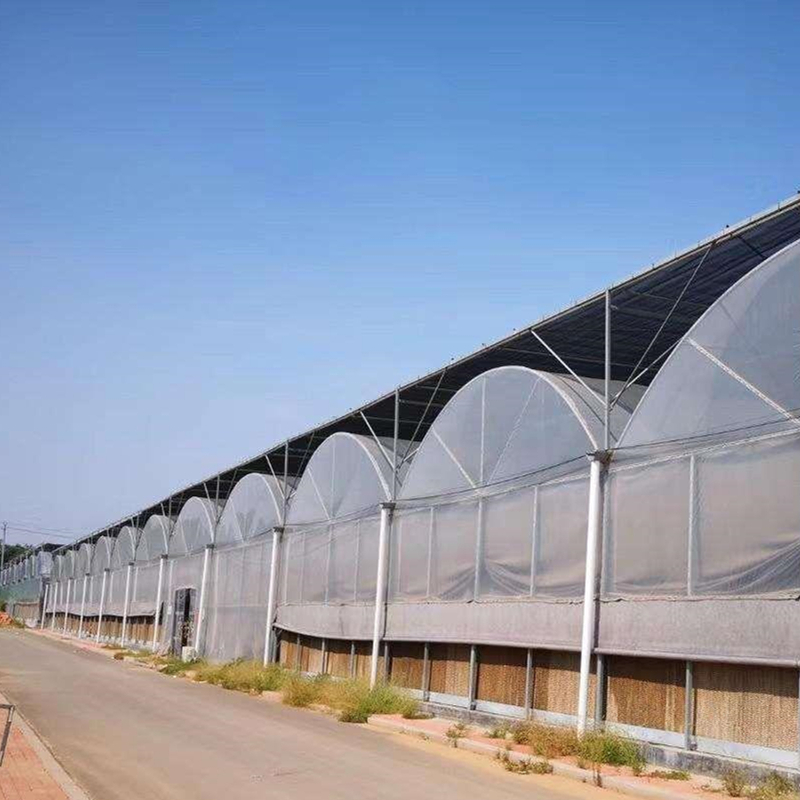
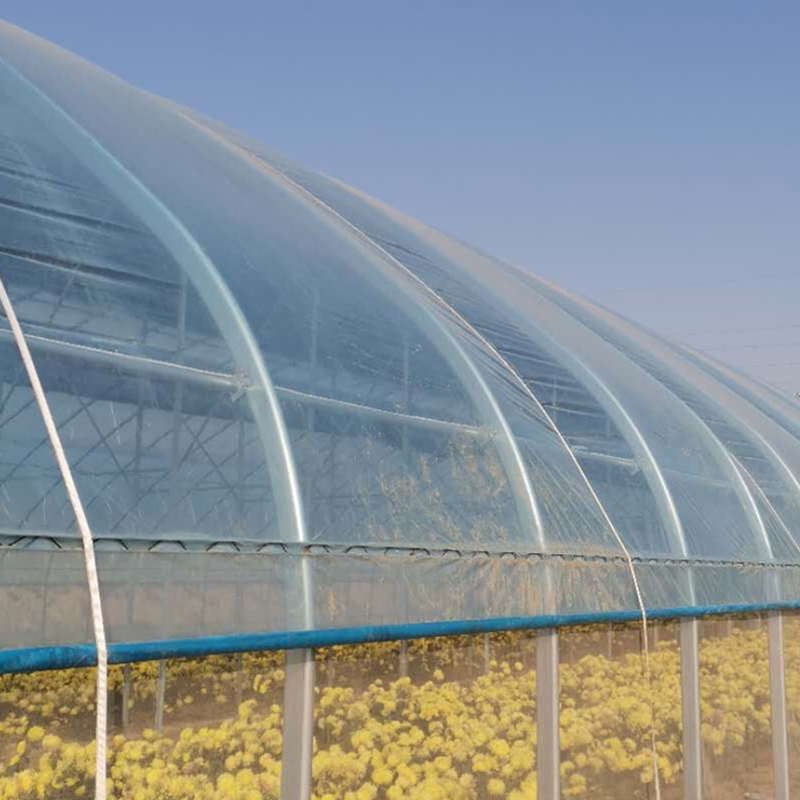
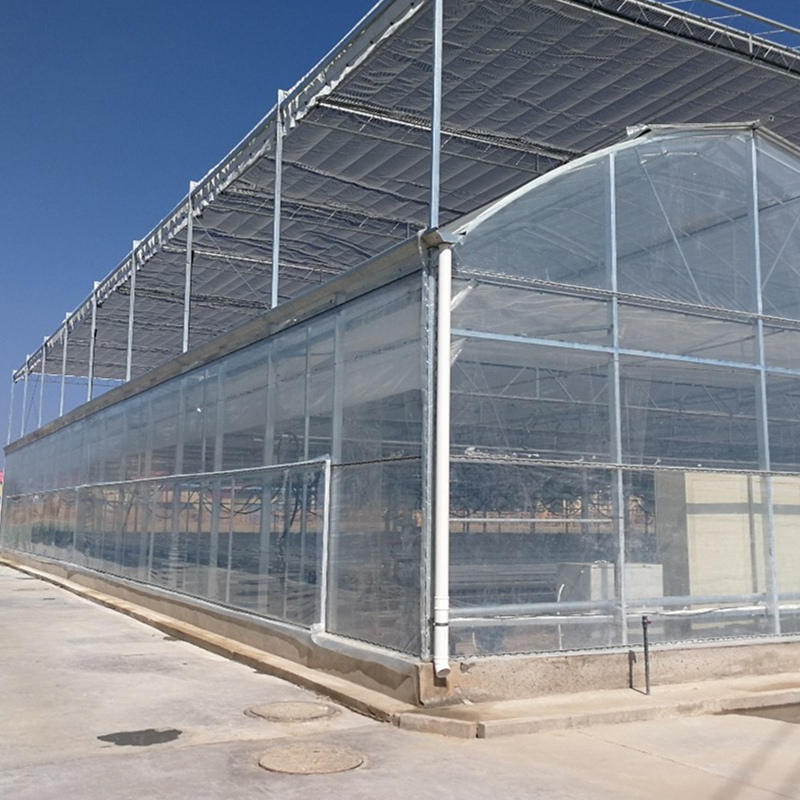
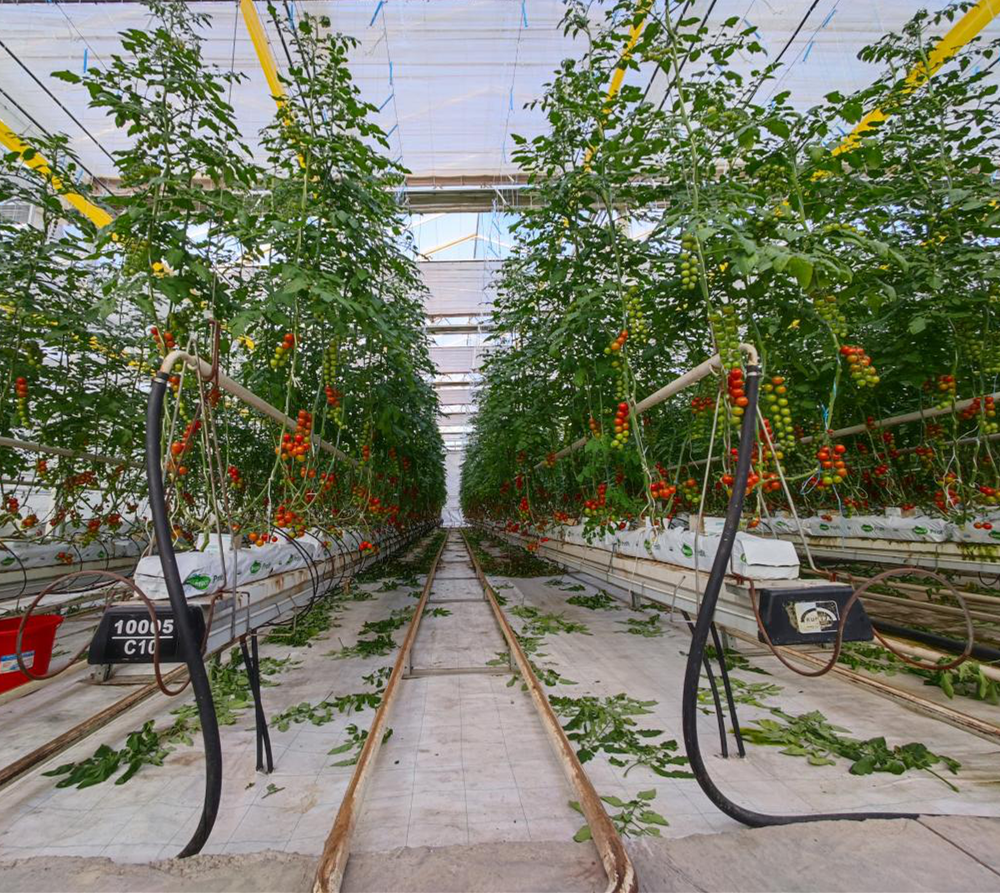
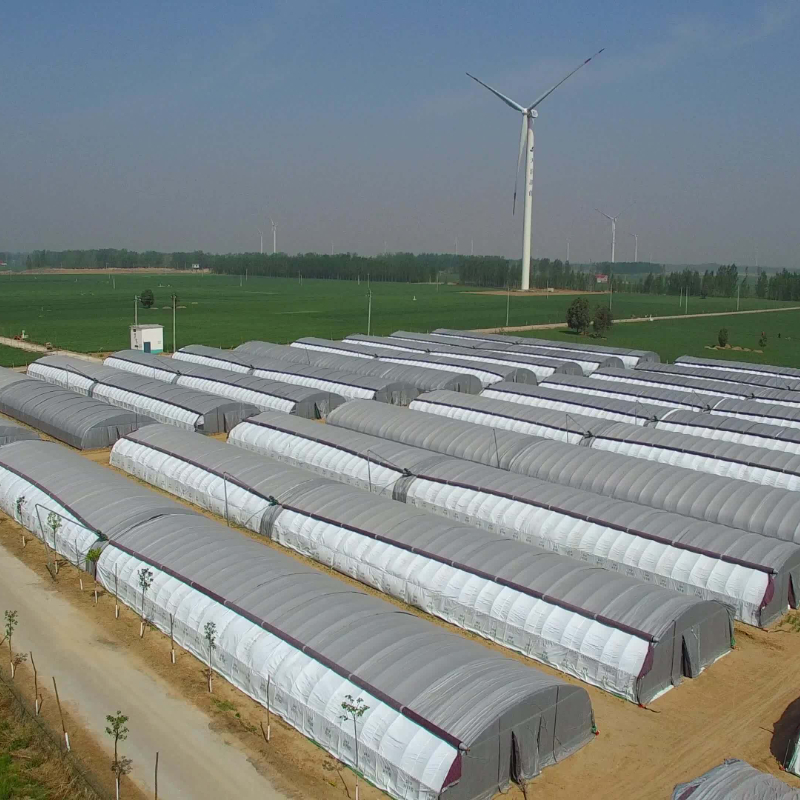
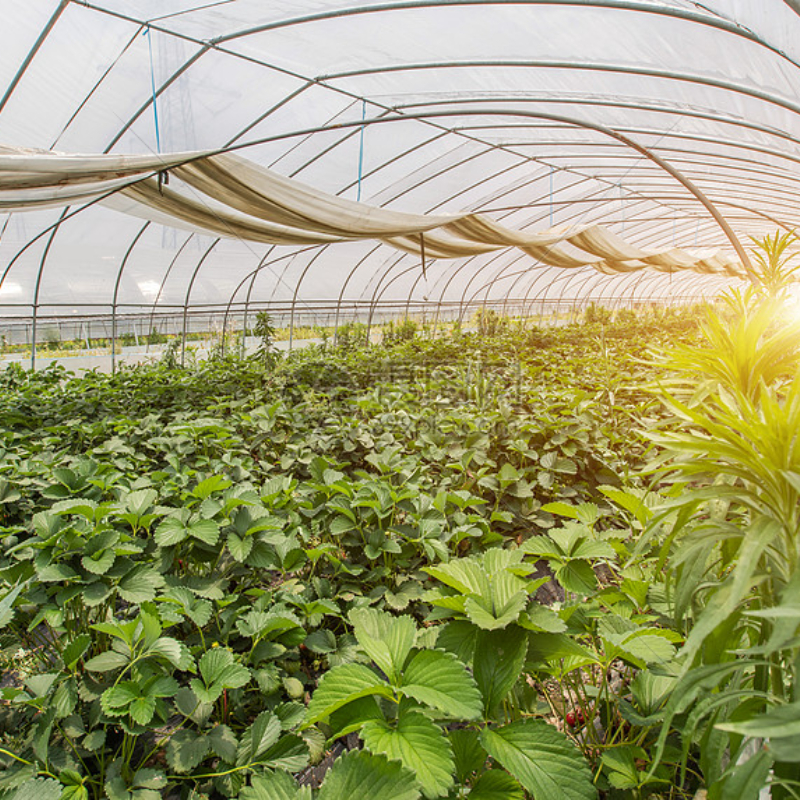
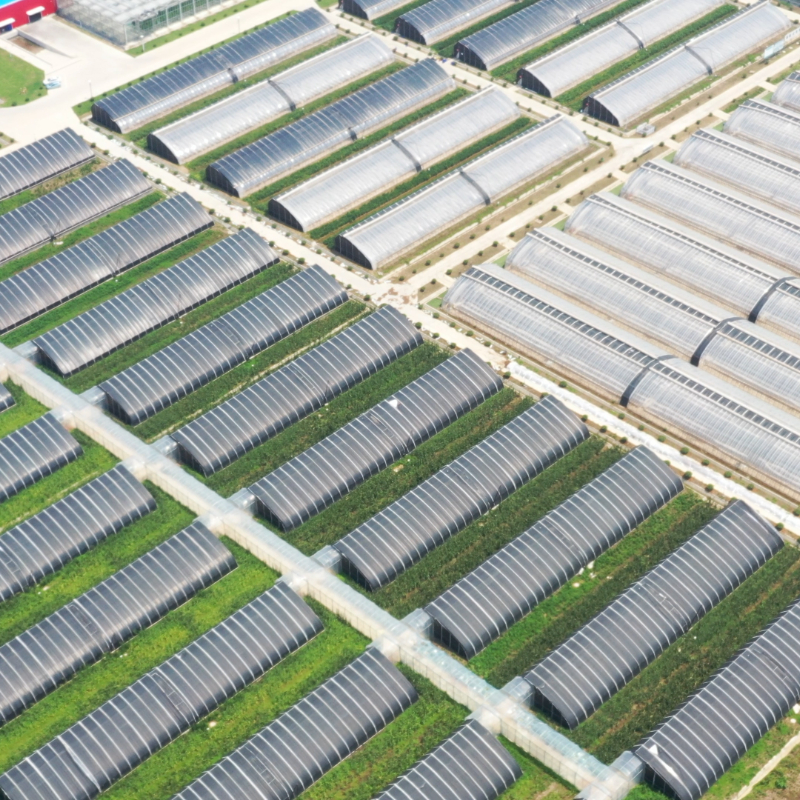
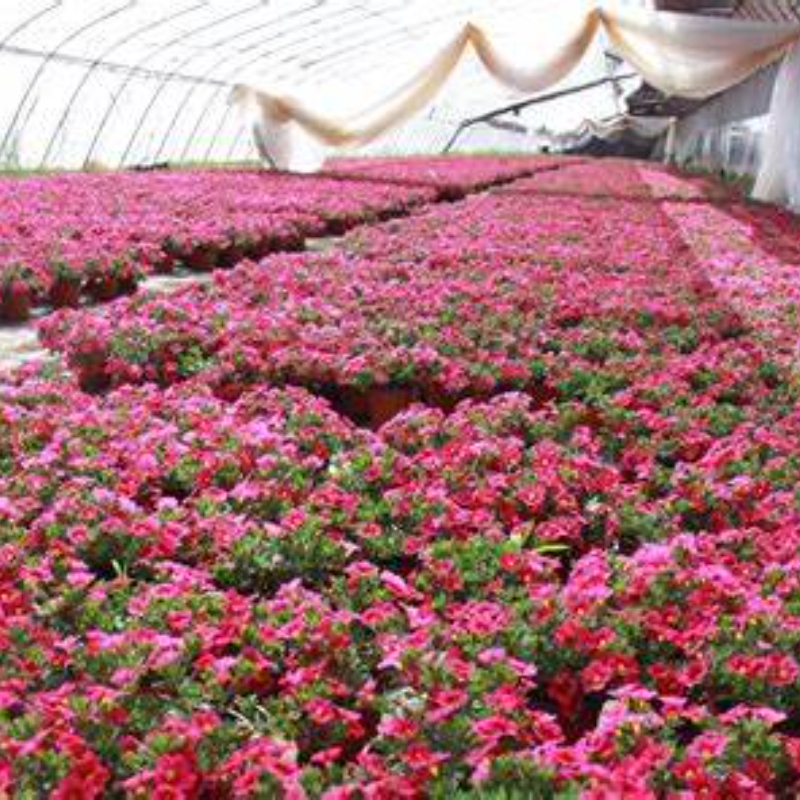
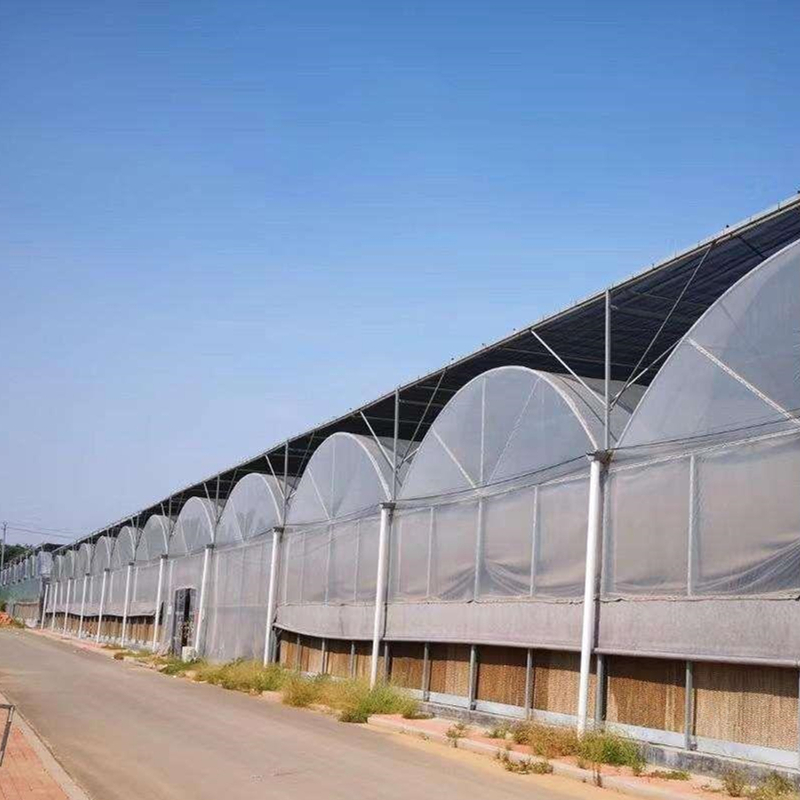
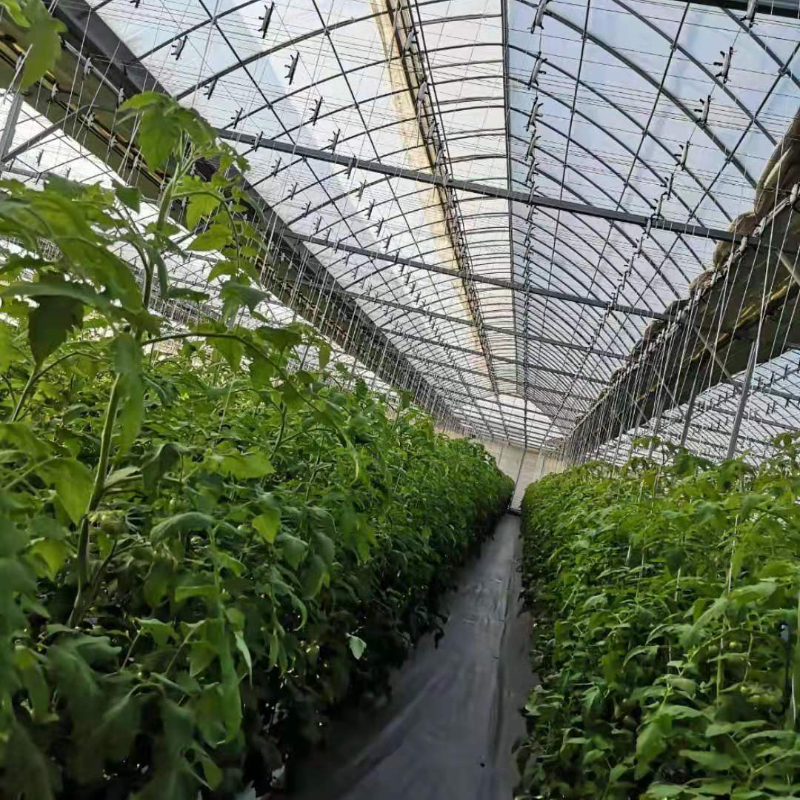
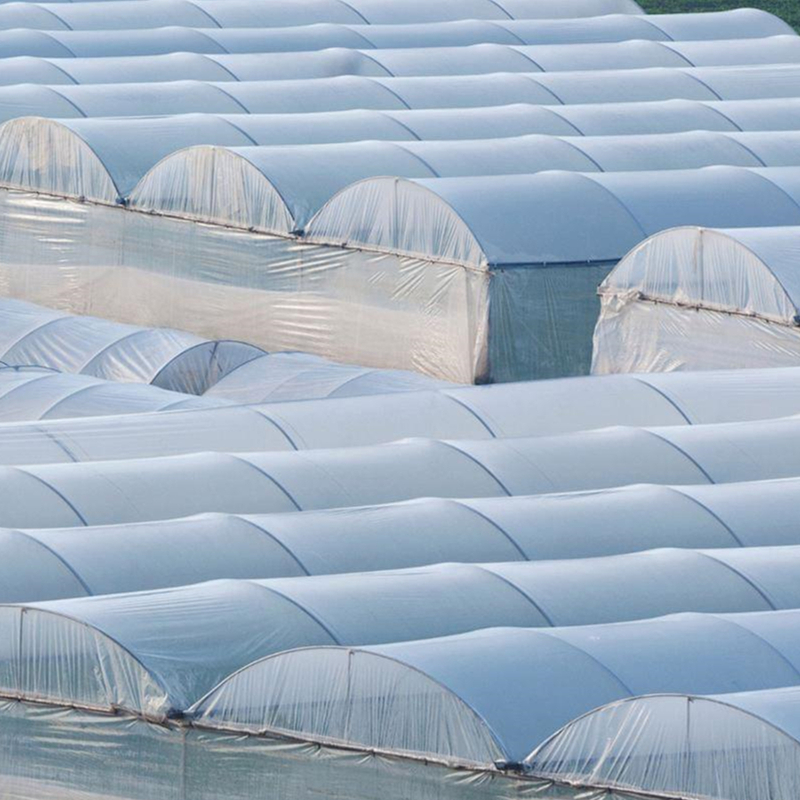
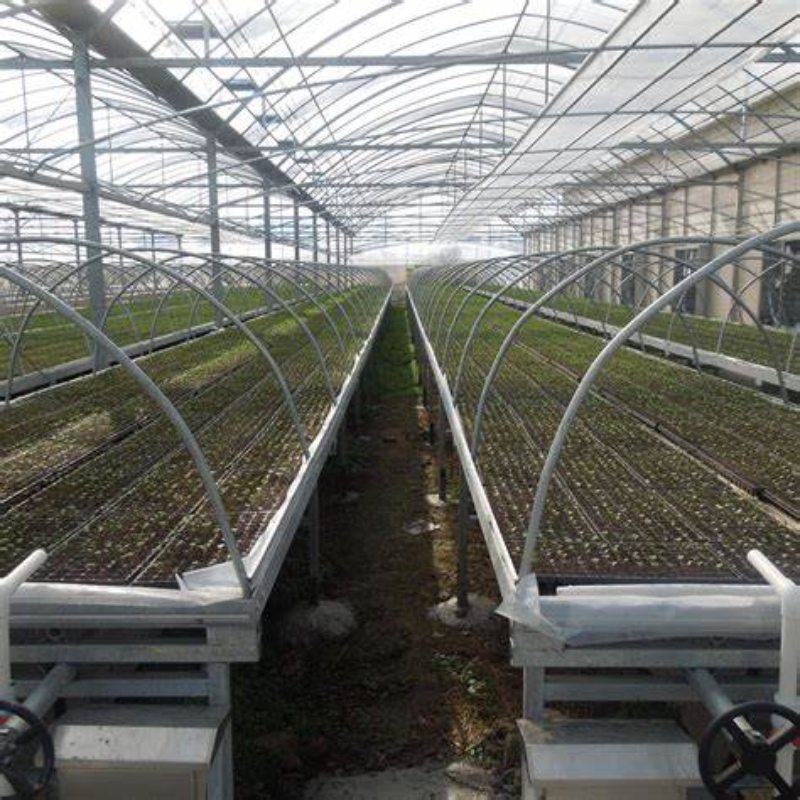
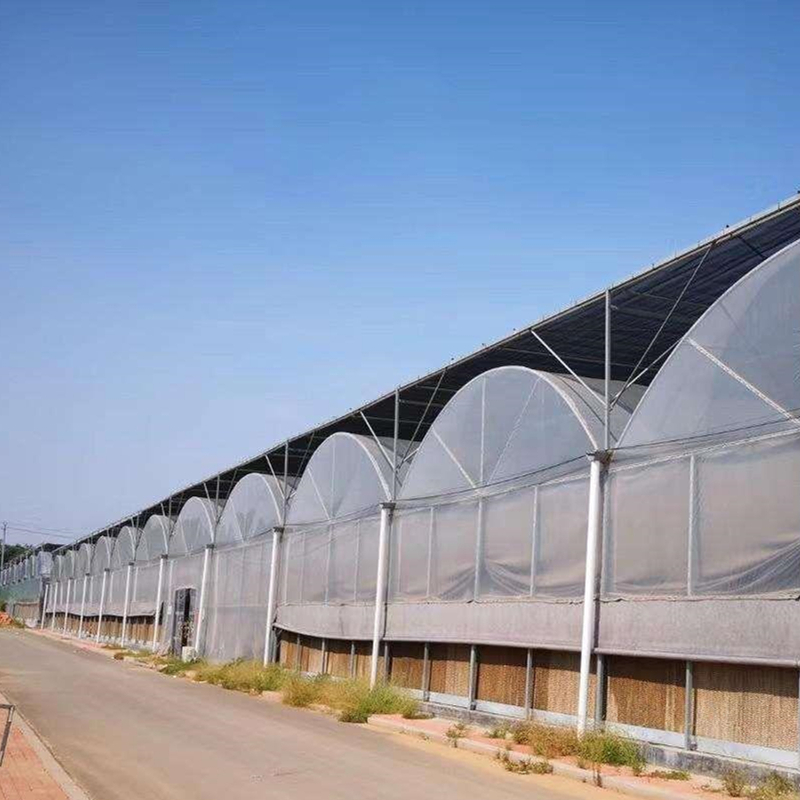
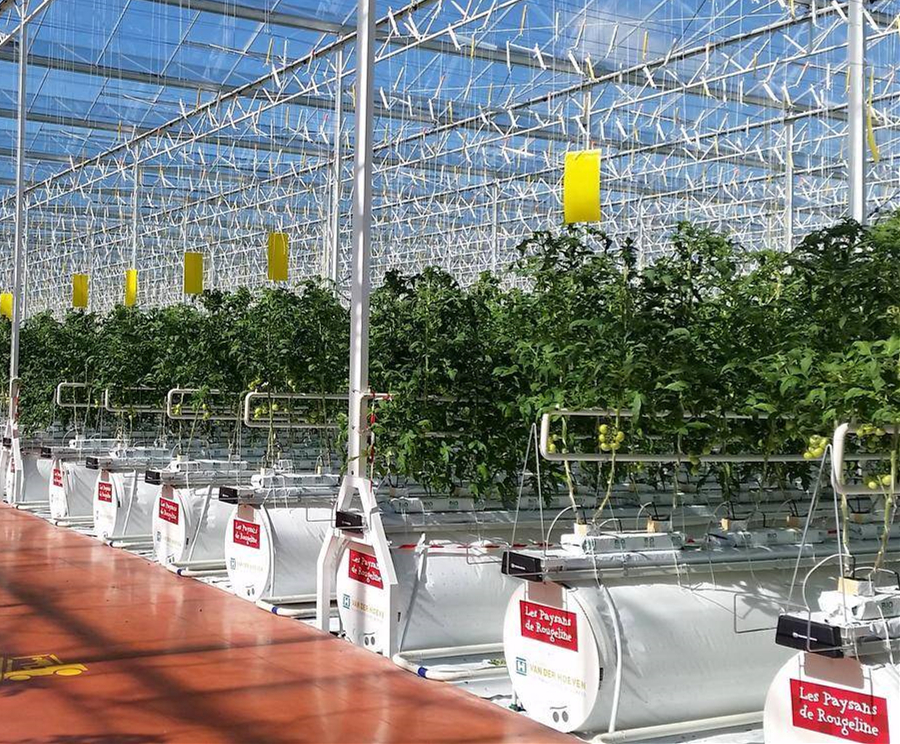
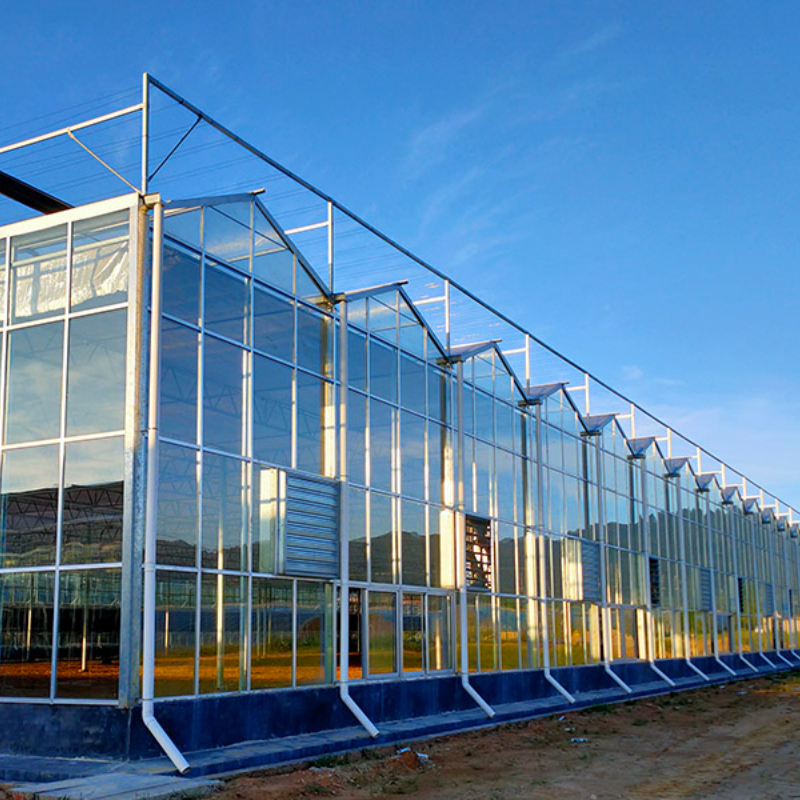
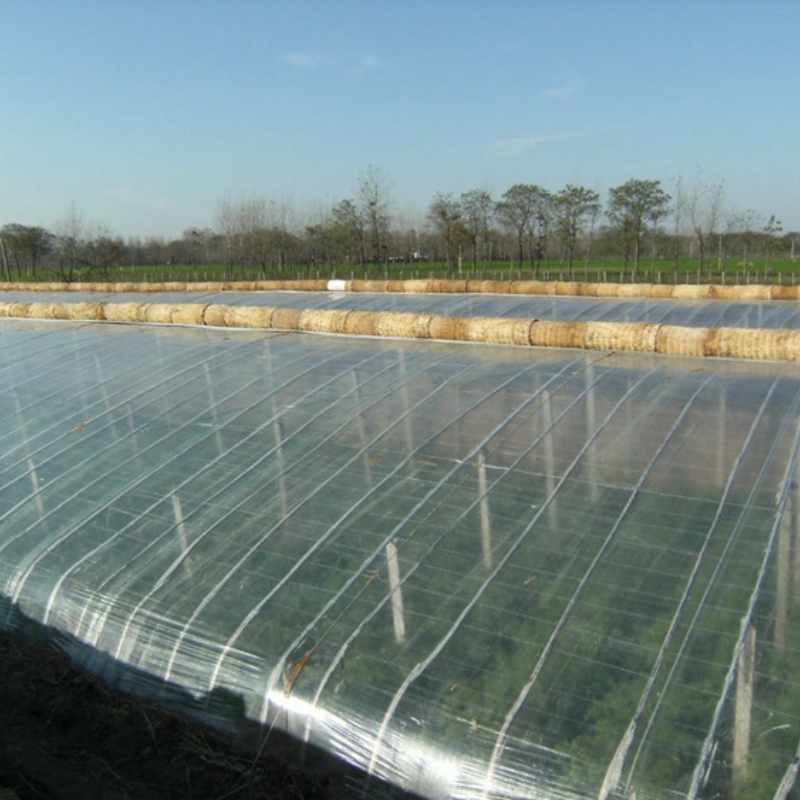
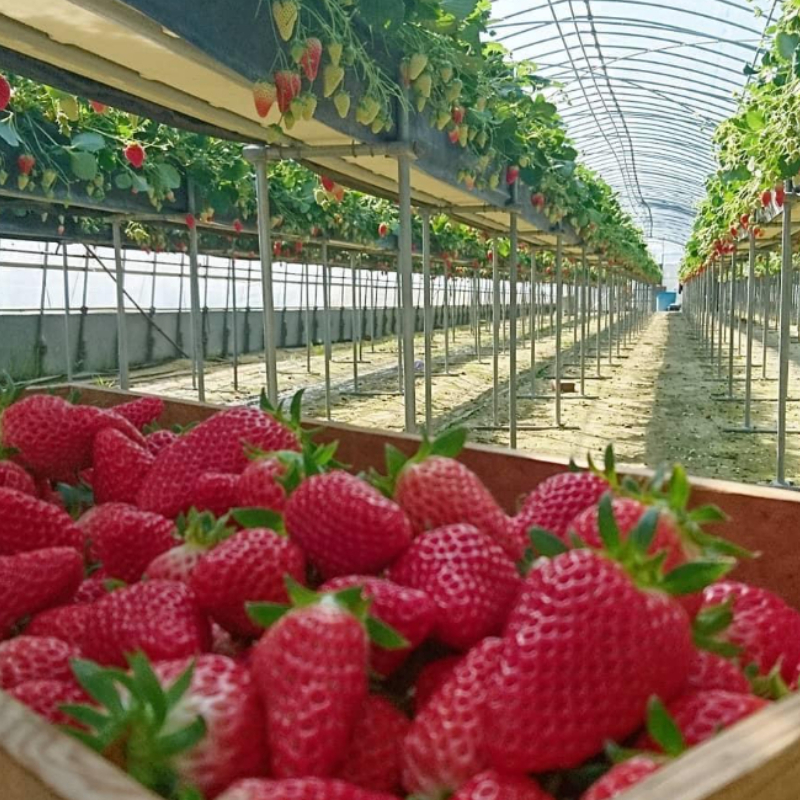
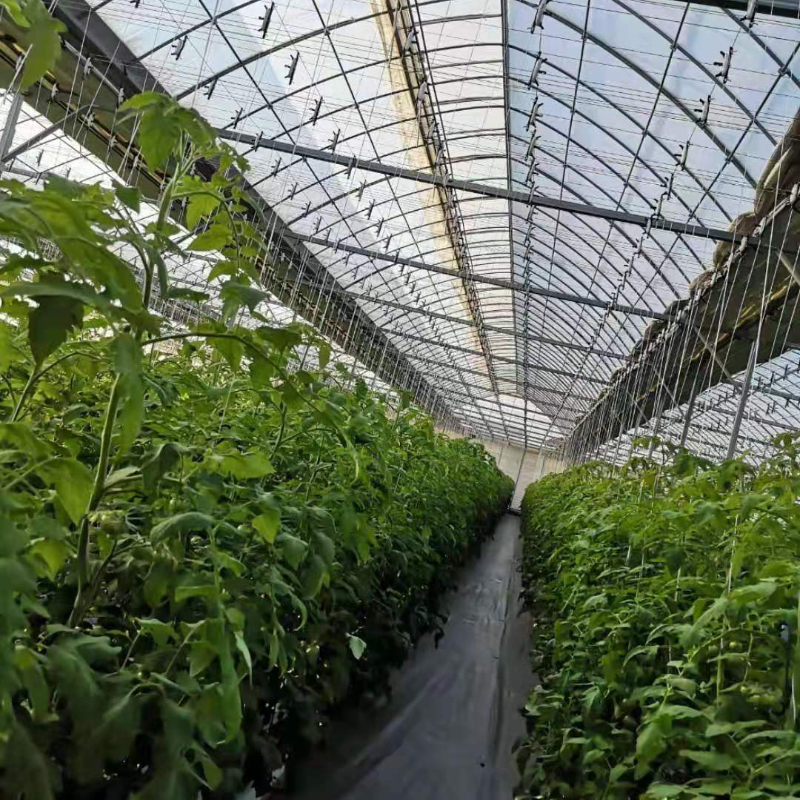
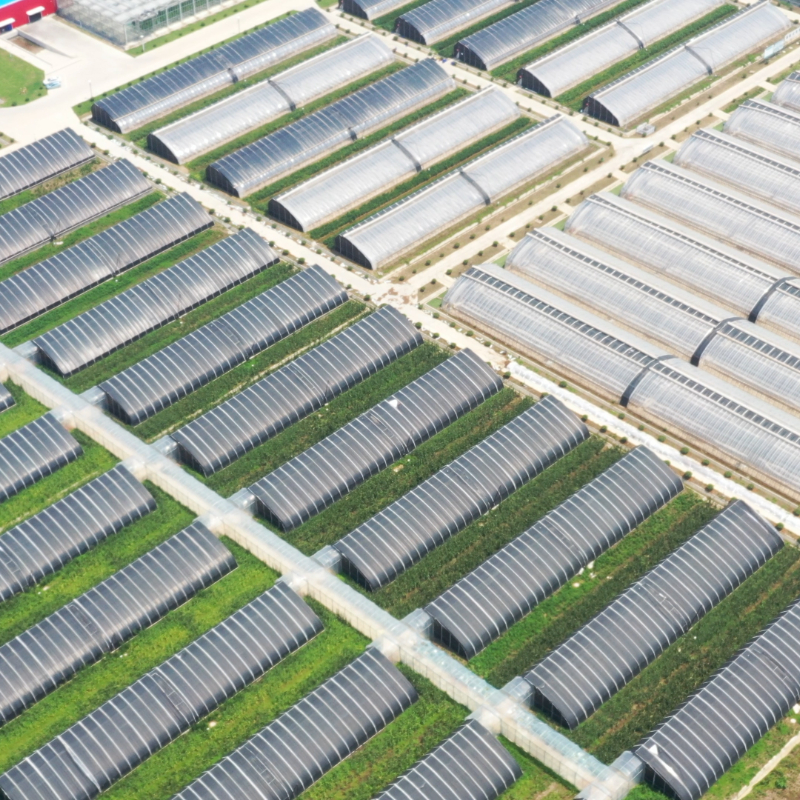
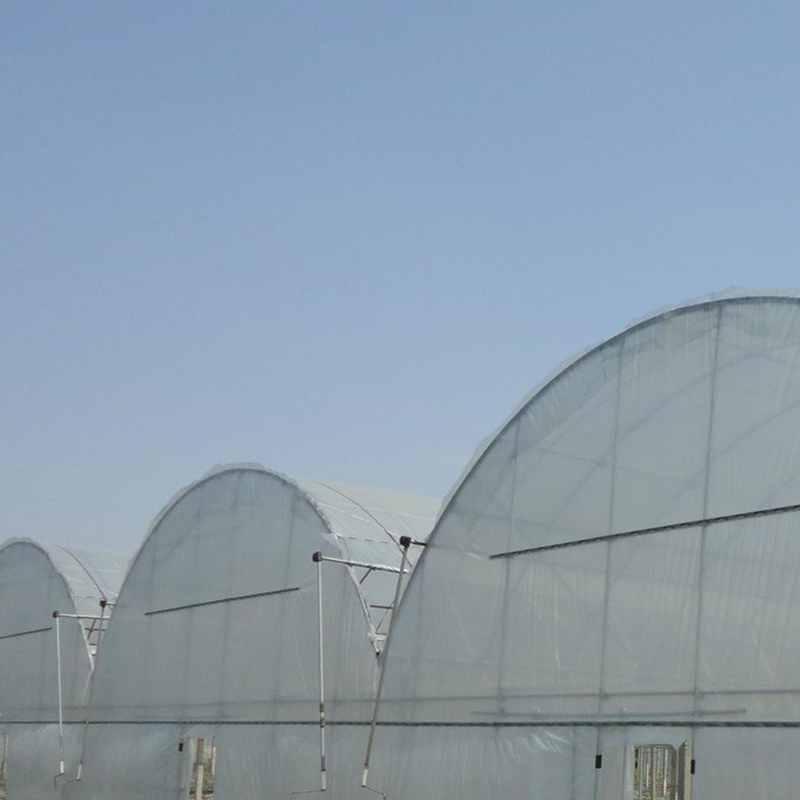
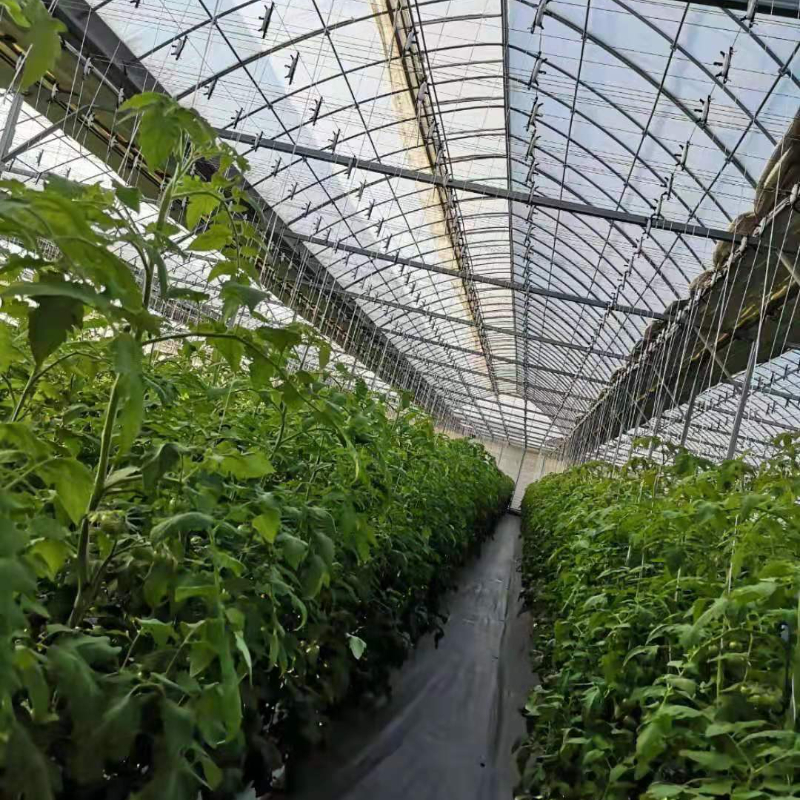
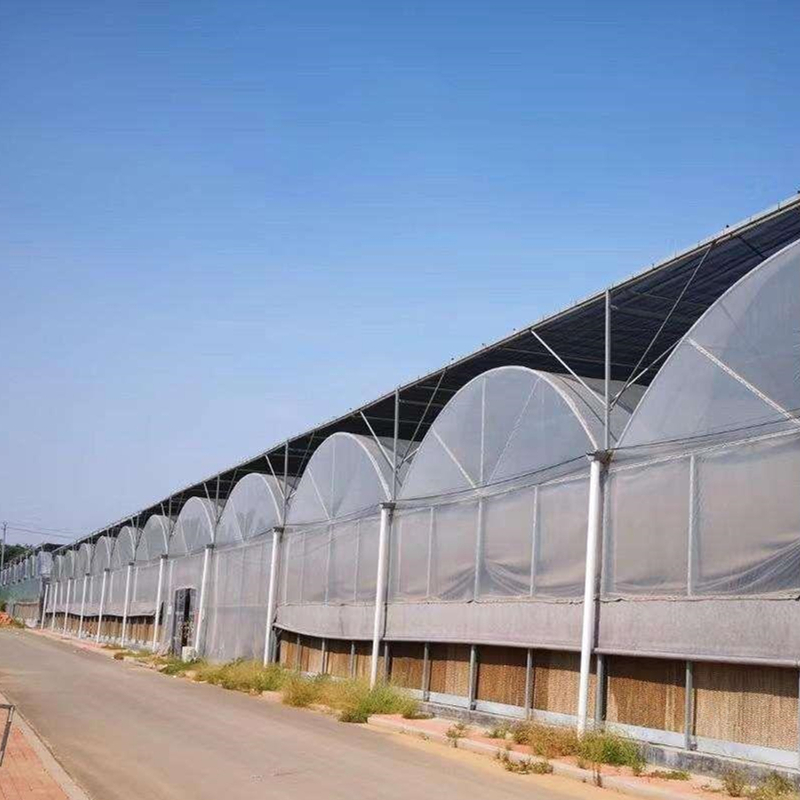
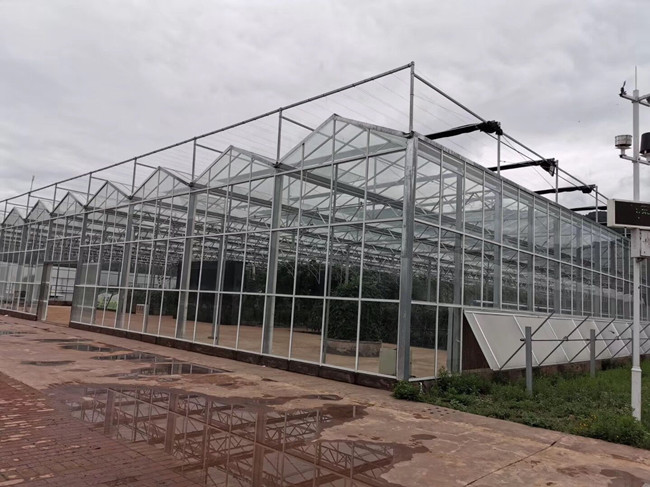
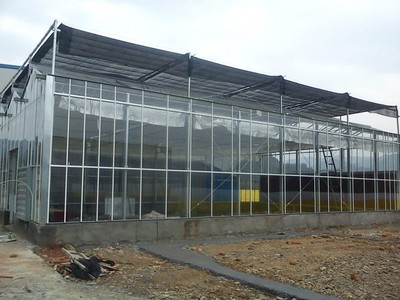
The very concept of a greenhouse evokes an image of a transparent structure, bathed in sunlight, nurturing plants within a protective shell. This ancient principle of harnessing natural light for cultivation is undergoing a profound transformation in the 21st century. While vast, sprawling greenhouses dominate commercial horticulture, a new, more integrated model is emerging: the sophisticated indoor glass greenhouse. This is not merely a greenhouse placed inside a building; it is a meticulously engineered environment where the timeless benefits of glass are fused with the controlled, versatile potential of indoor spaces. This article explores the technological innovations, design principles, and multifaceted applications of this advanced agricultural concept, highlighting the role of specialized suppliers like China's Qingzhou Jinxin Greenhouse Materials Company in making these structures a reality.
Defining the Indoor Glass Greenhouse
An indoor glass greenhouse can be understood as a fully or partially enclosed glass structure situated within a larger building or a purpose-built shell. Unlike traditional greenhouses, which rely solely on their external walls and roofs for environmental separation, an indoor version exists within a secondary, buffering enclosure. This creates a unique "environment within an environment," offering unparalleled control.
The core material, glass, remains chosen for its superior clarity, durability, and inert properties. It allows for maximum light penetration—a non-negotiable requirement for photosynthesis—while creating a physical barrier that is easy to clean and resistant to degradation from humidity or chemicals. The fundamental shift lies in decoupling the primary growing environment from the external, often volatile, outdoor climate. This architecture allows for the creation of optimal growing conditions regardless of geographic location, external weather, or seasonal changes, making it possible to grow tropical plants in a desert or alpine plants in a tropical city.
Technological Pillars of the Modern Indoor Glass Greenhouse
The viability of an indoor glass greenhouse rests on several key technological pillars that work in concert to create and maintain a perfect microclimate.
1. Advanced Glazing and Light Management 2. Precision Climate Control Systems 3. Integrated Vertical Farming Techniques
The indoor glass greenhouse represents a fascinating and powerful synthesis of traditional horticultural wisdom and cutting-edge environmental control technology. It pushes the boundaries of where and how we can grow plants, turning unused urban spaces, harsh environments, and even our own homes into productive, green oases.
By offering an unprecedented level of control over the growing environment, it enables hyper-efficient use of resources like water and fertilizers, eliminates pesticide runoff, and brings food production closer to the consumer. As technologies like LEDs and sensors continue to advance and become more affordable, and as material suppliers like Qingzhou Jinxin Greenhouse Materials Company continue to innovate with better, more efficient components, we can expect the adoption of the indoor glass greenhouse to expand. It stands not as a replacement for all other forms of agriculture, but as a sophisticated, complementary tool in our global effort to cultivate a more resilient, sustainable, and localized food and plant production system.
