
1. Large-Scale High-Quality Vegetable Planting

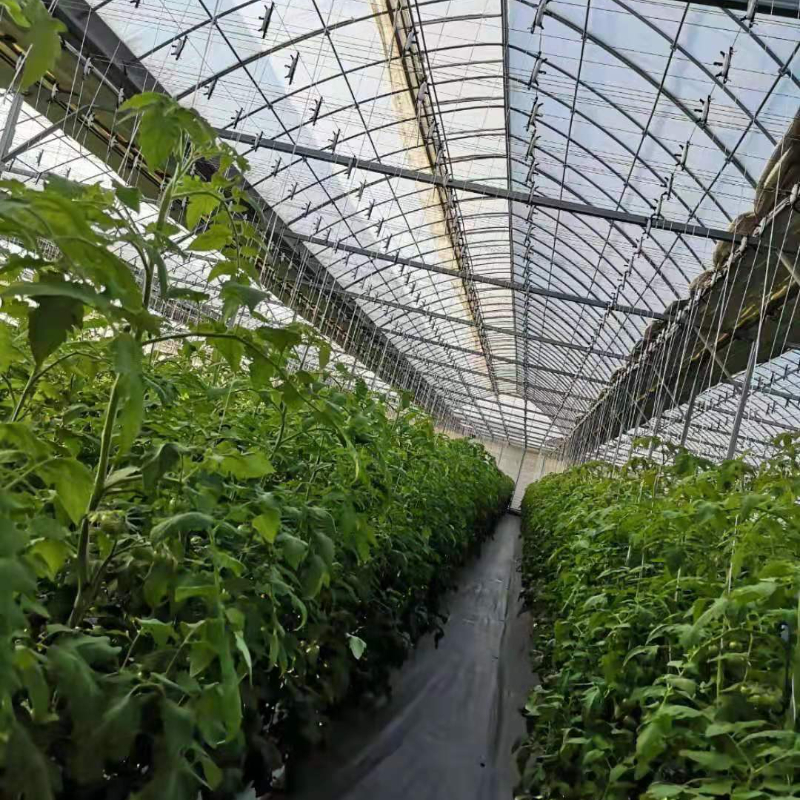
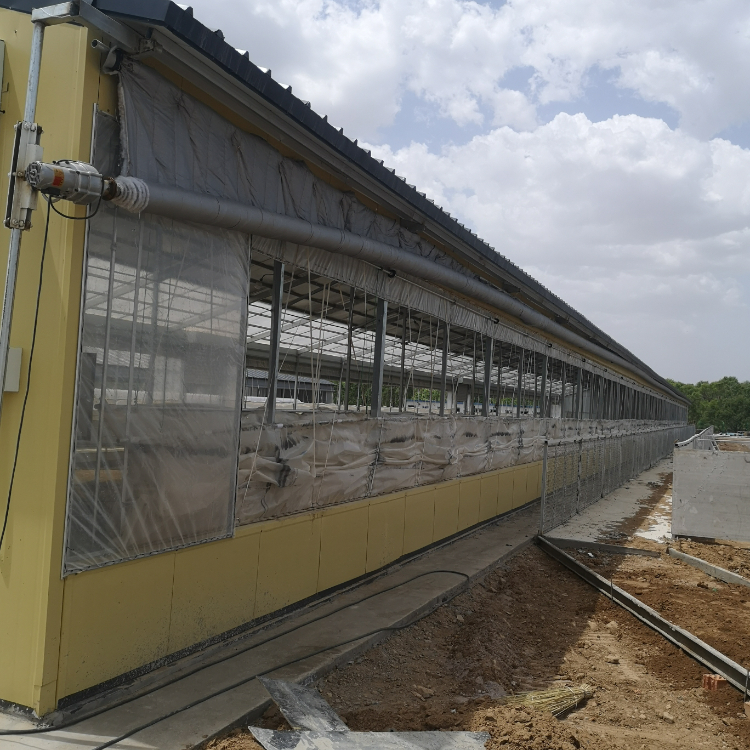
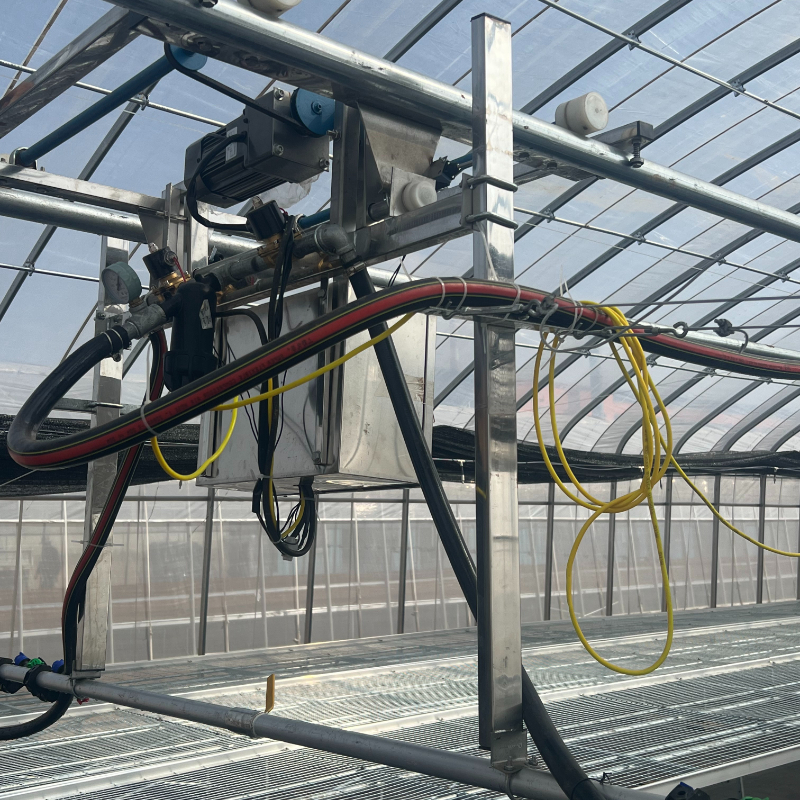
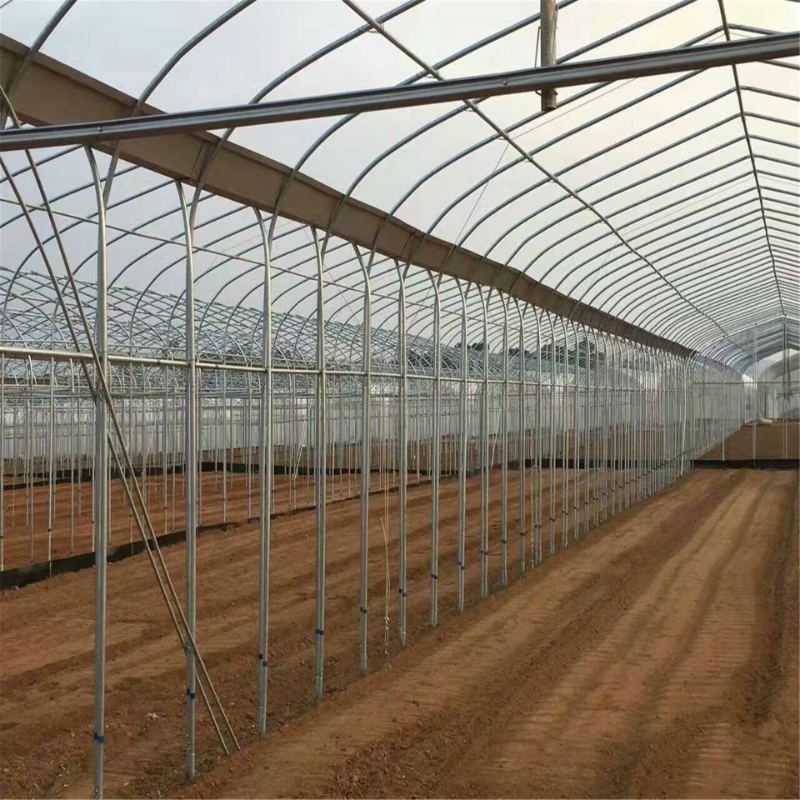
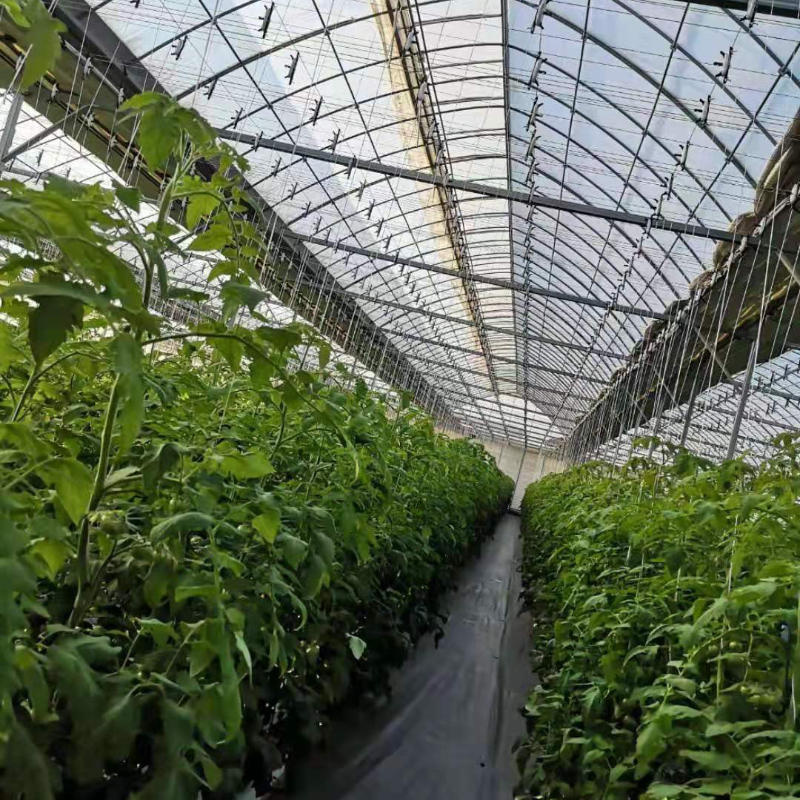
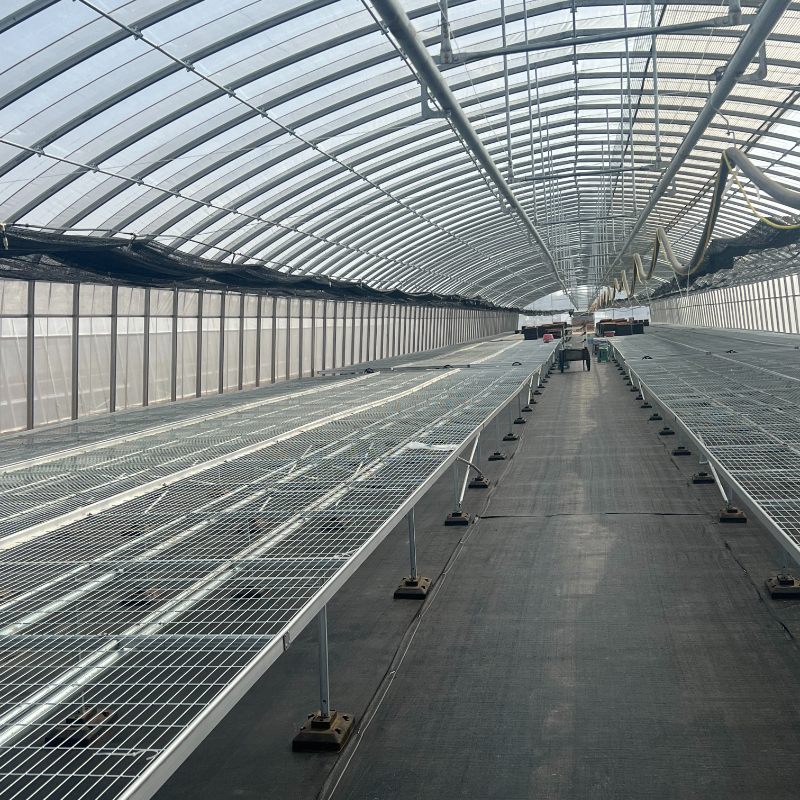
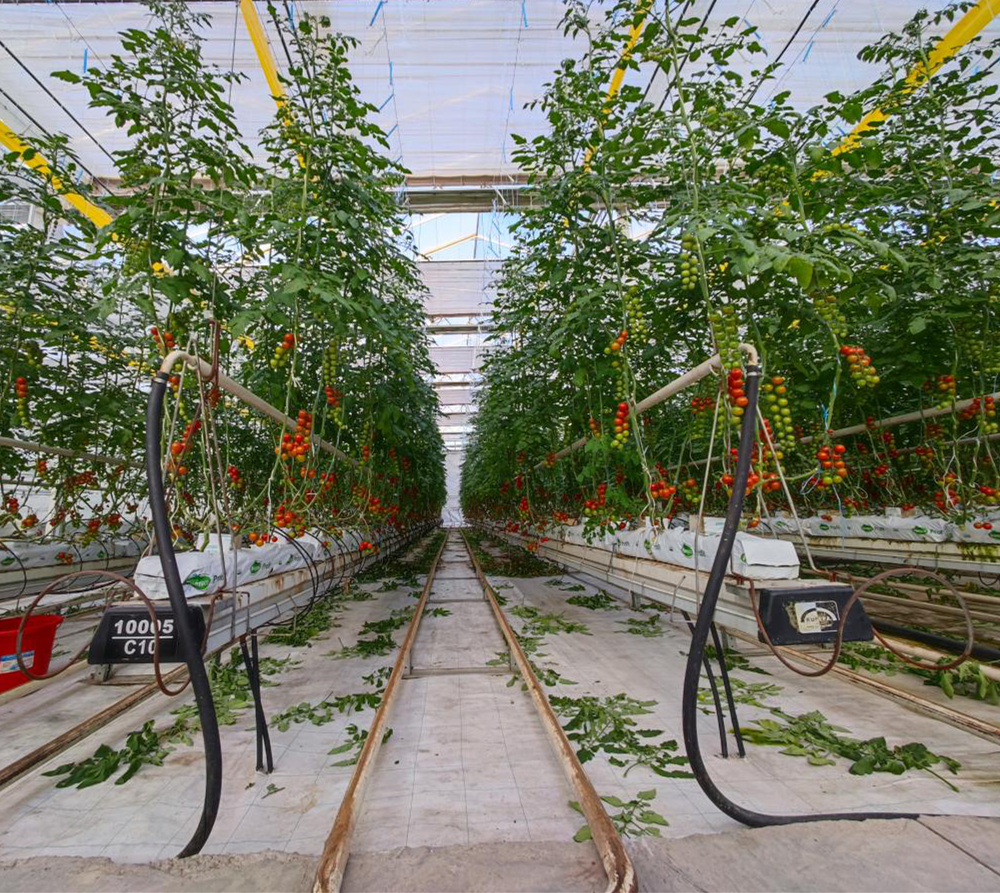
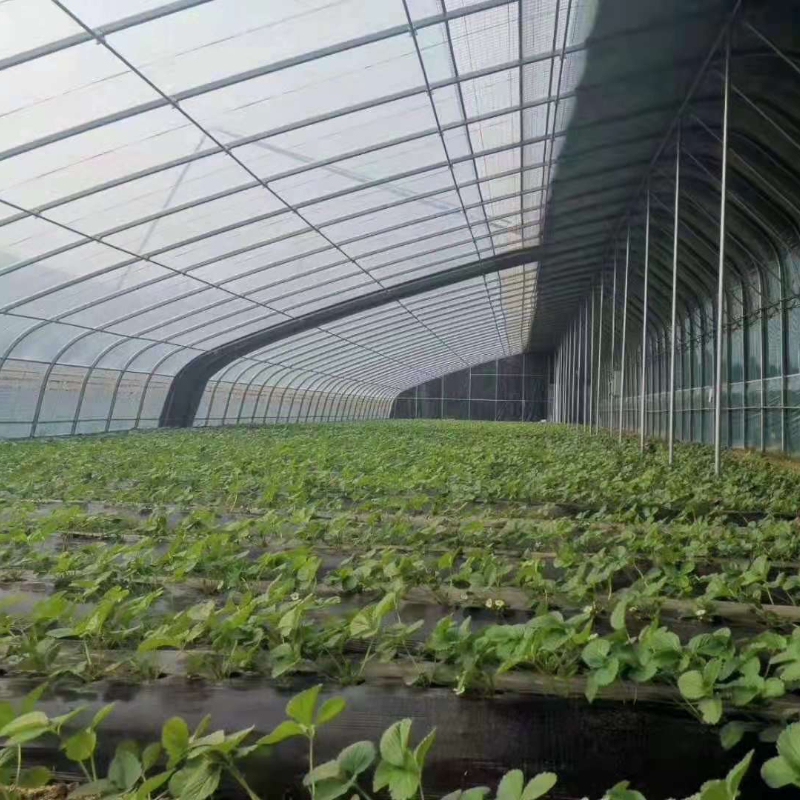
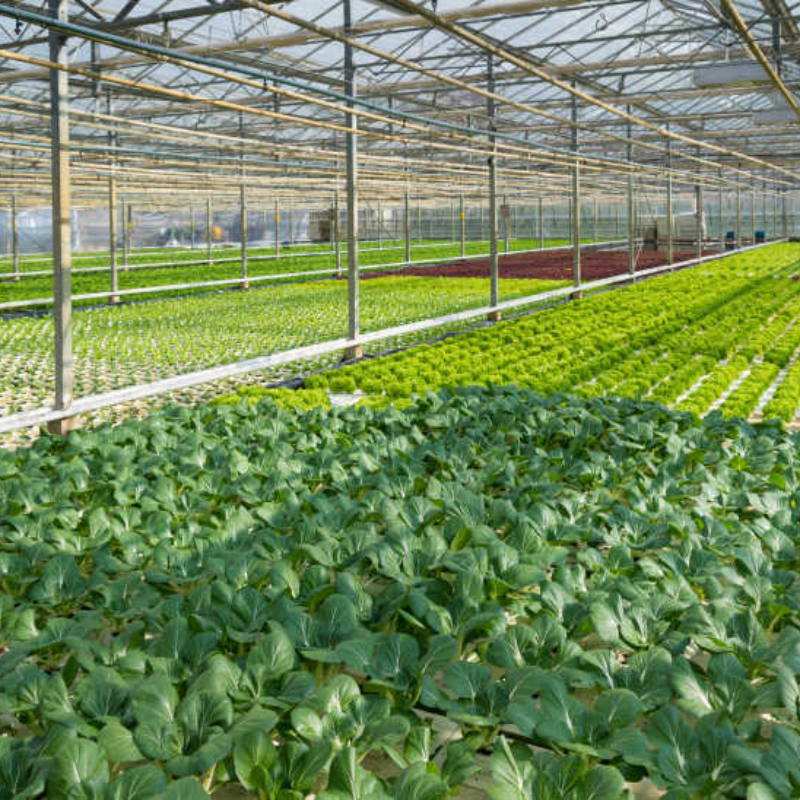
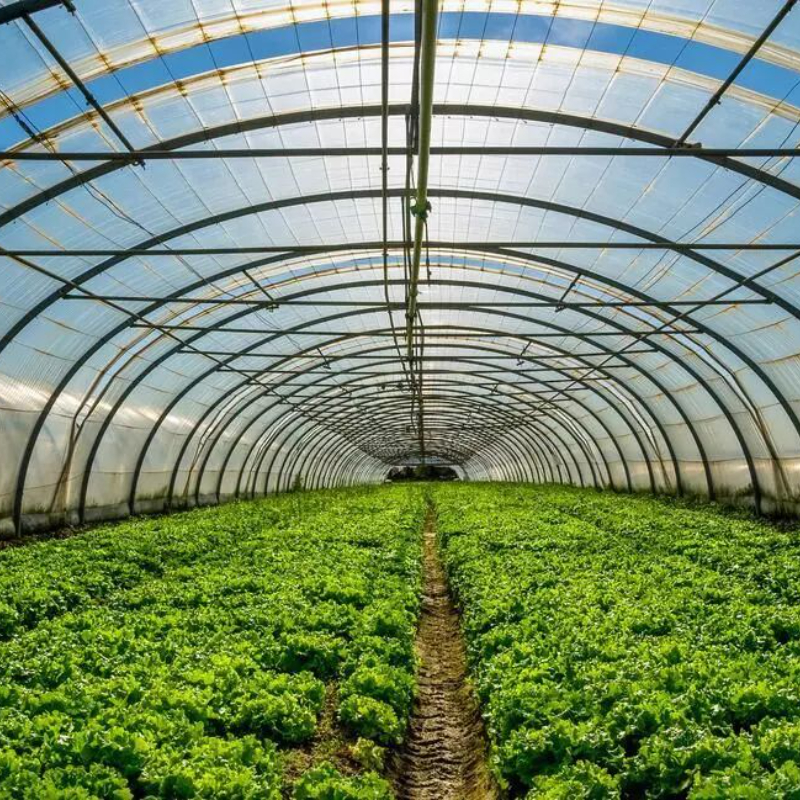
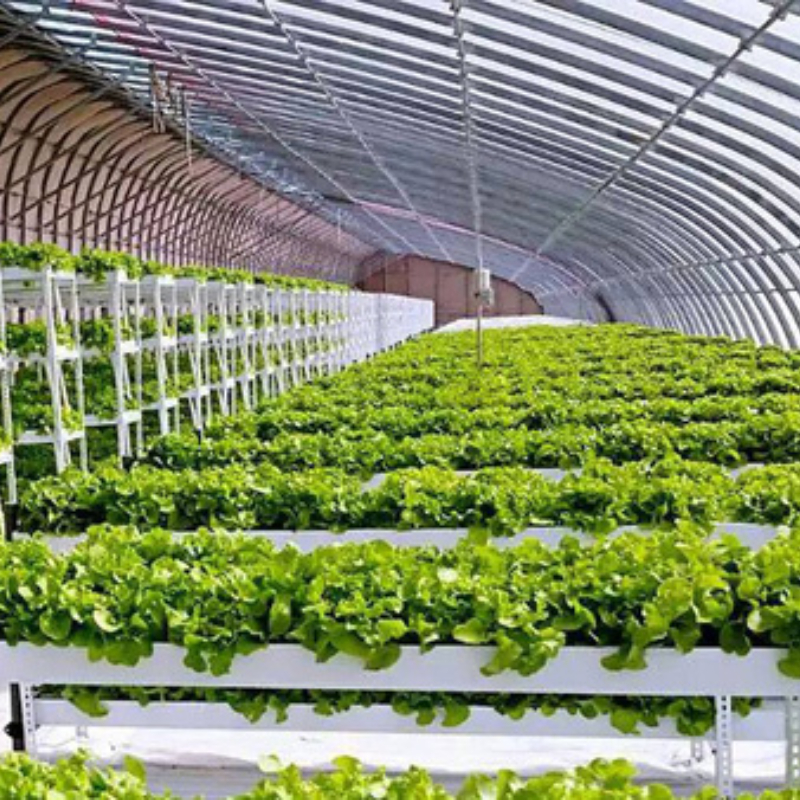
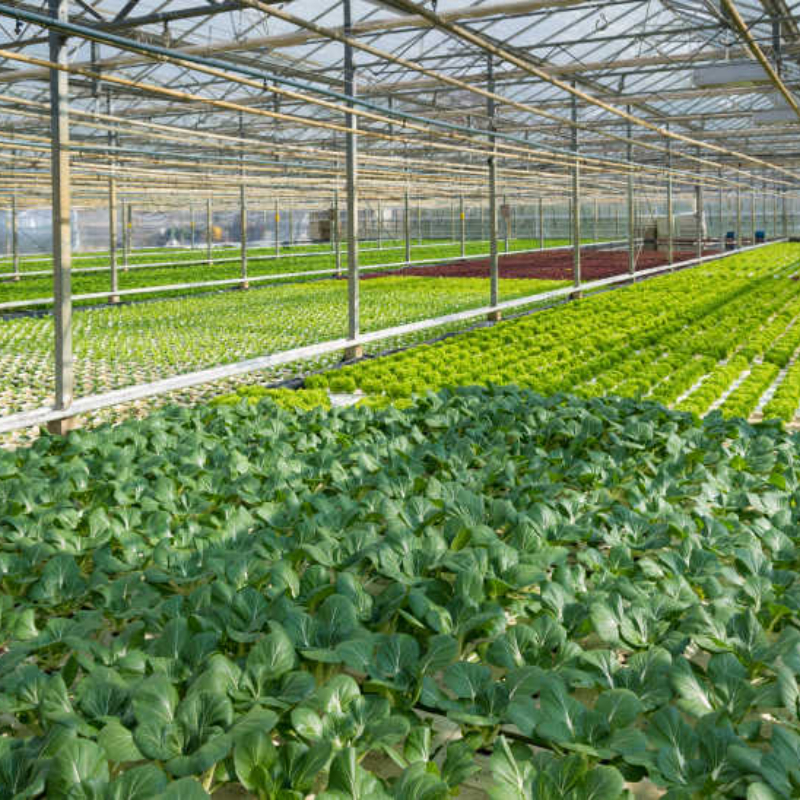
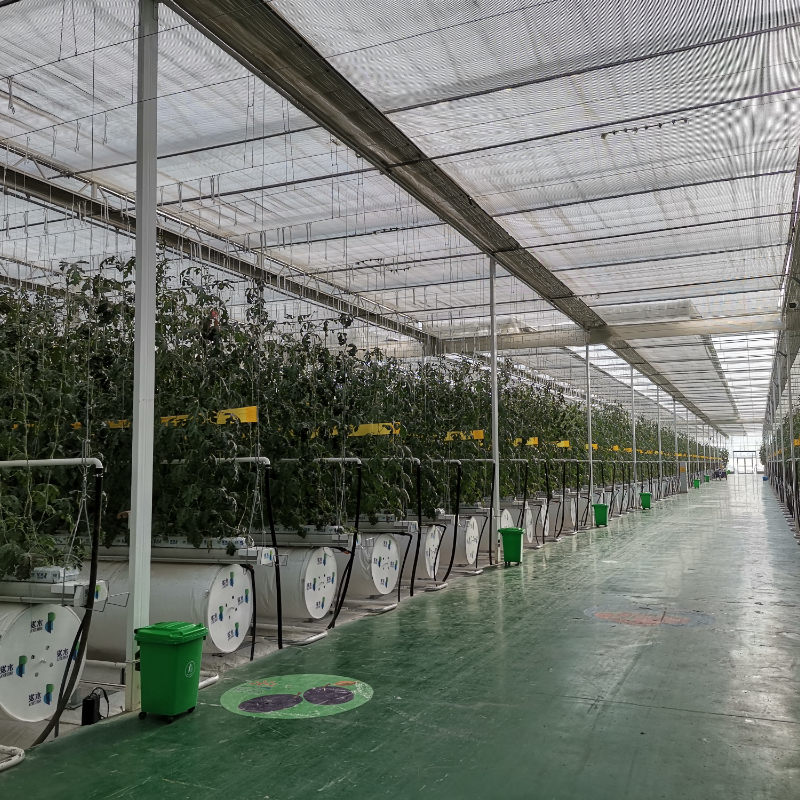
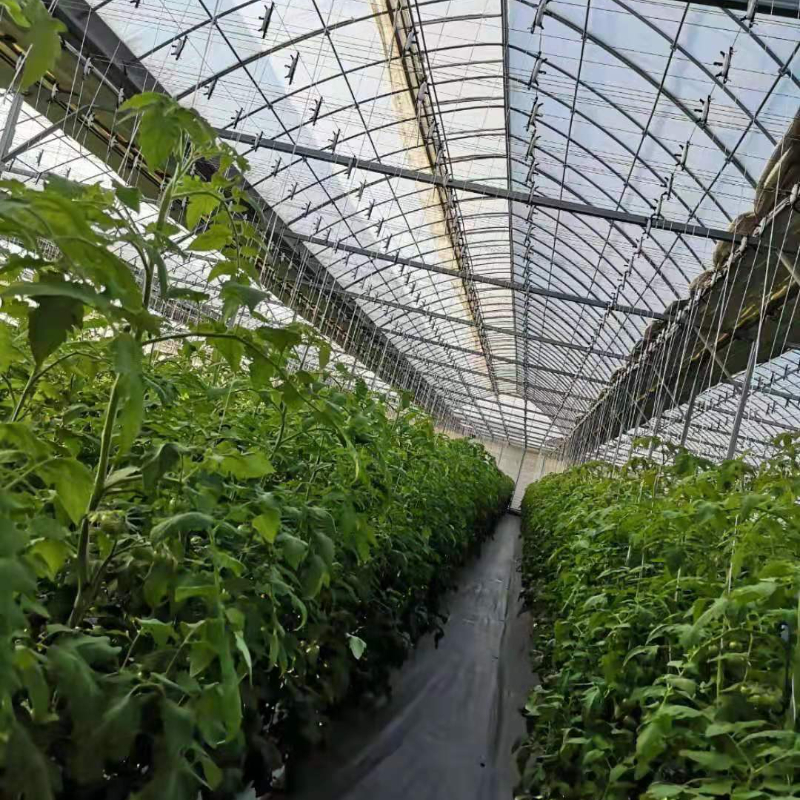
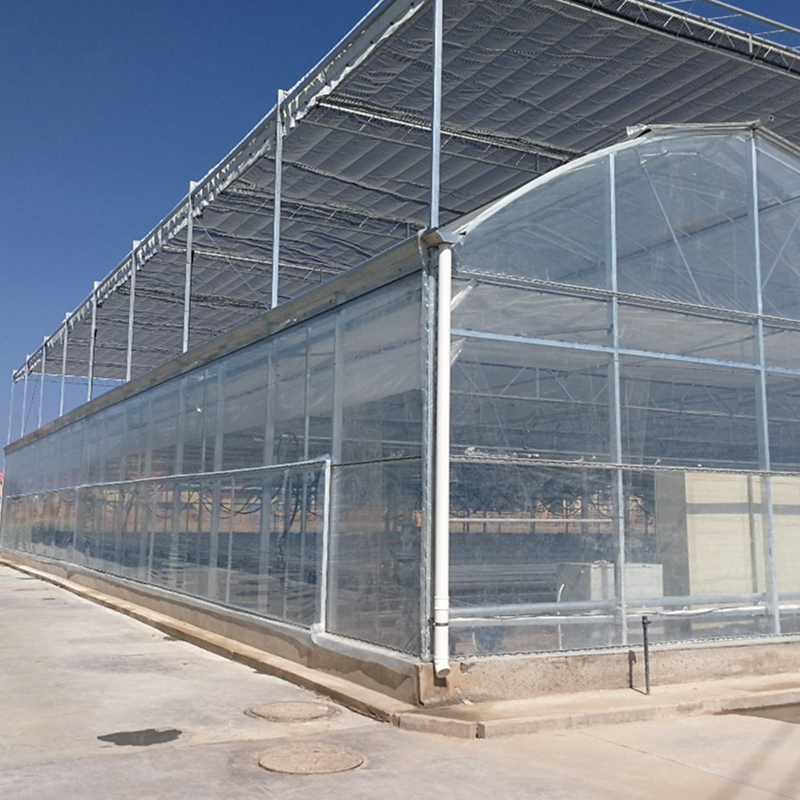
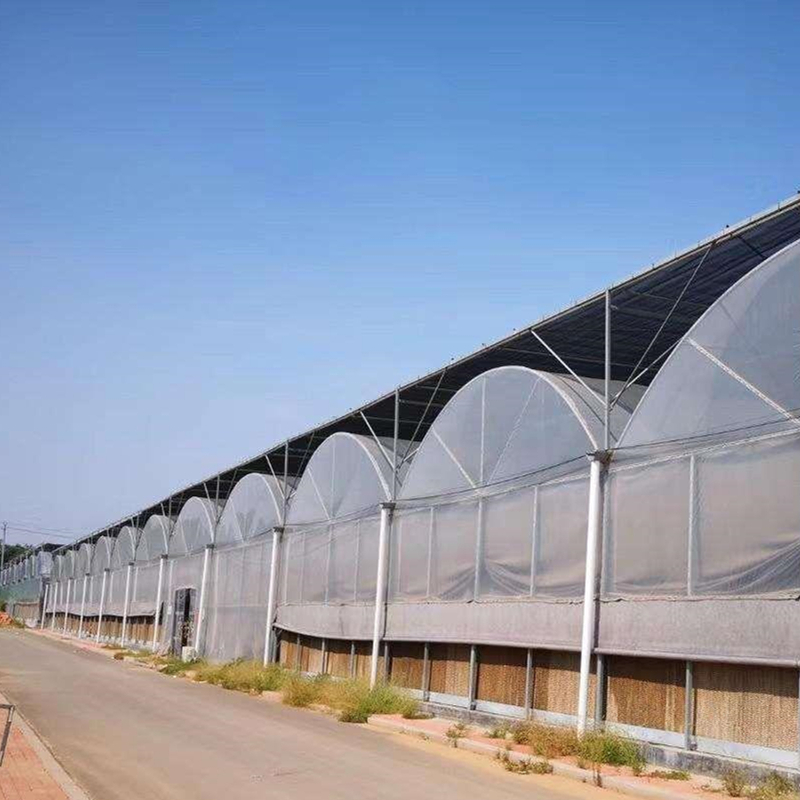
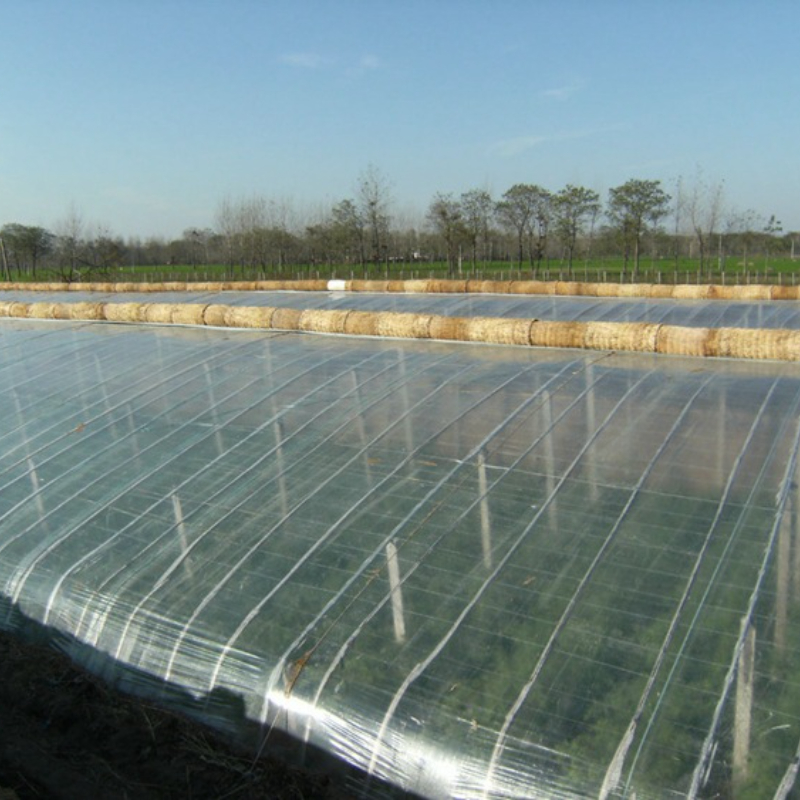
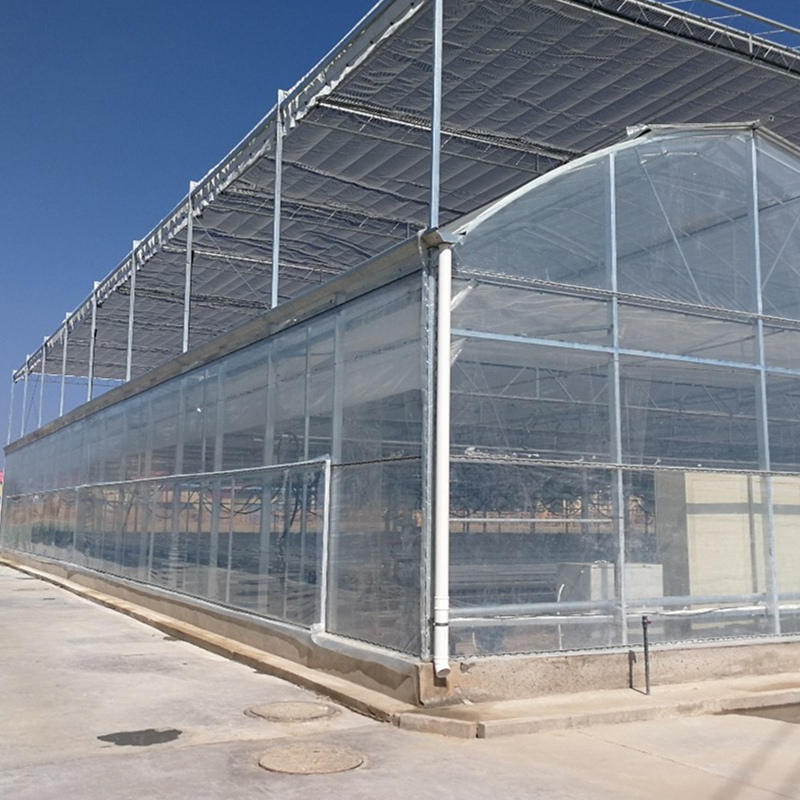
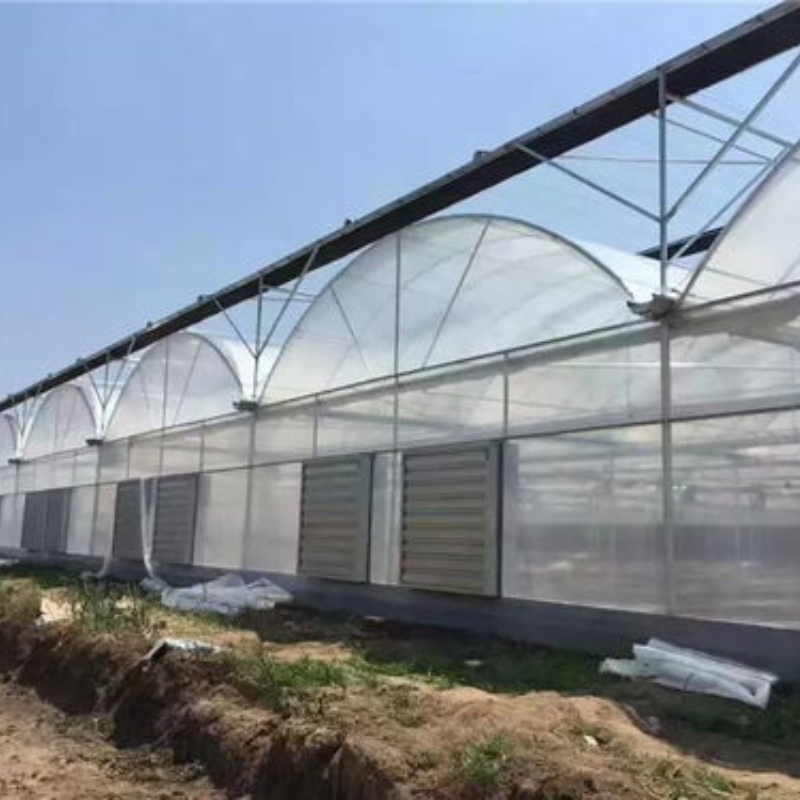
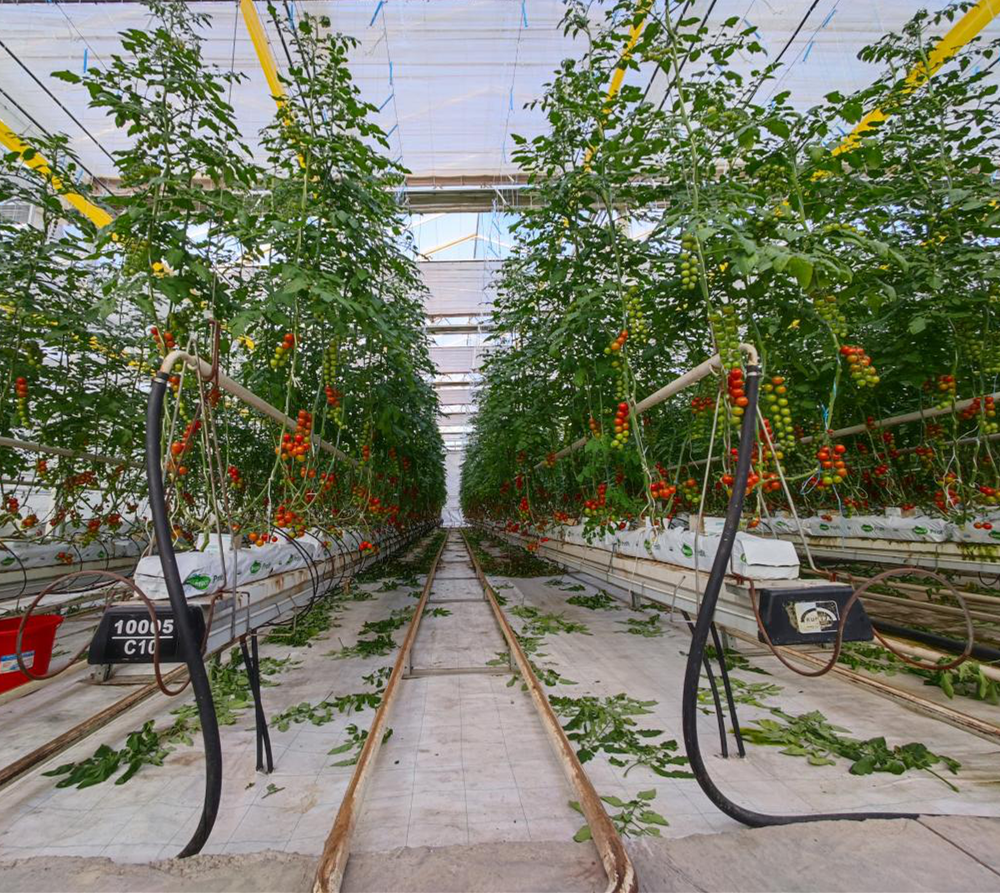
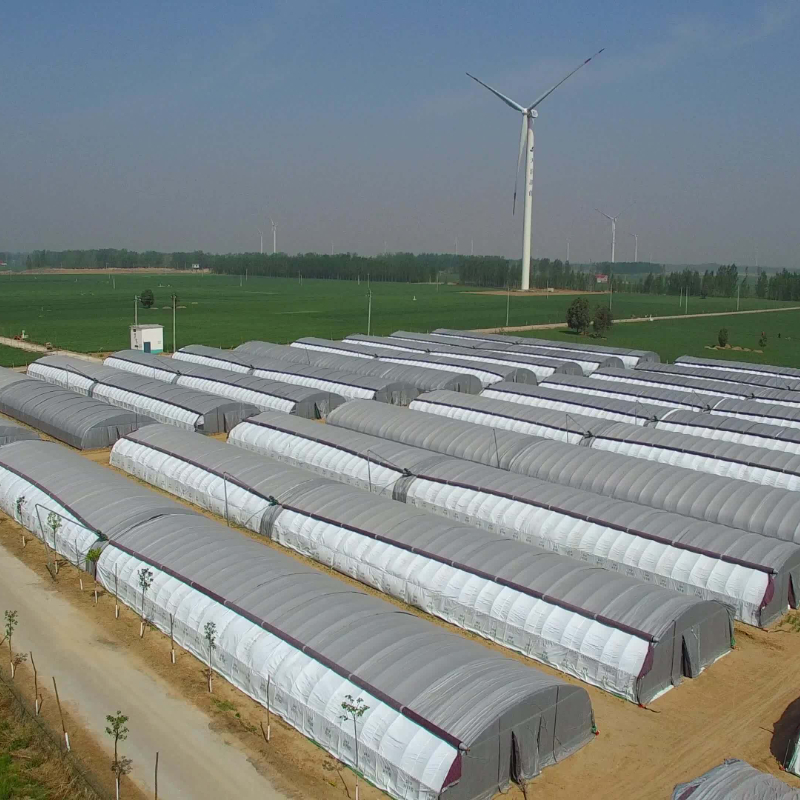
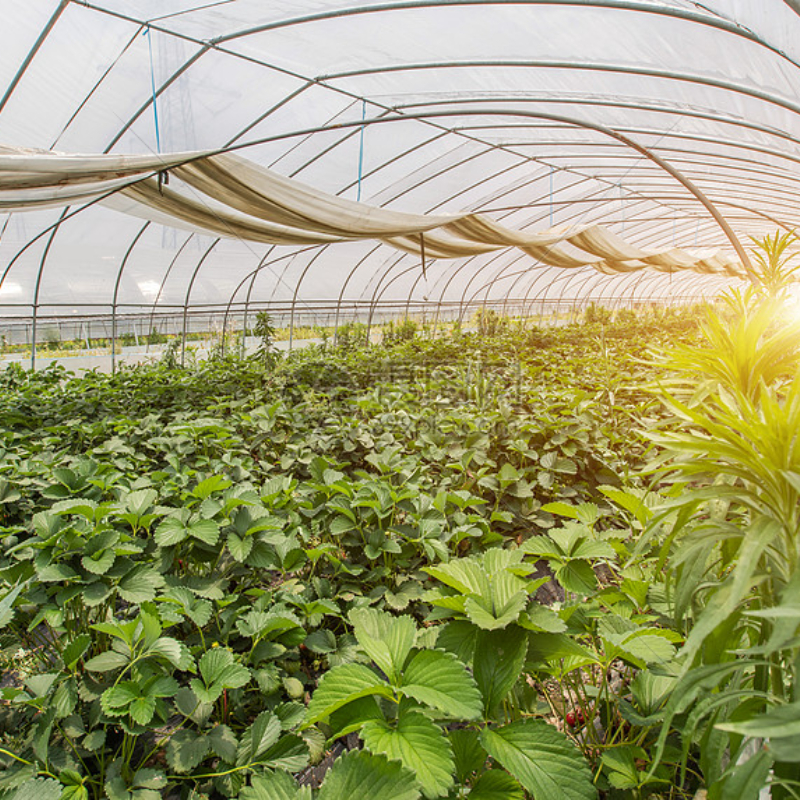
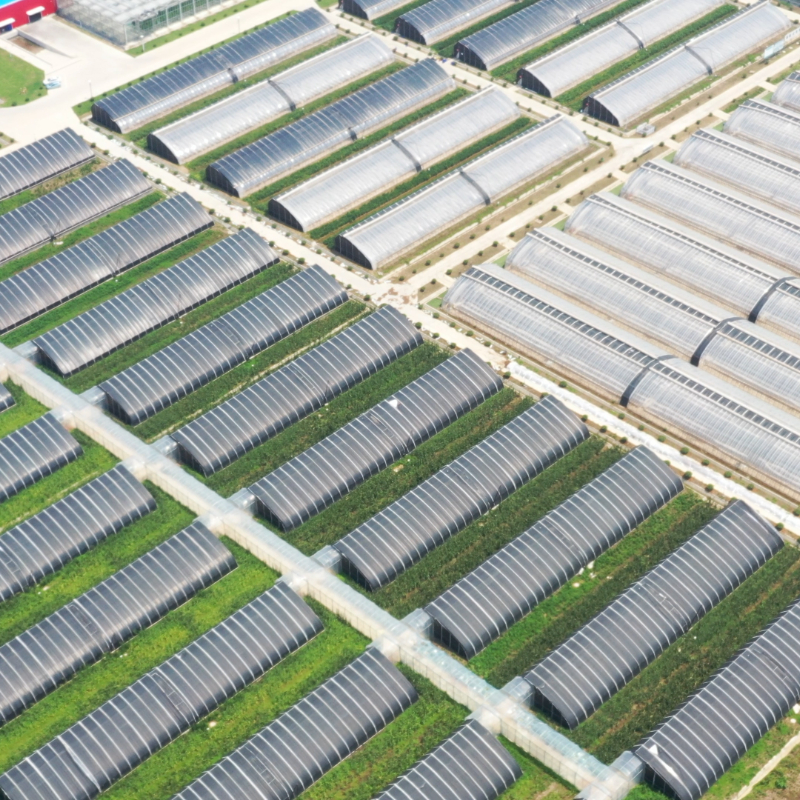
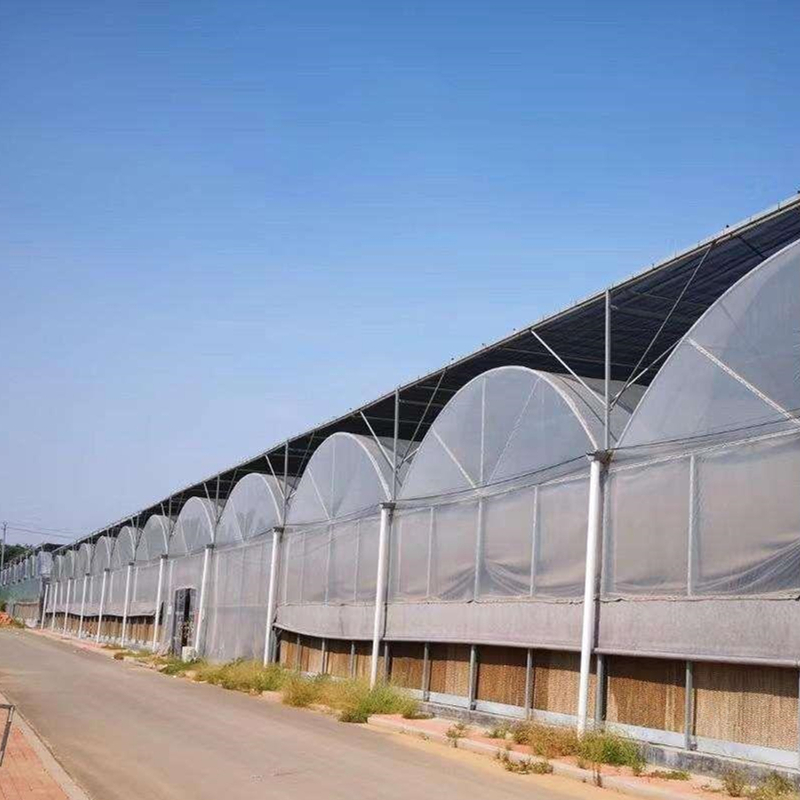
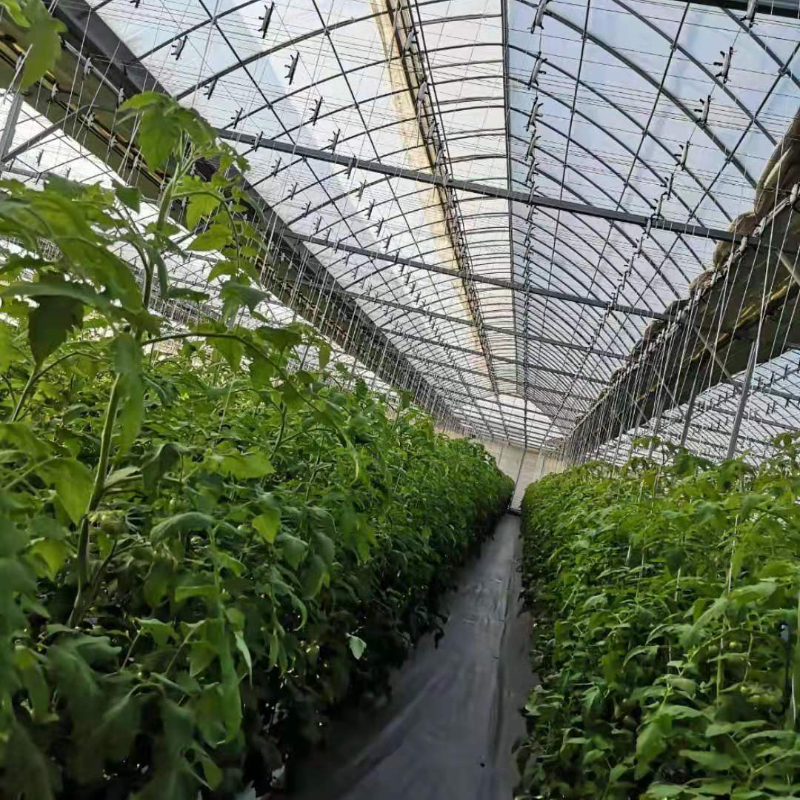
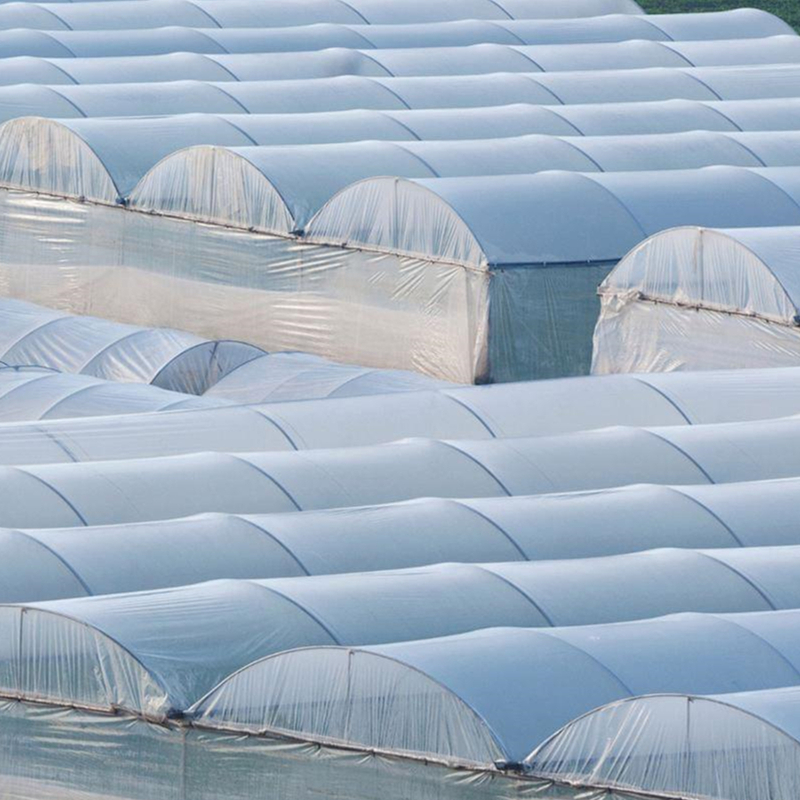
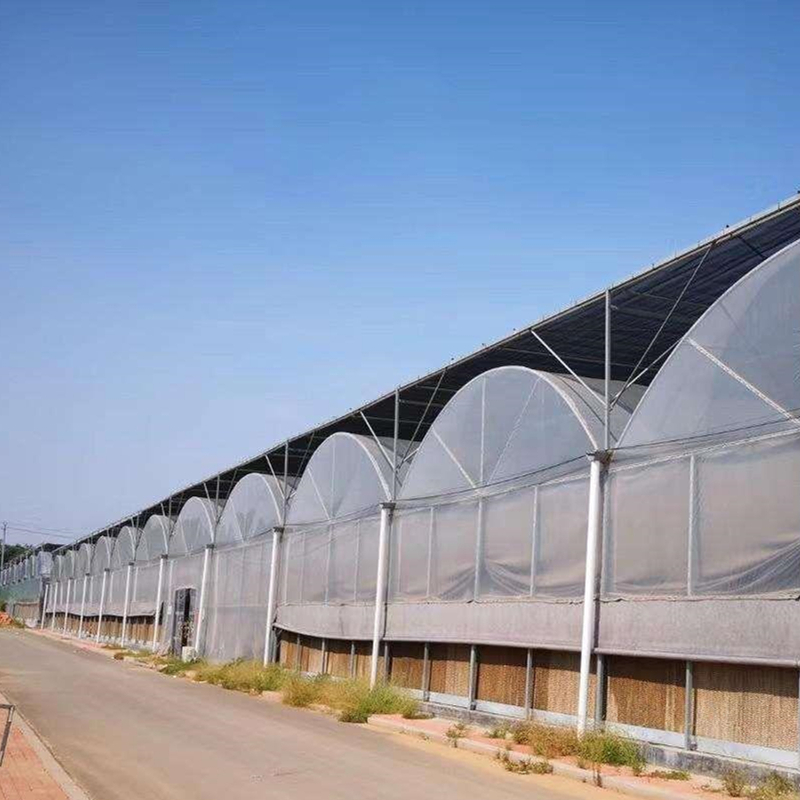
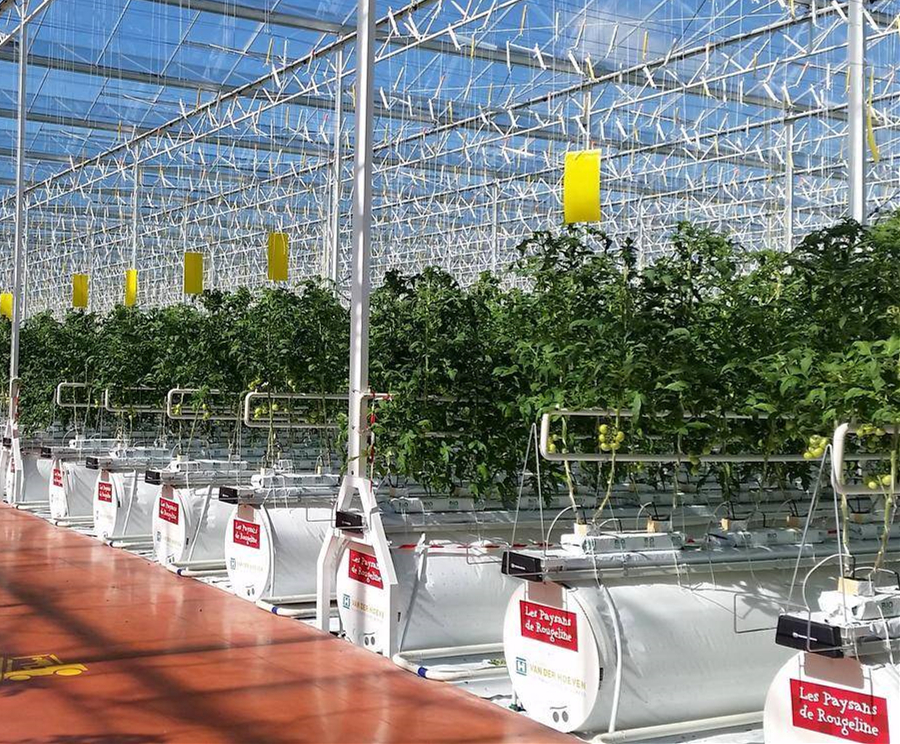
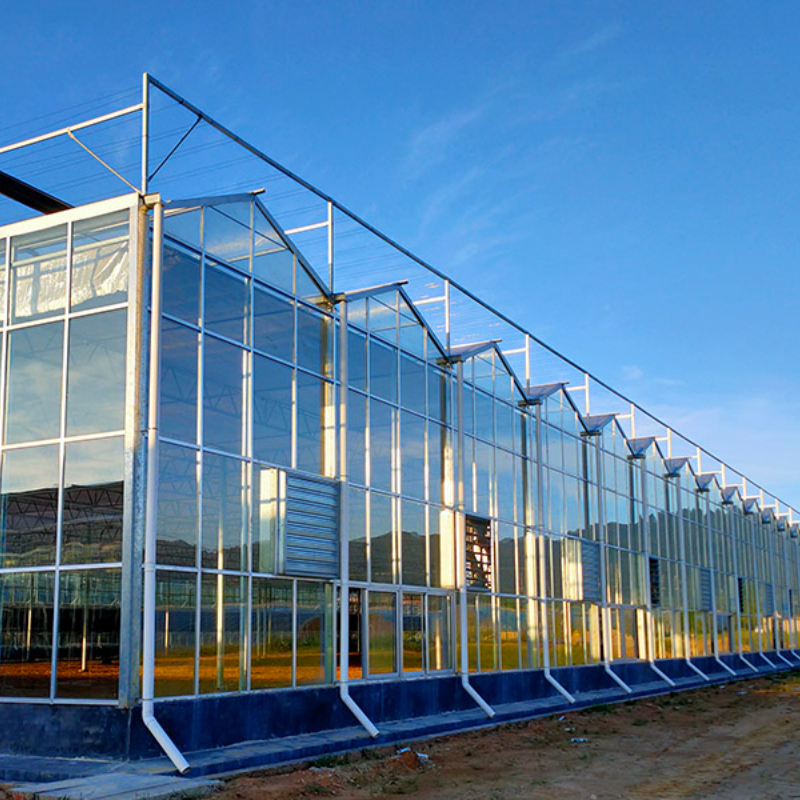
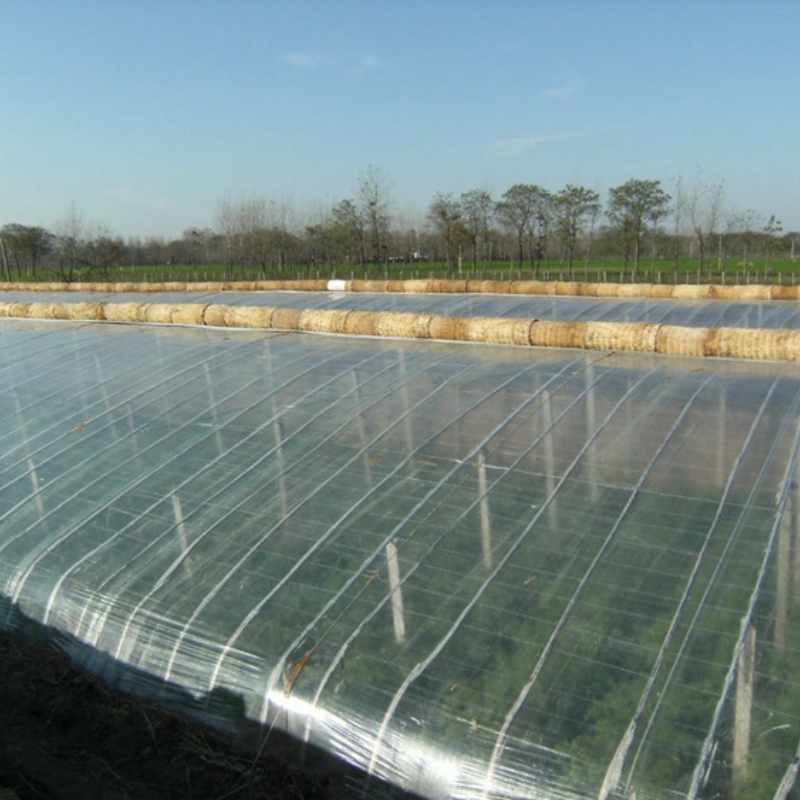
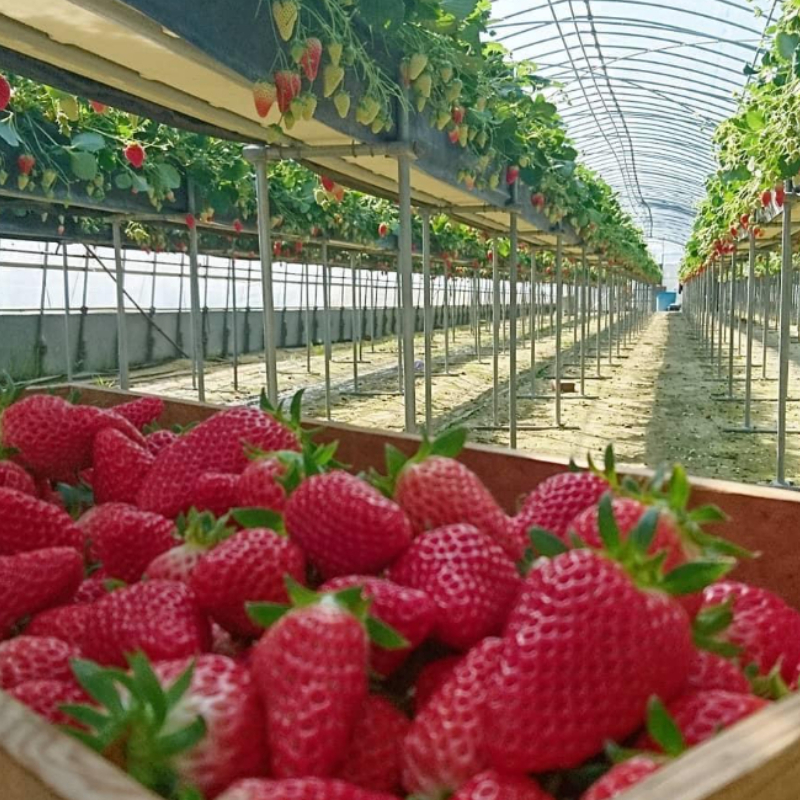
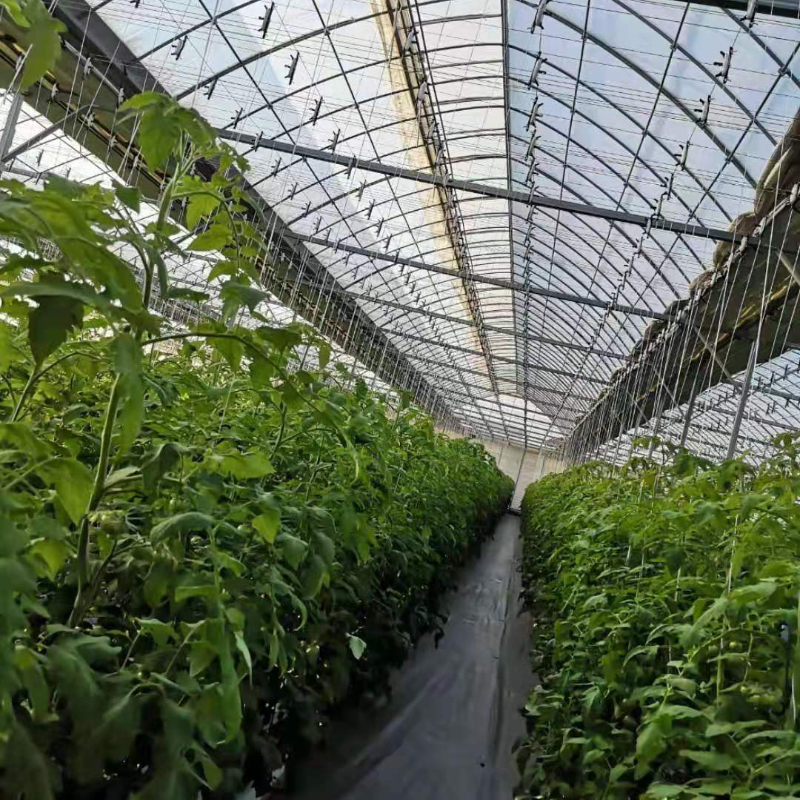
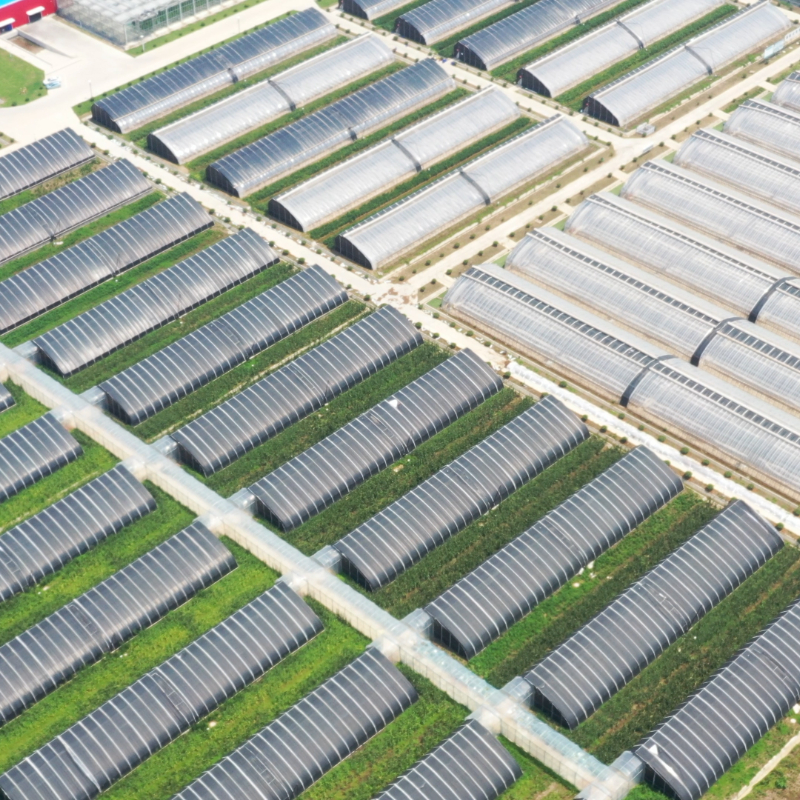
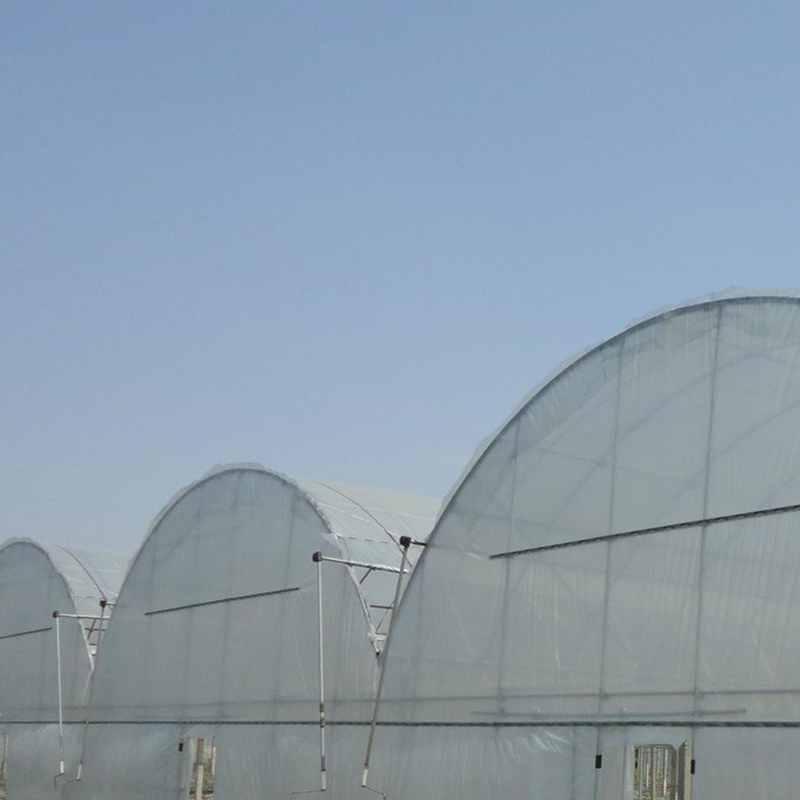
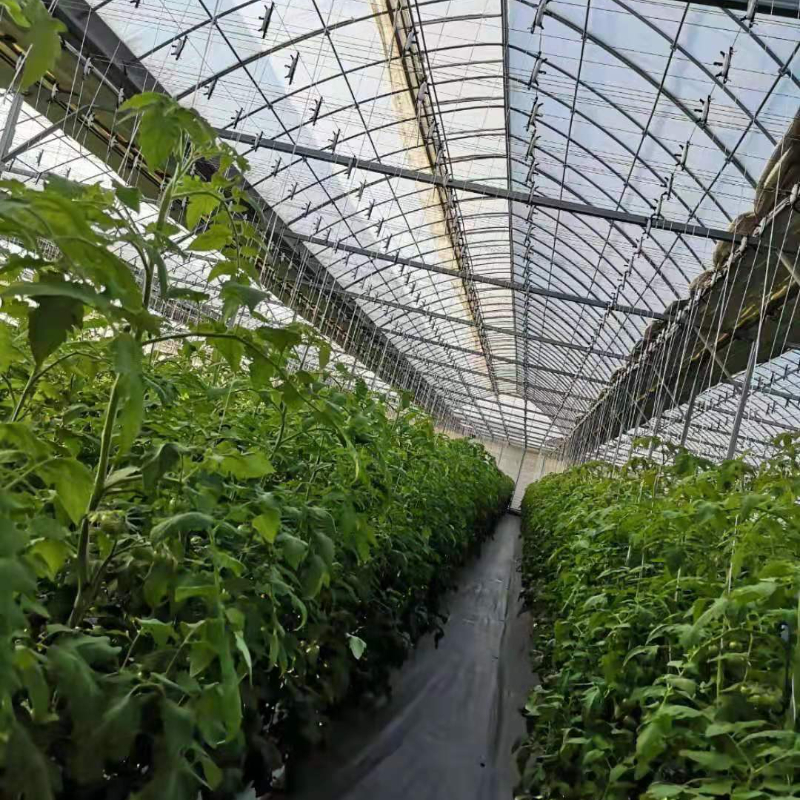
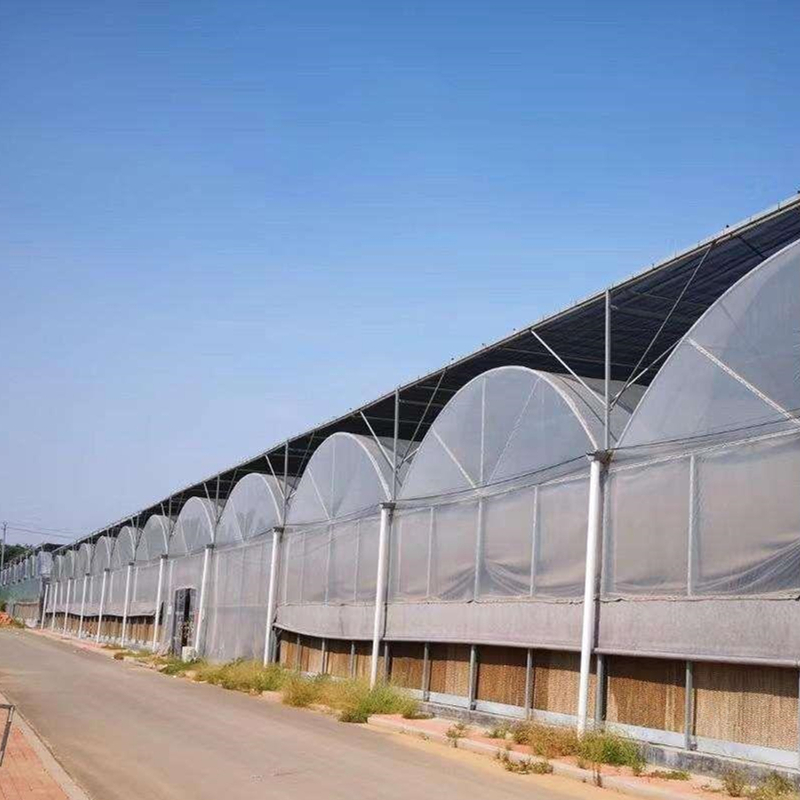
This is the core application scenario of intelligent greenhouses. Intelligent greenhouses can be used to grow a variety of vegetables such as tomatoes, cucumbers, peppers, lettuce, and strawberries. Through precise environmental regulation, they can realize the annual high-yield and high-quality supply of vegetables. For example, in cold northern regions, traditional greenhouses cannot grow vegetables in winter, while intelligent greenhouses can maintain a suitable temperature through heating systems to realize winter vegetable mass production, fill the gap in the winter vegetable market, and obtain high profits; in southern regions with high temperature and high humidity, intelligent greenhouses can avoid crop pests and diseases caused by high temperature and high humidity through ventilation, cooling, and dehumidification systems, improving vegetable quality and yield. Large-scale intelligent greenhouse planting can also realize standardized production. Through unified planting technology, environmental regulation, and quality control, high-quality vegetables that meet market standards are produced, which are easy to connect with sales channels such as large supermarkets, catering enterprises, and community group buying to realize batch sales.
2. Cultivation of Rare Flowers and Seedlings

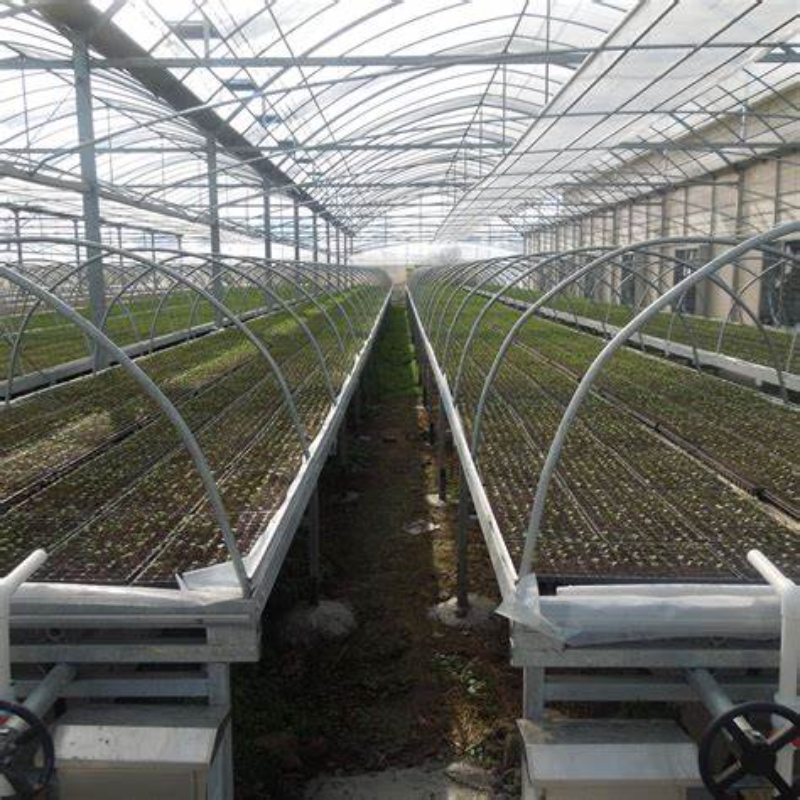
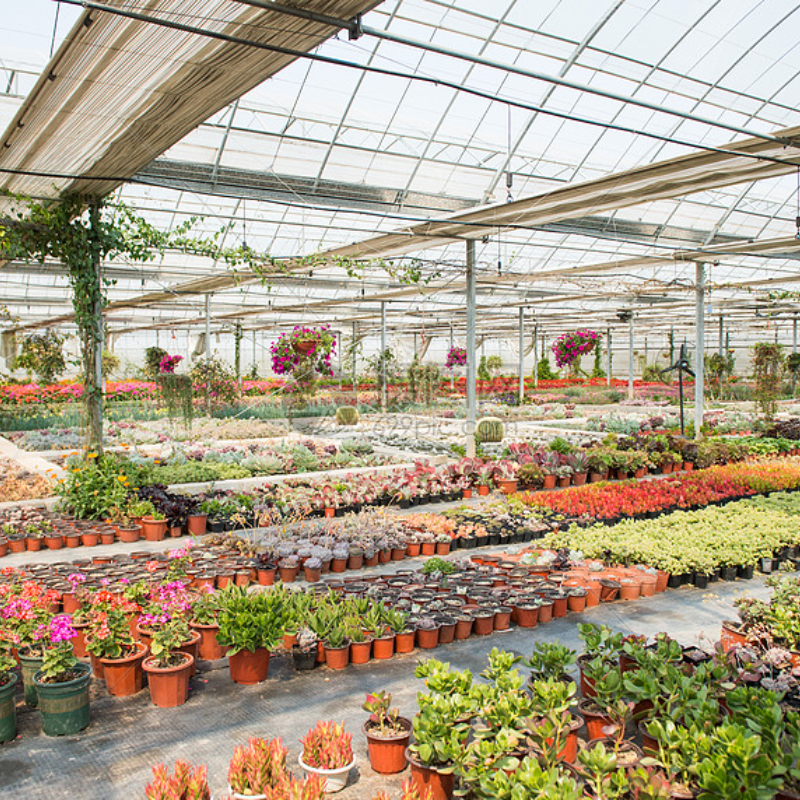
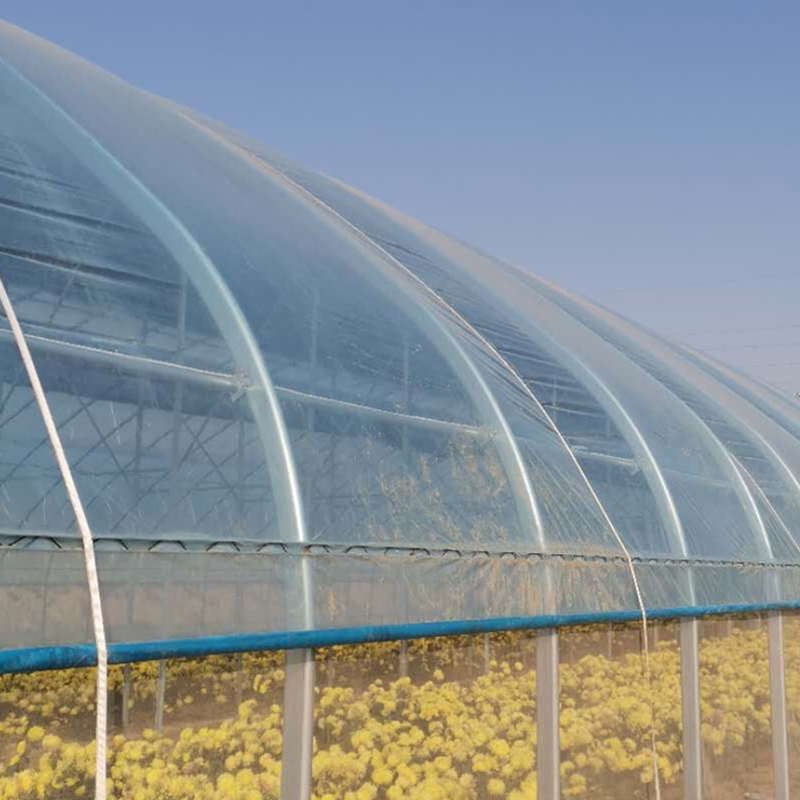
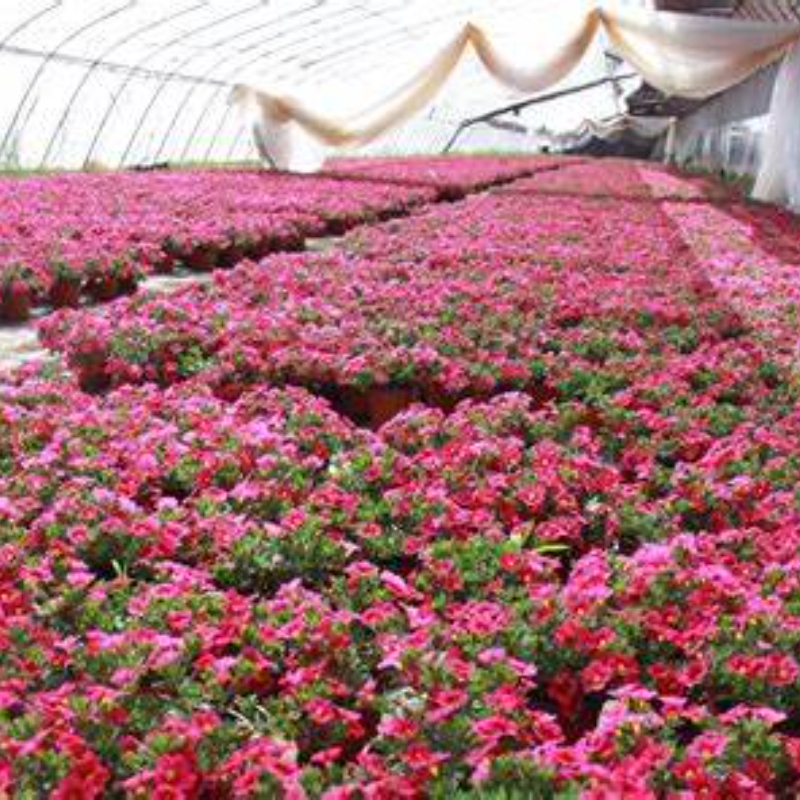
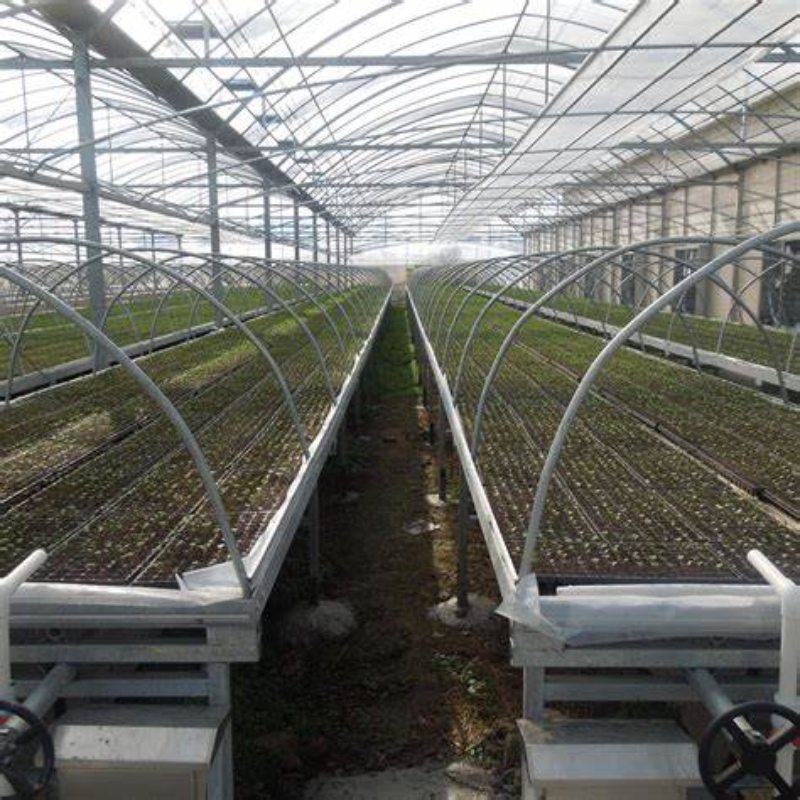
Flowers and seedlings have high requirements for the growth environment. Traditional cultivation methods are difficult to guarantee quality and survival rate, and intelligent greenhouses can just solve this problem. Intelligent greenhouses can precisely control environmental factors such as temperature, humidity, and light to provide the best conditions for the growth of flowers and seedlings. For example, when cultivating rare flowers such as roses and lilies, the flowering time of flowers can be controlled by adjusting the light time and intensity to realize off-season flowering and increase the market value of flowers; when cultivating seedlings, the seedling growth cycle can be shortened and the seedling survival rate can be improved through precise water and fertilizer management and temperature control. In addition, intelligent greenhouses can also be used for the production of tissue culture seedlings of flowers and seedlings. Through sterile environment control and precise nutrient supply, the rapid propagation of tissue culture seedlings is realized to meet the market demand for high-quality seedlings.
3. Scientific Research, Teaching and Agricultural Technology Promotion

Intelligent greenhouses are also important platforms for agricultural scientific research, teaching, and technology promotion. Scientific research institutions can use intelligent greenhouses to carry out research on crop growth mechanisms, environmental regulation technologies, pest and disease control, etc. By controlling a single variable, they can deeply explore the impact of different environmental factors on crop growth, providing an experimental basis for the innovation of modern agricultural technologies; agricultural colleges and universities can use intelligent greenhouses as practical teaching bases to allow students to intuitively understand the application process of intelligent agricultural technologies and improve their practical abilities; in addition, intelligent greenhouses can also be used as agricultural technology promotion centers to display intelligent planting technologies and achievements to surrounding growers, drive more growers to adopt intelligent greenhouse technologies, and promote the modernization of regional agriculture.
