
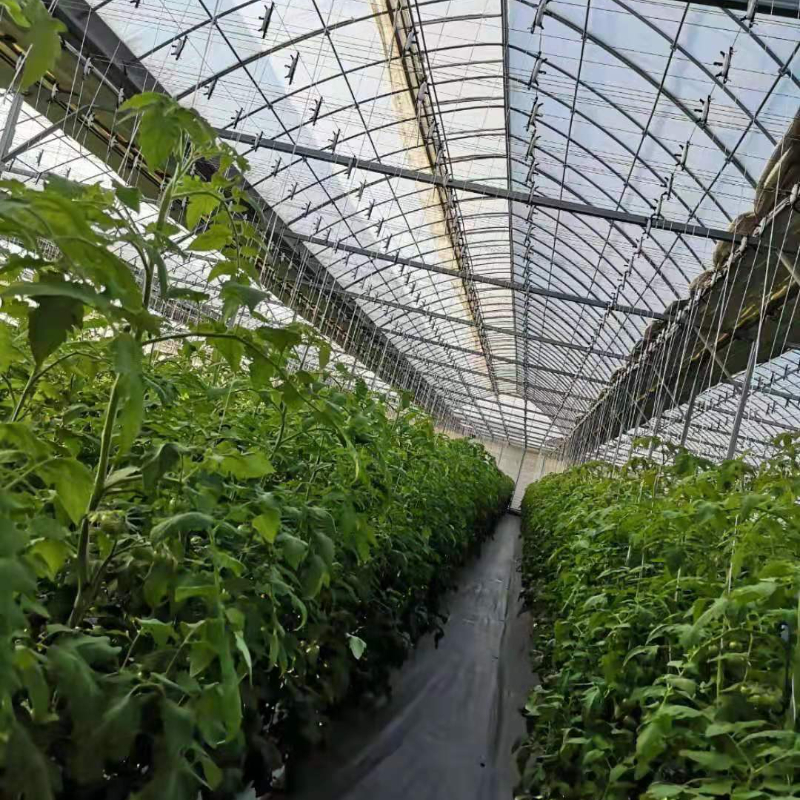
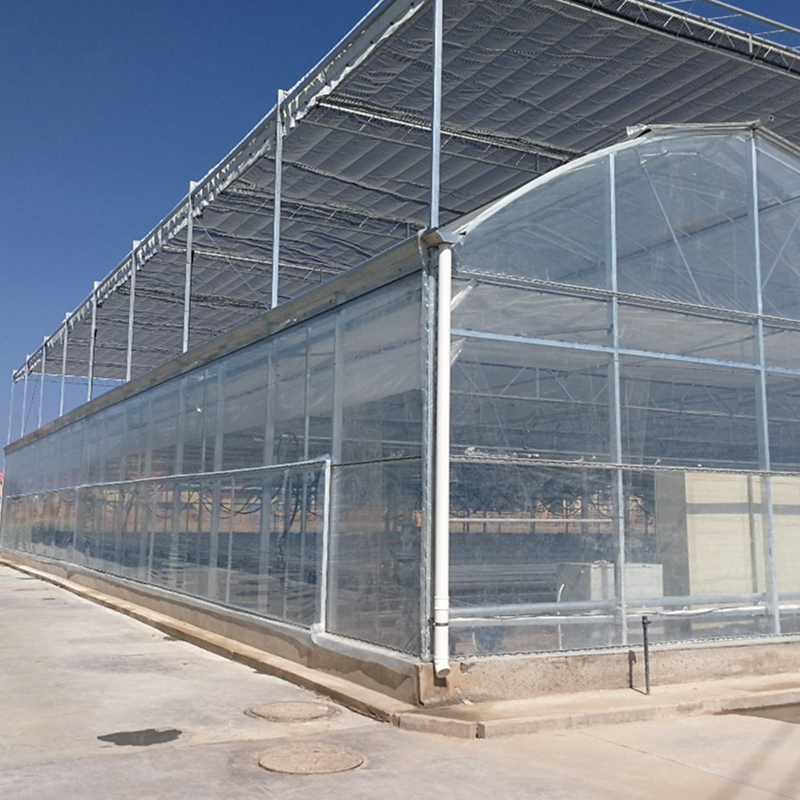
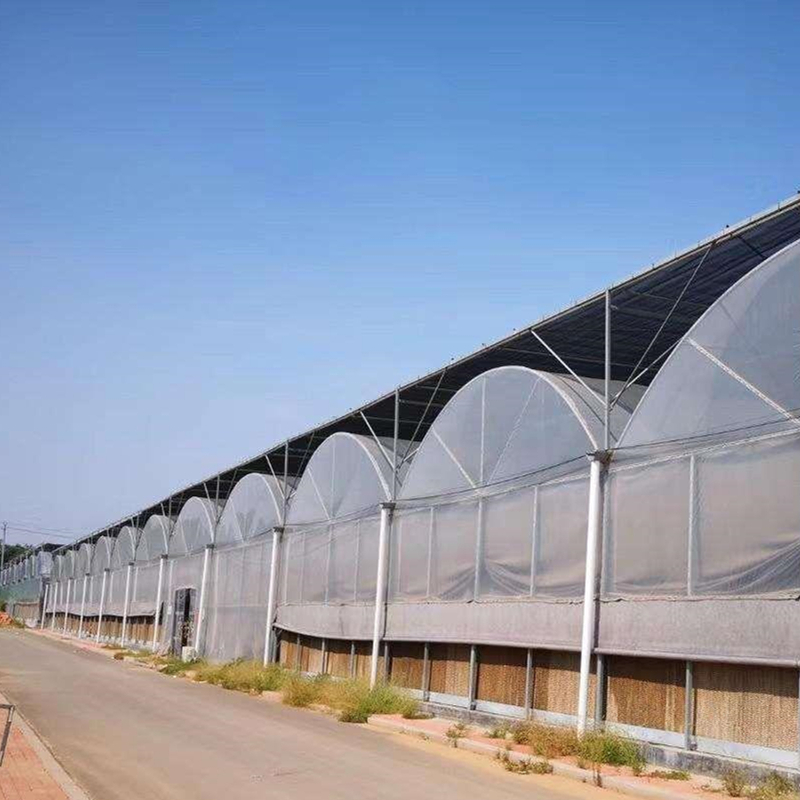
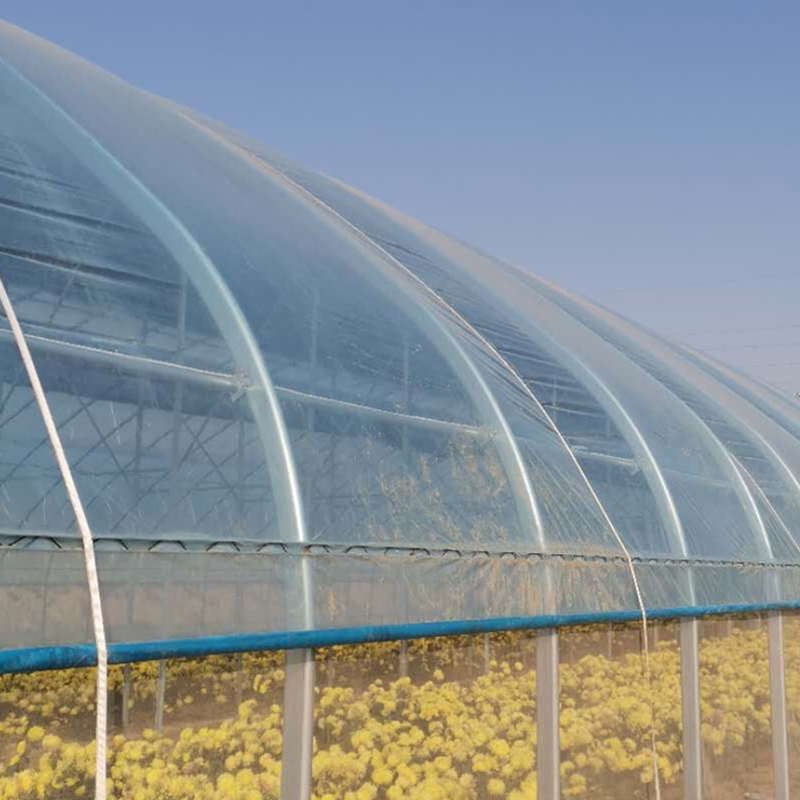
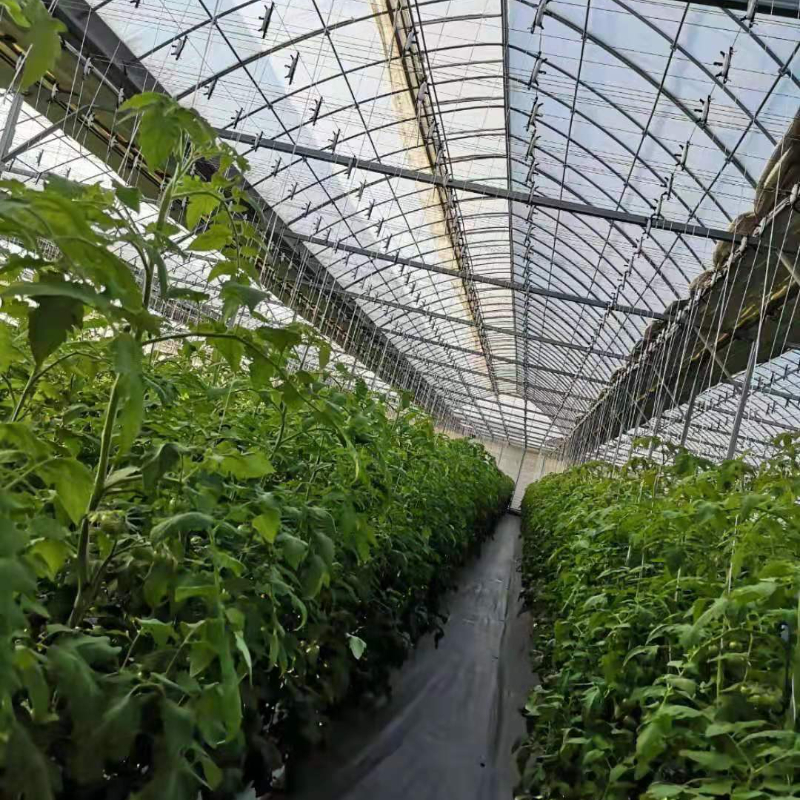
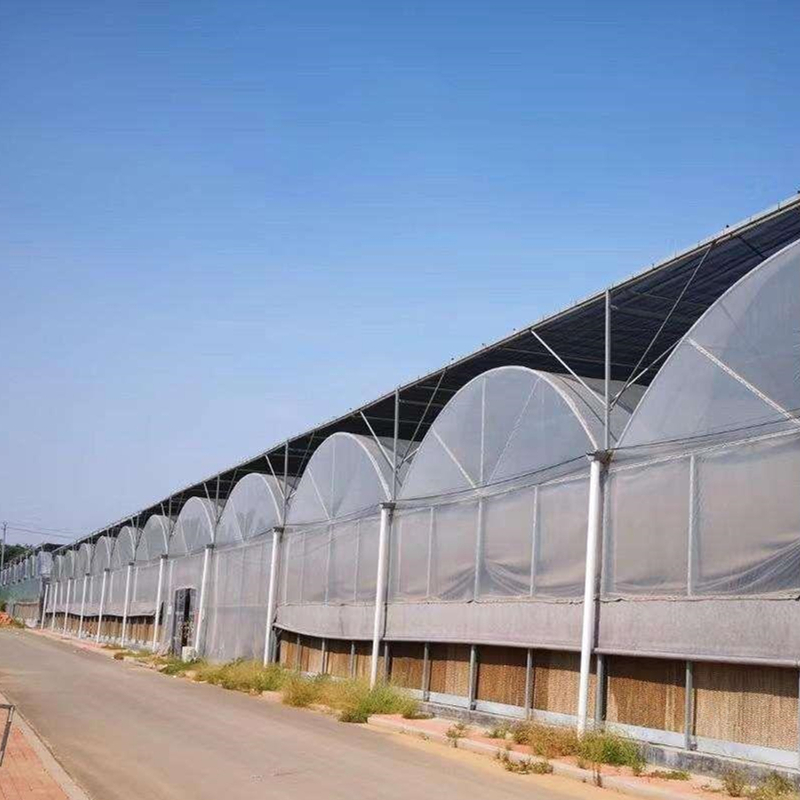
1. National-Level Policy Support: Targeted Support for Modern Agricultural Development

The state has successively issued policy documents such as the "Rural Revitalization Promotion Law" and the "14th Five-Year Plan for Promoting Agricultural and Rural Modernization", clearly proposing to vigorously develop protected agriculture and promote the application of modern agricultural technologies such as intelligent greenhouses and intelligent irrigation. In terms of financial support, the central finance has set up special funds such as agricultural production development funds and agricultural resources and ecological protection subsidy funds to provide direct subsidies for intelligent greenhouse construction projects, with the subsidy amount usually accounting for 30%-50% of the total project investment; in terms of tax incentives, enterprises engaged in intelligent greenhouse planting can enjoy preferential policies such as exemption from value-added tax on the sale of self-produced agricultural products by agricultural producers and reduction or exemption of corporate income tax; in terms of financial support, the state encourages financial institutions to launch special loans for modern agricultural projects, provide lower loan interest rates, and at the same time provide loan interest subsidy services to ease the capital pressure on investors.
2. Local-Level Supporting Measures: Accurately Meeting Local Needs

Local governments have also introduced targeted supporting measures in combination with the actual situation of local agricultural development. For example, in northern regions, in view of the severe winter cold and the difficulty in developing protected agriculture, local governments provide additional subsidies for heating equipment and thermal insulation materials of intelligent greenhouses; in southern regions, in view of the high temperature and high humidity climate characteristics in summer, they support the construction of ventilation, cooling, and dehumidification systems of intelligent greenhouses; in major agricultural product producing areas, the government has also built agricultural product production and marketing docking platforms to help intelligent greenhouse growers solve the problem of agricultural product sales and ensure smooth product sales channels. In addition, some local governments have set up platforms such as modern agricultural industrial parks and agricultural science and technology parks, providing one-stop services such as site preferences, technical guidance, and talent training for intelligent greenhouse projects settled in the parks, further reducing the construction and operation costs of the projects.
3. Empowerment by the Rural Revitalization Strategy: Broad Market Space to Be Explored

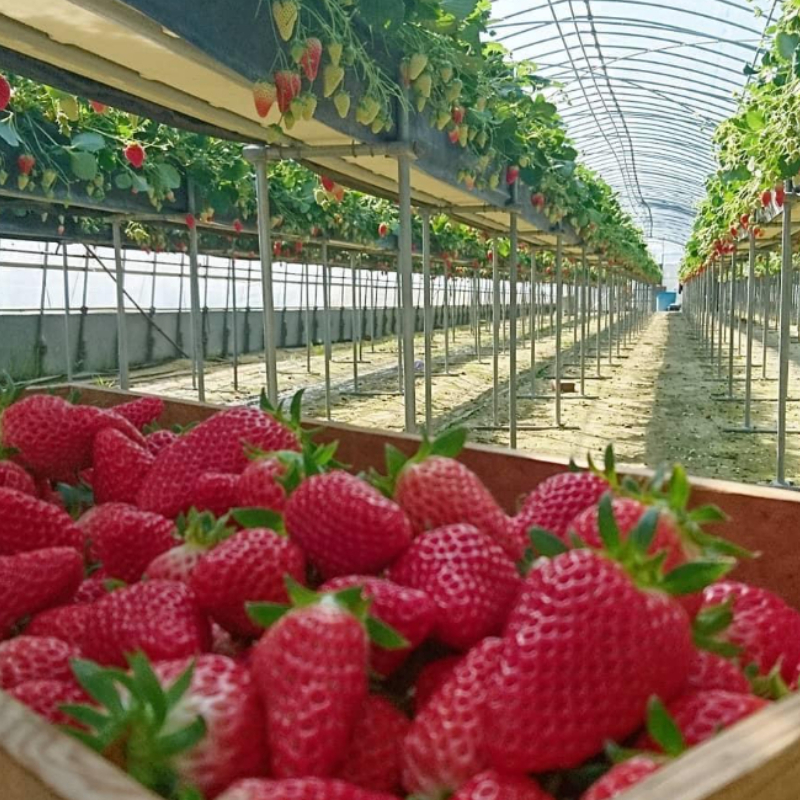
The advancement of the rural revitalization strategy has not only provided policy support for intelligent greenhouses but also brought broad market space. With the improvement of rural residents' income levels and the upgrading of consumption structure, the demand for high-quality, green, and organic agricultural products is increasing day by day; at the same time, urban residents' demand for fresh and safe agricultural products is also growing steadily, which provides a stable market demand for high-quality agricultural products produced by intelligent greenhouses. In addition, the rural revitalization strategy has also promoted the integrated development of rural industries. Intelligent greenhouses can not only be used for planting but also combined with leisure agriculture, sightseeing agriculture, picking agriculture, etc., to create a diversified industrial model of "greenhouse planting + leisure picking + agricultural experience", further improving the economic benefits of the project. For example, building intelligent greenhouses around cities to carry out parent-child picking, agricultural science popularization and other activities can greatly increase the added value of agricultural products and realize "multiple benefits per mu of greenhouse".
