
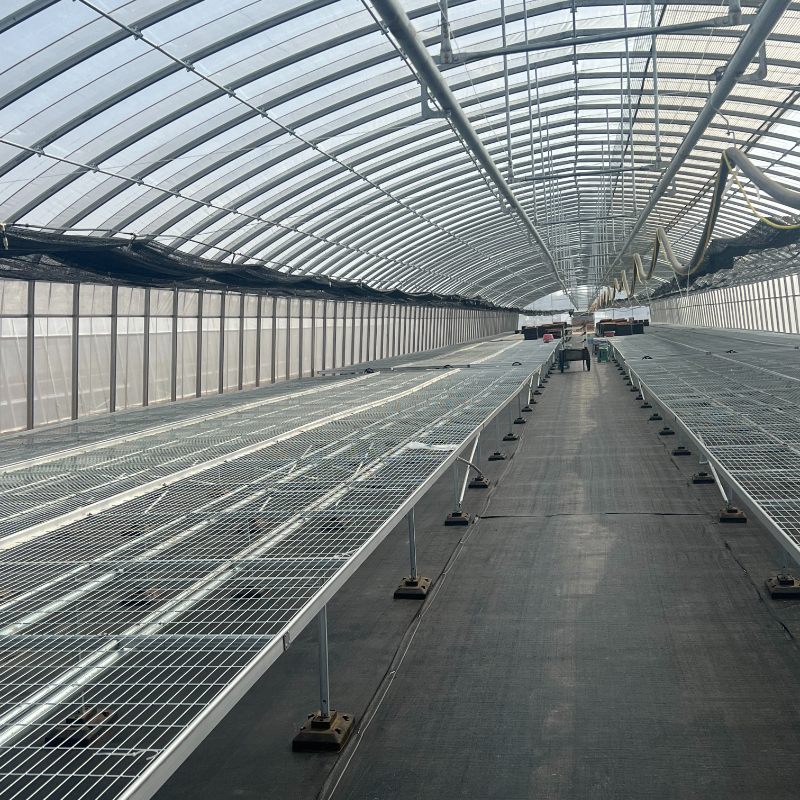
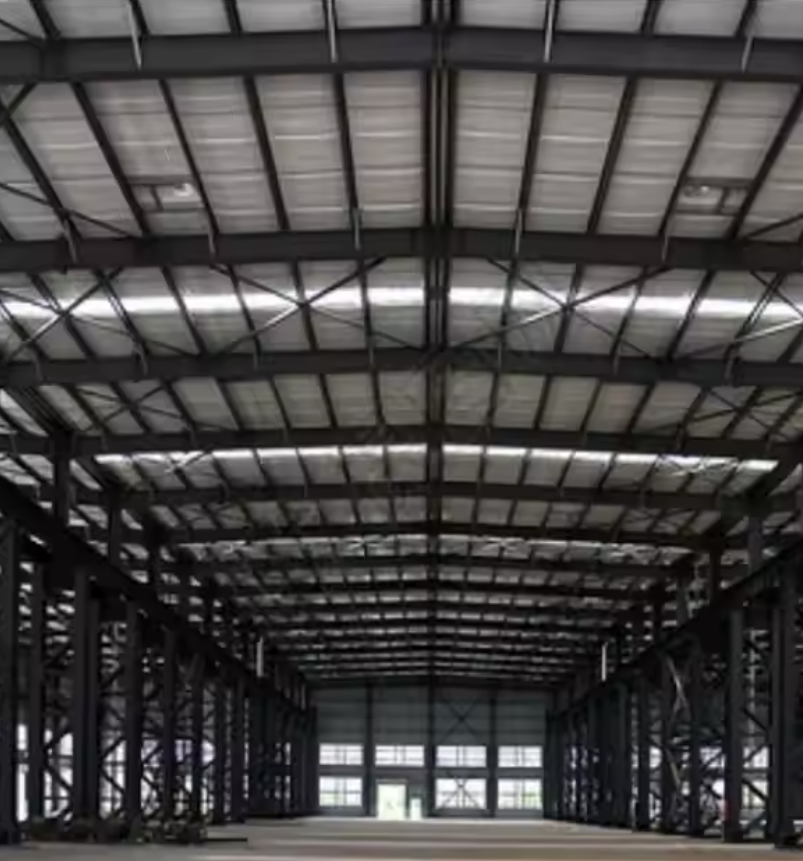
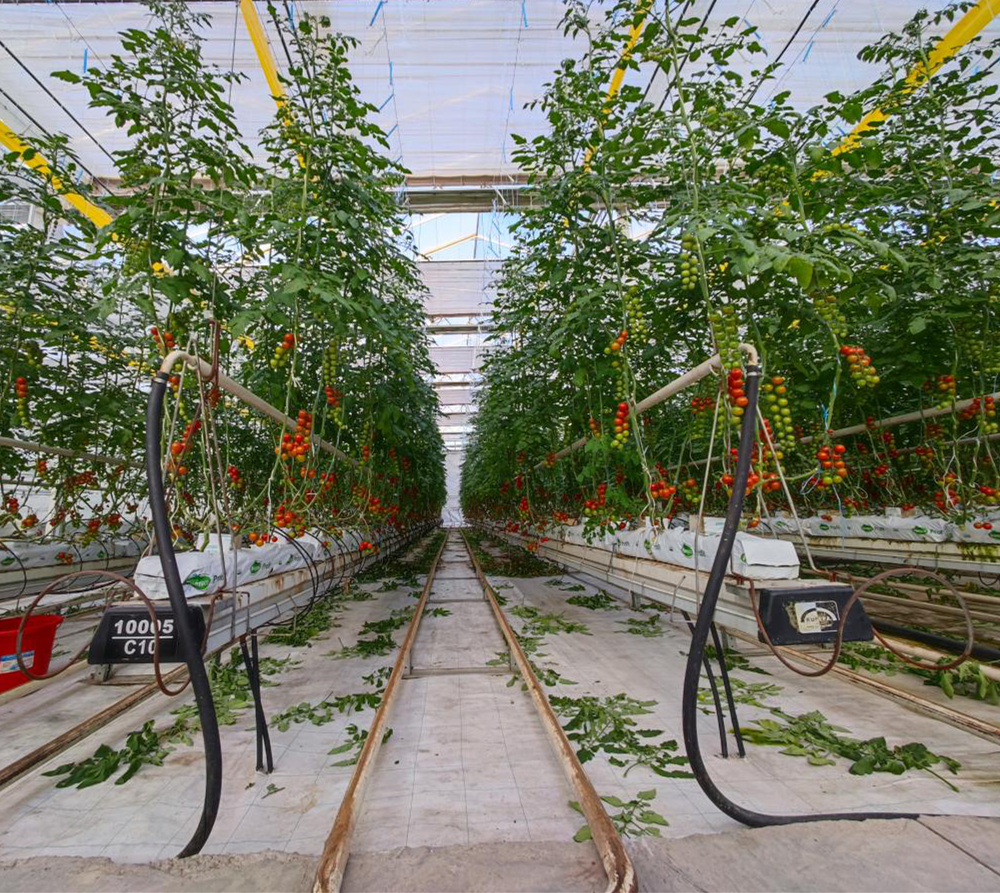
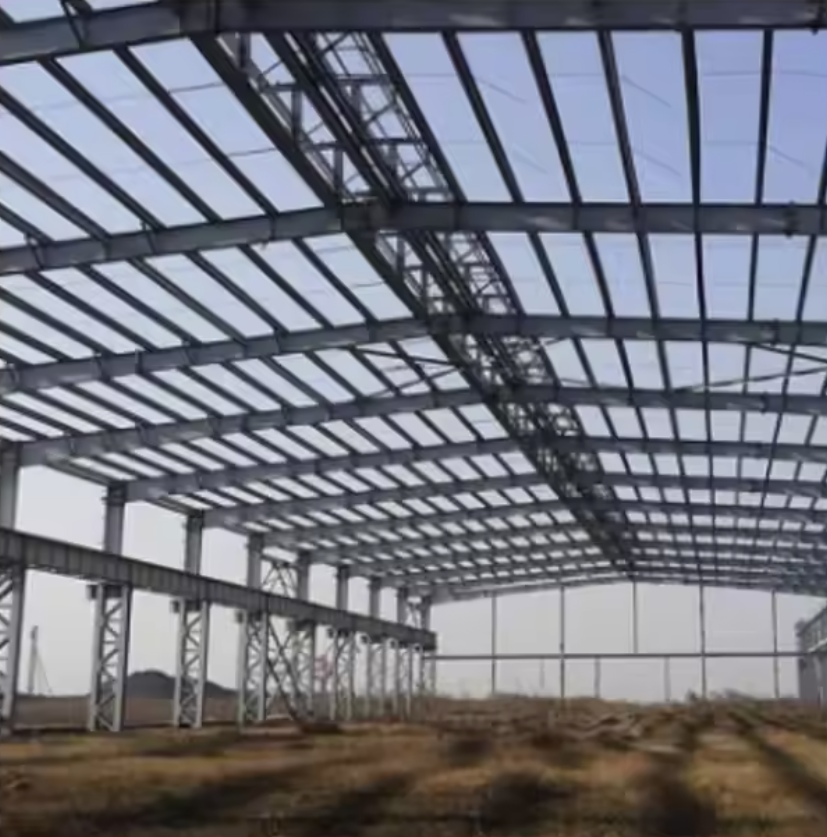
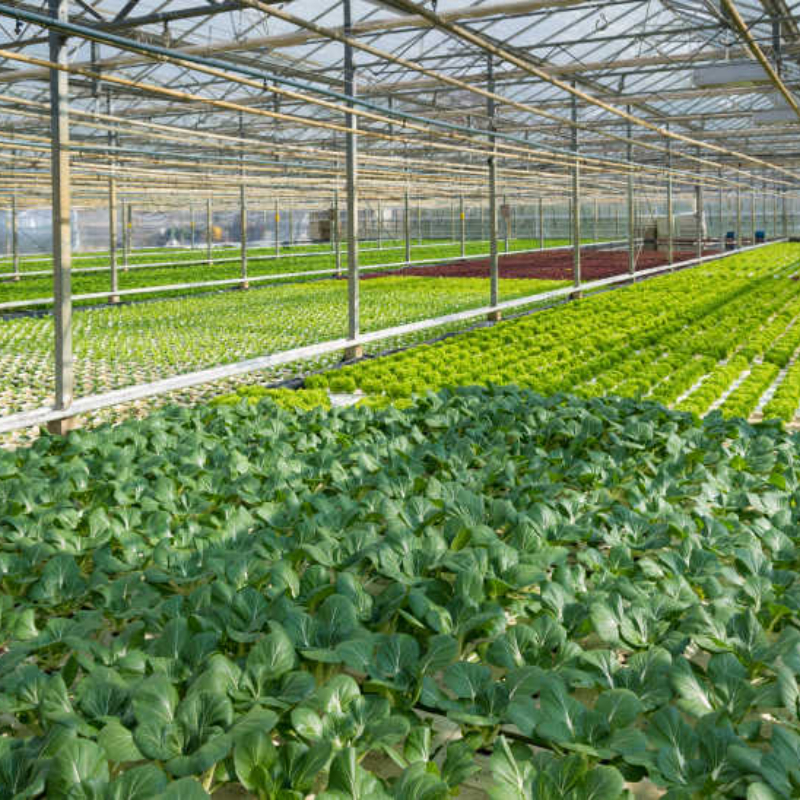
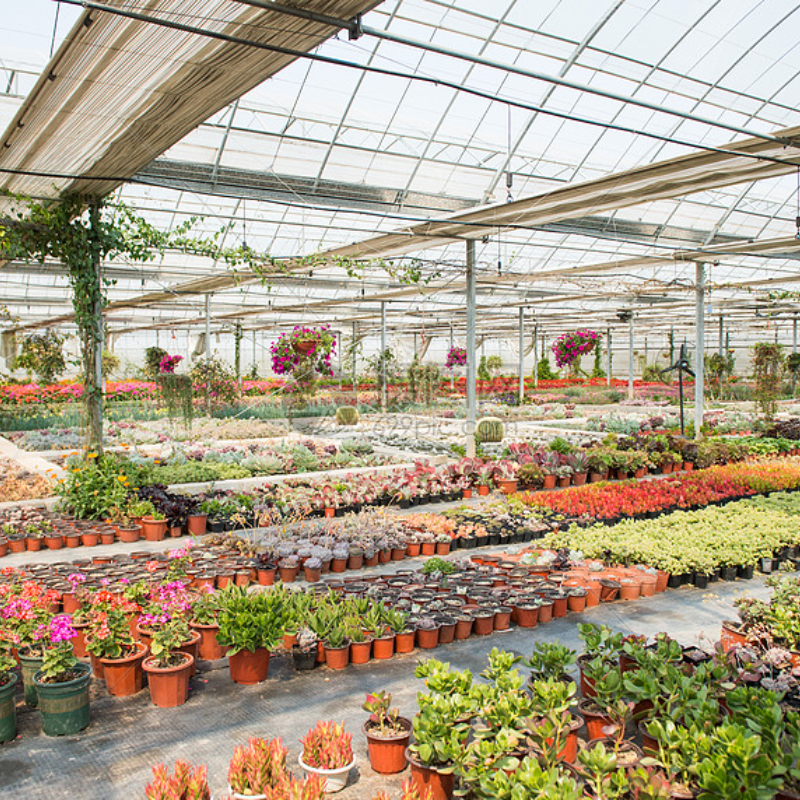
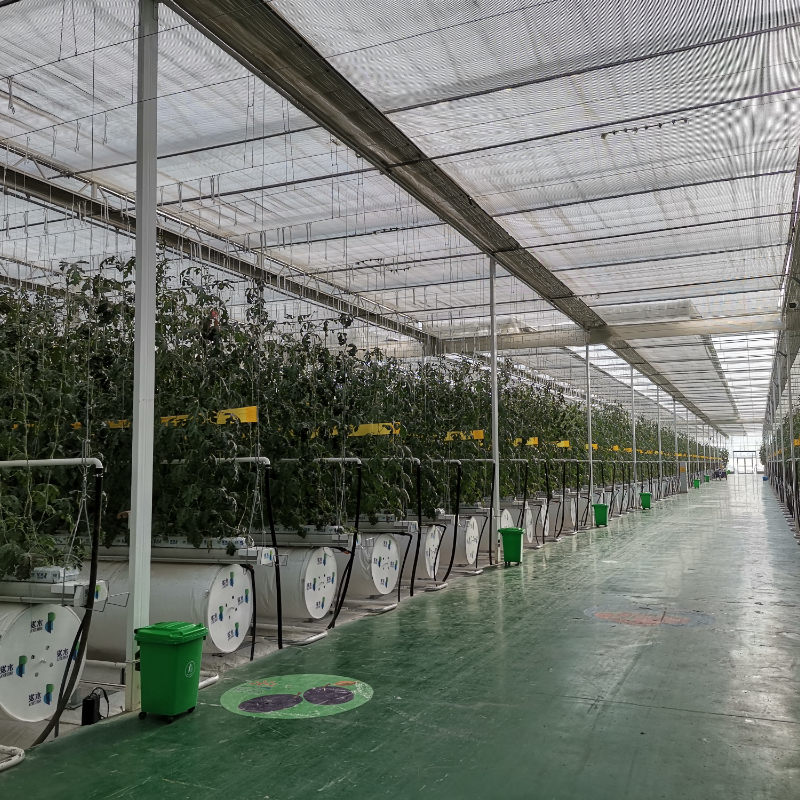
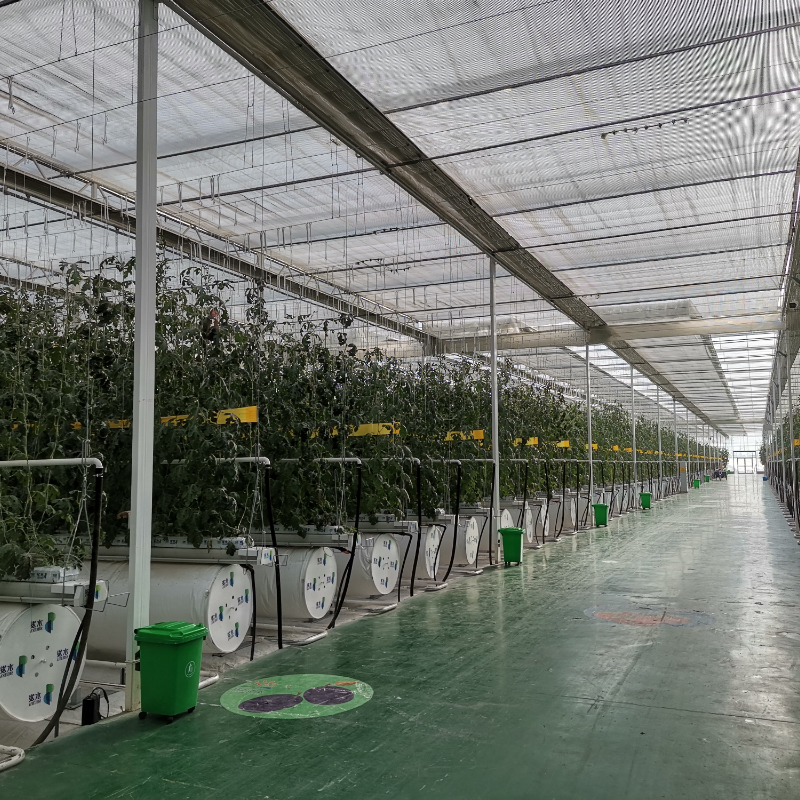
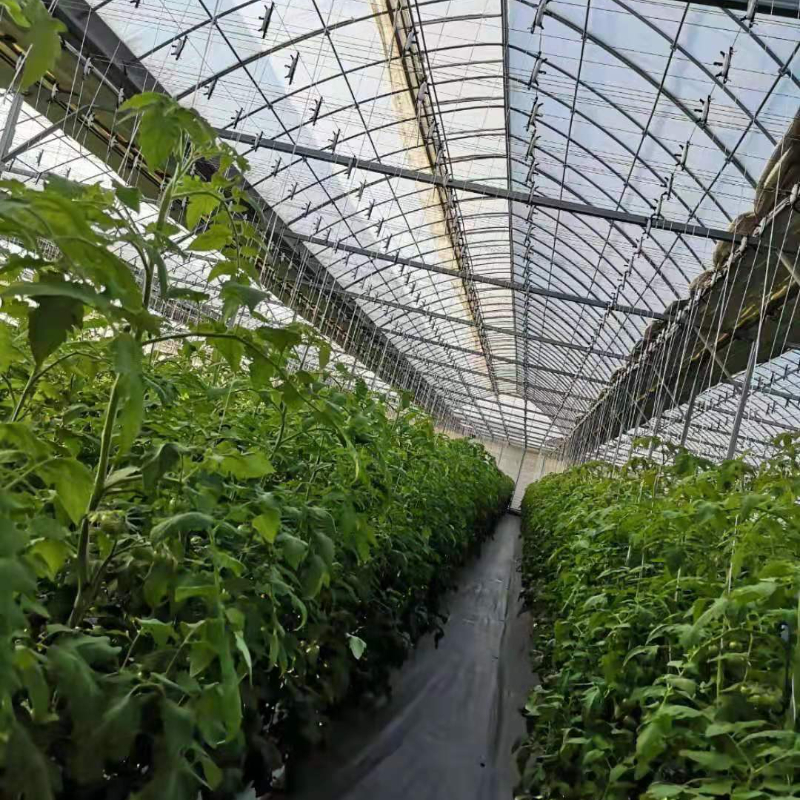
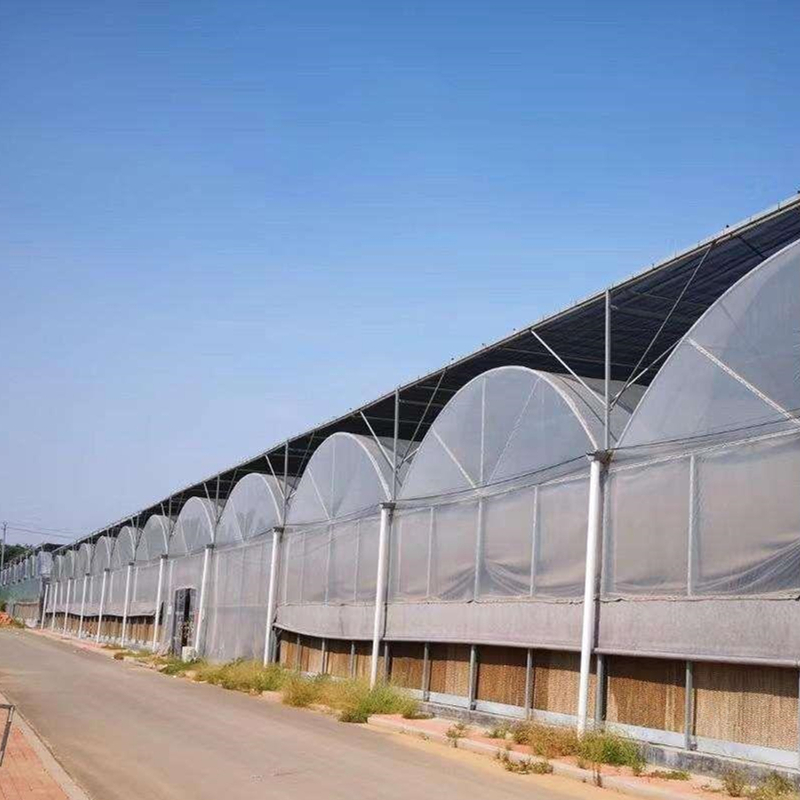
1. Signal Acquisition System: The "Perceptual Nerves" of the Greenhouse Environment

The signal acquisition system is the "eyes" and "ears" of the intelligent greenhouse, responsible for real-time capturing of various environmental data inside the greenhouse. The system is composed of a variety of high-precision sensors, including temperature sensors, humidity sensors, light sensors, carbon dioxide sensors, soil temperature and humidity sensors, soil EC value sensors (monitoring soil nutrient concentration), etc. These sensors are distributed in different areas of the greenhouse and can collect environmental data 24 hours a day without interruption. For example, temperature sensors can accurately monitor temperature changes in different indoor locations with an error of no more than 0.5℃; light sensors can real-time monitor light intensity to provide data support for the start of the supplementary lighting system; soil sensors can penetrate into the soil to grasp the temperature, humidity, and nutrient status of the crop root growth environment. The collected data is real-time uploaded to the central computer system through wireless transmission modules (such as LoRa, WiFi, 4G, etc.), providing a basic basis for subsequent data analysis and decision-making.
2. Central Computer System: The "Brain Center" of the Intelligent Greenhouse

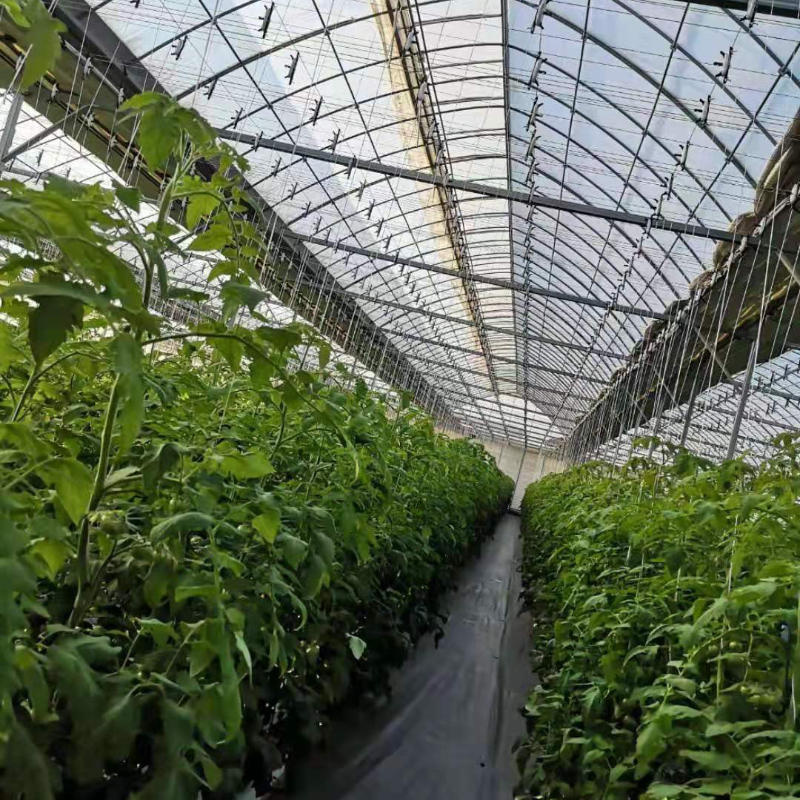
The central computer system is the core decision-making body of the intelligent greenhouse, equivalent to the "brain" of the entire system. It receives real-time data from the signal acquisition system and conducts in-depth processing and analysis of the data through built-in big data analysis models and artificial intelligence algorithms. Firstly, the system compares the collected actual environmental data with the preset optimal growth environment parameters of crops. For example, when growing cucumbers, the system presets the daytime temperature parameter at 25-30℃, humidity at 60%-70%, and light intensity not less than 30,000 lux. If the sensor detects that the actual temperature is higher than 30℃, the system will immediately trigger a cooling decision; secondly, the system can also dynamically adjust environmental parameters according to the characteristics of crop growth stages. For example, tomatoes have different requirements for temperature, water, and fertilizer during the seedling stage, flowering stage, and fruiting stage. The central computer system will automatically update the parameter standards according to the crop growth cycle to ensure that crops get the best environmental conditions at each growth stage; in addition, the central computer system also has data storage, statistical analysis, and remote monitoring functions. Investors can real-time view greenhouse environmental data and crop growth status through terminals such as mobile phone APPs and computer clients, and even export historical data for trend analysis to provide data support for subsequent planting optimization.
3. Executive Control System: The "Action Limbs" of Intelligent Decision-Making

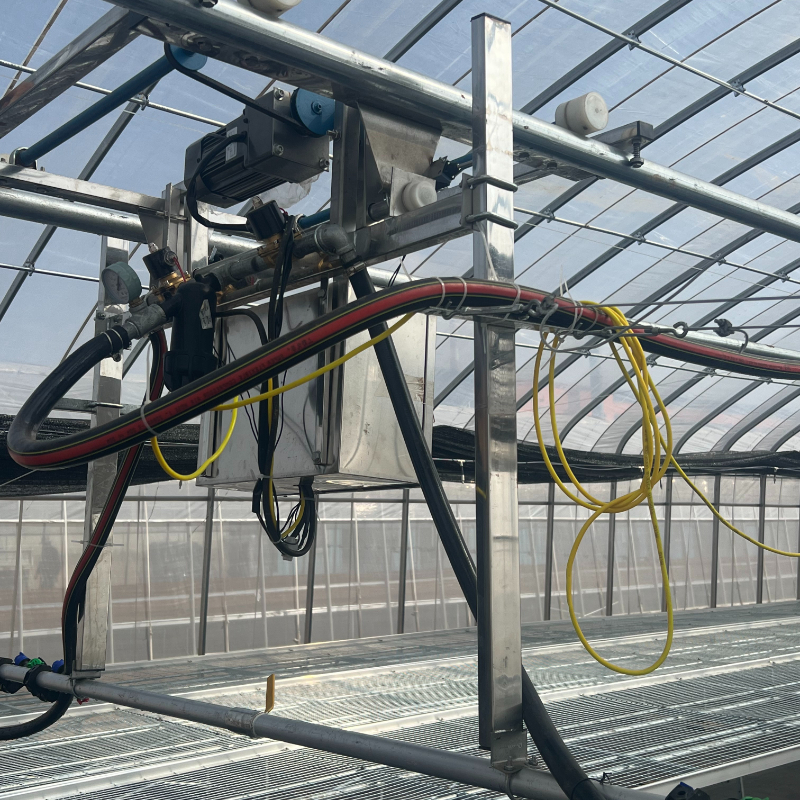
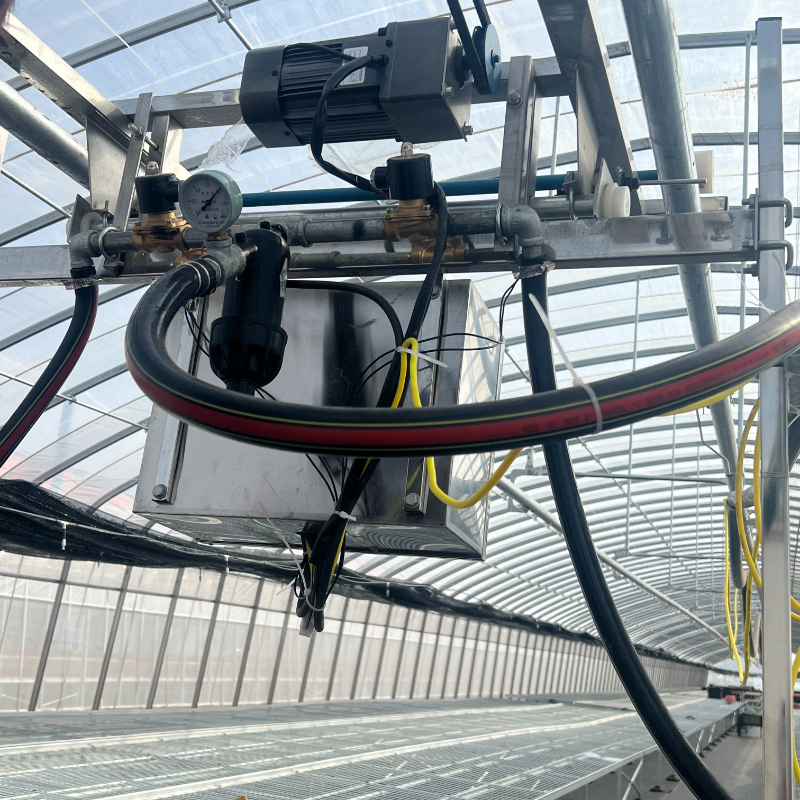
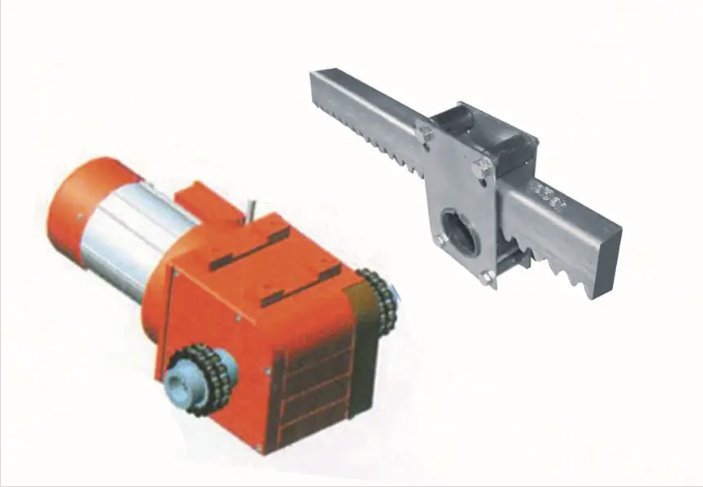
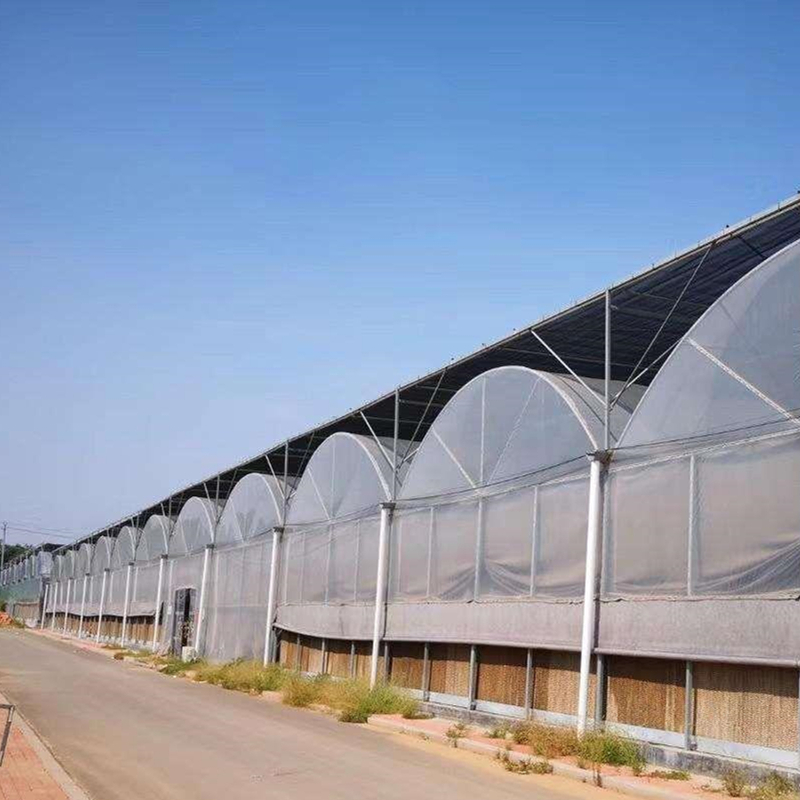
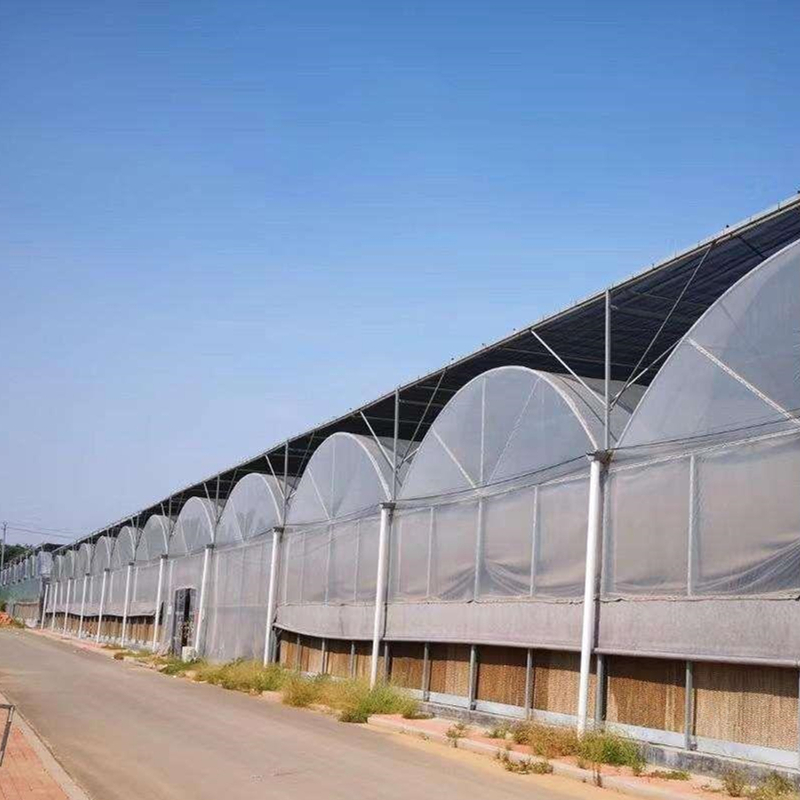
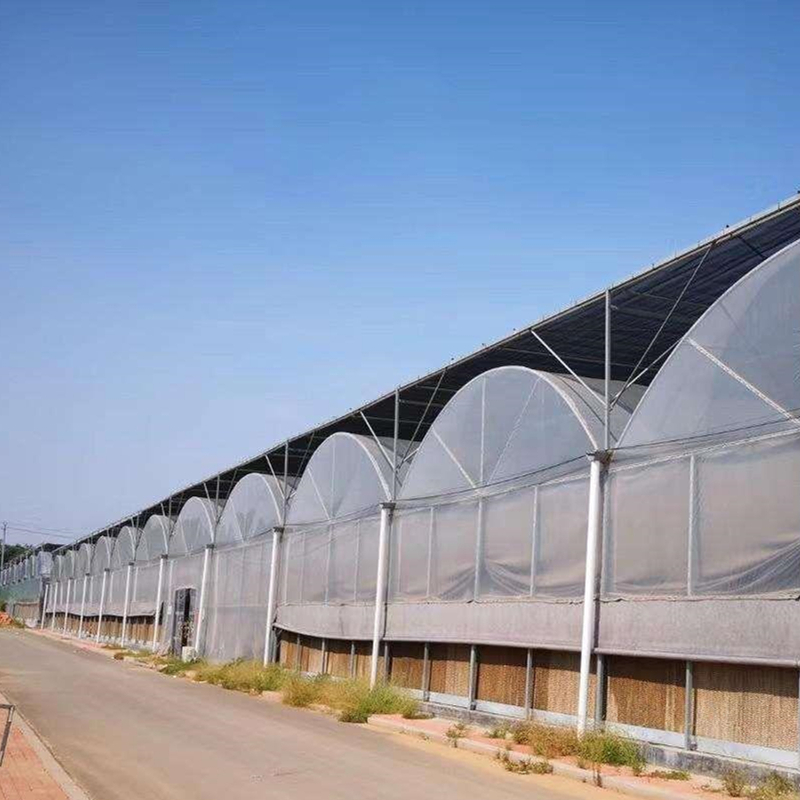
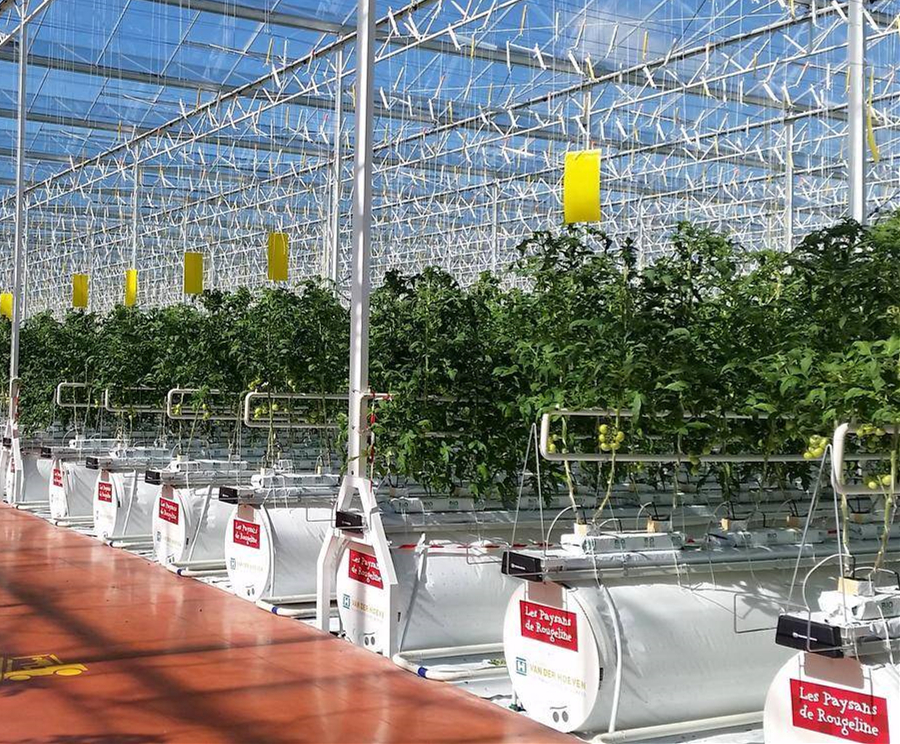
The executive control system is the "muscle" of the intelligent greenhouse, responsible for converting the decision-making instructions of the central computer system into specific operational actions to achieve precise regulation of the greenhouse environment. The system is composed of a series of automatic executive equipment, which can be divided into temperature regulation equipment (heating boilers, shading nets, ventilation fans, wet curtains, etc.), light regulation equipment (LED supplementary lights), water and fertilizer regulation equipment (intelligent drip irrigation systems, fertilizer applicators), gas regulation equipment (carbon dioxide generators, ventilation fans), etc., according to different regulation objects. When the central computer system issues a decision-making instruction, the executive control system will respond immediately. For example, when it is detected that the greenhouse humidity is lower than the preset value, the system will start the drip irrigation system for water replenishment; when the light intensity is insufficient, the LED supplementary lights will automatically turn on to supplement light; when the carbon dioxide concentration is too low, the carbon dioxide generator will start to increase the indoor carbon dioxide concentration. The operation of these executive equipment is fully automatic without manual intervention, which not only improves the regulation efficiency but also avoids errors in manual operation, ensuring that the greenhouse environment is always stable in the optimal state.
4. Integration of Cutting-Edge Technologies: The "Upgrading Driving Force" of Intelligent Greenhouses

In addition to the three core systems, intelligent greenhouses are also deeply integrated with cutting-edge technologies such as the Internet of Things, big data, and artificial intelligence to continuously improve the level of intelligence. The Internet of Things technology realizes the interconnection between sensors, central computers, and executive equipment, making data transmission more efficient and stable, and supporting remote control. Investors can manage the greenhouse through terminal equipment even when they are not on the greenhouse site; big data technology continuously optimizes planting models by accumulating a large amount of planting data and environmental data. For example, by analyzing crop growth data under different seasons and climate conditions, it provides personalized planting schemes for intelligent greenhouses in different regions; the application of artificial intelligence technology enables greenhouses to have "autonomous learning" capabilities. For example, through image recognition technology to monitor crop growth status, timely detect potential pests and diseases and issue early warnings, and even automatically start pest and disease control measures, further improving the accuracy of planting management.
