
Introduction to the Performance, Applications, and Processing Techniques of Galvanized Greenhouse Pipes
Today, we will introduce the performance, applications, and processing techniques of galvanized greenhouse pipes. By elaborating on these aspects, we aim to help readers understand the characteristics and usage methods of galvanized greenhouse pipes.
一. Greenhouse galvanized pipe performance Overview
1.Greenhouse galvanized pipe corrosion Resistance: The zinc coating on the surface of galvanized greenhouse pipes effectively prevents oxidation caused by exposure to air and water, thereby extending their service life.
2.Greenhouse galvanized pipe Pressure Resistance: These pipes exhibit excellent compressive strength, enabling them to withstand significant pressure without deformation or breakage.
3.Greenhouse galvanized pipe High-Temperature Resistance: Galvanized greenhouse pipes can operate for extended periods in high-temperature environments without softening or melting.
4.Greenhouse galvanized pipe Ease of Processing: They offer good workability, allowing for cutting, welding, bending, and other modifications as needed, facilitating convenient installation and use.
二.Greenhouse galvanized pipe applications
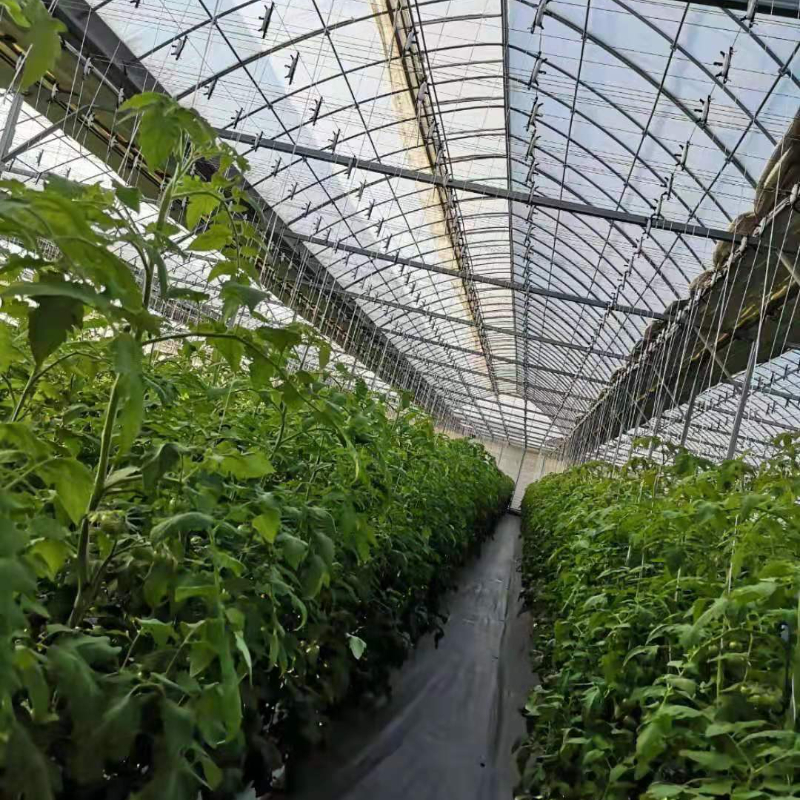
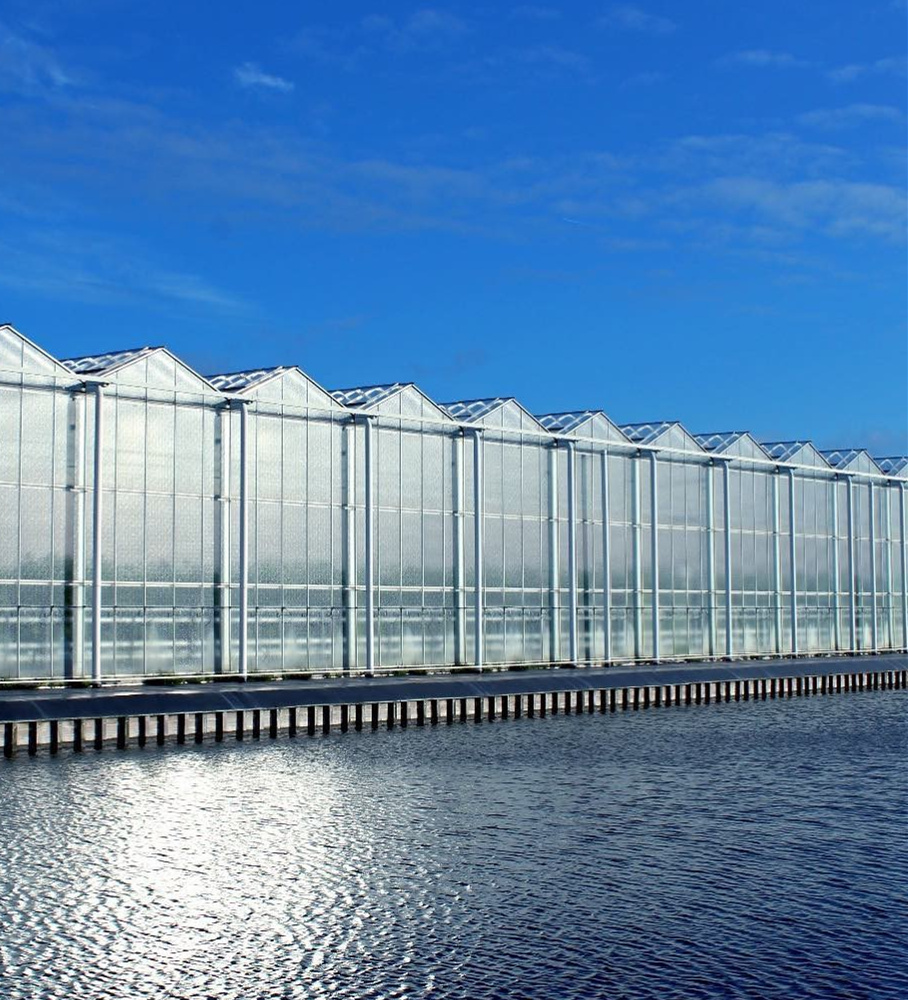
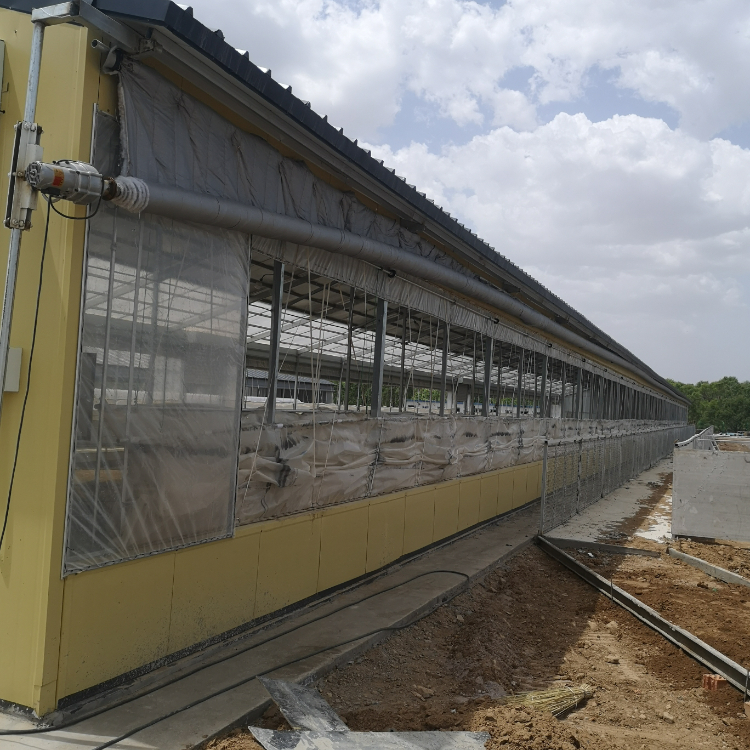
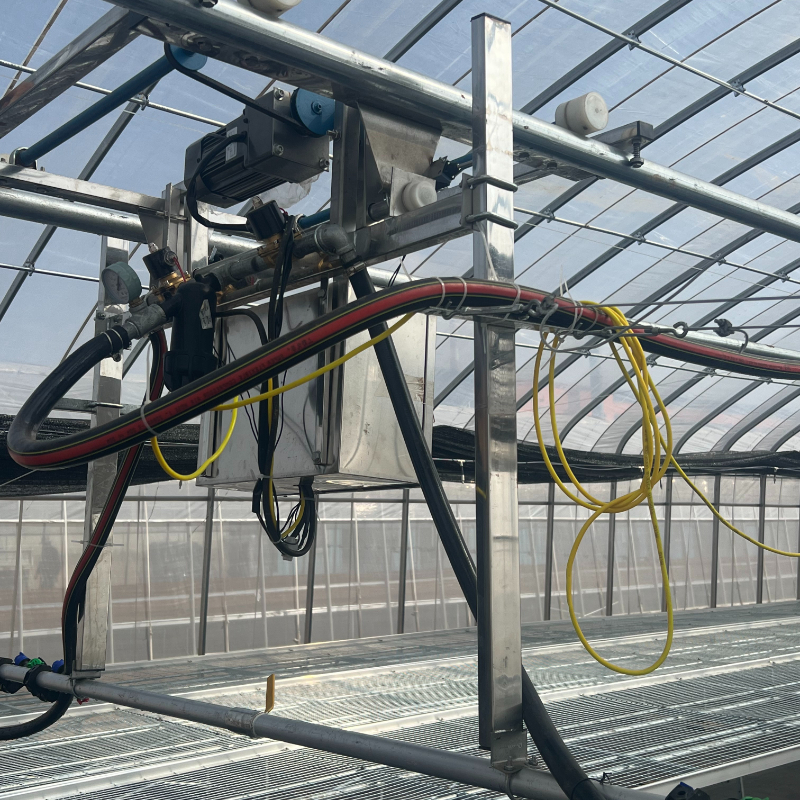
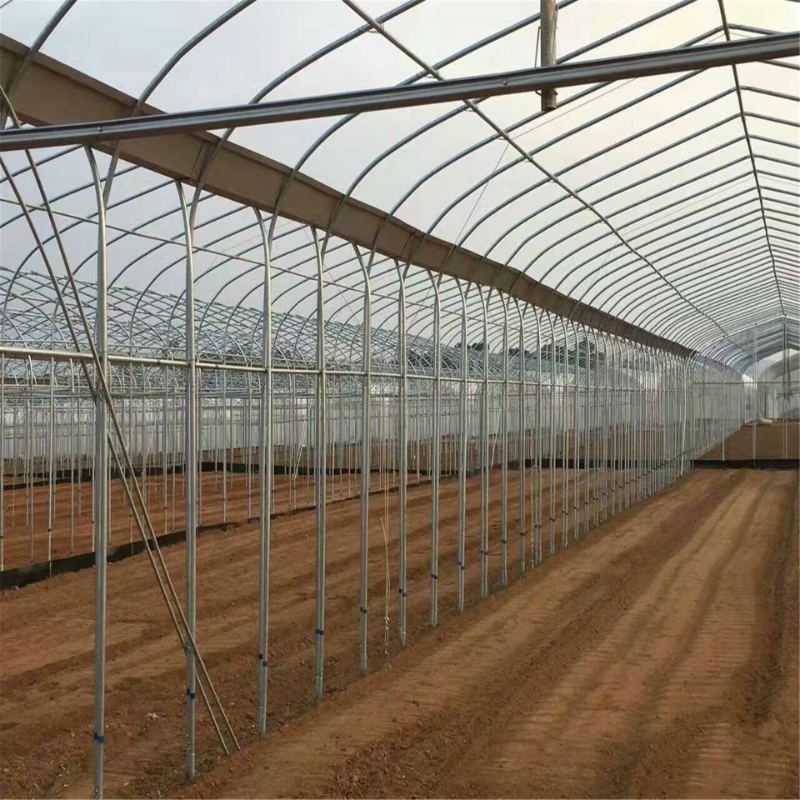
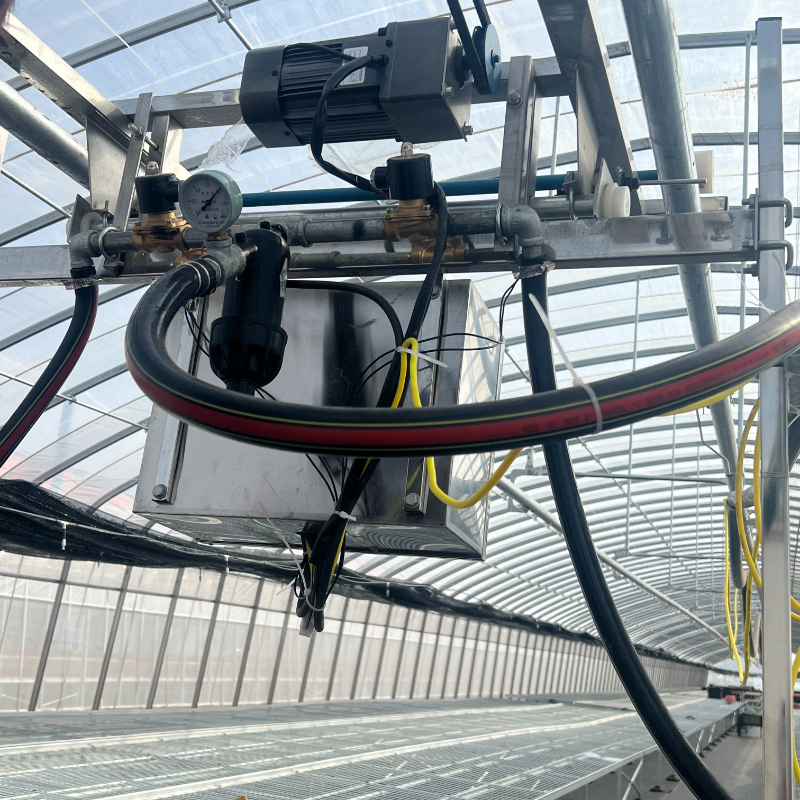
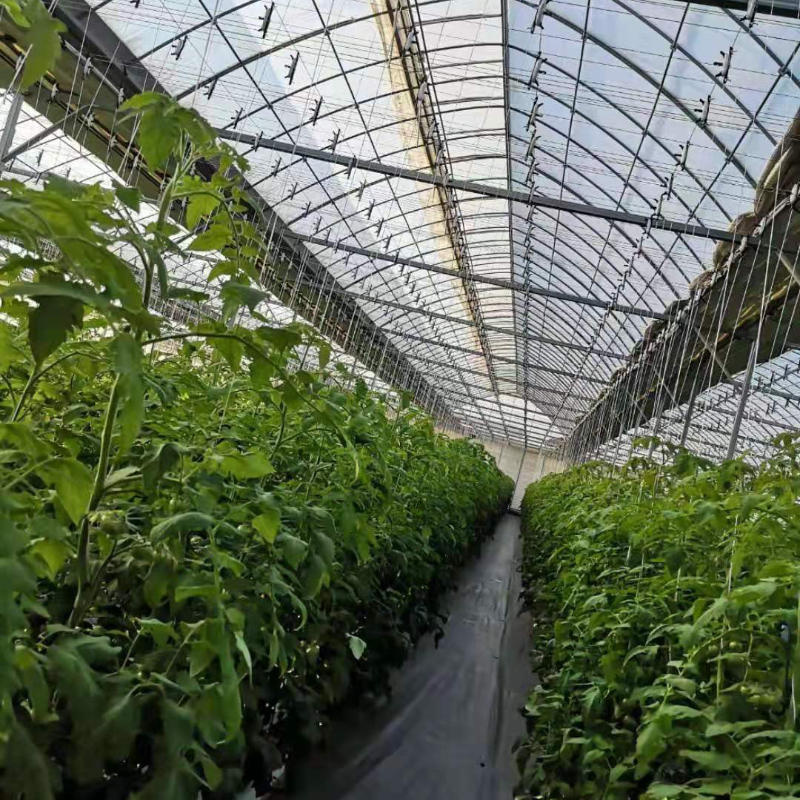
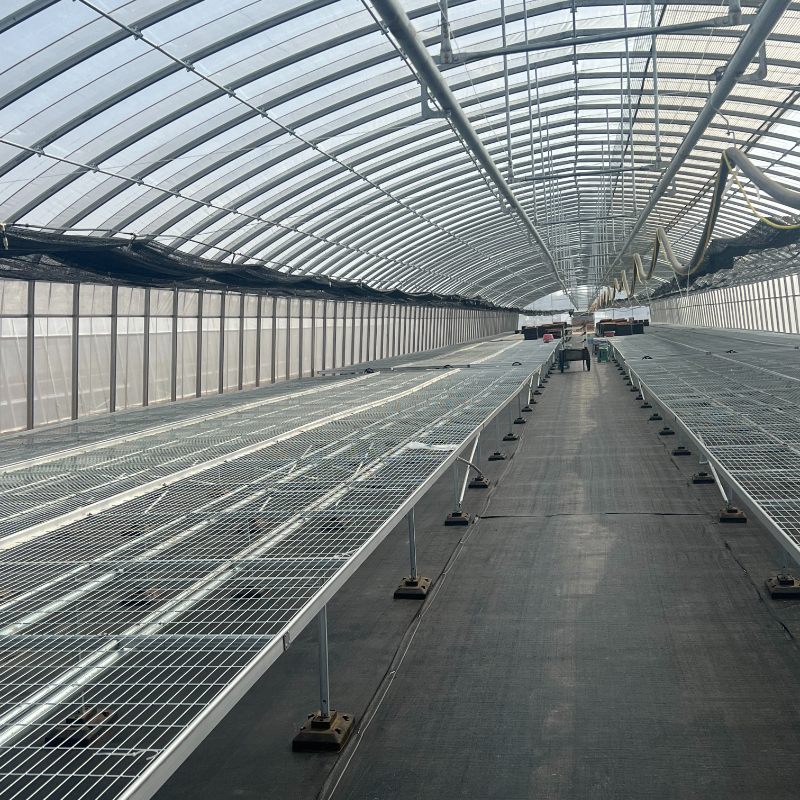
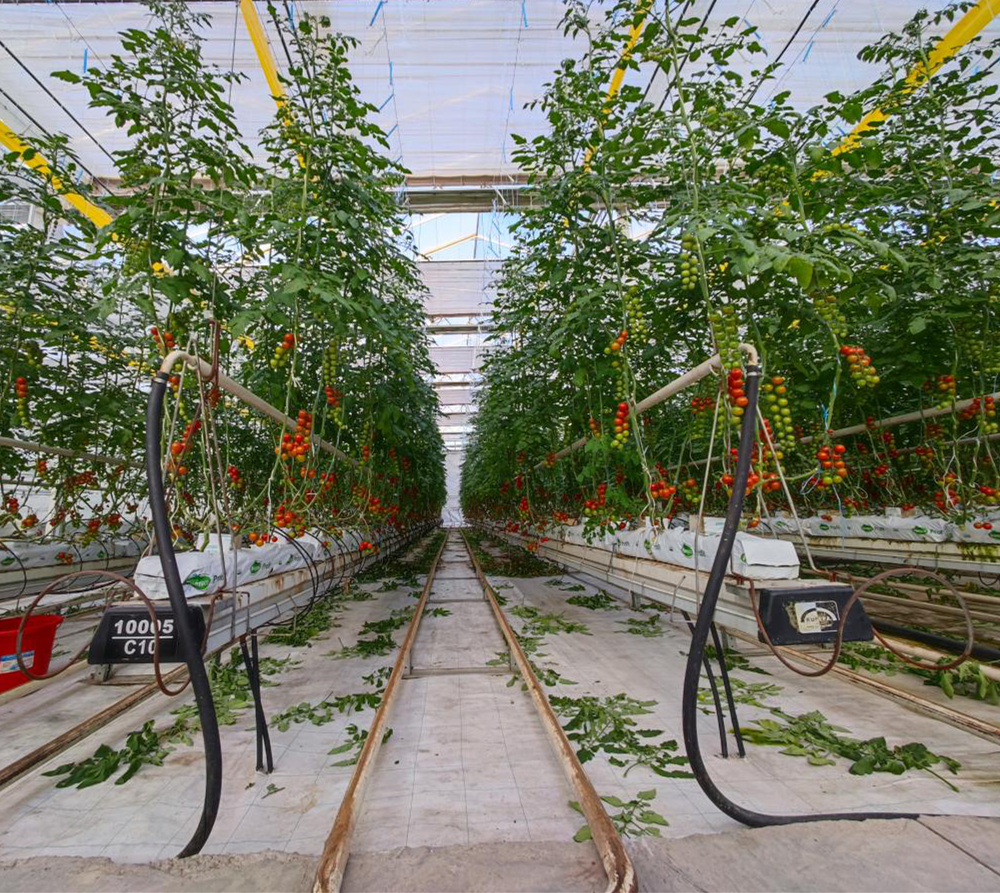
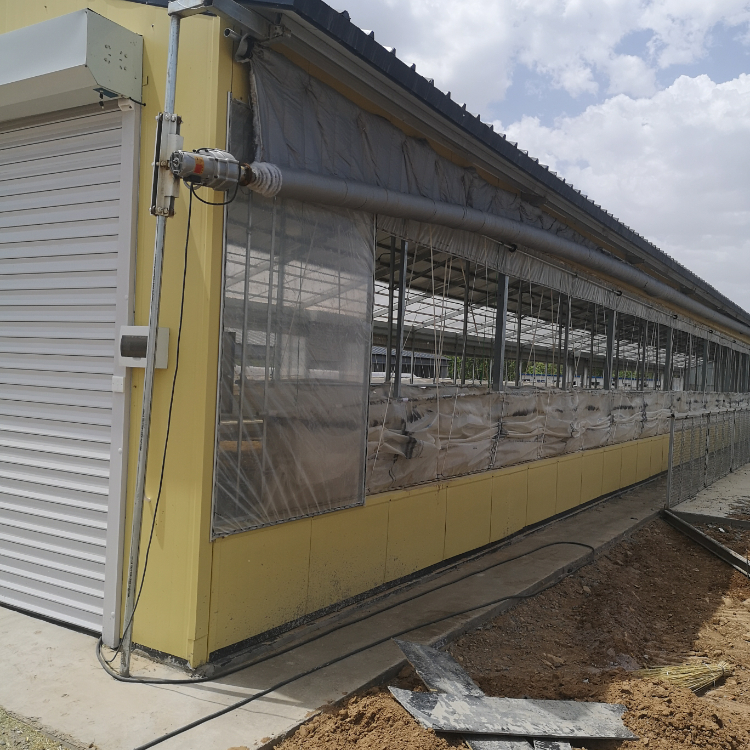
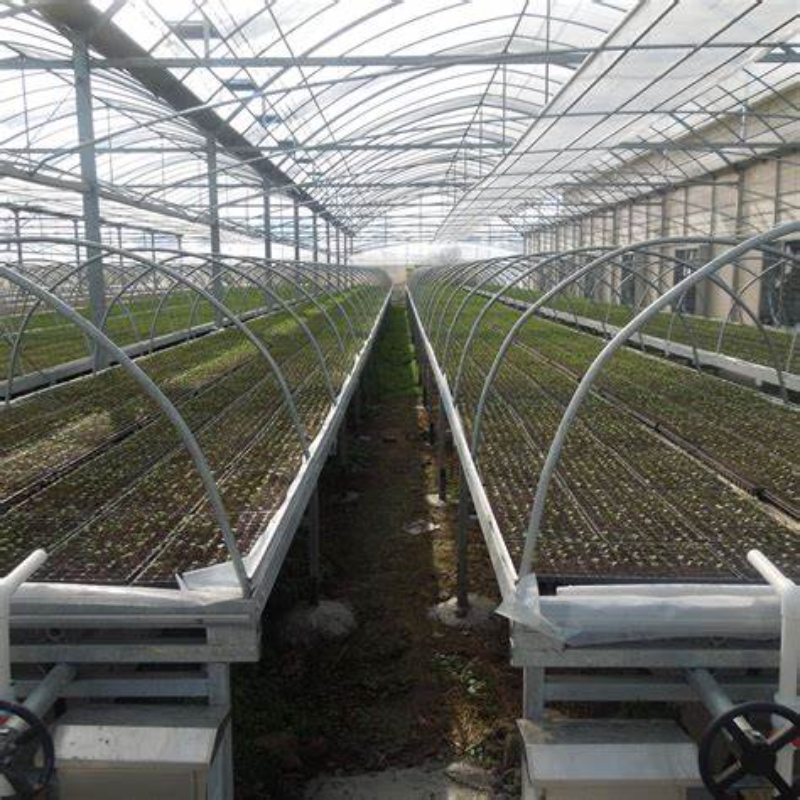
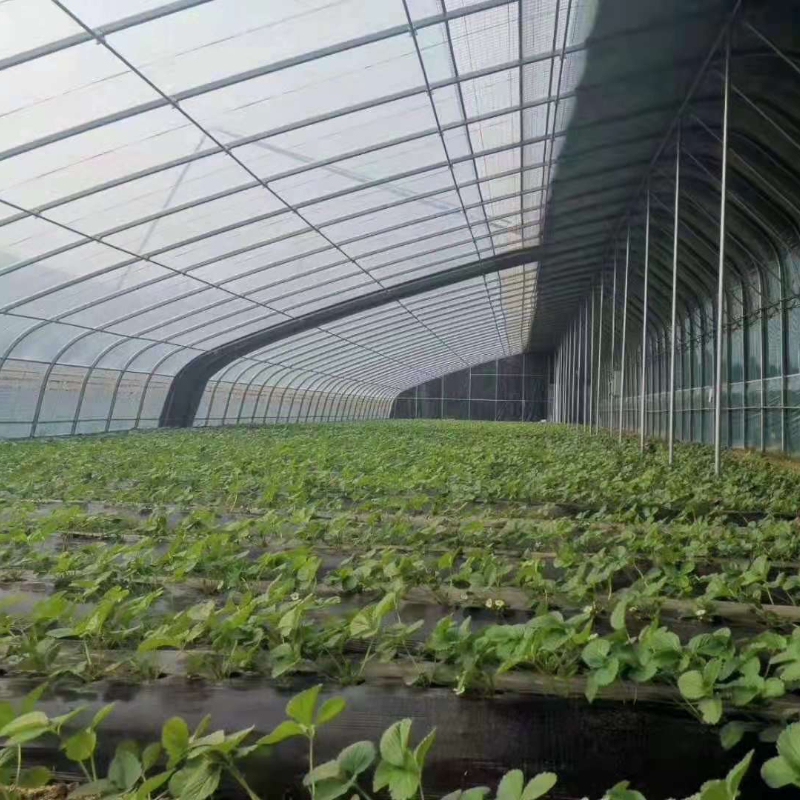
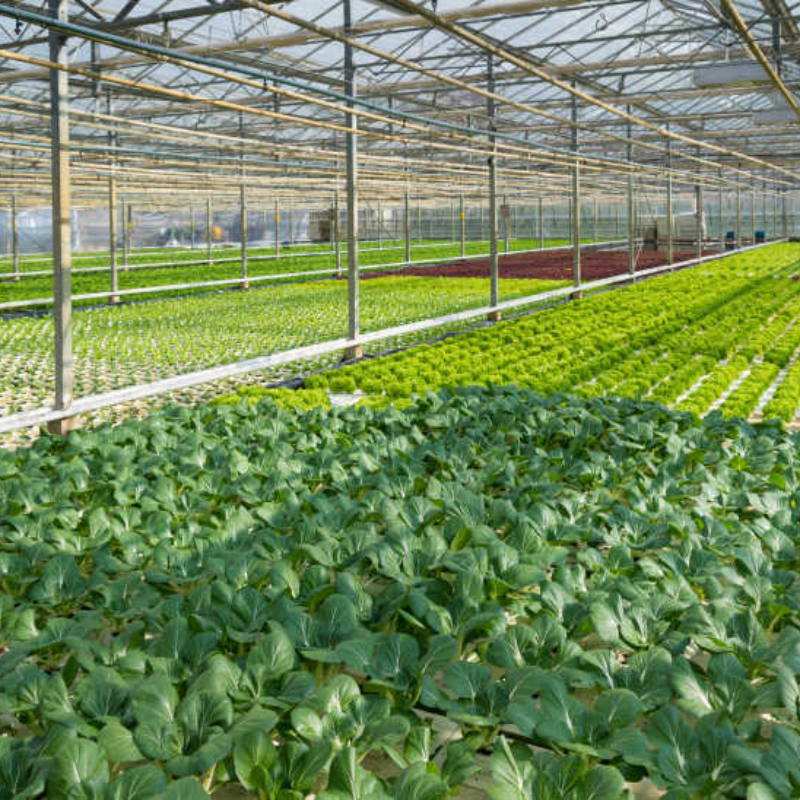
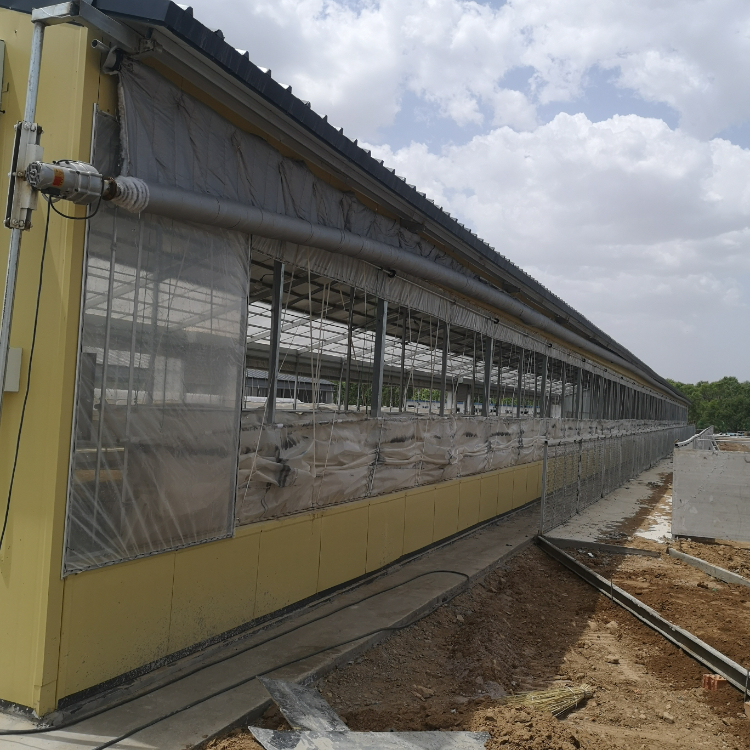
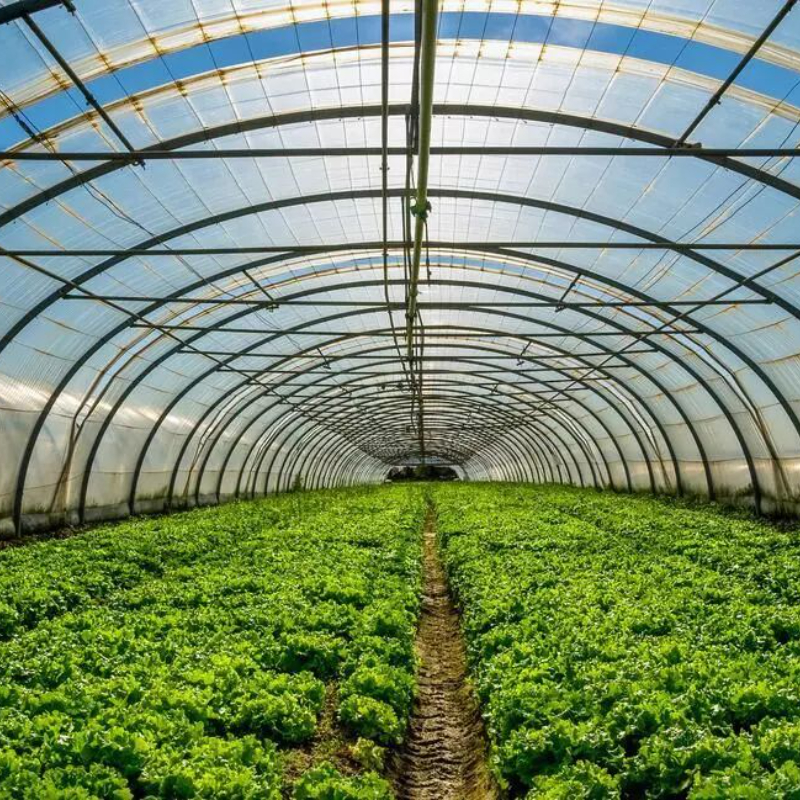
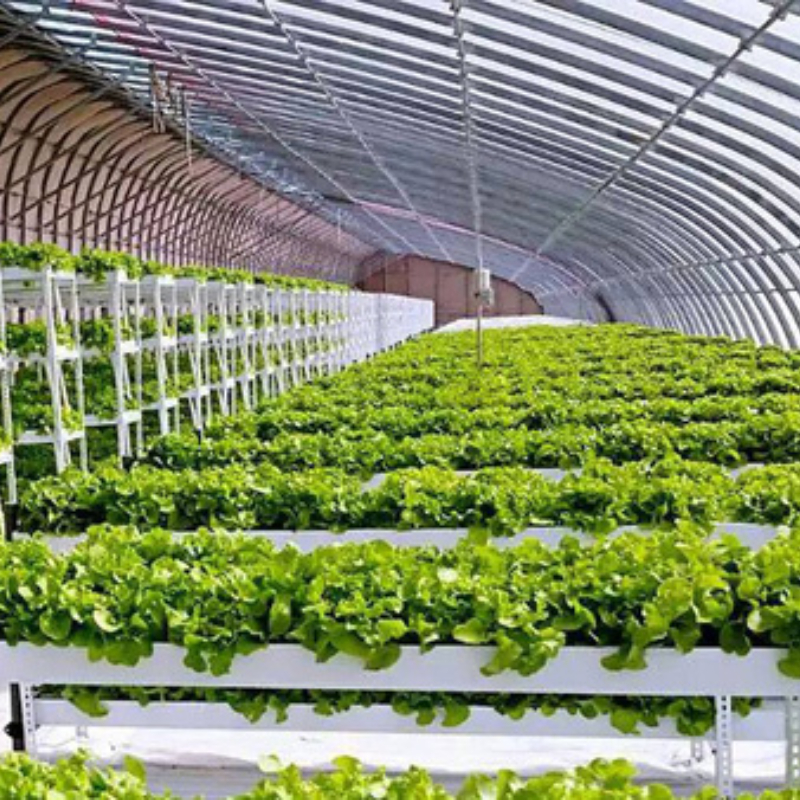
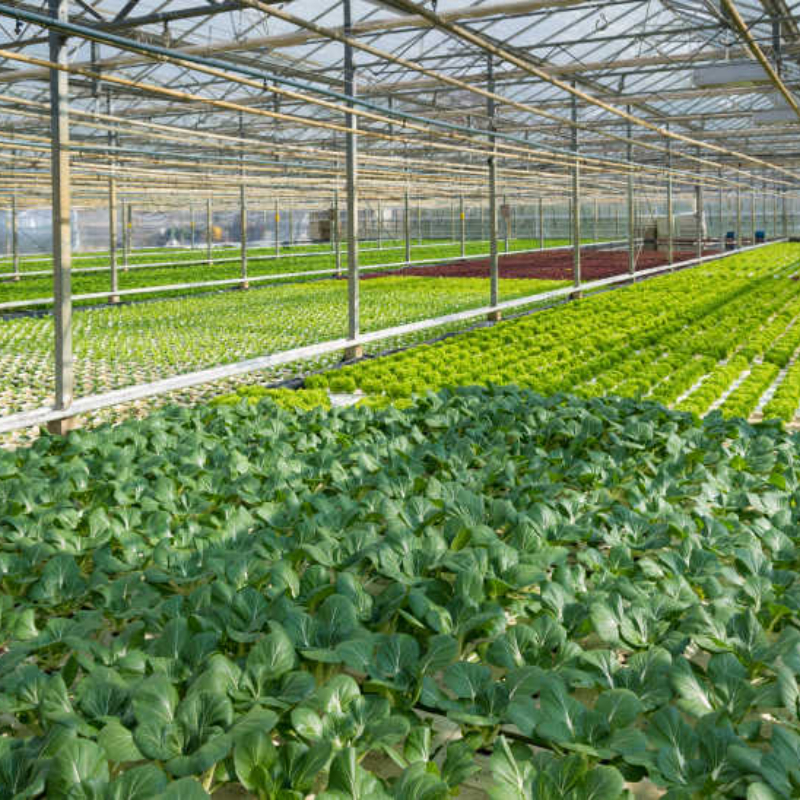
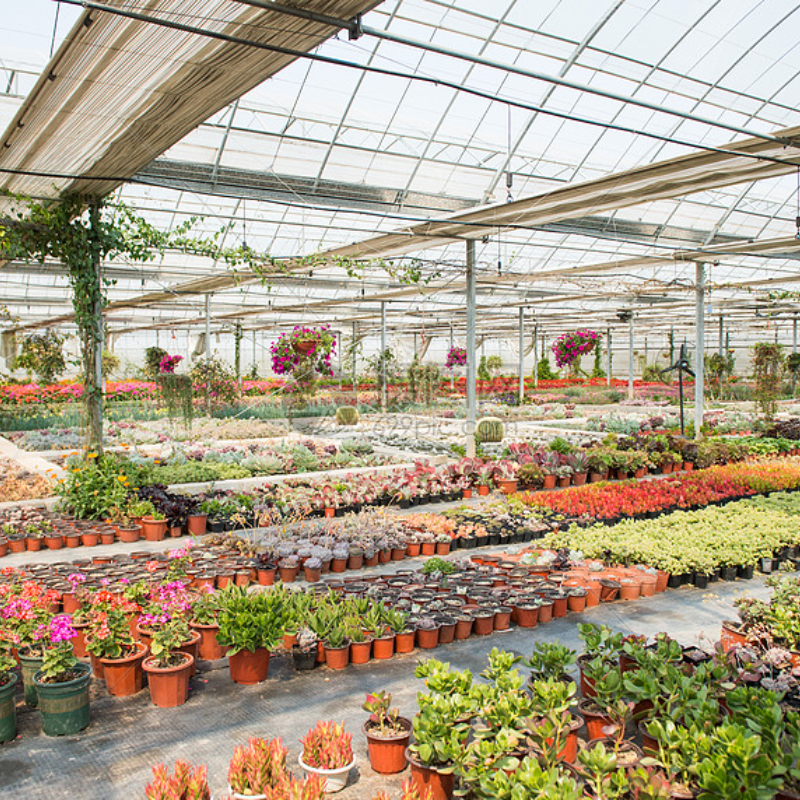
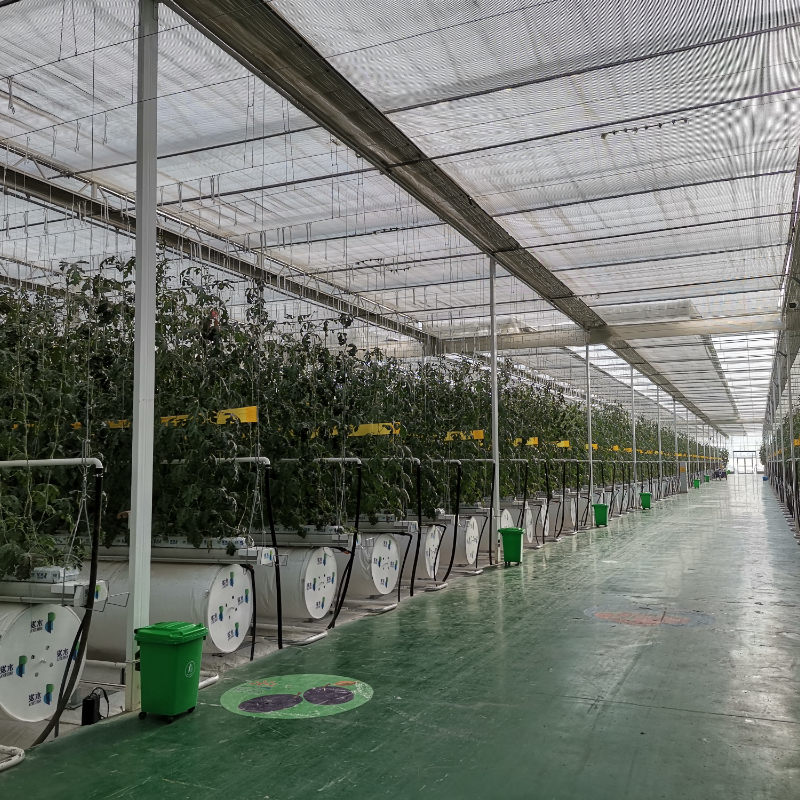
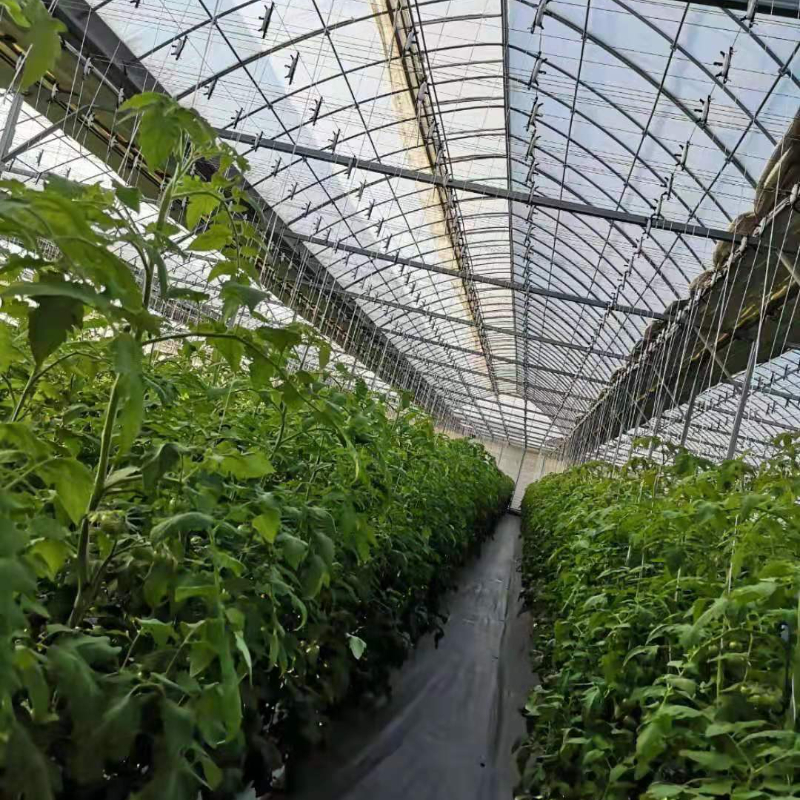
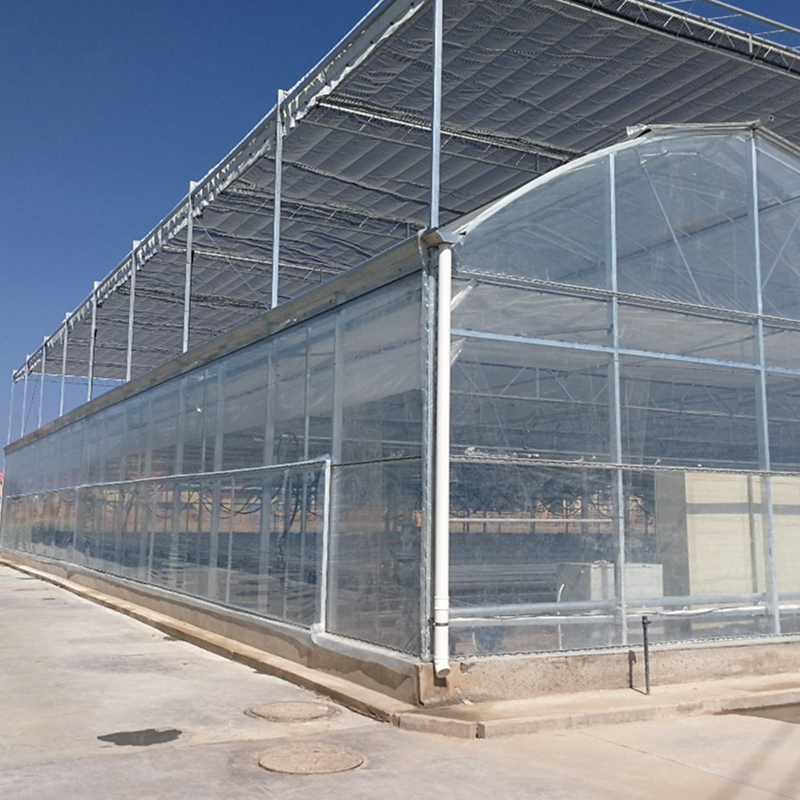
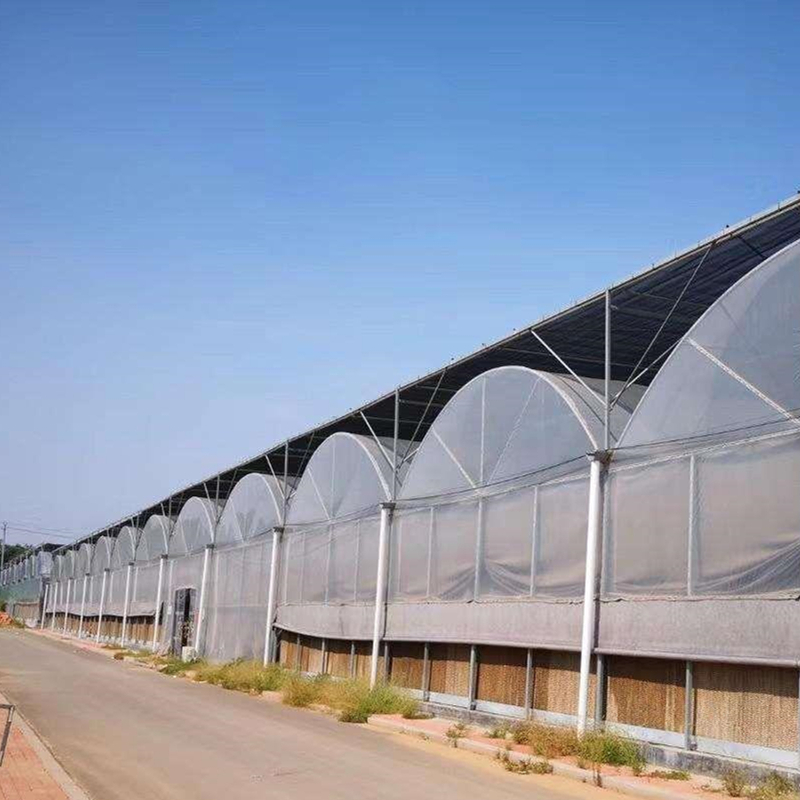
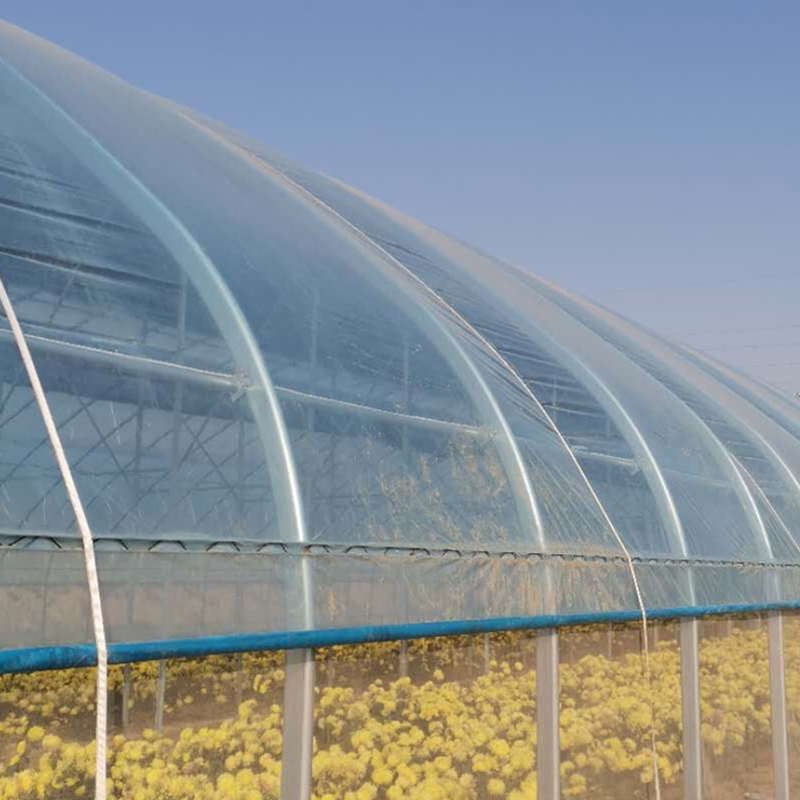
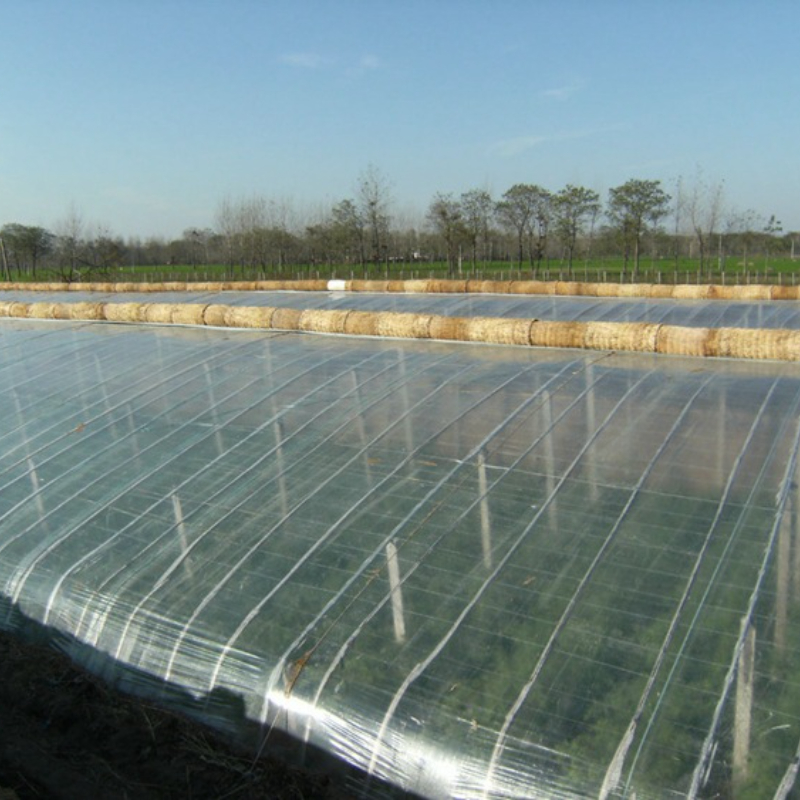
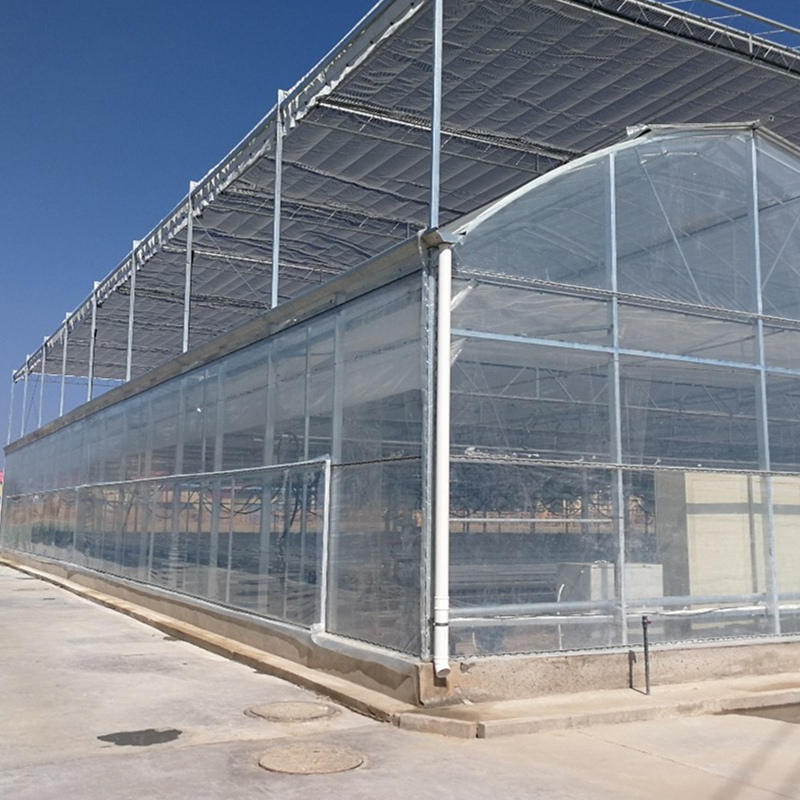
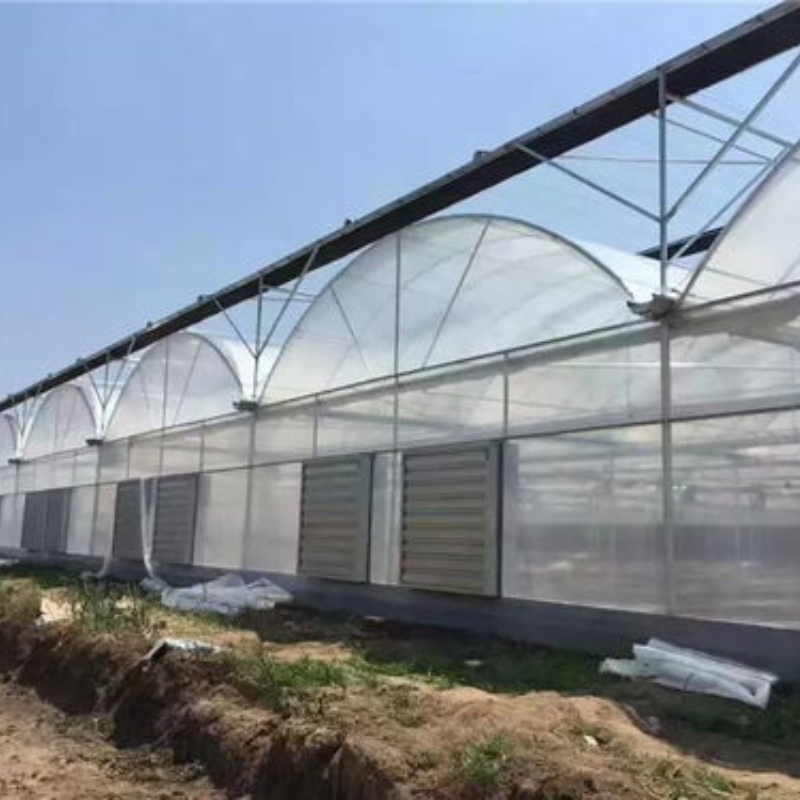
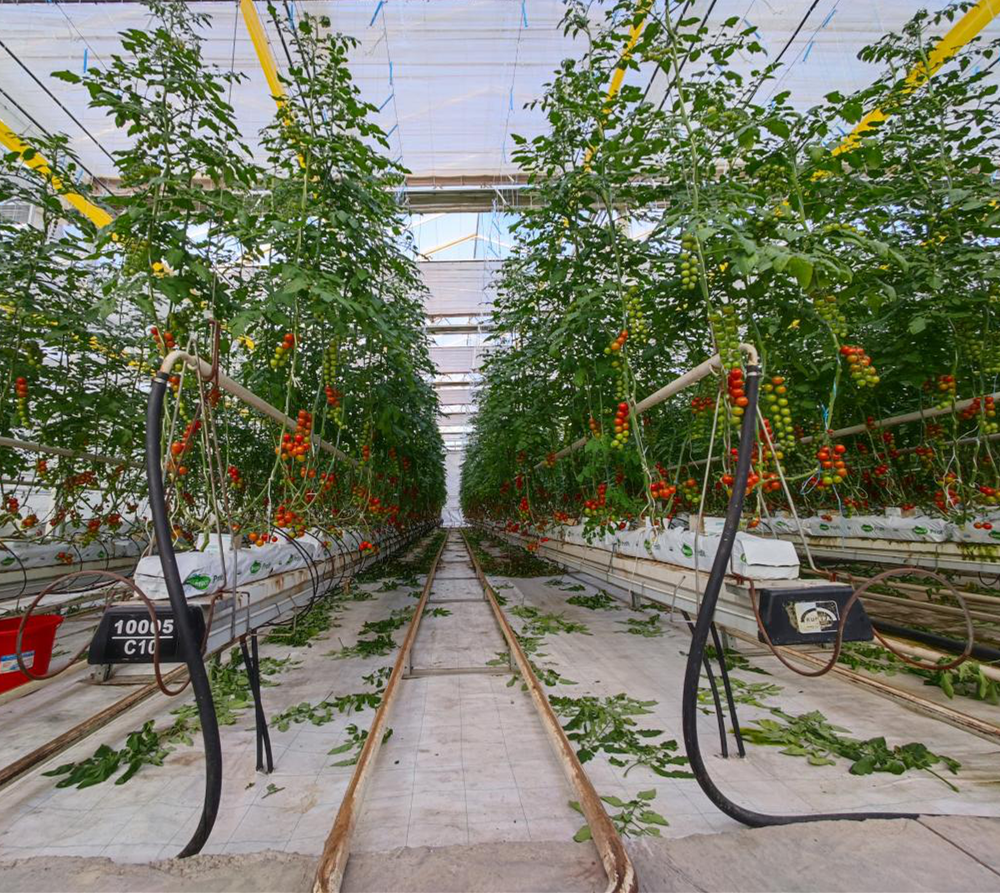
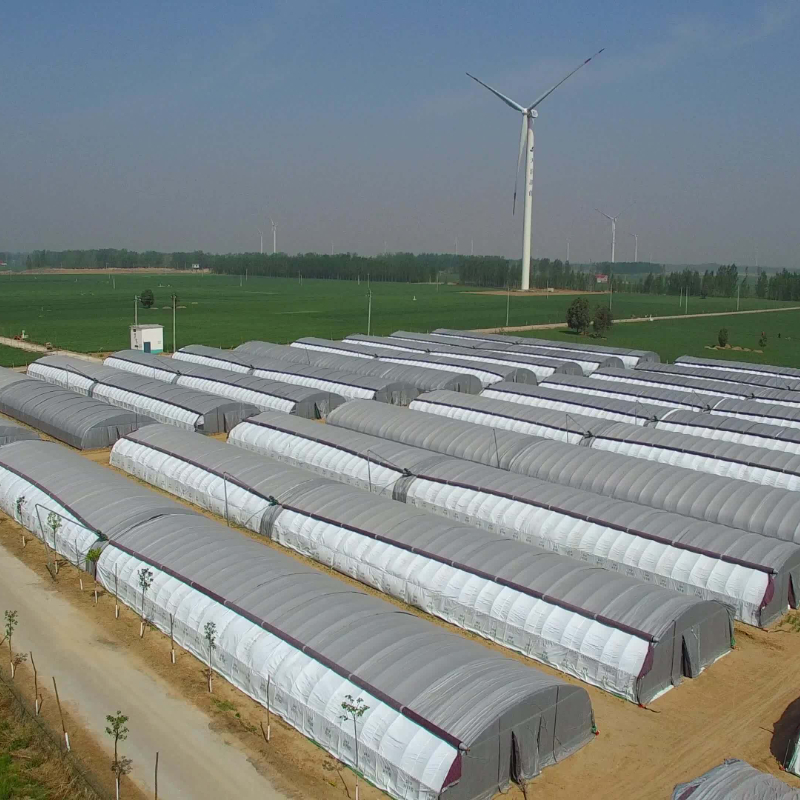
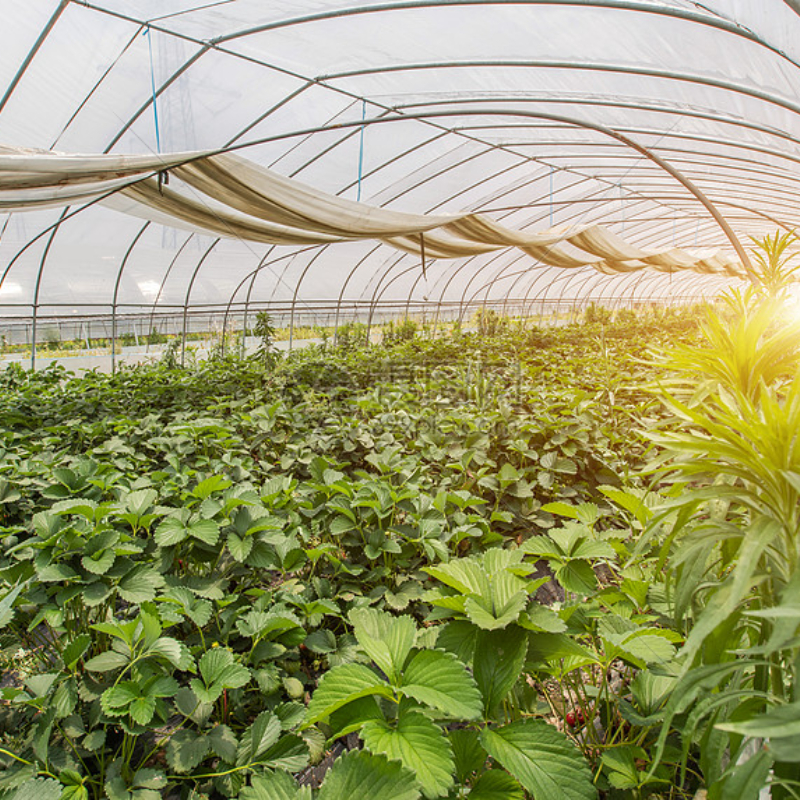
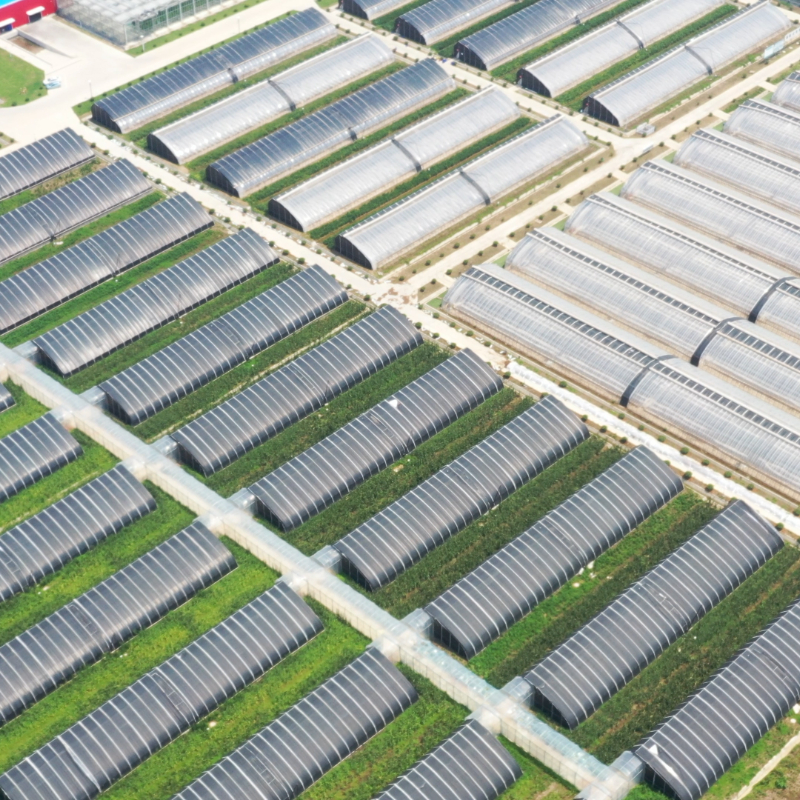
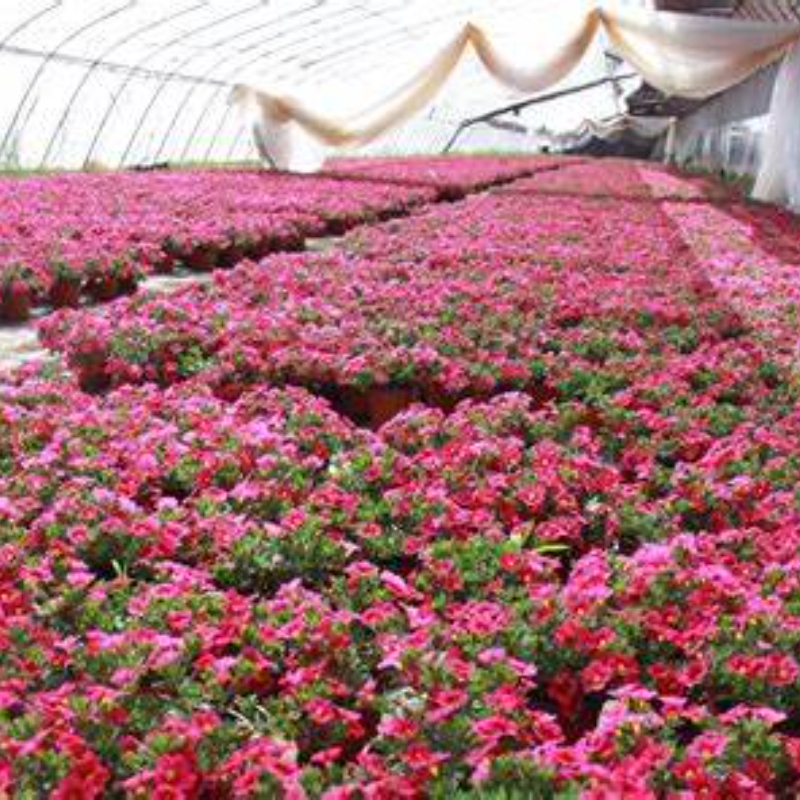
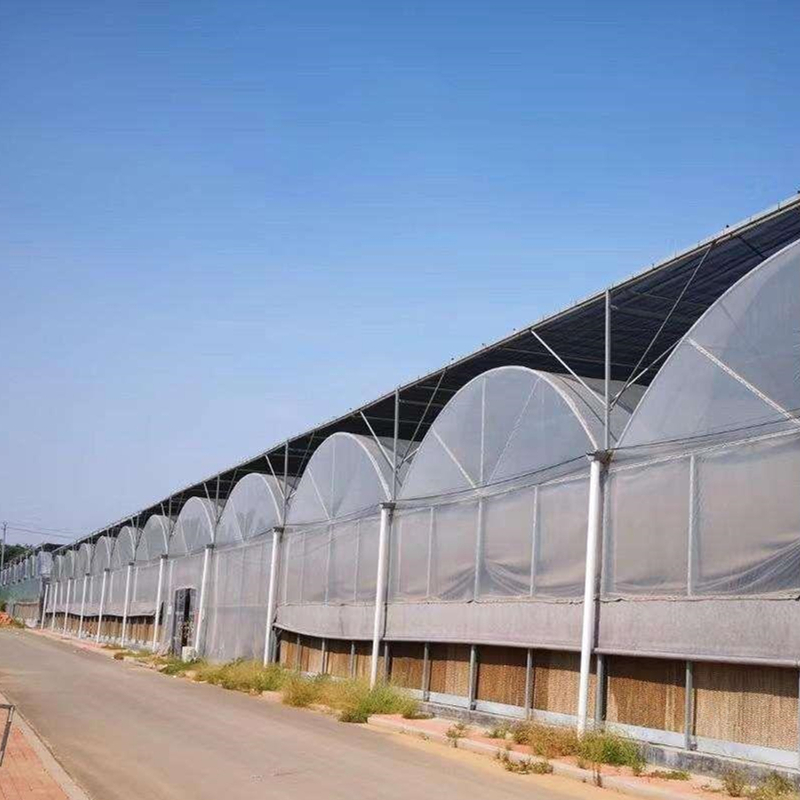
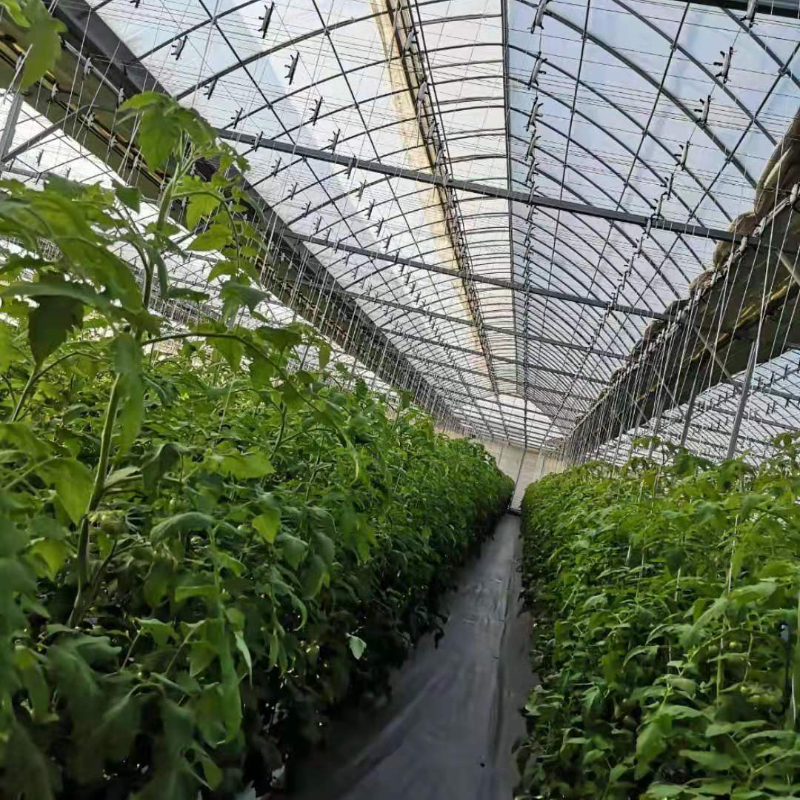
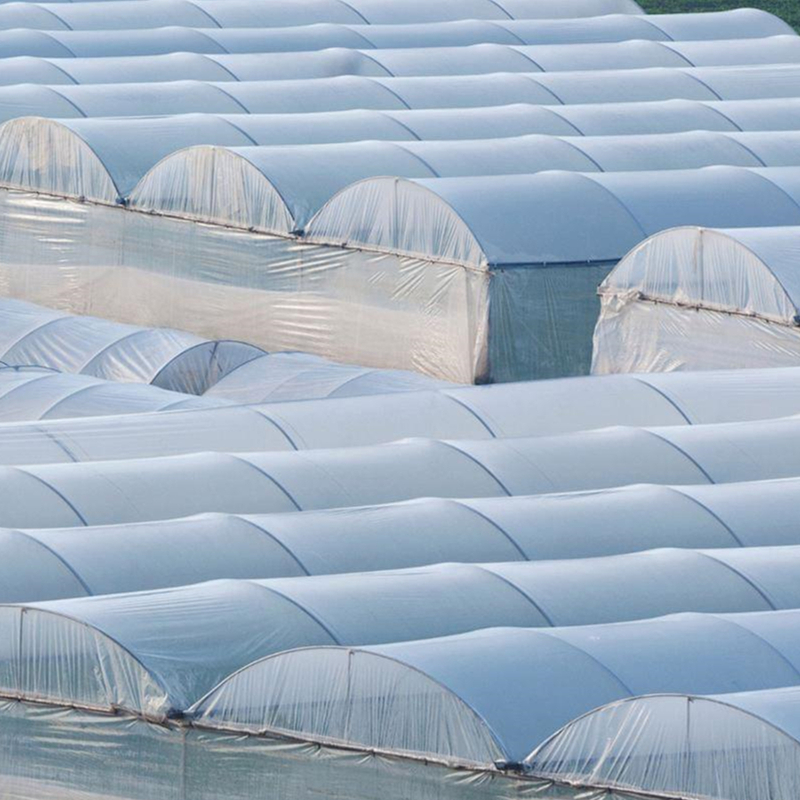
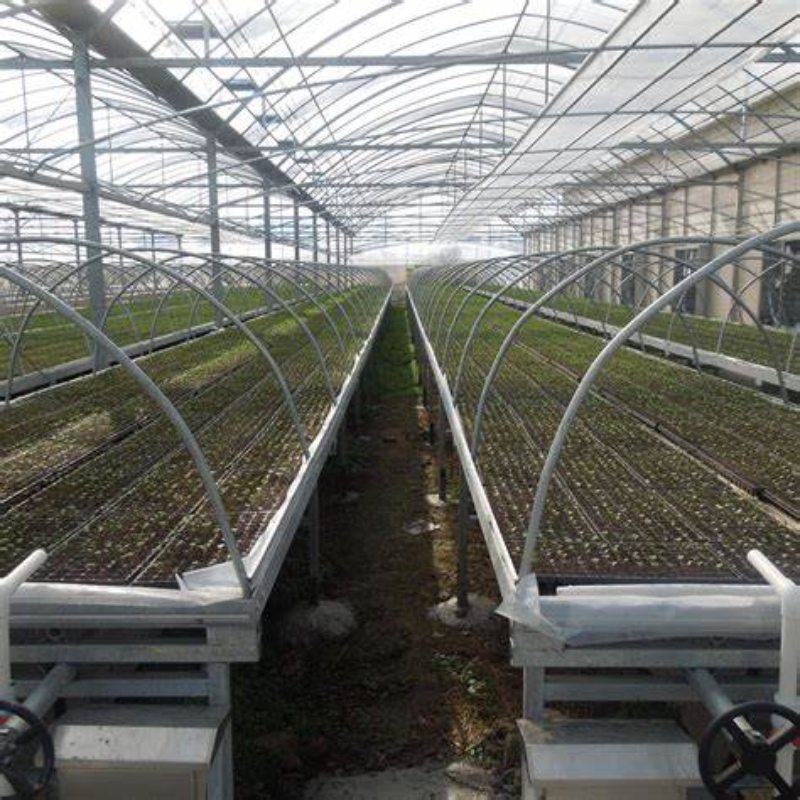
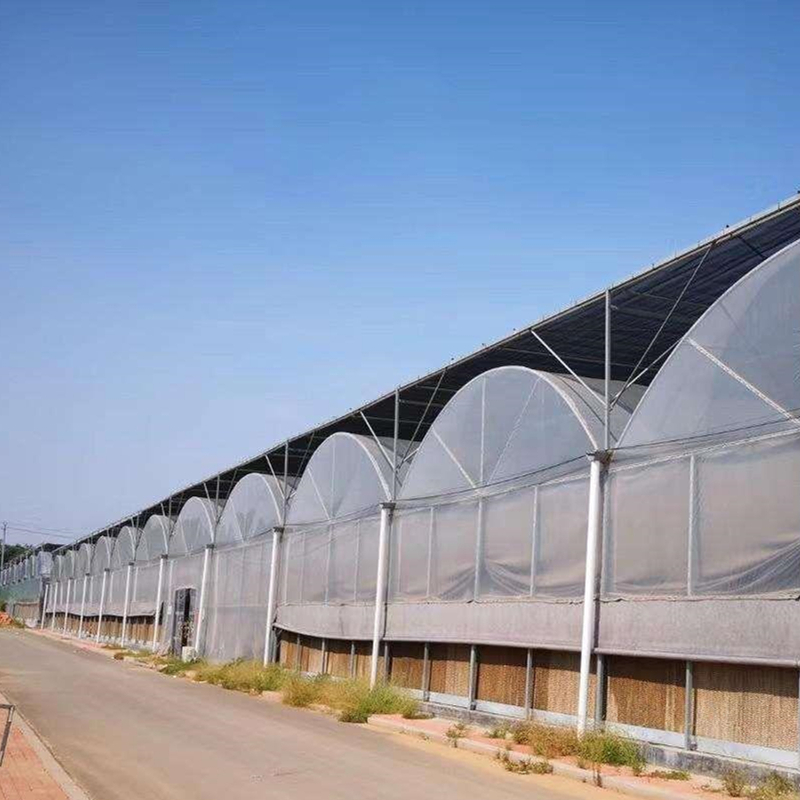
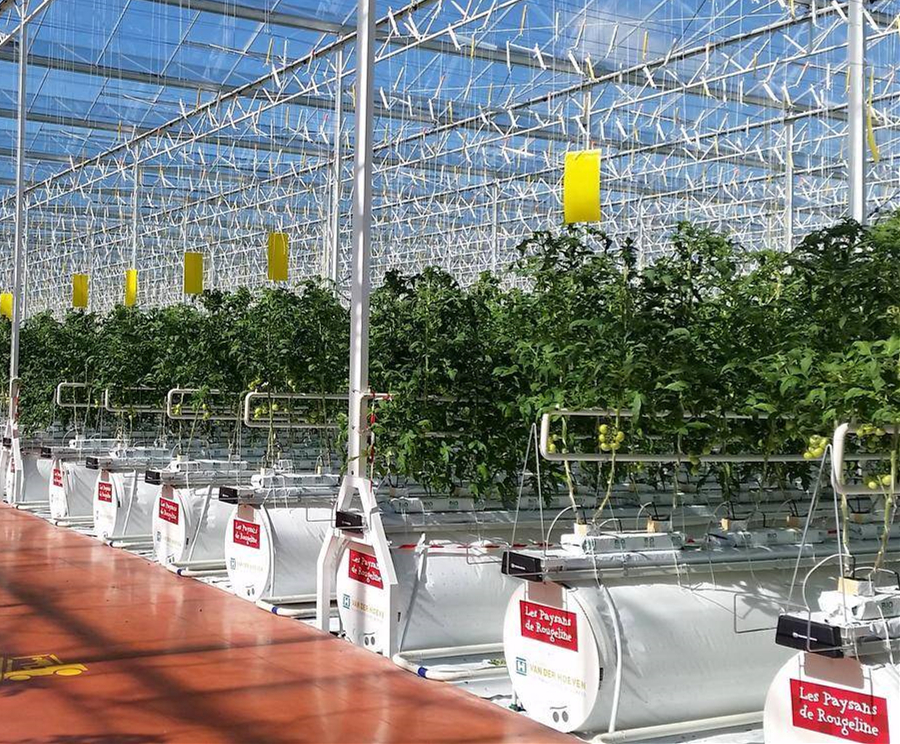
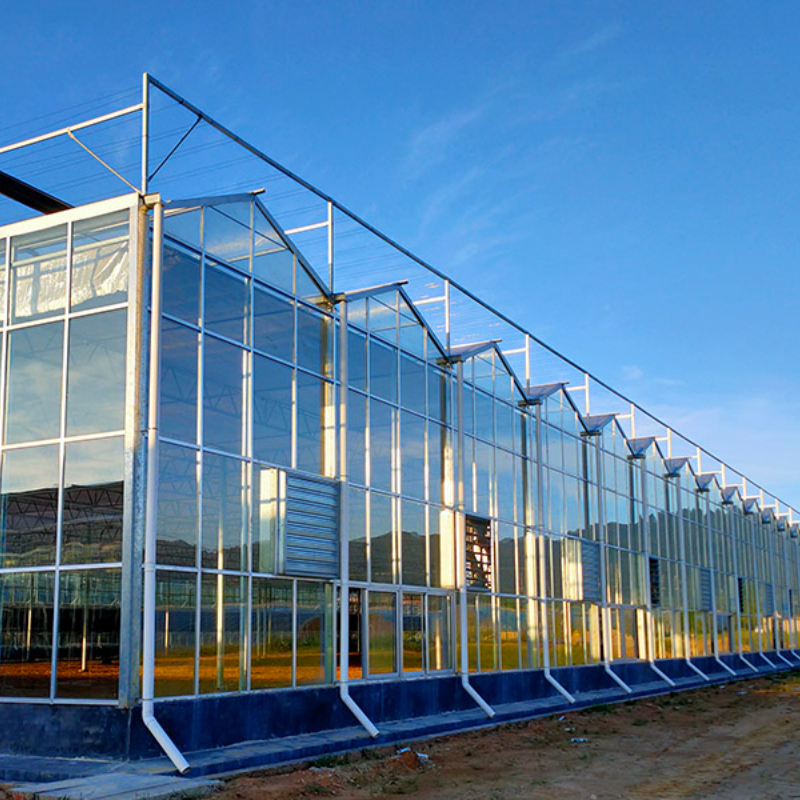
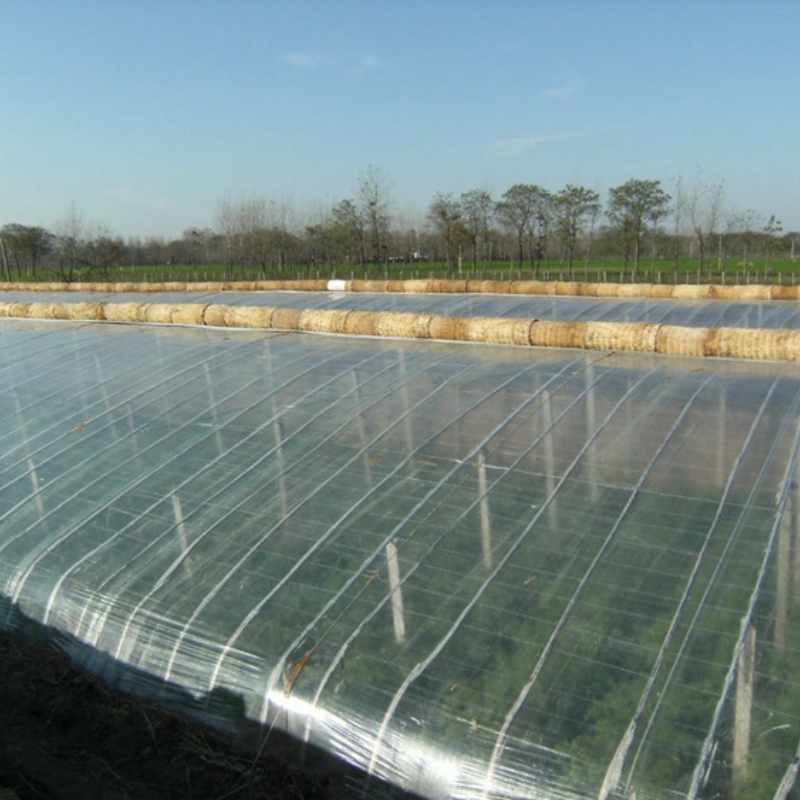
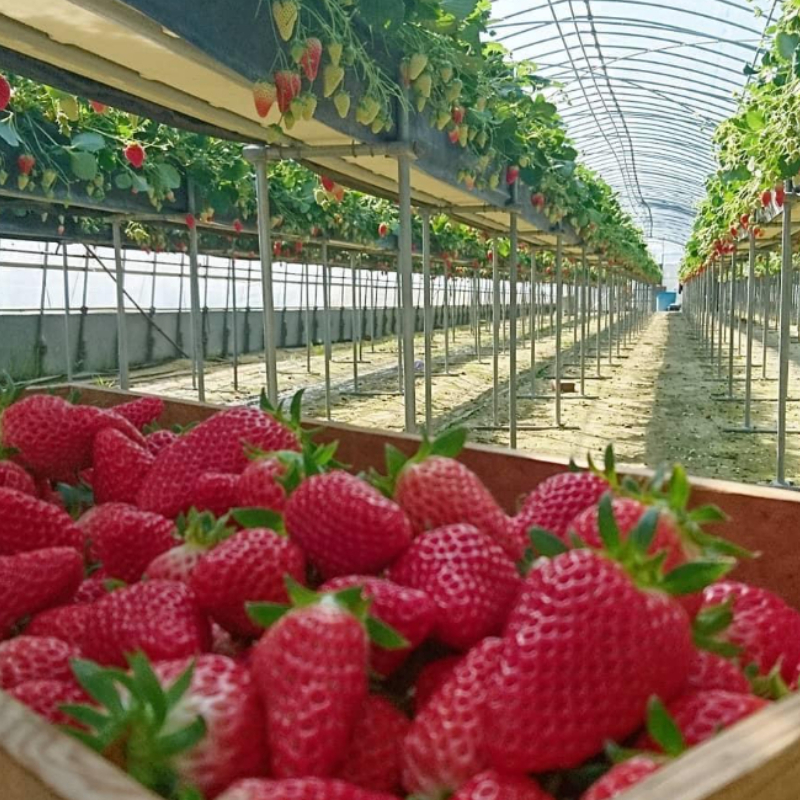
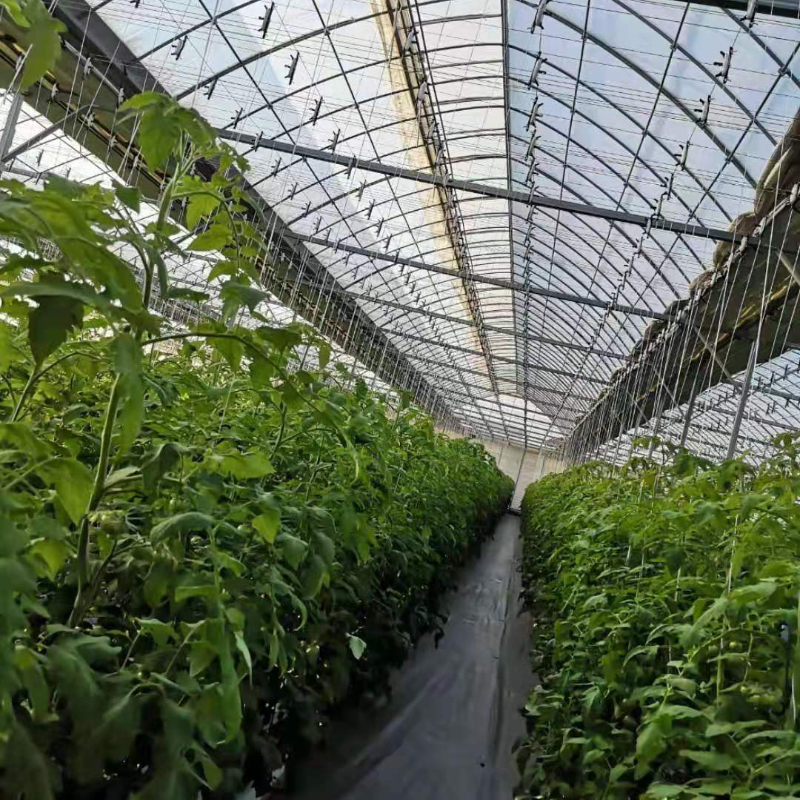
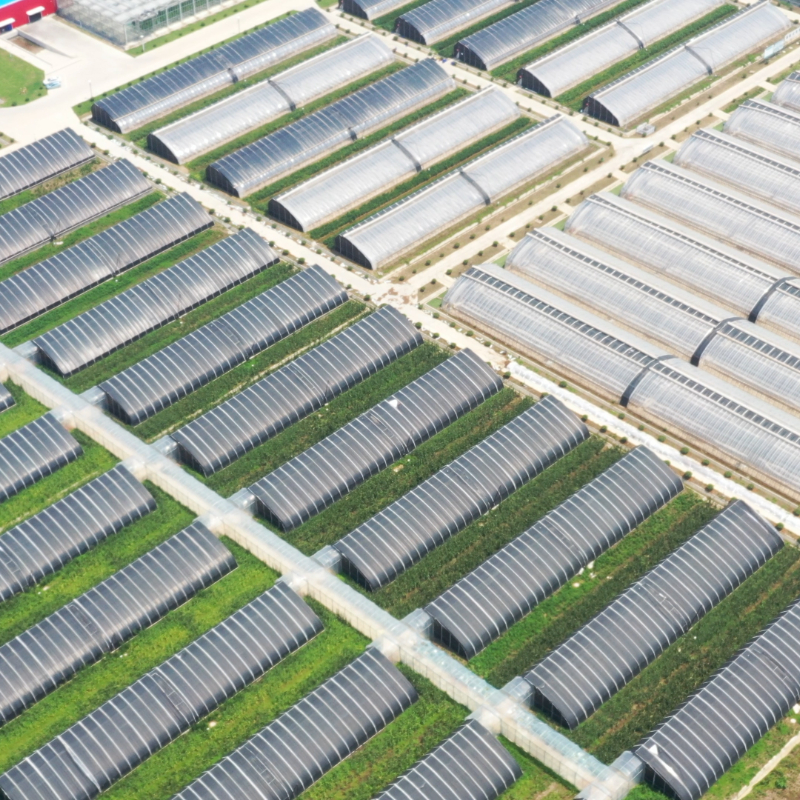
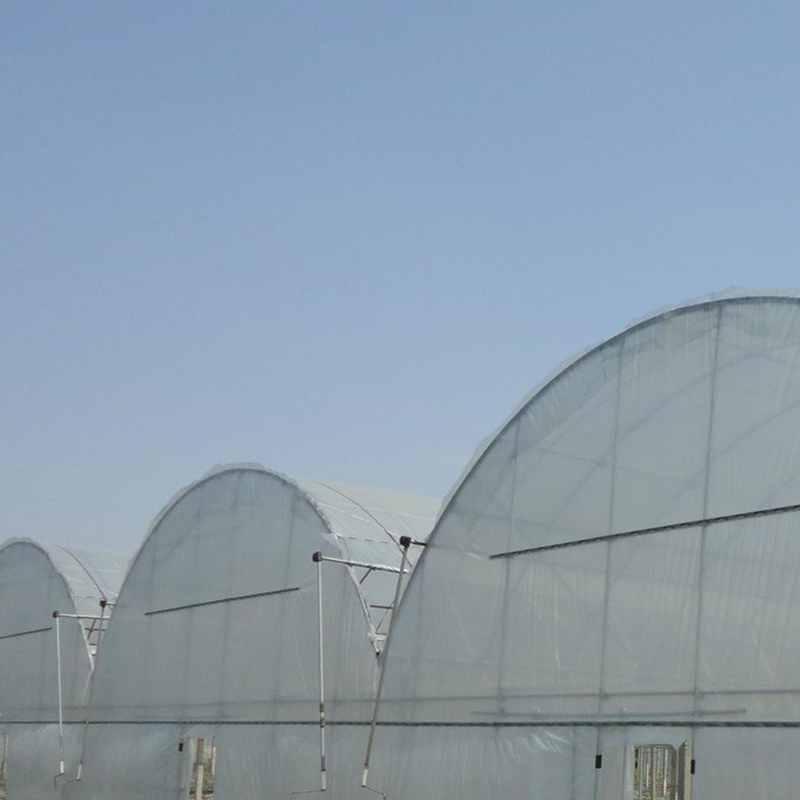
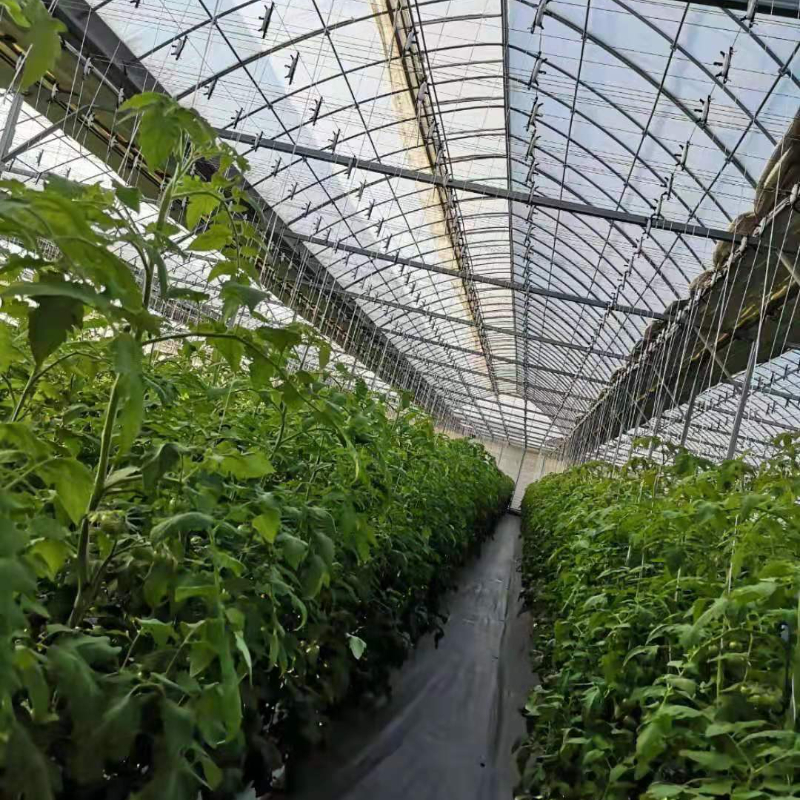
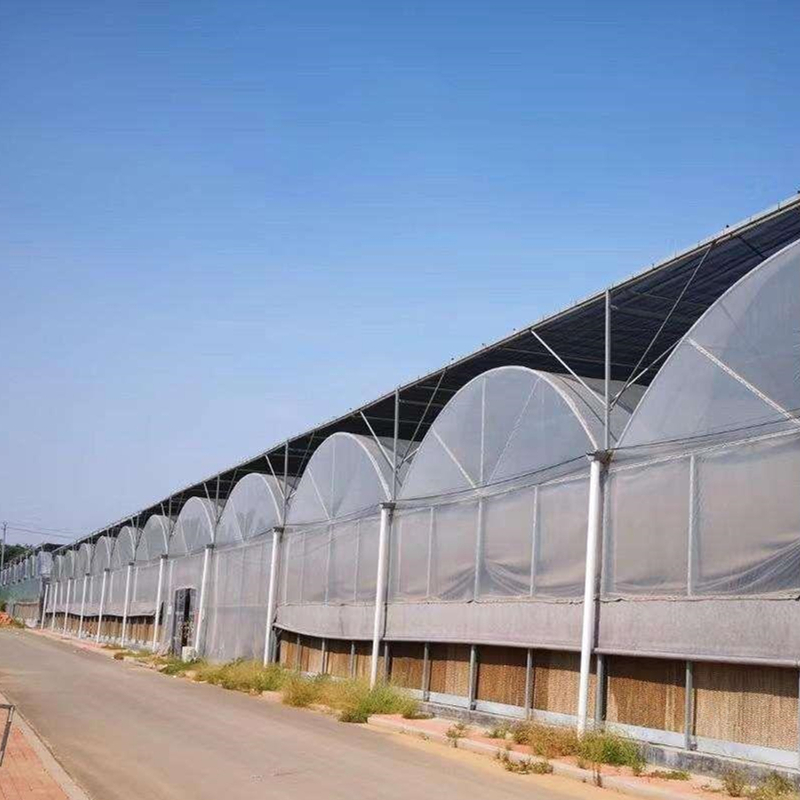
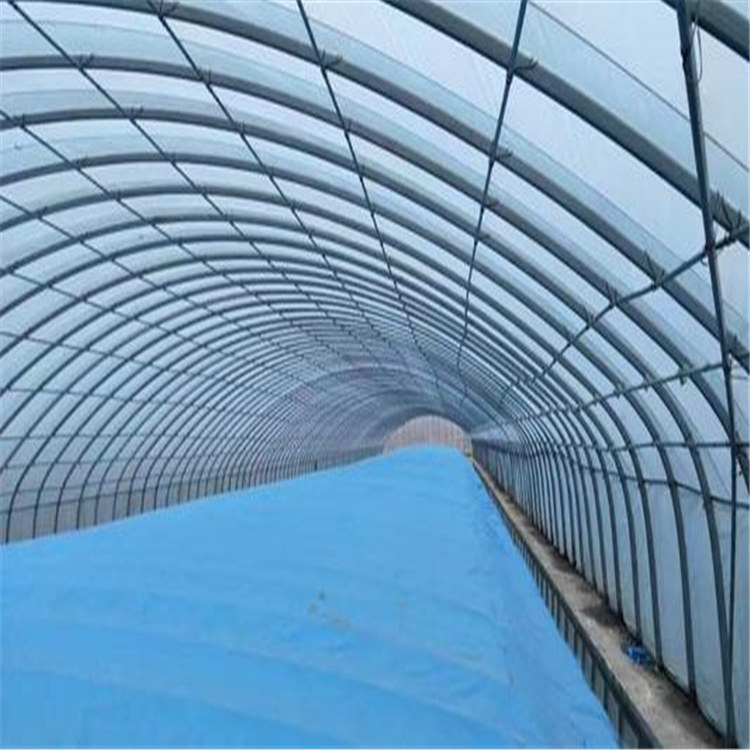
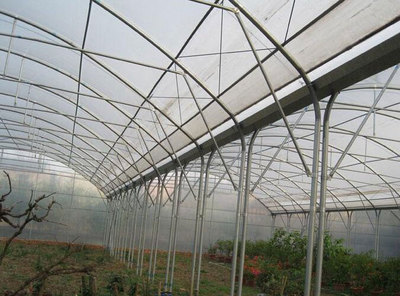
Agricultural Greenhouses: Galvanized greenhouse pipes are primarily used for structural support and pipeline layout in agricultural greenhouses. Their corrosion resistance, pressure resistance, and high-temperature tolerance enable them to endure harsh weather conditions and prolonged exposure to natural environments.
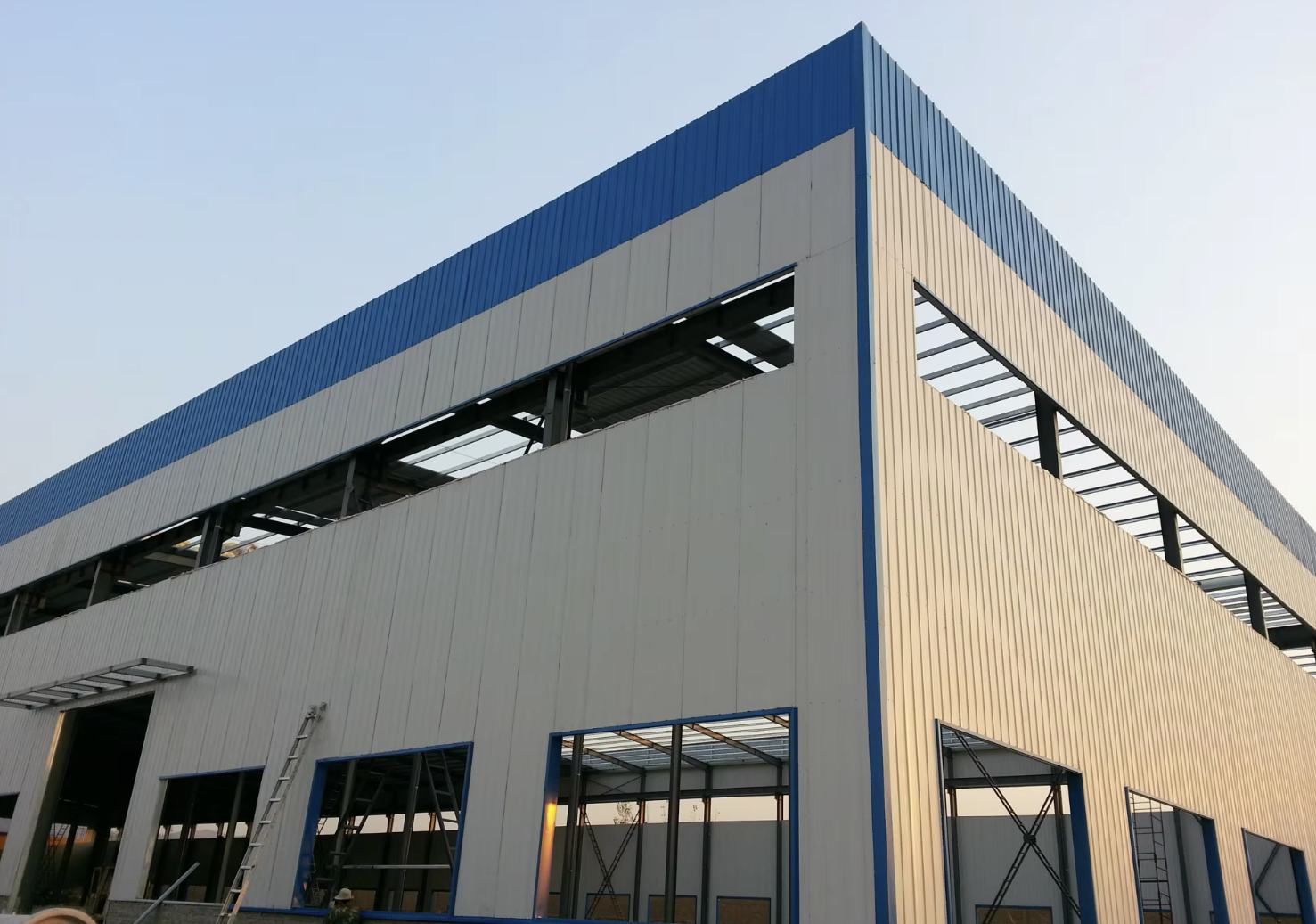
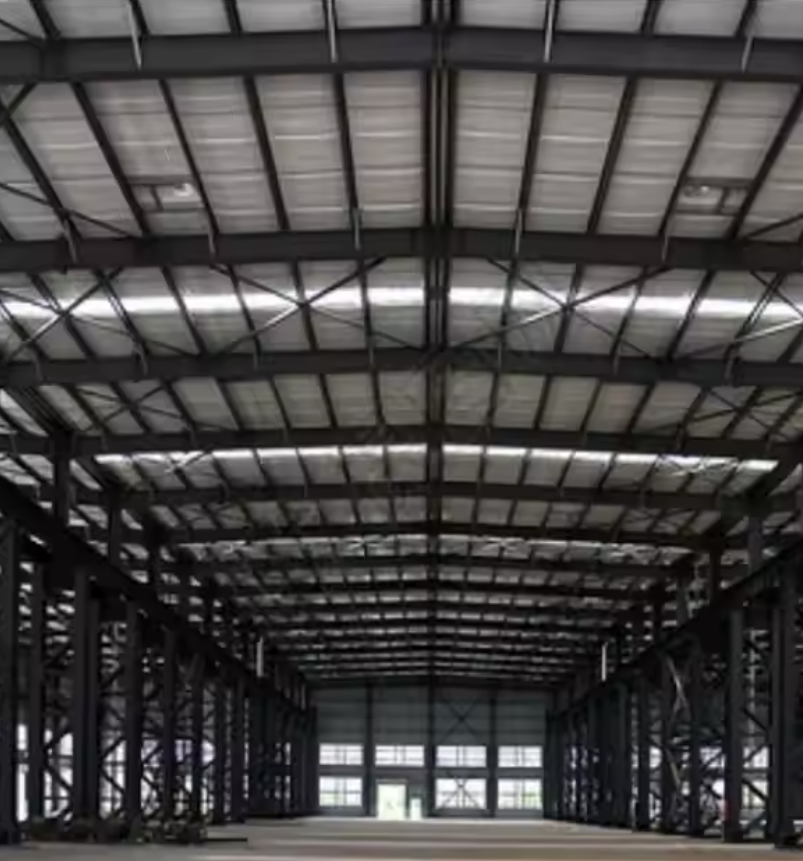
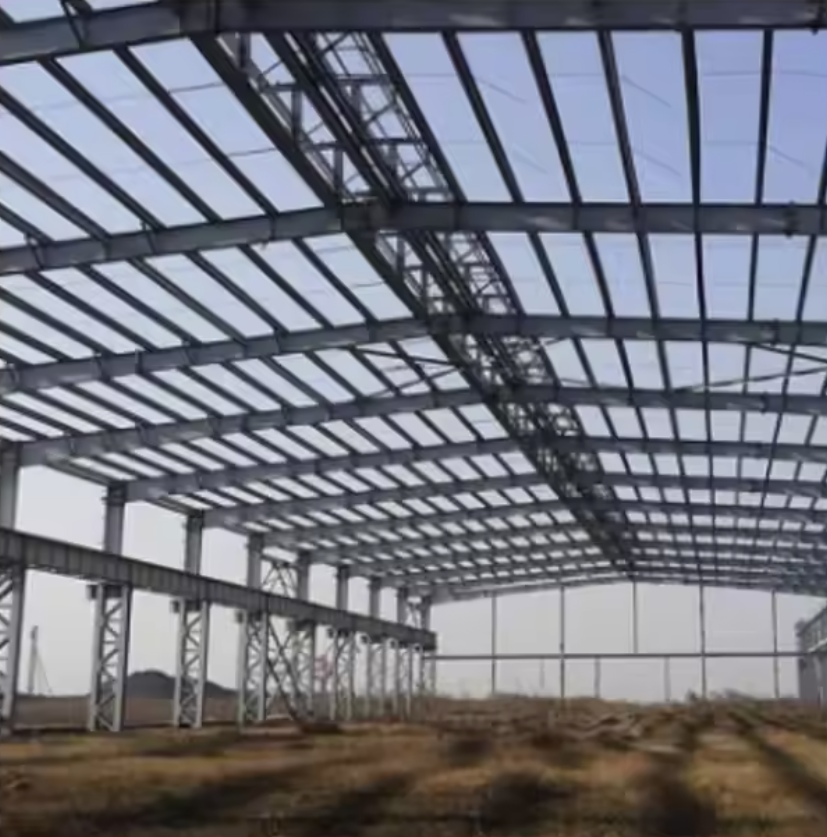
Industrial Construction: These pipes are widely used in industrial buildings for pipeline systems and equipment supports, such as material transport systems and HVAC systems. They effectively prevent pipe corrosion and contamination, ensuring safe operation.
Municipal Engineering: Galvanized greenhouse pipes are extensively applied in municipal drainage, water supply, and gas pipeline systems. Their superior corrosion and pressure resistance meet the demands of urban infrastructure.
三.Greenhouse galvanized pipe processing Techniques in Detail
Manufacturing Process: High-quality steel is used to produce galvanized greenhouse pipes, undergoing cutting, welding, and galvanizing processes to ensure quality and performance.
Surface Treatment: The galvanizing process evenly coats the steel pipe surface with a zinc layer, providing excellent corrosion resistance and an aesthetically pleasing finish.
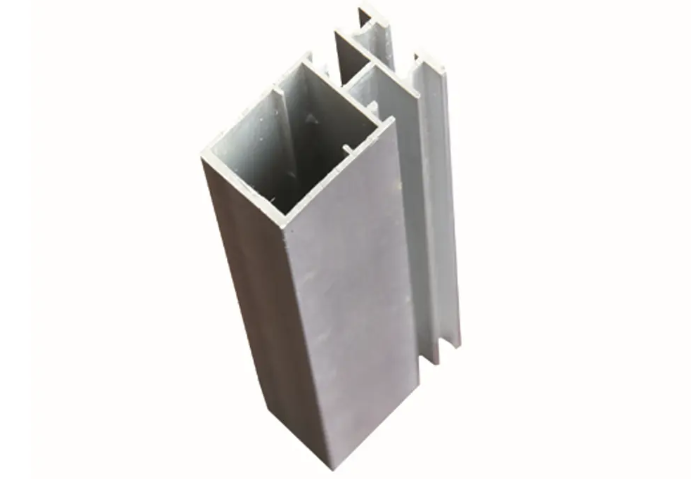
Size Specifications: The dimensions of galvanized greenhouse pipes can be customized as needed, typically described by diameter, wall thickness, and length. For example, φ30×2.0×6000mm indicates a diameter of 30mm, wall thickness of 2.0mm, and length of 6000mm.
Quality Control: During production, quality inspections—including visual checks, thickness measurements, and bend tests—are conducted to ensure compliance with national standards.
Conclusion:
Galvanized greenhouse pipes offer excellent corrosion resistance, pressure resistance, high-temperature tolerance, and ease of processing, making them widely applicable in agricultural greenhouses, industrial construction, and municipal engineering. Through strict processing controls and quality assurance, high-quality galvanized greenhouse pipes that meet dimensional specifications can be reliably produced.
