











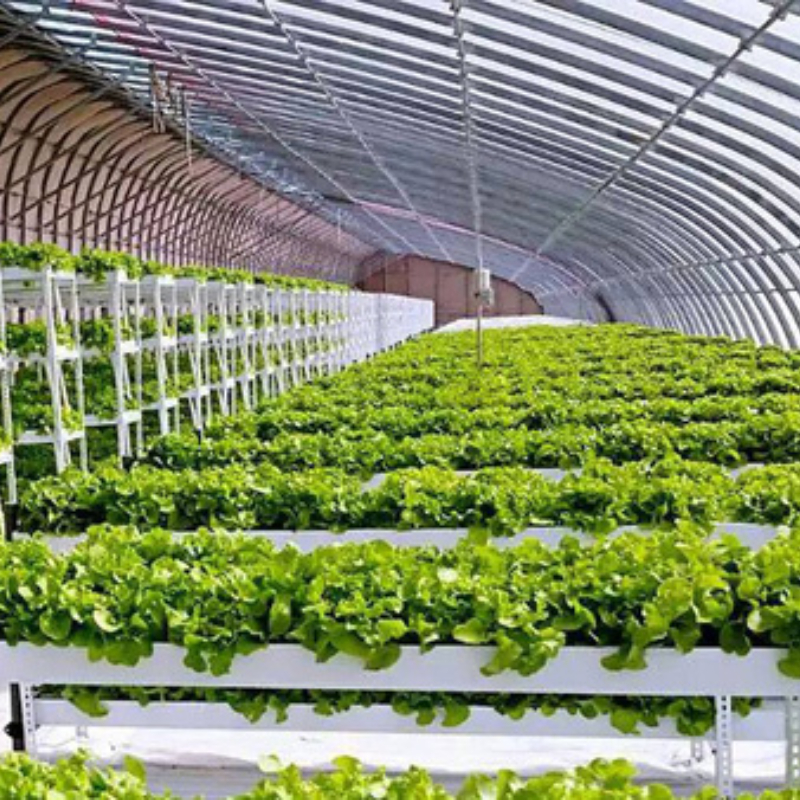
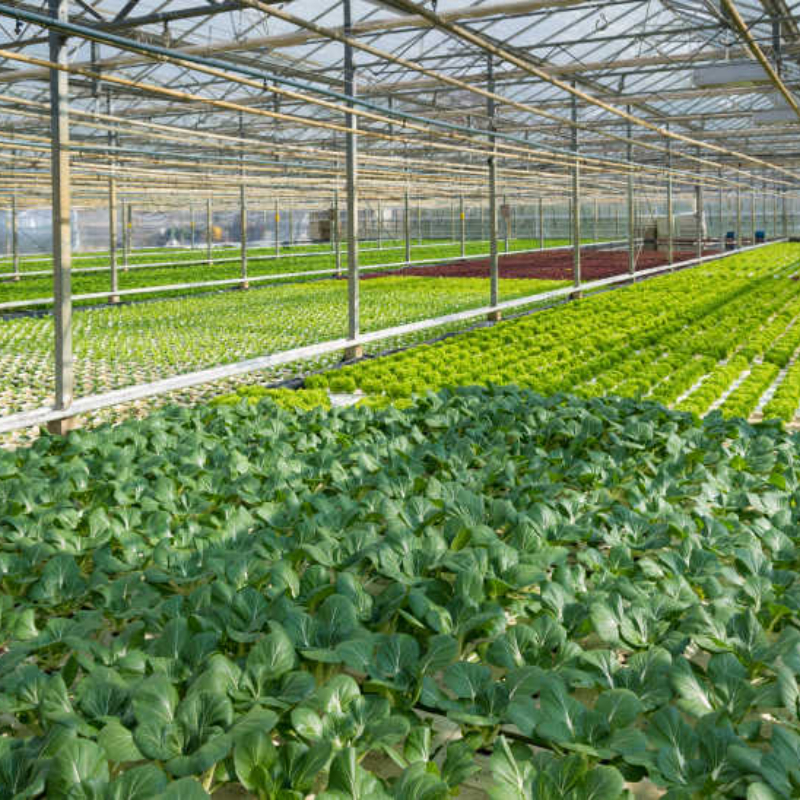
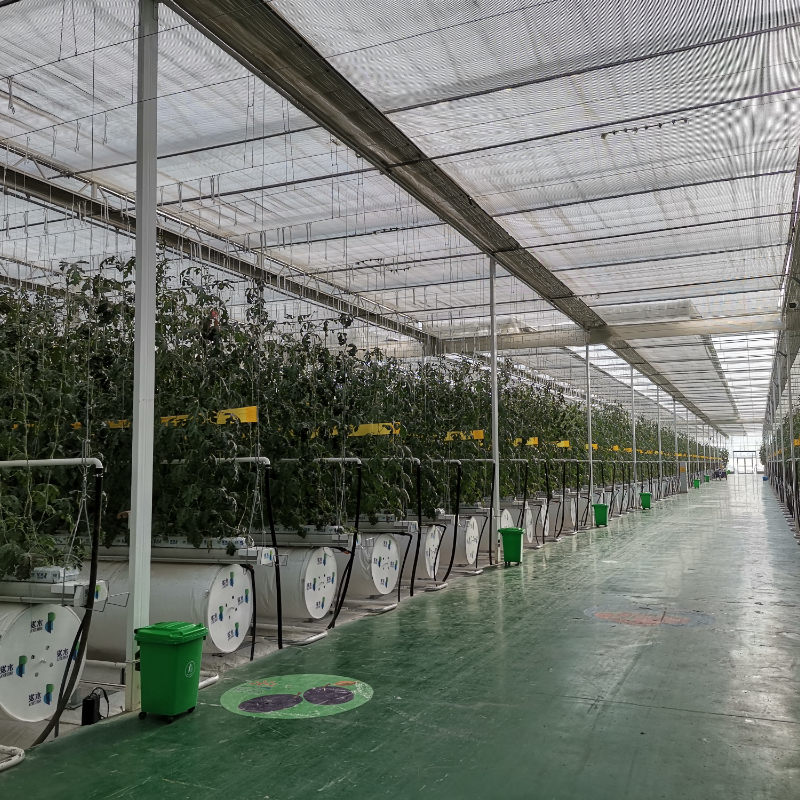

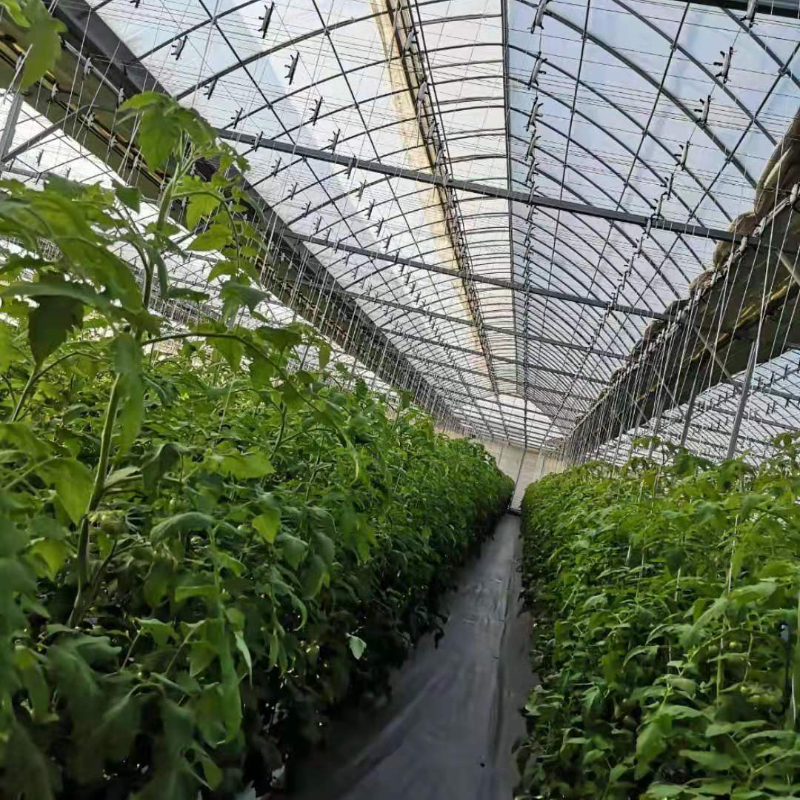

In greenhouse vegetable cultivation, ensuring adequate nutrition and effective plant protection is crucial to achieving stable yields and high-quality produce. This article focuses on potassium phosphite, a versatile fertilizer that plays a dual role in enhancing plant disease resistance and optimizing mineral nutrient absorption—making it an ideal choice for modern greenhouse production. We explore its specific impacts on crop yields and fruit quality, present research findings on its effectiveness against common pathogens in tomatoes, lettuce, and cucumbers, elaborate on its underlying mechanism of action, and provide practical application recommendations for greenhouse operators.
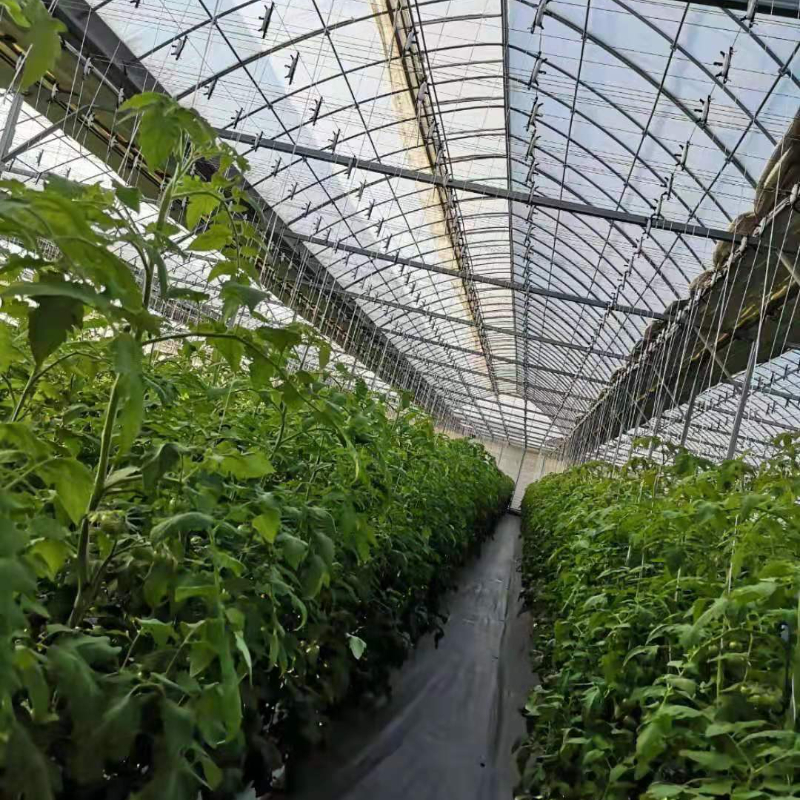
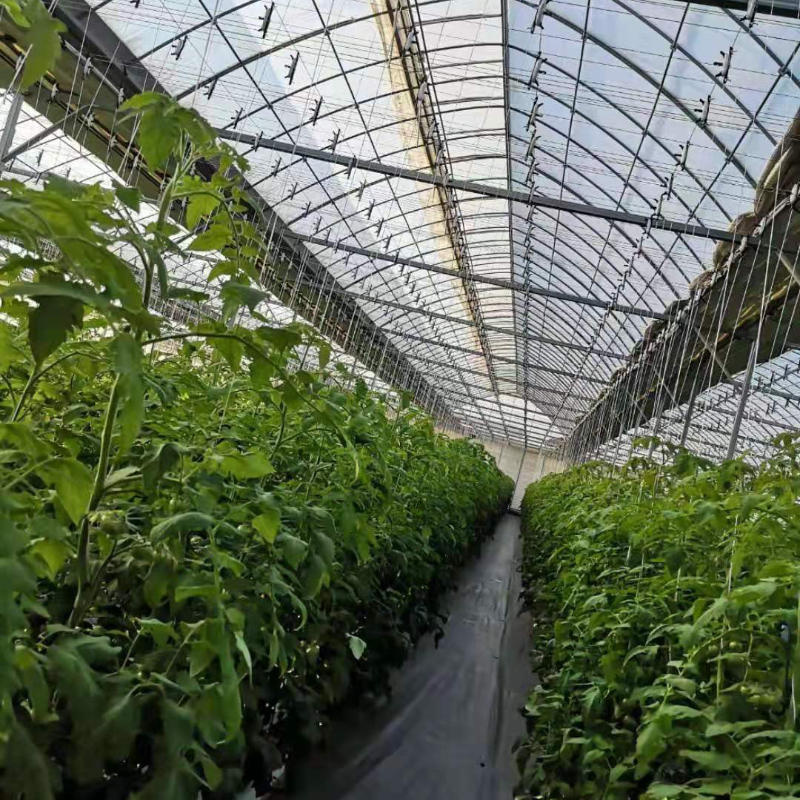
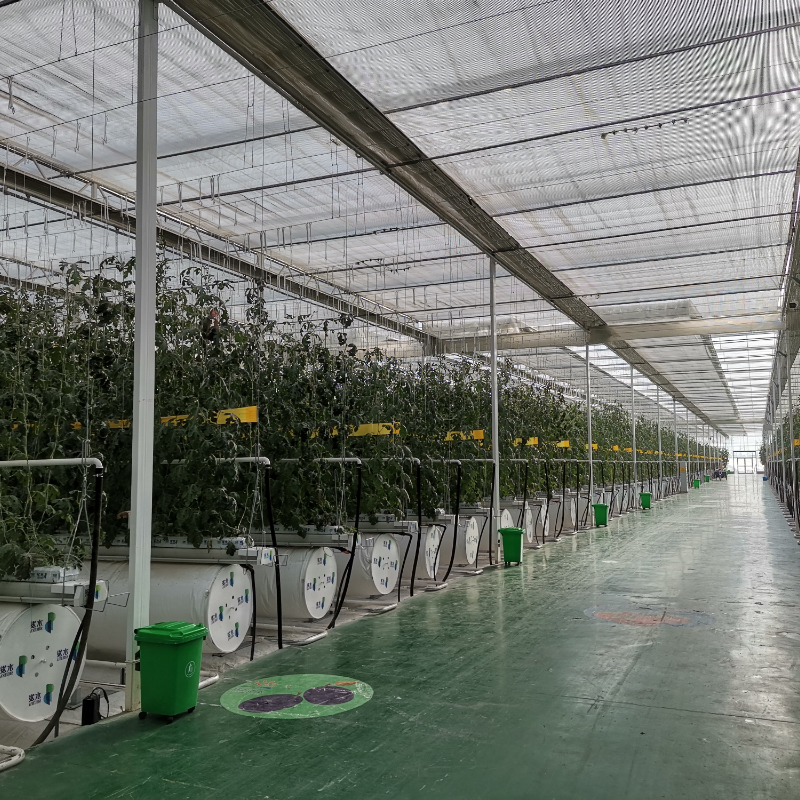
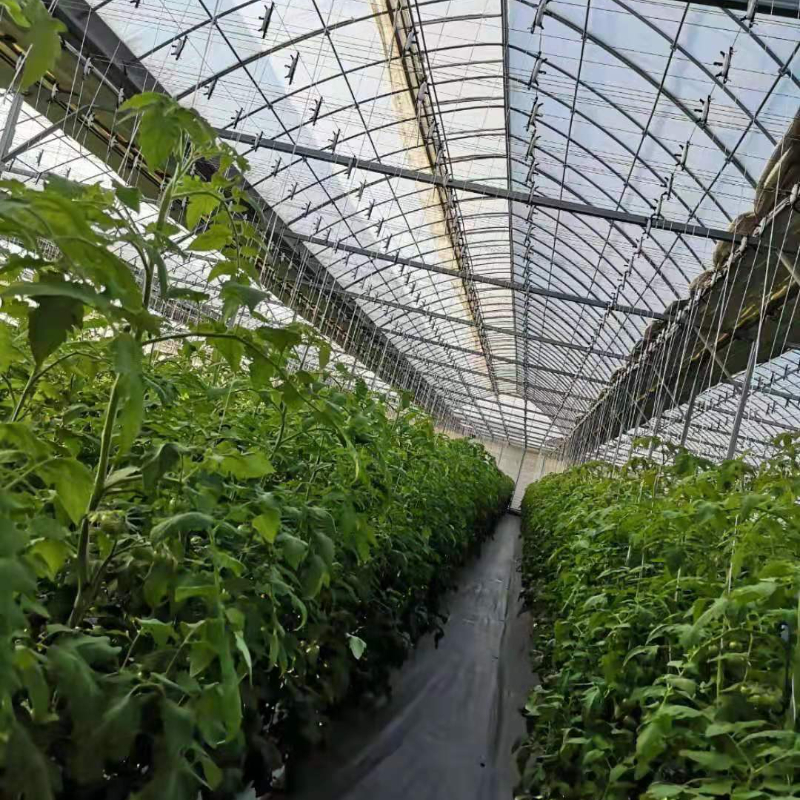
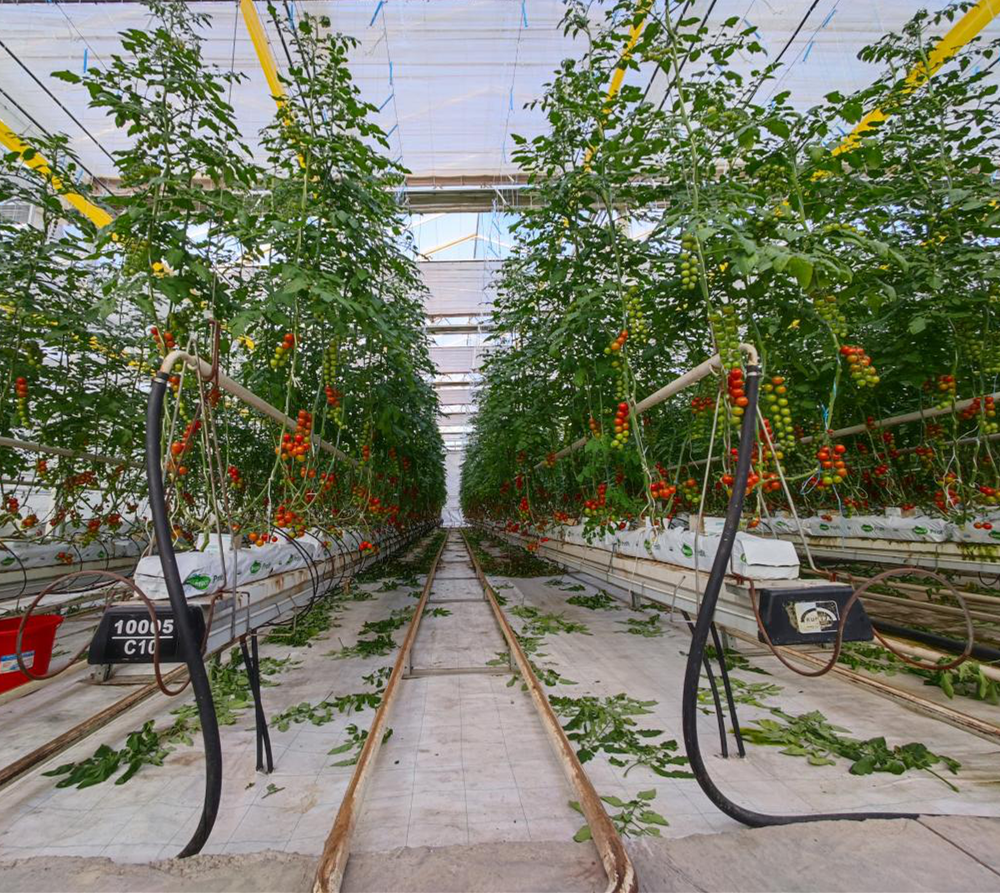
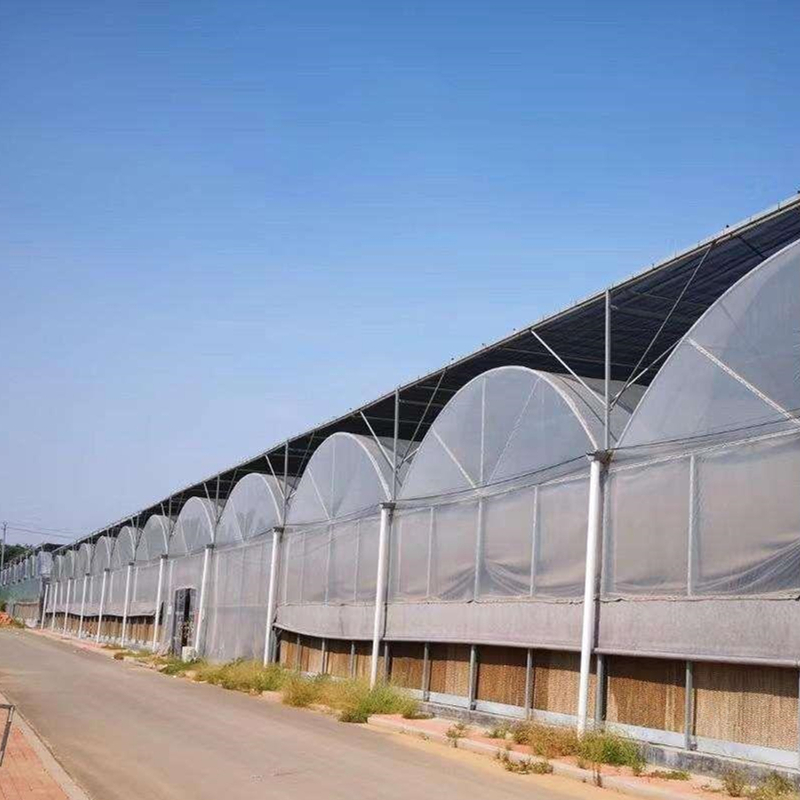
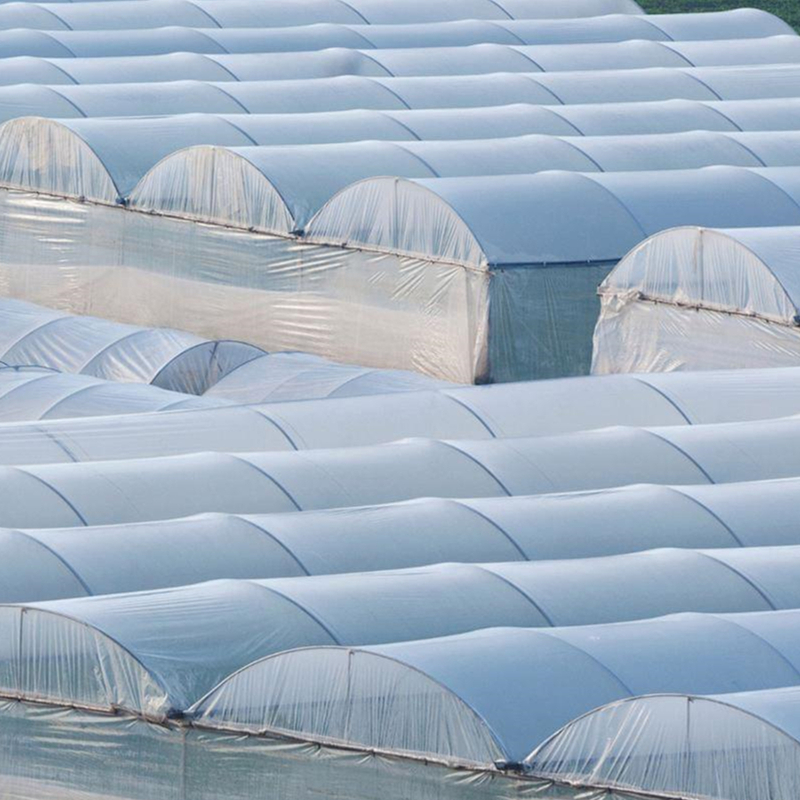
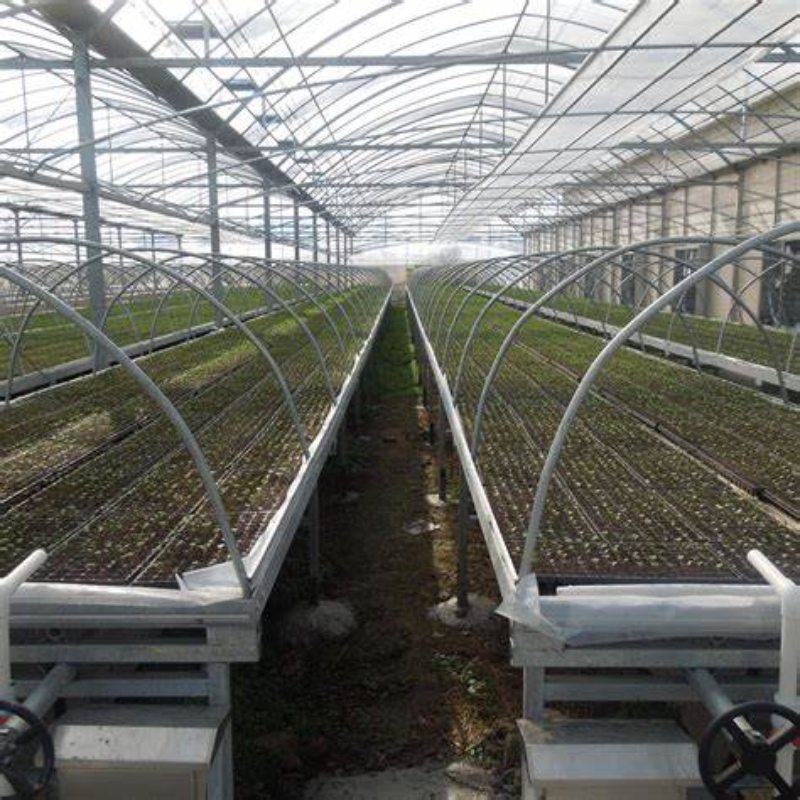
Modern greenhouse vegetable cultivation is defined by intensive production models, which demand both high quality and high yields to meet market demands. Greenhouses excel at creating optimal microclimatic conditions—controlling temperature, humidity, and light to promote robust plant growth and development. However, this enclosed environment also creates favorable conditions for the spread of pests and diseases, as high humidity and dense plant spacing facilitate the rapid transmission of pathogens. Traditional plant protection relies heavily on synthetic pesticides, which not only leave harmful residues in soil and crops, posing risks to human health, but also disrupt the greenhouse’s ecological balance by killing beneficial microorganisms, leading to long-term soil degradation.
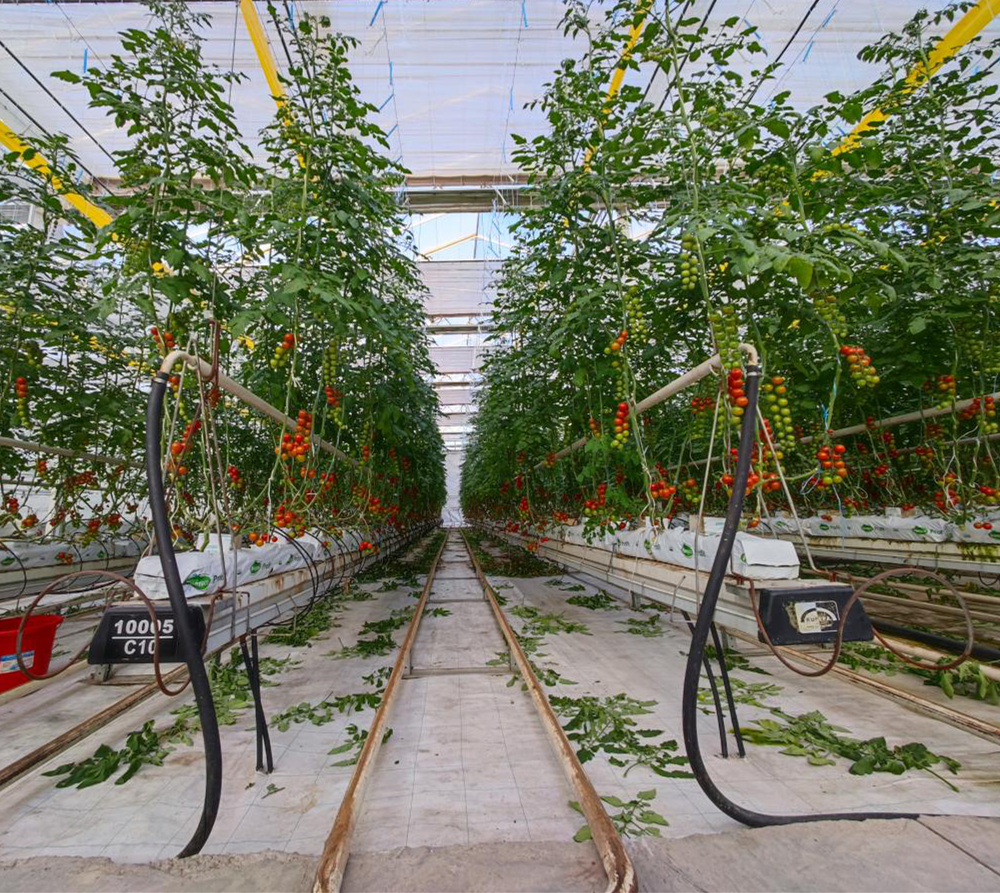
Against this backdrop, there is an urgent need for alternative solutions that integrate plant protection with nutrient enhancement. Potassium phosphite stands out as a promising option. Its mechanism of action is twofold: on one hand, it stimulates the plant’s inherent defense system, enabling crops to better resist fungal and bacterial pathogens such as late blight in tomatoes, downy mildew in lettuce, and powdery mildew in cucumbers. Research has shown that regular application can reduce disease incidence by 30-40% in these crops. On the other hand, it provides readily available phosphorus and potassium, optimizing nutrient uptake and promoting healthy growth, which in turn increases yields by 15-20% and improves fruit quality—enhancing sugar content and shelf life.
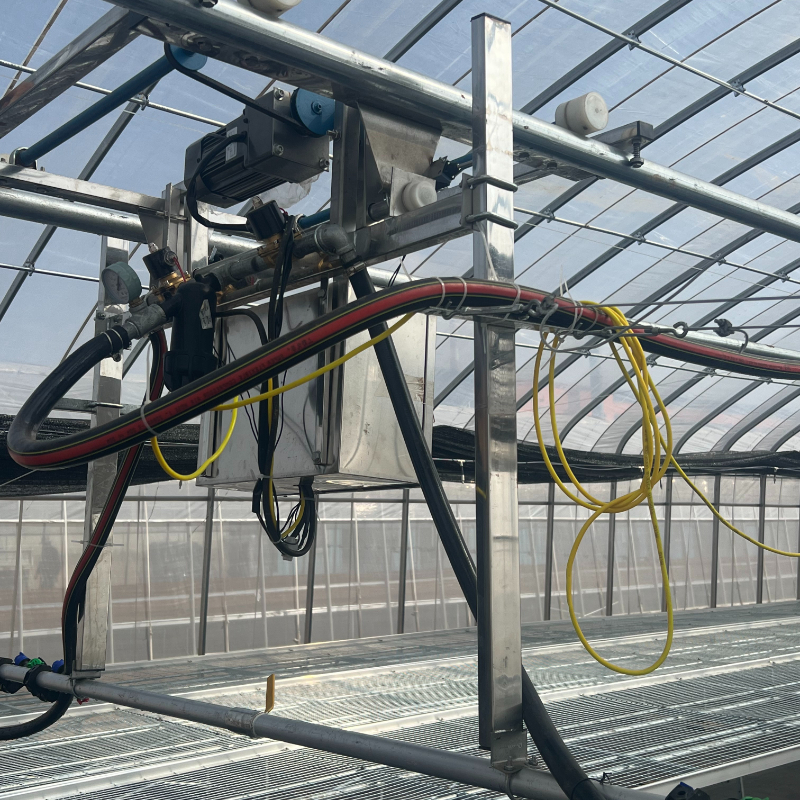
For practical application in greenhouses, potassium phosphite is recommended for foliar spraying or drip irrigation. Foliar application at the seedling and flowering stages (at a concentration of 0.2-0.3%) ensures rapid absorption, while drip irrigation during fruit development helps maintain consistent nutrient supply. It is also compatible with most common fertilizers, allowing for integrated nutrient management. By adopting potassium phosphite, greenhouse operators can reduce reliance on synthetic pesticides, achieve sustainable production, and secure higher economic returns.
