
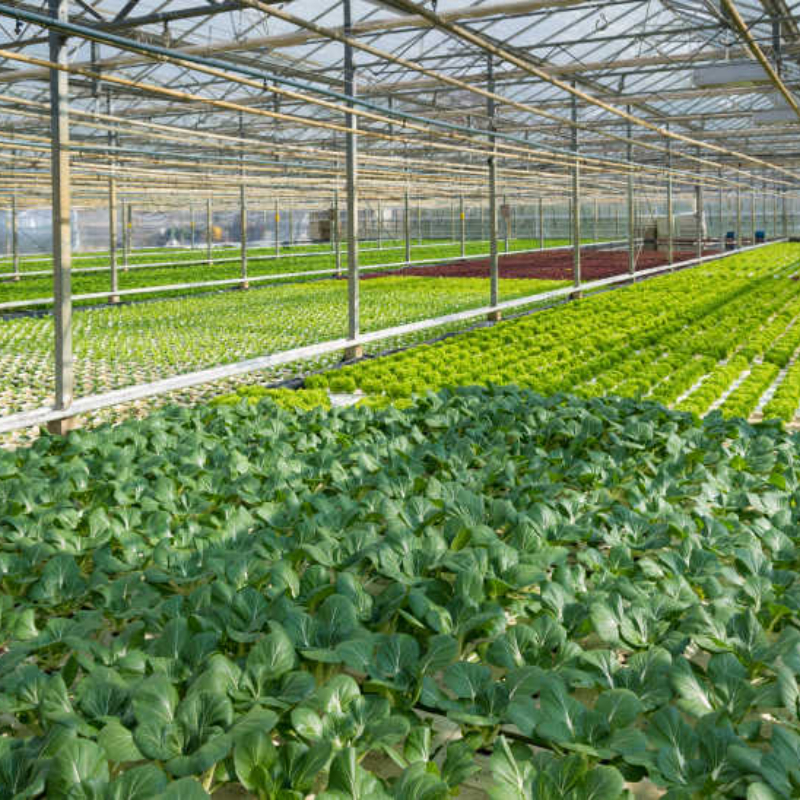
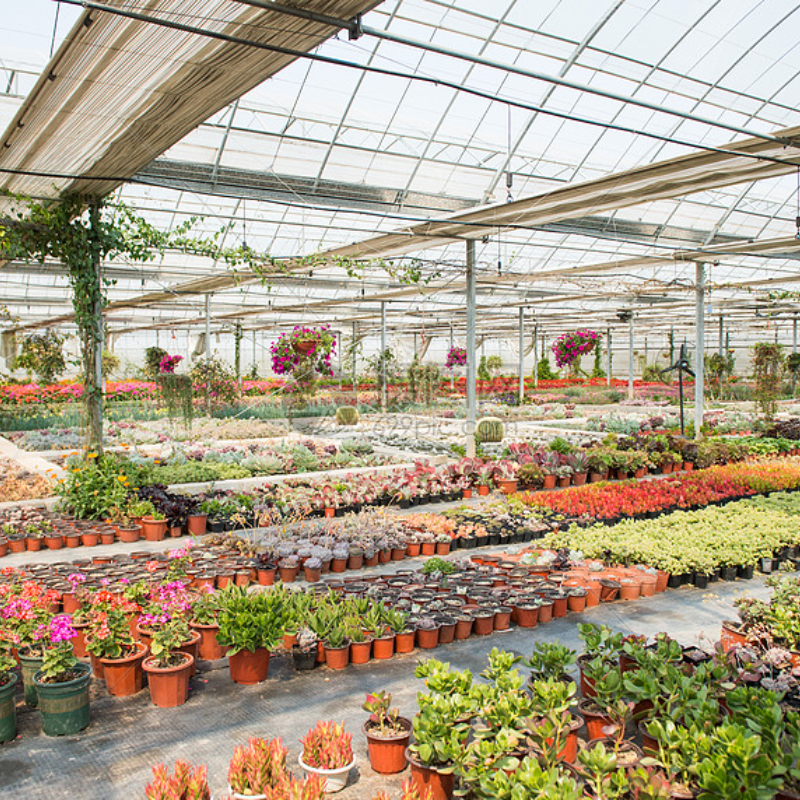
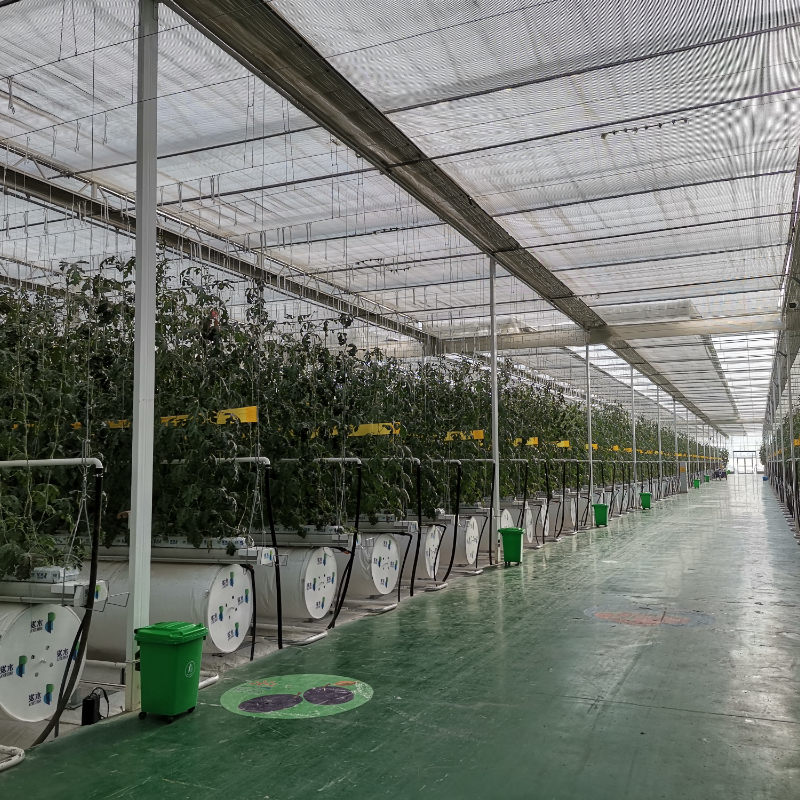
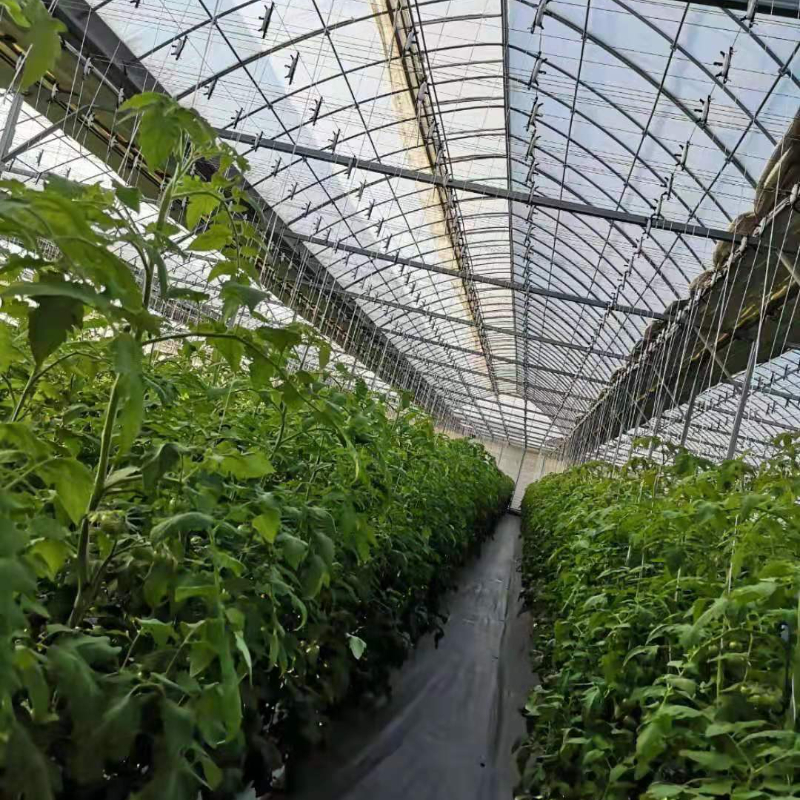
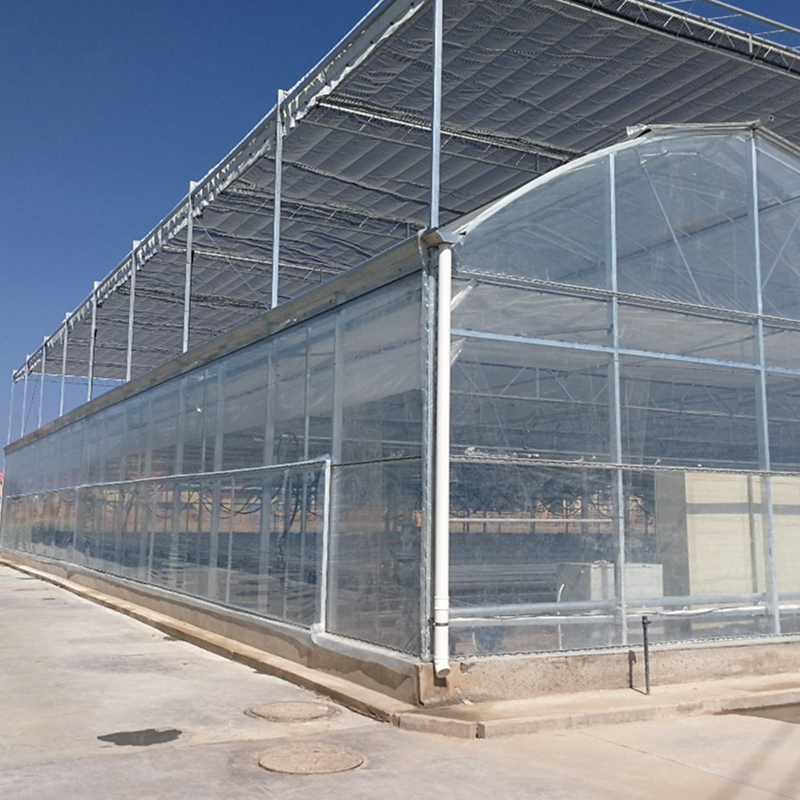
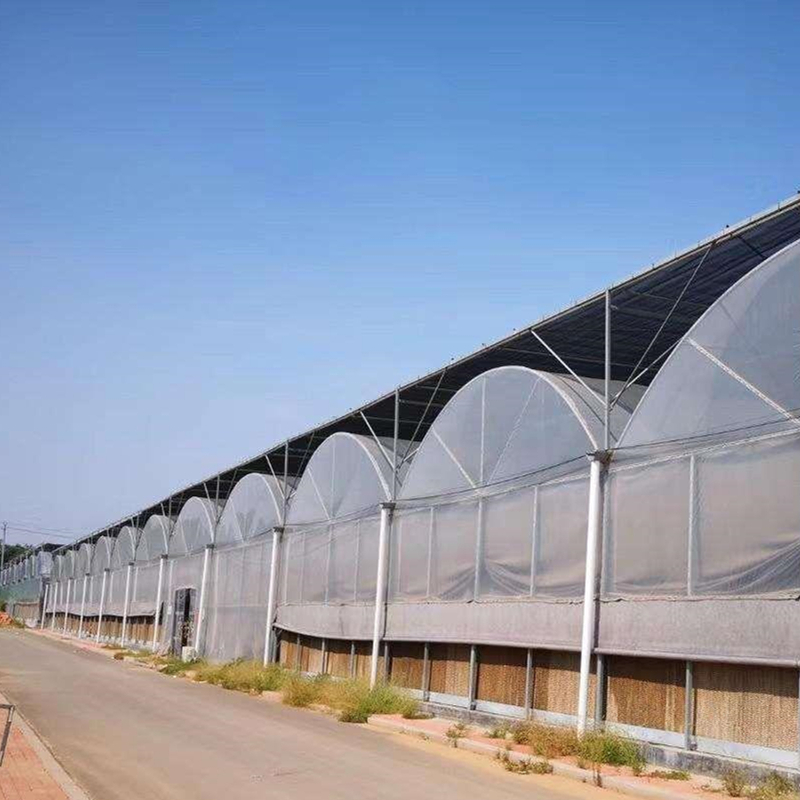
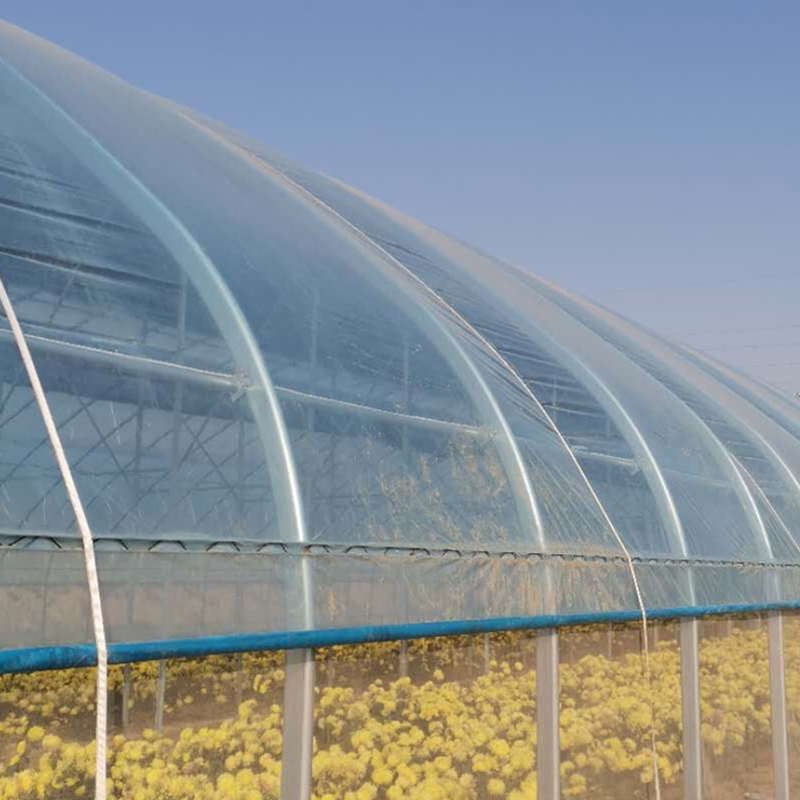
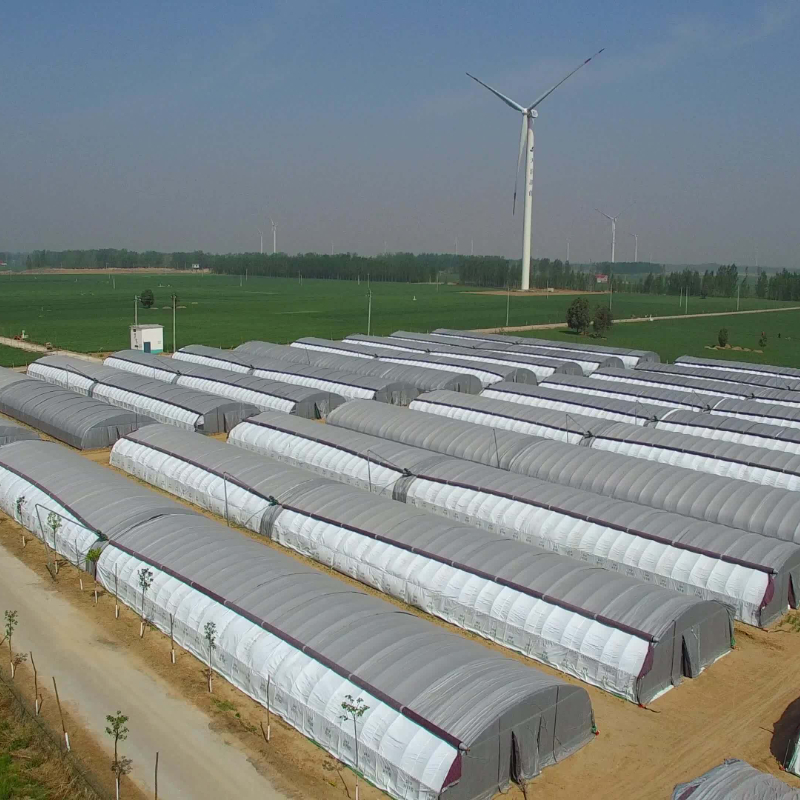
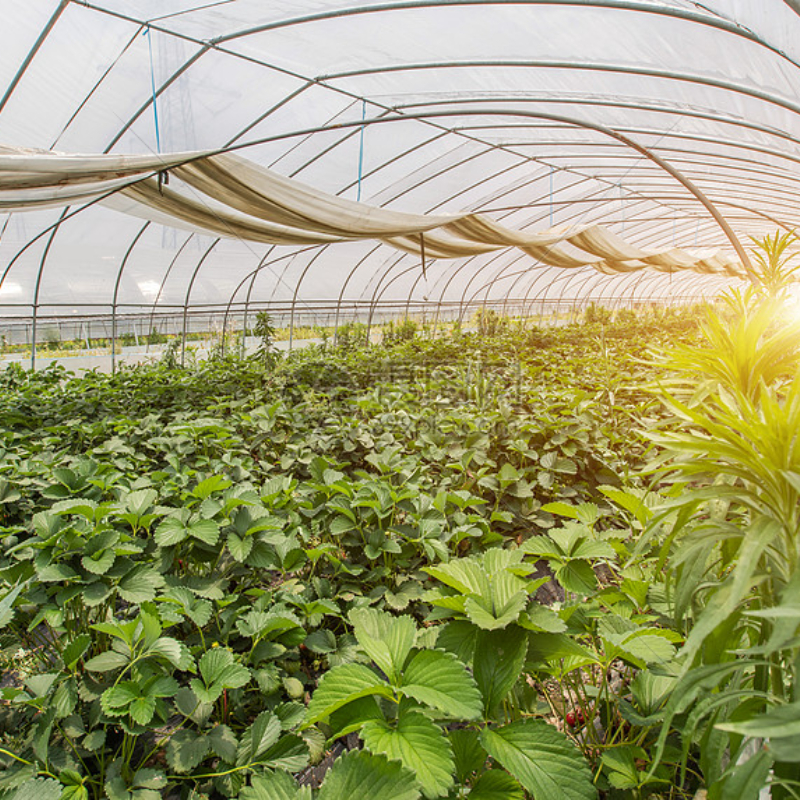
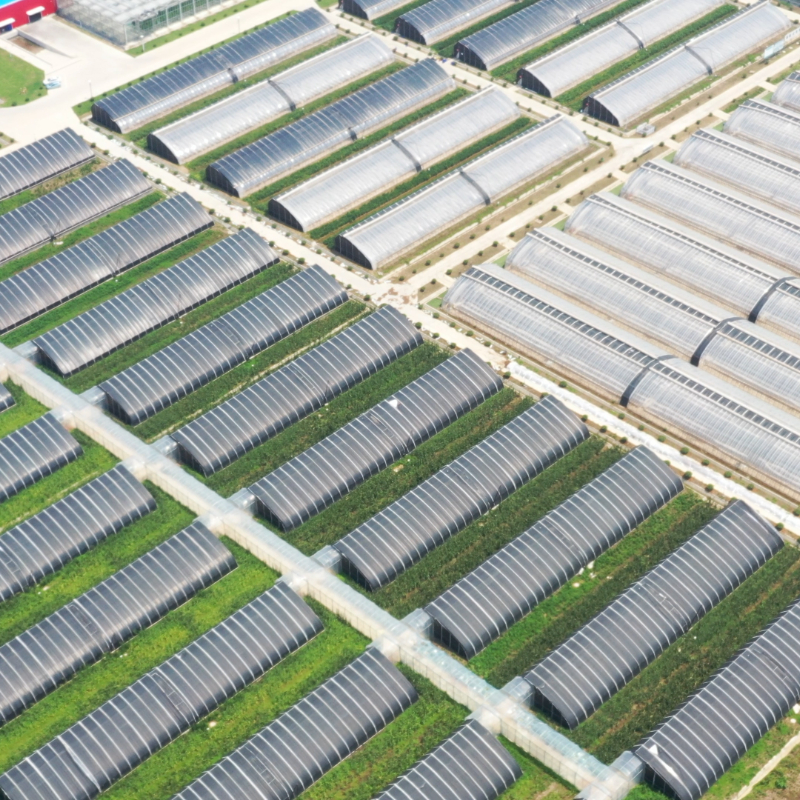
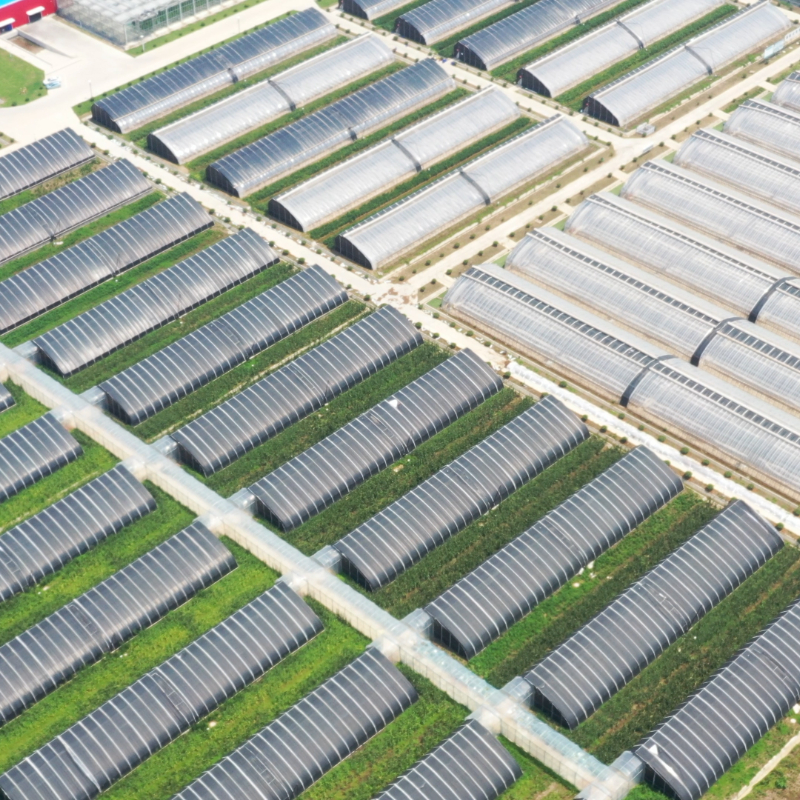
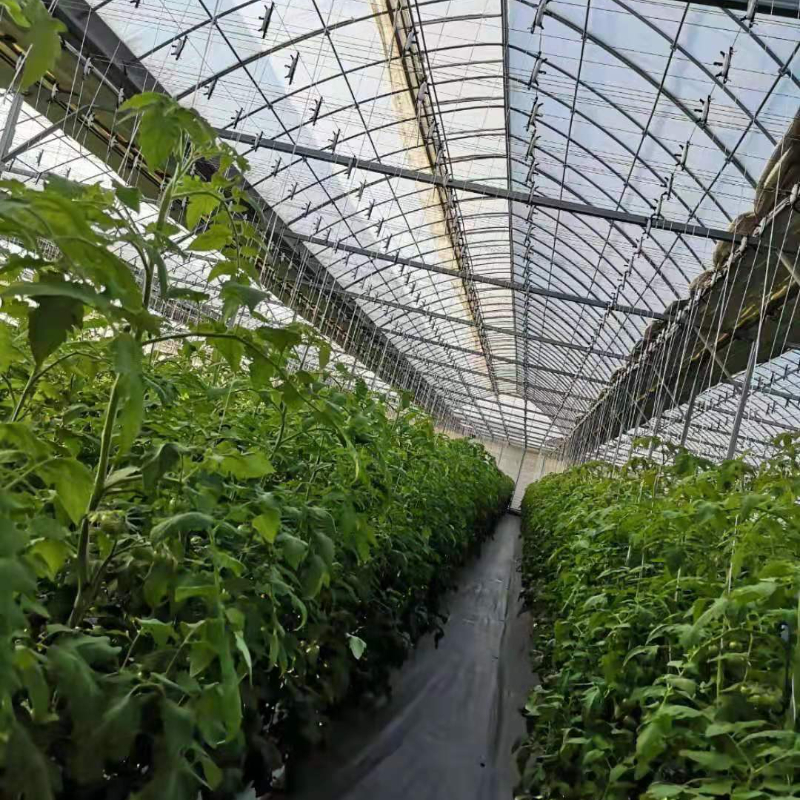
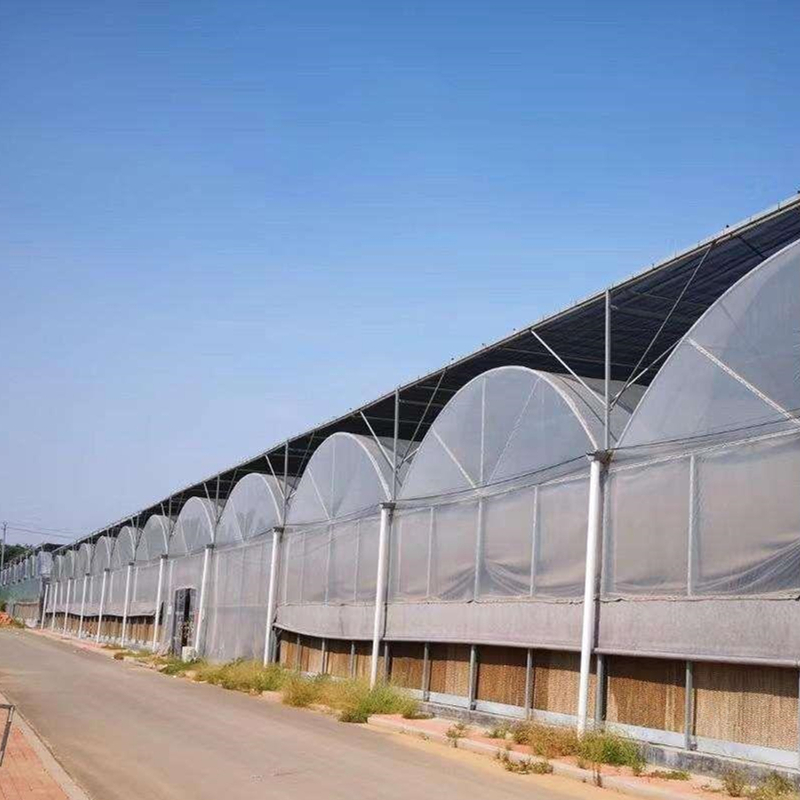
As far back as the Soviet era, greenhouse complexes were built either near the last bus stop or close to regional hubs with large populations and abundant free labor. This solved enterprises’ needs for rapid team formation and talent recruitment—and this was the first key principle.
Second, every greenhouse complex must be constructed in a location with access to high-quality water that meets GOST 2874-82 Drinking Water Standards. If the water quality is substandard, enterprises must plan to connect to urban water supply networks or purify existing water sources.
Violating these two conditions will expose enterprises to tremendous difficulties. Today, many new investors tend to build facilities in deserts, transport staff 50 kilometers via bus, and then construct dormitories on-site. Facing labor shortages and water scarcity, they end up investing in water supply pipelines 10 to 20 kilometers away from the complex. It is exactly these mistakes that lead to financial troubles, yield shortfalls and severe labor shortages. Labor shortage plagues all greenhouse enterprises, including ours. For every greenhouse facility we operate, we build dormitories and accommodation for our workers.
Beyond these two issues, access to natural gas and electricity from federal networks must also be taken into account.
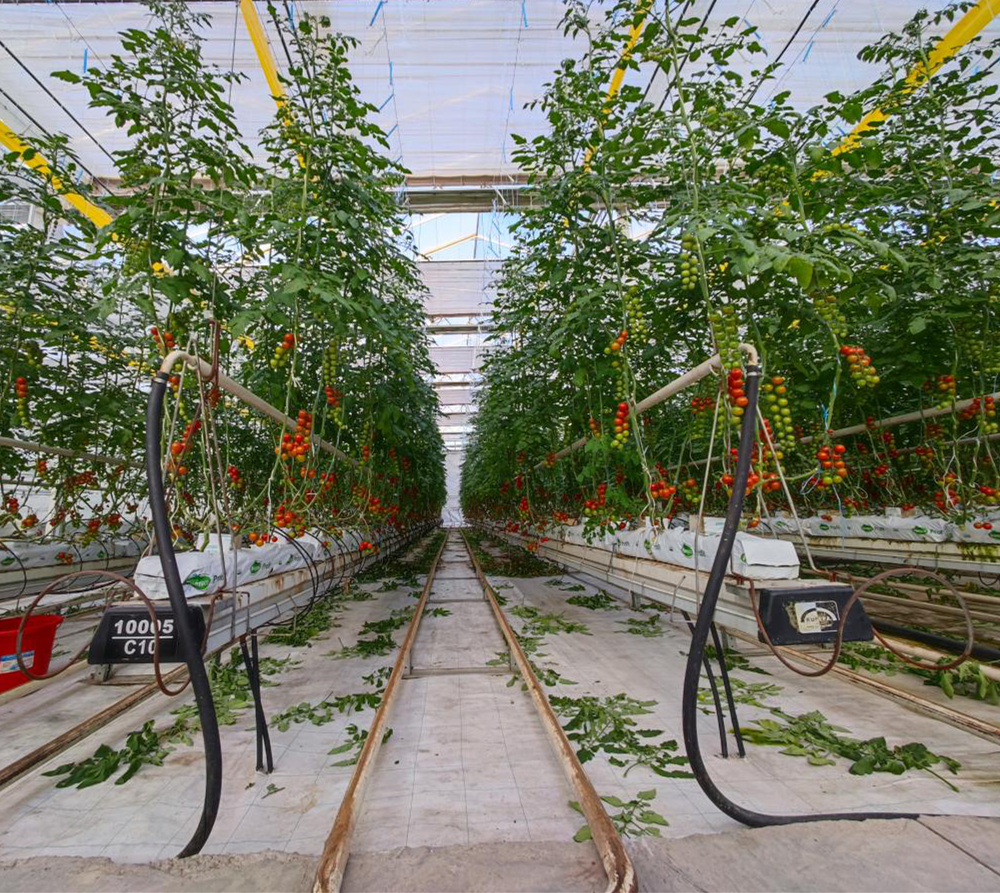
When it comes to the overall development direction, we should have realized long ago that we need to shift from extensive development—focused on mass facility construction—to intensive, high-efficiency production. This means scaling back output appropriately, cutting costs and boosting productivity. Taking cucumbers as an example, the metrics are clear: in greenhouses with supplementary lighting systems, a yield of 100 kg per square meter delivers near-zero operational efficiency; 120 kg/m² generates 20 million rubles of profit per hectare; 130 kg/m² brings 30 million rubles per hectare; and 140 kg/m² yields 40 million rubles per hectare. In terms of efficiency gains, we can, for instance, recycle water from drainage systems. We can and should cut costs on electricity, natural gas and mineral fertilizers.
On electricity, we have a dedicated energy sales subsidiary that procures power on the federal energy market. For example, in Siberia, it buys electricity at 1.27 rubles per kilowatt-hour, while in European Russia, the price is around 1.50 rubles per kilowatt-hour, plus electricity transmission fees.
There are also additional costs (effectively penalties, though the state has exempted us from over-quota natural gas penalties). We cannot avoid these, as we have to consume extra electricity during peak hours.
We run supplementary lighting systems nonstop for 18 to 20 hours daily, including peak periods, which costs us over 4 rubles per kilowatt-hour. Therefore, lifting these penalties on greenhouse production at the national level would significantly reduce operational costs. Electricity accounts for over 30% of our total costs, and heating makes up 10%. Only time will tell if greenhouse enterprises that opted not to build their own power stations made the right choice. We need to switch to LED lighting: this will cut energy costs by 40%. When you fly over the Netherlands, you can see the glow of red LED lights across all greenhouses.
Many enterprises have chosen to purchase or build energy centers (natural gas-fired power stations). We spend 350 to 400 million rubles to build a 40-megawatt power station, while others pay 3 to 4 billion rubles for the same 40-megawatt facility—that’s 10 times more expensive. Due to rising natural gas prices, their power costs are now close to what we pay for grid electricity purchased from the state. What’s more, gas piston units are imported, and there are ongoing issues with spare parts supply, so electricity costs are far from as low as many expect.
