
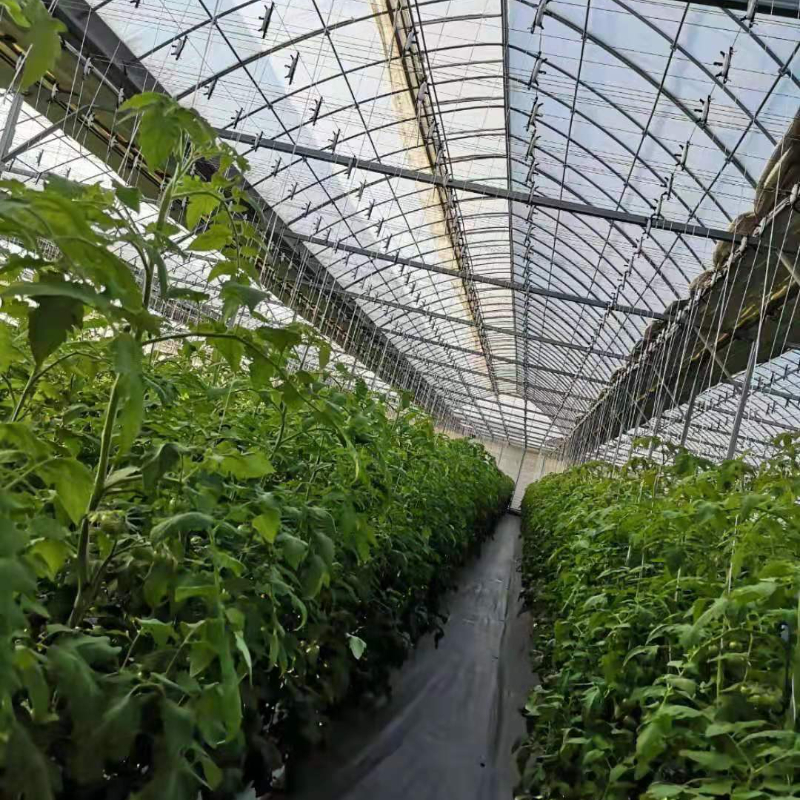
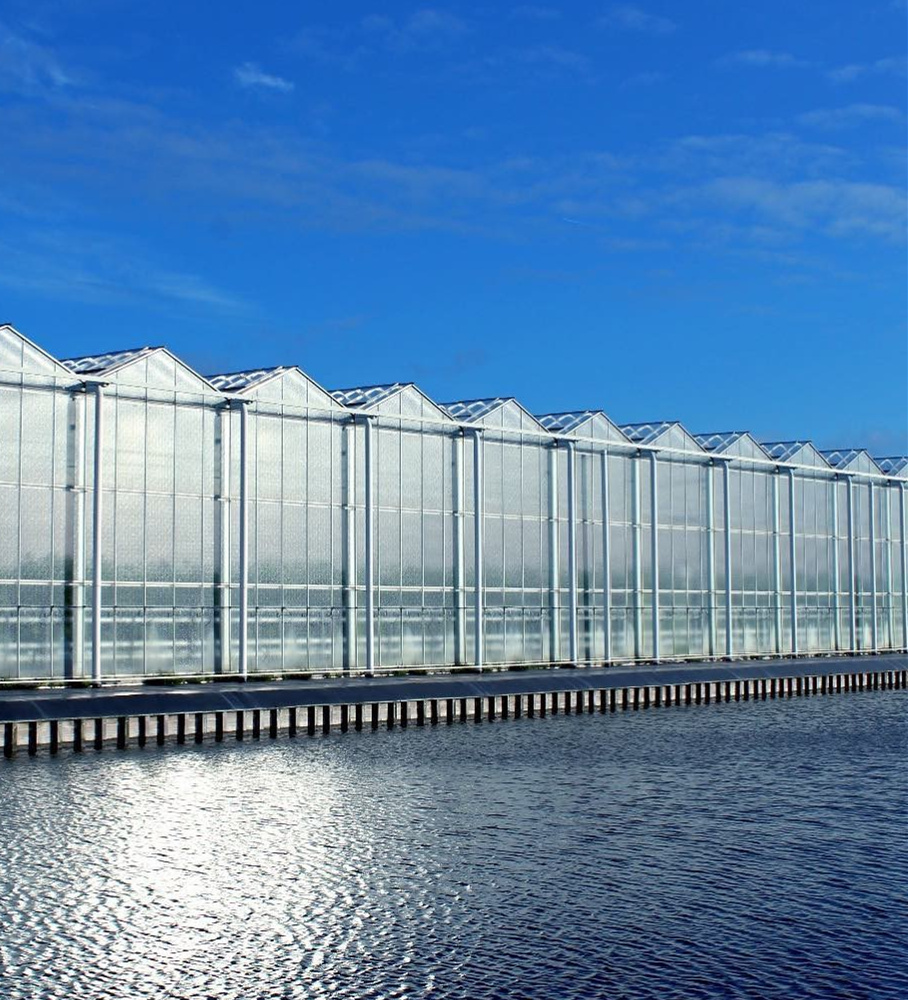
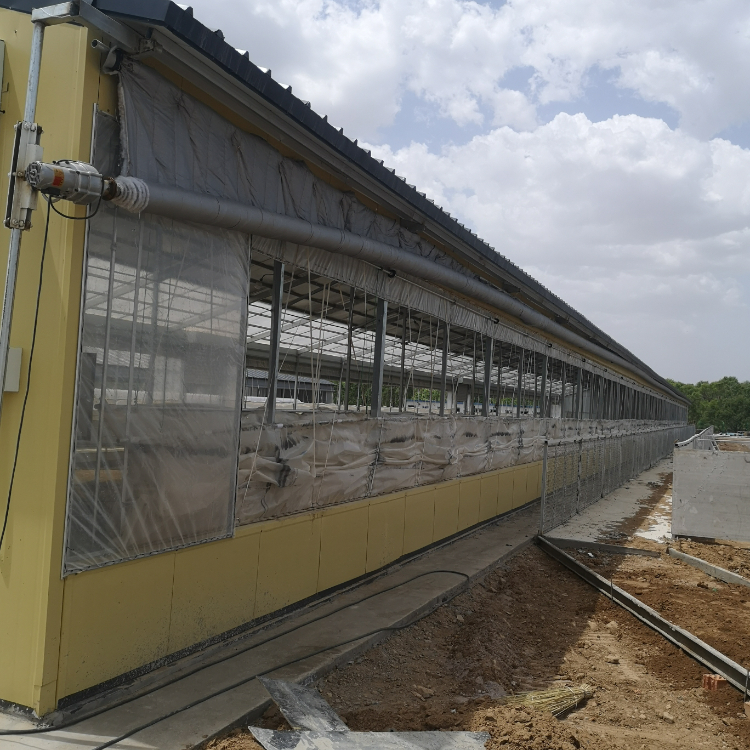
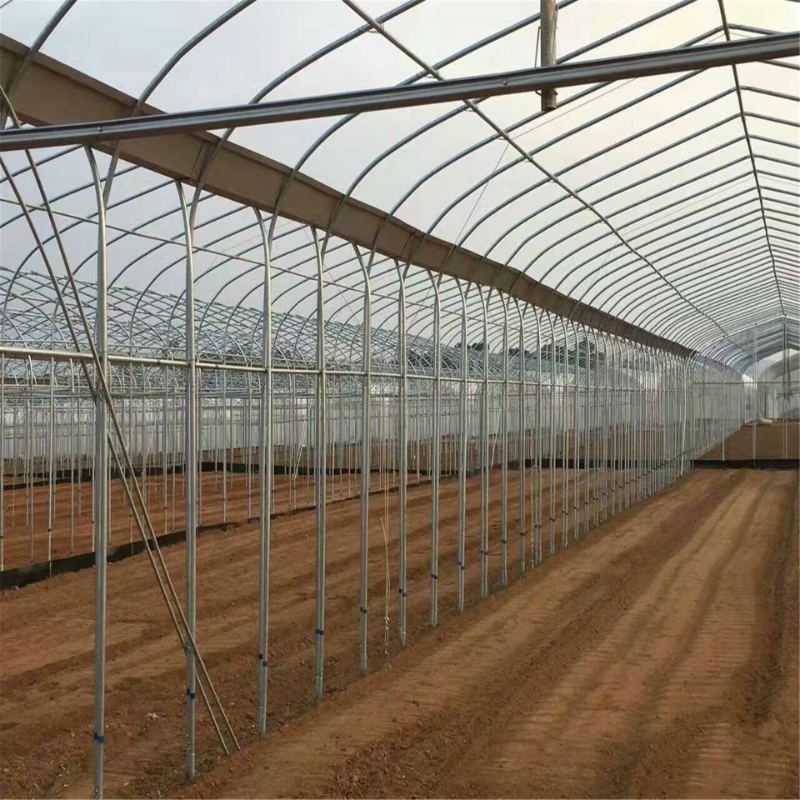
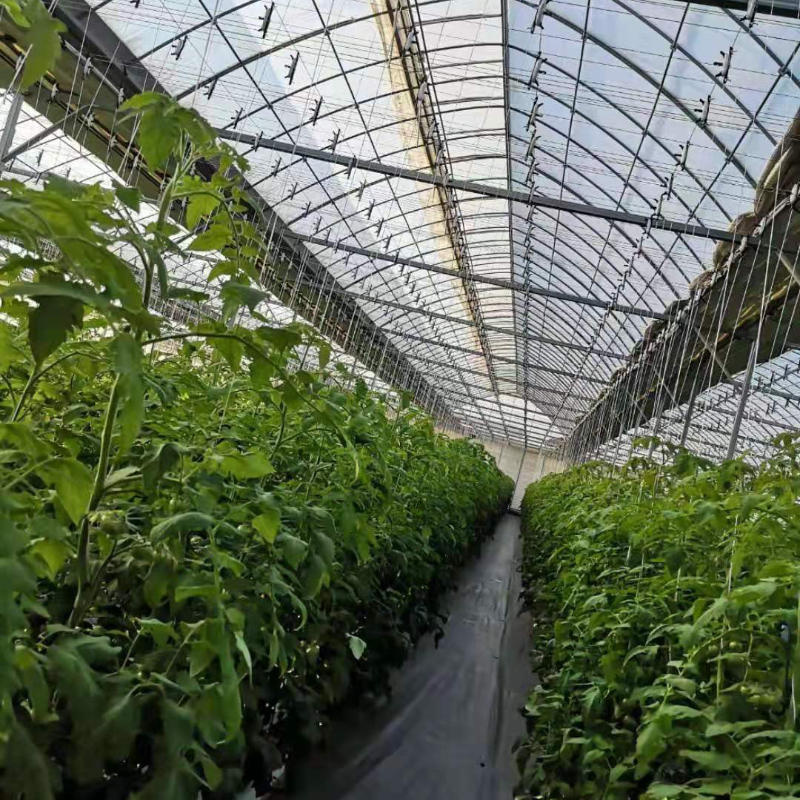
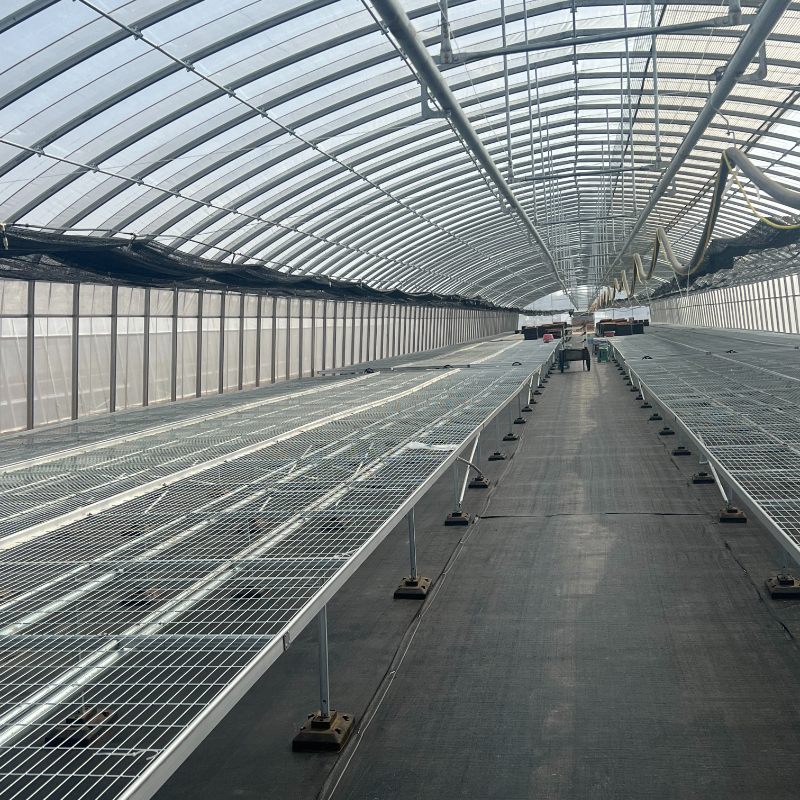
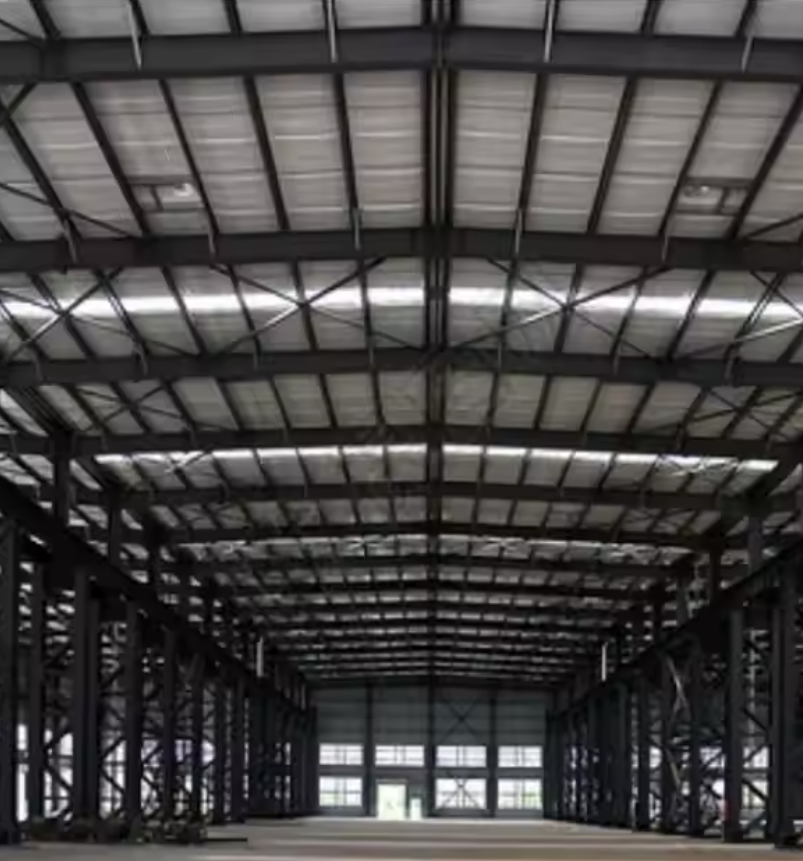
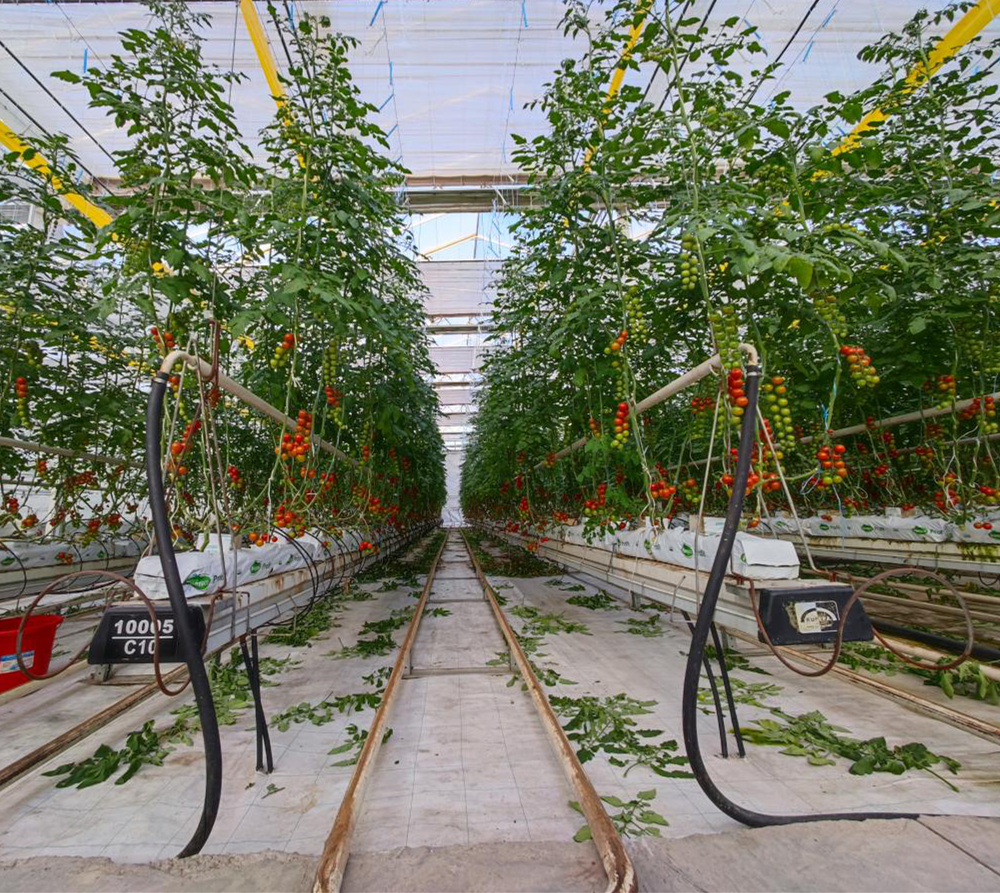
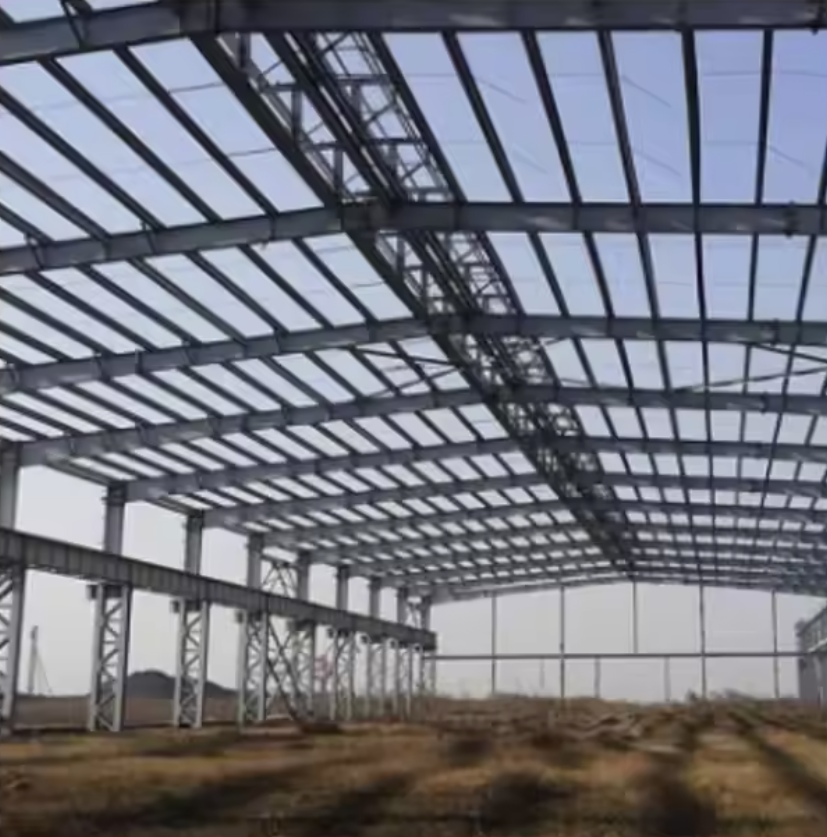
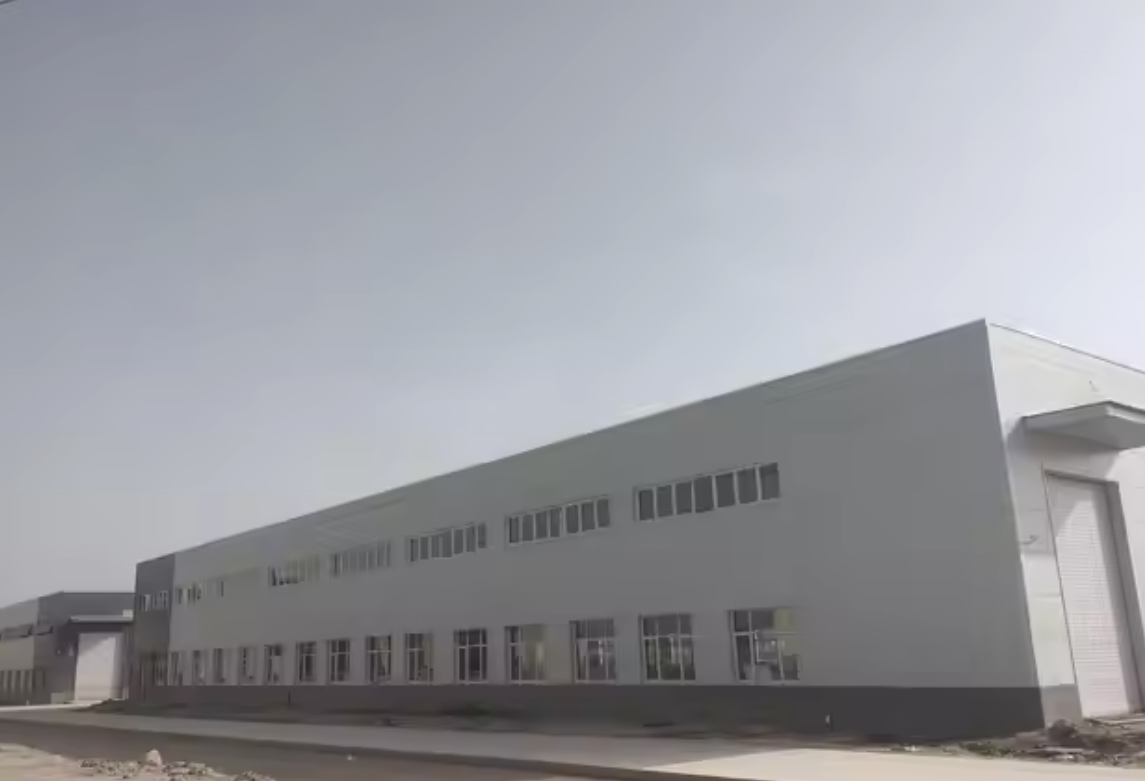
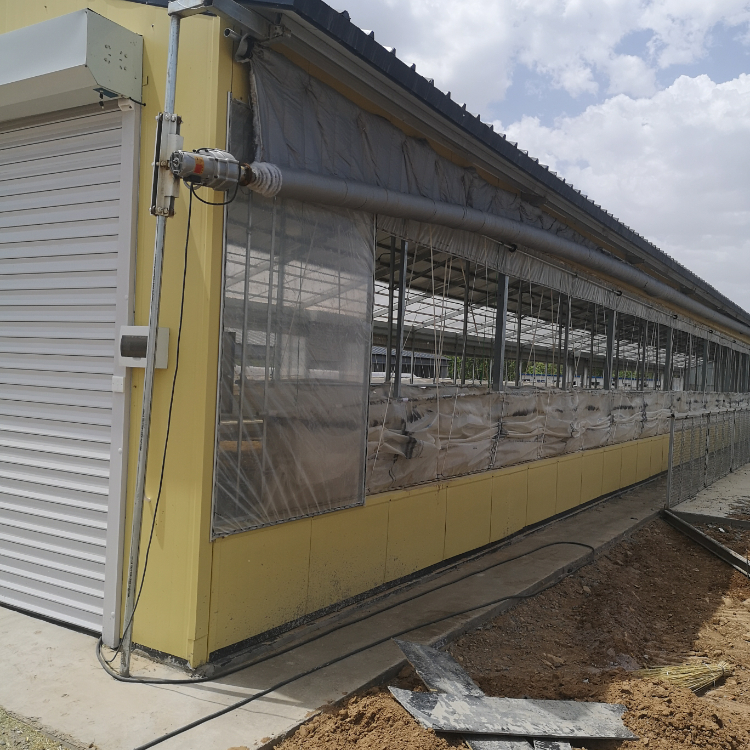
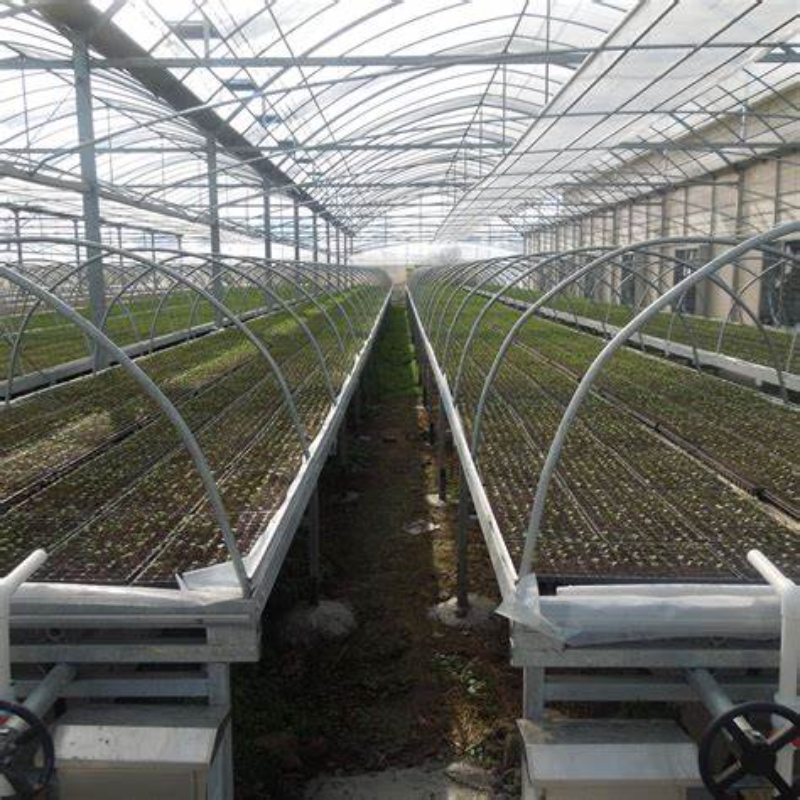
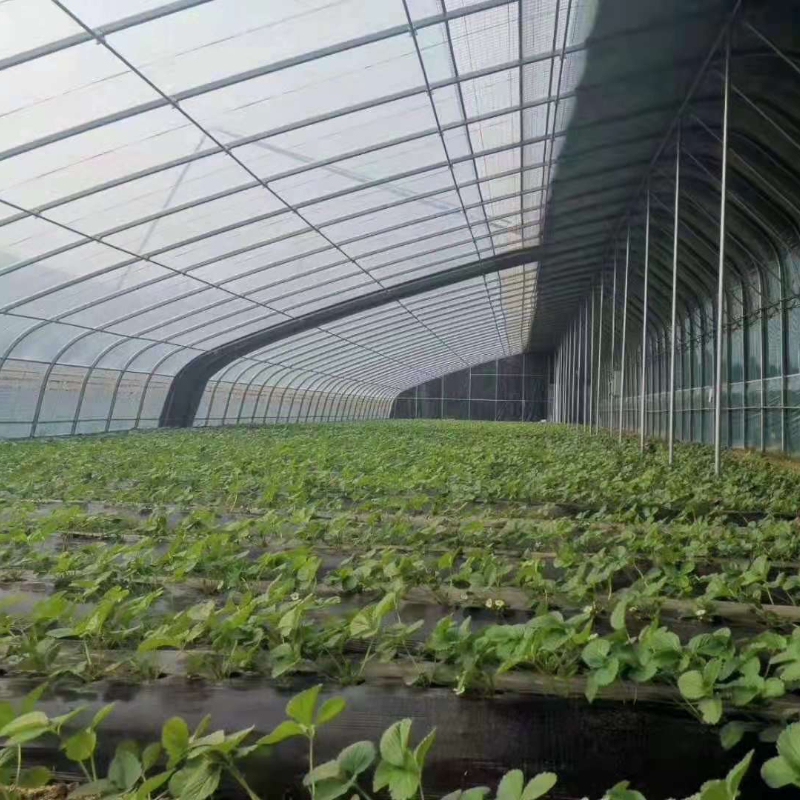
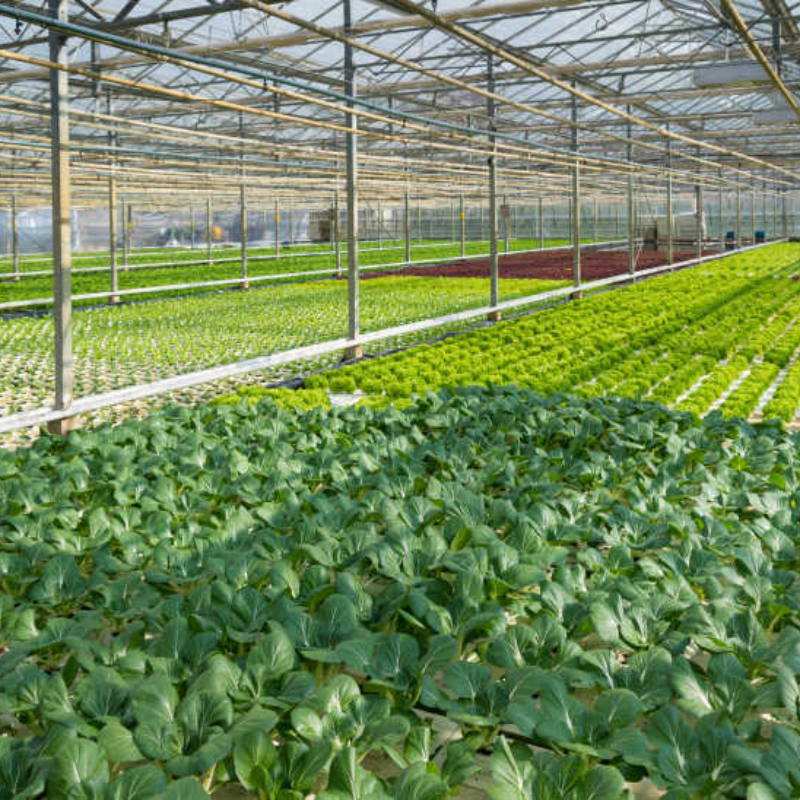
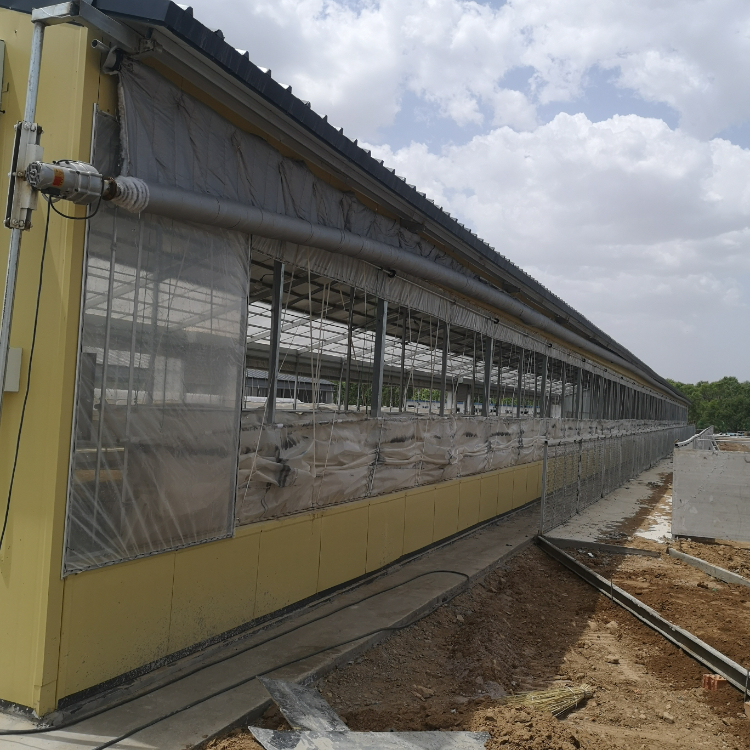
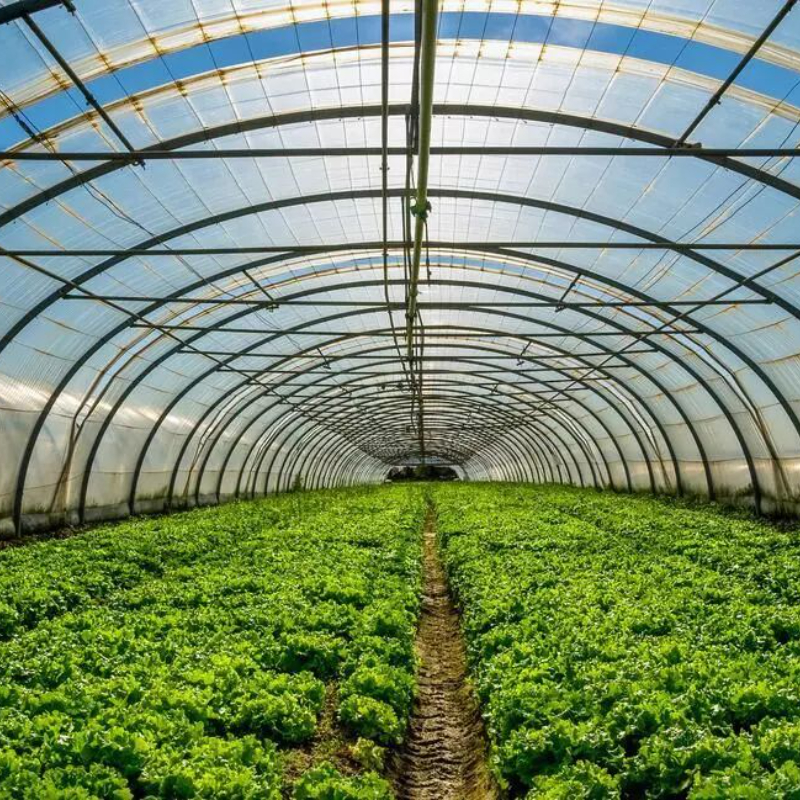
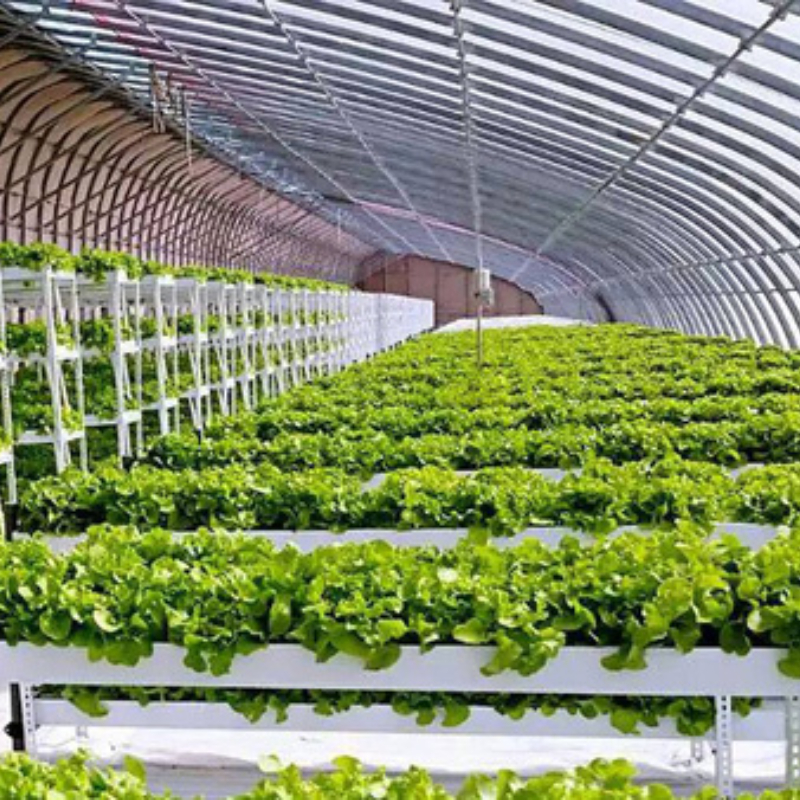
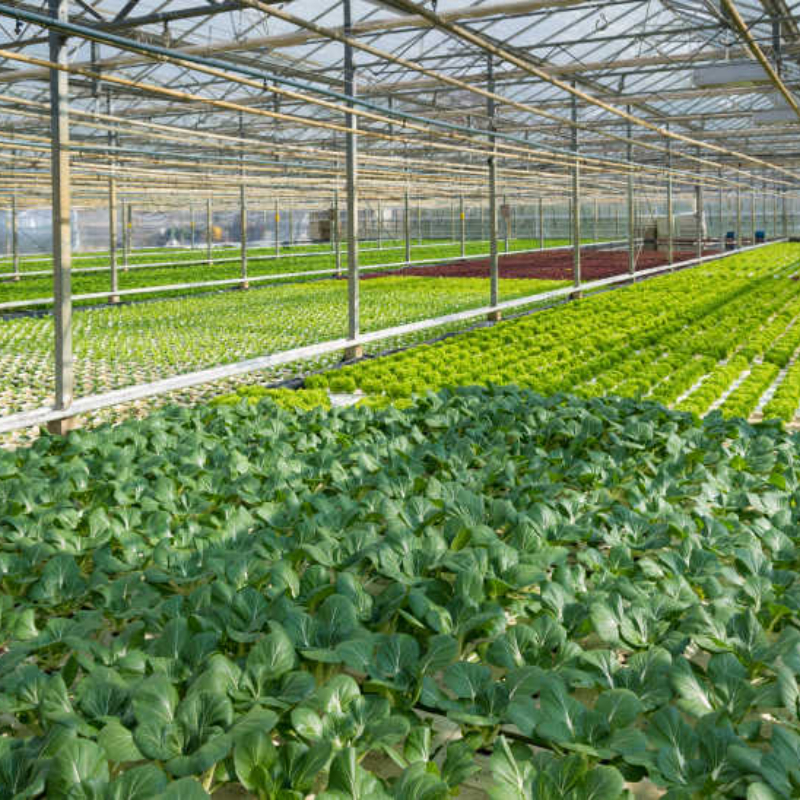
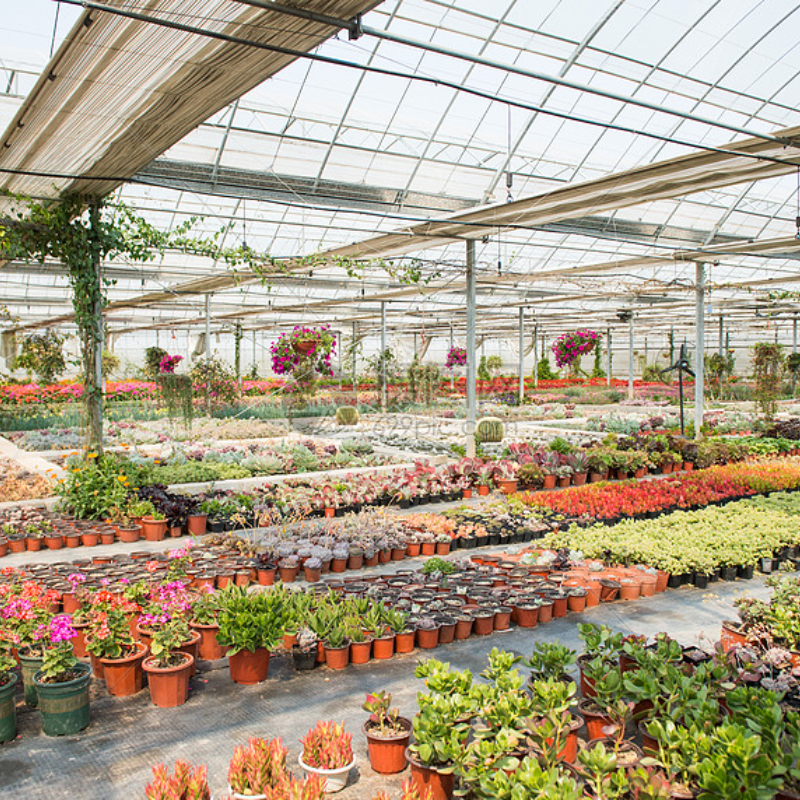
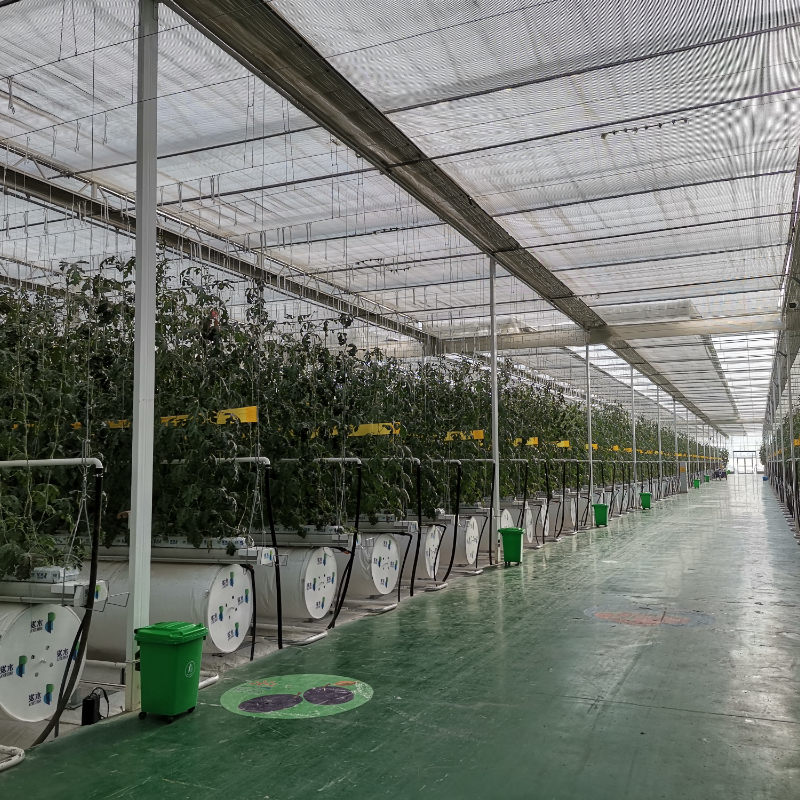
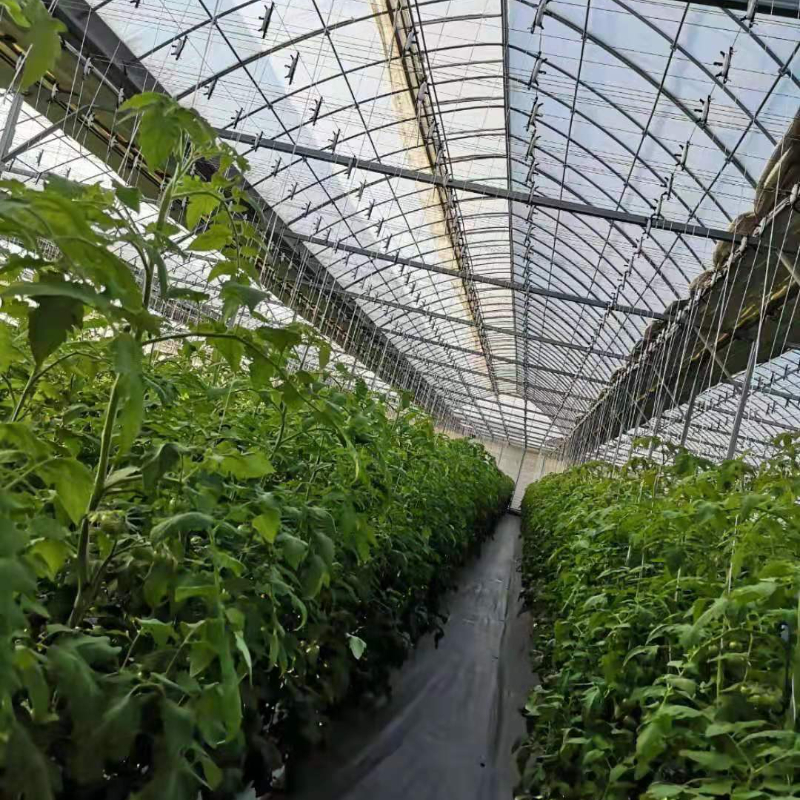
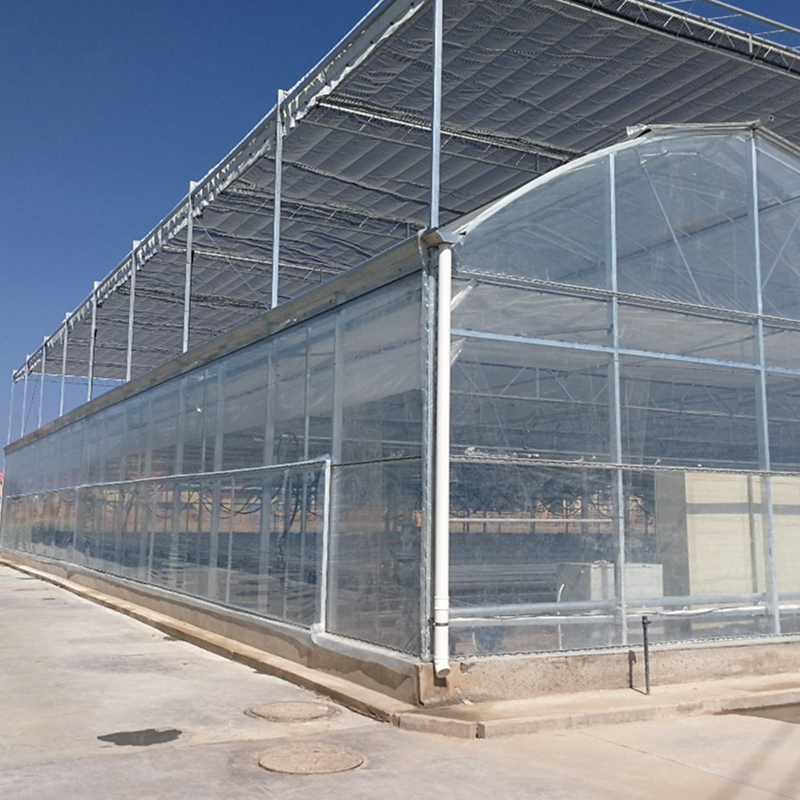
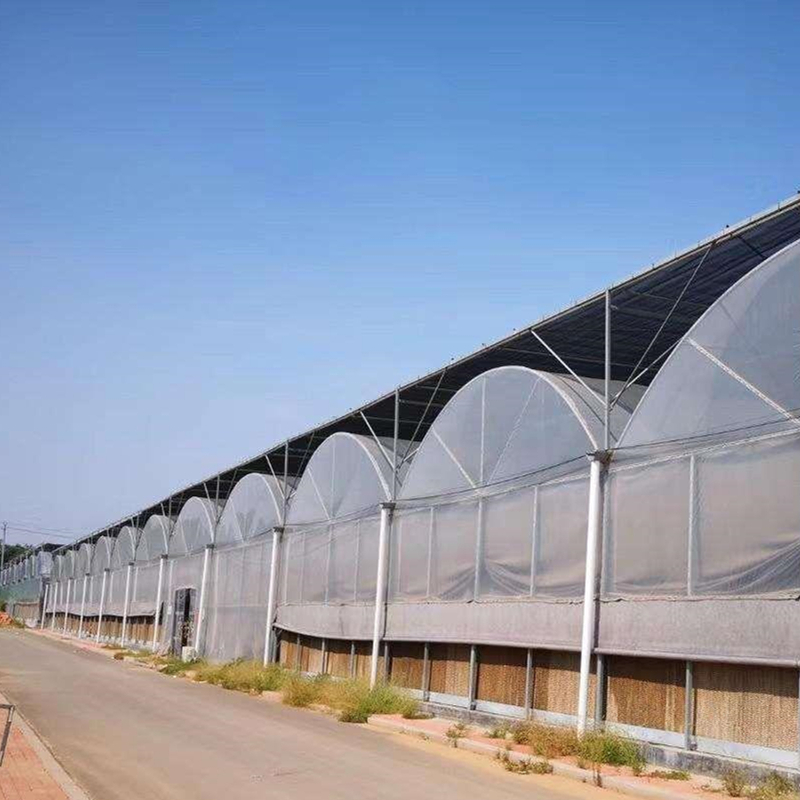
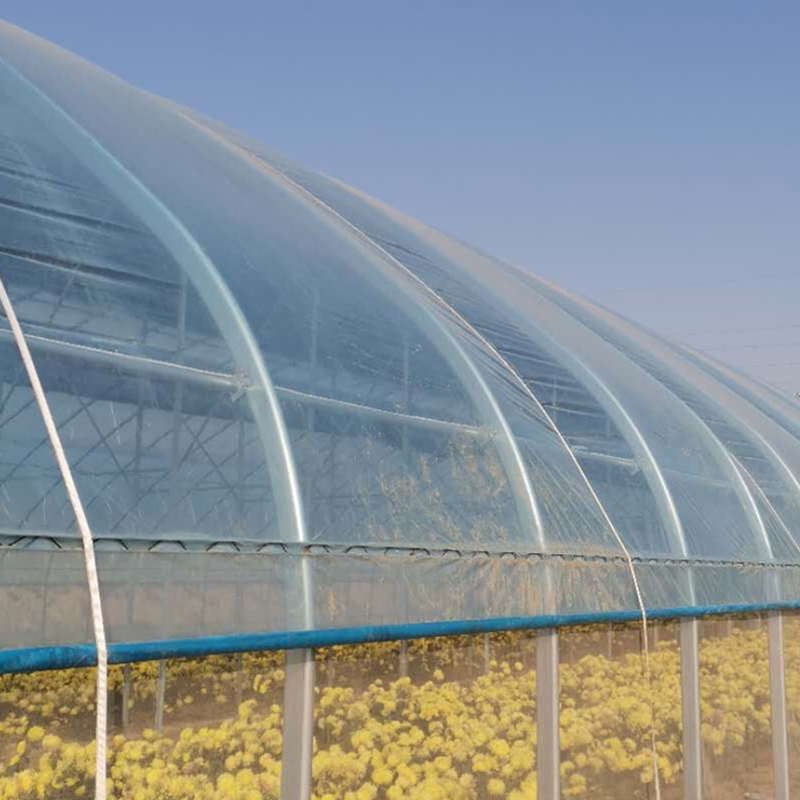
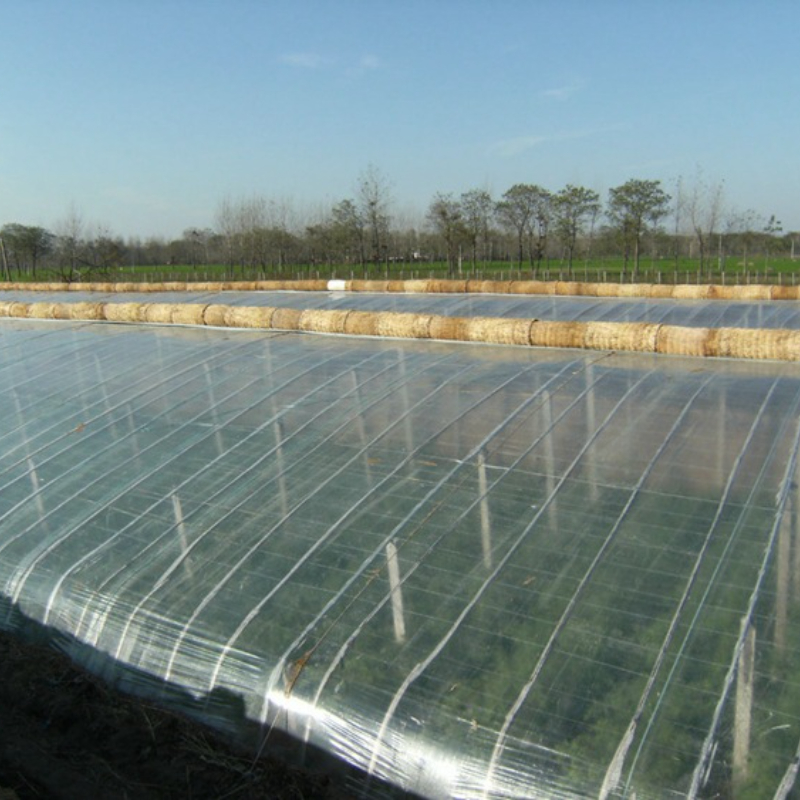
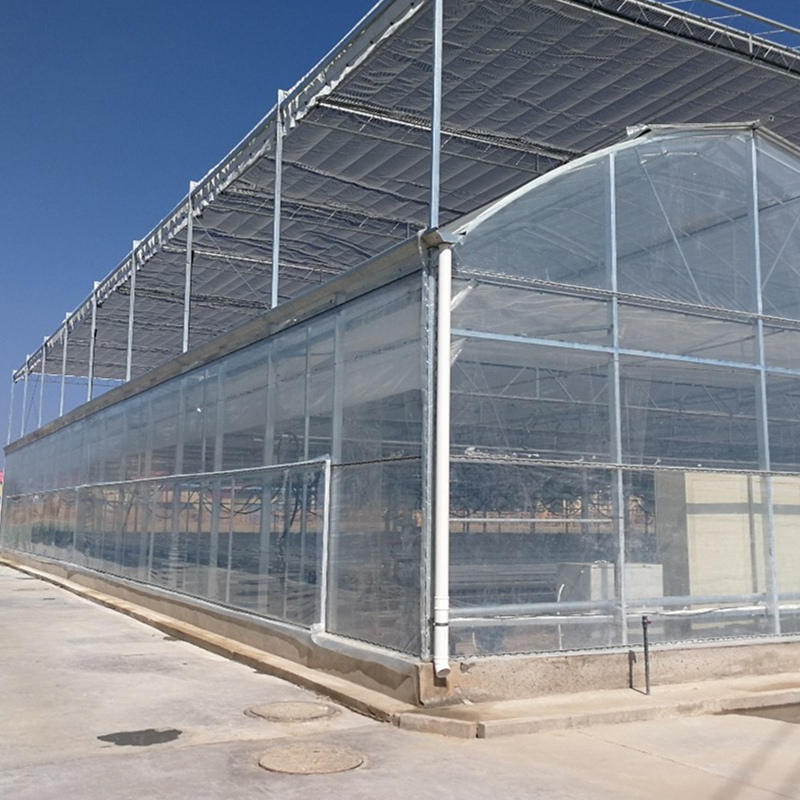
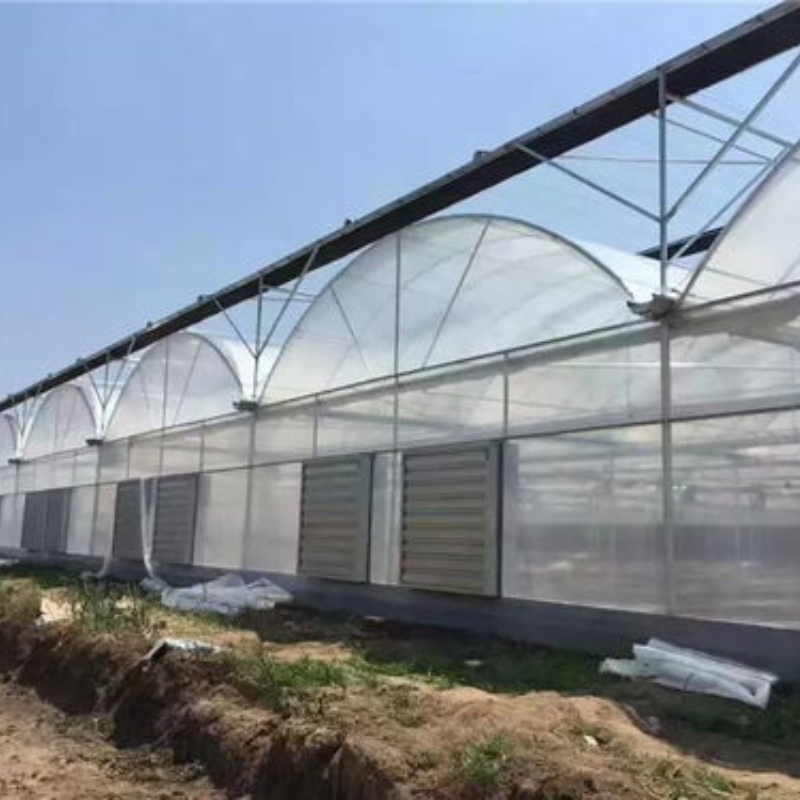
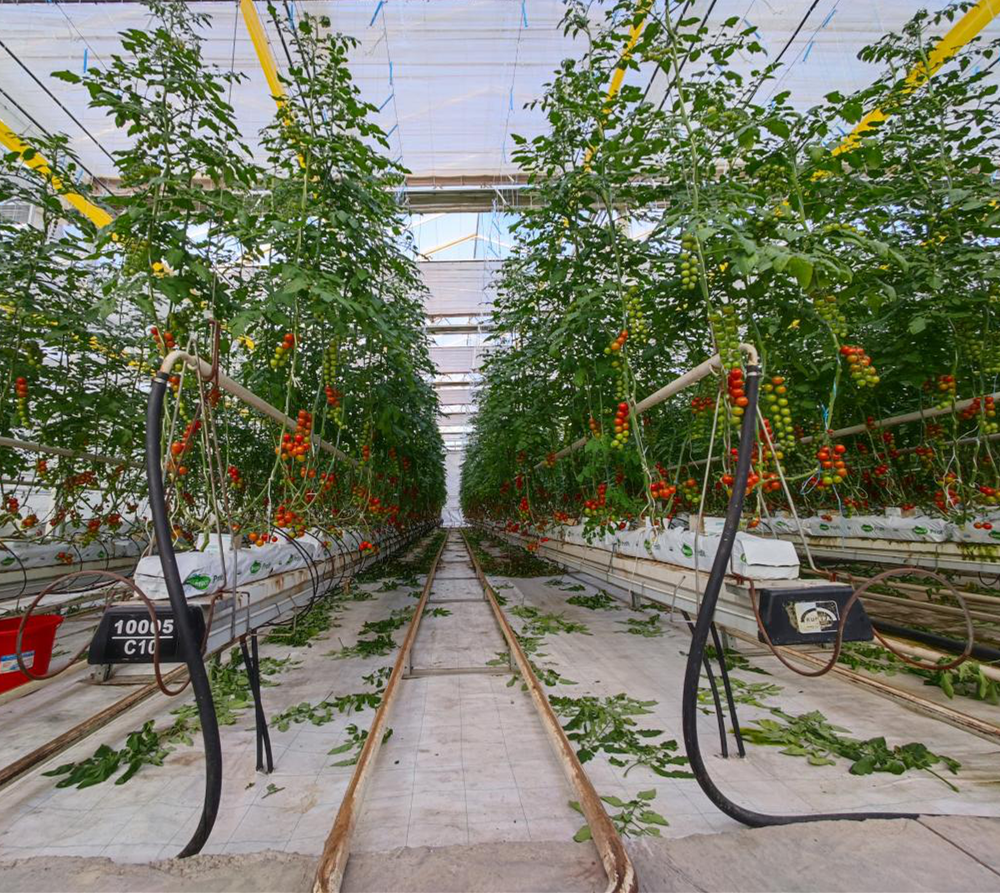
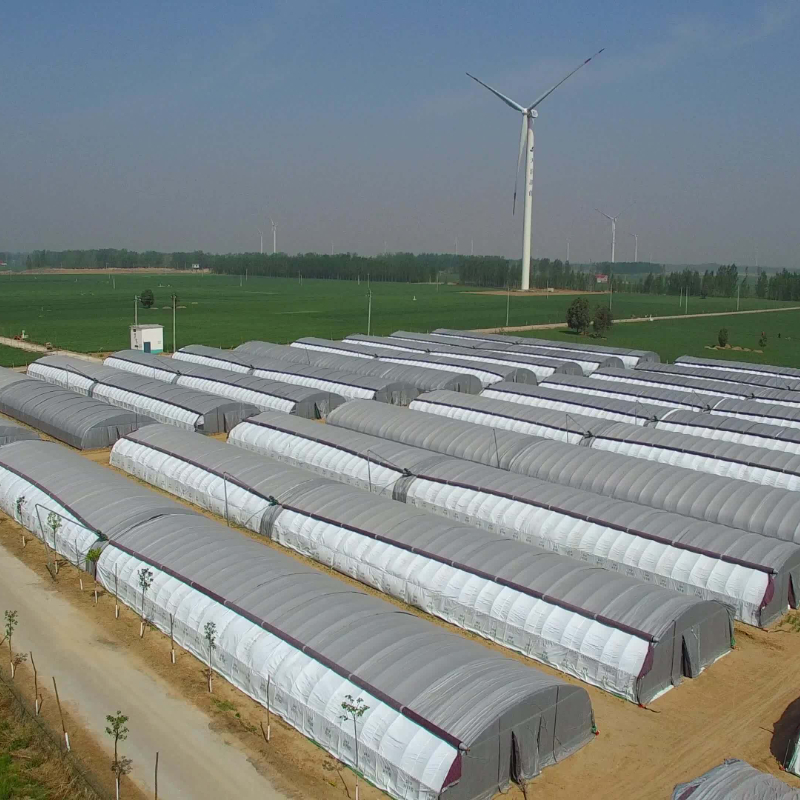
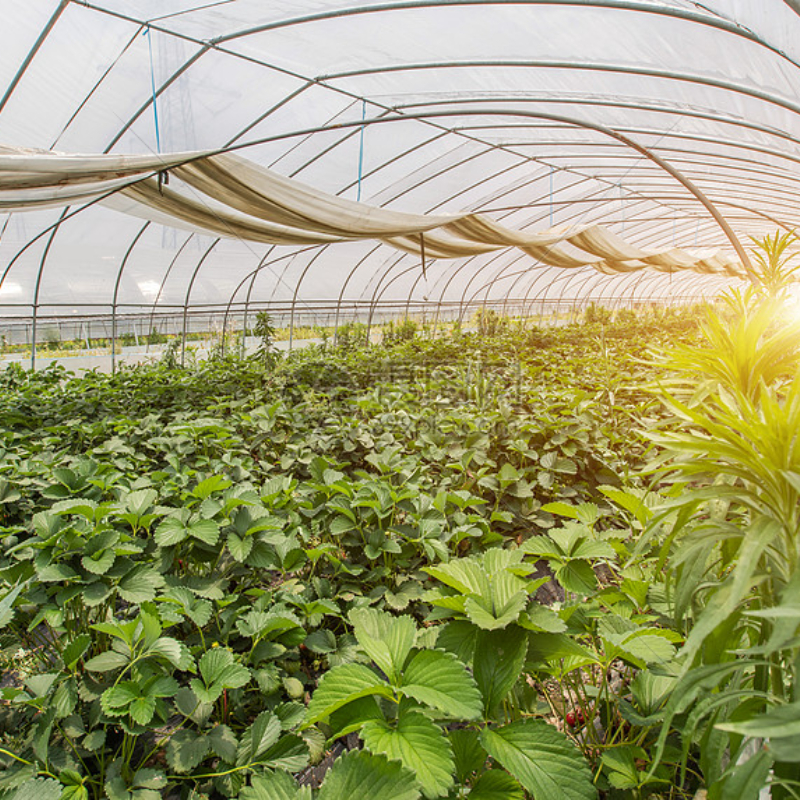
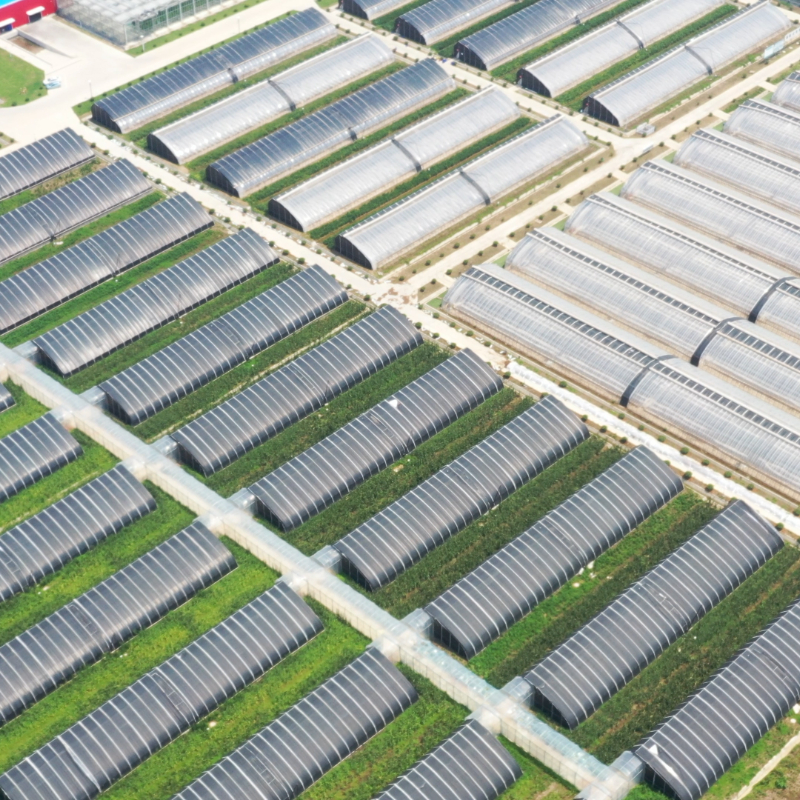
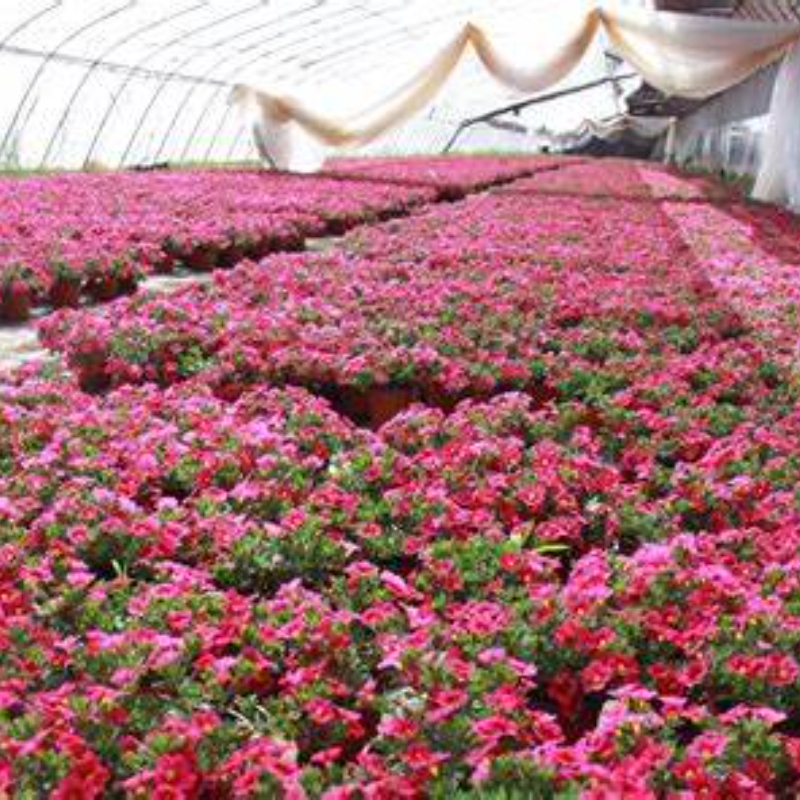
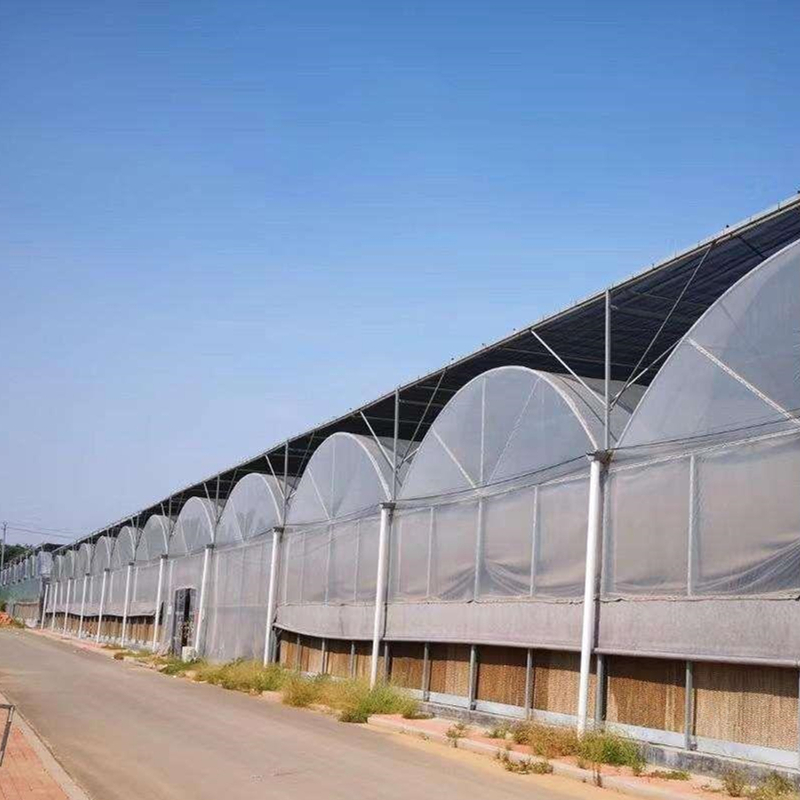
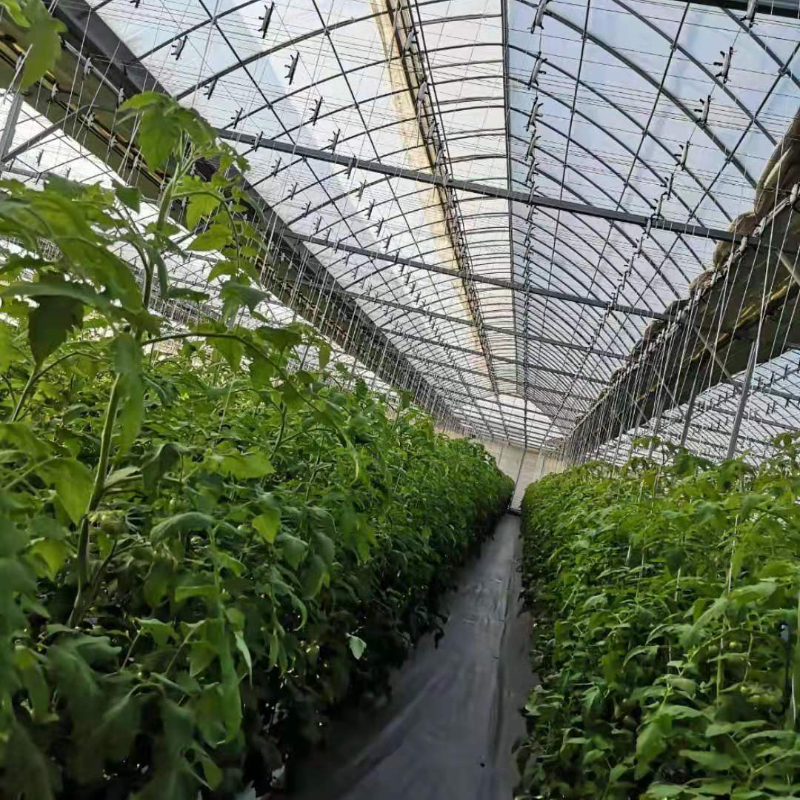
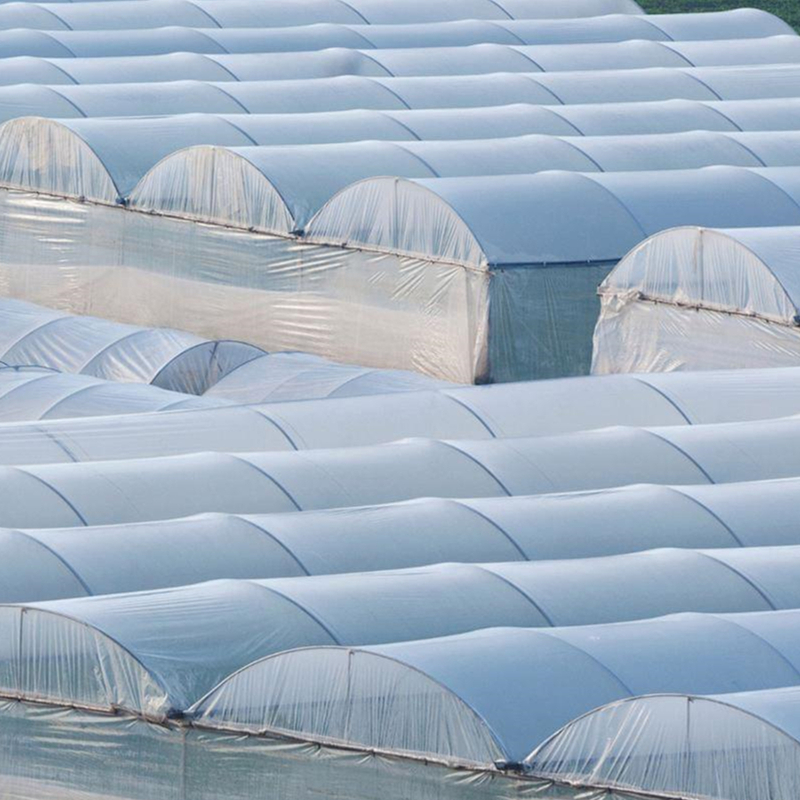
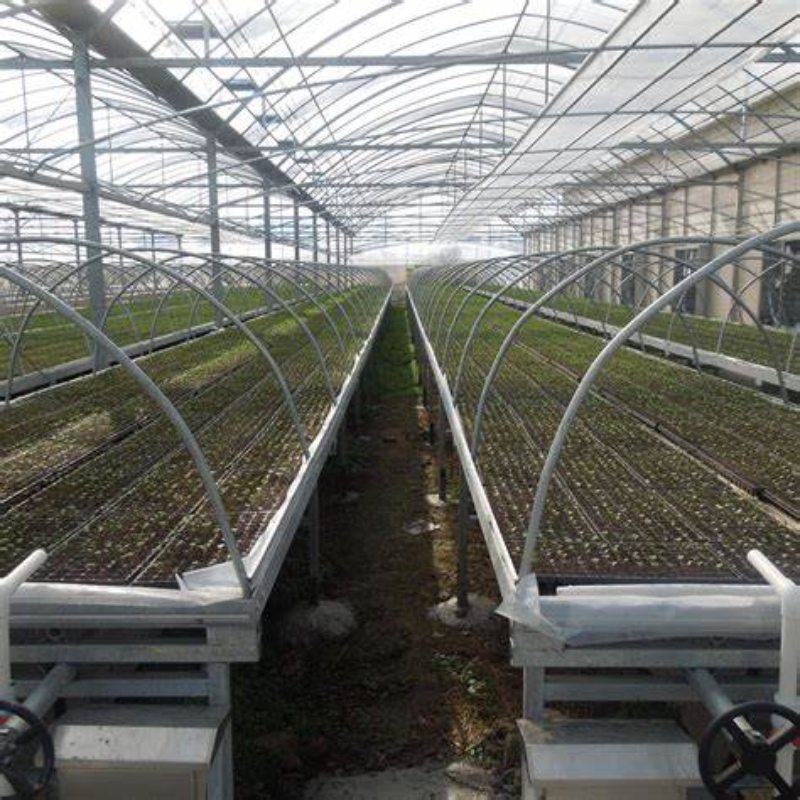
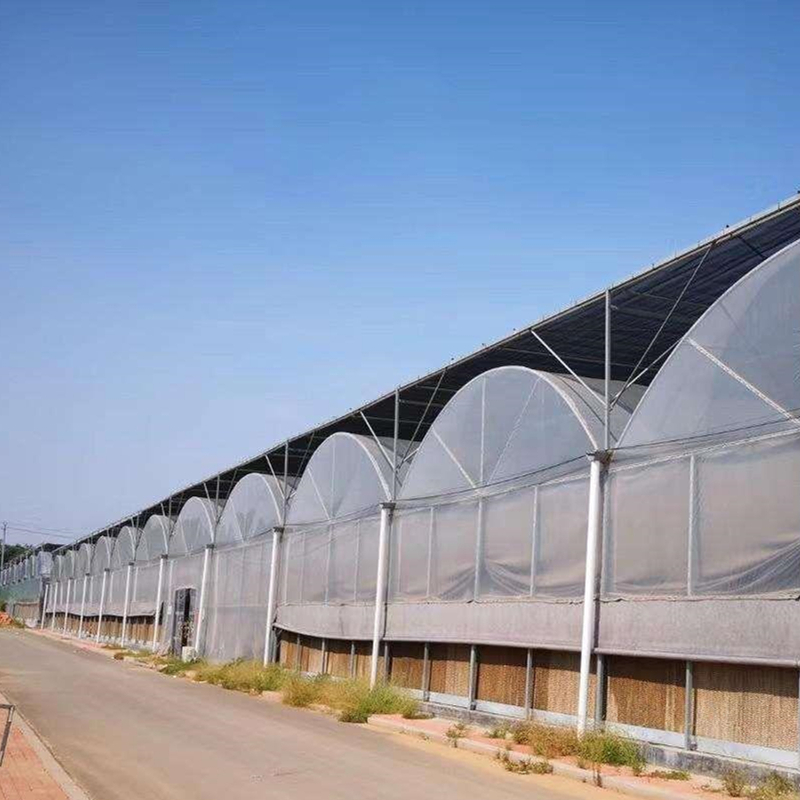
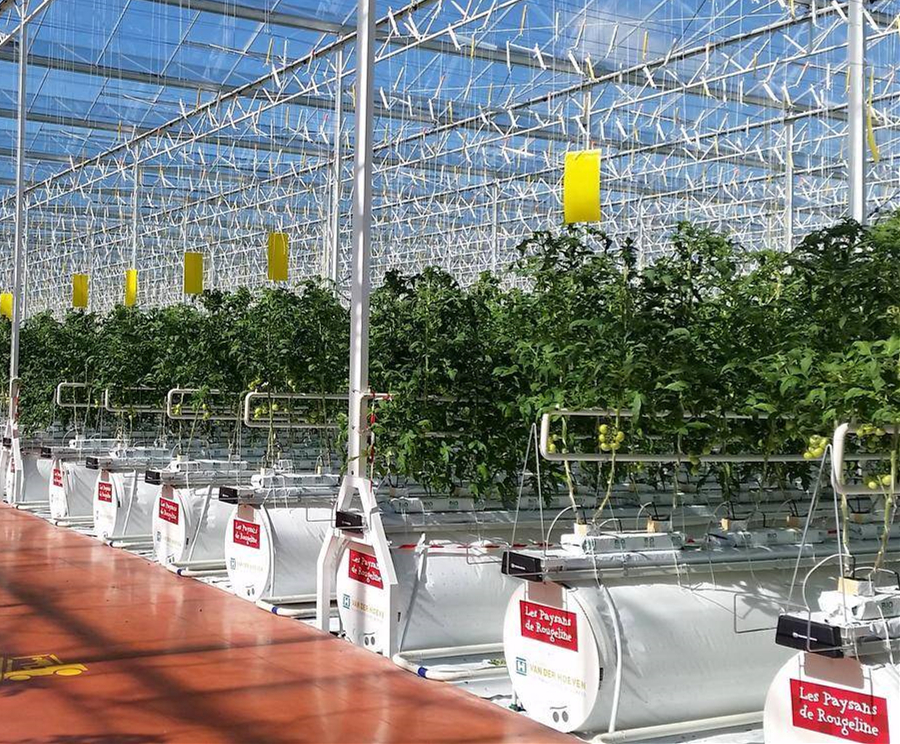
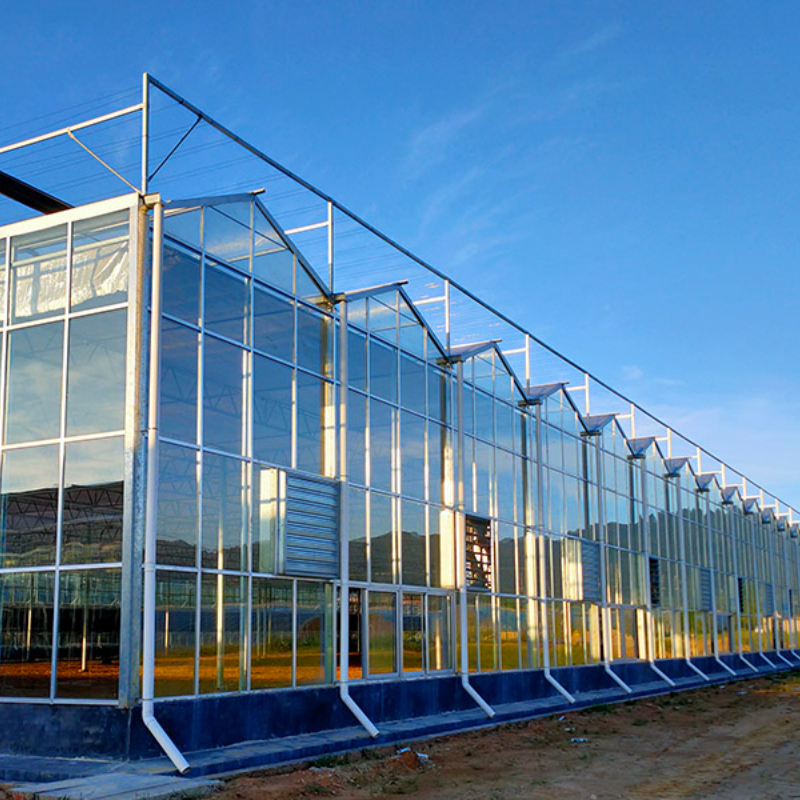
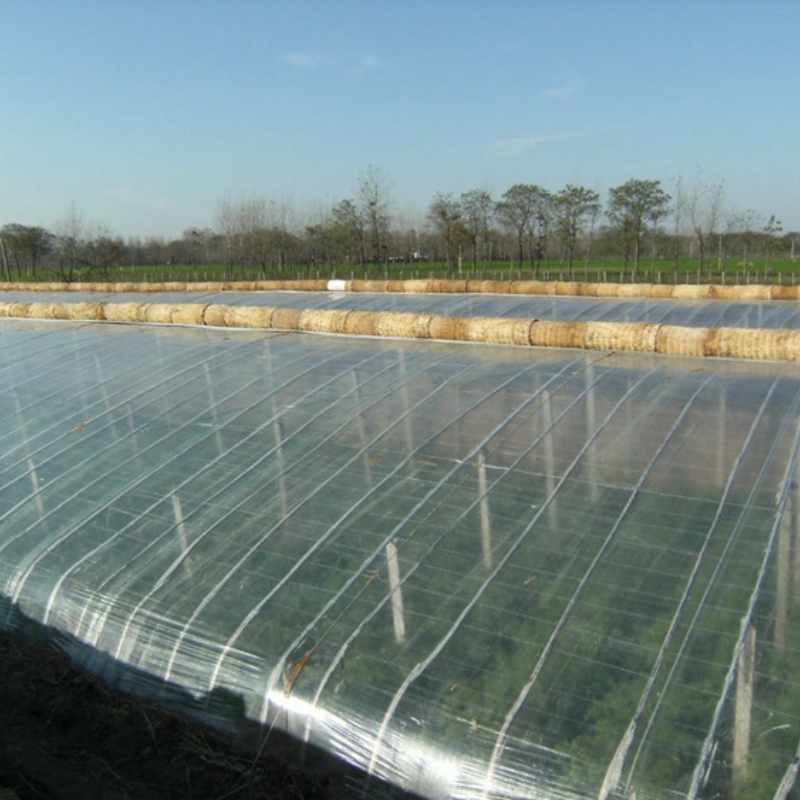
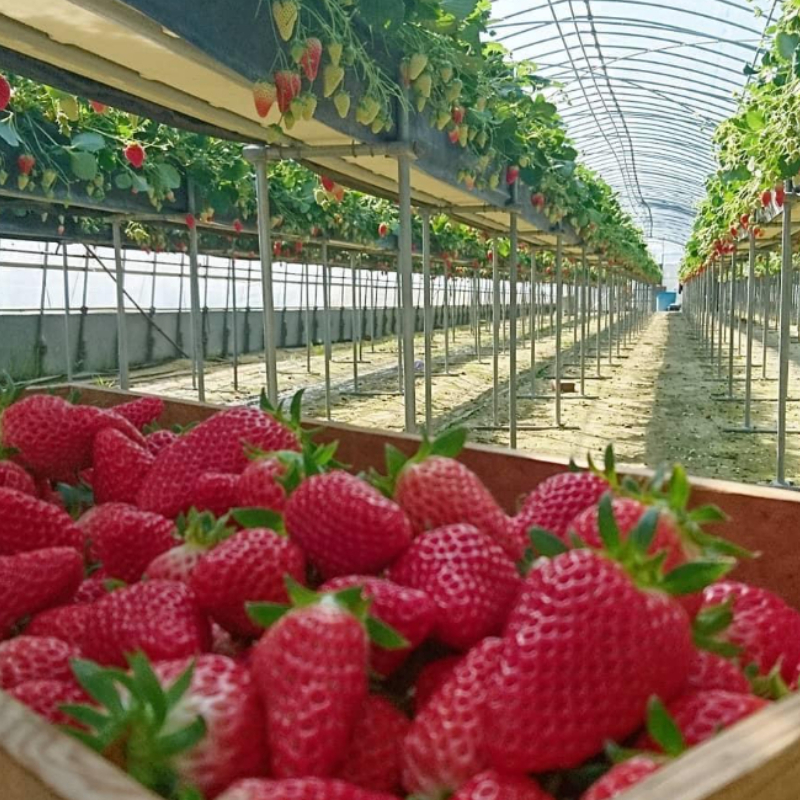
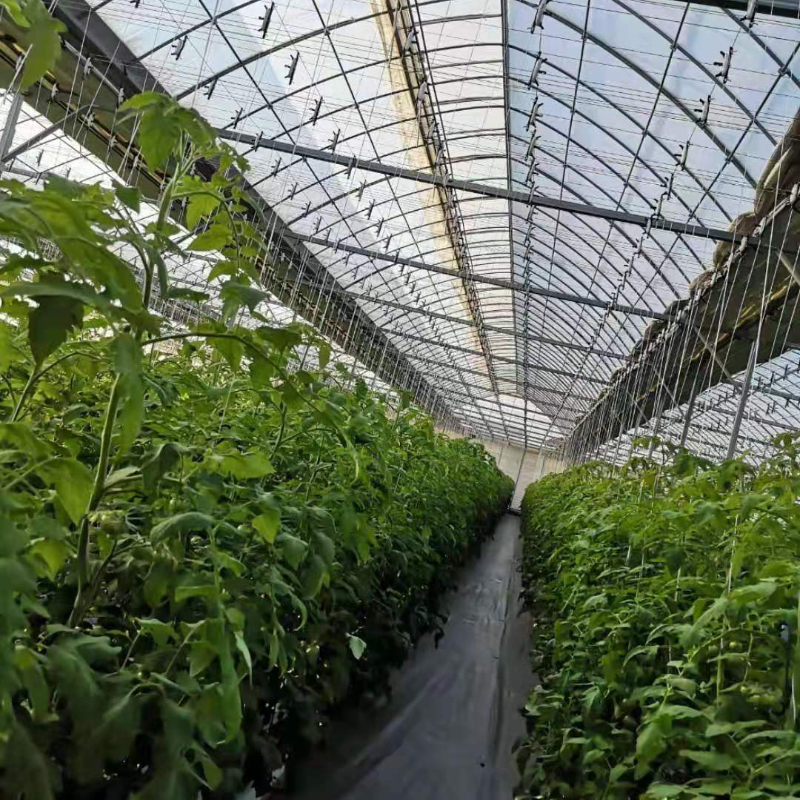
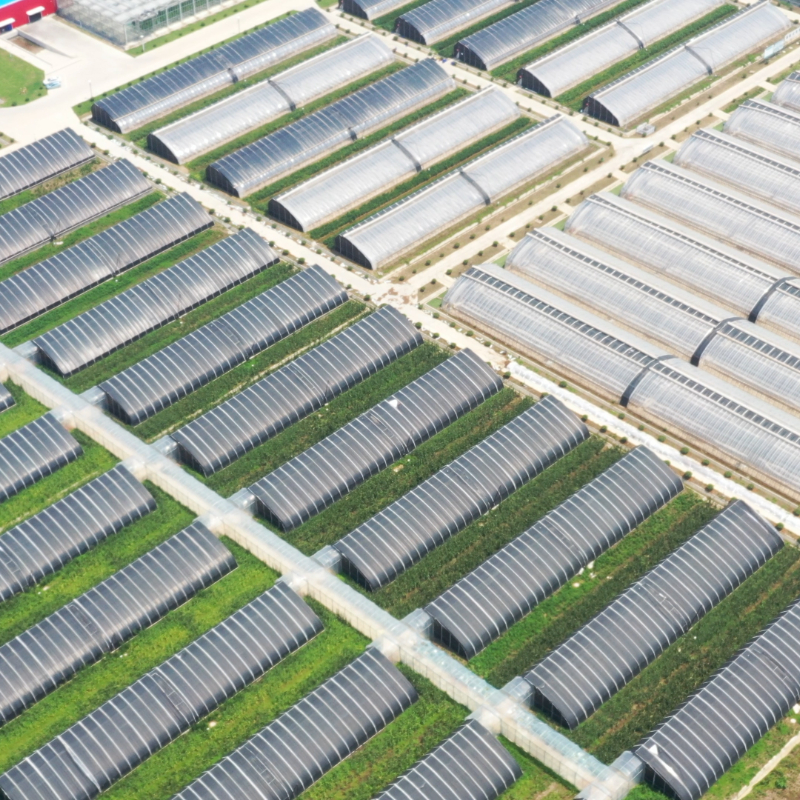
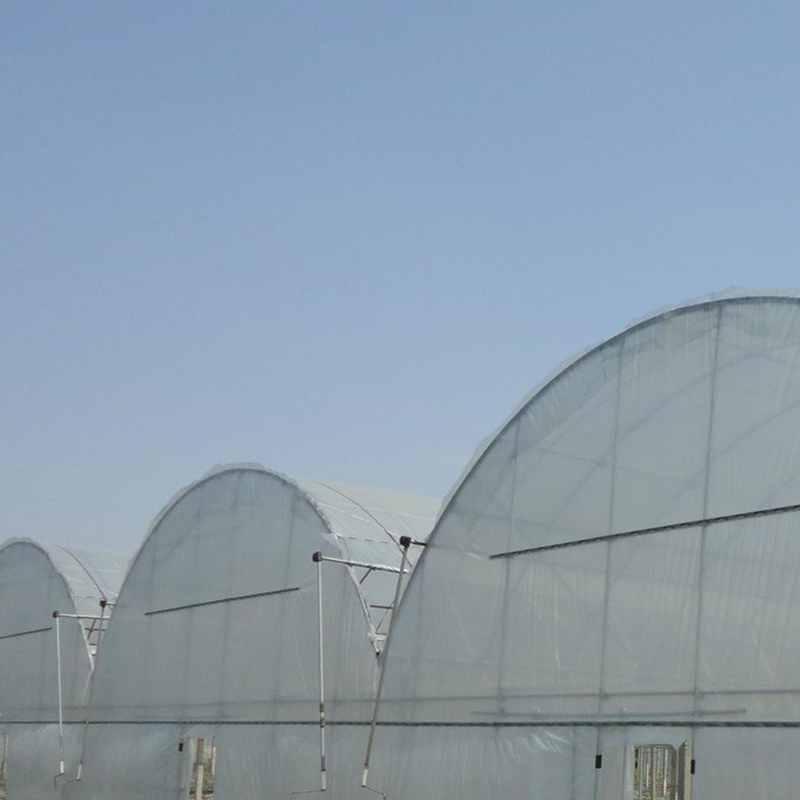
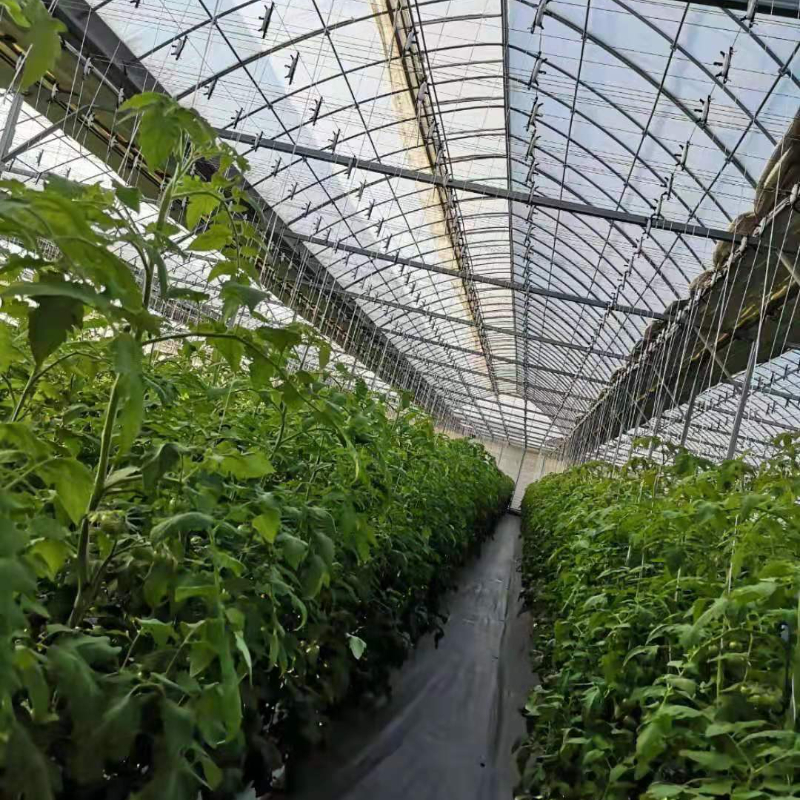
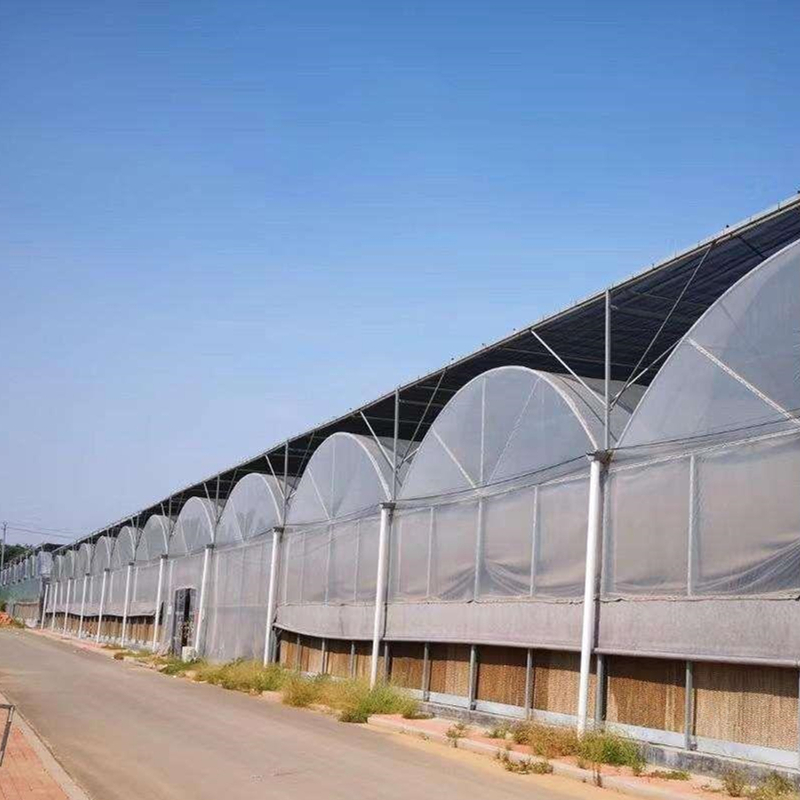
Traditional outdoor greenhouses, custom greenhouses, and mini green houses often waste resources, with water and fertilizer inefficiencies plaguing each type. Outdoor greenhouses lose large amounts of water to evaporation and runoff, as do poorly designed custom greenhouses and even compact mini green houses without smart controls. Excessive fertilization is common in outdoor greenhouses, custom greenhouses, and mini green houses, as growers rely on experience rather than data, leading to nutrient runoff that pollutes waterways. These inefficiencies raise costs for outdoor greenhouses, custom greenhouses, and mini green houses, threatening their sustainability and profitability.
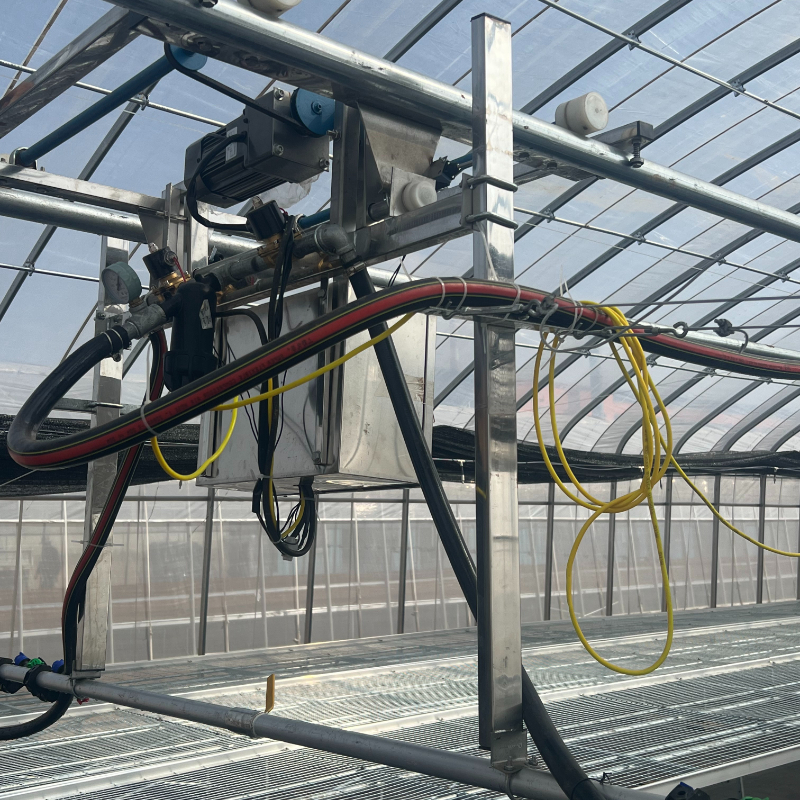
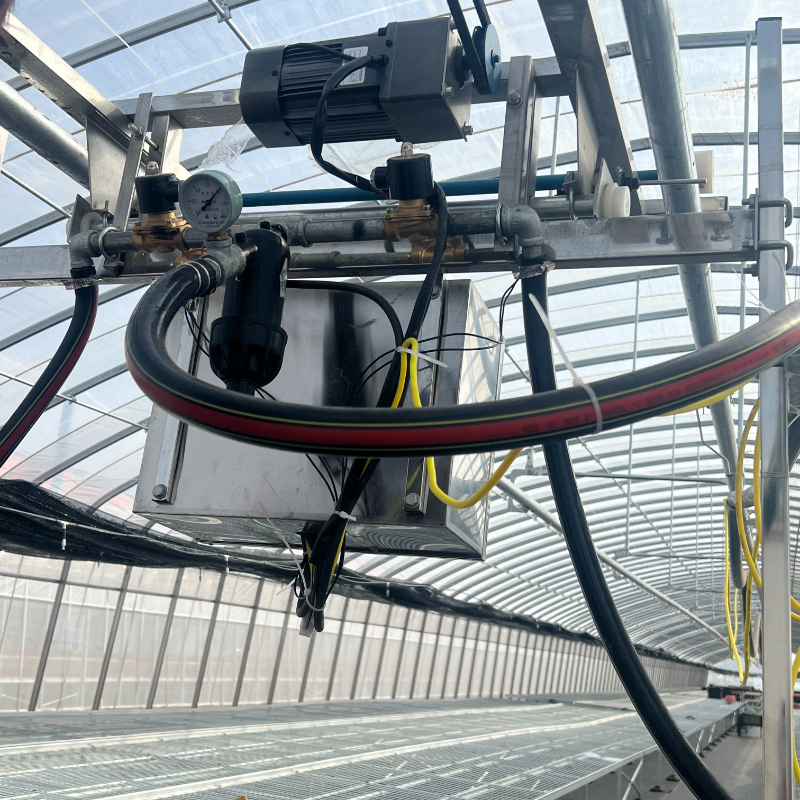
Intelligent outdoor greenhouses, custom greenhouses, and mini green houses excel at resource optimization, cutting waste and costs while protecting the environment. Closed-loop irrigation systems in outdoor greenhouses, custom greenhouses, and mini green houses collect and reuse excess water, reducing consumption by up to 90% compared to traditional versions. Sensors in outdoor greenhouses, custom greenhouses, and mini green houses monitor moisture in real time, ensuring water is delivered only when needed. Drip irrigation in outdoor greenhouses, custom greenhouses, and mini green houses targets root zones, eliminating evaporation—critical for water conservation in each type. This not only saves water but also reduces energy for pumping in outdoor greenhouses, custom greenhouses, and mini green houses, lowering operational costs across the board.
Fertilizer efficiency improves drastically in intelligent outdoor greenhouses, custom greenhouses, and mini green houses through precision management. Soil and leaf sensors in outdoor greenhouses, custom greenhouses, and mini green houses measure nutrient levels, allowing targeted fertilization. A custom greenhouse, tailored to specific crops, adjusts nutrient delivery to match unique requirements, while outdoor greenhouses and mini green houses use the same technology to avoid over-fertilization. Hydroponic or aeroponic systems in outdoor greenhouses, custom greenhouses, and mini green houses enable 100% nutrient absorption, eliminating waste in each. This reduces environmental pollution and cuts fertilizer costs for outdoor greenhouses, custom greenhouses, and mini green house operators.
Energy efficiency is a key benefit for intelligent outdoor greenhouses, custom greenhouses, and mini green houses. Outdoor greenhouses integrate solar panels and smart shading to regulate temperature, while custom greenhouses use geothermal heating matching their design. Mini green houses rely on energy-efficient LED lights, consuming 50-70% less energy than traditional lighting. Smart shading in outdoor greenhouses, custom greenhouses, and mini green houses adjusts sunlight exposure, reducing cooling needs in summer and retaining heat in winter. By leveraging renewable energy, outdoor greenhouses, custom greenhouses, and mini green houses lower carbon footprints and energy bills, aligning with global sustainability goals and enhancing their appeal to eco-conscious growers.
3. Enhanced Crop Yield and
