
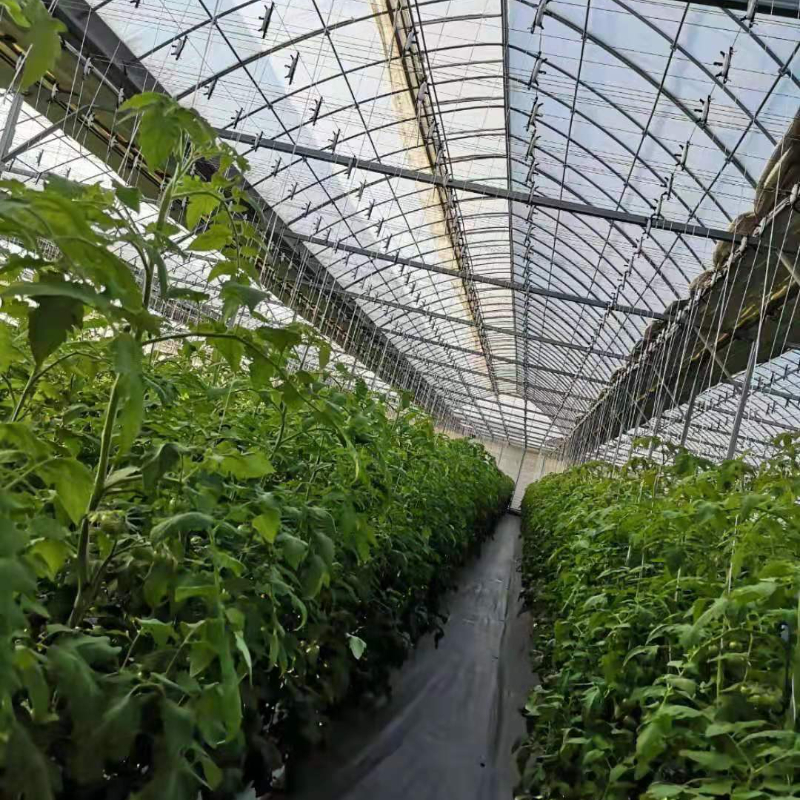
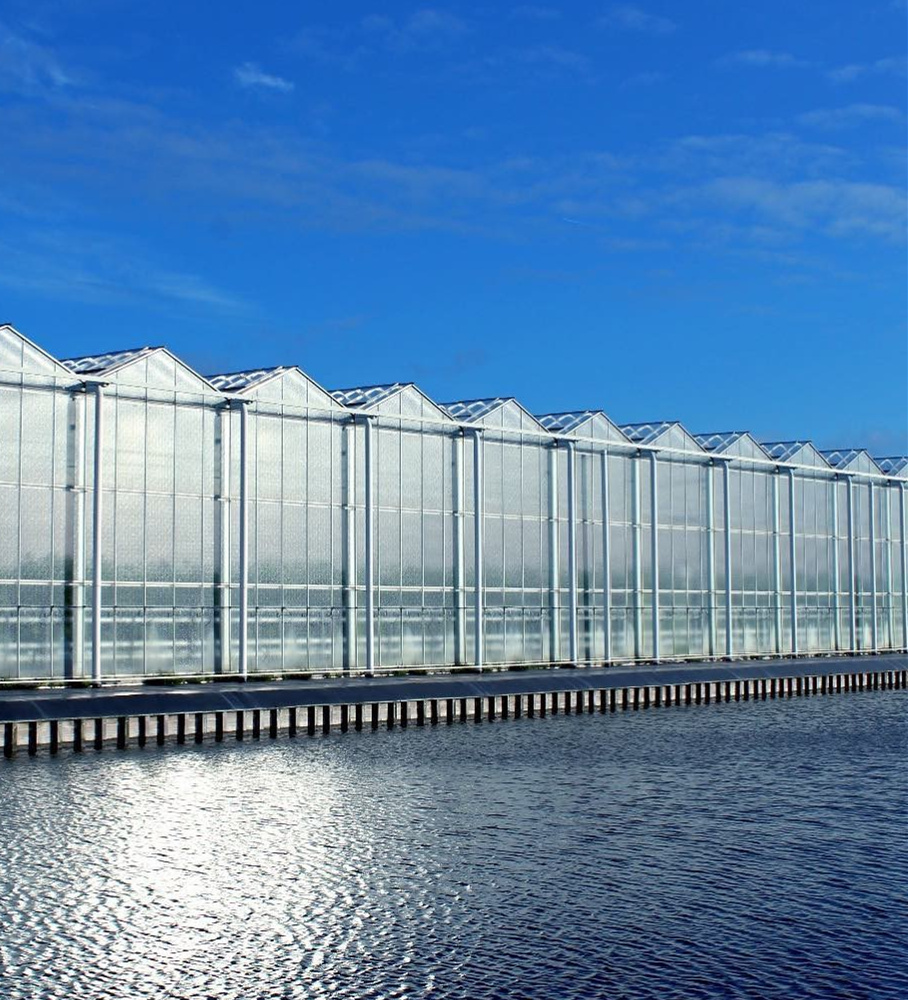
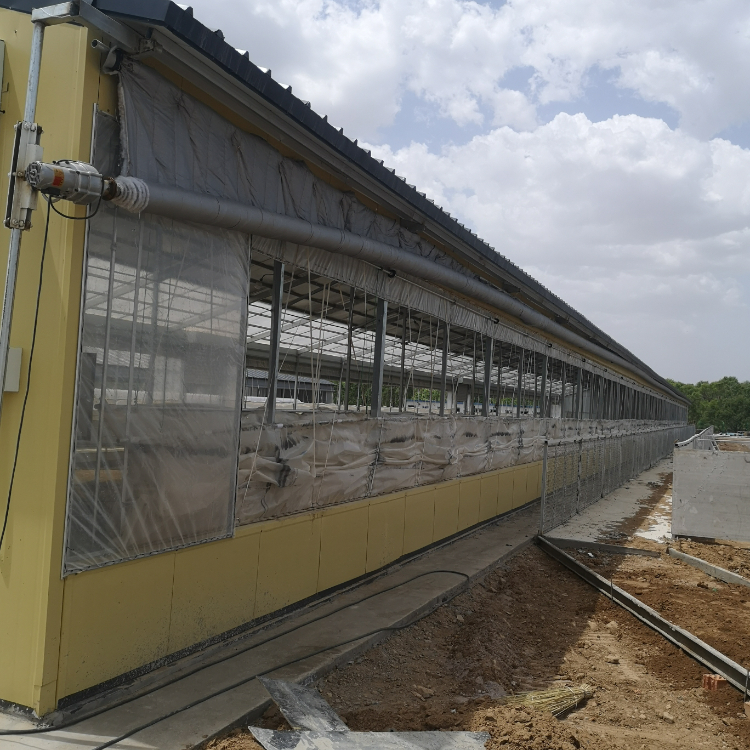
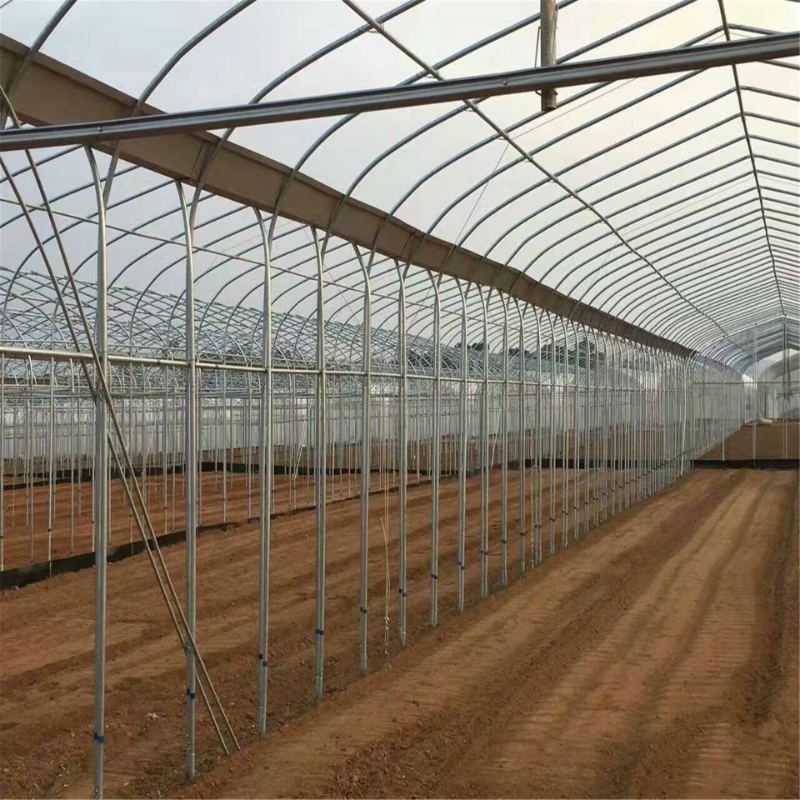
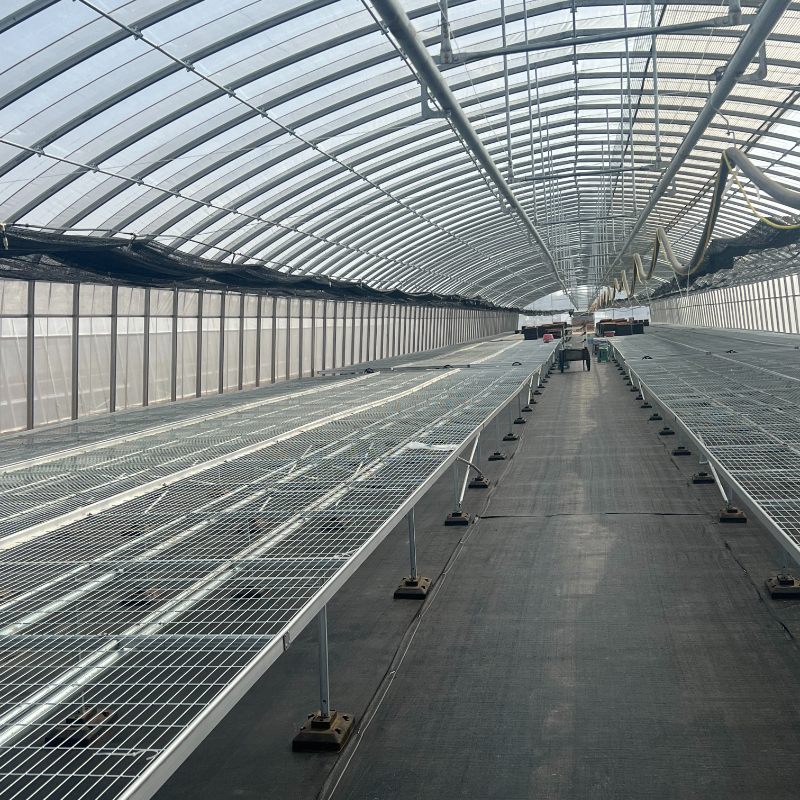
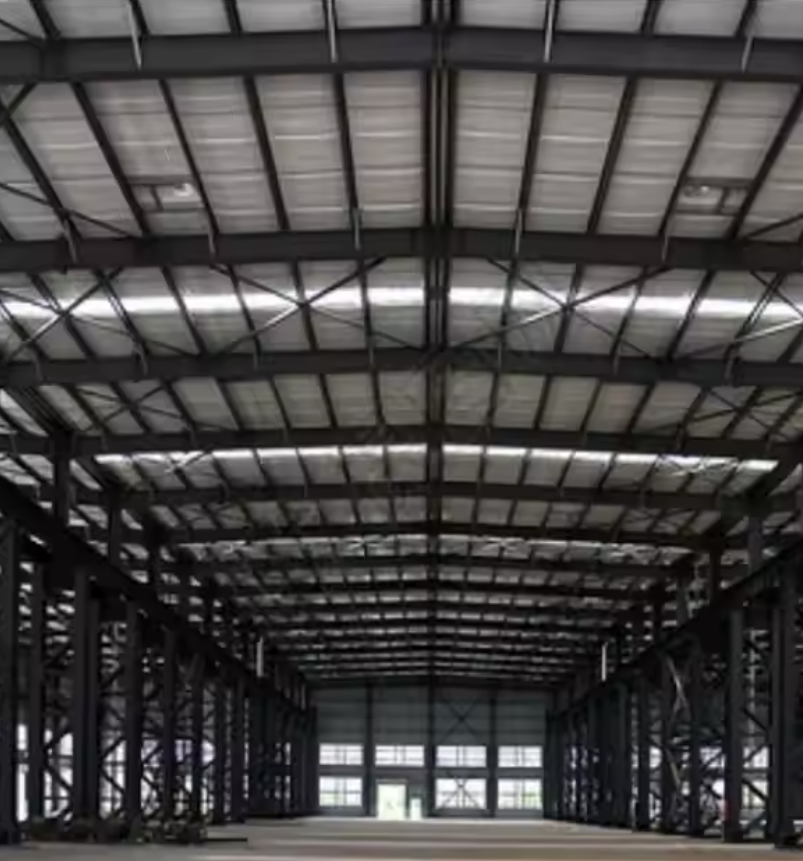
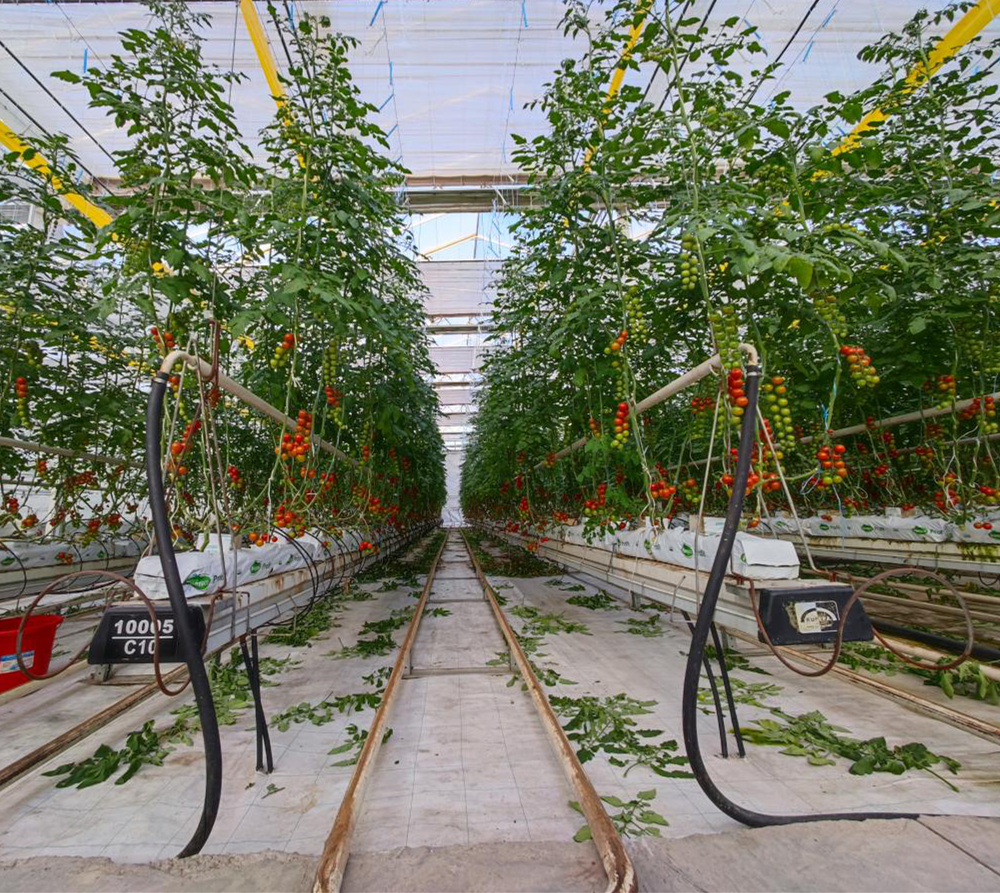
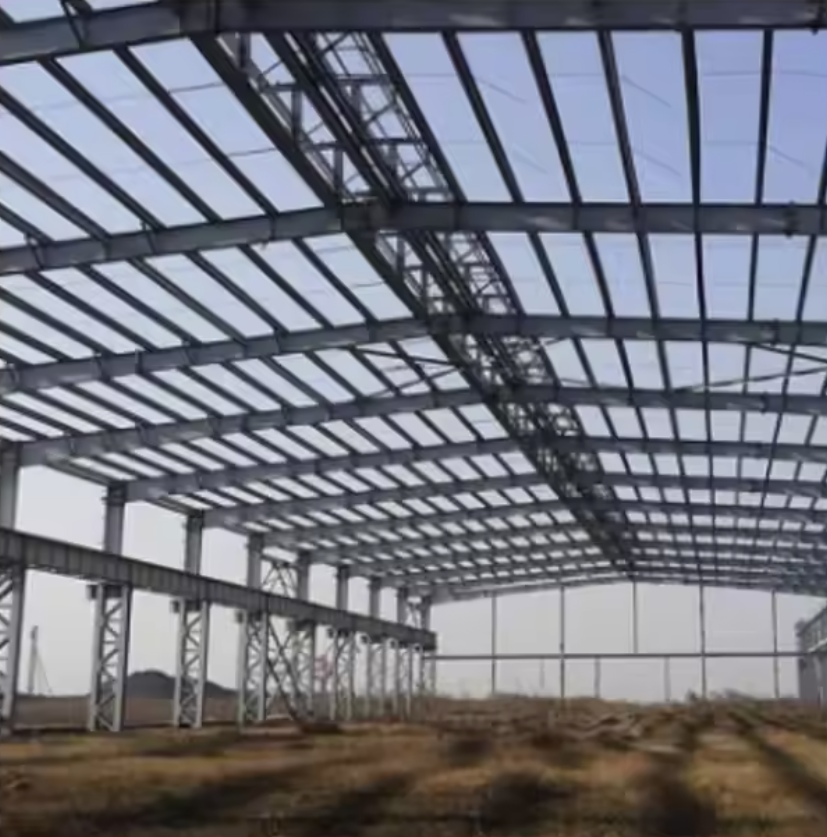
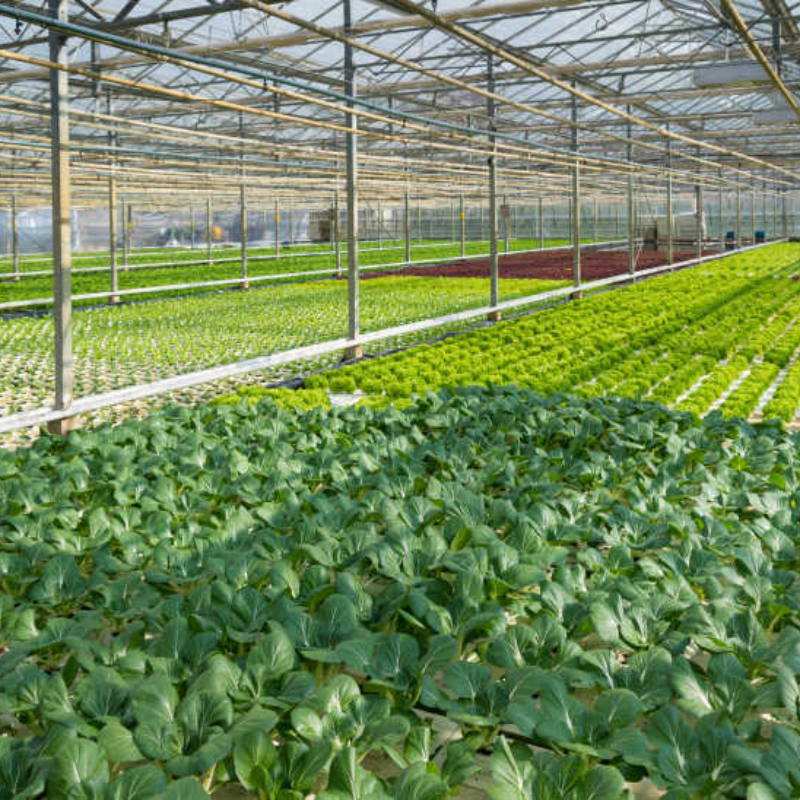
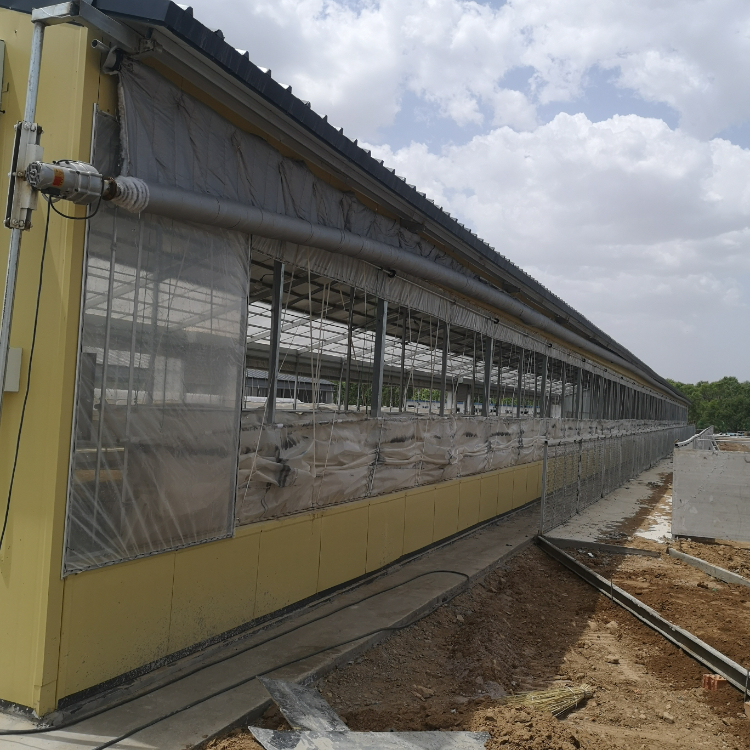
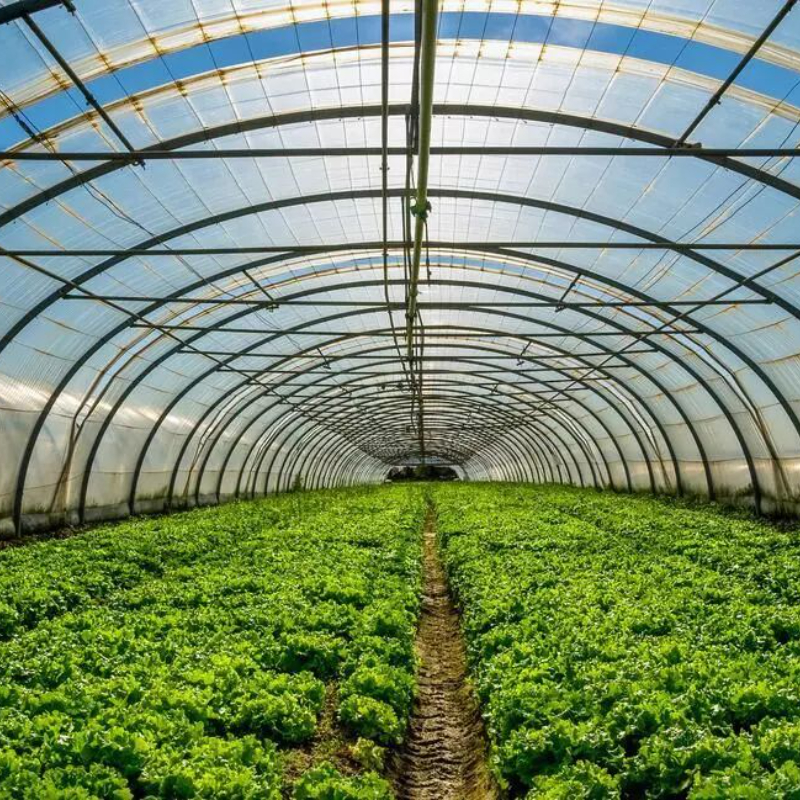
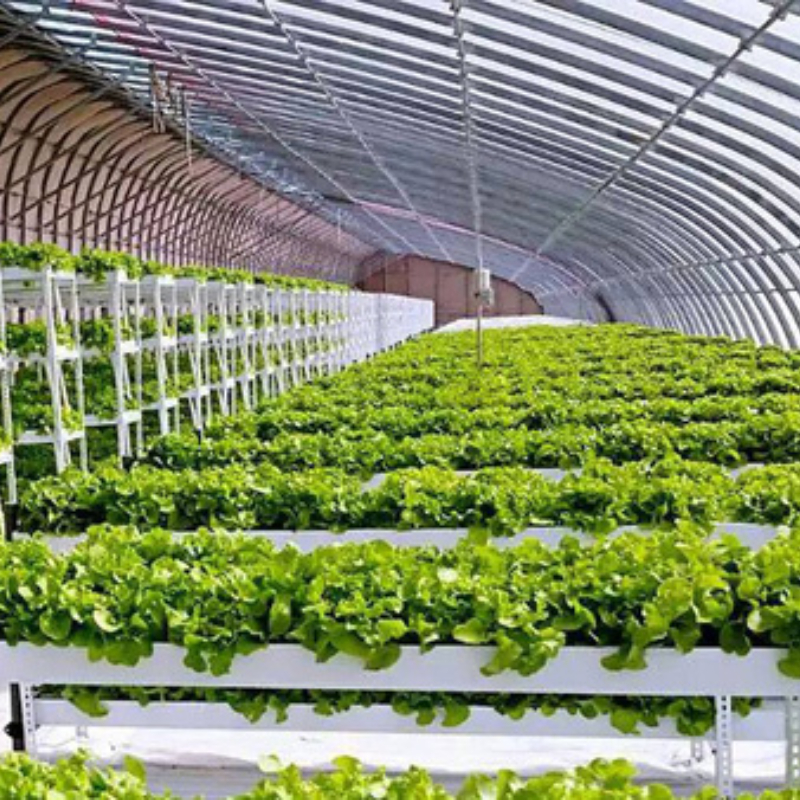
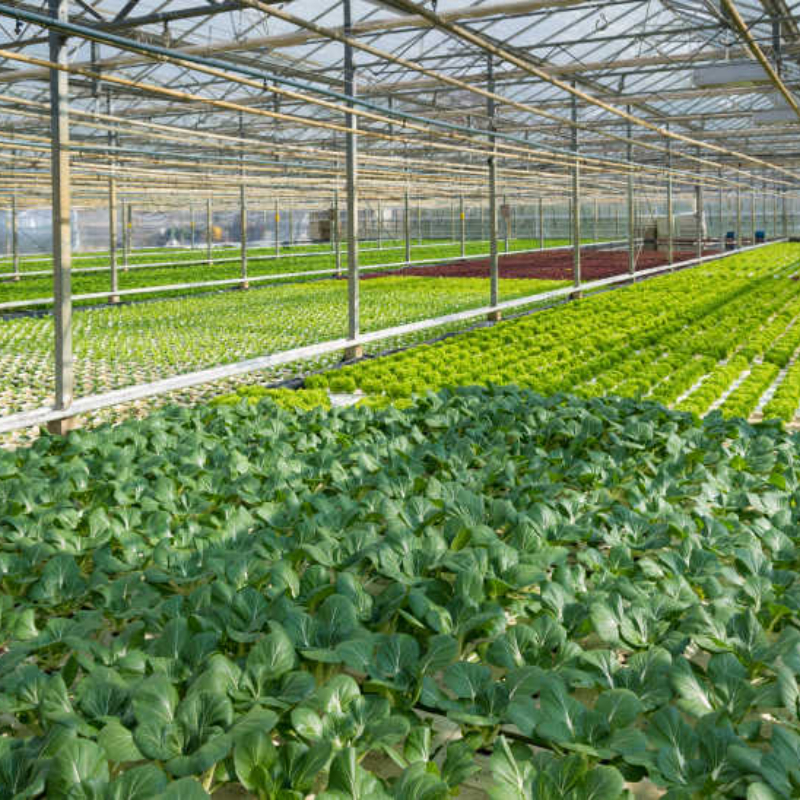
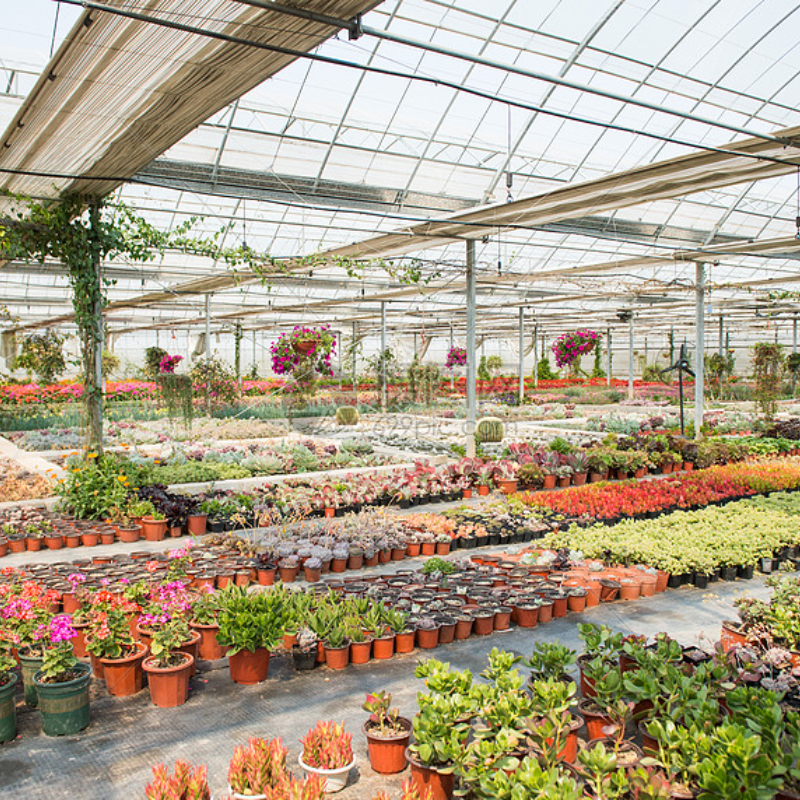
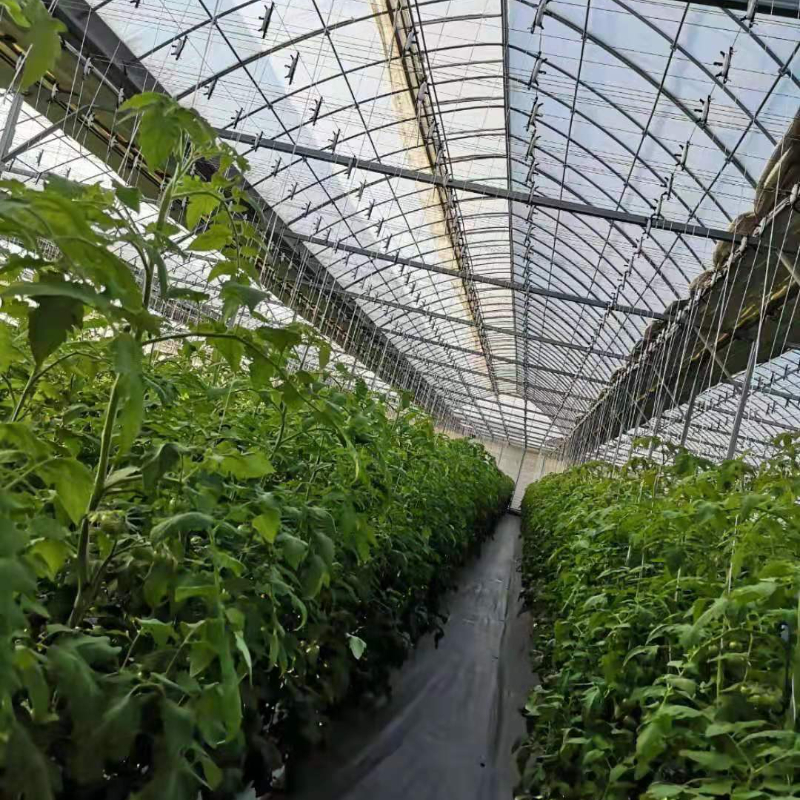
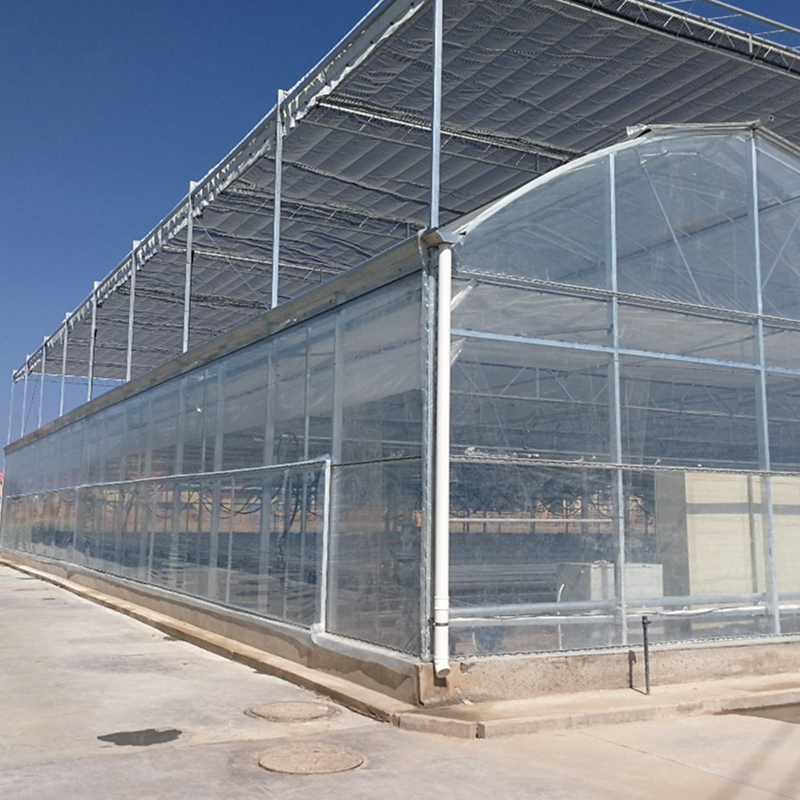
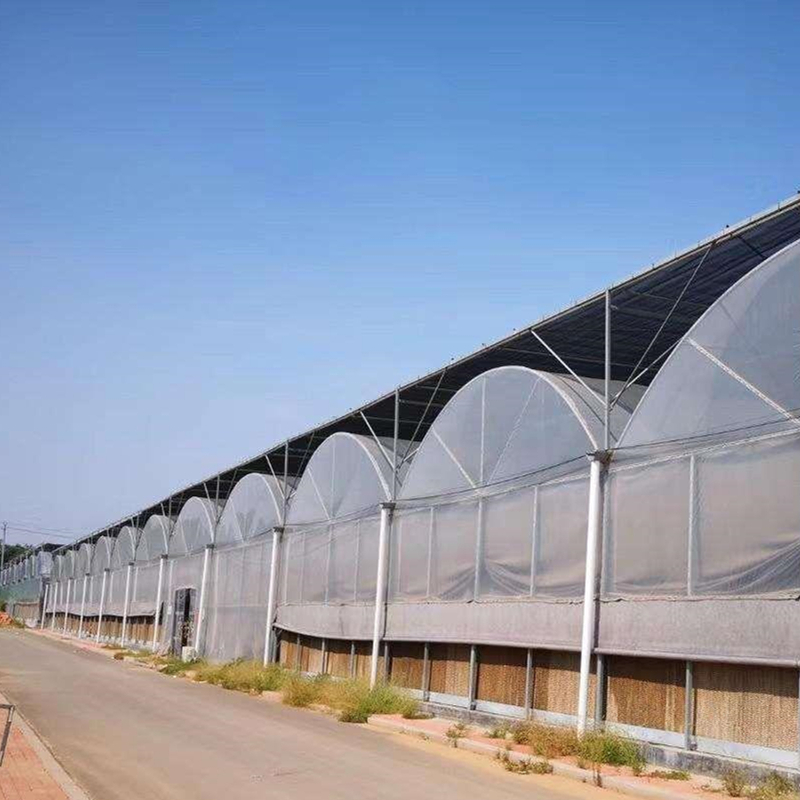
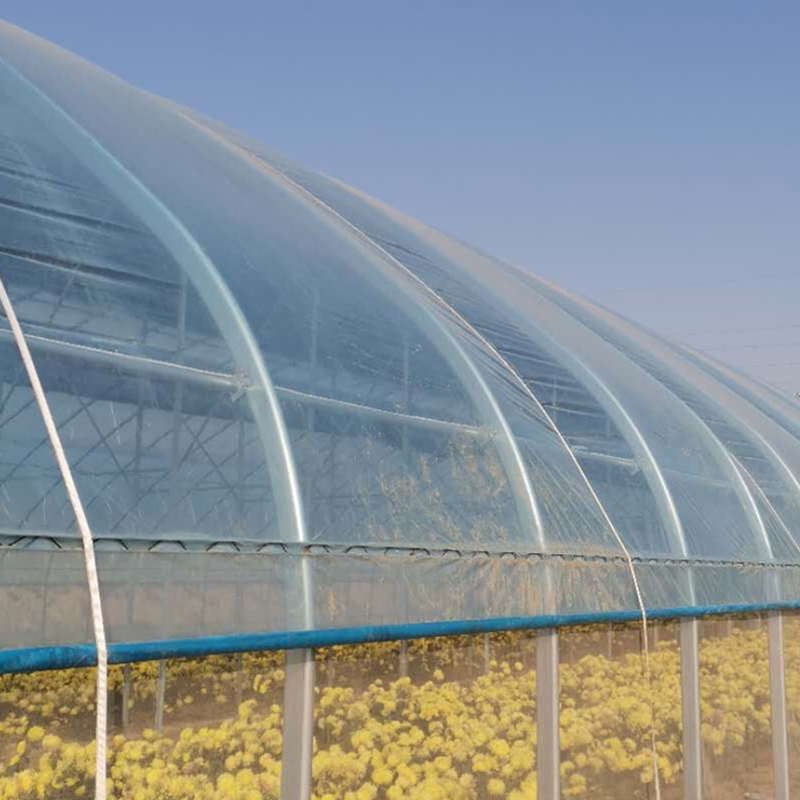
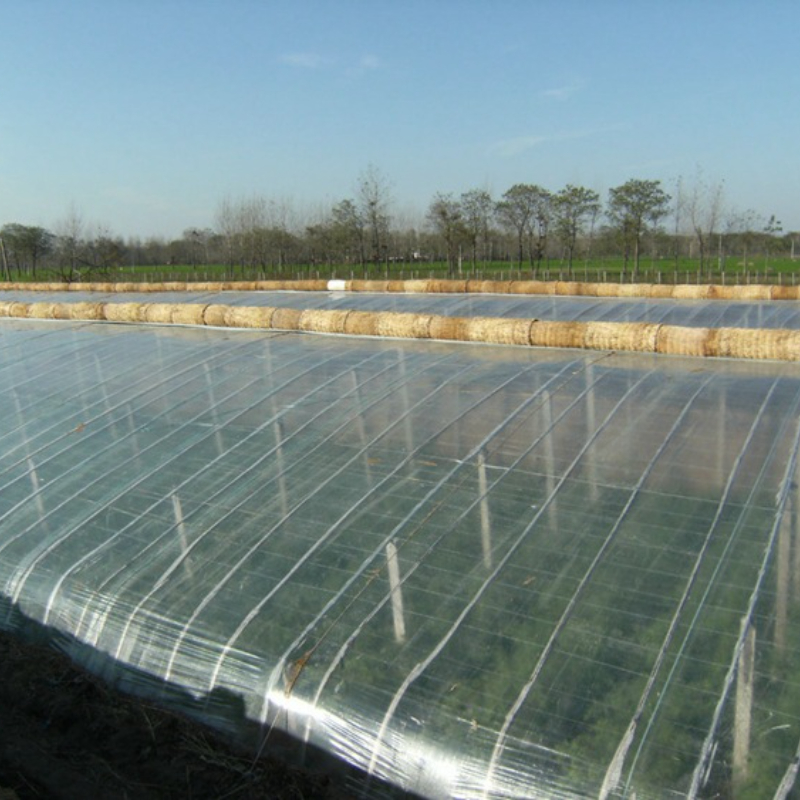
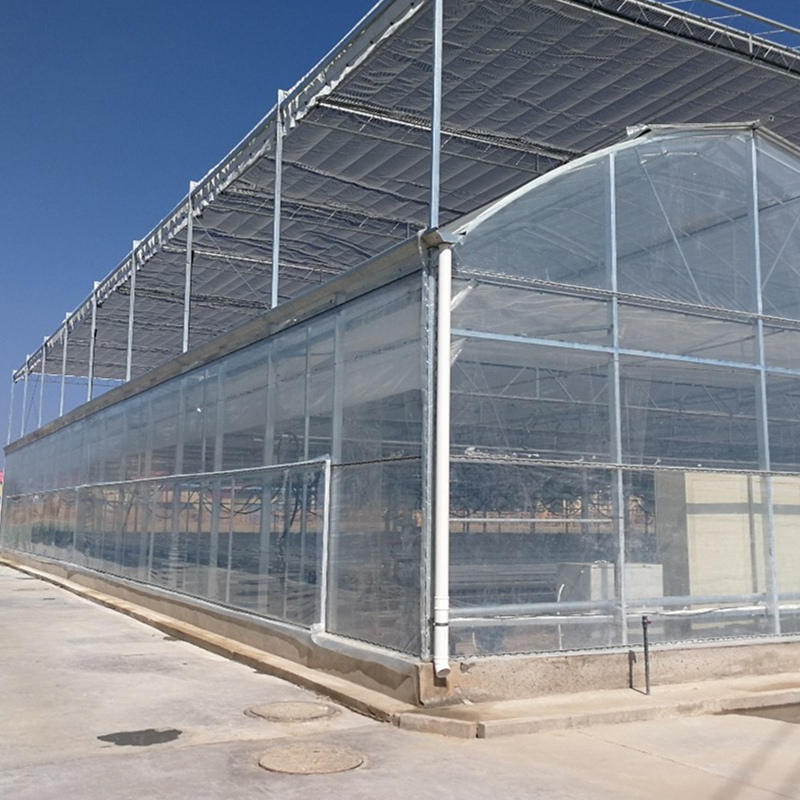
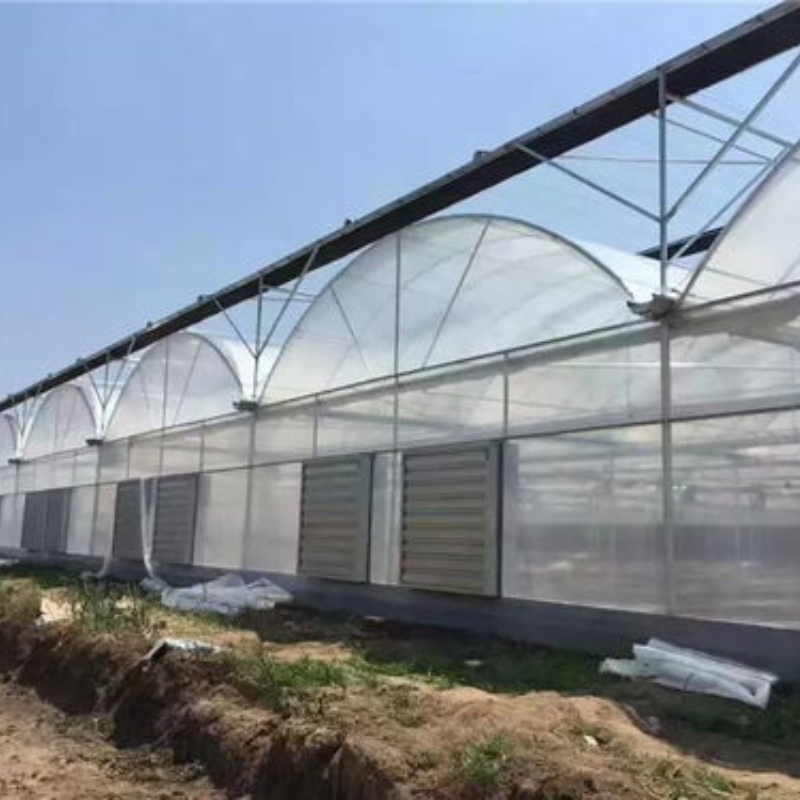
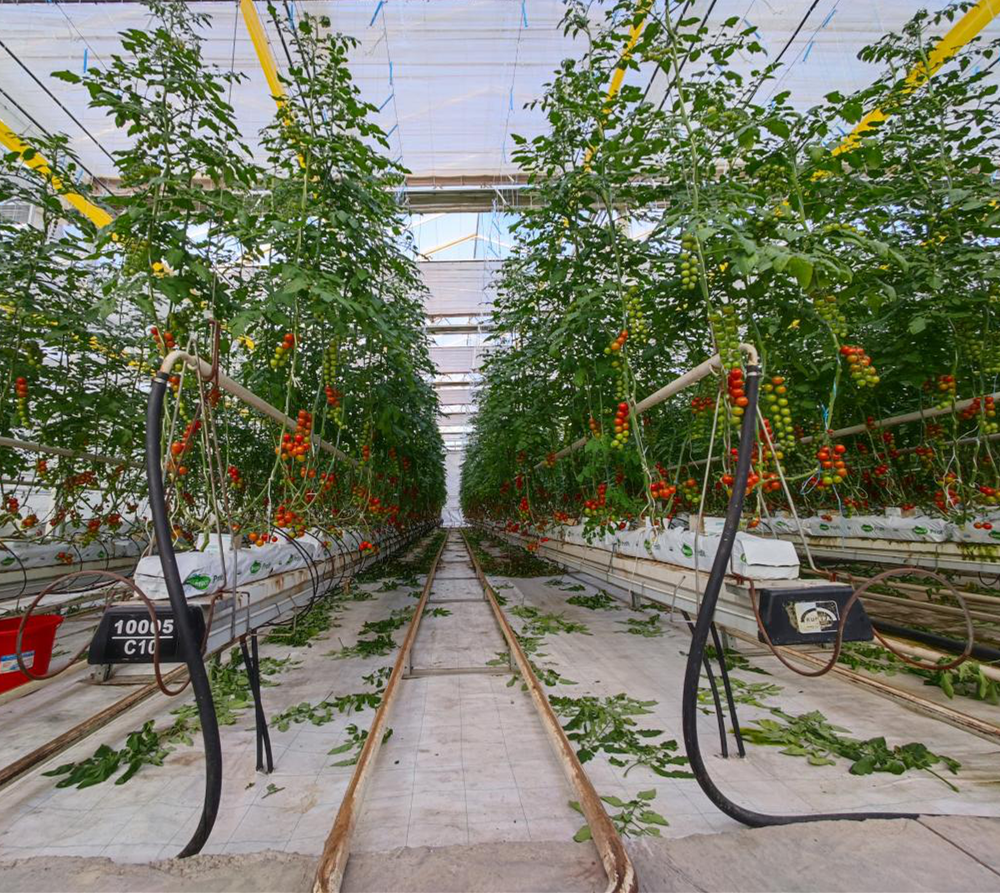
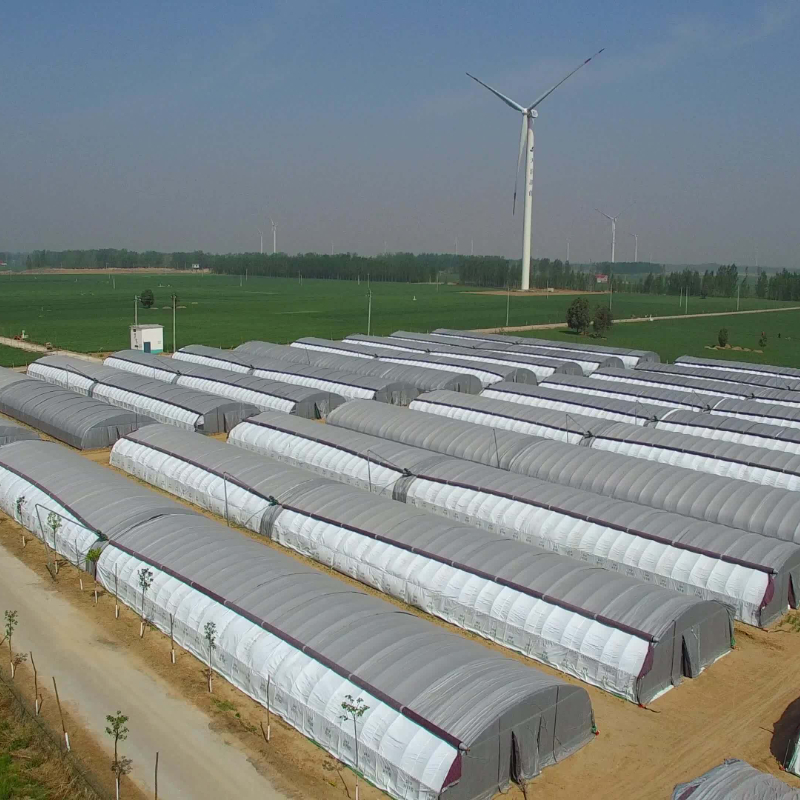
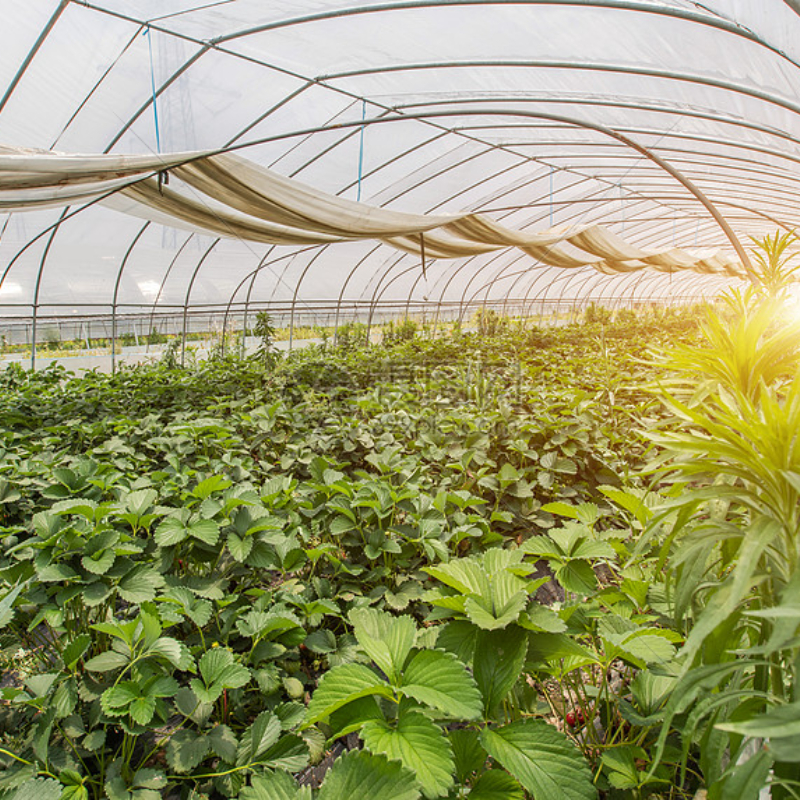
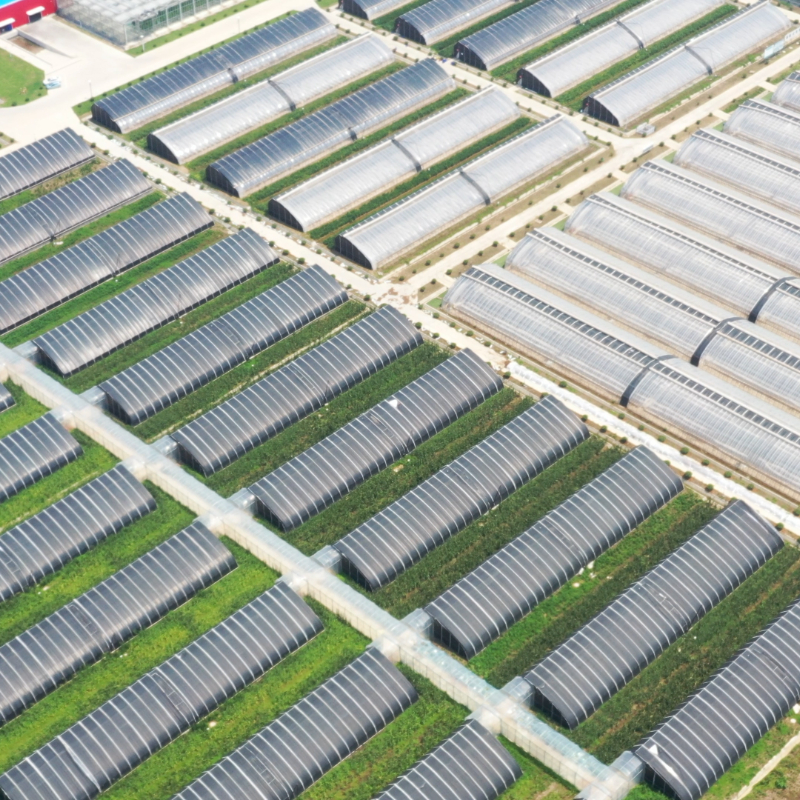
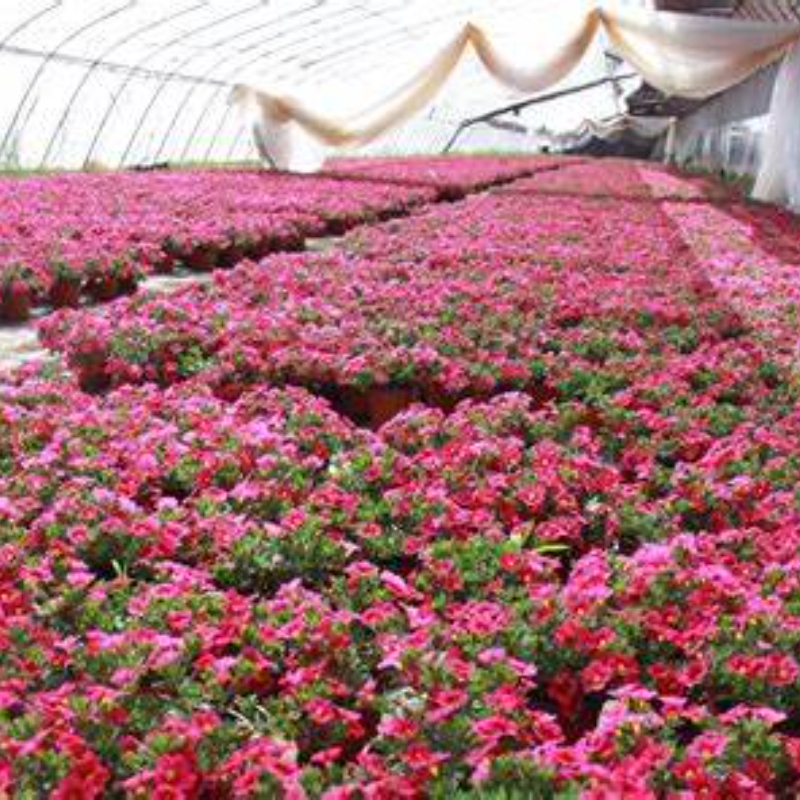
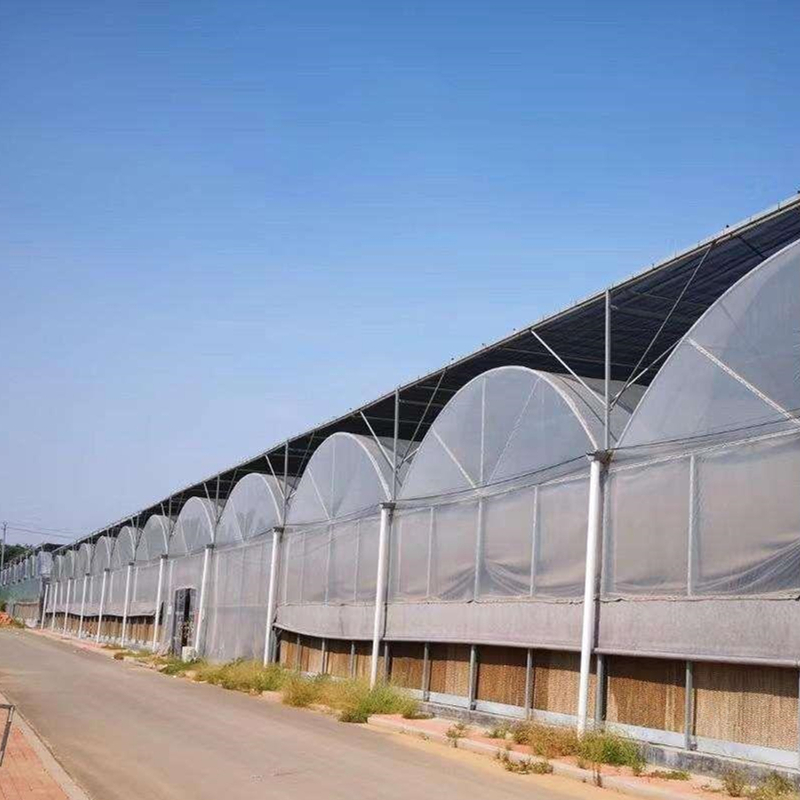
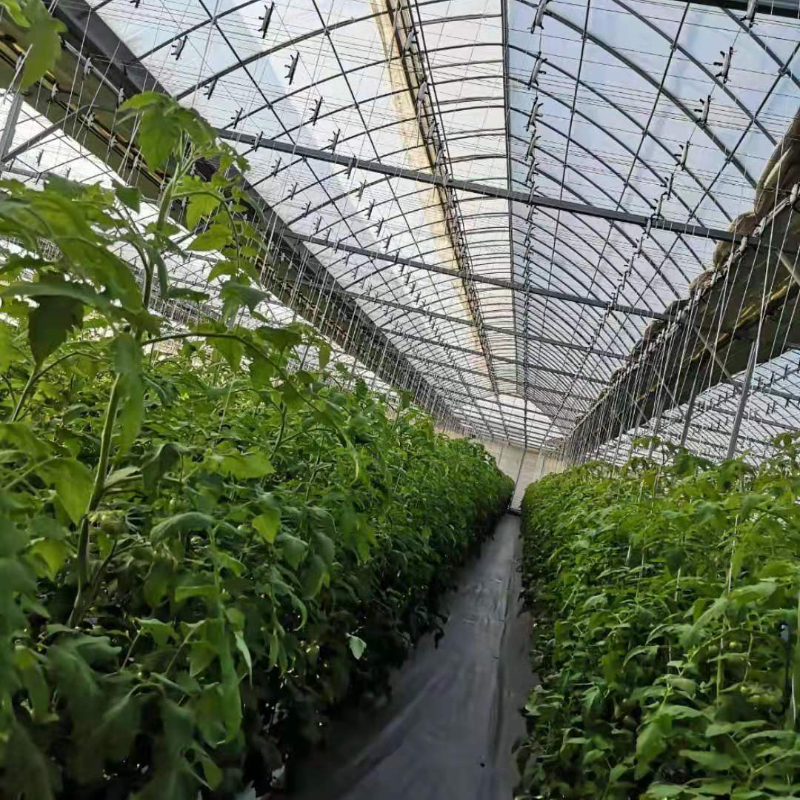
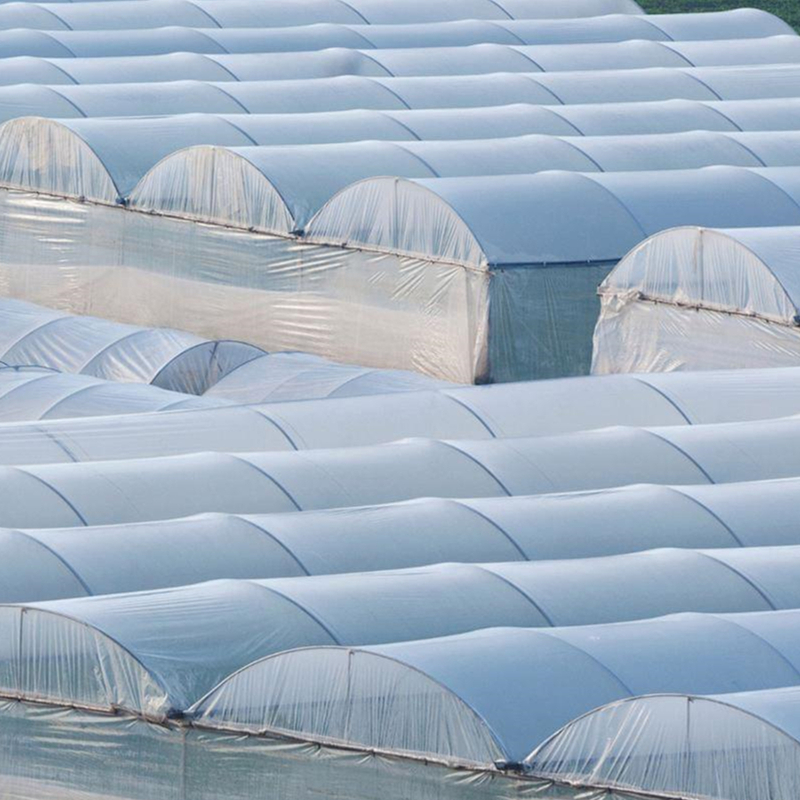
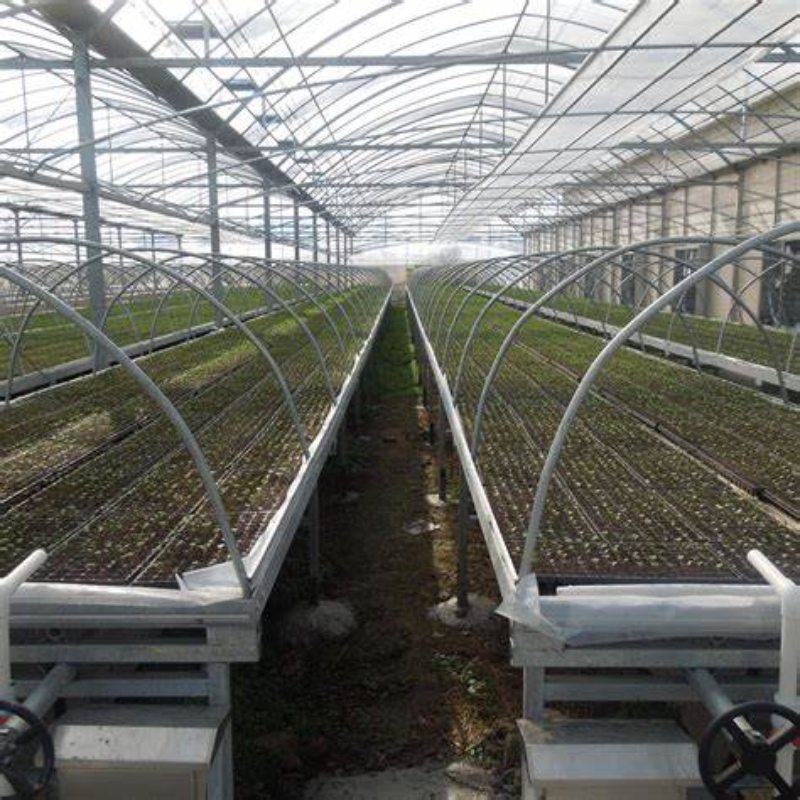
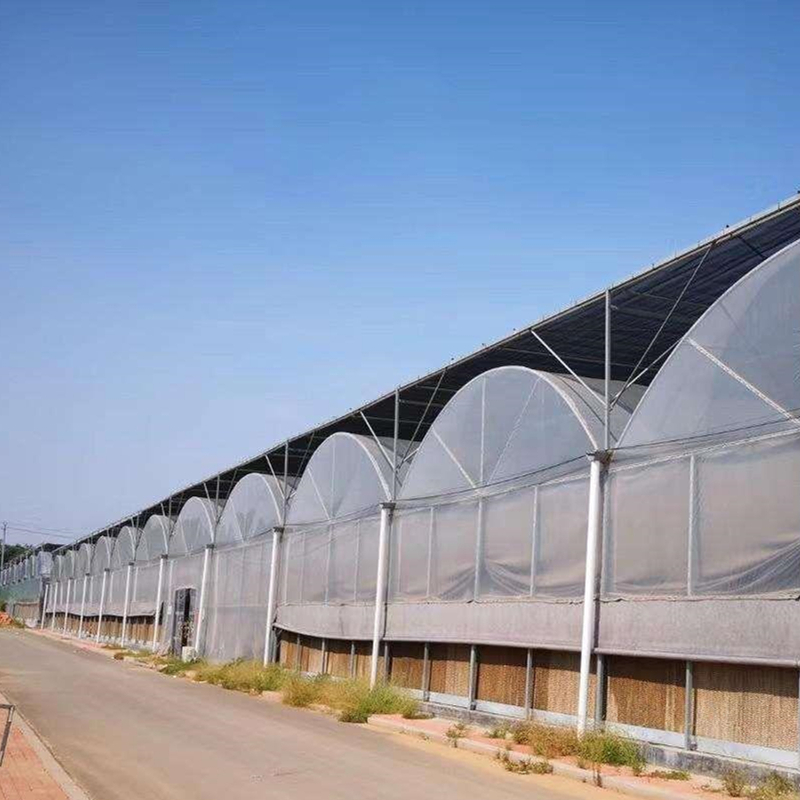
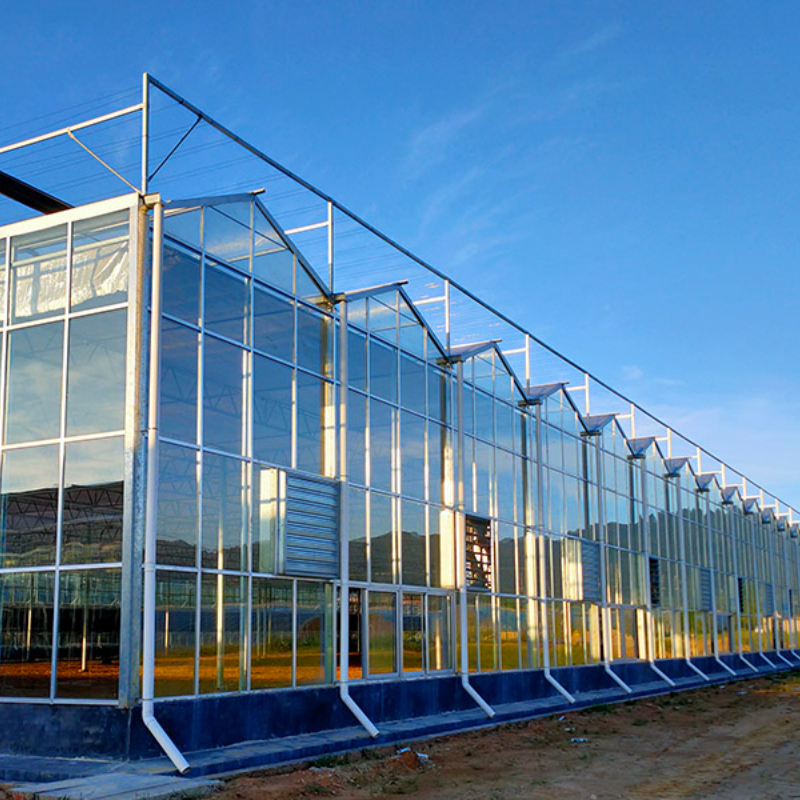
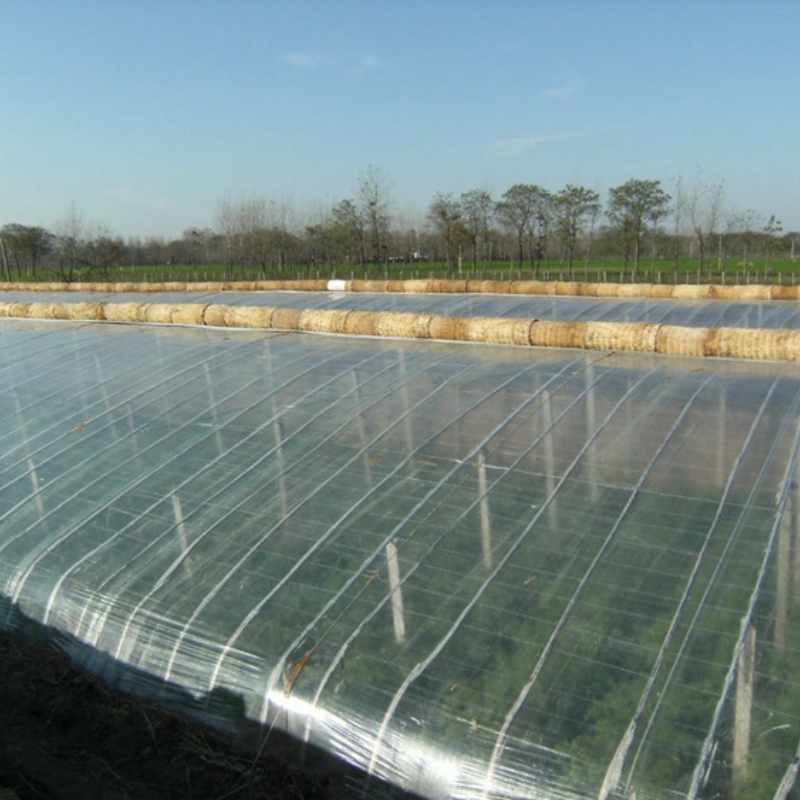
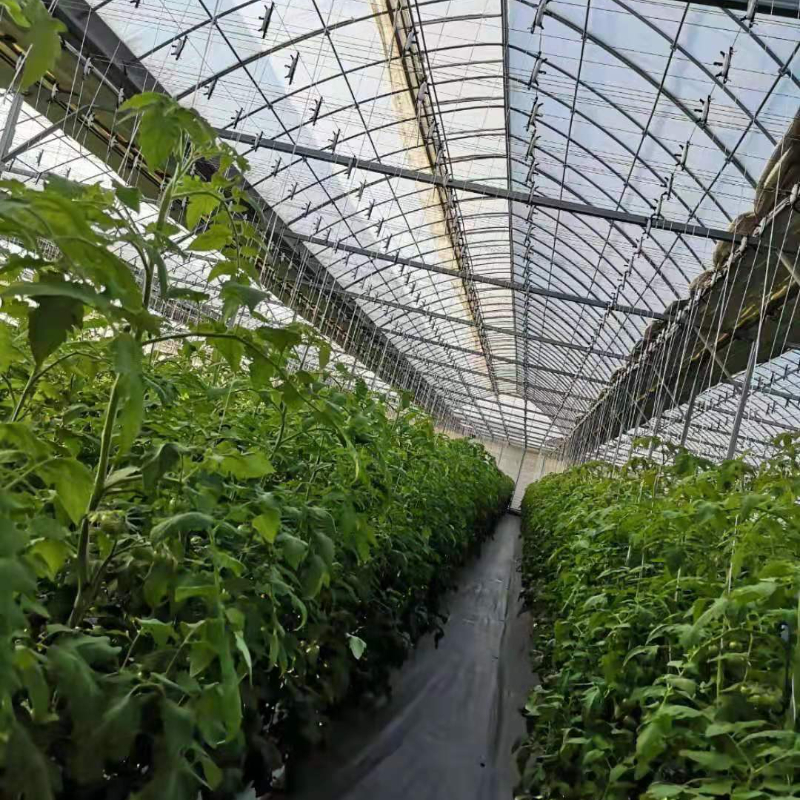
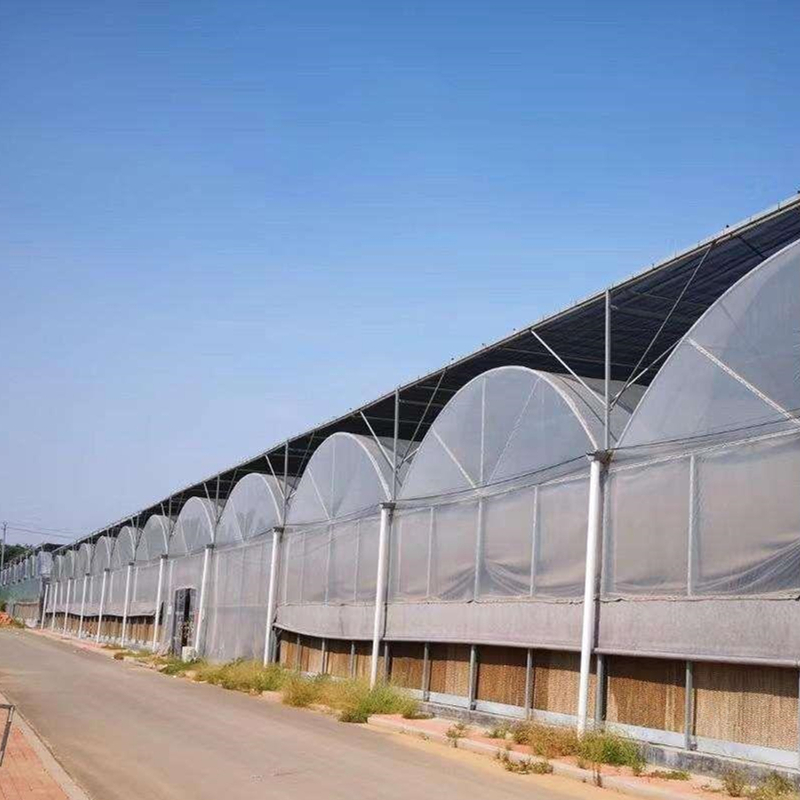
The most prominent pain point of traditional agriculture is its heavy reliance on manual labor, a challenge that plagues outdoor greenhouses, custom greenhouses, and mini green houses alike when operated without intelligent systems. Farmers tending to outdoor greenhouses often endure long hours under harsh weather conditions, manually watering, fertilizing, weeding, and managing pests—tasks that are equally tedious in custom greenhouses, even with their tailored designs, and in mini green houses, where space constraints can make manual work more cumbersome. This not only takes a toll on physical health but also limits productivity: each worker can only cover a limited area in an outdoor greenhouse, struggle to keep up with the specific needs of a custom greenhouse, and spend excessive time on repetitive tasks in a mini green house, with human error leading to inconsistent results across all three types. For small-scale growers, labor costs eat into profits from mini green houses and custom green houses, while large operations with outdoor greenhouses struggle to recruit workers for labor-intensive upkeep, especially in regions with rural labor shortages.
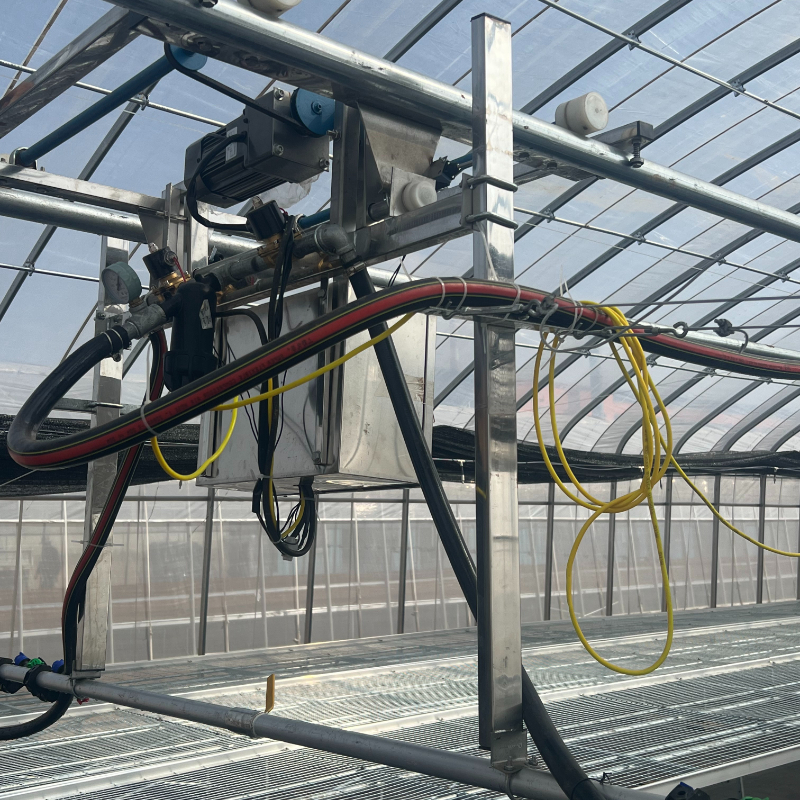
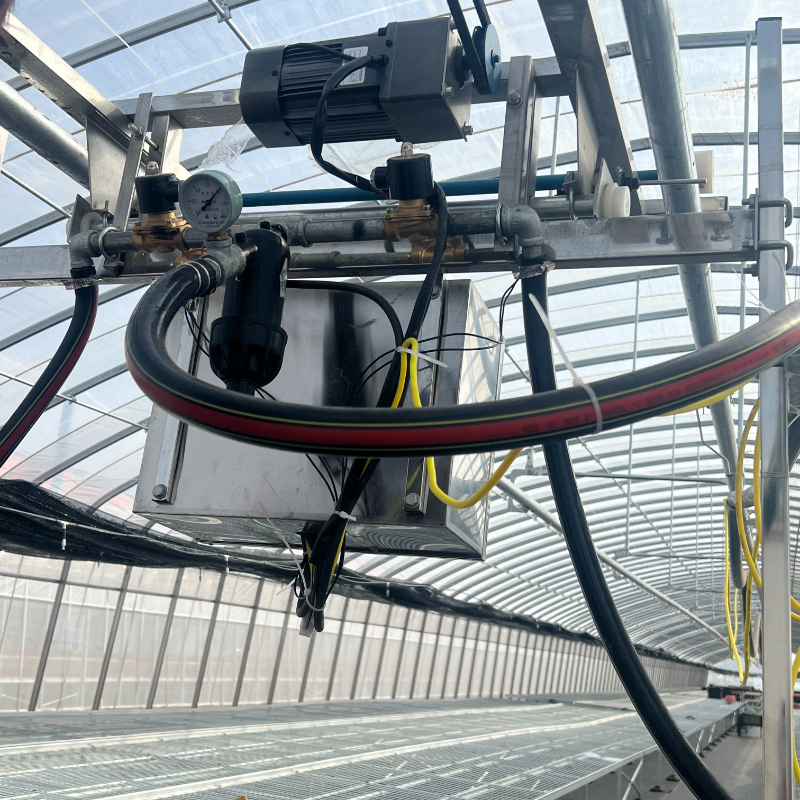
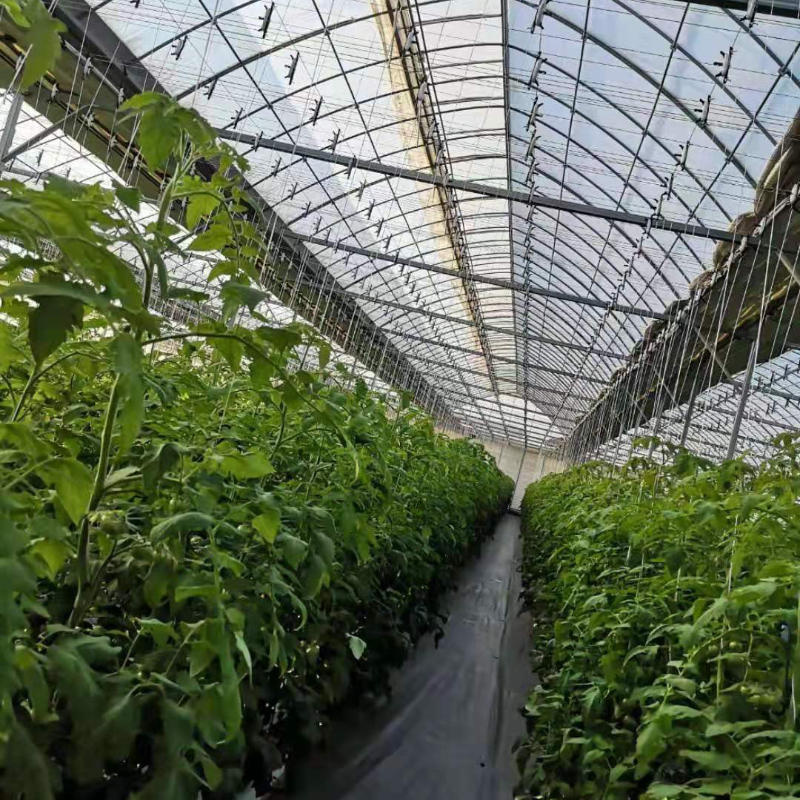
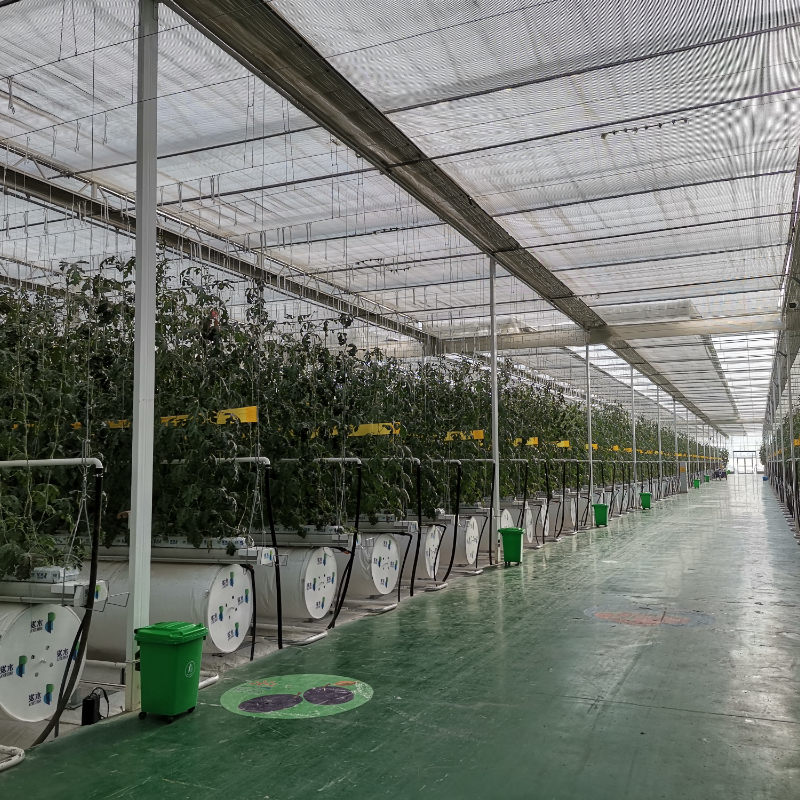
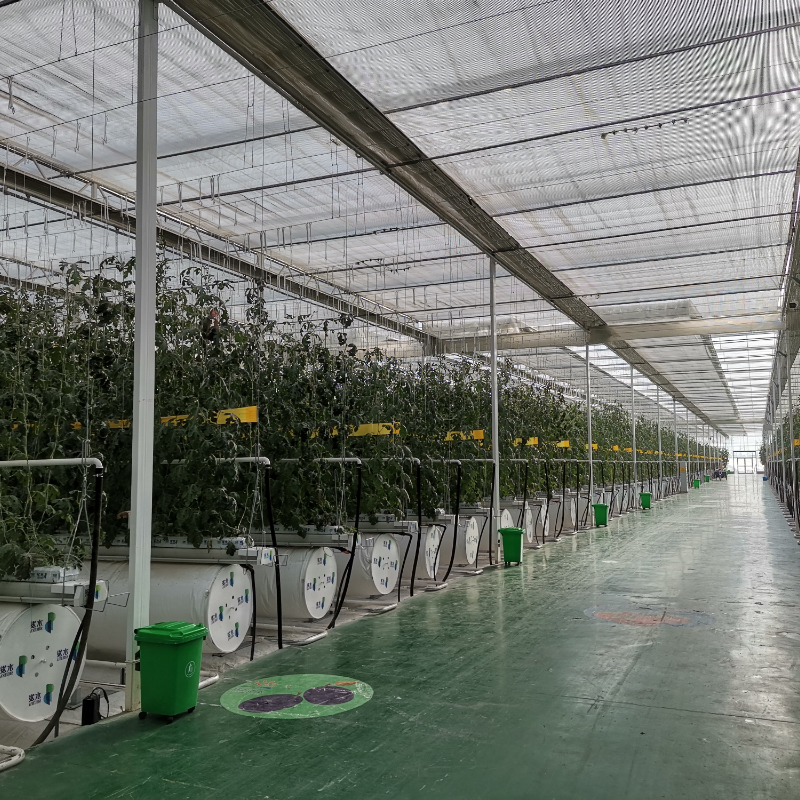
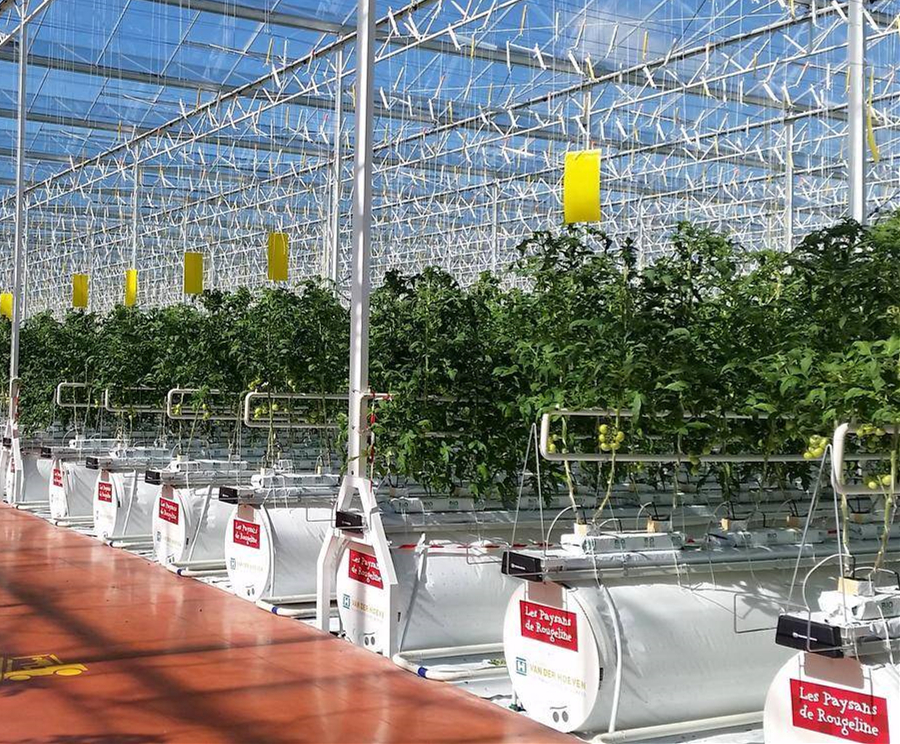
Intelligent systems transform outdoor greenhouses, custom greenhouses, and mini green houses by automating labor-intensive tasks, turning farmers into smart supervisors. An outdoor greenhouse equipped with intelligent controls automatically regulates irrigation, fertilization, and ventilation based on real-time data, eliminating the need for manual monitoring even in open-air settings. A custom greenhouse, designed to fit unique crop or space requirements, integrates automated systems tailored to its specific layout—whether it’s a large commercial custom greenhouse or a small-scale one—ensuring precision care without manual intervention. A mini green house, ideal for home growers or urban farms, uses compact automated devices to water and adjust temperature, making it easy to manage without constant attention. For example, soil moisture sensors in outdoor greenhouses, custom greenhouses, and mini green houses continuously monitor water levels, triggering irrigation systems to deliver exact amounts, preventing overwatering or underwatering across all three. Nutrient sensors in outdoor greenhouses, custom greenhouses, and mini green houses detect nitrogen, phosphorus, and potassium levels, with automated dispensers in each type delivering precise doses to optimize growth.
Pest control in outdoor greenhouses, custom greenhouses, and mini green houses is also streamlined by automation. Outdoor greenhouses use AI-powered image recognition and insect traps to detect infestations early, while custom greenhouses integrate air filtration systems matching their design to block pests. Mini green houses, with their enclosed spaces, leverage compact sensors to alert growers of threats via mobile apps. Instead of manually inspecting every plant in an outdoor greenhouse, custom greenhouse, or mini green house, farmers receive real-time alerts, saving time and reducing pesticide use in all three. This eco-friendly approach enhances the value of outdoor greenhouses, custom greenhouses, and mini green houses as sustainable growing solutions.
The shift to smart supervision revolutionizes how outdoor greenhouses, custom greenhouses, and mini green houses are managed. Farmers monitor multiple outdoor greenhouses, custom greenhouses, and mini green houses via centralized panels or apps, reducing physical fatigue. For young growers, this makes outdoor greenhouses, custom greenhouses, and mini green houses attractive career or hobby options, as technical skills replace backbreaking labor. Businesses scaling outdoor greenhouses or custom greenhouses avoid proportional labor increases, while mini green houses enable urban dwellers to grow crops with minimal effort. This labor efficiency boosts profitability for outdoor greenhouses, custom greenhouses, and mini green houses, making each a viable and lucrative option.
