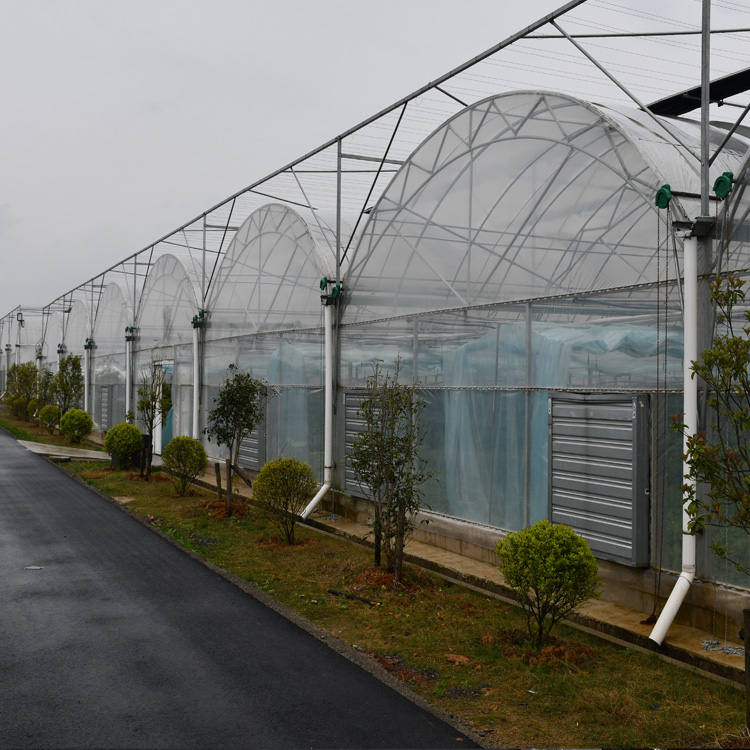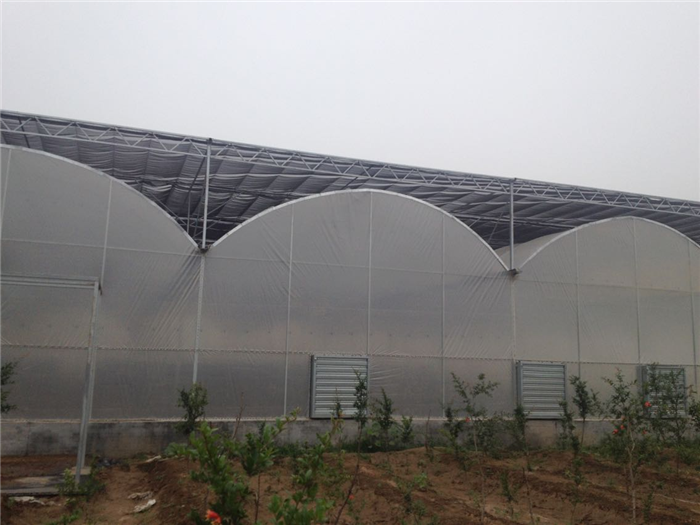
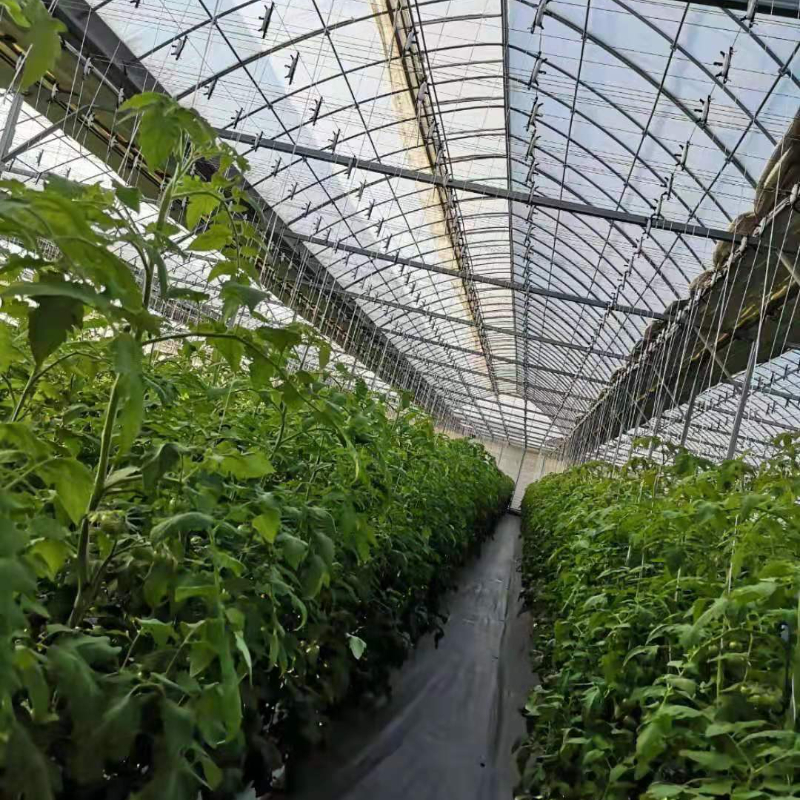
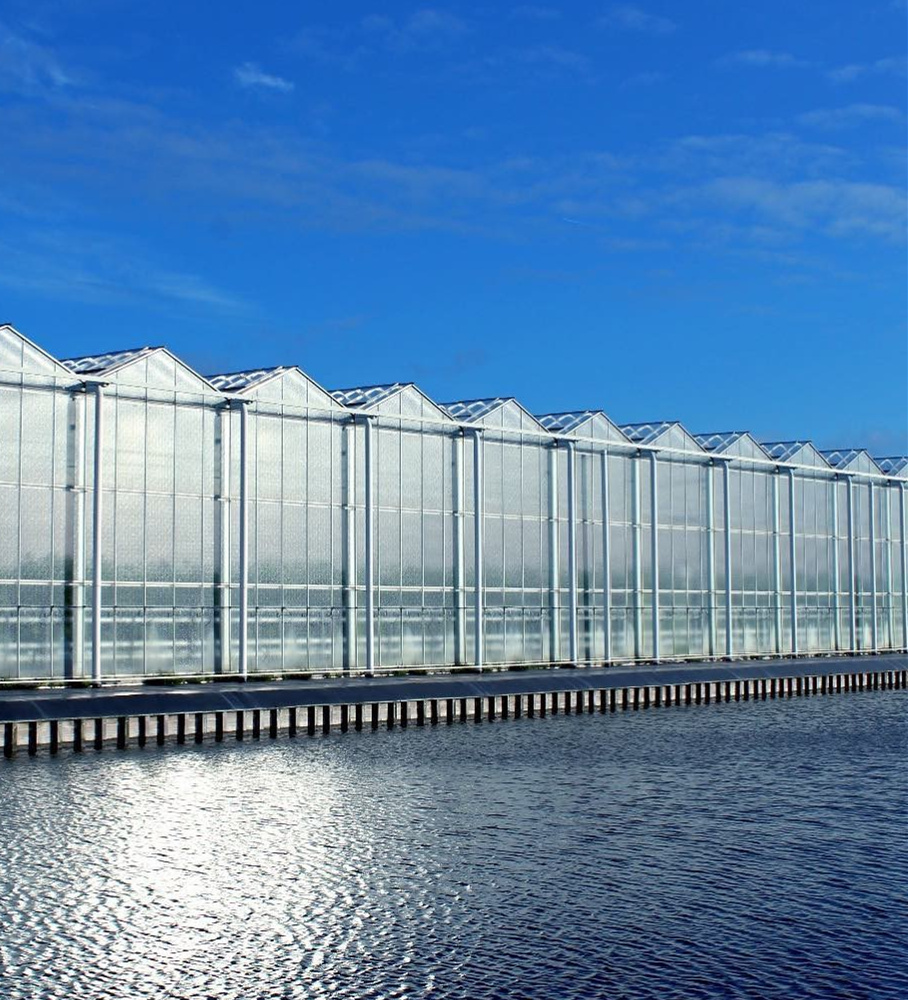
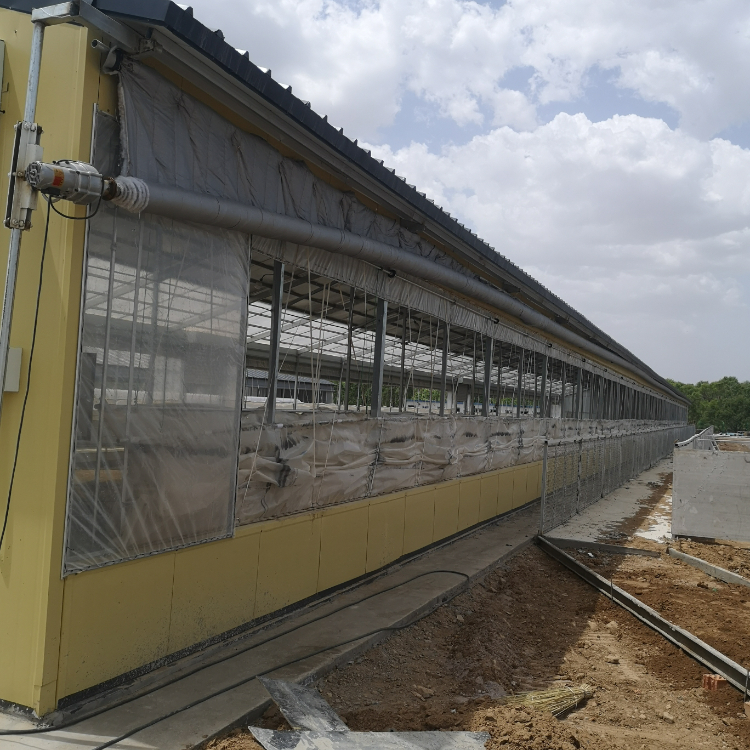
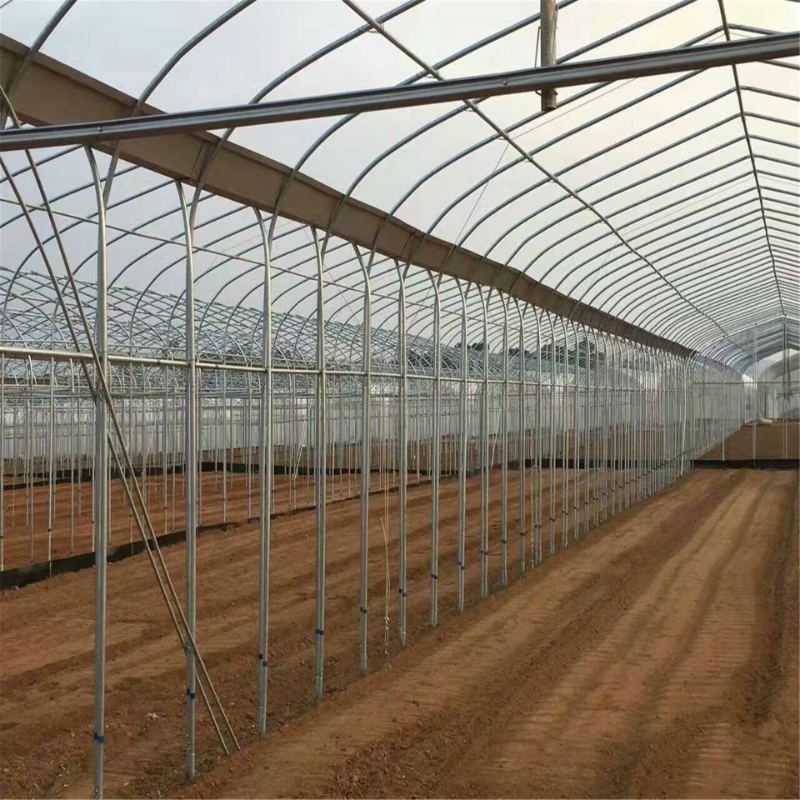
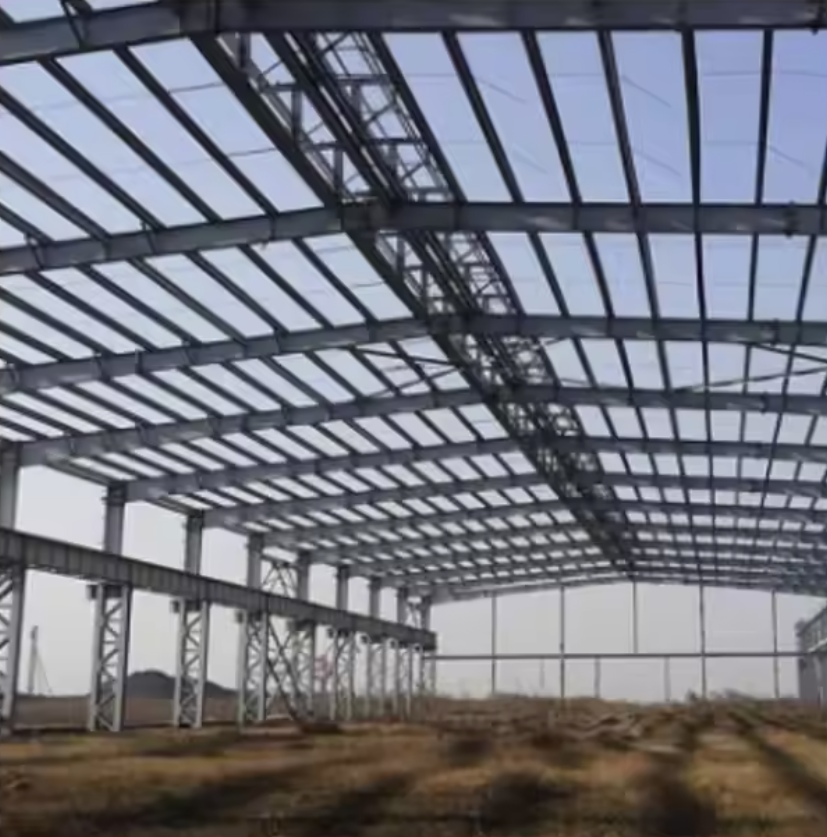
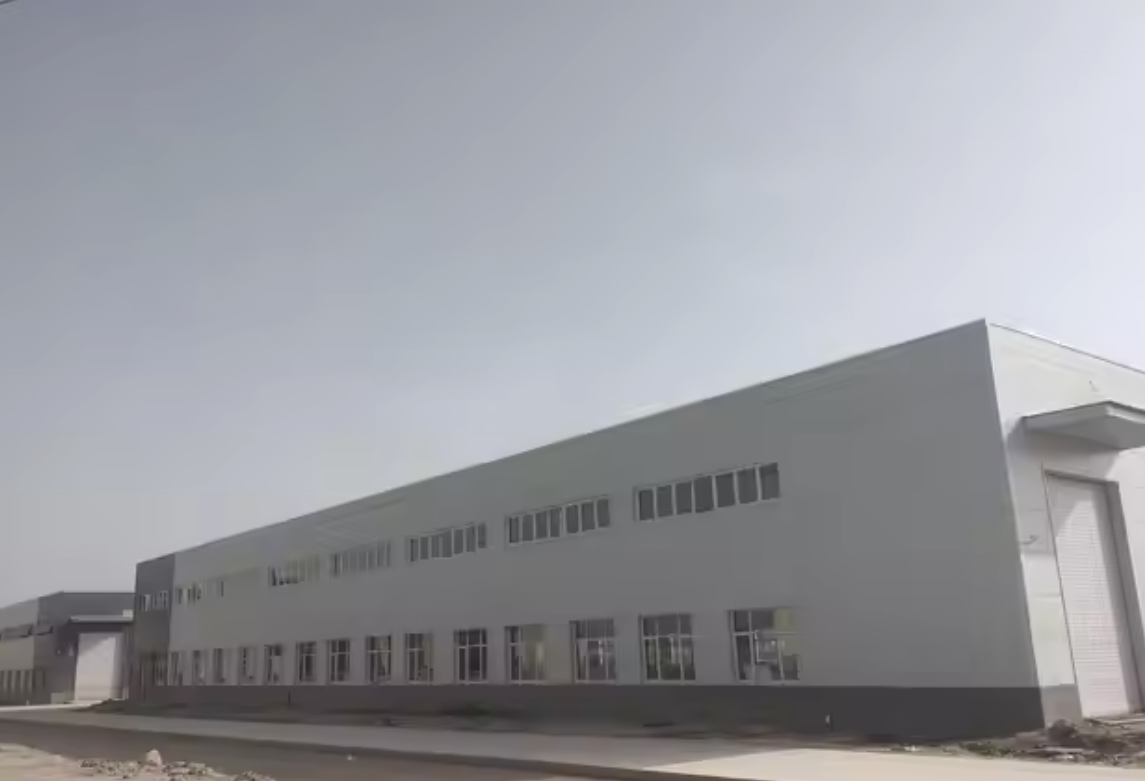
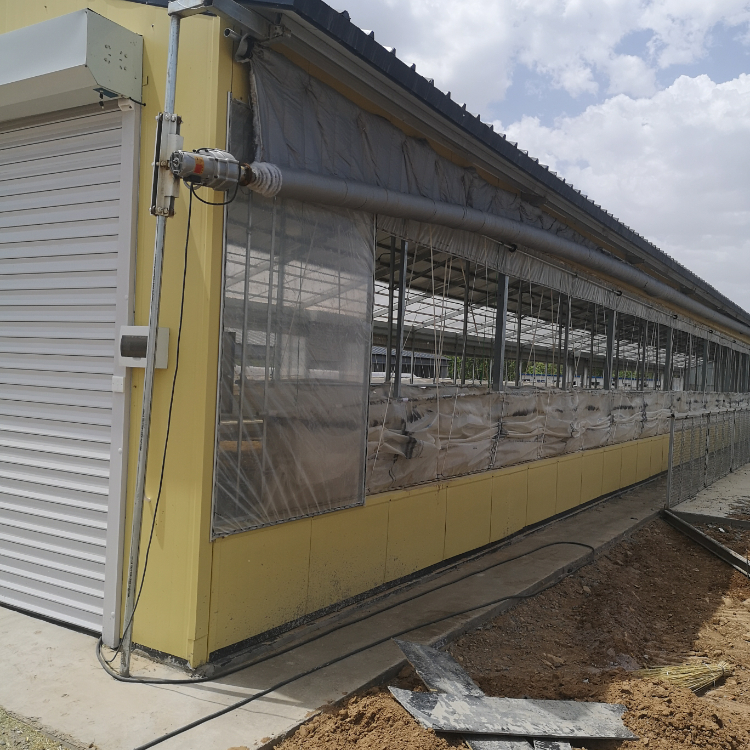
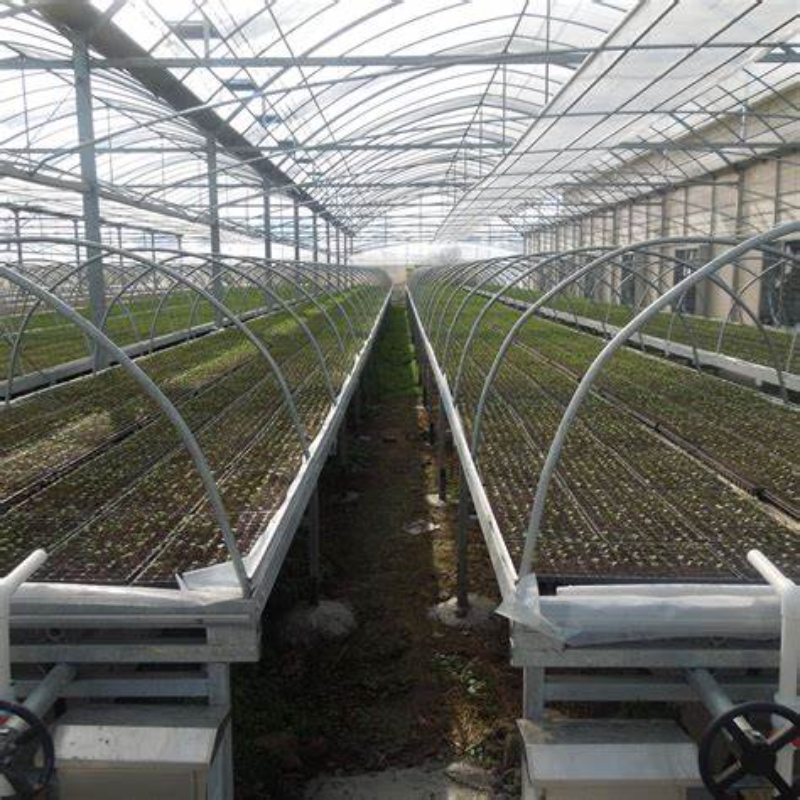
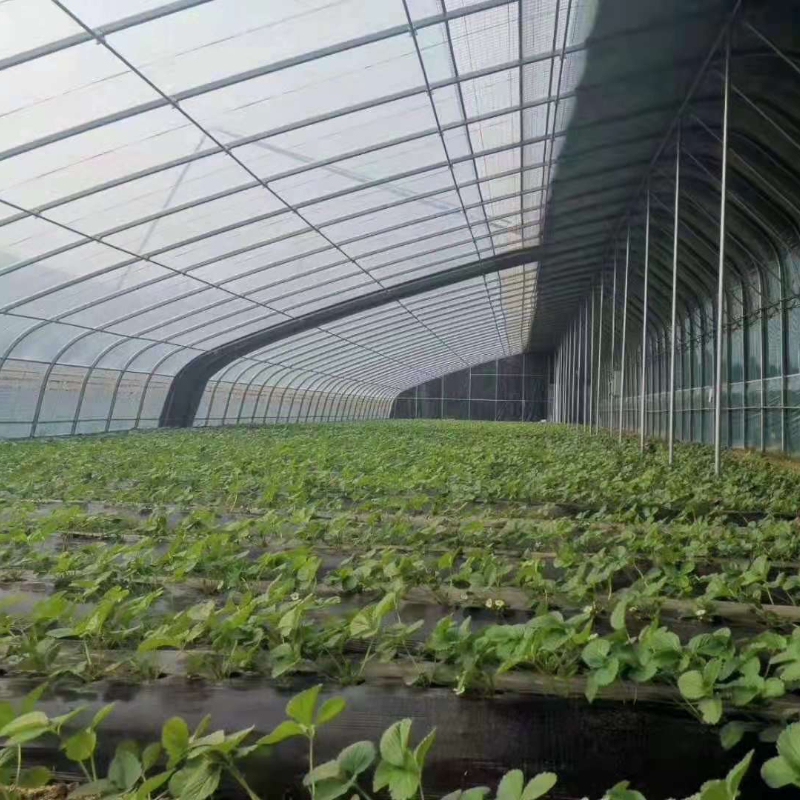
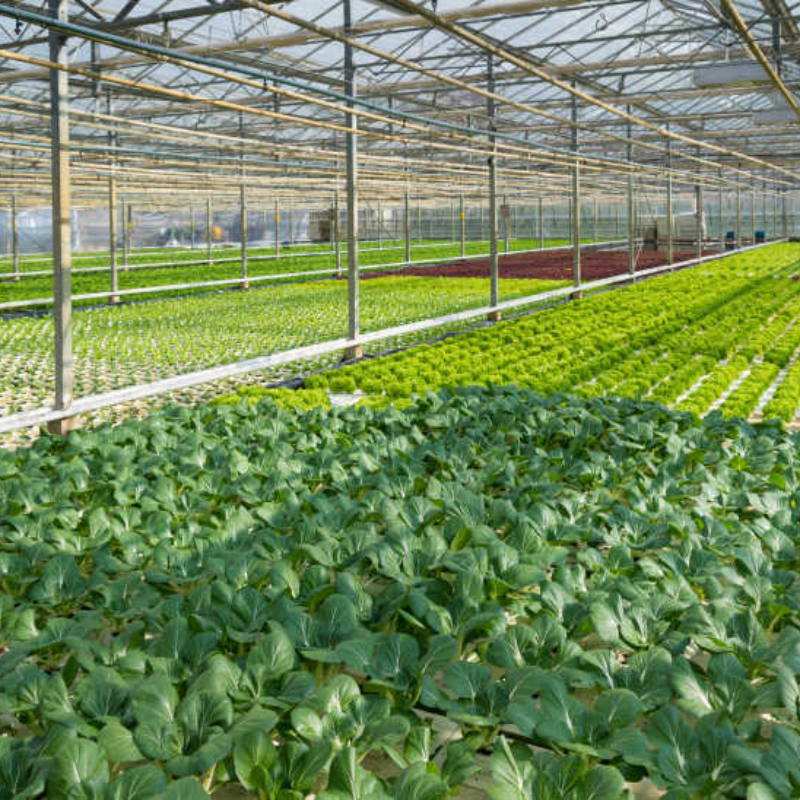
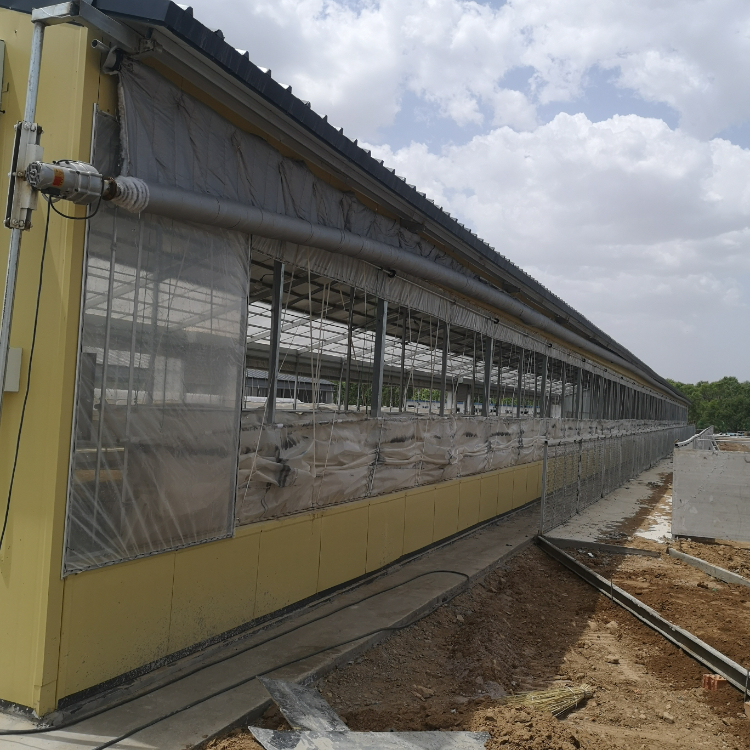
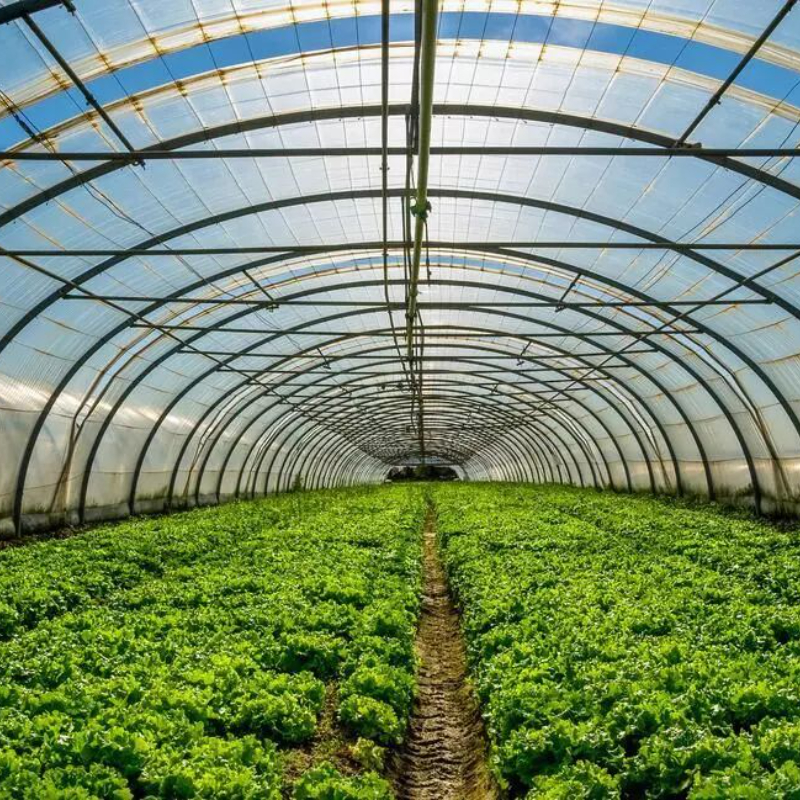
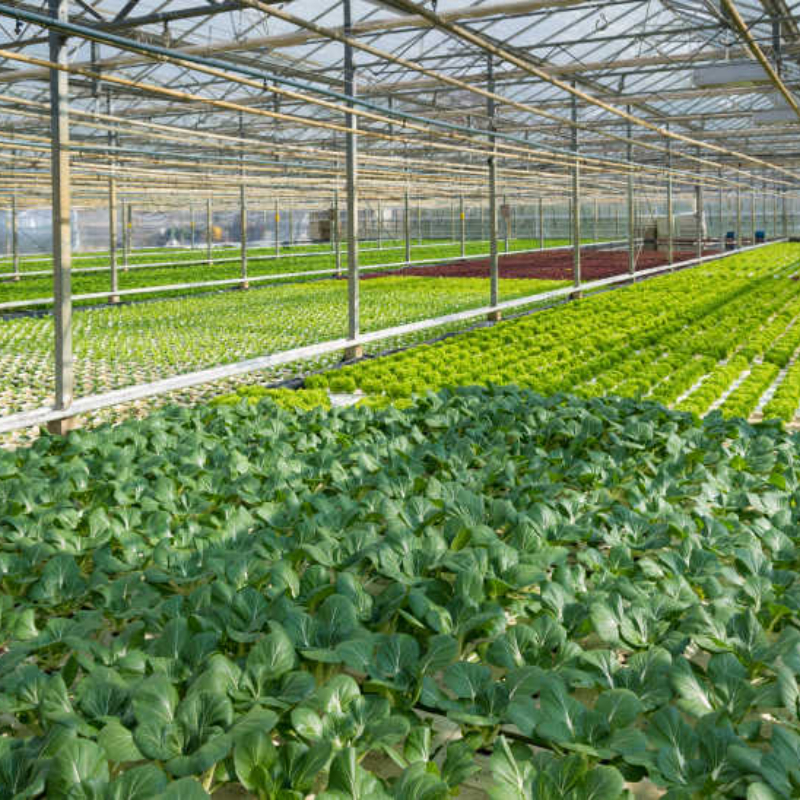
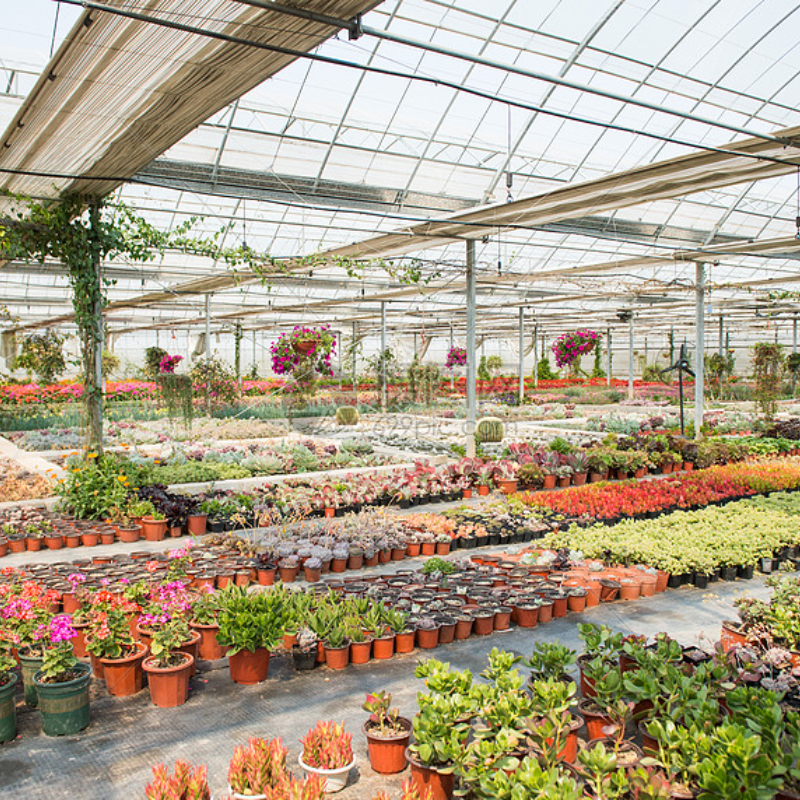
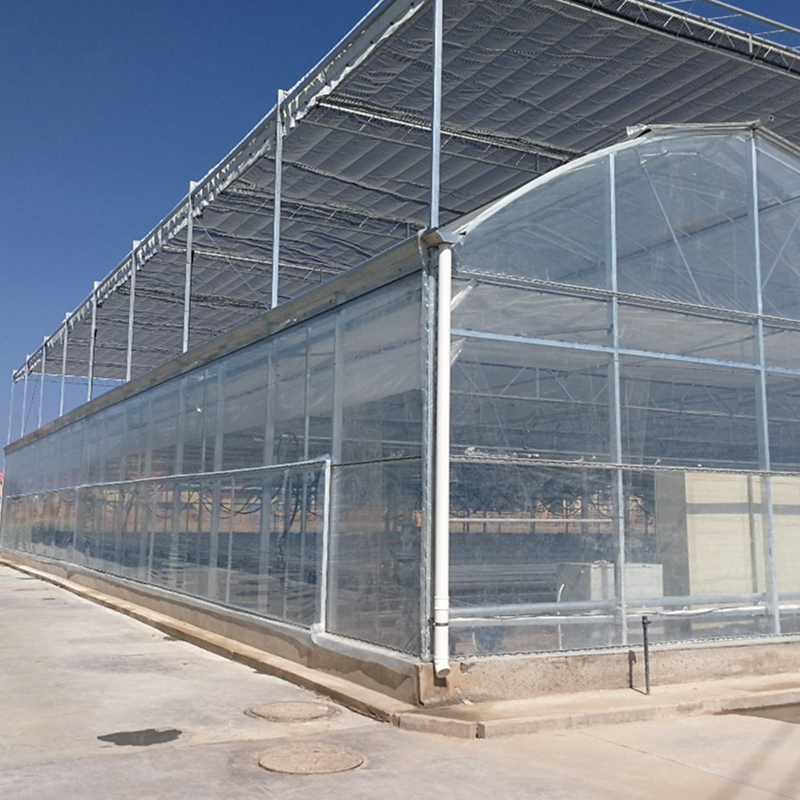
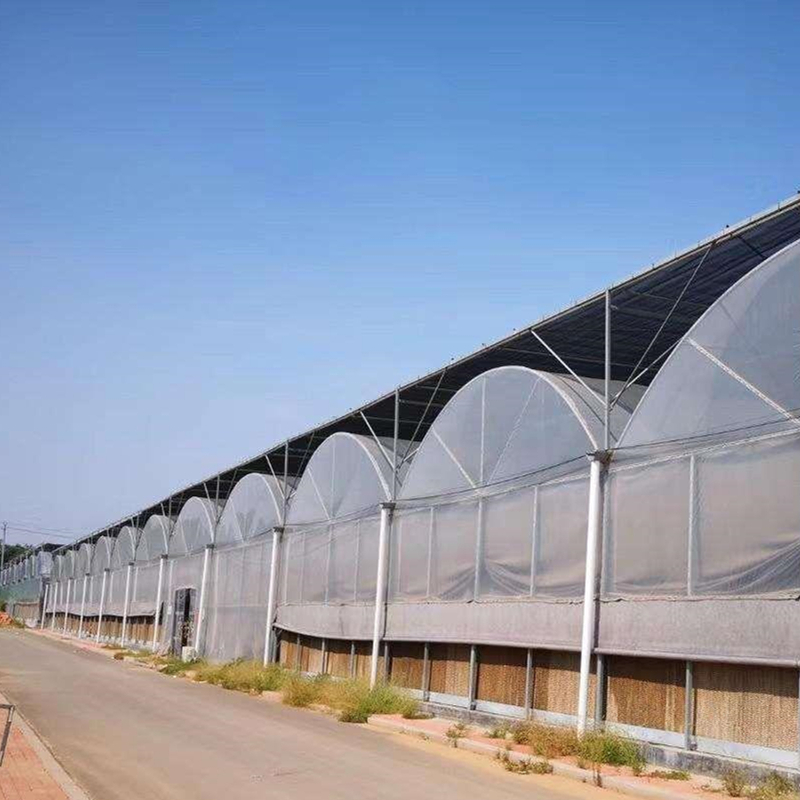
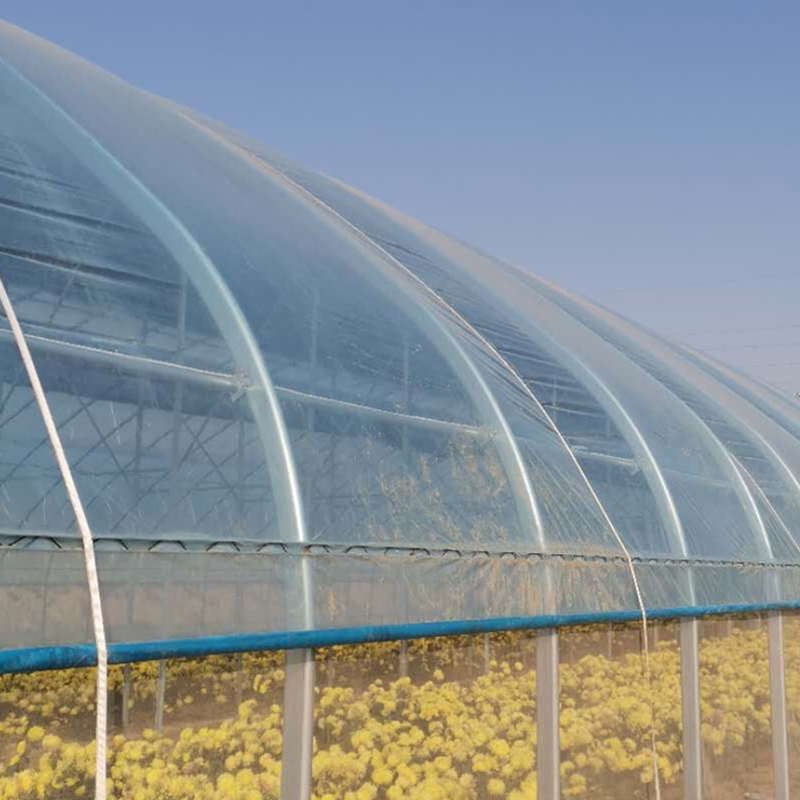
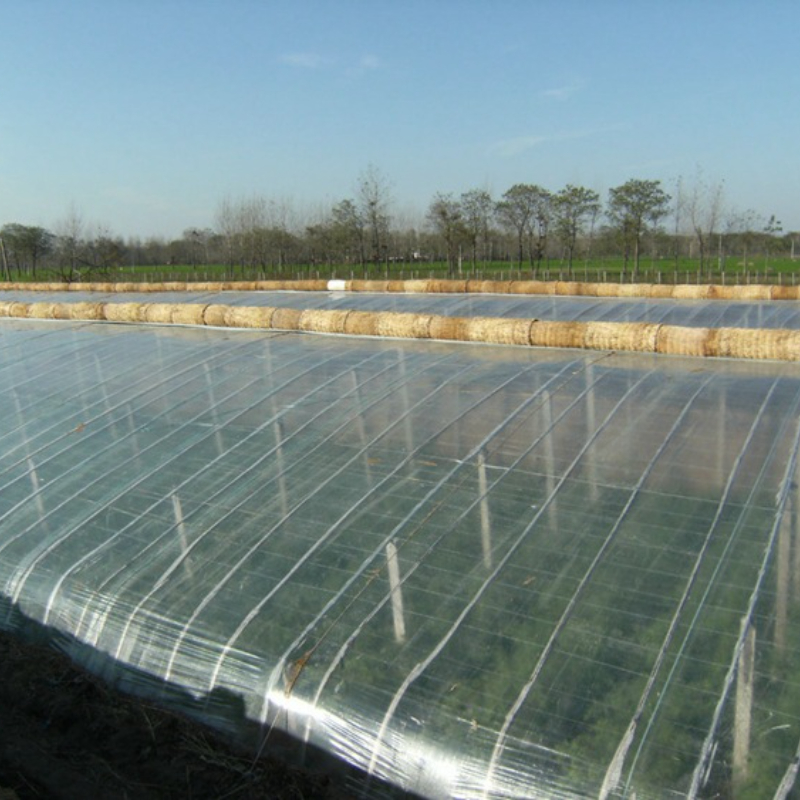
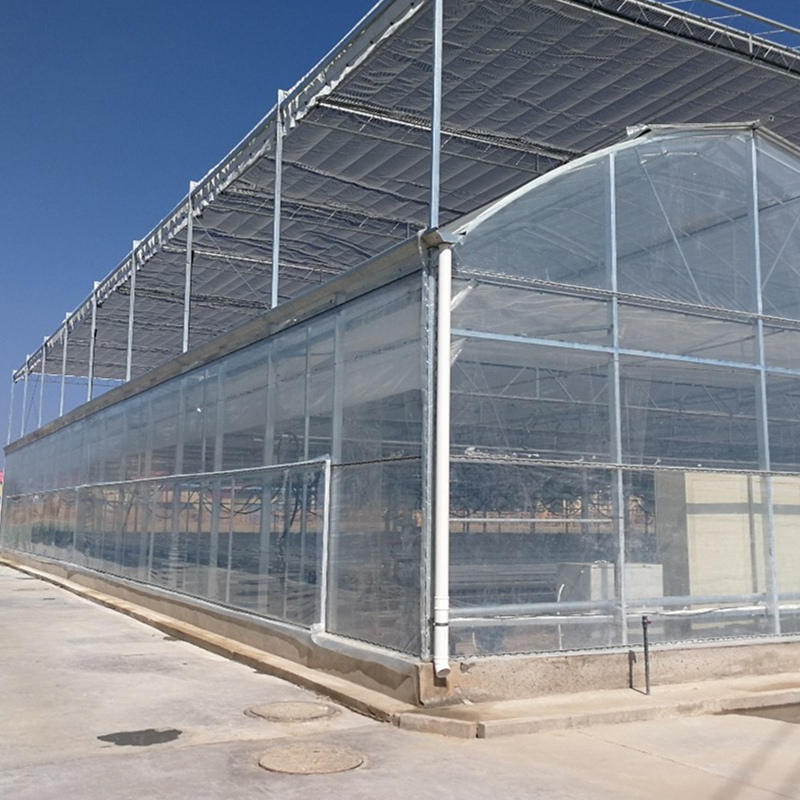
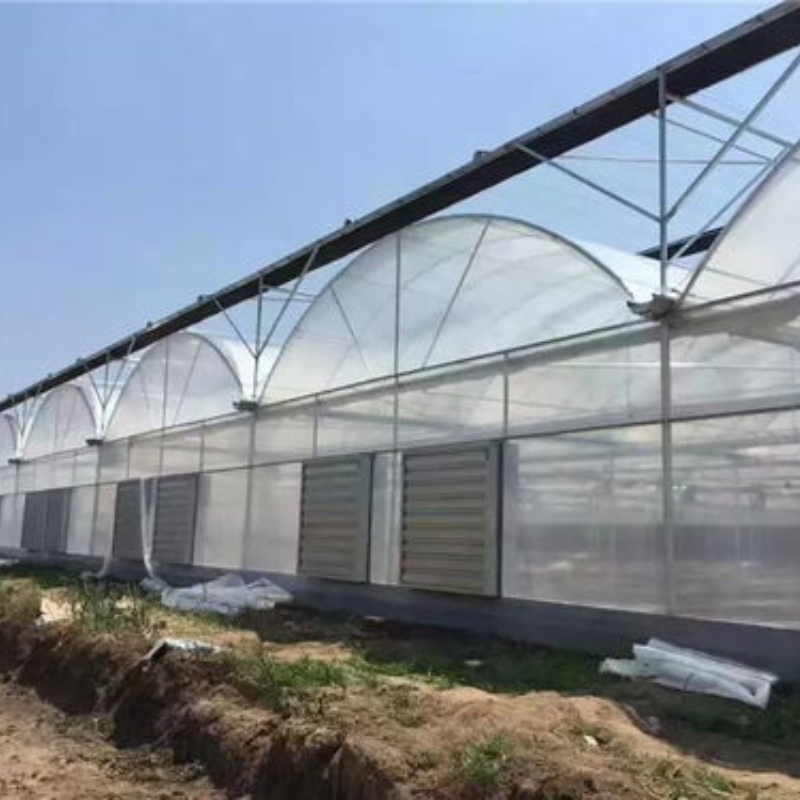
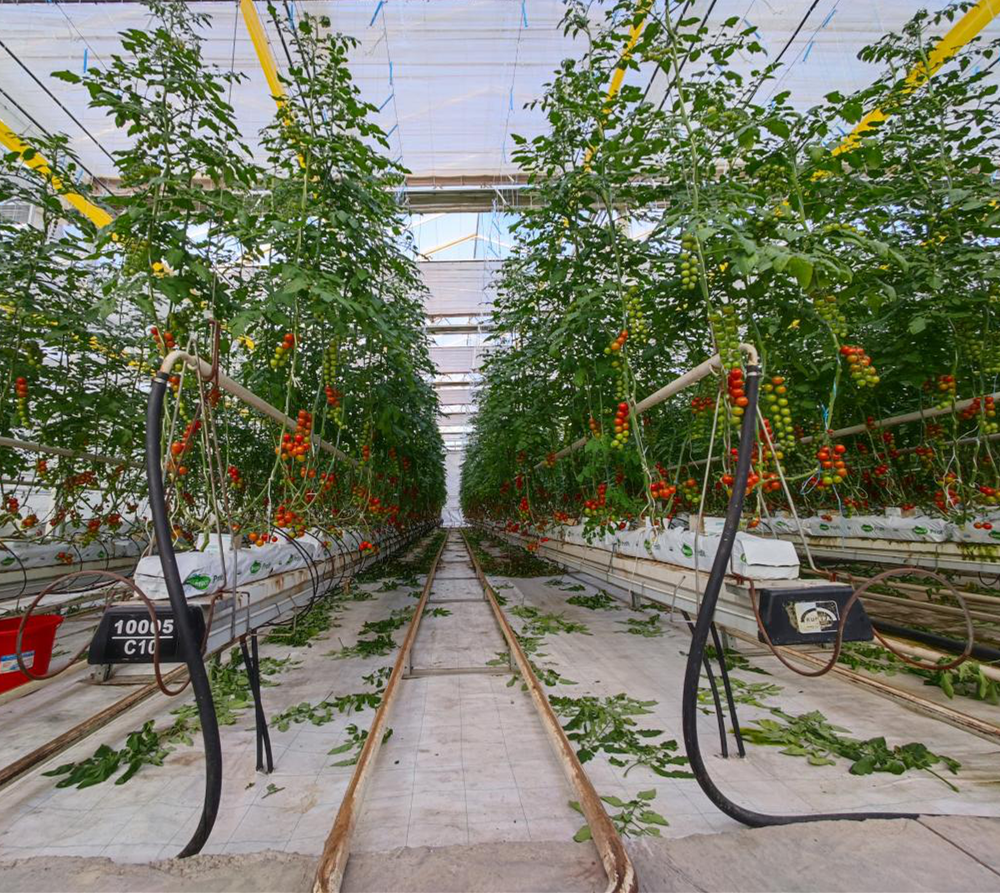
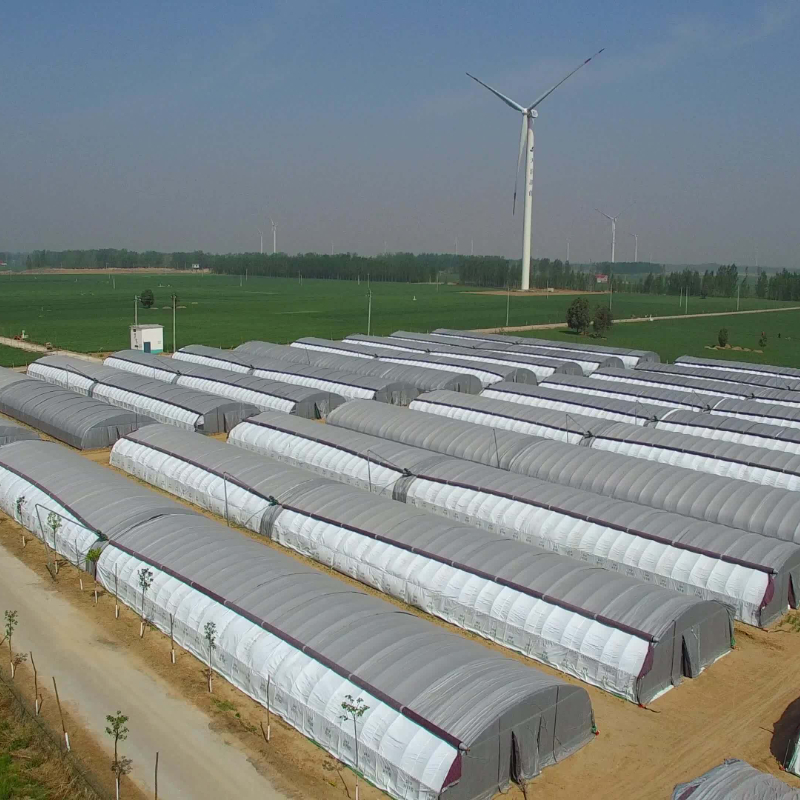
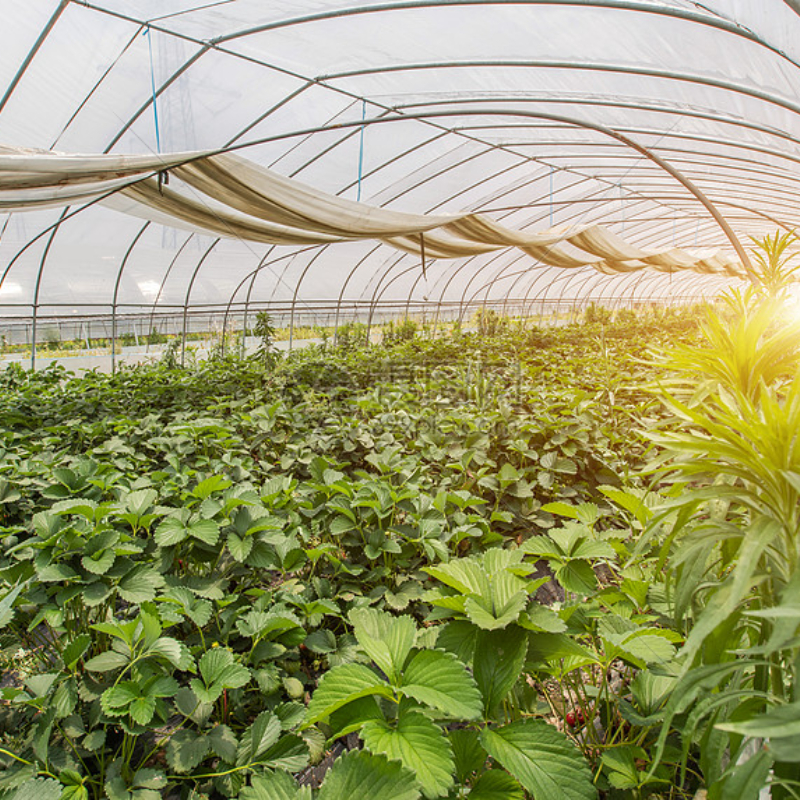
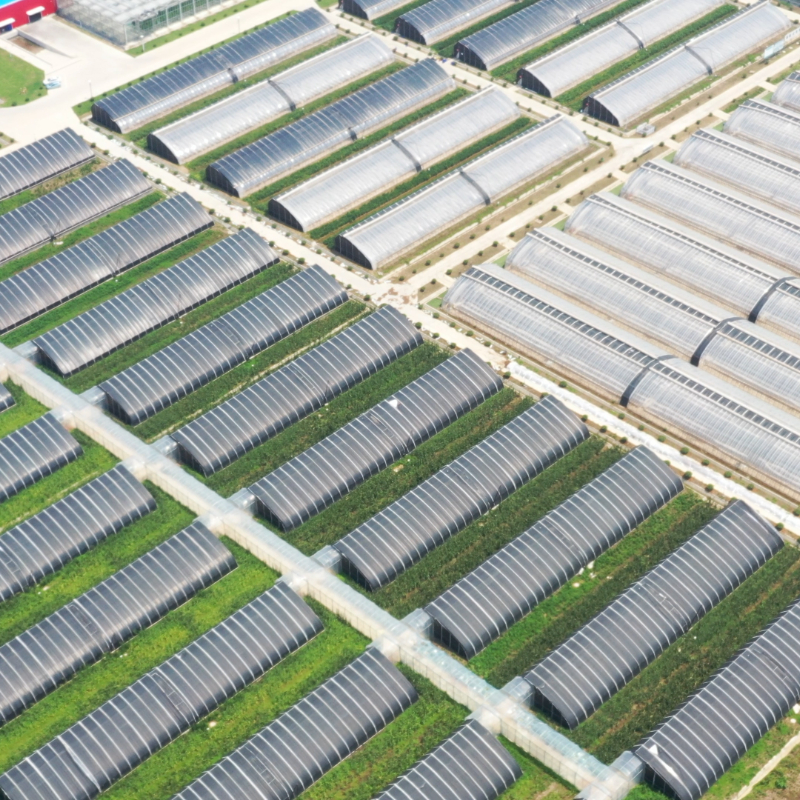
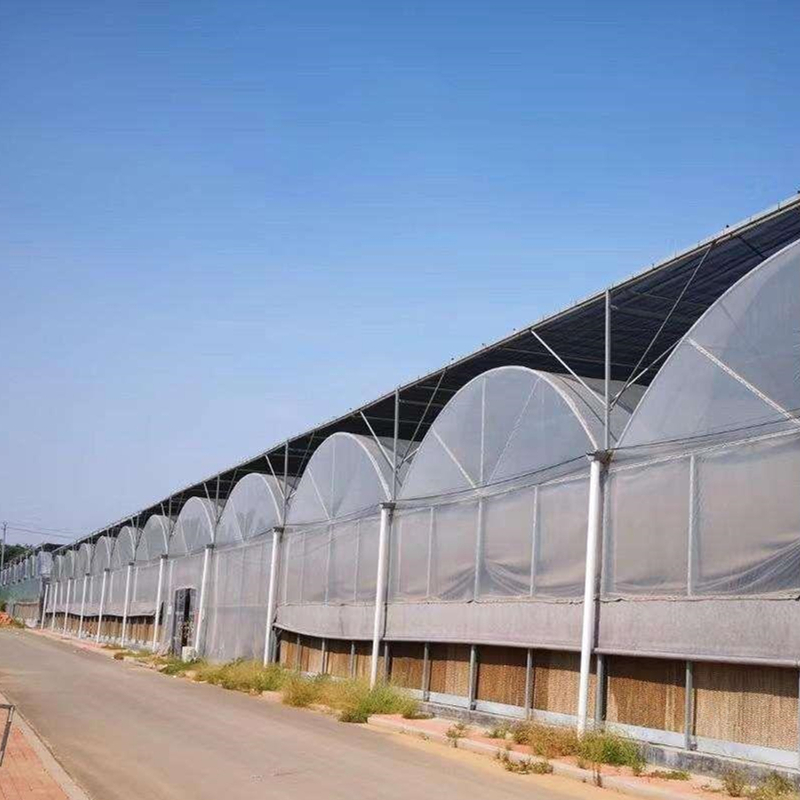
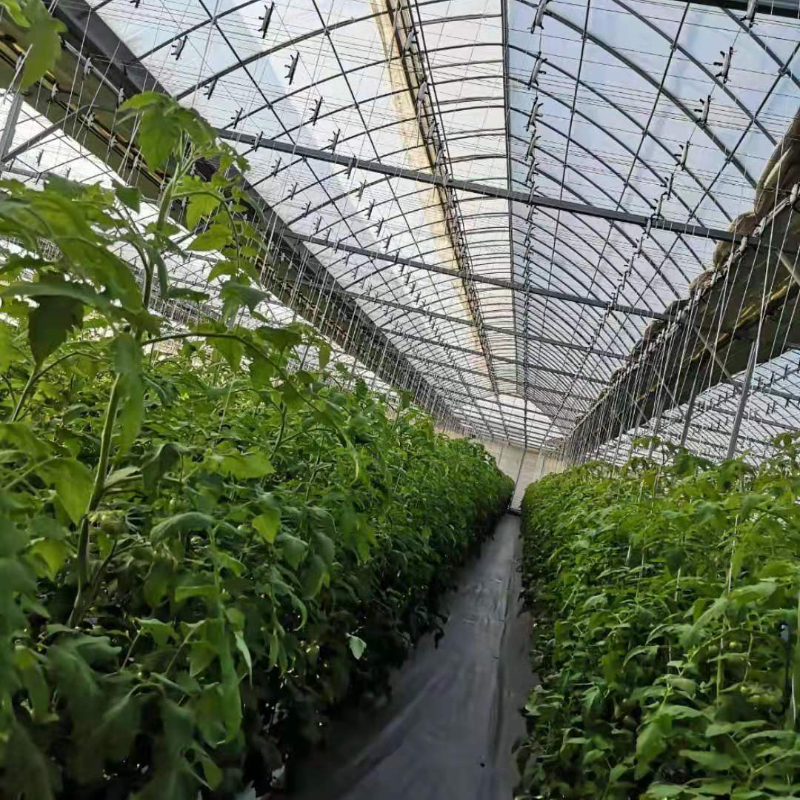
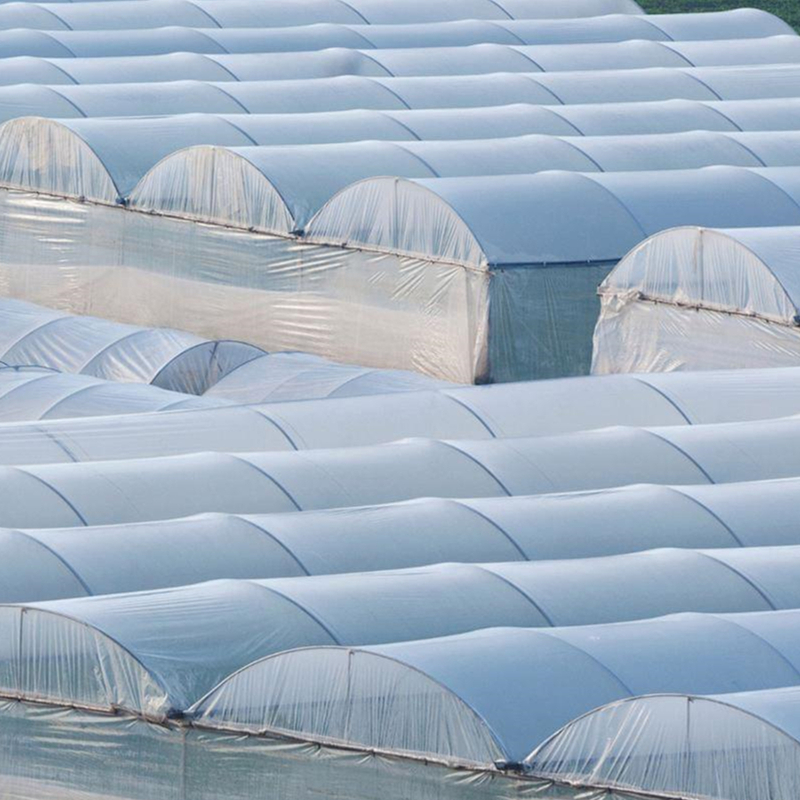
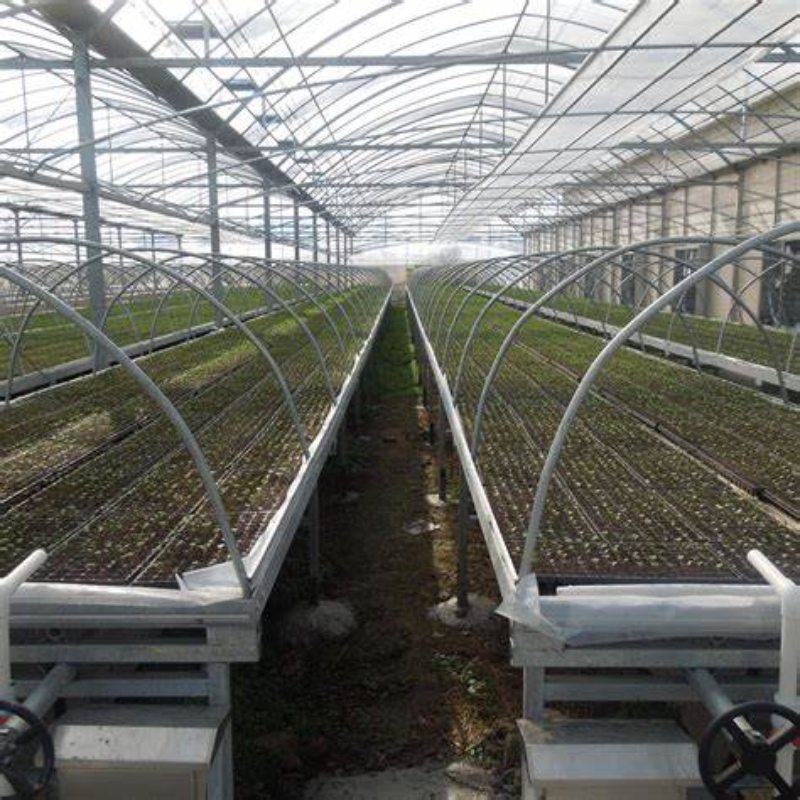
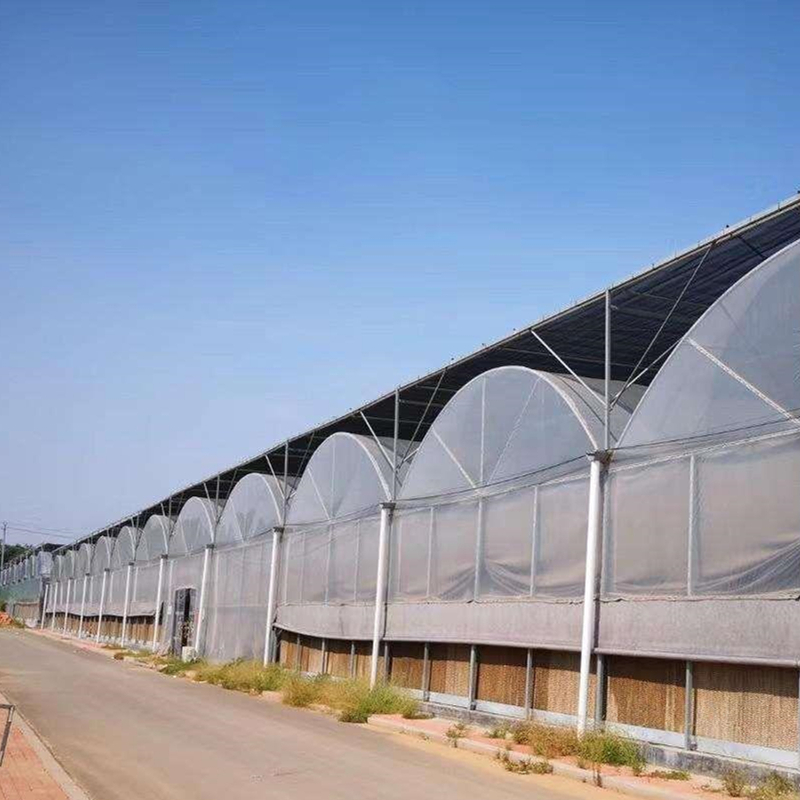
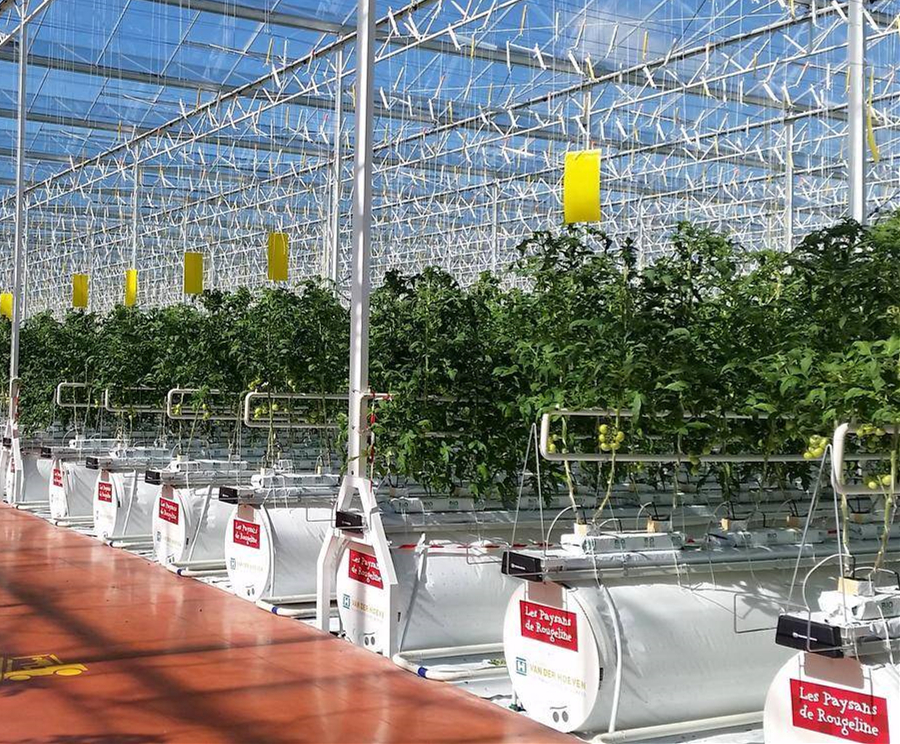
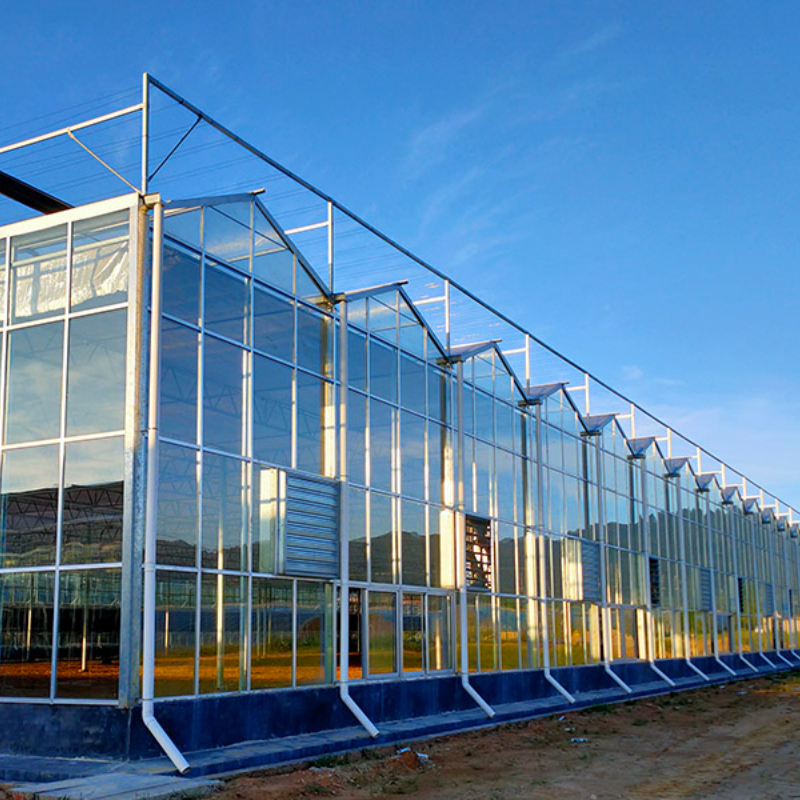
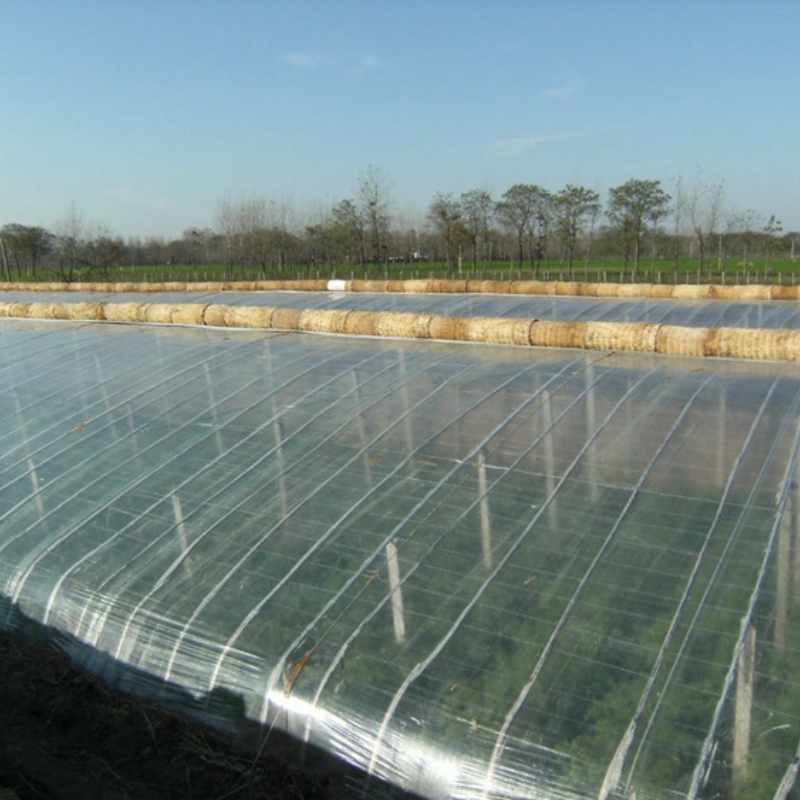
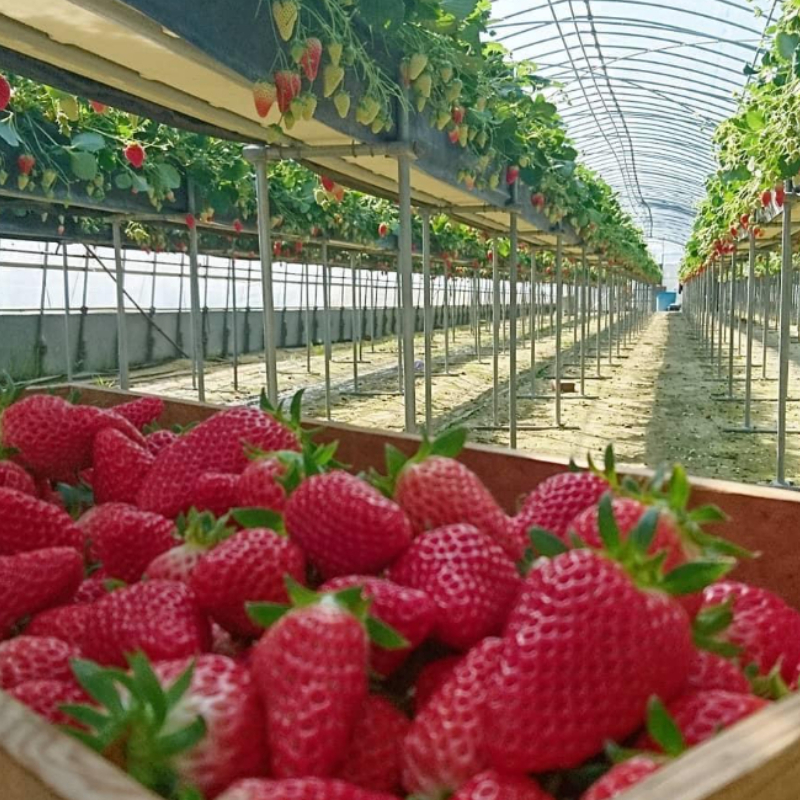
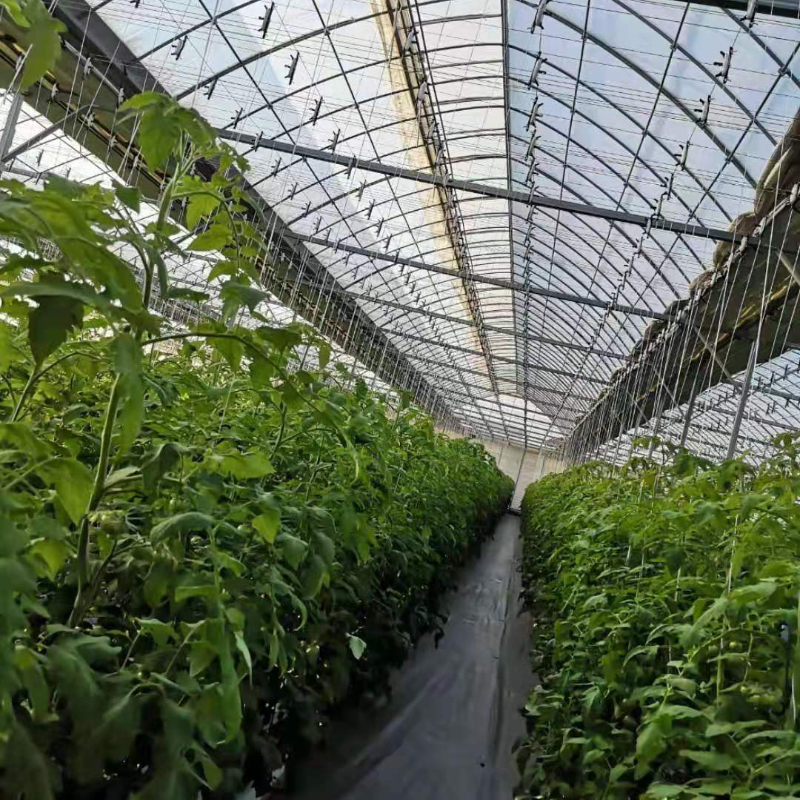
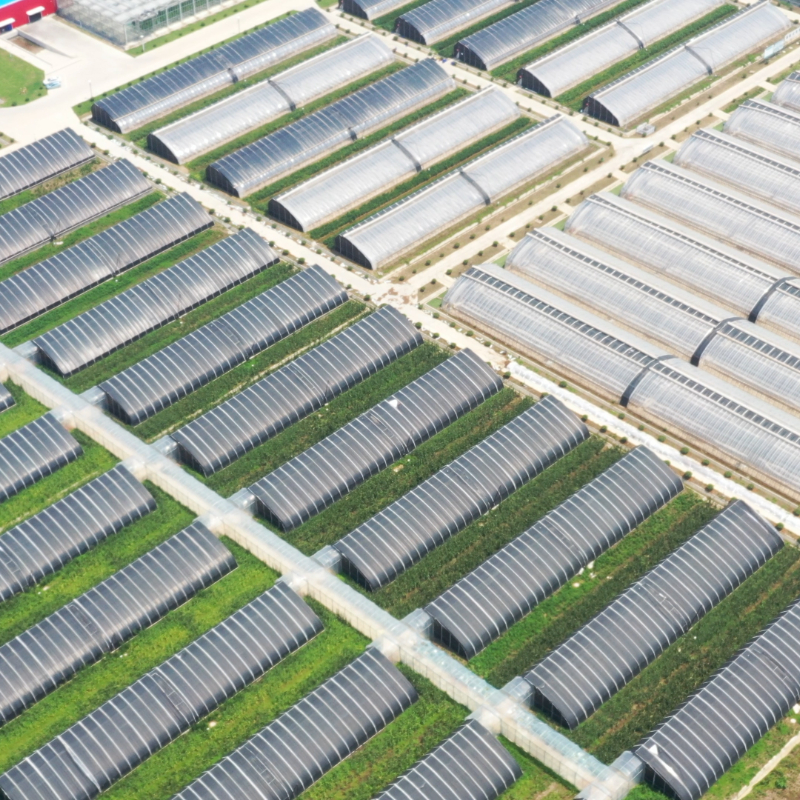
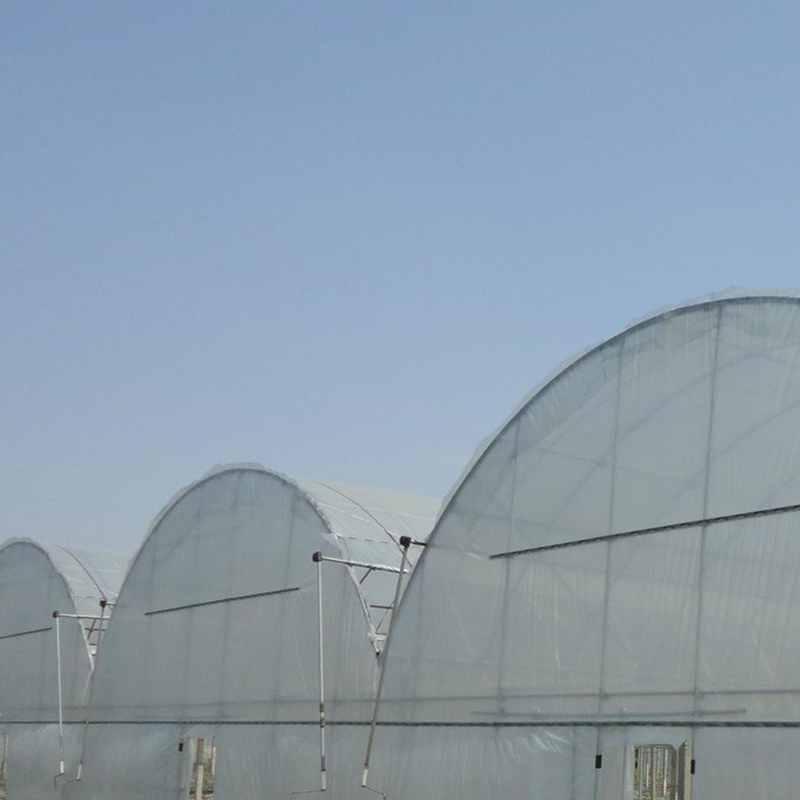
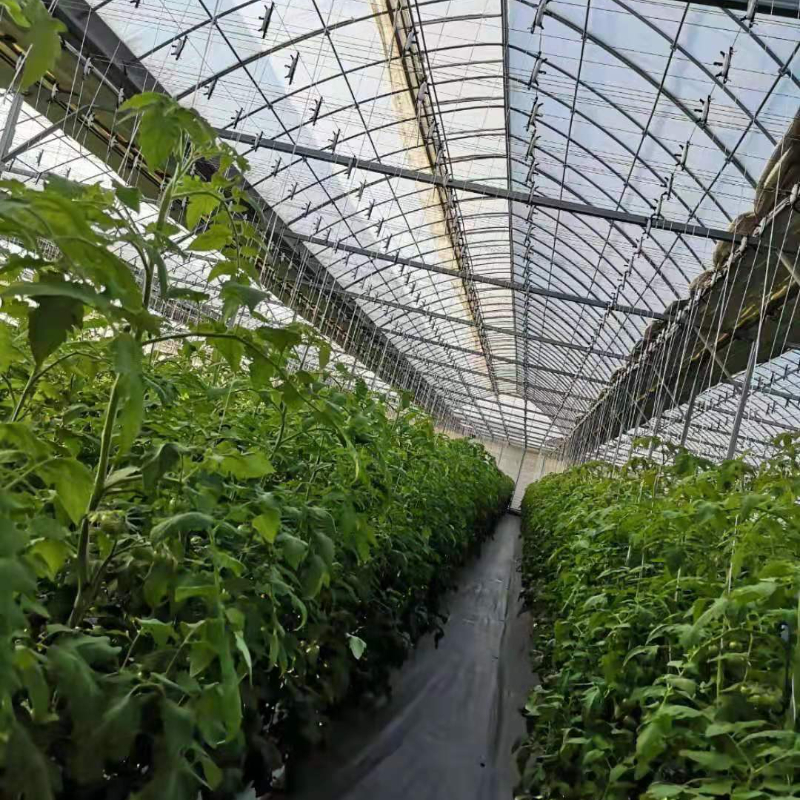
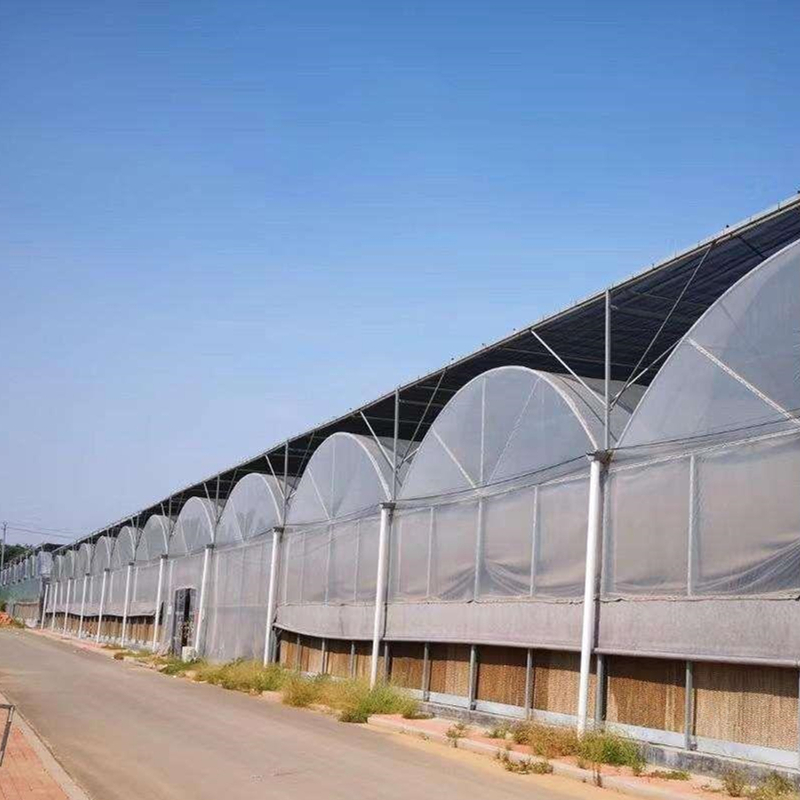
In the era of smart agriculture, multi-span film greenhouses are evolving with the integration of advanced technologies, becoming more efficient, sustainable, and user-friendly. A multi-span film greenhouse is a large-scale connected structure covered with high-performance plastic film, designed to create a controlled environment for crop growth while leveraging technological innovations to optimize production. Unlike traditional greenhouses, modern multi-span film greenhouses incorporate smart sensors, automated control systems, and renewable energy solutions, transforming how growers manage their crops. As the global focus on sustainable agriculture intensifies, the multi-span film greenhouse, with its combination of technology and sustainability, is emerging as a key player in modern farming. This article explores the integration of smart technologies in multi-span film greenhouses, their sustainable features, and their role in shaping the future of agriculture.
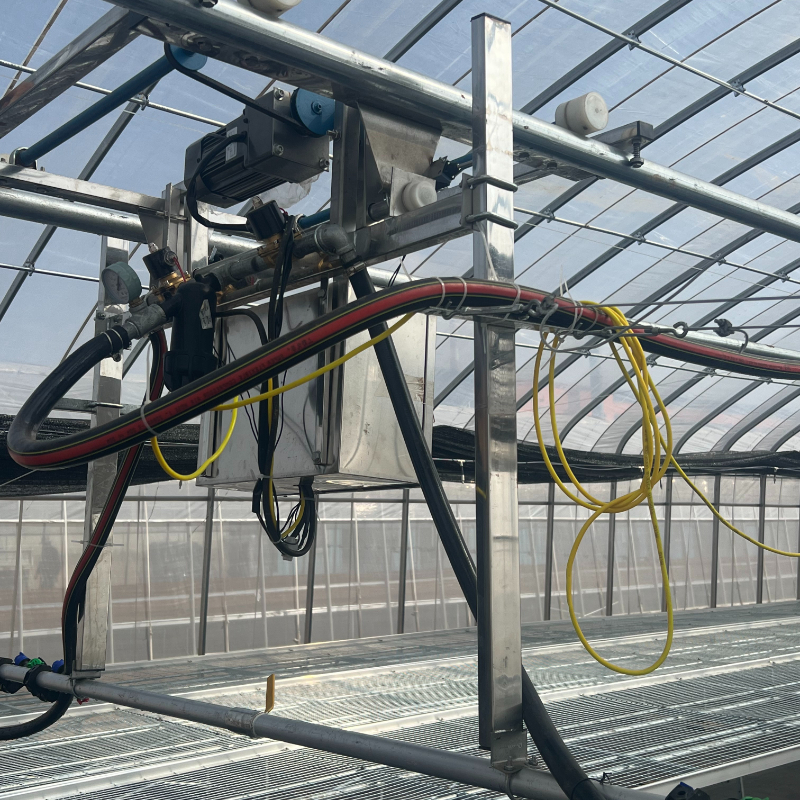
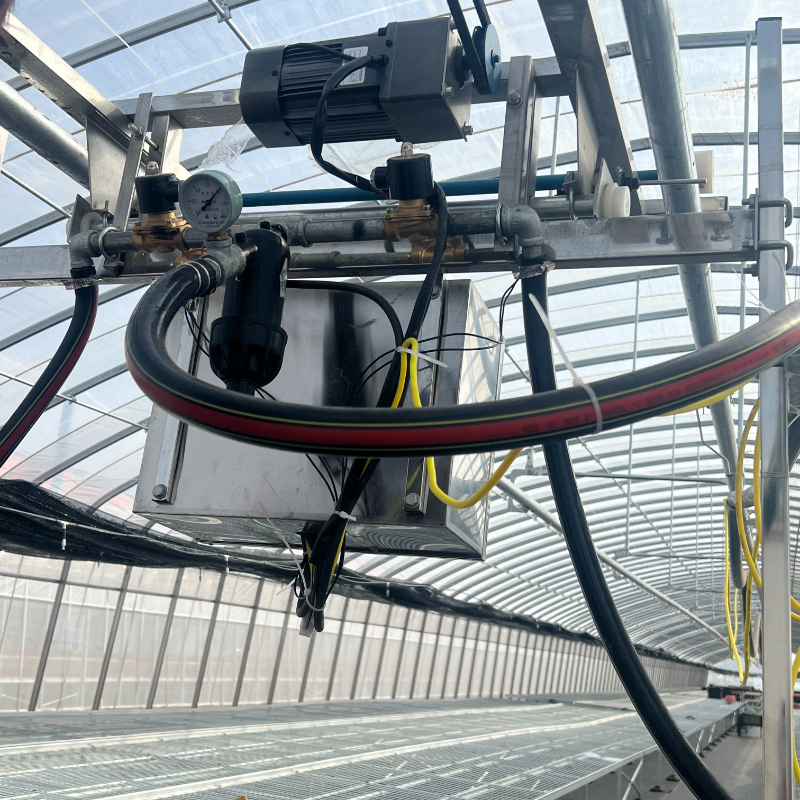
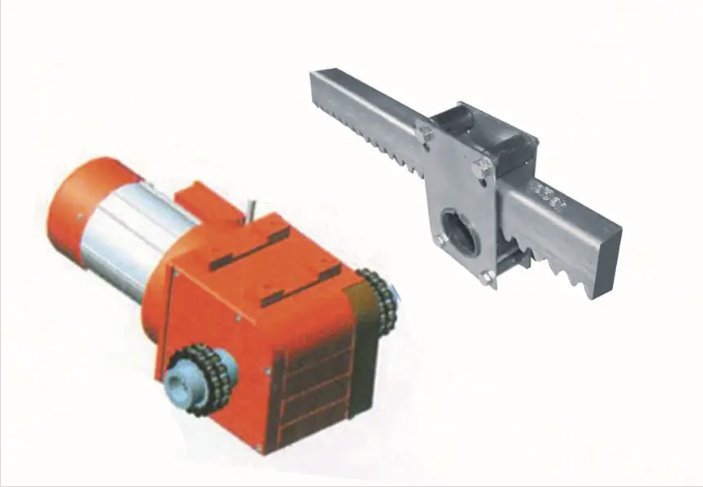
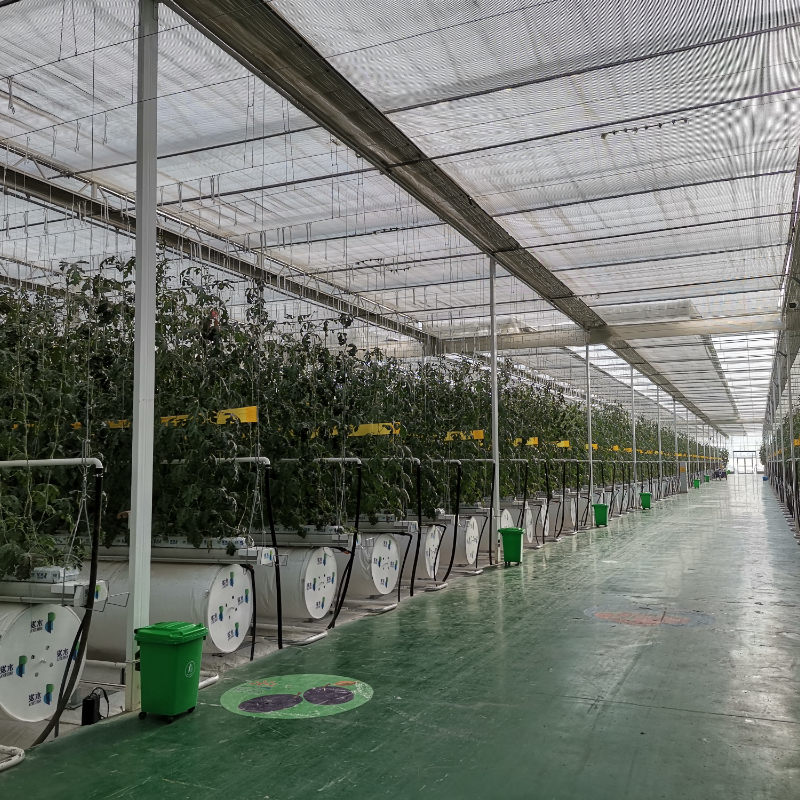
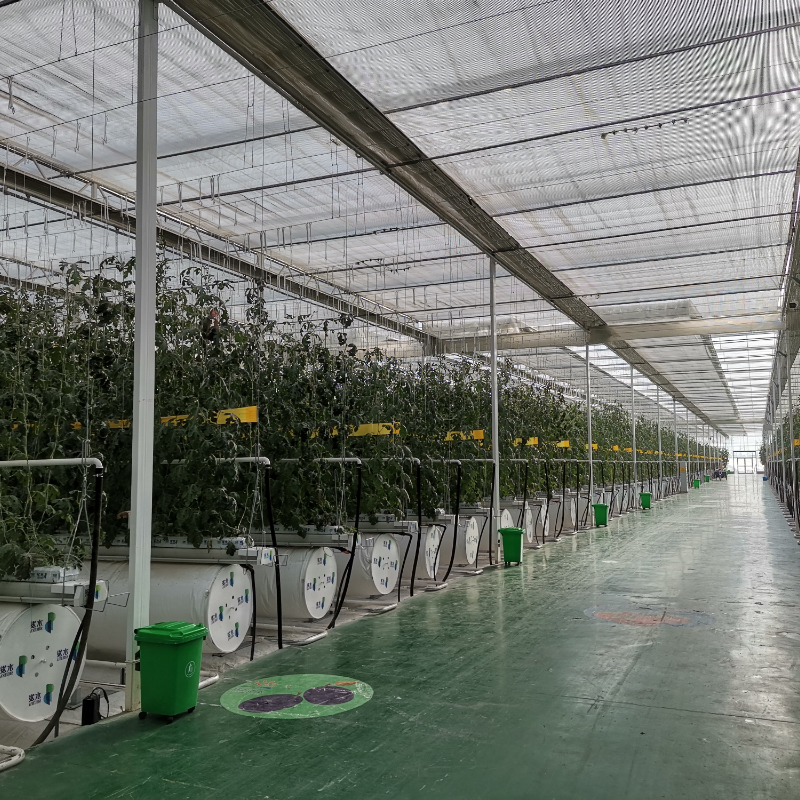
Smart technology integration is revolutionizing the management of multi-span film greenhouses, making them more efficient and less labor-intensive. The core of a smart multi-span film greenhouse is its automated control system, which uses IoT (Internet of Things) sensors to monitor key environmental parameters in real time. These sensors track temperature, humidity, light intensity, CO₂ levels, and soil moisture, sending data to a central control panel or mobile app. Growers can remotely access this data and adjust environmental conditions with the touch of a button—opening vents to regulate temperature, activating irrigation systems to deliver water, or adjusting shading cloths to control light. Some advanced multi-span film greenhouses even use artificial intelligence (AI) algorithms to analyze sensor data, predicting crop growth patterns and identifying potential issues such as pest infestations or nutrient deficiencies. This level of automation not only reduces manual labor but also ensures that the multi-span film greenhouse operates at peak efficiency, maximizing crop yields and quality.
Cost-effectiveness remains a key advantage of multi-span film greenhouses, even with the integration of smart technologies. While the initial investment in smart systems may be higher, the long-term savings in labor and resource use offset these costs. The plastic film cover of the multi-span film greenhouse is affordable and easy to replace, reducing maintenance costs compared to glass greenhouses. The automated control systems in smart multi-span film greenhouses reduce the need for manual labor, lowering operational costs for growers. Additionally, the efficient use of water and energy in these greenhouses—enabled by smart irrigation and temperature control—further reduces expenses. For growers looking to adopt smart agriculture without excessive investment, the multi-span film greenhouse offers a cost-effective entry point, combining advanced technology with affordability.
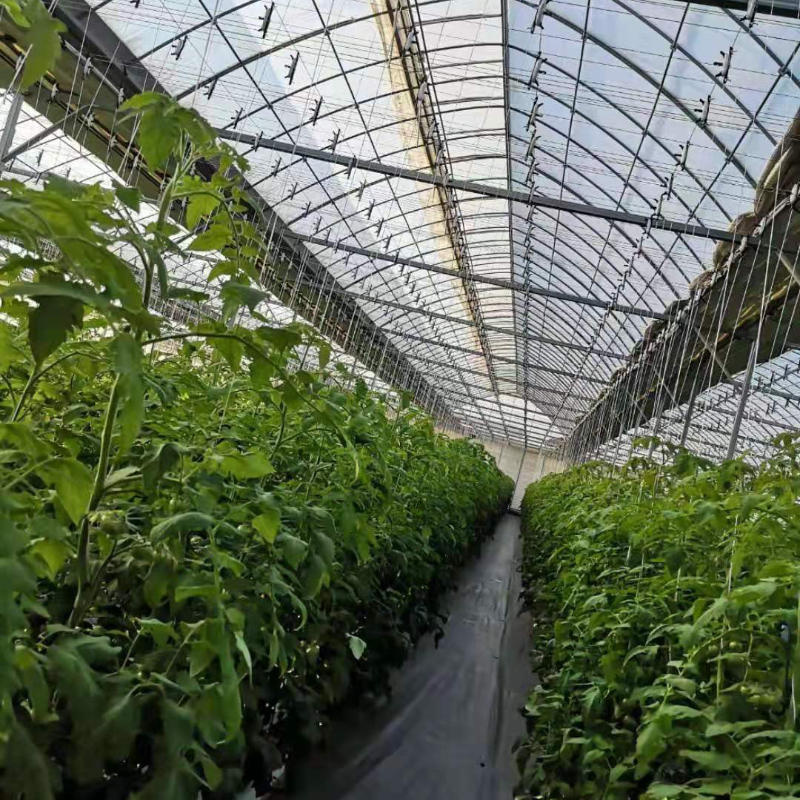
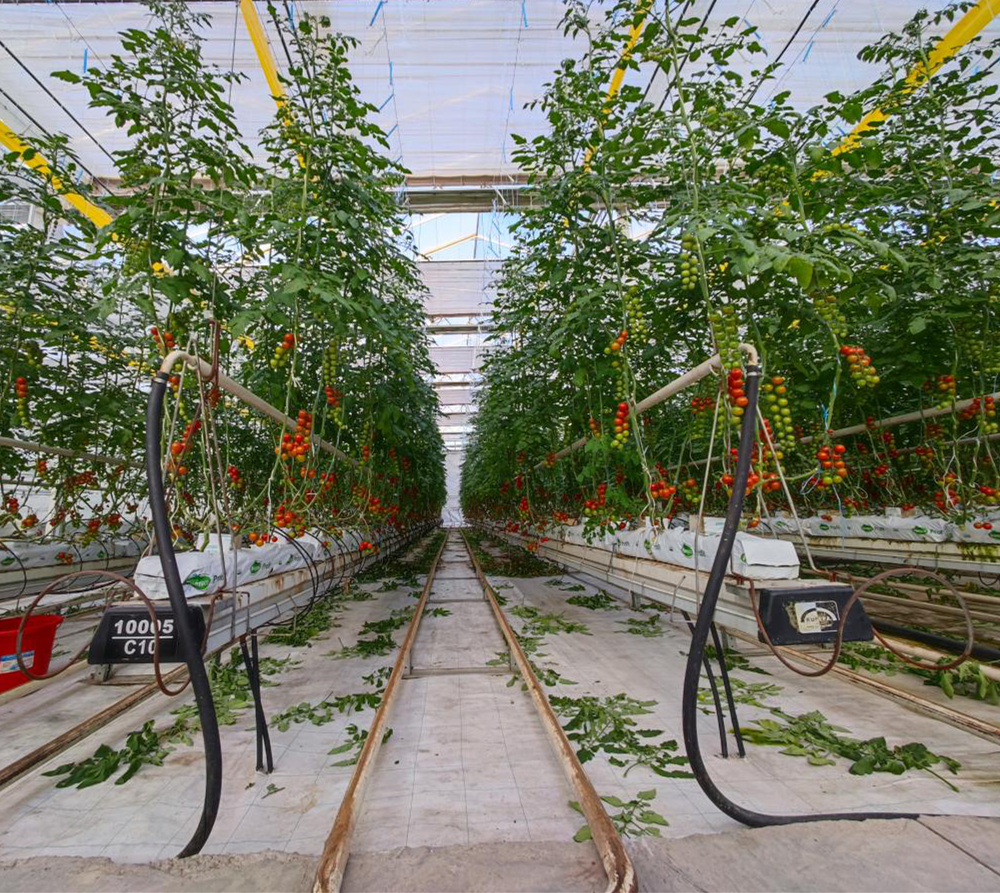
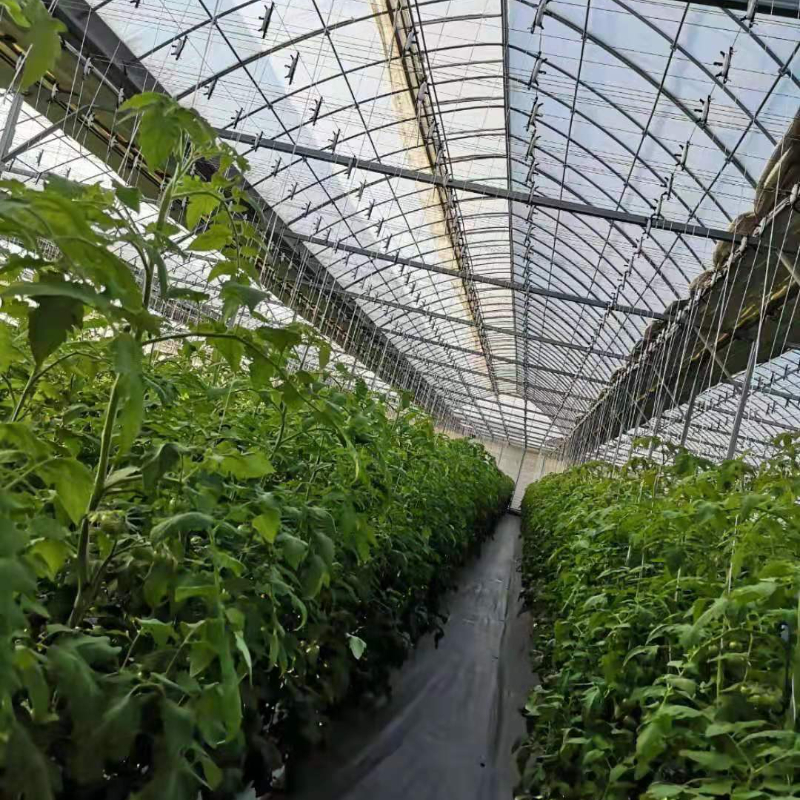
Controlled environment management in smart multi-span film greenhouses is more precise and efficient than ever before. The integration of smart sensors and automated systems allows for real-time adjustments to environmental conditions, ensuring that crops receive the exact conditions they need at every stage of growth. For example, during the seedling stage, the multi-span film greenhouse can maintain higher humidity and lower temperatures, while during the fruiting stage, it can adjust light intensity and CO₂ levels to promote fruit development. The controlled environment also reduces the need for chemical pesticides and fertilizers, as pests and diseases can be detected early and managed through biological control methods. This not only produces healthier, more organic crops but also reduces environmental impact, aligning with sustainable agriculture goals.
Sustainability is a central focus of modern multi-span film greenhouses, with technological innovations aimed at reducing resource consumption and environmental footprint. Many smart multi-span film greenhouses integrate renewable energy solutions, such as solar panels, to power their control systems, irrigation, and lighting. This reduces reliance on fossil fuels and lowers carbon emissions. Water conservation is another key sustainable feature: smart irrigation systems in multi-span film greenhouses deliver water directly to plant roots, reducing waste by up to 80% compared to traditional irrigation. Some multi-span film greenhouses also incorporate rainwater collection systems, capturing and storing rainwater for irrigation, further reducing reliance on municipal water supplies. Additionally, the plastic film used in modern multi-span film greenhouses is often recyclable, reducing plastic waste and promoting circular economy principles.
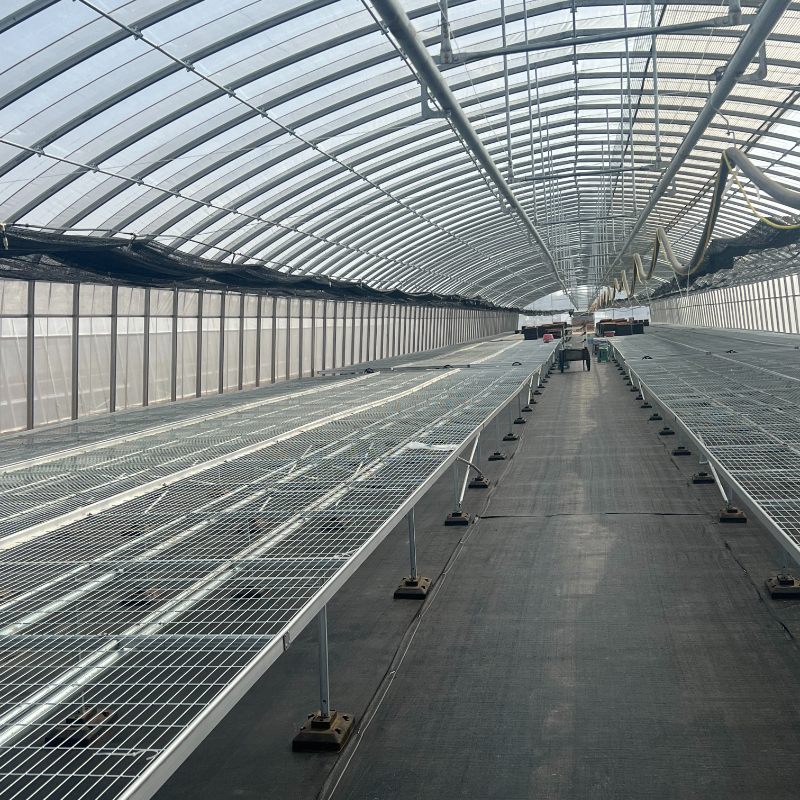
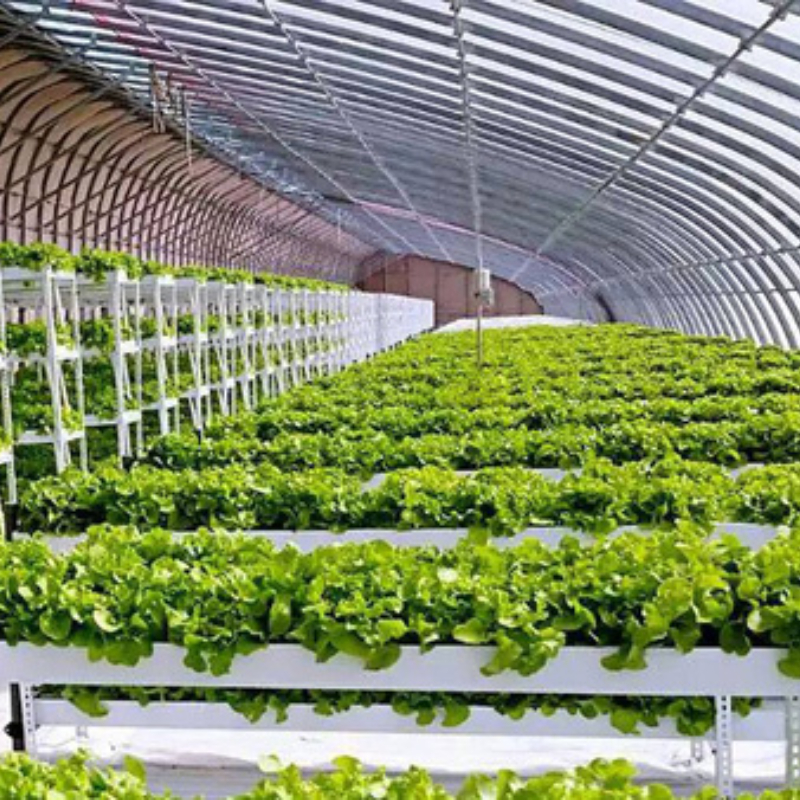
The future of multi-span film greenhouses lies in further technological innovation and sustainable development. As AI and IoT technologies continue to advance, multi-span film greenhouses will become even more intelligent, with predictive analytics and automated decision-making capabilities. The development of new film materials—such as self-cleaning, anti-aging films—will further improve the performance and lifespan of multi-span film greenhouses. Additionally, the integration of vertical farming within multi-span film greenhouses will maximize space utilization, allowing for higher crop yields in limited areas. These innovations will make the multi-span film greenhouse an even more sustainable and efficient solution for modern agriculture, helping to address global food security and environmental challenges.
In conclusion, multi-span film greenhouses, with their integration of smart technologies and sustainable features, are transforming modern agriculture. They offer a cost-effective, efficient, and environmentally friendly way to produce high-quality crops, leveraging automation and renewable energy to reduce labor and resource use. The controlled environment of the multi-span film greenhouse ensures optimal crop growth, while smart technologies make management easier and more precise. As the world moves toward sustainable agriculture, the multi-span film greenhouse will continue to evolve, playing a crucial role in feeding a growing global population while minimizing environmental impact.