Multi-Span Film Greenhouses: Adaptable Solutions for Regional Agricultural Development
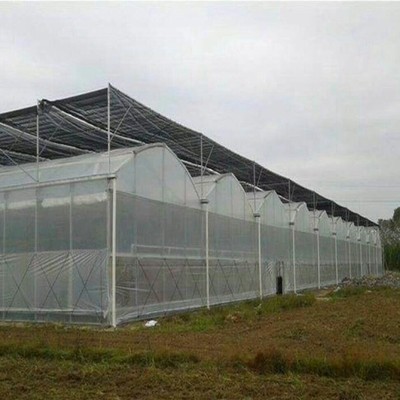
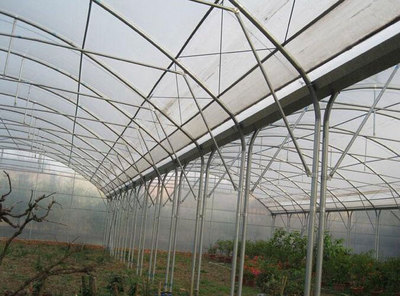
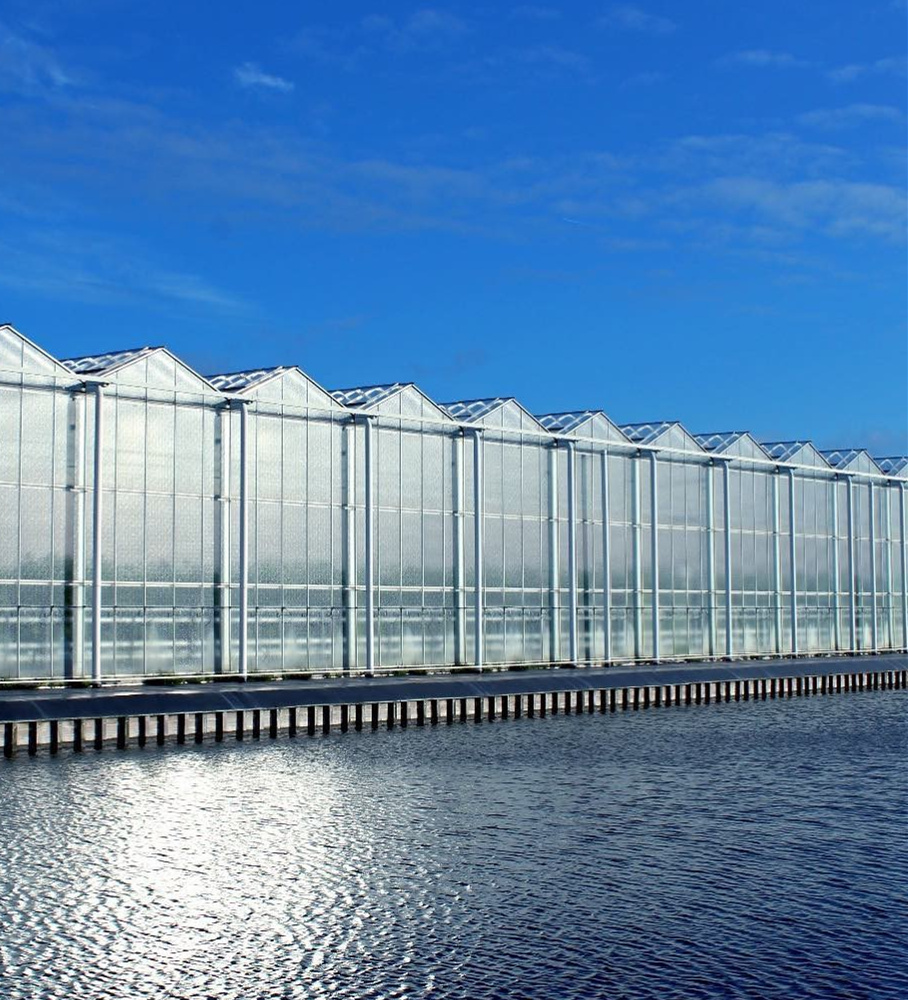
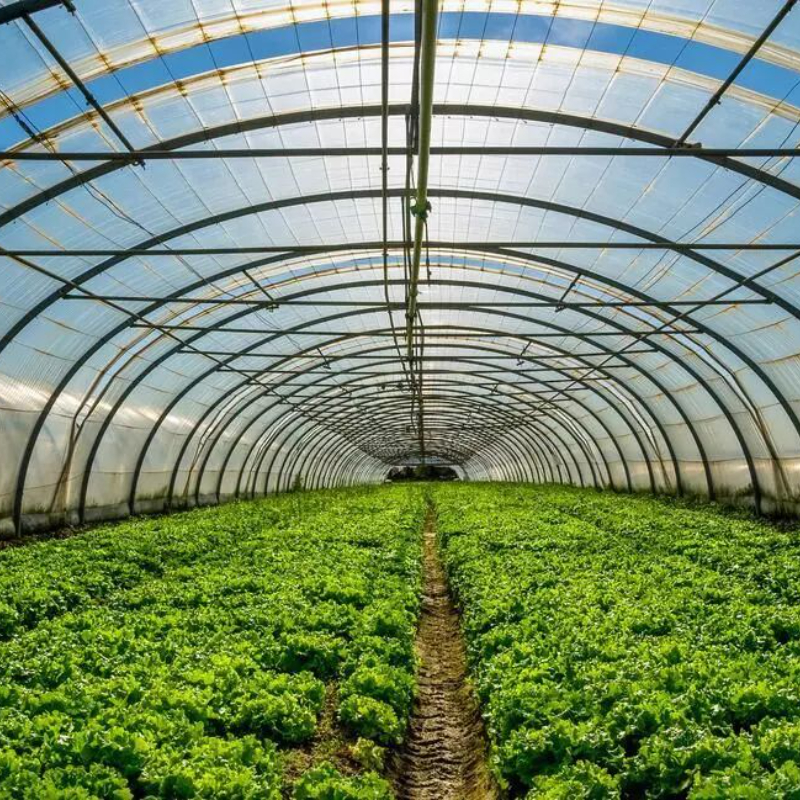
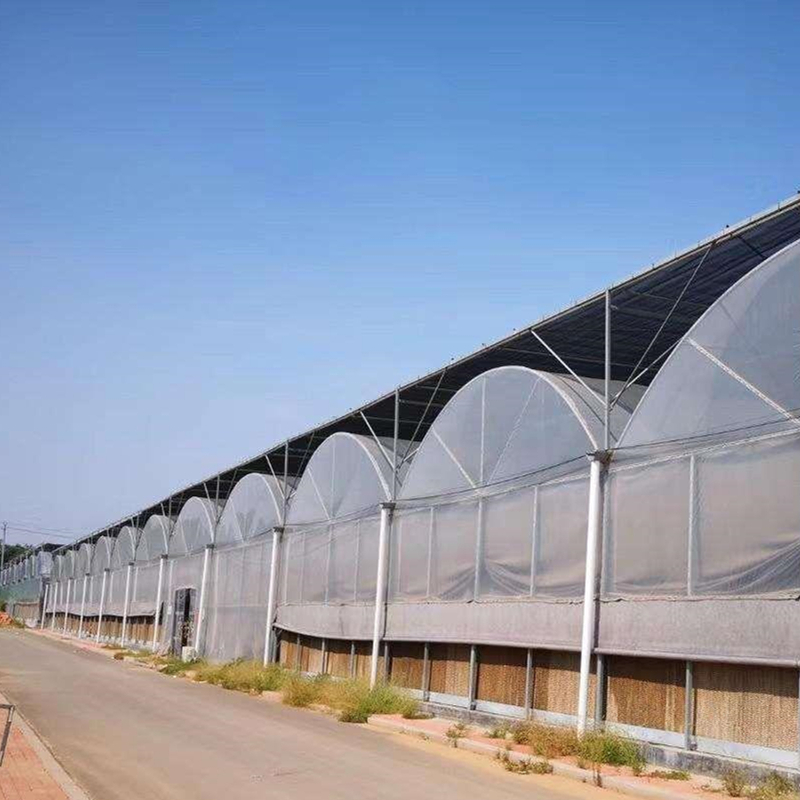
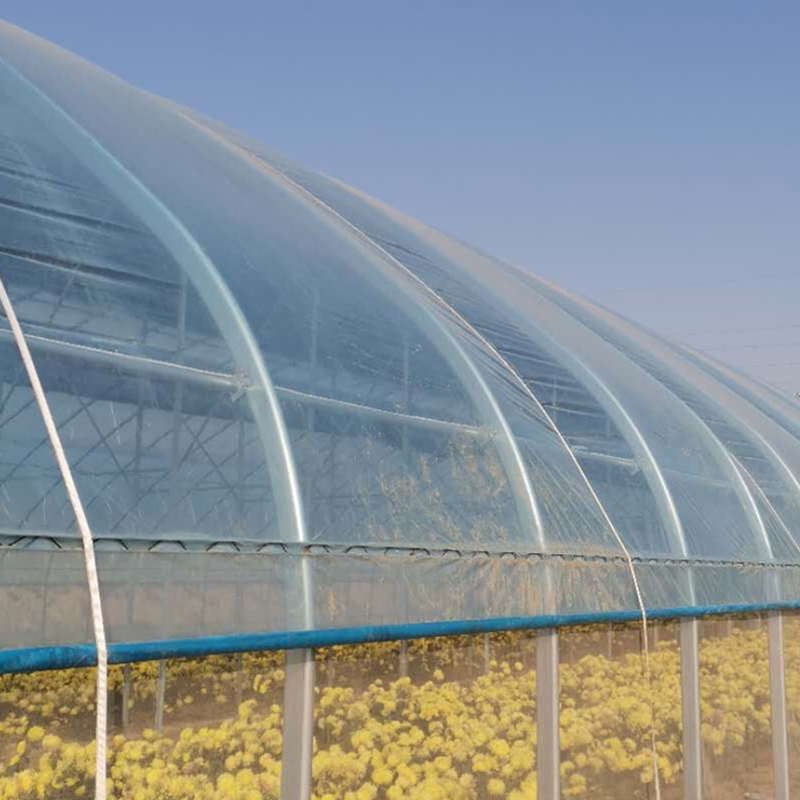
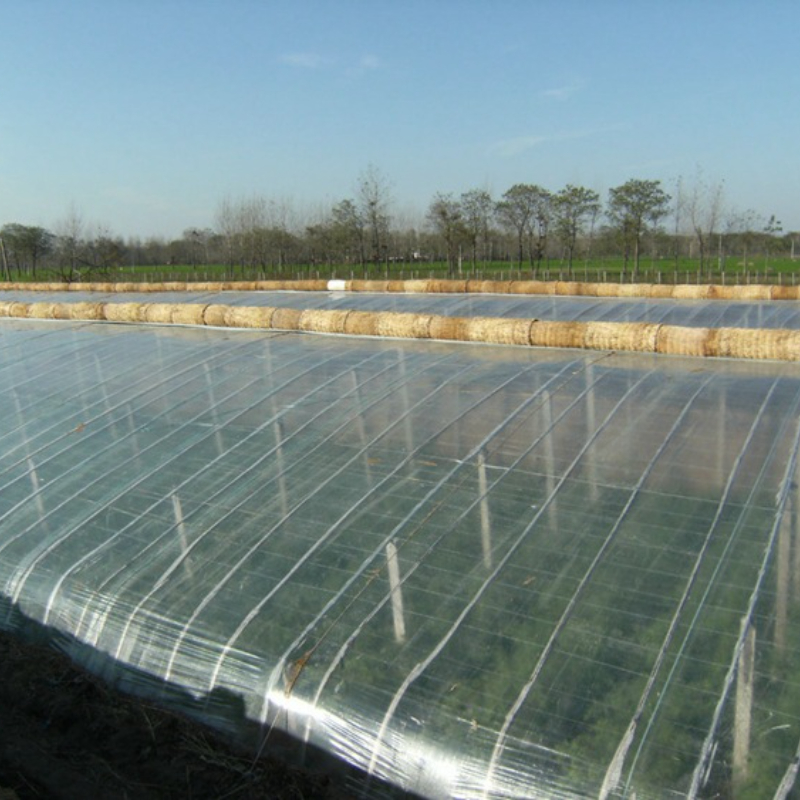
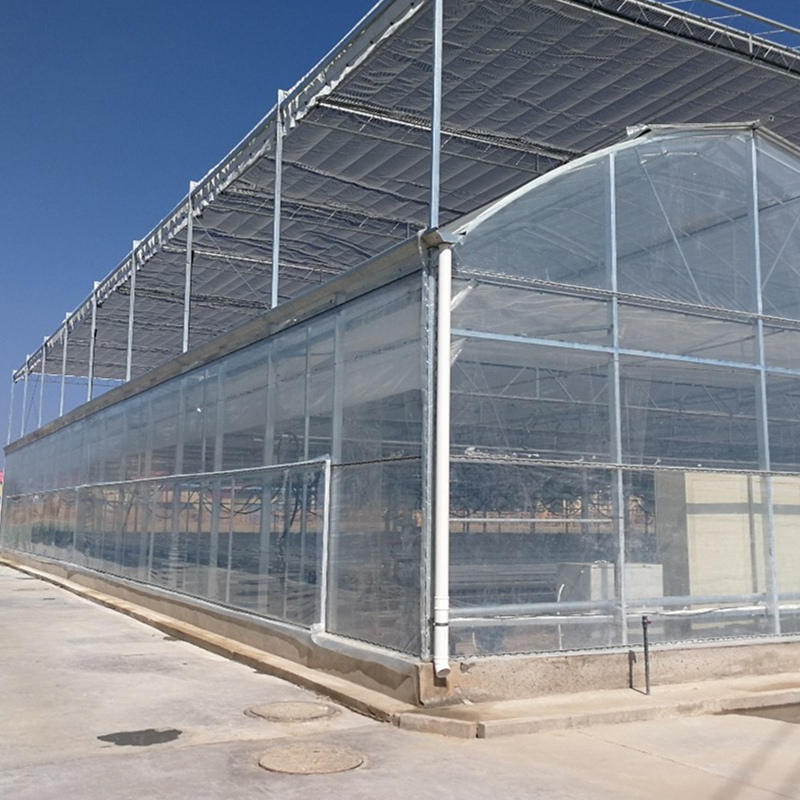
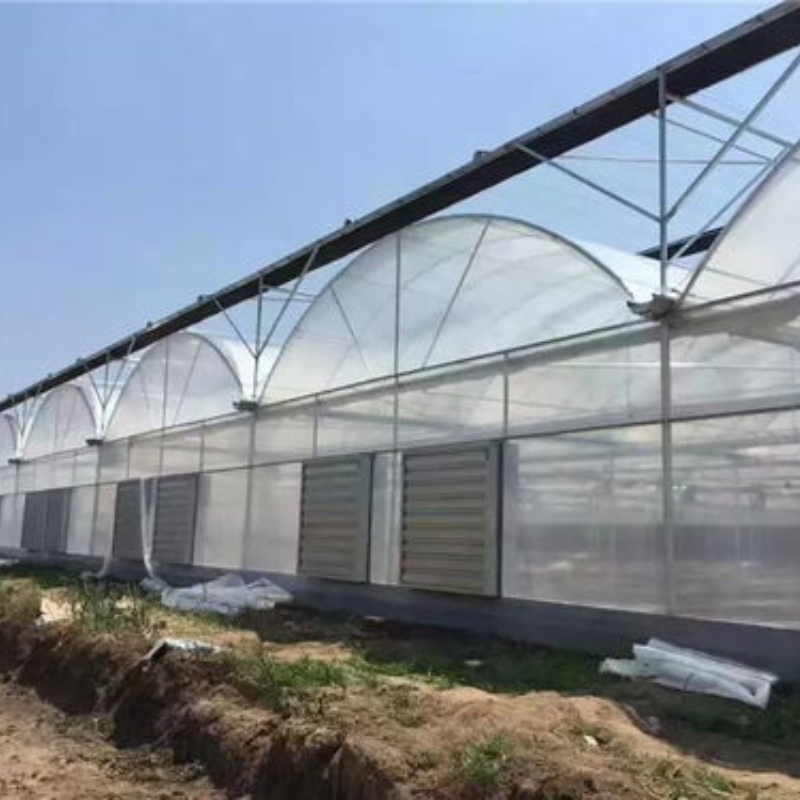
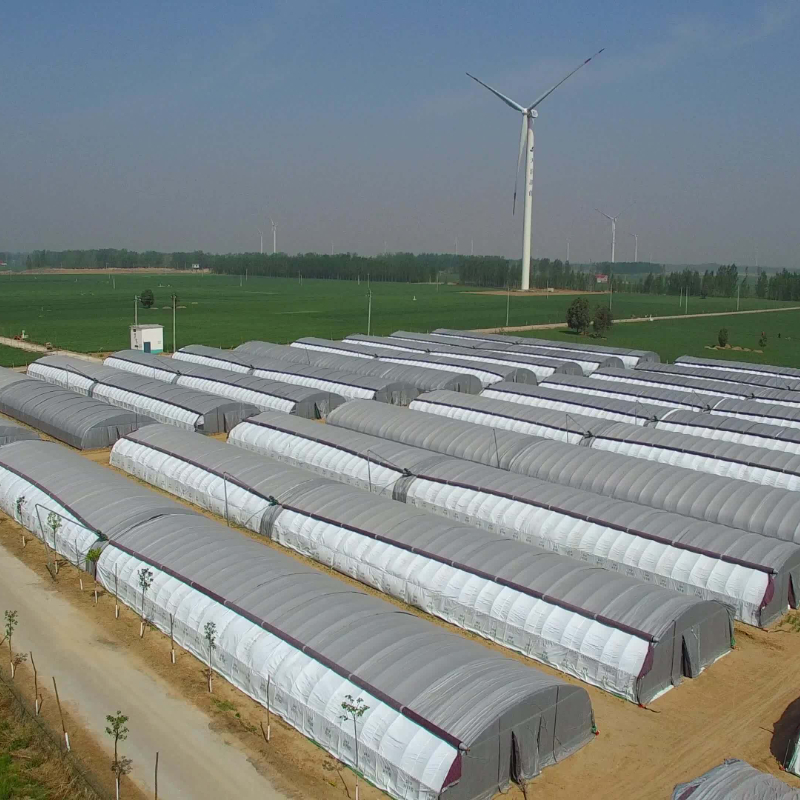
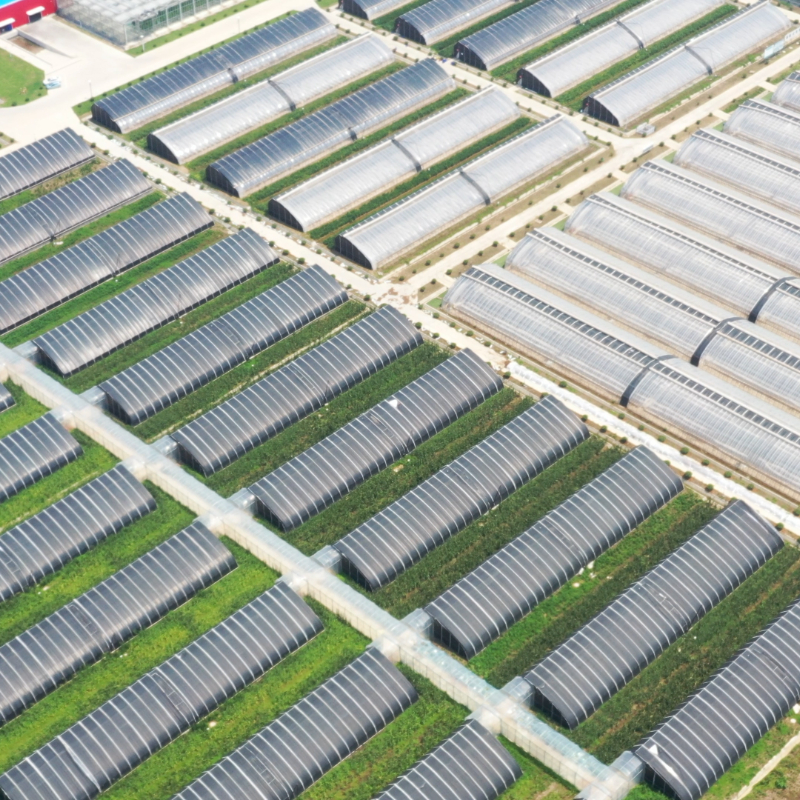
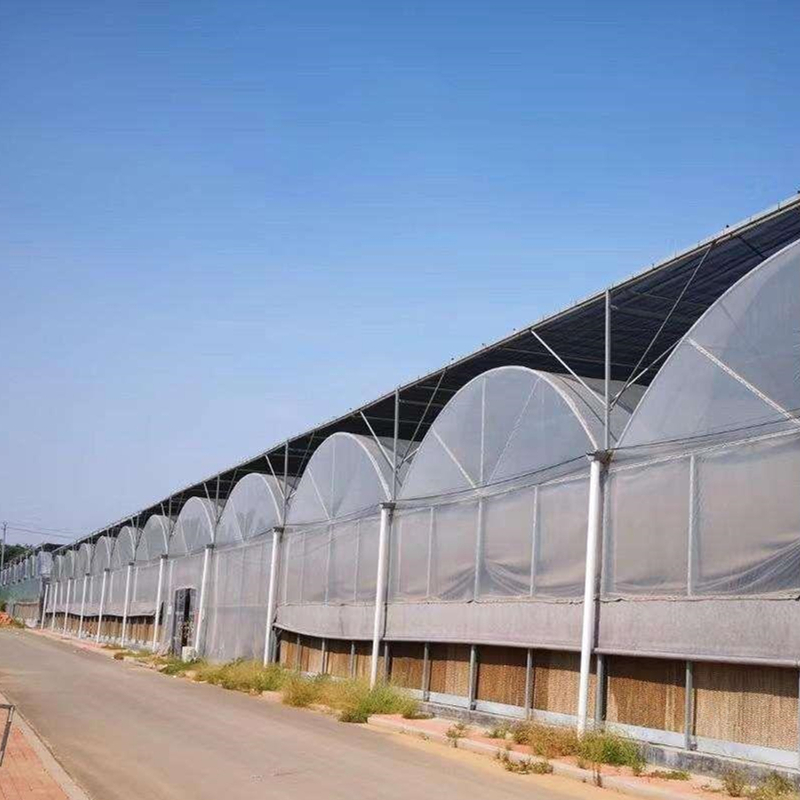
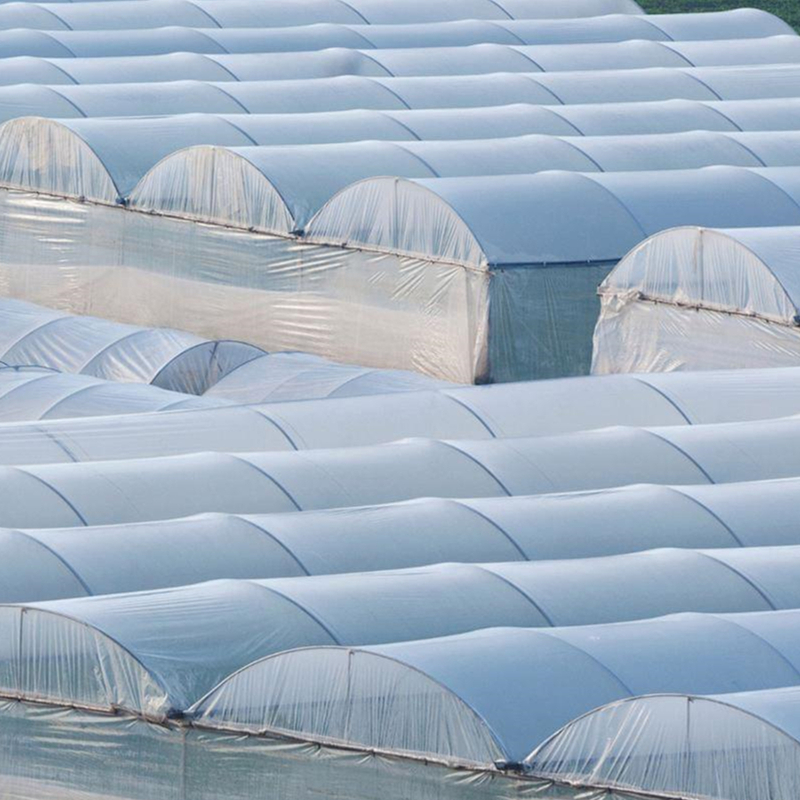
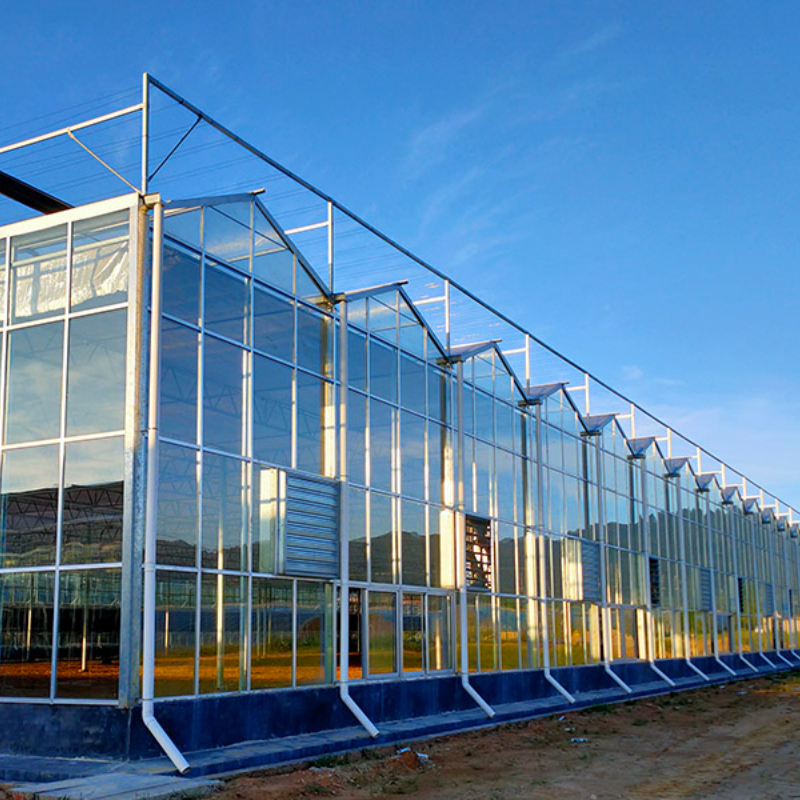
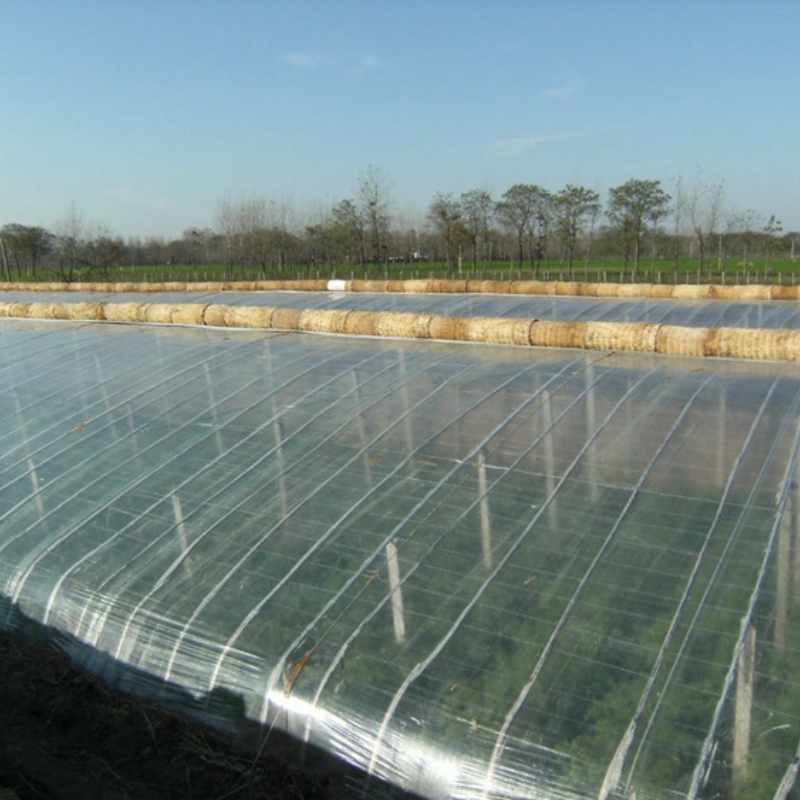
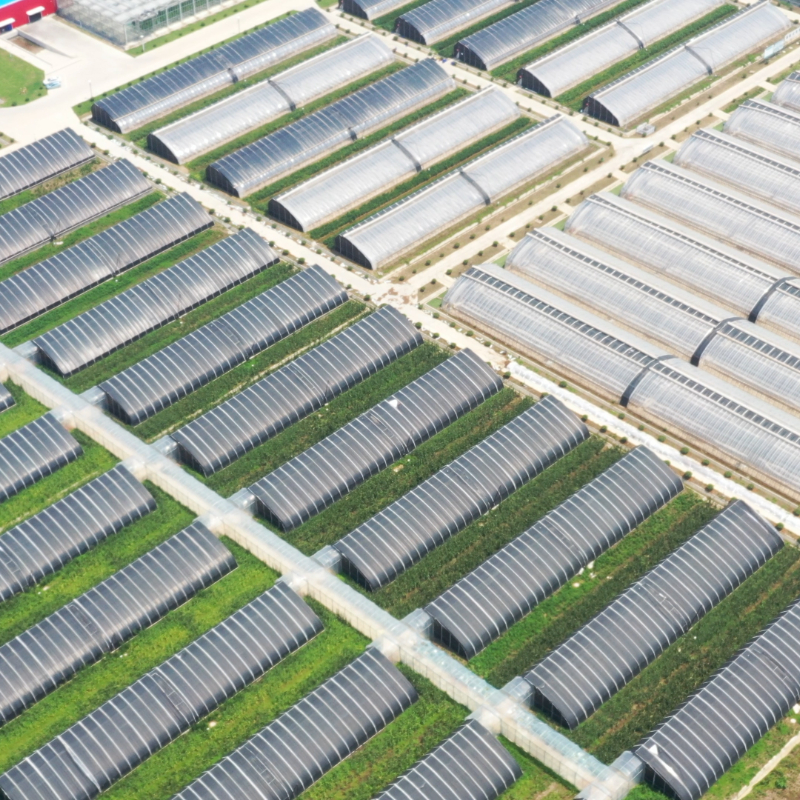
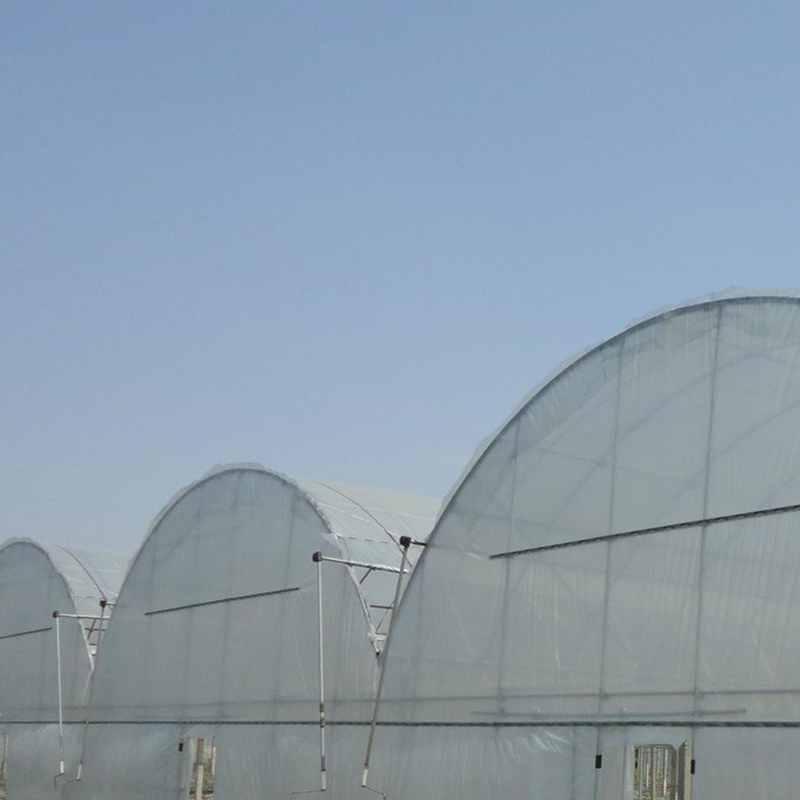
Across different climatic regions and agricultural landscapes, multi-span film greenhouses have proven to be highly adaptable structures that cater to the unique needs of local growers. A multi-span film greenhouse is a connected agricultural facility made up of multiple adjacent bays, covered with durable plastic film, designed to provide a controlled growing environment while remaining cost-efficient. Unlike rigid glass greenhouses, the multi-span film greenhouse offers greater flexibility in design and installation, making it suitable for a wide range of regions—from arid areas needing water conservation to cold regions requiring heat retention. As regional agriculture seeks to overcome climate limitations and improve production efficiency, the multi-span film greenhouse has become a cornerstone of localized agricultural development, offering a balance between performance and affordability. This article focuses on how multi-span film greenhouses adapt to different regional conditions, their localized applications, and the benefits they bring to local farming communities.
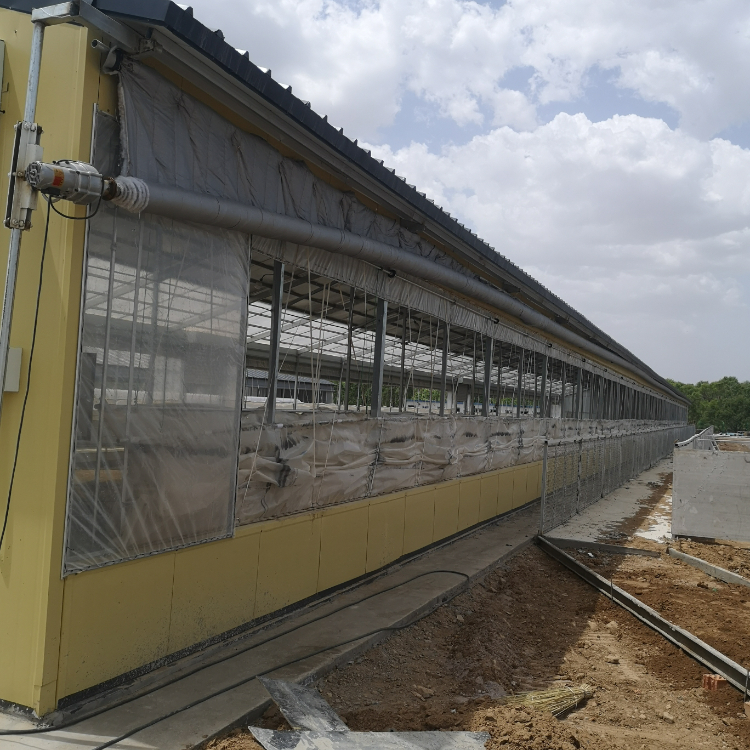
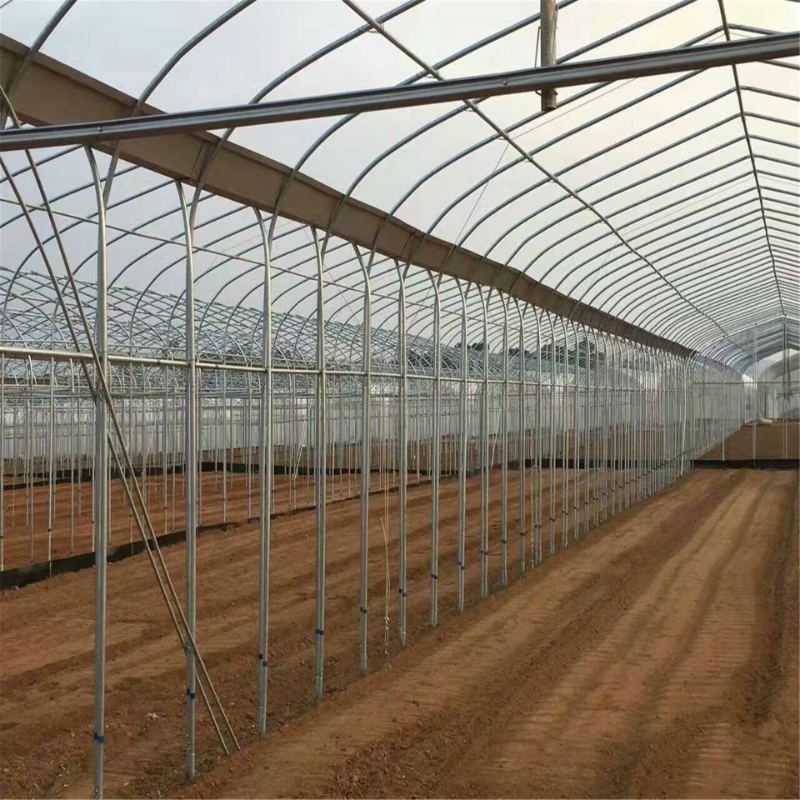
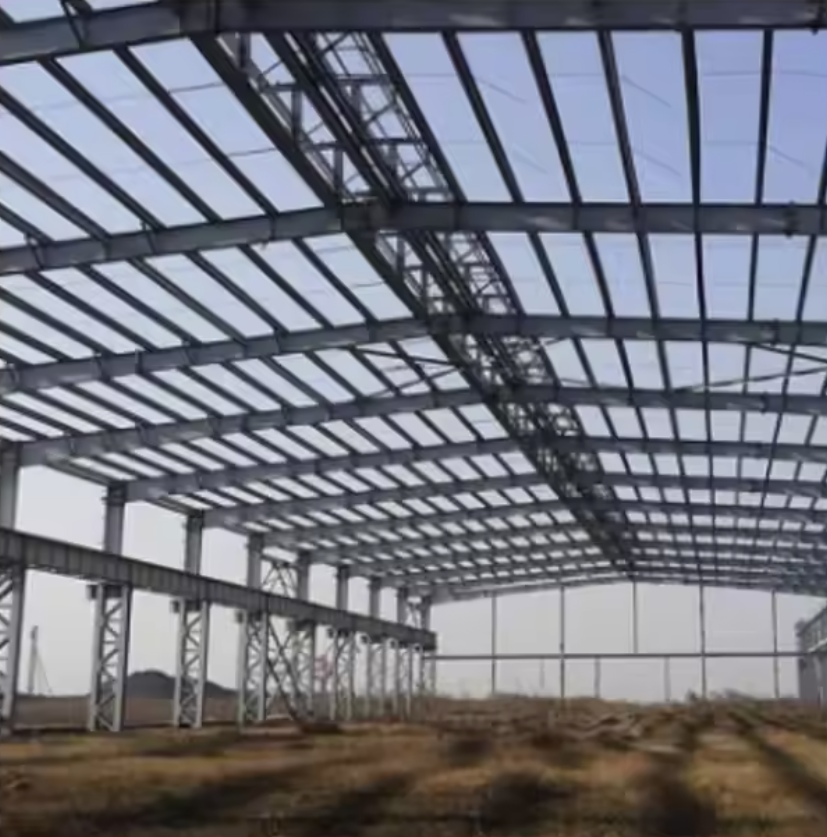
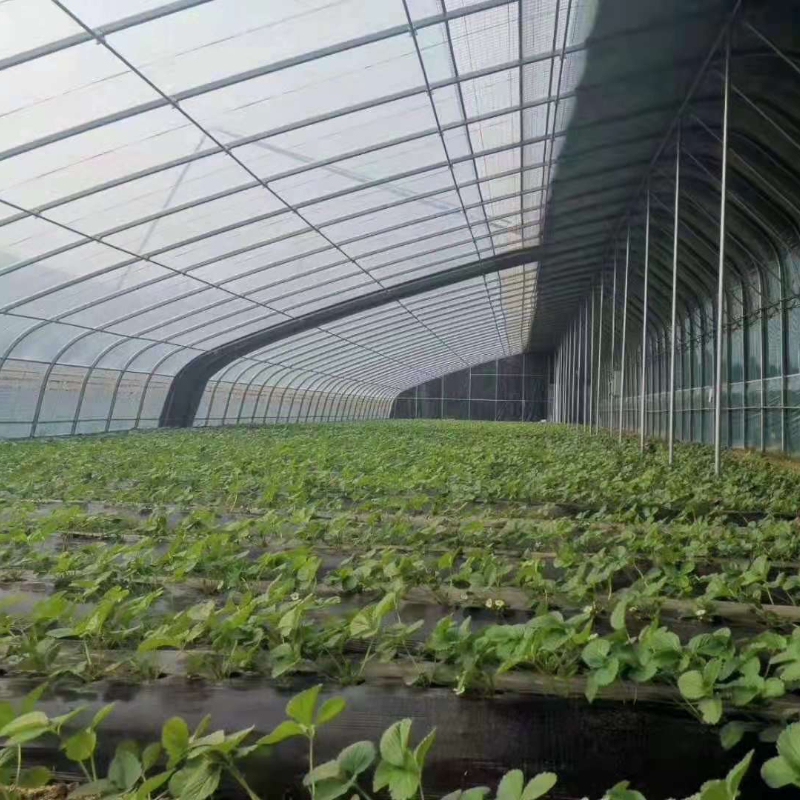
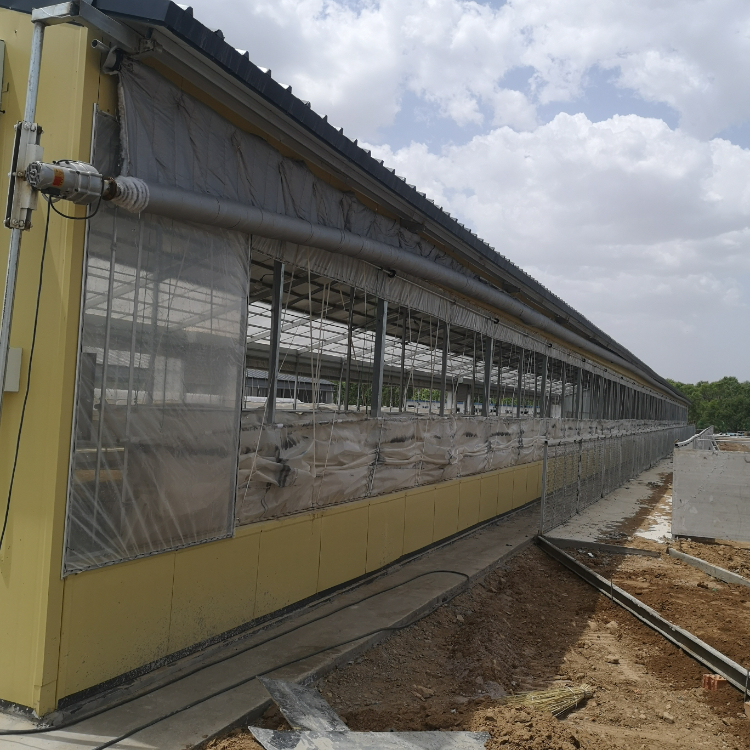
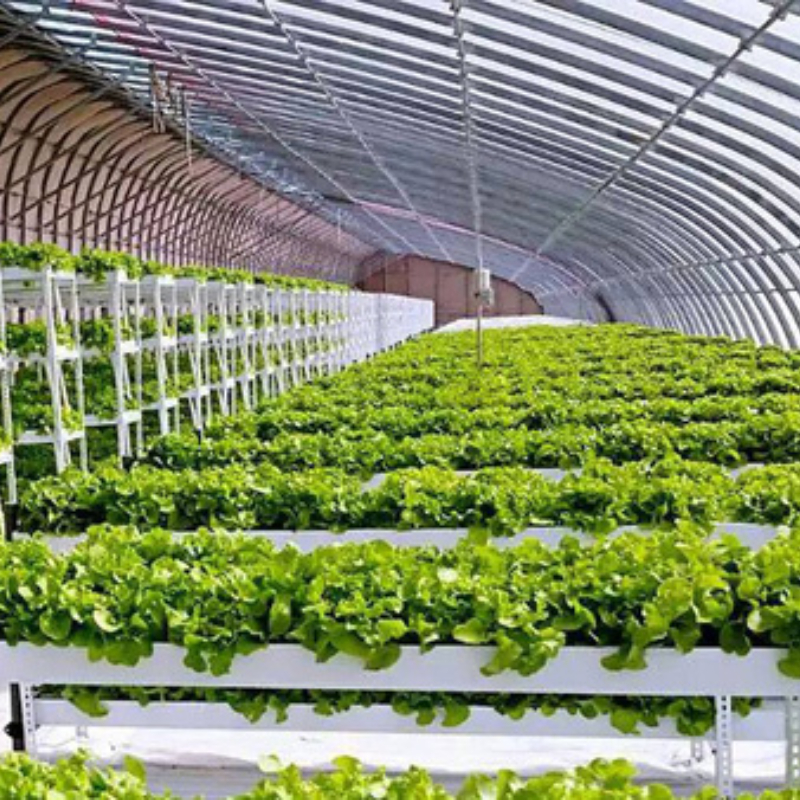
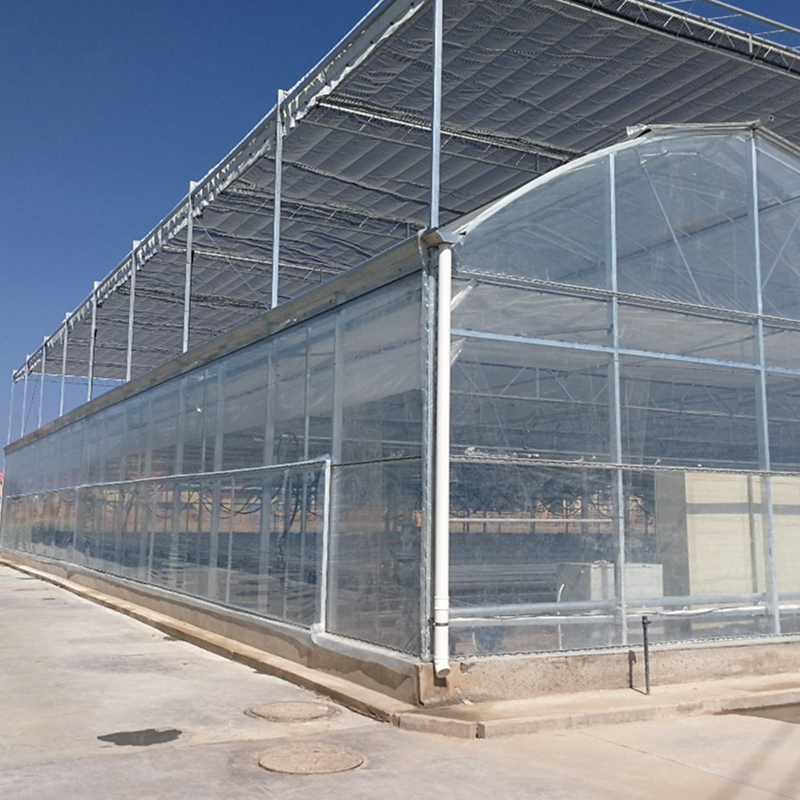
The adaptability of multi-span film greenhouses starts with their structural design, which can be customized to suit regional climate characteristics. In arid and semi-arid regions, multi-span film greenhouses are equipped with enhanced ventilation and water-saving systems to cope with high temperatures and water scarcity. The film cover used in these regions is often a UV-resistant, anti-fog PE film that reduces water evaporation and blocks harmful ultraviolet rays, protecting crops while maintaining high light transmittance. The frame of the multi-span film greenhouse is designed to be wind-resistant, with reinforced bracing and anchor systems to withstand strong desert winds. In cold regions, the multi-span film greenhouse adopts double-layer film insulation, combined with internal thermal curtains and heating systems, to trap heat and maintain stable internal temperatures even in freezing weather. The multi-span structure allows for efficient heat distribution, ensuring that every corner of the greenhouse receives uniform warmth, which is crucial for winter crop cultivation. This regional customization makes the multi-span film greenhouse a versatile choice for growers in diverse climates.
Cost-effectiveness is a core advantage of the multi-span film greenhouse that drives its widespread adoption across regional agriculture. Compared to other controlled environment structures, the multi-span film greenhouse has lower initial investment costs, as the plastic film cover is more affordable than glass or polycarbonate panels. The simplified frame design, often made of galvanized steel, reduces material and installation costs, making it accessible to small-scale farmers and local agricultural cooperatives. Operational costs are also minimized: the high light transmittance of the film (up to 95%) reduces the need for artificial lighting, while the insulation properties of modern films lower energy consumption for heating and cooling. For regional growers with limited budgets, the multi-span film greenhouse provides an opportunity to adopt controlled environment agriculture without excessive financial burden, enabling them to increase crop yields and improve quality.
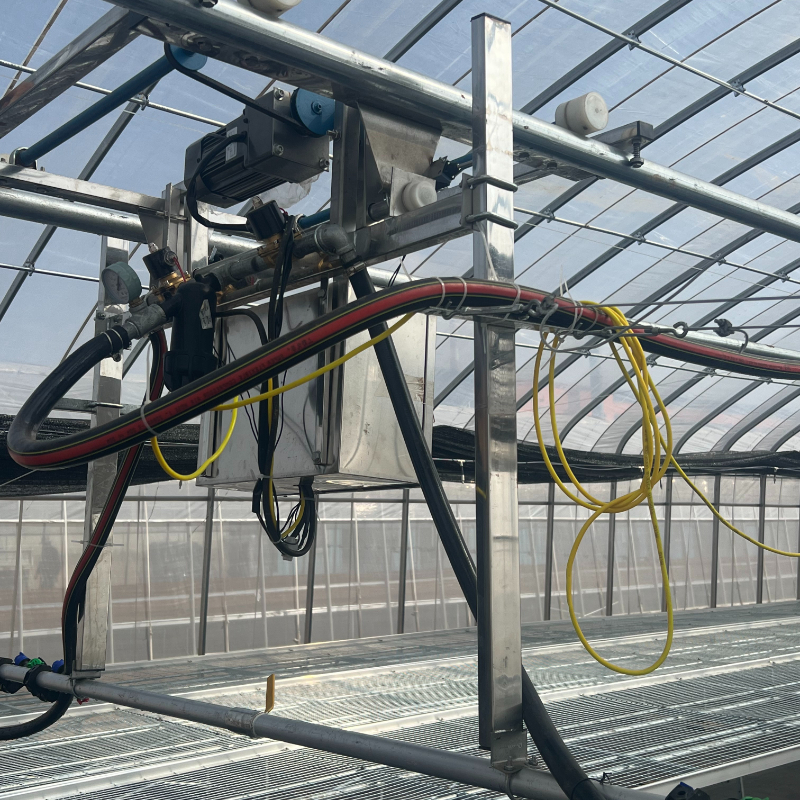
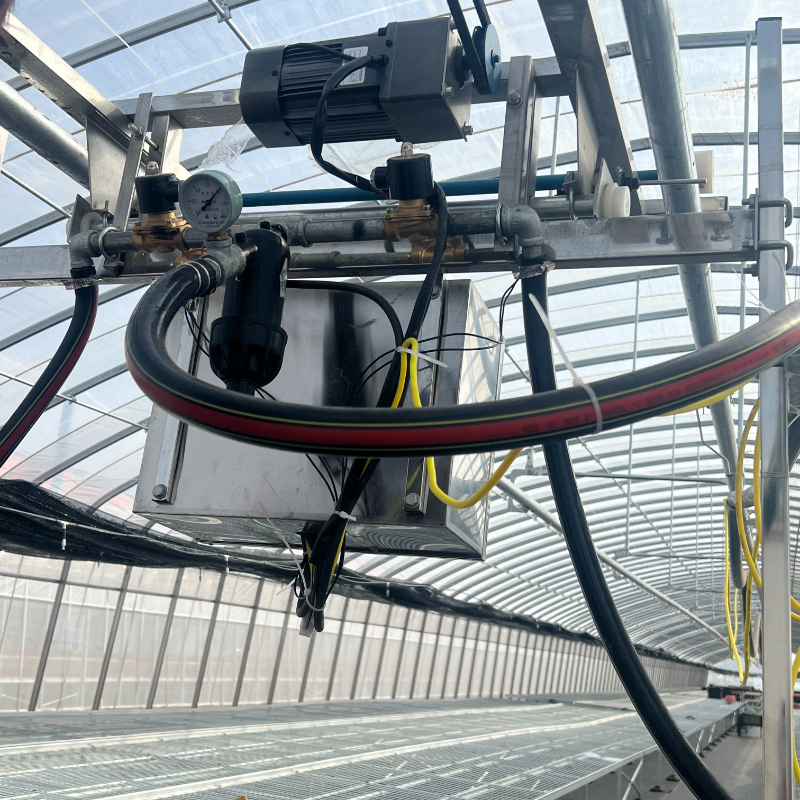
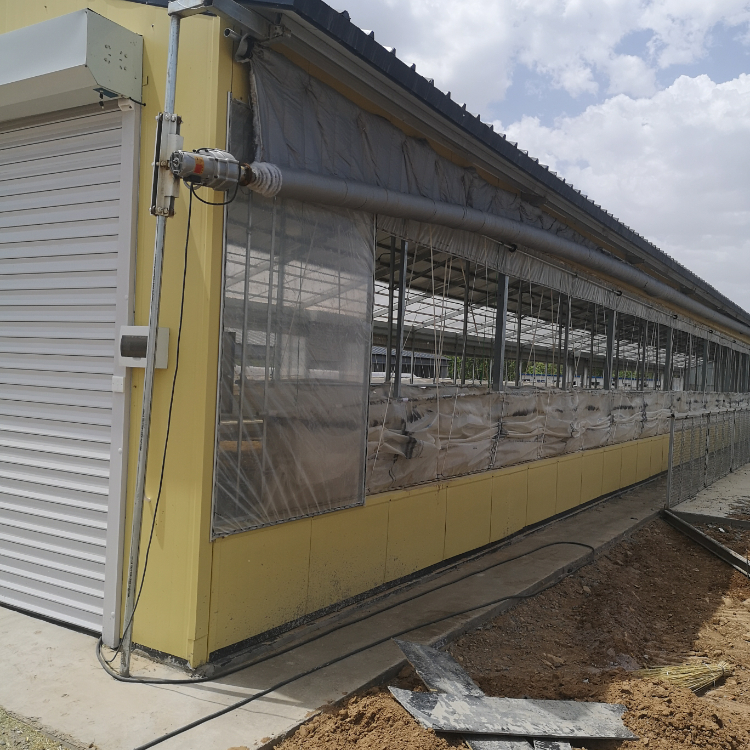
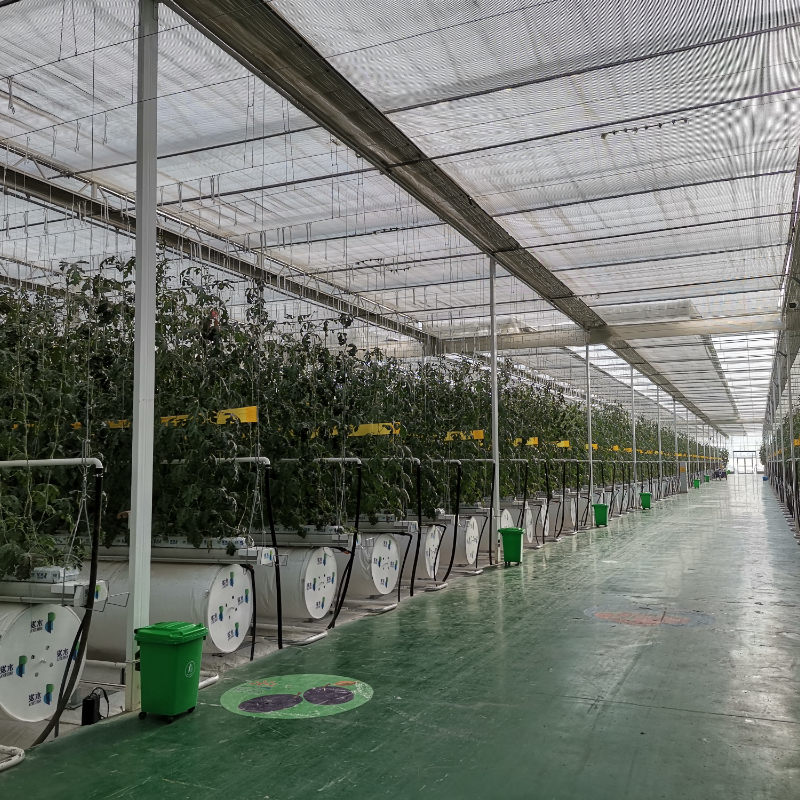
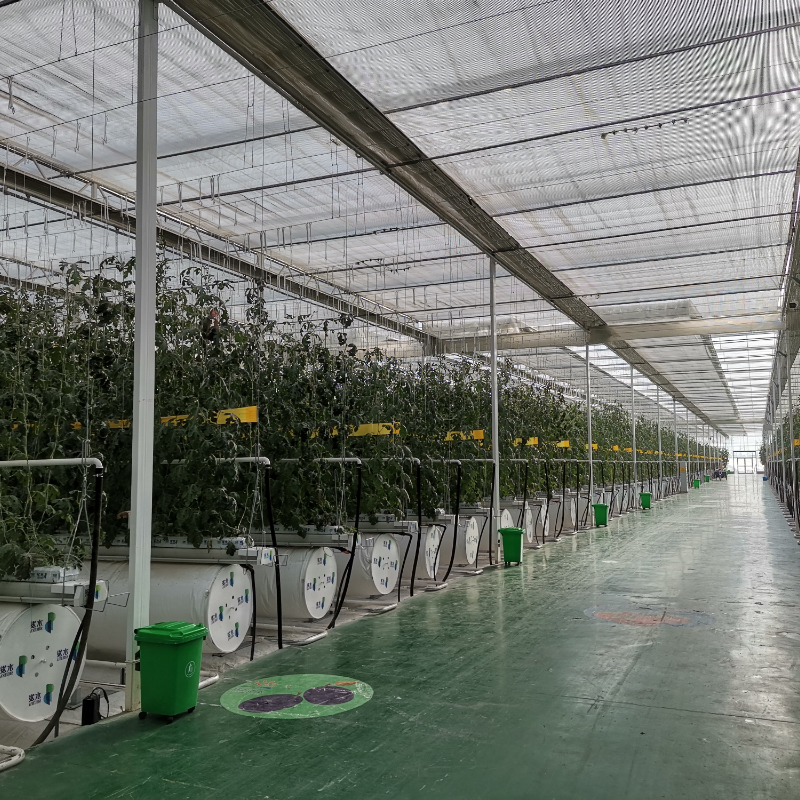
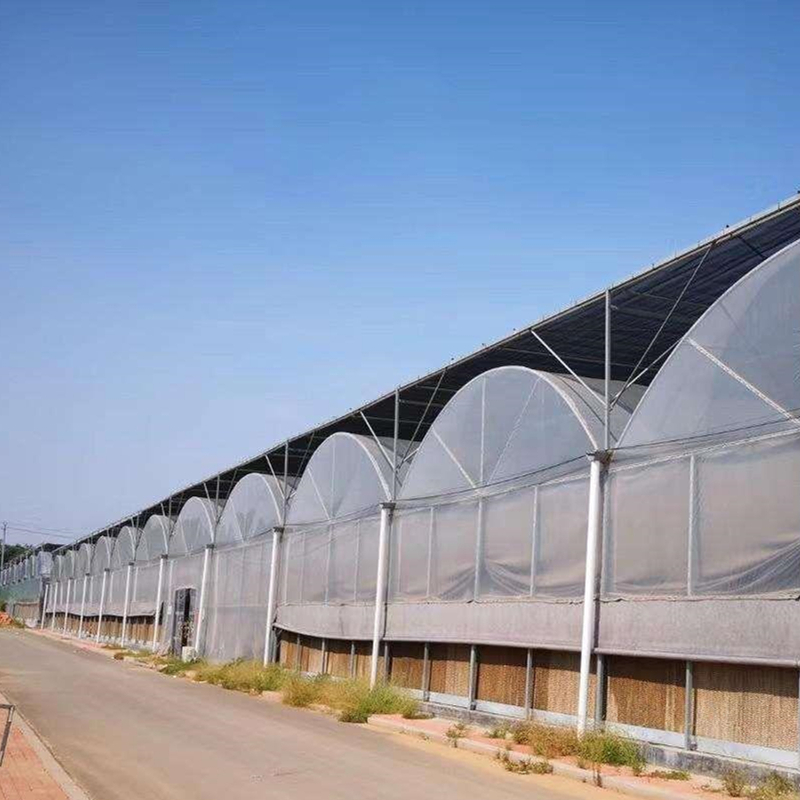
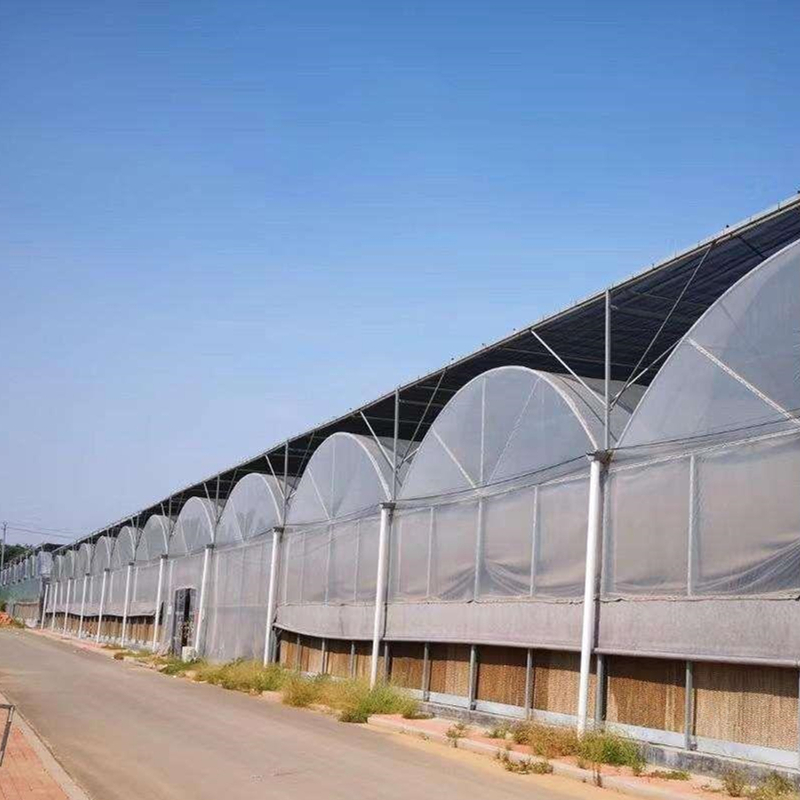
Controlled environment management in multi-span film greenhouses is tailored to regional crop needs, ensuring optimal growth conditions regardless of external climate. In tropical regions, multi-span film greenhouses are equipped with large roof and side vents, combined with evaporative cooling systems, to lower internal temperatures and prevent heat stress in crops. Humidity control systems, such as misting devices, are used to maintain appropriate moisture levels, reducing the risk of pest and disease outbreaks. In temperate regions, the multi-span film greenhouse uses natural ventilation and temperature control systems to extend the growing season, allowing growers to plant early spring or late autumn crops that would otherwise be impossible in open fields. Irrigation systems in multi-span film greenhouses are often customized to regional water resources: drip irrigation is used in water-scarce areas to maximize water efficiency, while sprinkler irrigation is adopted in regions with sufficient water supply. These controlled environment features make the multi-span film greenhouse a reliable tool for regional crop production.
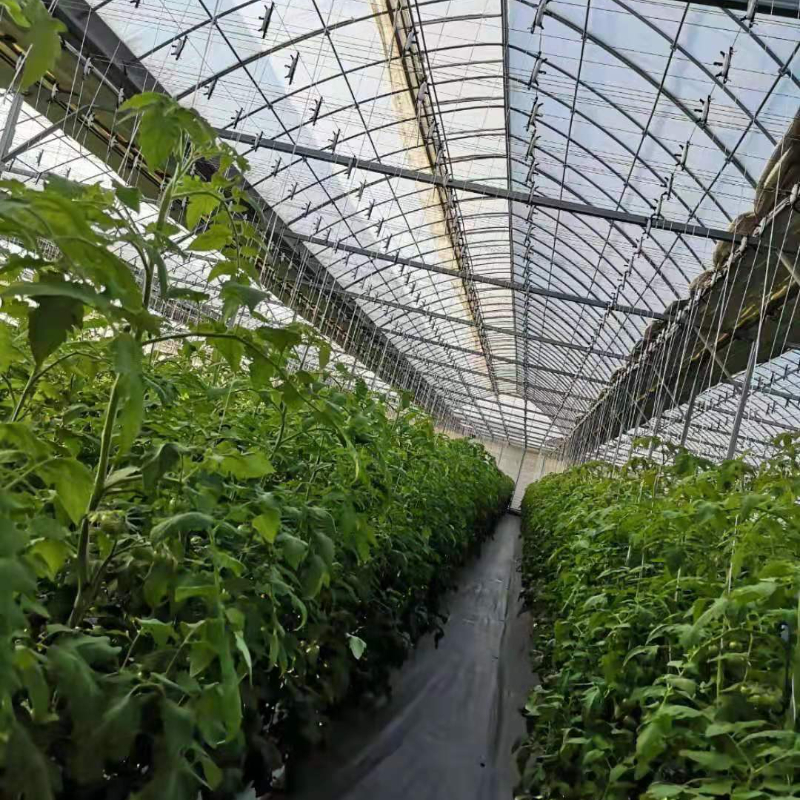
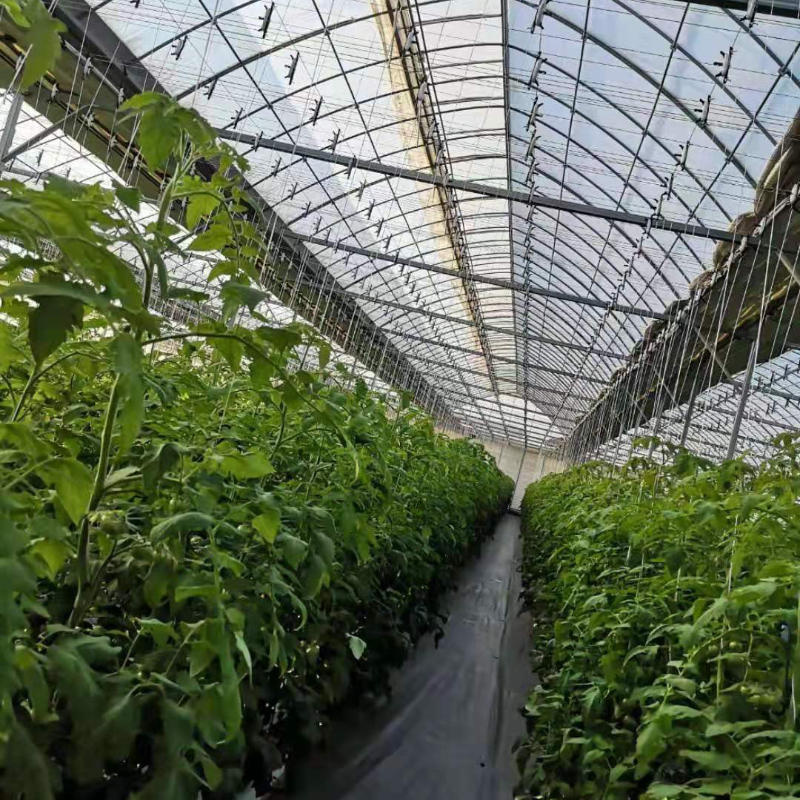
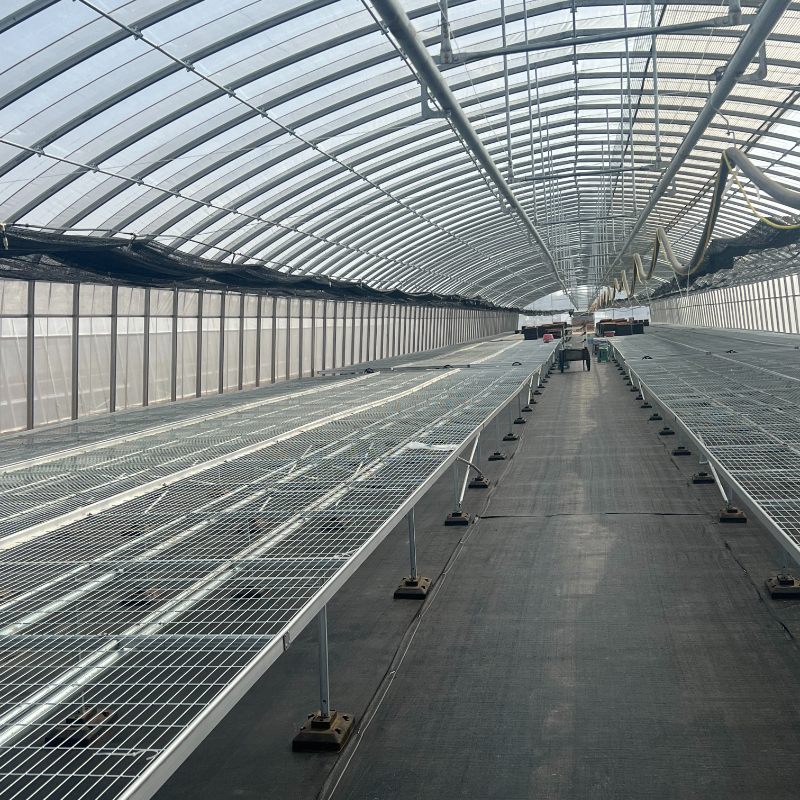
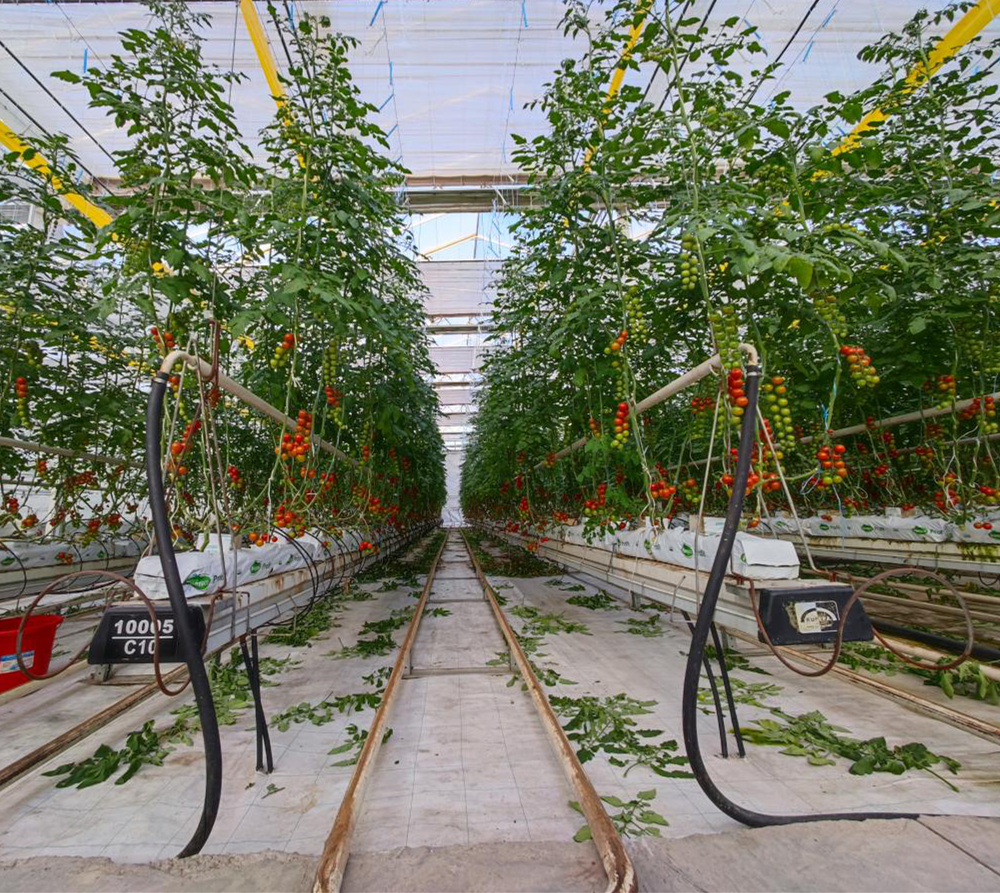
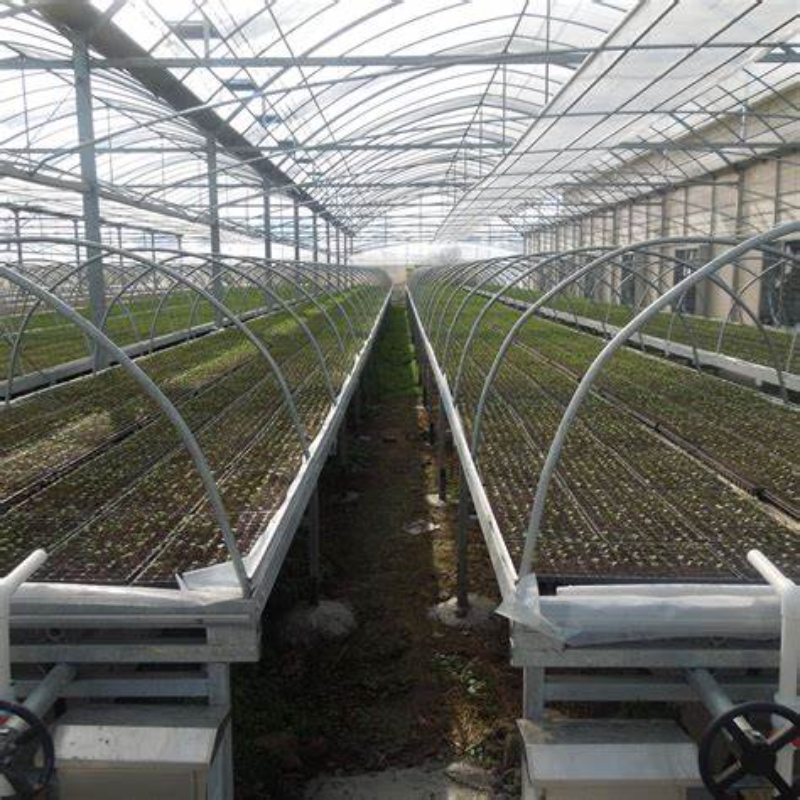
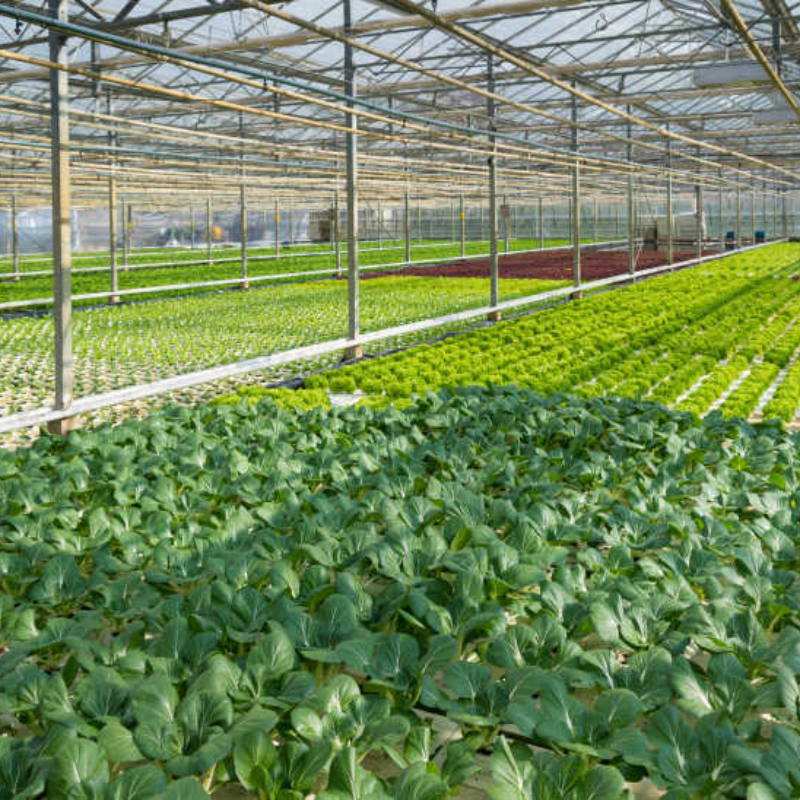
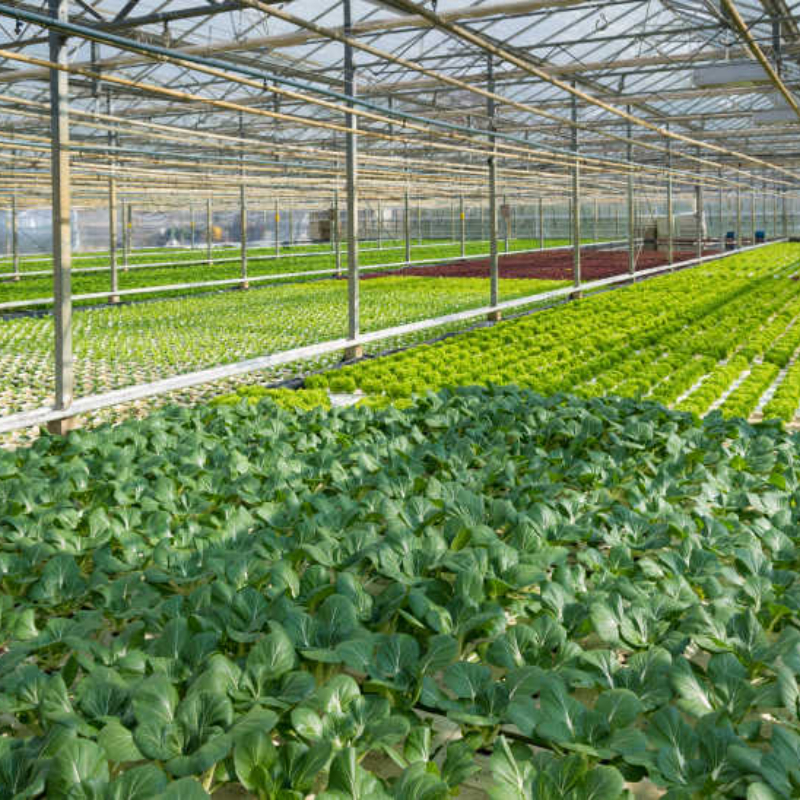
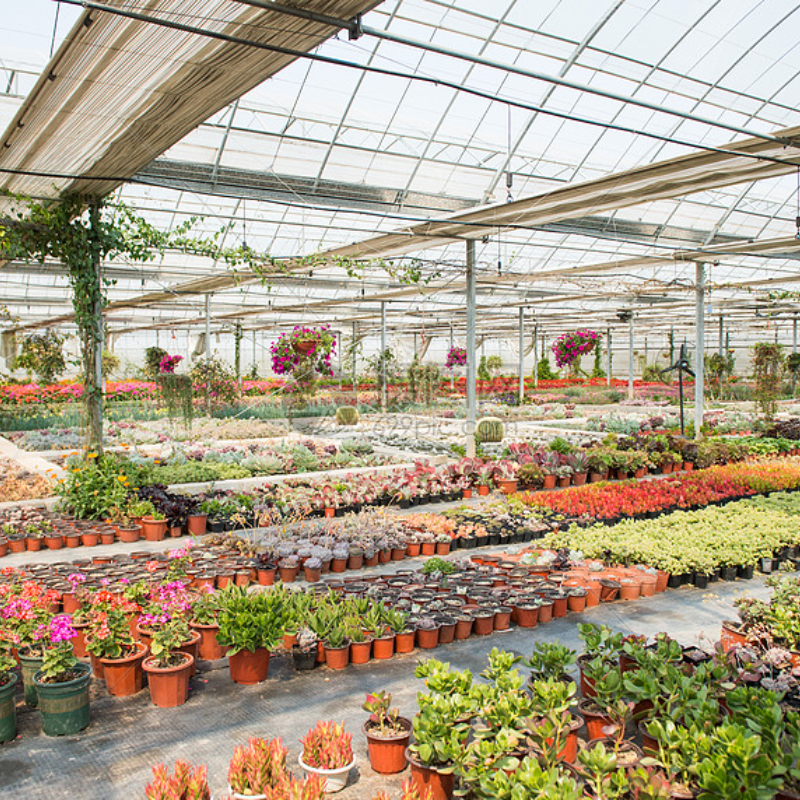
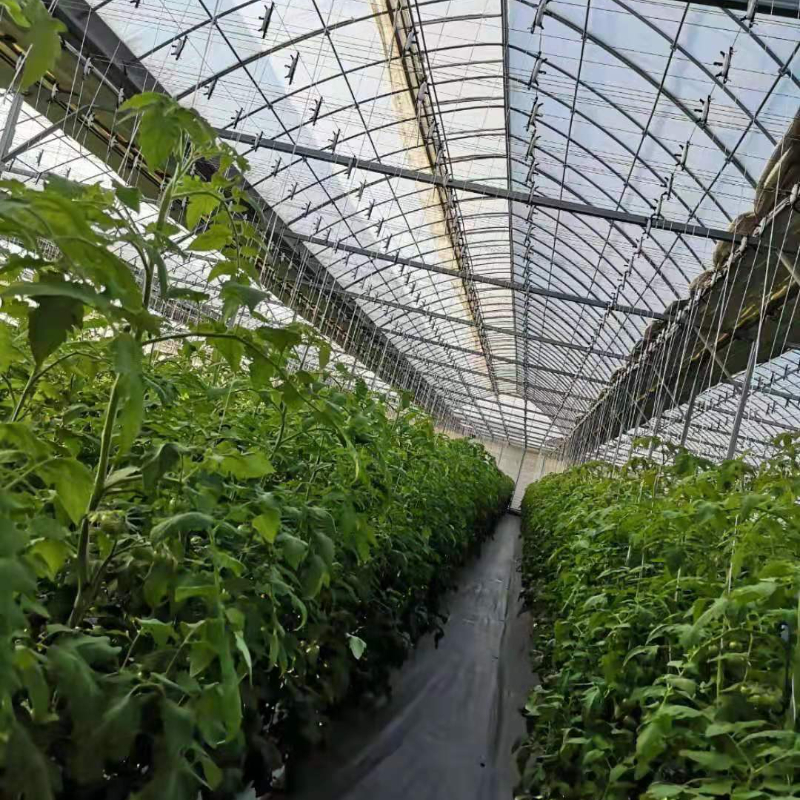
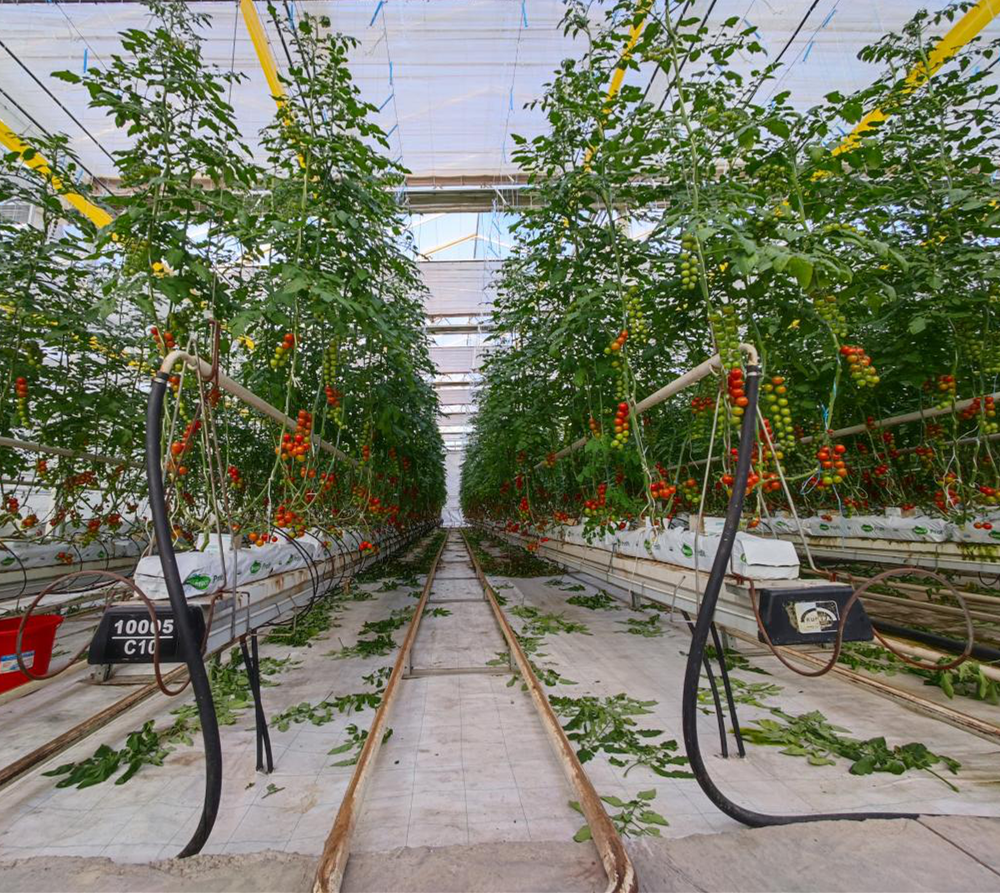
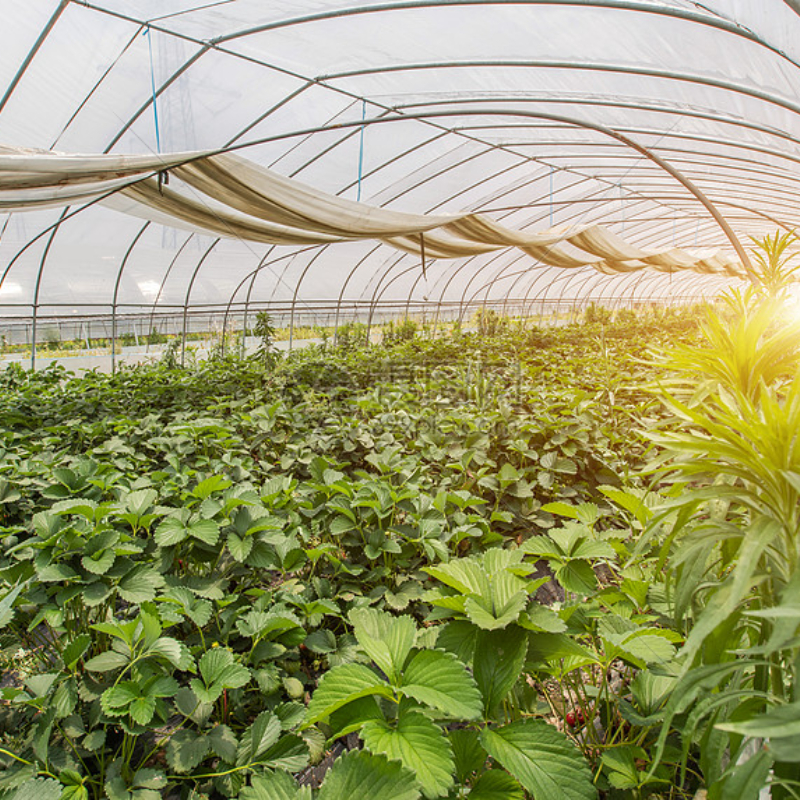
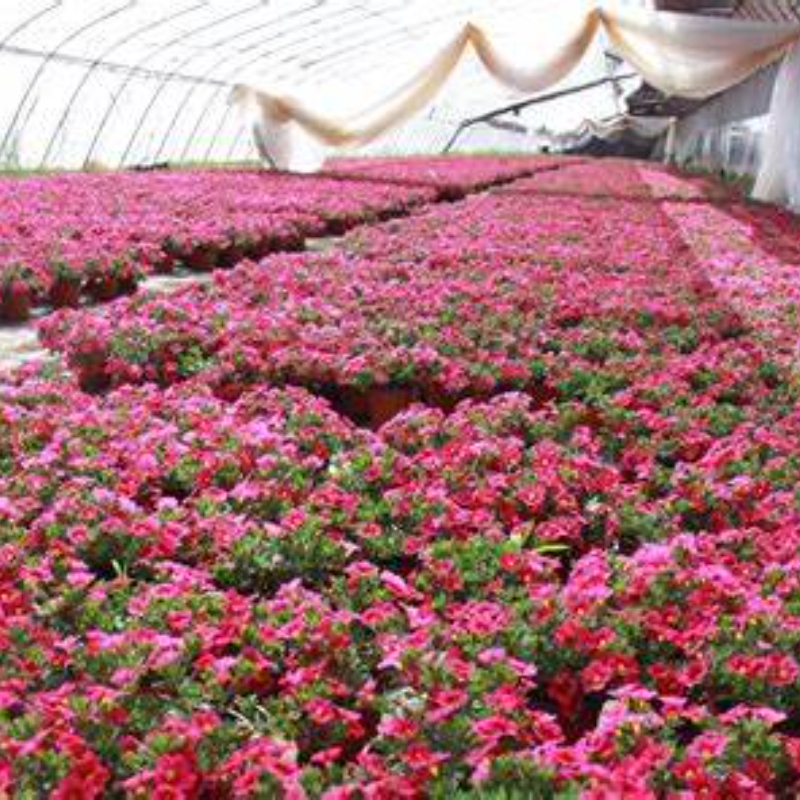
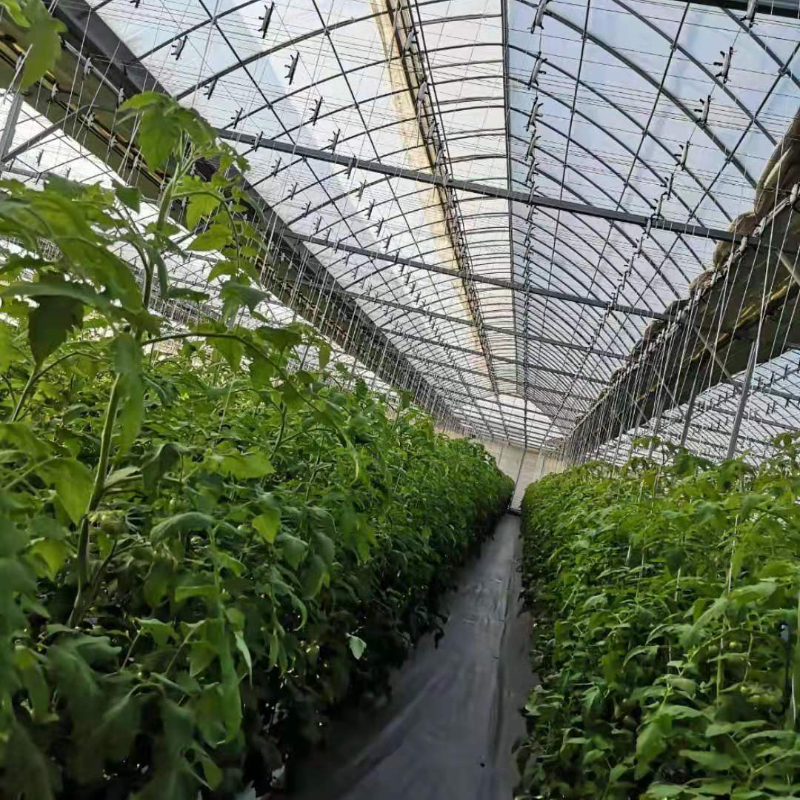
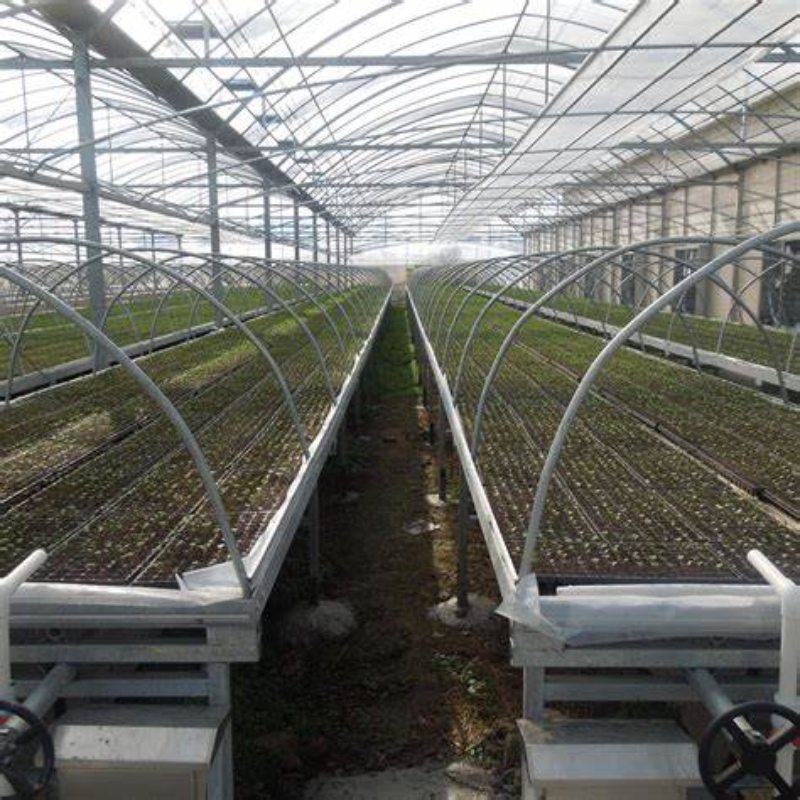
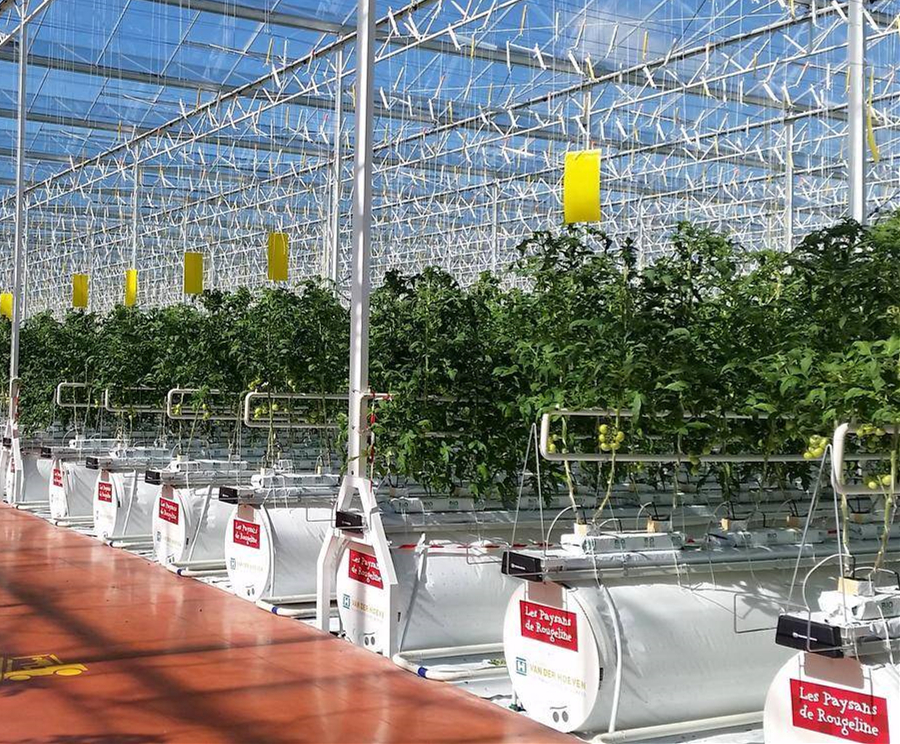
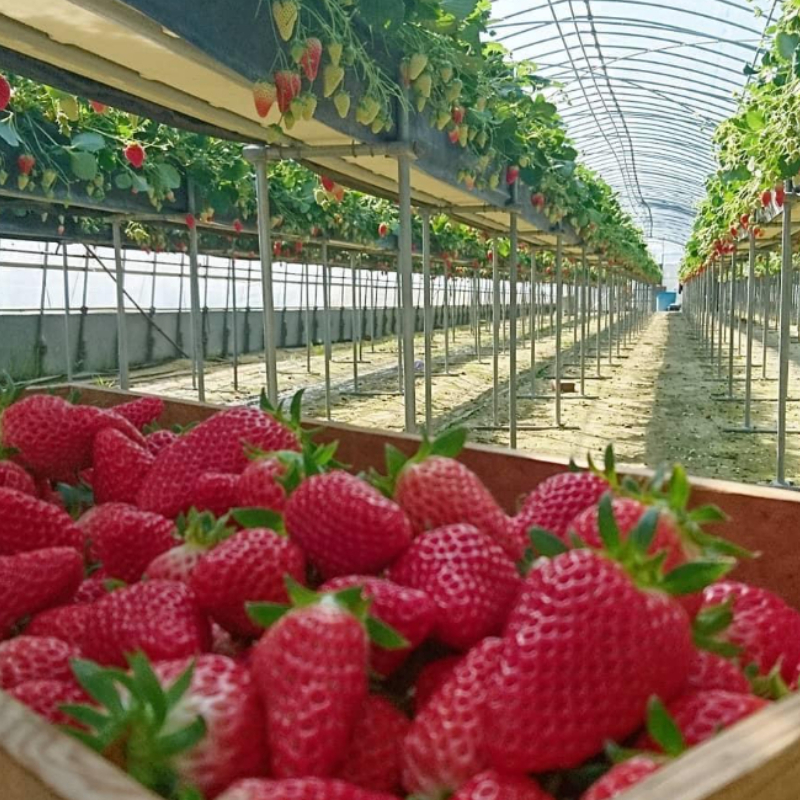
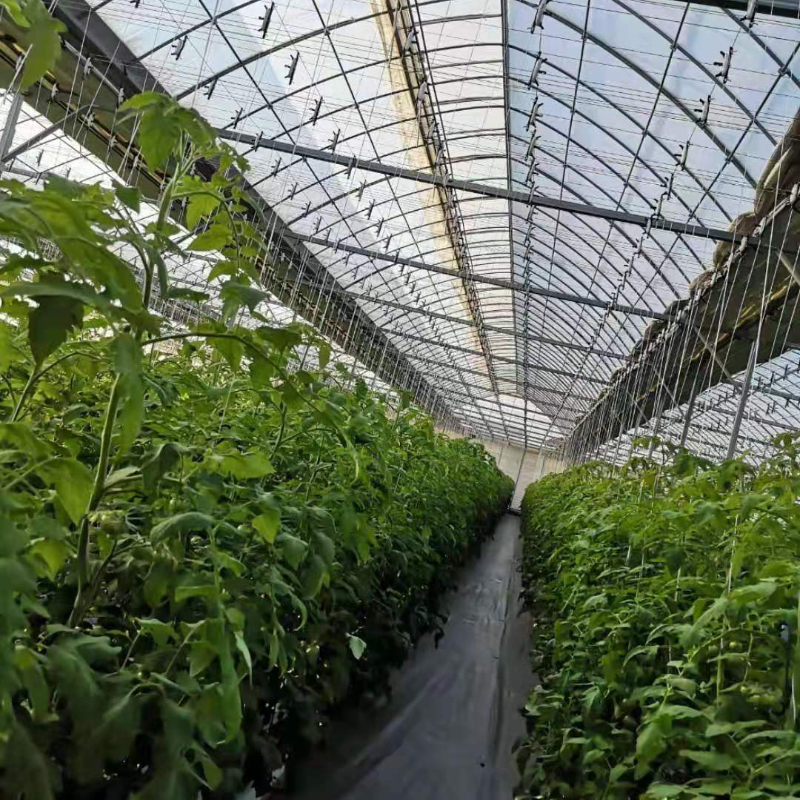
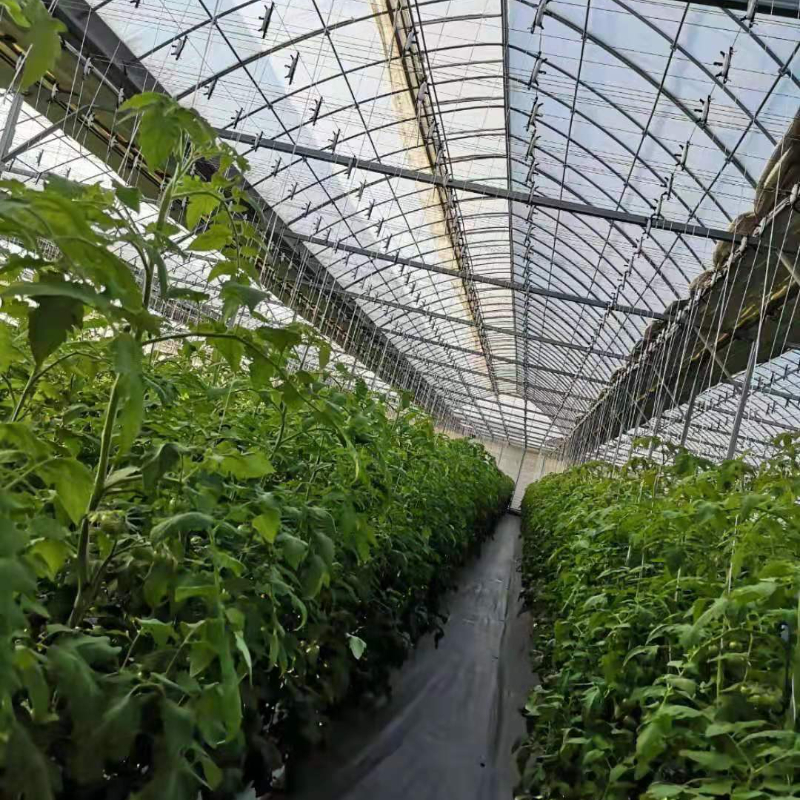
Localized applications of multi-span film greenhouses vary according to regional agricultural focuses. In vegetable-producing regions, multi-span film greenhouses are used to grow off-season vegetables such as tomatoes, cucumbers, and lettuce, meeting market demand for fresh produce year-round. In flower-growing regions, the controlled environment of the multi-span film greenhouse ensures consistent bloom times and flower quality, supporting the local floriculture industry. In seedling production regions, multi-span film greenhouses provide a stable environment for raising seedlings, improving survival rates and ensuring uniform growth. Additionally, in some rural areas, multi-span film greenhouses are used for mixed cultivation of crops and livestock, creating a circular agricultural system that maximizes resource use. The versatility of the multi-span film greenhouse makes it an integral part of regional agricultural development, driving economic growth and food security.
In conclusion, multi-span film greenhouses are adaptable, cost-effective structures that play a vital role in regional agricultural development. Their ability to be customized for different climates, combined with low investment and operational costs, makes them accessible to growers worldwide. By providing a controlled environment tailored to regional crop needs, the multi-span film greenhouse helps overcome climate limitations, increase yields, and improve crop quality. As regional agriculture continues to develop, the multi-span film greenhouse will remain a key tool for sustainable, localized food production, supporting farming communities and promoting agricultural resilience.