
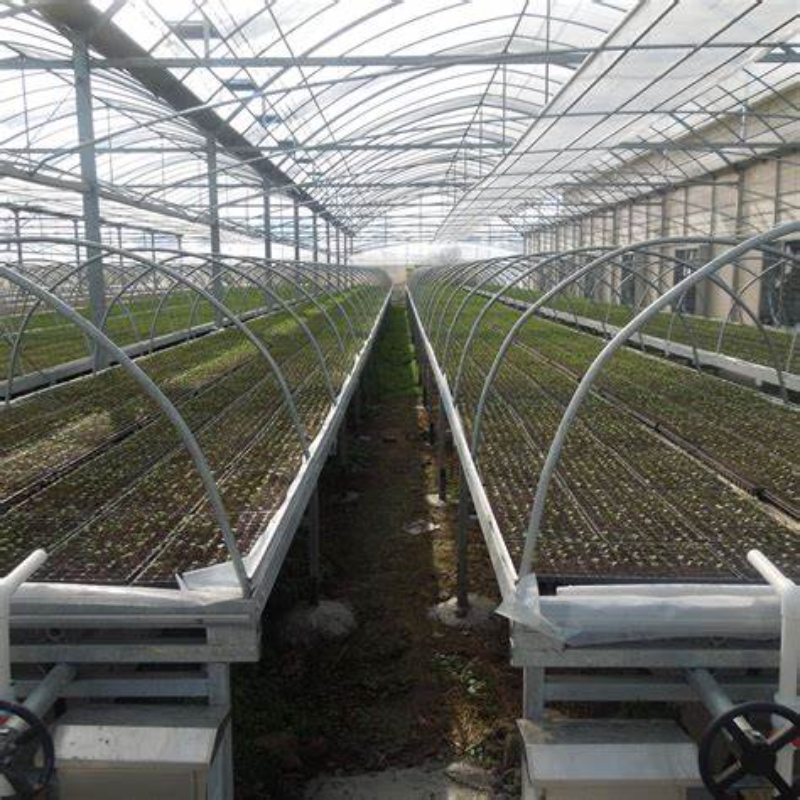
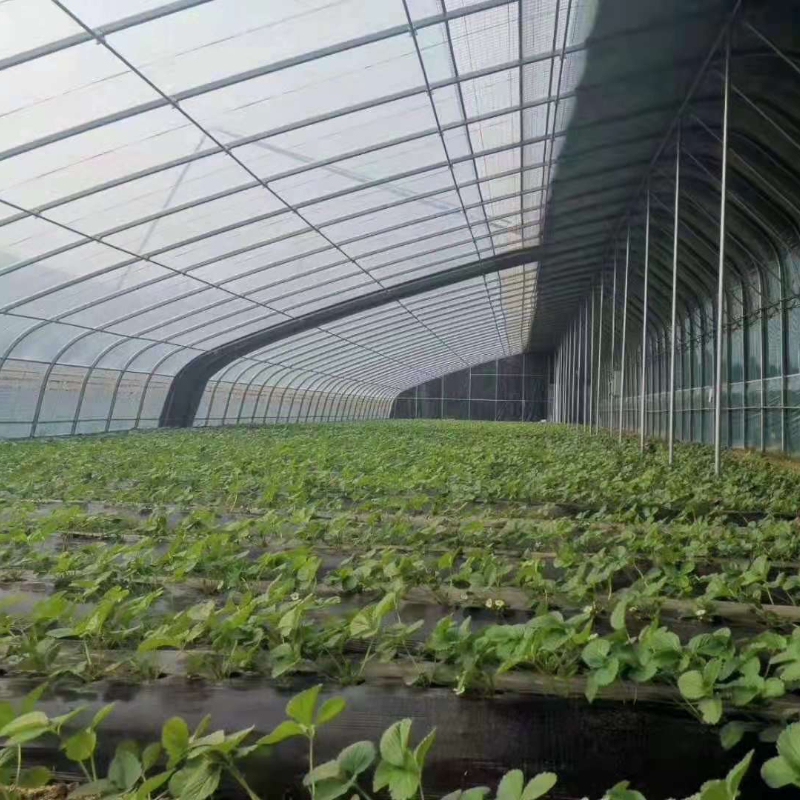
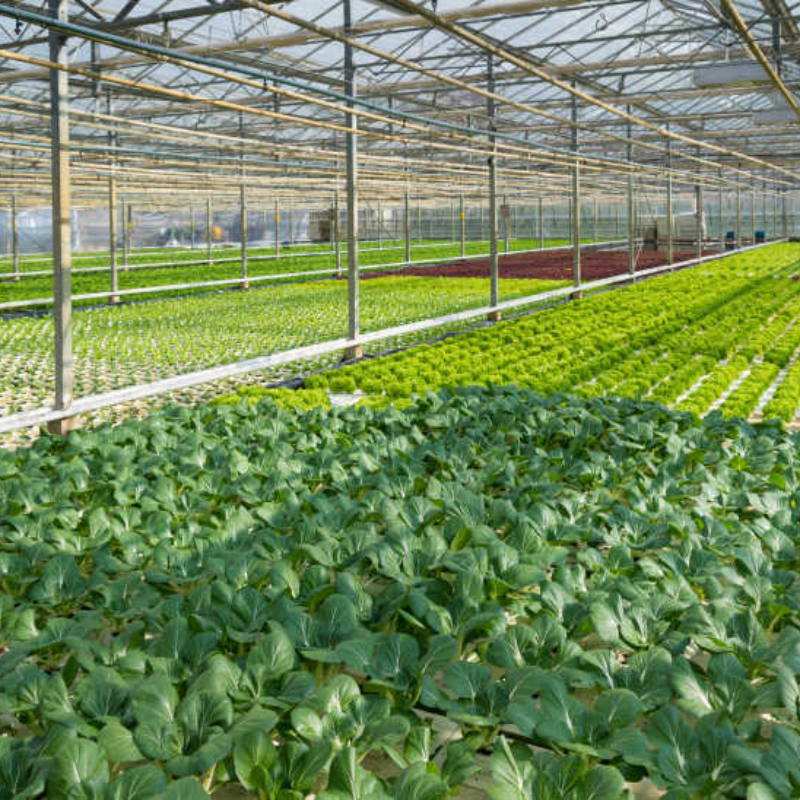
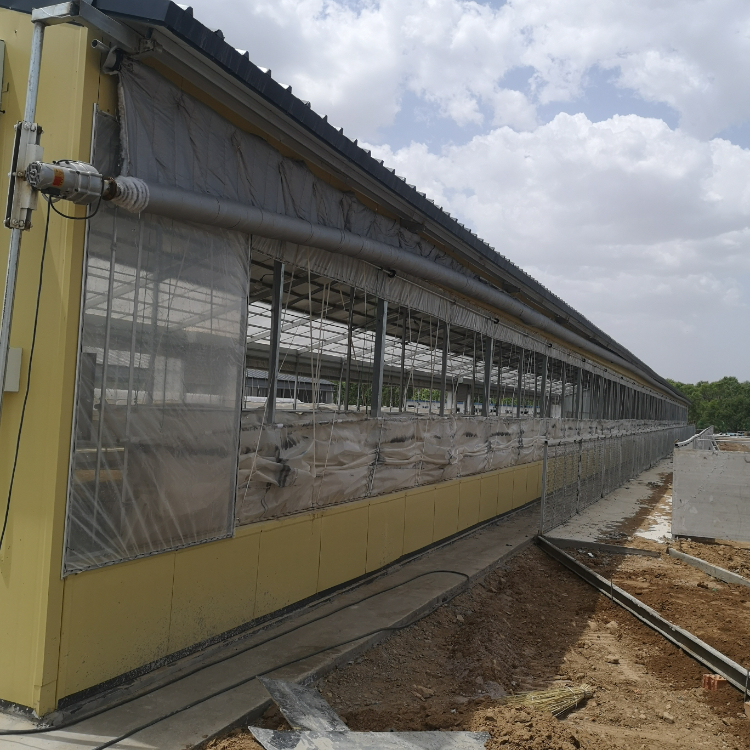
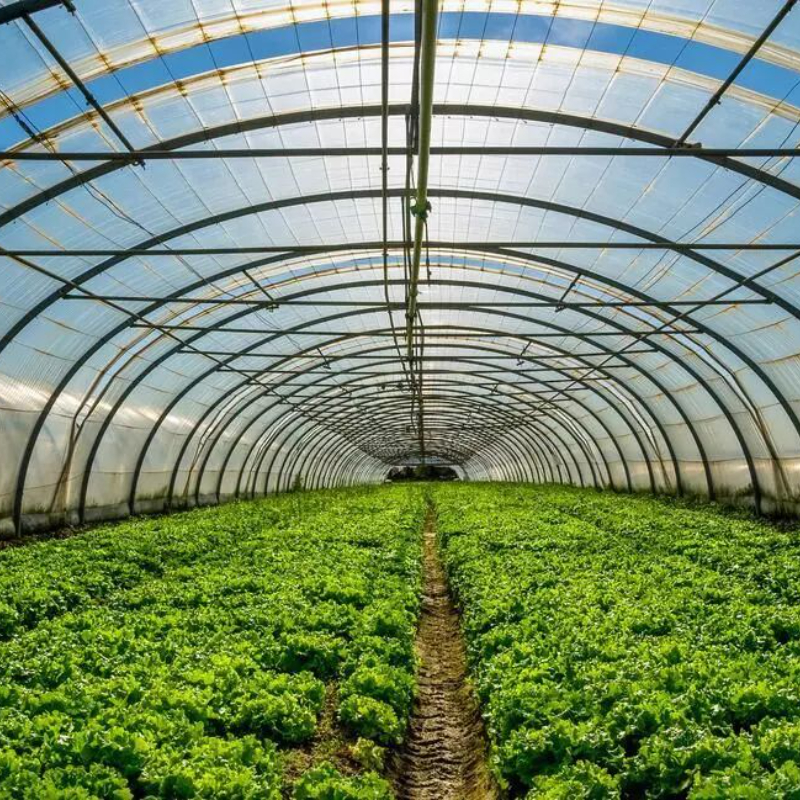
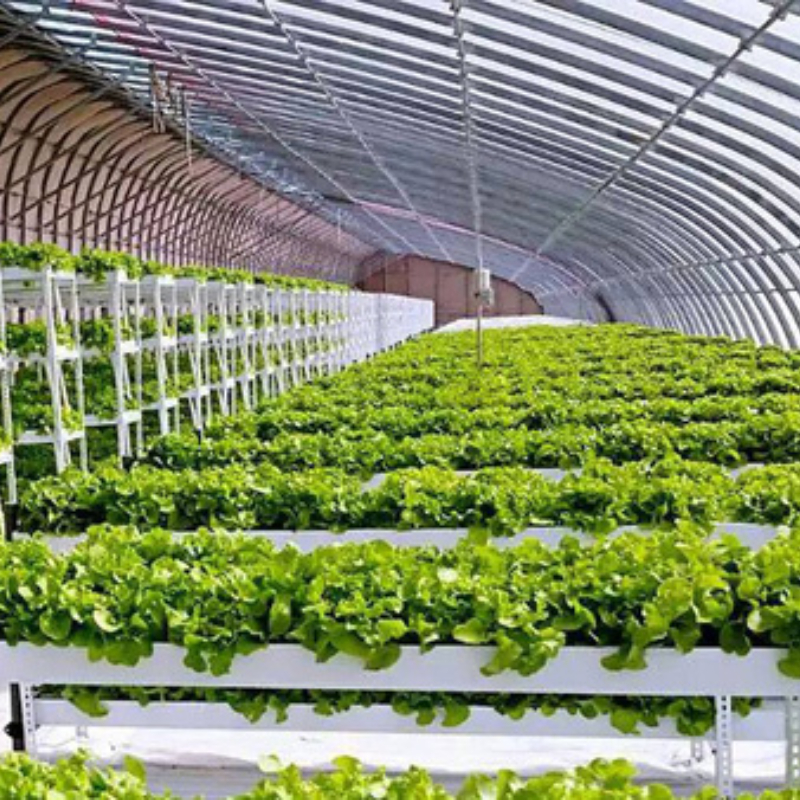
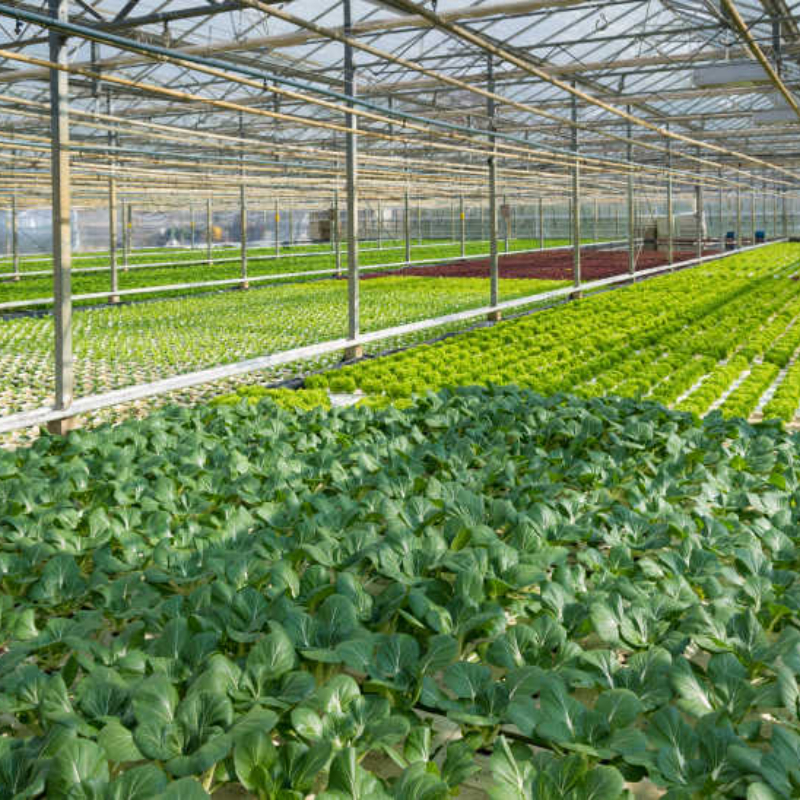
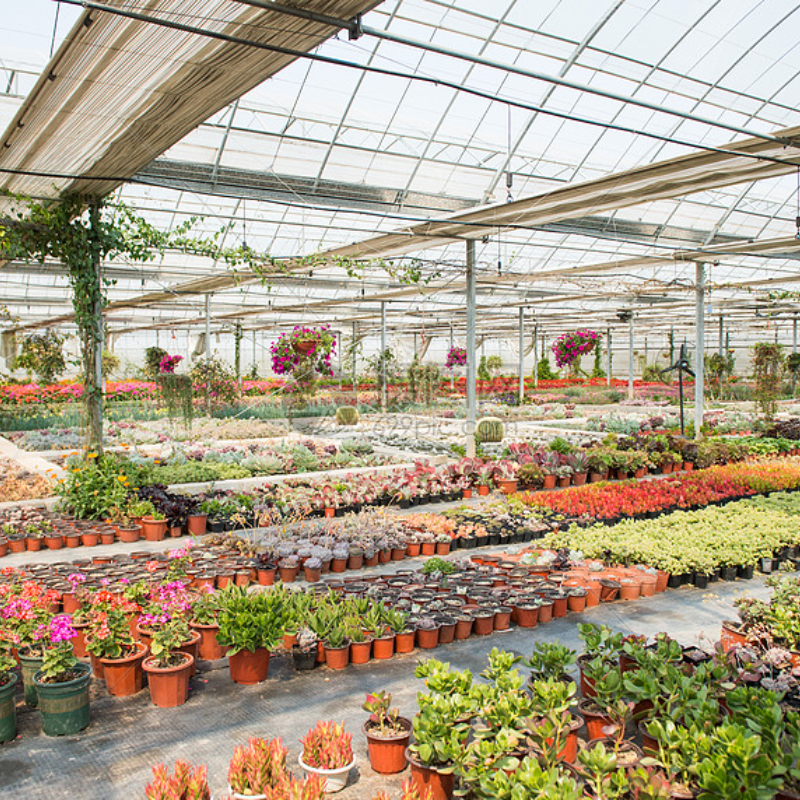
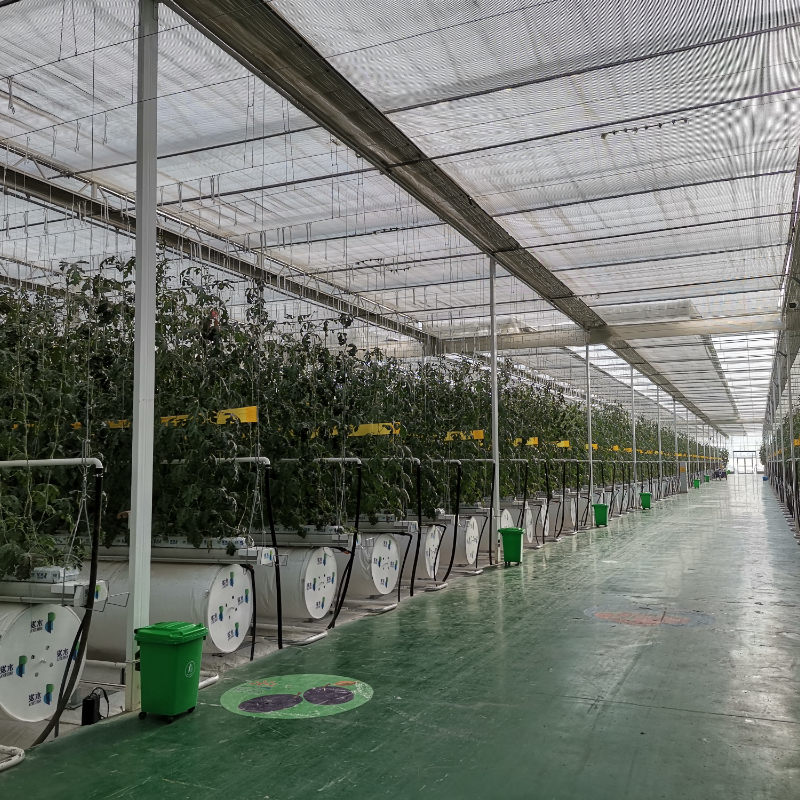
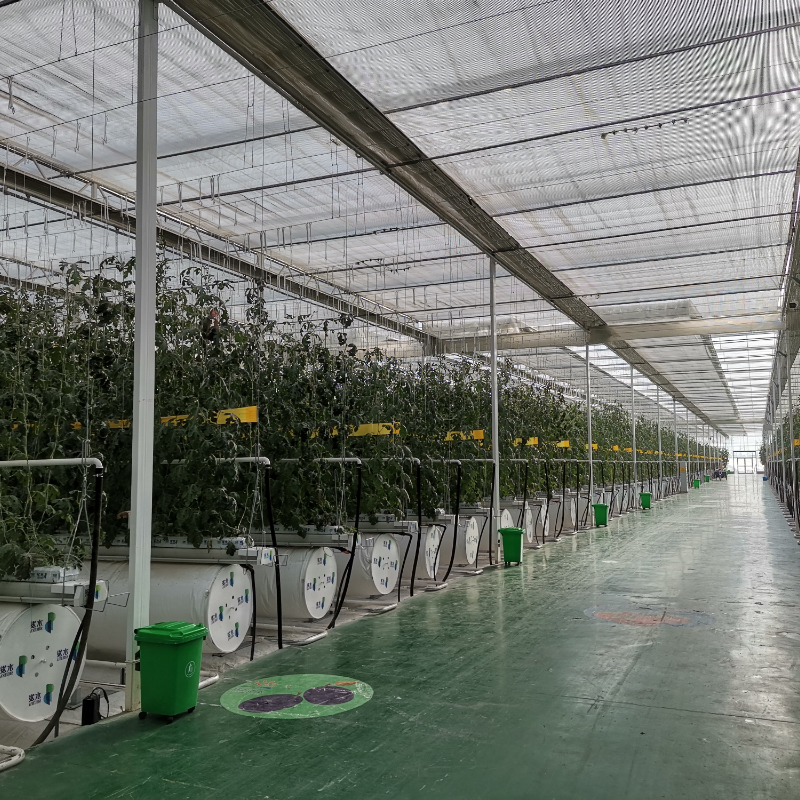
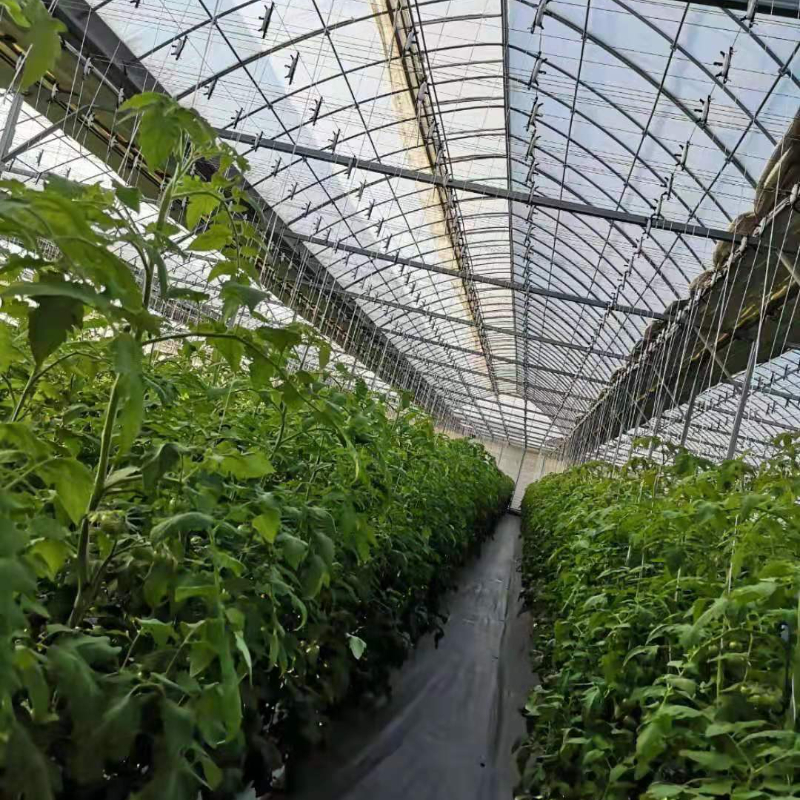
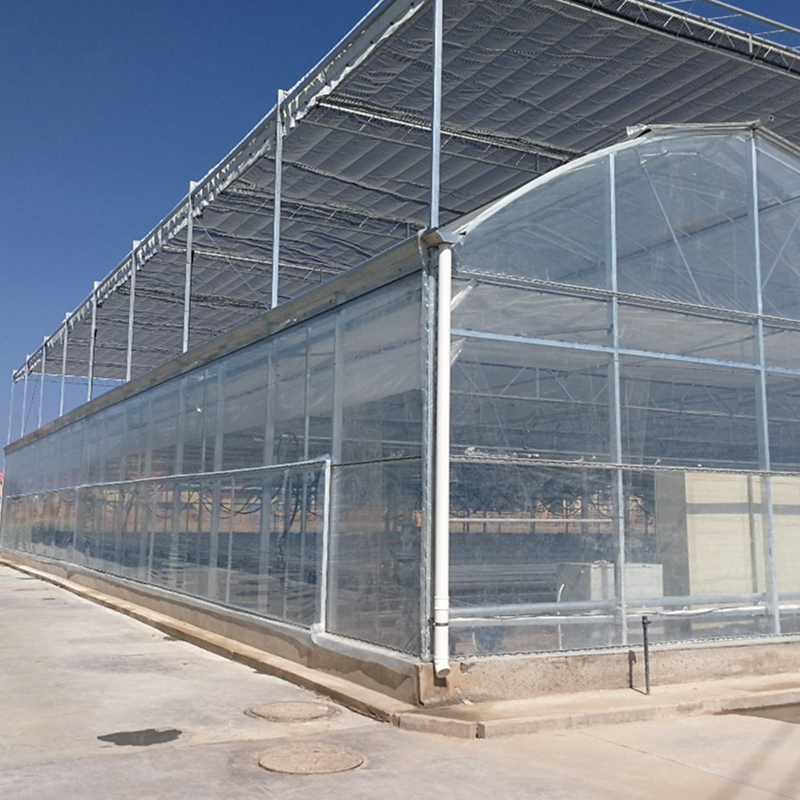
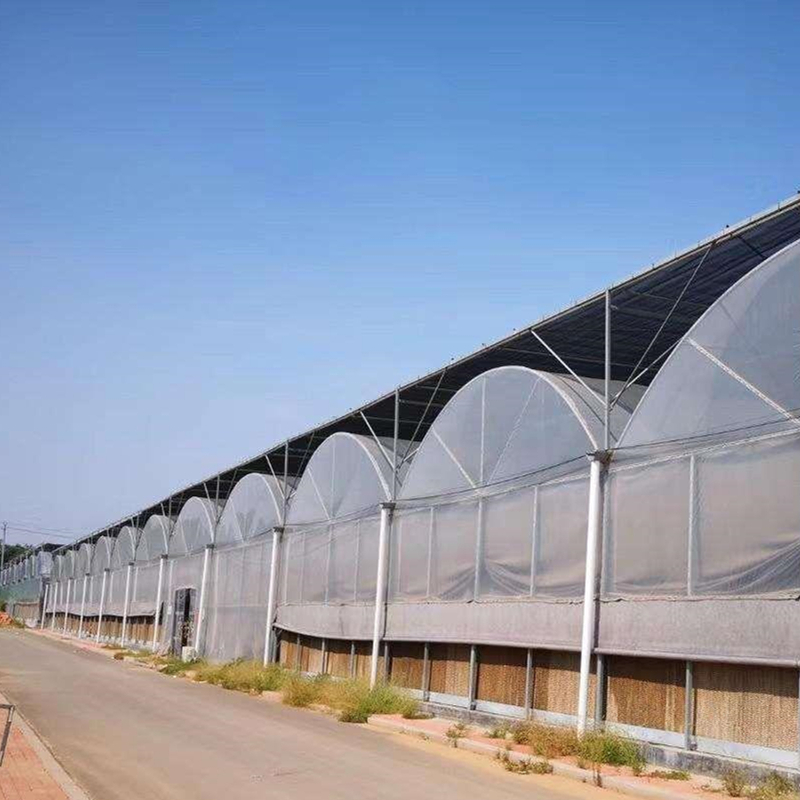
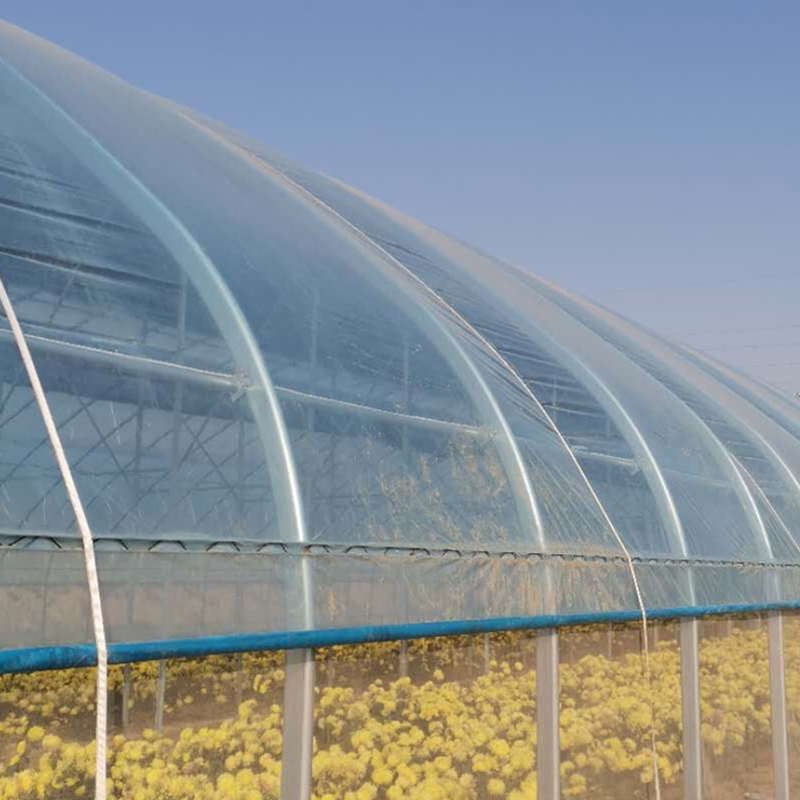
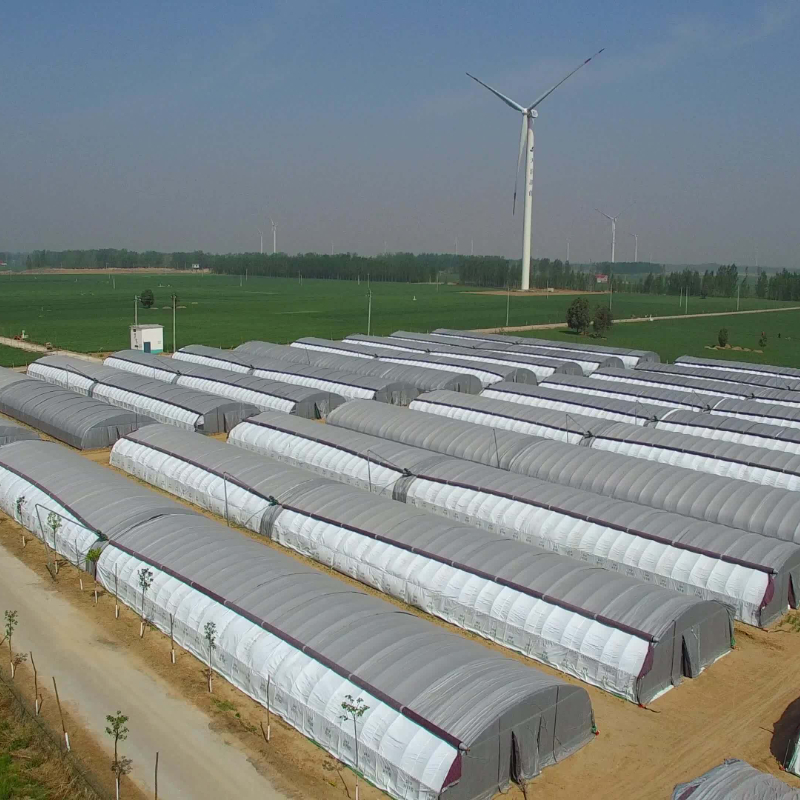
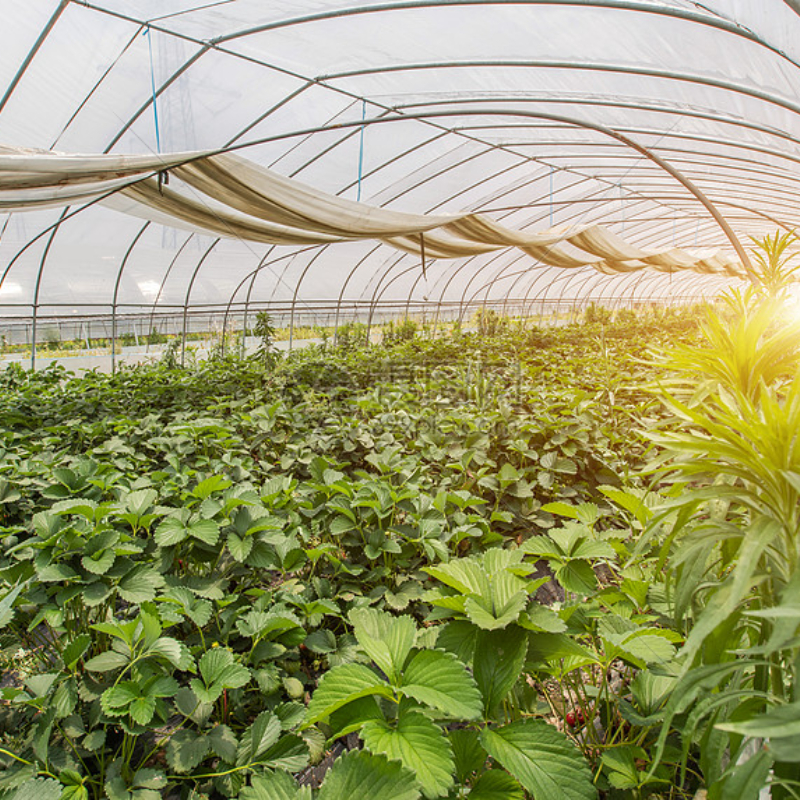
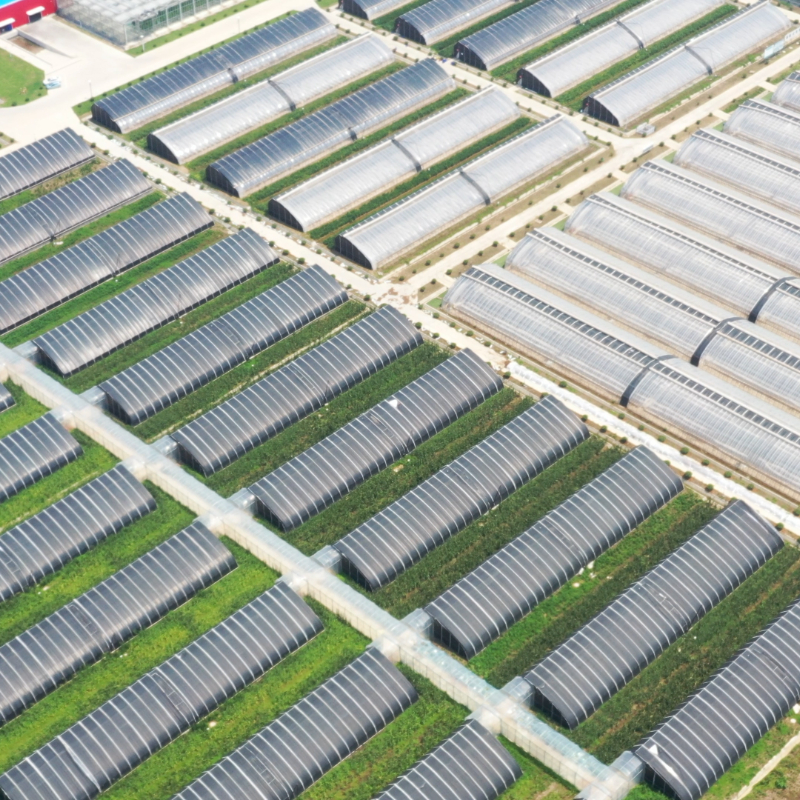
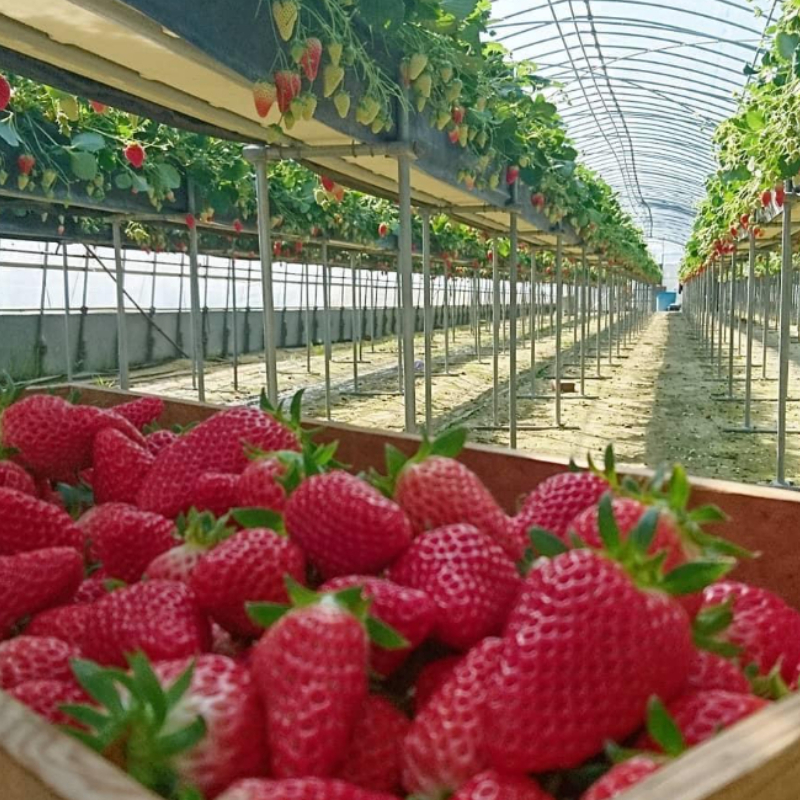
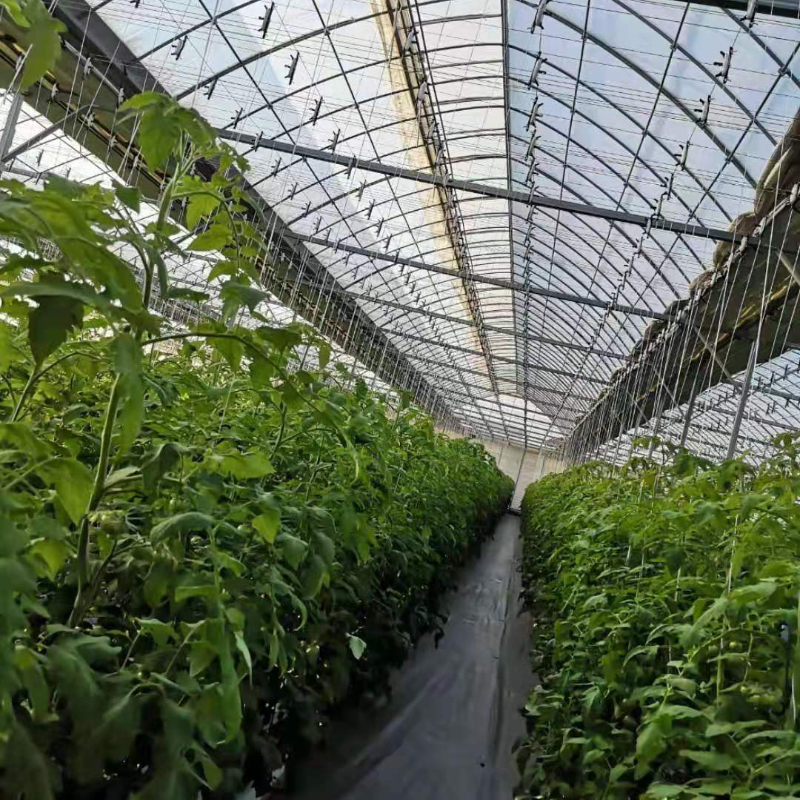
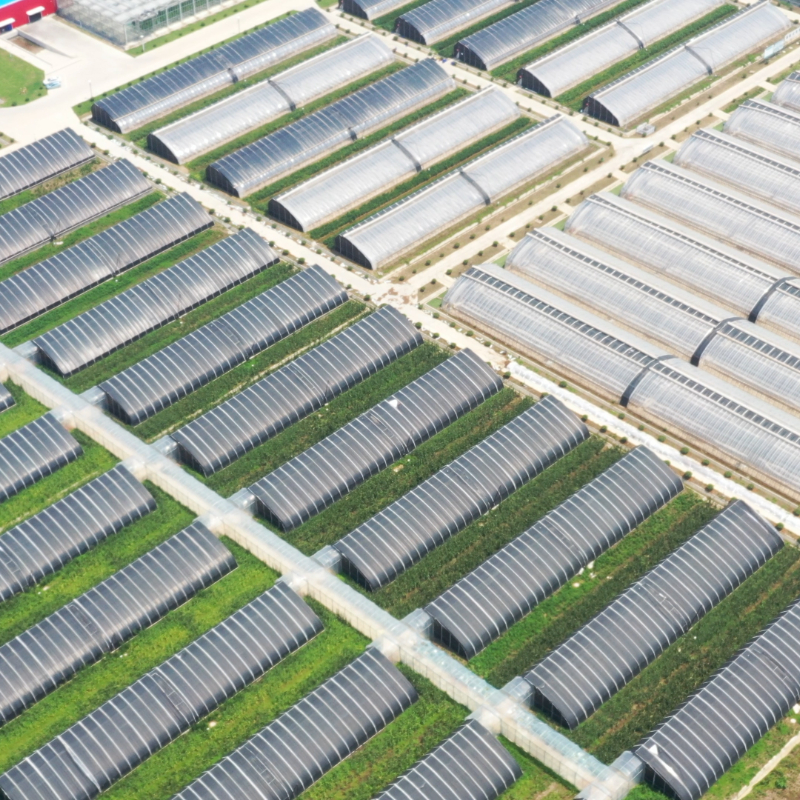
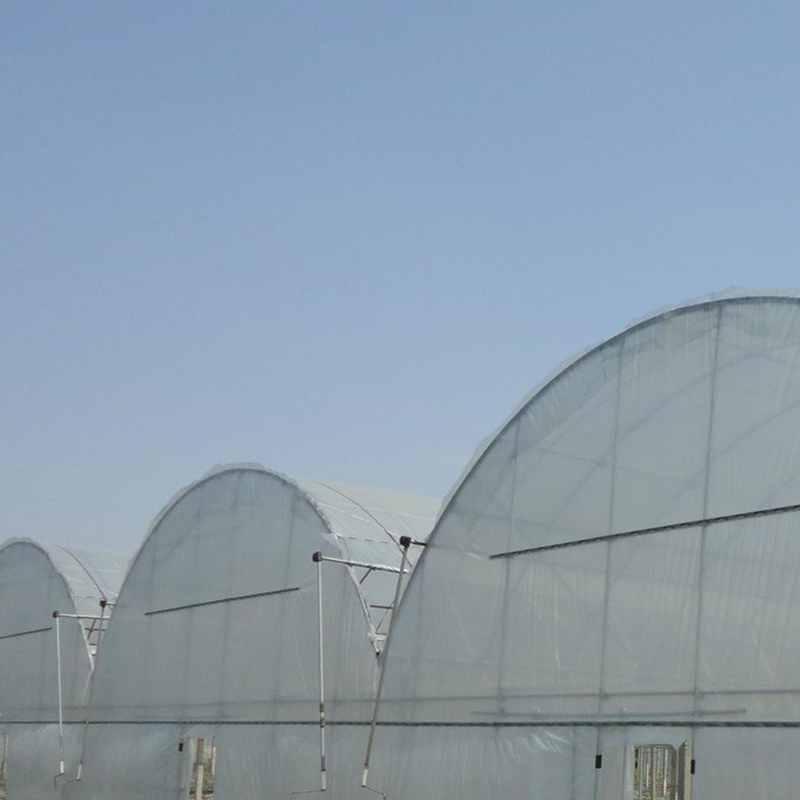
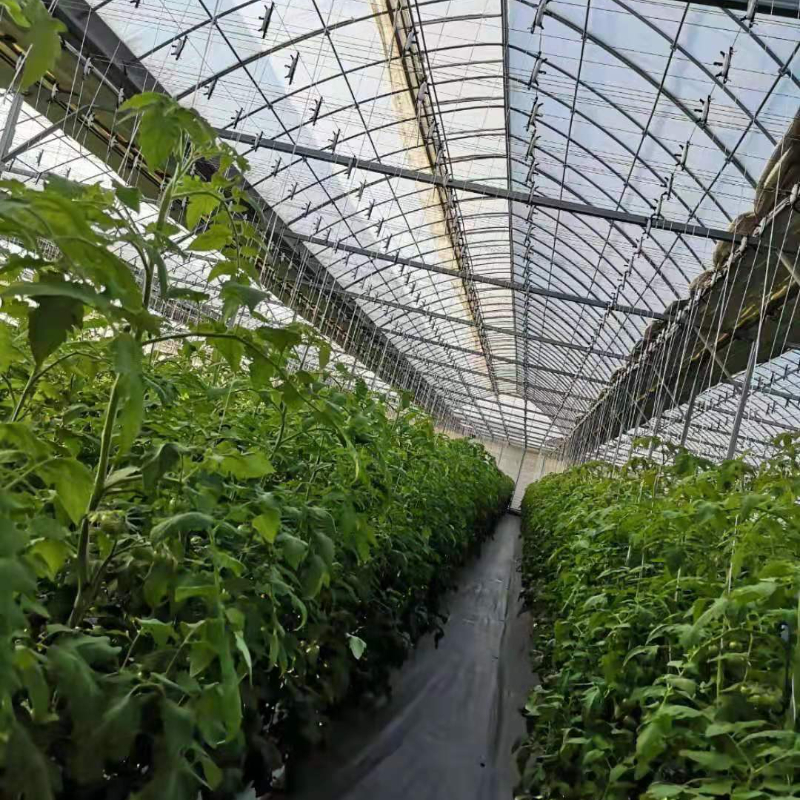
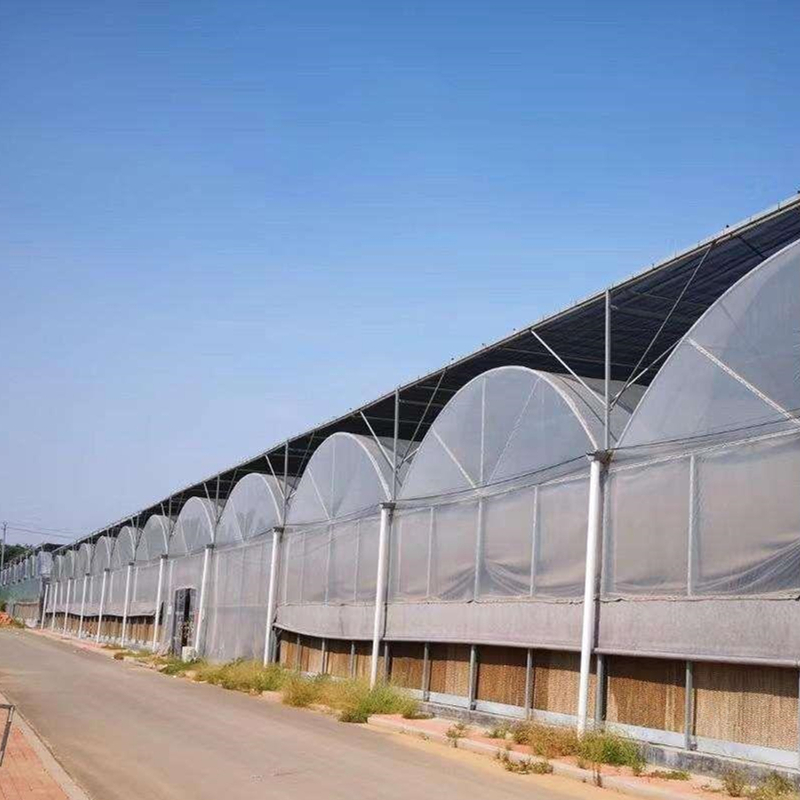
Accurate and comprehensive data collection is the foundation of precision agriculture. The quality and comprehensiveness of data directly determine the effect of subsequent management decisions. Traditional greenhouse data collection methods have obvious limitations: they either only collect macro environmental data (such as temperature, humidity, etc.) or only collect individual crop data through destructive sampling, resulting in incomplete data and difficulty in establishing the connection between the macro environment and micro crop physiology. Our team's adopted "group-individual" and "macro-micro" combined multi-scale and multi-modal data collection strategy breaks through the limitations of traditional methods, realizing comprehensive, real-time, and accurate perception of crop growth status and environmental conditions.
First, let's interpret the "group-individual" data collection strategy. The "group" level of data collection is mainly realized through UAV macro remote sensing technology. As mentioned earlier, UAVs equipped with high-resolution multispectral cameras and thermal imaging cameras can perform large-scale monitoring of the entire greenhouse group, collecting data reflecting the overall growth status of the crop group. For example, the NDVI index obtained through multispectral remote sensing can reflect the overall vegetation coverage and growth vitality of the crop group; the canopy temperature distribution obtained through thermal imaging can reflect the overall water status of the crop group. This group-level data can help managers quickly grasp the overall situation of the greenhouse, identify potential problems in large areas (such as widespread water shortage, nutrient deficiency, or pest and disease infestation), and avoid the omission of large-scale problems caused by only focusing on individual plants.
The "individual" level of data collection is mainly realized through the new solid-state ion electrode technology and other individual plant detection equipment. On the basis of grasping the overall situation of the group, the "individual" level of data collection focuses on key individual plants or problematic individual plants. For example, when the UAV remote sensing finds that the growth status of crops in a certain area is poor, the staff can use the solid-state ion electrode to detect the plant sap of individual plants in this area, so as to accurately determine the specific reasons for the poor growth of individual plants (such as nutrient deficiency, water stress, or physiological diseases). In addition, for some key individual plants (such as dominant plants or experimental plants), long-term continuous monitoring can be carried out to grasp their growth and development laws. The combination of "group" and "individual" data collection ensures that managers can not only see the "forest" (the overall situation of the group) but also see the "trees" (the specific situation of individual plants), realizing comprehensive perception of crop growth status.
Secondly, the "macro-micro" data collection strategy further enriches the comprehensiveness and depth of data. The "macro" level of data includes not only the overall growth status of the crop group obtained through UAV remote sensing but also the macro environmental data of the greenhouse (such as temperature, humidity, light intensity, carbon dioxide concentration, soil moisture, etc.) collected by fixed sensors. These macro environmental data are the basic conditions for crop growth, and their changes directly affect the growth and development of crops. The "micro" level of data mainly includes the physiological and biochemical data of individual crops obtained through the new solid-state ion electrode technology, such as the content of various nutrient ions in plant sap, pH value, and other indicators. These micro data directly reflect the internal physiological state of crops, including nutrient absorption, metabolism, and stress response. The combination of "macro" and "micro" data establishes the connection between the external growth environment and internal physiological state of crops, enabling managers to deeply understand the mechanism of how environmental factors affect crop growth, and providing a more in-depth data basis for precision regulation.
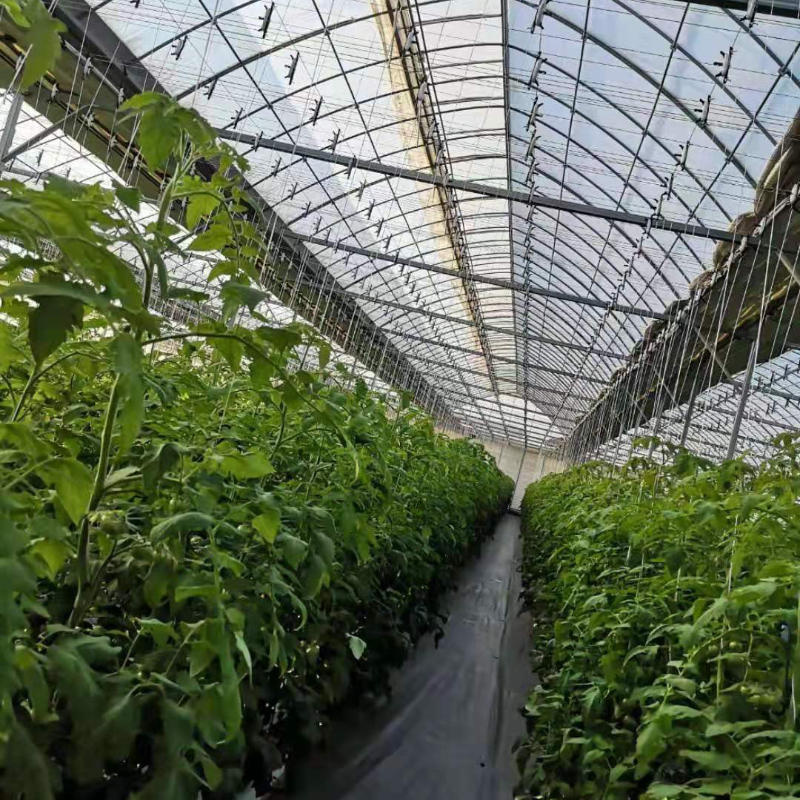
The advantages of this multi-scale and multi-modal data collection strategy have been fully reflected in practical applications. Taking a cucumber planting greenhouse as an example, the greenhouse adopted this data collection strategy, and the collected data included: UAV-based group NDVI data, canopy temperature data; fixed sensor-based greenhouse temperature, humidity, light, carbon dioxide concentration data; solid-state ion electrode-based individual cucumber plant sap nitrogen, phosphorus, potassium ion content data. Through the fusion analysis of these data, the management platform found that the low NDVI value of cucumber plants in a certain area was not only related to the low soil moisture in this area (macro environmental data) but also related to the low potassium ion content in the plant sap (micro physiological data). Based on this, the platform formulated a targeted regulation plan: increasing the irrigation amount in this area and applying potassium fertilizer appropriately. After one week of regulation, the NDVI value of cucumber plants in this area returned to the normal level, and the growth status was significantly improved. Compared with the traditional data collection method that only collects soil moisture data, this multi-scale and multi-modal data collection strategy made the cause analysis more accurate, and the regulation effect was improved by 70%.
