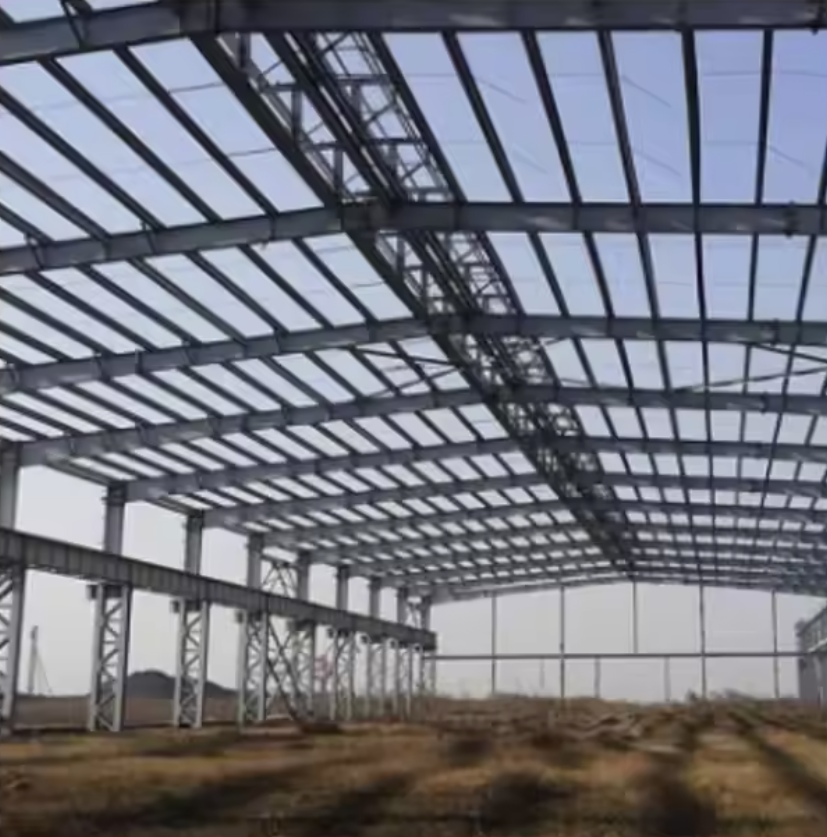
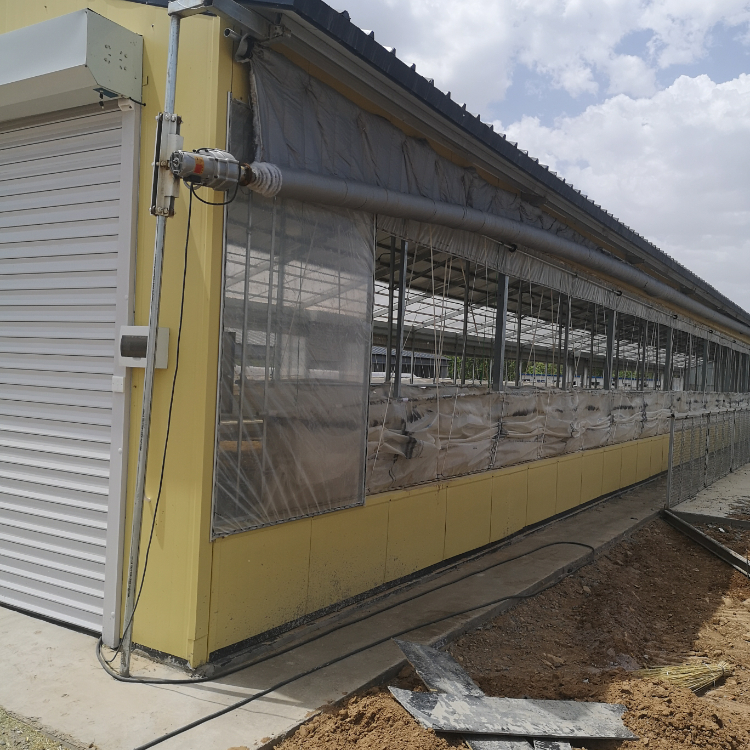
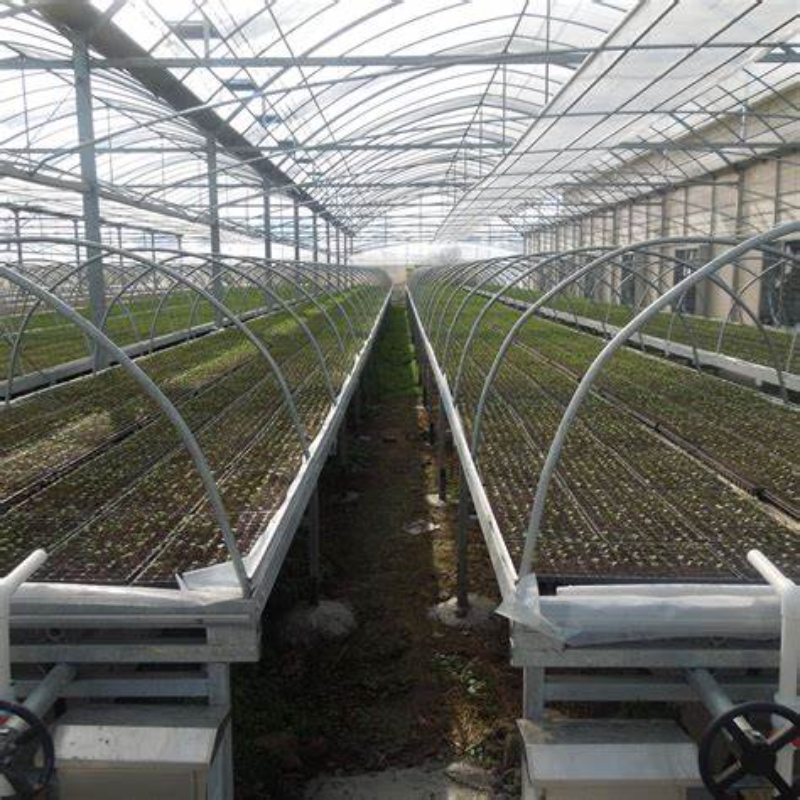
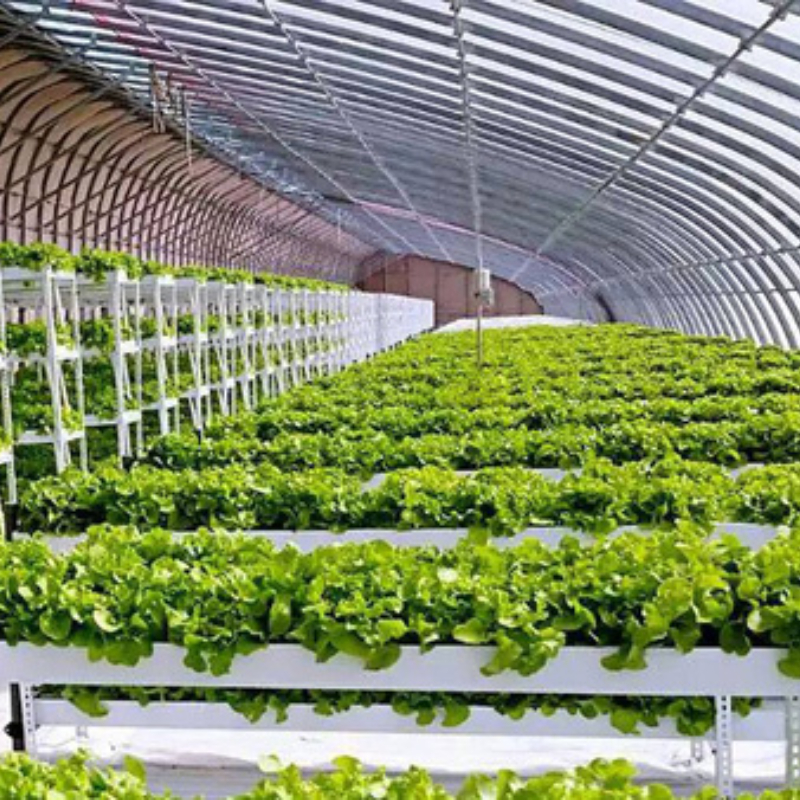
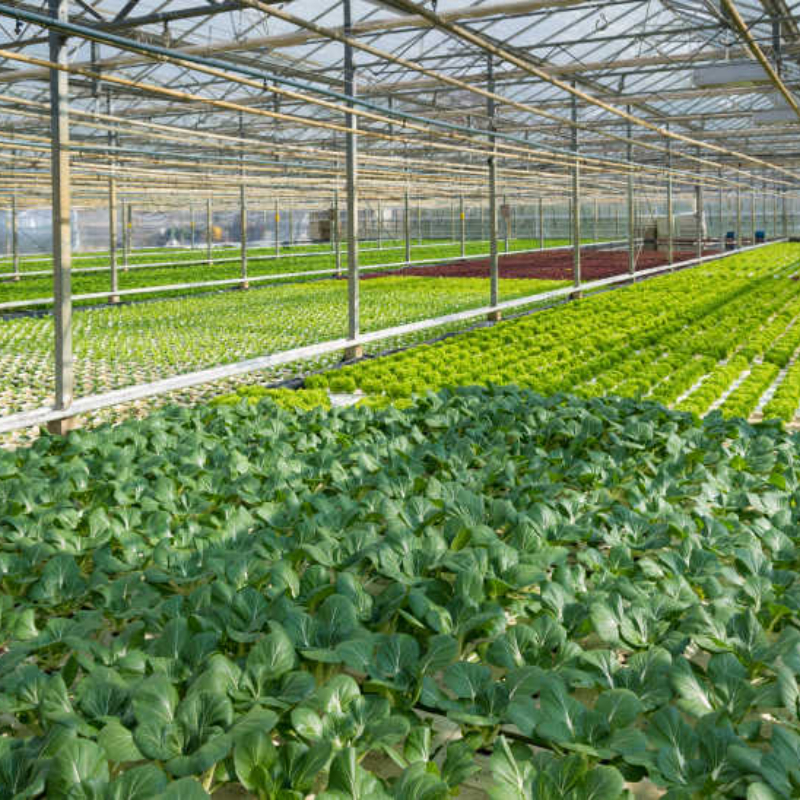
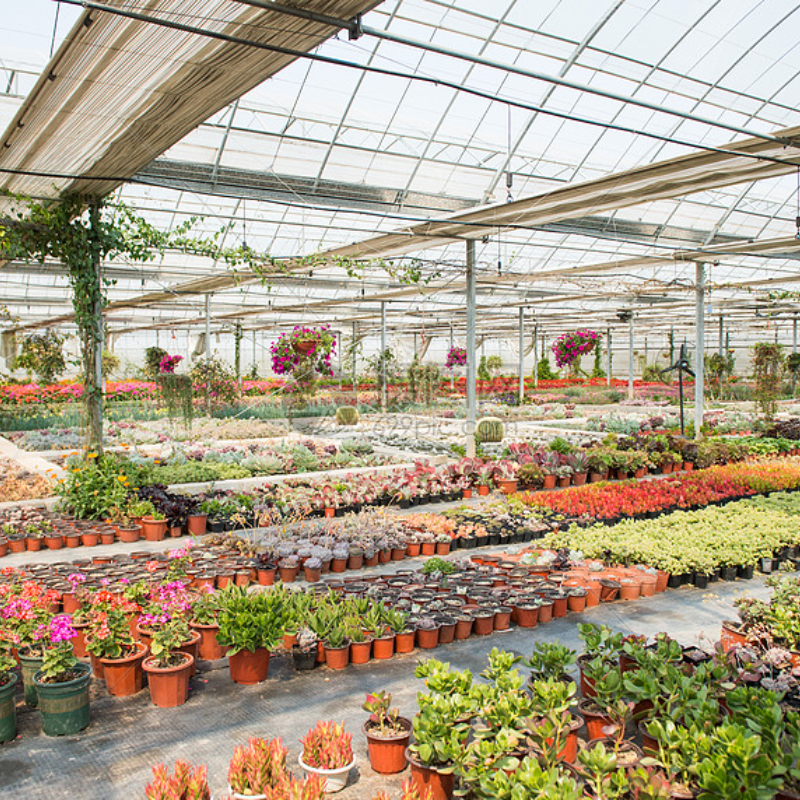
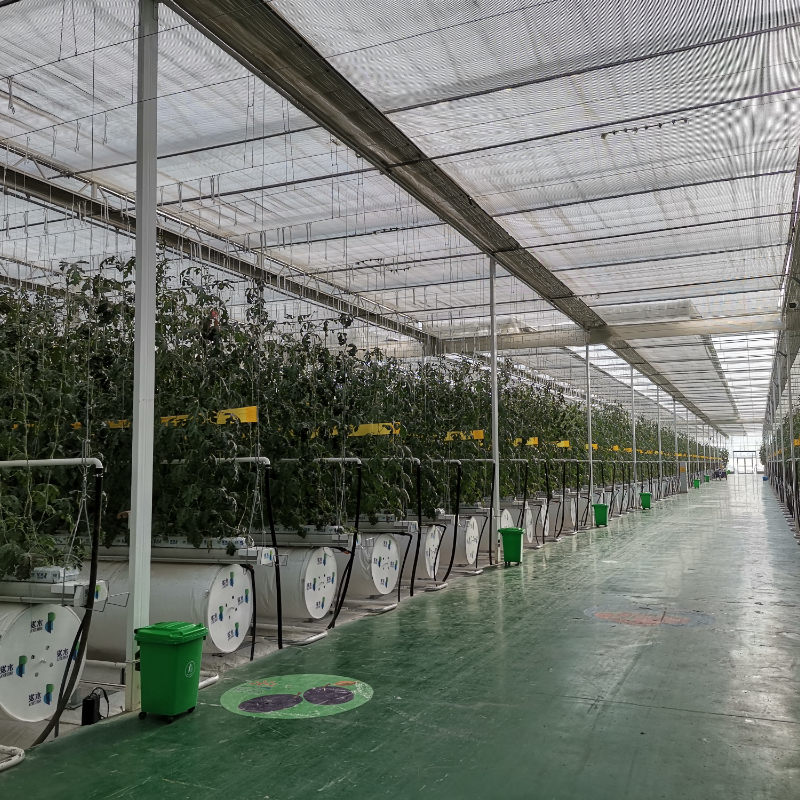
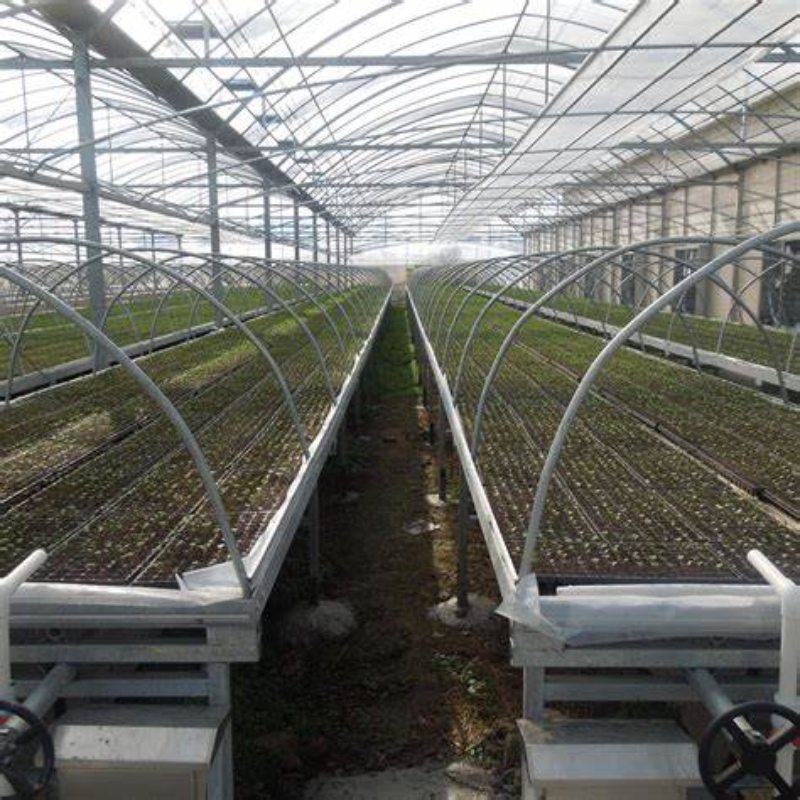
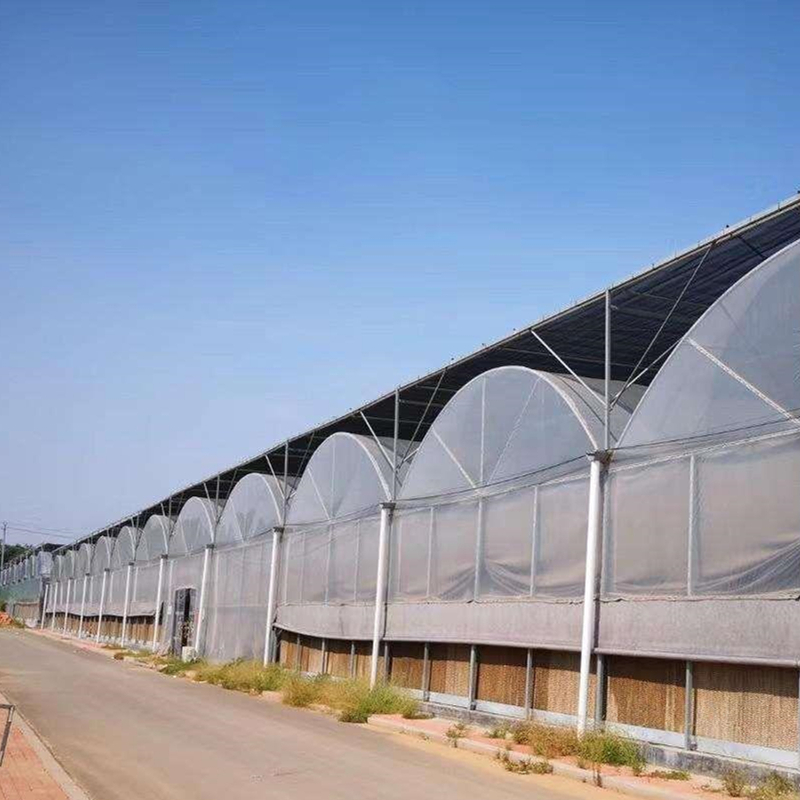
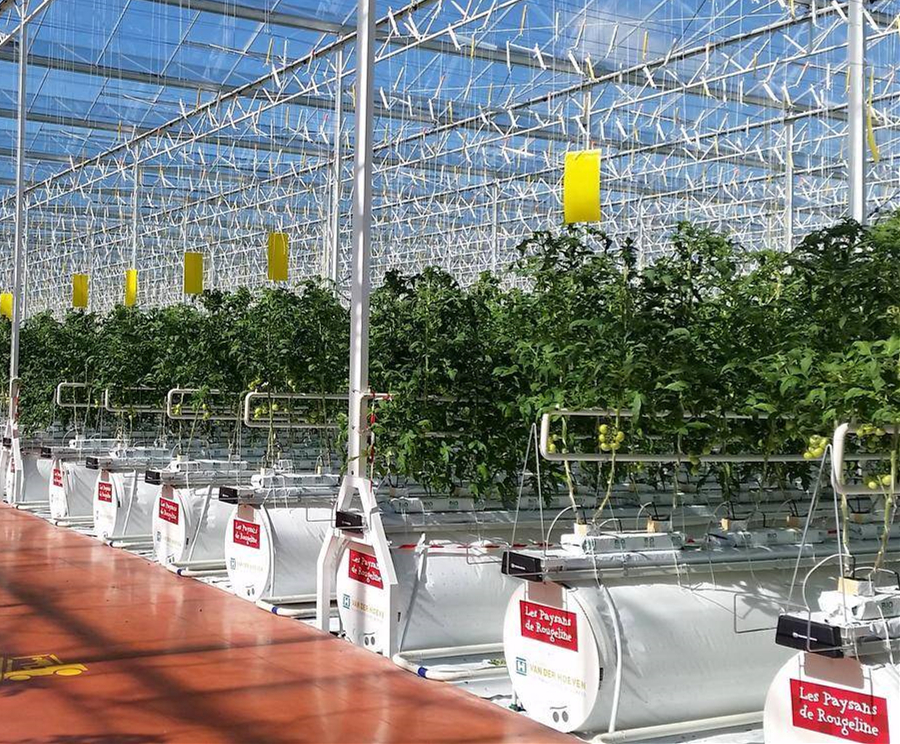
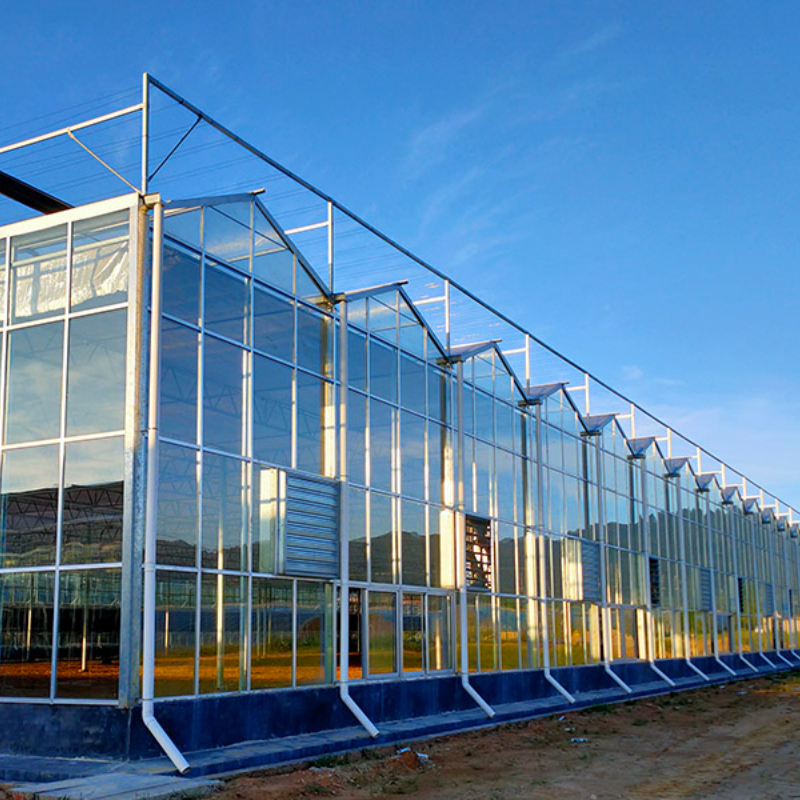
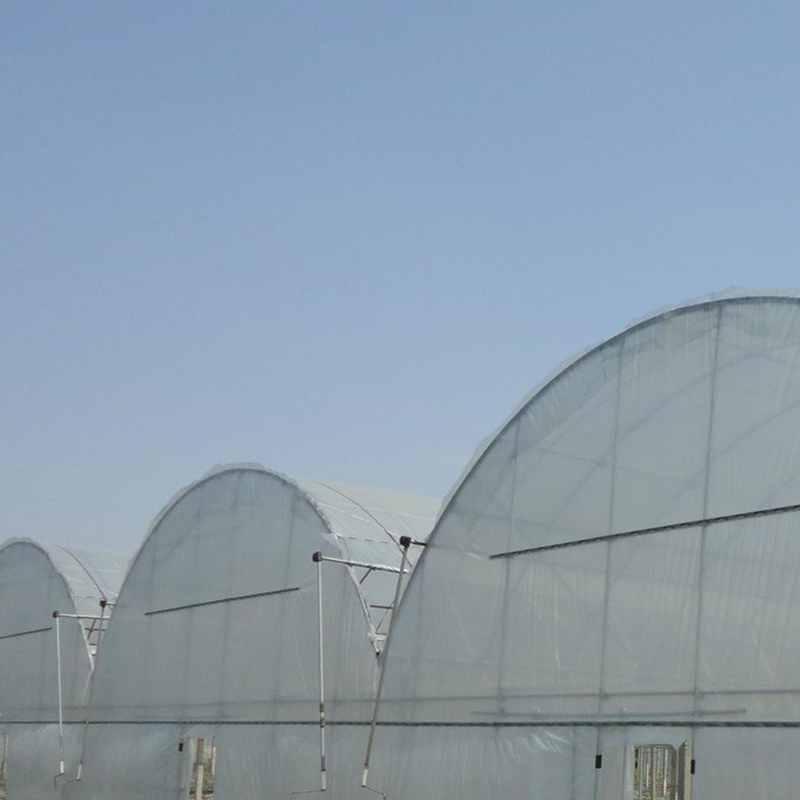
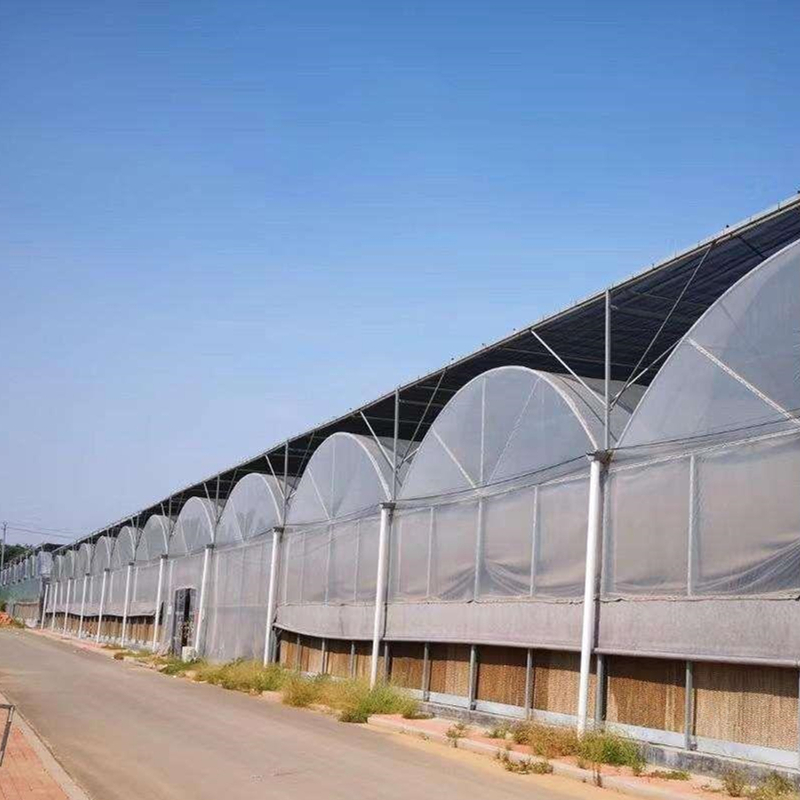
The core competitiveness of modern agricultural technology lies in the innovation and integration of key technologies. In the field of greenhouse management, the separation of macro environmental monitoring and micro crop physiological state detection has long been a major bottleneck restricting the realization of precision agriculture. Traditional detection methods either only focus on macro environmental parameters (such as temperature, humidity, and light in the greenhouse) or rely on destructive sampling of crops for offline detection, which cannot achieve real-time and comprehensive grasp of crop growth status. Our team's pioneering integration of UAV macro remote sensing and new solid-state ion electrode-based plant sap detection technology has broken this bottleneck, forming a technological synergy that connects the macro environment and micro crop physiology.
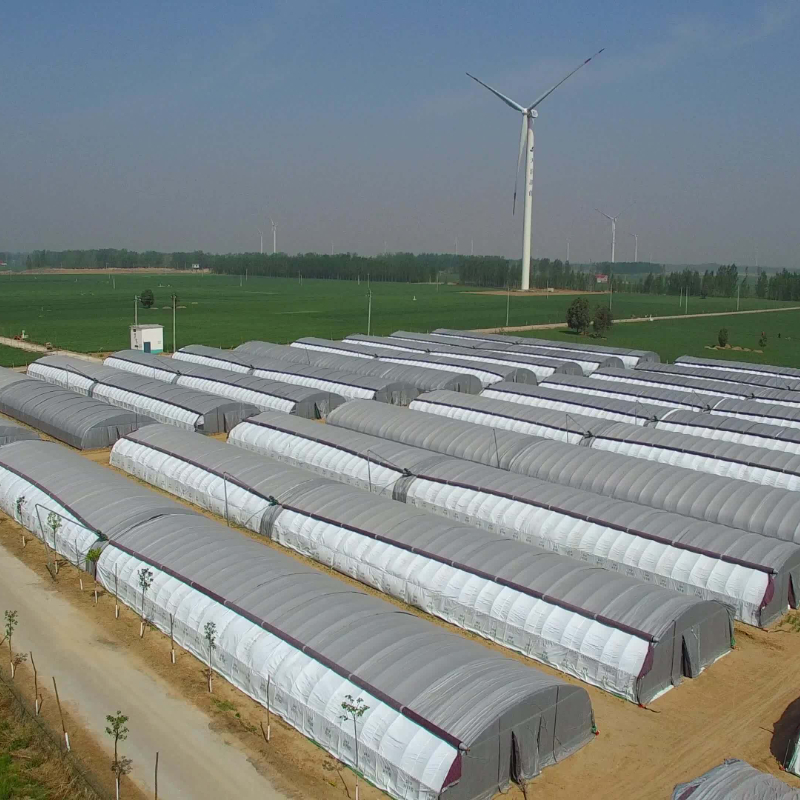
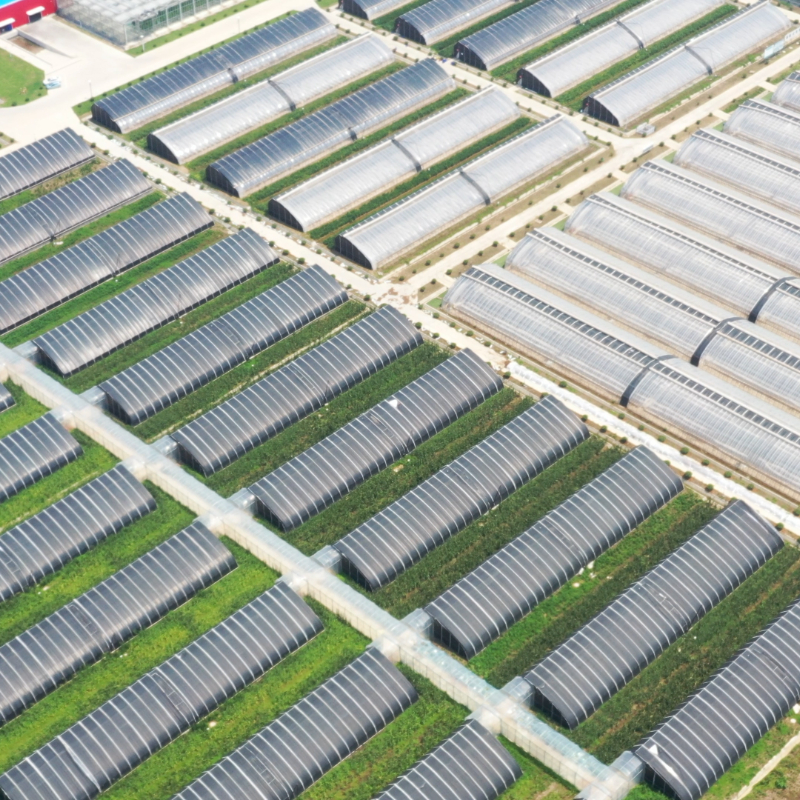
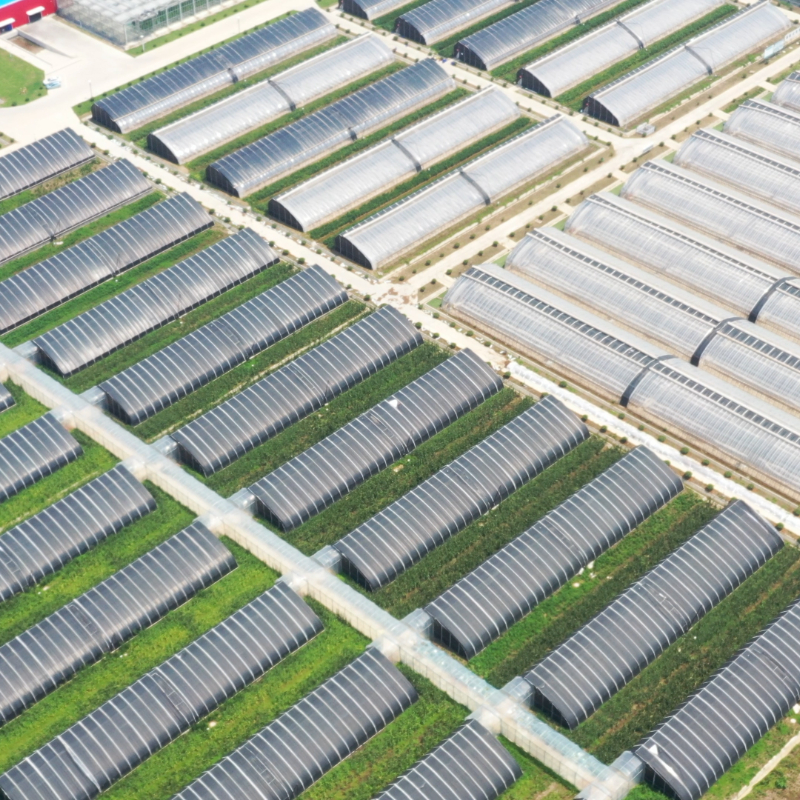
First, let’s elaborate on the UAV-based macro remote sensing technology. The UAVs adopted in this solution are equipped with high-resolution multispectral cameras, thermal imaging cameras, and other advanced sensors, which can perform large-scale, non-destructive, and high-frequency remote sensing monitoring of the entire greenhouse group. Different from traditional fixed-point environmental monitoring equipment, UAV remote sensing can achieve comprehensive coverage of the greenhouse area without dead ends. The multispectral camera can capture the spectral information of crop canopies, including the normalized difference vegetation index (NDVI), leaf area index (LAI), and other key indicators that reflect crop growth status. These indicators can effectively reflect the overall growth trend of the crop group, such as whether there is widespread nutrient deficiency, water stress, or pest and disease infestation. The thermal imaging camera can detect the temperature distribution of the crop canopy, which is closely related to the transpiration rate and water status of the crops. For example, if a certain area of crops has a higher canopy temperature than other areas, it may indicate that the crops in this area are suffering from water shortage, which provides an important basis for targeted irrigation.
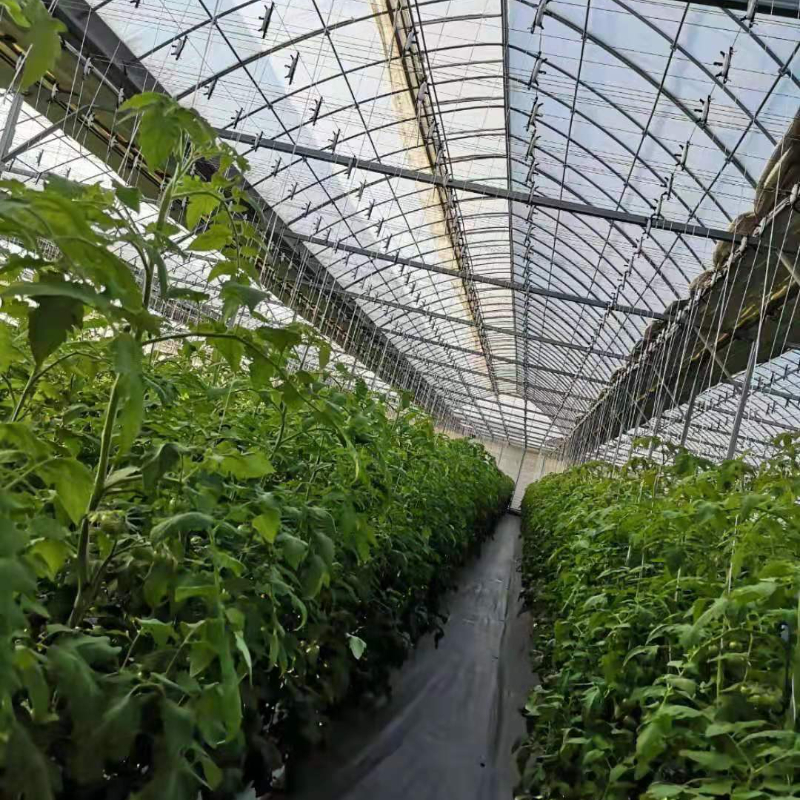
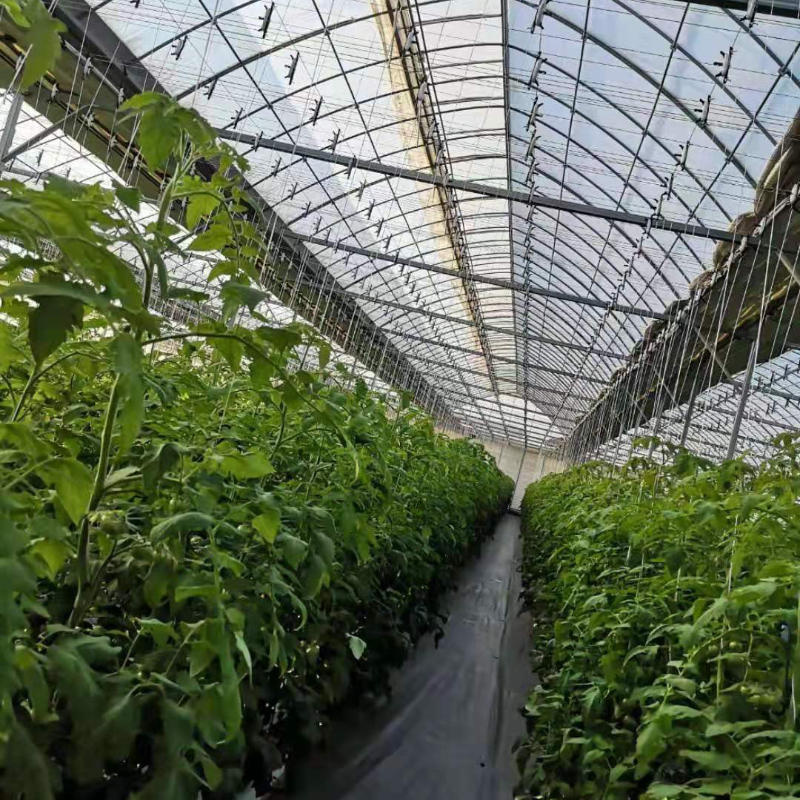
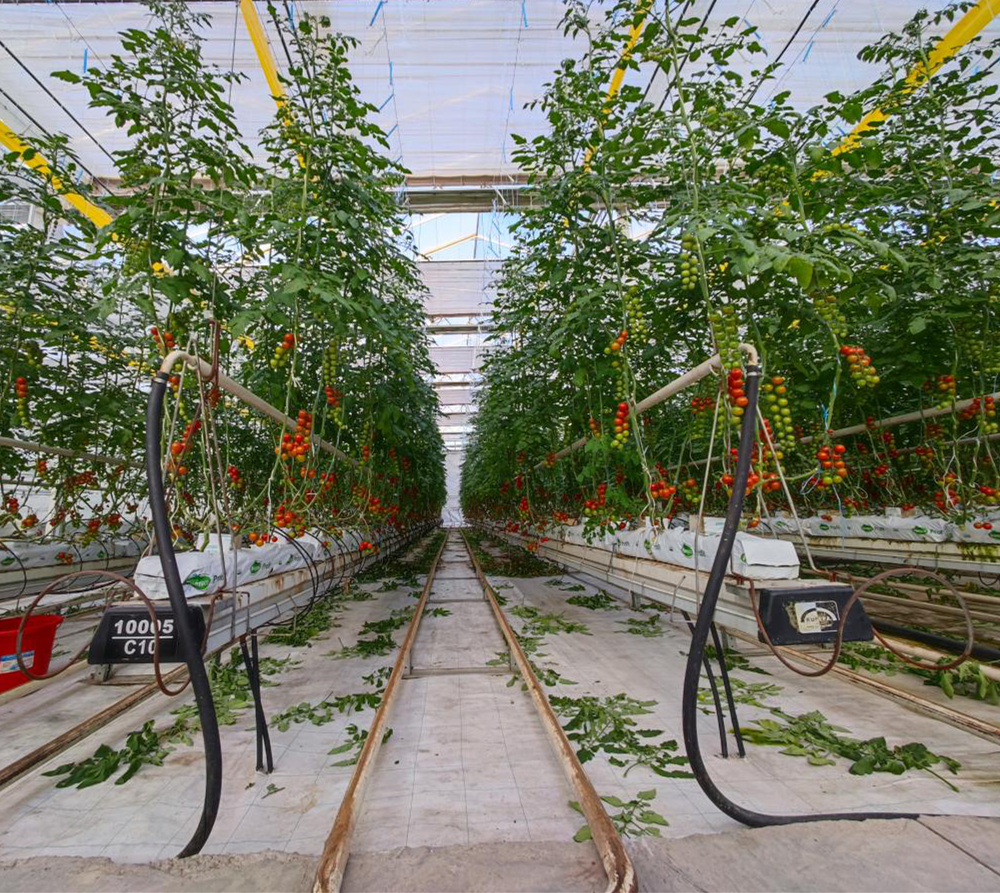
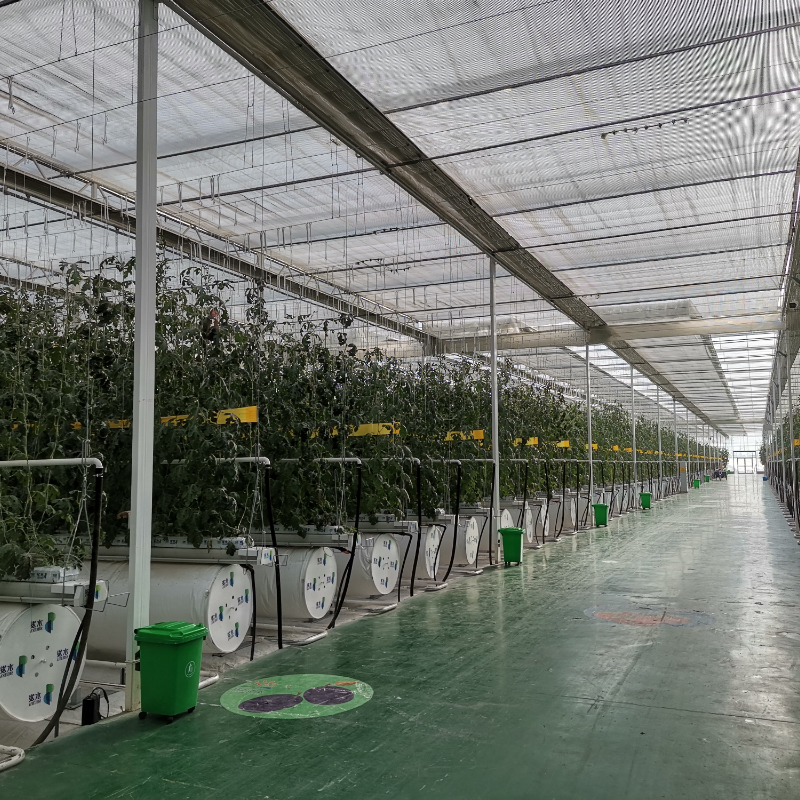
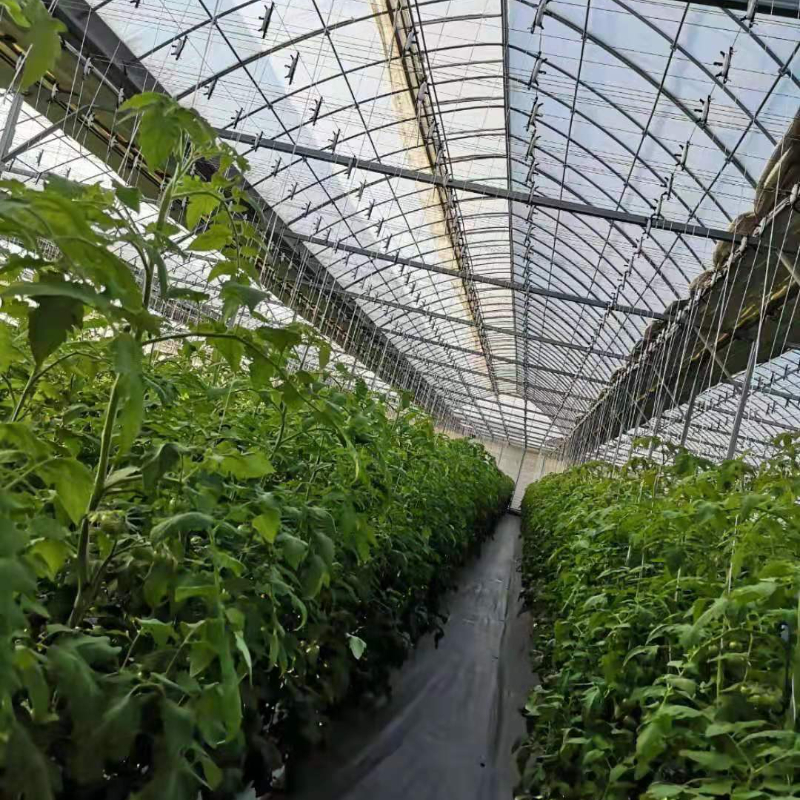
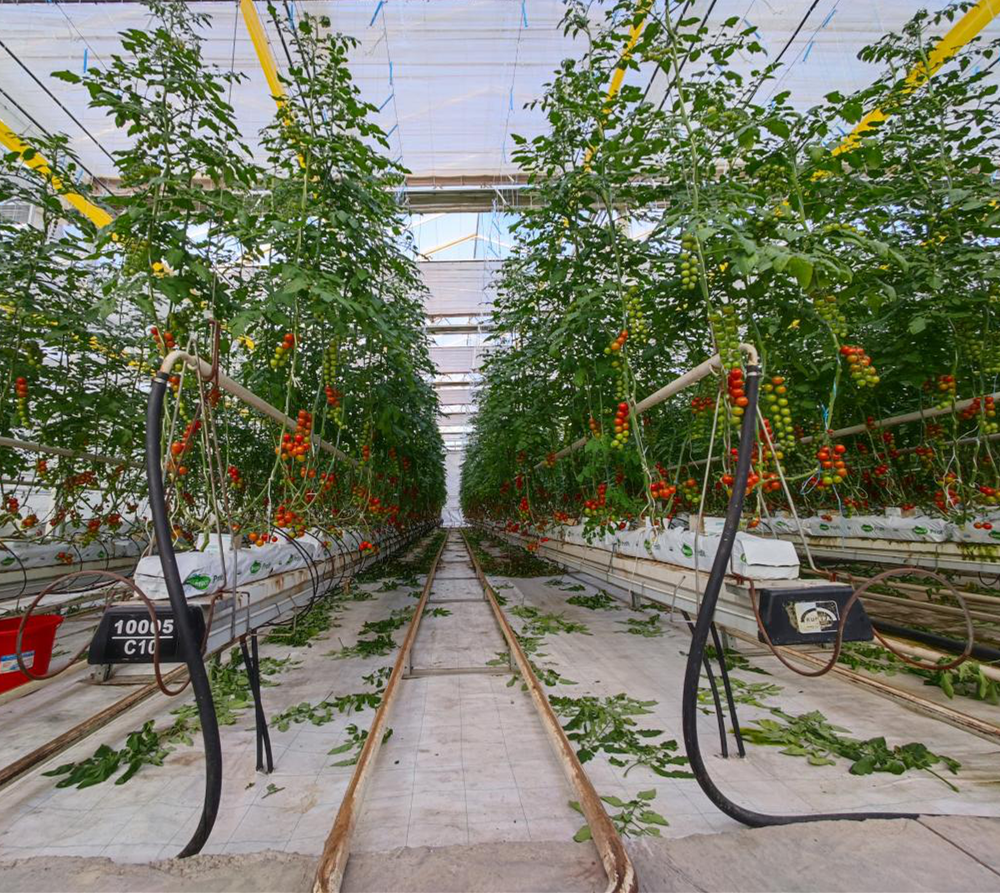
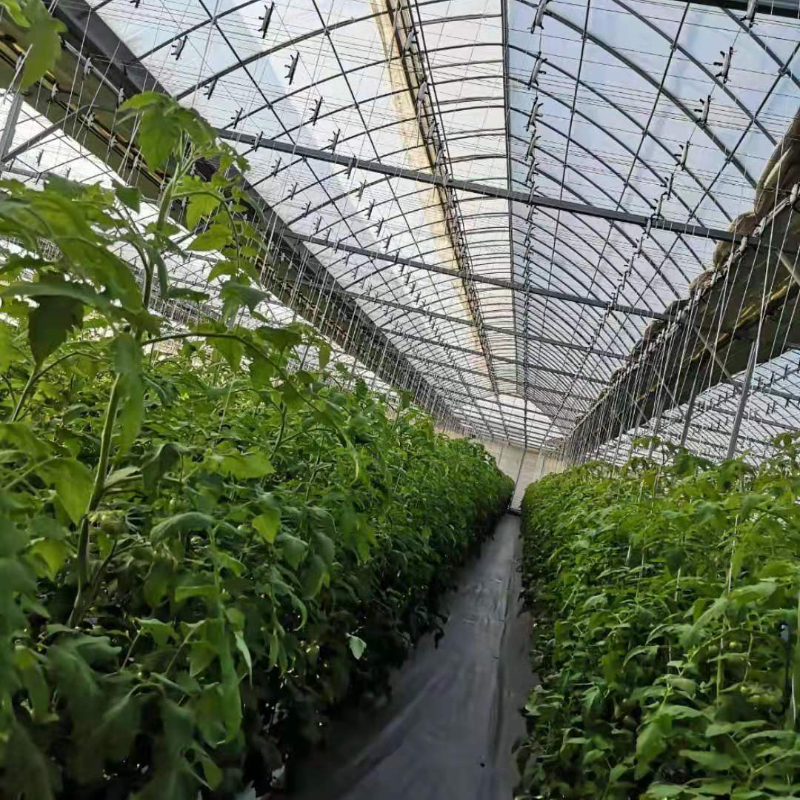
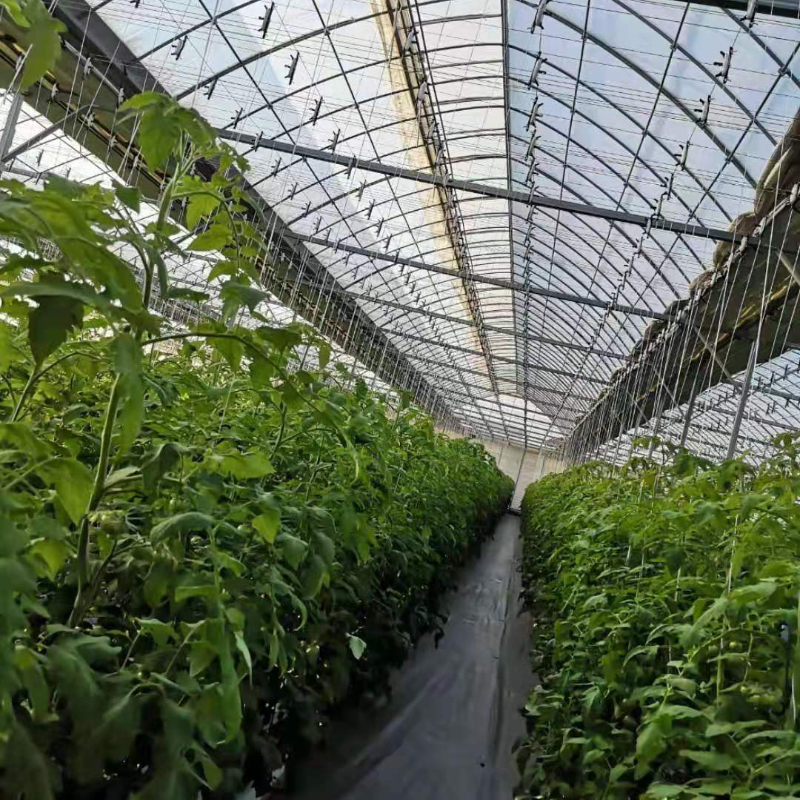
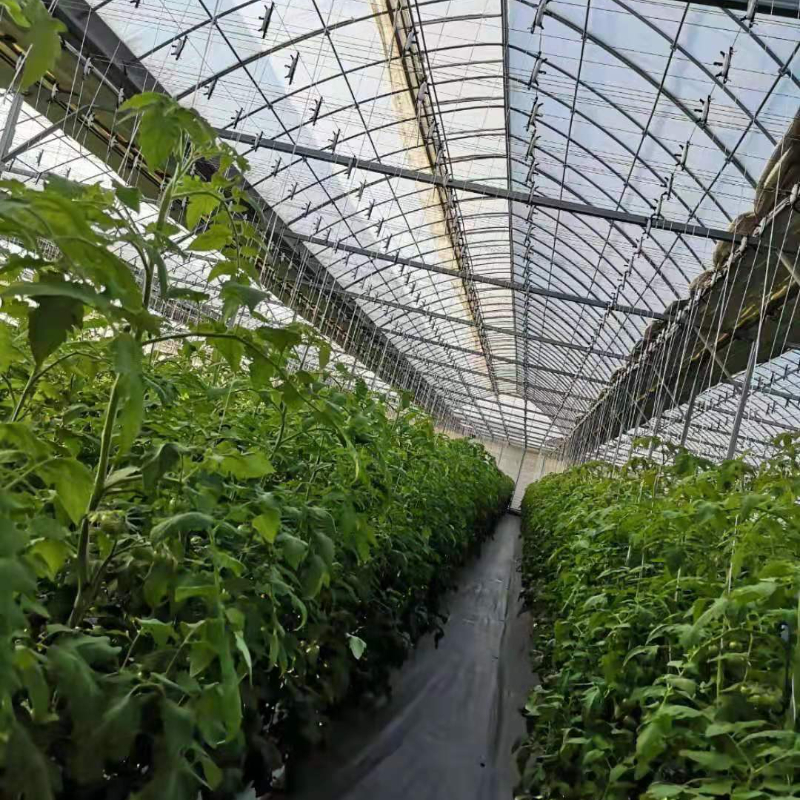
The innovation of this integrated technology has been verified in practical applications. Notably, on the 12th day of on-site guidance in Russia, our technical team successfully helped local growers master the operation of this integrated detection system, from UAV remote sensing data collection to solid-state ion electrode detection. Taking a large-scale tomato planting greenhouse base in Russia as an example, after adopting this integrated detection technology under our on-site guidance, the base can not only grasp the overall growth trend of the tomato group through UAV remote sensing but also accurately detect the nutrient status of individual tomato plants through solid-state ion electrodes. When the UAV remote sensing found that the NDVI value of a certain area of tomato plants was low (indicating possible nutrient deficiency), the staff used the solid-state ion electrode to detect the plant sap of individual plants in this area, and accurately identified that the tomato plants were deficient in nitrogen. Based on this, targeted nitrogen fertilization was carried out, which effectively improved the growth status of the tomato plants in this area. Compared with traditional detection methods, this integrated technology reduced the detection time by 80% and improved the accuracy of nutrient diagnosis by 90%, providing a reliable technological guarantee for precision water and fertilizer management in Russian greenhouses.
