
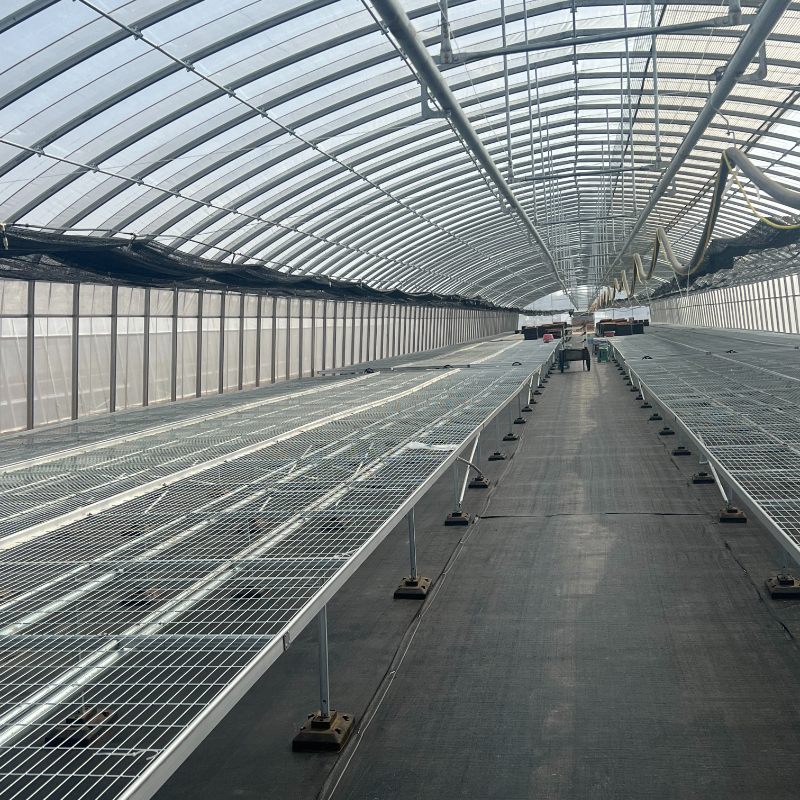
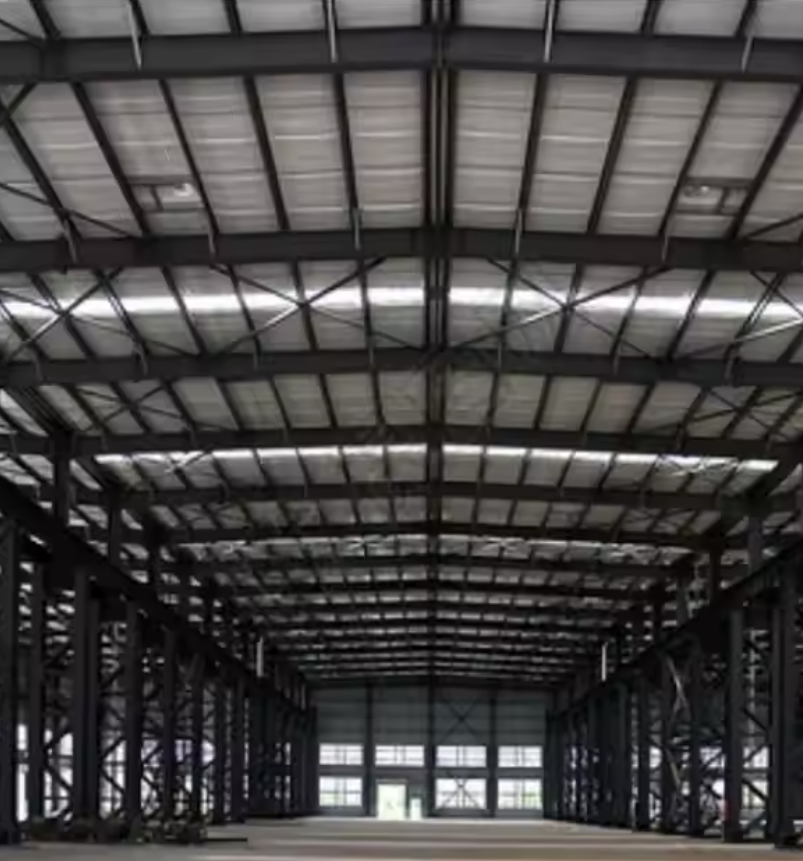
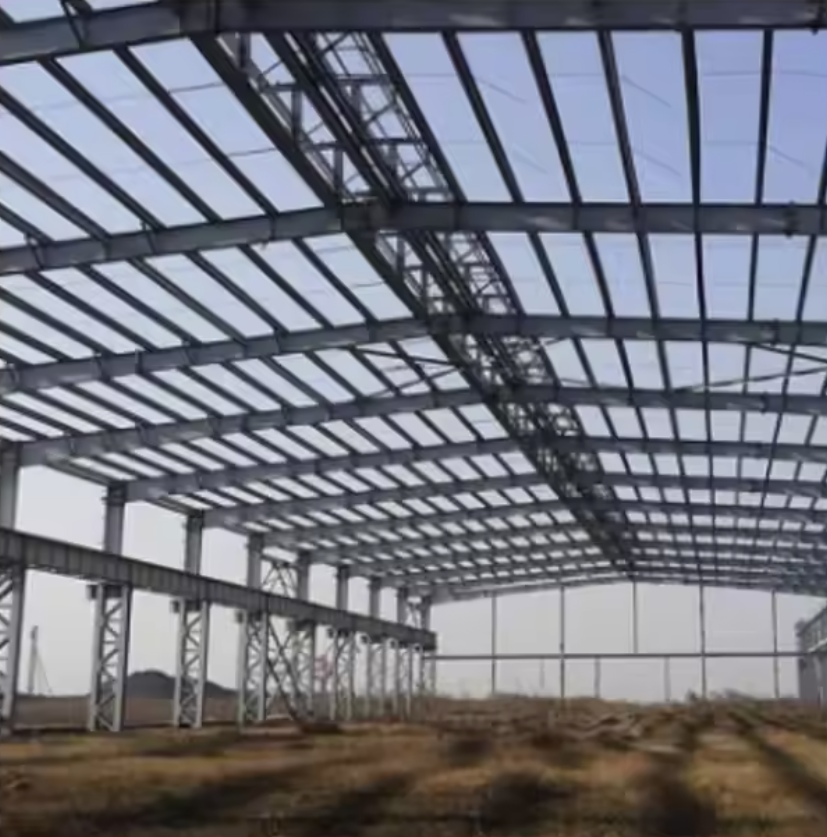
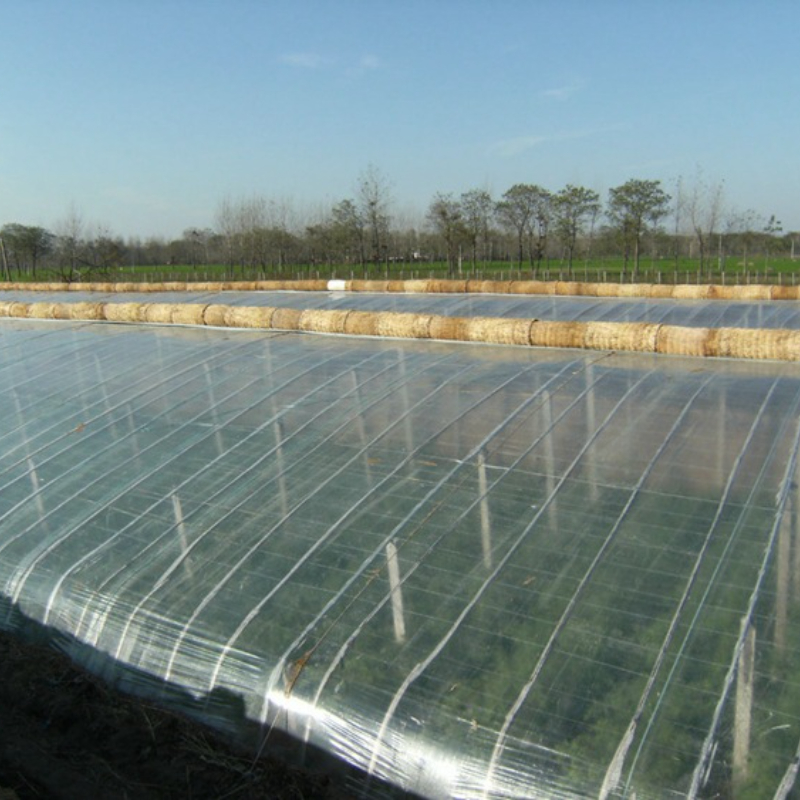
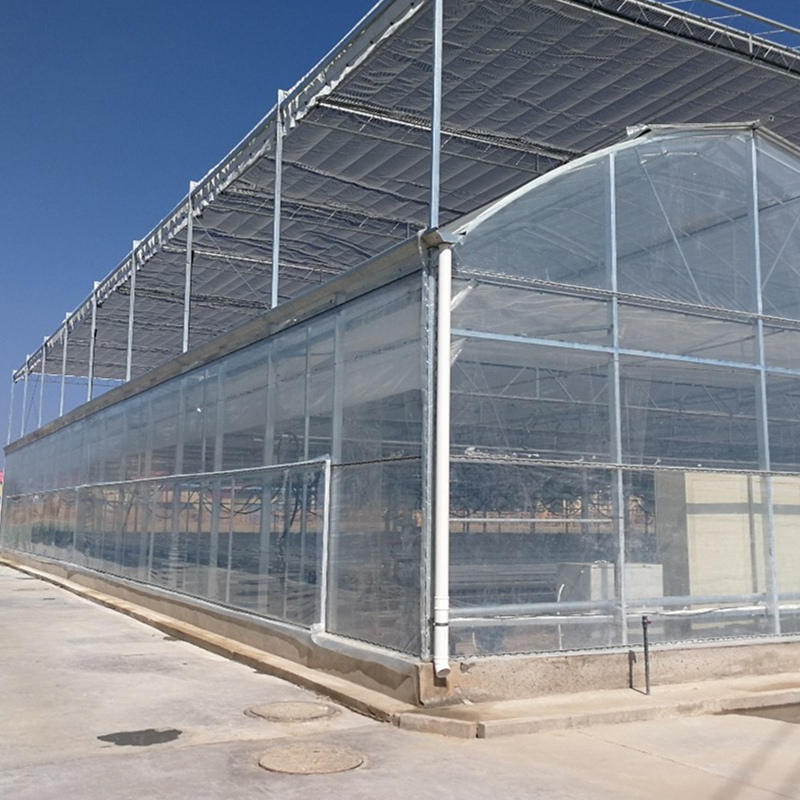
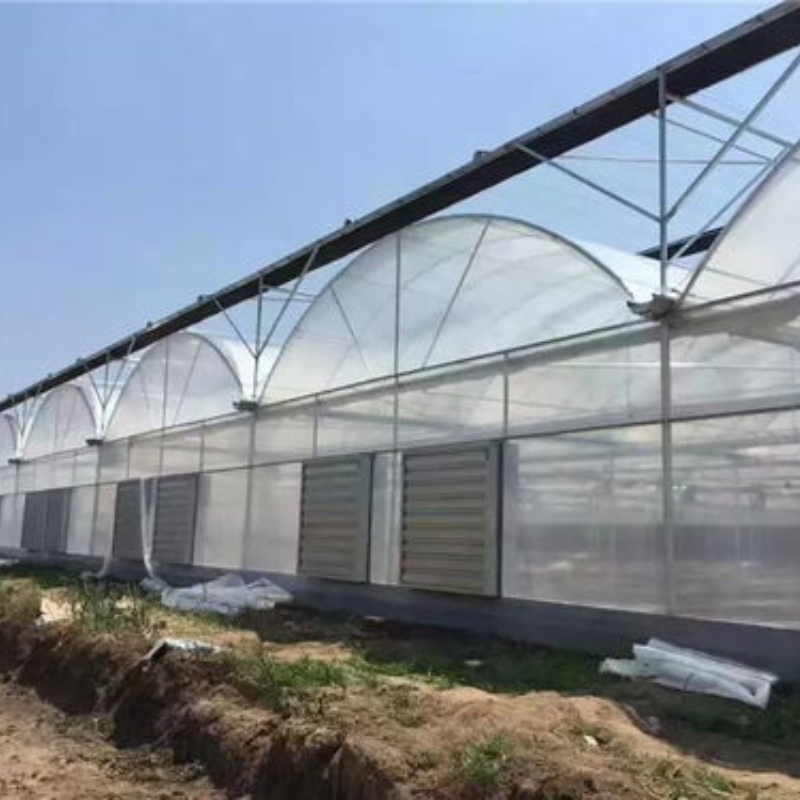
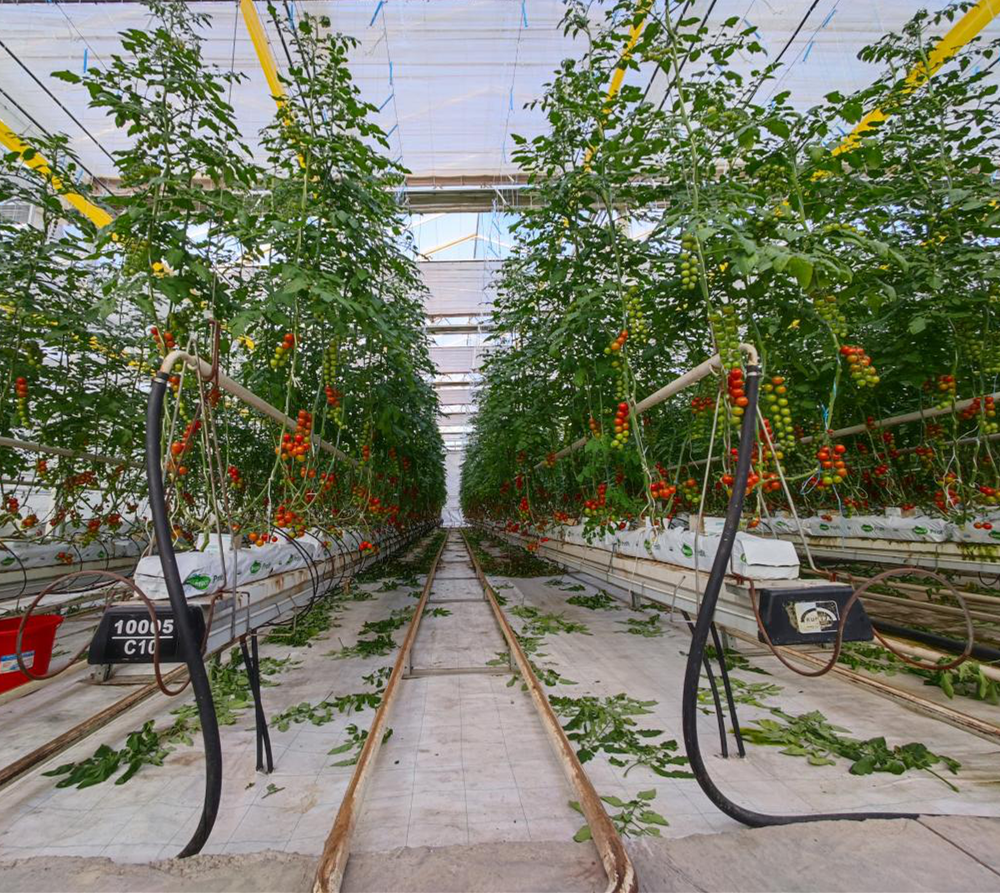
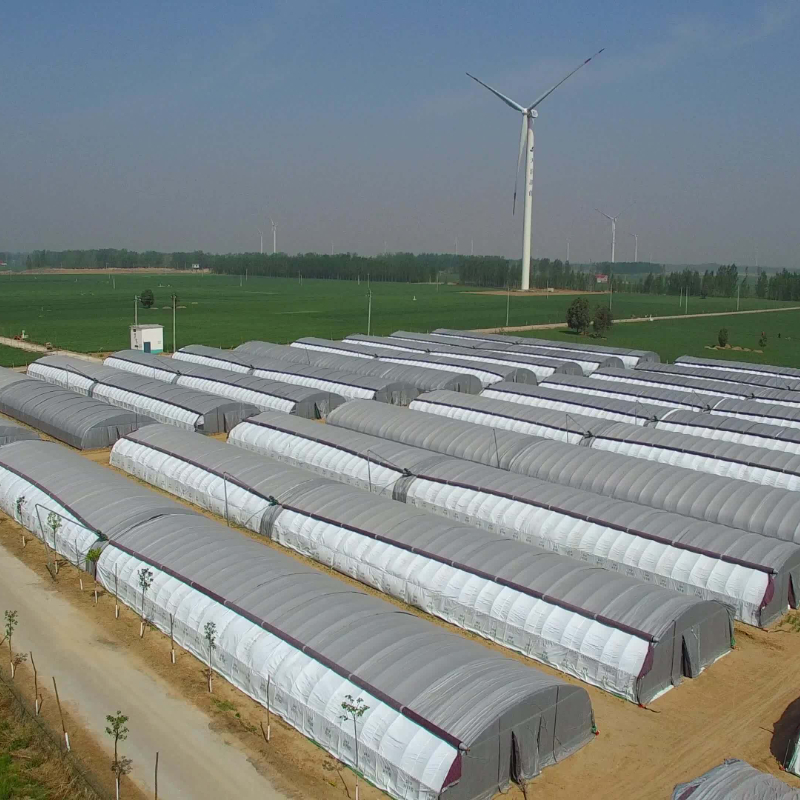
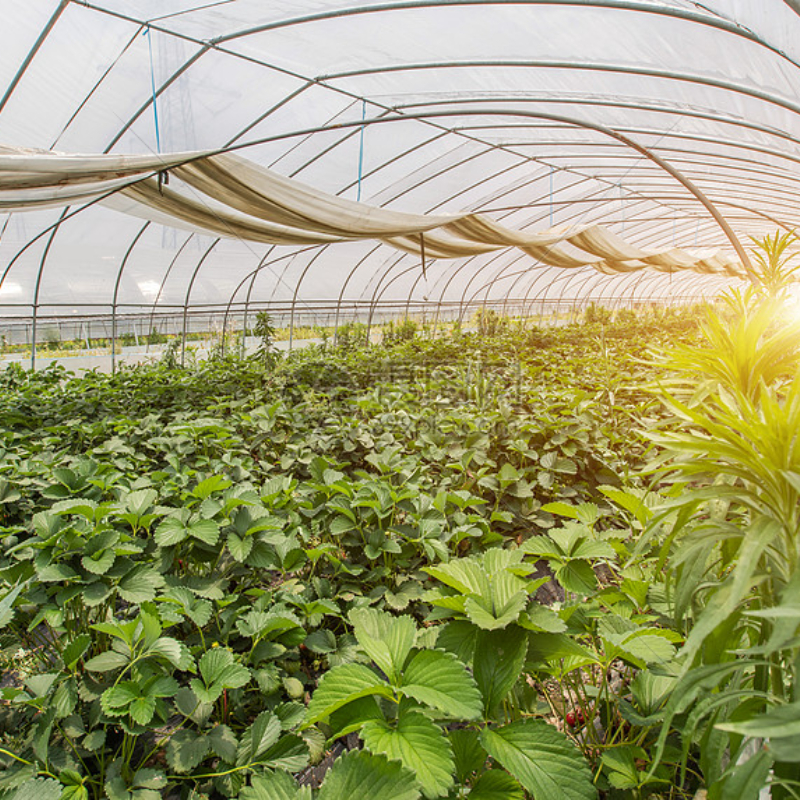
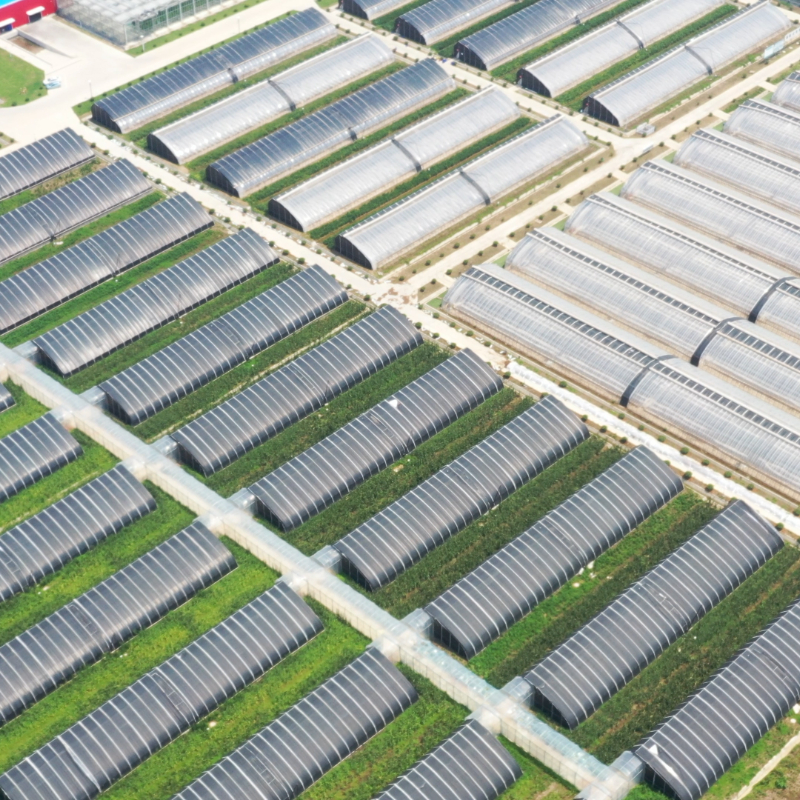
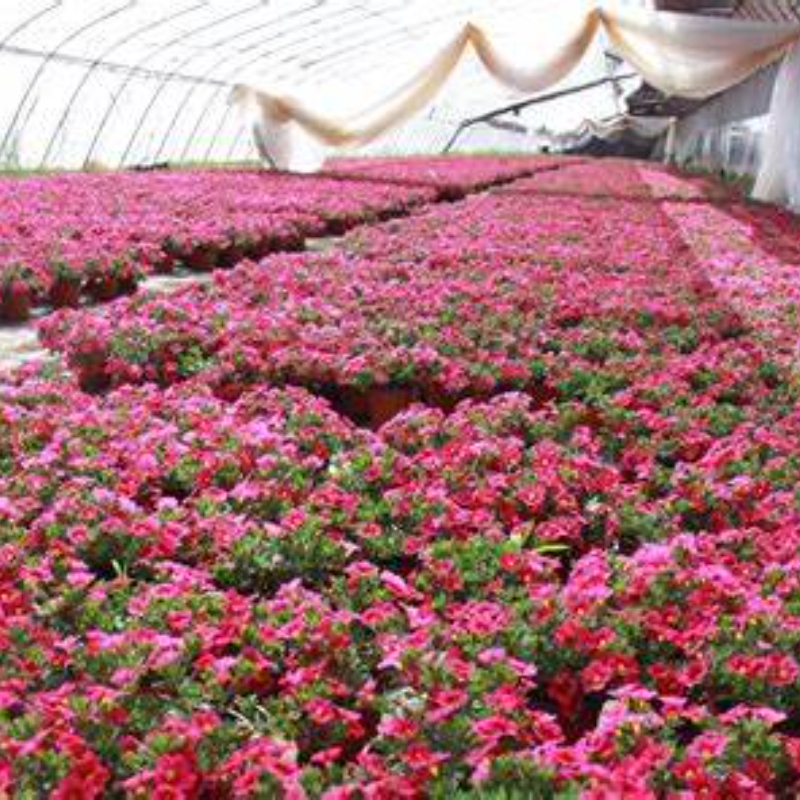
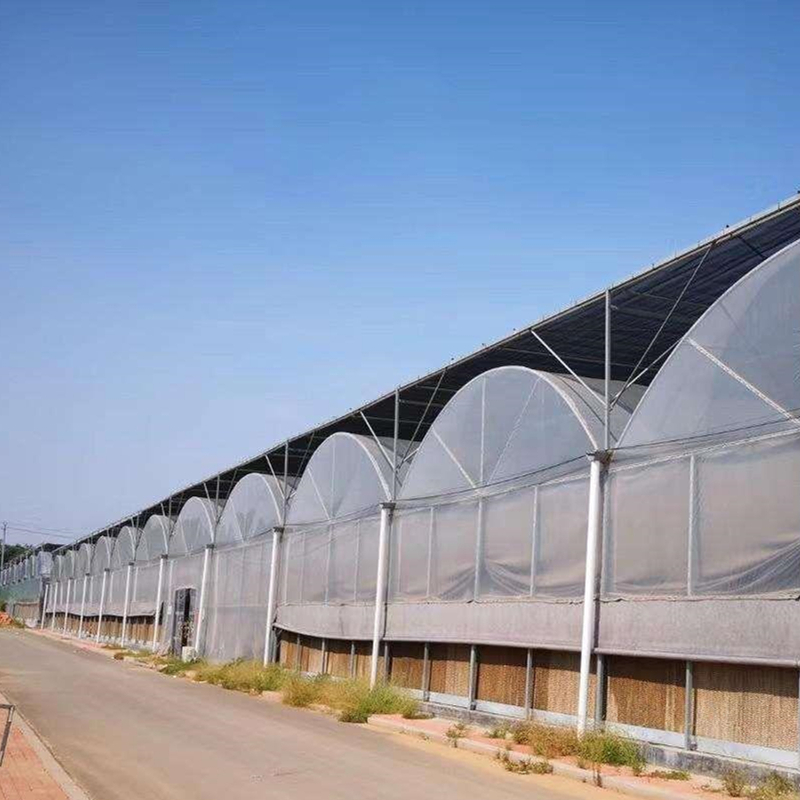
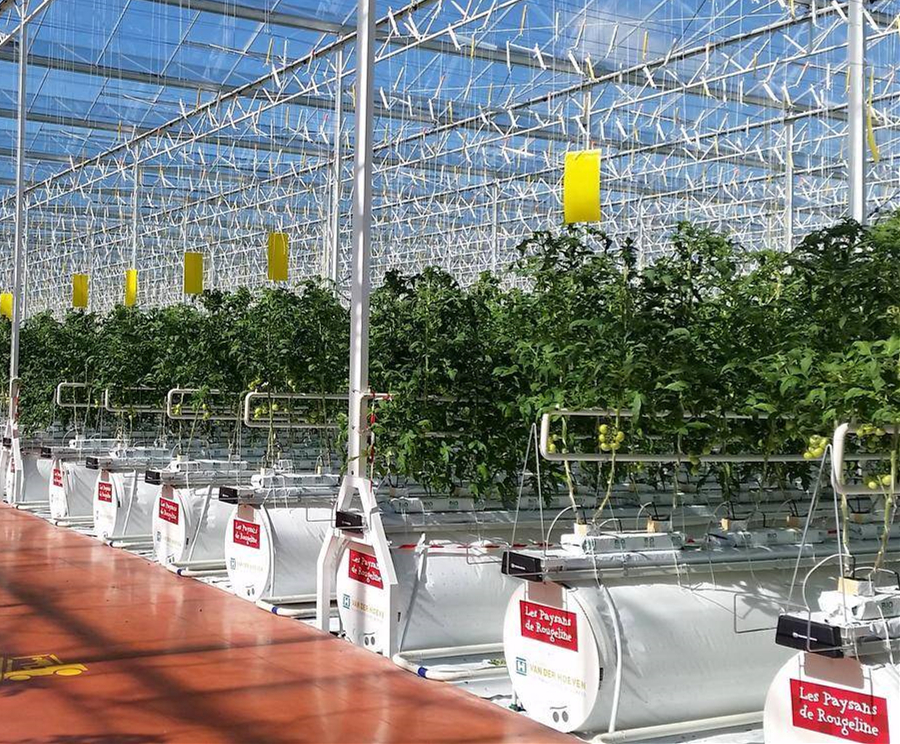
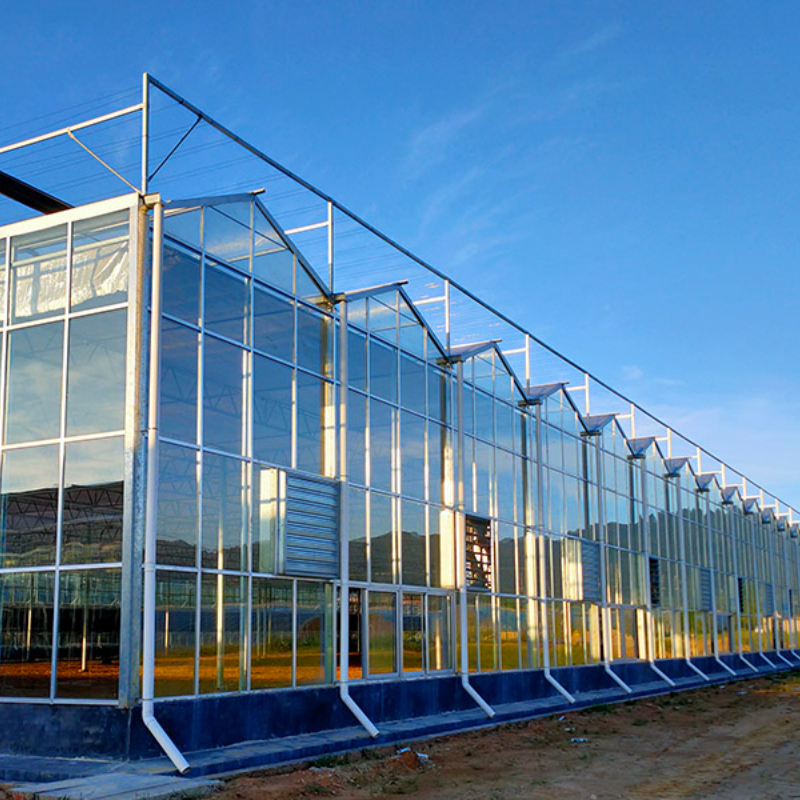
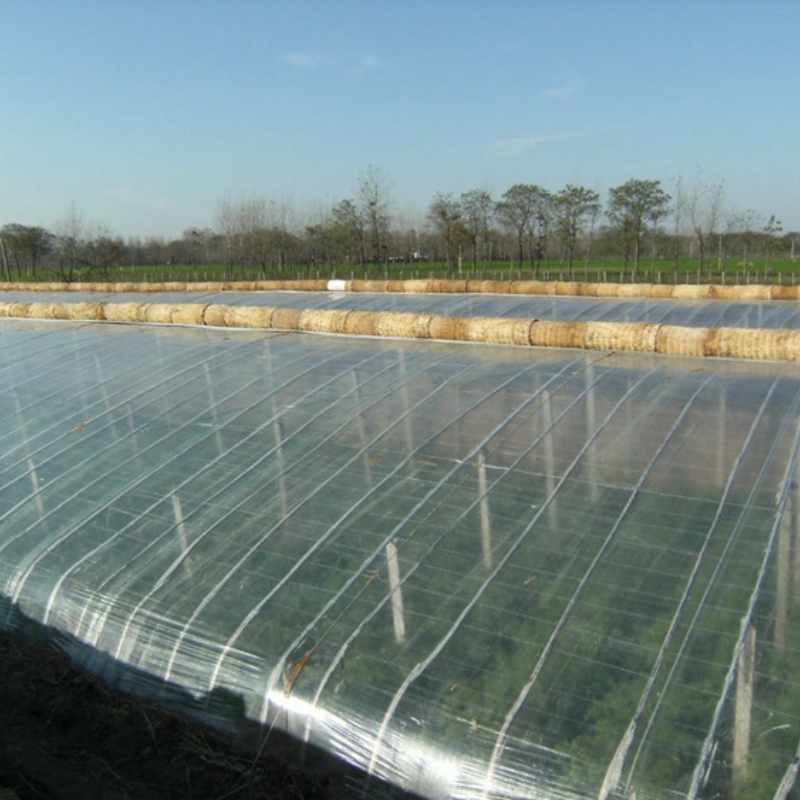
Let’s analyze the tangible benefits:
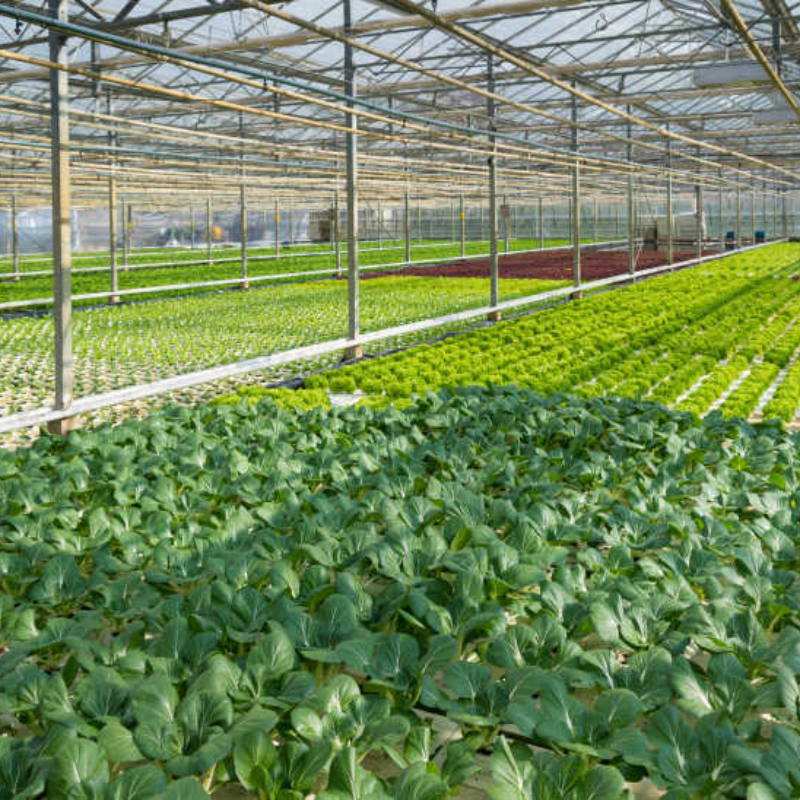
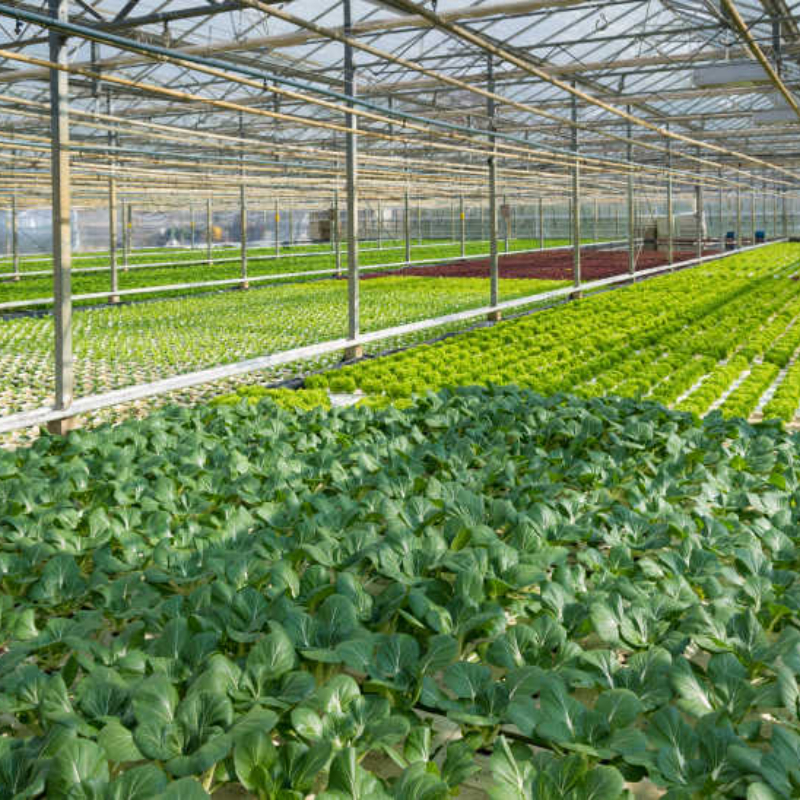
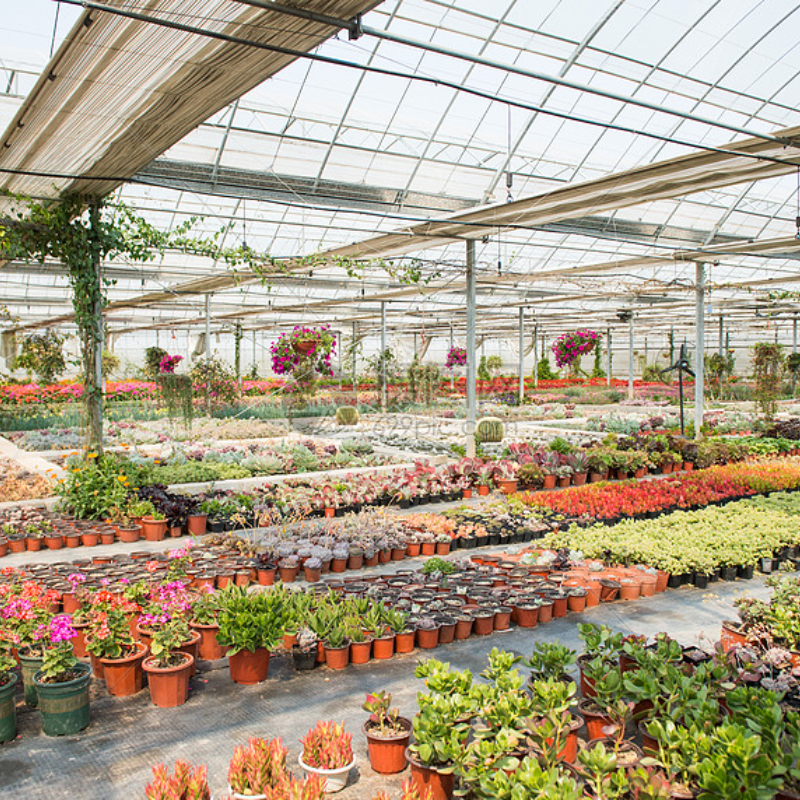
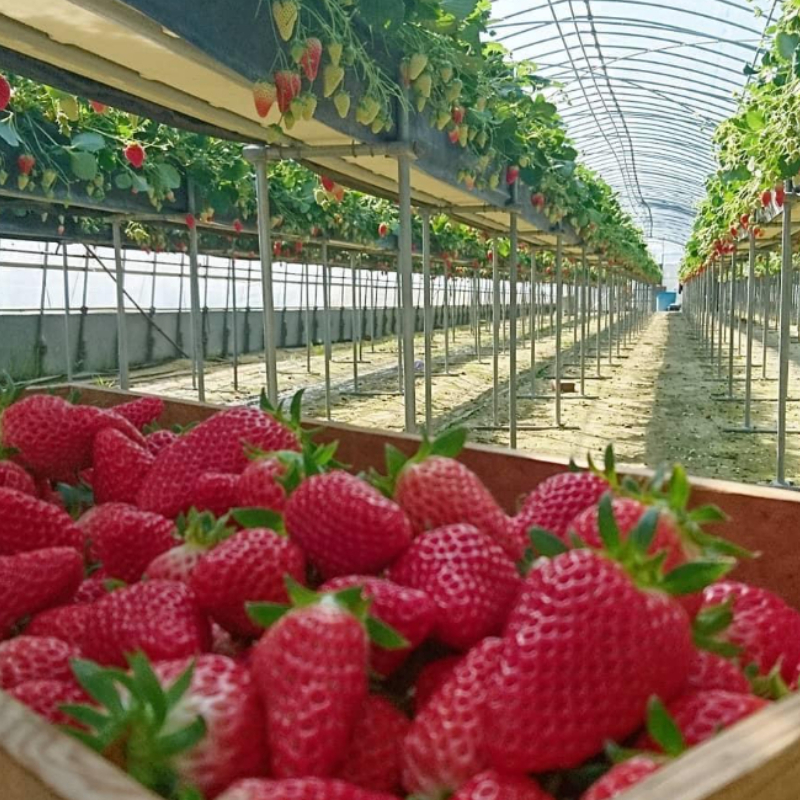
Year-Round Revenue Streams: The most impactful advantage of a commercial greenhouse is its ability to support 365-day crop cultivation, completely bypassing seasonal growing limits. Unlike open-field farming, which is tied to weather and growing seasons, greenhouse-grown produce can be harvested and sold during off-peak periods when market prices are typically at their highest. This consistent production creates a reliable cash flow, shielding farmers from the financial volatility of seasonal harvests and ensuring steady income throughout the year.
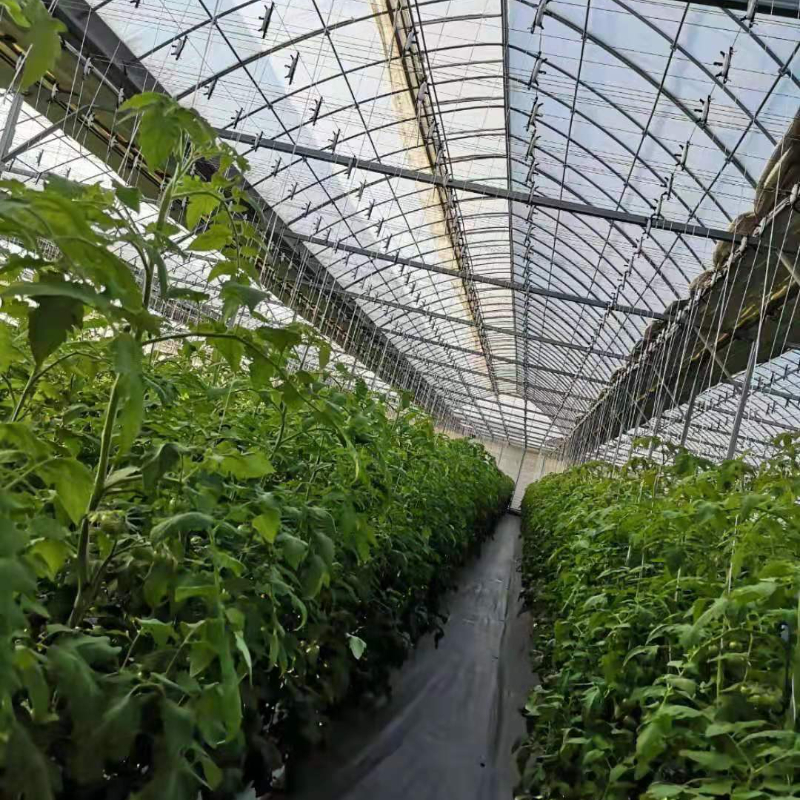
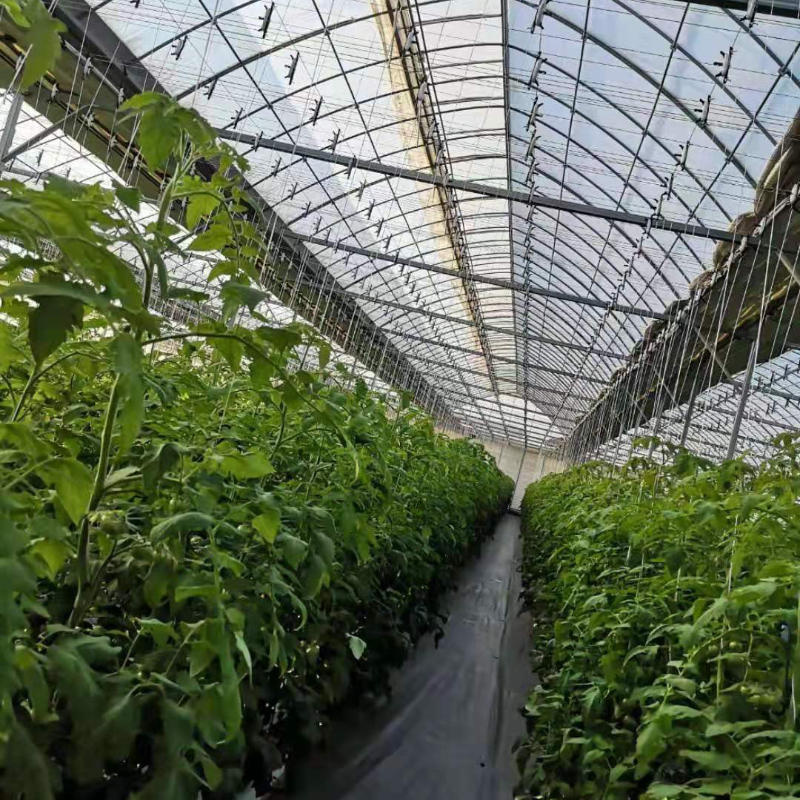
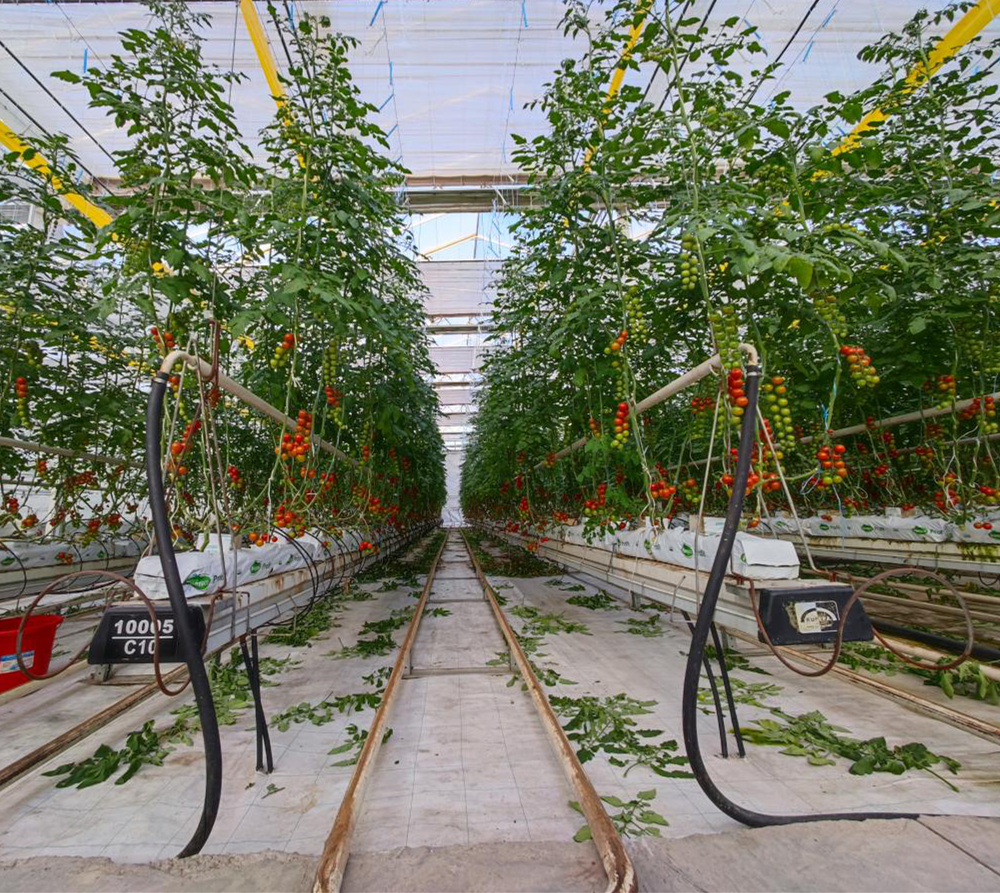
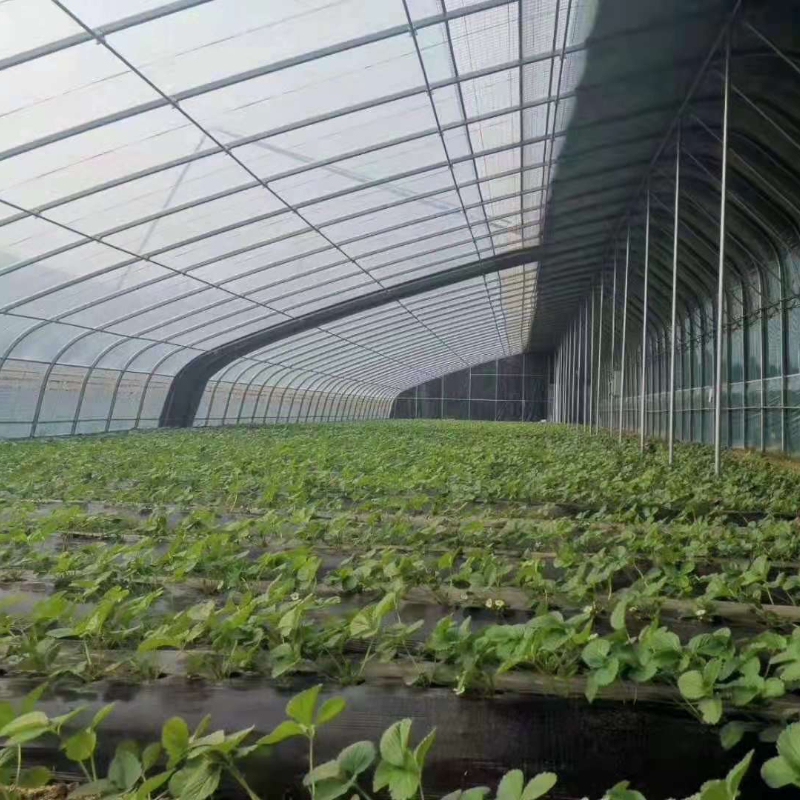
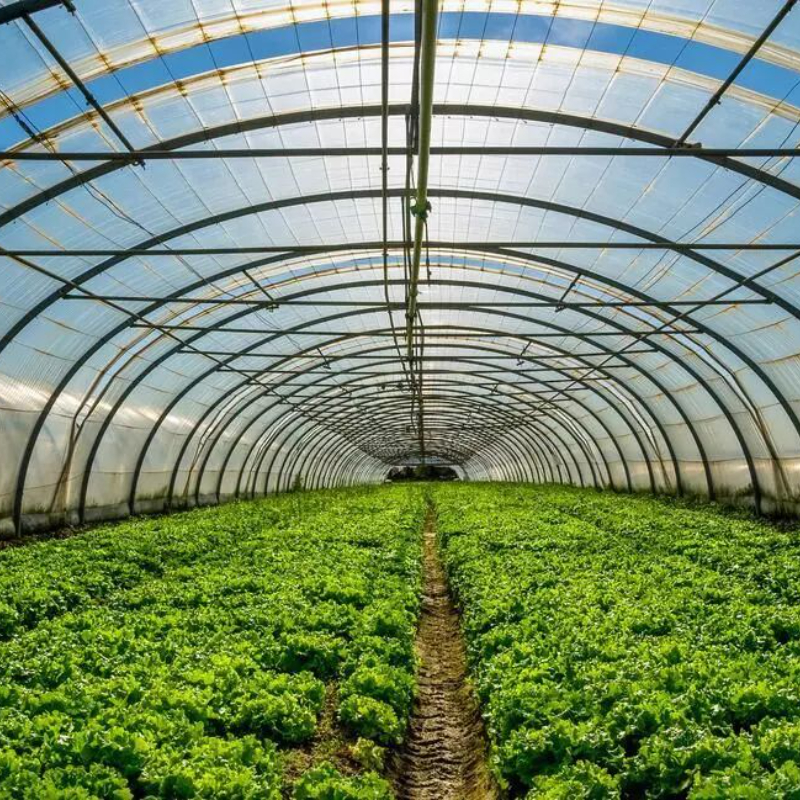
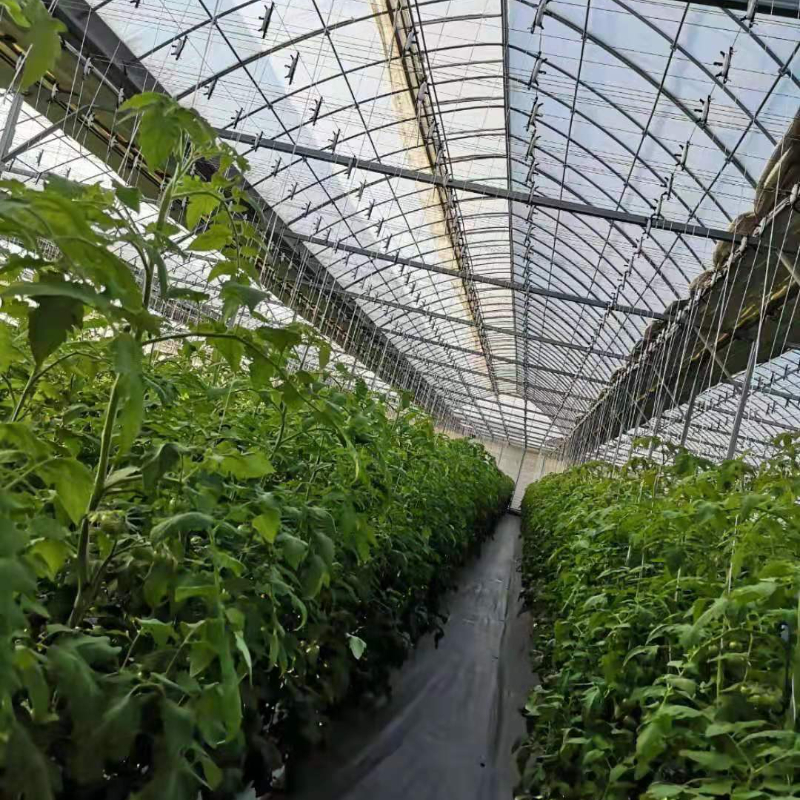
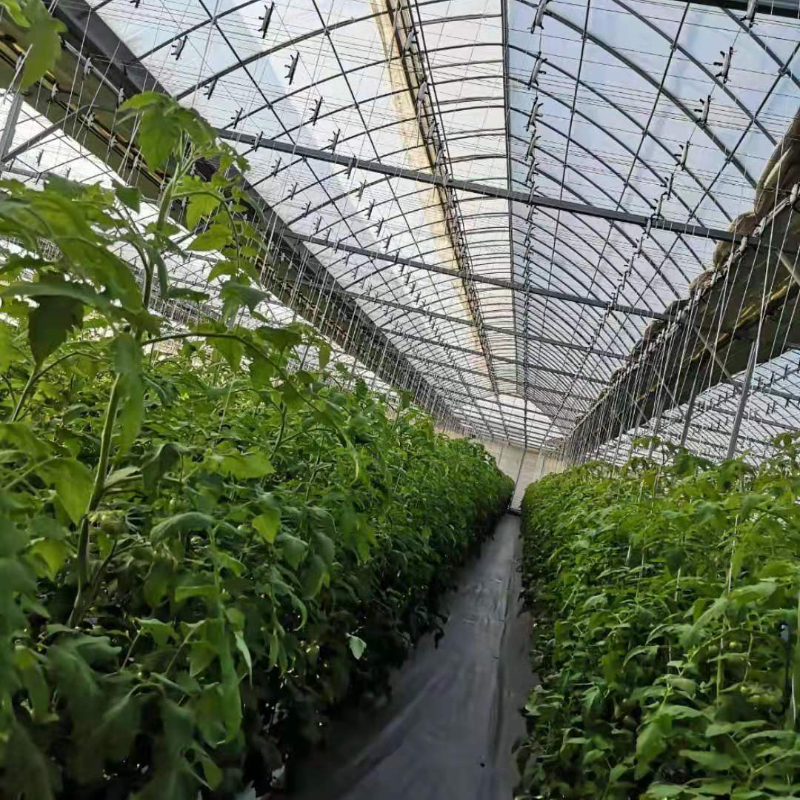
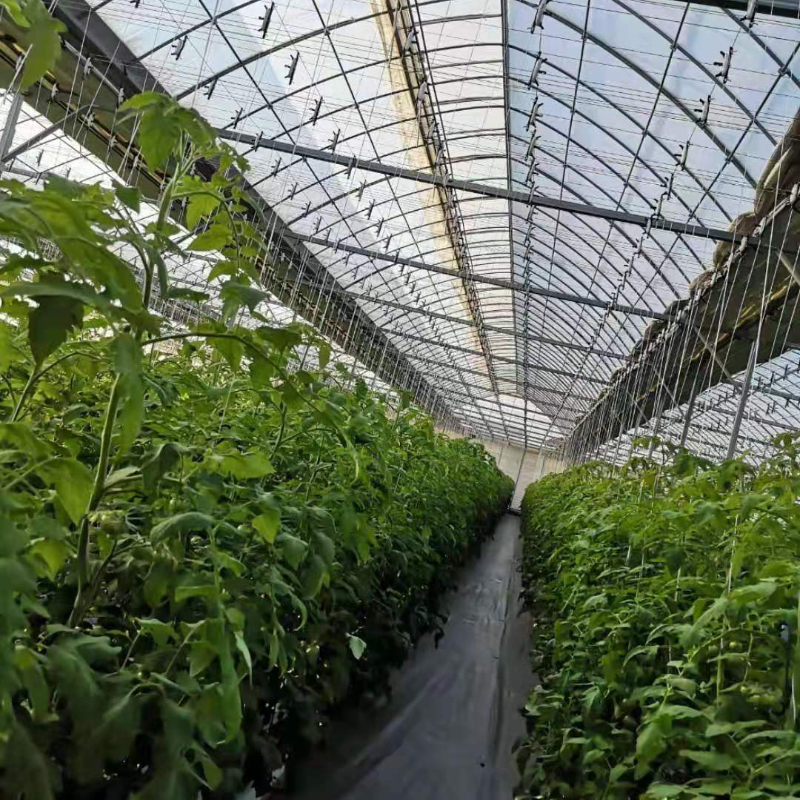
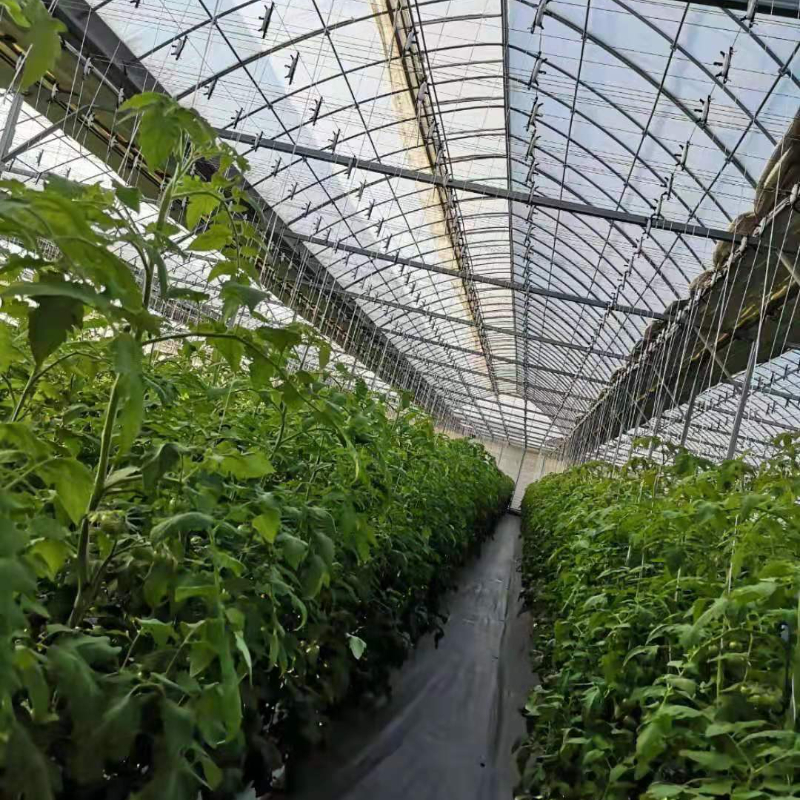
Higher Crop Quality and Yield: Within the controlled environment of an agricultural greenhouse, plants are protected from extreme weather fluctuations, pest infestations, and disease outbreaks that often devastate outdoor crops. This stress-free growing condition fosters healthier, more vigorous plants, leading to significantly higher yields and superior produce quality. For instance, greenhouse-grown tomatoes can yield 15–20 tons per acre, a stark contrast to the 5–8 tons per acre typically achieved in open fields, directly translating to greater revenue potential for farmers.
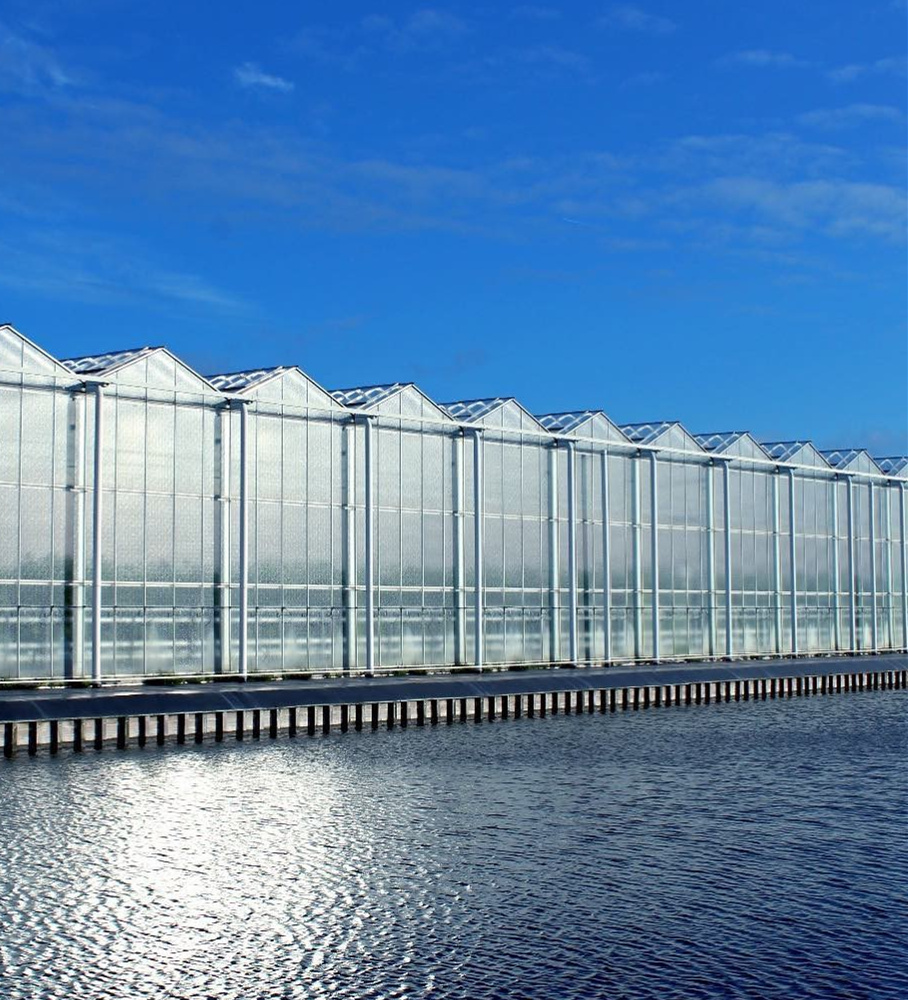
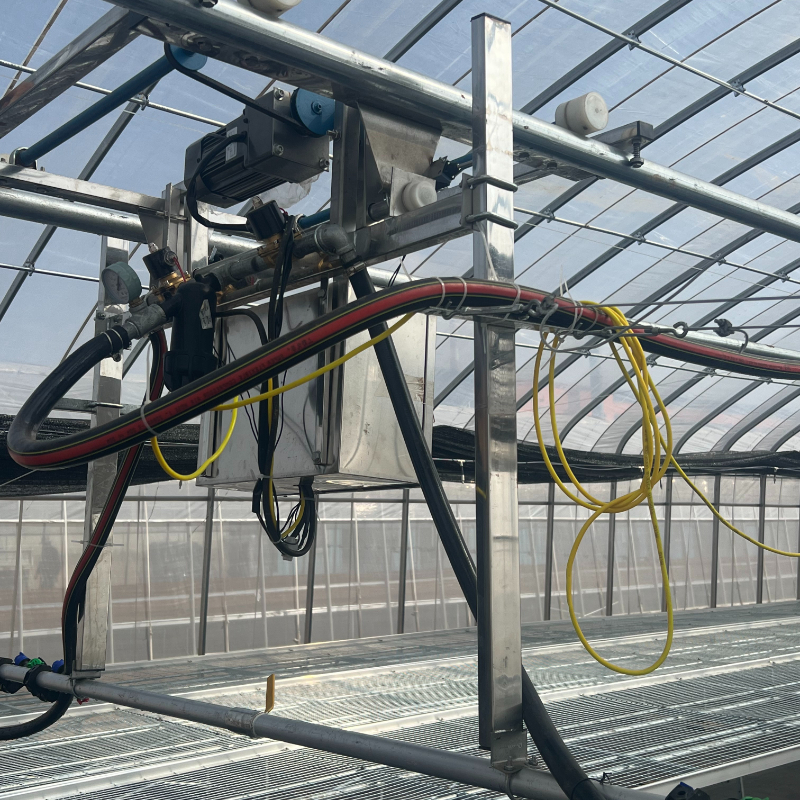
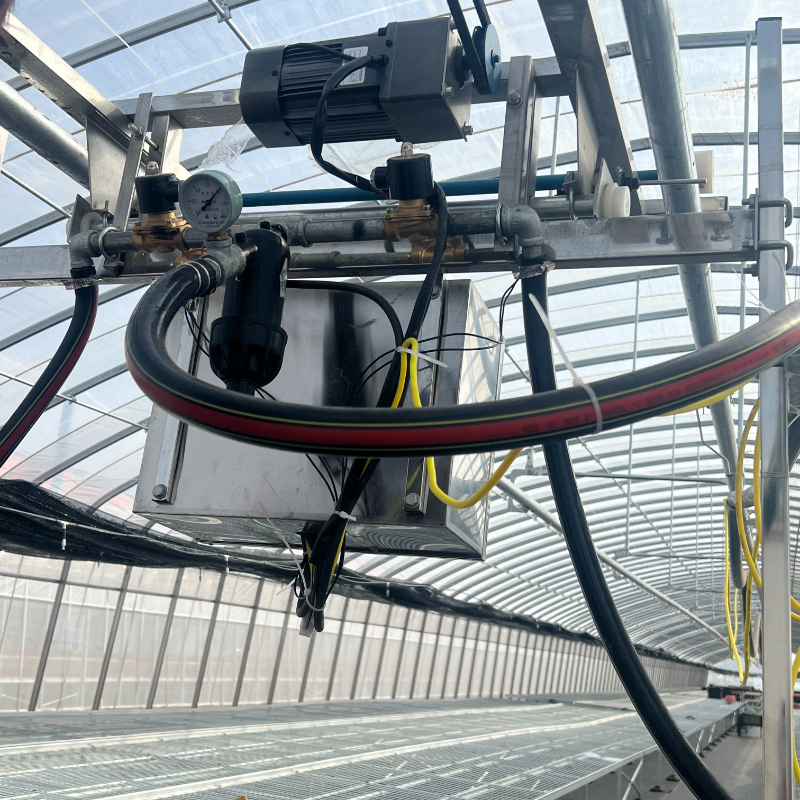
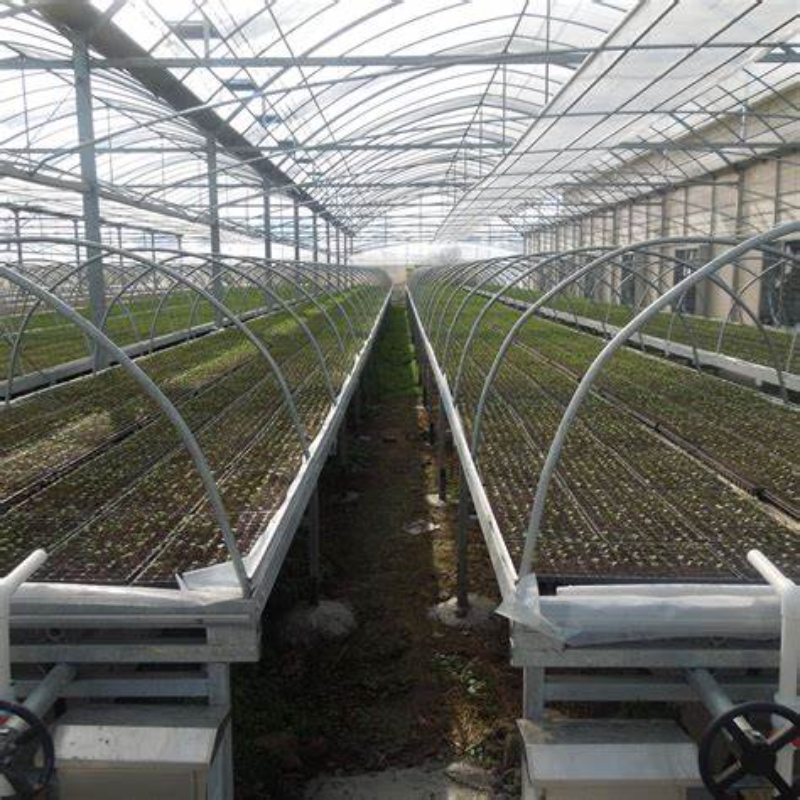
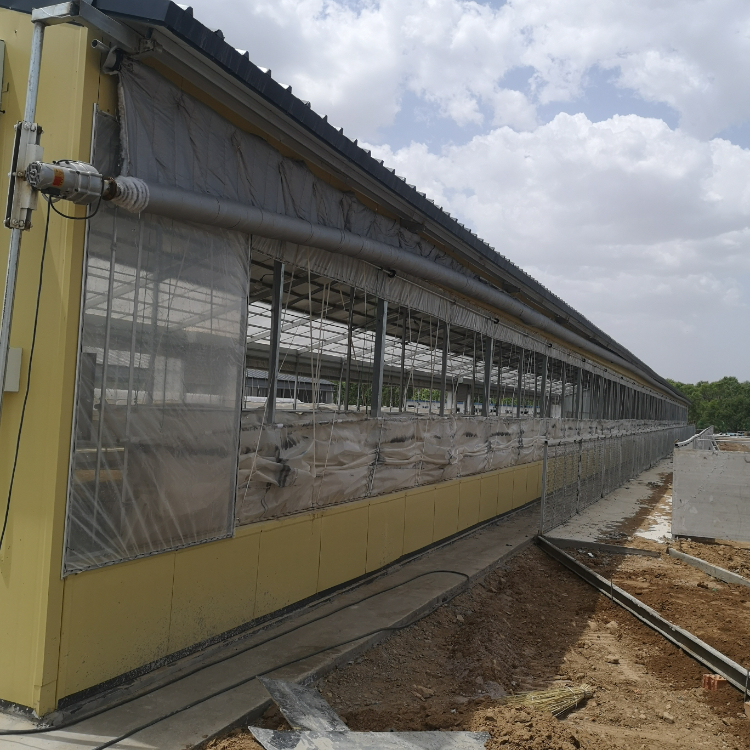
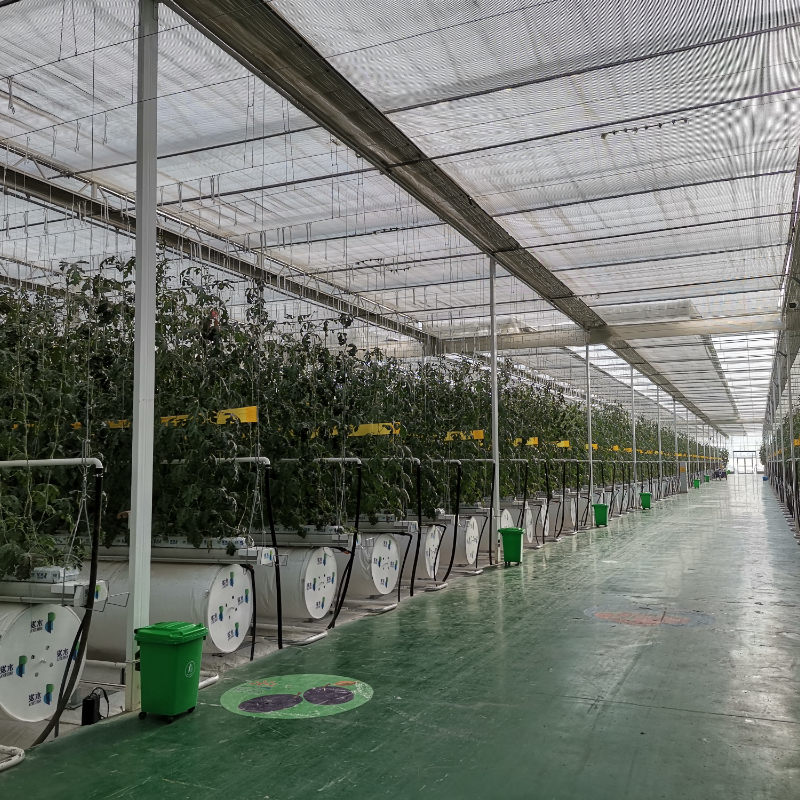
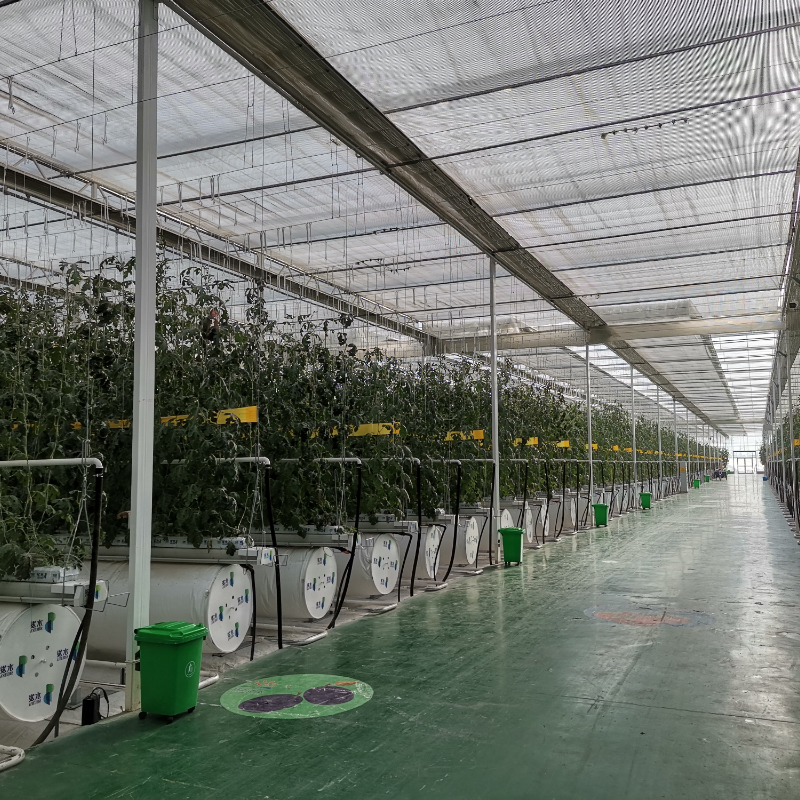
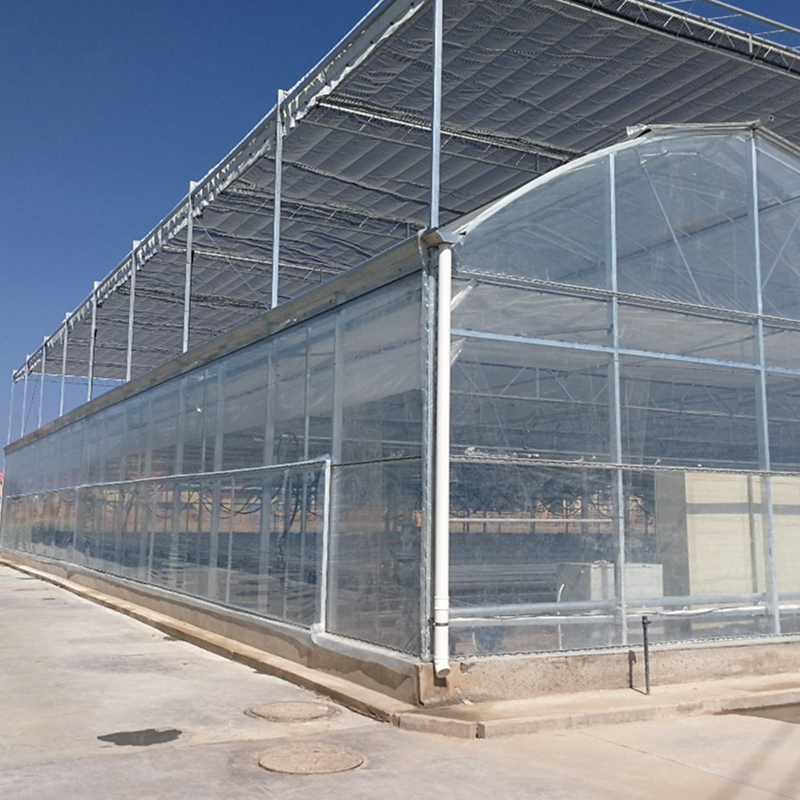
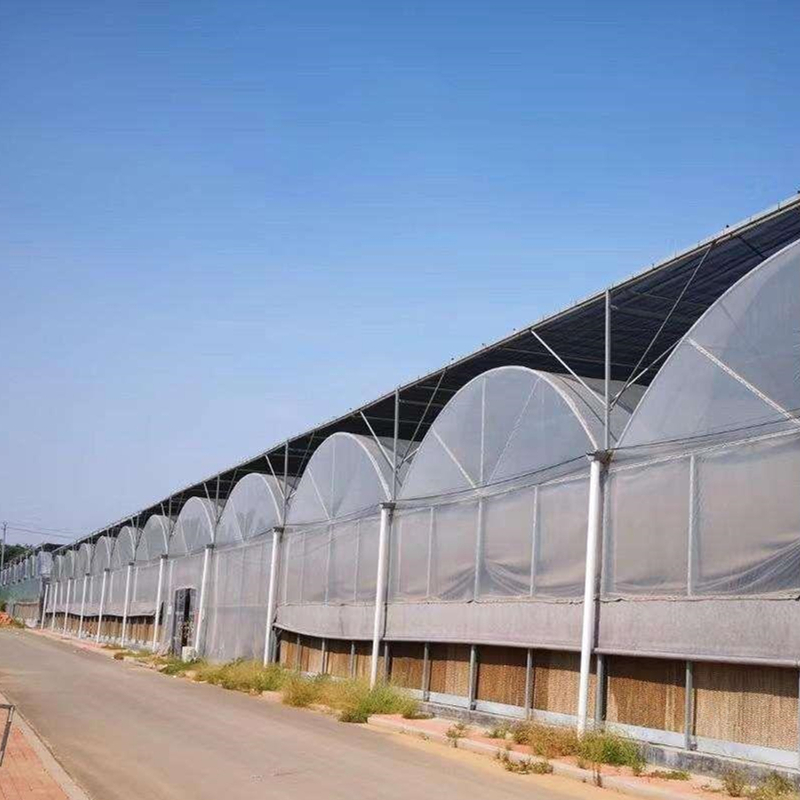
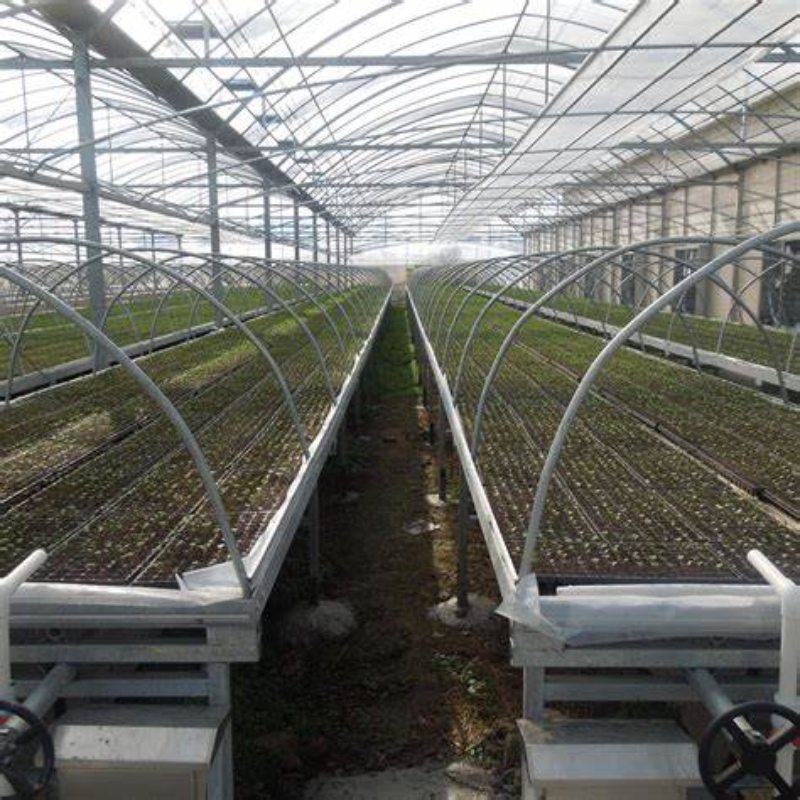
Resource Efficiency and Cost Savings: Modern polycarbonate greenhouses are engineered to optimize resource use, reducing waste and operational costs over time. Advanced greenhouse ventilation systems and climate control technology regulate temperature and humidity with precision, cutting energy consumption for heating and cooling by up to 30% compared to traditional glass greenhouses. Additionally, drip irrigation and fertigation systems deliver water and nutrients directly to plant roots, reducing water usage by up to 70% and minimizing fertilizer waste, making greenhouse farming a far more sustainable and cost-effective choice.
Sustainable Farming Practices: As global demand for eco-friendly agriculture grows, polycarbonate greenhouses stand out as a cornerstone of sustainable farming. The durable, recyclable polycarbonate panels have a lifespan of 10–15 years, reducing material waste, while the controlled environment minimizes the need for chemical pesticides and herbicides. Many commercial greenhouses also integrate renewable energy sources like solar panels to power ventilation and lighting systems, further lowering their carbon footprint and aligning with global sustainability goals.
Market Resilience and Competitive Edge: In an increasingly competitive agricultural market, greenhouse farming offers a critical competitive advantage. By producing fresh, high-quality produce year-round, greenhouse operators can meet consumer demand for local, off-season fruits and vegetables, establishing a strong market presence and building customer loyalty. This resilience is especially valuable in regions prone to climate extremes, as greenhouses provide a reliable buffer against crop failure and supply chain disruptions.
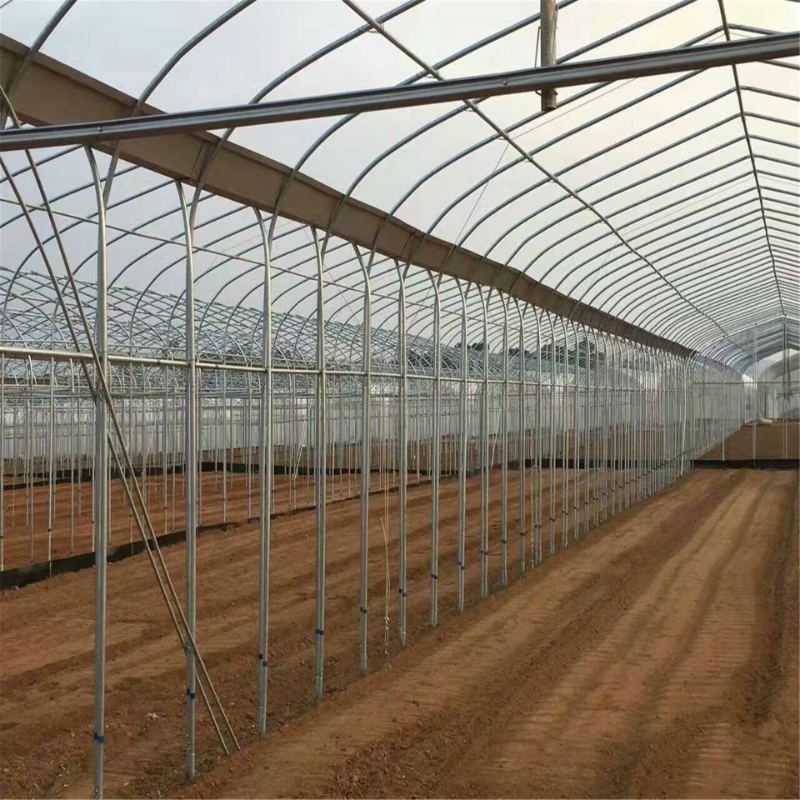
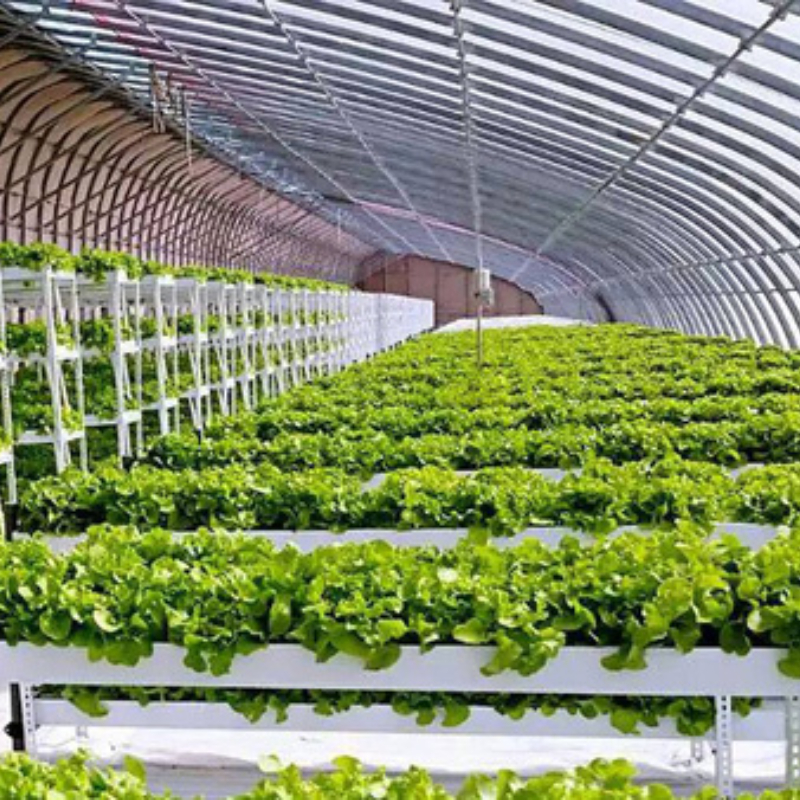
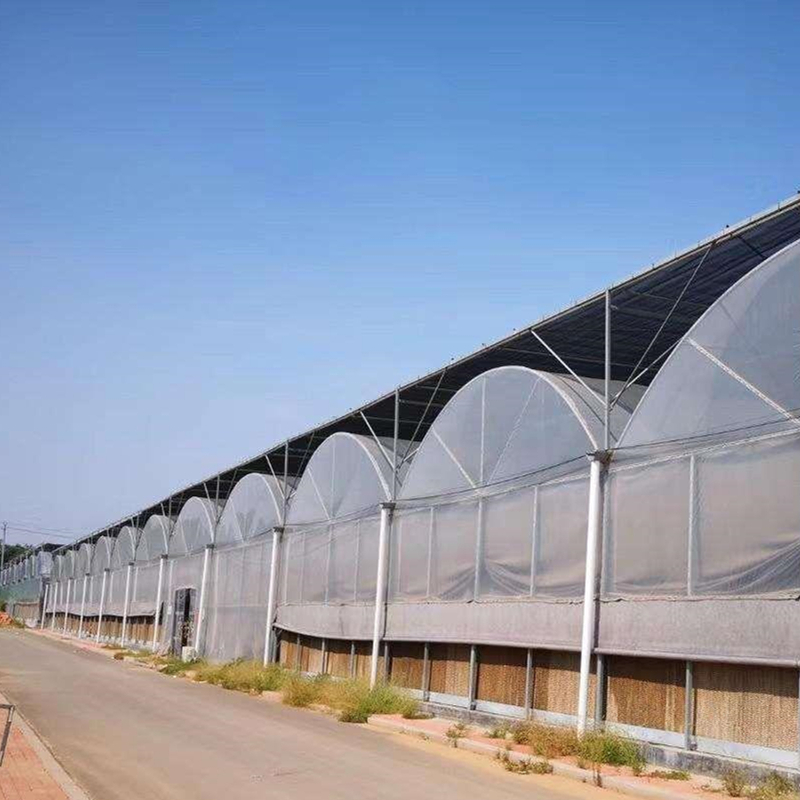
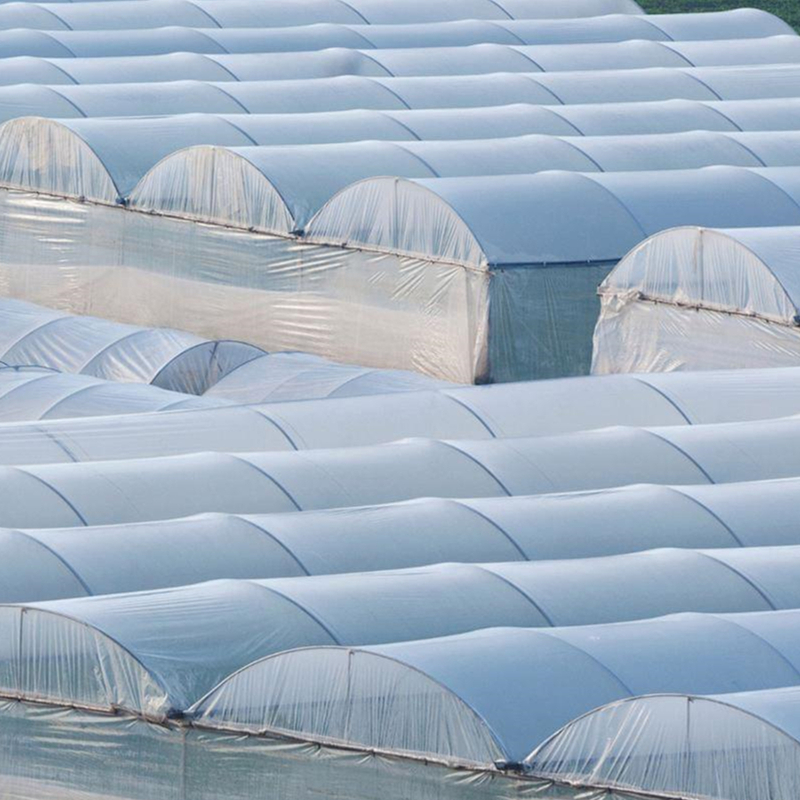
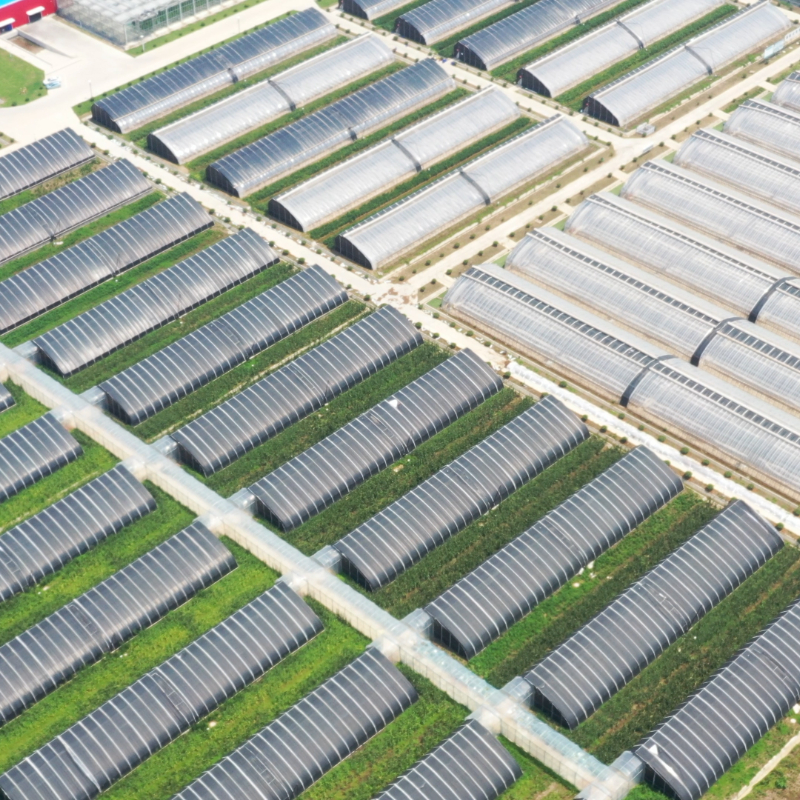
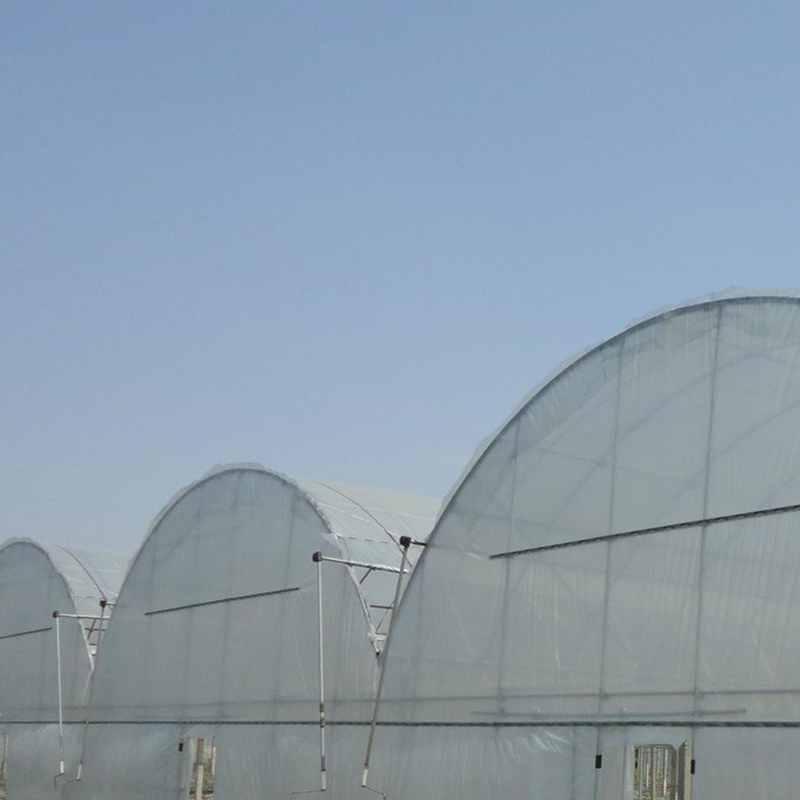
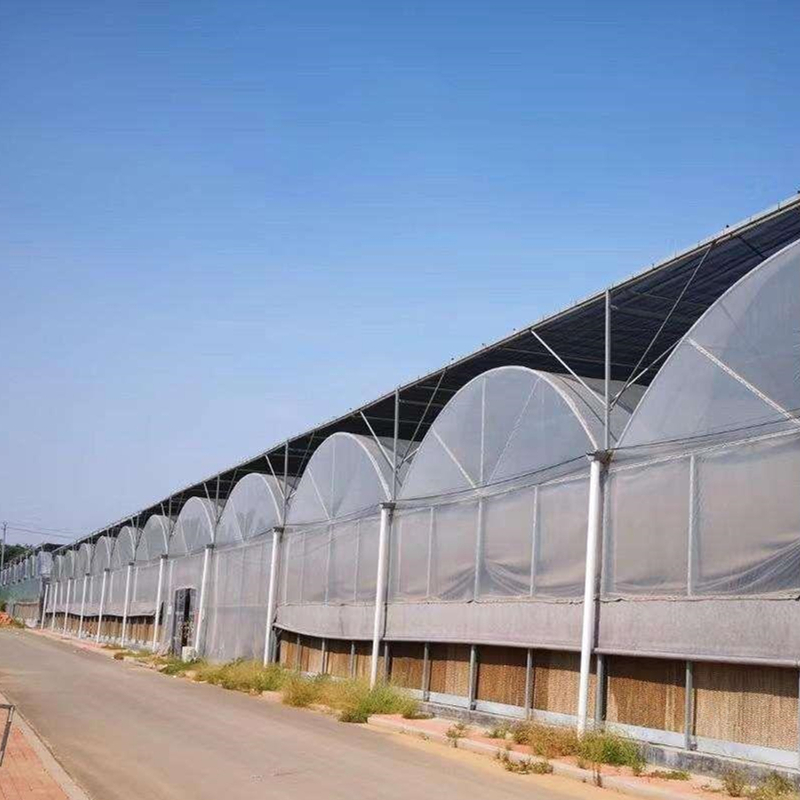
Scalability and Flexibility: Multi-span greenhouse designs are highly modular, allowing farmers to scale their operations gradually as their business grows. Whether expanding to accommodate new crop varieties or increasing production to meet rising demand, the flexible structure of a polycarbonate greenhouse makes it easy to adapt to changing market needs. This scalability ensures that the initial investment in a greenhouse remains a valuable, long-term asset that can evolve with the farmer’s business goals.
