
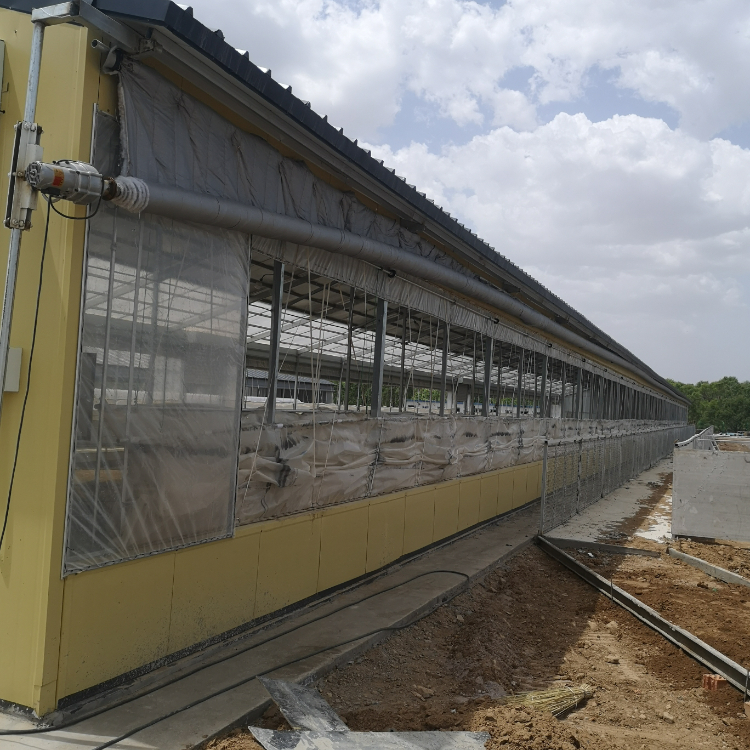
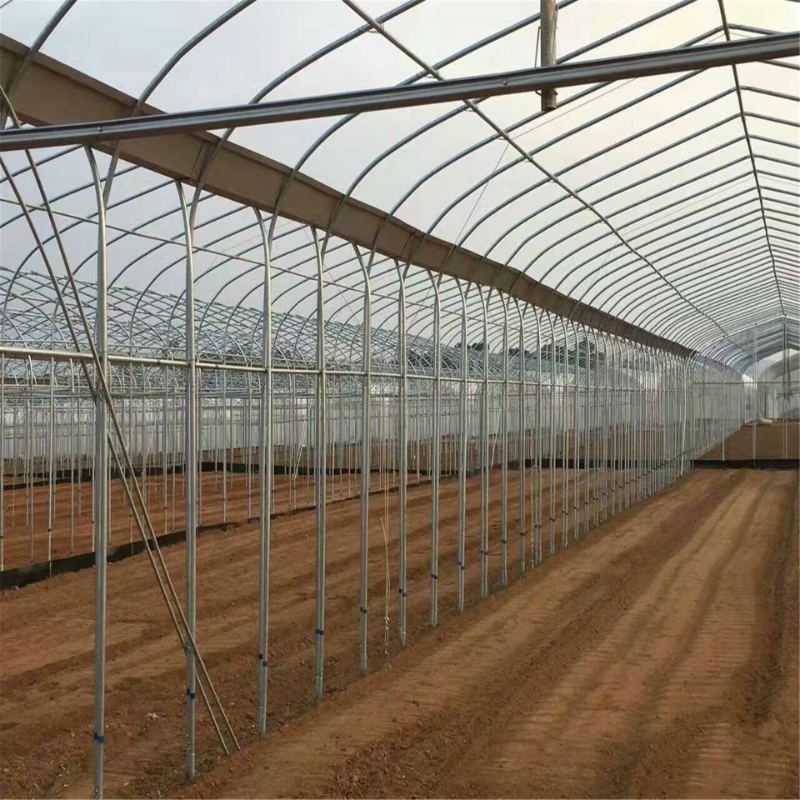
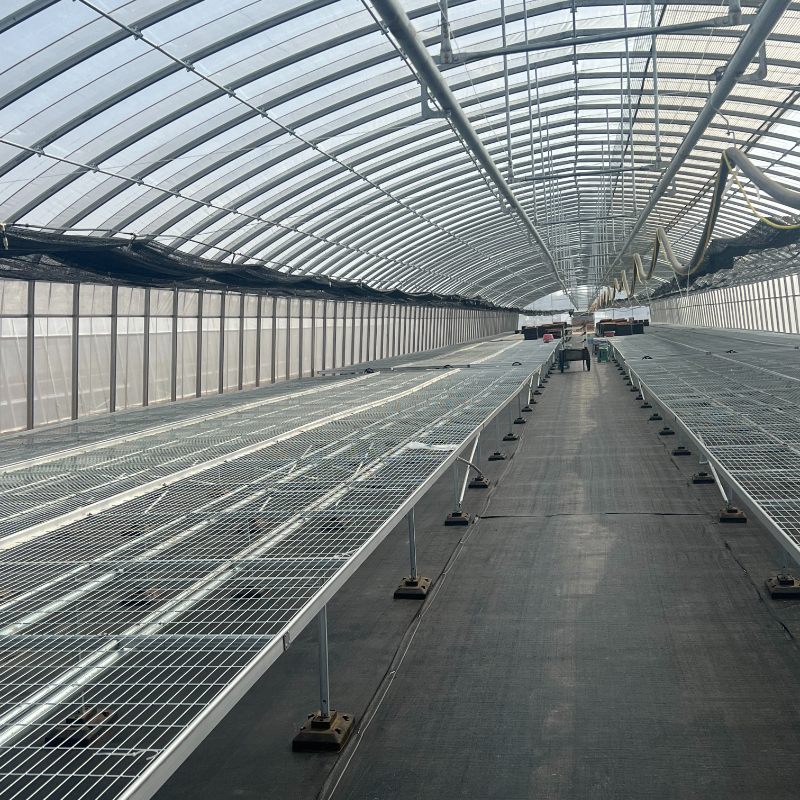
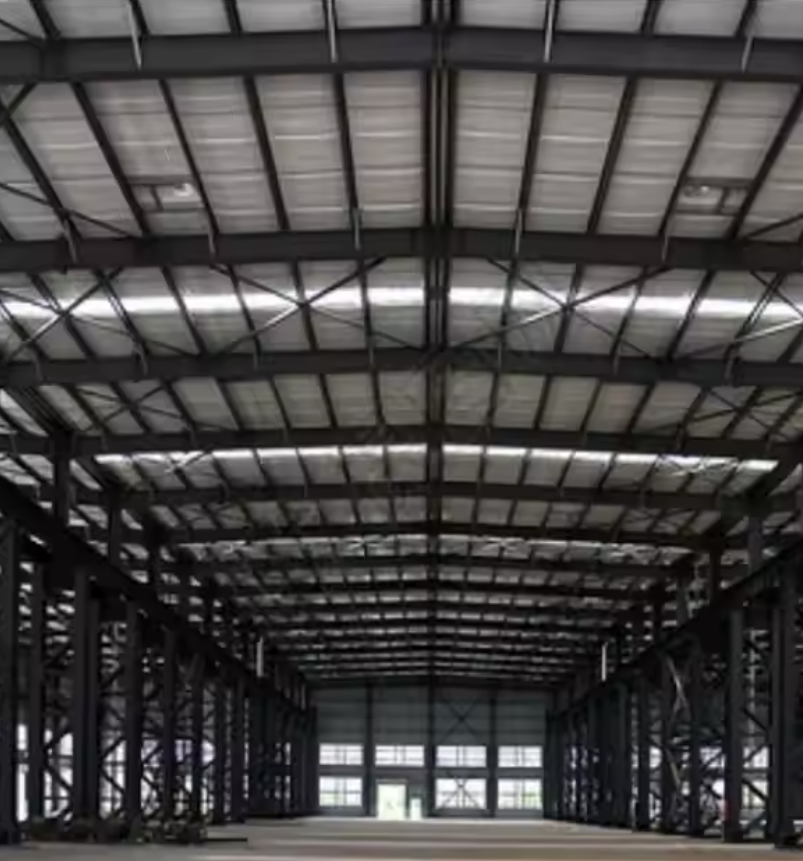
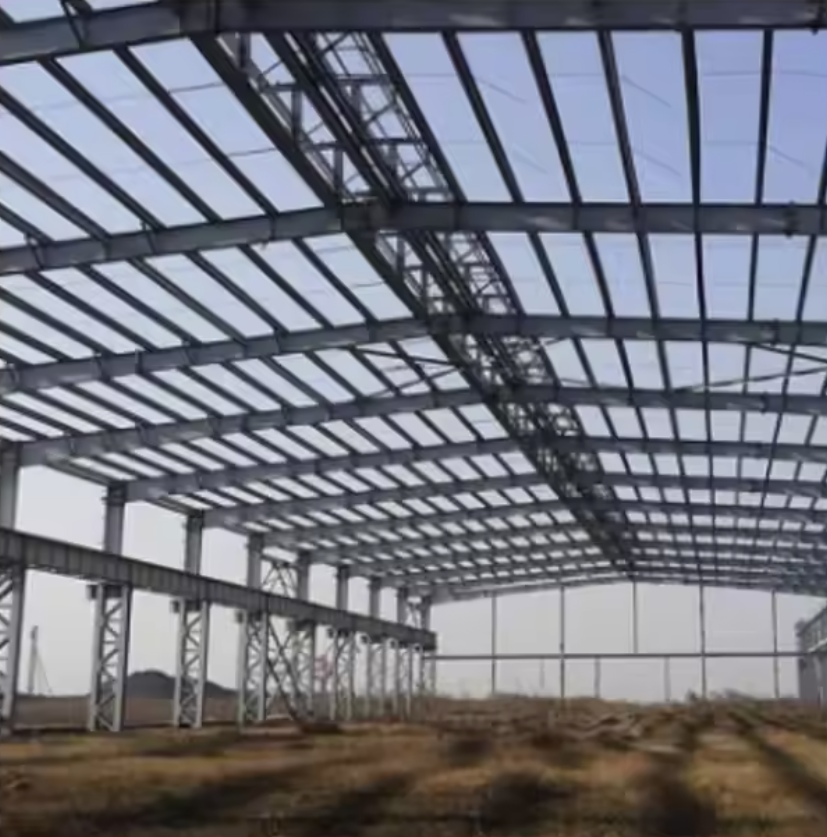
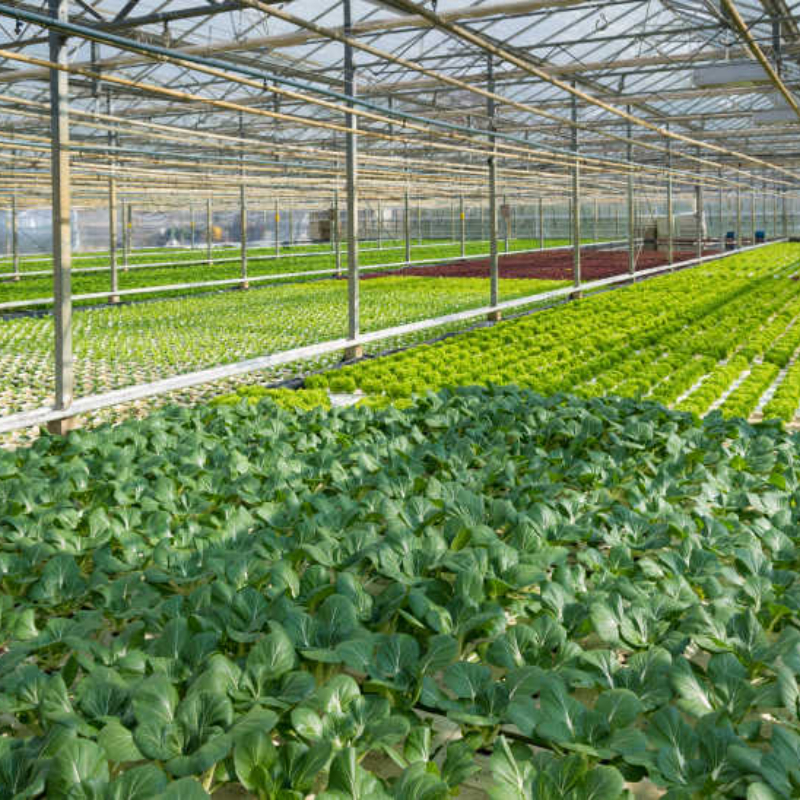
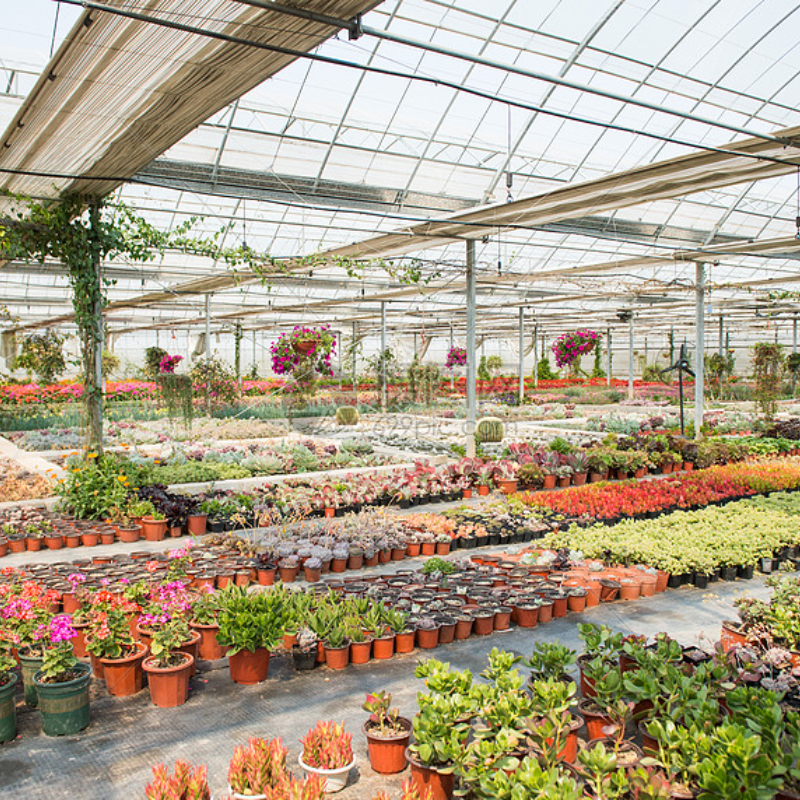
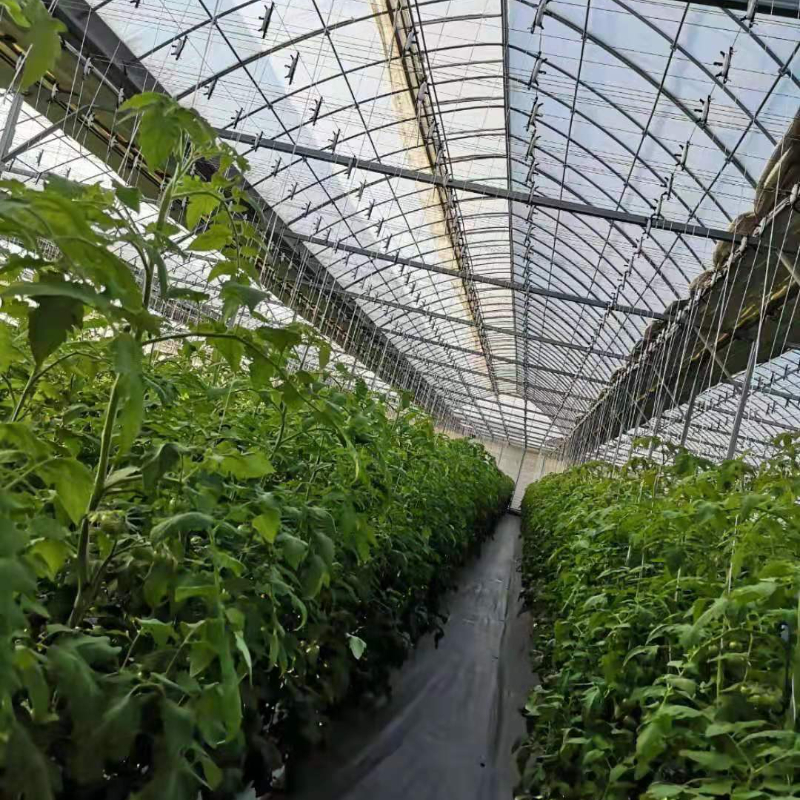
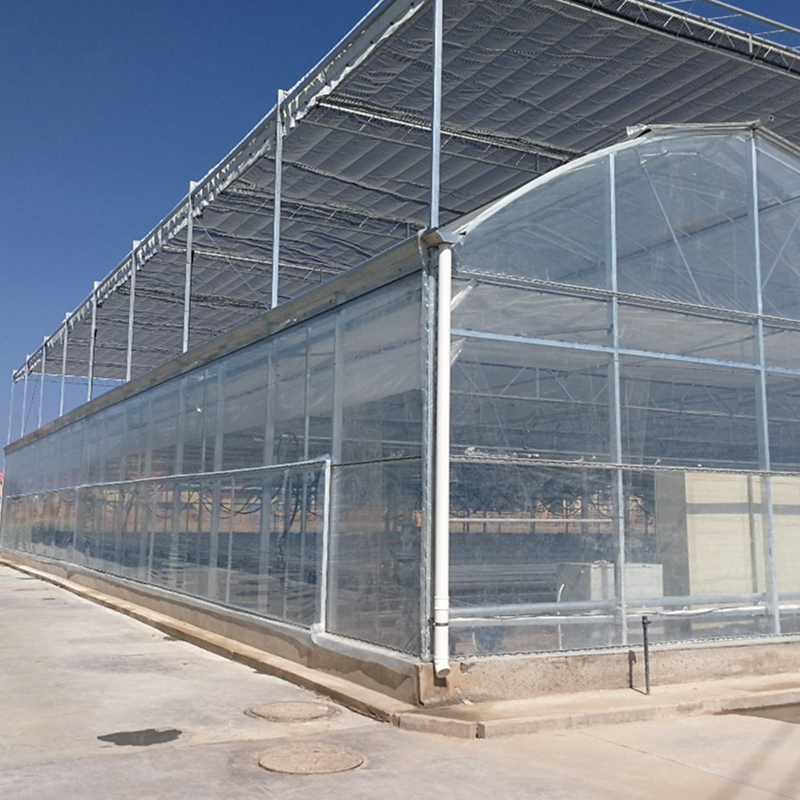
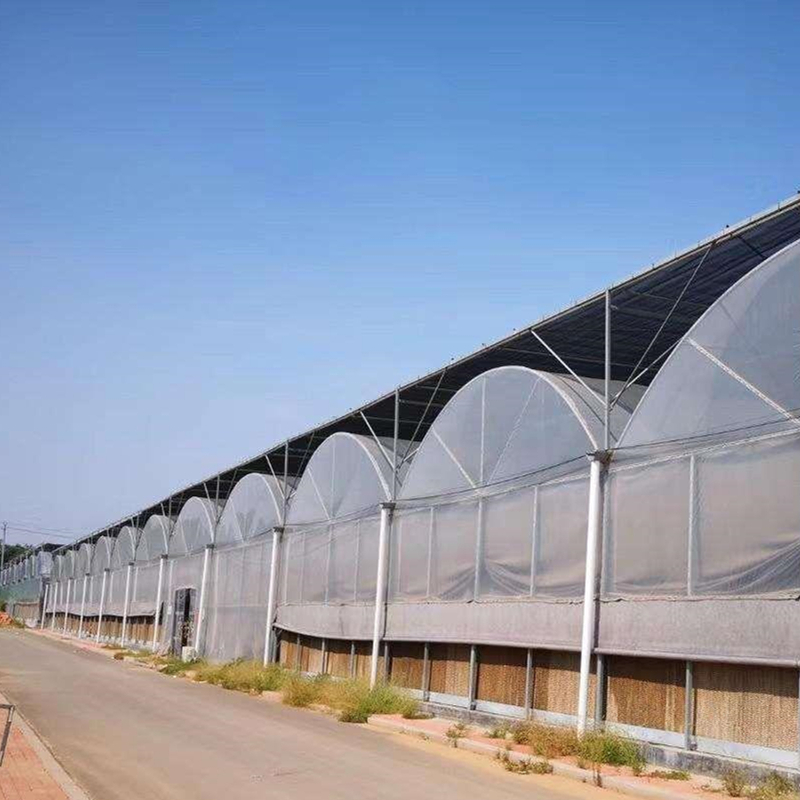
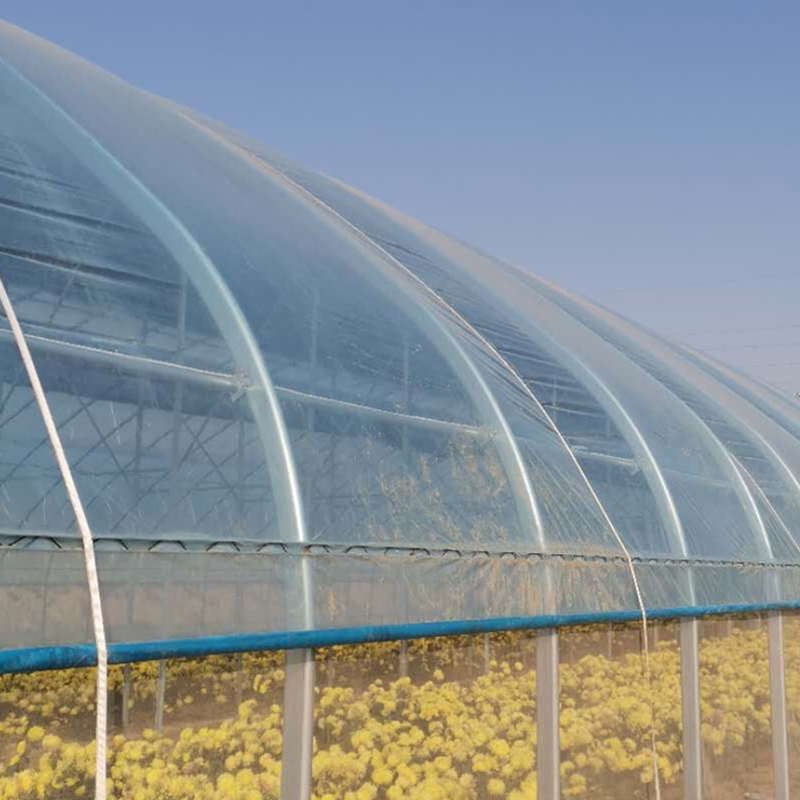
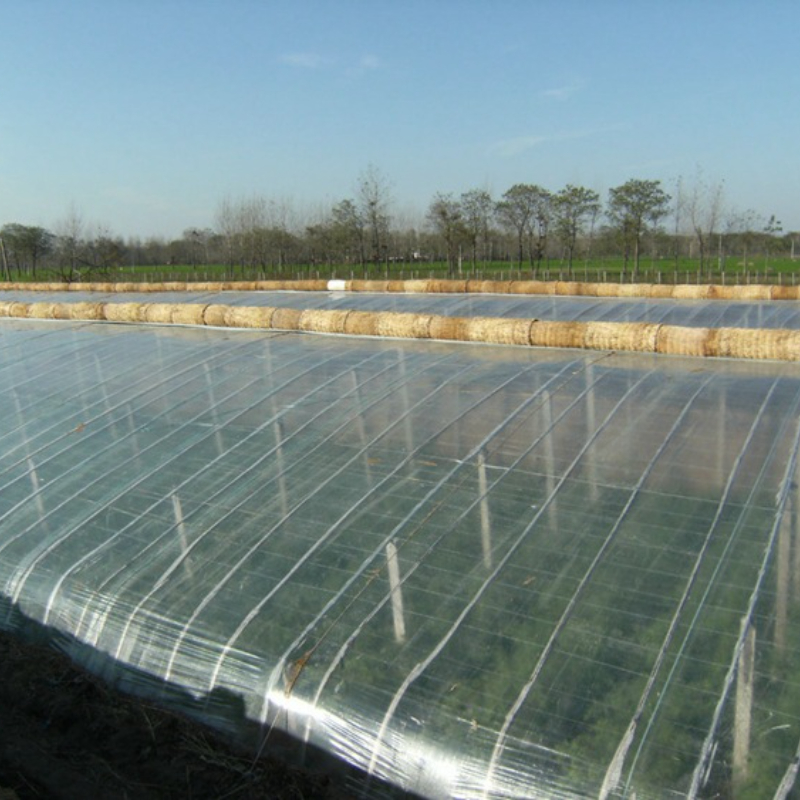
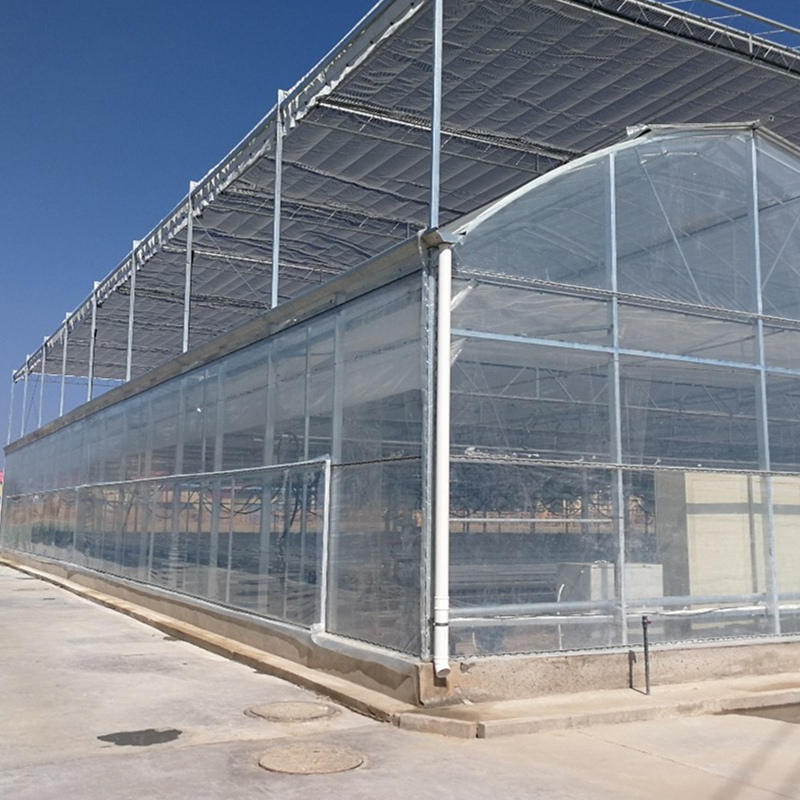
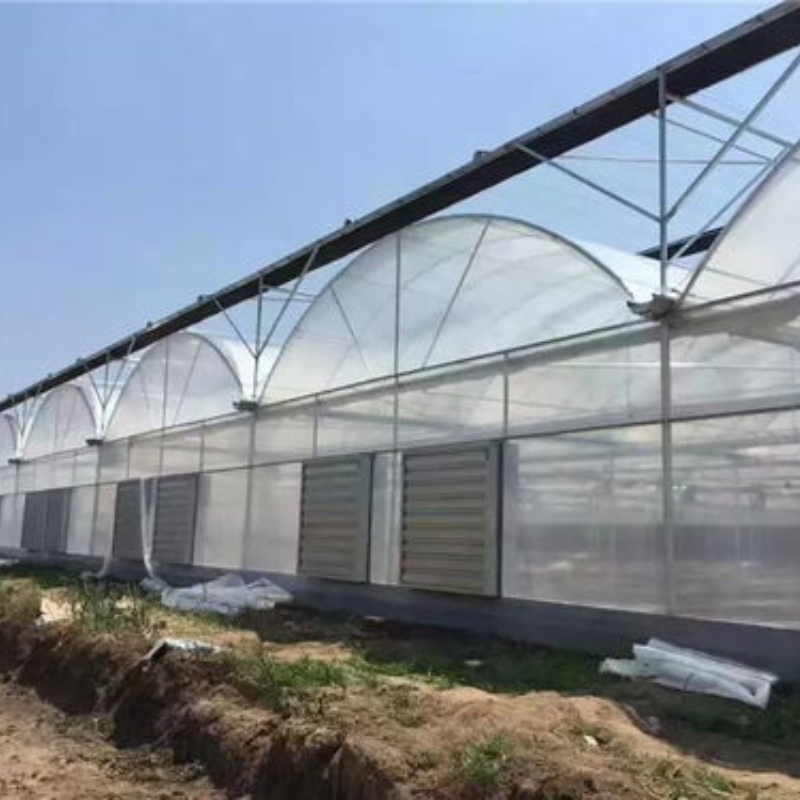
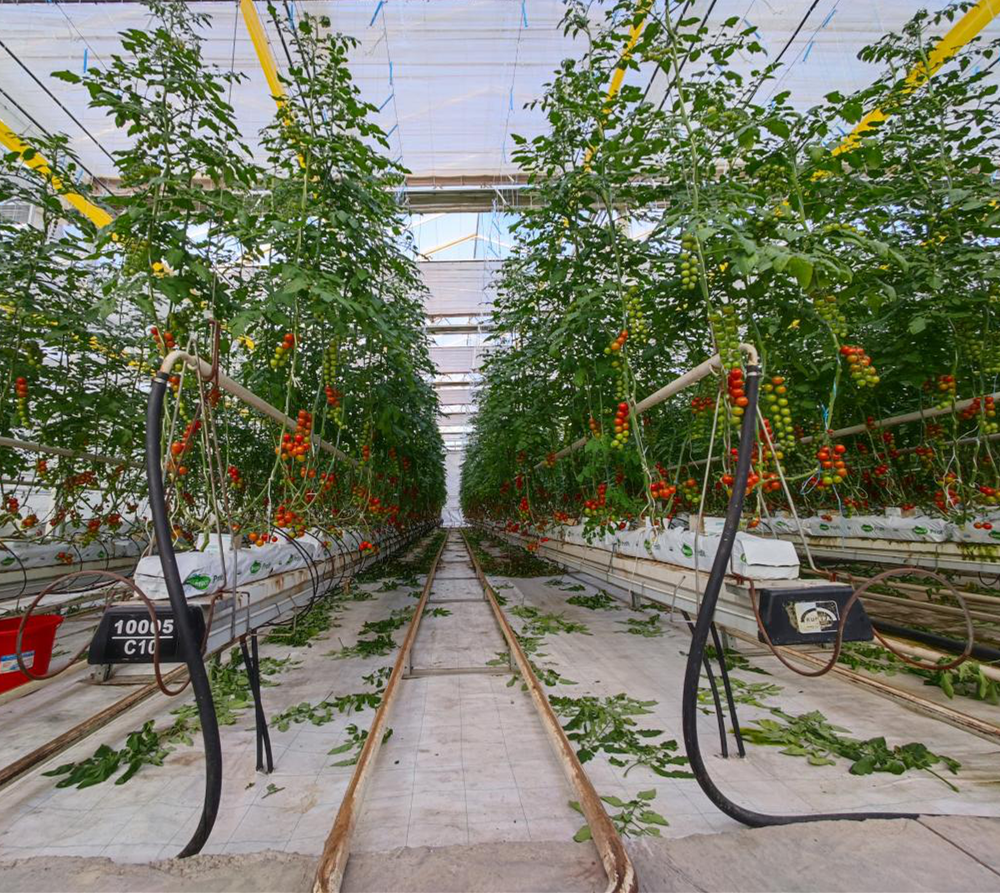
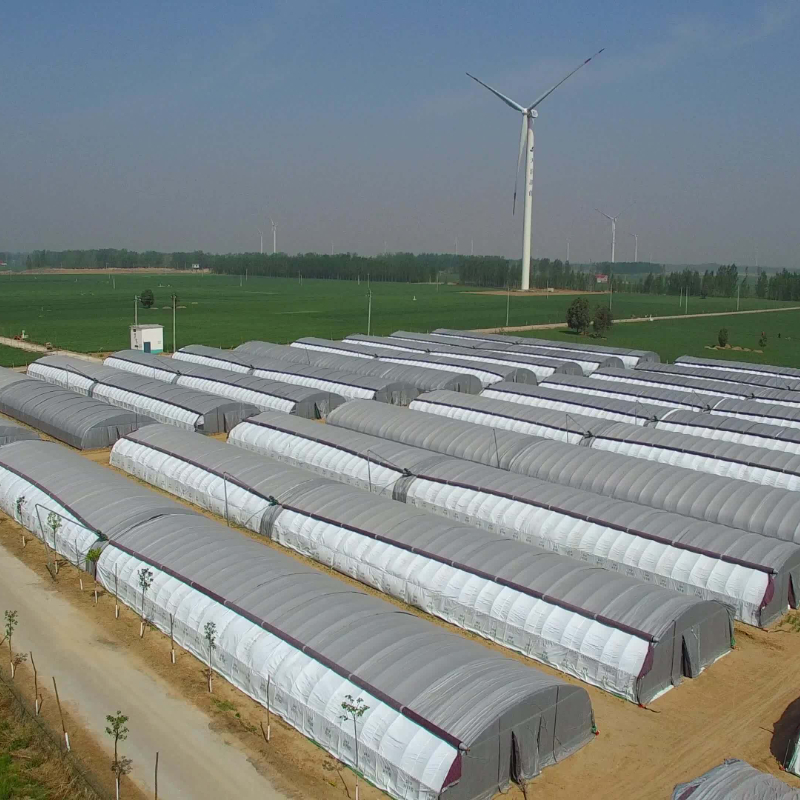
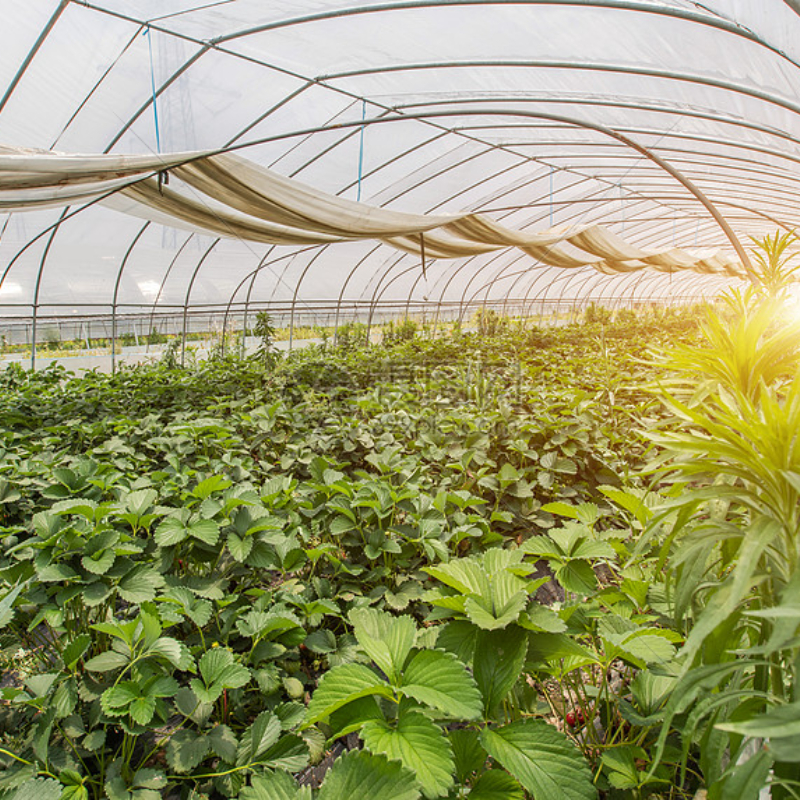
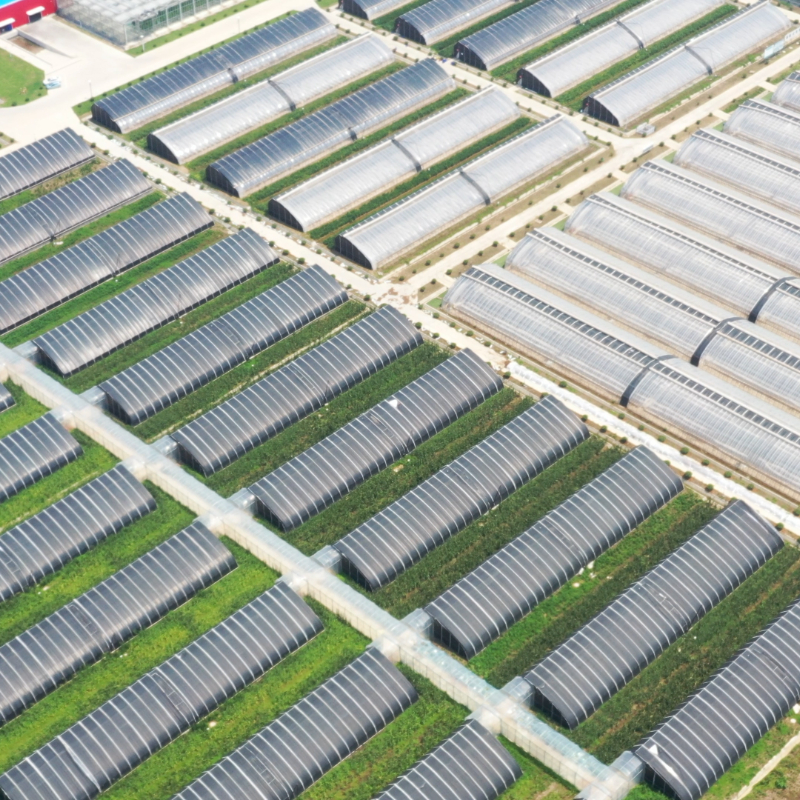
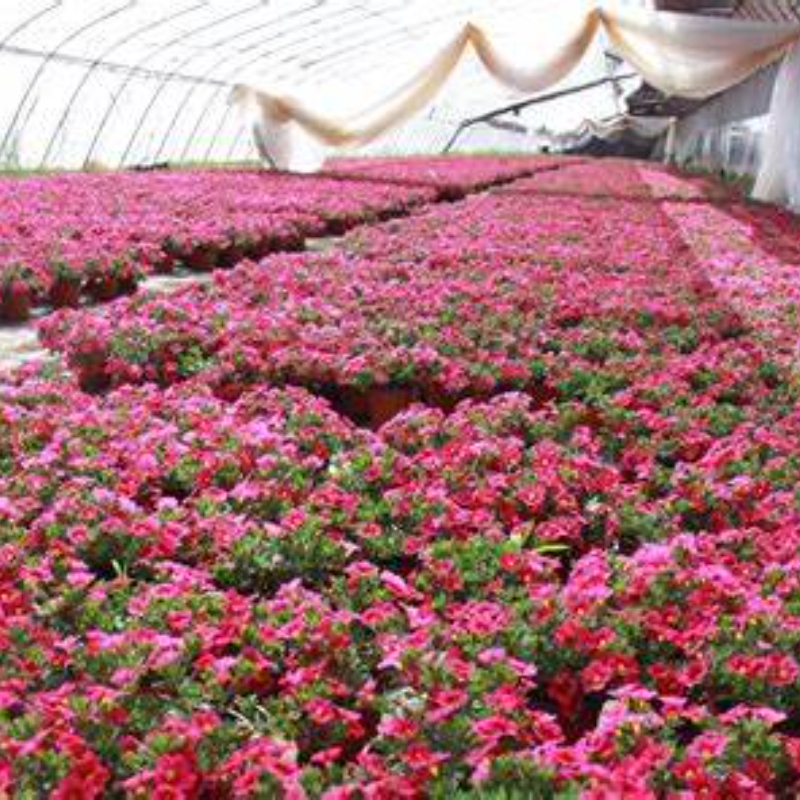
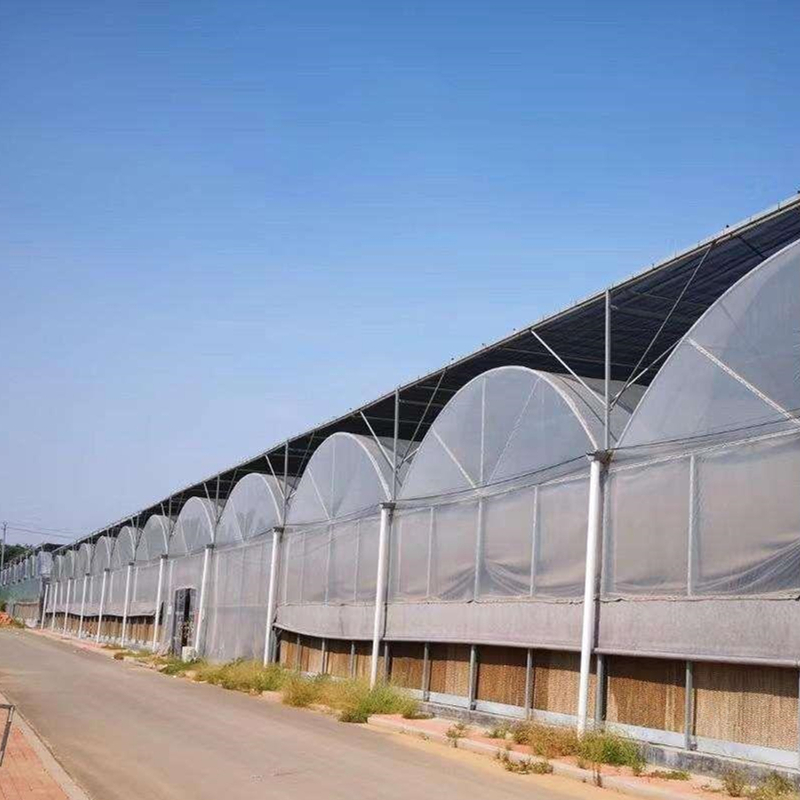
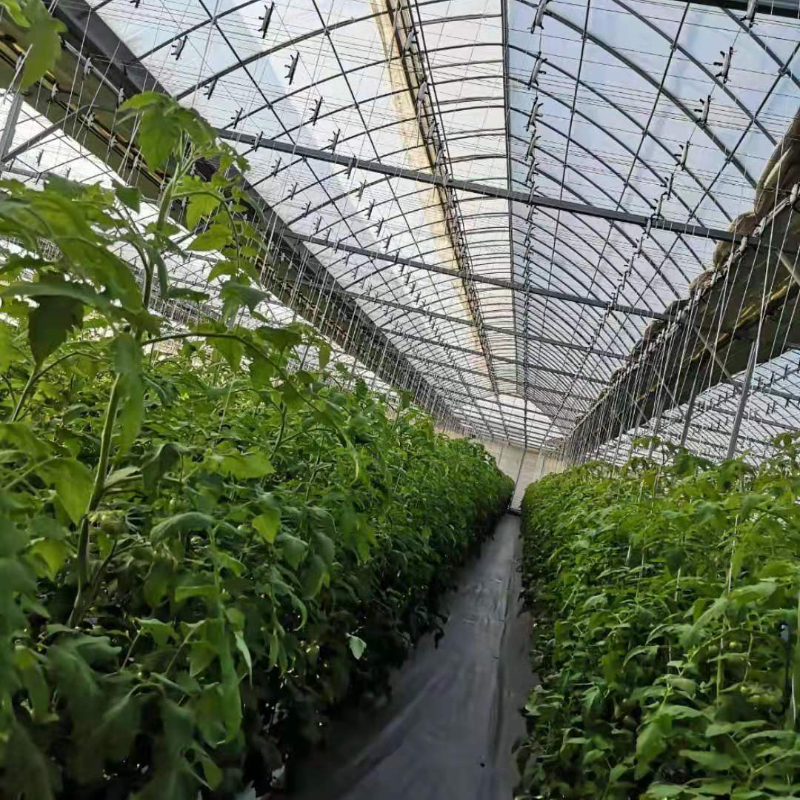
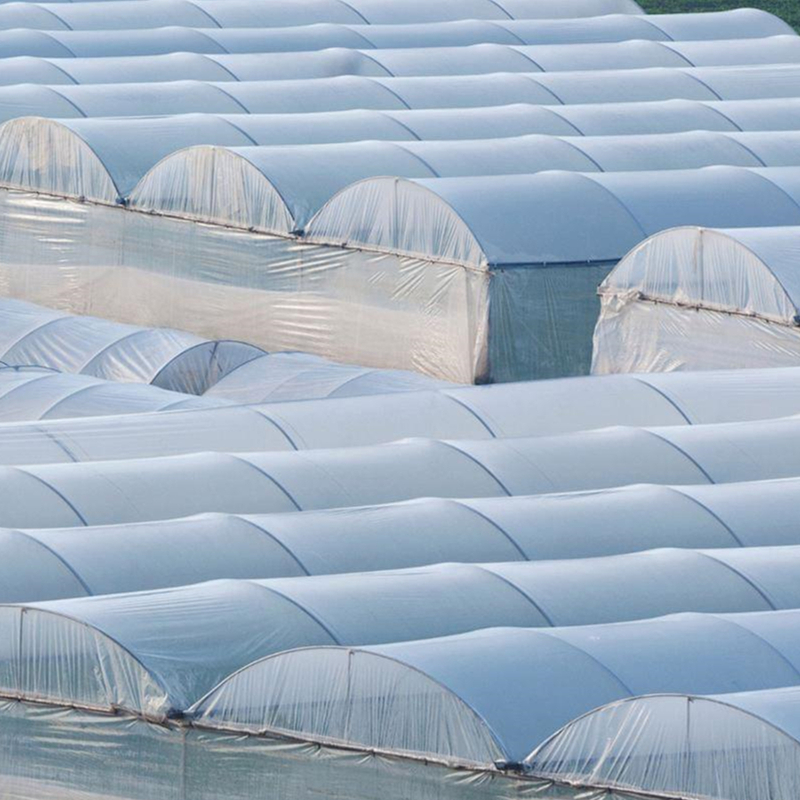
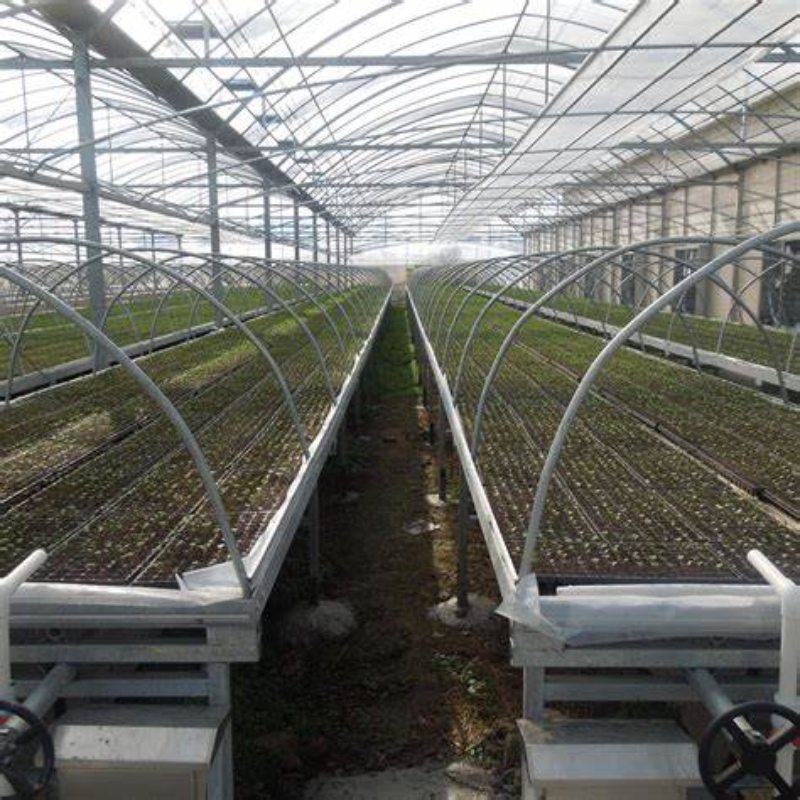
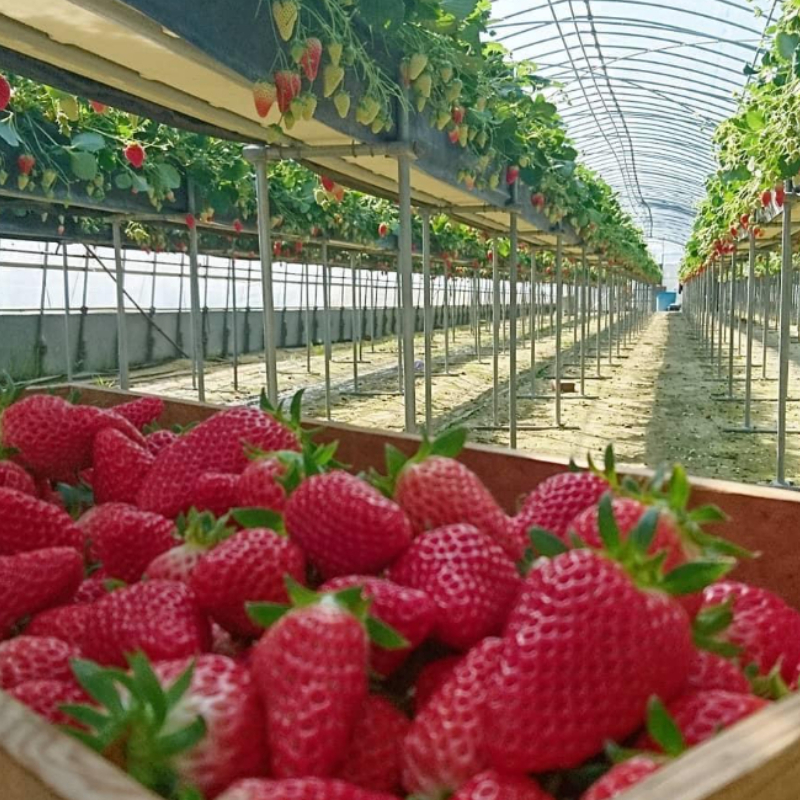
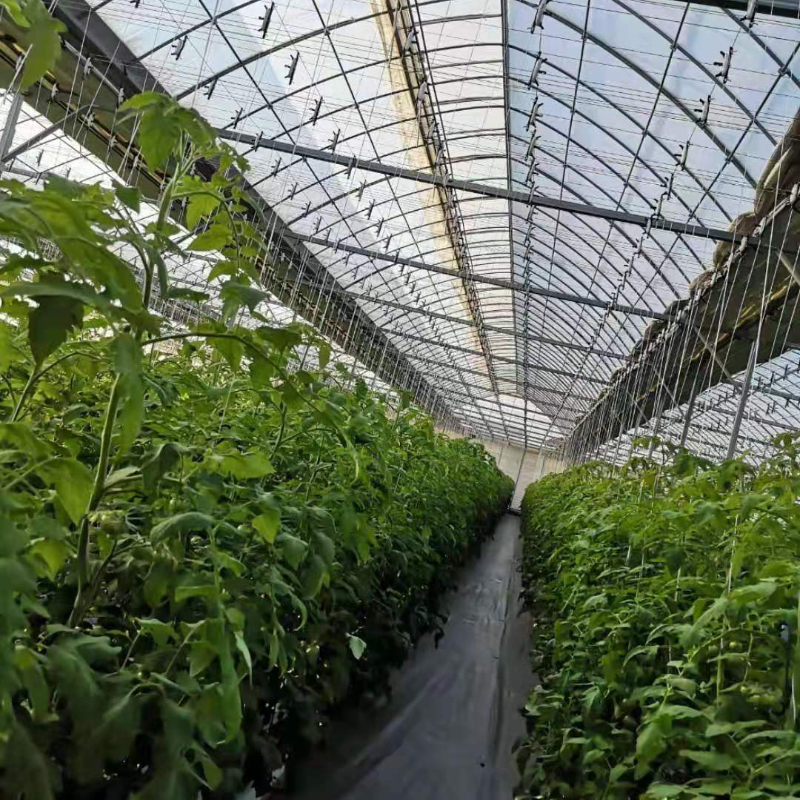
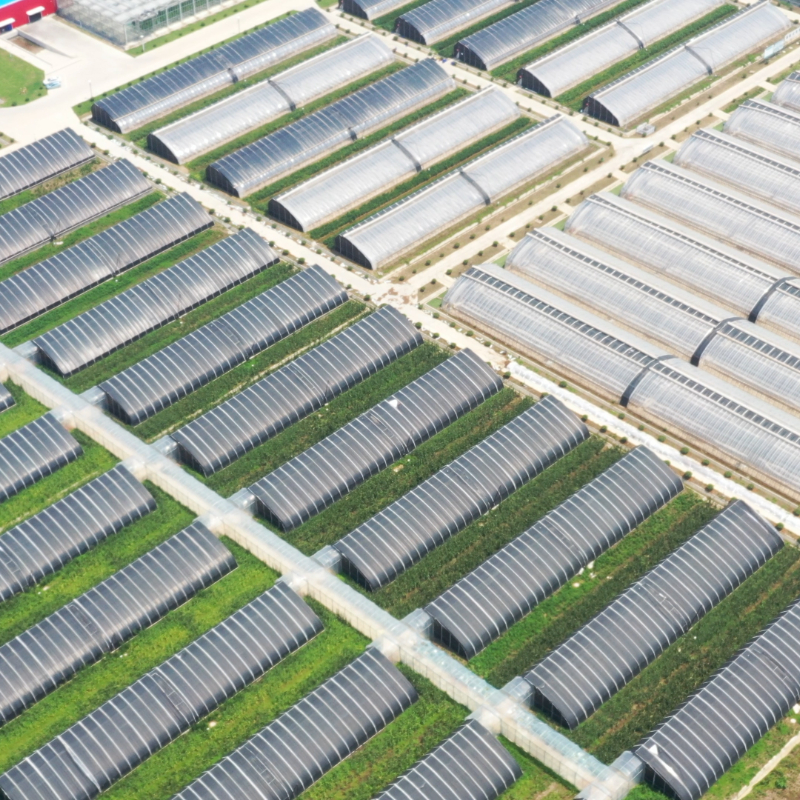
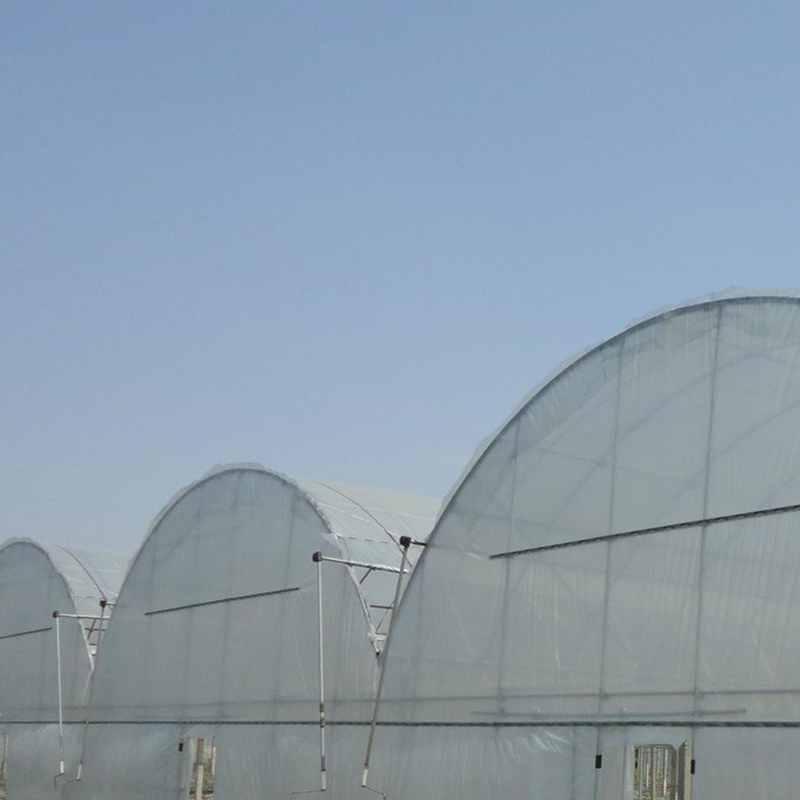
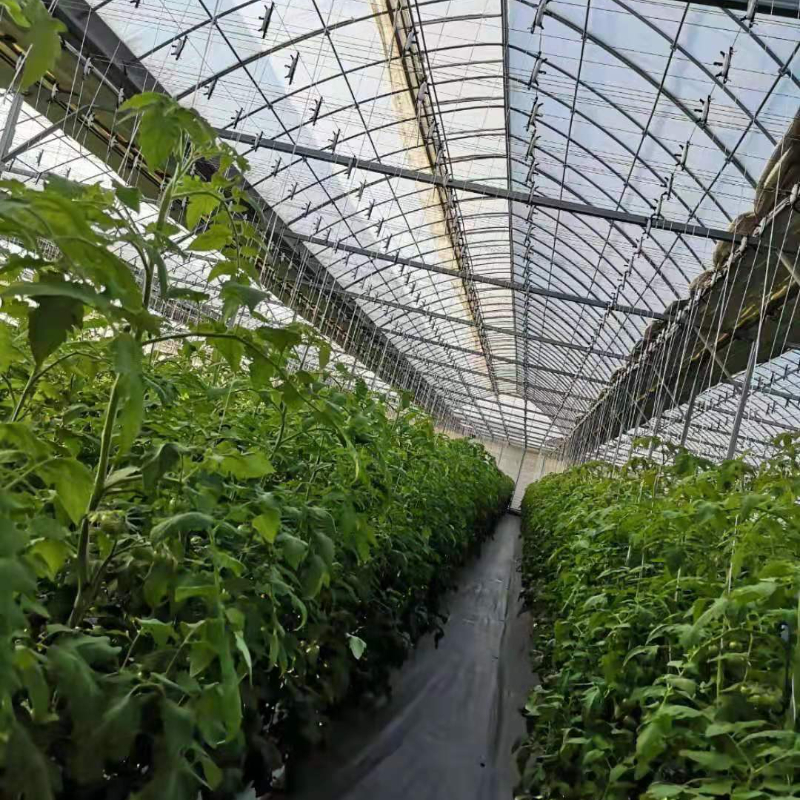
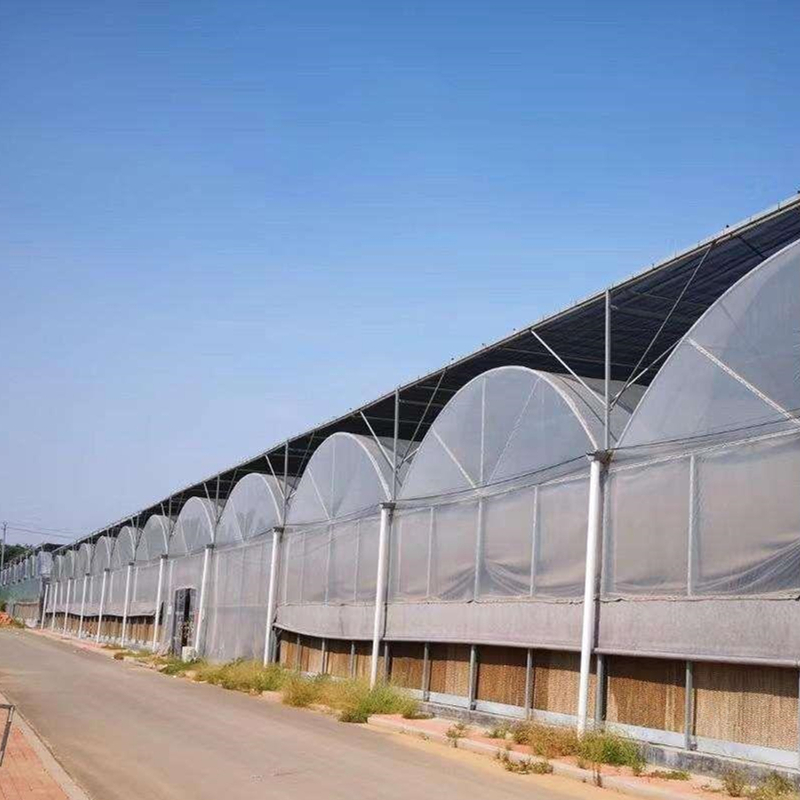
In the face of rapidly growing global food demand, unpredictable climate patterns, and increasing pressure to adopt sustainable agricultural practices, polycarbonate greenhouses have emerged as a transformative solution for modern farming. These advanced agricultural greenhouses offer a controlled environment that protects crops from extreme weather, pests, and diseases, while optimizing resource use to maximize yield, quality, and profitability. As the backbone of commercial greenhouse farming, polycarbonate structures have revolutionized the way farmers approach year-round cultivation, making it possible to produce high-value crops in regions with short growing seasons or harsh climatic conditions.
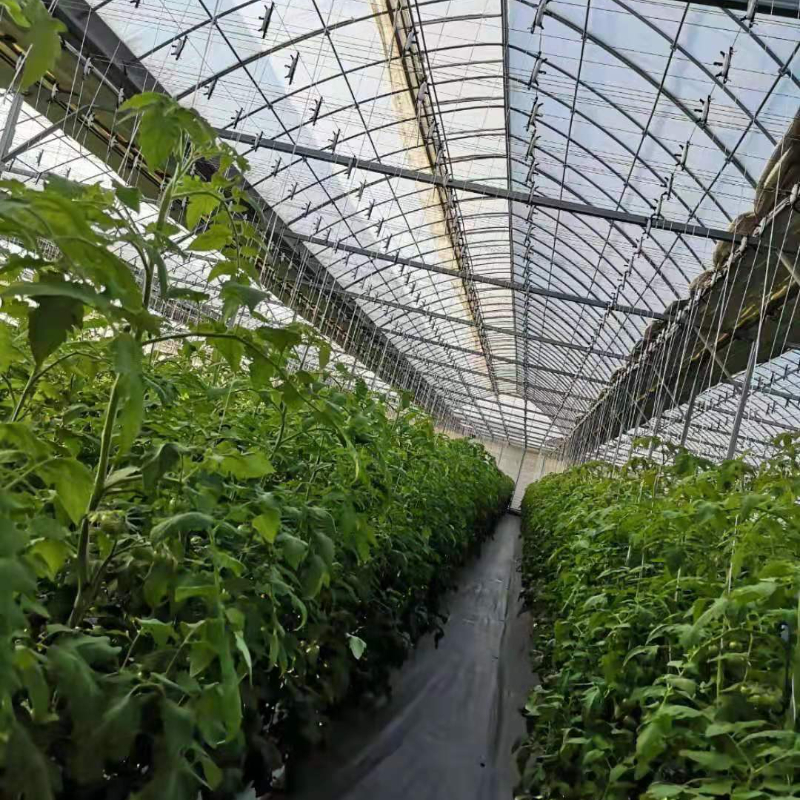
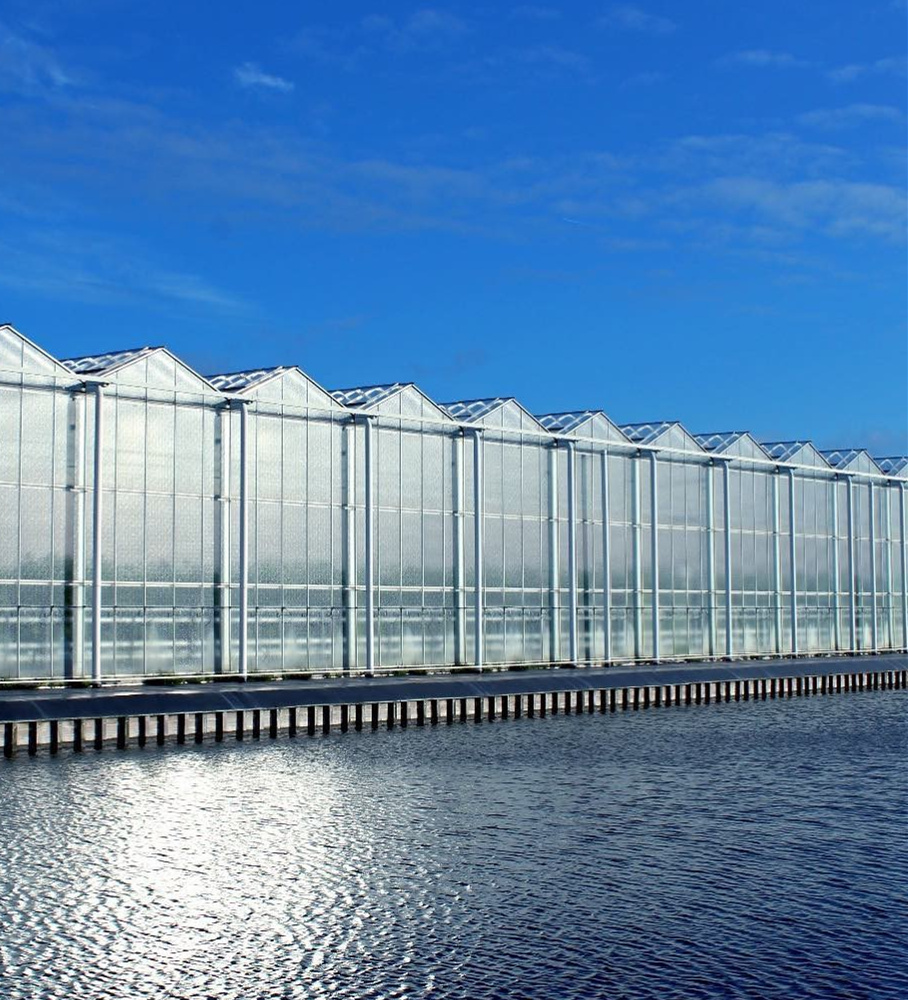
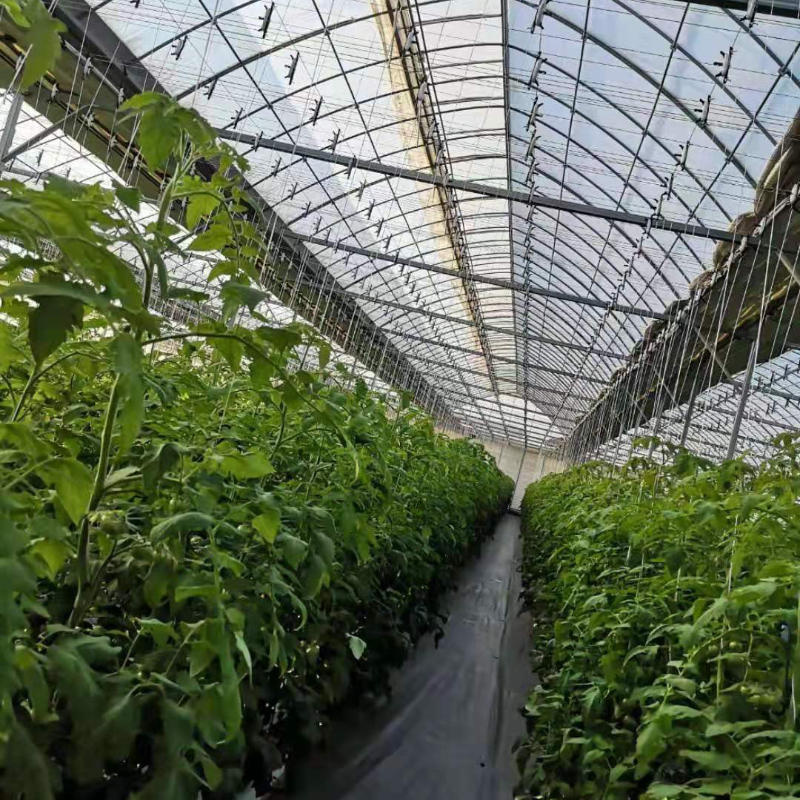
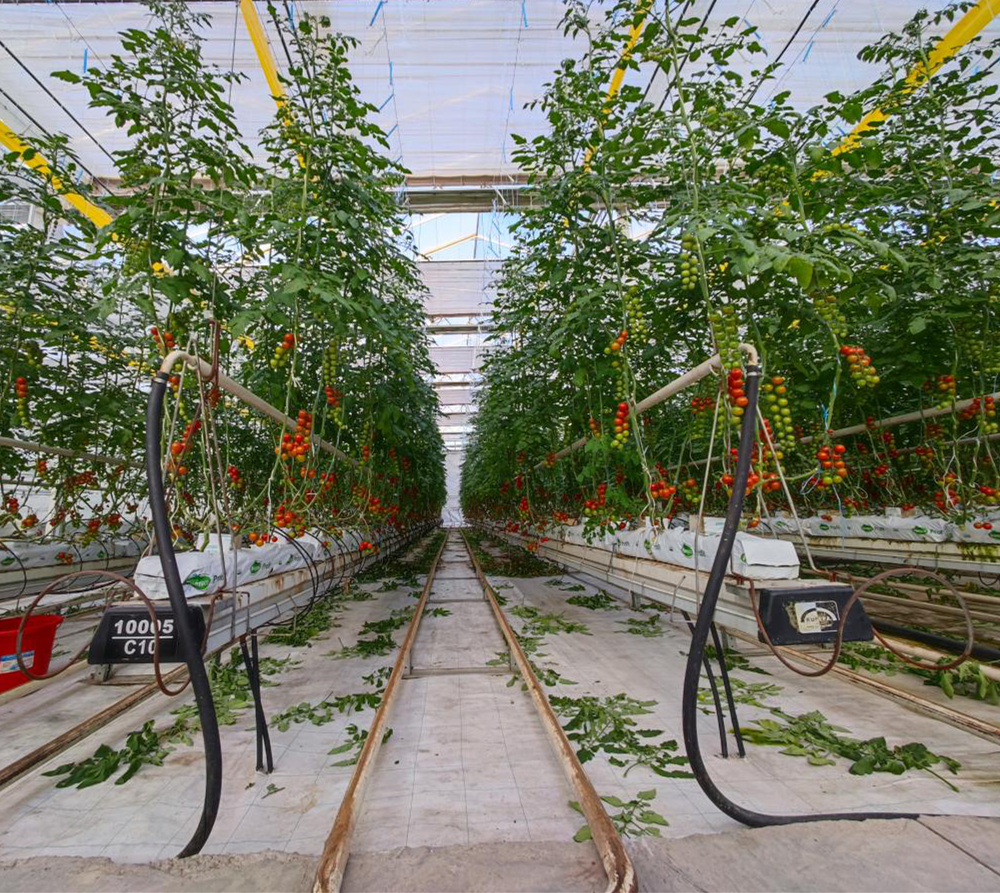
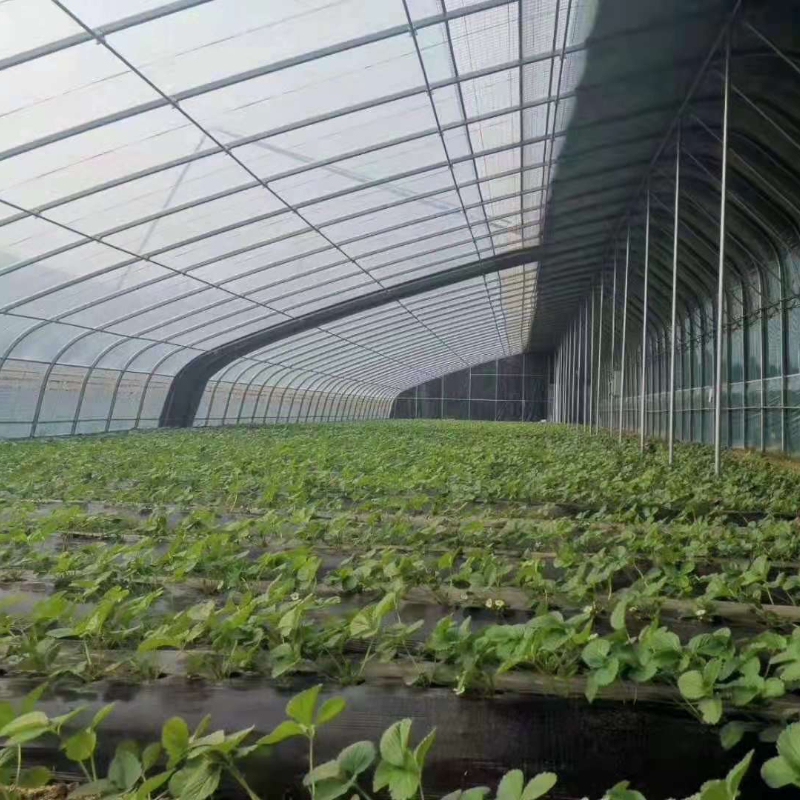
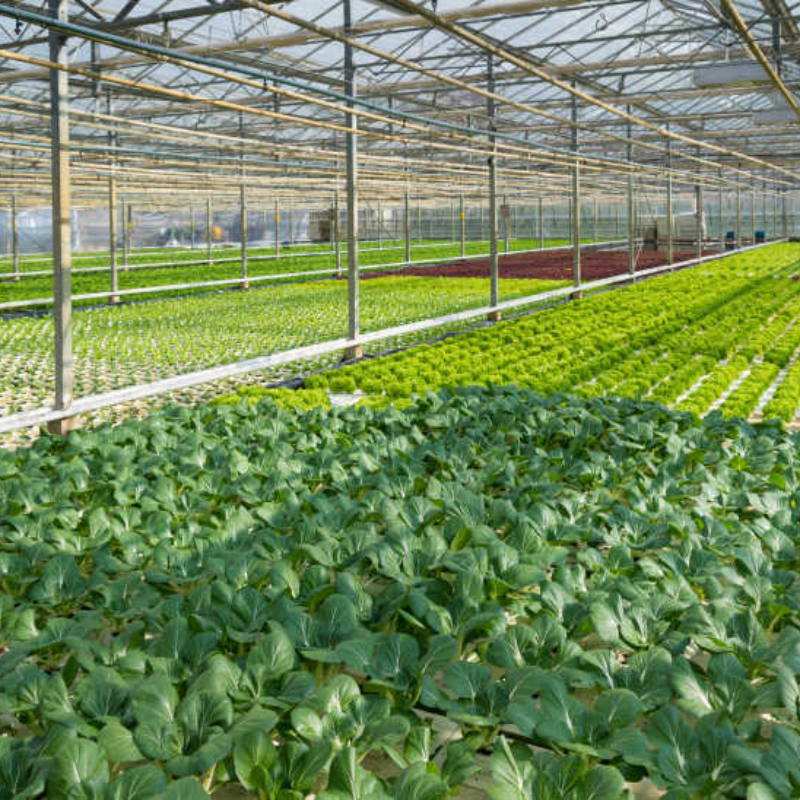
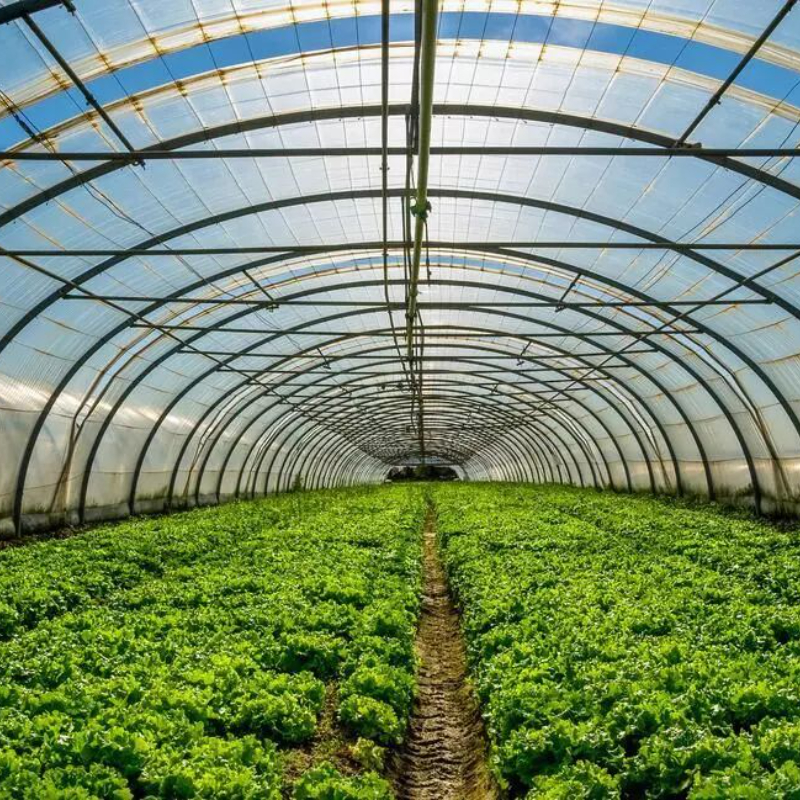
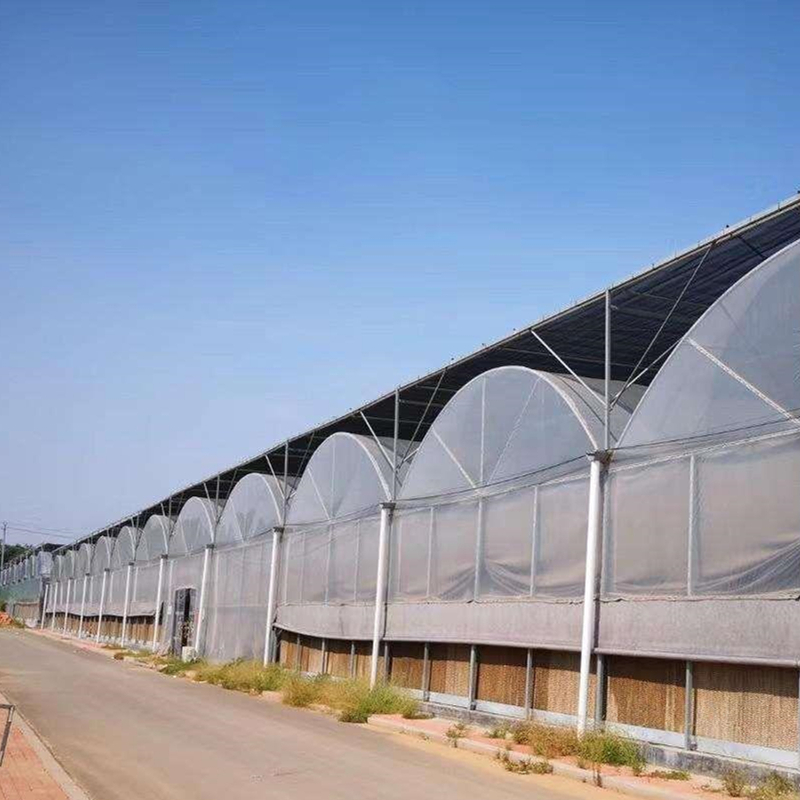
A defining advantage of commercial polycarbonate greenhouses is their exceptional thermal insulation and light transmission properties. Unlike traditional glass greenhouses, which are prone to heat loss and fragile under impact, polycarbonate panels trap heat more effectively, reducing energy consumption for heating in cold climates and maintaining stable temperatures for consistent crop growth. This thermal efficiency is particularly critical for multi-span greenhouses, which are designed to cover large areas of agricultural land and support intensive crop production. By minimizing temperature fluctuations, polycarbonate greenhouses create a stable growing environment that allows farmers to cultivate a wide range of crops, including tomatoes, peppers, cucumbers, leafy greens, and ornamental plants, throughout the year.
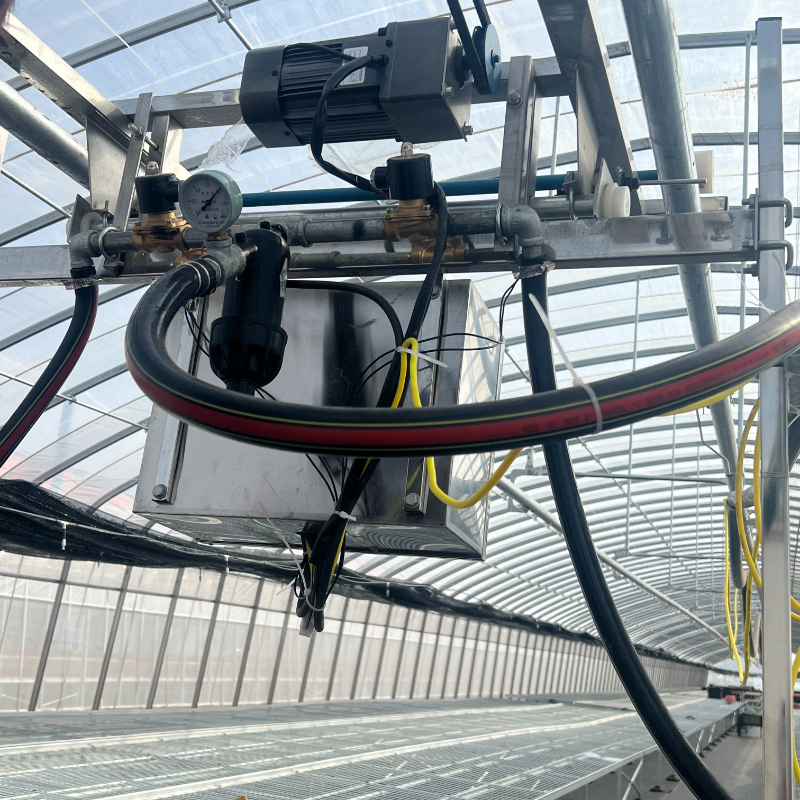
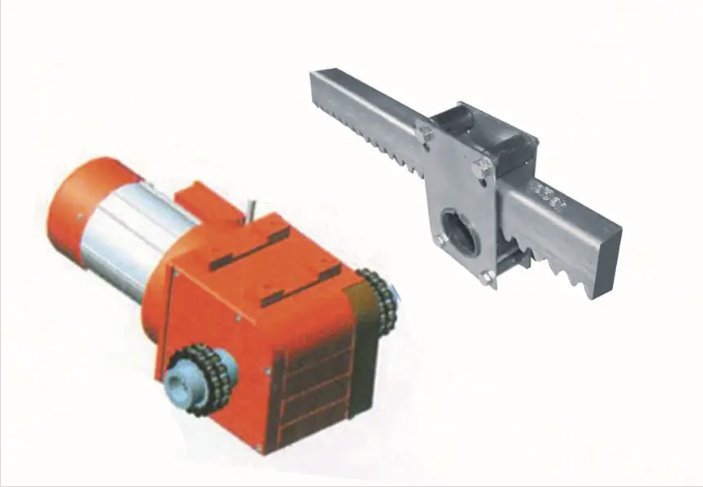
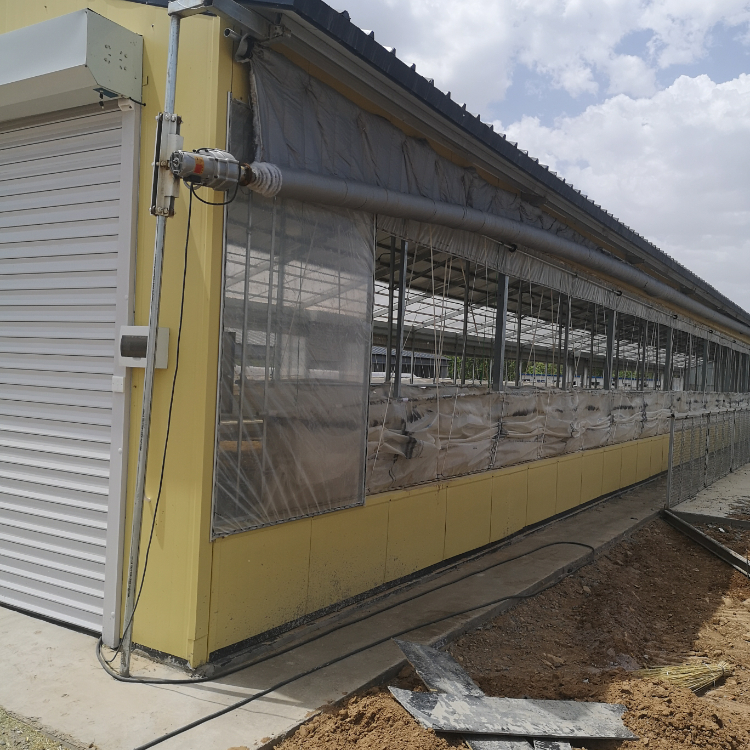
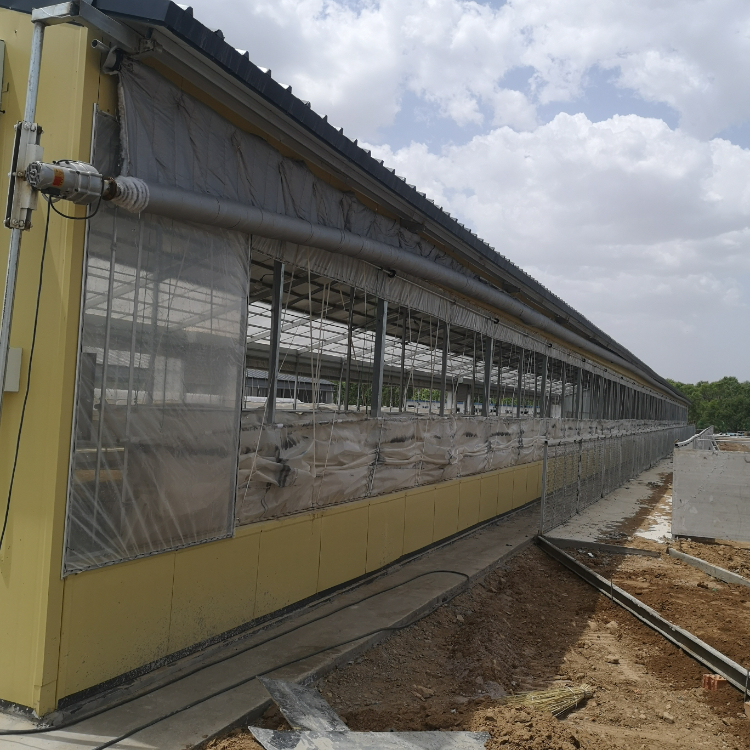
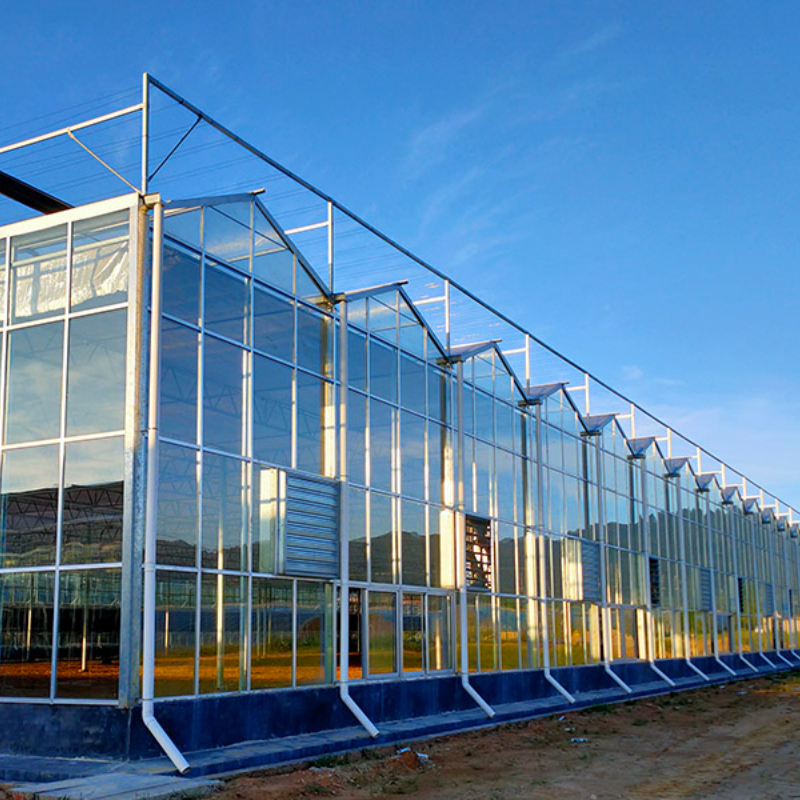
Beyond thermal insulation, modern polycarbonate greenhouses integrate sophisticated greenhouse ventilation systems and climate control technology to regulate temperature, humidity, and CO₂ levels with precision. Automated vents, exhaust fans, and shading systems work in tandem to create an optimal growing environment that minimizes stress on plants and reduces the risk of disease and pest infestations. For example, in hot climates, ventilation systems can be programmed to expel excess heat and moisture, while in cold climates, they can be adjusted to retain heat and maintain optimal humidity levels. These systems not only enhance crop health but also significantly reduce water usage by up to 50% compared to open-field farming, a critical benefit in water-scarce regions where sustainable resource management is a top priority.
Sustainability is at the core of contemporary greenhouse farming practices, and commercial polycarbonate greenhouses are designed to minimize environmental impact while maximizing productivity. Many modern greenhouse models incorporate renewable energy sources such as solar panels to power ventilation, lighting, and irrigation systems, further reducing their carbon footprint and reliance on fossil fuels. Additionally, the modular design of polycarbonate greenhouses allows for easy expansion and repurposing, making them a flexible investment for farmers looking to scale their operations or adapt to changing market demands. This modularity also simplifies maintenance and repair, as individual panels or components can be replaced without disrupting the entire structure, reducing downtime and operational costs.
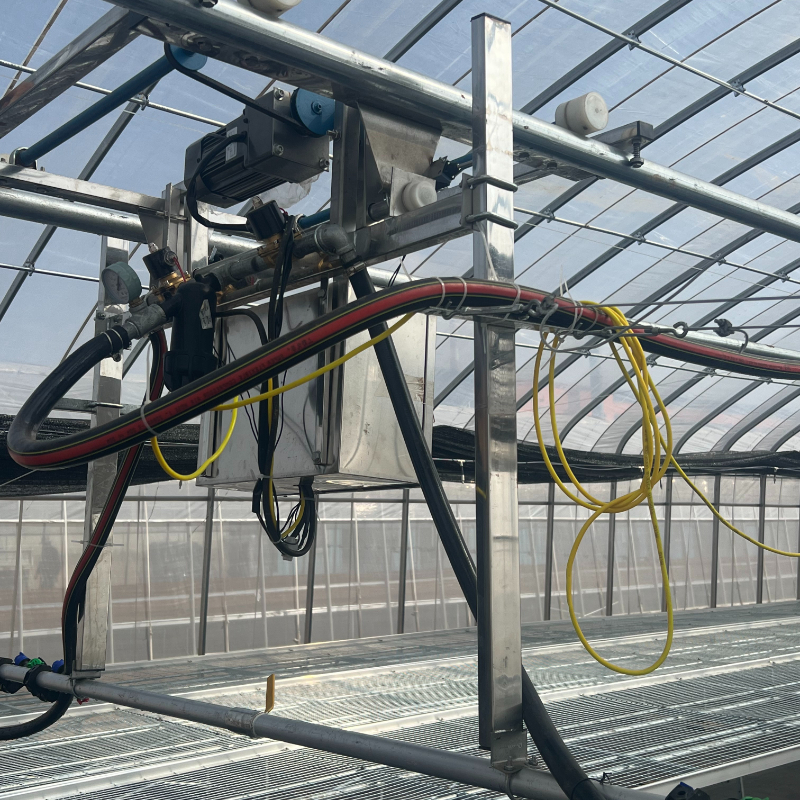
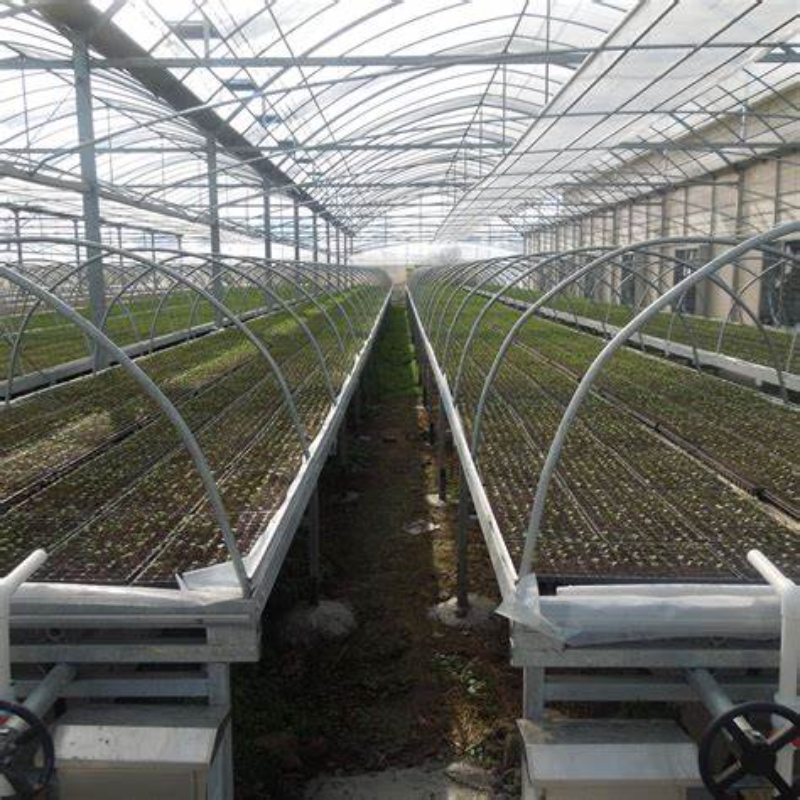
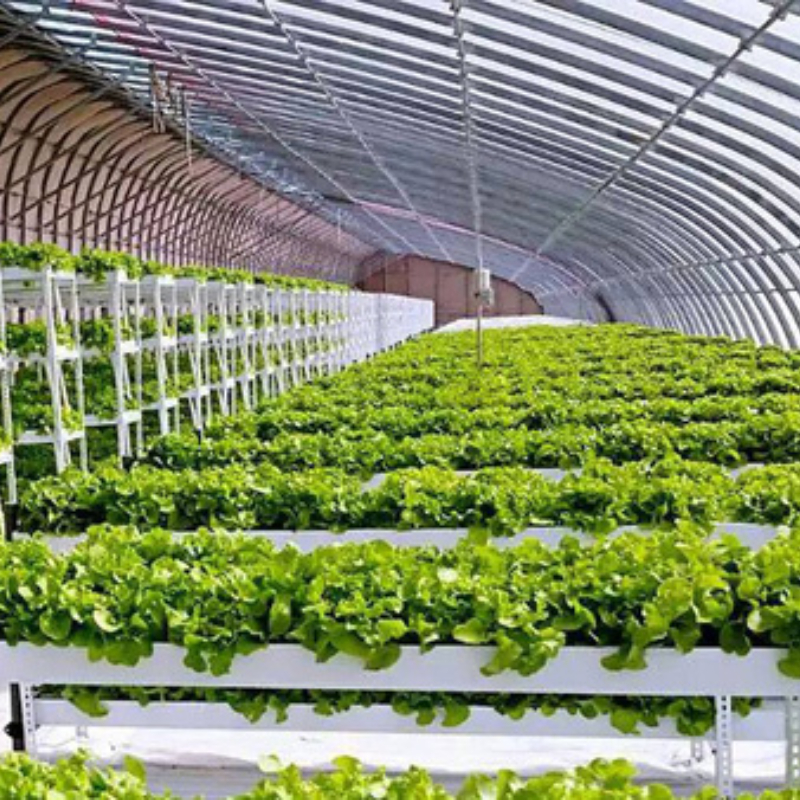
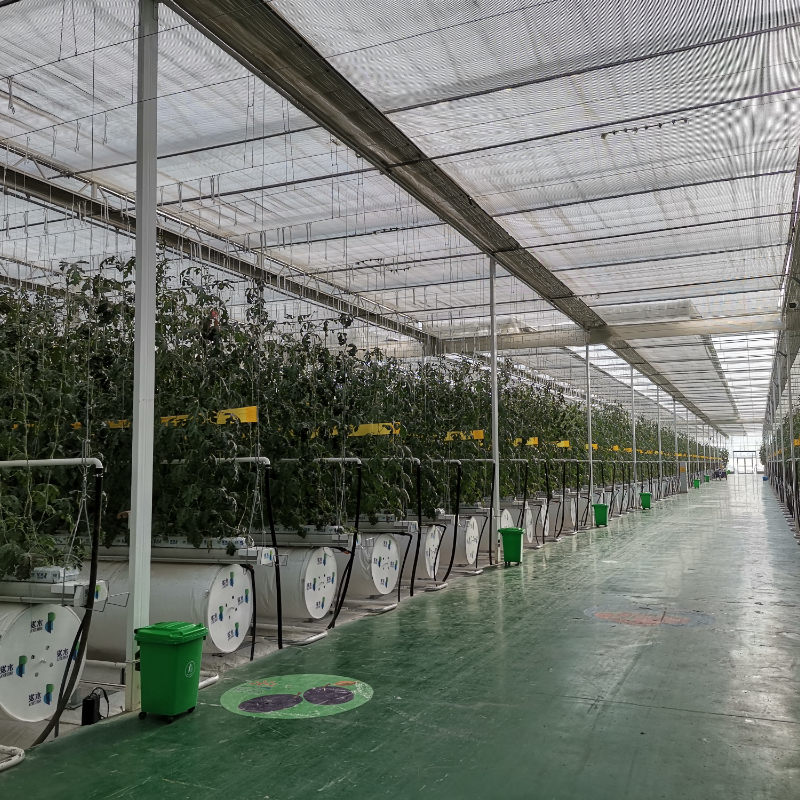
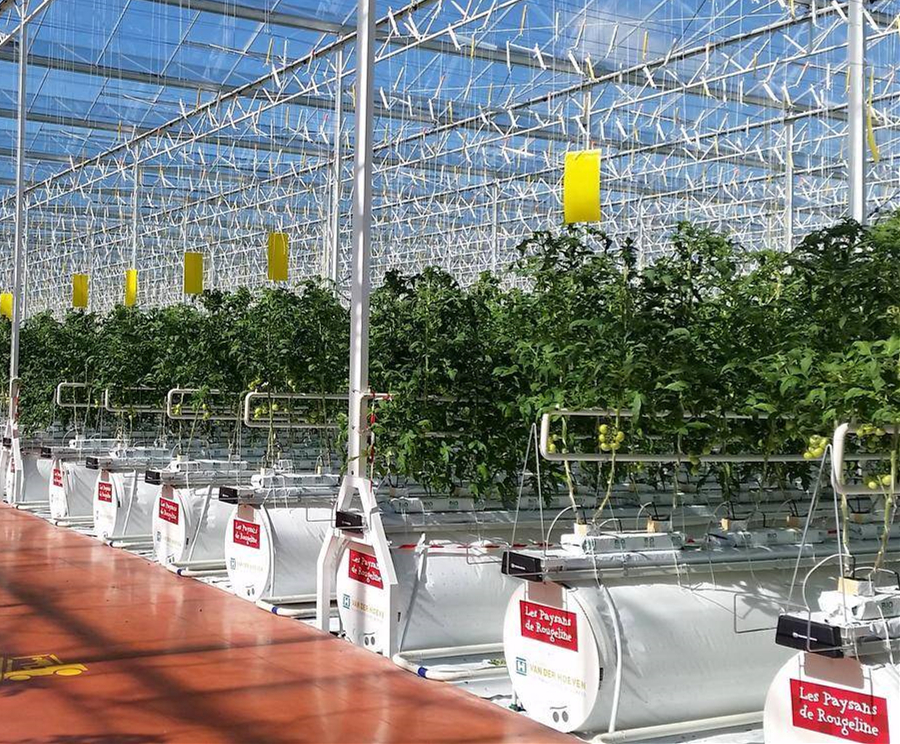
Another key innovation in polycarbonate greenhouse design is the integration of advanced irrigation and nutrient delivery systems. Drip irrigation, hydroponic, and aeroponic systems are commonly used in commercial greenhouses to deliver water and nutrients directly to plant roots, minimizing waste and ensuring optimal nutrient uptake. These systems are often automated, allowing farmers to monitor and adjust water and nutrient levels remotely, which not only saves time and labor but also ensures consistent crop growth and quality. By combining these irrigation technologies with climate control systems, farmers can create a fully automated growing environment that maximizes resource efficiency and reduces the need for manual intervention.
For agricultural producers worldwide, investing in a high-quality polycarbonate greenhouse represents a strategic step toward long-term profitability and resilience. By leveraging advanced greenhouse technology, farmers can achieve consistent crop yields, reduce reliance on chemical inputs, and contribute to a more sustainable global food system. Whether you are a smallholder farmer looking to expand your operations or a large-scale agribusiness seeking to optimize production, the versatility and efficiency of modern polycarbonate greenhouses make them an essential tool for the future of farming.
In addition to their technical advantages, polycarbonate greenhouses offer significant economic benefits for farmers. By enabling year-round cultivation, these greenhouses allow farmers to supply fresh produce to markets during off-seasons, when prices are typically higher, increasing their revenue potential. Furthermore, the controlled environment of a greenhouse reduces the risk of crop failure due to extreme weather or pest outbreaks, providing a more stable income stream for farmers. This stability is particularly important for smallholder farmers in developing countries, who are often the most vulnerable to climate variability and market fluctuations.
As the demand for sustainable agricultural solutions continues to grow, the market for polycarbonate greenhouses is expected to expand significantly in the coming years. Governments and international organizations around the world are increasingly recognizing the potential of greenhouse technology to address food security challenges and promote sustainable development, offering incentives and support for farmers to adopt these innovative solutions. This growing demand is driving further innovation in polycarbonate greenhouse design, with manufacturers developing new materials, technologies, and construction methods to improve efficiency, reduce costs, and enhance sustainability.
In conclusion, polycarbonate greenhouses represent a paradigm shift in modern agriculture, offering a sustainable, efficient, and profitable solution for year-round crop cultivation. From their exceptional thermal insulation and light transmission properties to their advanced ventilation and climate control systems, these commercial greenhouses are designed to meet the diverse needs of global agricultural producers. By investing in polycarbonate greenhouse technology, farmers can not only increase their crop yields and profitability but also contribute to a more sustainable future for agriculture, ensuring food security for generations to come.
