
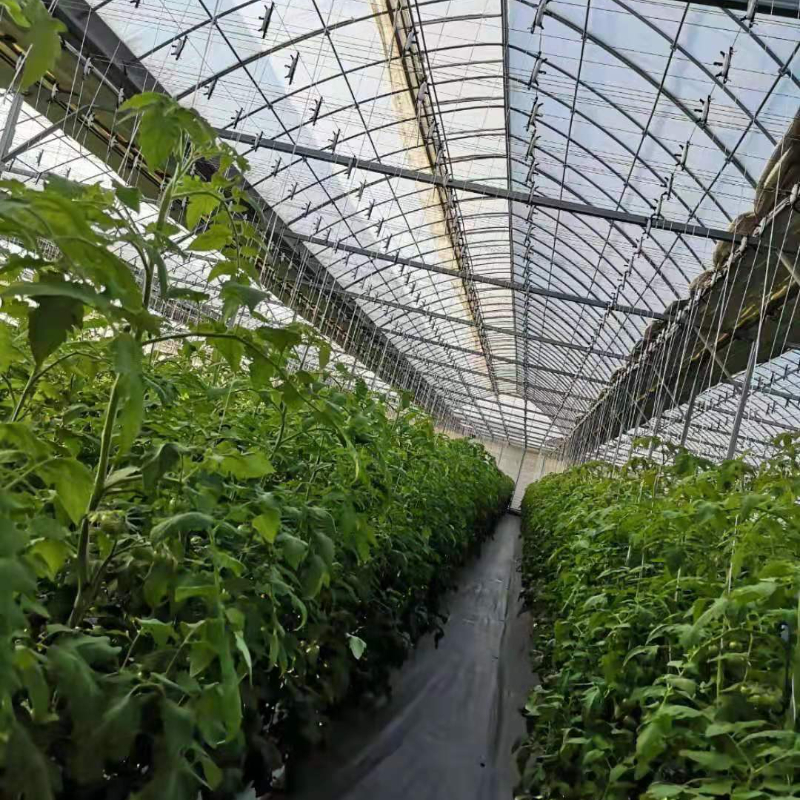
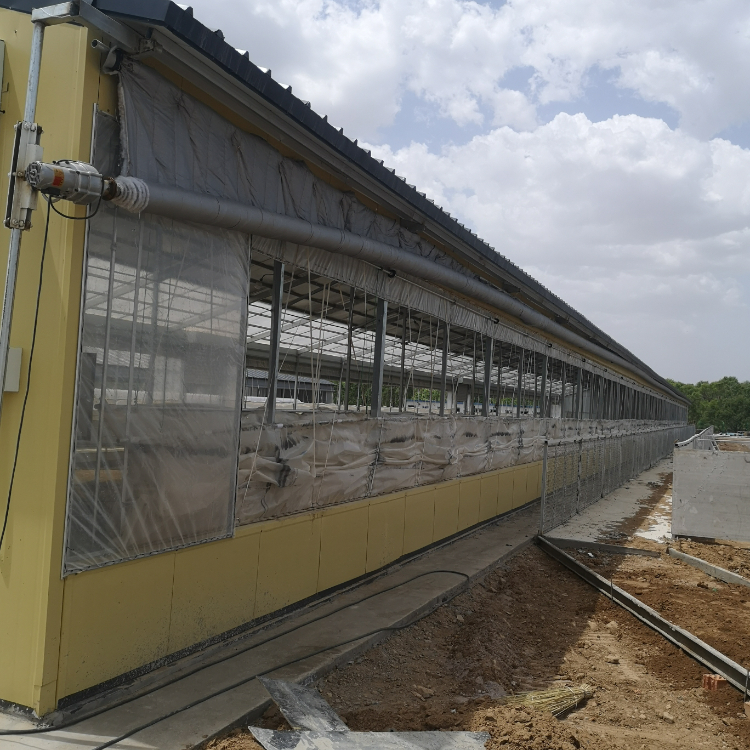
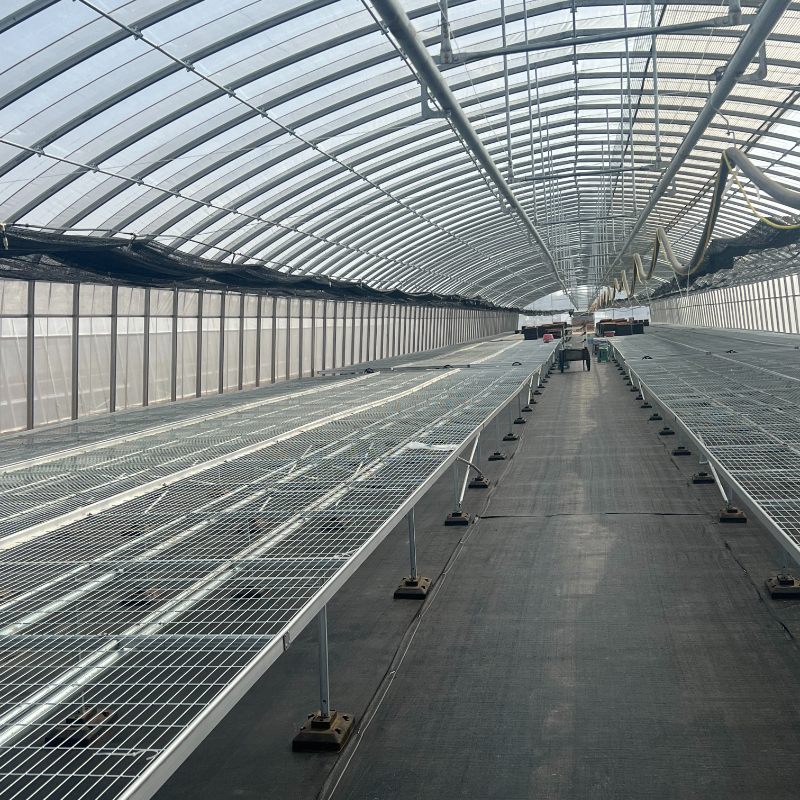
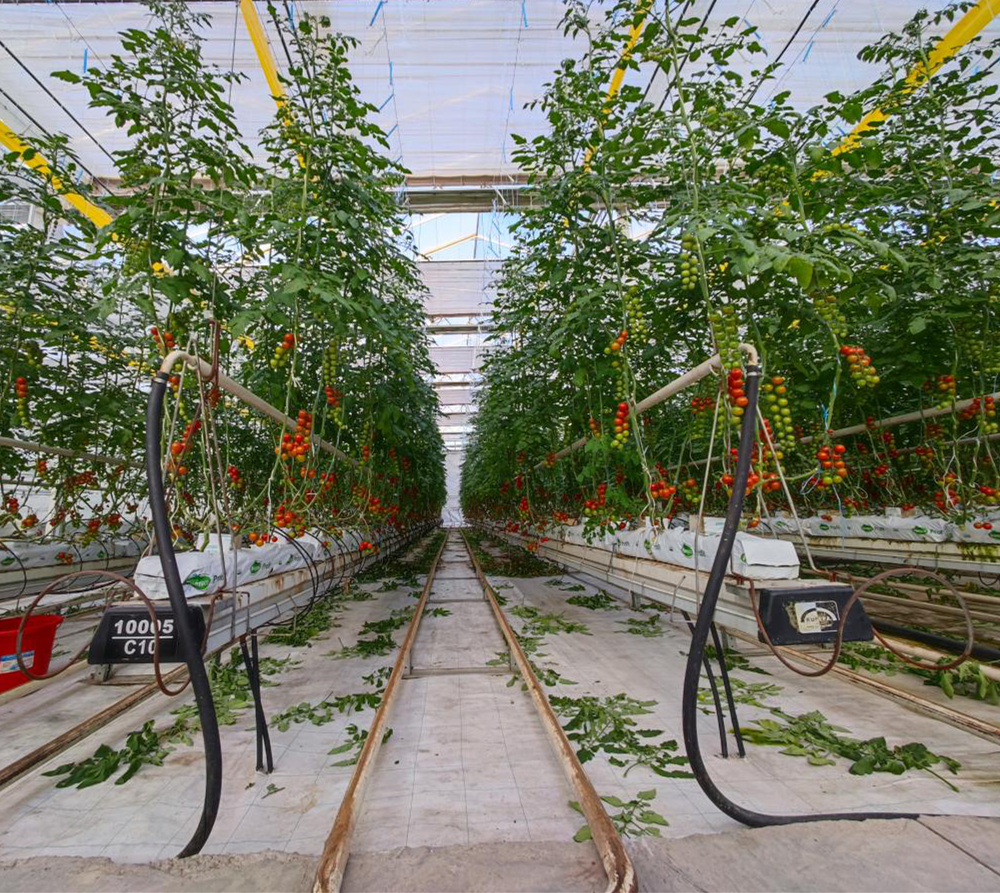
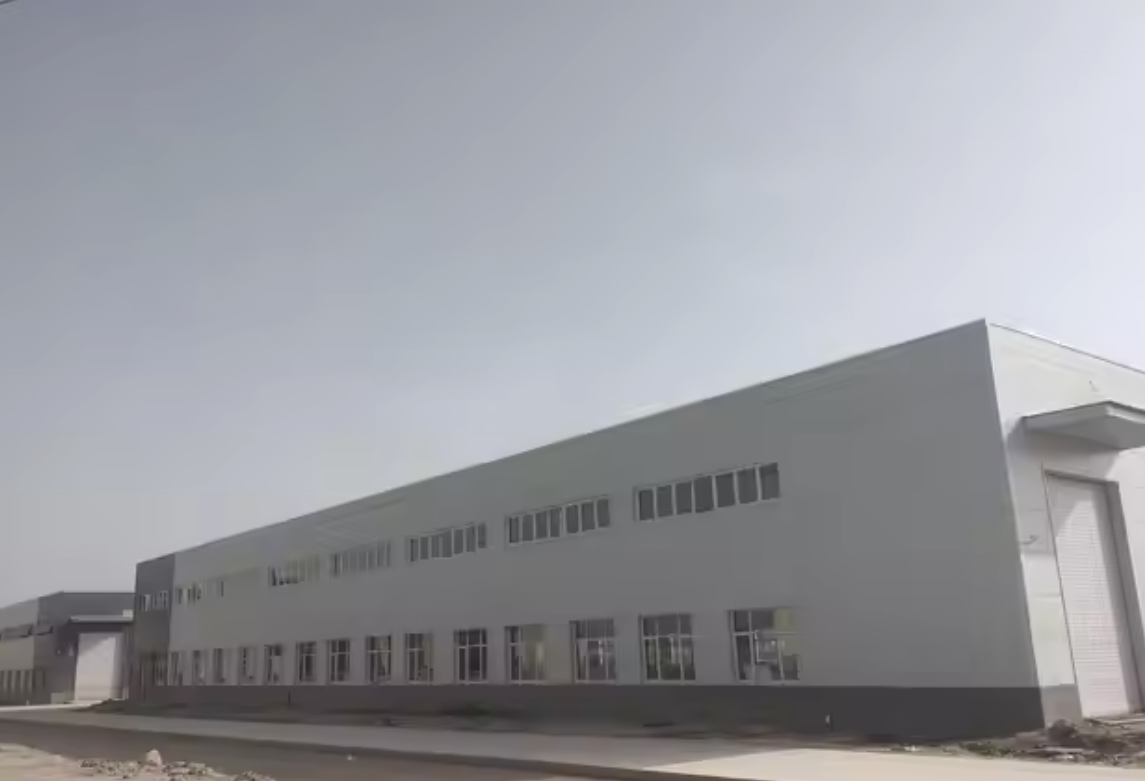
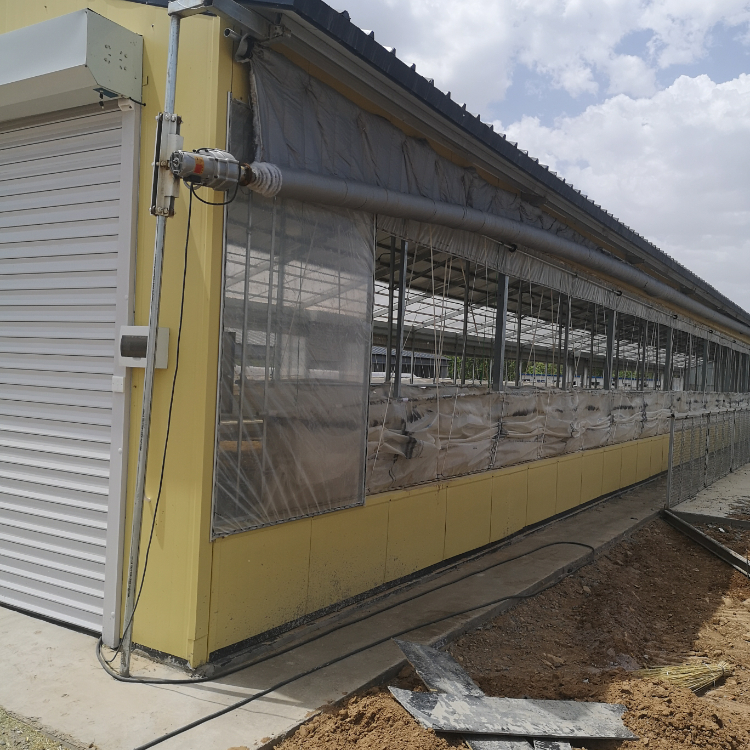
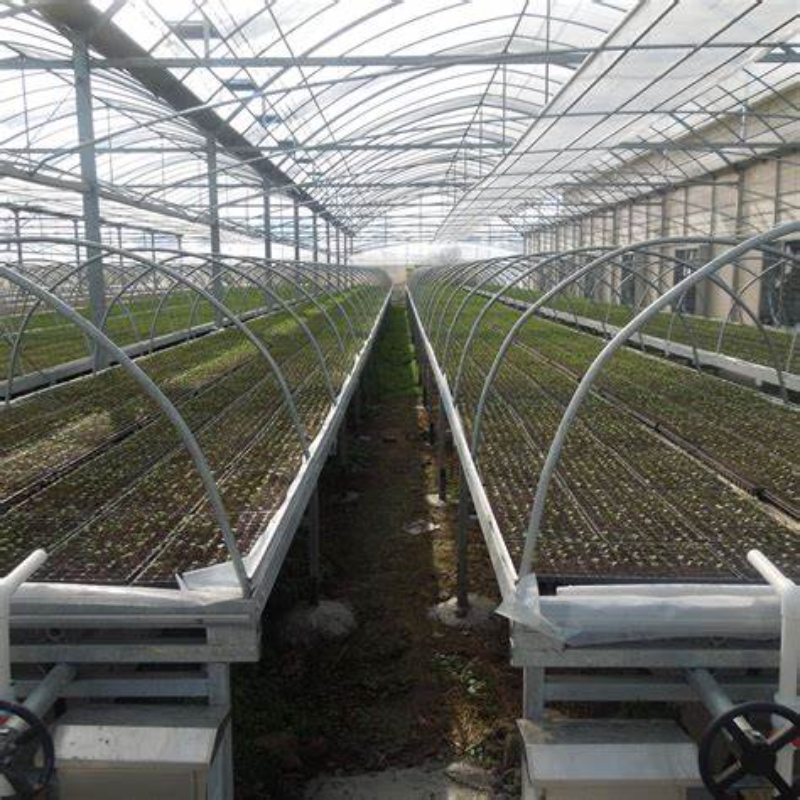
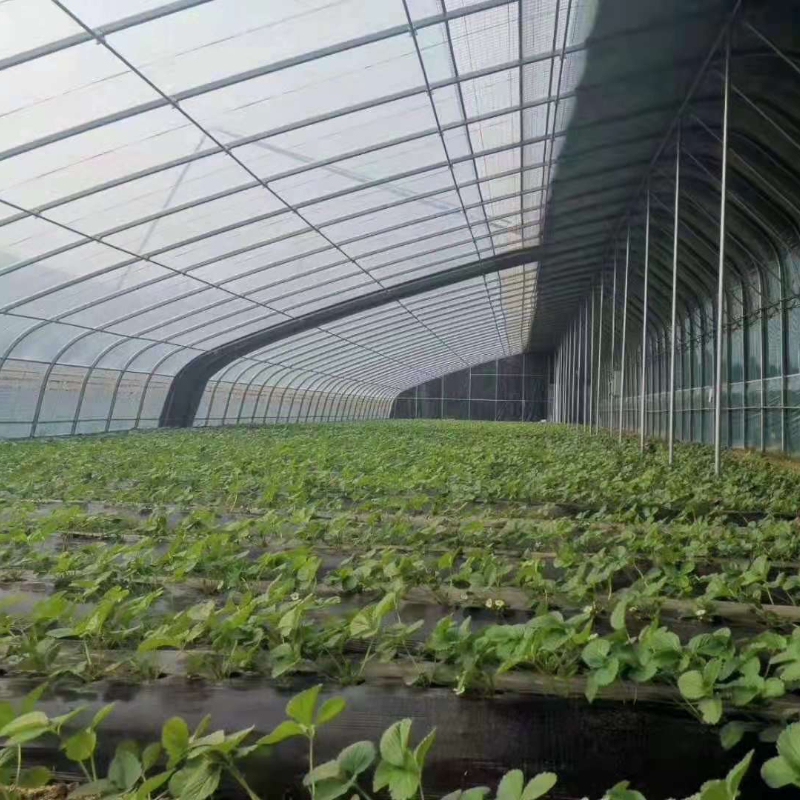
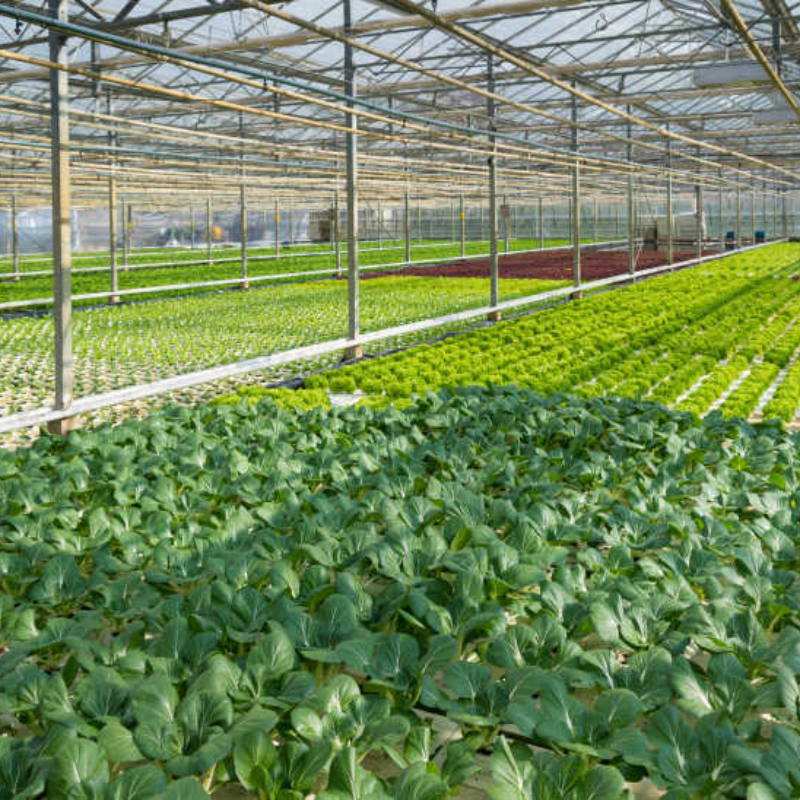
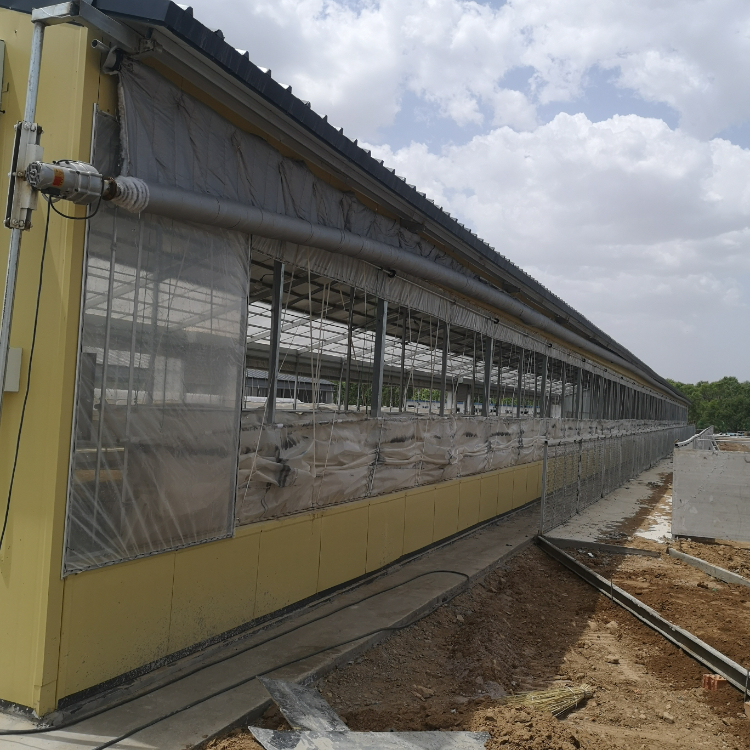
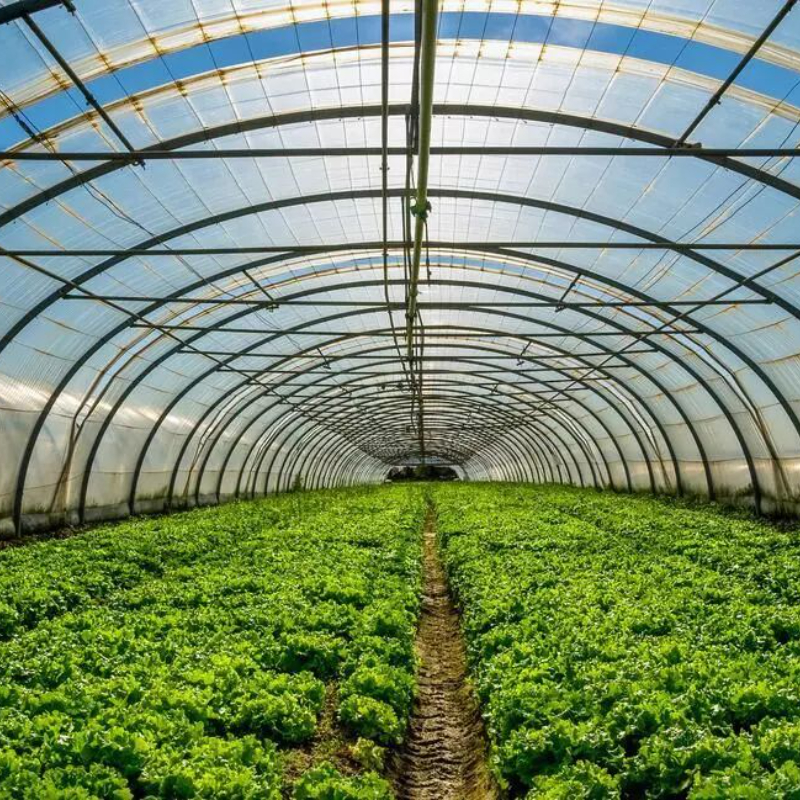
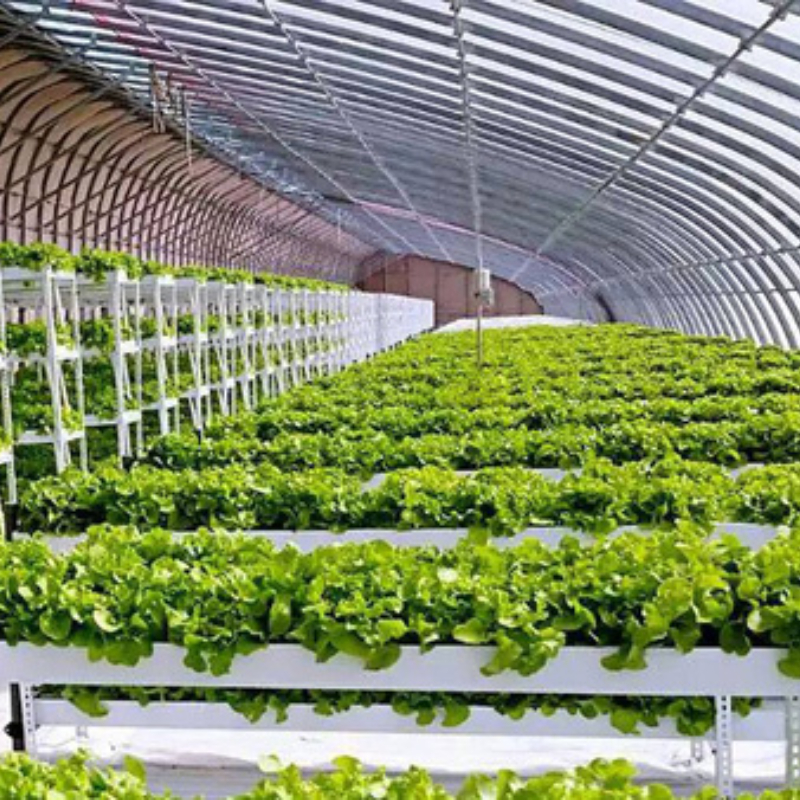
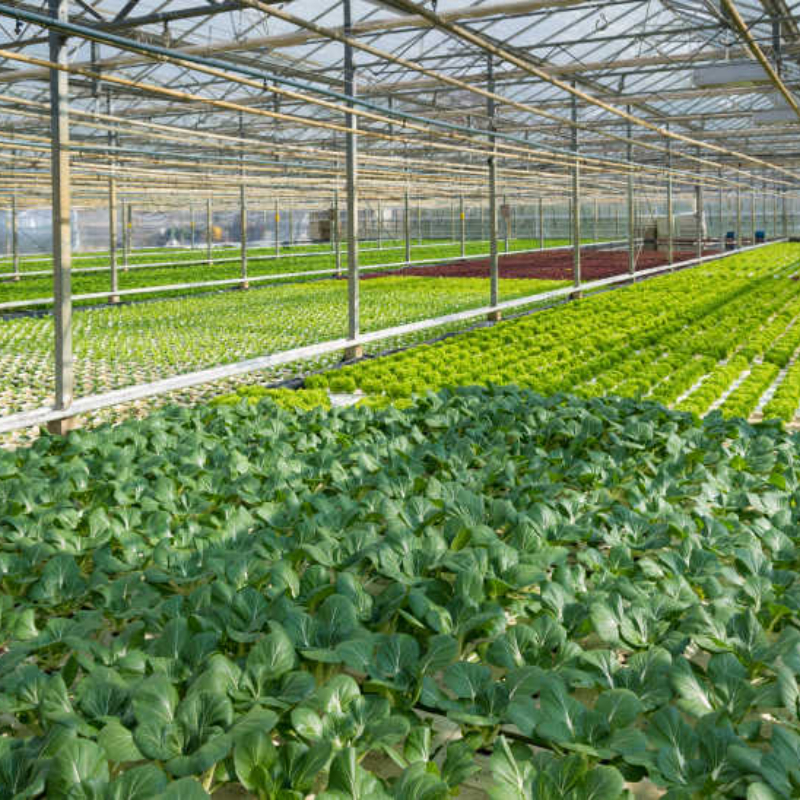
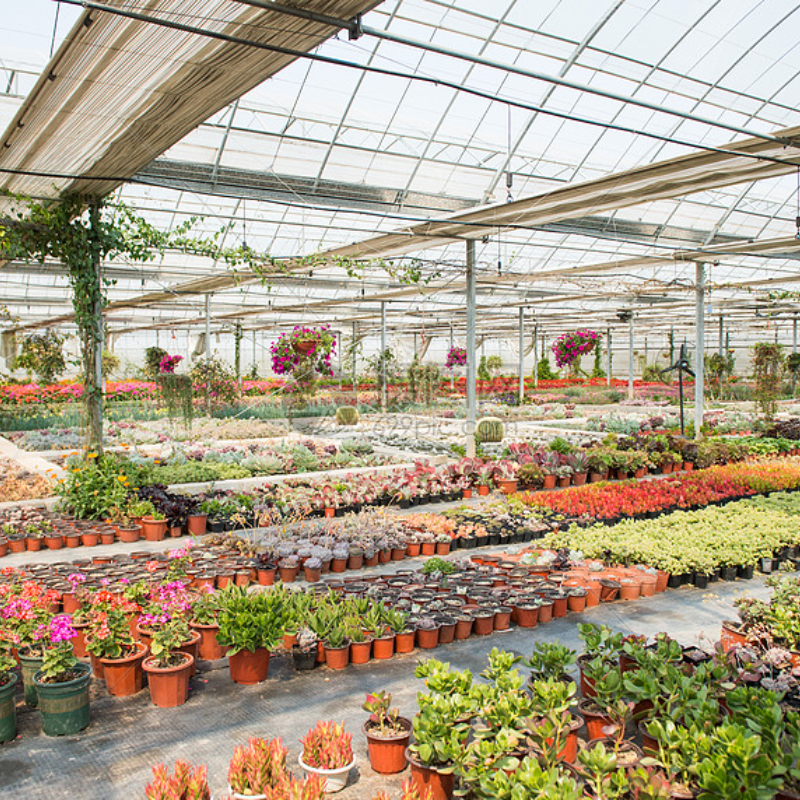
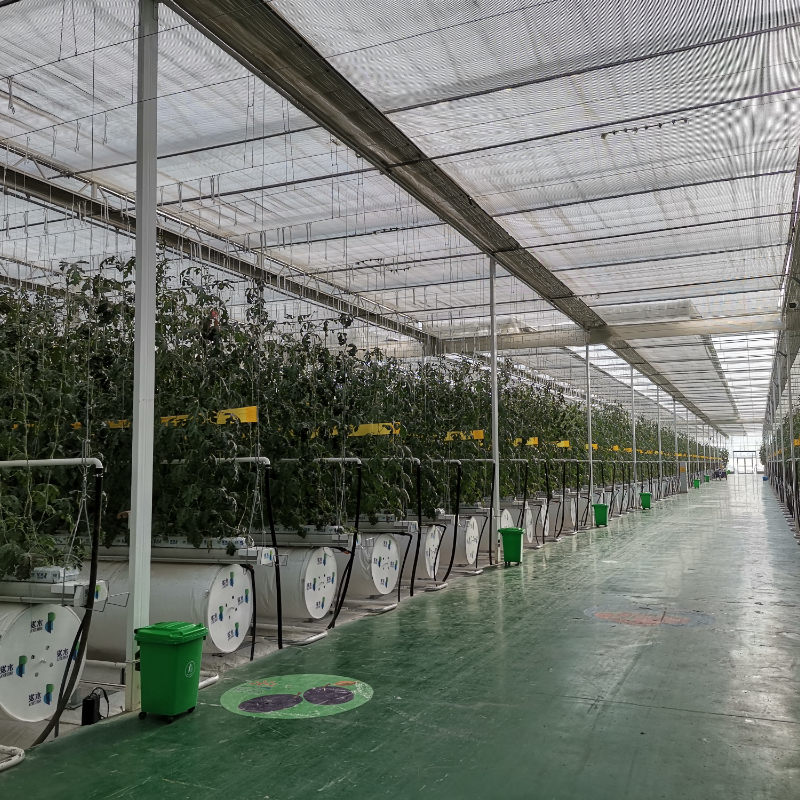
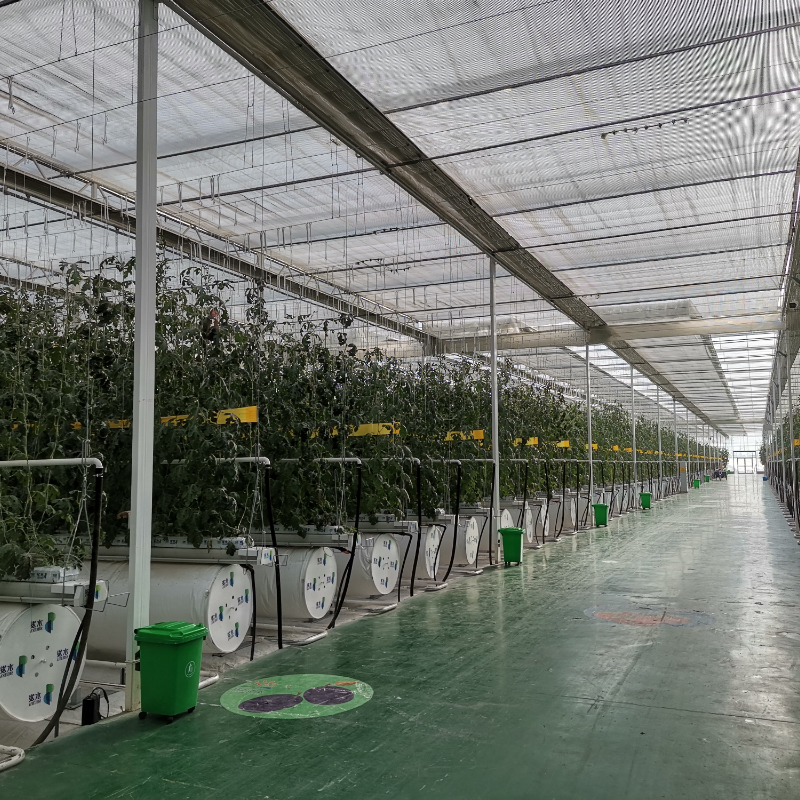
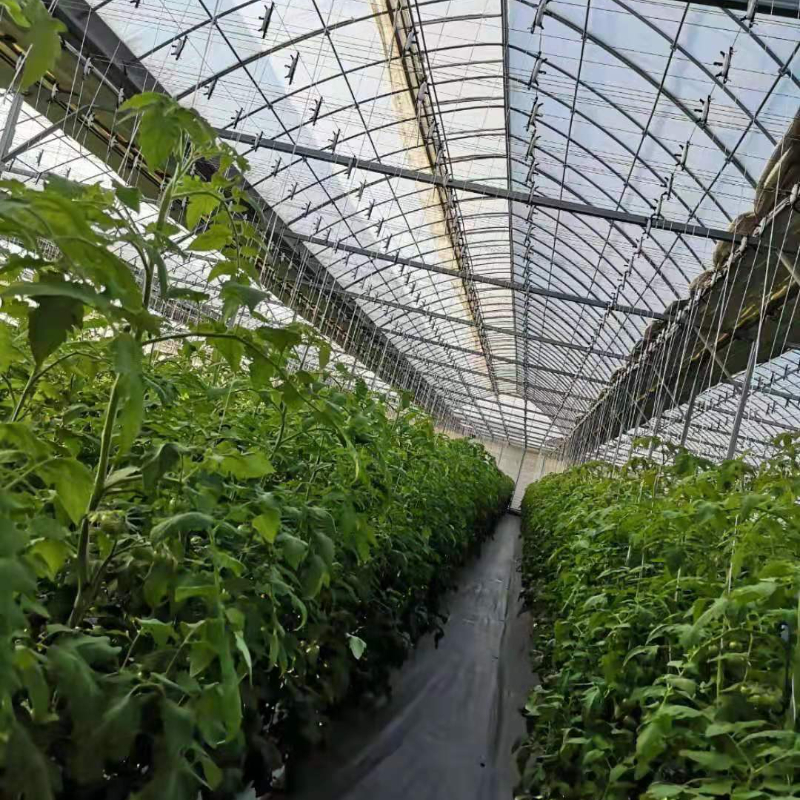
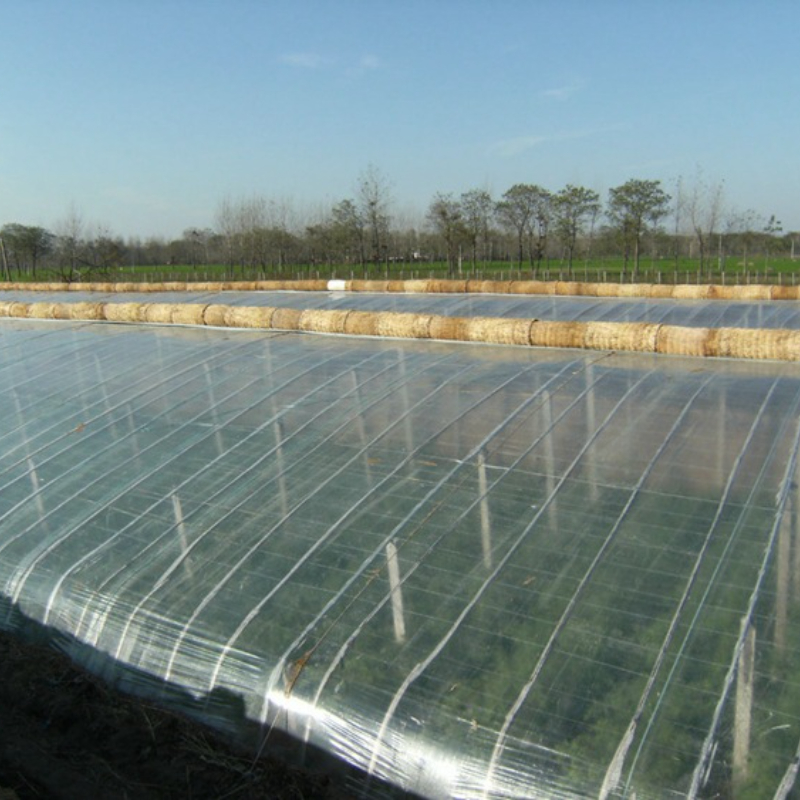
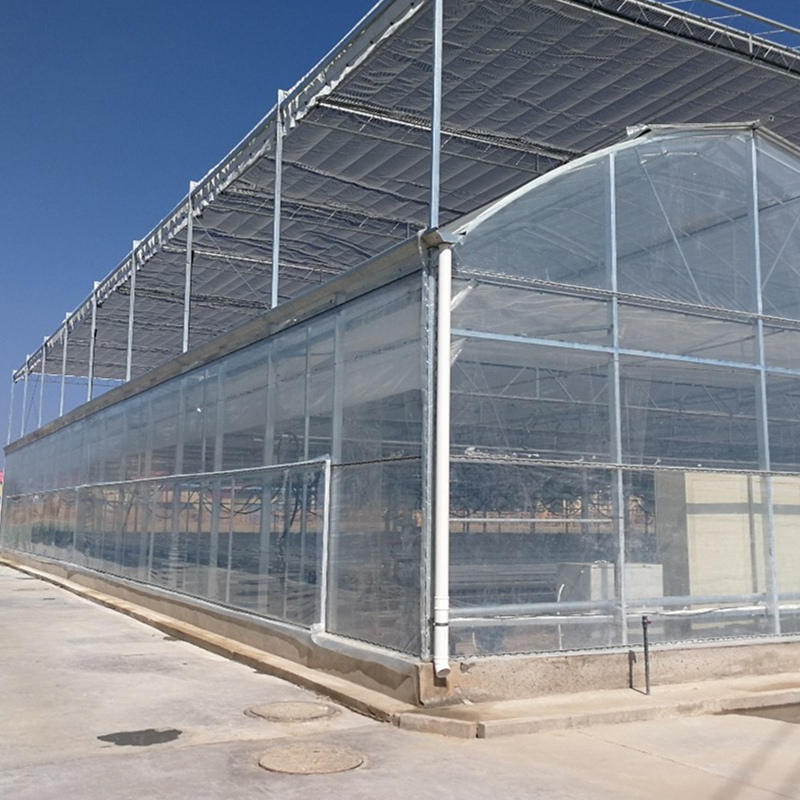
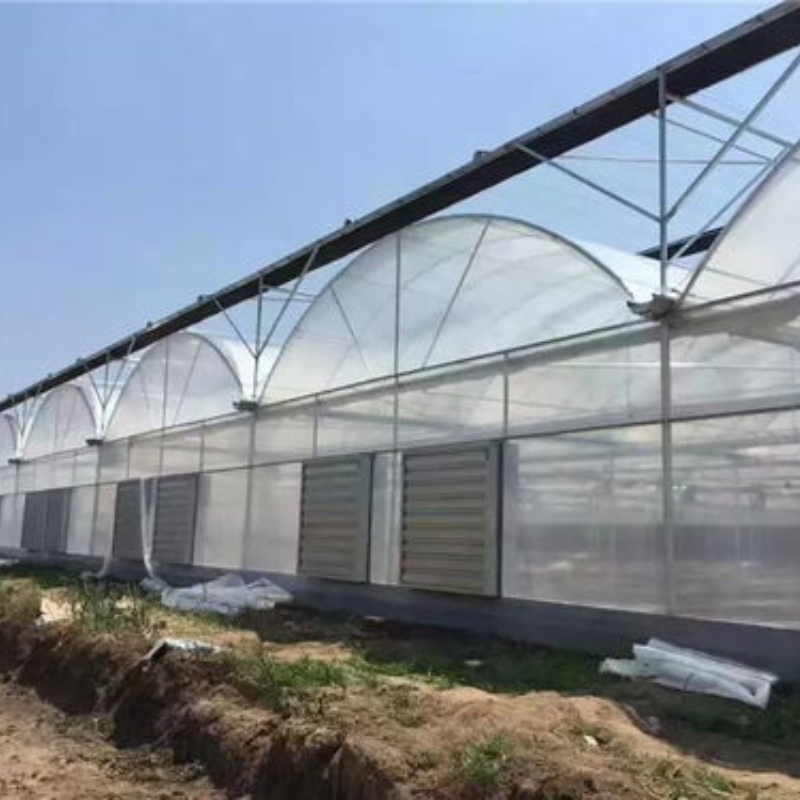
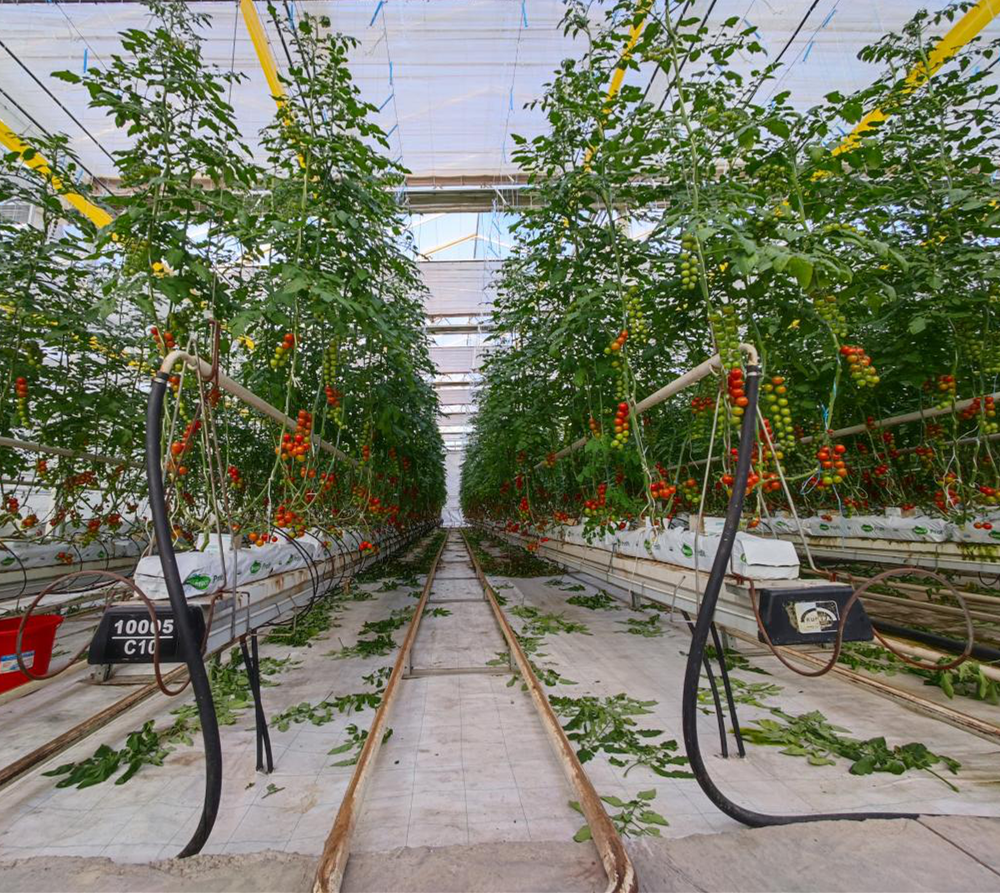
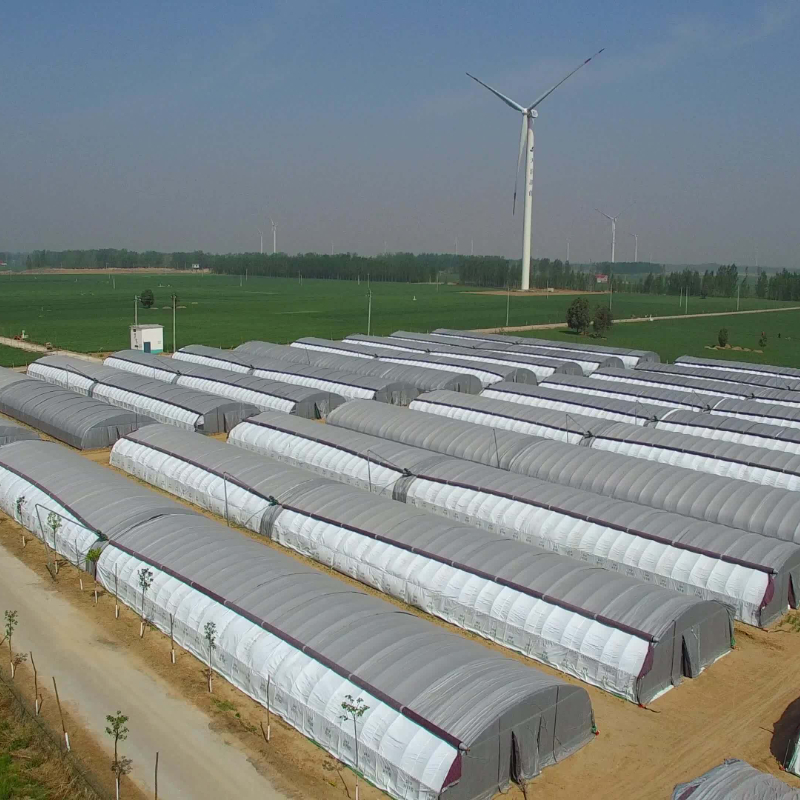
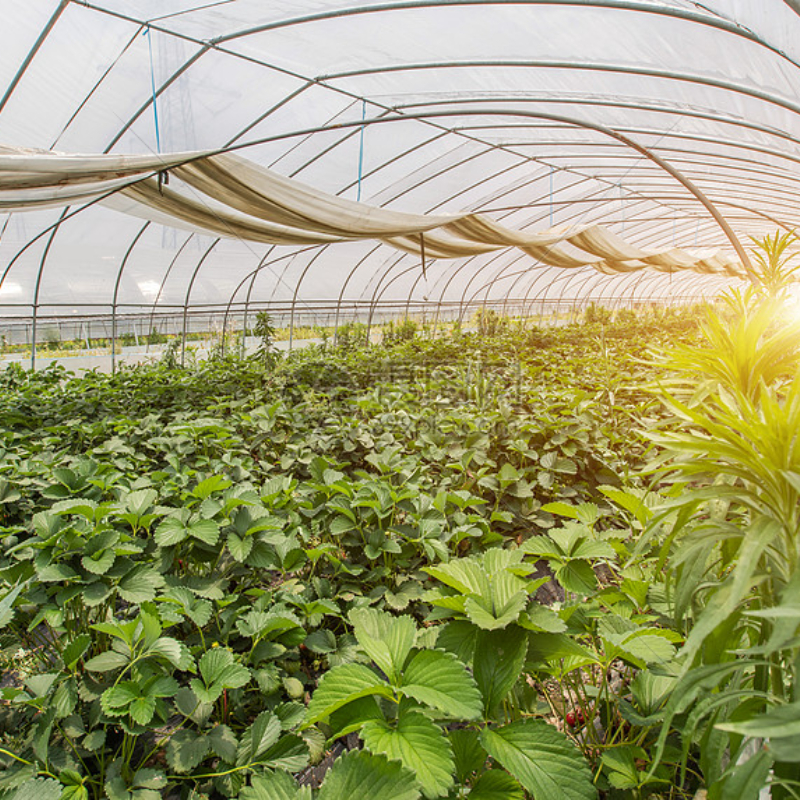
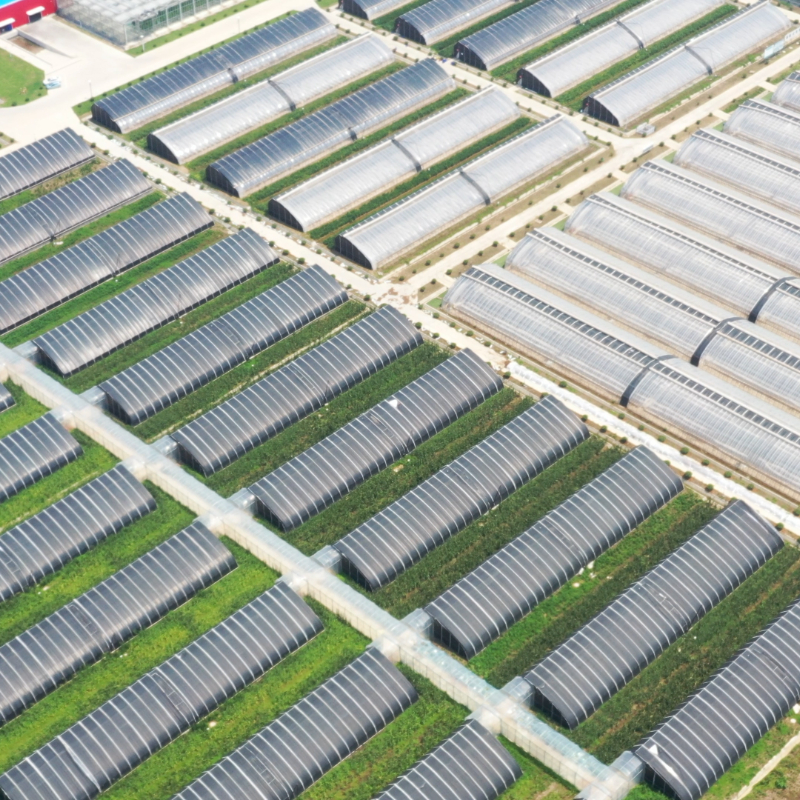
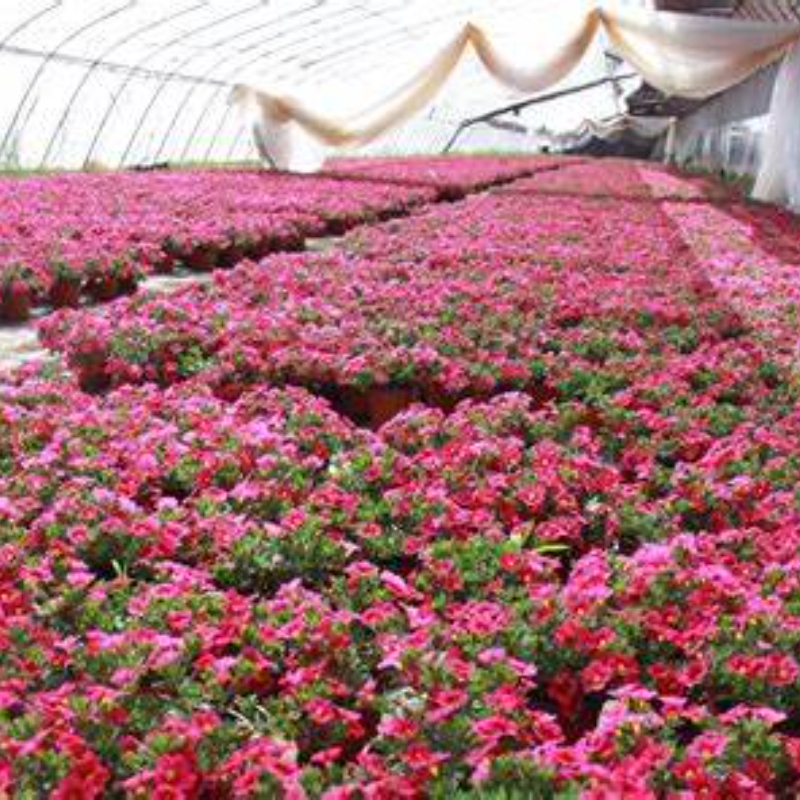
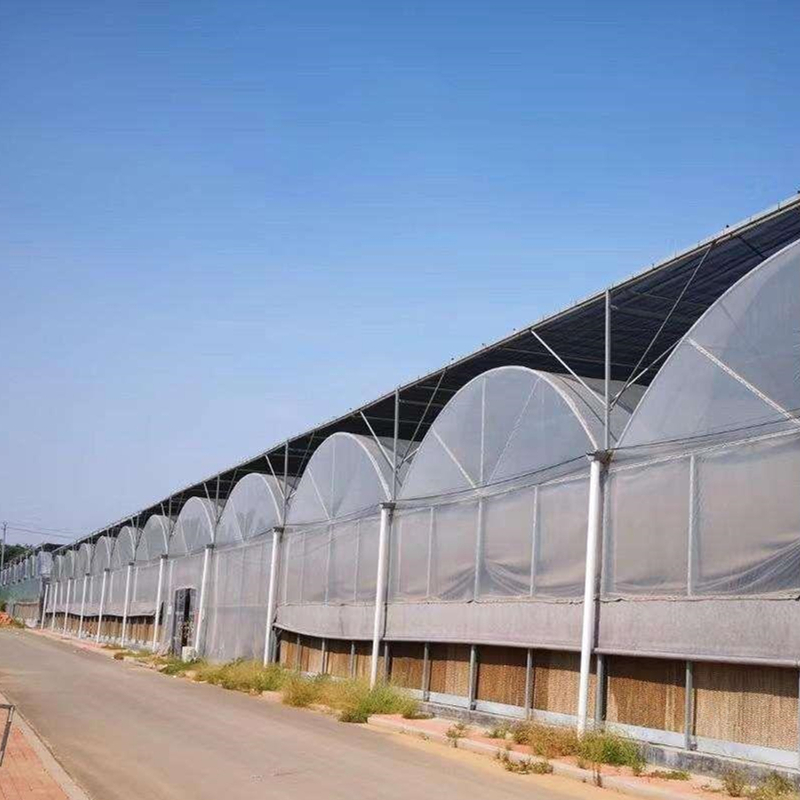
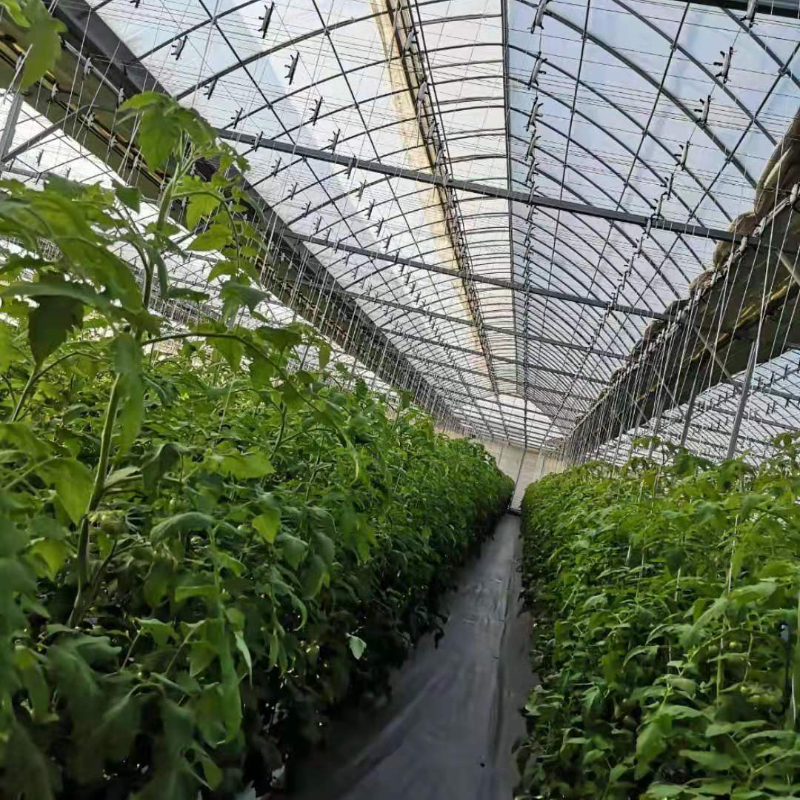
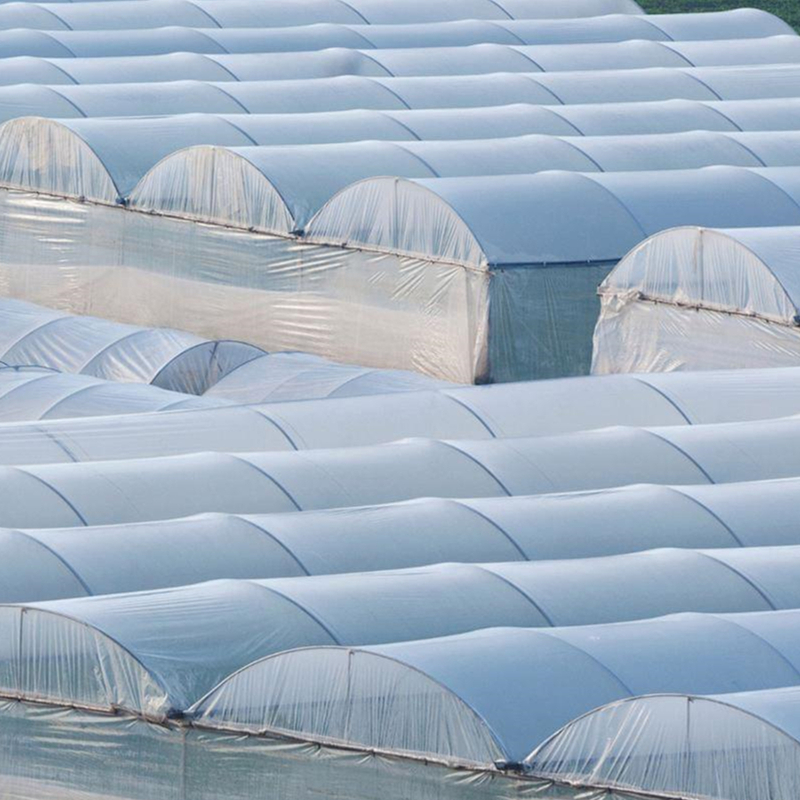
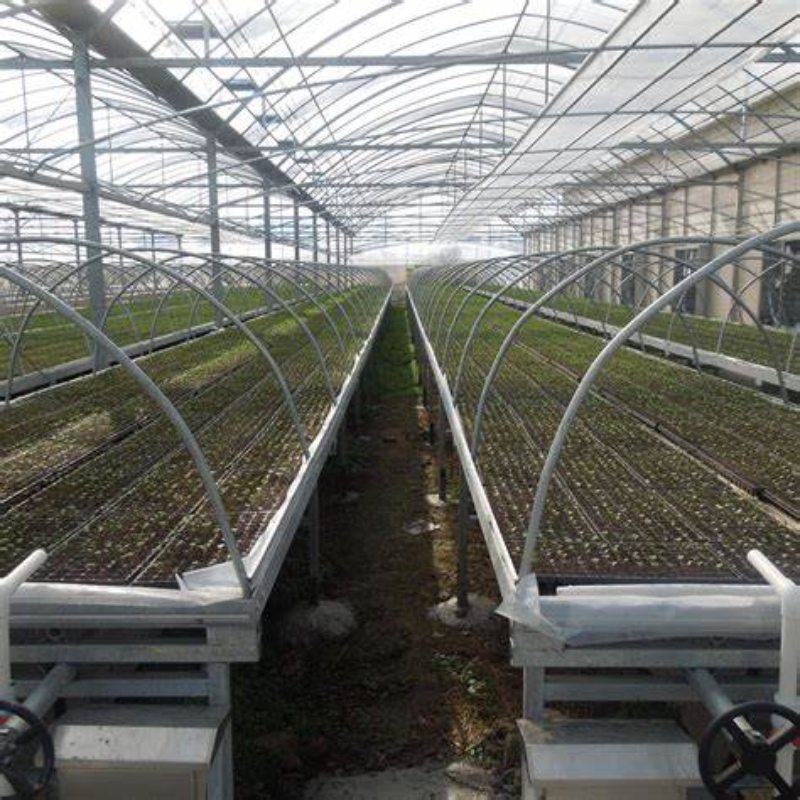
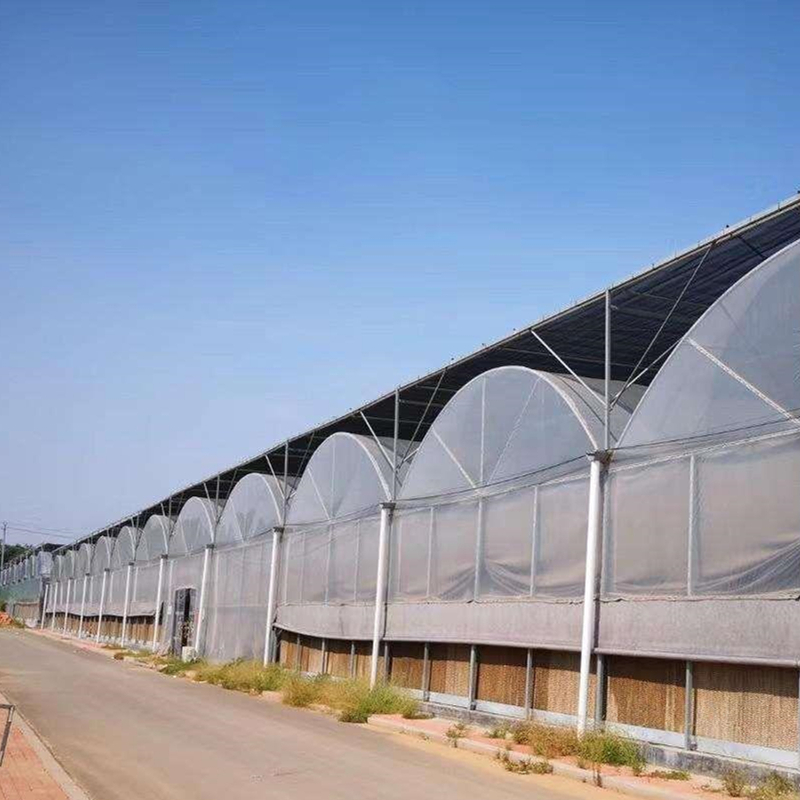
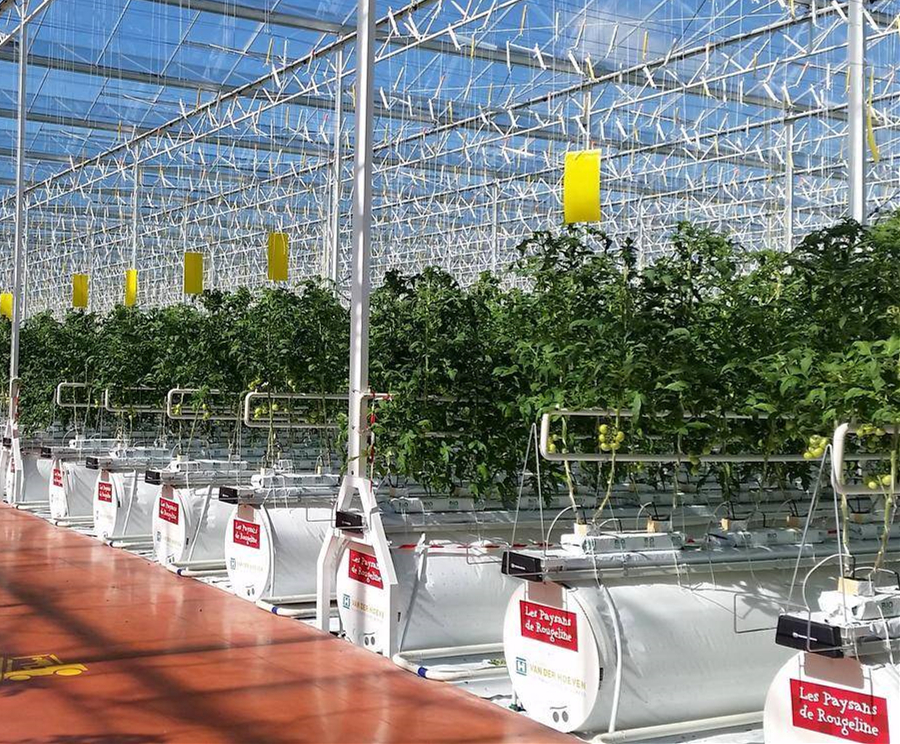
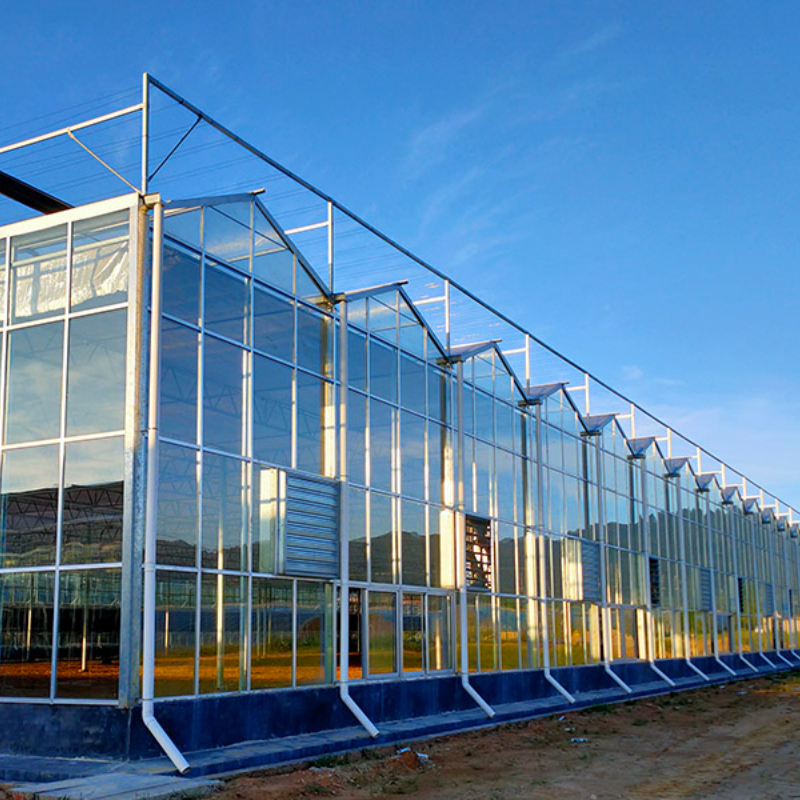
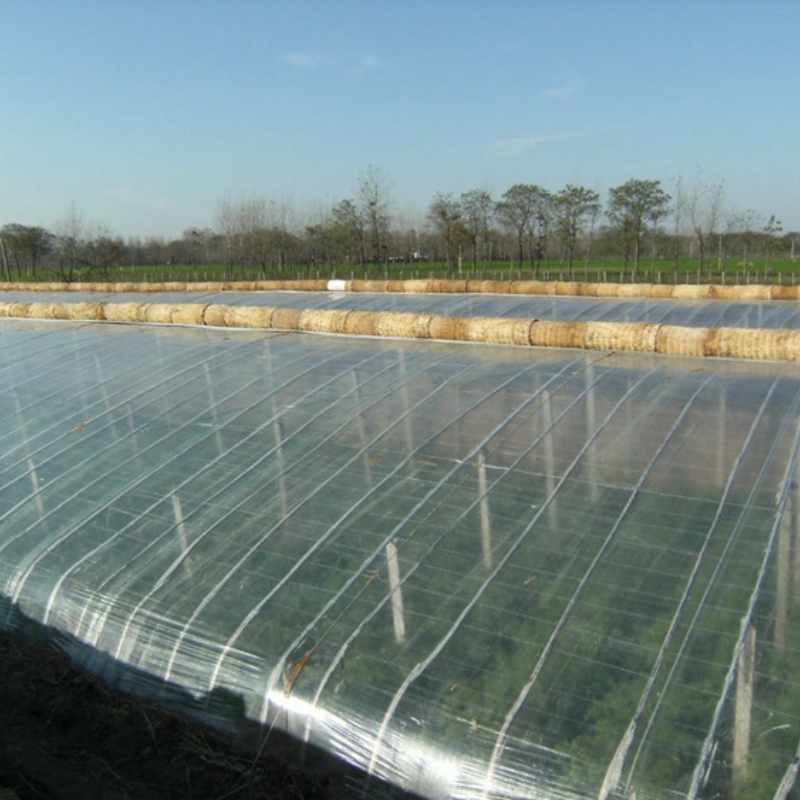
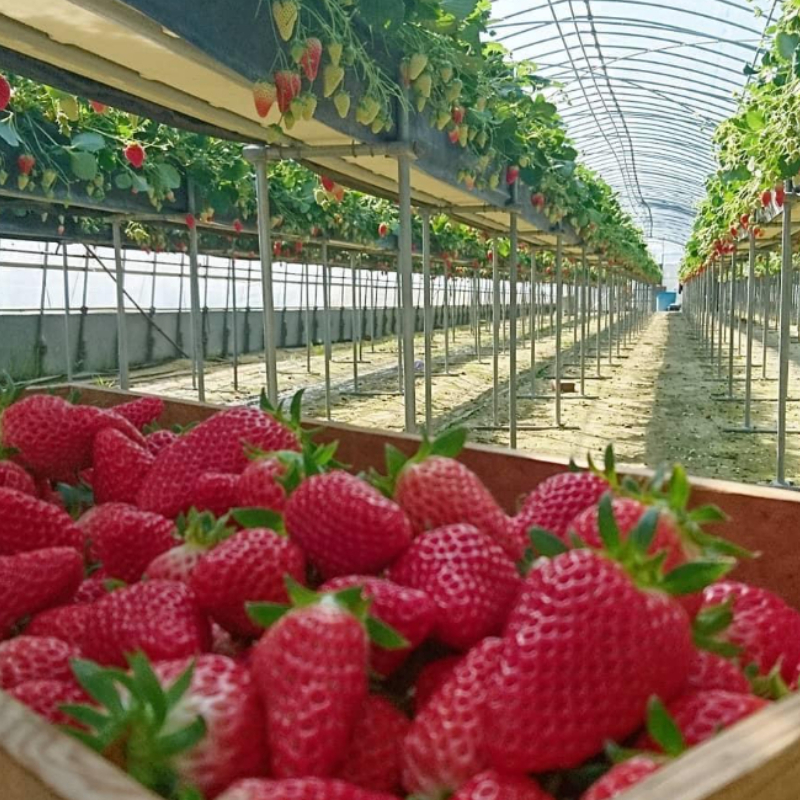
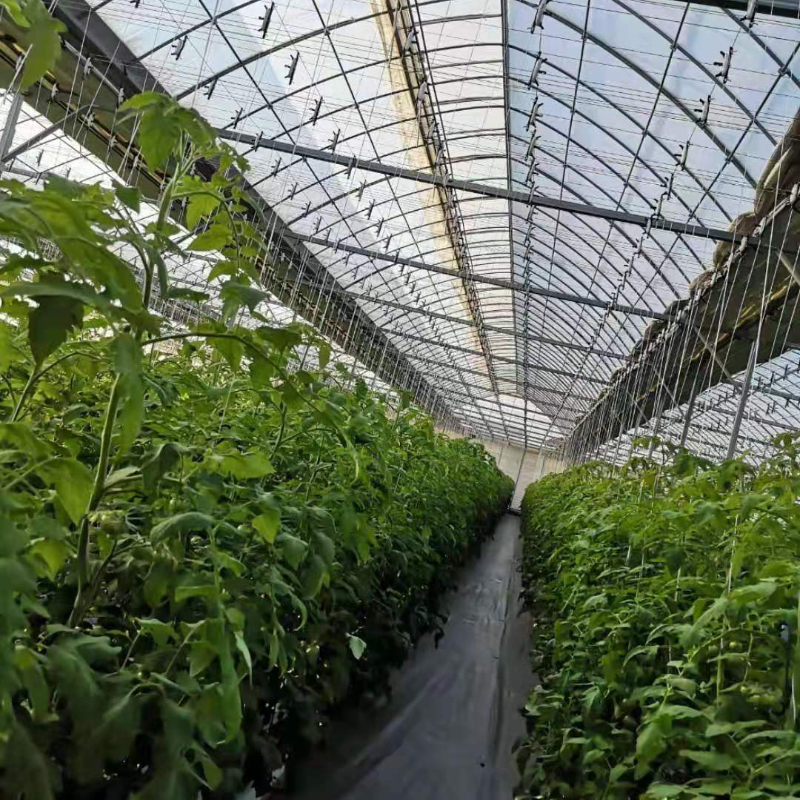
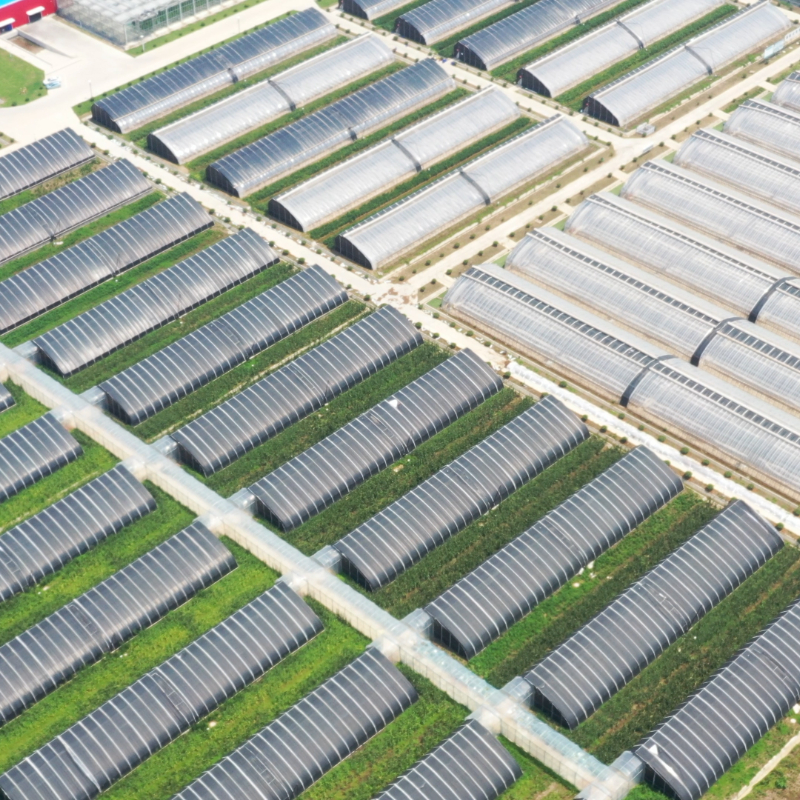
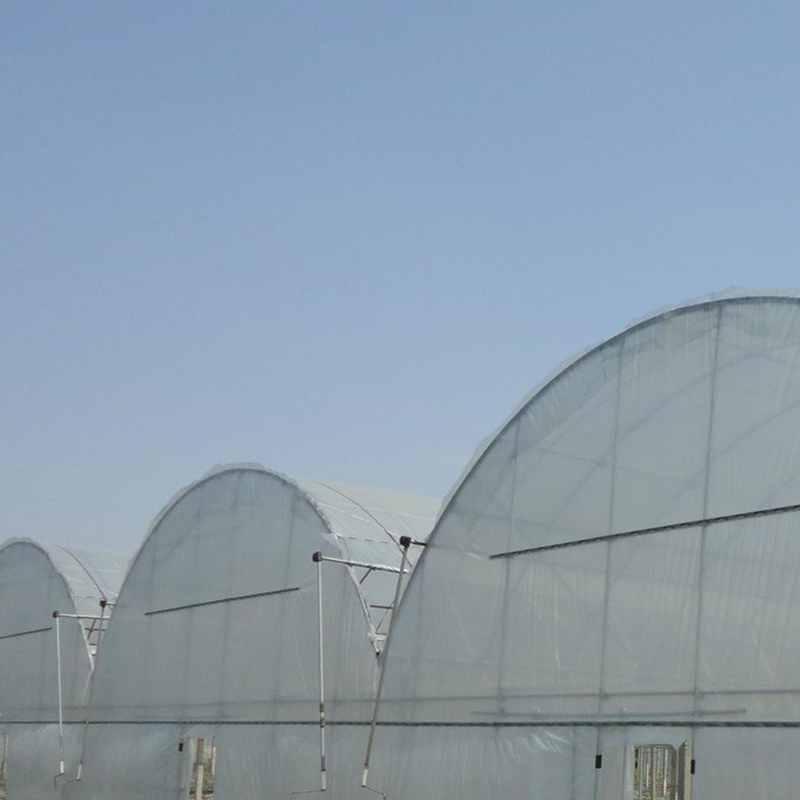
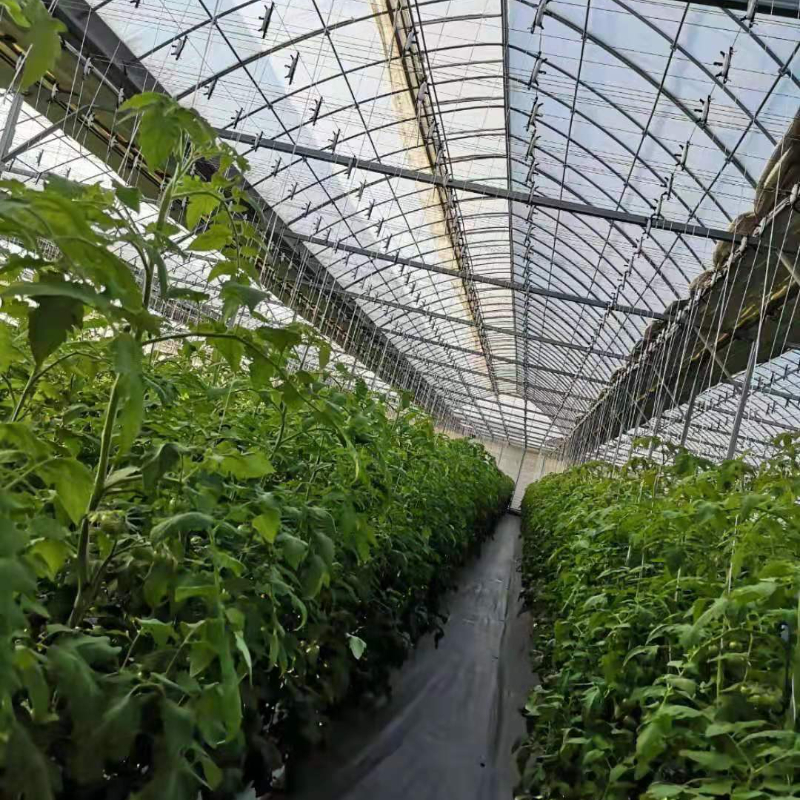
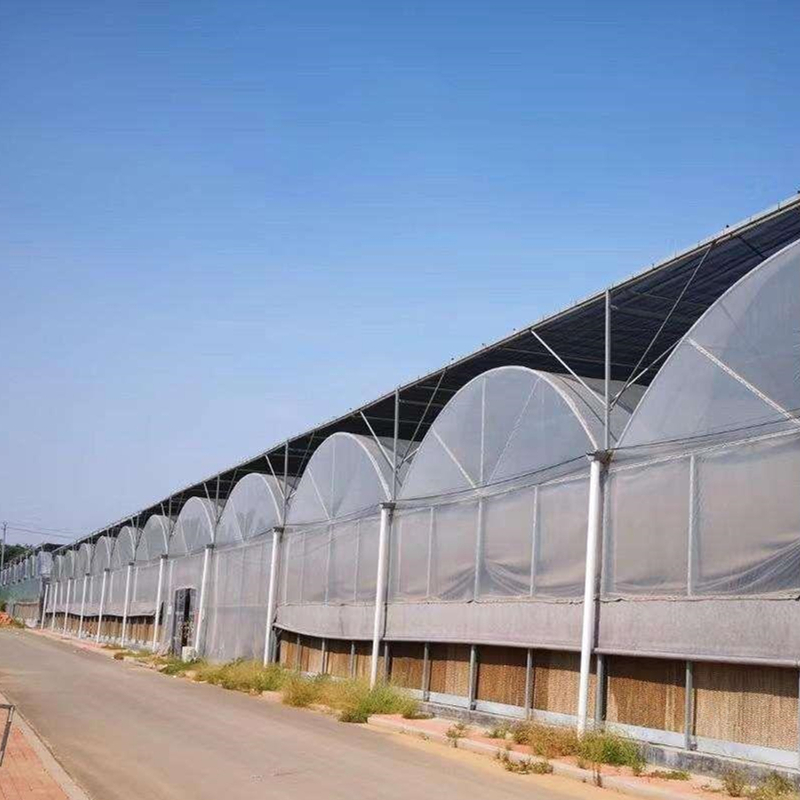
In modern agriculture, the seedling greenhouse serves as a cornerstone for high-quality crop production, providing a controlled environment to nurture robust seedlings. However, the high costs associated with traditional intelligent seedling greenhouses—from energy consumption to sophisticated equipment—have long been a barrier for small and medium-sized growers. The integration of solar green house technology has emerged as a transformative solution, enabling growers to build and operate intelligent seedling greenhouses at a minimal cost while ensuring optimal growing conditions.
A solar green house leverages renewable solar energy to power the core intelligent systems of a seedling greenhouse, including temperature control, humidity regulation, supplementary lighting, and irrigation. Unlike grid electricity or fossil fuels, solar energy is free and abundant, significantly reducing long-term operational costs. For growers aiming to minimize investment, the synergy between solar green house and seedling greenhouse is unparalleled: it not only cuts energy expenses but also aligns with the global trend of sustainable agriculture, enhancing the market competitiveness of the seedlings produced.
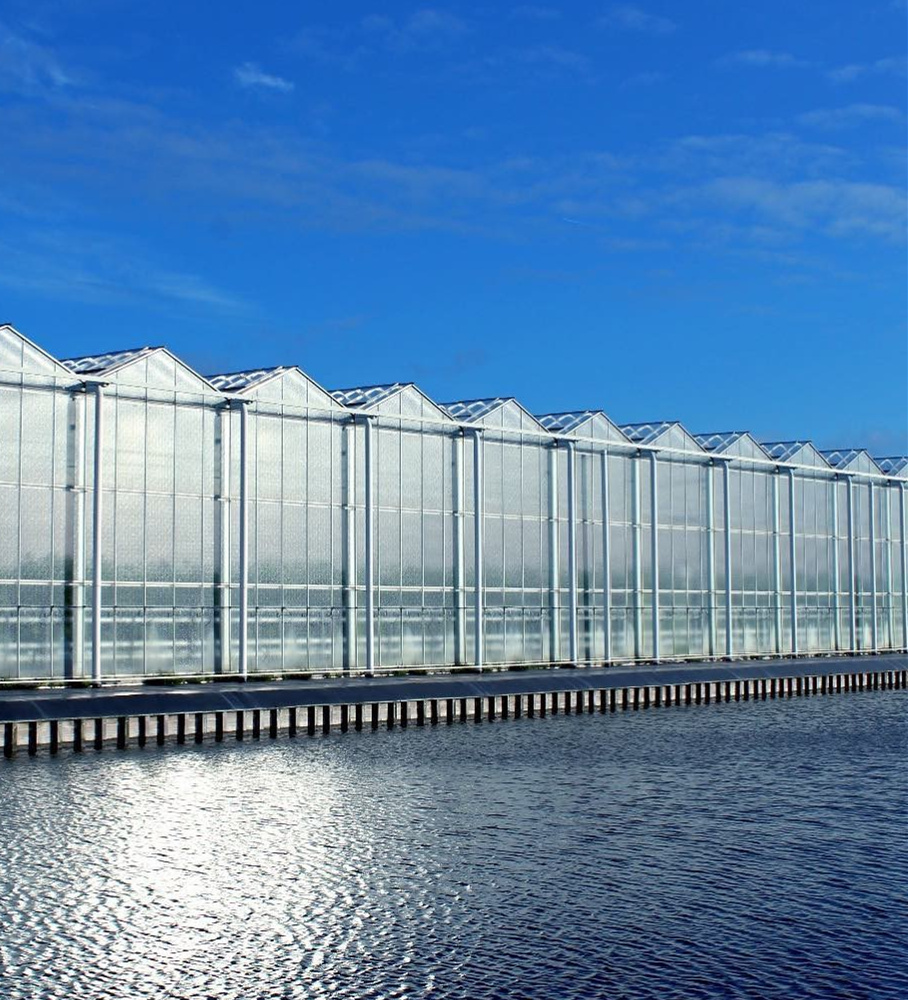
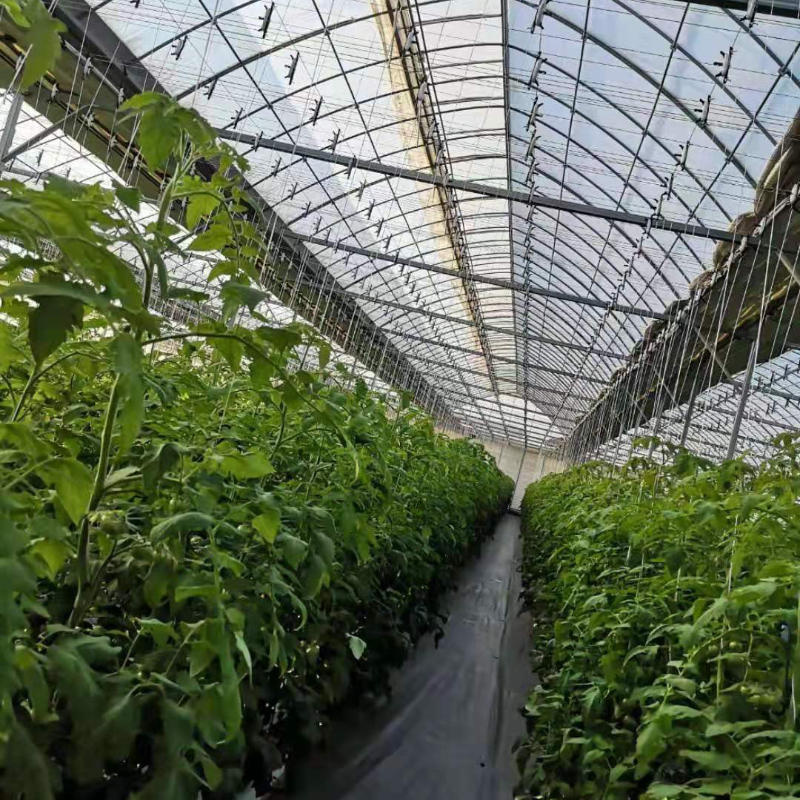
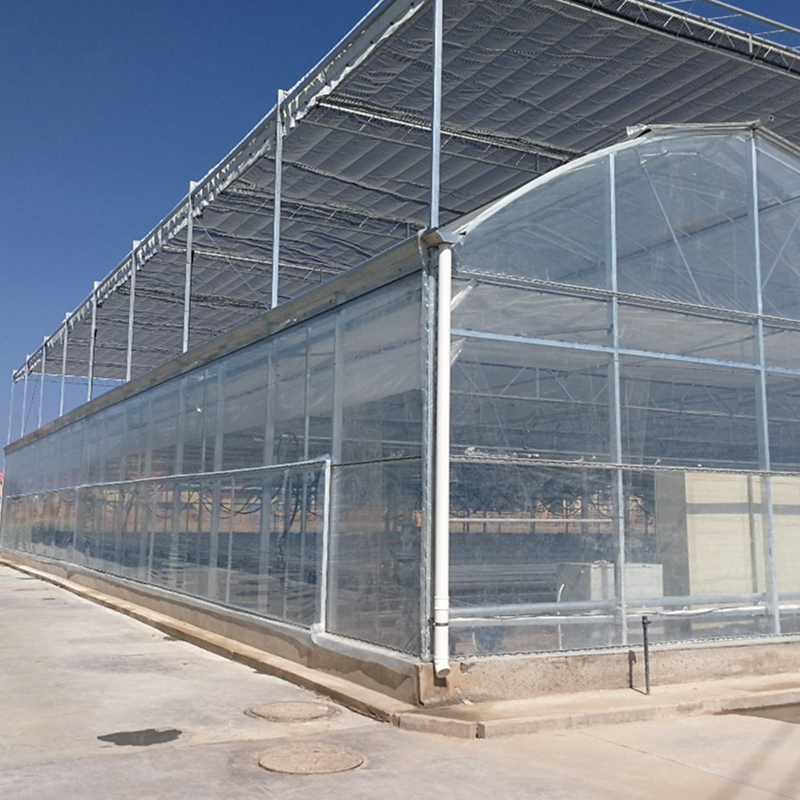
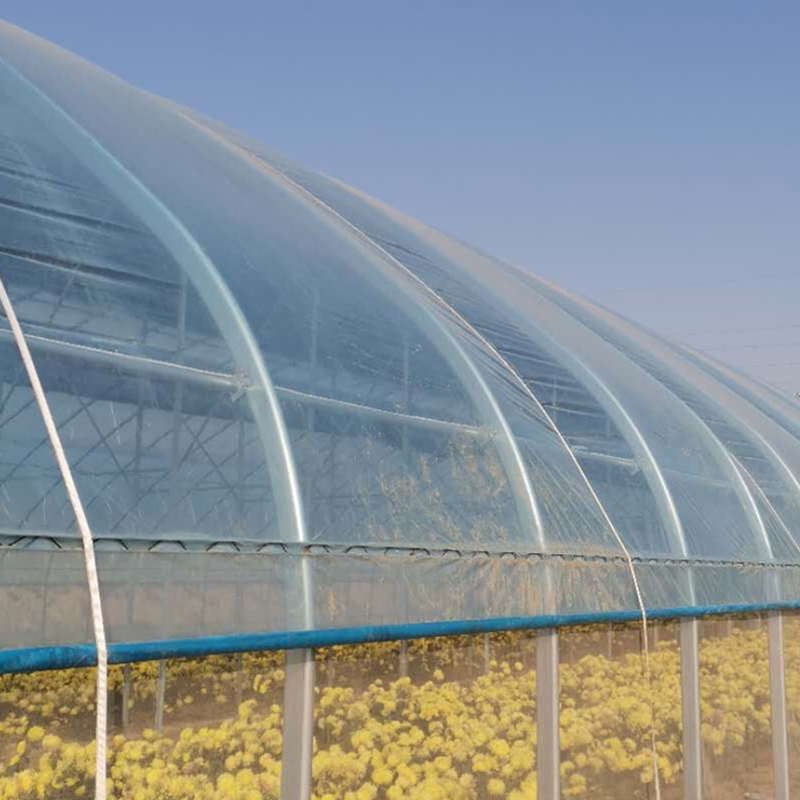
The first key strategy to build a low-cost intelligent seedling greenhouse with solar green house technology is precision design. This starts with optimizing the orientation of the seedling greenhouse to maximize solar exposure—southward in the northern hemisphere—ensuring ample natural light and reducing the need for supplementary lighting. The covering material should prioritize high light transmittance and thermal insulation; cost-effective options like high-quality polycarbonate sheets or ordinary float glass (with transmittance exceeding 90%) meet the light requirements of most seedlings without overspending. For the solar green house system, sizing is critical: conduct a detailed energy audit to match the solar panel array to the seedling greenhouse’s actual energy needs. A 1000-square-meter seedling greenhouse, for instance, typically requires a 20kW solar panel array (considering 80% efficiency) to power its intelligent systems, avoiding over-sizing that would inflate initial costs.
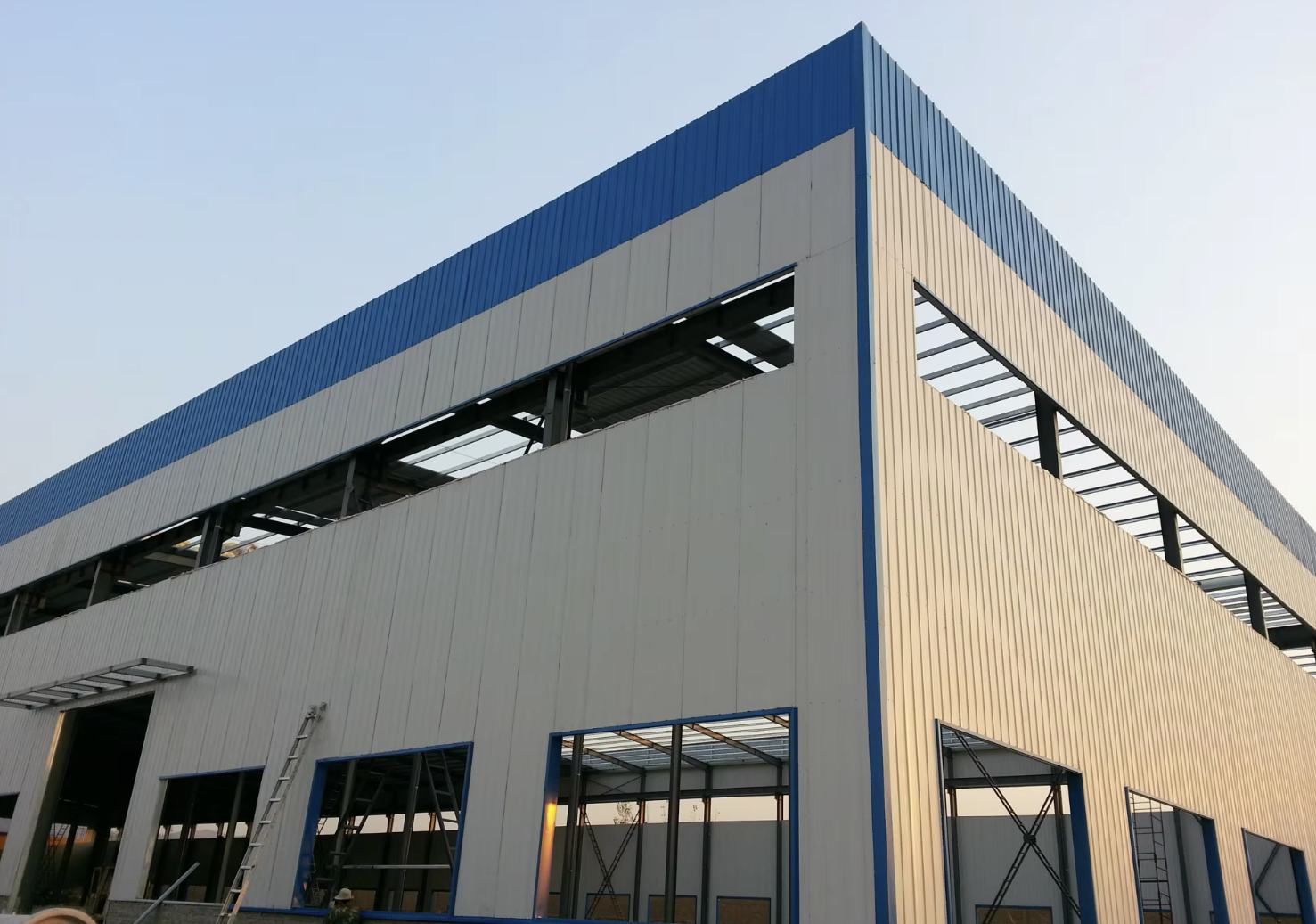
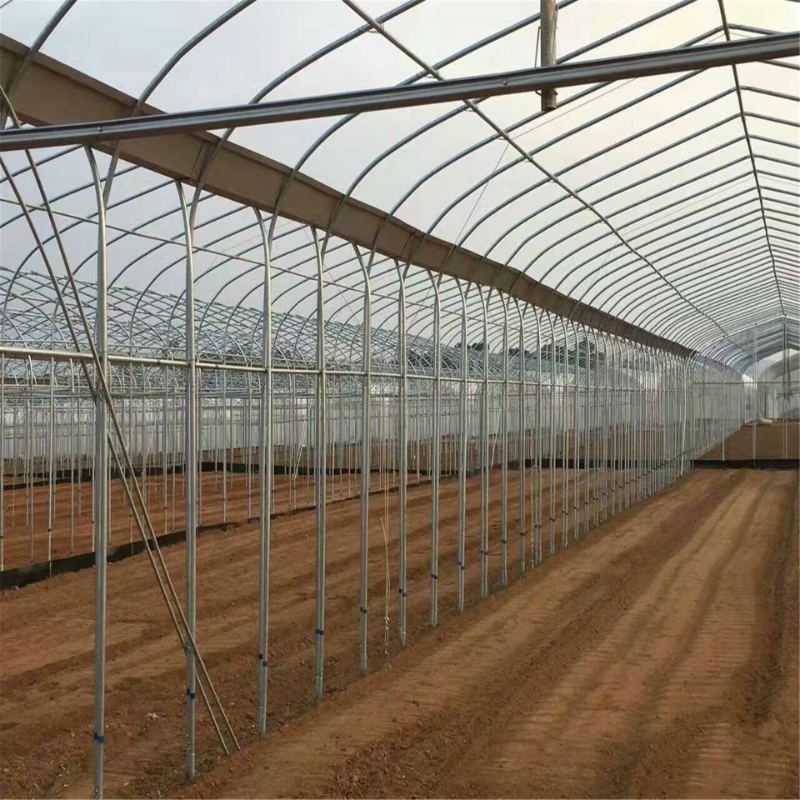
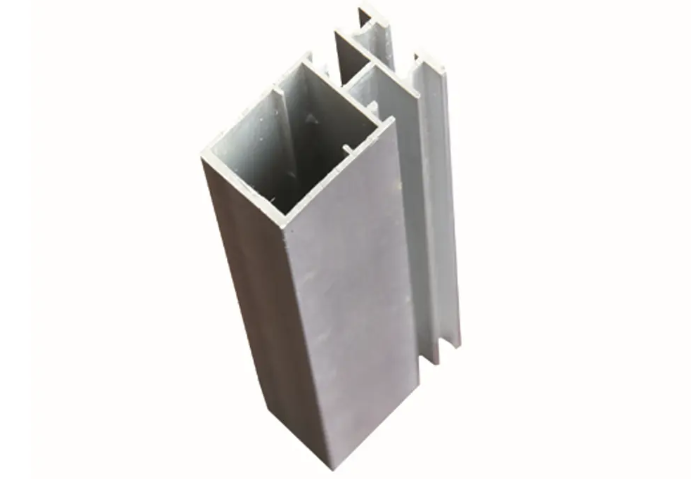
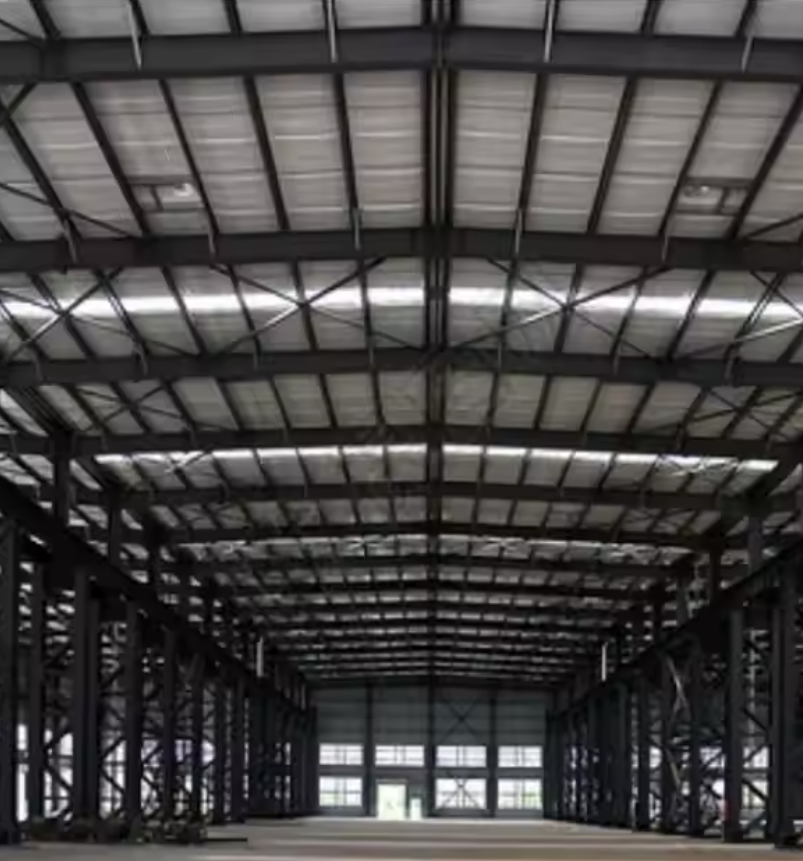
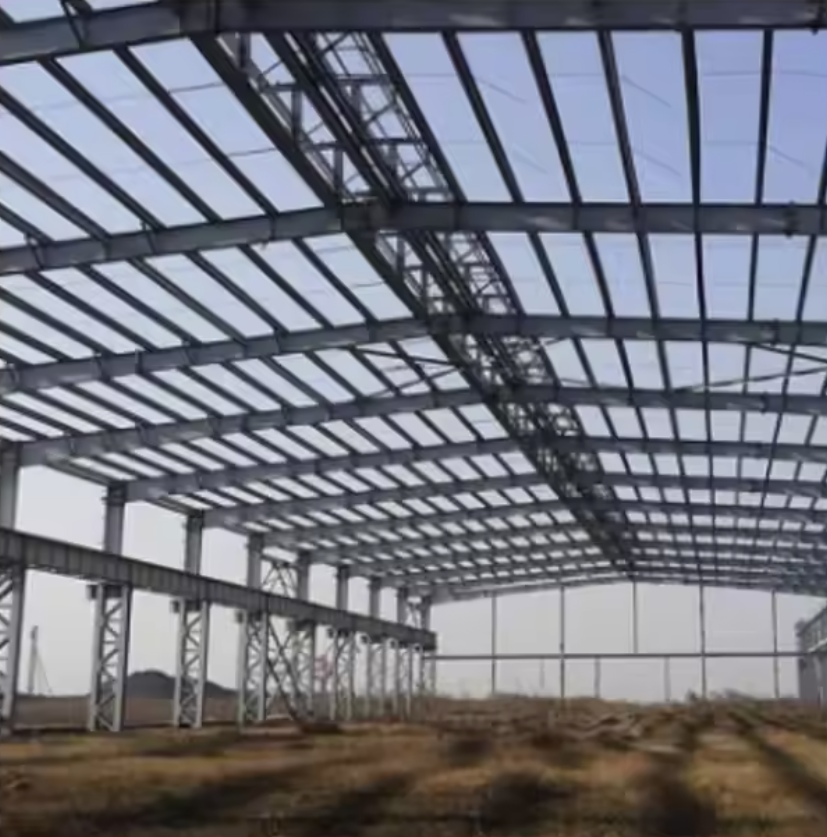
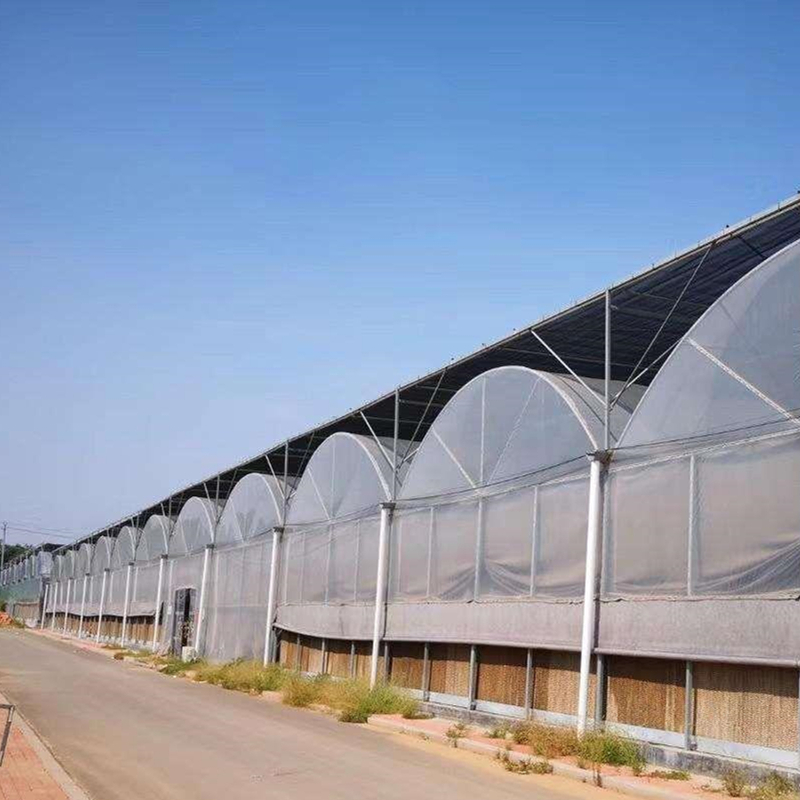
Cost-effective material selection further reduces investment. For the seedling greenhouse structure, galvanized steel pipes offer a balance of corrosion resistance, structural strength, and affordability, with thinner pipes suitable for areas with mild weather to cut steel usage. For the solar green house components, opt for reliable, cost-effective products: monocrystalline silicon solar panels (18-22% efficiency) strike a balance between performance and cost, while grid-tie inverters with energy storage function (for stable grid areas) allow excess electricity to be fed into the grid, generating additional income. Lead-acid batteries can be a budget-friendly choice for energy storage in areas with abundant sunlight, though lithium-ion batteries offer longer lifespans for long-term value.
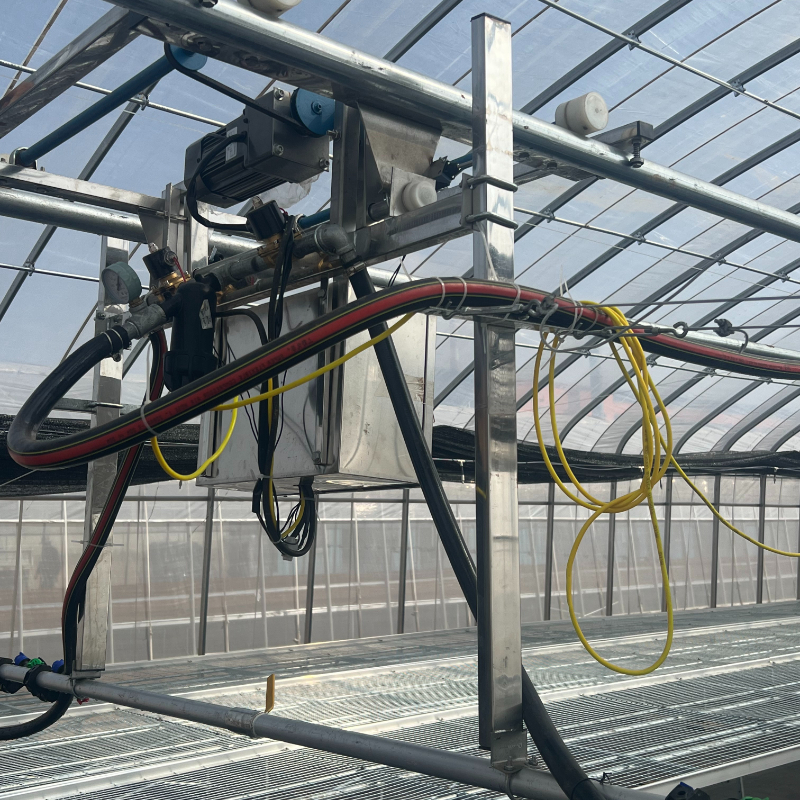
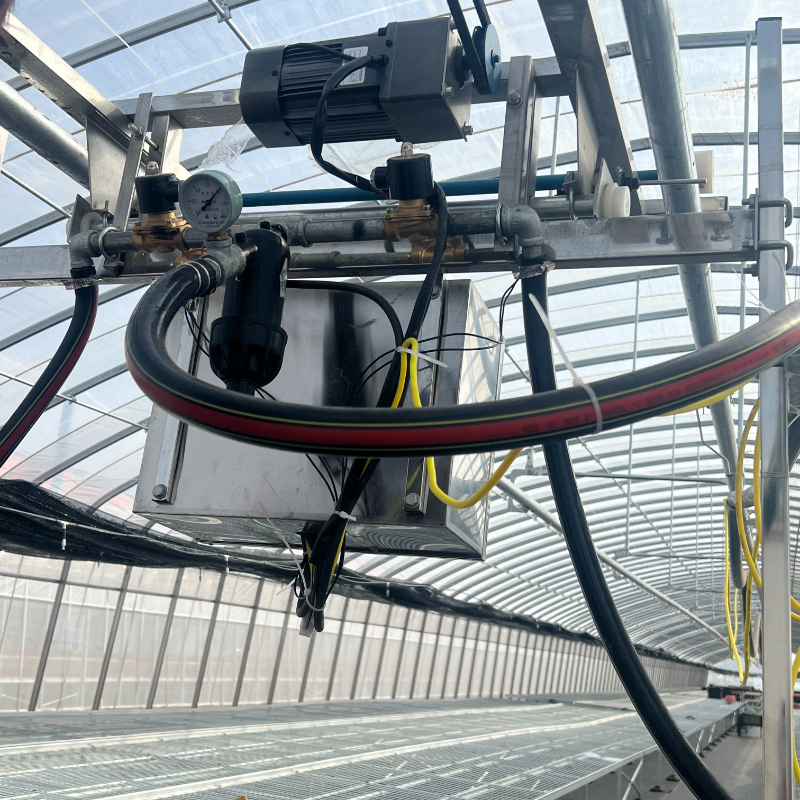
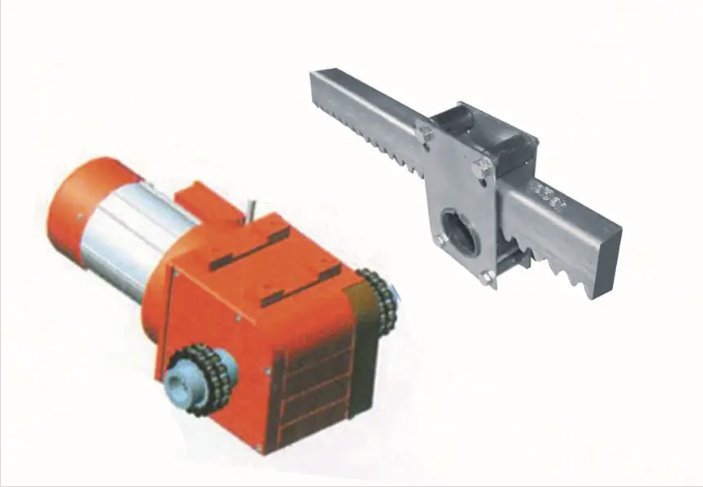
Phased configuration of intelligent equipment is another cost-saving tactic. Initially, prioritize core systems critical for seedling growth: temperature and humidity sensors, a central controller, solar-powered fans, wet curtains, and a basic drip irrigation system. These ensure stable environmental conditions without the high cost of full automation. Once the seedling greenhouse is operational and generating income, upgrade with advanced equipment like LED supplementary lighting (powered by the solar green house) and CO₂ supplementation systems, which enhance seedling quality and yield to offset upgrade costs.
Proper operation and maintenance of the solar green house and seedling greenhouse are essential to maintain long-term cost-effectiveness. Regularly clean the seedling greenhouse’s covering material to preserve light transmittance and inspect the structure for corrosion. For the solar green house system, cleaning solar panels every 3-6 months improves energy generation efficiency by 10-20%, while monitoring battery performance and inverter operation prevents costly breakdowns. Additionally, leveraging government subsidies for renewable energy projects can reduce initial investment by 20-30%, further lowering the cost barrier.
A practical case study illustrates this approach: a 1000-square-meter solar-powered intelligent seedling greenhouse in Shandong, China, used a 20kW solar green house system, galvanized steel frame, and polycarbonate covering. The initial investment was 180,000 yuan, with annual energy savings of 30,000 yuan compared to grid-powered alternatives. The seedling survival rate reached 95%, generating 150,000 yuan in annual revenue. This demonstrates that integrating solar green house technology into a seedling greenhouse achieves low-cost operation and high returns.
In conclusion, building a low-cost intelligent seedling greenhouse is achievable by harnessing solar green house technology through precision design, cost-effective material selection, phased equipment upgrades, and proper maintenance. Solar green house technology not only reduces energy and operational costs but also enhances the sustainability and market value of the seedling greenhouse. For growers of all scales, investing in a solar-powered intelligent seedling greenhouse is a wise, forward-thinking decision that unlocks efficient, affordable, and sustainable seedling production.
