
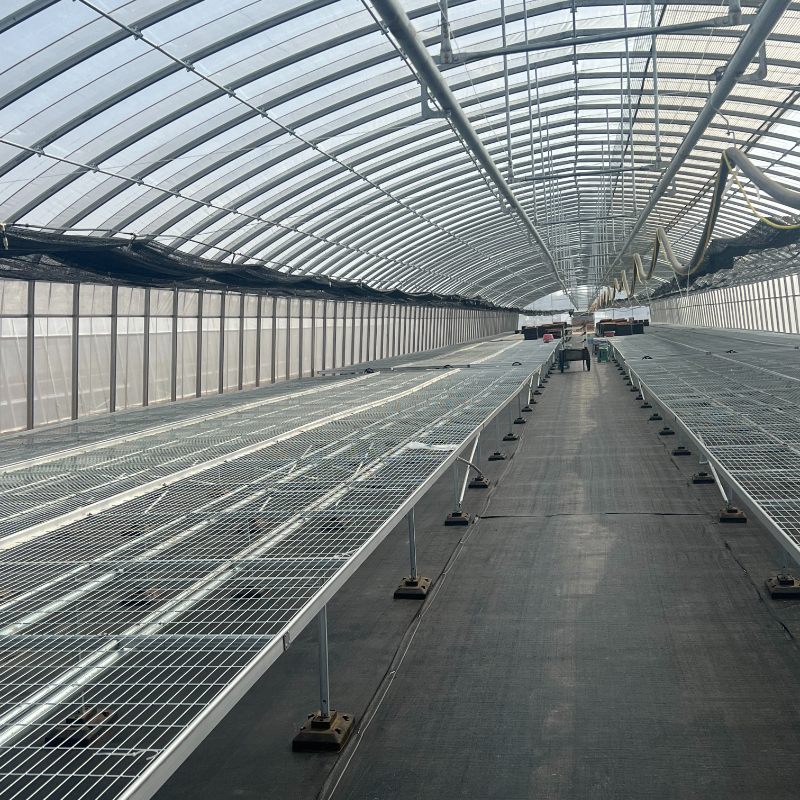
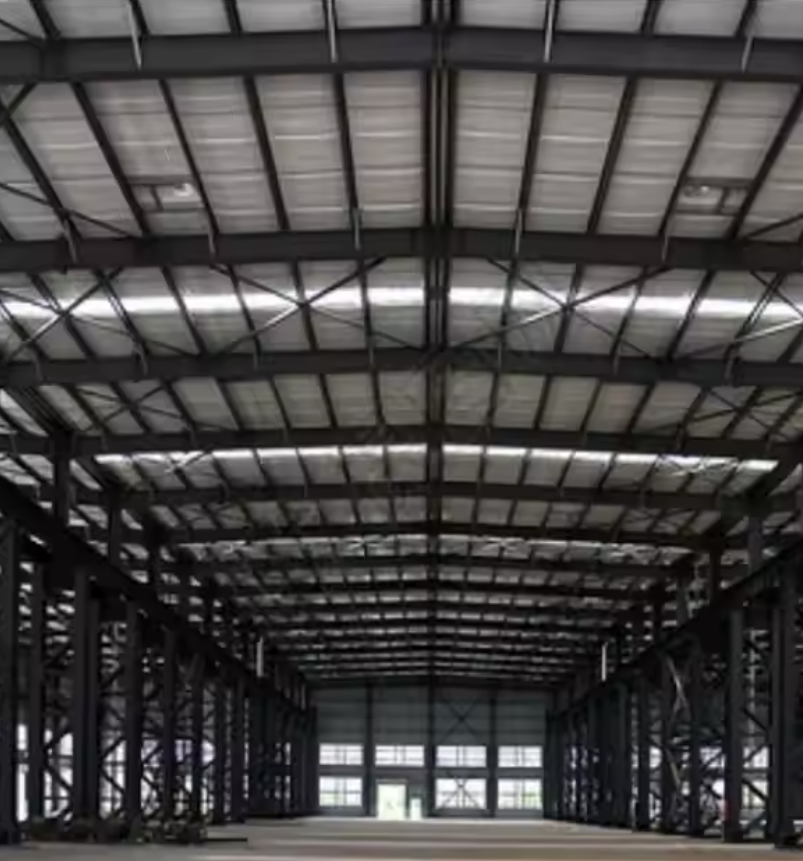
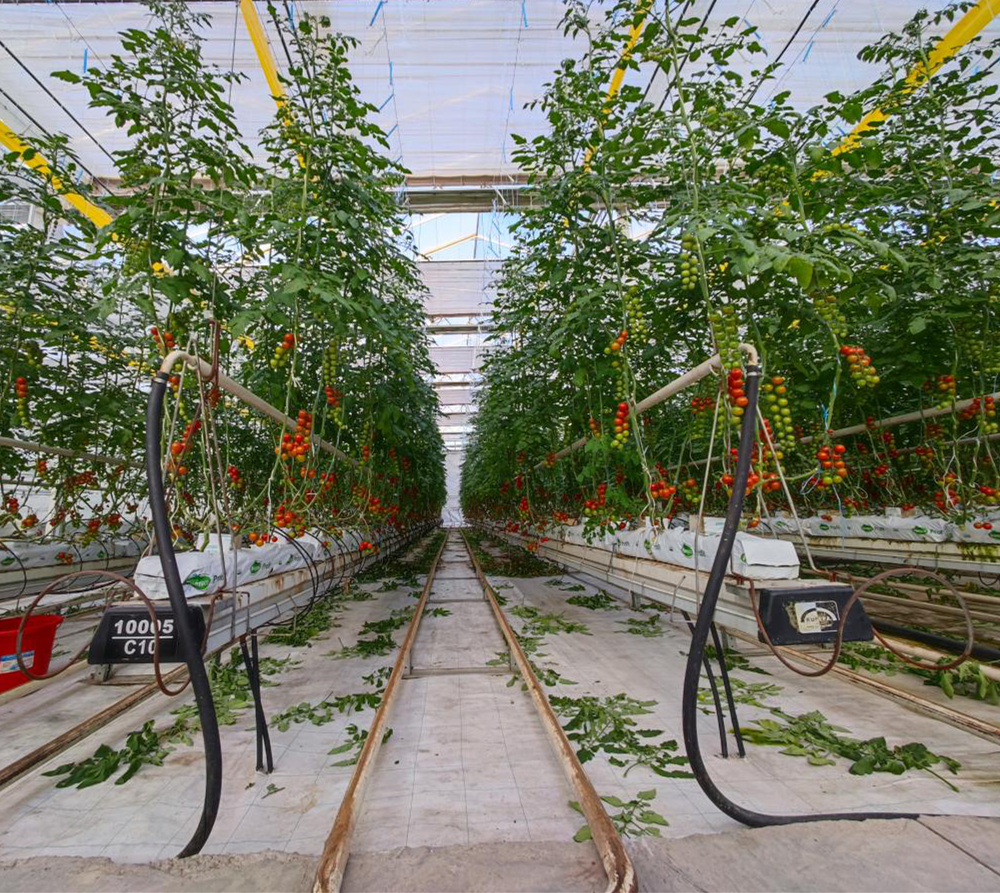
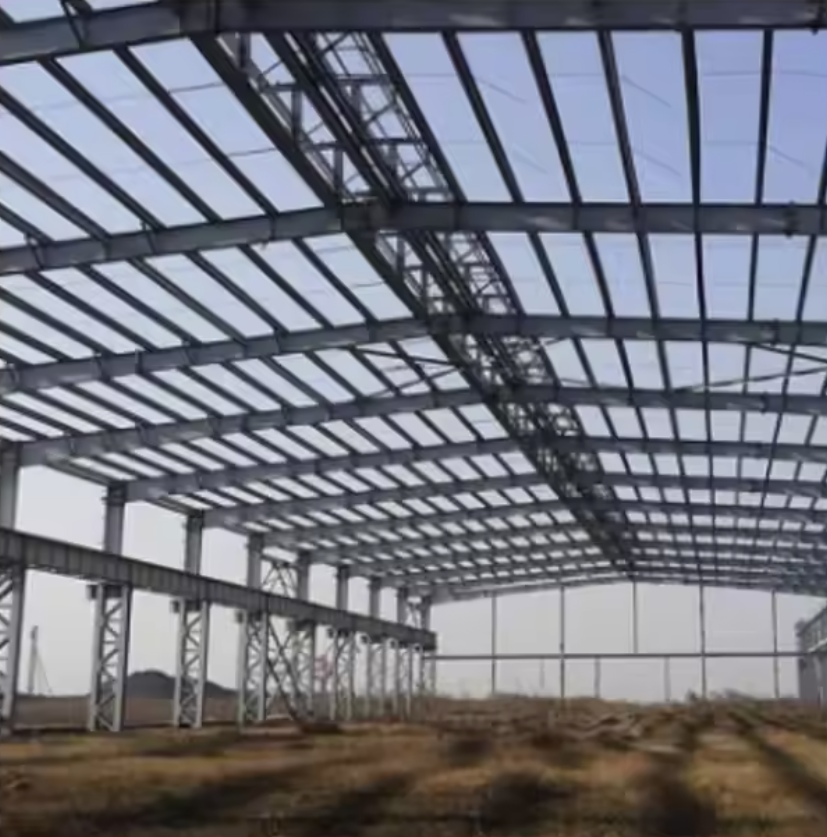
I. Planning and Budgeting for Low-Cost Solar-Powered Seedling Greenhouse

The first step in building a low-cost intelligent seedling greenhouse is thorough planning and budgeting. This involves assessing needs, evaluating solar resources, and creating a detailed budget that covers all aspects of construction and operation.
1. Solar Panel Selection

Solar panels are the core component of a solar green house system. When selecting solar panels, growers should balance efficiency, cost, and durability. Monocrystalline silicon solar panels are a good choice for seedling greenhouses, as they have high efficiency (18-22%) and a long service life (25-30 years). They are slightly more expensive than polycrystalline silicon panels but offer better performance in low-light conditions, which is beneficial for seedling greenhouses in areas with occasional cloudy days.
For growers on a tight budget, polycrystalline silicon panels can be a cost-effective alternative. They have lower efficiency (15-18%) but are cheaper, making them suitable for areas with abundant solar resources. Additionally, some manufacturers offer refurbished solar panels at a significant discount, which can reduce costs further. However, growers should ensure that refurbished panels come with a warranty to avoid unexpected replacement costs.
2. Battery Selection

Batteries are essential for storing solar energy for use during cloudy days or at night. When selecting batteries, growers should consider capacity, lifespan, and cost. Lithium-ion batteries are the most popular choice for solar green house systems, as they have high energy density, long lifespan (10-15 years), and low maintenance requirements. They are more expensive than lead-acid batteries but offer better long-term value due to their longer lifespan and higher efficiency.
Lead-acid batteries are a cheaper alternative but have a shorter lifespan (3-5 years) and require more maintenance. They are suitable for growers with very limited budgets who are willing to replace batteries more frequently. For seedling greenhouses in areas with reliable grid access, a grid-tie system without batteries can be considered, which allows excess energy to be fed into the grid and draws energy from the grid when solar energy is insufficient. This reduces the cost of batteries but requires a stable grid connection.
3. Inverter Selection

Inverters convert the direct current (DC) generated by solar panels into alternating current (AC) used by the seedling greenhouse’s intelligent systems. When selecting an inverter, growers should choose a model with high conversion efficiency (above 95%) to minimize energy loss. Grid-tie inverters are suitable for systems connected to the grid, while off-grid inverters are required for systems without grid access. Hybrid inverters, which can work with both
grid and battery systems, offer flexibility and are ideal for seedling greenhouses that want to reduce reliance on the grid but still have a backup.
