
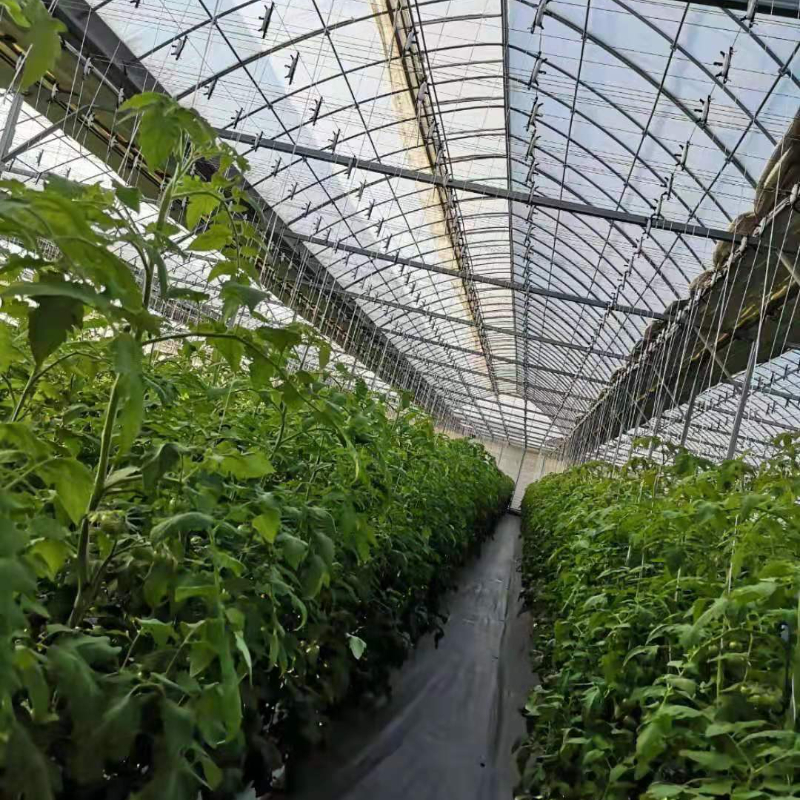
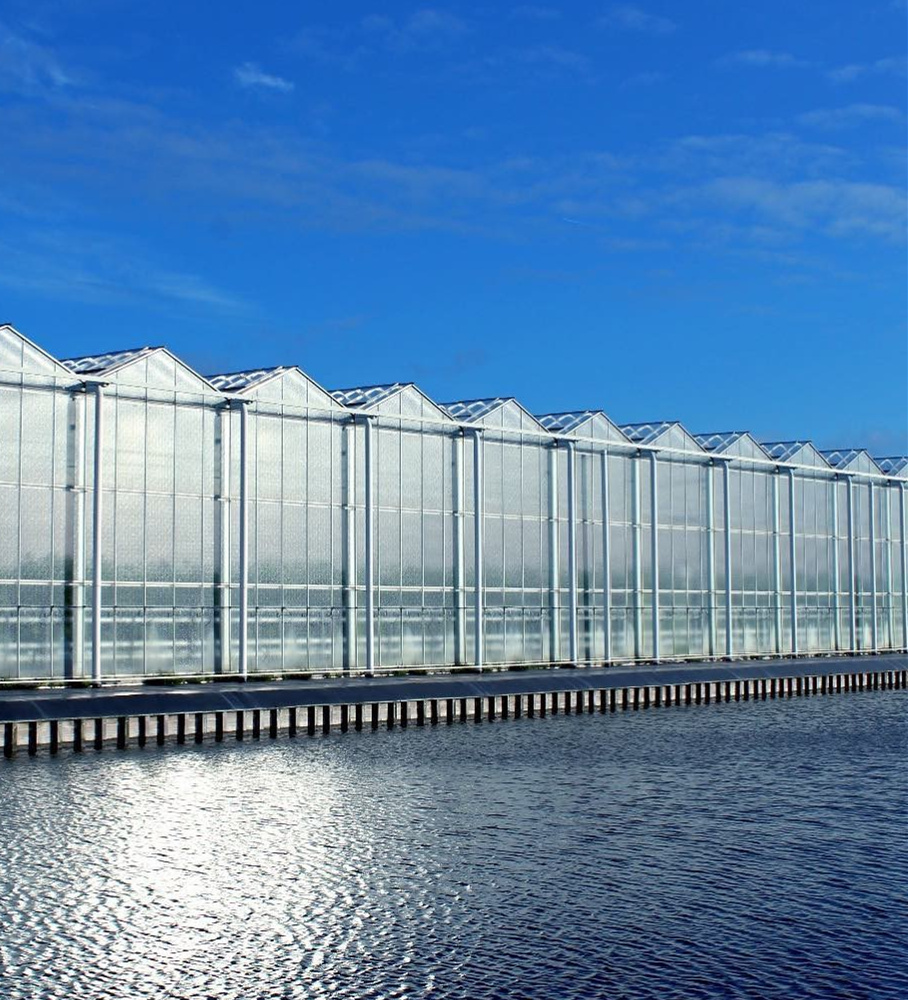
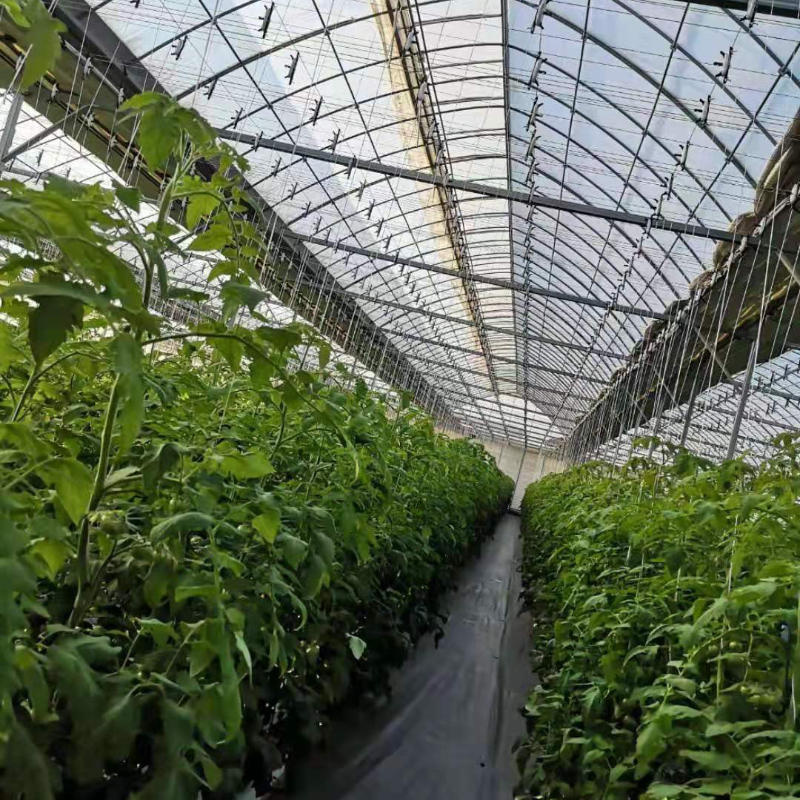
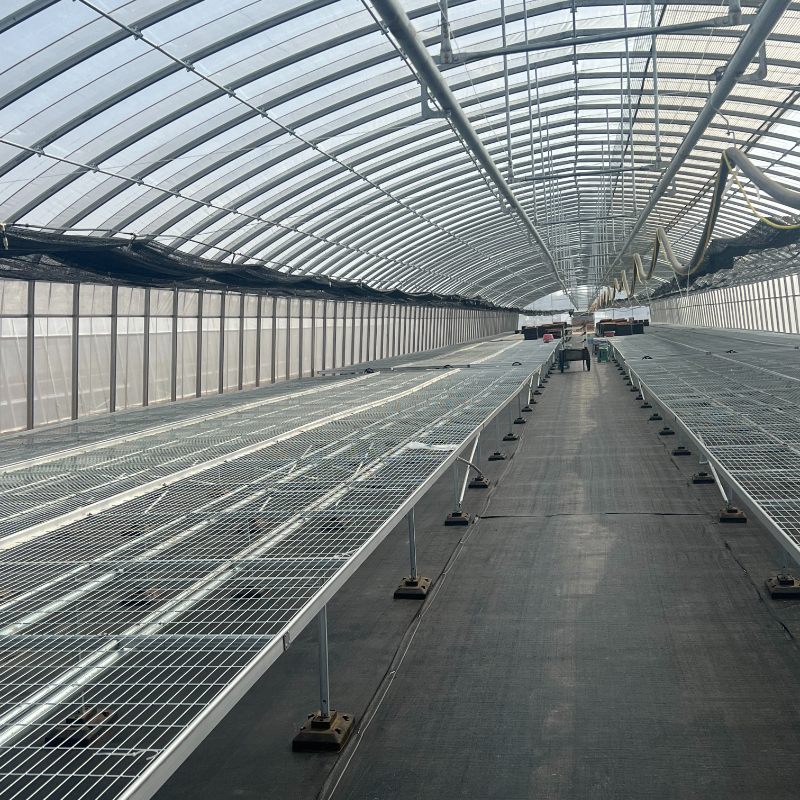
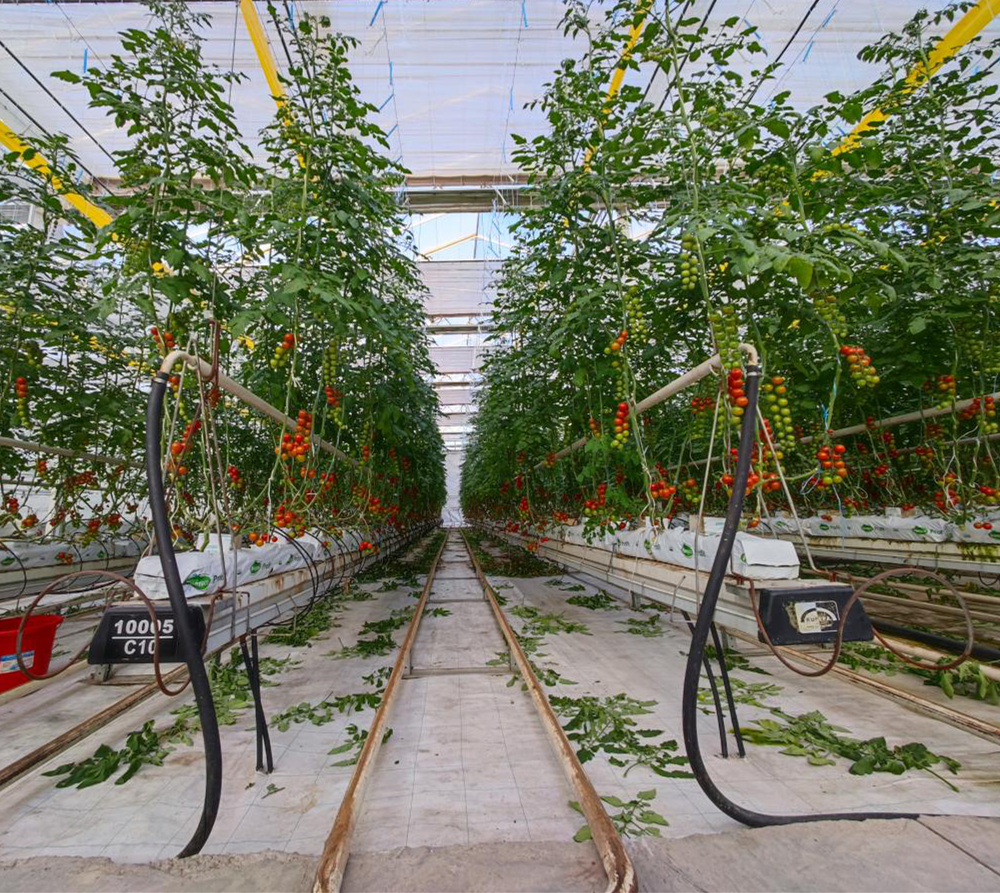
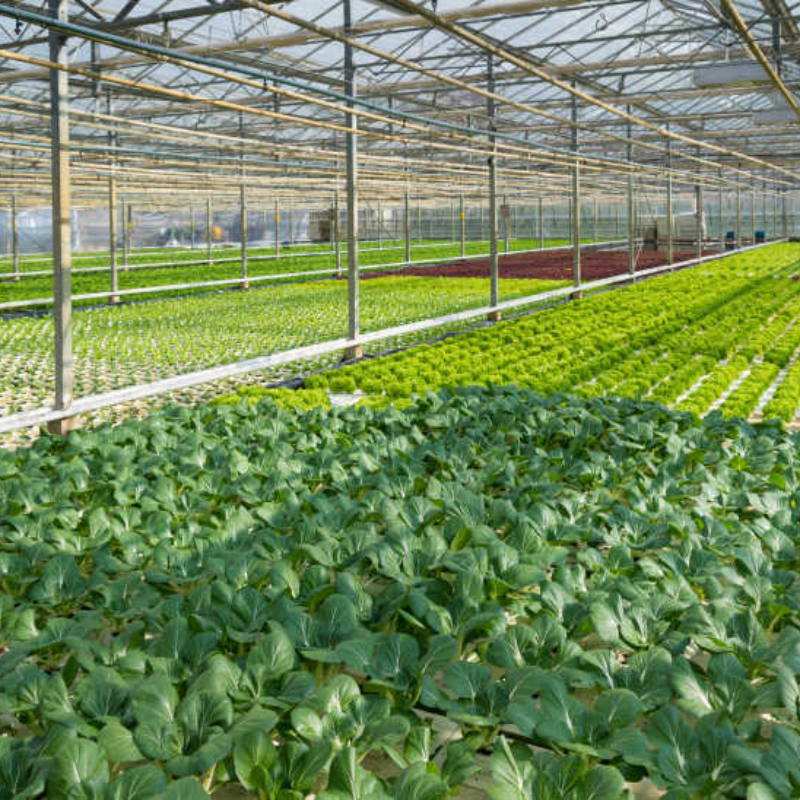
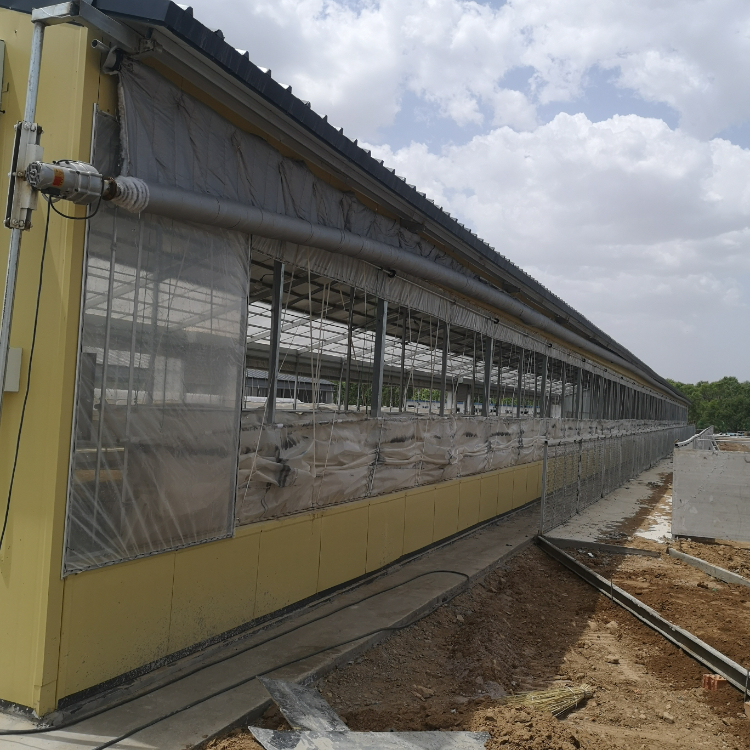
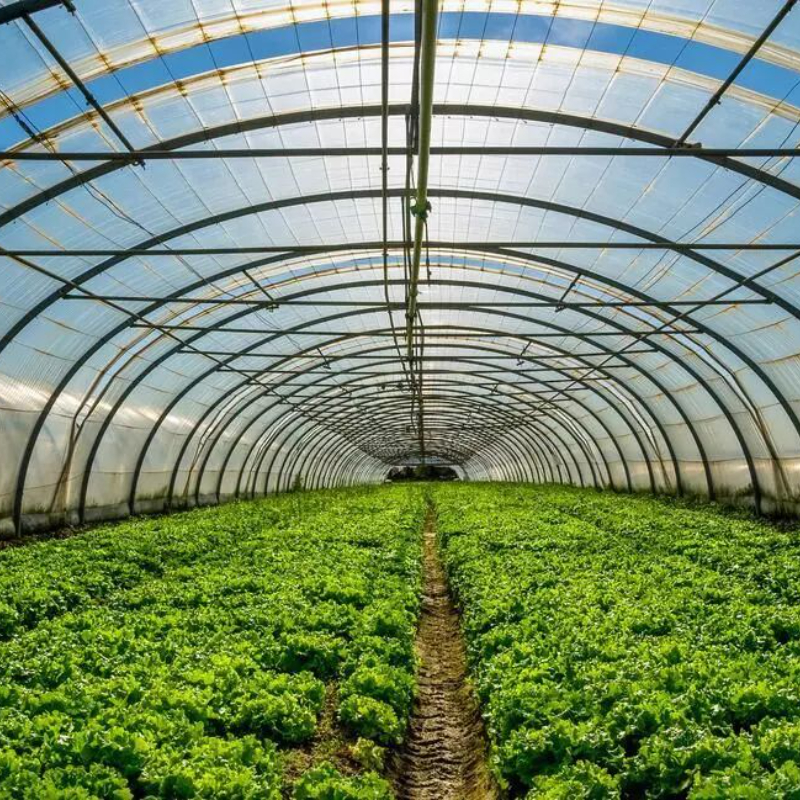
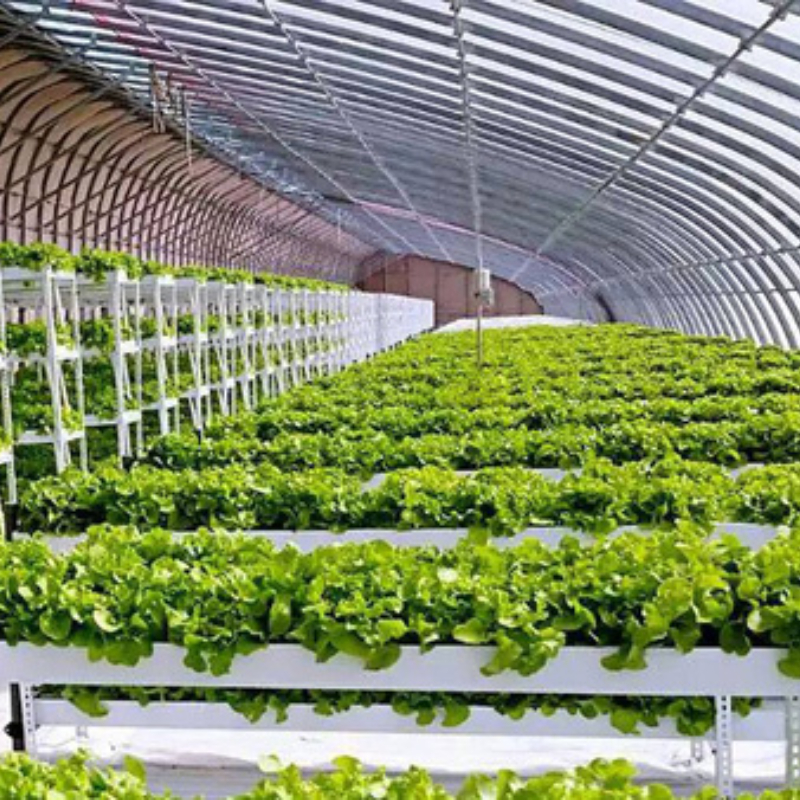
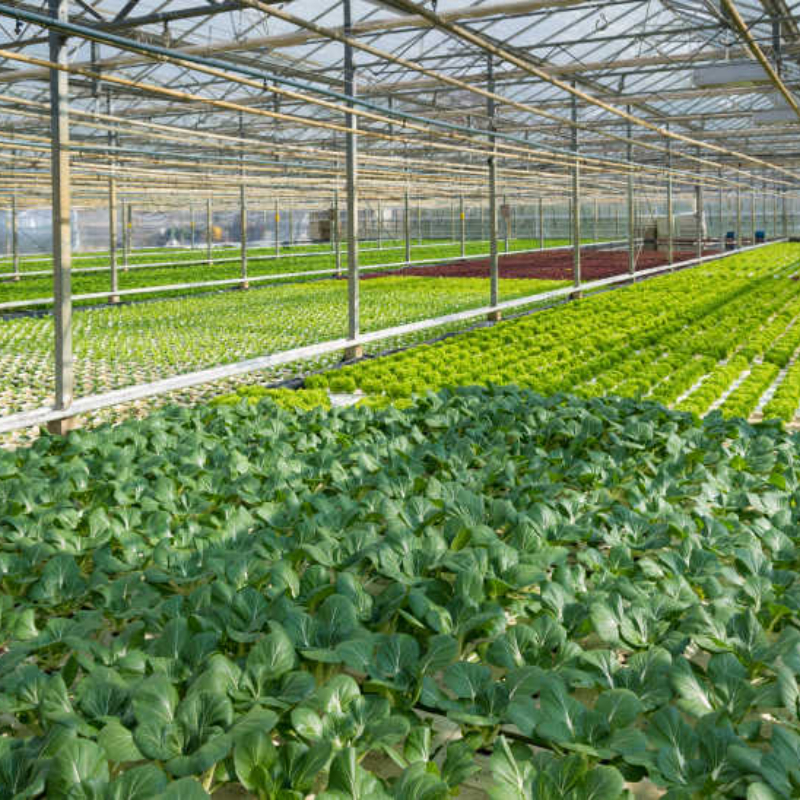
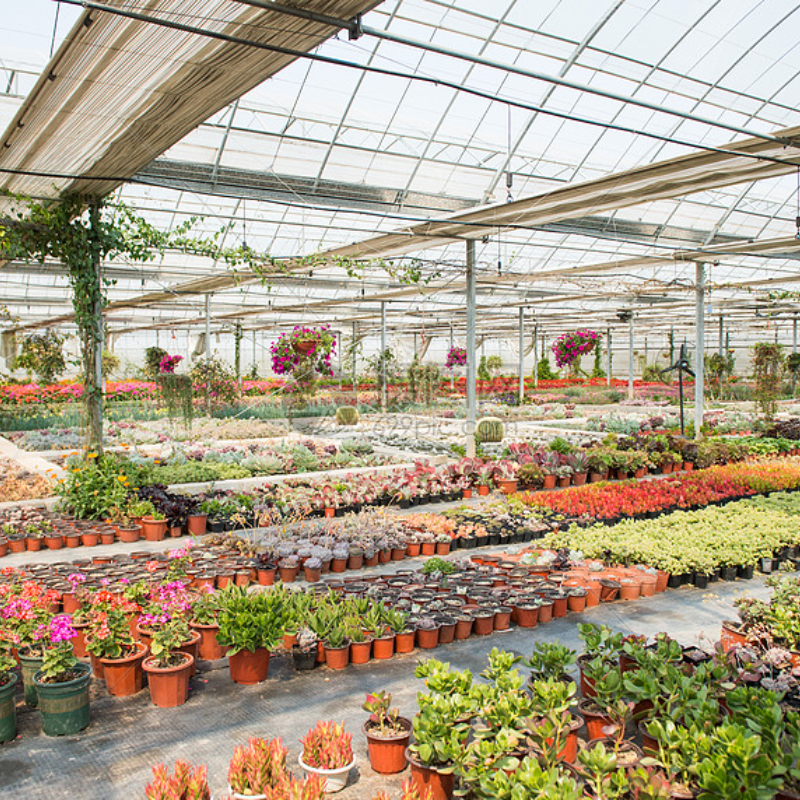
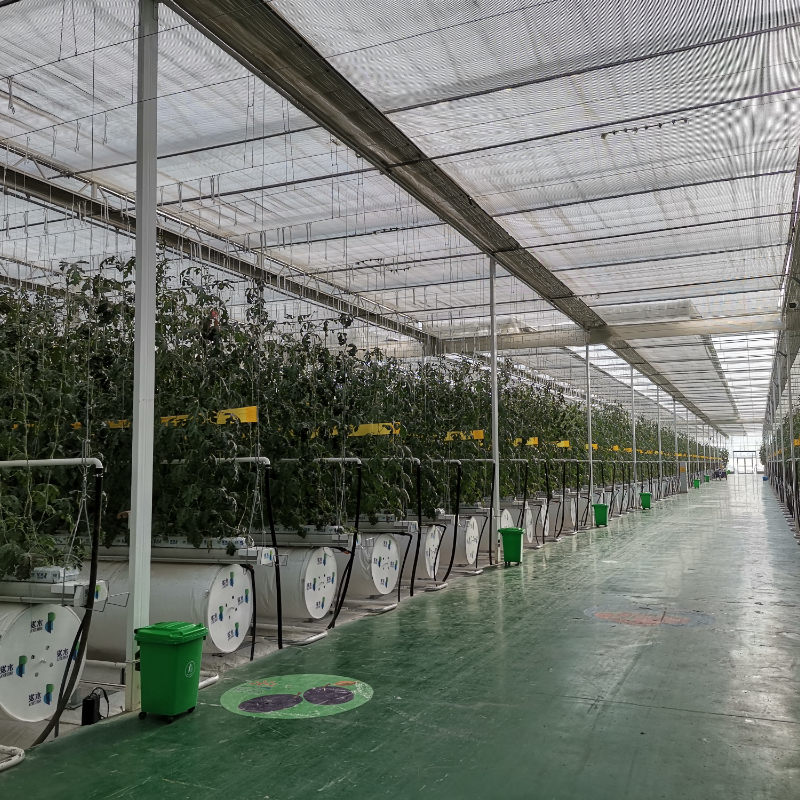
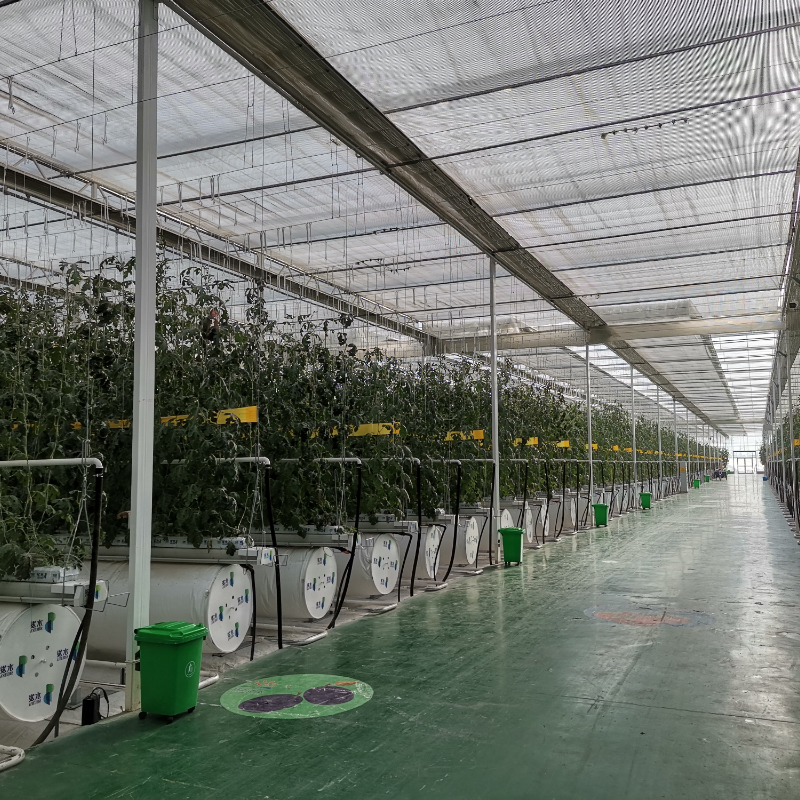
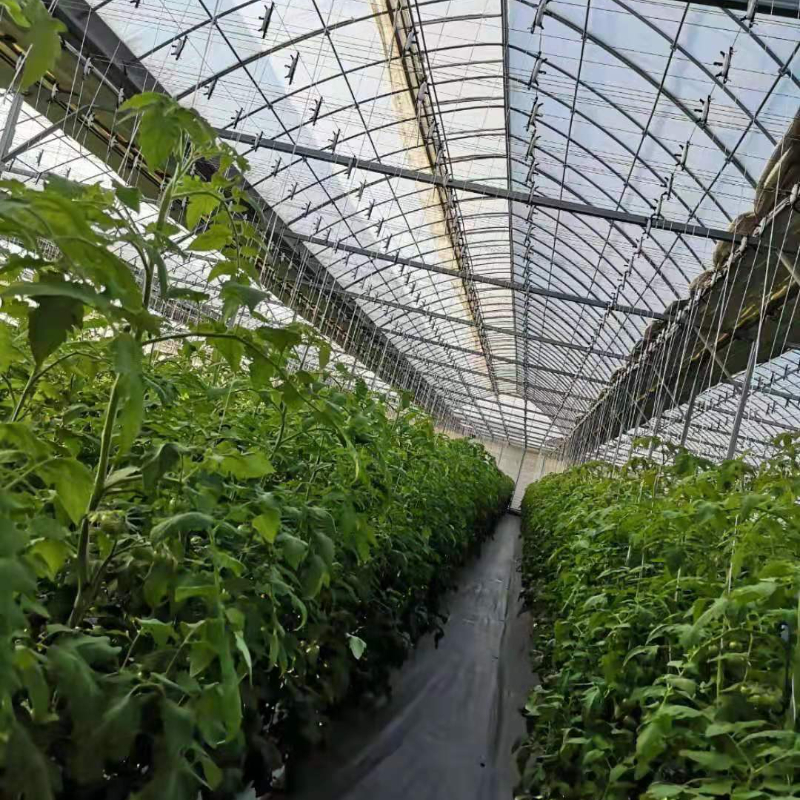
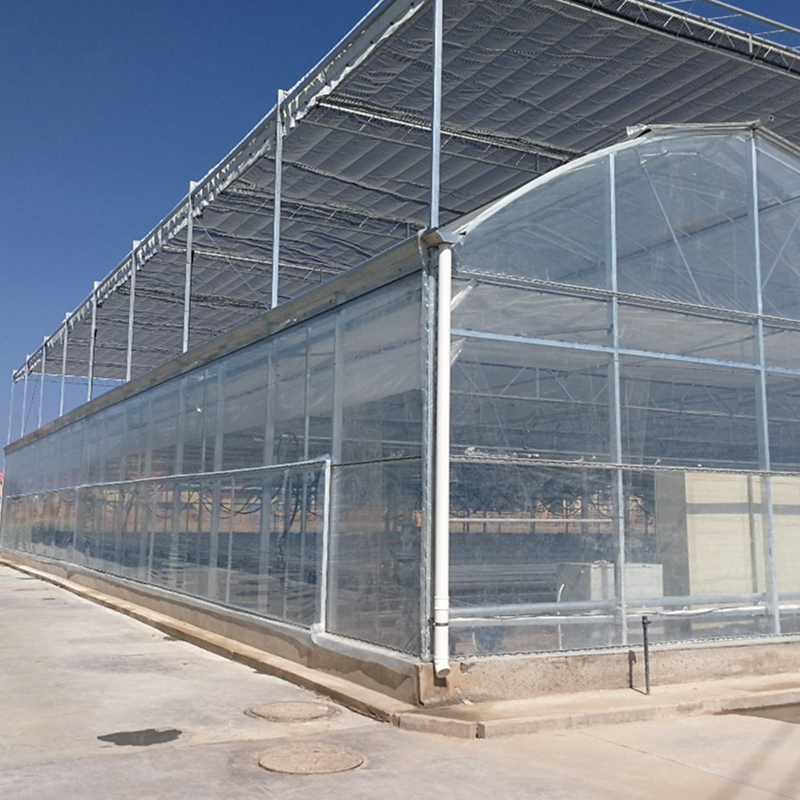
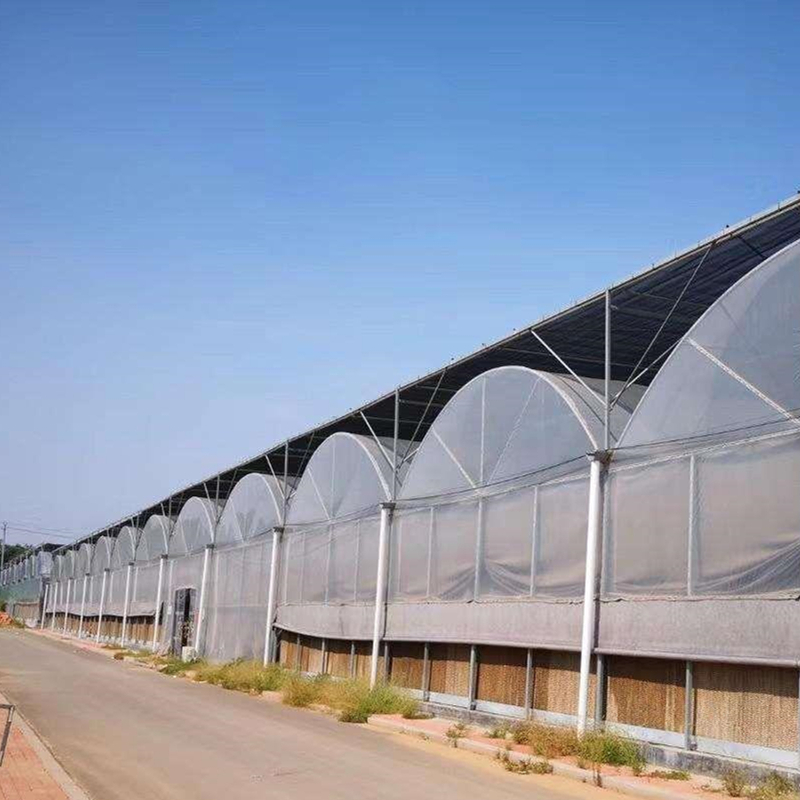
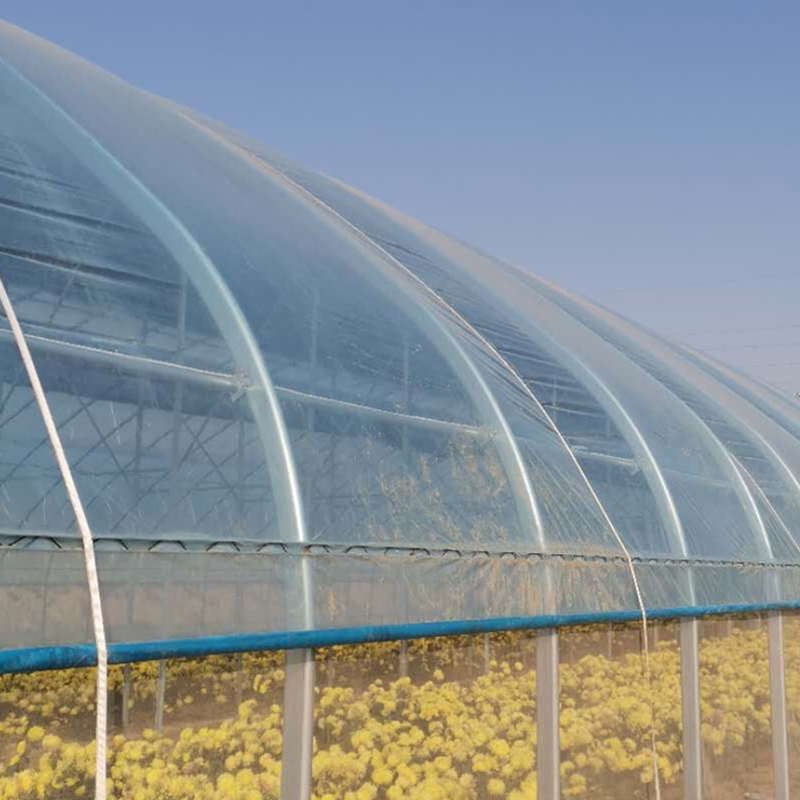
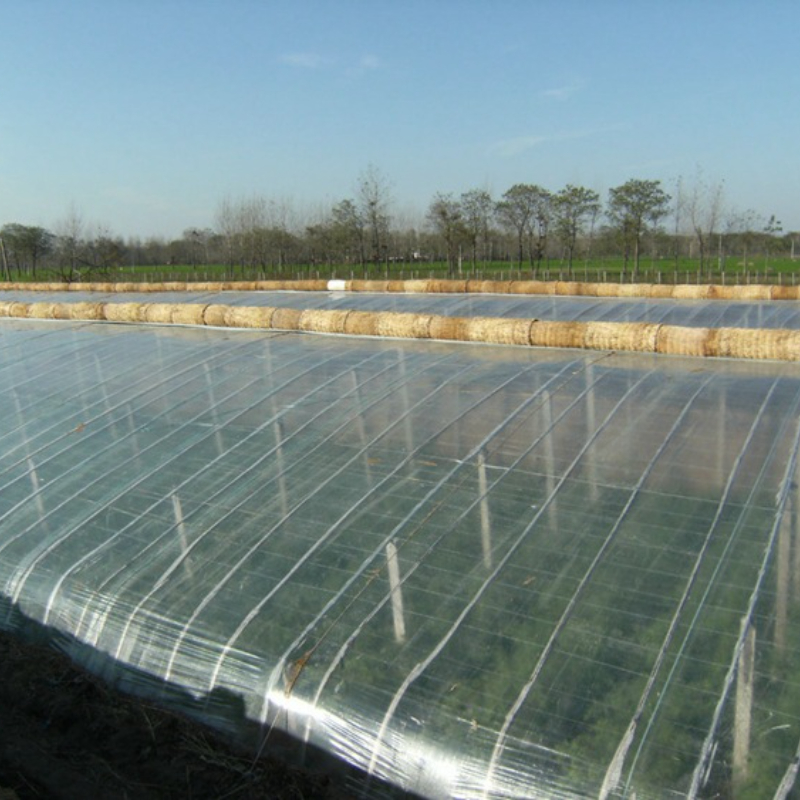
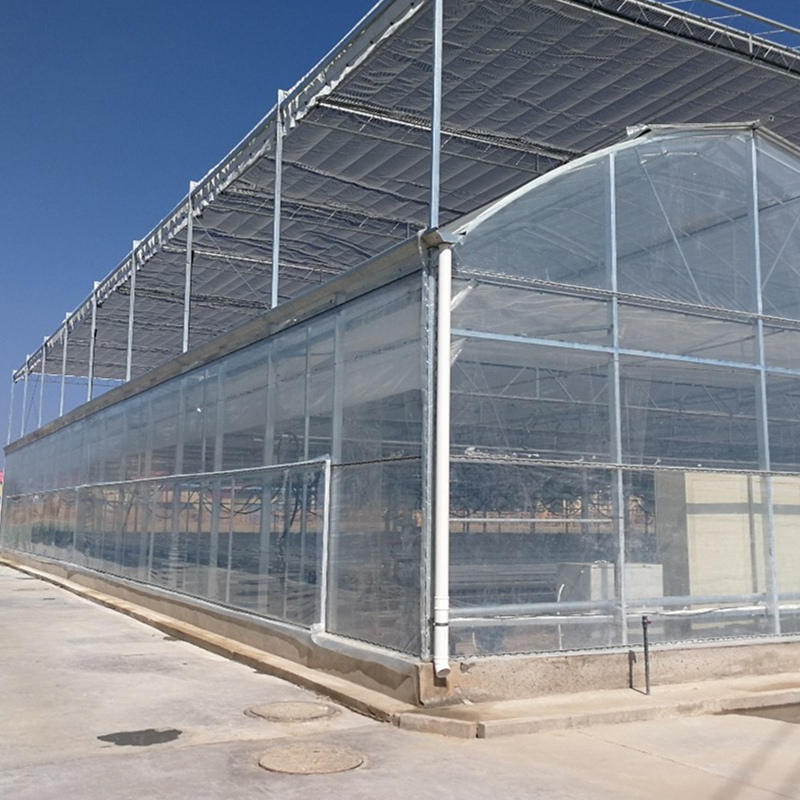
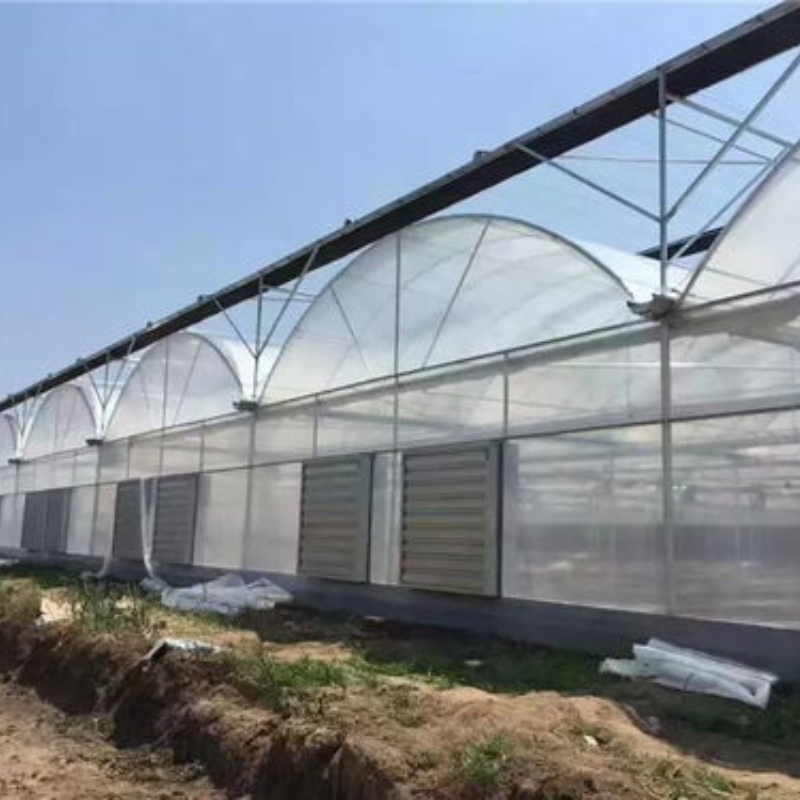
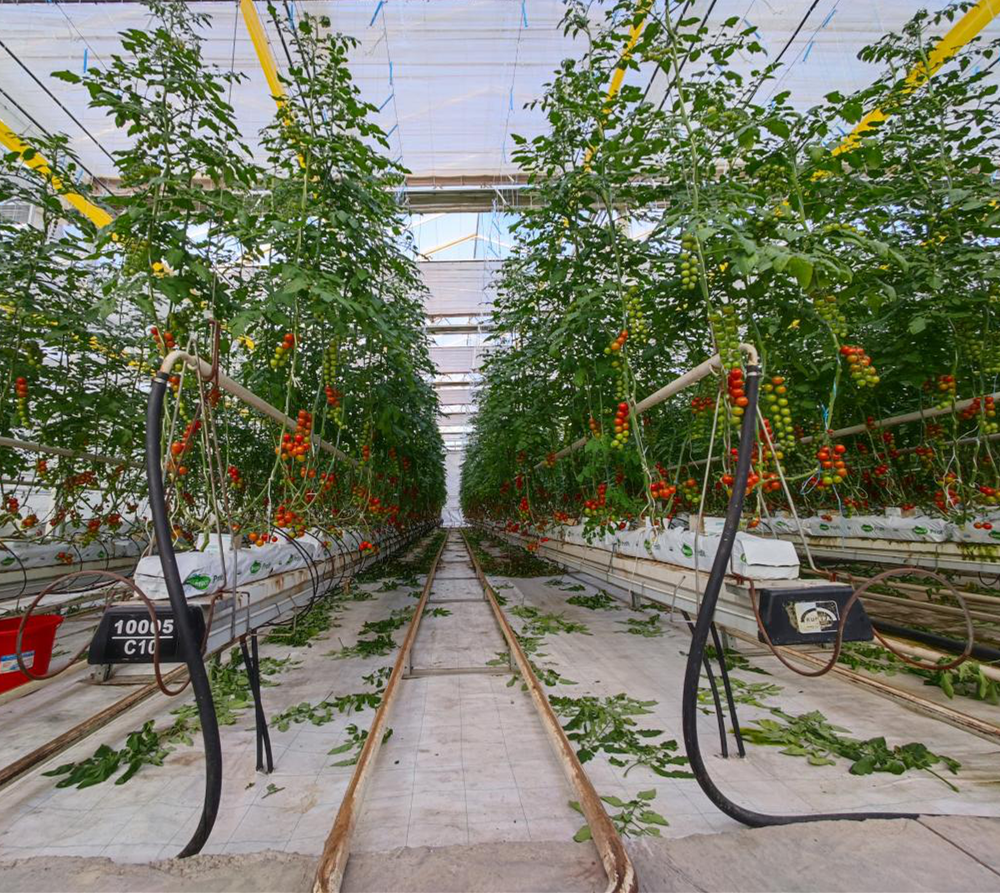
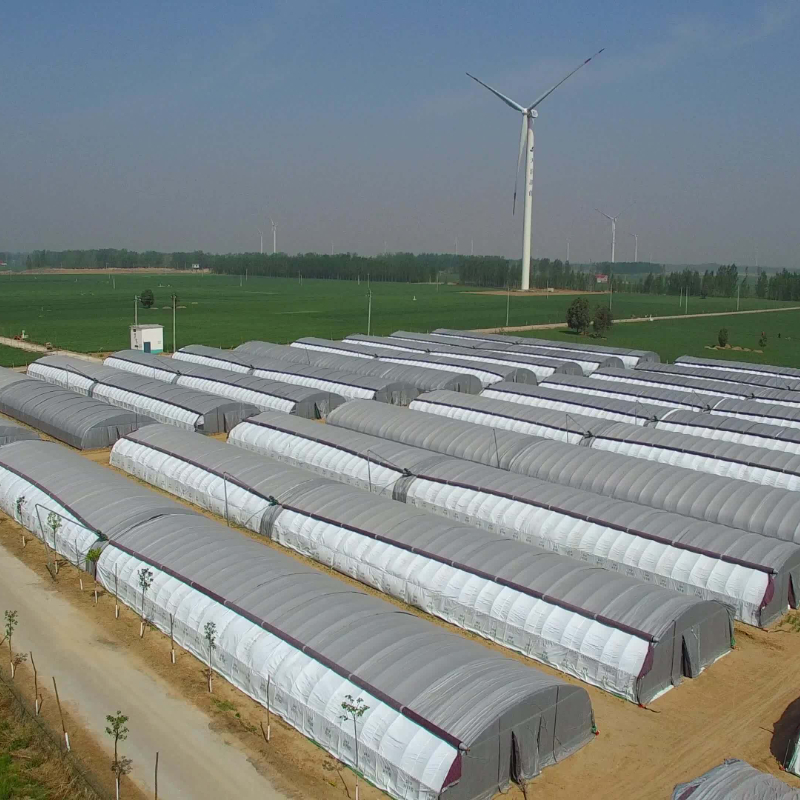
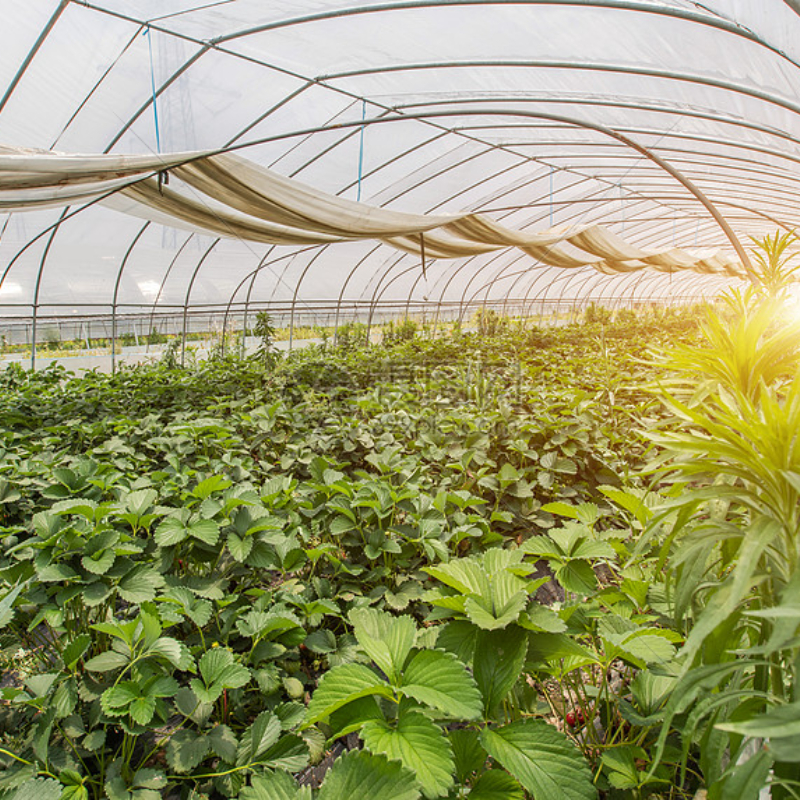
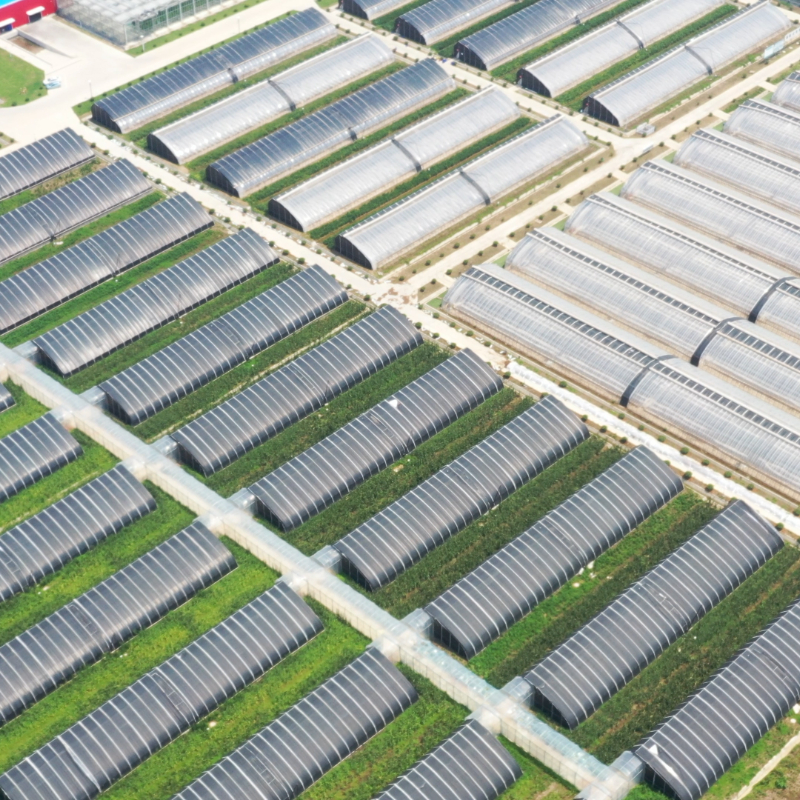
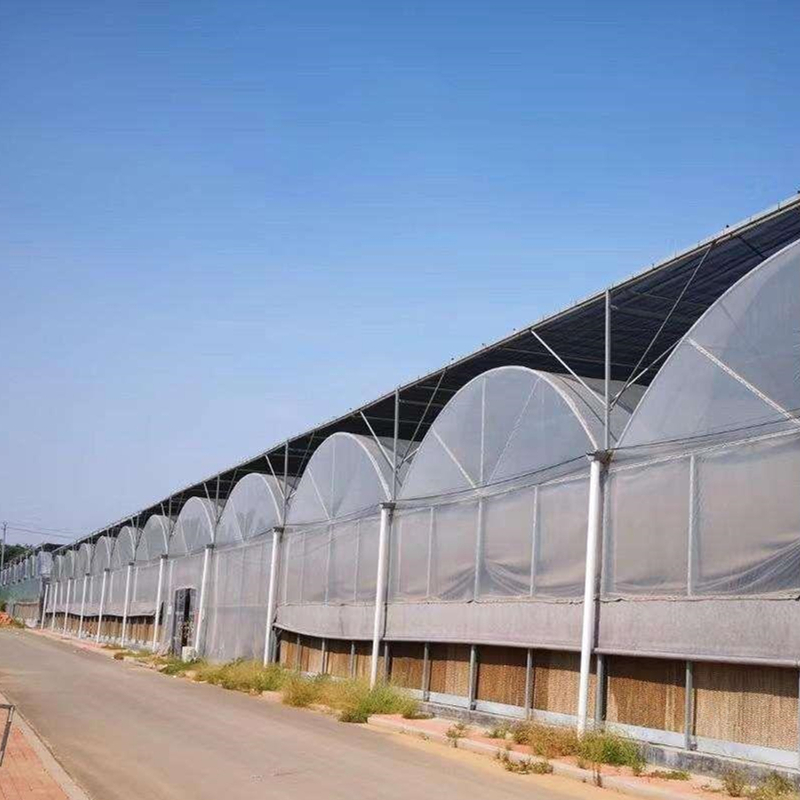
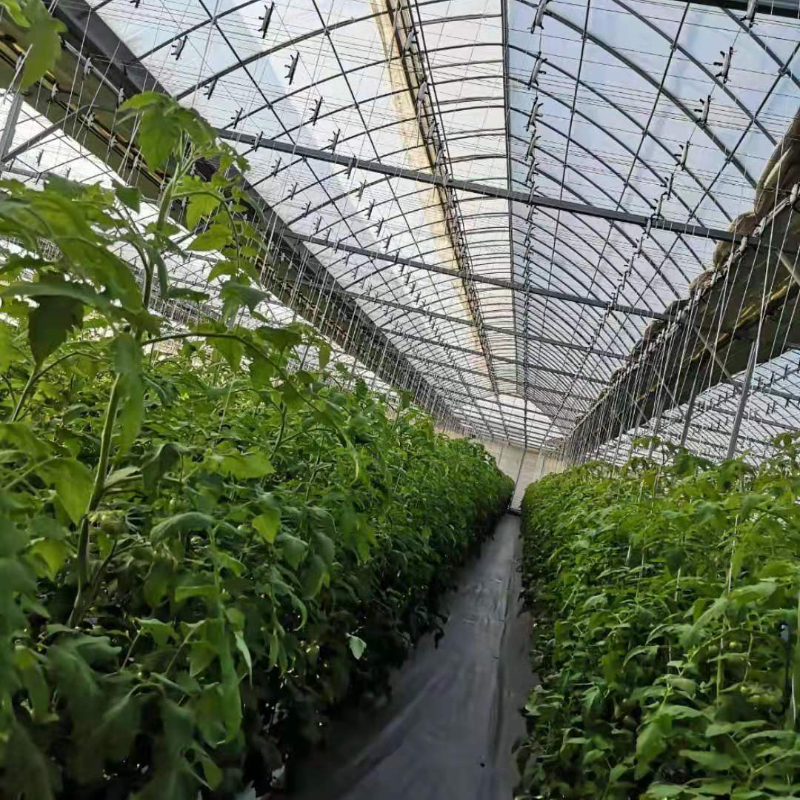
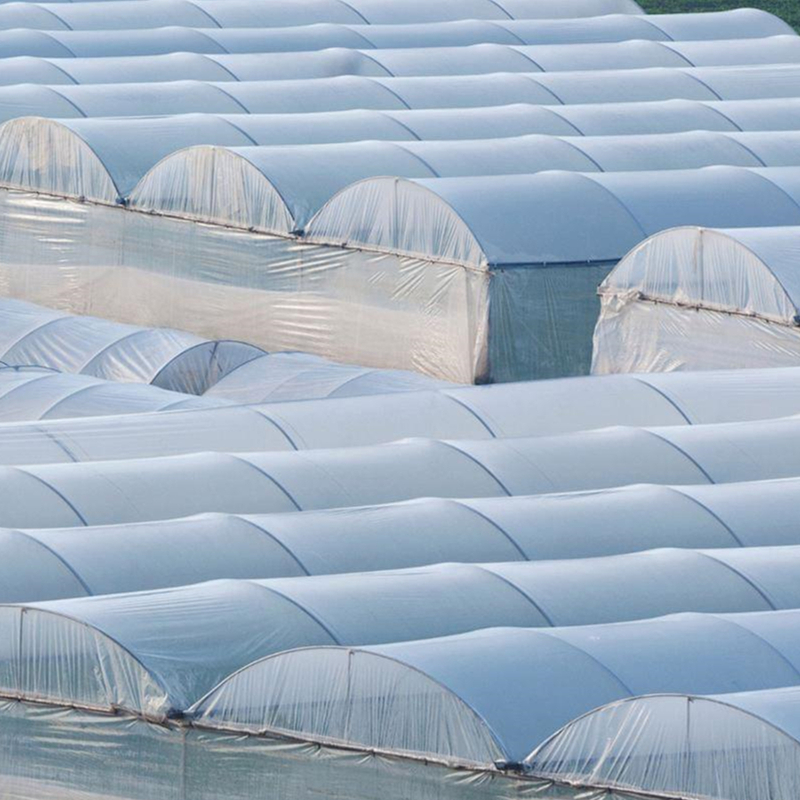
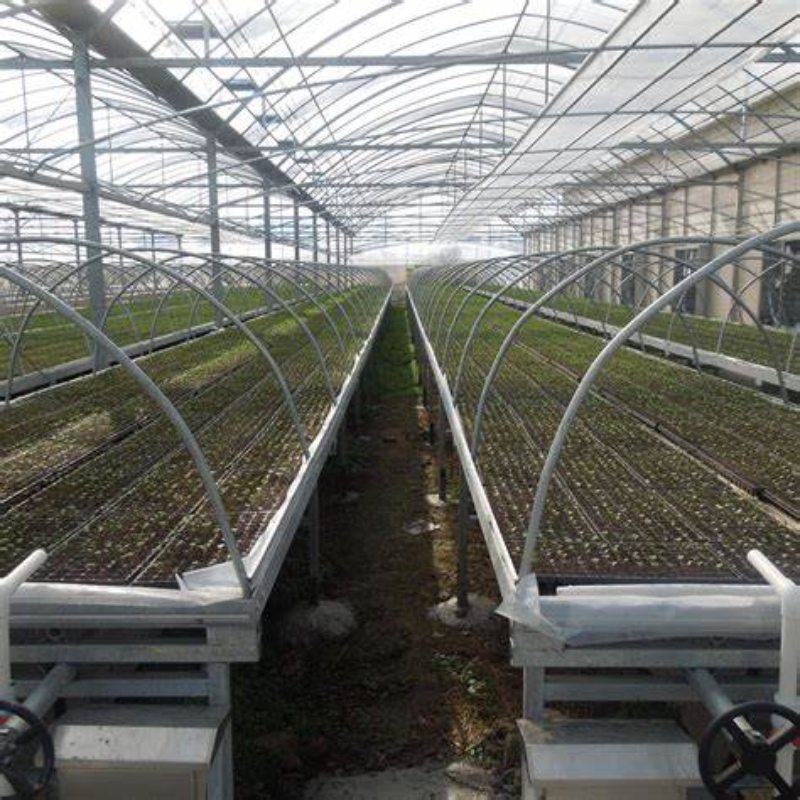
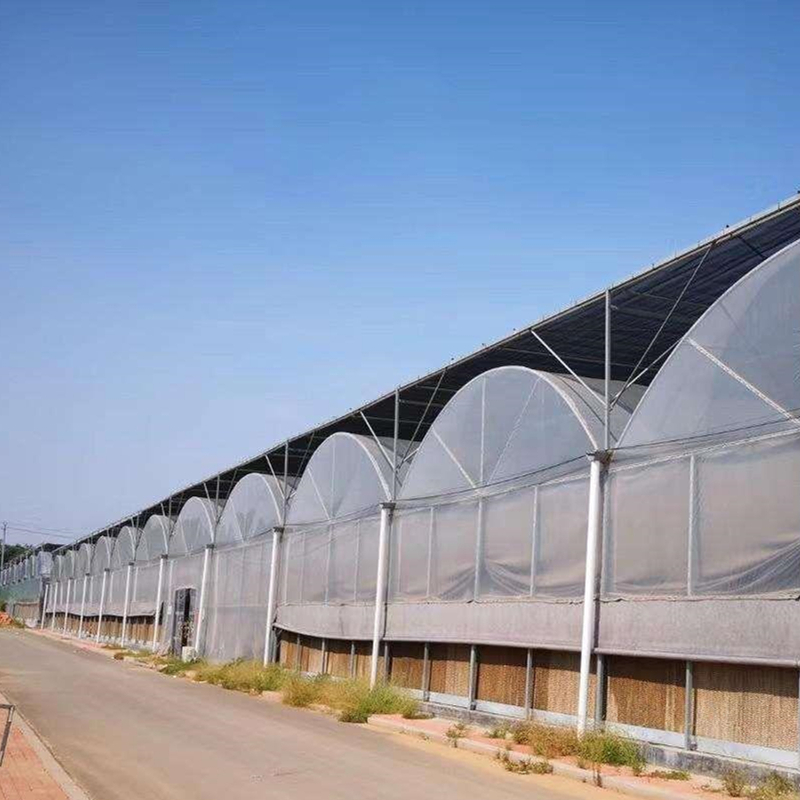
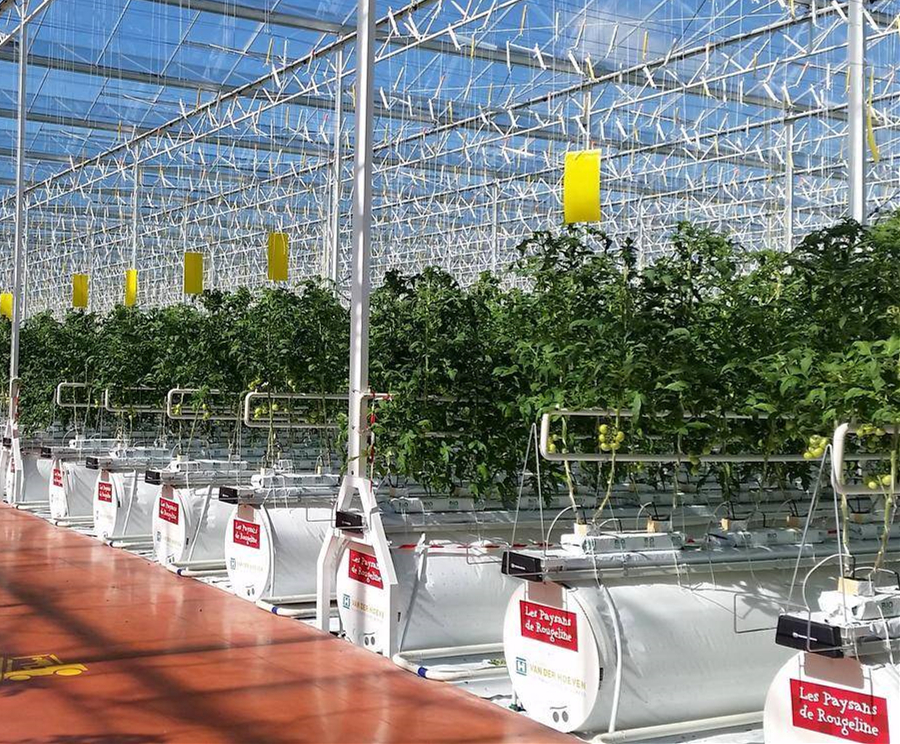
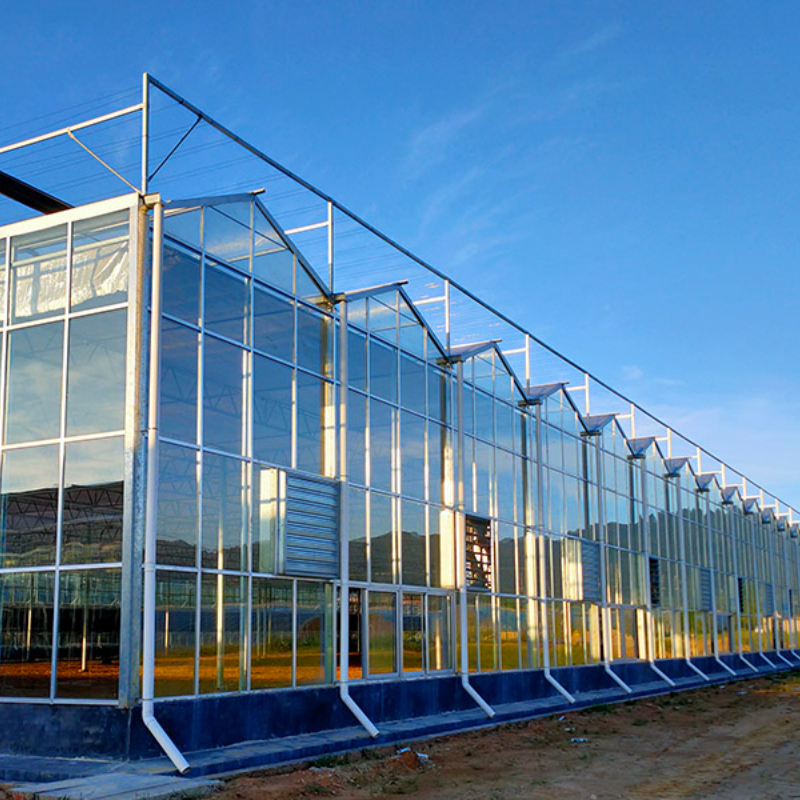
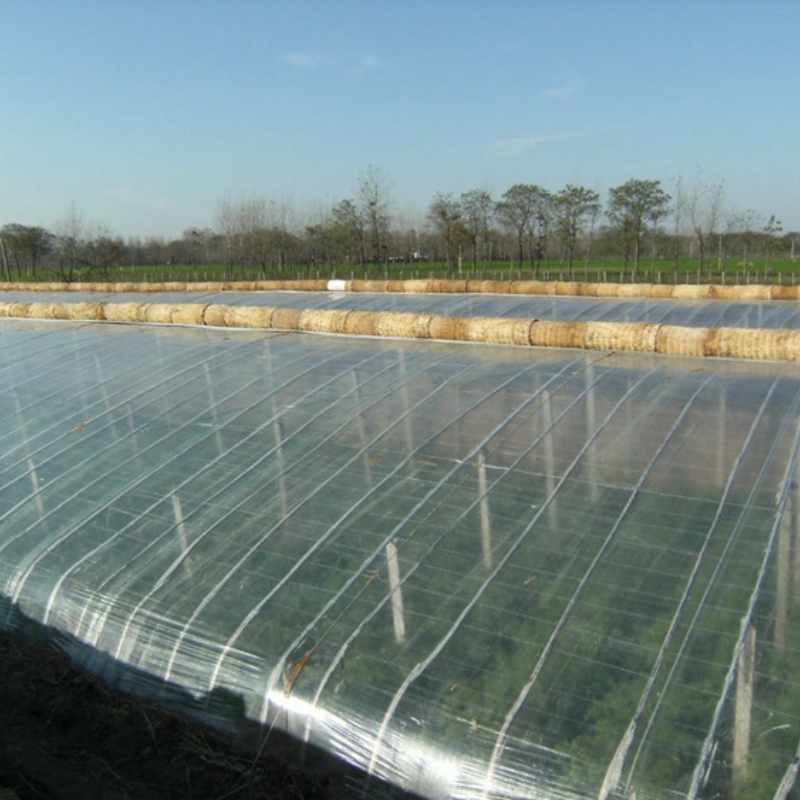
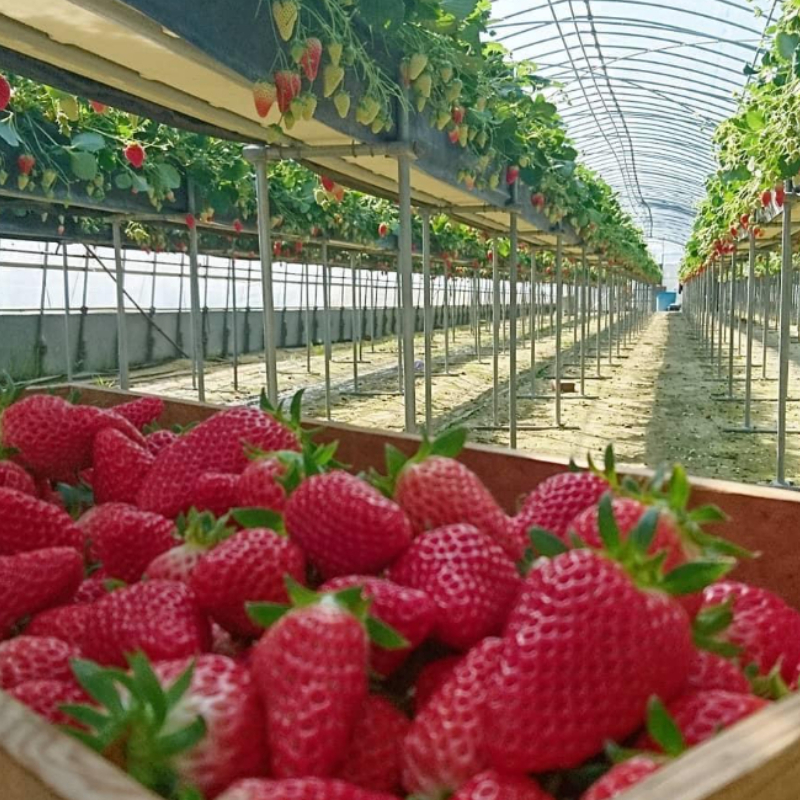
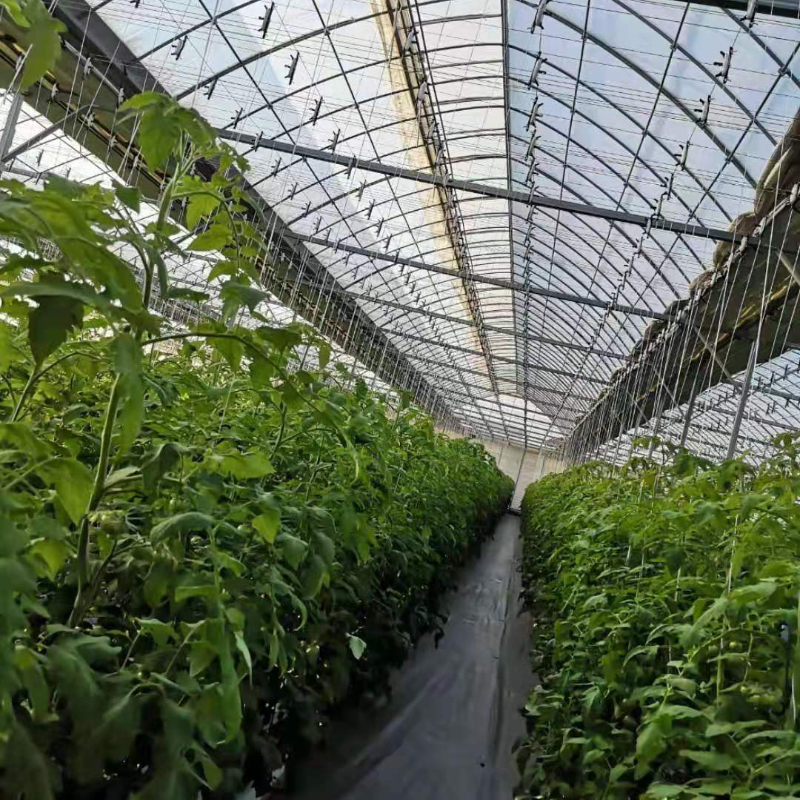
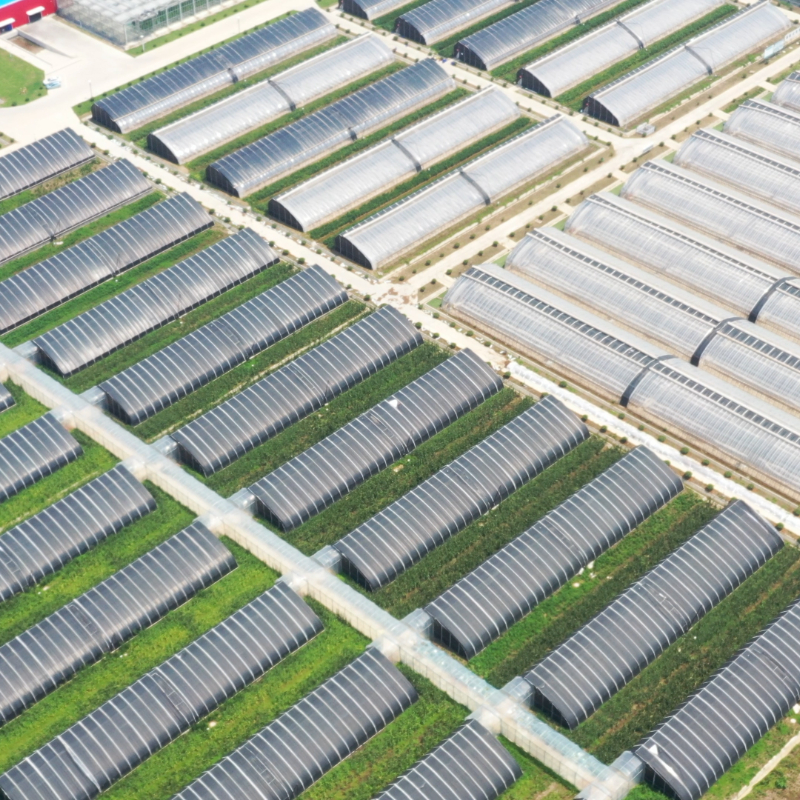
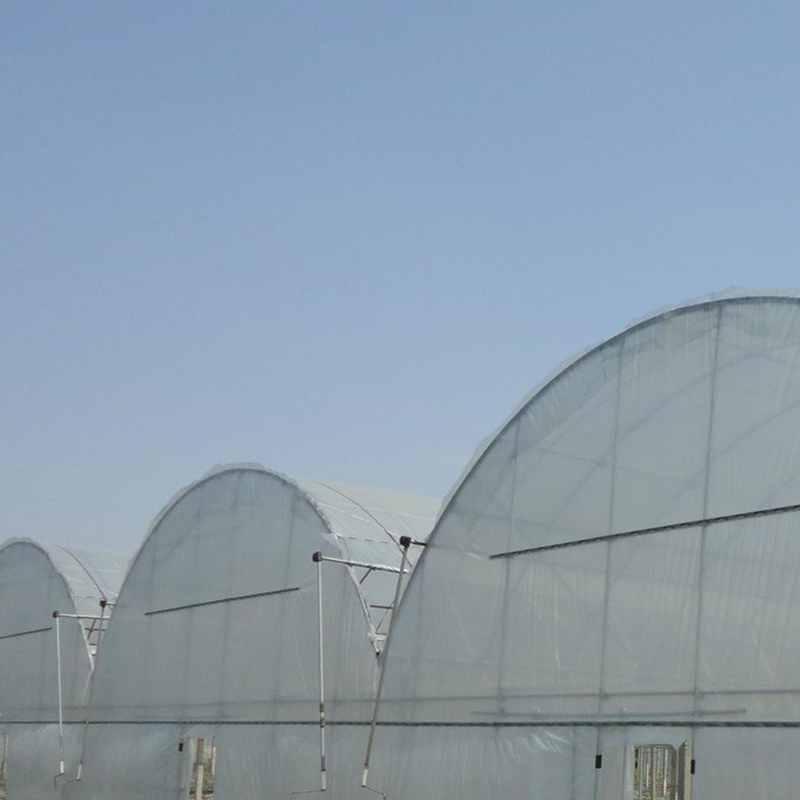
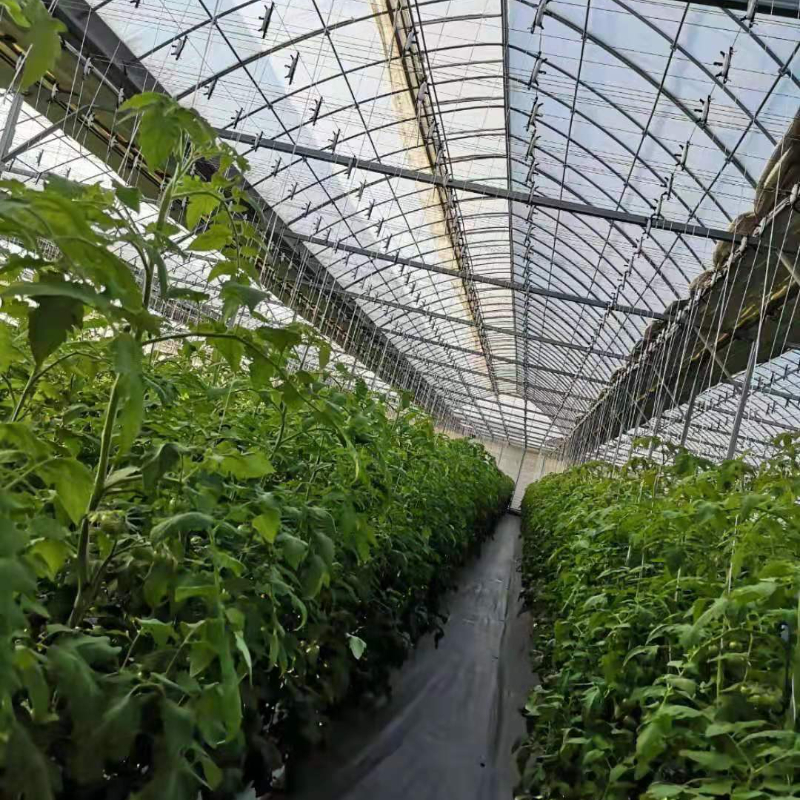
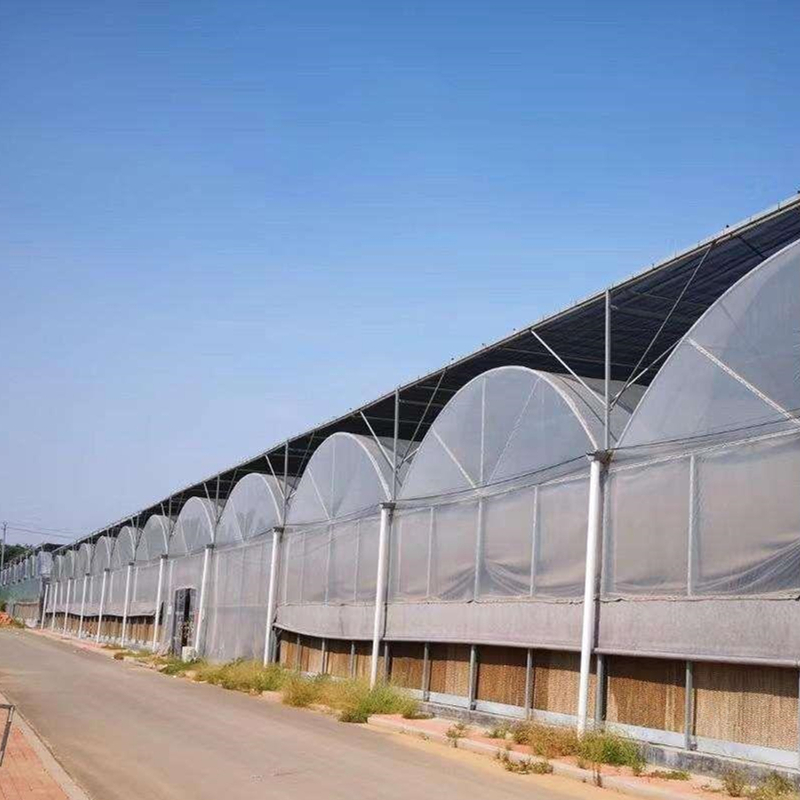
The Sino-Dutch high-efficiency solar greenhouse is a localized innovative achievement jointly developed by Chinese and Dutch expert teams. After multiple rounds of design optimization and pilot testing, it was finally put into operation in the Beijing International Urban Agriculture Science and Technology Park, and has been successfully promoted to northern regions such as Shanxi and Hebei, becoming a benchmark model for high-efficiency production in northern protected agriculture. This greenhouse deeply integrates the high-efficiency production advantages of Dutch multi-span greenhouses and the low-energy consumption characteristics of Chinese solar greenhouses, completely solving the pain points of traditional solar greenhouses such as low mechanization degree, high labor demand, and unstable product quality.
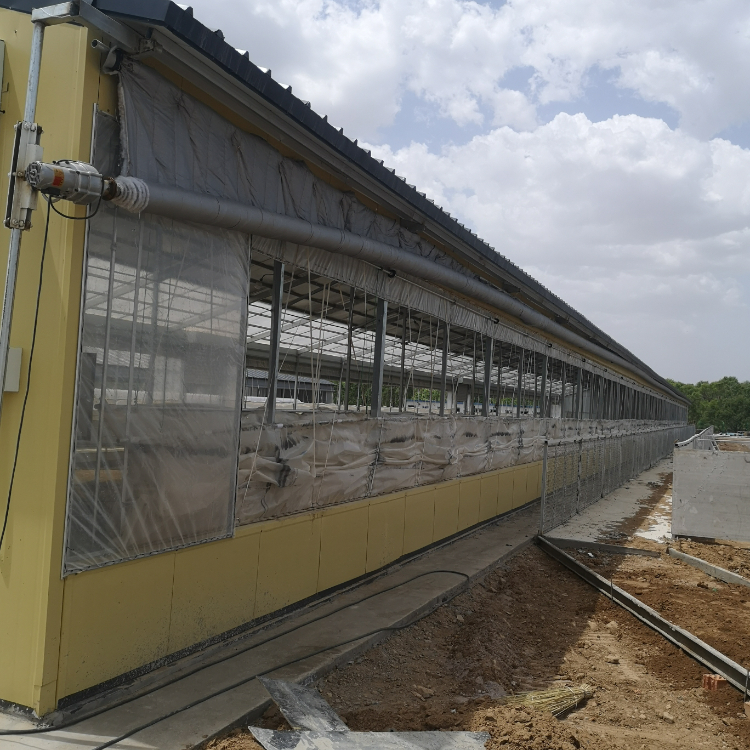
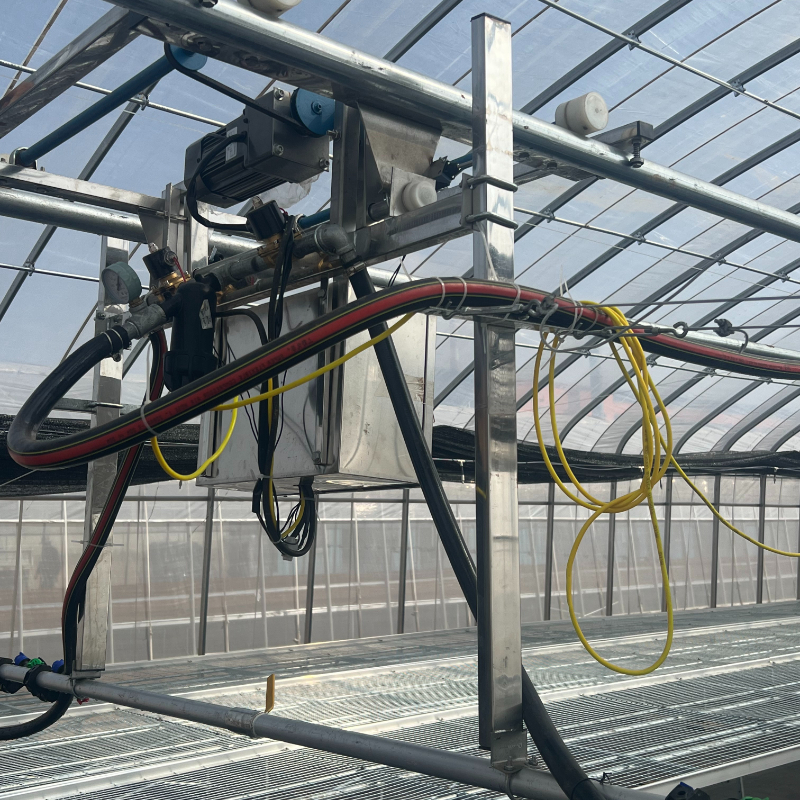
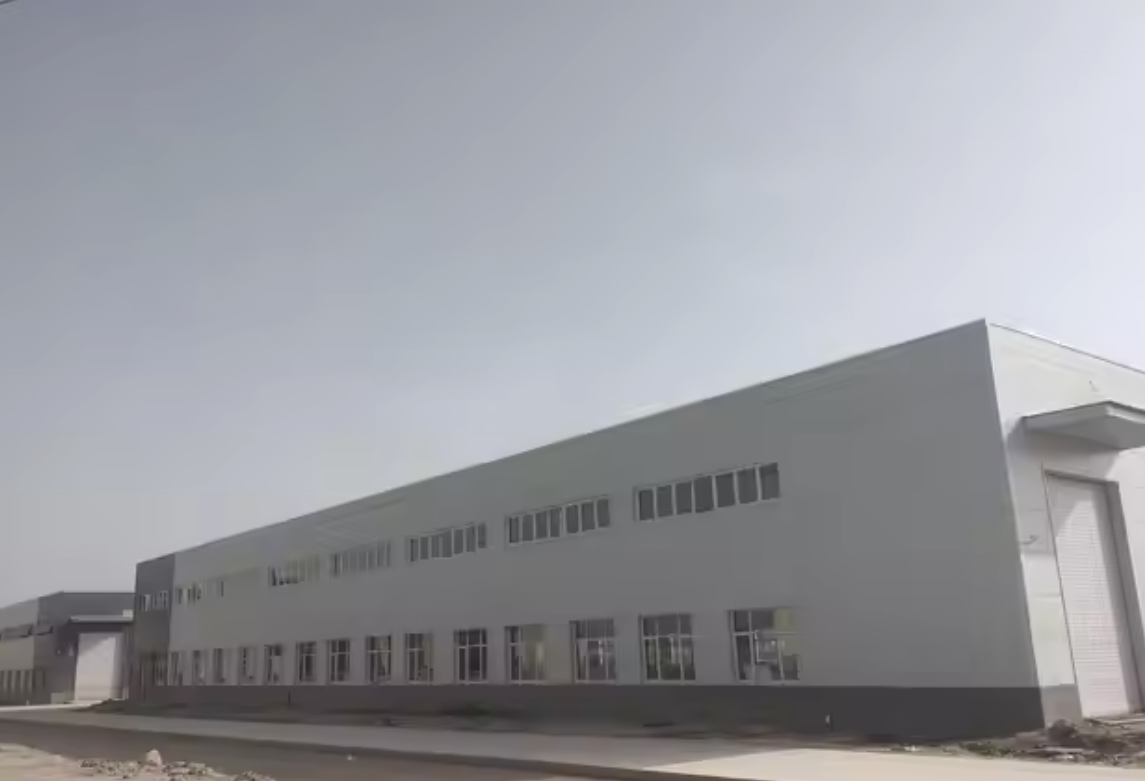
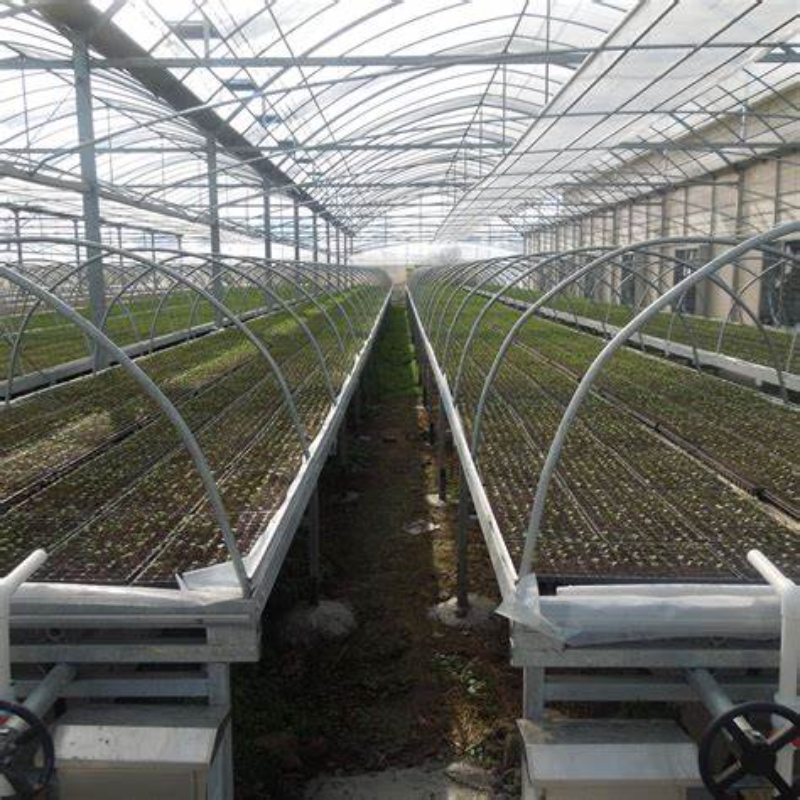
Its core design highlight is the adoption of a closed solar greenhouse cluster layout, with the greenhouses connected by corridors to form a closed production space. This design brings three core advantages: first, realizing the indoor full circulation of "people, goods, and machinery", avoiding the introduction of pests and diseases when personnel and equipment enter and exit the greenhouse, and at the same time reducing the impact of the external environment on the indoor, significantly improving the quality of agricultural products, with the commodity rate of fruit vegetables reaching over 98%; second, greatly improving the degree of mechanized operation. Automatic seeders, integrated water and fertilizer machines, harvesting conveyors and other equipment can be flexibly deployed in the closed space, increasing labor efficiency by more than 60% and reducing labor input by 50%, effectively alleviating the problem of agricultural labor shortage; third, optimizing the working environment, avoiding planting personnel from being exposed to harsh weather such as severe cold and extreme heat, and improving work comfort.
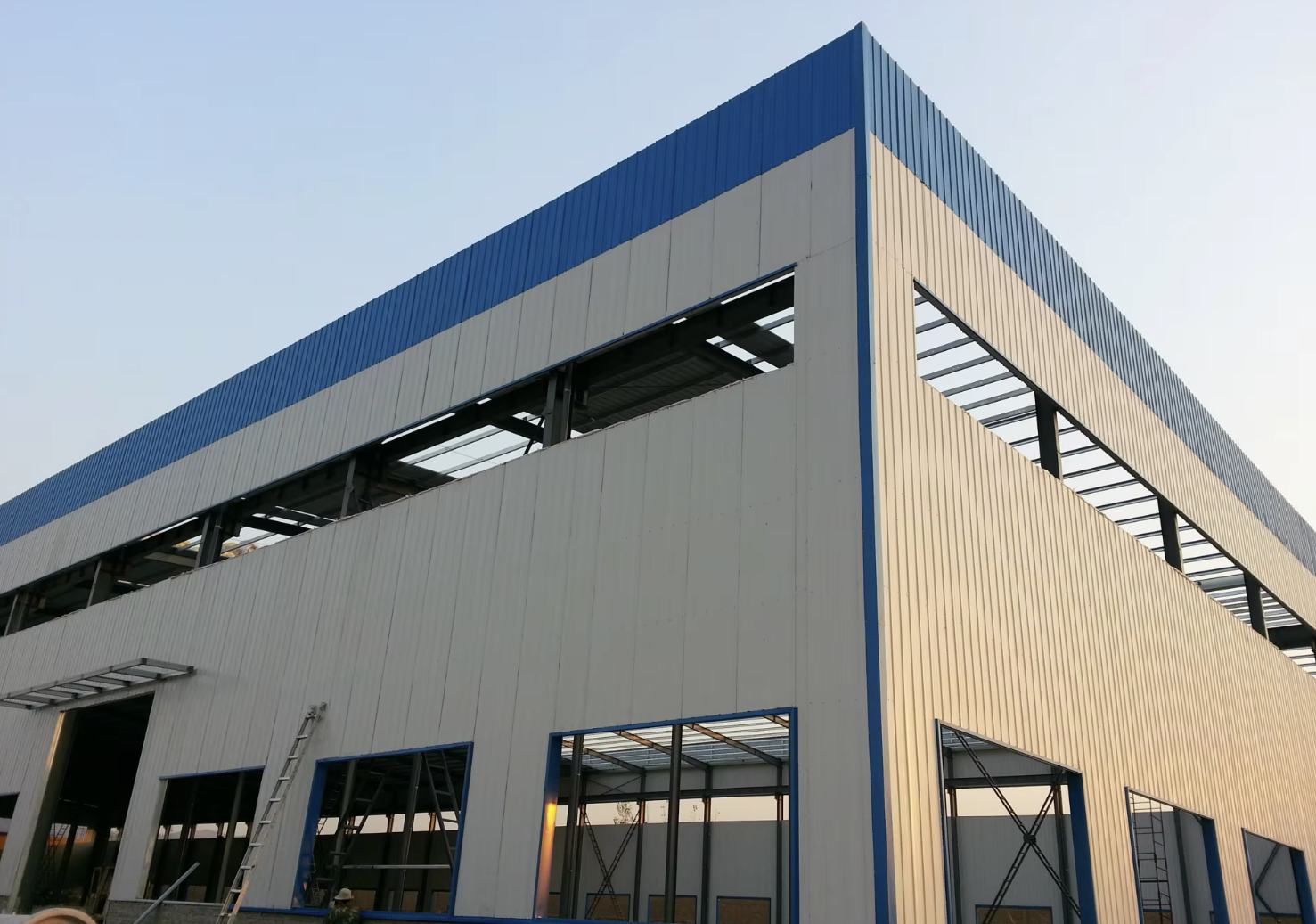
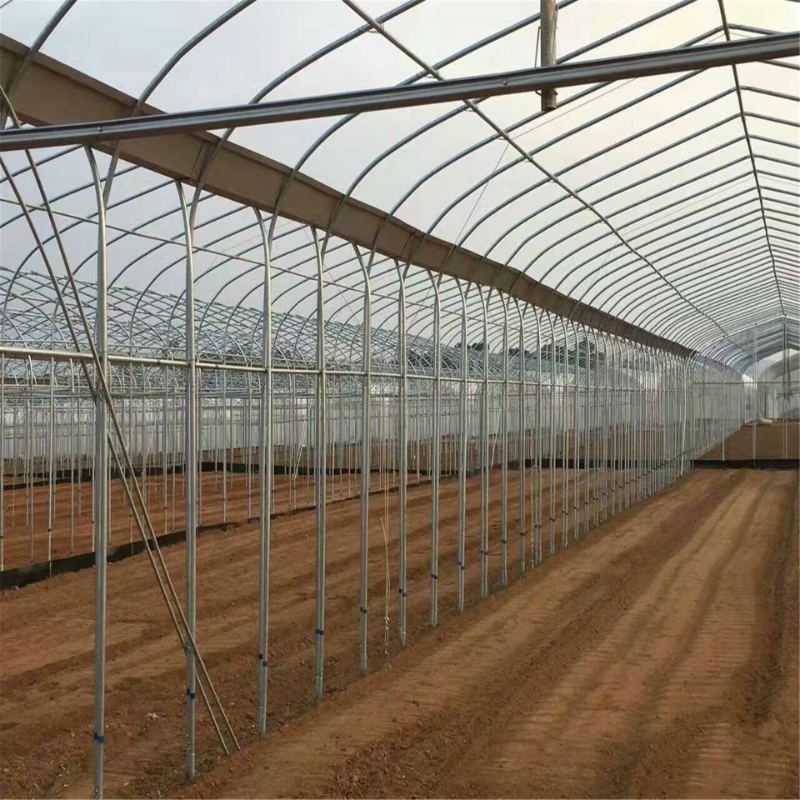
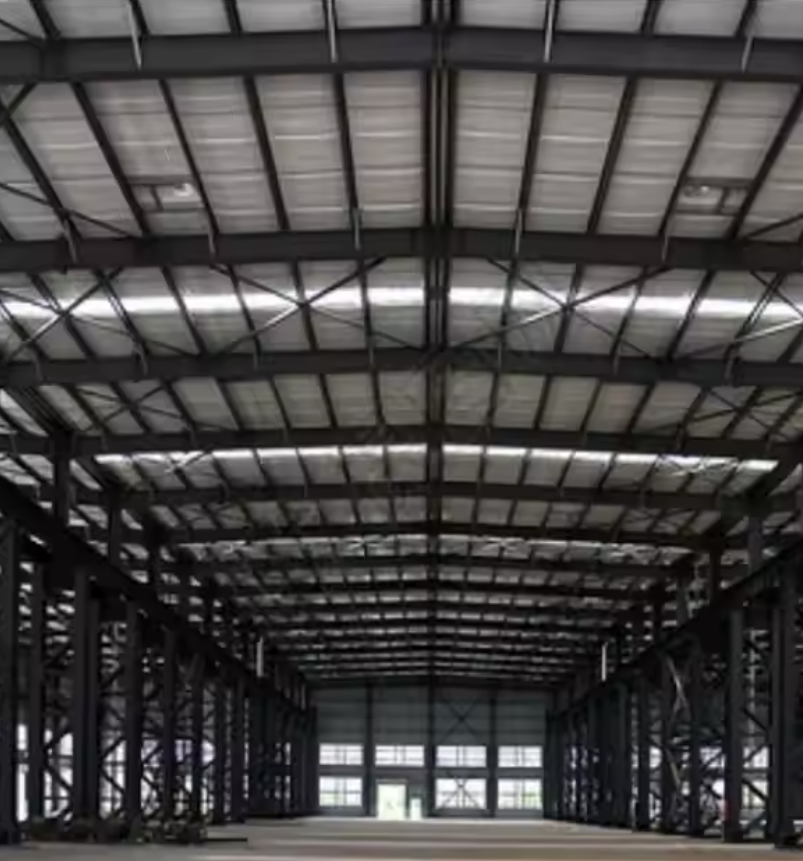
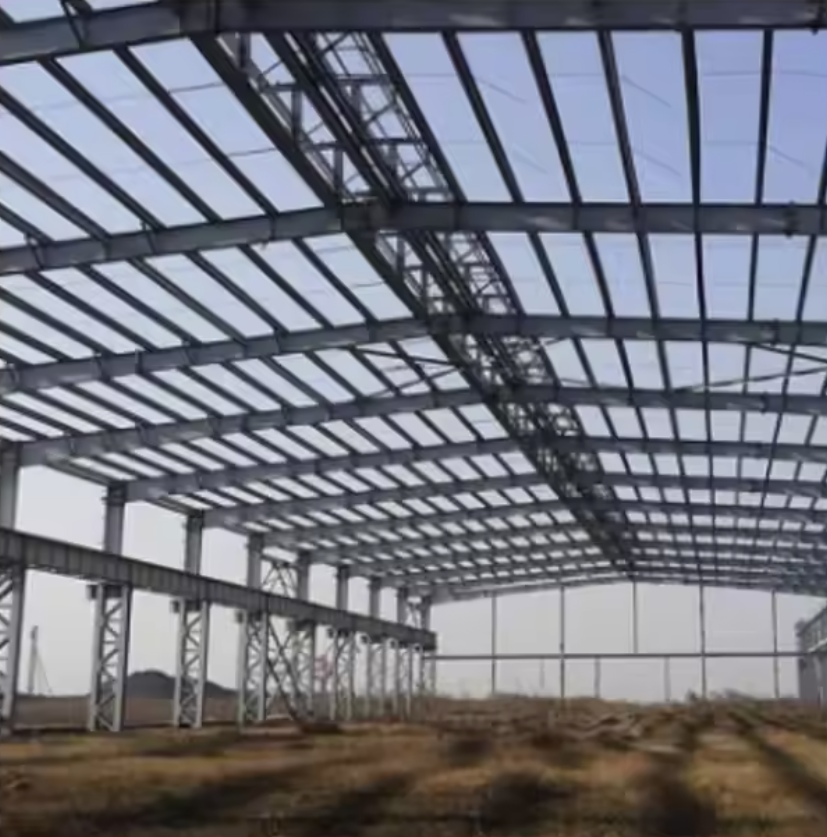
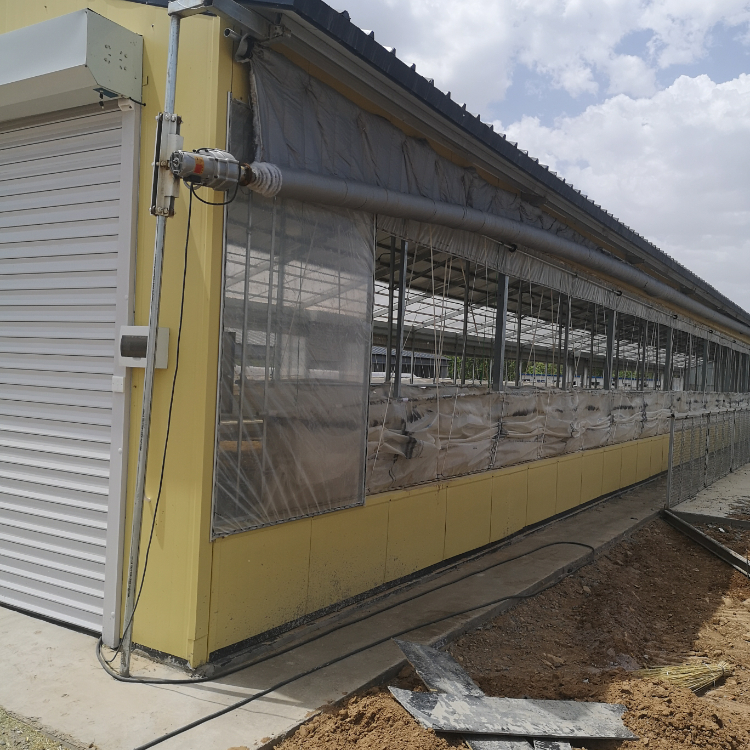
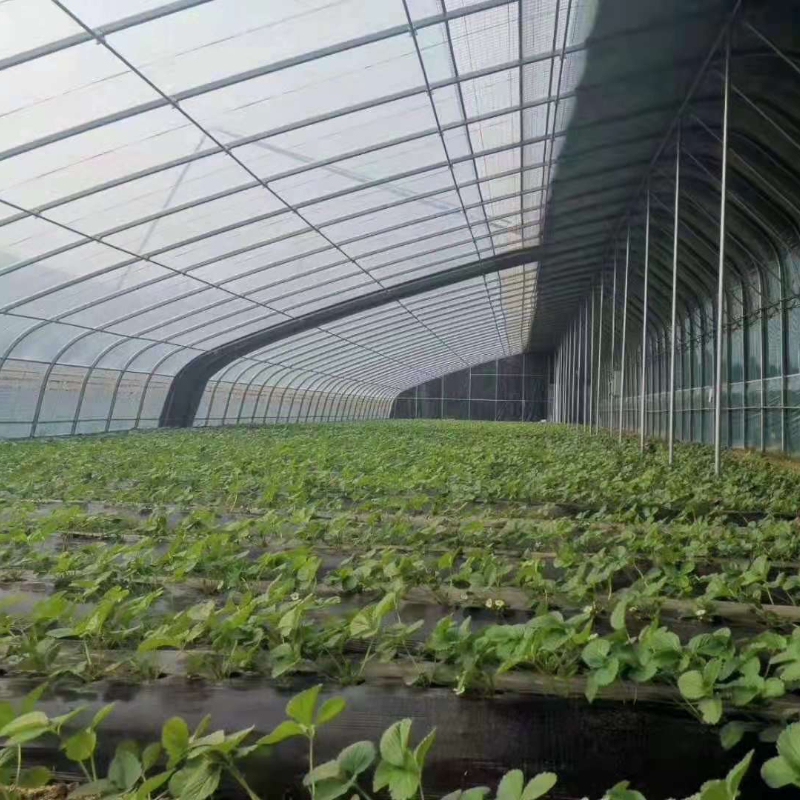
In terms of structure and cost, the Sino-Dutch high-efficiency solar greenhouse also has significant advantages: it adopts an assembled main structure with no brickwork design, on-site assembly and construction, and a short construction cycle (the cluster construction can be completed in 30-45 days); the foundation adopts a shallow burial design, which does not damage the soil plow layer and can be constructed in basic farmland in compliance with regulations; the construction cost is 20%-30% lower than that of traditional multi-span greenhouses, with a service life of 15-20 years and low maintenance cost. In terms of production benefits, relying on the advantage of low energy consumption, the greenhouse can maintain crop growth only by solar heat storage in winter, with heating energy consumption reduced by more than 70% compared with traditional greenhouses. Combined with high-efficiency cultivation technology, the average annual output of fruit vegetables per mu (1 mu ≈ 0.0667 hectares) can reach 8,000-10,000 kilograms, and the average net profit per mu can reach 30,000-50,000 yuan, an increase of 40%-60% compared with traditional solar greenhouses.
