
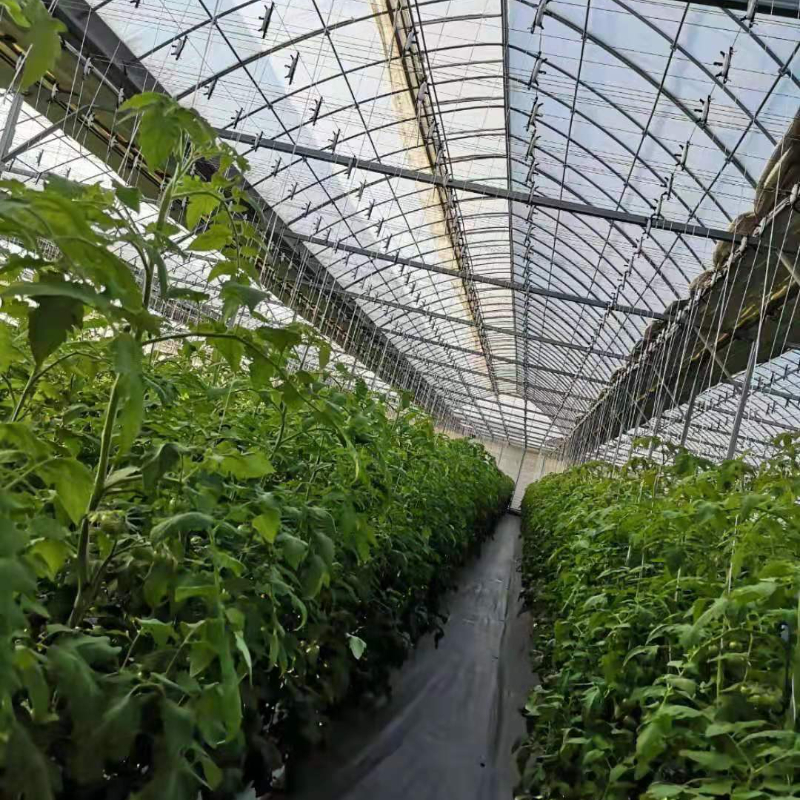
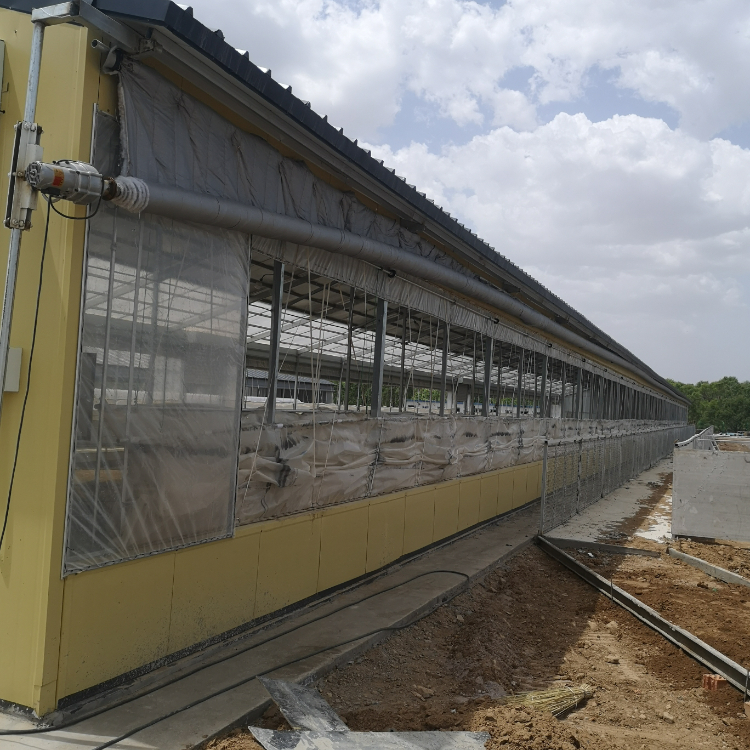
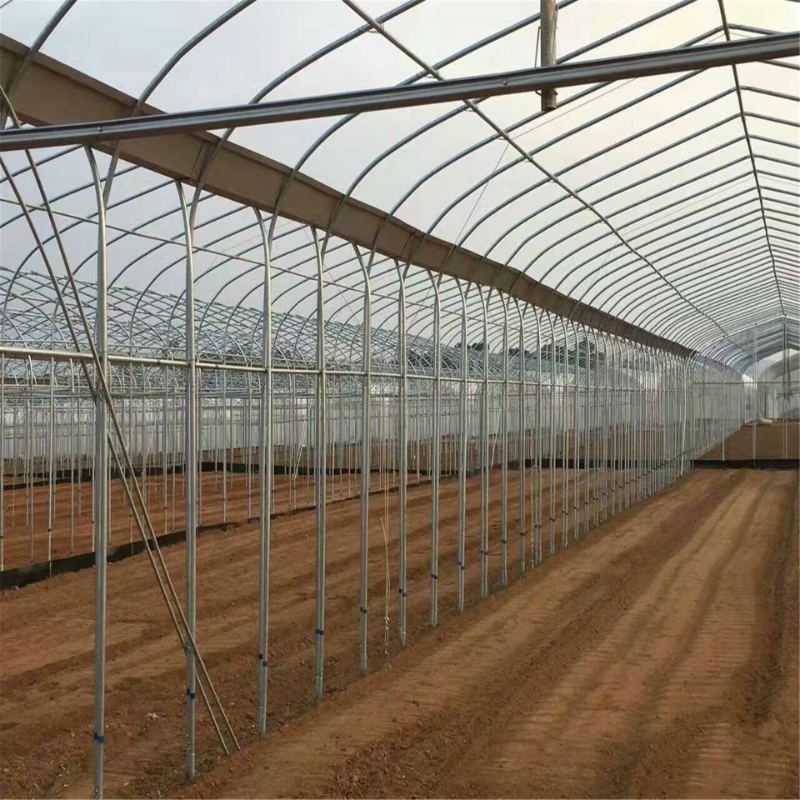
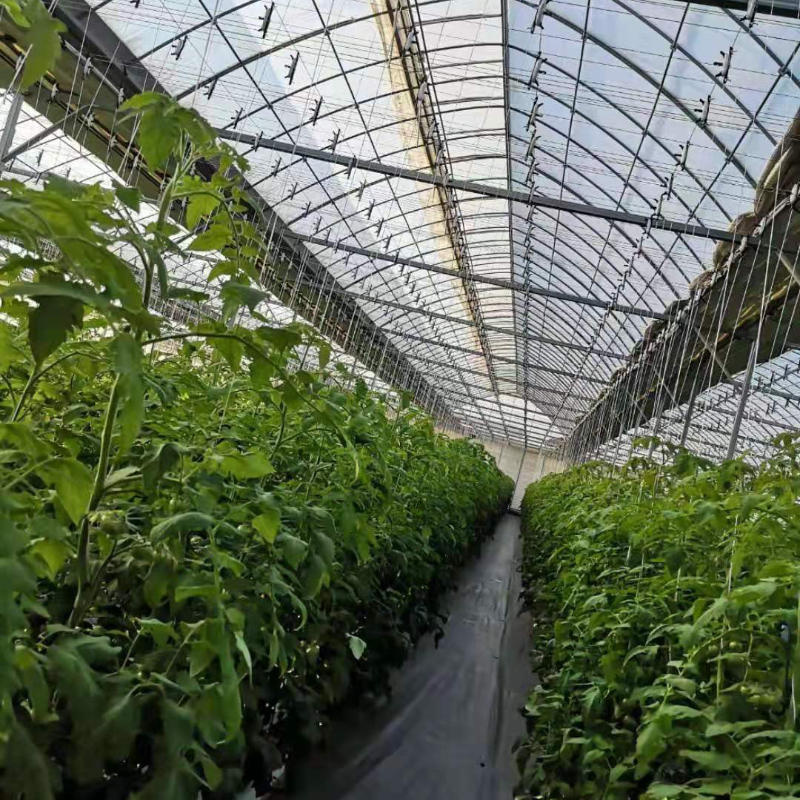
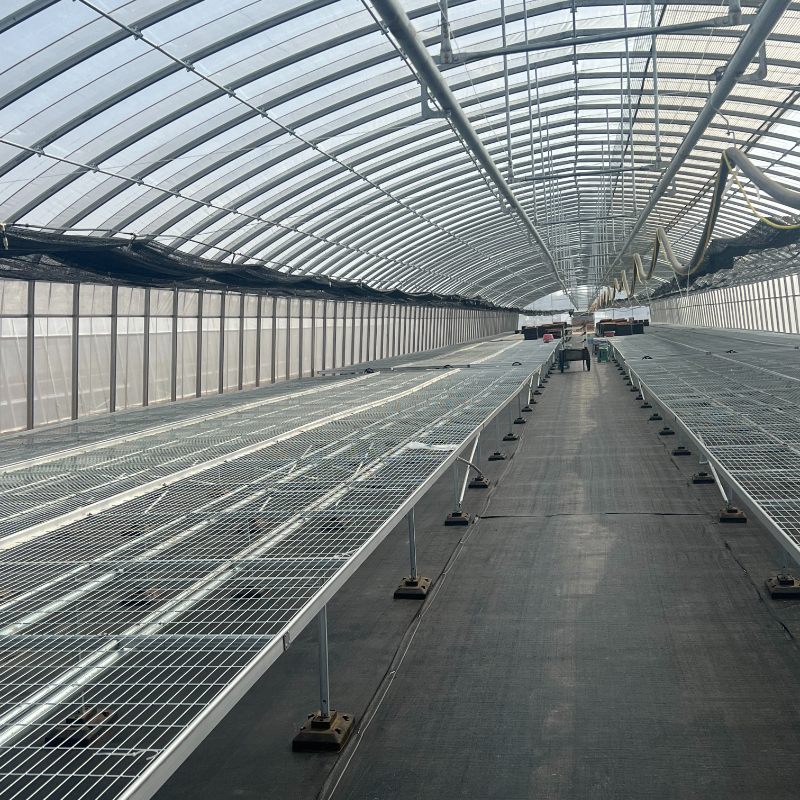
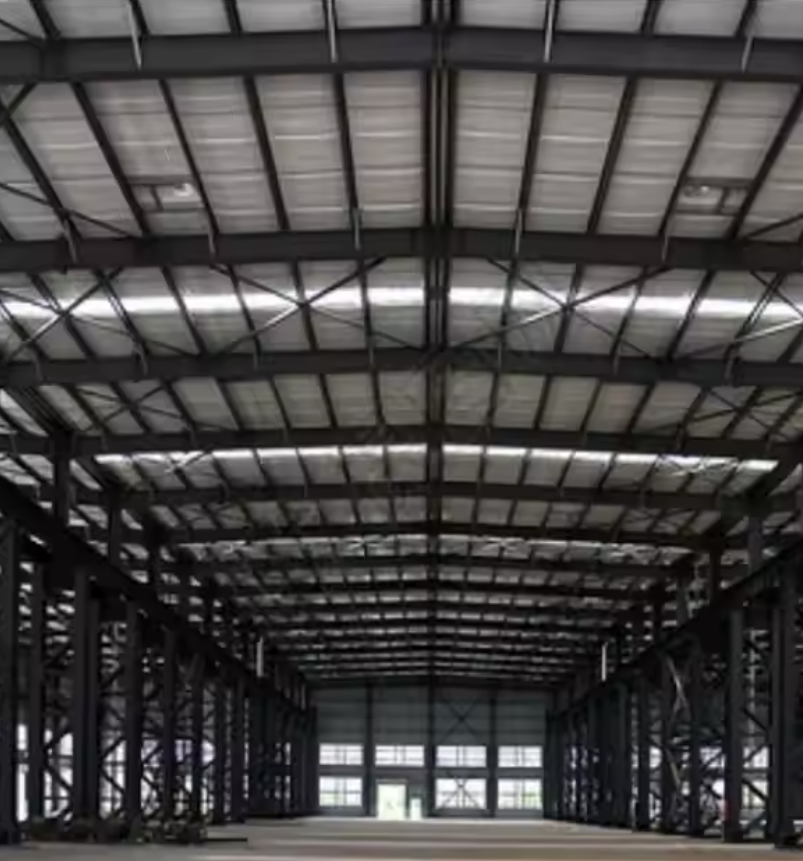
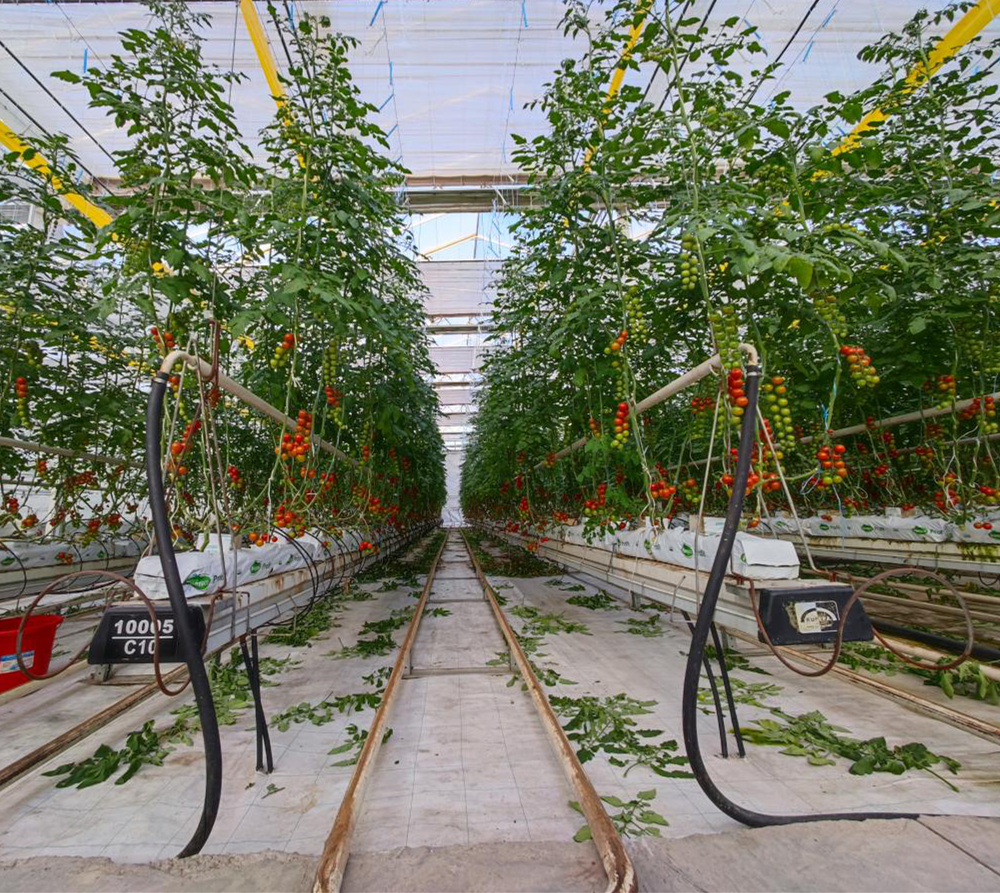
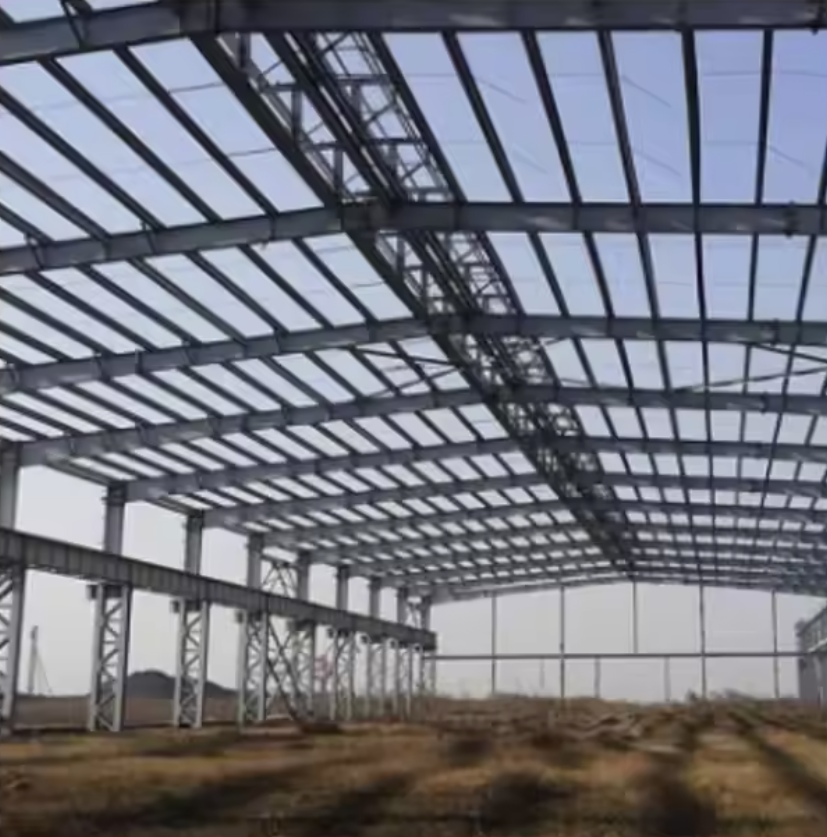
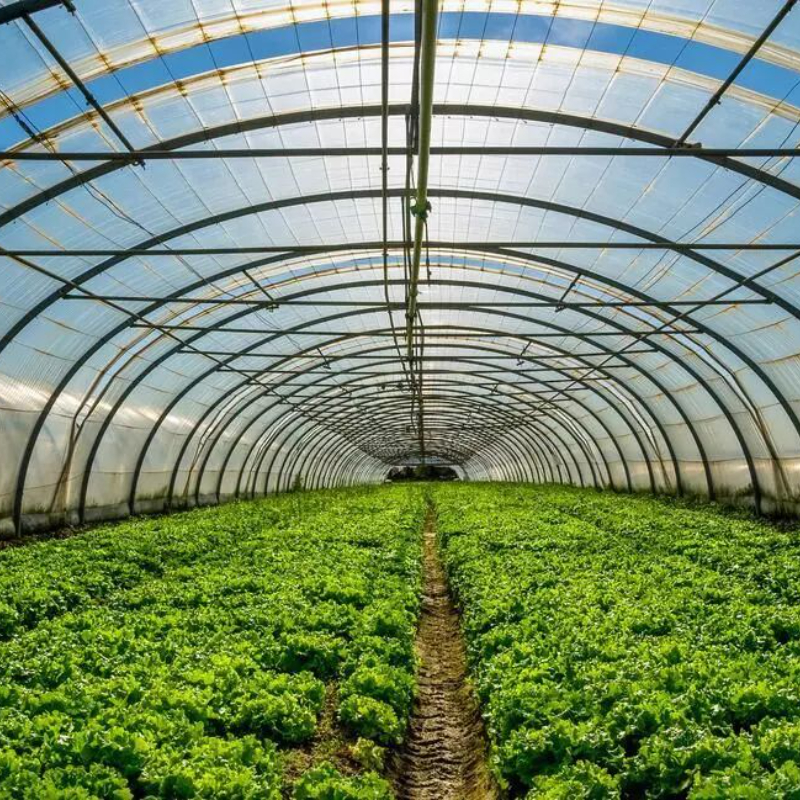
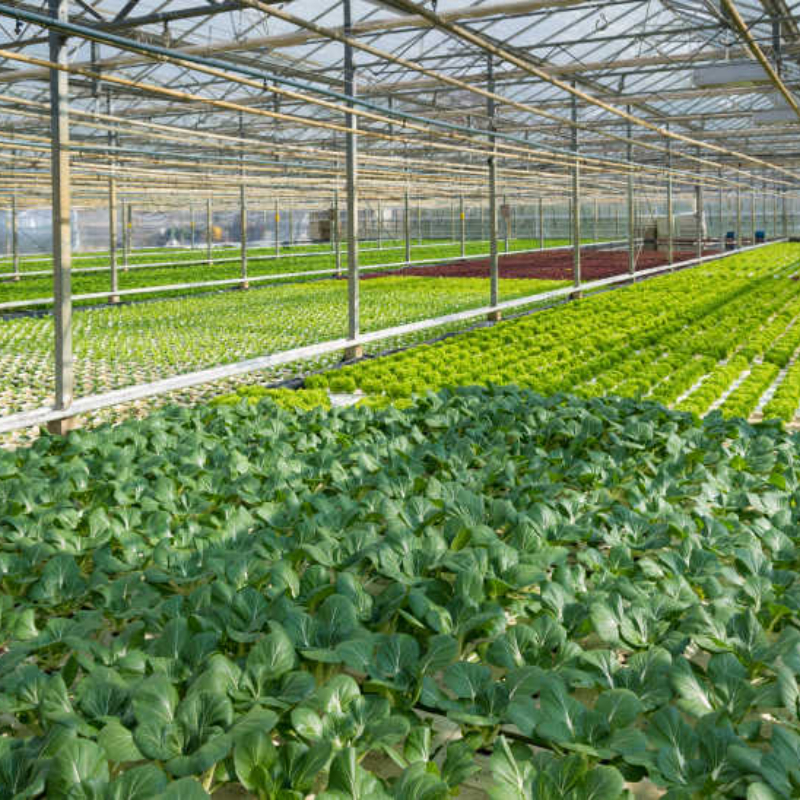
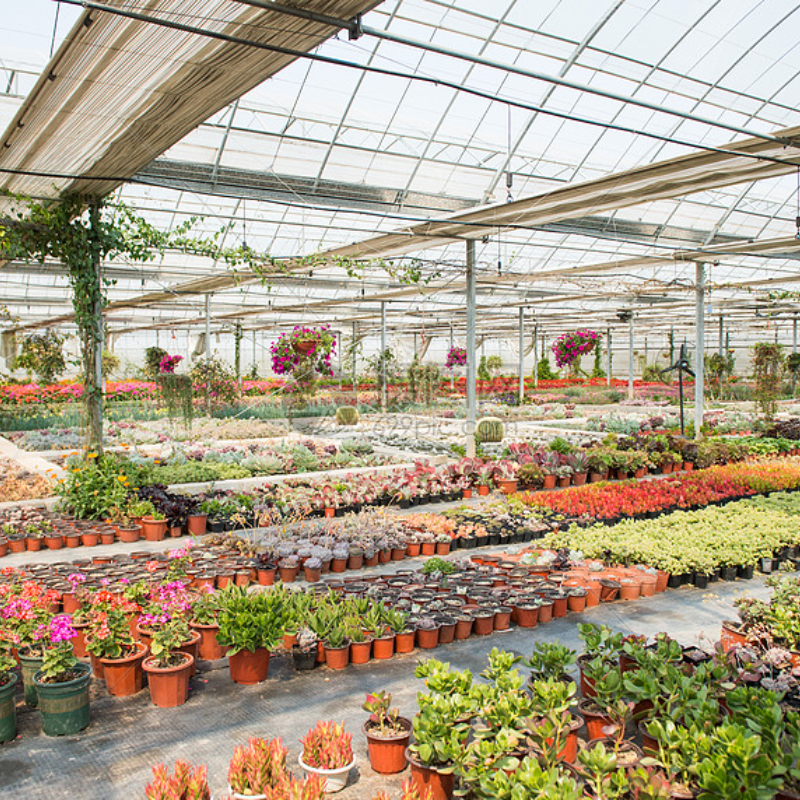
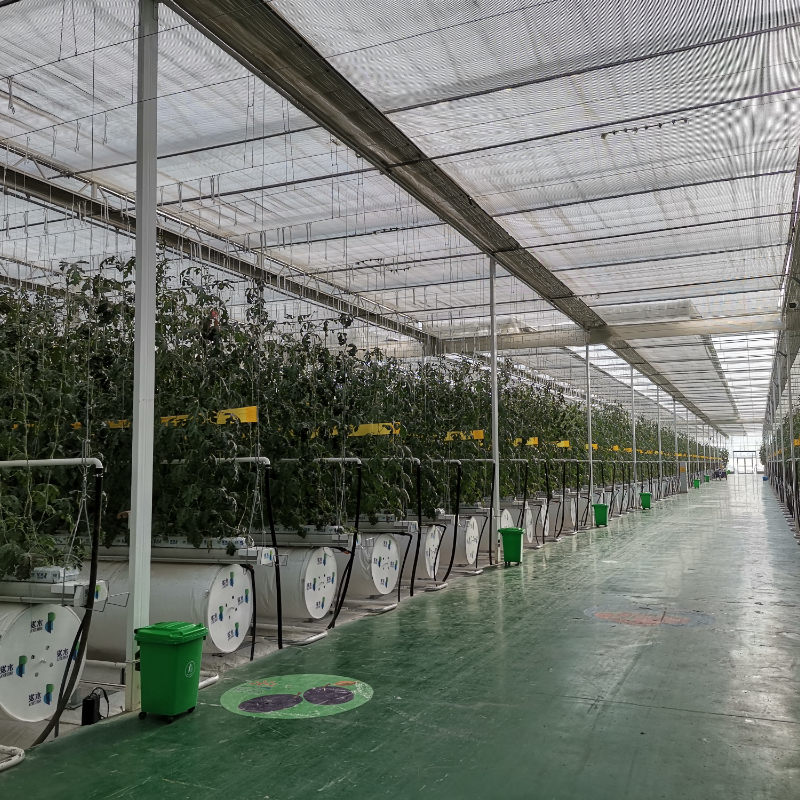
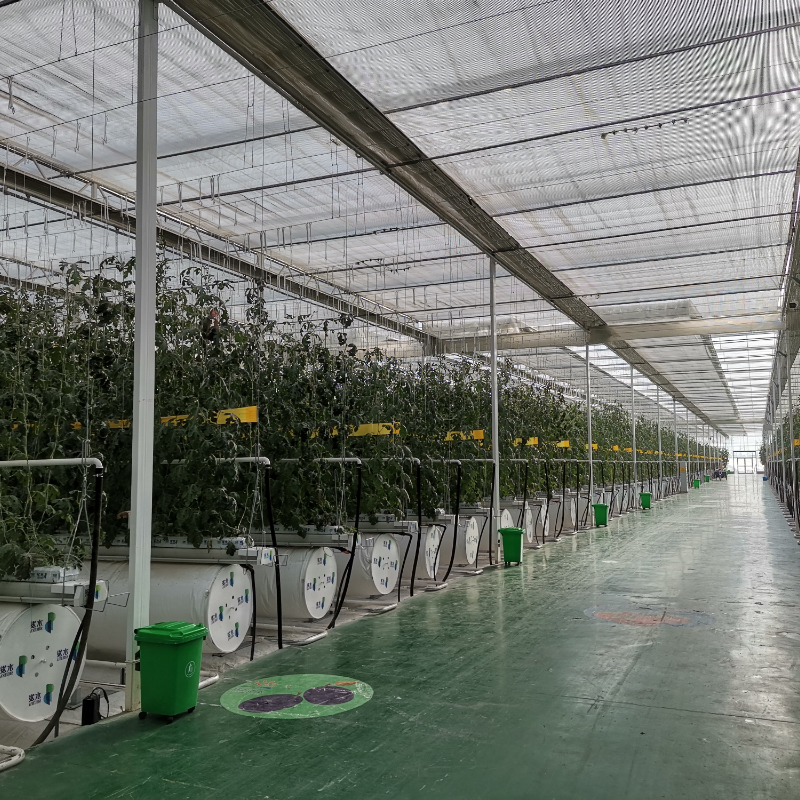
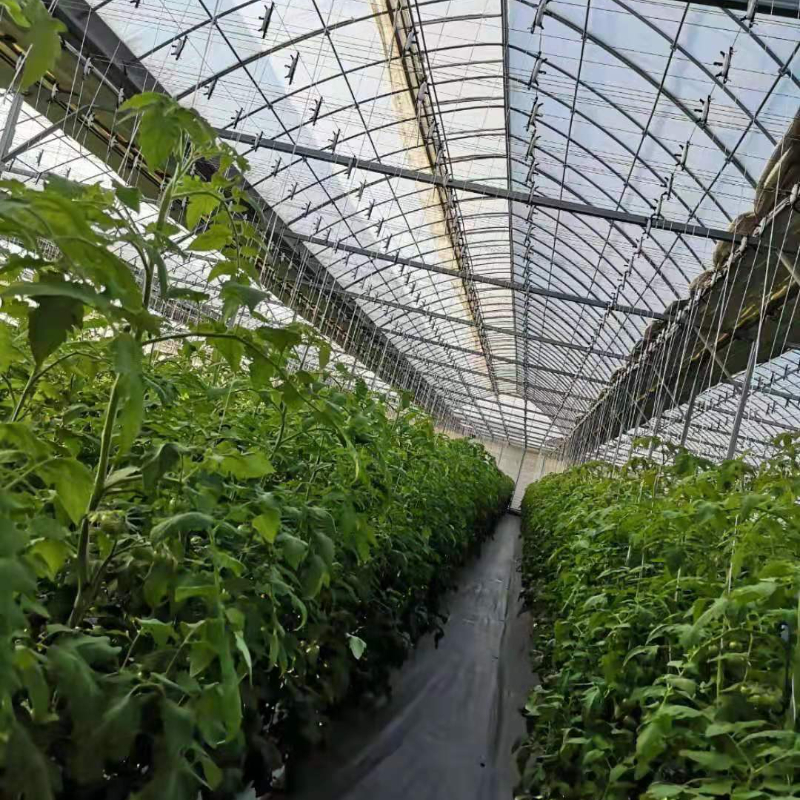
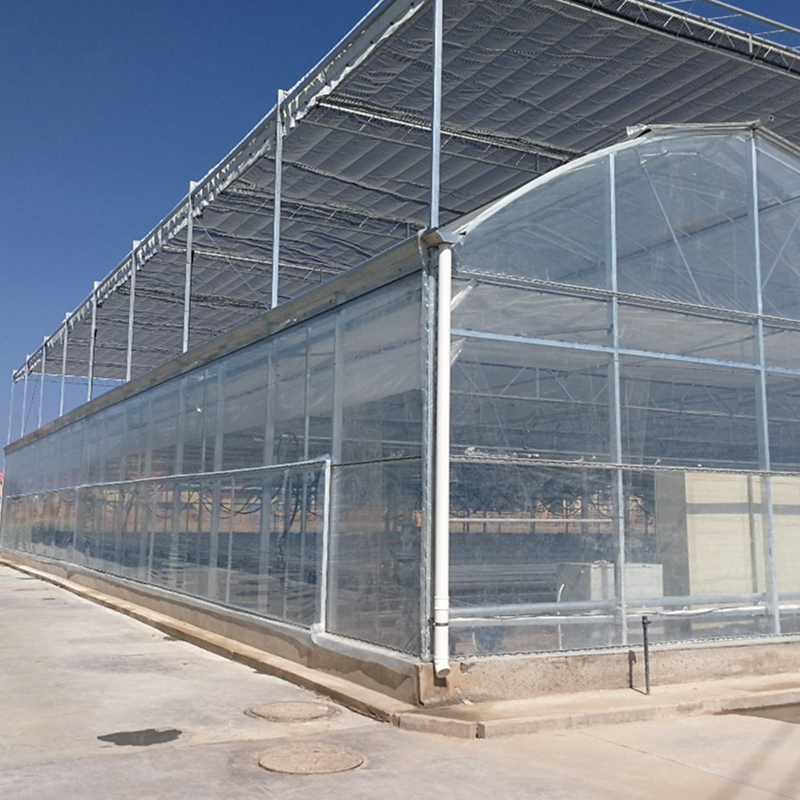
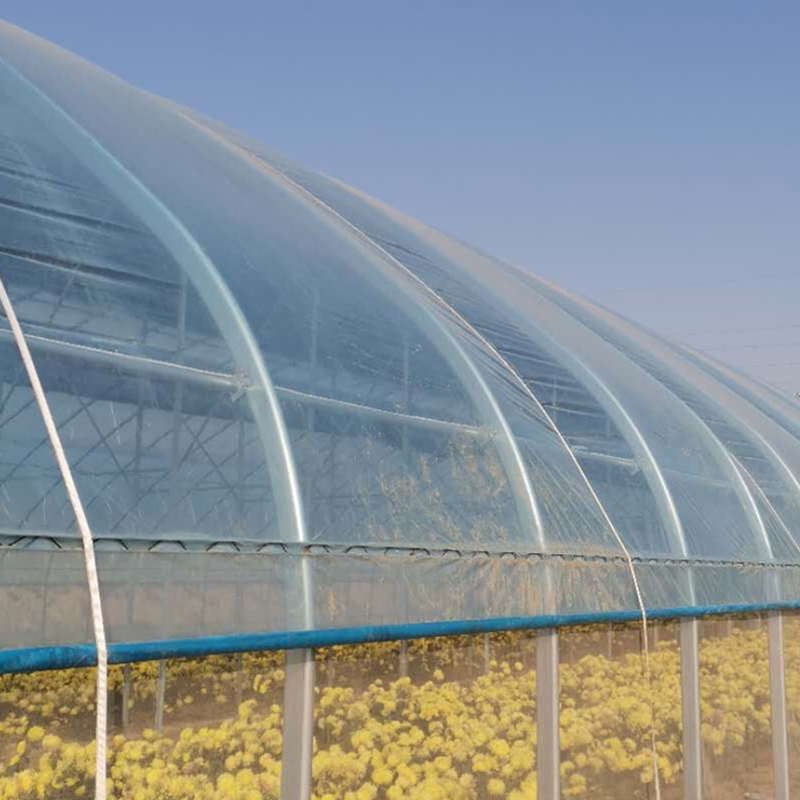
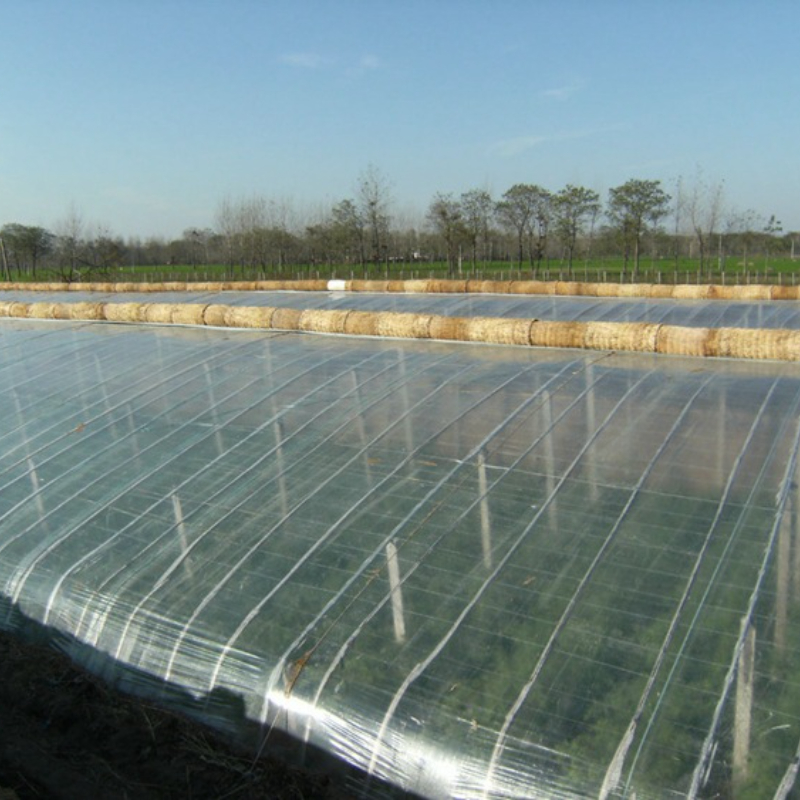
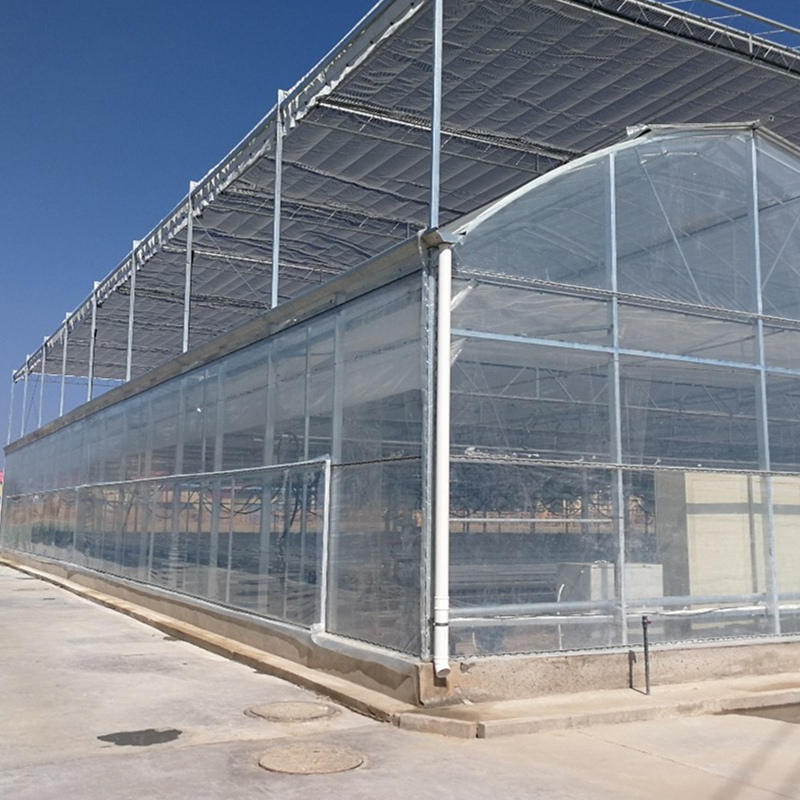
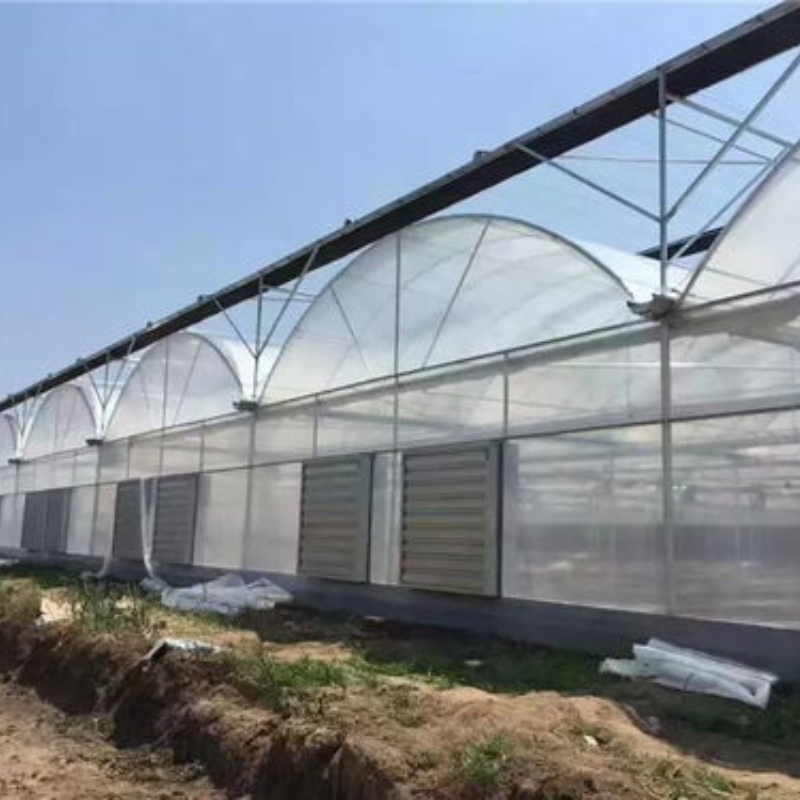
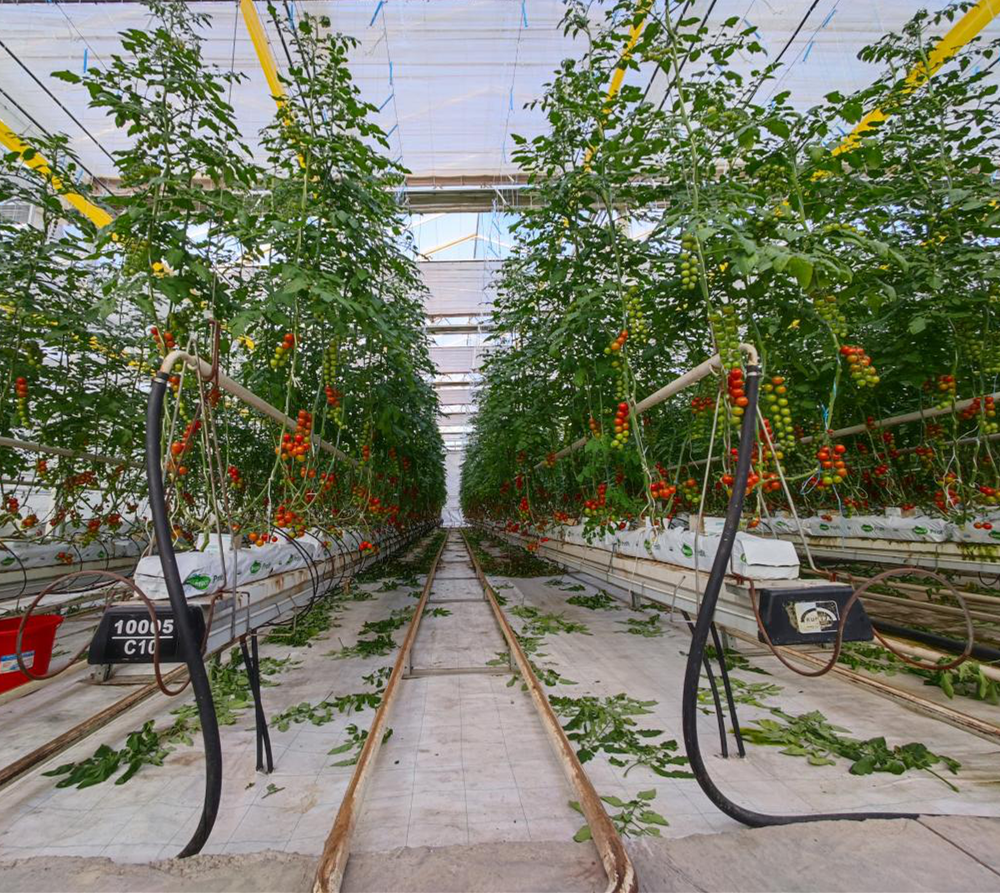
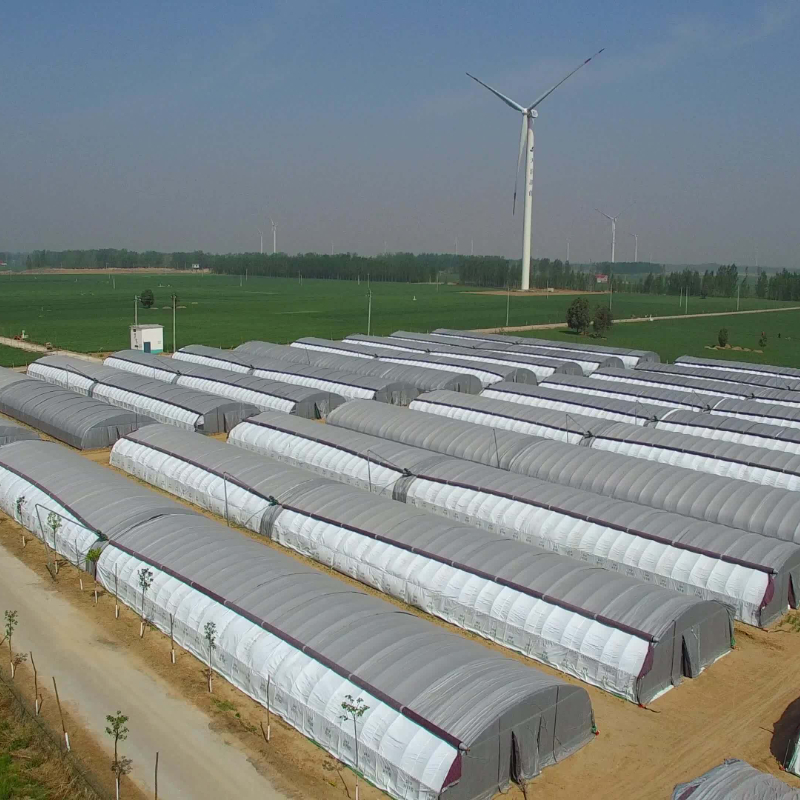
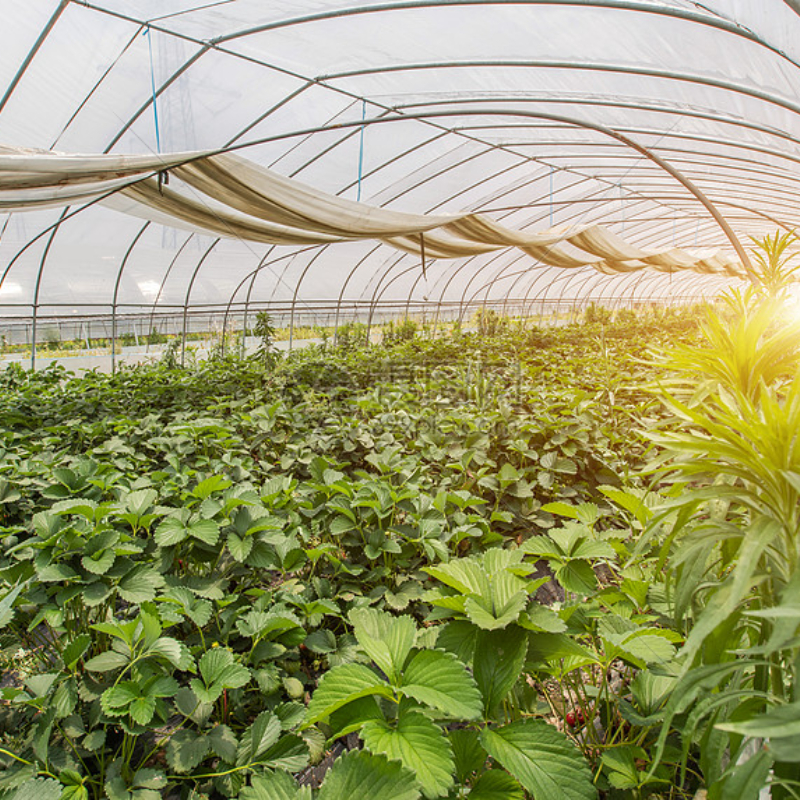
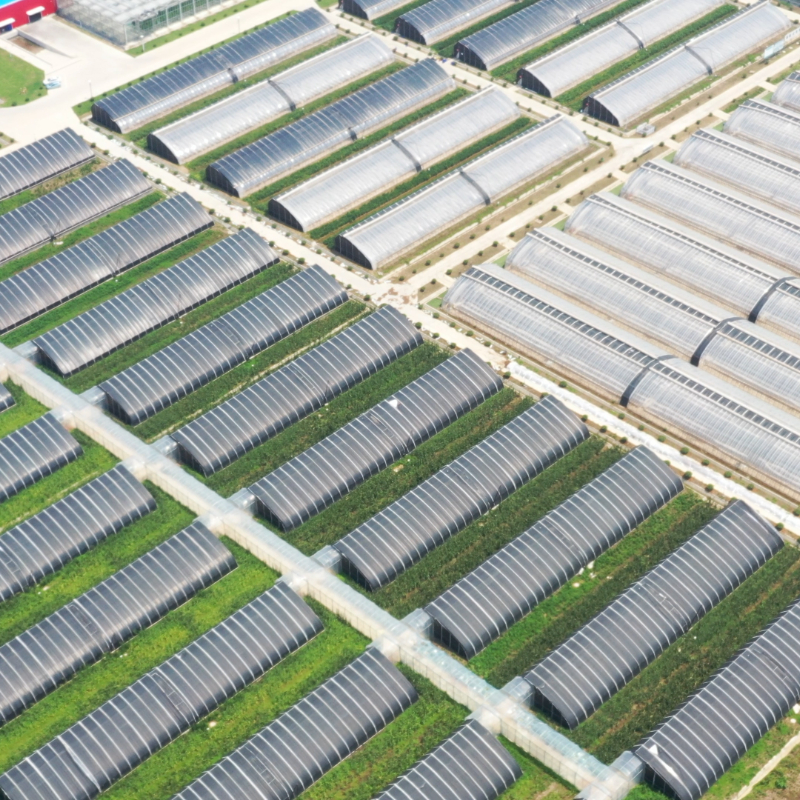
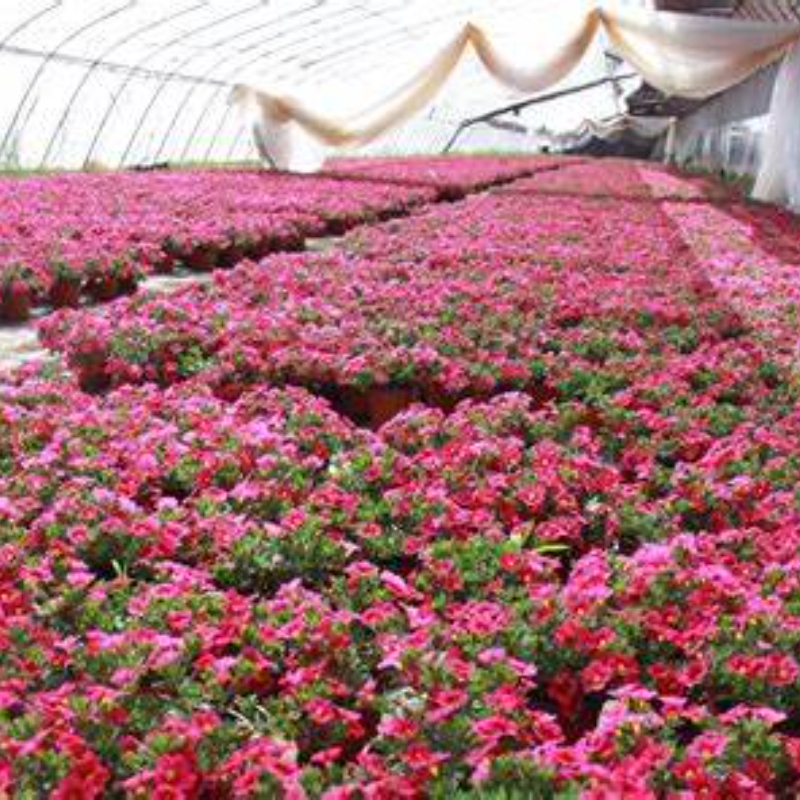
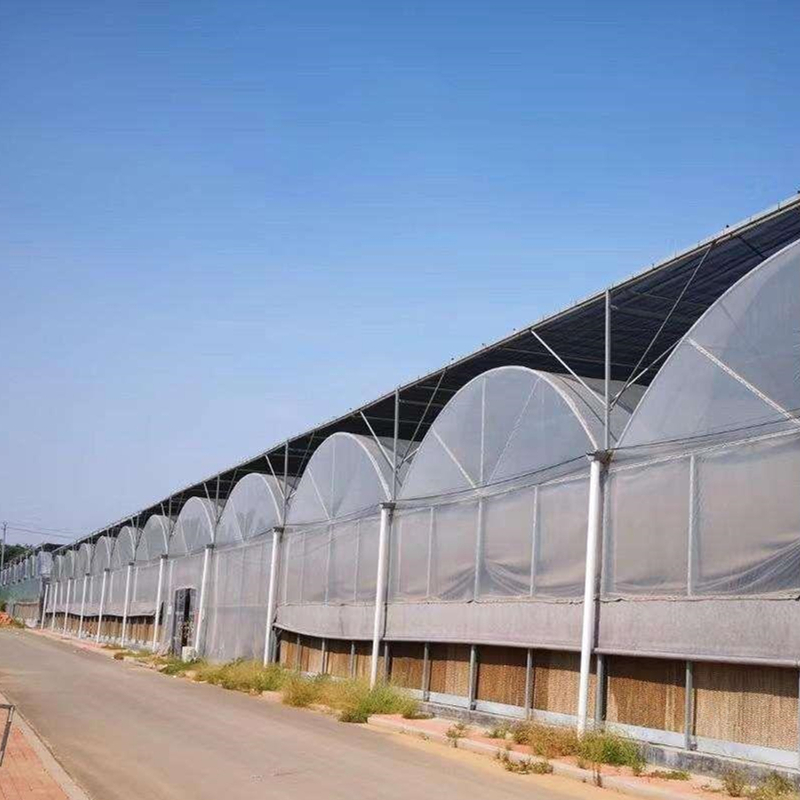
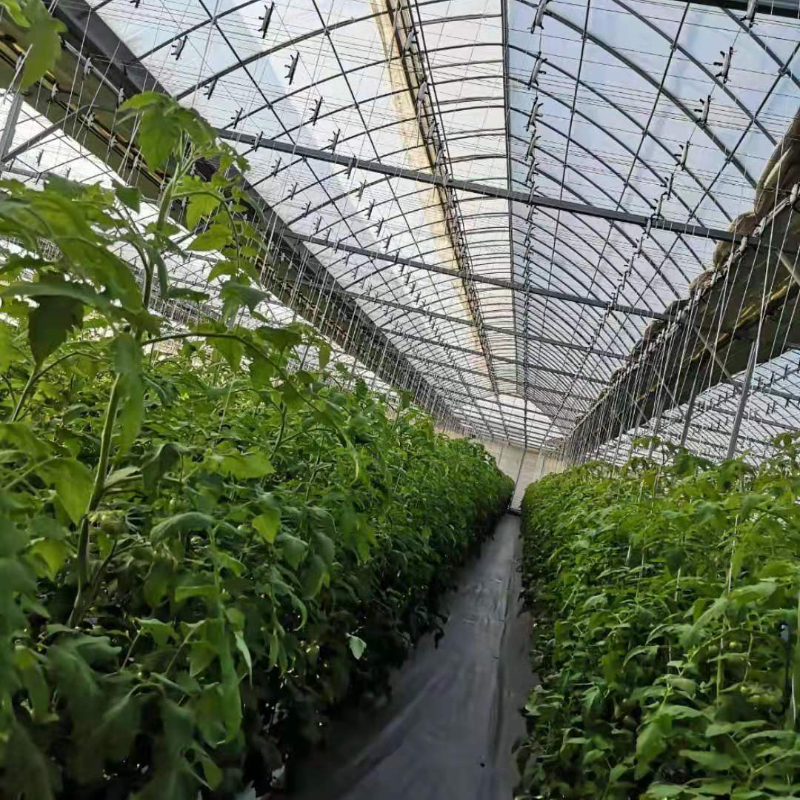
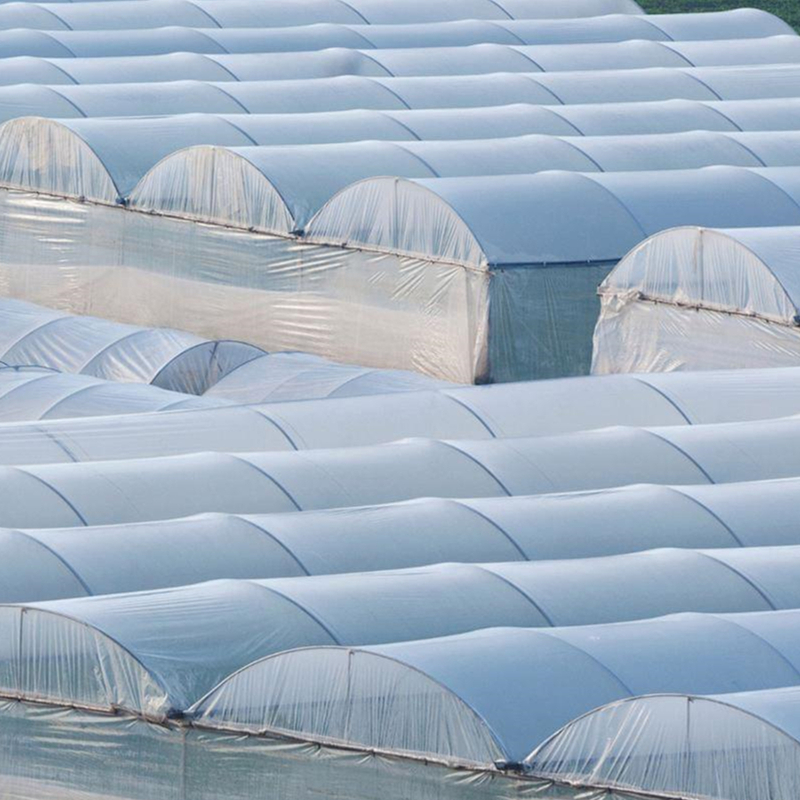
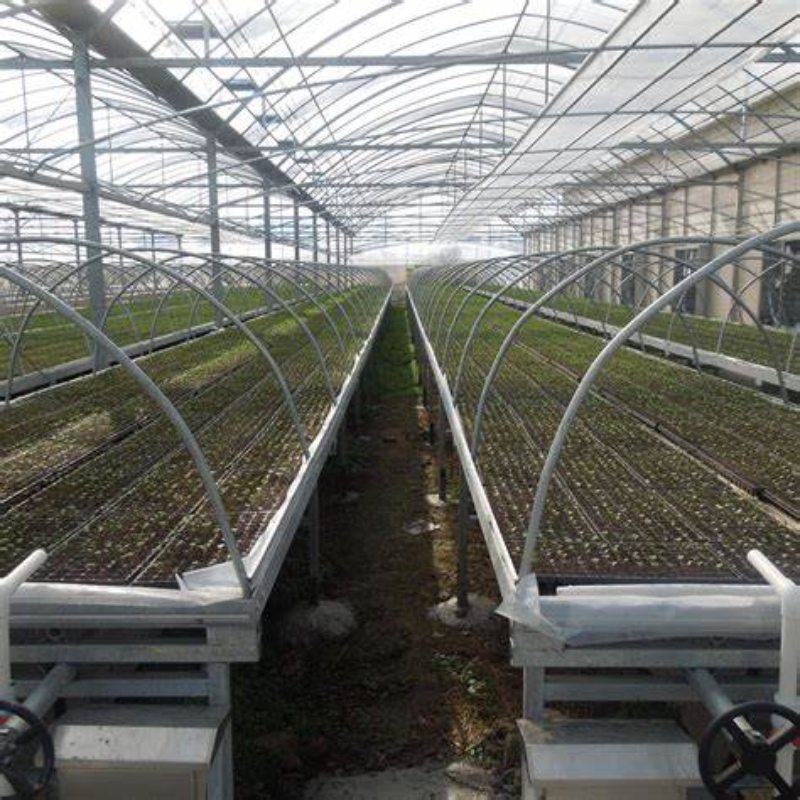
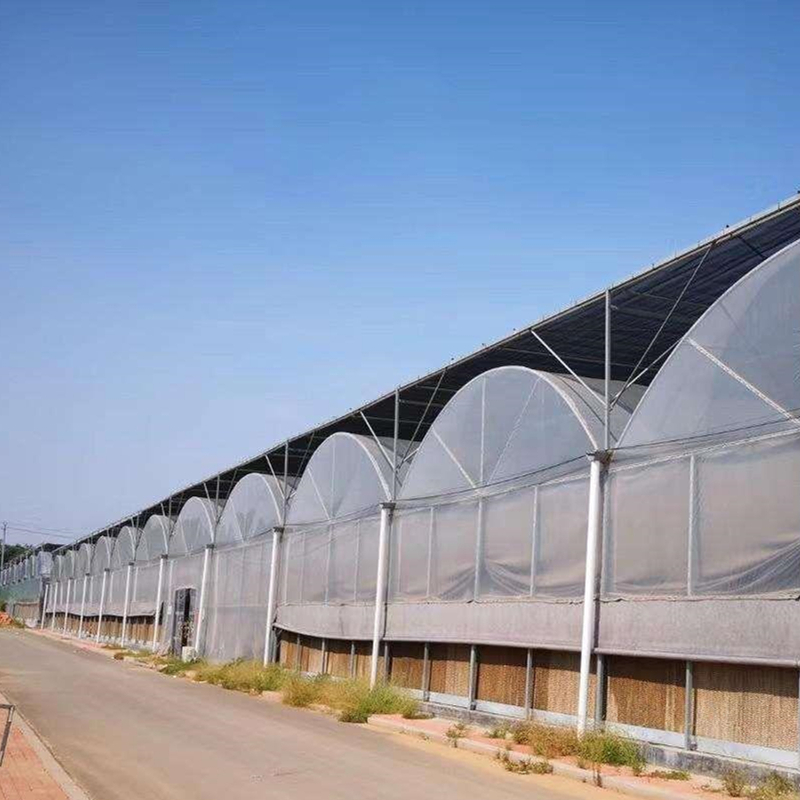
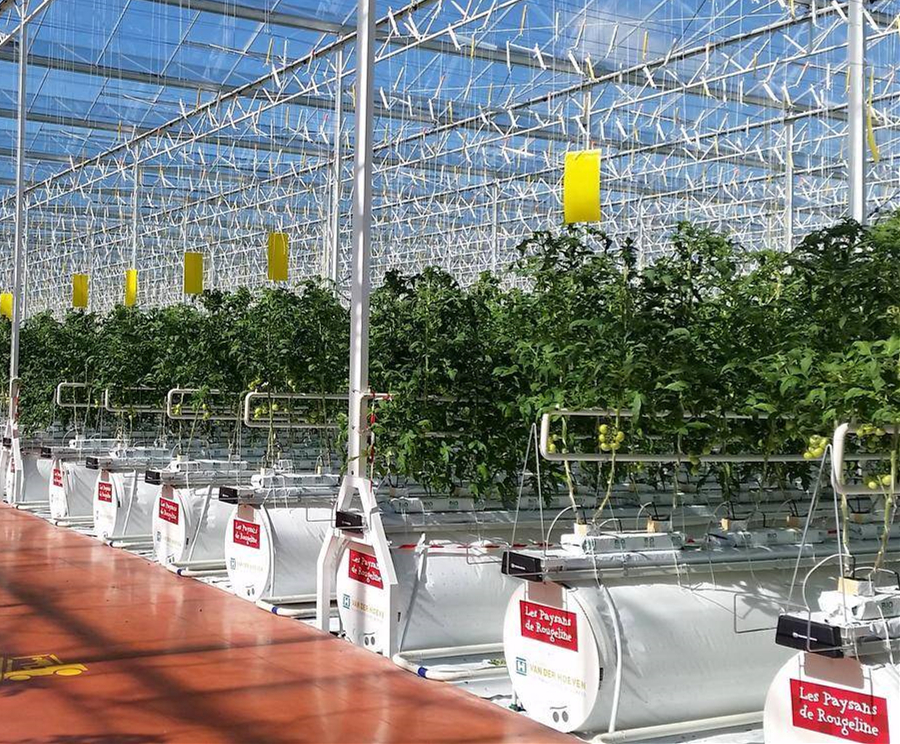
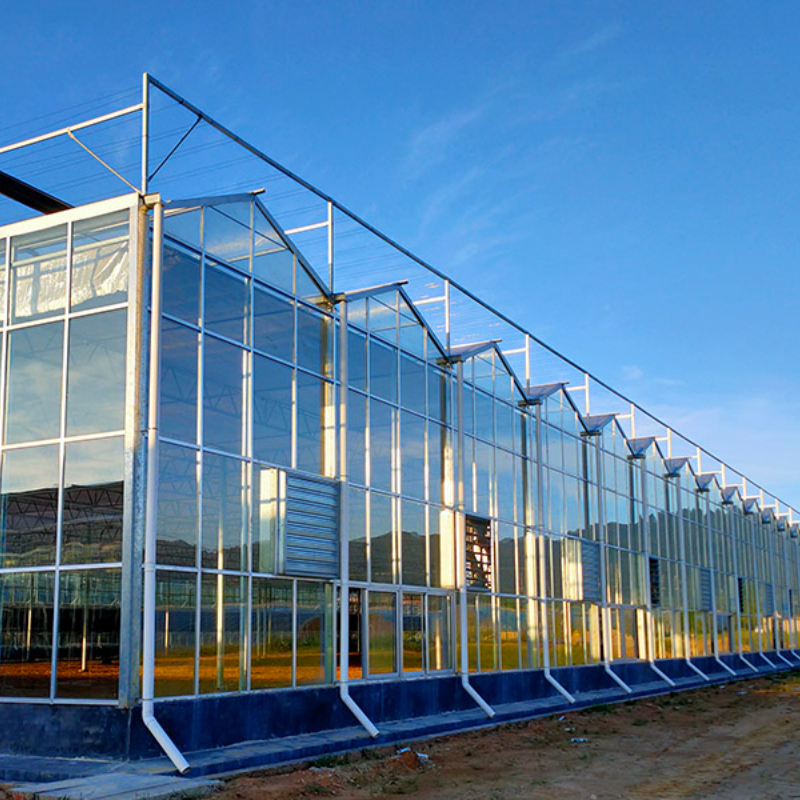
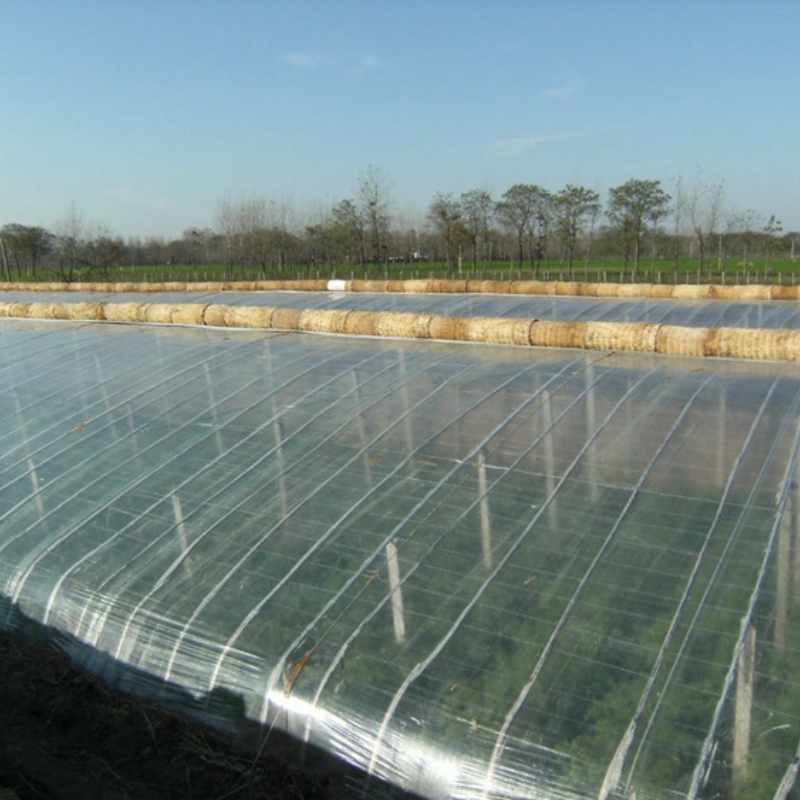
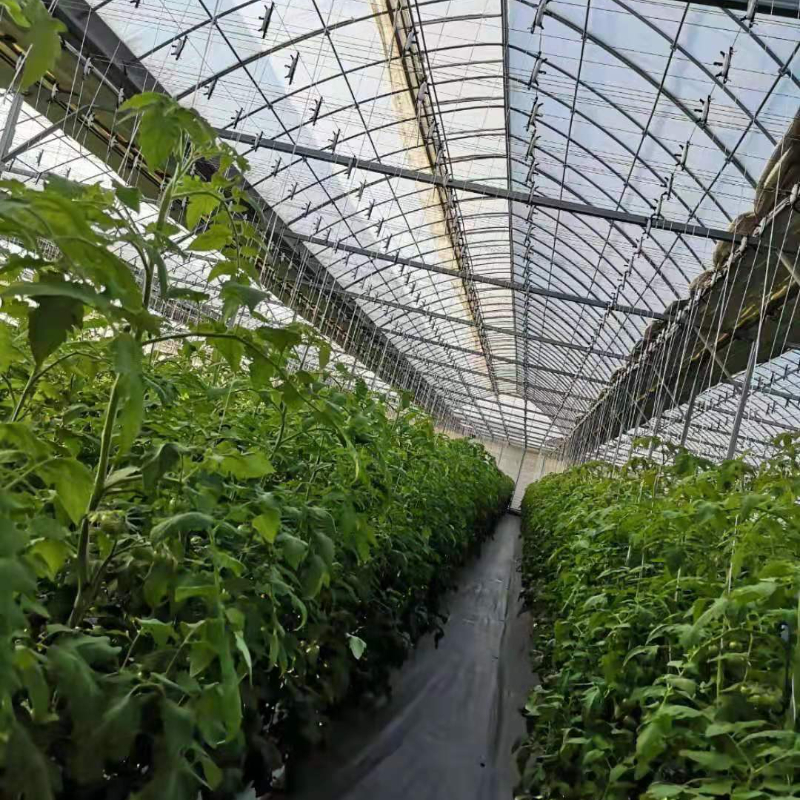
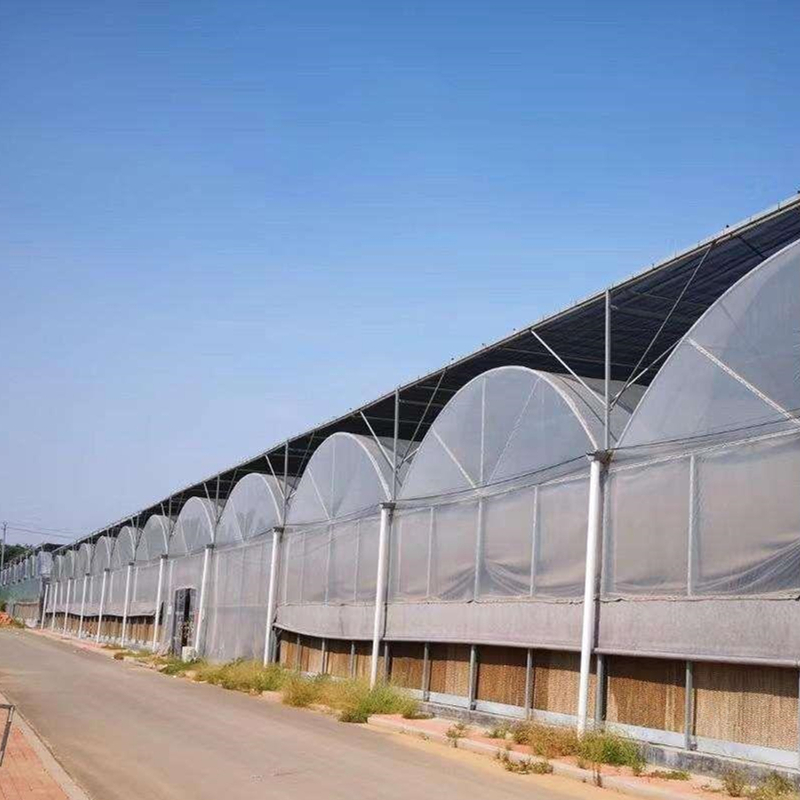
Taking plastic film as the core covering material, the film arch greenhouse has become one of the most widely used greenhouse types in China's protected agriculture due to its advantages of simple structure, low cost, convenient installation, and high land utilization rate. Its core advantage is that by matching different auxiliary equipment, it can flexibly adapt to different climate conditions in the north and south, realize early spring, late autumn, and even overwintering cultivation, effectively extend the planting cycle, and improve land output efficiency.
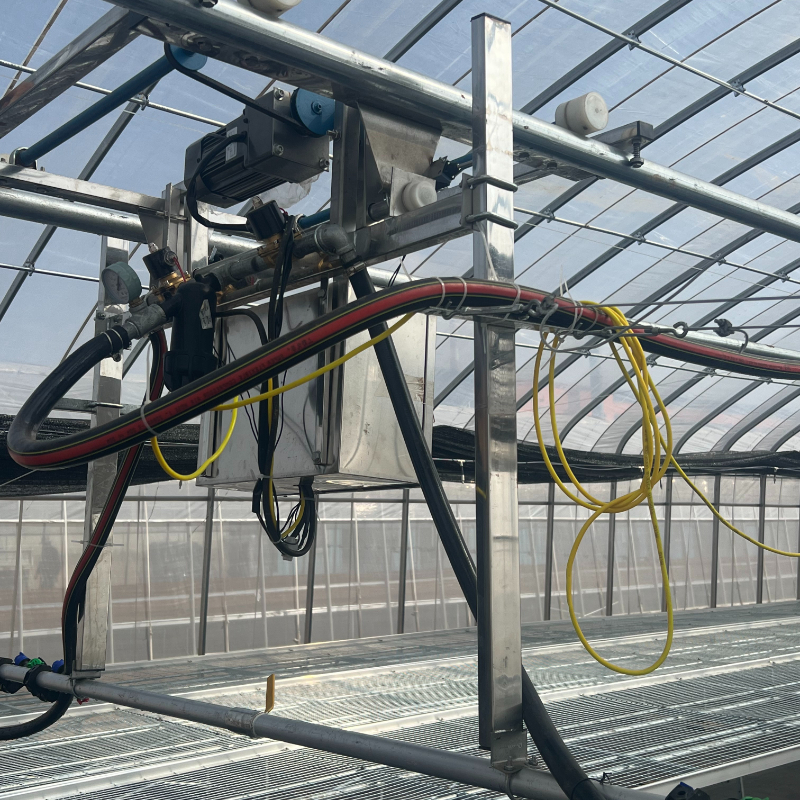
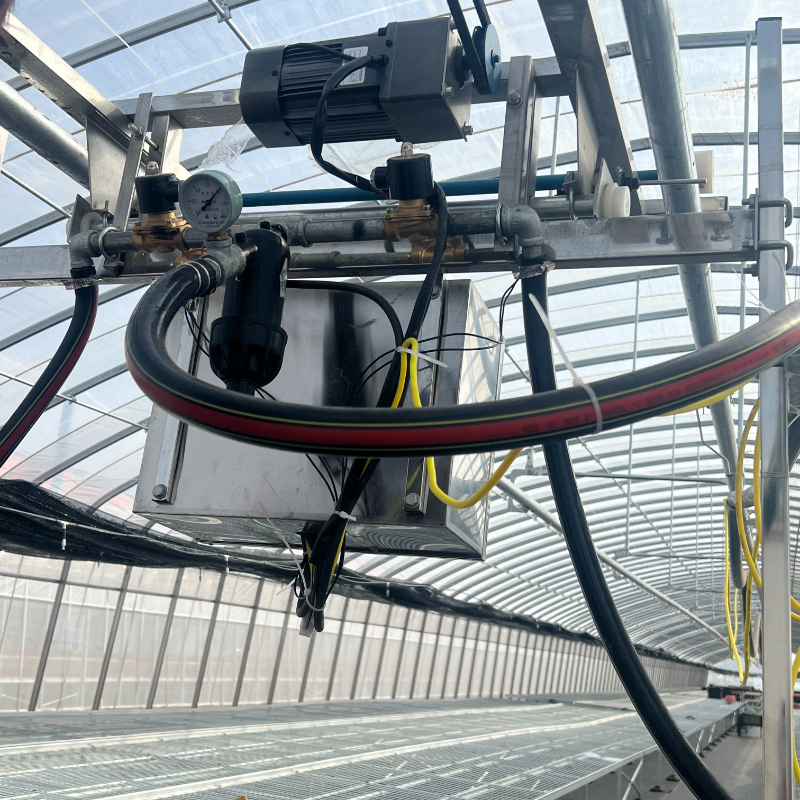
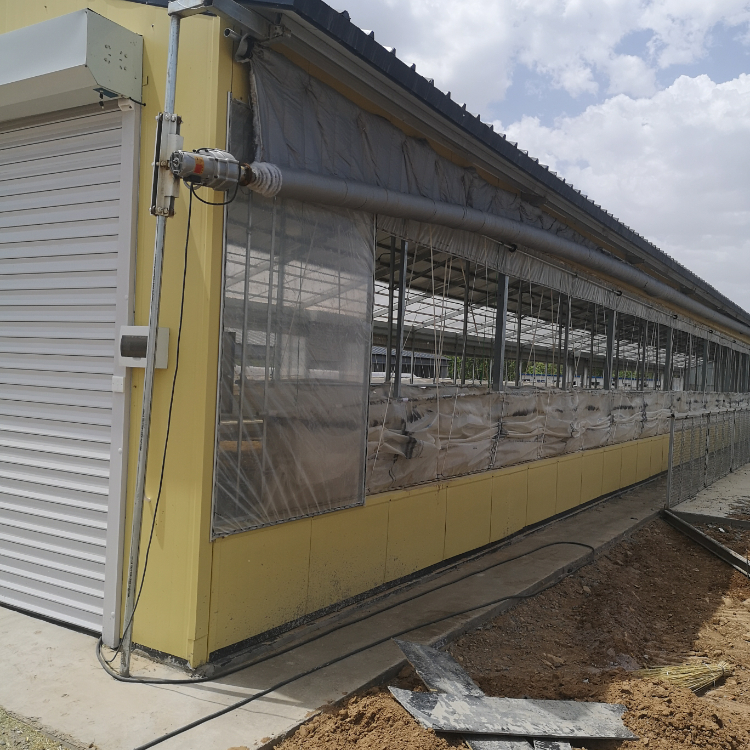
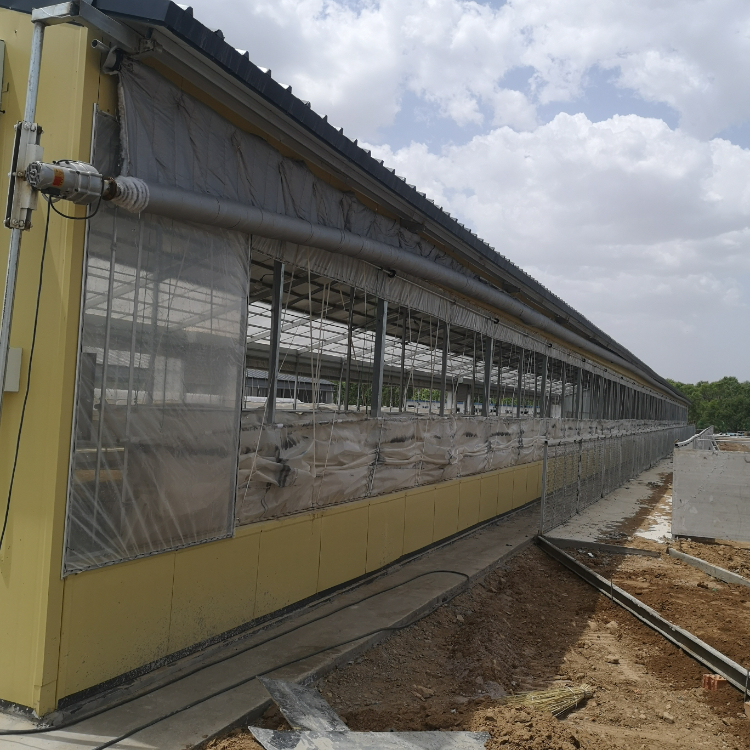
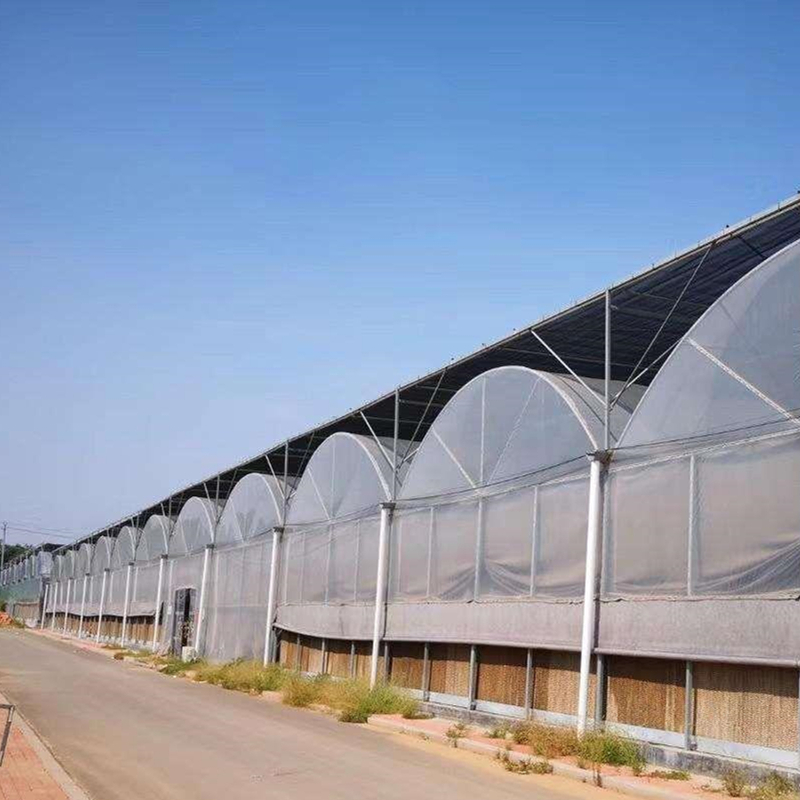
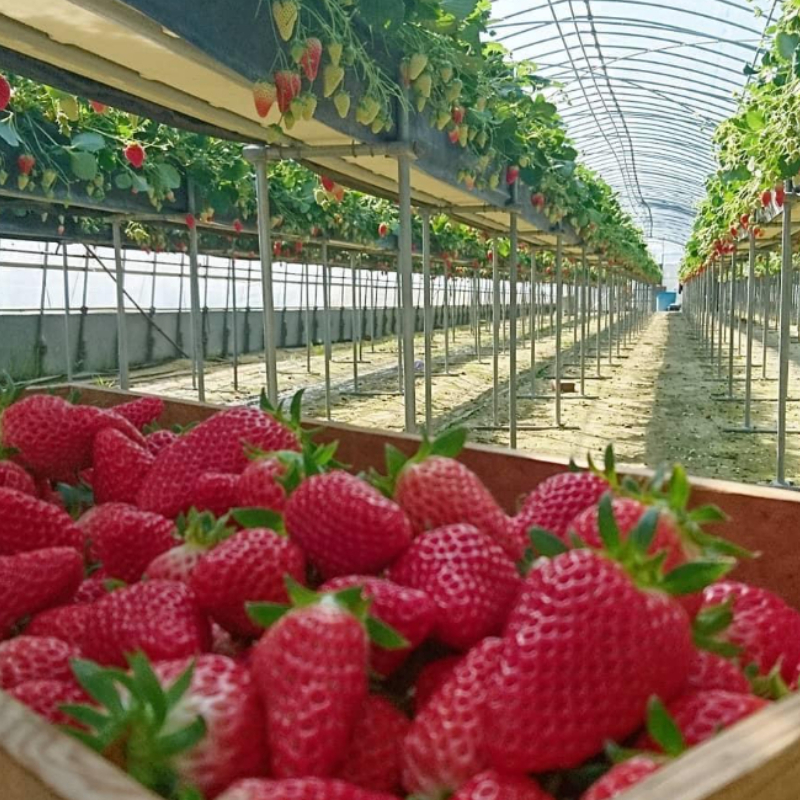
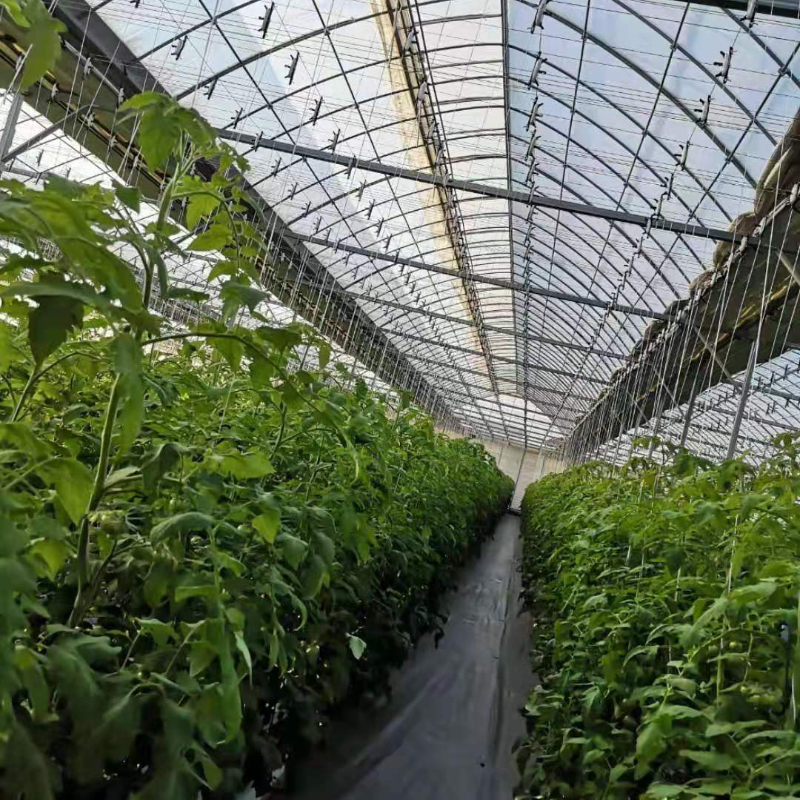
The core configurations of the film arch greenhouse include internal and external shading systems, fan-pad cooling systems, ventilation ports, etc. In northern regions, matching with thermal insulation quilts or temporary heating equipment (such as hot air stoves) can advance the early spring cultivation time by 20-30 days and extend the late autumn cultivation time by 30-40 days. For example, traditional open-field tomatoes in the north go on the market in late May, while those cultivated in film arch greenhouses can be listed in mid-to-late April, seizing the early market high ground with a price increase of 30%-50%; in southern regions, matching with internal thermal insulation quilts and side-rolling ventilation systems can resist low temperatures in winter and realize overwintering production of leafy vegetables, strawberries and other crops. The covered plastic film adopts high-strength weather-resistant materials, which have the characteristics of UV resistance, aging resistance, water and moisture resistance, and a service life of 3-5 years, greatly reducing later maintenance costs.
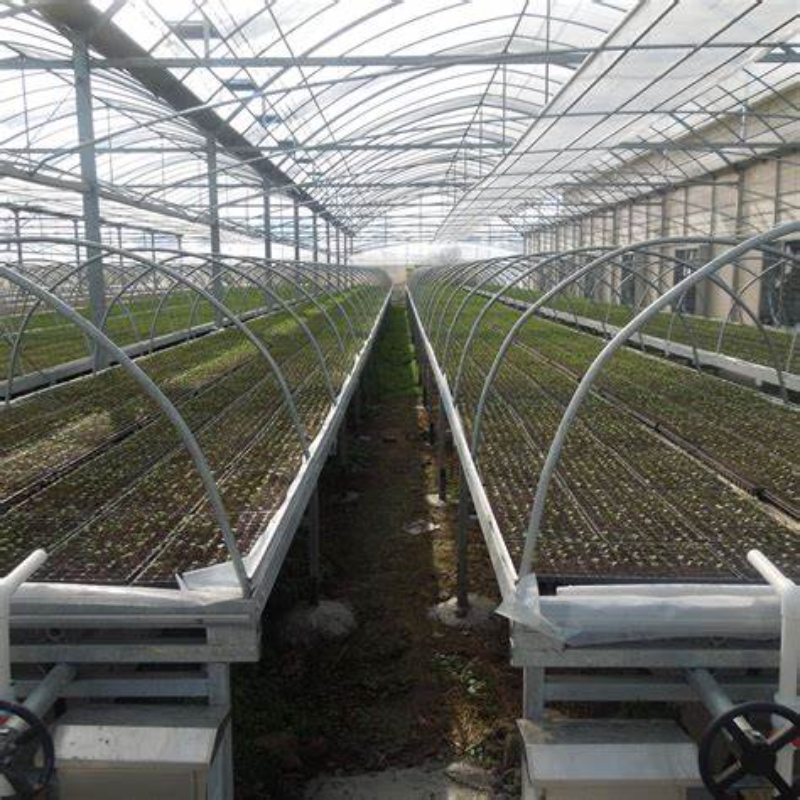
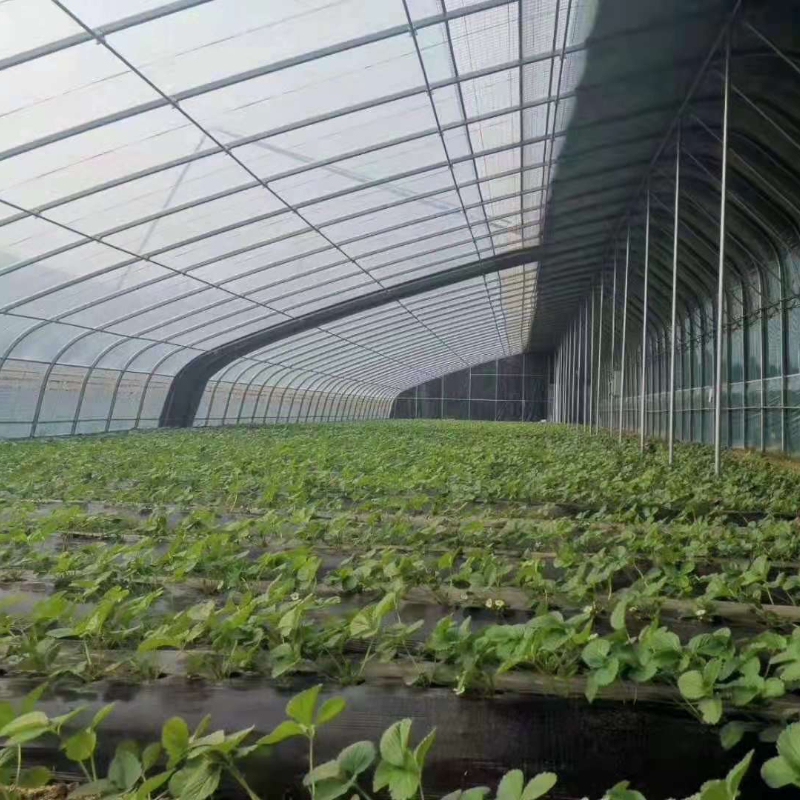
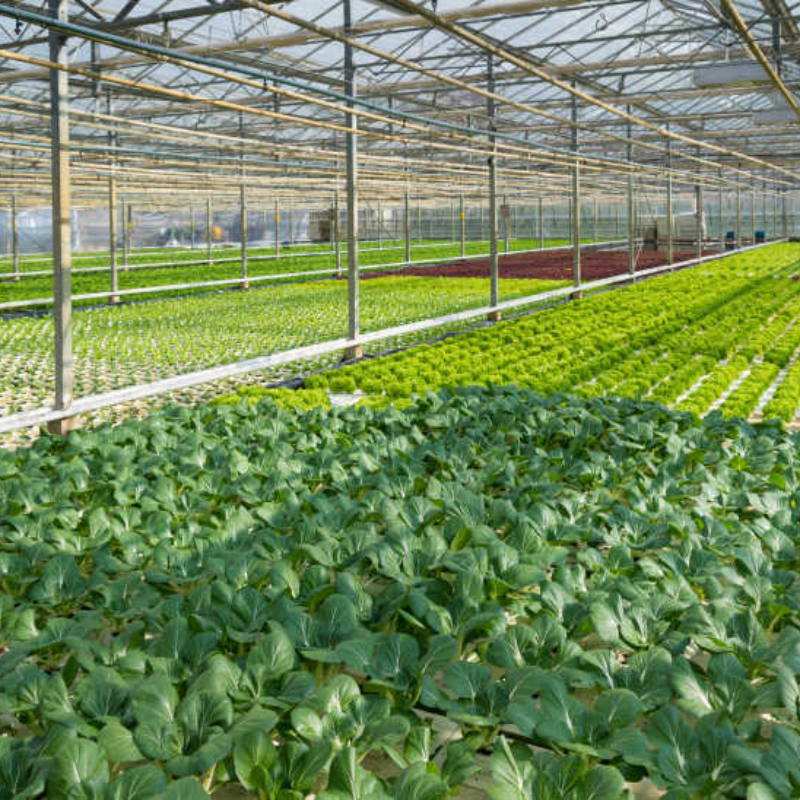
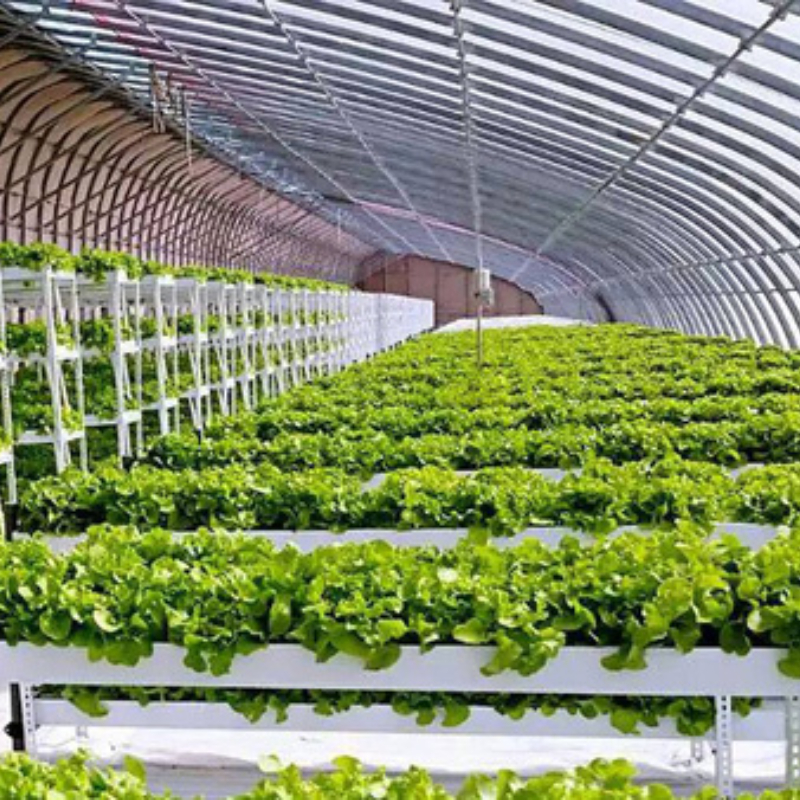
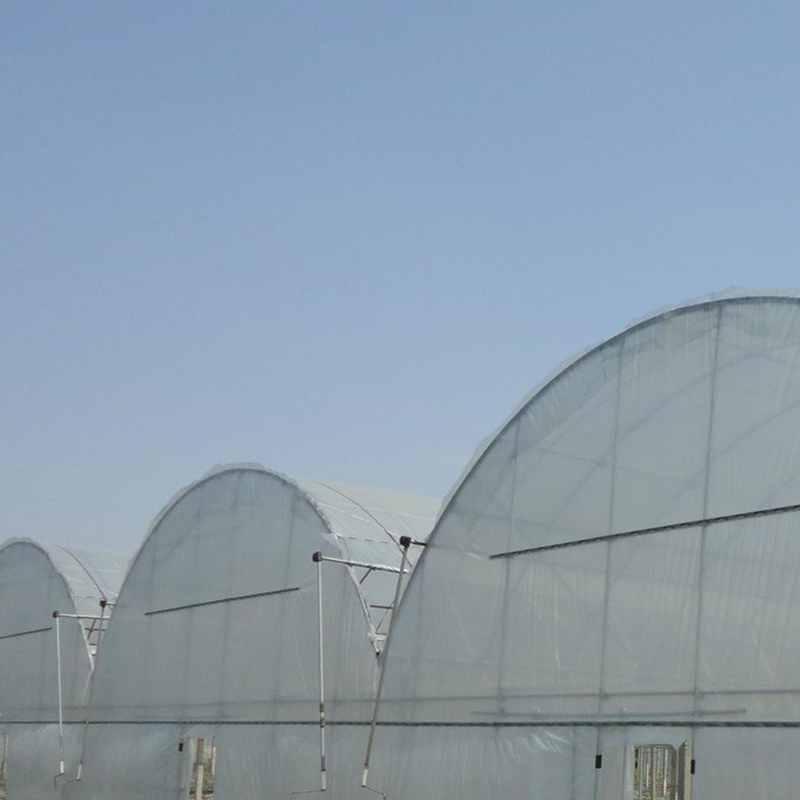
According to structural design and application scenarios, film arch greenhouses can be divided into three categories, precisely adapting to different needs: first, double-layer inflatable film greenhouses. By inflating between the double-layer films to form an insulating layer, they can effectively improve thermal insulation and moisture retention performance, and at the same time avoid condensation on the inner film affecting light transmission. Light transmission and ventilation can be independently regulated, especially suitable for early spring and late autumn production in cold northern regions. In a low-temperature environment of about -10℃, it can maintain the temperature required for crop growth without additional heating; second, wind and rain resistant serrated greenhouses. Specifically designed for southern regions with heavy rain and typhoons, they adopt a serrated roof structure, have excellent drainage and wind resistance, can withstand typhoons above level 12, and the length of the greenhouse is not limited, suitable for large-scale continuous planting; third, large-span warm greenhouses. The span can reach 15-20 meters, and the column-free design greatly improves the internal space utilization rate, facilitating the operation of large agricultural machinery (such as seeders, harvesters) with a mechanization degree of over 80%. The installation and construction cycle is short (a single greenhouse can be completed in 10-15 days), and the land utilization rate is as high as 95%, suitable for large-scale leafy vegetable and rhizome crop cultivation.
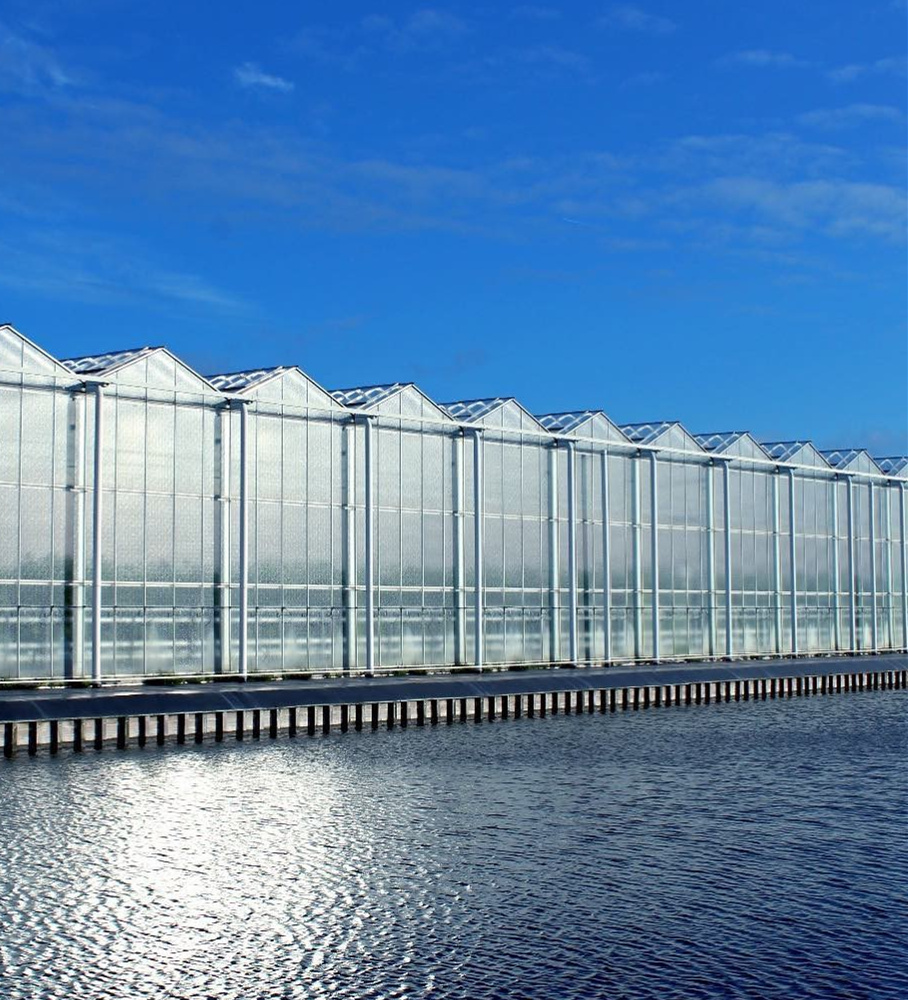
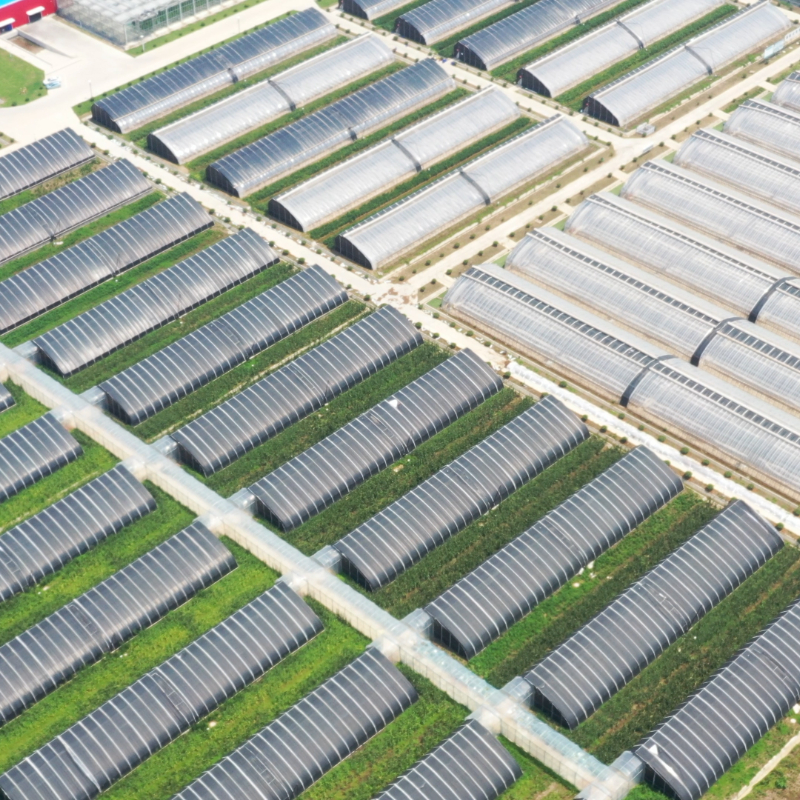
As a cost-effective solution, the construction cost of film arch greenhouses is only 1/3-1/5 of that of Venlo-type glass greenhouses, with a short investment return period (usually 6-12 months). It is especially suitable for small and medium-sized growers and cooperatives to initially enter the field of protected agriculture, or as a supplementary cultivation facility for large-scale agricultural bases. The Beijing International Urban Agriculture Science and Technology Park has concentratedly built these three types of film arch greenhouses and single cold greenhouses, forming a diversified protected cultivation system to provide flexible solutions for different crop planting.
