
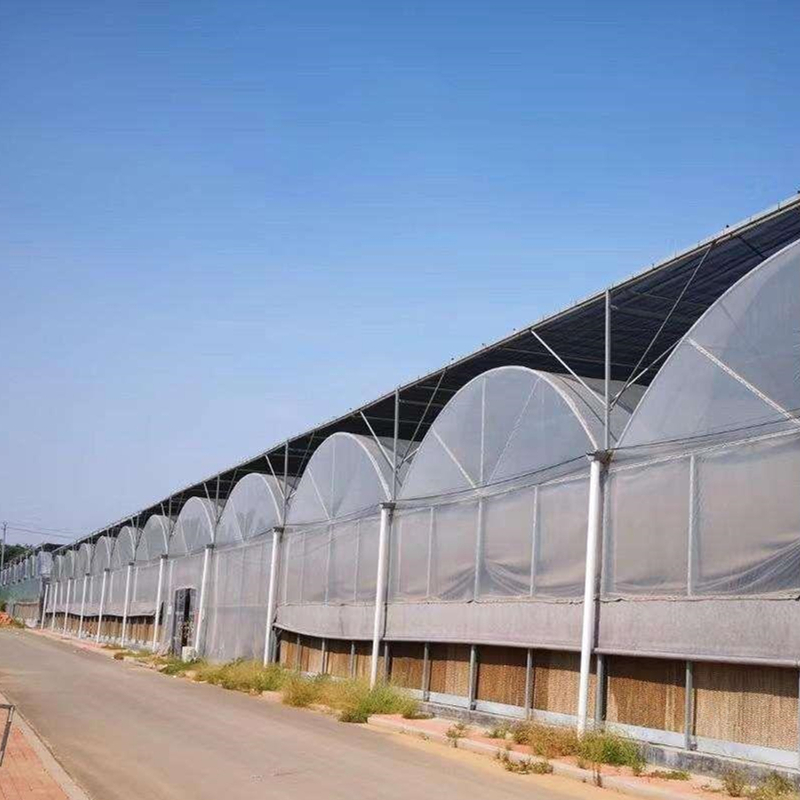
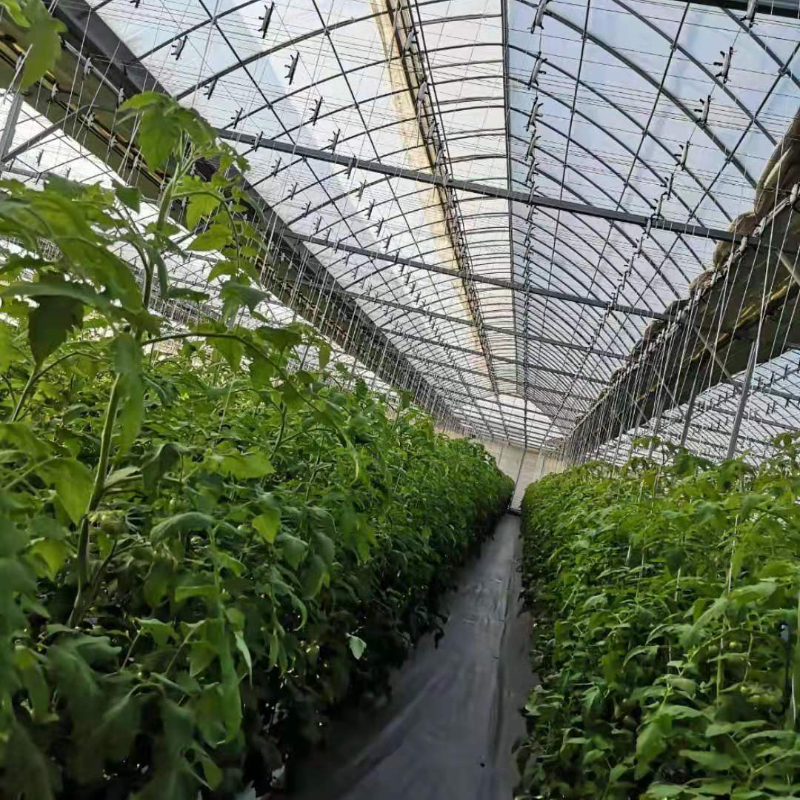
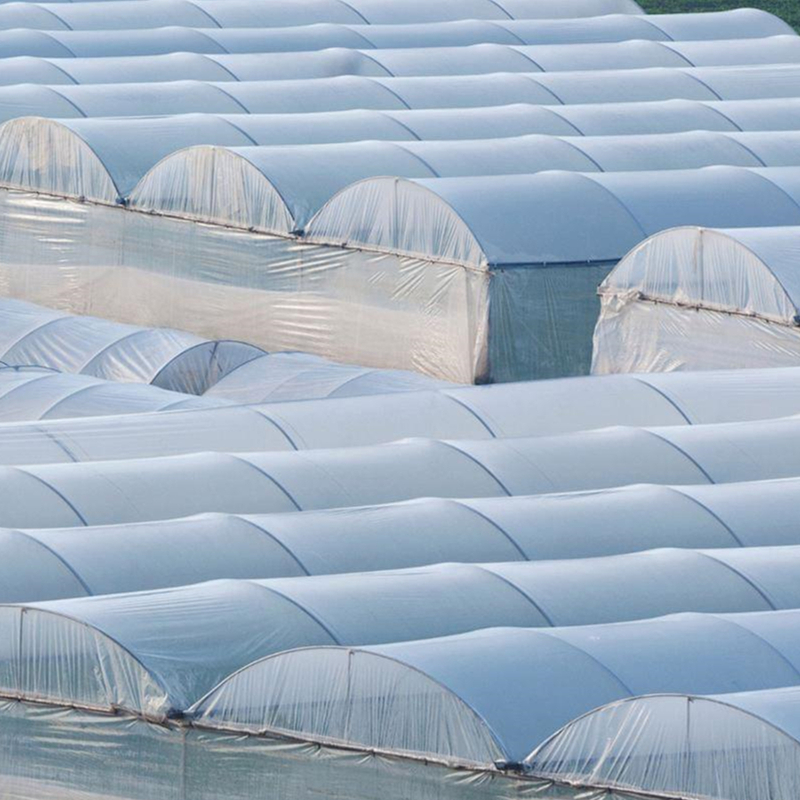
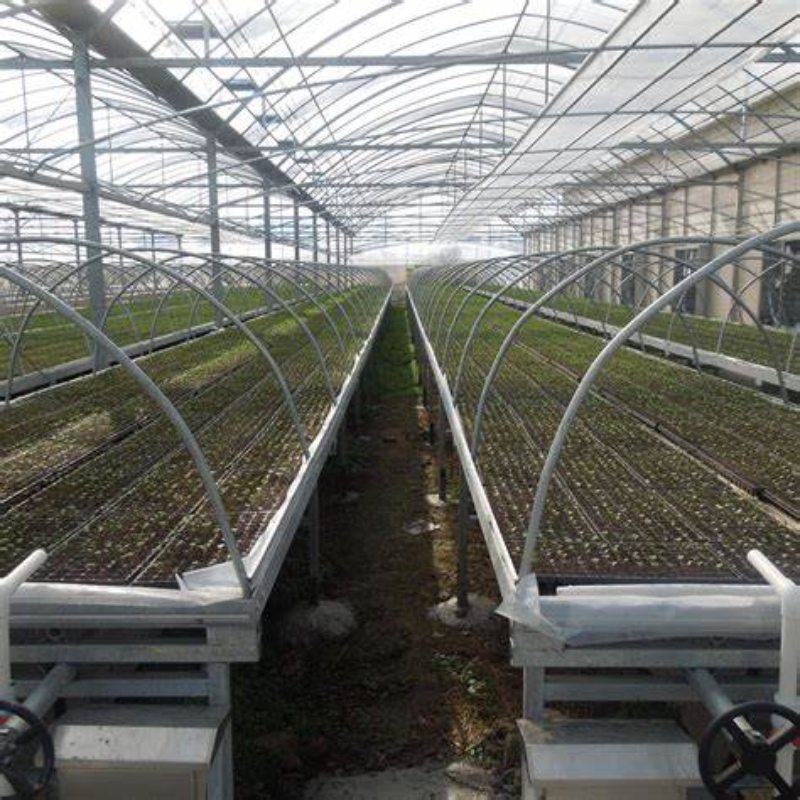
Turning the concept into reality involves a phased approach that prioritizes a solid foundation and allows for future expansion.
Phase 1: Foundation & Prototyping
1.Define Requirements: Start by identifying the specific environmental needs (temperature, humidity, soil moisture) of the crops you plan to grow-10.
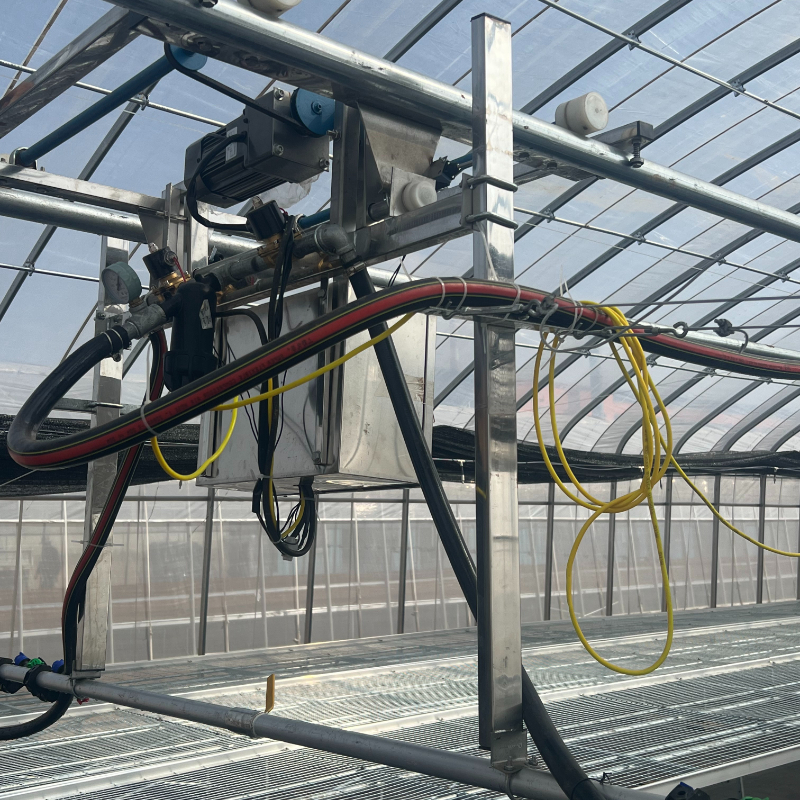
2.Select Hardware: Acquire a core microcontroller (like Arduino or ESP8266), a basic set of sensors (temperature, humidity, soil moisture), and small actuators (a mini water pump, relays)-1-7.
3.Develop Basic Logic: Program the microcontroller with simple if-then rules. For example: if soil moisture drops below a set threshold, then trigger the water pump-1.
Phase 2: System Integration & Testing
1.Assemble a Prototype: Build a small-scale model, like for a single plant or a small planting box, to test all components work together correctly.
2.Implement Remote Monitoring: Use the ESP8266's WiFi capability to connect the system to a cloud platform like ThingSpeak and monitor data remotely via your smartphone with the ThingView app-1.
3.Calibrate and Refine: Run the system and adjust the set points and control logic based on real-world observations and plant response.
Phase 3: Deployment & Scaling
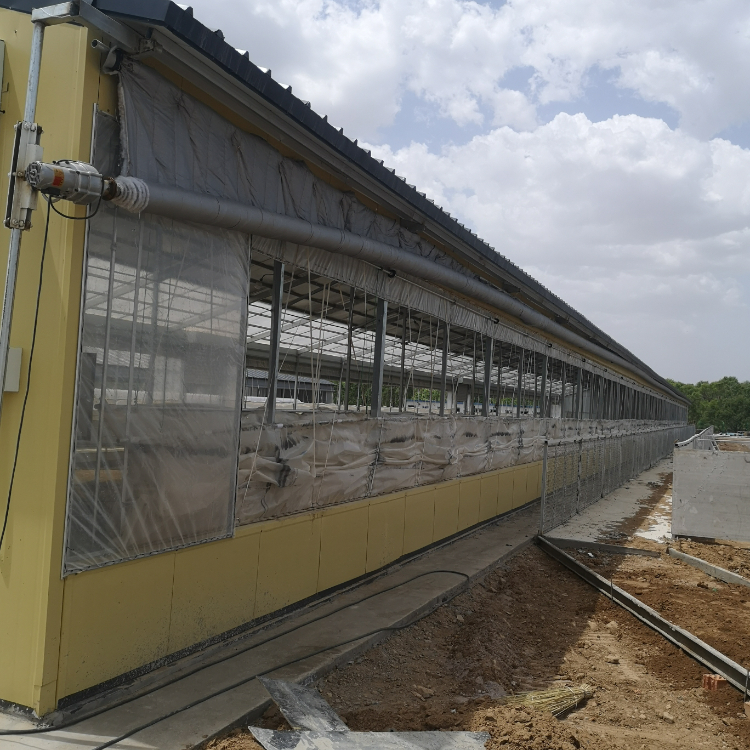
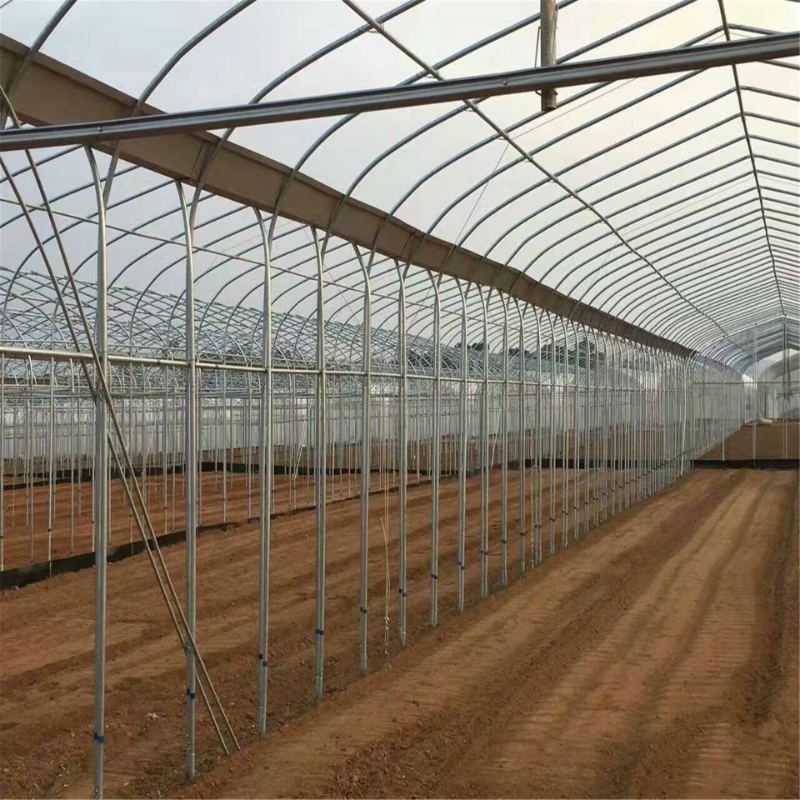
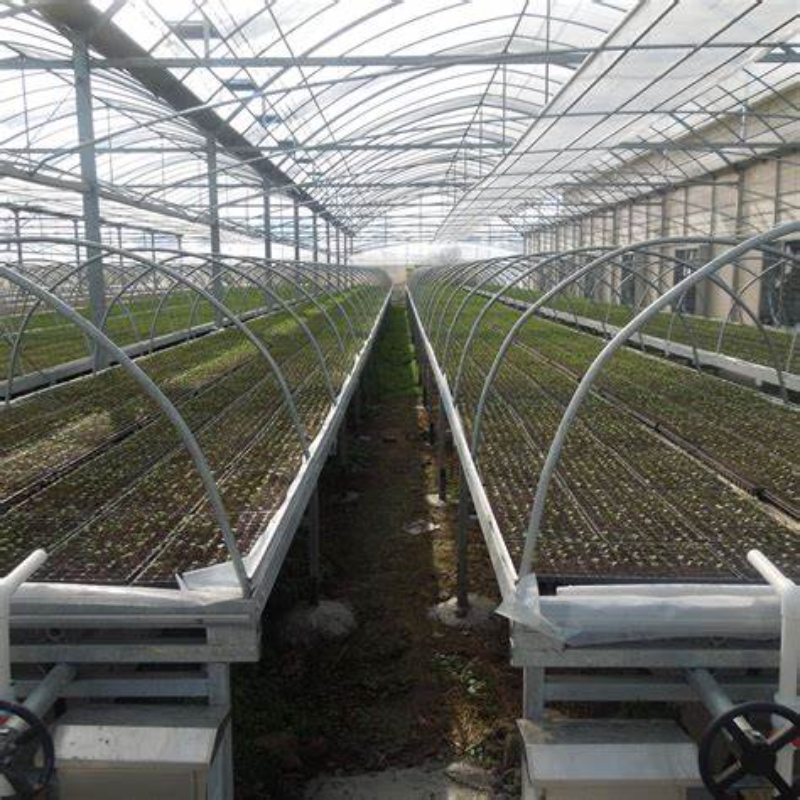
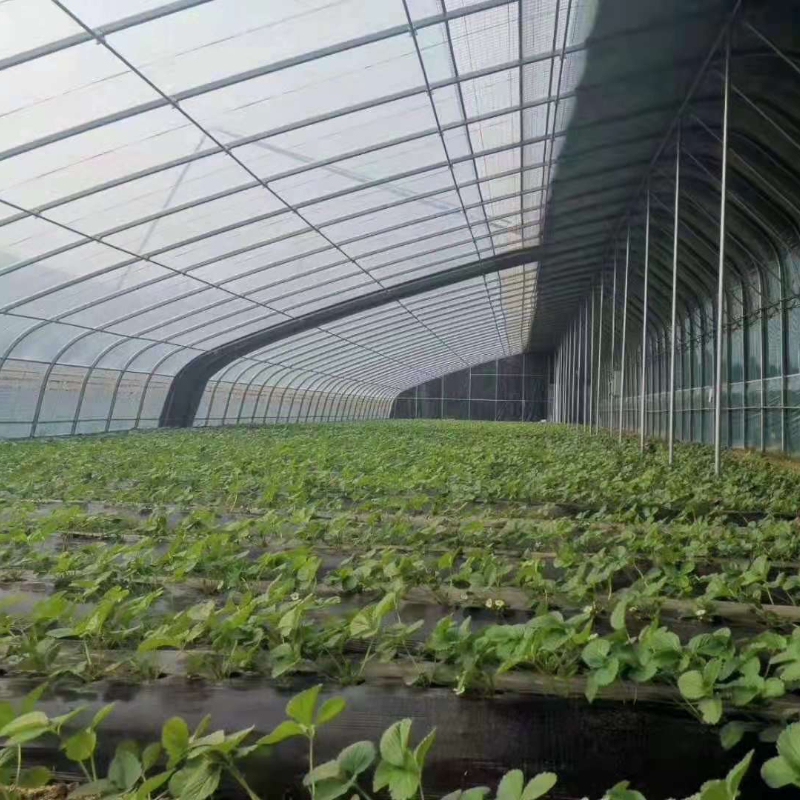
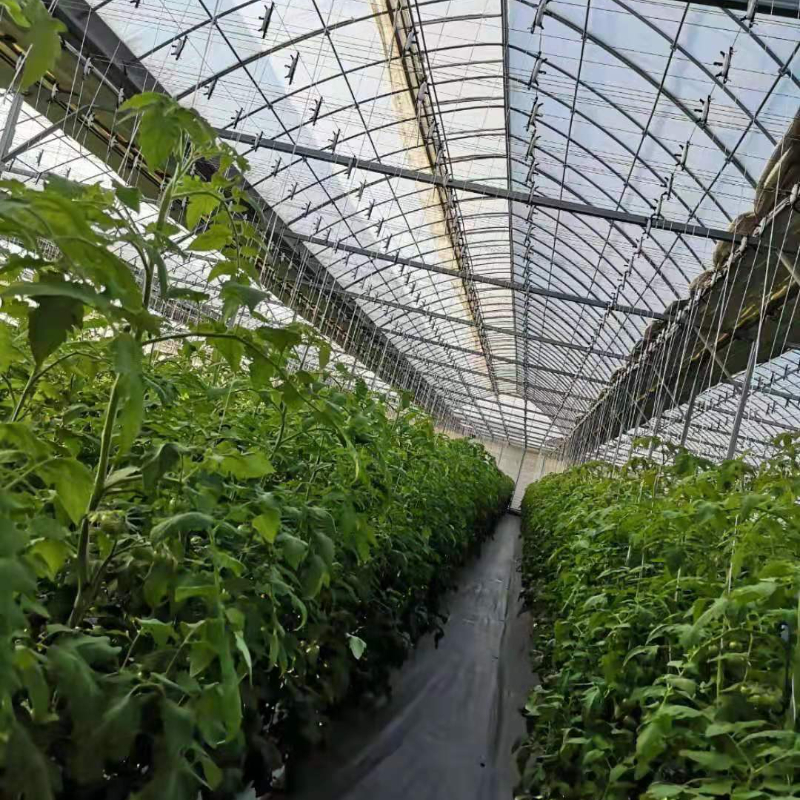
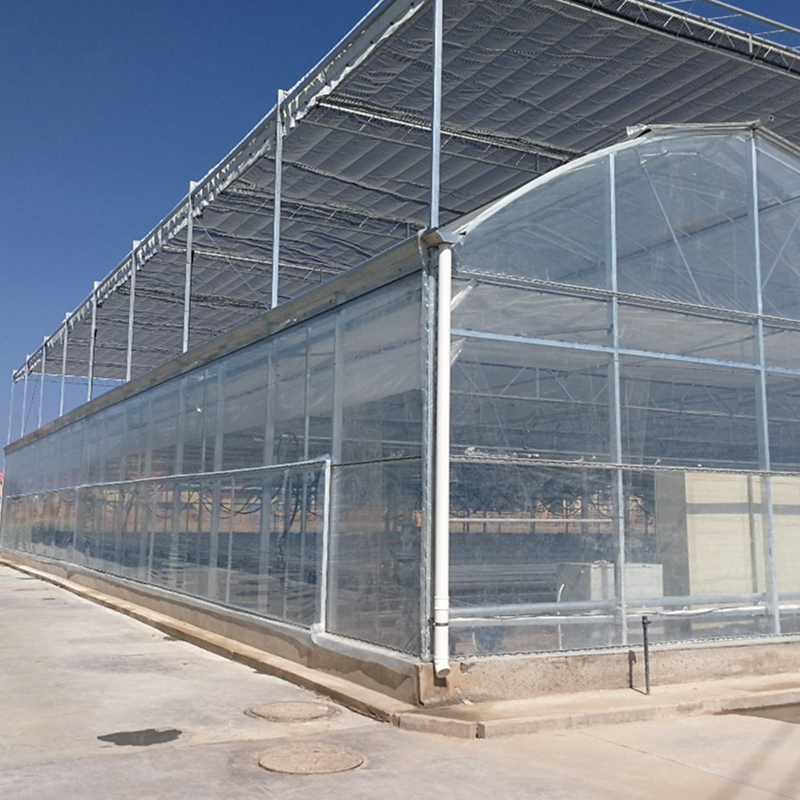
1.Full-Scale Deployment: Install the tested system in your actual greenhouse.
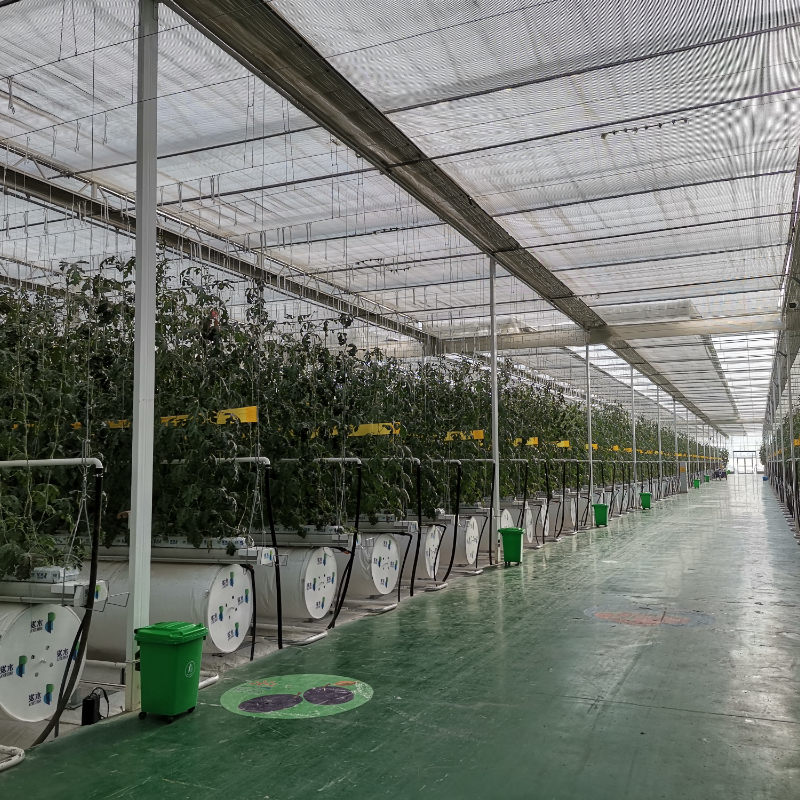
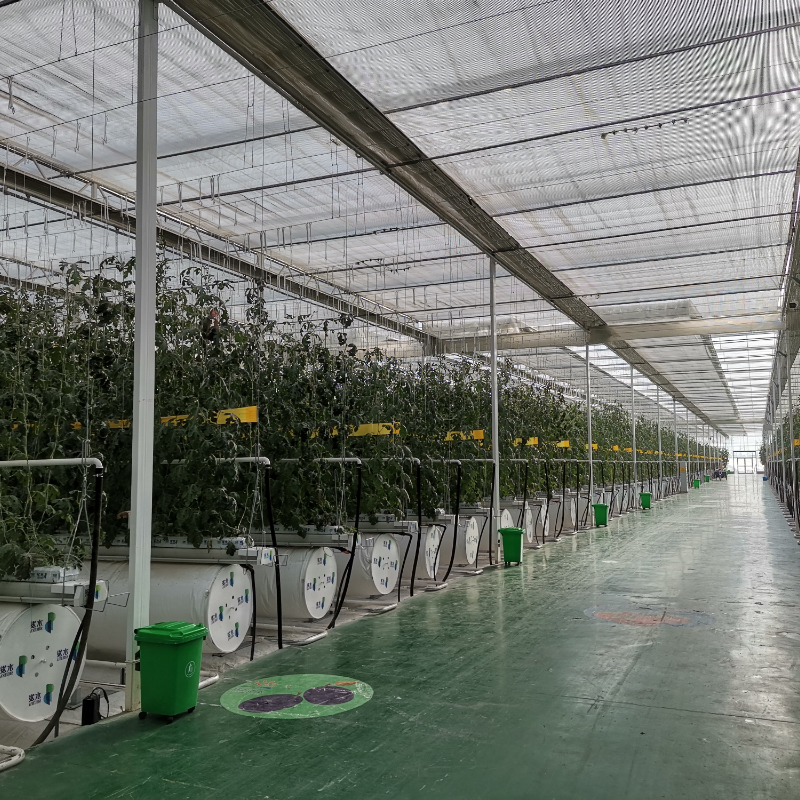
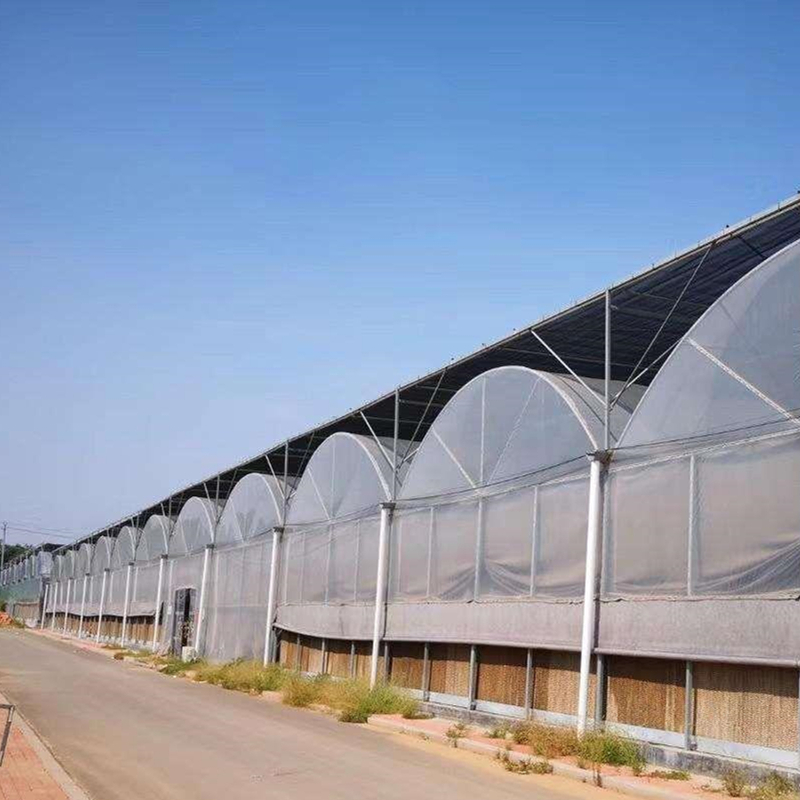
2.Plan for Expansion: If you manage multiple greenhouses, consider the hierarchical system design from the research. You can use communication protocols like CC-LINK to network several greenhouses for a "Family Farm" level of control, and then scale further to a "Township Cooperative" level using Ethernet-6. This design significantly reduces the per-greenhouse upgrade cost
Tips for Success and Future Trends
Start Simple and Iterate: Begin with the most critical parameters for your crops (often temperature and irrigation) and add more sensors and controls as you gain experience.
Focus on Data Quality: Reliable automation depends on accurate sensor data. Ensure your sensors are properly calibrated and placed.
Embrace Future Technologies: As your operation grows, consider integrating more advanced technologies. Artificial Intelligence (AI) and Model Predictive Control (MPC) can lead to significant energy savings (up to 30%) and higher yields by predicting and optimizing the greenhouse environment-10.
I hope this structured plan helps you move forward with your project. What specific crops are you considering, and at what scale do you plan to start? Knowing this could help in offering more tailored advice.
