

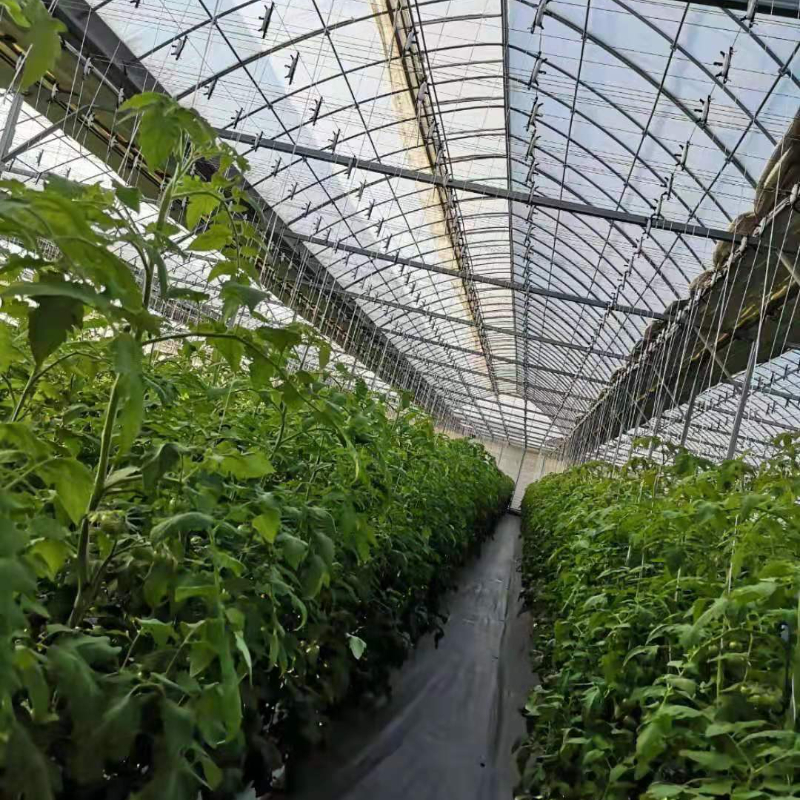
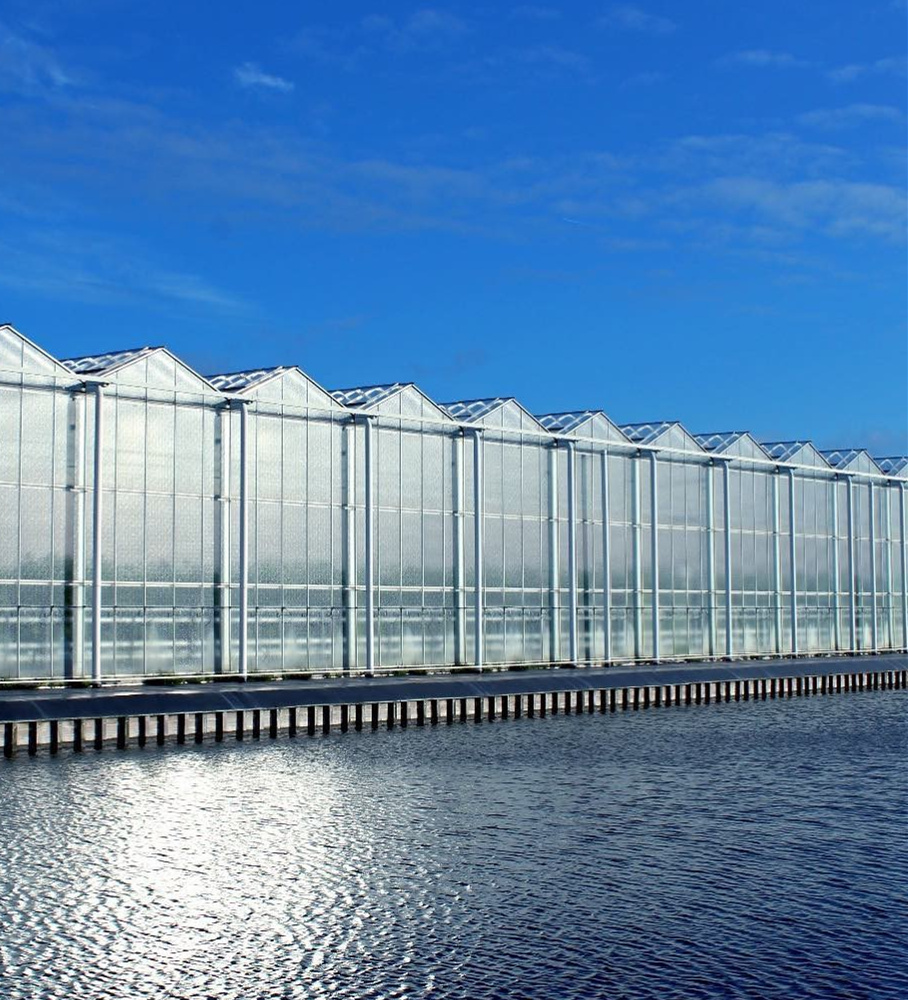
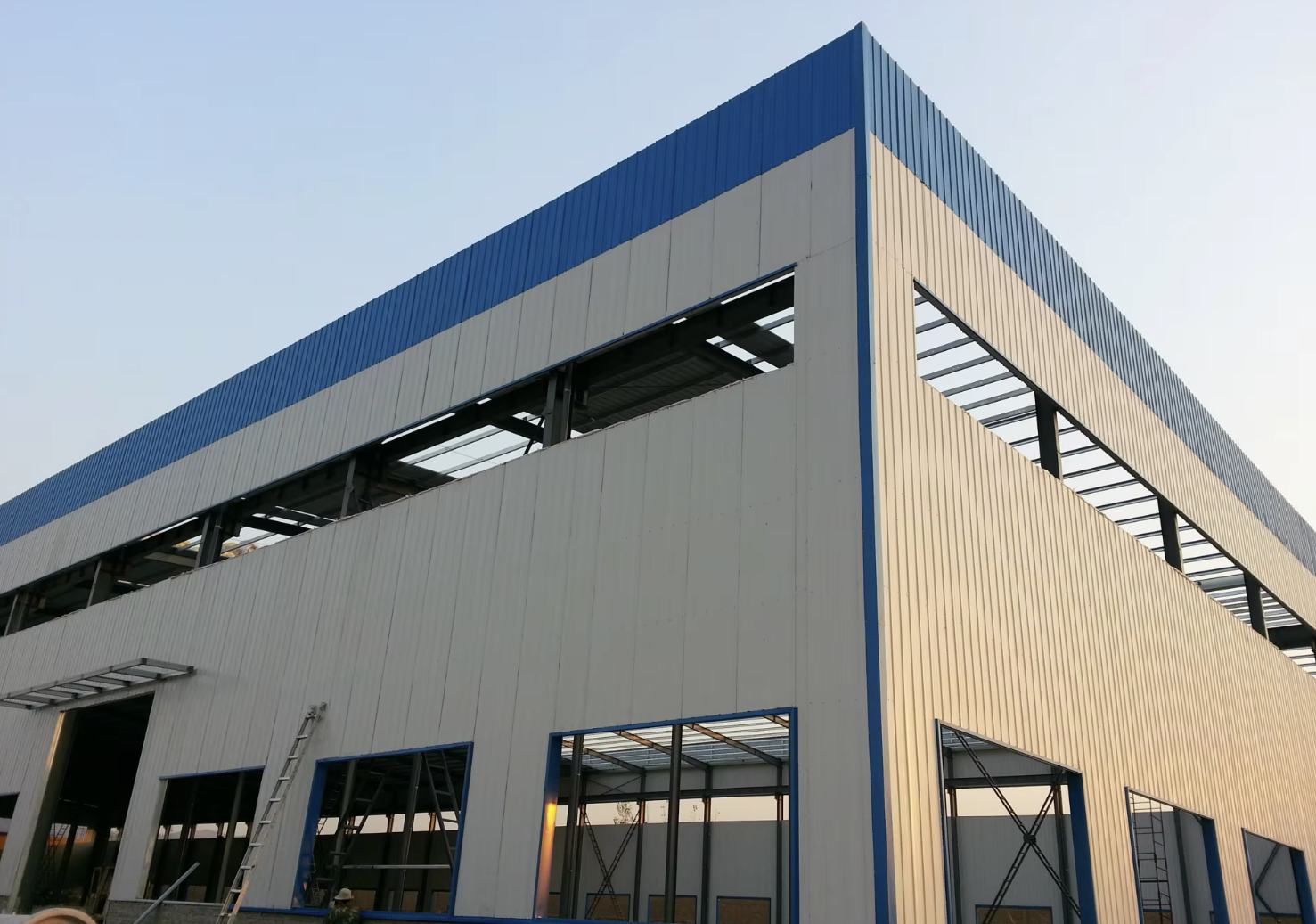
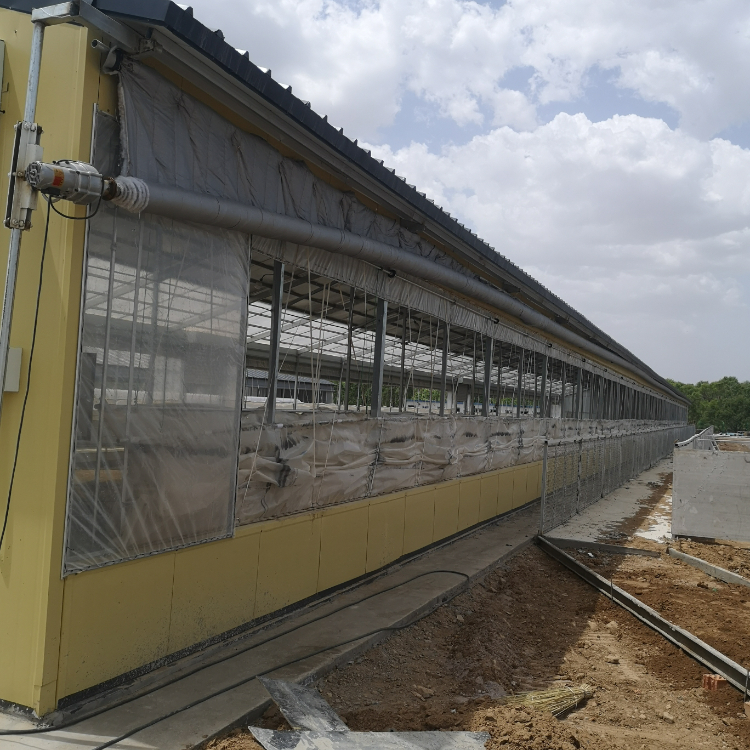
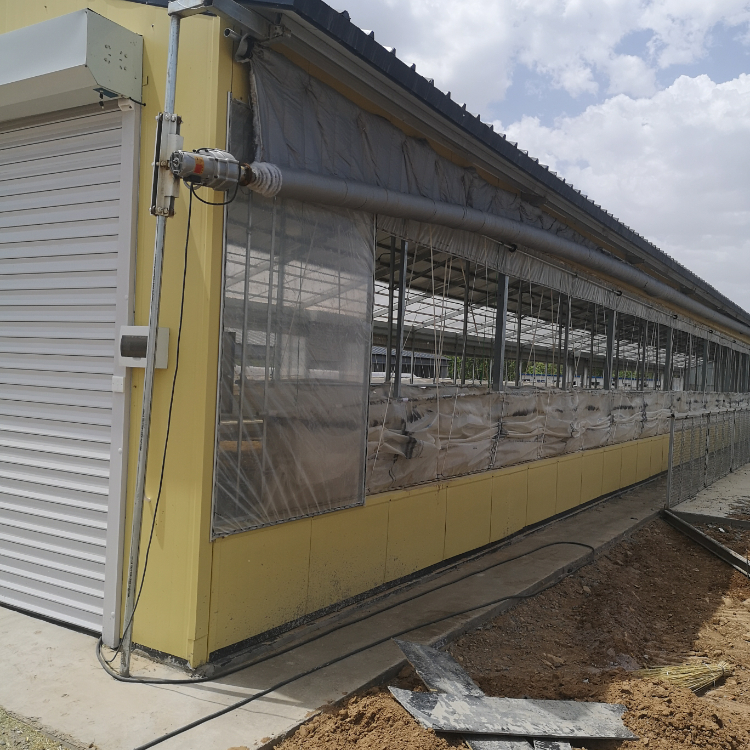
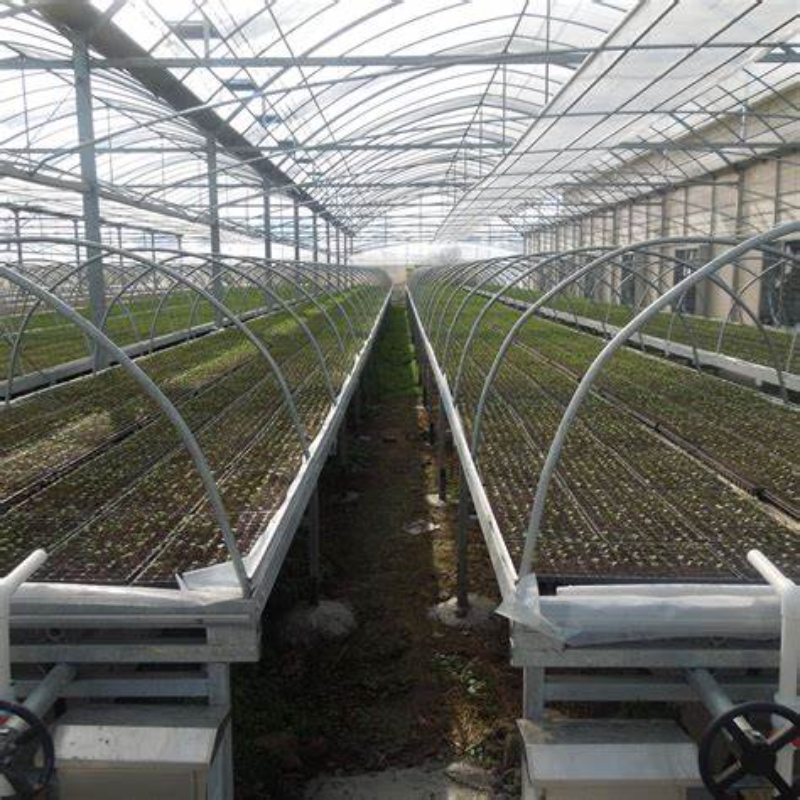
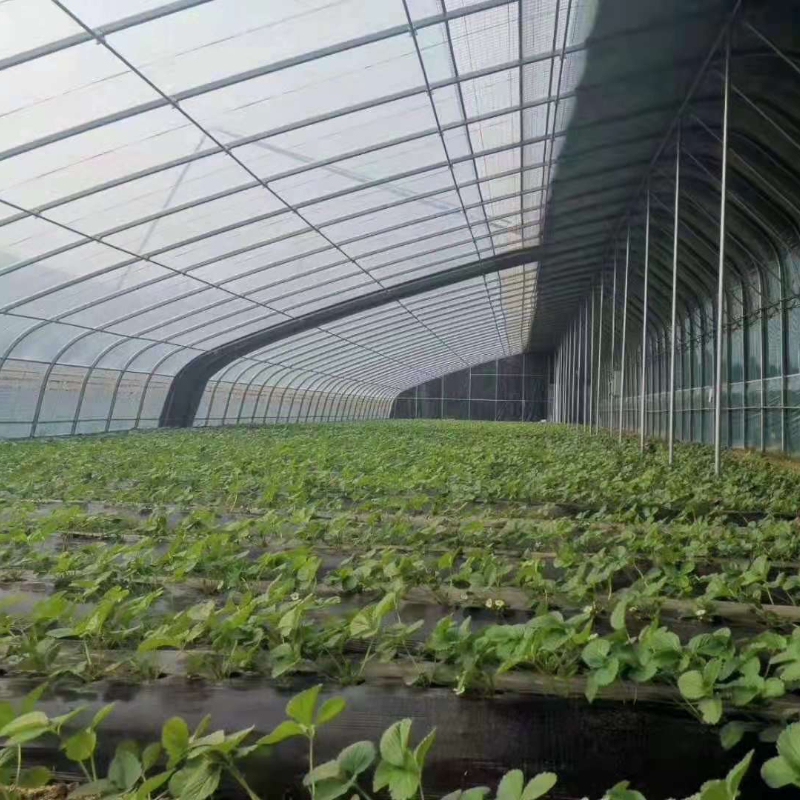
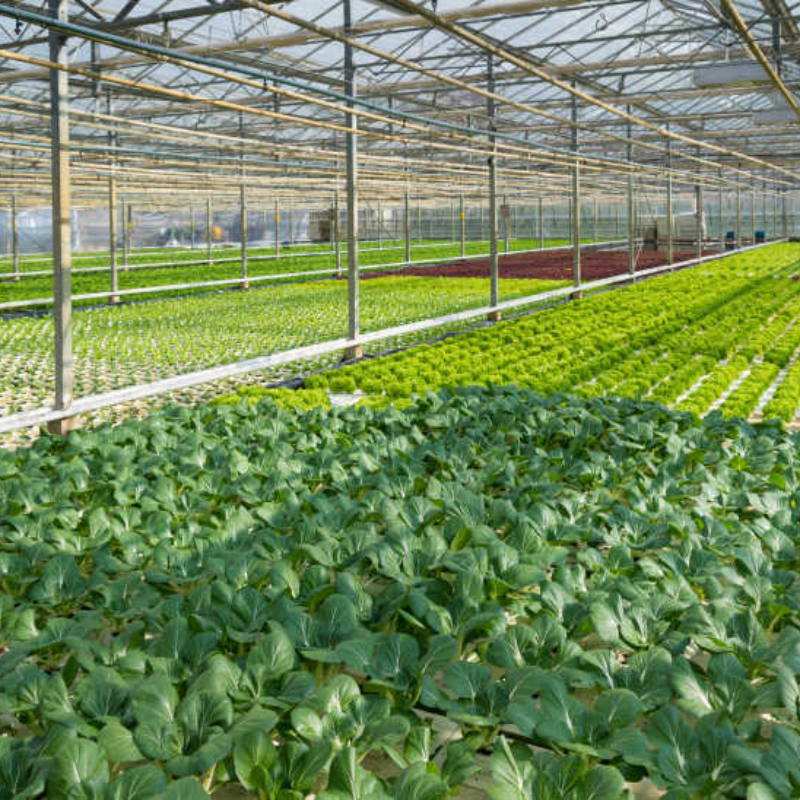
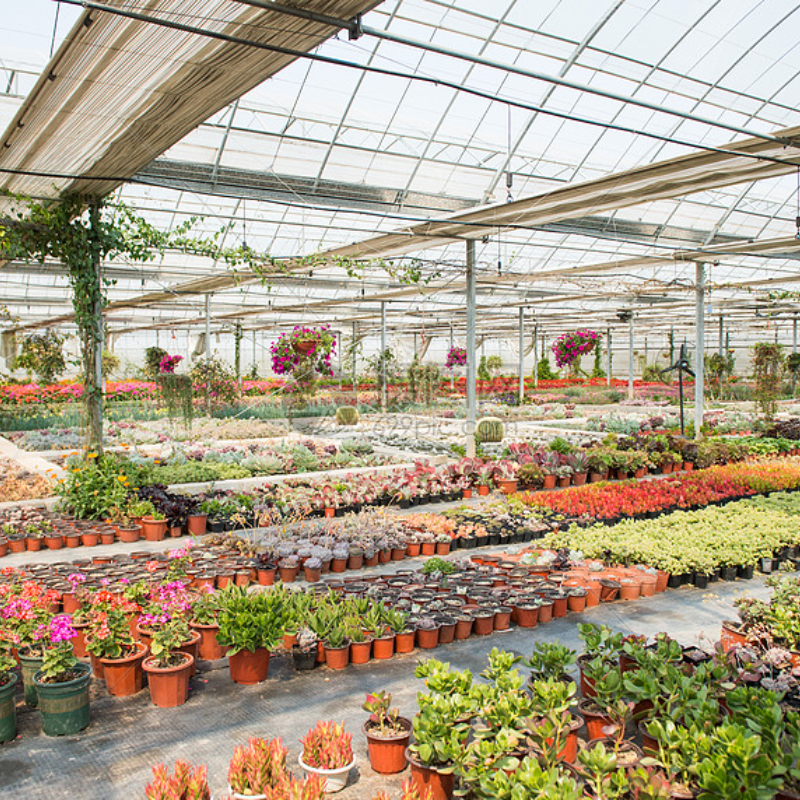
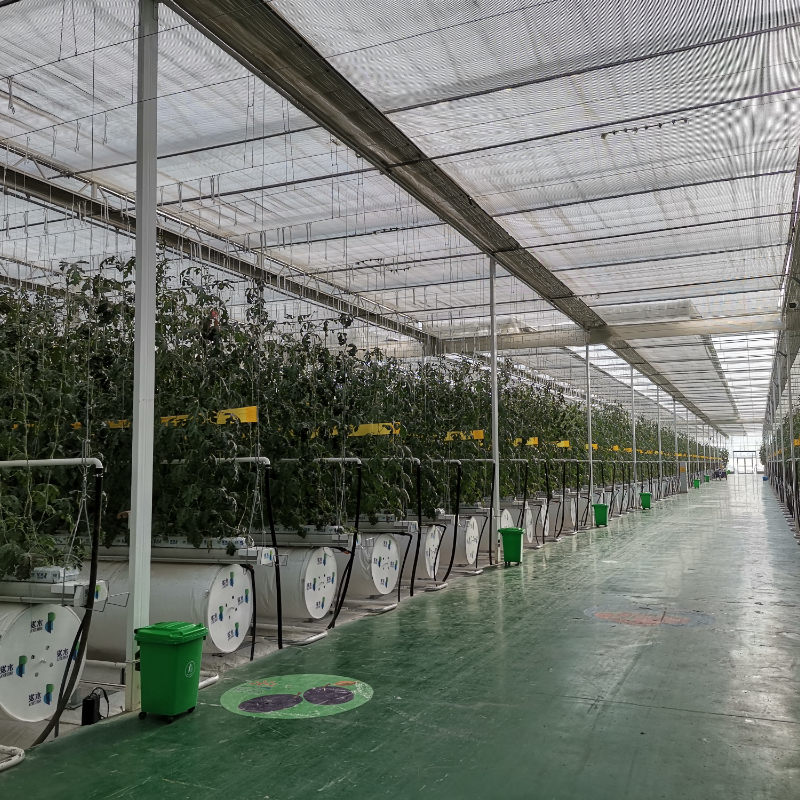
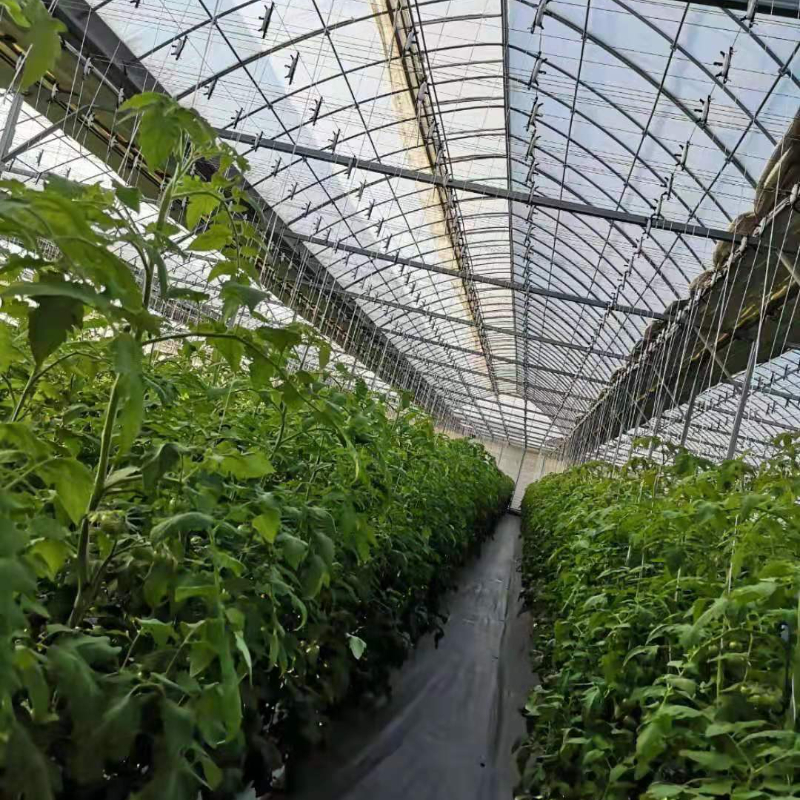
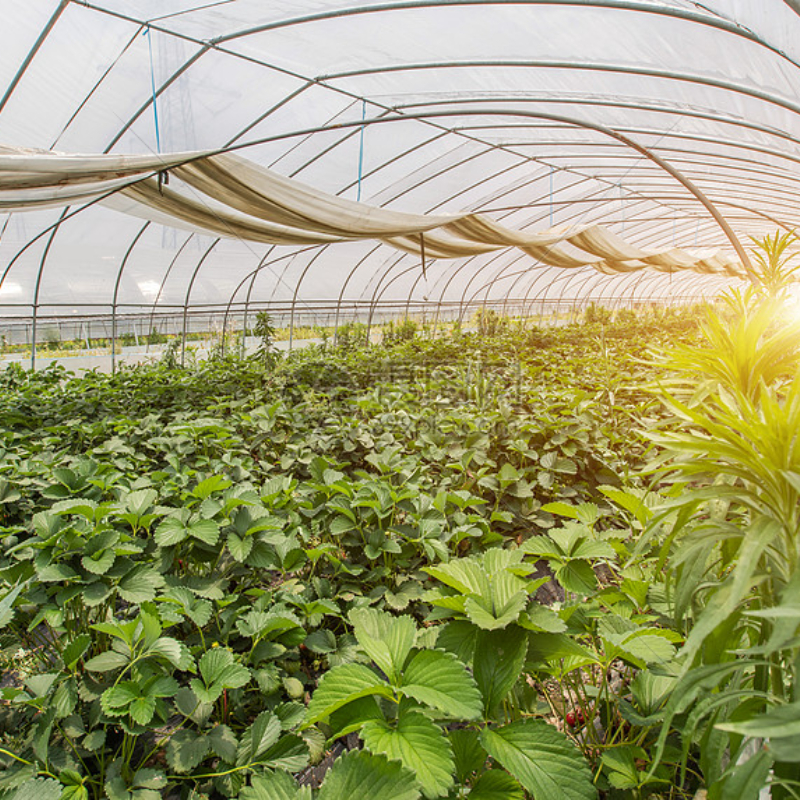
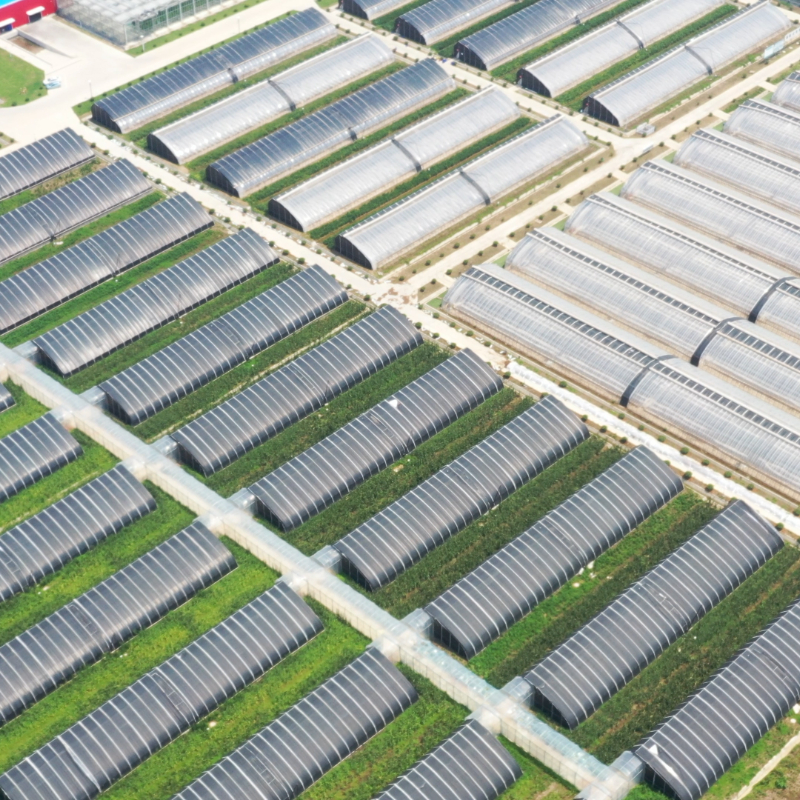
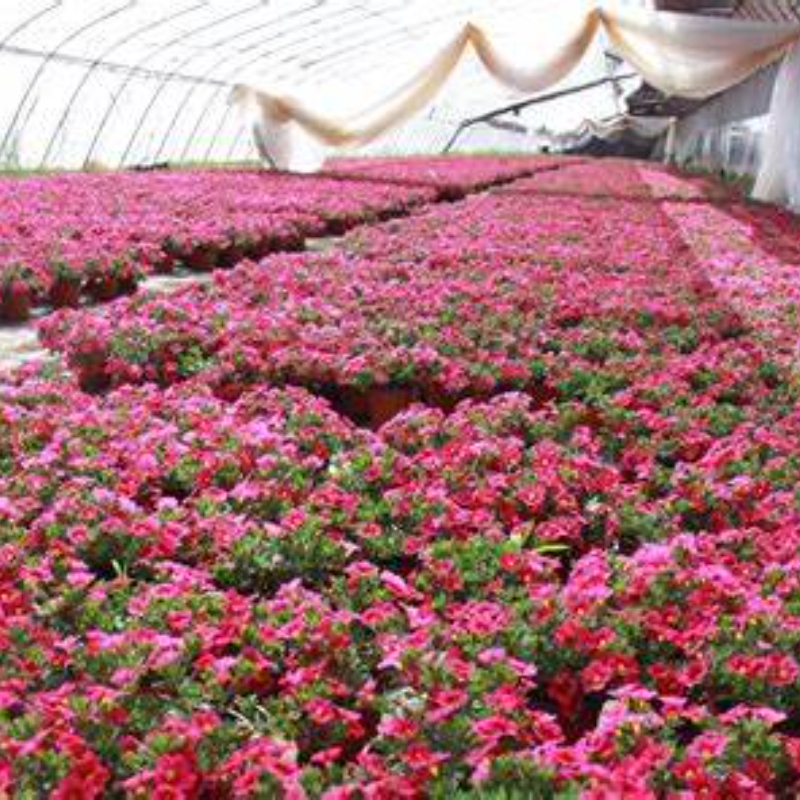
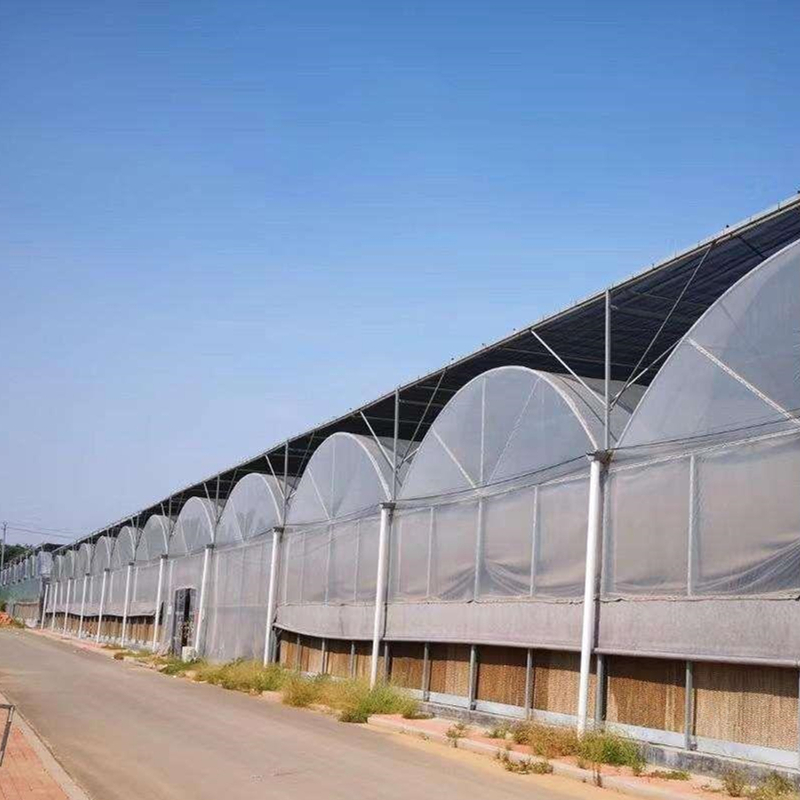
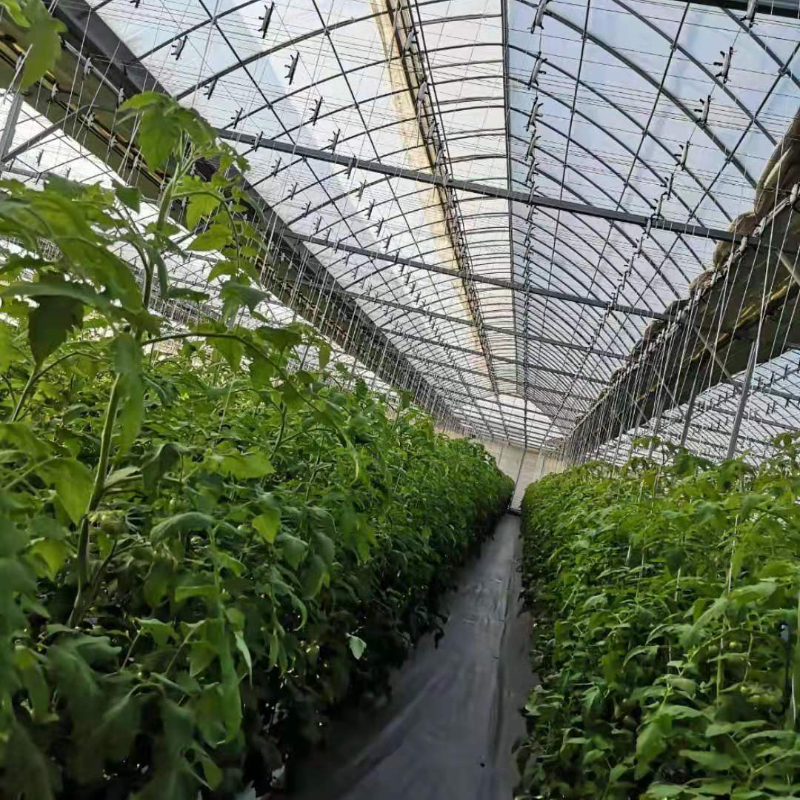
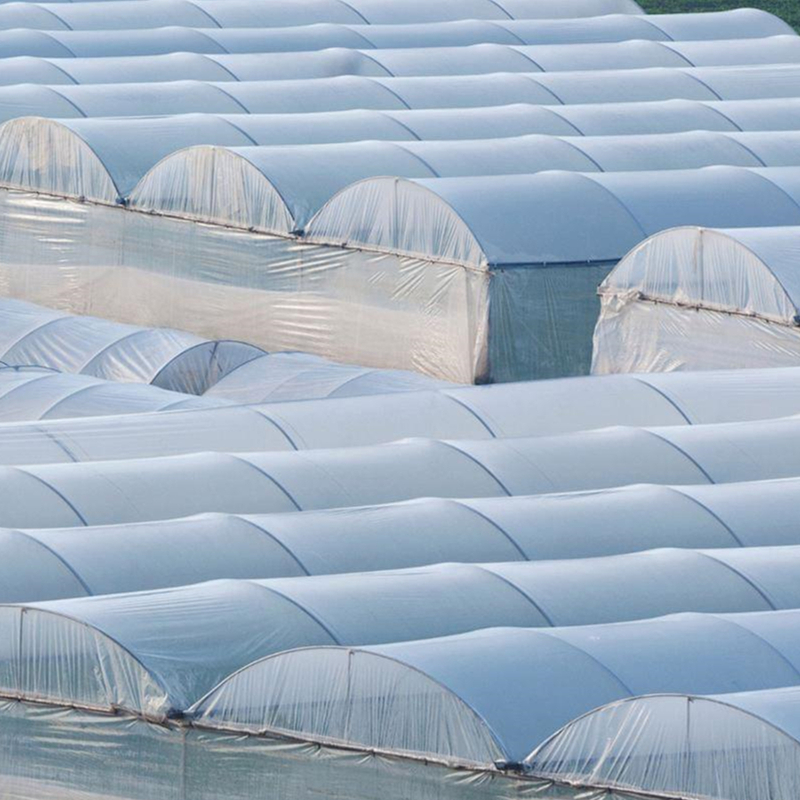
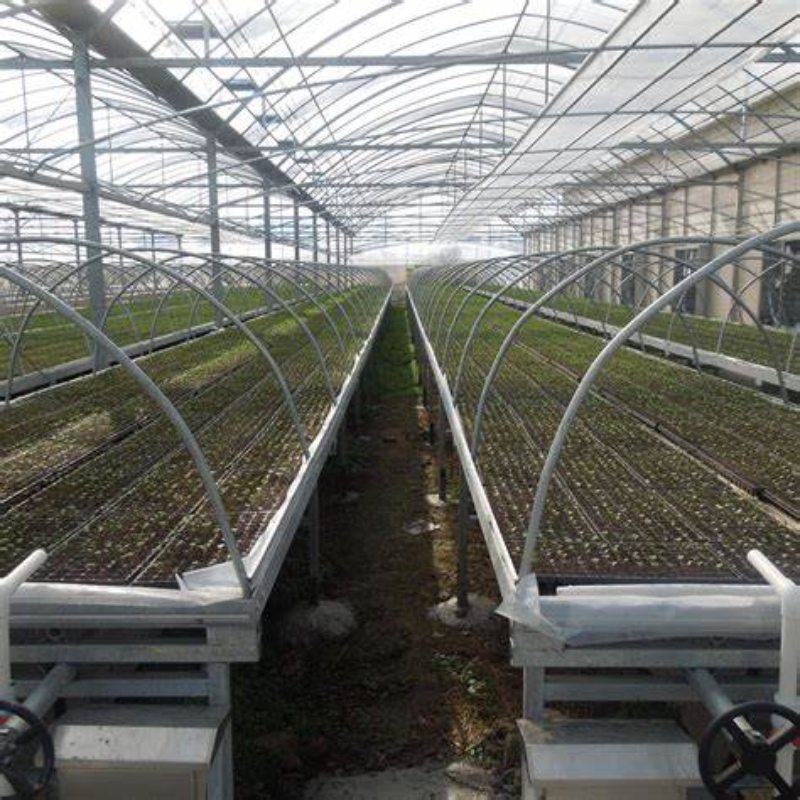
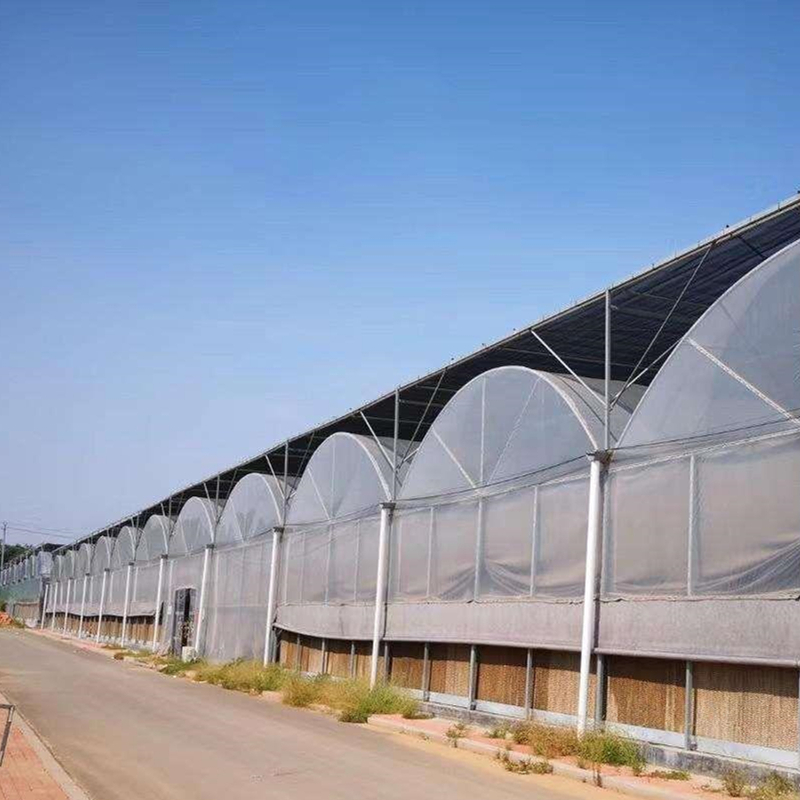
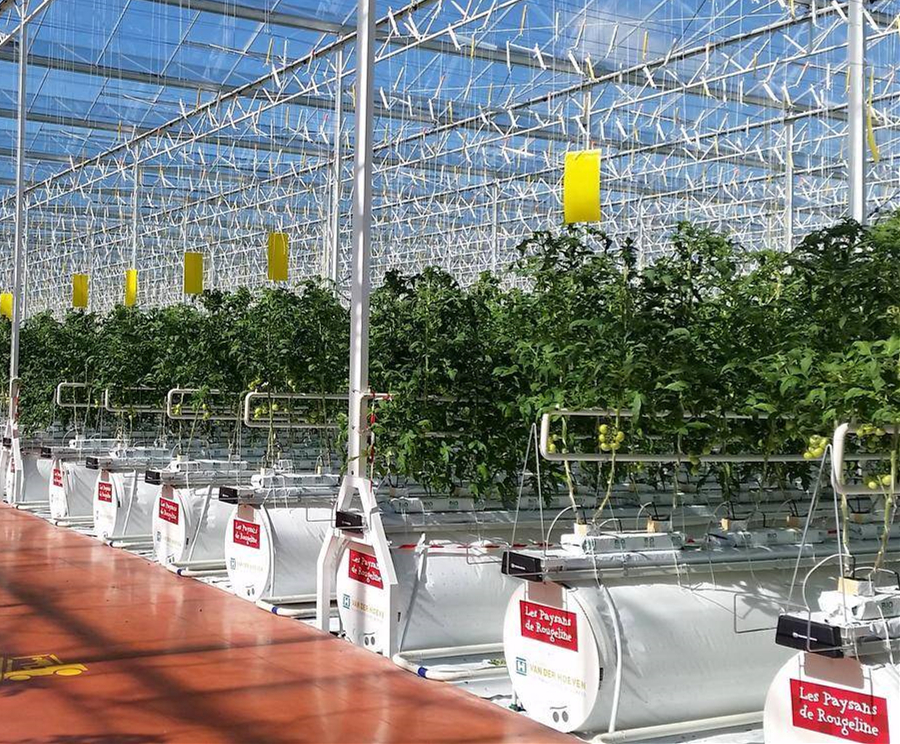
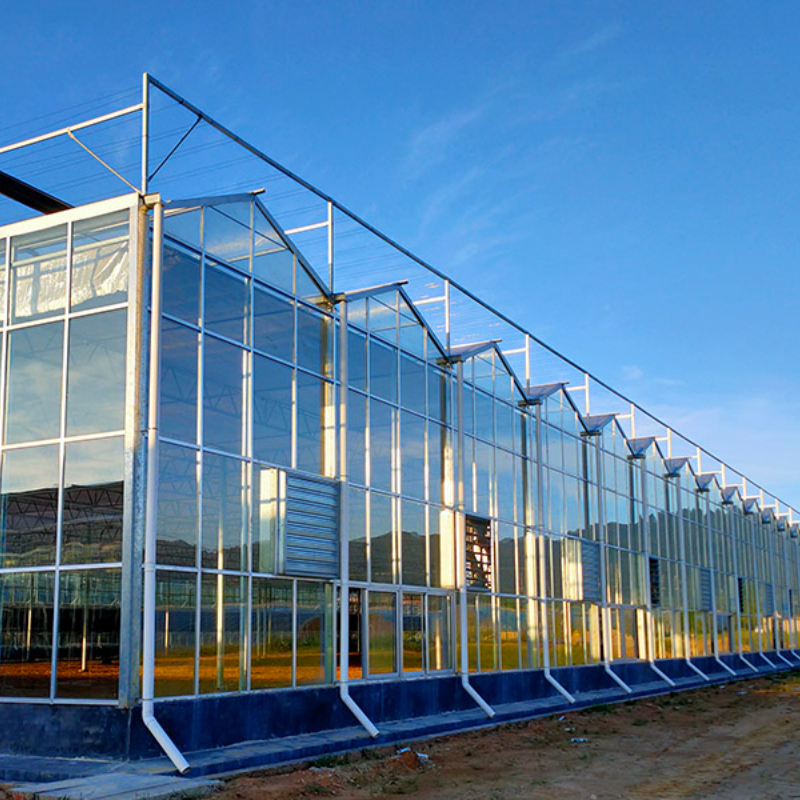
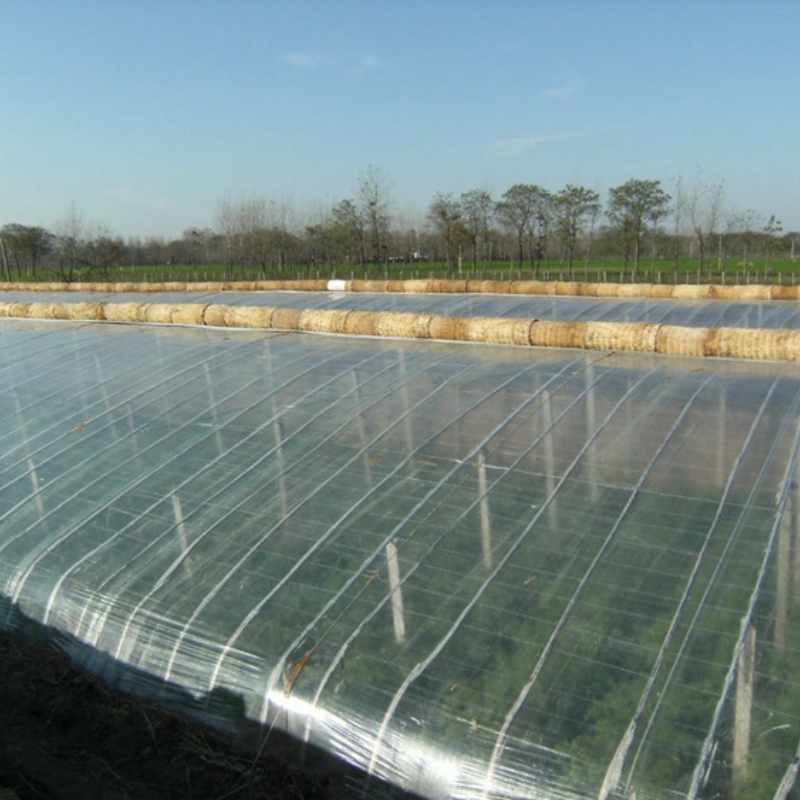
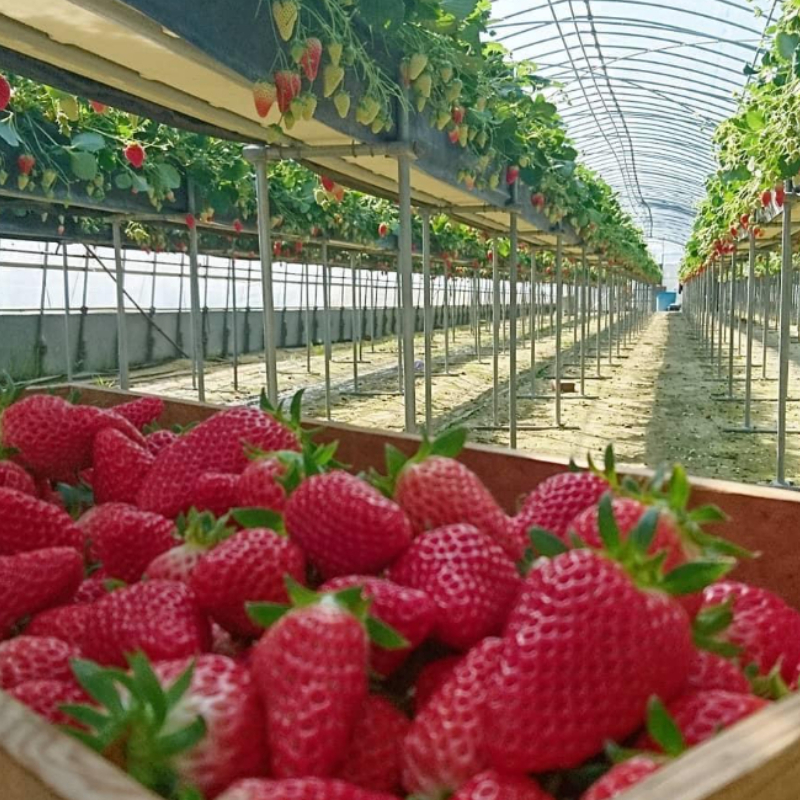
The Concept of Modular Greenhouses
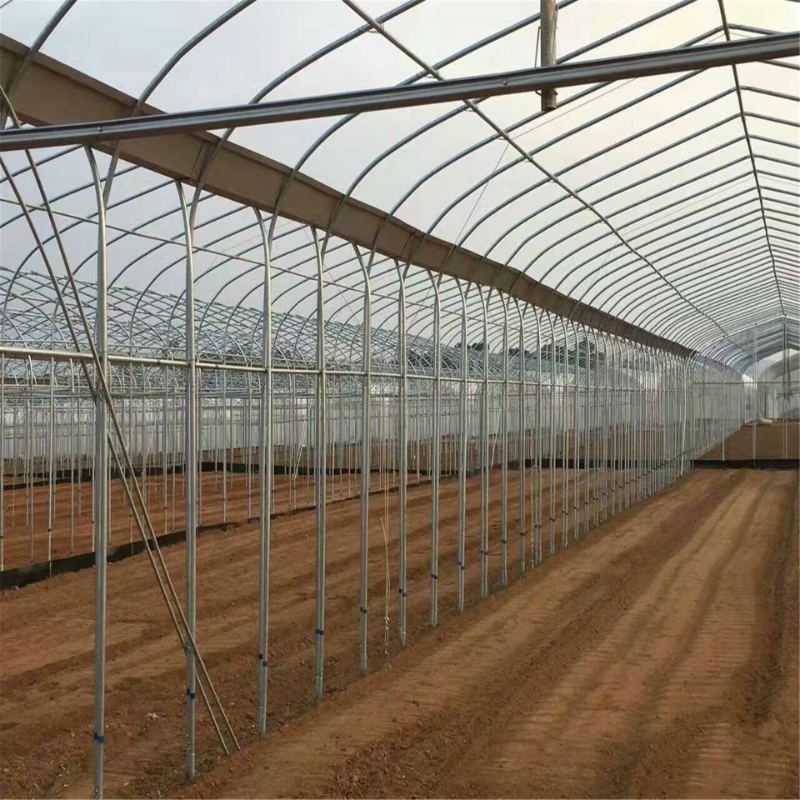
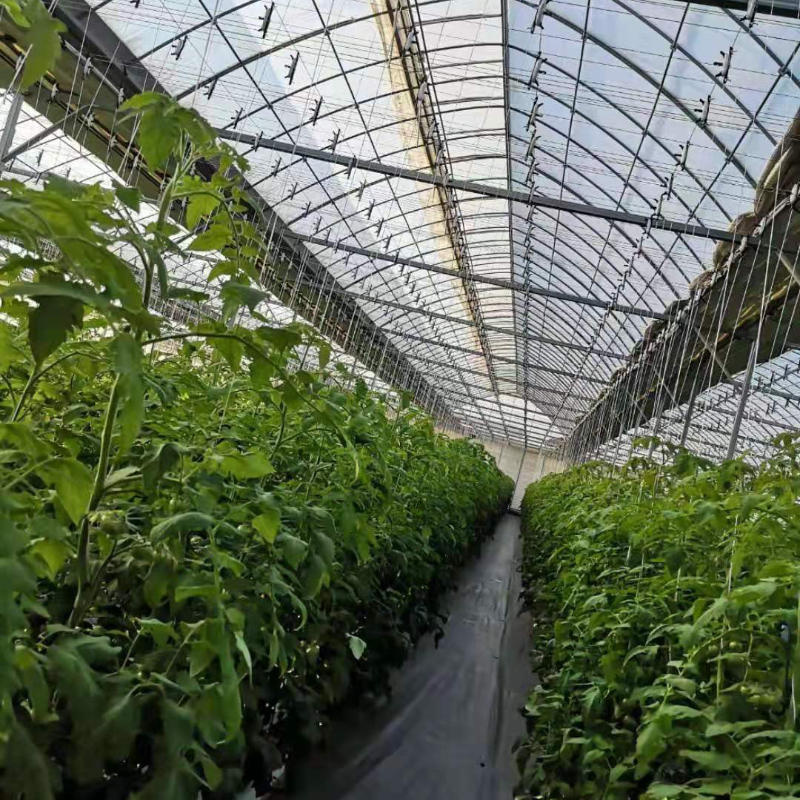
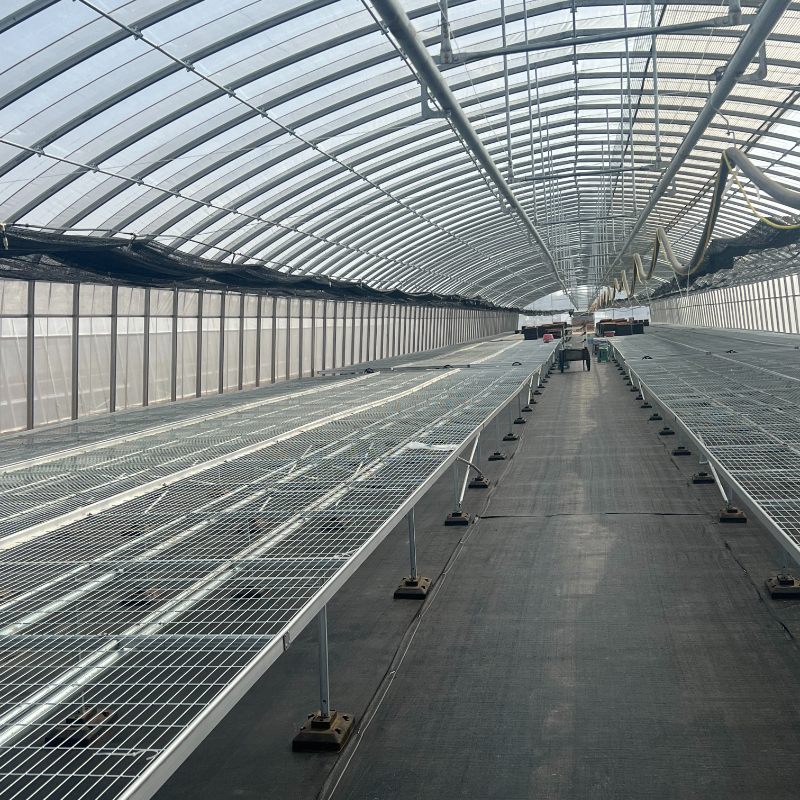
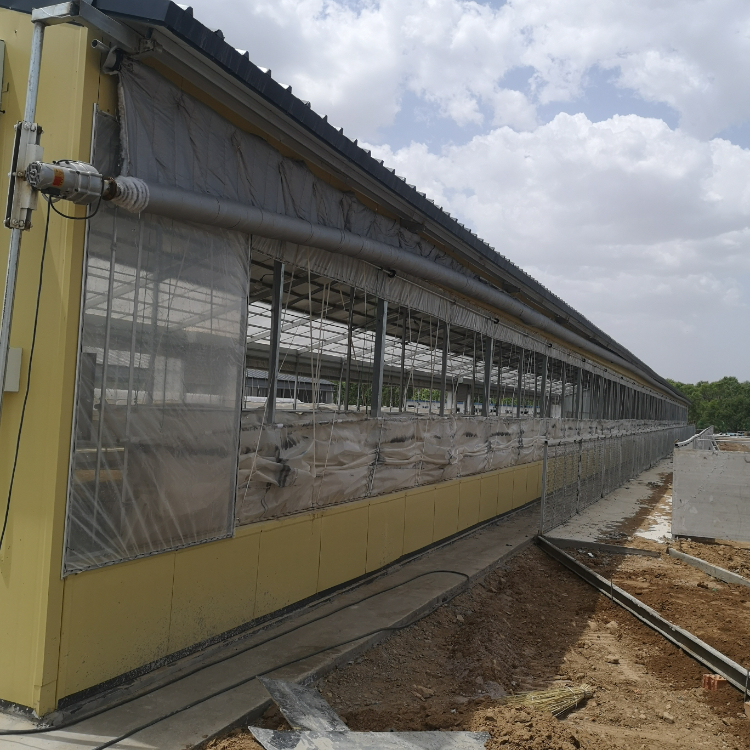
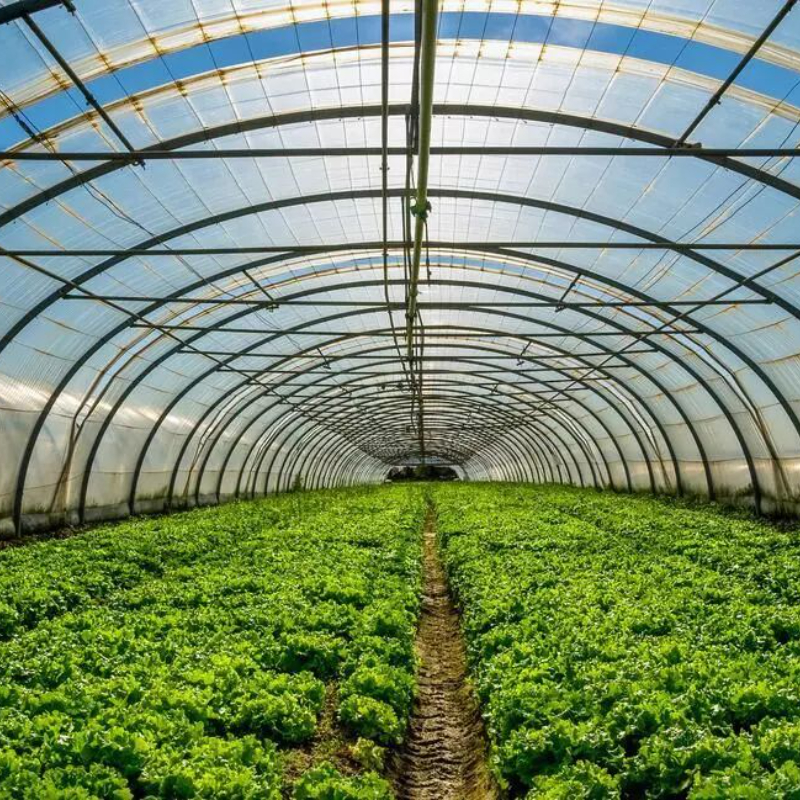
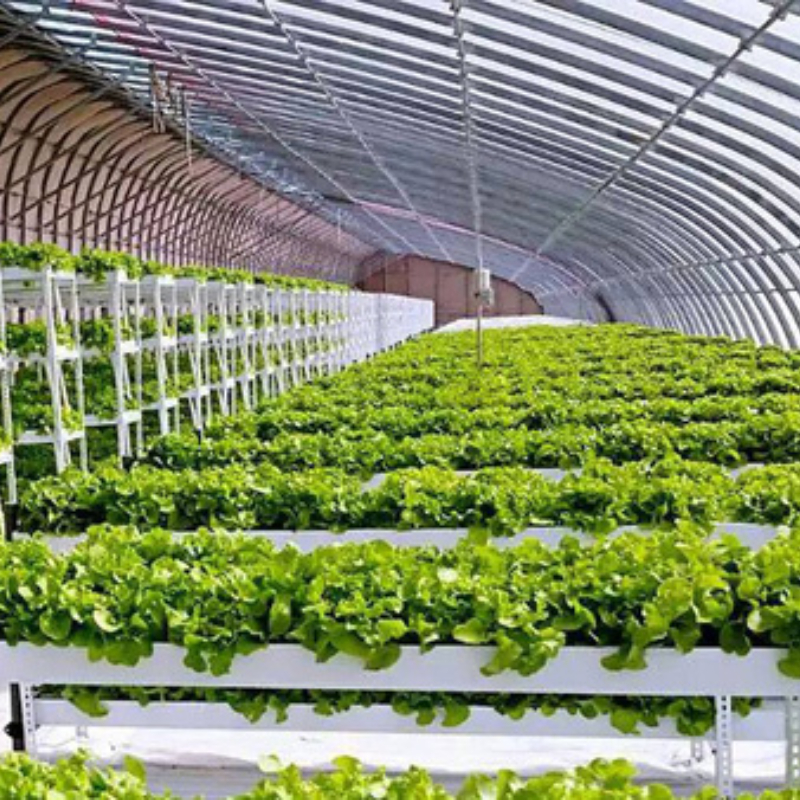
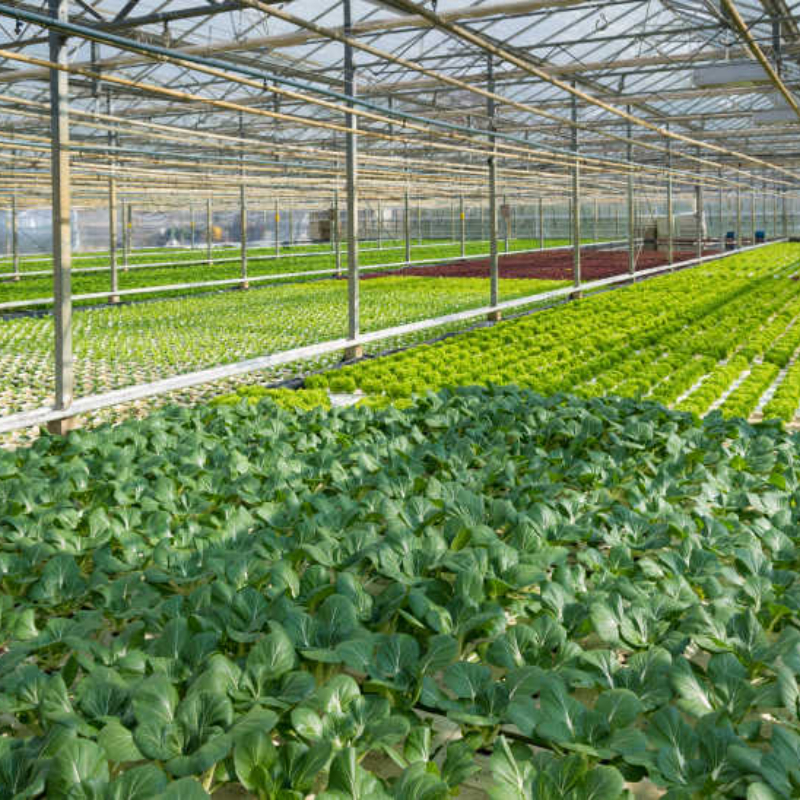
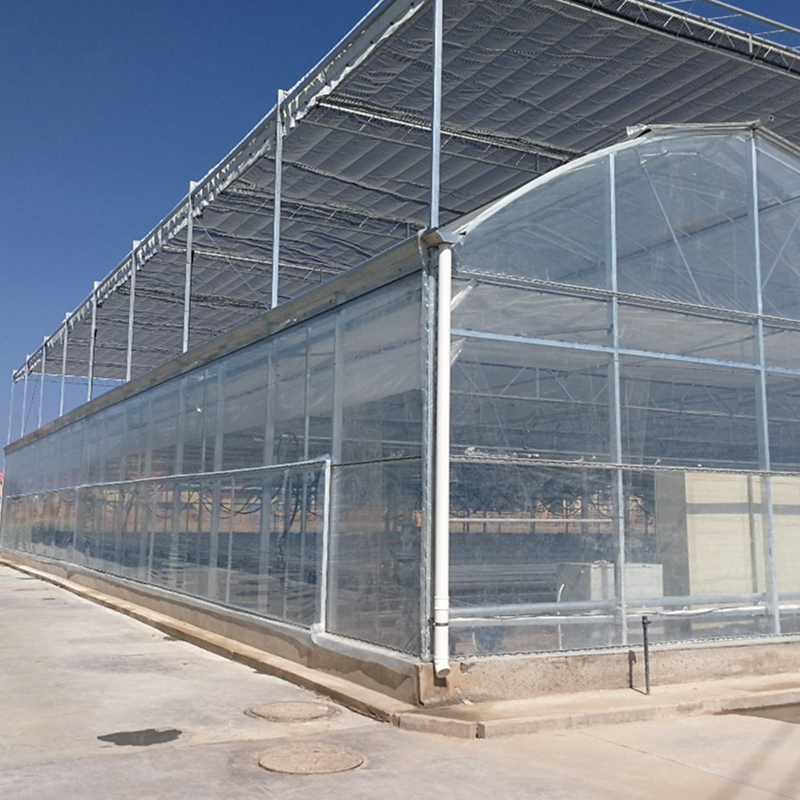
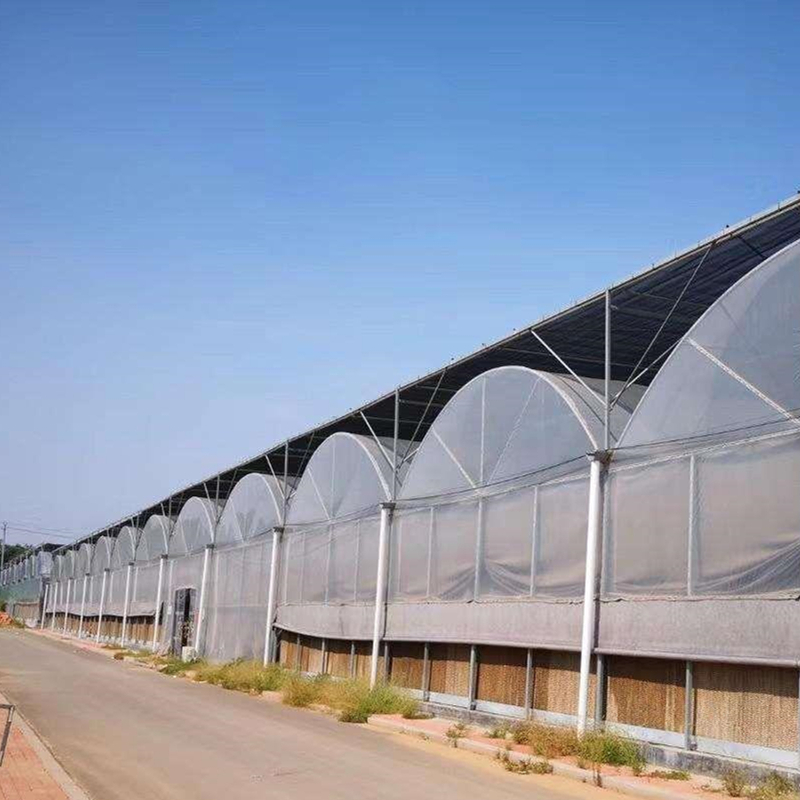
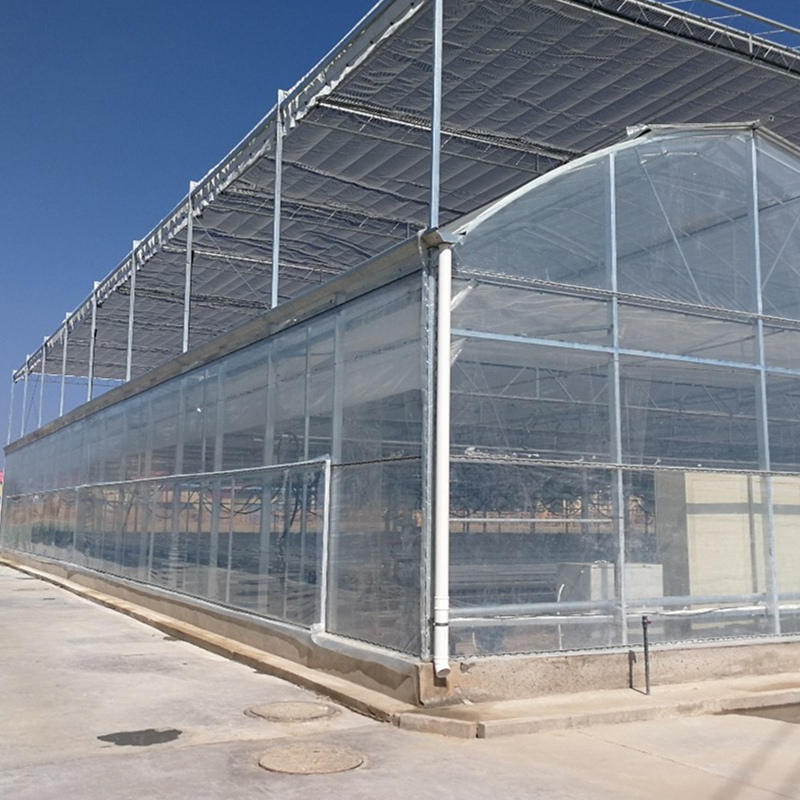
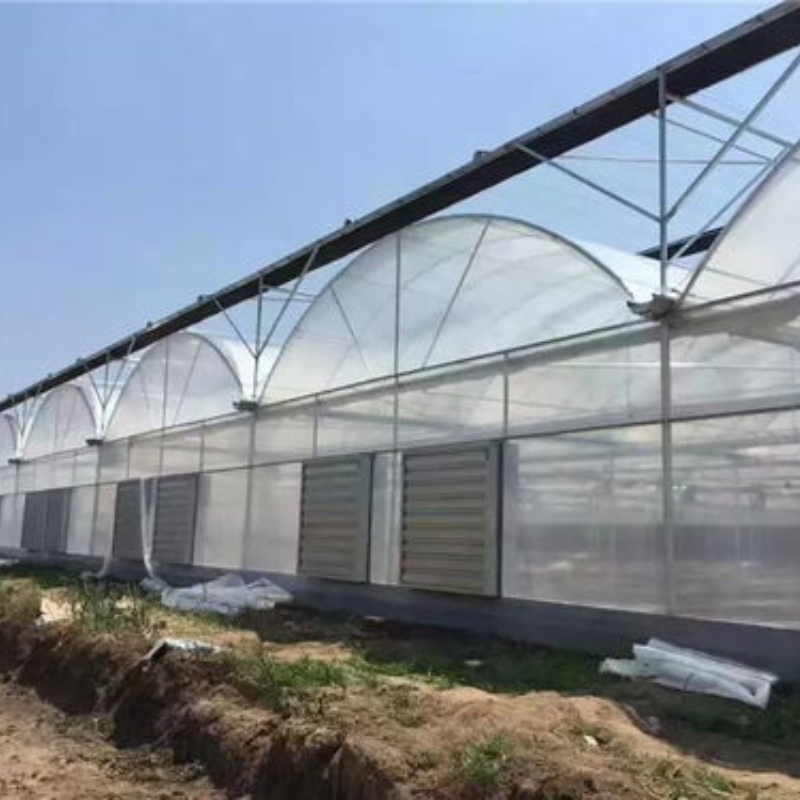
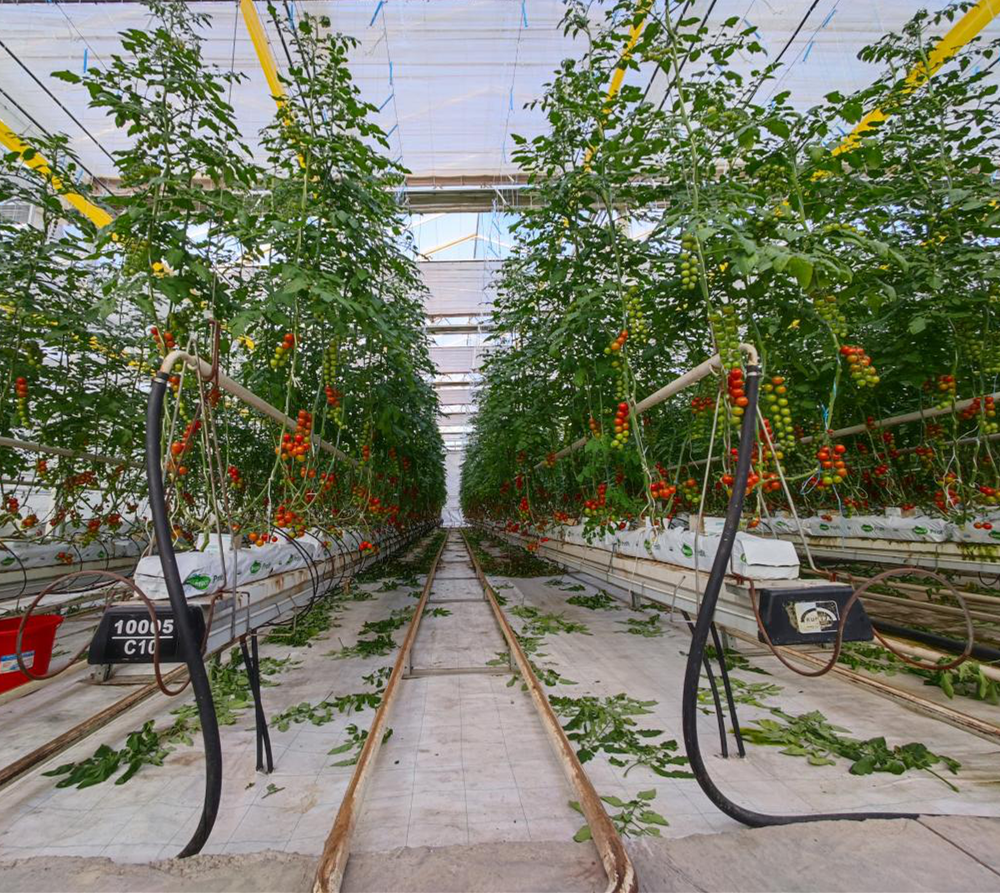
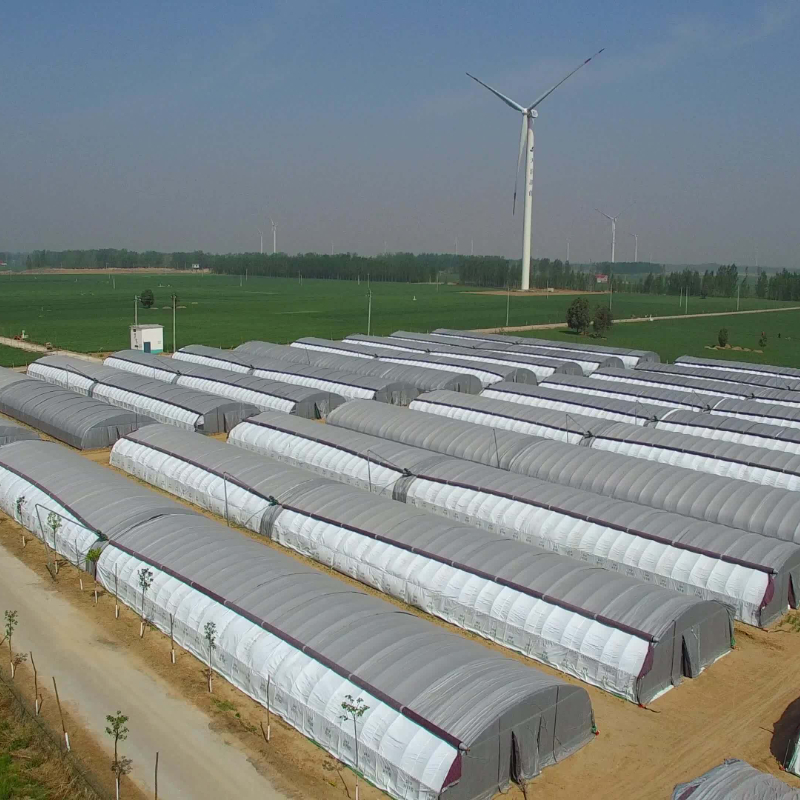
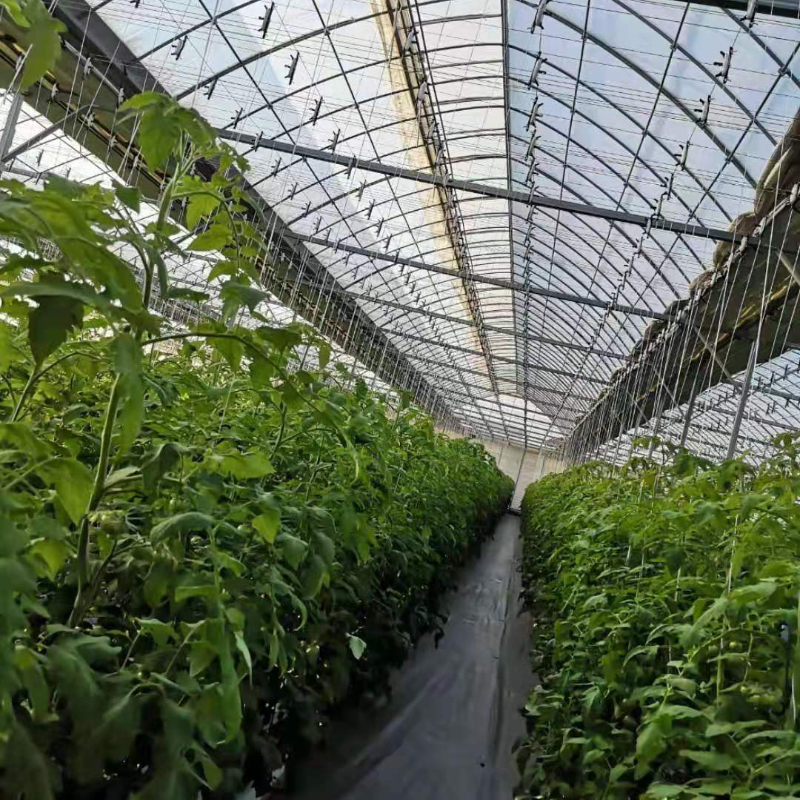
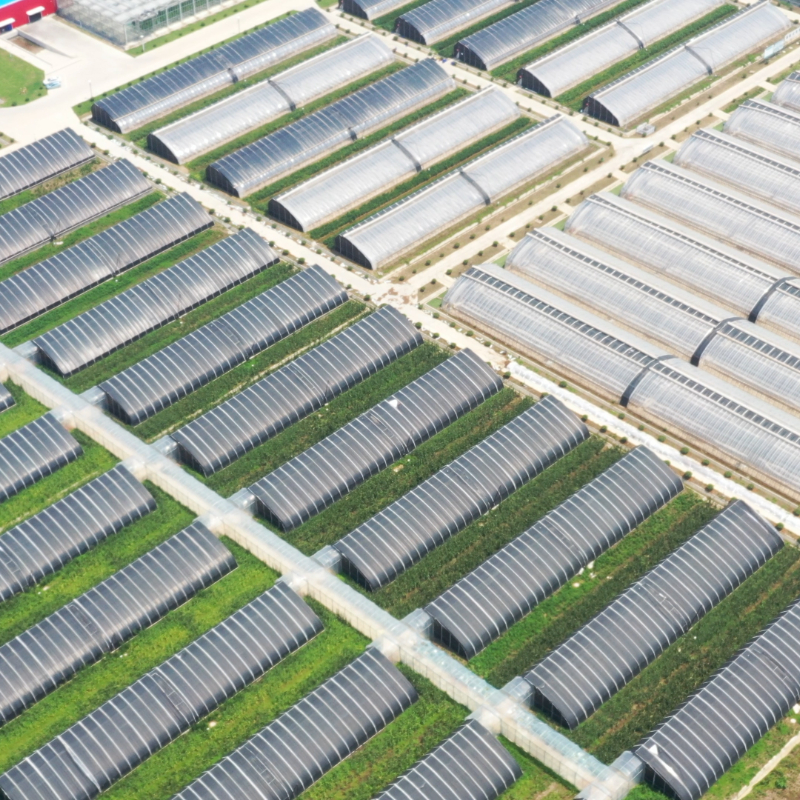
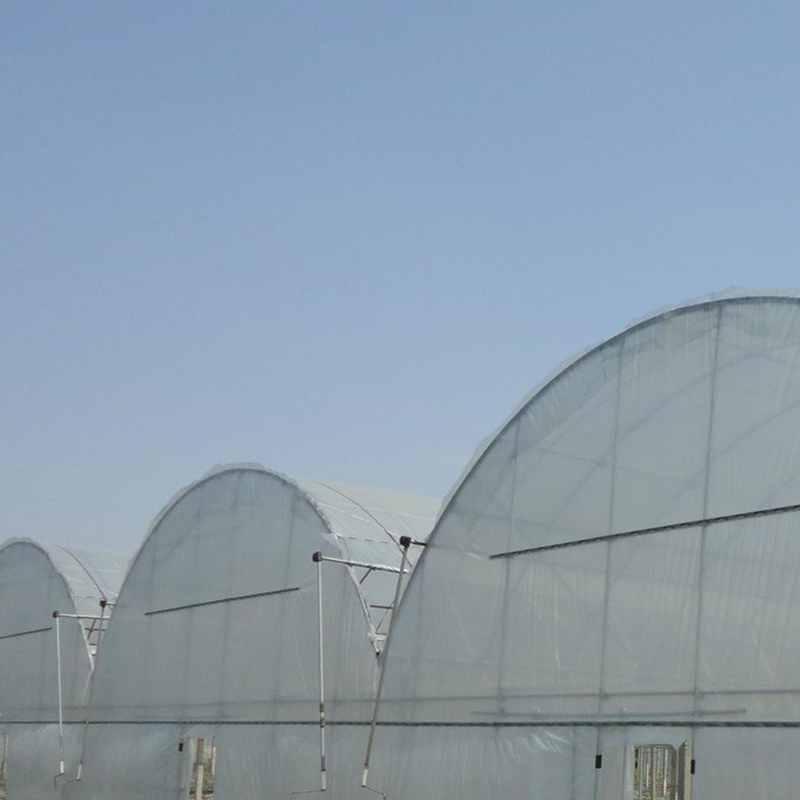
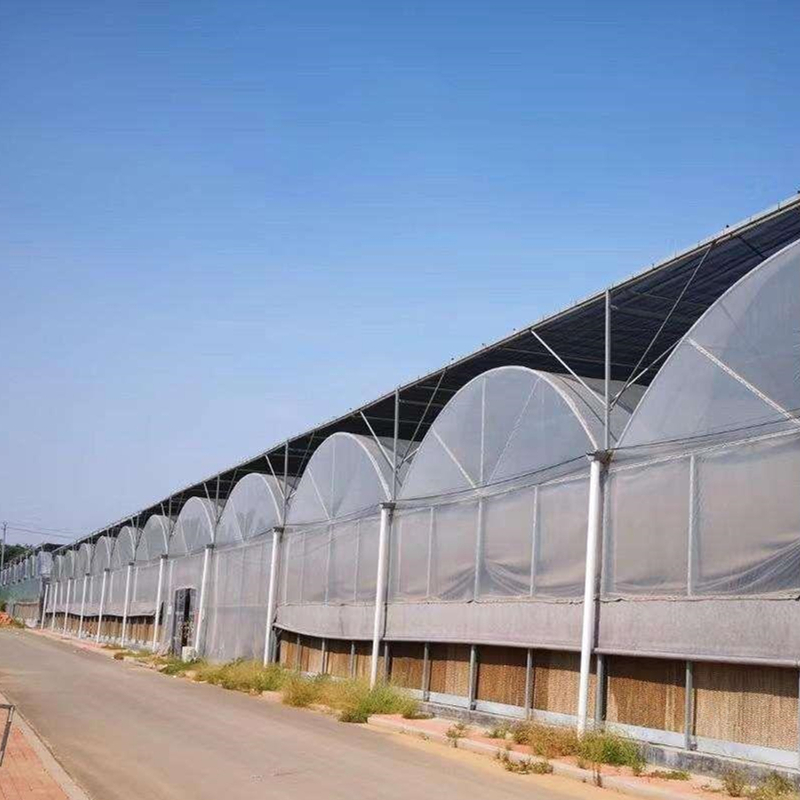
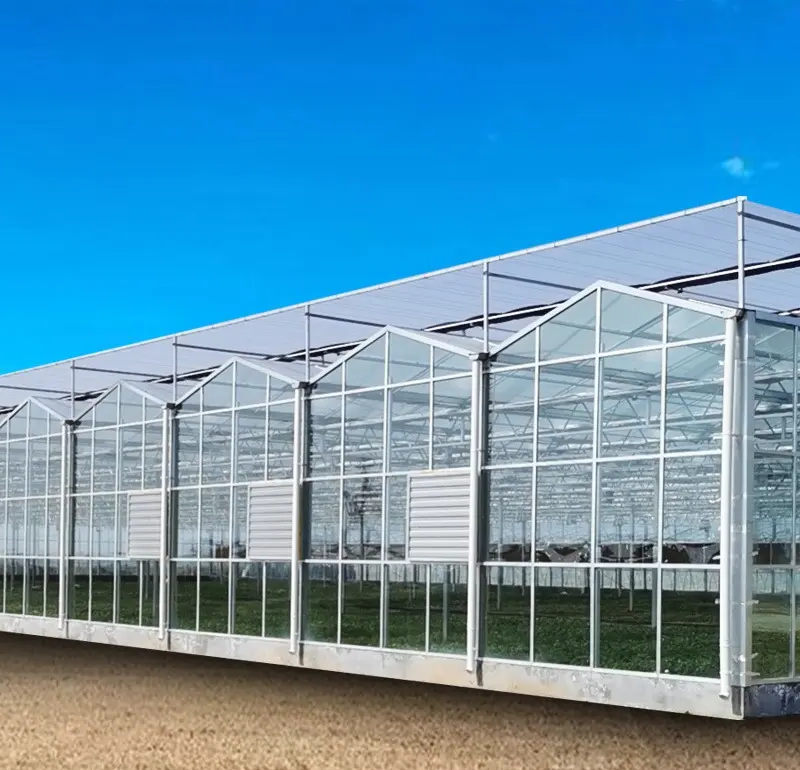
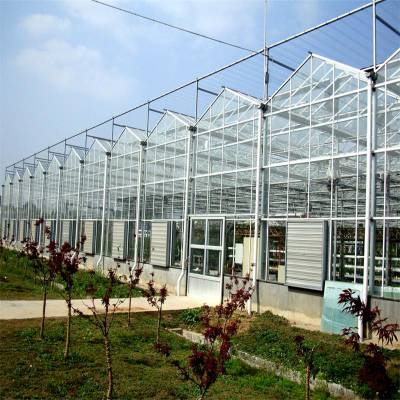
At its core, a modular greenhouse is a structure designed and built using standardized, pre-engineered components that can be easily assembled, disassembled, reconfigured, and expanded. Think of it like LEGO bricks or Meccano sets for growing plants.
This concept stands in contrast to traditional "fixed" greenhouses, which are often custom-built for a specific location and are difficult to modify.
Key Conceptual Principles:
1.Scalability and Flexibility: You can start small and add more modules (bays) as your needs grow—whether you're a hobbyist expanding your plant collection or a commercial farm increasing production.
2.Standardization: All parts are mass-produced to precise specifications. This ensures that any part from a specific product line is interchangeable, simplifying repairs and replacements.
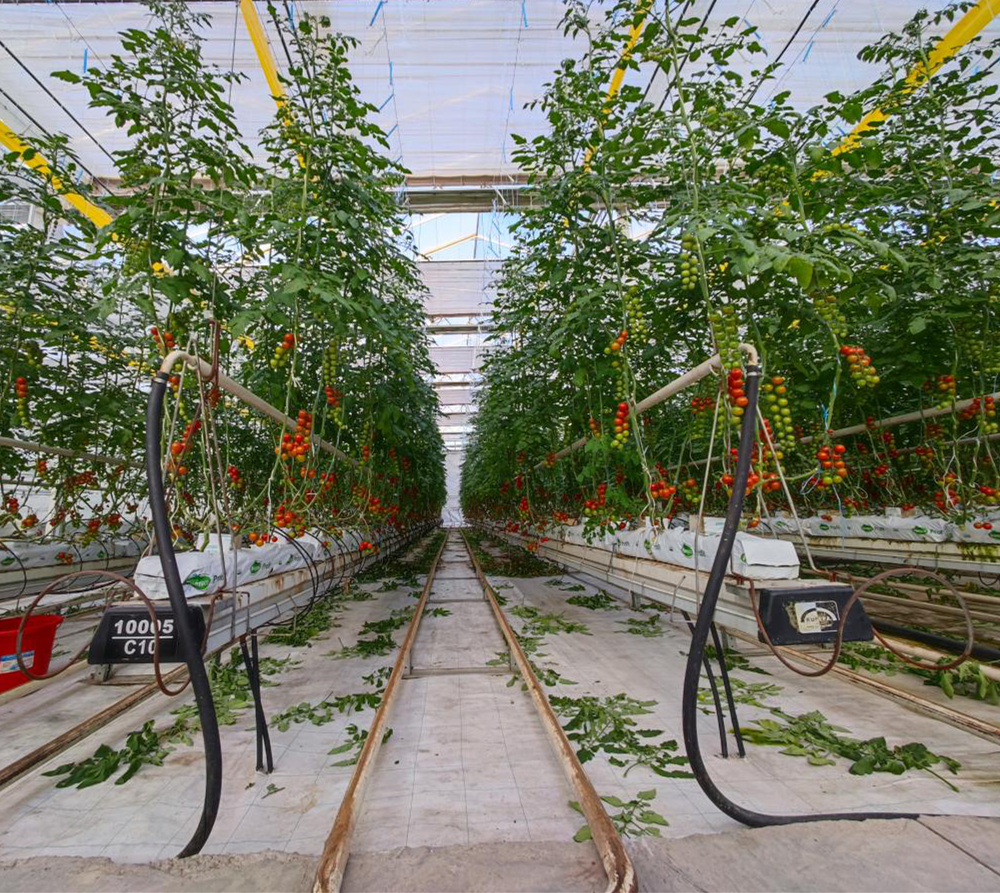
3.Adaptability: The structure can be adapted to different terrains, climates, and purposes. You can choose different coverings (polycarbonate, glass, polyethylene film), ventilation systems, and shading based on your requirements.
4.Cost-Effectiveness: Mass production of standardized parts reduces manufacturing costs. The DIY-friendly nature also significantly cuts down on labor and construction expenses.
5.Durability and Strength: Modern modular greenhouses are engineered with materials like galvanized steel or aluminum, designed to withstand specific wind and snow loads.
The Construction of a Modular Greenhouse: A Step-by-Step Guide
The construction process is systematic, leveraging the pre-designed nature of the components.
Phase 1: Planning and Preparation
1.Site Selection:
Sunlight: Choose a location with maximum sun exposure, ideally facing south (in the Northern Hemisphere).
Drainage: The site must be level and well-draining to prevent water pooling.
Accessibility: Ensure easy access for both construction and daily use (water, electricity, moving plants and supplies).
Wind Protection: Consider prevailing winds and position the greenhouse accordingly, perhaps using a natural windbreak.
2.Foundation and Base Preparation:
Ground-Level Base: For smaller hobby greenhouses, a simple leveled and compacted gravel base is often sufficient. Some models have a base frame that sits directly on this.
Anchored Foundation: For permanence and stability, especially in windy areas, the structure can be anchored to:
Concrete Footings: Poured concrete piers at the corners and midpoints.
Ground Posts: Metal posts are driven or set into concrete into the ground, and the frame is built on top.
Wooden or Concrete Sill: A perimeter of treated timber or a shallow concrete foundation.
3.Unpacking and Inventory:
Lay out all the parts according to the instruction manual.
Identify all beams, purlins, connectors, bolts, and panels. Ensure you have all the necessary tools (typically wrenches, screwdrivers, a rubber mallet, and a ladder).
Phase 2: The Build Process
The following steps provide a general sequence. Always follow the manufacturer's specific instructions.
Step 1: Assemble the End Frames
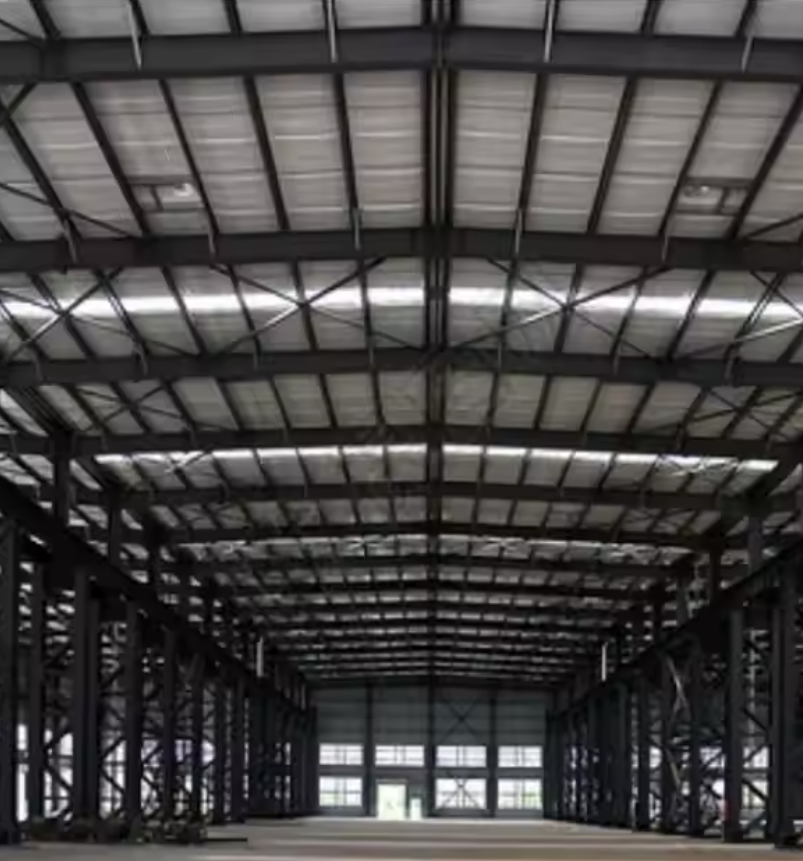
Construct the two end walls (gable ends) on a flat surface. This usually involves connecting the vertical side posts, the top arch or ridge bar, and any diagonal bracing.
Attach the door frame to one of the end walls at this stage.
Step 2: Erect the Main Structure
Position the two assembled end frames onto the foundation, ensuring they are square and plumb (perfectly vertical).
Connect the gutter rails or base rails between the two end frames. These horizontal beams form the "spine" of the structure and define its length.
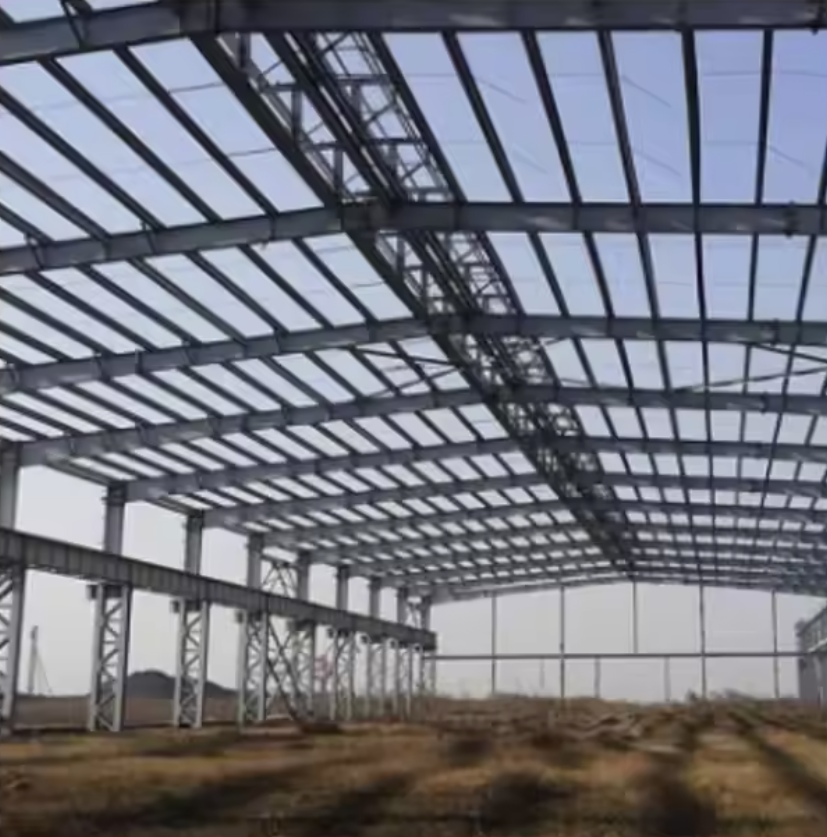
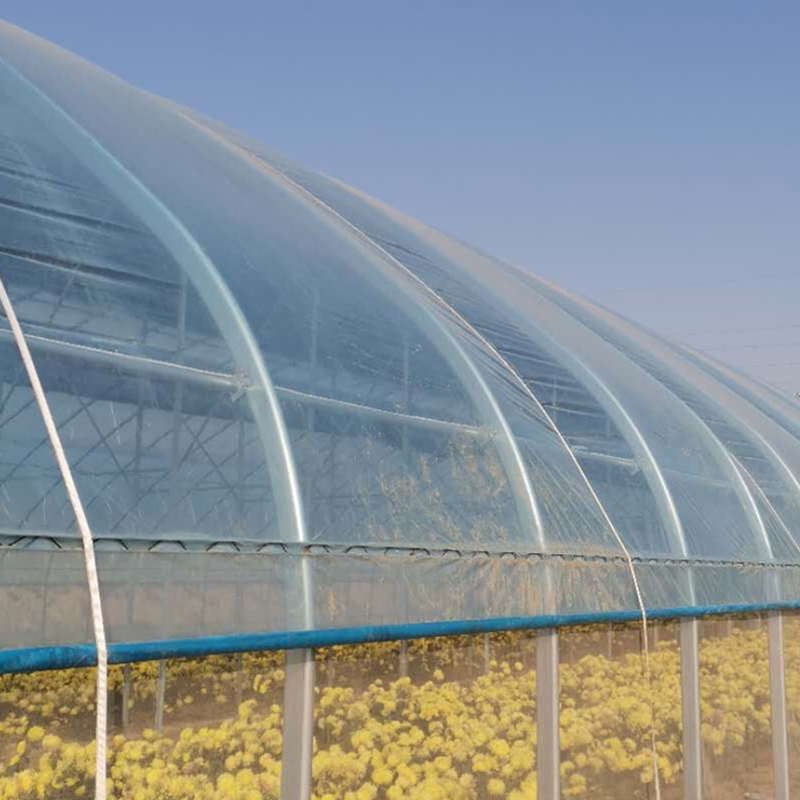
Install the hoops or arches. These curved or A-frame pieces slot into the end frames and run the length of the greenhouse, creating the classic shape.
Step 3: Add Structural Bracing
Install the purlins. These are the horizontal bars that run the length of the greenhouse, connecting all the hoops together. They are crucial for adding rigidity and providing support for the glazing.
Add any diagonal cross-bracing. This is essential for preventing the structure from racking (leaning) under wind pressure.
Step 4: Install the Glazing (Covering)
This is one of the most critical steps. The method depends on the material:
Polycarbonate Sheets: These often have channels. Special "H" and "U" profiles are used to connect sheets and seal the ends. They are attached to the purlins with self-tapping screws and sealing washers.
Glass: Requires a more precise frame with glazing bars and clips. Often used in high-end modular systems.
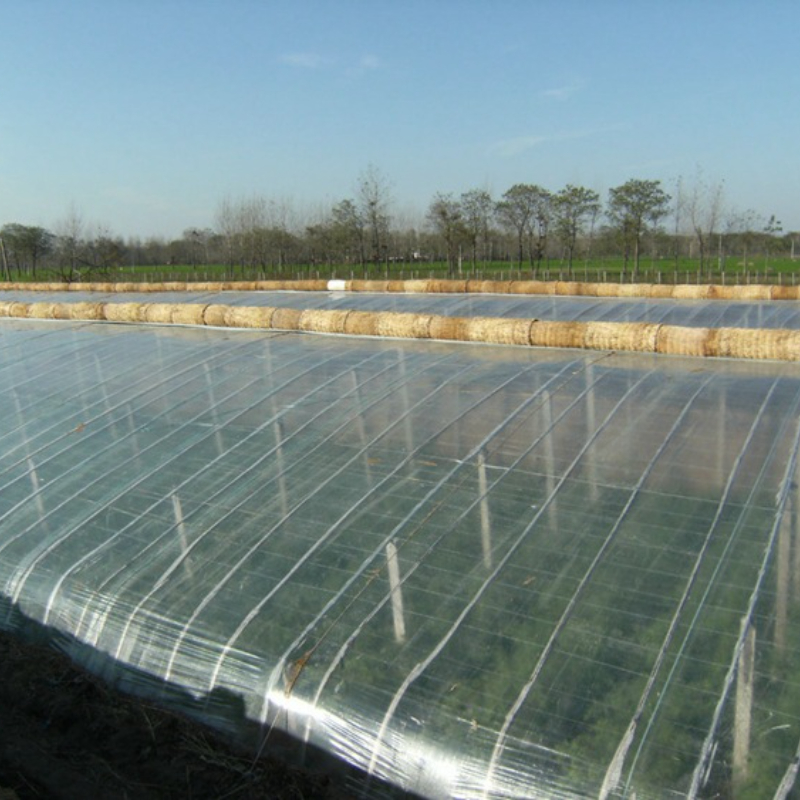
Polyethylene Film: A single or double layer is stretched over the frame and secured with wiggle wire in an aluminum channel or snap clamps.
Work from the bottom up to ensure that upper panels shed water onto the lower ones, not behind them.
Step 5: Install Doors and Ventilation
Hang the door(s) on the pre-assembled door frame. Ensure it opens and closes smoothly.
Install automatic or manual roof vents, side vents, or louvres as per your kit's design.In conclusion, the modular greenhouse is a brilliant application of industrial design to agriculture and horticulture. It democratizes access to controlled growing environments by making them affordable, adaptable, and accessible to builders of all skill levels.
