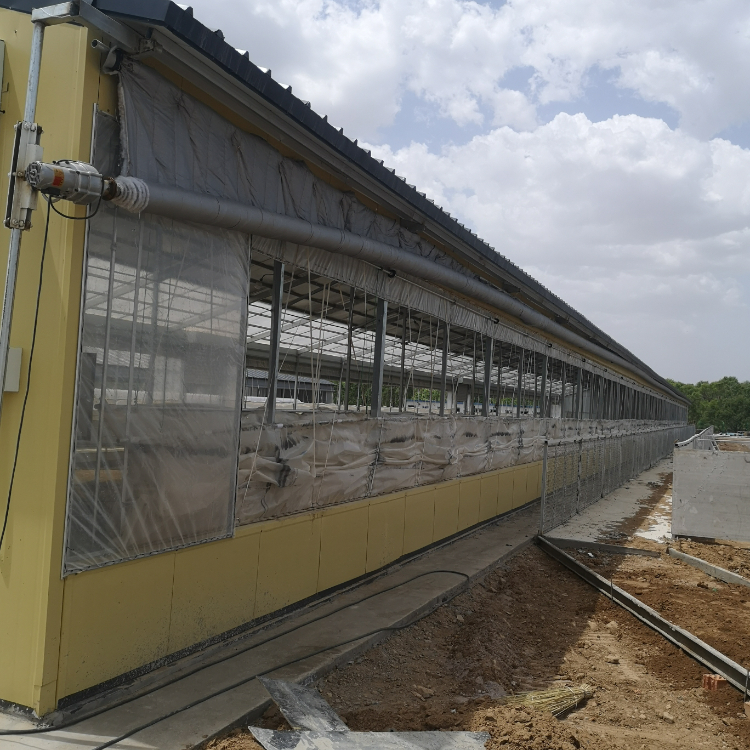
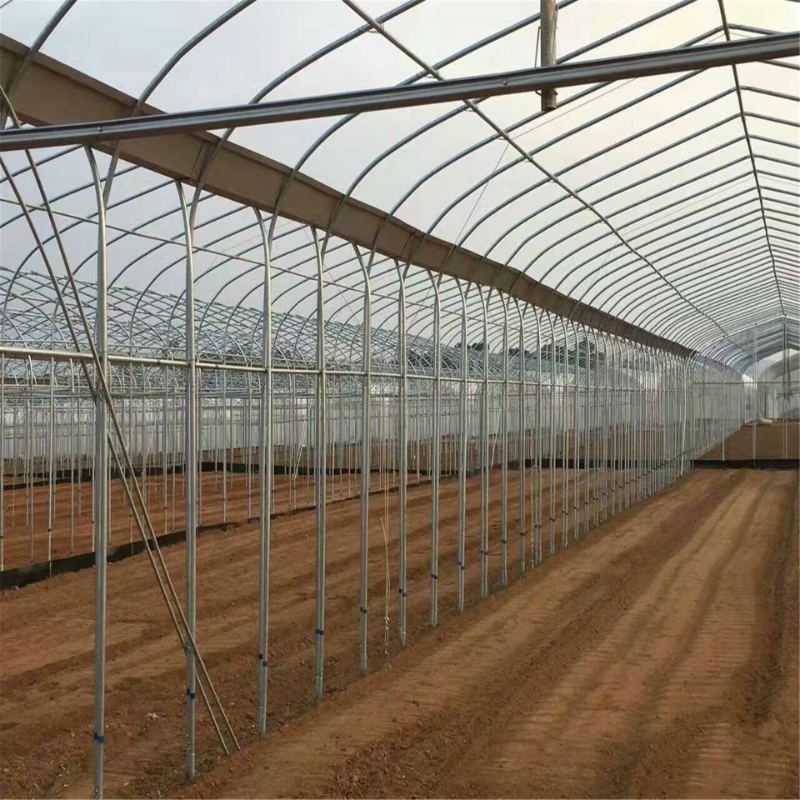
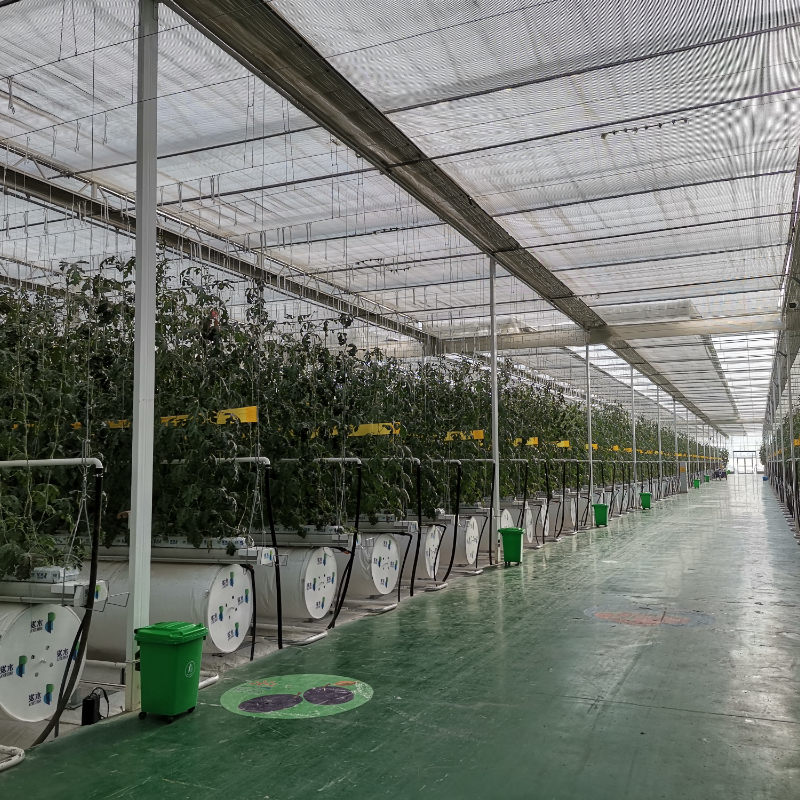
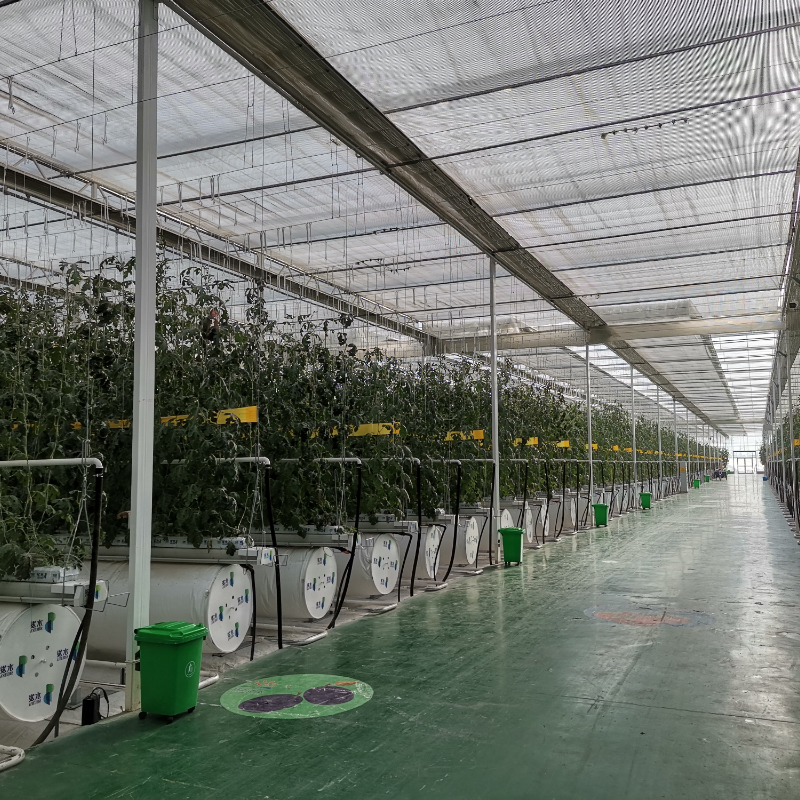
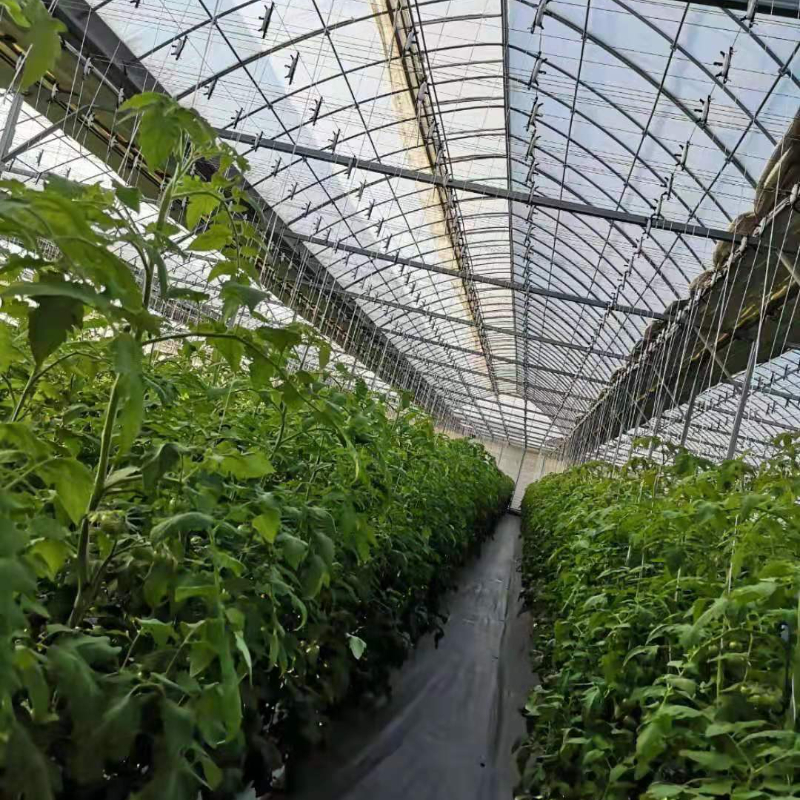
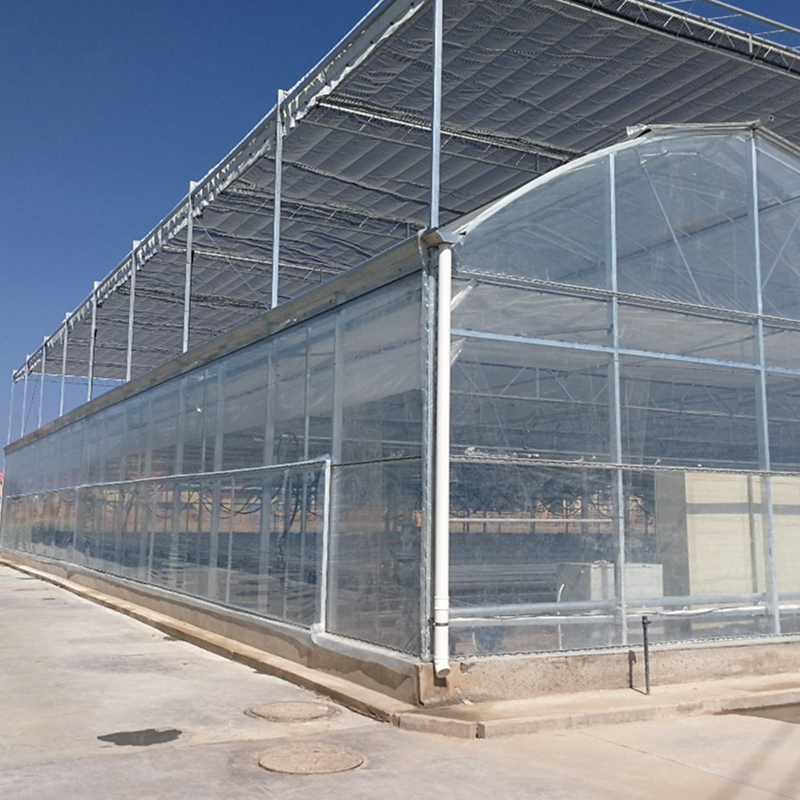
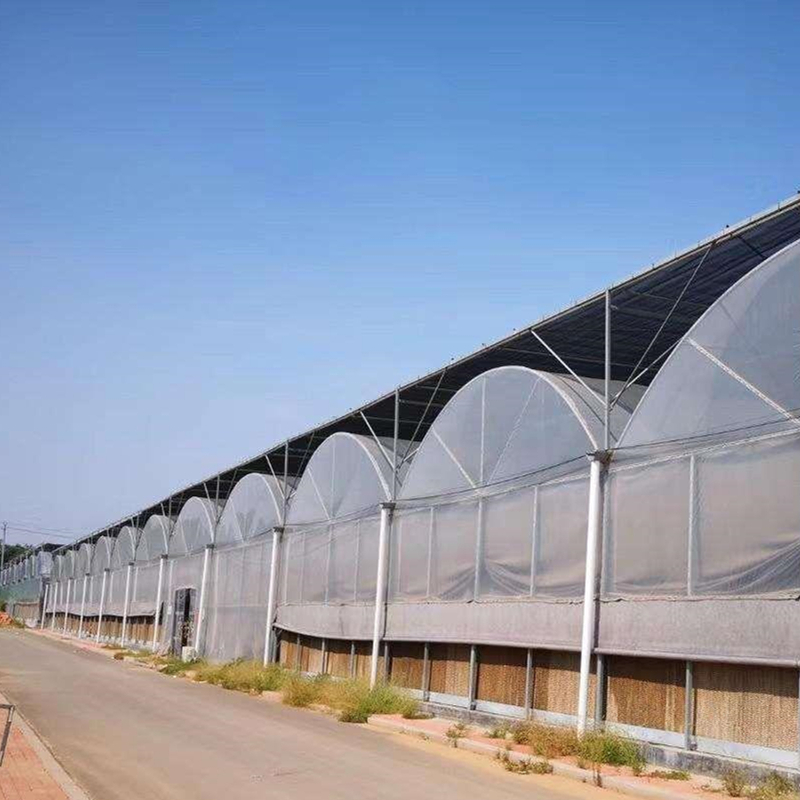
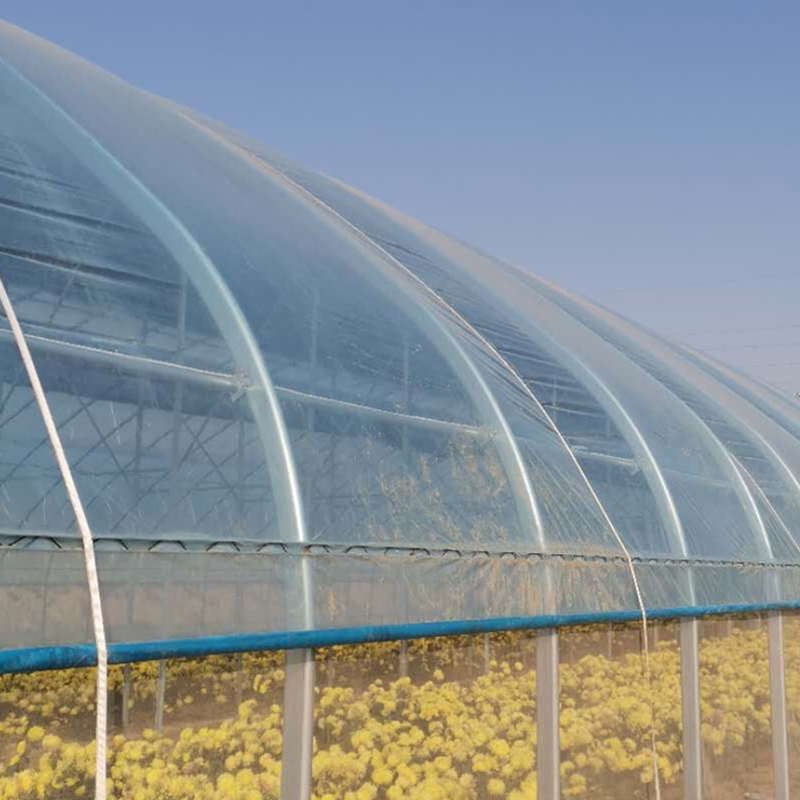
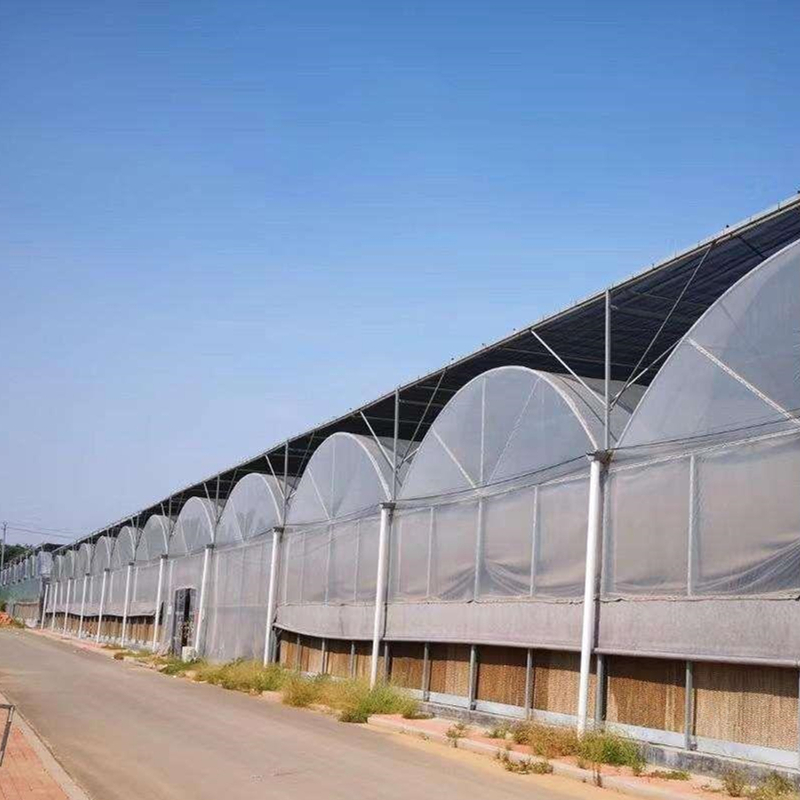
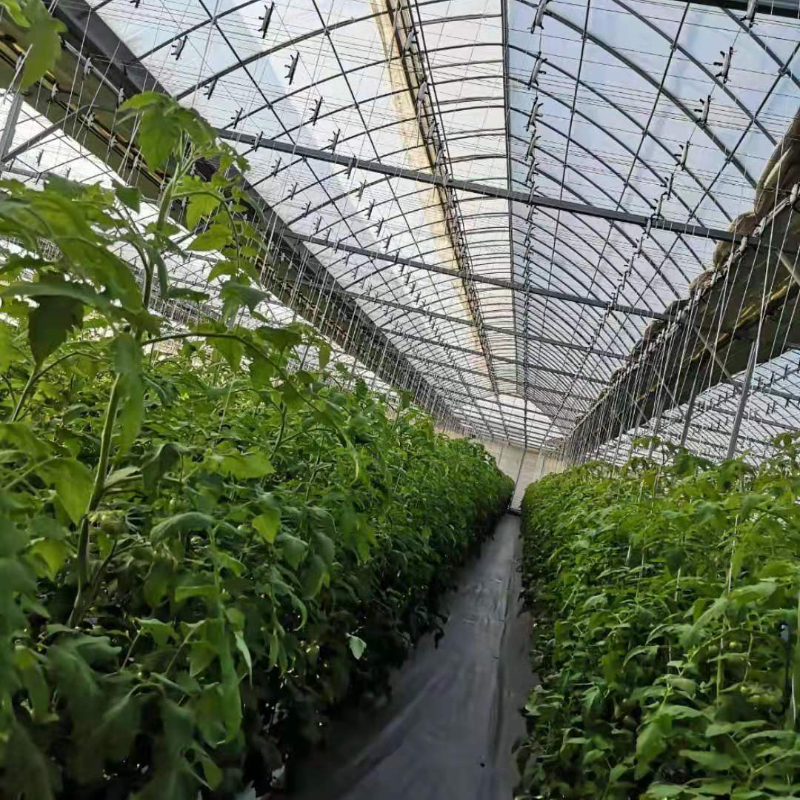
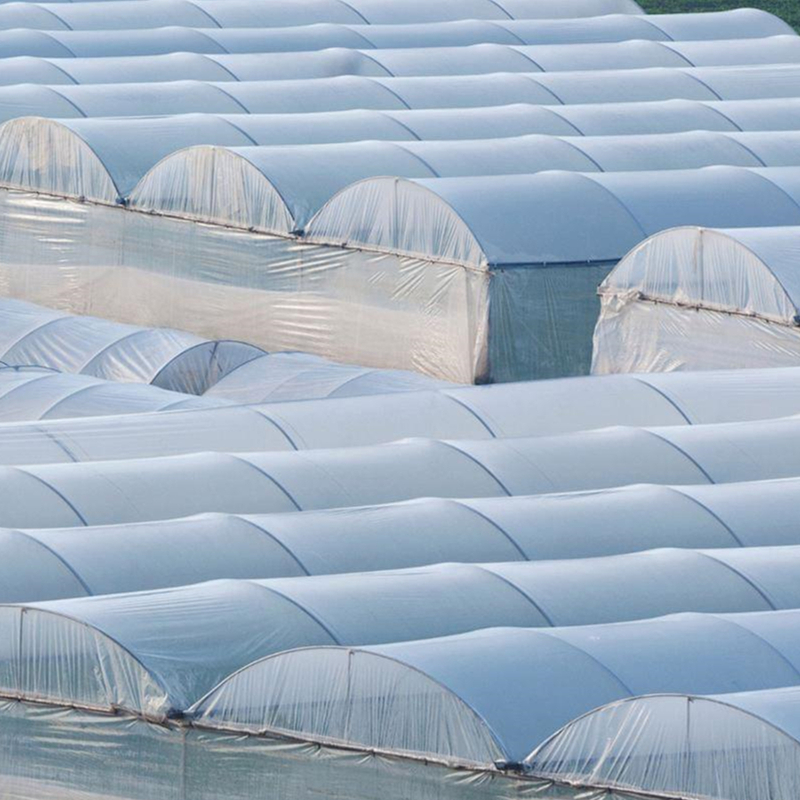
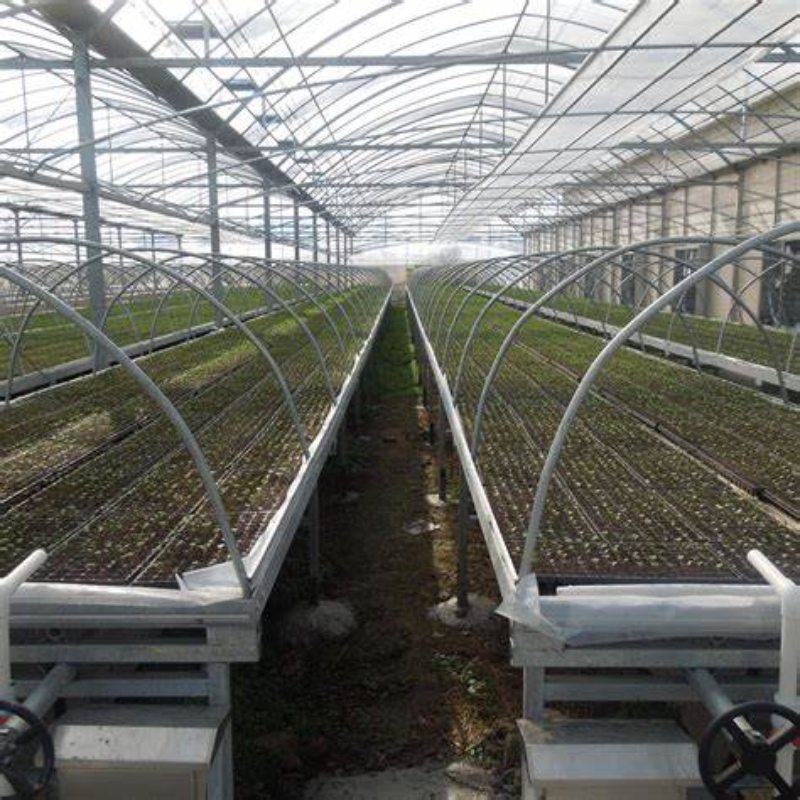
The digital management and control platform serves as the nerve center of the greenhouse system, providing farm managers with remote, 24/7 access to key operational data. Through a user-friendly interface, managers can monitor temperature, humidity, light intensity, CO₂ levels, and crop growth metrics in real time. The platform also generates data-driven insights and predictive analytics, helping managers optimize cultivation strategies, plan harvest schedules, and reduce operational costs. This level of digitalization is a key step toward Saudi Arabia’s goal of building a modern, data-driven agricultural sector, as outlined in Saudi Vision 2030.
Beyond its direct contributions to food security and water conservation, the iHavos project is also driving knowledge transfer and capacity building in Saudi Arabia’s agricultural sector. iHavos has collaborated closely with local partners to ensure that the project aligns with local needs and creates long-term value. This includes training local personnel in the operation and maintenance of the smart greenhouse system, fostering a new generation of skilled agricultural technicians. By transferring advanced smart agriculture technologies and expertise, the project is helping to build a sustainable agricultural ecosystem that can support the country’s long-term development goals.
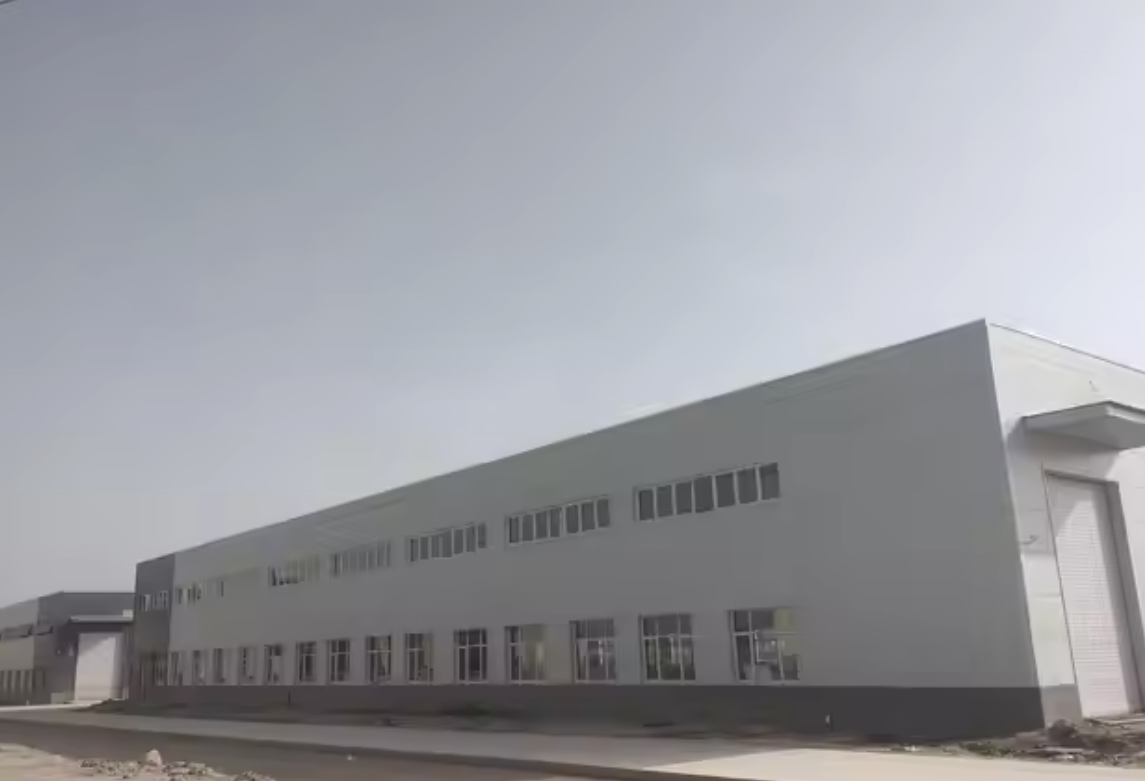
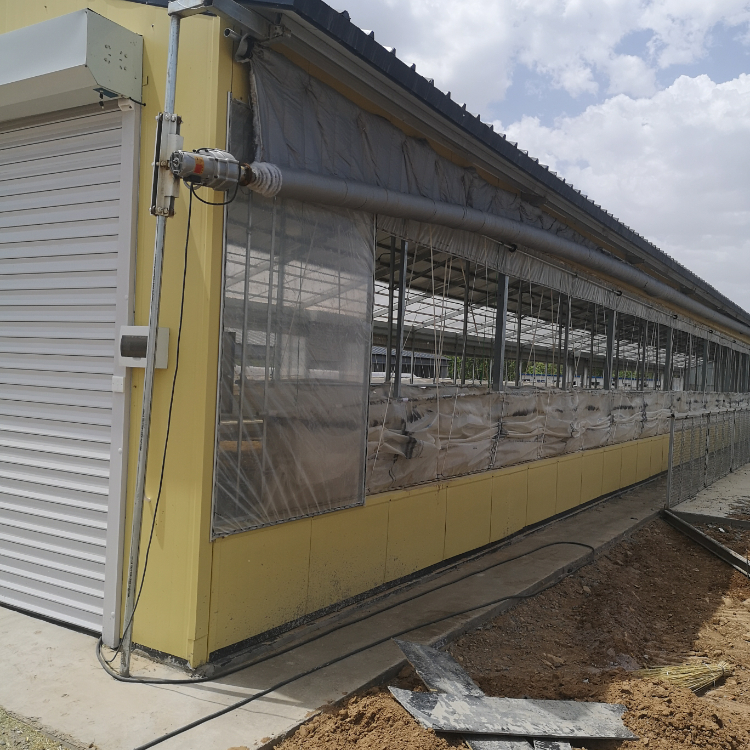
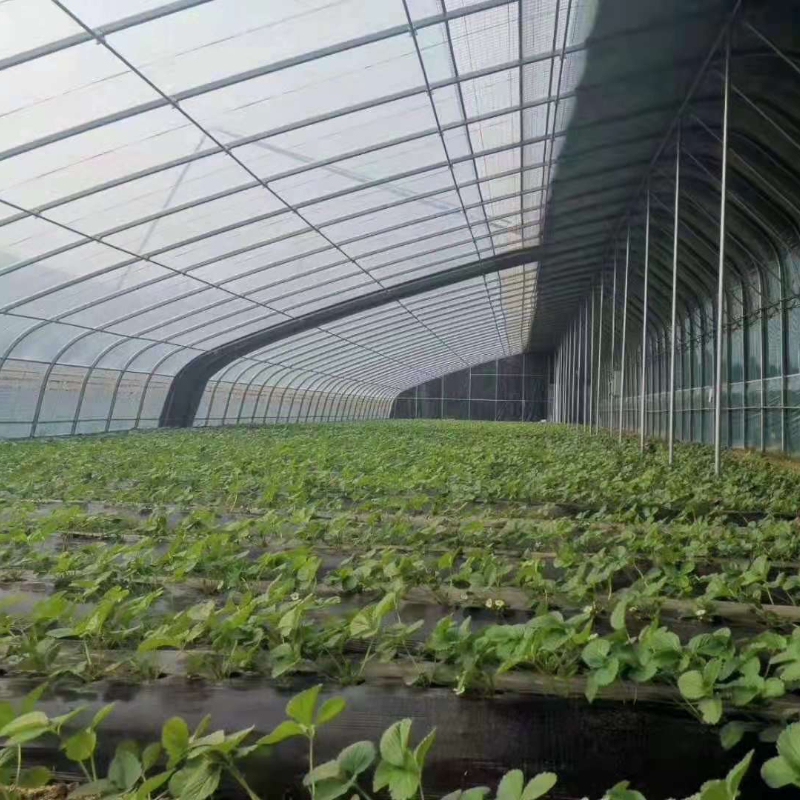
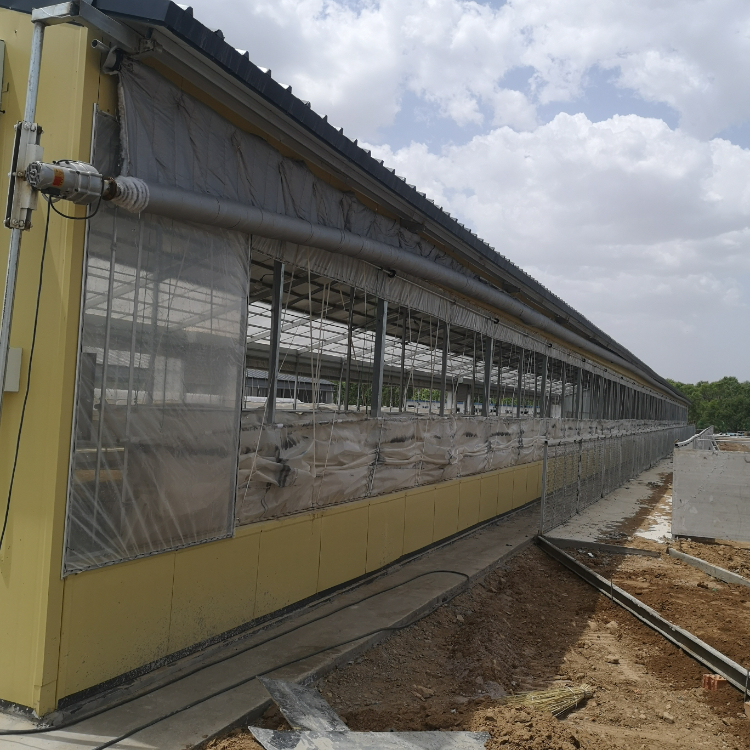
As the Ghat Farm project progresses toward completion, it is already generating significant interest from across Saudi Arabia’s agricultural sector. The project serves as a model for how smart agriculture technologies can transform arid lands into productive agricultural areas, offering a scalable solution for other regions of the country. For iHavos, the project is a testament to its commitment to developing locally adapted smart agriculture solutions that address the unique challenges of different regions. By combining global expertise with local insights, iHavos is helping to build a more sustainable and resilient future for Saudi Arabia’s agricultural sector.
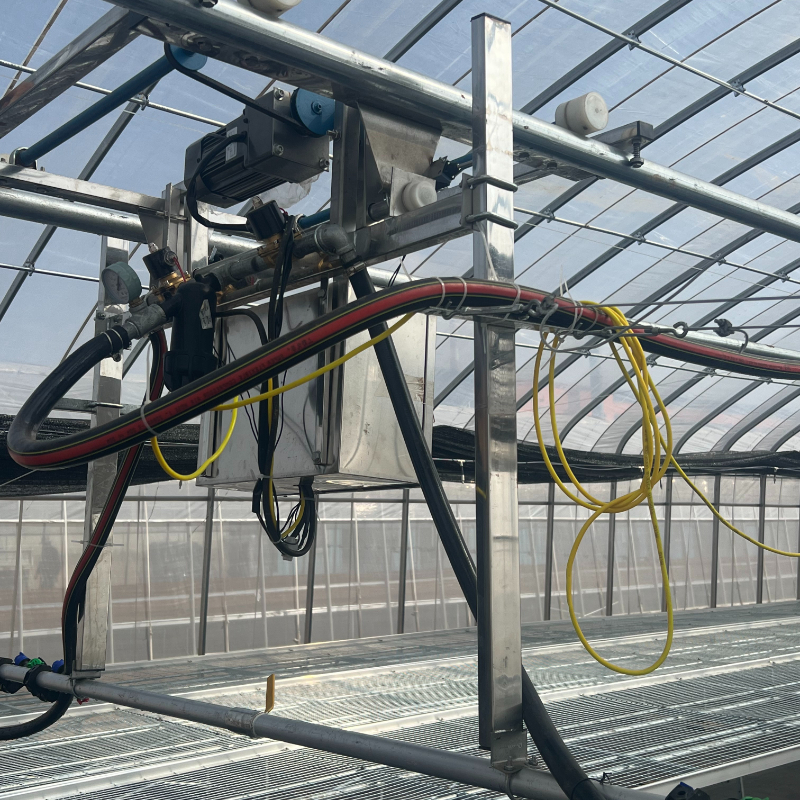
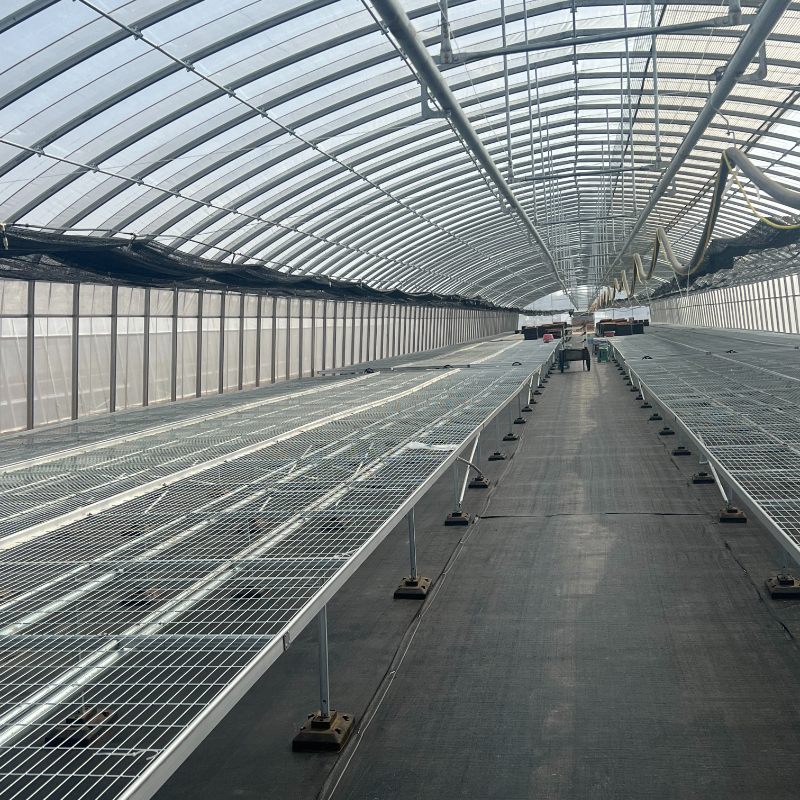
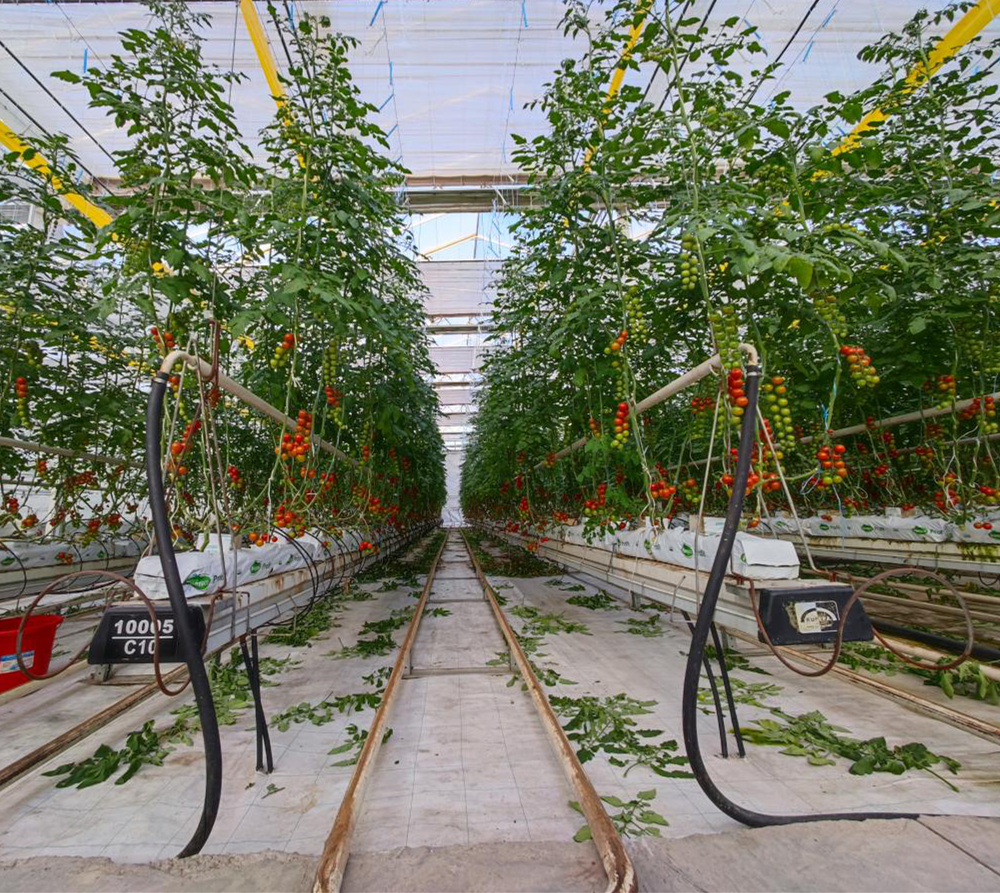
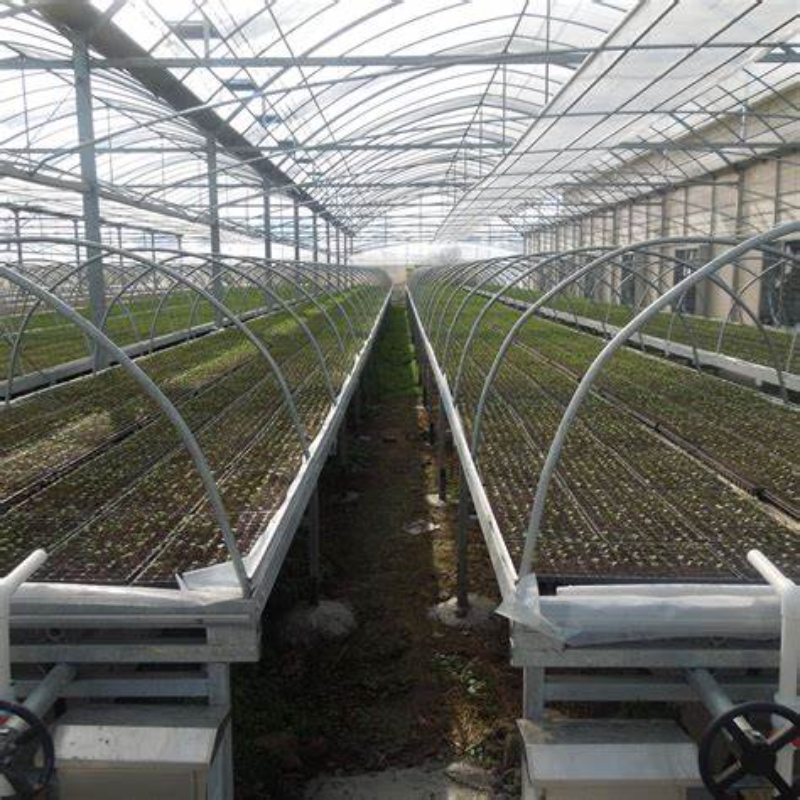
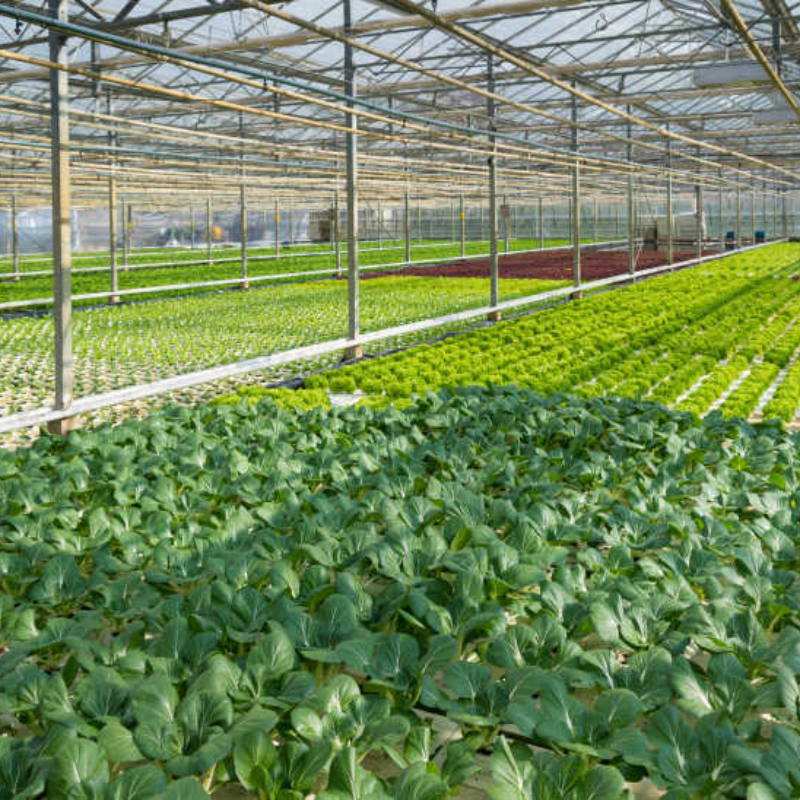
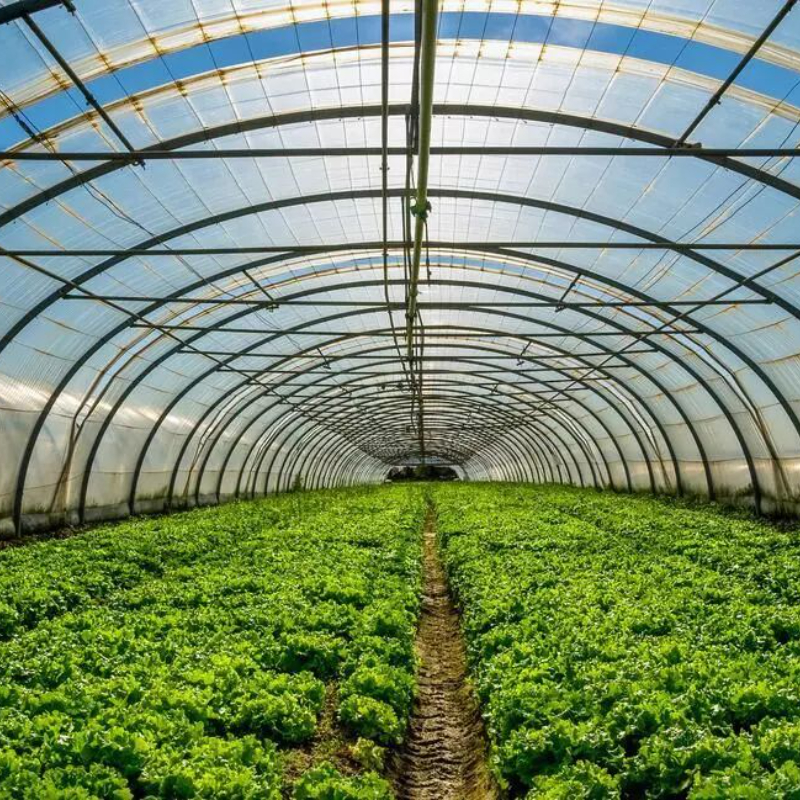
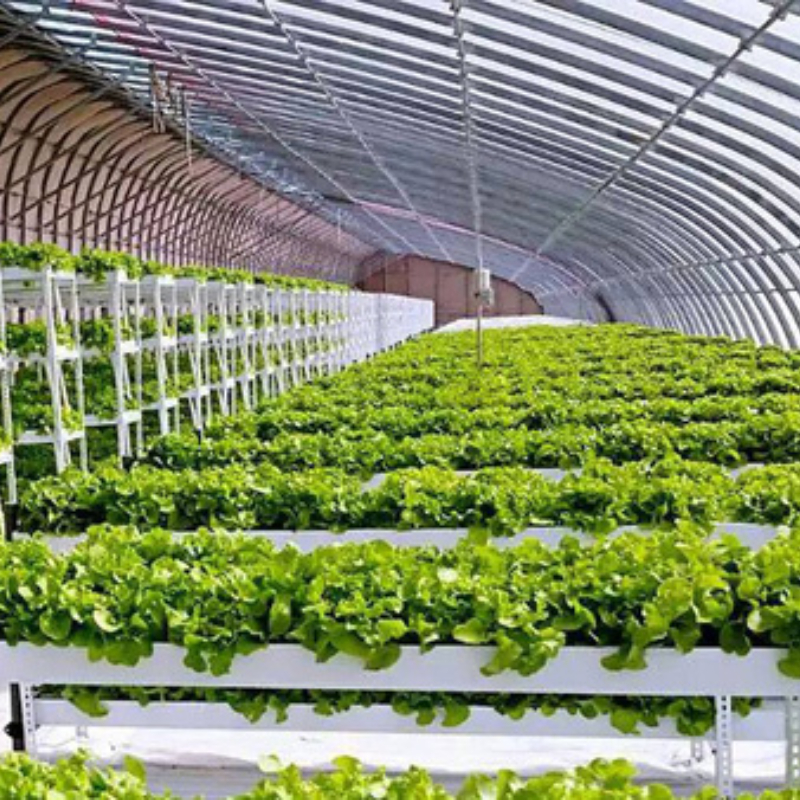
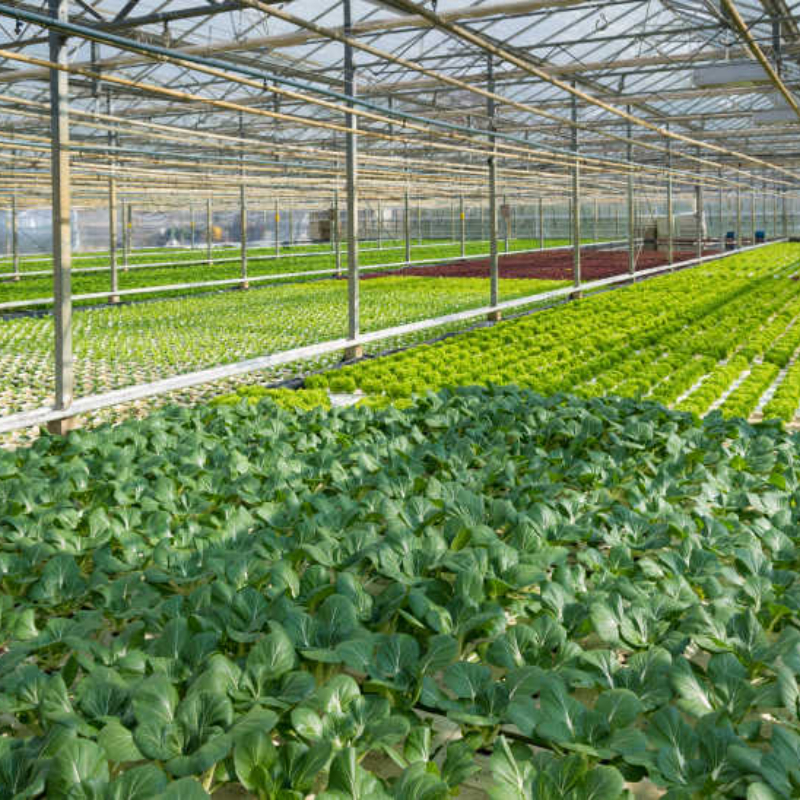
At the heart of this sustainable solution is iHavos’ independently developed automated leafy vegetable planting system, which combines hardware innovation with digital intelligence to realize fully unmanned operations. The system’s core components—robotic arms, computer vision technology, and a proprietary digital management platform—are tailored to the unique needs of Saudi Arabia’s agricultural context. The robotic arms, equipped with adaptive grippers, handle seed sowing, seedling transplantation, and harvesting with high precision, eliminating the need for manual labor. This is particularly valuable in Saudi Arabia, where agricultural labor shortages and high labor costs have long hindered the development of the sector.
In conclusion, iHavos’ unmanned smart greenhouse project at Ghat Farm is more than just a technological innovation—it is a strategic investment in Saudi Arabia’s food security, water conservation, and agricultural modernization. By addressing the country’s most pressing agricultural challenges, the project aligns with the goals of Saudi Vision 2030 and paves the way for a more sustainable and self-sufficient future. As the project enters its operational phase, it will not only deliver high-quality, locally produced leafy vegetables but also drive the transformation of Saudi Arabia’s agricultural sector, setting a new standard for sustainable agriculture in arid regions worldwide.