
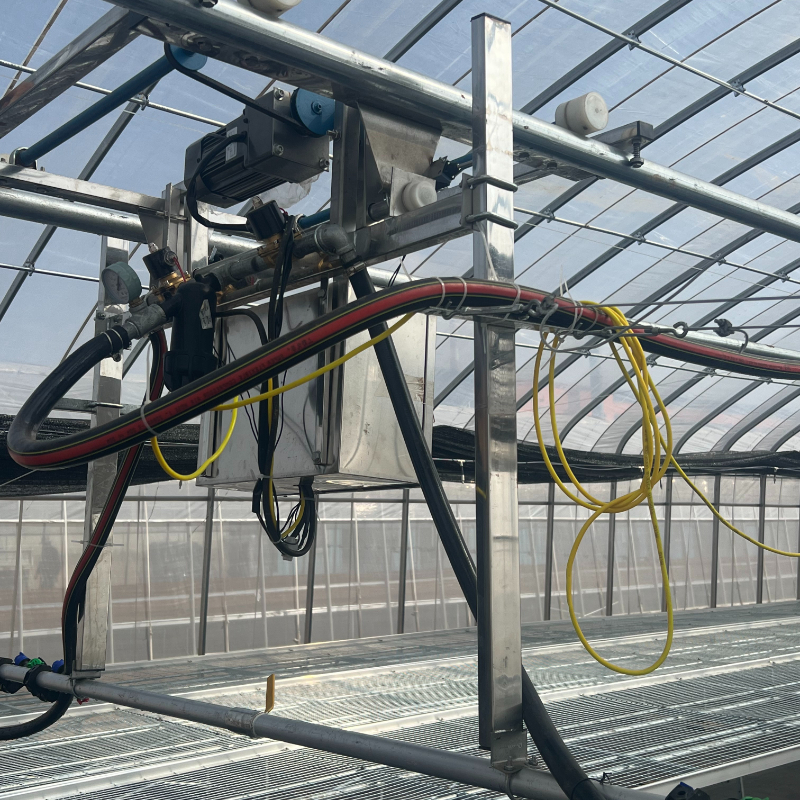
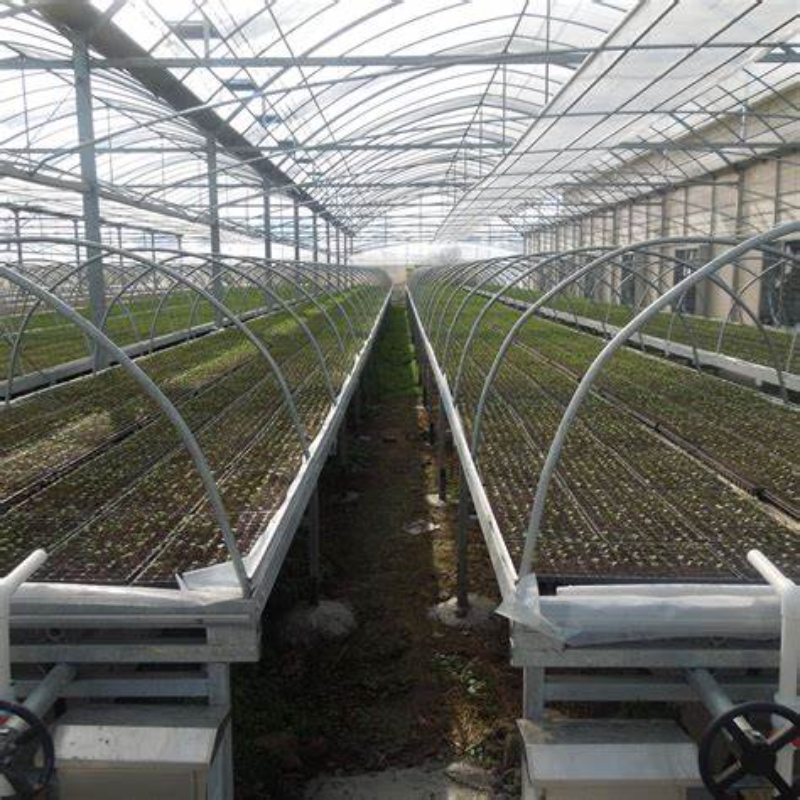
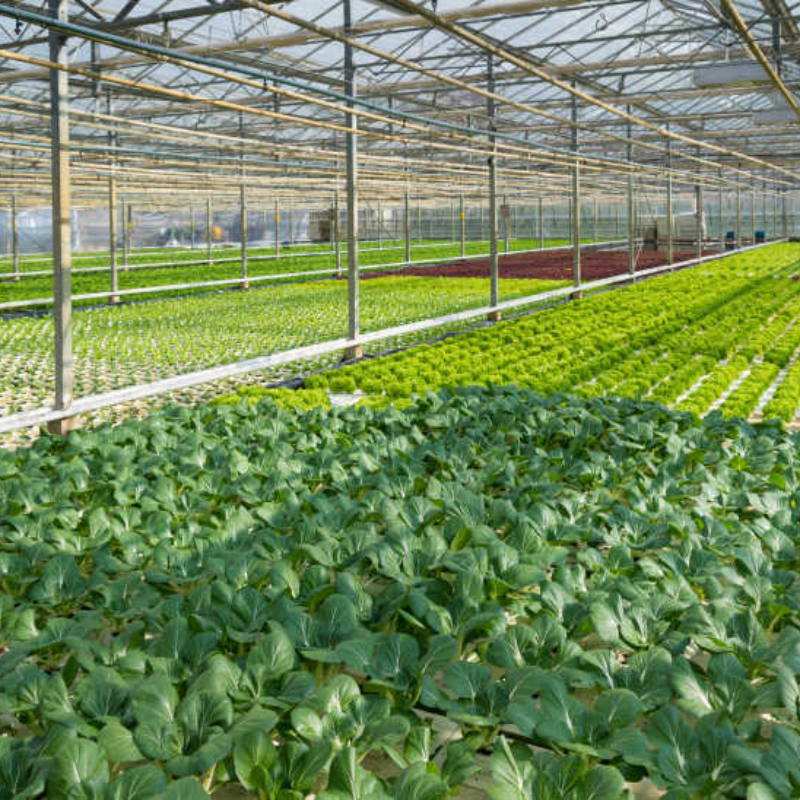
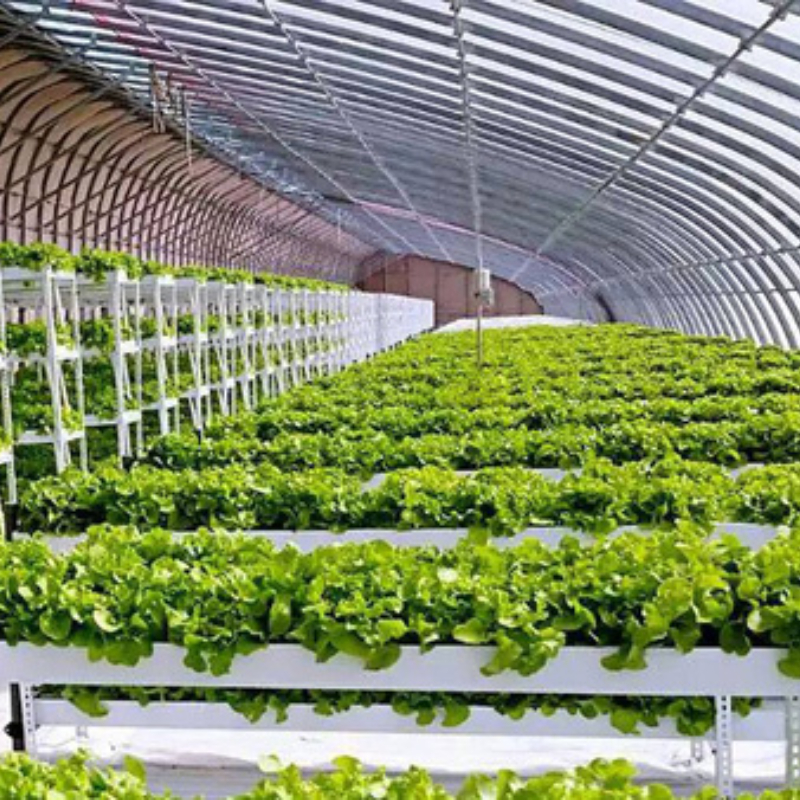
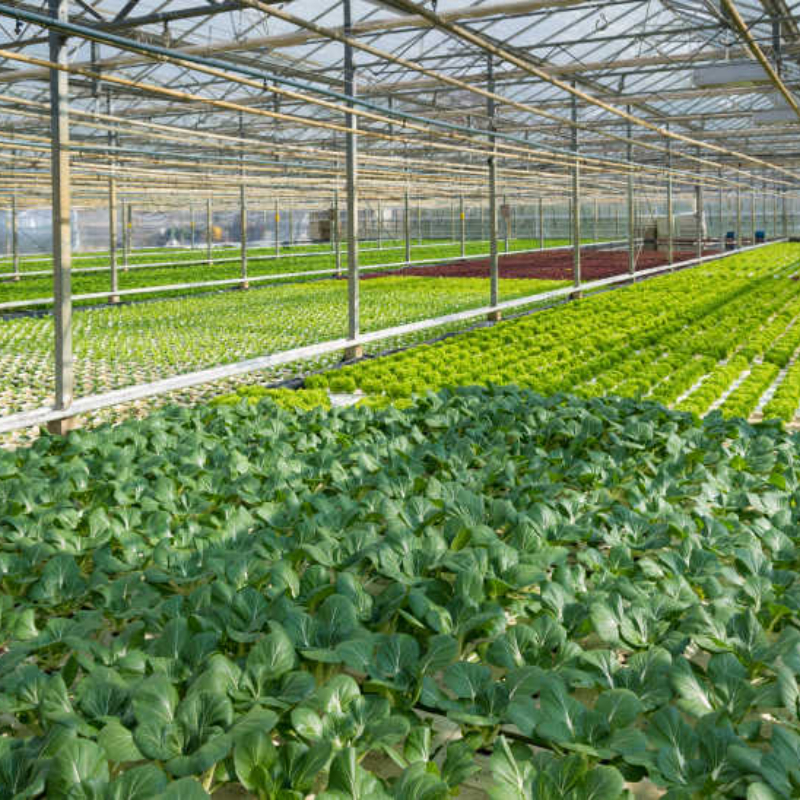
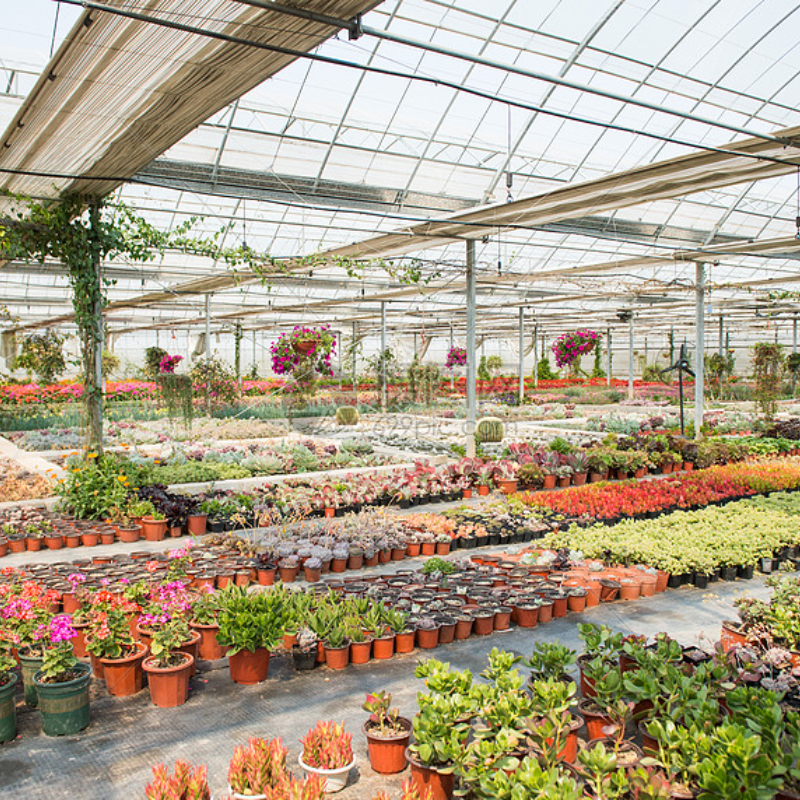
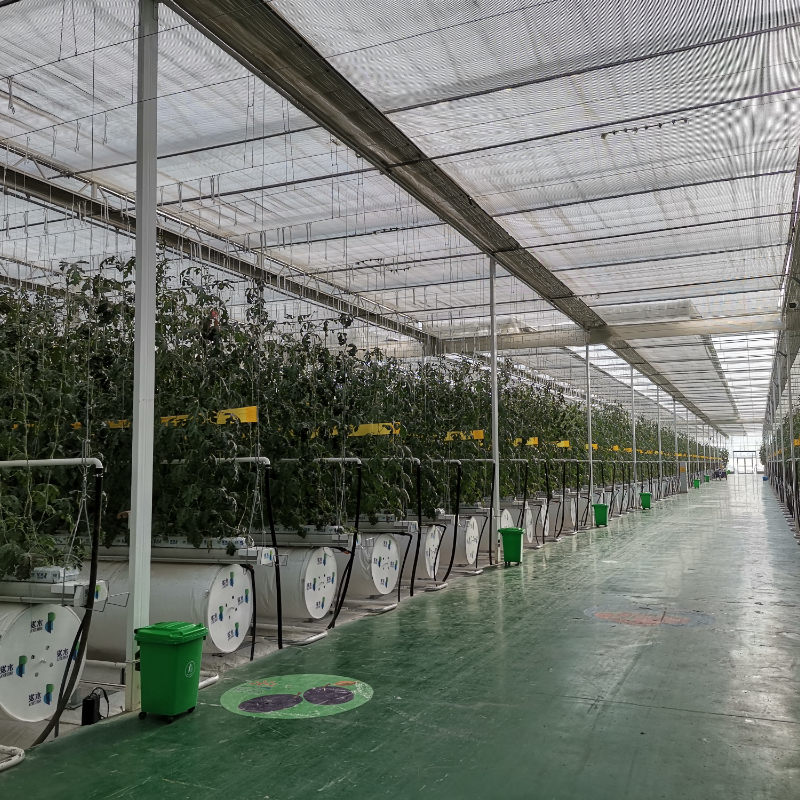
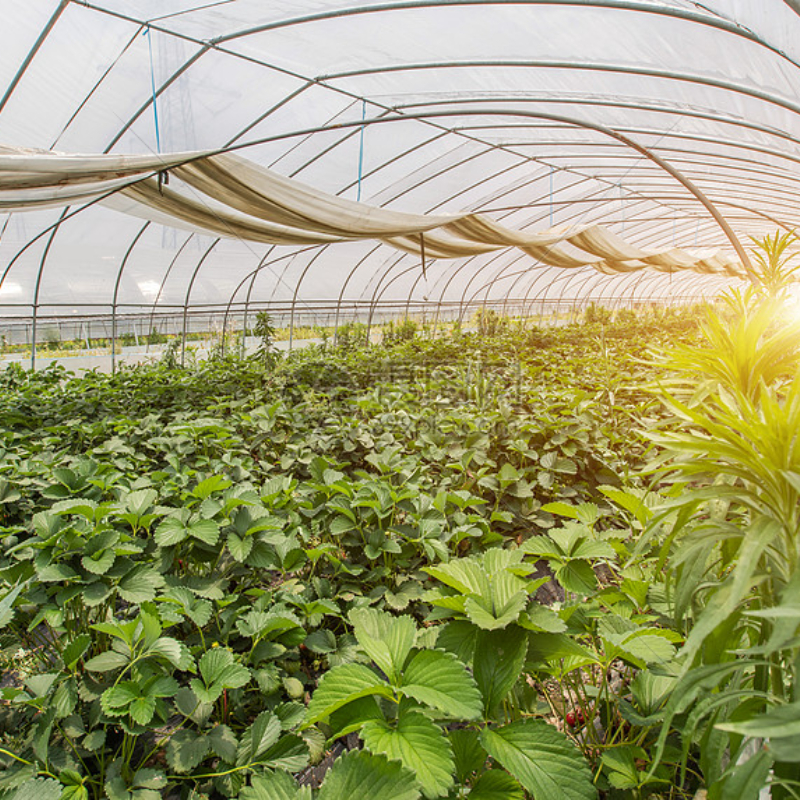
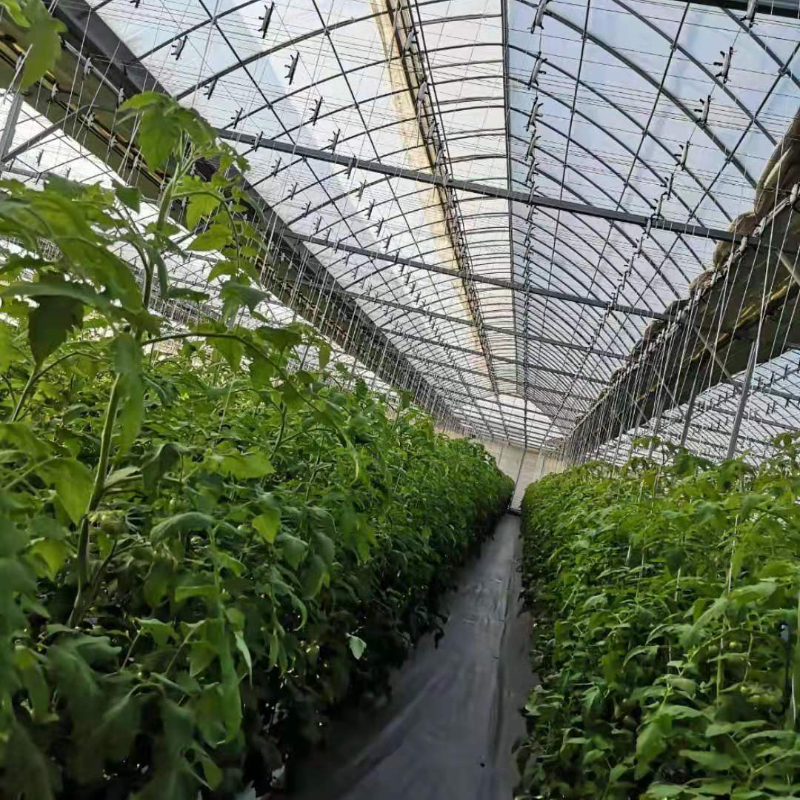
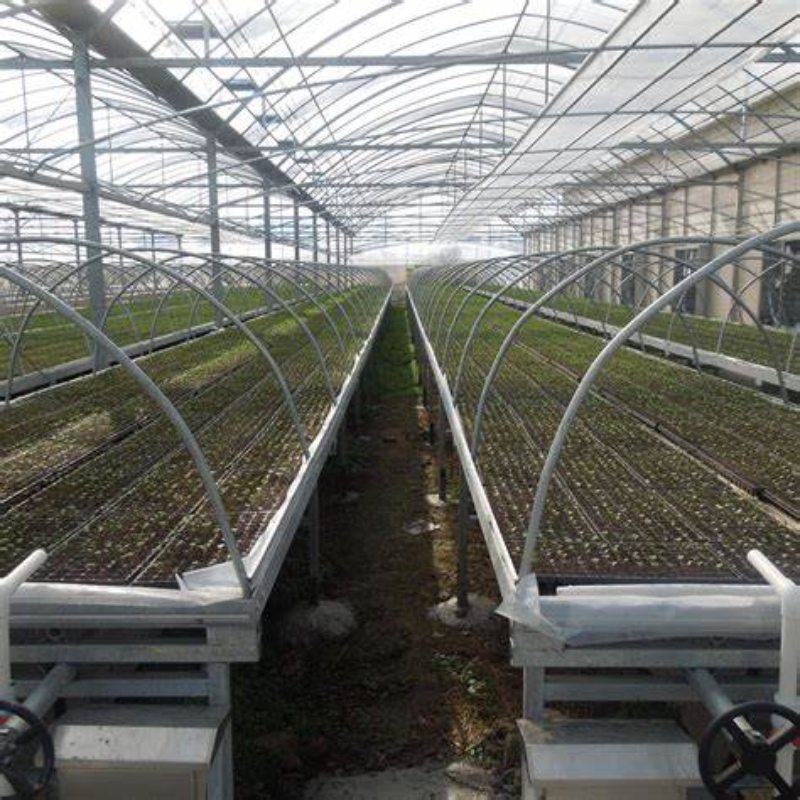
The robotic arms, a key component of the automated system, are designed to perform a wide range of tasks with exceptional accuracy. Equipped with specialized end effectors, they can gently handle delicate seeds and seedlings, ensuring uniform sowing density and optimal placement in the growing medium. During the growth phase, the robotic arms assist in tasks such as pruning, thinning, and nutrient application, adjusting their operations based on real-time data to meet the specific needs of each plant. When it comes time for harvesting, the robotic arms work in tandem with computer vision technology to identify mature leafy vegetables, ensuring that only crops meeting strict quality standards are picked—thus maximizing yield and reducing waste.
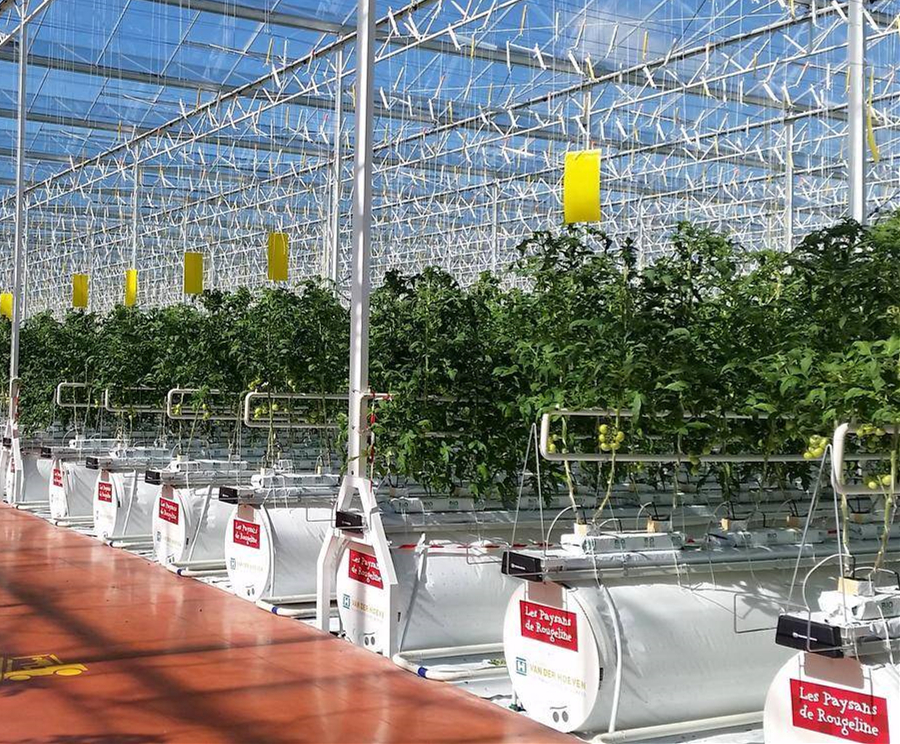
Computer vision technology serves as the “eyes” of the iHavos smart greenhouse system, enabling continuous monitoring and analysis of plant growth and environmental conditions. High-resolution cameras strategically placed throughout the greenhouse capture detailed images of the crops, which are then processed by advanced algorithms to detect subtle changes in plant health, growth rate, and potential signs of stress or disease. This real-time visual data, combined with data from a network of environmental sensors, provides a comprehensive overview of the greenhouse ecosystem, allowing for proactive and precise adjustments to growing conditions.
Complementing the hardware is iHavos’ proprietary digital management and control system, which acts as the “brain” of the greenhouse. This robust software platform integrates data from the automated equipment, environmental sensors, and computer vision systems, providing a centralized interface for remote monitoring and management. Through this system, farm managers can track key metrics such as temperature, humidity, soil moisture, light intensity, and CO₂ levels in real time—24 hours a day, 7 days a week. The system also collects and analyzes data on plant growth patterns, allowing managers to gain valuable insights into crop performance and make data-driven decisions to optimize cultivation strategies.
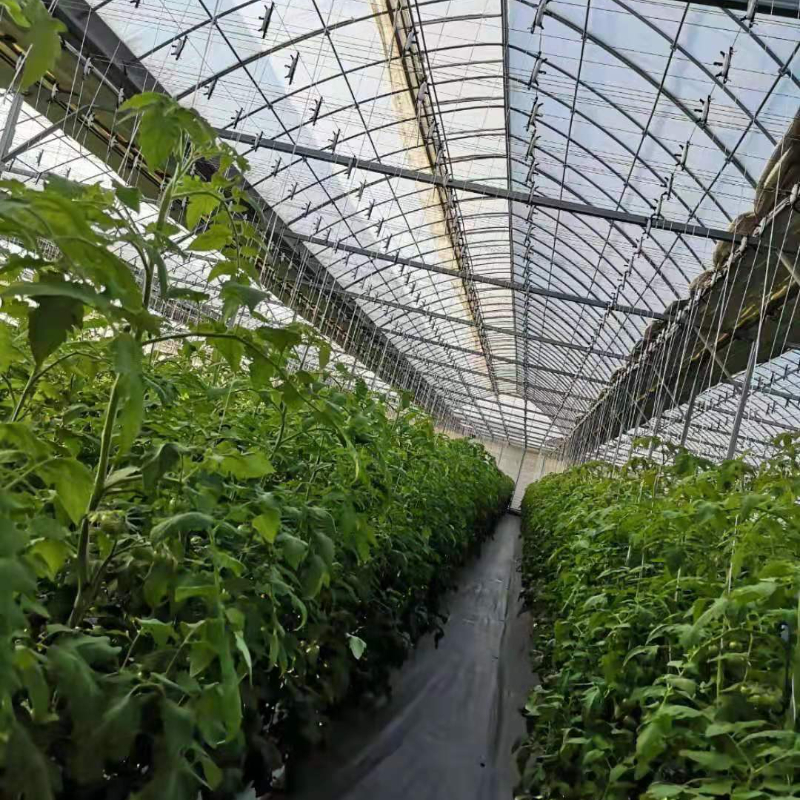
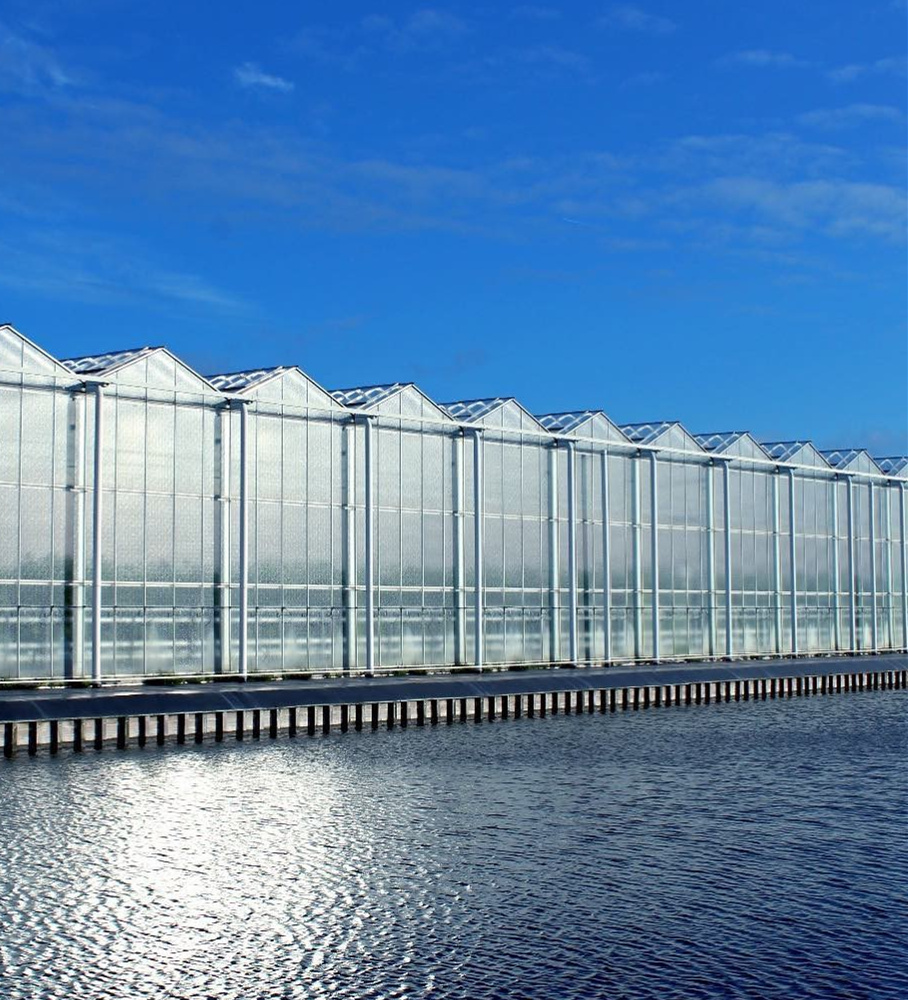
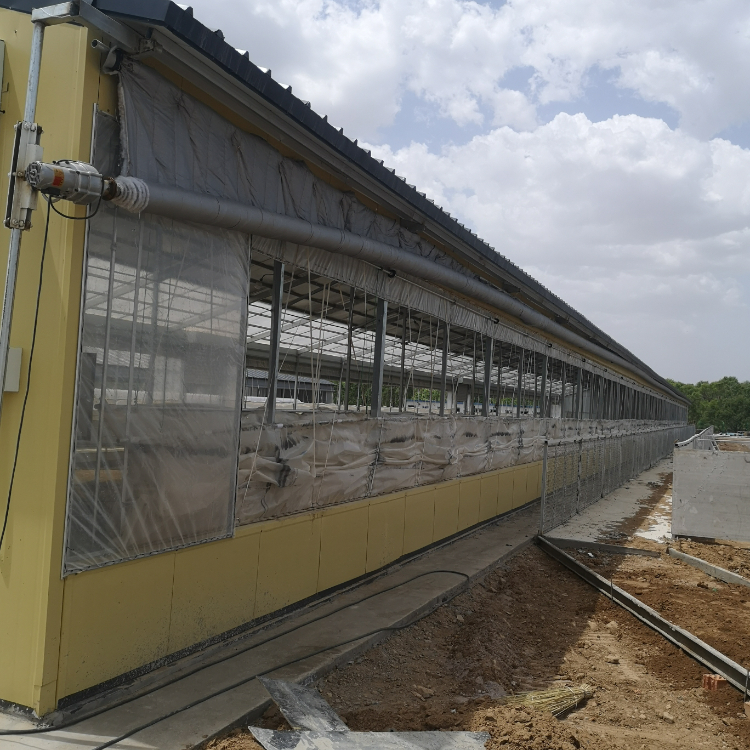
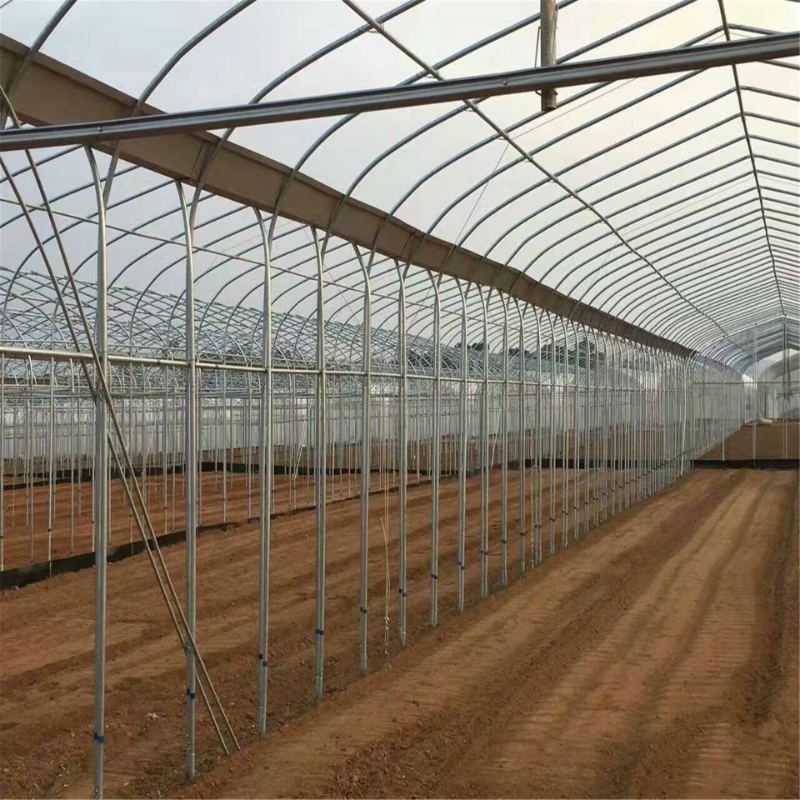
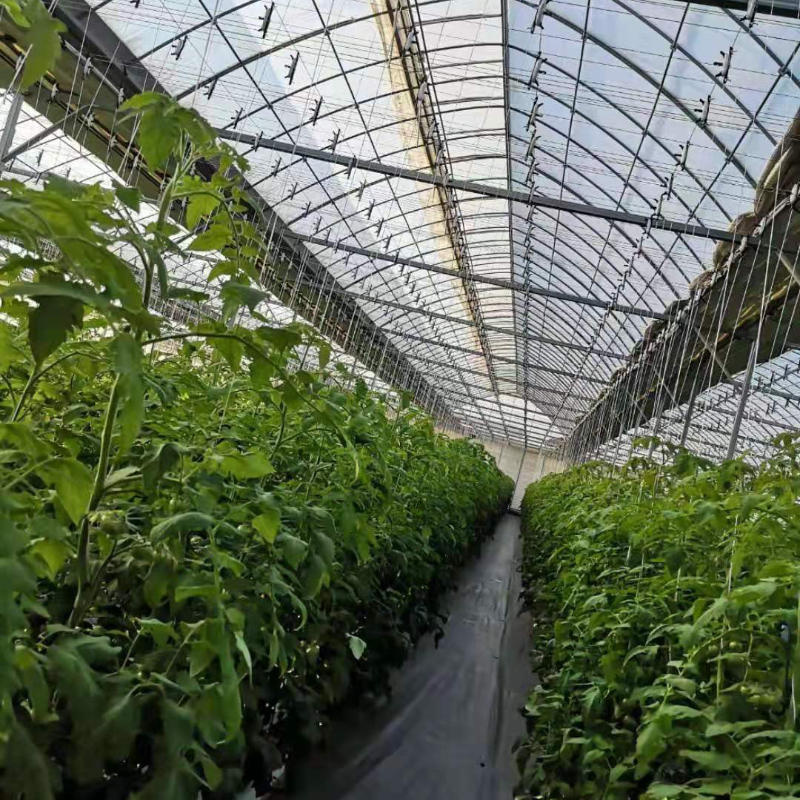
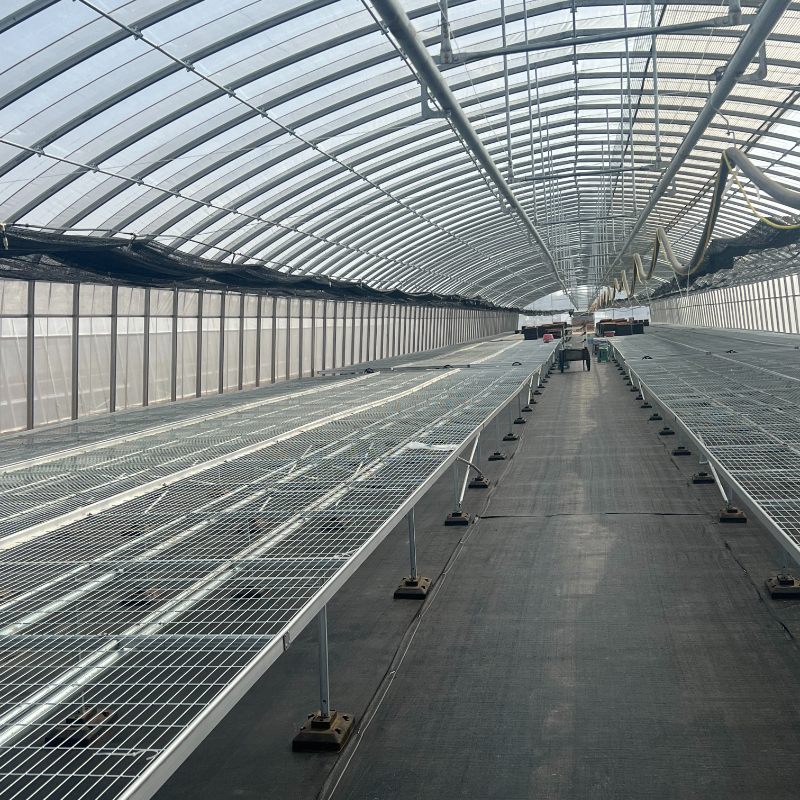
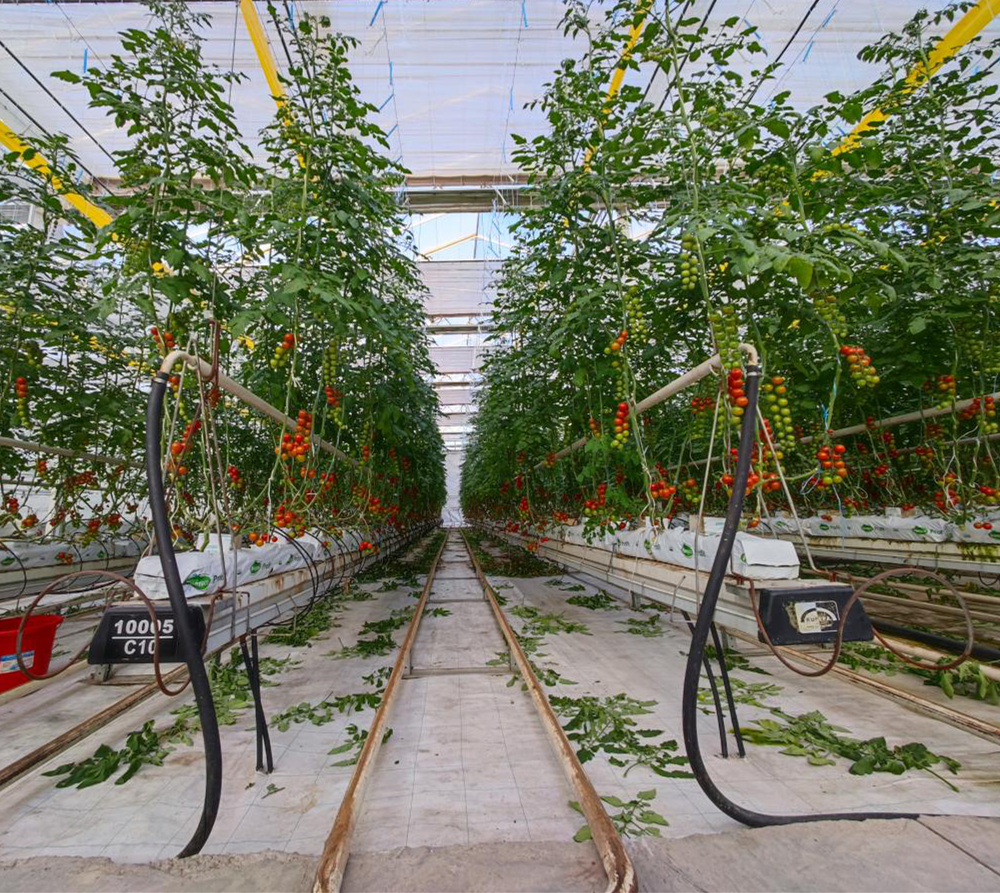
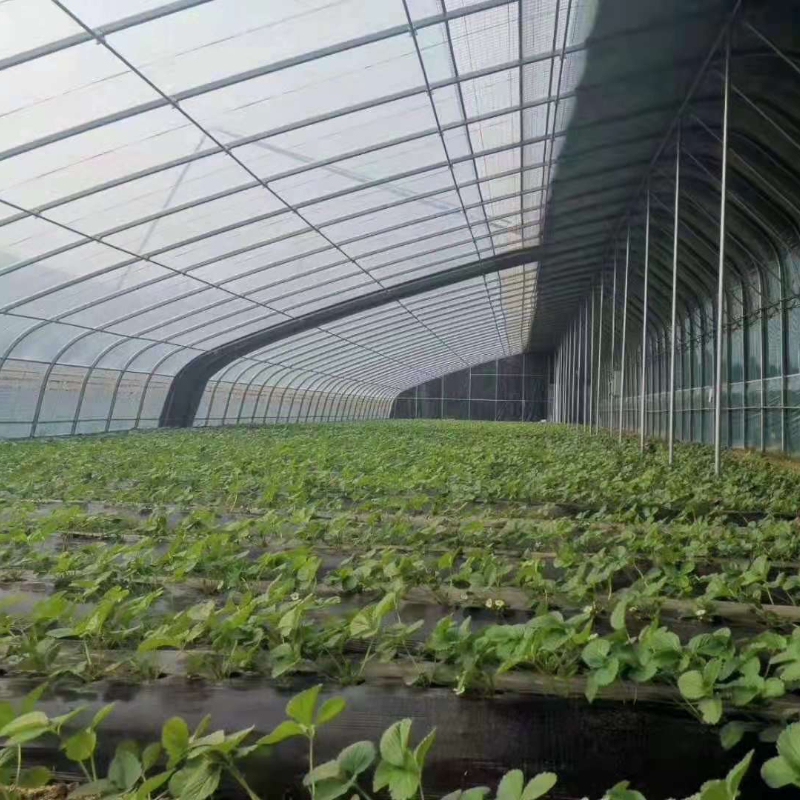
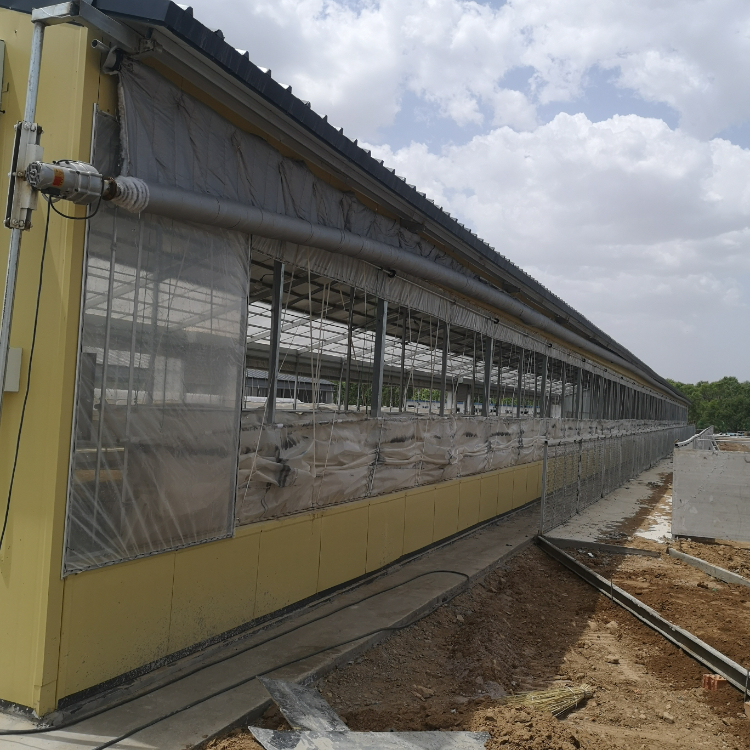
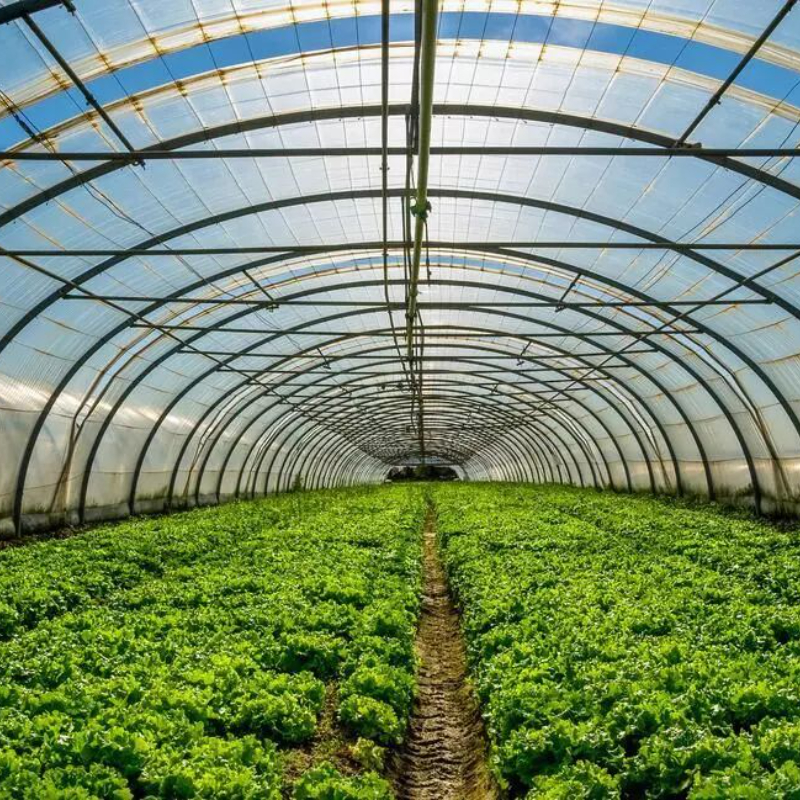
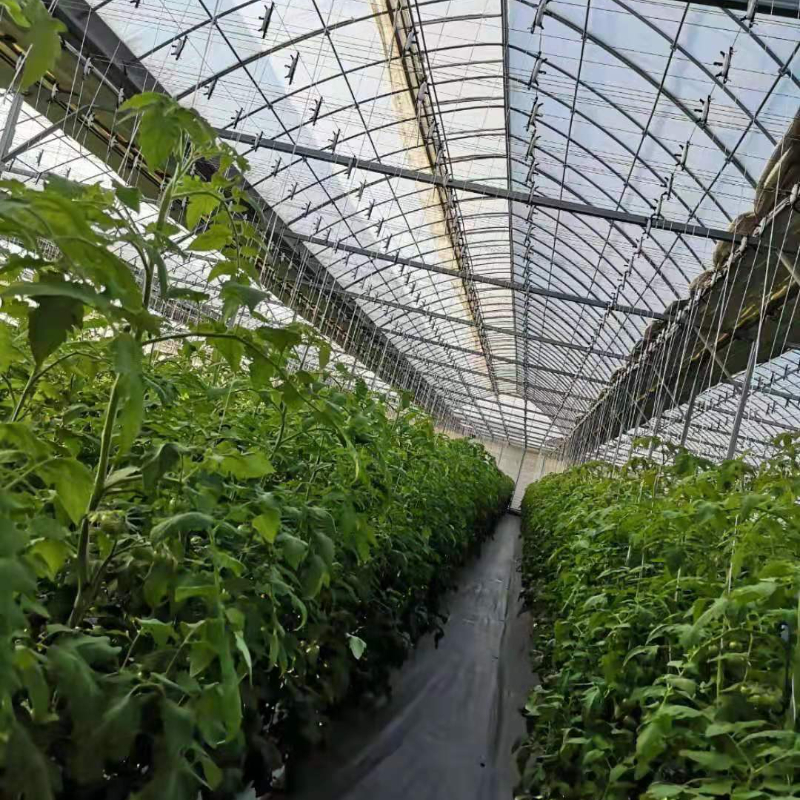
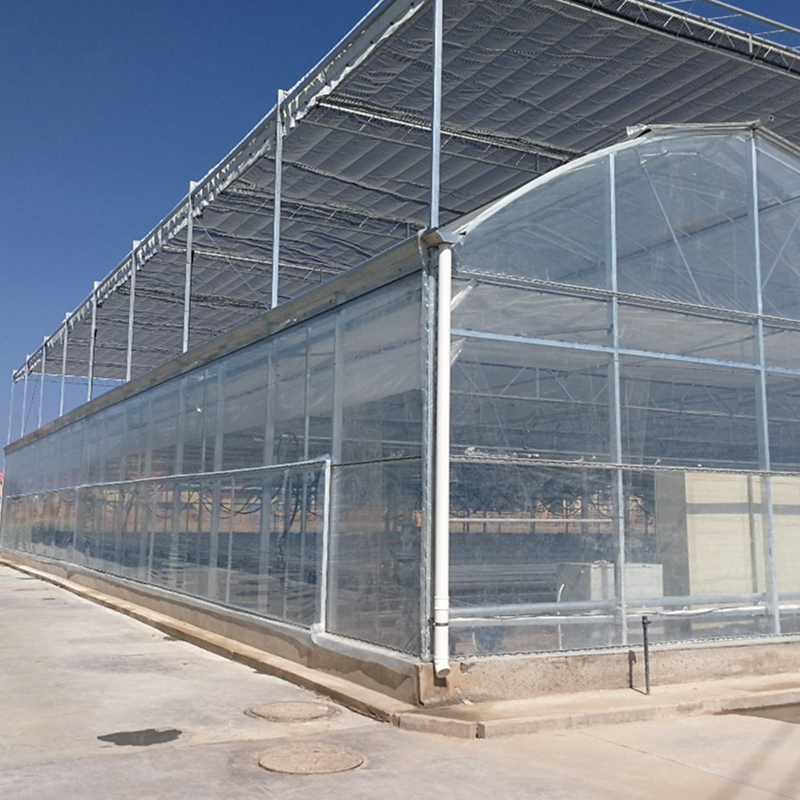
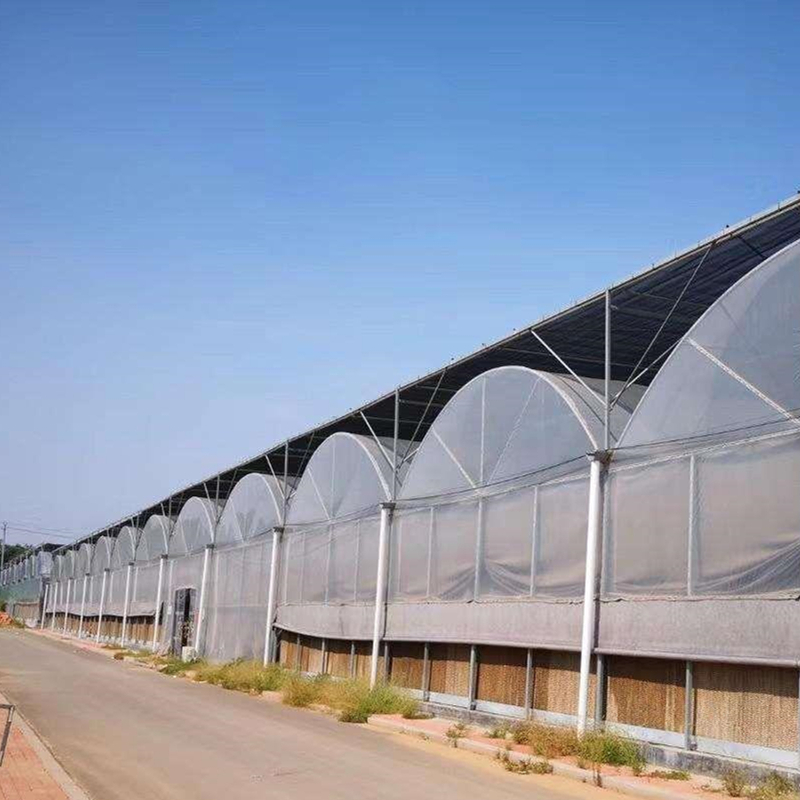
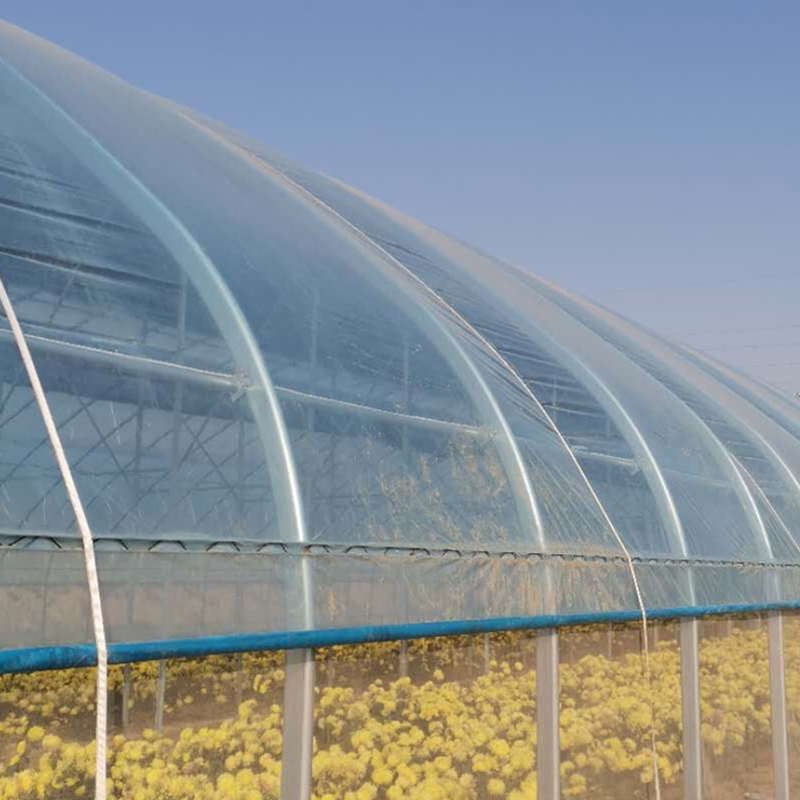
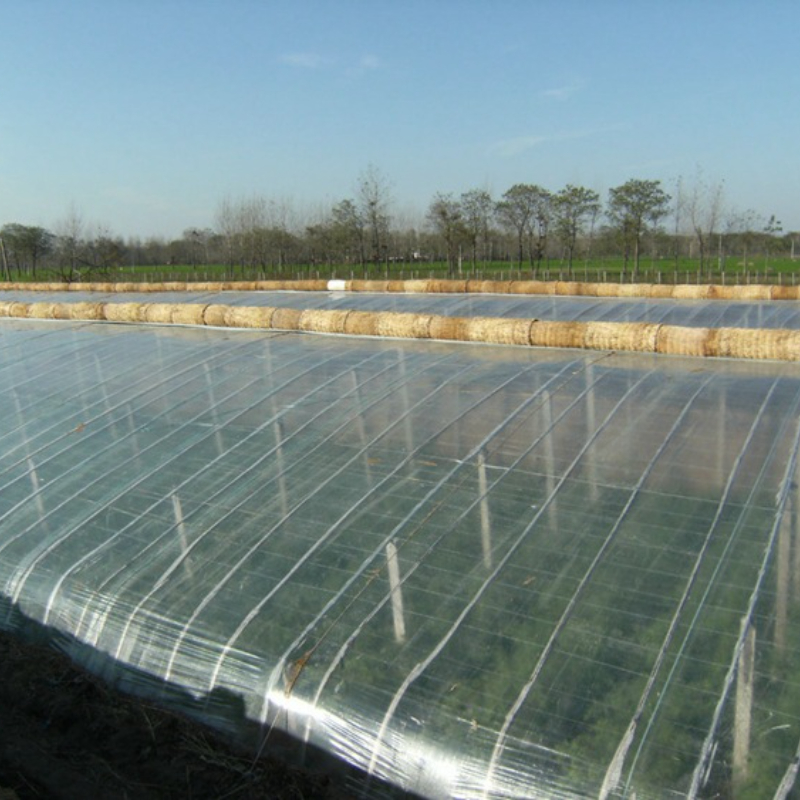
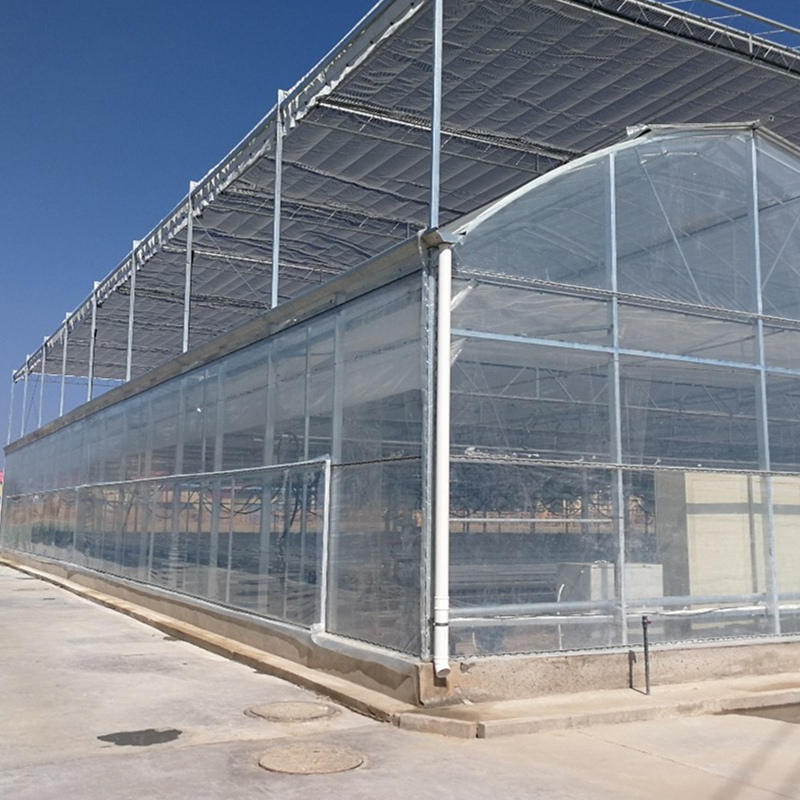
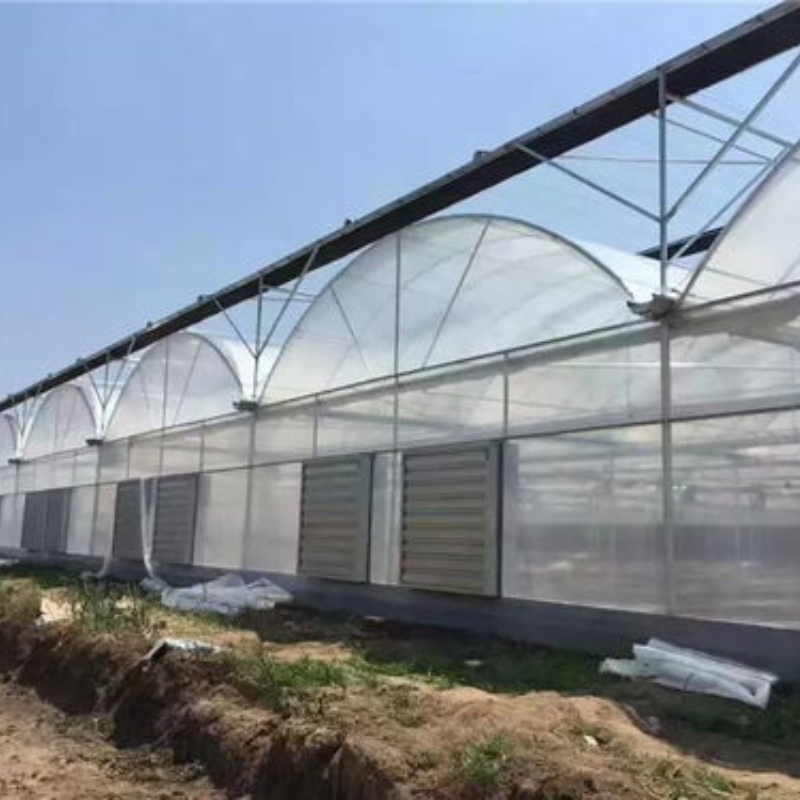
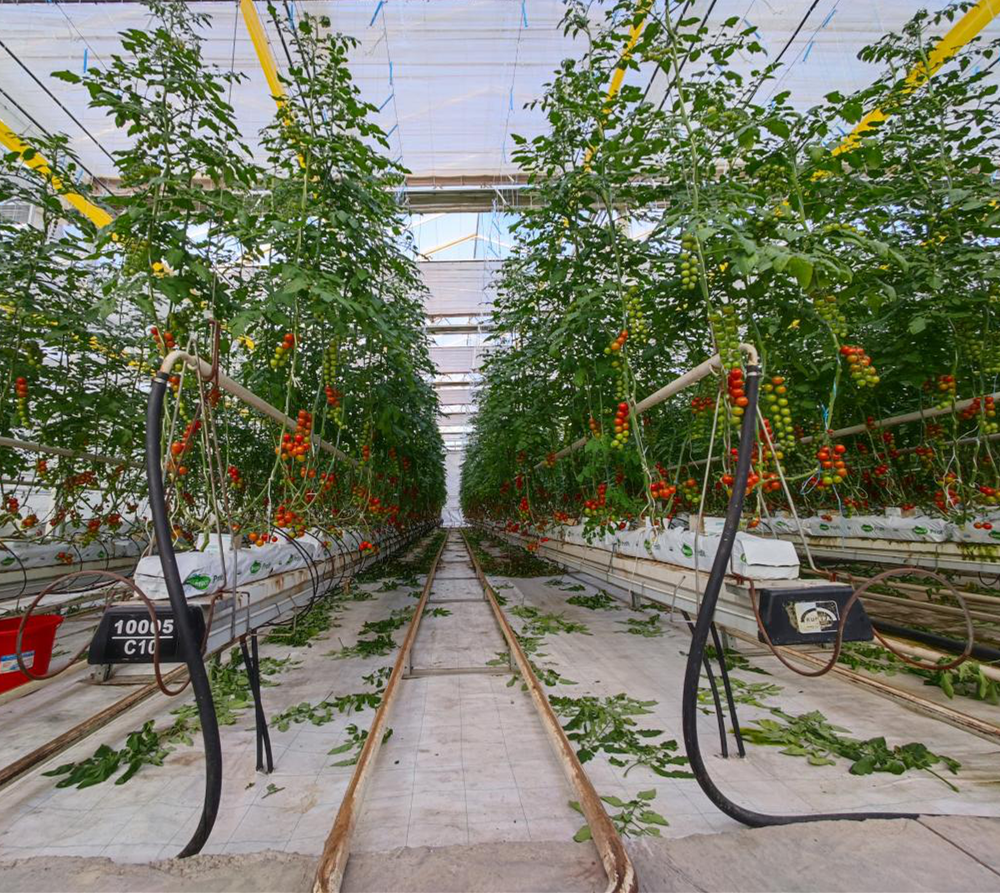
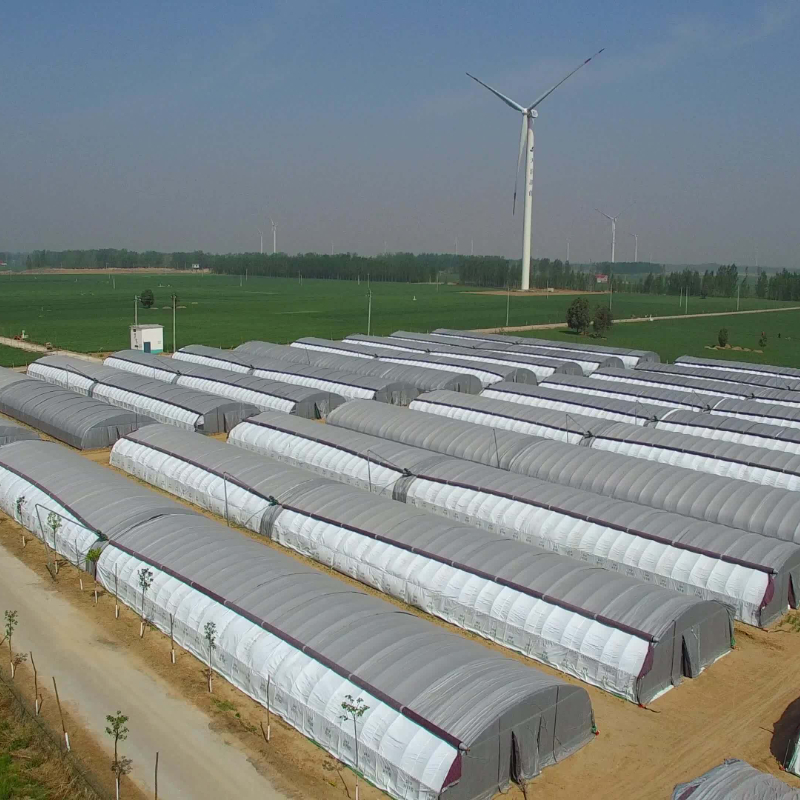
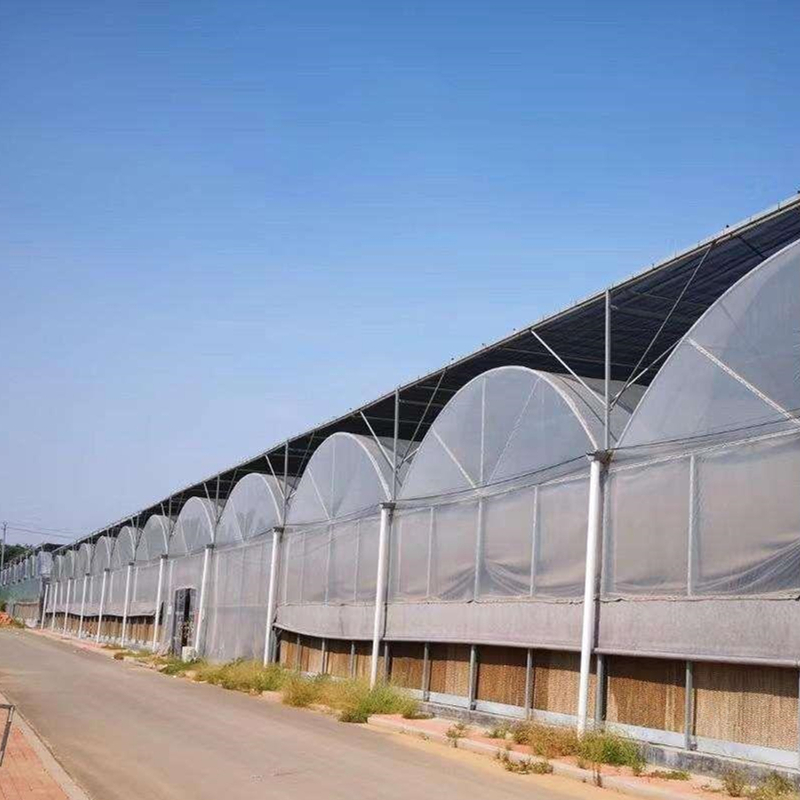
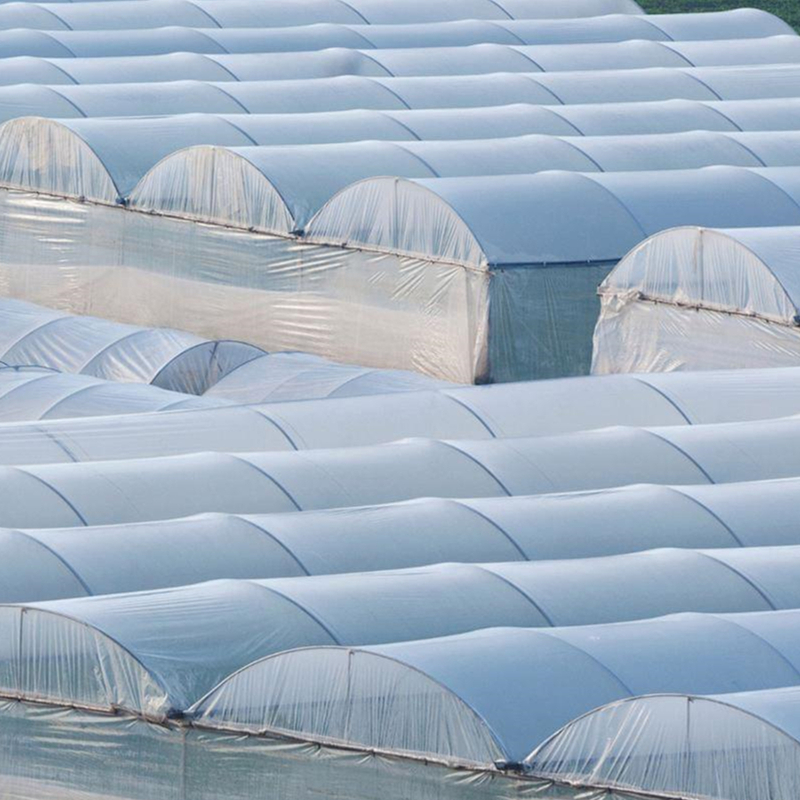
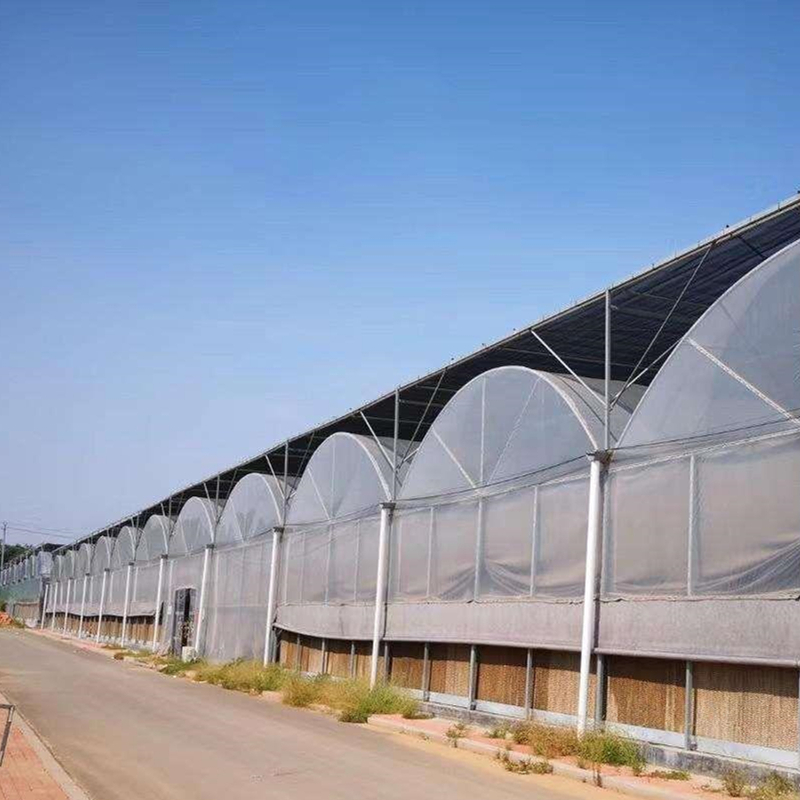
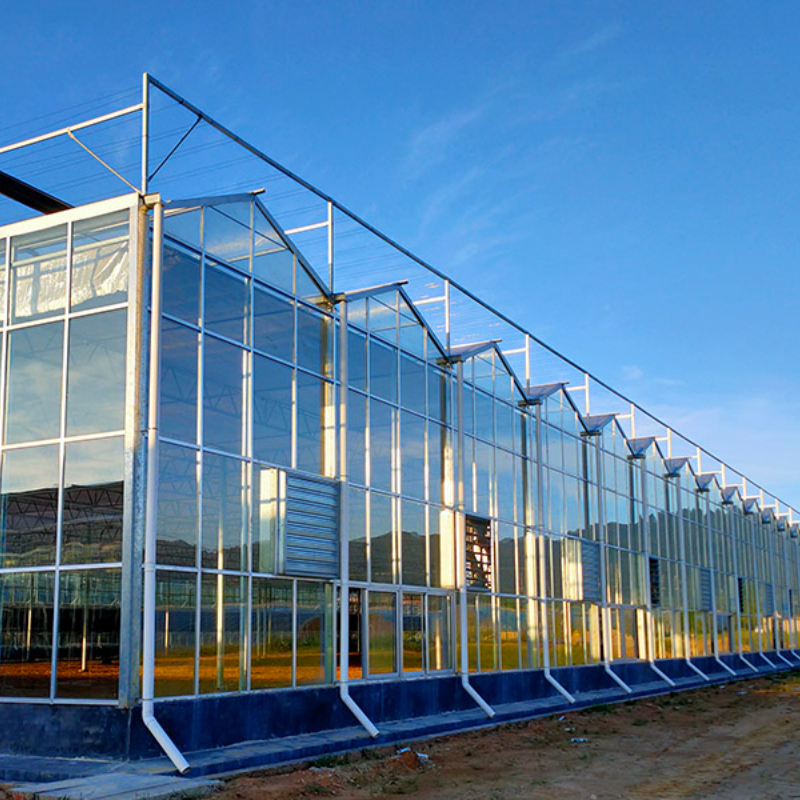
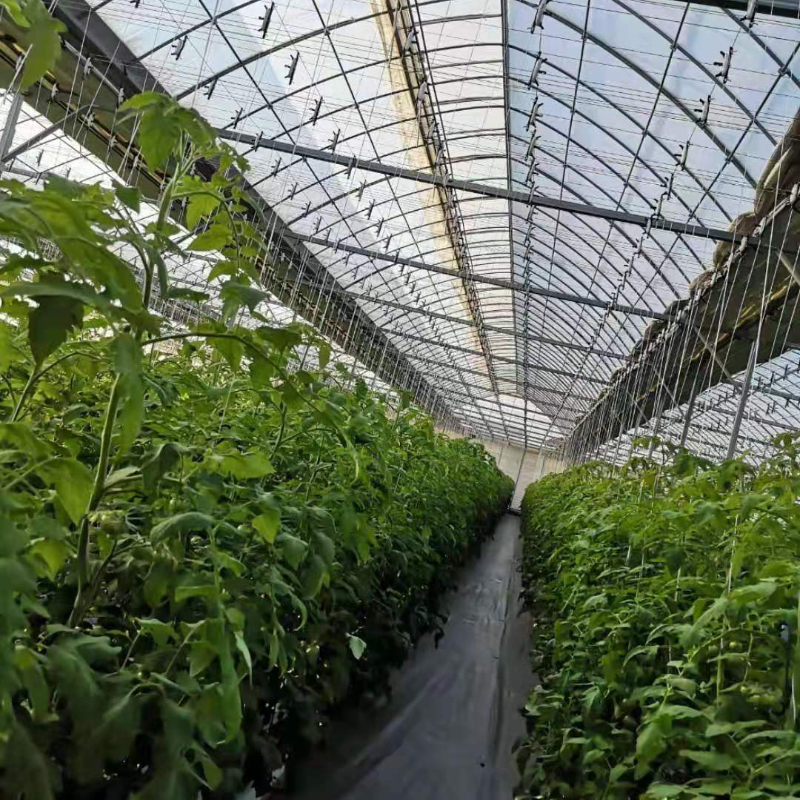
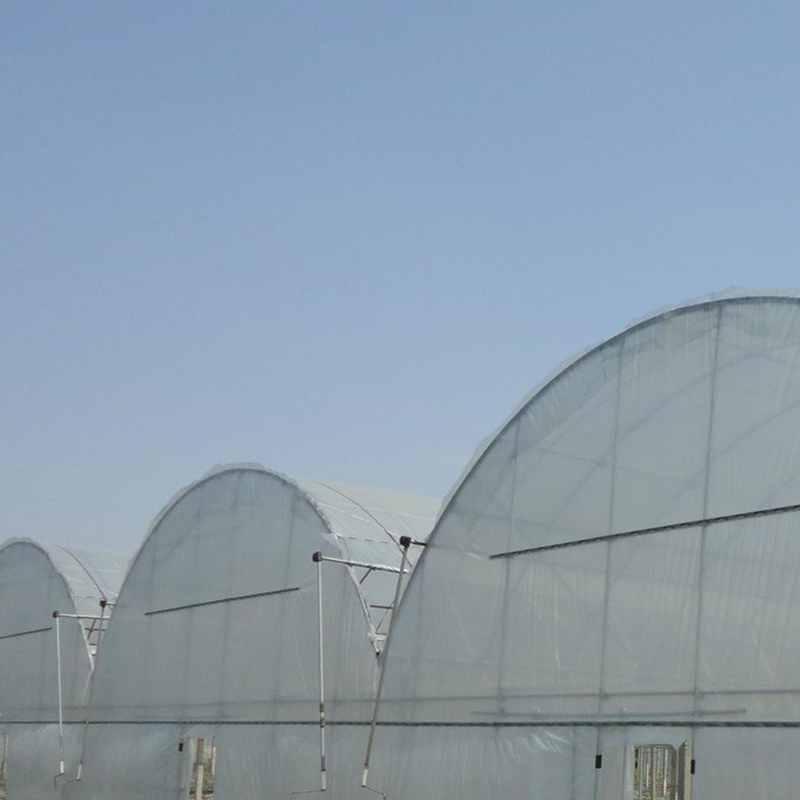
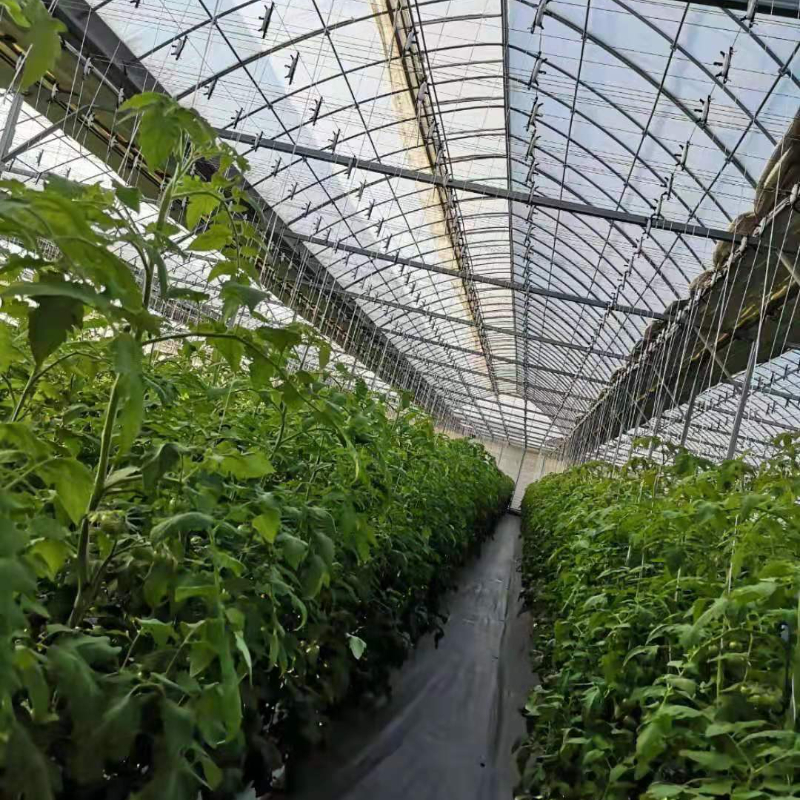
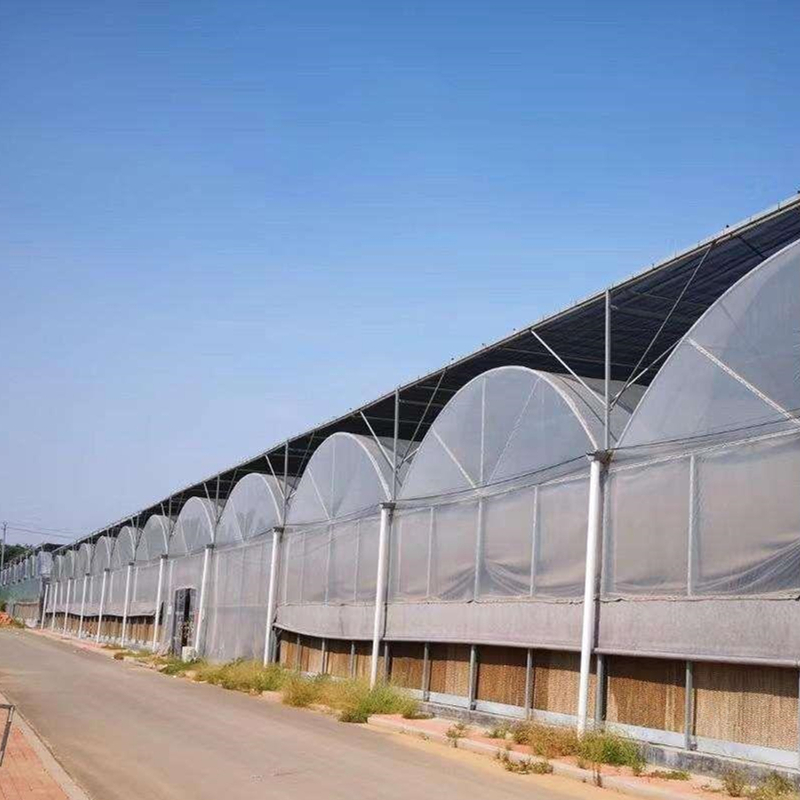
One of the most significant advantages of iHavos’ unmanned smart greenhouse system is its ability to actively respond to the extreme environmental conditions in Saudi Arabia. The high-temperature environment, which can exceed 45°C during summer months, is a major threat to leafy vegetable cultivation. To address this, the greenhouse is equipped with an advanced cooling system that combines evaporative cooling and precision ventilation, maintaining the internal temperature at an optimal range of 20-25°C. Additionally, the greenhouse features a high-transmittance, UV-resistant film that blocks harmful ultraviolet radiation while maximizing light penetration—critical for photosynthesis—without overheating the interior. The low-rainfall characteristic of the region is mitigated by a closed-loop irrigation system, which recycles water and delivers it directly to the plant roots via drip irrigation. This not only conserves water—a precious resource in Saudi Arabia—but also ensures that nutrients are efficiently absorbed by the plants, reducing fertilizer waste.
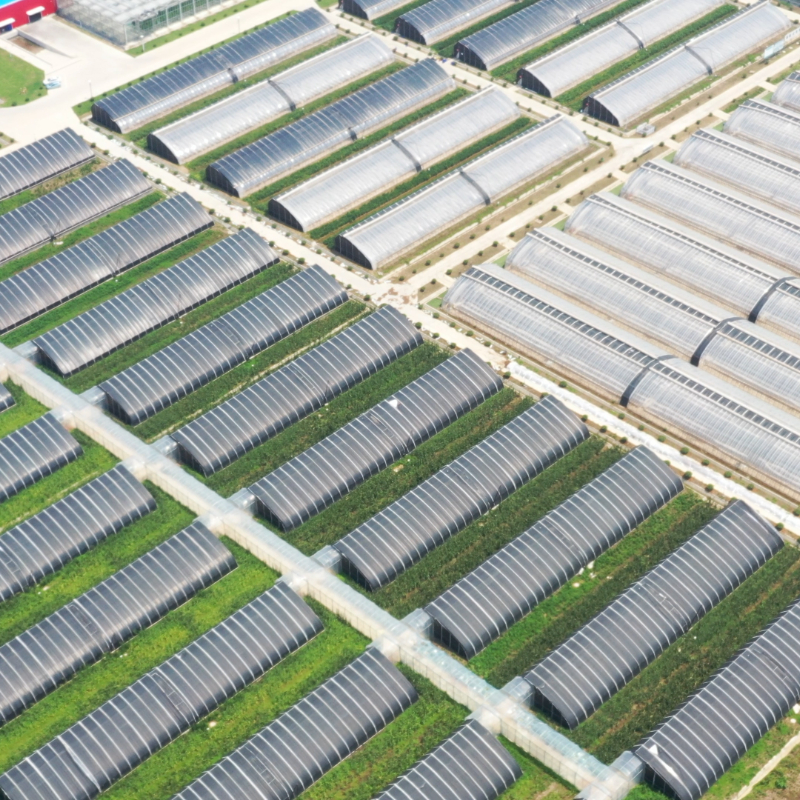
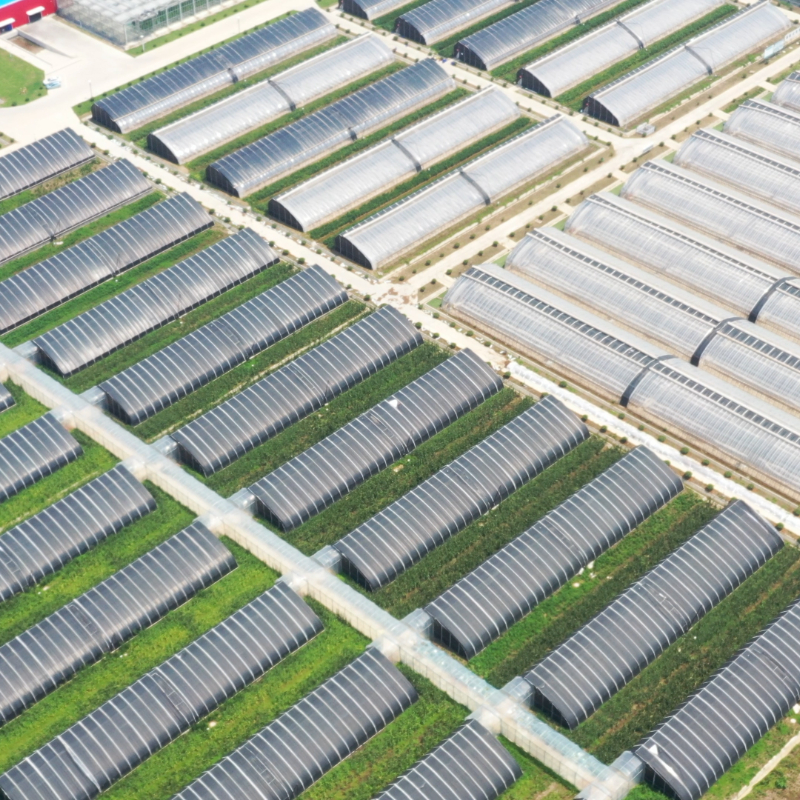
Once fully operational, the Ghat Farm smart greenhouses will transform the way leafy vegetables are cultivated in Saudi Arabia. From the moment seeds are sown to the final harvest, the iHavos planting management system will oversee every aspect of the growing process, ensuring consistency and quality at every stage. The real-time monitoring and data analysis capabilities of the system mean that any deviations from optimal growing conditions are detected immediately, allowing for rapid adjustments. For example, if the temperature inside the greenhouse begins to rise above the desired threshold, the cooling system is automatically activated; if soil moisture levels drop, the irrigation system kicks in—all without human intervention.
