
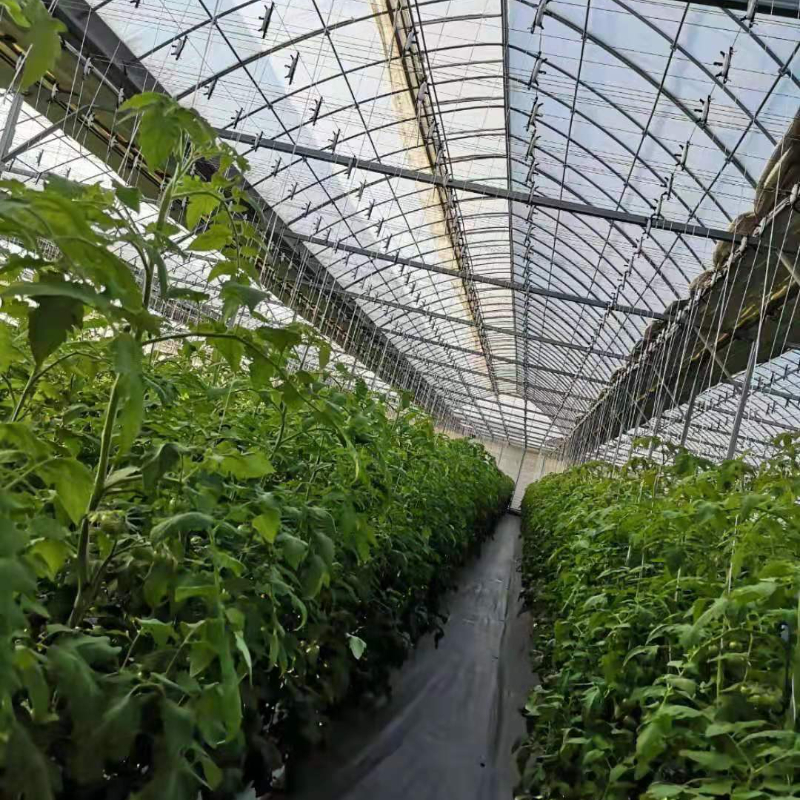
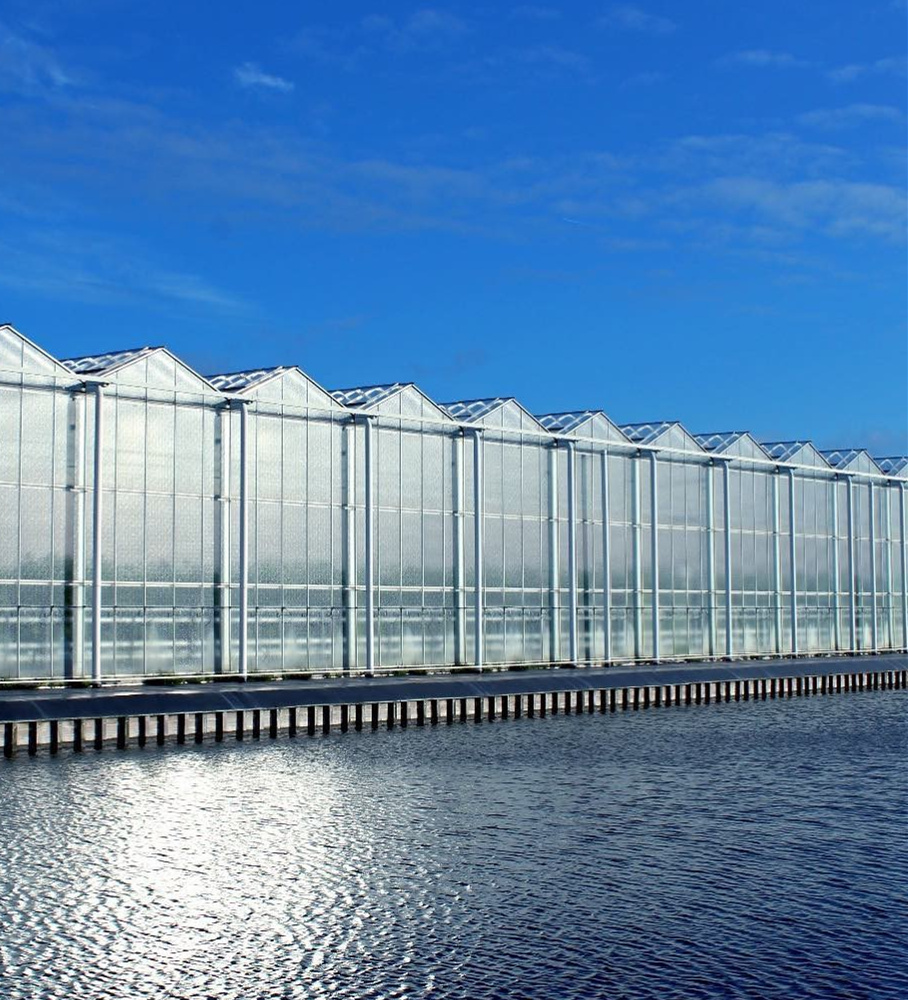
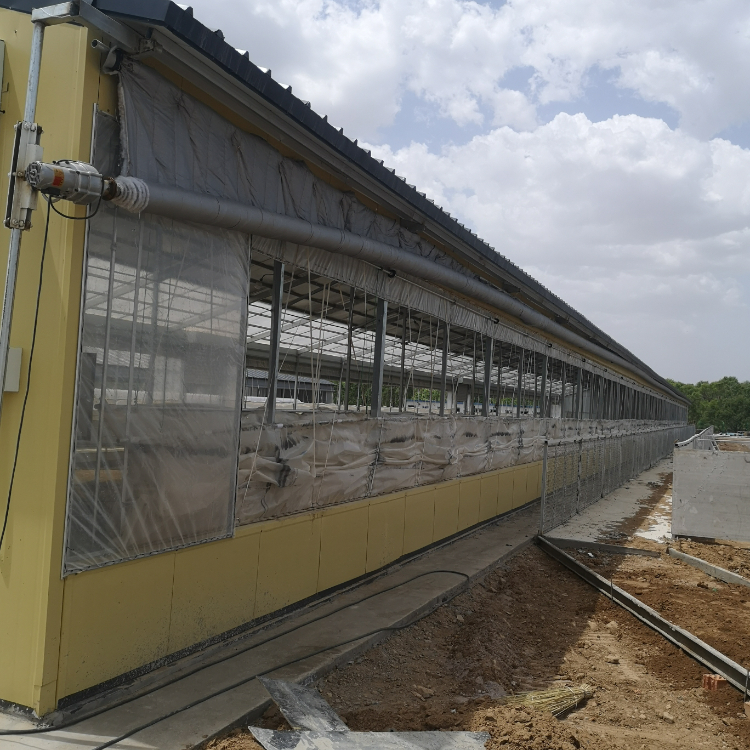
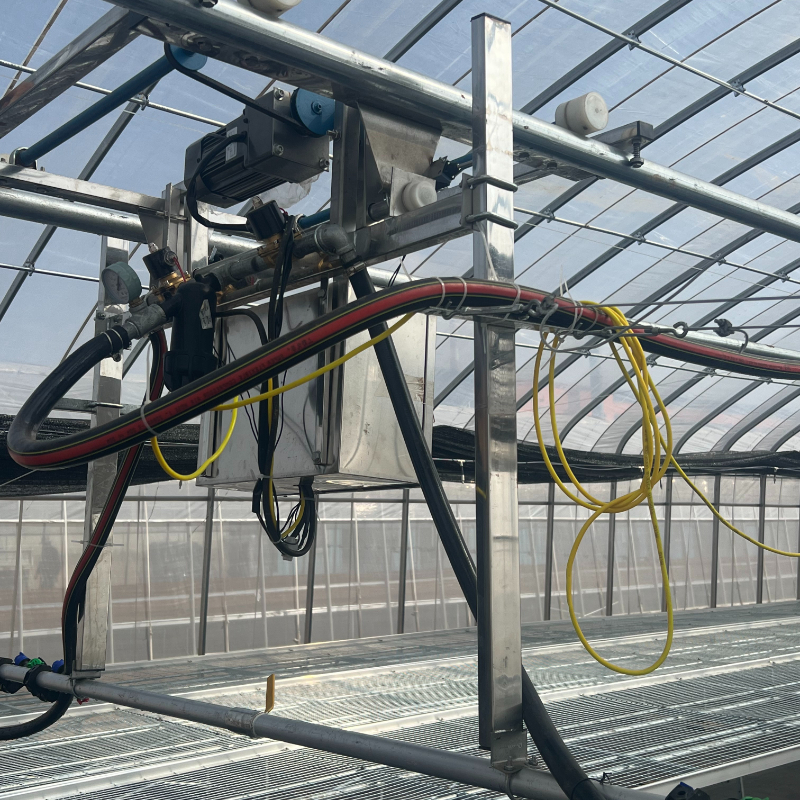
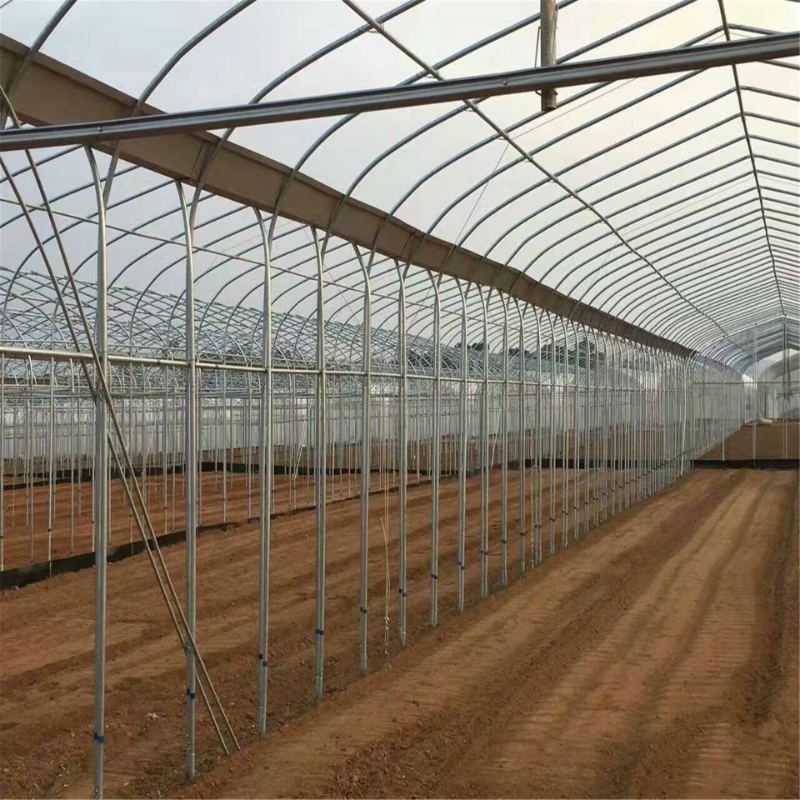
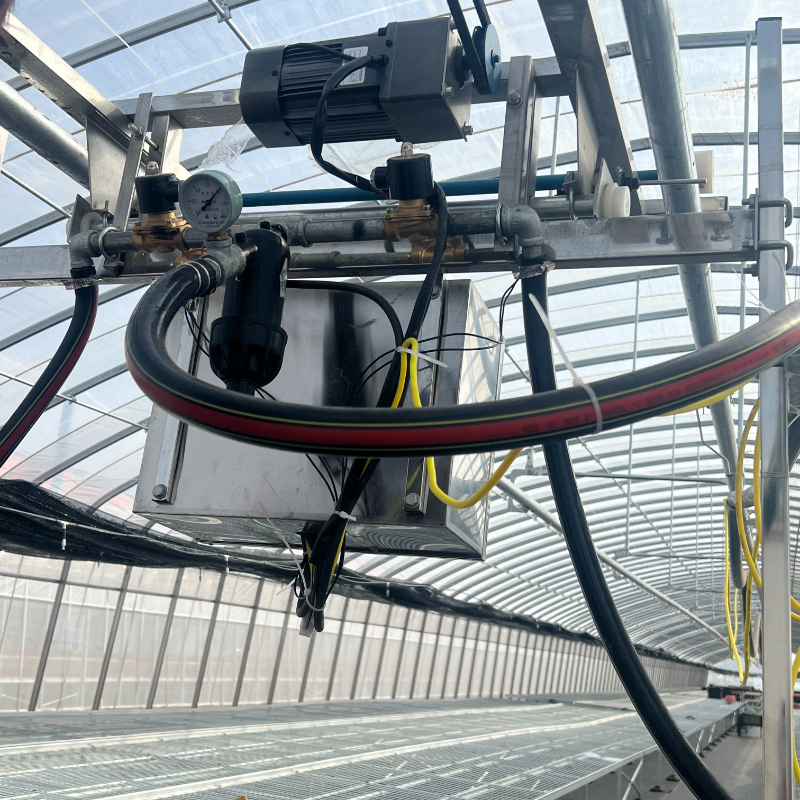
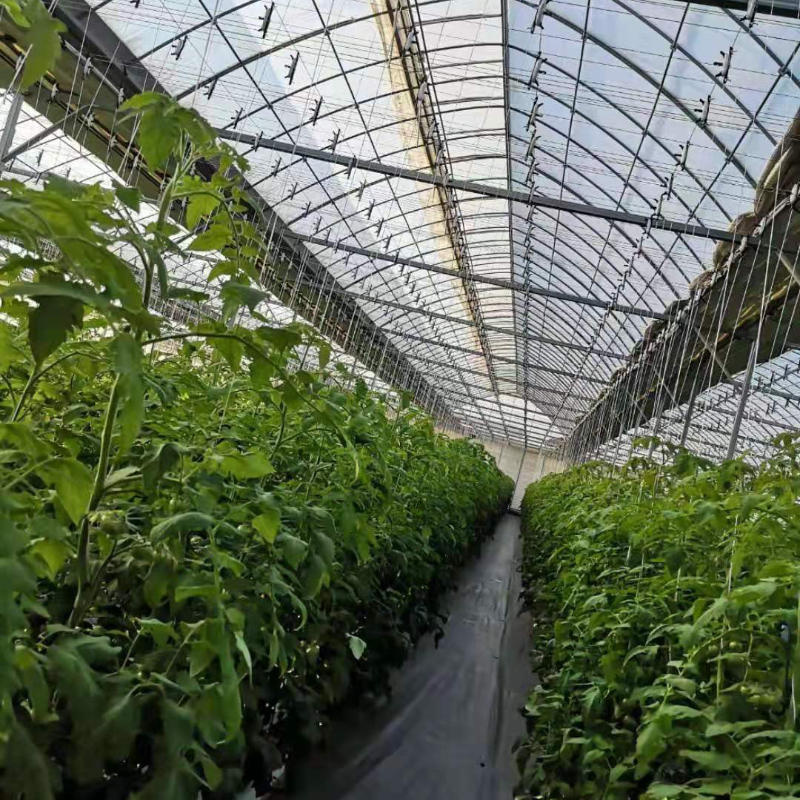
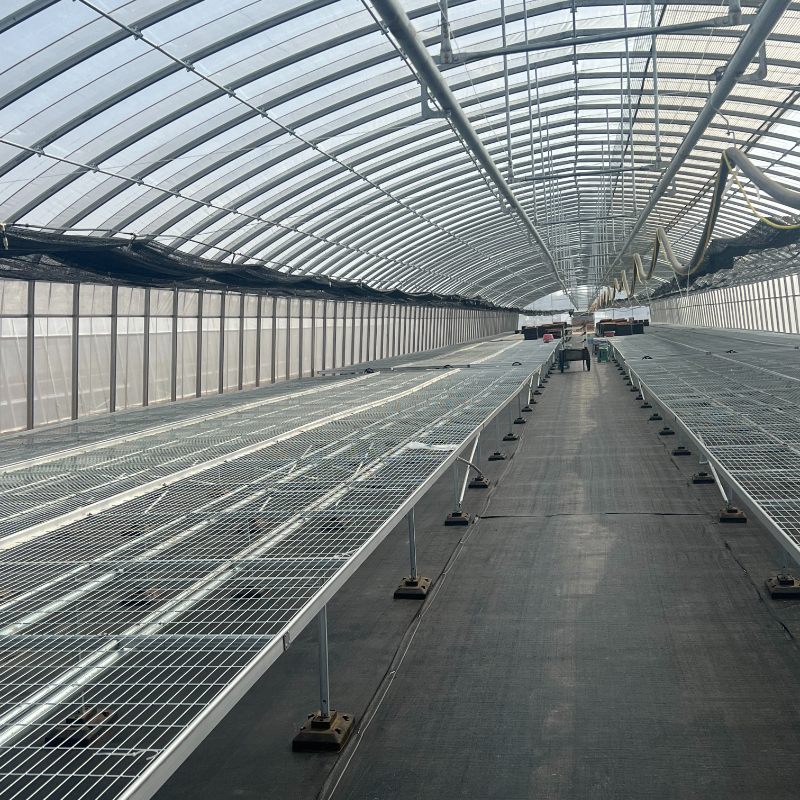
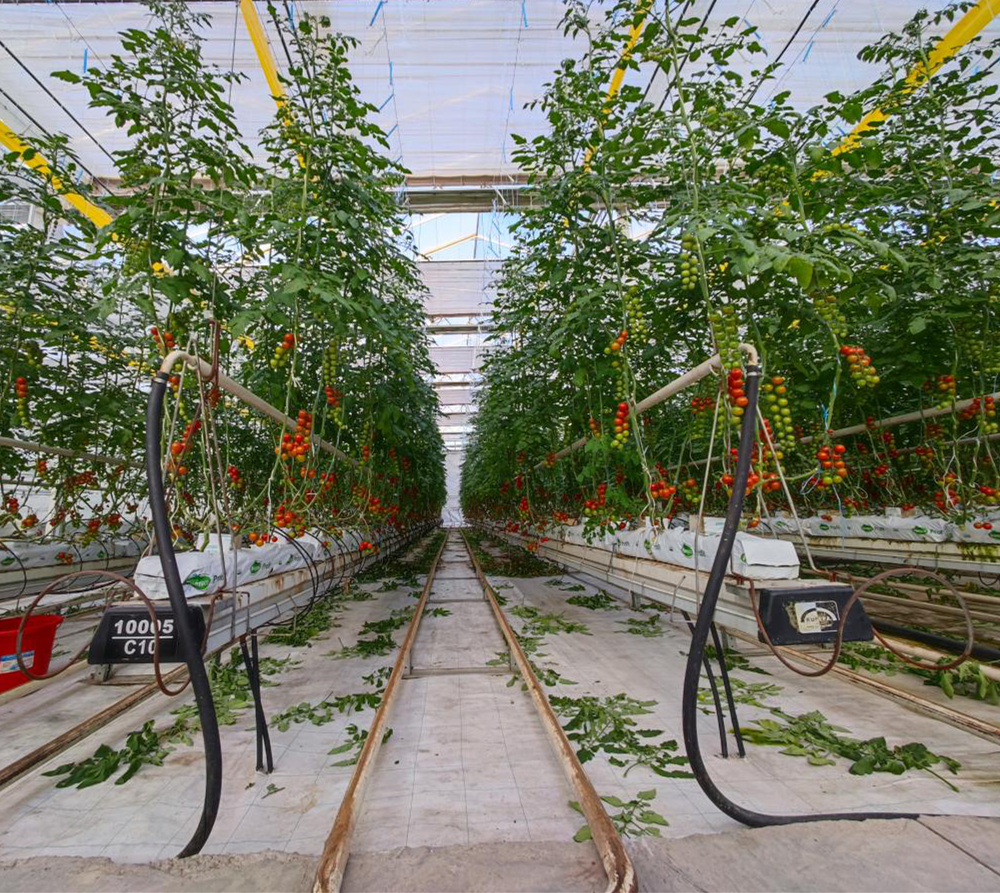
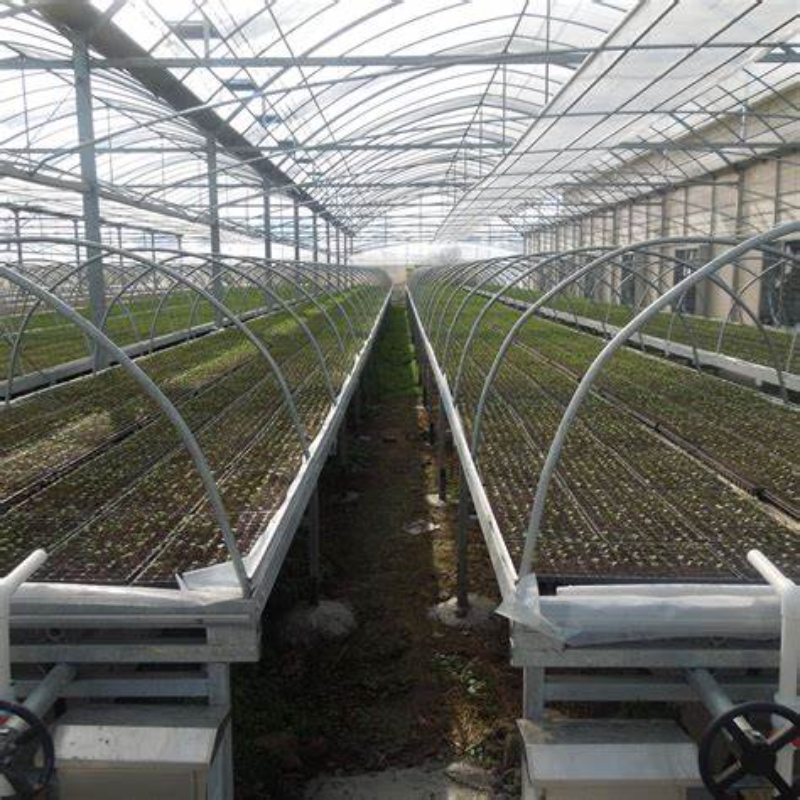
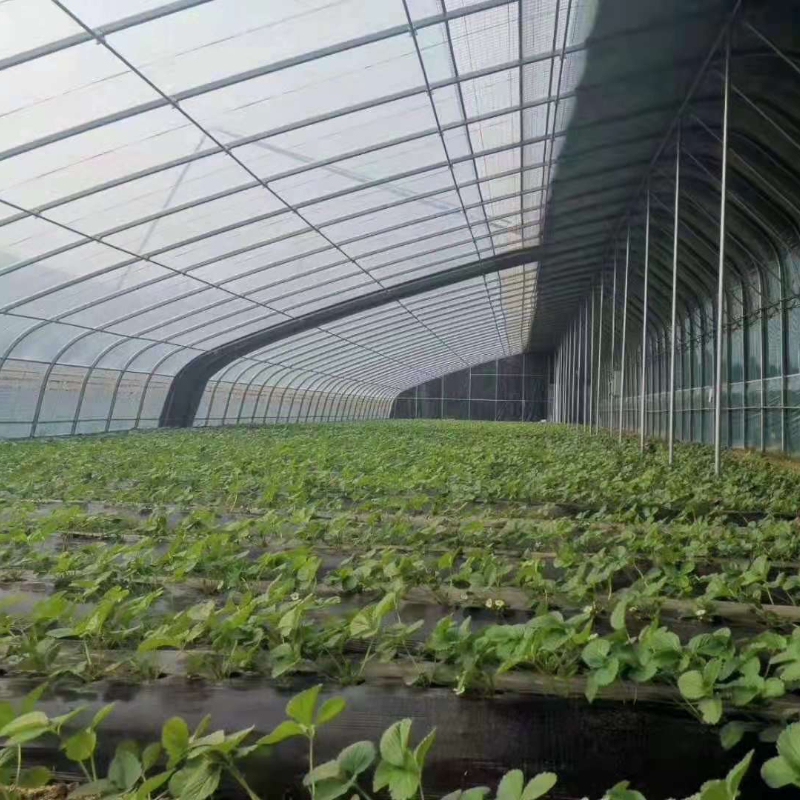
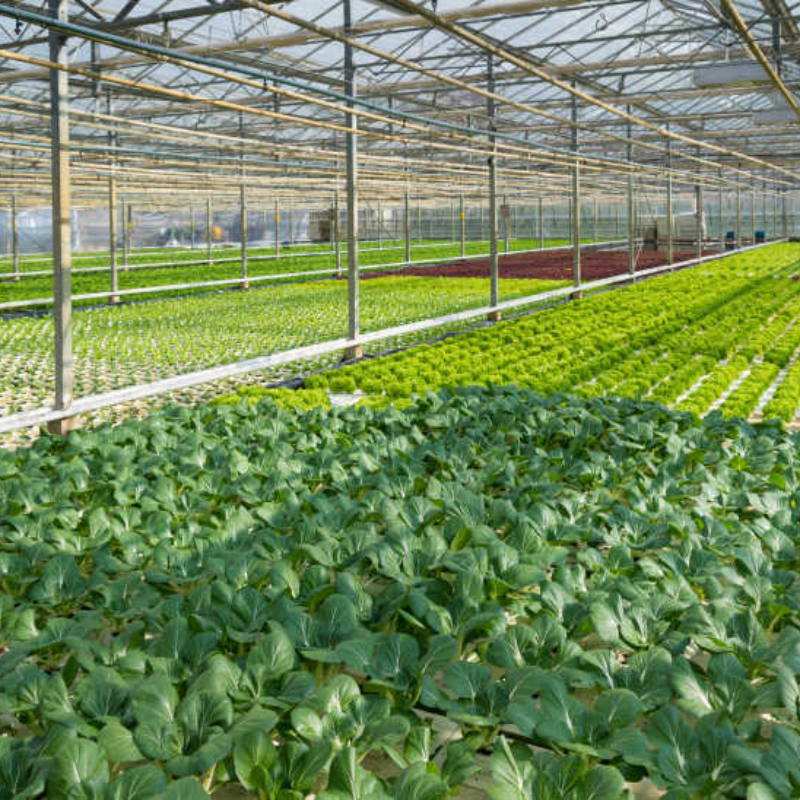
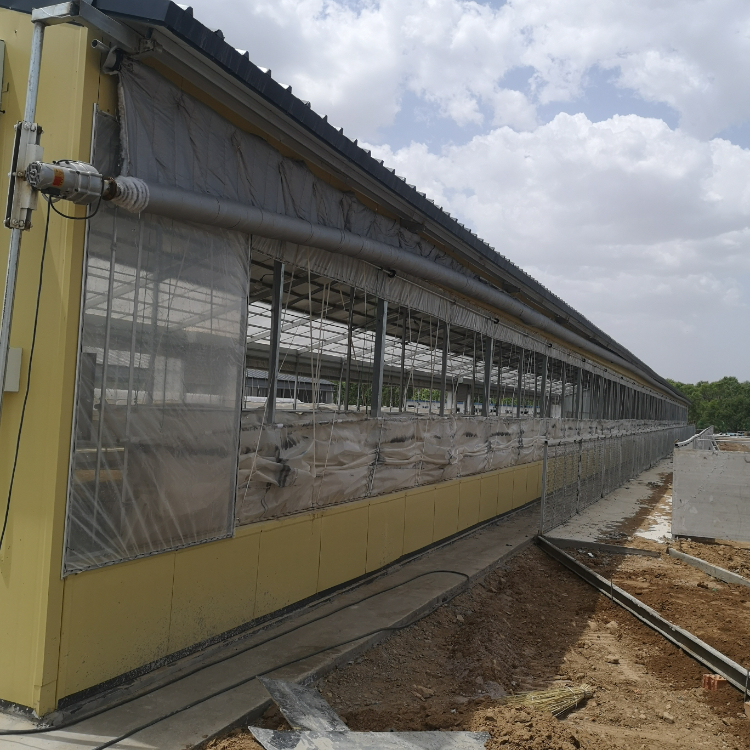
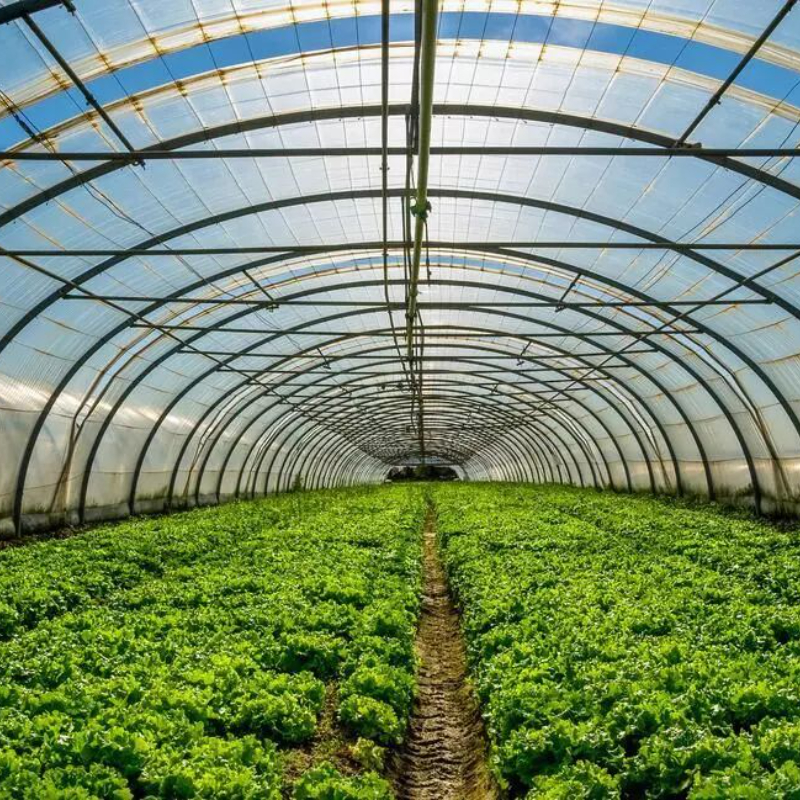
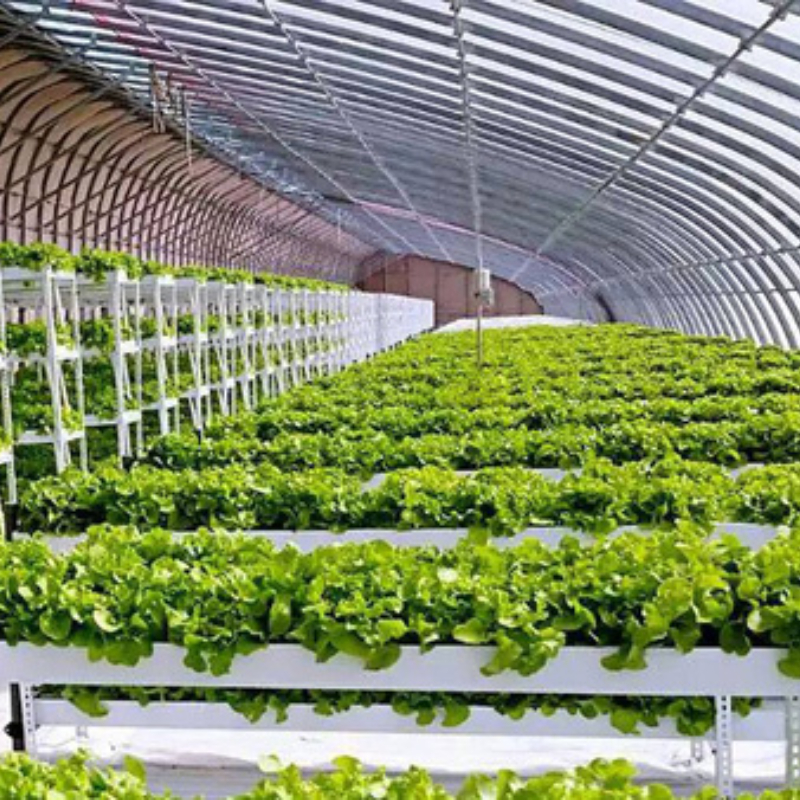
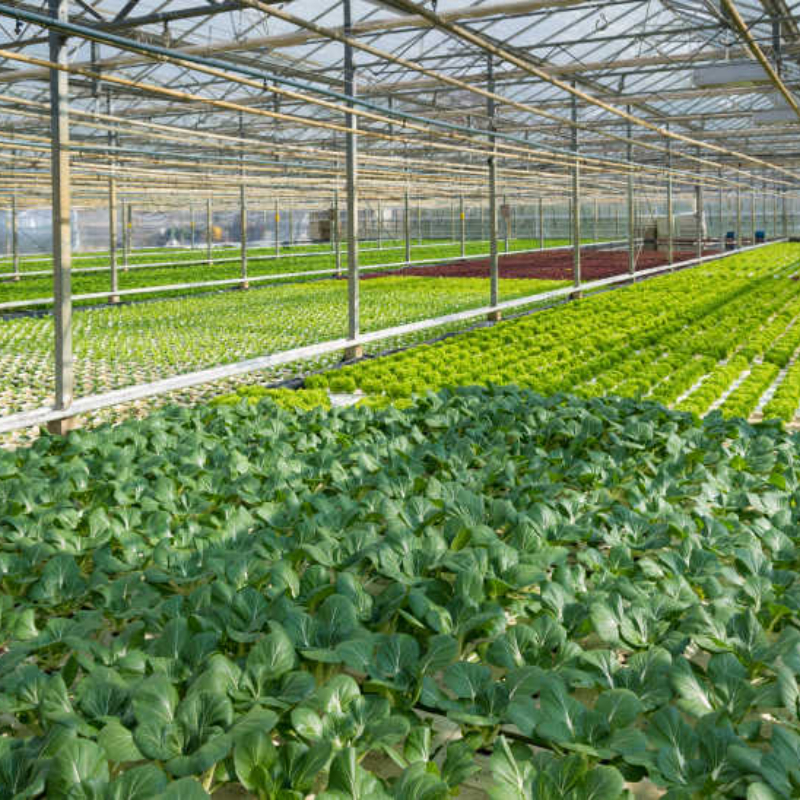
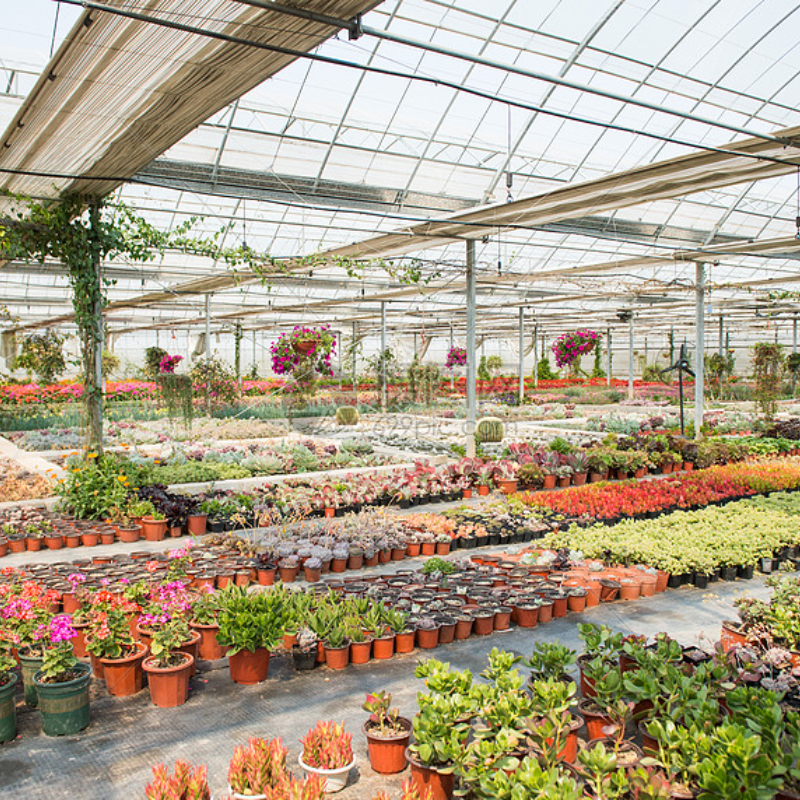
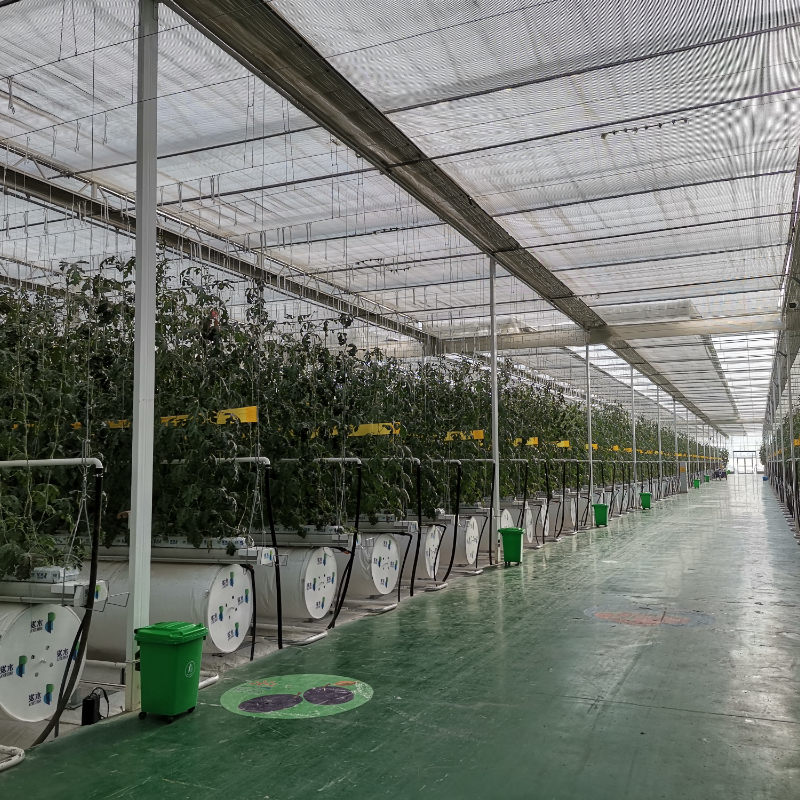
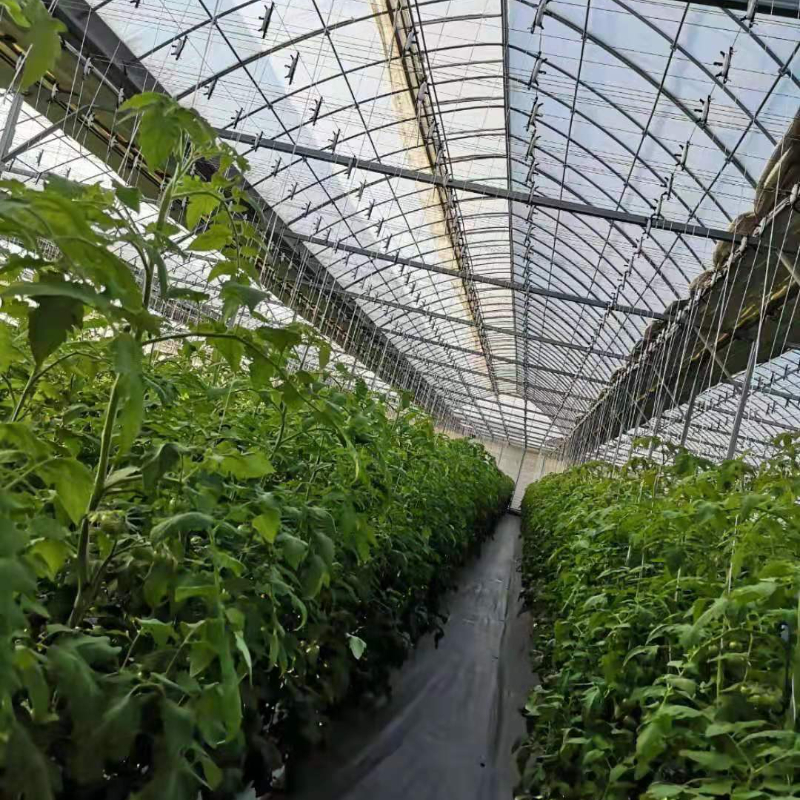
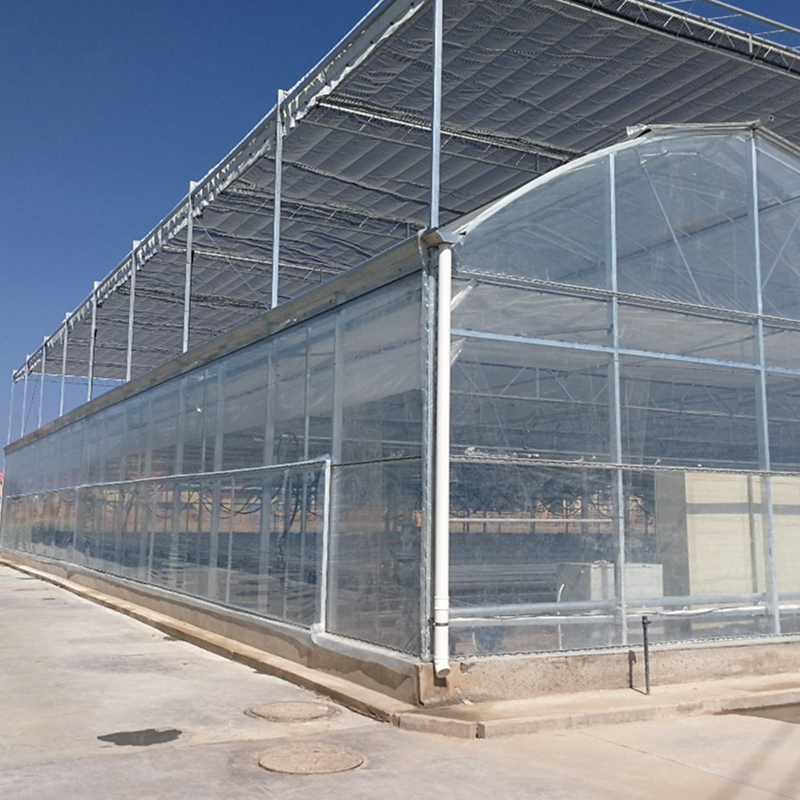
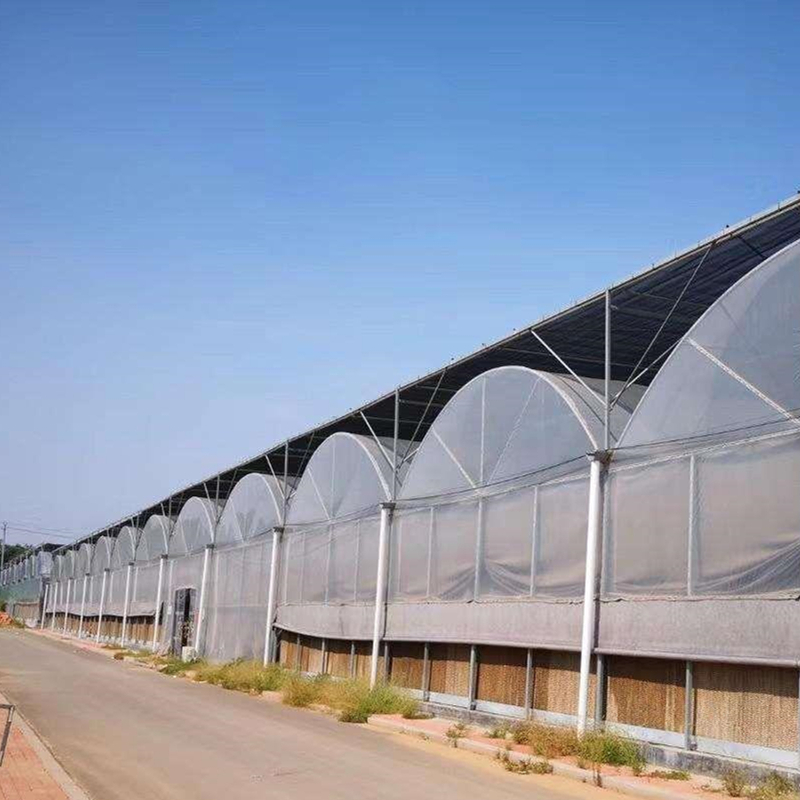
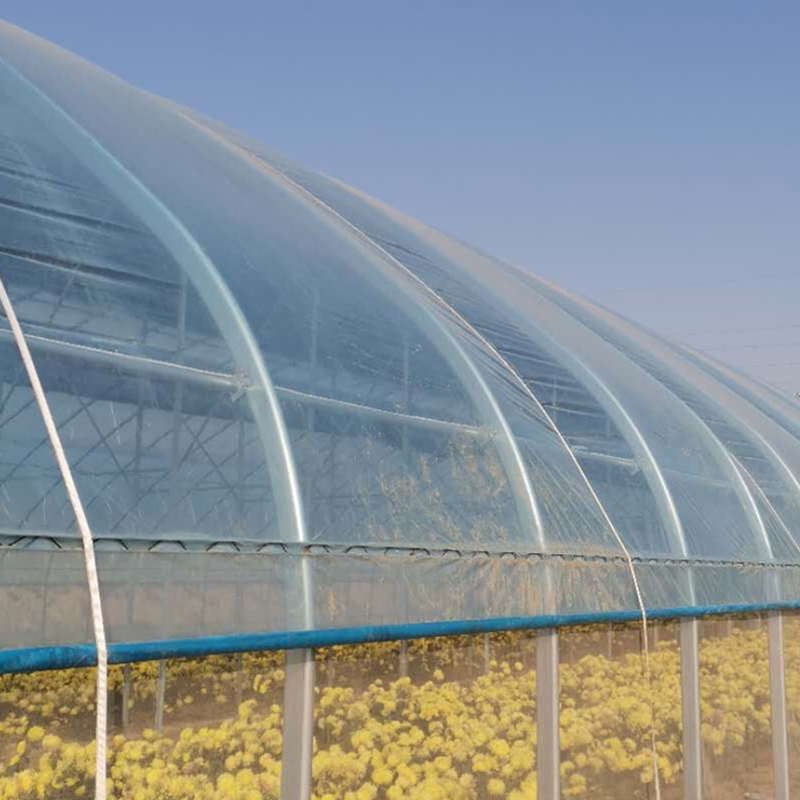
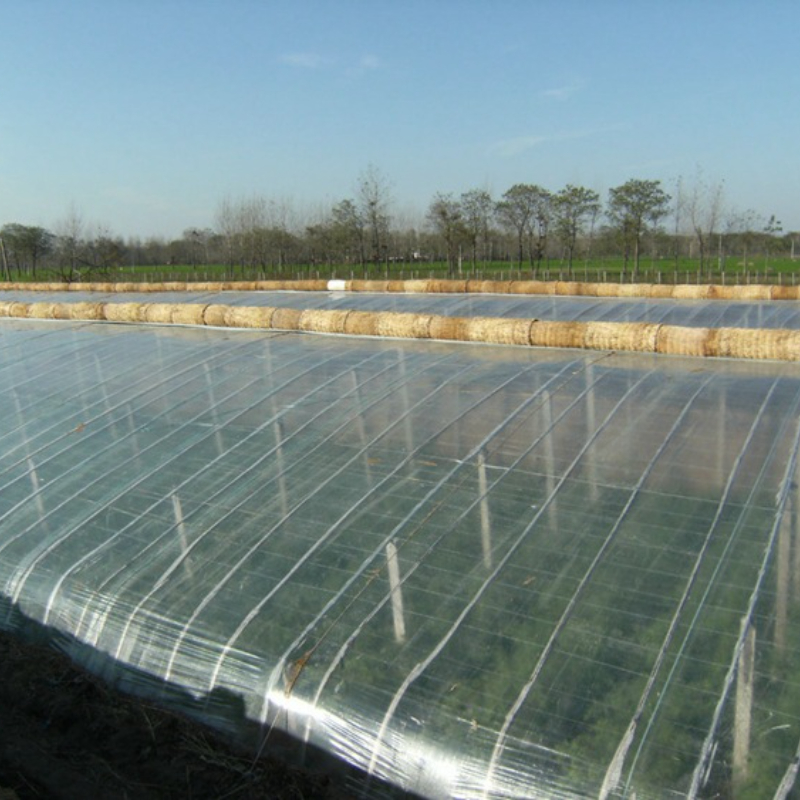
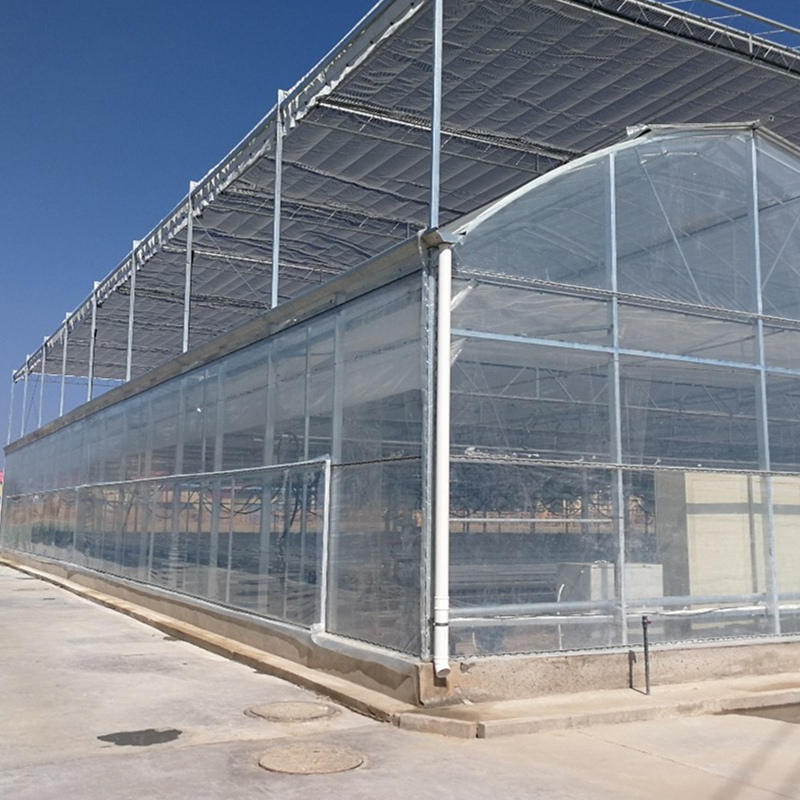
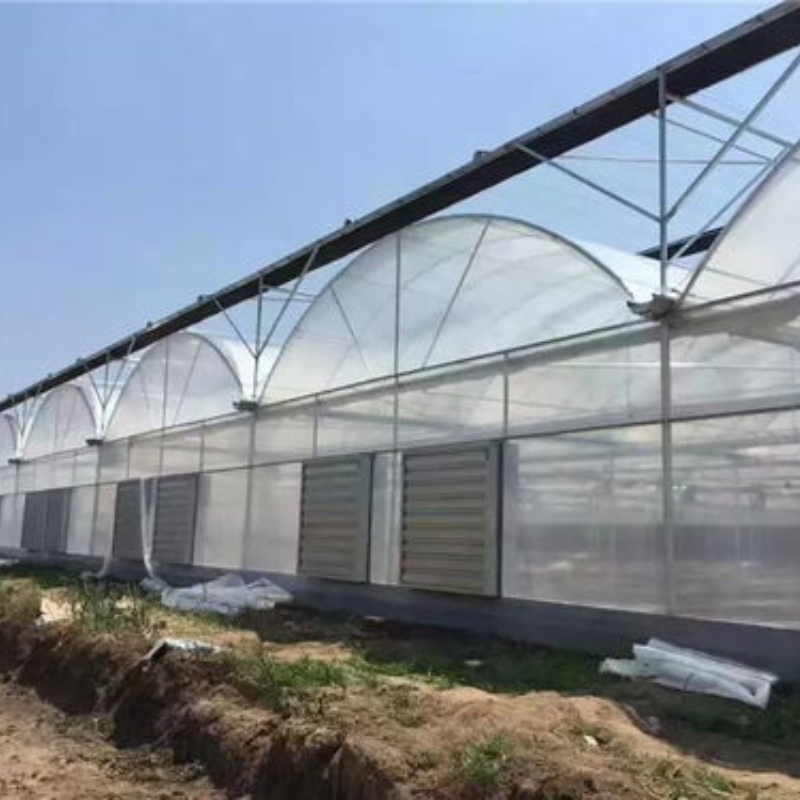
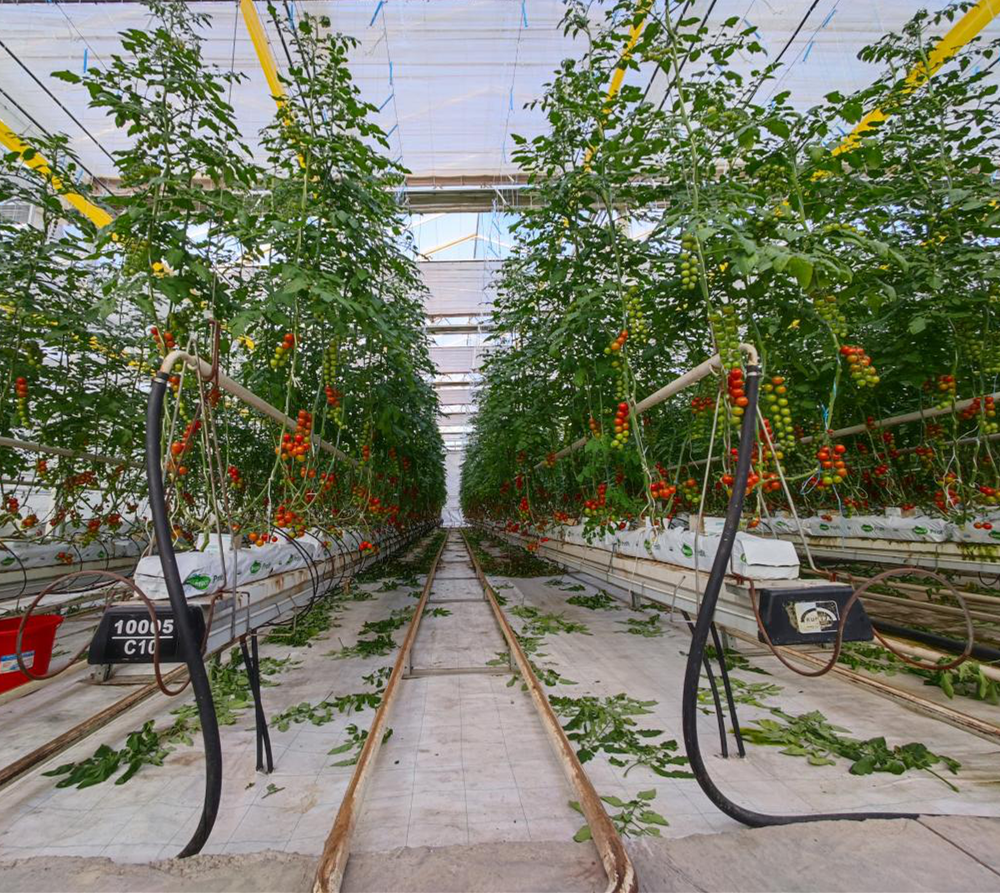
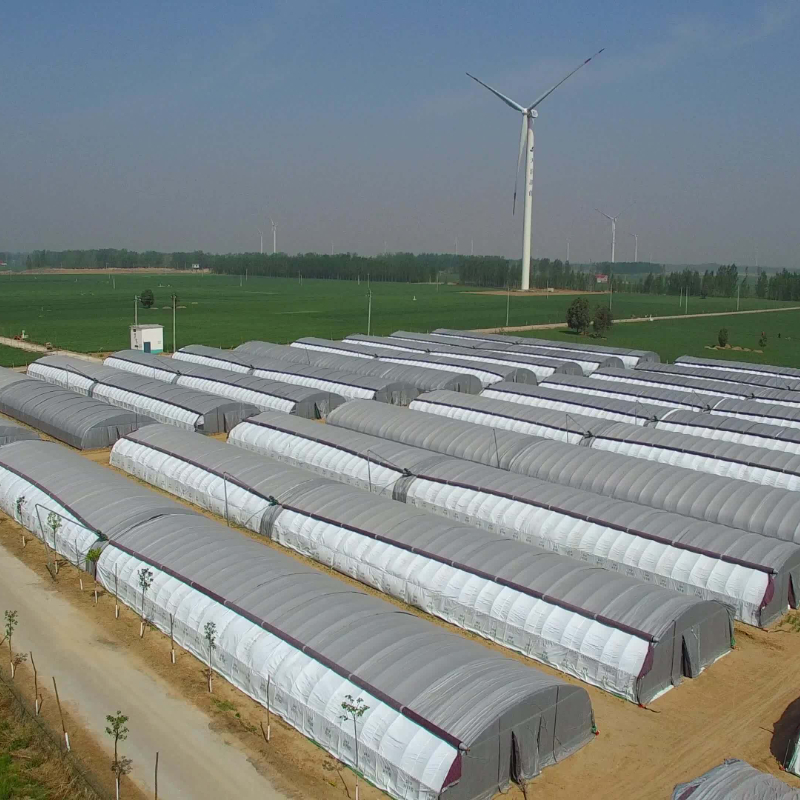
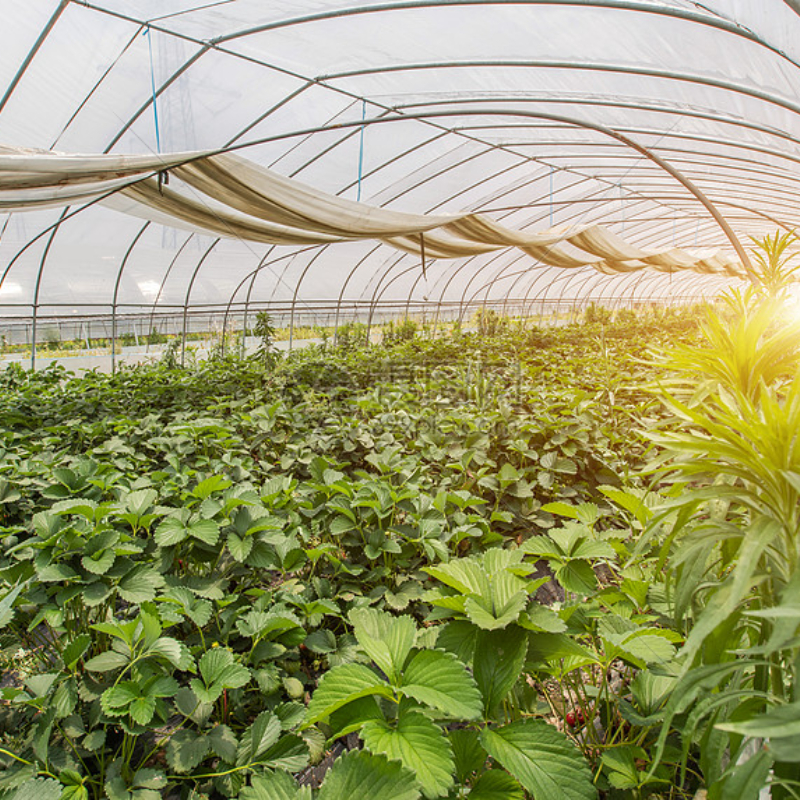
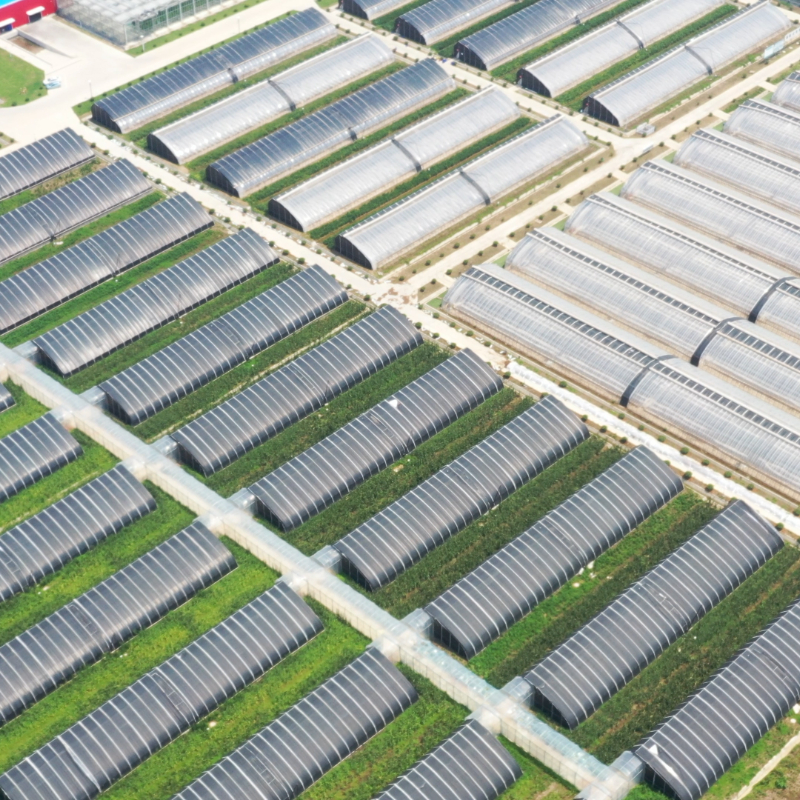
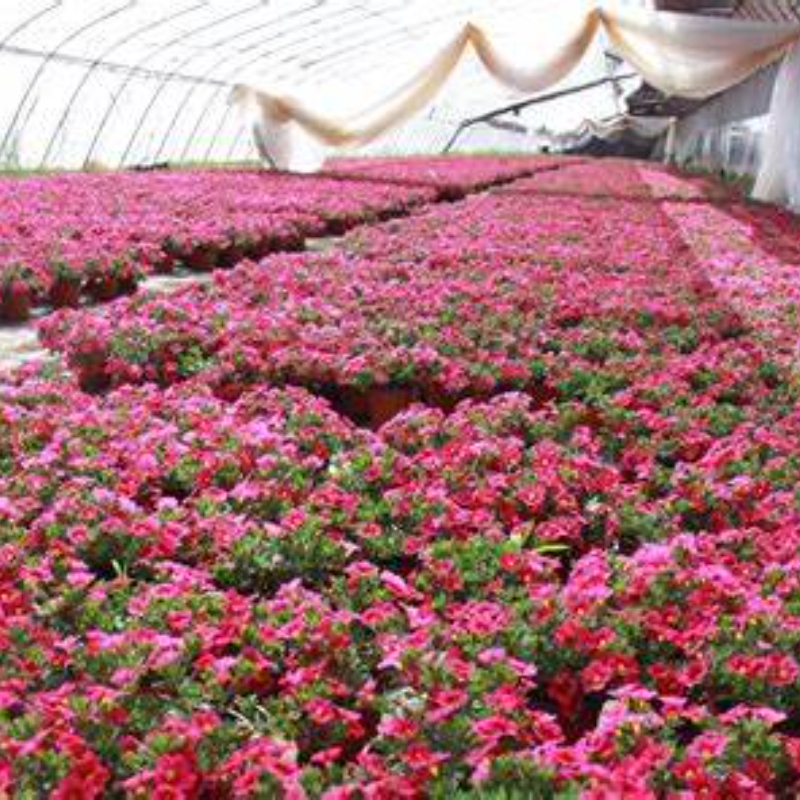
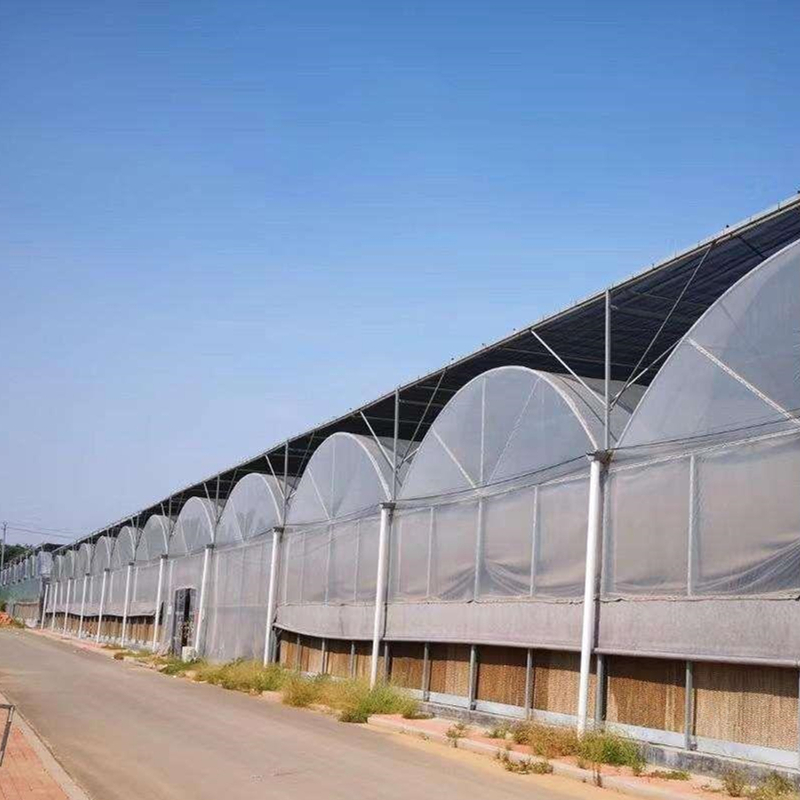
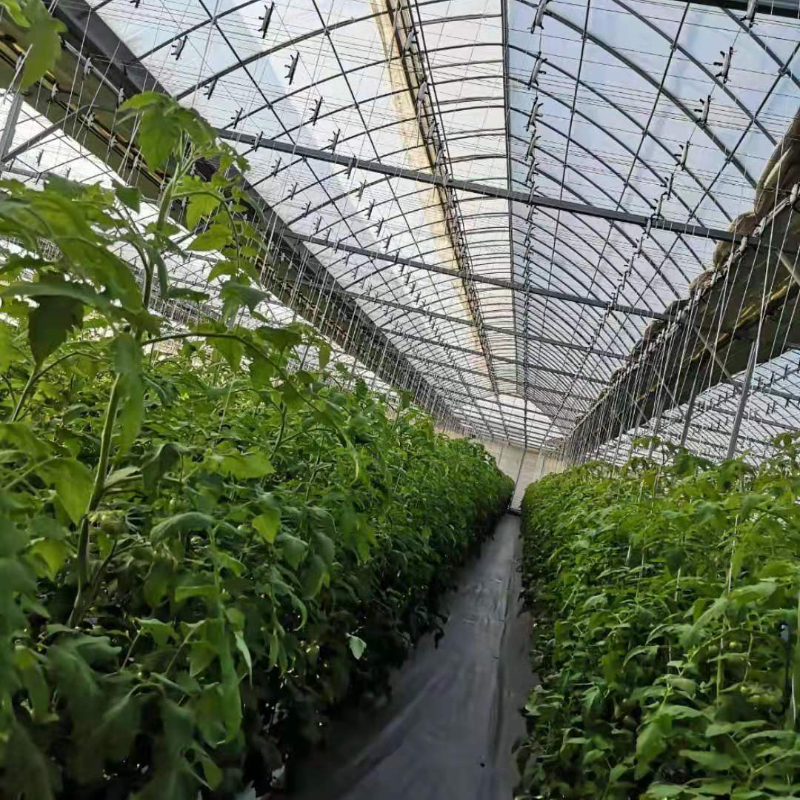
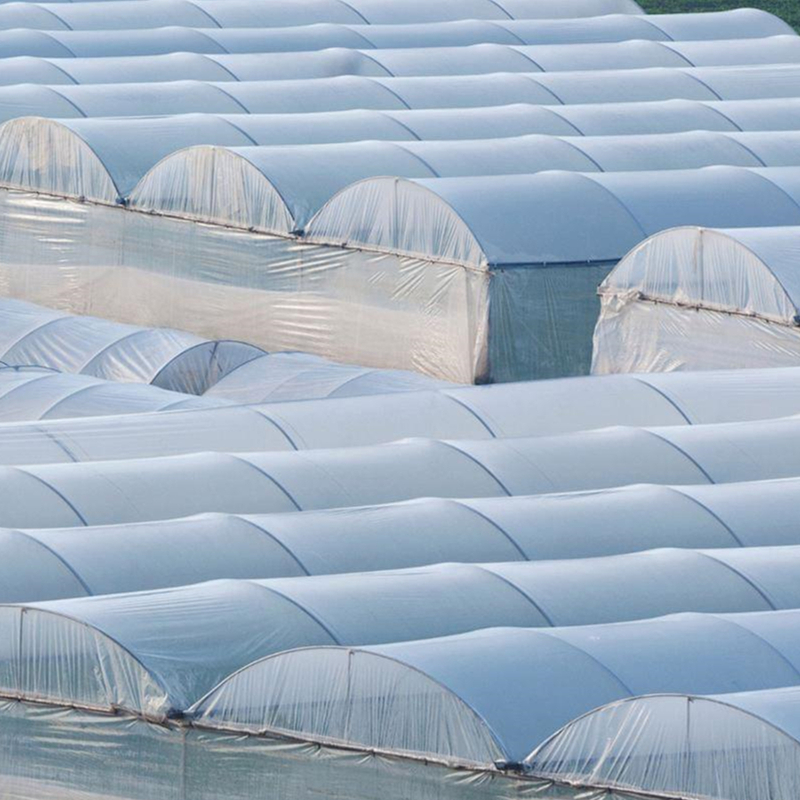
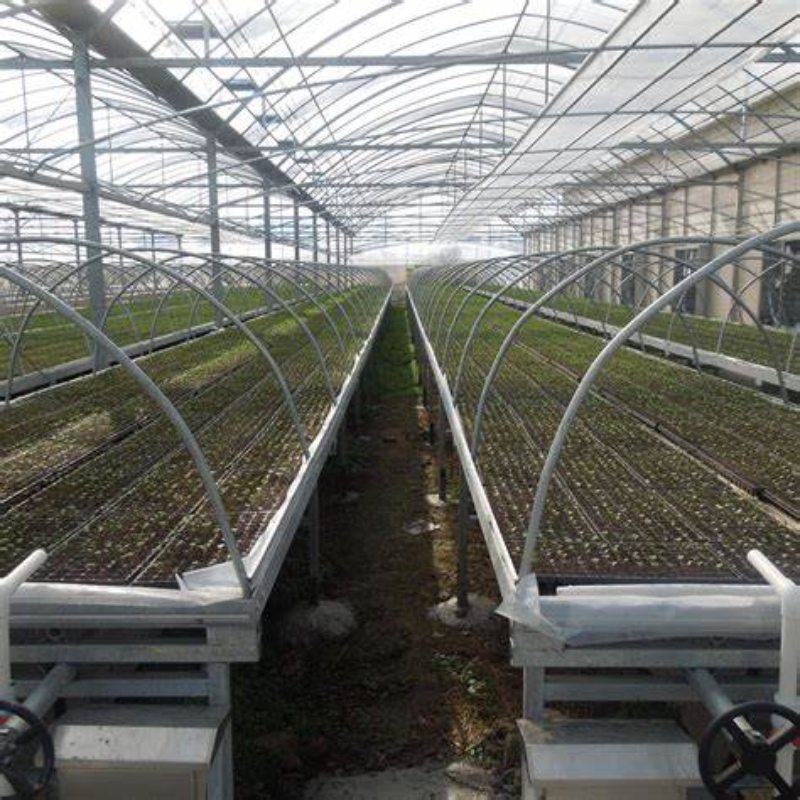
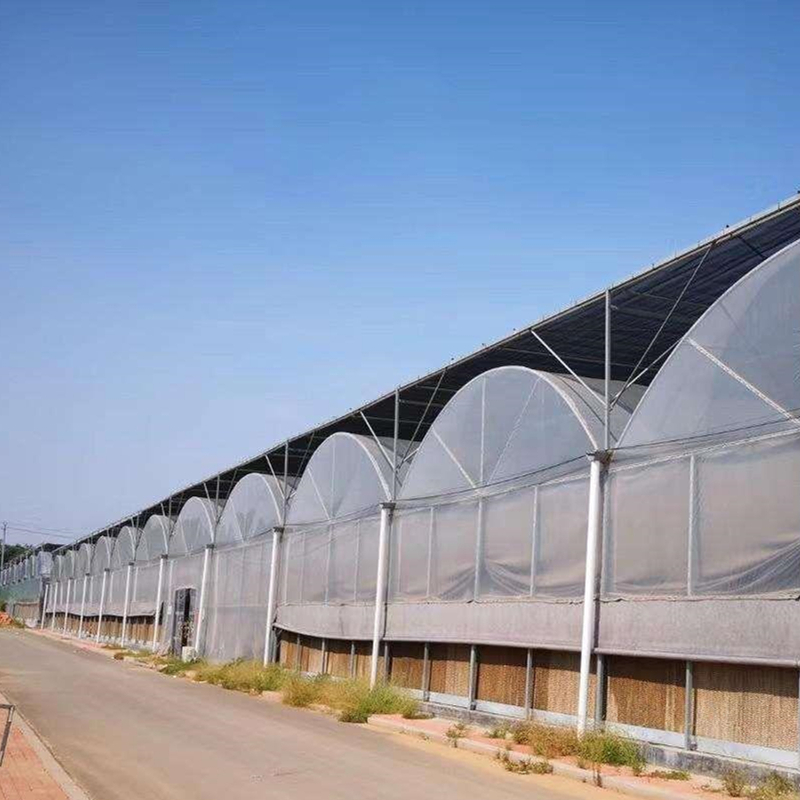
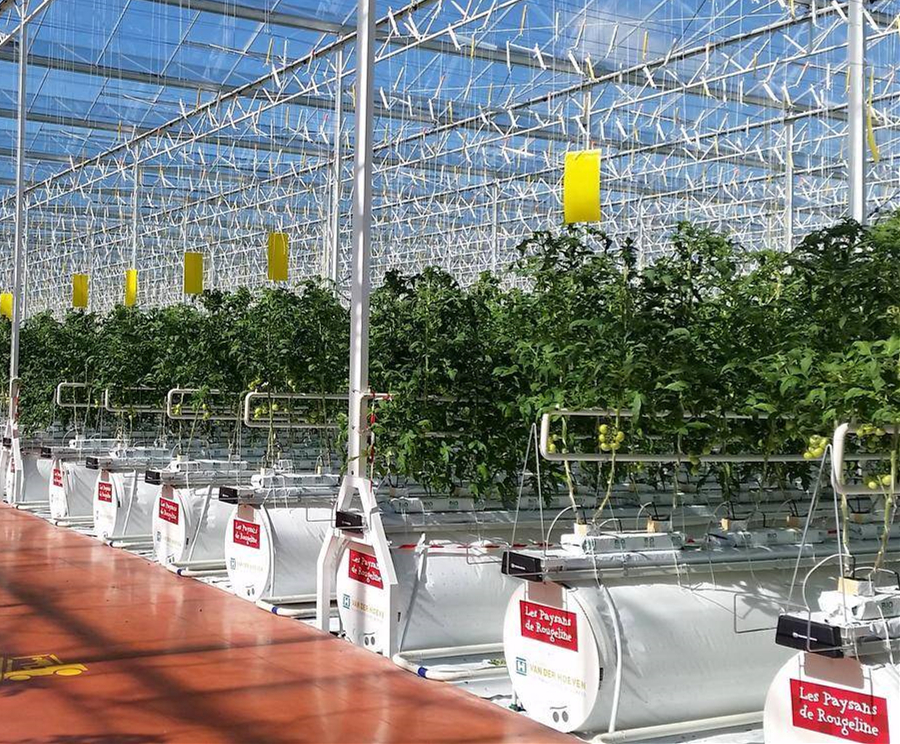
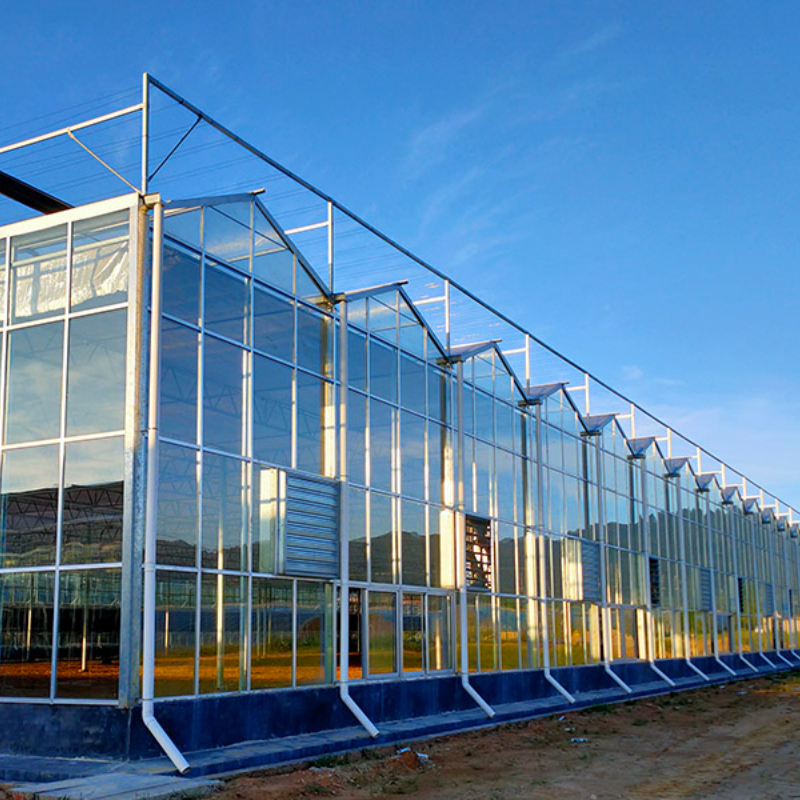
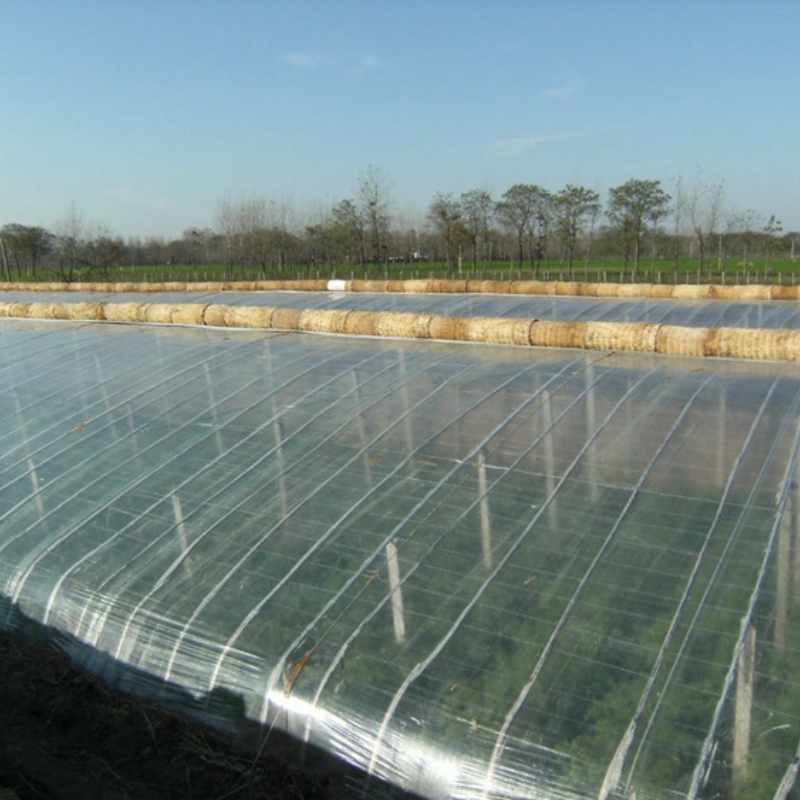
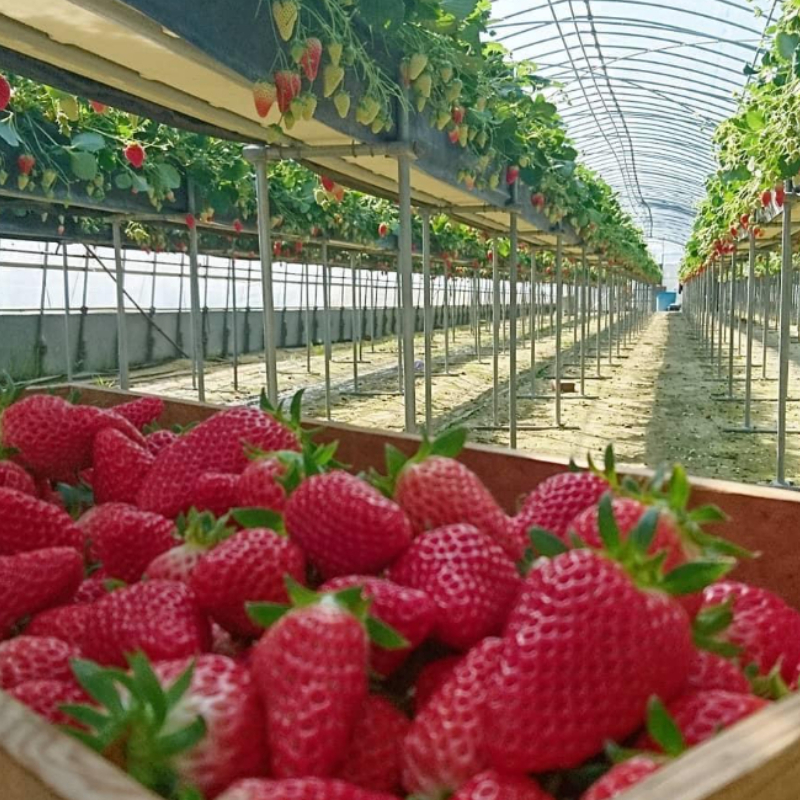
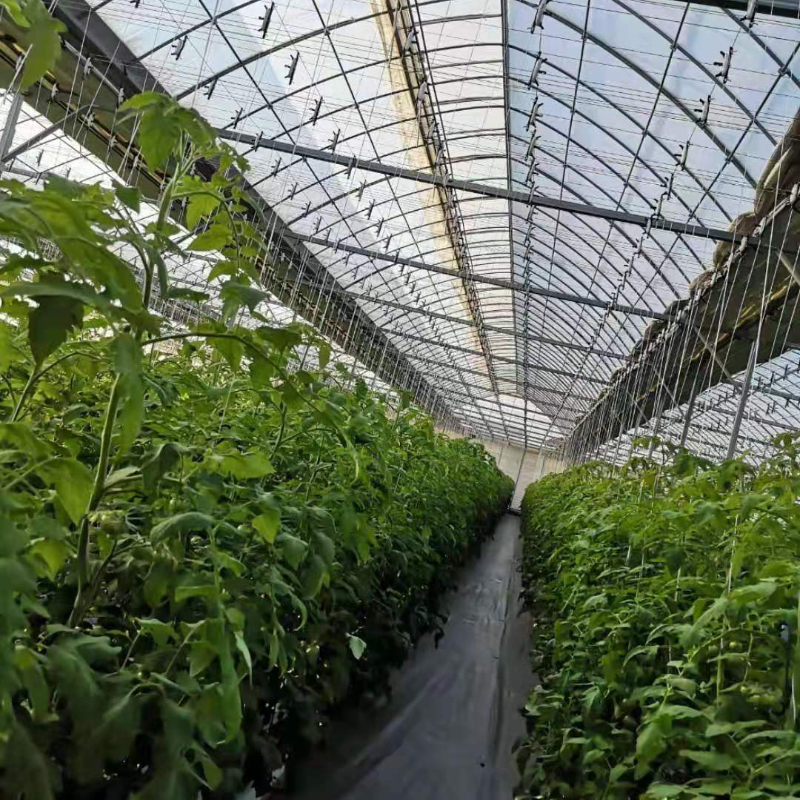
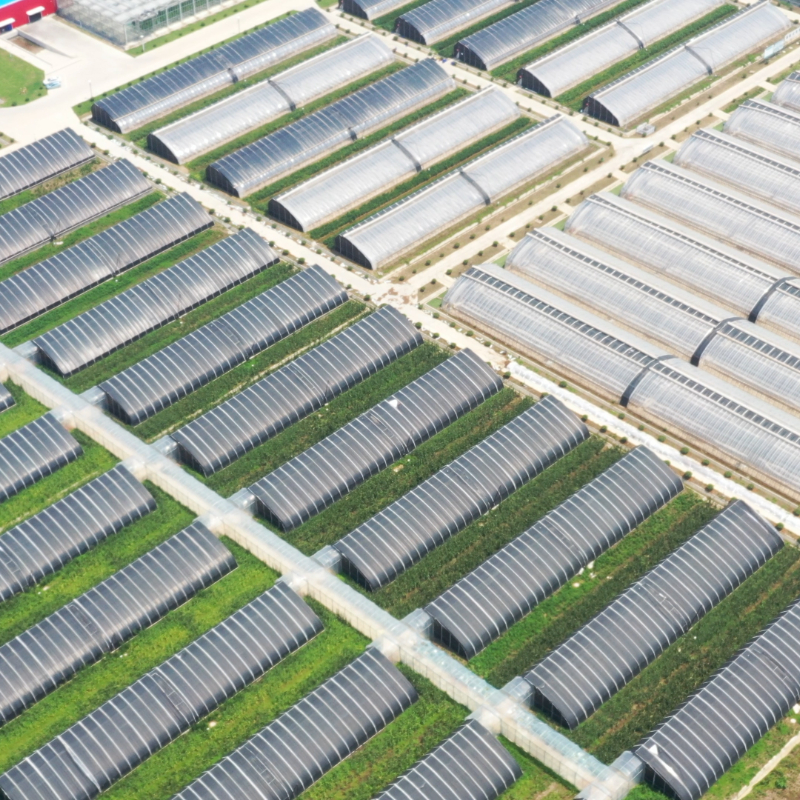
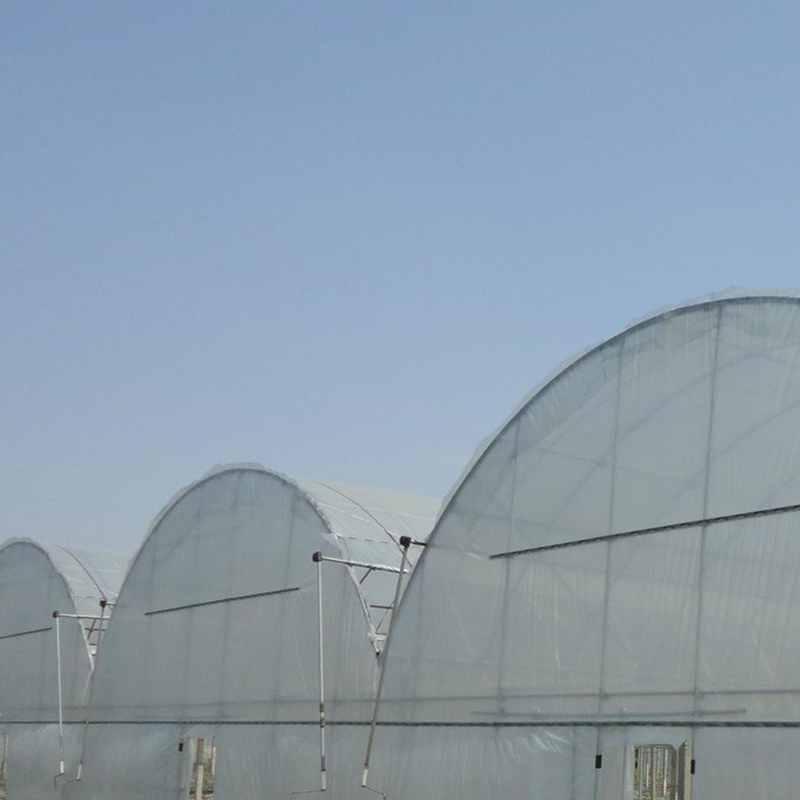
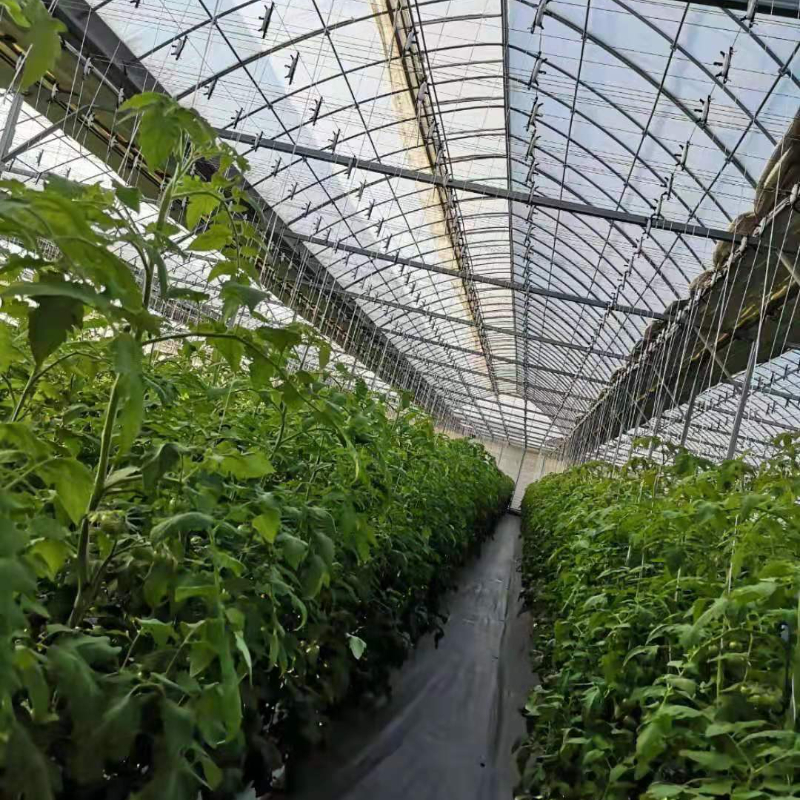
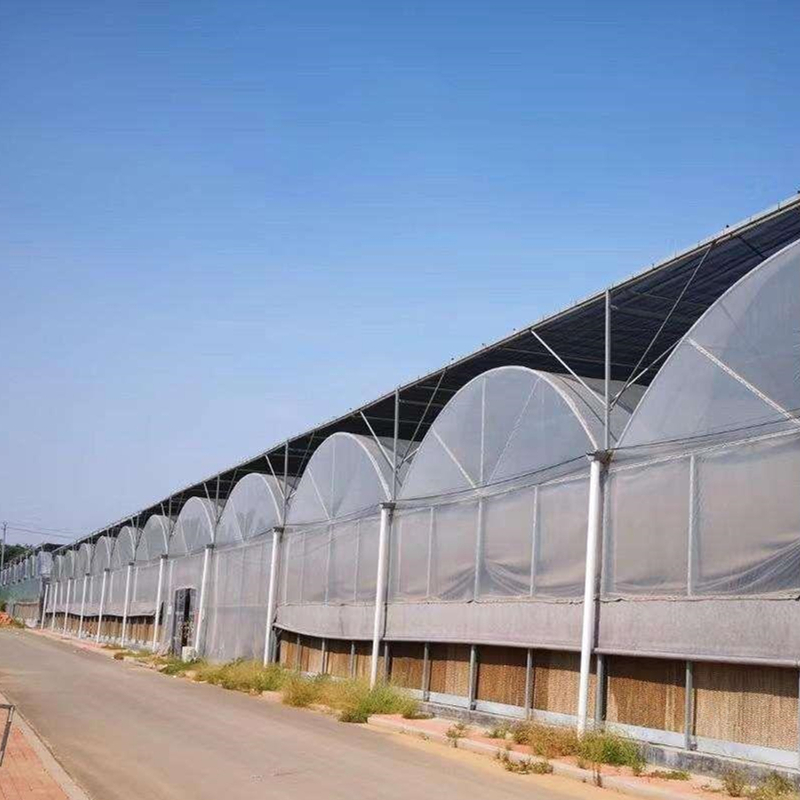
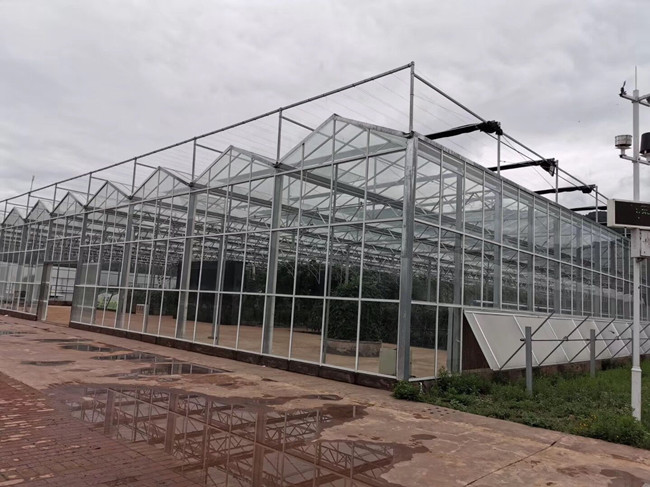
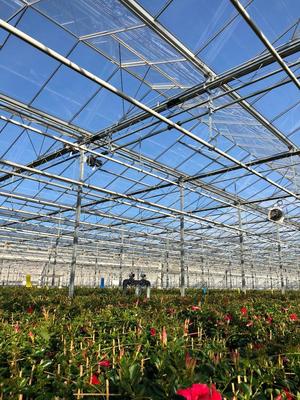
Greenhouse planting, the practice of cultivating crops within enclosed, climate-controlled structures, has evolved from a niche horticultural technique to a cornerstone of modern agriculture. By creating a carefully managed microclimate, greenhouses allow growers to transcend the limitations of traditional open-field farming, offering solutions to pressing global challenges such as food security, climate volatility, and resource conservation. This method represents a sophisticated synergy of botany, engineering, and environmental science. The fundamental principle of a greenhouse is simple yet powerful: sunlight penetrates the transparent walls and roof, warming the interior. This trapped solar energy creates an environment where temperatures remain higher than outside, especially during cooler seasons. However, modern greenhouses are far more than passive solar collectors. They are highly engineered ecosystems where every variable—temperature, humidity, light intensity, irrigation, and nutrient delivery—can be precisely monitored and adjusted. This level of control unlocks several transformative advantages. First, it decouples food production from external weather conditions. Farmers are no longer at the mercy of unseasonal frosts, excessive rain, droughts, or heatwaves. This ensures consistent, reliable harvests year-round, stabilizing supply and prices. Secondly, the enclosed environment provides a formidable barrier against many pests, diseases, and invasive weeds, drastically reducing the need for chemical pesticides. Integrated Pest Management (IPM) techniques are often more effective and sustainable within this controlled space. Perhaps the most significant benefit is the dramatic increase in resource efficiency. Greenhouse systems, particularly hydroponic or aeroponic setups where plants grow in nutrient-rich water without soil, use up to 90% less water than conventional agriculture. Water and fertilizers are delivered directly to the plant roots in closed-loop systems, minimizing runoff and pollution. Furthermore, by enabling local production near urban centers, greenhouses slash the carbon emissions associated with long-distance transportation of fresh produce. The applications are diverse. In colder climates, greenhouses extend growing seasons for tender vegetables like tomatoes, cucumbers, and peppers. In arid regions, they prevent water loss through evaporation. They are also vital for propagating seedlings, cultivating exotic ornamental plants, and conducting agricultural research. The rise of Vertical Farming—essentially stacking greenhouse layers—pushes this spatial efficiency even further in urban settings. Technological integration is propelling the industry forward. Automated climate control systems, sensors, and data analytics allow for real-time optimization. Light-emitting diode (LED) grow lights, often in spectrums tailored to specific crops, can supplement or even replace sunlight, enabling production in light-scarce regions. These technologies, while capital-intensive, lead to unprecedented yields per square meter. Despite challenges, including high initial costs and energy demands for heating/cooling, the trajectory is clear. As the global population grows and arable land shrinks, greenhouse planting offers a pathway to sustainable intensification. It is not merely an alternative to field farming but a complementary, innovative system that allows us to grow more with less, turning the age-old dream of mastering our harvest environment into a practical, and increasingly essential, reality.
