
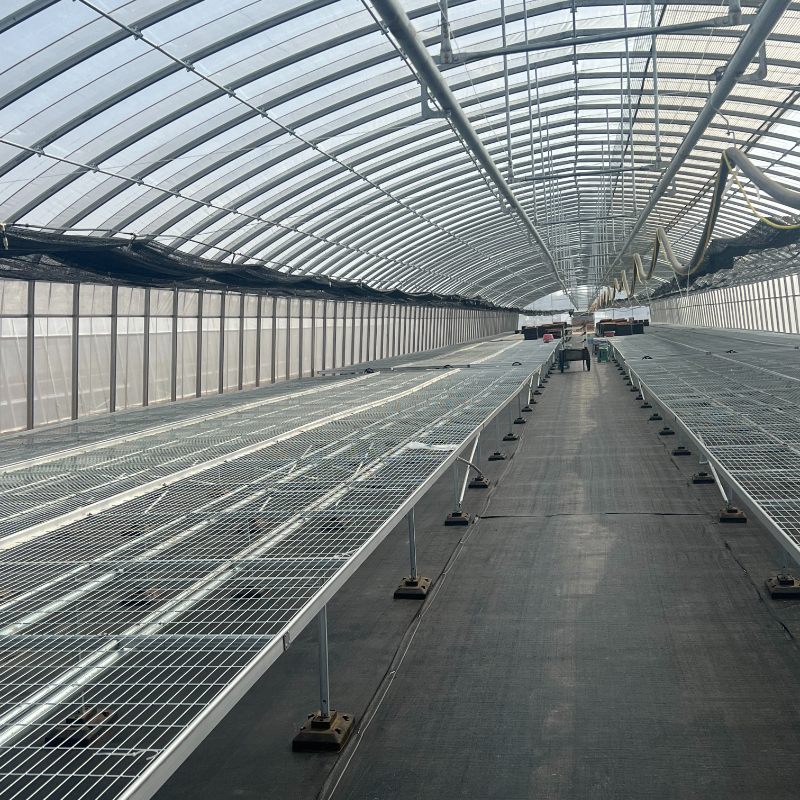
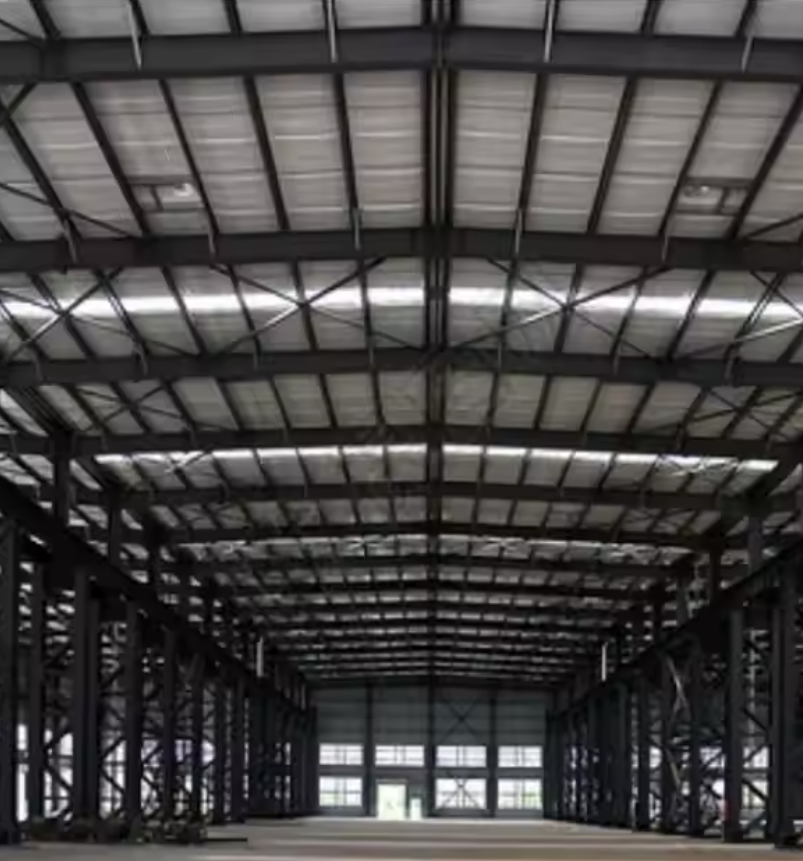
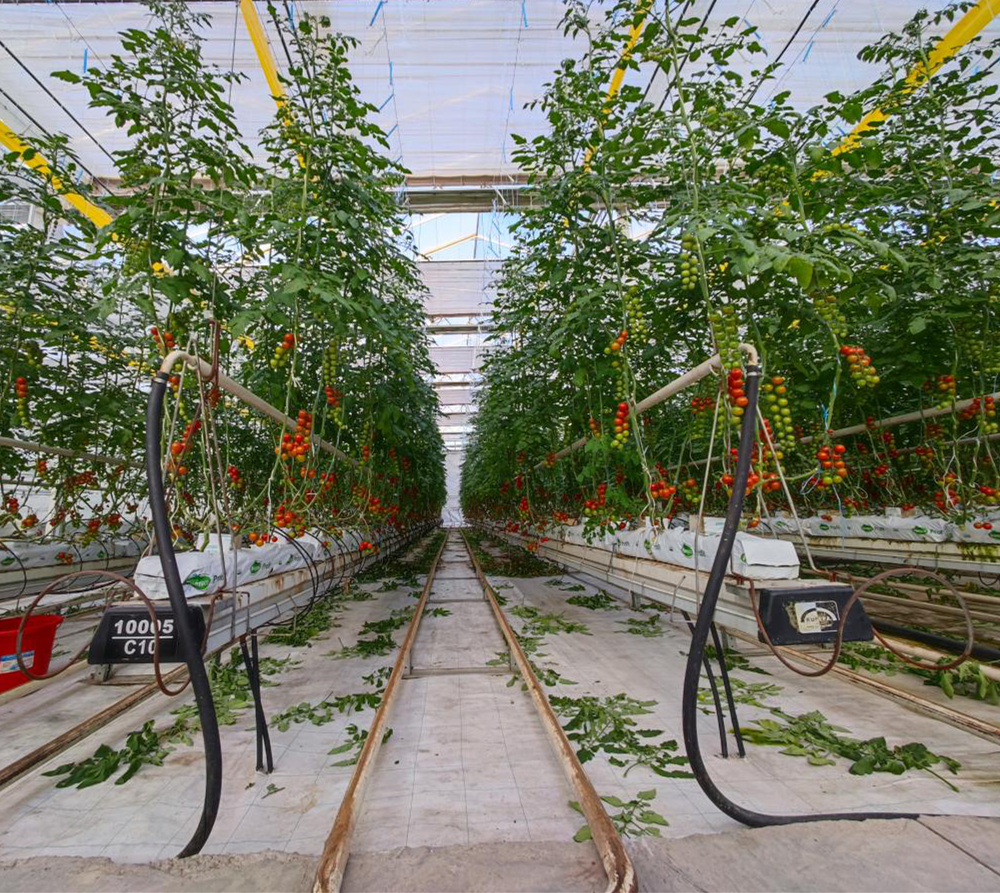
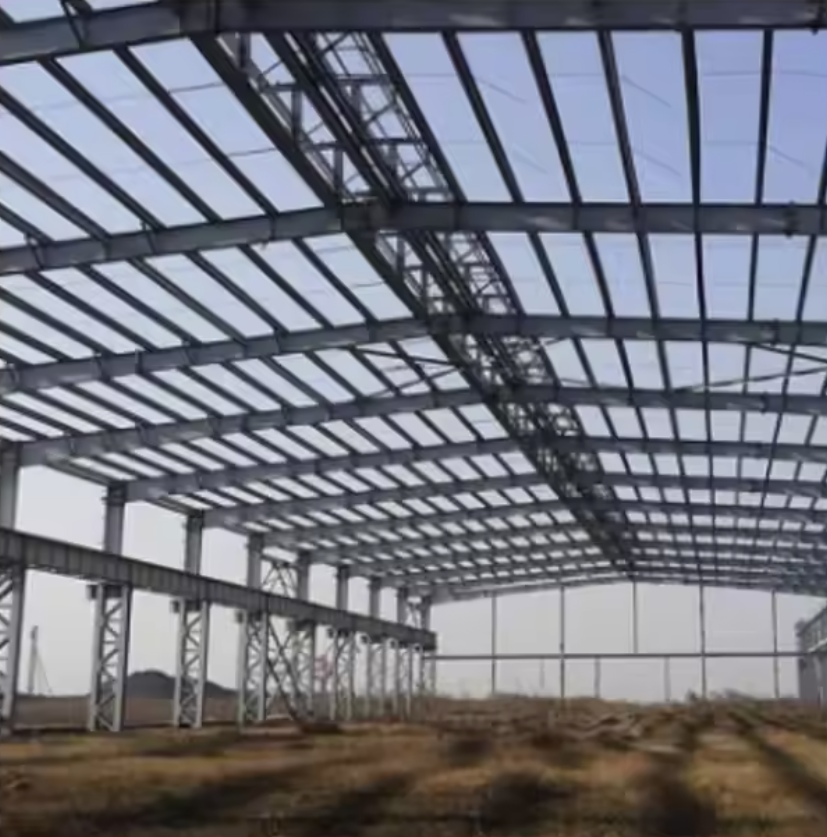
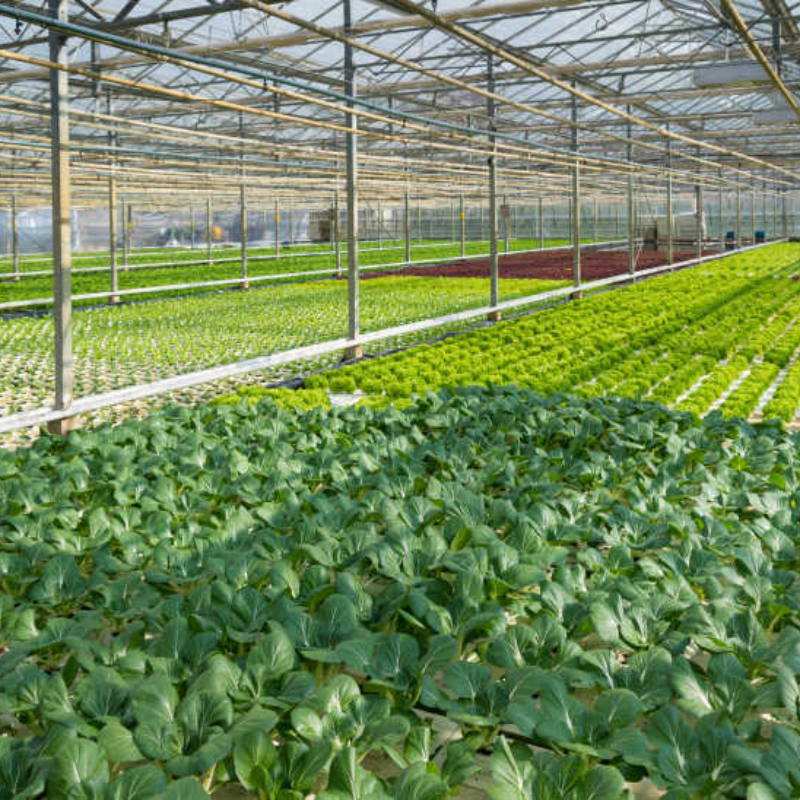
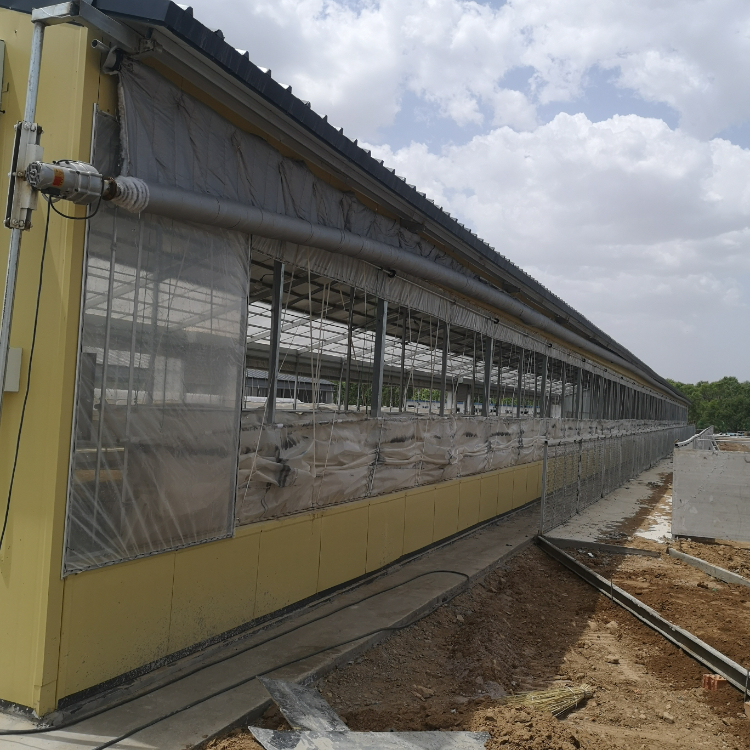
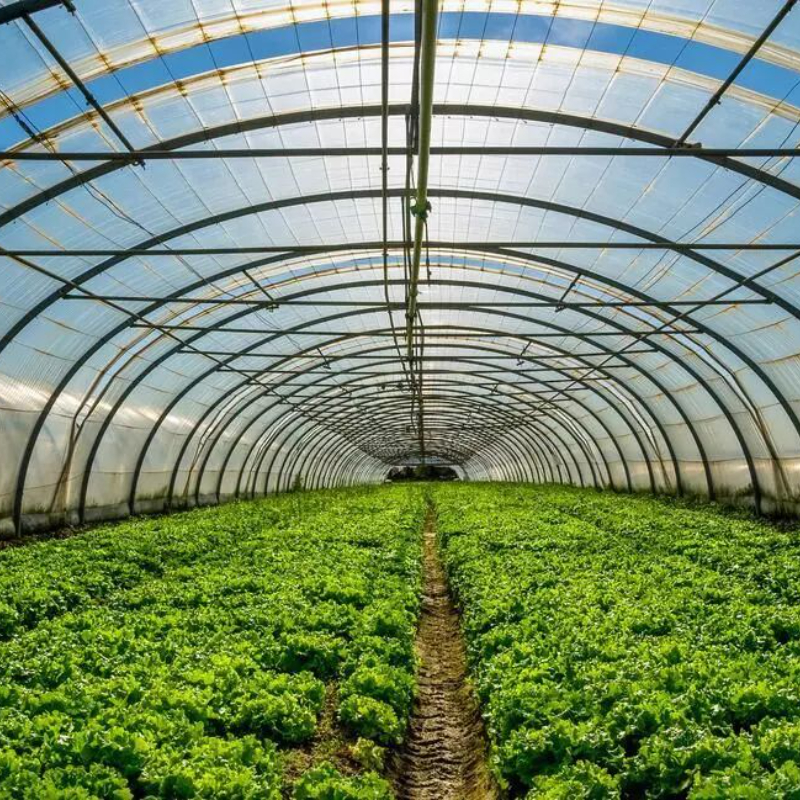
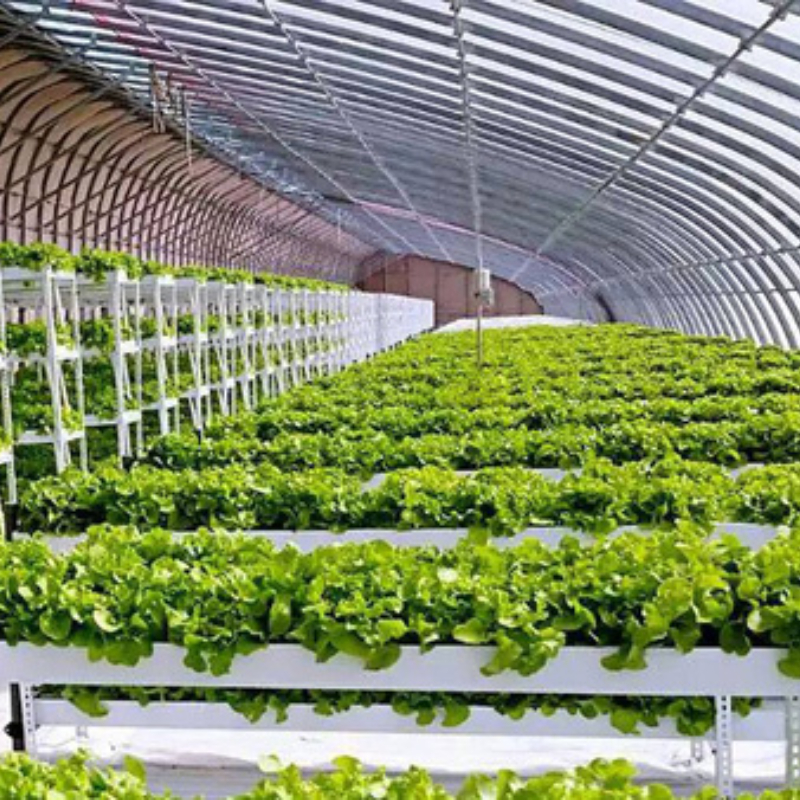
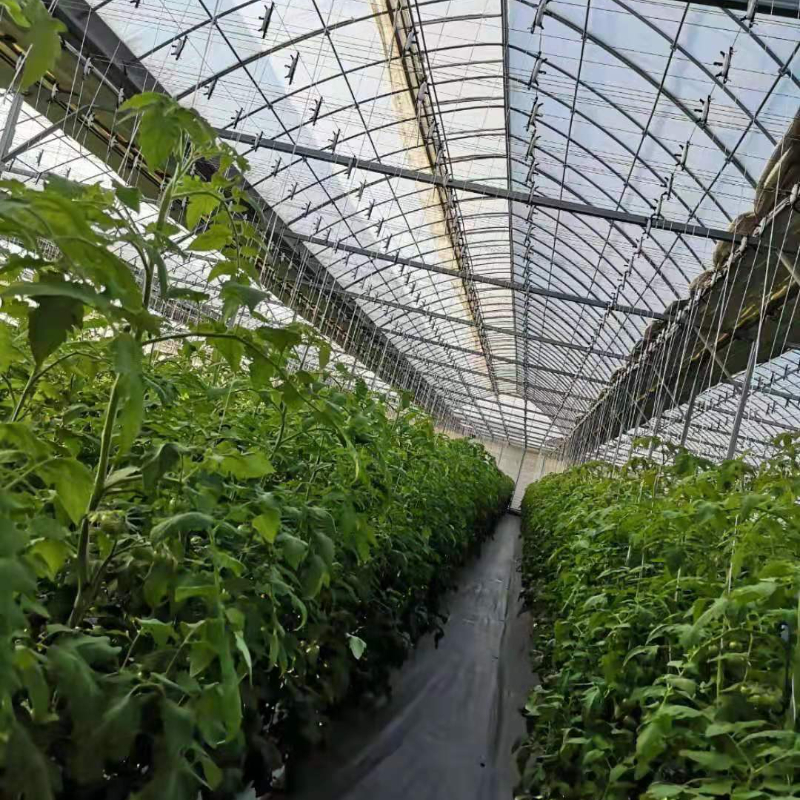
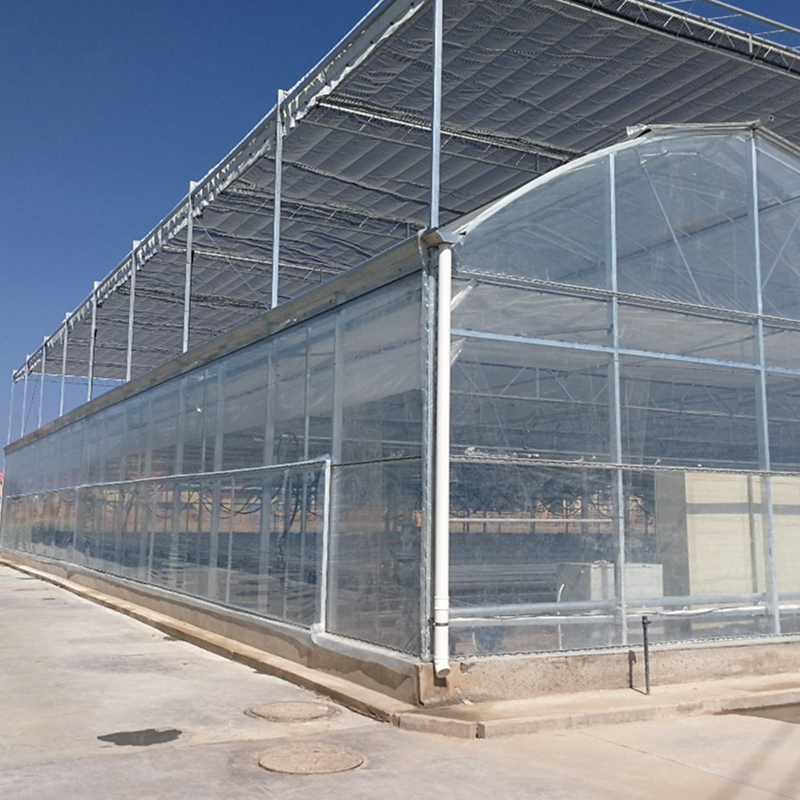
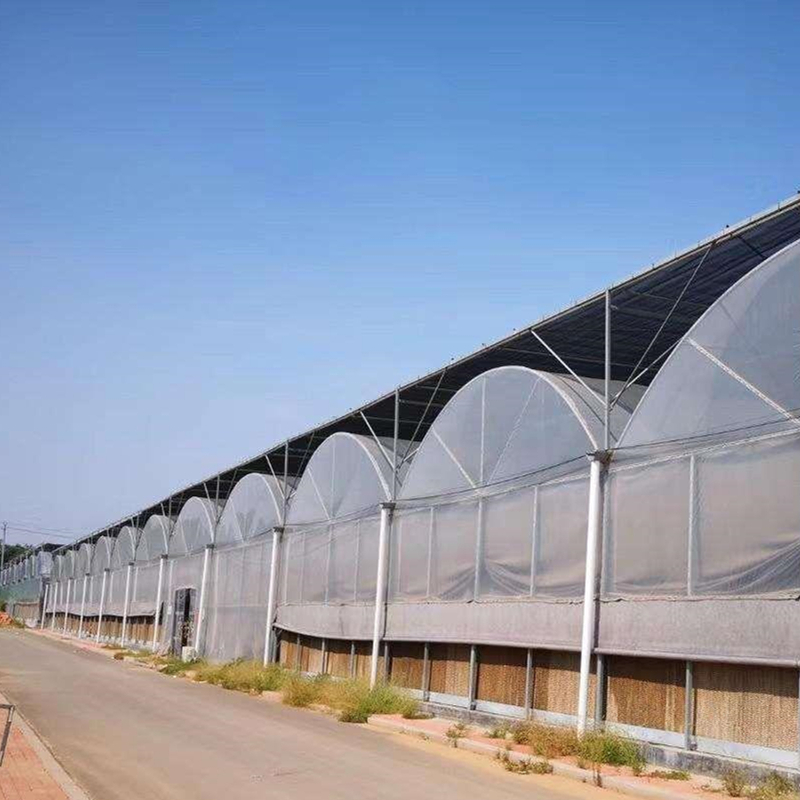
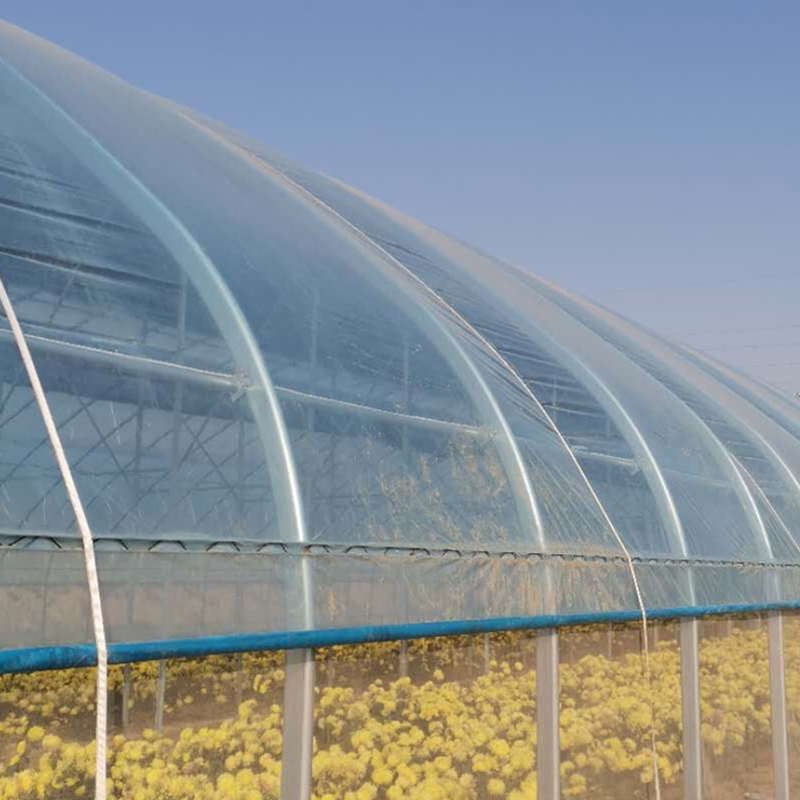
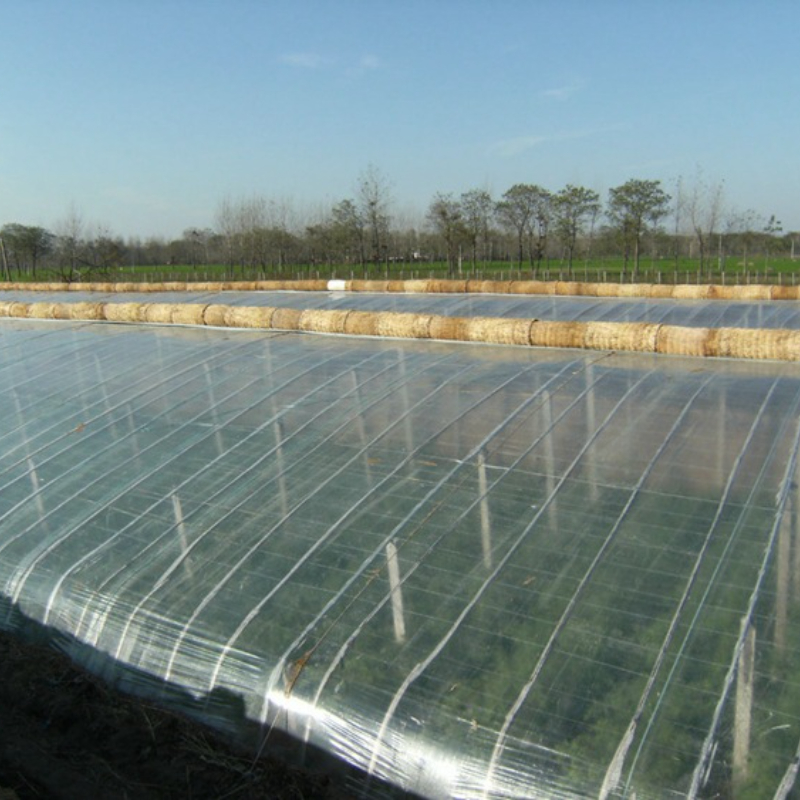
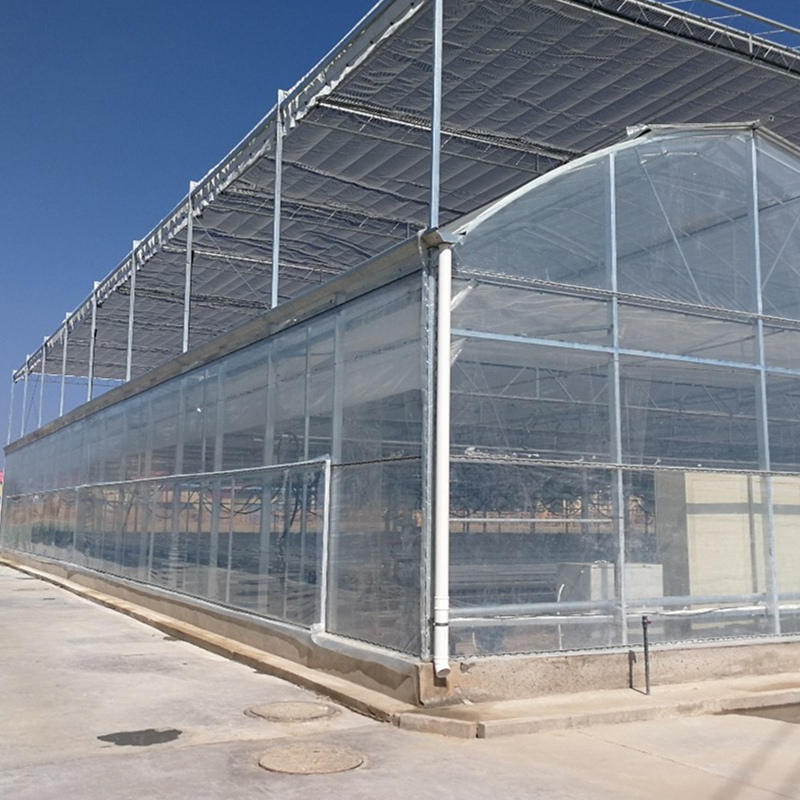
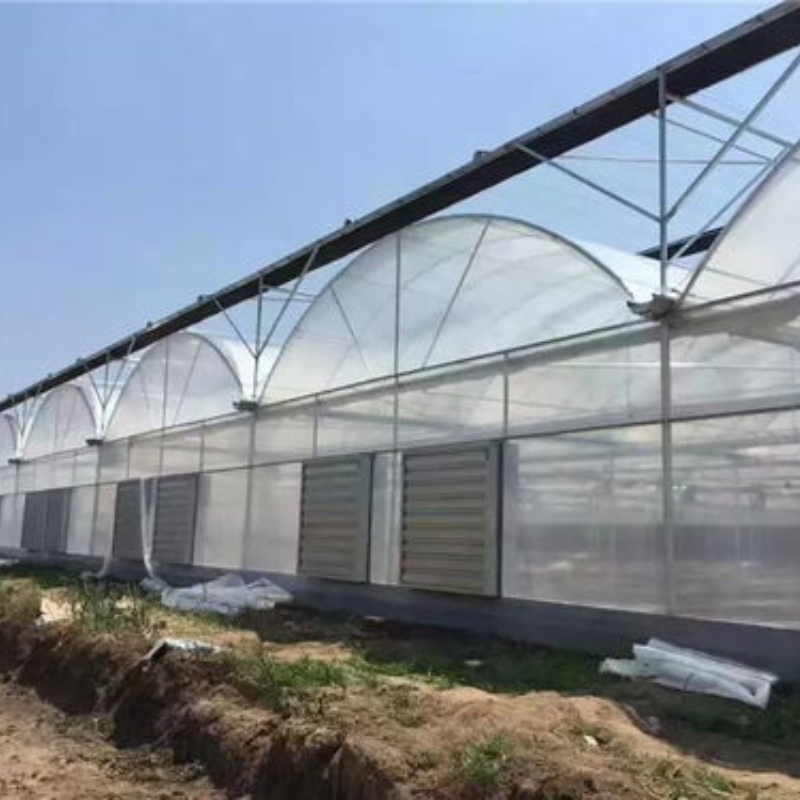
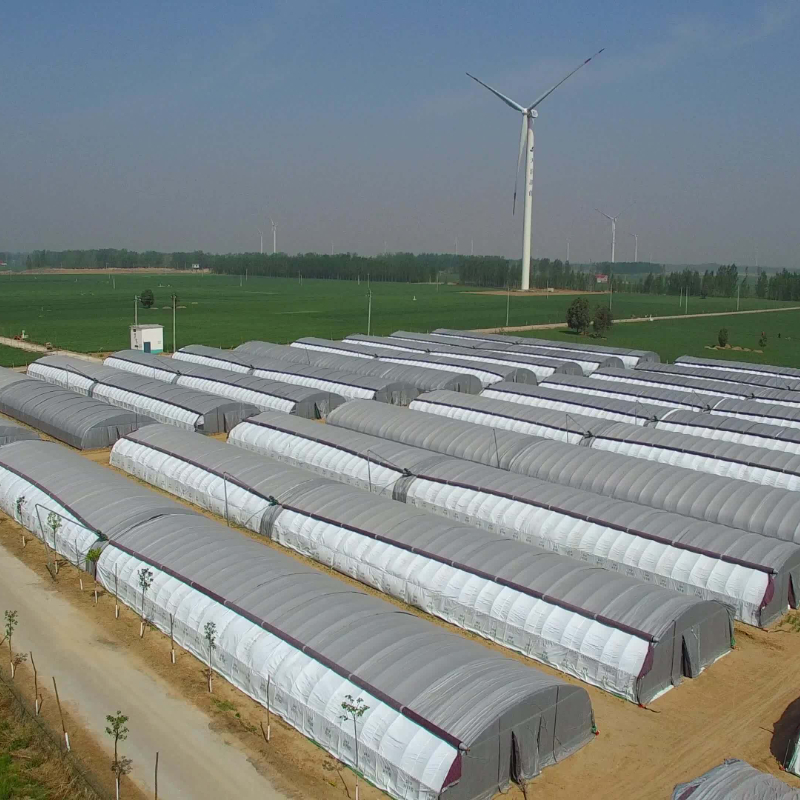
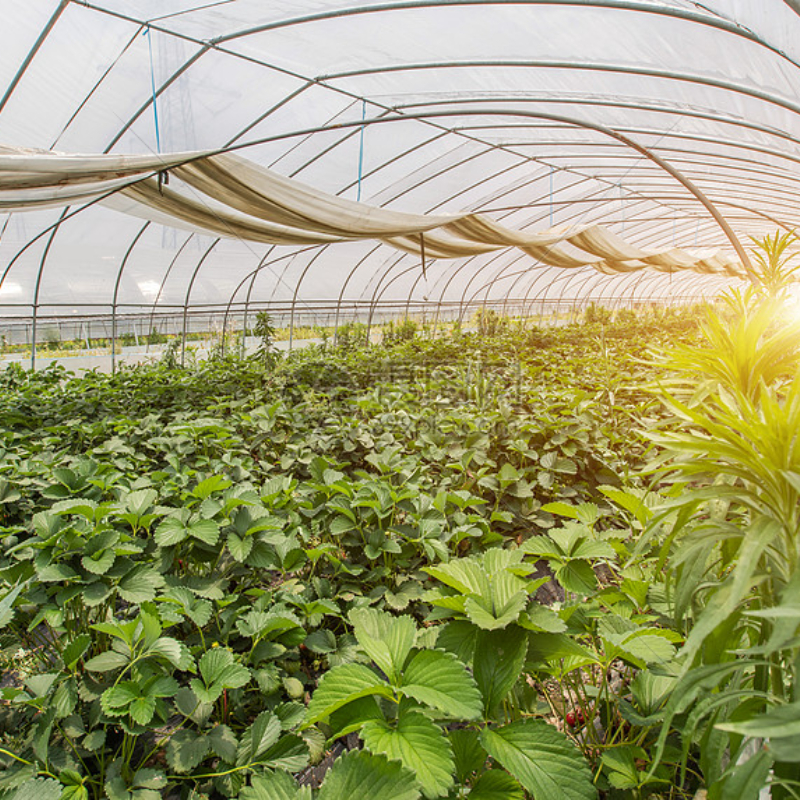
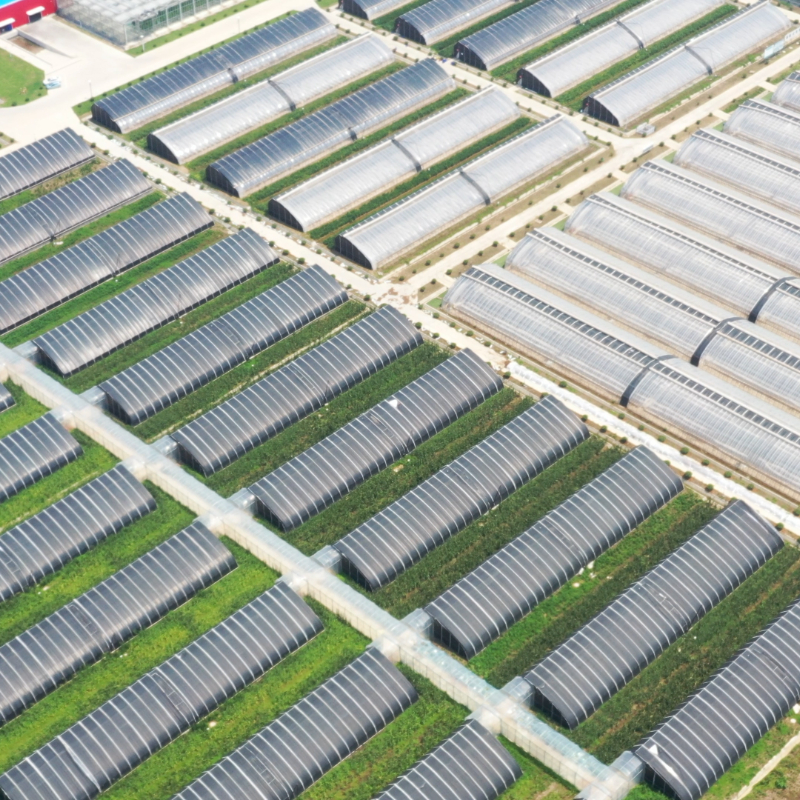
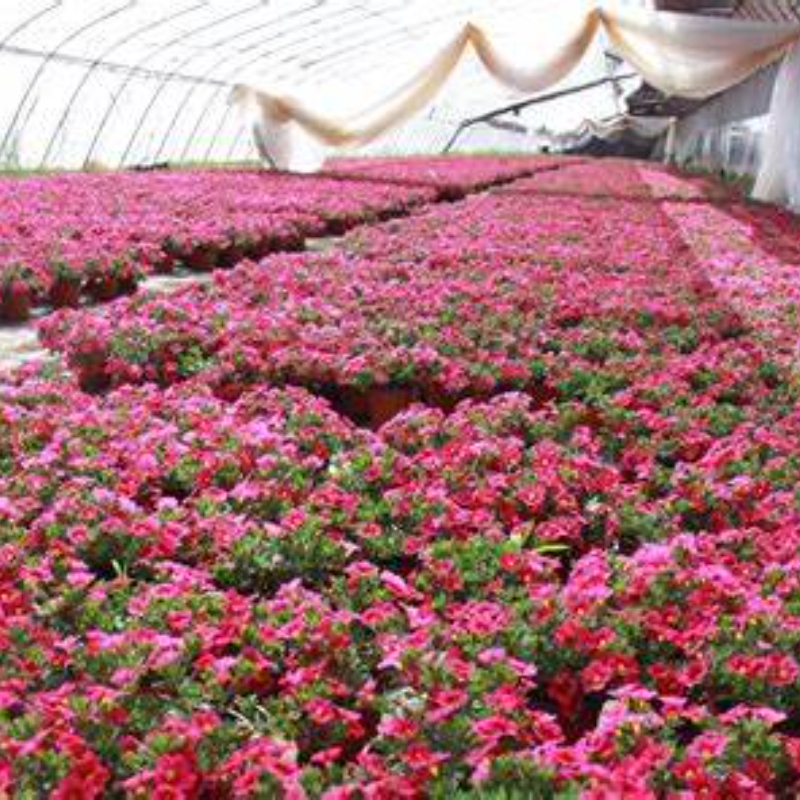
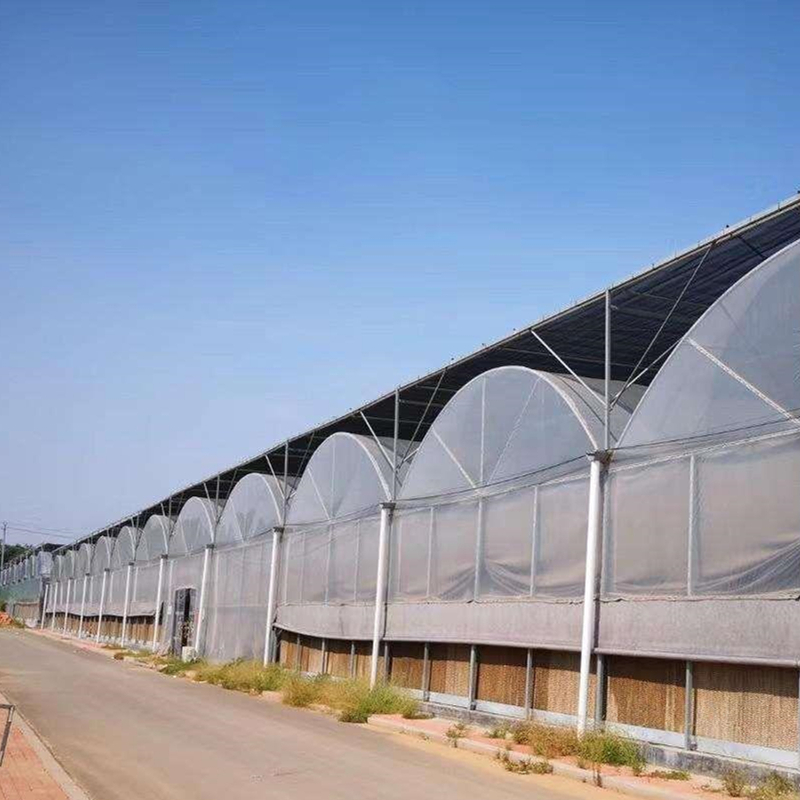
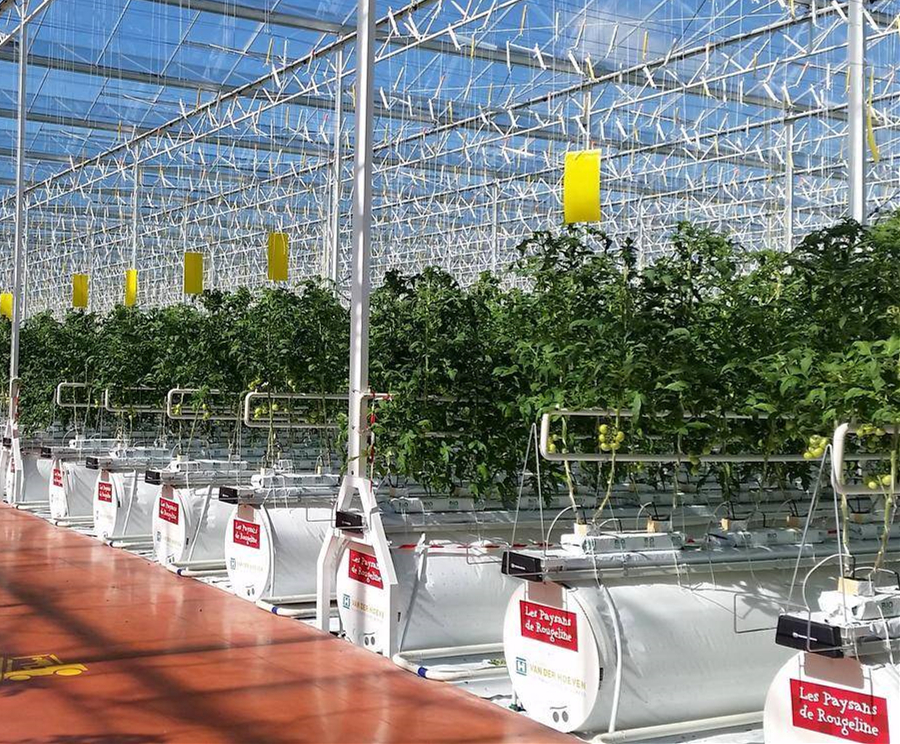
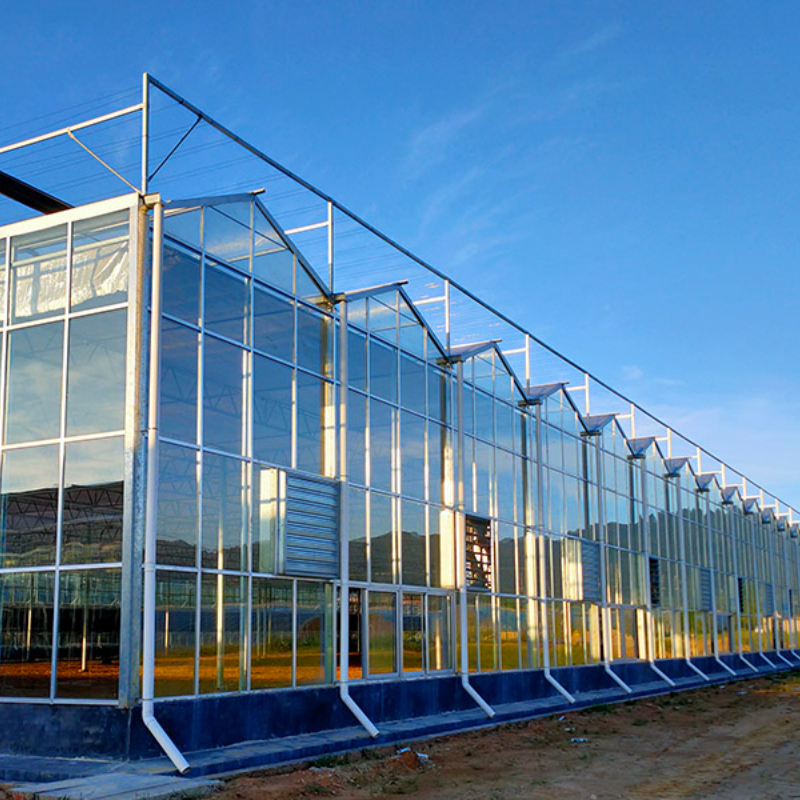
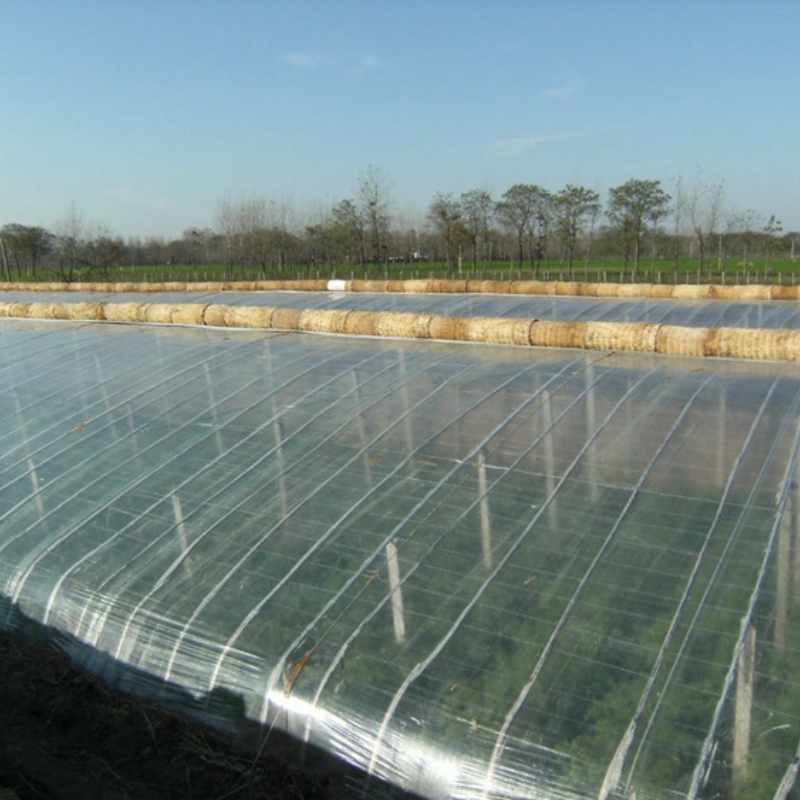
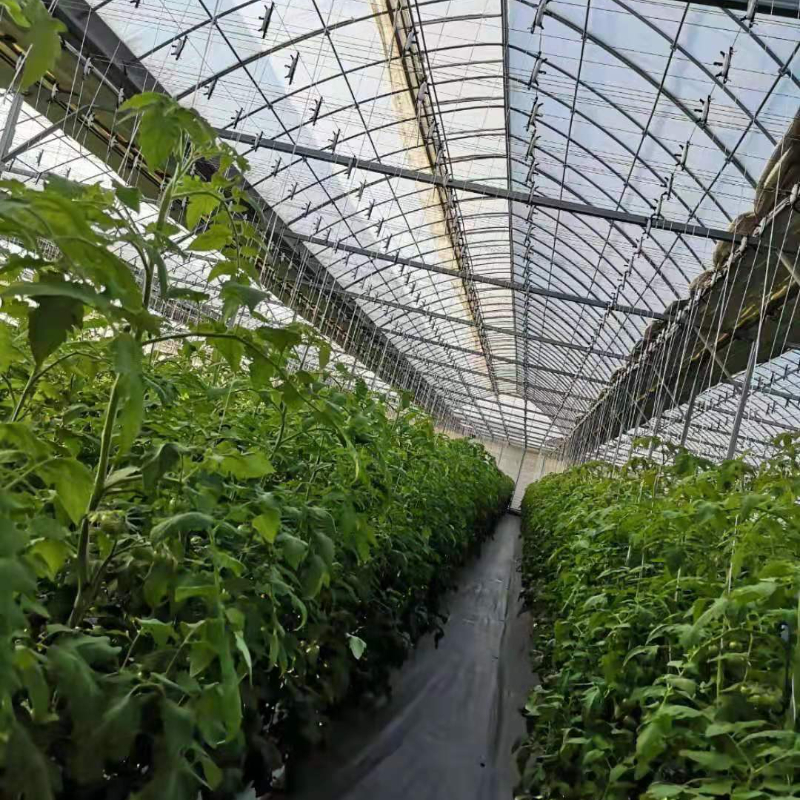
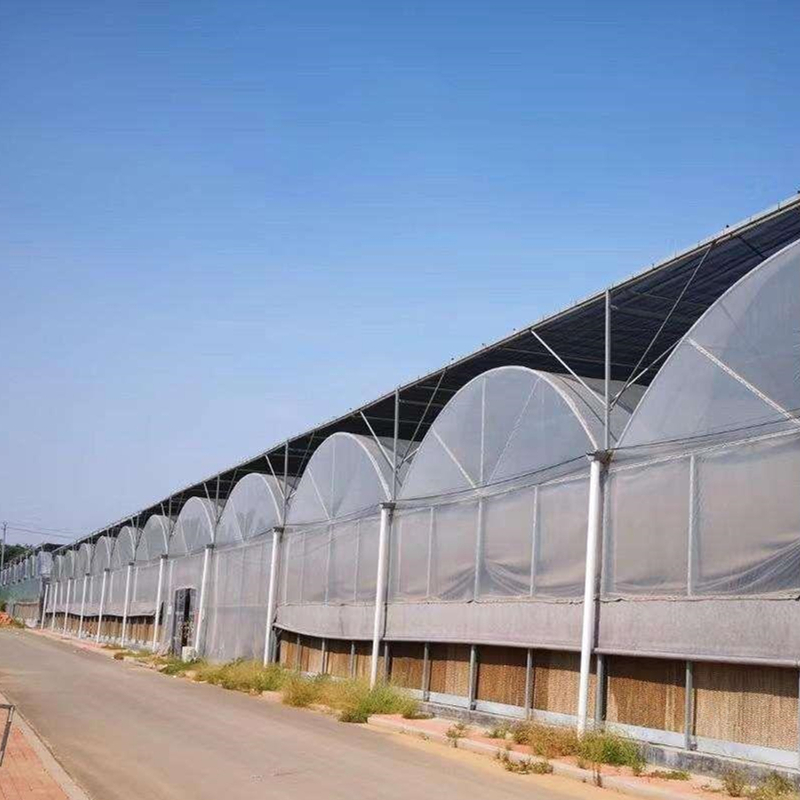
The level of automation and intelligence directly affects the production efficiency and labor intensity of greenhouse planting. Traditional greenhouses have a low level of automation, and most of the work relies on manual operation, resulting in high labor intensity and low production efficiency. This not only restricts the scale development of greenhouse planting, but also causes a series of health problems for growers.
In traditional greenhouse planting, almost all links such as sowing, seedling raising, irrigation, fertilization, pest and disease control, and harvesting rely on manual operation. For example, sowing and seedling raising need to be done manually, which is time-consuming and labor-intensive; irrigation and fertilization need to be carried out manually, which not only has low efficiency, but also has high labor intensity; pest and disease control needs to be done manually by spraying pesticides, which is not only harmful to the health of growers, but also has low efficiency; harvesting also needs to be done manually, which is time-consuming and labor-intensive. The high labor intensity makes many growers engaged in greenhouse planting suffer from diseases such as rheumatism, cervical spondylosis, scapulohumeral periarthritis, and low back and leg pain. According to relevant surveys, more than 60% of greenhouse growers have different degrees of occupational diseases, which seriously affects their quality of life.
In addition, the low level of automation in traditional greenhouses also leads to low production efficiency. A grower can usually only manage 1-2 mu of greenhouse land, and the scale of planting is limited. At the same time, the quality of manual operation is uneven, which is easily affected by factors such as the physical strength and technical level of growers, leading to unstable product quality. With the acceleration of urbanization in China, a large number of rural laborers have flowed to cities, resulting in a shortage of agricultural laborers and an increase in labor costs. The low level of automation and high labor intensity of traditional greenhouses make it difficult to attract young laborers, which further restricts the development of greenhouse planting.
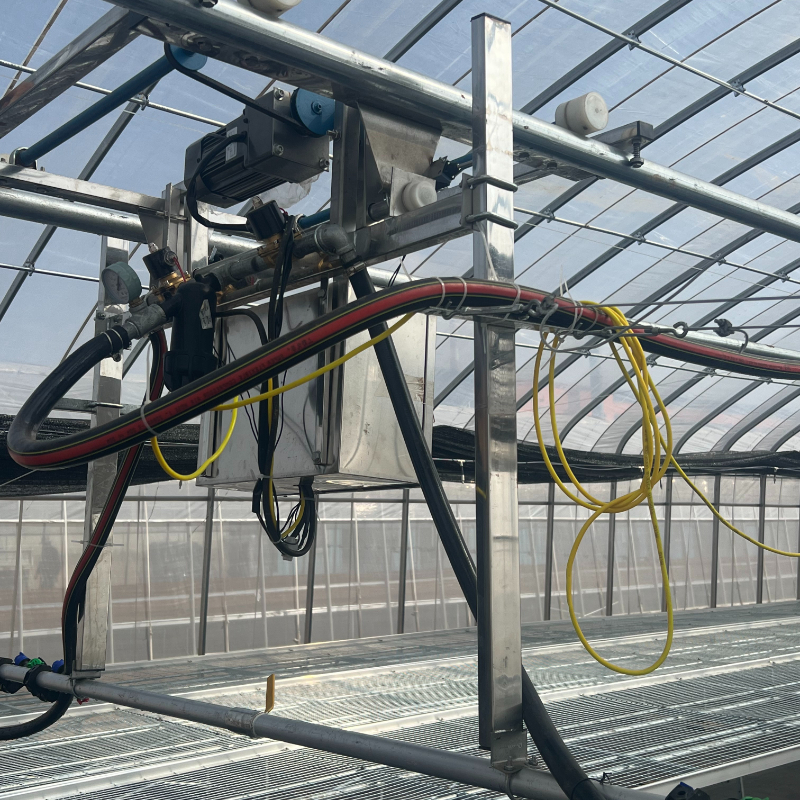
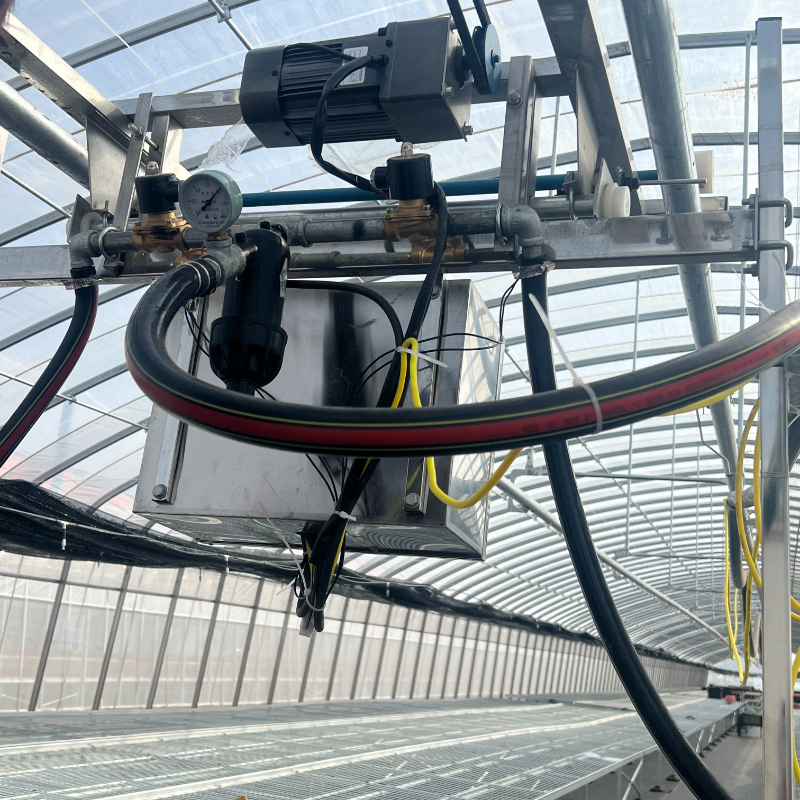
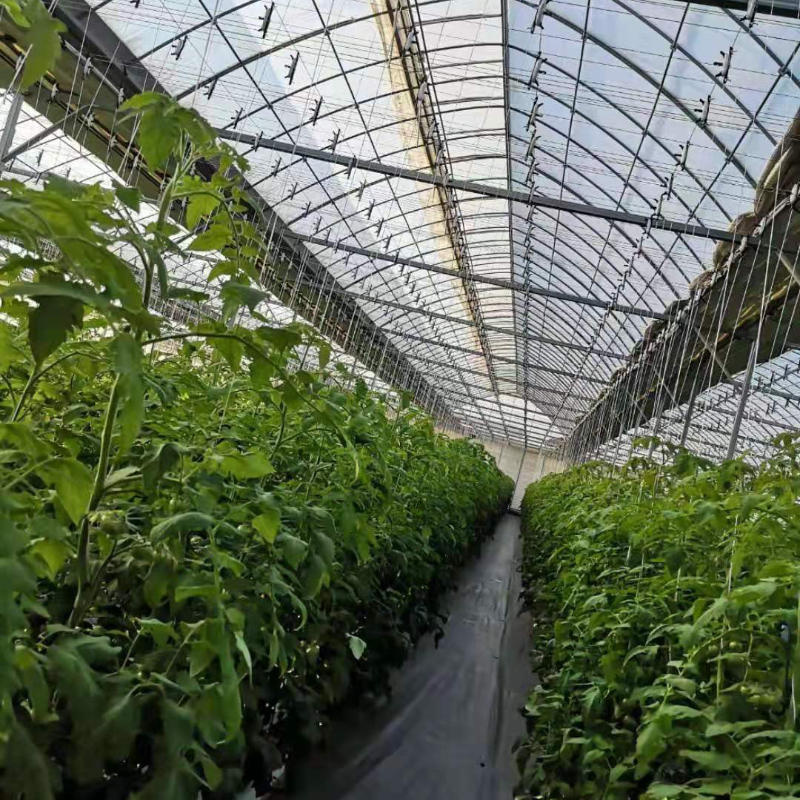
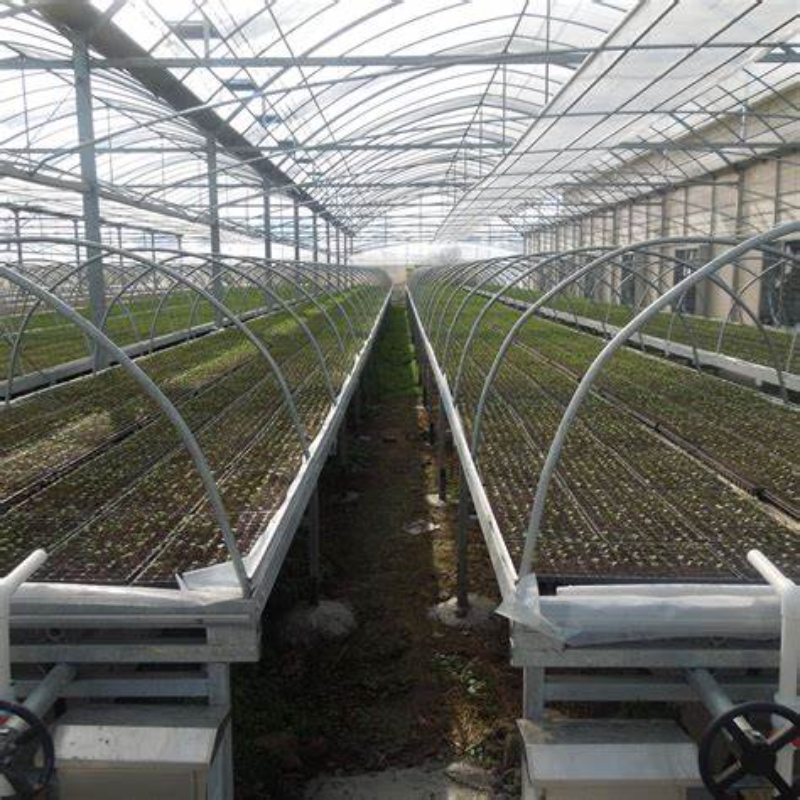
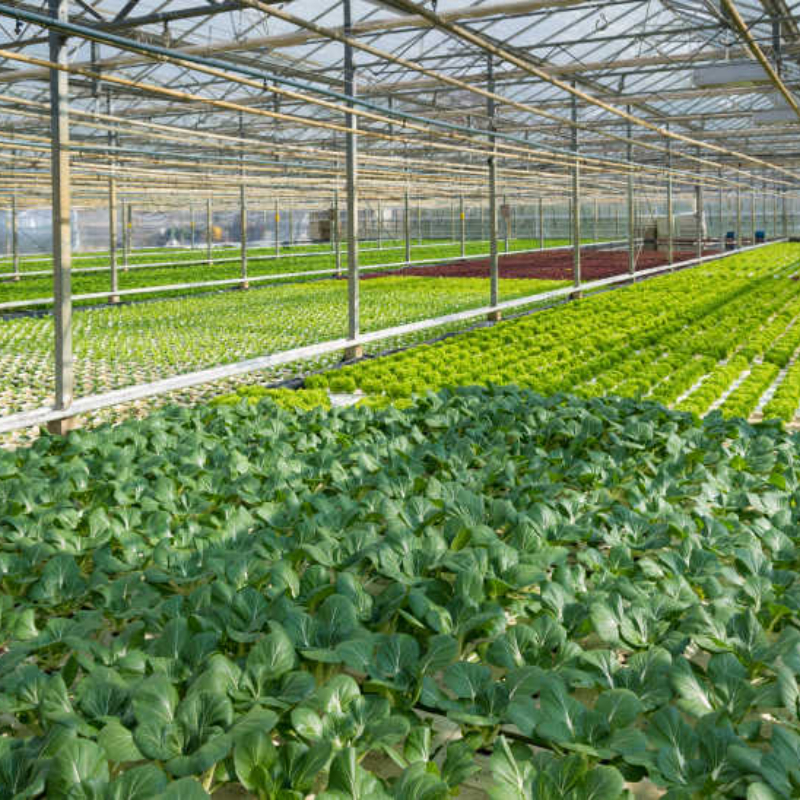
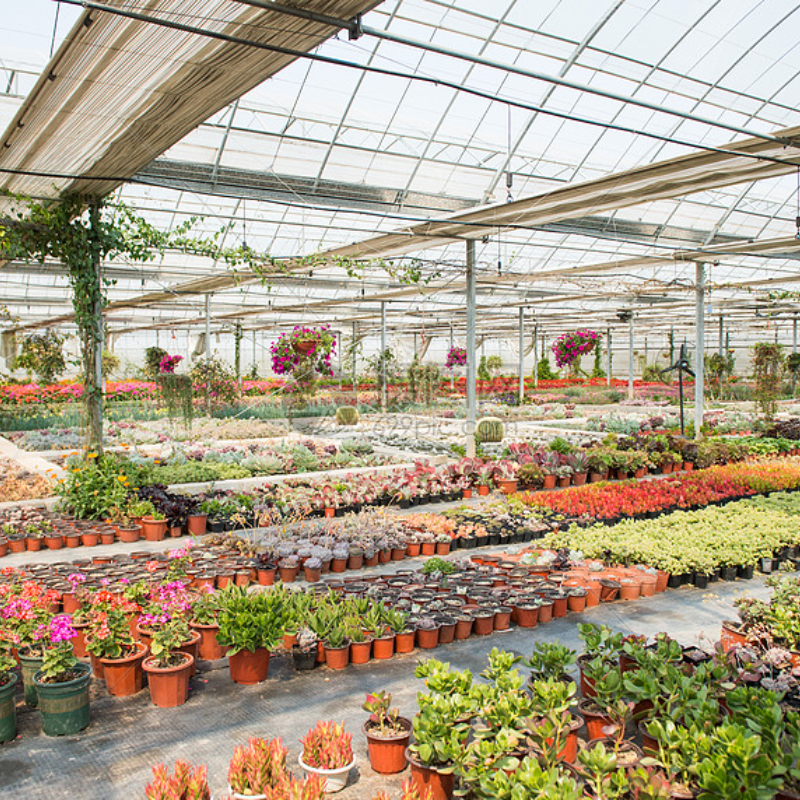
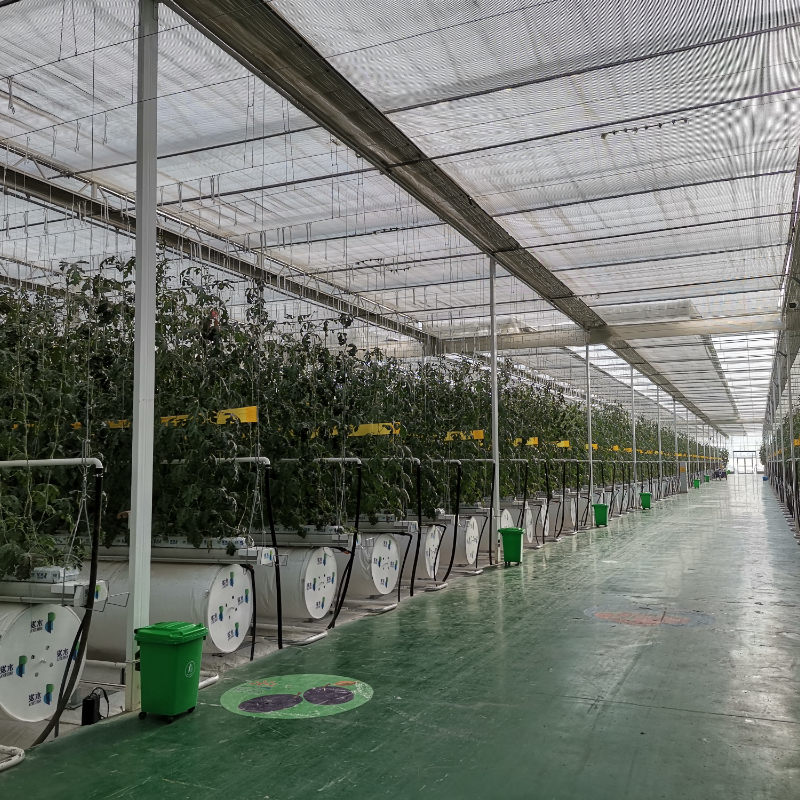
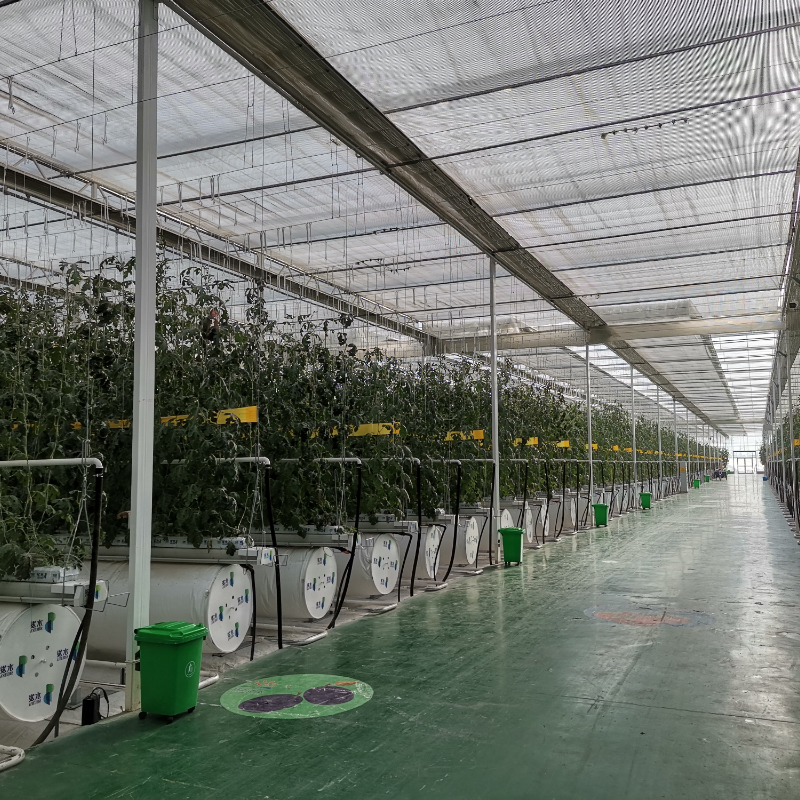
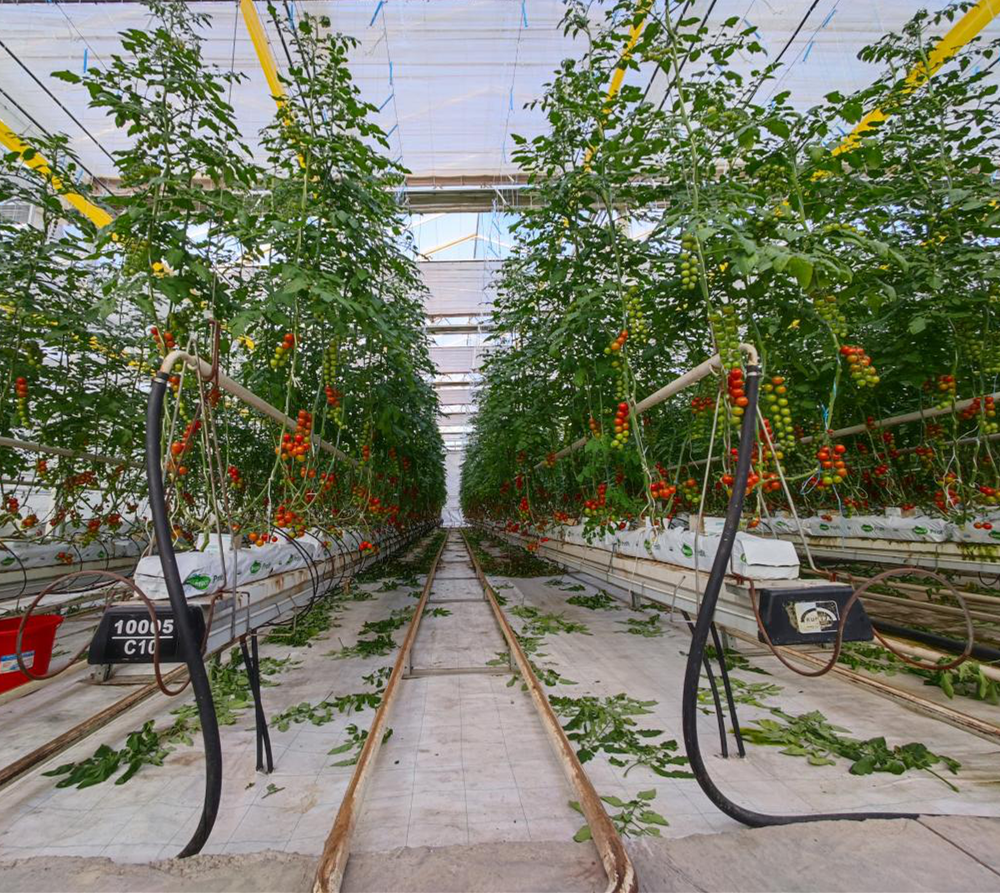
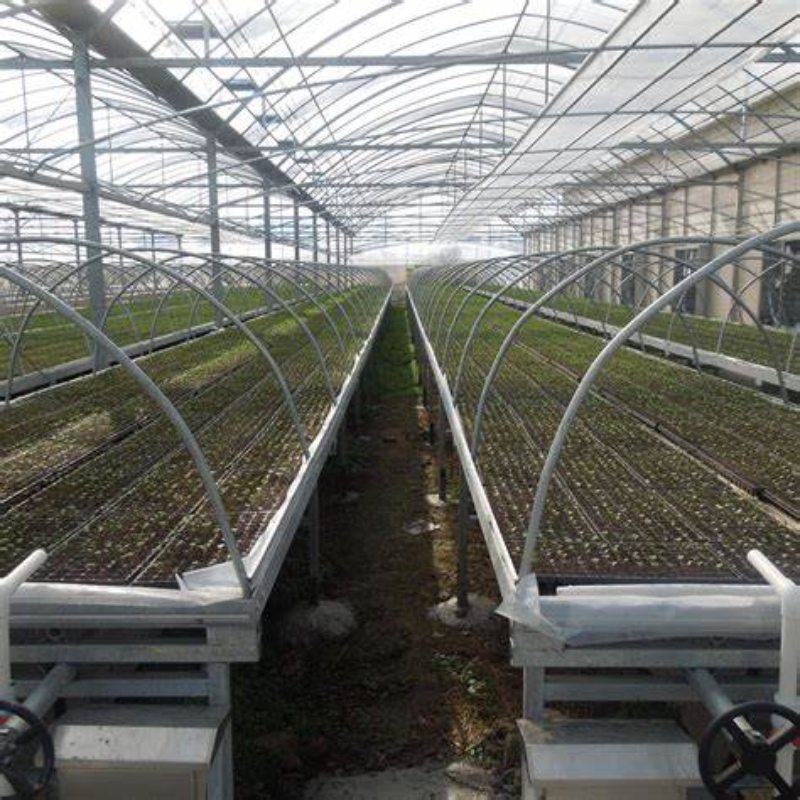
In contrast, intelligent greenhouses have a high level of automation and intelligence, which can significantly reduce labor input, improve production efficiency, and reduce labor intensity. Intelligent greenhouses integrate a series of automated equipment, such as automatic sowing machines, automatic seedling raising equipment, automatic irrigation and fertilization systems, automatic pest and disease control equipment, and automatic harvesting equipment. These automated equipment can complete various planting tasks without manual intervention, realizing the automation of the entire production process.
For example, the automatic sowing machine can accurately sow seeds into the seedling tray according to the preset sowing amount and spacing, which is not only efficient, but also ensures the uniformity of sowing; the automatic seedling raising equipment can automatically control the environmental conditions of the seedling raising room, such as temperature, humidity, and light intensity, ensuring the quality and survival rate of seedlings; the automatic irrigation and fertilization system can automatically complete irrigation and fertilization tasks according to the growth needs of crops, without manual operation; the automatic harvesting equipment can automatically identify and harvest mature crops, greatly improving harvesting efficiency.
