
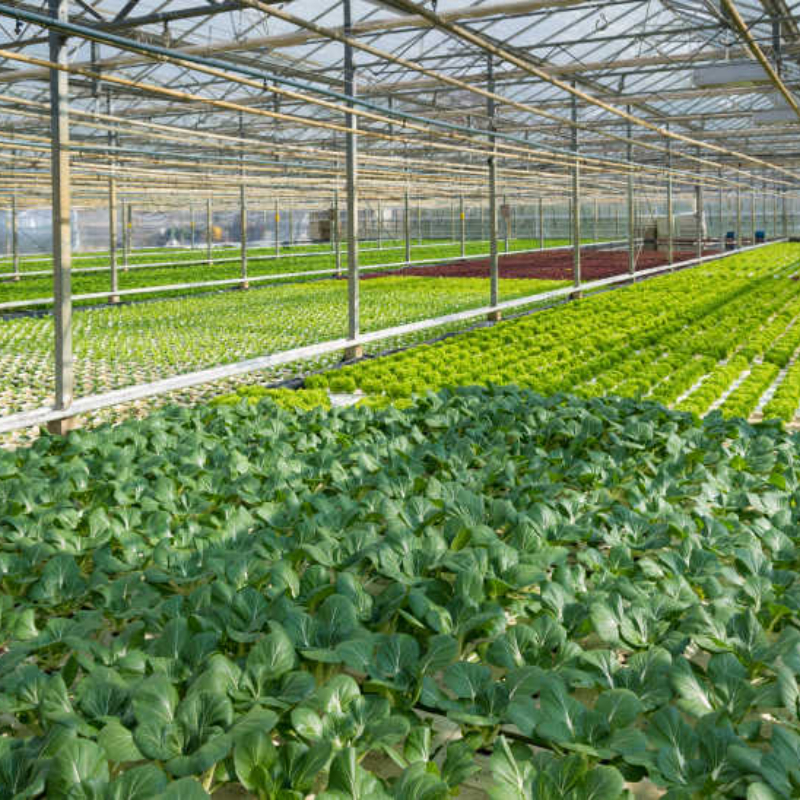
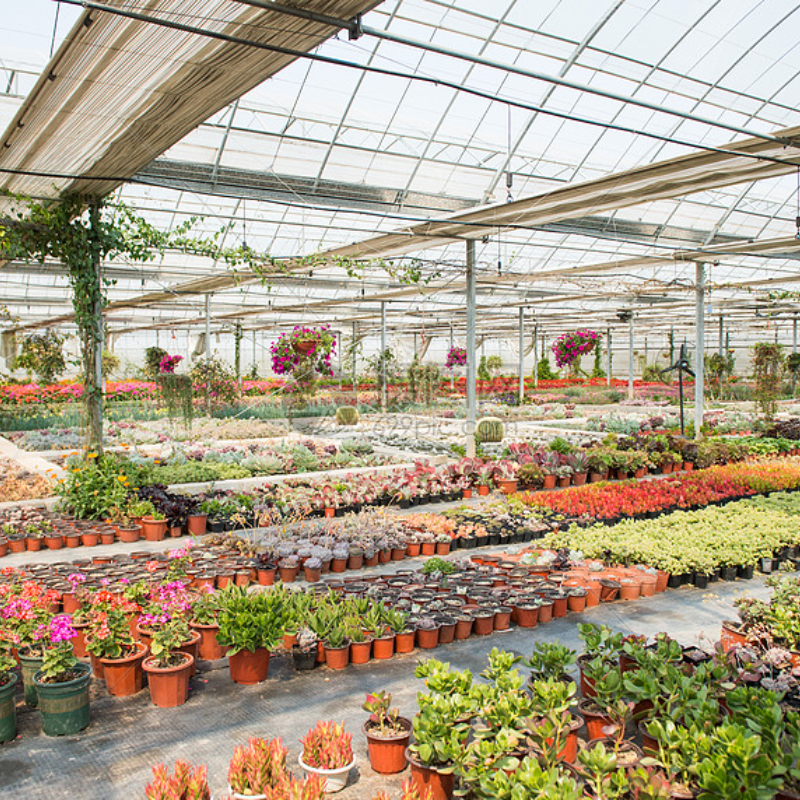
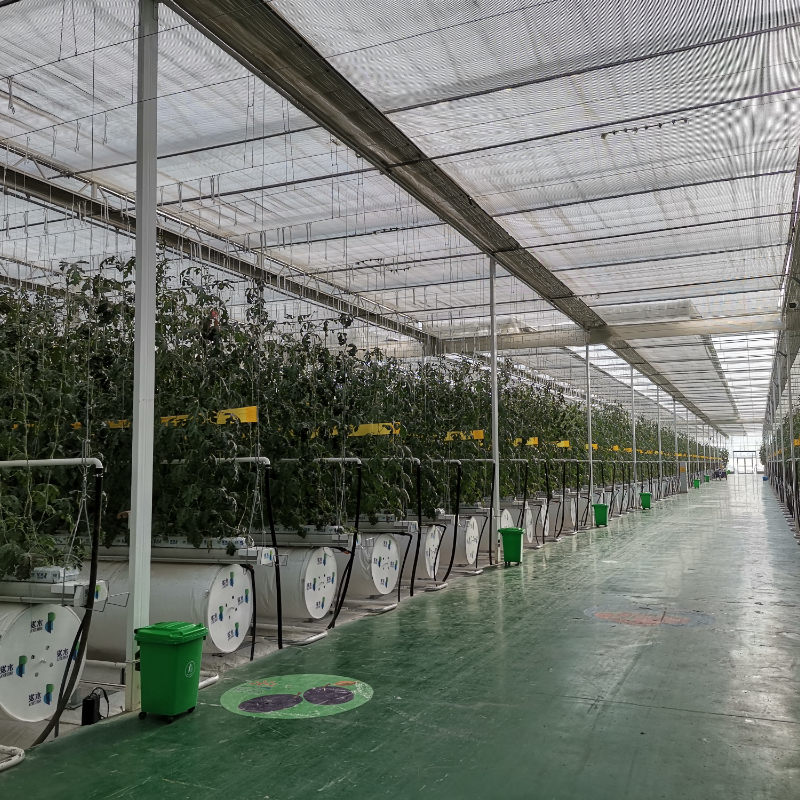
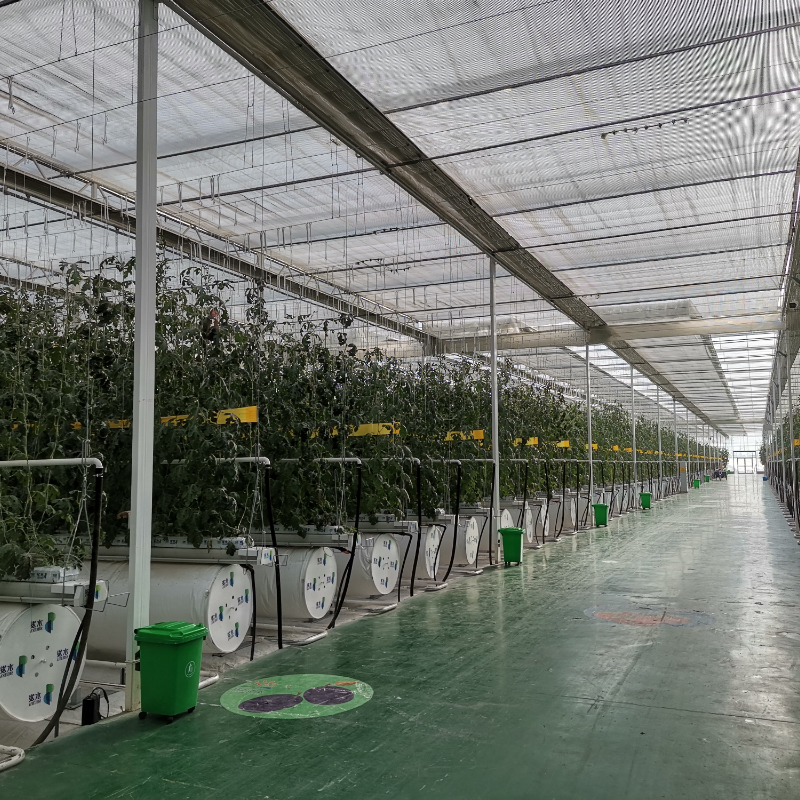
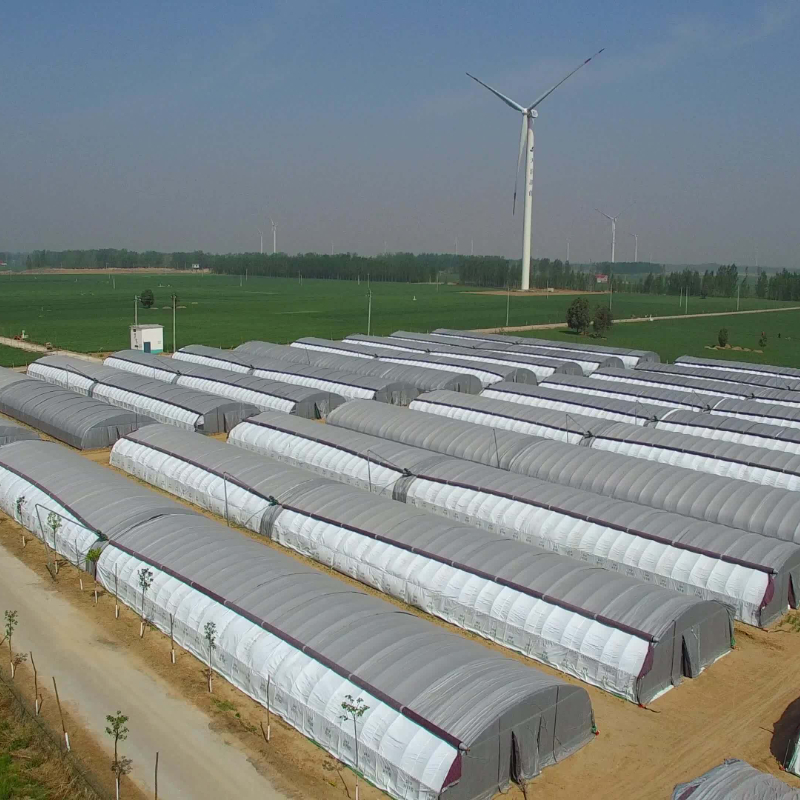
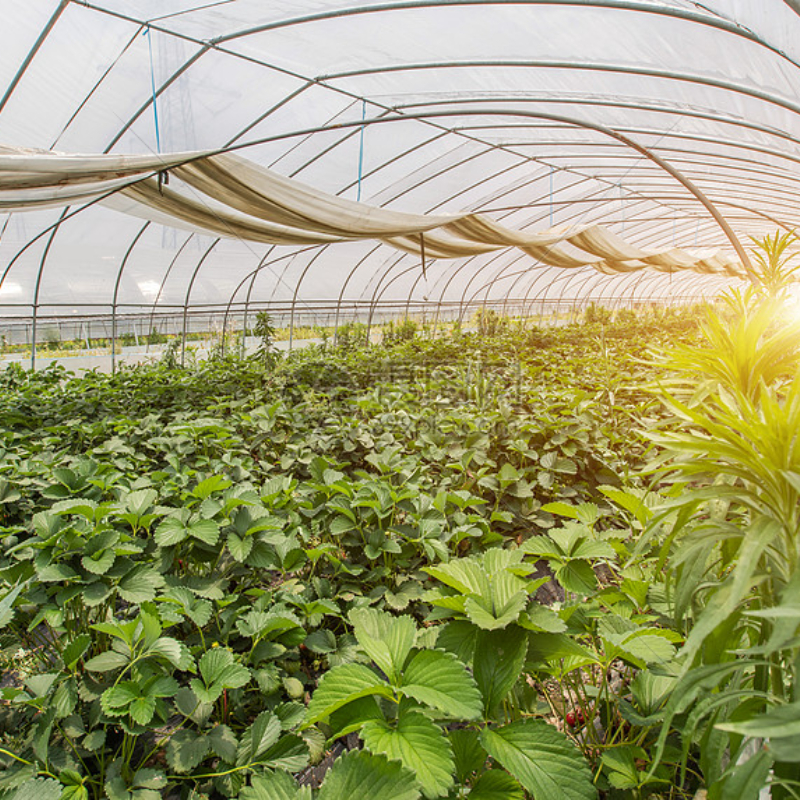
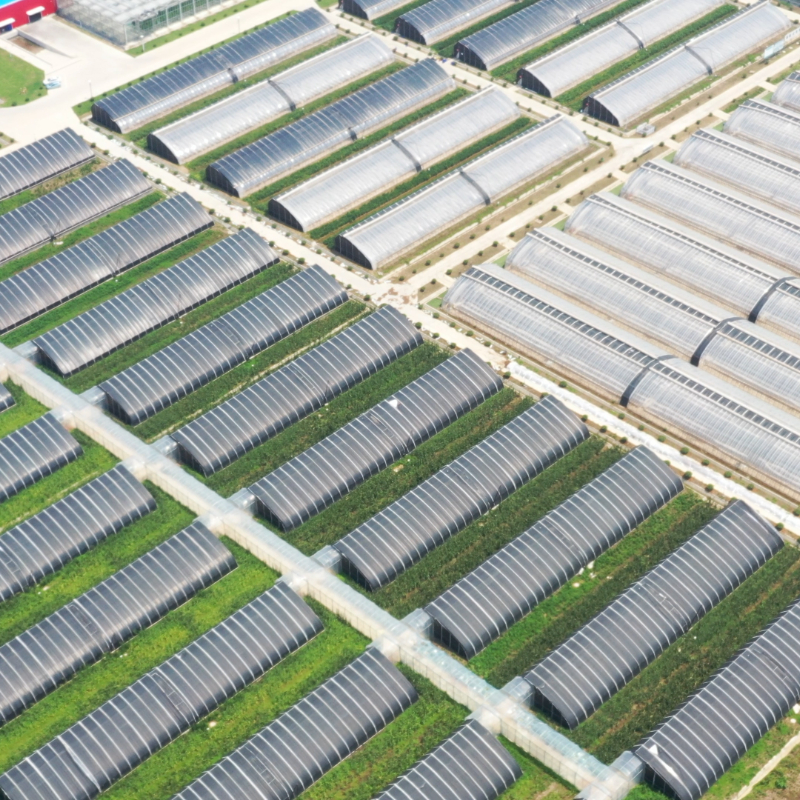
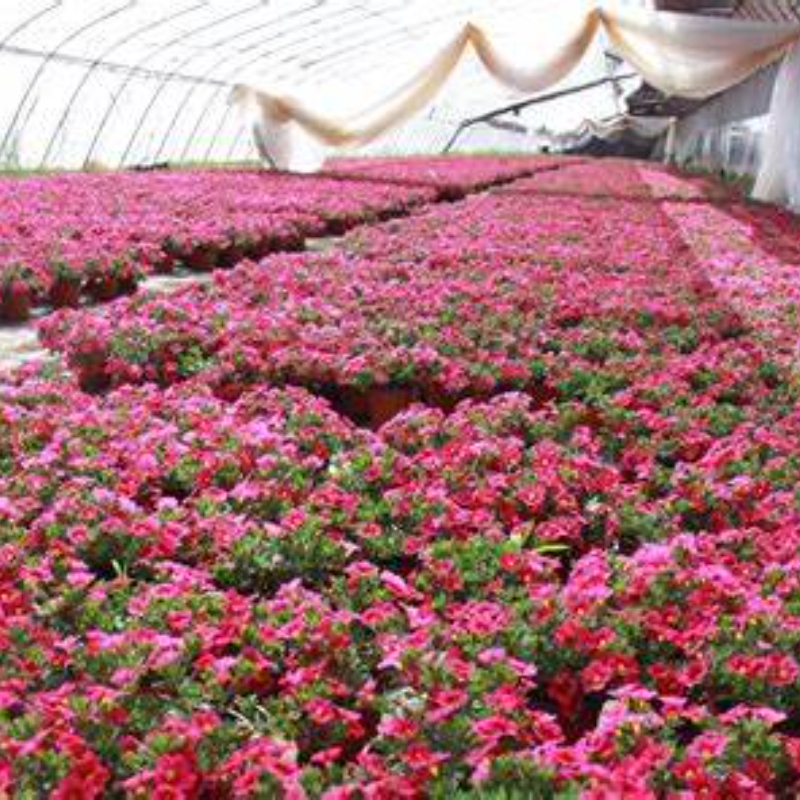
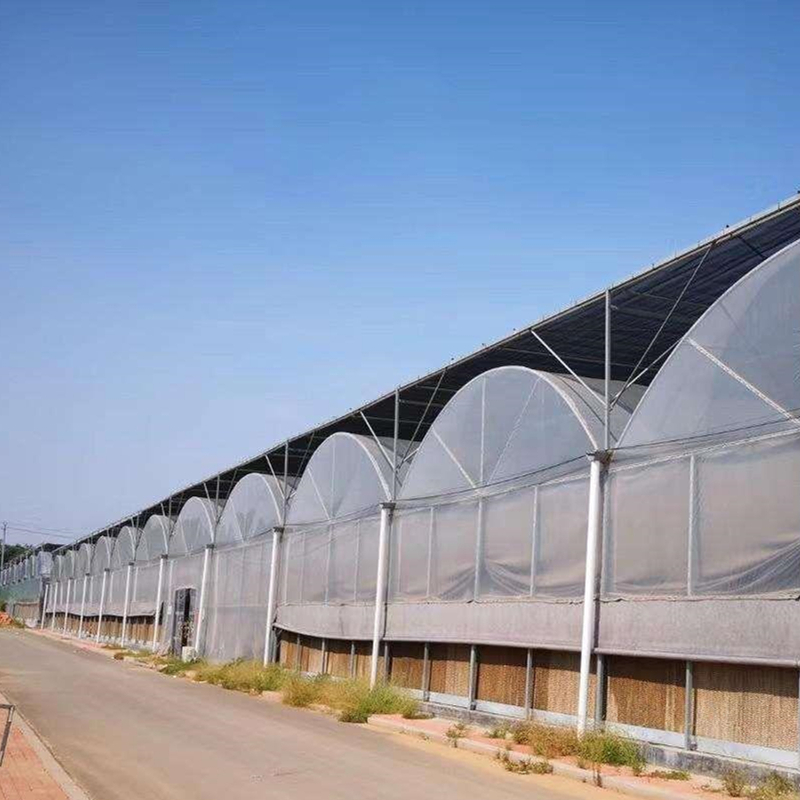
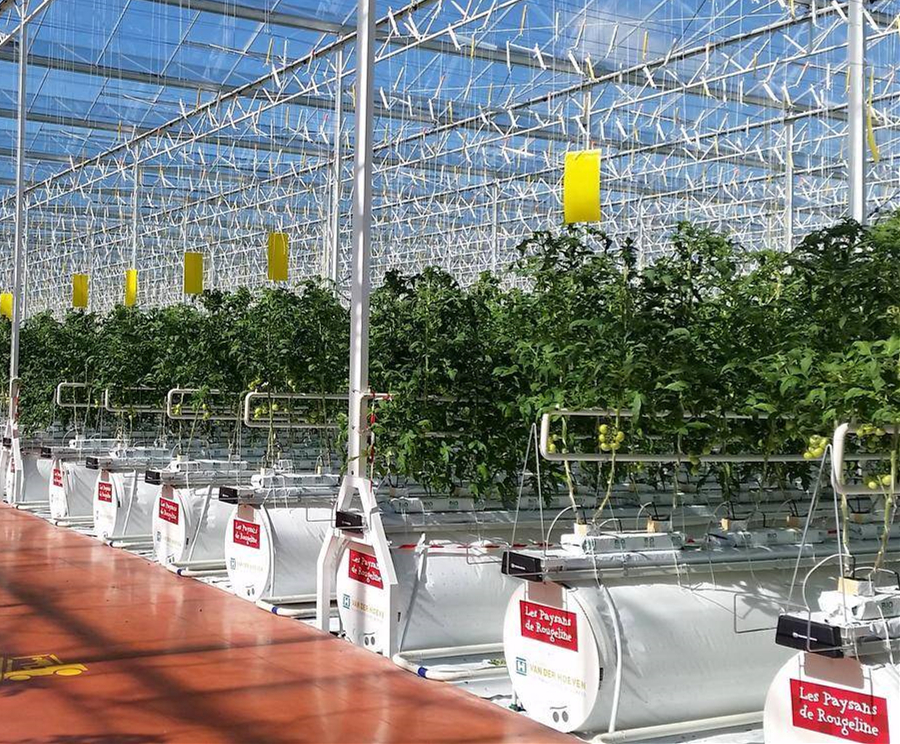
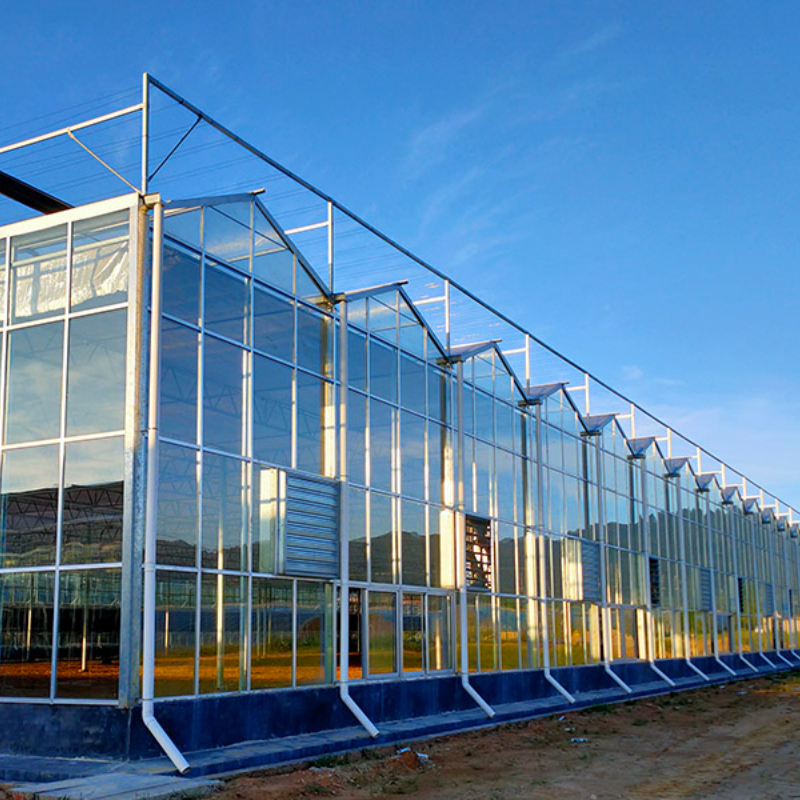
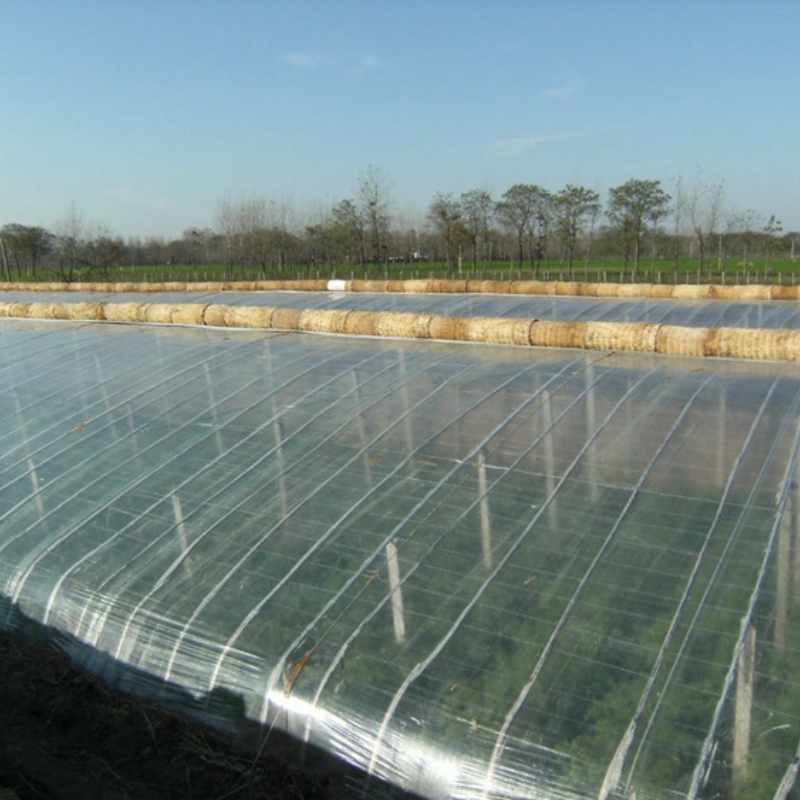
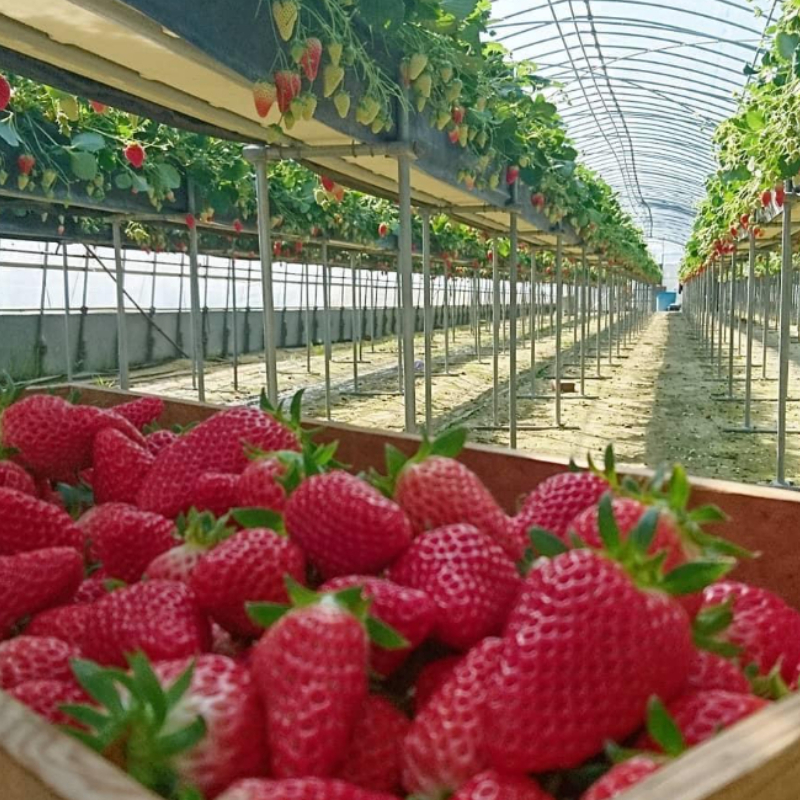
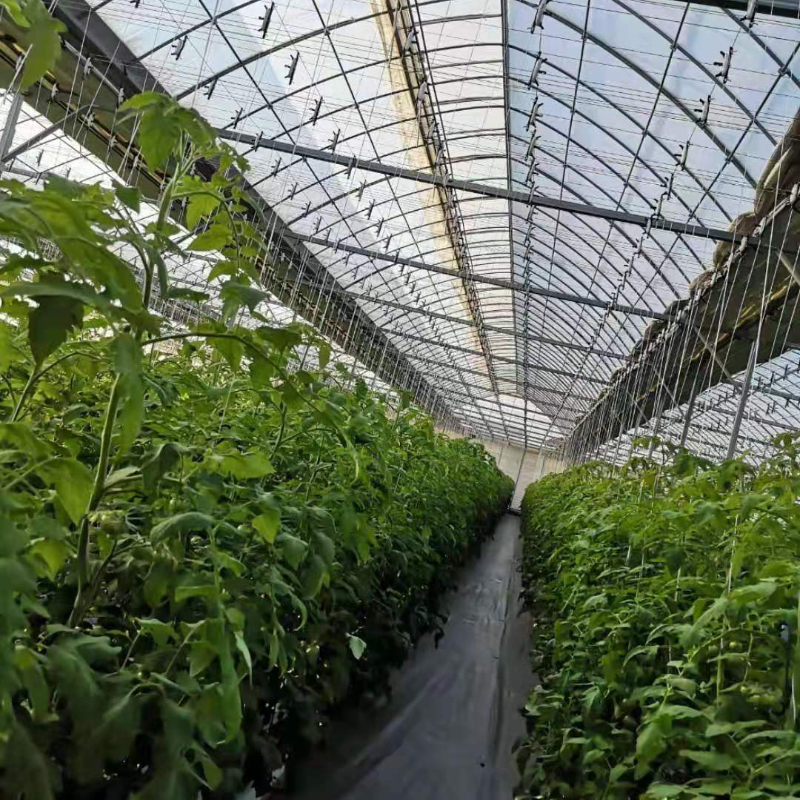
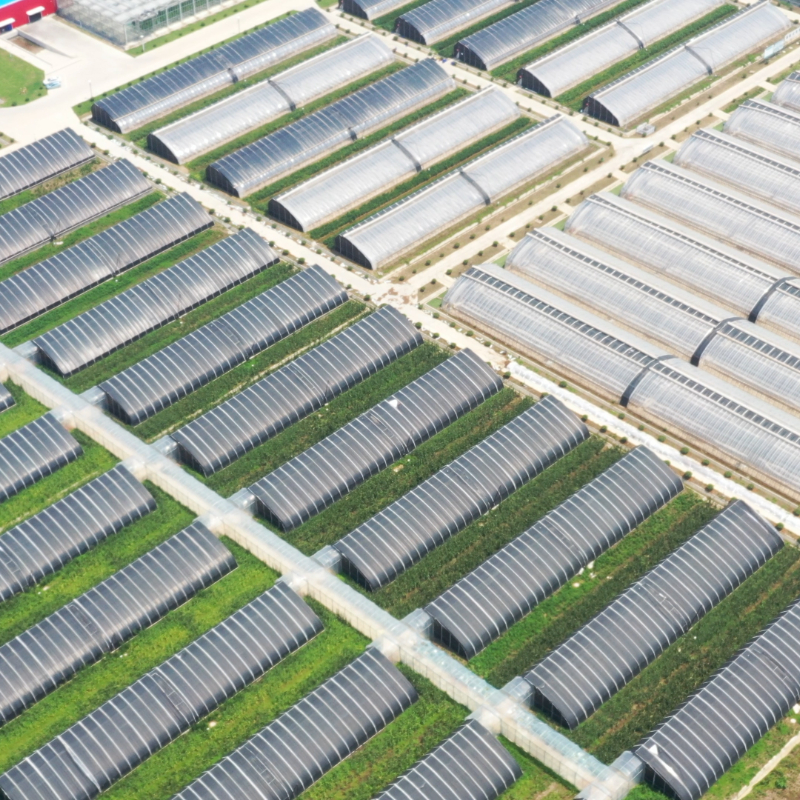
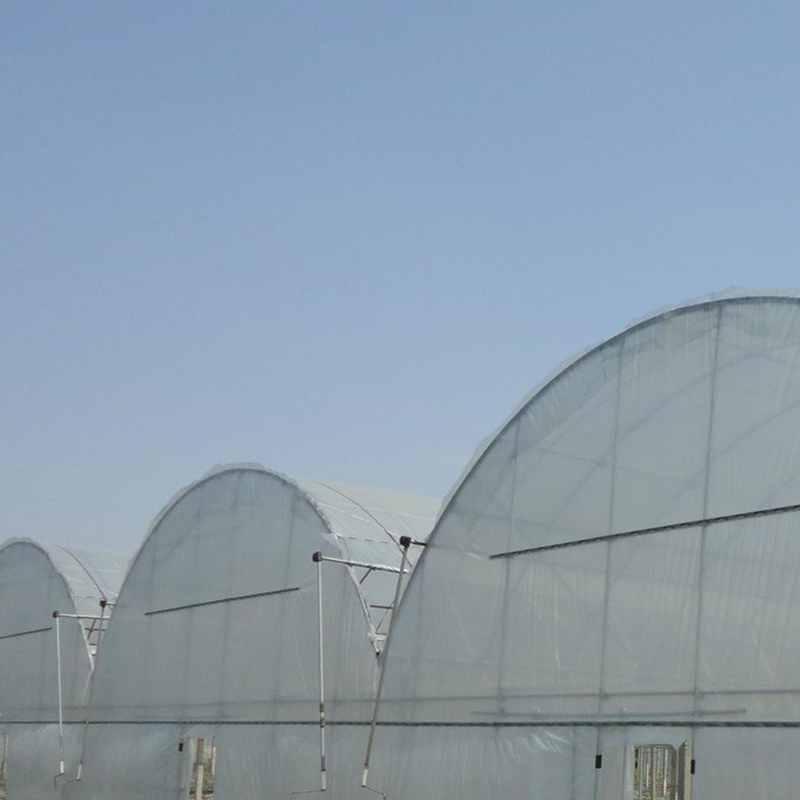
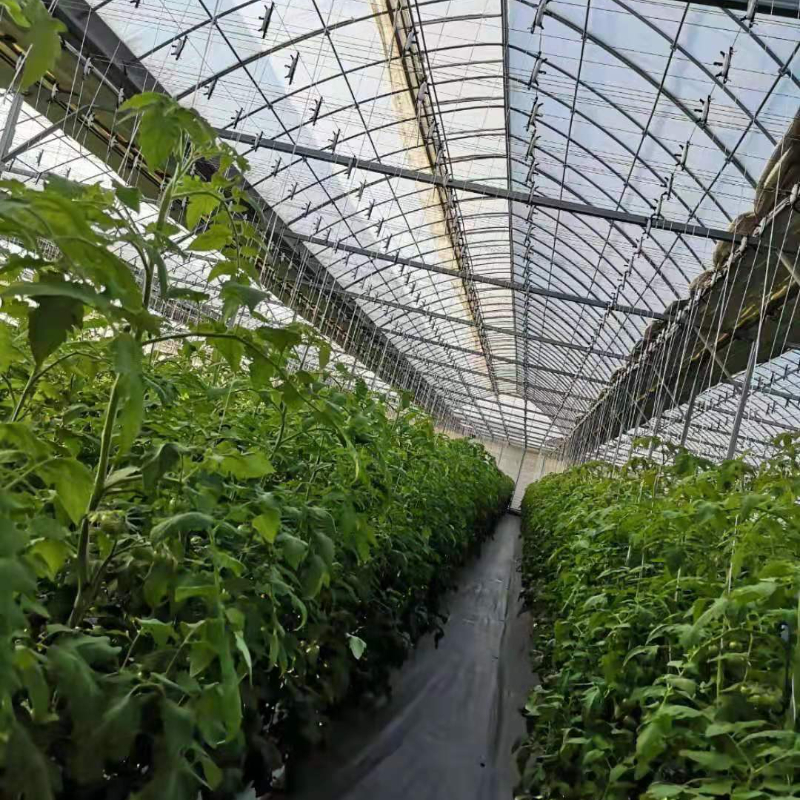
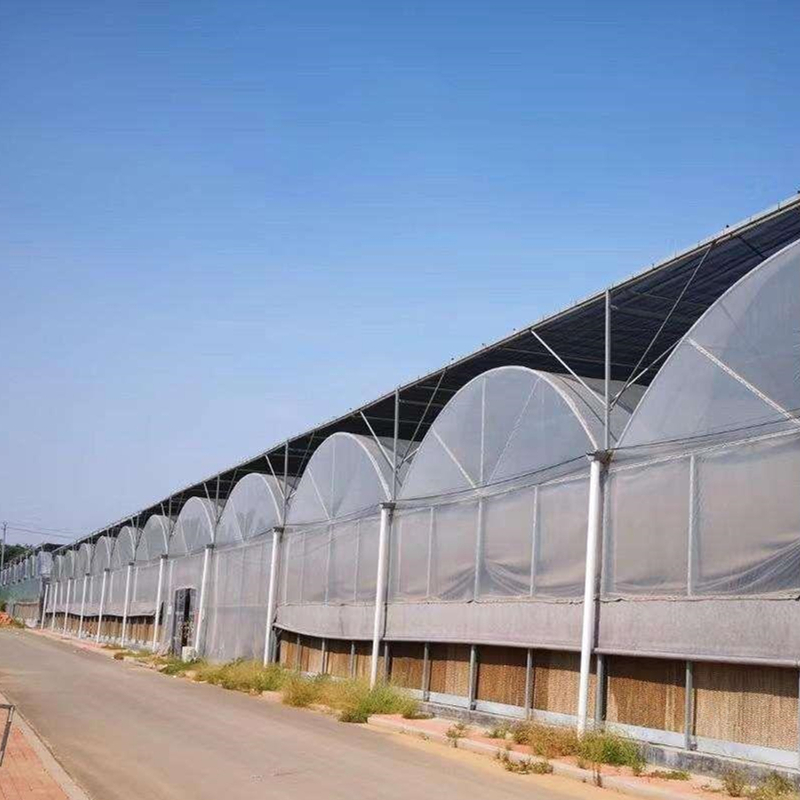
For a long time, "relying on the weather for food" has been a major obstacle to the development of agriculture in China. Traditional greenhouse planting lacks systematic data recording and analysis, and management decisions are mainly based on the personal experience of growers. This experience-driven management model has great limitations, which makes it impossible to realize refined agricultural management. Once encountering natural disasters or market changes, growers may face huge losses.
In traditional greenhouse planting, growers rarely record the growth status of crops, environmental parameters, irrigation and fertilization amounts, pest and disease occurrence, and other data in a systematic way. Even if there is a record, it is mostly manual written records, which are scattered and difficult to sort out and analyze. This makes it impossible for growers to summarize and learn from the experience of previous planting, and it is also impossible to accurately grasp the laws of crop growth and the relationship between environmental factors and crop growth. When making management decisions, such as choosing crop varieties, determining the sowing time, and formulating irrigation and fertilization plans, growers can only rely on their own experience and intuition, which is often inaccurate. For example, if a grower chooses a crop variety that is not suitable for the local climate and soil conditions based on experience, it may lead to poor growth of the crop and reduced yield; if the irrigation and fertilization plan is formulated unreasonably, it may cause resource waste and environmental pollution.
In addition, the lack of data support makes traditional greenhouse planting unable to effectively respond to natural disasters and market changes. For example, when encountering extreme weather such as heavy rain, drought, and cold wave, growers cannot predict the impact of the disaster on crops in advance, and cannot take effective preventive measures in time, which may lead to the failure of crops and the loss of a year's hard work. In terms of market changes, growers cannot accurately grasp market demand and price trends, and often blindly plant crops, resulting in overcapacity or shortage of supply, affecting economic benefits.
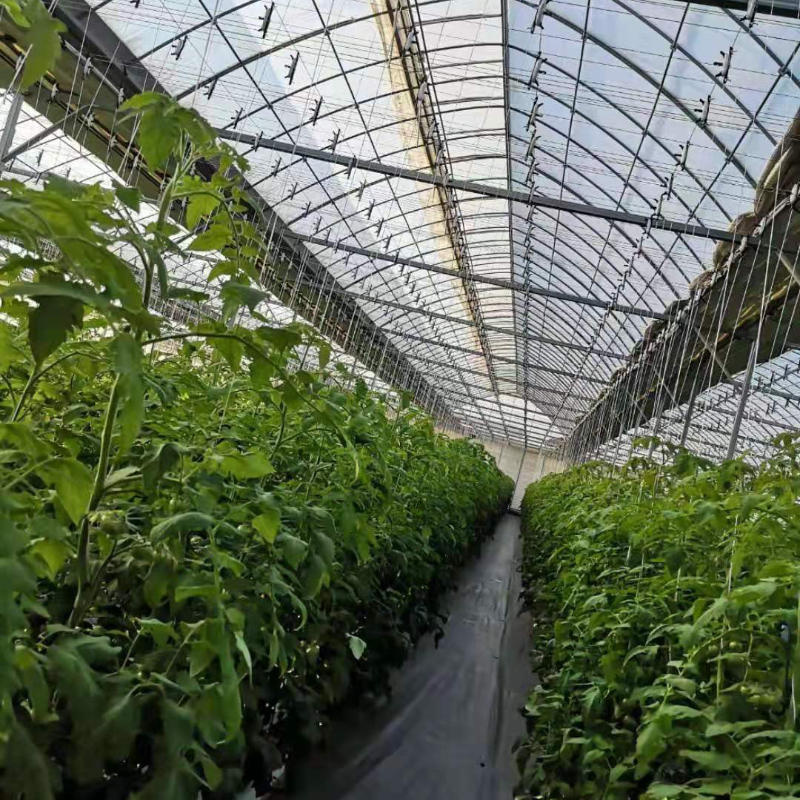
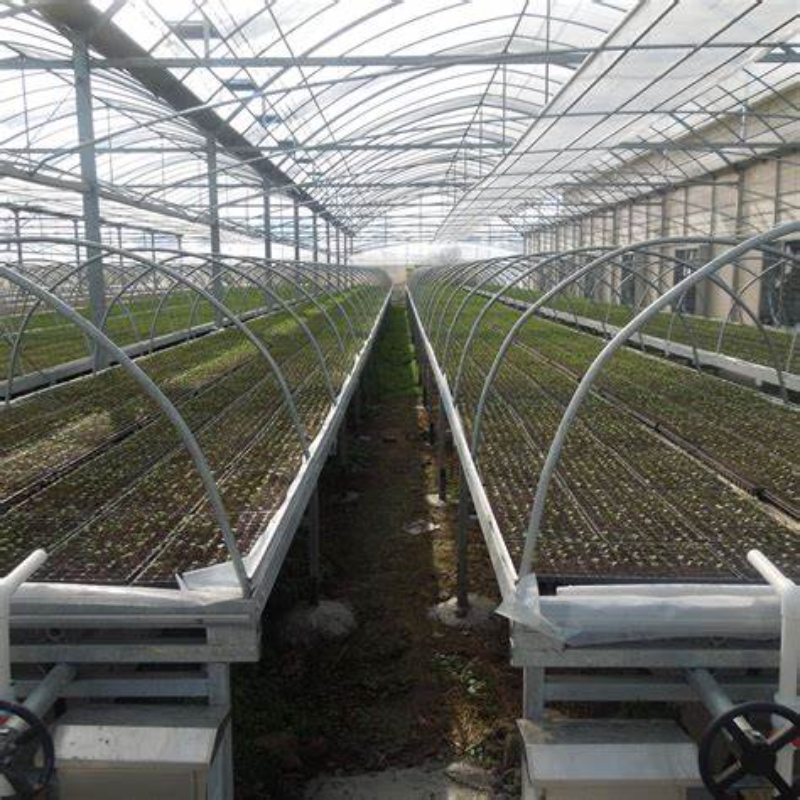
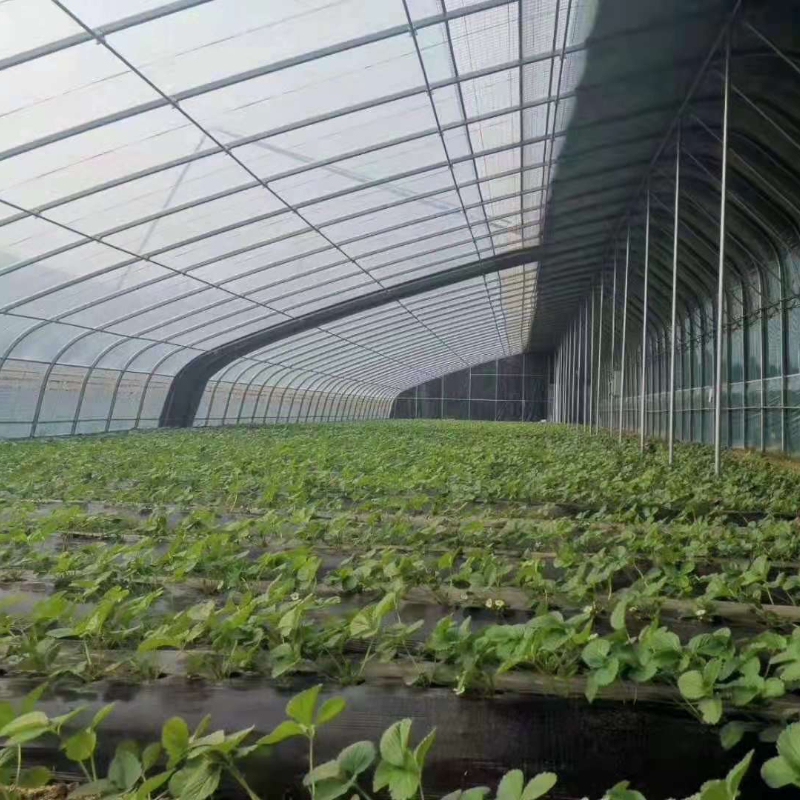
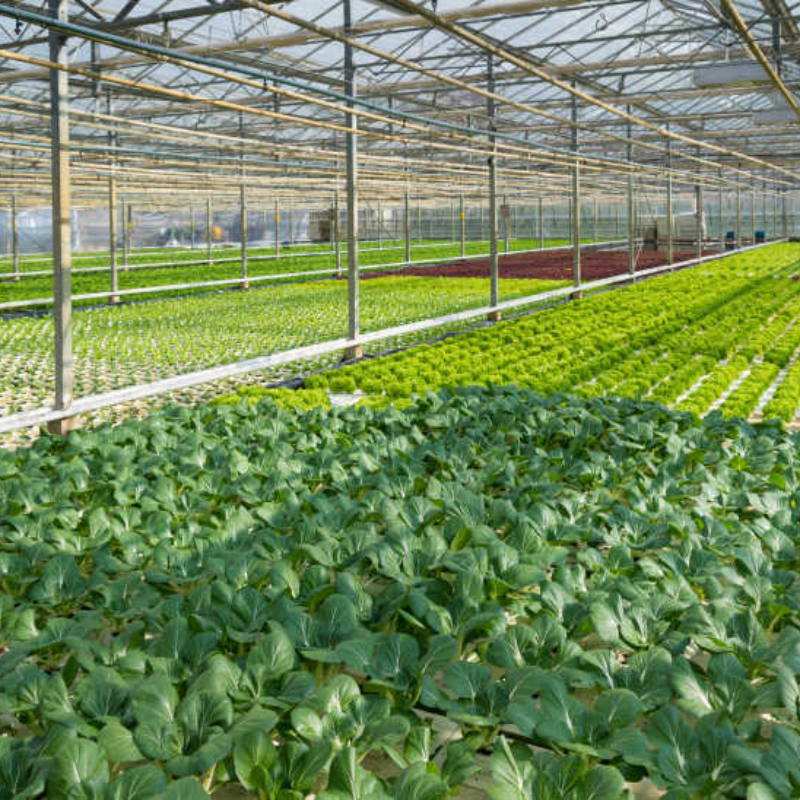
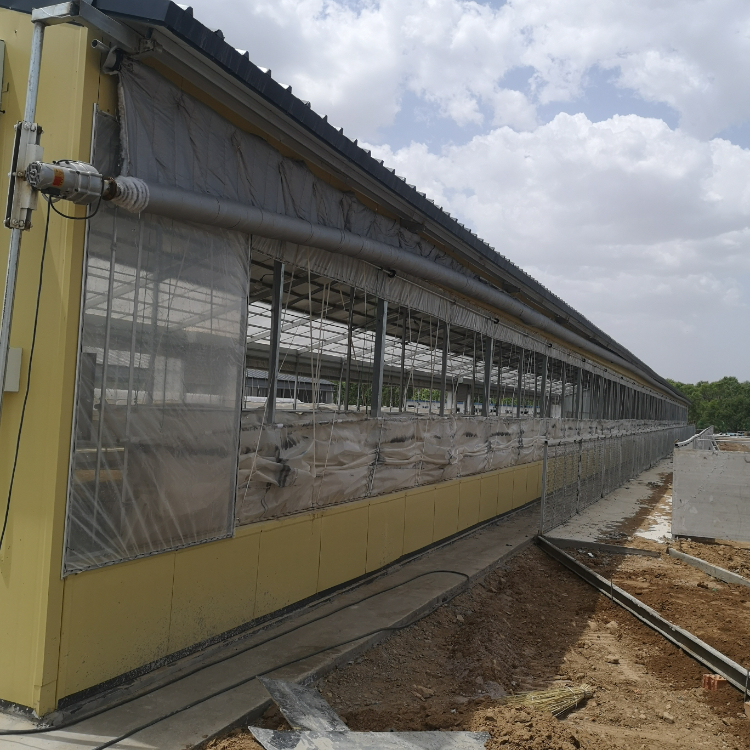
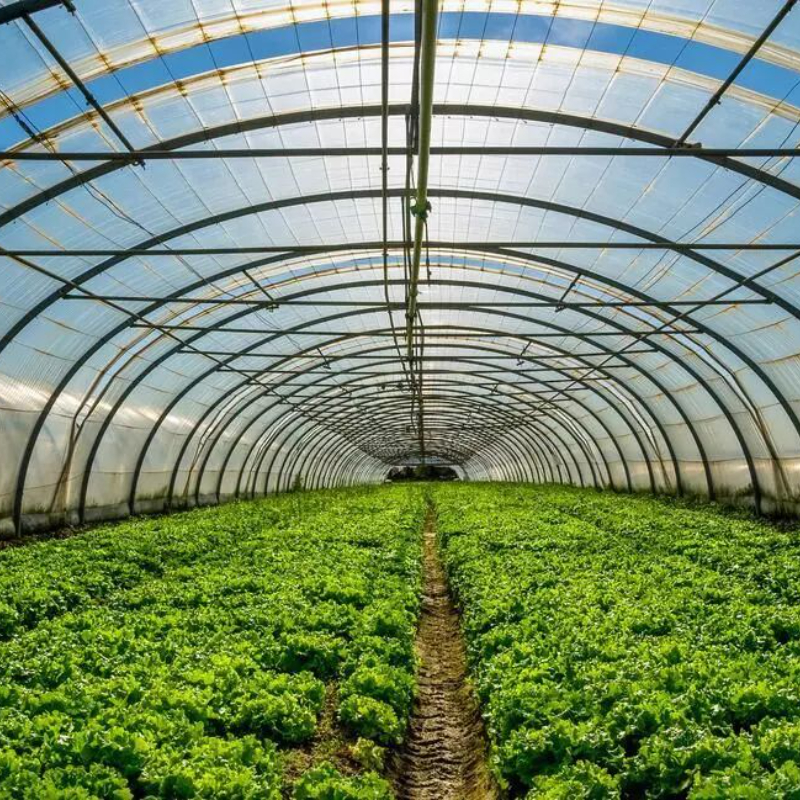
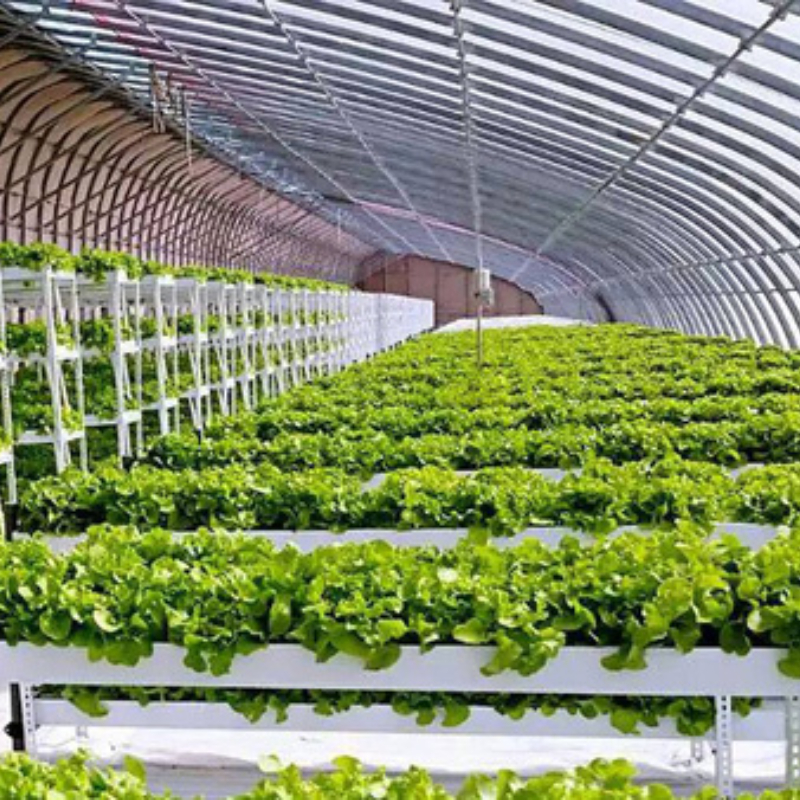
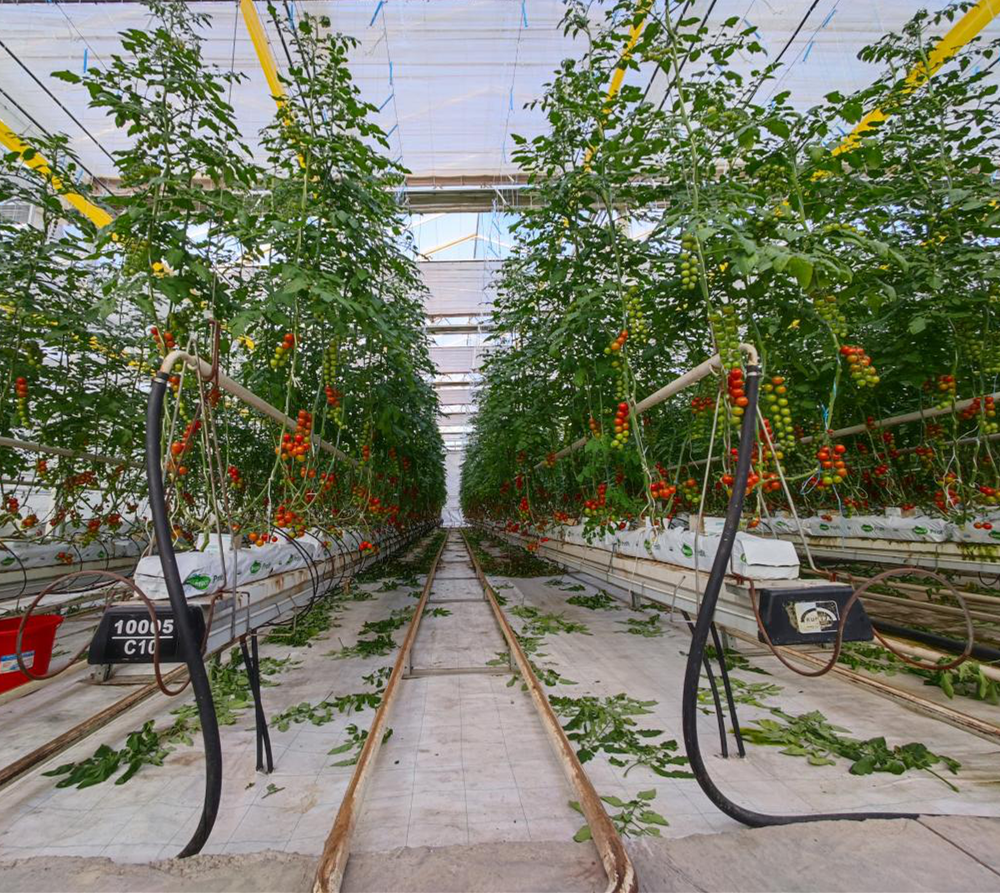
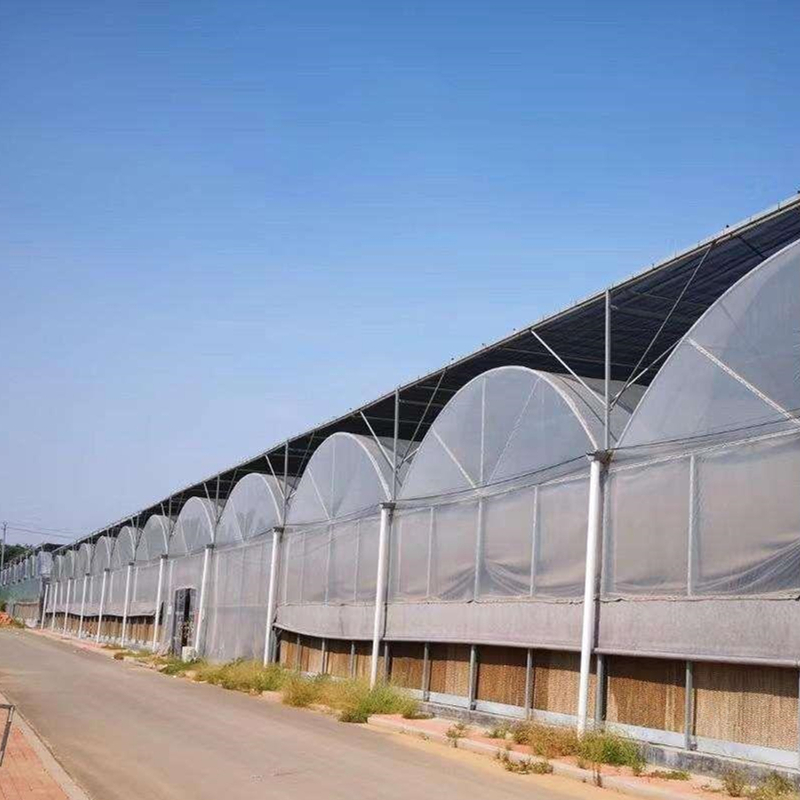
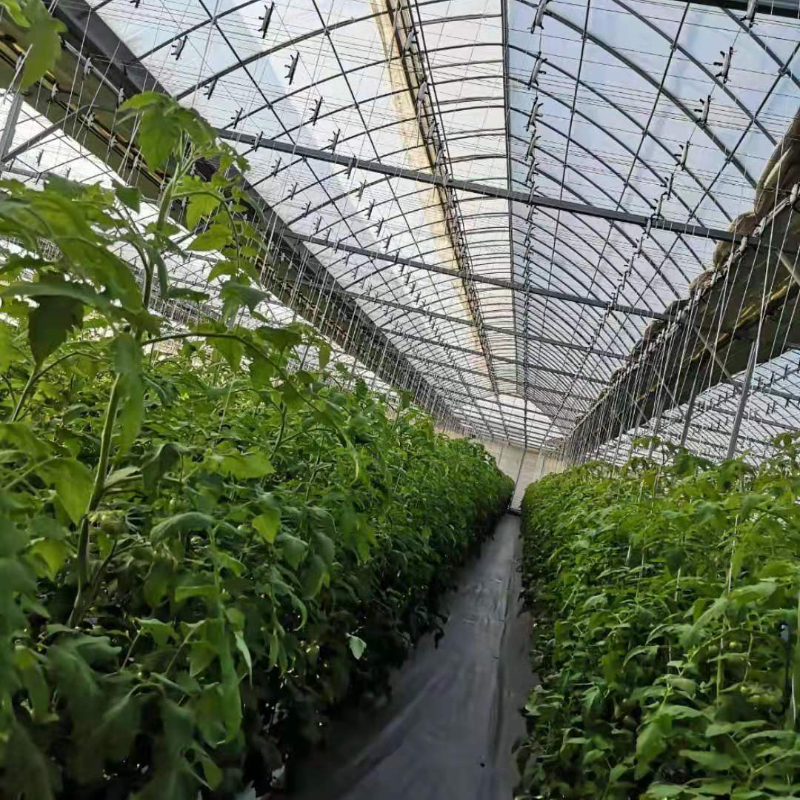
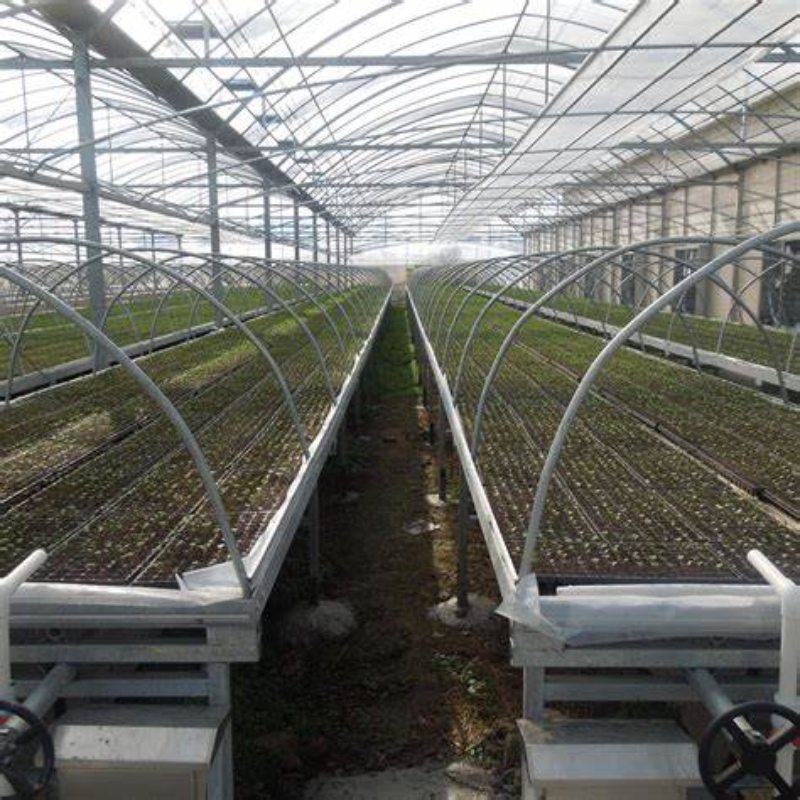
As a new type of modern agricultural facility, intelligent greenhouses have changed the traditional experience-driven management model and realized science-driven refined management by integrating big data analysis and AI algorithms. The core of intelligent greenhouse data management is the full-cycle data collection and analysis of crop growth, which provides scientific planting suggestions and decision support for managers.
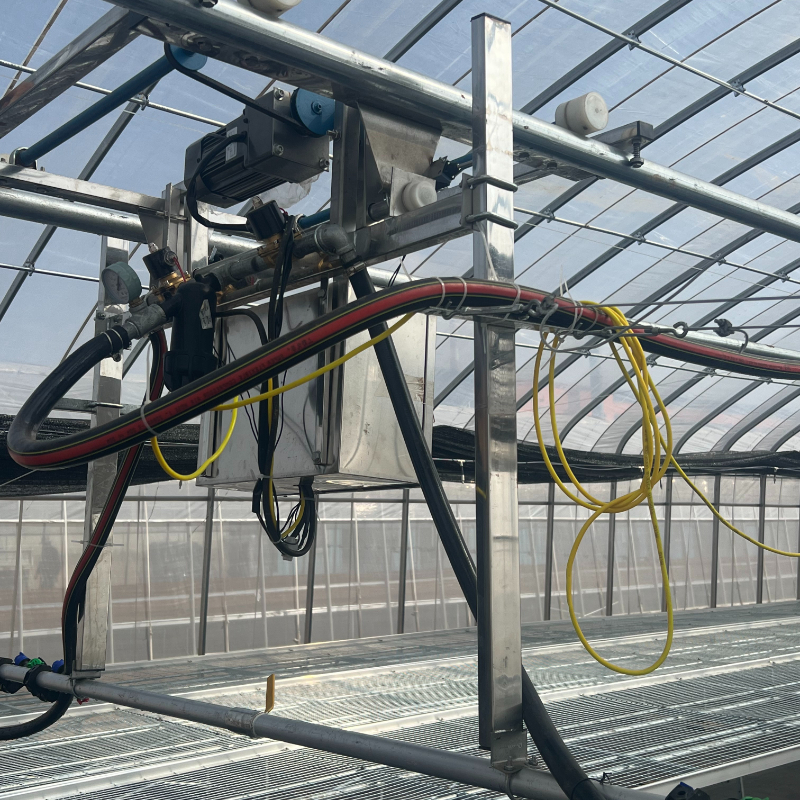
Intelligent greenhouses collect a large amount of data throughout the entire crop growth cycle through various sensors and intelligent equipment. These data include environmental data (temperature, humidity, light intensity, carbon dioxide concentration, etc.), soil data (soil moisture, soil pH, soil nutrient content, etc.), crop growth data (plant height, stem diameter, leaf area, flowering time, fruiting time, yield, etc.), and management data (irrigation amount, fertilization amount, pest and disease control measures, etc.). All these data are transmitted to the big data analysis platform in real time through the IoT system, and stored in a centralized manner.
The big data analysis platform uses AI algorithms to process and analyze the collected data. The platform can dig out the laws of crop growth and the relationship between various environmental factors and crop growth through data mining and statistical analysis. For example, the platform can analyze the impact of different temperature and humidity conditions on the growth rate and yield of crops, and determine the optimal growth environment for crops; it can also analyze the relationship between irrigation and fertilization amounts and crop yield and quality, and formulate the most reasonable irrigation and fertilization plan. In addition, the platform can also predict the growth trend of crops, the occurrence risk of pests and diseases, and market demand and price trends based on historical data and real-time data.
