
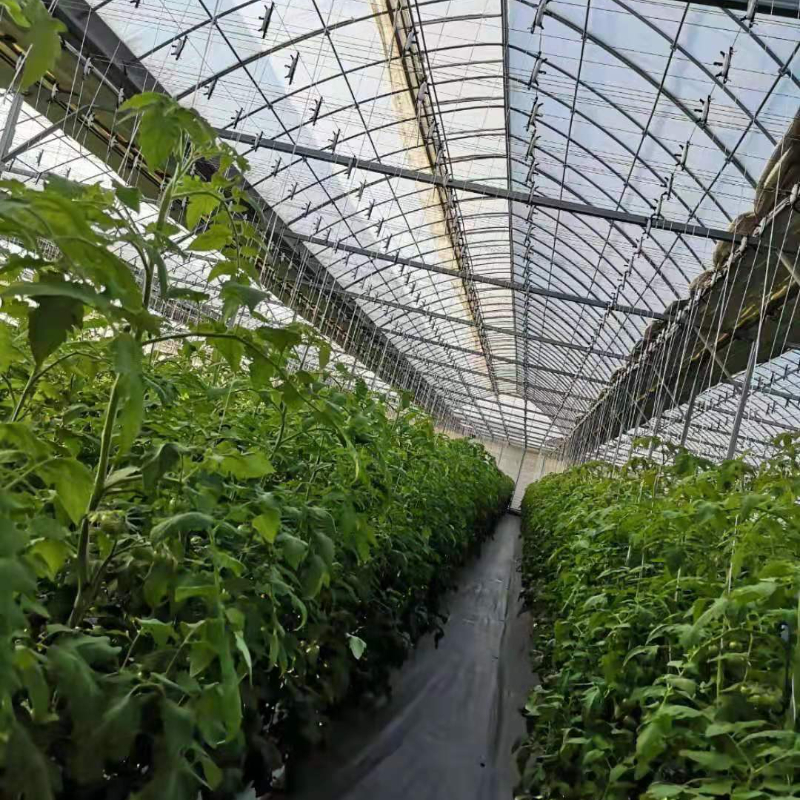
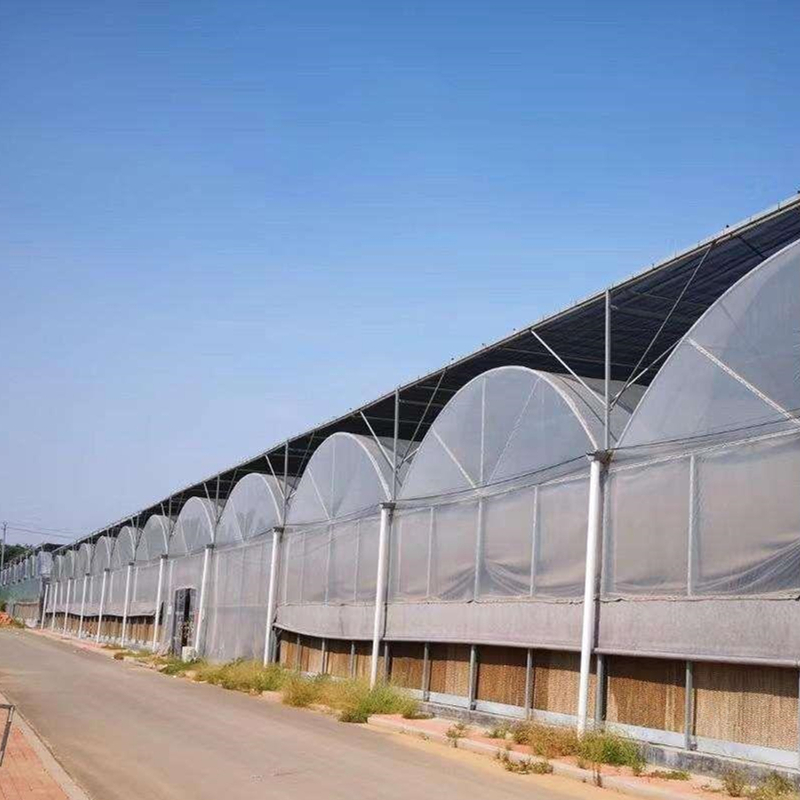
Pest and disease control is a key link in greenhouse planting. The quality of pest and disease control directly affects the yield and quality of crops, as well as food safety and environmental protection. Traditional greenhouses have a strong dependence on pesticides and chemical fertilizers in the process of pest and disease control, which brings a series of problems.
Due to the closed environment of traditional greenhouses, it is easy to breed pests and diseases. In order to control pests and diseases, growers often use a large number of chemical pesticides. However, the excessive use of chemical pesticides will not only cause environmental pollution, but also lead to pesticide residues in agricultural products, which will affect human health. According to relevant surveys, the pesticide residue rate of agricultural products in some traditional greenhouses exceeds the standard, which poses a serious threat to food safety. In addition, the long-term use of chemical pesticides will also lead to the resistance of pests and diseases, making the effect of pest and disease control worse and worse. Growers have to increase the dosage and frequency of pesticides, forming a vicious circle. At the same time, the excessive use of chemical fertilizers will also cause soil degradation, soil compaction, and salinization, affecting the ecological environment of the soil and the growth of crops.
The pest and disease control method of traditional greenhouses is also relatively passive. Growers usually only take control measures after pests and diseases appear, which often misses the best control period, resulting in serious losses. In addition, traditional pest and disease detection mainly relies on manual observation, which is inefficient and inaccurate. It is difficult to detect early pests and diseases in time, and it is also difficult to accurately judge the type and severity of pests and diseases, which affects the effect of pest and disease control.
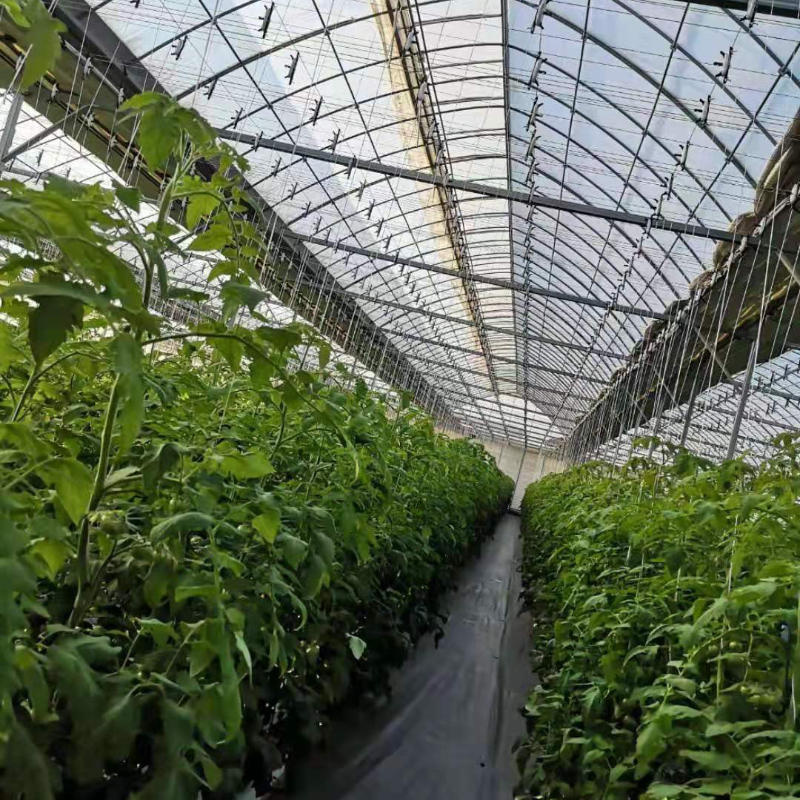
In contrast, intelligent greenhouses adopt a green and efficient pest and disease control model, which combines biological control, physical control and intelligent early warning systems, effectively solving the problems of traditional greenhouses in pest and disease control. The core of intelligent greenhouse pest and disease control is "prevention first, comprehensive control", which can detect and deal with pests and diseases in a timely manner, reduce the use of chemical pesticides, and ensure the safety of agricultural products.
Intelligent early warning system is an important part of pest and disease control in intelligent greenhouses. The system is equipped with various sensors and image recognition equipment, which can monitor the growth state of crops and the occurrence of pests and diseases in real time. For example, the image recognition system can capture the images of crop leaves and stems in real time, and use AI algorithms to identify the early symptoms of pests and diseases, such as leaf spots, yellowing, and insect eggs. The sensors can monitor the environmental parameters related to the occurrence of pests and diseases, such as temperature, humidity, and carbon dioxide concentration, and predict the occurrence trend of pests and diseases according to the changes of these parameters. When the system detects the signs of pests and diseases or predicts that the risk of pests and diseases is high, it will issue an early warning to the grower in time, reminding the grower to take control measures.
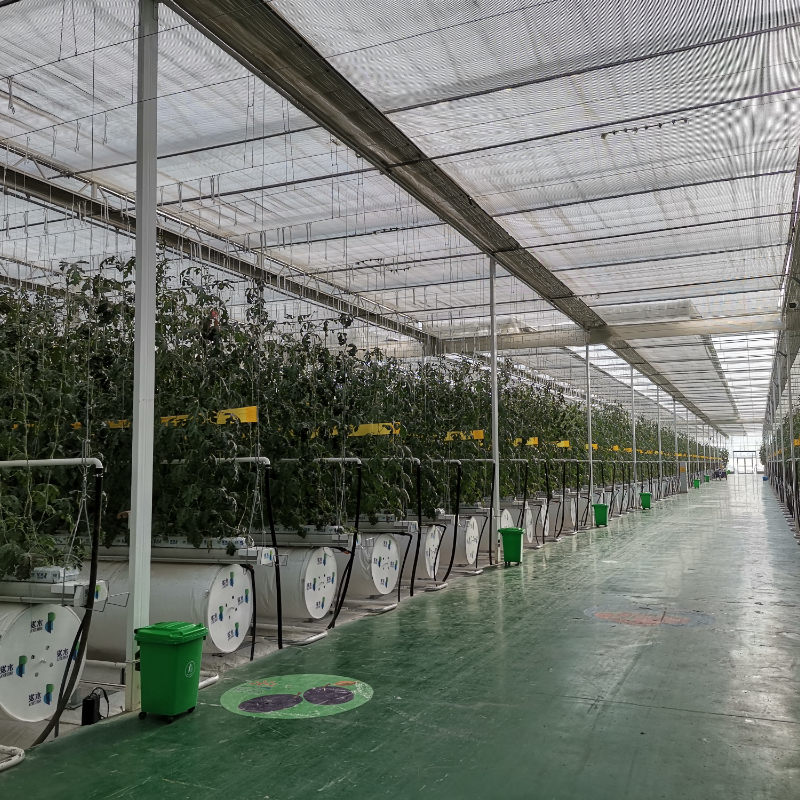
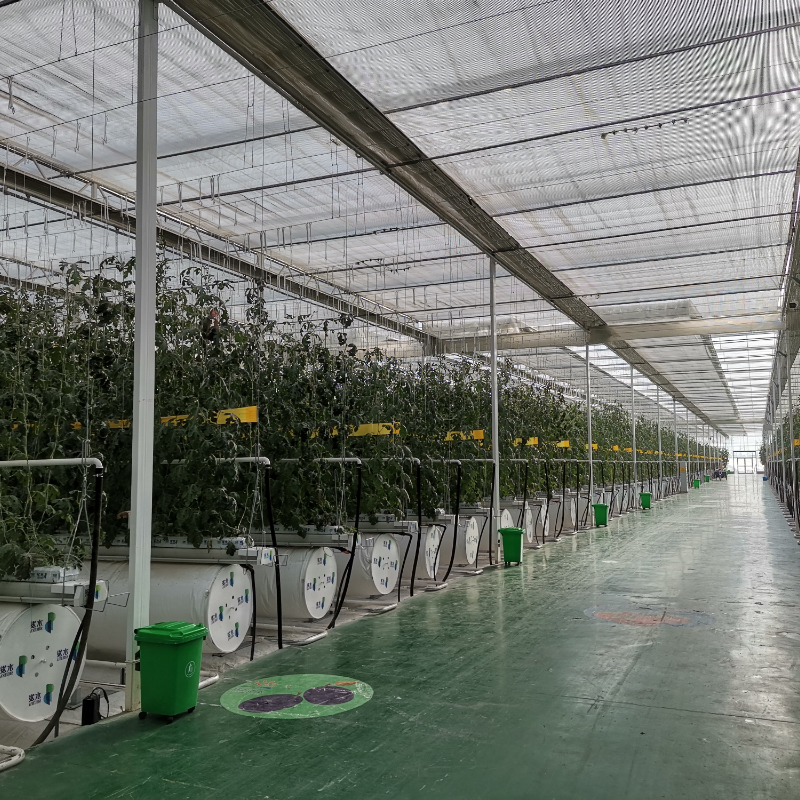
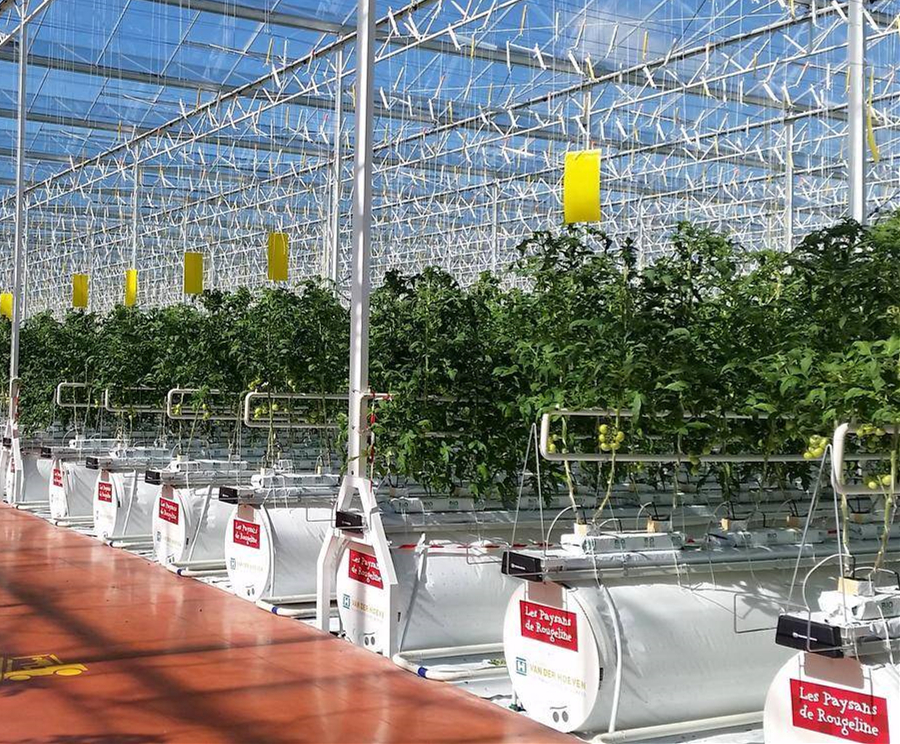
In terms of control methods, intelligent greenhouses mainly adopt biological control and physical control. Biological control uses the natural enemies of pests to control pests, such as releasing ladybugs to control aphids, and using Trichogramma to control bollworms. This method is environmentally friendly, does not cause pesticide residues, and can maintain the ecological balance in the greenhouse. Physical control uses physical means to trap and kill pests, such as installing insect-proof nets, sticky insect boards, and insecticidal lamps. Insect-proof nets can prevent pests from entering the greenhouse; sticky insect boards can trap and kill flying pests; insecticidal lamps use the phototaxis of pests to trap and kill pests. These physical control methods are safe and effective, and can reduce the use of chemical pesticides.
