
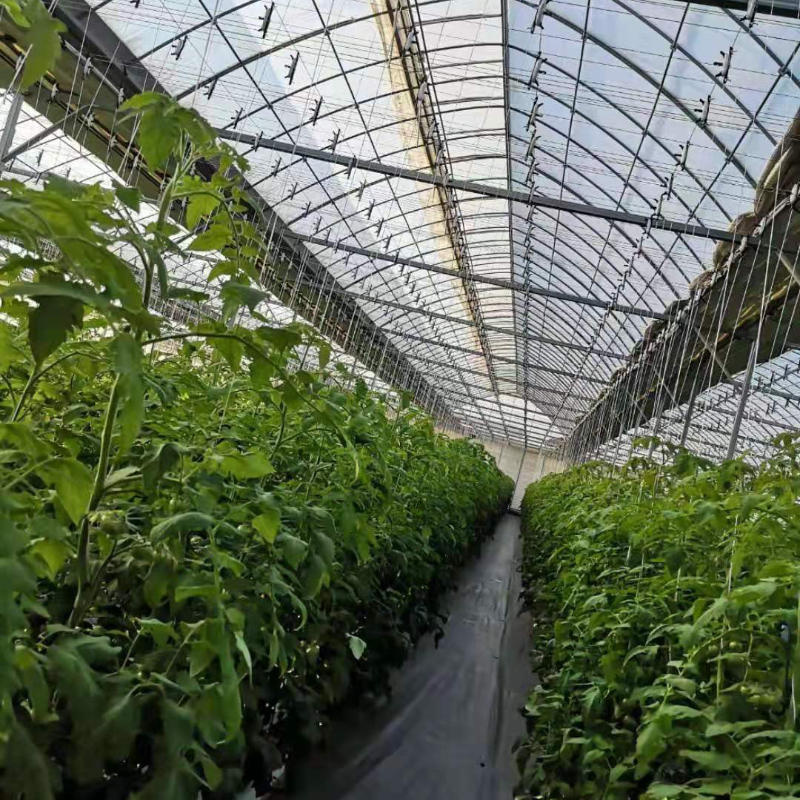
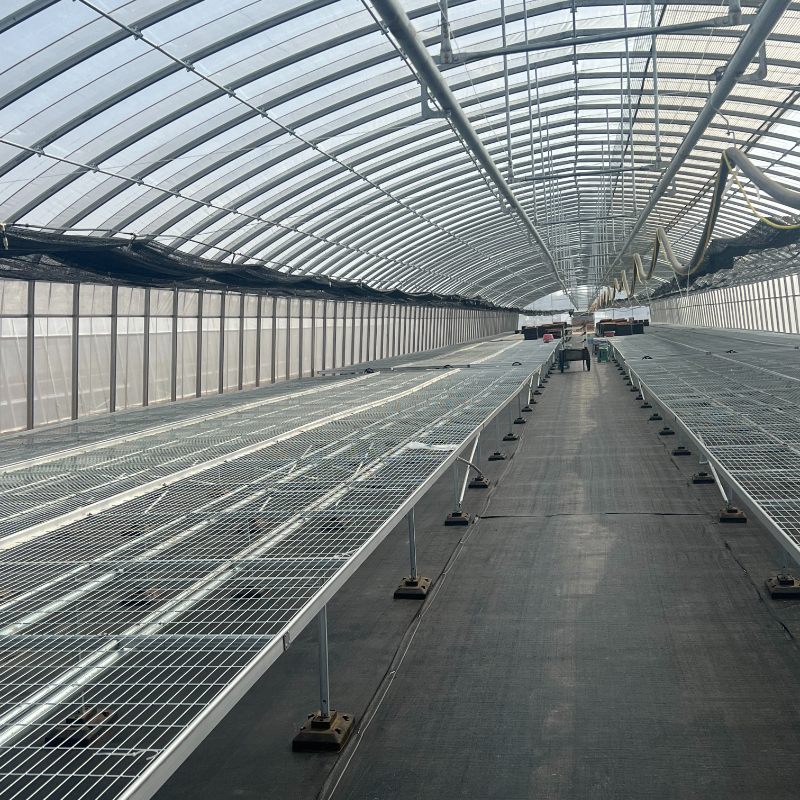
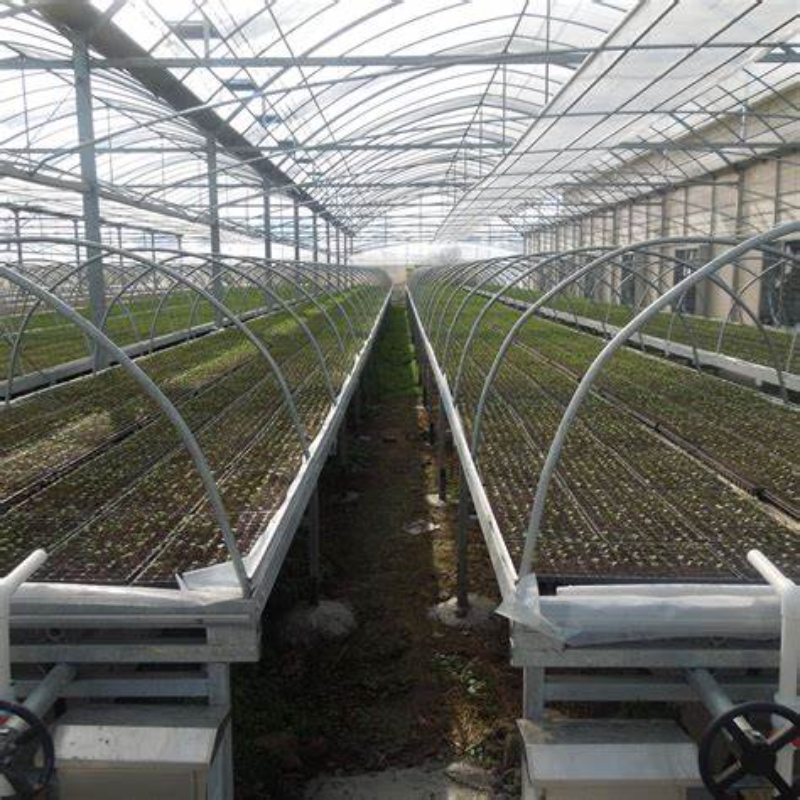
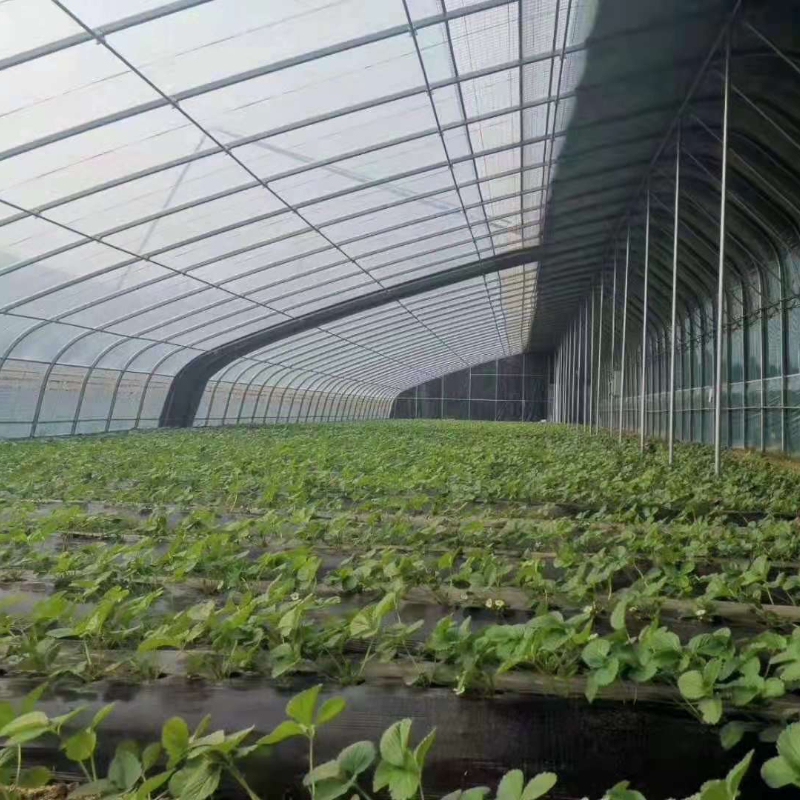
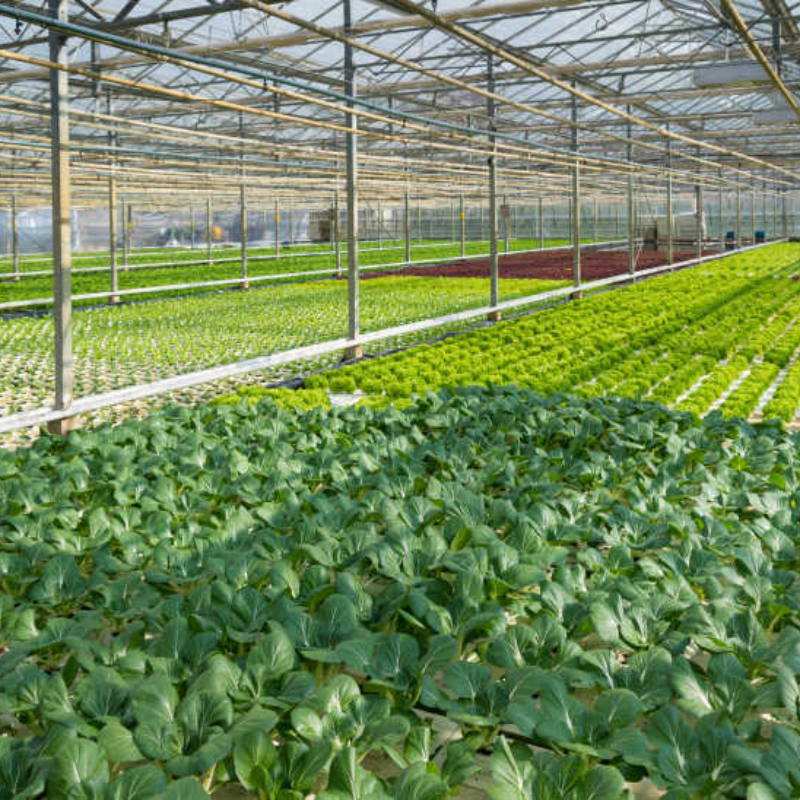
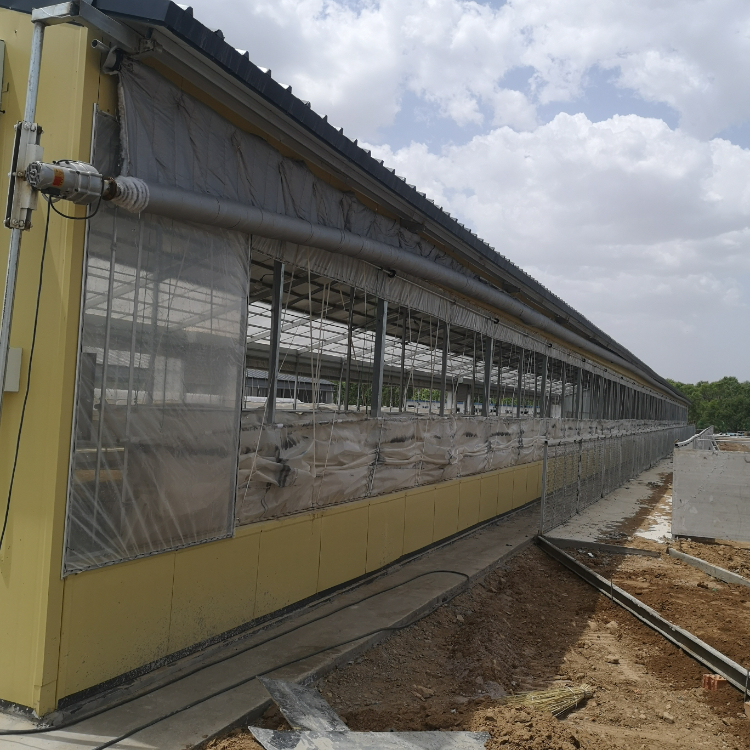
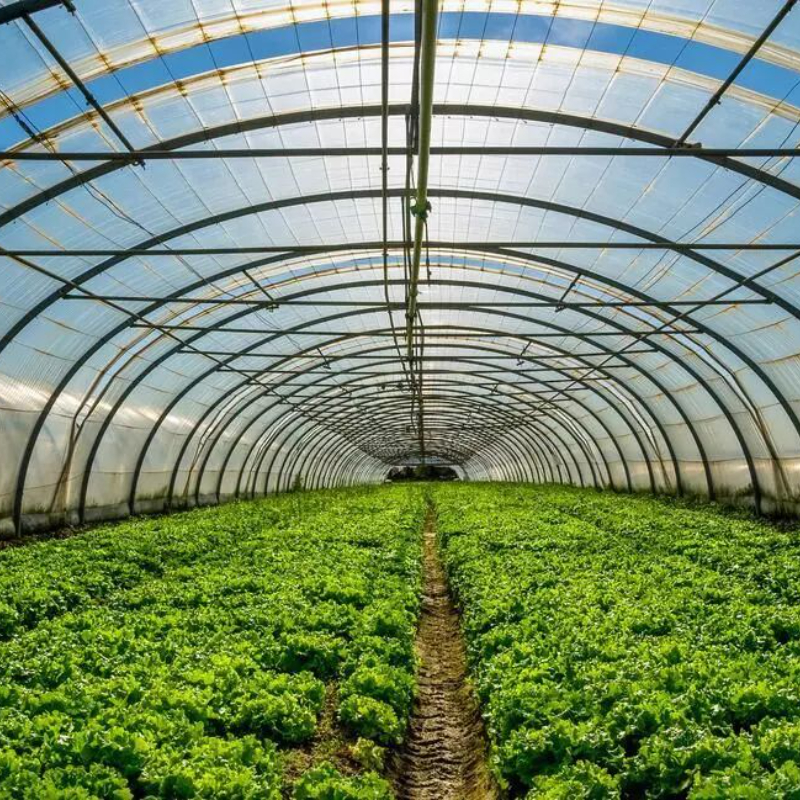
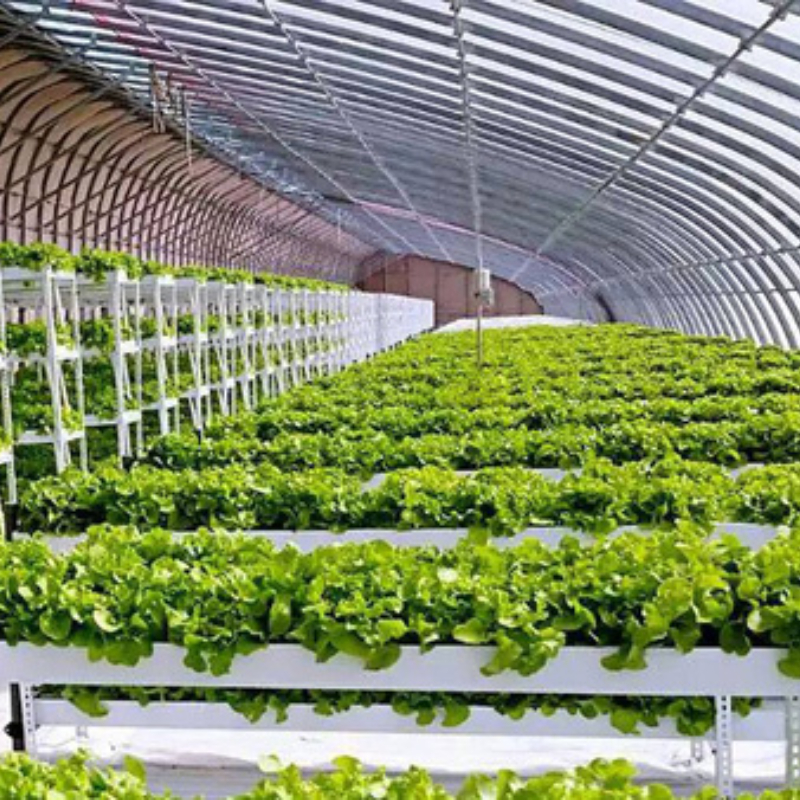
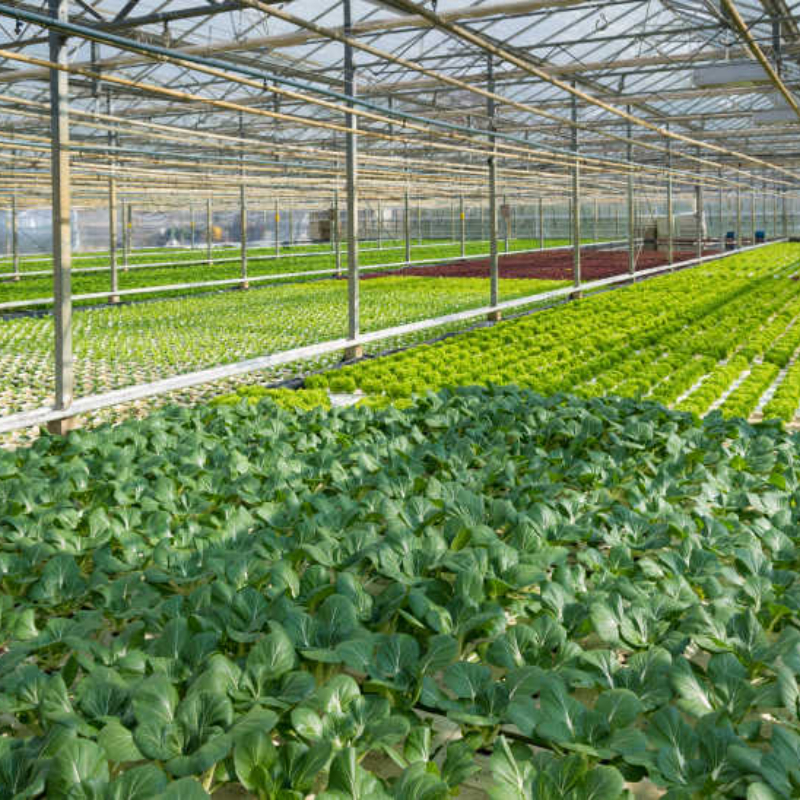
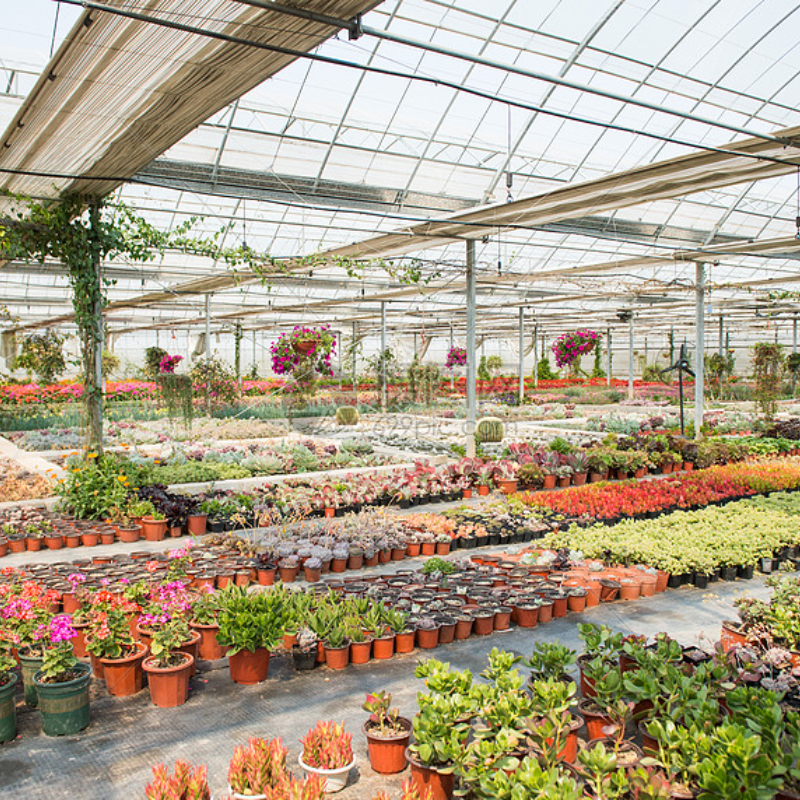
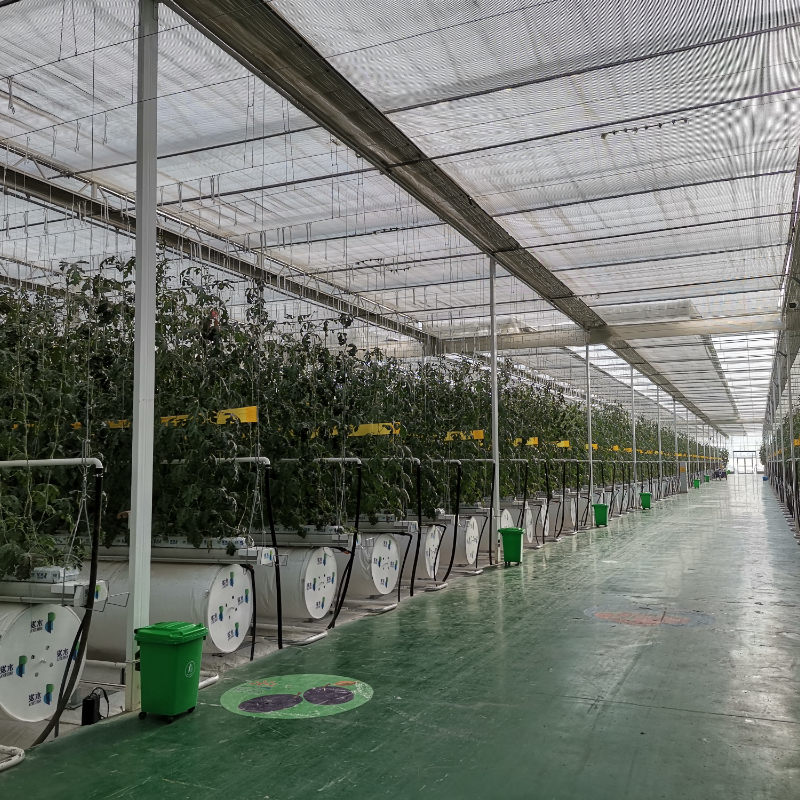
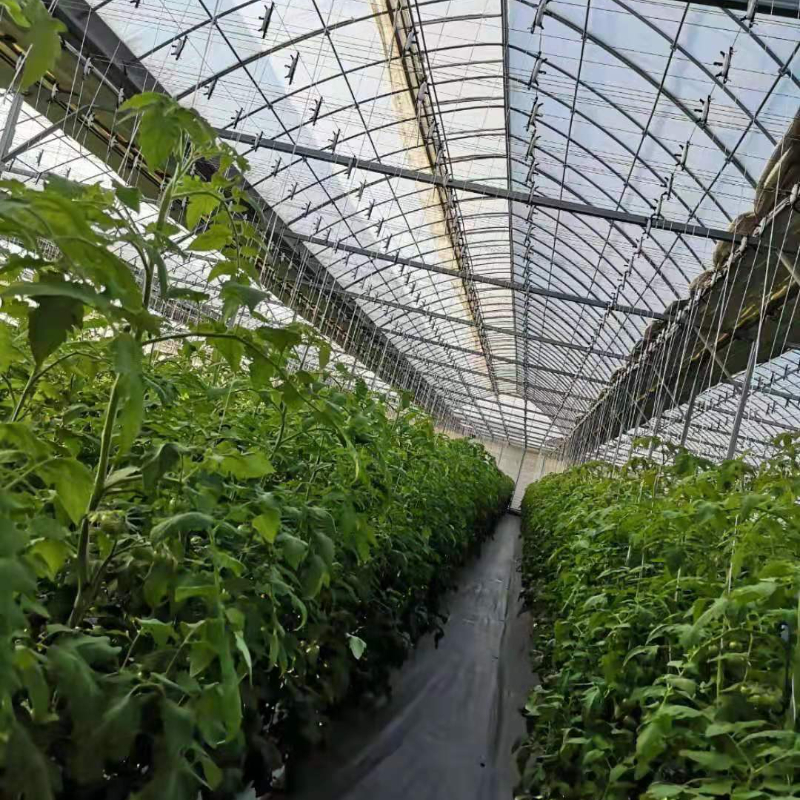
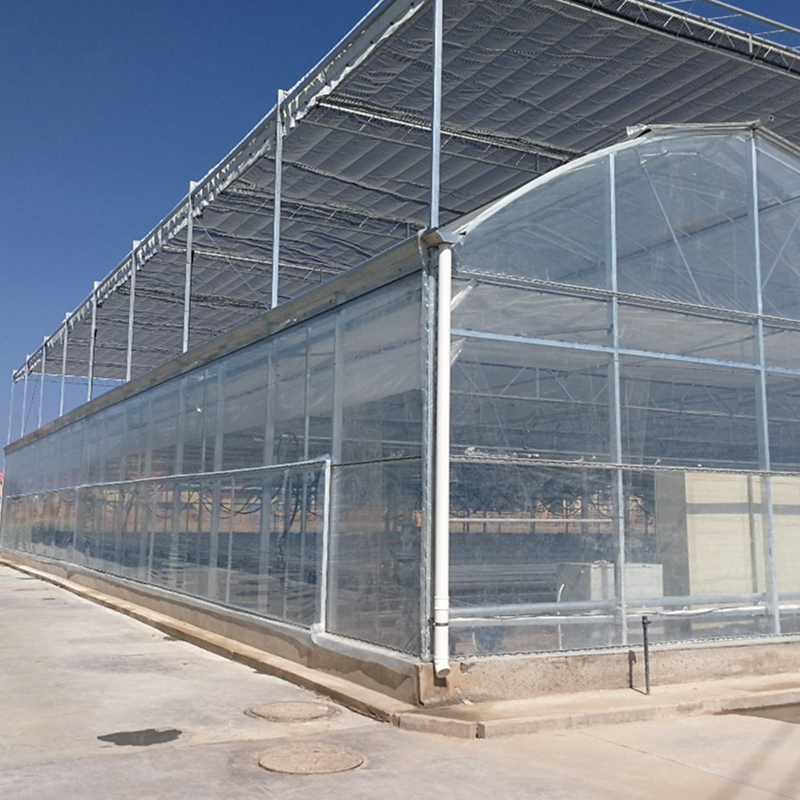
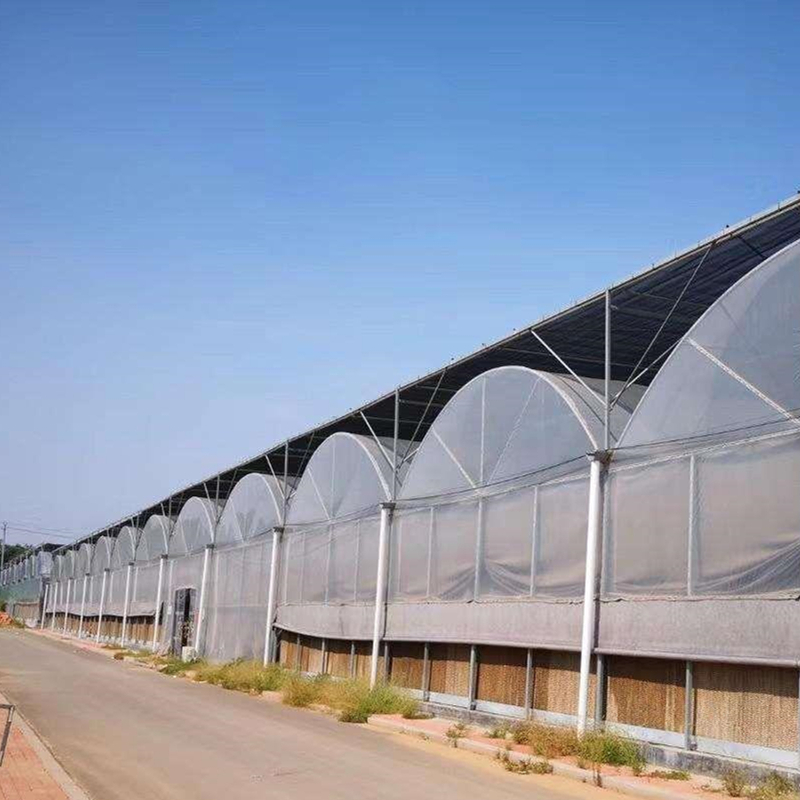
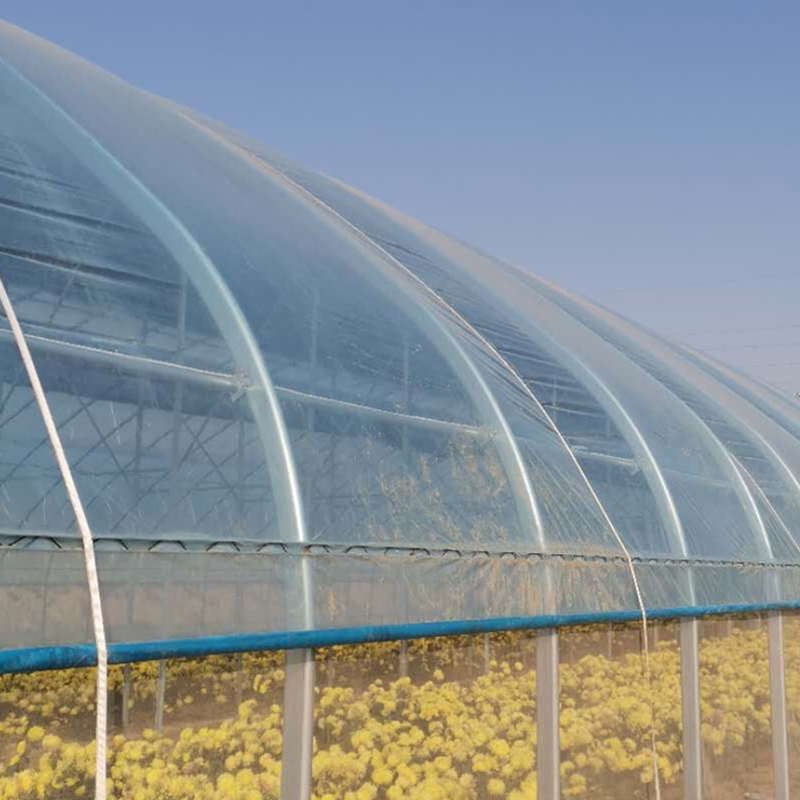
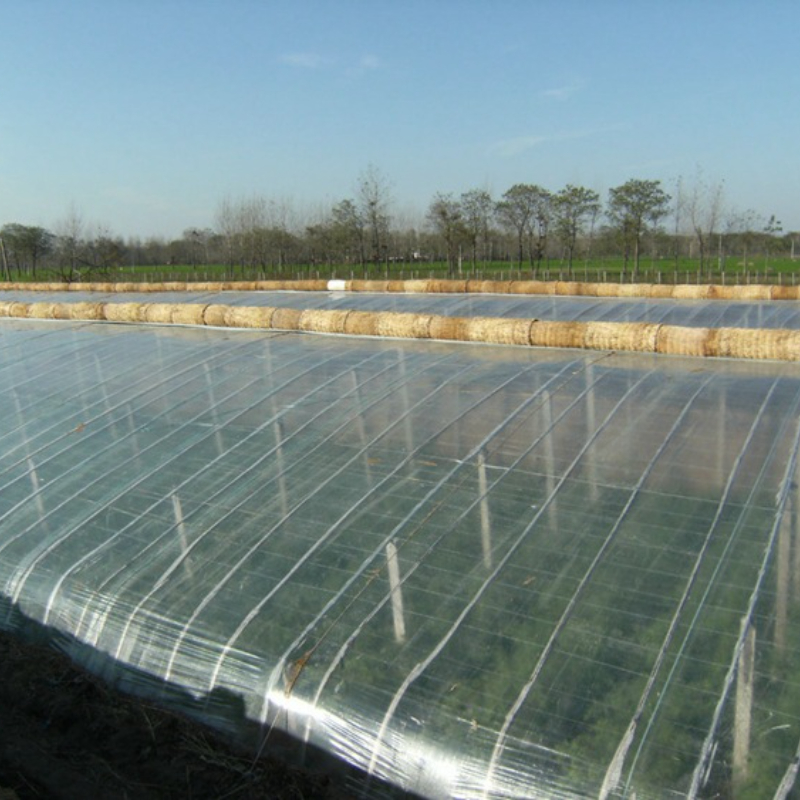
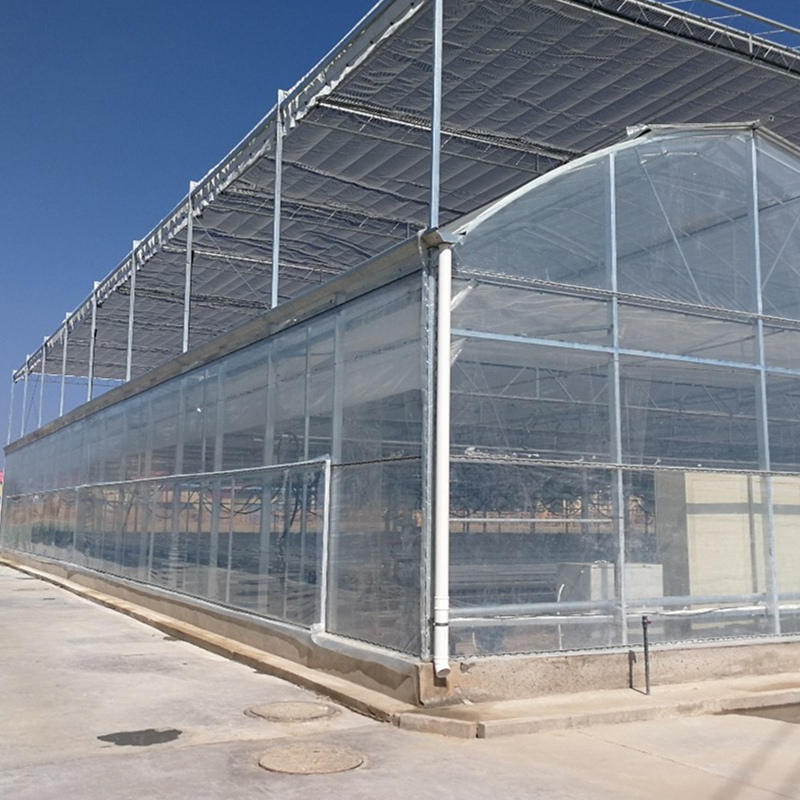
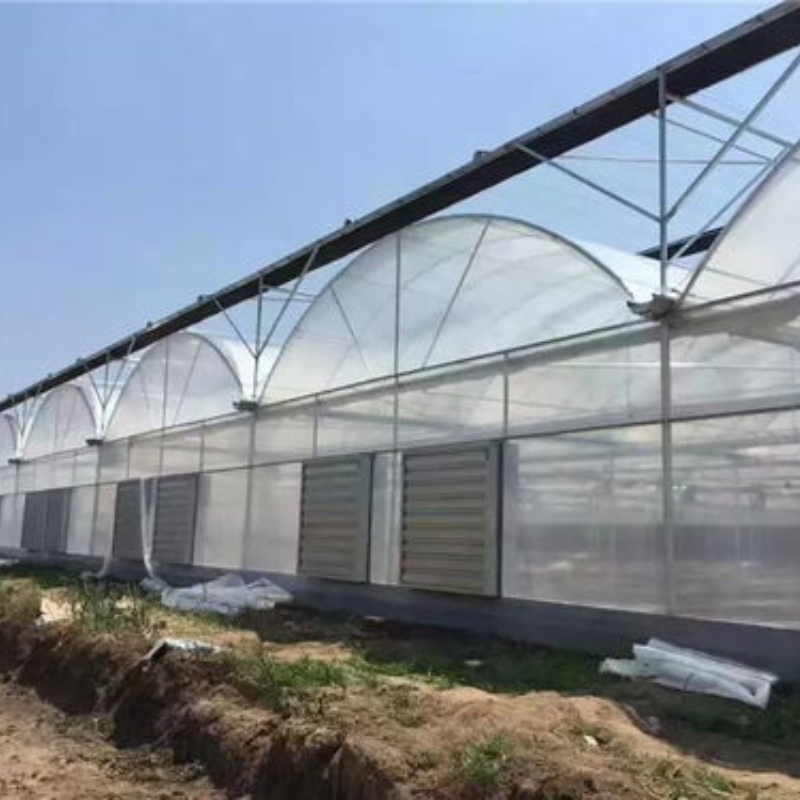
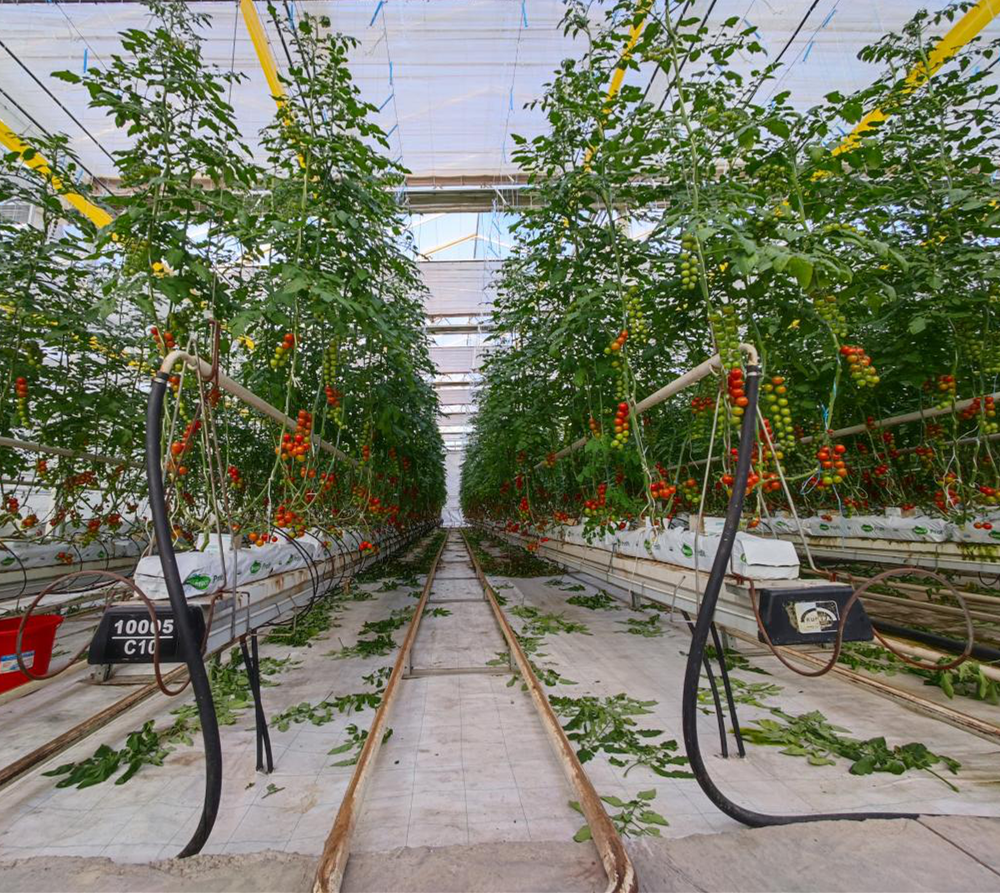
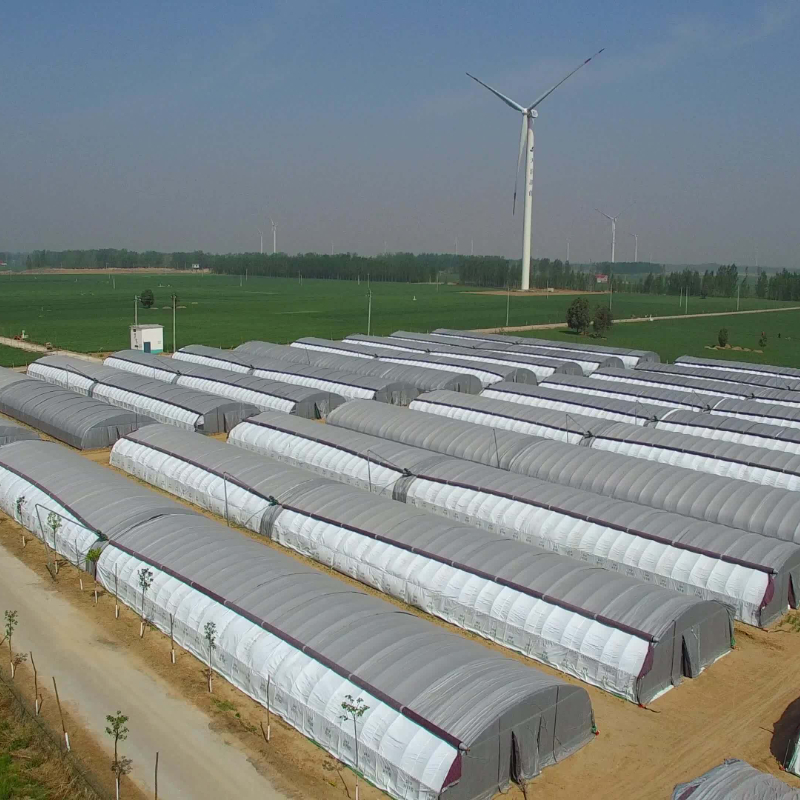
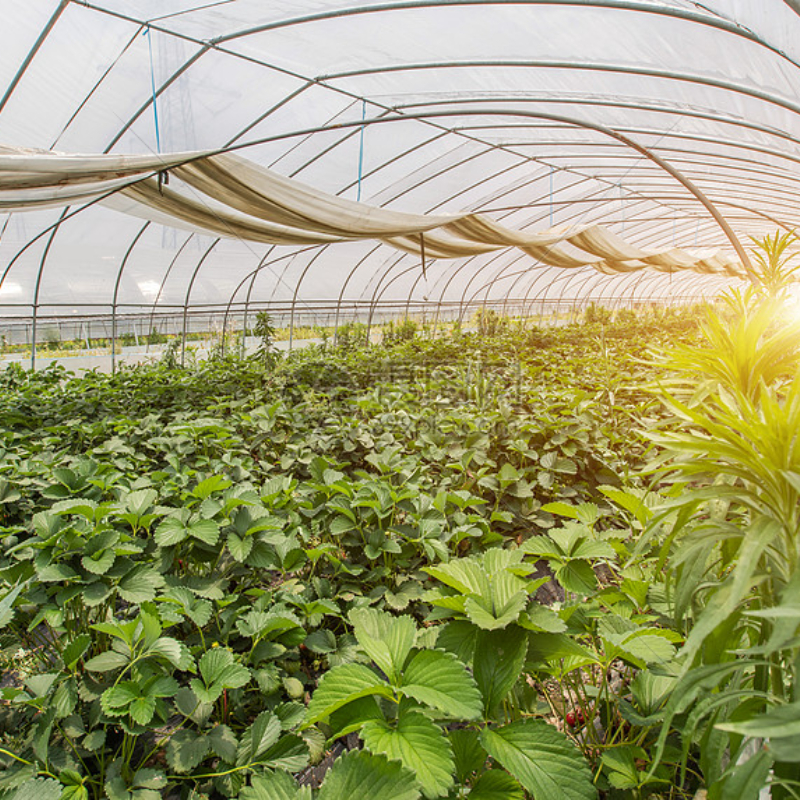
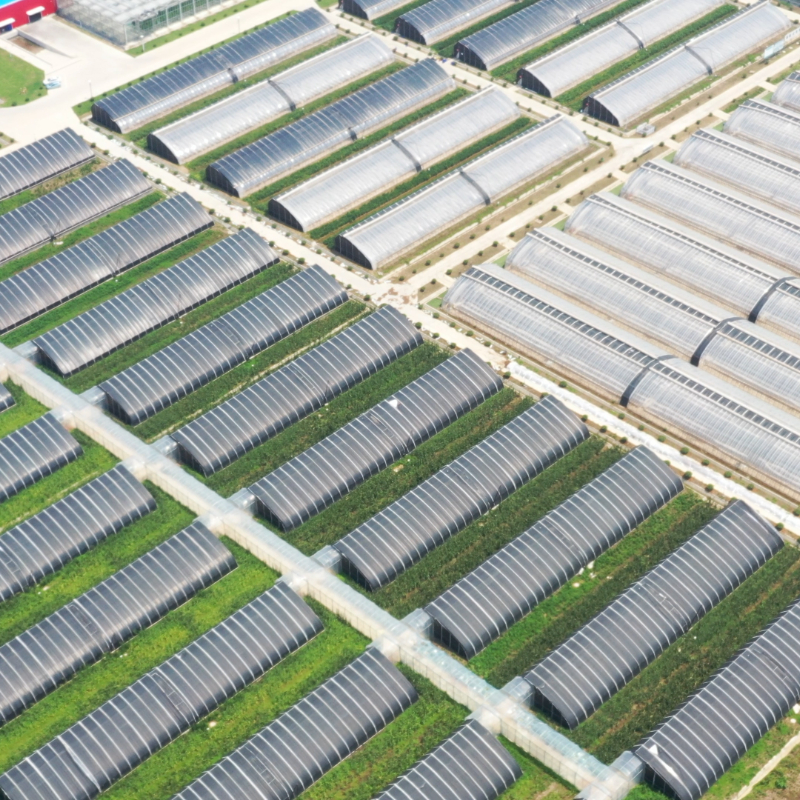
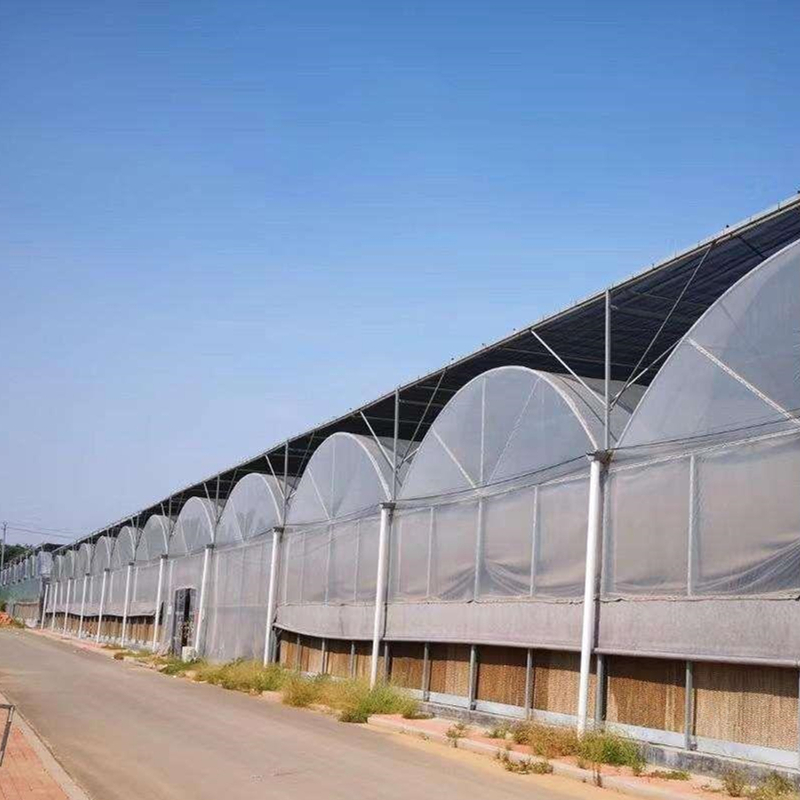
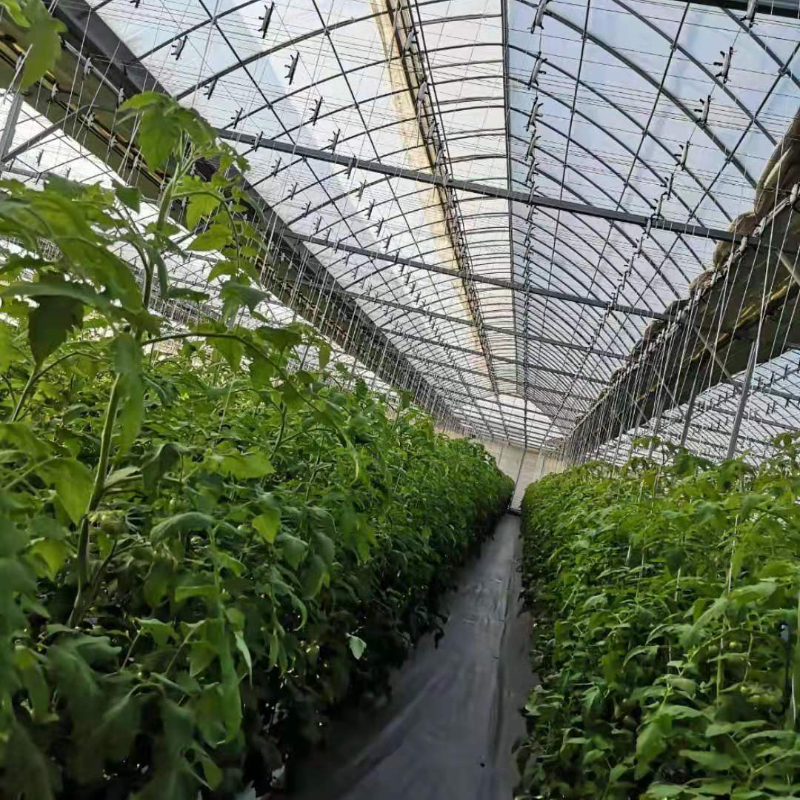
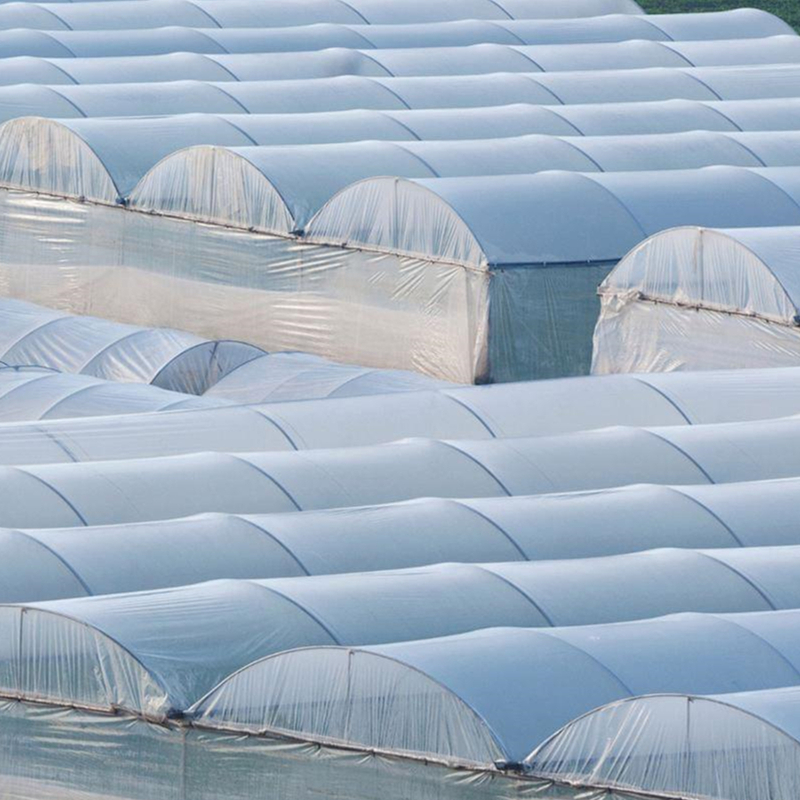
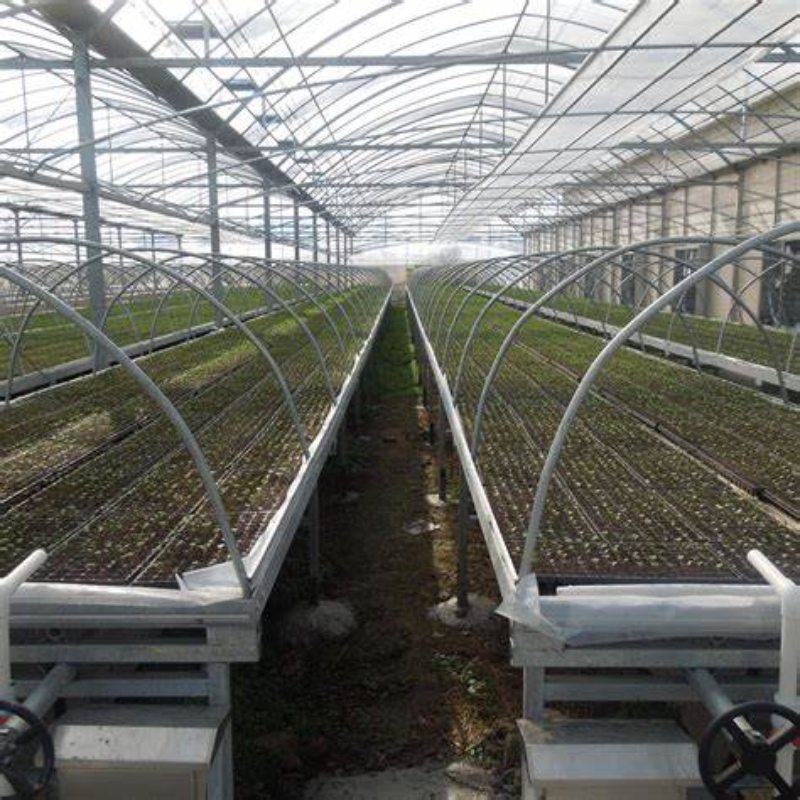
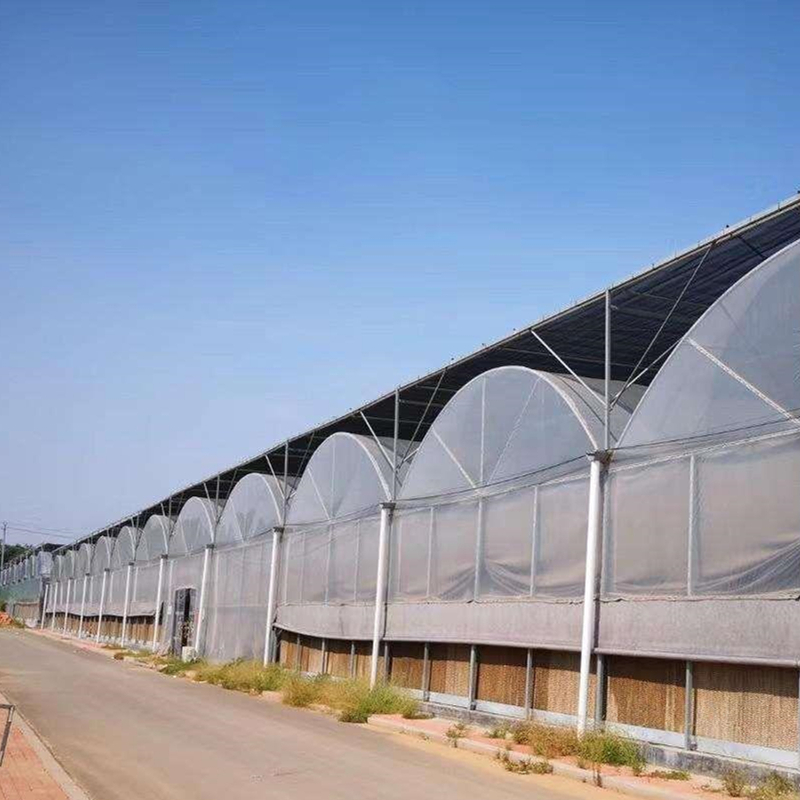
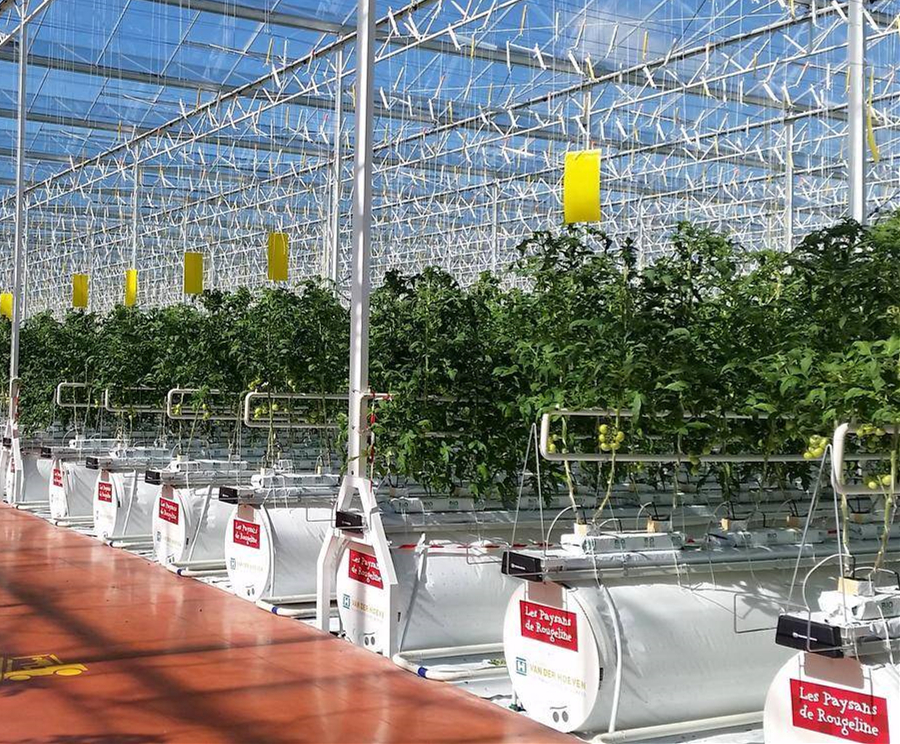
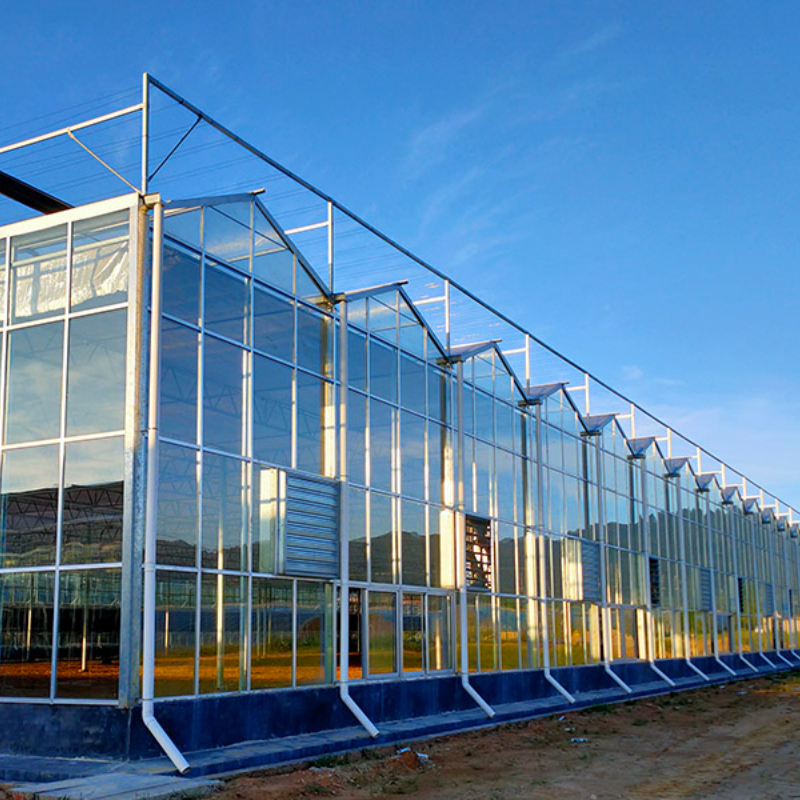
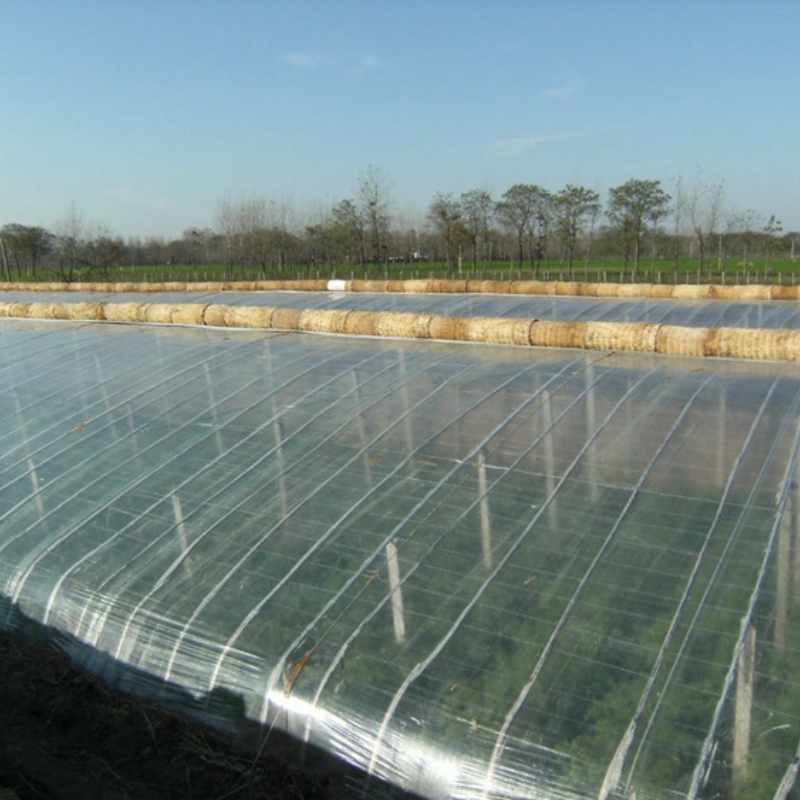
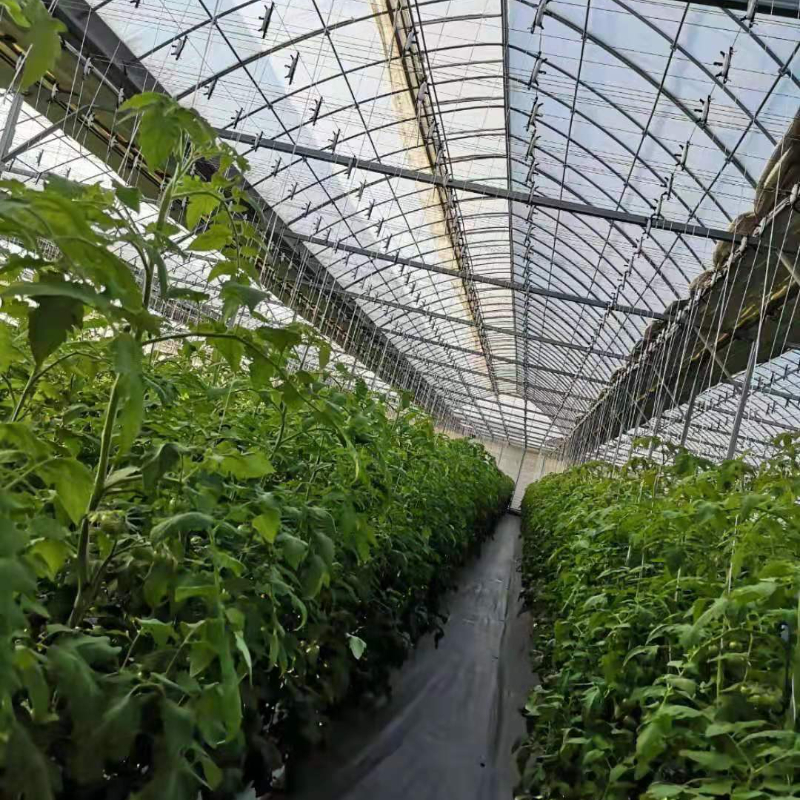
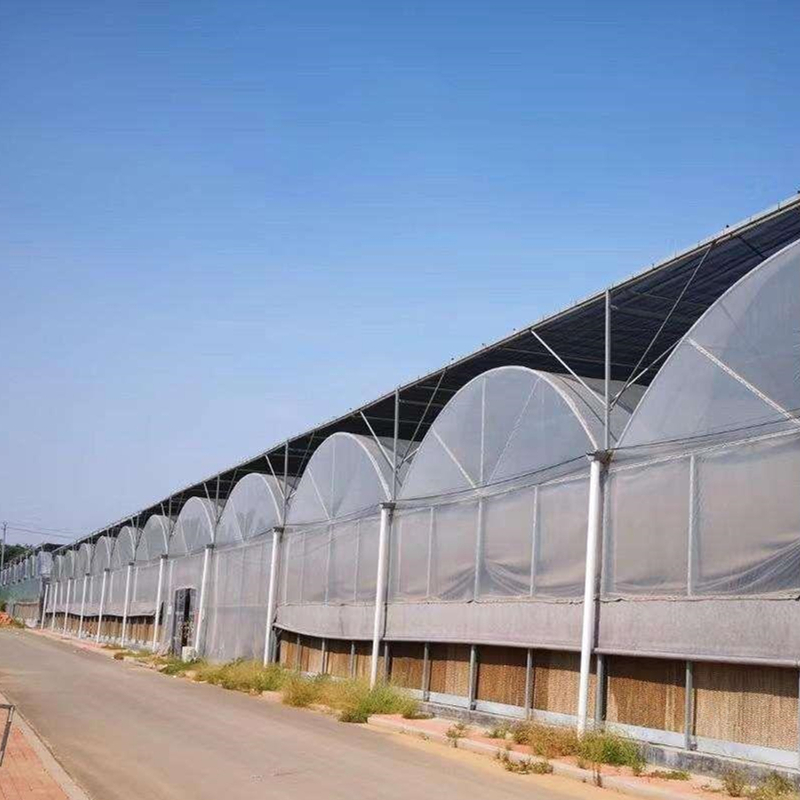
Traditional agricultural production has long been constrained by the natural environment. Problems such as extreme weather, frequent pests and diseases, and resource waste have always plagued growers, leading to unstable agricultural product yields, uneven quality, and unguaranteed economic benefits. The emergence of intelligent greenhouses has fundamentally solved these pain points, and their core advantages are concentrated in three dimensions: "precise controllability, high yield and efficiency, and green sustainability."
1. Full-Dimensional Precise Environmental Regulation, Bid Farewell to "Being at the Mercy of the Weather"

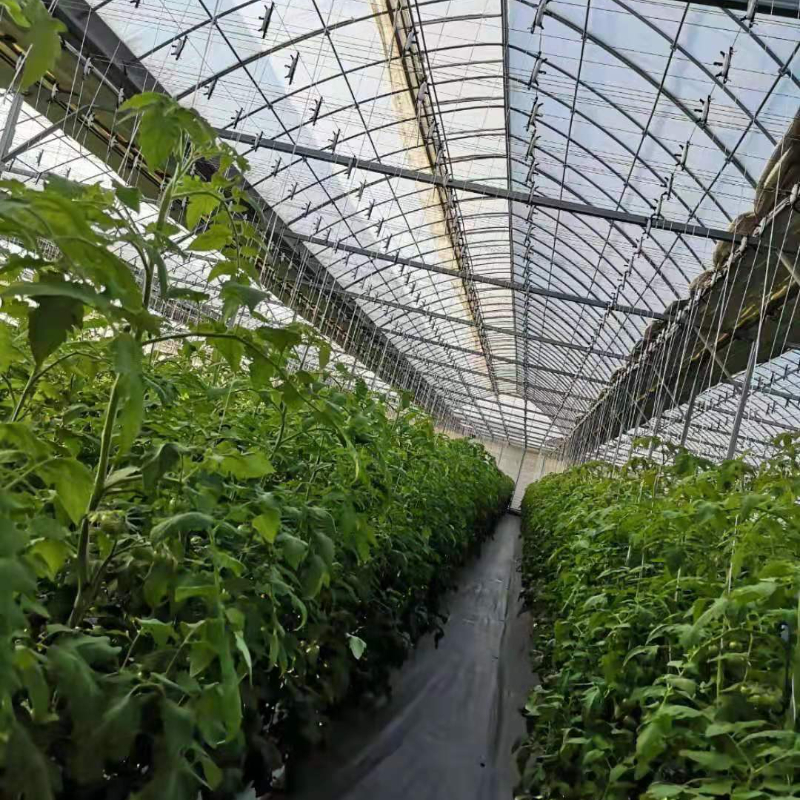
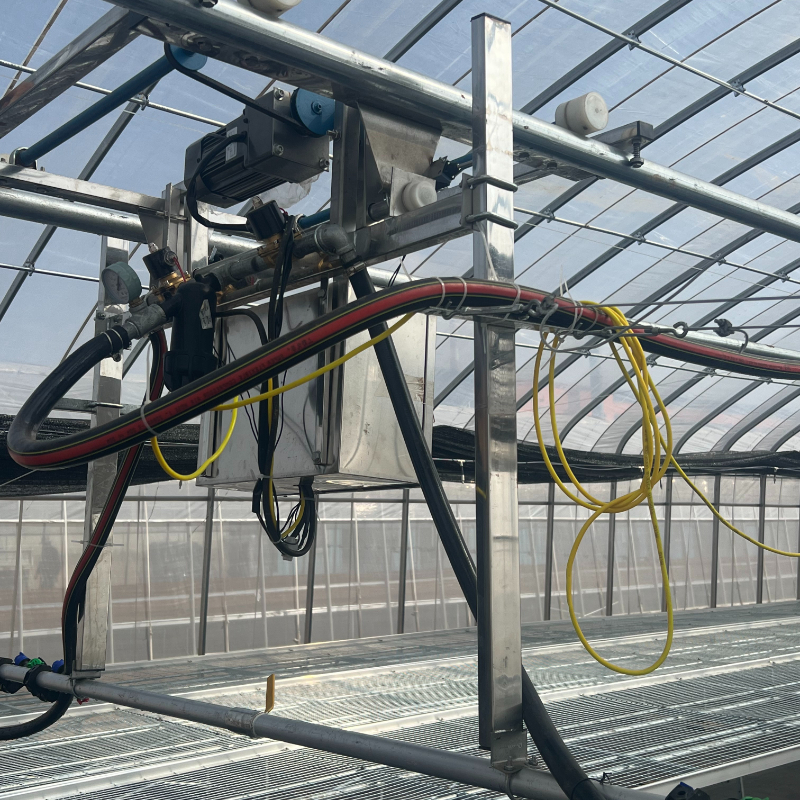
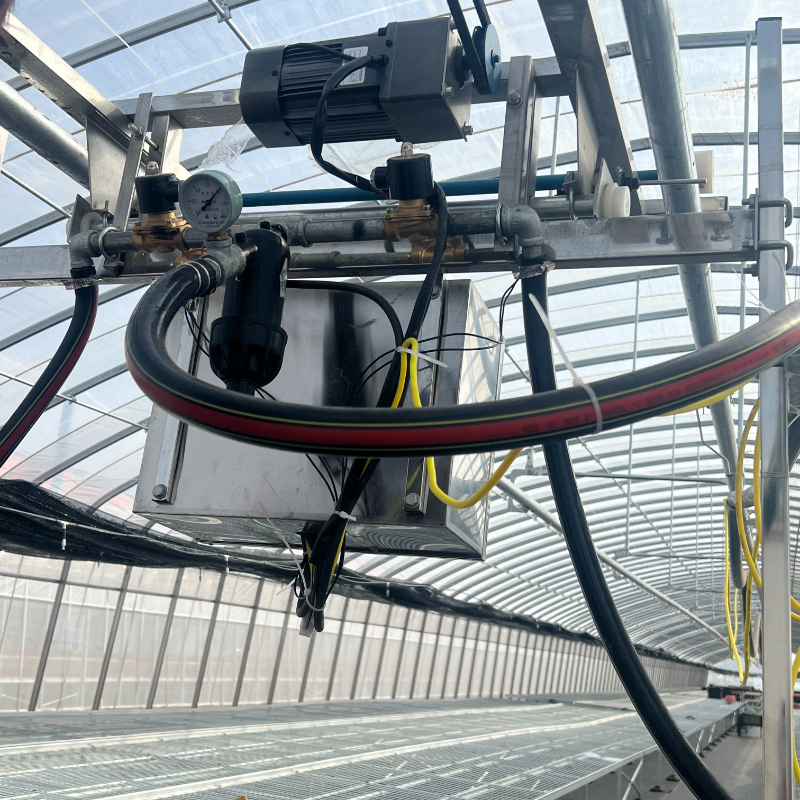
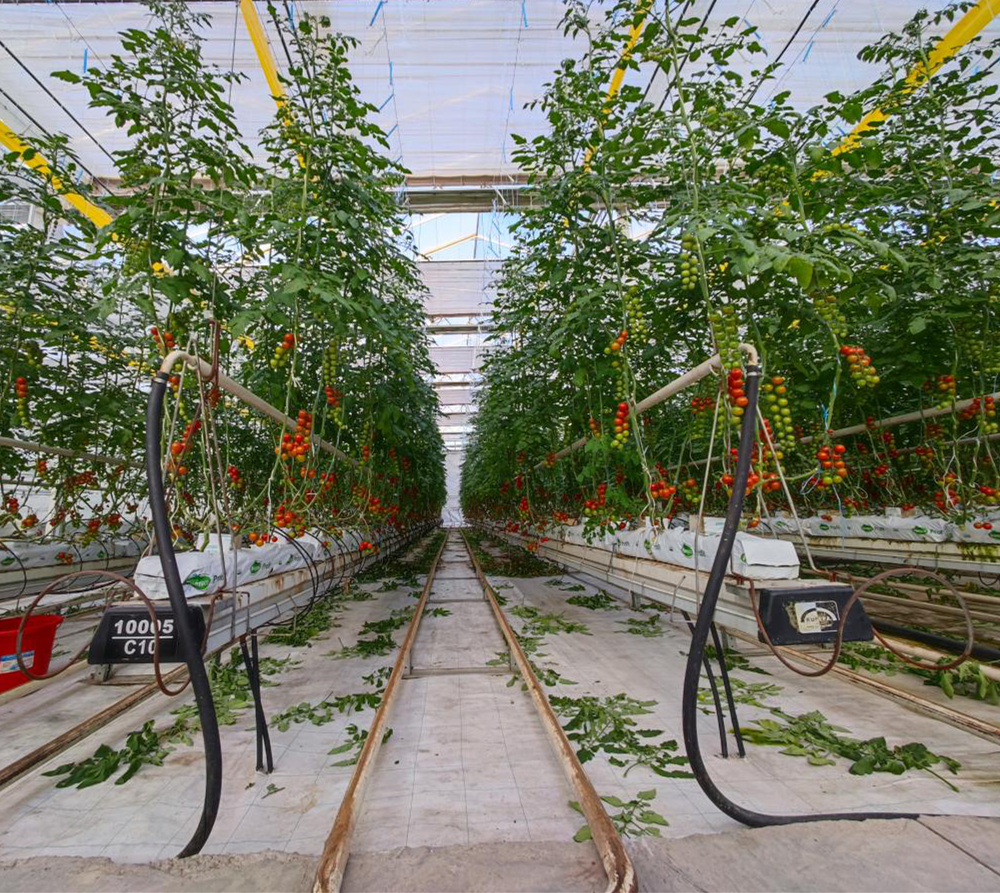
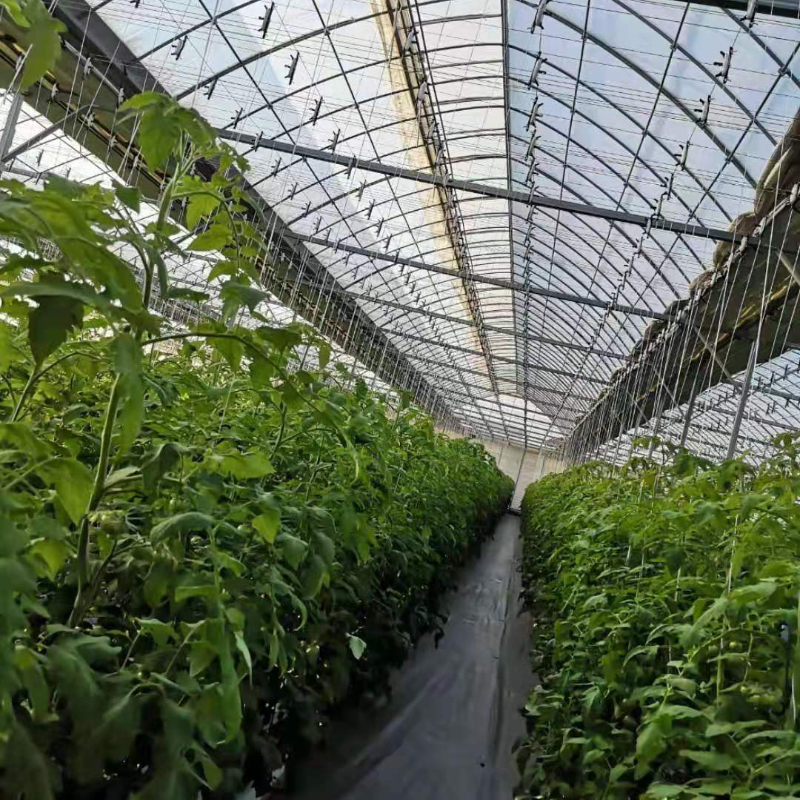
The core competitiveness of intelligent greenhouses lies in their integrated comprehensive environmental control system, which can real-time monitor and automatically adjust all key factors affecting crop growth such as temperature, light, water, fertilizer, and gas, creating a "tailor-made" optimal growth environment for crops. In terms of temperature control, through the coordinated operation of heating systems, shading systems, and ventilation systems, the indoor temperature can be accurately controlled within the optimal range required for crop growth—for example, when growing tomatoes, the temperature is stably maintained at 25-28℃ during the day and 15-18℃ at night. Even in the face of extreme weather such as severe winter cold and summer heat, normal crop growth can be ensured; in terms of light regulation, with the intelligent linkage of supplementary lighting systems and shading nets, it can not only make up for the lack of light in winter, extend the photosynthesis time of crops but also avoid crop damage caused by strong summer light, keeping crops in the best light conditions at all times; in terms of water and fertilizer management, the intelligent drip irrigation system can accurately deliver water and nutrients according to the needs of crops at different growth stages, avoiding water waste and fertilizer loss caused by traditional flood irrigation; in terms of gas regulation, through the cooperation of carbon dioxide generators and ventilation systems, the appropriate carbon dioxide concentration indoors is maintained, which greatly improves the photosynthesis efficiency of crops and promotes organic matter accumulation.
2. Stable High-Yield Supply Throughout the Year, Doubling Economic Benefits

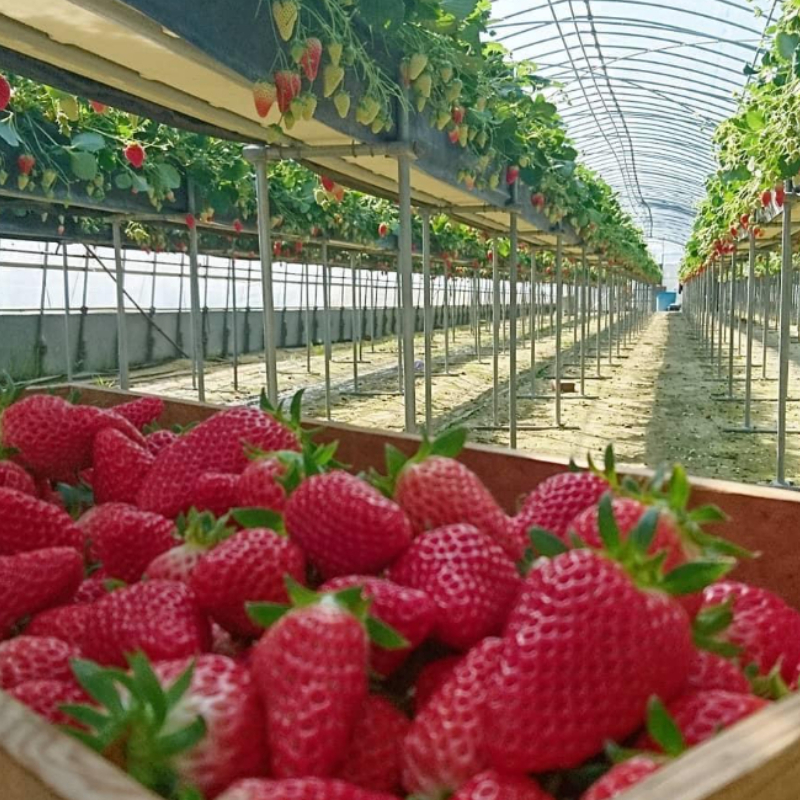
Due to the precise controllability of environmental conditions, intelligent greenhouses can completely break seasonal restrictions and realize continuous crop planting and harvesting throughout the year. Taking common greenhouse vegetables as an example, traditional greenhouses can only harvest tomatoes 2-3 times a year, while intelligent greenhouses can achieve high yields of 4-5 times a year, with yields increased by 50%-80% compared with traditional greenhouses; at the same time, the stable growth environment makes agricultural products of better quality, with neat appearance, better taste, and higher nutritional value, which are more competitive in the market, and their prices are usually 30%-50% higher than ordinary agricultural products. In addition, the refined management of intelligent greenhouses can also significantly reduce production costs: the precise drip irrigation system can save 60%-70% of water resources, precise fertilization can reduce fertilizer waste by 40%-50%, and automatic control can reduce labor costs by more than 70%. Taking one mu of intelligent greenhouse for cherry tomato cultivation as an example, the annual output can reach 8,000-10,000 kilograms. Calculated at the market average price of 15 yuan per kilogram, the annual output value can reach 120,000-150,000 yuan. After deducting costs, the net profit can reach 60,000-80,000 yuan, and the investment return period is only 1.5-2 years, which is far better than traditional agricultural projects.
3. Green and Sustainable Development, Conforming to the Trend of Modern Agriculture

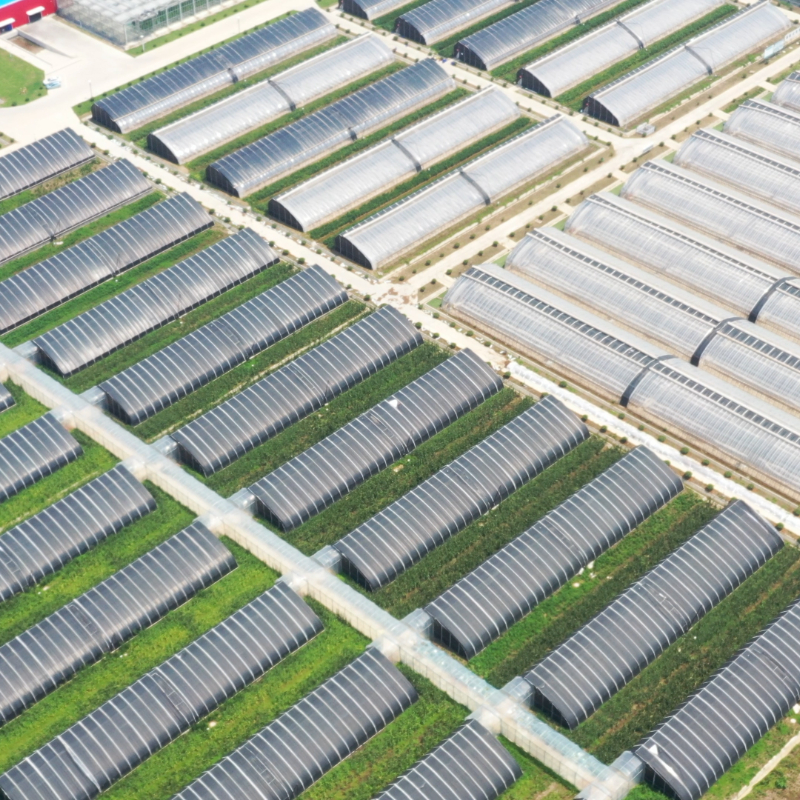
Against the background of the country's strong advocacy of green agriculture, intelligent greenhouses perfectly conform to the trend of modern agricultural development with their characteristics of resource conservation and environmental friendliness. On the one hand, precise water and fertilizer management reduces soil and water pollution caused by fertilizer loss, and the drip irrigation system greatly reduces water consumption, which meets the agricultural development requirements of "water and fertilizer saving"; on the other hand, due to controllable environment, the incidence of crop pests and diseases is significantly reduced, which can greatly reduce the use of chemical pesticides, and even realize pesticide-free planting. The green and organic agricultural products produced are more favored by the market. At the same time, the large-scale planting of intelligent greenhouses can also promote the centralized treatment and recycling of agricultural waste. For example, crop straw and residual branches are converted into organic fertilizers for reuse in greenhouse planting, forming a circular agricultural model of "planting - waste - reuse" and improving agricultural ecological benefits.
