
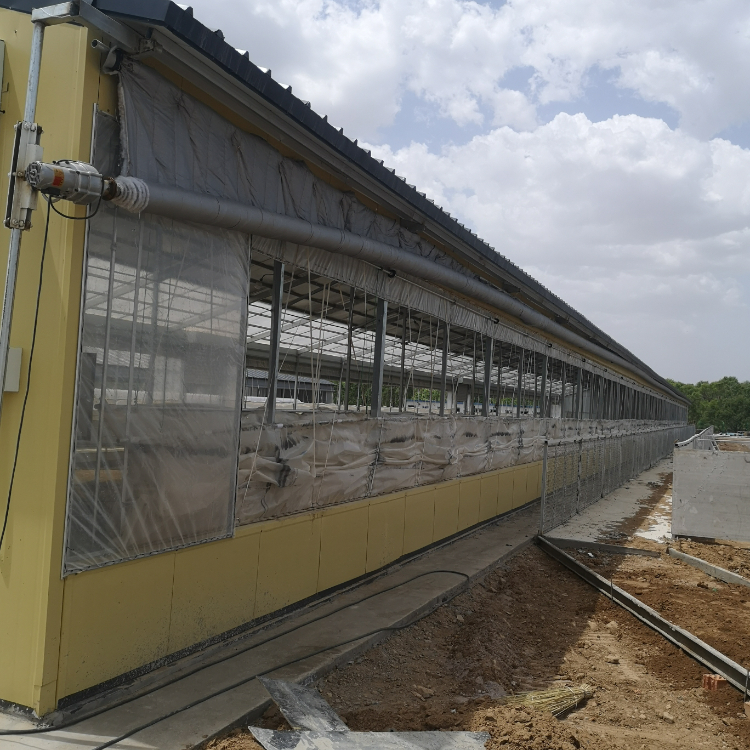

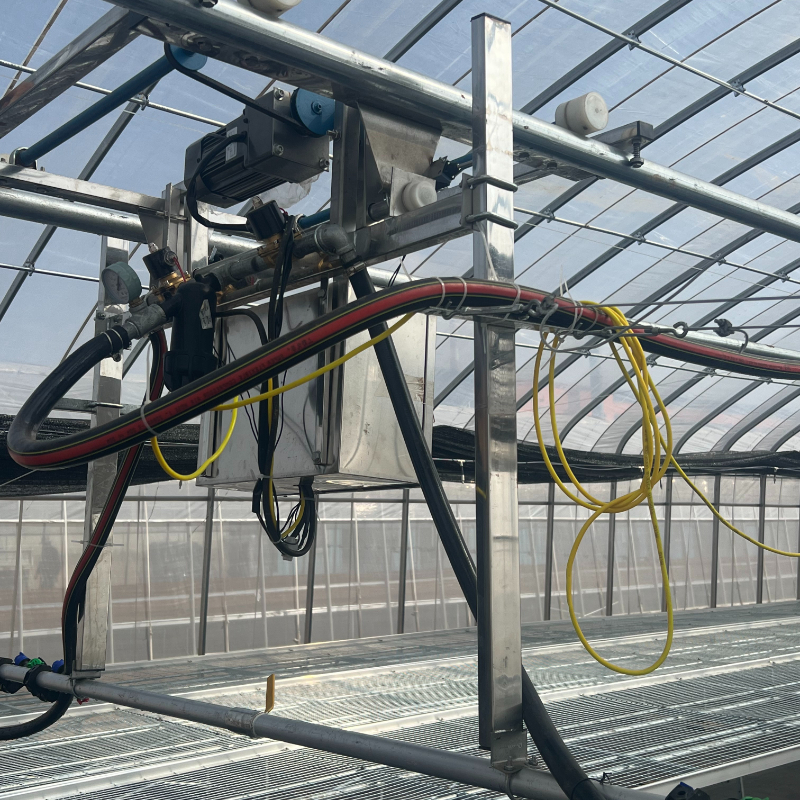
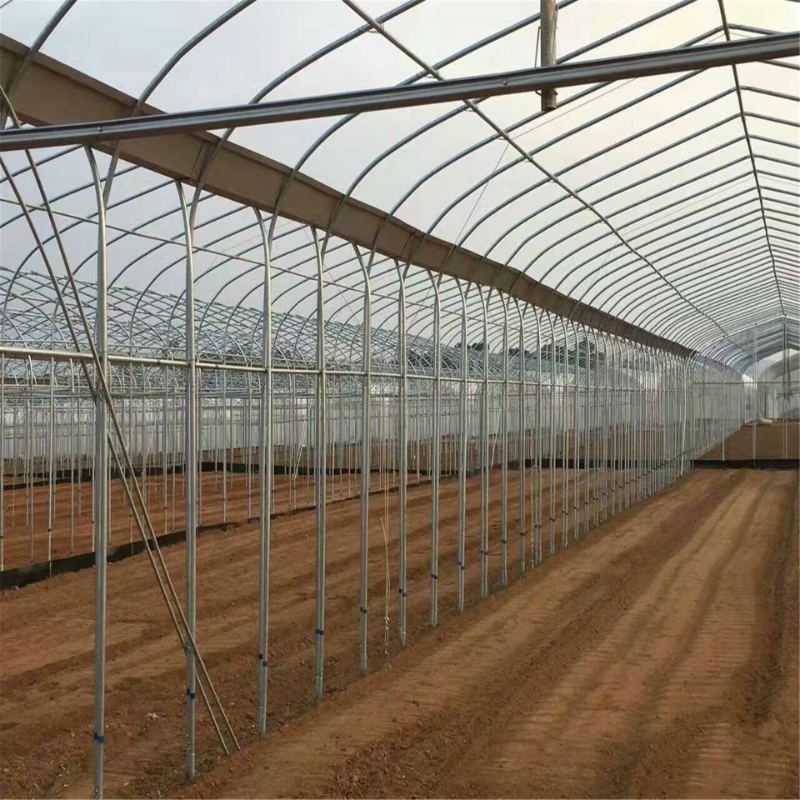
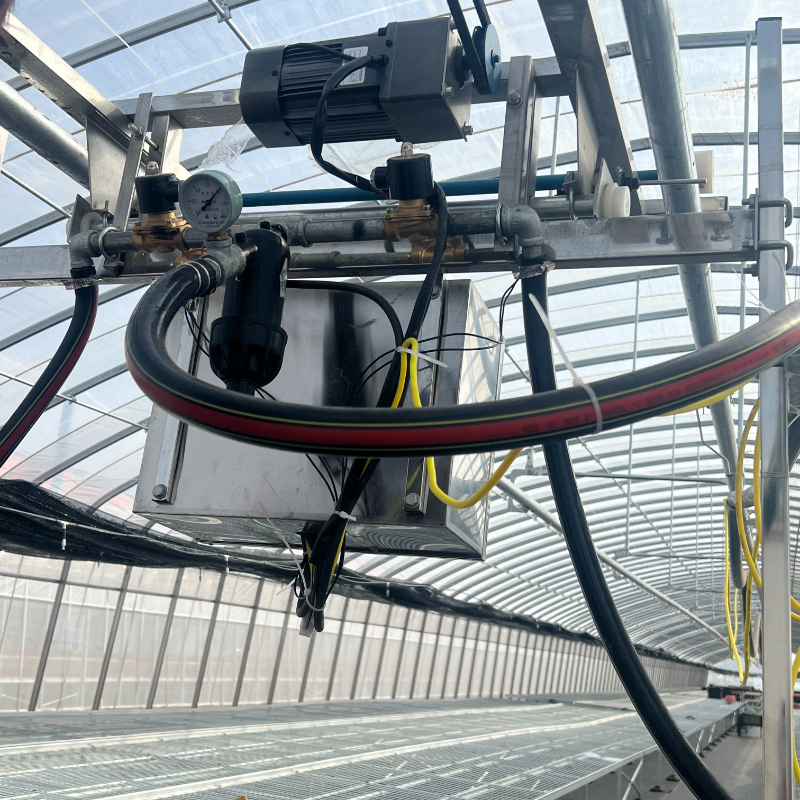


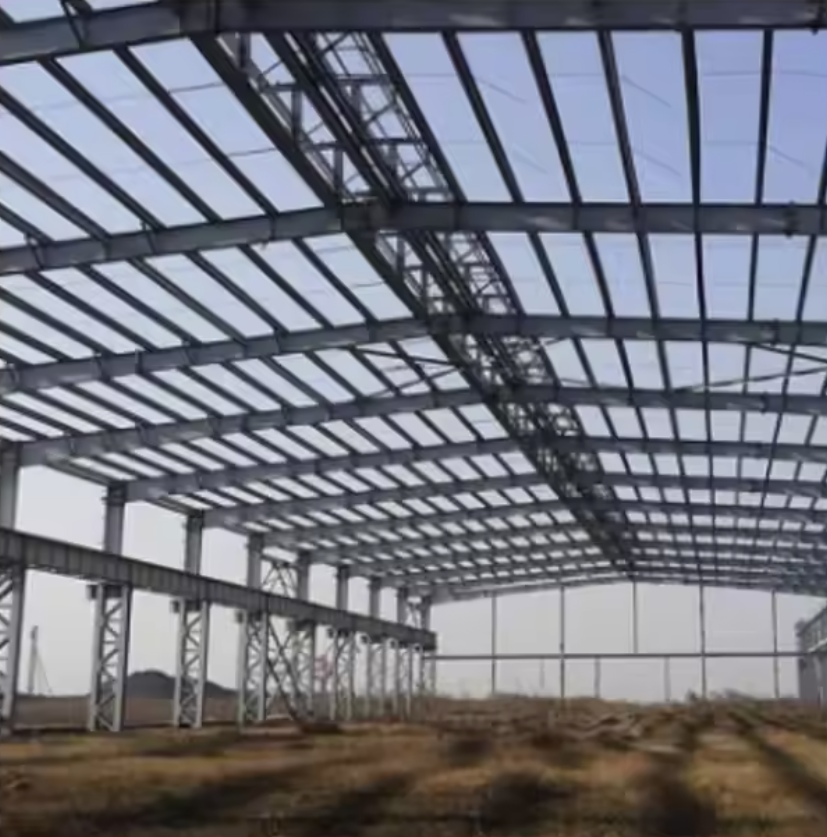
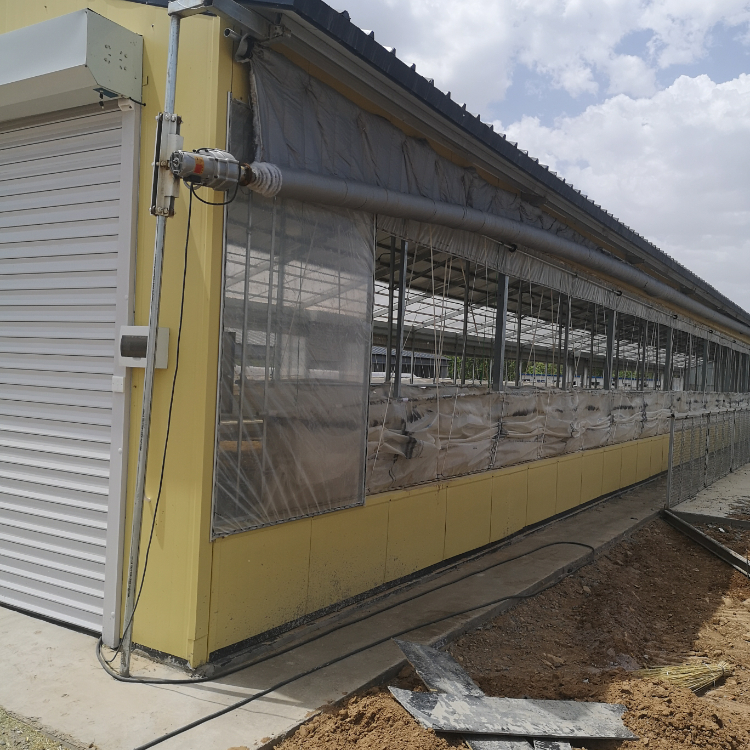
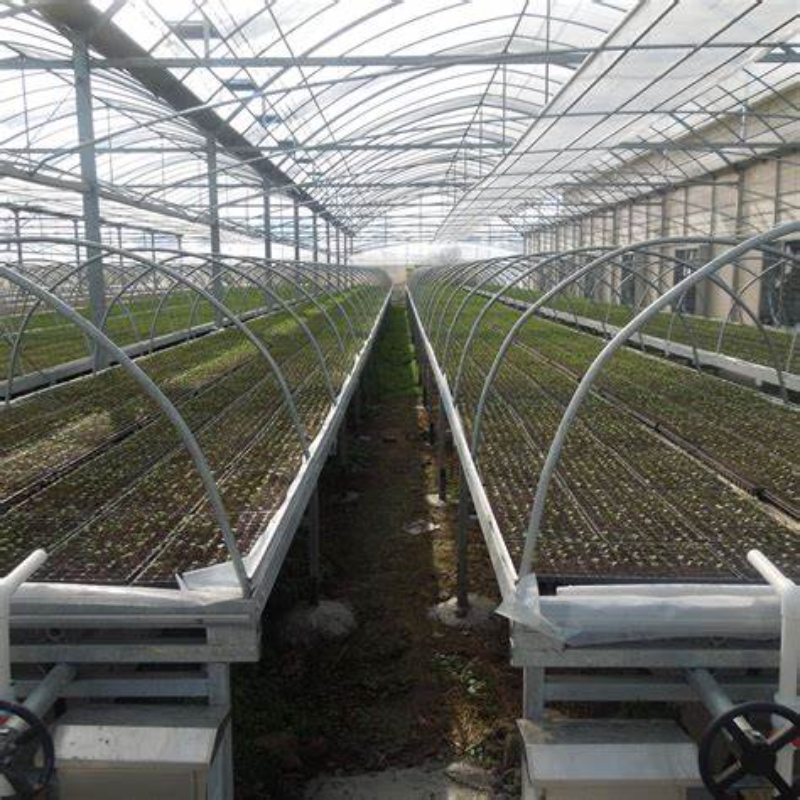
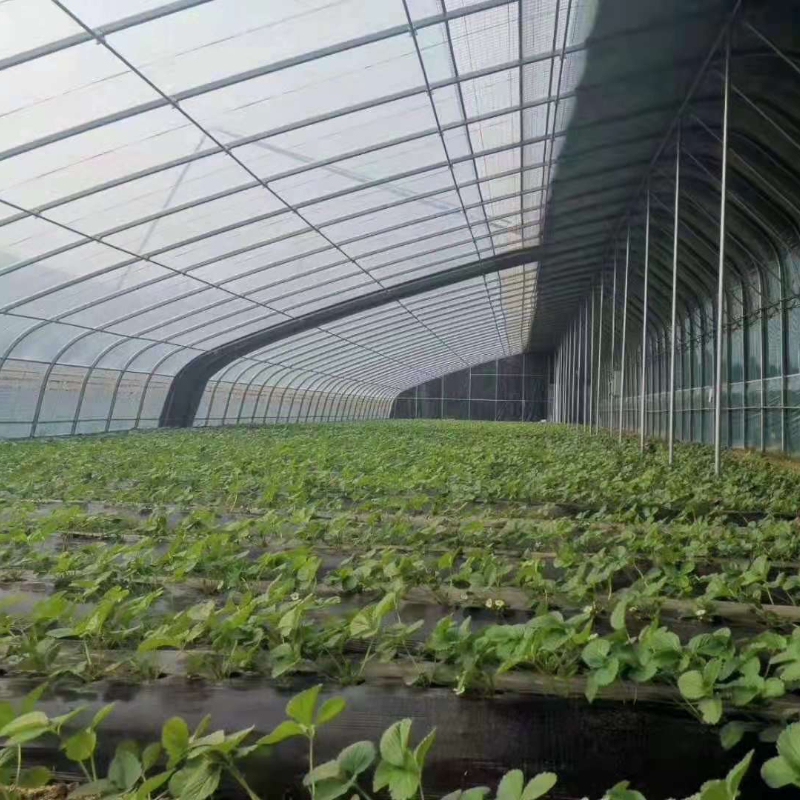
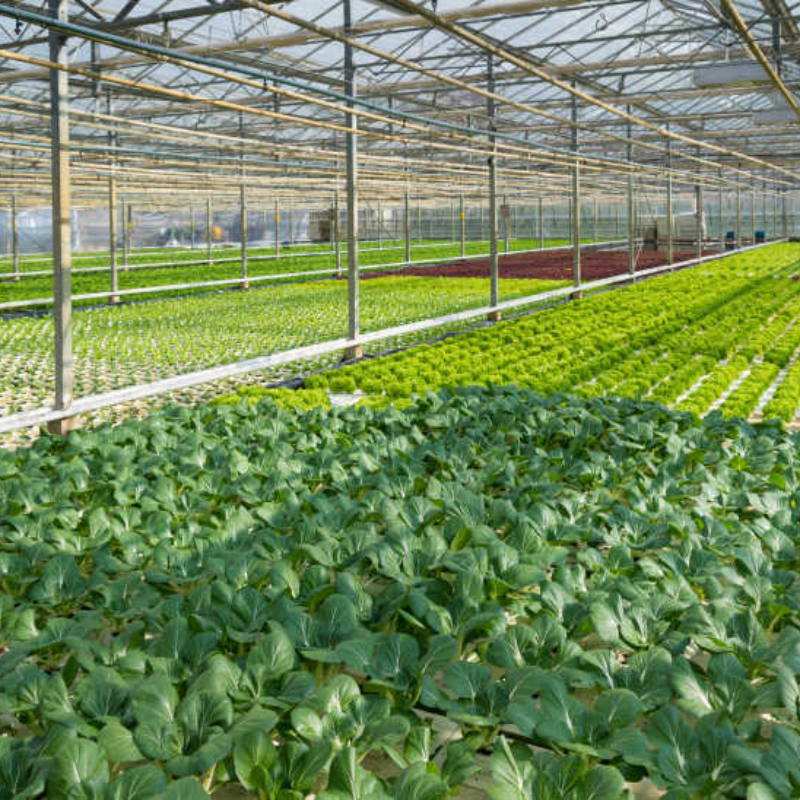
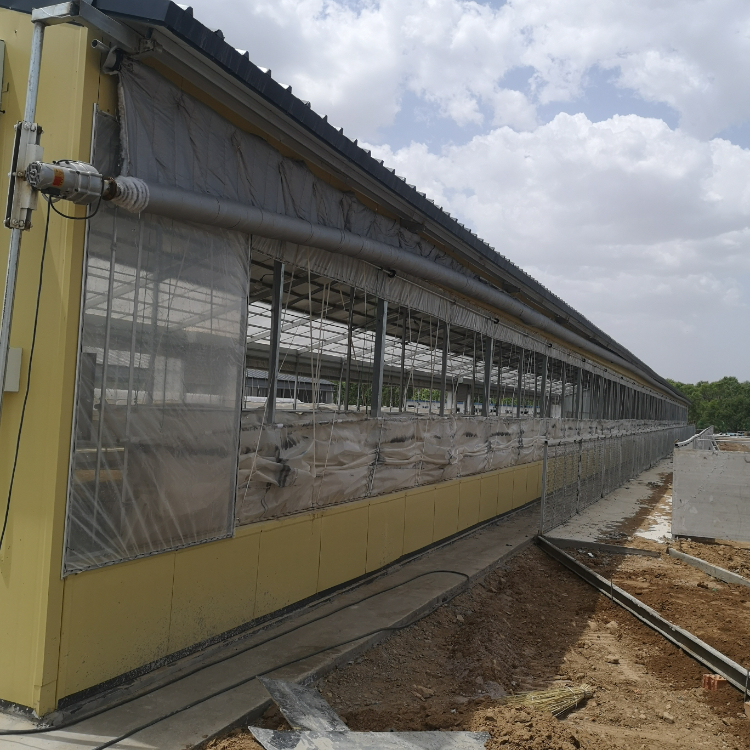
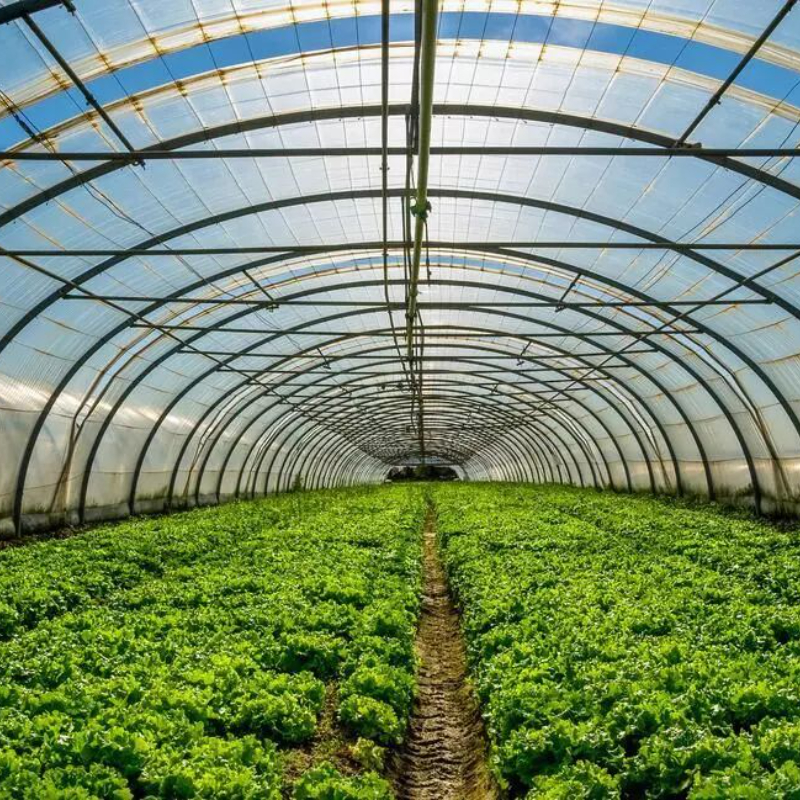
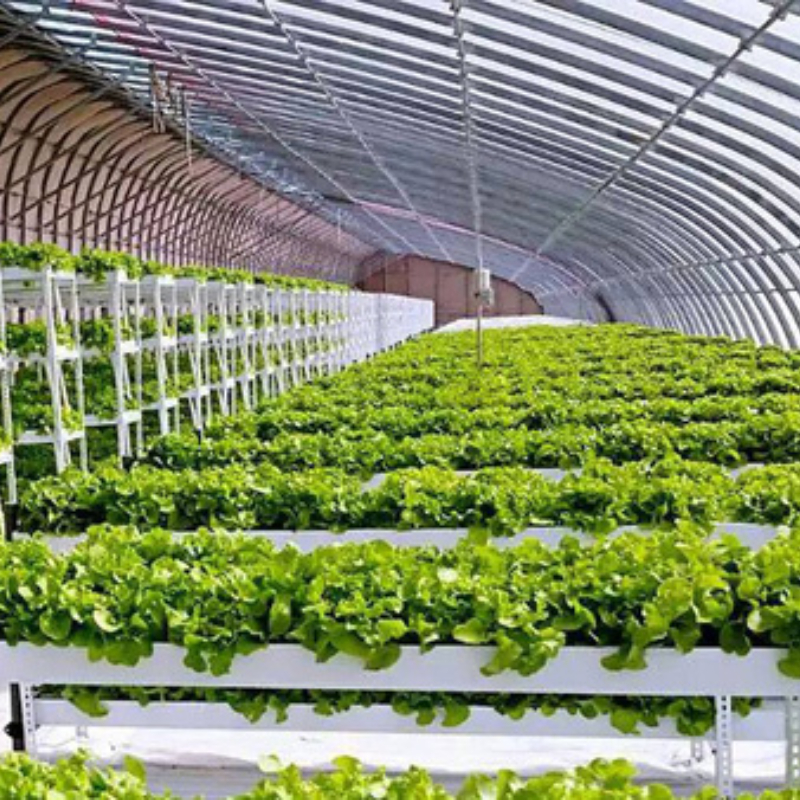
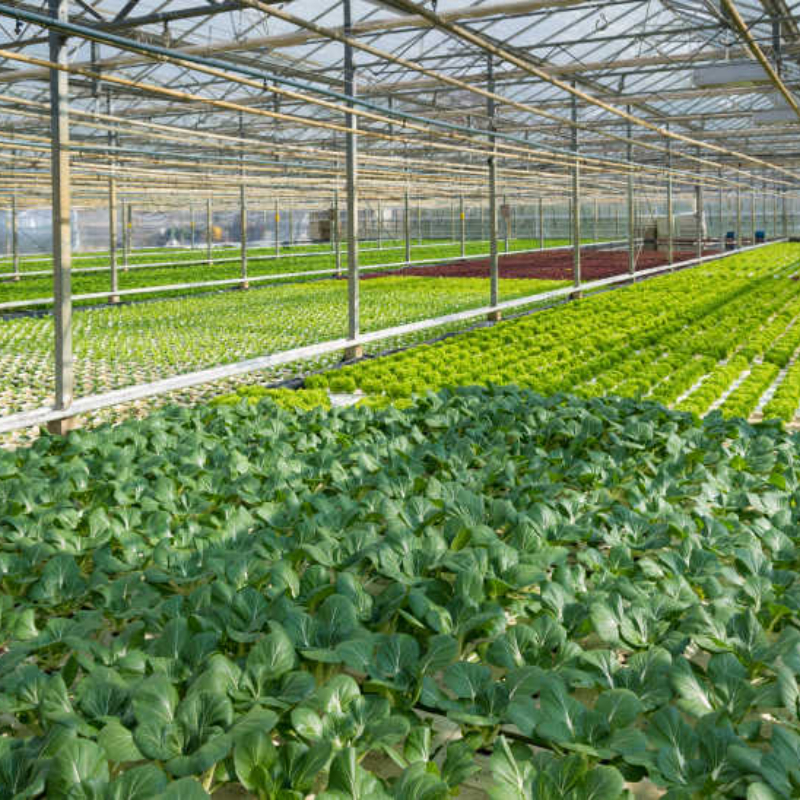
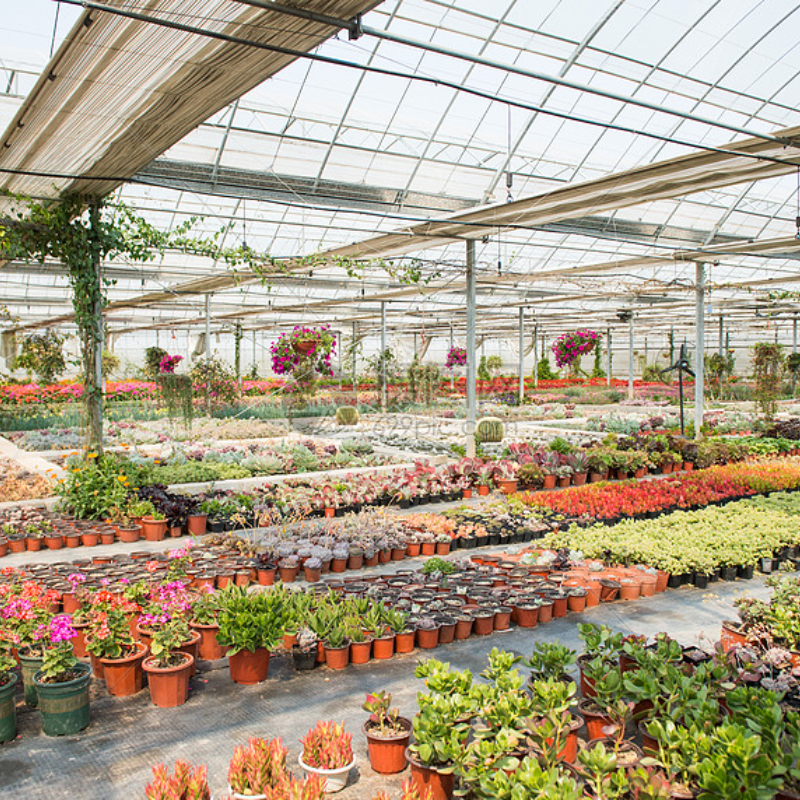
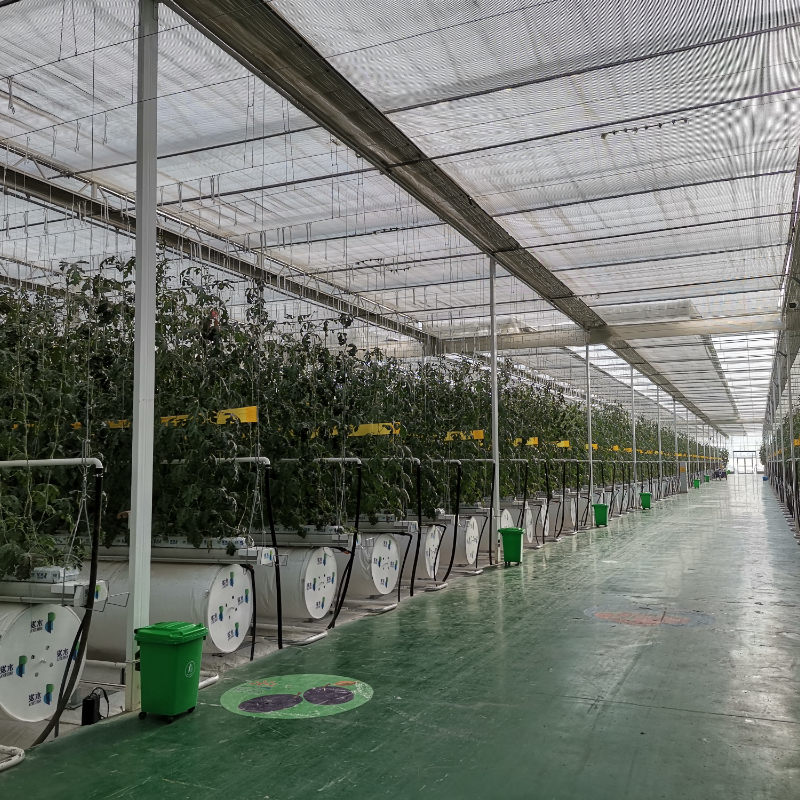
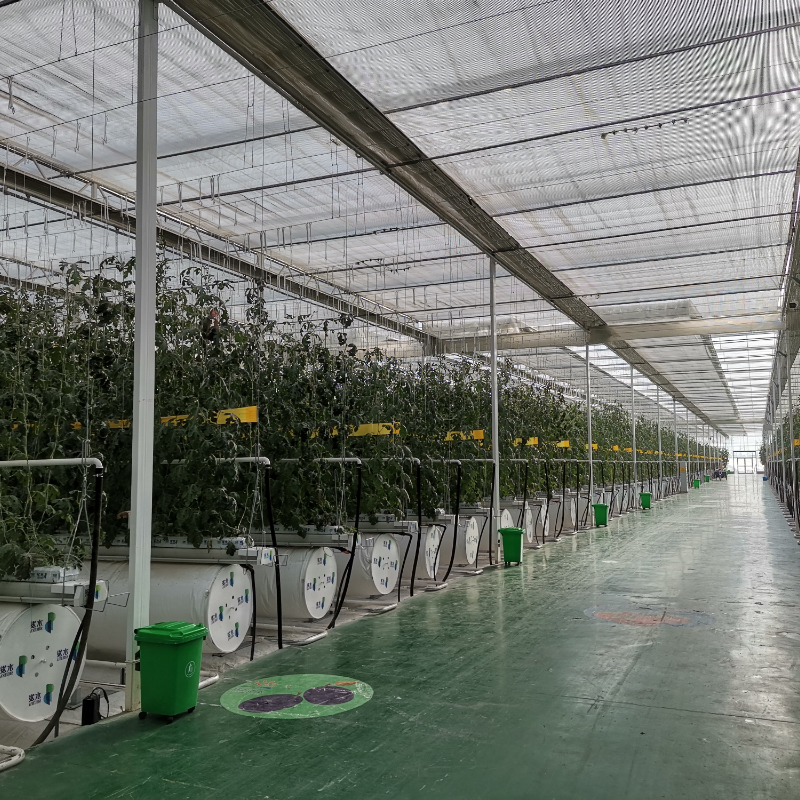
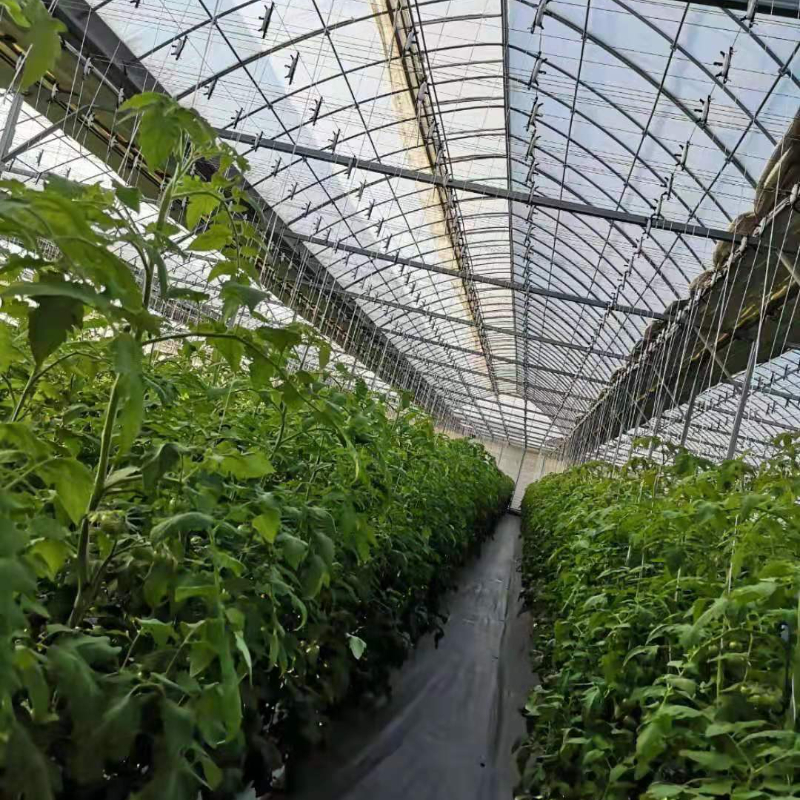
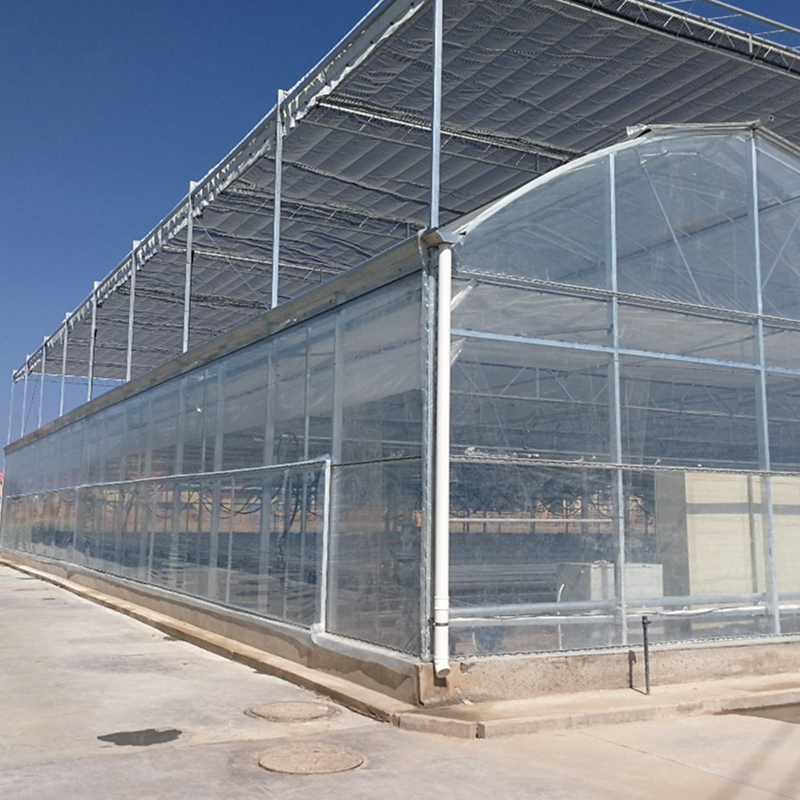
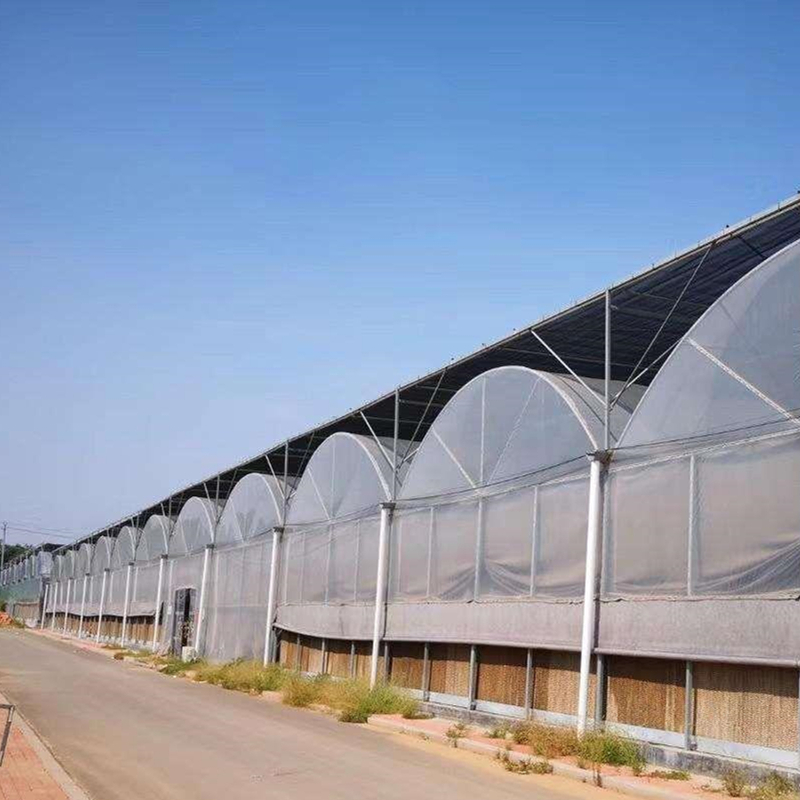
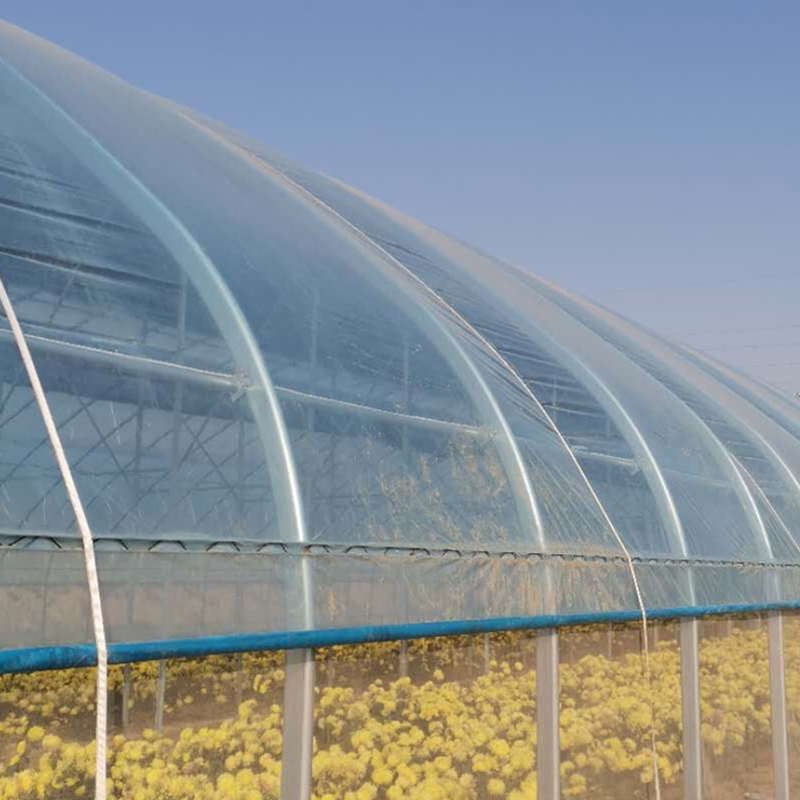
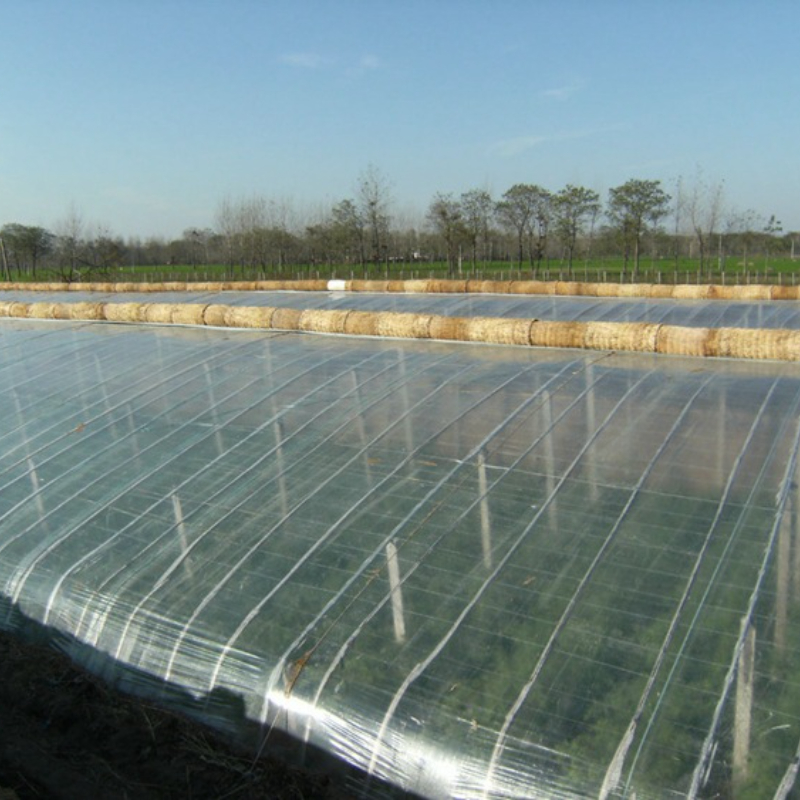
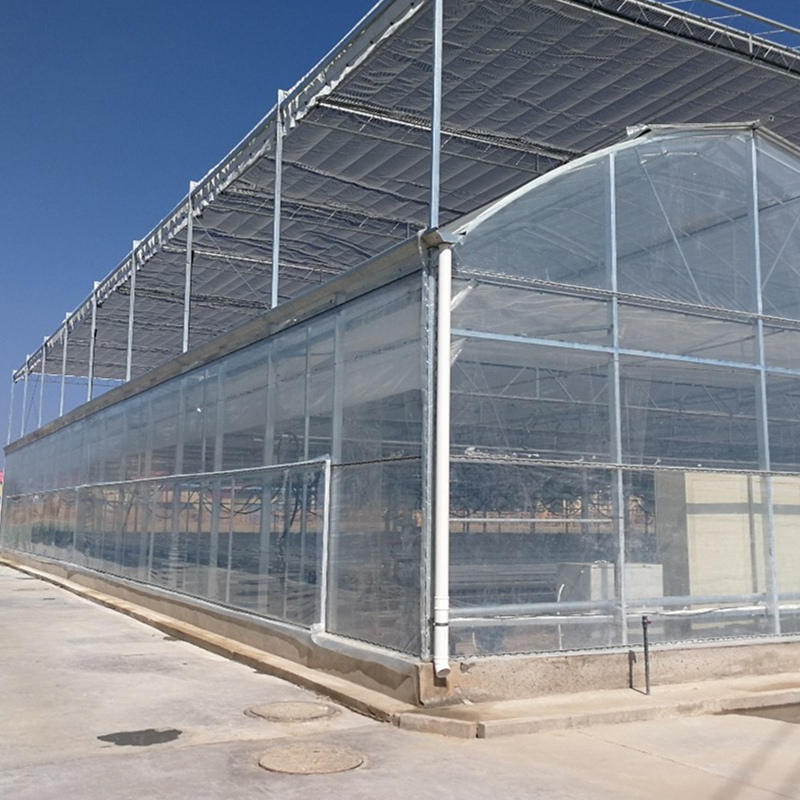
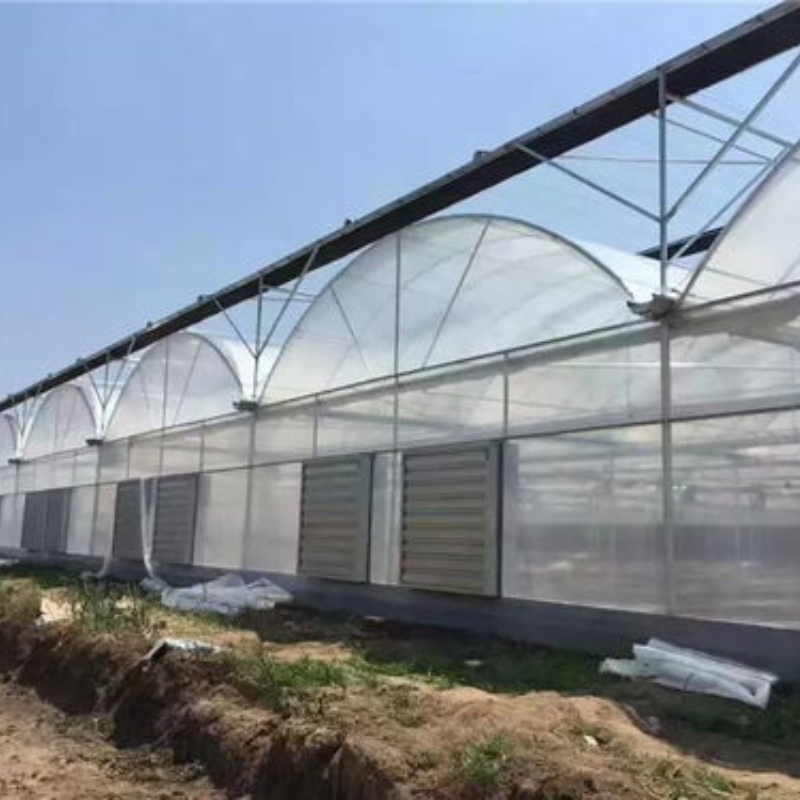
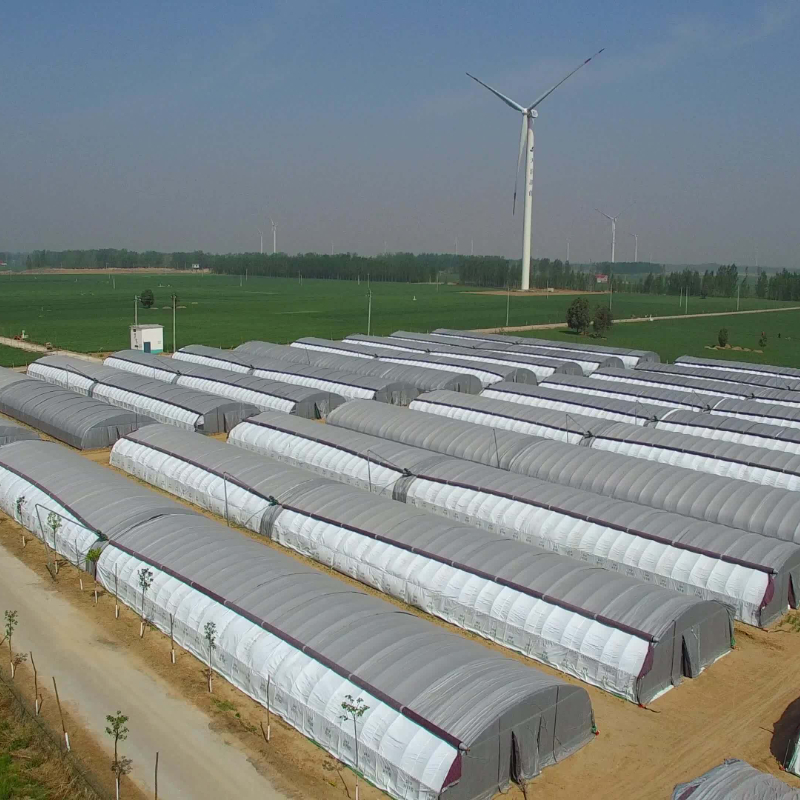
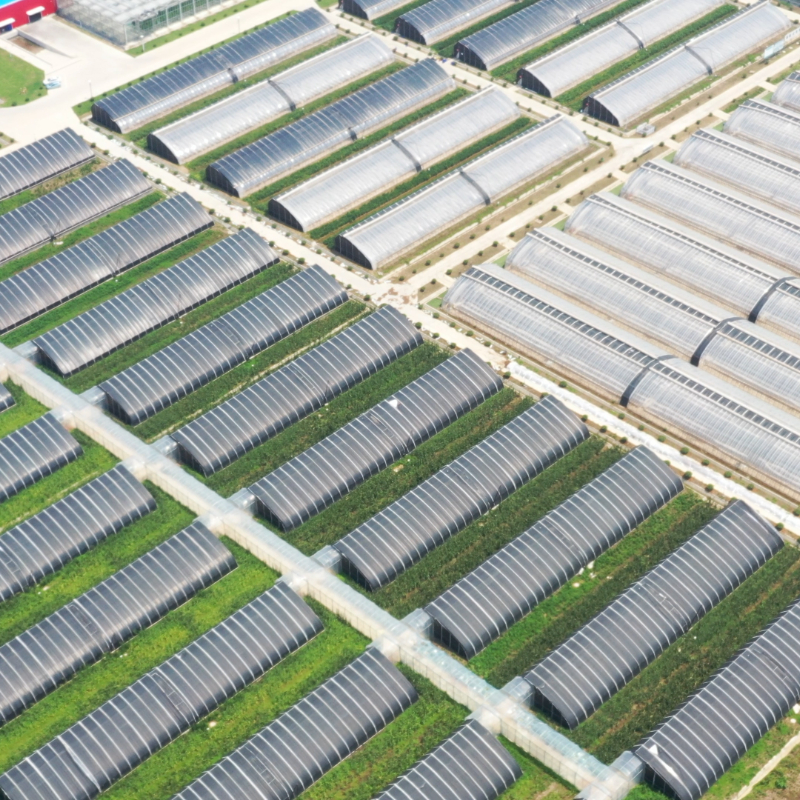
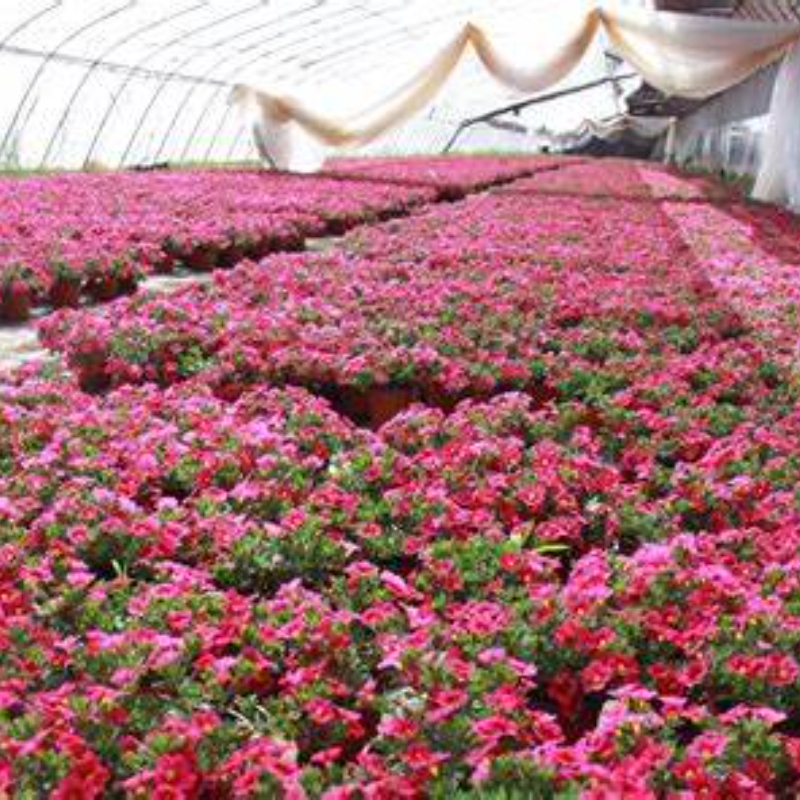
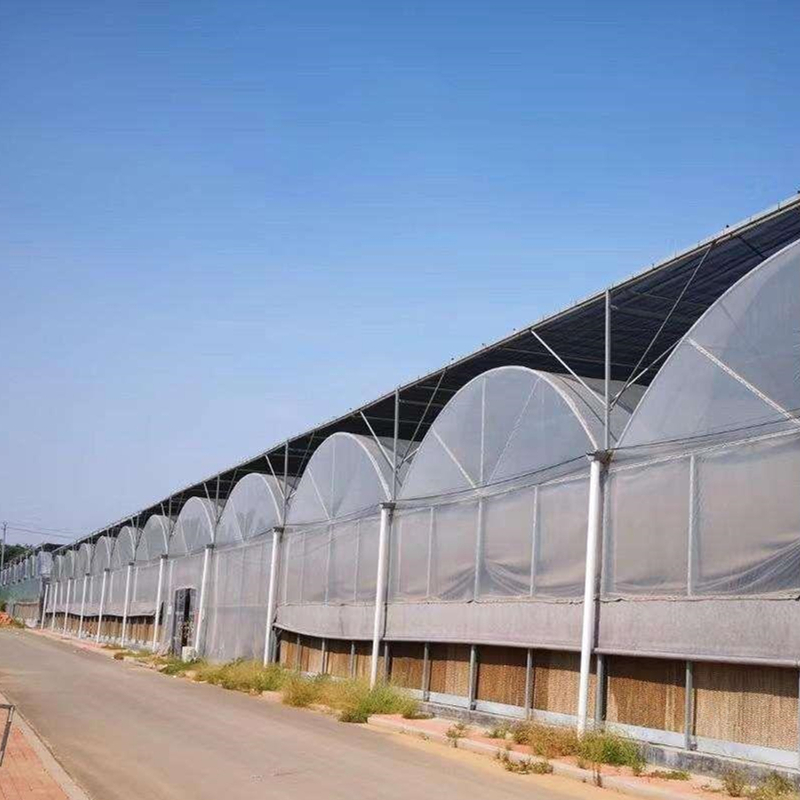
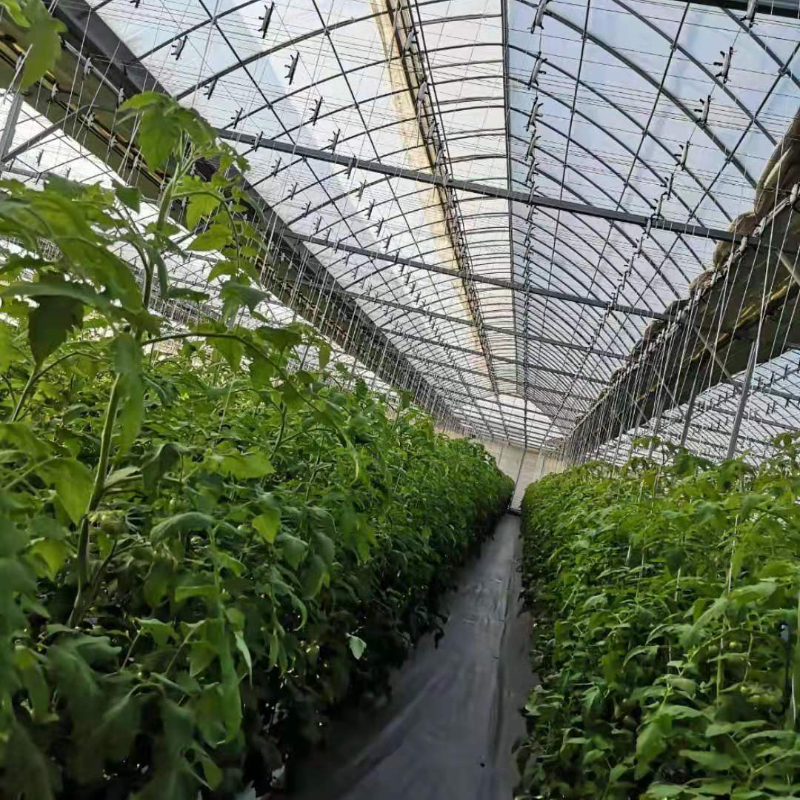
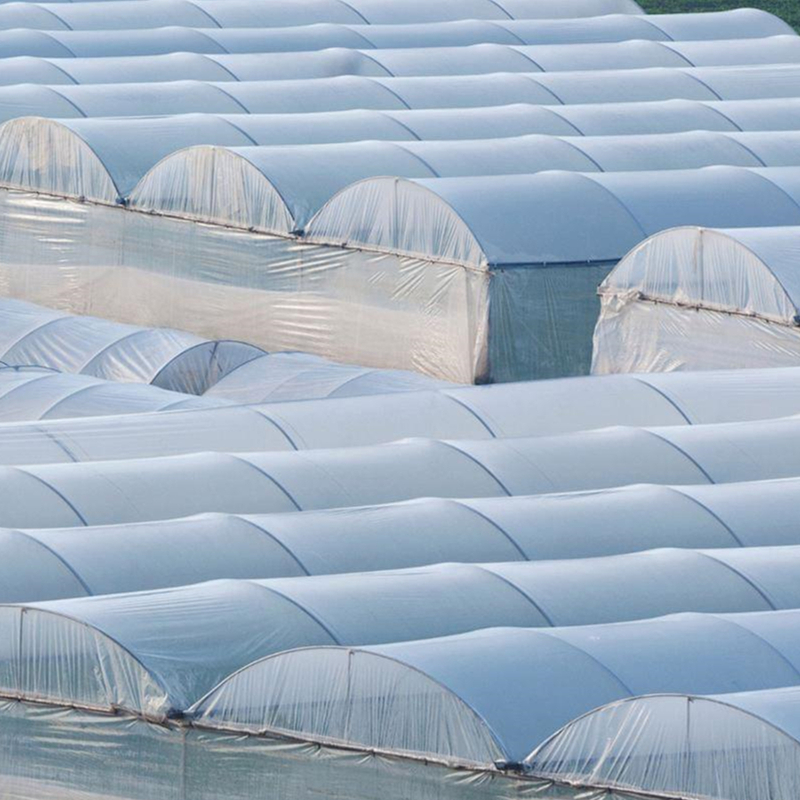
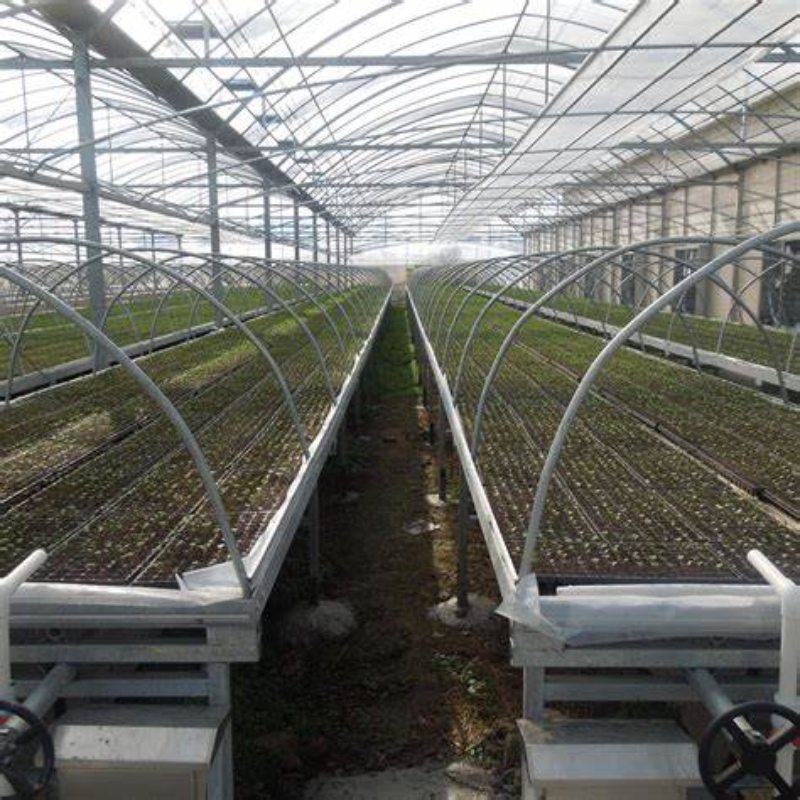
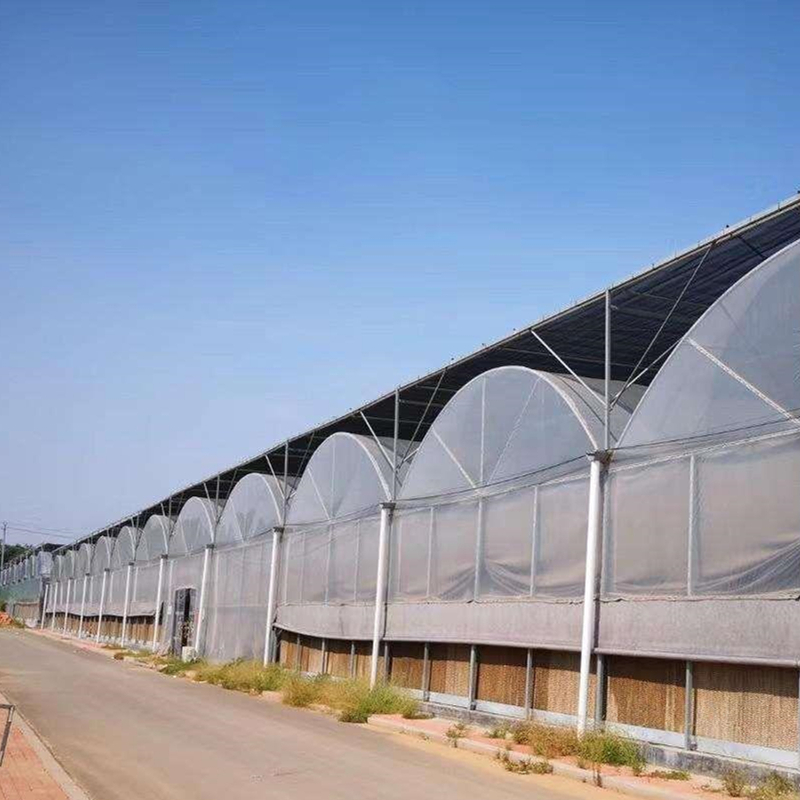
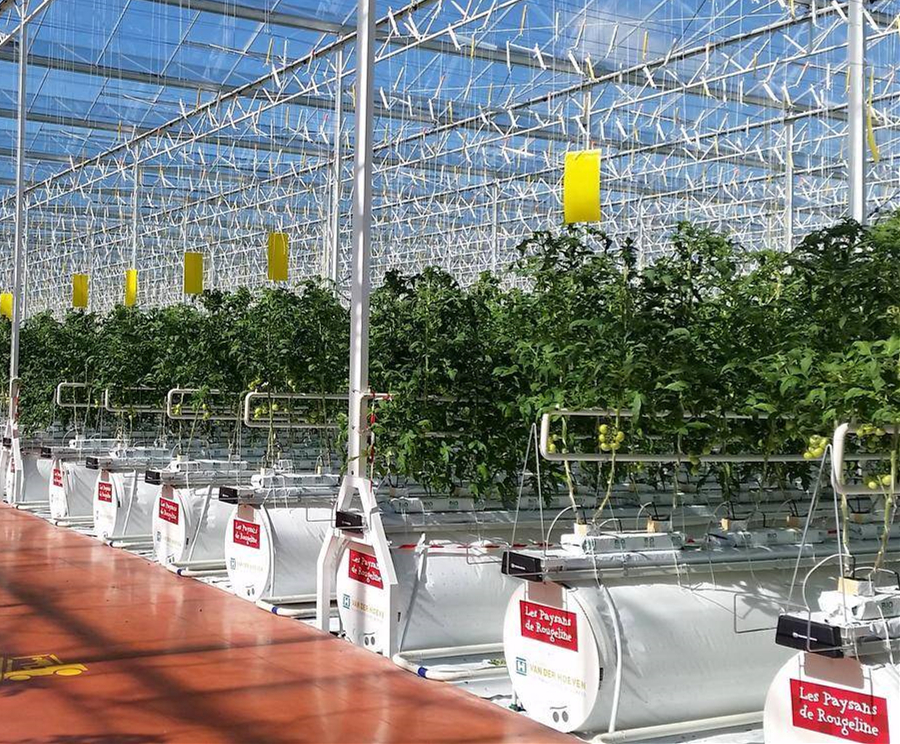
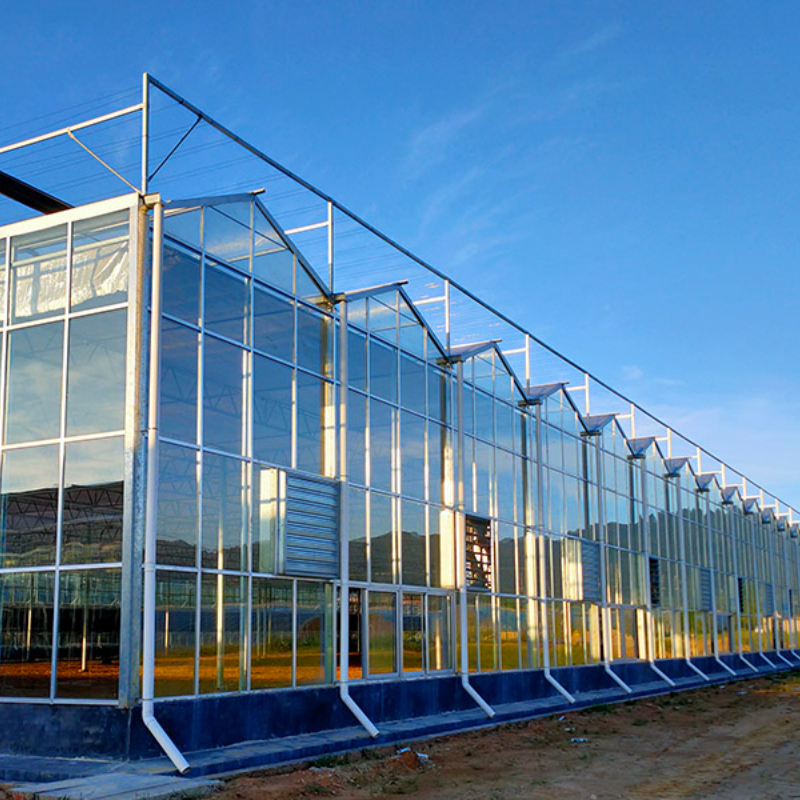
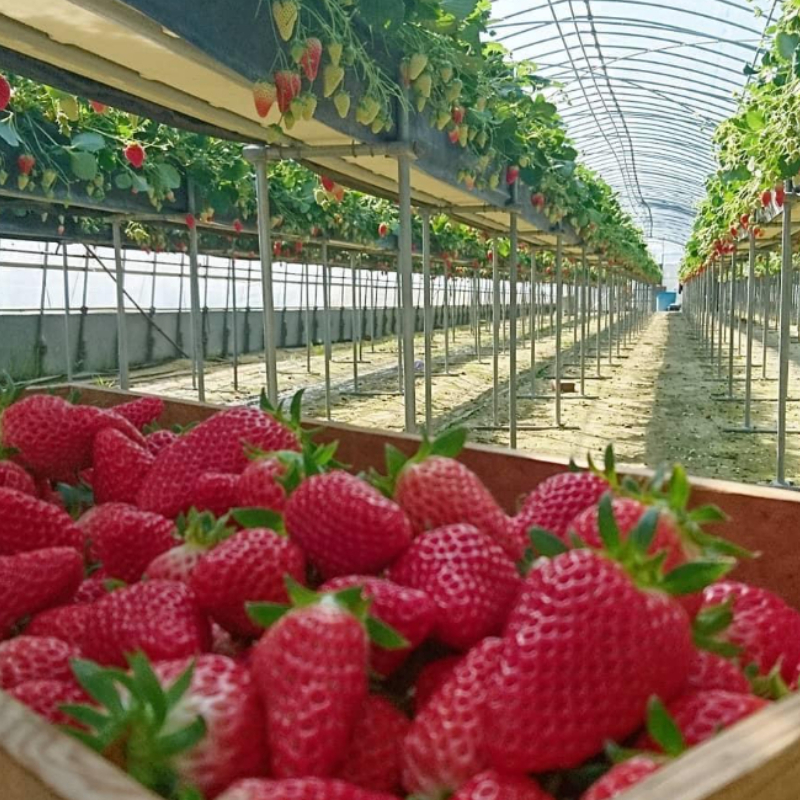
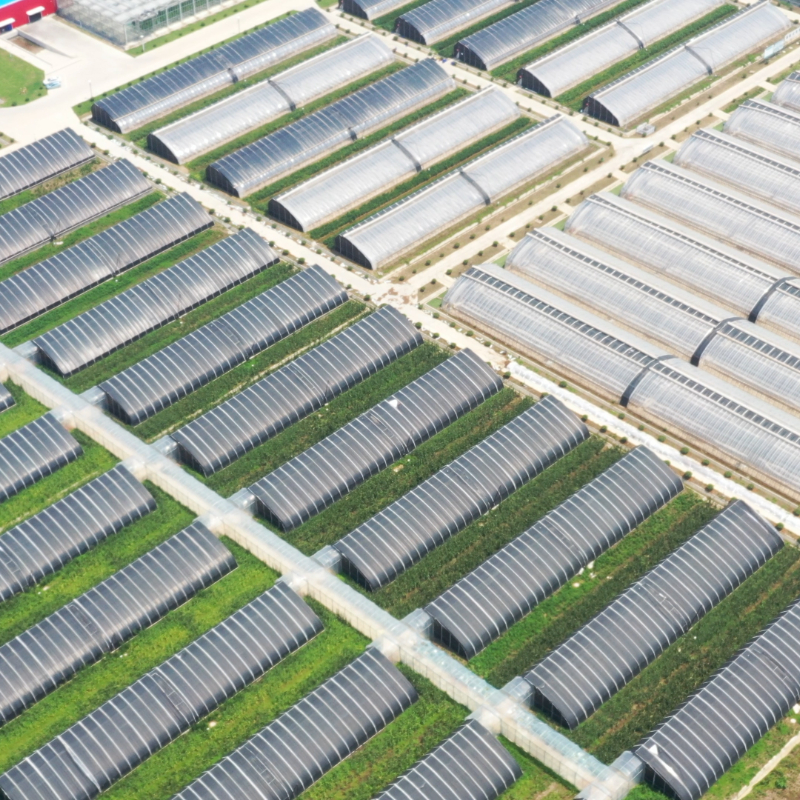
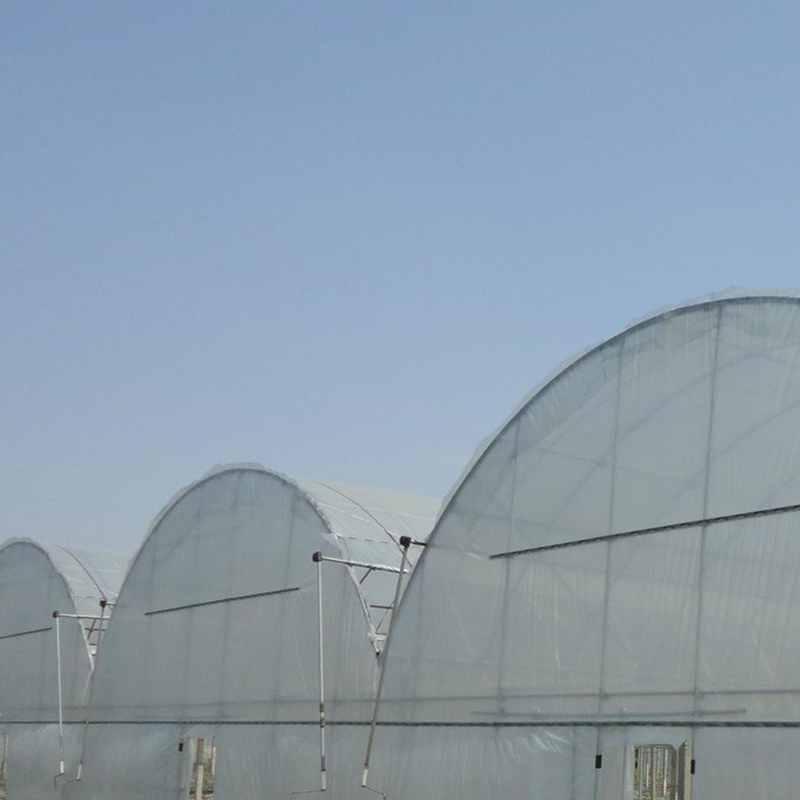
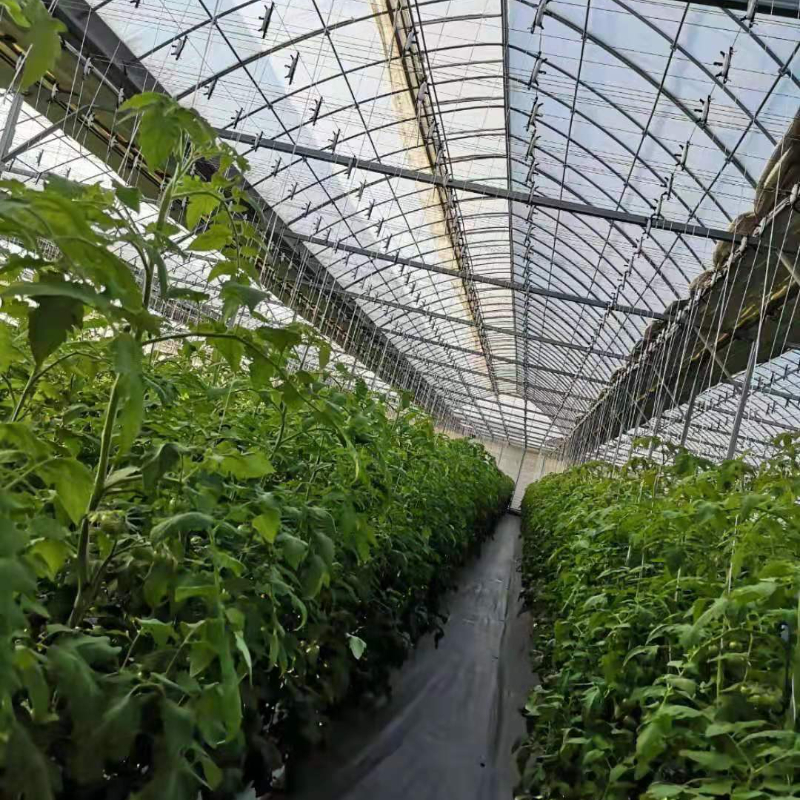
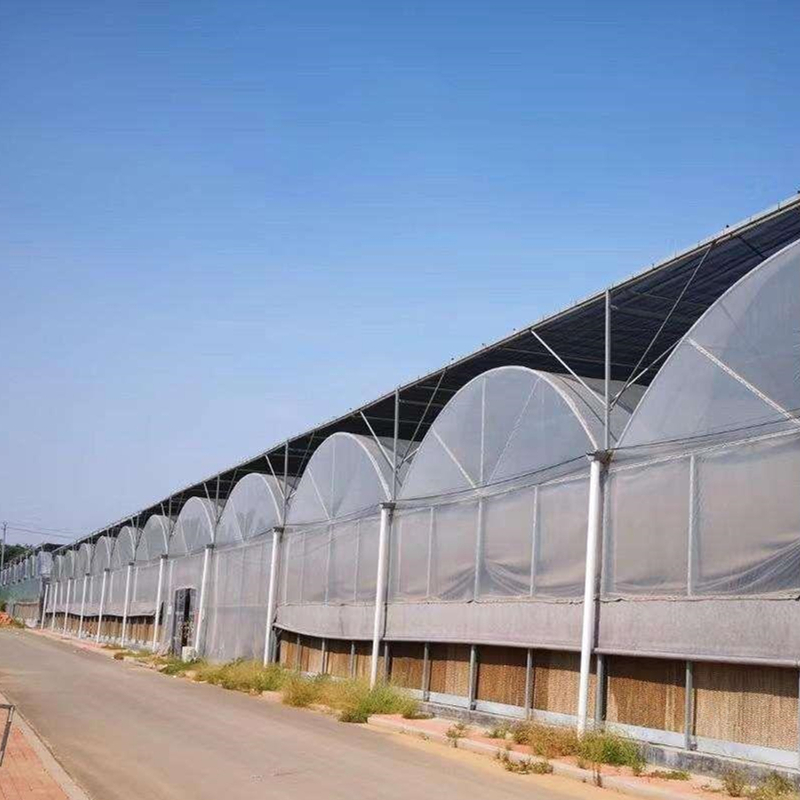
As Almeria's greenhouse industry continues to thrive, the region is looking to the future with confidence. The local government and farming community are committed to sustaining the industry's success by continuing to invest in technology and innovation. There is a growing focus on renewable energy, with many greenhouses now using solar panels to power their operations. This not only reduces the environmental impact of the industry but also lowers energy costs.
Another area of focus is sustainable water management. While the current rainwater collection system is effective, there are plans to improve water efficiency further by implementing advanced irrigation technologies and water recycling systems. This will ensure that the industry remains resilient even in the face of changing climate conditions.
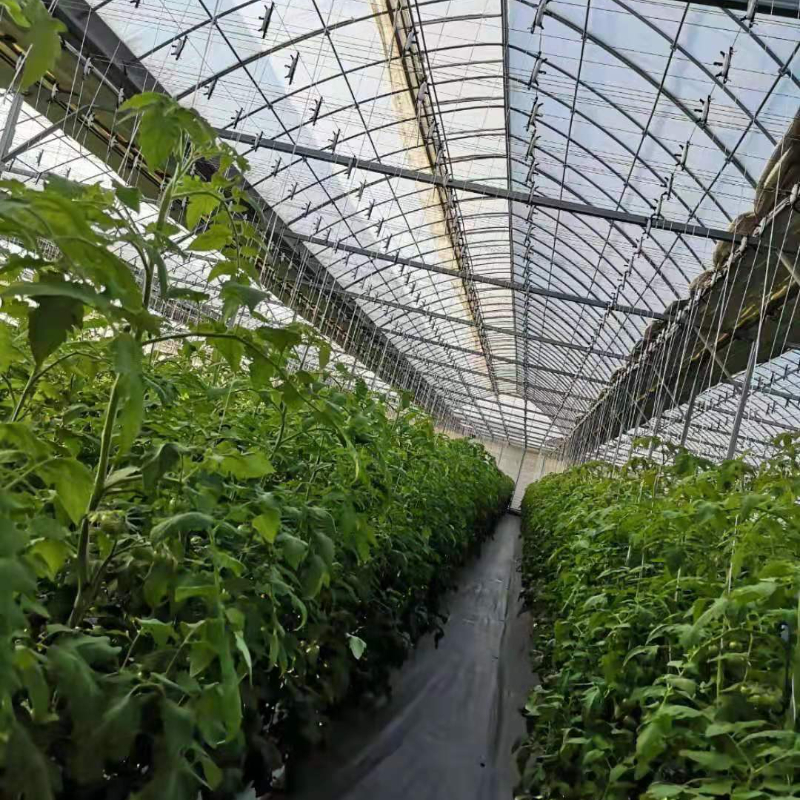
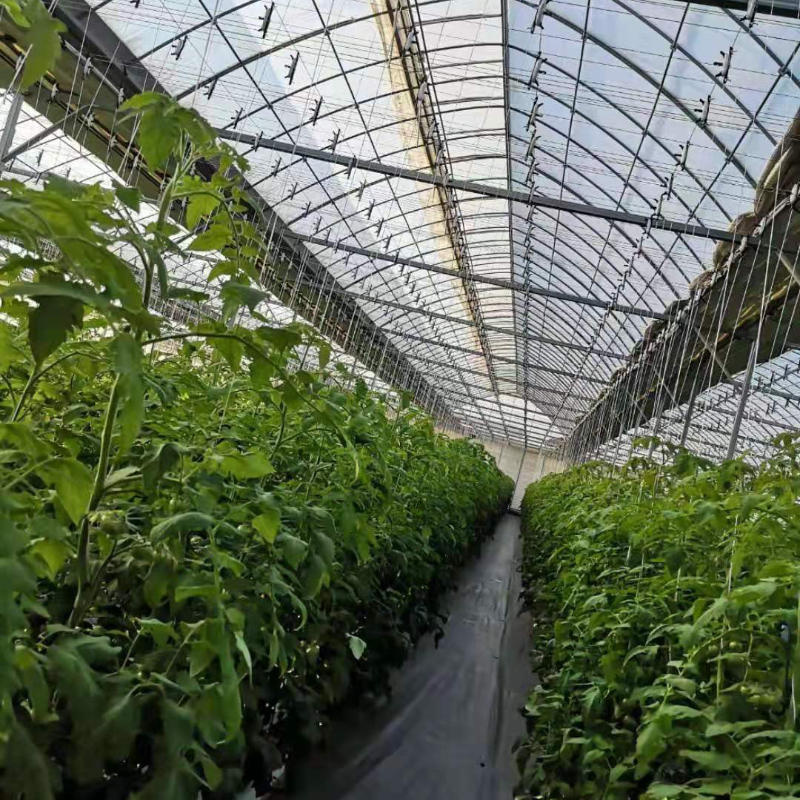
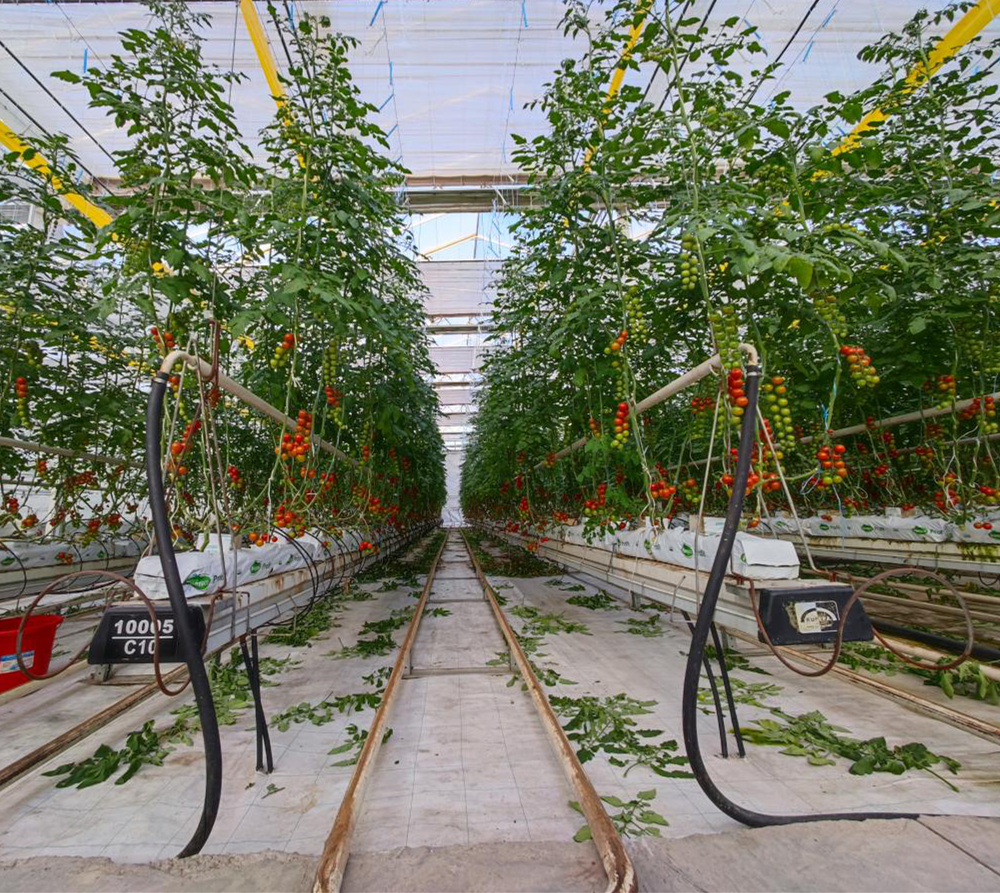
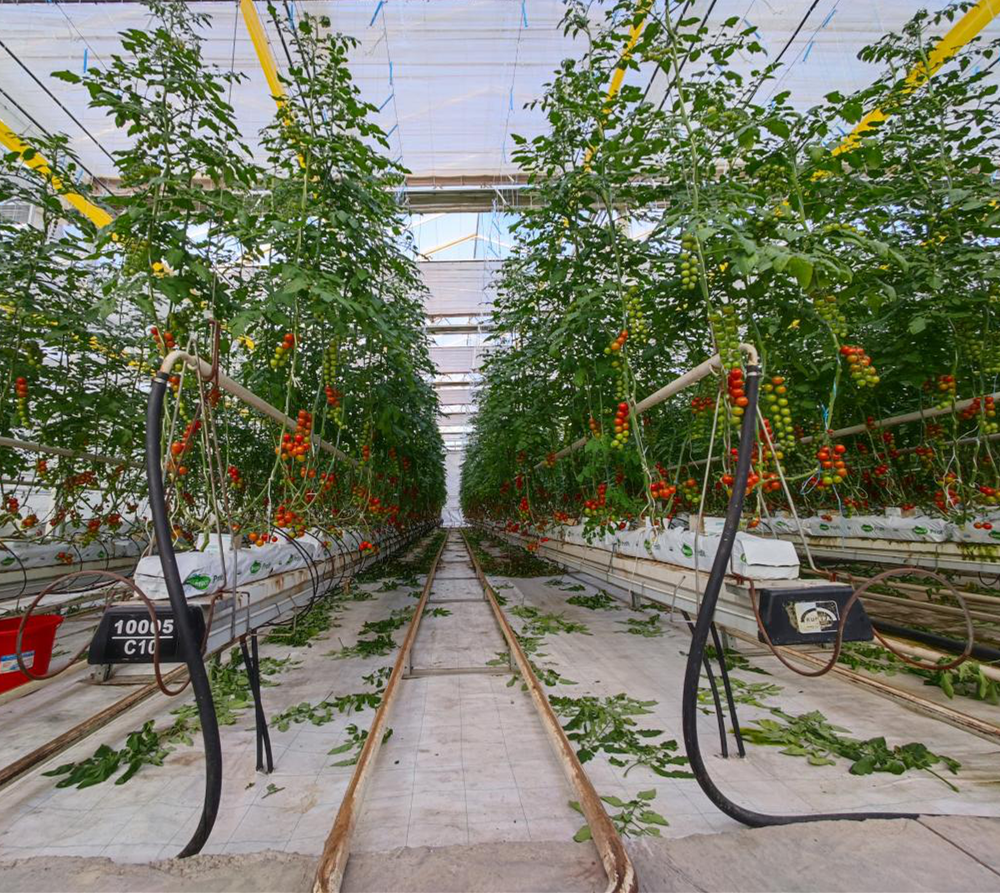
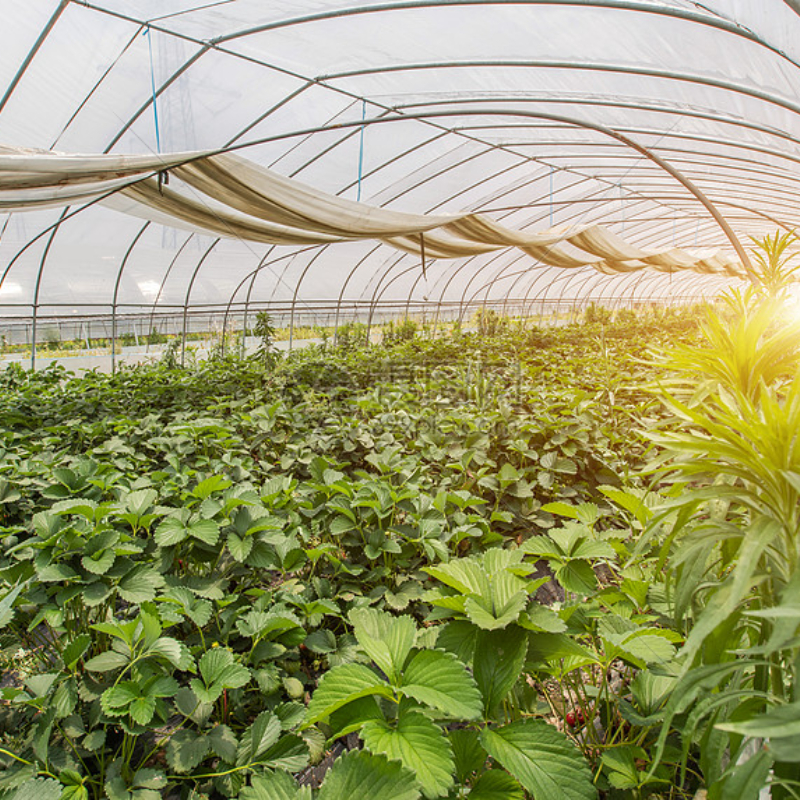
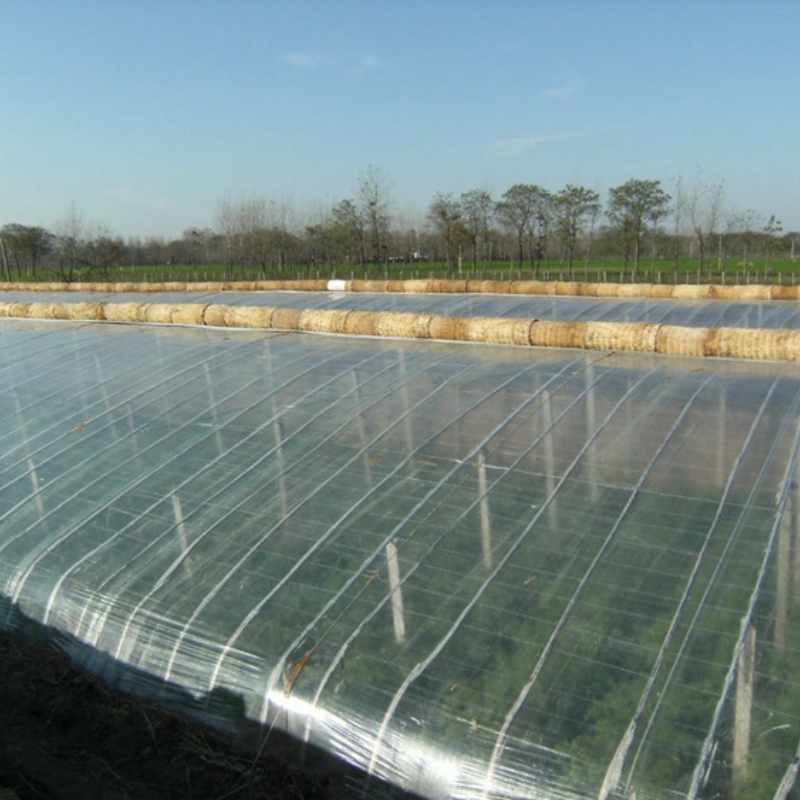
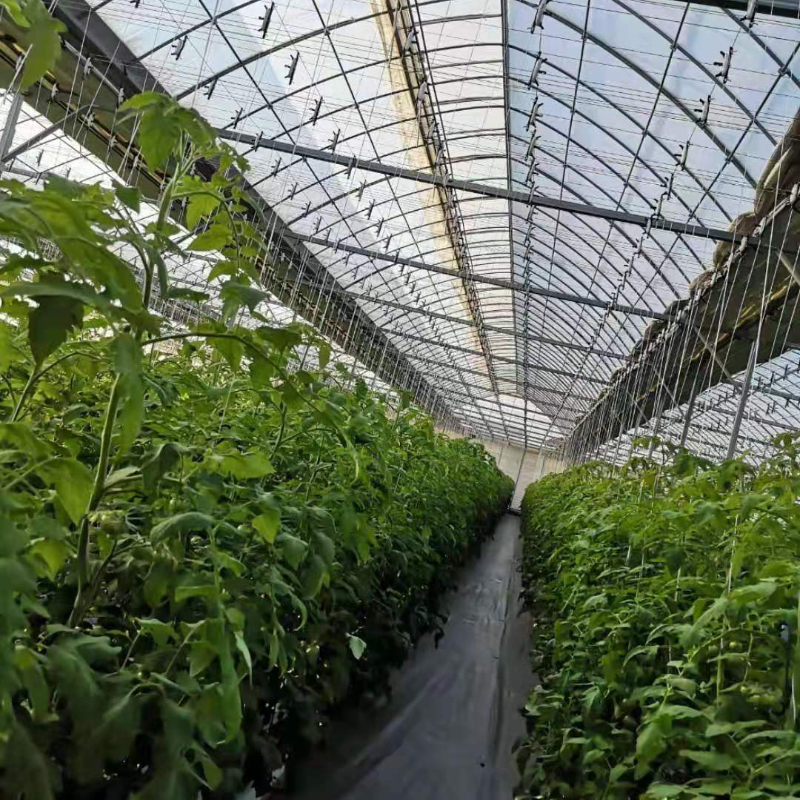
Some even dismissed the project as a fool’s errand, a waste of time and resources in a region that was fundamentally unsuitable for agriculture. The Spanish government, however, saw things differently. In the early 1960s, Spain was in the midst of a period of economic modernization known as the "Spanish Miracle," a time when the country was seeking to diversify its economy and reduce its reliance on traditional industries such as agriculture and mining. The government recognized that Almeria’s desolate landscape represented an opportunity rather than a liability—a chance to test new agricultural techniques that could be replicated in other arid regions of the world. More importantly, officials saw the project as a way to revitalize the region’s struggling economy and support the local fishing community, which was facing a steady decline in catches due to overfishing and the depletion of marine resources. The decision to invest in the greenhouse project was not made lightly; it required political will, financial commitment, and a willingness to take a risk on an unproven idea. Government officials worked closely with local farmers and engineers to refine the greenhouse design, providing funding for the purchase of materials and the training of workers. They also conducted extensive research into the types of crops that would thrive in the controlled greenhouse environment, focusing on high-value fruits and vegetables that could be sold in local and national markets. The first greenhouse was a small-scale operation, covering just a few hundred square meters, and it focused exclusively on growing tomatoes—a crop that was known to adapt well to greenhouse conditions and had a strong market demand in Spain. The farmers who operated the greenhouse were former fishermen, men who had spent their entire lives at sea and had little to no experience in agriculture. They learned on the job, experimenting with different growing techniques, adjusting the temperature and humidity levels, and refining their irrigation systems. Despite the steep learning curve, the results were nothing short of remarkable. By 1964, just one year after the greenhouse was established, the tomato harvest season had increased from two to four times a year—a dramatic improvement that was unheard of in traditional open-field farming. Even more impressively, the yields soared by an astonishing 310%, meaning that the small greenhouse was producing more than four times as many tomatoes as a similar-sized plot of open land in a more fertile region.
The tourism project is also set to expand, with new attractions and experiences being developed to attract more visitors. The local government is working to promote Almeria as a global leader in sustainable agriculture and eco-tourism, highlighting the region's unique combination of agricultural innovation and natural beauty.
Almeria's greenhouse industry is more than just a success story; it is a model for the future of farming. In a world facing increasing population growth, climate change, and resource scarcity, Almeria has proven that with ingenuity, vision, and hard work, we can turn challenges into opportunities. The region's ability to transform a desert into Europe's fruit and vegetable garden is an inspiration to countries around the world.
