
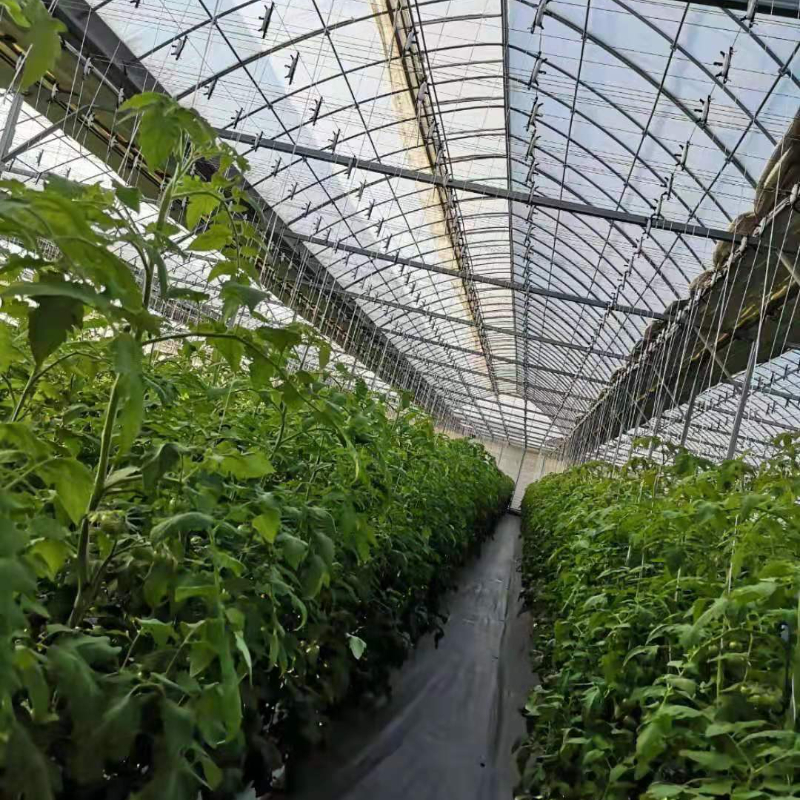
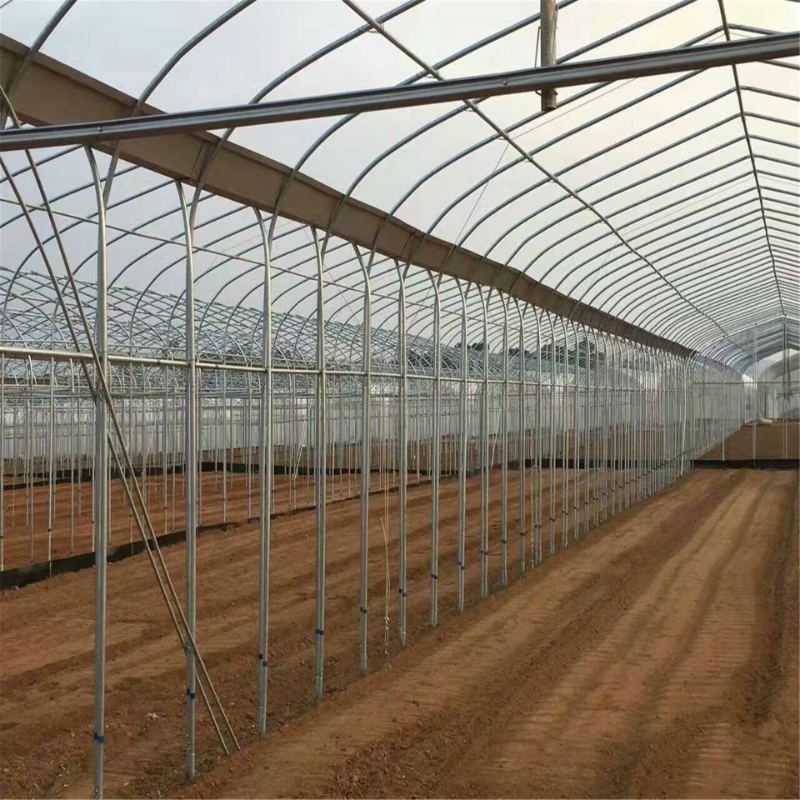
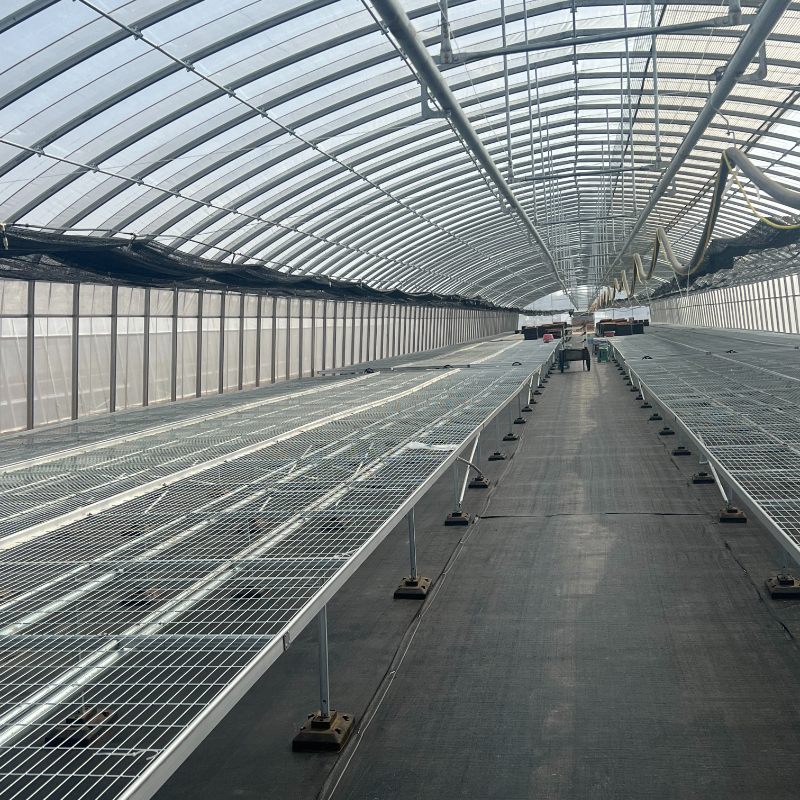
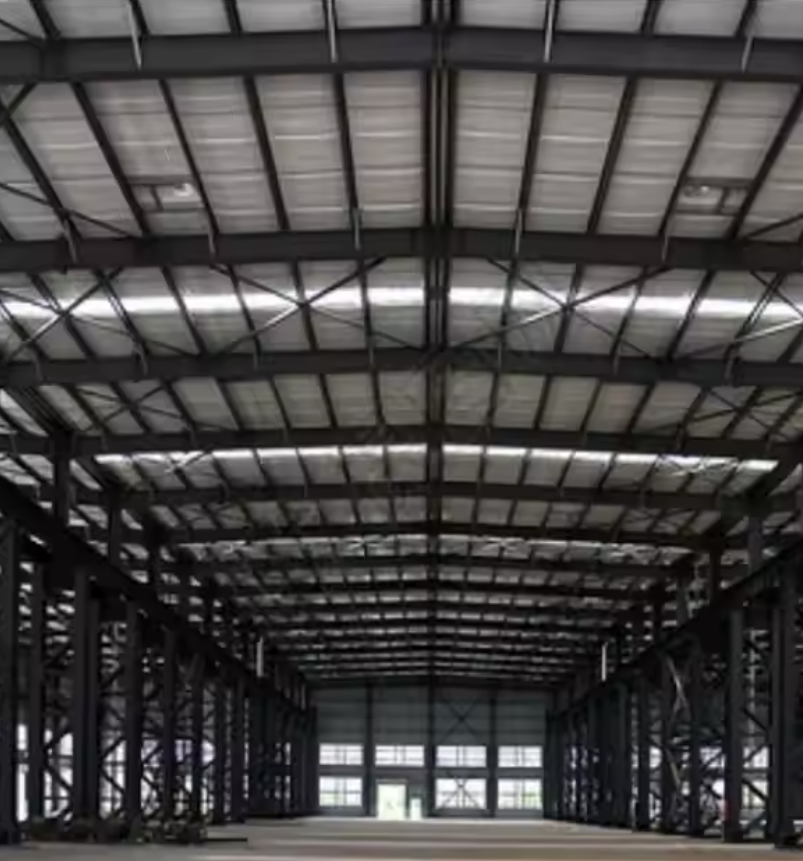
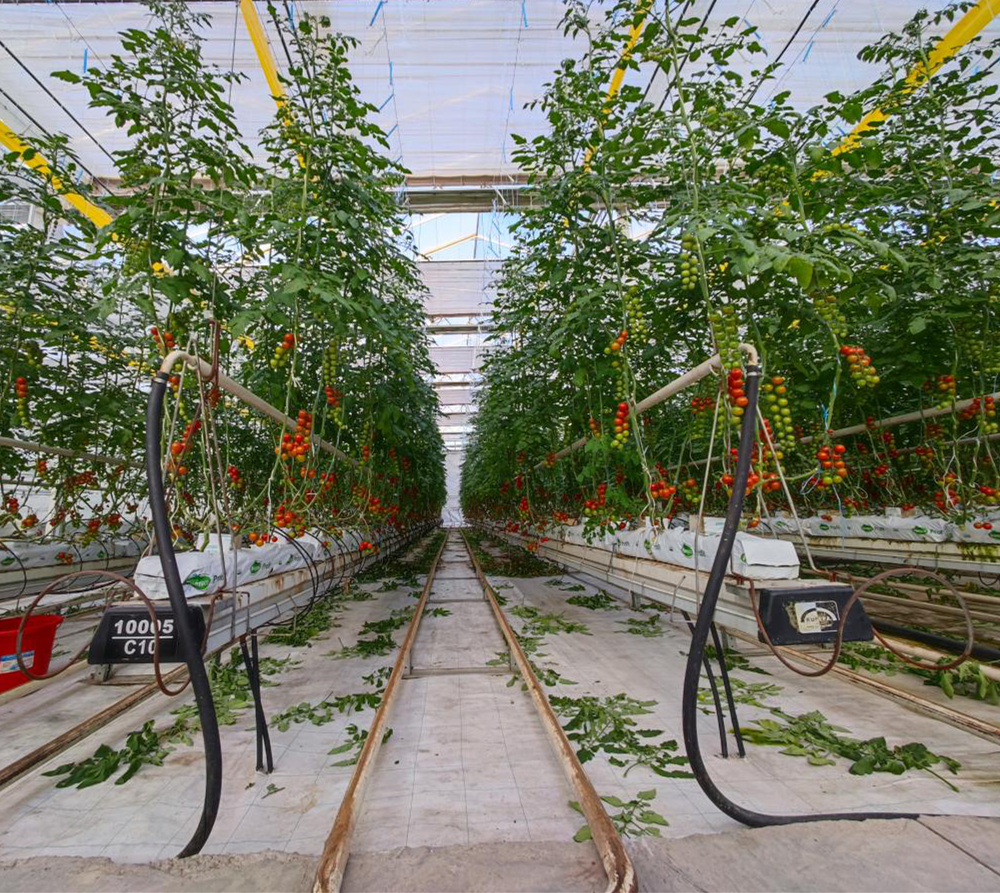
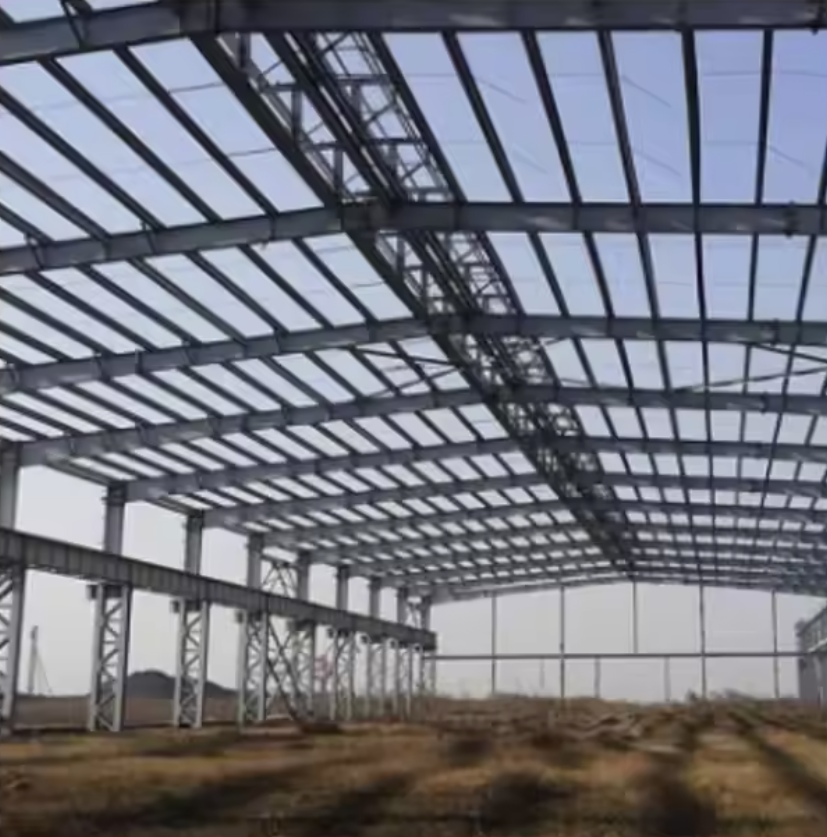
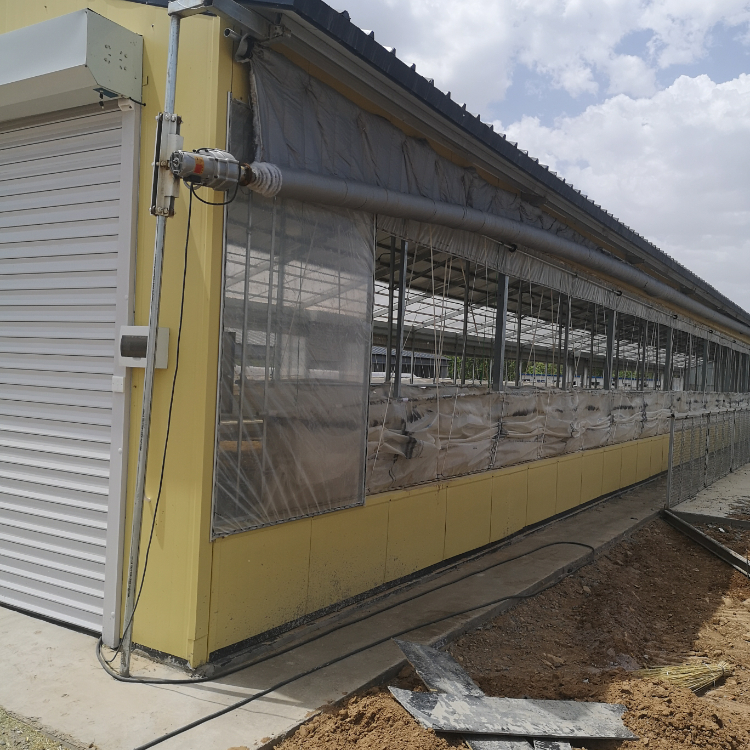
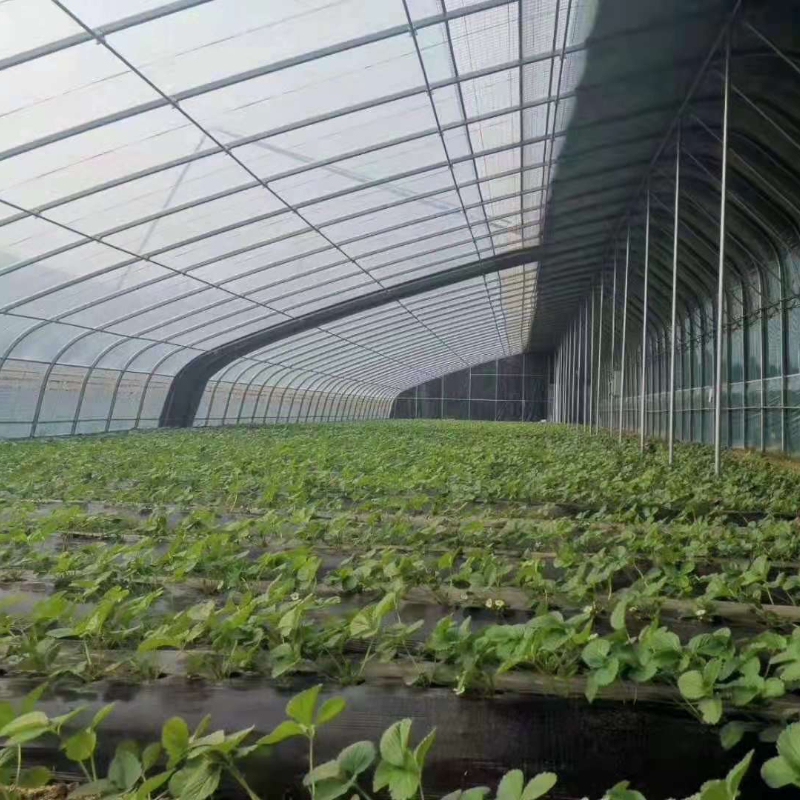
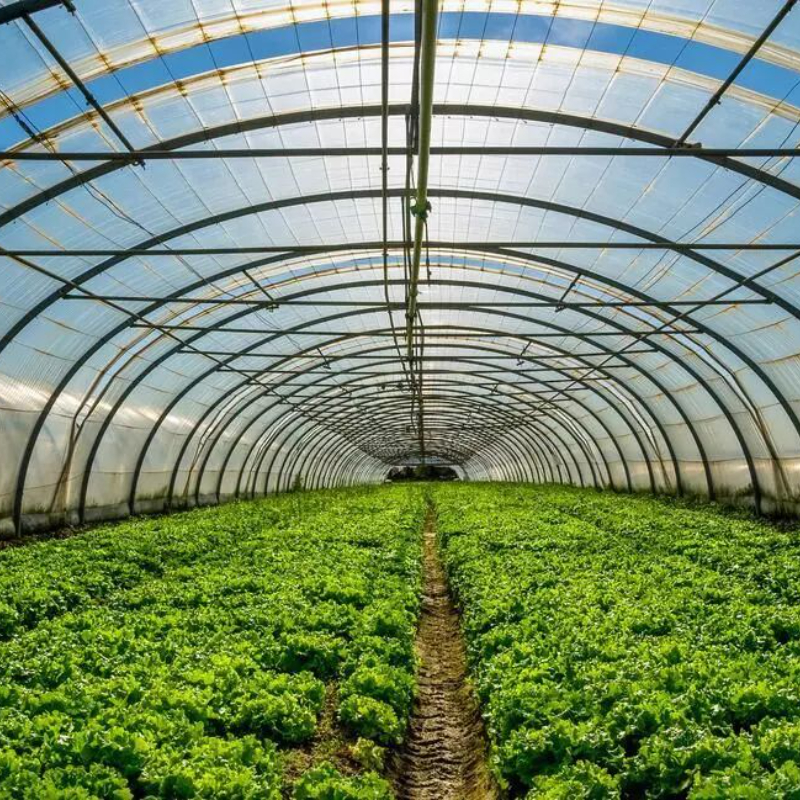
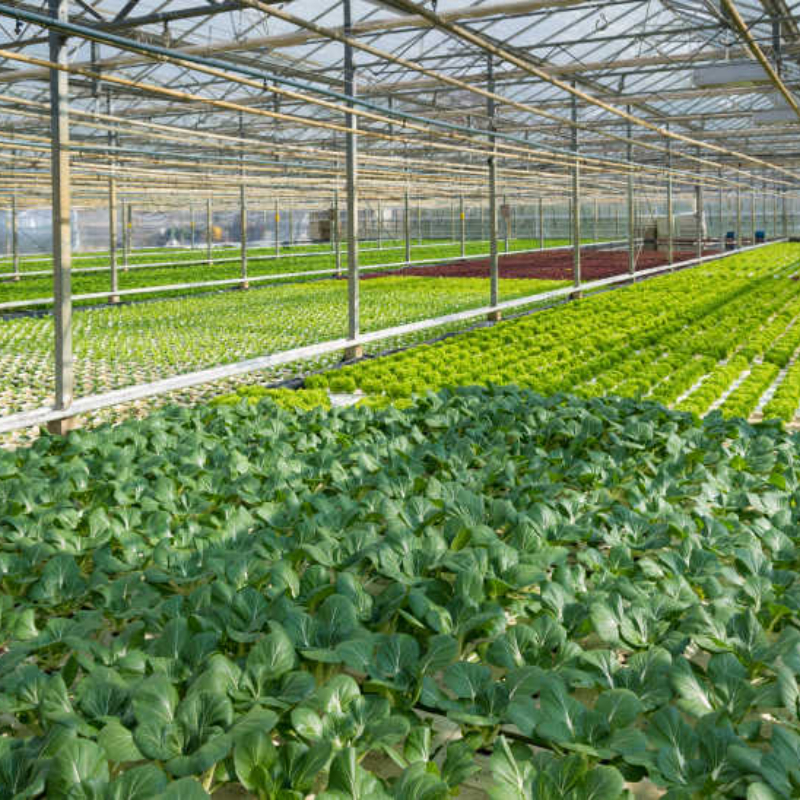
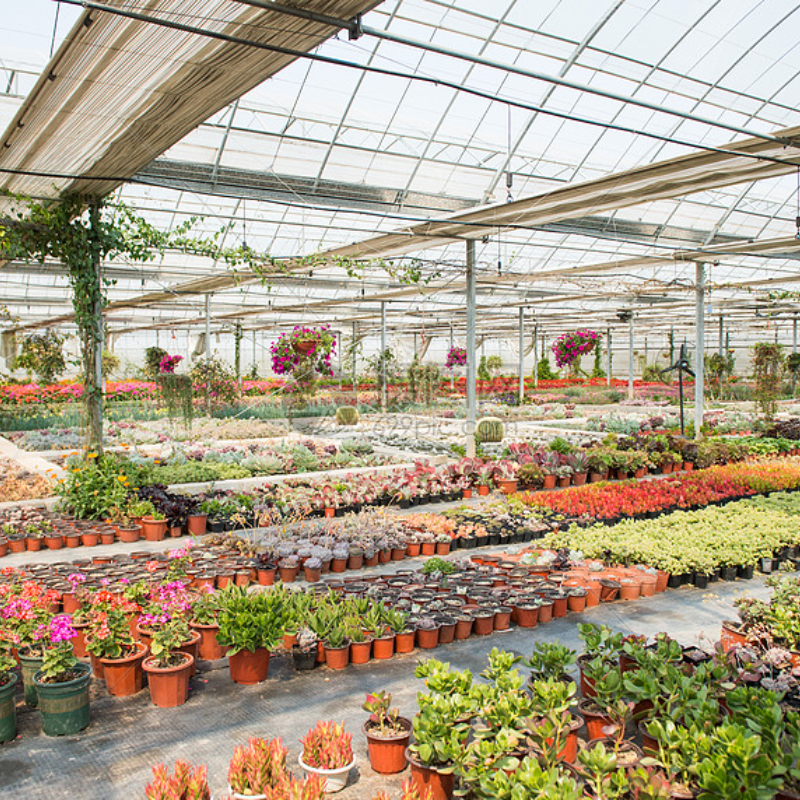
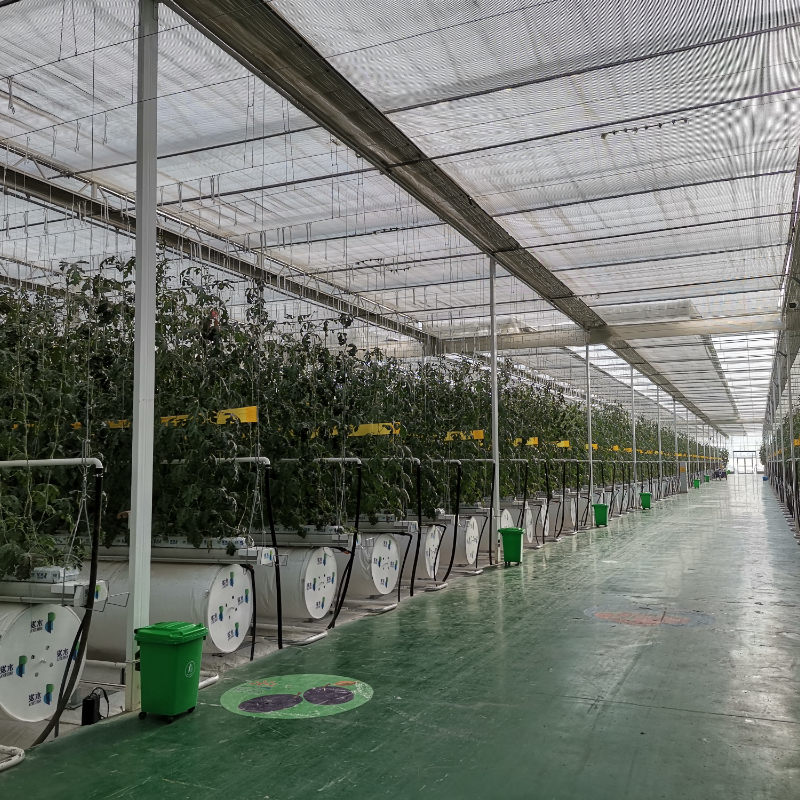
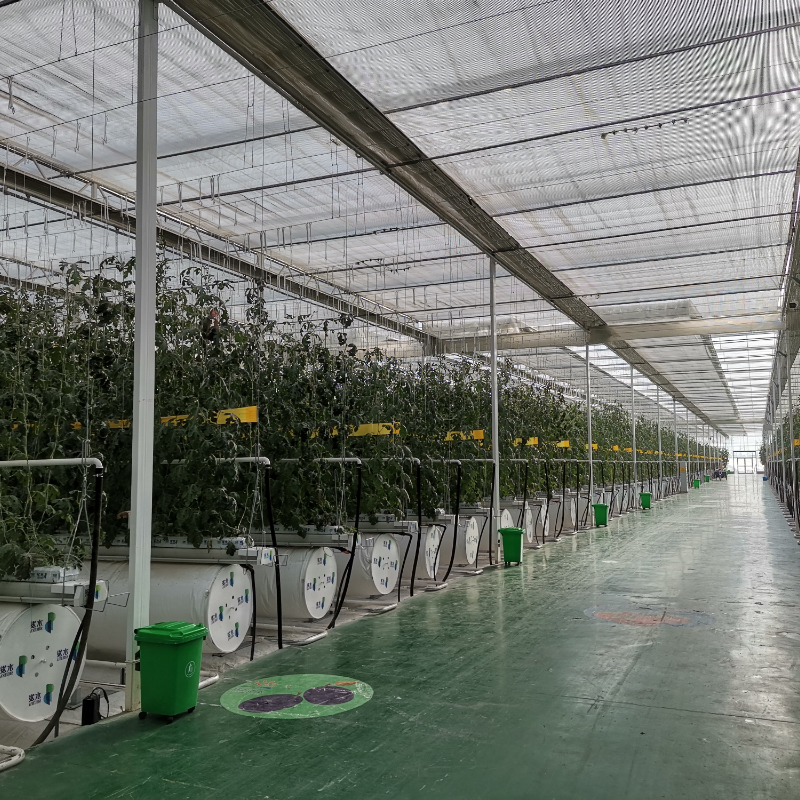
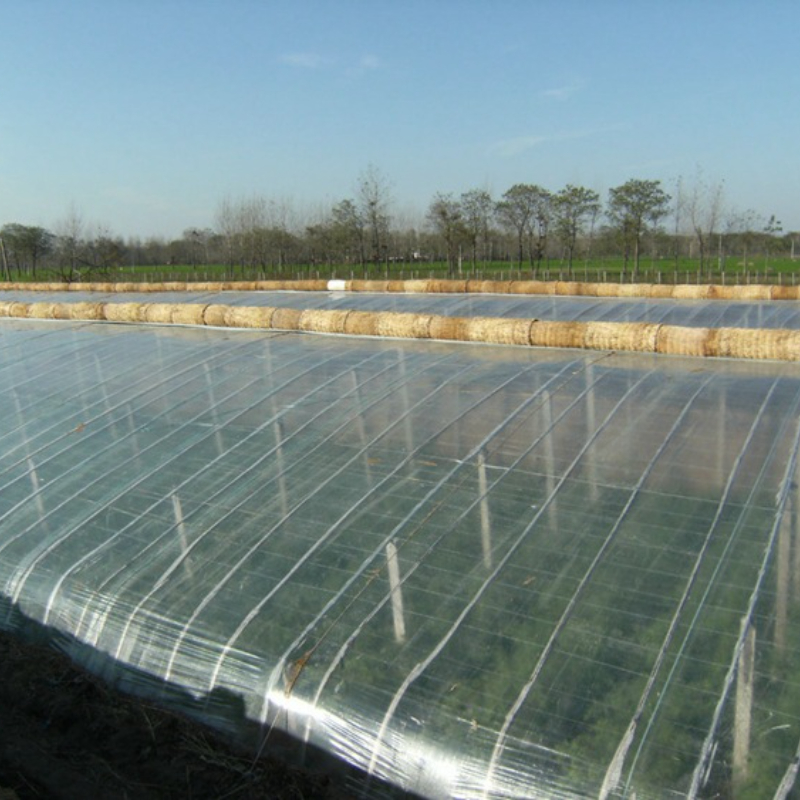
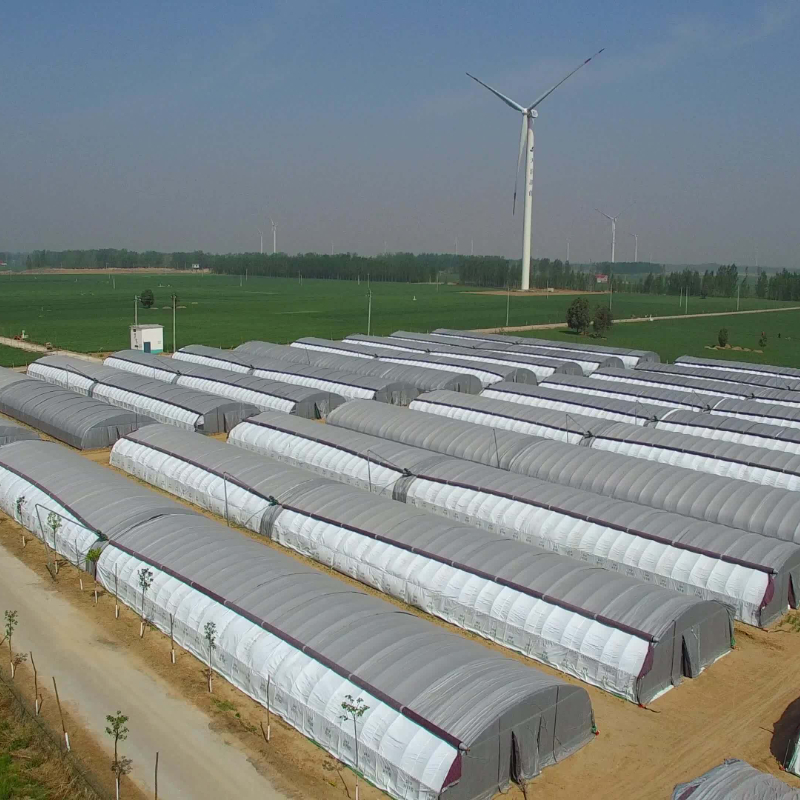
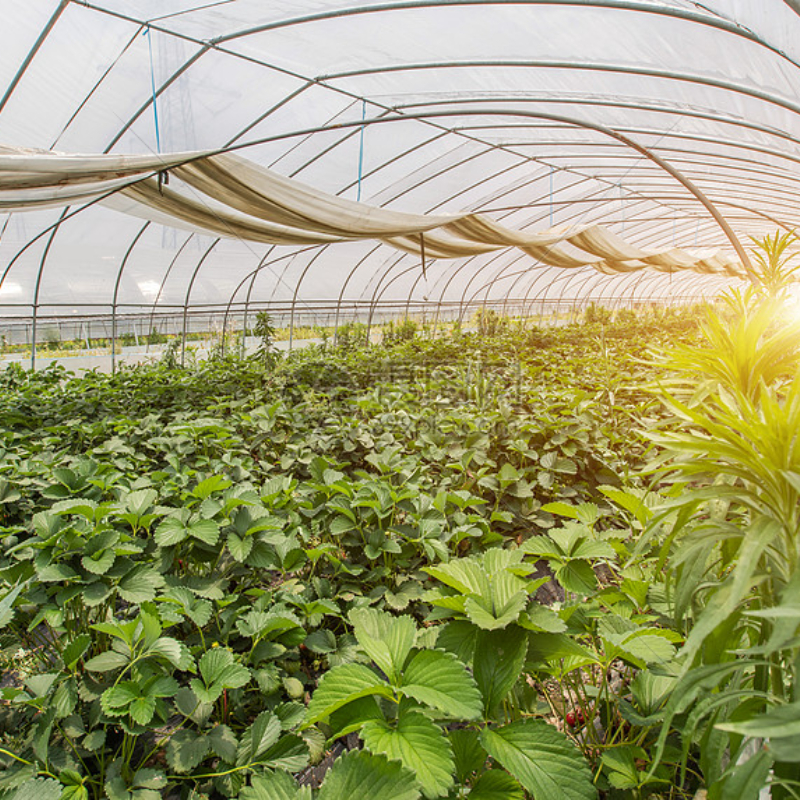
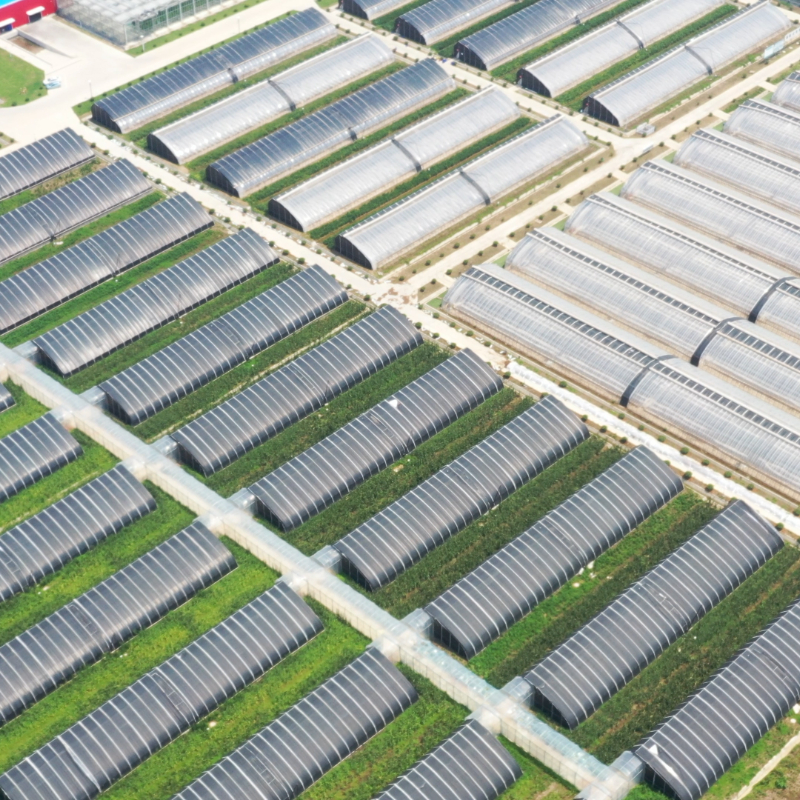
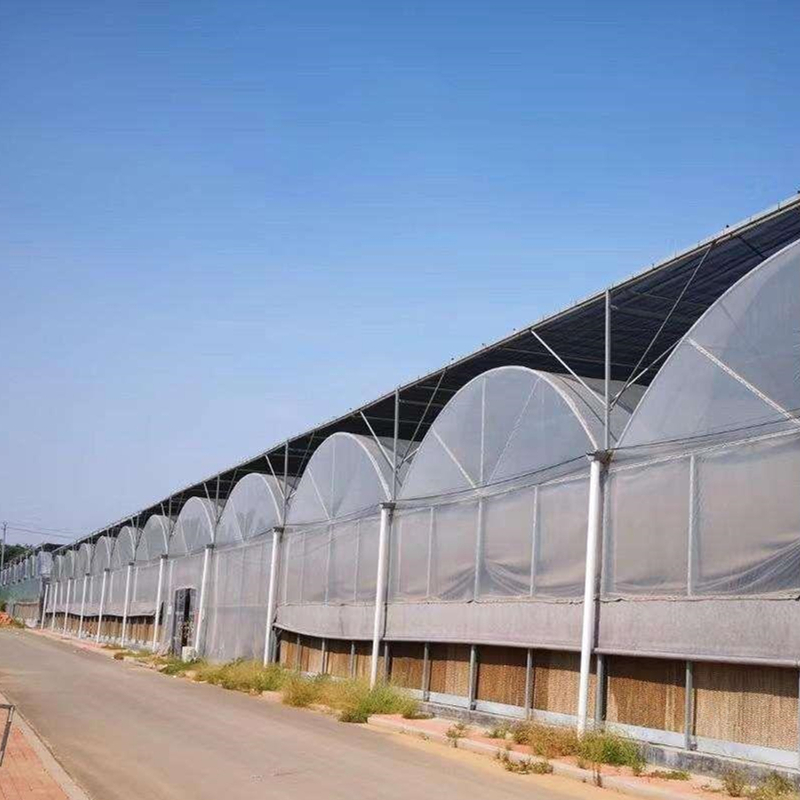
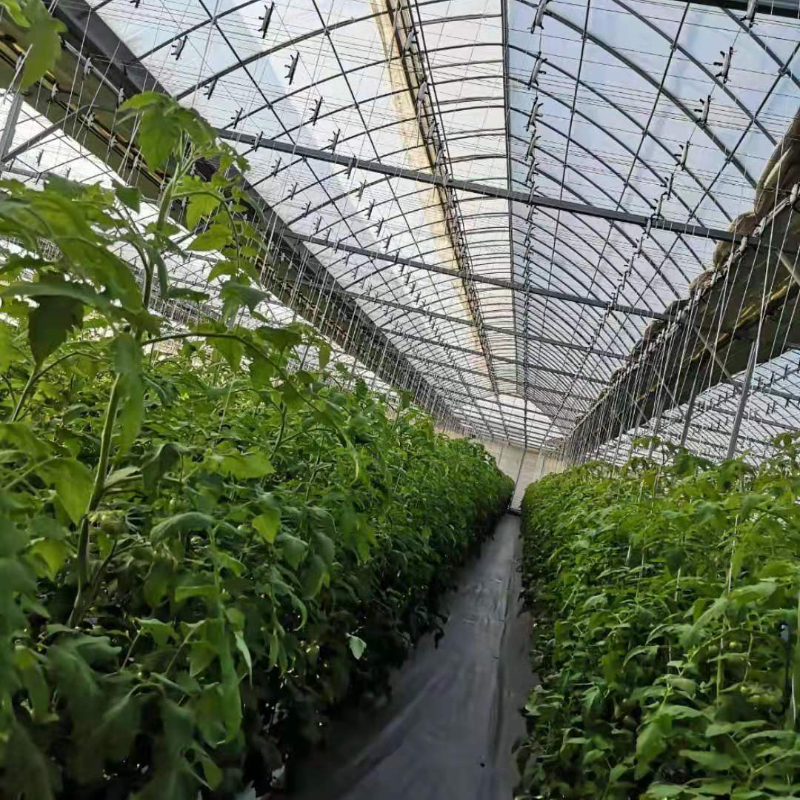
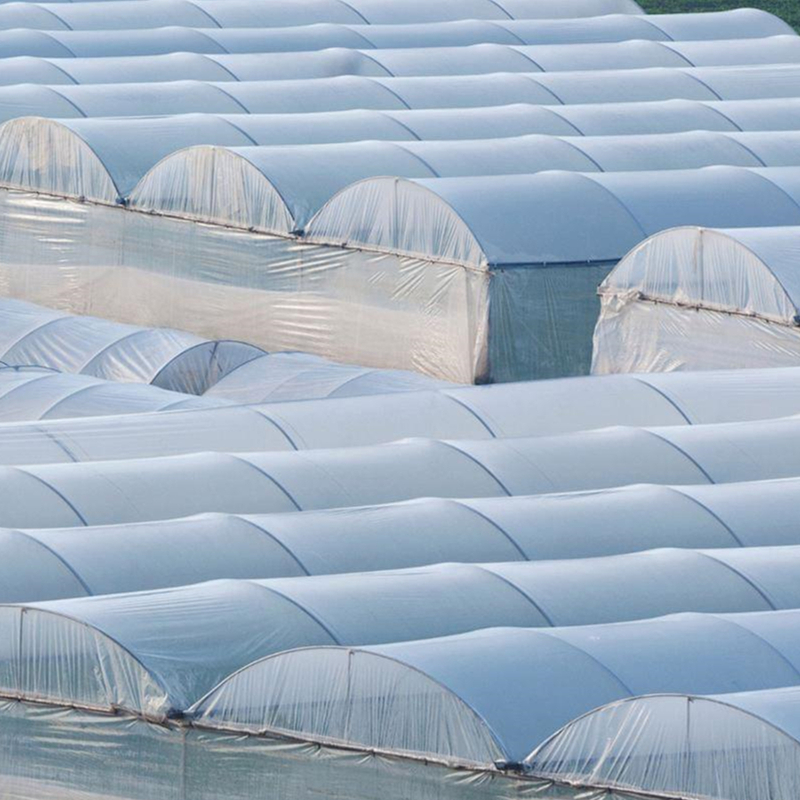
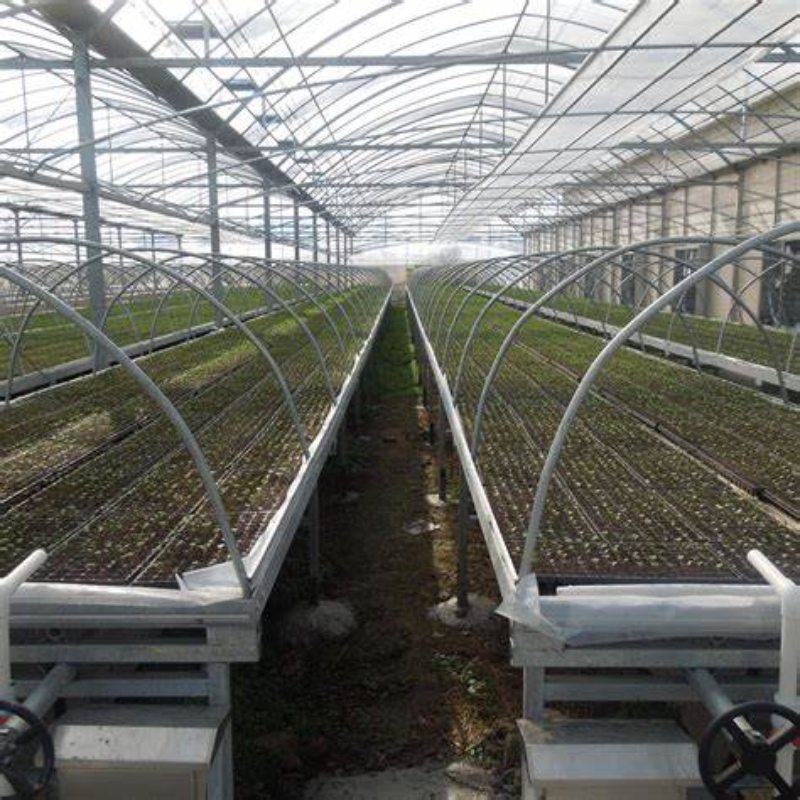
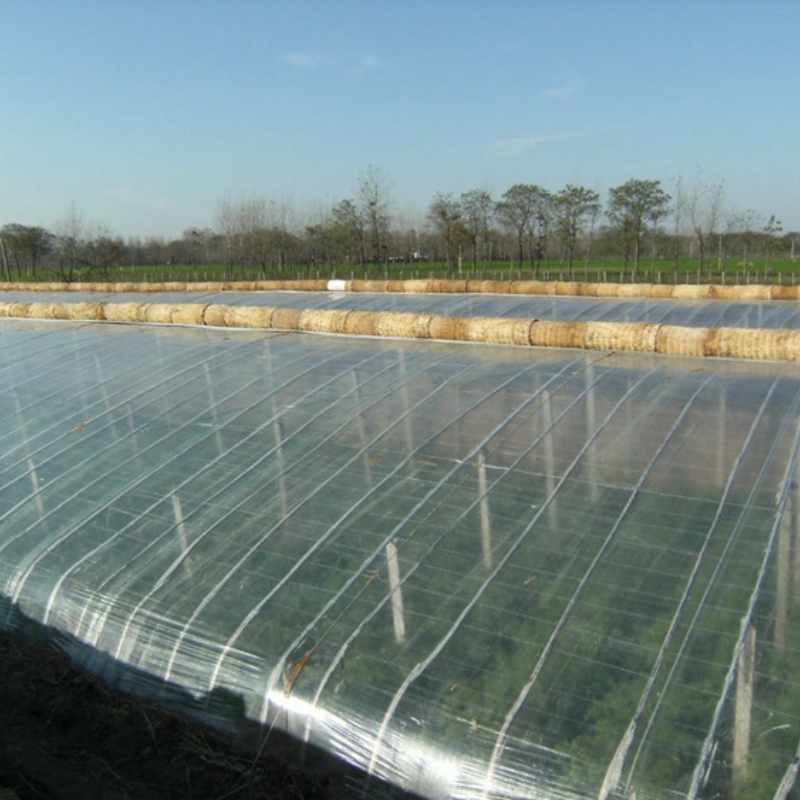
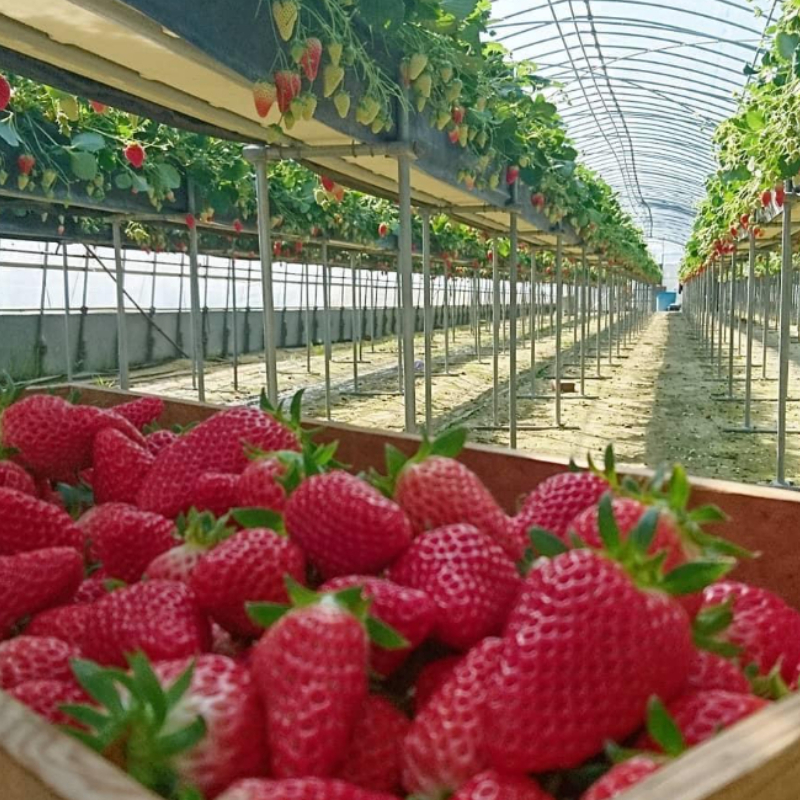
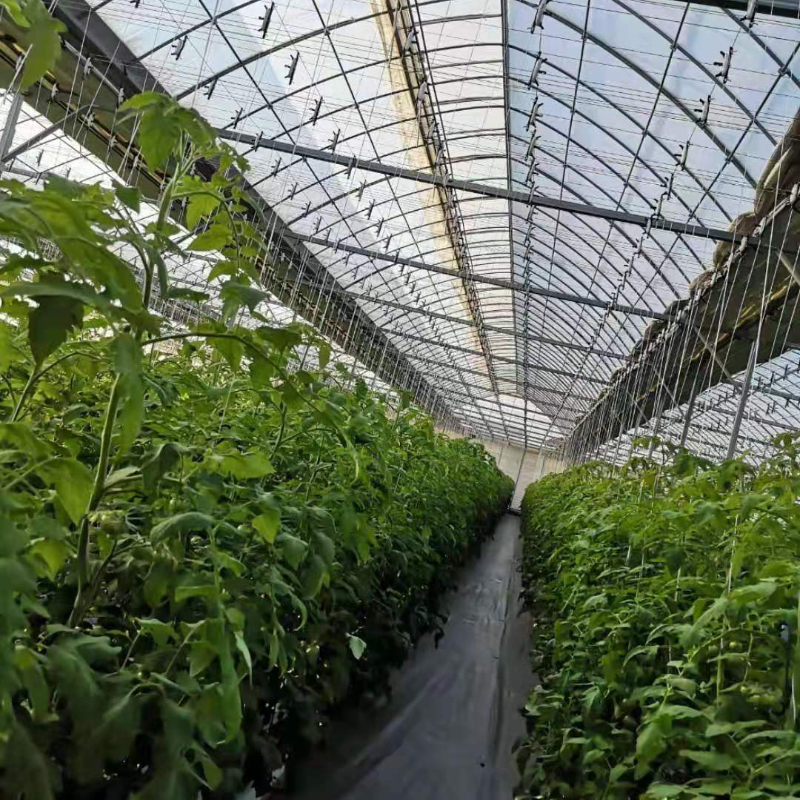
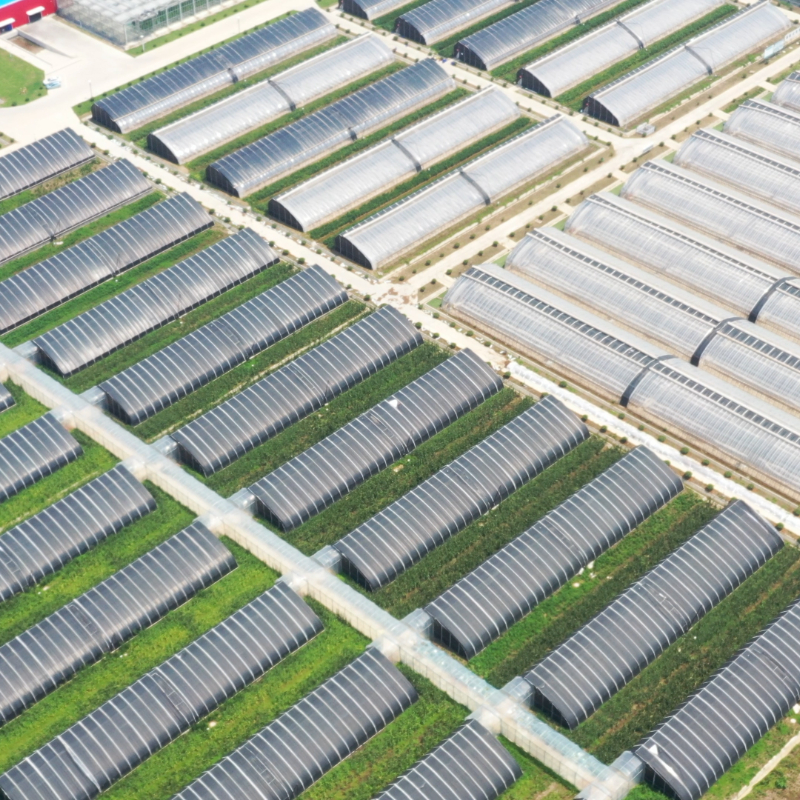
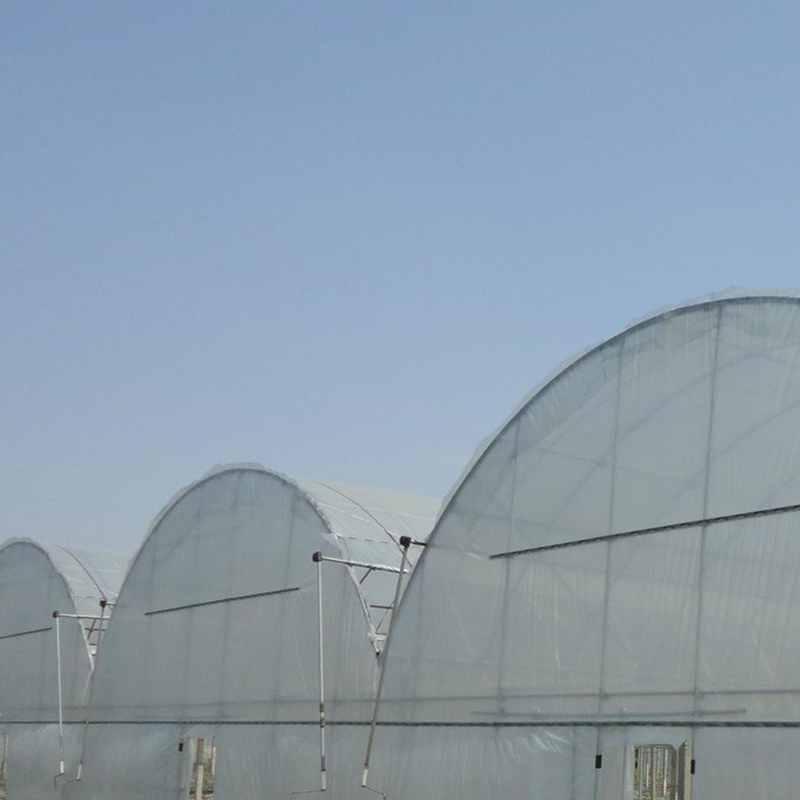
When it comes to outdoor greenhouses, the industry primarily classifies them into three main categories: spring-autumn greenhouses (also known as cold sheds), solar greenhouses, and multi-span greenhouses. Each type of outdoor greenhouse is designed to address specific climatic conditions, growing scales, and crop requirements, making them suitable for different users and applications. An outdoor greenhouse is defined by its ability to provide a controlled environment outdoors, protecting plants from harsh weather, pests, and temperature fluctuations while optimizing light, humidity, and ventilation for healthy growth. Among these, spring-autumn greenhouses are the most basic and widely used type of outdoor greenhouse, often referred to as cold sheds due to their simple structure and lack of advanced heating systems. Despite their straightforward design, spring-autumn greenhouses are an excellent choice for outdoor growing in mild climates, allowing farmers to extend the growing season for cool-season crops such as lettuce, spinach, and carrots. As a cost-effective outdoor greenhouse option, they are favored by small-scale growers and hobbyists who want to start with a simple, low-maintenance structure before investing in more advanced systems.
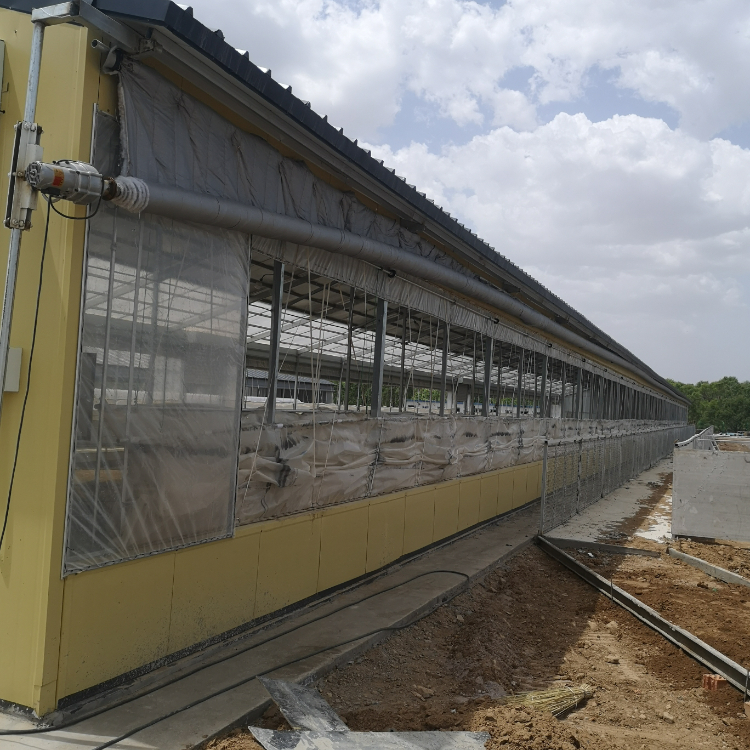
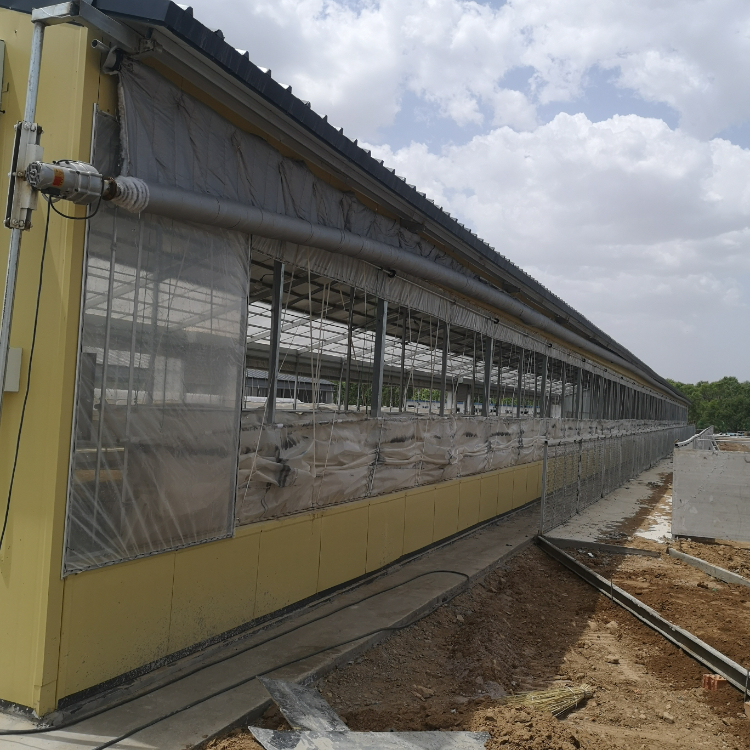
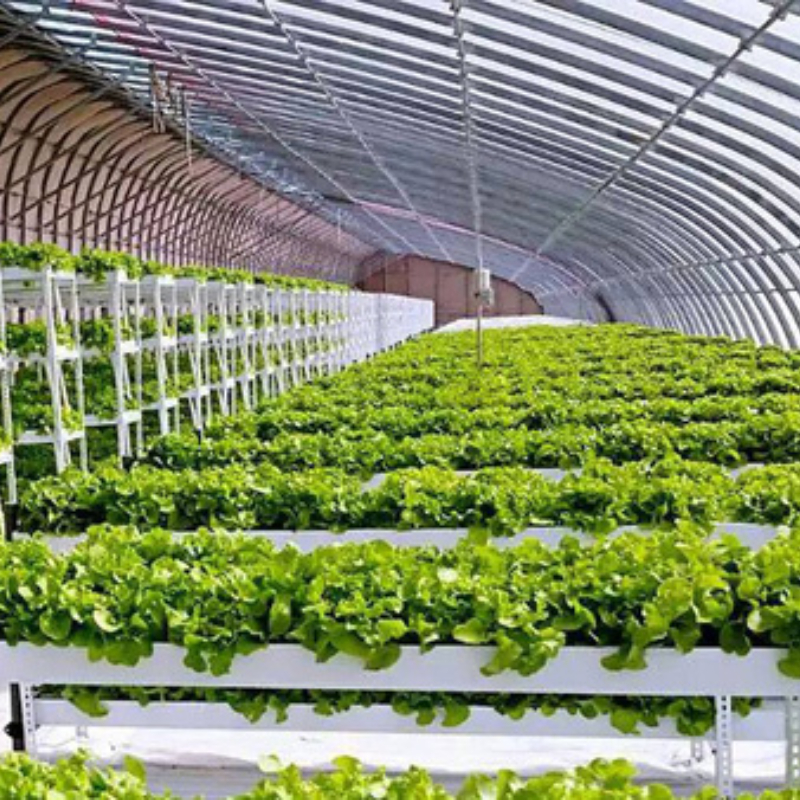
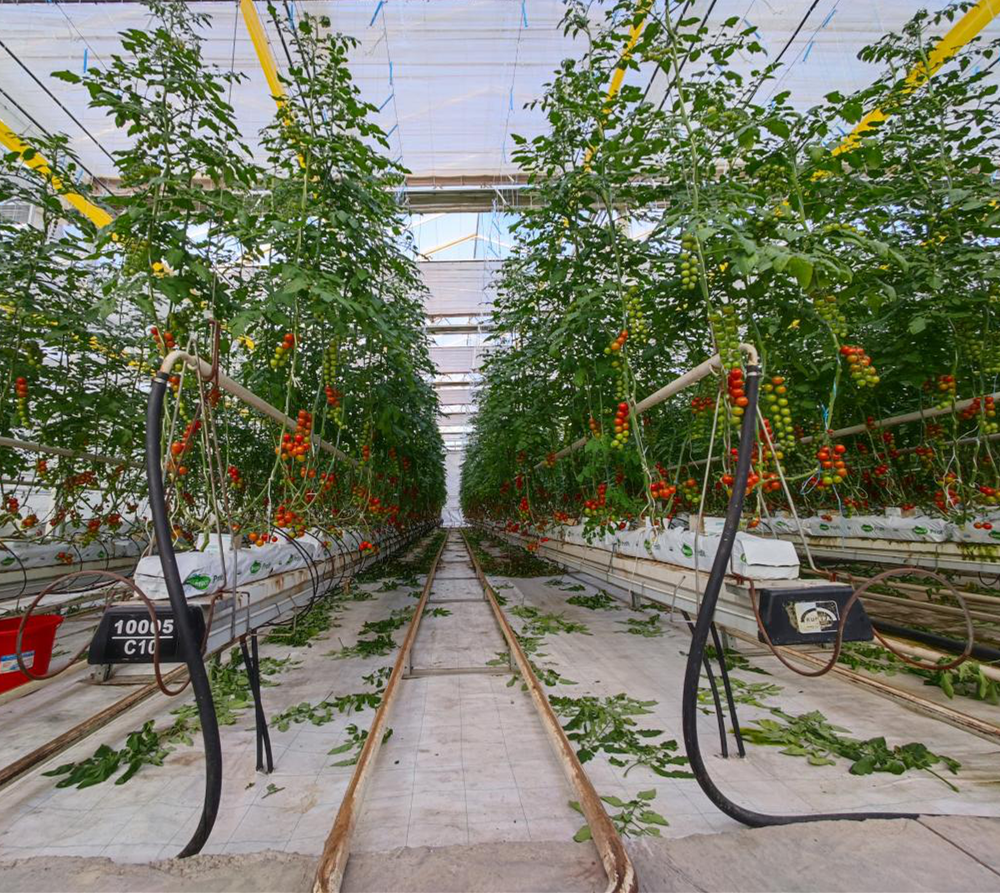
Solar greenhouses represent a more advanced type of outdoor greenhouse, distinguished primarily by their wall structures, which play a critical role in heat retention and energy efficiency. Traditional solar greenhouses feature brick or earth walls, which are highly effective at storing heat during the day and releasing it at night, maintaining a stable internal temperature even in cold weather. With advancements in technology, modern solar greenhouses now incorporate innovative wall materials such as foam insulation and heat storage panels, further enhancing their thermal performance and energy efficiency. However, the front roof covering materials and structural designs of solar greenhouses have remained relatively consistent, ensuring optimal light transmission for plant photosynthesis. As an outdoor greenhouse, solar greenhouses are ideal for regions with cold winters, allowing for year-round cultivation of warm-season crops such as tomatoes, peppers, and cucumbers. They can also be customized to meet specific needs, making them a popular choice for commercial growers who require a reliable outdoor greenhouse solution for high-yield production.
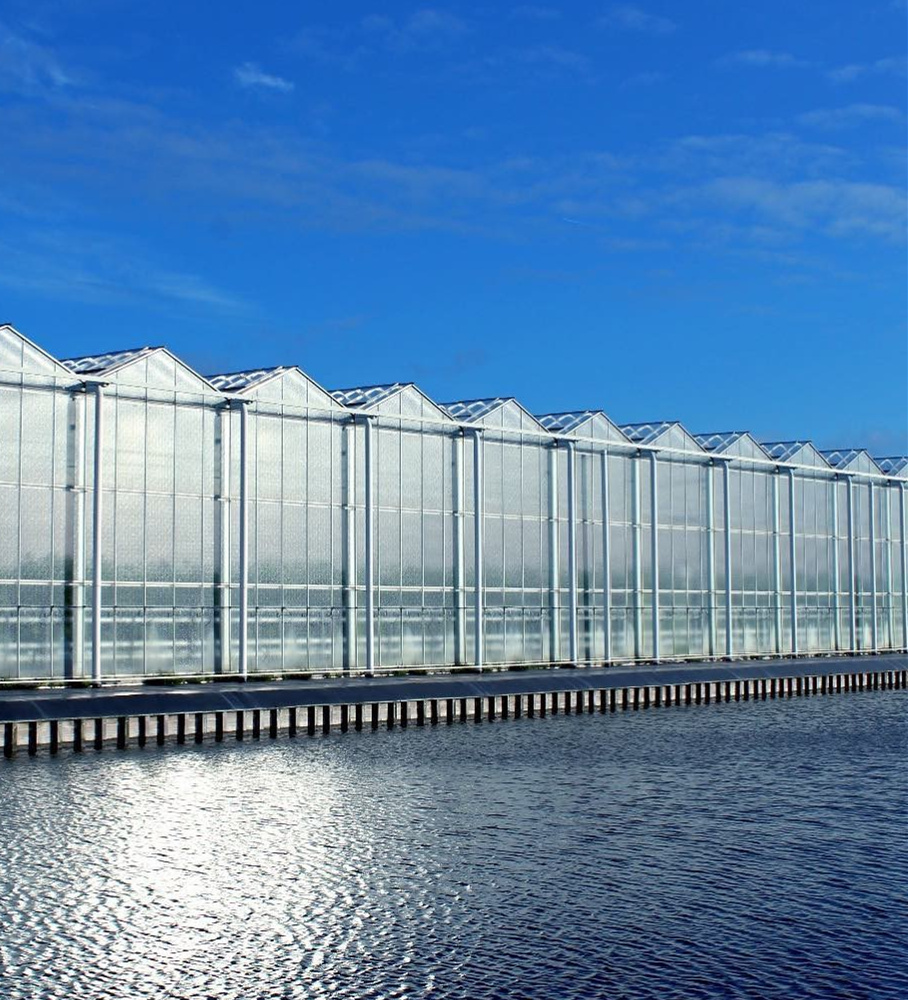
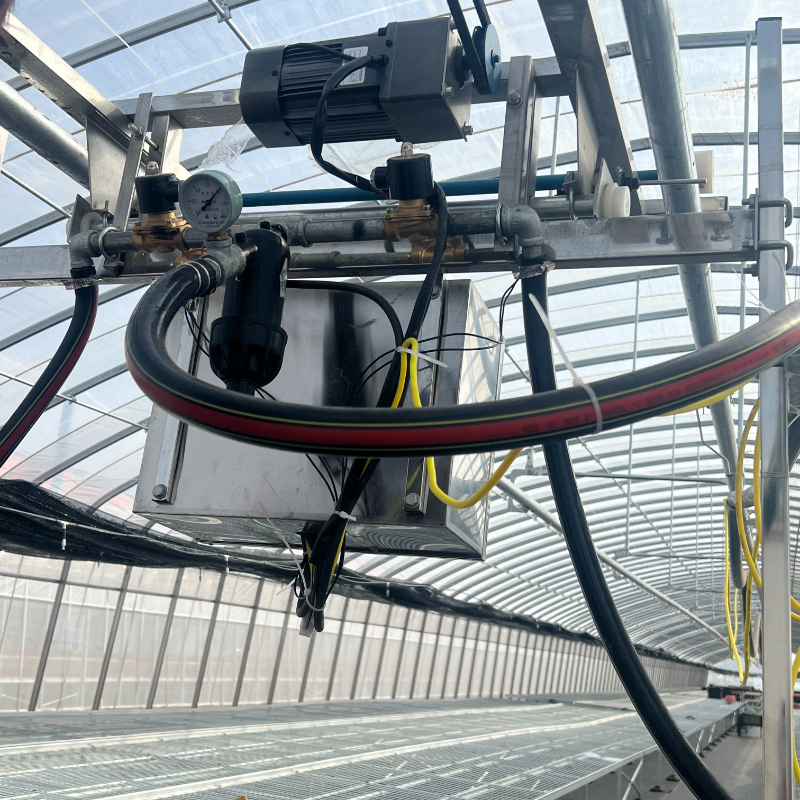
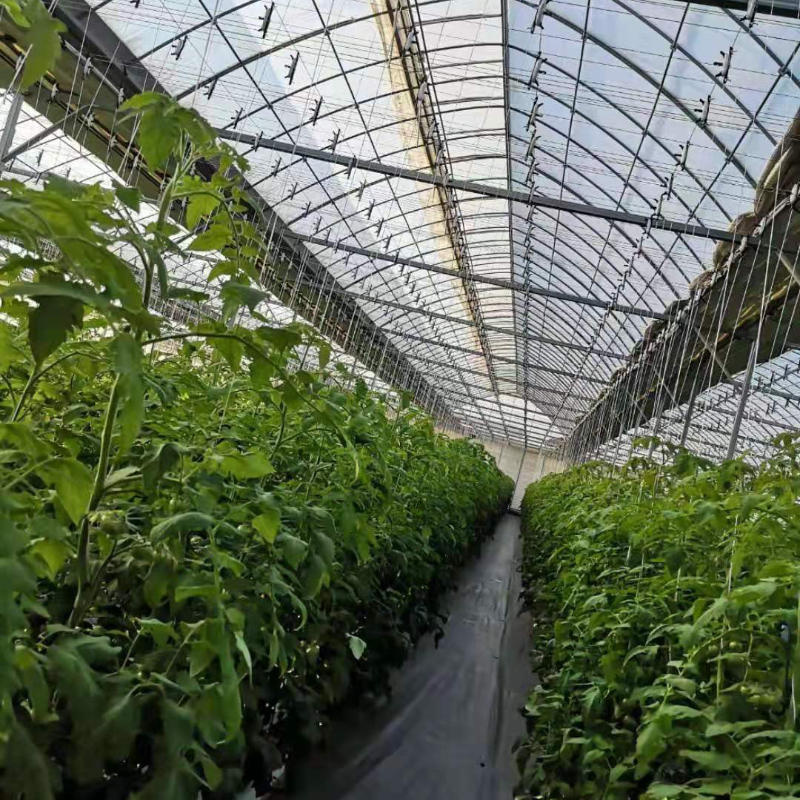
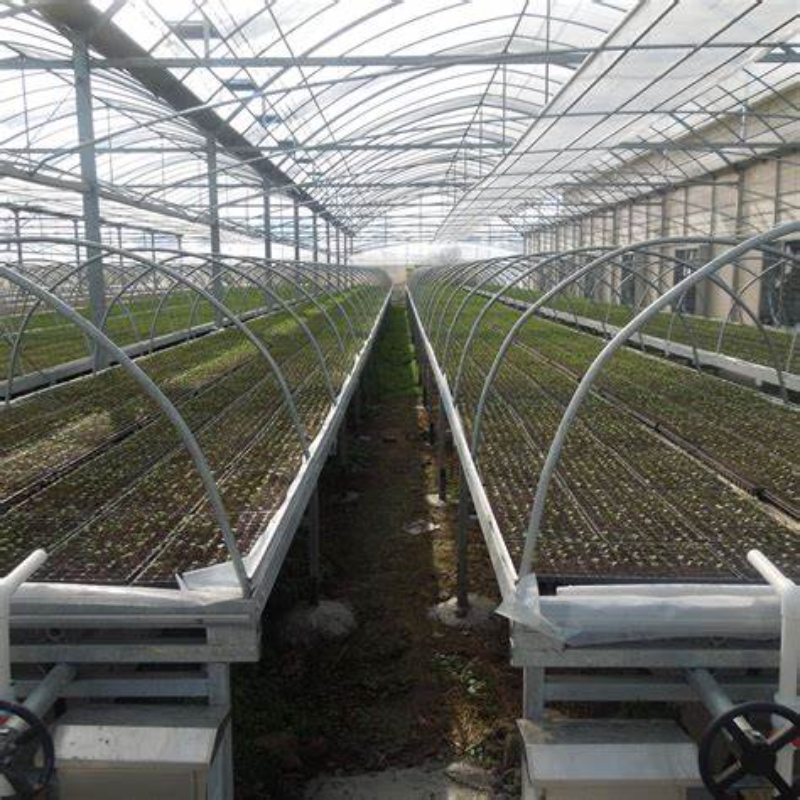
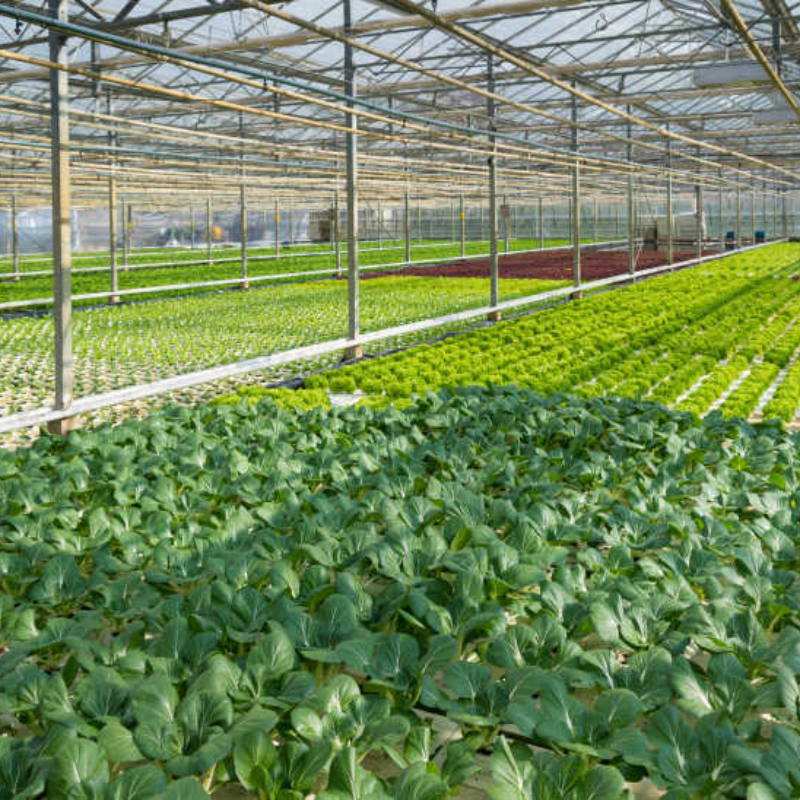
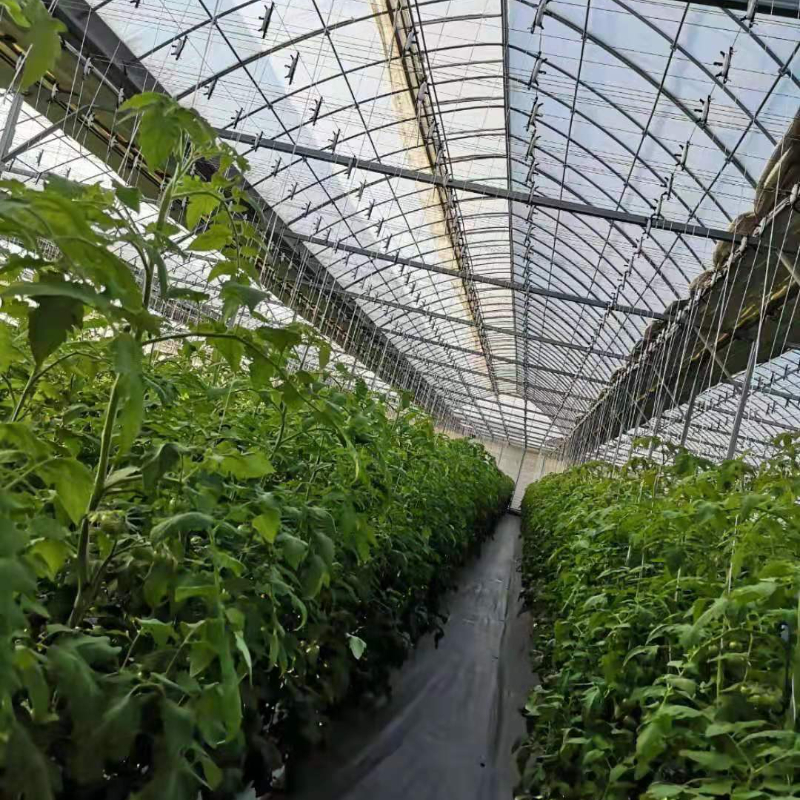
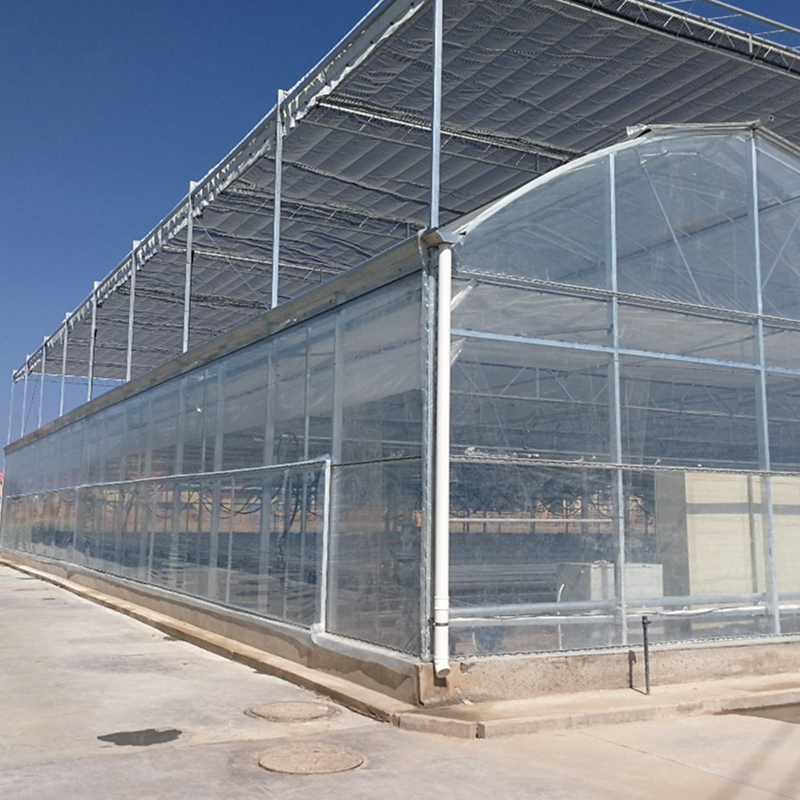
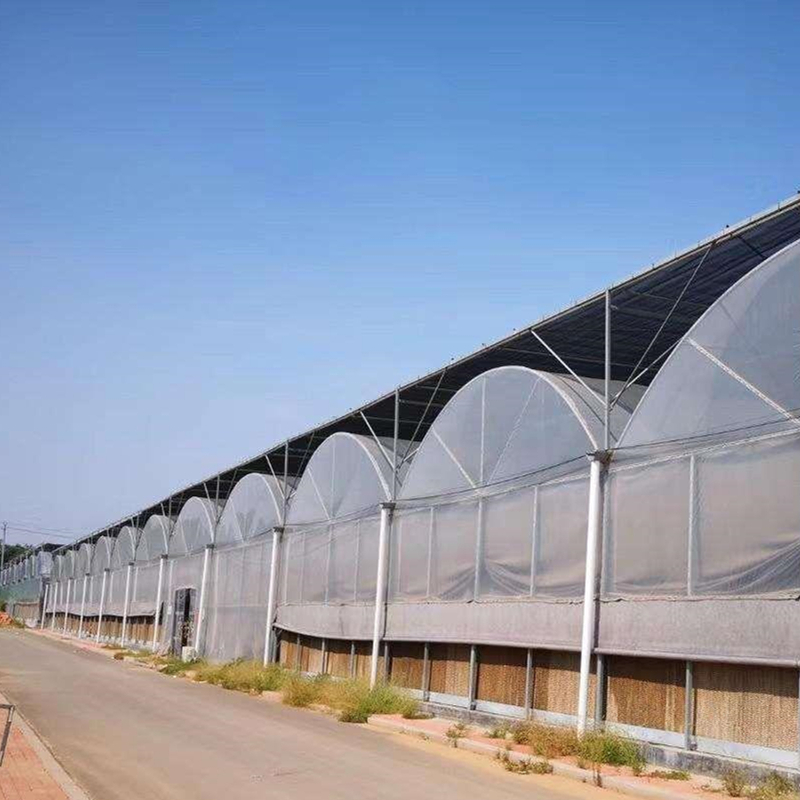
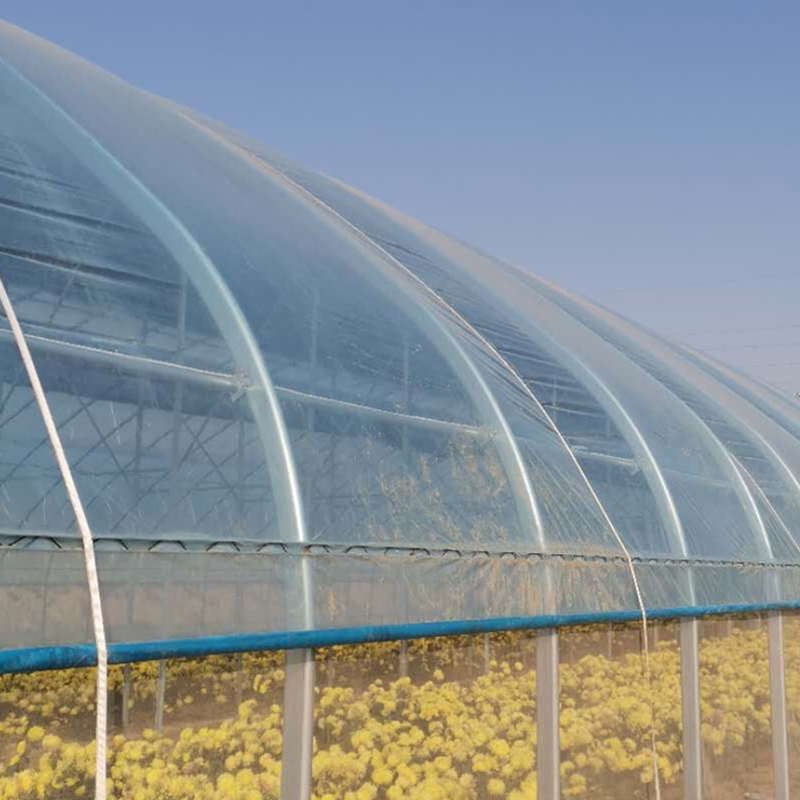
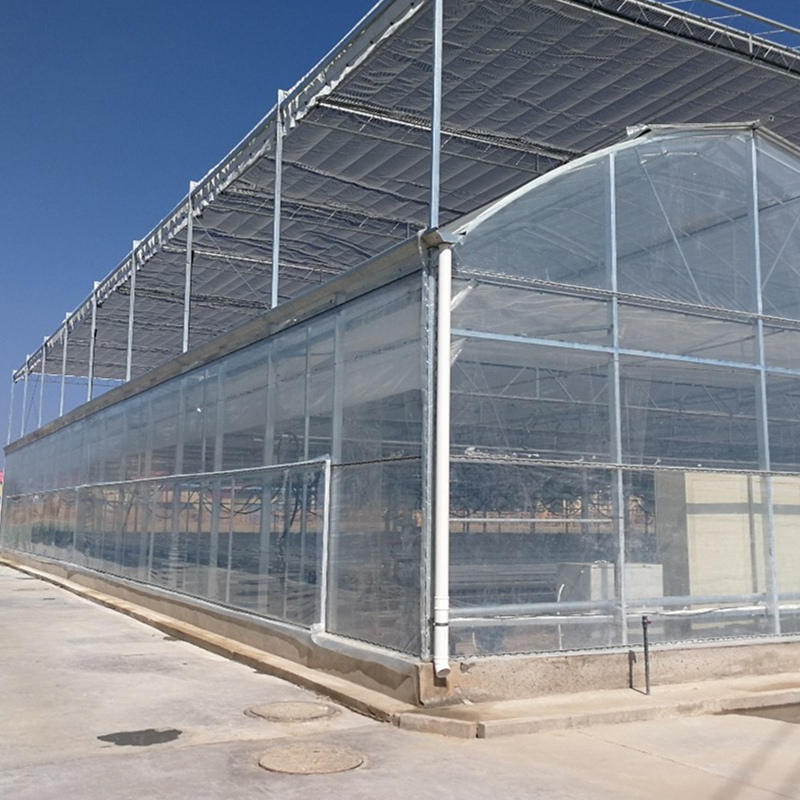
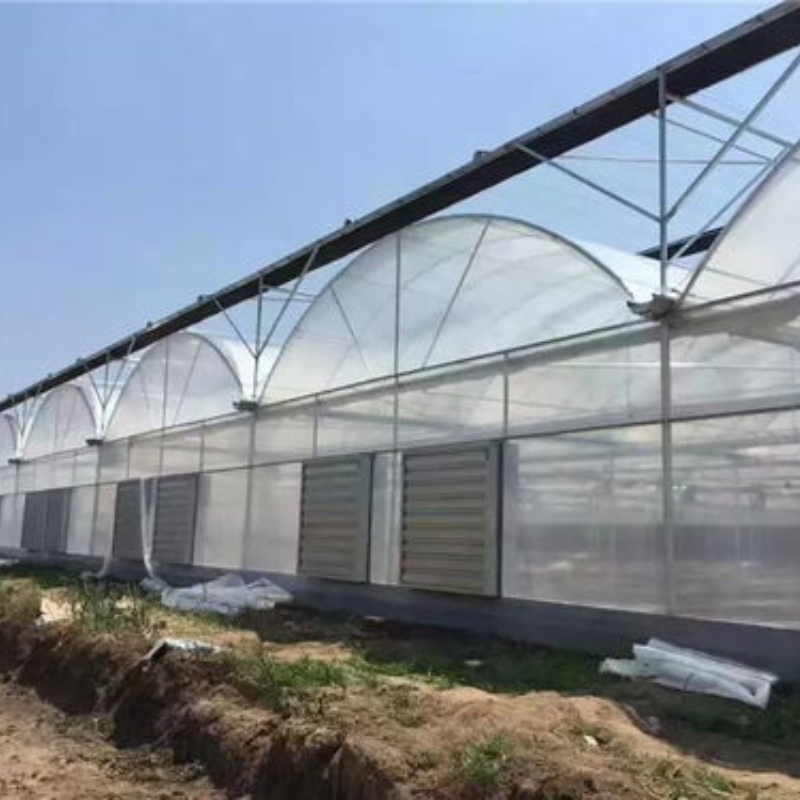
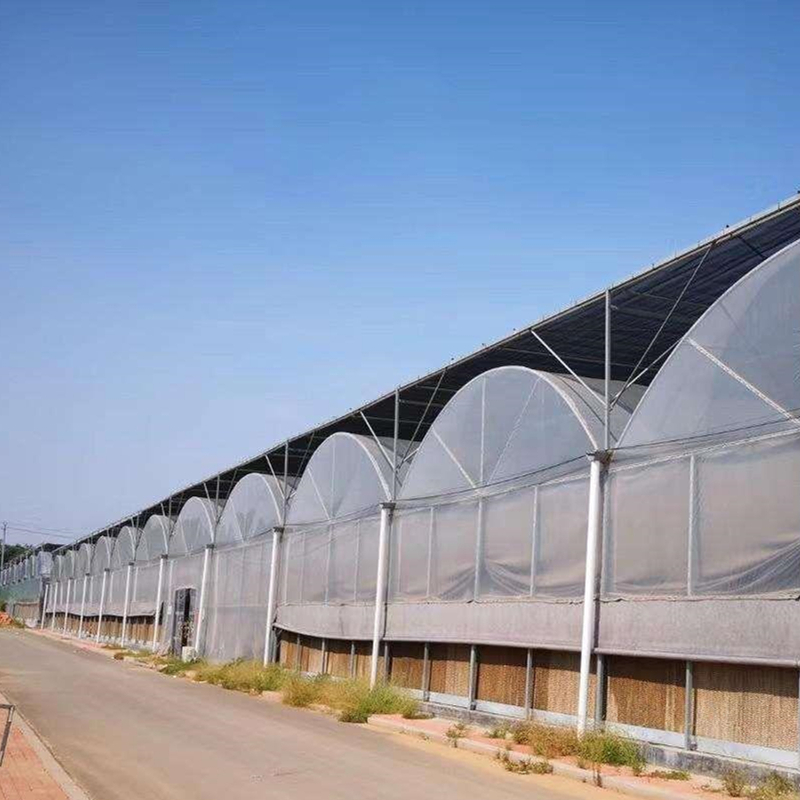
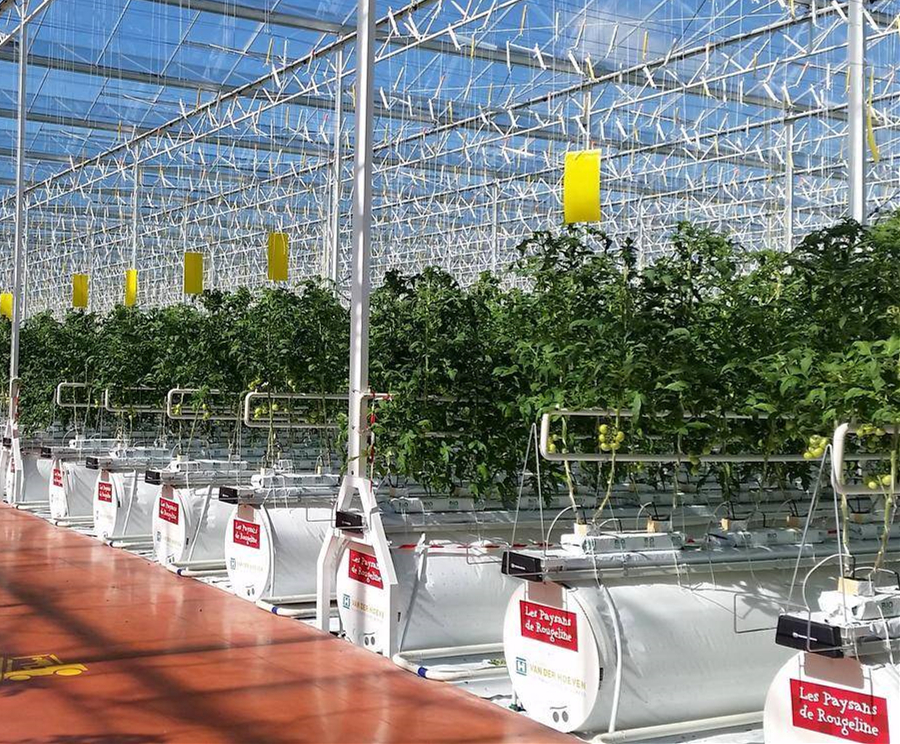
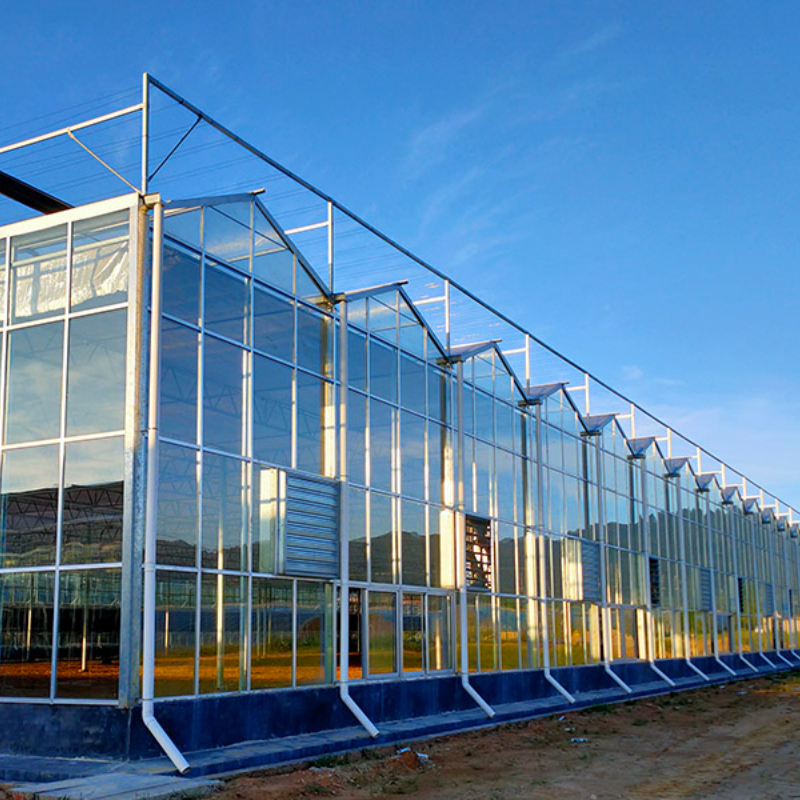
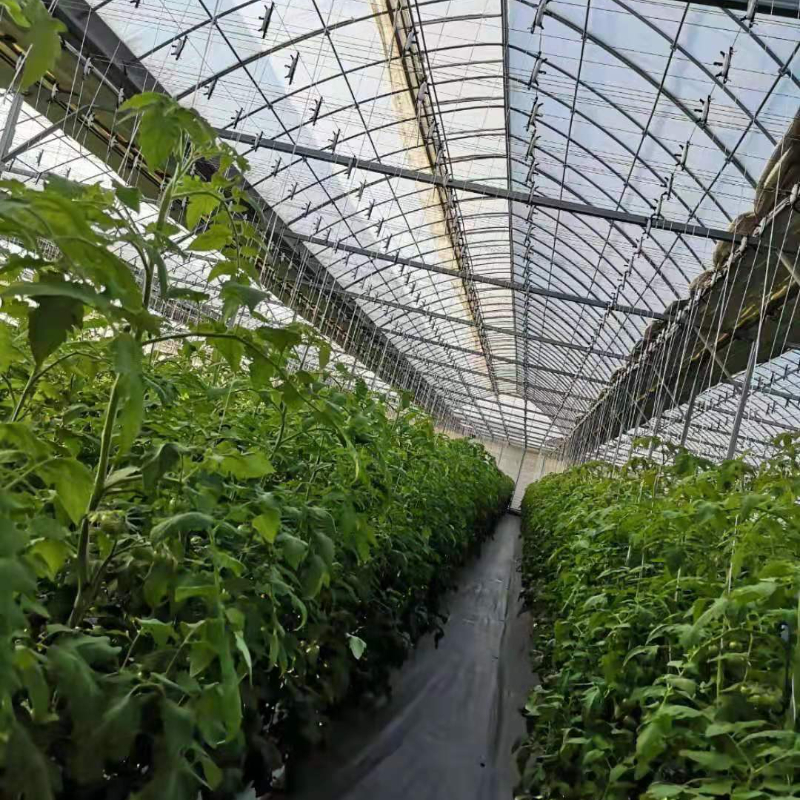
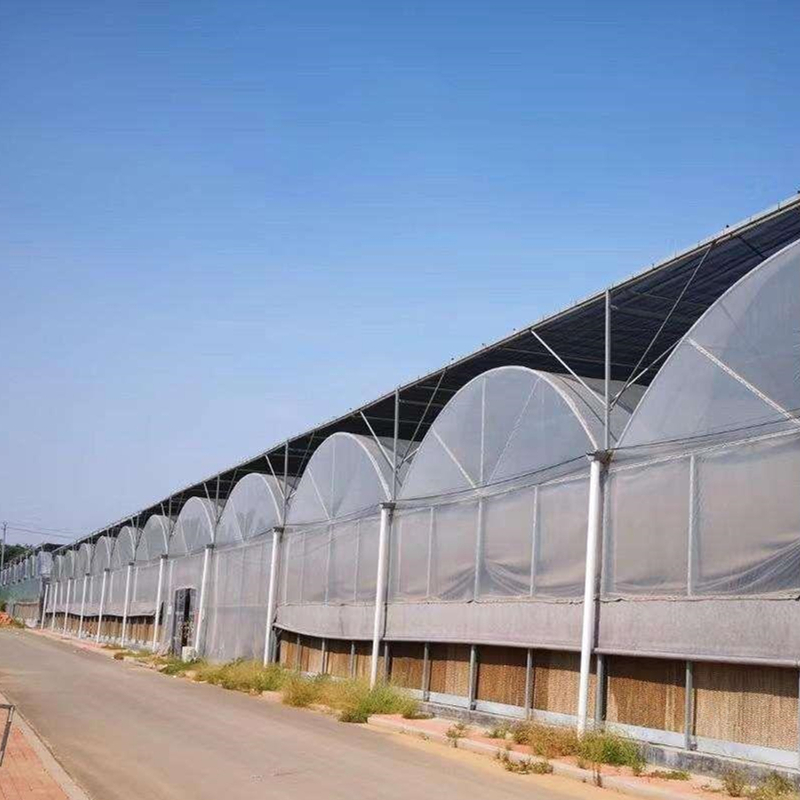
Multi-span greenhouses are the most sophisticated type of outdoor greenhouse, characterized by their connected structure, which provides a large, unobstructed growing space. Classified by their covering materials, multi-span greenhouses are mainly divided into glass multi-span greenhouses, sunboard multi-span greenhouses, and film multi-span greenhouses. Glass and sunboard multi-span greenhouses share similar main structures, differing only in the size and type of covering materials used. Glass multi-span greenhouses offer excellent light transmission and durability, making them suitable for large-scale commercial operations, while sunboard multi-span greenhouses are lighter and more cost-effective, providing a balance between performance and affordability. Film multi-span greenhouses are a unique type of outdoor greenhouse, featuring a circular roof design and a relatively smaller overall structure. They are lightweight, easy to install, and cost-effective, making them a great option for small to medium-scale growers who need a flexible outdoor greenhouse solution. Regardless of the type, multi-span greenhouses are highly adaptable and can be designed as custom greenhouses to fit specific场地 sizes and growing requirements, making them a versatile choice for modern agriculture.
It is important to note that the terms "vegetable shed" and "vegetable greenhouse" are colloquial expressions and do not exist in the formal classification of the greenhouse industry. While these terms are commonly used in daily conversations, the official classification of outdoor greenhouses is based on structural design, materials, and functionality, as outlined above. Each type of outdoor greenhouse has its own advantages and limitations, but the most practical classification today is based on the intended use of the greenhouse, ensuring that growers can choose the most suitable structure for their specific crops and growing conditions. Whether you opt for a basic spring-autumn outdoor greenhouse, an energy-efficient solar outdoor greenhouse, or a sophisticated multi-span outdoor greenhouse, the key is to select a structure that aligns with your goals, budget, and climatic conditions.
