
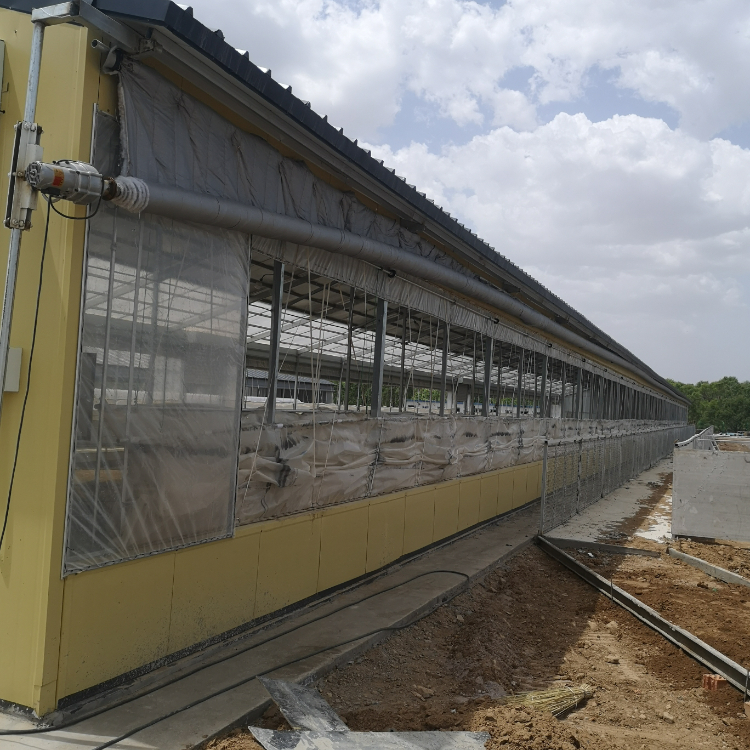
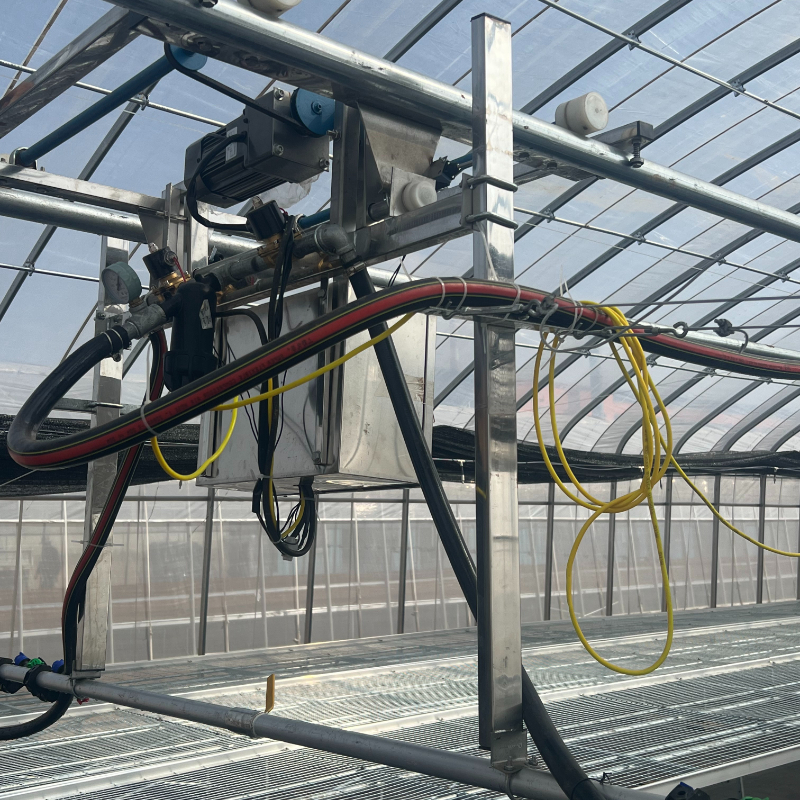
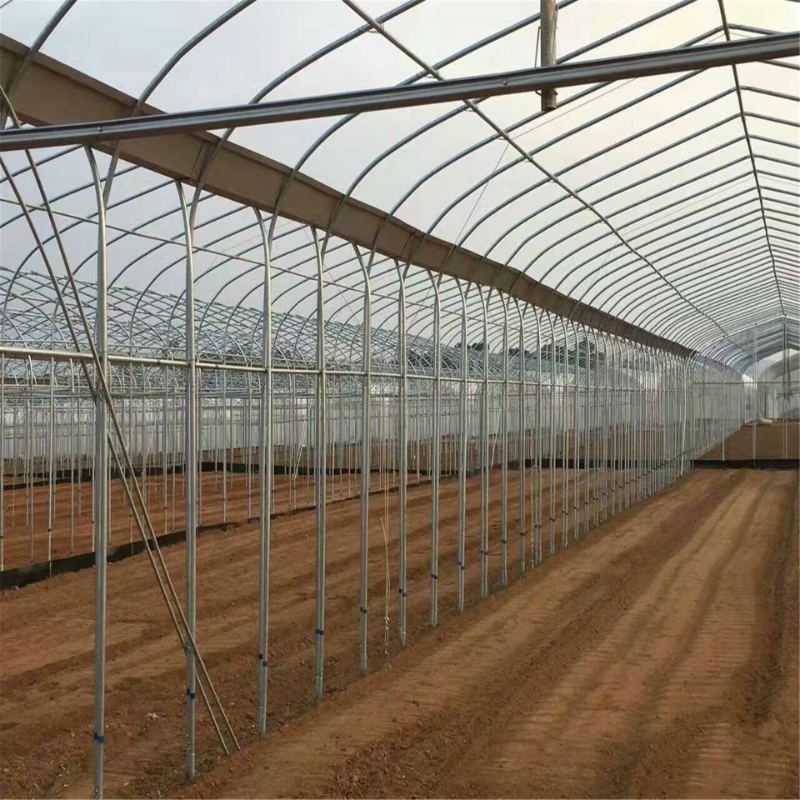
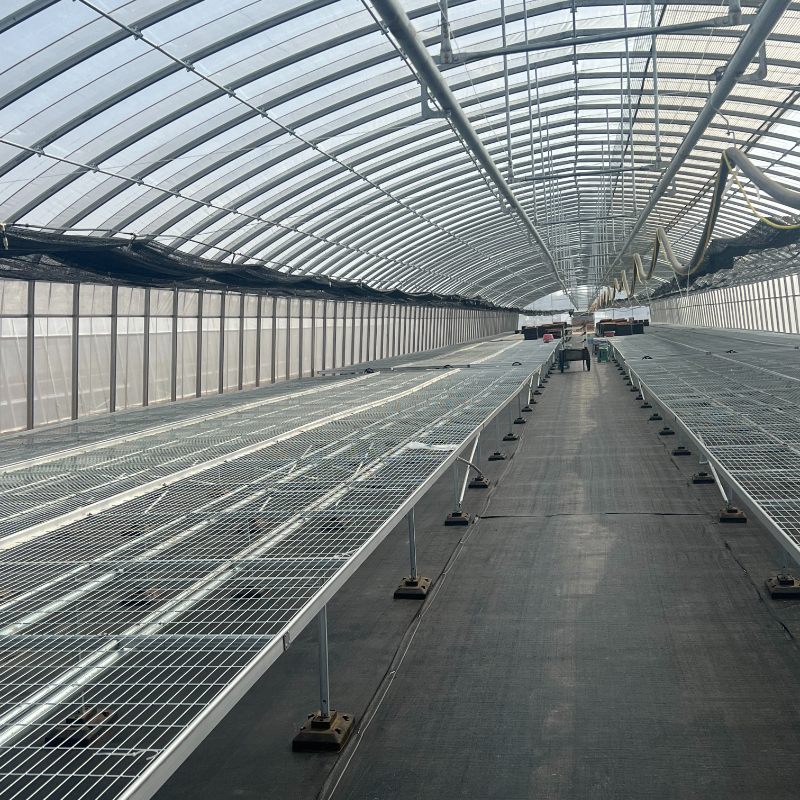
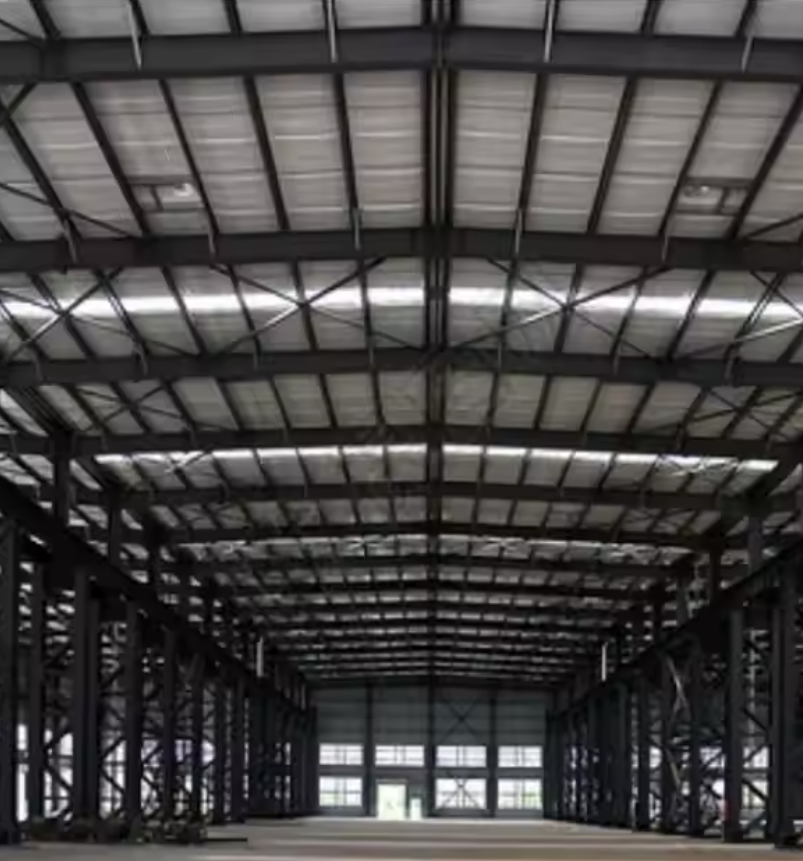
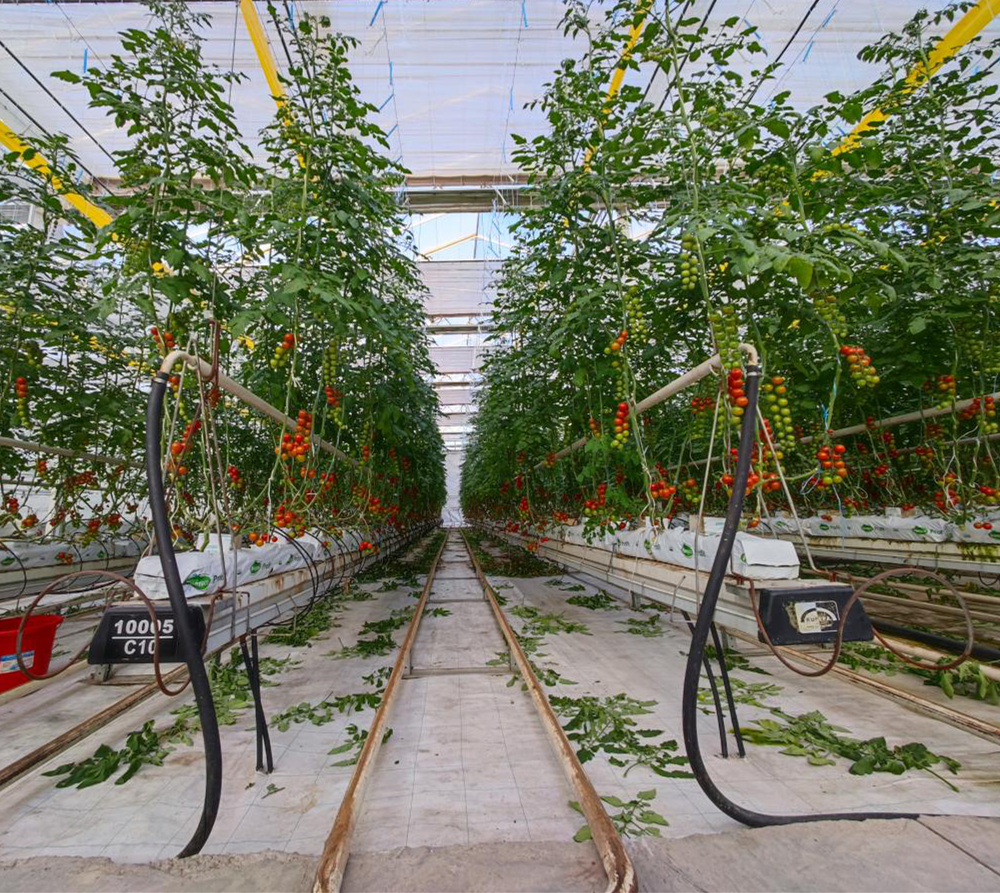
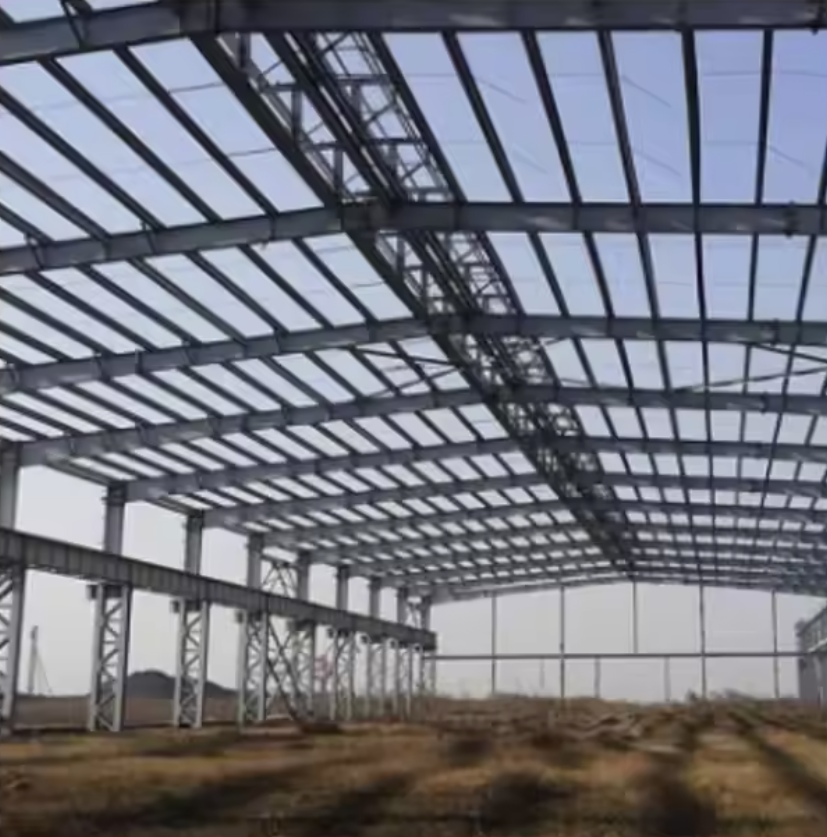
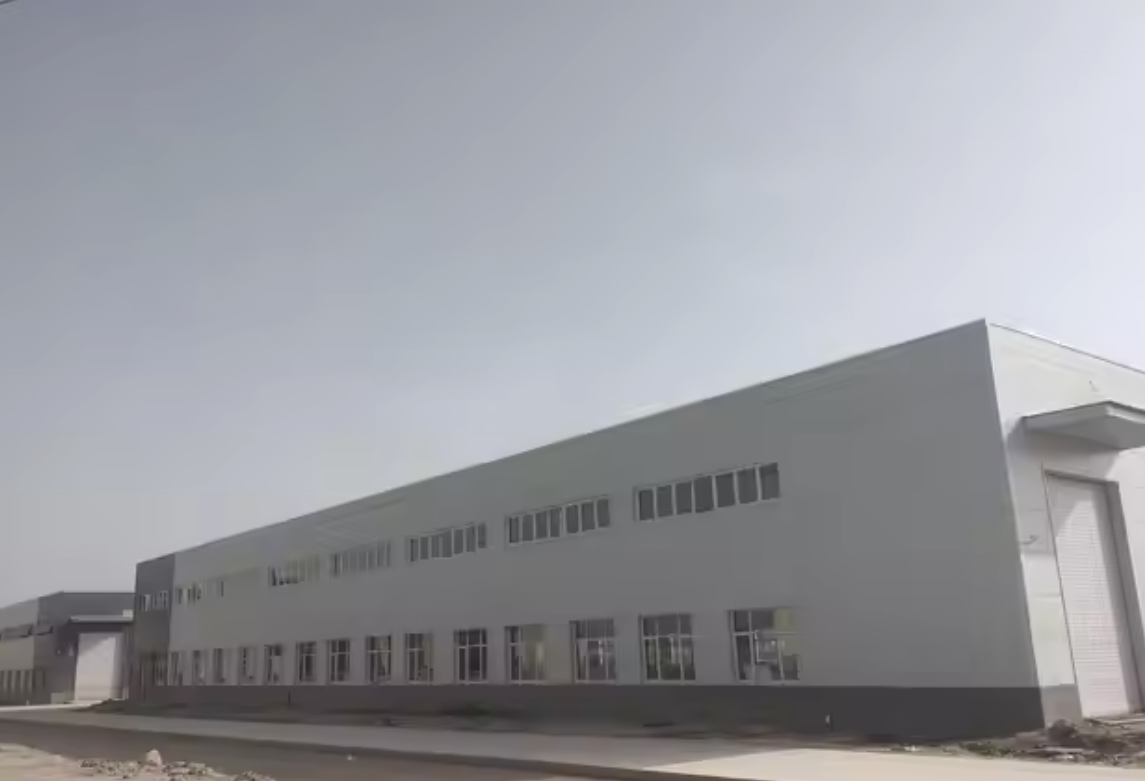
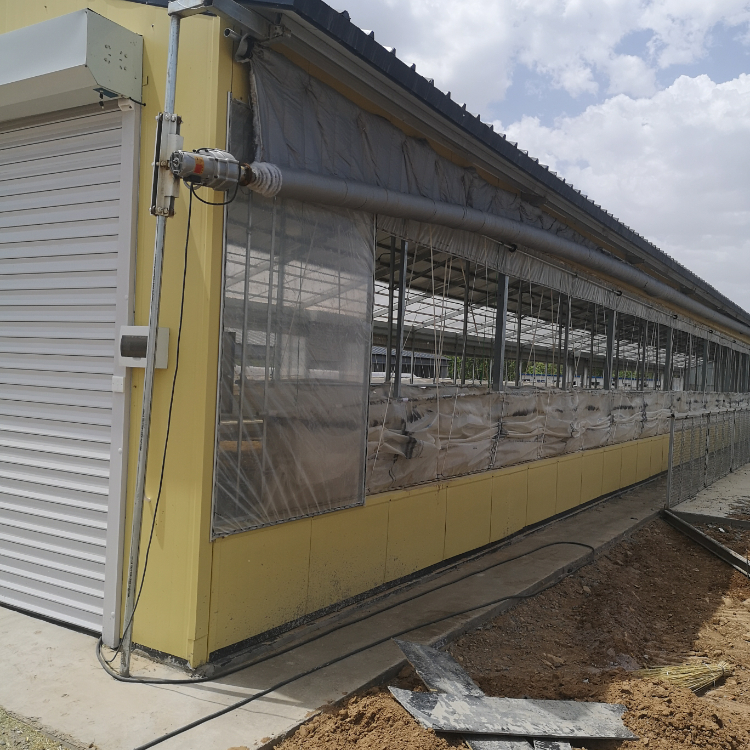
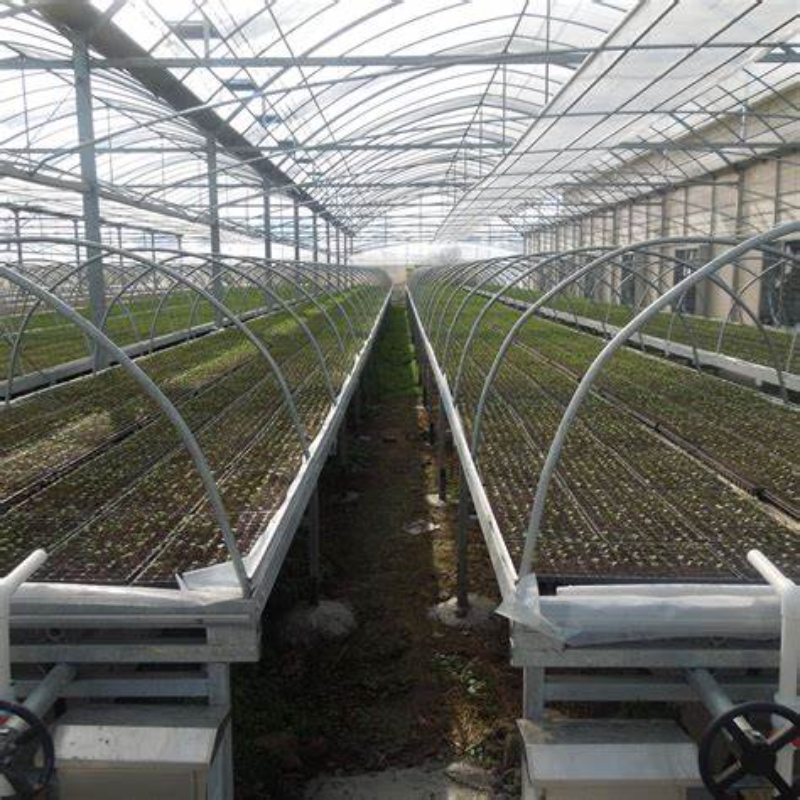
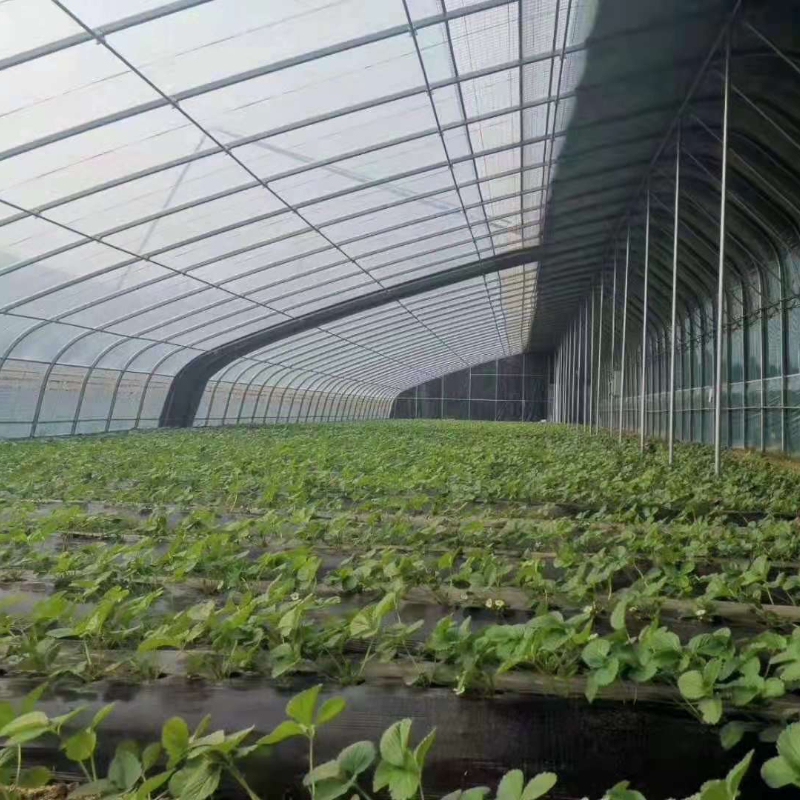
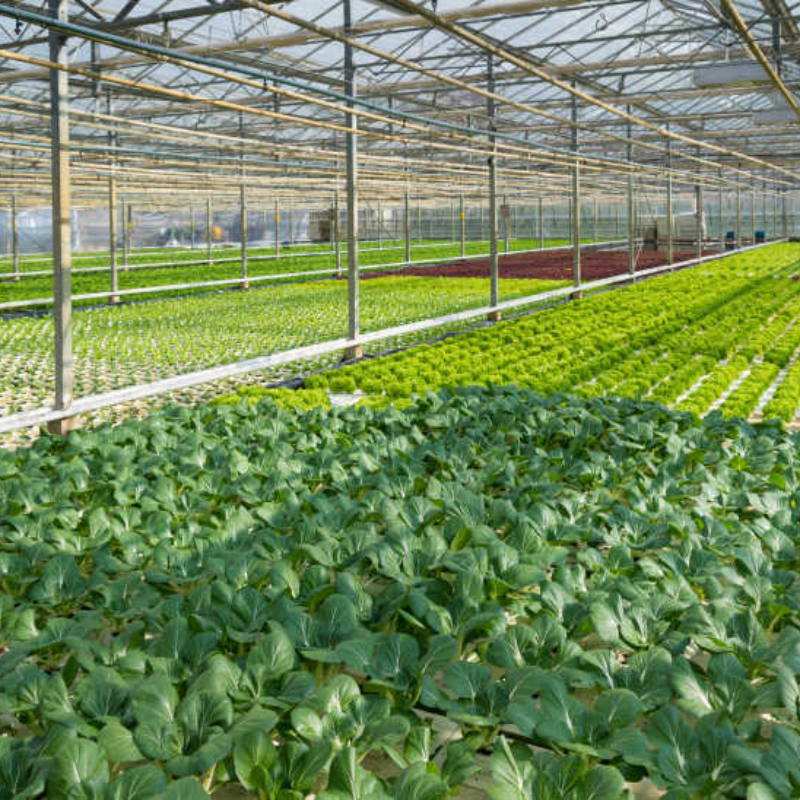
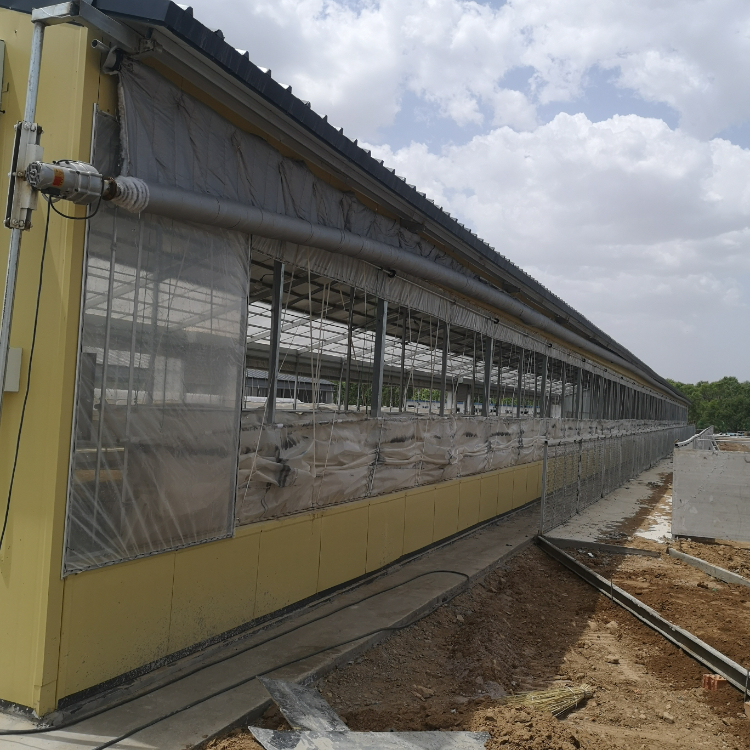
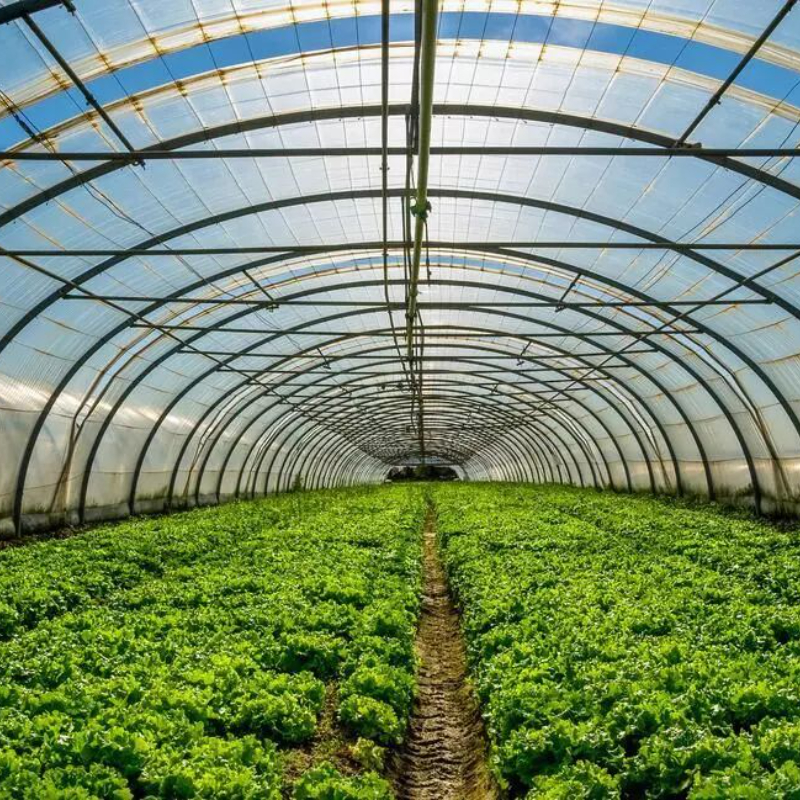
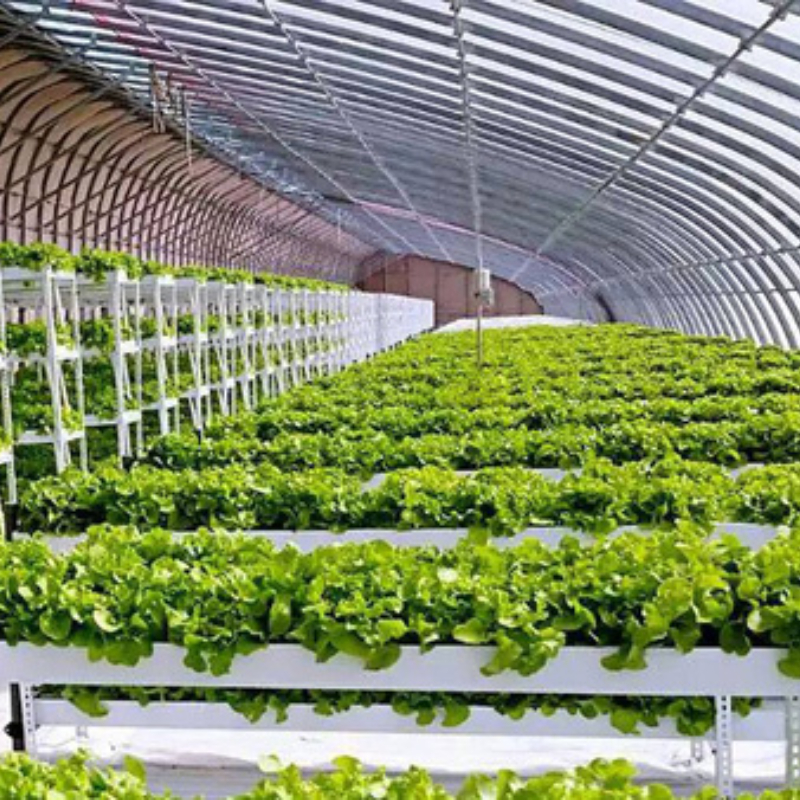
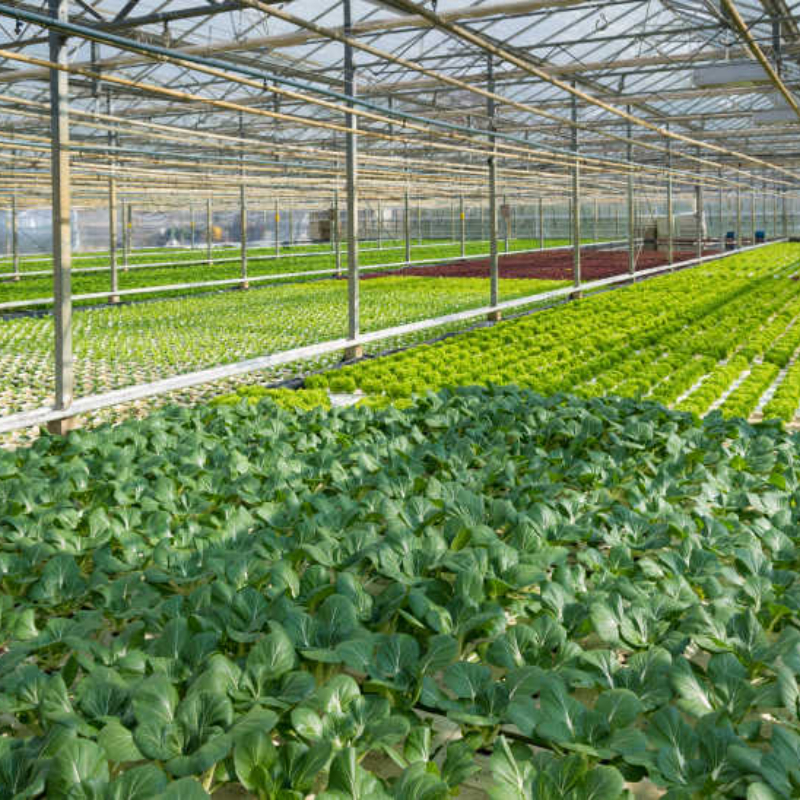
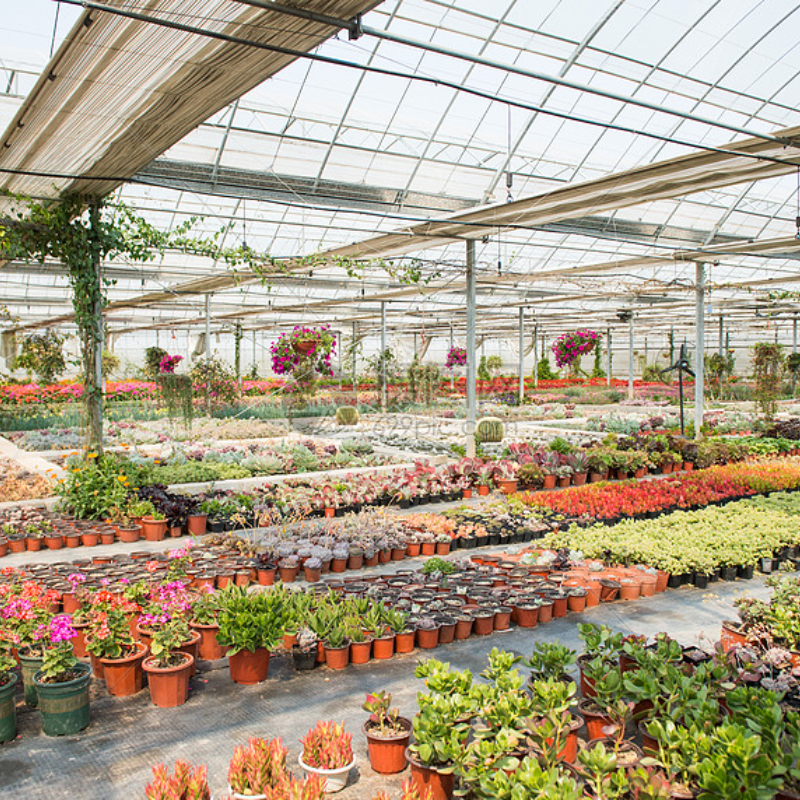
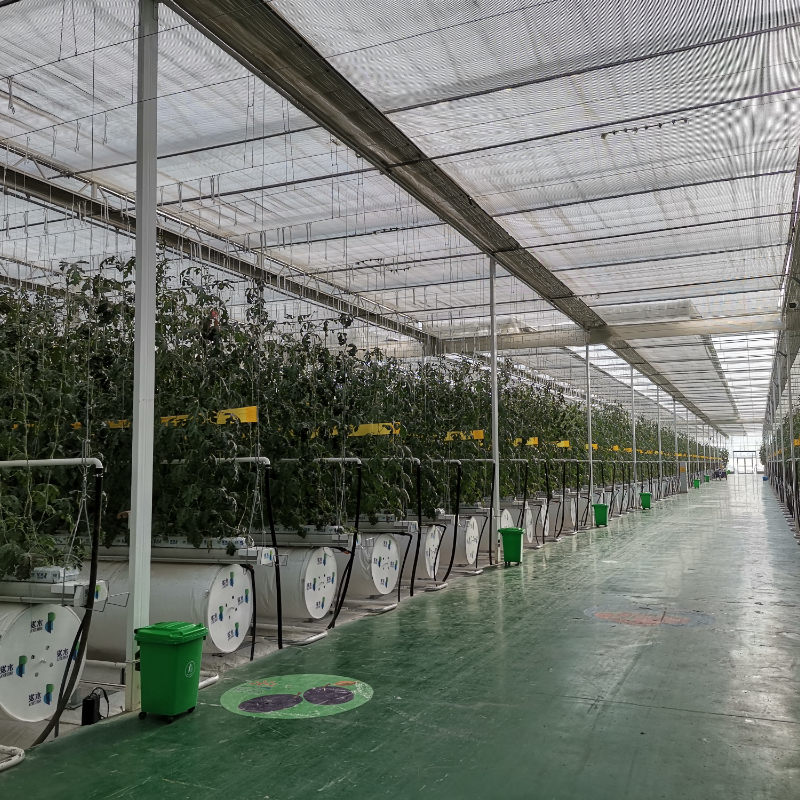
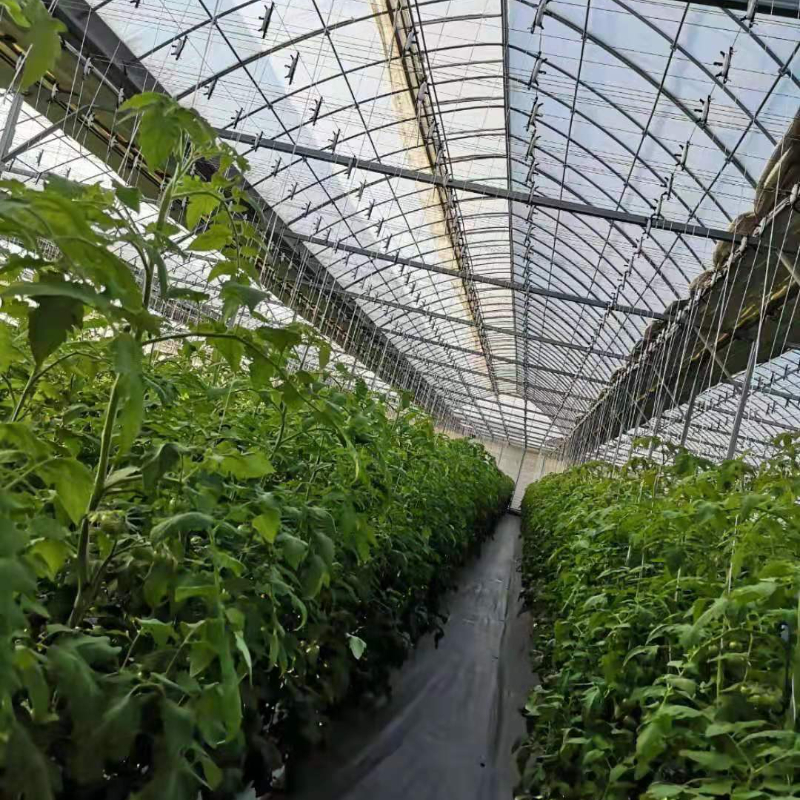
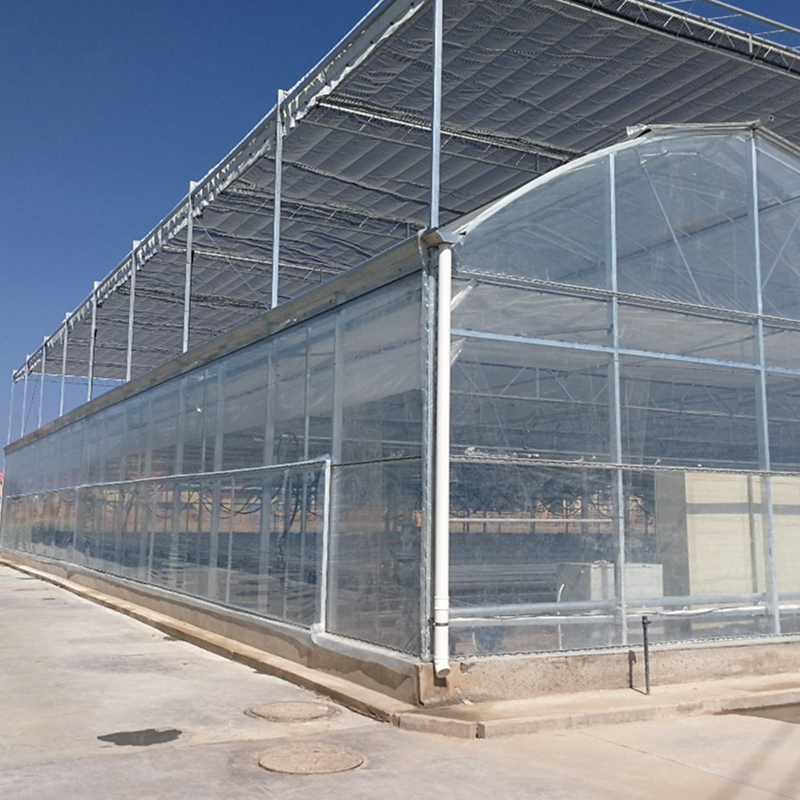
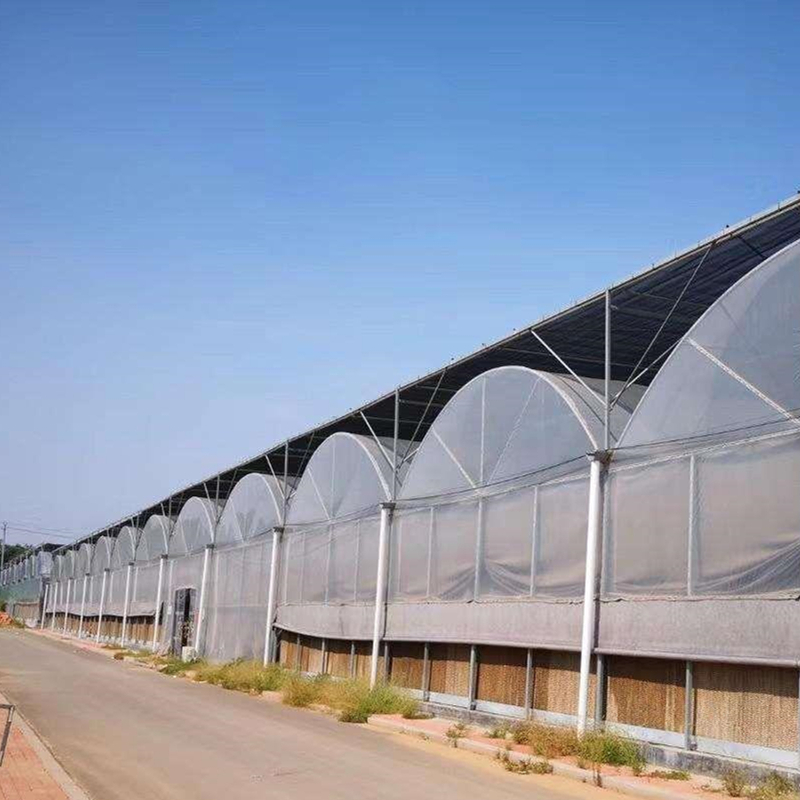
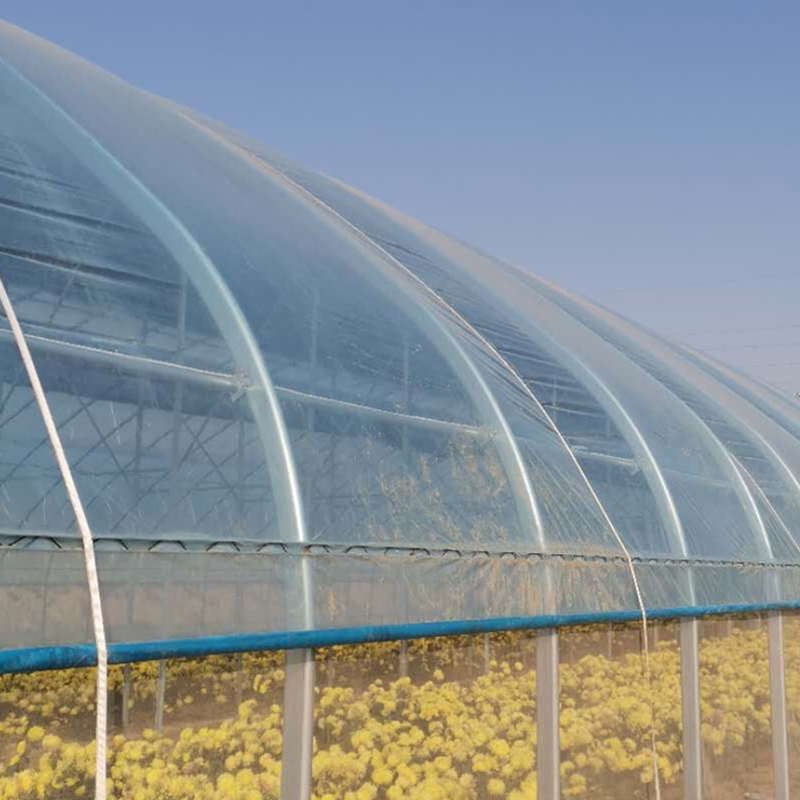
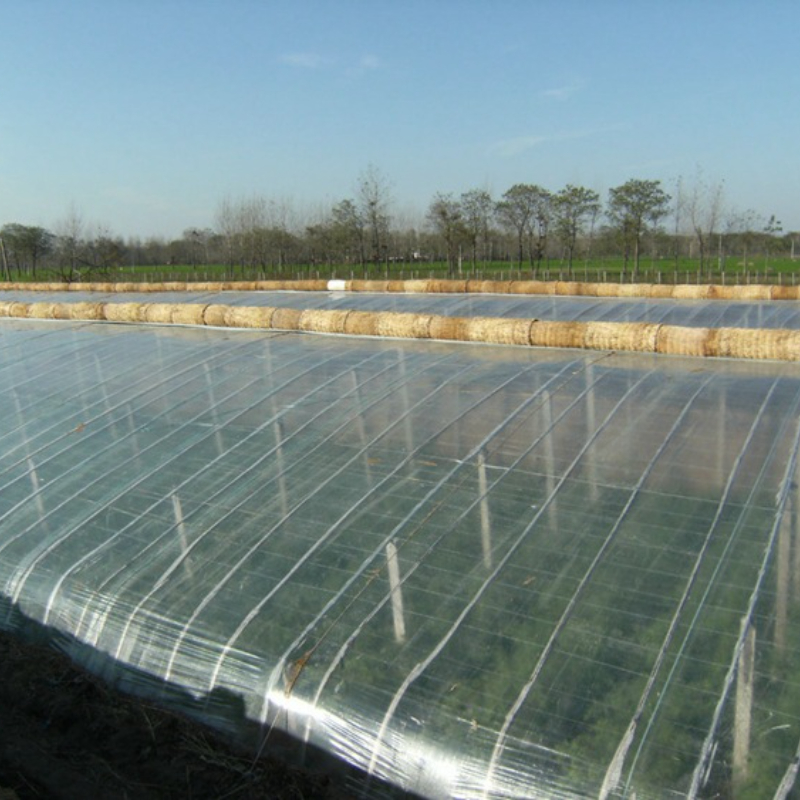
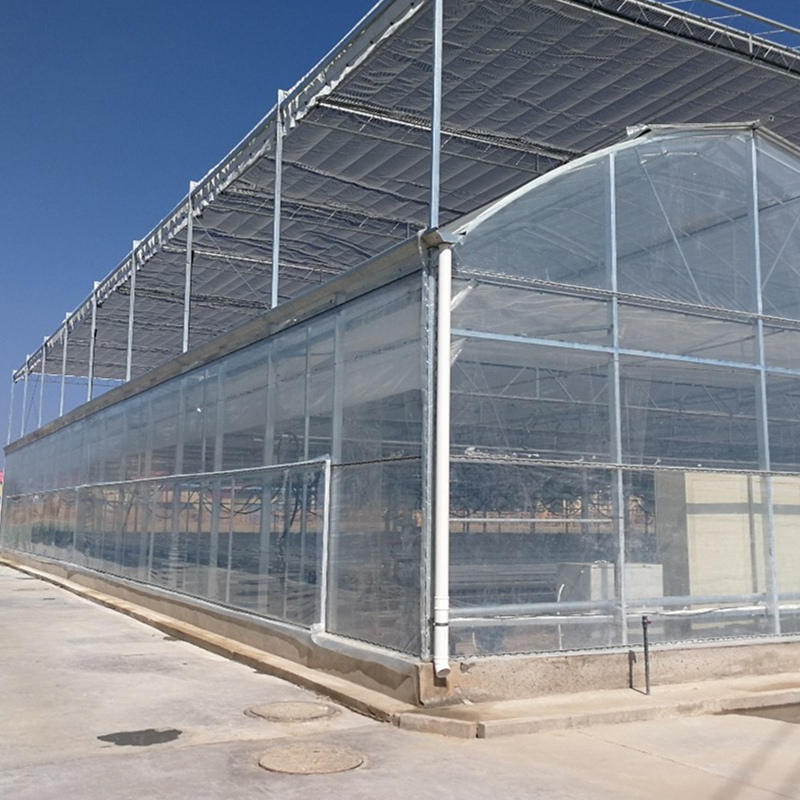
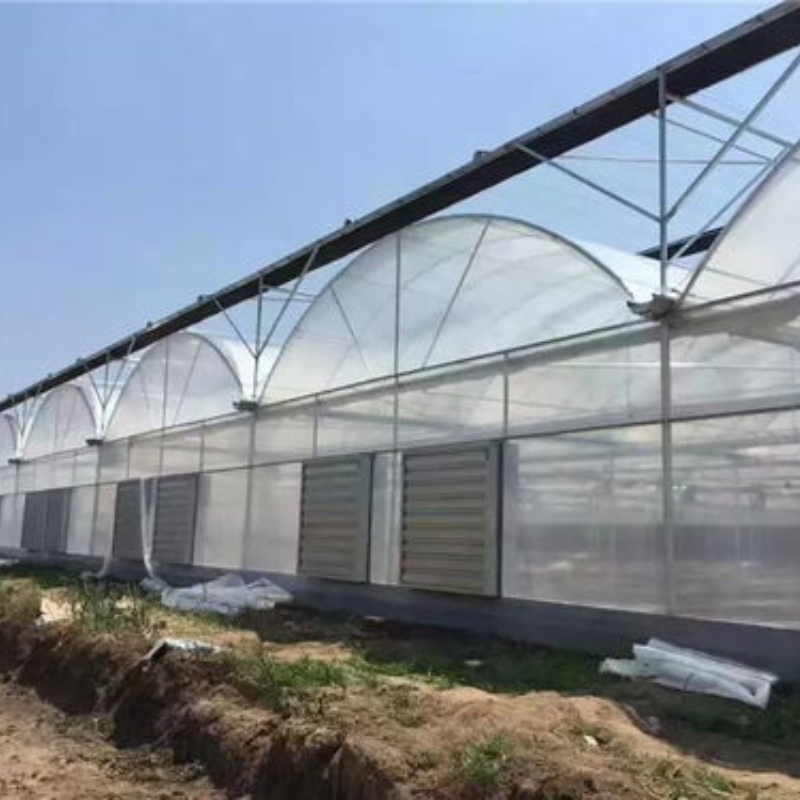
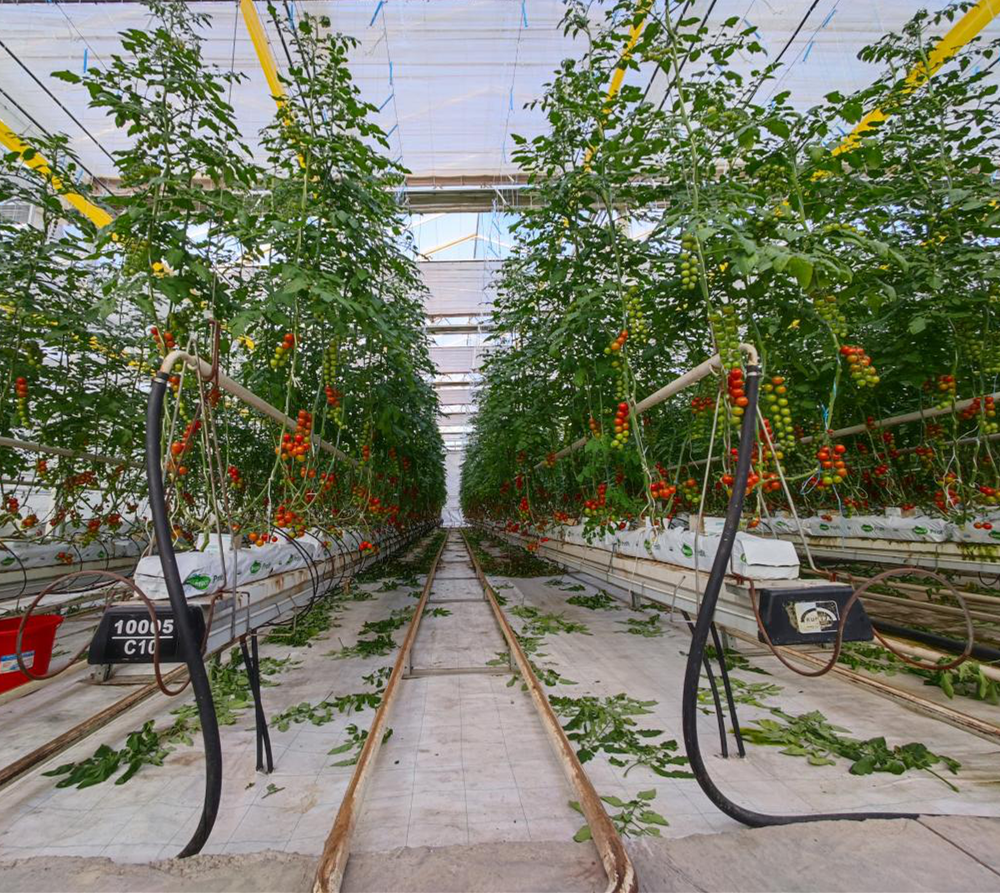
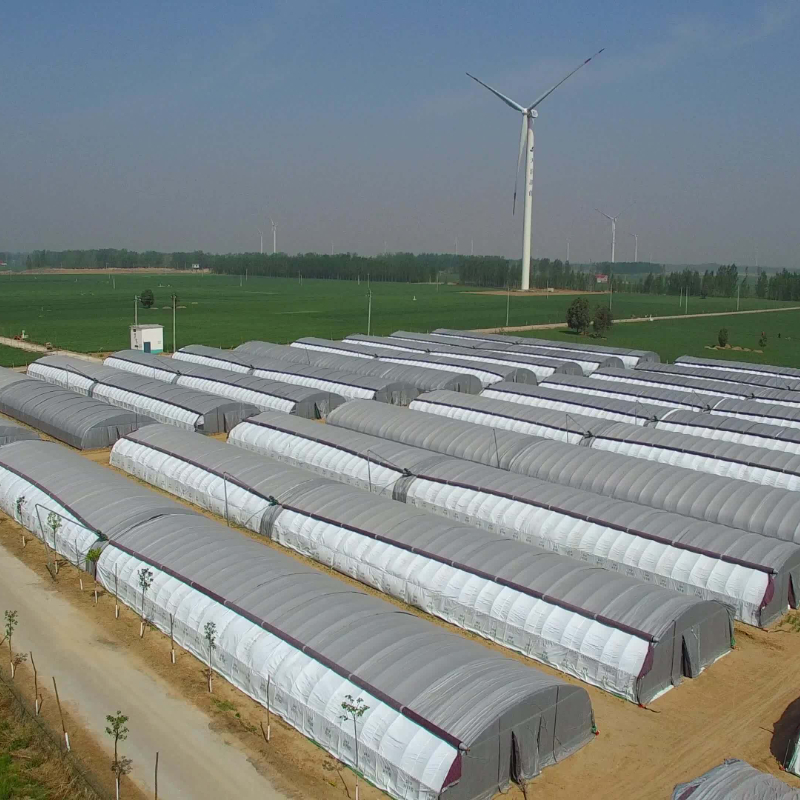
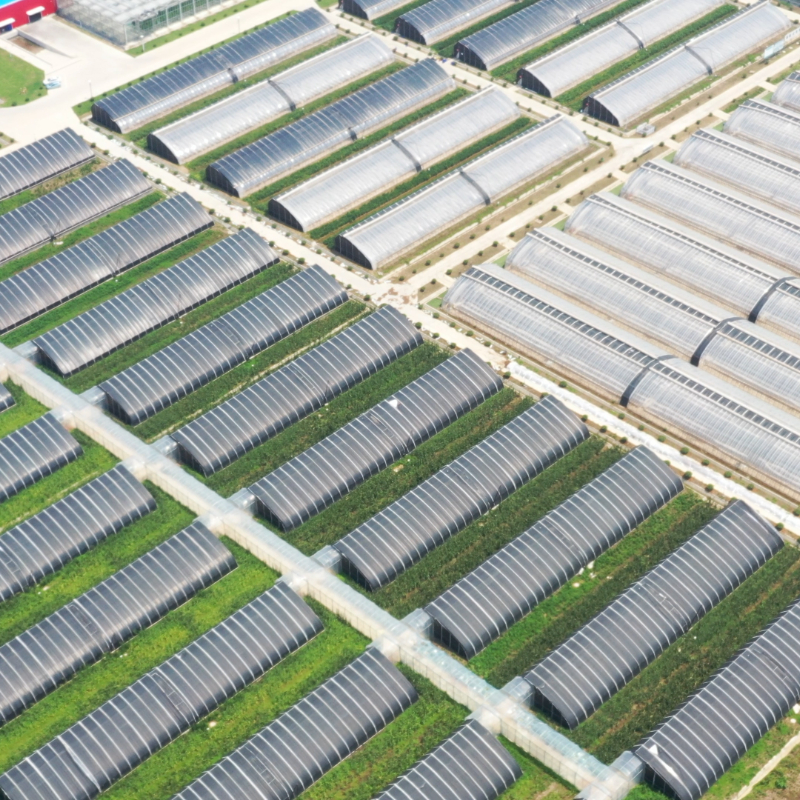
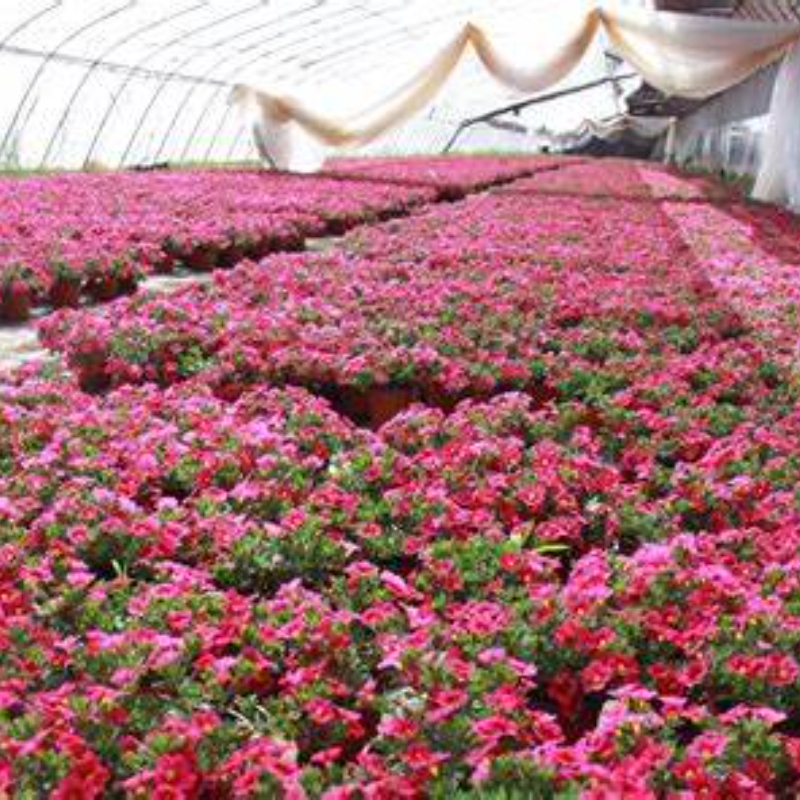
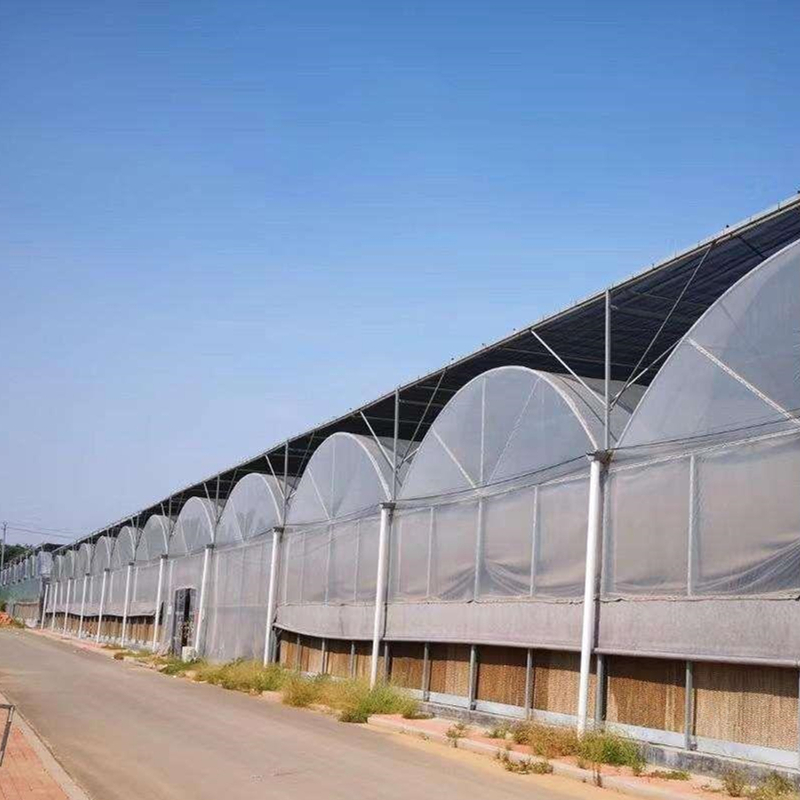
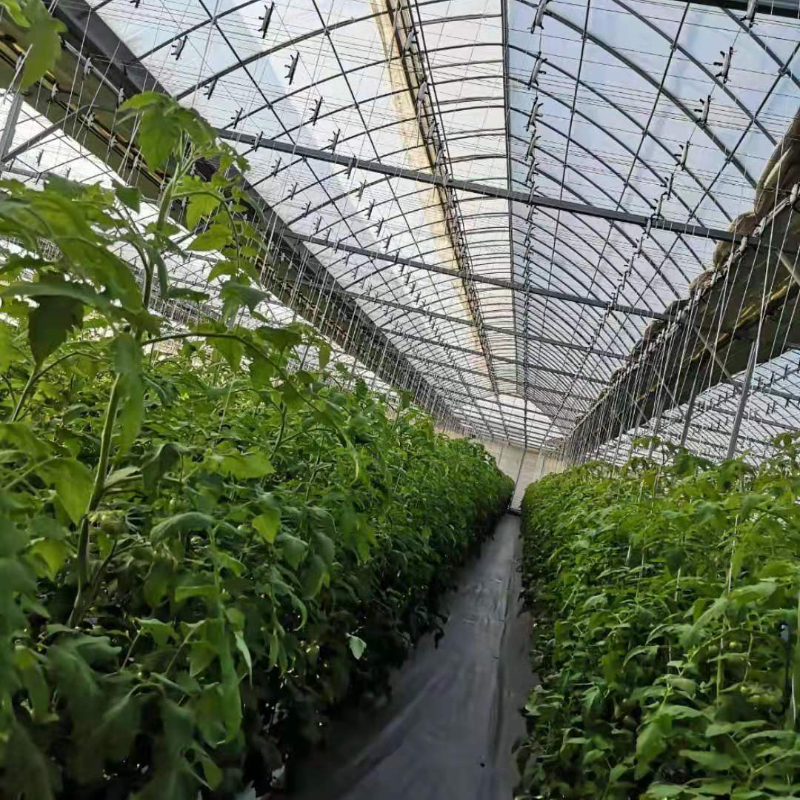
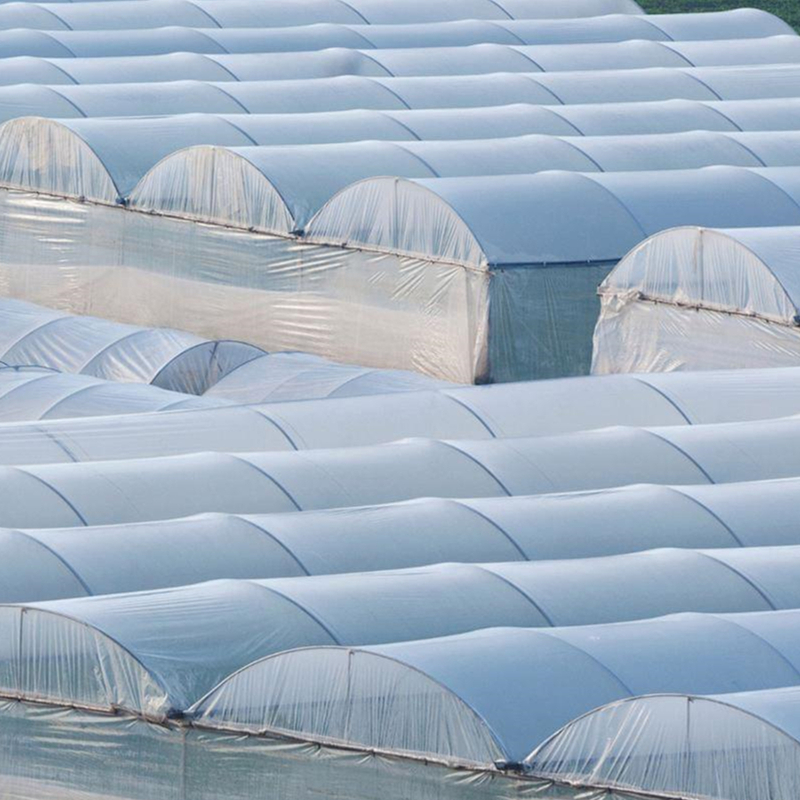
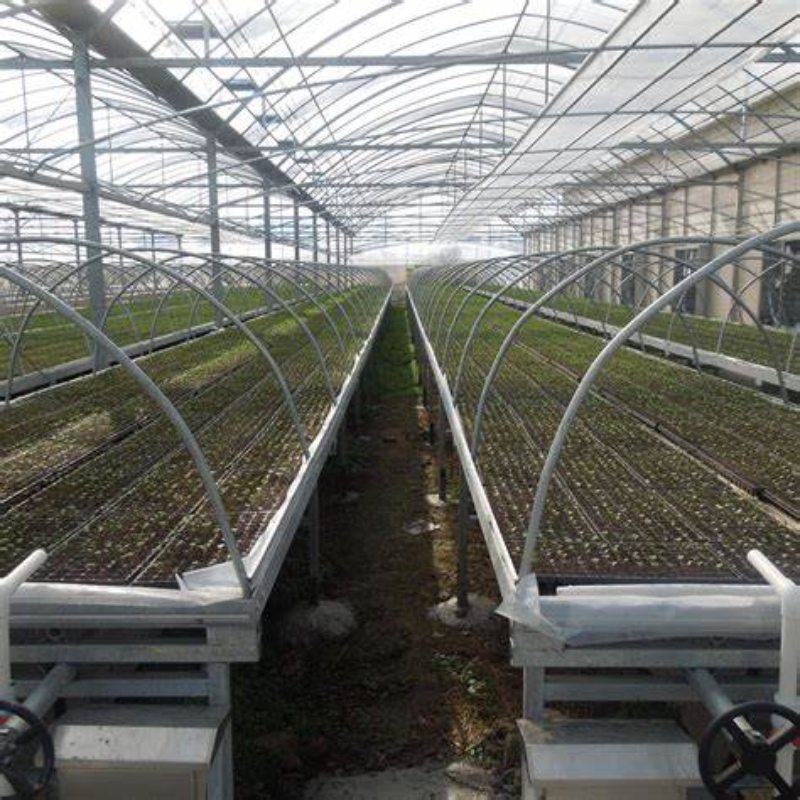
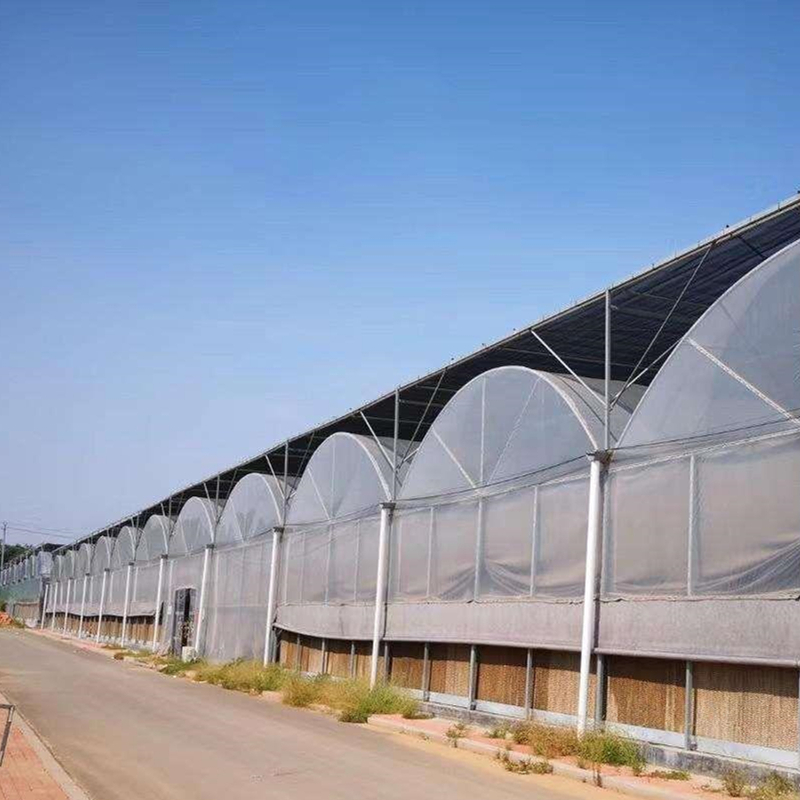
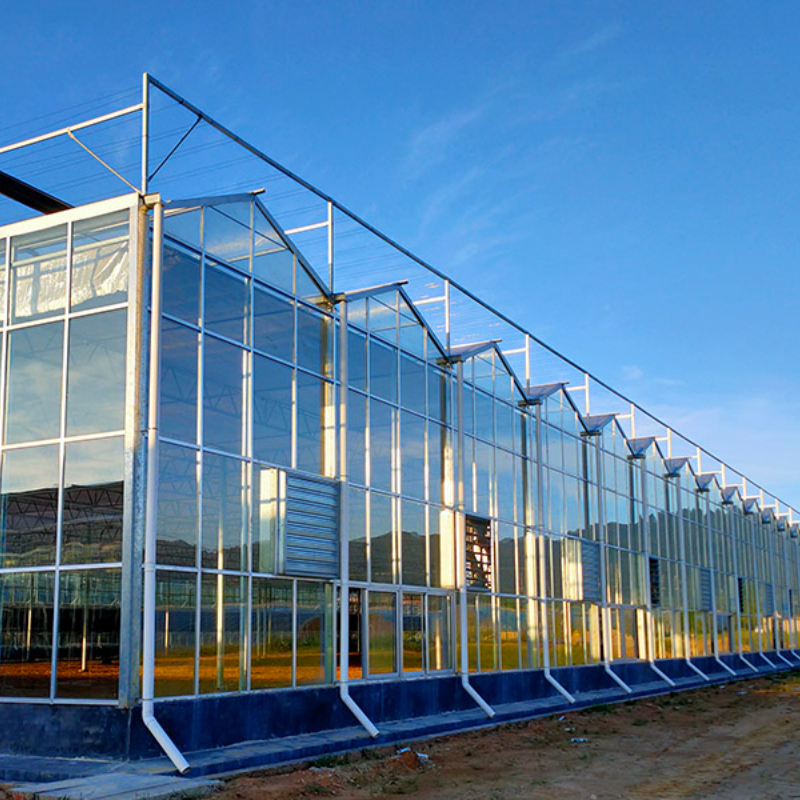
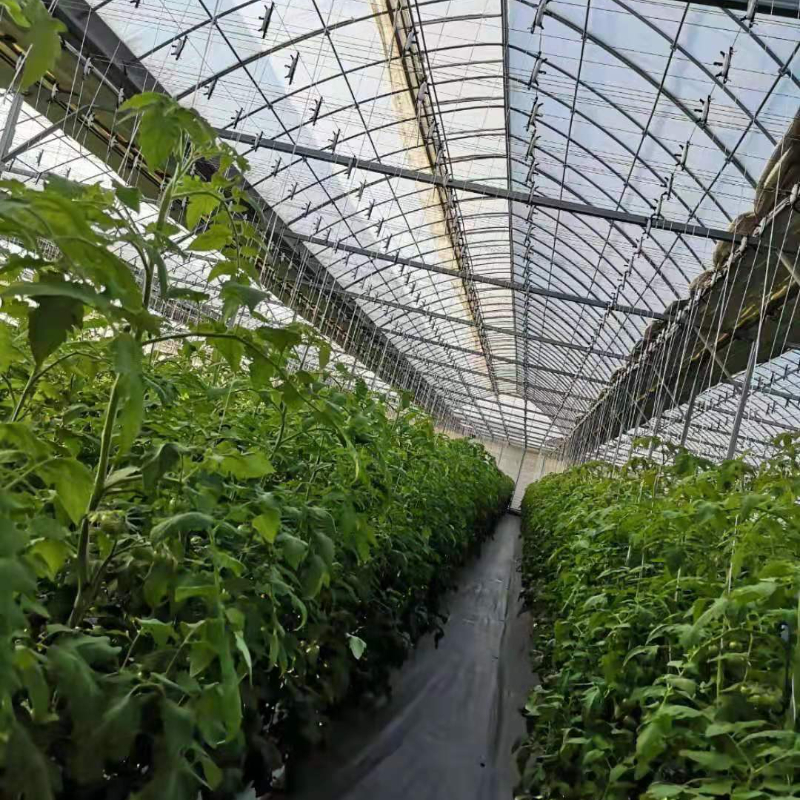
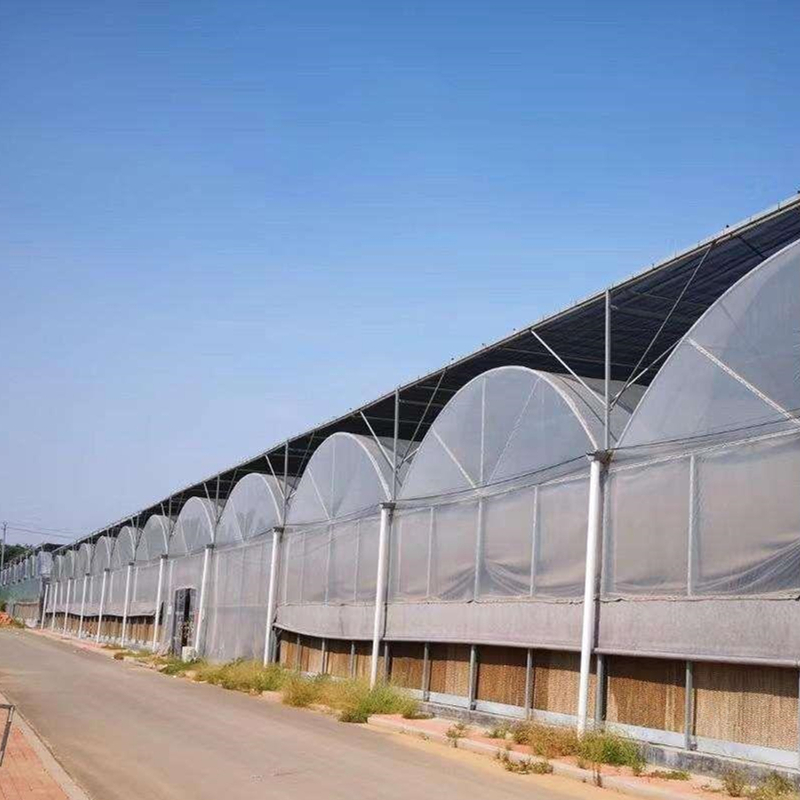
The stable and precise flight of UAVs in complex greenhouse environments is the foundation of the entire system, and the project’s original integrated navigation scheme has successfully solved this core technical problem, showing strong adaptability to outdoor greenhouse, custom greenhouse and mini greenhouse. Unlike open fields, greenhouse environments—whether outdoor greenhouse exposed to natural interference, custom greenhouse with personalized structures, or mini greenhouse with limited space—face challenges such as weak GPS signals, dense crop canopies and complex spatial layouts, which pose severe tests to UAV positioning accuracy and flight stability.
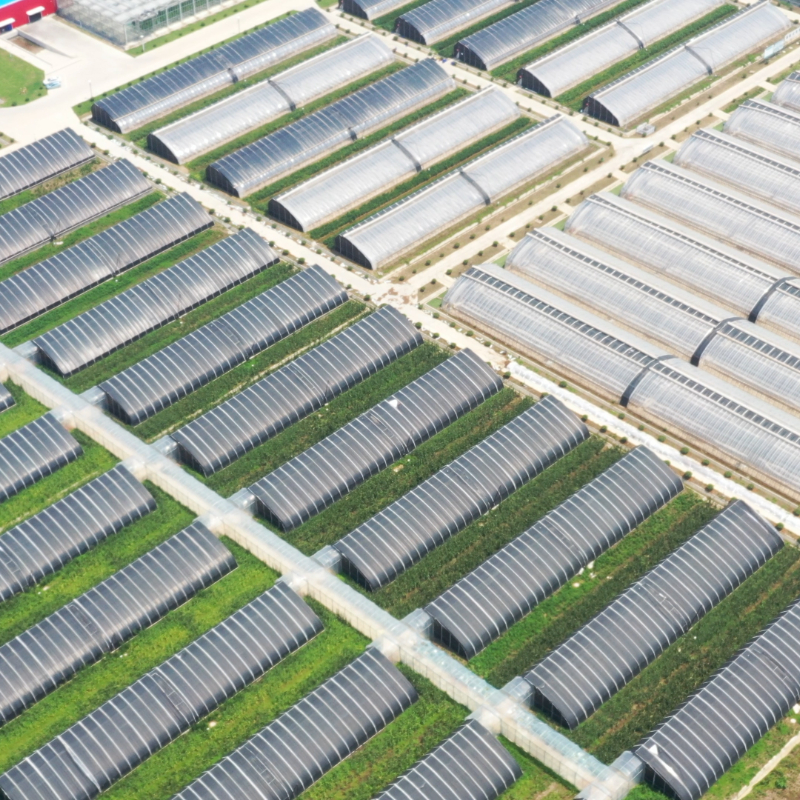
To address these issues, the project developed a fusion navigation scheme of "one-dimensional laser absolute positioning + three-dimensional differential UWB relative positioning". This scheme combines the high precision of laser positioning with the anti-interference ability of UWB (Ultra-Wideband) technology, enabling UAVs to achieve centimeter-level precise and stable autonomous flight at low cost in various greenhouse environments. For outdoor greenhouse, which is often affected by wind, sunlight and external electromagnetic interference, the UWB relative positioning module can effectively resist environmental interference, ensuring that the UAV does not deviate from the flight path even when the laser signal is temporarily blocked. This stability is crucial for outdoor greenhouse, as it ensures continuous and consistent data collection in changing natural conditions.
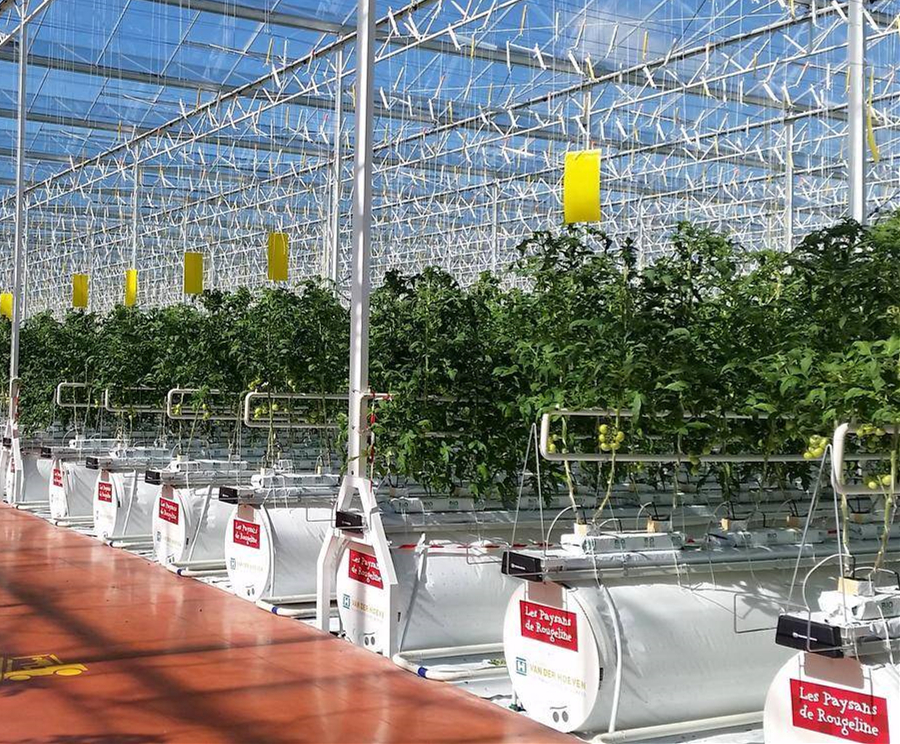
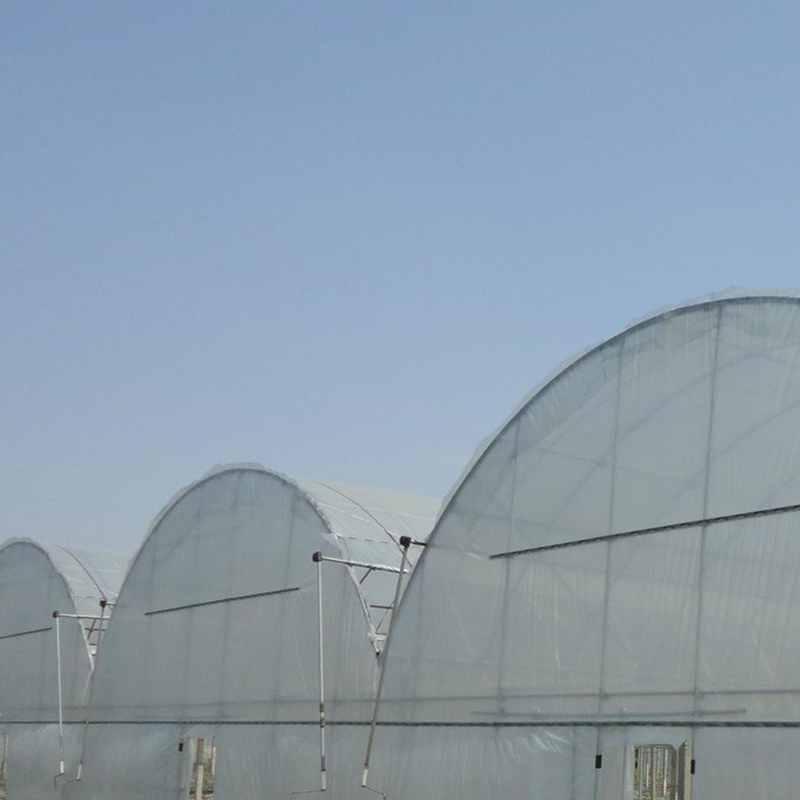
For custom greenhouse, which is designed according to specific crop types, planting scales and management needs, the integrated navigation scheme can be flexibly adjusted to match the unique structural characteristics of the custom greenhouse. For example, some custom greenhouses for high-stalk crops are equipped with layered planting frames, while others for leafy vegetables have dense planting rows. The UAV system can automatically identify the structural parameters of the custom greenhouse through pre-scanning, optimize the flight path in real time, and avoid collisions with obstacles while ensuring full coverage of crop monitoring. This flexibility makes the system highly compatible with various custom greenhouse designs, meeting the personalized monitoring needs of different growers.
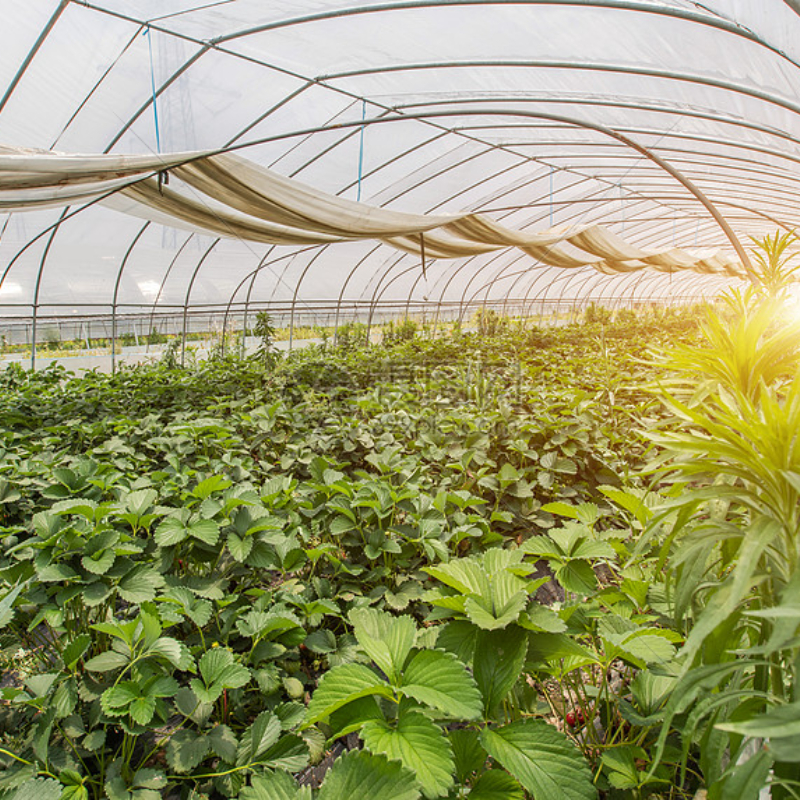
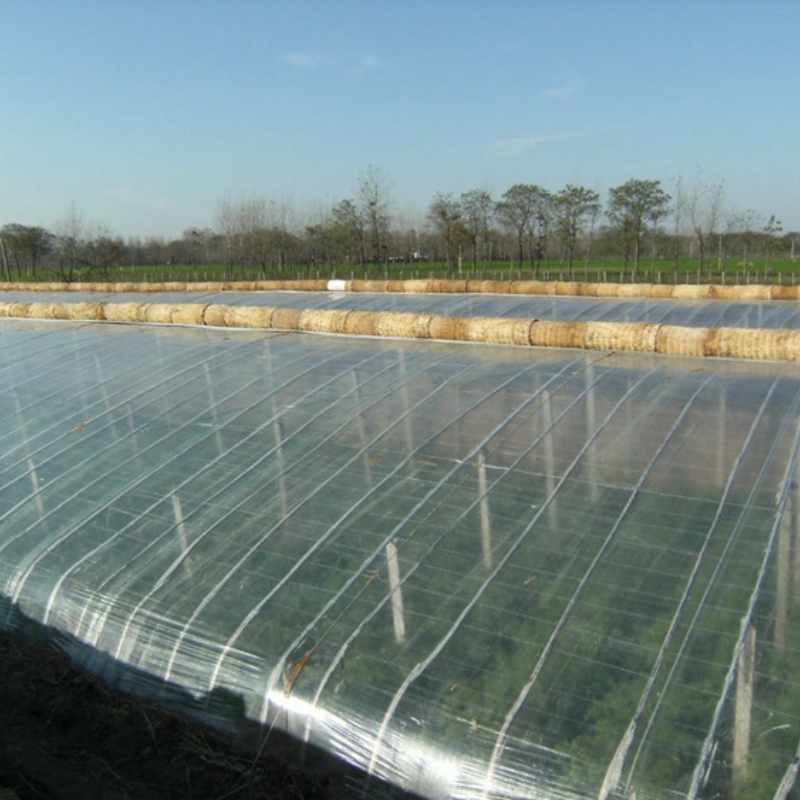
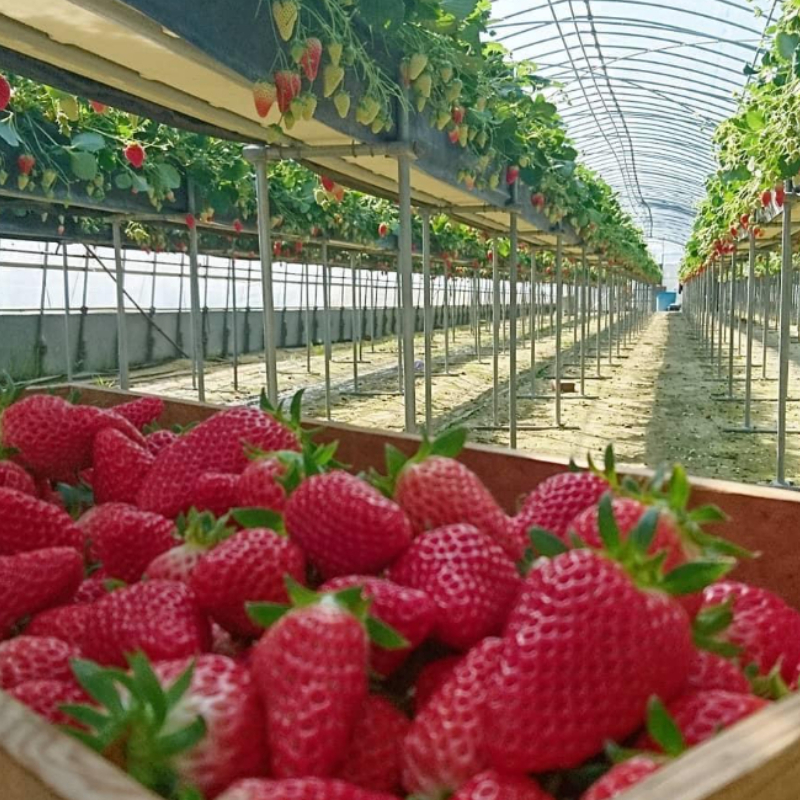
For mini greenhouse, which is widely used in family planting, small-scale farms and scientific research experiments, the integrated navigation scheme shows obvious advantages in space adaptation and cost control. Mini greenhouse usually has a narrow internal space and low operating budget, and traditional fixed monitoring equipment is often too large or expensive to be applied. The UAV in this project is small in size and light in weight, and the low-cost fusion navigation scheme reduces the overall investment of the system, making it suitable for mini greenhouse. The UAV can fly flexibly in the limited space of the mini greenhouse, collect high-precision data for a small number of crops, and provide professional monitoring support for mini greenhouse users without increasing their economic burden.
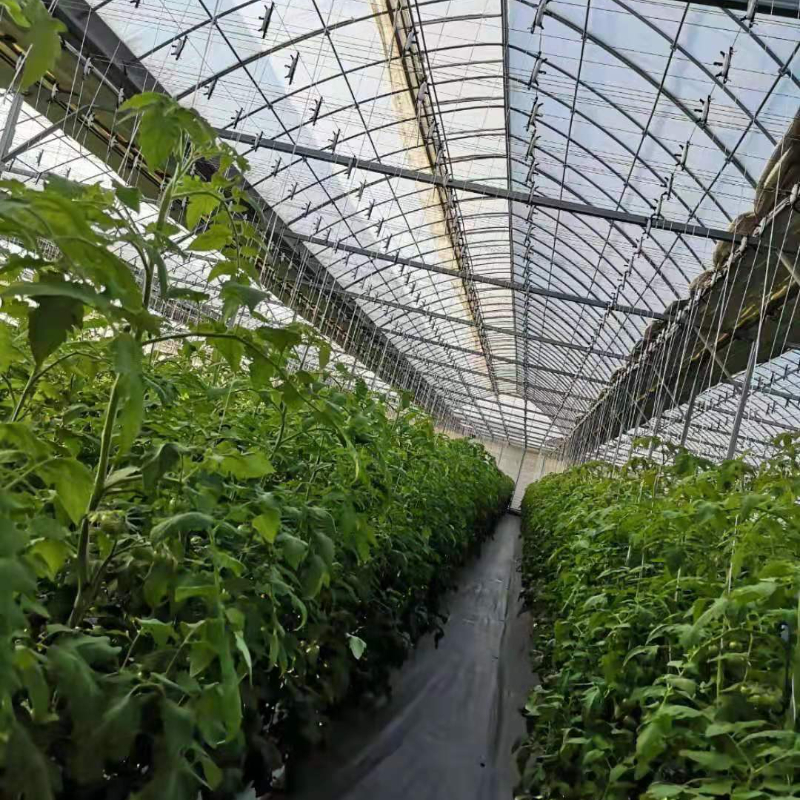
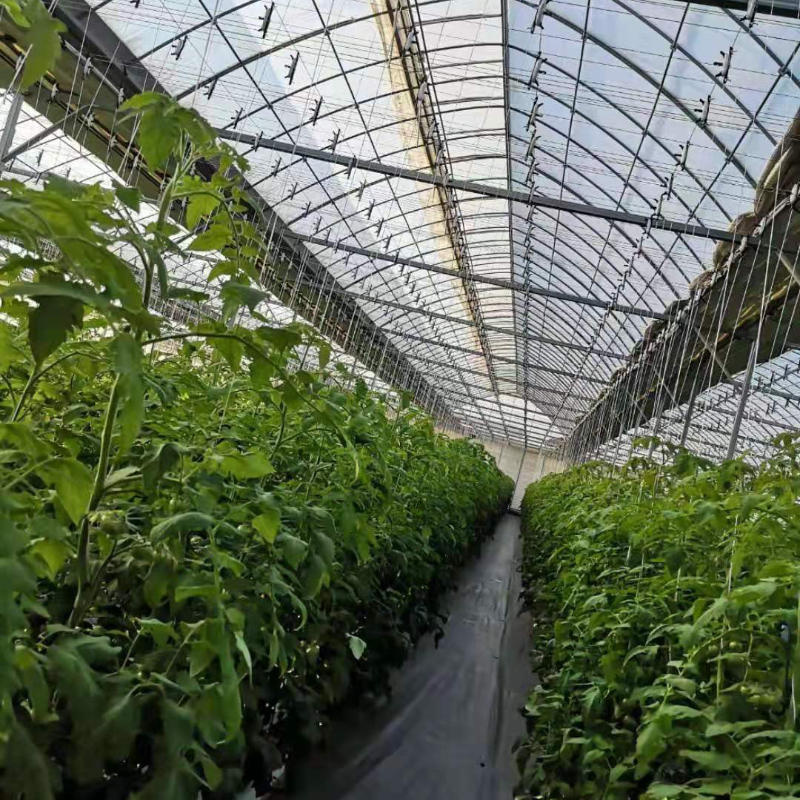
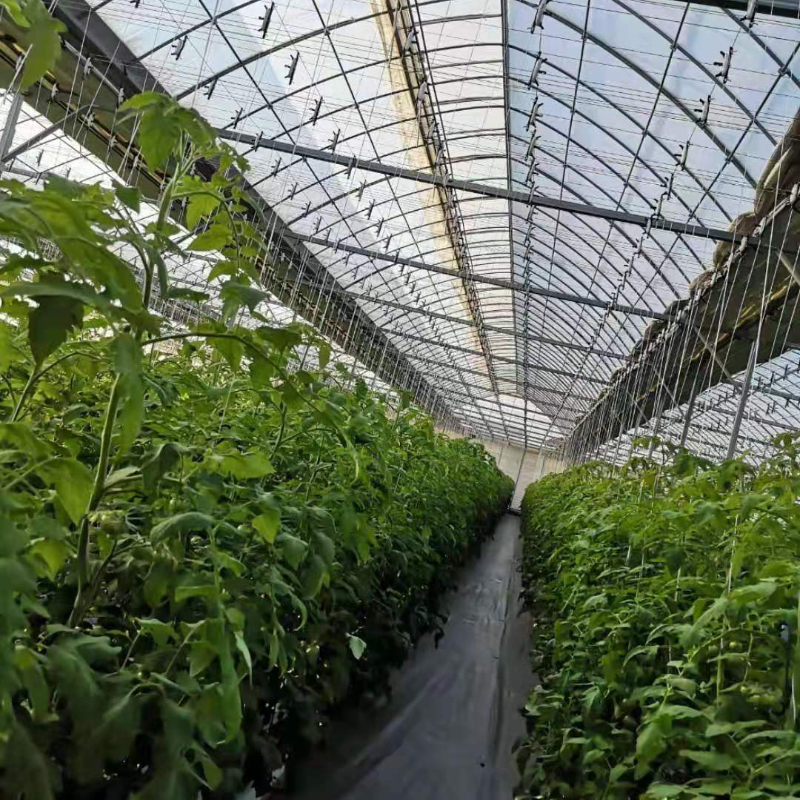
The adaptability of this navigation scheme to outdoor greenhouse, custom greenhouse and mini greenhouse has been fully verified in practical applications. In an outdoor greenhouse in Jiangsu, the UAV maintained stable flight even in windy weather, completing the phenotyping monitoring of 2,000 square meters of tomatoes in 30 minutes with a positioning error of less than 2 centimeters. In a custom greenhouse in Shanghai designed for high-stalk corn, the system automatically adjusted the flight height and path according to the corn height, ensuring that the spectral and image data of each plant were collected accurately. In a mini greenhouse for family-owned strawberry planting, the UAV completed the monitoring of 50 square meters of strawberries at a low cost, providing the owner with detailed nutrient and water status analysis. This multi-scenario adaptability lays a solid foundation for the popularization of the system in outdoor greenhouse, custom greenhouse and mini greenhouse.
With the continuous expansion of greenhouse planting scenarios, the demand for UAV navigation technology suitable for different greenhouses is increasing. This integrated navigation scheme not only solves the current flight problems of UAVs in greenhouses but also provides a scalable solution for future new greenhouse types. Whether it is a large-scale outdoor greenhouse, a highly personalized custom greenhouse or a small and flexible mini greenhouse, the system can provide stable and precise navigation support, becoming a core driving force for the intelligent transformation of various greenhouse industries.
