
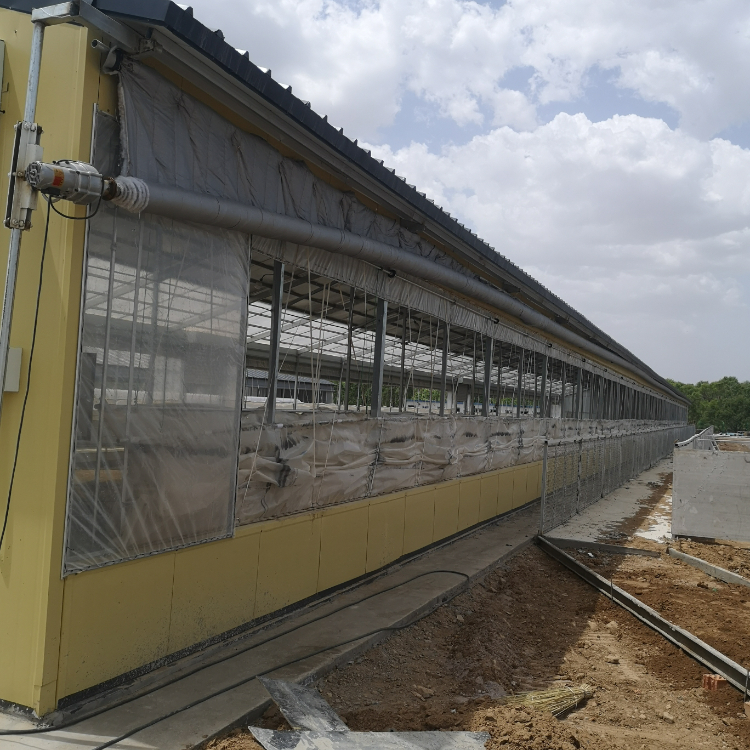
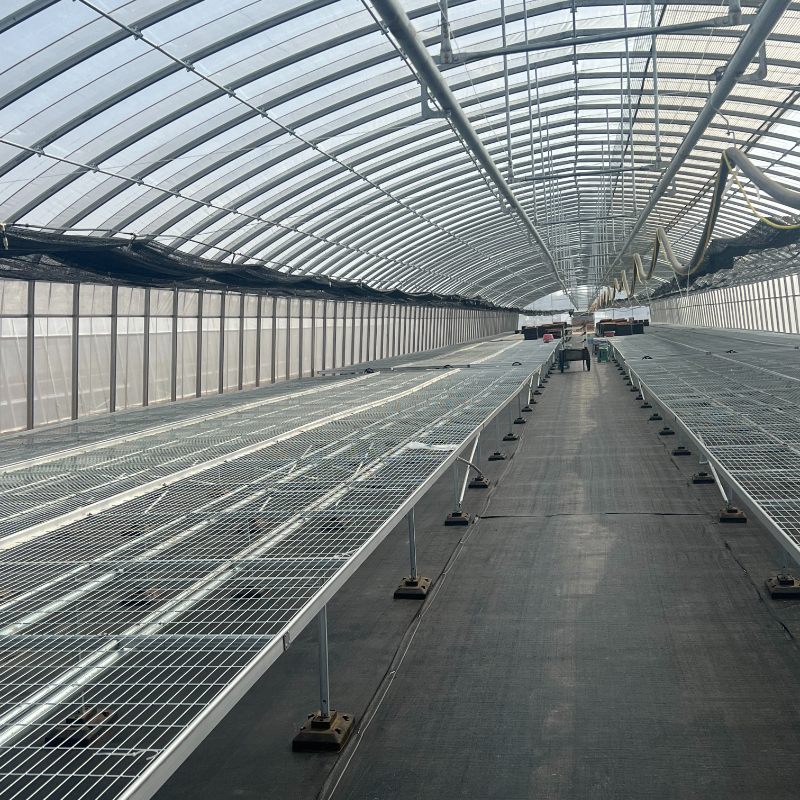
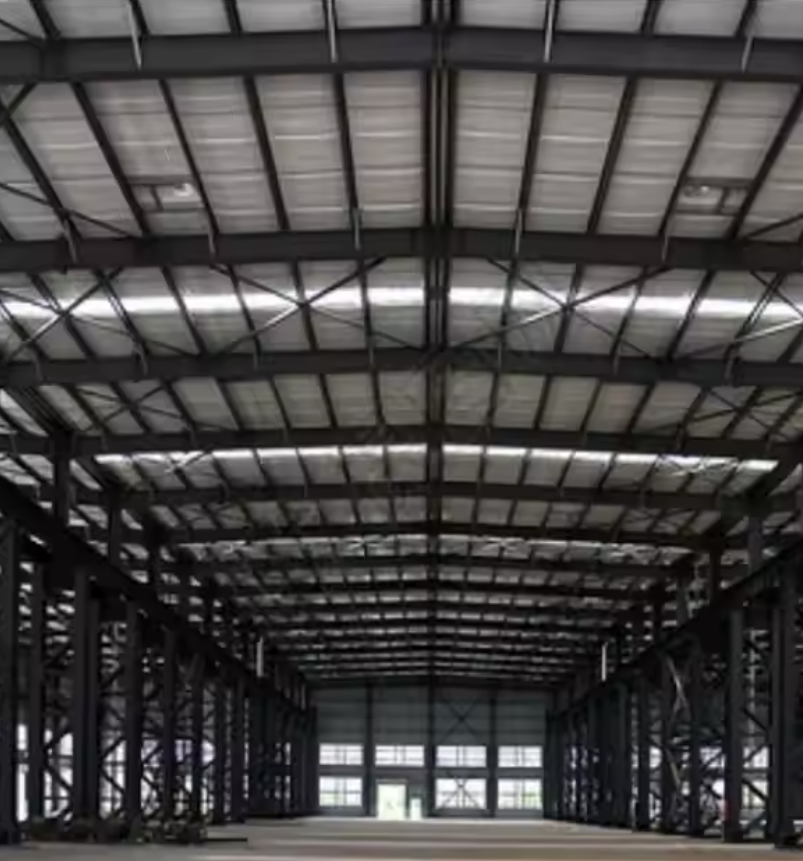
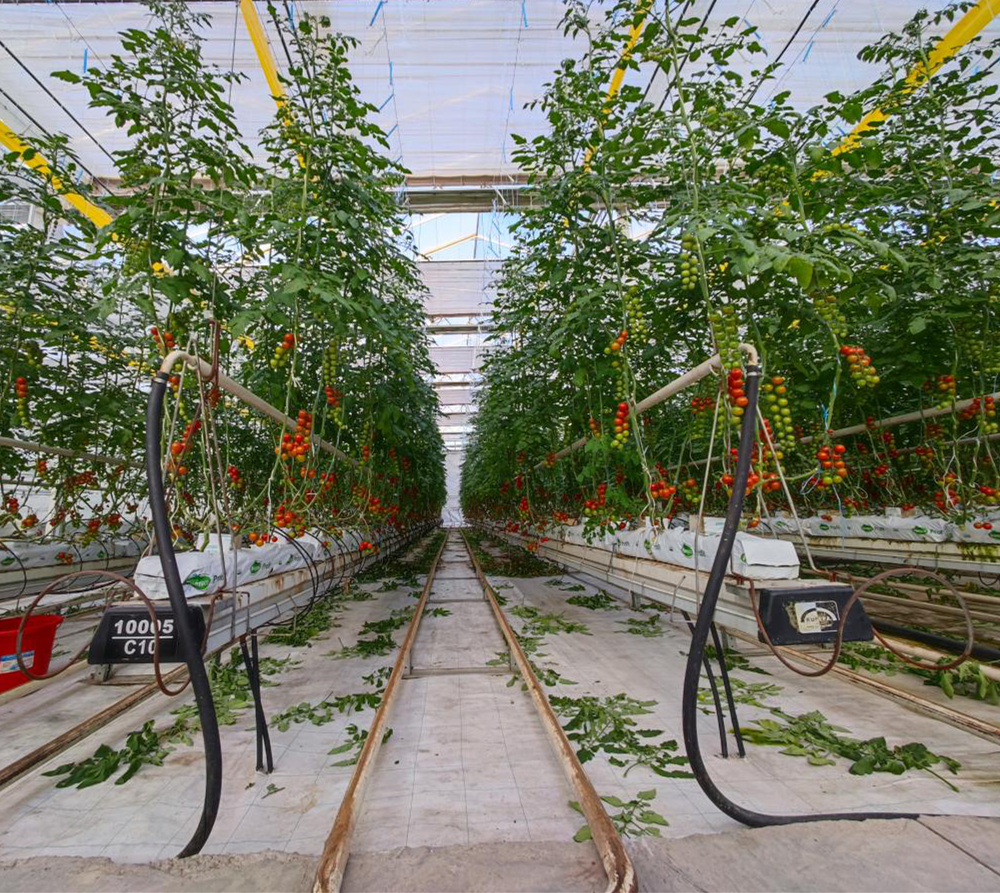
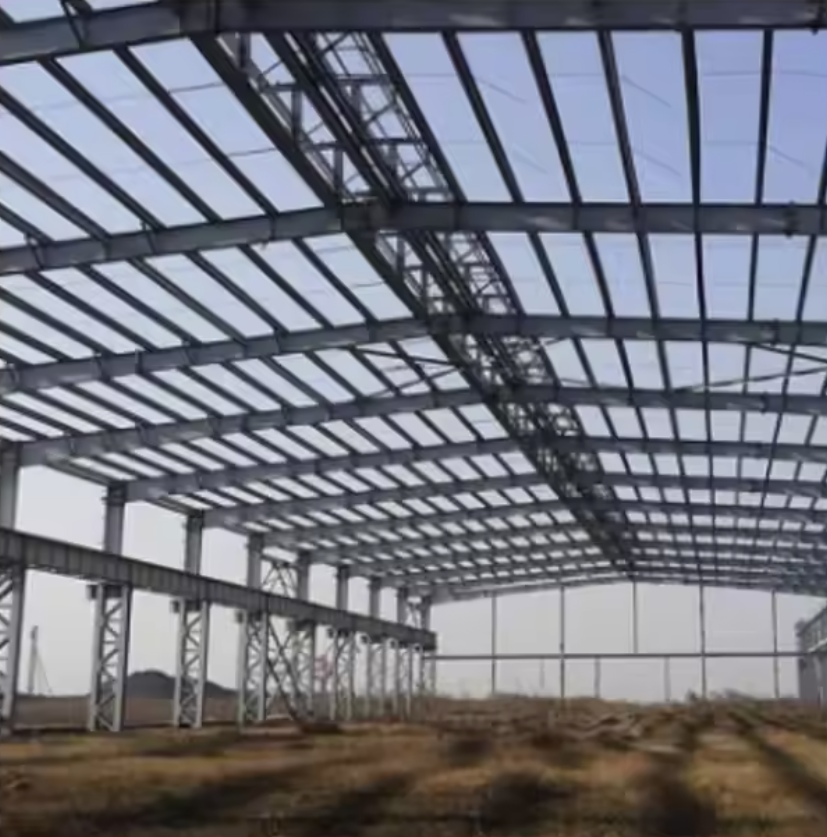
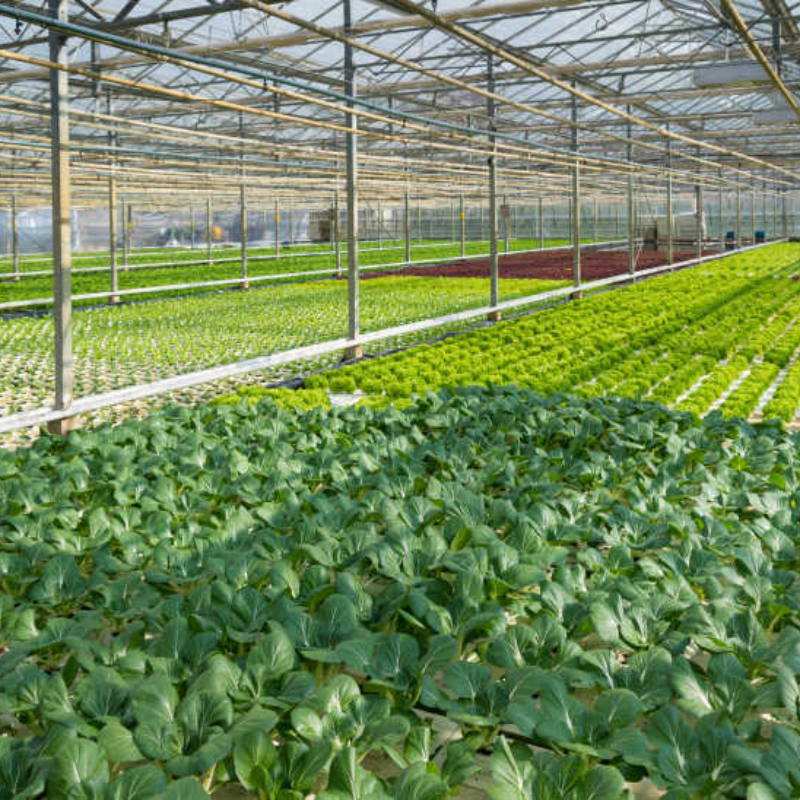
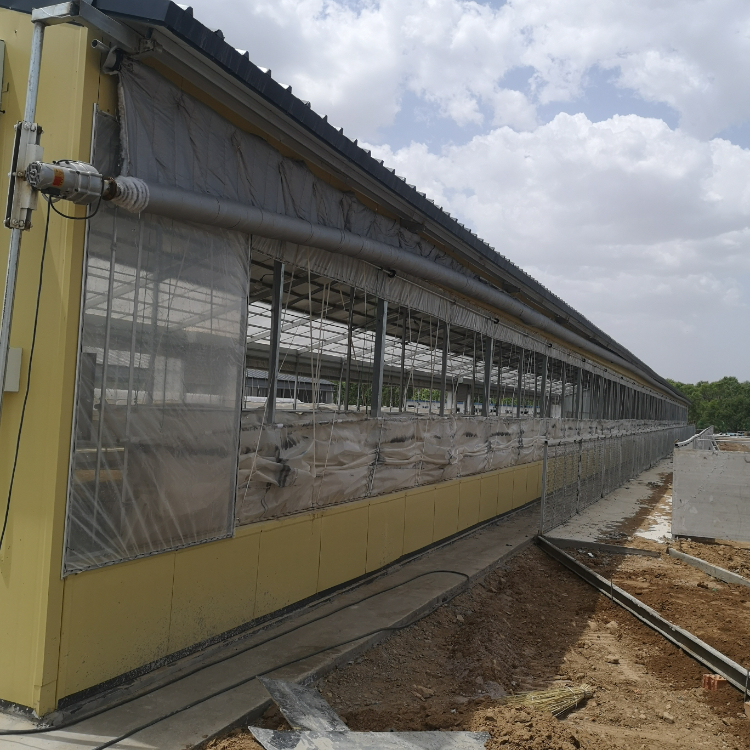
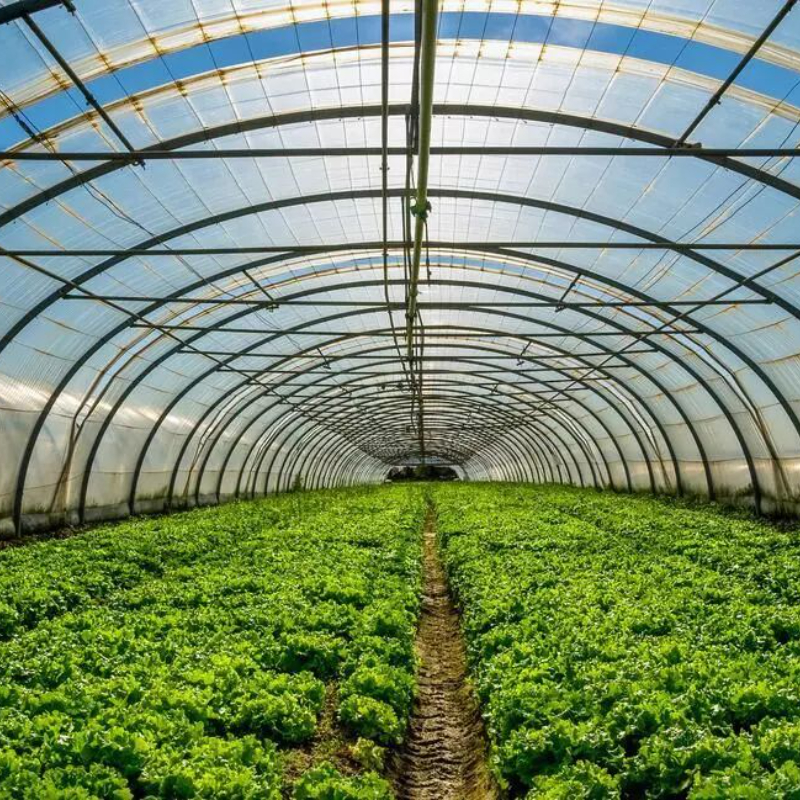
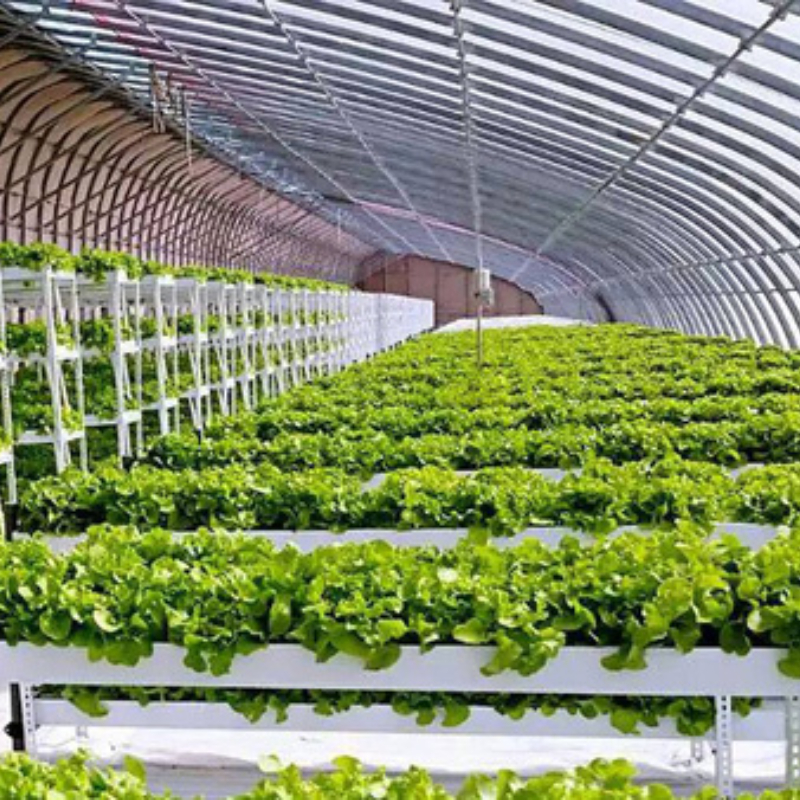
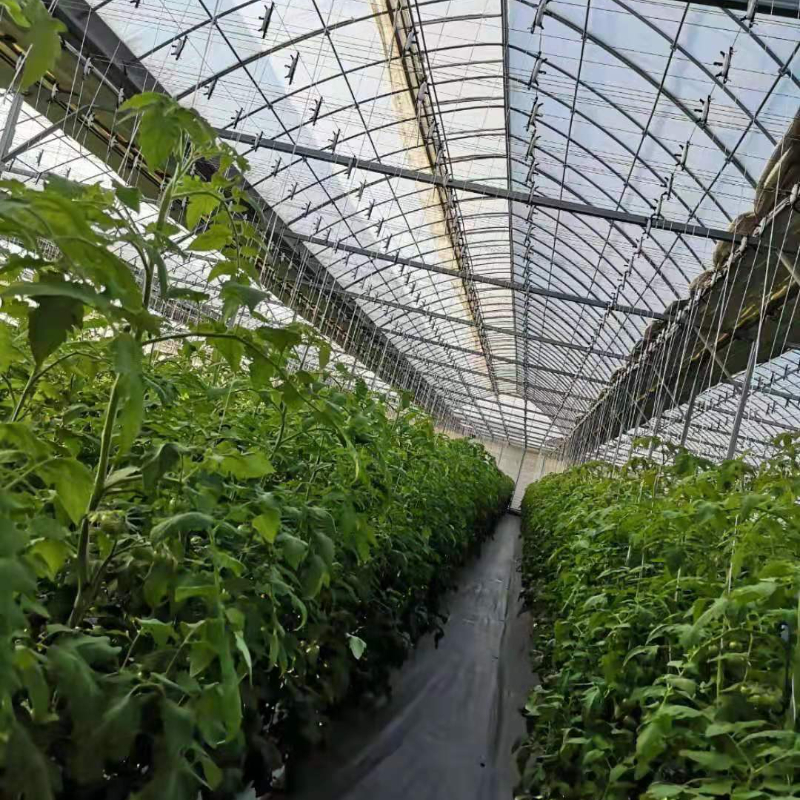
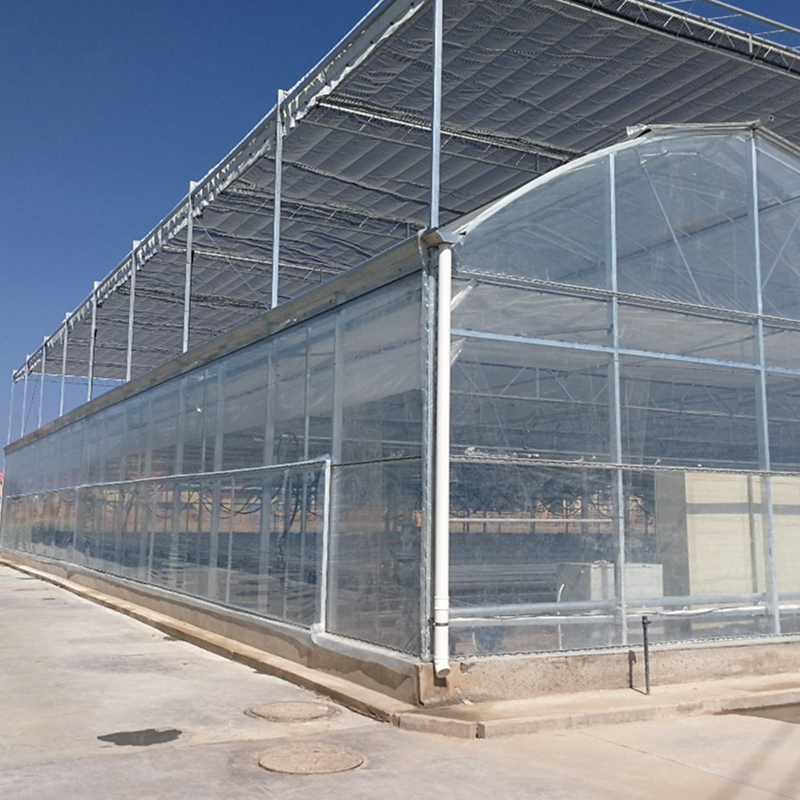
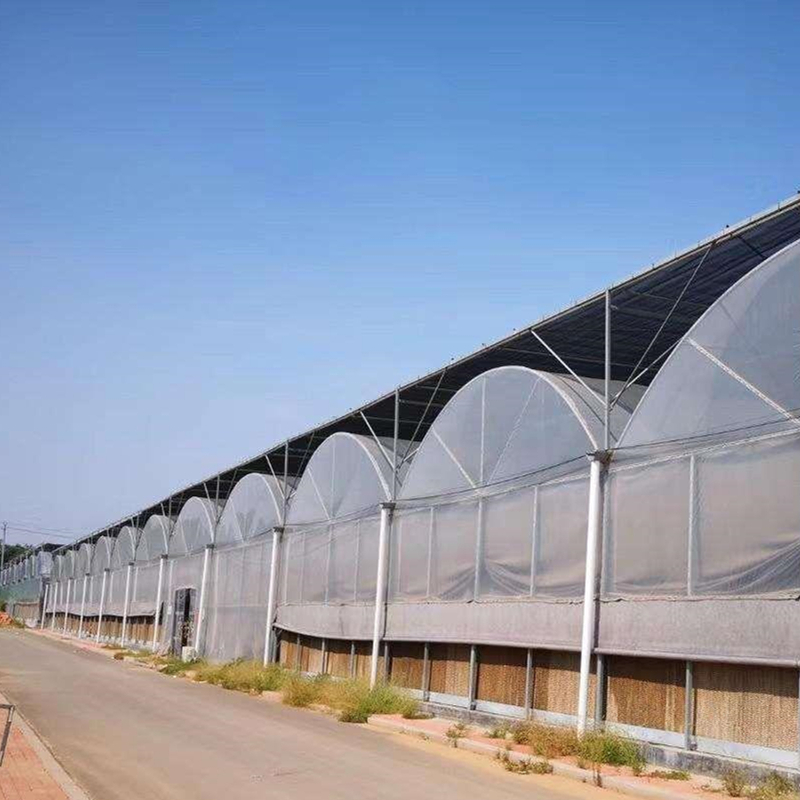
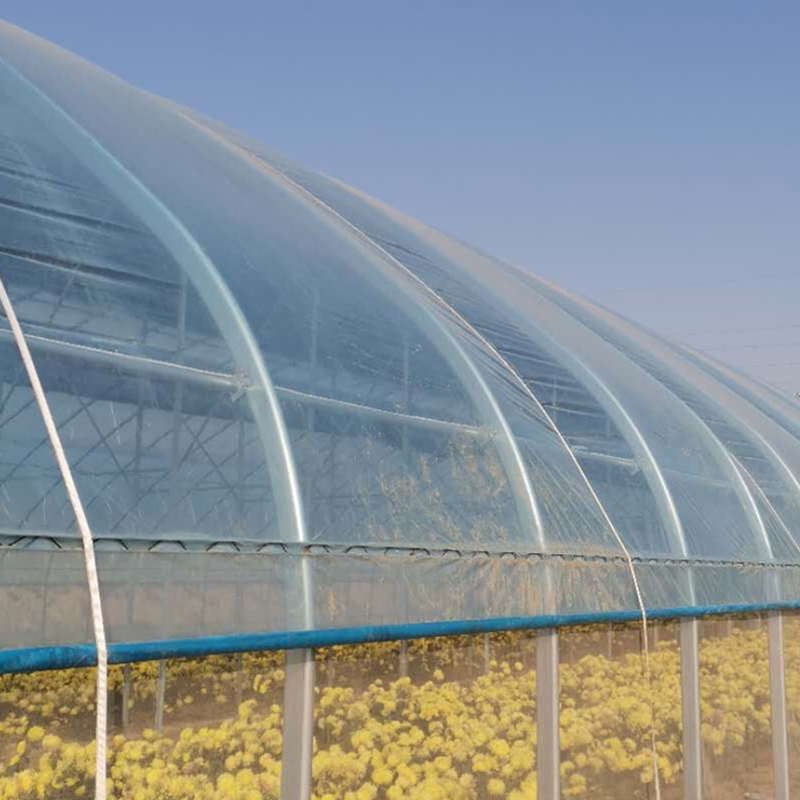
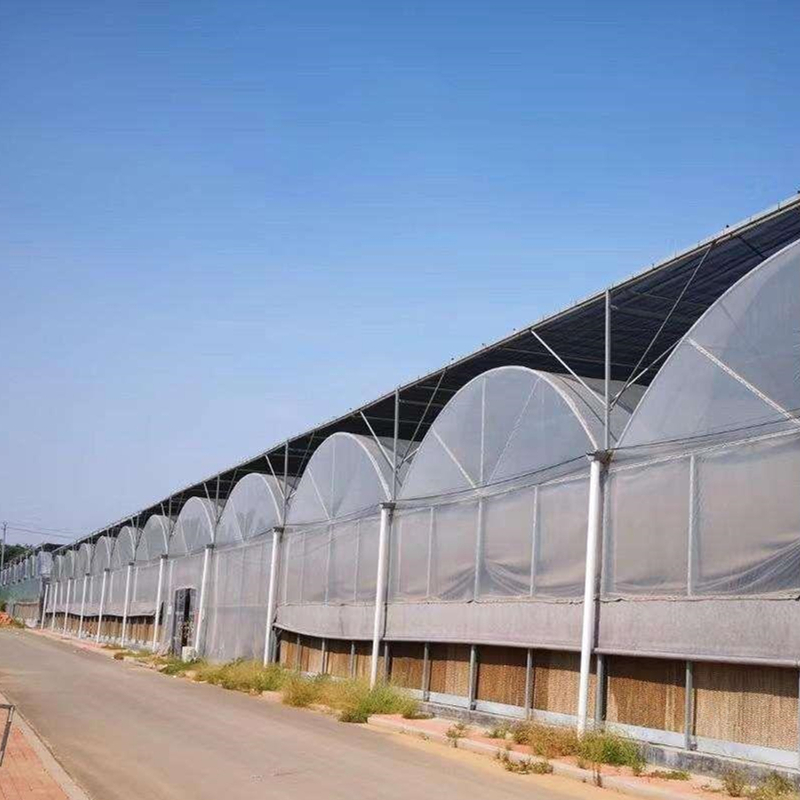
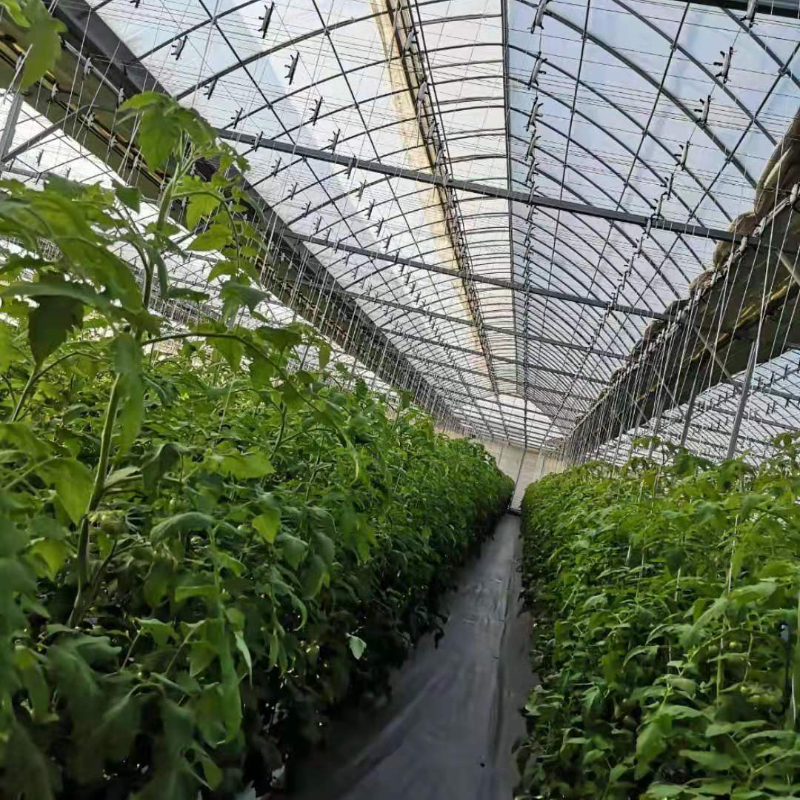
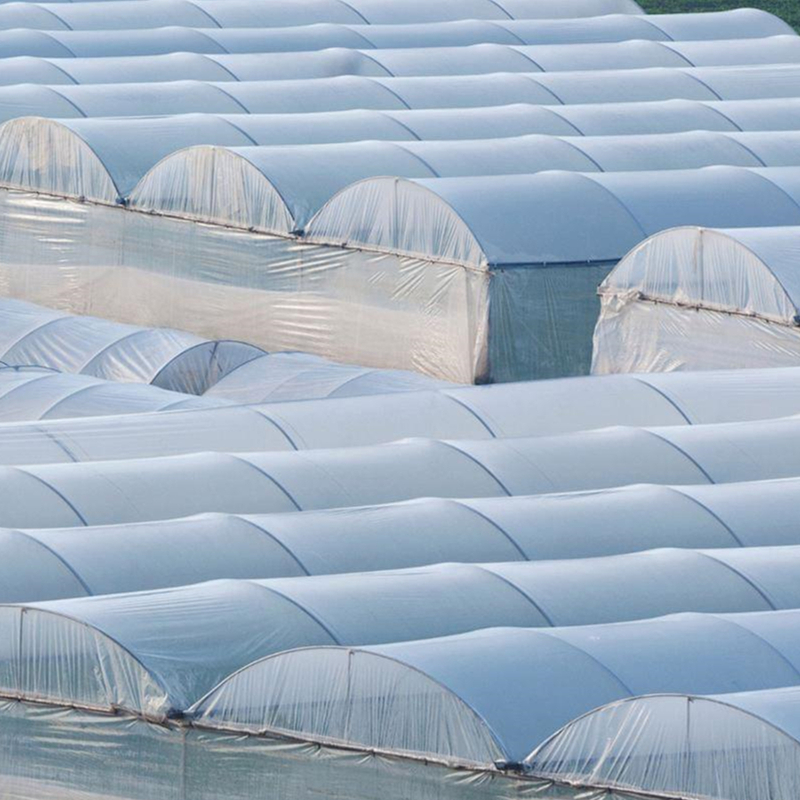
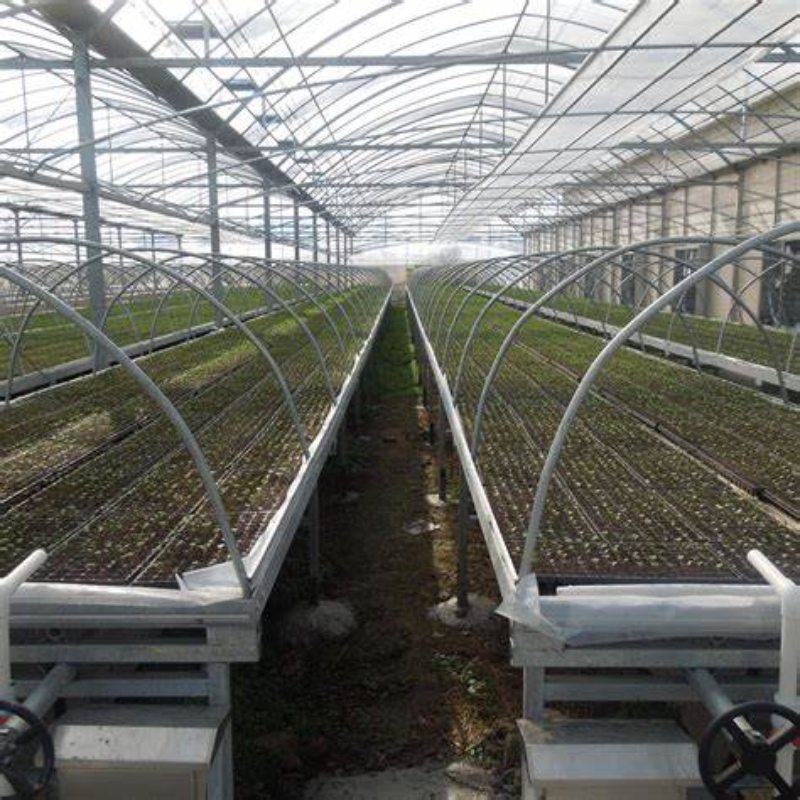
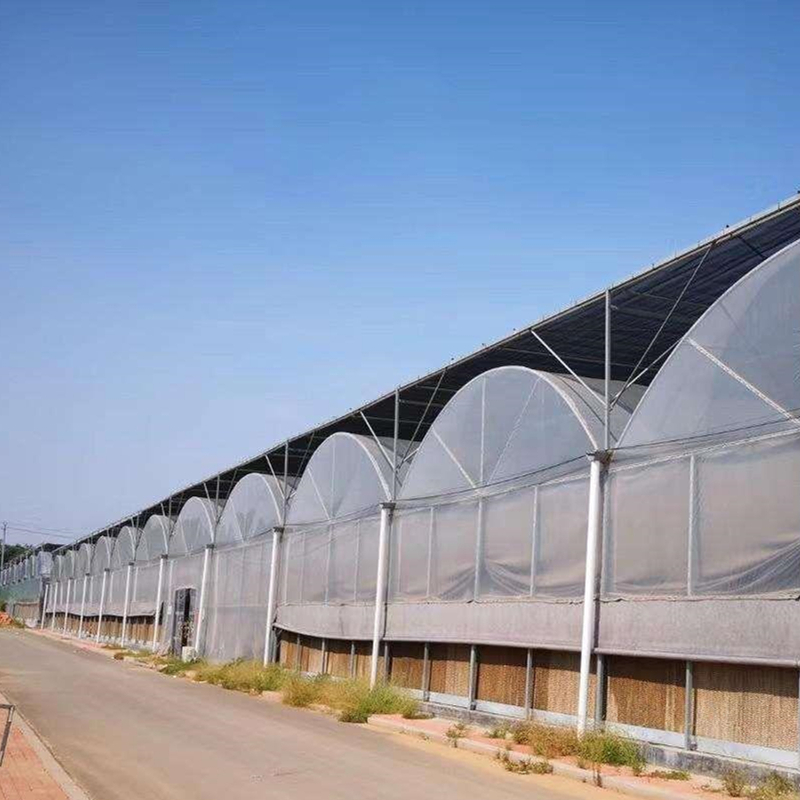
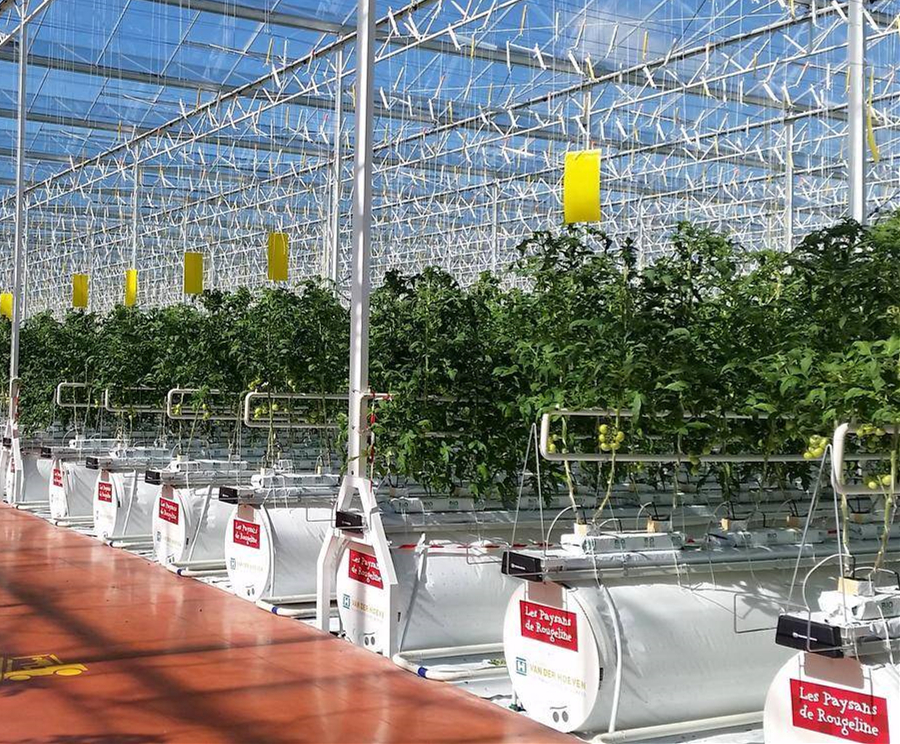
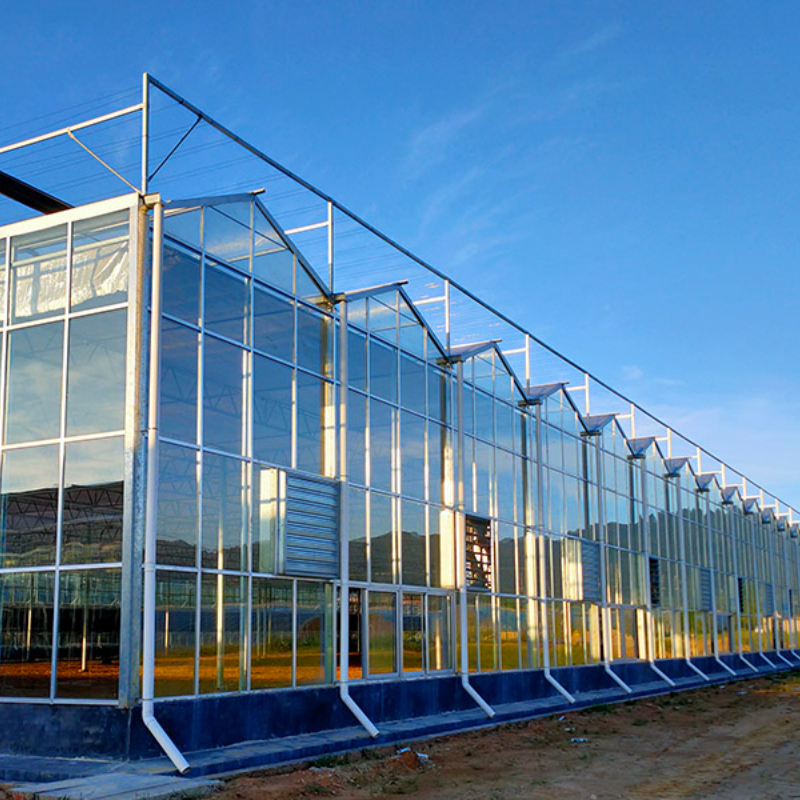
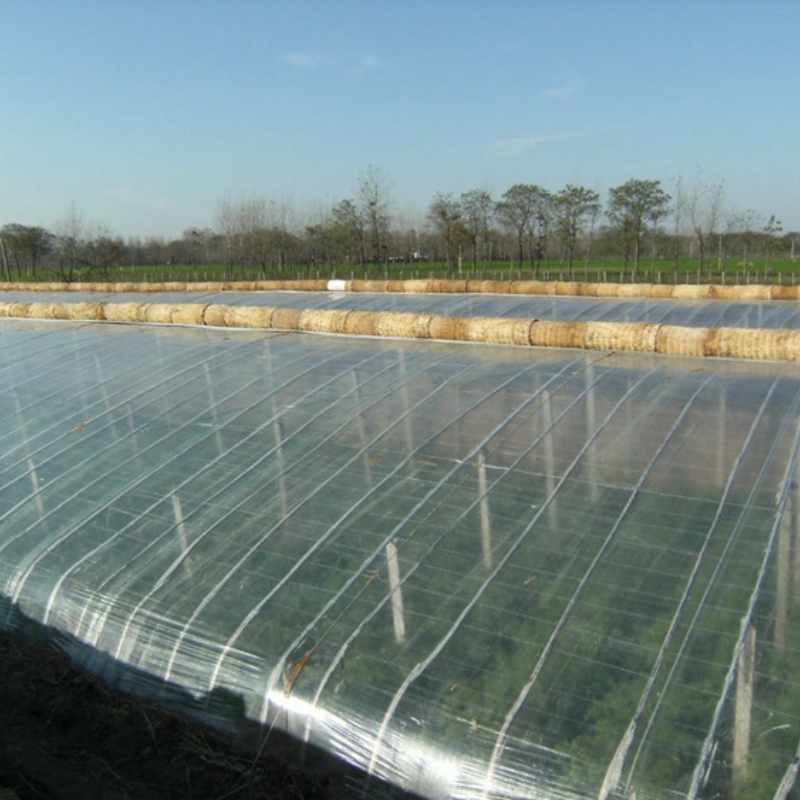
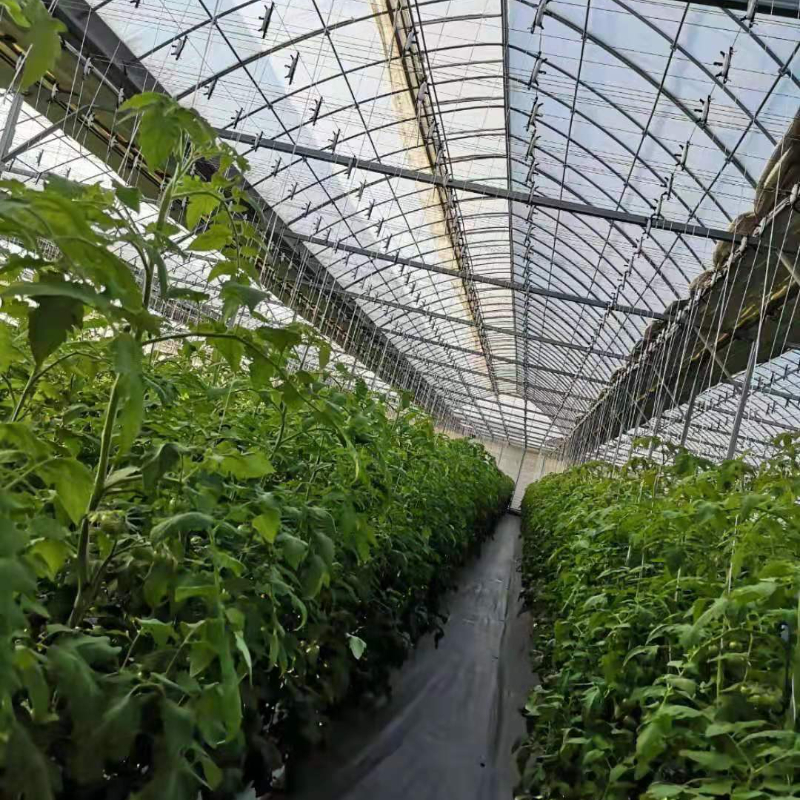
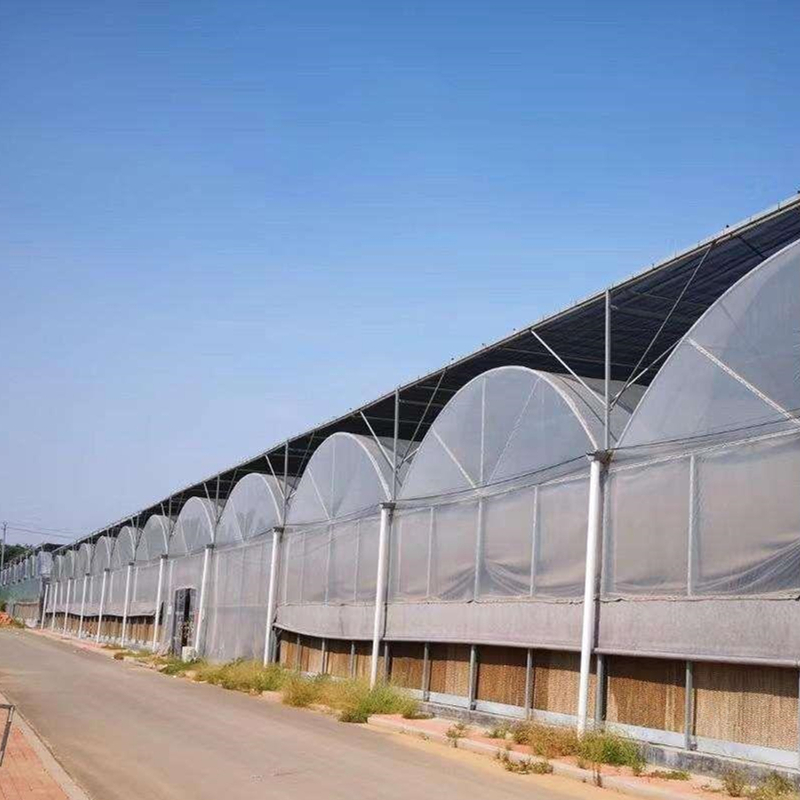
In the evolving landscape of modern agriculture, the demand for intelligent greenhouses is soaring, driven by the pursuit of high efficiency, sustainability, and profitability. Among the diverse options available, custom glass greenhouse stands out as a versatile and reliable solution, capable of adapting to varied planting needs, commercial display requirements, and climatic conditions. However, the concern over glass greenhouse cost often becomes a key consideration for investors and growers. The good news is that building a high-performance intelligent greenhouse does not have to be prohibitively expensive. With scientific planning, tailored design, and strategic equipment configuration, it is entirely feasible to construct an intelligent system at a minimum cost while leveraging the unique advantages of custom glass greenhouse. This article delves into practical strategies for optimizing glass greenhouse cost, highlights the irreplaceable value of custom glass greenhouse in low-cost intelligent transformation, and provides a comprehensive guide to help you achieve the dual goals of intelligence and cost-effectiveness.
The core of low-cost intelligent greenhouse construction lies in the rational utilization of custom glass greenhouse’s flexibility and the scientific control of glass greenhouse cost. Custom glass greenhouse allows for personalized design based on actual needs, avoiding the waste of resources caused by one-size-fits-all solutions. Meanwhile, optimizing every link of glass greenhouse cost—from initial design and material selection to equipment configuration and long-term operation—ensures that every investment generates maximum returns. Whether you are a large-scale planting enterprise, a small-scale grower, or an operator of agricultural sightseeing projects, mastering the methods of integrating custom glass greenhouse with cost optimization will open the door to efficient and intelligent agricultural production.
I. Why Custom Glass Greenhouse Is the Cornerstone of Low-Cost Intelligent Greenhouse Construction
When it comes to building an intelligent greenhouse with minimum cost, custom glass greenhouse is not just an option but a strategic choice. Its inherent characteristics and customizable nature lay a solid foundation for cost control and intelligent upgrading, making it far superior to other greenhouse types in terms of long-term cost-effectiveness. Understanding the intrinsic value of custom glass greenhouse is the first step to optimizing glass greenhouse cost.
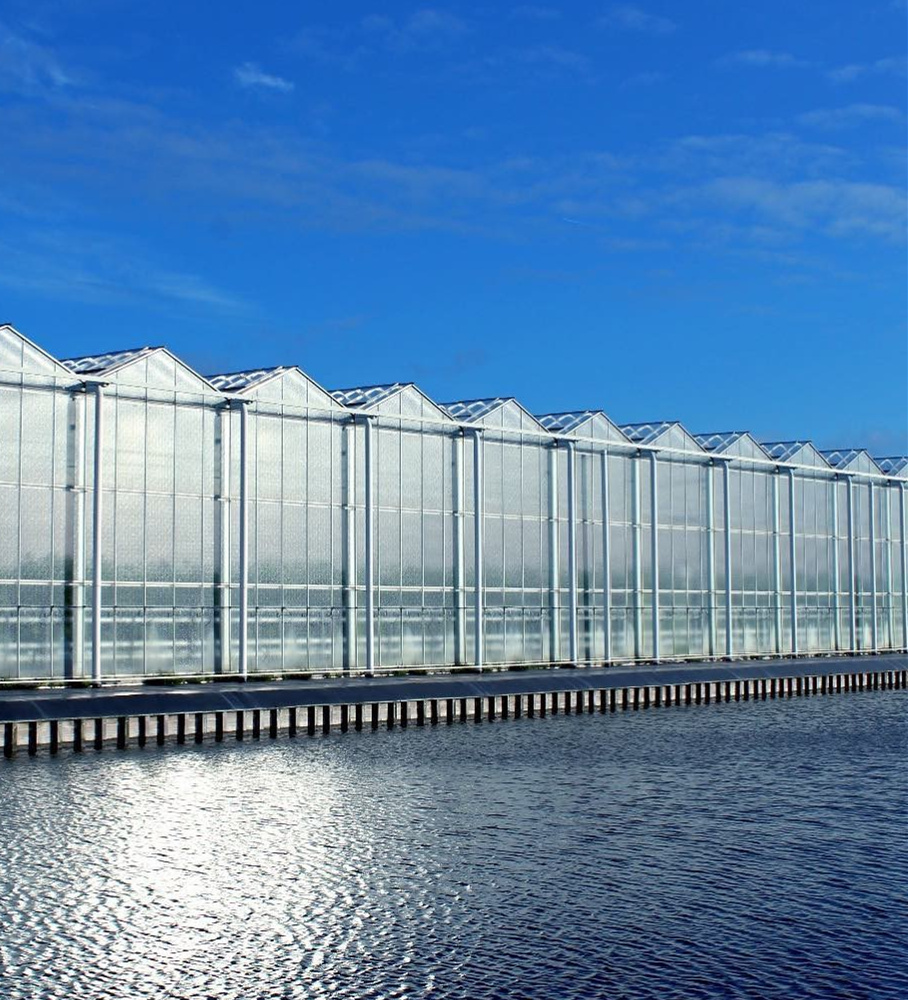
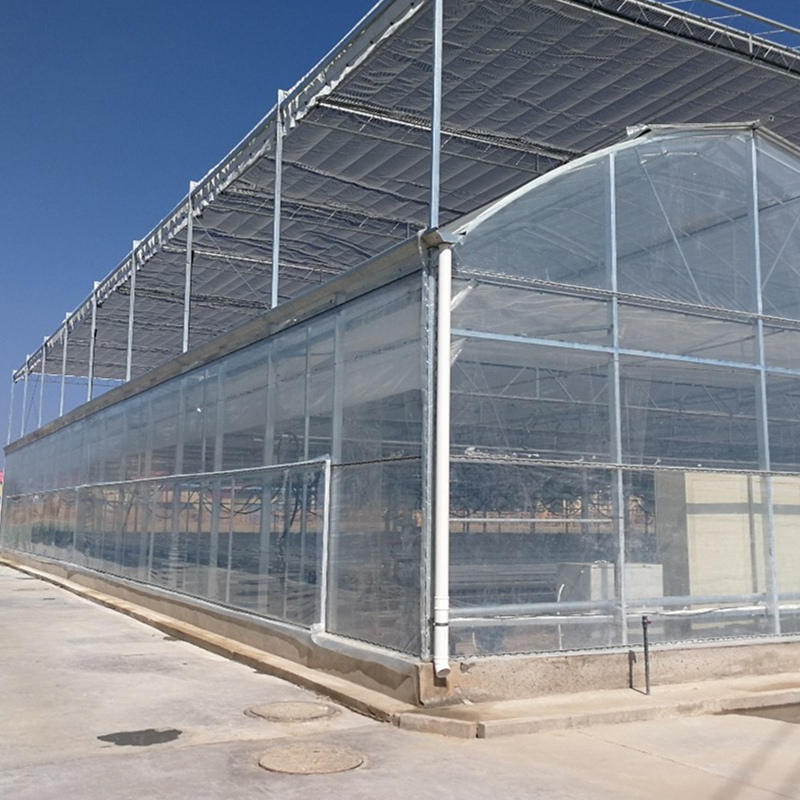
Firstly, the high light transmittance of custom glass greenhouse reduces the cost of intelligent supplementary lighting. Light is the essential energy source for crop photosynthesis, and the light transmittance of the greenhouse directly affects crop growth and yield. Custom glass greenhouse typically uses high-quality glass materials with a light transmittance of over 90%, which maximizes the utilization of natural light. For low-light areas or seasons with insufficient sunlight, this feature significantly reduces the reliance on intelligent supplementary lighting systems, thereby cutting down energy consumption and related costs in the operation of the intelligent greenhouse. Compared with plastic film or polycarbonate sheet greenhouses, the glass of custom glass greenhouse is not prone to aging, yellowing, or fogging, ensuring stable light transmittance for a long time. This long-term stability avoids frequent replacement of covering materials, which is an important part of reducing long-term glass greenhouse cost.
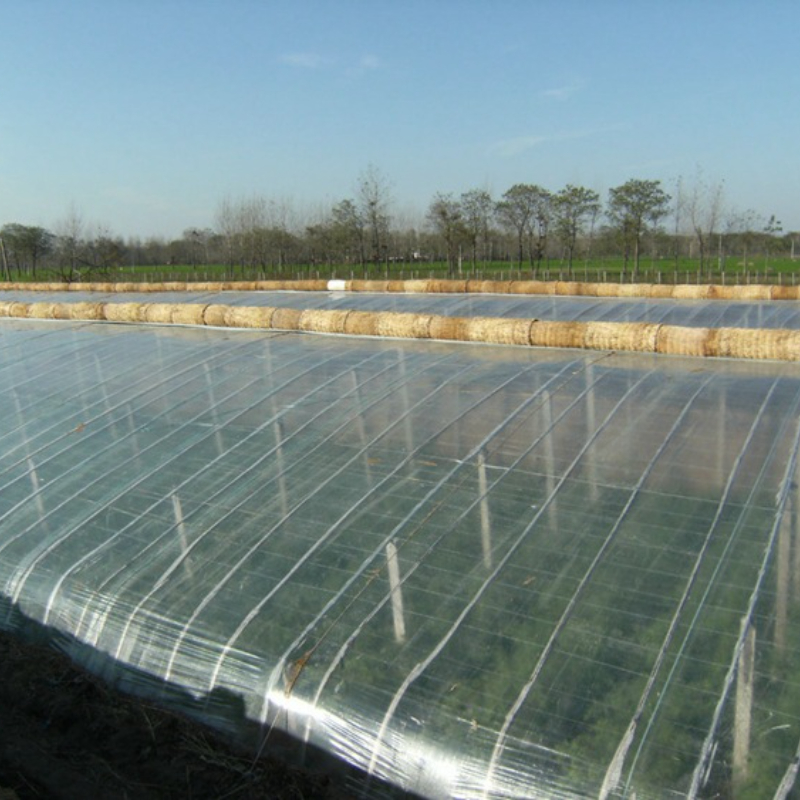
Secondly, the long service life of custom glass greenhouse lowers the average annual glass greenhouse cost. A well-designed custom glass greenhouse, with a high-quality steel structure and glass covering, can have a service life of 20 to 30 years, far exceeding that of plastic film greenhouses (3-5 years) and ordinary polycarbonate sheet greenhouses (10-15 years). Although the initial glass greenhouse cost of custom glass greenhouse may be higher than that of some low-cost alternatives, when amortized over its long service cycle, the average annual investment is much lower. Moreover, the glass material has strong corrosion resistance, wind load resistance, and snow load resistance, which can adapt to harsh weather conditions in different regions, reducing the frequency and cost of later maintenance and repairs. For investors aiming for long-term stable returns, the long service life of custom glass greenhouse is a crucial advantage in controlling glass greenhouse cost.
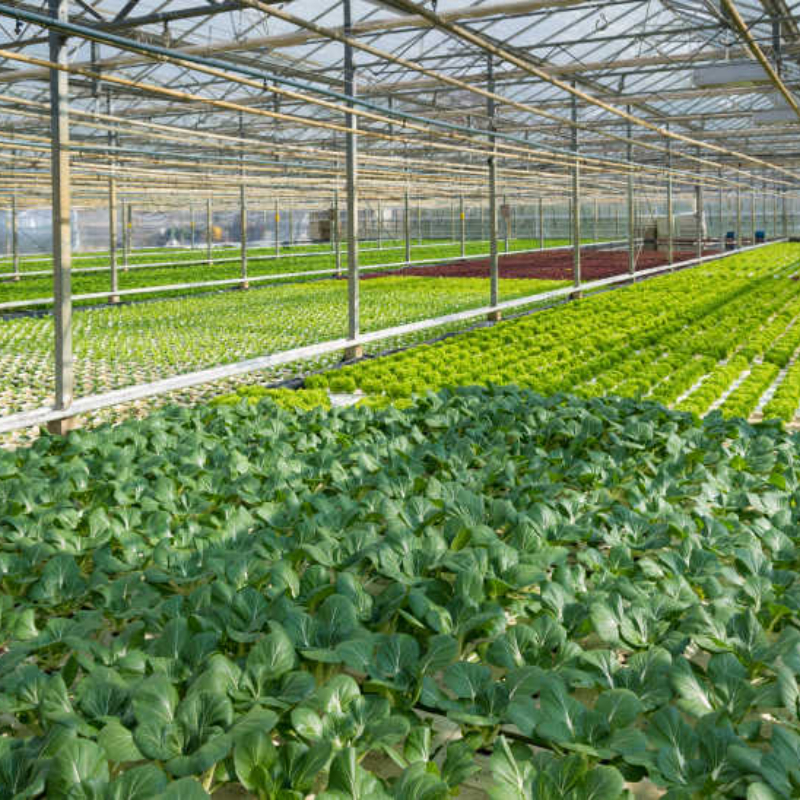
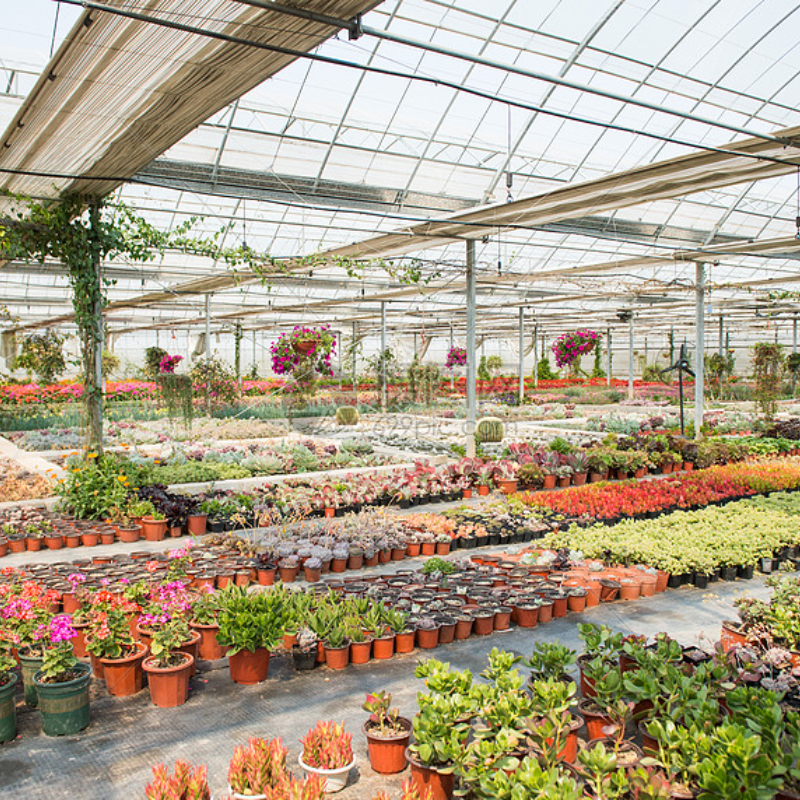
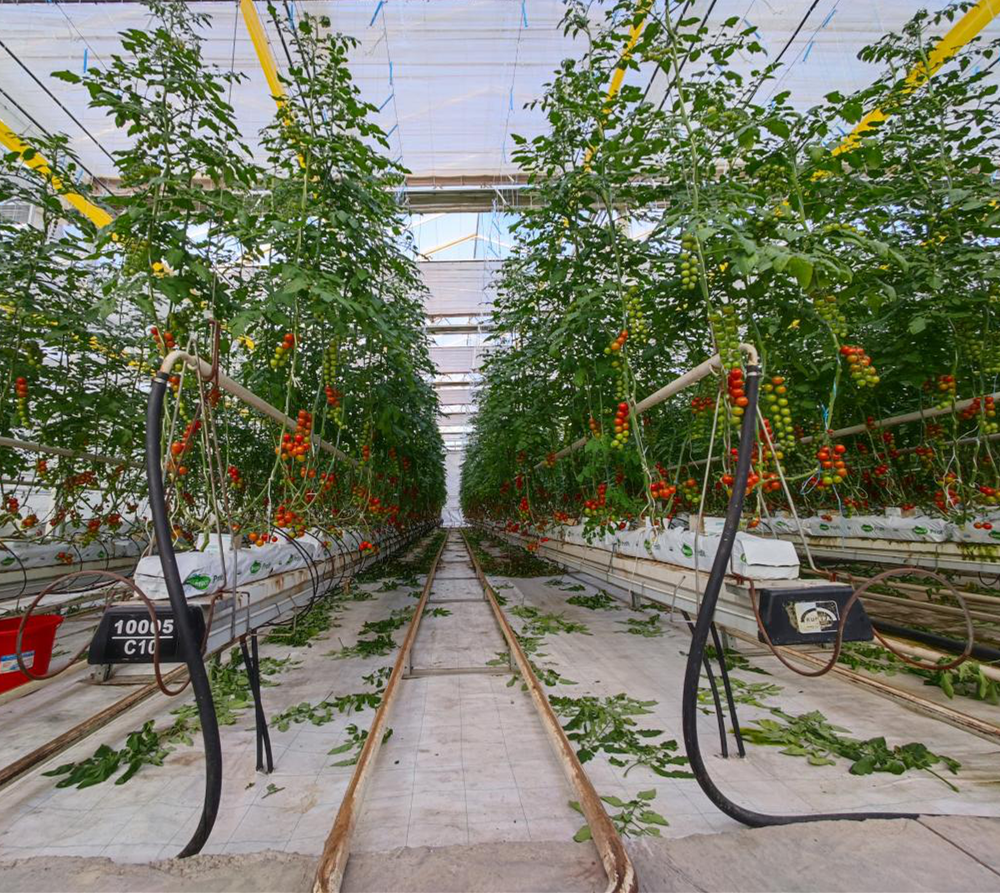
Thirdly, the flexible customization of custom glass greenhouse enables precise matching of intelligent systems, avoiding over-investment. Different crops, application scenarios, and climatic conditions have different requirements for intelligent systems. Custom glass greenhouse can be tailored to configure the most suitable intelligent equipment according to specific needs, instead of adopting a full-set of high-cost systems. For example, for leafy vegetable planting that requires precise water and fertilizer control, custom glass greenhouse can be equipped with an integrated drip irrigation and fertilization intelligent system; for flower planting that needs strict temperature and humidity control, it can focus on configuring a high-precision temperature and humidity monitoring and control system. This targeted customization ensures that every part of the glass greenhouse cost is invested in key links, improving the efficiency of fund utilization.
II. Core Strategies for Optimizing Glass Greenhouse Cost in Custom Glass Greenhouse Construction
To build an intelligent greenhouse with minimum cost, it is necessary to implement cost control throughout the entire process of custom glass greenhouse construction, from design and material selection to equipment configuration and energy utilization. The following core strategies will help you optimize glass greenhouse cost effectively while ensuring the intelligence and performance of the greenhouse.
1. Demand-Oriented Custom Design to Avoid Over-Design
Over-design is one of the main factors leading to the increase of glass greenhouse cost. The core of custom glass greenhouse is "design according to needs", which requires fully clarifying the planting varieties, scale, application scenarios, and local climatic conditions before construction, so as to carry out precise design and avoid unnecessary functional configurations.
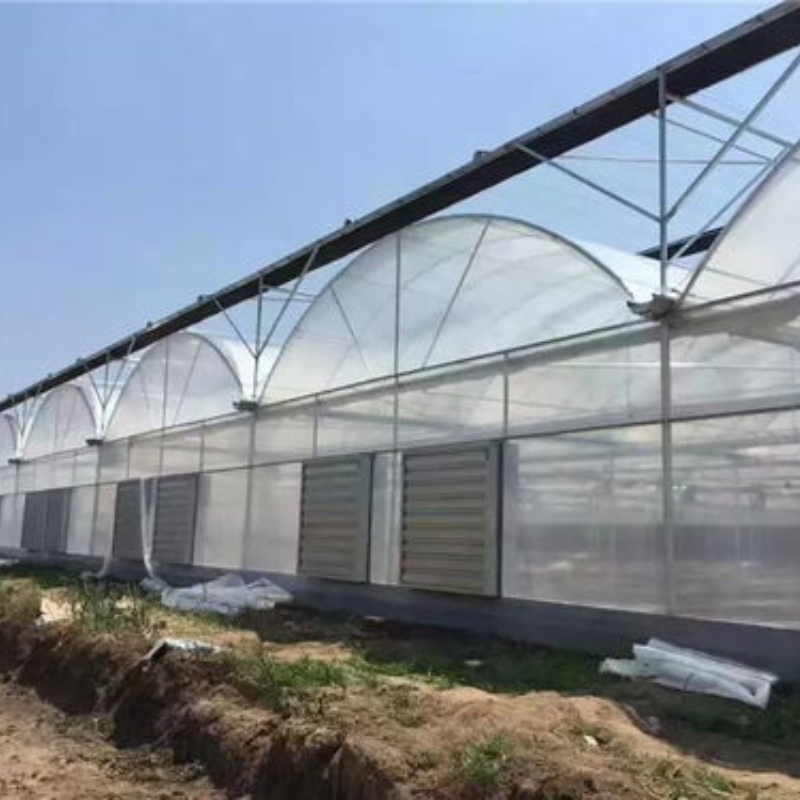
In terms of climatic adaptation design, custom glass greenhouse should target local climate pain points to optimize the structure. For example, in areas with low light, the orientation of the custom glass greenhouse can be optimized to maximize the reception of natural light, and low-reflection glass can be used to improve light utilization efficiency; in areas with geothermal energy or power plant waste heat, the heating system of the custom glass greenhouse can be designed to use these renewable energy sources, replacing traditional fossil energy heating systems and reducing long-term energy costs; in the middle and lower reaches of the Yangtze River with hot and humid summers, the custom glass greenhouse can focus on optimizing the ventilation and cooling structure, such as increasing the number of ventilation windows and configuring efficient wet curtain cooling systems, to cope with high temperature and humidity. This targeted design ensures that the custom glass greenhouse can adapt to local climate conditions with the most economical structure, reducing unnecessary glass greenhouse cost.
In terms of planting demand design, custom glass greenhouse should match the growth characteristics of crops. Different crops have different requirements for greenhouse height, span, spatial layout, and environmental parameters. For example, when planting tall fruit trees, the custom glass greenhouse needs to be designed with a higher height and larger span; when adopting vertical planting mode, the spatial layout of the custom glass greenhouse should be optimized to improve space utilization. By designing according to the specific needs of crops, we can avoid the waste of space and materials caused by excessive design, and further optimize glass greenhouse cost.
2. Rational Material Selection to Balance Cost and Performance
Material selection is a key link affecting the initial glass greenhouse cost of custom glass greenhouse. To build an intelligent greenhouse with minimum cost, it is necessary to choose cost-effective materials on the premise of ensuring basic performance, avoiding blind pursuit of high-end materials.
In terms of covering materials, for general planting projects with limited budgets, ordinary float glass can be selected for the custom glass greenhouse. It has good light transmittance and moderate cost, which can meet the basic needs of crop growth. For commercial sightseeing projects or high-end crop planting that have higher requirements for appearance and thermal insulation performance, tempered glass or Low-E glass can be selected as appropriate. Although the cost of these high-end glasses is higher, their excellent thermal insulation performance can reduce the energy consumption of heating and cooling systems, and the long-term energy-saving effect can offset part of the initial cost increase. When selecting covering materials, it is necessary to comprehensively consider the project positioning and long-term operation costs to achieve the optimal balance between glass greenhouse cost and performance.
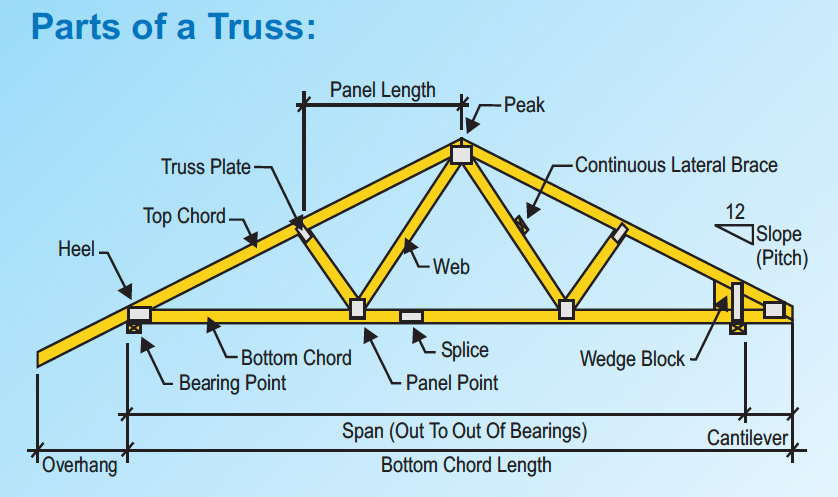
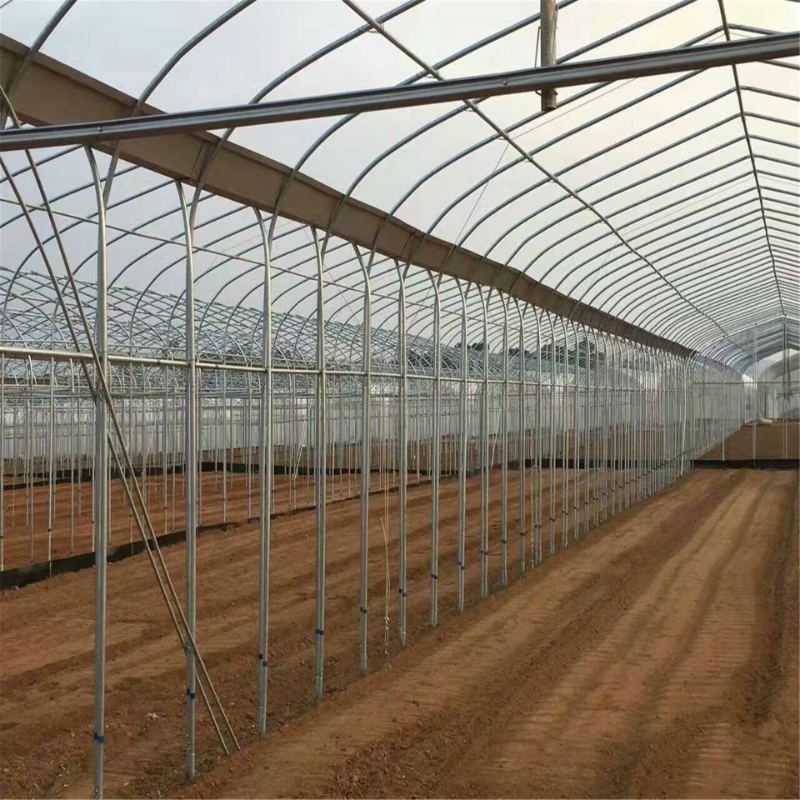
In terms of structural materials, the steel structure of the custom glass greenhouse should be selected according to local wind load, snow load, and greenhouse span. For areas with mild weather and small-span greenhouses, ordinary galvanized steel pipes can be used, which have good corrosion resistance and moderate cost. For areas with harsh weather and large-span greenhouses, high-strength galvanized steel can be selected to ensure structural stability. At the same time, by optimizing the structural design, such as reasonably reducing the number of steel frames on the premise of ensuring structural safety, the usage of materials can be reduced, and glass greenhouse cost can be further controlled.
3. Phased Configuration of Intelligent Equipment to Reduce Initial Investment Pressure
The intelligent system is the core of an intelligent custom glass greenhouse, but the full set of intelligent equipment has a high cost. Adopting a phased configuration strategy can effectively reduce the pressure of initial glass greenhouse cost, and gradually upgrade the equipment according to the operation status and economic benefits of the greenhouse.
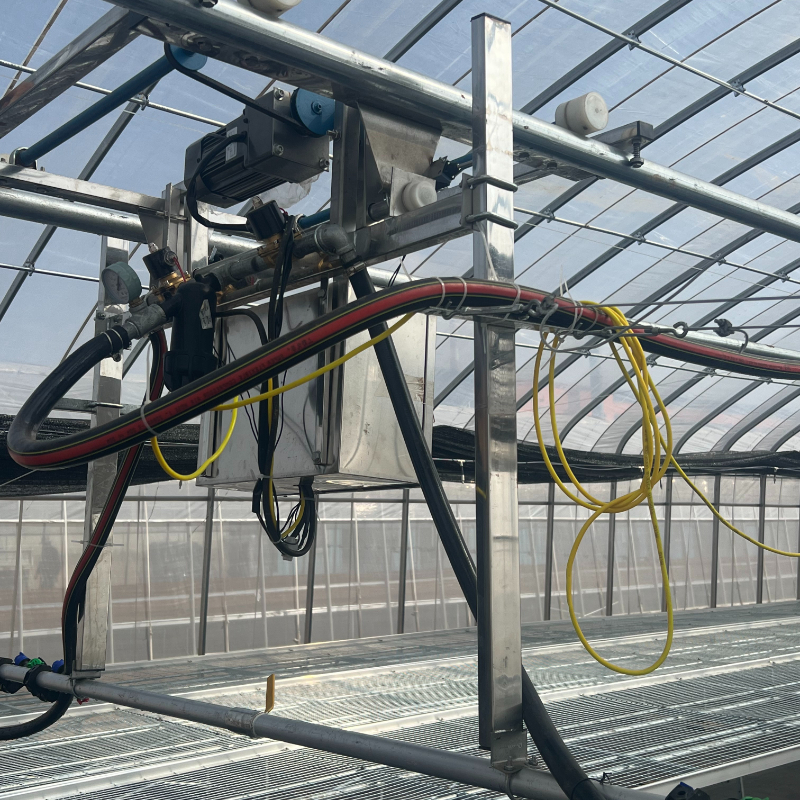
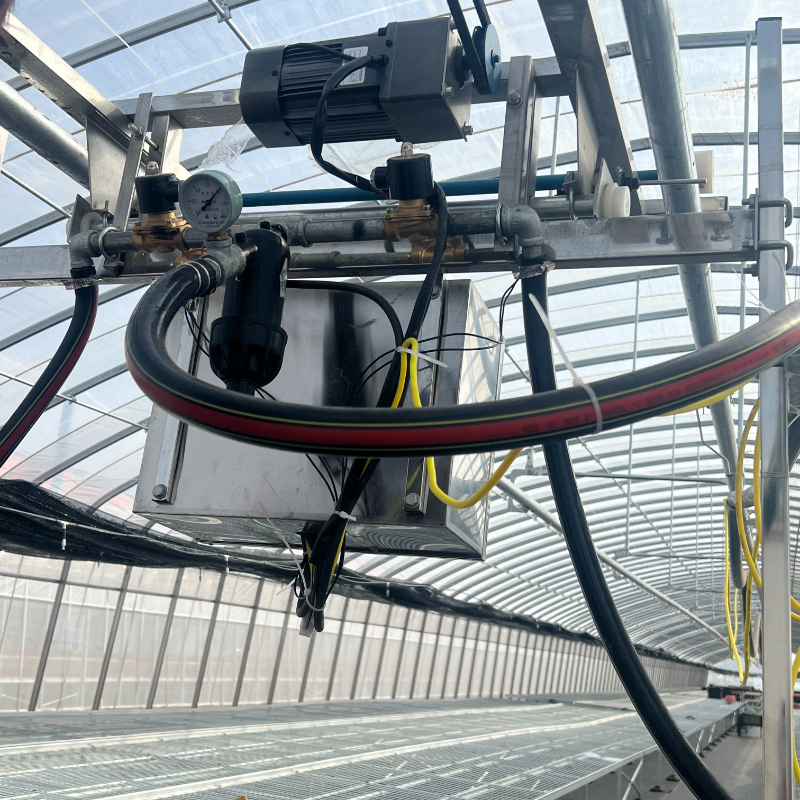
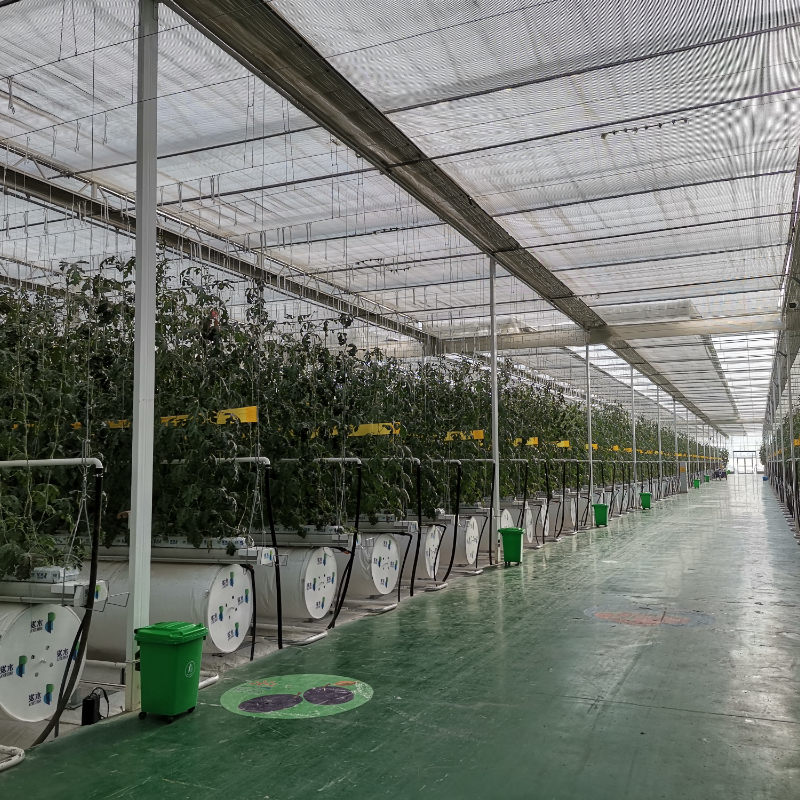
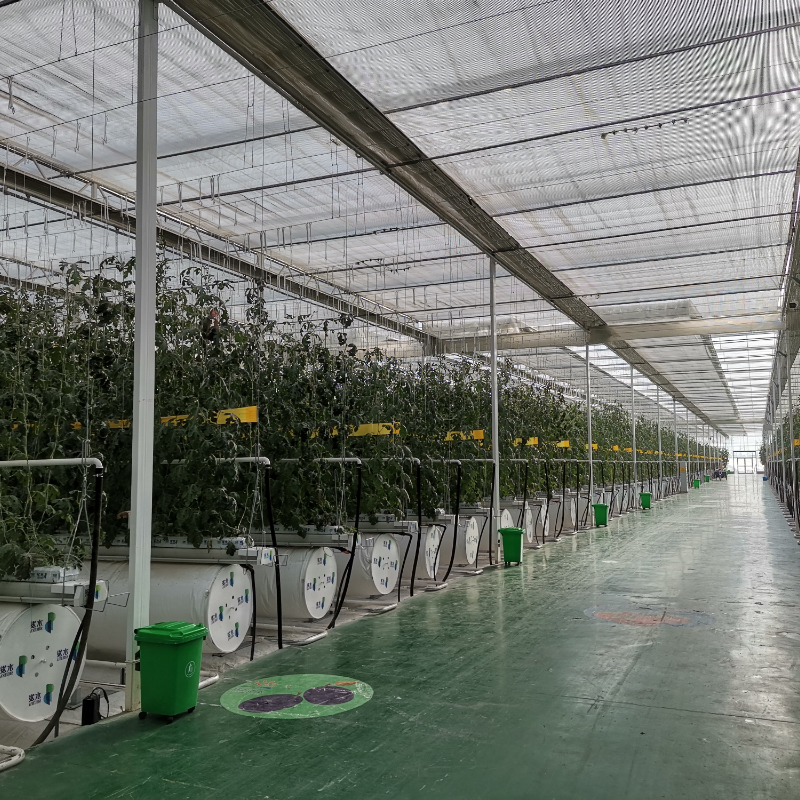
In the initial stage of construction, priority should be given to configuring core intelligent systems that are essential for crop growth, such as automatic temperature and humidity monitoring and control systems, and basic irrigation and fertilization control systems. These core systems have relatively moderate investment and can ensure the stable growth of crops. The automatic temperature and humidity monitoring and control system consists of sensors, a central controller, and executive equipment (such as fans, wet curtains, and heating equipment). It can real-time monitor the temperature and humidity in the greenhouse and automatically adjust them, reducing manual intervention and labor costs. The basic irrigation and fertilization control system can realize precise irrigation and fertilization, improving the utilization rate of water and fertilizers and reducing resource waste. By focusing on these core systems, the initial glass greenhouse cost can be effectively controlled while laying the foundation for the intelligent operation of the custom glass greenhouse.
With the gradual improvement of the project's operation and economic benefits, other intelligent equipment can be added one after another. For example, in low-light seasons, a supplementary lighting system can be added to ensure the normal growth of crops; for high-yield planting projects, a CO₂ supplementation system can be configured to improve the photosynthetic efficiency of crops; for large-scale planting bases, a centralized control system can be added to realize the unified management of multiple custom glass greenhouses. This phased investment method not only reduces the initial glass greenhouse cost but also makes the configuration of intelligent equipment more in line with the actual operation needs, avoiding the waste of equipment functions.
4. Utilize Renewable Energy and Industrial Waste Heat to Reduce Operation Costs
The operation cost of an intelligent custom glass greenhouse, especially energy consumption cost, accounts for a large proportion of the total glass greenhouse cost. Making full use of renewable energy (such as geothermal energy, solar energy) and industrial waste heat (such as power plant waste heat) can significantly reduce operation costs and achieve long-term cost optimization.
For areas with geothermal resources, the heating system of the custom glass greenhouse can be customized to use geothermal heating. Geothermal energy is a clean and renewable energy source with stable temperature and low utilization cost. By laying geothermal heat exchange pipes in the greenhouse or using geothermal hot spring water for heating, the heating cost in winter can be greatly reduced. Compared with traditional coal-fired or gas-fired heating systems, geothermal heating not only saves energy costs but also has no environmental pollution, which is in line with the concept of green and sustainable agriculture.
For areas near power plants or other industrial enterprises, the custom glass greenhouse can be designed to utilize power plant waste heat for heating. Power plants generate a large amount of waste heat during the production process, which is usually discharged directly, resulting in energy waste. By connecting the waste heat pipeline of the power plant to the water heating system of the custom glass greenhouse, the waste heat can be converted into heating energy for the greenhouse, realizing the recycling of energy. This method can not only reduce the heating cost of the intelligent greenhouse but also help enterprises reduce environmental pressure, achieving a win-win situation for agriculture and industry.
In addition, solar energy can also be used to supplement the energy needs of the custom glass greenhouse. For example, installing solar panels on the roof of the greenhouse to generate electricity, which can be used for the operation of intelligent equipment such as sensors, controllers, and supplementary lighting systems. Although the initial investment in solar panels is relatively high, the long-term energy-saving effect can effectively reduce the operation cost of the glass greenhouse, optimizing the overall glass greenhouse cost.
5. Choose a Professional Custom Team to Avoid Reconstruction Costs
The professionalism of the custom team directly affects the quality and cost of the custom glass greenhouse. Choosing an experienced and professional custom team can avoid design defects and construction quality problems, thereby reducing the reconstruction and maintenance costs caused by these problems, which is an important guarantee for controlling glass greenhouse cost.
A professional custom team can conduct on-site surveys according to the actual situation of the project, design a scientific and reasonable custom glass greenhouse plan, and accurately calculate the glass greenhouse cost, avoiding cost overruns caused by design errors. At the same time, professional construction teams have skilled construction technology, which can ensure the construction quality of the greenhouse, such as the firmness of the steel structure, the sealing of the glass connection, and the normal operation of the intelligent system. Poor construction quality may lead to problems such as air leakage, water leakage, and equipment failure in the greenhouse, which require a lot of money for maintenance and reconstruction in the later stage, greatly increasing the glass greenhouse cost.
In addition, professional custom teams can also provide perfect after-sales service, guiding investors in the correct use and maintenance of the custom glass greenhouse and intelligent equipment. Proper maintenance can extend the service life of the equipment and the greenhouse, reducing the replacement cost of equipment and materials, and further optimizing the long-term glass greenhouse cost.
III. Key Points for Operation and Maintenance of Custom Glass Greenhouse to Ensure Long-Term Cost Control
Building an intelligent custom glass greenhouse with minimum cost is not only about controlling the initial investment but also about ensuring long-term stable operation and reducing operation and maintenance costs. The following key points for operation and maintenance can help maintain the long-term cost advantage of the intelligent greenhouse.
Firstly, regular maintenance of intelligent equipment is essential. The intelligent system of the custom glass greenhouse, including sensors, controllers, and executive equipment, is the core of ensuring the normal operation of the greenhouse. Regular inspection and maintenance of these equipment can find and solve potential faults in time, avoiding the shutdown of the greenhouse or the reduction of crop yield caused by equipment failure. For example, regularly calibrating sensors to ensure the accuracy of monitoring data; checking the operation status of fans, wet curtains, and heating equipment to ensure their normal operation; cleaning the filter of the irrigation system to avoid blockage. Proper maintenance can extend the service life of the equipment, reducing the replacement cost and ensuring the stability of the intelligent operation of the custom glass greenhouse.
Secondly, rational use of resources to reduce waste. The intelligent system of the custom glass greenhouse can realize precise control of water, fertilizer, and energy, but it also requires rational setting of parameters according to the growth needs of crops. For example, adjusting the irrigation frequency and water volume according to the soil moisture and crop growth stage; setting the temperature and humidity thresholds according to the optimal growth environment of crops; using supplementary lighting systems only when the light is insufficient. Avoiding the waste of water, fertilizer, and energy caused by unreasonable parameter settings can further reduce the operation cost of the greenhouse, optimizing the overall glass greenhouse cost.
Thirdly, regular cleaning and maintenance of the glass covering. The light transmittance of the glass covering directly affects the growth of crops and the energy consumption of the supplementary lighting system. Regular cleaning of the dust, dirt, and other debris on the glass surface can ensure the high light transmittance of the custom glass greenhouse, maximizing the utilization of natural light. At the same time, checking the glass for cracks, damage, and other problems regularly, and repairing or replacing it in time can avoid air leakage and water leakage, ensuring the thermal insulation and sealing performance of the greenhouse, and reducing the energy consumption of heating and cooling systems.
IV. Case Study: Low-Cost Intelligent Transformation of Custom Glass Greenhouse
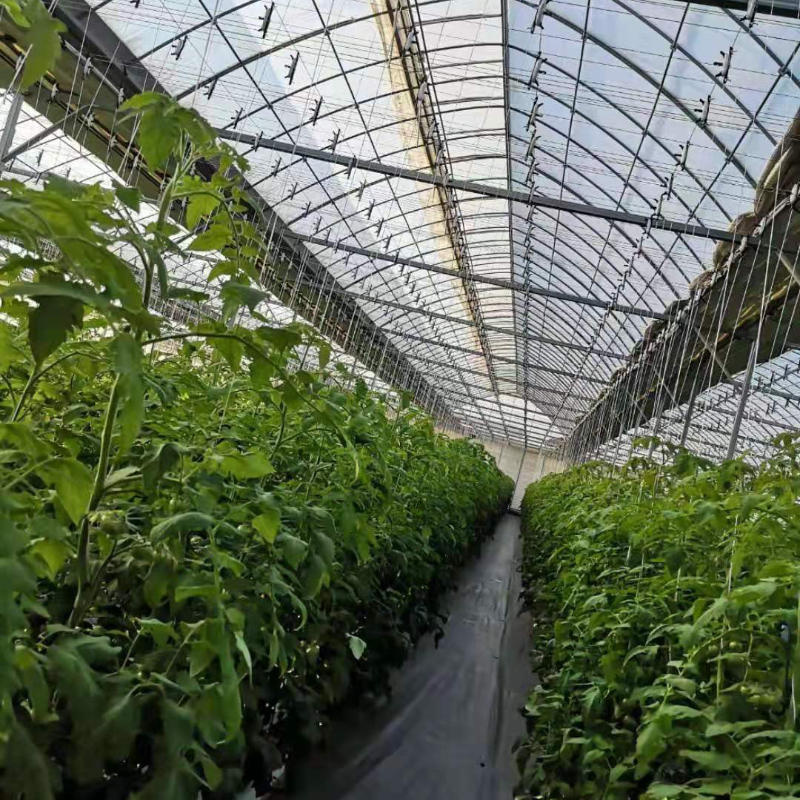
To better illustrate how to build an intelligent greenhouse with minimum cost through custom glass greenhouse and glass greenhouse cost optimization, let's take a case of a vegetable planting base in a low-light area with geothermal resources. The base covers an area of 5,000 square meters and mainly plants leafy vegetables. It chose to build a custom glass greenhouse and adopted a series of cost optimization strategies, achieving good economic benefits.
In the design stage, the base carried out precise customization according to local low-light conditions and geothermal resources. The custom glass greenhouse adopted a southward orientation and an arc-shaped roof design to maximize the utilization of natural light. Low-reflection glass was used as the covering material to improve light transmittance. For the heating system, the custom glass greenhouse was equipped with a geothermal water heating system, which fully utilized local geothermal resources for heating, completely replacing the traditional coal-fired heating system. In terms of intelligent equipment configuration, the base first configured core systems such as automatic temperature and humidity monitoring and control, and drip irrigation and fertilization control, with an initial glass greenhouse cost reduced by about 35% compared with the full set of equipment configuration.
After the operation of the custom glass greenhouse, due to the high light transmittance and stable temperature control, the yield of leafy vegetables increased by 30% compared with the traditional greenhouse. At the same time, the precise irrigation and fertilization system reduced the water and fertilizer waste by 25%, and the automatic control system reduced the labor cost by 40%. With the gradual improvement of economic benefits, the base added a CO₂ supplementation system and a supplementary lighting system in the second year, further improving the yield and quality of vegetables. After one year of operation, the average glass greenhouse cost per square meter was reduced by 28% compared with the traditional intelligent greenhouse. The practice of this base shows that through scientific customization and cost optimization, the custom glass greenhouse can realize low-cost intelligent transformation and bring significant economic benefits.
V. Conclusion: Custom Glass Greenhouse Leads the Way to Low-Cost Intelligent Agriculture
Building an intelligent greenhouse with minimum cost is not a distant goal, and custom glass greenhouse provides the most reliable path for its realization. With its flexible customization characteristics, excellent performance, and long service life, custom glass greenhouse can effectively optimize glass greenhouse cost from the aspects of initial investment and long-term operation, helping investors achieve the dual goals of intelligence and cost-effectiveness.
To build an intelligent custom glass greenhouse with minimum cost, it is necessary to adhere to the principle of "demand-oriented customization", rationally select materials, adopt phased equipment configuration, and fully utilize renewable energy and industrial waste heat. At the same time, strengthening the operation and maintenance of the custom glass greenhouse ensures the long-term stable operation of the greenhouse and maintains the cost advantage.
In the wave of modern agricultural development, intelligent and low-cost has become the mainstream trend. Custom glass greenhouse, with its unique advantages, will surely become the core facility for more investors and growers to realize efficient agricultural production. Choosing a custom glass greenhouse and optimizing glass greenhouse cost according to the strategies mentioned in this article can help you reduce investment risks, improve economic benefits, and open a new chapter in low-cost intelligent agriculture. We are committed to providing professional custom glass greenhouse design and construction services, tailoring the most suitable solutions for you, optimizing every detail of glass greenhouse cost, and accompanying you on the road of efficient and intelligent agricultural development.
